Practical Web Tools: Private File Conversion That Never Uploads Your Data
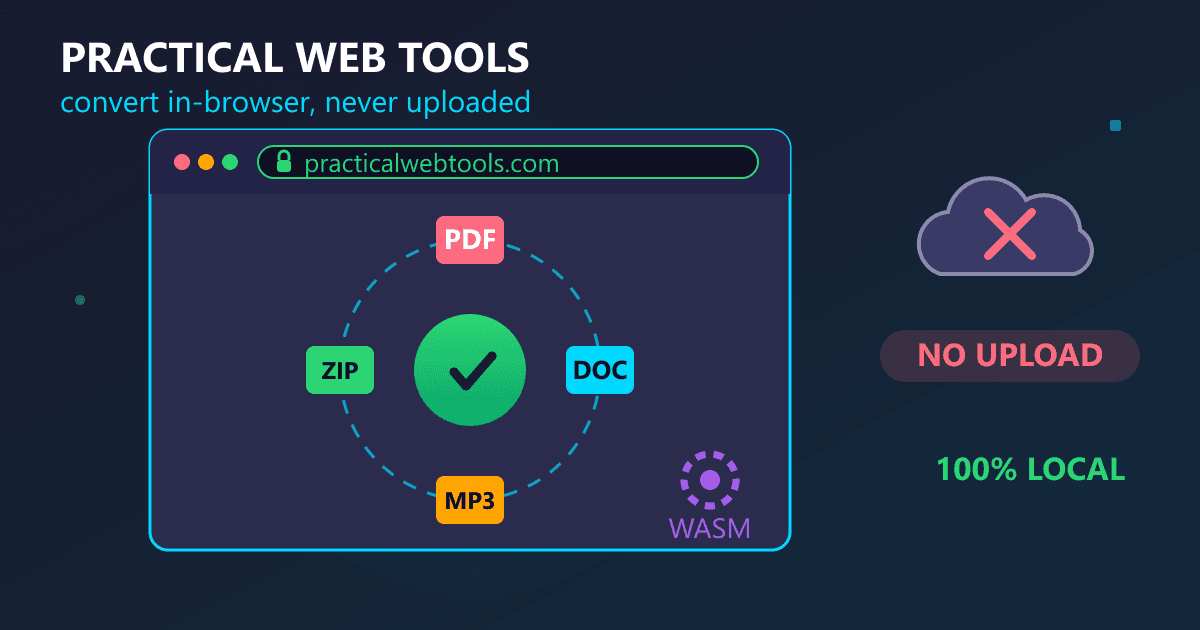
Practical Web Tools converts files entirely in your browser using WebAssembly - your files never leave your device or touch any external server. This architectural approach to privacy means we literally cannot see, store, or leak your data because we never possess it. Convert PDFs, images, audio, documents, and more with zero upload time, unlimited free usage, and complete confidentiality.
Unlike traditional conversion services that upload files to remote servers, browser-based processing keeps sensitive documents - tax returns, contracts, medical records, business plans - completely private.
Try Online Design Tool — Figma Alternative — free, no sign-up, and it runs entirely in your browser.
I was sitting in a coffee shop in Portland last summer when I made a mistake I still think about.
A client had sent me a confidential NDA for a project worth six figures—my biggest contract to date. The document arrived as a PDF, but I needed to make some edits before signing. Simple enough. I opened a new tab, searched "pdf to word converter free," clicked the first result, and uploaded the file.
The conversion worked perfectly. I downloaded the Word doc, made my edits, and sent it back. Contract signed. Project started.
Then, lying in bed that night, a thought hit me like cold water: I had just uploaded my most valuable client's confidential legal document—complete with compensation details, project scope, and proprietary information—to some random website's servers. A website I knew nothing about. A company whose data practices I'd never researched. Servers located who-knows-where, storing who-knows-what, accessible to who-knows-whom.
That moment of "what have I done" haunted me for weeks. And it got me thinking: why do file conversions require uploading anything in the first place?
The answer, I discovered, is they don't. Modern web browsers are powerful enough to handle complex file conversions entirely locally, without ever transmitting your data to external servers. That realization led me to build Practical Web Tools—a suite of conversion utilities that process everything on your device, keeping your files completely private.
Why Are Traditional File Converters a Privacy Risk?
File conversion services are everywhere. Search for "convert pdf to word" and you'll find dozens of options. They all work roughly the same way:
- You upload your file to their servers
- Their backend processes the conversion
- You download the result
- (Hopefully) they delete your file from their systems
This model has been standard for years. It works. People use it billions of times annually. But scratch beneath the surface and some uncomfortable questions emerge.
Where does your file actually go?
When you upload a document, that file now exists on infrastructure you don't control. Most services use cloud storage from AWS, Google Cloud, or Azure. Your personal tax return, confidential business plan, medical records, or legal contracts now sit on someone else's hard drives.
Even if the service has good intentions and secure infrastructure, that file passed through their systems. It was processed by their code. It was stored, however briefly, in their databases. And any file that touches external servers carries some level of risk.
What happens to your data?
Read the terms of service on most free conversion sites. Many claim remarkably broad rights. Some explicitly state they may analyze uploaded content for "service improvement." Others reserve rights to use your files for training machine learning models. A few even claim perpetual licenses to content you upload.
Most users never read these terms. I certainly didn't until after my NDA incident. Even when you do read them, the legalese is often deliberately vague. "We may process your content..." could mean anything from necessary file handling to comprehensive data mining.
Can they be trusted?
This isn't about vilifying specific services. Many operate legitimately with reasonable security practices. But data breaches happen constantly. Misconfigurations expose databases. Employees have access. Acquisitions change ownership and policies. Governments issue data requests. The more places your sensitive files exist, the more opportunities for unwanted exposure.
In 2021, a popular PDF conversion service accidentally exposed millions of user documents due to a misconfigured cloud storage bucket. Tax returns, financial statements, employment contracts, legal filings—all publicly accessible to anyone who knew where to look. The exposure lasted months before discovery.
That wasn't malicious. That was just incompetence. But the result for users was the same: private documents exposed to the world.
The speed problem
Privacy concerns aside, there's a practical issue: uploading and downloading files is slow.
For a 25MB presentation on typical home internet, you're looking at 15-25 seconds upload time, plus processing time, plus download time. That's 45-60 seconds for a simple format conversion. Convert 10 files in an afternoon and you've lost 10 minutes just waiting for data to move back and forth across the internet.
It's inefficient. Your computer has a powerful processor sitting right there, capable of handling these conversions. But traditional web applications couldn't leverage it because JavaScript—the language of web apps—wasn't designed for computationally intensive tasks.
That limitation is why file conversion moved to servers in the first place. Browsers couldn't handle it locally, so the work had to happen remotely. For years, that was the only option.
Then WebAssembly changed everything.
How Does Browser-Based File Conversion Work?
WebAssembly is a technology that lets websites run compiled code at near-native speeds directly in your browser. This sounds technical, but the implications are profound: complex software that previously required server-side processing can now run locally in web browsers.
Here's what happens when you convert a PDF to Word on Practical Web Tools:
Step 1: You select a file
Using your browser's standard file picker, you choose a document from your computer. This is the same interface you use when attaching files to emails. Your browser reads the file into its local memory—not uploading it anywhere, just loading it into RAM like any desktop application would.
Step 2: WebAssembly processes the conversion
Our WebAssembly code—compiled from the same libraries that power desktop PDF tools—processes your file entirely within your browser. The conversion logic runs on your device's processor, using your device's memory. Nothing transmits over the network.
Step 3: The converted file is generated
The browser creates the output file in memory. Whether you're converting to Word, Excel, JPG, or any other format, the result is generated locally.
Step 4: You download the result
The browser offers to save the converted file to your disk. This "download" is really just the browser writing locally-generated data to your local storage. No server involved.
Verification
Don't believe me? Open your browser's developer tools (press F12), switch to the Network tab, and watch what happens when you convert a file on Practical Web Tools. You'll see the webpage load initially, but during the conversion process? Nothing. No uploads. No API calls. No external requests. Your file stays entirely on your machine.
This approach is fundamentally different from traditional conversion services. We can't see your files because they never reach our servers. We don't store anything because there's nothing to store. We can't have a data breach that exposes your documents because we never possess your documents.
The privacy protection is architectural, not policy-based.
What File Types Can You Convert with Practical Web Tools?
I built Practical Web Tools to handle the file conversions I personally needed. The tool set has grown based on user requests, but the core principle remains: process locally, maintain privacy.
Document Conversion
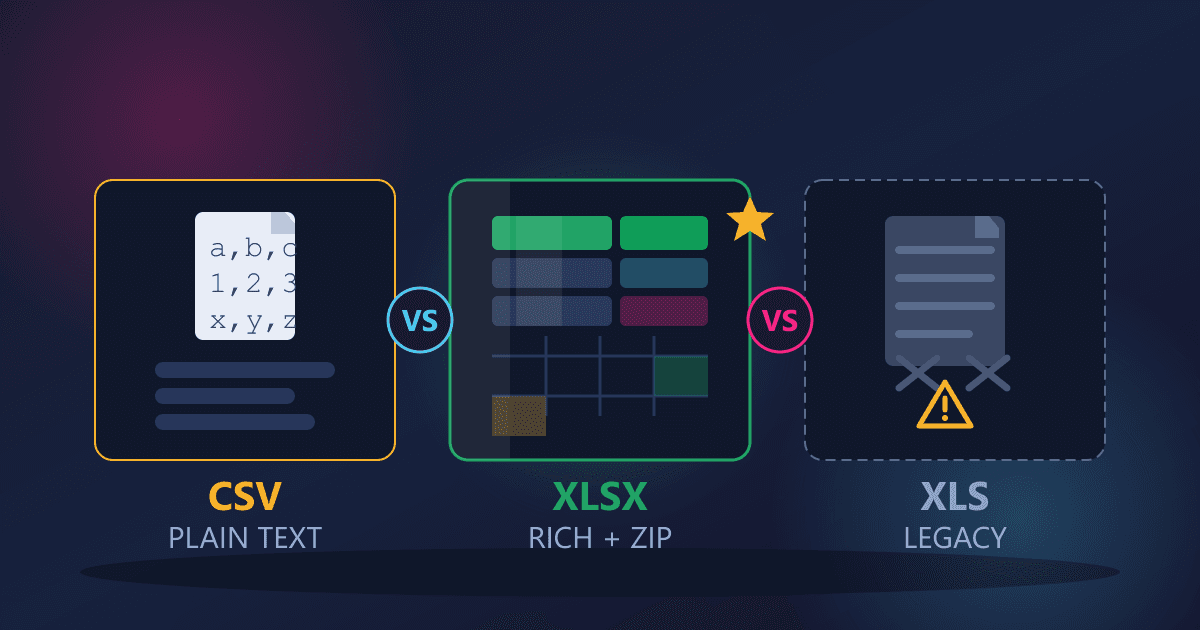
Our most-used category. Convert between PDF, Word, Excel, text, and Markdown formats.
The PDF to Word converter handles the tricky job of reconstructing editable document structure from PDF's fixed layout. Headers become Word headers. Tables become Word tables. Images are preserved and positioned appropriately. The conversion isn't perfect—PDF is fundamentally a presentation format, not a structural one—but it's remarkably good for most documents.
Need to go the other direction? Word to PDF conversion maintains your formatting while creating a universally viewable document. Perfect for sharing contracts, reports, or any document where you want to ensure consistent appearance across platforms.
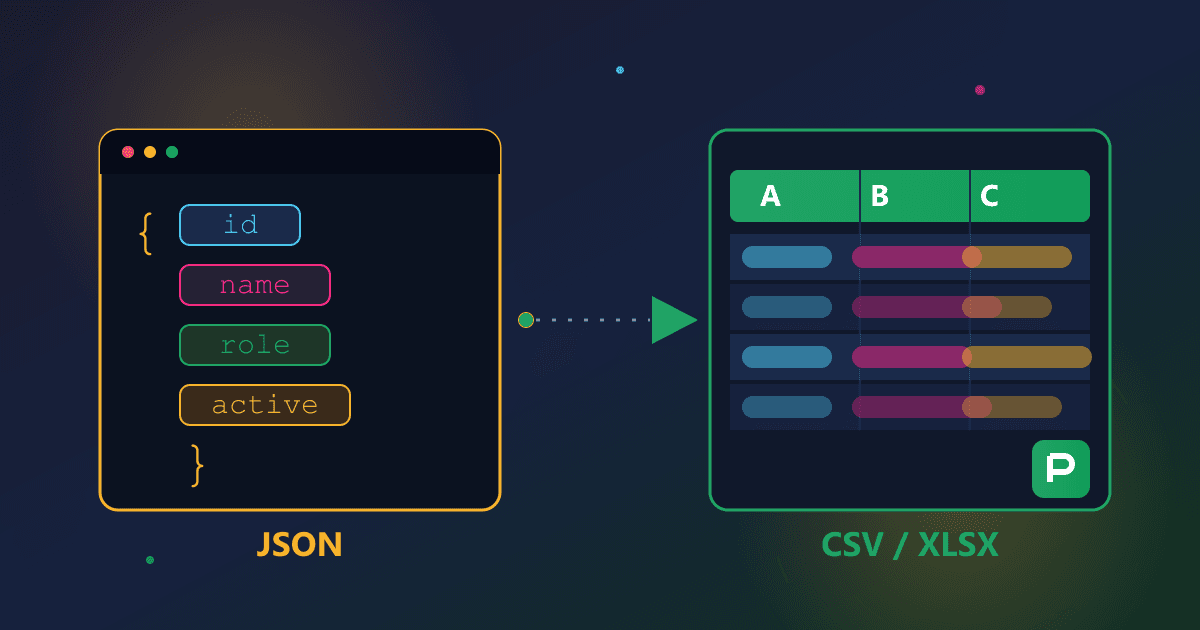
PDF to Excel is invaluable for extracting tabular data. Financial reports, invoice batches, data exports trapped in PDFs—extract them to spreadsheets for analysis.
Image Format Conversion
Modern devices generate images in a bewildering variety of formats. Your iPhone captures HEIC photos that won't open on Windows. Your designer sends WebP images that older software can't handle. You need PNG for transparency but JPEG for file size.
Our image converters handle the common transformations:
- HEIC to JPG: Make iPhone photos universally compatible
- PNG to JPG: Reduce file sizes when transparency isn't needed
- JPG to PNG: Convert to a lossless format for editing
- Any format to WebP: Modern compression for web use
- WebP to JPG: Compatibility for older platforms
All processing happens locally using WebAssembly-compiled image codecs. Your photos never leave your device.
Audio Conversion
Audio formats are even worse than images. MP3 is universal but lossy. WAV preserves quality but creates enormous files. FLAC offers lossless compression but limited device support. M4A works great on Apple devices and nowhere else.
Convert between MP3, WAV, FLAC, M4A, OGG, and other formats. Useful for musicians working with audio files, podcasters preparing episodes, or anyone dealing with incompatible audio formats.
For sensitive audio—unreleased music, confidential recordings, interview transcripts—local processing means your content stays completely private.
File Compression and Extraction
Create ZIP archives, extract files from ZIP, 7Z, GZIP, and other archive formats. All locally. Your archived files never upload to external servers.
Other Tools
Beyond conversion, we provide tools for common file-related tasks:
- Word count for documents (useful for writers tracking progress)
- File checksum generation for verifying downloads
- Markdown to HTML conversion (and vice versa) for web content
- And more based on user requests
New: Local AI Chat
We recently added a local AI chat feature powered by Ollama. If you have Ollama running on your machine, you can chat with AI models entirely locally—no data sent to OpenAI, Anthropic, or anyone else. Your conversations stay on your device, just like your file conversions.
Try it at practicalwebtools.com/ai-chat.
Why Is Practical Web Tools Completely Free?
File conversion services usually monetize through:
- Subscription fees
- Per-conversion charges
- Advertising
- Data collection and analysis
We don't do any of these. Everything is free with no limits. No "convert 2 files per day" restrictions. No premium tiers. No ads cluttering the interface. No tracking your usage patterns.
This works because our cost structure is fundamentally different.
Traditional services pay for:
- Powerful servers to process conversions
- Storage systems to hold uploaded files
- Bandwidth to receive uploads and send downloads
- System administrators to maintain infrastructure
- Scaling costs as usage grows
Our costs are minimal:
- Website hosting for static files (HTML, CSS, JavaScript, WebAssembly)
- A modest CDN to serve those files quickly worldwide
- Domain registration and basic SSL certificates
The expensive part—the actual computation of converting files—happens on your hardware, not ours. When you convert a PDF to Word, your processor does the work, using your electricity, consuming your RAM. We just provide the tool.
This economic model means we can offer everything free without monetizing your data or bombarding you with ads. The service becomes sustainable precisely because we're not trying to process your files on our infrastructure.
The Technology Making This Possible
WebAssembly deserves more attention than it receives. This technology, supported by all major browsers since 2017, represents a fundamental expansion of what web applications can do.
Before WebAssembly, web applications were written in JavaScript—a language designed for adding interactivity to web pages, not for heavy computational tasks. JavaScript is interpreted at runtime, which makes it relatively slow for processor-intensive work like file conversion.
WebAssembly changes the game by allowing websites to run compiled code. Developers can write applications in languages like C, C++, or Rust, compile them to WebAssembly, and run them in browsers at near-native speed.
The Libraries We Use
We leverage several battle-tested open-source libraries compiled to WebAssembly:
pdf-lib and PDFium power our PDF processing. These are the same libraries used in actual desktop PDF applications, just compiled to run in browsers.
FFmpeg.wasm handles audio and video format conversion. FFmpeg is the gold-standard multimedia processing library used in VLC, Adobe Premiere, and thousands of other applications. The WebAssembly version brings that power to the browser.
Sharp (WebAssembly version) manages image processing. Fast, efficient, and capable of handling large images without exhausting browser memory.
PizZip handles ZIP file creation and extraction locally.
These aren't simplified JavaScript recreations. They're the actual production-grade libraries, compiled to run in your browser. The quality matches desktop applications because the underlying code is essentially the same.
Privacy Isn't Optional
For some files, privacy is a nice feature. For others, privacy is absolutely essential.
Consider what people actually convert:
- Tax returns and financial statements
- Employment contracts and job offers
- Medical records and insurance documents
- Legal agreements and NDAs
- Business plans and financial projections
- Creative works in progress (manuscripts, music, art)
- Personal correspondence and private documents
These files contain sensitive information. Social Security numbers. Bank account details. Health conditions. Proprietary business information. Creative work you're not ready to share. The kind of data that could cause real harm if exposed.
Using Practical Web Tools for these conversions isn't about paranoia—it's about basic digital hygiene. Every file you don't upload is a file that can't be:
- Leaked in a data breach
- Subpoenaed by parties you're in dispute with
- Analyzed by algorithms without your knowledge
- Accessed by company employees
- Retained after you thought it was deleted
- Sold to data brokers
- Used for AI training without permission
Local processing eliminates all these risks. Not through policies or promises, but through architecture. We can't misuse data we never possess.
Getting Started
Using any tool on Practical Web Tools is straightforward:
- Navigate to the specific converter you need
- Select your file (drag-and-drop or click to browse)
- Configure any settings (most defaults work well)
- Click convert
- Download your result
No account creation. No email verification. No personal information requested. Just upload, convert, download.
For our AI chat tool, you'll need Ollama running locally on your machine. Once installed, the chat interface connects to your local instance and processes everything on your device.
The Tools We're Building Next
Practical Web Tools continues to grow based on user feedback. Currently in development or recently added:
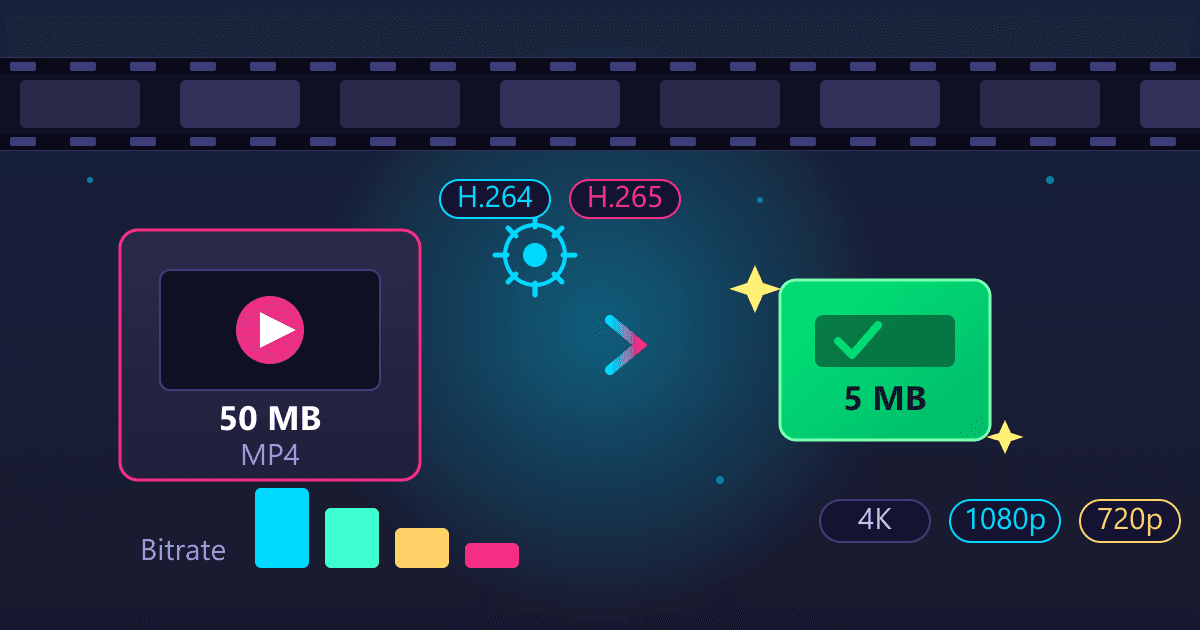
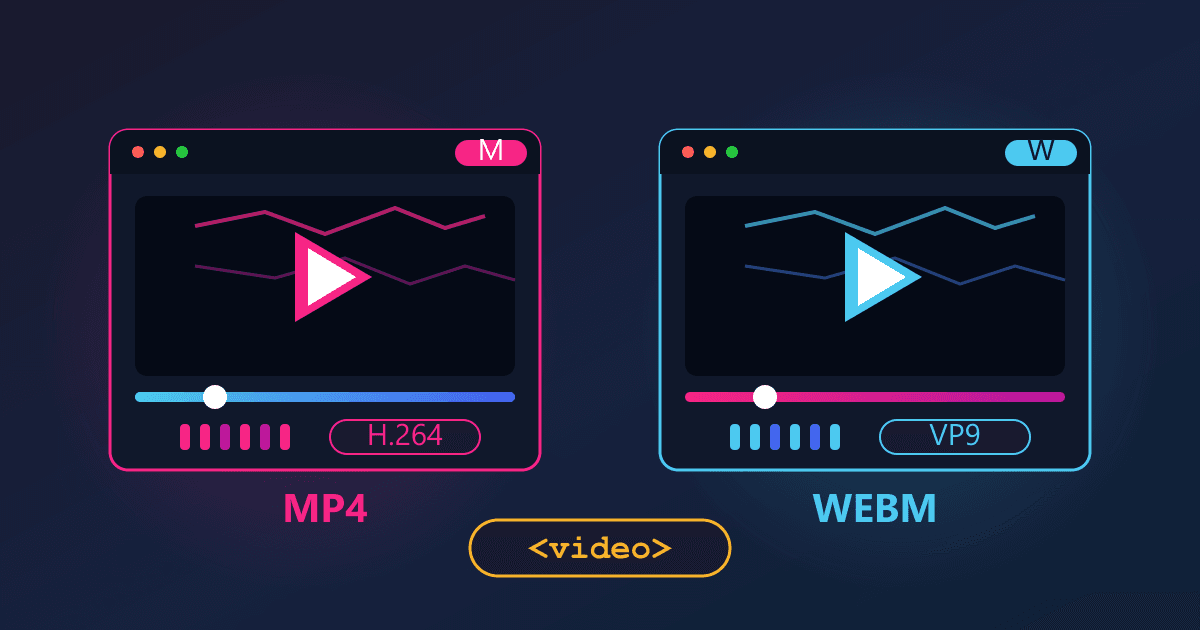
Video format conversion: Convert between MP4, WebM, AVI, and other video formats entirely in-browser. This is technically challenging—video files are large and processing is intensive—but WebAssembly makes it possible.
Advanced PDF tools: Merge multiple PDFs, split PDFs into separate pages, extract specific pages, add passwords, remove passwords.
Batch processing: Convert multiple files simultaneously. Select 20 JPGs and convert them all to WebP in one operation.
More document formats: Support for Pages, EPUB, LaTeX, and other specialized formats.
If there's a tool you need that we don't currently offer, let us know through our contact page. We prioritize development based on what users actually need.
A Different Philosophy
Practical Web Tools exists because I believe some things should just work without requiring users to sacrifice privacy or wait for file transfers.
File conversion is a solved technical problem. The algorithms exist. The libraries are mature and open-source. There's no good reason why converting a PDF to Word should require uploading personal documents to a random company's servers.
The tools I wanted to exist didn't. So I built them.
Now they exist for everyone. Free. Private. Fast. No tracking. No data collection. No hidden costs.
Real-World Use Cases
Since launching, users have converted files for:
Small business owners processing client documents without exposing confidential information to third-party services.
Writers converting manuscripts between formats while keeping unpublished work completely private.
Students converting lecture notes and research papers without worrying about academic integrity issues.
Job seekers updating resumes from PDF to Word for ATS compatibility without exposing personal information.
Healthcare workers converting patient documents while maintaining HIPAA compliance.
Lawyers processing legal documents with client confidentiality intact.
Financial professionals working with sensitive financial data that can't be uploaded to external services.
The common thread: people who need file conversion but can't accept the privacy risks of traditional upload-based services.
Why This Matters More Than Ever
Data breaches aren't slowing down—they're accelerating. AI training data collection is expanding. Privacy regulations are tightening globally. More people are realizing that "free" services often extract value through data collection and analysis.
At the same time, technology has advanced to make true privacy practical. WebAssembly, modern browser capabilities, and powerful client-side devices mean we don't need to sacrifice functionality for privacy. We can have both.
Practical Web Tools demonstrates that web applications can be powerful, functional, and completely respectful of user privacy. It's not a trade-off. It's a better design.
The Honest Limitations
Local processing has real trade-offs worth acknowledging:
Device requirements: Your device does the work, so older or less powerful devices may struggle with large files. A 200MB PDF conversion might take a minute on an older laptop where a server could handle it in seconds.
No cloud sync: Everything is local. If you convert a file on your work computer, that result only exists on your work computer. There's no automatic cloud backup or access from other devices.
Browser-dependent: WebAssembly support is excellent in modern browsers but may not work in very old browser versions.
Initial load time: The first time you use a tool, your browser downloads the WebAssembly modules, which can take a few seconds. Subsequent uses are instant.
For most users and most use cases, these limitations are minor compared to the privacy and speed benefits. But they exist, and you should know about them.
Join the Movement
Practical Web Tools is part of a broader shift toward privacy-respecting, user-controlled web applications. We're not unique in recognizing that local processing protects privacy—we're just applying that principle to file conversion.
If you value tools that respect your privacy, support your workflow, and don't treat your data as a product to monetize, Practical Web Tools exists for you.
Try it. Convert a file. Notice that nothing uploads. Notice the speed. Notice the absence of ads, paywalls, or manipulation.
Then share it with others who might benefit from the same privacy protections.
Because your files are your business. Literally and figuratively. And they should stay that way.
Frequently Asked Questions
Do my files get uploaded to a server?
No. Your files never leave your device. All conversion processing happens in your browser using WebAssembly technology. Open your browser's developer tools (F12) and watch the Network tab during conversion - you'll see no uploads. This isn't a privacy policy; it's architectural - we literally cannot access files that never reach our servers.
Is Practical Web Tools really free?
Yes, completely free with no limits. No "convert 2 files per day" restrictions, no premium tiers, no ads. This works because your device does the processing, not our servers. We only pay for hosting static files (HTML, CSS, JavaScript), which costs far less than traditional server-based conversion services.
What file types can I convert?
Documents (PDF, Word, Excel, text, Markdown), images (HEIC, PNG, JPG, WebP), audio (MP3, WAV, FLAC, M4A, OGG), and archives (ZIP, 7Z, GZIP). We also offer utility tools like word count, hash generation, and a local AI chat feature.
Is browser-based conversion as good as desktop software?
Yes. We use the same production-grade libraries as desktop applications (pdf-lib, PDFium, FFmpeg, Sharp), compiled to WebAssembly. The conversion quality is identical because the underlying code is essentially the same.
What are the limitations of browser-based conversion?
Your device does the processing, so older devices may be slower with large files. There's no cloud sync (files only exist on the device where you converted them). Very old browsers may not support WebAssembly. First-time tool use requires downloading WebAssembly modules (a few seconds).
Ready to convert files privately? Visit Practical Web Tools and experience file conversion that never uploads your data.