Arbitrage Betting Calculator: Risk-Free Profit Guide (2026)
Arbitrage Betting Calculator: Guaranteed Profit from Odds Differences
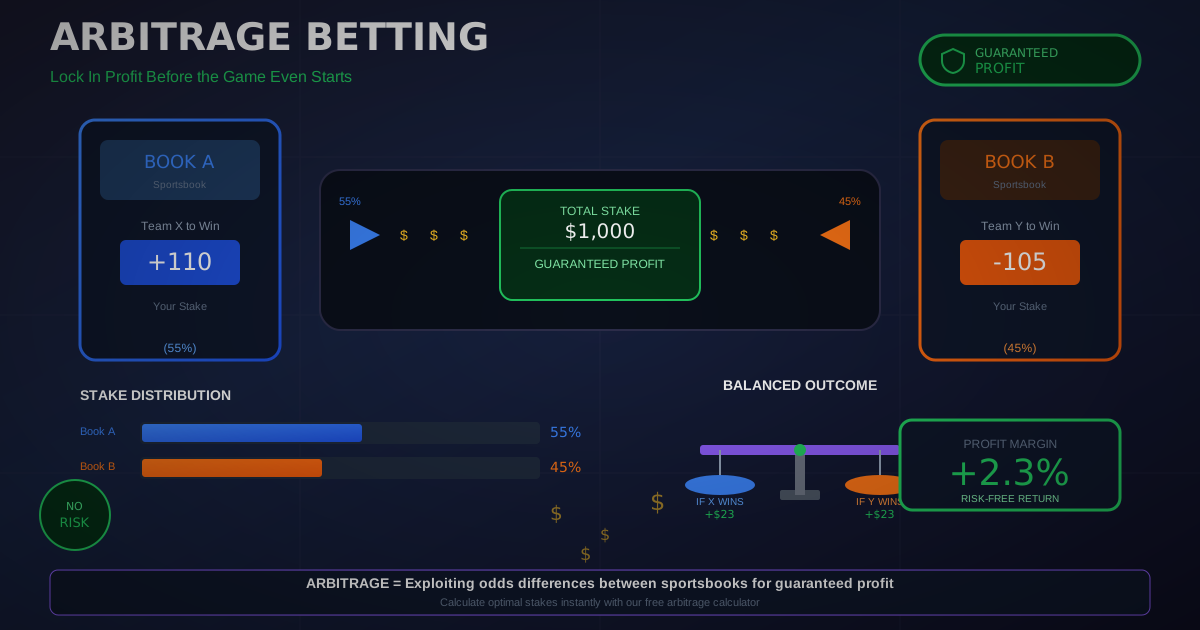
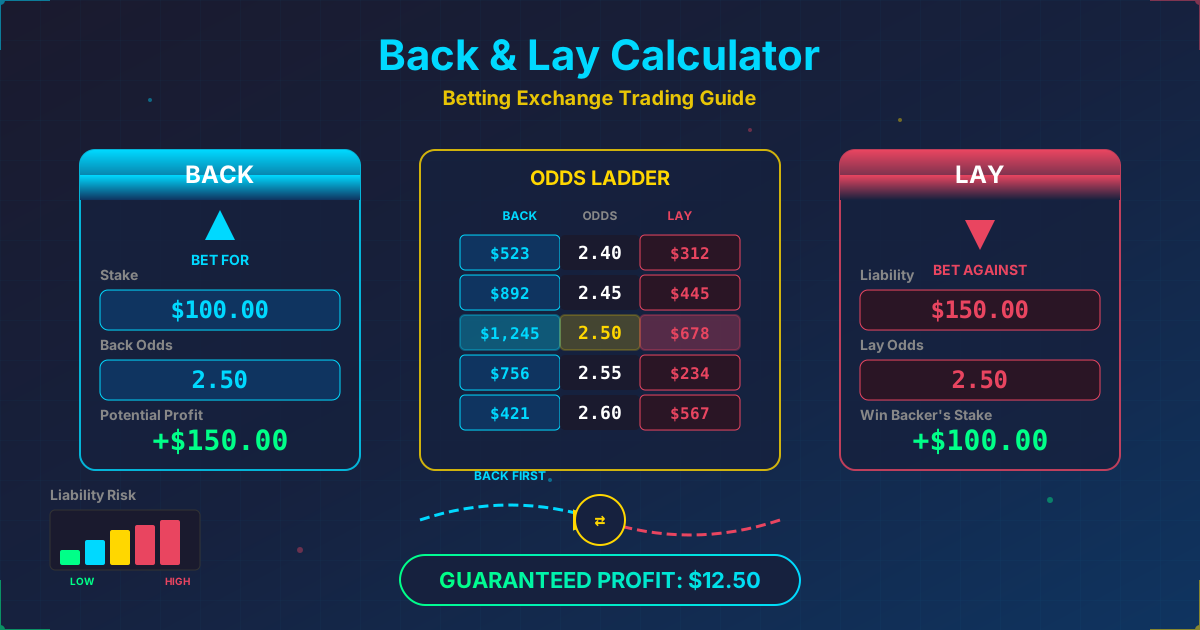
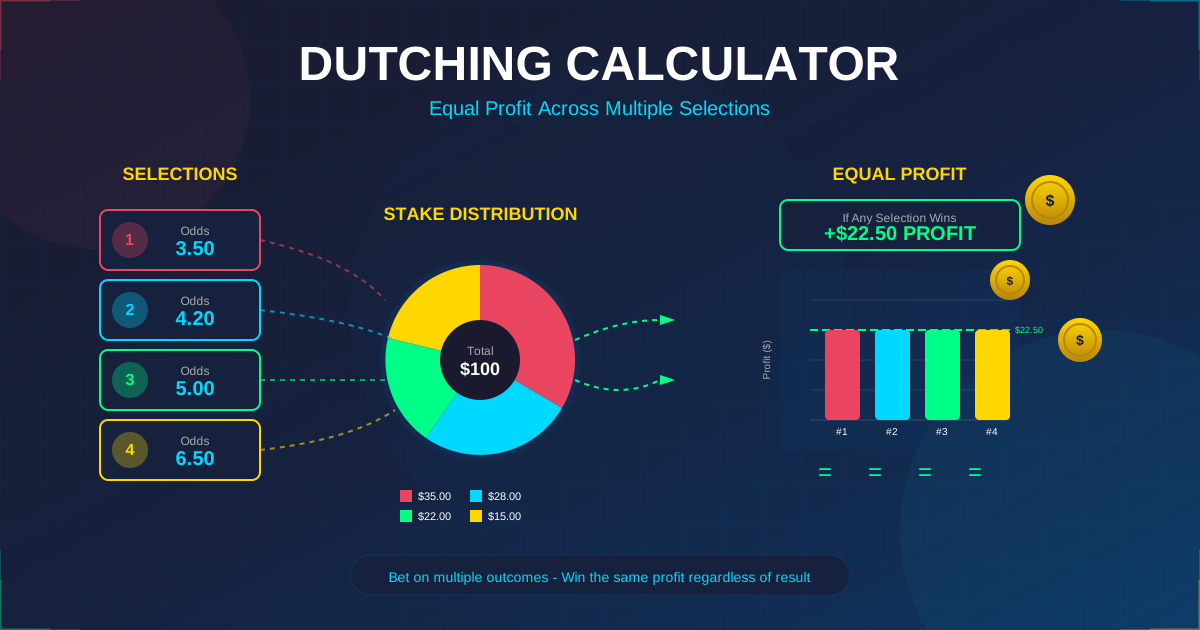
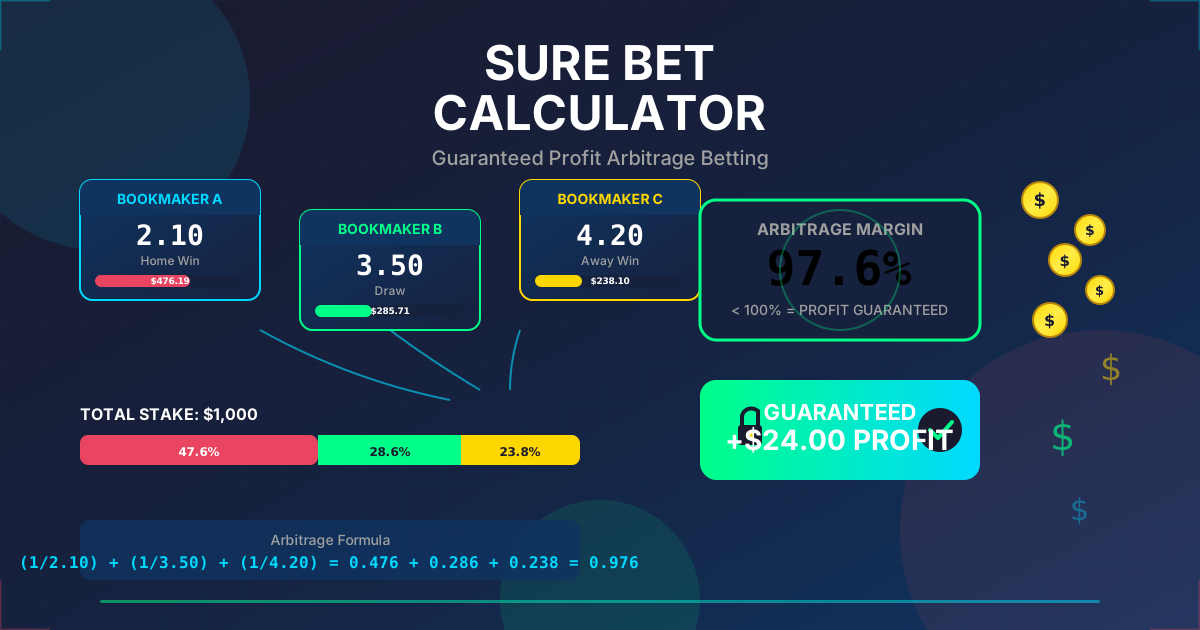
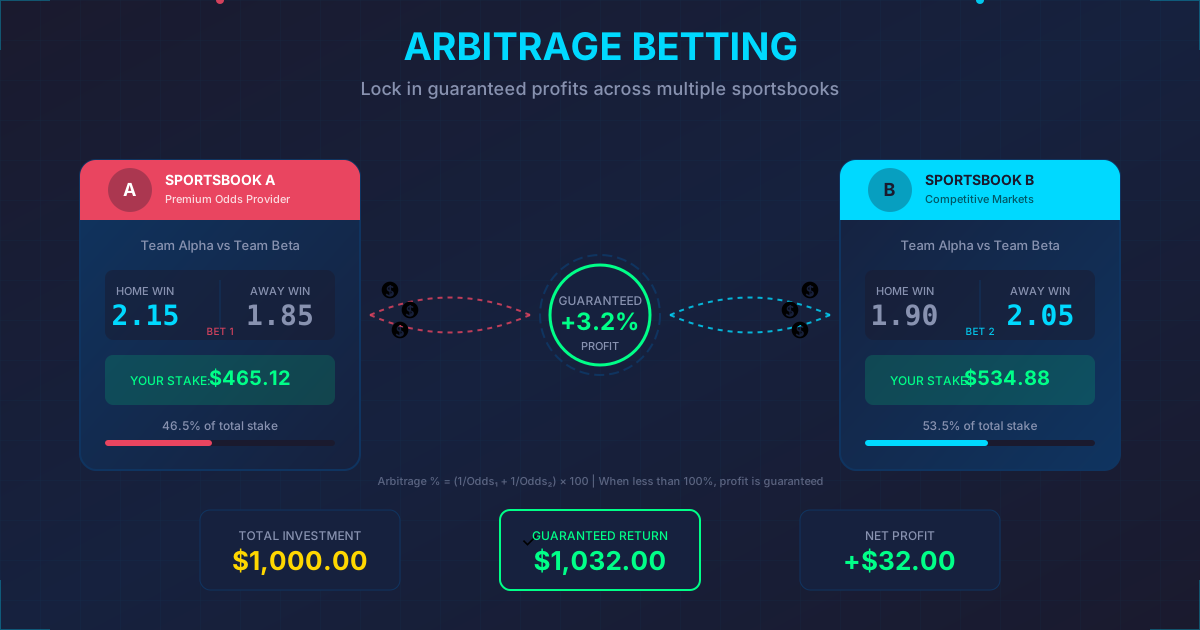
Arbitrage betting exploits odds differences across sportsbooks to guarantee profit regardless of outcome. Our calculator identifies arbitrage opportunities and calculates exact stake distribution for risk-free returns.
What Is Arbitrage Betting?
Arbitrage (arbing) places bets on all possible outcomes of an event across different sportsbooks where combined odds guarantee profit no matter what happens.
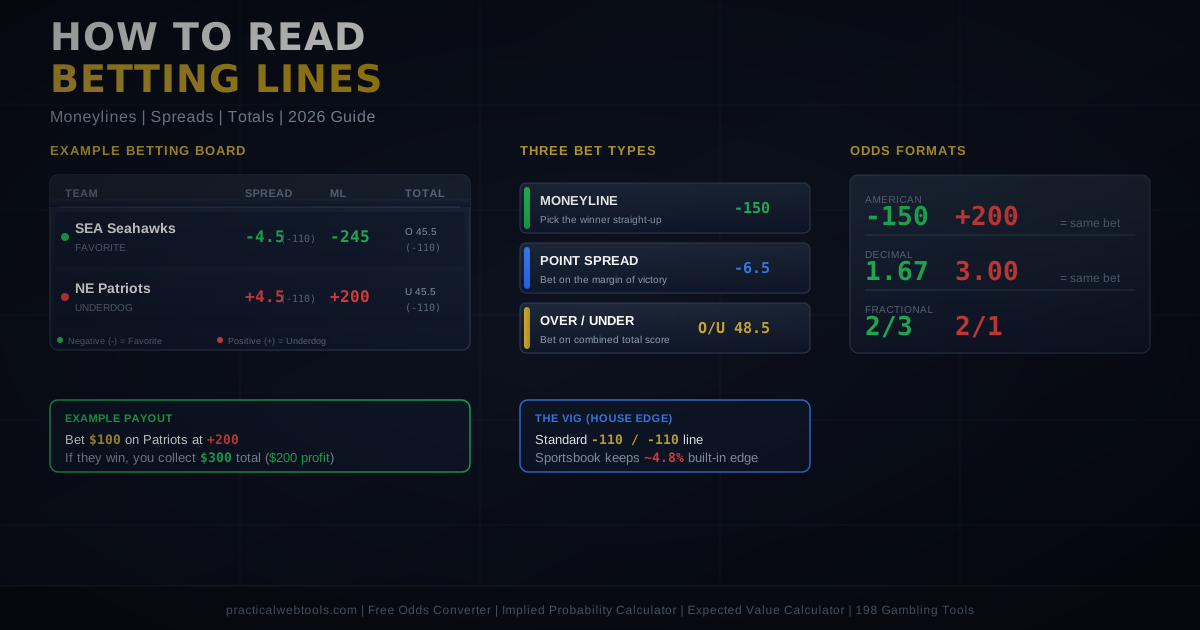
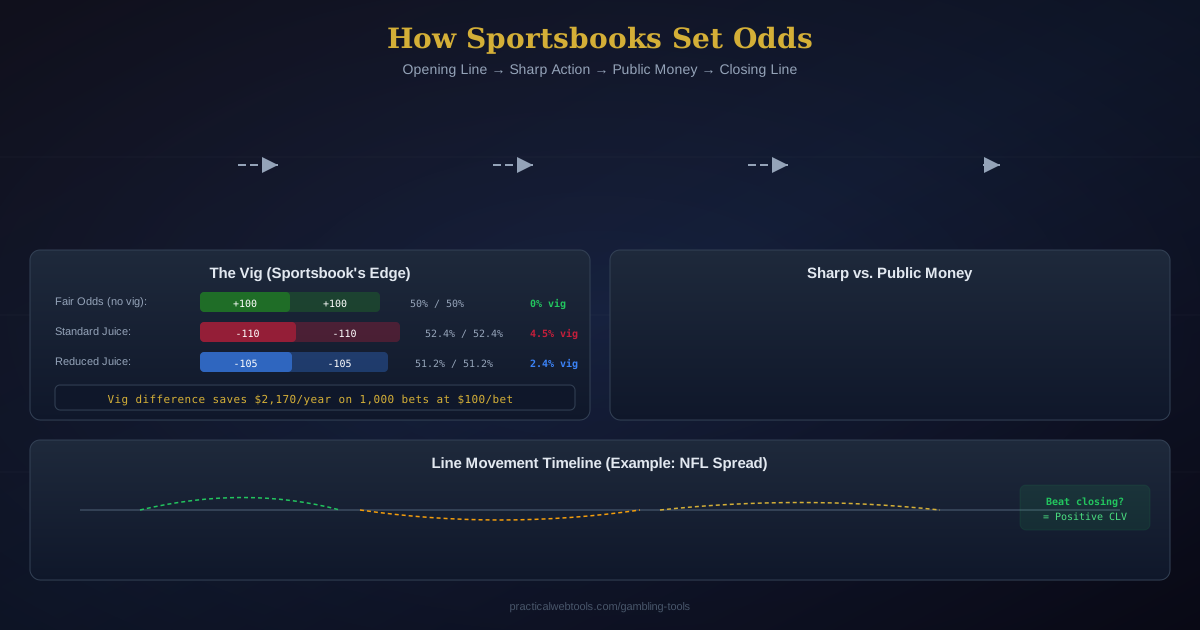
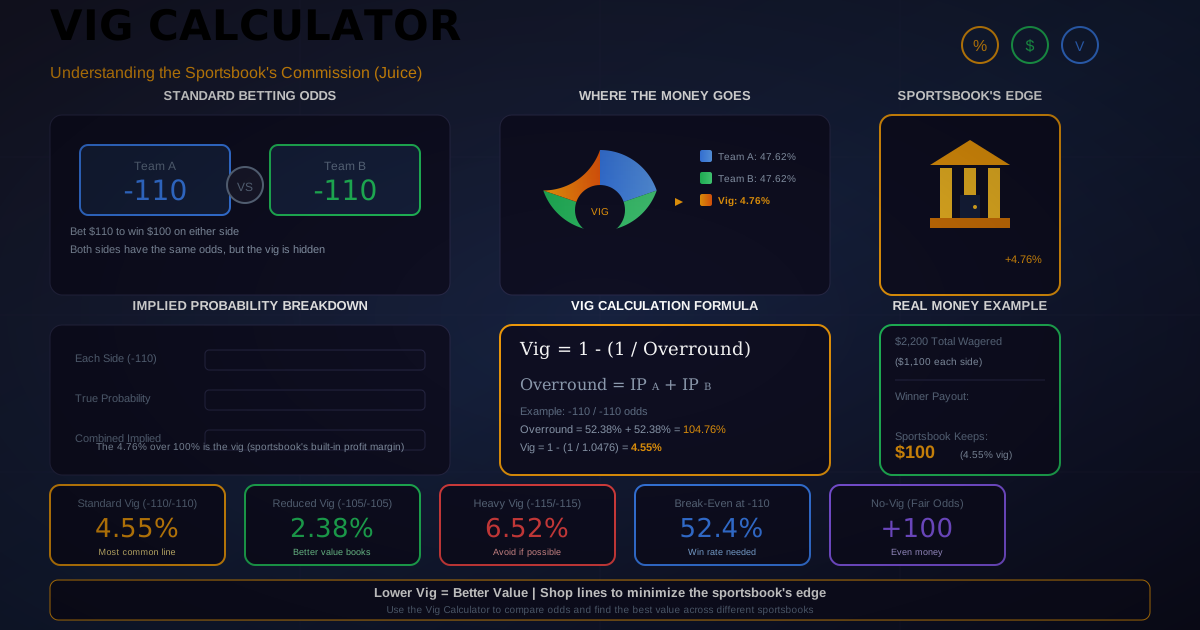
Quick Answer: Arbitrage exists when the sum of implied probabilities across outcomes is less than 100%. If Book A has Team 1 at +110 (47.6%) and Book B has Team 2 at +110 (47.6%), total = 95.2%—a 4.8% arbitrage opportunity. Distribute stakes proportionally to lock in guaranteed profit.
How to Use Our Arbitrage Calculator
Use the Arbitrage Betting Calculator →
Enter odds from different books to find and calculate arbitrage opportunities.
Step-by-Step Instructions
-
Enter Outcome 1 Odds: Best odds at any book
-
Enter Outcome 2 Odds: Best odds at another book
-
Input Total Stake: Amount to distribute
-
View Arbitrage %: If opportunity exists
-
See Stake Distribution: Exact amounts per outcome
Input Fields Explained
| Field | Description | Example |
|---|---|---|
| Outcome 1 Odds | Best odds for Team A | +115 |
| Outcome 2 Odds | Best odds for Team B | +110 |
| Total Stake | Total to invest | $1,000 |
| Stake on Outcome 1 | Amount to bet | $478 |
| Stake on Outcome 2 | Amount to bet | $522 |
| Guaranteed Profit | Risk-free return | $24.50 |
Arbitrage Math
Detecting Arbitrage
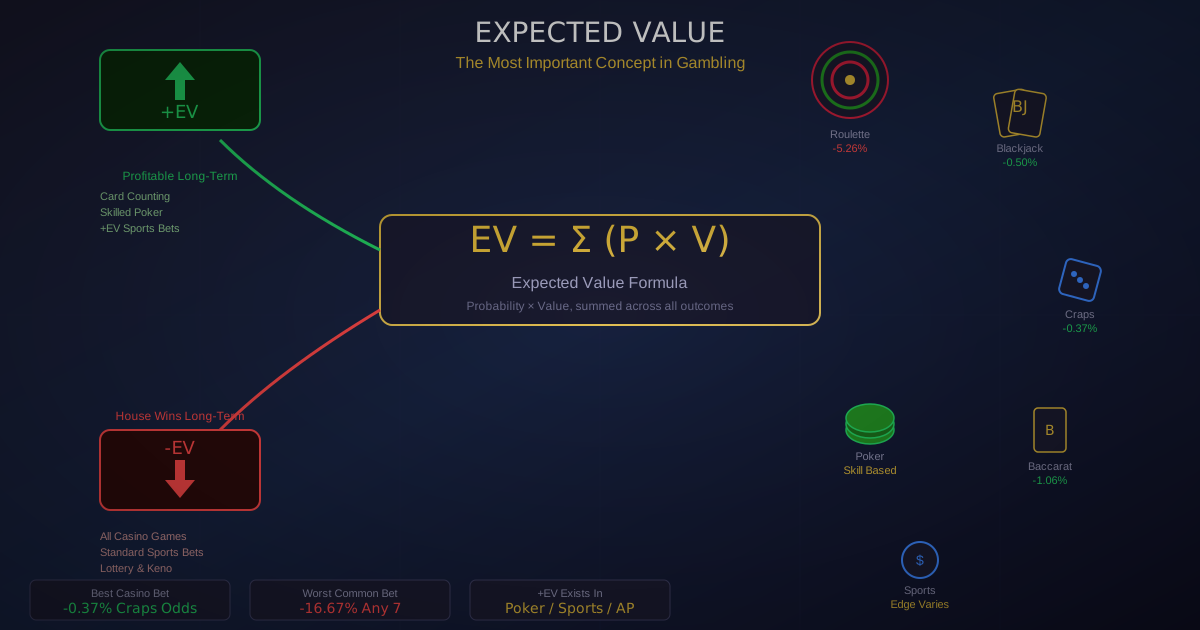
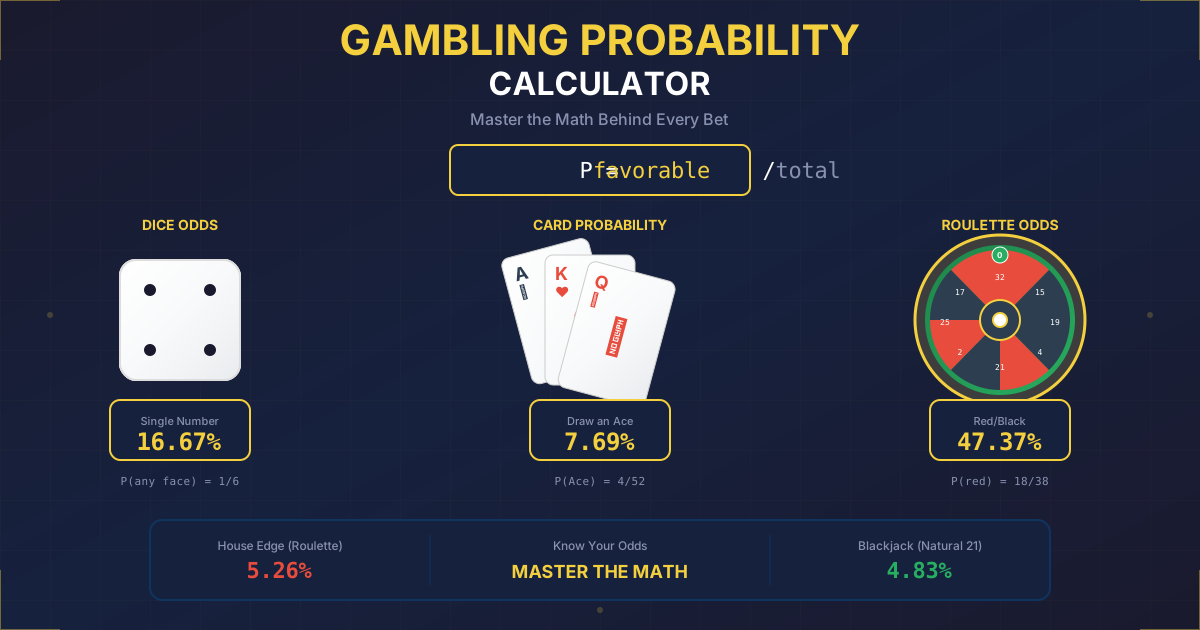
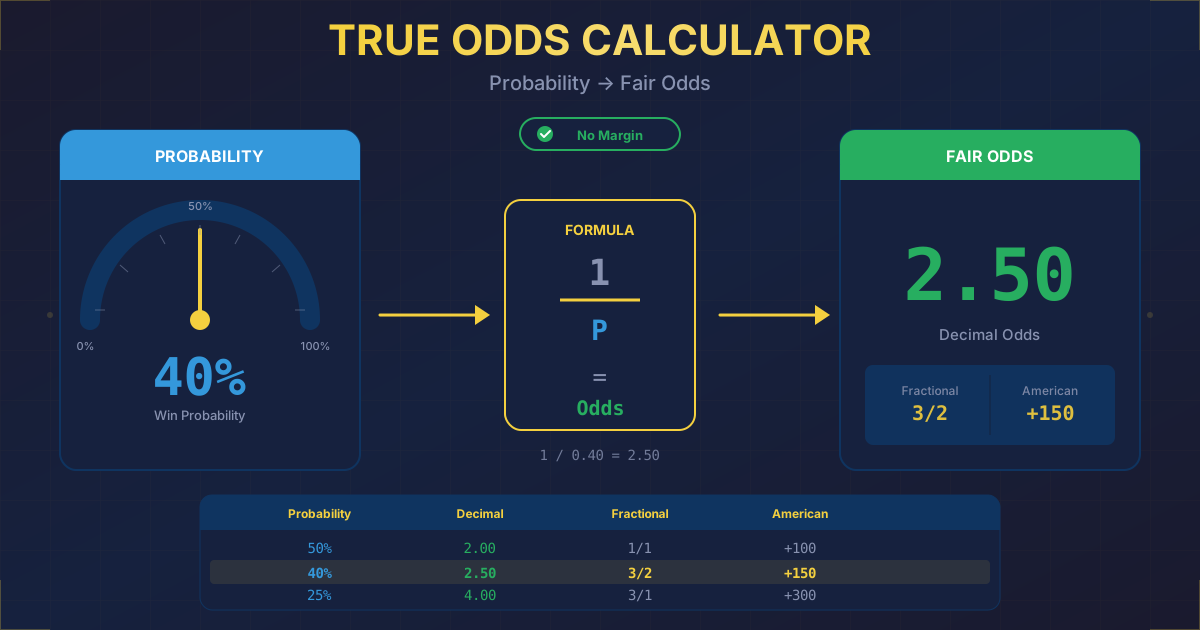
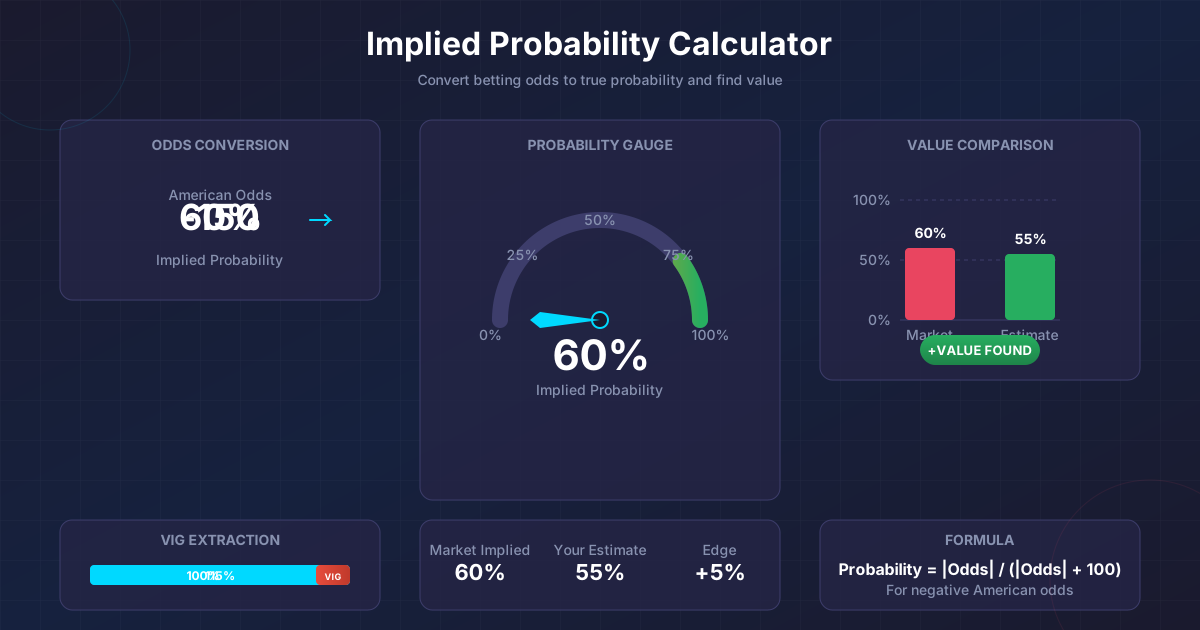
Calculate implied probability for each outcome:
For positive odds: 100 / (Odds + 100)
For negative odds: |Odds| / (|Odds| + 100)
If sum < 100%, arbitrage exists.
Example Detection
Book A: Lakers +105 → 100/205 = 48.78% Book B: Celtics +102 → 100/202 = 49.50% Total: 48.78% + 49.50% = 98.28%
Arbitrage margin: 100% - 98.28% = 1.72%
Stake Distribution Formula
Stake A = Total × (1/Decimal A) / (1/Decimal A + 1/Decimal B)
Stake B = Total × (1/Decimal B) / (1/Decimal A + 1/Decimal B)
Or simply:
Stake A = Total × Profit B / (Profit A + Profit B)
Real Arbitrage Examples
Example 1: Simple Two-Way
Event: Chiefs vs Bills Book A: Chiefs +108 (2.08 decimal) Book B: Bills +106 (2.06 decimal)
Check:
- Chiefs implied: 48.08%
- Bills implied: 48.54%
- Total: 96.62% ✓ Arbitrage exists
$1,000 total stake:
- Chiefs stake: $497.09
- Bills stake: $502.91
Profit:
- If Chiefs win: $497.09 × 2.08 = $1,033.94 - $1,000 = $33.94
- If Bills win: $502.91 × 2.06 = $1,036.00 - $1,000 = $36.00
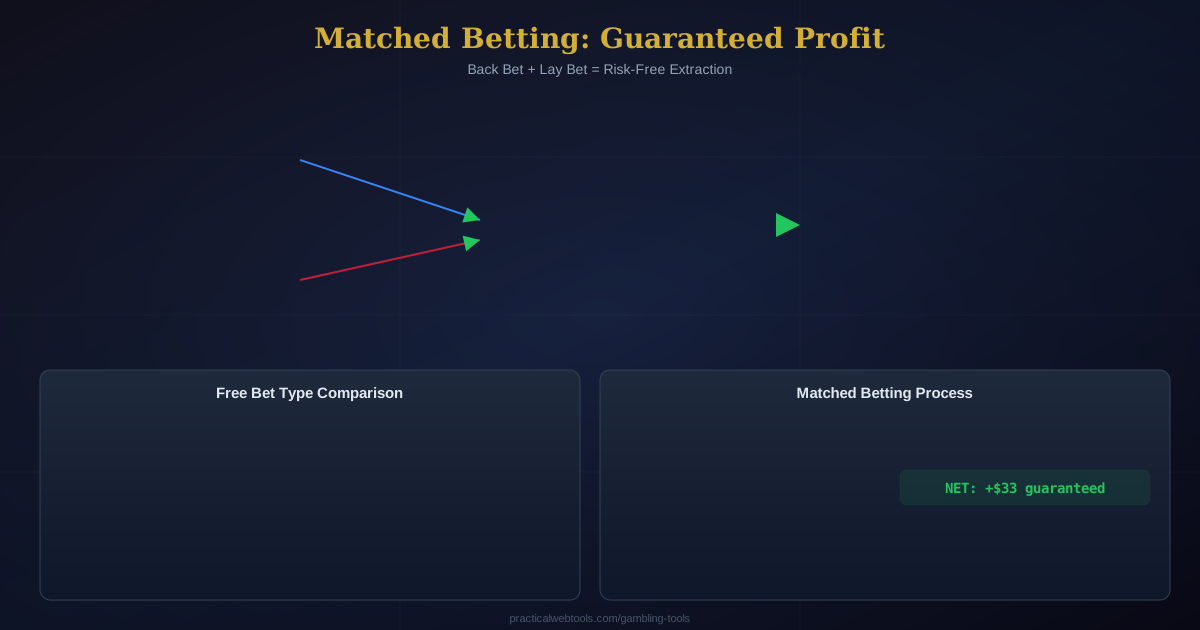
Guaranteed profit: ~$33-36 (3.4% return)
Example 2: Three-Way Market (Soccer)
Event: Liverpool vs Arsenal Book A: Liverpool +180 (2.80) Book B: Draw +240 (3.40) Book C: Arsenal +175 (2.75)
Check:
- Liverpool: 35.71%
- Draw: 29.41%
- Arsenal: 36.36%
- Total: 101.48% ❌ No arbitrage
Need 100% or less for arbitrage.
Example 3: With Sharp Book
Event: Rams vs 49ers Pinnacle: Rams +102, 49ers -102 (no arb at one book) DraftKings: Rams +110 FanDuel: 49ers +105
Check with best odds:
- Rams +110: 47.62%
- 49ers +105: 48.78%
- Total: 96.40% ✓ Arbitrage exists
Where to Find Arbitrage
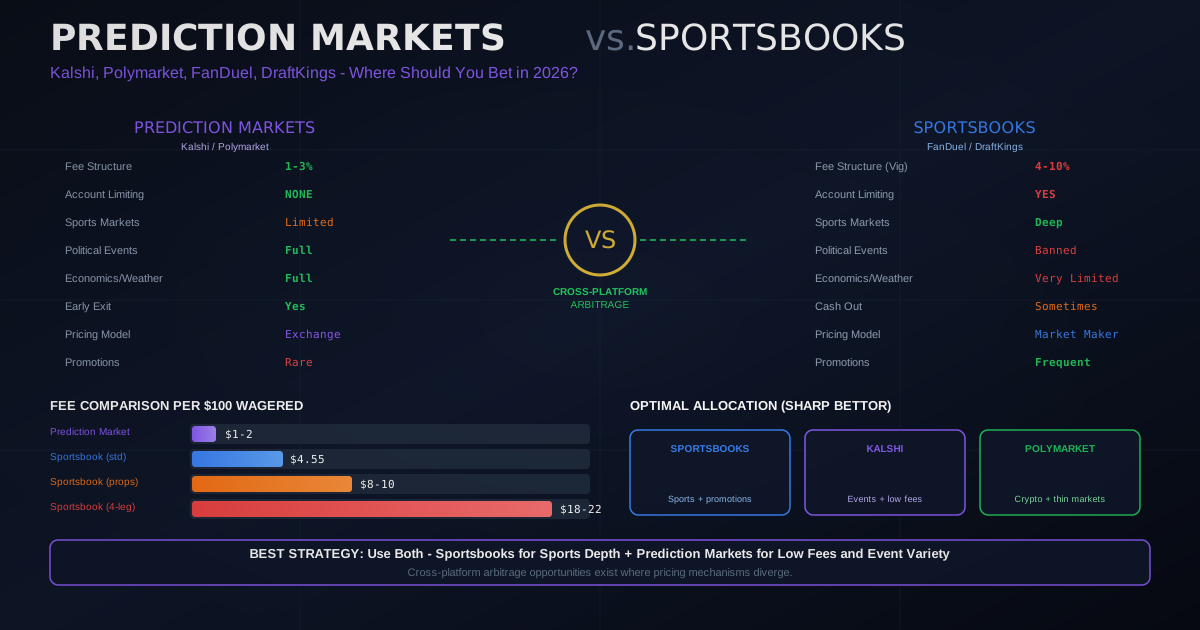
Soft Books (Higher Odds)
| Book Type | Example | Odds Quality |
|---|---|---|
| Promotional | New user promos | Often +EV |
| Regional | Local market books | Sometimes soft |
| Recreational | Casual-focused | Sometimes soft |
Sharp Books (Reference Lines)
| Book | Use |
|---|---|
| Pinnacle | Benchmark odds |
| Circa | Sharp reference |
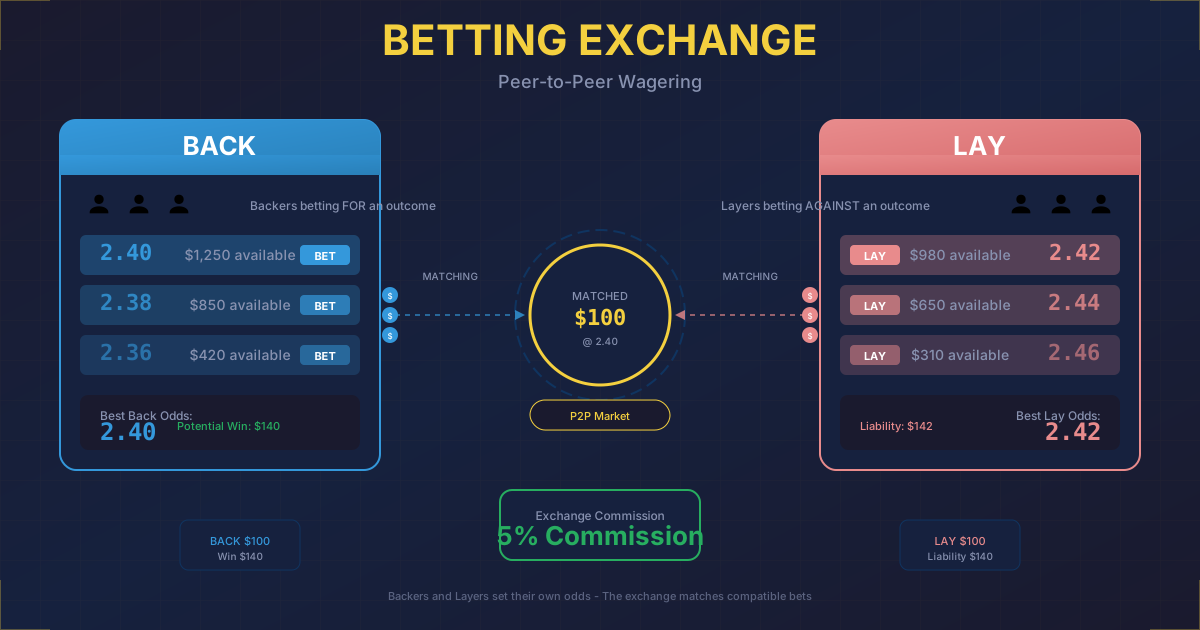
| Betfair | True market odds |
Best Arb Markets
| Market | Why |
|---|---|
| Moneylines | Simple, high limits |
| Totals | Multiple books differ |
| Player props | Odds vary widely |
| Futures | Significant differences |
Arbitrage Challenges
Account Limitations
| Issue | Impact |
|---|---|
| Low limits | Can't place full stake |
| Account closure | Books ban arbers |
| Bet rejection | Stakes get declined |
| Voided bets | One leg cancelled = exposed |
Timing Issues
| Problem | Risk |
|---|---|
| Odds change | Arb disappears mid-bet |
| Slow platforms | Can't place fast enough |
| Line moves | Second bet at worse odds |
Practical Limits
| Challenge | Mitigation |
|---|---|
| Small margins (1-3%) | High volume needed |
| Capital requirements | Tie up significant funds |
| Time investment | Constant monitoring |
Arbitrage Strategy
Tools Needed
| Tool | Purpose |
|---|---|
| Odds comparison site | Find discrepancies |
| Arb calculator | Calculate stakes |
| Multiple accounts | Access all books |
| Quick deposits | Move money fast |
Execution Process
- Identify: Find odds difference
- Calculate: Verify arbitrage exists
- Fund: Ensure both accounts have funds
- Execute: Place both bets quickly
- Record: Track for taxes/accounting
Risk Management
| Risk | Management |
|---|---|
| Voided bet exposure | Keep stakes reasonable |
| Account limits | Diversify across books |
| Timing | Use pre-calculated stakes |
| Odds movement | Have backup arbs ready |
Types of Arbitrage
Pure Arbitrage
Standard arbing across different books:
- Same event, same market
- Different books, different odds
- Guaranteed profit
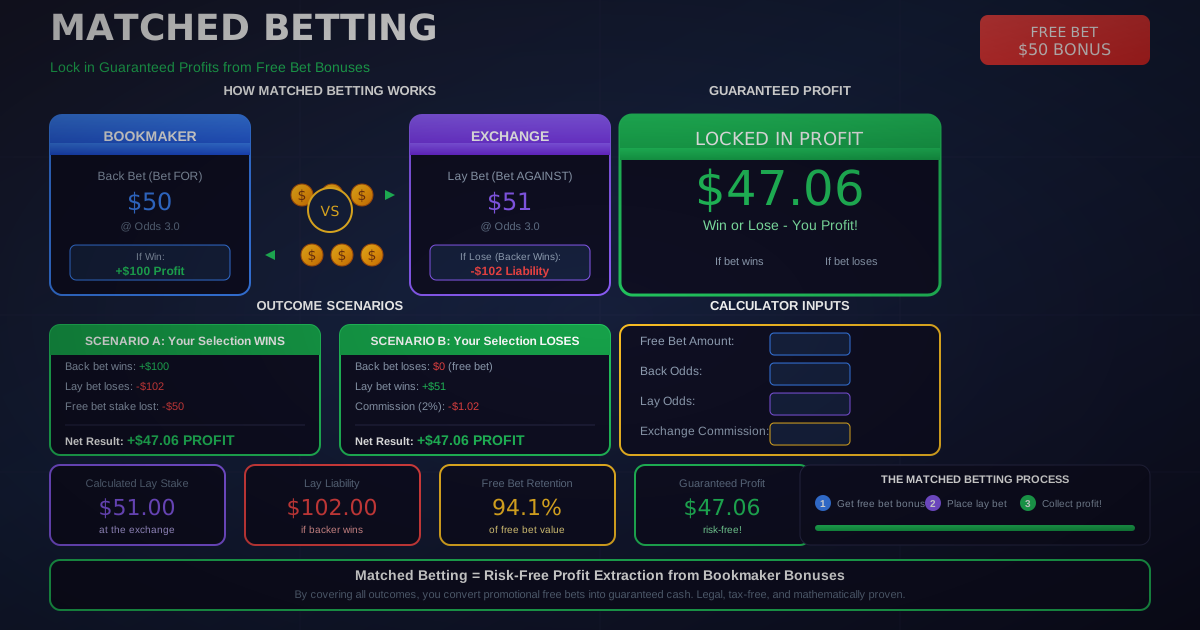
Bonus Arbitrage
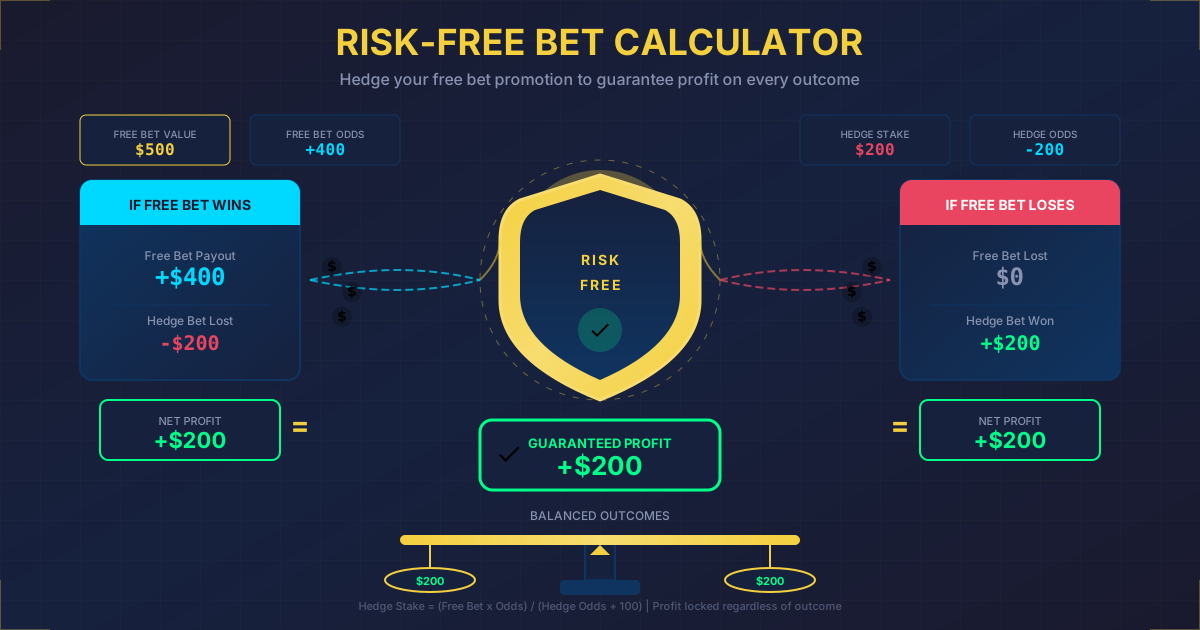
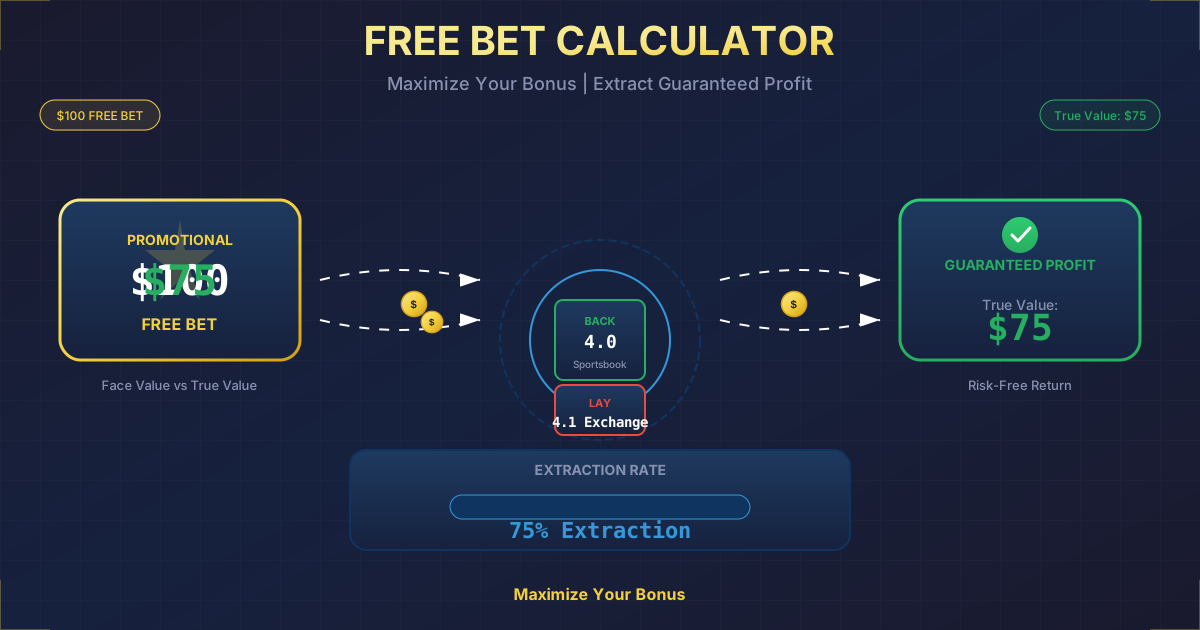
Using promotional free bets:
- Convert free bets to cash
- ~70-80% conversion typical
- Lower risk than pure arbing
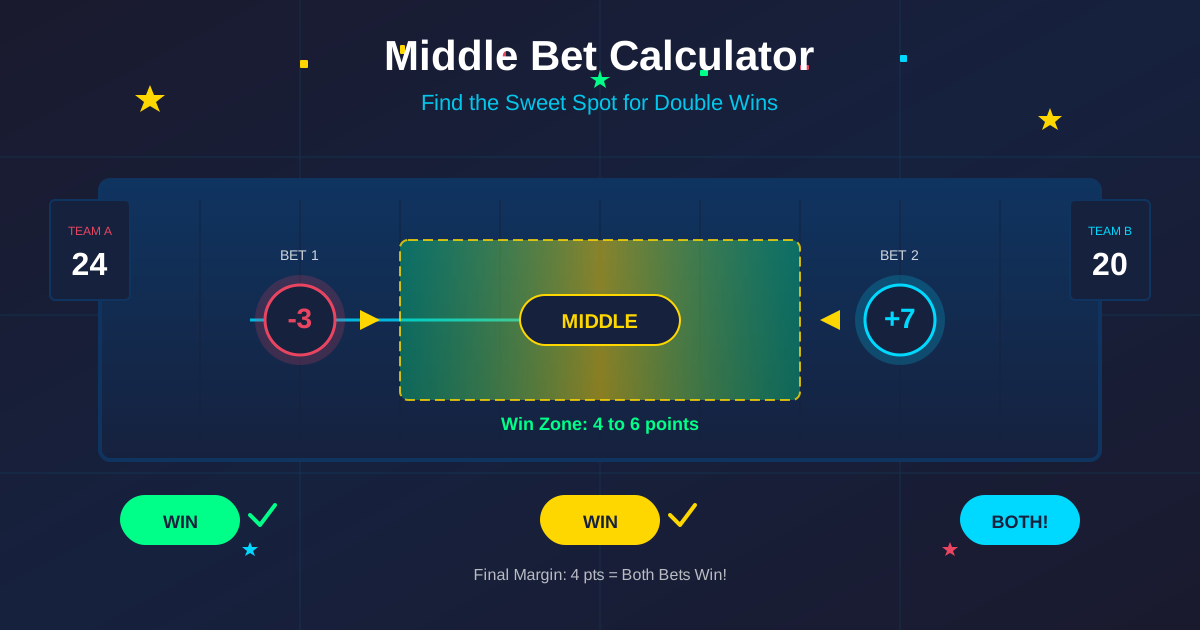
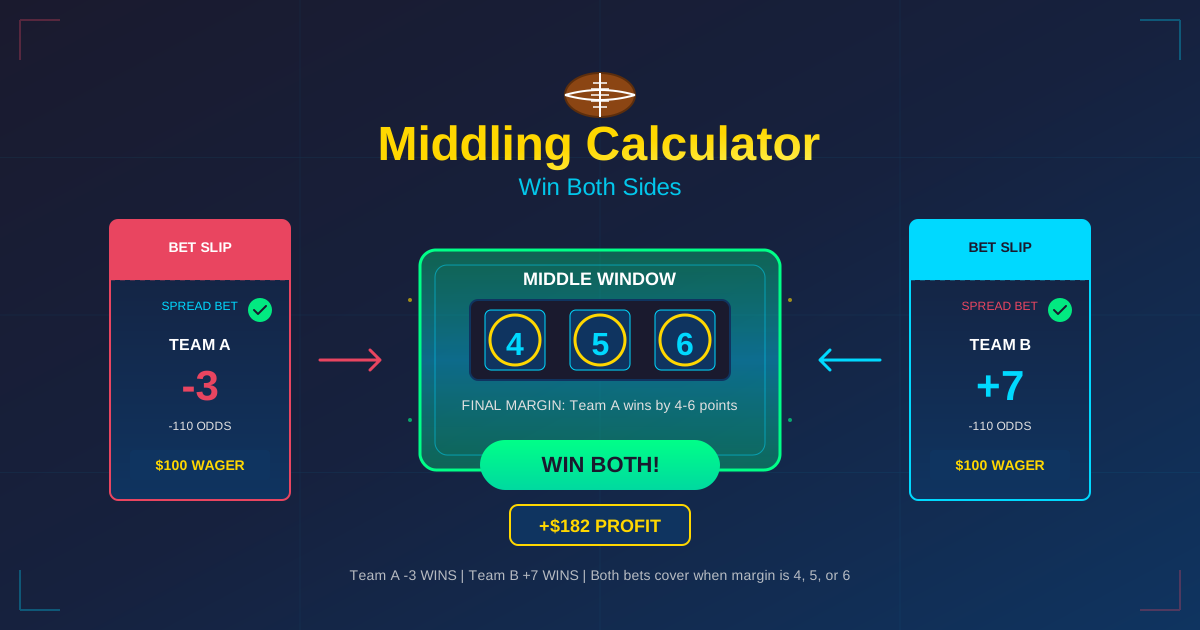
Middling
Betting both sides with potential for both to win:
- Team A -3 at Book 1
- Team B +5 at Book 2
- Middle if Team A wins by 4
Legal Considerations
Is Arbitrage Legal?
| Jurisdiction | Status |
|---|---|
| USA | Legal (terms may prohibit) |
| UK | Legal |
| Australia | Legal |
| Europe | Generally legal |
Legal but often against terms of service. Books can limit/close accounts.
Tax Implications
| Aspect | Consideration |
|---|---|
| Winning bets | Taxable income |
| Losing bets | May offset wins |
| Record keeping | Essential for taxes |
Common Arbing Mistakes
1. Slow Execution
Mistake: Taking time between bets Risk: Odds change, no longer profitable Fix: Have stakes pre-calculated, act fast
2. Ignoring Fees
Mistake: Not counting deposit/withdrawal fees Risk: Fees exceed profit Fix: Factor all costs into calculation
3. Obvious Patterns
Mistake: Identical bet amounts every time Risk: Books detect arbing behavior Fix: Vary bet amounts, round numbers
4. Single Book Exposure
Mistake: Placing first bet, unable to place second Risk: Exposed to normal bet risk Fix: Confirm both bets can be placed
Frequently Asked Questions
How much can I make arbing?
Typical margins are 1-5%. With $10,000 capital and finding 5 arbs/day at 2%, that's ~$1,000/month. Reality varies significantly.
Will I get banned?
Probably eventually. Books track arbing behavior and limit/close accounts. Longevity depends on bet sizes and patterns.
Is arbing worth it?
For committed bettors with capital and time, yes. For casual bettors, the effort often exceeds rewards.
What starting bankroll do I need?
$5,000+ recommended to make meaningful profit after fees and to have funds across multiple books.
How do I find arbitrage opportunities?
Odds comparison sites, arbitrage alert services, or manually comparing lines across books.
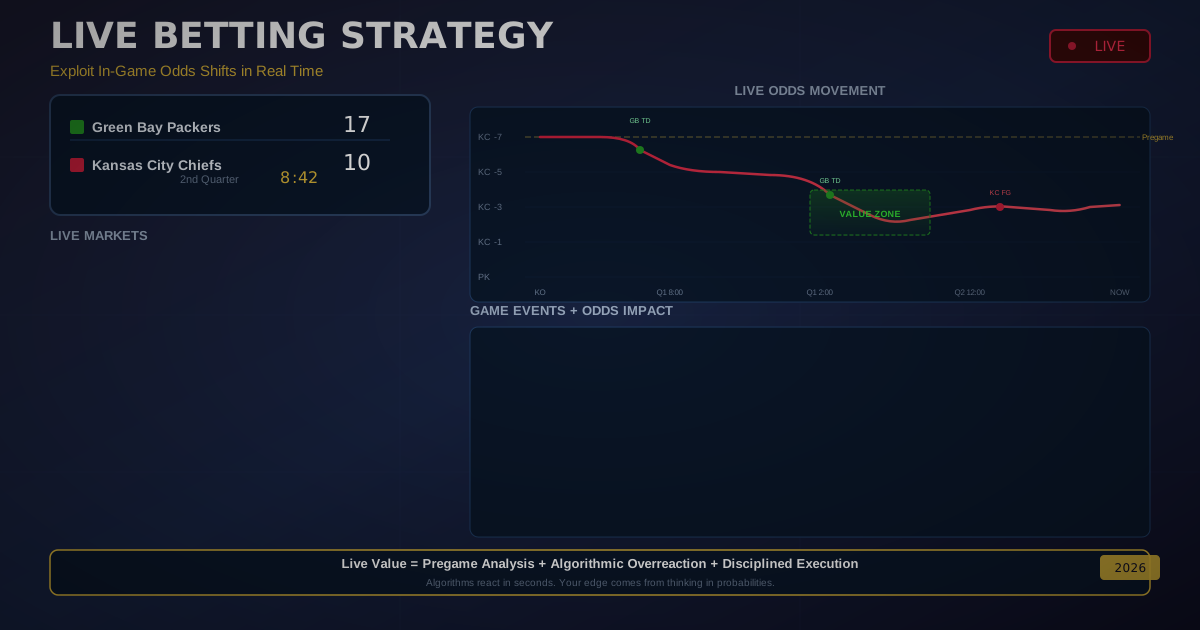
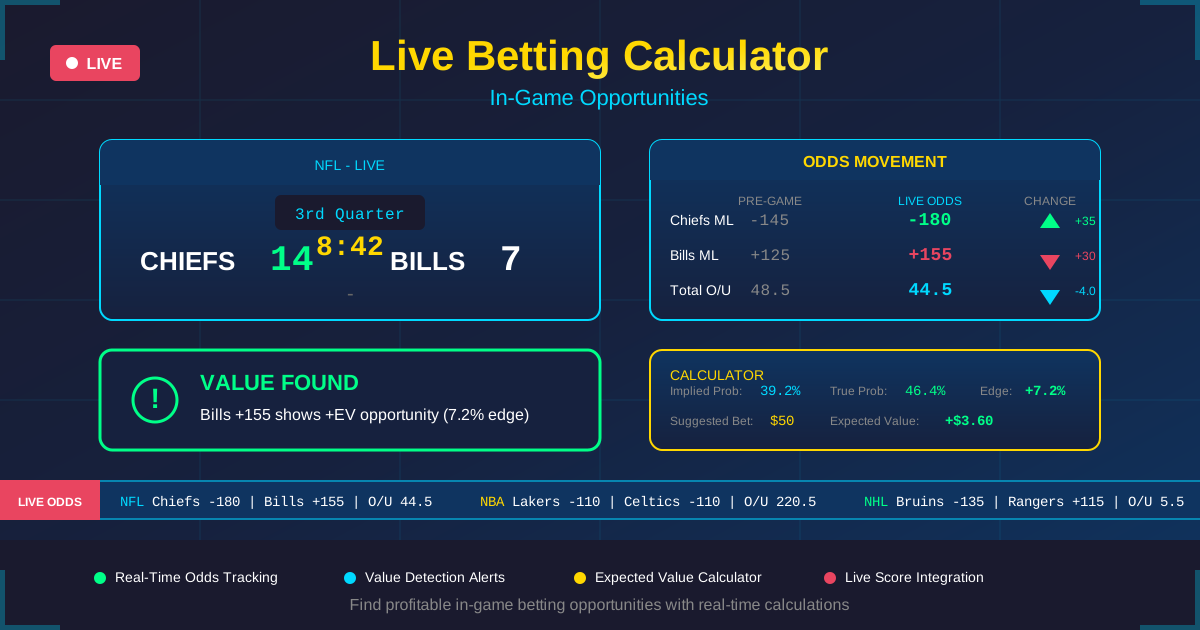
Can I arb live betting?
Possible but harder. Odds move fast, execution must be near-instant.
Pro Tips
-
Speed matters: Arbs disappear quickly; act fast
-
Multiple accounts: Need 5-10+ books for consistent opportunities
-
Start small: Learn the process before scaling up
-
Track everything: Know your ROI, factor all costs
-
Expect limitations: Plan for account restrictions
Related Calculators
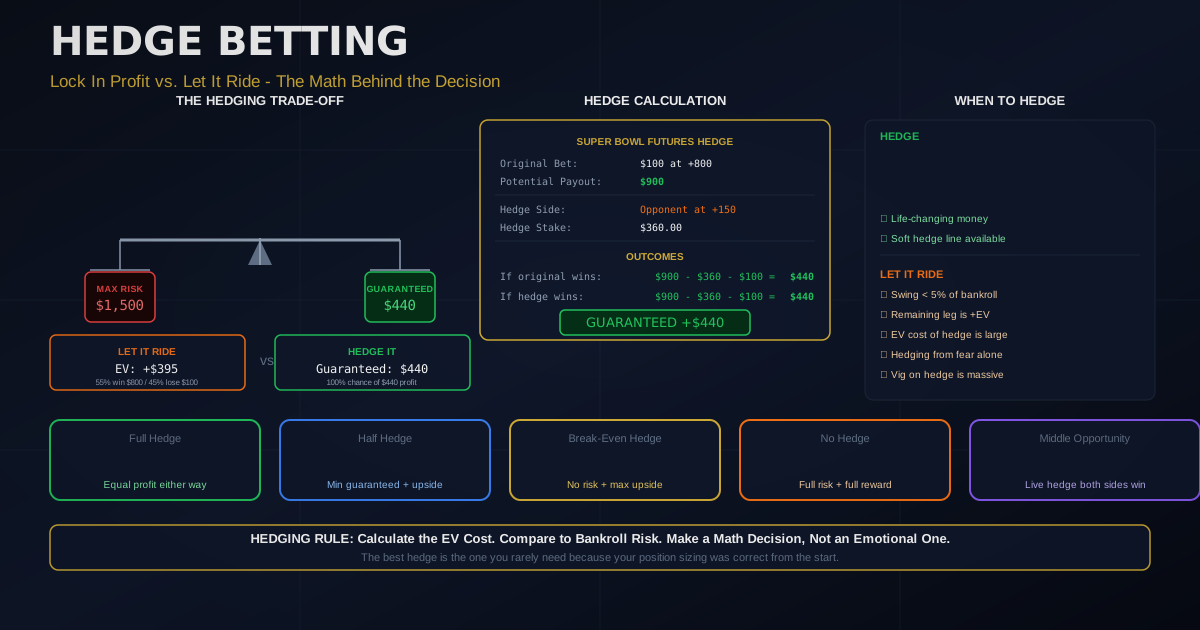
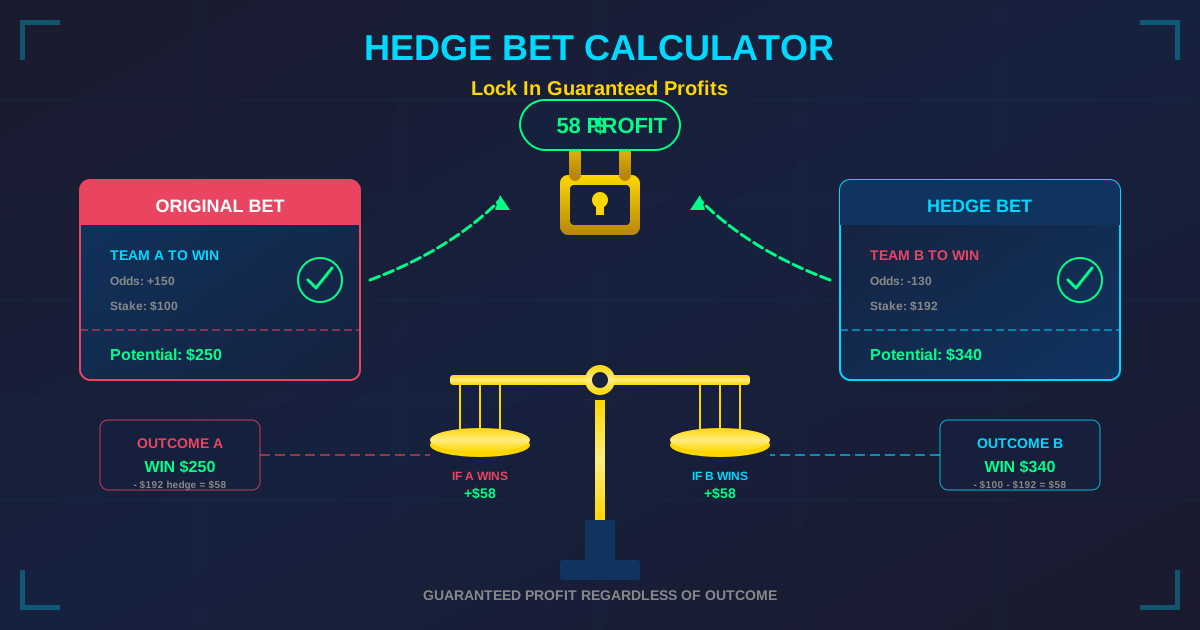
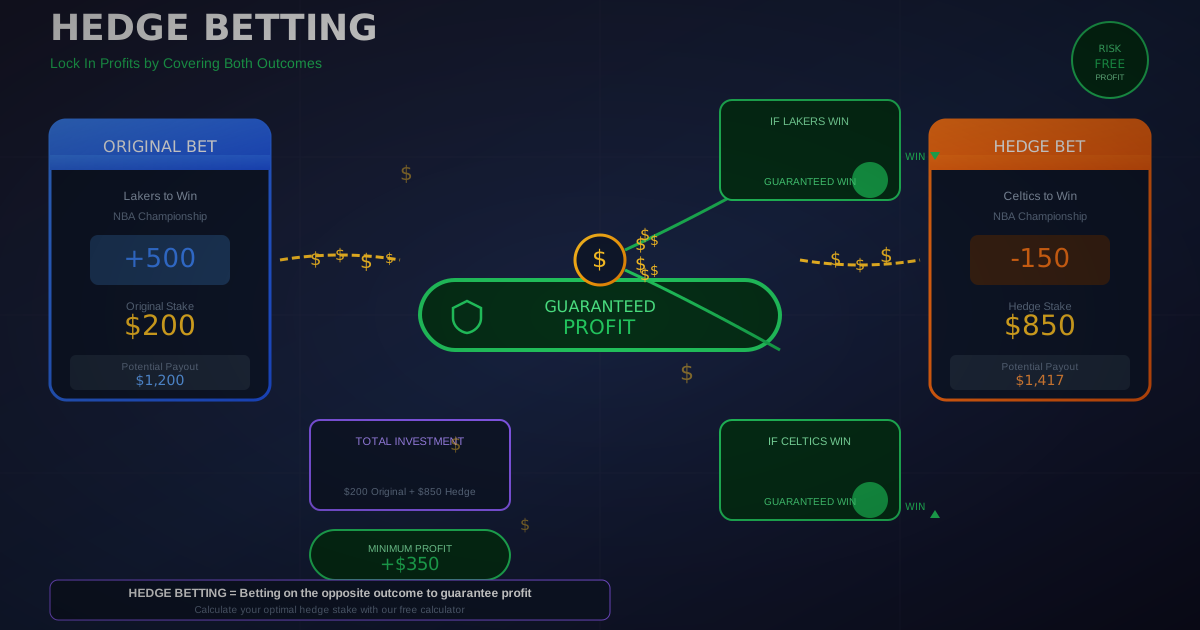
- Hedge Bet Calculator - Lock in profits
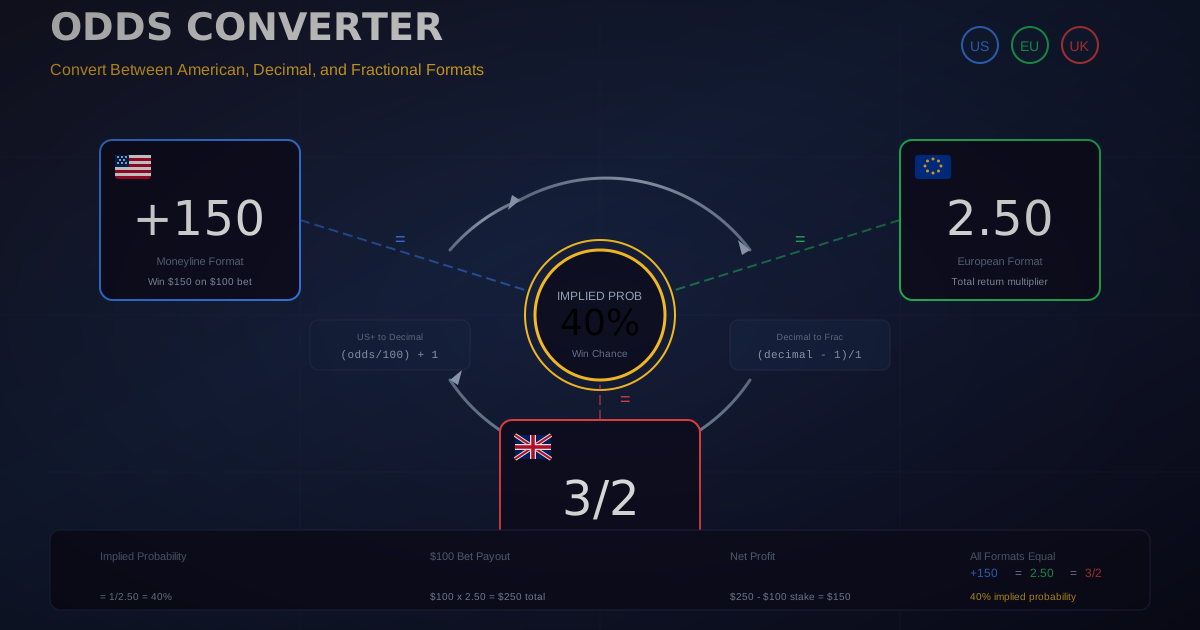
- Odds Converter - Format conversion
- Expected Value Calculator - EV analysis
- Implied Probability Calculator - Odds to %
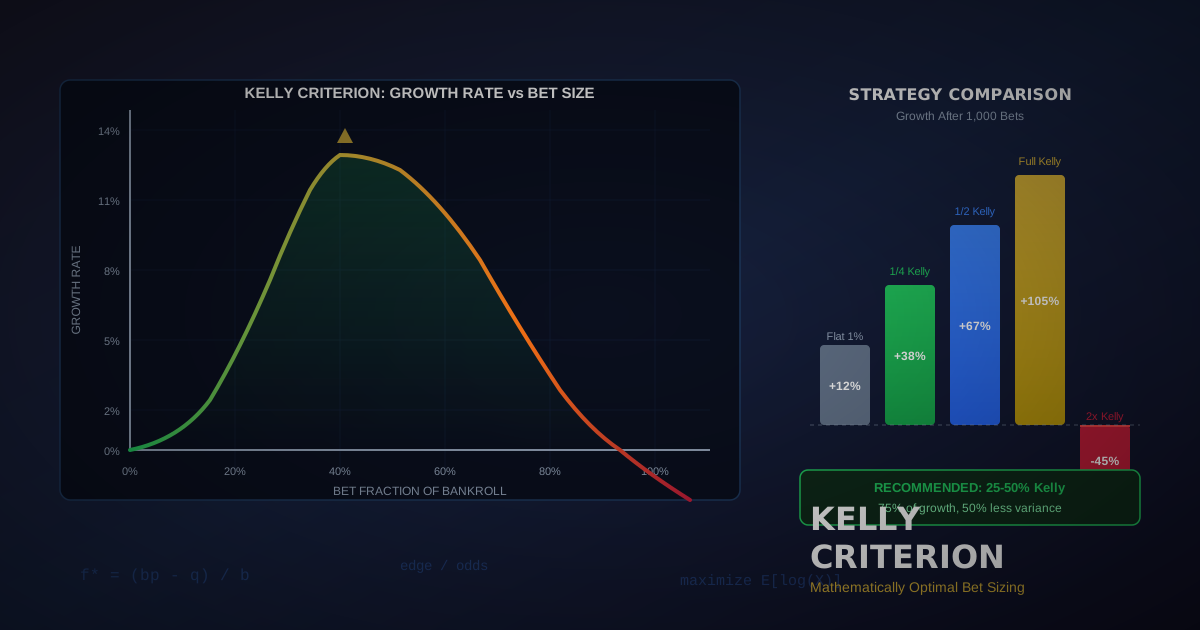
- Kelly Criterion Calculator - Stake sizing
Conclusion
Arbitrage betting offers guaranteed profits by exploiting odds differences across sportsbooks. Our calculator identifies opportunities and calculates exact stake distribution. While mathematically sound, arbing requires significant capital, multiple accounts, quick execution, and acceptance that account limitations are likely.
Calculate Your Arbitrage Bets Now →
Arbitrage is not a get-rich-quick scheme—it's a grind requiring discipline and infrastructure. Calculate carefully, execute quickly, and understand the practical challenges beyond the math.