Balanced Range Calculator: Build Unexploitable Poker Strategies (2026)
Balanced Range Calculator: Build Ranges Your Opponents Cannot Exploit
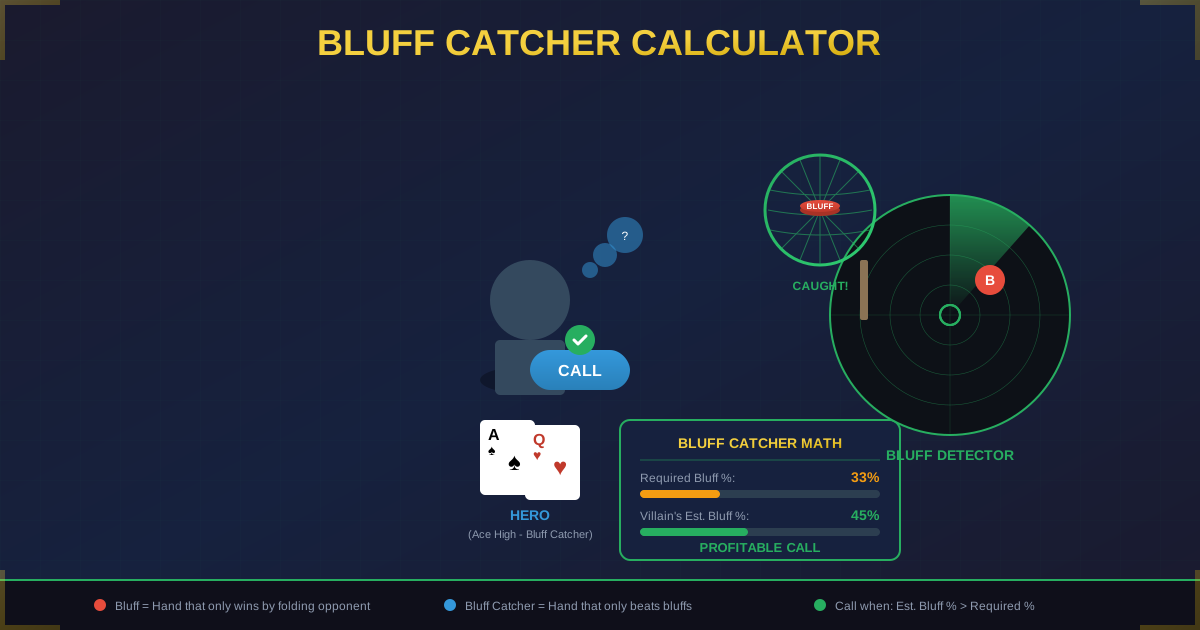
Range balance is the foundation of modern poker strategy. A balanced range contains the right mix of value hands and bluffs, making you unexploitable regardless of how opponents adjust. Our balanced range calculator helps you construct perfectly weighted ranges for any betting situation, ensuring your strategy remains profitable against all opponents.
What Is a Balanced Range?
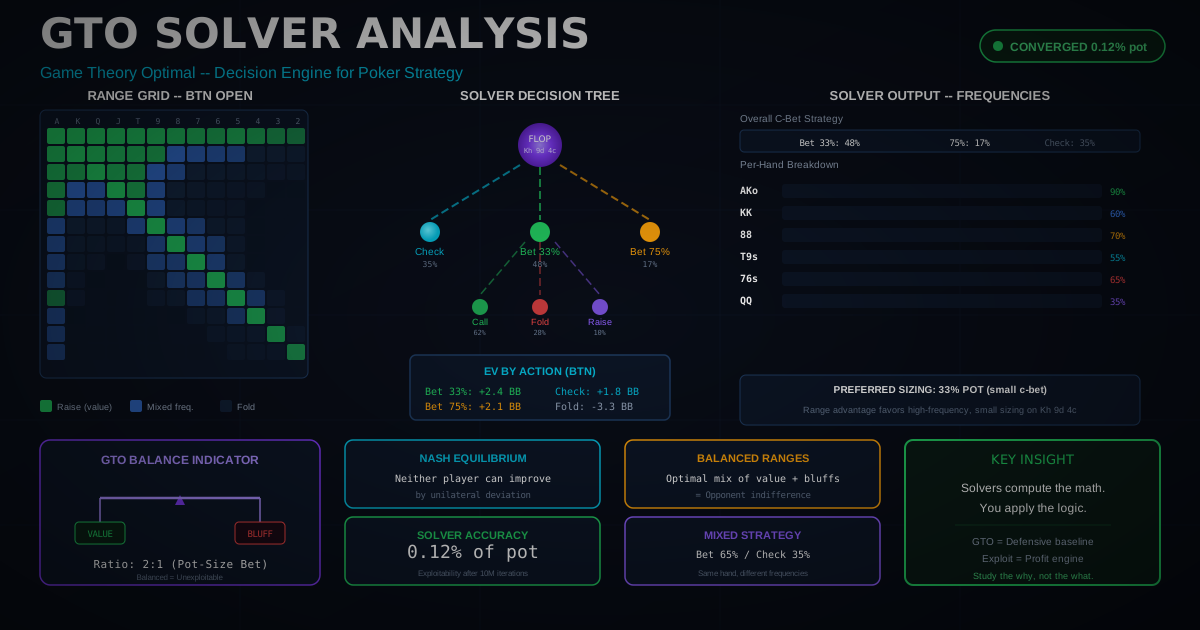
A balanced range is a betting or checking range that contains value hands and bluffs in proportions that make your opponent indifferent to calling or folding. When properly balanced, opponents cannot gain an edge by always calling or always folding against your bets.
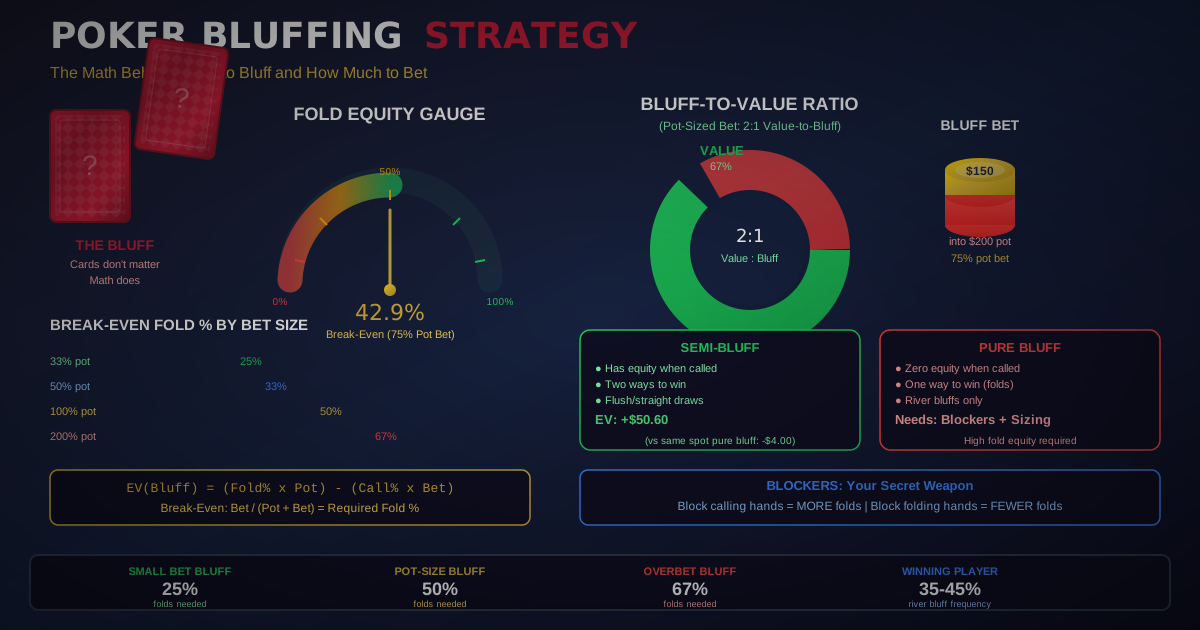
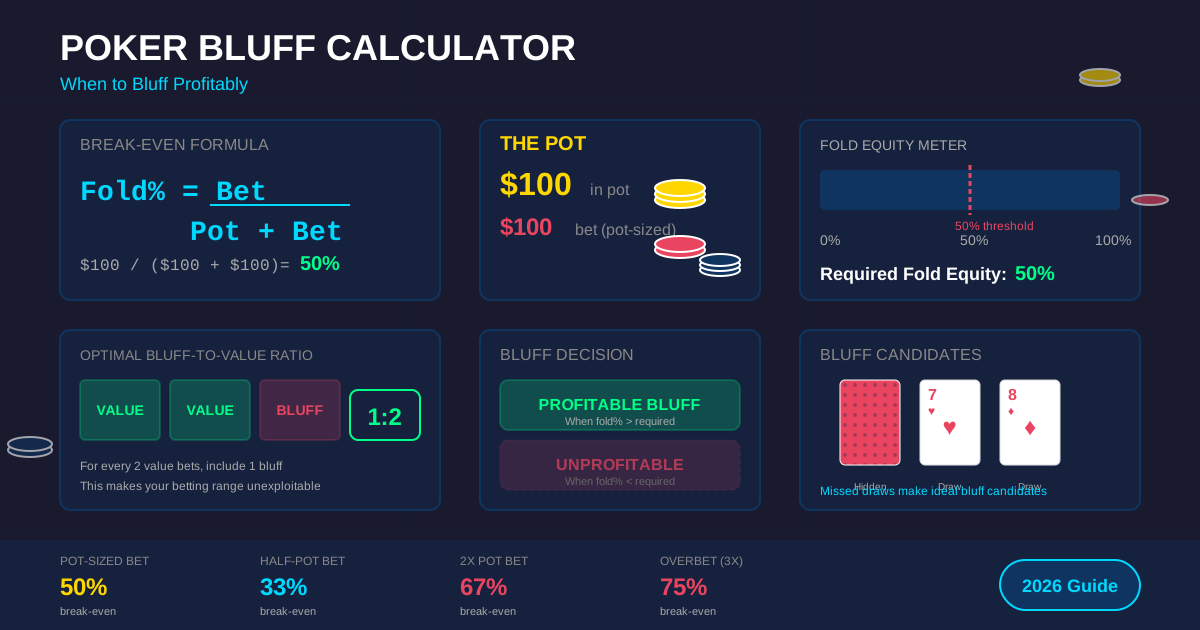
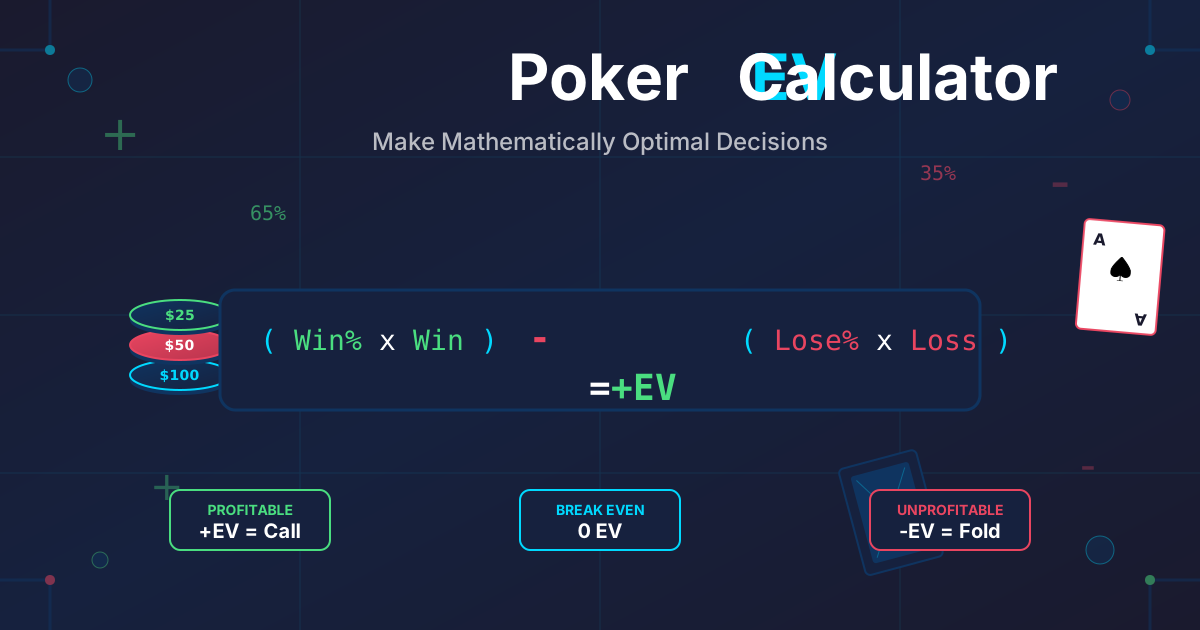
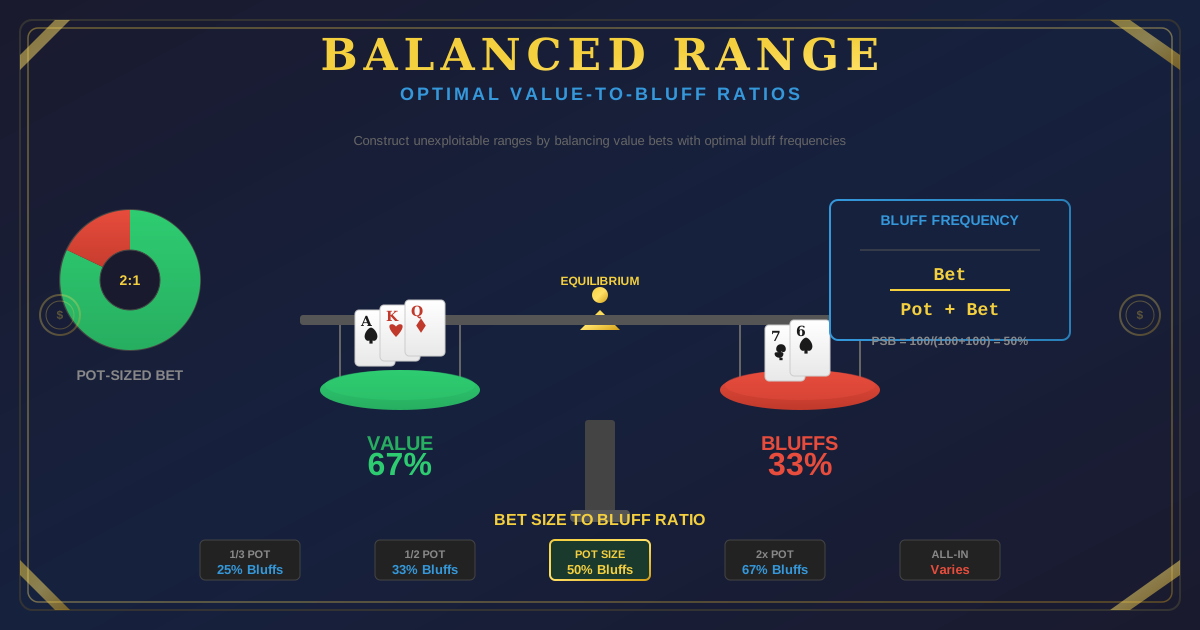
Quick Answer: A balanced betting range follows the formula: Bluff% = Bet Size / (Pot + Bet Size). For a pot-sized bet ($100 into $100), you need 50% bluffs: Bluff% = 100 / 200 = 50%. This makes opponents indifferent at exactly 2:1 pot odds. Deviate from balance to exploit, but balance protects you against unknown opponents.
How to Use Our Calculator
Use the Balanced Range Calculator →
Step-by-Step Instructions
- Enter Bet Sizing: Input your planned bet size relative to the pot
- Specify Value Hands: Select or input the hands you're betting for value
- Calculate Bluff Combos: See how many bluff combinations you need
- Select Bluffs: Choose the best bluffing candidates from your range
- Verify Balance: Confirm your range is properly weighted
Input Fields
| Field | Description | Example |
|---|---|---|
| Pot Size | Current pot before your bet | $100 |
| Bet Size | Amount you plan to bet | $75 (75% pot) |
| Value Combos | Number of value hand combinations | 20 combos |
| Available Bluffs | Hands you could bluff with | Missed draws, air |
| Street | Current betting round | River |
| Position | Your position in the hand | In position |
The Mathematics of Range Balance
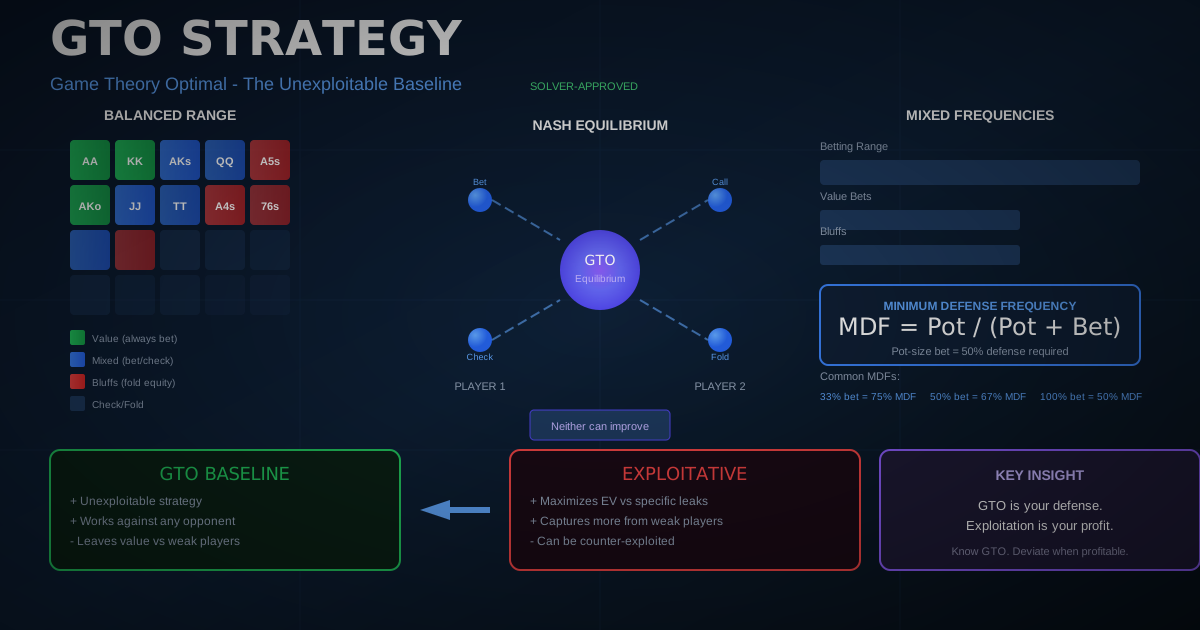
The Minimum Defense Frequency (MDF)
When you bet, opponents must defend at a certain frequency to prevent you from profiting with any two cards:
MDF = Pot Size / (Pot Size + Bet Size)
Example:
- Pot: $100
- Bet: $75
- MDF = 100 / 175 = 57%
Opponent must call or raise 57% of their range to prevent automatic profit bluffs.
The Optimal Bluff Frequency
To make opponents indifferent when they hit the MDF exactly:
Bluff Frequency = 1 - MDF = Bet Size / (Pot + Bet)
Example:
- Bet: $75 into $100
- Bluff% = 75 / 175 = 43%
Your range should be 57% value, 43% bluffs.
The Value-to-Bluff Ratio
Convert percentages to a ratio for easier application:
Value : Bluff = MDF : (1 - MDF)
| Bet Size (% pot) | Value : Bluff Ratio | Bluffs Needed per Value Hand |
|---|---|---|
| 25% | 4:1 | 0.25 |
| 33% | 3:1 | 0.33 |
| 50% | 2:1 | 0.5 |
| 66% | 1.5:1 | 0.67 |
| 75% | 1.33:1 | 0.75 |
| 100% | 1:1 | 1.0 |
| 150% | 0.67:1 | 1.5 |
| 200% | 0.5:1 | 2.0 |
Types of Balanced Ranges
Polarized Ranges
A polarized range contains only the strongest value hands and pure bluffs, with no medium-strength hands:
Polarized Range = [Nuts, Near-Nuts] + [Air, Weak Draws]
Excludes: Medium pairs, weak top pair, second pair
When to Use Polarized Ranges:
- River betting (no more cards to improve)
- When SPR is low (pot-committed situations)
- On static boards that won't change
- When opponent's range is capped
Polarized Range Example (River):
Value: Sets, two pair, strong top pair
Bluffs: Missed draws, ace-high that can't win at showdown
Check: Medium pairs, weak showdown value
Merged Ranges
A merged range includes value bets and thinner value hands, with fewer or no bluffs:
Merged Range = [Strong Value] + [Thin Value] + [Minimal Bluffs]
When to Use Merged Ranges:
- Against calling stations (minimal fold equity)
- On dynamic boards where equity runs close
- Early streets where ranges are wide
- When your range advantage is significant
Merged Range Example (Flop):
Value: Top pair+, strong draws
Thin Value: Second pair, weak top pair
Few Bluffs: Only strongest drawing hands
Linear Ranges
A linear range includes all hands above a certain threshold, betting your entire top range:
Linear Range = All hands with equity > X%
No polarization: Best hands bet, worst hands fold
When to Use Linear Ranges:
- Preflop opening ranges
- C-betting on dry boards
- When you have significant range advantage
- Against weak opponents who over-fold
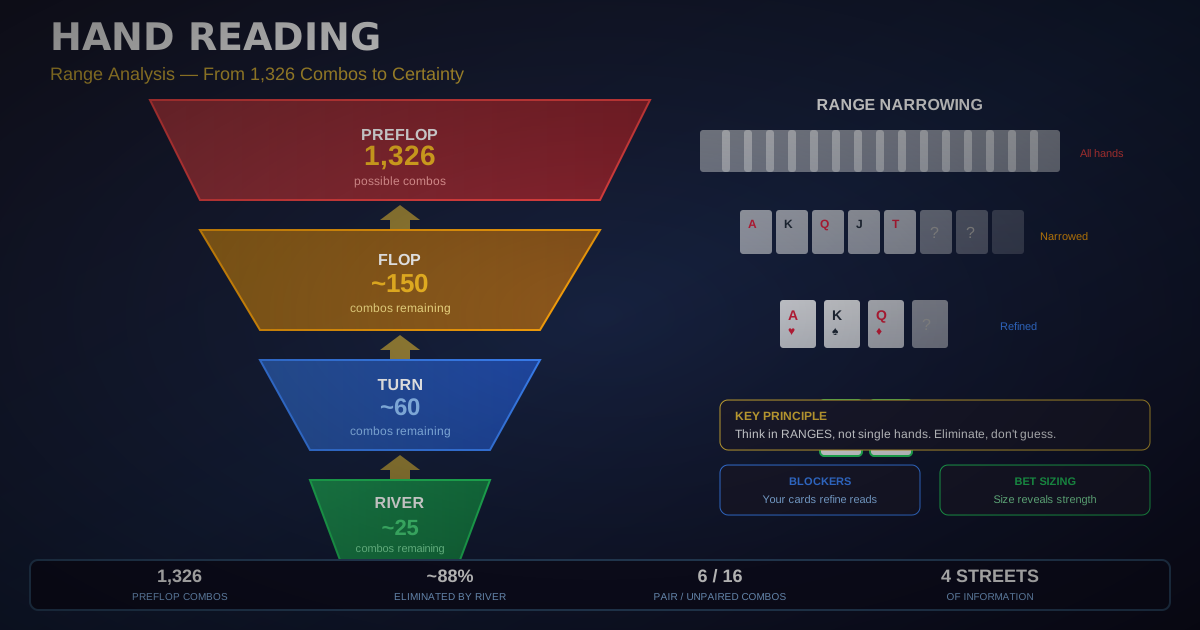
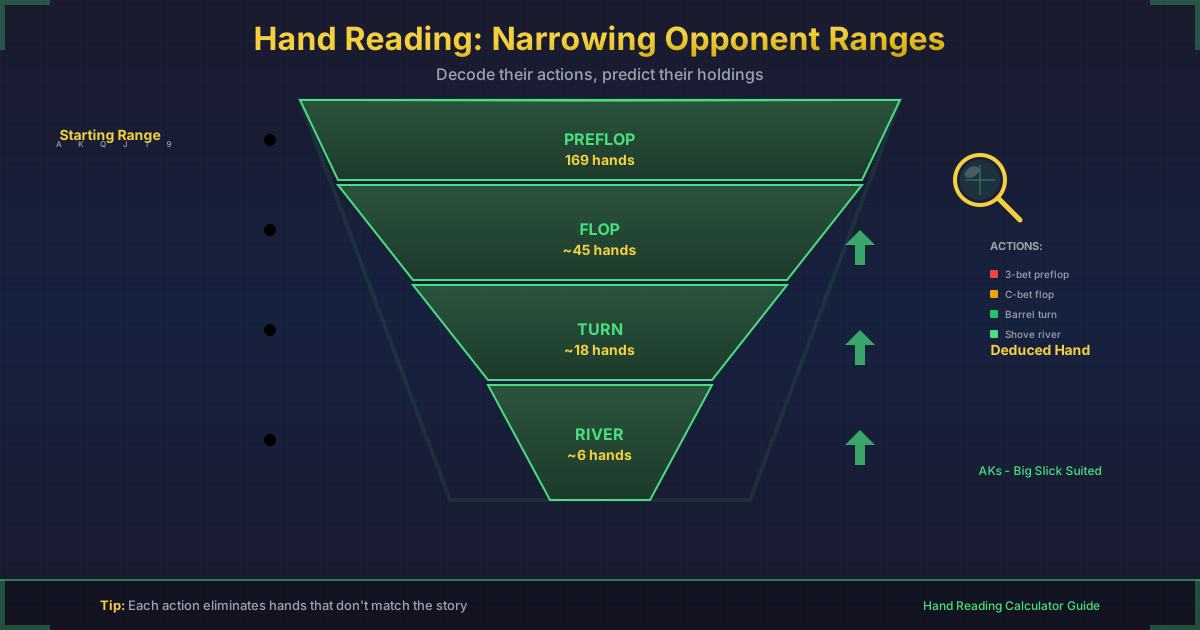
Calculating Combo Counts
Unpaired Hands
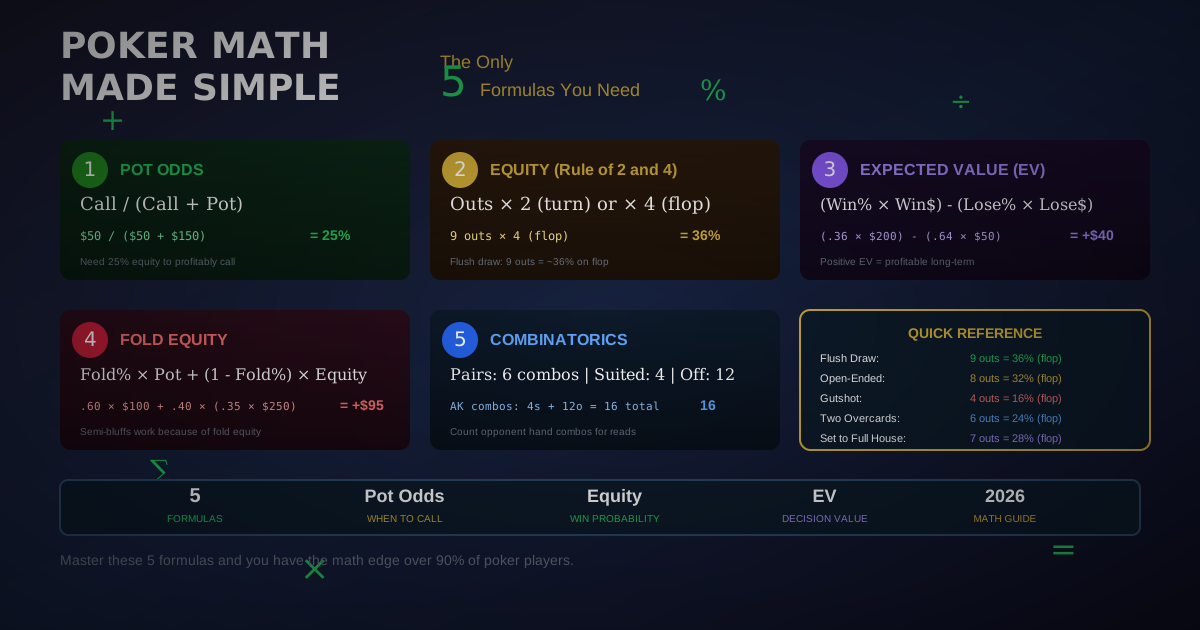
Suited combos: 4 (one per suit)
Offsuit combos: 12 (4 × 3)
Total combos: 16
Pocket Pairs
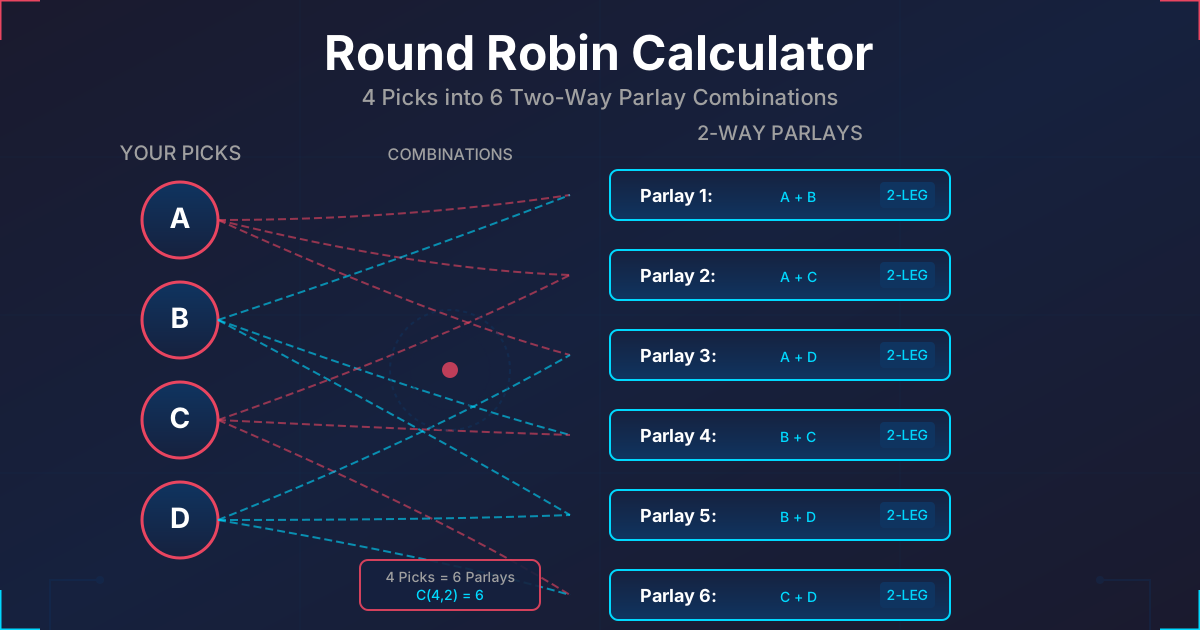
Pocket pair combos: 6 (C(4,2) = 6)
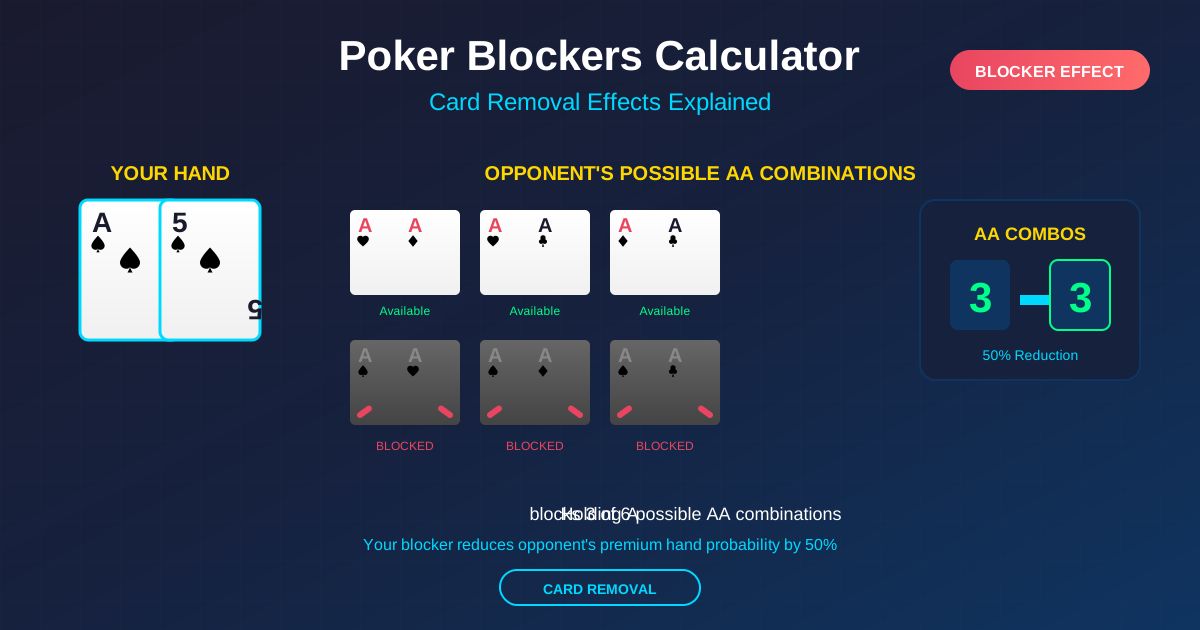
Accounting for Blockers
When board cards or known holdings remove combos:
AK on A-K-7 board:
Original AK combos: 16
Remove: A on board blocks 4, K on board blocks 4
Remaining: 16 - 4 - 4 + 1 = 9 combos
Real-World Examples
Example 1: River Polarized Range
Setup: You bet $75 into $100 on the river with a polarized range.
Calculation:
Bluff frequency needed = 75 / 175 = 42.9%
Value : Bluff ratio = 57.1 : 42.9 ≈ 4:3

If you have 28 value combos:
Bluffs needed = 28 × (3/4) = 21 combos
Range Construction:
Value (28 combos):
- Sets: 9 combos
- Two pair: 12 combos
- Top pair top kicker: 7 combos

Bluffs (21 combos):
- Missed flush draws: 9 combos
- Missed straight draws: 8 combos
- Ace-high no showdown value: 4 combos

Total: 49 combos (57% value, 43% bluffs) ✓
Example 2: Small Bet Balance
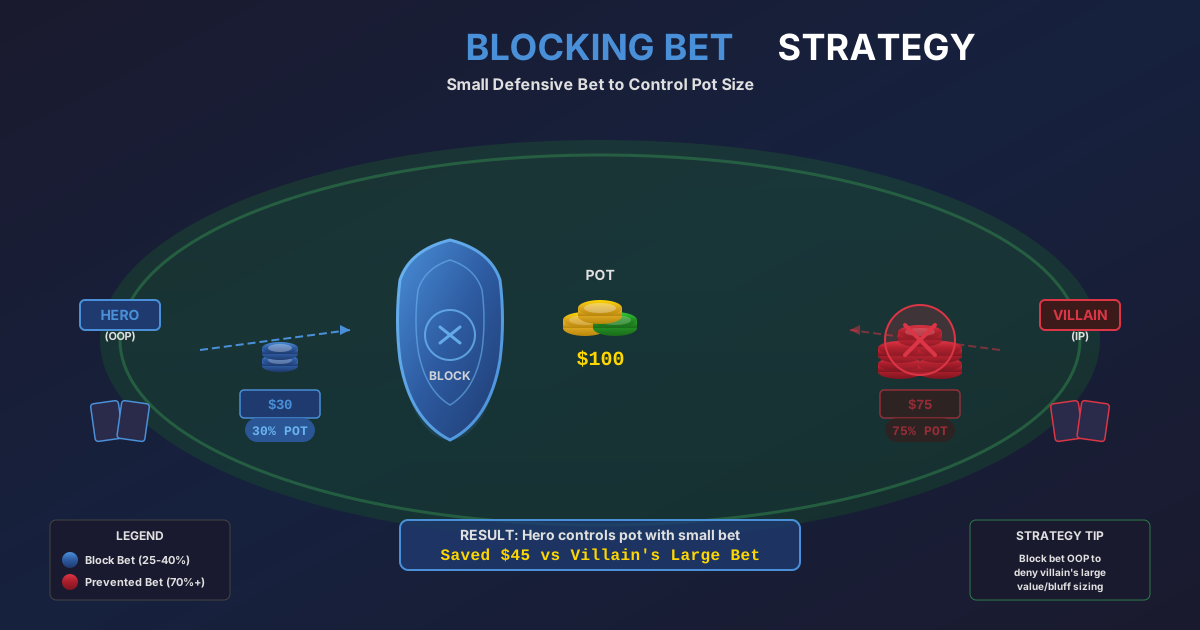
Setup: You bet $33 into $100 (33% pot) as a blocking bet.
Calculation:
Bluff frequency = 33 / 133 = 24.8%
Value : Bluff = 75 : 25 = 3:1

If you have 30 value combos:
Bluffs needed = 30 / 3 = 10 combos
Application: Small bets require fewer bluffs, allowing thin value bets to be profitable while maintaining balance.
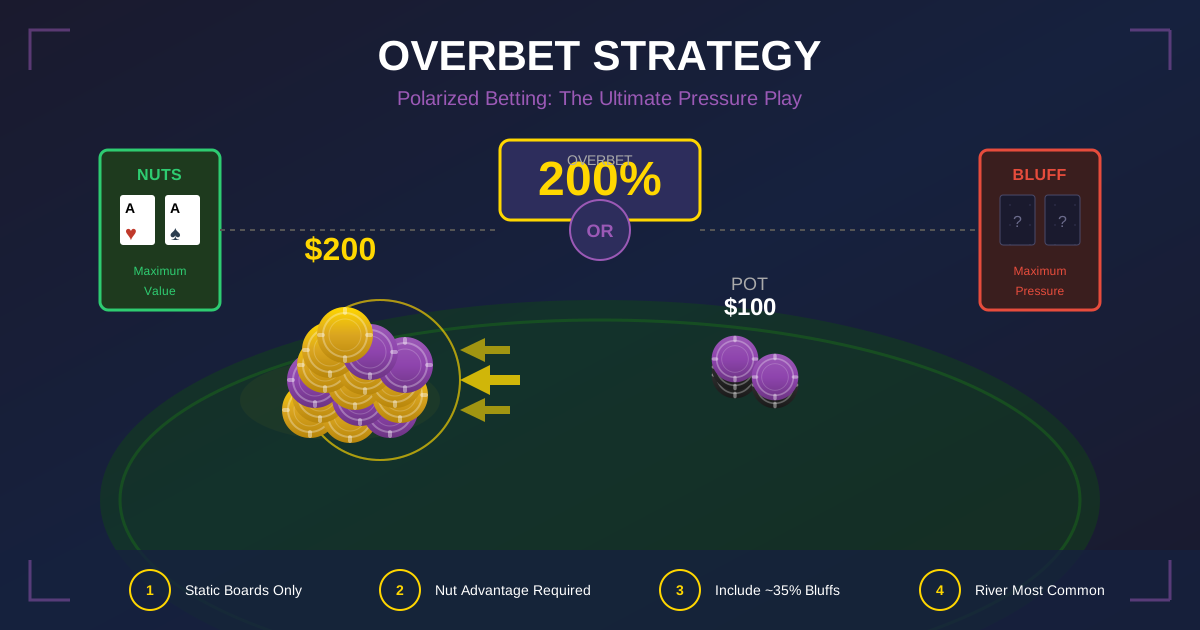
Example 3: Overbet Balance
Setup: You bet $200 into $100 (200% pot overbet).
Calculation:
Bluff frequency = 200 / 300 = 66.7%
Value : Bluff = 33 : 67 ≈ 1:2

If you have 12 value combos:
Bluffs needed = 12 × 2 = 24 combos
Range Construction:
Value (12 combos):
- Nut flush: 3 combos
- Top set: 3 combos
- Second set: 3 combos
- Nut straight: 3 combos

Bluffs (24 combos):
- All missed draws
- Complete air with no showdown value
Note: Overbets require many bluffs. Only use when you have enough bluff candidates.
Example 4: Turn Betting Range
Setup: Flop checked through, you bet $60 into $80 on the turn.
Calculation:
Bluff frequency = 60 / 140 = 42.9%

But on the turn, bluffs have equity to river!
Adjust for draw equity:
If bluffs have 20% equity, effective bluff% = 42.9% × 0.8 = 34.3%
Turn Range Adjustments:
- Include more draws as "semi-bluffs"
- Pure bluffs need backup equity
- Value range can be wider than river
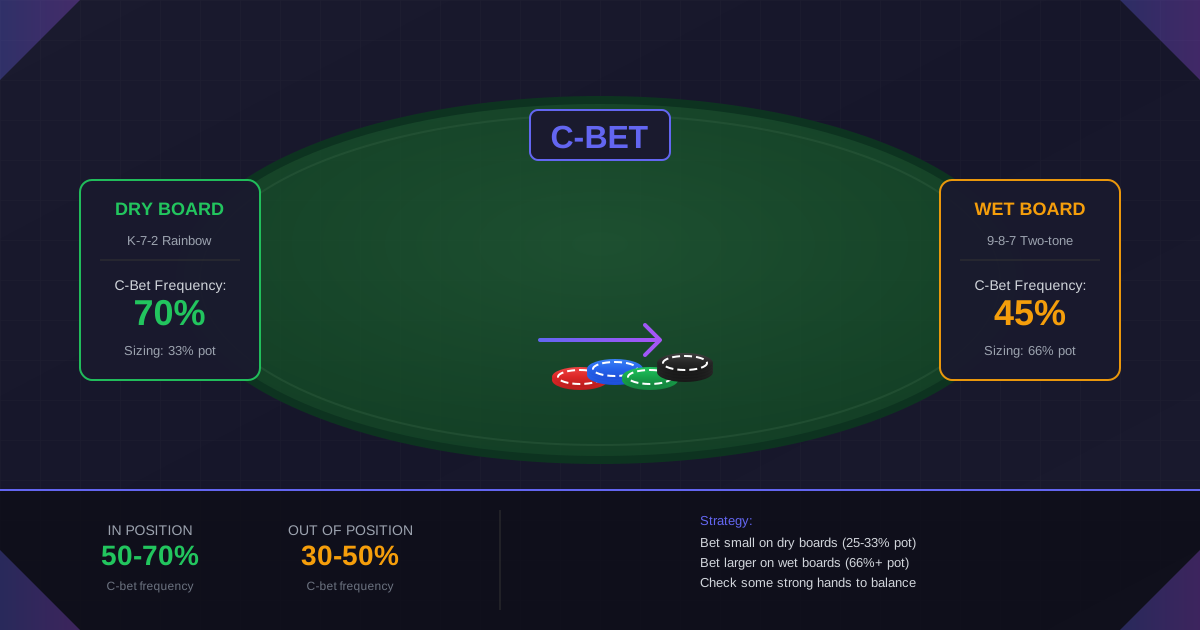
Example 5: C-Bet Balance on Dry Flop
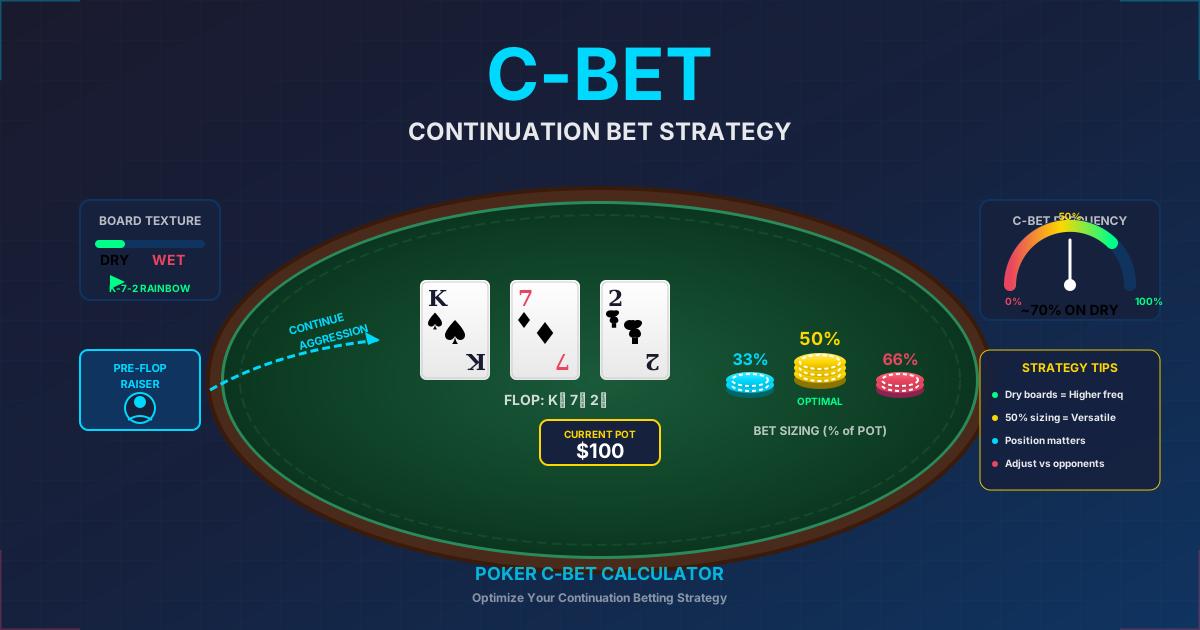
Setup: You raised preflop, flop is K-7-2 rainbow. You bet $12 into $20.
Calculation:
Bluff frequency = 12 / 32 = 37.5%

But as preflop raiser on dry board:
- You have significant range advantage
- Opponent's range is capped
- Can use higher bluff frequency profitably
C-Bet Range:
Value: All Kx, 77, 22, overpairs
Thin Value: Pocket pairs 88-QQ
Bluffs: Backdoor draws, ace-high
Check: Middle pairs, weak showdown value
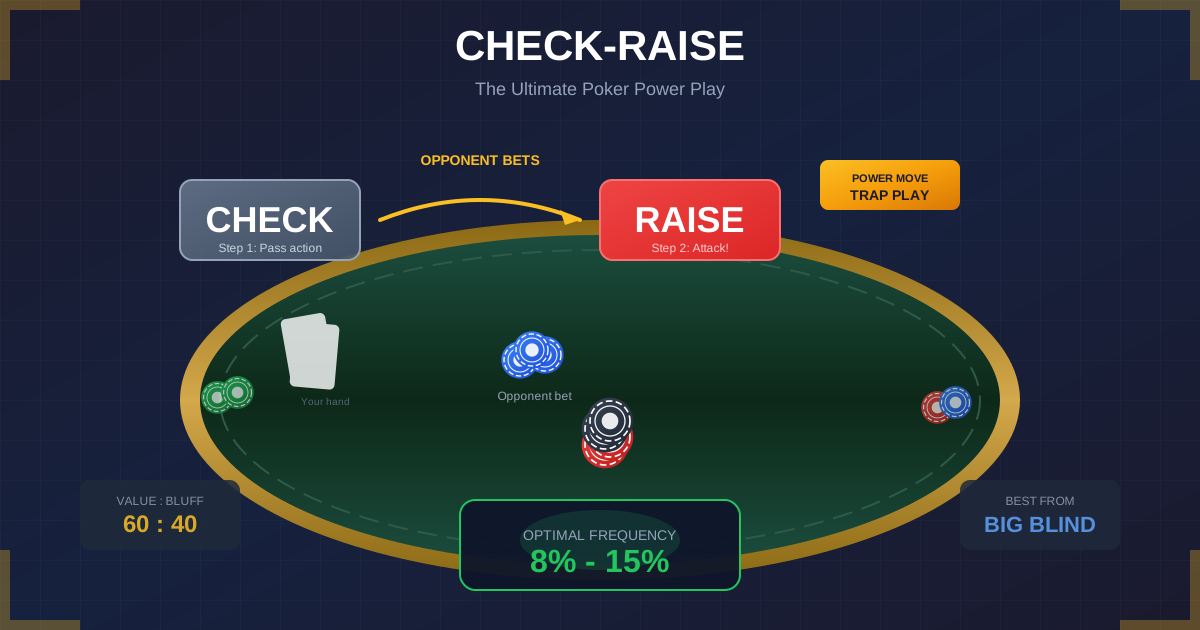
Example 6: Check-Raise Range Balance
Setup: Opponent bets $30 into $40. You check-raise to $100.
Calculation:
Your raise is $70 more into $70 pot
Bluff frequency = 70 / 170 = 41.2%
Check-Raise Range:
Value (59%):
- Sets, two pair
- Strong draws with equity

Bluffs (41%):
- Weaker draws
- Complete air (limited)
Multi-Street Range Planning
Maintaining Balance Across Streets
Your ranges must remain balanced as the hand progresses:
Flop Planning:
Total betting range: 100 combos
- Plan which combos bet all three streets
- Plan which combos bet flop, give up turn
- Plan which combos bet flop-turn, give up river
Turn Adjustments:
After flop bet is called:
- Remove hands that improved from bluffs
- Remove hands that bricked from value
- Recalculate balance with new combos
River Finalization:
After turn bet is called:
- Polarize completely (value or bluff)
- Remove all medium-strength hands
- Bluffs should have zero showdown value
The Tree of Range Development
Preflop Range (100%)
    │
    ├── Flop Bet Range (65%)
    │       ├── Turn Bet (45%) → River Bet (30%)
    │       └── Turn Check (20%) → Showdown
    │
    └── Flop Check Range (35%)
            ├── Delayed Bet (15%)
            └── Check to Showdown (20%)
Position-Based Range Adjustments
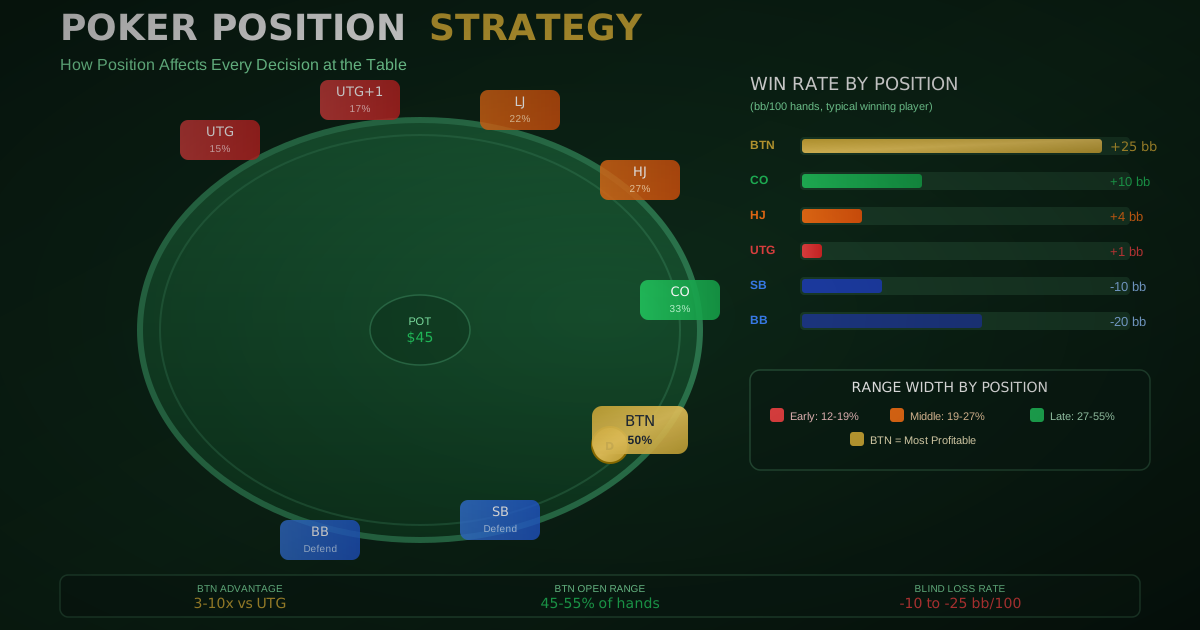
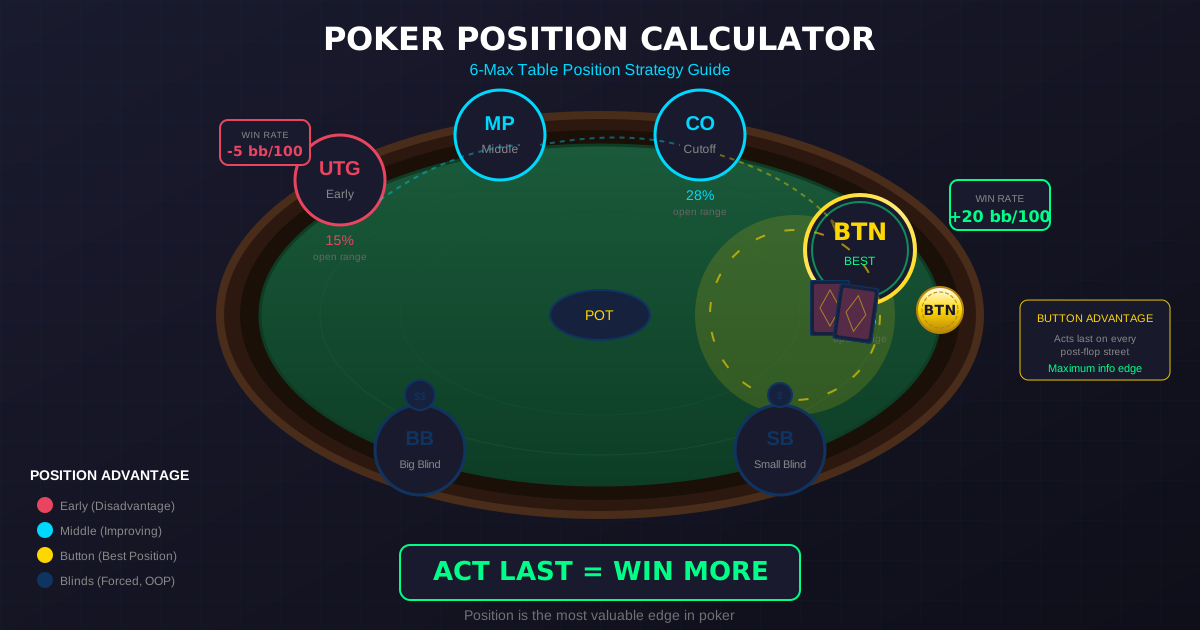
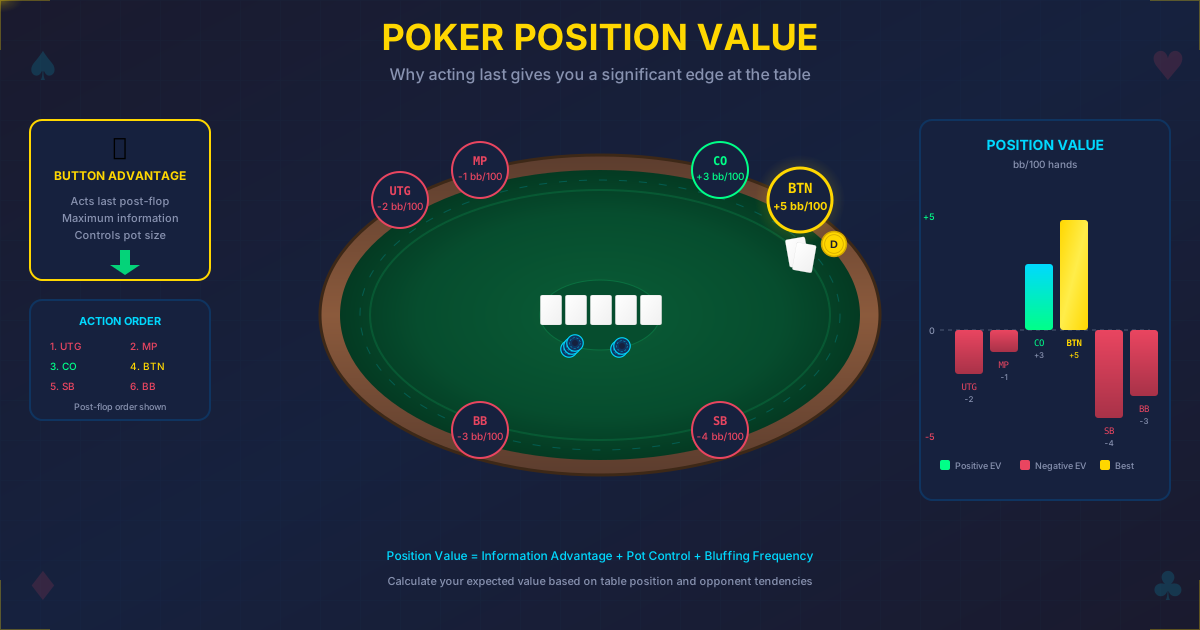
In Position Ranges
Playing in position allows wider, more aggressive ranges:
IP Advantages:
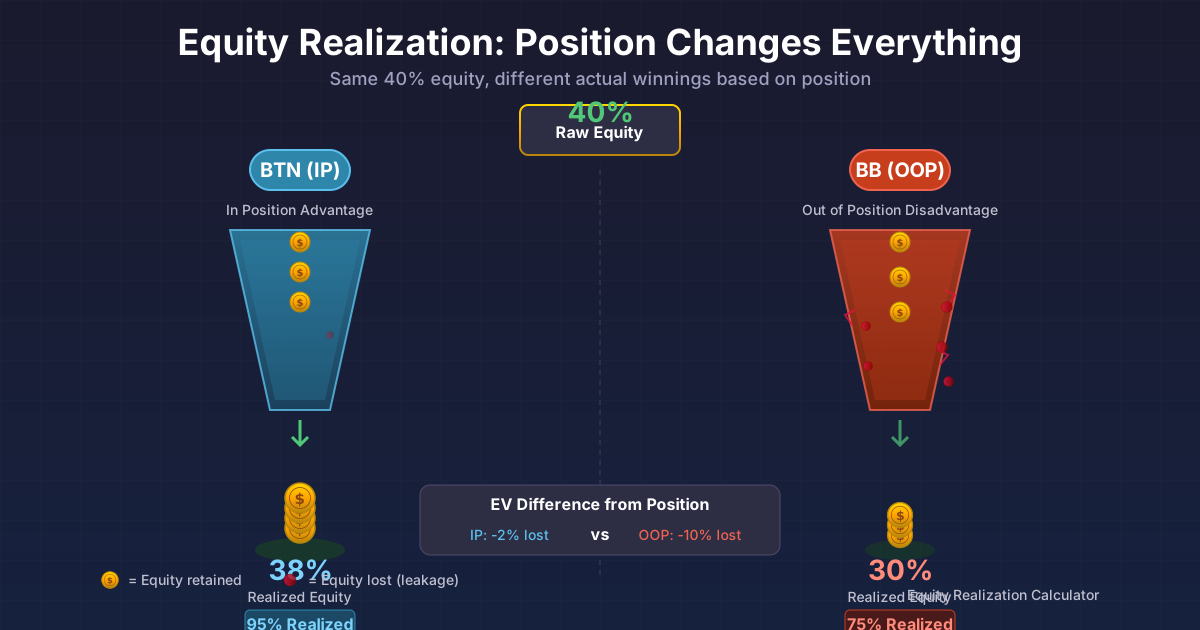
- Last to act, can pot control
- More information before deciding
- Higher equity realization

IP Range Adjustments:
- Widen value betting range (thin value more)
- Include more bluffs (better fold equity)
- Check back medium hands (realize equity)
Out of Position Ranges
OOP requires tighter, more protective ranges:
OOP Disadvantages:
- Must act first, less information
- Difficult to pot control
- Lower equity realization

OOP Range Adjustments:
- Narrower value range (need stronger hands)
- Fewer bluffs (harder to barrel)
- Check-raise with strong hands (protect range)
Common Mistakes to Avoid
-
Over-Bluffing Rivers: Many players bluff too frequently on rivers where they have insufficient bluff candidates. Count your combos before betting.
-
Under-Bluffing Small Bets: Small bets require fewer bluffs, not zero bluffs. Even a 25% pot bet needs some bluffs for balance.
-
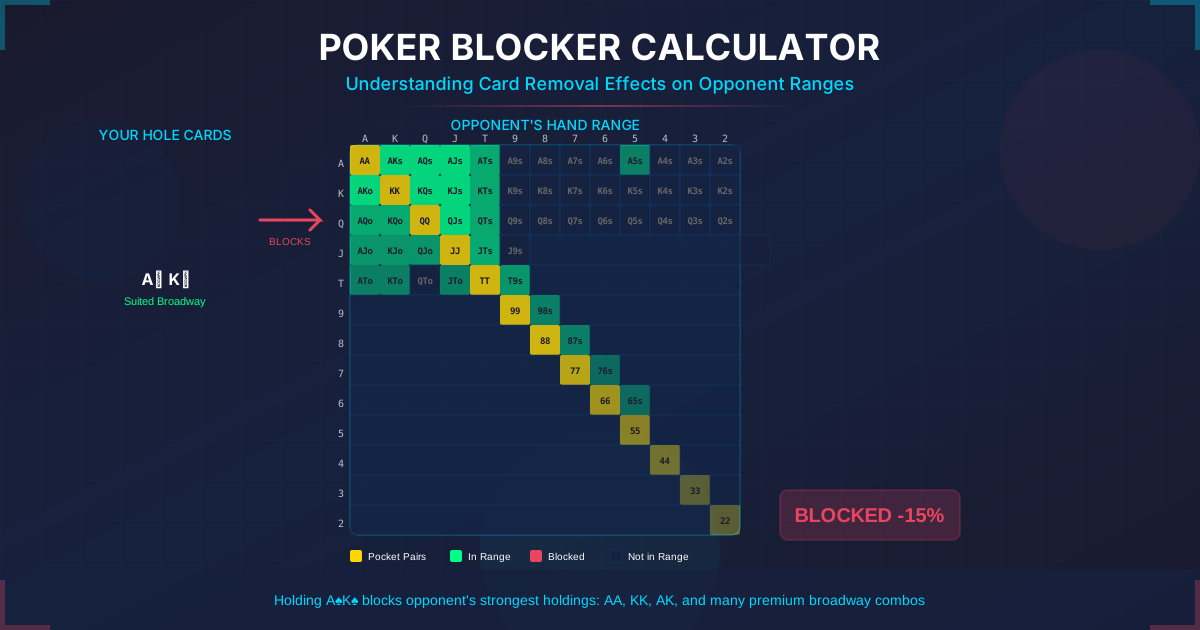
Ignoring Blockers: Blockers affect both your and opponent's ranges. Holding a blocker to the nuts makes your bluffs more effective.
-
Static Range Thinking: Ranges evolve each street. What was a bluff on the flop may become value by the river (or vice versa).
-
Forgetting Removal Effects: When you have a hand, you block opponent from having it. This changes the combo math significantly.
-
Applying GTO Balance Against Fish: Against weak players, deviate from balance to exploit. Balance is defensive, not always optimal.
Frequently Asked Questions
What is the correct value-to-bluff ratio?
The ratio depends on bet sizing. For pot-sized bets, use 1:1 (50% value, 50% bluffs). For half-pot bets, use 2:1 (67% value, 33% bluffs). The formula is: Value% = (Pot + Bet) / (Pot + 2×Bet).
Should I always play balanced ranges?
No. Balance protects against good players but sacrifices EV against weak players. Against calling stations, eliminate bluffs. Against nits, increase bluffs. Balance is your defensive baseline.
How do I count hand combinations quickly?
Unpaired hands: 16 total (4 suited, 12 offsuit). Pairs: 6 combos each. Subtract blockers: Each board card removes ~4 combos of hands containing that card.
What makes a good bluff candidate?
Good bluffs have: no showdown value, blockers to opponent's calling hands, no blockers to opponent's folding hands, and the ability to represent strong hands credibly.
How does position affect range balance?
In position, you can be more aggressive with wider, more bluff-heavy ranges because you have better information and equity realization. Out of position, tighten ranges and reduce bluff frequency.
When should I use a polarized vs merged range?
Polarized on static boards and rivers where hands are defined. Merged on dynamic boards, early streets, and against opponents who won't fold (no point bluffing calling stations).
How do draws affect turn betting balance?
Draws on the turn have equity, so they're not pure bluffs. Count their expected value when called rather than treating them as zero-equity bluffs. This allows more aggressive turn betting.
What if I don't have enough bluff candidates?
If you lack bluffs for your bet sizing, either: (1) reduce bet size to require fewer bluffs, (2) don't bet this spot, or (3) accept an unbalanced range when exploiting weak opponents.
Pro Tips
- Use a poker equity calculator to verify your value hands actually beat opponent's calling range before including them
- When uncertain about combo counts, use conservative estimates to avoid over-bluffing
- Practice counting combos away from the table until it becomes automatic
- Remember that balance is a target, not a requirement - small deviations are fine
- Track your ranges in study sessions to identify systematic imbalances
Related Calculators
- Poker Equity Calculator - Calculate hand equity against ranges
- GTO Poker Calculator - Find game-theoretically optimal plays
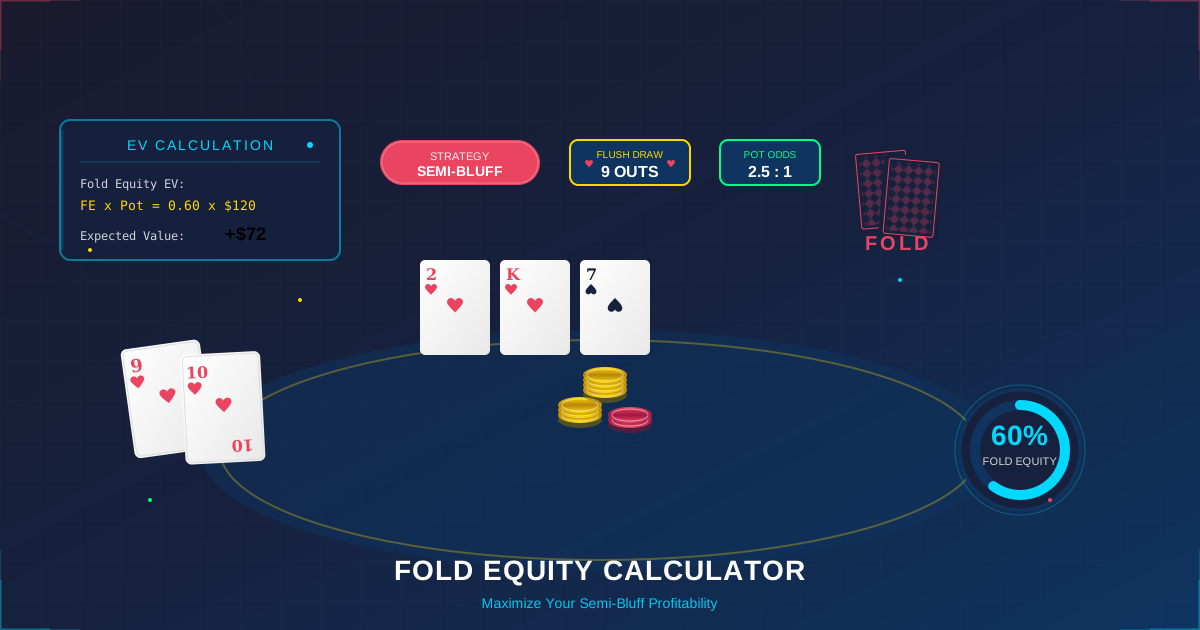
- Fold Equity Calculator - Determine how often opponents fold
- Minimum Defense Frequency Calculator - Calculate MDF for any bet size
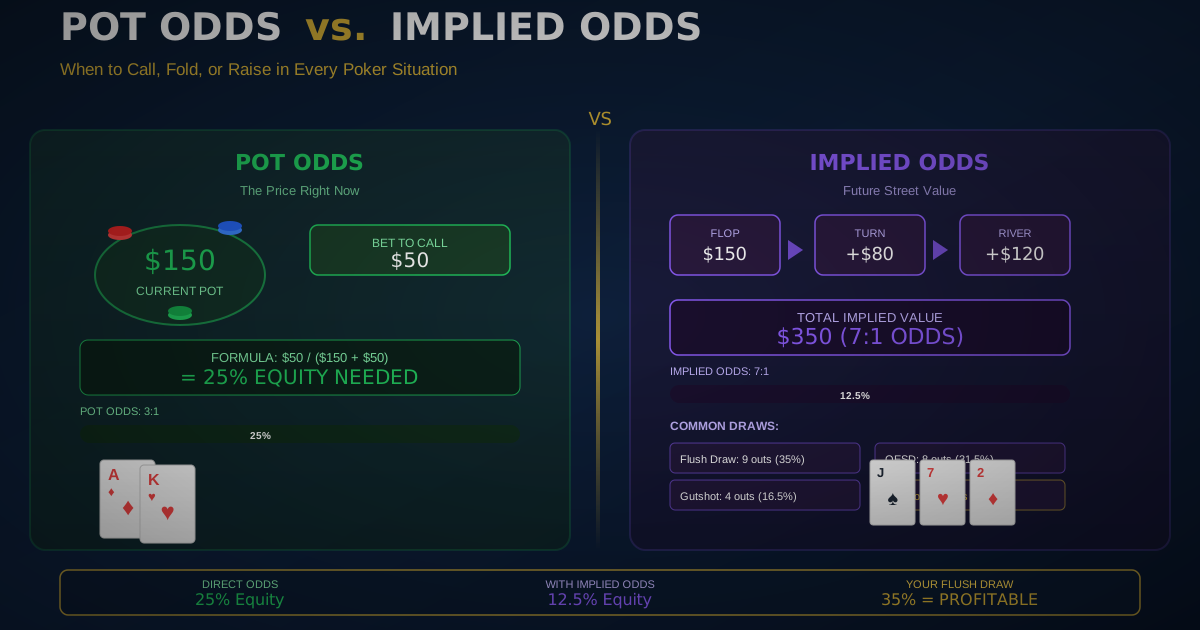
- Pot Odds Calculator - Convert bet sizes to required equity
Conclusion
Balanced ranges are the backbone of winning poker strategy. By constructing ranges with the correct value-to-bluff ratios, you become unexploitable and force opponents into difficult decisions. Our balanced range calculator removes the guesswork from range construction, showing you exactly how many bluffs to include for any bet size.
While exploitative play can extract more value against weak opponents, balance provides a profitable baseline against unknowns and protects you from skilled adversaries. Master range balance first, then learn when and how to deviate.