Bankroll Requirements Calculator: Proper Sizing for Any Gambling Activity (2026)
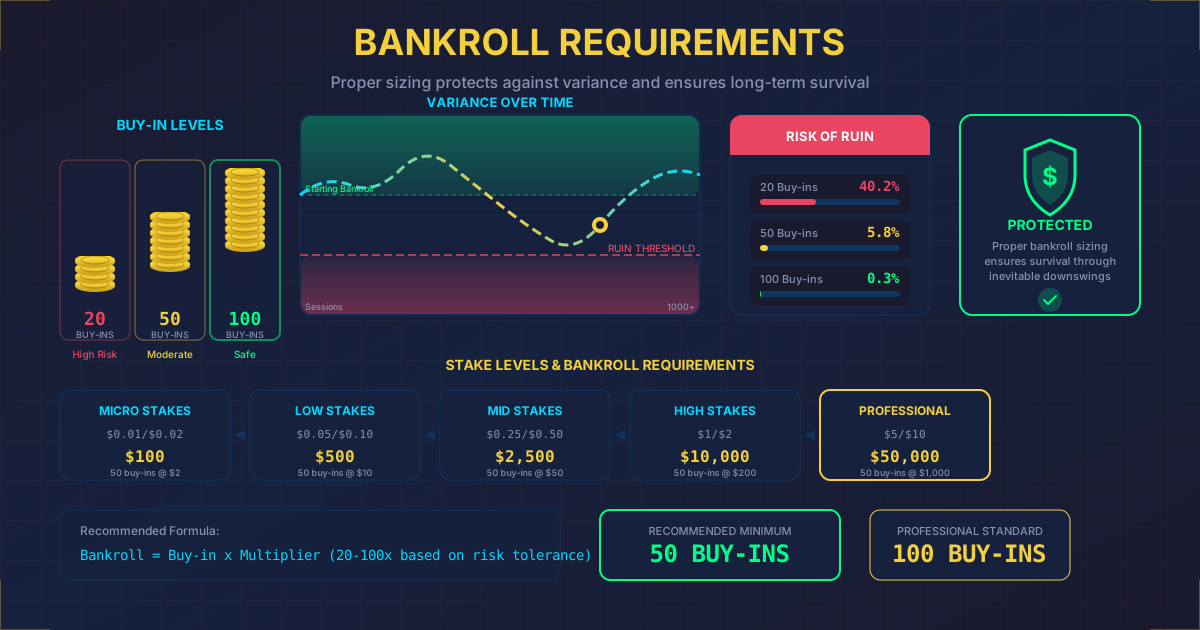
Bankroll Requirements Calculator: How Much Money Do You Really Need?
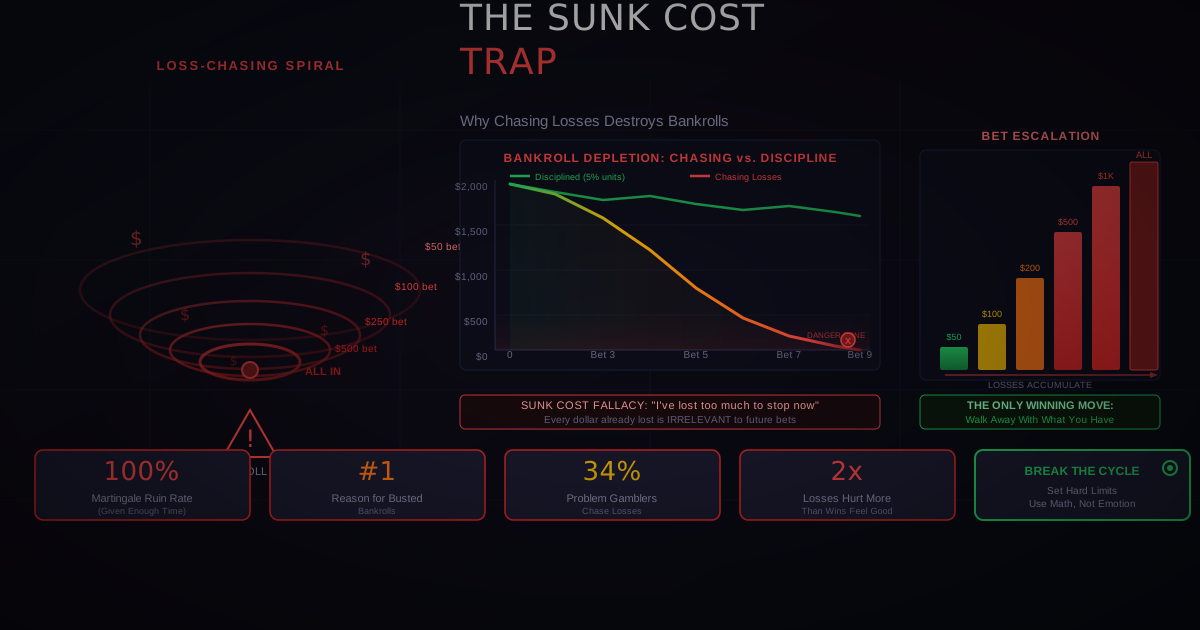
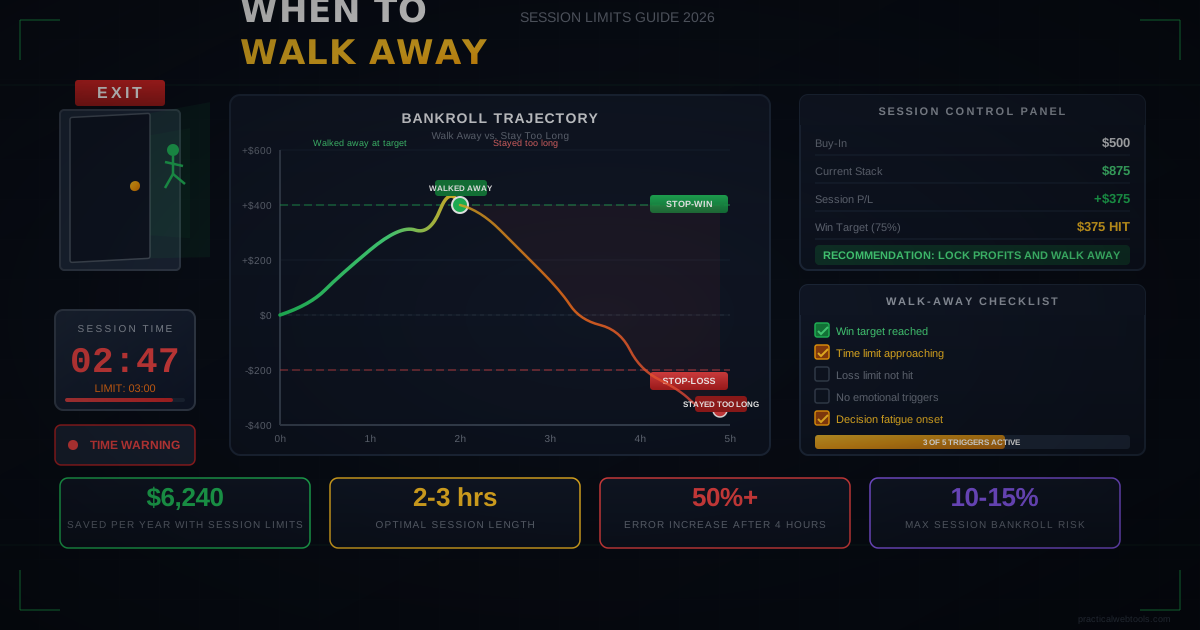
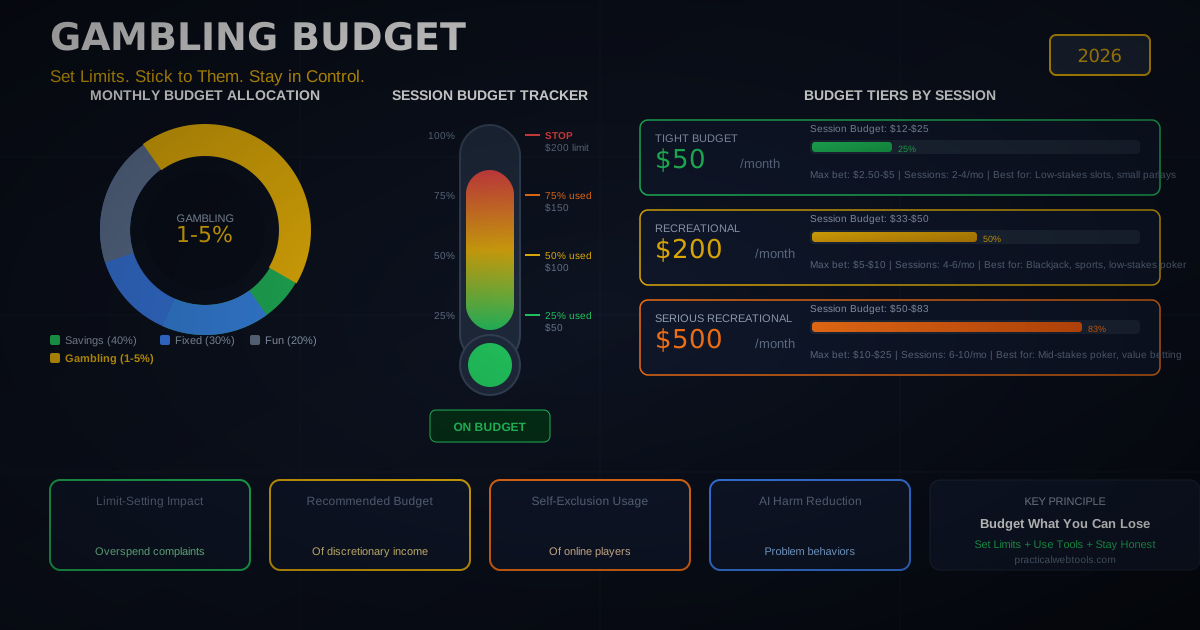
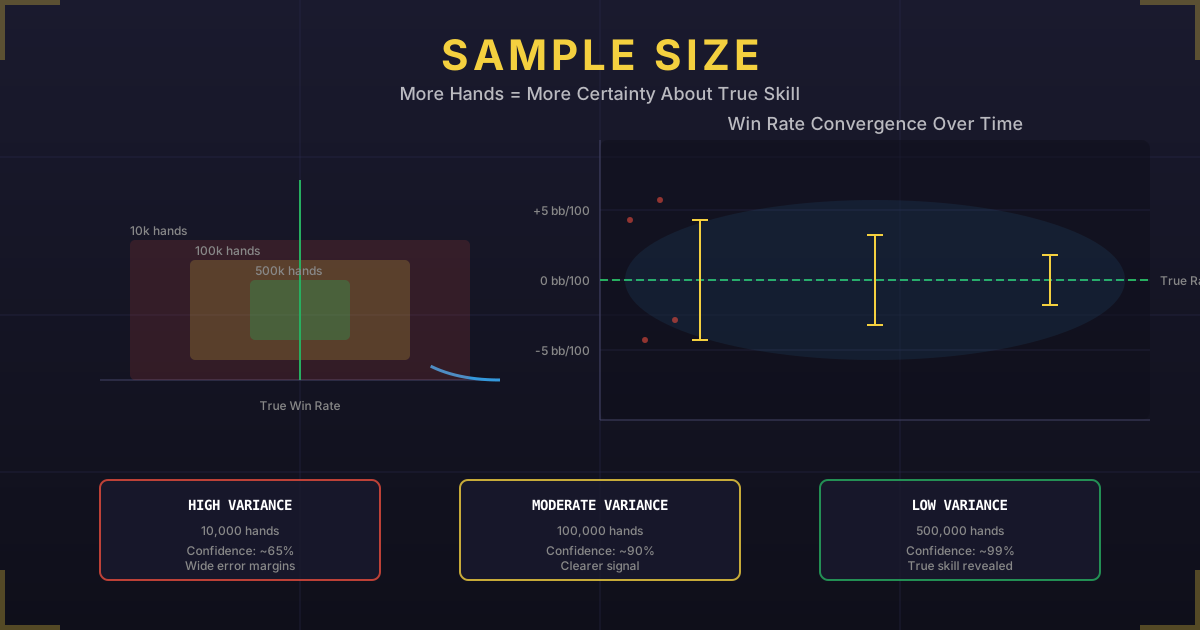
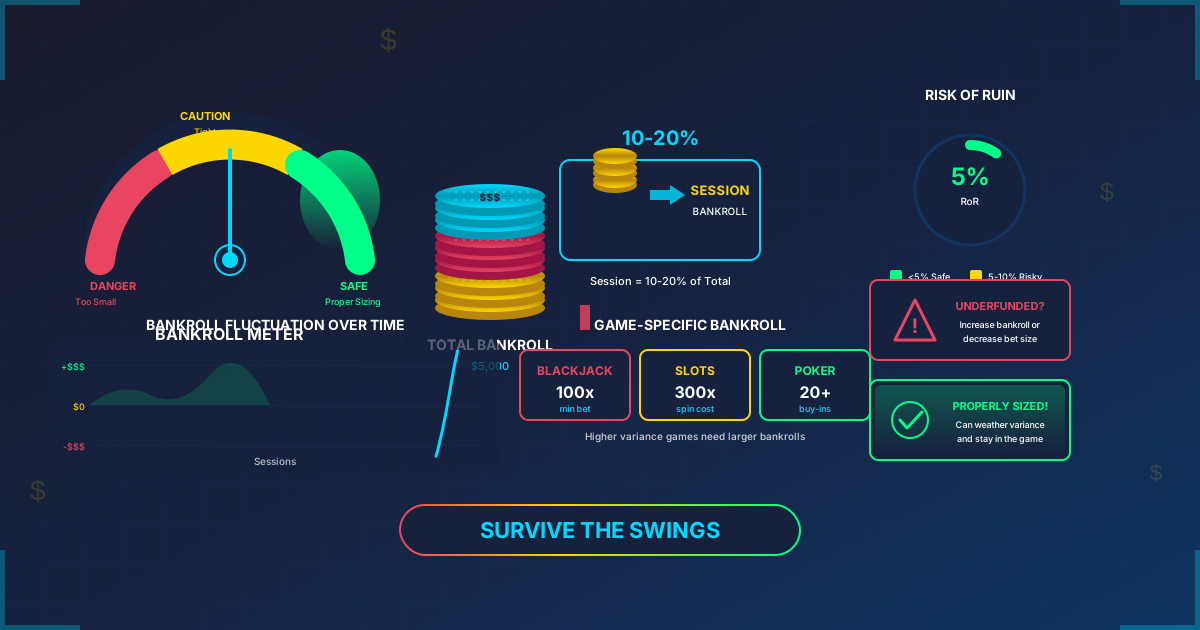
Every professional gambler's first lesson: bankroll management determines survival. Too small a bankroll and variance will bust you even with an edge. Too large wastes opportunity cost. Our bankroll requirements calculator determines the optimal funding for any gambling activity based on variance, edge, and risk tolerance.
What Are Bankroll Requirements?
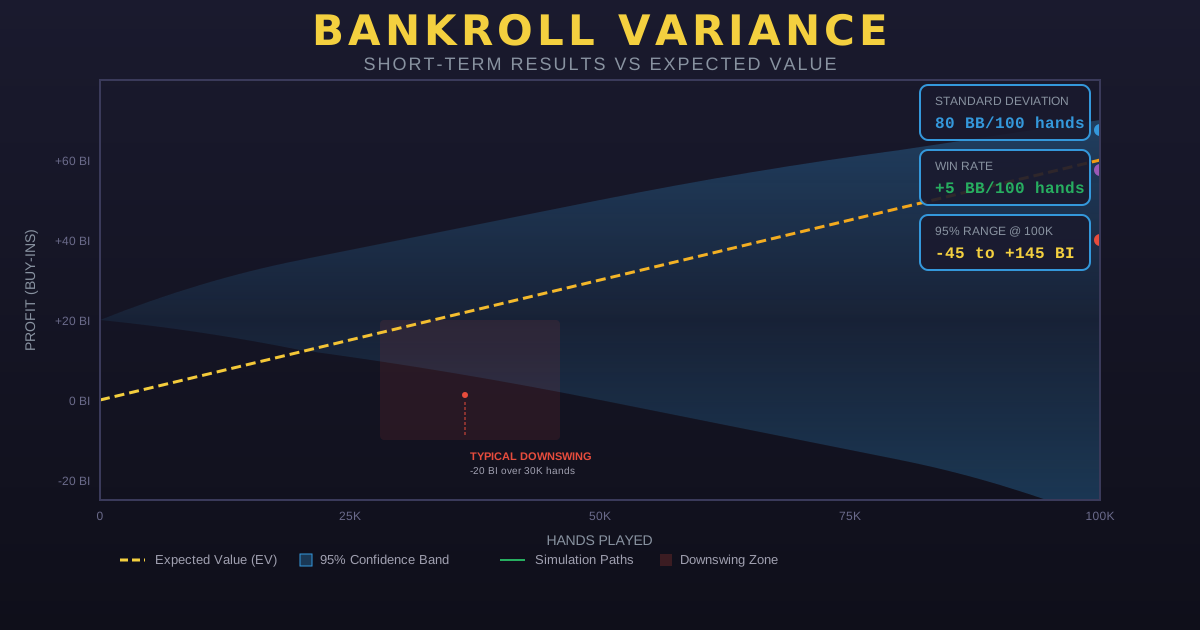
Bankroll requirements represent the minimum funds needed to survive expected variance in gambling or trading activities. Even positive-expectation betting experiences short-term losing streaks. Proper bankroll sizing ensures you can weather these inevitable downswings and reach the mathematical long run where your edge manifests.
Quick Answer: Minimum bankroll depends on risk of ruin tolerance, edge, and variance. General formula: Bankroll = (Variance × Safety Factor) / Edge². For poker: 20-30 buy-ins for cash games, 100-200 buy-ins for tournaments. For sports betting: 50-100 units at 1-3% edge. For casino advantage play: Kelly Criterion suggests bankroll = edge / variance × desired bet size. Conservative multiplier: 3-5x Kelly bankroll for low ruin risk.
How to Use Our Calculator
Use the Bankroll Requirements Calculator →
Step-by-Step Instructions
- Select Activity Type: Poker, sports betting, casino, or trading
- Enter Your Edge: Expected advantage percentage
- Enter Bet Size: Standard wager amount
- Set Risk Tolerance: Acceptable probability of going broke
- Calculate Requirements: See minimum bankroll needed
Input Fields
| Field | Description | Example |
|---|---|---|
| Gambling Activity | Type of betting | Sports Betting |
| Win Rate/Edge | Your advantage | 2% |
| Standard Bet Size | Typical wager | $100 |
| Risk of Ruin Target | Acceptable bust probability | 5% |
| Variance Factor | Game-specific volatility | Medium |
| Time Horizon | How long you're playing | Indefinite |
Bankroll Mathematics
The Fundamental Formula
Risk of Ruin Calculation:

For positive EV betting:
RoR = ((1 - edge) / (1 + edge))^(Bankroll/Unit)

Solving for bankroll:
Bankroll = Unit × ln(RoR) / ln((1-edge)/(1+edge))

Simplified approximation:
Bankroll ≈ -ln(RoR) / (2 × edge) × Unit

Example:
Edge: 2%
Unit: $100
Target RoR: 1%

Bankroll = -ln(0.01) / (2 × 0.02) × $100
Bankroll = 4.605 / 0.04 × $100
Bankroll = 115.1 × $100
Bankroll = $11,510

Need ~115 units for 1% ruin risk at 2% edge
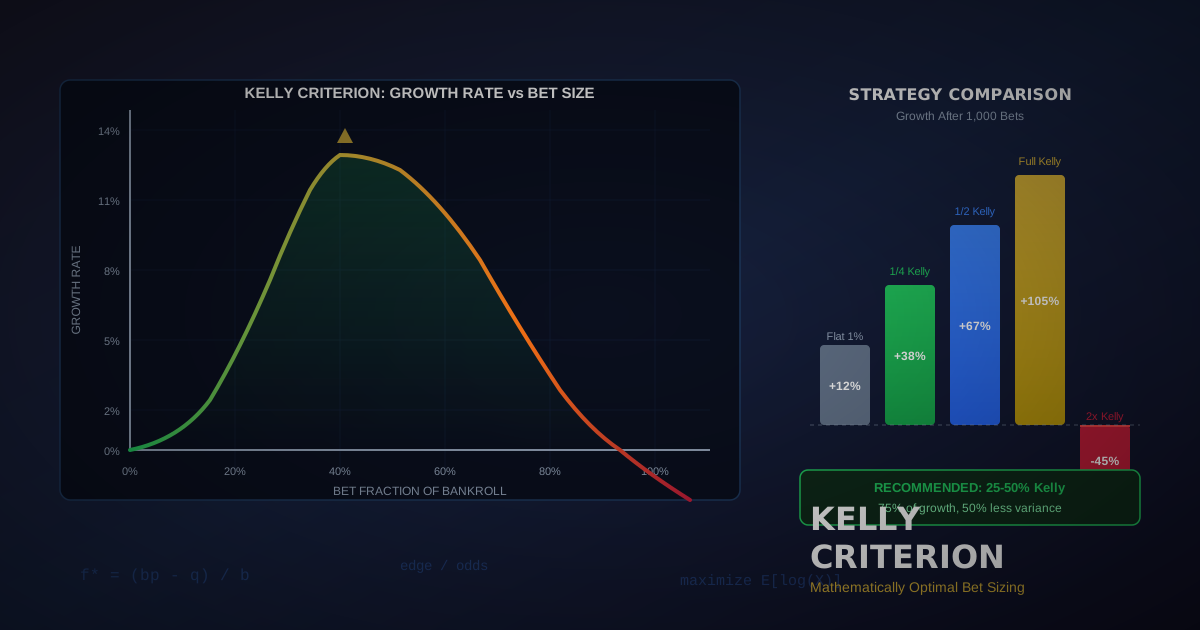
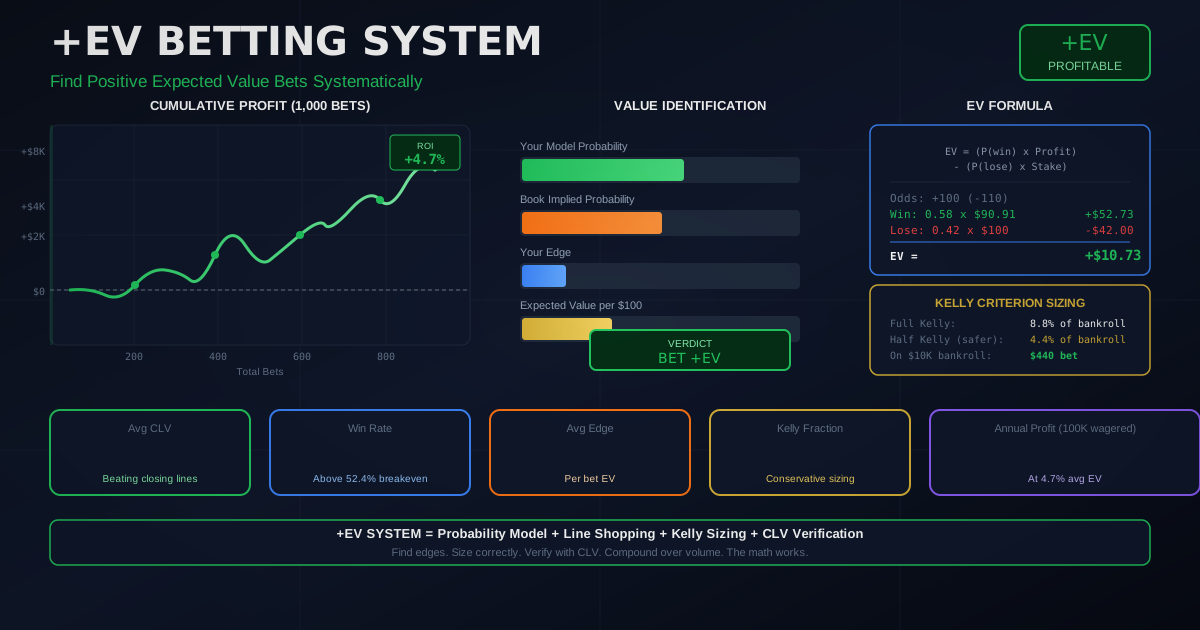
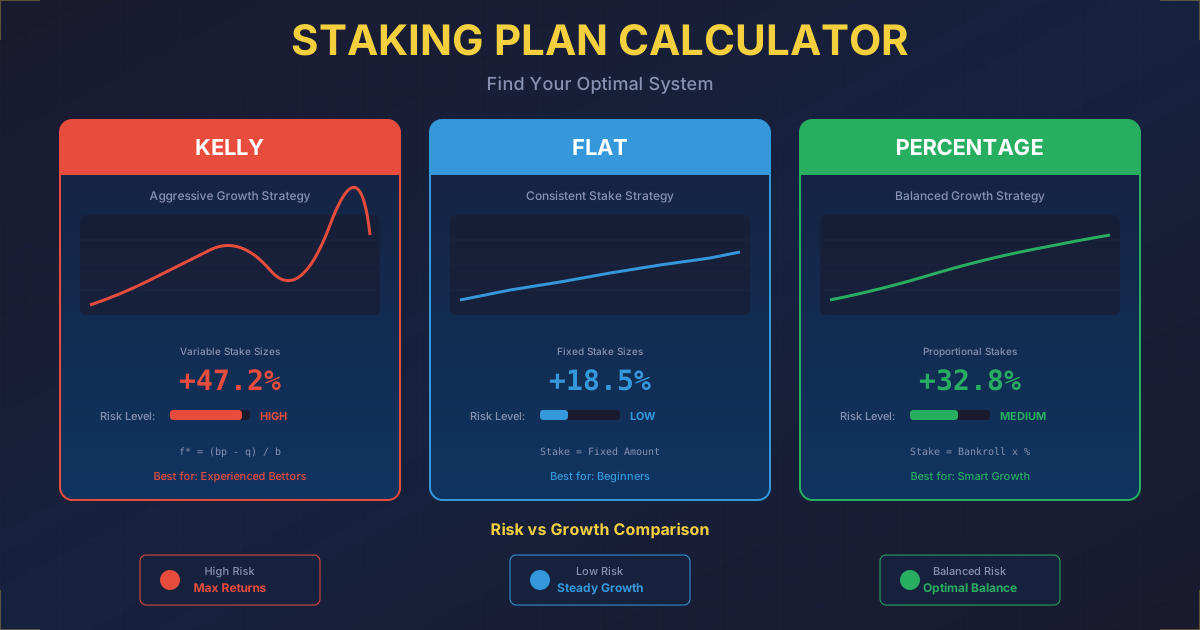
Kelly Criterion Relationship
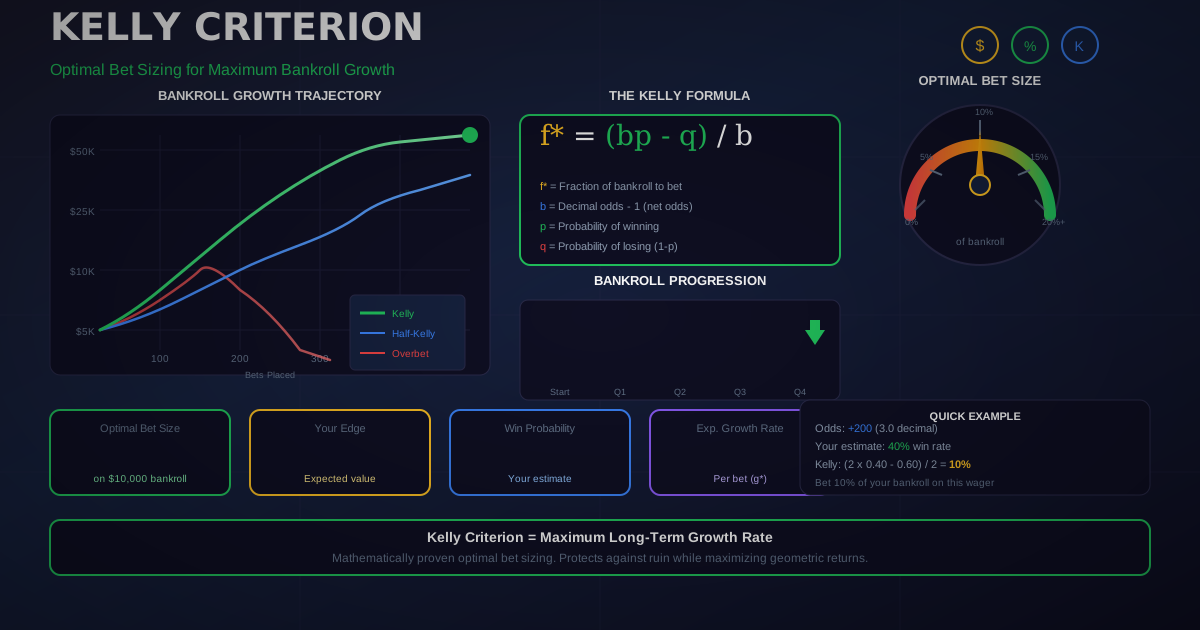
Kelly Criterion for optimal bet sizing:
Kelly % = Edge / Odds

This also relates to bankroll:
Bankroll = Bet Size / Kelly %

Example:
Edge: 5%, Even money odds
Kelly = 0.05 / 1 = 5% of bankroll

For $100 bets:
Bankroll = $100 / 0.05 = $2,000

But Kelly is aggressive!
Half-Kelly or quarter-Kelly is safer:

Half-Kelly bankroll: $4,000
Quarter-Kelly bankroll: $8,000

Conservative approach reduces ruin risk
at cost of slower bankroll growth
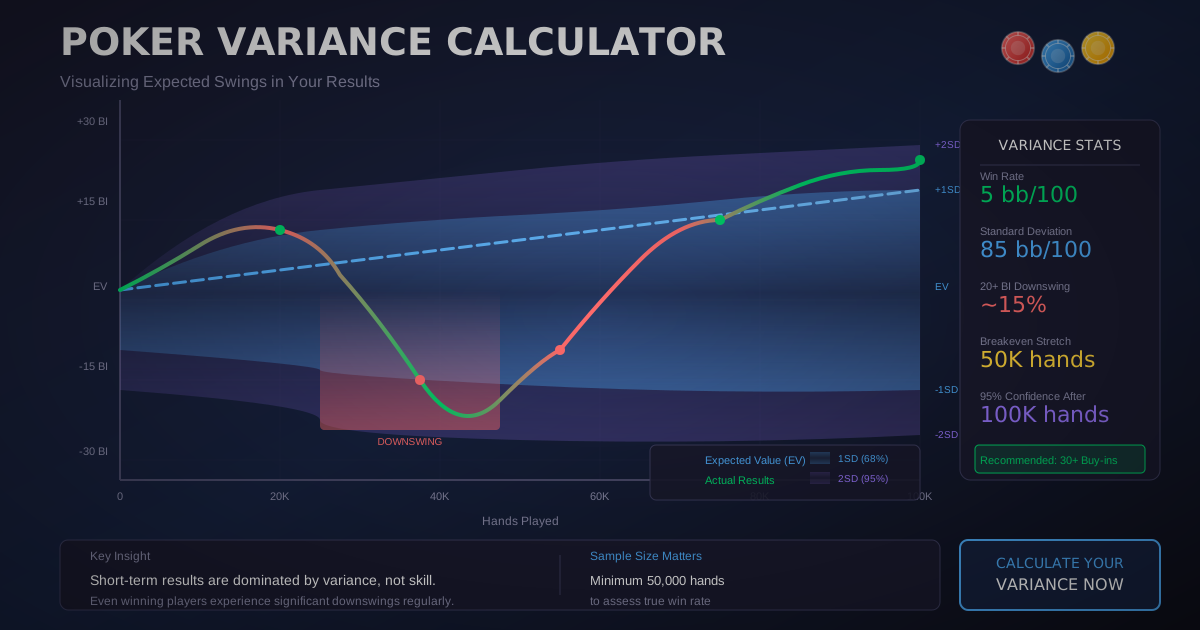
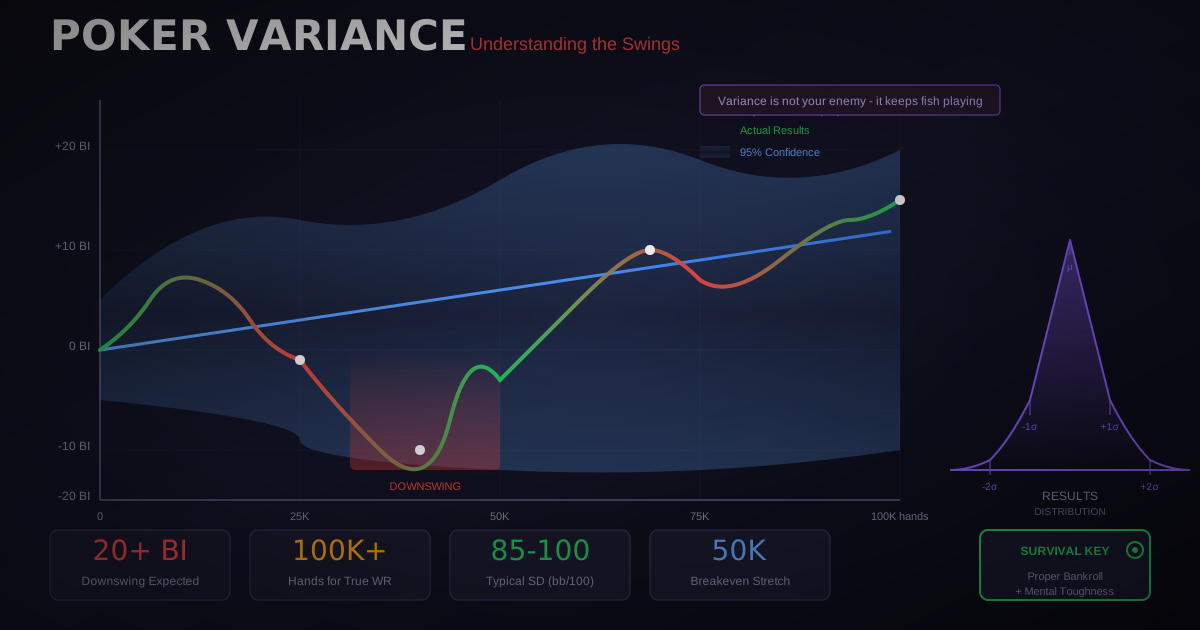
Variance Impact
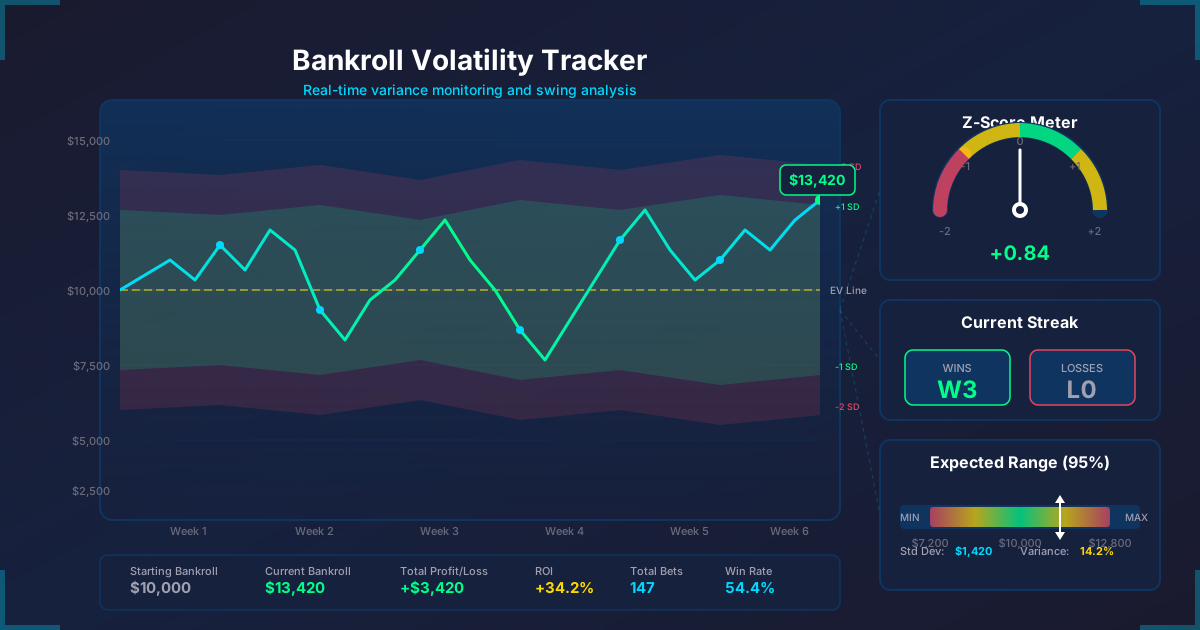
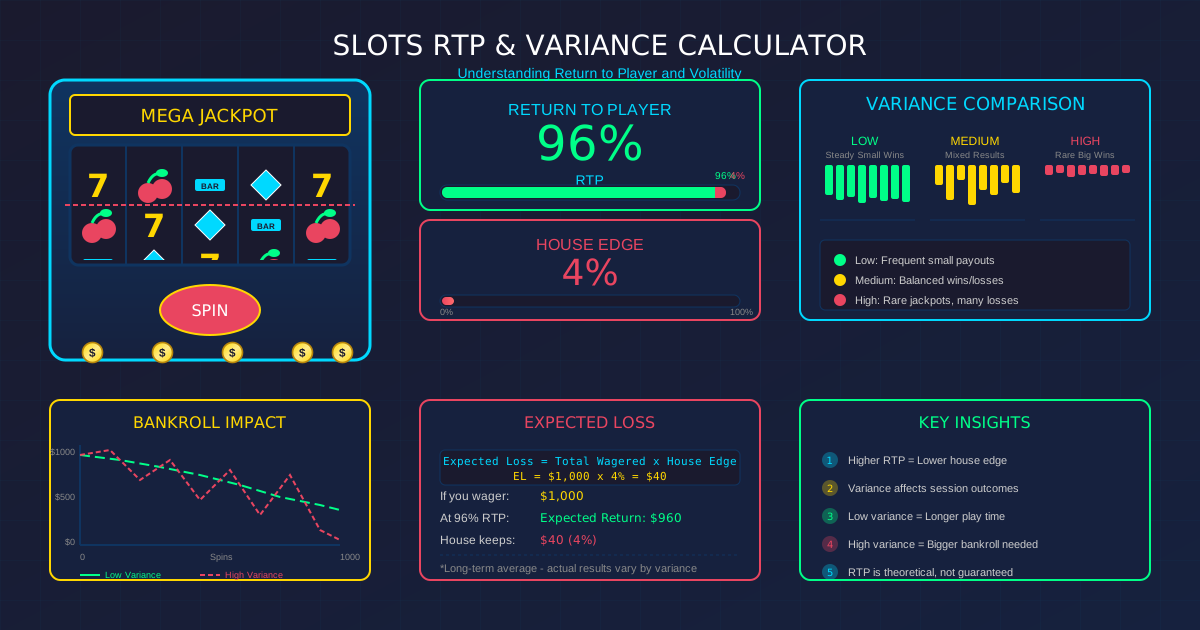
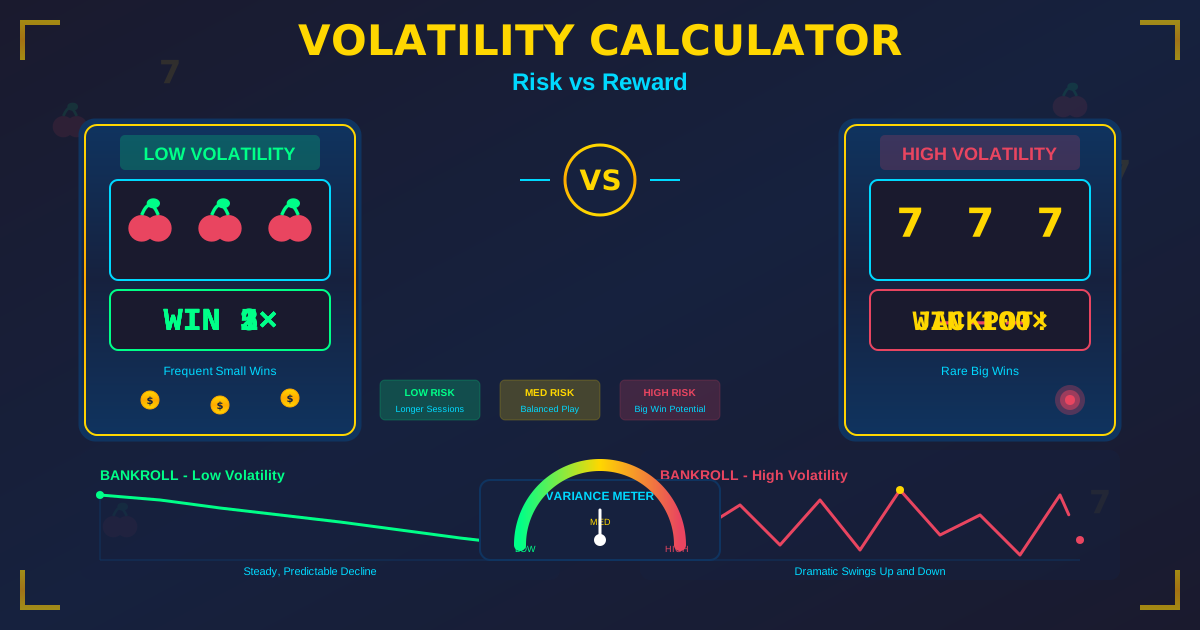
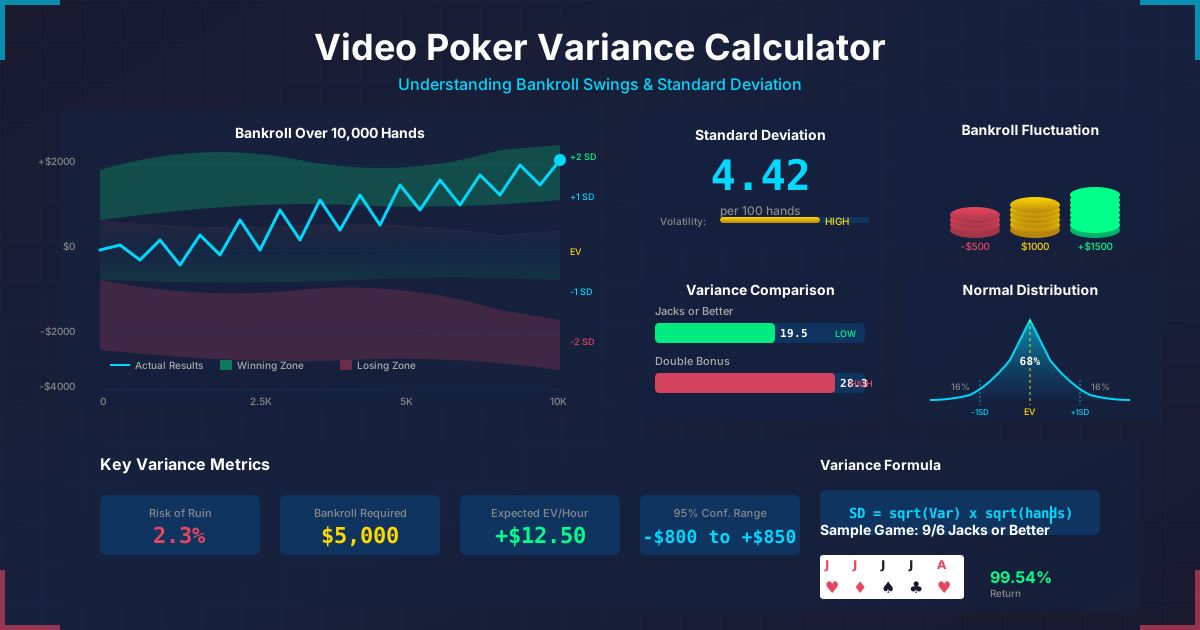
Variance dramatically affects requirements:

Low variance activity (blackjack):
- Small swings per bet
- Lower bankroll needed
- Faster convergence to expected value

High variance activity (tournaments):
- Large swings between winning/losing
- Much higher bankroll needed
- Takes longer to see true results

Standard deviations by activity:
Blackjack: ~1.15 per unit
Sports betting: ~1.0 per unit
Poker cash: ~10-15 big blinds/hand
Poker MTT: ~100-200% of buy-in
Slots: ~5-10 per unit

Higher SD = Higher bankroll requirement
Activity-Specific Requirements
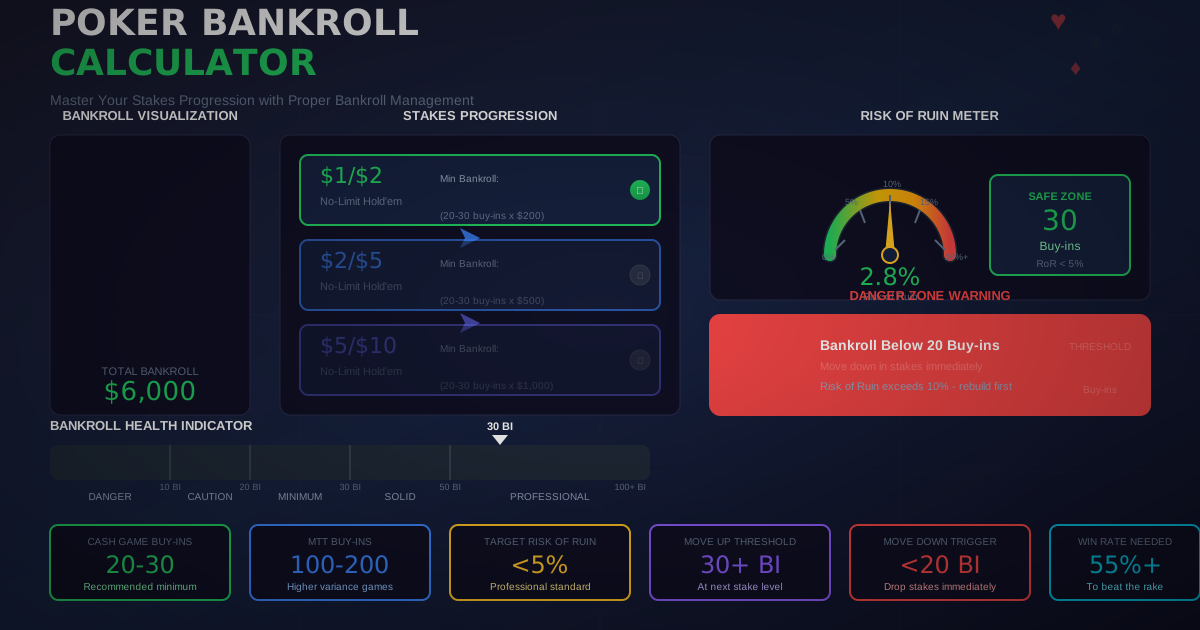
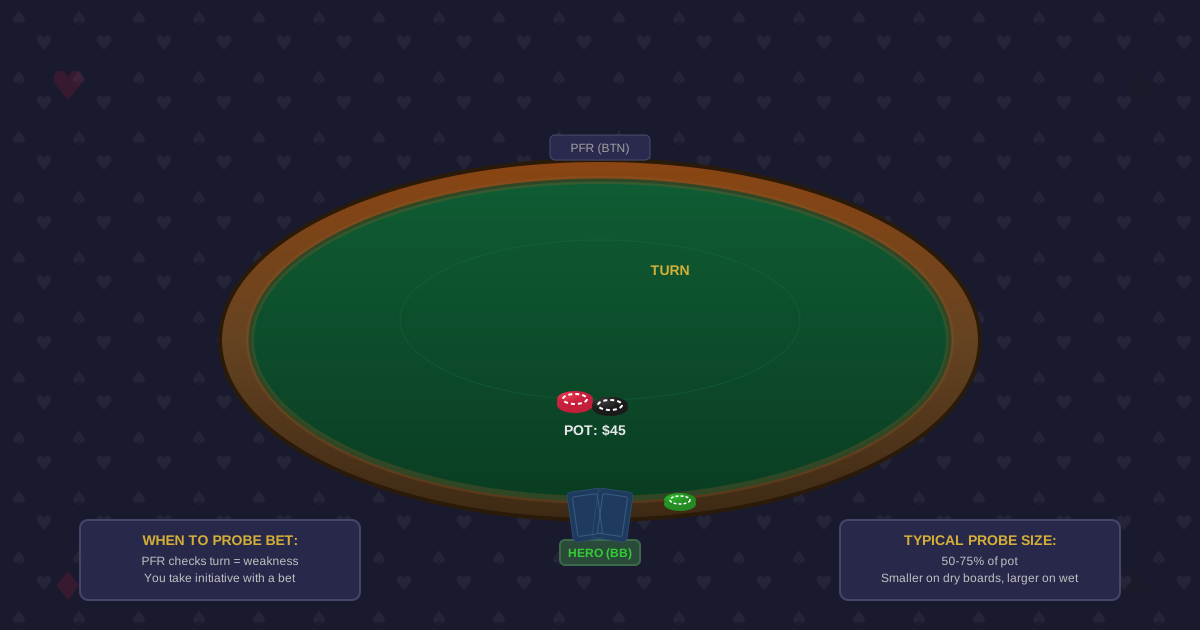
Poker Cash Games
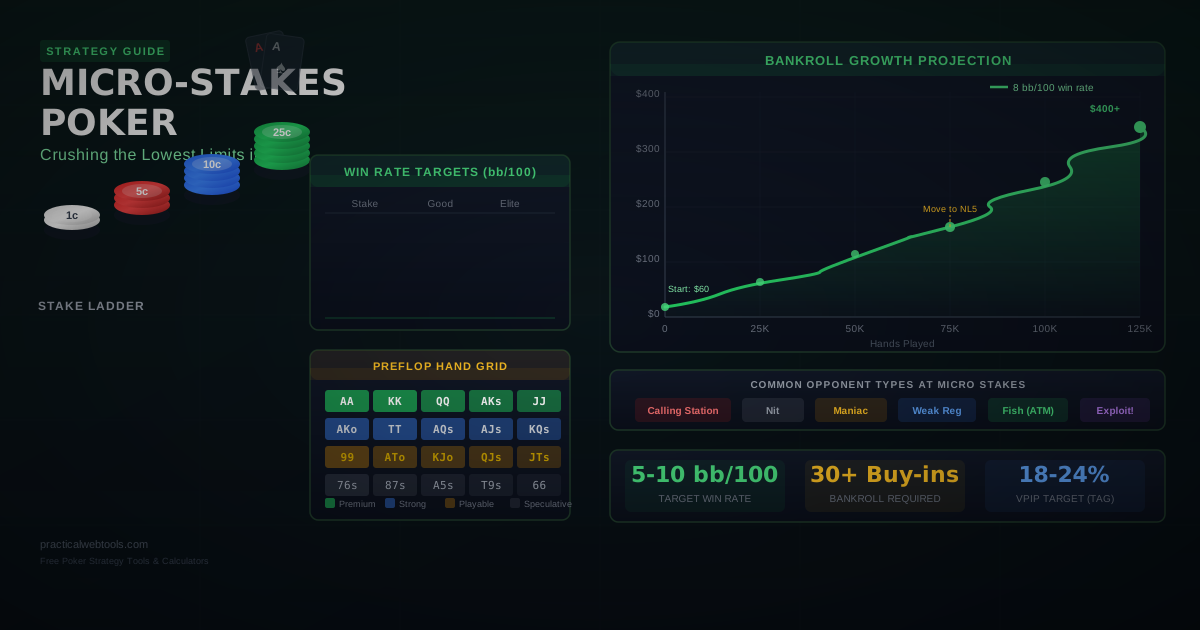
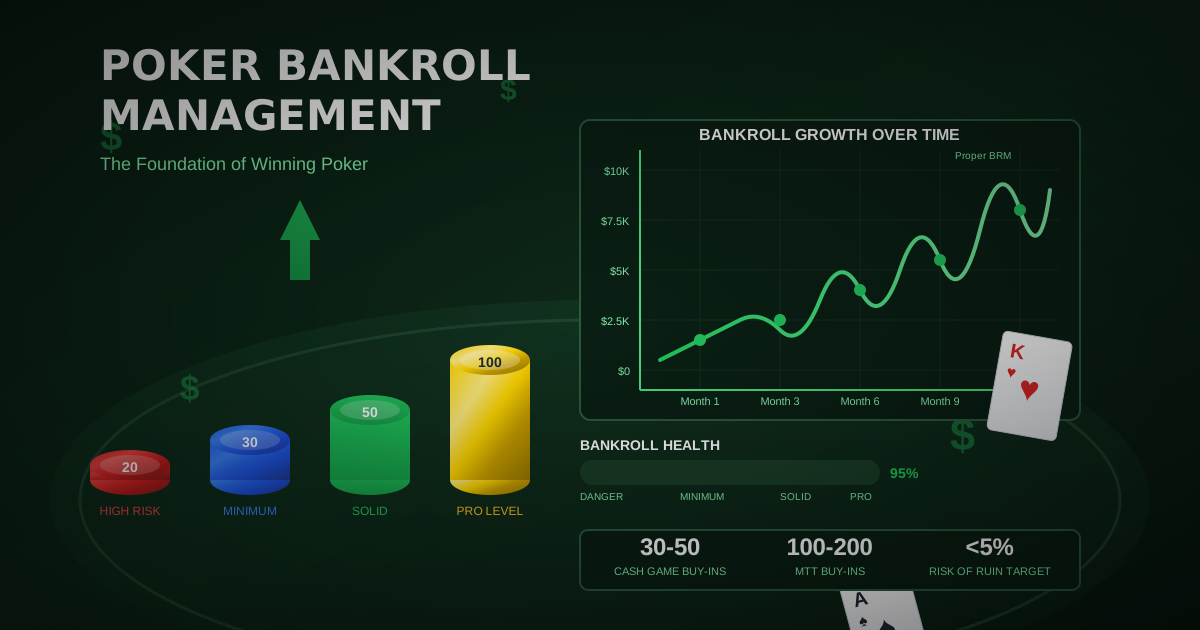
Cash Game Bankroll Guidelines:

Professional standard:
20-30 buy-ins minimum

Conservative:
40-50 buy-ins

Aggressive:
15-20 buy-ins

Calculation:
At $1/$2 NLHE ($200 buy-in):
Conservative: 50 × $200 = $10,000
Standard: 25 × $200 = $5,000
Aggressive: 15 × $200 = $3,000

Why buy-ins matter:
- Accounts for variance
- Allows playing your A-game
- Prevents moving down too often
- Professional cushion

Additional factors:
- Your win rate (higher = fewer buy-ins)
- Your skill edge (larger = fewer buy-ins)
- Mental game (tilting = more buy-ins)
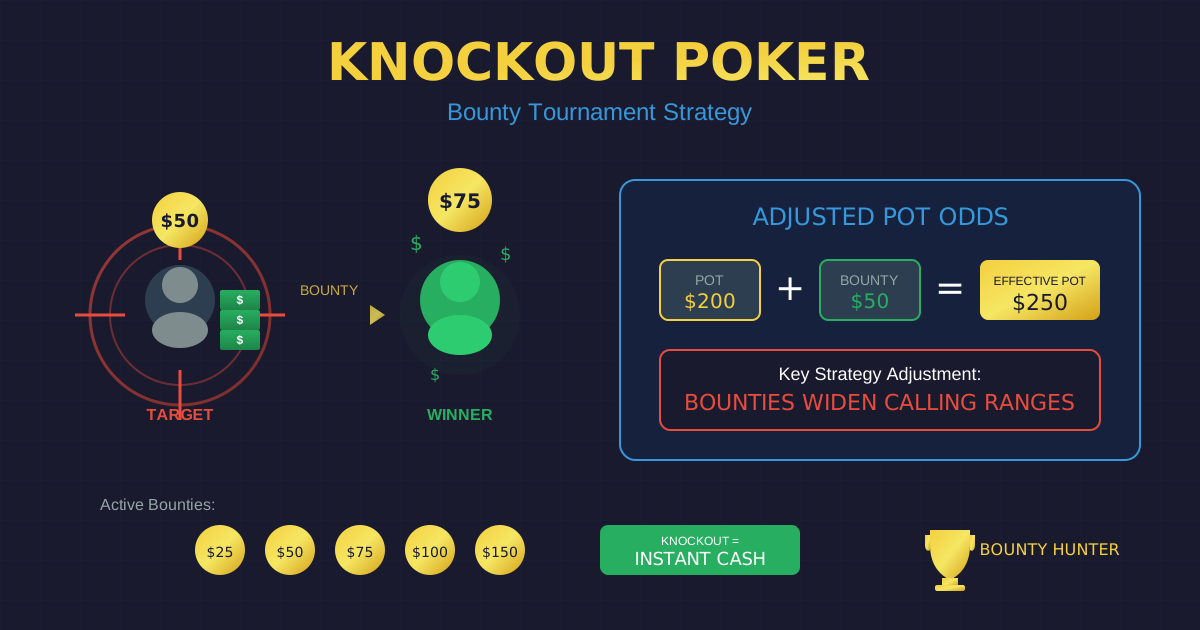
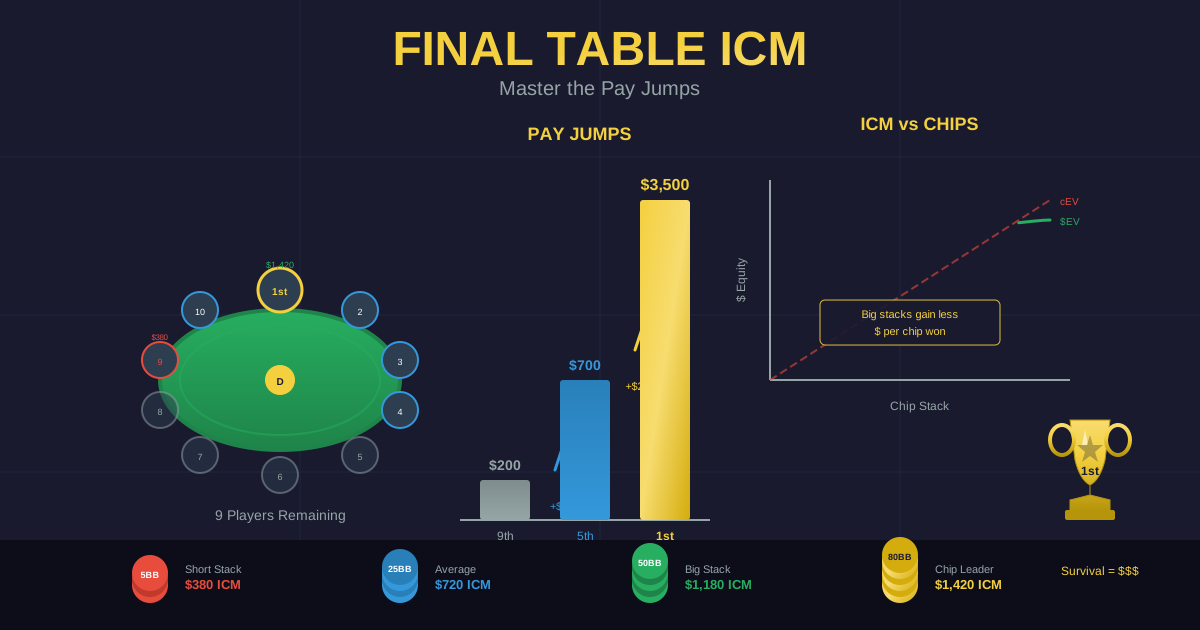
Poker Tournaments
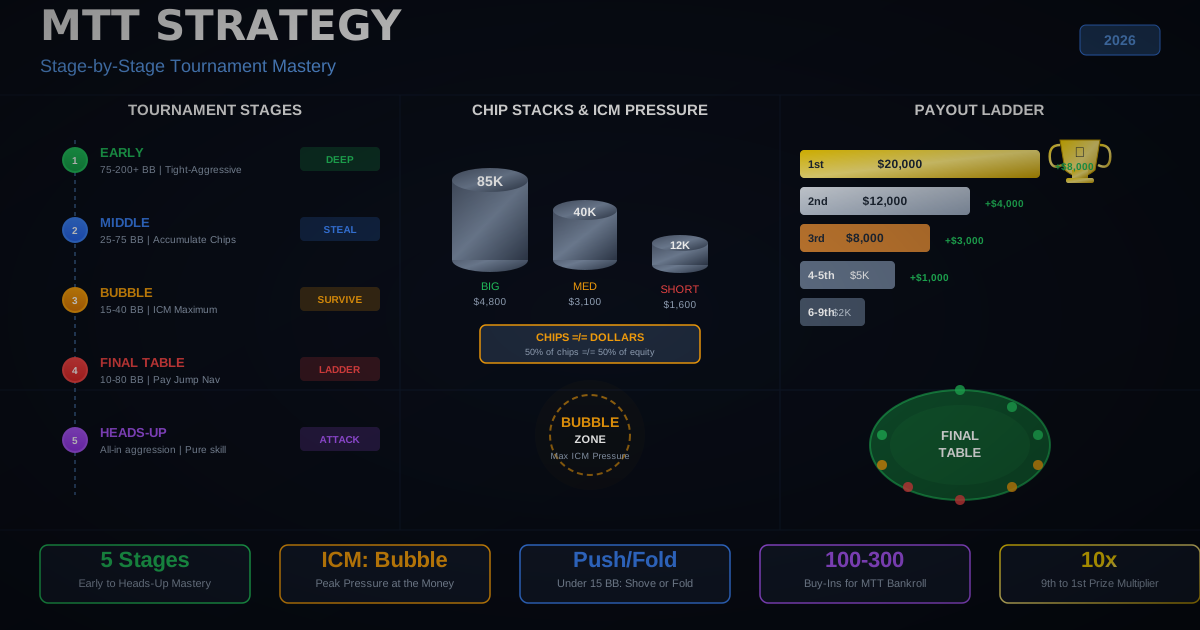
Tournament Bankroll Guidelines:

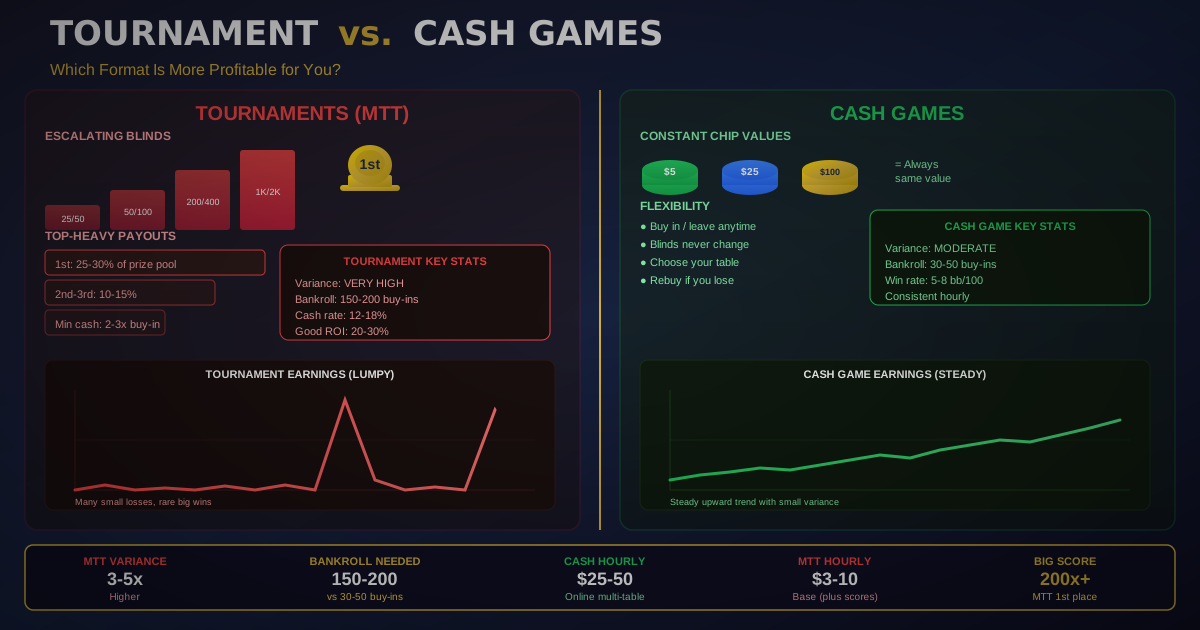
Much higher variance than cash:
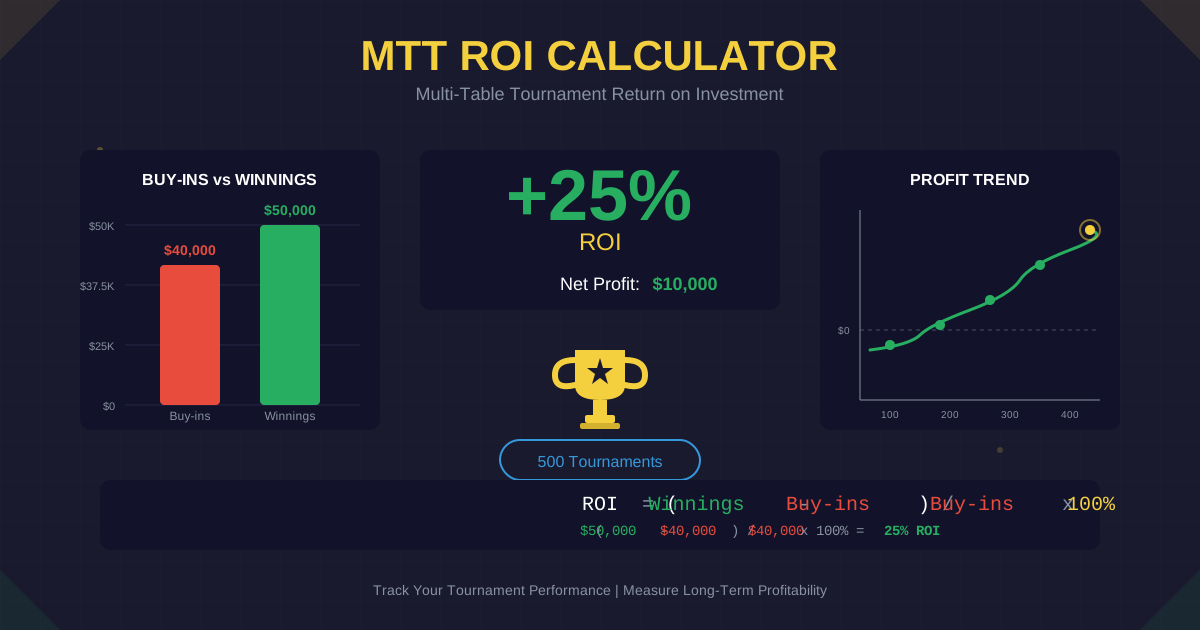
- 0% ROI needs 500+ buy-ins
- 20% ROI needs 200-300 buy-ins
- 50% ROI needs 100-150 buy-ins
- 100%+ ROI needs 50-100 buy-ins

Why so many more?
Typical ITM rate: 15-20%
80-85% of tournaments = $0 return

Calculation:
$100 tournament player, 30% ROI
Recommended: ~150 buy-ins
Bankroll: 150 × $100 = $15,000

For $10,000 Sunday majors:
Even with 50% ROI:
Need 100 × $10,000 = $1,000,000 bankroll

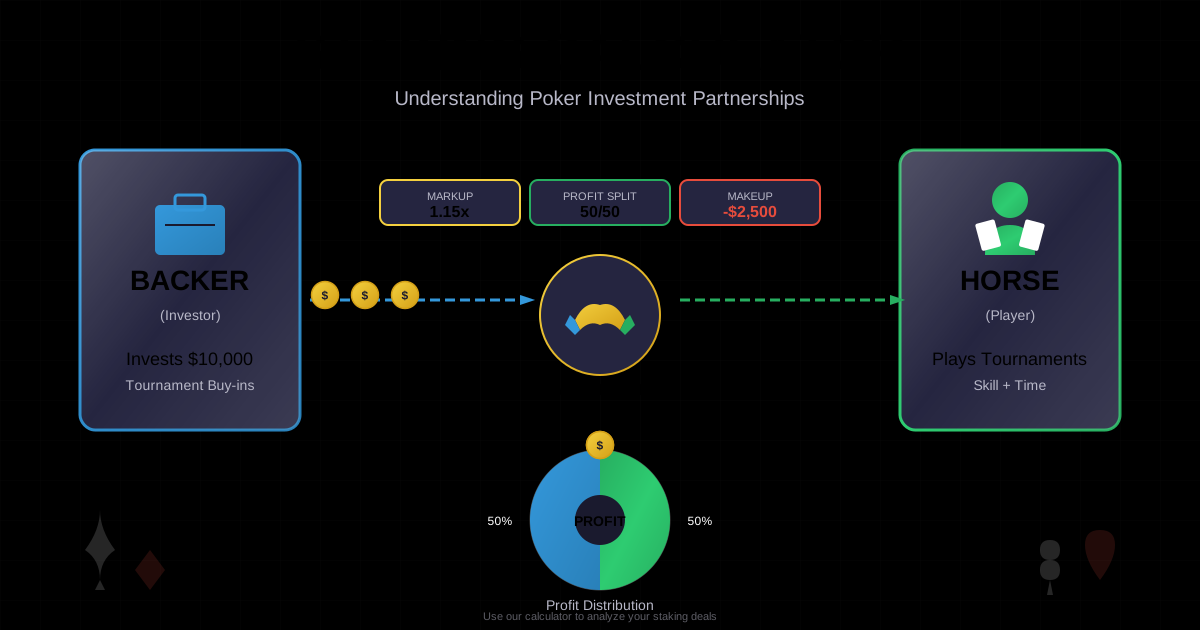
This is why staking exists!
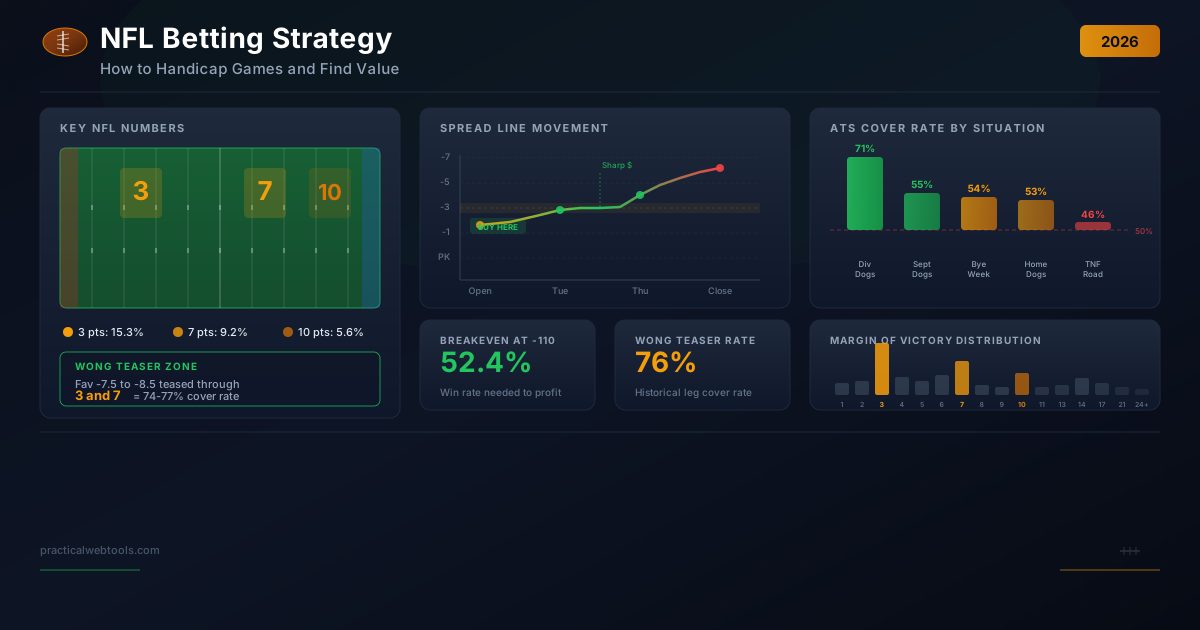
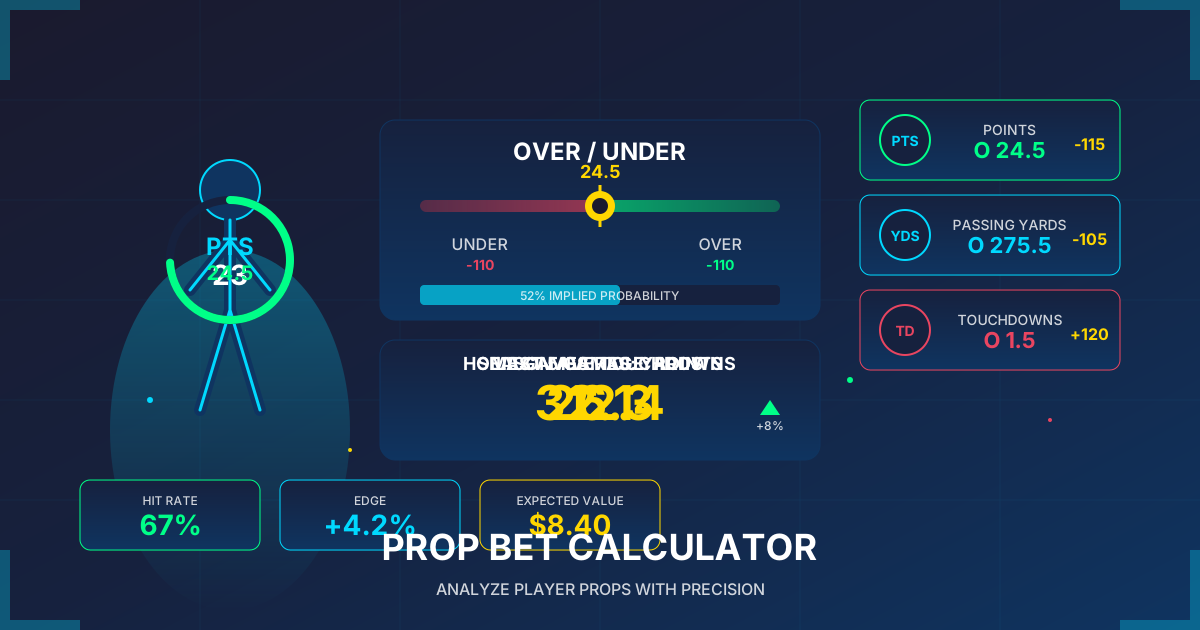
Sports Betting
Sports Betting Bankroll:

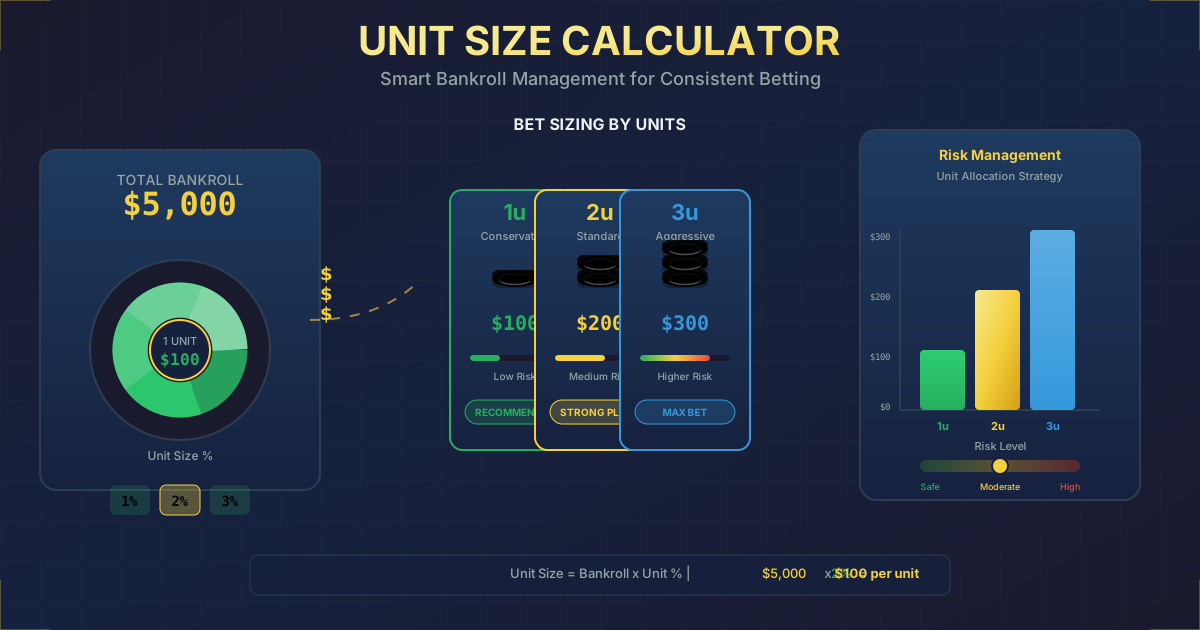
Unit-based calculation:
1 unit = 1-3% of bankroll

Conversely:
Bankroll = 33-100 units

For $100 bets:
Conservative: 100 × $100 = $10,000
Standard: 50 × $100 = $5,000
Aggressive: 33 × $100 = $3,300

Adjusted for edge:
2% edge: 100+ units
5% edge: 50-75 units
10% edge: 30-50 units

Sharp bettor example:
$500 average bet, 3% edge
Conservative: 75 units = $37,500
At 1% of bankroll per bet
Casino Advantage Play
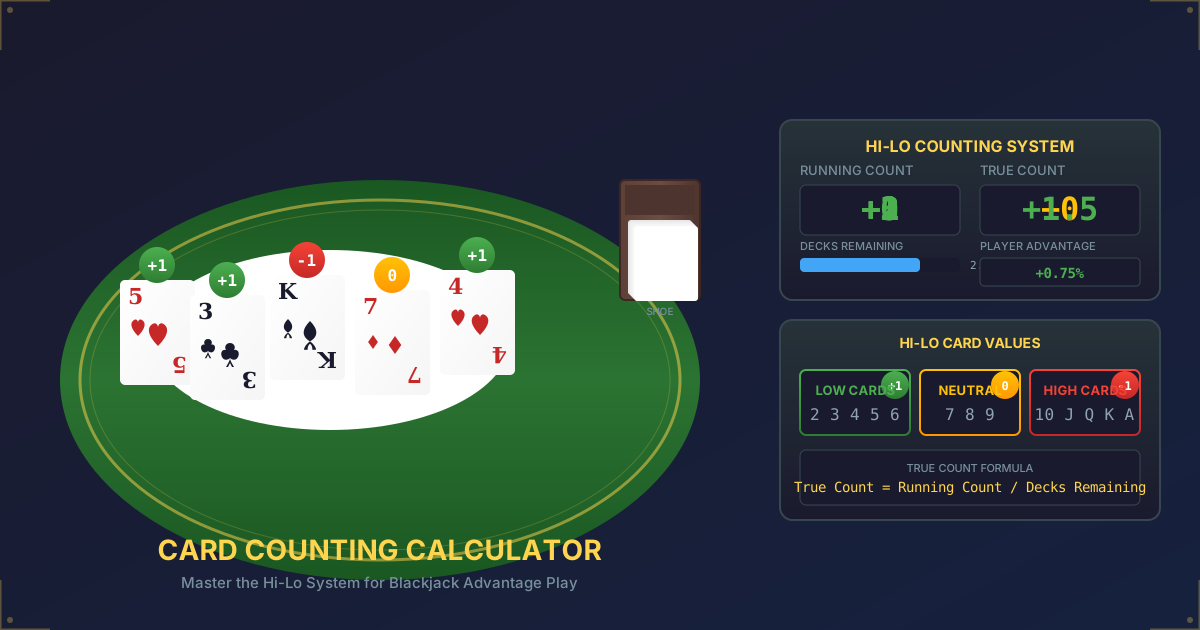
Card counting blackjack:

Spread range affects variance
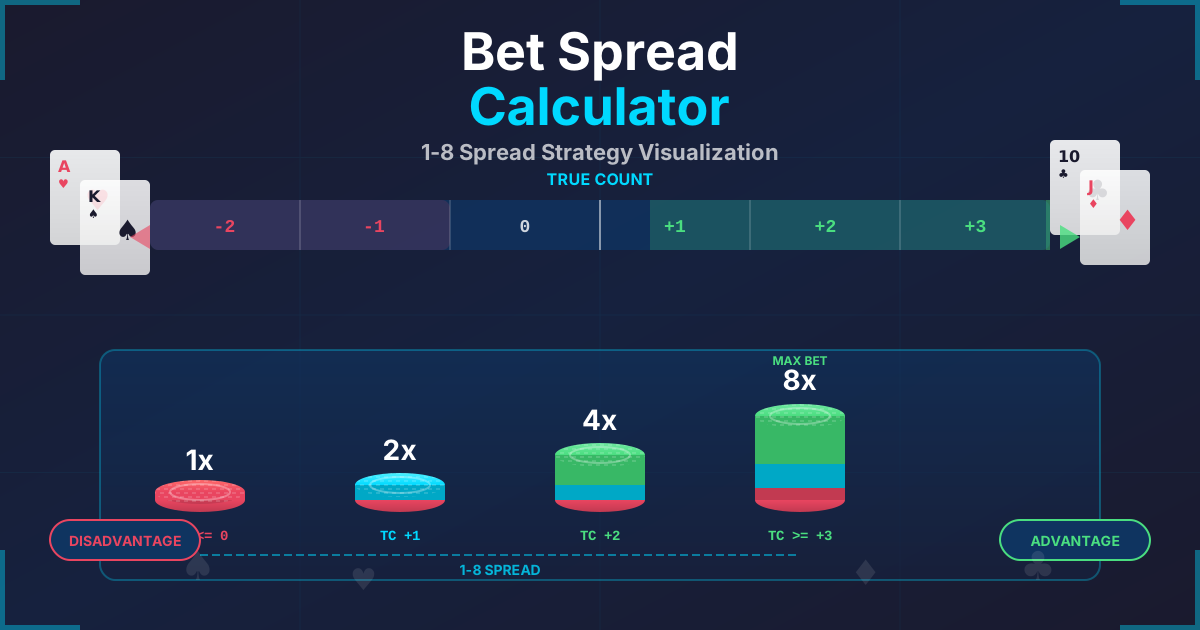
1-8 spread: Moderate variance
1-12 spread: Higher variance

Bankroll calculation:
N0 = (Variance / Edge)² hours to overcome variance

For typical count:
Edge: 1%
Variance: 1.3 per unit

N0 = (1.3 / 0.01)² = 16,900 hands

Bankroll for 1% RoR:
~200-300 maximum bets

At $100 max bet:
Bankroll = 250 × $100 = $25,000

Note: This is for professionals
Recreational counters need more
Real-World Examples
Example 1: Aspiring Poker Pro
Situation:
Goal: Move from $1/$2 to $2/$5 NLHE
Current bankroll: $8,000
$1/$2 win rate: 8 bb/100
$2/$5 buy-in: $500
Question: When to move up?
Calculation:
Current situation at $1/$2 ($200 buy-in):
$8,000 / $200 = 40 buy-ins ✓ Healthy

Moving to $2/$5 requirements:
Conservative: 40 buy-ins = $20,000
Standard: 30 buy-ins = $15,000
Aggressive: 20 buy-ins = $10,000

Can he take shots?
At $8,000 = 16 buy-ins for $2/$5
This is below aggressive threshold

Shot-taking approach:
Move up when: 25+ buy-ins
Move down if: Drops to 20 buy-ins

For this player:
Need $12,500 minimum
Currently $4,500 short
Result:
Recommendation: Stay at $1/$2

Path forward:
1. Grind $1/$2 for ~$4,500 more
2. Ensure consistent win rate continues
3. Move up when bankroll hits $12,500
4. Set stop-loss at $10,000 to drop down

Taking shots too early risks:
- Going broke
- Playing scared money
- Forcing move down under pressure
Example 2: Sports Betting Beginner
Situation:
Starting sports betting
Available bankroll: $5,000
Expected edge: Unknown (beginner)
Want to learn without going broke
Calculation:
Conservative approach for beginners:

Assume 0% edge initially
(Learning period)

Unit sizing:
1% of bankroll = $50 per bet
Gives 100 units to learn

Expected learning cost:
If betting at -4.5% (standard juice)
100 bets × $50 × 4.5% = $225 expected loss

This is "tuition" for learning

As skills develop:
Track results over 500+ bets
Calculate actual edge
Adjust unit size accordingly

If edge becomes positive:
Recalculate bankroll requirements
Can increase unit size
Result:
Starting bankroll allocation:
Total: $5,000
Unit size: $50 (1%)
Expected learning cost: ~$200-500

Milestones:
100 bets: Preliminary results
500 bets: Early edge calculation
1000+ bets: Confident edge estimate

If winning after 1000 bets:
Calculate true edge
Resize units appropriately
Consider bankroll increase

If losing after 1000 bets:
Re-evaluate strategy
Seek education
Don't add more funds blindly
Example 3: Tournament Poker Player
Situation:
Average buy-in: $200
Current ROI: 40%
Bankroll: $15,000
Question: Is bankroll adequate?
Calculation:
At 40% ROI, recommended buy-ins:
Upper range: 150 buy-ins
Lower range: 100 buy-ins

Current status:
$15,000 / $200 = 75 buy-ins

This is BELOW recommended range!

Even with 40% ROI:
Risk of ruin is elevated
One bad stretch = significant threat

Proper bankroll calculation:
150 buy-ins × $200 = $30,000
Currently at 50% of proper bankroll
Result:
Options:

1. Reduce buy-in level:
   $15,000 / 150 = $100 average
   Play smaller tournaments

2. Accept higher ruin risk:
   75 buy-ins is playable
   ~10-15% ruin probability
   Uncomfortable but not crazy

3. Build bankroll before continuing:
   Either through other income
   Or grinding smaller stakes

4. Get staking:
   Sell action to reduce variance
   Keep 50%, sell 50%
   Effective bankroll doubles

Recommendation: Option 1 or 4
Don't play underbankrolled at MTT
Example 4: Blackjack Advantage Player
Situation:
Card counting with:
1-10 bet spread
True count advantage: 1.2%
Maximum bet: $200
Minimum bet: $20
Playing 100 hands/hour
Calculation:
Blackjack bankroll calculation:

Edge per hand: ~0.8% (weighted average)
Standard deviation: 1.15 per unit
Average bet: ~$60 (spread weighted)

Risk of Ruin formula:
RoR = e^(-2 × edge × bankroll / variance)

For 1% RoR:
0.01 = e^(-2 × 0.008 × B / 1.32)
ln(0.01) = -0.0121 × B
-4.605 = -0.0121 × B
B = 381 units

At $60 average bet:
Bankroll = 381 × $60 = $22,860

Or in maximum bets:
Bankroll = 381 × $20 / 0.20 = $38,100
Using max bet reference: ~190 max bets
Result:
Minimum bankroll: ~$23,000

At current edge and spread:
- 1% risk of ruin
- Can withstand typical variance
- Professional-level cushion

Additional considerations:
- Heat and table hopping reduce hands
- Multiple counting errors reduce edge
- Casino comp value adds small +EV

Conservative adjustment:
Add 50% safety margin
$23,000 × 1.5 = $34,500

Professional AP would want ~$35k
for this specific scenario
Risk of Ruin Targets
Choosing Your Risk Level
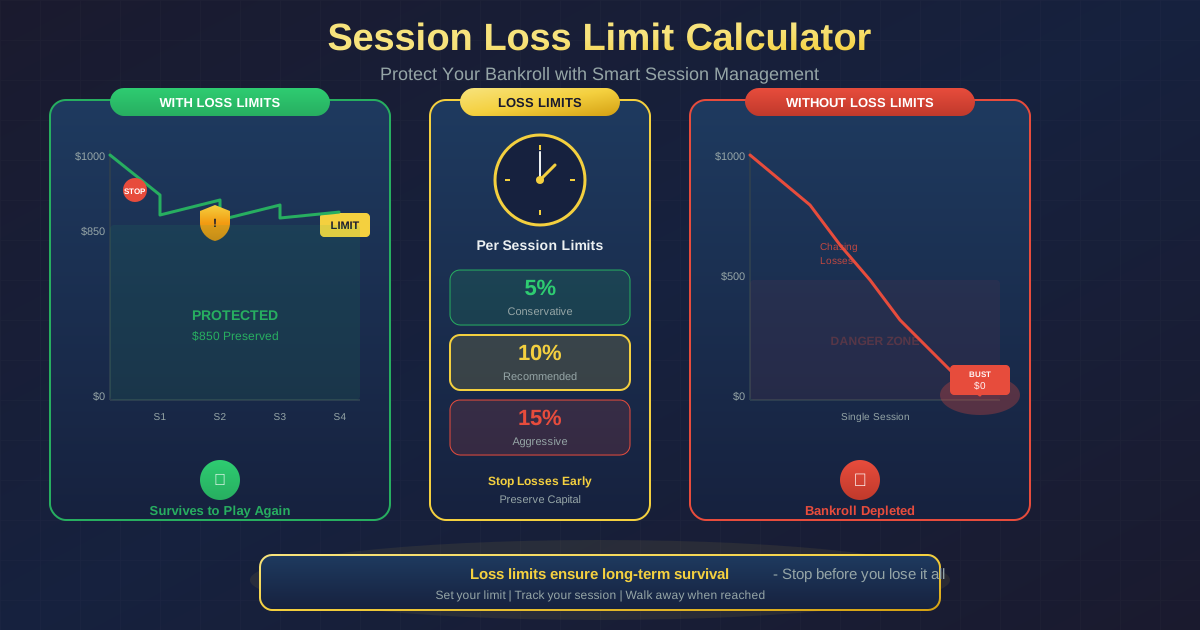
Risk tolerance levels:

1% RoR (Very conservative):
- Professional recommendation
- Virtually guaranteed survival
- Largest bankroll needed
- Best for full-time gamblers

5% RoR (Conservative):
- Reasonable amateur level
- 1 in 20 chance of bust
- Good balance of safety/capital

10% RoR (Moderate):
- Acceptable for recreational
- 1 in 10 chance of bust
- Smaller bankroll works

20%+ RoR (Aggressive):
- Shot-taking territory
- High bust probability
- Only with replenish-able bankroll
Bankroll Multipliers by Risk
Relative bankroll requirements:

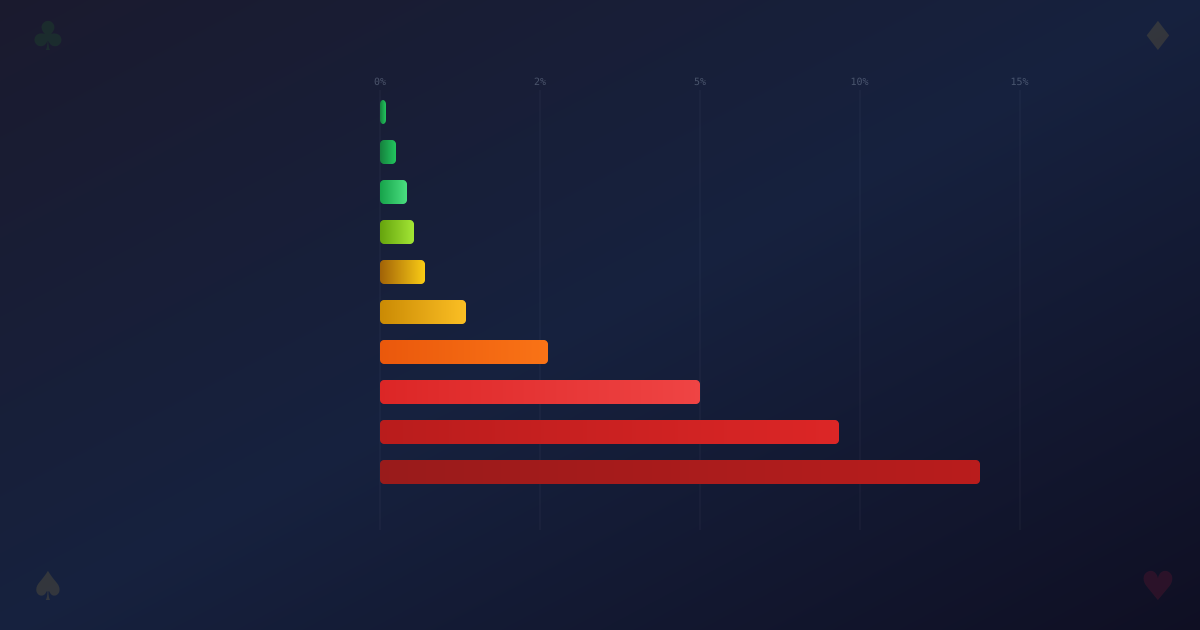
Base: 5% RoR = 1.0x multiplier

1% RoR: 1.6x base bankroll
2% RoR: 1.35x base bankroll
5% RoR: 1.0x base bankroll (reference)
10% RoR: 0.8x base bankroll
20% RoR: 0.65x base bankroll

Example:
5% RoR requires $10,000

1% RoR: $10,000 × 1.6 = $16,000
10% RoR: $10,000 × 0.8 = $8,000
20% RoR: $10,000 × 0.65 = $6,500

Choose risk level based on:
- Can you reload if busted?
- Is this your living?
- Your emotional tolerance
Common Mistakes to Avoid
-
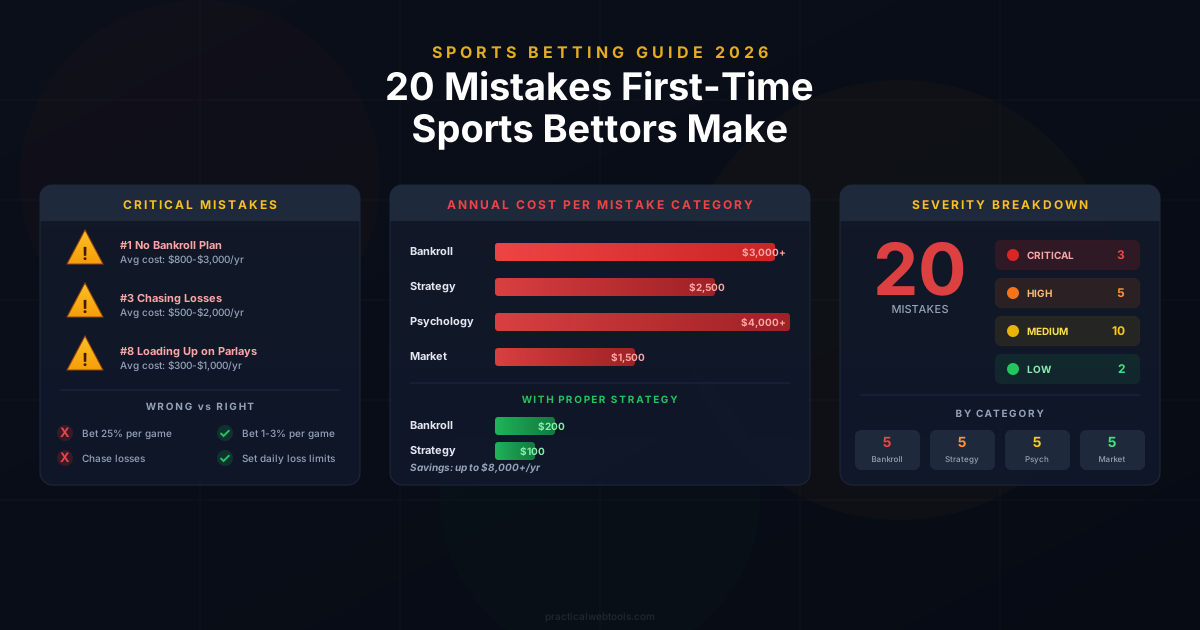
Using Household Funds: Bankroll should be completely separate from living expenses. Going broke in gambling shouldn't affect rent.
-
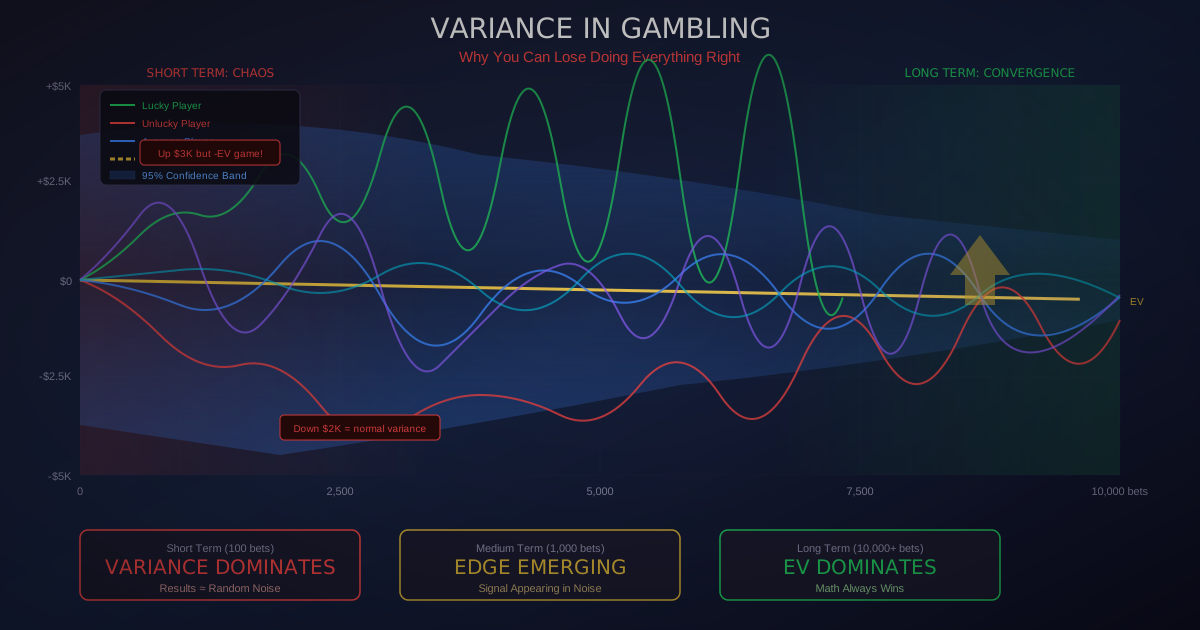
Ignoring Variance: Focusing only on edge ignores that variance determines short-term survival. High variance needs bigger bankroll.
-
Moving Up Too Fast: Winning at one level doesn't mean you're bankrolled for the next. Each level needs separate evaluation.
-
Not Tracking Results: Without data, you can't calculate your true edge or know if your bankroll is appropriate.
-
Emotional Bankroll Decisions: Adding money after bad beats or withdrawing after good runs disrupts proper bankroll management.
-
One-Size-Fits-All Thinking: Different games have different variance profiles. Poker tournaments need 4-5x the buy-ins of cash games.
Frequently Asked Questions
How many units should my bankroll be?
Depends on activity and risk tolerance. Sports betting: 50-100 units. Poker cash: 25-40 buy-ins. Poker tournaments: 100-200 buy-ins. Casino advantage play: 200-300 maximum bets.
What if I don't know my edge?
Assume zero edge initially. Track 500+ results, then calculate. Size bankroll conservatively while learning. Never assume positive edge without data.
Should I use Kelly Criterion for bankroll?
Kelly determines optimal bet sizing given bankroll, not bankroll requirements. For requirements, use risk of ruin calculations. Many use half or quarter Kelly for safety.
When should I move up in stakes?
When you have adequate buy-ins for the new level AND have proven win rate at current level. Moving up under-bankrolled is a top cause of ruin.
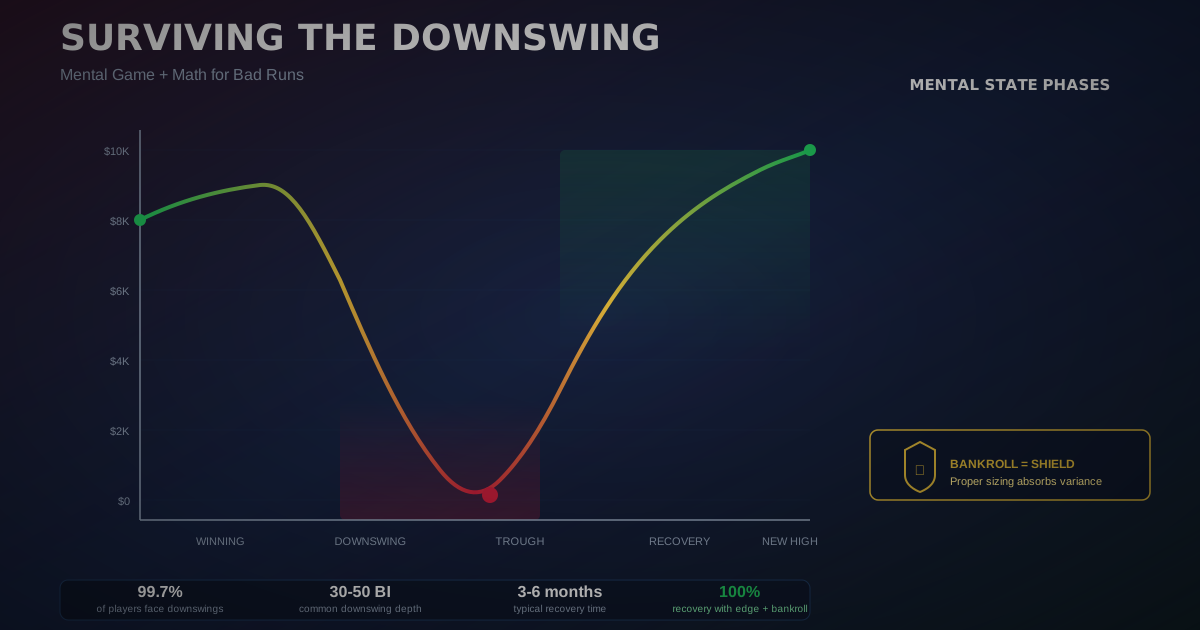
How do I handle downswings?
Downswings are expected. If within bankroll tolerance, continue playing your normal game. If approaching danger zone, consider moving down temporarily.
Is it ever okay to gamble under-bankrolled?
Only if you can easily reload. Recreational players with expendable income can take shots. Never with money you can't afford to lose.
Pro Tips
- Keep gambling bankroll in separate account from life funds - never mix
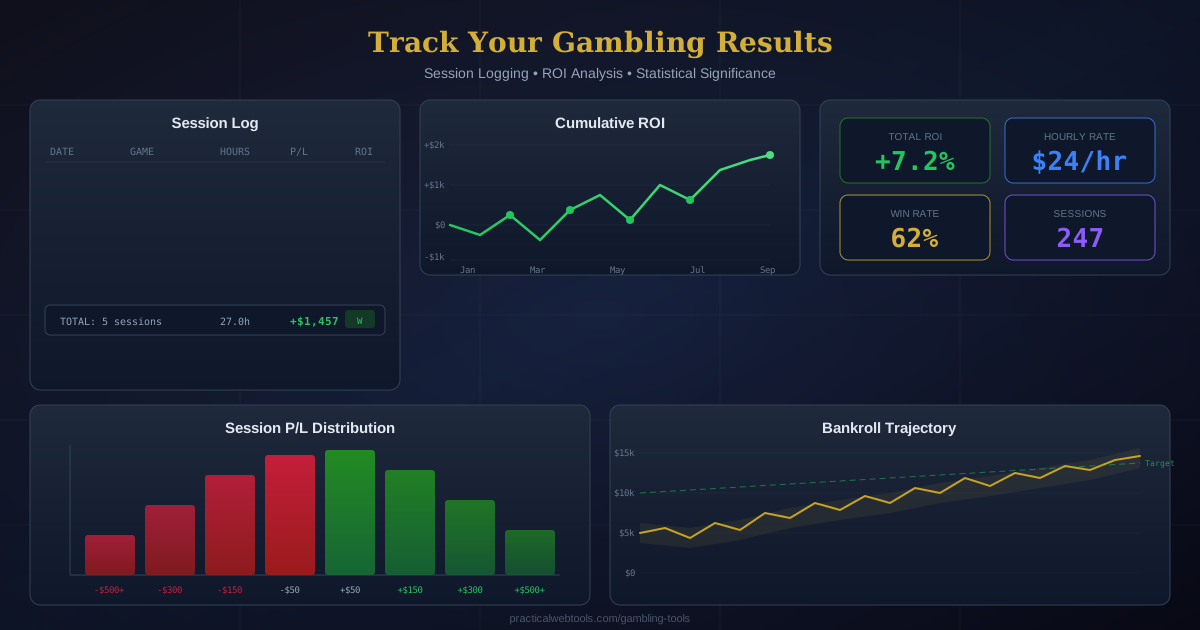
- Track every session to calculate true edge and variance
- Plan for moving down before you need to - have clear thresholds
- Increase bankroll requirements if your win rate is uncertain
- Consider the psychological cost of swings when sizing bankroll
Related Calculators
- Kelly Criterion Calculator - Optimal bet sizing
- Risk of Ruin Calculator - Probability of going broke
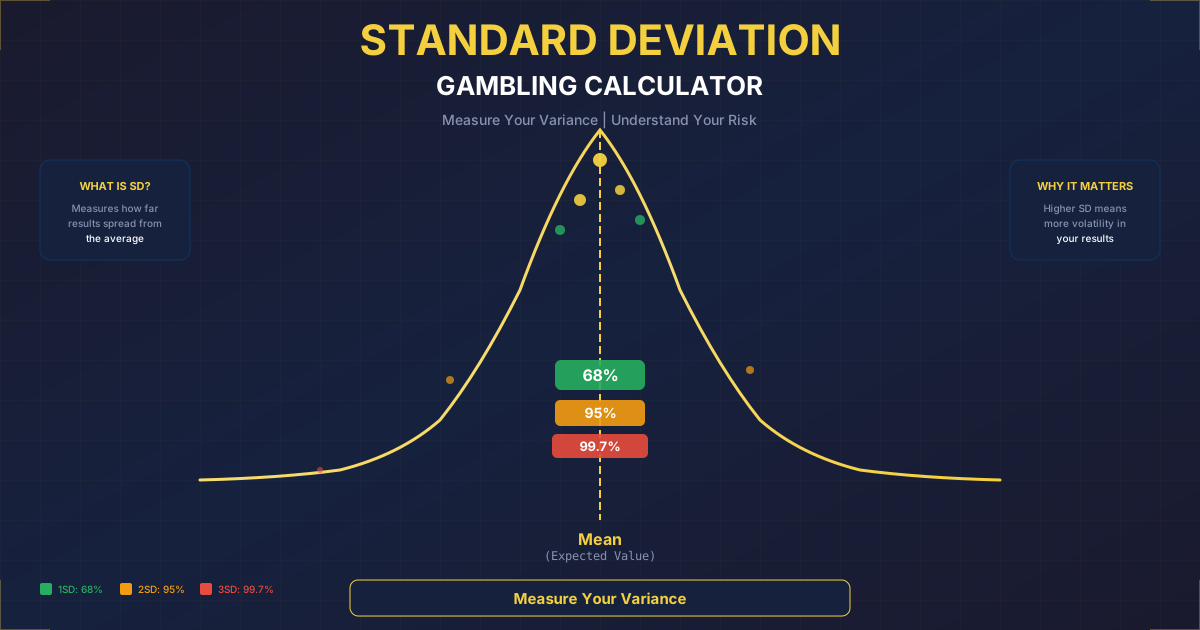
- Variance Calculator - Measure volatility
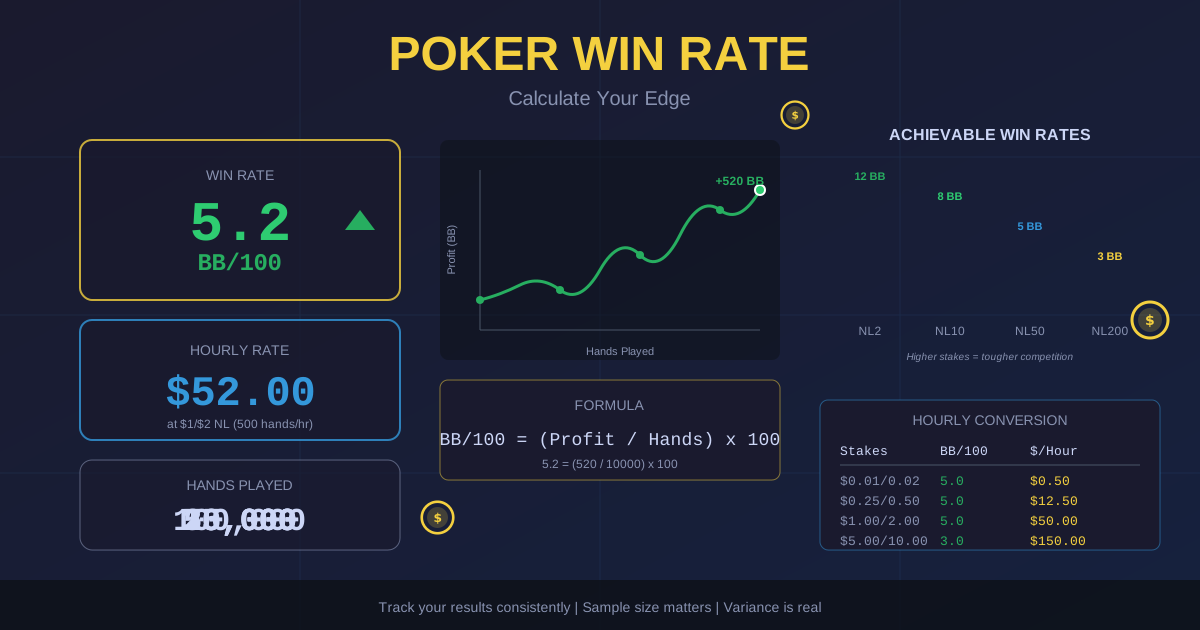
- Win Rate Calculator - Determine your edge
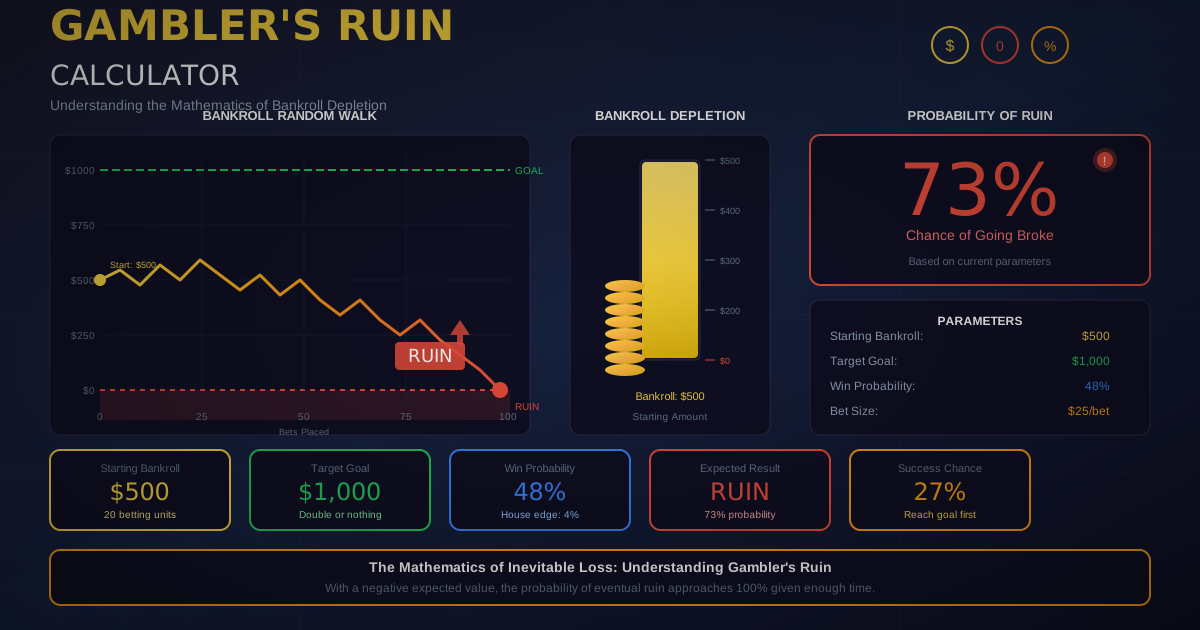
- Gambler's Ruin Calculator - Finite bankroll math
Conclusion
Proper bankroll sizing isn't conservative - it's necessary for survival. The mathematics of variance guarantee that even positive-expectation bettors experience significant downswings. Without adequate bankroll, you'll go broke before your edge manifests. With proper funding, you can weather inevitable storms and reach the mathematical long run.
Our calculator determines exact requirements based on your activity, edge, and risk tolerance. Whether you're a poker player, sports bettor, or advantage player, understanding these numbers is the foundation of sustainable gambling.