Bankroll Variance Calculator: Survive Poker's Statistical Swings (2026)
Bankroll Variance Calculator: Understand and Survive Poker's Wild Swings
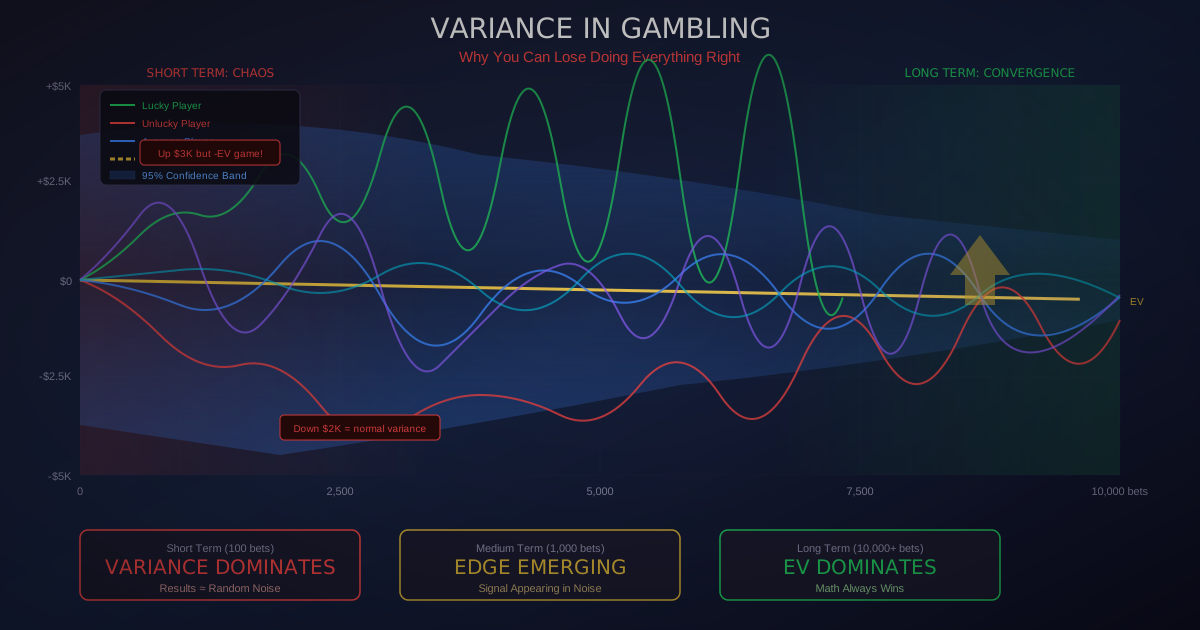
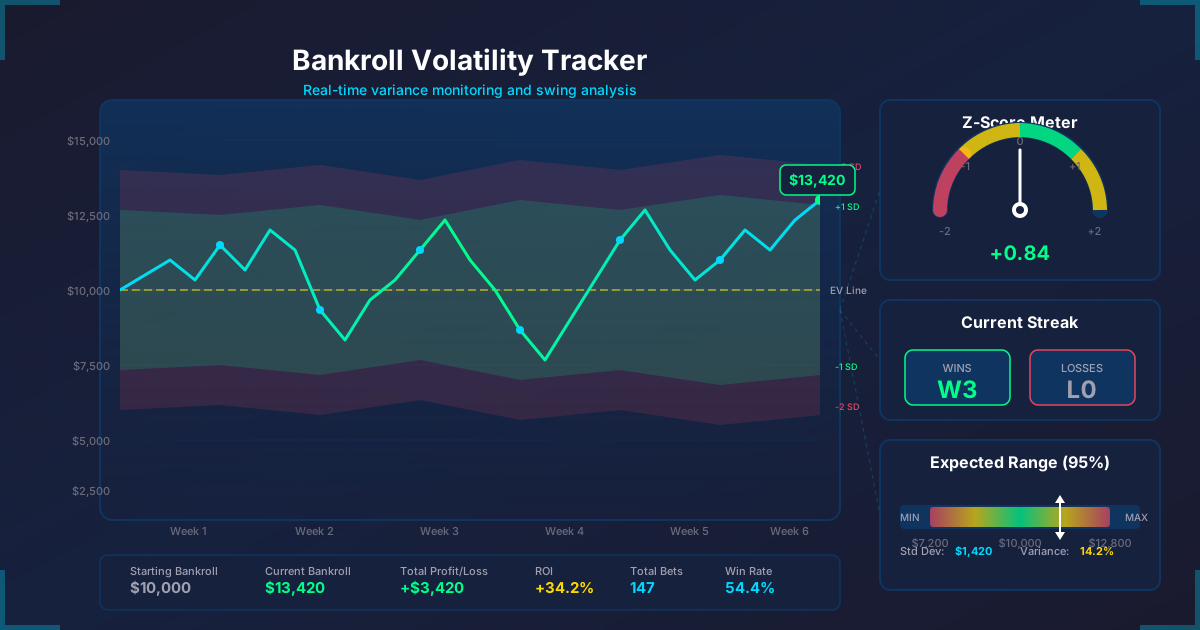
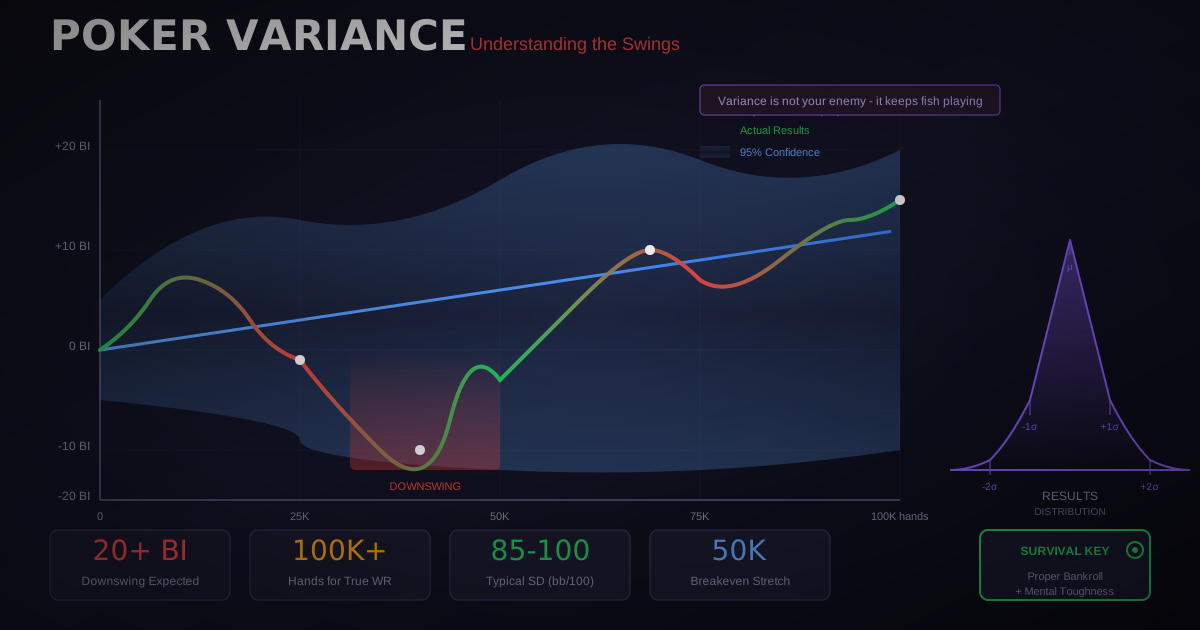
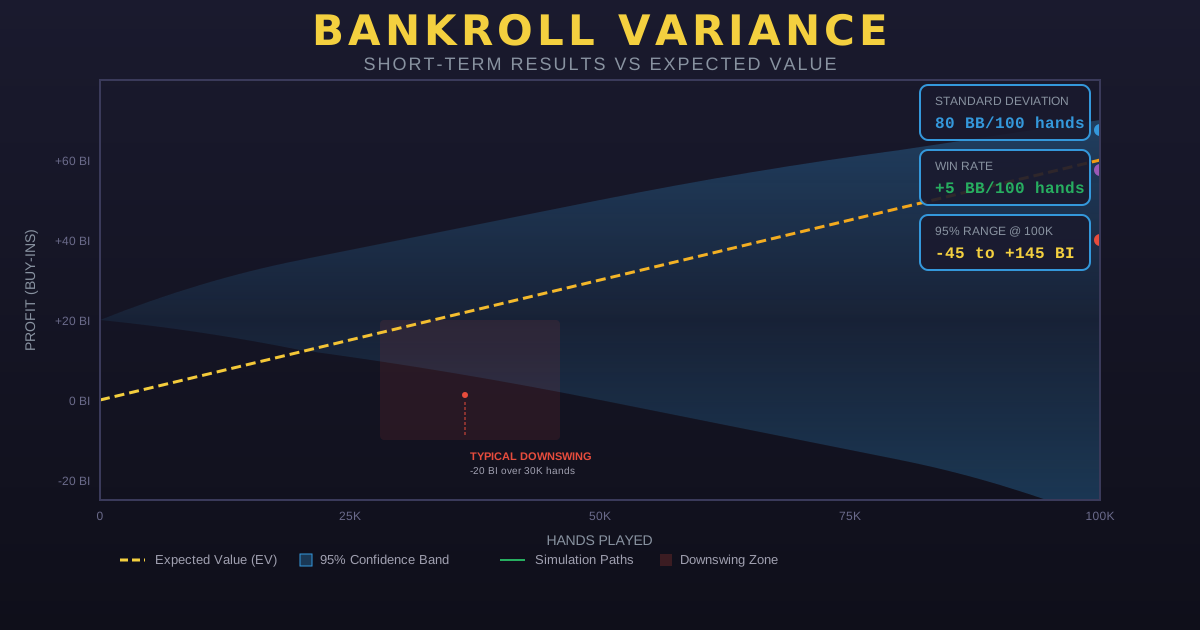
Variance is poker's great equalizer. Even the best players experience devastating downswings, while recreational players occasionally hit massive heaters. Understanding variance mathematically allows you to size your bankroll appropriately, maintain emotional stability during swings, and distinguish between bad luck and bad play. Our bankroll variance calculator simulates outcomes and shows you what to expect.
What Is Poker Variance?
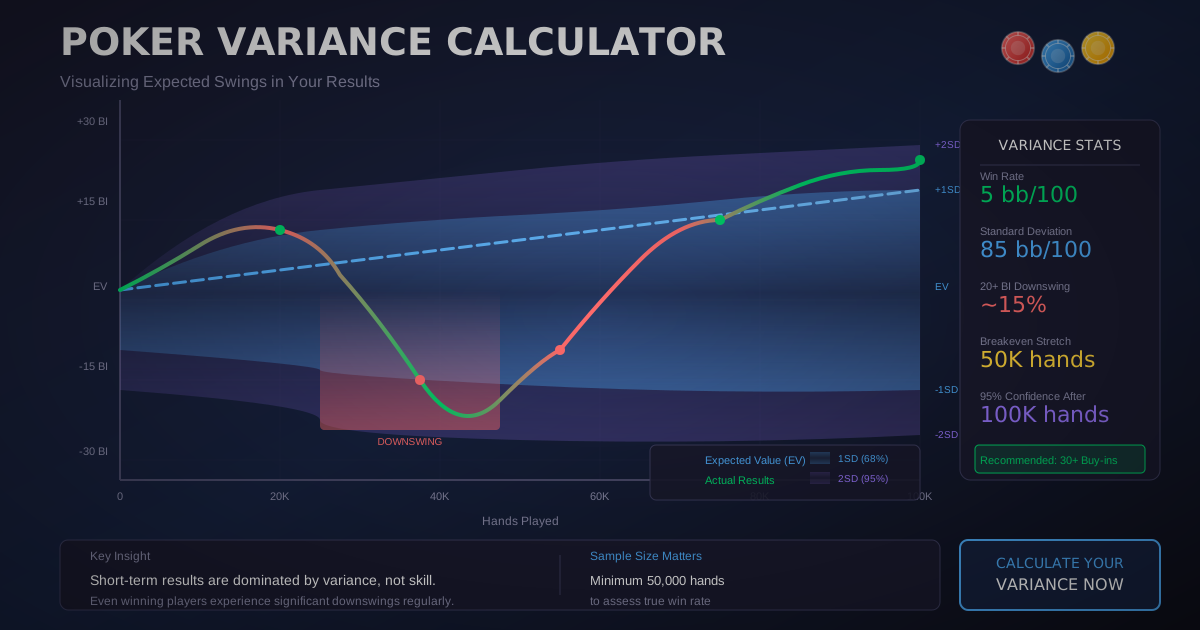
Poker variance measures how much your results deviate from your expected win rate. High variance means wild swings both up and down; low variance means steadier, more predictable results. Variance is inherent to poker because short-term luck can override long-term skill.
Quick Answer: Variance is calculated as the standard deviation of your results. For cash games, typical standard deviation is 60-100 BB/100 hands. For a player winning 5 BB/100, this means 95% of 1,000-hand sessions fall between +195 BB and -185 BB. You need 20-30 buy-ins minimum to weather normal variance at your stakes.
How to Use Our Calculator
Use the Bankroll Variance Calculator →
Step-by-Step Instructions
- Enter Your Win Rate: Input your expected BB/100 (cash) or ROI (MTT)
- Enter Standard Deviation: Input your typical deviation (or use defaults)
- Enter Sample Size: Number of hands or tournaments to simulate
- Set Bankroll: Your current bankroll in buy-ins
- Run Simulation: See probability distributions and risk of ruin
Input Fields
| Field | Description | Example |
|---|---|---|
| Win Rate | Expected profit rate | 5 BB/100 |
| Standard Deviation | Variance measure | 75 BB/100 |
| Sample Size | Hands/tournaments | 100,000 hands |
| Starting Bankroll | Buy-ins available | 25 buy-ins |
| Confidence Level | Probability threshold | 95% |
Understanding Standard Deviation
What Standard Deviation Means
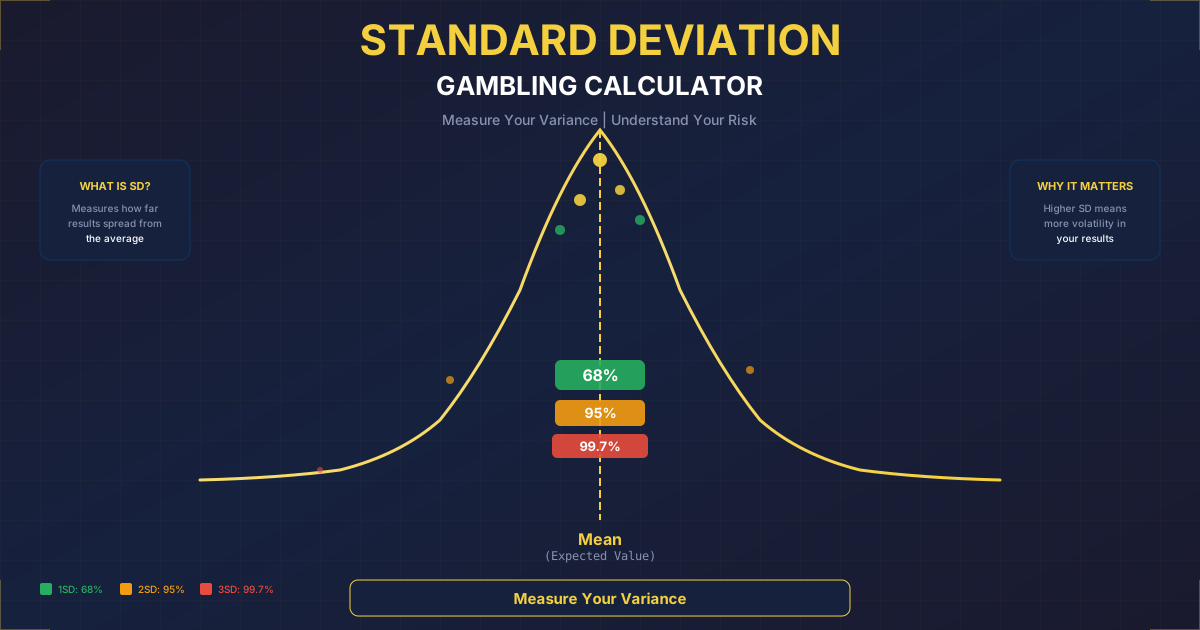
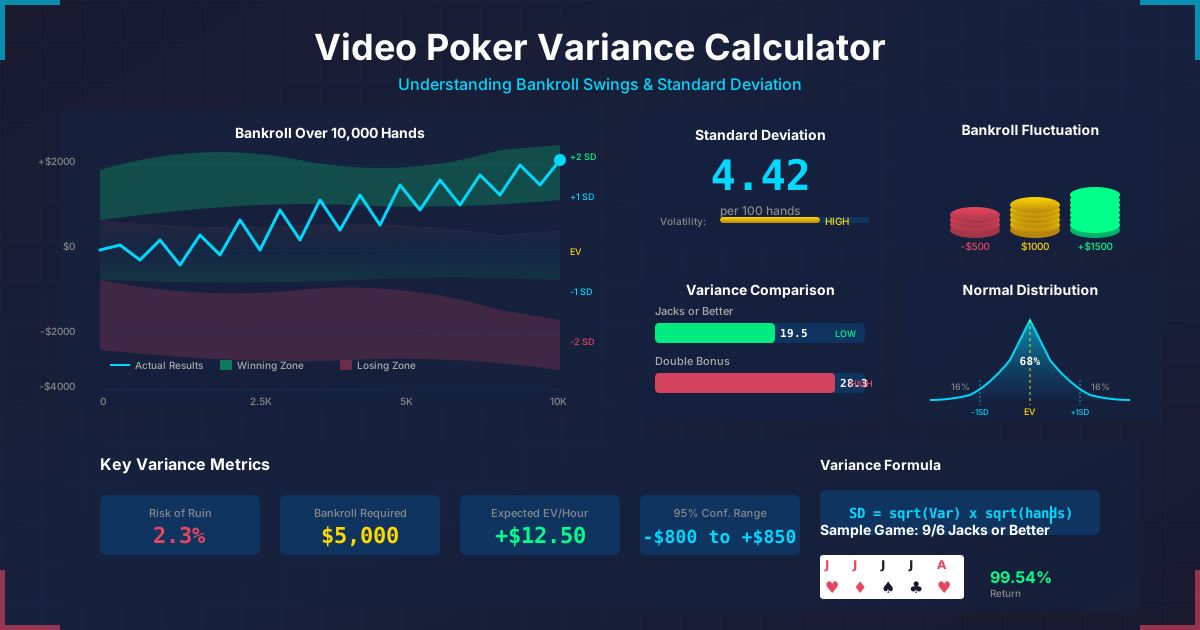
Standard deviation measures the spread of results around your average:
68% of sessions fall within ±1 standard deviation
95% of sessions fall within ±2 standard deviations
99.7% of sessions fall within ±3 standard deviations
Example:
Win rate: 5 BB/100
Standard deviation: 80 BB/100

Over 100 hands:
68% of sessions: Between -75 BB and +85 BB
95% of sessions: Between -155 BB and +165 BB
99.7% of sessions: Between -235 BB and +245 BB
Typical Standard Deviations
Cash Games:
| Game Type | Typical SD (BB/100) |
|---|---|
| Full Ring, Tight | 60-75 |
| Full Ring, LAG | 75-90 |
| 6-Max, Tight | 70-85 |
| 6-Max, LAG | 85-100 |
| Heads-Up | 100-130 |
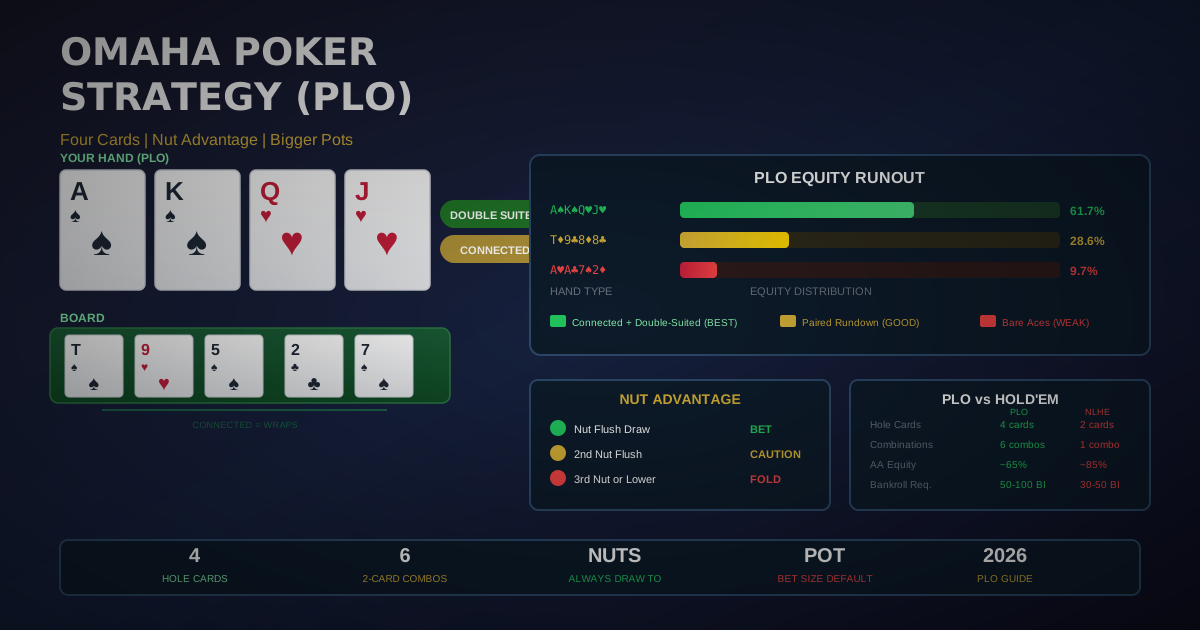
| PLO | 120-180 |
Tournaments:
| Tournament Type | Typical SD (% ROI) |
|---|---|
| Large Field MTT | 300-500% |
| Small Field MTT | 150-250% |
| Sit and Go (9-max) | 80-120% |
| Heads-Up SNG | 50-80% |
How Playing Style Affects Variance
Low Variance Style:
Tight preflop selection
Small pot poker
Avoiding marginal spots
Result: Steadier, smaller swings
High Variance Style:
Wide preflop ranges
Big pot poker
Aggressive thin spots
Result: Bigger wins and losses
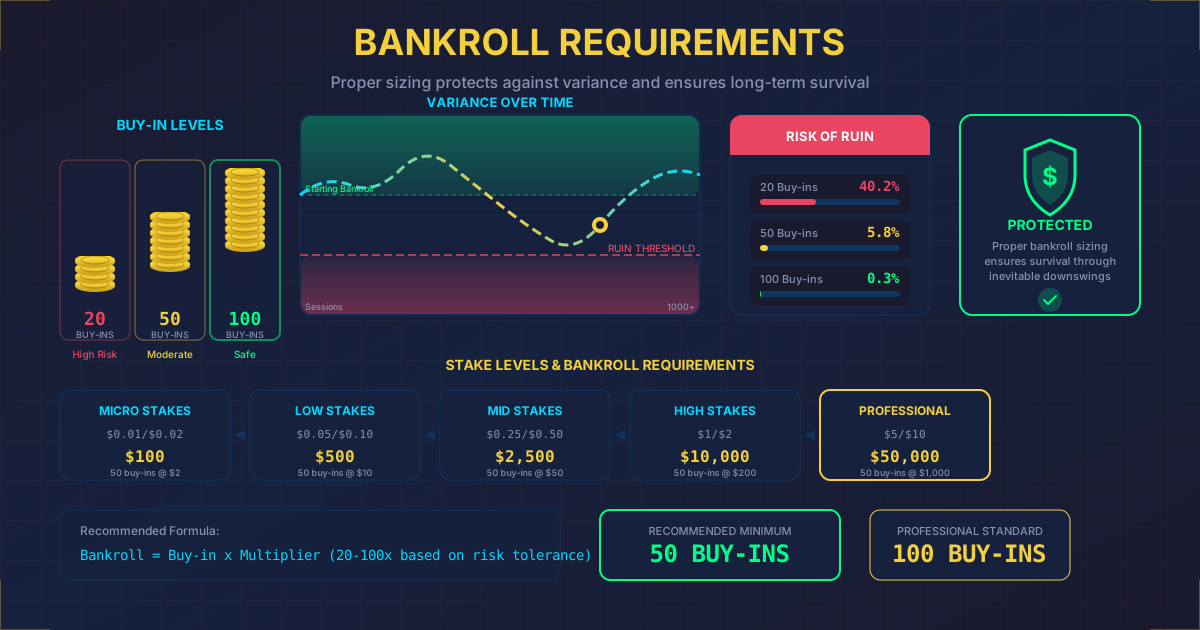
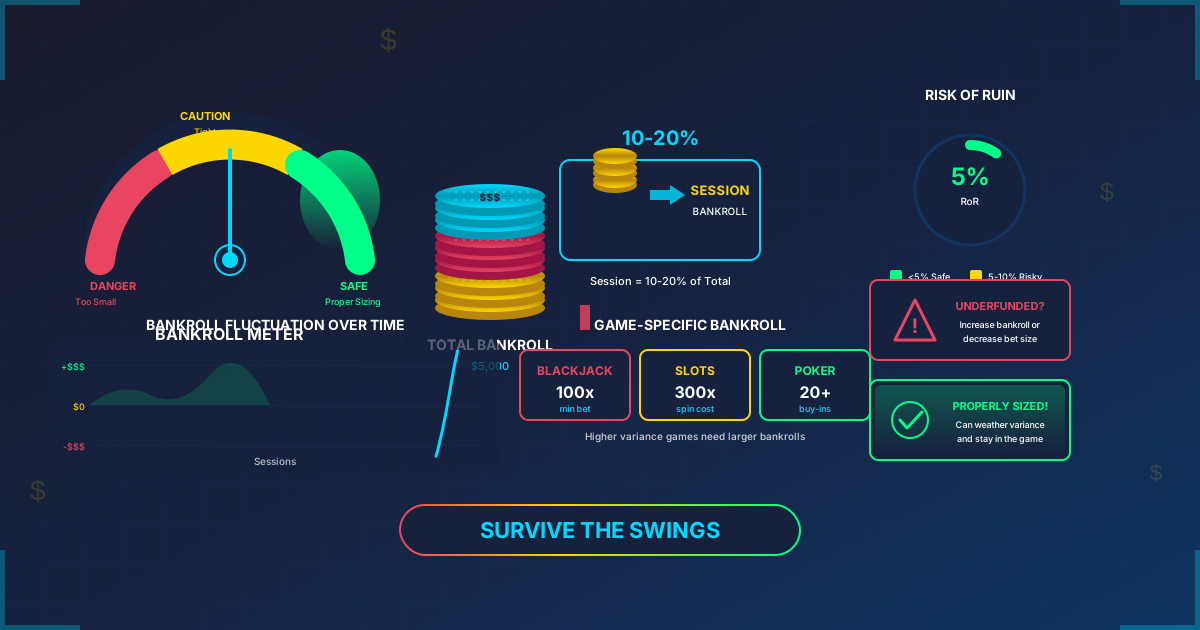
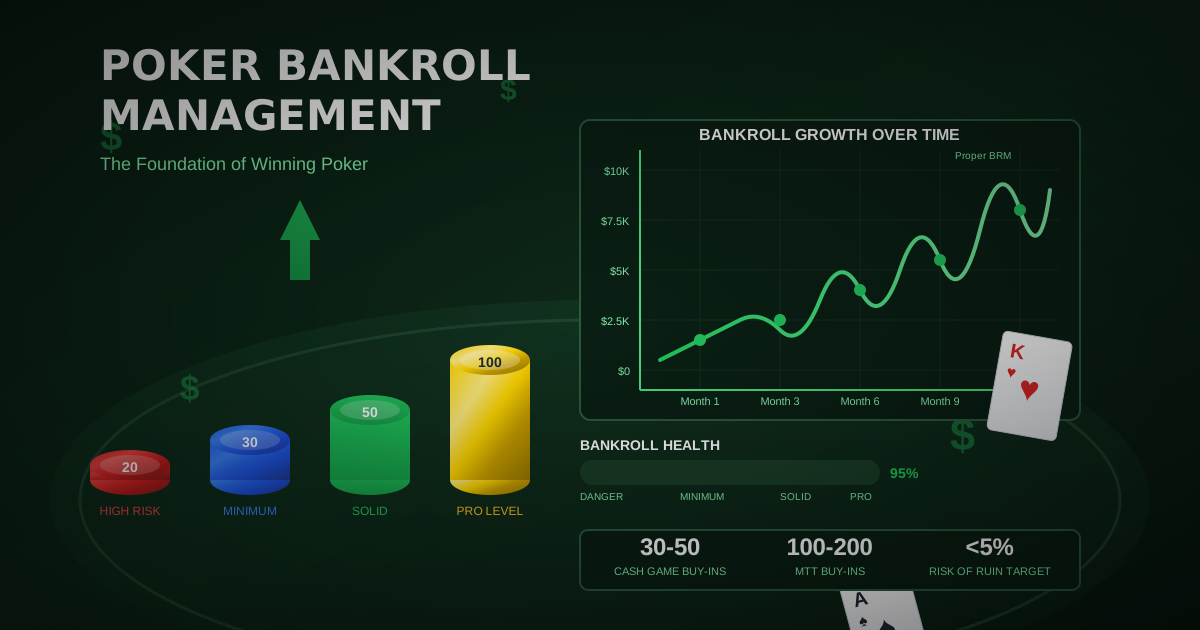
Bankroll Requirements by Variance
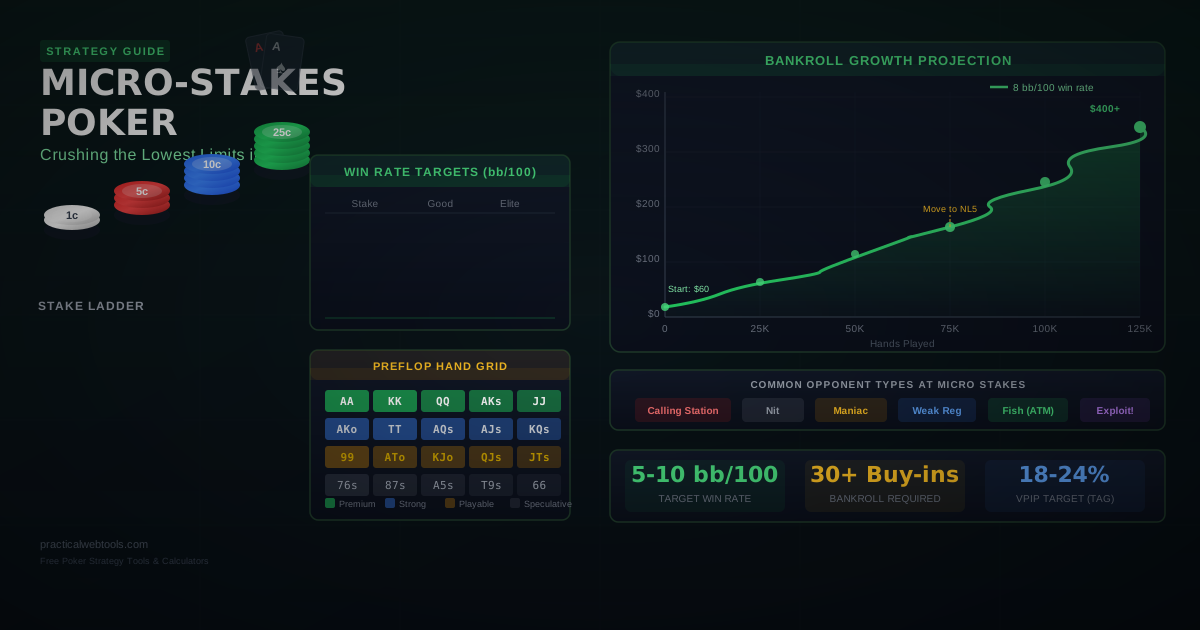
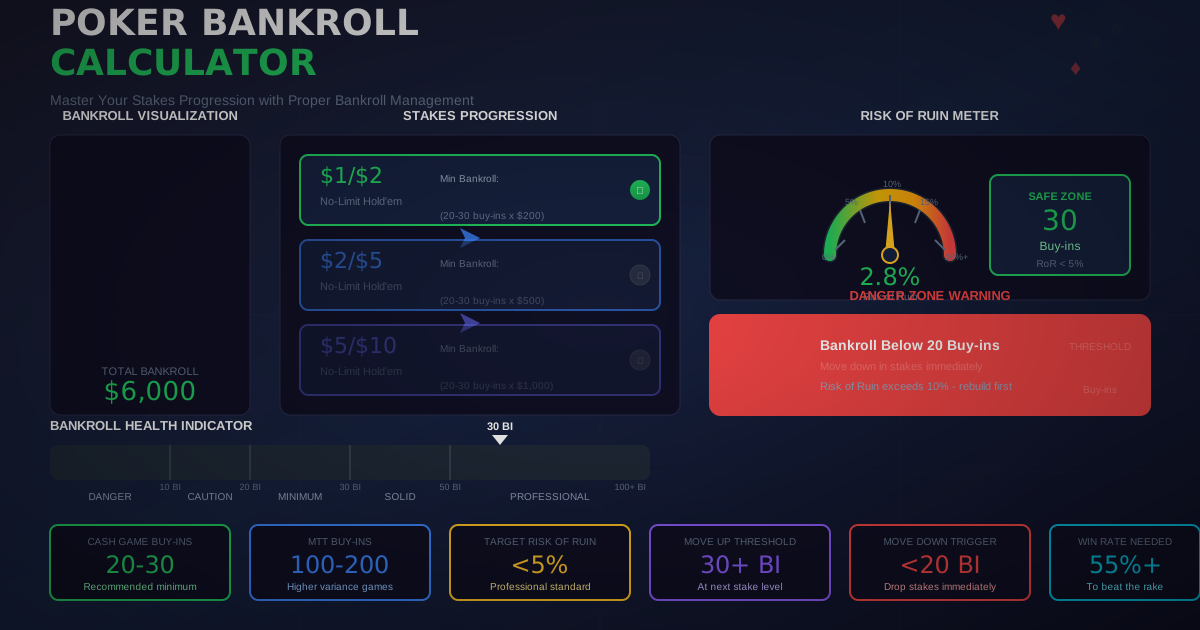
Cash Game Bankroll Guidelines
| Risk Tolerance | Buy-ins Needed | Risk of Ruin |
|---|---|---|
| Conservative | 40-50 | <1% |
| Standard | 25-30 | 2-5% |
| Aggressive | 15-20 | 5-10% |
| Shot-taking | 10-15 | 10-20% |
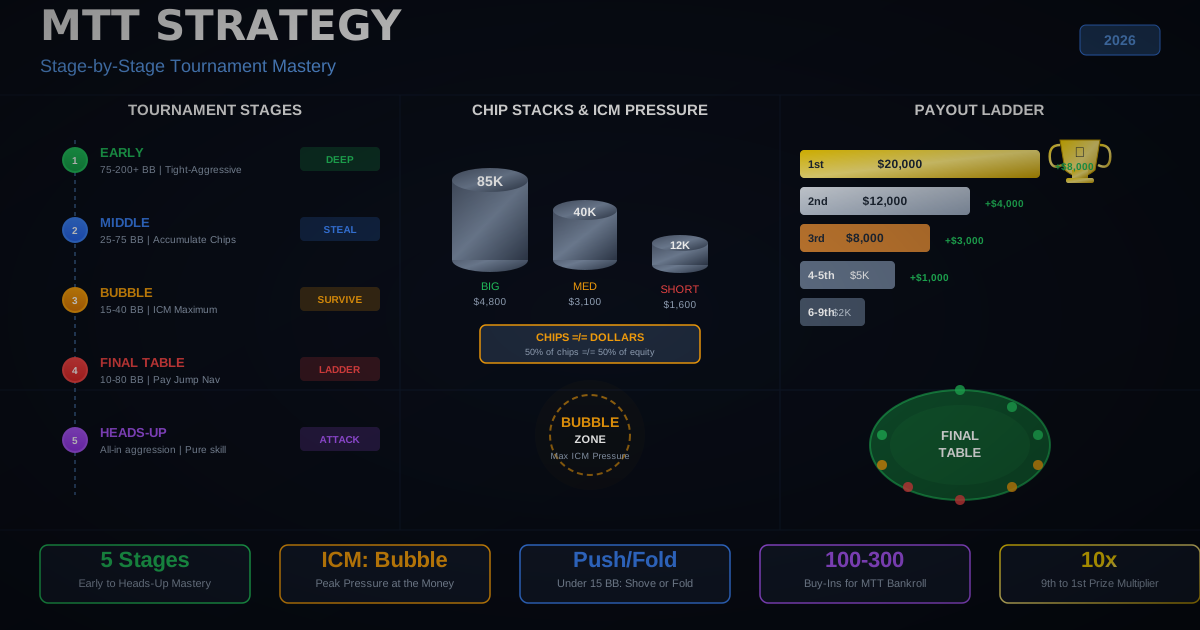
Tournament Bankroll Guidelines
| Risk Tolerance | Buy-ins Needed | Risk of Ruin |
|---|---|---|
| Conservative | 200-300 | <1% |
| Standard | 100-150 | 2-5% |
| Aggressive | 50-80 | 5-10% |
| Shot-taking | 30-50 | 10-20% |
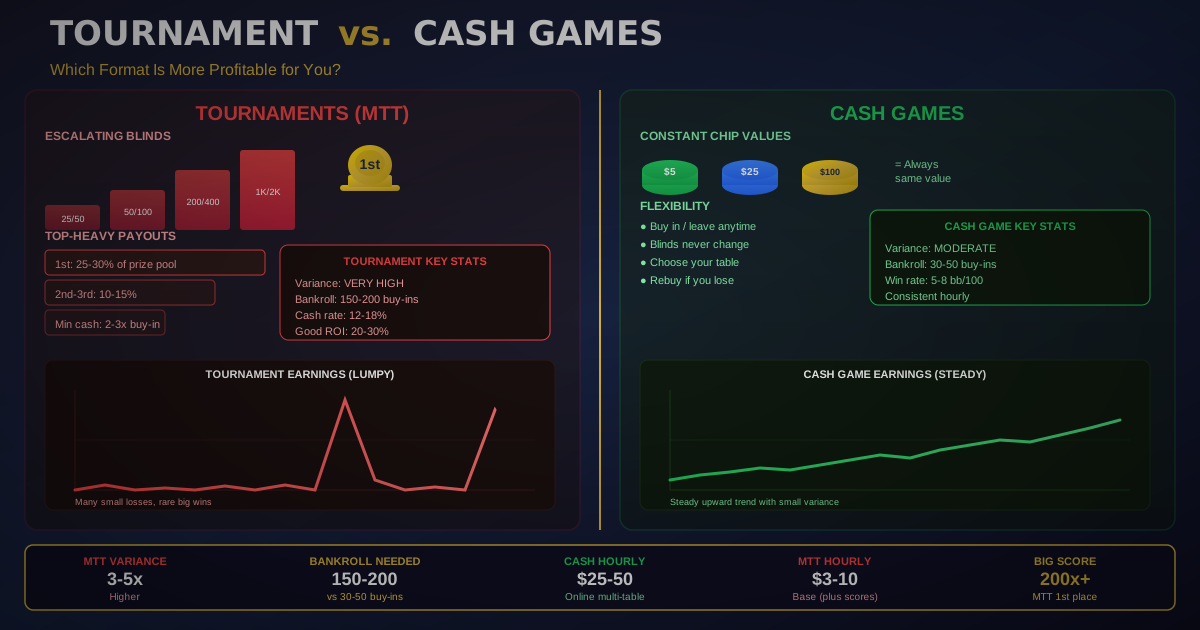
Why Tournaments Need More Buy-ins
Tournament variance is dramatically higher:
Cash Game: Win rate 5 BB/100, SD 80 BB/100
Ratio of SD to Win Rate: 16:1

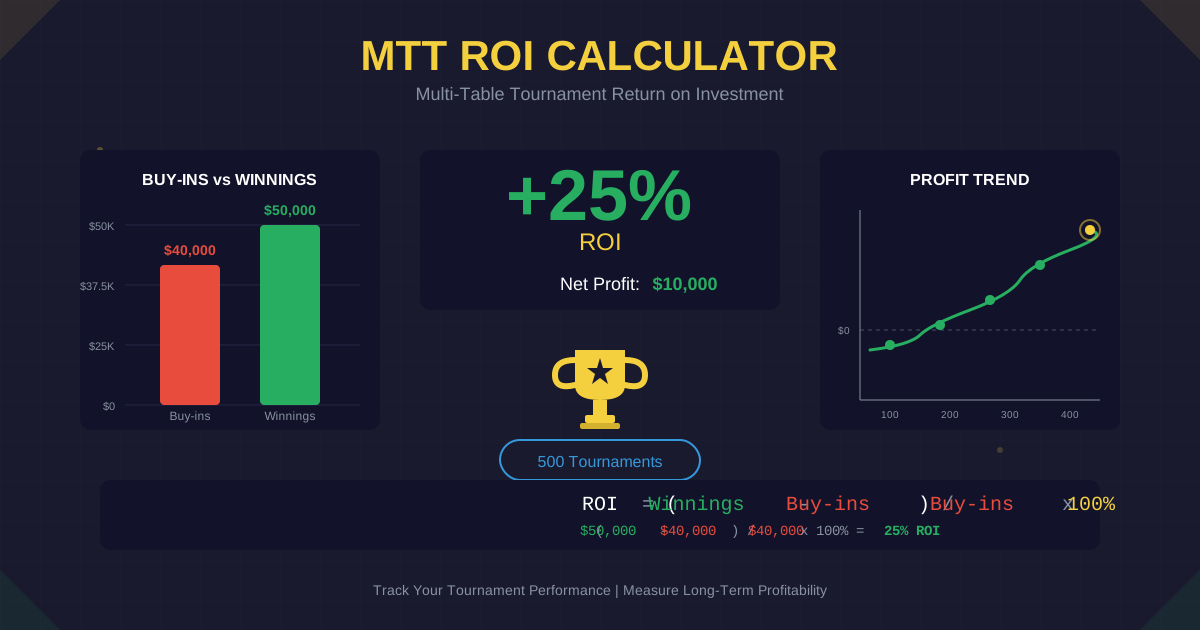
MTT: Win rate 25% ROI, SD 350%
Ratio of SD to Win Rate: 14:1

But MTT "sessions" (tournaments) are single events
Each event has winner-take-most dynamics
Massive variance amplification
Variance Simulation Results
Sample Cash Game Simulation
Parameters:
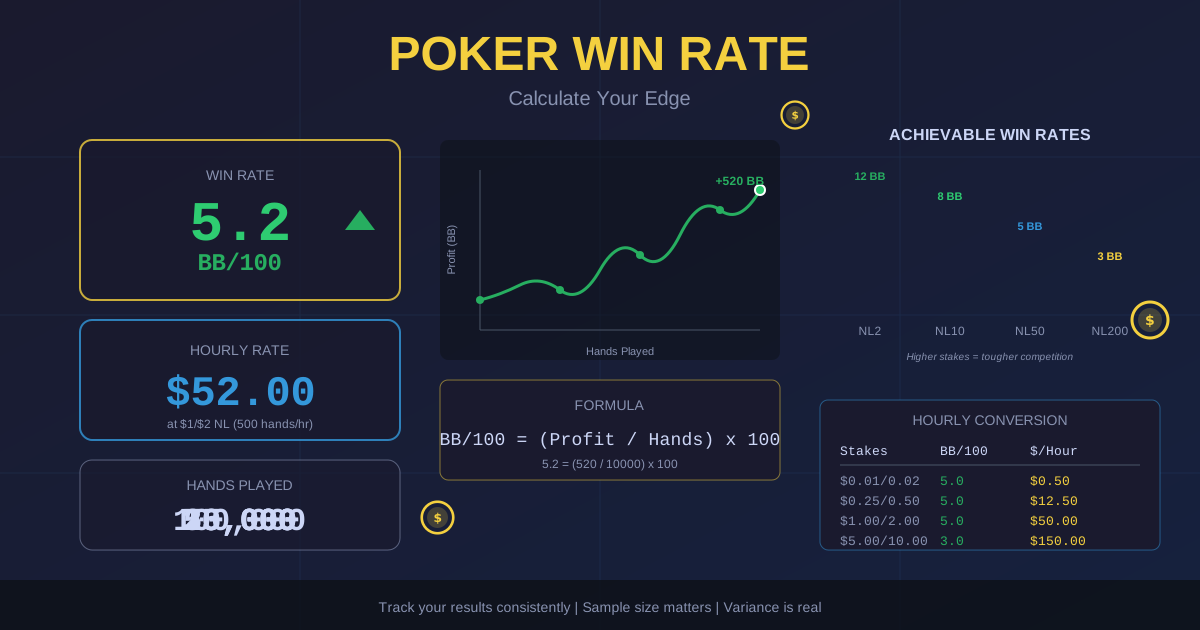
Win Rate: 5 BB/100
Standard Deviation: 75 BB/100
Sample: 100,000 hands
Starting Bankroll: 30 buy-ins
Results:
Average ending bankroll: 50 buy-ins
Median ending bankroll: 47 buy-ins
Probability of profit: 91%
Probability of doubling: 45%
Risk of ruin: 3%
Maximum drawdown (95th percentile): 18 buy-ins
Sample MTT Simulation
Parameters:
Win Rate (ROI): 30%
Standard Deviation: 400%
Sample: 1,000 tournaments
Starting Bankroll: 100 buy-ins
Results:
Average ending bankroll: 130 buy-ins
Median ending bankroll: 95 buy-ins (note: lower than mean due to skew)
Probability of profit: 72%
Probability of doubling: 35%
Risk of ruin: 8%
Maximum drawdown (95th percentile): 65 buy-ins
Real-World Examples
Example 1: Steady Cash Game Grinder
Profile:
Win rate: 4 BB/100
Standard deviation: 70 BB/100
Bankroll: 25 buy-ins
Volume: 50,000 hands/month
Expected Results Over 1 Month:
Expected profit: 2,000 BB = 20 buy-ins
Standard deviation: ~156 BB/month
95% confidence range: -112 BB to +312 BB

Worst case (5%): Lose 11 buy-ins
Best case (5%): Win 31 buy-ins
Analysis: With 25 buy-ins, even the 5th percentile outcome keeps you solvent. Safe bankroll.
Example 2: Aggressive 6-Max Player
Profile:
Win rate: 8 BB/100
Standard deviation: 100 BB/100
Bankroll: 20 buy-ins
Volume: 30,000 hands/month
Expected Results Over 1 Month:
Expected profit: 2,400 BB = 24 buy-ins
Standard deviation: ~173 BB/month
95% confidence range: -106 BB to +346 BB

Worst case (5%): Lose 10.6 buy-ins
Analysis: Higher win rate but higher variance. 20 buy-ins is tight; 30 would be safer.
Example 3: Tournament Player Facing Reality
Profile:
ROI: 20%
Standard deviation: 350%
Bankroll: 80 buy-ins
Volume: 150 tournaments/month
Expected Results Over 1 Month:
Expected profit: 30 buy-ins worth
Standard deviation: ~43 buy-ins/month
95% confidence range: -56 buy-ins to +116 buy-ins

Worst case (5%): Lose 56 buy-ins
Analysis: With 80 buy-ins and a bad month, you could drop to 24 buy-ins. Consider 100+ buy-ins.
Example 4: PLO Cash Grinder (High Variance)
Profile:
Win rate: 10 BB/100
Standard deviation: 150 BB/100
Bankroll: 50 buy-ins
Volume: 20,000 hands/month
Expected Results Over 1 Month:
Expected profit: 2,000 BB = 20 buy-ins
Standard deviation: ~212 BB/month
95% confidence range: -224 BB to +424 BB

Worst case (5%): Lose 22 buy-ins
Analysis: PLO variance is massive. 50 buy-ins handles 95th percentile downswing with buffer.
Example 5: Break-Even Player Questioning Themselves
Profile:
Observed results: -5 BB/100 over 30,000 hands
Question: Am I a losing player or running bad?
Analysis:
If true win rate is +3 BB/100 with 80 SD:
Expected over 30k hands: +900 BB
Observed: -1,500 BB
Difference: -2,400 BB

Standard deviation over 30k: ~438 BB
-2,400 BB = 5.5 standard deviations below mean

Probability of this if 3 BB winner: <0.01%
Conclusion: Probably not a 3 BB/100 winner
Example 6: The Downswing Recovery Question
Profile:
Currently in 15 buy-in downswing
Win rate: 3 BB/100
Standard deviation: 75 BB/100
Question: How long to recover?
Analysis:
Need to win: 15,000 BB
Win rate: 3 BB/100
Expected hands to recovery: 500,000 hands

But with variance:
90% confidence recovery range: 200,000 - 800,000 hands
Some scenarios never fully recover before another downswing
Variance and Emotional Management
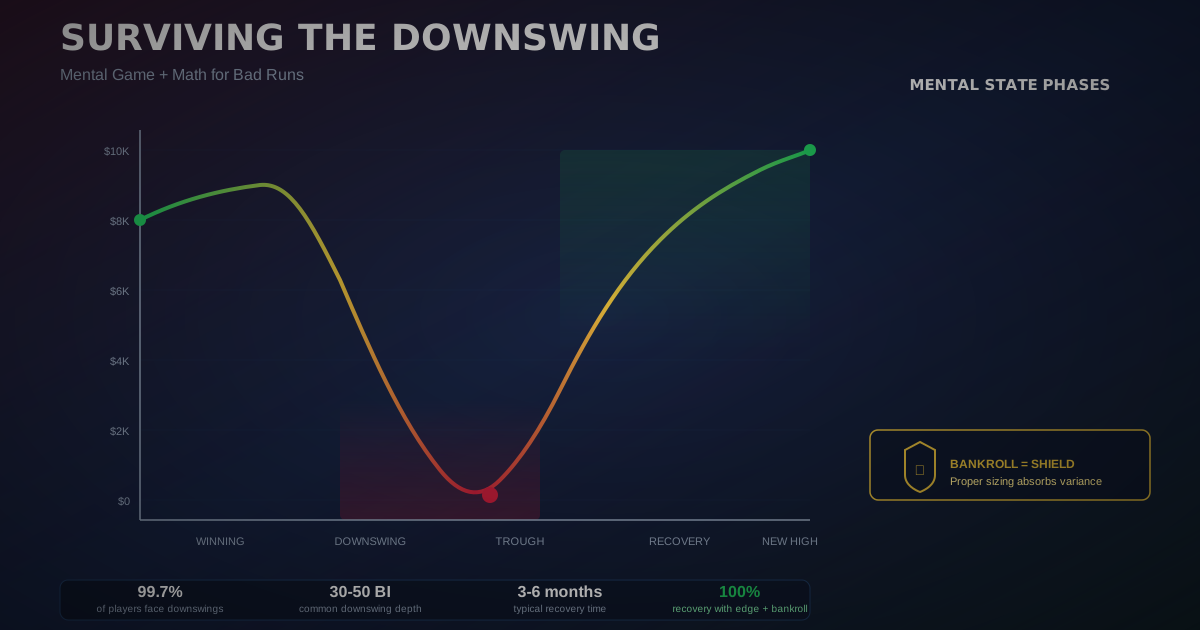
Why Understanding Variance Matters Psychologically
Without variance knowledge:
Big downswing → "I'm terrible at poker"
Big upswing → "I'm amazing at poker"
Reality: Both might just be variance
With variance knowledge:
Big downswing → "Is this within expected range? Yes = keep playing well"
Big upswing → "Am I really this good? Check sample size"
Reality: Make decisions based on process, not results
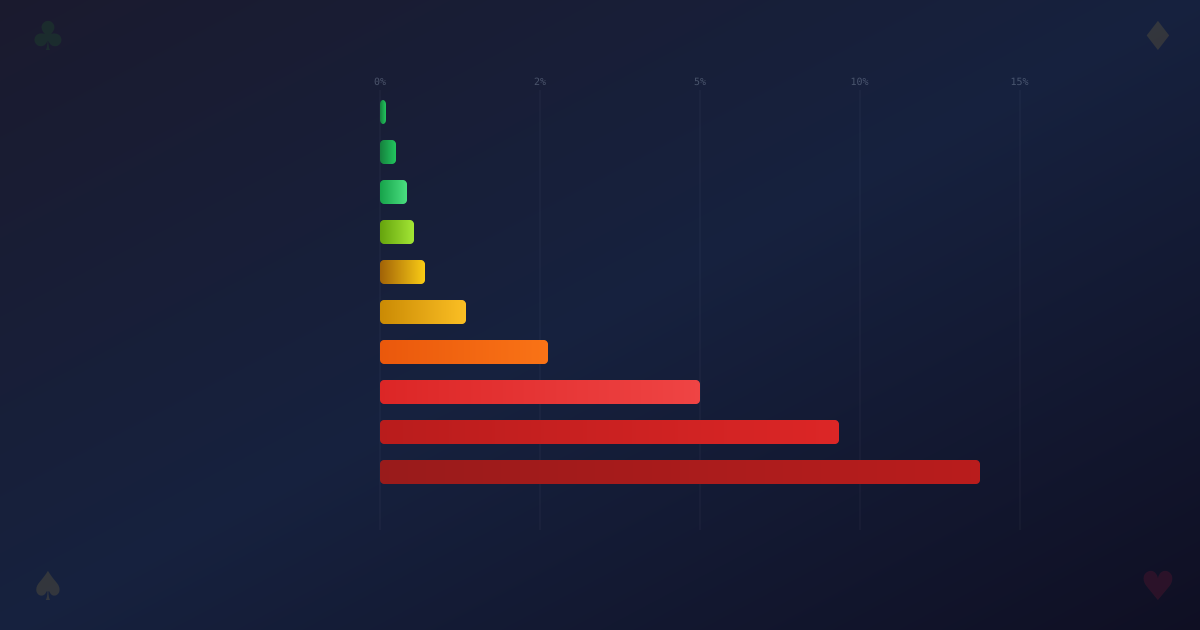
The Downswing Probability Table
Probability of experiencing X buy-in downswing at some point:
| Downswing Size | 5 BB/100 Winner | 2 BB/100 Winner |
|---|---|---|
| 5 buy-ins | 99% | 99% |
| 10 buy-ins | 85% | 95% |
| 15 buy-ins | 55% | 85% |
| 20 buy-ins | 30% | 70% |
| 25 buy-ins | 15% | 55% |
| 30 buy-ins | 8% | 42% |
Even good players WILL experience significant downswings.
Common Mistakes to Avoid
-
Underestimating Variance: Players consistently underestimate how bad swings can get. Double your worst-case estimate.
-
Results-Oriented Thinking: Judging your play by short-term results. Focus on decisions, not outcomes.
-
Insufficient Bankroll: Playing stakes where normal variance can bust you. Proper bankroll handles 95th percentile downswings.
-
Ignoring Playing Style: Your personal standard deviation might be higher or lower than typical. Calculate your own.
-
Moving Up During Heaters: Running hot doesn't mean you should move up. Verify sufficient bankroll for higher stakes variance.
-
Moving Down During Downswings: Normal variance shouldn't trigger moving down. Only adjust if you're truly not beating the games.
Frequently Asked Questions
How do I calculate my personal standard deviation?
Track your session results (profit/loss per session) over 100+ sessions. Calculate standard deviation using: SD = sqrt(sum of (result - mean)^2 / n). Tracking software does this automatically.
Why is my standard deviation important?
Higher SD requires larger bankroll. Two players with 5 BB/100 win rate but different SDs need different bankrolls. The higher SD player experiences bigger swings.
How many buy-ins do I really need?
For 95% confidence against ruin: take 2 x (SD/Win Rate)^2. For example, with 80 SD and 4 BB/100 win rate: 2 x (80/4)^2 = 2 x 400 = 800 BB = 8 buy-ins minimum. In practice, 20-30 is standard.
Can I reduce variance without hurting win rate?
Sometimes. Playing tighter in marginal spots reduces variance but may slightly reduce win rate. The trade-off depends on your bankroll constraints and psychological makeup.
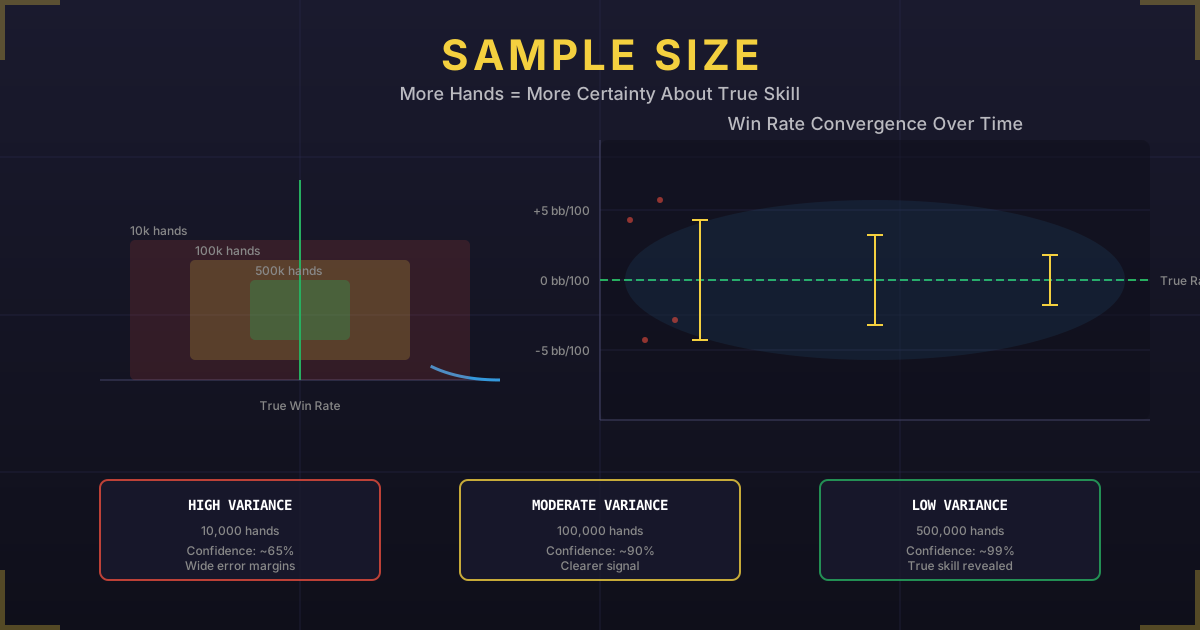
How long until variance "evens out"?
The law of large numbers works slowly. For win rate to stabilize within 1 BB/100 of true rate, you need approximately 200,000+ hands. Most players never reach true long-term.
Should I play lower variance games if I'm short-rolled?
Yes. With limited bankroll, prioritize survival. Choose lower-variance formats (tighter play, smaller MTTs, SNGs) until bankroll grows.
Is tournament poker really that much higher variance?
Yes. Much higher. A cash game player might have 80 BB/100 SD. A tournament player might have 300-500% ROI SD. Tournaments need 3-5x more buy-ins proportionally.
What causes variance in poker?
All-in equity realization, card distribution, opponent decisions, and pot sizes. Every pot you play adds variance. Bigger pots = more variance.
Pro Tips
- Track your own standard deviation rather than using estimates
- Build bankroll during good runs; you'll need it during bad runs
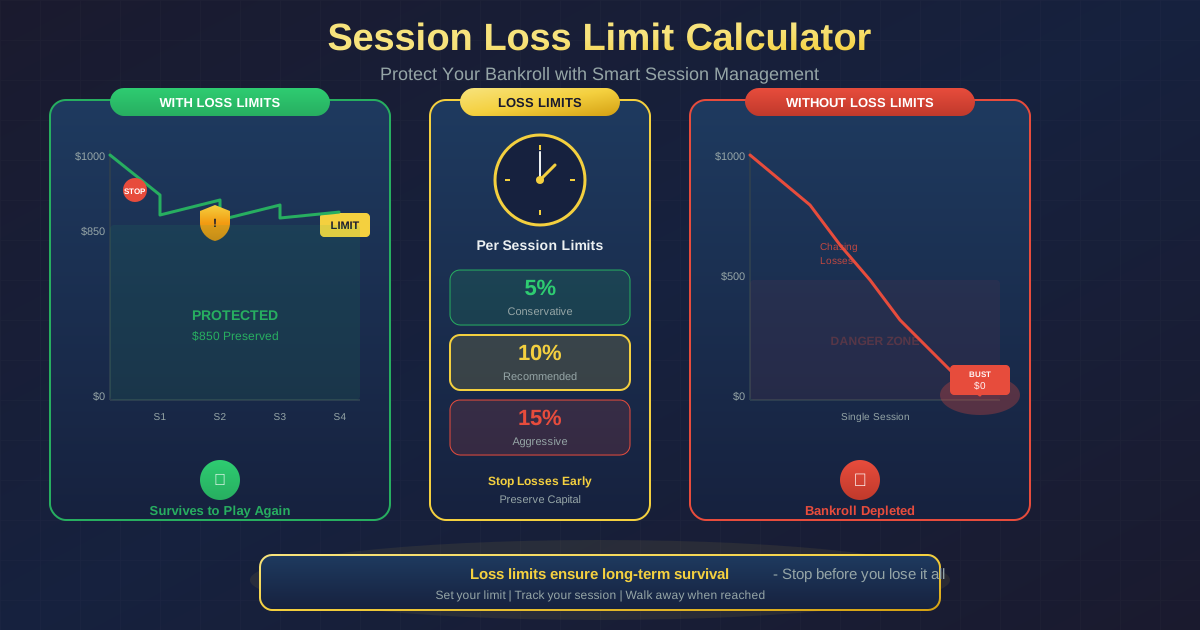
- Set stop-losses for sessions to limit variance exposure
- Understand that downswings are inevitable and temporary for winning players
- Use variance calculators to reality-check your emotional responses to swings
Related Calculators
- Risk of Ruin Calculator - Probability of busting your bankroll
- Bankroll Calculator - Proper bankroll sizing
- Win Rate Calculator - Determine your actual win rate
- MTT ROI Calculator - Tournament profitability
- Sample Size Calculator - When are results significant?
Conclusion
Variance is the mathematical reality that separates poker from deterministic games. Our bankroll variance calculator helps you understand what swings to expect, how much bankroll you need, and whether your current results reflect skill or luck.
Accept variance as part of poker, size your bankroll to survive it, and focus on making good decisions regardless of short-term results. The players who master variance psychology and bankroll management survive to see their edge play out in the long run.