Big Six Wheel Calculator: Money Wheel Odds Analysis (2026)
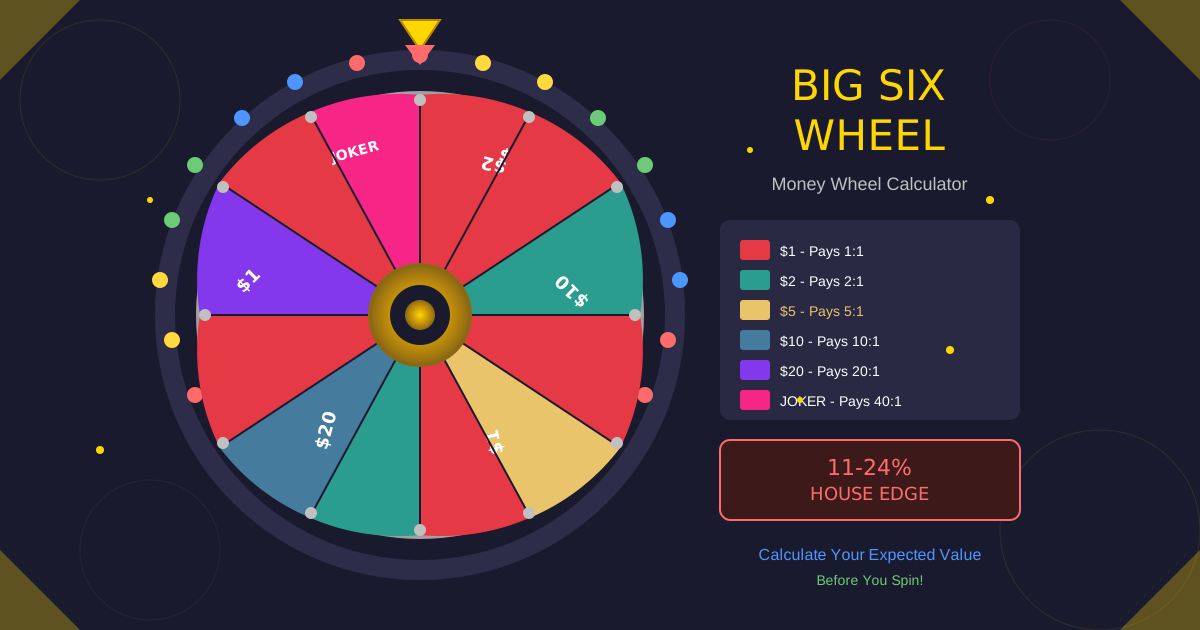
Big Six Wheel Calculator: The Worst Bet in the Casino?
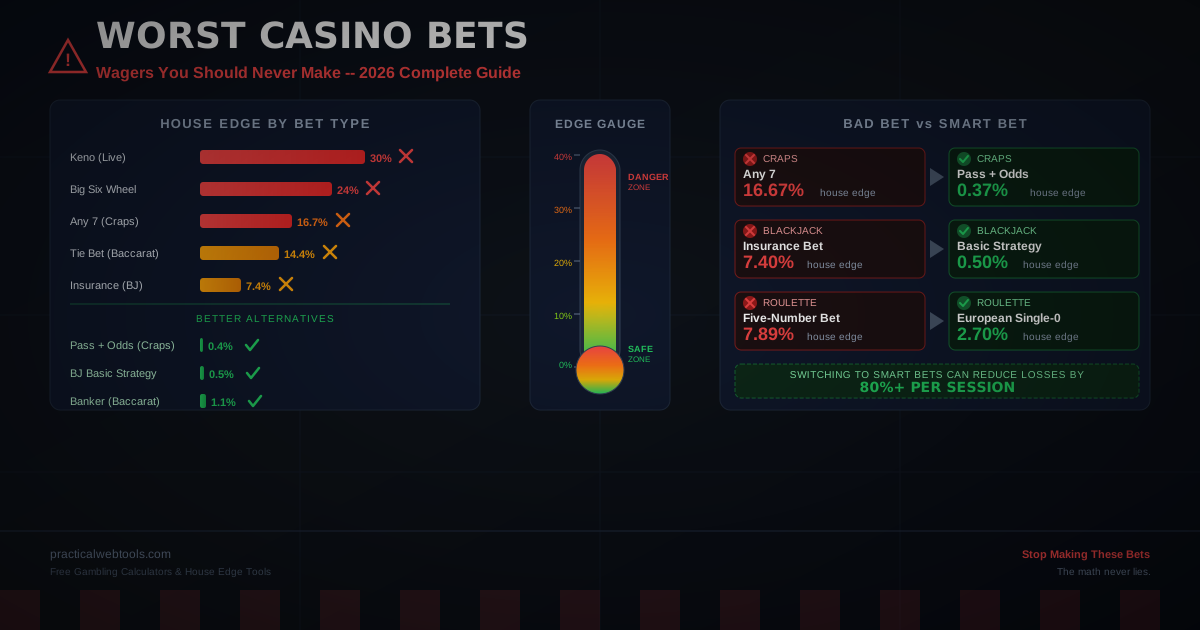
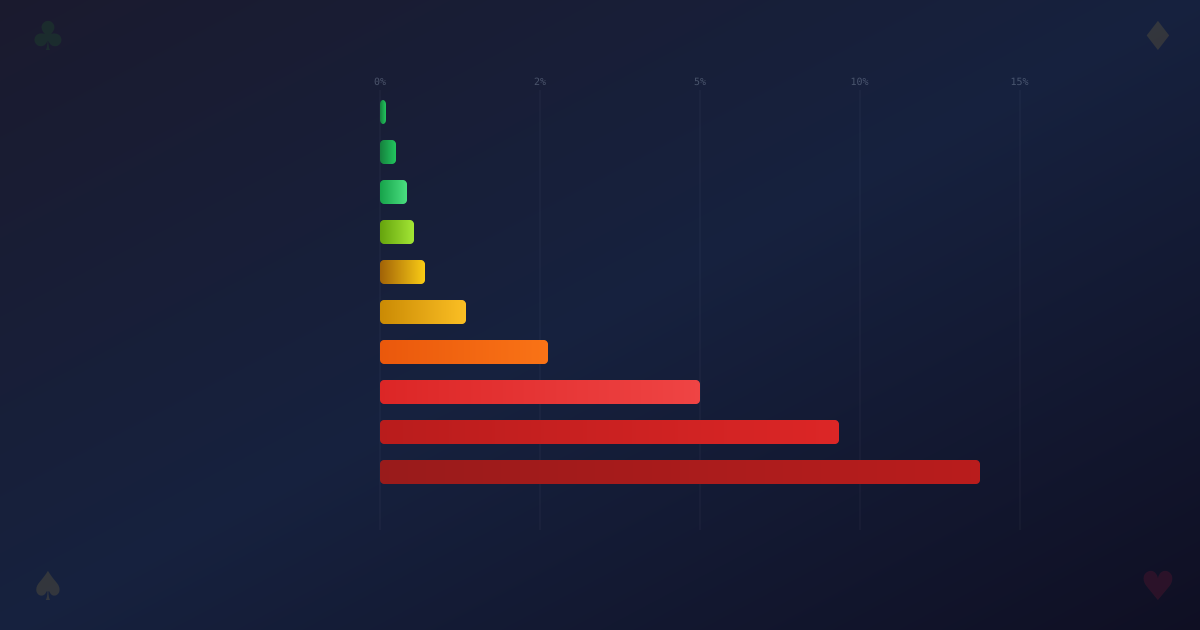
The Big Six Wheel (Money Wheel) offers simple betting—pick a symbol and hope the wheel lands on it. But this carnival-style simplicity hides house edges ranging from 11% to 24%. Our calculator reveals why this entertaining spectacle is mathematically terrible.
What Is the Big Six Wheel?
The Big Six Wheel is a large vertical wheel divided into segments with different symbols or denominations ($1, $2, $5, $10, $20, and special symbols). You bet on which segment the wheel will stop on. Higher payouts have fewer segments, creating worse odds than nearly any table game.
Quick Answer: Big Six Wheel = bet on where wheel stops. Segments: $1 (24), $2 (15), $5 (7), $10 (4), $20 (2), Joker/Logo (2). House edge: 11-24% depending on bet. $1 bet: 11.1% edge (best). Joker bet: 24% edge (worst). One of worst casino bets. Entertainment only.
How to Use Our Calculator
Use the Big Six Wheel Calculator →
Calculate the true odds and house edge for each bet.
Step-by-Step Instructions
-
Select Bet Type: Which symbol
-
View Segment Count: How many on wheel
-
See True Odds: Probability
-
Check Payout: What it pays
-
Calculate House Edge: True cost
Input Fields Explained
| Field | Description | Example |
|---|---|---|
| Bet Type | Symbol chosen | $5 |
| Segments | Count on wheel | 7 |
| Total Segments | Wheel total | 54 |
| Probability | Win chance | 12.96% |
| Payout | If win | 5:1 |
| House Edge | True cost | 22.2% |
Wheel Composition
Standard 54-Segment Wheel
Segment distribution:

$1 symbol: 24 segments (44.4%)
$2 symbol: 15 segments (27.8%)
$5 symbol: 7 segments (13.0%)
$10 symbol: 4 segments (7.4%)
$20 symbol: 2 segments (3.7%)
Joker: 1 segment (1.85%)
Casino Logo: 1 segment (1.85%)

Total: 54 segments
Visual Layout
Wheel appearance:

Most common: $1 (almost half)
Second most: $2 (about quarter)
Rare: $5 (scattered)
Very rare: $10, $20
Rarest: Joker, Logo
Payout Structure
Standard Payouts
Bet      | Segments | Payout | Probability
---------|----------|--------|------------
$1       | 24       | 1:1    | 44.44%
$2       | 15       | 2:1    | 27.78%
$5       | 7        | 5:1    | 12.96%
$10      | 4        | 10:1   | 7.41%
$20      | 2        | 20:1   | 3.70%
Joker    | 1        | 40:1   | 1.85%
Logo     | 1        | 40:1   | 1.85%
House Edge by Bet
The ugly truth:

$1 bet:
Win 44.44% × 1:1 = 44.44%
Lose 55.56%
House edge: 11.1%

$2 bet:
Win 27.78% × 2:1 = 55.56%
Return: 83.33%
House edge: 16.7%

$5 bet:
Win 12.96% × 5:1 = 64.81%
Return: 77.78%
House edge: 22.2%

$10 bet:
Win 7.41% × 10:1 = 74.07%
Return: 81.48%
House edge: 18.5%

$20 bet:
Win 3.70% × 20:1 = 74.07%
Return: 77.78%
House edge: 22.2%

Joker/Logo:
Win 1.85% × 40:1 = 74.07%
Return: 75.93%
House edge: 24.1%
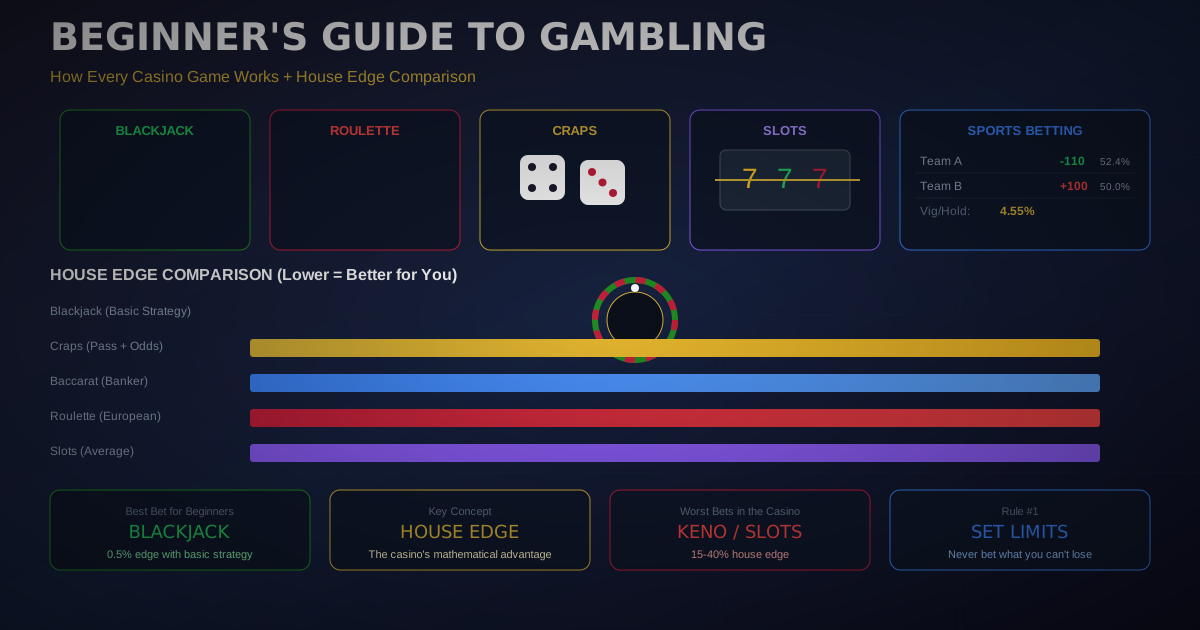
Comparison to Other Games
House Edge Ranking
Worst to best:

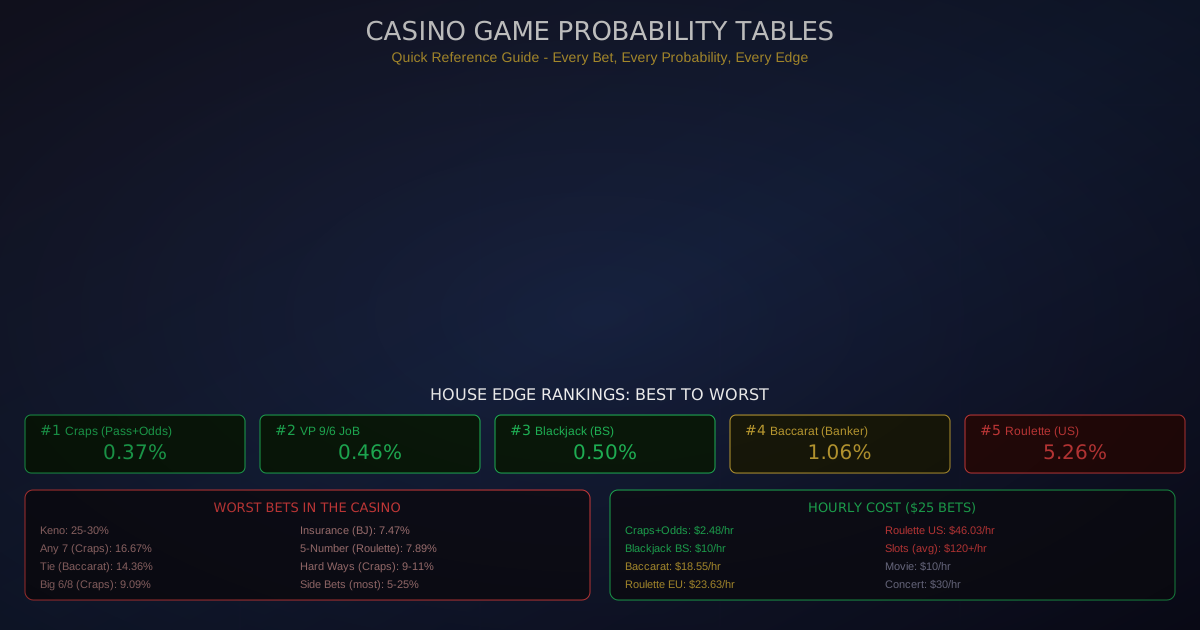
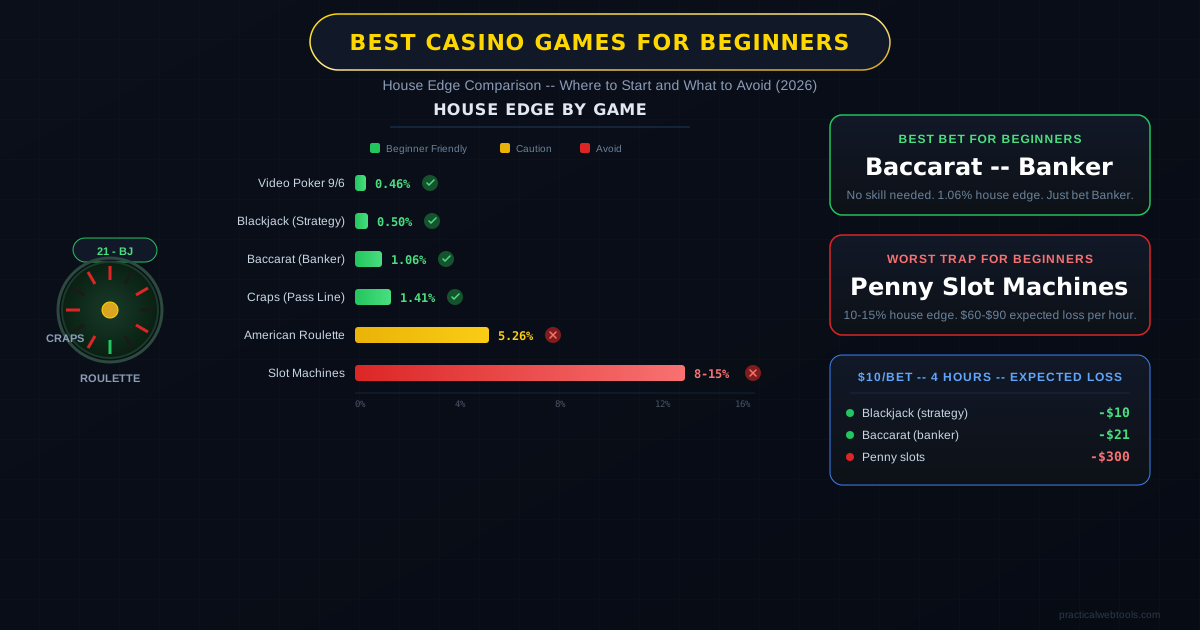
Big Six Joker: 24.1%
Big Six $5: 22.2%
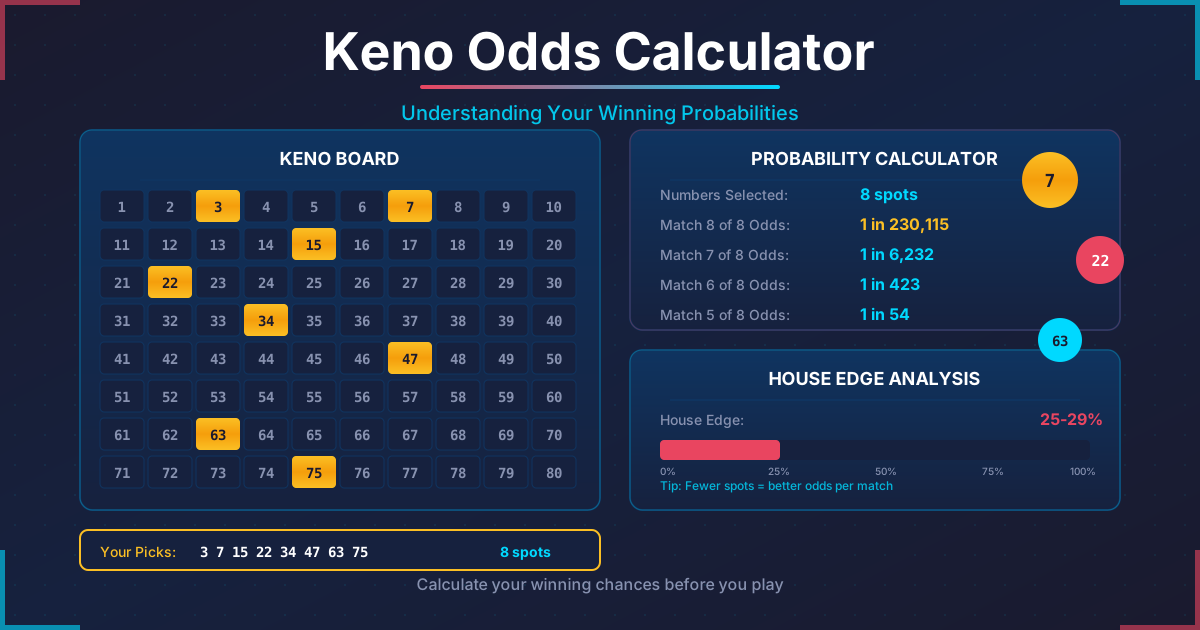
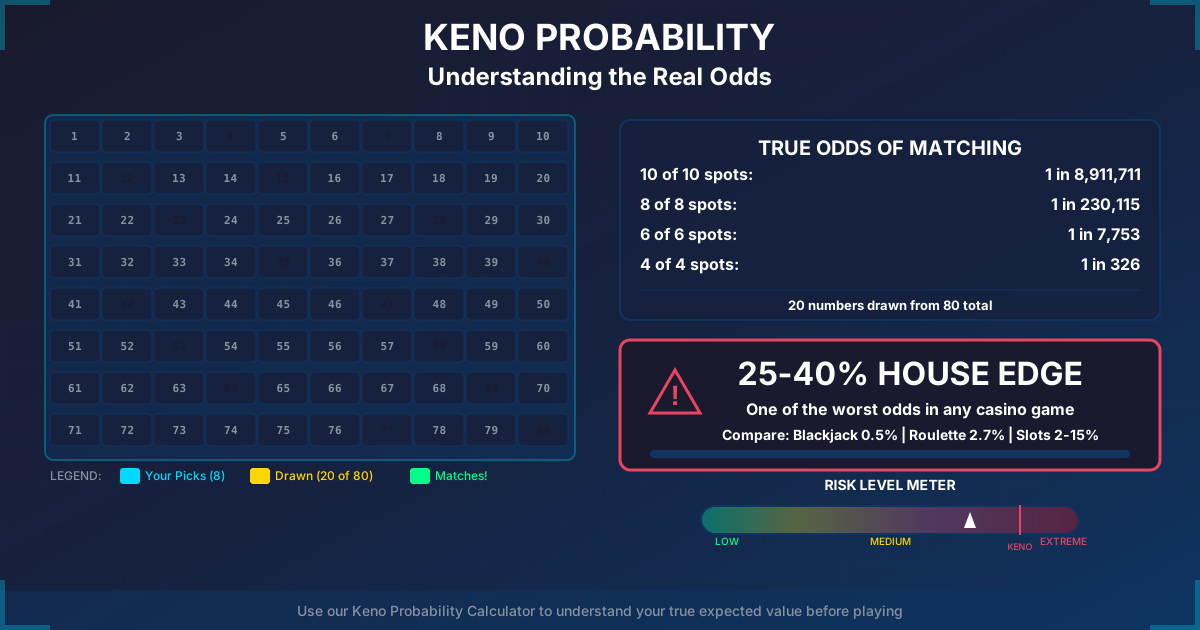
Keno (typical): 25-30%
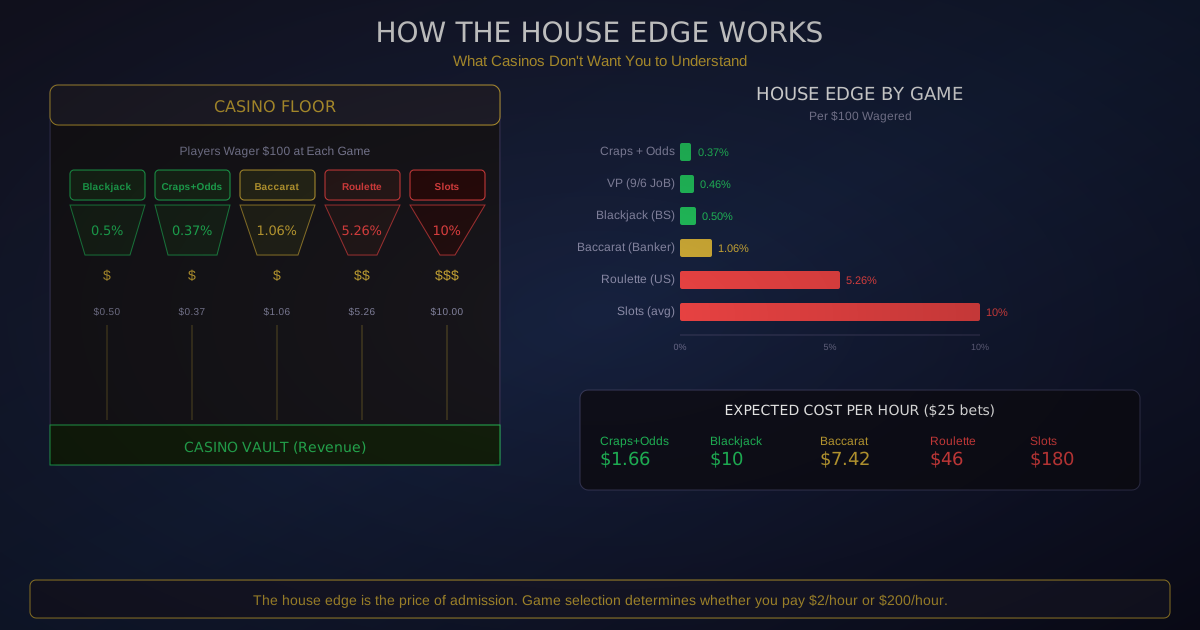
Slot machines: 5-15%
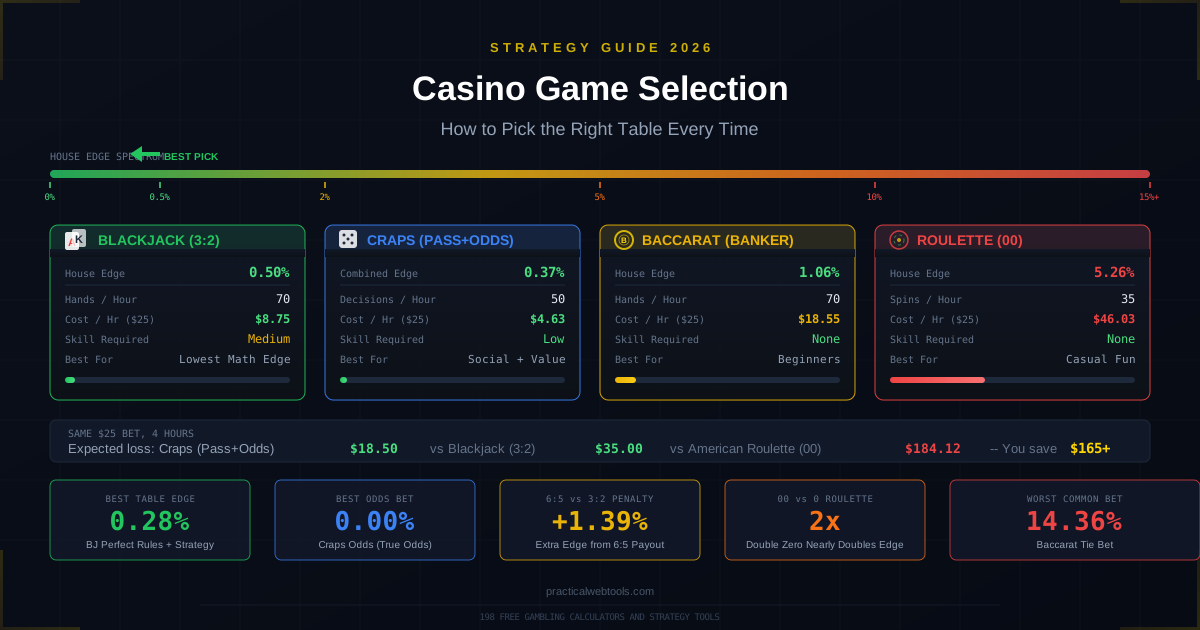
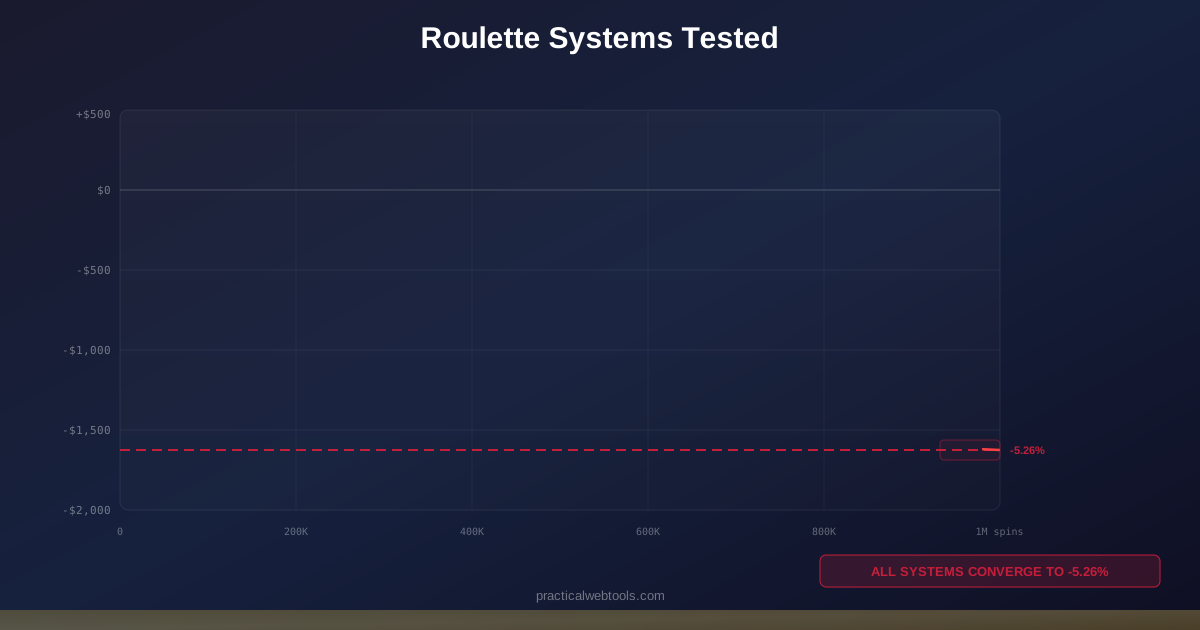
Roulette (US): 5.26%
Roulette (EU): 2.70%
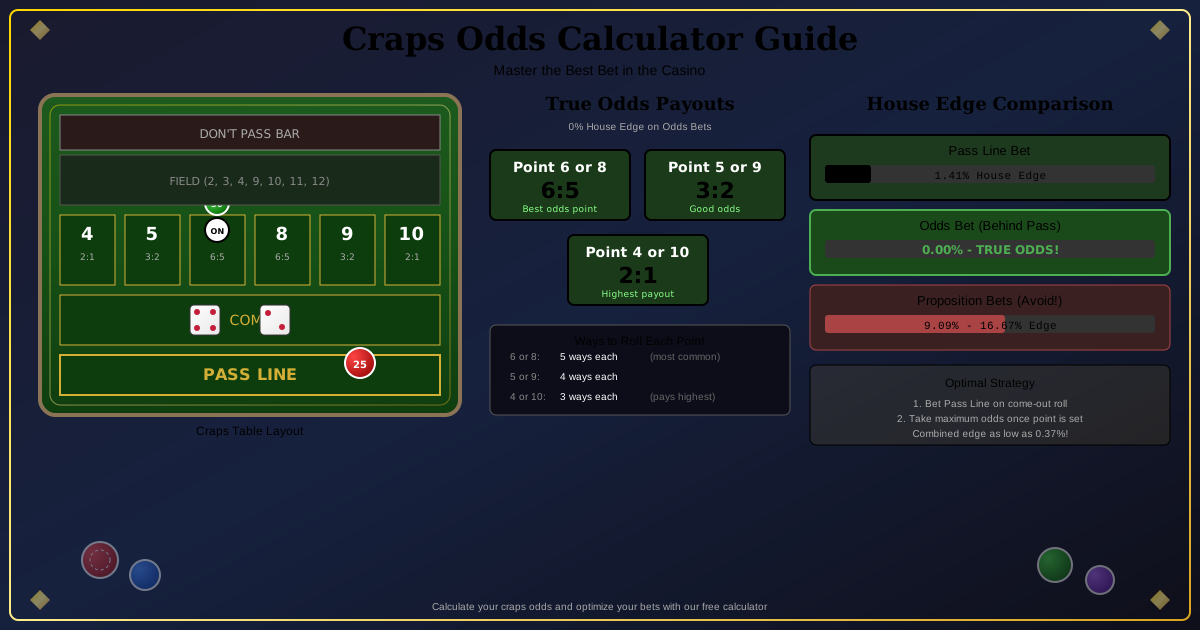
Craps (pass): 1.41%
Blackjack: 0.50%

Big Six is among worst
Casino-wide
Why So Bad?
Design philosophy:

Simple = expensive
Visual appeal = high edge
Entertainment value priced in

Casino perspective:
Easy to operate
Attracts casual players
High profit margin

Player perspective:
Fun to watch
Easy to understand
Terrible odds
Real-World Examples
Example 1: $1 Bet (Best Option)
The "least bad" bet:
Bet: $10 on $1 symbol
Segments: 24 of 54
Probability: 44.44%

If win: +$10
If lose: -$10

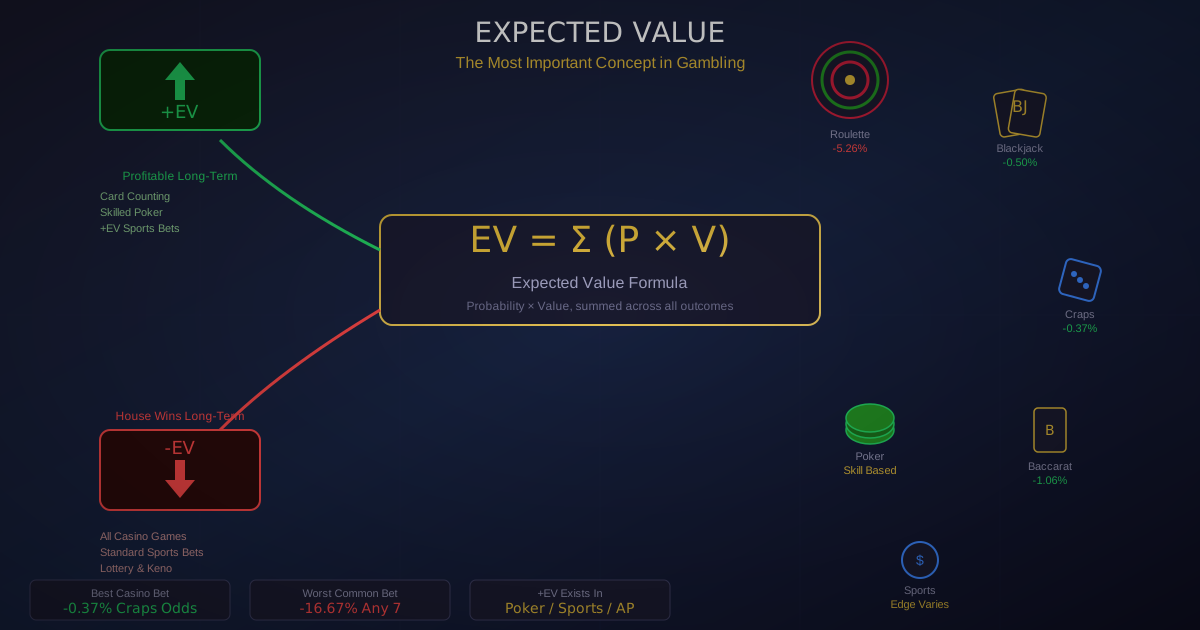
Expected value:
(0.4444 × $10) - (0.5556 × $10)
= $4.44 - $5.56
= -$1.11

House edge: 11.1%
Still terrible, but best available
Example 2: $20 Bet
Chasing the big payout:
Bet: $10 on $20 symbol
Segments: 2 of 54
Probability: 3.70%

If win: +$200
If lose: -$10

Expected value:
(0.037 × $200) - (0.963 × $10)
= $7.40 - $9.63
= -$2.22

House edge: 22.2%
High payout, high edge
Example 3: Joker Bet
The worst bet:
Bet: $5 on Joker
Segments: 1 of 54
Probability: 1.85%

If win: +$200
If lose: -$5

Expected value:
(0.0185 × $200) - (0.9815 × $5)
= $3.70 - $4.91
= -$1.21

House edge: 24.1%
Worst bet on the wheel
Example 4: Session Loss
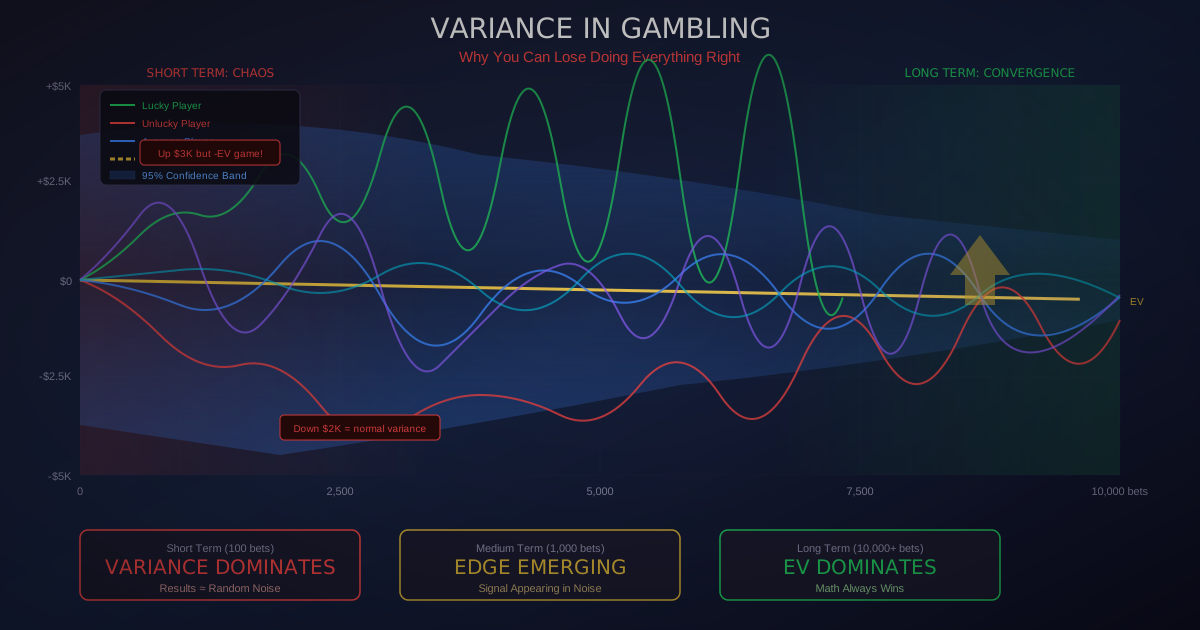
100 spins reality:
$10 bets on $1 (best bet):
100 spins × $10 = $1,000 wagered
11.1% edge = $111 expected loss

$10 bets on Joker:
100 spins × $10 = $1,000 wagered
24.1% edge = $241 expected loss

Huge difference
Even on "best" bet, losses mount
Strategy (Such As It Is)
Best Bet Strategy
If you must play:

$1 bet is "best" (11.1% edge)
Still terrible
But least terrible

Never bet Joker/Logo
24.1% edge is unconscionable
Bankroll Reality
Session expectations:

$100 session on $1 bets:
~44 wins, ~56 losses
Net: -$12 average

Very predictable losses
High volume, steady drain
When to Play
Only acceptable reasons:

Entertainment value
Small amount for fun
Part of group activity
Know you're paying for show

Never play thinking:
"Might get lucky"
"Due for a win"
"Just this once"
Why Does Big Six Exist?
Casino Economics
Operational advantages:

Low staffing needs
Simple to run
Attracts passersby
Visual spectacle

High margin:
11-24% vs 0.5-2% tables
Fewer spins per hour
But higher profit per spin
Player Psychology
Why people play:

Simple to understand
No decisions to make
Carnival atmosphere
Communal experience

The spin is exciting
Results are visible
Social gambling
Variations
Different Wheel Configurations
Some wheels vary:

Different segment counts
Special bonus symbols
Progressive jackpots
Different payout structures

Always check:
Segment counts
Payout table
Calculate edge
Las Vegas vs Atlantic City
Regional differences:

Rules may vary slightly
Some have 52 segments
Some have different specials

Core concept same
Edge remains high
Details differ
Common Mistakes
1. Thinking It's Fair
Mistake: "Even money seems fair" Problem: 11% edge on $1 bet Fix: Understand true odds
2. Chasing Big Payouts
Mistake: Joker bet for 40:1 Problem: 24% house edge Fix: Know the cost
3. Extended Play
Mistake: Playing for hours Problem: Losses compound Fix: Short entertainment only
4. Comparing to Slots
Mistake: "Better than slots" Problem: Similar or worse edge Fix: Compare actual percentages
Frequently Asked Questions
Is Big Six the worst casino bet?
Among the worst on the main floor. Edges of 11-24% are only exceeded by keno, some slots, and exotic side bets.
Which bet is best?
The $1 bet at 11.1% edge is least bad. Still terrible compared to table games, but half the edge of Joker bets.
Why do casinos have Big Six?
Entertainment value, simple operation, high margins, attracts casual players. It's profitable despite low volume.
Can you beat Big Six?
No. No strategy, counting, or system can overcome 11-24% house edge. It's purely luck with bad odds.
How does it compare to roulette?
Much worse. European roulette has 2.7% edge, American has 5.26%. Big Six's best bet is 4× worse than American roulette.
Should I ever play Big Six?
Only as entertainment with money you expect to lose. Never as serious gambling.
Pro Tips
-
$1 bet if anything: 11.1% edge (least bad)
-
Avoid Joker/Logo: 24% edge is criminal
-
Entertainment only: Budget as show cost
-
Short sessions: Losses add up fast
-
Compare alternatives: Roulette is 4× better odds
Related Calculators
- Roulette Odds Calculator - Better odds
- Craps Odds Calculator - Much better
- House Edge Calculator - Compare games
- Expected Value Calculator - Bet analysis
- Gambling Budget Calculator - Responsible play
Conclusion
The Big Six Wheel offers carnival entertainment at carnival prices—11% to 24% house edge depending on your bet. Our calculator shows why the $1 bet is least terrible and why this colorful spectacle represents some of the worst odds in any casino.
Calculate Big Six Wheel Odds Now →
That exciting Joker symbol pays 40:1 but has a 24% house edge—you're expected to lose $24 for every $100 wagered. Our calculator reveals why the Big Six Wheel is entertainment, not gambling.