Blackjack Card Counting Calculator: Master the Hi-Lo System (2026)
Blackjack Card Counting Calculator: Turn the Edge in Your Favor
Card counting is the only legal way to consistently beat the casino at blackjack. Our free calculator helps you understand the Hi-Lo system, convert running counts to true counts, and determine optimal bet sizes based on your edge.
What Is Card Counting?
Card counting tracks the ratio of high cards to low cards remaining in the deck. When more high cards remain (tens, aces), the player has an advantage and should bet more.
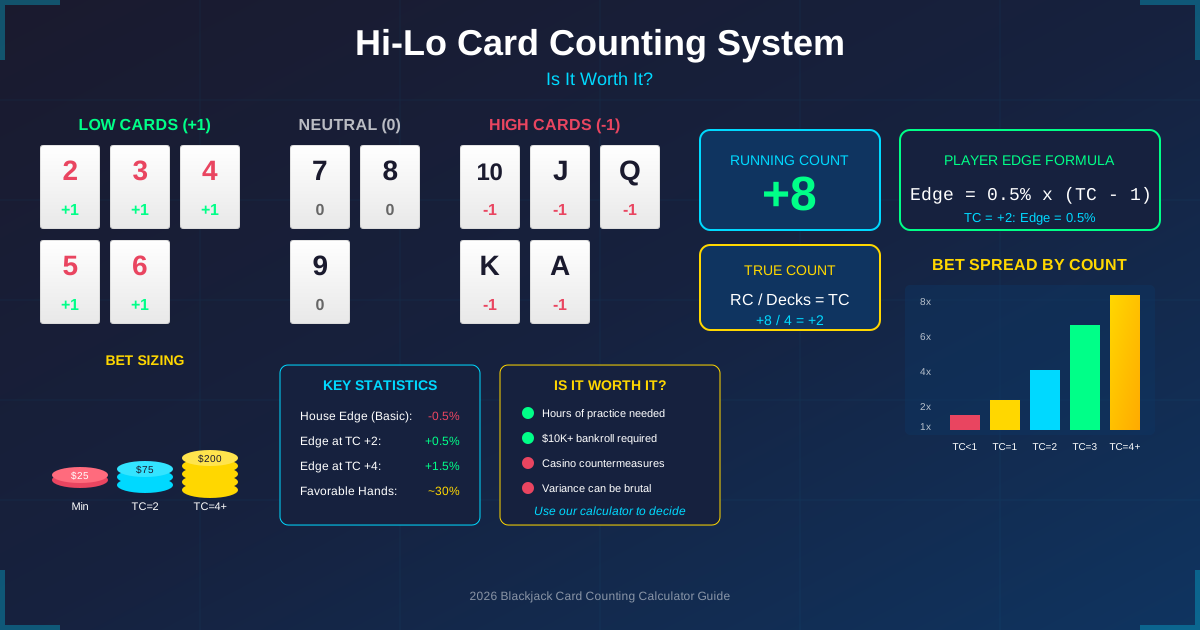
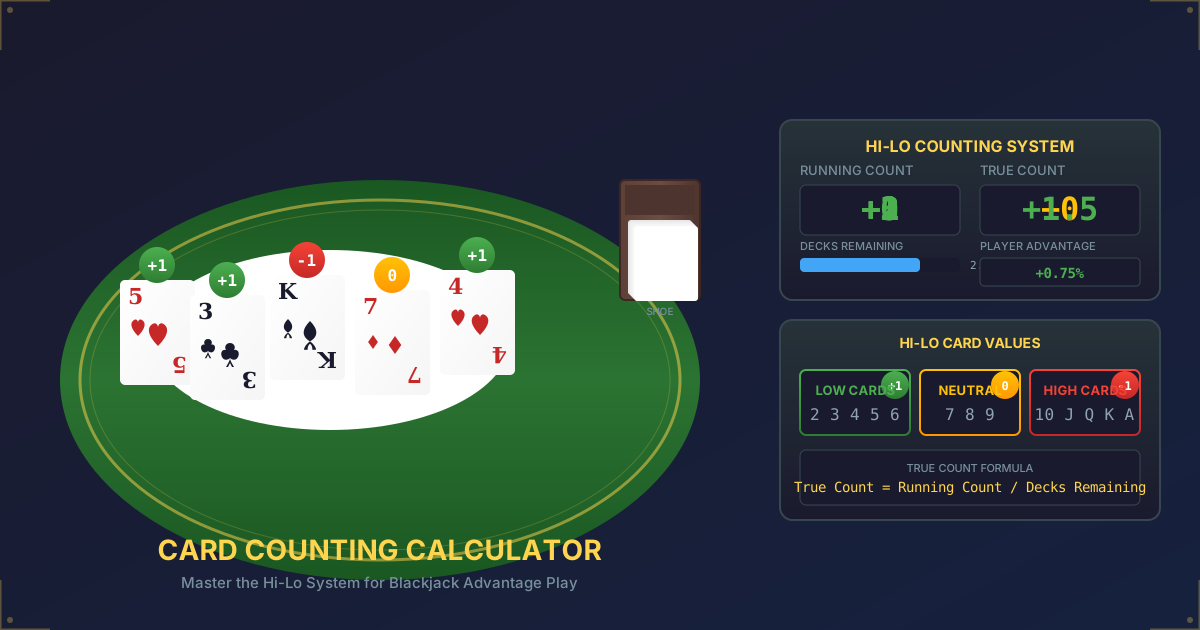
Quick Answer: In the Hi-Lo system, cards 2-6 are +1, cards 7-9 are 0, and cards 10-A are -1. When the true count (running count ÷ decks remaining) is +2 or higher, you have an edge over the casino and should increase your bets.
How to Use Our Free Card Counting Calculator
Use the Card Counting Calculator →
Enter the running count and decks remaining to calculate your true count and optimal bet size.
Step-by-Step Instructions
-
Enter Running Count: Your current count total
-
Input Decks Remaining: Estimate decks left in shoe
-
Set Base Bet: Your minimum wager
-
View Results: See true count, edge, and optimal bet
Input Fields Explained
| Field | Description | Example |
|---|---|---|
| Running Count | Sum of card values seen | +8 |
| Decks Remaining | Cards left / 52 | 2 |
| Base Bet | Minimum wager unit | $10 |
| Betting Spread | Max multiplier | 1-8 |
The Hi-Lo Card Counting System
Card Values
| Cards | Hi-Lo Value | Reason |
|---|---|---|
| 2, 3, 4, 5, 6 | +1 | Low cards help dealer |
| 7, 8, 9 | 0 | Neutral cards |
| 10, J, Q, K, A | -1 | High cards help player |
Running Count
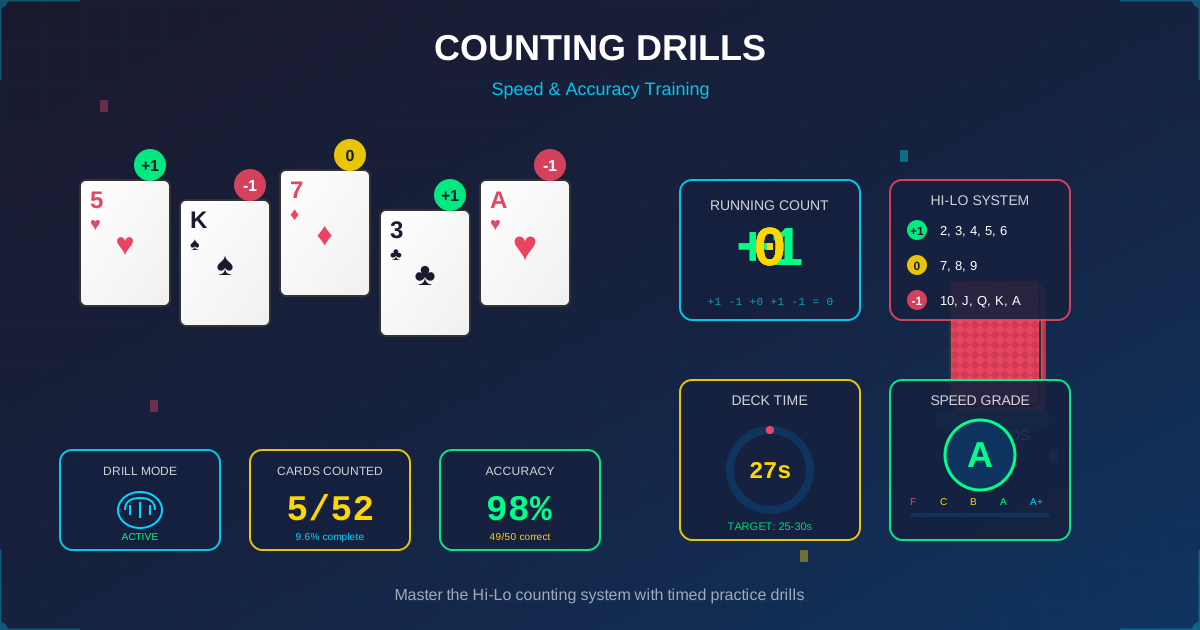
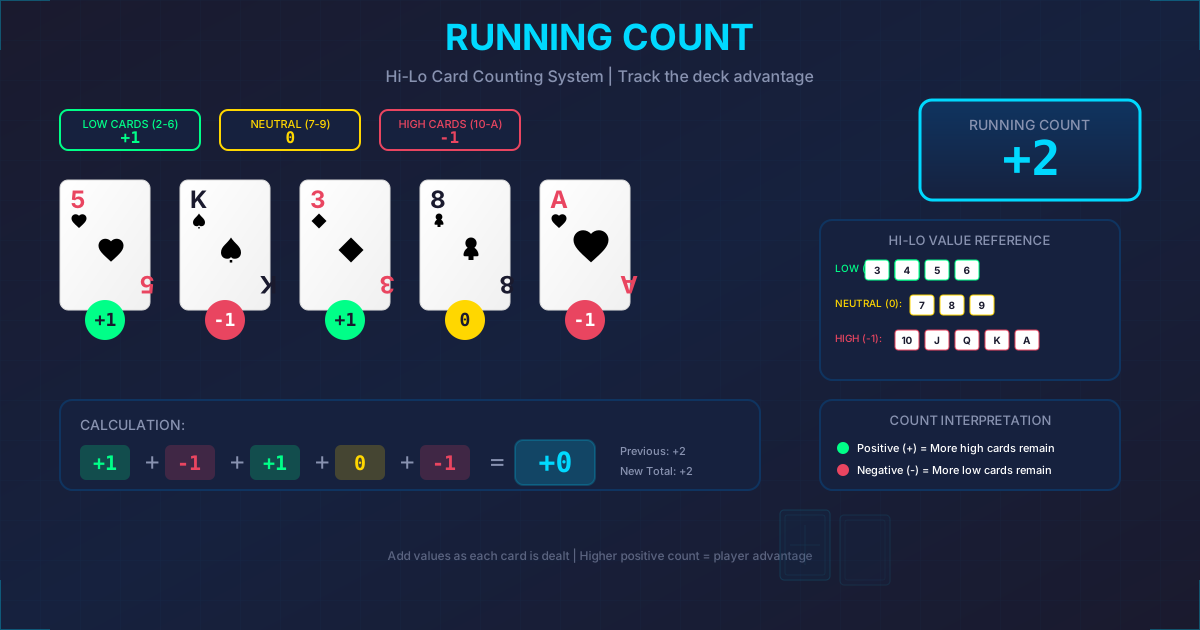
As cards are dealt, keep a running total:
Example hand:
- 5♠ (+1), K♥ (-1), 3♦ (+1), A♣ (-1), 9♠ (0)
- Running count: +1 - 1 + 1 - 1 + 0 = 0
True Count
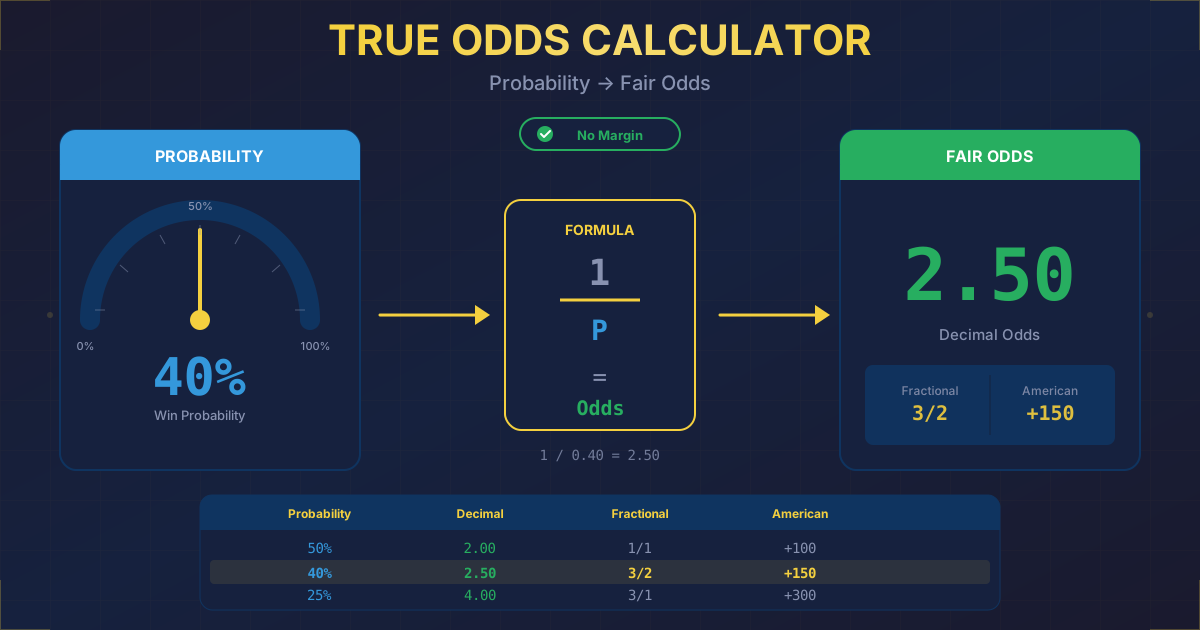
The true count adjusts for remaining decks:
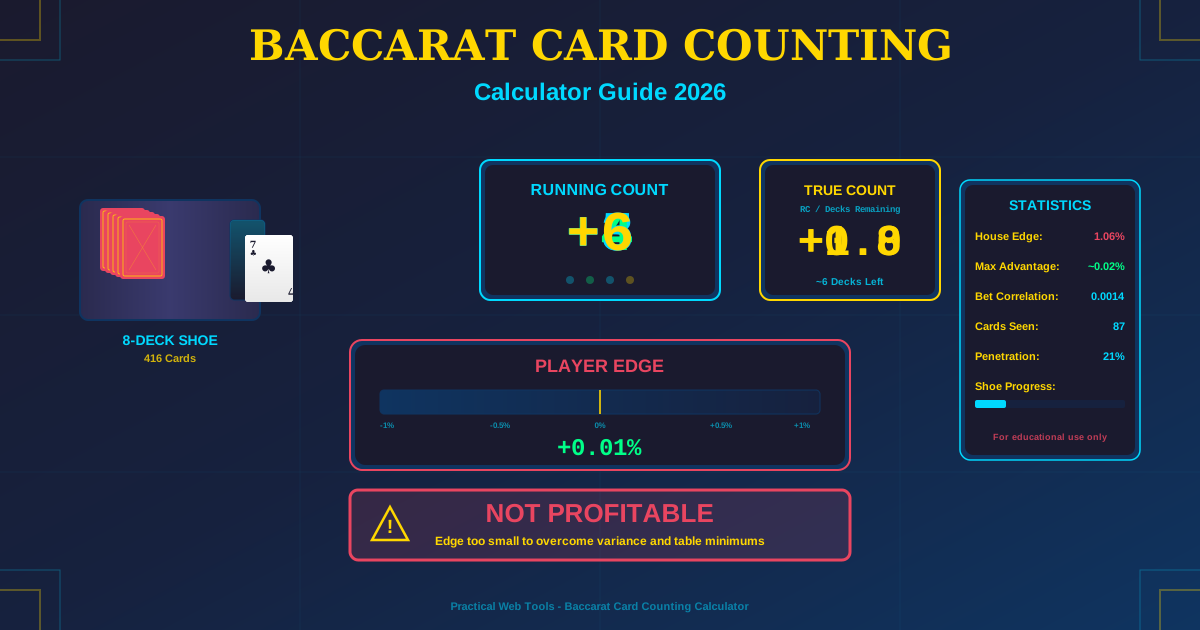
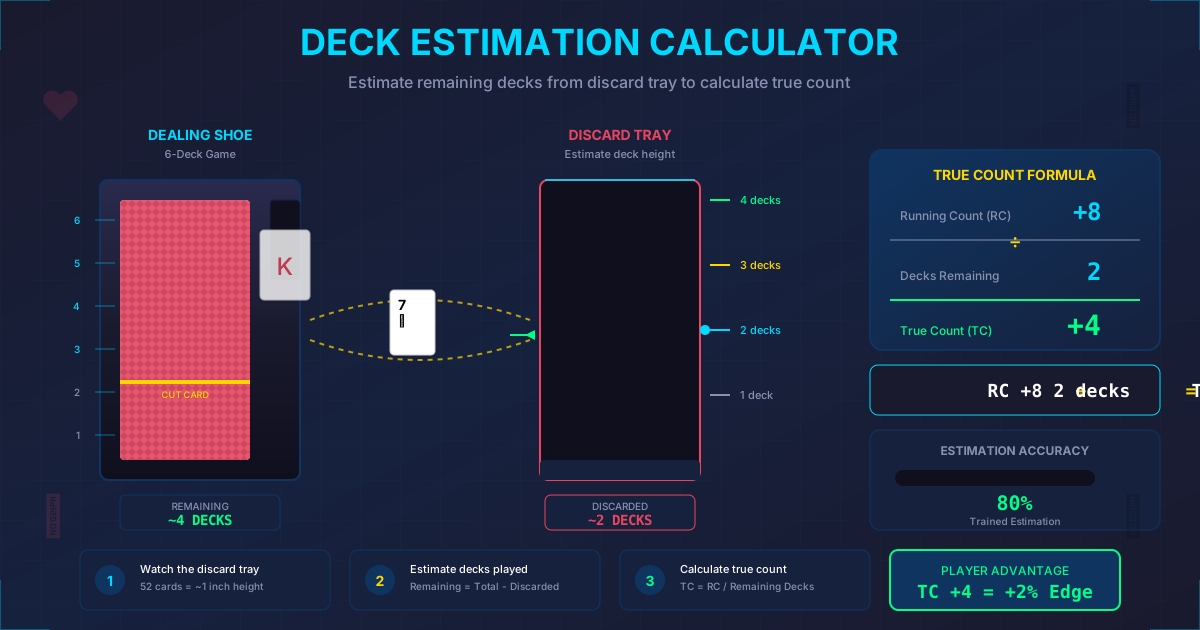
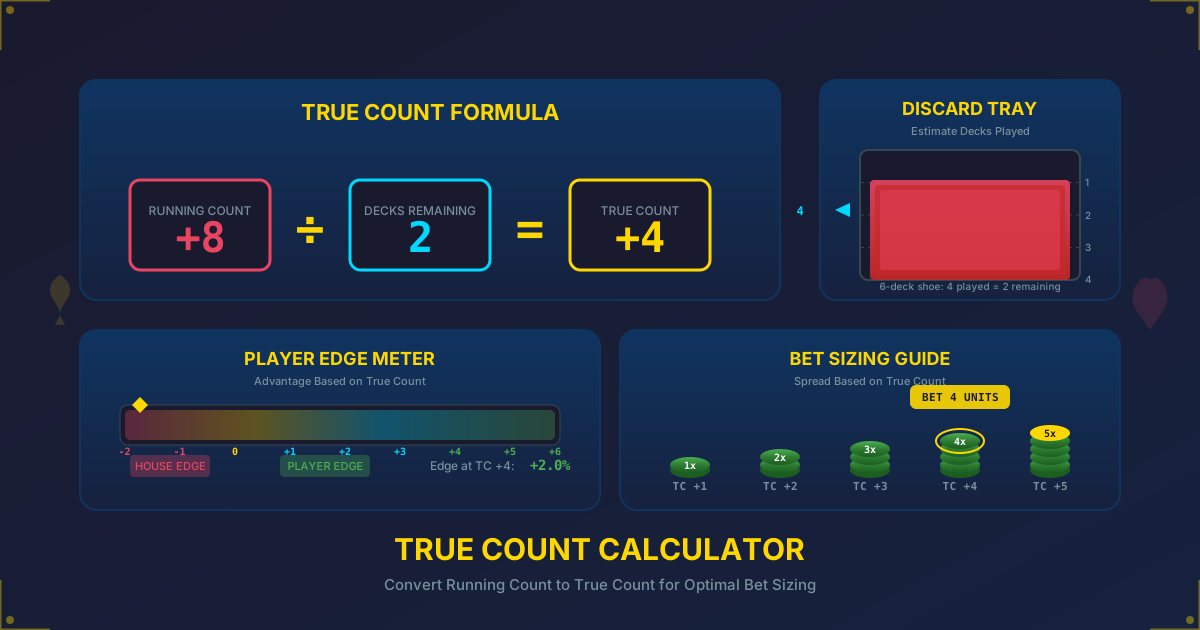
True Count = Running Count ÷ Decks Remaining
Example:
- Running count: +8
- Decks remaining: 2
- True count: +8 ÷ 2 = +4
Why Card Counting Works
High Cards Favor the Player
When the deck is rich in tens and aces:
- Blackjacks are more likely (3:2 payout benefits player)
- Dealer busts more often (must hit stiff hands)
- Double downs are stronger (more tens to catch)
- Insurance becomes profitable (at high enough counts)
The Math Behind It
| True Count | Player Edge | What It Means |
|---|---|---|
| -2 or lower | -1.5% or worse | Heavy disadvantage |
| -1 | -0.75% | Slight disadvantage |
| 0 | -0.5% | House edge (basic strategy) |
| +1 | 0% | Approximately breakeven |
| +2 | +0.5% | Slight advantage |
| +3 | +1% | Good advantage |
| +4 | +1.5% | Strong advantage |
| +5 or higher | +2%+ | Major advantage |
Each true count point is worth approximately 0.5% to the player.
Real-World Counting Examples
Example 1: Fresh Shoe
Situation: 6-deck shoe, just shuffled
First two rounds dealt:
- Round 1: 3, 7, K, 5, 2, 10, A, 6, Q (Running count: +1-0-1+1+1-1-1+1-1 = 0)
- Round 2: 4, J, 8, 5, 9, K, 2, 6 (Running count now: +1-1+0+1+0-1+1+1 = +2)
Decks remaining: ~5.5 True count: +2 ÷ 5.5 = +0.36
Decision: Count is nearly neutral. Bet minimum.
Example 2: Deep Penetration, High Count
Situation: 4 decks dealt from 6-deck shoe
Running count: +12 Decks remaining: 2 True count: +12 ÷ 2 = +6
Your edge: Approximately +2.5%
Decision: Maximum bet. This is a strong player advantage.
Example 3: Negative Count
Situation: 2 decks dealt from 6-deck shoe
Running count: -8 Decks remaining: 4 True count: -8 ÷ 4 = -2
Decision: Bet minimum or consider leaving the table. The deck heavily favors the dealer.
Betting Spreads
What Is a Betting Spread?
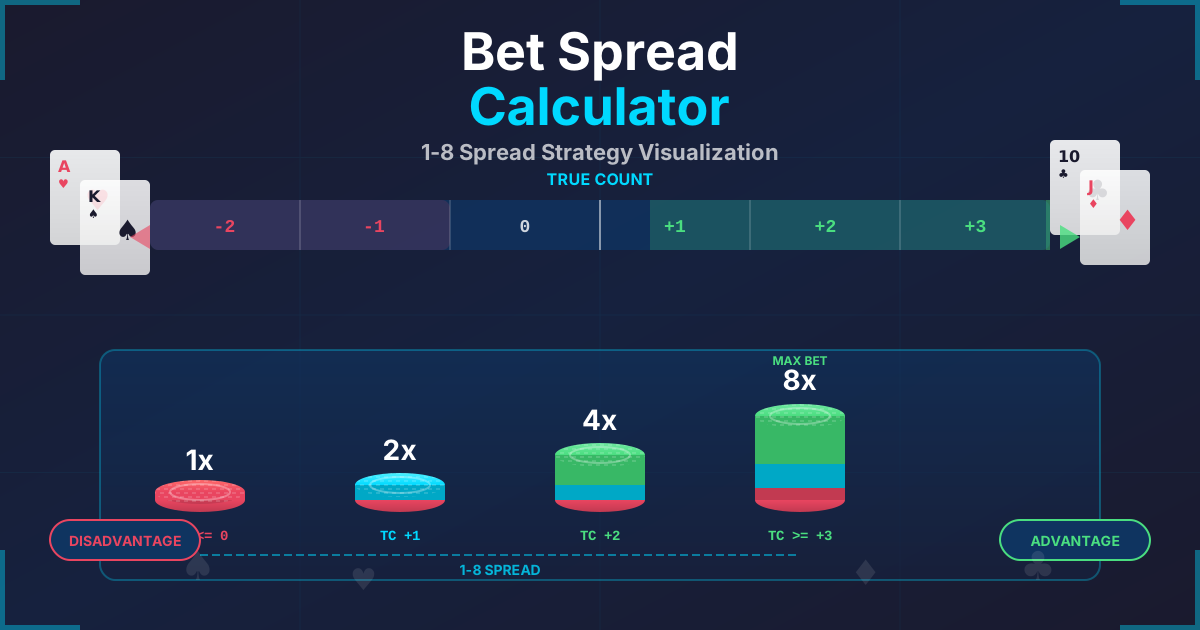
The spread is the ratio between your maximum and minimum bets:
- 1-4 spread: Bet 1 unit at TC 0 or below, up to 4 units at high counts
- 1-8 spread: More aggressive, higher variance
- 1-12 spread: Professional level, attracts heat
Recommended Spreads by True Count
Conservative (1-4):
| True Count | Bet (in units) |
|---|---|
| 0 or below | 1 |
| +1 | 1 |
| +2 | 2 |
| +3 | 3 |
| +4 or higher | 4 |
Moderate (1-8):
| True Count | Bet (in units) |
|---|---|
| 0 or below | 1 |
| +1 | 1 |
| +2 | 2 |
| +3 | 4 |
| +4 | 6 |
| +5 or higher | 8 |
Expected Hourly Win Rate
| Spread | Expected Edge | $10 Base, 100 hands/hr |
|---|---|---|
| 1-4 | +0.5% | ~$12/hour |
| 1-8 | +1.0% | ~$30/hour |
| 1-12 | +1.5% | ~$50/hour |
Assumes 75% deck penetration, 6-deck shoe, H17, DAS, 3:2 blackjack
Strategy Deviations by Count
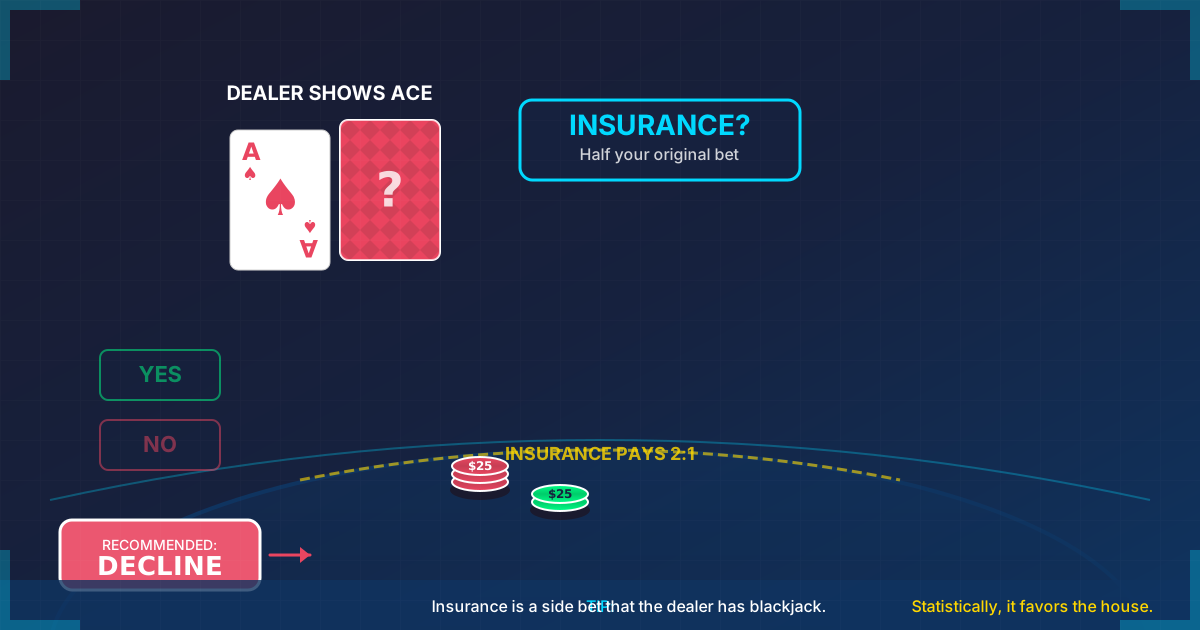
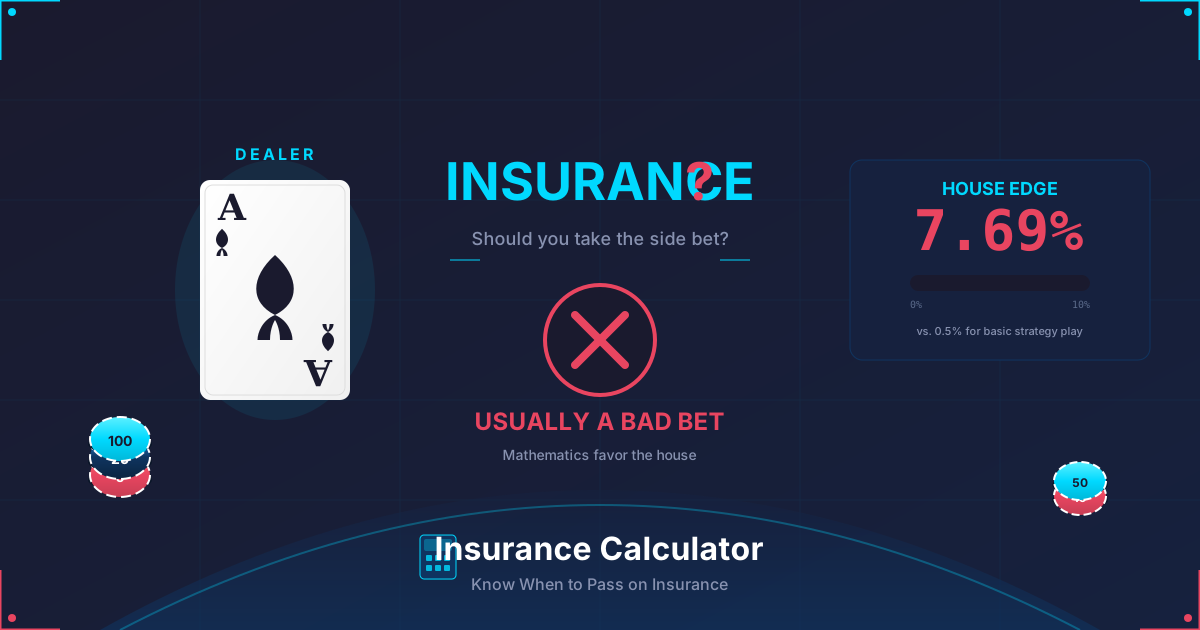
Insurance
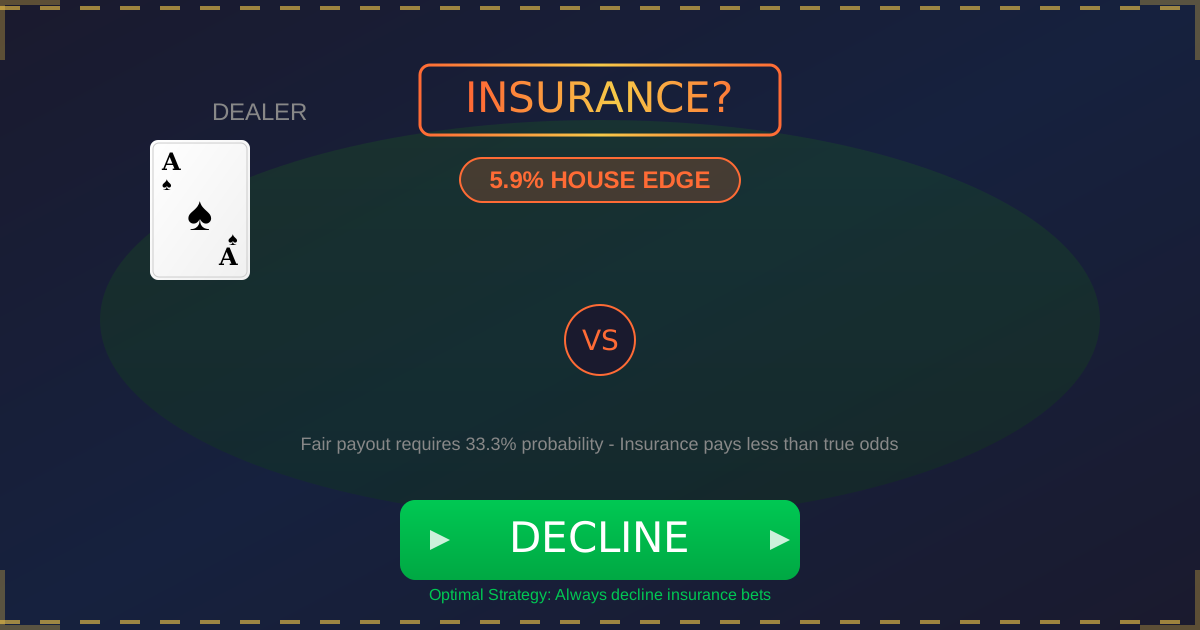
Basic strategy: Never take insurance Count adjustment: Take insurance at TC +3 or higher
At TC +3, more than 1/3 of remaining cards are tens, making insurance profitable.
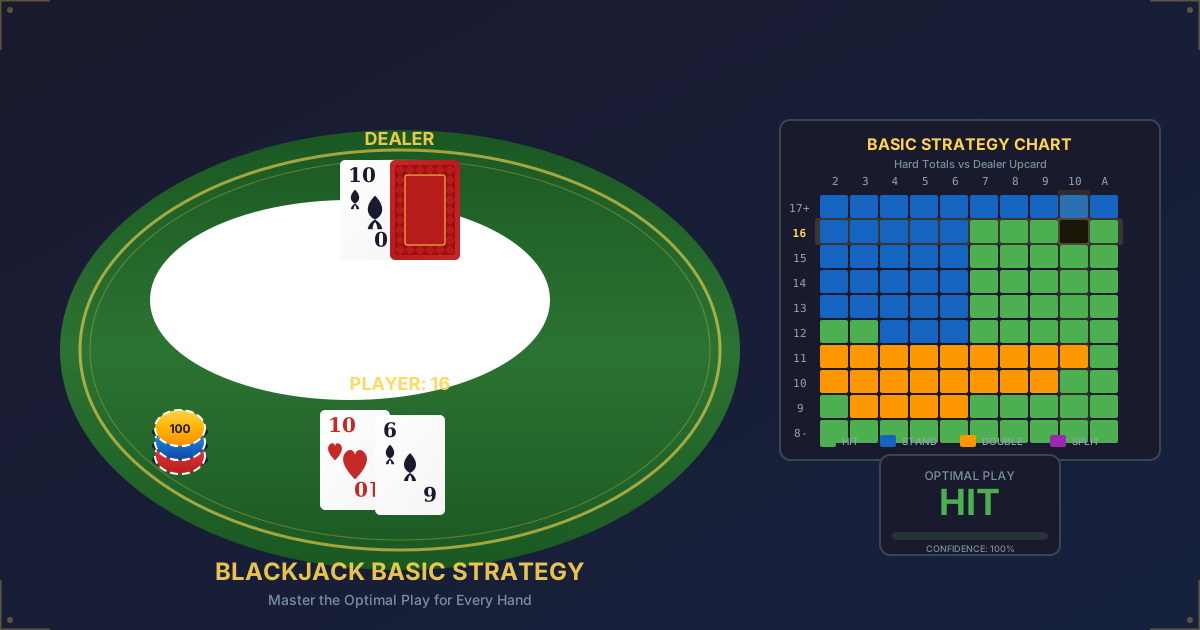
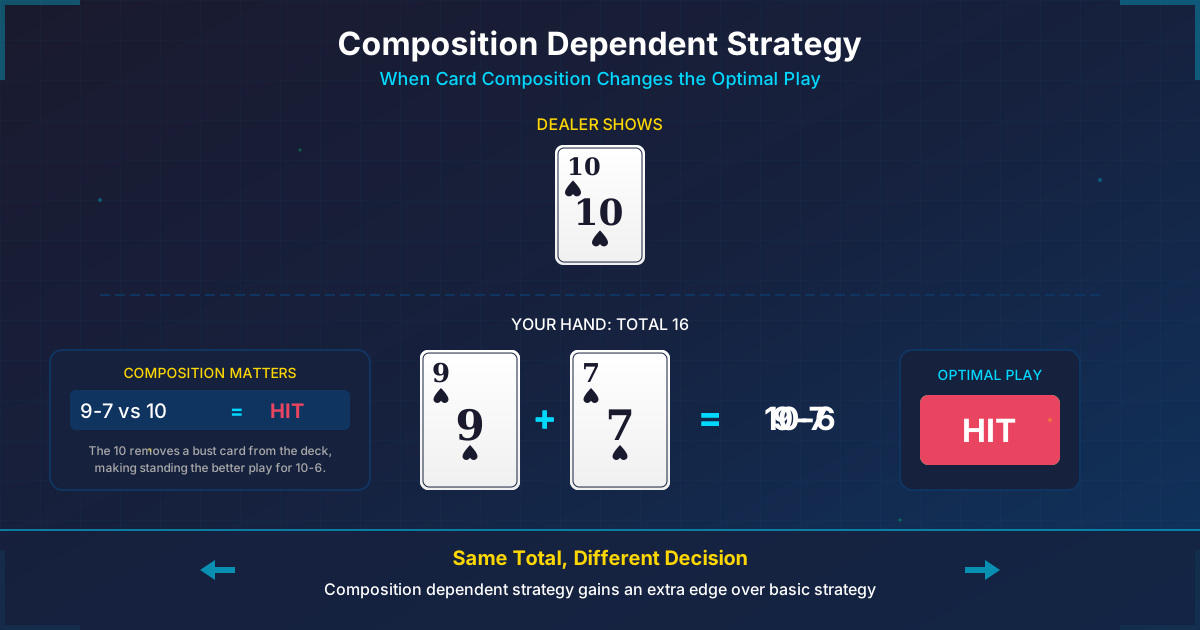
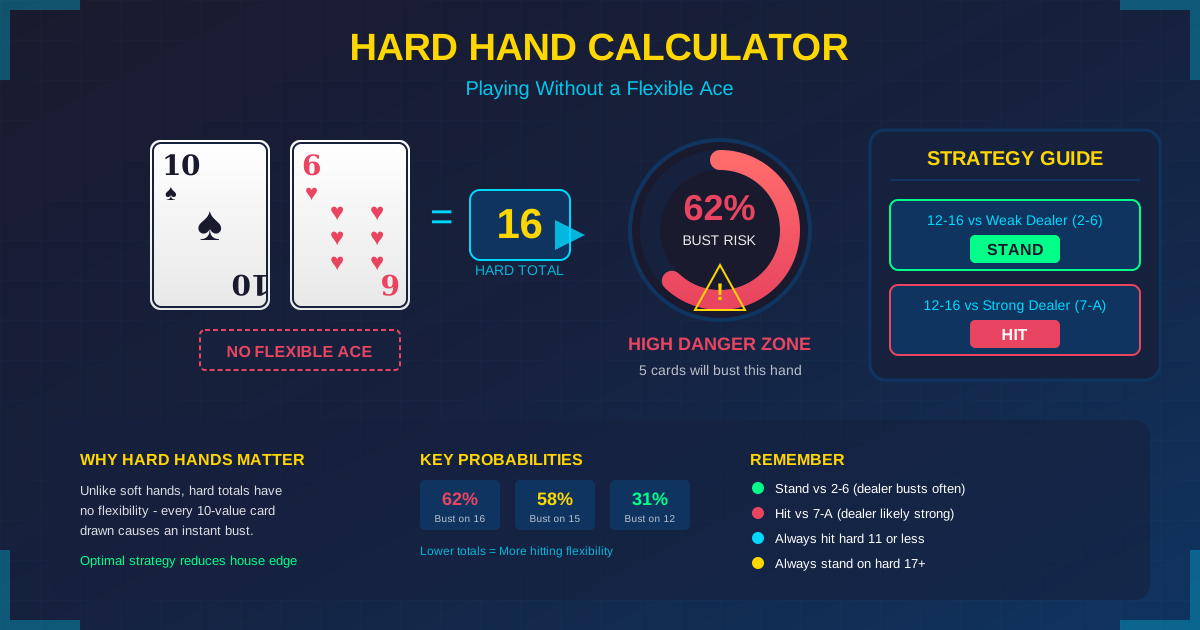
Standing on 16 vs. 10
Basic strategy: Hit 16 vs. 10 Count adjustment: Stand at TC +0 or higher
Doubling 10 vs. 10
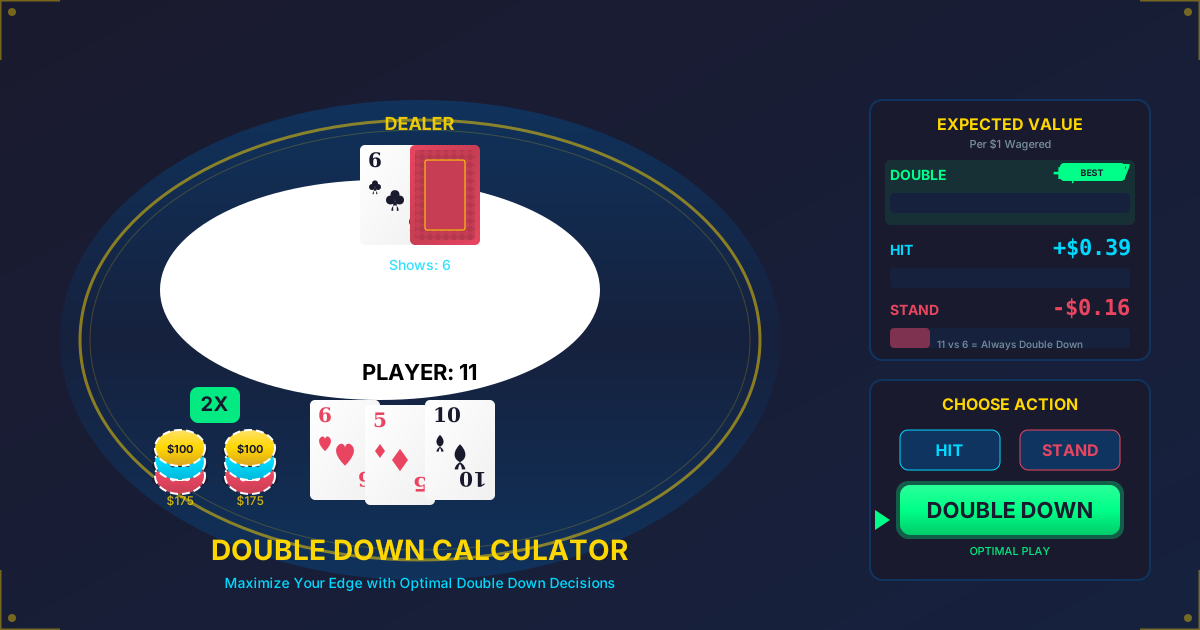
Basic strategy: Hit Count adjustment: Double at TC +4 or higher
Standing on 12 vs. 3
Basic strategy: Hit Count adjustment: Stand at TC +2 or higher
Deck Penetration
Why Penetration Matters
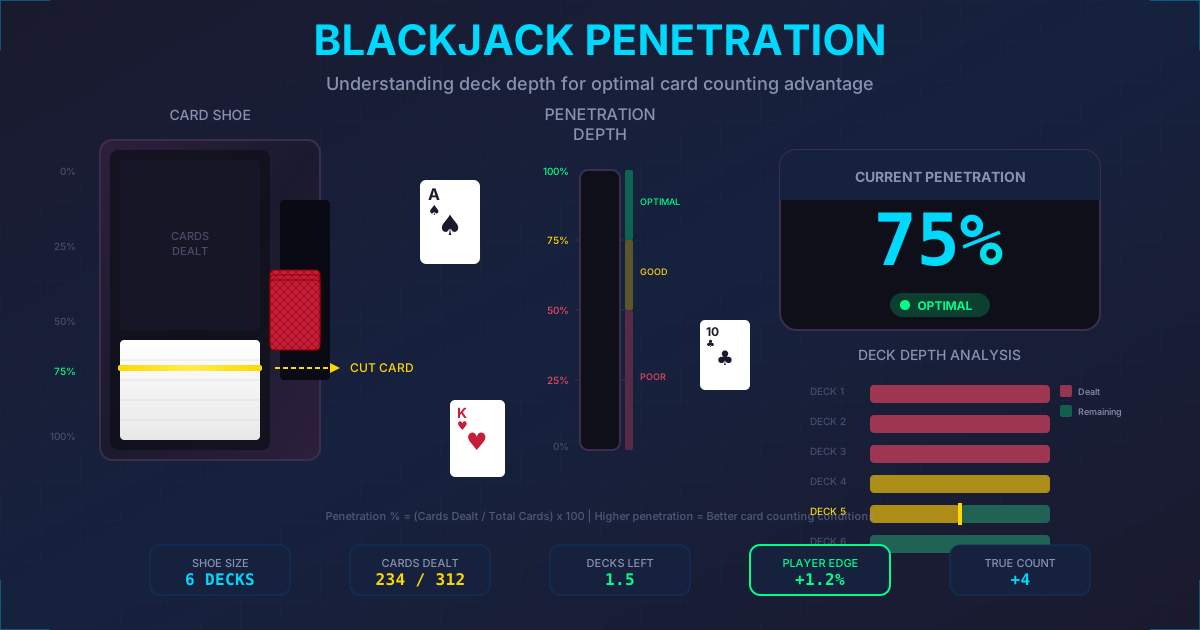
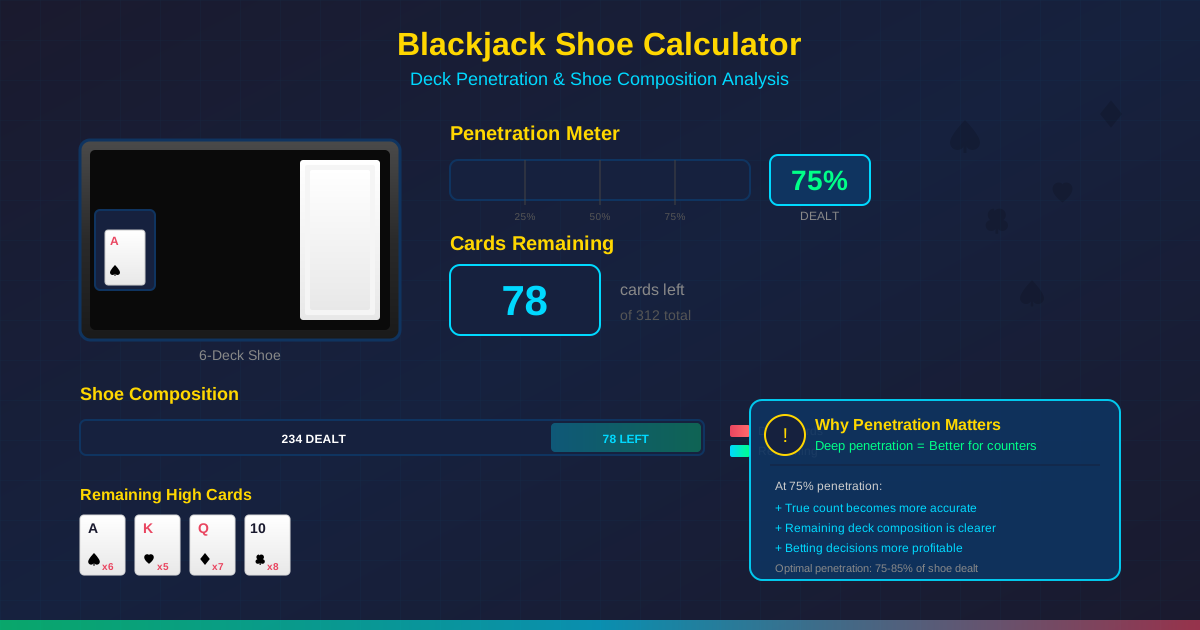
Penetration is how deep into the shoe the dealer goes before shuffling.
| Penetration | True Count Reliability | Counter's Edge |
|---|---|---|
| 50% | Poor | Minimal |
| 67% | Moderate | Playable |
| 75% | Good | Profitable |
| 83%+ | Excellent | Highly profitable |
Finding Good Games
Look for:
- Deep penetration (75%+)
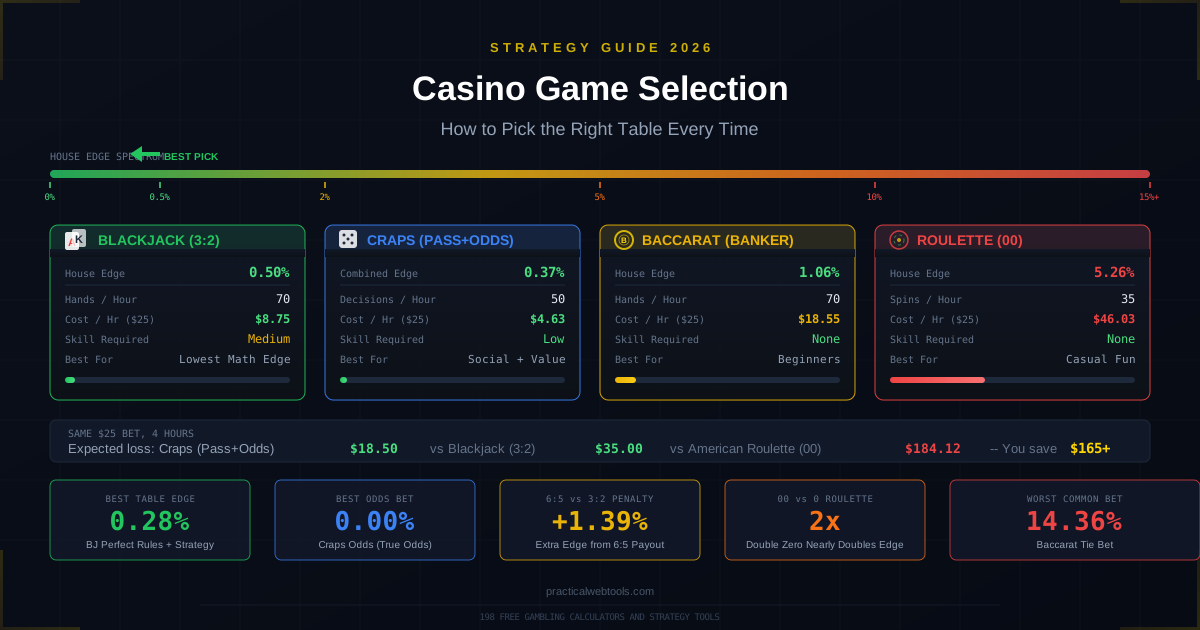
- Favorable rules (3:2 BJ, DAS, S17)
- Reasonable minimums for your bankroll
- Not too crowded (more hands per hour)
Common Card Counting Mistakes
-
Neglecting True Count: Running count alone is meaningless. Always convert to true count.
-
Obvious Bet Spreading: Jumping from $10 to $200 draws attention. Smooth your bet changes.
-
Counting Without Basic Strategy: Card counting doesn't help if you play hands wrong. Master basic strategy first.
-
Playing Through Negative Counts: Smart counters leave or bet minimum when the count tanks.
-
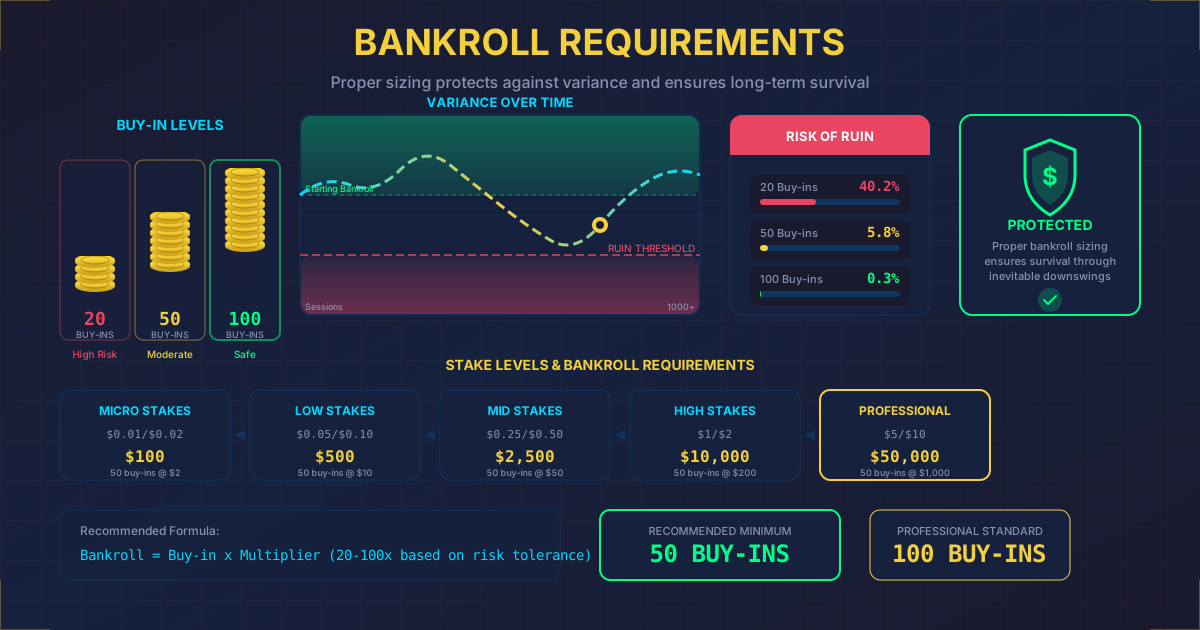
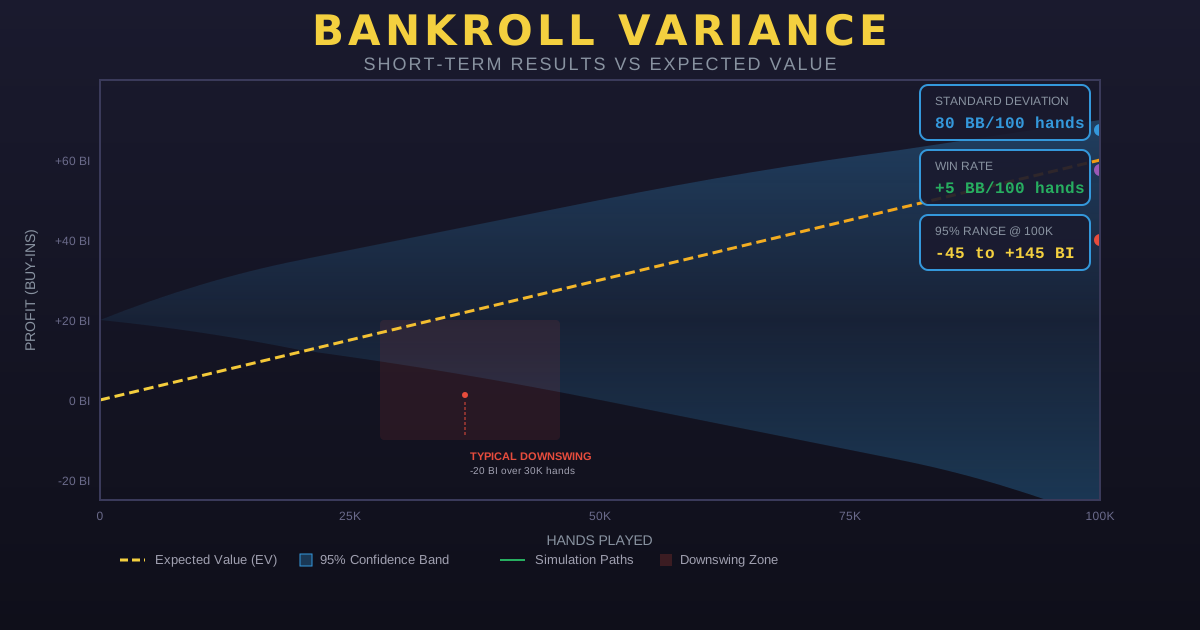
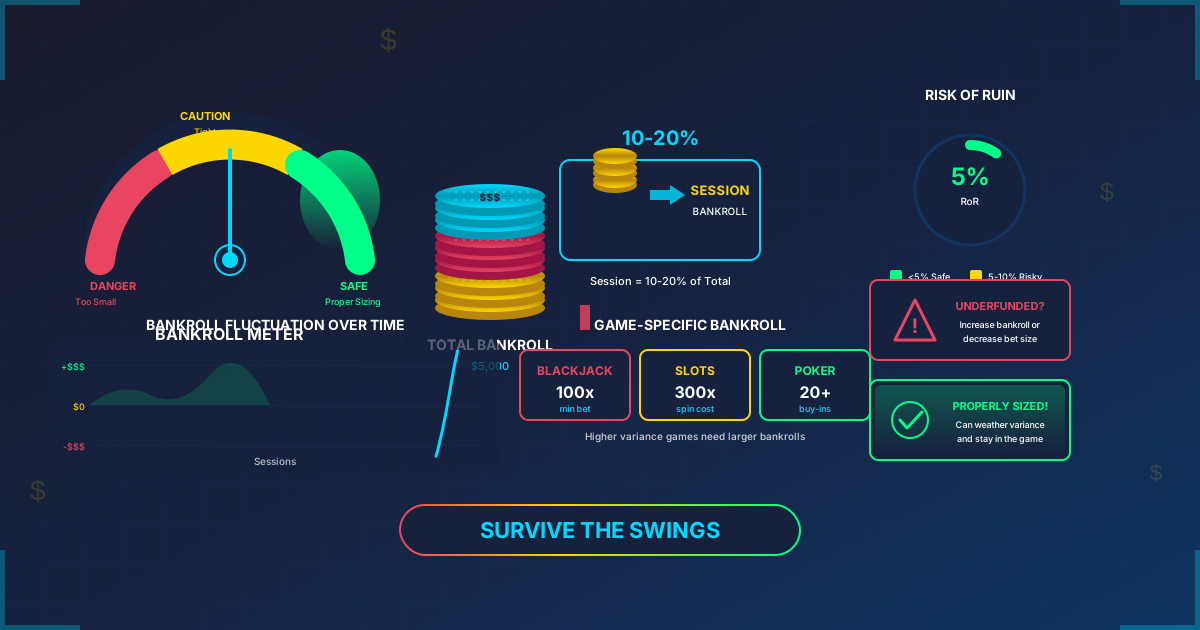
Over-Betting Your Bankroll: Variance is real. A 500-unit bankroll is recommended for professional counting.
Frequently Asked Questions
Is card counting illegal?
No. Card counting is legal. However, casinos can ban you from playing if they suspect counting. They're private property and can refuse service.
Can I count at online blackjack?
Generally no. Online casinos shuffle after every hand (continuous shuffle), eliminating the count. Live dealer games may also shuffle frequently.
How long does it take to learn?
Basic counting: 2-4 weeks of practice. Proficient counting with deviations: 2-3 months. Professional level: 6+ months.
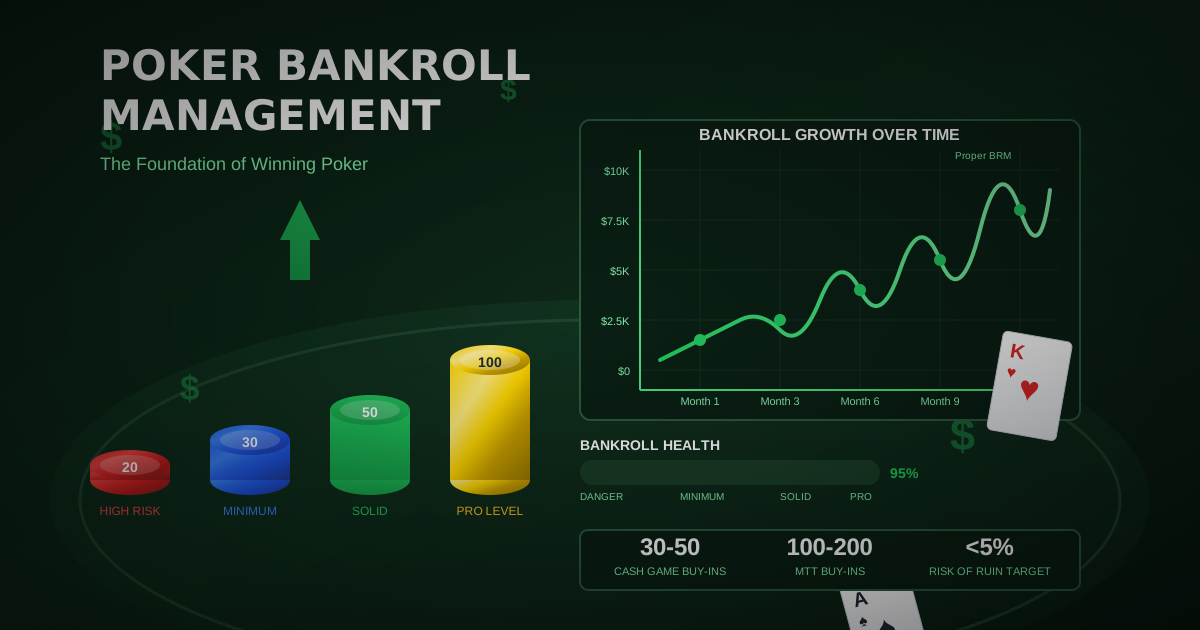
What bankroll do I need?
Minimum 200 betting units for survival. Professional counters use 500-1000 units to handle variance.
Will I win every session?
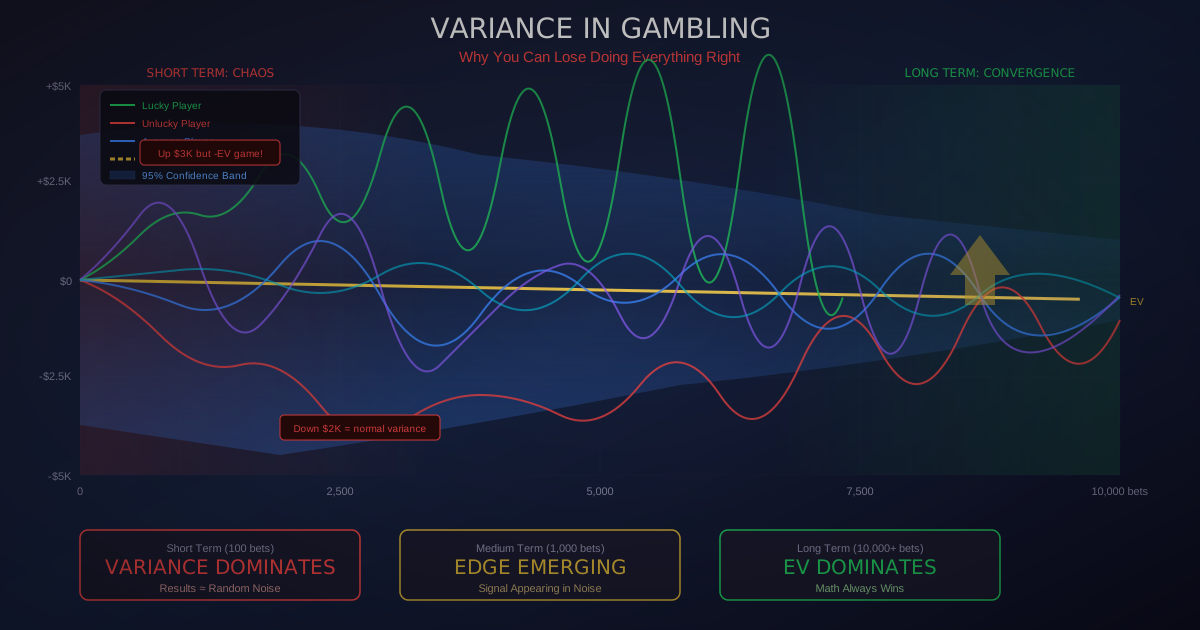
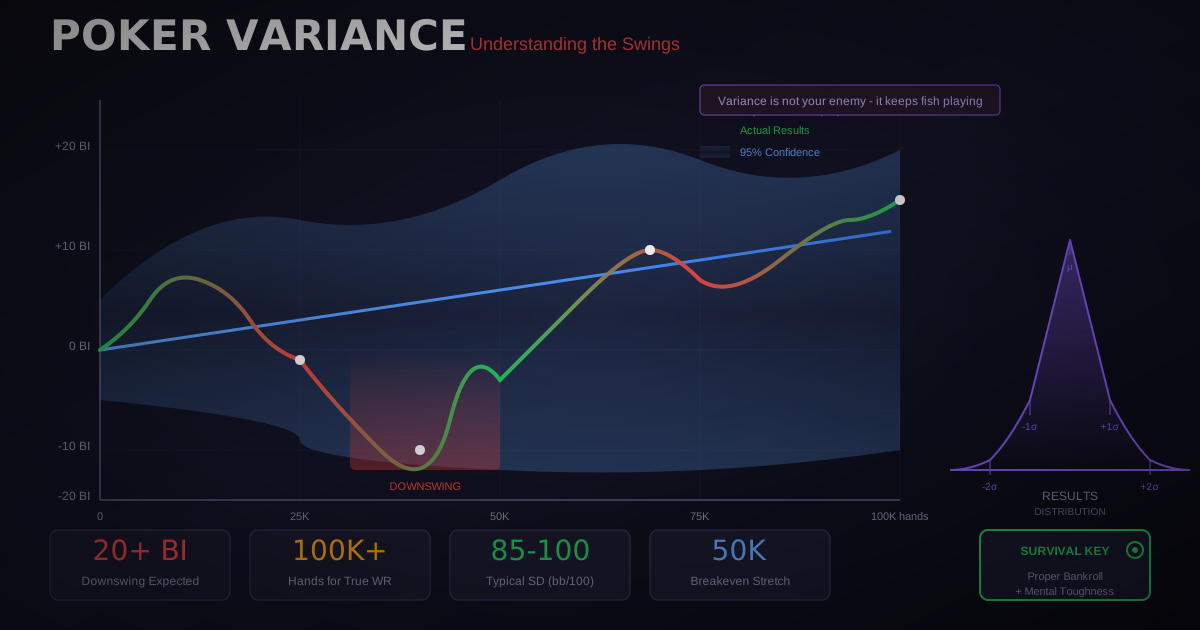
No. Even with an edge, you'll lose many sessions. The edge only manifests over thousands of hands.
How do I practice?
Use our calculator alongside decks of cards. Count through entire decks, then verify. Speed and accuracy come with repetition.
Avoiding Casino Heat
Signs You're Being Watched
- Pit boss lingering near your table
- Dealer counting along with you
- Conversation about your betting patterns
- Being asked for ID or players club card
Camouflage Techniques
- Don't bet perfectly by the count
- Occasionally take insurance at wrong times
- Chat with dealer and appear recreational
- Don't play marathon sessions
- Move between tables and casinos
Pro Tips for Card Counting Success
-
Start Simple: Master Hi-Lo before trying more complex systems
-
Practice Until Automatic: You should count while maintaining conversation
-
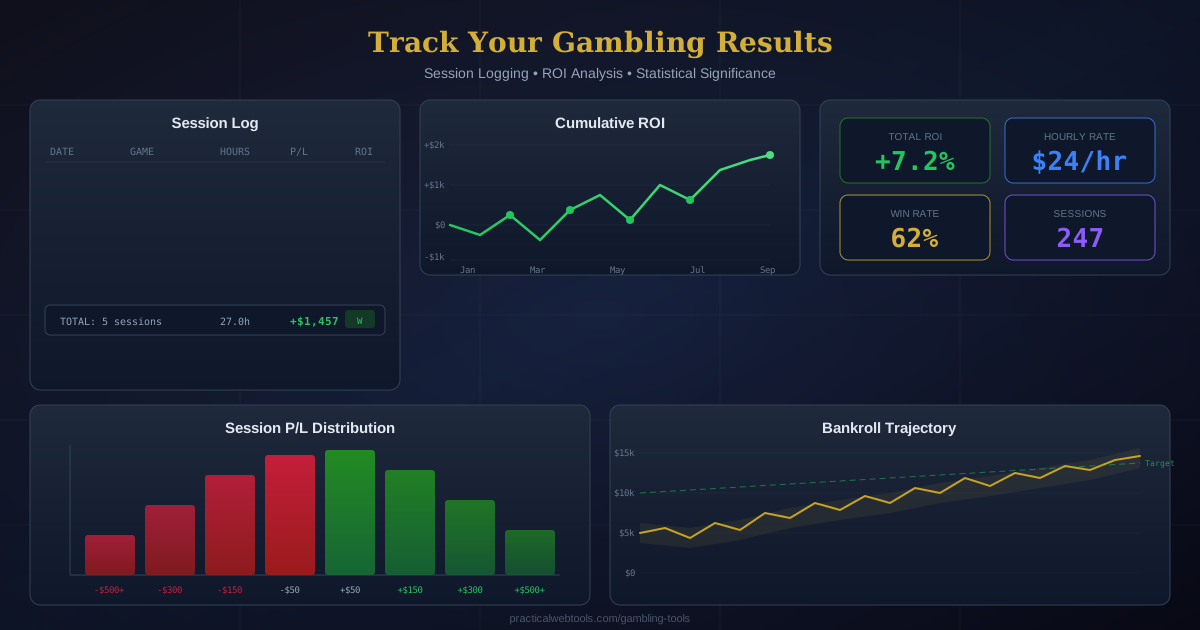
Track Your Results: Keep detailed records of sessions, counts, and outcomes
-
Bankroll Management: Never risk money you can't afford to lose
-
Game Selection: A great counter at a bad game loses to an average counter at a good game
Alternative Counting Systems
| System | Complexity | Power |
|---|---|---|
| Hi-Lo | Simple | 97% |
| Hi-Opt I | Moderate | 99% |
| Hi-Opt II | Complex | 100% |
| Omega II | Complex | 100% |
| Wong Halves | Complex | 100% |
Hi-Lo's simplicity makes it the best choice for most counters. The extra power from complex systems rarely outweighs the error rate increase.
Related Blackjack Calculators
- Blackjack Basic Strategy Calculator - Perfect play
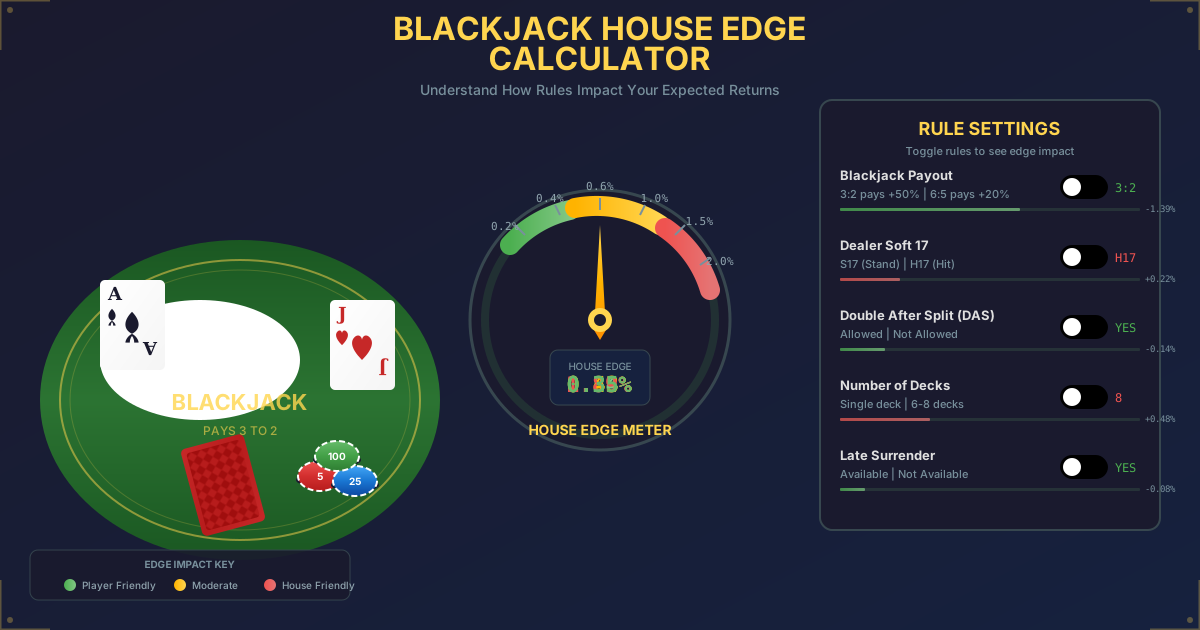
- Blackjack House Edge Calculator - Rule impact
- Blackjack Expected Value Calculator - Session EV
- Blackjack Odds Calculator - Hand probabilities
- Blackjack Bankroll Calculator - Survival requirements
Conclusion
Card counting transforms blackjack from a losing proposition into a beatable game. Our free calculator helps you understand true count conversion and optimal bet sizing—the mathematical foundation of advantage play. With practice and discipline, you can join the ranks of players who consistently beat the house.
Calculate Your True Count and Edge Now →
Remember: Card counting is a skill that requires hundreds of hours to master. The calculator is a learning tool—the real work happens in practice, discipline, and execution. Start counting, and you'll see blackjack in an entirely new light.