Blackjack House Edge Calculator: Rule Impact Analysis (2026)
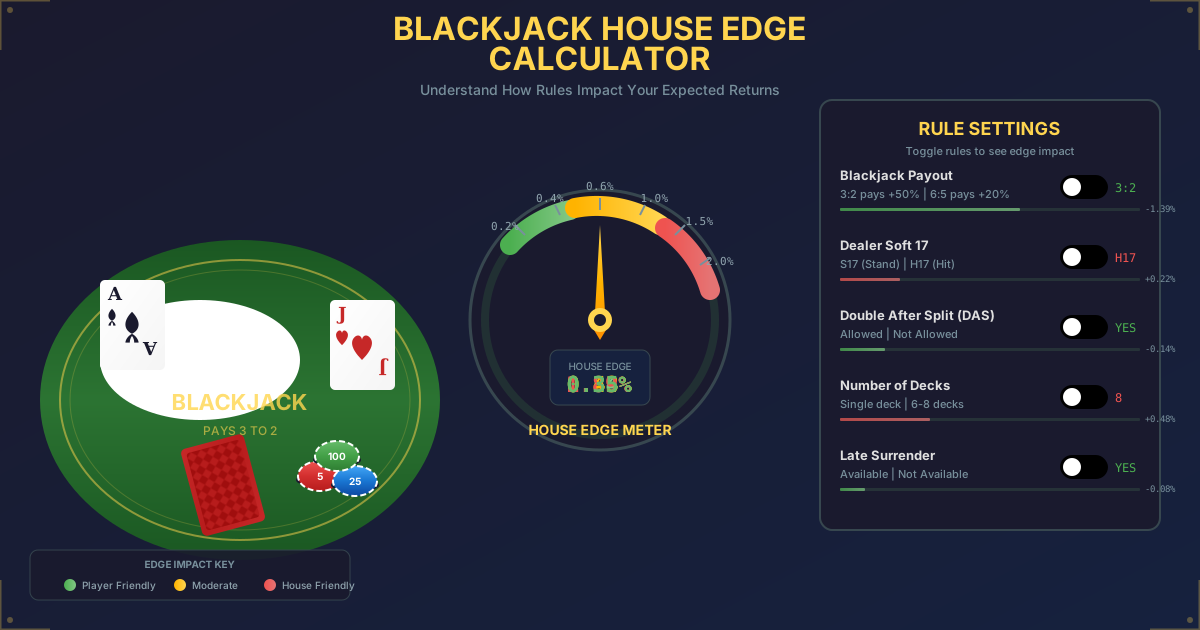
Blackjack House Edge Calculator: Find the Best Games
Not all blackjack games are created equal. Rule variations can swing the house edge from under 0.3% to over 2%. Our free calculator analyzes any rule combination to reveal the exact house edge—helping you find games where the math is in your favor.
What Is the House Edge in Blackjack?
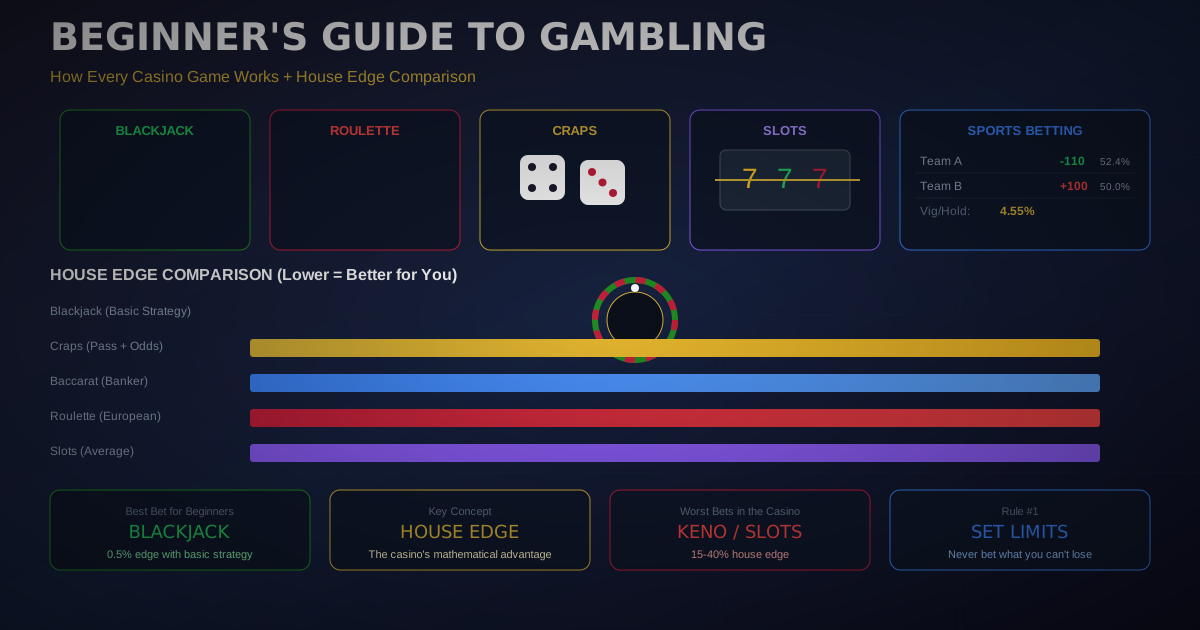
The house edge is the casino's mathematical advantage expressed as a percentage of each bet. Lower house edge means you lose less money over time.
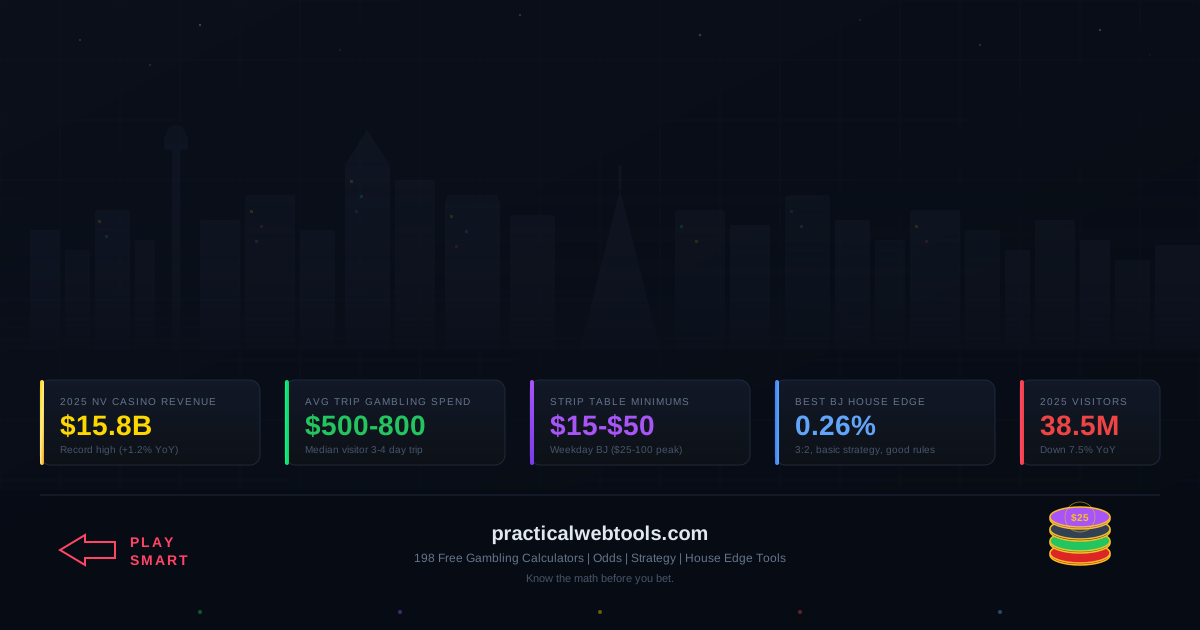
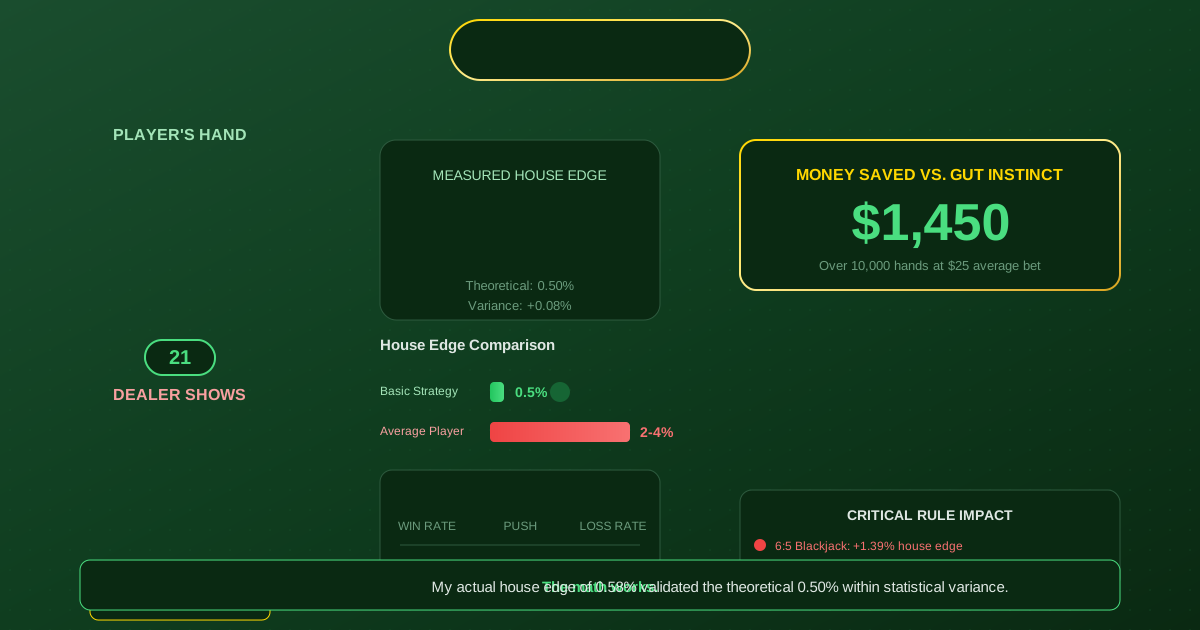
Quick Answer: With perfect basic strategy and favorable rules (3:2 blackjack, dealer stands on soft 17, double after split, late surrender), the house edge can be as low as 0.26%. With poor rules (6:5 blackjack, H17, no DAS), it can exceed 2%. That's an 8× difference in how fast you lose money.
How to Use Our Free House Edge Calculator
Use the Blackjack House Edge Calculator →
Select rules to see the exact house edge for any game configuration.
Step-by-Step Instructions
-
Select Number of Decks: 1, 2, 4, 6, or 8
-
Choose Blackjack Payout: 3:2, 6:5, or even money
-
Set Dealer Rules: S17 or H17
-
Enable Player Options: Double rules, splitting, surrender
-
View House Edge: See exact percentage and comparison
Input Fields Explained
| Field | Description | Impact |
|---|---|---|
| Decks | Number of decks used | Fewer = lower edge |
| BJ Payout | Blackjack pays 3:2 or 6:5 | 3:2 = much lower edge |
| Soft 17 | Dealer stands or hits | S17 = lower edge |
| DAS | Double after split allowed | DAS = lower edge |
| Surrender | Early, late, or none | Late = lower edge |
How Each Rule Affects House Edge
Major Rule Impacts
| Rule Change | House Edge Change |
|---|---|
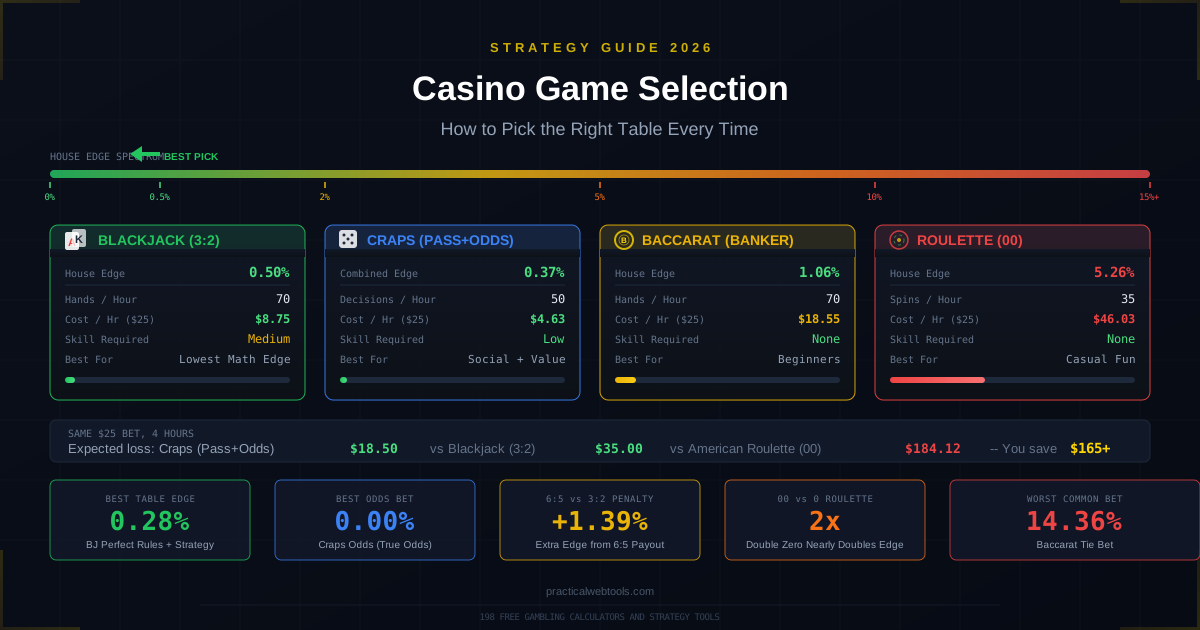
| 6:5 vs 3:2 blackjack | +1.39% |
| H17 vs S17 | +0.22% |
| No DAS | +0.14% |
| No surrender | +0.08% |
| 8 decks vs single deck | +0.59% |
| Dealer wins ties | +9% (avoid!) |
Blackjack Payout: The Biggest Factor
| Payout | Effect on Edge | Expected Loss per $100 |
|---|---|---|
| 3:2 | Baseline | $0.50 |
| 6:5 | +1.39% | $1.89 |
| Even (1:1) | +2.27% | $2.77 |
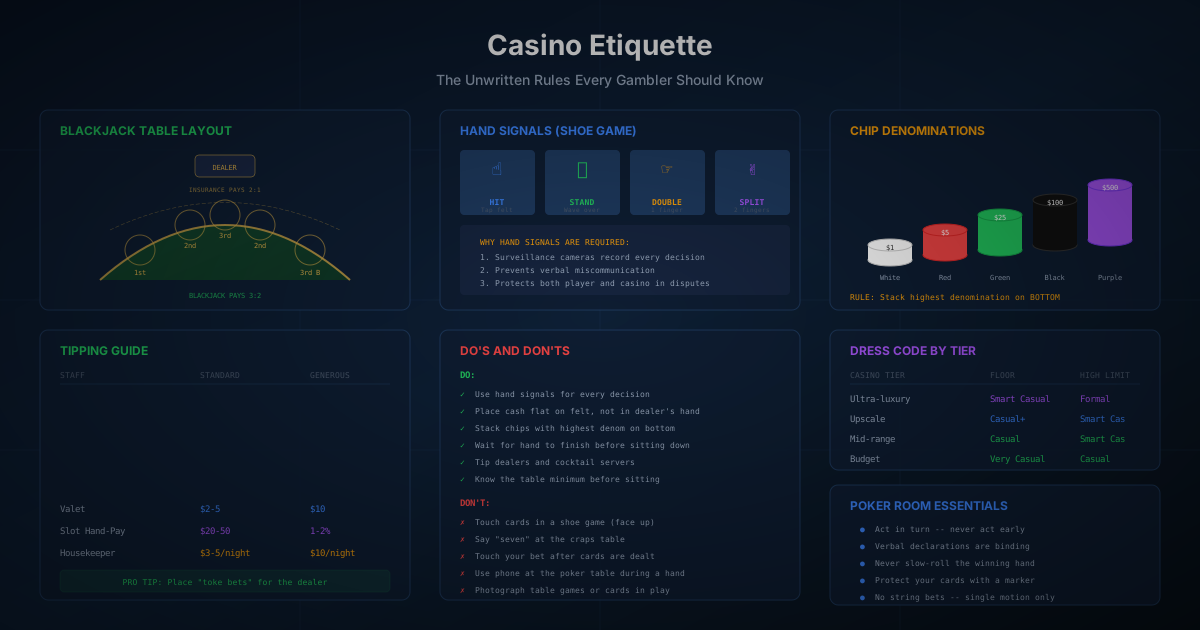
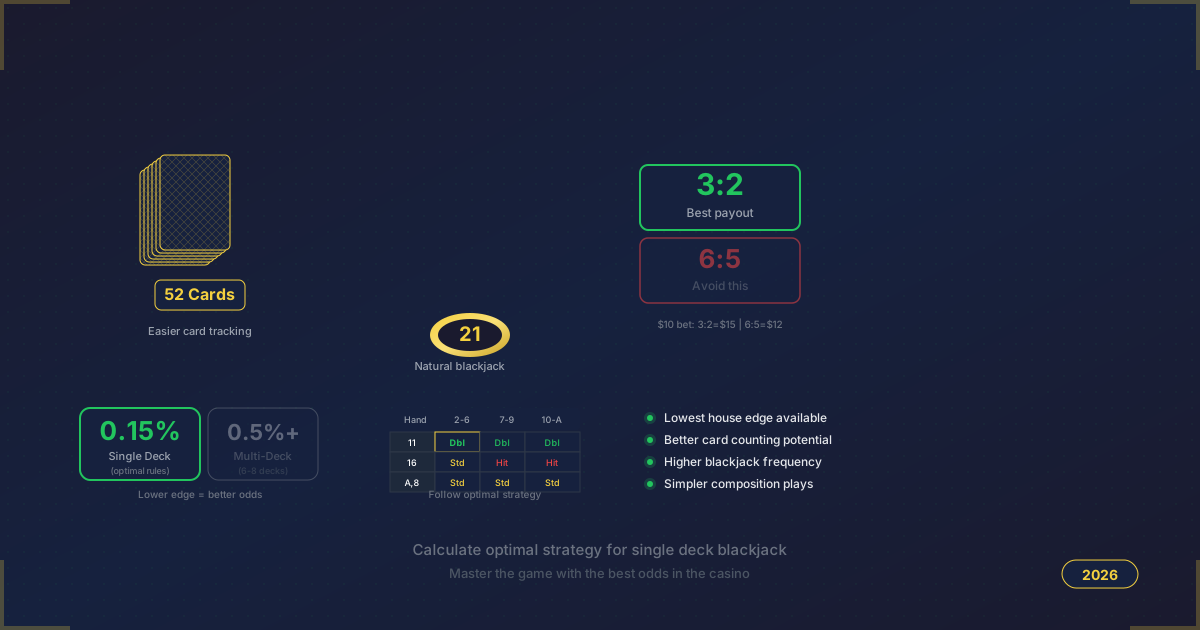
Never play 6:5 blackjack if 3:2 is available. The payout difference alone costs you nearly $14 per $1,000 wagered.
Number of Decks
| Decks | House Edge Change from Single |
|---|---|
| 1 | Baseline |
| 2 | +0.35% |
| 4 | +0.52% |
| 6 | +0.58% |
| 8 | +0.59% |
Fewer decks favor the player because blackjacks are slightly more likely and card removal effects are amplified.
Dealer Soft 17 (H17 vs S17)
| Rule | House Edge |
|---|---|
| Dealer stands on soft 17 (S17) | Lower |
| Dealer hits soft 17 (H17) | +0.22% |
H17 gives the dealer extra chances to improve weak hands.
Double After Split (DAS)
| Rule | House Edge |
|---|---|
| DAS allowed | Lower |
| No DAS | +0.14% |
DAS lets you capitalize on split hands in favorable situations.
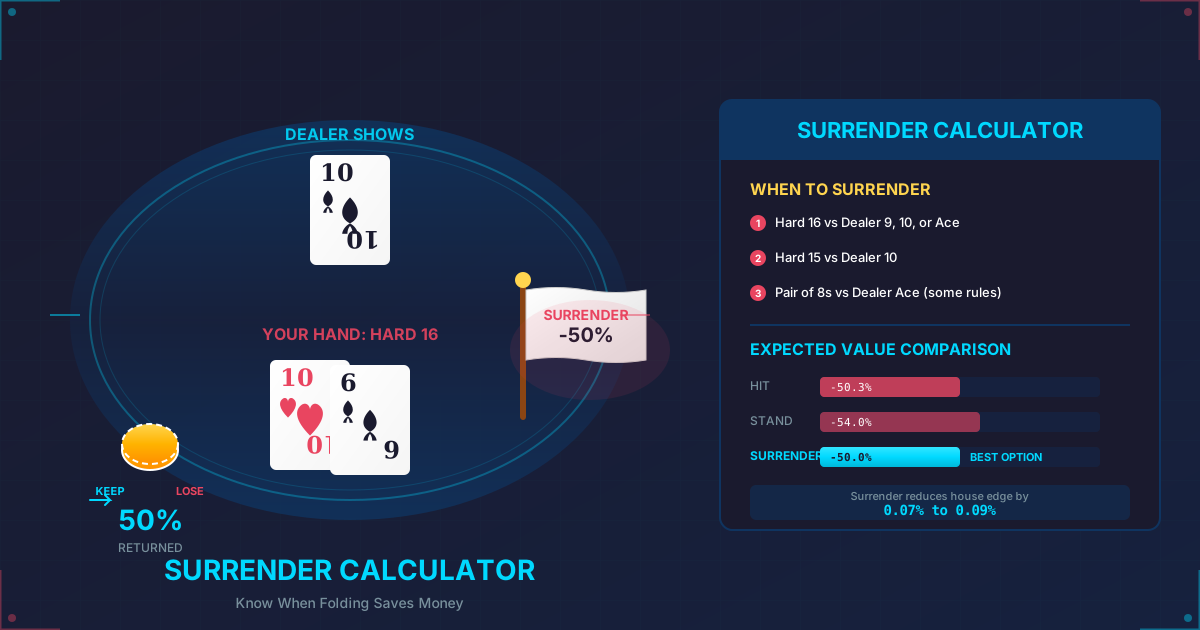
Surrender
| Surrender Type | House Edge |
|---|---|
| Late surrender | -0.08% (saves money) |
| No surrender | Baseline |
| Early surrender | -0.63% (rare, very favorable) |
Surrender lets you fold bad hands and recover half your bet.
Resplitting and Other Rules
| Rule | House Edge Impact |
|---|---|
| Resplit to 4 hands | -0.10% |
| Resplit aces | -0.08% |
| Hit split aces | -0.19% |
| Double on any 2 cards | Baseline |
| Double 9-11 only | +0.09% |
| Double 10-11 only | +0.18% |
Real-World Game Comparisons
Example 1: Vegas Strip 6:5 vs Downtown 3:2
Strip Casino Game:
- 6 decks, 6:5 blackjack, H17, DAS, no surrender
- House Edge: 1.83%
Downtown Casino Game:
- 2 decks, 3:2 blackjack, S17, DAS, late surrender
- House Edge: 0.26%
Difference: The downtown game is 7× better for players.
$1,000 wagered:
- Strip: Lose $18.30 expected
- Downtown: Lose $2.60 expected
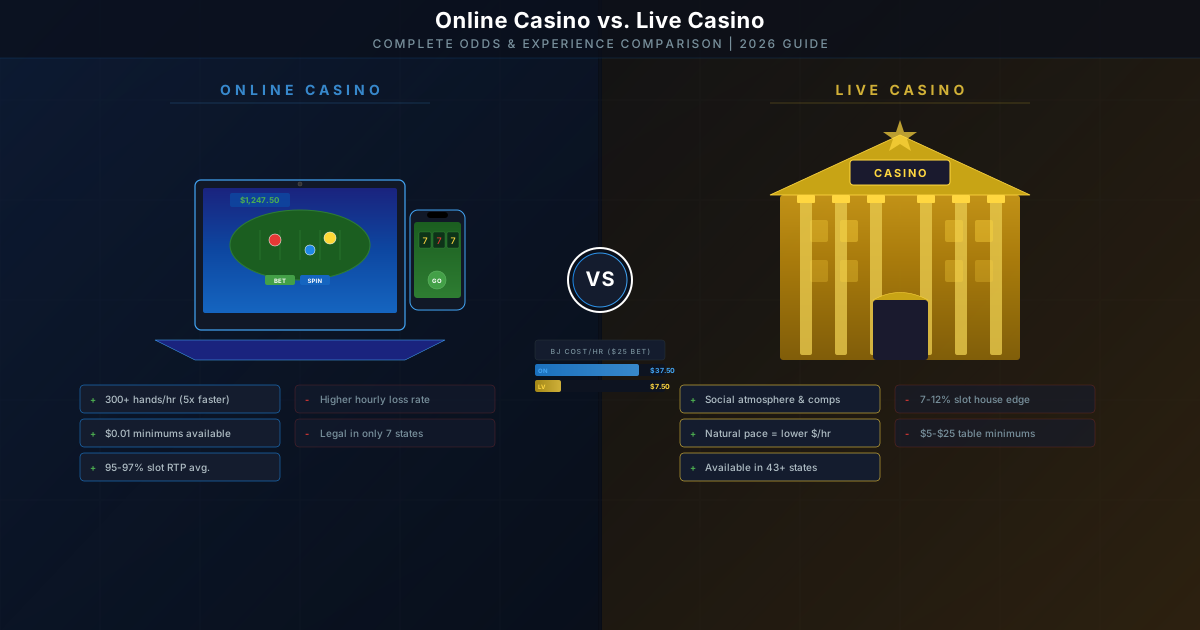
Example 2: Online vs Brick-and-Mortar
Online Casino (typical):
- 8 decks, 3:2 blackjack, S17, DAS, late surrender
- House Edge: 0.35%
Physical Casino (typical):
- 6 decks, 3:2 blackjack, H17, DAS, no surrender
- House Edge: 0.57%
The online game is slightly better due to S17 and surrender.
Example 3: Single Deck Trap
Advertised: "Single deck blackjack!"
Actual Rules:
- 1 deck, 6:5 blackjack, H17, no DAS
- House Edge: 1.45%
Better Alternative:
- 6 decks, 3:2 blackjack, S17, DAS, surrender
- House Edge: 0.26%
Lesson: Single deck with 6:5 is worse than 6-deck with good rules.
Finding the Best Blackjack Games
Rule Priorities (Most to Least Important)
- 3:2 blackjack payout (non-negotiable)
- S17 (dealer stands on soft 17)
- DAS (double after split)
- Late surrender
- Fewer decks
- Resplitting aces
Quick Assessment
When you sit down, check:
- What does blackjack pay? (Look at felt or ask)
- Does dealer hit or stand on soft 17? (Look for "Dealer must..." plaque)
- Can you double after splitting? (Ask if unclear)
Where to Find Good Games
Best odds typically:
- Downtown Las Vegas
- Online casinos with good rules
- Non-Nevada single-deck games (with 3:2)
- Locals casinos competing for regulars
Worst odds typically:
- Vegas Strip (especially 6:5 games)
- Airport and tourist locations
- Cruise ships
- Any "Blackjack Lite" or novelty games
Common House Edge Myths
Myth 1: "Single deck is always better"
Only if rules are equal. Single deck with 6:5 is worse than 8-deck with 3:2 and good rules.
Myth 2: "Bad players at the table hurt me"
Long-term, other players' decisions don't affect your expected value. They help and hurt you equally.
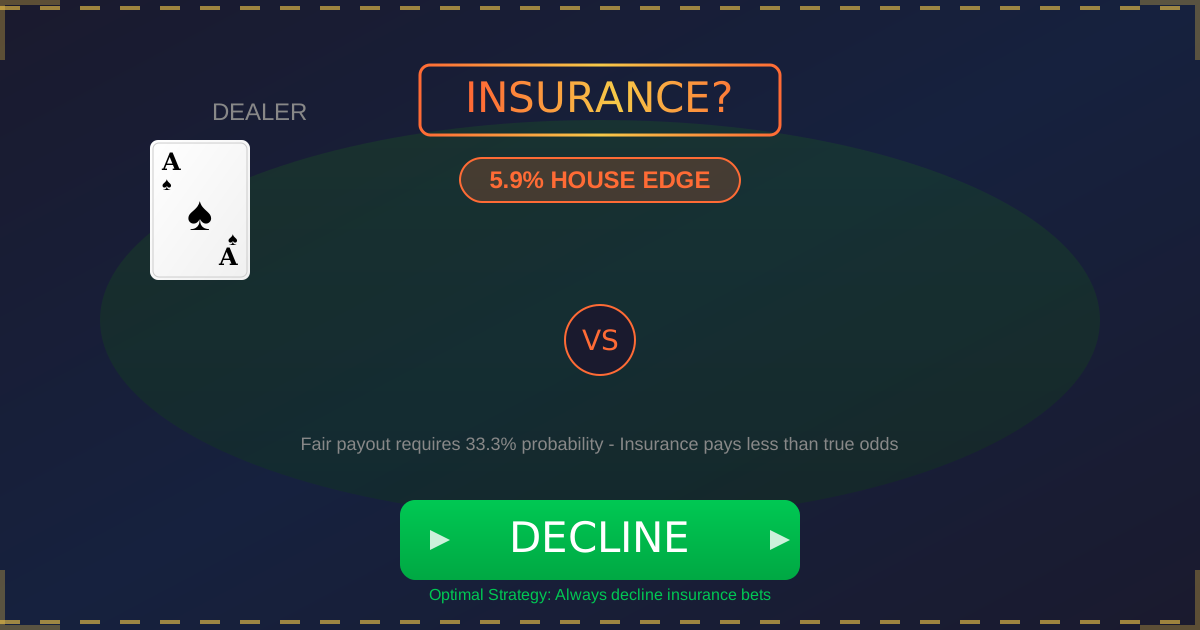
Myth 3: "Insurance is good when I have blackjack"
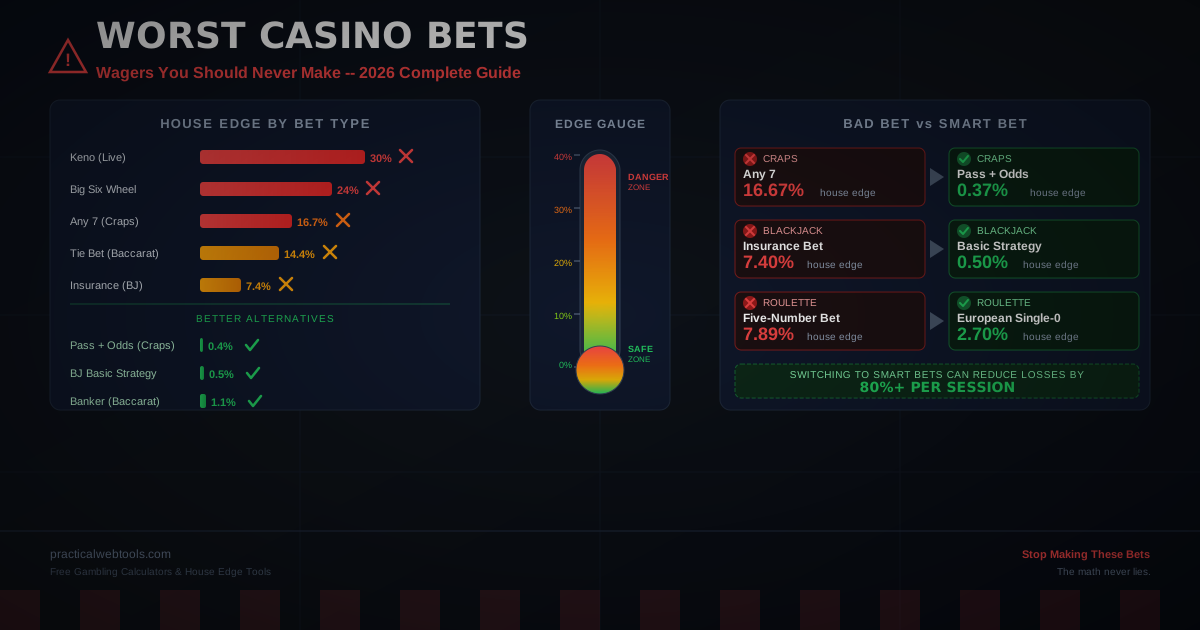
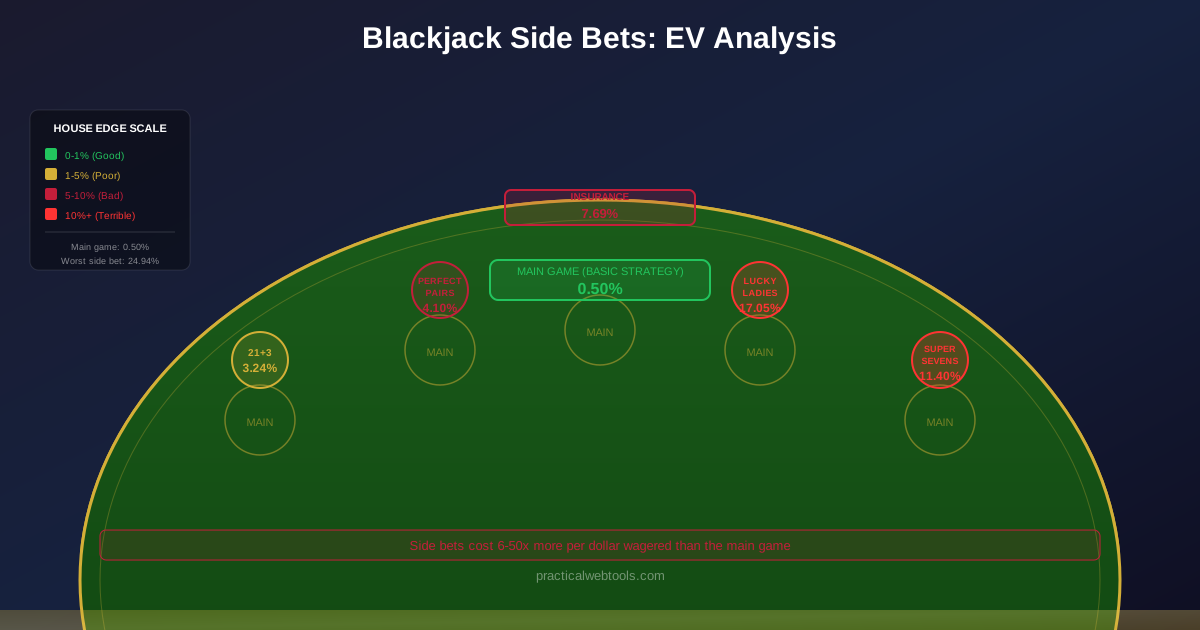
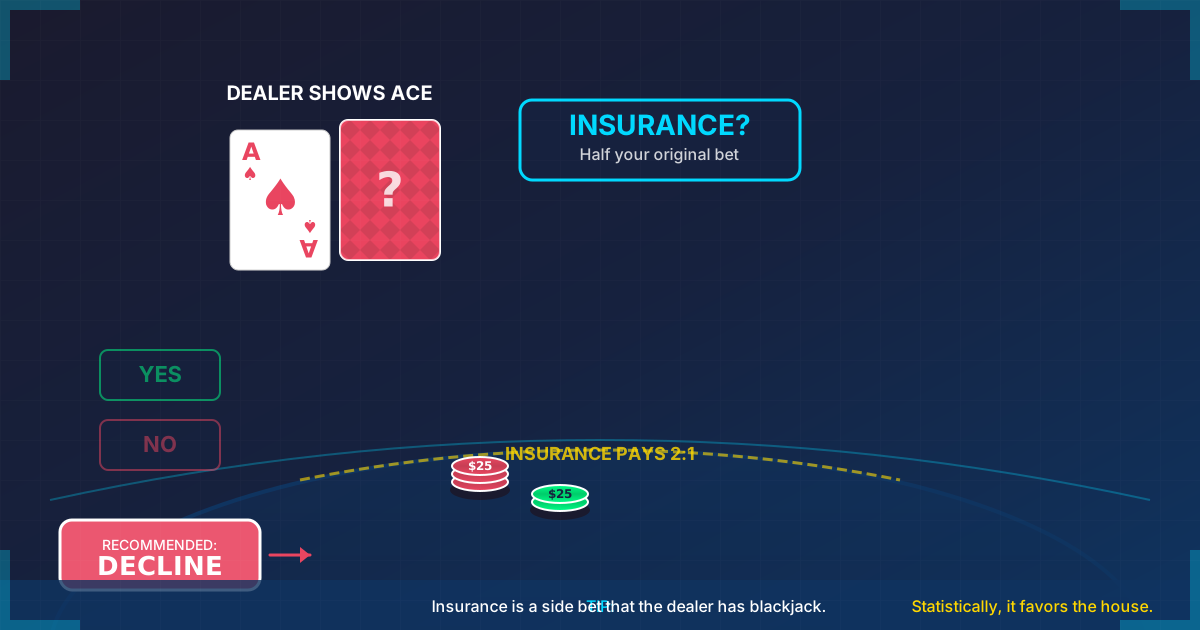
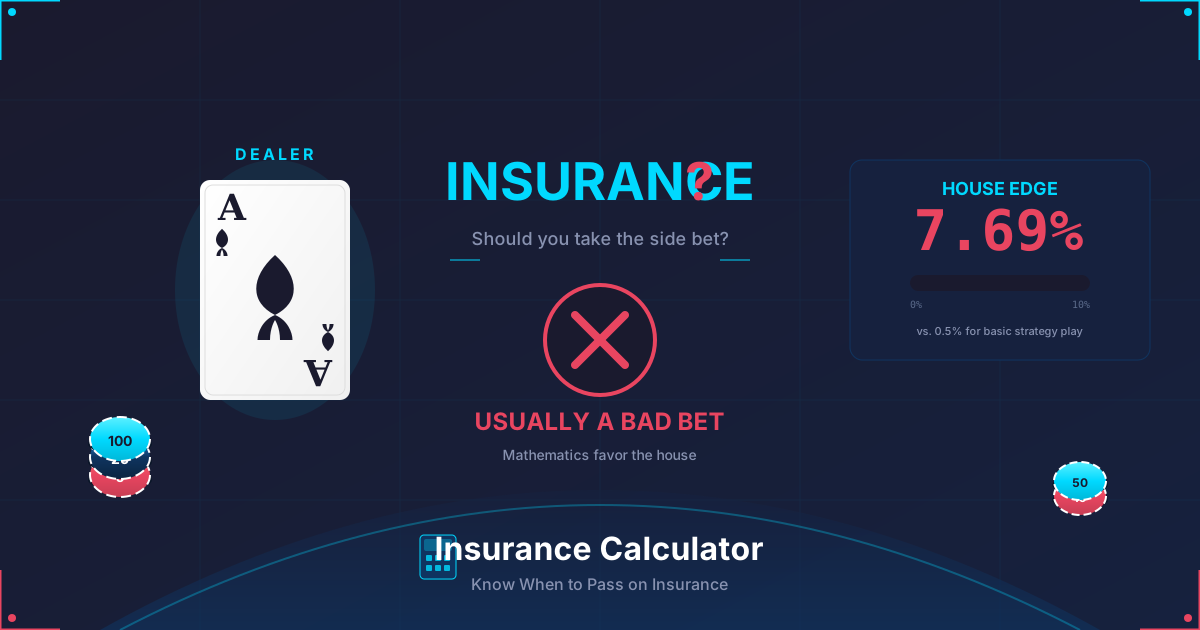
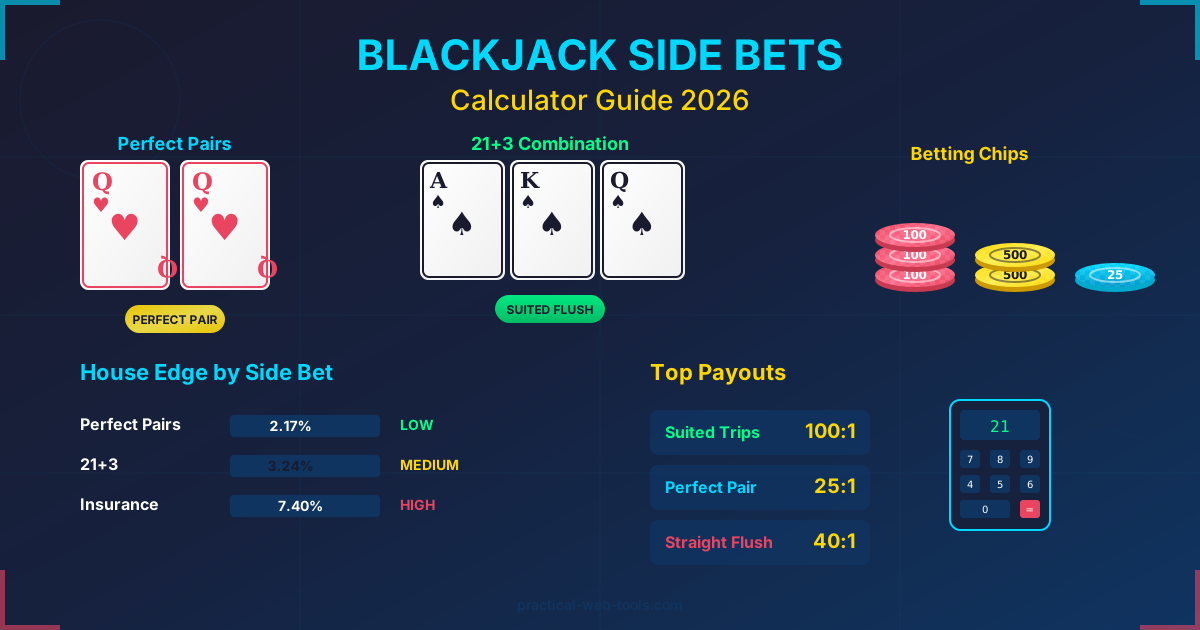
Insurance is always a bad bet at standard counts. It's a separate wager with a house edge over 7%.
Myth 4: "CSM (continuous shuffle machines) are rigged"
CSMs aren't rigged, but they eliminate card counting opportunities and increase hands per hour, accelerating your expected loss.
Myth 5: "I can feel when the deck is hot"
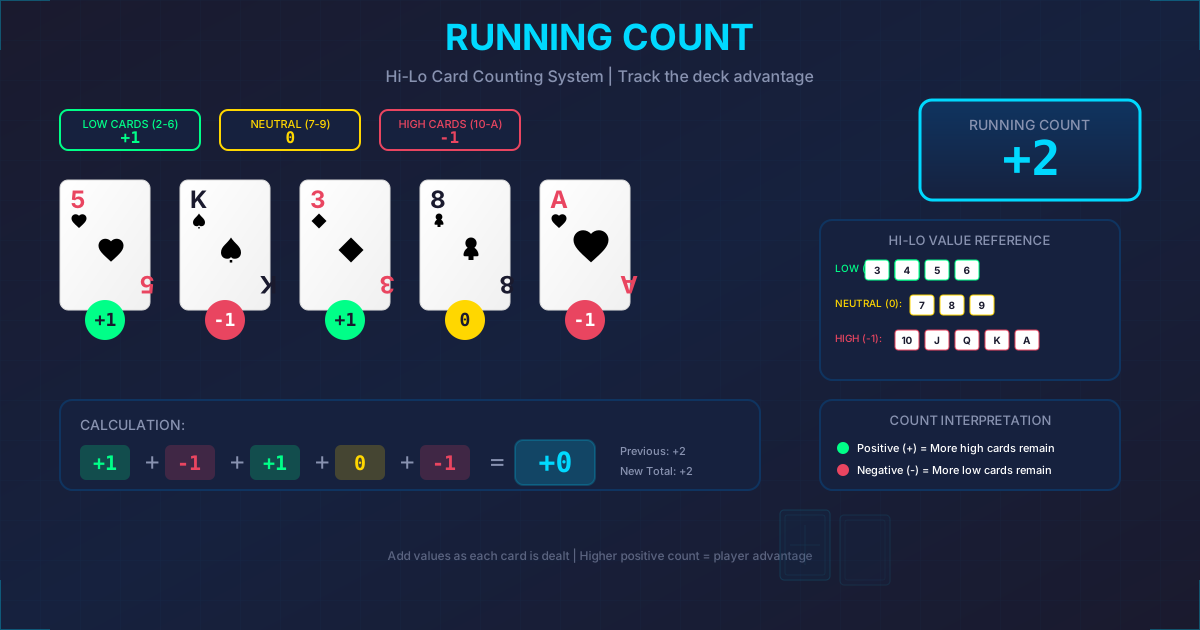
Mathematically meaningless. Cards don't have memory. Each hand is independent (unless you're counting).
Frequently Asked Questions
What's the best possible house edge?
With single deck, 3:2 blackjack, S17, DAS, late surrender, and resplit aces, the house edge can approach 0.15%. Such games are rare.
Does basic strategy change with different rules?
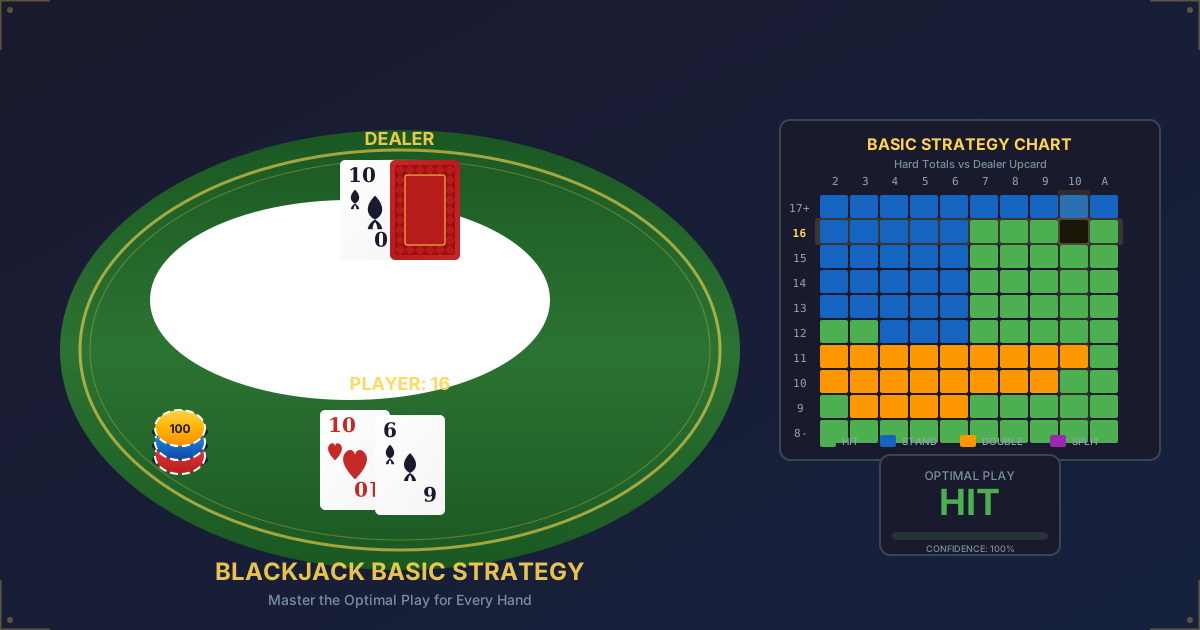
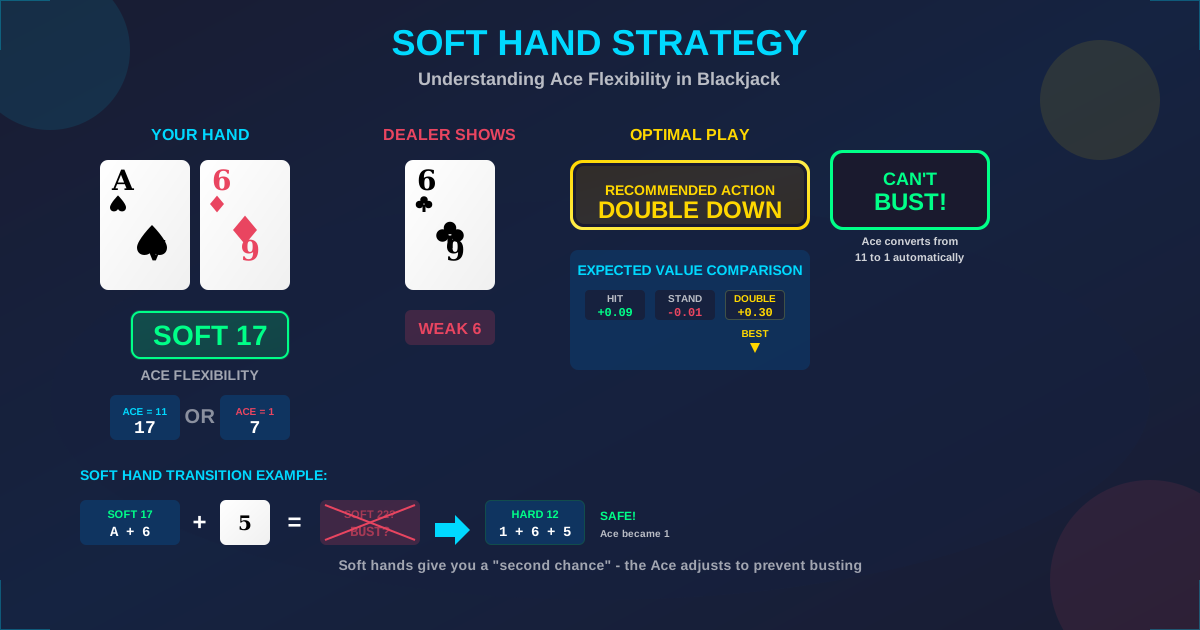
Slightly. Some hands play differently with H17 vs S17 or with/without surrender. Use a basic strategy chart matched to your game's rules.
Should I ever play 6:5 blackjack?
Only as a last resort. The 1.39% penalty is enormous. If no 3:2 games are available, consider a different casino or different game entirely.
How much does counting cards change the edge?
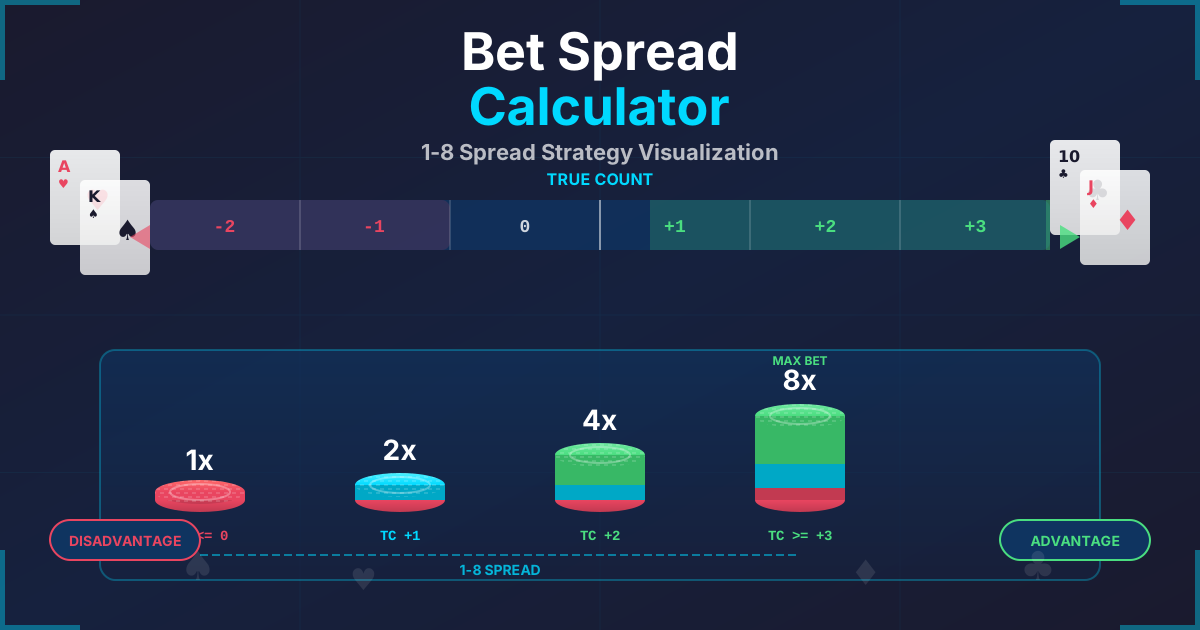
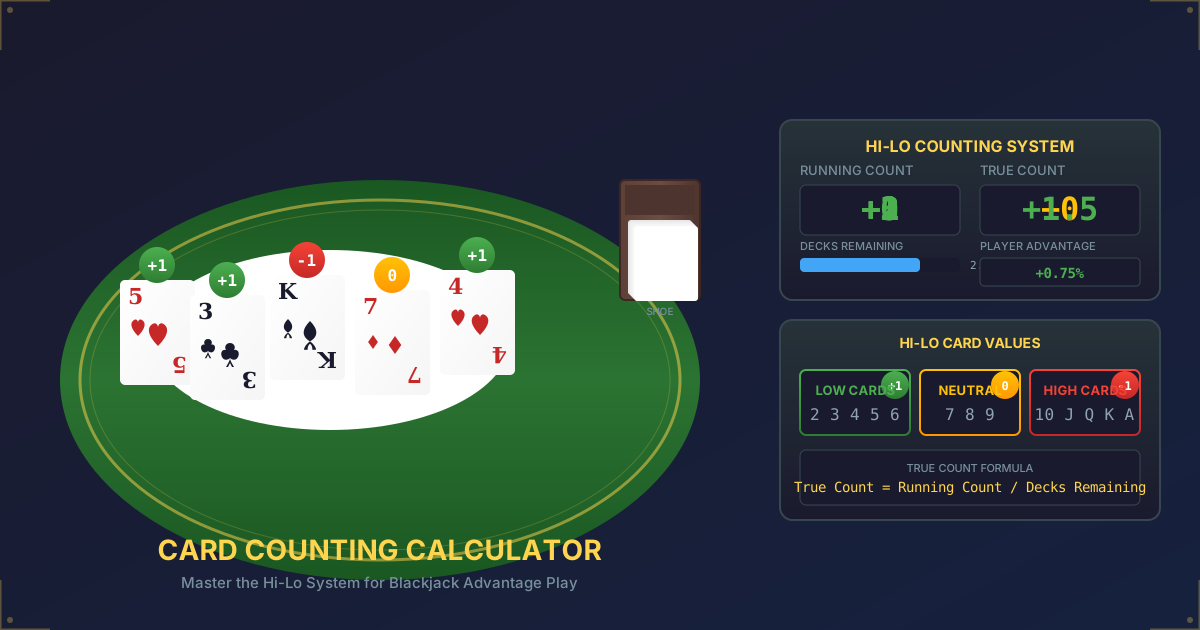
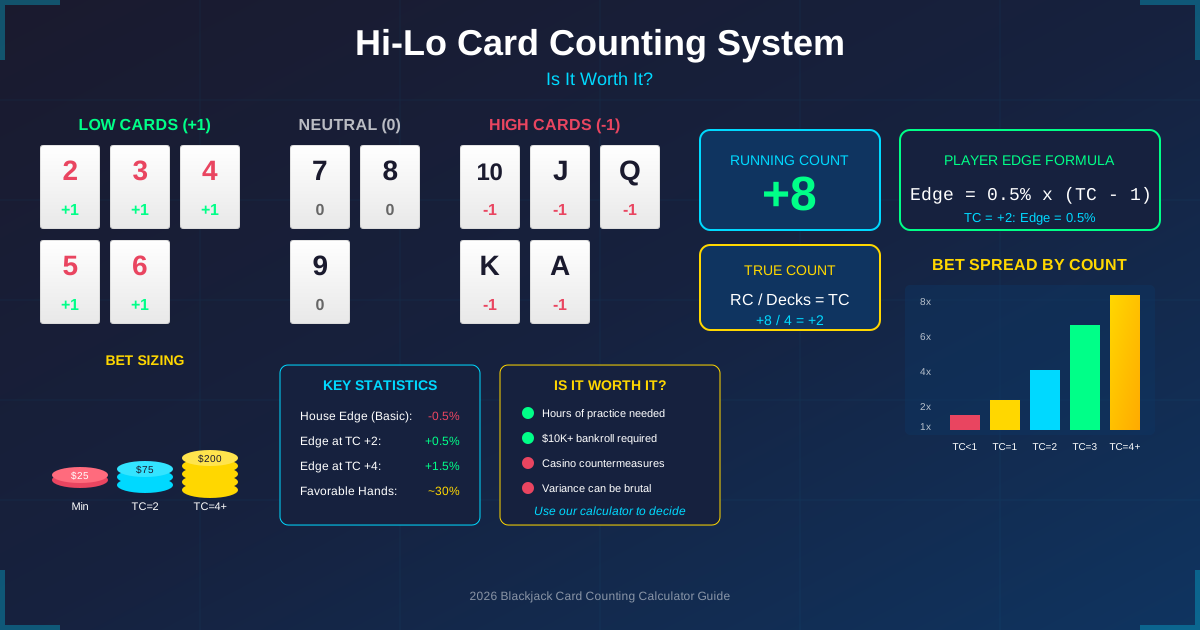
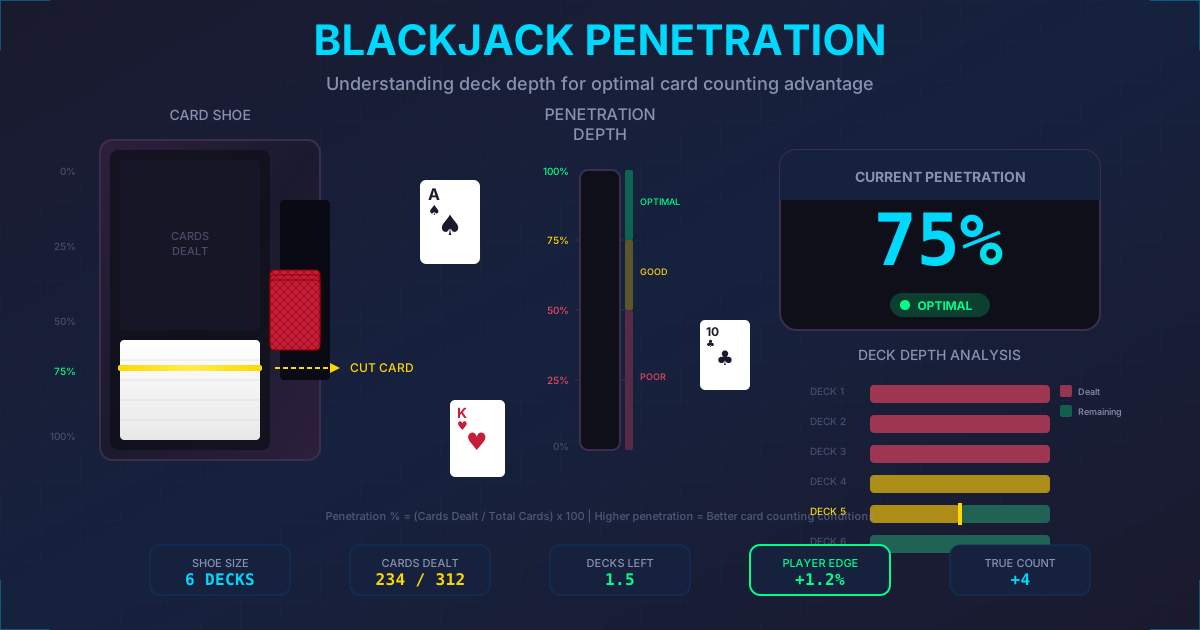
Card counting can flip the edge to +0.5% to +1.5% for the player, depending on penetration, betting spread, and counting accuracy.
Do side bets have good odds?
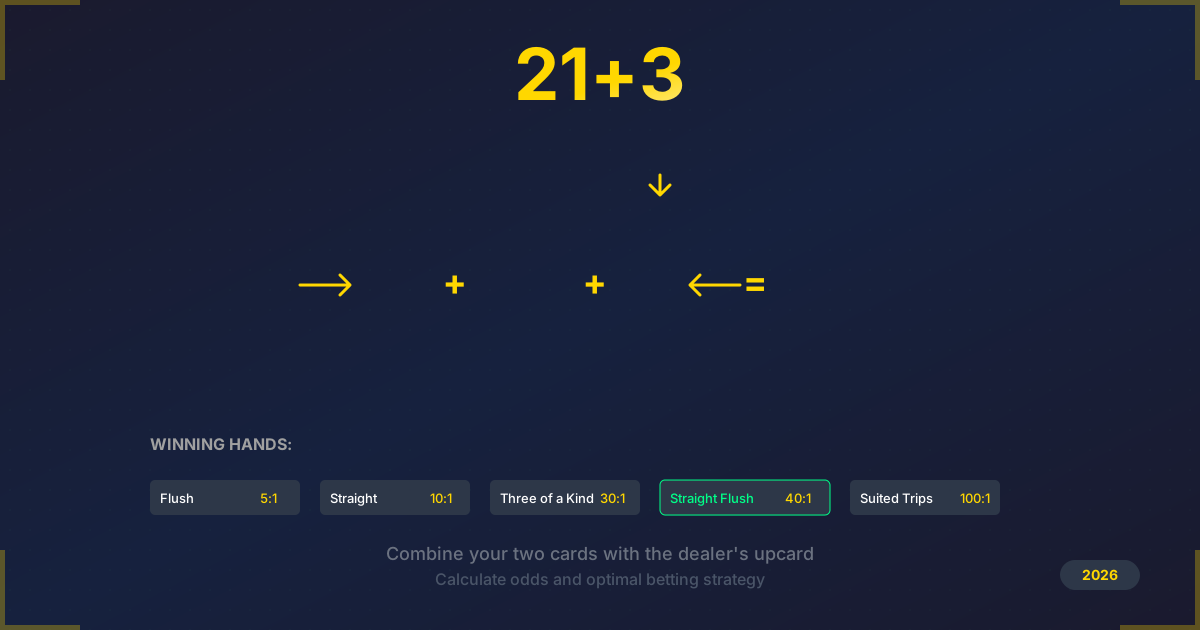
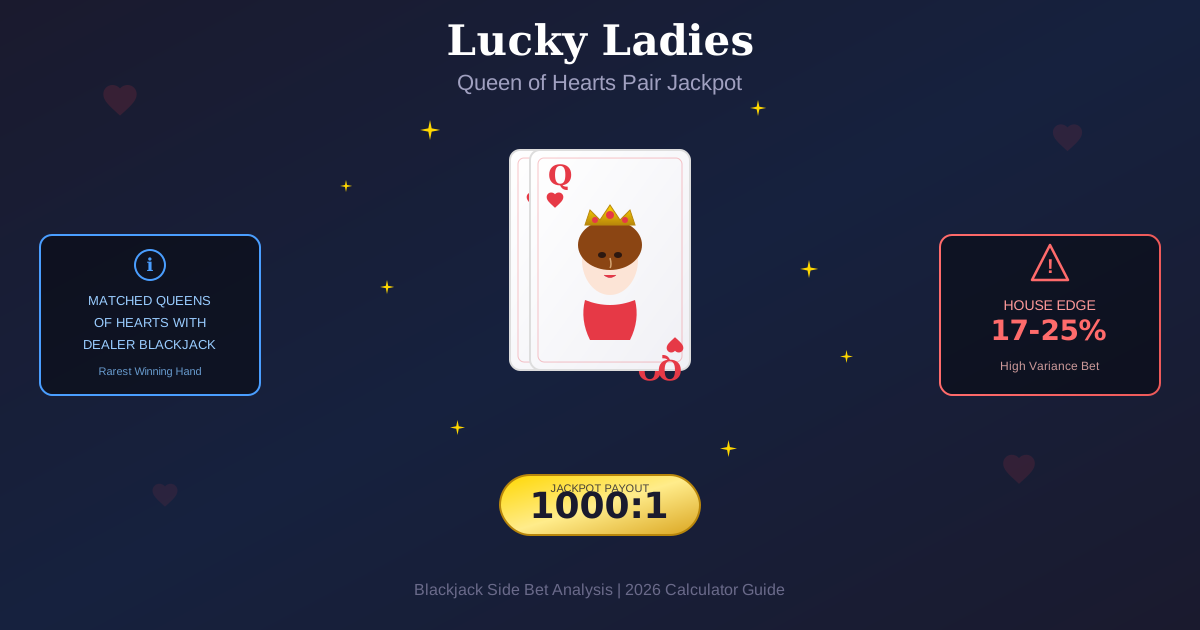
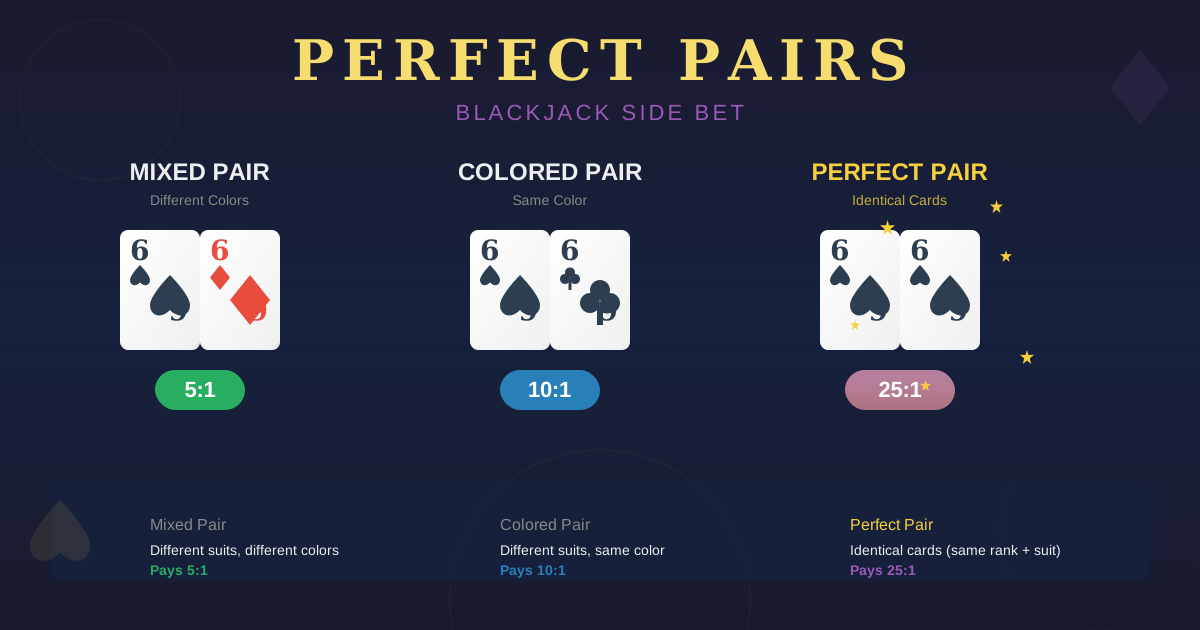
No. Side bets (insurance, Perfect Pairs, 21+3, etc.) carry house edges of 3-10%+. Avoid them for optimal play.
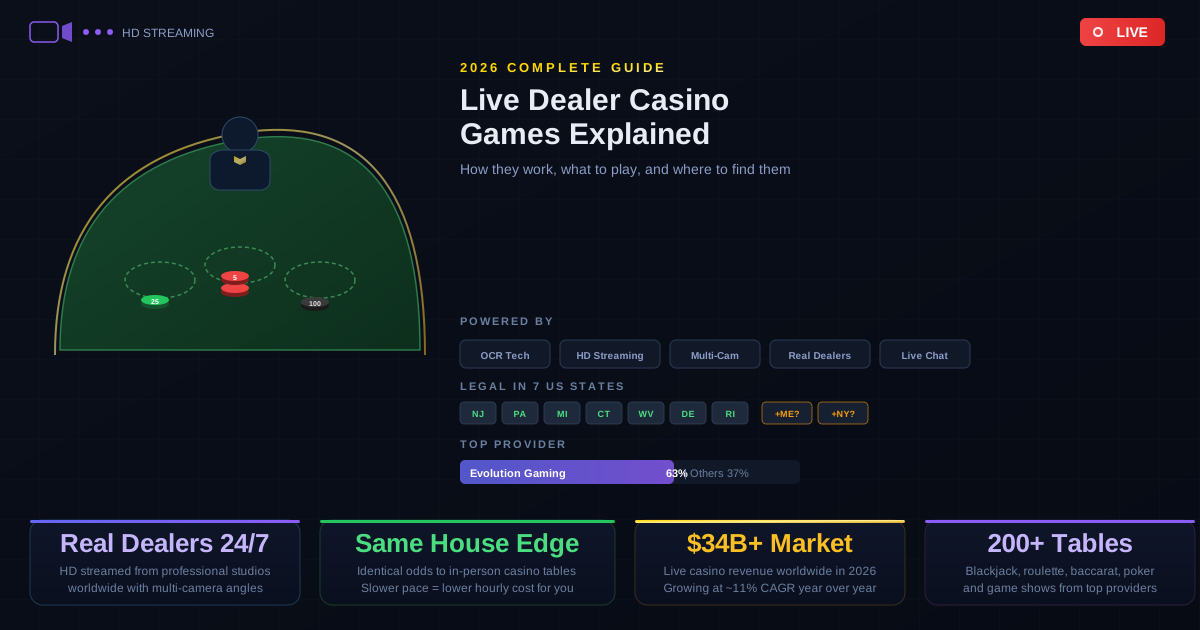
Is live dealer online blackjack fair?
Yes, if the casino is licensed. House edge is determined by rules, same as physical casinos.
House Edge Quick Reference
Common Rule Combinations
| Rules Summary | Approx. House Edge |
|---|---|
| 6D, 3:2, S17, DAS, LS | 0.26% |
| 6D, 3:2, S17, DAS | 0.34% |
| 6D, 3:2, H17, DAS | 0.56% |
| 6D, 3:2, H17, no DAS | 0.70% |
| 8D, 3:2, S17, DAS, LS | 0.35% |
| 1D, 3:2, H17, no DAS | 0.19% |
| 6D, 6:5, H17, DAS | 1.83% |
| 1D, 6:5, H17, no DAS | 1.45% |
Pro Tips for Finding Good Games
-
Ask Dealers: They know which games have the best rules
-
Check Multiple Casinos: Rules vary dramatically between properties
-
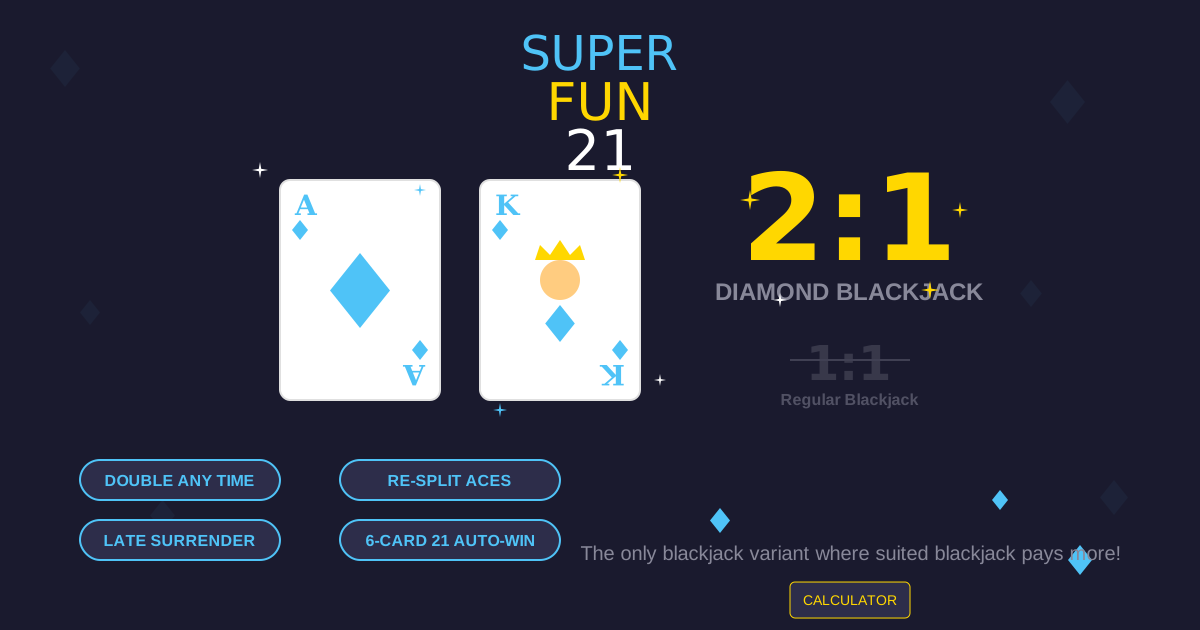
Look for Promotions: Some casinos offer 2:1 blackjack on certain days
-
Avoid Gimmicks: Novelty blackjack games usually have worse odds
-
Play Off-Peak: Better tables sometimes open during slow periods
Related Blackjack Calculators
- Blackjack Basic Strategy Calculator - Perfect play
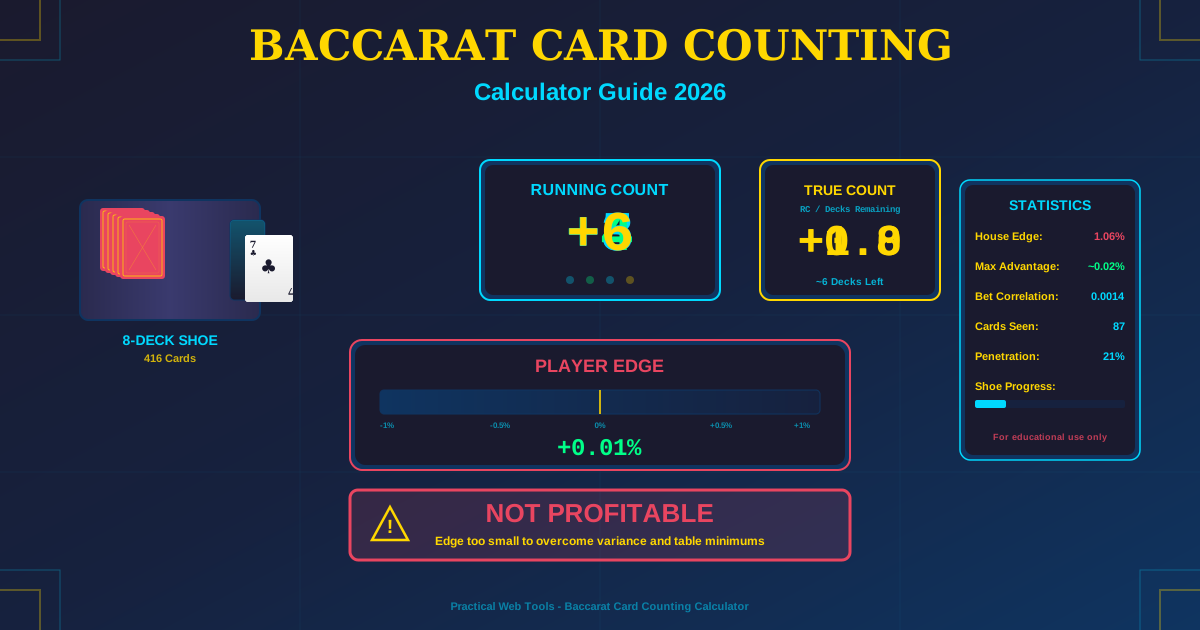
- Blackjack Card Counting Calculator - Advantage play
- Blackjack Expected Value Calculator - Session EV
- Blackjack Odds Calculator - Hand probabilities
- Blackjack Bankroll Calculator - Survival math
Conclusion
The house edge in blackjack ranges from excellent to terrible depending on the rules. Our free calculator reveals exactly what you're up against, helping you choose games where the math is most favorable. Never sit down without knowing the house edge—it's the single most important factor in your long-term results.
Calculate Any Game's House Edge Now →
A few minutes of research can save you hundreds of dollars over time. Use the calculator, find the best rules, and give yourself the best chance to win at blackjack.