Blackjack Insurance Bet Calculator: Side Bet Analysis (2026)
Blackjack Insurance Bet Calculator: The Sucker Bet?
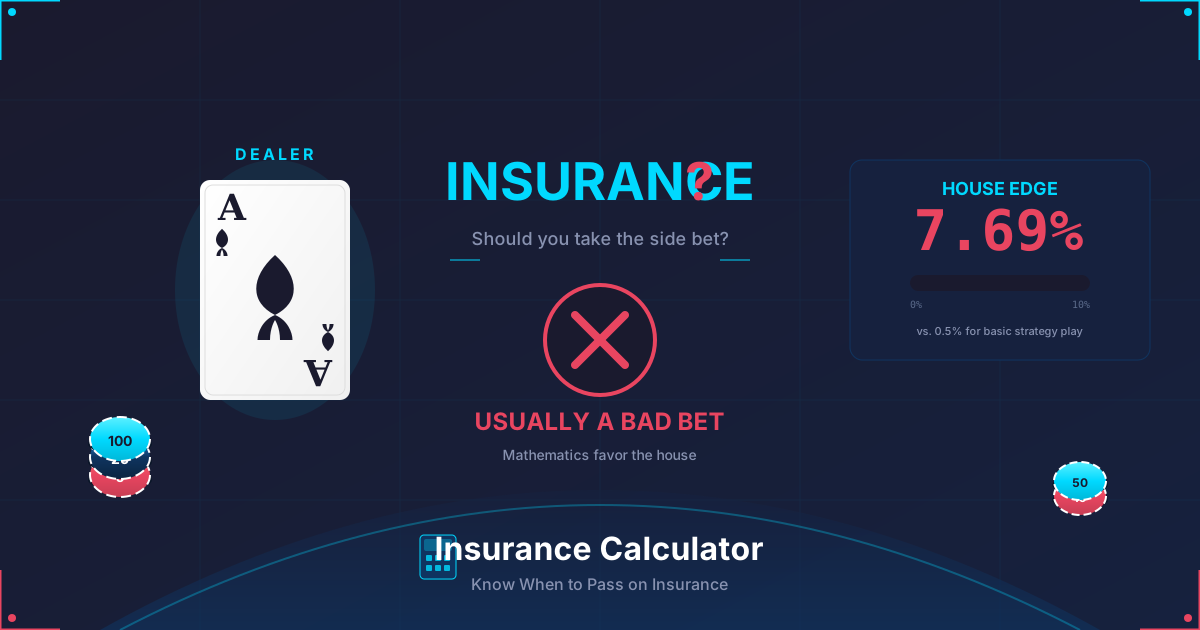
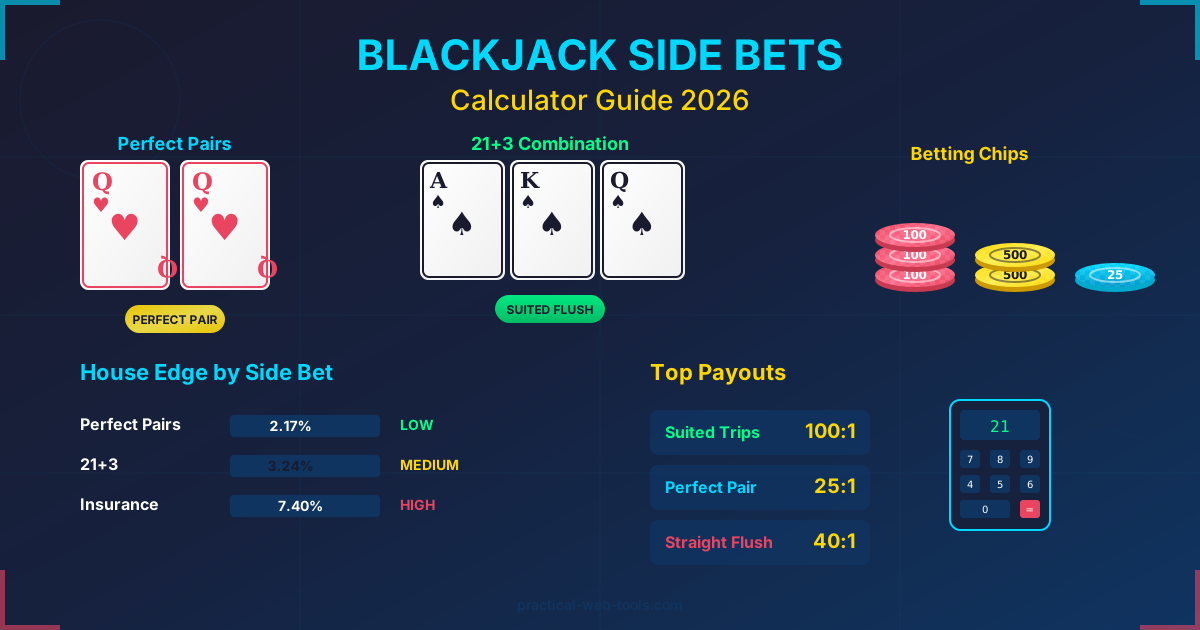
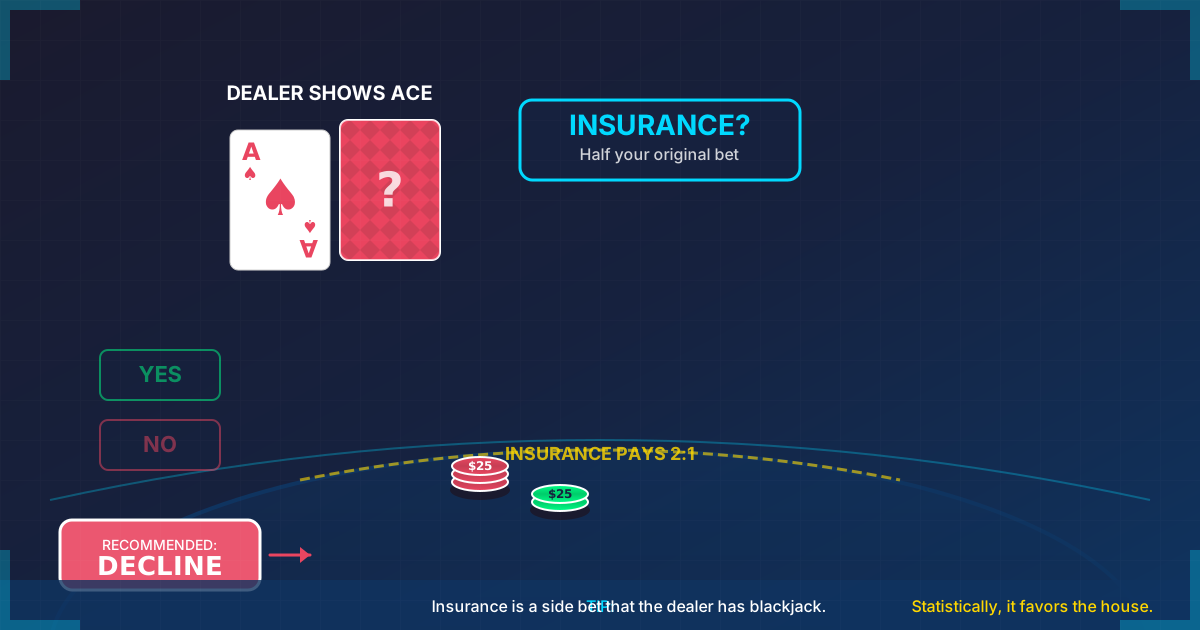
When the dealer shows an ace, you're offered insurance—a side bet that the dealer has blackjack. Our calculator reveals why insurance is almost always a losing proposition, except for one specific card counting scenario.
What Is Insurance in Blackjack?
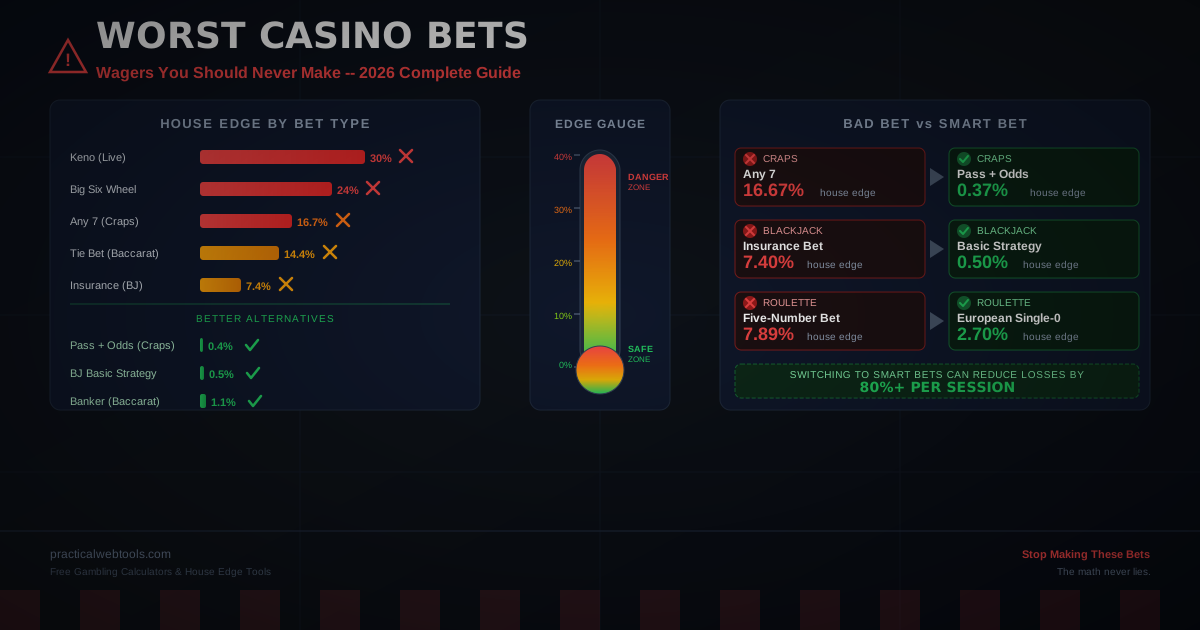
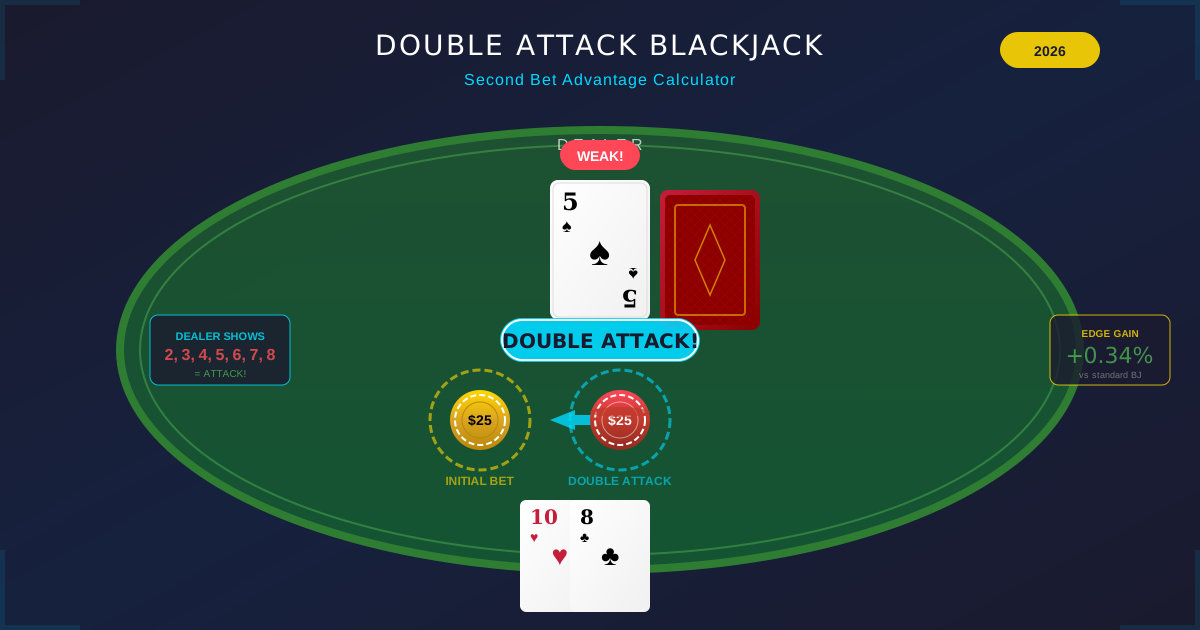
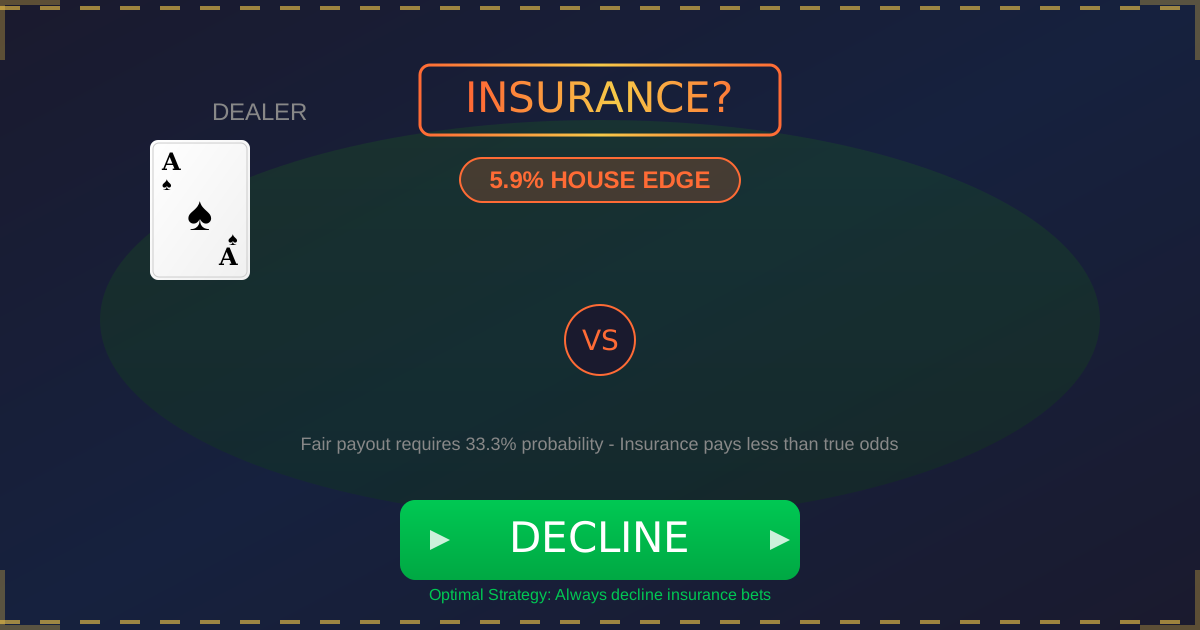
Insurance is a side bet offered when the dealer's upcard is an ace. You bet half your original wager that the dealer's hole card is a ten-value (10, J, Q, K). If the dealer has blackjack, insurance pays 2:1. Most players should decline.
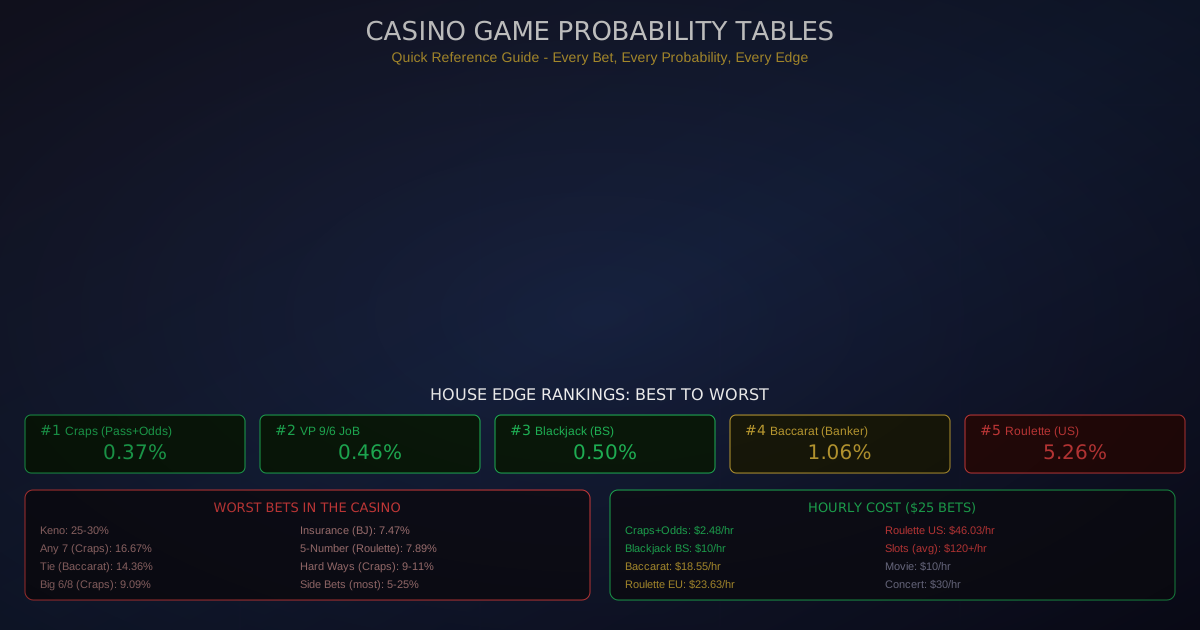
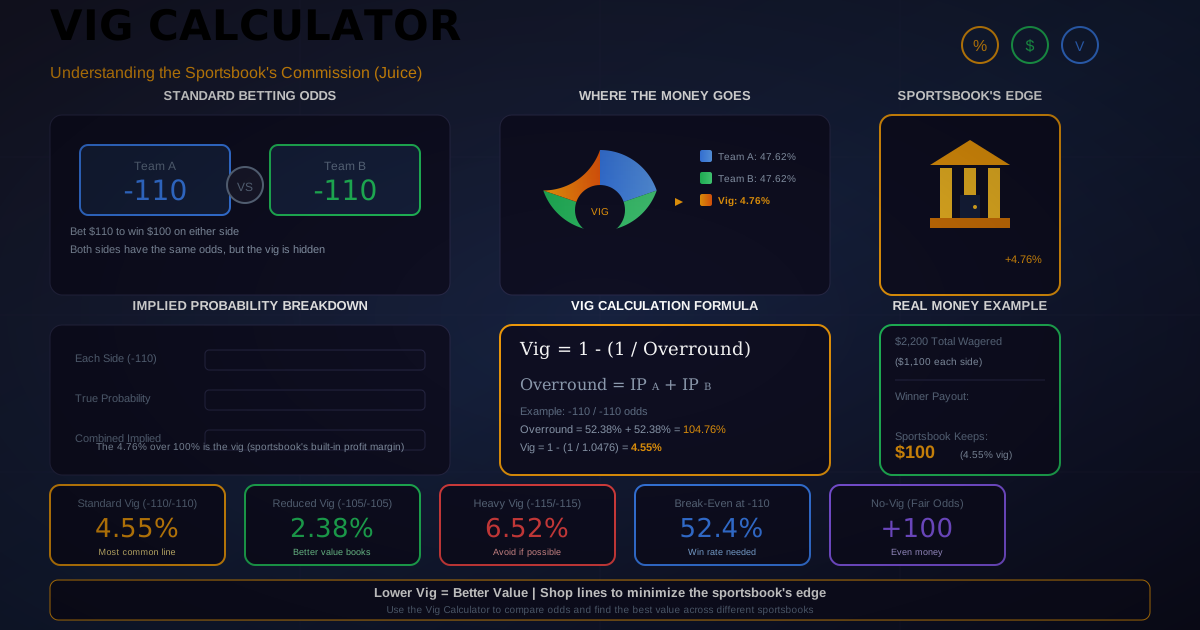
Quick Answer: Insurance bet = half your bet that dealer has blackjack. Pays 2:1. Probability: 30.77% (4 decks). House edge: 7.47%. Almost always decline. Exception: Card counters when true count is +3 or higher (enough tens remaining). "Even money" on your blackjack is just insurance in disguise—same bad math.
How to Use Our Calculator
Use the Insurance Calculator →
Analyze insurance bet expected value under various conditions.
Step-by-Step Instructions
-
Enter Original Bet: Your main wager
-
Calculate Insurance: Half your bet
-
View Probability: Dealer blackjack chance
-
See Expected Value: Insurance EV
-
Compare Outcomes: With vs without
Input Fields Explained
| Field | Description | Example |
|---|---|---|
| Original Bet | Main wager | $100 |
| Insurance Bet | Half of main | $50 |
| Dealer BJ Prob | Hole card 10 | 30.77% |
| Insurance Payout | If dealer BJ | 2:1 ($100) |
| Expected Value | Per insurance | -$3.74 |
| House Edge | Casino advantage | 7.47% |
Insurance Mathematics
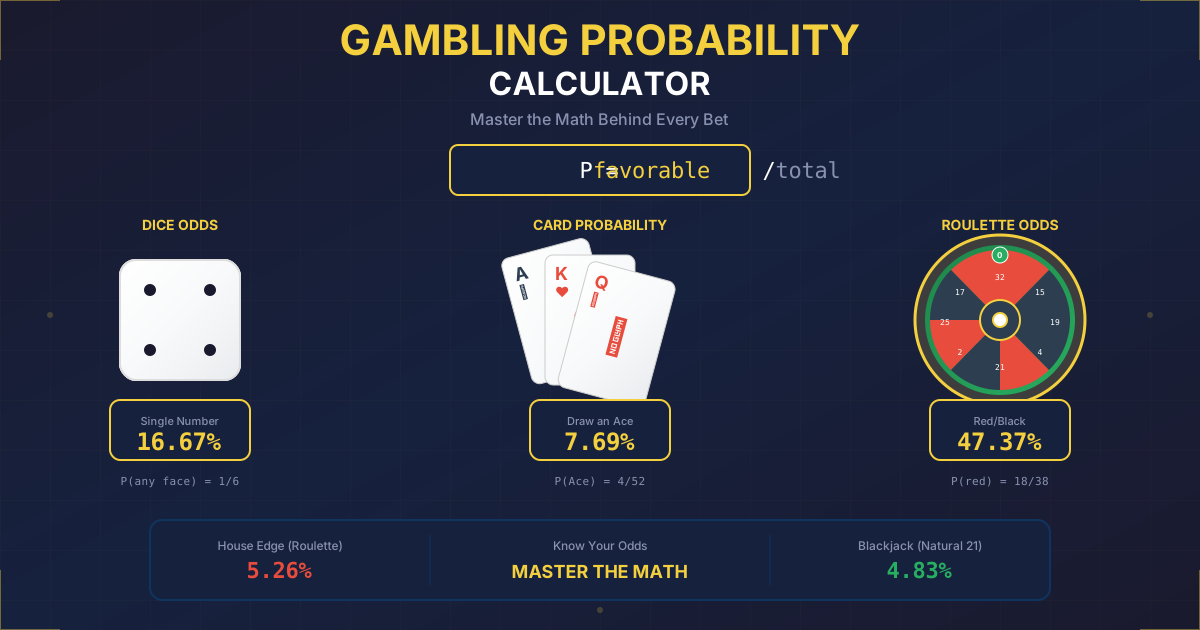
Basic Probability
Dealer shows Ace, 4-deck shoe:

Total cards: 208 (52 × 4)
Known: 1 ace showing
Remaining: 207 cards

Ten-values (10, J, Q, K): 64 cards
Probability: 64/207 = 30.92%

Slight variation by decks dealt
Standard assumption: ~30.77%
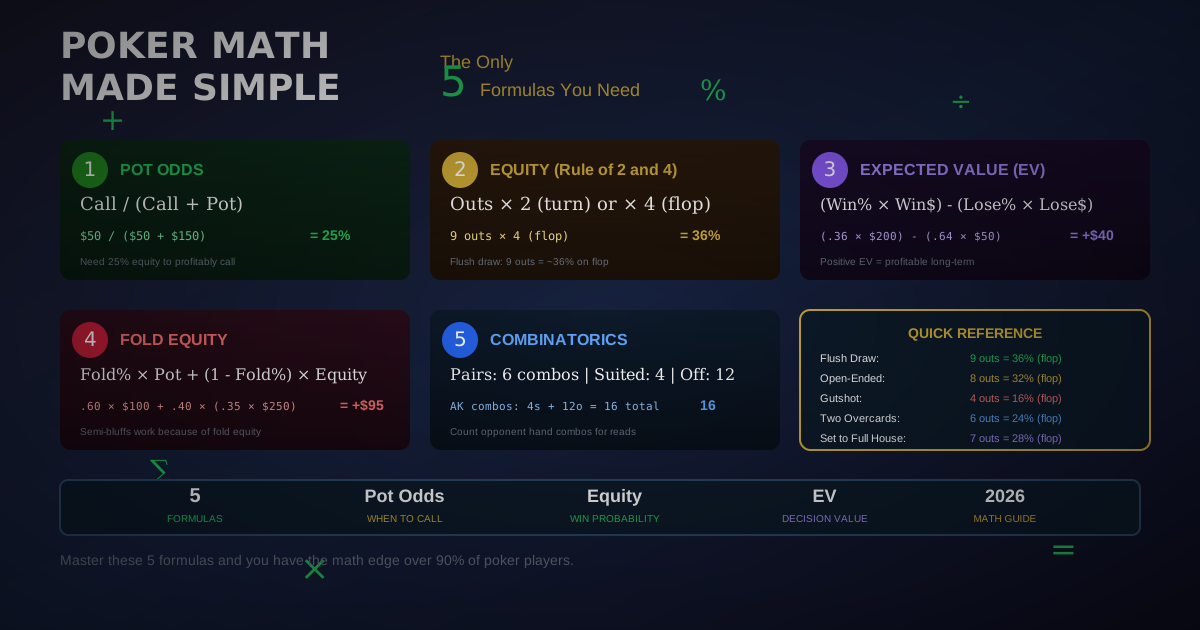
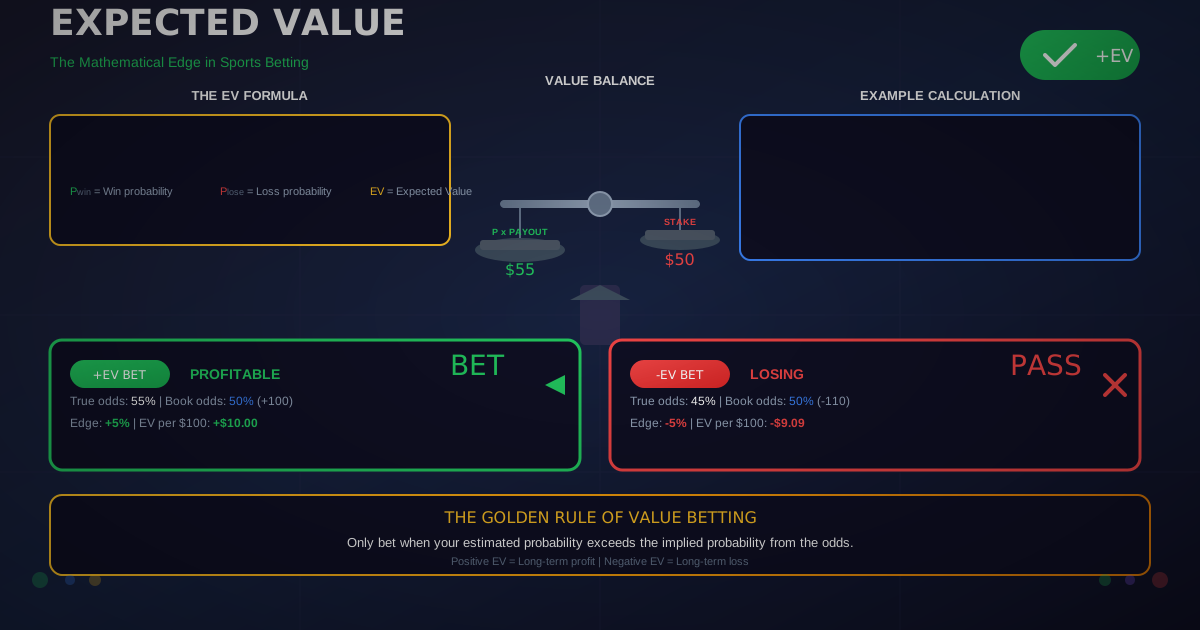
Expected Value Calculation
$100 original bet, $50 insurance:

If dealer has blackjack (30.77%):
Insurance wins: +$100 (2:1)

If dealer doesn't (69.23%):
Insurance loses: -$50

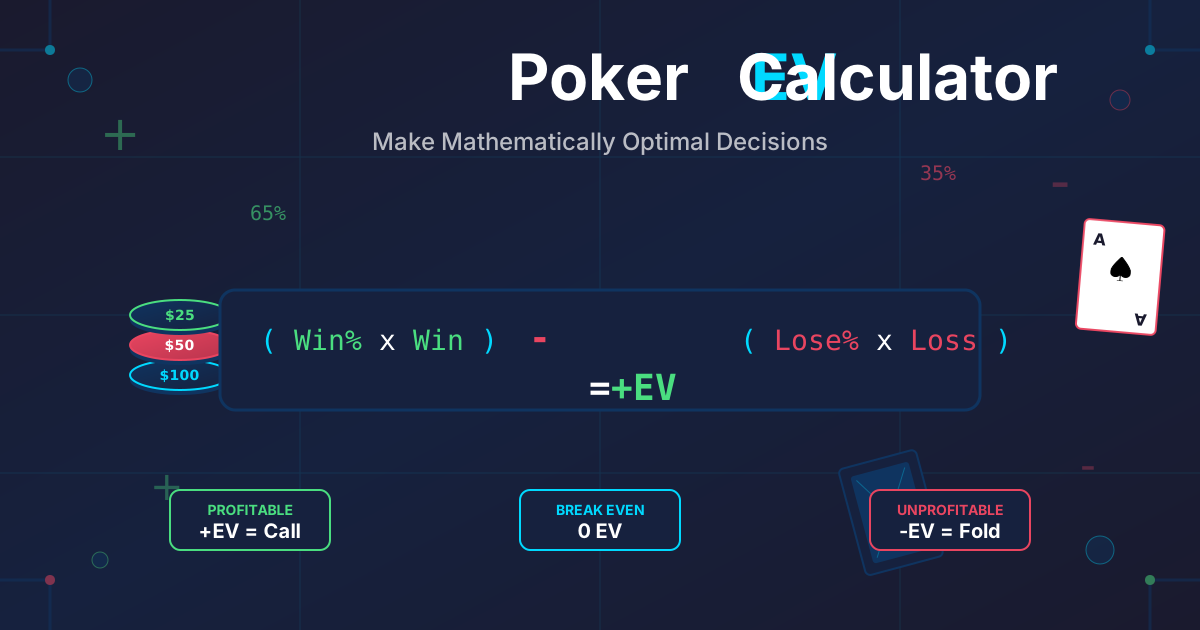
EV = (0.3077 × $100) - (0.6923 × $50)
   = $30.77 - $34.62
   = -$3.85

House edge: $3.85 / $50 = 7.7%
Why It's Bad Math
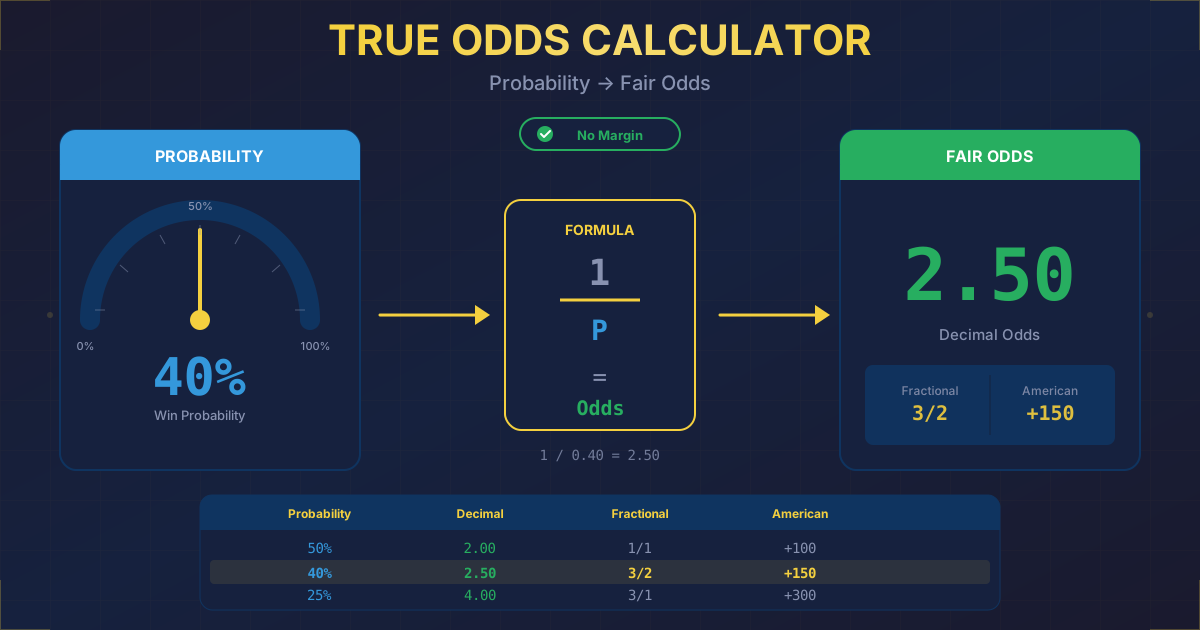
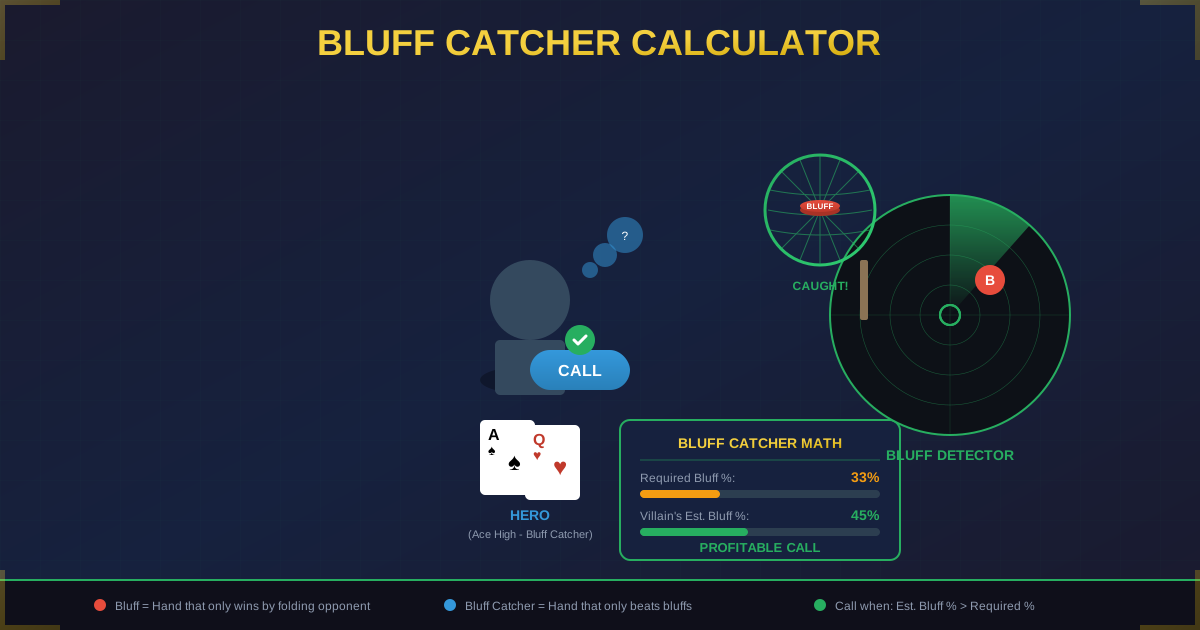
Fair payout for 30.77% event:

True odds: 69.23 / 30.77 = 2.25:1
Casino pays: 2:1

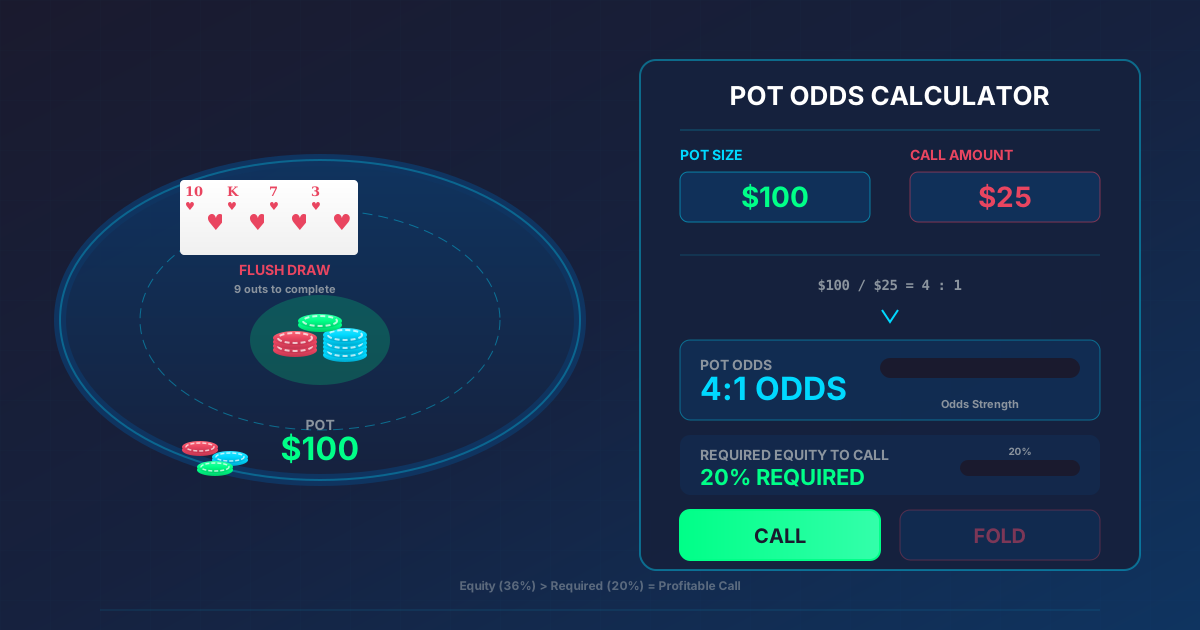
You need 33.33% probability for breakeven
You get only 30.77%
Gap = casino profit
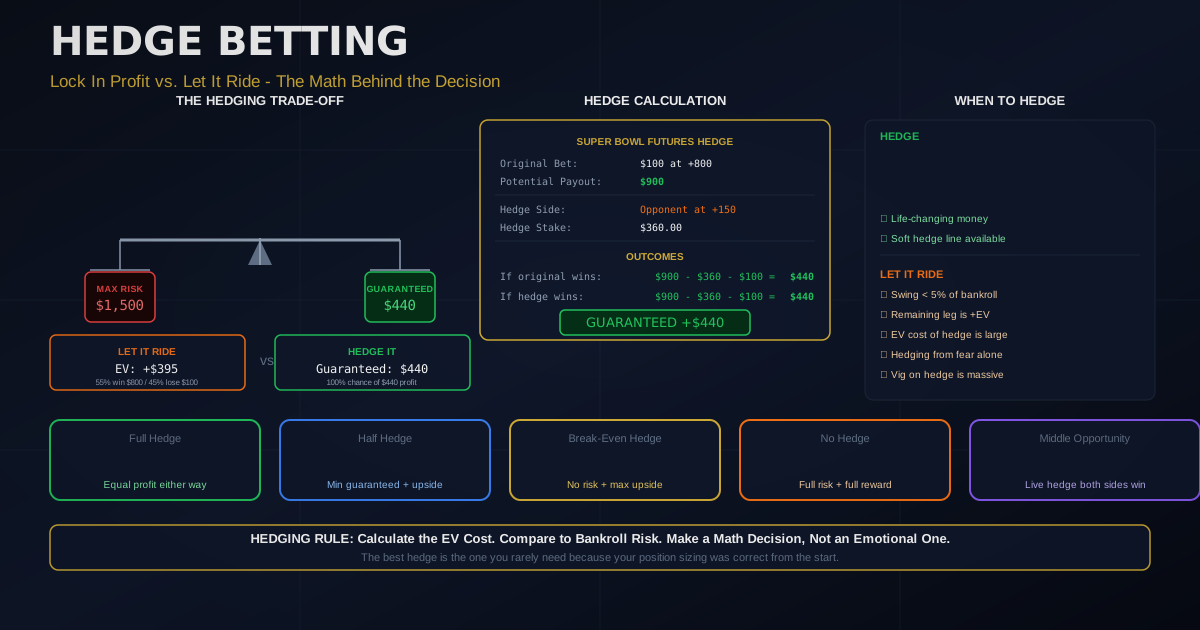
Even Money Explained
What Dealers Offer
You have blackjack, dealer shows ace:

Dealer: "Even money?"
Meaning: Take 1:1 on your blackjack now

This IS insurance in disguise
Exact same mathematics
Even Money Math
Your blackjack (3:2 payout potential):
Original bet: $100

Option A: Take even money
Guaranteed: +$100

Option B: Decline, play normally
Dealer has BJ (30.77%): Push ($0)
Dealer no BJ (69.23%): Win $150

EV of Option B:
= (0.3077 × $0) + (0.6923 × $150)
= $103.85

Even money costs you $3.85 on average
The Psychological Trap
"But I guarantee a win!"

True, but:
Option A: Always +$100
Option B: Average +$103.85

You give up $3.85 expected value
For false sense of security
Casino profits from fear
When Insurance Makes Sense
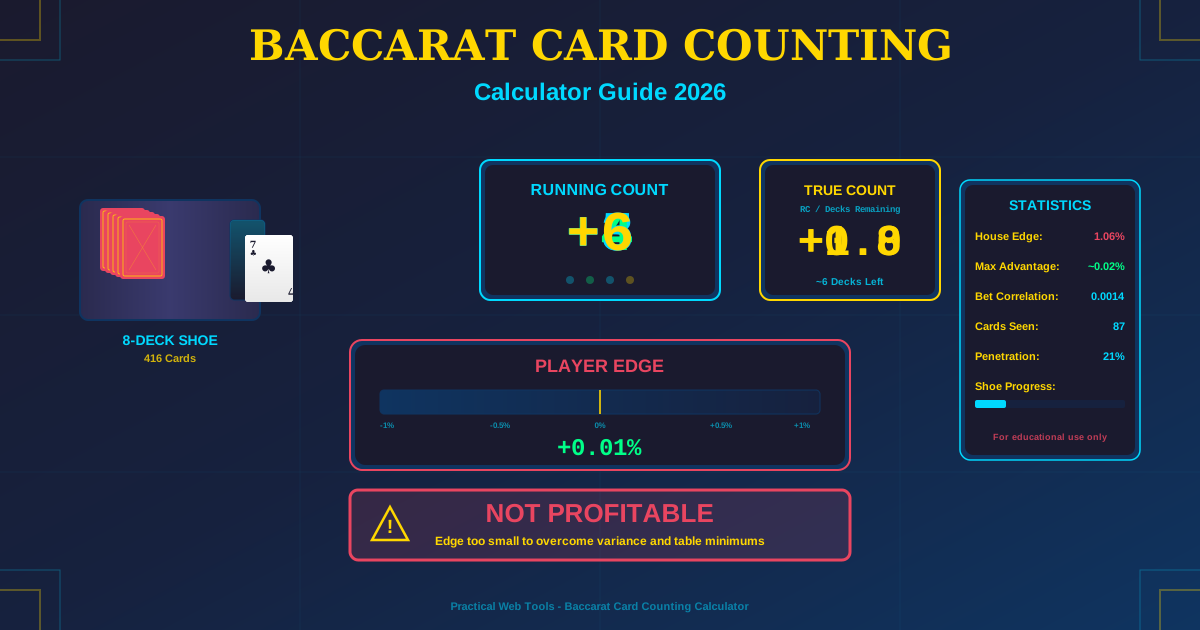
Card Counting Exception
Insurance becomes profitable when:
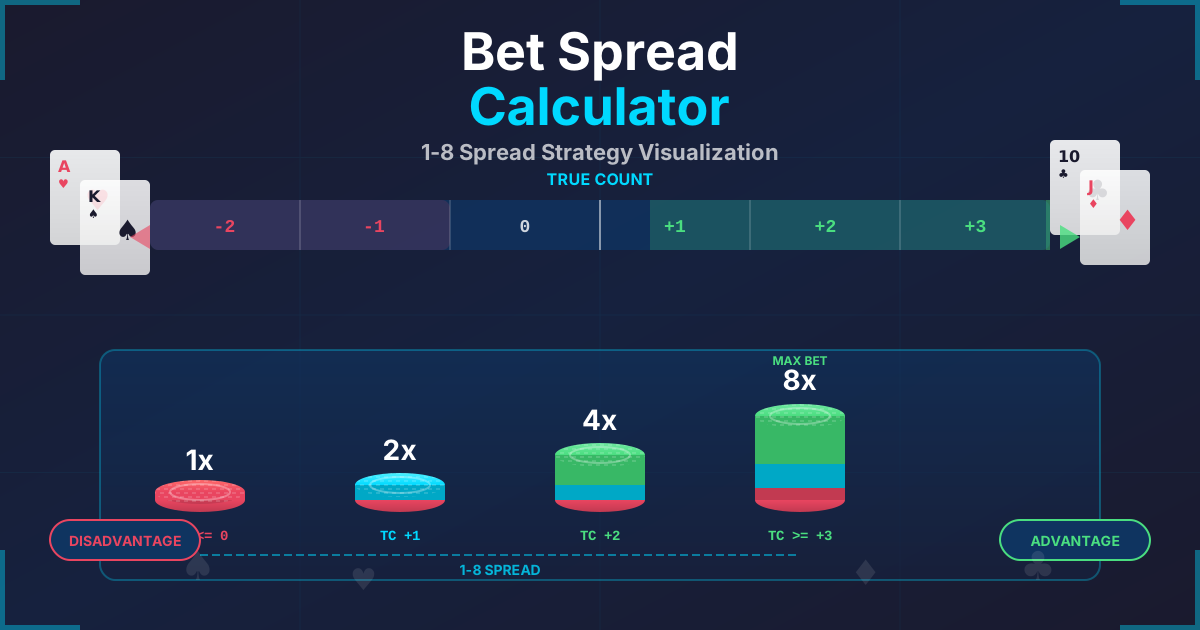
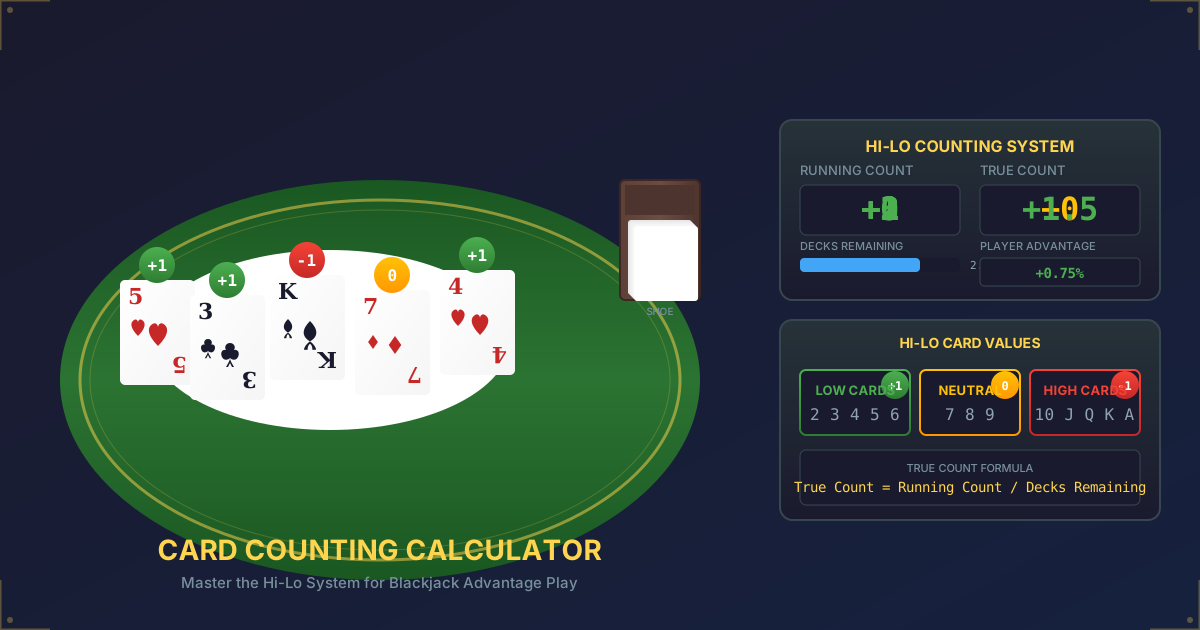
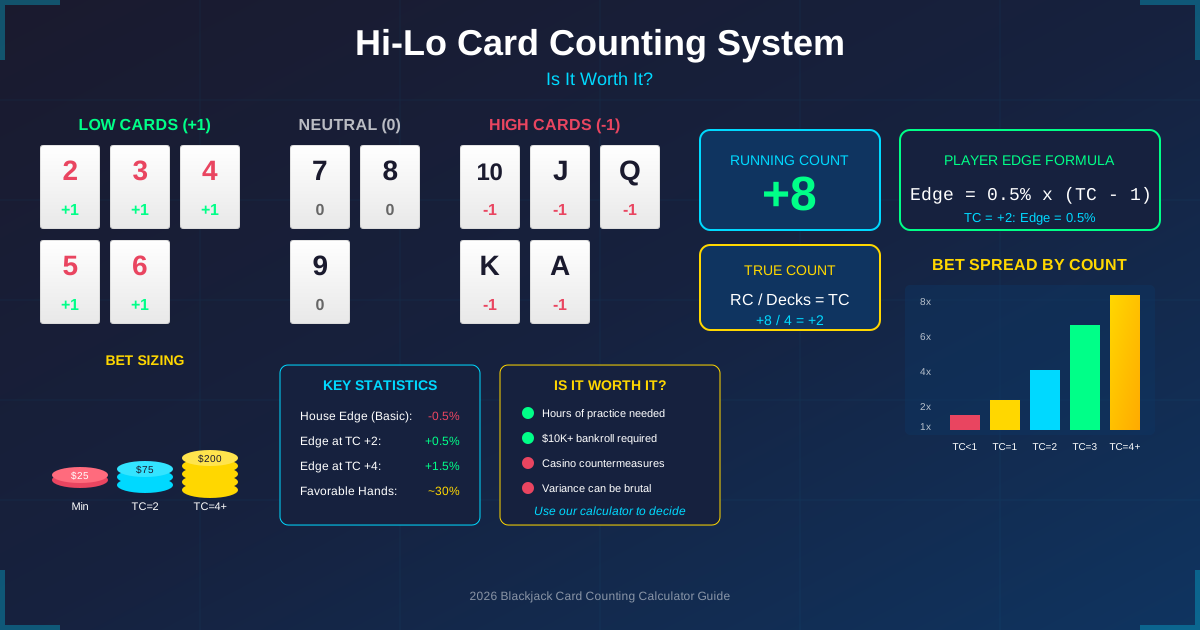
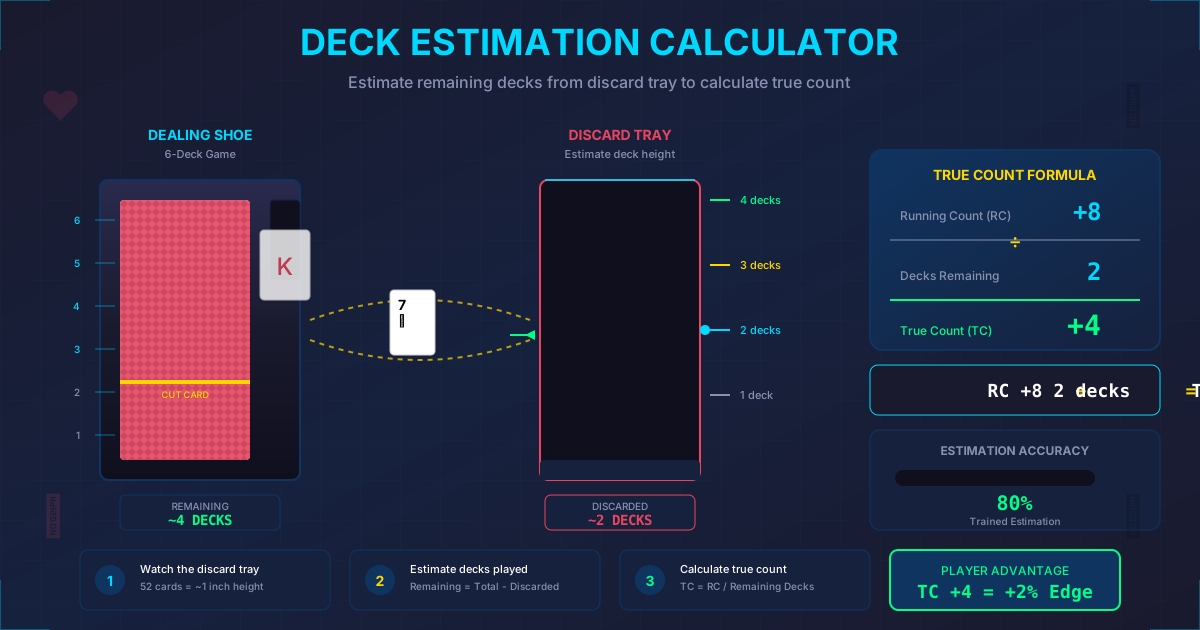
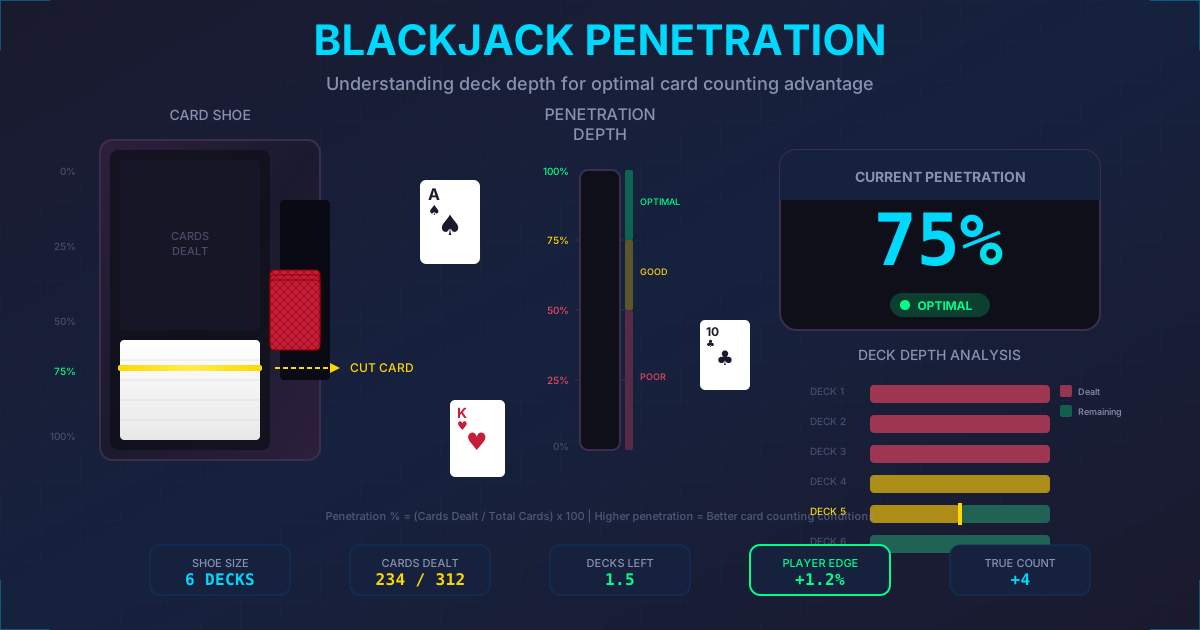
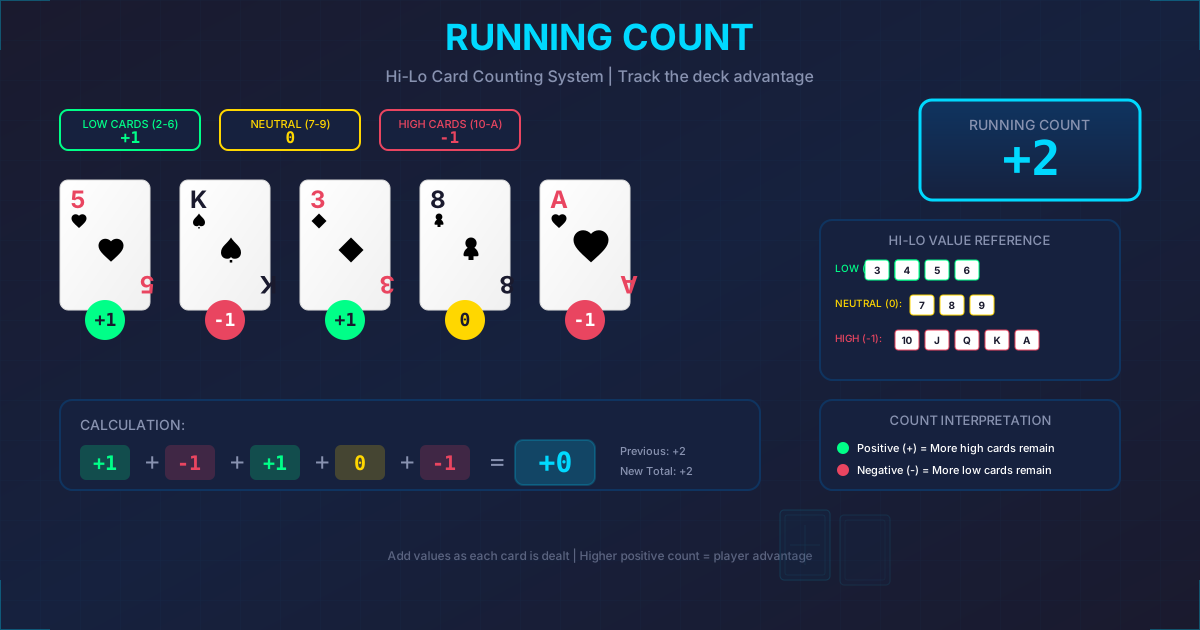
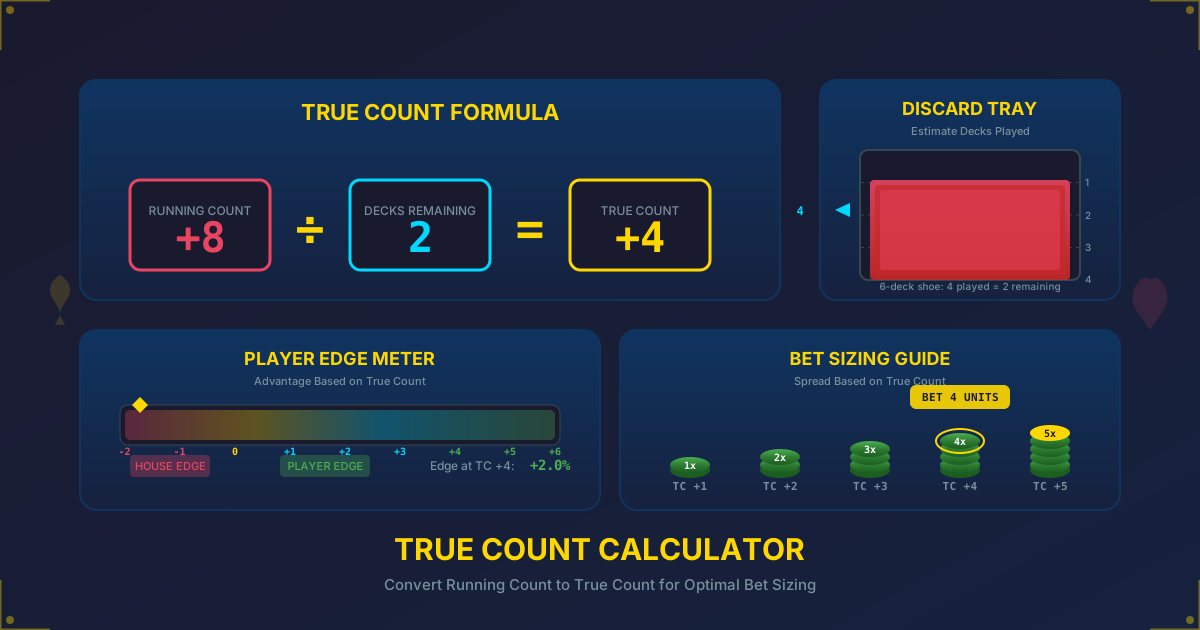
True count is +3 or higher

At TC +3:
Approximately 34%+ tens remain
Insurance breakeven is 33.33%
Positive expected value

Professional counters take insurance
When math favors them
Counting the Tens
If you're tracking tens:

Normal distribution: 30.77% tens
Need: 33.33%+ for profitable insurance

Example (4-deck shoe):
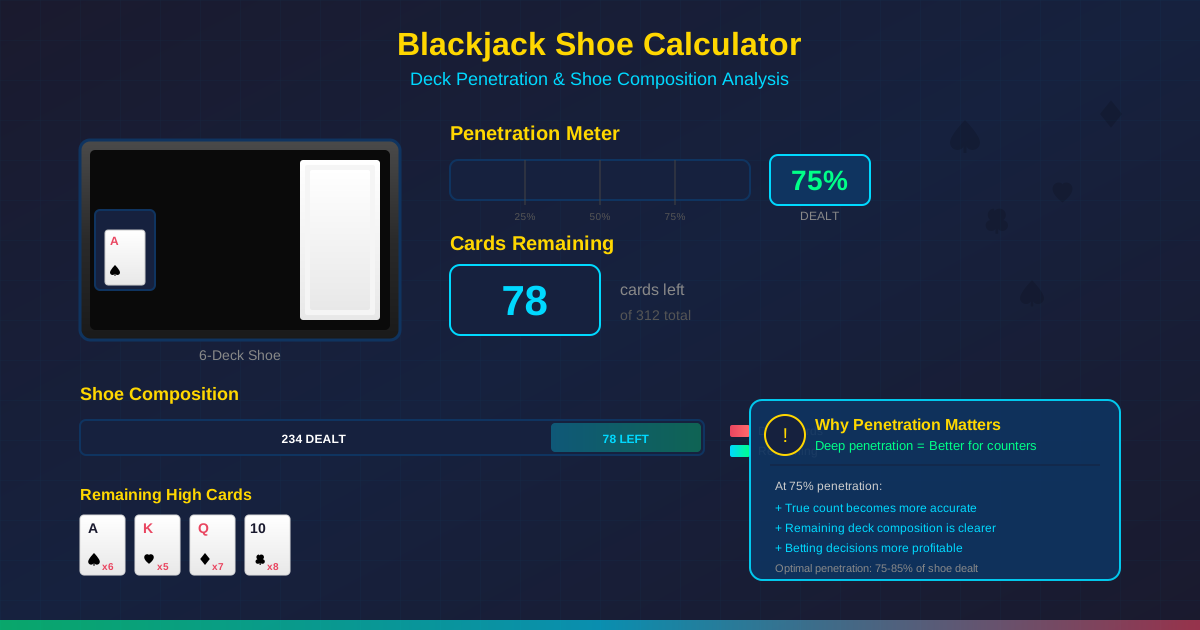
16 tens gone, 80 cards dealt
Remaining tens: 48 in 128 cards
48/128 = 37.5%

Insurance profitable in this spot
Requires accurate card counting
Practical Reality
For 99% of players:

Not counting cards
Don't know true count
Insurance is always -EV

Simple rule: Always decline
Unless professional counter
Scenario Analysis
Scenario 1: Standard Player
$50 bet, dealer shows ace, no counting:
Insurance offered: $25

Expected outcomes:
Take insurance: EV = -$1.92 (7.7% edge)
Decline: EV = $0 (vs insurance decision)

Decision: Decline
Play out the hand normally
Scenario 2: You Have 20
Strong hand, dealer shows ace:
"I should protect my 20!"

Insurance analysis unchanged:
Still 30.77% chance dealer has BJ
Still 7.7% house edge on insurance

Your 20 is strong
Doesn't change insurance math
Decline insurance
Win more often without it
Scenario 3: You Have 12
Weak hand, dealer shows ace:
"I'm losing anyway, might as well insure"

Wrong thinking:
Insurance is separate bet
Your hand doesn't affect insurance odds

If anything, your 12 has a 10
Fewer tens in deck for dealer
Insurance slightly worse

Always decline
Scenario 4: Card Counter at TC +4
Skilled player tracking:
True count: +4
Deck is ten-rich

Estimated tens: 35%+
Insurance breakeven: 33.33%
Positive expected value

Take insurance
This is the exception
Requires skill and practice
Insurance Variations
10-Card Insurance
Some casinos offer insurance
when dealer shows 10

Betting on hole ace = blackjack
Even worse than ace insurance
Fewer aces than tens

House edge: ~10%+
Never take 10-card insurance
Multi-Hand Insurance
Playing multiple hands:
Insurance offered on each

Each bet is independent
Same bad odds each time

Don't insure any hands
Unless counting indicates value
The Real Cost Over Time
Session Impact
100 hands, $25 average bet
Dealer shows ace ~8 times

Taking insurance each time:
$12.50 × 8 = $100 in insurance bets
Expected loss: $100 × 7.7% = $7.70

That's extra losses
On top of regular play
Annual Impact
Playing 2000 hands/year
Ace shows ~160 times

Insurance at $25 each:
$4,000 in insurance bets
Expected loss: $308

Significant leakage
From single bad decision
Common Mistakes
1. Insuring Good Hands
Mistake: "My 20 is too good to lose" Problem: Insurance odds unchanged Fix: Decline regardless of your cards
2. Taking Even Money
Mistake: "Guaranteed win is smart" Problem: Costs $3.85 per $100 on average Fix: Decline, accept occasional push
3. Insuring "Because Dealer Usually Has It"
Mistake: Perception bias Problem: Dealers have BJ only 30.77% Fix: Trust the math, not feelings
4. Partial Card Counting
Mistake: "I saw a lot of small cards" Problem: Incomplete counting is inaccurate Fix: Either count properly or always decline
Frequently Asked Questions
Should I ever take insurance?
Only if you're a skilled card counter and the true count is +3 or higher. Otherwise, always decline.
Is even money the same as insurance?
Yes, mathematically identical. Even money on blackjack is just automatic insurance. Decline both.
Why do dealers ask about insurance?
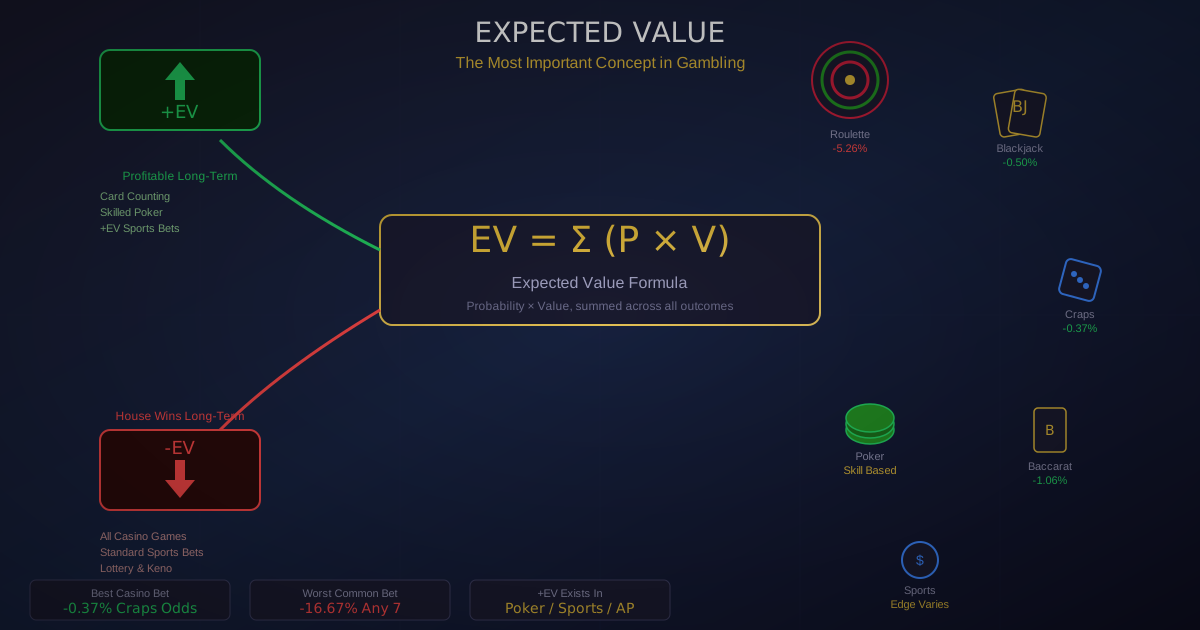
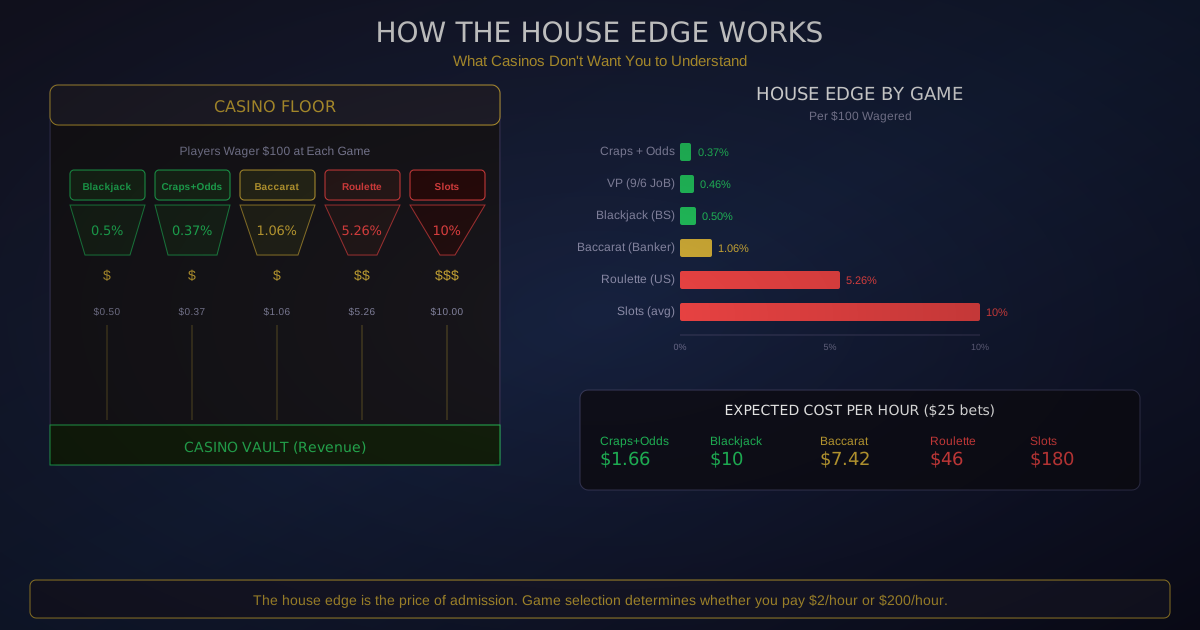
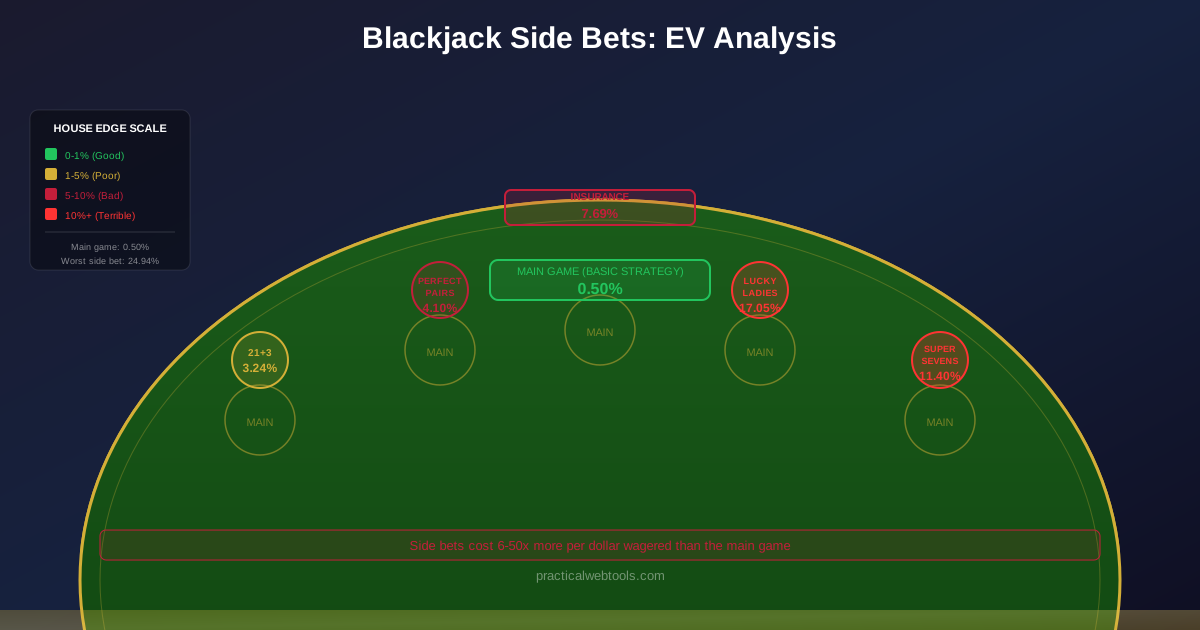
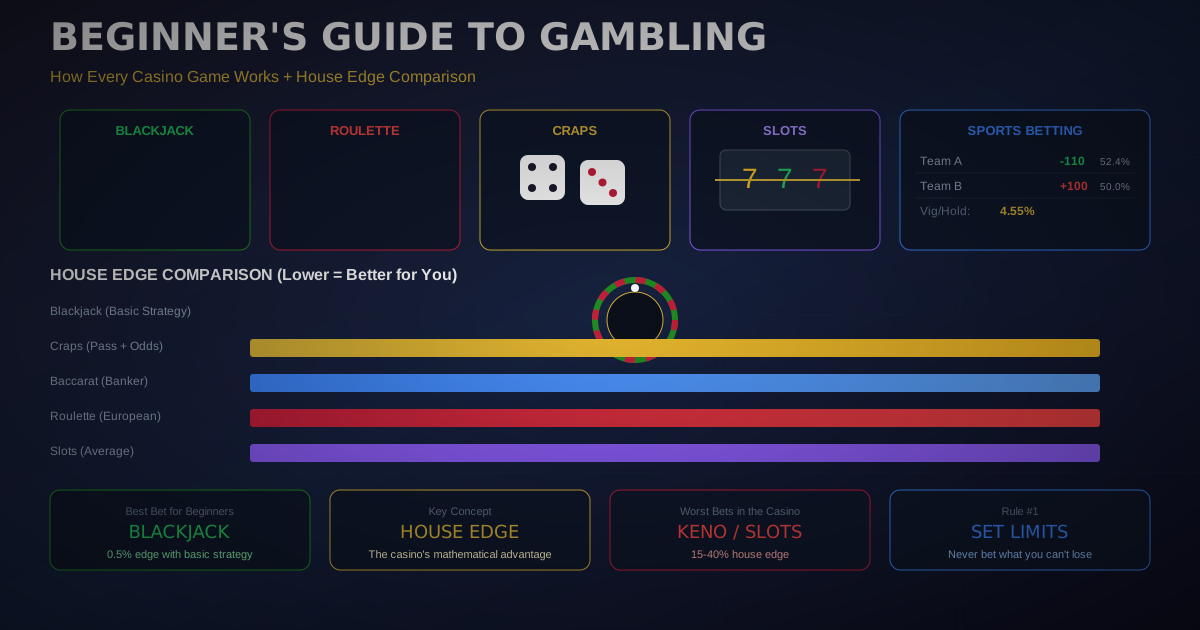
It's a profitable side bet for the casino. The 7.7% edge is much higher than the main game's ~0.5%.
Does my hand affect insurance odds?
Only marginally. Your cards are known, so they're removed from probability. But the effect is tiny.
What if the dealer "always" has blackjack?
You're experiencing bias. Track actual results—dealers have BJ about 31% when showing ace.
Can insurance reduce variance?
Yes, but at a cost. Reducing variance by 7.7% expected value isn't worth it.
Pro Tips
-
Always decline: Simple rule for non-counters
-
Even money = insurance: Same bad math
-
Ignore your hand: Doesn't change insurance odds
-
7.7% edge is brutal: Much worse than main game
-
Counters only: TC +3 or higher for profitable insurance
Related Calculators
- Blackjack Odds Calculator - Full game odds
- Blackjack Basic Strategy - Optimal play
- Blackjack True Count Calculator - Count conversion
- Blackjack Expected Value Calculator - EV analysis
- Card Counting Calculator - Counting systems
Conclusion
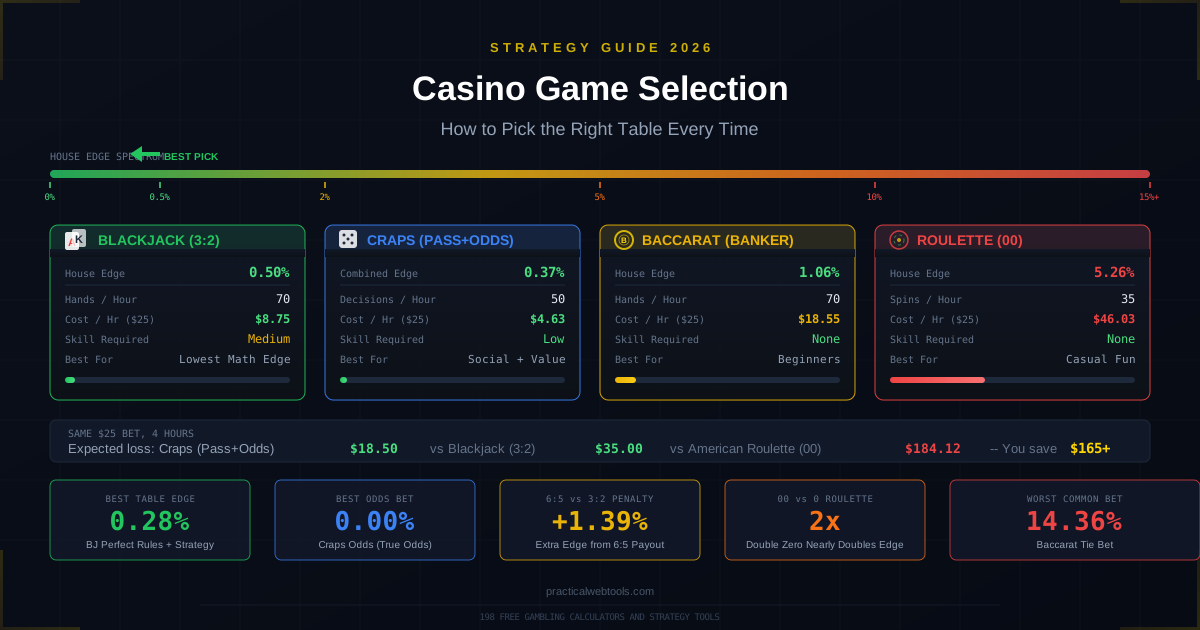
Insurance is a side bet with a 7.7% house edge—far worse than optimal blackjack's 0.5%. Our calculator proves why declining insurance is always correct for non-counters, while even money on blackjack is the same trap in disguise.
Calculate Insurance Odds Now →
That "protection" when the dealer shows an ace costs you $7.70 per $100 wagered on insurance. Our calculator reveals the math behind this common sucker bet—and the rare card counting scenario where insurance actually makes sense.