Blackjack Insurance Calculator: When to Take Insurance (2026)
Blackjack Insurance Calculator: The Math Behind the Side Bet
Insurance is blackjack's most misunderstood bet. When the dealer shows an ace, you're offered "insurance"—but should you take it? Our free calculator reveals the math, showing why the answer is almost always no.
What Is Insurance in Blackjack?
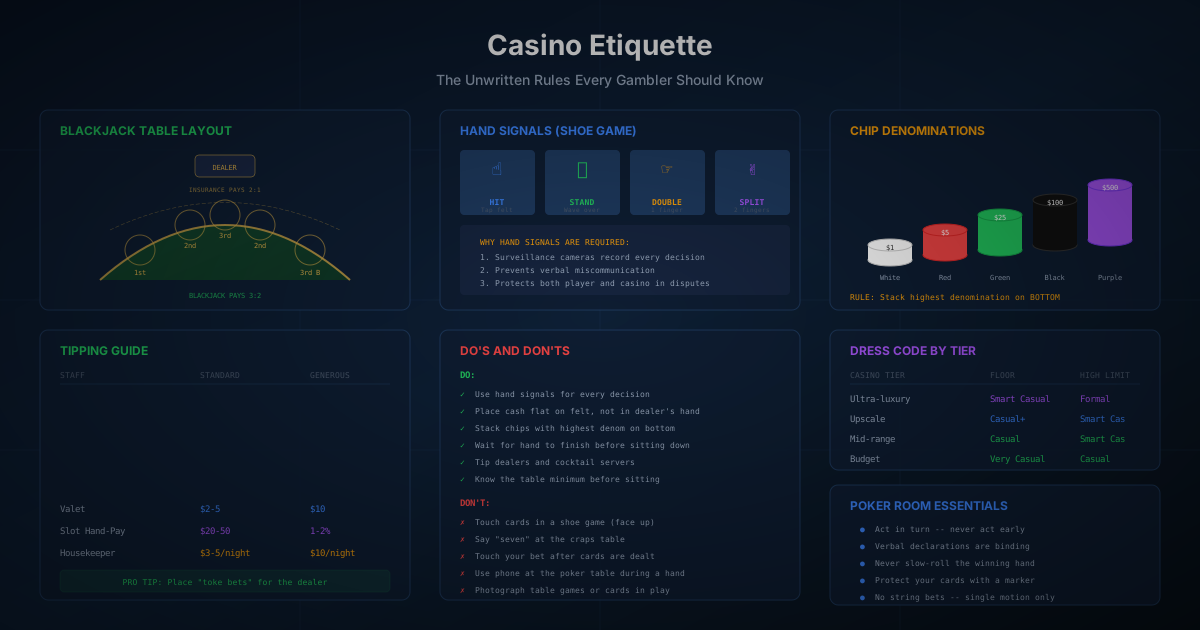
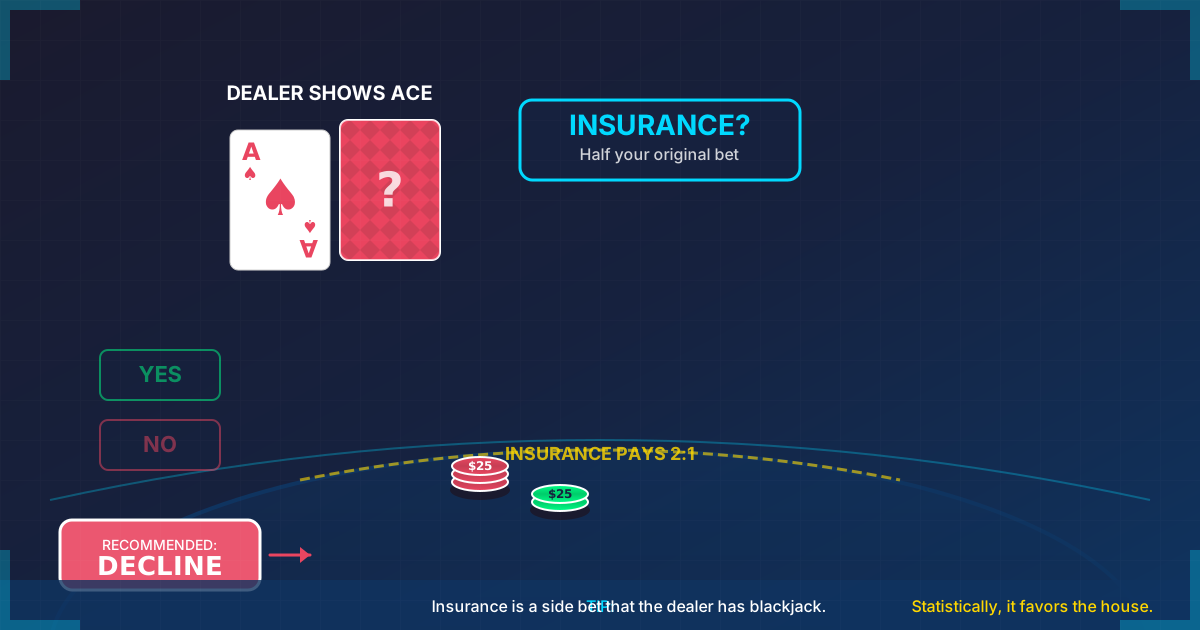
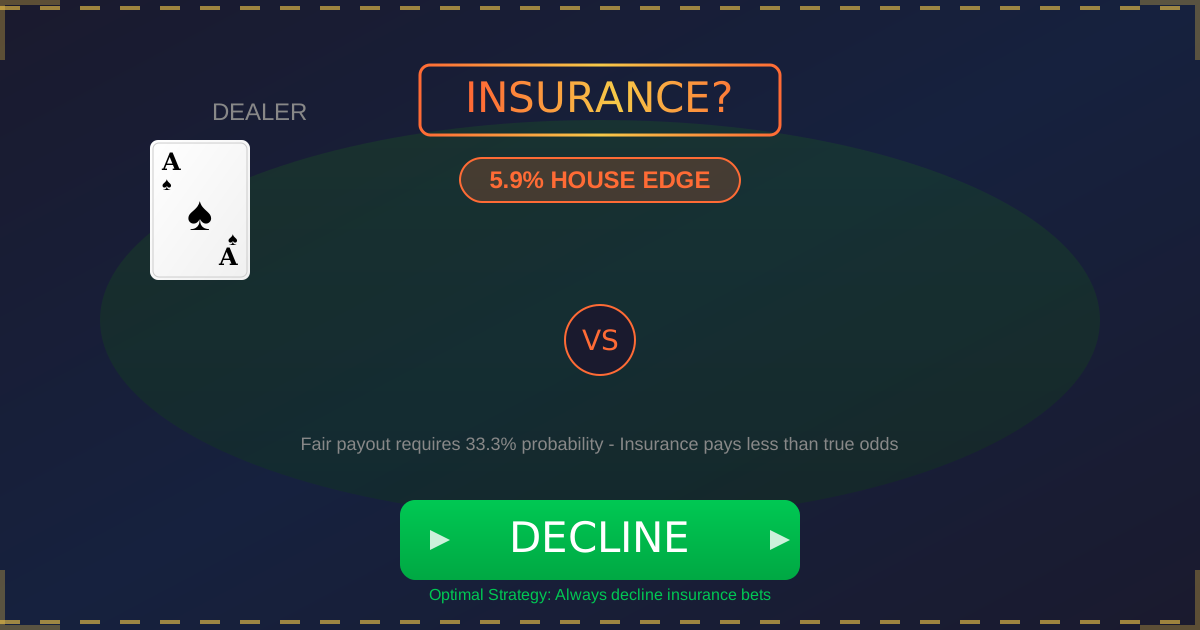
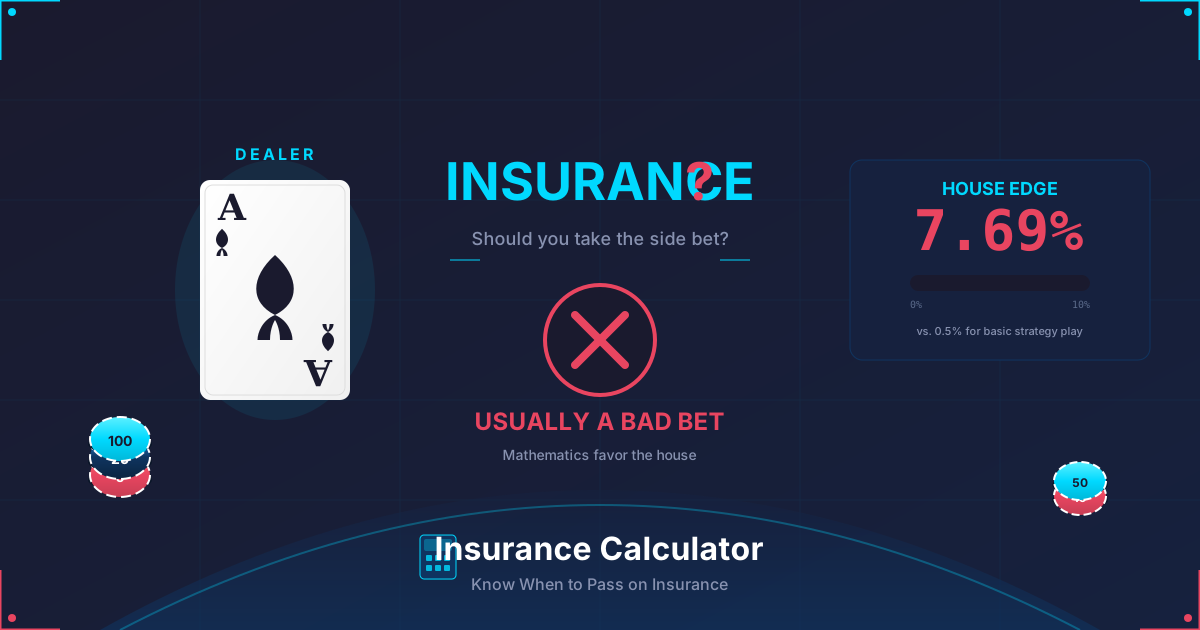
Insurance is a side bet offered when the dealer's upcard is an ace. You're betting that the dealer has blackjack (a 10-value card underneath). It pays 2:1 and costs half your original bet.
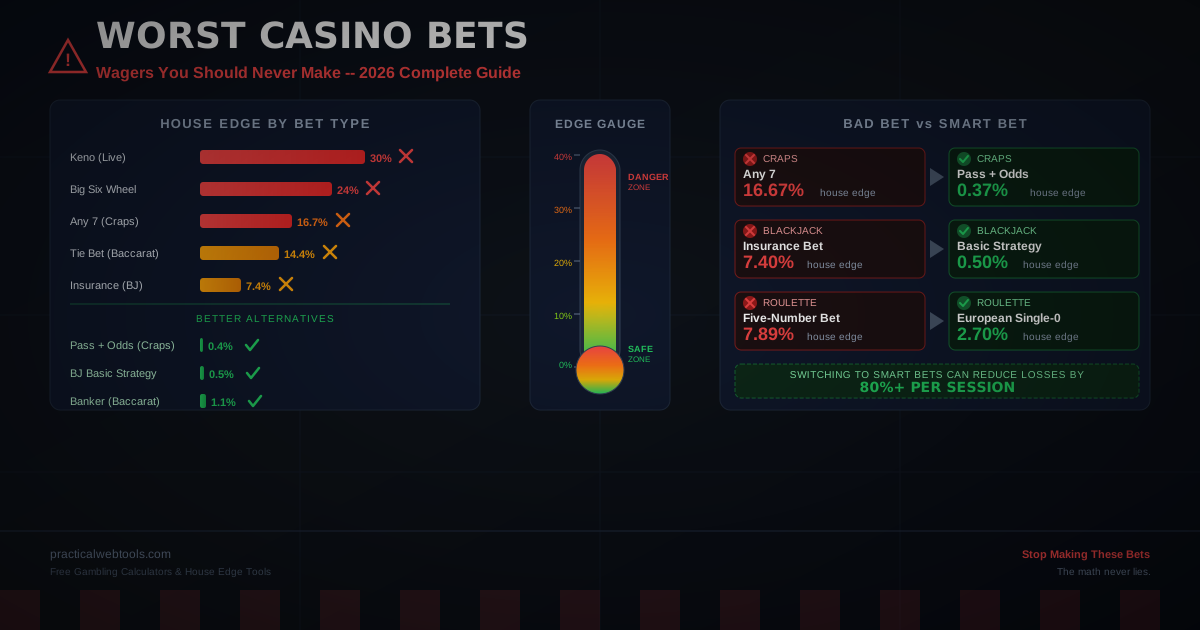
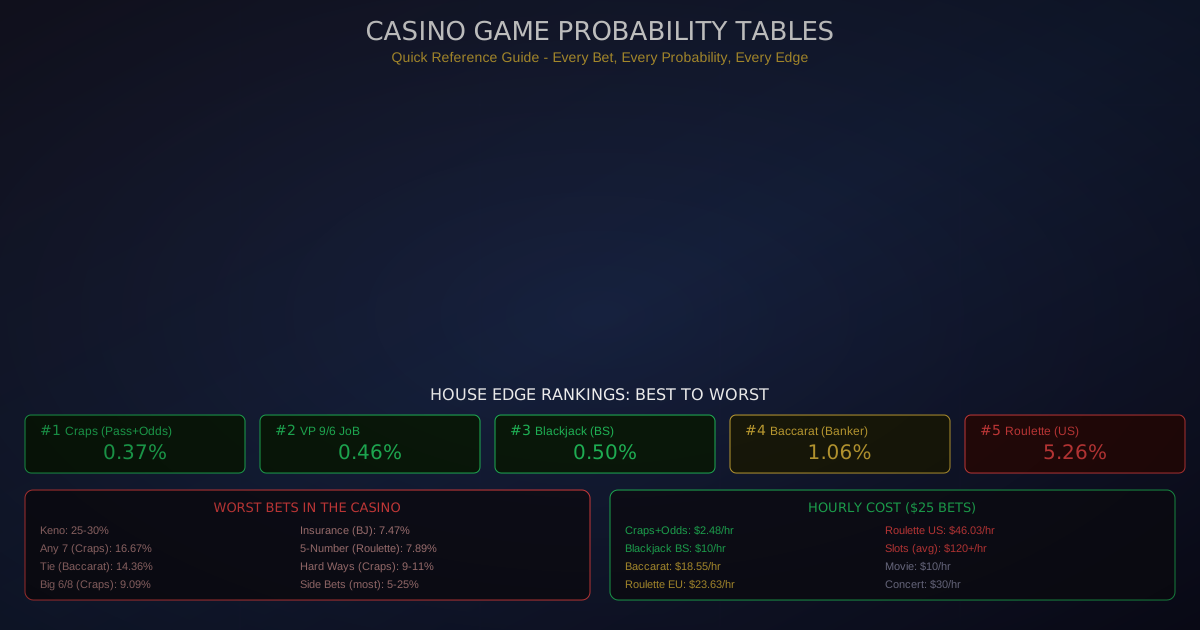
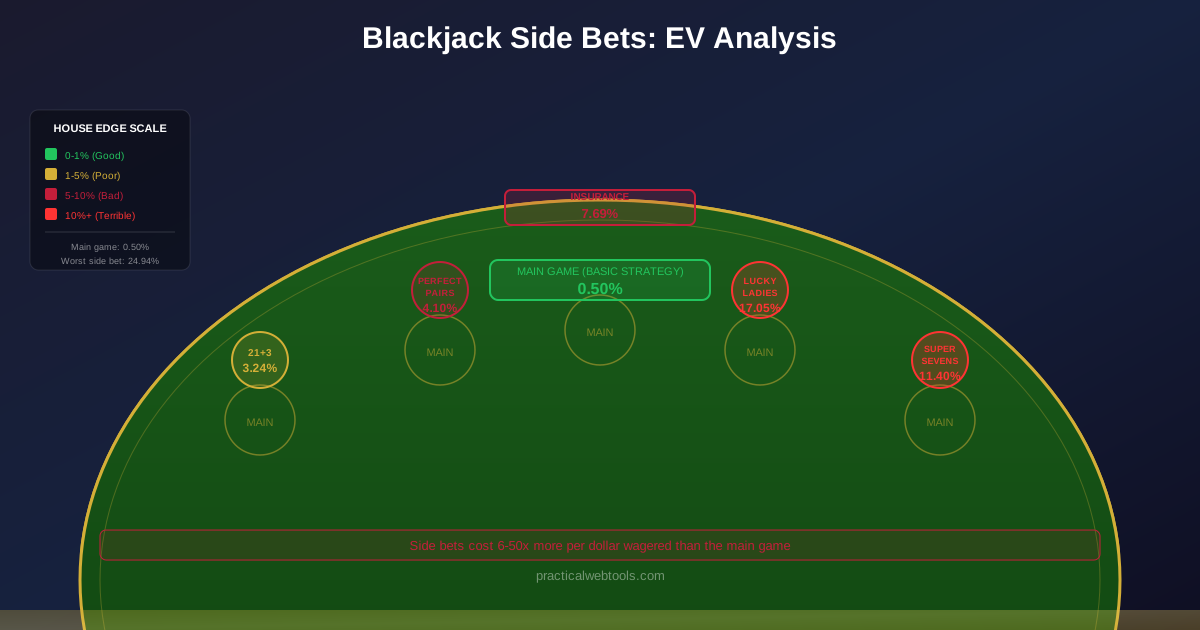
Quick Answer: Insurance has a 7.69% house edge in standard games—one of the worst bets at the table. The only exception: card counters who know enough 10s remain in the deck. For basic strategy players, the answer is always decline insurance.
How to Use Our Free Insurance Calculator
Use the Blackjack Insurance Calculator →
Enter deck conditions to see if insurance is ever profitable.
Step-by-Step Instructions
-
Enter Decks Remaining: Cards left in the shoe
-
Input Known Cards: 10-value cards you've seen
-
View True Count: If card counting
-
See EV: Expected value of insurance bet
Input Fields Explained
| Field | Description | Example |
|---|---|---|
| Decks | Number of decks in shoe | 6 |
| Decks Remaining | Estimated cards left | 4 |
| 10s Seen | Face cards/10s dealt | 45 |
| Insurance EV | Expected value | -7.69% |
Insurance Mathematics
Basic Probability
In a fresh 6-deck shoe:
- Total cards: 312
- 10-value cards: 96 (30.77%)
- Non-10 cards: 216 (69.23%)
For dealer to have blackjack: 30.77% chance
Insurance bet:
- Win (dealer has BJ): Win 2:1 (30.77% of time)
- Lose (no BJ): Lose bet (69.23% of time)
EV Calculation
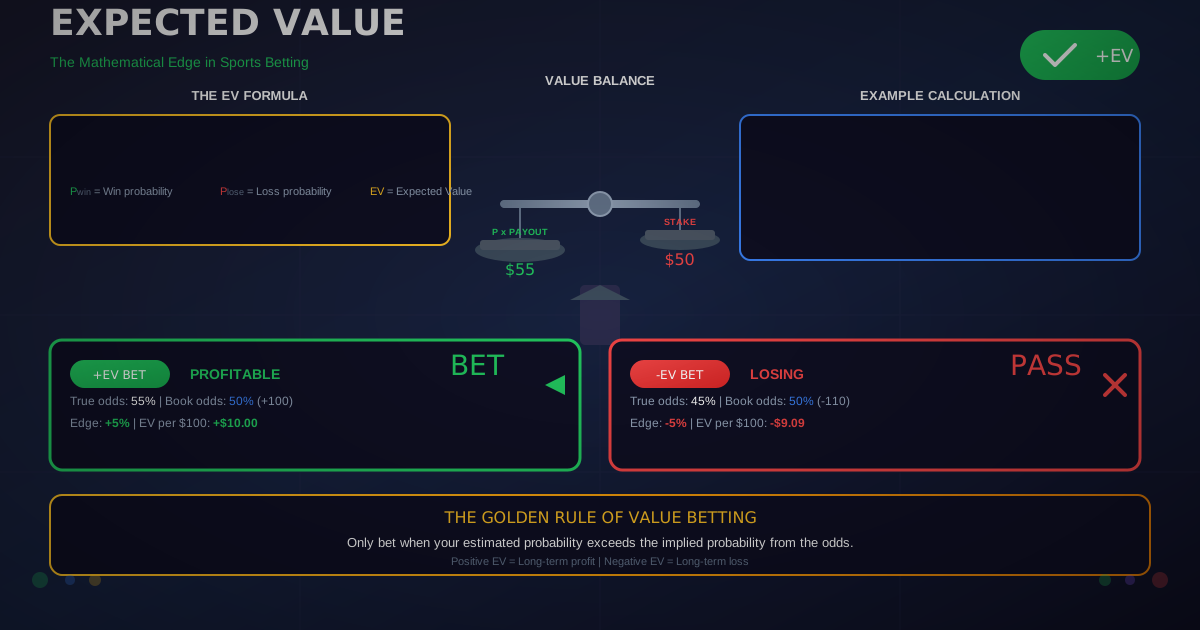
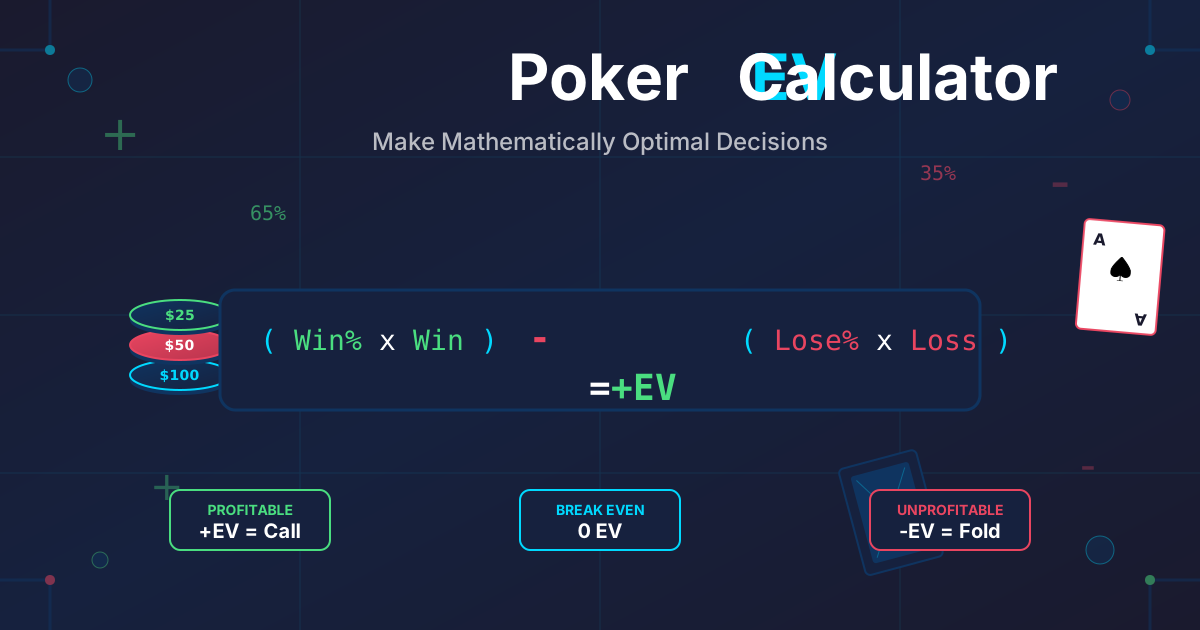
Insurance EV = (Win% × Payout) - (Lose% × Bet)
Insurance EV = (0.3077 × 2) - (0.6923 × 1)
Insurance EV = 0.6154 - 0.6923
Insurance EV = -0.0769 = -7.69%
Result: Lose 7.69¢ per dollar wagered on insurance.
Insurance House Edge by Game
| Game Type | 10-Value Ratio | Insurance House Edge |
|---|---|---|
| 6-deck | 30.77% | 7.69% |
| 8-deck | 30.77% | 7.69% |
| 2-deck | 30.77% | 7.69% |
| Single deck | 30.77% | 7.69% |
The ratio stays constant regardless of decks (before cards are dealt).
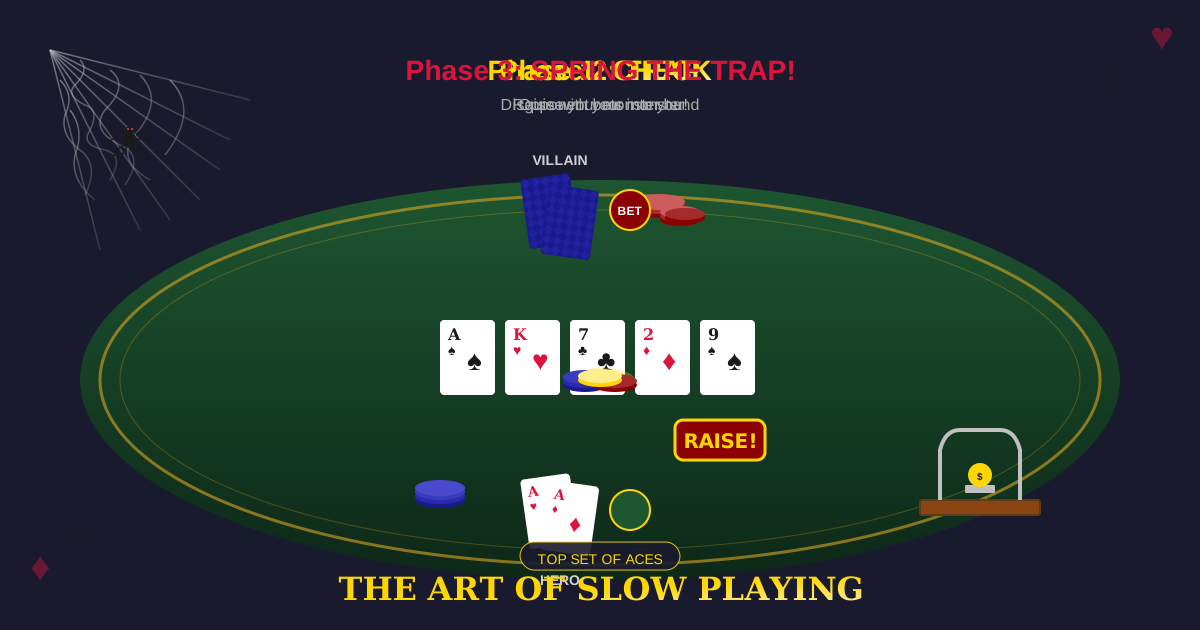
The "Even Money" Trap
What Is Even Money?
When you have blackjack and dealer shows ace, you're offered "even money"—guaranteed 1:1 payout instead of risking the 3:2 payout against dealer blackjack.
Why Even Money Is Insurance
Taking even money is mathematically identical to taking insurance:
- Decline: Win 3:2 unless dealer has BJ (push)
- Accept: Guaranteed 1:1 win
EV of declining even money:
EV = (0.6923 × 1.5) + (0.3077 × 0) = 1.038 units
EV of taking even money:
EV = 1.0 units
Declining wins 3.8% more on average.
When Insurance Makes Sense
Card Counting Threshold
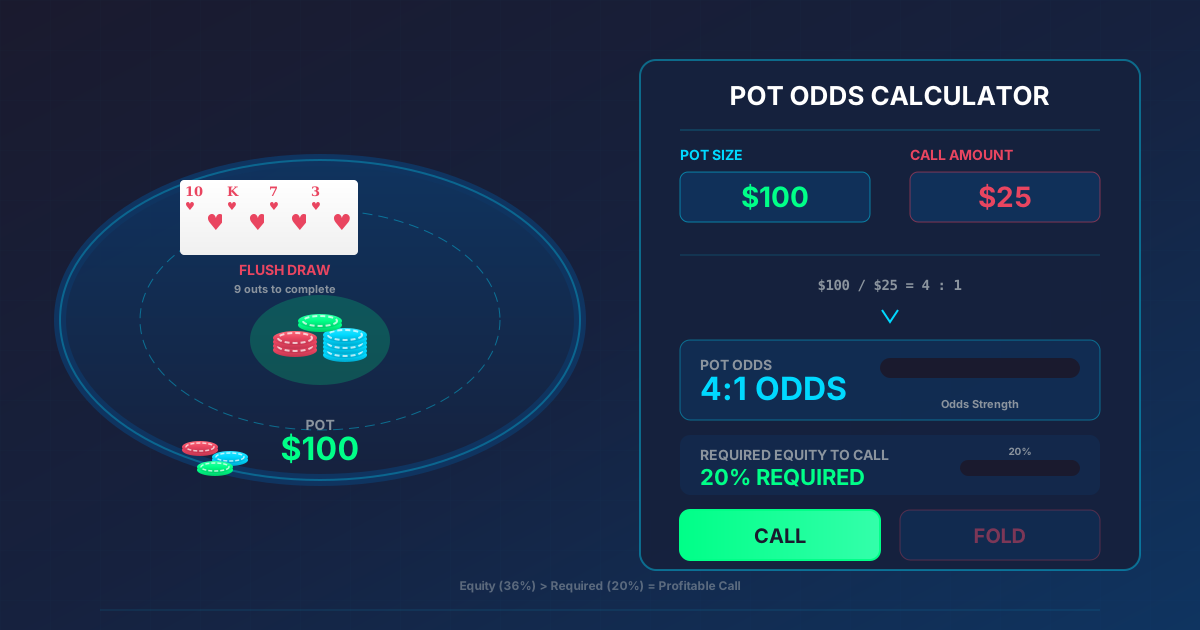
Insurance becomes profitable when 10-value ratio exceeds 33.33%:
Break-even: 10s / Non-10s = 1/3
At 2:1 payout, need >33.33% 10s remaining
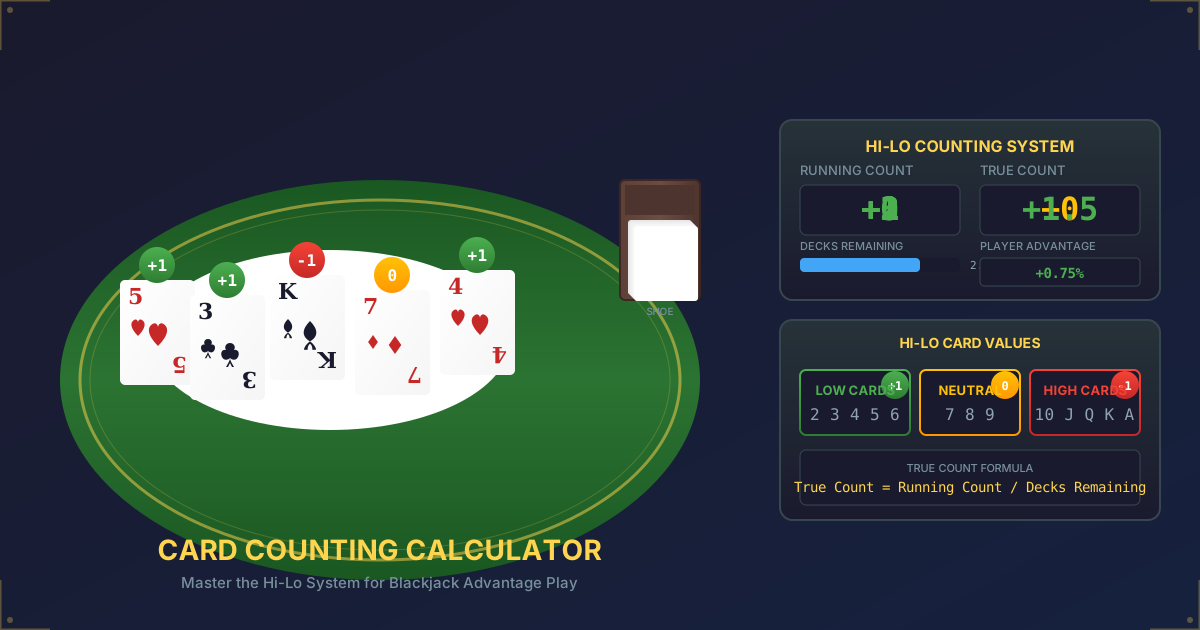
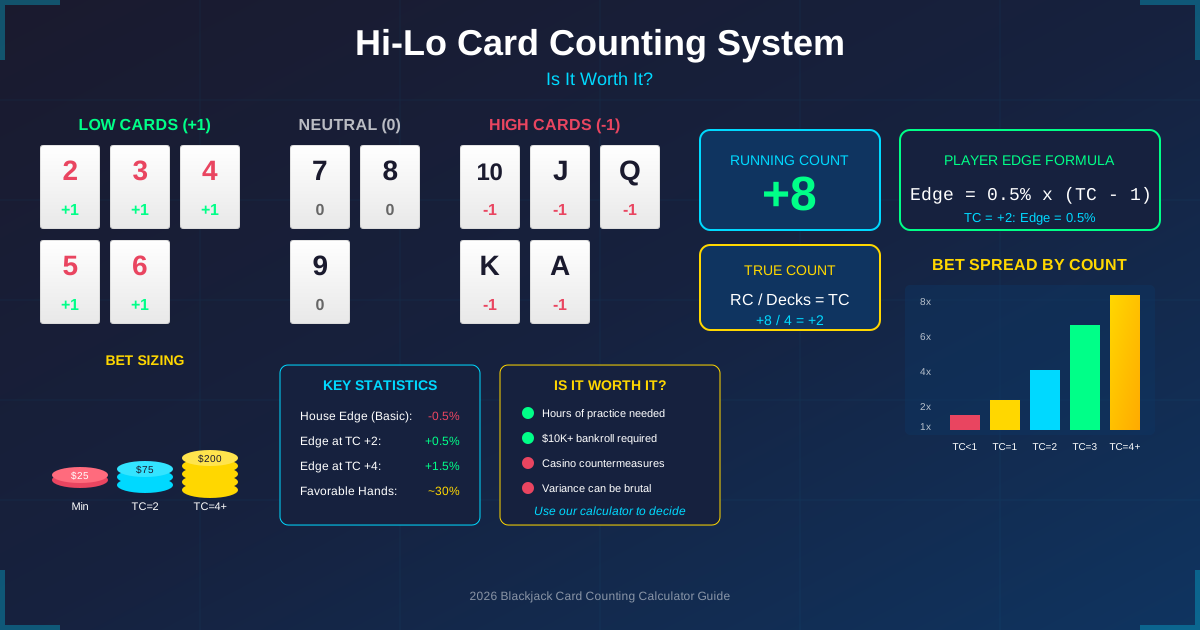
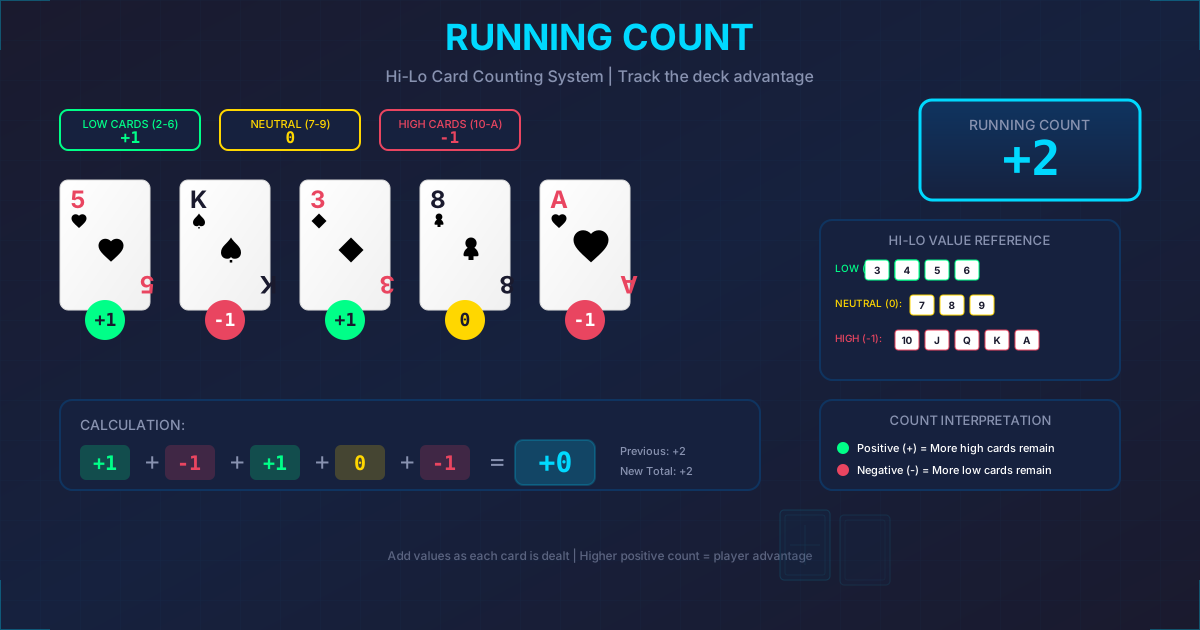
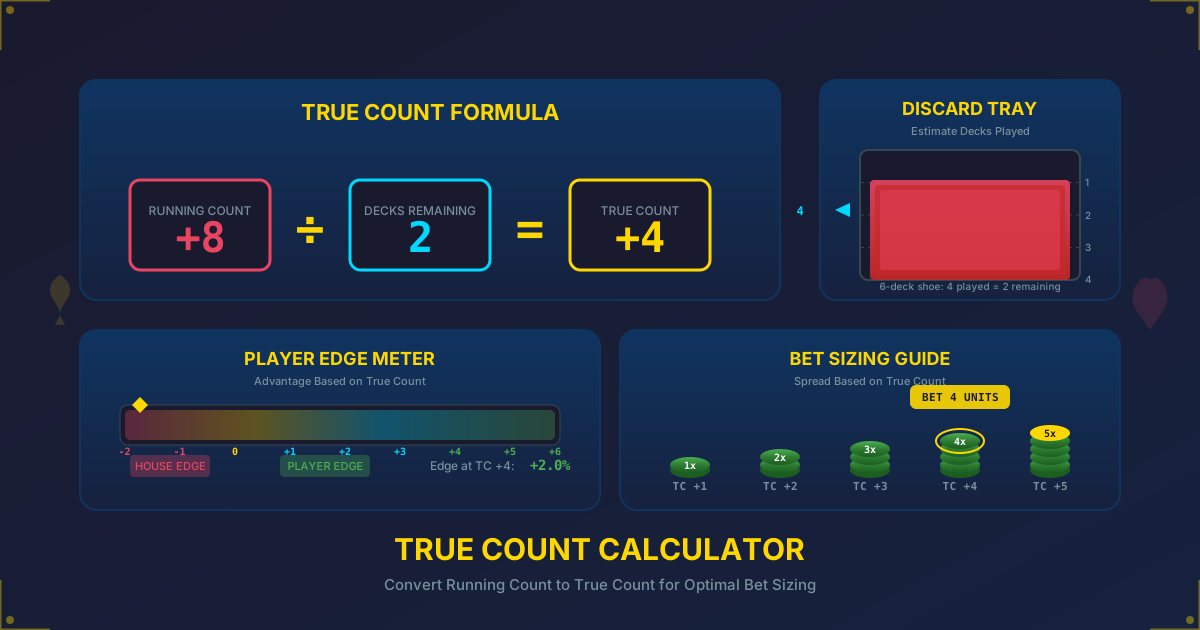
In Hi-Lo counting:
- True count +3 or higher: Insurance is +EV
- Below +3: Insurance is -EV
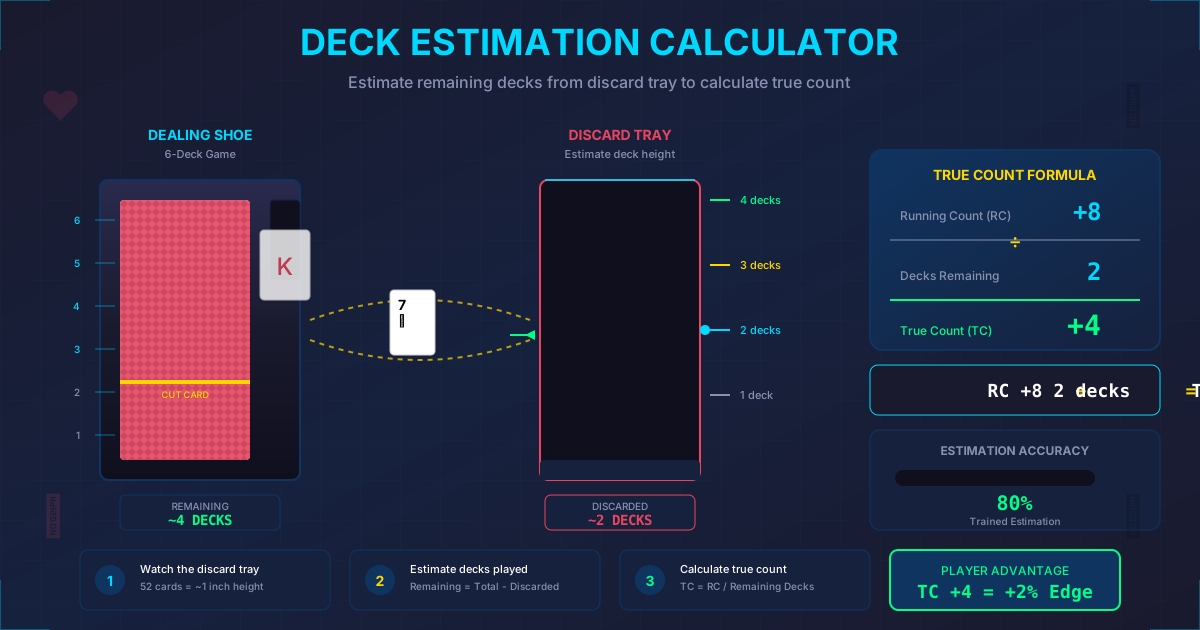
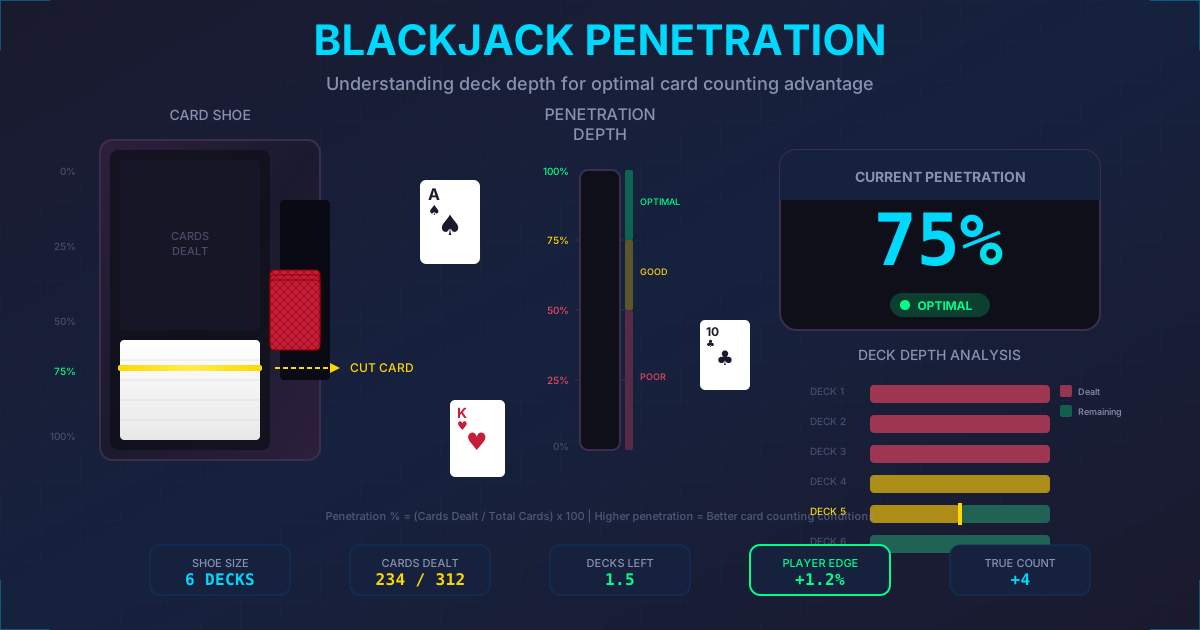
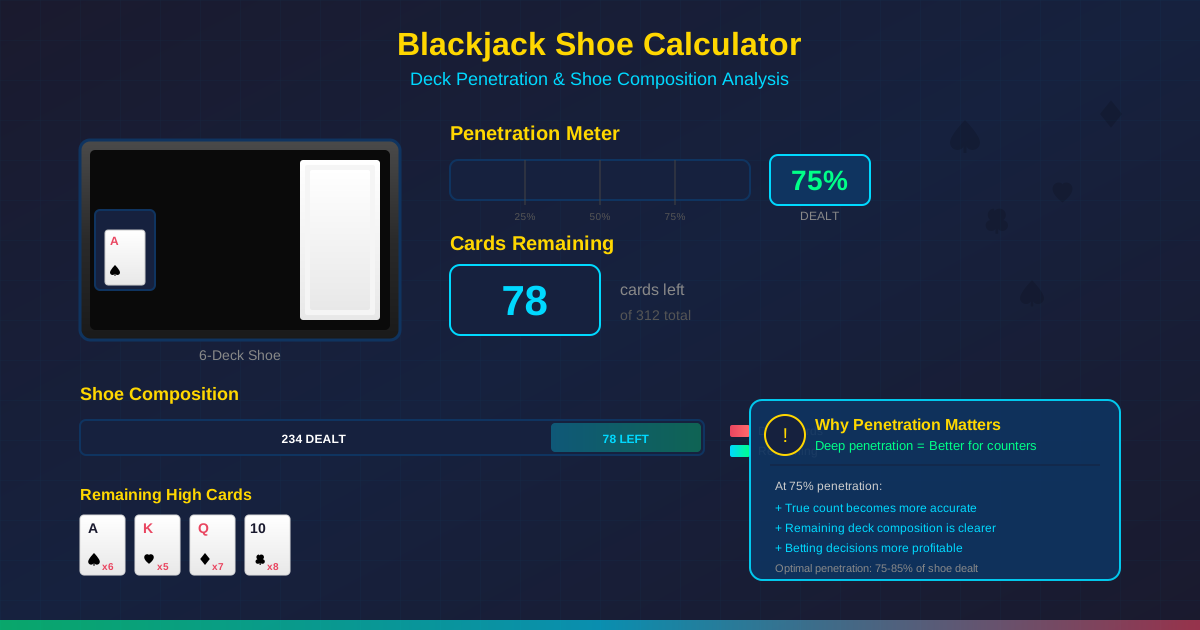
Example: Deep Shoe Scenario
Situation:
- 6-deck shoe
- 3 decks remaining
- Running count: +12
- True count: +4
Analysis:
- More 10s remain than expected
- Insurance is now profitable
- Only relevant for card counters
Common Insurance Misconceptions
"I Should Protect My Good Hand"
Reality: Your hand strength doesn't affect insurance math. Whether you have 20 or 12, insurance EV is the same. Protecting a "good hand" is emotional, not mathematical.
"I've Seen a Lot of Low Cards"
Reality: Without tracking precisely, you can't know if 10-ratio has increased enough. Gut feelings aren't reliable.
"I Win Insurance Often"
Reality: You'll win 31% of insurance bets—that's frequent enough to feel successful. But 31% at 2:1 still loses money long-term.
"Dealer Has Blackjack a Lot"
Reality: Dealer has blackjack 30.77% of the time when showing ace. It feels more frequent because those hands are memorable.
Insurance Simulation Results
10,000 Hand Simulation
Insurance every time dealer shows ace:
- Insurance bets placed: ~770 times
- Insurance wins: ~237 times (30.8%)
- Insurance losses: ~533 times (69.2%)
- Net result: -7.7% on insurance money
Comparison to Main Game
| Bet | House Edge |
|---|---|
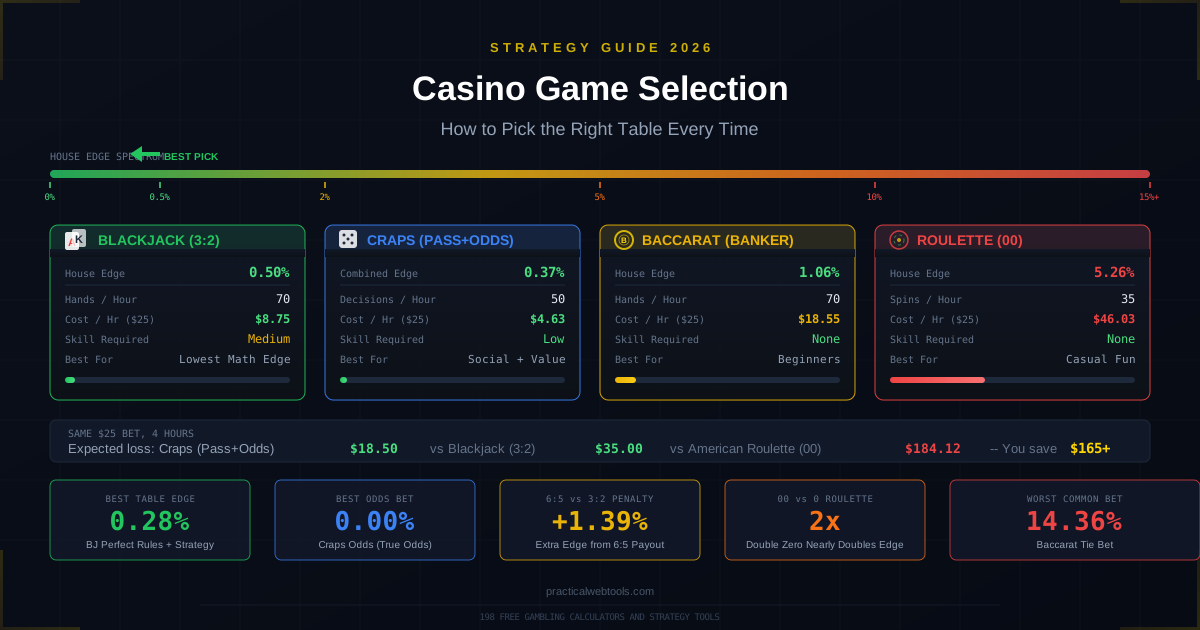
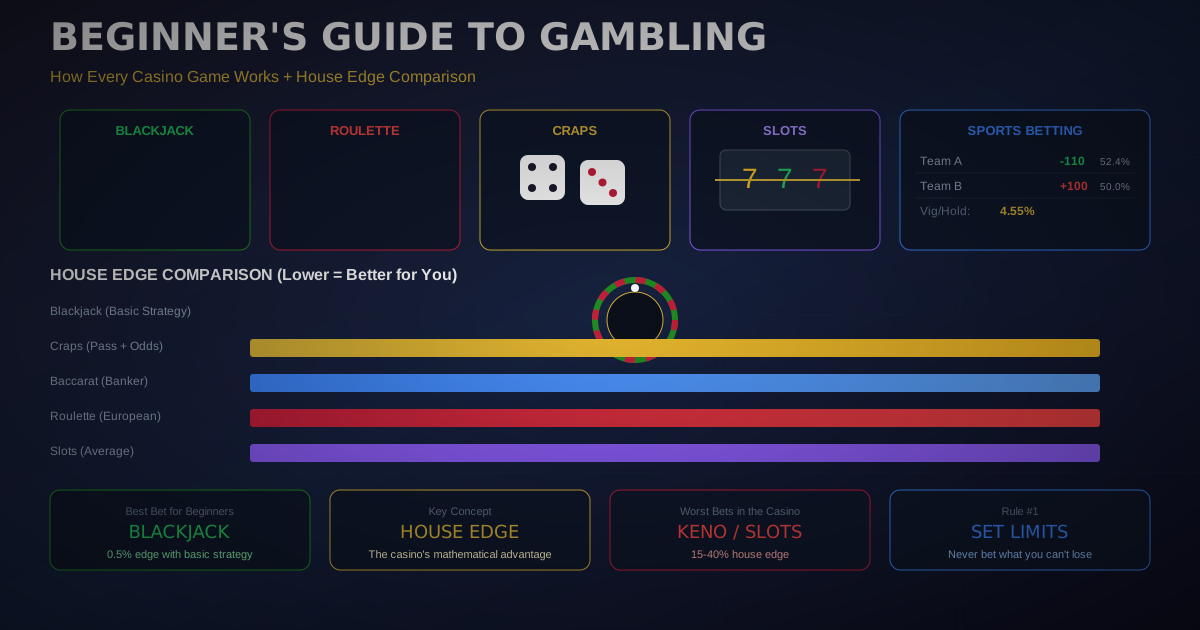
| Main hand (basic strategy) | ~0.5% |
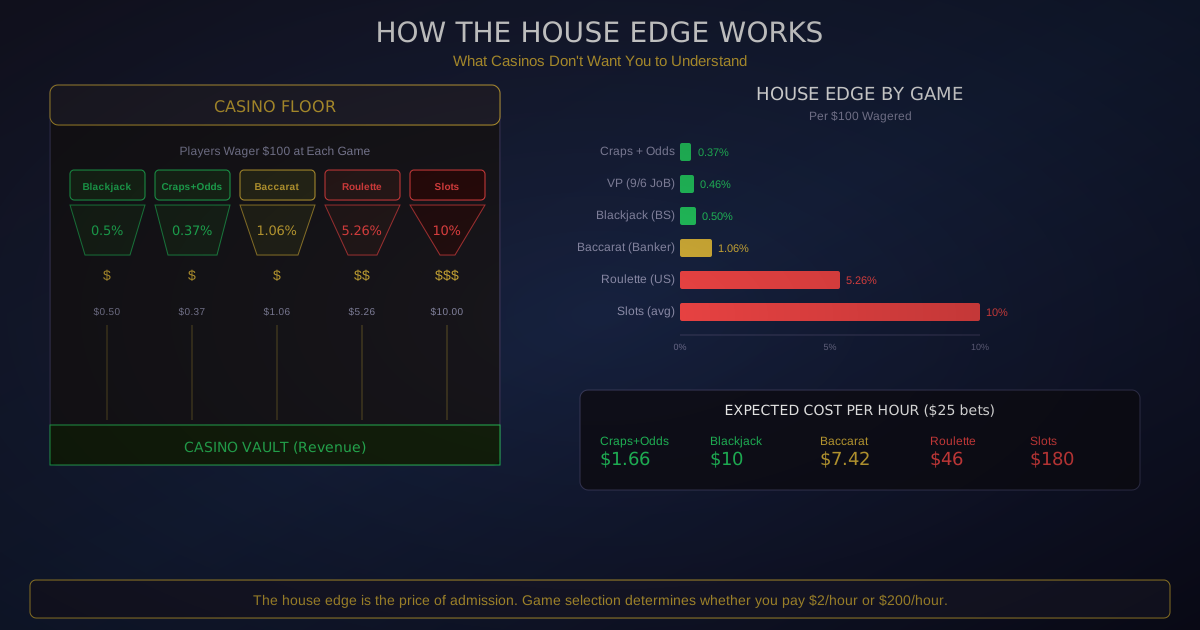
| Insurance | 7.69% |
Insurance is 15× worse than the main game.
Real-World Insurance Scenarios
Scenario 1: Blackjack vs. Ace
Your hand: A♠ K♦ (blackjack) Dealer: A♣ showing Offer: Even money
Decision: Decline even money
- 69.23%: Win $15 on $10 bet
- 30.77%: Push (keep $10)
- Average: $10.38 vs. $10.00 even money
Scenario 2: 20 vs. Ace
Your hand: Q♥ T♦ (20) Dealer: A♠ showing Offer: Insurance ($5 on $10 bet)
Decision: No insurance
- If dealer has BJ: Lose $10 (push with insurance would have saved)
- If no dealer BJ: Keep strong position
But insurance EV is still -7.69%. Your 20 doesn't change that.
Scenario 3: 12 vs. Ace
Your hand: 7♣ 5♦ (12) Dealer: A♦ showing Offer: Insurance
Decision: No insurance
- Weak hand doesn't change insurance math
- Insurance still loses 7.69% on average
Frequently Asked Questions
Is insurance ever a good bet?
Only for card counters at true count +3 or higher. For everyone else, no.
Should I take even money with blackjack?
No. Declining even money averages 3.8% more profit long-term.
Why do dealers ask if I want insurance?
Casino policy. Insurance is profitable for the house, so they offer it.
Does my hand matter for insurance?
No. Insurance is a completely separate bet on whether the dealer has blackjack.
Can I count cards well enough to know?
Most recreational players cannot. If you're not actively counting, decline insurance.
What about insuring a 20?
Same answer—no. The strength of your hand doesn't affect insurance math.
The Psychology of Insurance
Why It Feels Right
Insurance appeals to loss aversion:
- Losing to dealer blackjack is frustrating
- Insurance "protects" you from that specific loss
- The cost seems small
Why It's Wrong
- You're paying 7.69% house edge for protection
- Over time, insurance costs more than it saves
- It's a separate bet, not actual insurance
Pro Tips for Insurance Decisions
-
Default answer: No, never, always decline
-
Exception: Card counters at +3 or higher true count
-
Even money: Decline it—take your 3.8% extra value
-
Don't get emotional: Losing to dealer BJ happens, it's math
-
Trust the odds: 7.69% house edge is terrible
Related Blackjack Calculators
- Blackjack Basic Strategy Calculator - Optimal plays
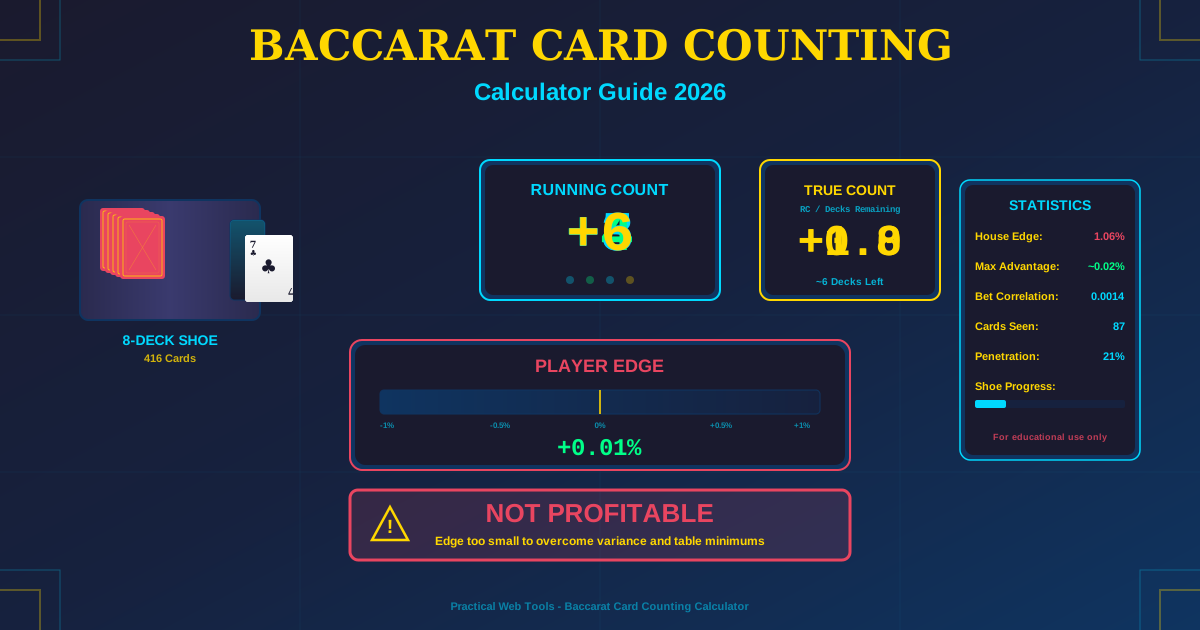
- Blackjack Card Counting Calculator - Running count
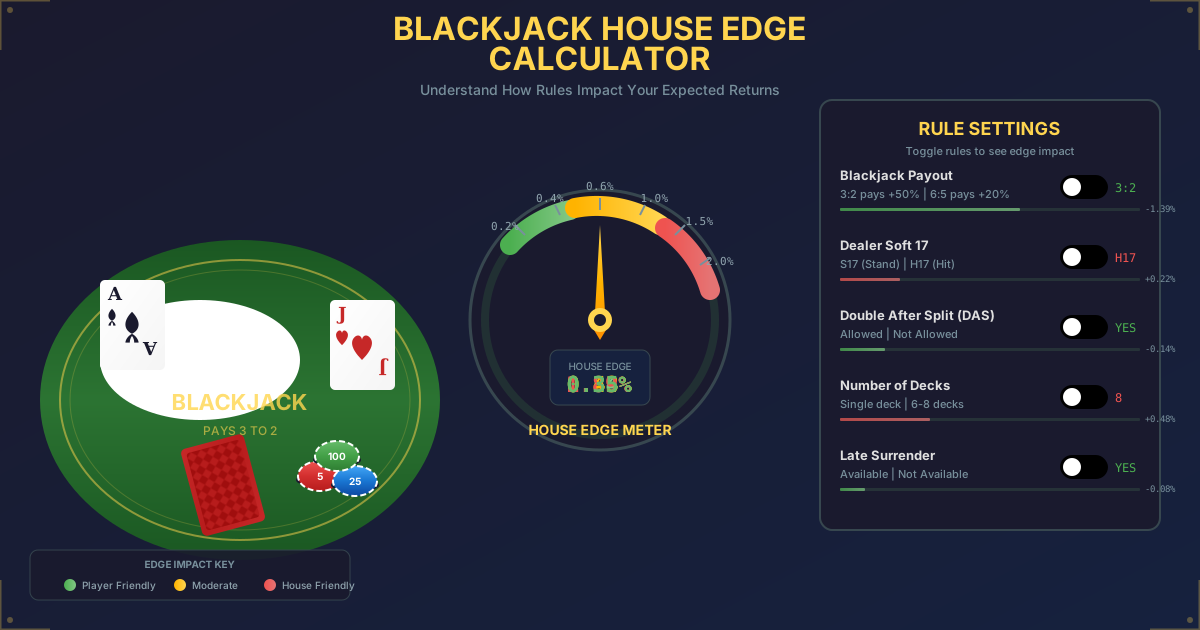
- Blackjack House Edge Calculator - Rule impacts
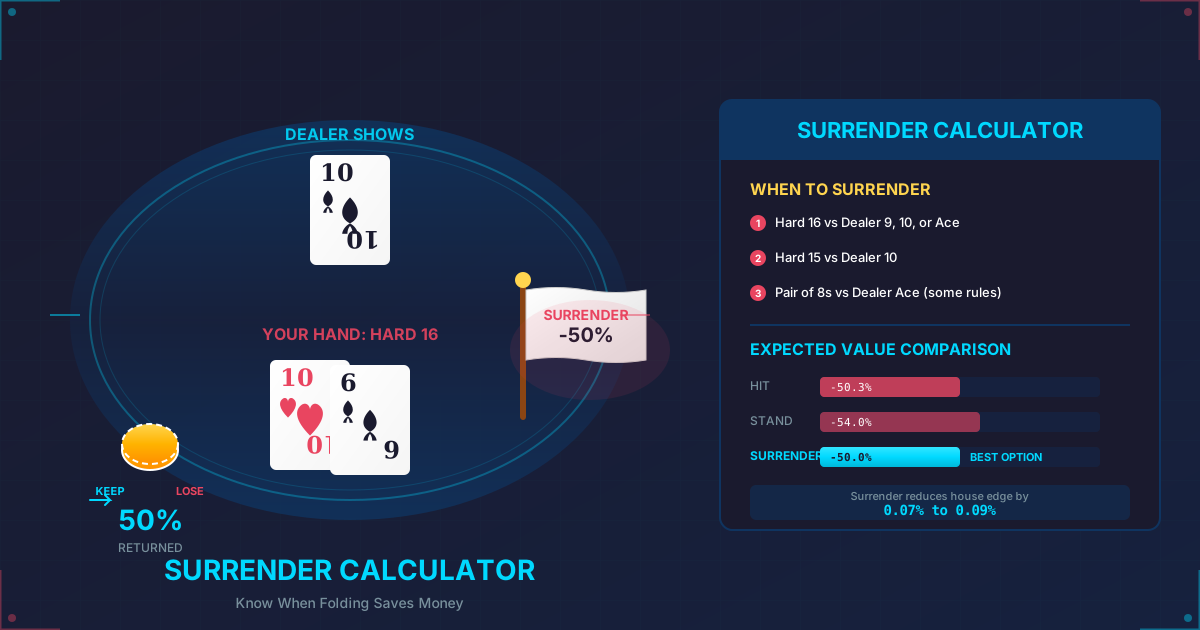
- Blackjack Surrender Calculator - When to surrender
- Blackjack Side Bets Calculator - Other side bet math
Conclusion
Insurance in blackjack is almost never worth taking. With a 7.69% house edge, it's one of the worst bets on the table. Our calculator shows the math clearly: unless you're a skilled card counter with a high true count, decline insurance every time—including "even money" offers.
Trust the mathematics, not your gut. Declining insurance consistently is one of the easiest ways to reduce the house edge and keep more of your bankroll.