Bounty Tournament Calculator: Maximize Knockout Value (2026)
Bounty Tournament Calculator: Turn Knockouts Into Profit
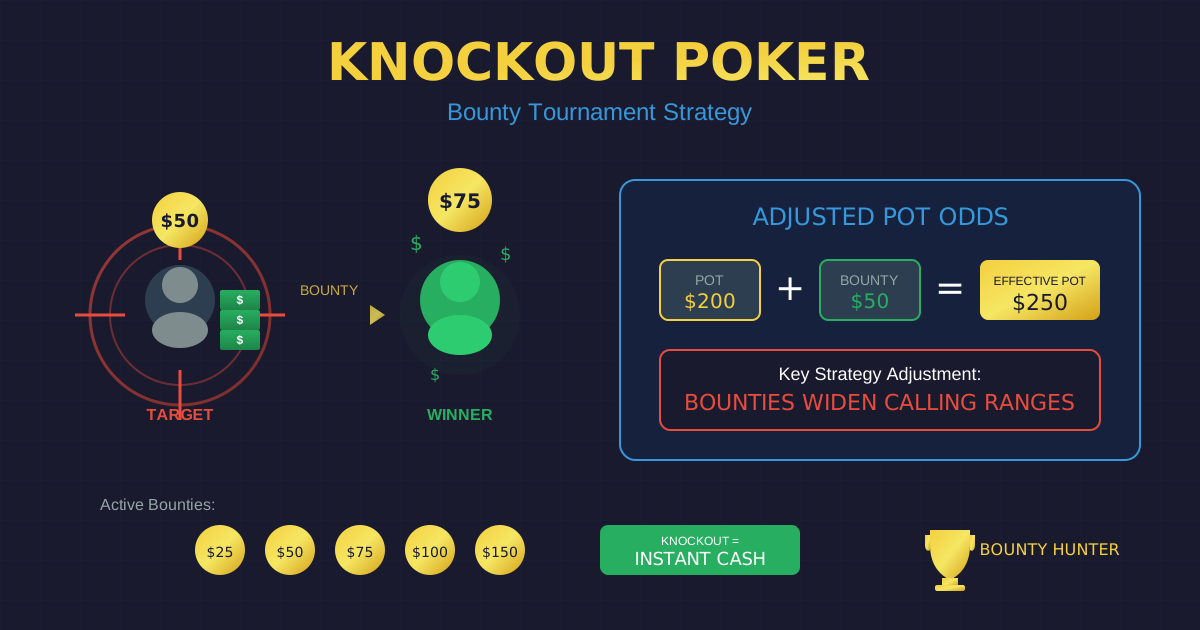
Bounty tournaments add an exciting twist to poker: instant cash rewards for eliminating opponents. But this changes the math significantly. Hands that would be clear folds become calls when a bounty is at stake. Our bounty tournament calculator quantifies exactly how much bounties should widen your calling ranges and adjust your strategy.
What Is a Bounty Tournament?
A bounty tournament (also called a knockout tournament) is a poker tournament where a portion of each player's buy-in becomes a bounty on their head. When you eliminate a player, you immediately win their bounty in cash. Traditional bounty tournaments have fixed bounties, while Progressive Knockout (PKO) tournaments have bounties that grow as you eliminate players.
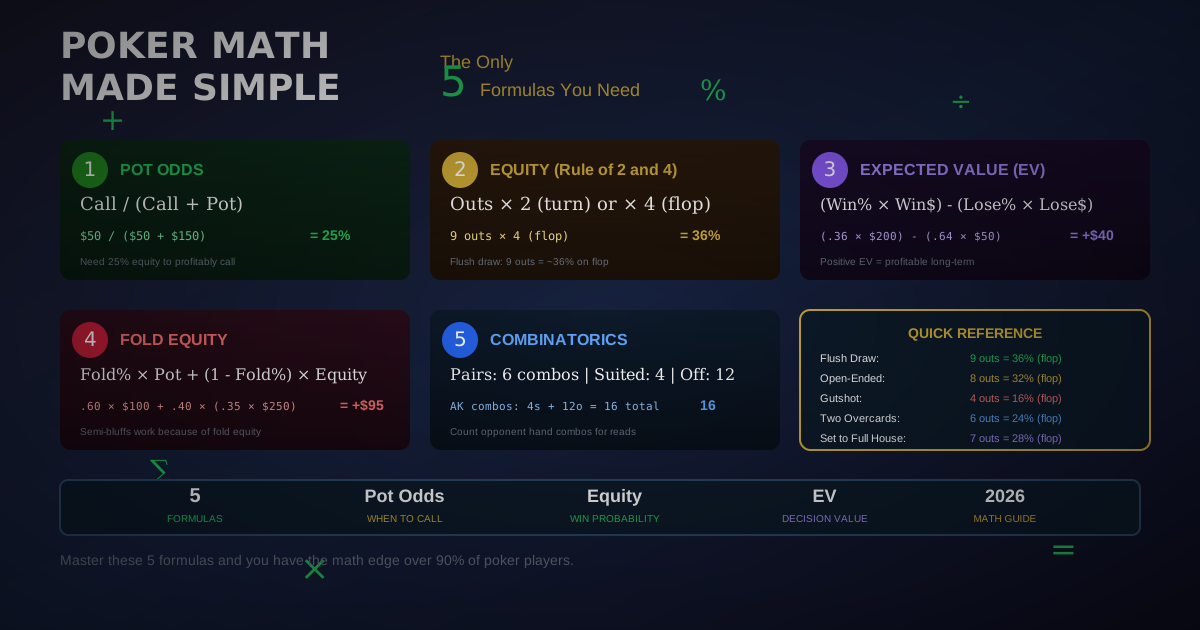
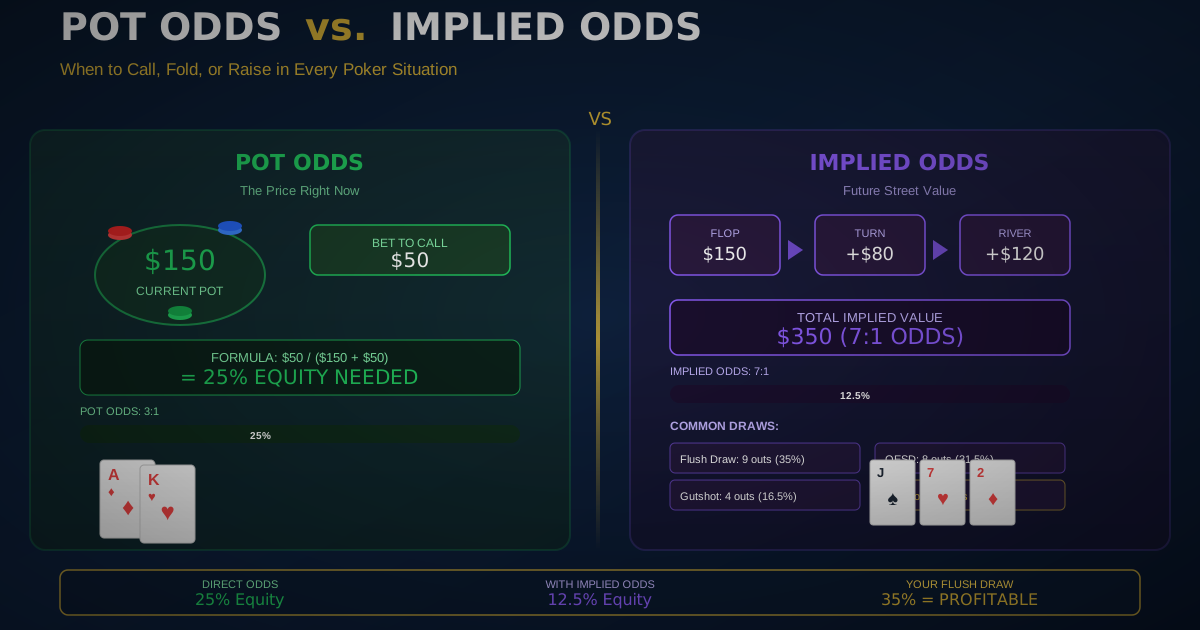
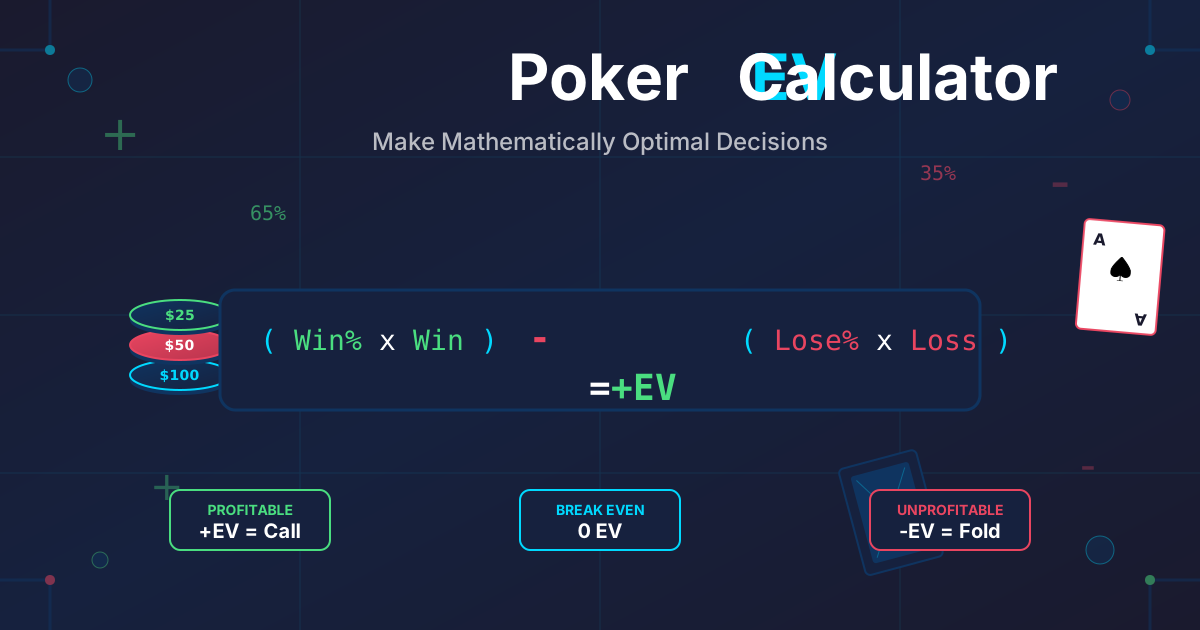
Quick Answer: Bounties add immediate value to calling all-ins that cover opponents. The bounty adjustment formula: Adjusted Pot = Actual Pot + (Bounty Value). For a $10 bounty on a $30 pot, your adjusted pot odds are $40:$20 (2:1) instead of $30:$20 (1.5:1). This means you can call with significantly wider ranges when bounties are involved.
How to Use Our Calculator
Use the Bounty Tournament Calculator →
Step-by-Step Instructions
- Enter Bounty Value: Input the bounty on the player you're considering calling
- Enter Pot Size: Current pot before your call
- Enter Call Amount: How much you need to call
- Specify Coverage: Do you cover the opponent (can eliminate them)?
- Calculate Adjusted Odds: See how the bounty changes your pot odds
Input Fields
| Field | Description | Example |
|---|---|---|
| Bounty Value | Opponent's bounty | $25 |
| Current Pot | Pot before your call | $50 |
| Call Amount | Required to call | $30 |
| Your Stack | Your chip count | 15,000 |
| Opponent Stack | Their chip count | 8,000 |
| Tournament Phase | Early, middle, late | Middle |
The Mathematics of Bounties
Bounty Pot Odds Adjustment
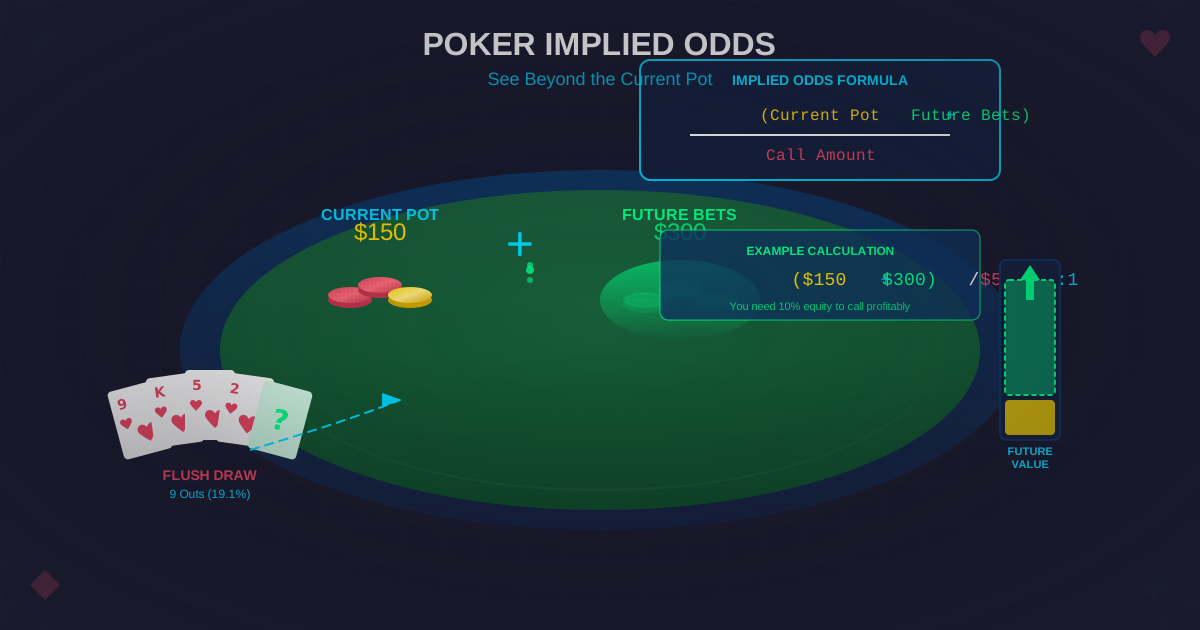
Bounties change effective pot odds:
Without Bounty:
Pot: $100
Call: $50
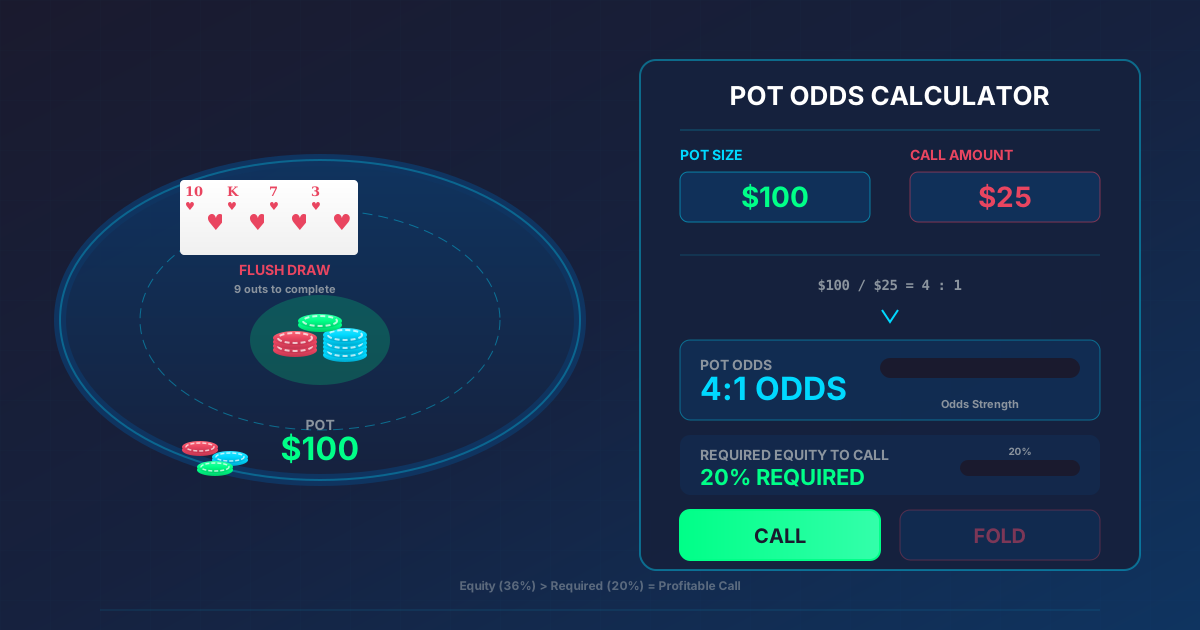
Pot Odds: 100:50 = 2:1
Required Equity: 33.3%
With $25 Bounty:
Pot: $100
Bounty: $25
Adjusted Pot: $125
Call: $50
Adjusted Pot Odds: 125:50 = 2.5:1
Required Equity: 28.6%
The bounty reduces required equity by ~5 percentage points.
Bounty Value Thresholds
How much do bounties affect calling ranges?
| Bounty as % of Pot | Equity Reduction | Range Expansion |
|---|---|---|
| 10% | -2% | +3-5% |
| 20% | -4% | +6-10% |
| 30% | -6% | +10-15% |
| 50% | -10% | +15-25% |
| 100% | -17% | +30-40% |
The Coverage Requirement
You only win the bounty if you eliminate the player:
You cover opponent: Full bounty value applies
Opponent covers you: No bounty adjustment
Side pot situation: Partial bounty consideration
Coverage Example:
You: 15,000 chips
Opponent A: 8,000 chips (you cover)
Opponent B: 20,000 chips (they cover you)

vs Opponent A: Bounty fully in play
vs Opponent B: No bounty adjustment
Bounty Strategy by Tournament Phase
Early Tournament Bounty Strategy
Early in bounty tournaments, bounties are small relative to stacks:
Early Phase Adjustments:
Bounty % of stack: Usually < 5%
Impact: Minimal adjustment
Strategy: Play mostly standard poker
Don't chase small bounties with bad hands
Risk Assessment:
A $5 bounty doesn't justify calling with K3o
Accumulating chips still matters
Bounties grow in value later
Preserve stack for bigger opportunities
Middle Tournament Bounty Strategy
As stacks and bounties become meaningful:
Middle Phase Dynamics:
Bounty % of stack: 5-15%
Impact: Noticeable range expansion
Strategy: Actively seek bounty opportunities
Adjust calling ranges downward
Calling Adjustments:
Standard call range: 25% of hands
With 15% pot bounty: 30-35% of hands
Significant widening justified
Late Tournament Bounty Strategy
Near the bubble and final table, bounties matter most:
Late Phase Considerations:
Bounty values: Often significant
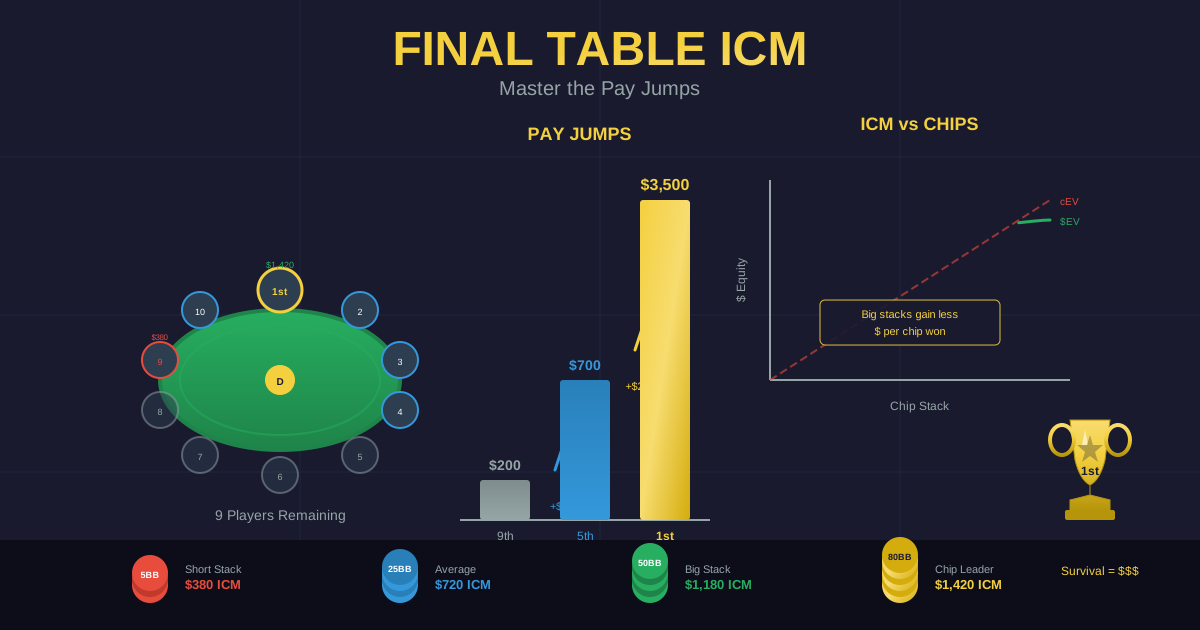
ICM pressure: Also significant
Balance: Bounty hunting vs survival
Conflict Resolution:
Bounty encourages calling
ICM discourages calling
Calculate net effect
Sometimes ICM overrides bounty
Sometimes bounty overrides ICM
Real-World Examples
Example 1: Basic Bounty Call Decision
Setup: Middle stage bounty tournament. Opponent (10k stack) pushes all-in for 10k. Pot is 3k (blinds + antes). You have 25k in the BB. Bounty is $15. Call is $9k. You have Ac8c.
Standard Analysis (No Bounty):
Pot: 13k (3k + 10k)
Call: 9k
Pot odds: 13k:9k = 1.44:1
Required equity: 38%
A8s vs push range: ~45%
Standard call: Yes
Bounty-Adjusted Analysis:
Pot: 13k
Bounty value in chips: ~6k equivalent
Adjusted pot: 19k
Pot odds: 19k:9k = 2.1:1
Required equity: 32%
A8s equity: 45%
Clear call: Even clearer
Result: The bounty makes this an even easier call.
Example 2: Marginal Bounty Call
Setup: You have 15k. Short stack (5k) pushes from UTG. Pot is 2k. Bounty is $20. You're on the BTN with Kd5d.
Standard Analysis:
Pot: 7k
Call: 5k
Pot odds: 7k:5k = 1.4:1
Required equity: 42%
K5s vs UTG push: ~38%
Standard play: Fold
Bounty-Adjusted Analysis:
Pot: 7k
Bounty chips: ~8k equivalent (significant bounty)
Adjusted pot: 15k
Pot odds: 15k:5k = 3:1
Required equity: 25%
K5s equity: 38%
Bounty play: Call
Result: The bounty transforms a fold into a call.
Example 3: Multiple Bounty Scenario
Setup: Two short stacks all-in. Player A has 8k, Player B has 6k. Each has $12 bounty. You have 20k with AhJh. Pot is 18k.
Analysis:
To call: 8k (covering both)
Base pot: 18k
Potential bounties: $24 if you win
Adjusted pot: ~30k (depending on bounty valuation)
Pot odds: 30k:8k = 3.75:1
Required equity: ~21%
AJ vs two all-in ranges: ~40%
Result: Clear call. Winning two bounties makes this highly profitable.
Example 4: Bounty vs ICM Conflict
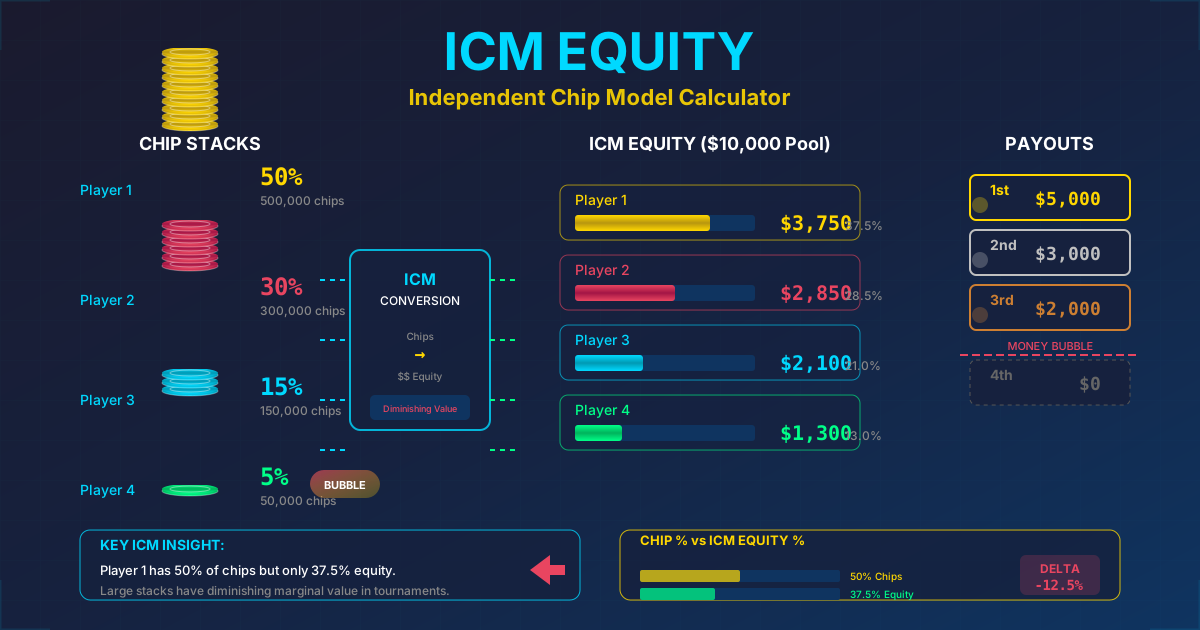
Setup: 12 players left, 10 paid. Short stack (4k) pushes. You have 30k (above average). Bounty is $50. You have 99 in the BB.
Bounty Says:
$50 bounty is significant
99 is strong vs push range
Bounty odds favor calling
ICM Says:
Bubble situation
Calling risks chips
Folding lets others bust short stack
You're safe for min-cash
Resolution:
Calculate ICM cost of calling
Calculate bounty value
Net: If ICM loss > bounty, fold
If bounty > ICM loss, call

In this case: 99 is strong enough, bounty tips it to call
Example 5: Protecting Your Bounty
Setup: You've accumulated $100 in bounties. Big stack (who covers you) raises. You have QQ.
Consideration:
Your bounty on the line: $100 + your original
This works against you, not for you
Opponent has incentive to call wide
Your QQ is more vulnerable than normal
Adjustment:
Big stacks will hunt your bounty
Play more cautiously against them
Your bounty makes you a target
This is a disadvantage, not advantage
Example 6: Bounty Hunting Opportunity
Setup: Late in tournament. Micro stack (2k) pushes. Multiple callers possible. You have 30k with Ts9s in position.
Multi-Way Bounty Analysis:
If you call and others call:
- Multiple ways to win bounty
- Your equity drops multi-way
- But you only need to beat micro stack for bounty
Decision:
T9s has good multi-way equity
Bounty justifies speculative call
If you hit, you win bounty + side pots
Call and hope to flop well
Bounty Tournament Types
Fixed Bounty Tournaments
Traditional knockout tournaments with static bounties:
Structure:
$100 buy-in = $70 to prize pool + $30 bounty
Every elimination: Instant $30 cash
Bounty never changes
Strategy Implications:
Bounties same value throughout
Early knockouts equally valuable
Simple calculation
No bounty building element
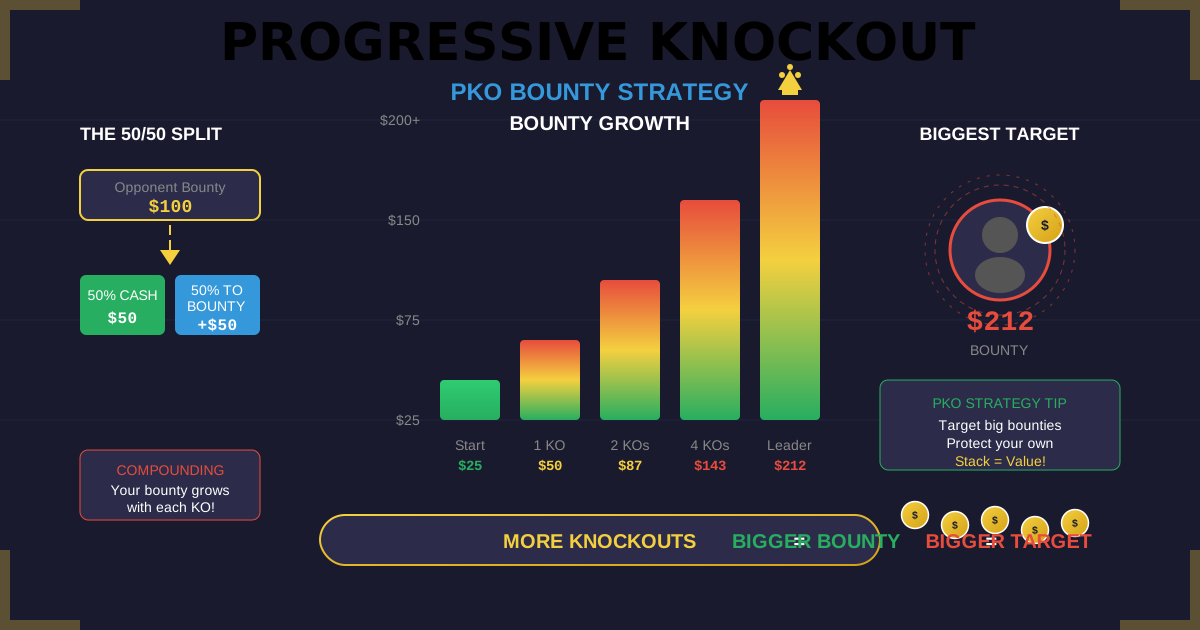
Progressive Knockout (PKO) Tournaments
Bounties grow as you eliminate players:
Structure:
$100 buy-in = $50 prize pool + $50 bounty
Knockout rules:
- Win 50% of opponent's bounty immediately
- Add 50% to your own bounty
PKO Example:
Starting: Everyone has $25 bounty
You eliminate someone with $25 bounty:
- You receive: $12.50 cash
- Your bounty grows: $25 + $12.50 = $37.50

Later you're eliminated:
- Killer receives: $18.75 cash
- Their bounty grows by: $18.75
PKO Strategy:
Big bounties become targets
Building your bounty makes you hunted
Chip leaders often have biggest bounties
Late-game bounties can be huge
Common Mistakes to Avoid
-
Bounty Hunting Too Loose: Bounties widen ranges but don't make 72o a call. Use actual math, not excitement.
-
Ignoring Coverage: You only win bounties when you cover opponents. Don't adjust ranges when they cover you.
-
Forgetting ICM: On bubbles, ICM can outweigh bounty value. Don't chase bounties into bust spots.
-
Undervaluing Large Bounties: In PKO tournaments, big bounties can be worth multiple buy-ins. Adjust significantly.
-
Targeting Wrong Players: Hunt bounties from players you cover, not chip leaders who can eliminate you.
-
Protecting Bounties Too Much: You can't take your bounty home. Don't play scared just because you've accumulated bounty value.
Frequently Asked Questions
How much should a bounty widen my calling range?
A bounty worth 20% of the pot typically widens calling ranges by 5-10 percentage points. Use the bounty pot odds formula: Adjusted Pot = Actual Pot + Bounty Value.
Does my own bounty affect my strategy?
Only indirectly. Big bounties make you a target, so opponents call wider against you. Adjust by playing more cautiously against players who cover you.
Should I hunt bounties early or late in tournaments?
Early bounties are small and less impactful. Late bounties (especially in PKO) can be massive. Focus more on bounty hunting as the tournament progresses.
What's the difference between regular bounty and PKO?
Fixed bounty: Same amount for every knockout. PKO: Bounties grow as you eliminate players and absorb their bounties. PKO requires more dynamic adjustment.
How do side pots affect bounty value?
You only win the bounty if you eliminate the player. In side pot situations, only the player who wins the main pot wins the bounty.
Is bounty hunting profitable long-term?
Yes, when done correctly. Properly adjusting for bounty value creates profitable calling opportunities that other players miss or miscalculate.
Should I reveal my bounty size?
In most tournaments, bounty sizes are public information. Use this information to identify high-value targets and players hunting you.
How do I calculate bounty value in chips?
Convert bounty to chip equivalent based on tournament value: Bounty Chips = (Bounty $) / ($ per chip). Use current stack value or average stack as reference.
Pro Tips
- Track bounty sizes throughout the tournament to identify high-value targets
- In PKO, the chip leader often has the biggest bounty - be aware when you become the target
- Calculate bounty adjustments before facing decisions to avoid time pressure math errors
- Use bounty information in your table selection when choosing seats
- Remember that bounty value is immediate cash, not tournament equity - it's often worth more than its chip equivalent
Related Calculators
- PKO Calculator - Progressive knockout specific calculations
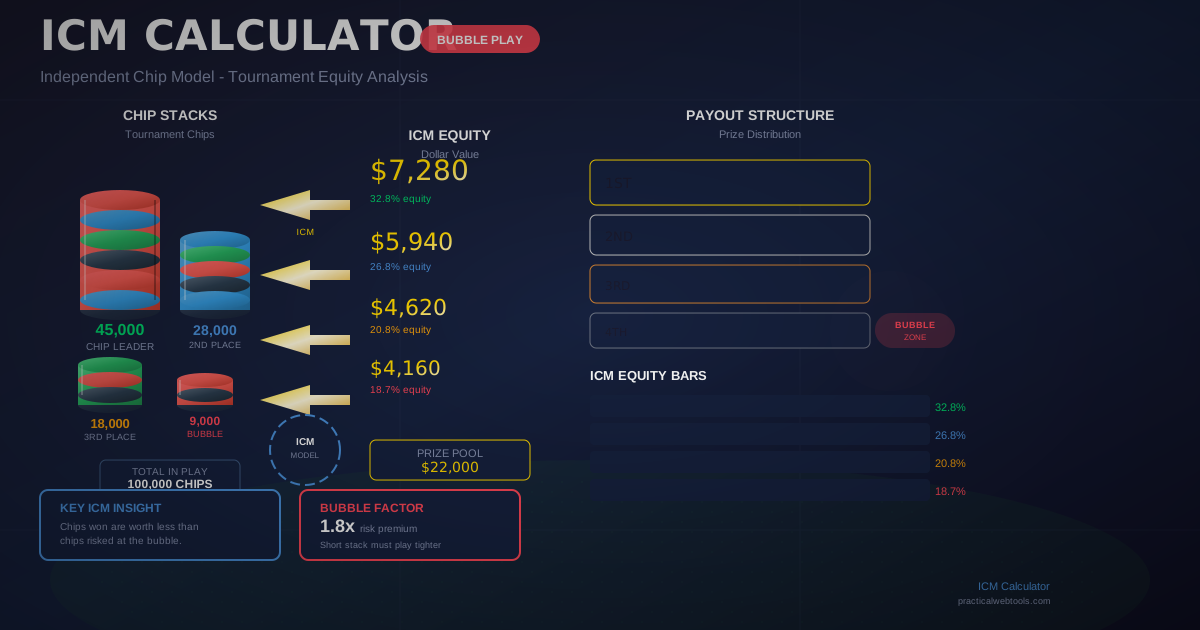
- ICM Calculator - Tournament equity when bounty conflicts with ICM
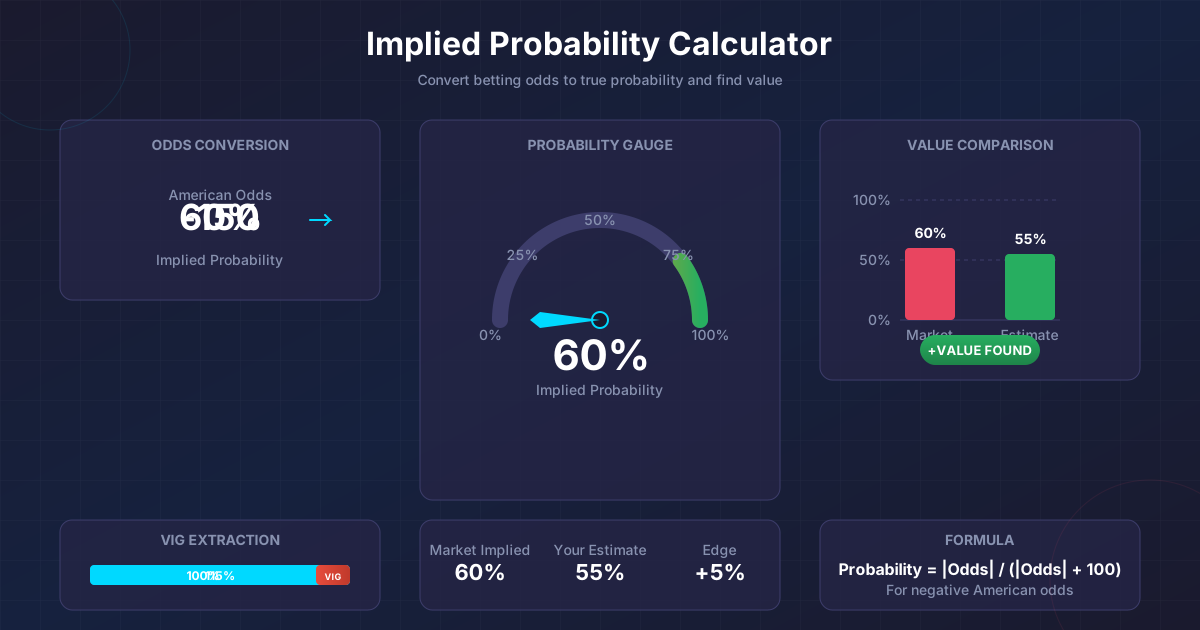
- Pot Odds Calculator - Basic pot odds before bounty adjustment
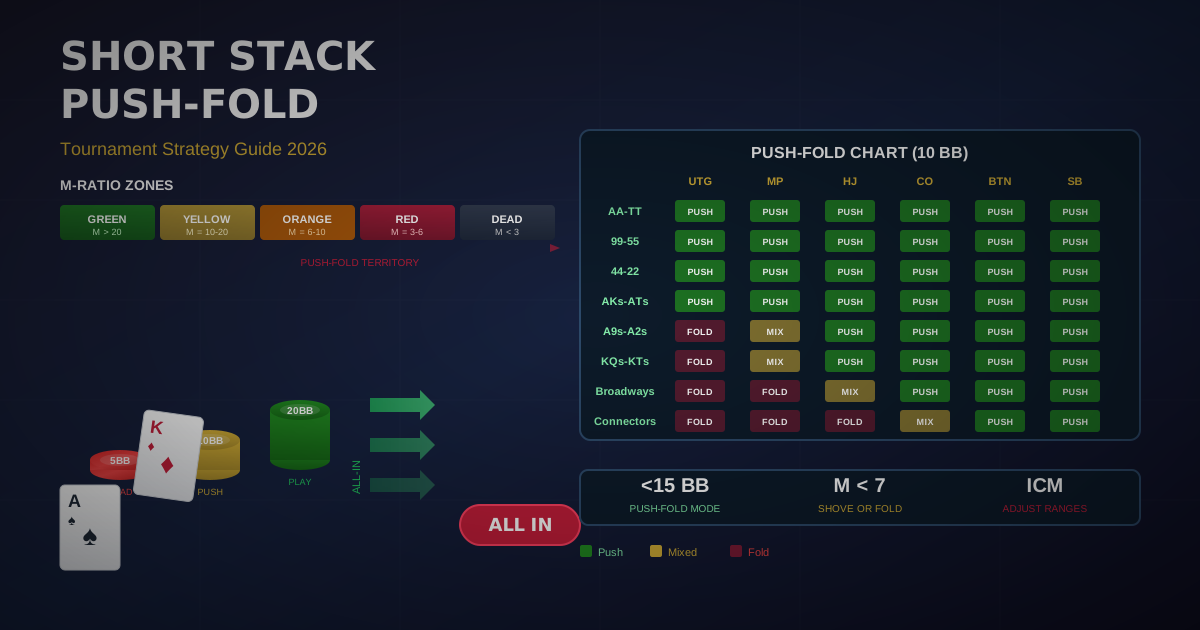
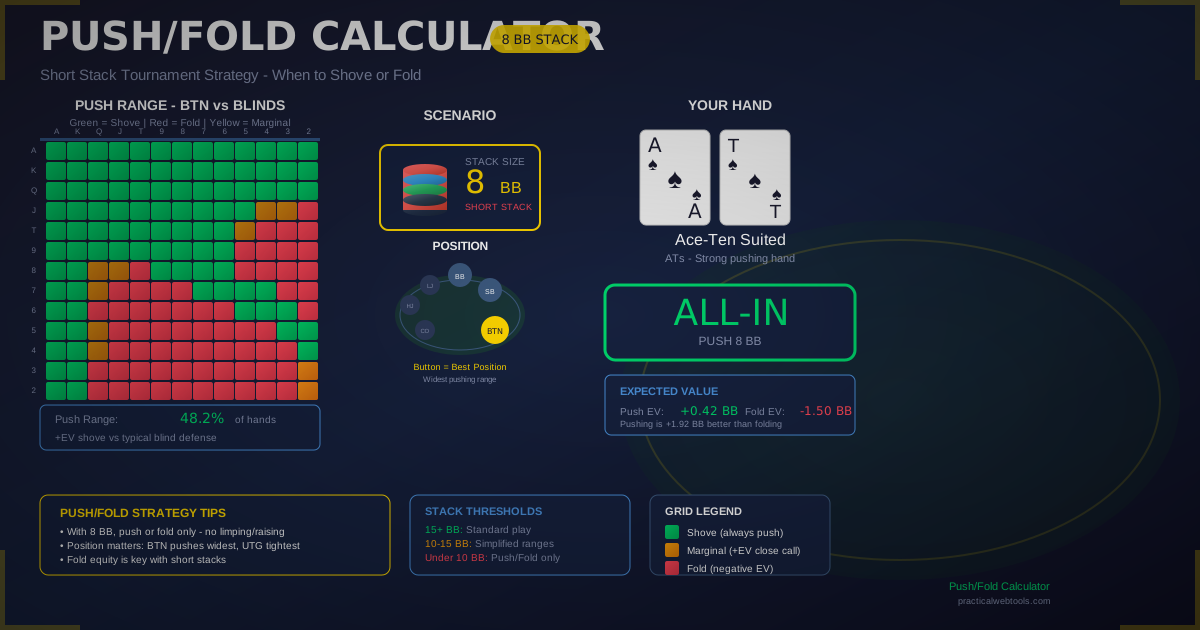
- Push/Fold Calculator - Short stack ranges to adjust
- Tournament Equity Calculator - Overall tournament value
Conclusion
Bounty tournaments reward players who correctly adjust their calling ranges for knockout value. Our bounty tournament calculator quantifies these adjustments, showing you exactly when bounties justify loose calls and when they're not enough to overcome bad odds.
Master bounty strategy by treating bounties as additional pot equity, respecting coverage requirements, and balancing bounty hunting against ICM considerations. The players who get this math right extract significant value from knockouts while avoiding the trap of bounty hunting with negative EV hands.