Caribbean Stud Poker Calculator: Strategy & Odds Analysis (2026)
Caribbean Stud Poker Calculator: Optimal Raise/Fold Strategy
Caribbean Stud combines five-card poker with casino banking. Our calculator shows exactly when to raise, when to fold, and whether that progressive jackpot bet is ever worth it.
What Is Caribbean Stud Poker?
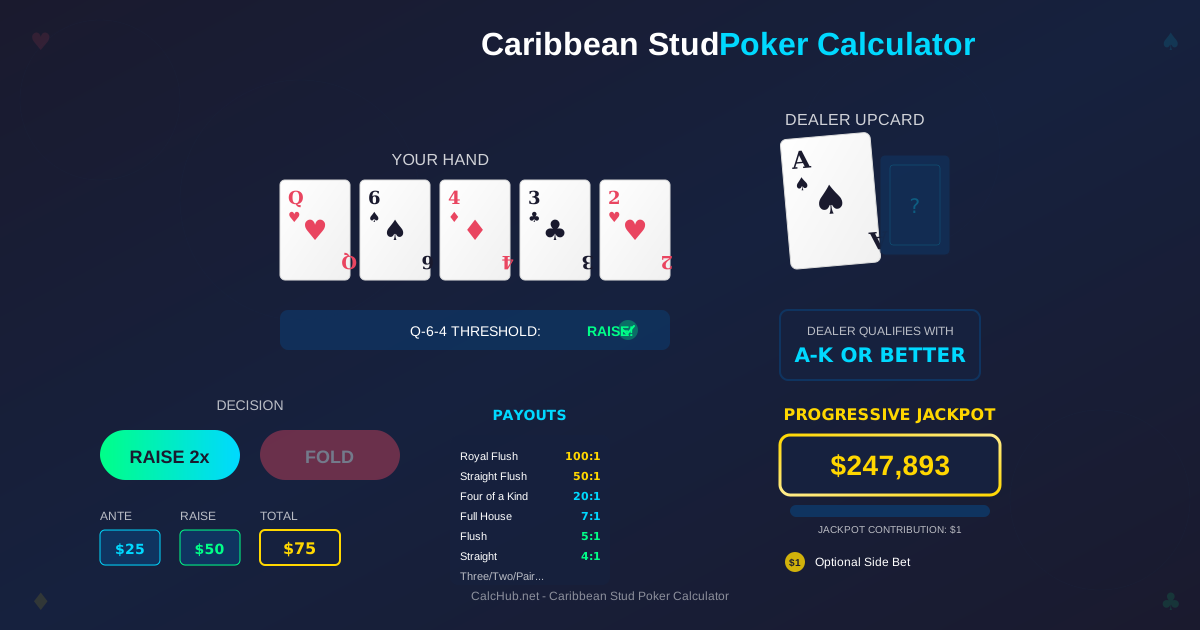
Caribbean Stud is a table game where you play five-card poker against the dealer. You ante, receive five cards, then decide to fold (lose ante) or raise (2× ante). The dealer needs A-K or better to qualify—if not, you win even money on ante only.
Quick Answer: Optimal strategy: raise with A-K-J-8-3 or better, fold worse hands. House edge is 5.22% with perfect play. Raise when you have any pair, or A-K with J+ or matched suit with dealer's upcard. The progressive jackpot bet has ~26% house edge—avoid unless jackpot exceeds ~$260,000 on a $1 bet.
How to Use Our Calculator
Use the Caribbean Stud Calculator →
Enter your five cards and dealer's upcard for optimal strategy.
Step-by-Step Instructions
-
Enter Your 5 Cards: Your dealt hand
-
Input Dealer Upcard: The one card showing
-
View Recommendation: Raise or Fold
-
See EV Analysis: Expected value of each option
-
Check Progressive: Jackpot bet analysis
Input Fields Explained
| Field | Description | Example |
|---|---|---|
| Your Hand | Five cards dealt | A♠ K♥ J♦ 8♣ 3♠ |
| Dealer Upcard | Showing card | Q♣ |
| Recommendation | Optimal action | RAISE |
| EV if Raise | Expected value | -0.042 |
| EV if Fold | Expected value | -1.000 |
| Dealer Qualifies | % dealer has A-K+ | 56.3% |
Basic Strategy
Always Raise With
| Hand | Why |
|---|---|
| Any pair | Strong enough against dealer |
| A-K-Q or better | High card strength |
| A-K-J-8-3 or better | Threshold hand |
Always Fold With
| Hand | Why |
|---|---|
| Less than A-K | Can't beat dealer's minimum |
| Weak A-K hands | EV negative |
The A-K Decision
A-K hands are the tricky decisions:

RAISE with A-K when:
- 3rd card is J or higher (A-K-J-x-x)
- 3rd card is Q and 4th is 8+ (A-K-Q-8-x)
- Dealer upcard matches one of your cards
- Dealer upcard is 2-Q and you have A-K-Q

FOLD other A-K hands
Detailed Strategy Chart
With Dealer Upcard 2-Q
| Your Hand | Action |
|---|---|
| Any pair | RAISE |
| A-K-Q-J-x | RAISE |
| A-K-Q-10-x | Raise if dealer shows 2-Q |
| A-K-Q-8-x | RAISE |
| A-K-J-8-3 | RAISE (threshold) |
| A-K-J-8-2 | FOLD |
| A-K-J-7-x | FOLD |
| Worse than A-K | FOLD |
With Dealer Upcard A or K
| Your Hand | Action |
|---|---|
| Any pair | RAISE |
| A-K-Q-J-x | RAISE |
| A-K-J-x-x (matching) | RAISE |
| A-K-J-x-x (not matching) | Marginal—slight raise |
| Worse | FOLD |
Simplified Strategy
If full strategy is too complex:
Raise with:
- Any pair or better
- A-K-Q-x-x or better
- A-K if your cards match dealer's upcard

Fold everything else

Loses ~0.1% vs optimal but much simpler
Payouts and House Edge
Standard Pay Table
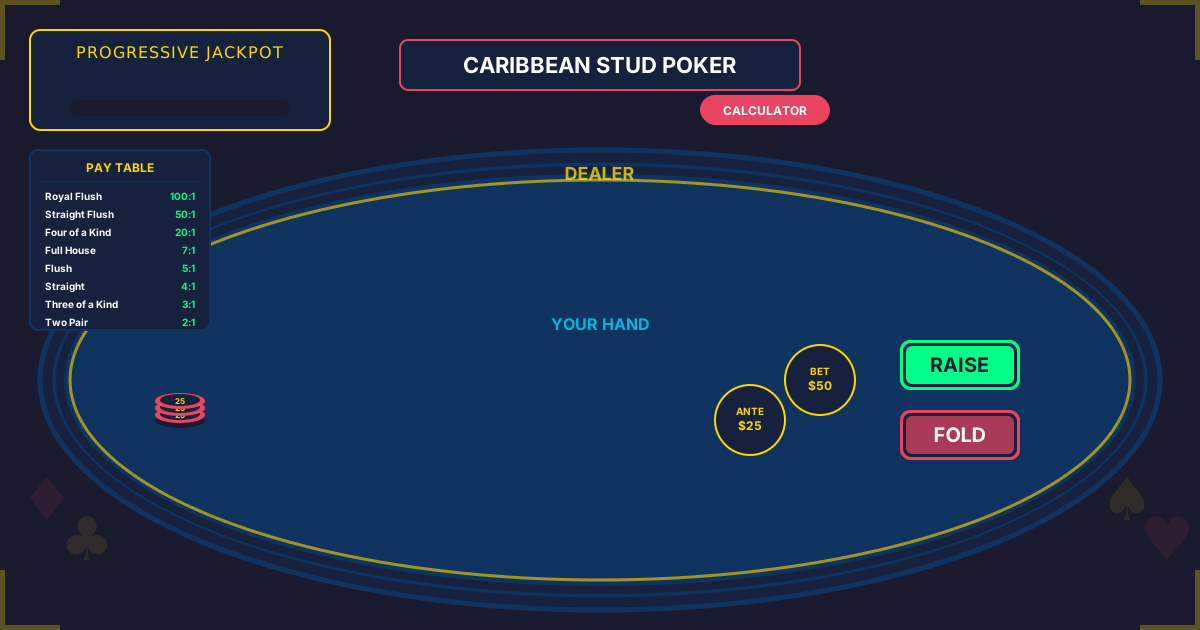
| Hand | Payout |
|---|---|
| Royal Flush | 100:1 |
| Straight Flush | 50:1 |
| Four of a Kind | 20:1 |
| Full House | 7:1 |
| Flush | 5:1 |
| Straight | 4:1 |
| Three of a Kind | 3:1 |
| Two Pair | 2:1 |
| One Pair | 1:1 |
| A-K High | 1:1 |
House Edge Breakdown
Optimal strategy house edge: 5.22%

Components:
- Ante bet: ~2.6% edge
- Raise bet: ~2.6% edge
- Combined: 5.22% on total action

Per unit ante: Lose 5.22¢ per $1 ante
Dealer Non-Qualification Impact
Dealer doesn't qualify: 43.7% of hands
When dealer doesn't qualify: You win ante only

This reduces your wins significantly:
Big hands lose raise bet value when dealer folds
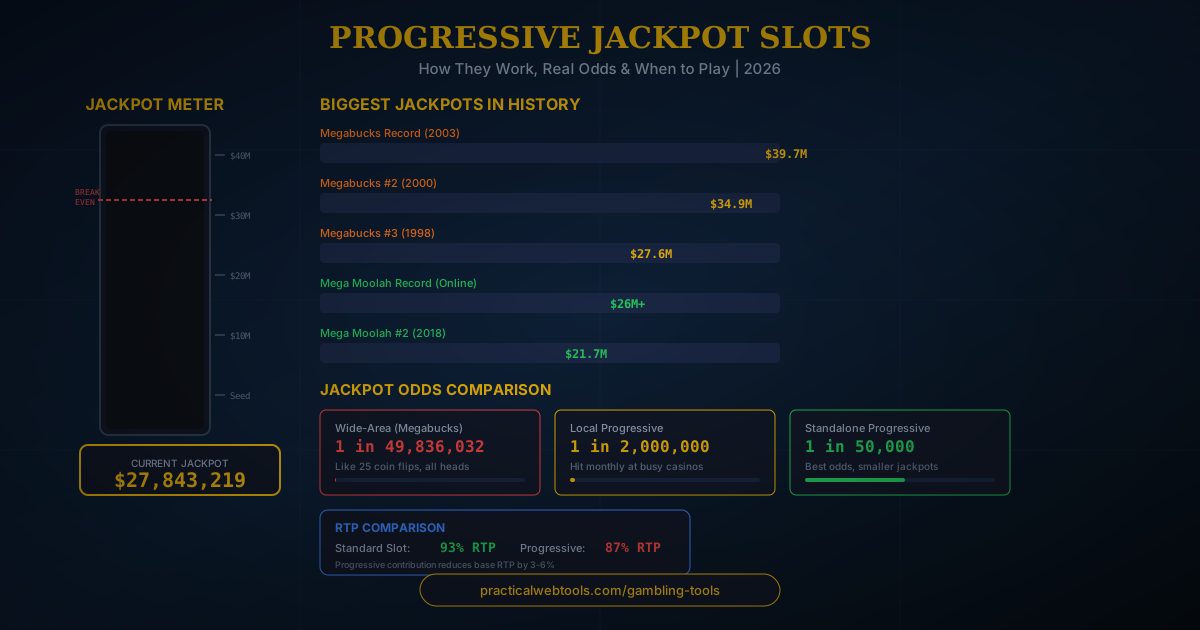
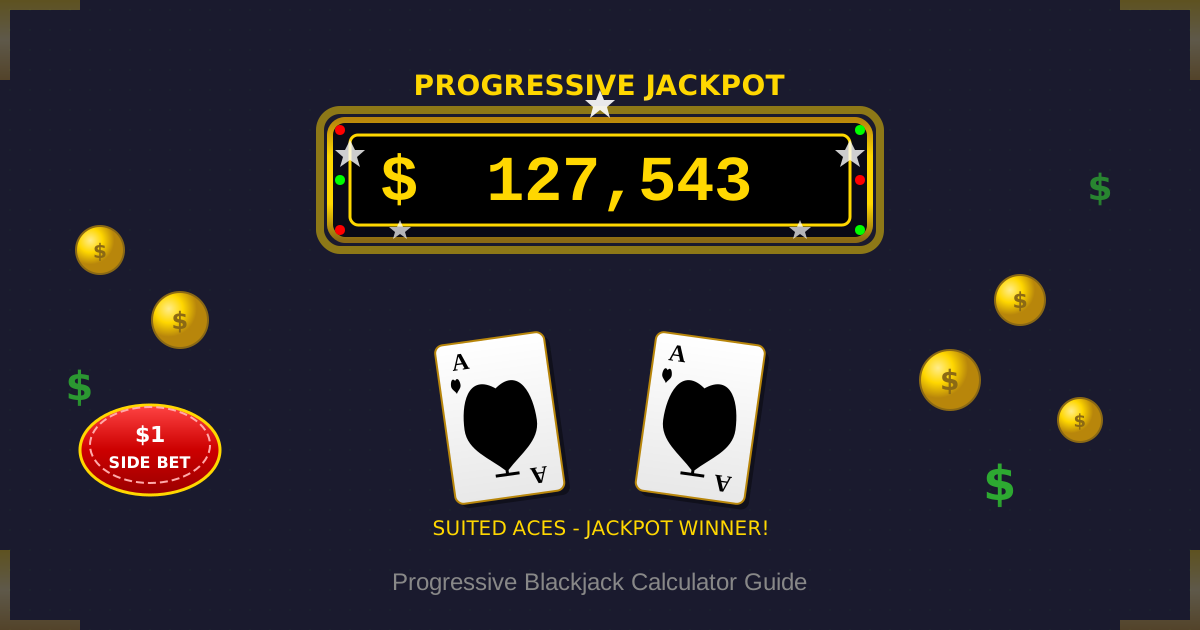
Progressive Jackpot Analysis
Typical Progressive Pay Table
| Hand | Payout |
|---|---|
| Royal Flush | 100% of jackpot |
| Straight Flush | 10% of jackpot |
| Four of a Kind | $150 |
| Full House | $75 |
| Flush | $50 |
Expected Value Calculation
Royal Flush: 1 in 649,740 = 0.000154%
Straight Flush: 1 in 72,193 = 0.00139%
Four of a Kind: 1 in 4,165 = 0.024%
Full House: 1 in 694 = 0.144%
Flush: 1 in 509 = 0.196%

For $1 bet to break even (typical pay table):
Jackpot must exceed ~$260,000

Most jackpots: $10,000-50,000
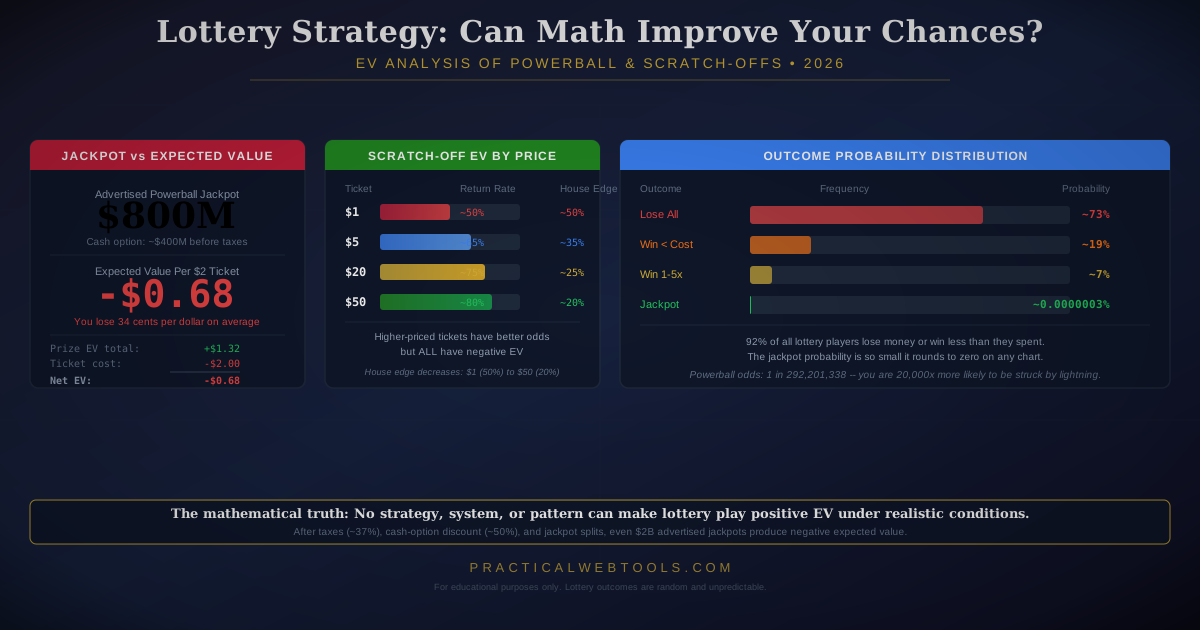
House edge at $50,000: ~26%
Should You Make the Side Bet?
| Jackpot Size | House Edge | Recommendation |
|---|---|---|
| Under $50K | 30%+ | Never |
| $50K-100K | 25-30% | Never |
| $100K-200K | 15-25% | Still no |
| $200K-260K | 5-15% | Marginal |
| Over $260K | 0% or better | Consider it |
Real-World Examples
Example 1: Clear Raise
Your hand: J♠ J♥ 9♦ 6♣ 3♠ Dealer shows: K♣ Ante: $10
Analysis:
- You have a pair of Jacks
- Always raise with any pair
- Raise $20
Action: RAISE $20
Example 2: Marginal A-K
Your hand: A♠ K♥ J♦ 7♣ 2♠ Dealer shows: 8♣ Ante: $25
Analysis:
- A-K-J-7-2 vs threshold A-K-J-8-3
- Your 4th card (7) is less than 8
- Close decision
Action: FOLD (barely)
Example 3: Matching Upcard
Your hand: A♠ K♥ 10♦ 5♣ 5♠ Dealer shows: 5♦ Ante: $15
Analysis:
- You have pair of 5s
- Also match dealer's upcard
- Easy decision
Action: RAISE $30
Example 4: Non-Qualifying Dealer
Your hand: A♠ K♥ Q♦ J♣ 9♠ (straight) Dealer shows: 3♣ Dealer hand: Q♥ J♦ 8♣ 4♠ 3♣ (Q high) Ante: $10, Raise: $20
Result:
- Dealer doesn't qualify (no A-K or pair)
- You win $10 on ante (even money)
- Your $20 raise is returned (no action)
- You won a straight but only get $10
This is why dealer qualification hurts big hands
Common Strategy Mistakes
1. Folding All A-K Hands
Mistake: "A-K is too weak to raise" Problem: Some A-K hands have positive raise EV Fix: Learn which A-K hands to raise
2. Raising Every Hand
Mistake: "I paid the ante, I should play" Problem: Weak hands have large negative EV Fix: Fold ~25% of hands
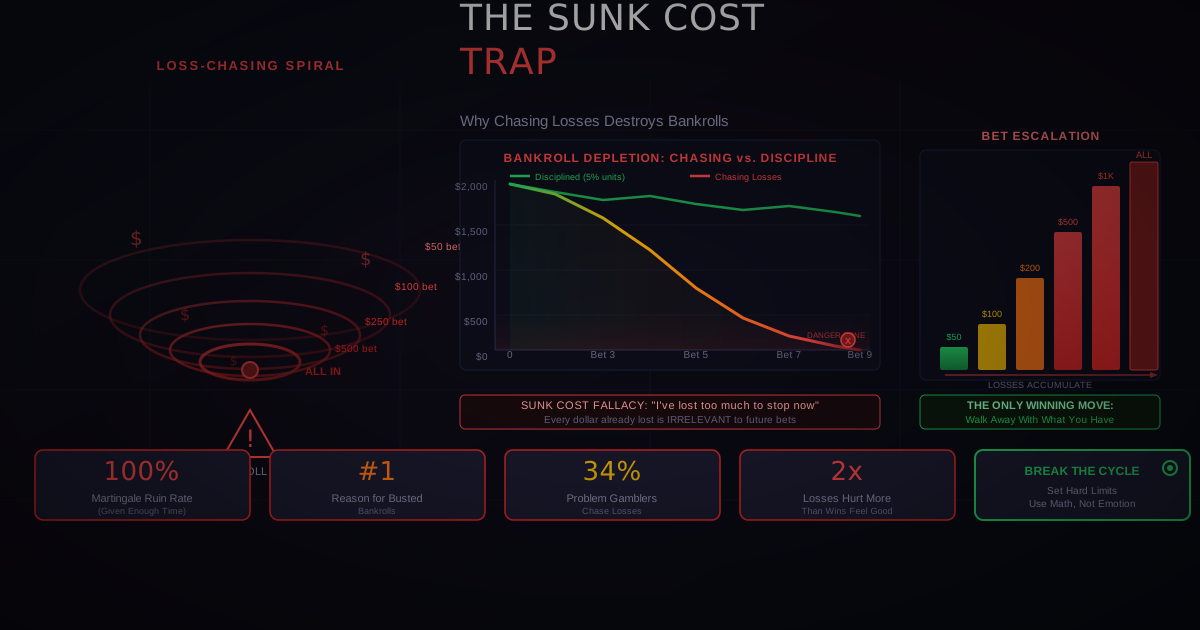
3. Chasing Progressives
Mistake: Always betting the side bet Problem: 26%+ house edge destroys bankroll Fix: Only bet when jackpot exceeds $260K
4. Ignoring Dealer Upcard
Mistake: Not adjusting for dealer's shown card Problem: Matching cards affect strategy Fix: Raise marginal A-K when matching
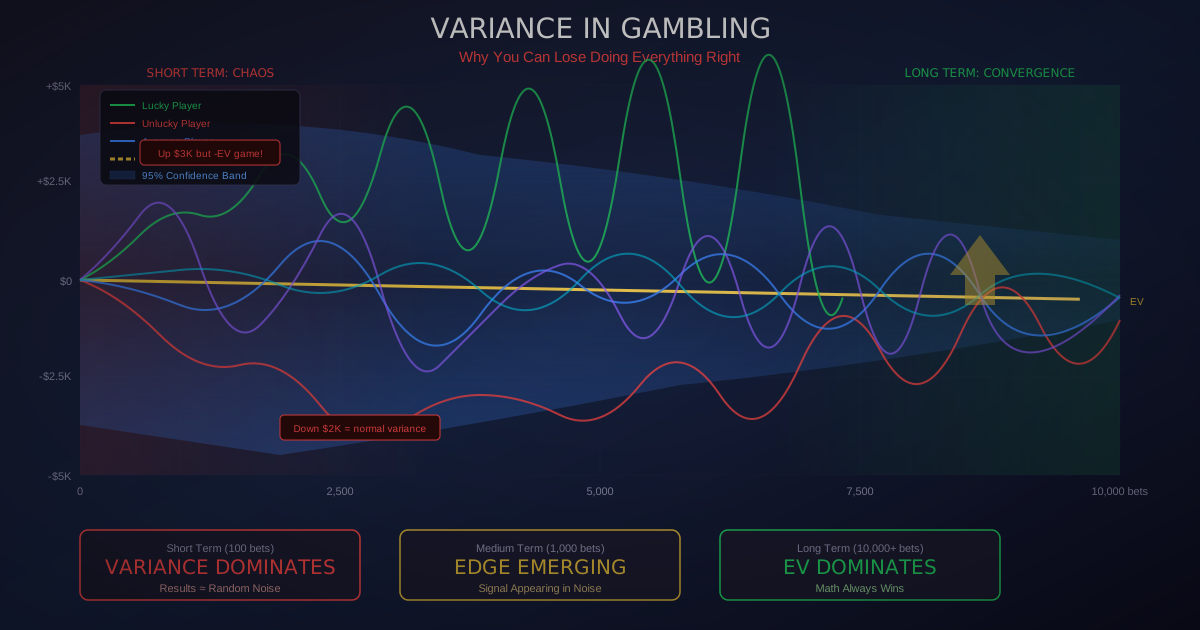
Variance and Bankroll
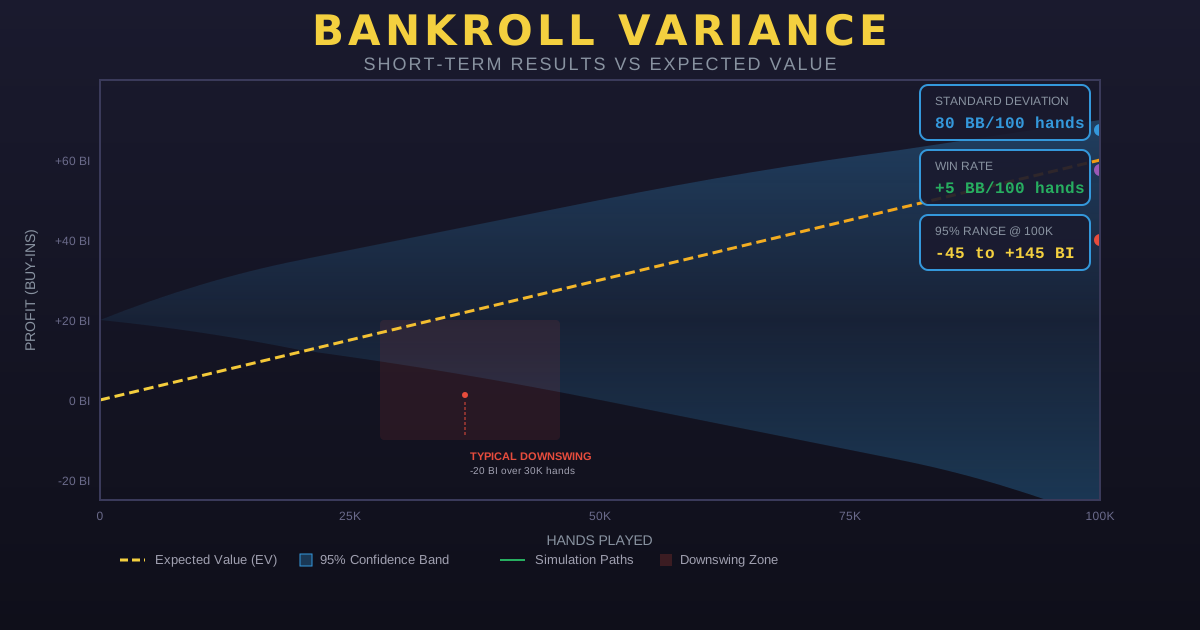
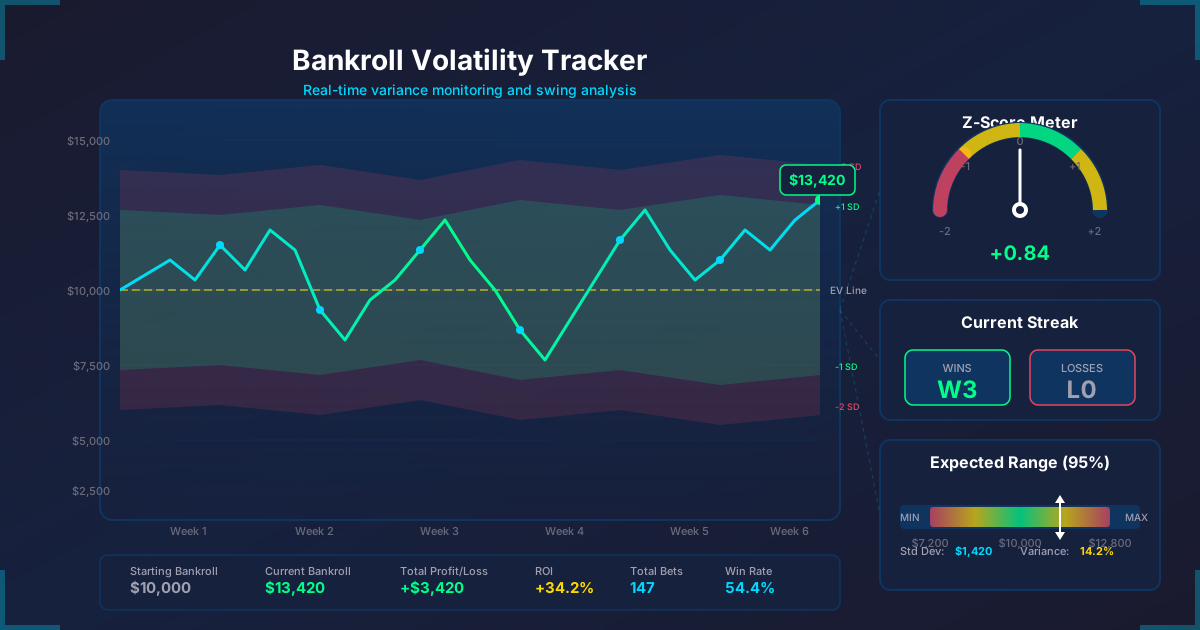
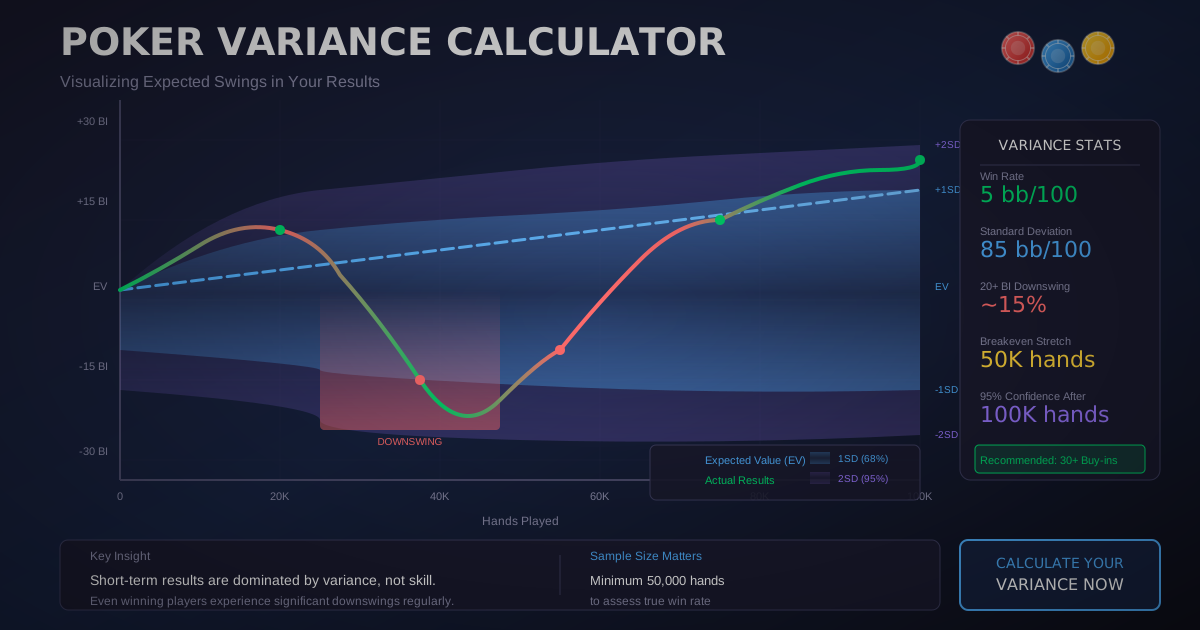
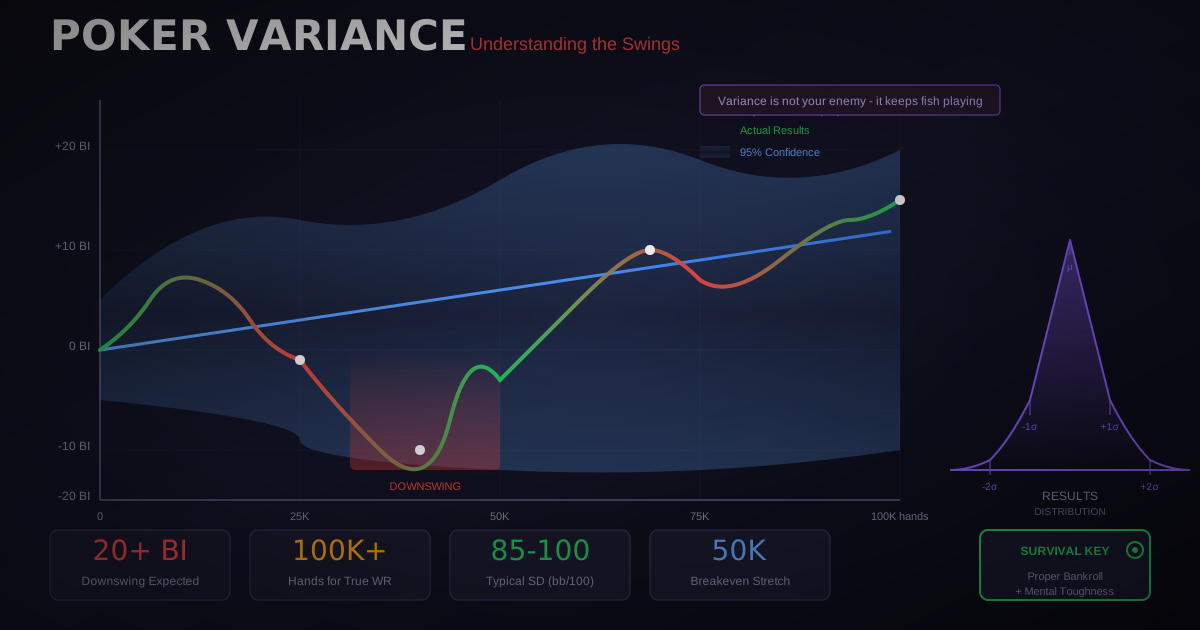
Volatility Factors
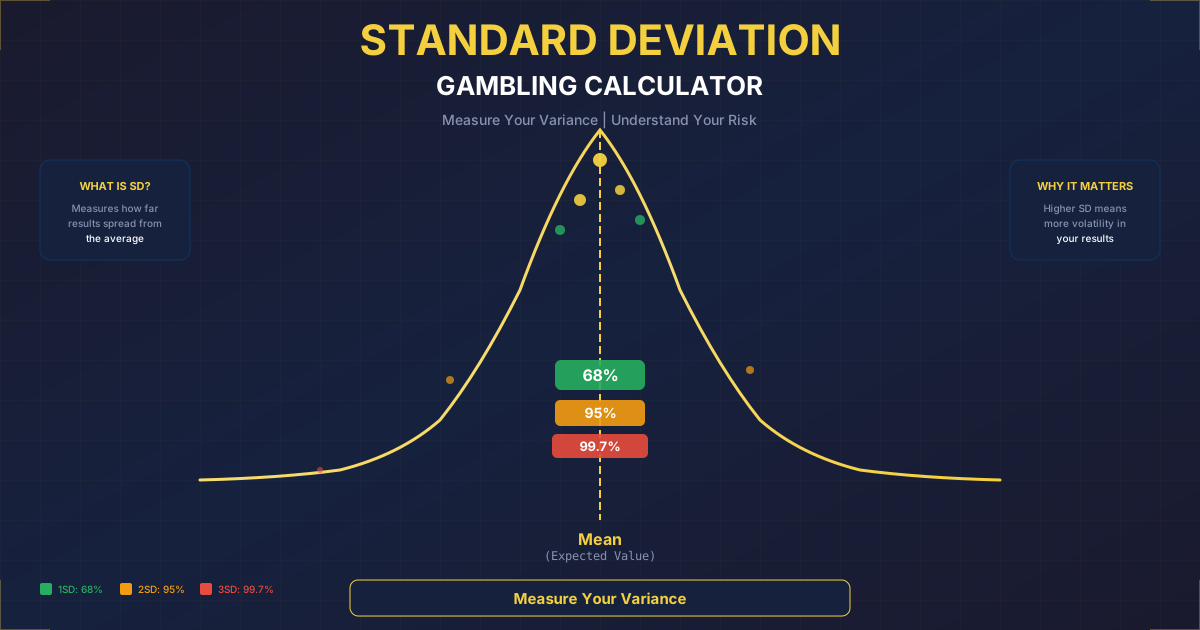
Standard deviation: ~2.2 per unit

High variance due to:
- Big payouts on rare hands
- Dealer non-qualification variance
- Binary fold/raise decision
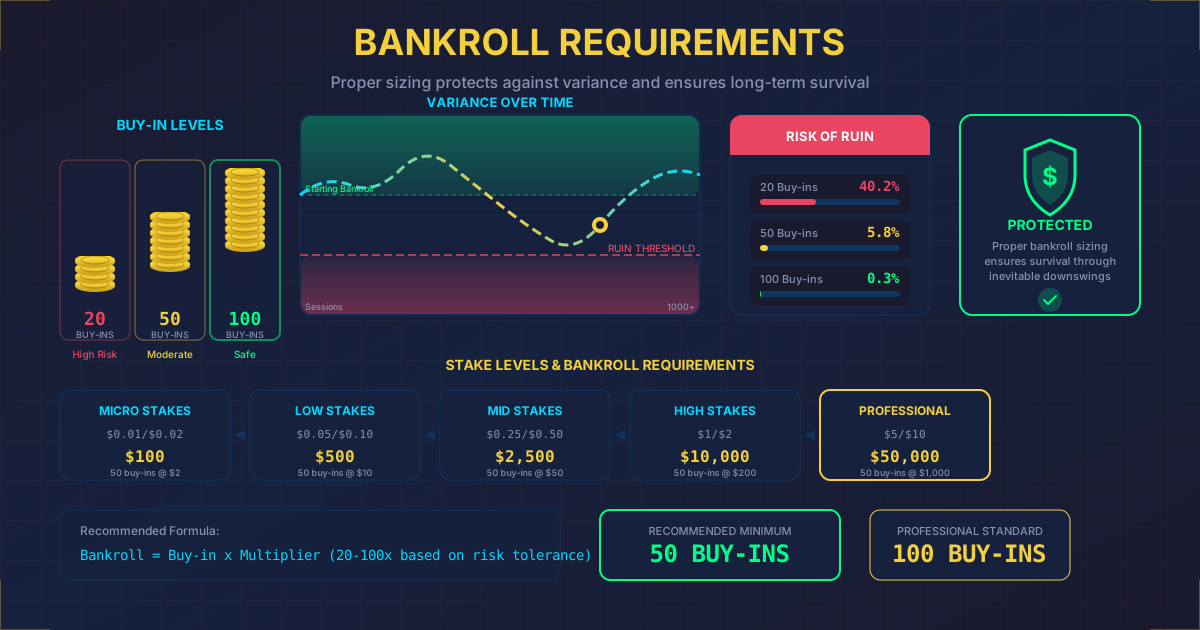
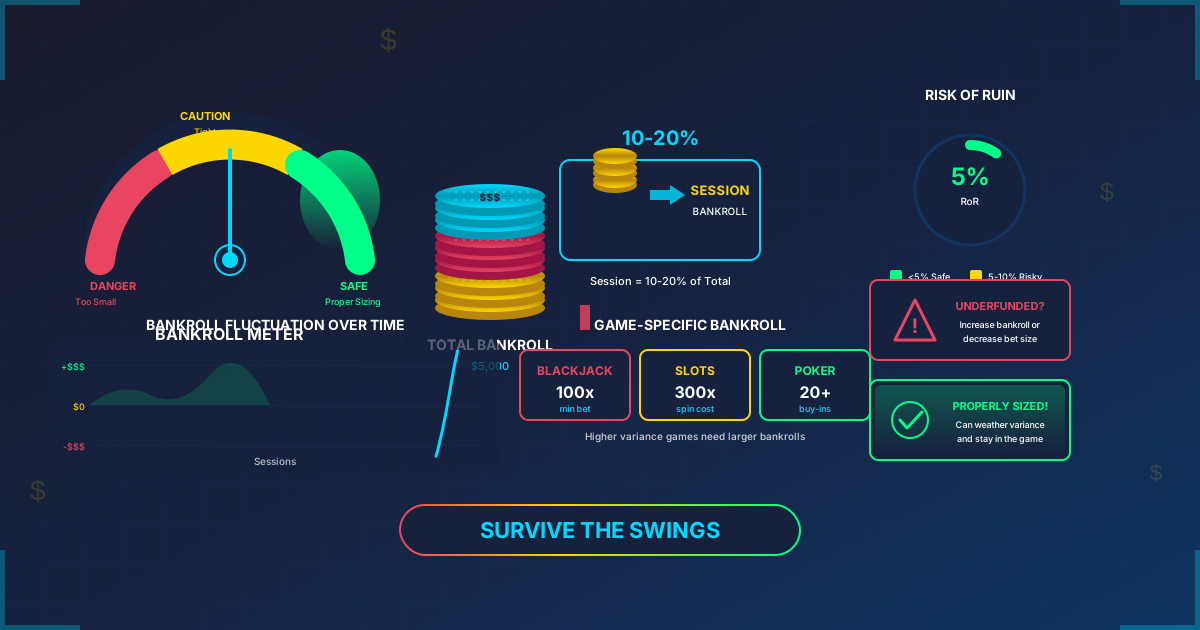
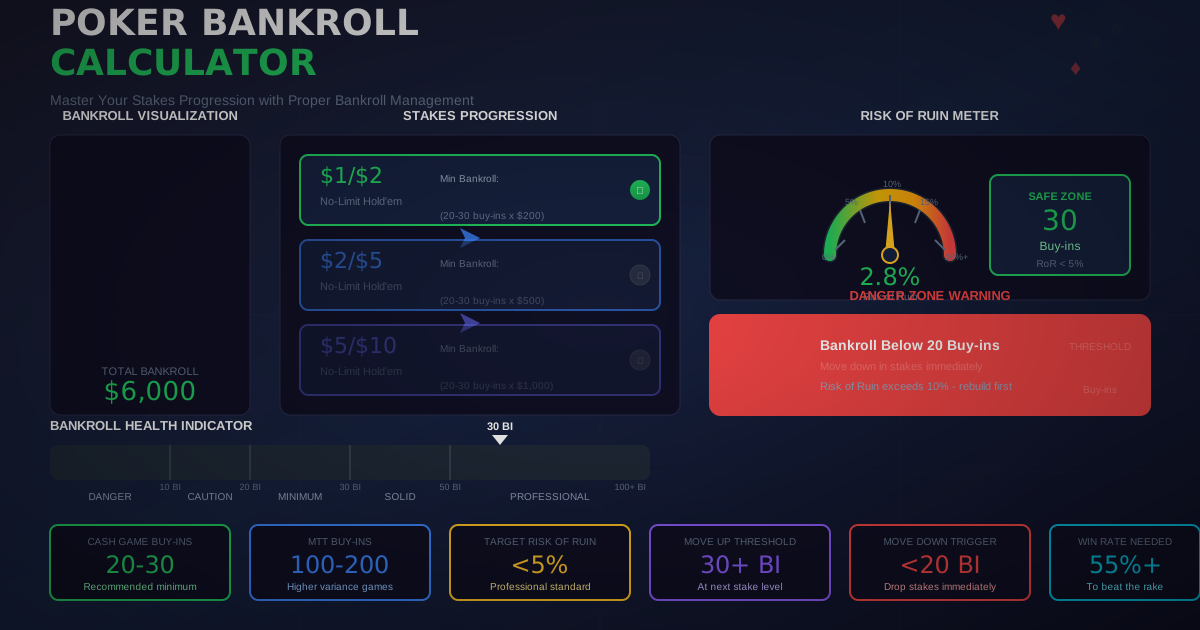
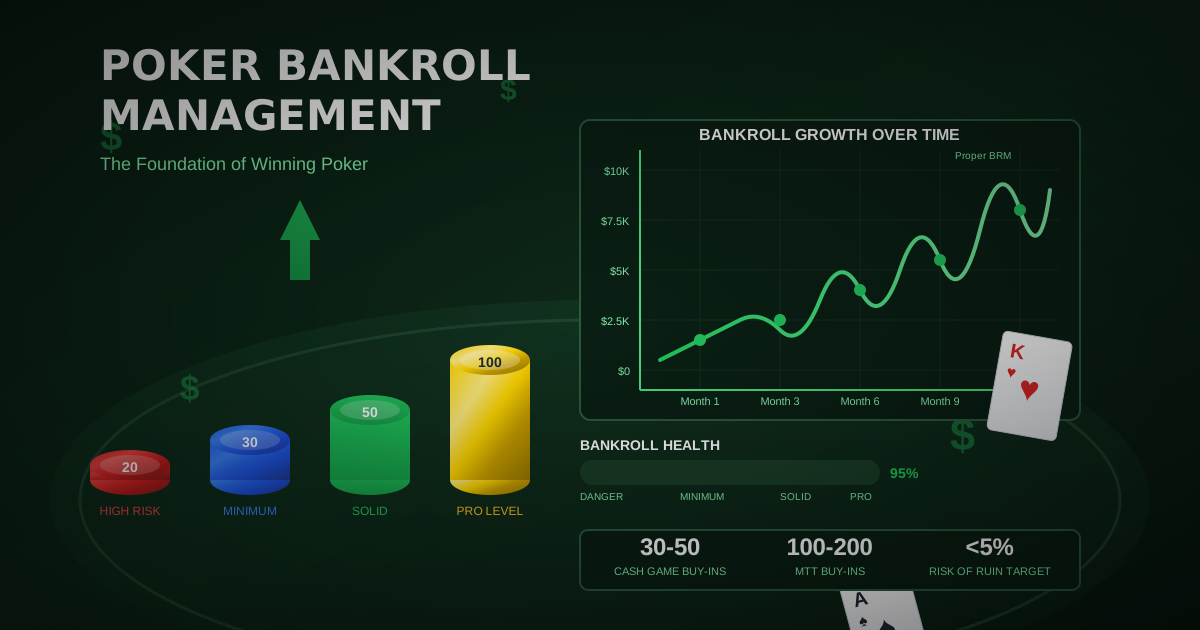
Bankroll Recommendations
| Risk Tolerance | Ante Bankroll |
|---|---|
| Conservative | 50× ante |
| Standard | 30× ante |
| Aggressive | 20× ante |
Session Expectations
100 hands at $10 ante:
Total ante: $1,000
Expected loss: $52.20

95% confidence interval:
Win: +$250 to Loss: -$350
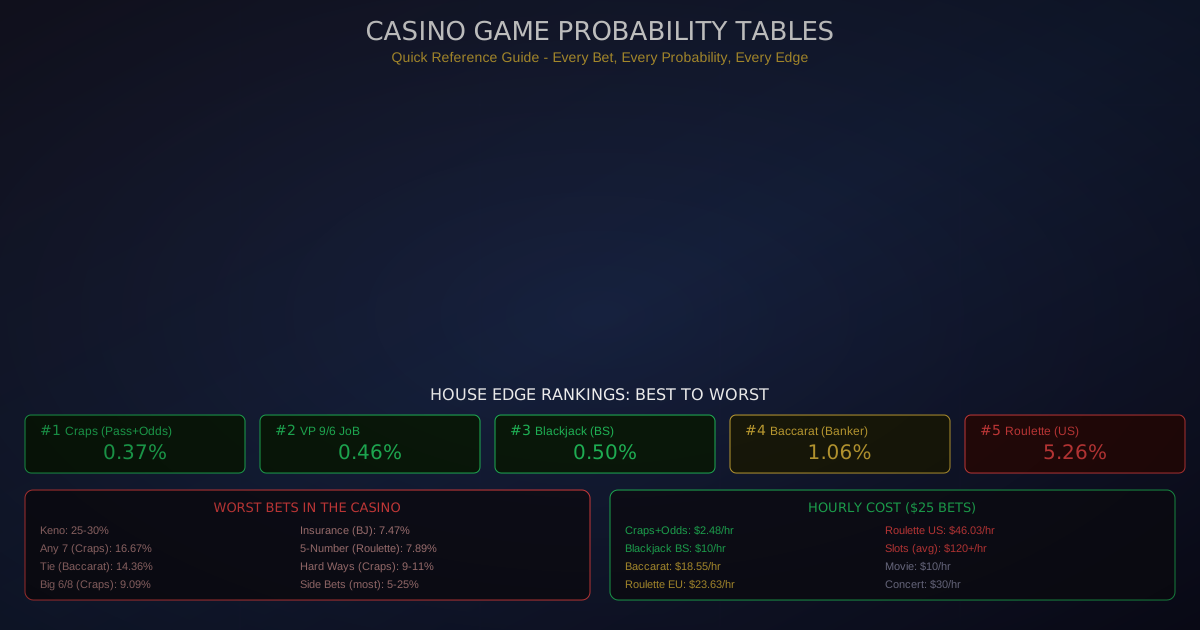
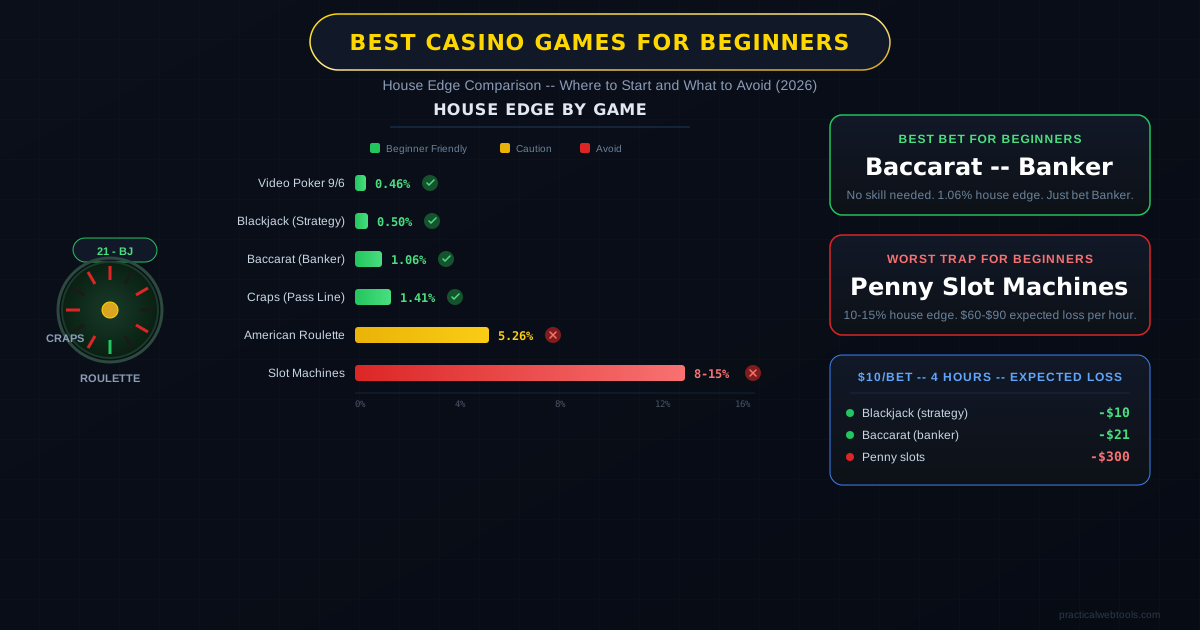
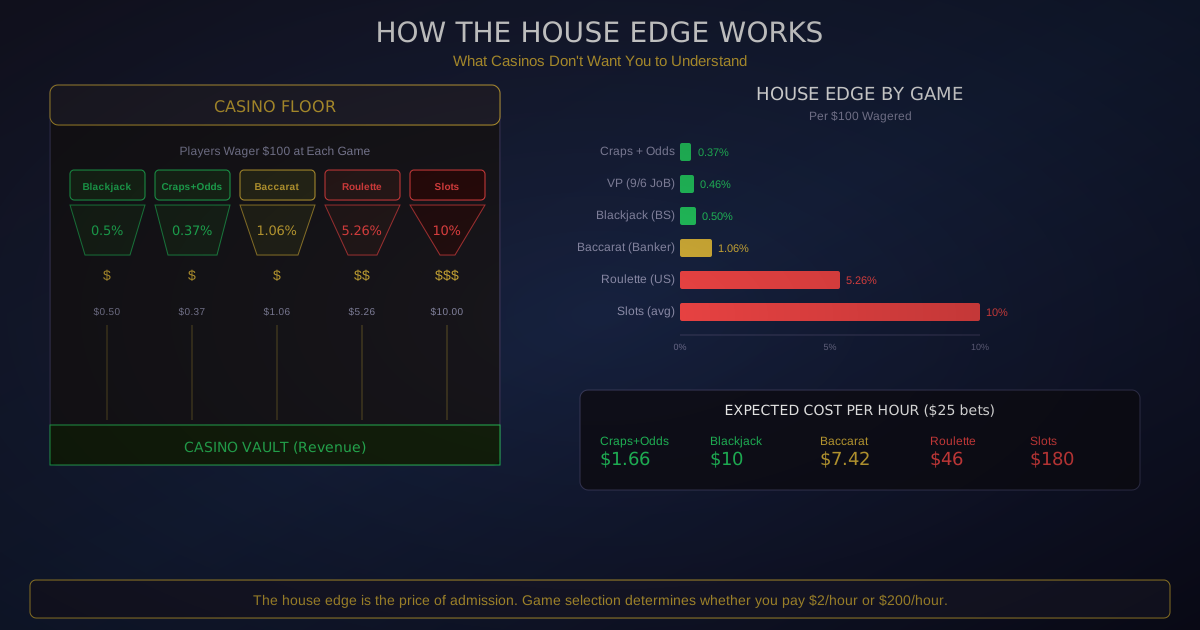
Comparison to Other Games
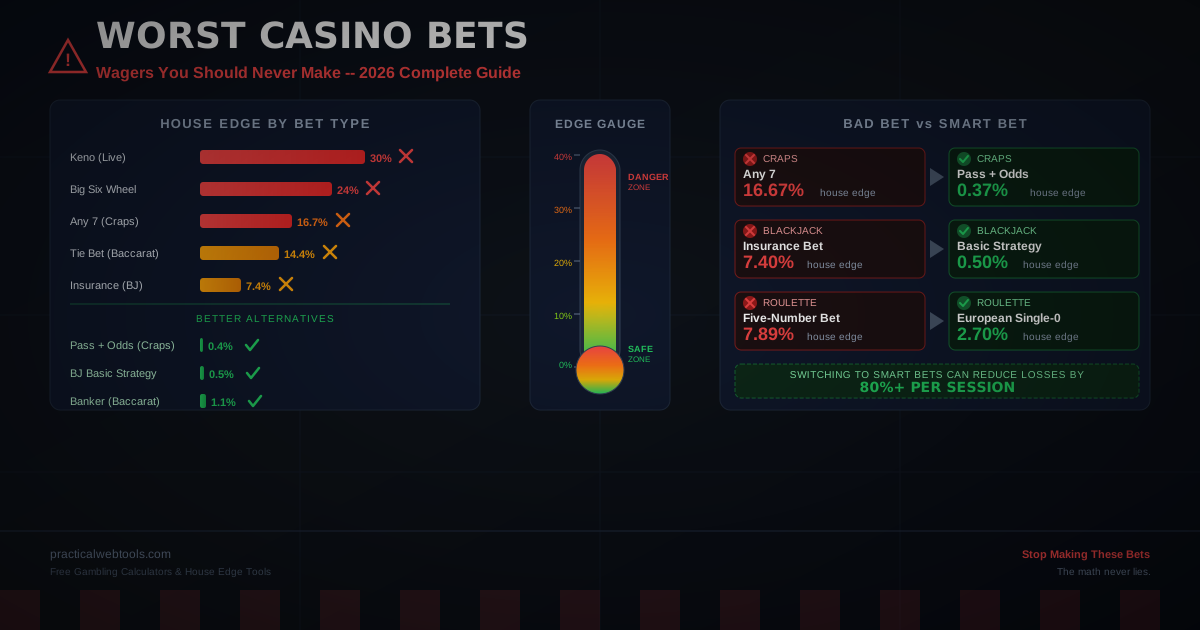
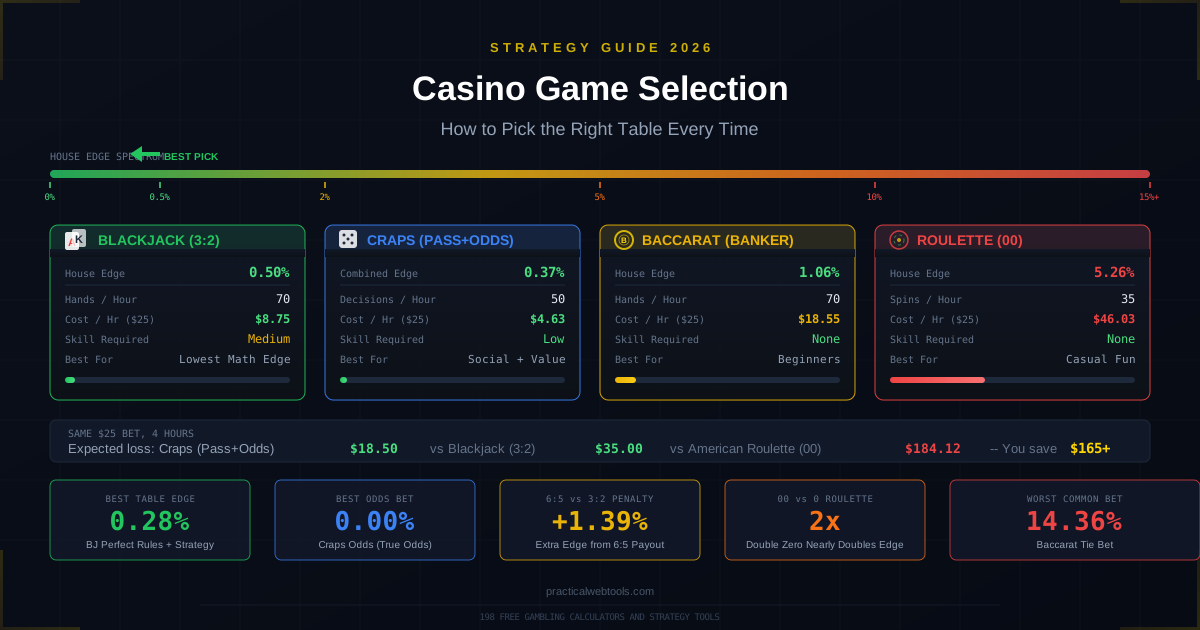
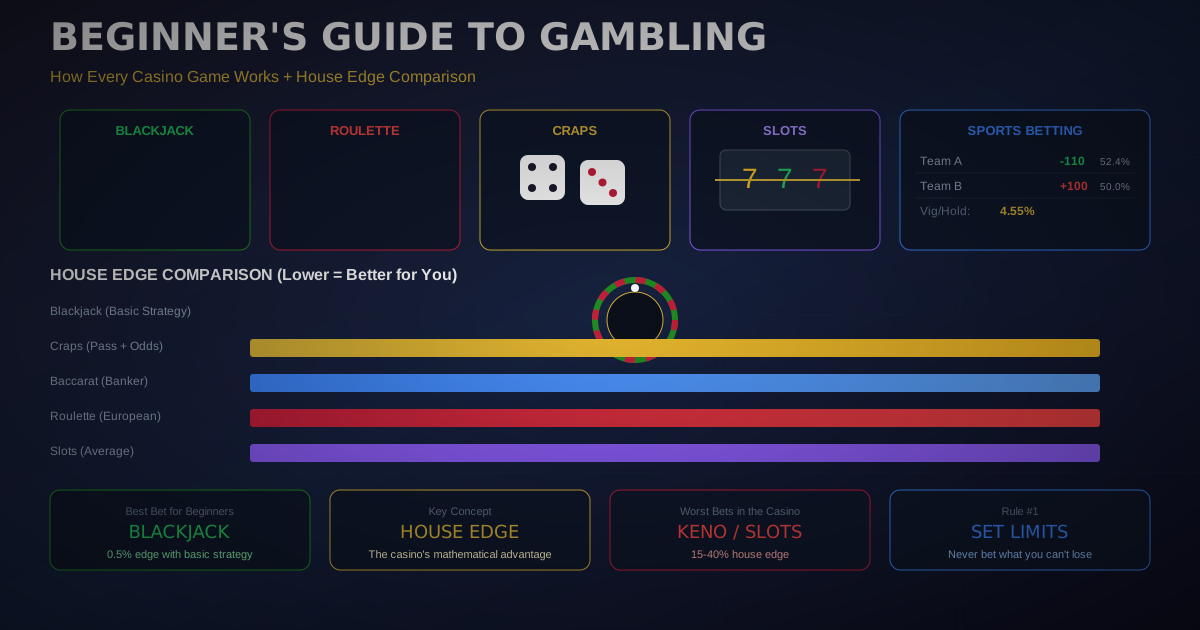
House Edge Comparison
| Game | House Edge |
|---|---|
| Caribbean Stud | 5.22% |
| Three Card Poker | 3.37% |
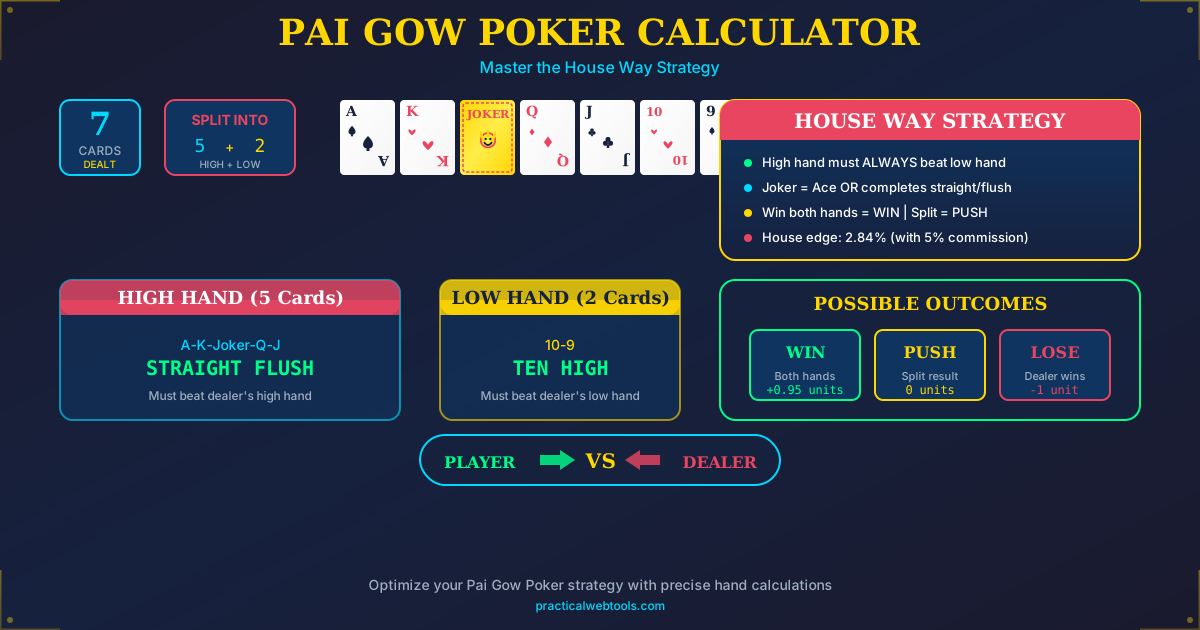
| Pai Gow Poker | 2.84% |
| Let It Ride | 3.51% |
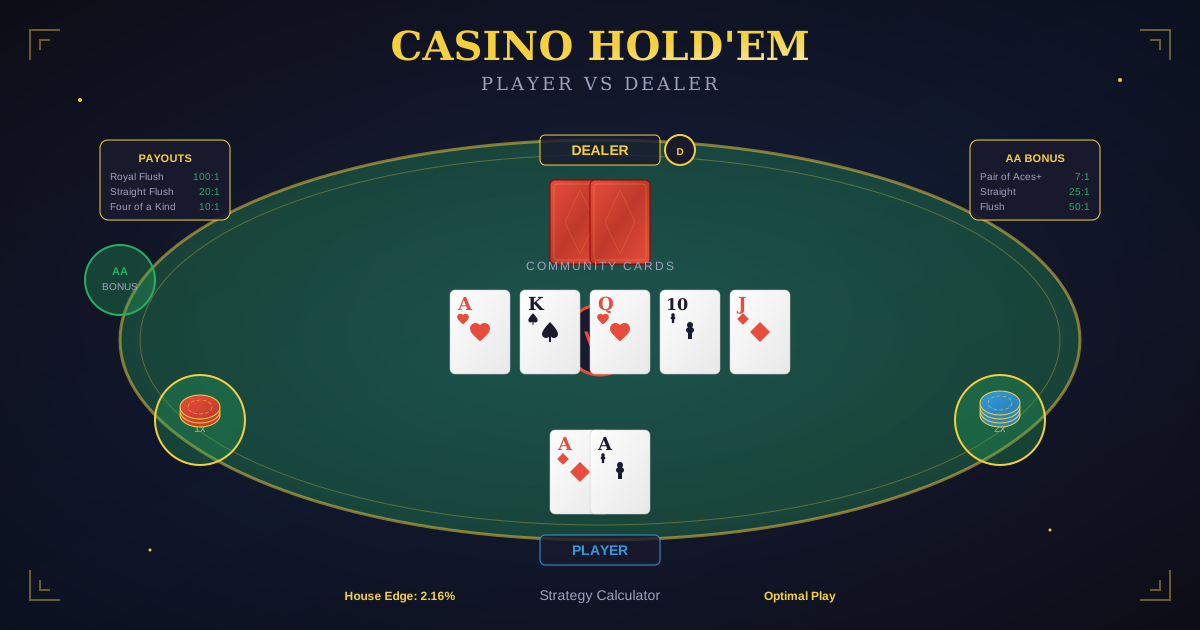
| Casino Hold'em | 2.16% |
Why Caribbean Stud Edge Is Higher
- No player vs player (all house banking)
- Dealer qualification rule helps house
- Big hands lose value when dealer doesn't qualify
- Ante + raise structure increases exposure
Advanced Concepts
Information Usage
One dealer card visible affects strategy:

If dealer shows card in your hand:
- Less likely dealer has pair
- More likely dealer won't qualify
- Slight raise advantage

If dealer shows A or K:
- Dealer more likely to qualify
- Adjust threshold slightly tighter
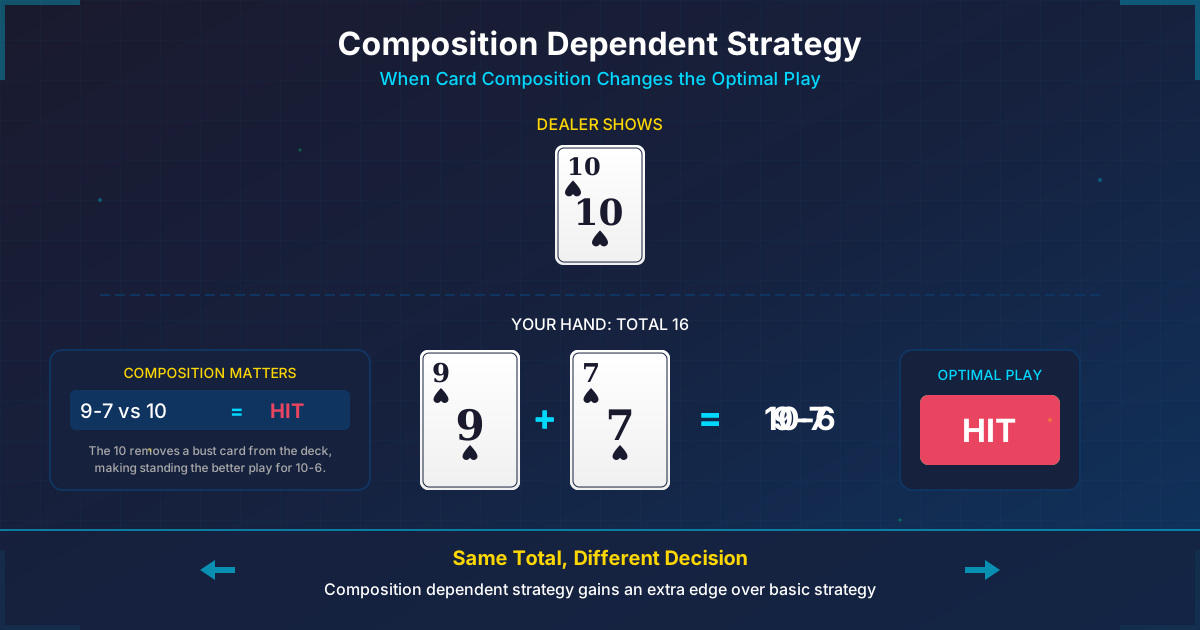
Composition-Dependent Strategy
A♠-K♥-J♦-8♣-3♠ vs A♠-K♥-J♦-8♣-3♣

Both are A-K-J-8-3, but:
- First has no flush possibility
- Second has 3 clubs

Minimal difference, use basic strategy
Collusion Impact
In theory, seeing other players' cards helps:
- Know which cards aren't in dealer hand
- Slightly adjust qualifying probability

Casinos prevent by face-down dealing
Practical advantage: negligible
Frequently Asked Questions
Why is the house edge so high?
Dealer qualification rule. When dealer doesn't qualify, you only win ante (even money) regardless of your hand strength. This turns winning straights/flushes into minimum wins.
Should I show my hand?
Rules vary. Some casinos allow it, some don't. No strategic advantage either way since no player collusion is possible.
Is card counting possible?
Minimally. Seeing other players' cards provides tiny edge (0.1-0.2%) but casinos prevent by face-down dealing.
What if dealer and I have same hand?
Compare by poker rules. Highest card wins, suits don't matter. True ties push.
Is the game beatable?
Not without cheating or dealer errors. 5.22% edge is significant. Play for entertainment, not profit.
Best seat at the table?
Doesn't matter mathematically. Some prefer last seat to see other cards longer, but advantage is negligible.
Pro Tips
-
Learn A-K decisions: Most strategy value is here
-
Skip the progressive: 26%+ edge unless jackpot huge
-
Manage bankroll: High variance requires cushion
-
Simple strategy works: Loses only 0.1% vs optimal
-
Enjoy the game: Social experience, not profit center
Related Calculators
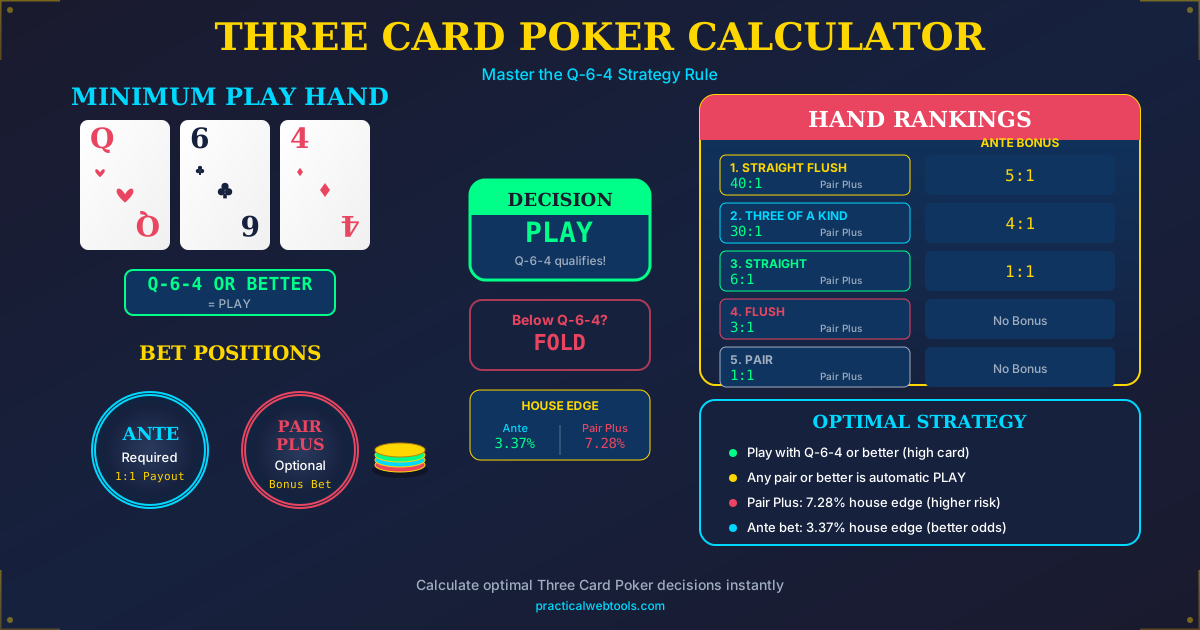
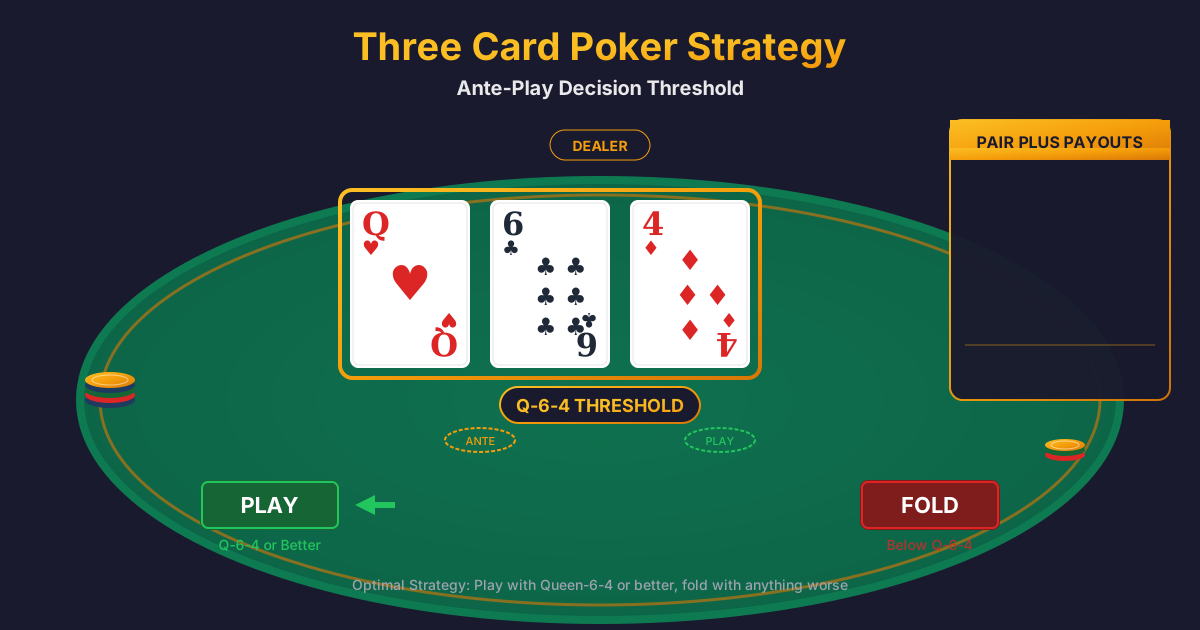
- Three Card Poker Calculator - Similar game
- Poker Odds Calculator - Poker probabilities
- Expected Value Calculator - EV analysis
- House Edge Calculator - Edge comparison
- Pai Gow Poker Calculator - Alternative table game
Conclusion
Caribbean Stud offers poker excitement against the house with a significant edge to overcome. Our calculator shows exactly when to raise and fold, maximizing your expected value within the game's constraints. The 5.22% house edge is high but manageable with perfect strategy—just skip that progressive side bet unless the jackpot is astronomical.
Calculate Caribbean Stud Strategy Now →
Mastering Caribbean Stud means knowing your A-K decisions cold. Our calculator eliminates guesswork, showing optimal play for every hand against every dealer upcard. Play smart, manage your bankroll, and enjoy this classic Caribbean casino game.