Casino Comp Points Calculator: Player Rewards Value Guide (2026)

Casino Comp Points Calculator: What Your Loyalty Is Worth
Casinos reward play with comp points—but understanding their true value reveals whether chasing comps makes sense. Our calculator converts points to dollars, compares earn rates across games, and shows why comp hunting usually costs more than the comps are worth.
What Are Casino Comp Points?
Comp points (comps) are rewards earned through gambling that can be redeemed for free play, meals, hotel rooms, or cash. Casinos typically award points based on time played and average bet size, with slots earning faster than table games. Most points are worth 0.1-0.3% of your action.
Quick Answer: Comp points = rewards for gambling. Typical value: $0.001-0.003 per point. Earn rate: 0.1-0.3% of money wagered. Slots earn most points. Tables earn least. Comps never offset house edge. $1,000 slots wagered = ~$15 expected loss, ~$2 in comps. Net: still -$13.
How to Use Our Calculator
Use the Comp Points Calculator →
Calculate comp value and earn rates.
Step-by-Step Instructions
-
Enter Play Amount: Total wagered
-
Select Game Type: Slots, tables, etc.
-
Input Comp Rate: Points per dollar
-
Enter Point Value: Dollars per point
-
Calculate True Value: Comp worth
Input Fields Explained
| Field | Description | Example |
|---|---|---|
| Total Wagered | Action amount | $5,000 |
| Game Type | Category | Slots |
| Earn Rate | Points/dollar | 1 pt/$5 |
| Points Earned | Total points | 1,000 |
| Point Value | $/point | $0.002 |
| Comp Value | Total worth | $2 |
| Expected Loss | House edge | $75 |
How Comp Rates Work
Slots Comp Rates
Typical slots earn rate:

$1 wagered = 0.1-0.5 points
At 2,000 points = $1 cash value

Value per dollar wagered:
$1 × 0.25 points × $0.0005 = $0.000125

Or about 0.0125% return
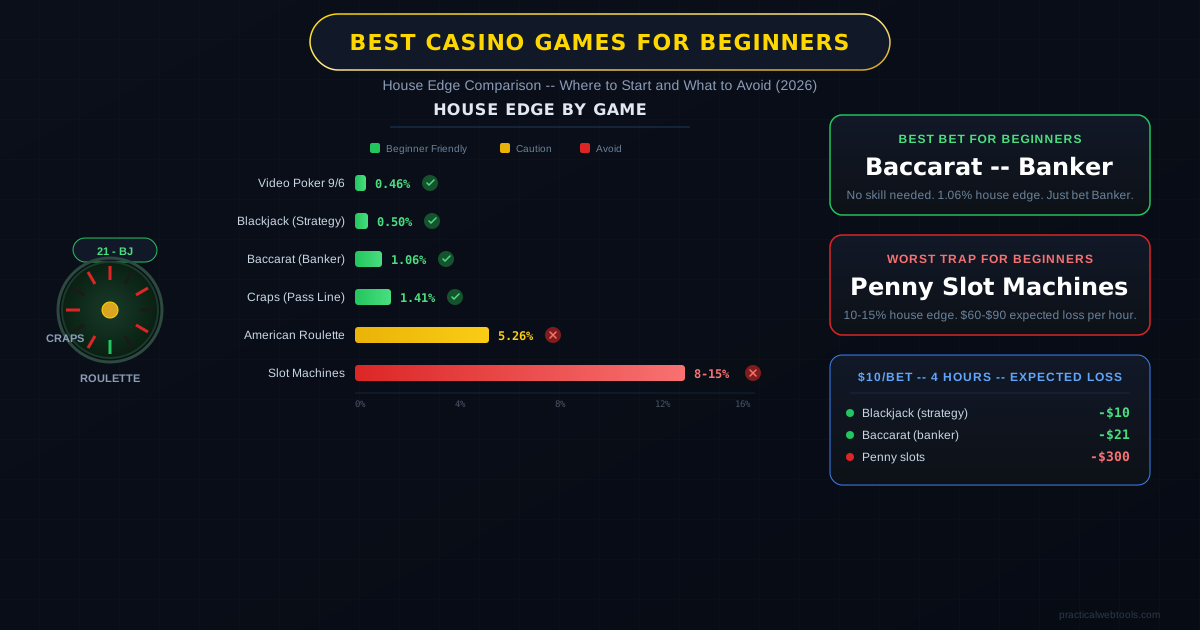
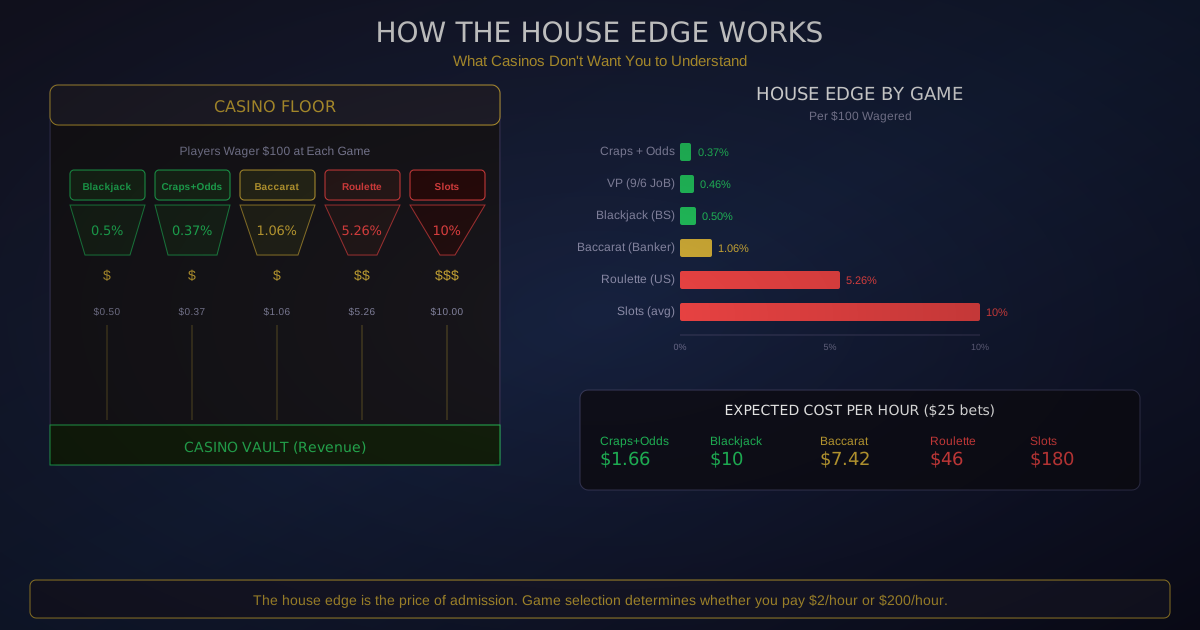
House edge: 2-15%

Comps = tiny fraction of losses
Table Games Comp Rates
Table game earn rates:

Based on:
- Average bet size
- Time played
- Game type

Typical calculation:
$25 avg bet × 60 hands/hr × 2 hrs × 0.3% = $9

$9 comp value from $3,000 action
= 0.3% comp rate
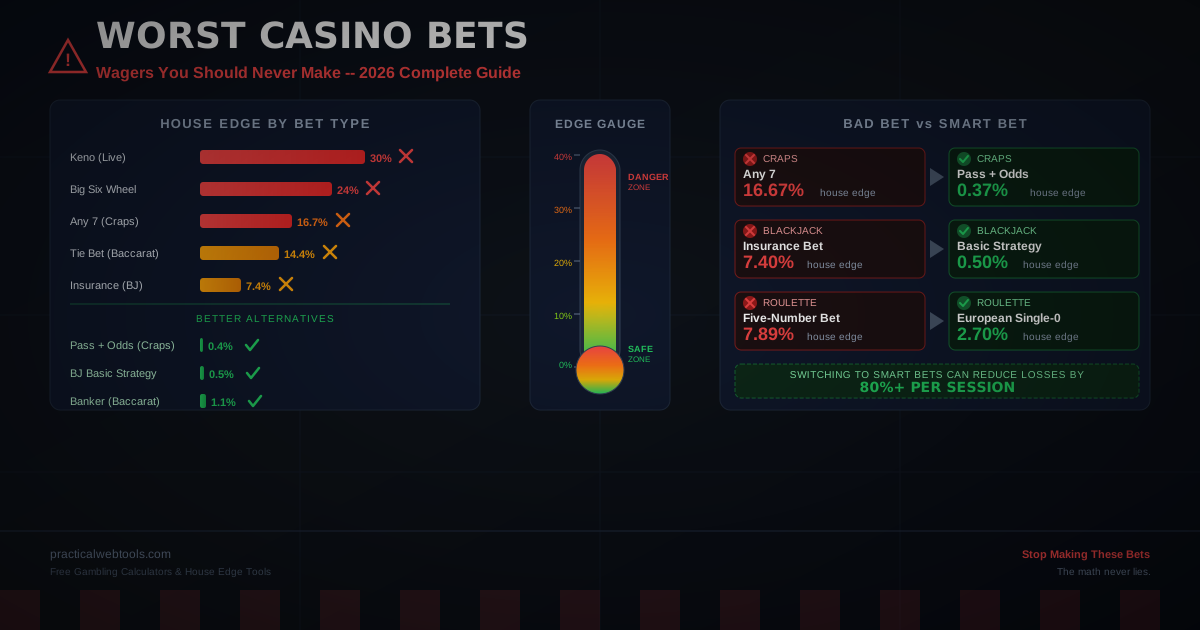
But house edge: 0.5-5%
Theoretical vs Actual
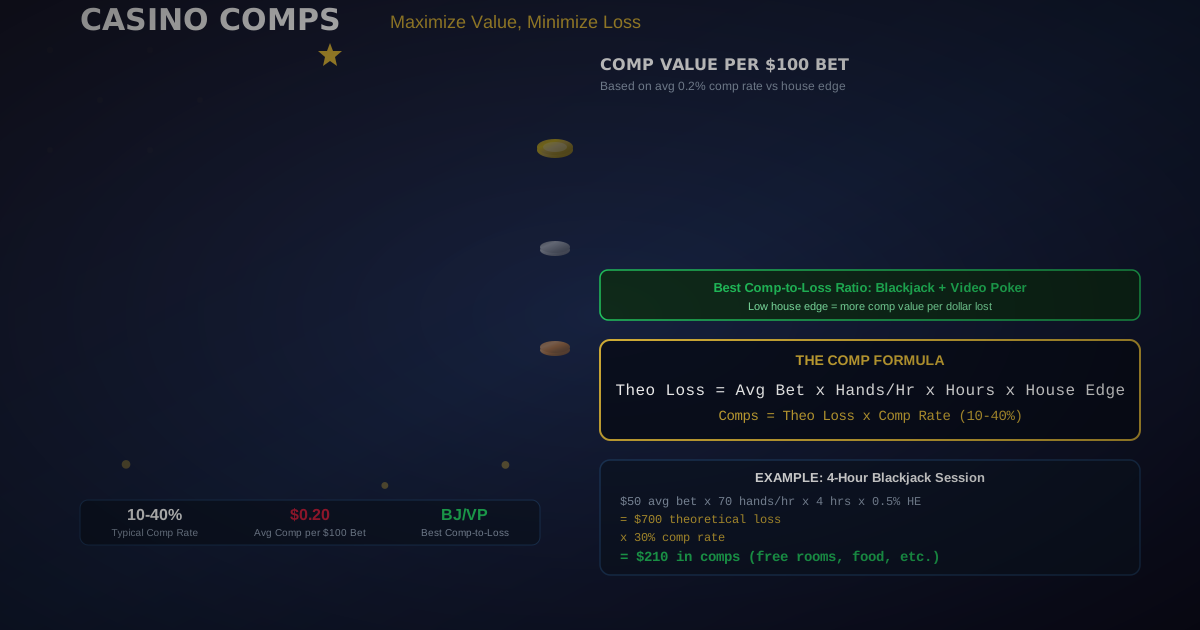
Casino calculation method:

Theoretical loss =
Avg bet × decisions/hr × hours × house edge

You're comped on theoretical
Not actual win/loss

Play $25 blackjack, 2 hours:
$25 × 80 × 2 × 0.5% = $20 theoretical
20% comp = $4 return
The Comp Math Reality
Value Analysis
Comps vs house edge:

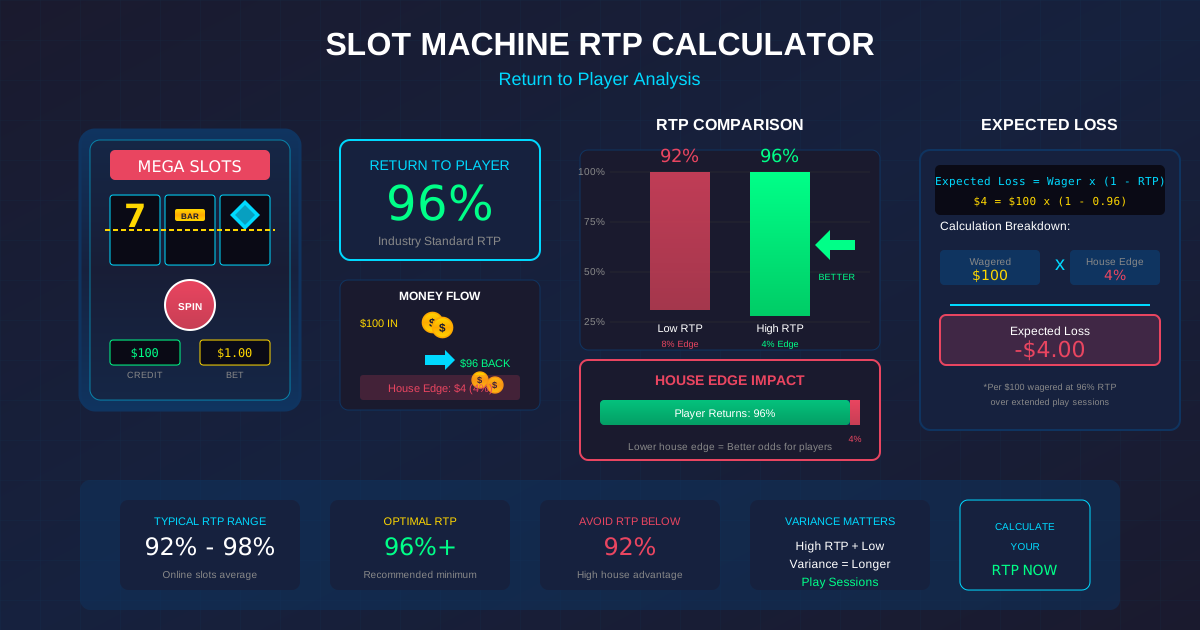
Slots example:
$1,000 wagered
House edge: 5% = $50 expected loss
Comp earn: 0.2% = $2 in comps

Net cost: $48

Table example:
$1,000 wagered on blackjack
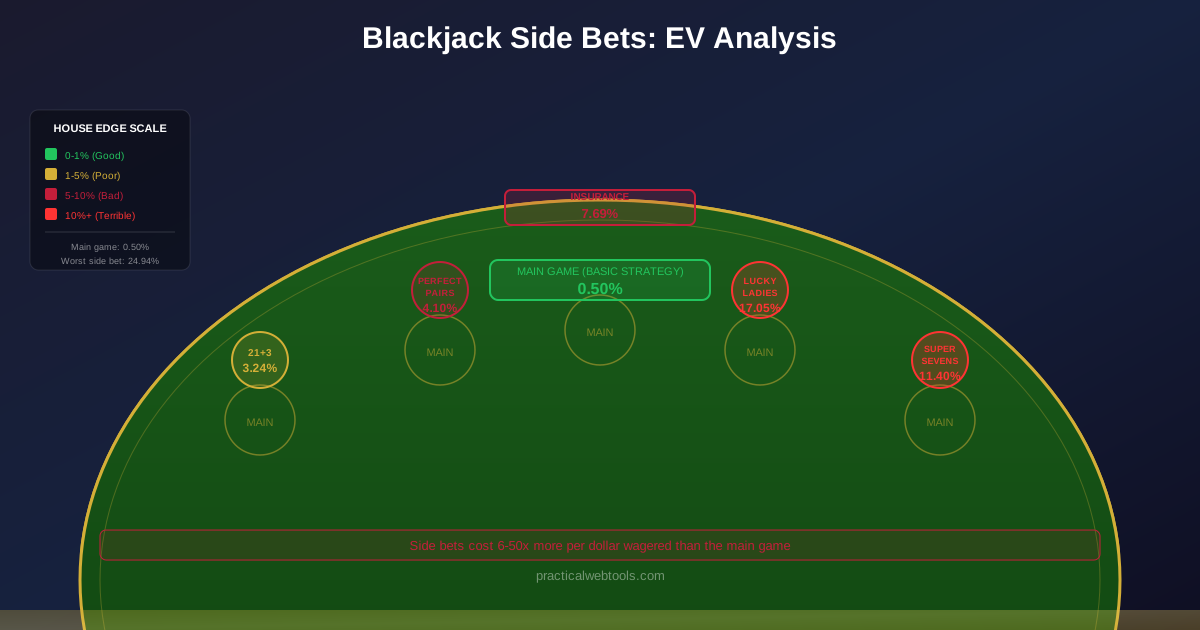
House edge: 0.5% = $5 expected loss
Comp earn: 0.2% = $2 in comps

Net cost: $3

Comps help, don't eliminate edge
Why Casinos Love Comps
Casino comp psychology:

Comps cost: ~0.2% of action
House edge: 2-10%

For every $1 in comps given:
Casino expects $5-50 in profit

Comps = customer retention tool
Not generosity
Marketing expense
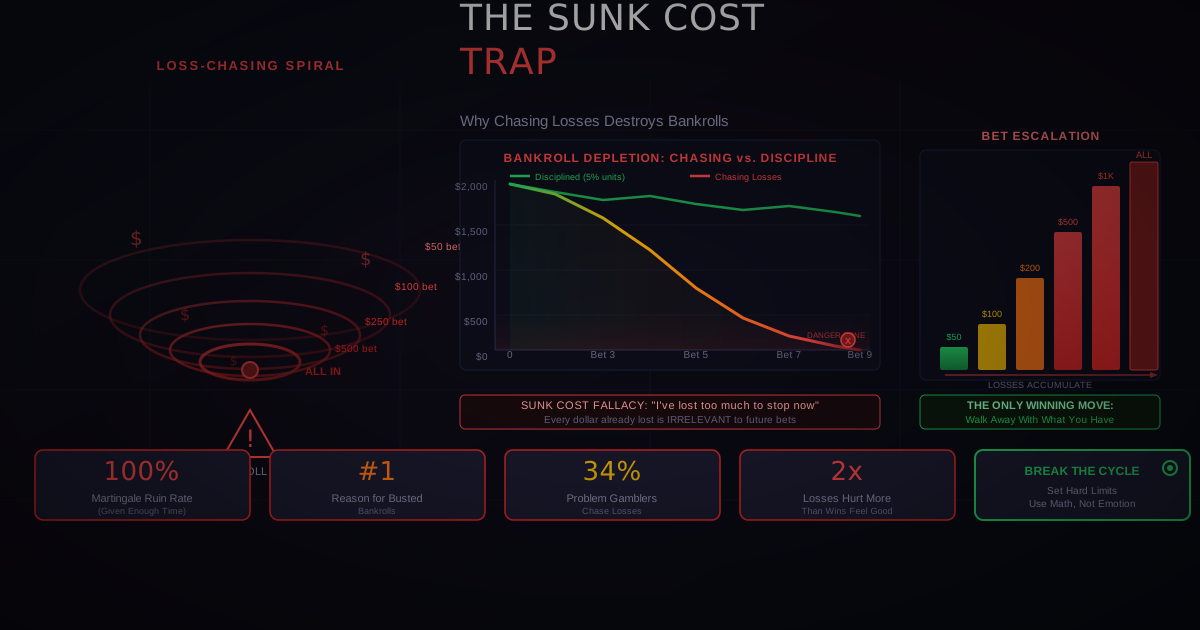
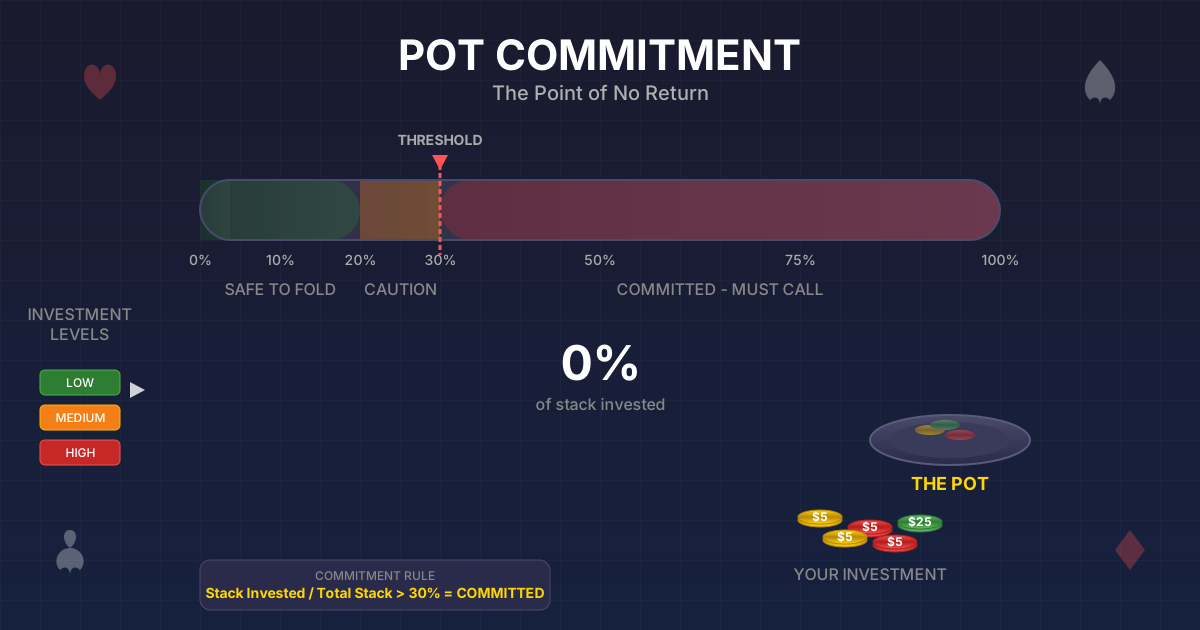
Chasing Comps Is Losing
The chasing trap:

"I'll play more for the free room"

$200 room comp
Requires: $40,000 in action
At 1.5% edge: $600 expected loss

You're paying $600 for $200 room
Net cost: $400

Never chase comps
Tier Status Analysis
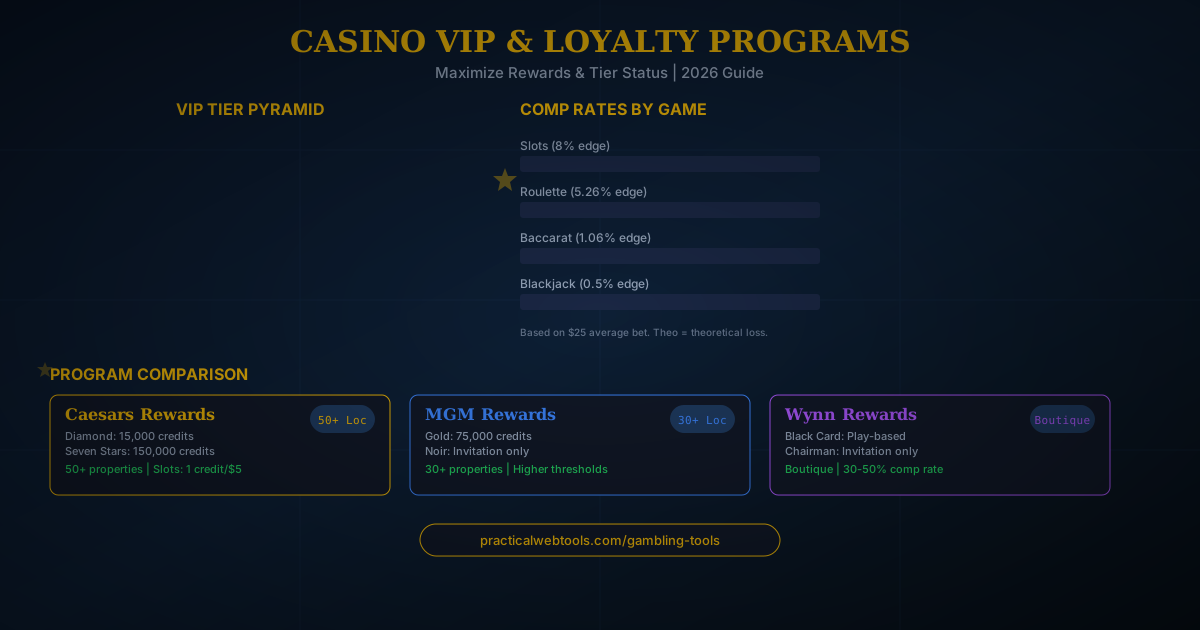
Typical Tier Structure
Casino tier levels:

Bronze: 0-999 points
Silver: 1,000-4,999
Gold: 5,000-24,999
Platinum: 25,000+

Each tier adds perks:
Free parking
Waived fees
Line skipping
Better point multipliers
Tier Cost Calculation
What tiers really cost:

Gold status: 5,000 points needed
At 1 point per $5: $25,000 wagered

Expected loss at 3% edge: $750

Gold perks value: ~$200/year maybe

Net cost to maintain Gold: $550
When Tiers Make Sense
Tiers only make sense if:

You're gambling anyway
Marginal cost is minimal
Perks align with usage

Don't increase gambling
To earn tier status
Math doesn't work
Real-World Examples
Example 1: Slots Session
Typical slot player:
Session: $200 buy-in, 500 spins at $2
Total wagered: $1,000
House edge (5%): $50 expected loss

Comp earn (0.2%): $2 in points
Effective cost: $48

Comps offset 4% of losses
Example 2: Blackjack Session
Card player:
4 hours, $25 average bet
80 hands/hour = 320 hands
Total action: $8,000
House edge (0.5%): $40 expected loss

Comp rate 0.3%: $24 in comps
Effective cost: $16

Better ratio but still losing
Example 3: High Roller
VIP treatment:
$50,000 weekend action
Expected loss (2%): $1,000
Comp return (0.5%): $250

"Free" room: $500 value
"Free" dinner: $200 value
Total perks: $950

Still net -$50 plus variance
But closer to break-even
Example 4: The Wrong Approach
Comp chasing disaster:
Goal: Earn Platinum status
Required: 25,000 points
Points/dollar: 0.2

Wagering needed: $125,000
At 3% edge: $3,750 expected loss

Platinum perks: ~$500/year value
Net cost: $3,250 loss

Terrible investment
Maximizing Comp Value
Same Play, More Points
Smart comp strategies:

Use player's card ALWAYS
Points you'd miss otherwise

Join multiple programs
Same visits, more earn

Take advantage of multipliers
2× point days = same play, more return

Never play MORE for comps
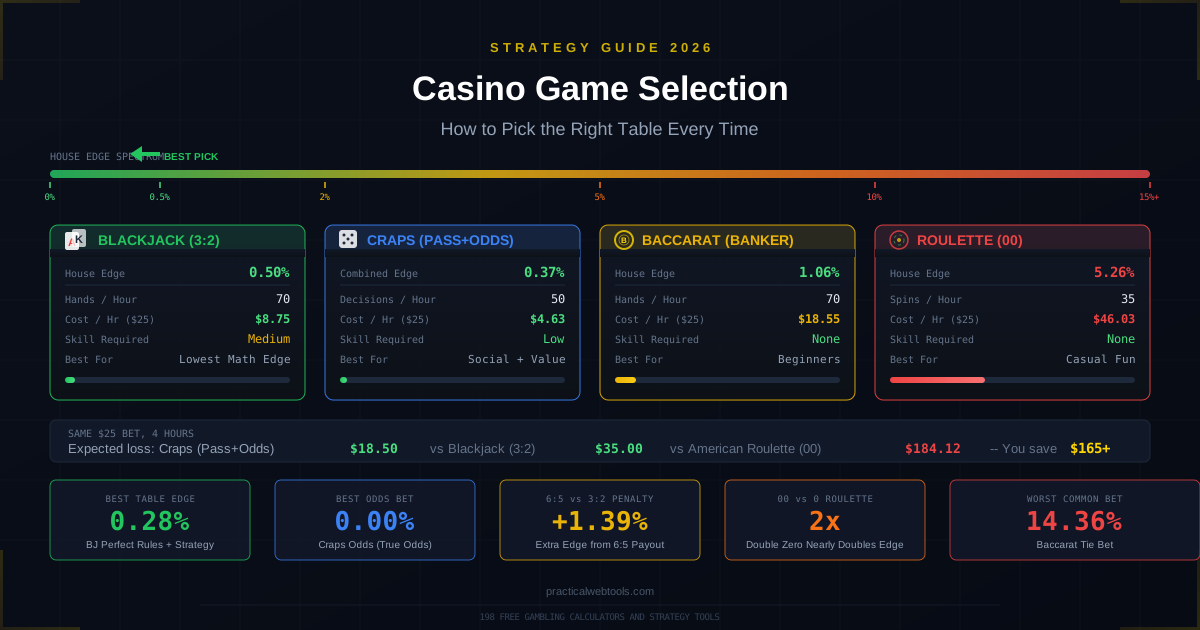
Game Selection
Best comp rate games:

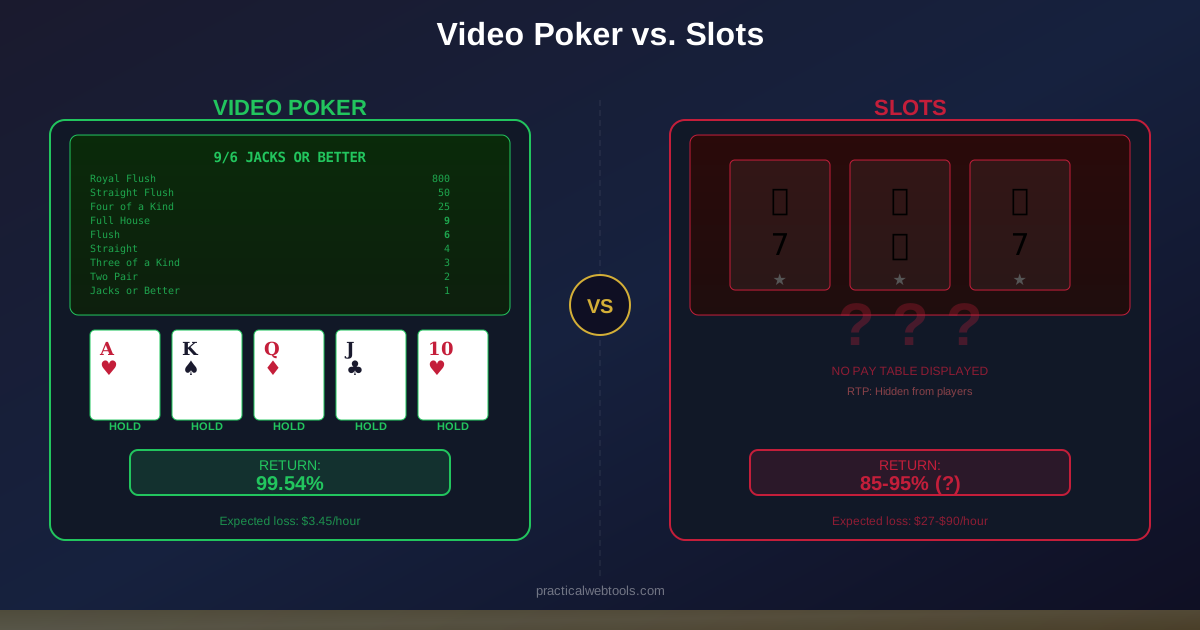
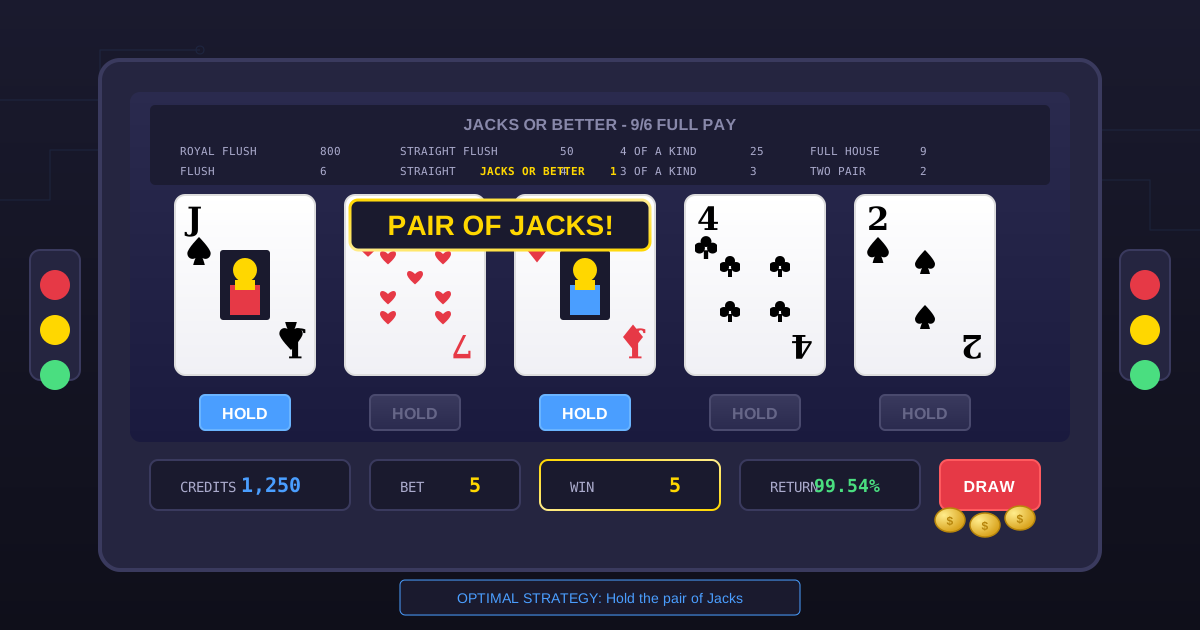
Video poker: Often same rate as slots
But lower house edge

$1,000 video poker action:
Comp: $2 (0.2%)
House edge: $5 (0.5%)
Net cost: $3

$1,000 slots action:
Comp: $2 (0.2%)
House edge: $30 (3%)
Net cost: $28

Same comps, less loss
Using Comps Wisely
Optimal comp redemption:

Free play: Usually 1:1 value
Meals: Often 0.5-0.8:1 value
Merchandise: Usually 0.3-0.5:1 value
Cash back: Full value if available

Prioritize cash back
Then free play
Avoid merchandise
Common Mistakes
1. Playing to Earn Comps
Mistake: Extra gambling for points Problem: Costs more than comps worth Fix: Earn comps from natural play only
2. Forgetting Player Card
Mistake: Playing untracked Problem: Missing points you'd earn anyway Fix: Always insert card first
3. Overvaluing Perks
Mistake: "$500 free room!" Problem: Cost $1,000 in expected losses Fix: Calculate true cost
4. Ignoring Expiration
Mistake: Points expire unused Problem: Earned value lost Fix: Redeem before expiration
Frequently Asked Questions
Are comps really free?
No. They're a small rebate on expected losses. $1 in comps typically requires $50-500 in expected losses to earn.
Should I use my player's card?
Always, if you're gambling anyway. You're leaving free money on the table otherwise. Just don't gamble more because of it.
How are table comps calculated?
Based on average bet × time × game edge × comp percentage. Rated by pit boss, often subjectively.
Can comps offset the house edge?
Never fully. At best, comps return 10-30% of expected losses. You're still net negative.
Are some casinos better for comps?
Yes. Smaller casinos often offer better rates to attract players. Compare before committing loyalty.
Should I play at one casino for tier status?
Only if you'd gamble that much anyway. Never increase play to earn status—math doesn't work.
Pro Tips
-
Always use card: Free points otherwise lost
-
Never chase comps: Costs more than worth
-
Video poker often best: Same comps, lower edge
-
Cash back optimal: Best redemption value
-
Compare programs: Rates vary significantly
Related Calculators
- Expected Value Calculator - True cost
- House Edge Calculator - Game edges
- Casino Bonus Calculator - Online rewards
- Slots RTP Calculator - Slot returns
- Blackjack House Edge Calculator - Table edge
Conclusion
Casino comps return a fraction of your expected losses—typically 0.1-0.3% of action when the house edge is 1-10%. Our calculator reveals the true value of points earned, showing why chasing comps costs far more than the rewards are worth. Use your player's card, but never gamble more to earn more.
Calculate Comp Point Value Now →
That "free" $200 hotel room required $40,000 in action and $600 in expected losses. Our calculator proves comps are a small rebate on losses, not free money.