Casino Hold'em Calculator: Optimal Strategy for Beating the House (2026)
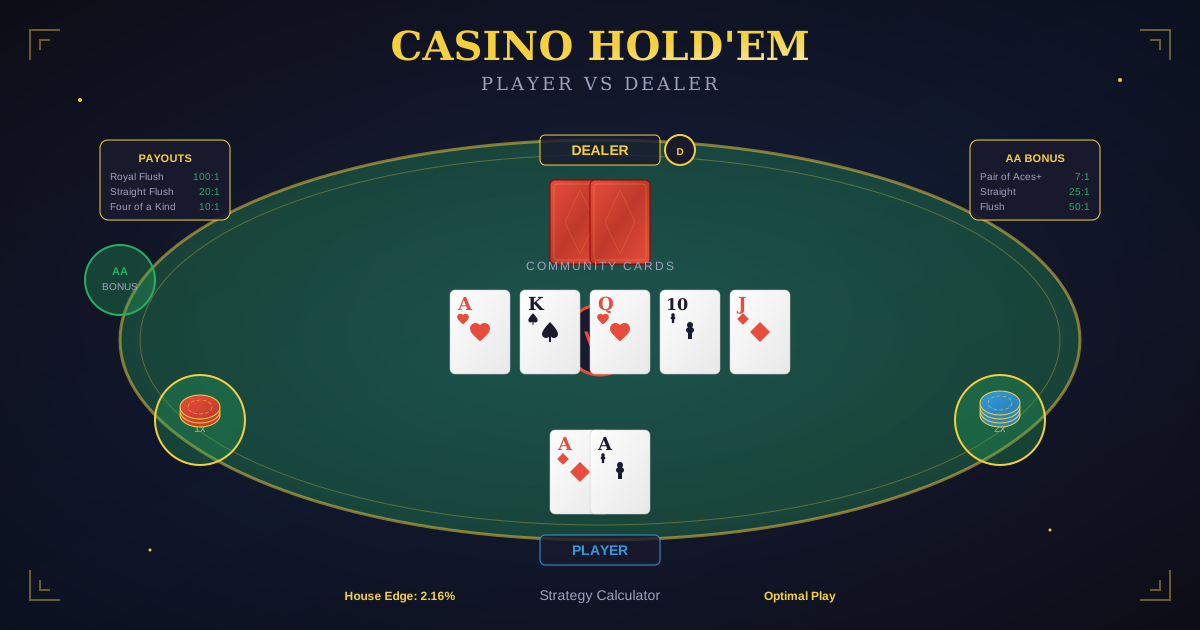
Casino Hold'em Calculator: Maximize Your Edge Against the Dealer
Casino Hold'em brings Texas Hold'em excitement to the casino floor in a player-vs-dealer format. With a house edge under 2.2% using optimal strategy, it's one of the most player-friendly table games available. Our Casino Hold'em calculator shows you the mathematically correct decision for every situation, ensuring you never give away unnecessary edge to the house.
What Is Casino Hold'em?
Casino Hold'em is a poker variant where you compete against the dealer rather than other players. Both you and the dealer receive two hole cards, and five community cards are dealt. You make your best five-card hand using any combination of your hole cards and the community cards. The key decision comes after seeing the flop: call (2x ante) or fold.
Quick Answer: In Casino Hold'em, call (don't fold) approximately 82% of hands. Fold only with truly hopeless holdings: no pair, no flush draw, no straight draw, and poor high cards. The optimal strategy yields a 2.16% house edge. Key rule: if you have any pair, any draw with 8+ outs, or ace-high with potential, call. The fold rate should be about 18% of hands.
How to Use Our Calculator
Use the Casino Hold'em Calculator →
Step-by-Step Instructions
- Enter Your Hole Cards: Input your two cards
- Enter the Flop: Input the three community cards
- Get Decision: Receive call or fold recommendation
- See Equity: View your winning probability
- Calculate EV: Understand expected value of each option
Input Fields
| Field | Description | Example |
|---|---|---|
| Hole Card 1 | Your first card | A♠ |
| Hole Card 2 | Your second card | K♥ |
| Flop Card 1 | First community card | 7♦ |
| Flop Card 2 | Second community card | 8♣ |
| Flop Card 3 | Third community card | 2♠ |
| Ante Amount | Your initial bet | $25 |
Game Flow and Betting Structure
Betting Rounds
1. Ante Bet: Required to receive cards
2. Optional: AA Bonus side bet
3. Deal: 2 hole cards to player and dealer
4. Flop: 3 community cards dealt
5. Decision: Call (2x ante) or Fold
6. Turn & River: Remaining community cards dealt
7. Showdown: Best 5-card hand wins
Hand Resolution
Dealer Qualifies: Pair of 4s or better

If Dealer Doesn't Qualify:
- Ante pays 1:1
- Call bet pushes

If Dealer Qualifies and Player Wins:
- Ante pays according to paytable
- Call bet pays 1:1

If Dealer Qualifies and Dealer Wins:
- Player loses ante and call bet
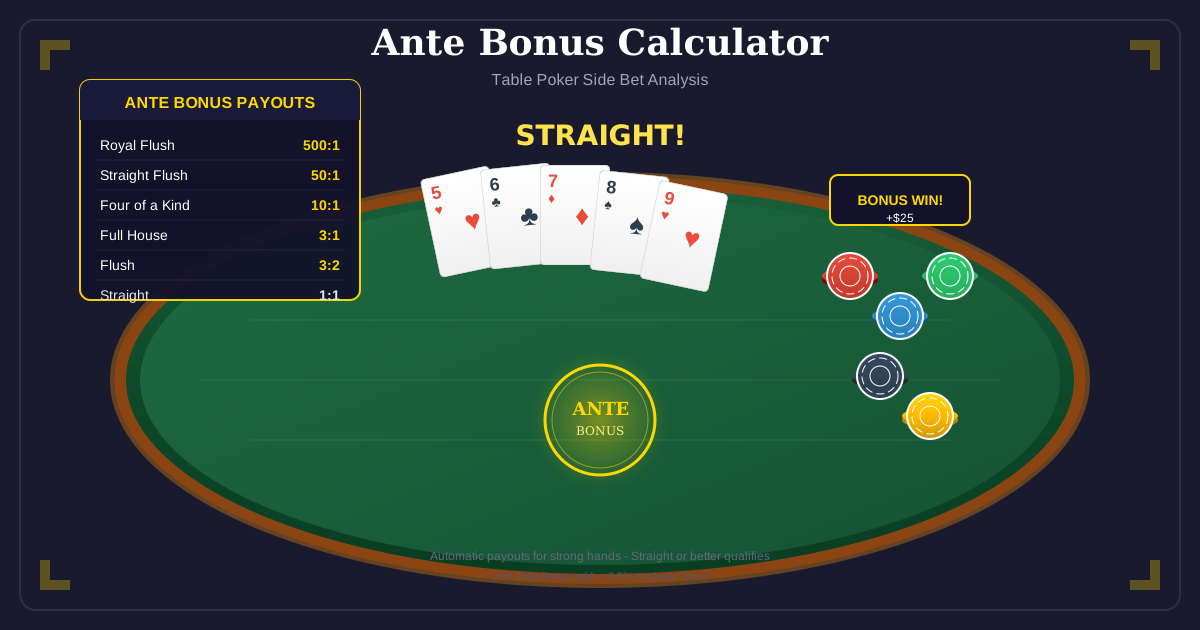
Ante Bonus Paytable
Standard Paytable:
Royal Flush: 100 to 1
Straight Flush: 20 to 1
Four of a Kind: 10 to 1
Full House: 3 to 1
Flush: 2 to 1

Note: Bonus pays regardless of dealer outcome
If you make a flush or better, you get the bonus
even if the dealer beats you
Optimal Strategy
The Fundamental Rule
Fold only when you have:
- No pair
- No flush draw (less than 4 to a flush)
- No straight draw (less than 8 outs)
- Poor high card strength

In practice: Fold about 18% of hands
Call about 82% of hands
Detailed Strategy Guidelines
Always Call With:
1. Any pair (including board pair with overcards)
2. Four to a flush
3. Four to an open-ended straight
4. Any ace or king high
5. Any two overcards to the board
6. Gutshot straight draw with overcards
Always Fold With:
1. No pair, no draw, both cards under the board
2. No pair, no draw, one undercard + low kicker
3. Complete airballs with no improvement potential
Borderline Situations
Queen-High, No Draw:
Usually fold unless:
- Q-J or Q-10 with straight potential
- Backdoor flush possibility

Jack-High, No Draw:
Usually fold unless:
- J-10 with double broadway cards on board
- Multiple backdoor possibilities

Low Suited Connectors:
Call if four to a flush
Call if four to a straight
Fold with no draw achieved
Expected Value Calculations
EV of Calling vs Folding
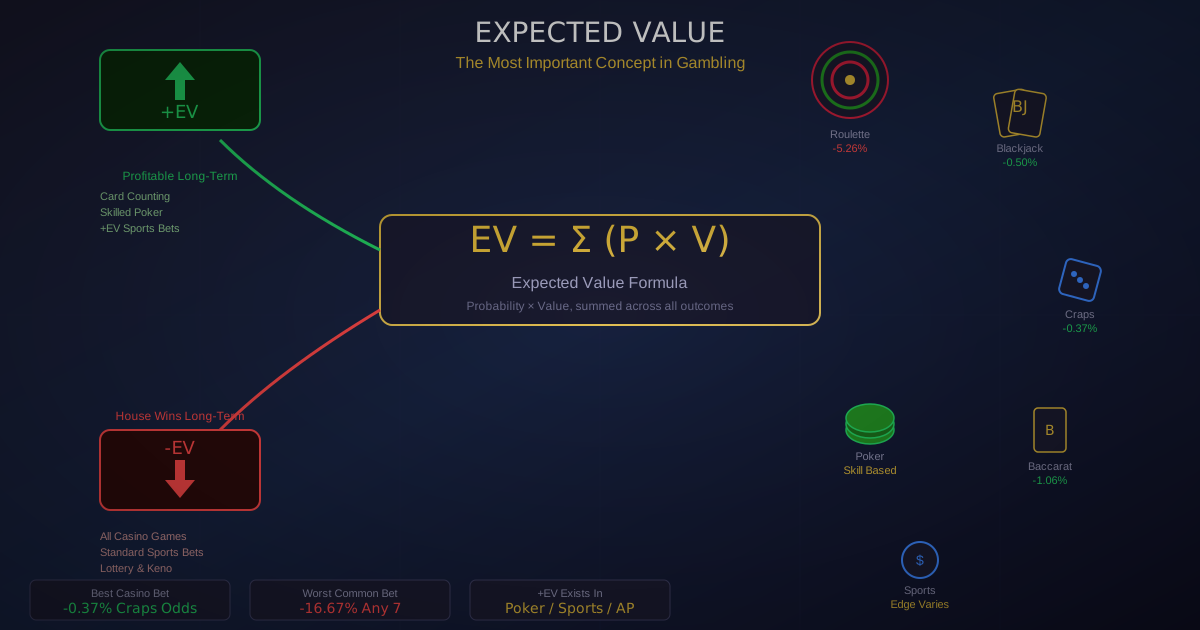
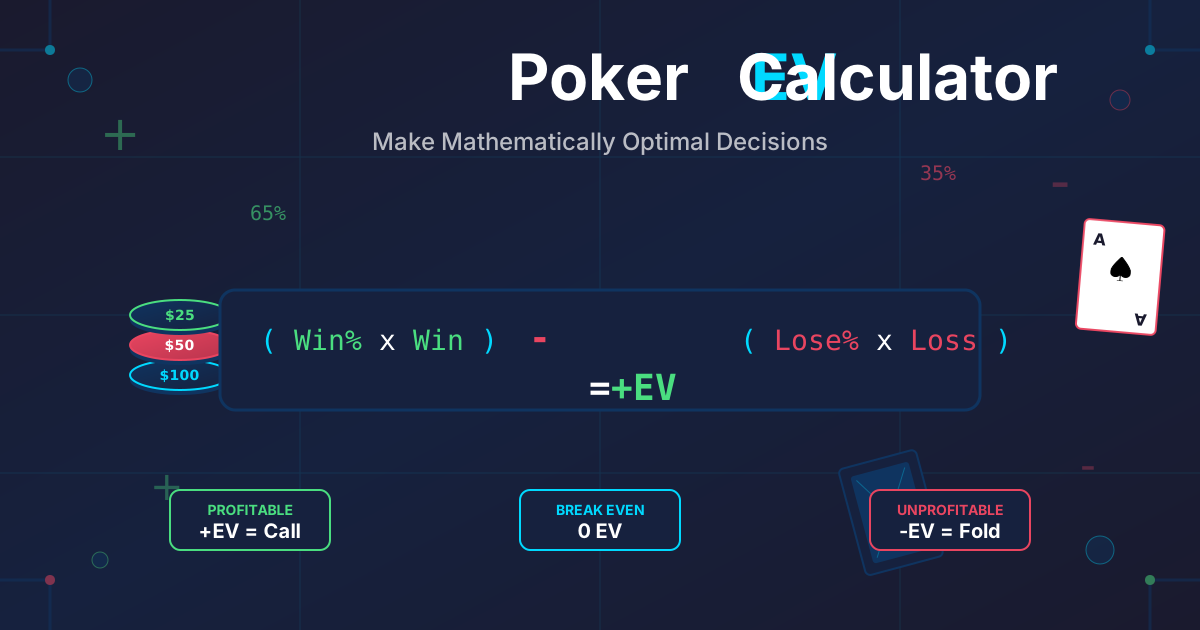
EV(Call) = P(Win) × WinAmount - P(Lose) × LoseAmount
EV(Fold) = -1 Ante (guaranteed)

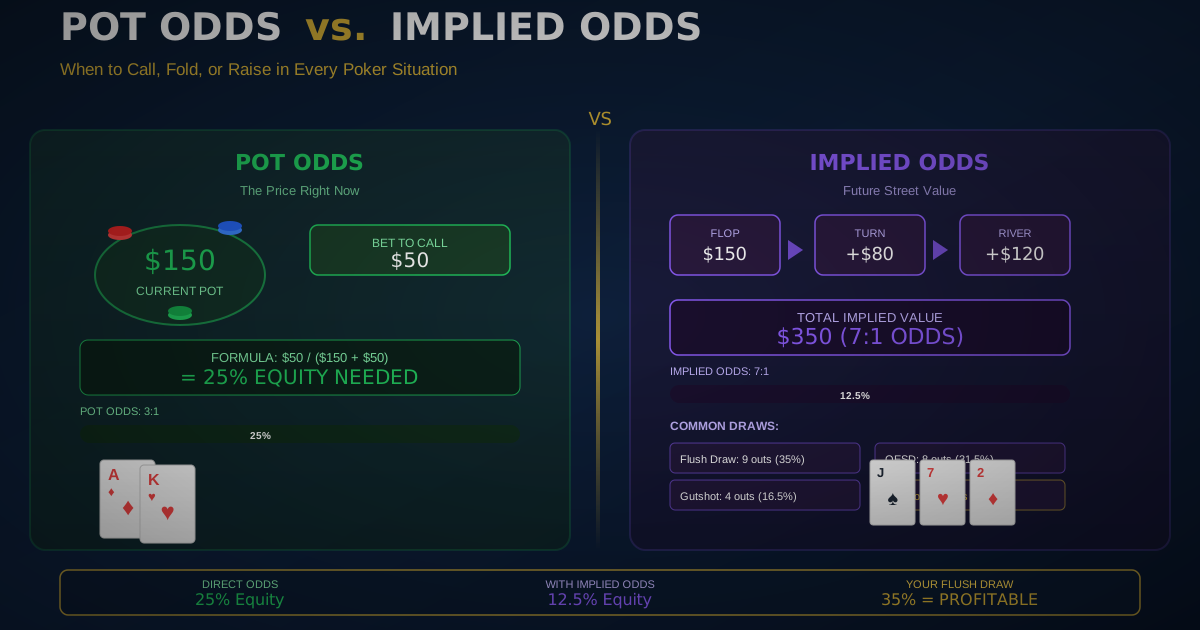
Example: AK on 8-7-2 rainbow
Equity vs dealer range: ~65%
Dealer qualifies: ~70%

Call wins: 65% × 70% = 45.5% (1:1 on both bets)
Call wins, no qualify: 65% × 30% = 19.5% (ante only)
Call loses: 35% × 70% = 24.5% (lose both)
Call loses, no qualify: 35% × 30% = 10.5% (ante only)

Expected Value: Strongly positive to call
When Folding Is Correct
Example: 5-3 offsuit on A-K-Q rainbow

Your equity: ~8%
Improvement outs: 6 (two pair or better)
Backdoor options: None meaningful

EV(Call):
Win probability: ~8%
Expected return: Very negative

EV(Fold): -1 ante

Folding saves the 2x call bet on a losing hand
House Edge Analysis
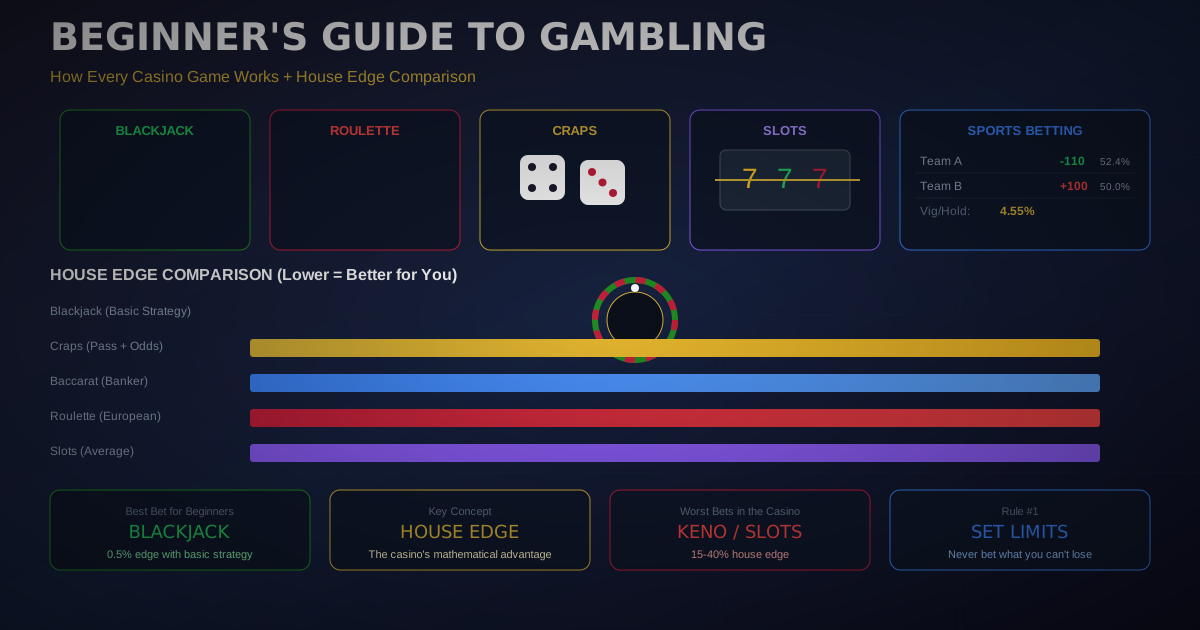
Main Game House Edge
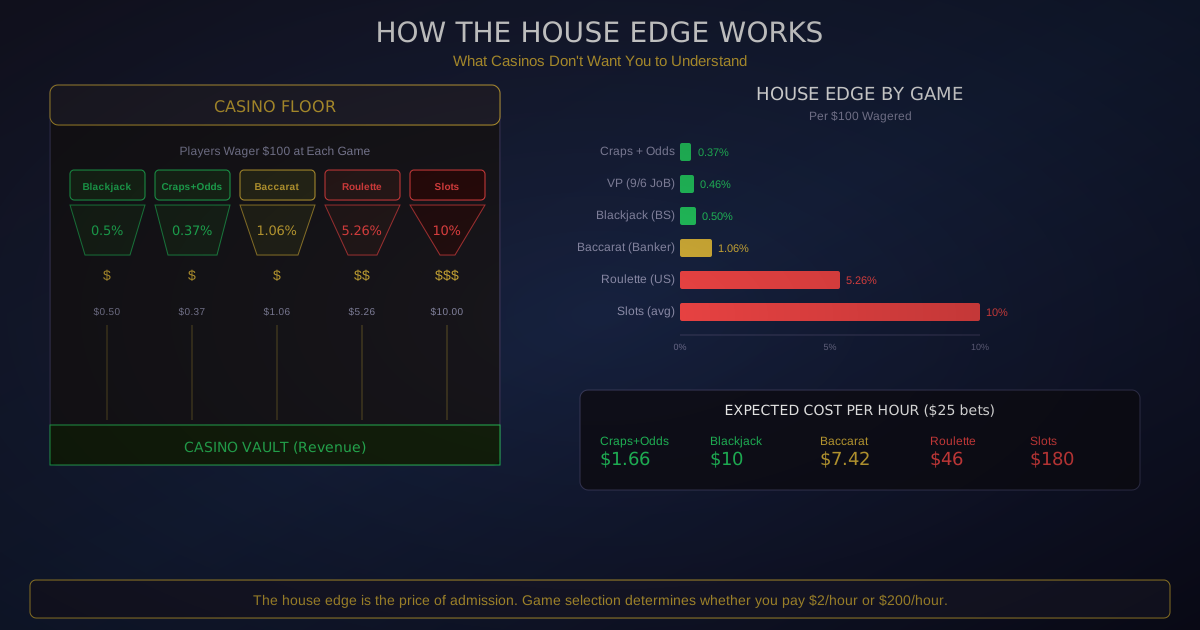
Optimal strategy: 2.16%
Average strategy: 3-5%
Poor strategy: 7-10%+

The gap between optimal and poor play is significant
Following correct strategy saves 2-5% of your bets
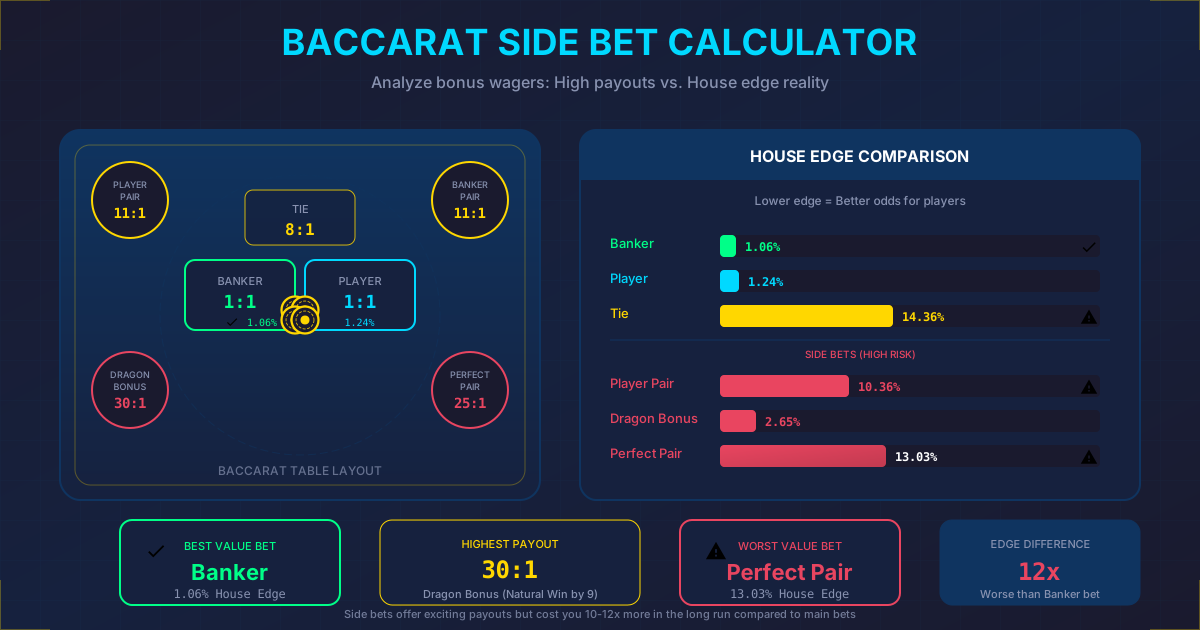
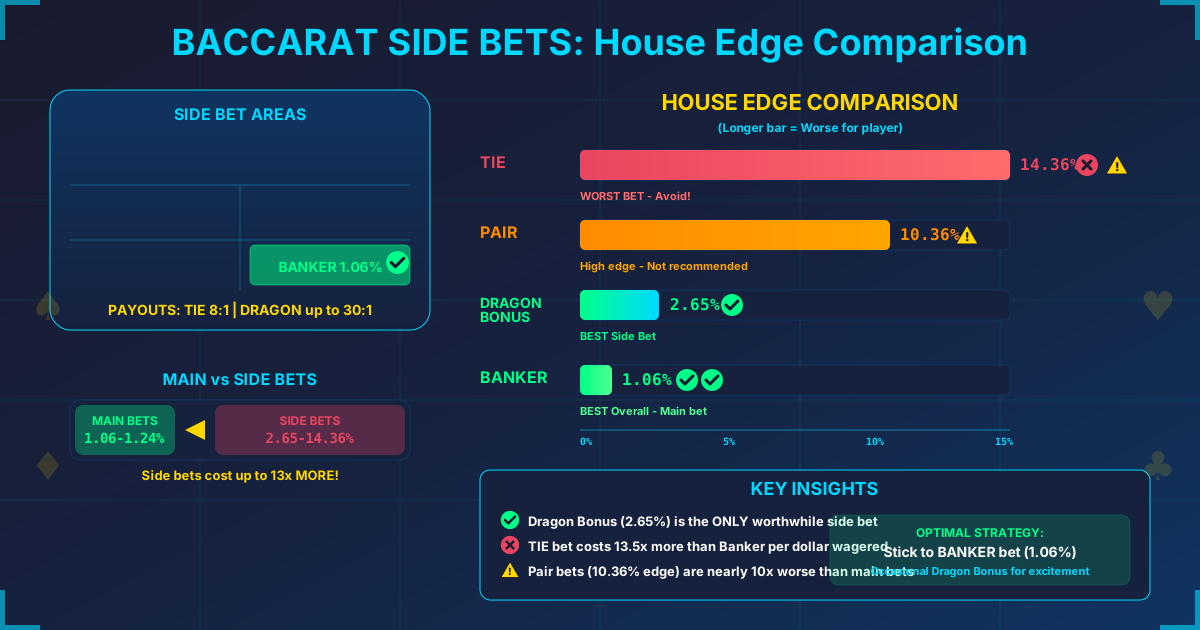
AA Bonus House Edge
Standard paytable: 6.26%
This is relatively high for a side bet

AA Bonus Paytable:
Pair of Aces to Royal Flush pays bonuses
House edge varies by exact paytable: 2-8%

Recommendation: Skip the AA Bonus
It significantly increases expected losses
Dealer Qualification Rate
Dealer qualifies (pair of 4s+): ~83% of hands
Dealer doesn't qualify: ~17% of hands

When dealer doesn't qualify:
- Your call bet pushes
- Ante pays 1:1
This reduces effective losses significantly
Real-World Examples
Example 1: Premium Starting Hand
Situation:
Your hand: A♠ K♦
Flop: 7♣ 8♥ 2♠
No pair, no draw, ace-king high
Analysis:
Your hand strength: Ace-high (currently)
Outs to improve:
- 6 aces and kings
- Running straight possible
- No flush draw

Equity vs dealer: ~62%
Decision: CALL

Despite no made hand, AK is strong
enough to profitably call
Example 2: Made Pair
Situation:
Your hand: 9♥ 9♣
Flop: A♦ K♠ 3♣
Underpair to board
Analysis:
Your hand: Pair of nines
Danger: Overcards A, K on board
Outs: 2 nines for set

Equity vs dealer: ~55%
Decision: CALL

Any pair should be called
Even underpairs have sufficient equity
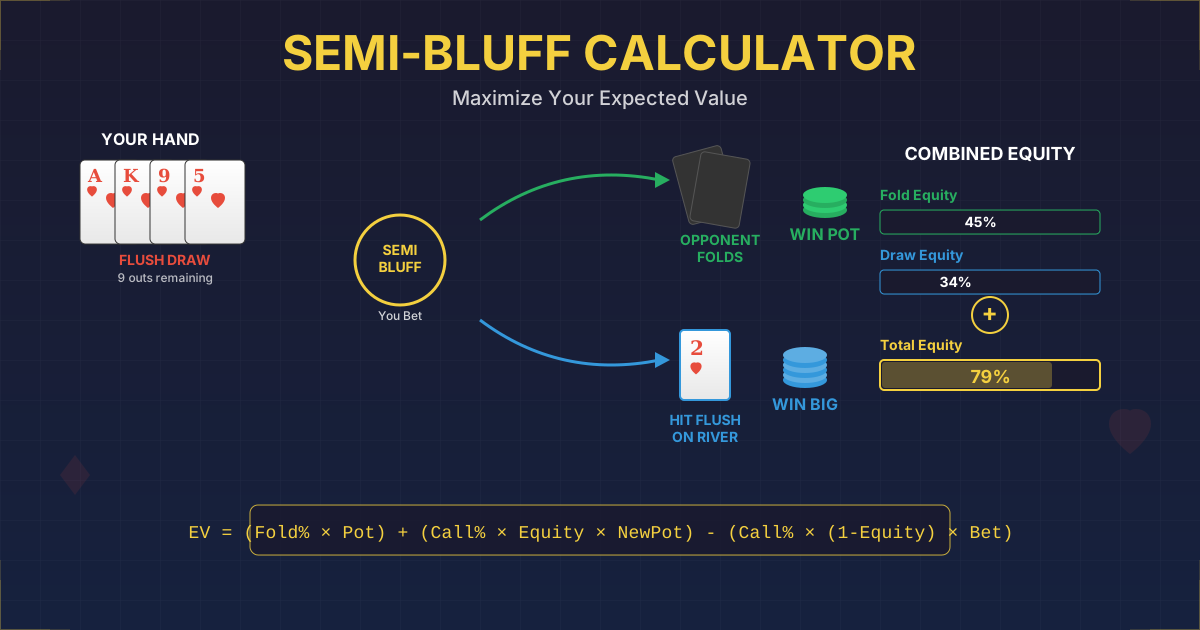
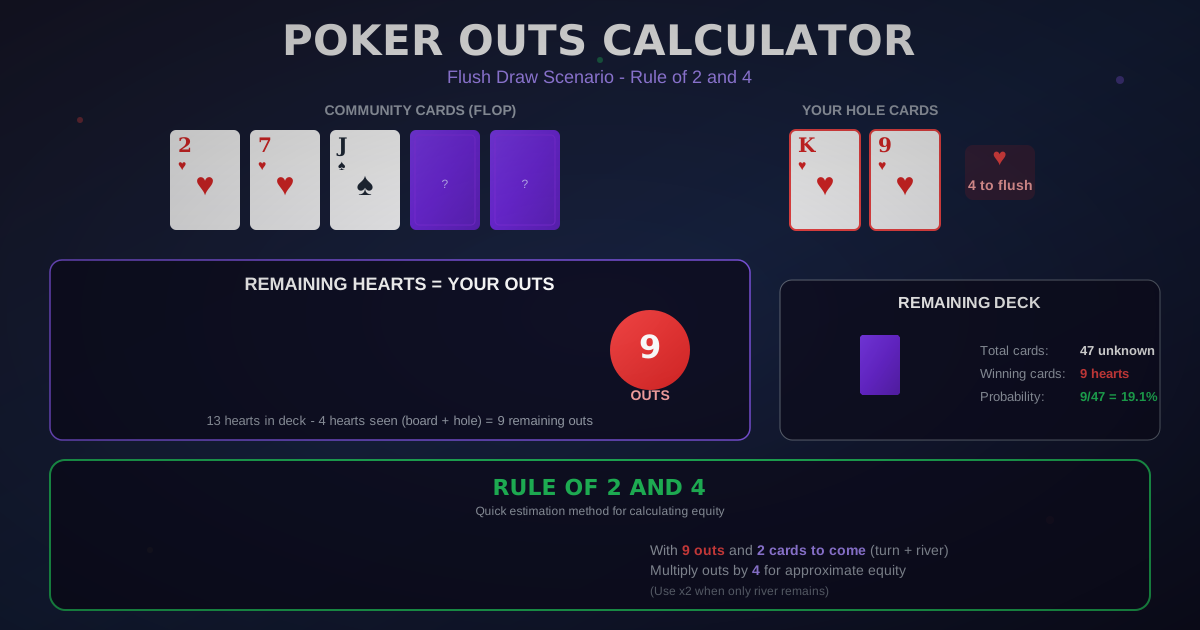
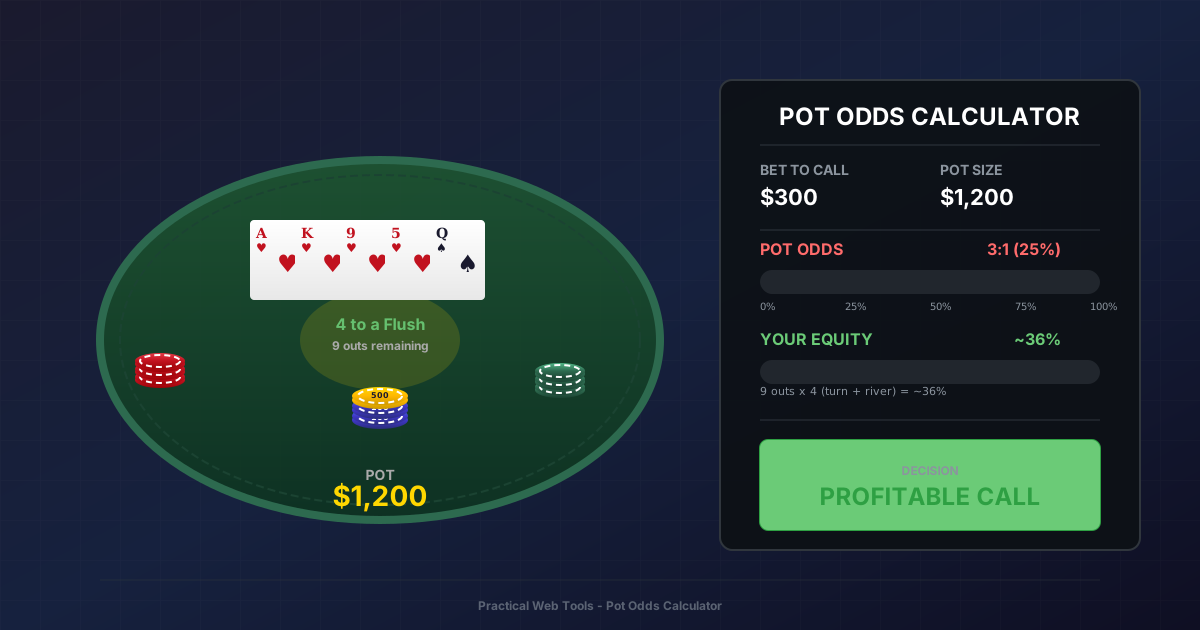
Example 3: Flush Draw
Situation:
Your hand: J♥ 6♥
Flop: K♥ 9♥ 2♣
Four to a flush
Analysis:
Your hand: Jack-high (currently)
Hearts in hand/board: 4
Outs to flush: 9 hearts remaining
Additional outs: Running straight possibilities

Equity vs dealer: ~48%
Decision: CALL

Four to a flush is always a call
The draw equity makes this profitable
Example 4: Straight Draw
Situation:
Your hand: 10♦ 9♣
Flop: J♠ 8♥ 3♦
Open-ended straight draw
Analysis:
Straight outs: 8 (four queens, four sevens)
Current hand: Ten-high
Additional equity: Pair outs

Equity vs dealer: ~45%
Decision: CALL

Open-ended straight draws have
sufficient equity to continue
Example 5: Clear Fold
Situation:
Your hand: 5♣ 3♦
Flop: K♠ Q♥ 9♣
No pair, no draw, low cards
Analysis:
Your hand: Five-high
Pair outs: 6 (fives and threes)
But pairs may still lose
No straight draw (gaps too large)
No flush draw (no matching suits)

Equity vs dealer: ~12%
Decision: FOLD

This is a clear fold situation
No reasonable path to winning
Example 6: Borderline Decision
Situation:
Your hand: Q♦ J♣
Flop: A♠ 8♥ 4♦
Queen-jack high, no draw
Analysis:
Your hand: Queen-high
Straight potential: Minimal (need K-10 runner)
Flush draw: None
Pair outs: 6

Equity vs dealer: ~35%
EV(Call) vs EV(Fold): Close

Decision: CALL (barely)
QJ has enough high card strength
to marginally justify calling
Advanced Concepts
Dealer Qualification Impact
Understanding qualification changes EV:

When dealer qualifies 83% of time:
- 83% of calls: Full action on both bets
- 17% of calls: Ante action only

Marginal hands benefit from non-qualification
A losing call loses less when dealer doesn't qualify
Backdoor Draws
Backdoor draws add equity:

Backdoor flush: ~1.5% equity addition
Backdoor straight: ~1% equity addition
Both together: ~2-3% equity

These small additions can make
marginal folds become marginal calls
Board Texture Reading
Wet boards (many draws):
- Dealer hit or miss
- More volatile outcomes
- Continue with draws

Dry boards (few draws):
- Pairs more likely to hold
- High cards matter more
- Drawing hands weaker
Bankroll Management
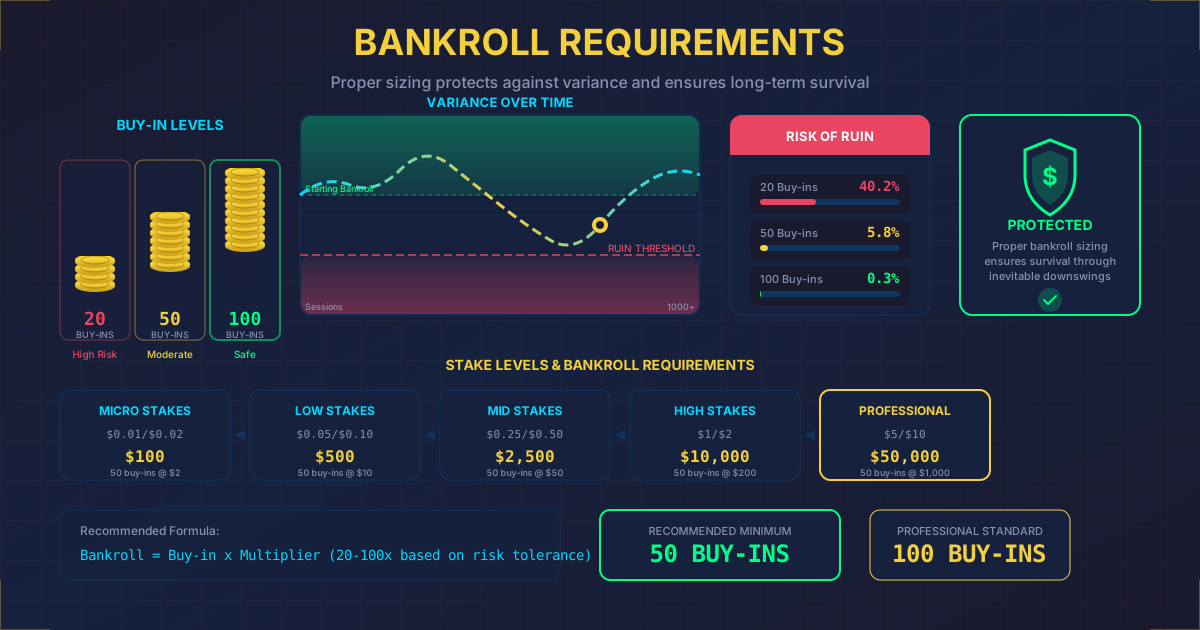
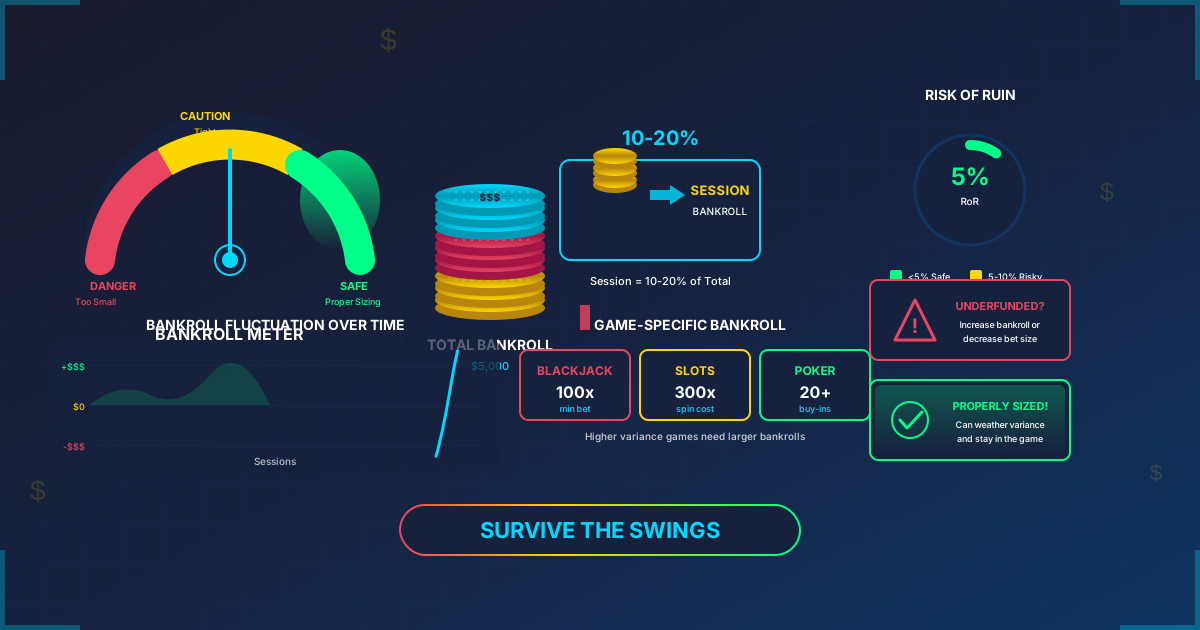
Session Bankroll Requirements
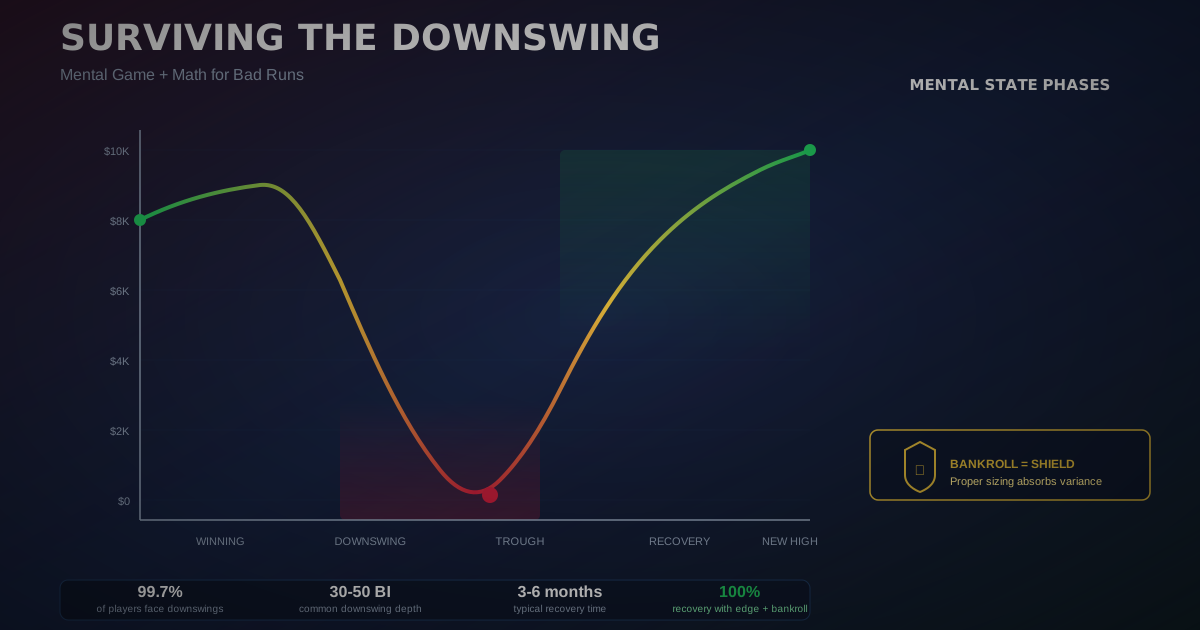
Recommended: 40-50 ante units
At $25 ante: $1,000-$1,250

Each hand risks 1-3 units:
- Fold: Lose 1 unit
- Call: Risk 3 units (ante + 2x call)

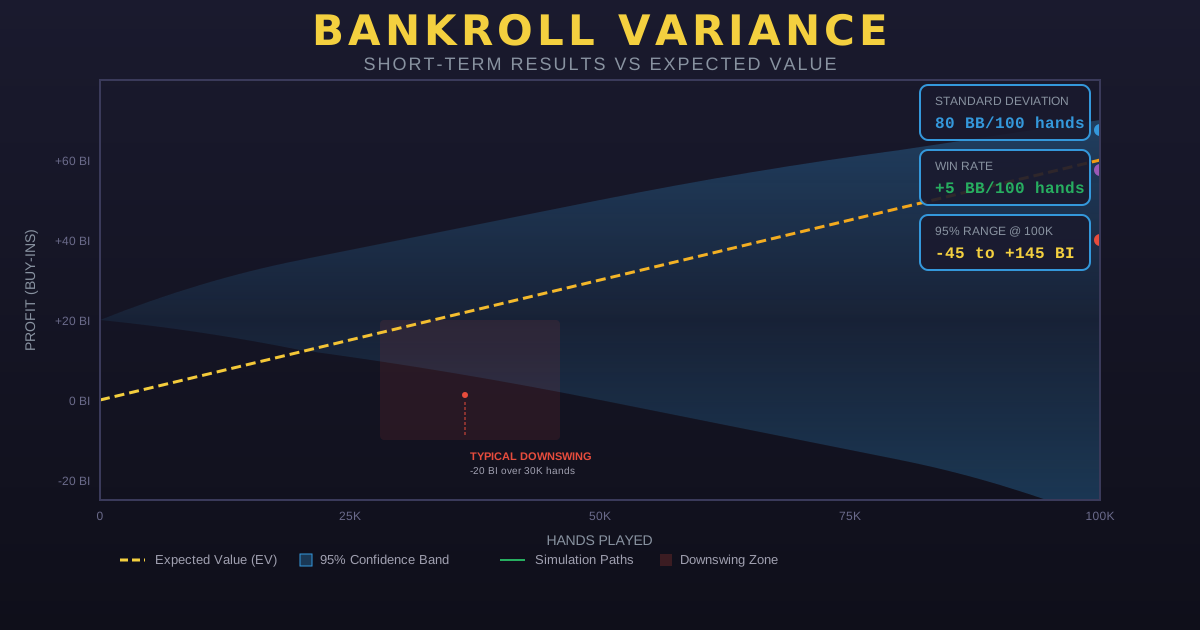
Variance is moderate compared to slots
but higher than blackjack
Expected Session Results
100 hands at $25 ante:

Expected loss: $25 × 100 × 0.0216 = $54
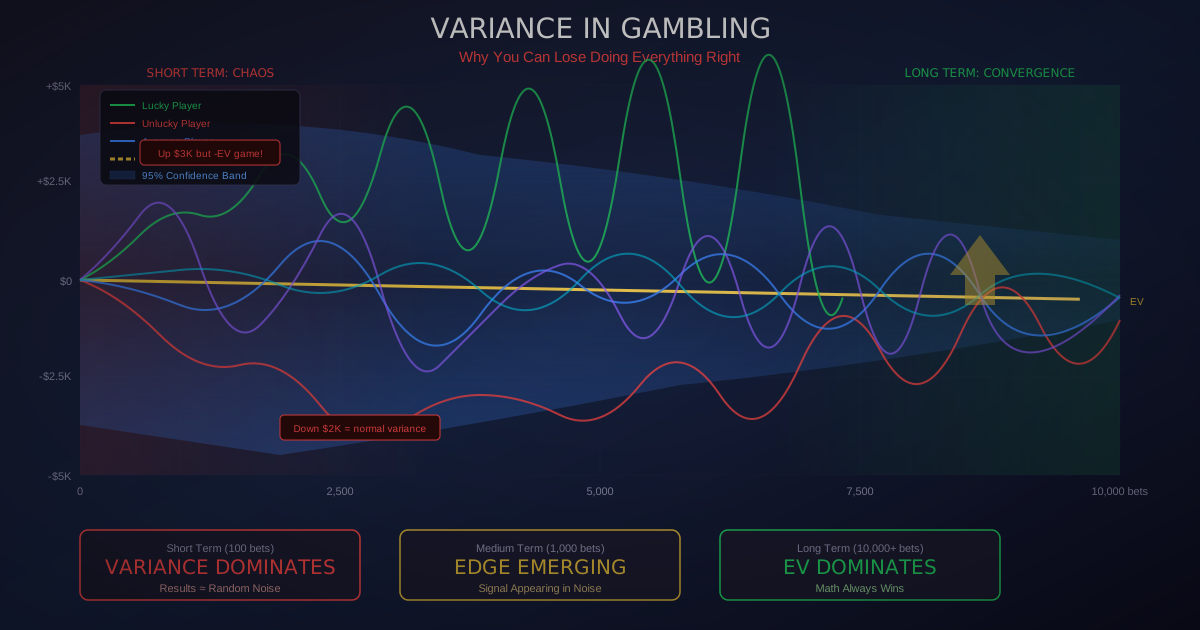
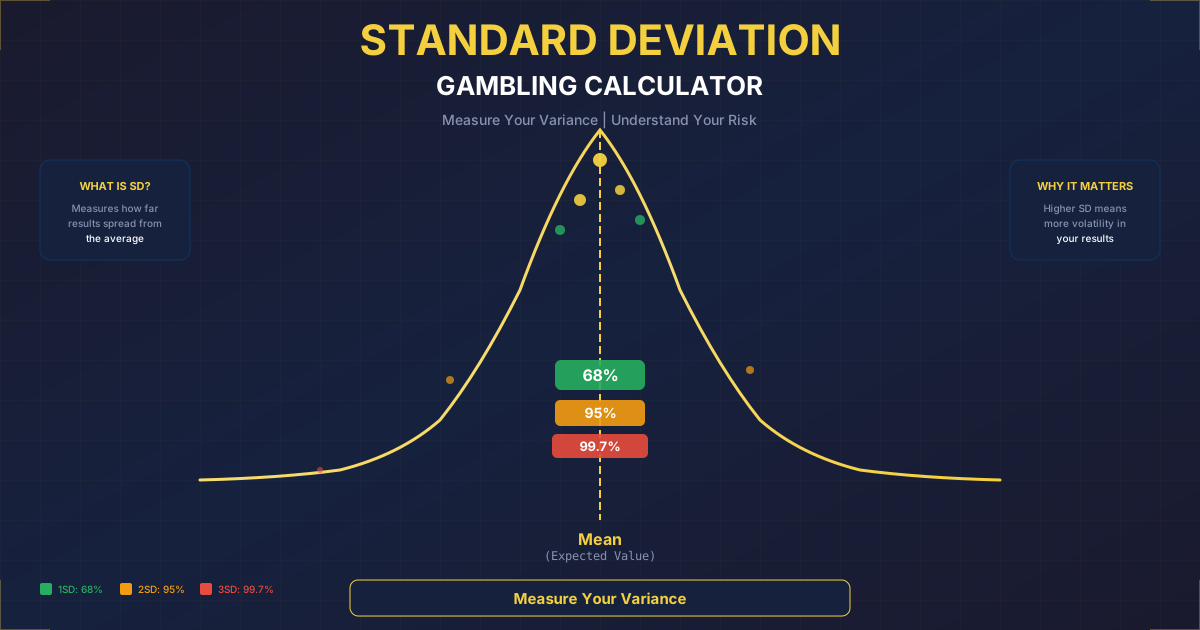
Standard deviation: ~$450

Outcomes distribution:
- 20% chance: Win $300+
- 30% chance: Win $0-$300
- 30% chance: Lose $0-$300
- 20% chance: Lose $300+
Common Mistakes to Avoid
-
Folding Too Often: Many players fold marginal hands that should be called. The call rate should be about 82%, not 50%.
-
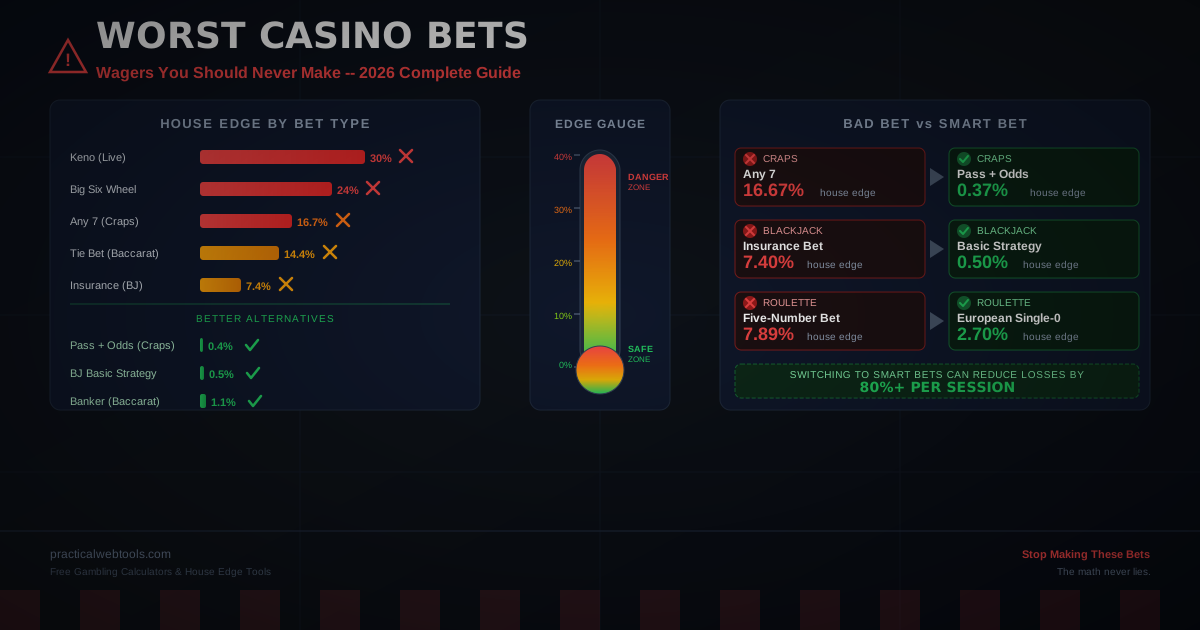
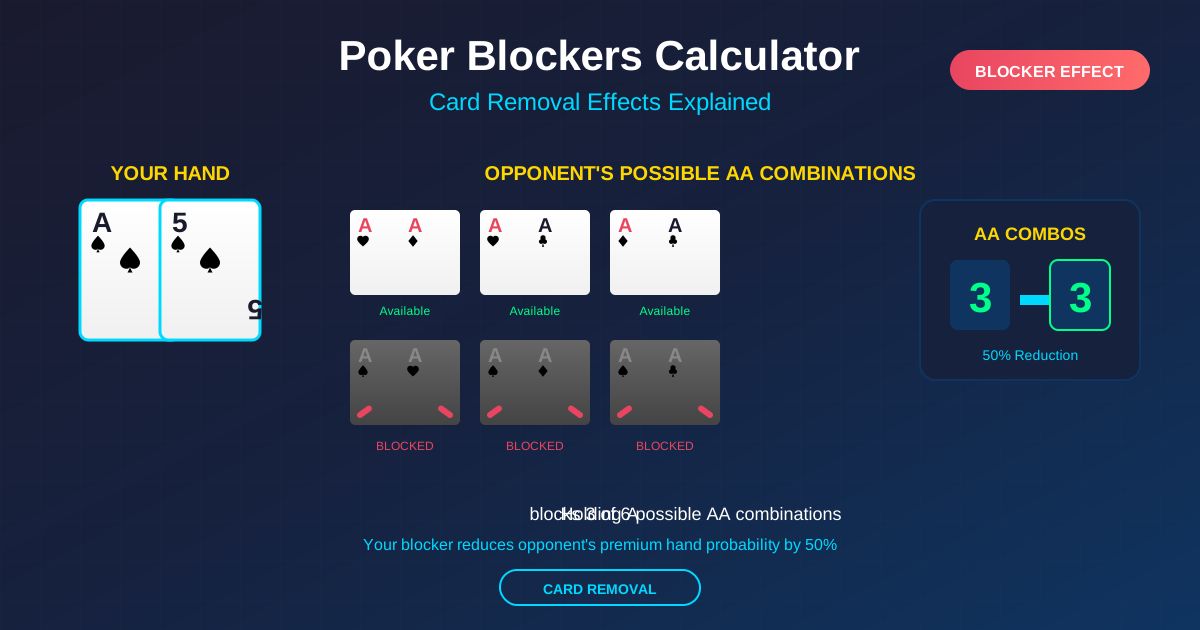
Playing the AA Bonus: The side bet has a house edge 3x higher than the main game. Skip it to minimize expected losses.
-
Ignoring Draw Equity: A hand with no pair but a flush draw has more equity than many players realize. Four to a flush is always a call.
-
Overvaluing No-Pair Hands: While ace-high is often a call, hands like Q-5 offsuit with no draws should be folded.
-
Not Considering Dealer Non-Qualification: The 17% non-qualification rate matters. It makes marginal calls more profitable.
-
Tilting After Bad Beats: Variance happens. Stick to optimal strategy regardless of recent results.
Frequently Asked Questions
What is the house edge in Casino Hold'em?
With optimal strategy, the house edge is approximately 2.16% on the main game. This makes it one of the lower house edge table games available.
Should I play the AA Bonus?
No. The AA Bonus typically has a house edge of 6-7%, which is much higher than the main game. Playing it increases your expected losses significantly.
How often should I fold?
Approximately 18% of hands should be folded. If you're folding more than 25% of hands, you're probably folding too many marginal spots that are actually profitable calls.
Does Casino Hold'em require poker skills?
Basic poker hand rankings knowledge is needed, but you don't need advanced poker skills. The game has fixed decisions (call or fold) based on your cards and the flop.
What hands always call?
Any pair, any four-card flush draw, any open-ended straight draw, and any ace-king or ace-queen high should always call. These represent the clear call situations.
Is Casino Hold'em better than Three Card Poker?
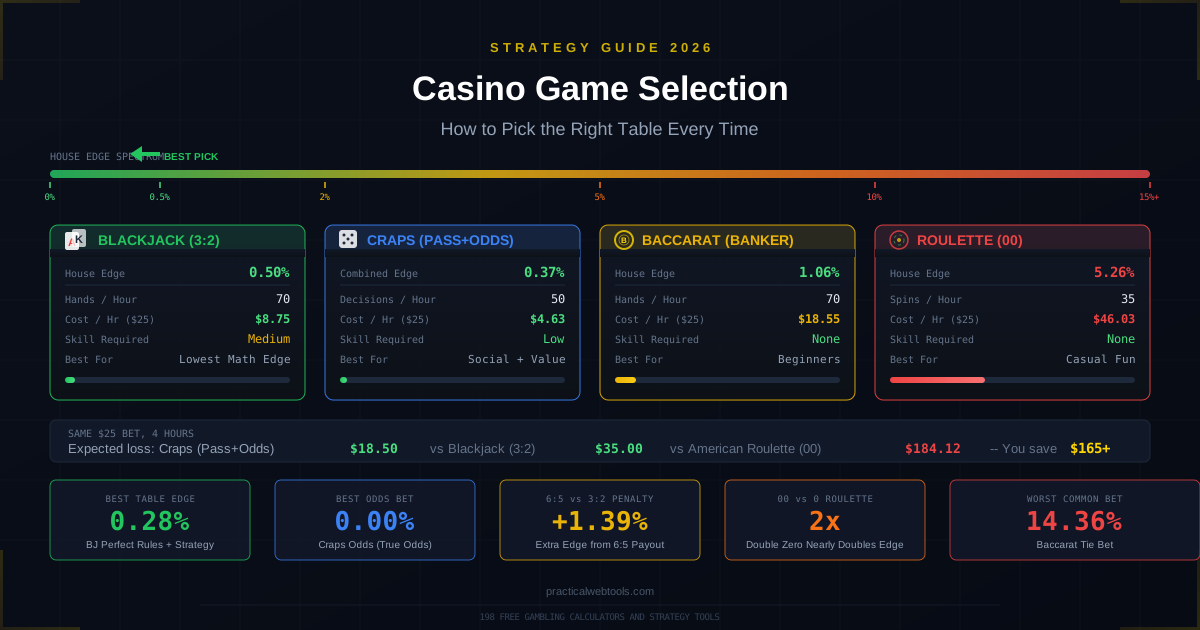
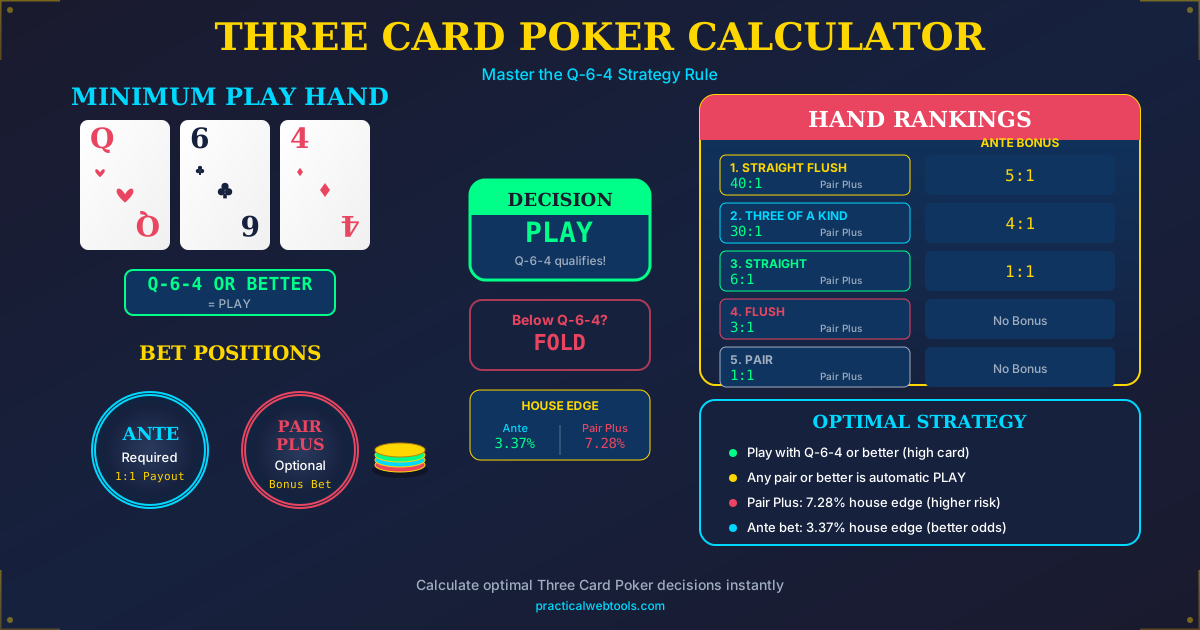
Casino Hold'em has a lower house edge (2.16% vs 3.37%) and involves more interesting decisions. However, it's slower with more betting required per hand.
What happens if the dealer doesn't qualify?
If the dealer doesn't have at least a pair of 4s, your ante bet pays 1:1 and your call bet pushes (is returned). This is favorable for players.
Can I card count in Casino Hold'em?
Card counting isn't practical because the deck is shuffled after each hand and the decisions don't change based on previous cards.
Pro Tips
- Print or memorize the basic strategy chart until decisions become automatic
- Never play the AA Bonus - it triples the effective house edge of your session
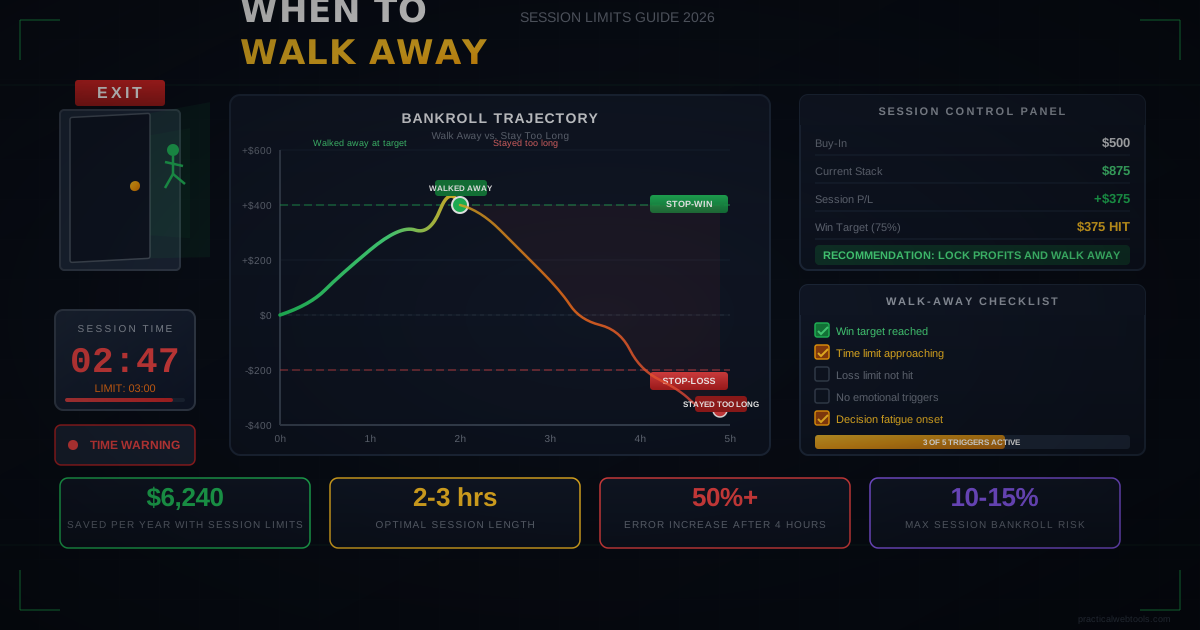
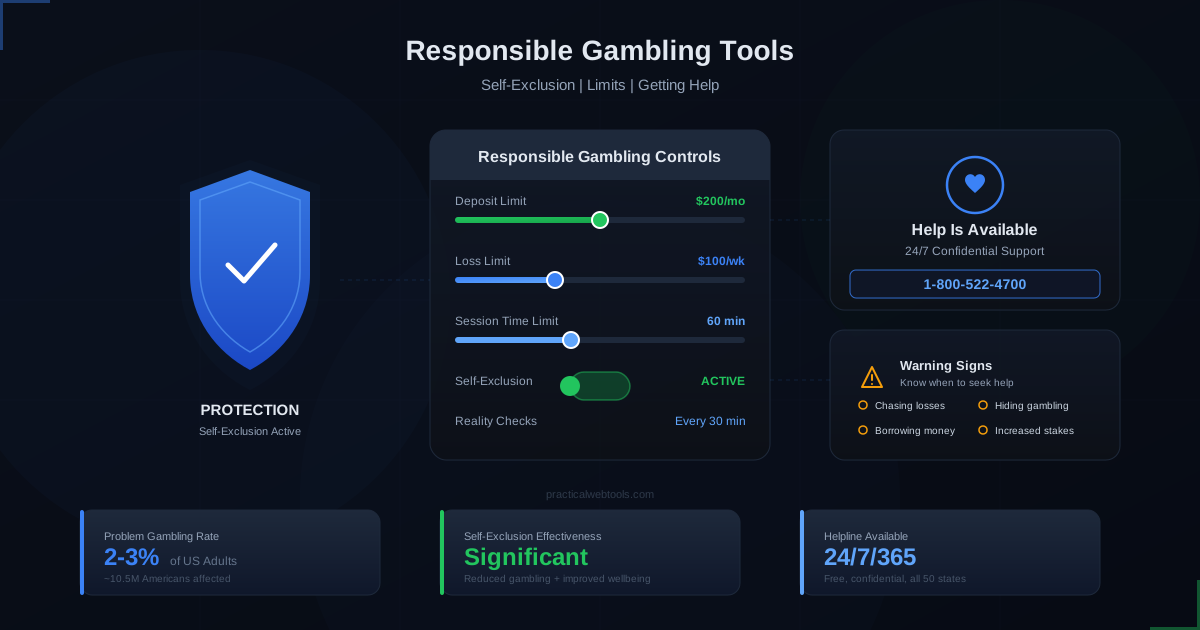
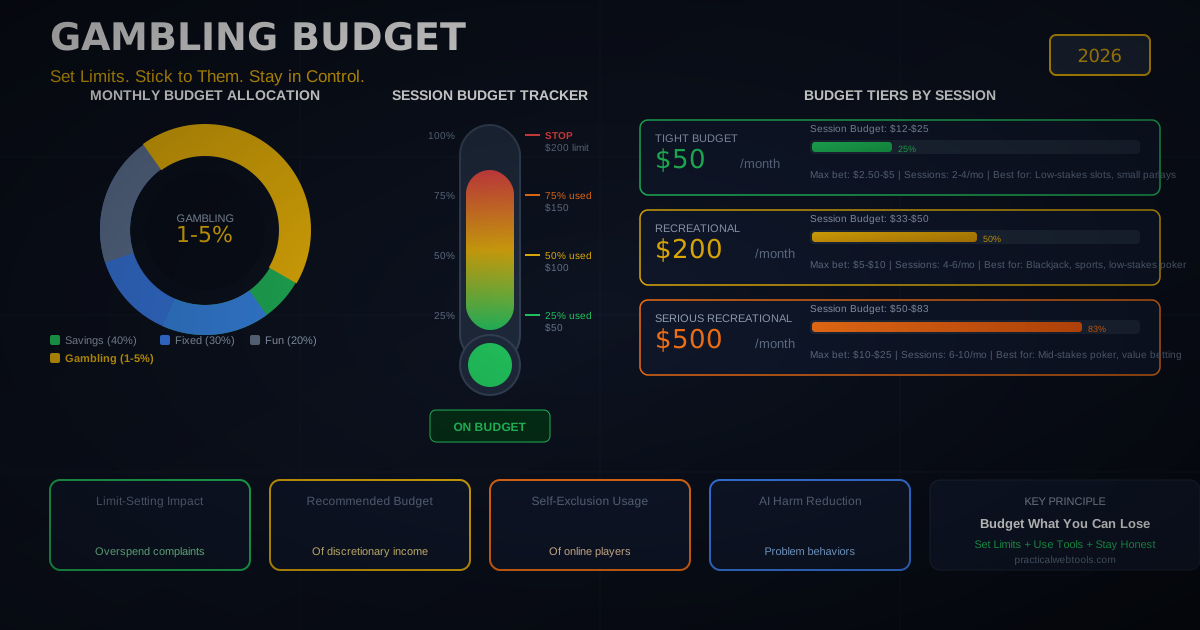
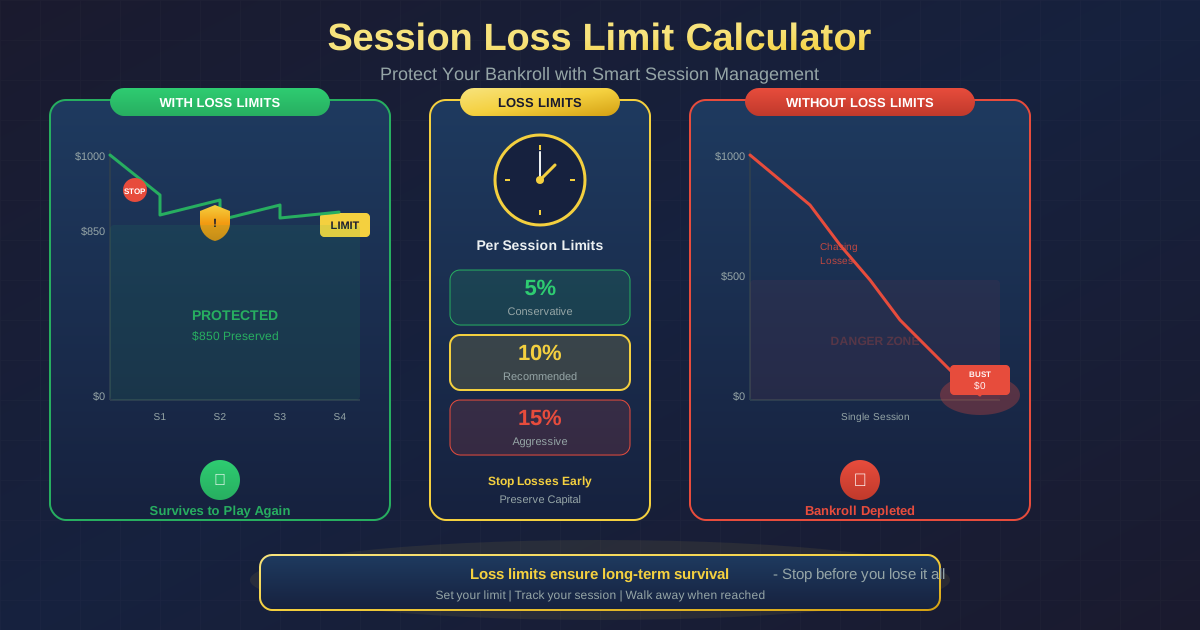
- Set win and loss limits before playing to ensure disciplined sessions
- The ante bonus pays on your hand strength, not the outcome - you can win bonuses on losing hands
- If unsure, lean toward calling - most marginal spots favor calling over folding
Related Calculators
- Three Card Poker Calculator - Similar but three-card format
- Four Card Poker Calculator - Four-card variant
- Caribbean Stud Calculator - Five-card stud vs dealer
- Texas Hold'em Odds Calculator - Regular poker odds
- House Edge Calculator - Compare table game edges
Conclusion
Casino Hold'em offers poker excitement with a manageable house edge when played optimally. Our calculator ensures you make the mathematically correct decision on every hand, keeping the house edge at its minimum 2.16%. The strategy is straightforward: call with most hands, fold only the truly hopeless ones.
Remember that even with perfect play, the house has an edge. Play for entertainment value, set appropriate limits, and enjoy the combination of skill and luck that makes Casino Hold'em engaging.