Craps Come Bet Calculator: Odds & Strategy Guide (2026)
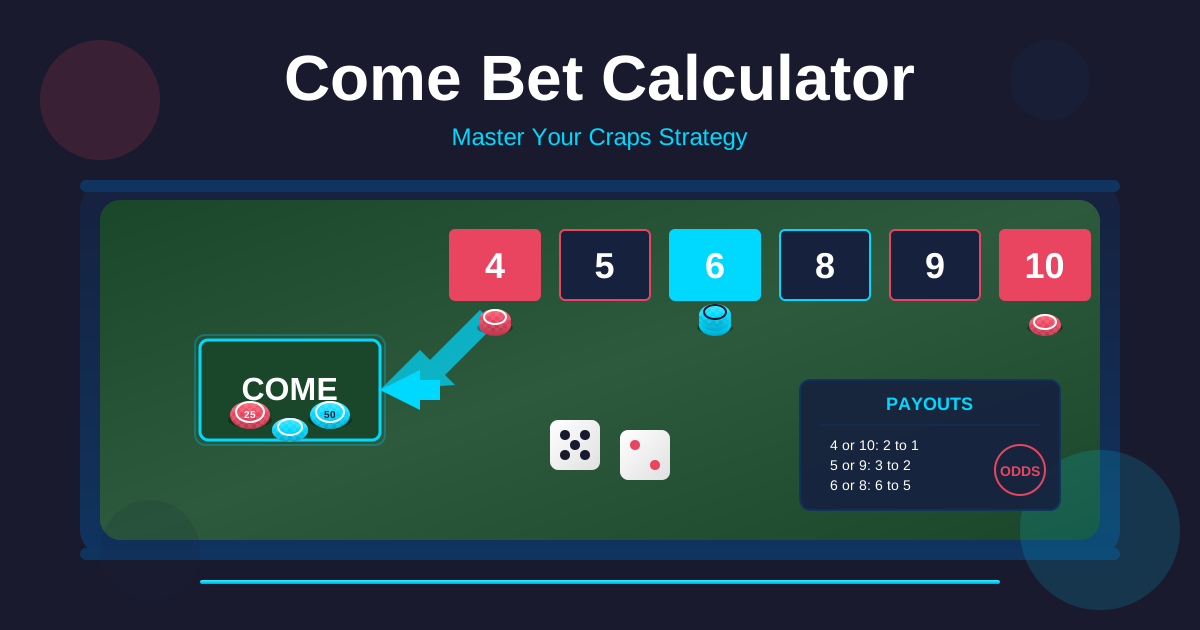
Craps Come Bet Calculator: Master the Come Bet Strategy
Come bets are the pass line's versatile cousin—same great odds, but playable on any roll after the come-out. Our free calculator shows exact payouts with and without odds, helping you understand this powerful craps wager.
What Is a Come Bet?
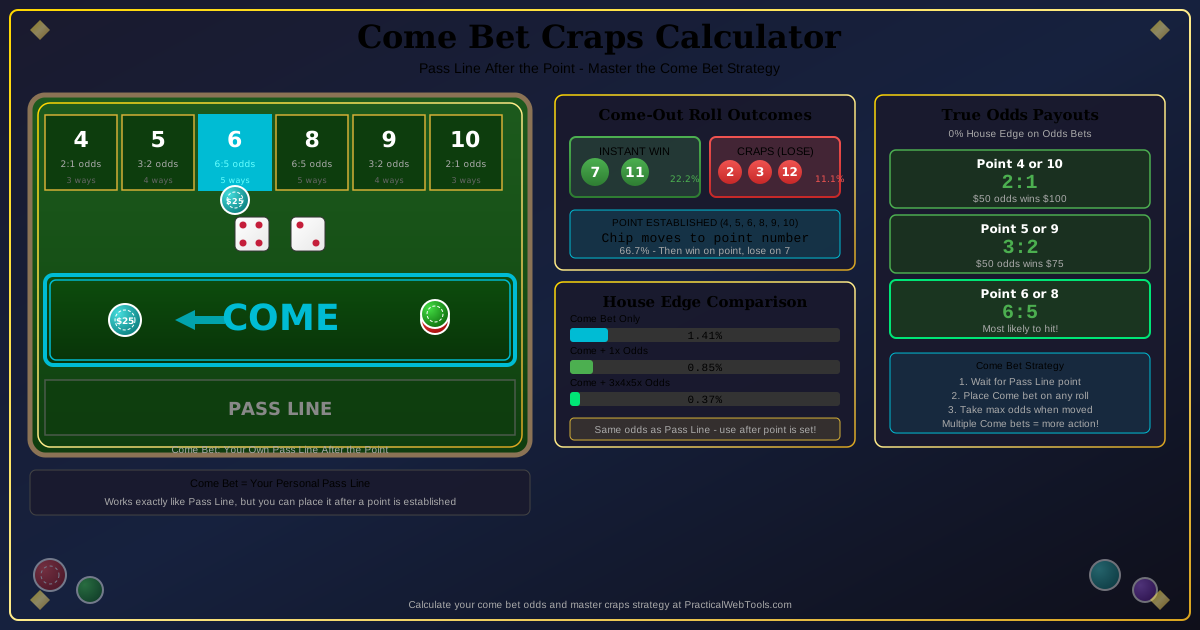
A come bet works exactly like a pass line bet but can be made on any roll after the point is established. The next roll becomes your personal "come-out roll" for that bet.
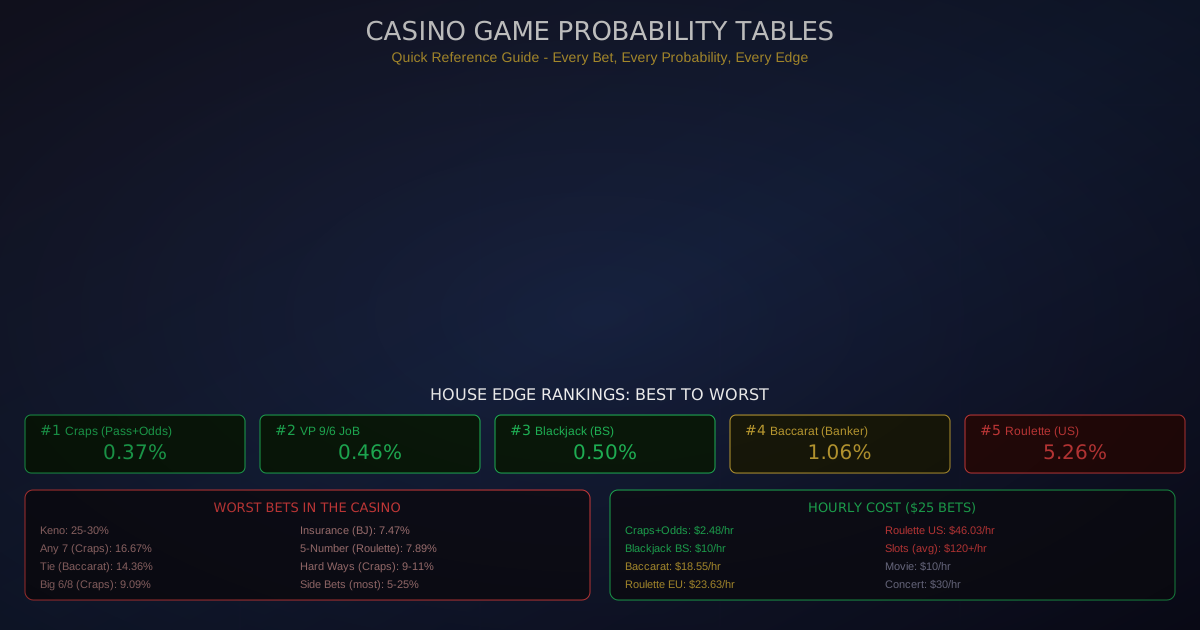
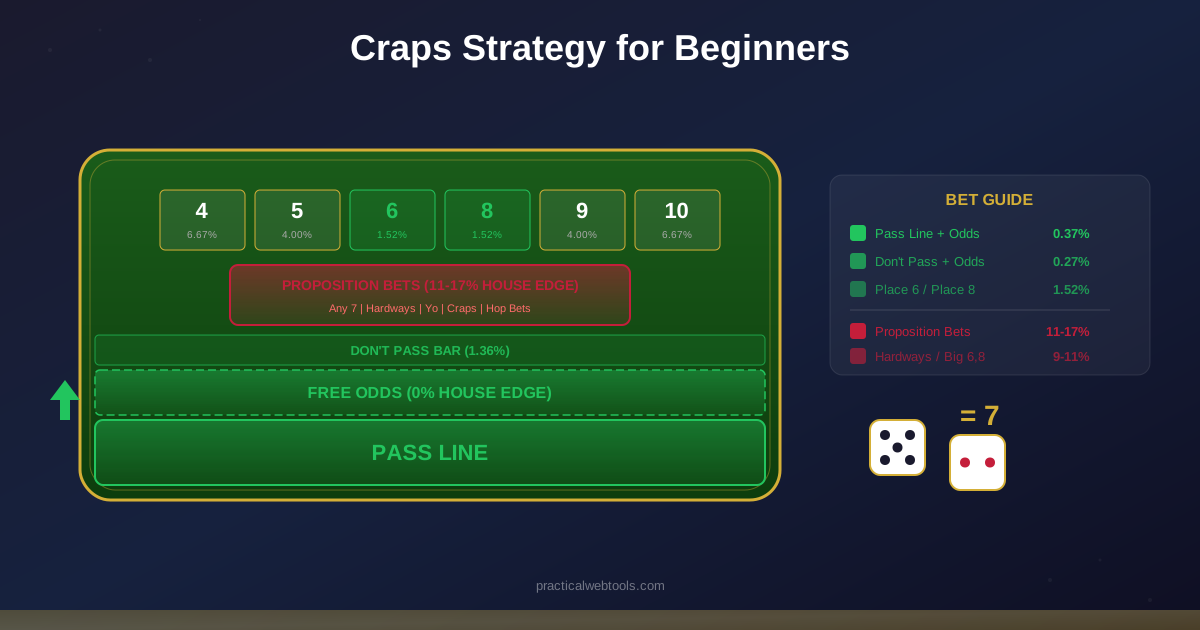
Quick Answer: Come bets have a 1.41% house edge—same as pass line. When backed with odds, the combined edge drops further. A $10 come bet with 3-4-5× odds averages just 0.37% house edge. Come bets let you have multiple points working simultaneously.
How to Use Our Free Come Bet Calculator
Use the Craps Come Bet Calculator →
Enter your come bet and odds to see exact payouts.
Step-by-Step Instructions
-
Enter Come Bet: Your base wager amount
-
Select Odds Multiple: 1×, 2×, 3×, or higher
-
Choose Point Number: 4, 5, 6, 8, 9, or 10
-
View Payout: See what you win on different outcomes
Input Fields Explained
| Field | Description | Example |
|---|---|---|
| Come Bet | Base wager | $10 |
| Odds Multiple | Odds bet size | 3× ($30) |
| Point Number | Your come point | 6 |
| Total Wagered | Come + odds | $40 |
| Payout if Won | Total return | $46 |
How Come Bets Work
The Come Bet Sequence
- Make the bet: Place chips in the Come box
- First roll (your come-out):
- 7 or 11: Win even money
- 2, 3, or 12: Lose
- 4, 5, 6, 8, 9, or 10: That becomes your "come point"
- Subsequent rolls:
- Your come point hits: Win even money (plus odds if taken)
- 7 hits: Lose
Come Bet Odds Payouts
After your come point is established, you can take odds:
| Point | True Odds | Odds Payout |
|---|---|---|
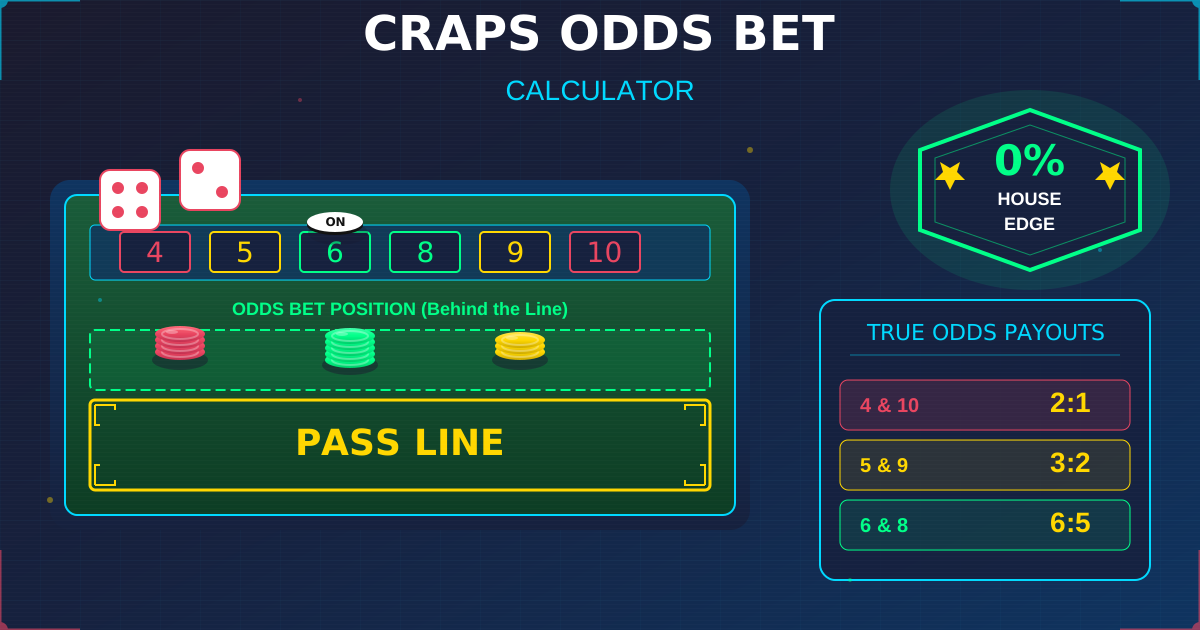
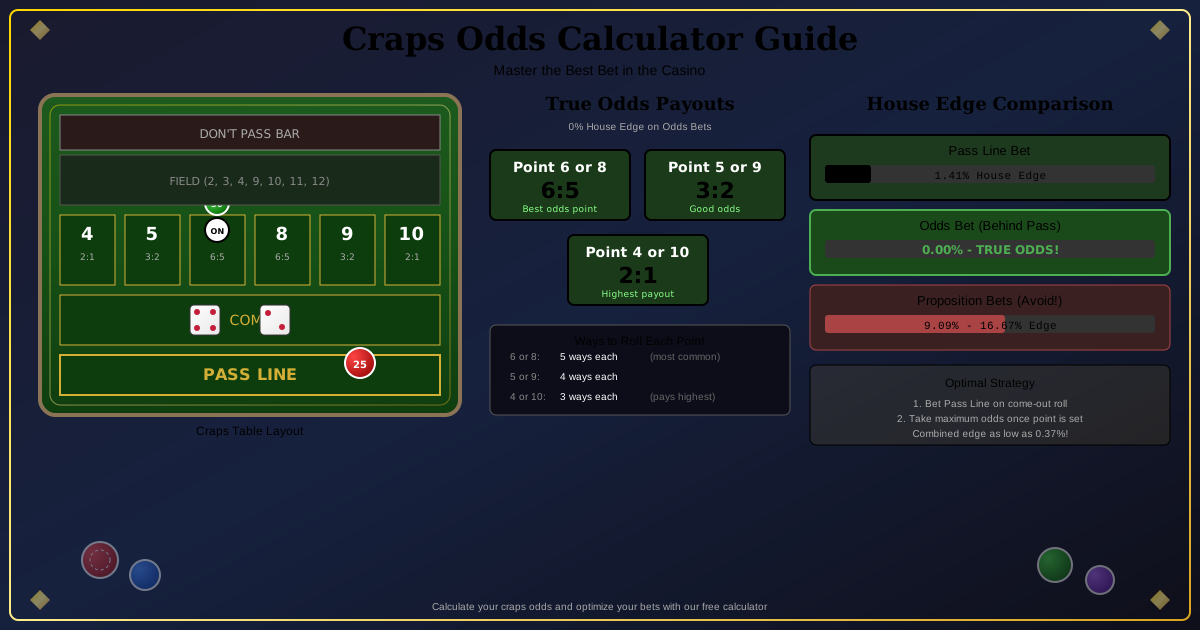
| 4 or 10 | 2:1 | $10 odds pays $20 |
| 5 or 9 | 3:2 | $10 odds pays $15 |
| 6 or 8 | 6:5 | $10 odds pays $12 |
Combined payout example (6 as point):
- $10 come bet wins $10
- $30 odds (3×) wins $36
- Total: $56 return on $40 wagered
Come Bet vs. Pass Line
Key Differences
| Feature | Pass Line | Come Bet |
|---|---|---|
| When to bet | Before come-out | After point established |
| When wins on 7/11 | Come-out only | Your first roll |
| Multiple bets | One per shooter | Multiple possible |
| House edge | 1.41% | 1.41% |
Strategic Implications
Pass line: One bet, one point, simple.
Come bets: Build multiple points, more action, more 7-exposure.
Real-World Come Bet Examples
Example 1: Single Come Bet
Situation: Point is 8. You make $10 come bet.
- Roll is 6: Your come point is now 6
- Take $20 odds (2×)
- Roll is 6: Win! $10 + $24 = $34
Analysis: Clean sequence, good return.
Example 2: Multiple Come Bets
Situation: Point is 9. You build up action.
- Make $10 come, roll 5: Come point 5, take $20 odds
- Make $10 come, roll 8: Come point 8, take $20 odds
- Make $10 come, roll 5: Win on first come bet! ($10 + $30 = $40)
- Roll 7: Lose remaining two come bets ($60)
Analysis: Multiple come bets increase variance. One 7 wipes out several bets.
Example 3: Come Bet Strategy Session
Bankroll: $200 Strategy: $10 come with 2× odds, max 2 come bets working
Session flow:
- Come bet travels to 6 ($10 + $20 odds)
- Come bet travels to 9 ($10 + $20 odds)
- Wait (don't overexpose to 7)
- 6 hits: Win $34
- Make new come bet...
Come Bet Mathematics
House Edge Calculation
Flat come bet: 1.41% house edge
With odds:
- The odds portion has 0% house edge
- Combined edge depends on odds multiple
| Odds Multiple | Combined House Edge |
|---|---|
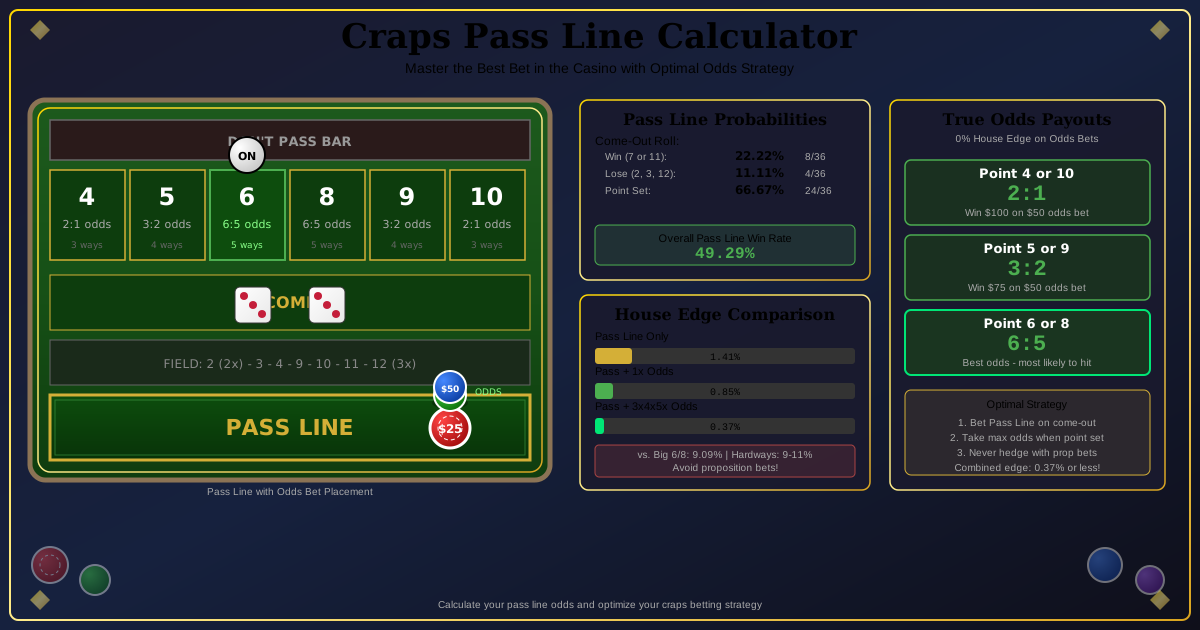
| No odds | 1.41% |
| 1× odds | 0.85% |
| 2× odds | 0.61% |
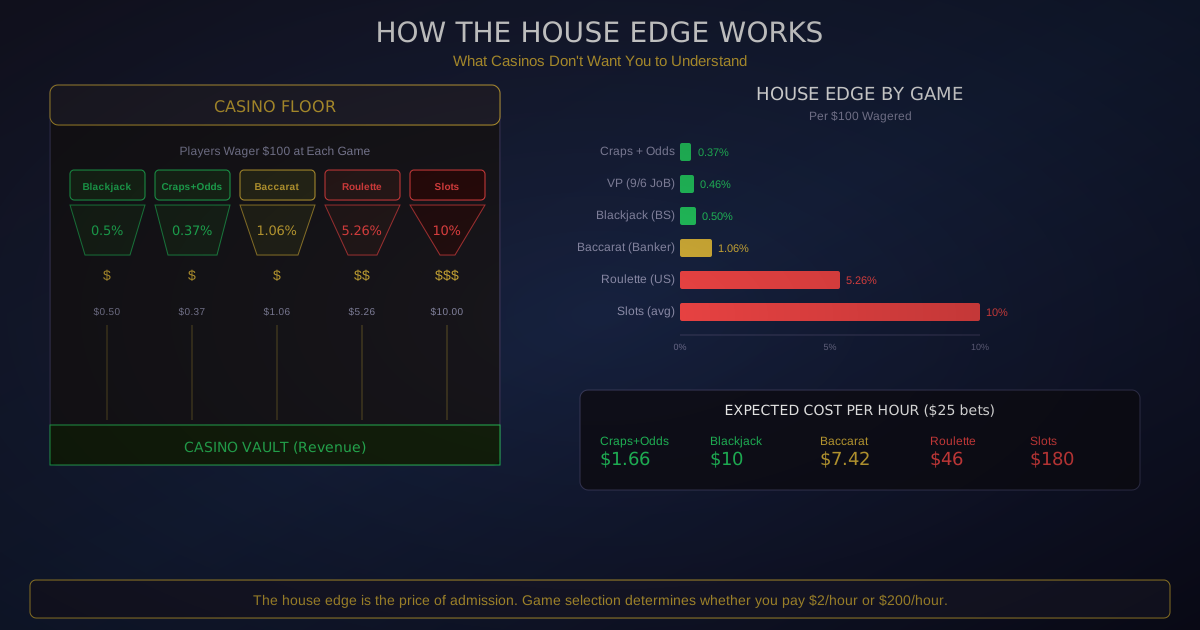
| 3-4-5× odds | 0.37% |
| 10× odds | 0.18% |
Win Probability
On the come-out portion:
- Win (7 or 11): 22.22%
- Lose (2, 3, 12): 11.11%
- Establish point: 66.67%
Once point established:
- 4 or 10: 33.33% to win
- 5 or 9: 40.00% to win
- 6 or 8: 45.45% to win
Come Bet Strategy
Conservative Approach
One come bet at a time:
- Make come bet
- Take odds when point established
- Wait for resolution
- Repeat
Advantage: Limited 7-exposure
Aggressive Approach
Multiple come bets:
- Continuous come betting
- 2-3 come points working simultaneously
- Maximum action on every roll
Disadvantage: One 7 loses everything
Balanced Approach
Cap at 2 come bets:
- Pass line + 1-2 come bets
- Moderate action
- Reasonable 7-exposure
Come Bets During Shooting
Working vs. Off
By default, come bet odds are "off" during the come-out roll. You can request "working" to keep them in action.
Off (default):
- Odds returned if 7 hits on come-out
- Come bet still loses
- Protects some of your money
Working:
- Odds exposed to 7 on come-out
- Win odds if come point hits on come-out
- More aggressive stance
Common Come Bet Mistakes
-
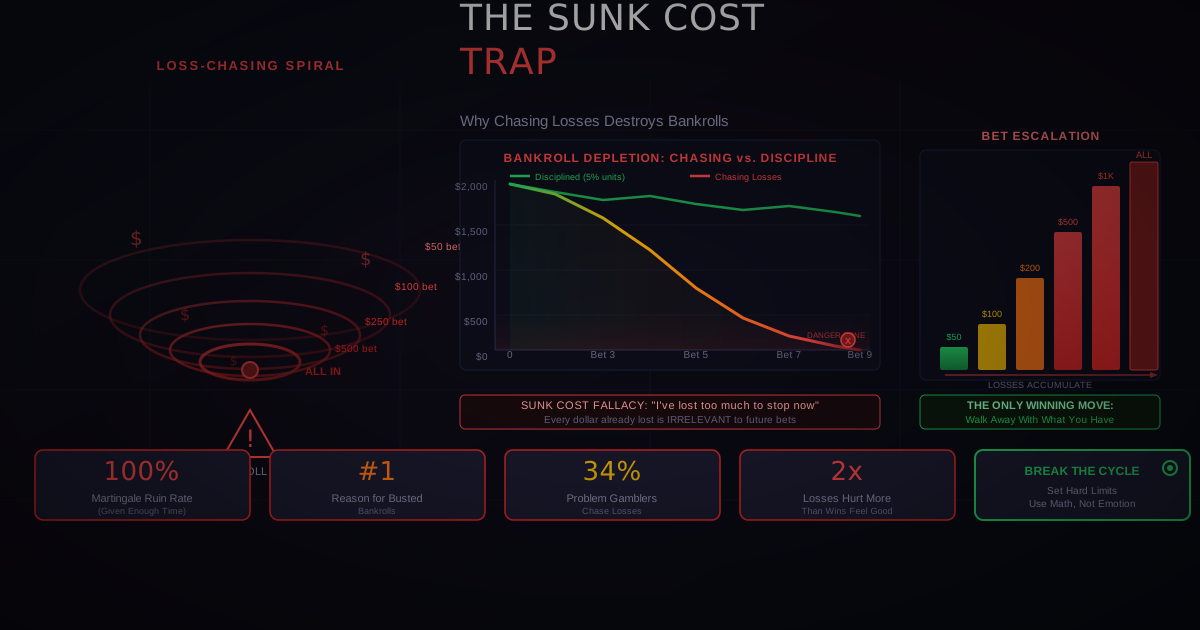
Too Many Come Bets: Every additional come bet increases 7-exposure. Cap yourself.
-
Not Taking Odds: The odds bet is where the value is. Always take maximum odds.
-
Forgetting About Your Bets: With multiple points, track what you have working.
-
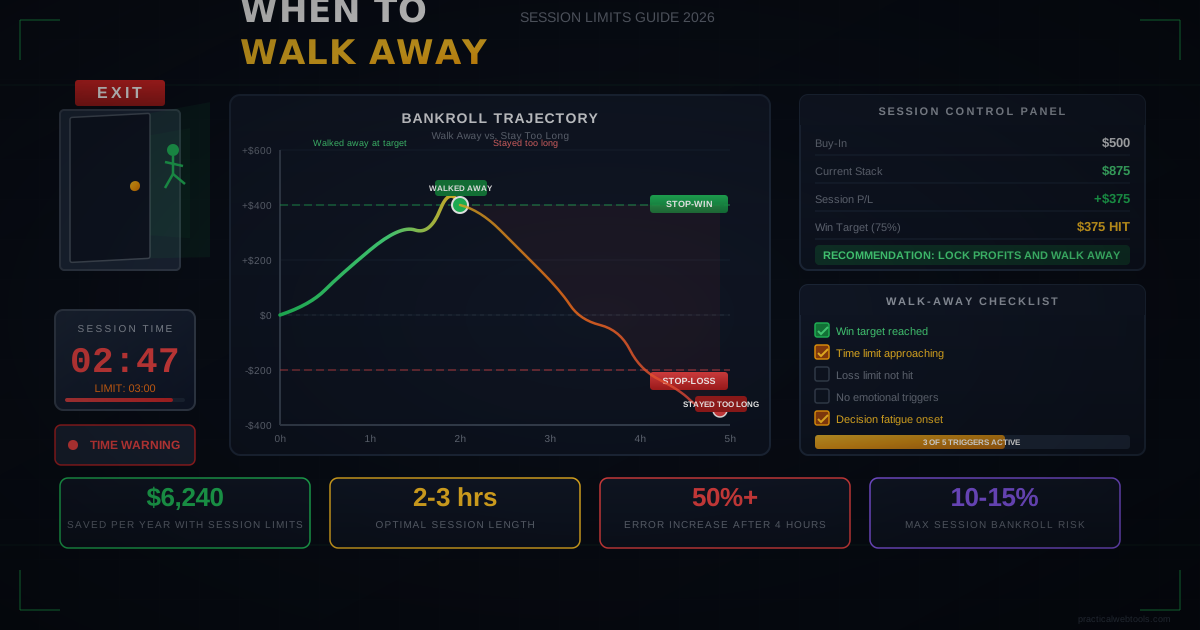
Continuous Come Betting: Taking a break between come bets isn't weakness—it's bankroll management.
-
Come Bets on Cold Tables: If the table's cold (lots of 7s), come bets amplify losses.
Frequently Asked Questions
Can I remove a come bet?
Once it travels to a point, the flat come bet is a contract bet—it can't be removed. However, you can take down the odds portion anytime.
What happens to come bets on a new shooter?
Come bets stay in action when the shooter changes. Only the come-out roll determines if your odds are "off" by default.
Should I make come bets or place bets?
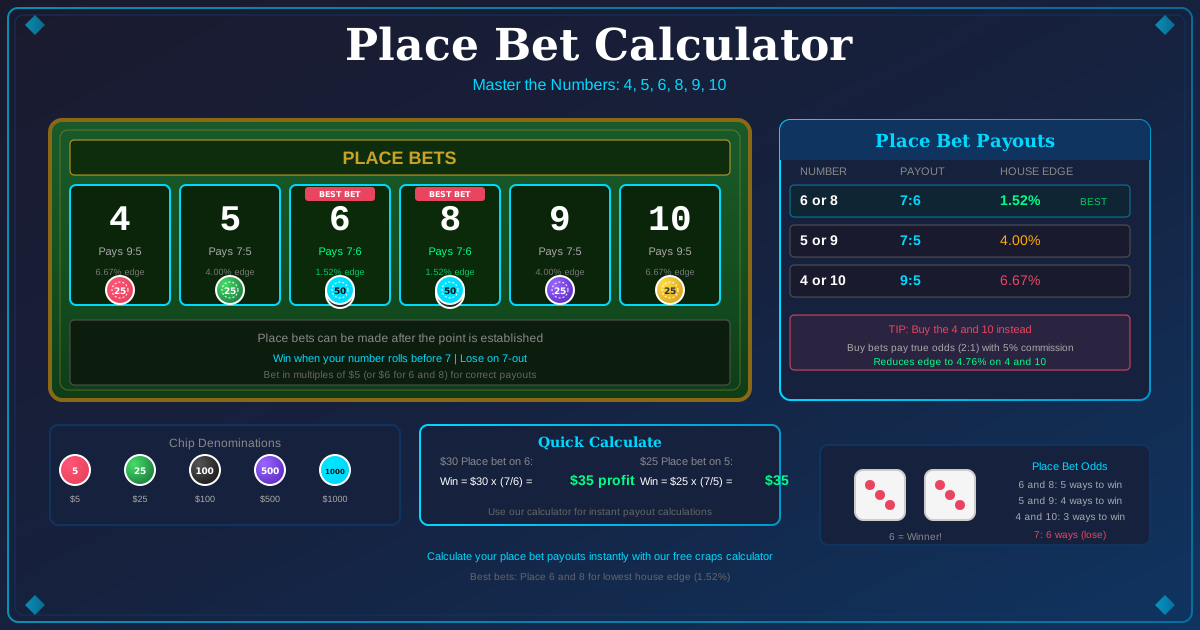
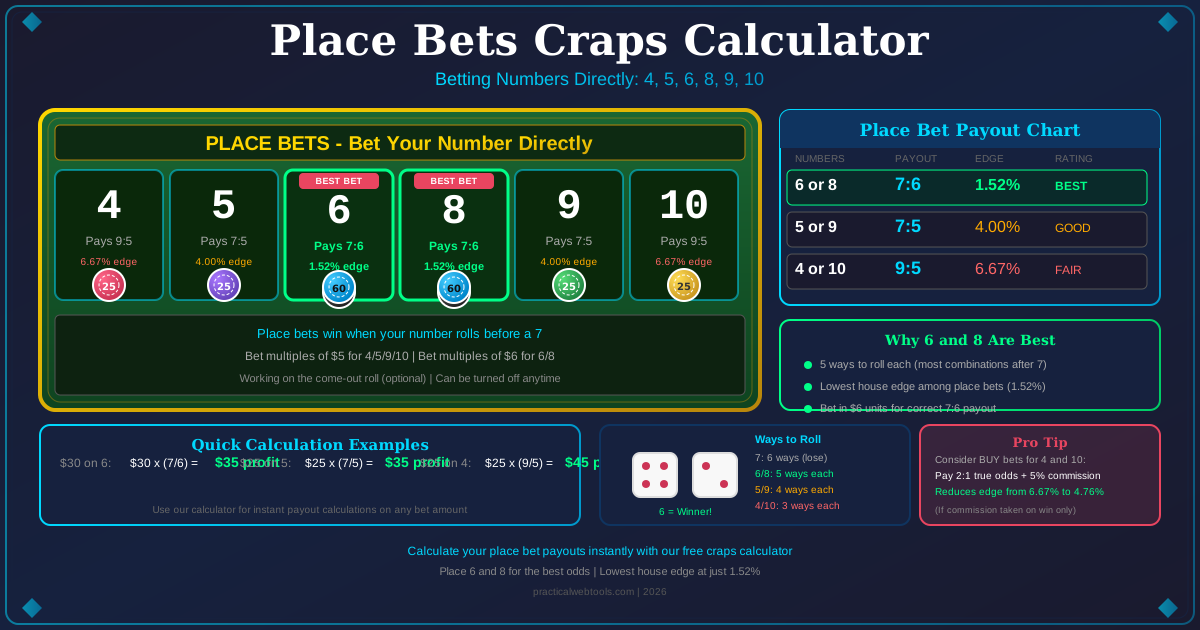
Come bets have lower house edge (1.41% vs. 1.52-6.67% for place bets) and allow odds. Place bets offer flexibility (can remove anytime). Use both strategically.
How many come bets should I have working?
Most experts recommend pass line + 1-2 come bets maximum. More than that dramatically increases 7-exposure.
What's a "come-out 7" mean for my come bets?
If 7 rolls on a new come-out:
- Your odds (if off) are returned
- Your flat come bet loses
- This is why controlling come bet quantity matters
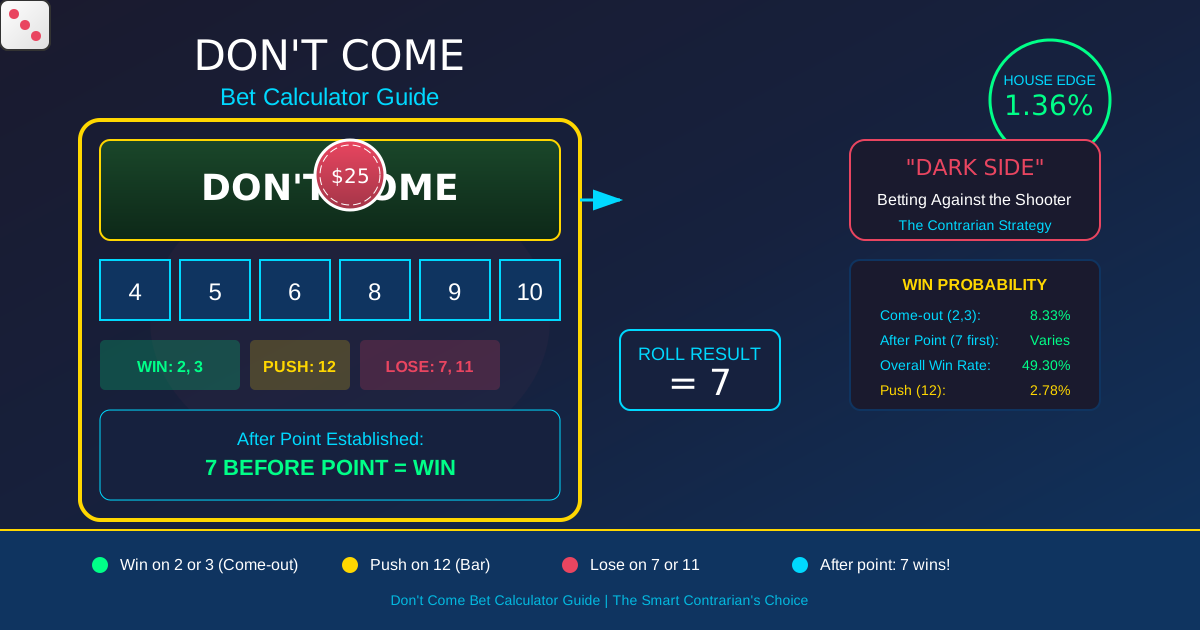
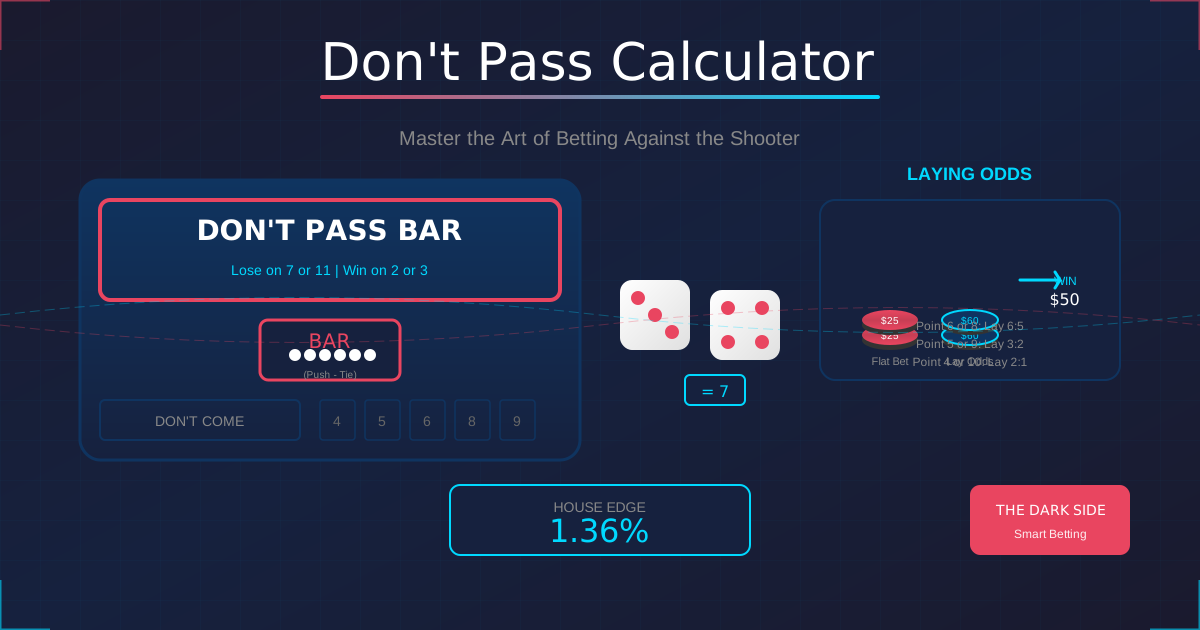
Is the come bet the same as the don't come?
No. Don't come is the opposite—it wins if 7 comes before your point. Different strategy entirely.
Advanced Come Bet Concepts
3-Point Molly
Classic come bet strategy:
- Pass line with odds
- Come bet with odds
- Come bet with odds
- Stop and wait for resolution
Maintain three points working, no more. When one wins, replace it.
Come Bet Progression
Some players increase come bets after wins:
- Win → Increase next come bet
- Lose → Return to base
Warning: Progressions don't change the math. They only change bet sizing.
Hedge Strategies
Some players hedge come bets:
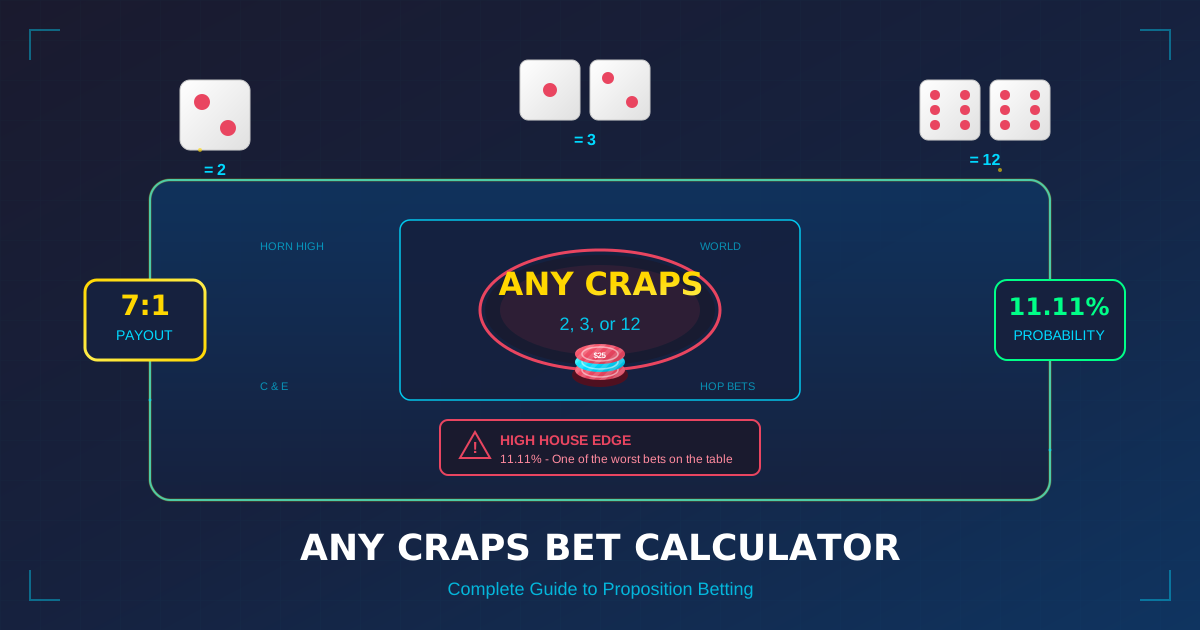
- Come bet + any craps (covers 2, 3, 12)
- Reduces variance but increases house edge
Not recommended mathematically, but some prefer the protection.
Expected Value Analysis
Per-Decision EV
| Bet Type | House Edge | EV per $10 |
|---|---|---|
| Come (flat) | 1.41% | -$0.14 |
| Come + 2× odds | 0.61% | -$0.18* |
| Come + 3-4-5× odds | 0.37% | -$0.13* |
*Total dollar EV increases with more money wagered, but percentage decreases.
Hourly Cost Estimate
Assuming 100 rolls/hour, $10 come with 2× odds:
- Roughly 1 decision per 3-4 rolls for come bets
- Expected hourly cost: ~$5-10
Pro Tips for Come Betting
-
Always take maximum odds: The odds have zero house edge
-
Limit your exposure: 2-3 come points maximum
-
Watch the table temperature: Reduce come bets on cold tables
-
Keep odds off on come-out: Unless you're aggressive
-
Track your bets: Multiple come points get confusing
Related Craps Calculators
- Craps Pass Line Calculator - Pass line strategy
- Craps Place Bet Calculator - Place bet odds
- Craps Odds Calculator - Free odds multipliers
- Craps Don't Come Calculator - Opposite strategy
- Craps House Edge Calculator - Compare all bets
Conclusion
Come bets offer pass line odds with multi-point flexibility. Our free calculator shows exact payouts with any odds multiple, helping you maximize value while managing risk. The key is controlling how many come bets you have working—too few limits action, too many amplifies losses.
Calculate Your Come Bet Payouts Now →
Master the come bet, and you'll have another powerful tool for the craps table. Remember: take full odds, limit your exposure, and respect the 7.