Double Attack Blackjack Calculator: Second Bet Advantage (2026)
Double Attack Blackjack Calculator: The Second Bet Opportunity
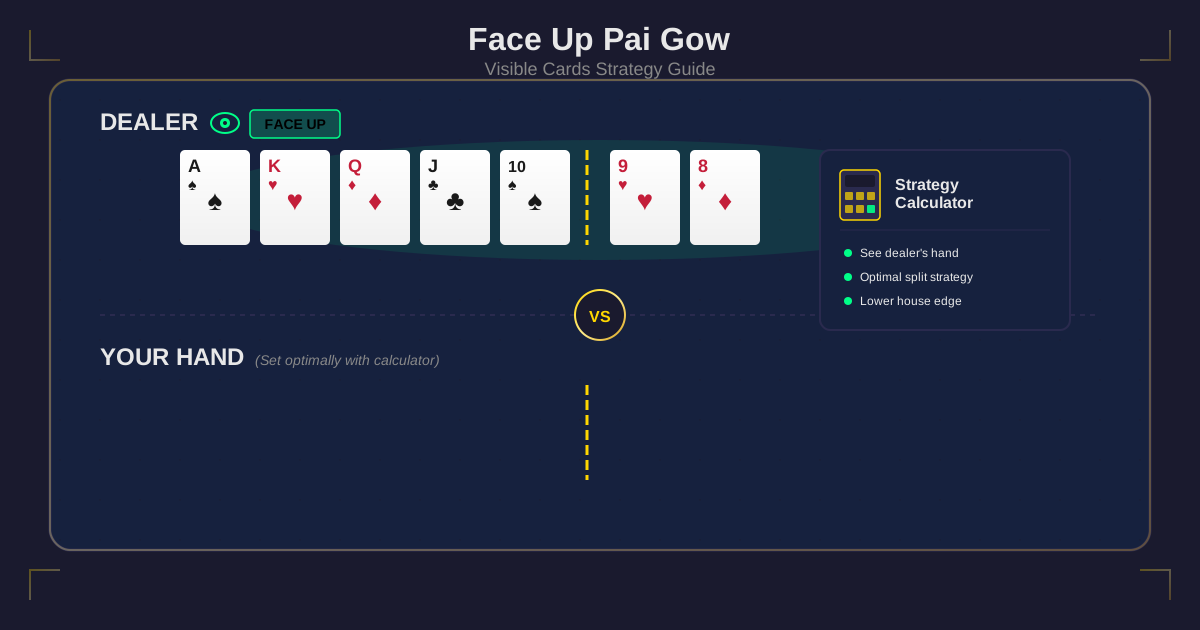
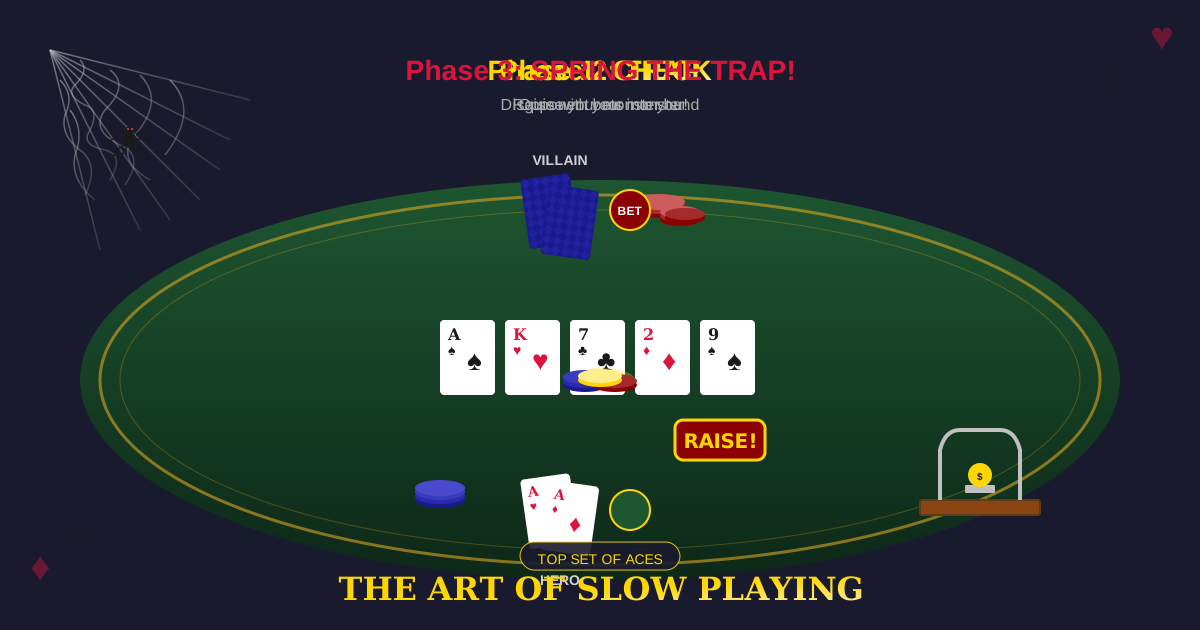
Double Attack Blackjack lets you double your initial bet after seeing the dealer's upcard—information usually hidden when betting. This powerful option, combined with a Spanish 48-card deck, creates unique strategy considerations.
What Is Double Attack Blackjack?
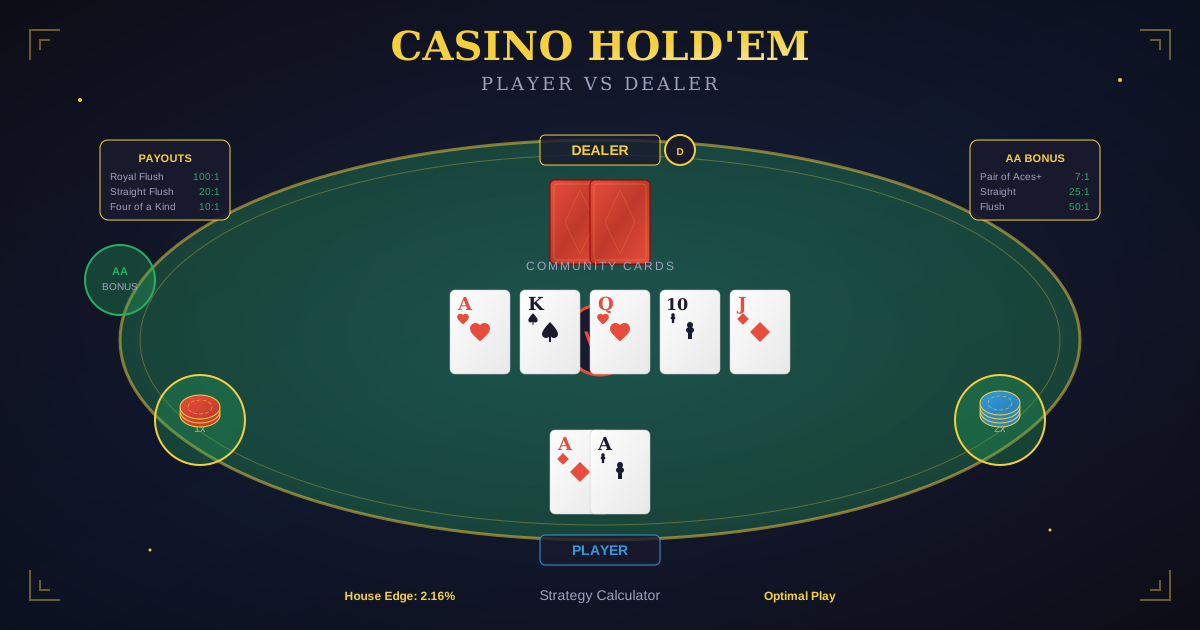
Double Attack Blackjack uses a 48-card Spanish deck (no 10s) and allows you to double your bet after seeing the dealer's upcard but before receiving your cards. Liberal rules include late surrender, double on any cards, and dealer hitting soft 17. House edge is 0.35-0.62%.
Quick Answer: Double Attack Blackjack = bet, see dealer upcard, can double bet, then get cards. Spanish deck (no 10s). Double attack weak upcards (2-8). Blackjack pays 1:1. Liberal rules: surrender anytime, double any cards. House edge: 0.35-0.62%. Unique two-stage betting.
How to Use Our Calculator
Use the Double Attack Blackjack Calculator →
Calculate optimal decisions including double attack option.
Step-by-Step Instructions
-
Enter Dealer Upcard: Their visible card
-
View Double Attack Decision: Bet or not
-
Enter Your Hand: After cards dealt
-
View Optimal Action: Hit, stand, etc.
-
Calculate EV: Expected value
Input Fields Explained
| Field | Description | Example |
|---|---|---|
| Dealer Upcard | Visible card | 6 |
| Double Attack? | Add bet | Yes |
| Your Cards | Hand | 5-7 |
| Hand Total | Sum | 12 |
| Optimal Action | Best play | Hit |
| Combined EV | Both bets | +0.12 |
Game Mechanics
Two-Stage Betting
Betting sequence:

1. Place initial bet
2. Dealer shows upcard
3. Option: Double Attack (add equal bet)
4. Receive your two cards
5. Play hand normally
6. Dealer plays, results settle

Key: See upcard BEFORE full bet
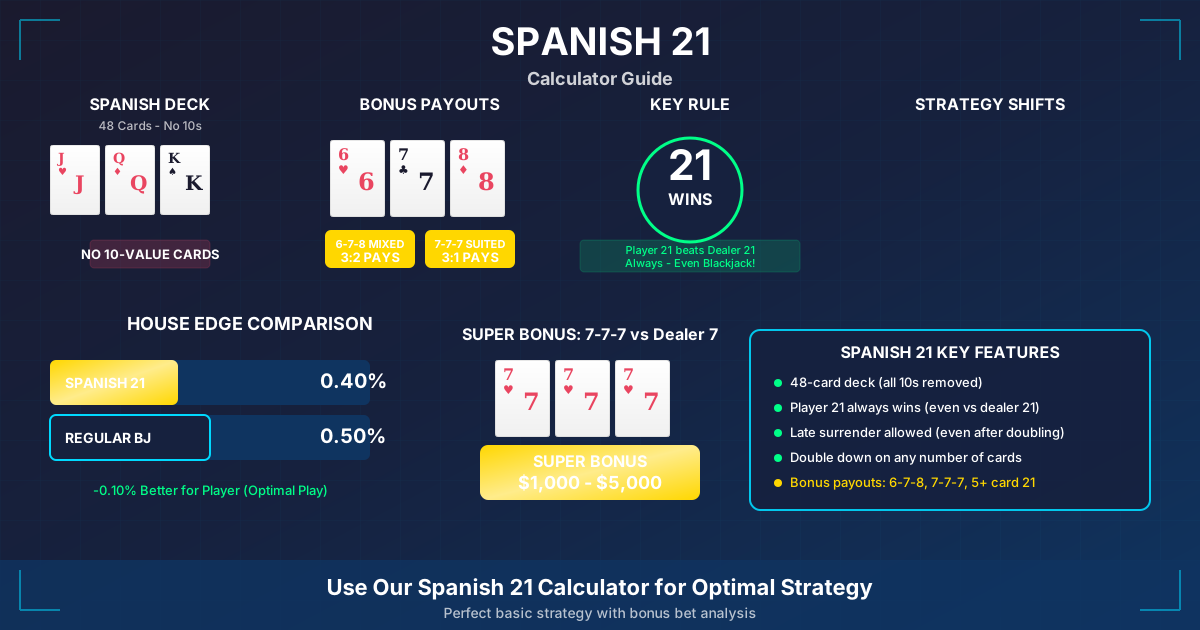
Spanish 48-Card Deck
Deck composition:

Standard minus all 10s
Only J, Q, K as 10-value
48 cards per deck
Usually 8 decks

Impact:
Fewer 10s = less blackjack
Dealer busts slightly less
Strategy adjustments needed
Blackjack Pays 1:1
Natural blackjack payout:

Standard BJ: 3:2 or 1.5:1
Double Attack: 1:1 (even money)

Significant disadvantage
Offset by other rules
Double Attack Strategy
When to Double Attack
Add bet on dealer upcards:

2: DOUBLE ATTACK
3: DOUBLE ATTACK
4: DOUBLE ATTACK
5: DOUBLE ATTACK
6: DOUBLE ATTACK
7: DOUBLE ATTACK
8: DOUBLE ATTACK
9: No double attack
10-J-Q-K: No double attack
Ace: No double attack
Why Attack Weak Upcards
Against 2-8:

Dealer more likely to bust
Your hands have better EV
Worth doubling exposure

Against 9-A:

Dealer too strong
Original bet only
Don't add money
Specific Recommendations
Optimal double attack threshold:

2-8: Always double attack
This maximizes value
Simple rule to remember

9+: Never double attack
Dealer too strong
Keep bet small
Basic Strategy Adjustments
Hitting vs Standing
Different from standard BJ:

Fewer 10s = hit more
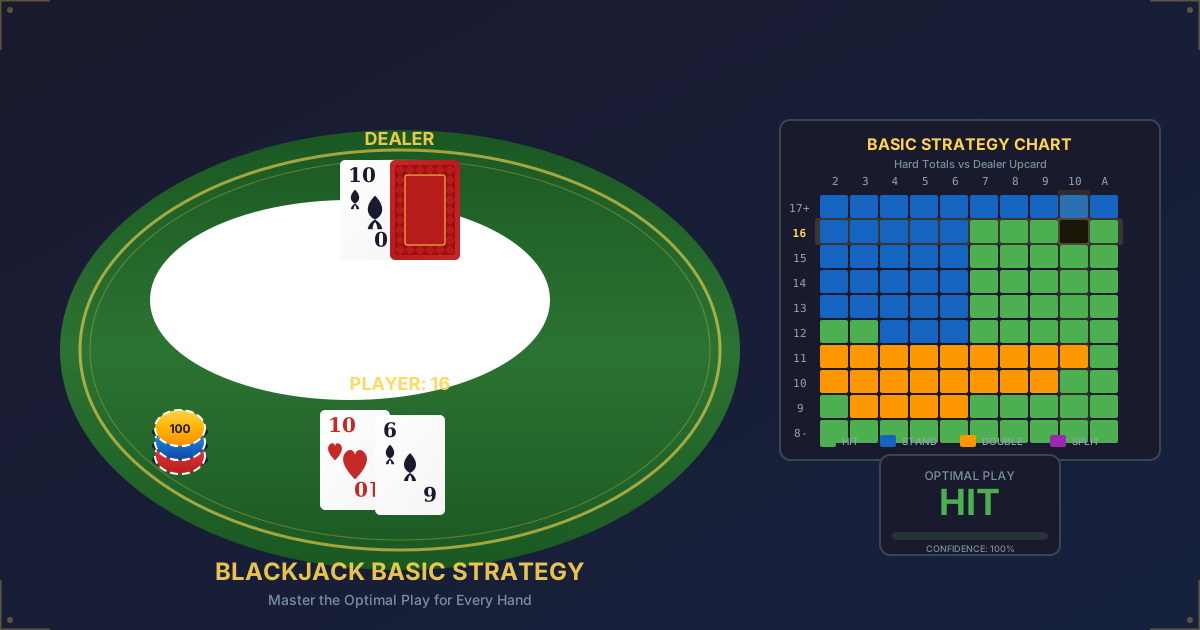
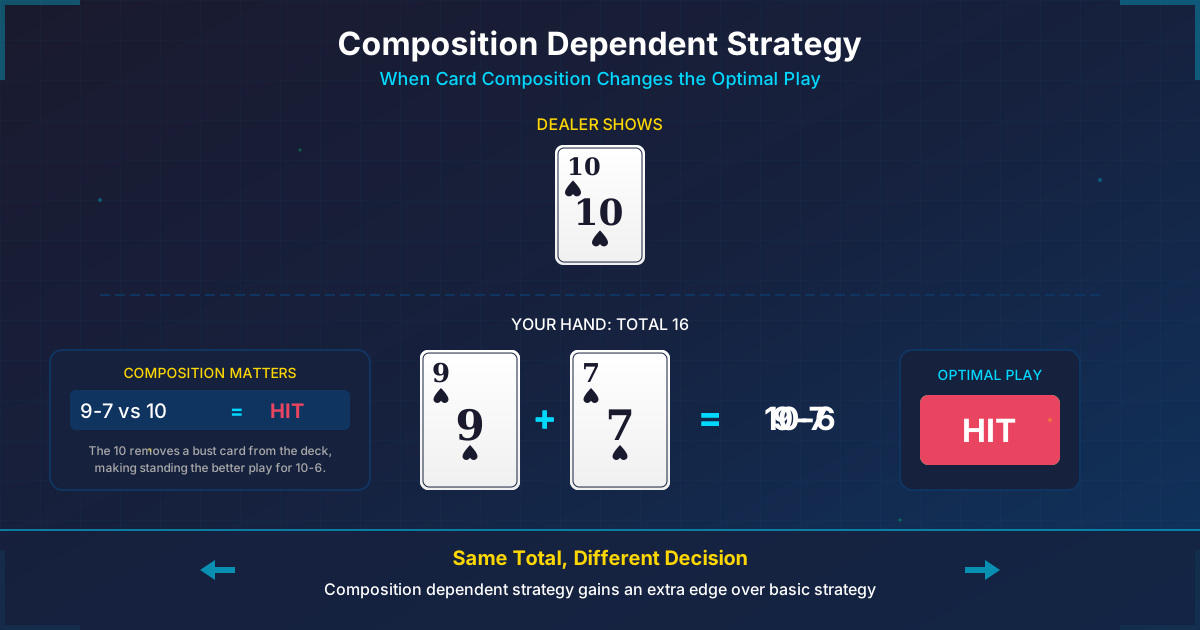
12 vs 4: HIT (not stand)
12 vs 5: HIT (not stand)
12 vs 6: HIT (not stand)

More aggressive hitting
Less bust risk without 10s
Doubling Down
Double down changes:

11 vs 10: Don't double
10 vs 9: Don't double
Fewer 10s hurt doubles

But can double any total
More flexibility overall
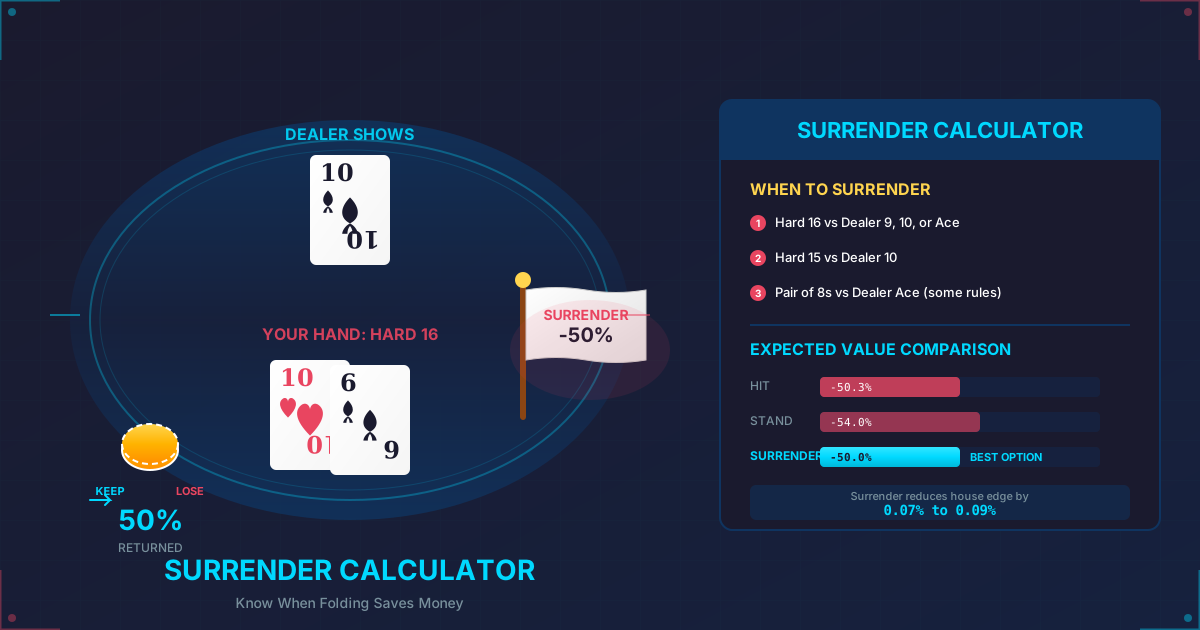
Surrender Strategy
Liberal surrender rules:

Late surrender anytime
After any number of cards
Even after doubling

Use more than standard BJ
Save money on bad spots
House Edge Analysis
Where Advantage Comes From
Player advantages:

Double Attack option: Huge
Late surrender anytime: Good
Double on any cards: Good

House advantages:

Spanish deck (no 10s): Significant
Blackjack pays 1:1: Significant
Dealer hits soft 17: Moderate
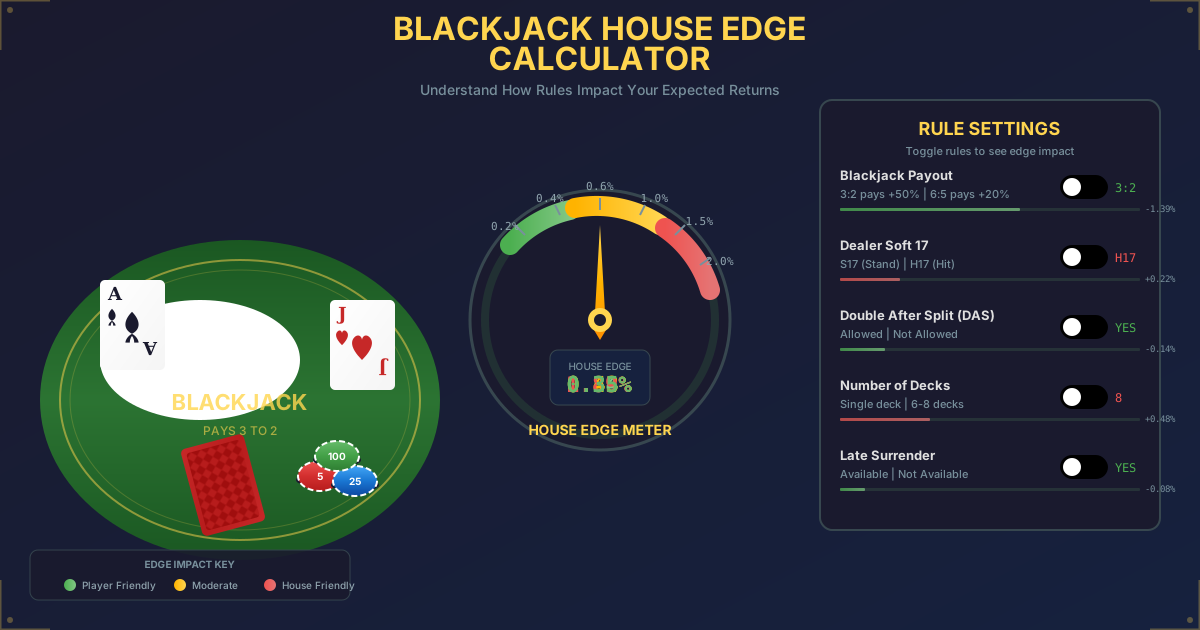
Net House Edge
With optimal play:

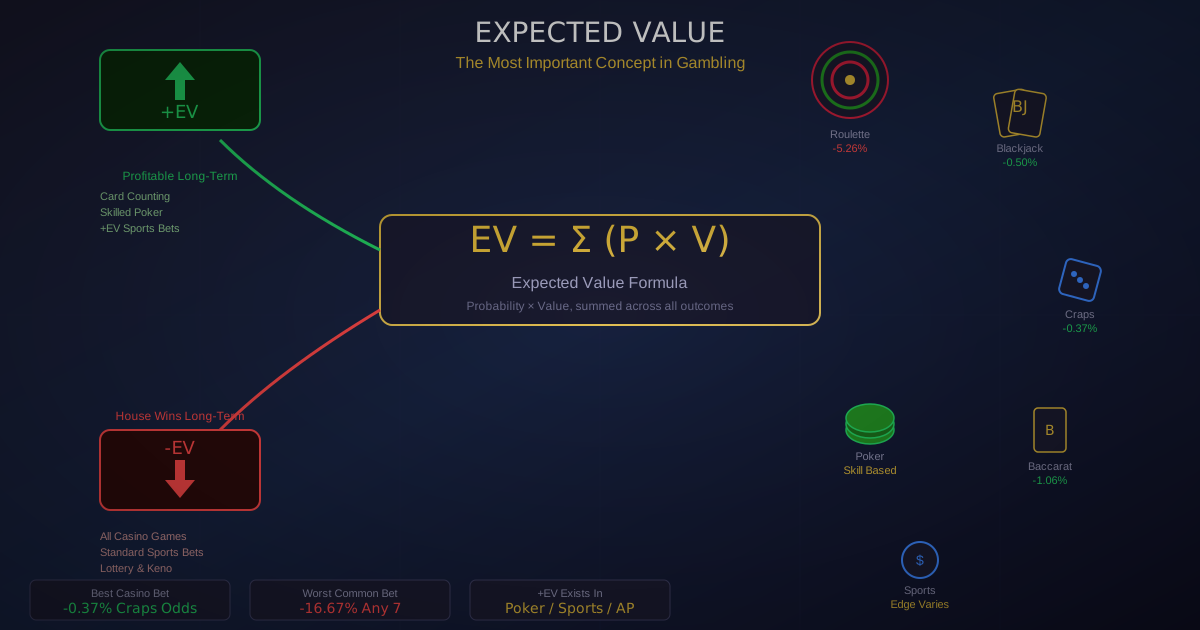
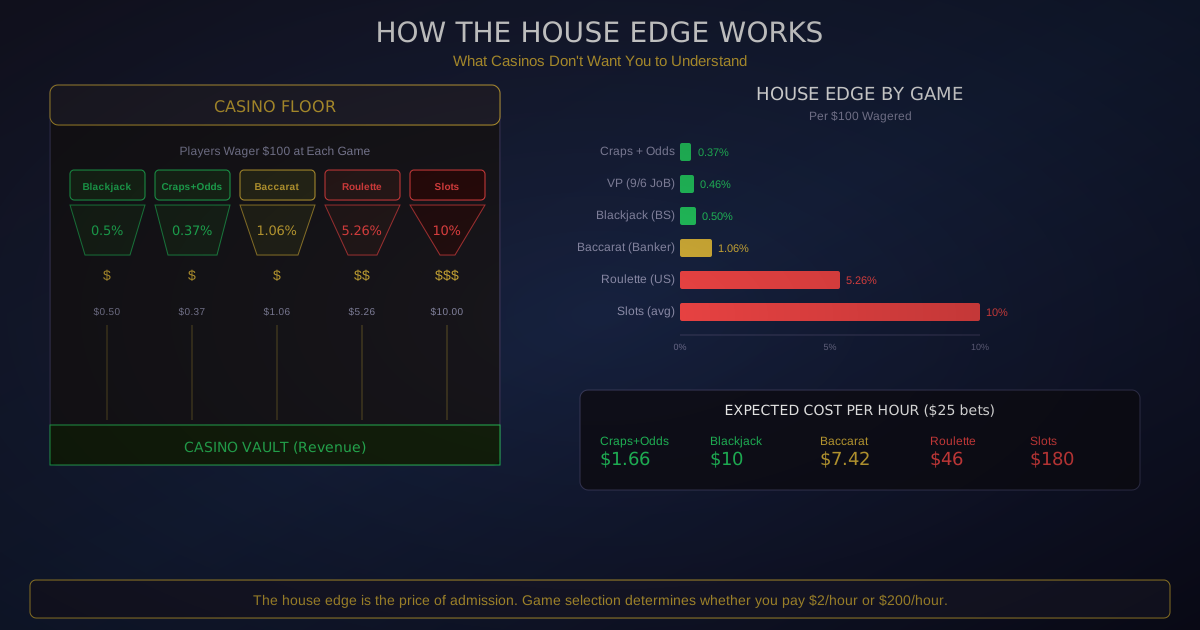
House edge: 0.35-0.62%

Depends on:
Rule variations
Number of decks
Specific casino rules
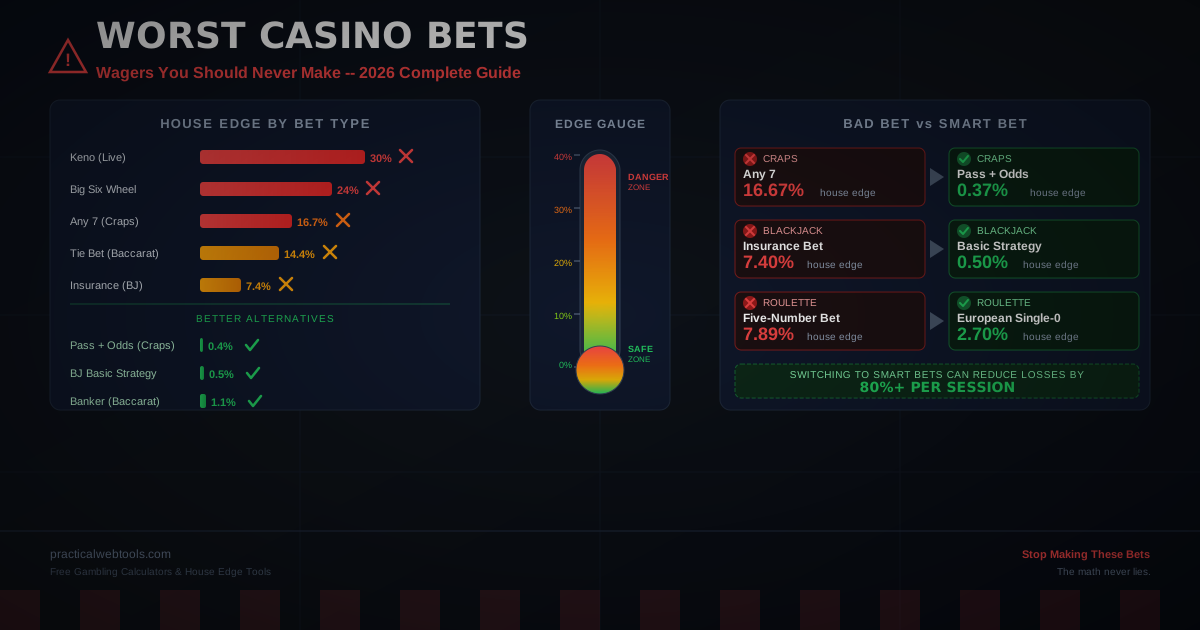
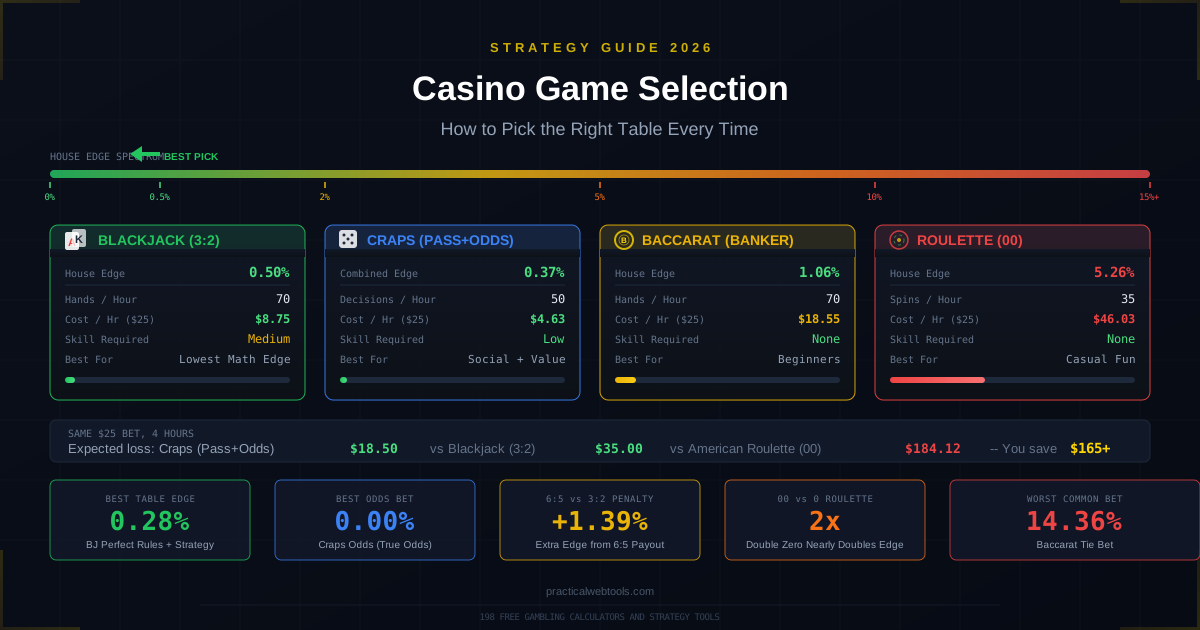
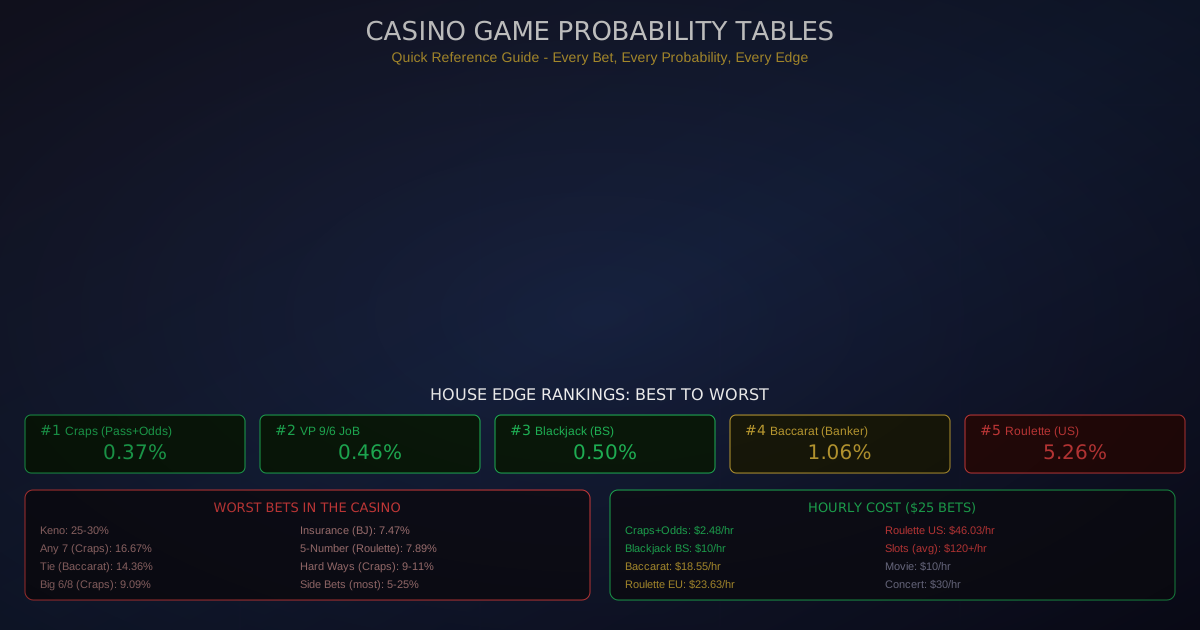
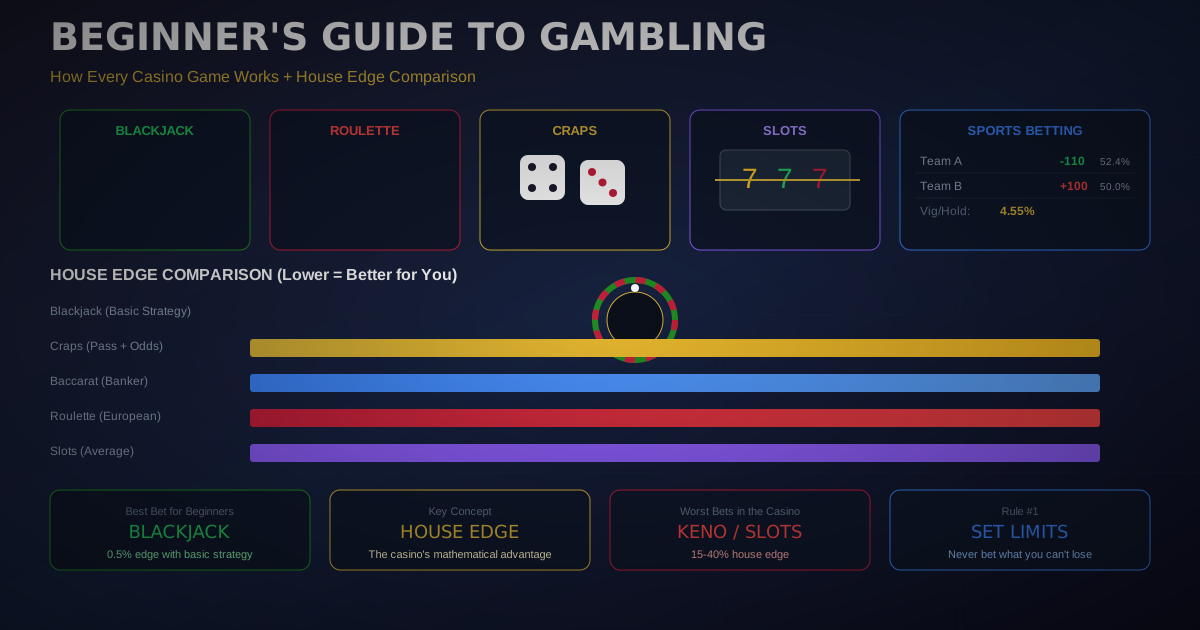
Comparison
vs Other blackjack games:

Double Attack: 0.35-0.62%
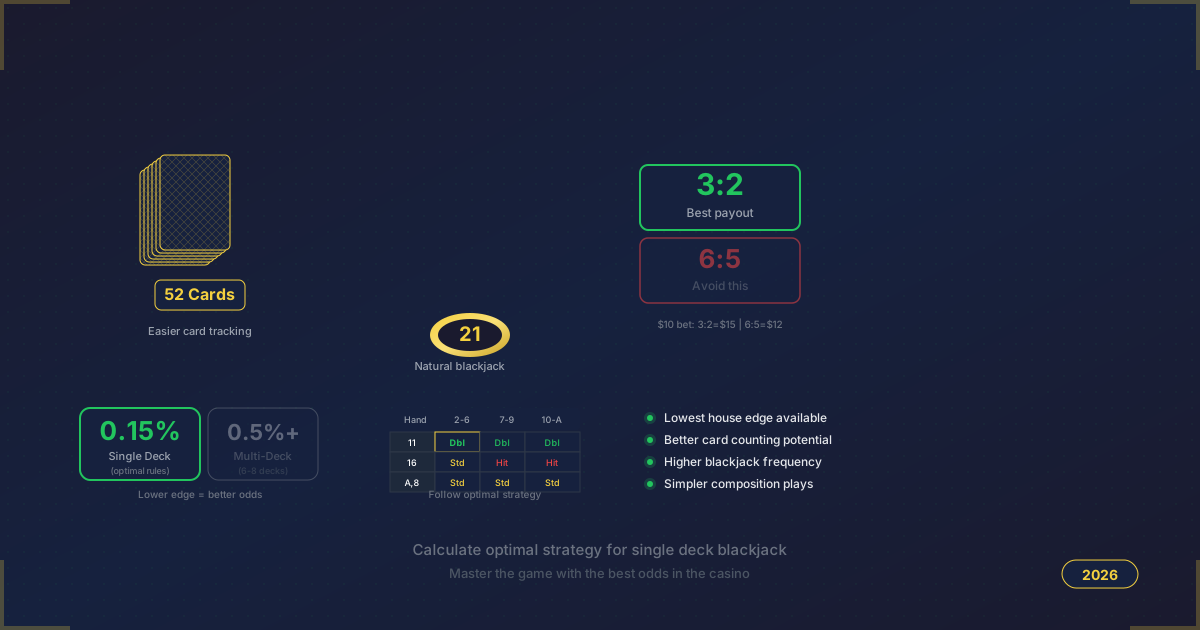
Standard 6-deck: 0.5%
Spanish 21: 0.4-0.8%
Single deck: 0.15%

Competitive edge
Unique gameplay
Real-World Examples
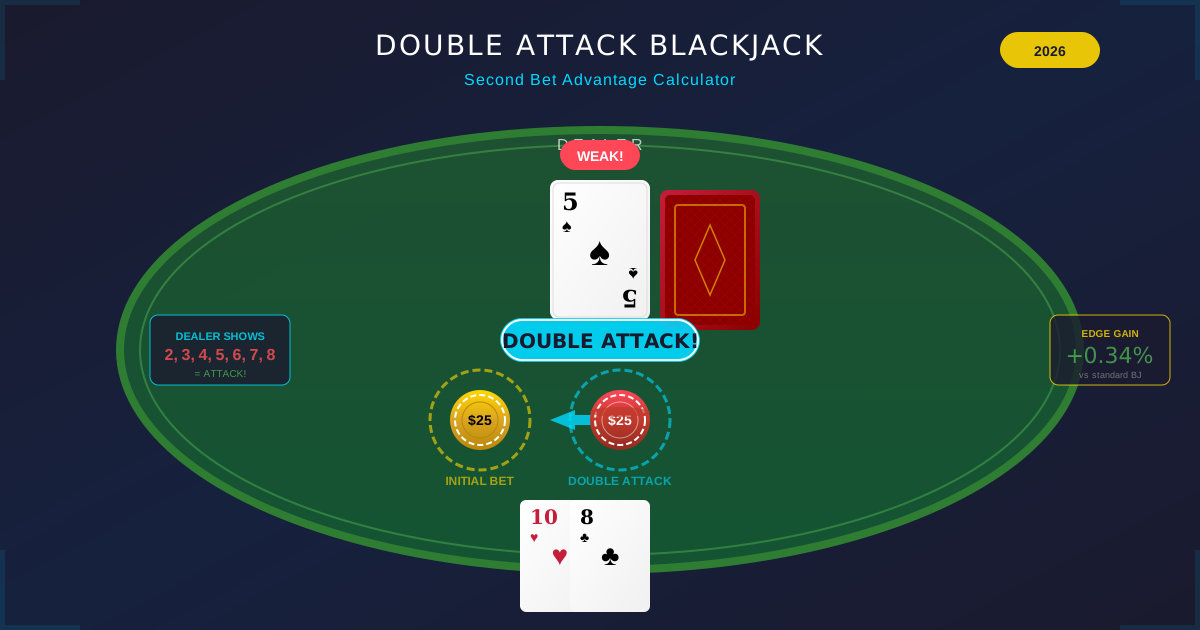
Example 1: Double Attack Success
Weak dealer, attack it:
Initial bet: $25
Dealer shows: 5

Decision: DOUBLE ATTACK
Add: $25
Total bet: $50

Your hand: 10-8 (18)
Dealer: 5, hits 10-5 = 20

Result: LOSE $50

But was right decision!
Expected value favored attack
Example 2: Strong Dealer
Don't attack:
Initial bet: $25
Dealer shows: Ace

Decision: NO DOUBLE ATTACK
Total bet: $25

Your hand: 10-6 (16)
Action: SURRENDER

Lose: $12.50 (half)

Saved money by not attacking
Surrender cut losses
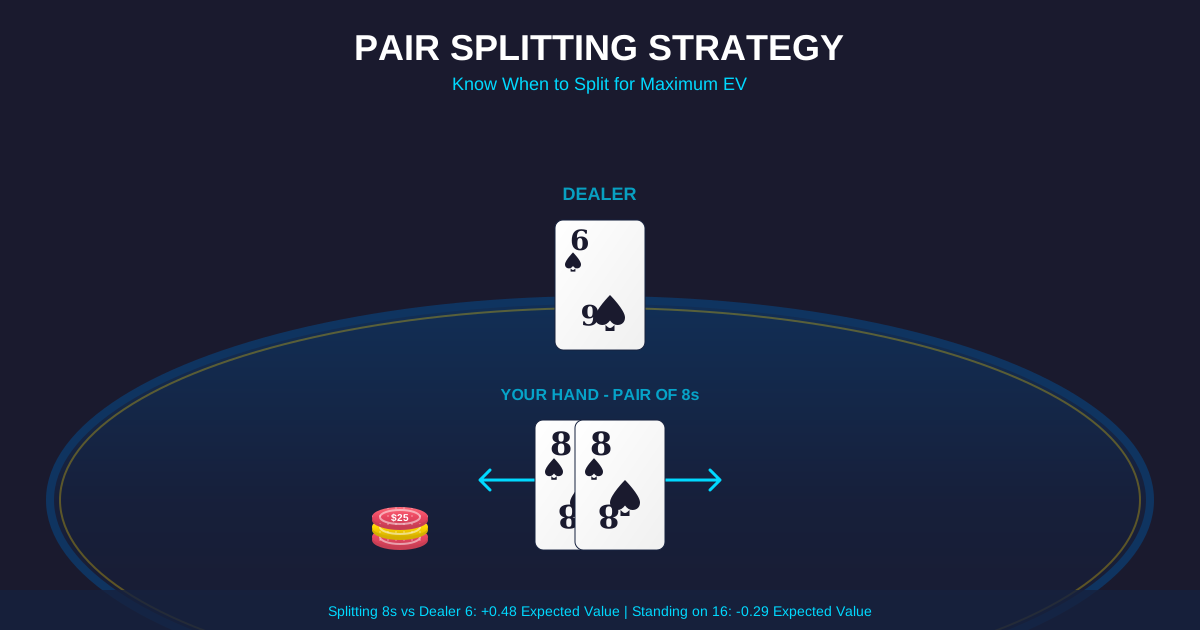
Example 3: Aggressive Hit
Different from standard BJ:
Your hand: 6-6 (12)
Dealer shows: 4

Standard BJ: Stand
Double Attack: HIT

Why? Fewer 10s = less bust risk
12 vs 4 favors hitting here
Spanish deck strategy
Example 4: Any Card Double
Flexible doubling:
Your hand: 7-2, hit 3 (12)
Three cards total
Dealer shows: 6

Standard BJ: Can't double
Double Attack: CAN DOUBLE

Add bet on 12
Hope for 9 = 21
Flexible rules help
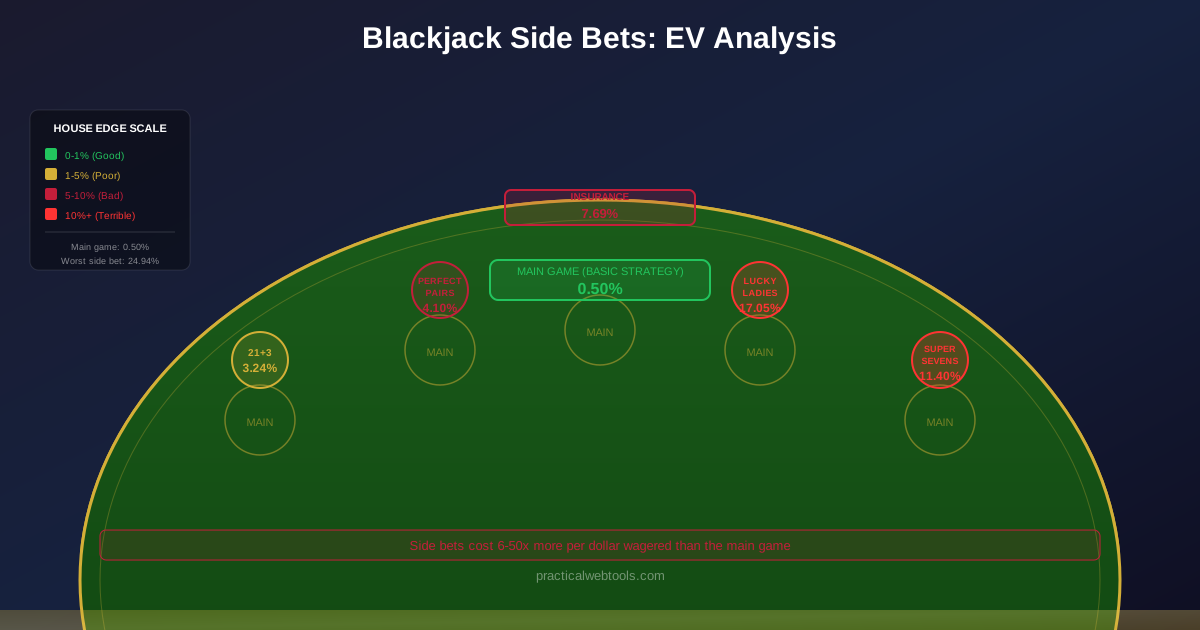
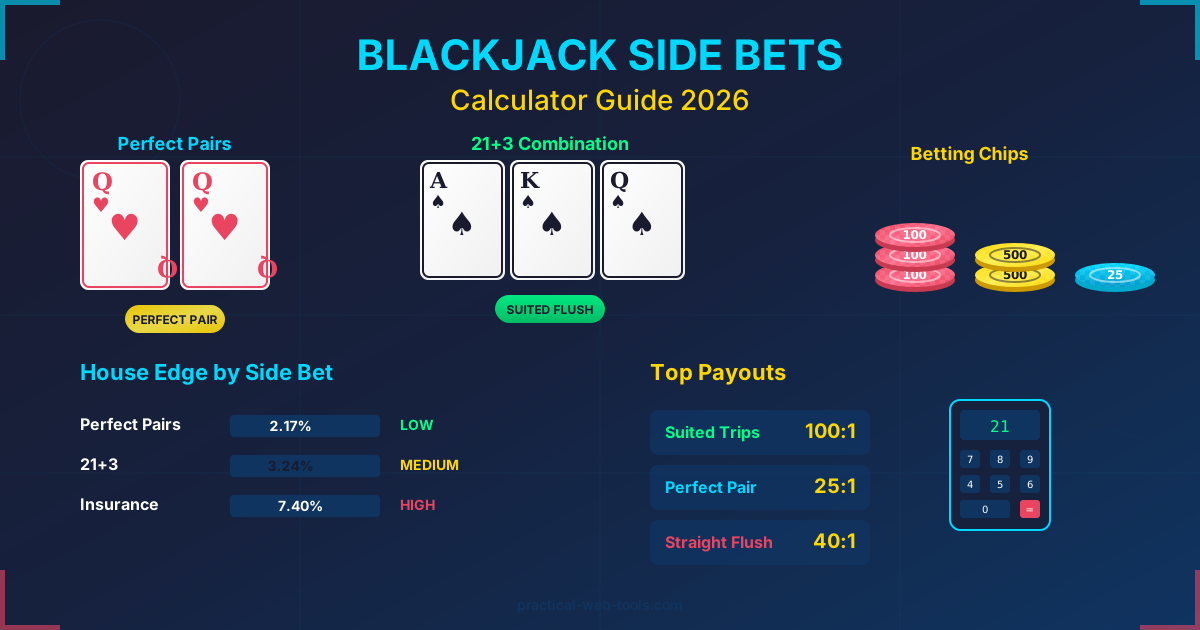
Side Bets
Bust It Side Bet
Bet dealer will bust:

Pays based on bust card
3-card bust: Lower pay
8+ card bust: Higher pay

High house edge (~7%)
Entertainment only
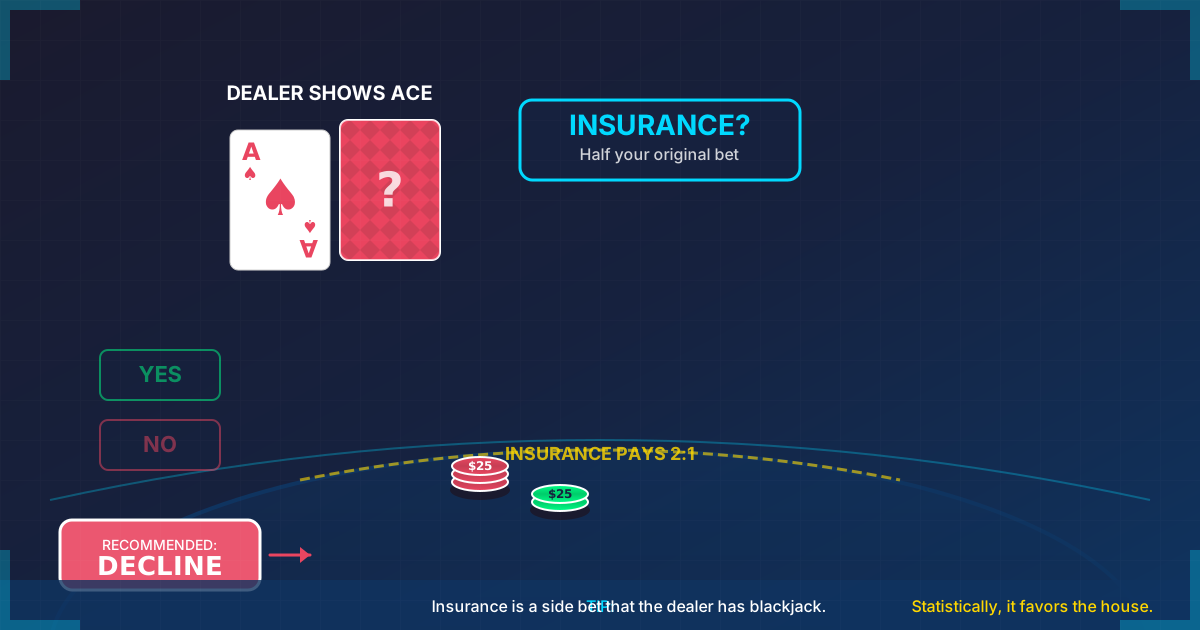
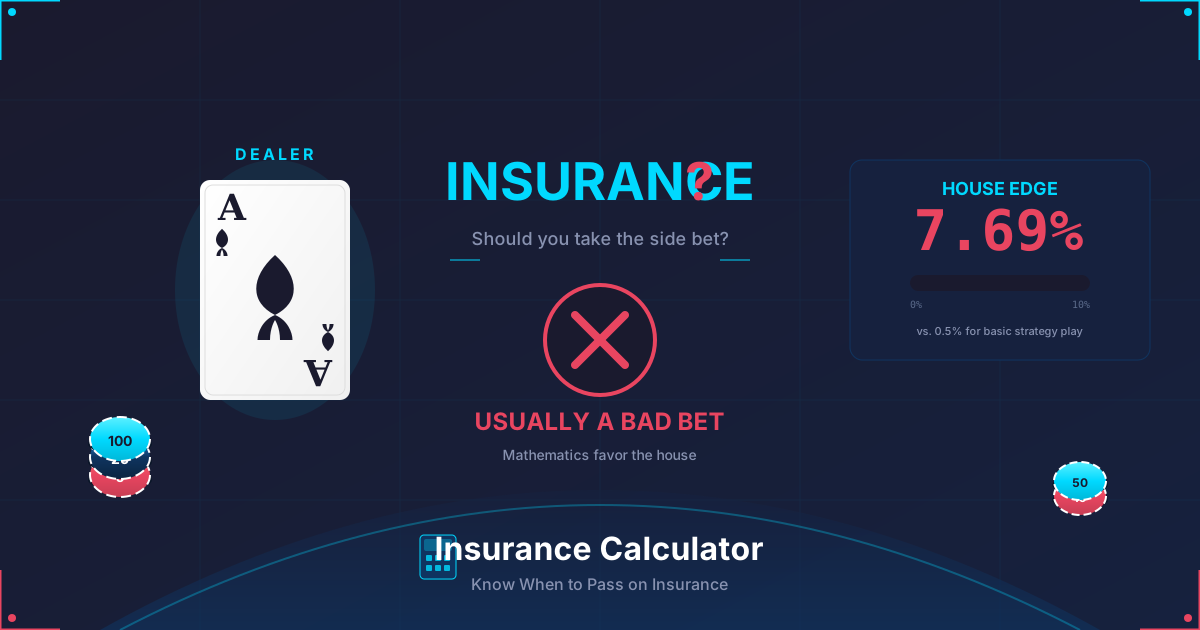
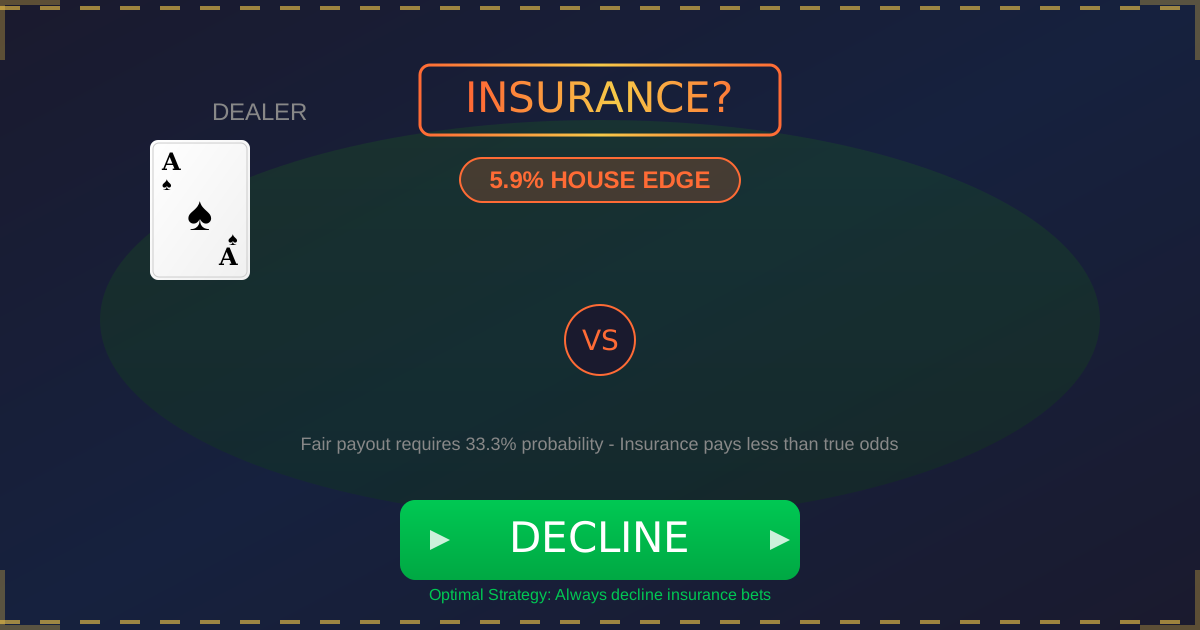
Insurance
Standard insurance:

Available when dealer shows Ace
Pays 2:1 if dealer blackjack
Same math as standard BJ

Usually not recommended
But with 1:1 BJ payout, different
Common Mistakes
1. Not Double Attacking 2-8
Mistake: Conservative betting Problem: Missing +EV opportunities Fix: Always attack 2-8
2. Double Attacking 9+
Mistake: Too aggressive Problem: Adding money vs strong dealer Fix: Never attack 9, 10, A
3. Using Standard BJ Strategy
Mistake: Not adjusting for Spanish deck Problem: Suboptimal plays Fix: Learn Double Attack specific strategy
4. Ignoring Surrender
Mistake: Never surrendering Problem: Missing loss reduction Fix: Surrender liberally
Frequently Asked Questions
When should I double attack?
Against dealer upcards 2-8, always add the second bet. Against 9-A, keep only your initial bet.
Why does blackjack only pay 1:1?
To offset the double attack advantage. The ability to double bet after seeing upcard is powerful—1:1 blackjack balances it.
Is this better than standard blackjack?
Similar house edge (0.35-0.62% vs 0.5%). Different gameplay with two-stage betting. Matter of preference.
Does Spanish deck hurt me?
Yes, but other rules compensate. Net effect is competitive house edge despite fewer 10s.
Should I double attack on every hand?
No. Only attack 2-8. Against 9-A, the dealer is too strong to warrant additional betting.
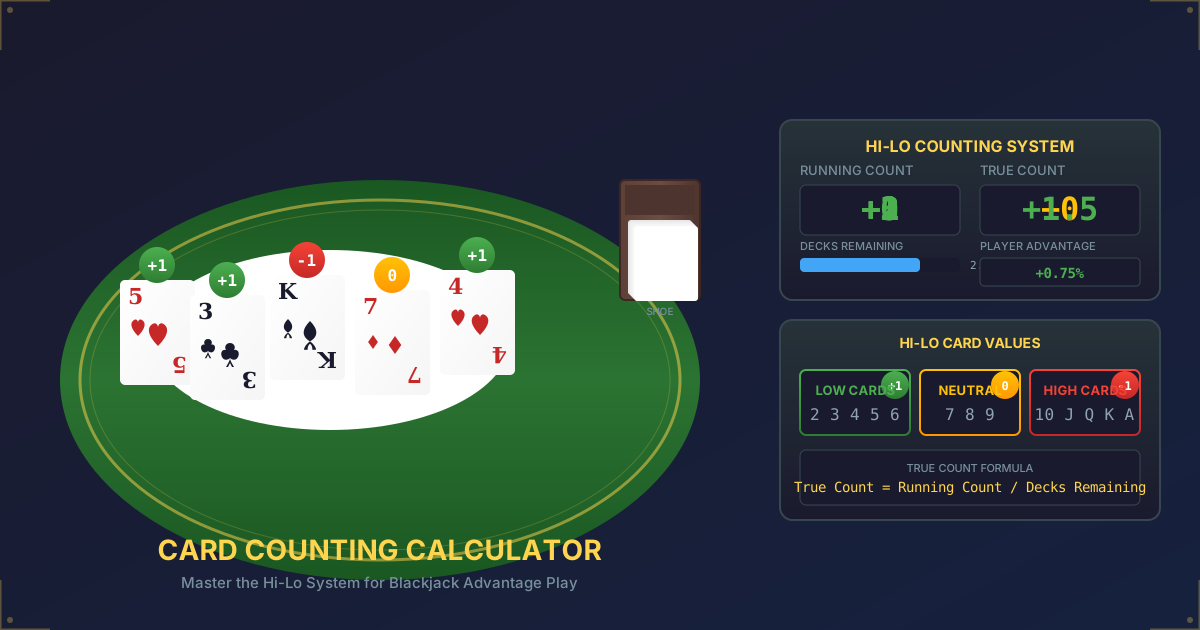
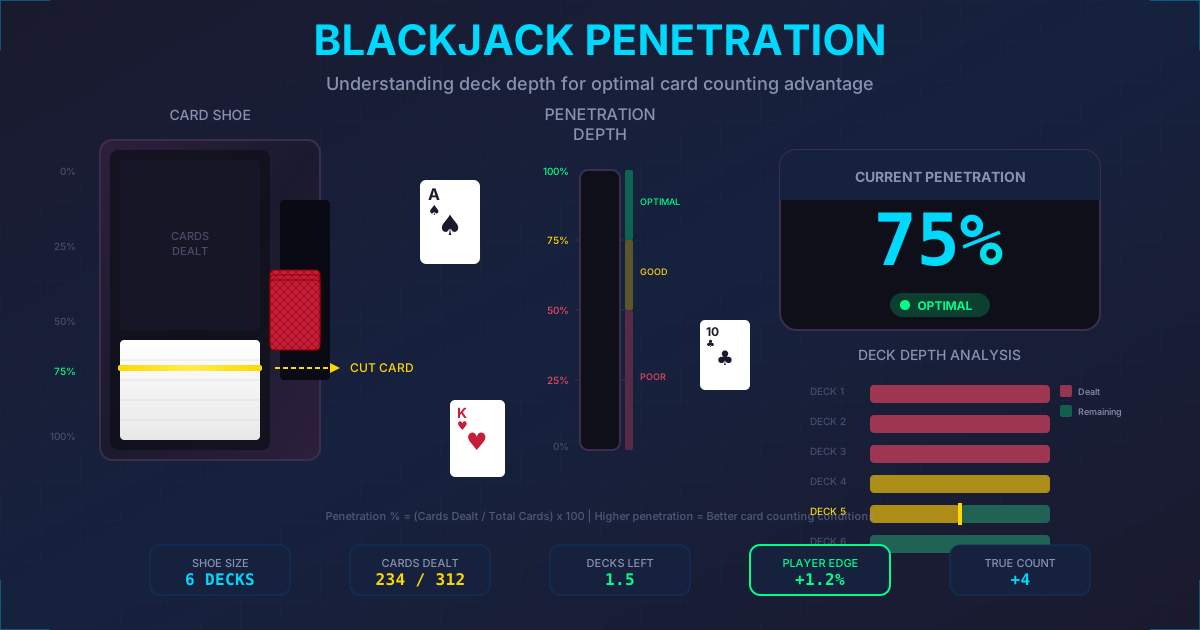
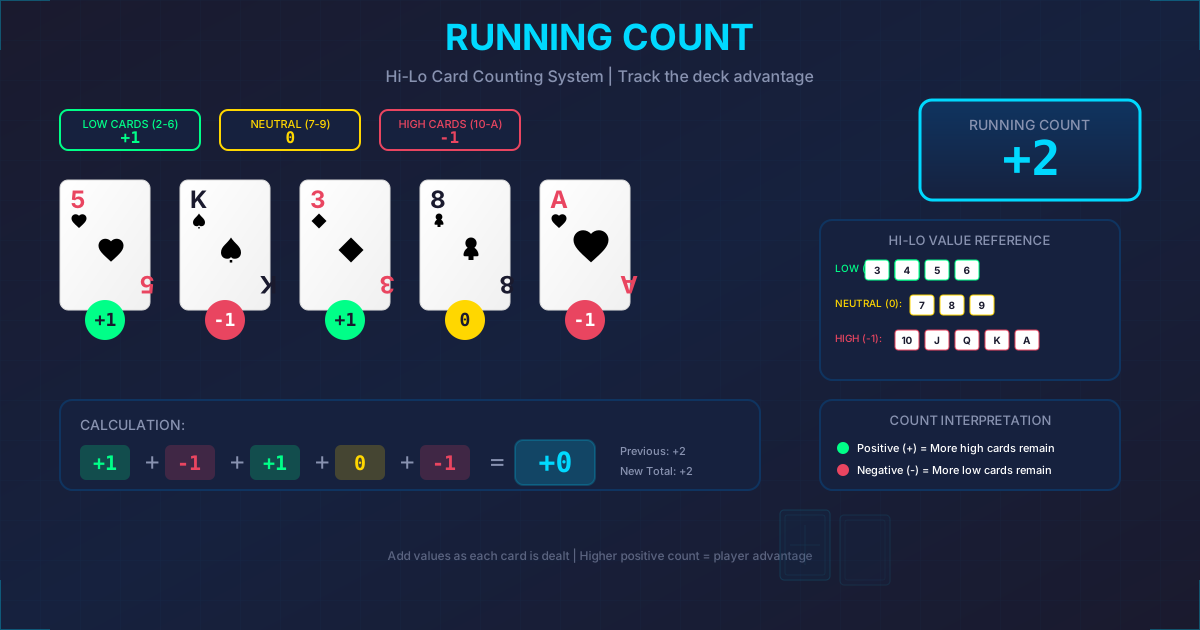
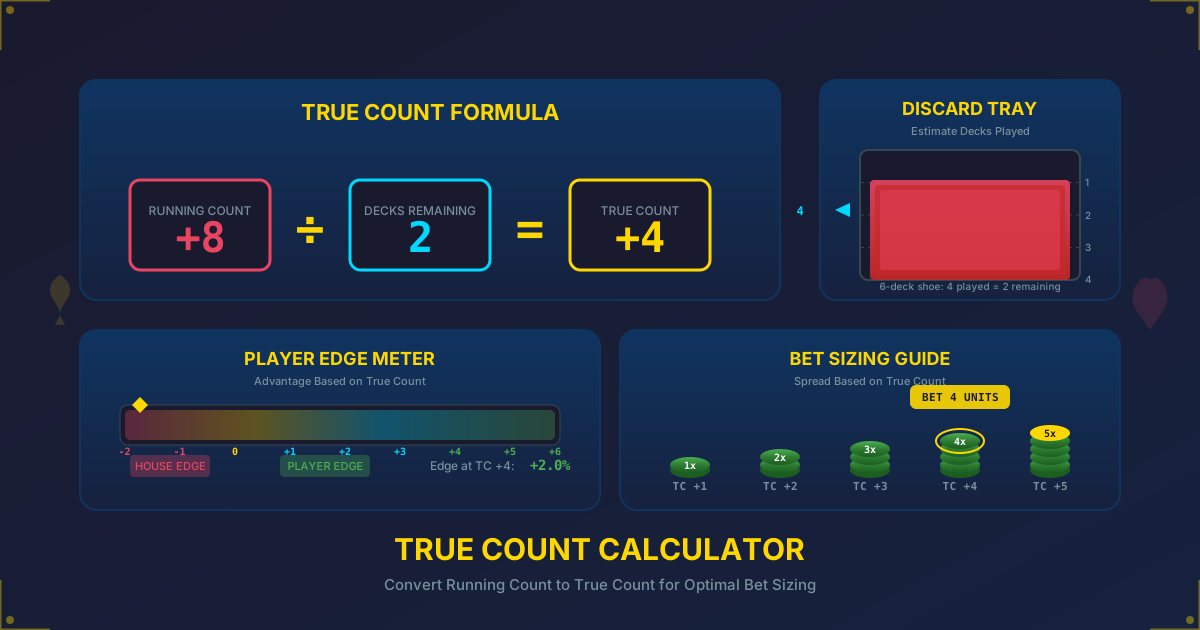
Can I count cards?
Possible but less effective. Spanish deck and multiple decks reduce counting profit. Double attack timing helps more.
Pro Tips
-
Attack 2-8: Every time
-
Never attack 9+: Too strong
-
Hit more 12s: Spanish deck adjustment
-
Use surrender: Liberal rules favor it
-
1:1 blackjack: Factor into decisions
Related Calculators
- Blackjack Odds Calculator - Standard game
- Spanish 21 Calculator - Same deck
- Blackjack Strategy Calculator - Basic strategy
- House Edge Calculator - Compare games
- Expected Value Calculator - Bet analysis
Conclusion
Double Attack Blackjack's signature feature—doubling your bet after seeing the dealer's upcard—creates unique strategic value. Our calculator reveals when to attack (2-8), when to hold back (9-A), and how Spanish deck rules affect optimal play for this 0.35-0.62% house edge variant.
Calculate Double Attack Blackjack Odds Now →
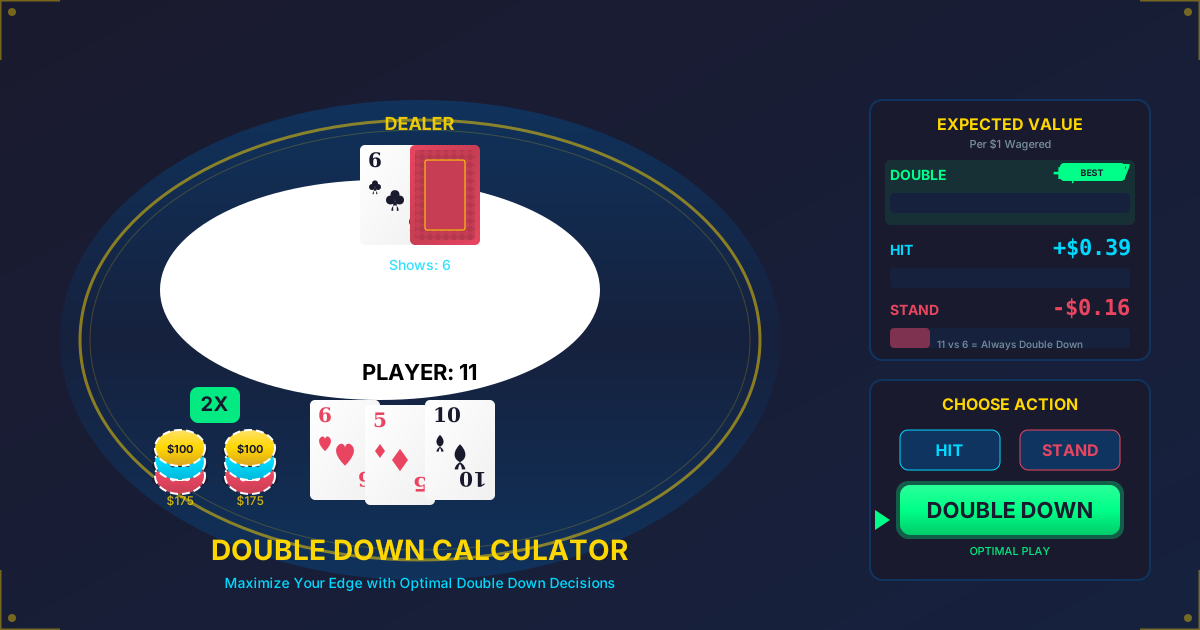
When the dealer shows a 6, double attack—you're adding money in a favorable spot. Our calculator shows optimal decisions for both the attack phase and subsequent play.