Expected Value Calculator: Is Your Bet +EV? (2026)
Expected Value Calculator: Find Profitable Betting Opportunities
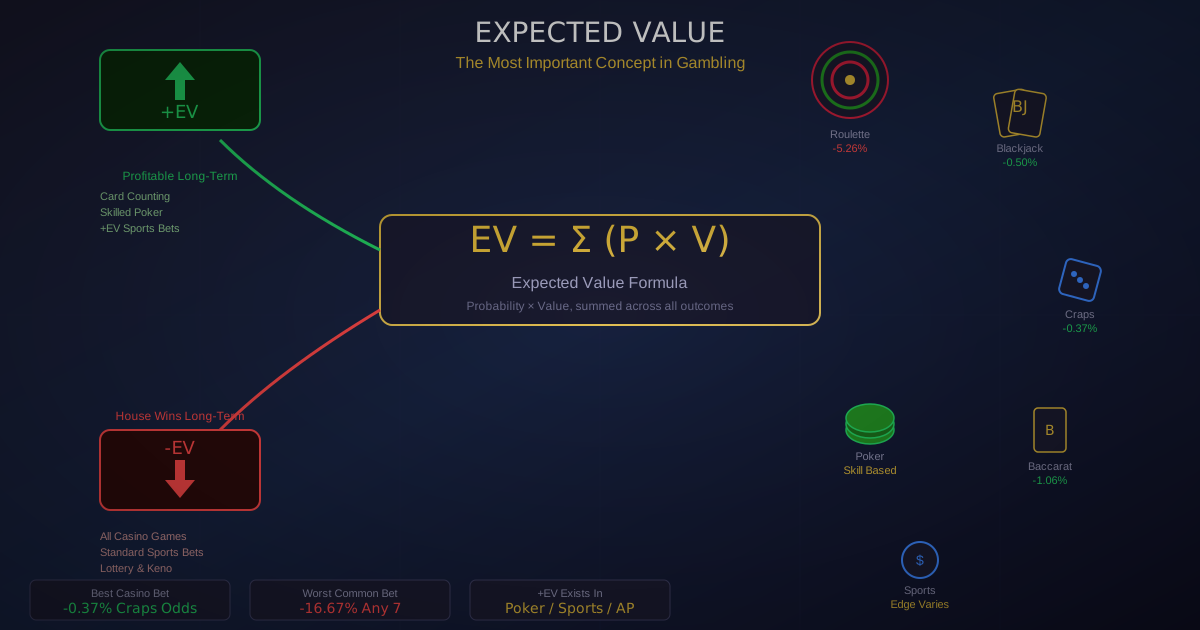
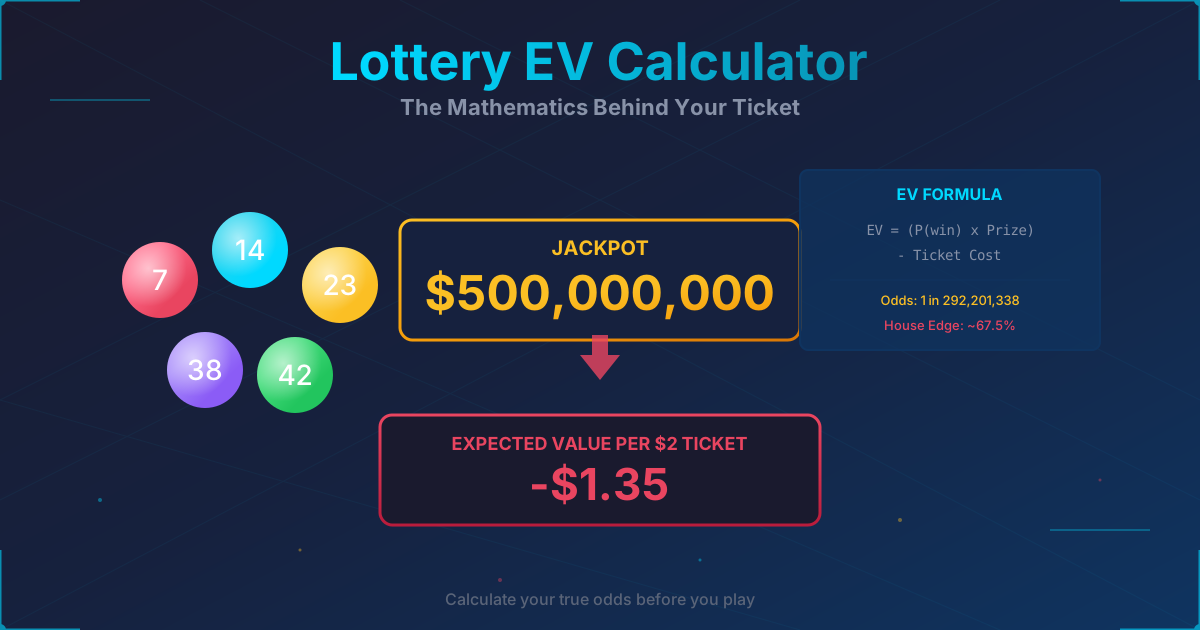
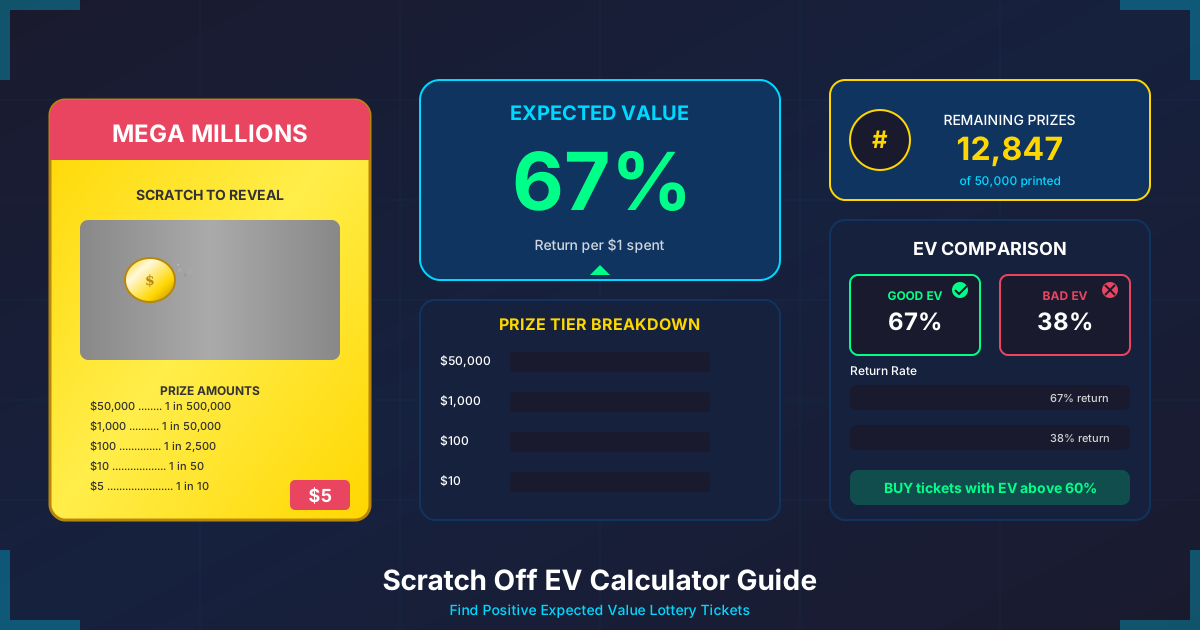
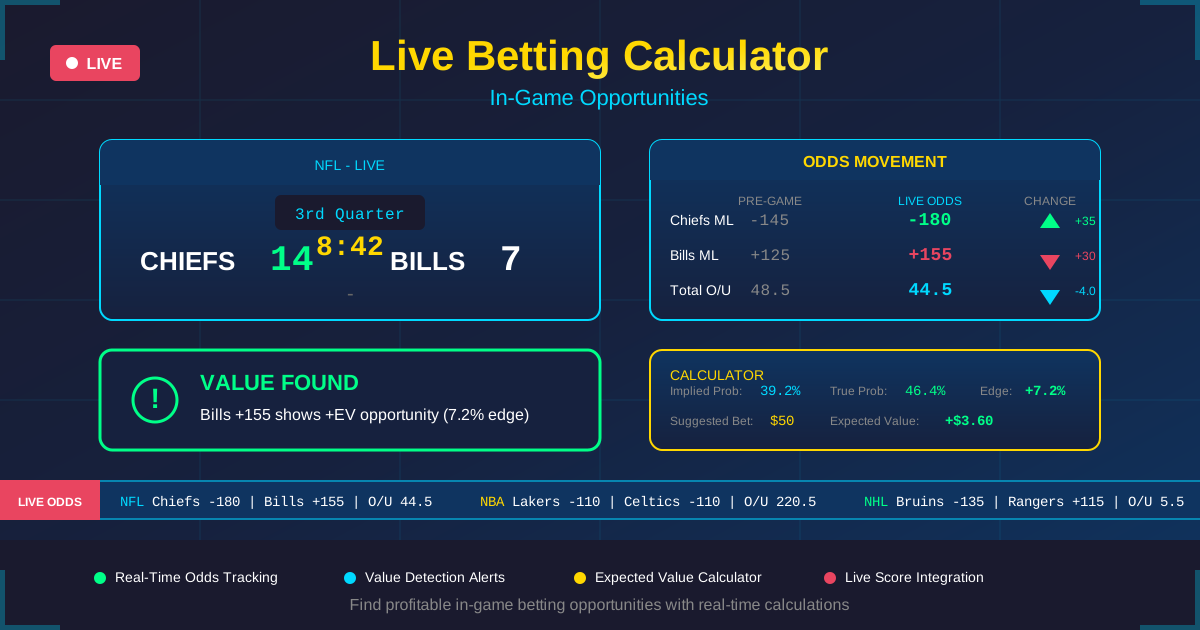
Expected Value (EV) is the most important concept in gambling and betting. It tells you whether a bet is profitable in the long run. Our free EV calculator instantly shows whether any bet is +EV (profitable) or -EV (losing), helping you make mathematically sound wagering decisions.
What Is Expected Value?
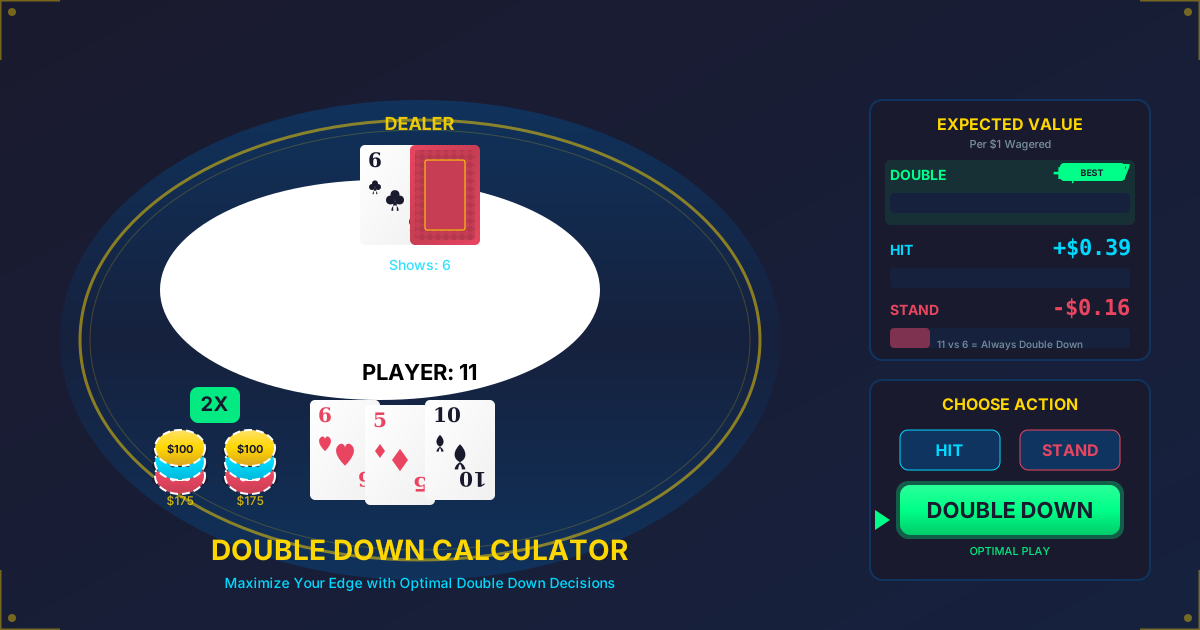
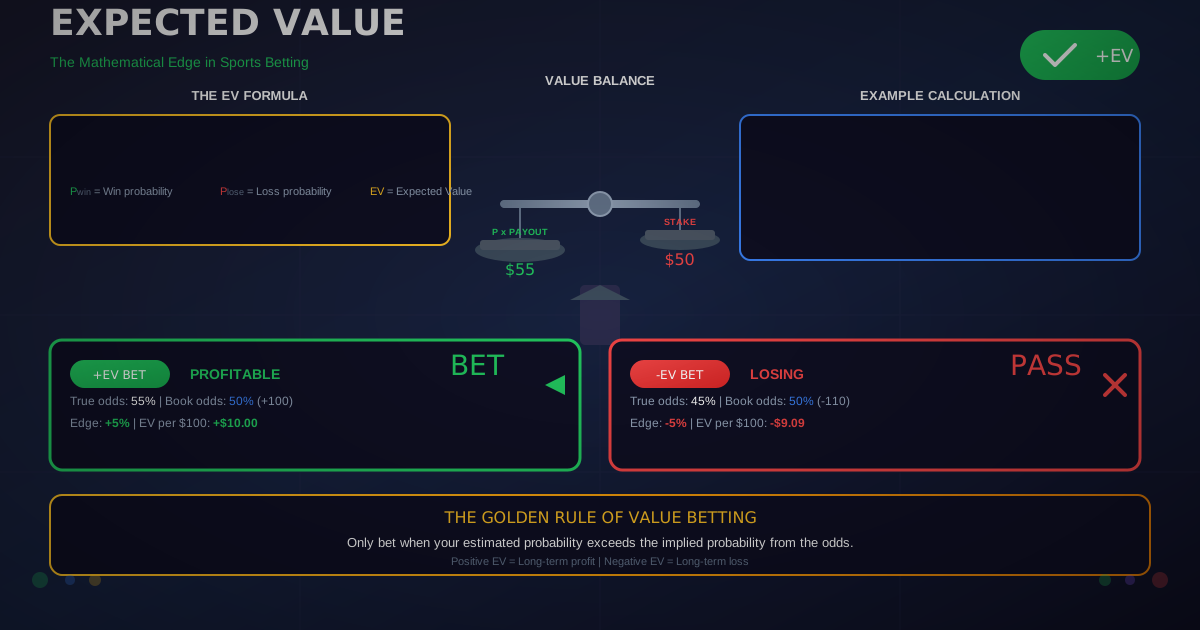
Expected Value represents the average amount you'll win or lose per bet if you made the same wager thousands of times. Positive EV (+EV) means profit long-term; negative EV (-EV) means loss.
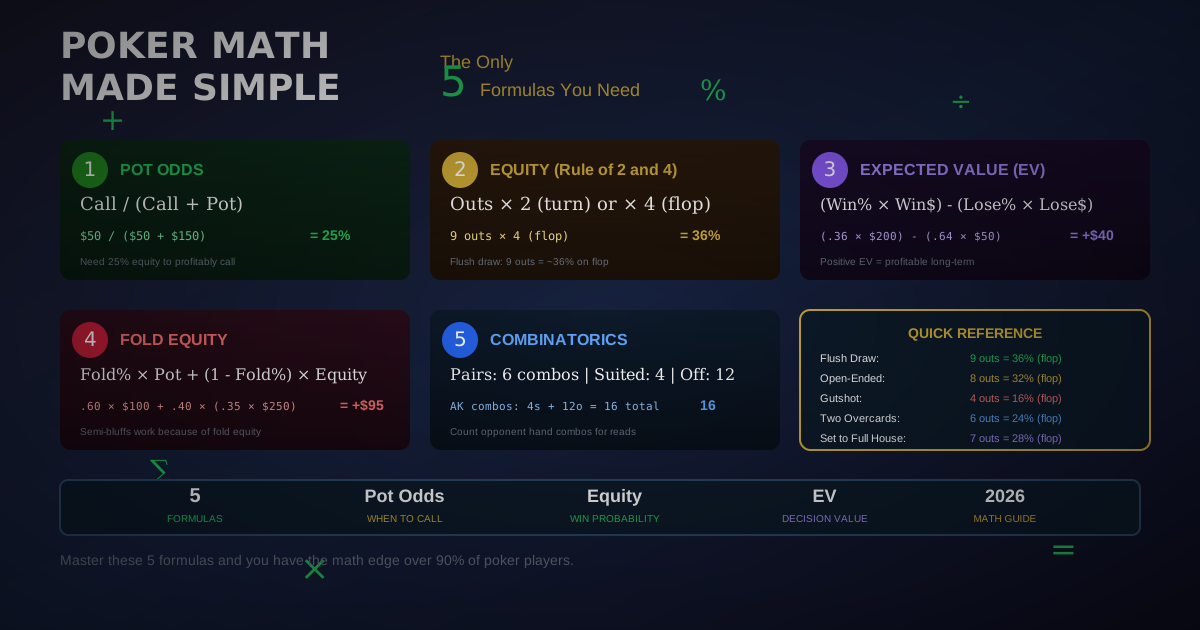
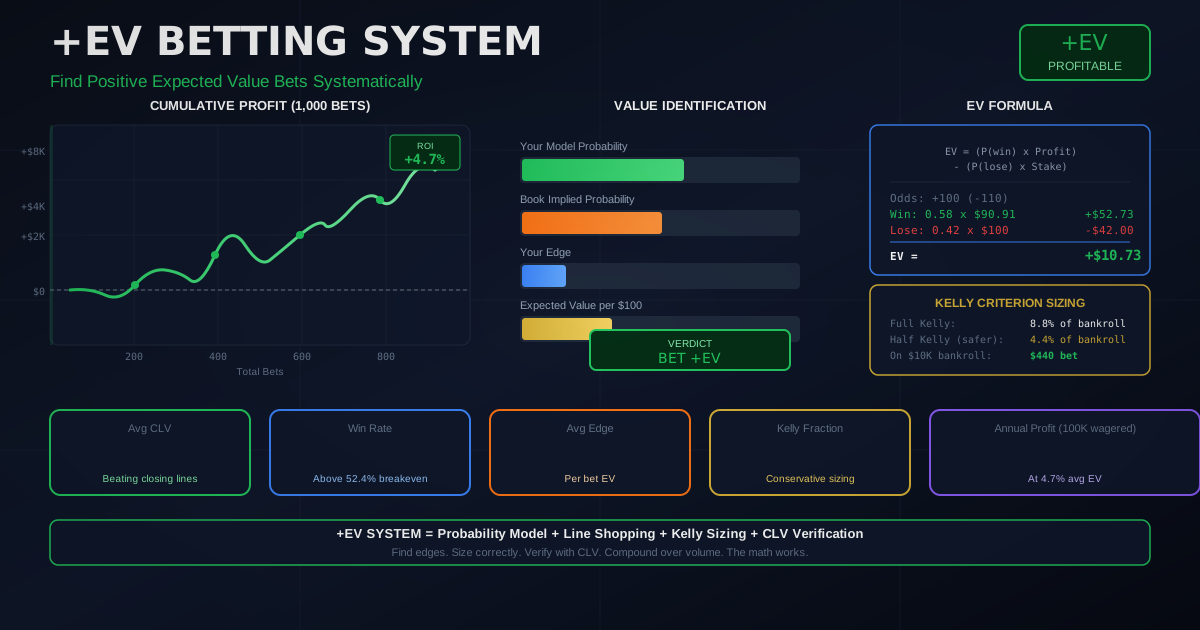
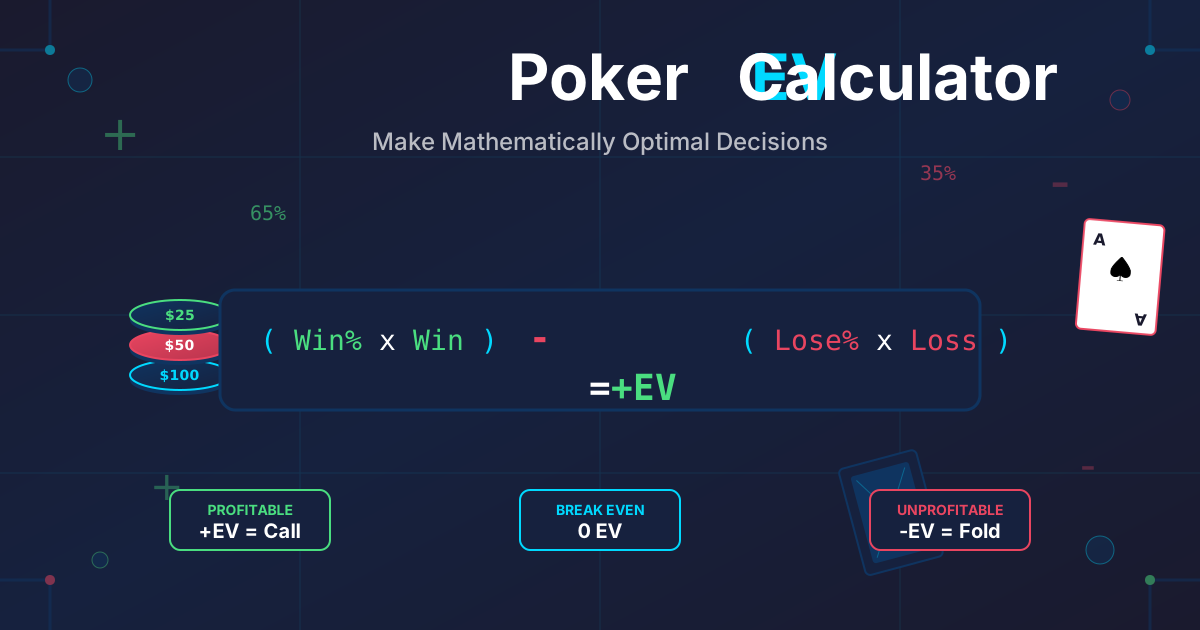
Quick Answer: Expected Value = (Win Probability × Win Amount) - (Loss Probability × Loss Amount). If the result is positive, the bet is +EV and profitable long-term. If negative, you'll lose money over time.
How to Use Our Free EV Calculator
Use the Expected Value Calculator →
Enter odds and your probability estimate to see if a bet is +EV.
Step-by-Step Instructions
-
Enter the Odds: Input the sportsbook odds (American, Decimal, or Fractional)
-
Enter Your Win Probability: Estimate the true chance of winning (be honest!)
-
Enter Bet Amount (Optional): See expected profit/loss in dollars
-
View Results: See EV as percentage and dollar amount
Input Fields Explained
| Field | Description | Example |
|---|---|---|
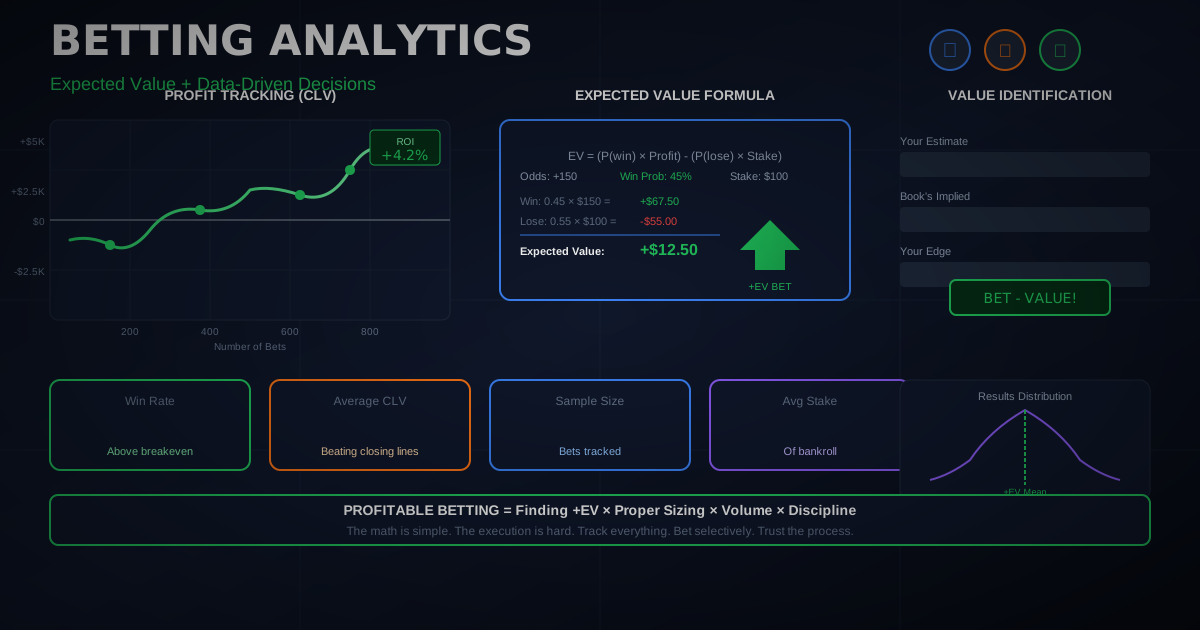
| Odds | Sportsbook line | +150 |
| Win Probability | Your true estimate | 45% |
| Stake | Amount you're betting | $100 |
The EV Formula Explained
Basic Formula
EV = (P(win) × Profit) - (P(loss) × Stake)
Or equivalently:
EV = (P(win) × Payout) - Stake
Breaking It Down
Example: +150 odds, 40% true win probability, $100 bet
- Win probability: 40% (0.40)
- Loss probability: 60% (0.60)
- Profit if win: $150 (at +150 odds)
- Loss if lose: $100 (your stake)
EV = (0.40 × $150) - (0.60 × $100)
EV = $60 - $60 = $0
This bet is exactly break-even at 40% true probability.
At 45% True Probability
EV = (0.45 × $150) - (0.55 × $100)
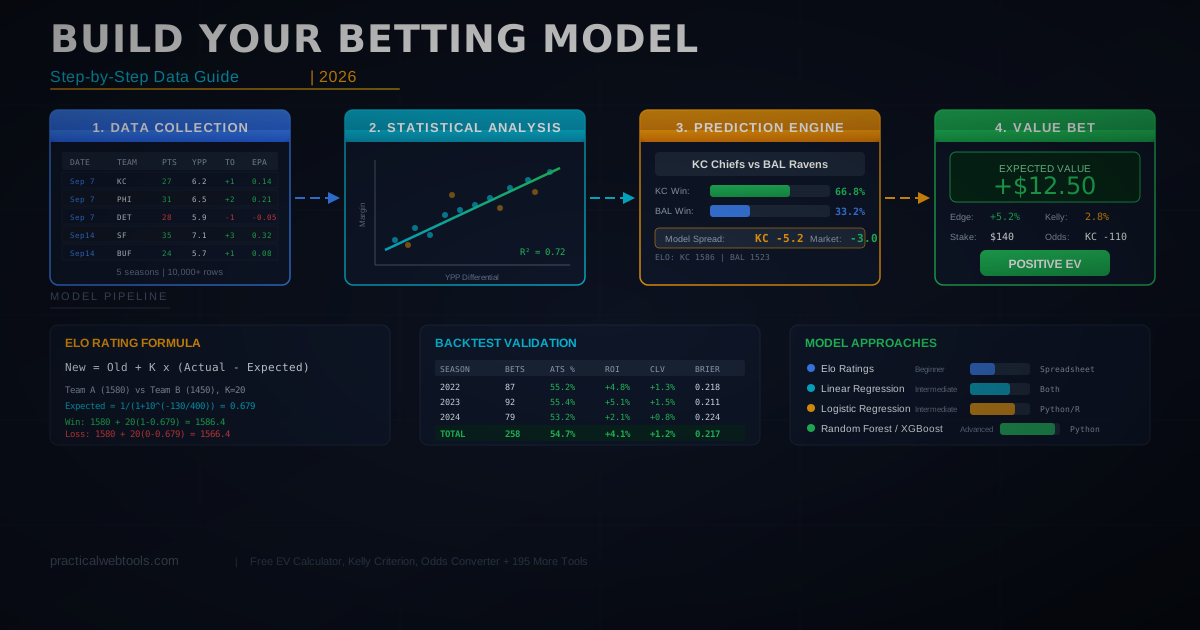
EV = $67.50 - $55 = +$12.50
At 45% true probability, this is a +$12.50 EV bet (+12.5% of stake).
Real-World EV Examples
Example 1: Sports Betting Value
Situation: Sportsbook offers Lakers +200 (implied 33.3%). You analyze the game and believe Lakers have a 40% chance.
EV Calculation:
Profit if win: $200 (on $100 bet)
EV = (0.40 × $200) - (0.60 × $100)
EV = $80 - $60 = +$20
Result: This is a +20% EV bet. Betting $100 yields expected profit of $20.
Example 2: Negative EV Bet
Situation: Point spread at -110 (implied 52.4%). You estimate the true probability at 50%.
EV Calculation:
Profit if win: $90.91 (at -110 on $100)
EV = (0.50 × $90.91) - (0.50 × $100)
EV = $45.46 - $50 = -$4.54
Result: This is a -4.54% EV bet. You'd lose $4.54 per $100 wagered long-term.
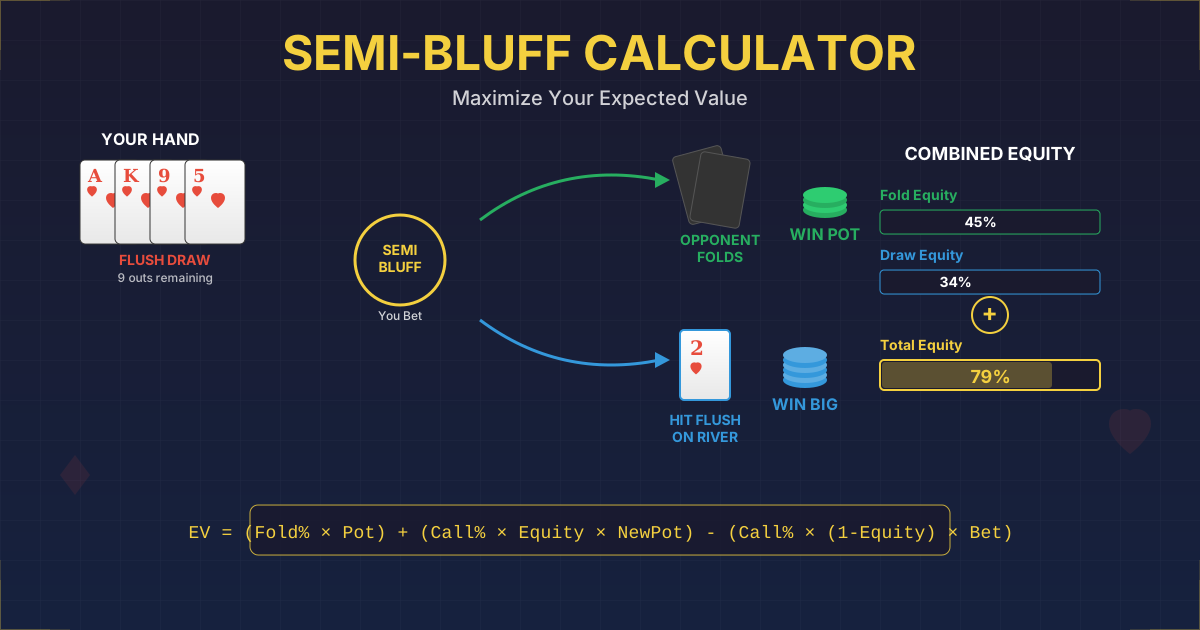
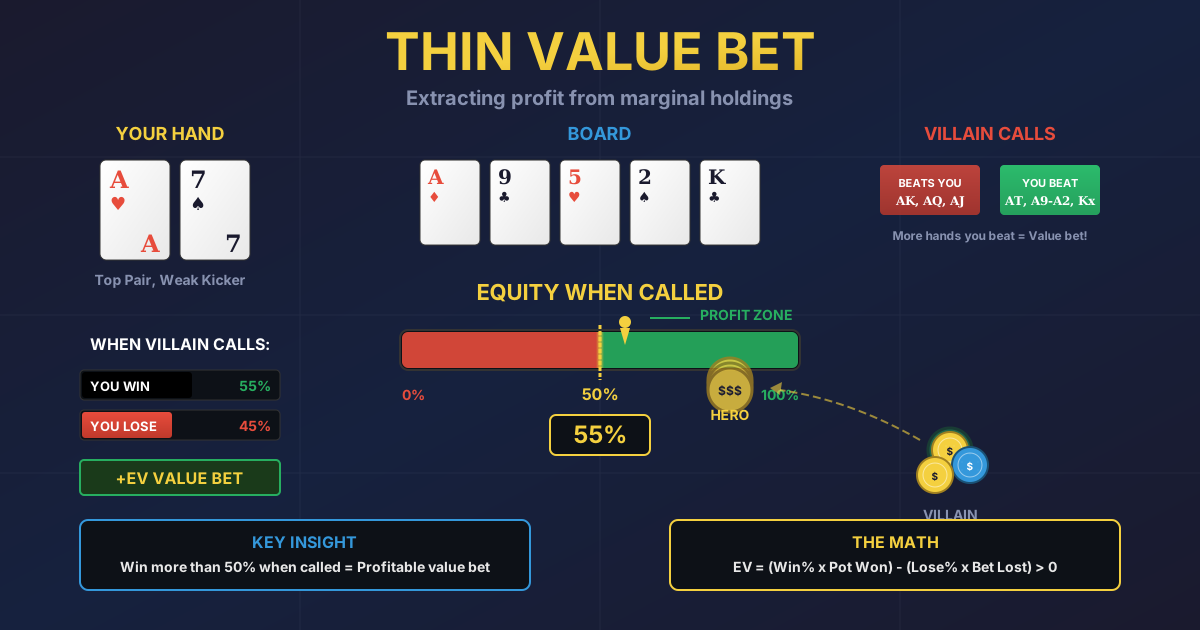
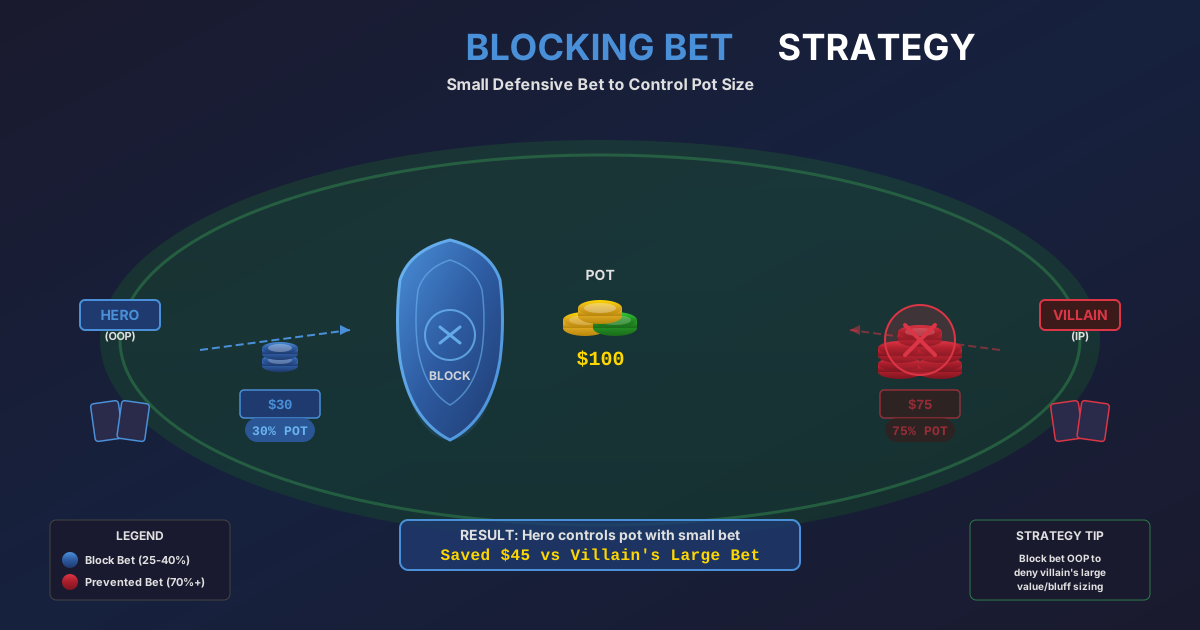
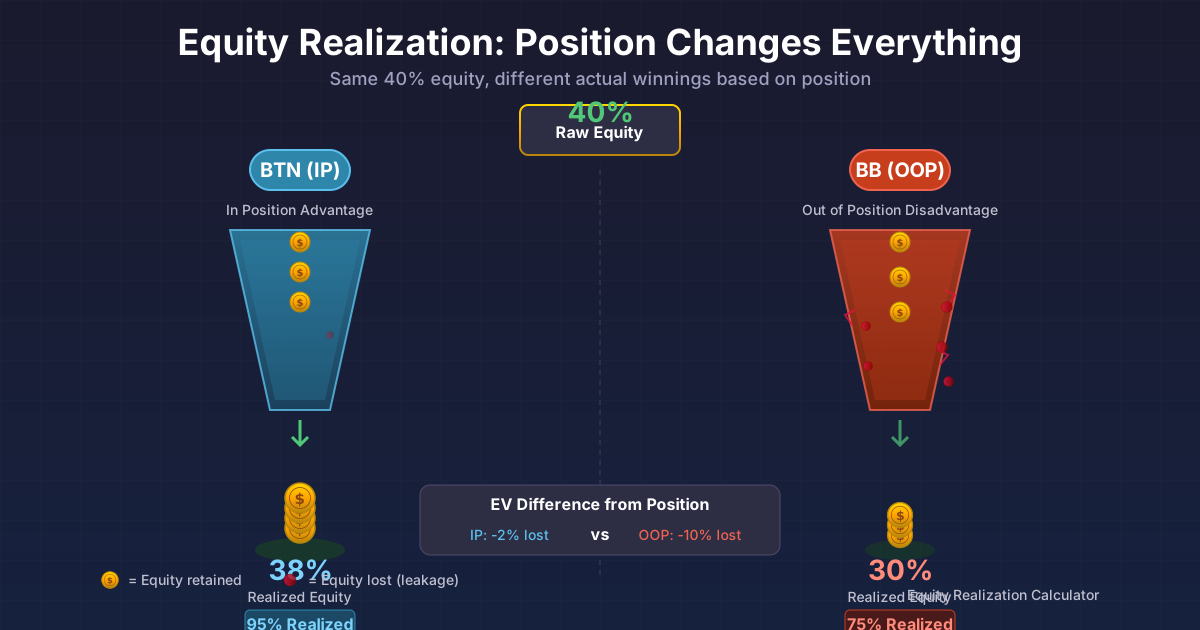
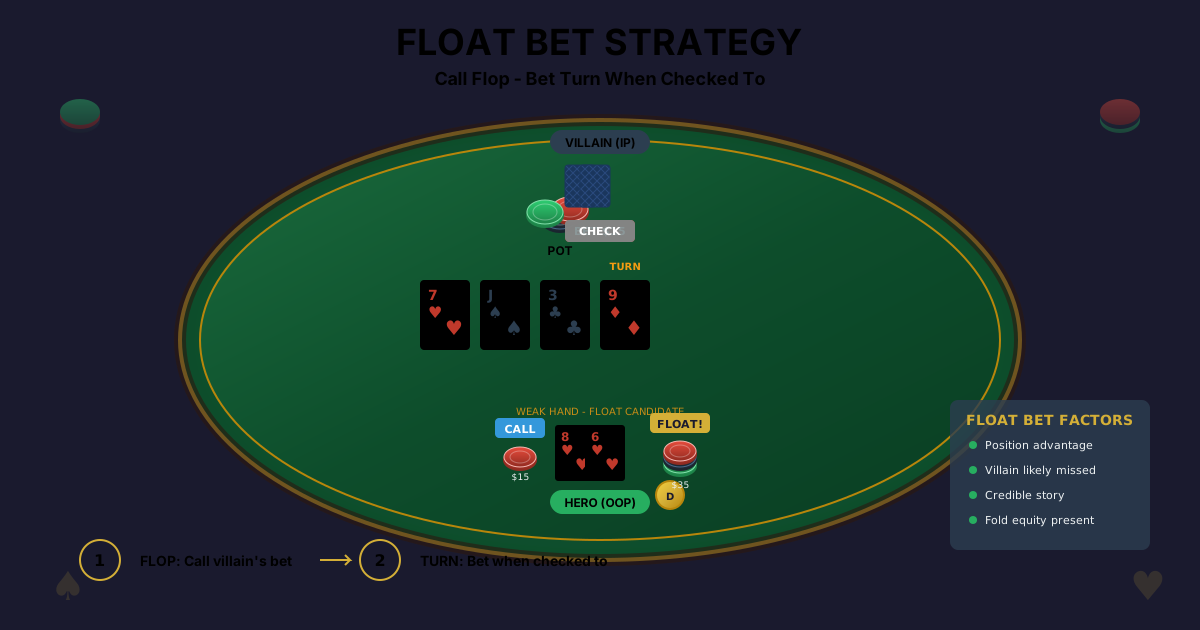
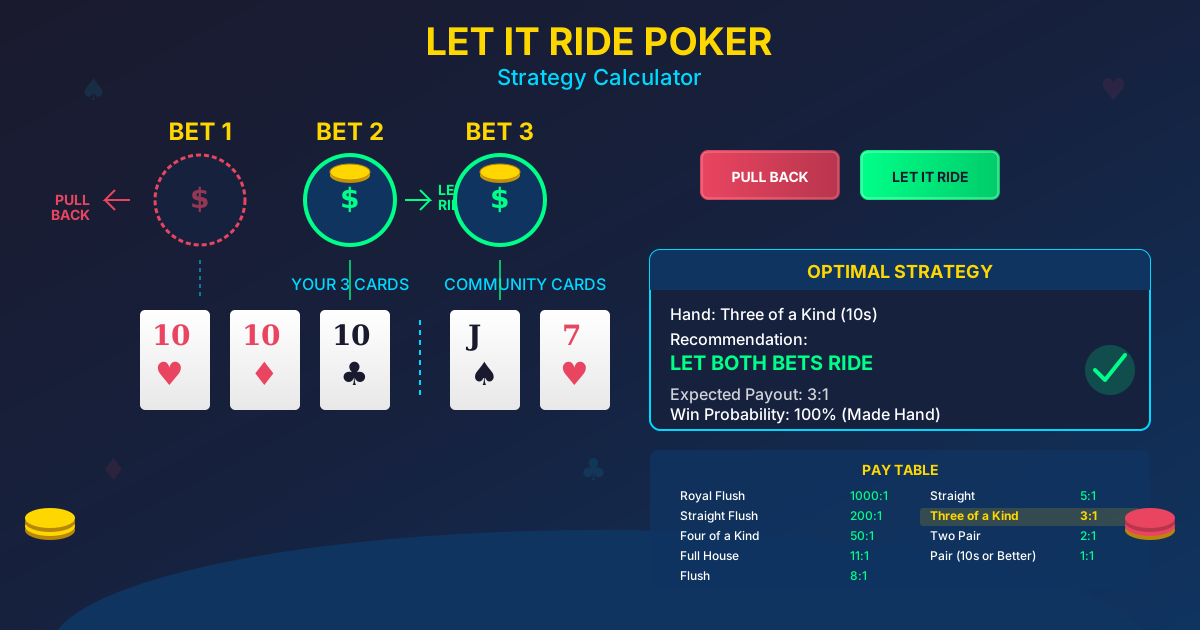
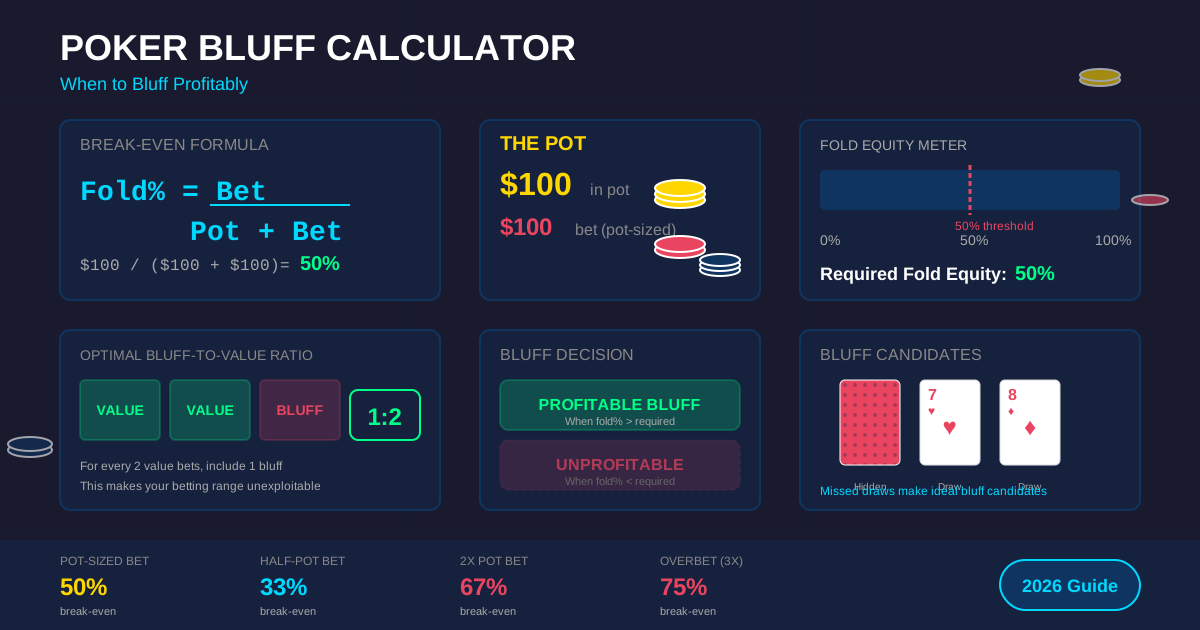
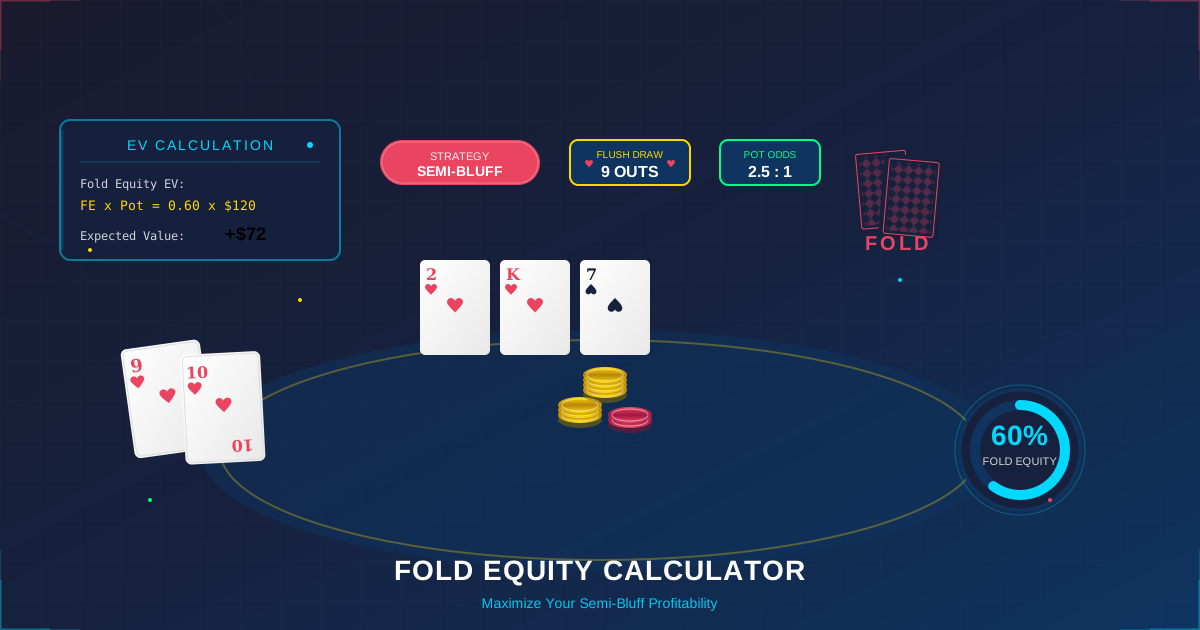
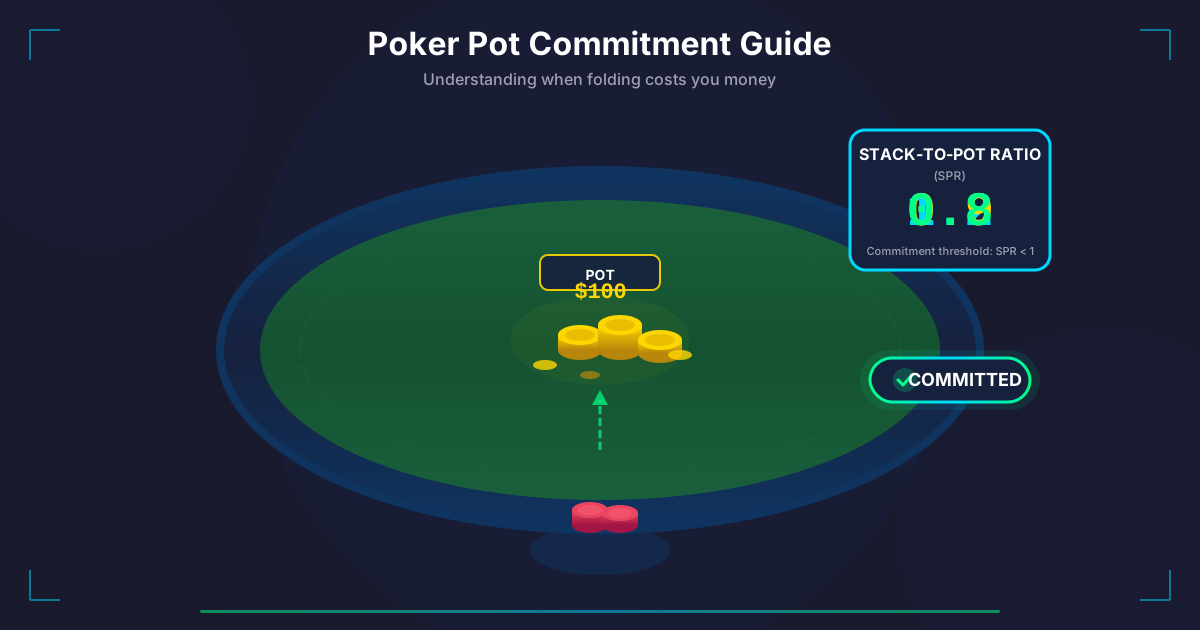
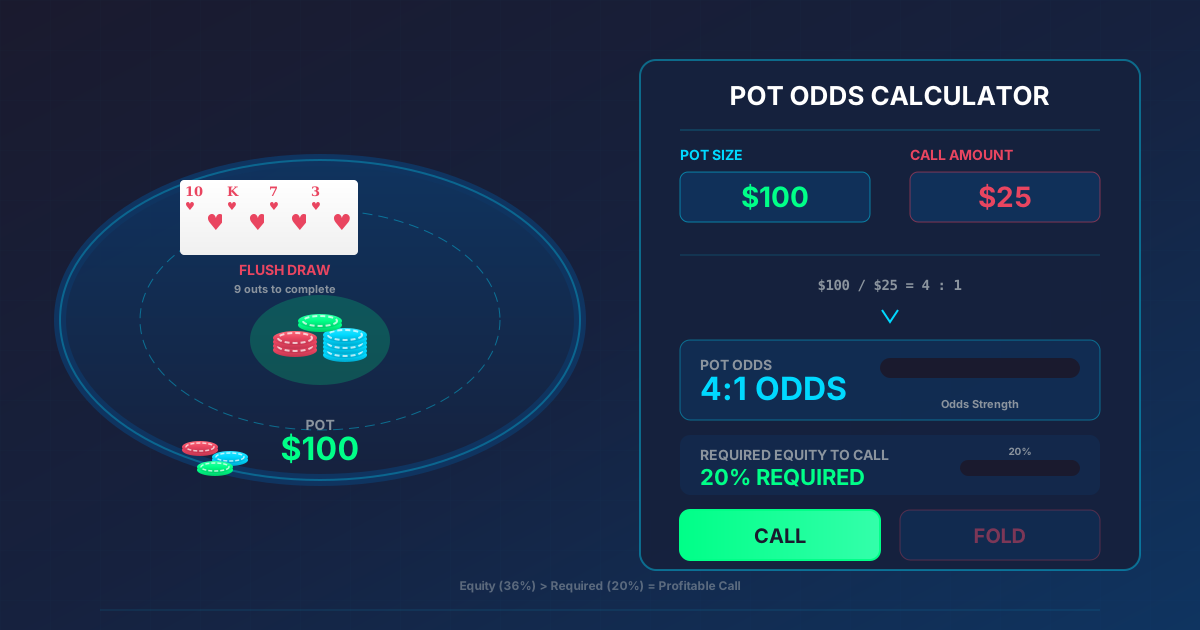
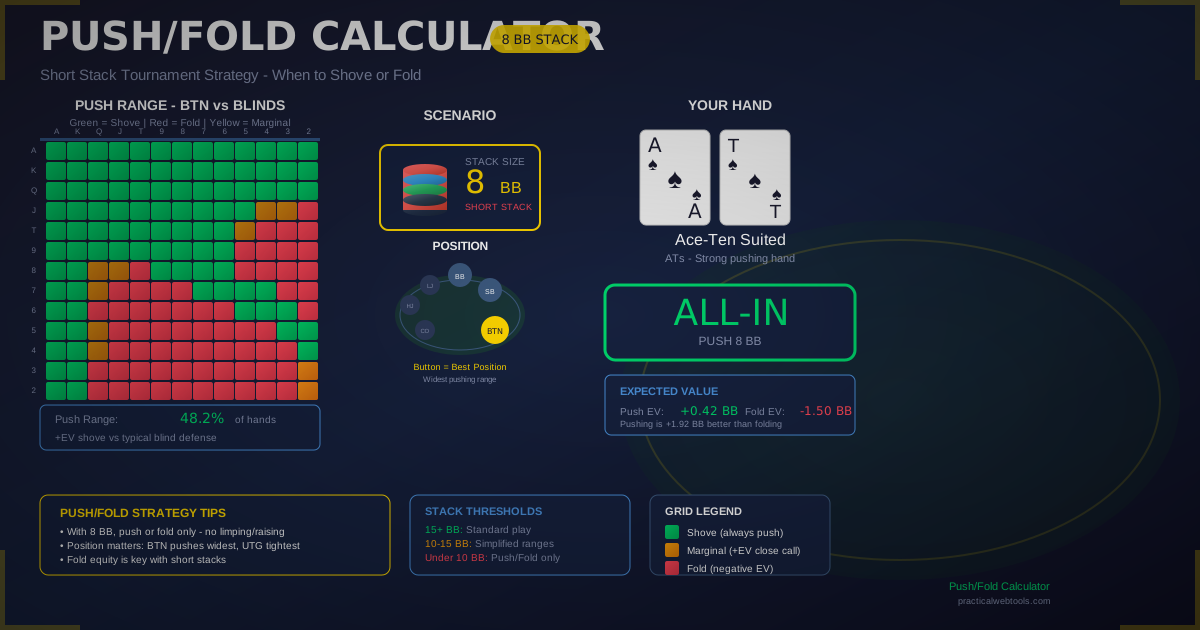
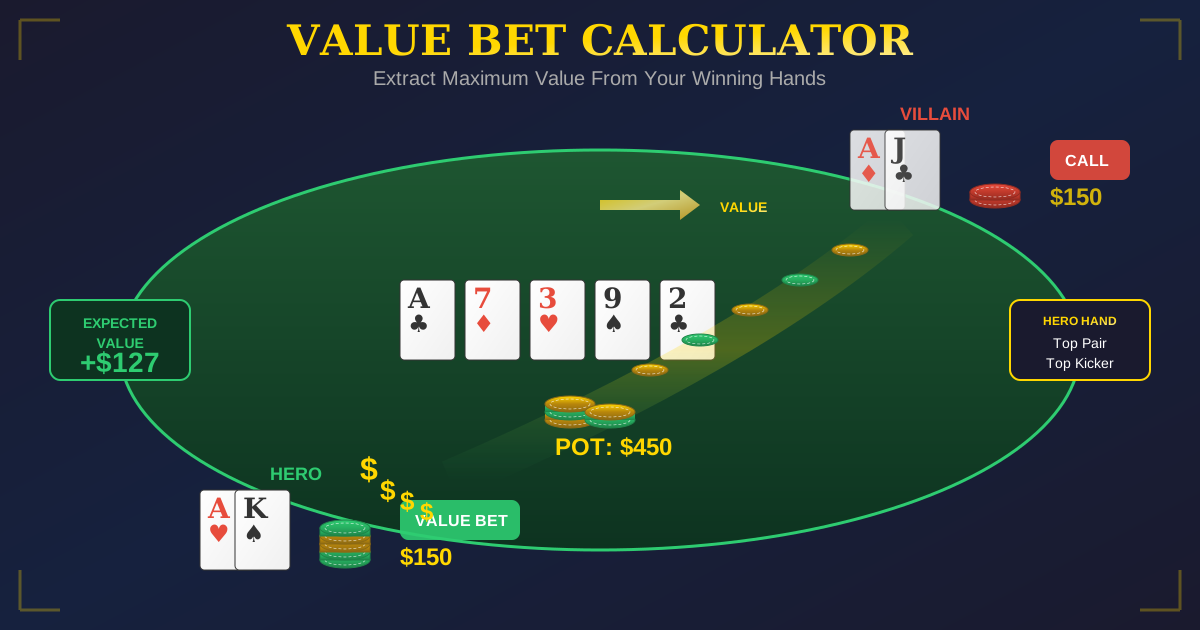
Example 3: Poker Decision
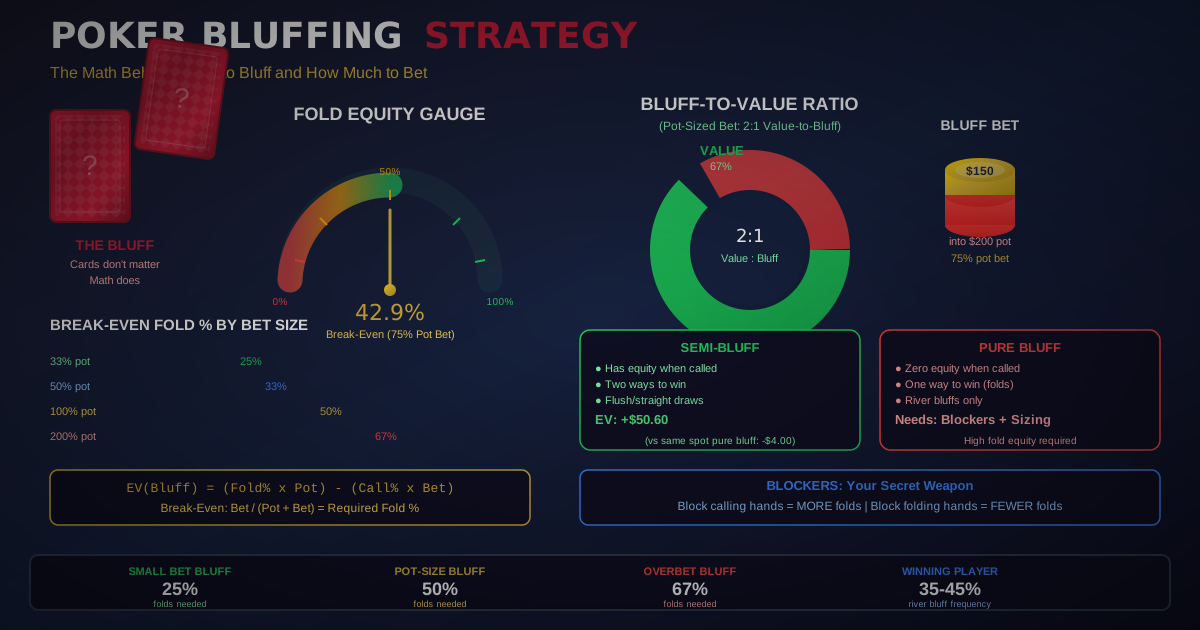
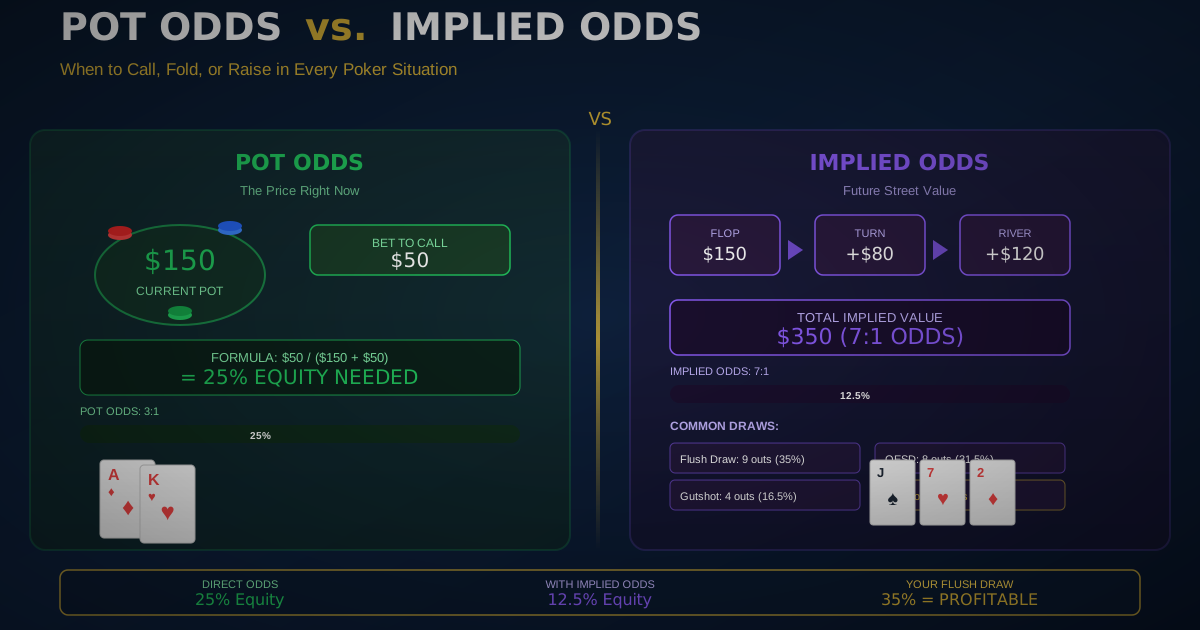
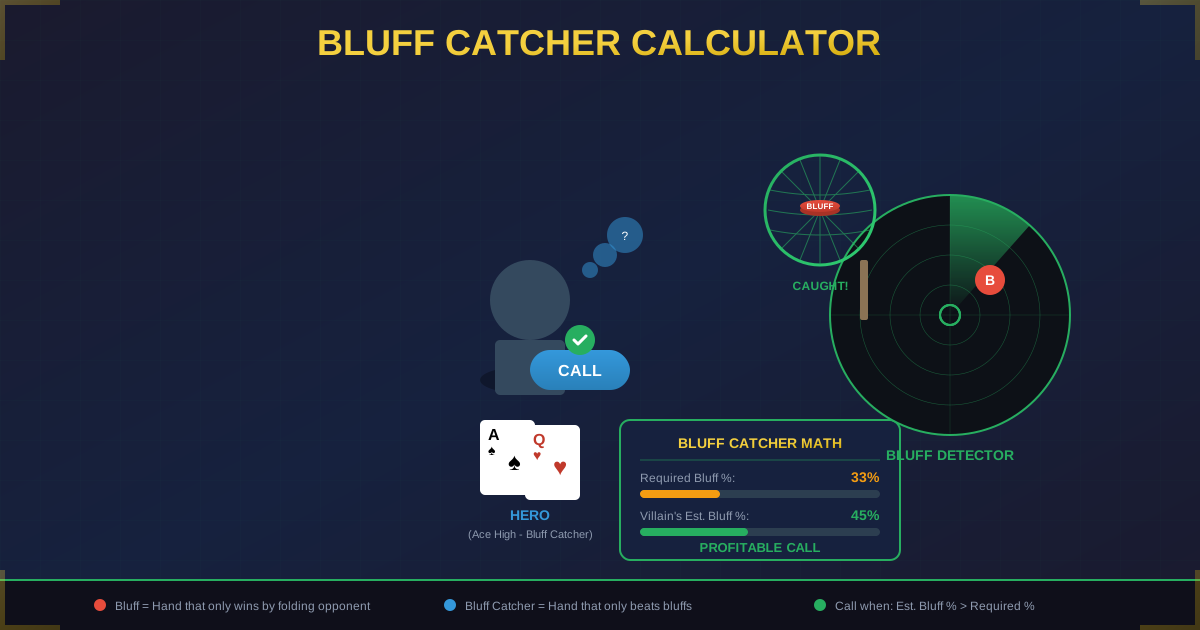
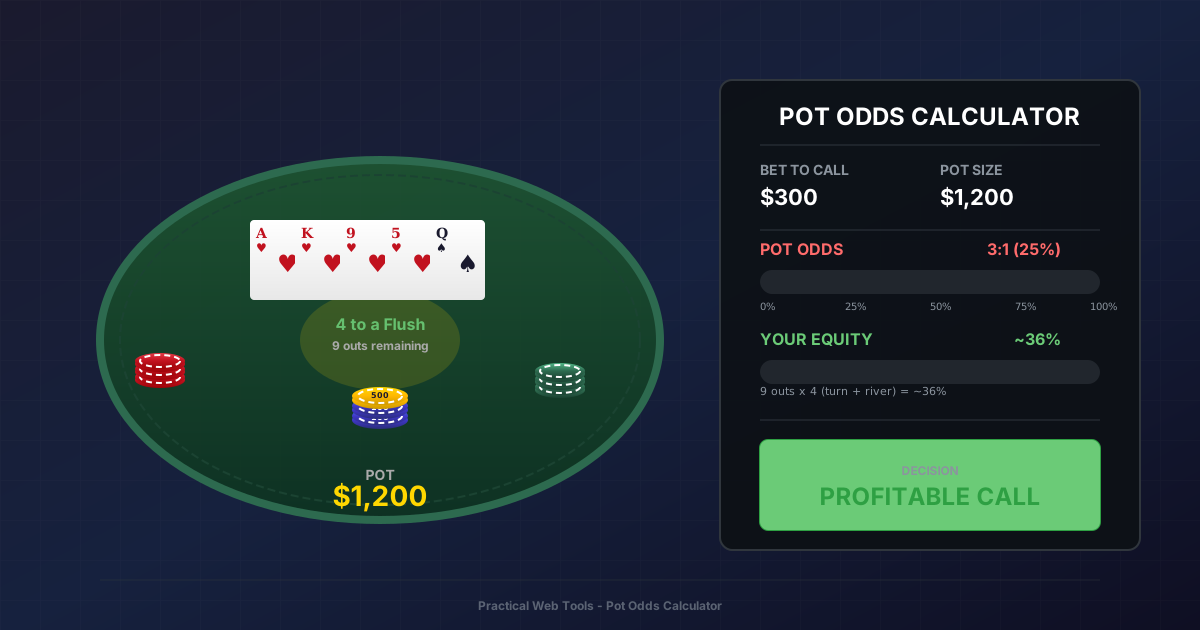
Situation: Pot is $100, opponent bets $50. You need to call $50 to win $150. You estimate 40% equity.
EV Calculation:
EV = (0.40 × $150) - (0.60 × $50)
EV = $60 - $30 = +$30
Result: Calling has +$30 EV. This is a clear call.
EV in Different Gambling Contexts
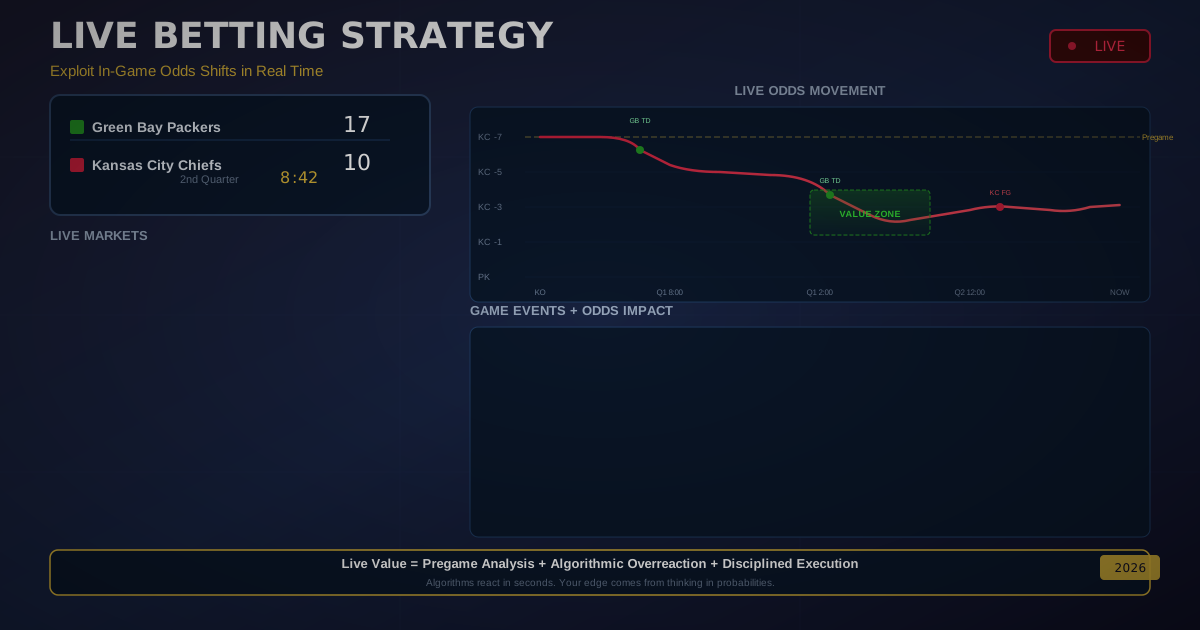
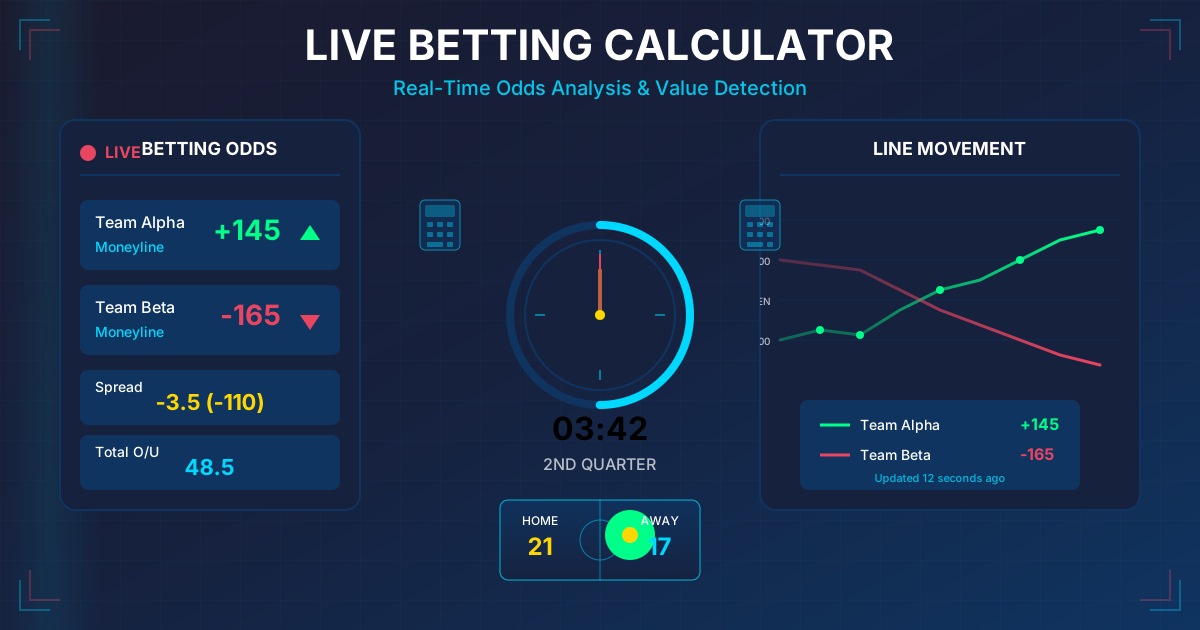
Sports Betting EV
Finding +EV in sports betting requires:
- Better probability estimates than the market
- Identifying line discrepancies
- Acting before odds correct
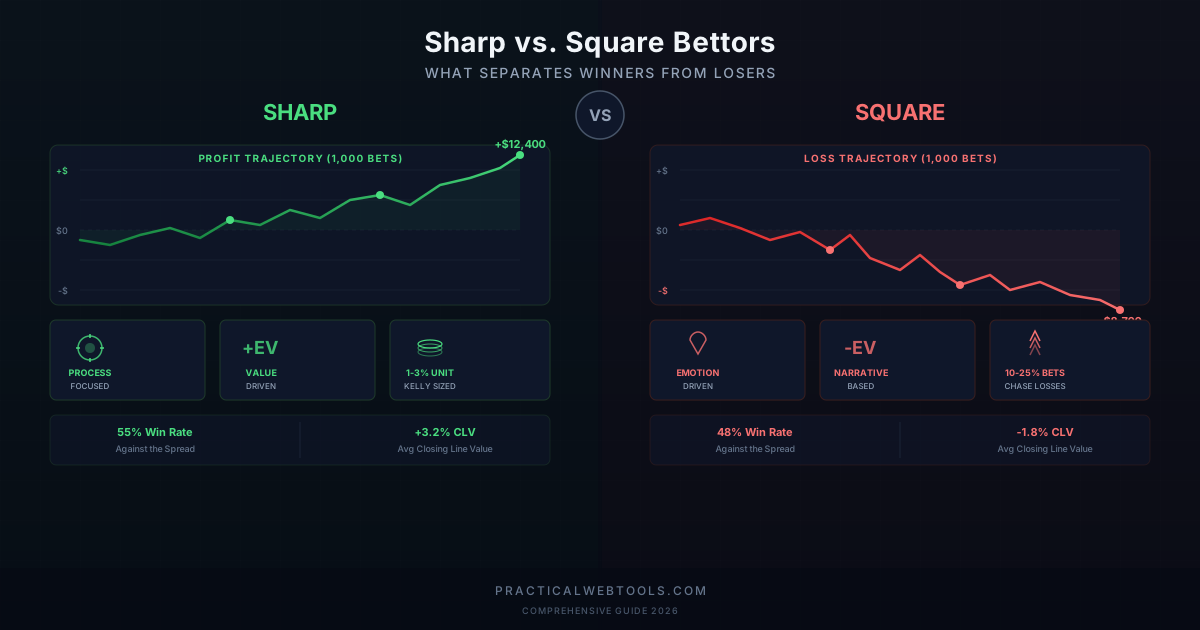
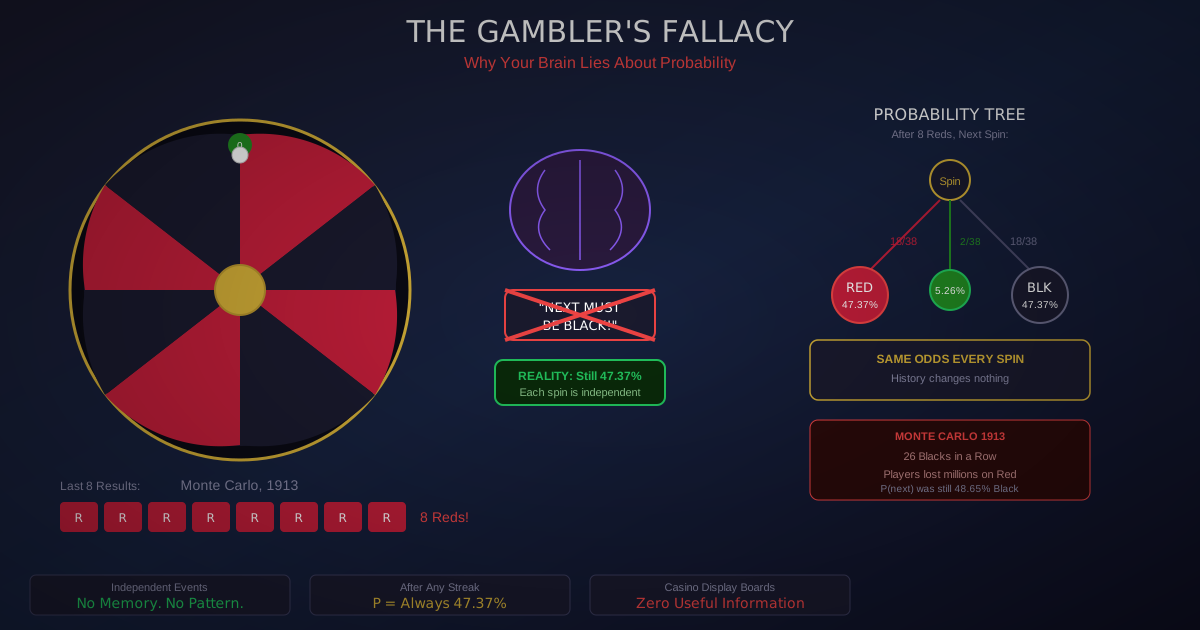
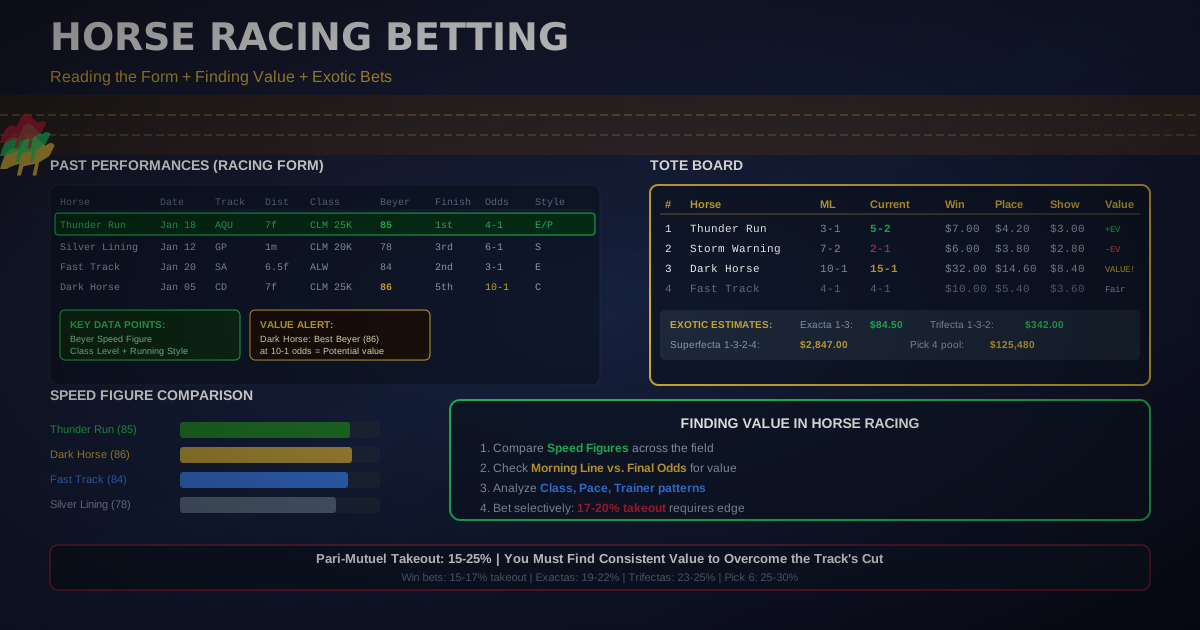
Most recreational bettors bet -EV consistently. Sharp bettors seek +EV.
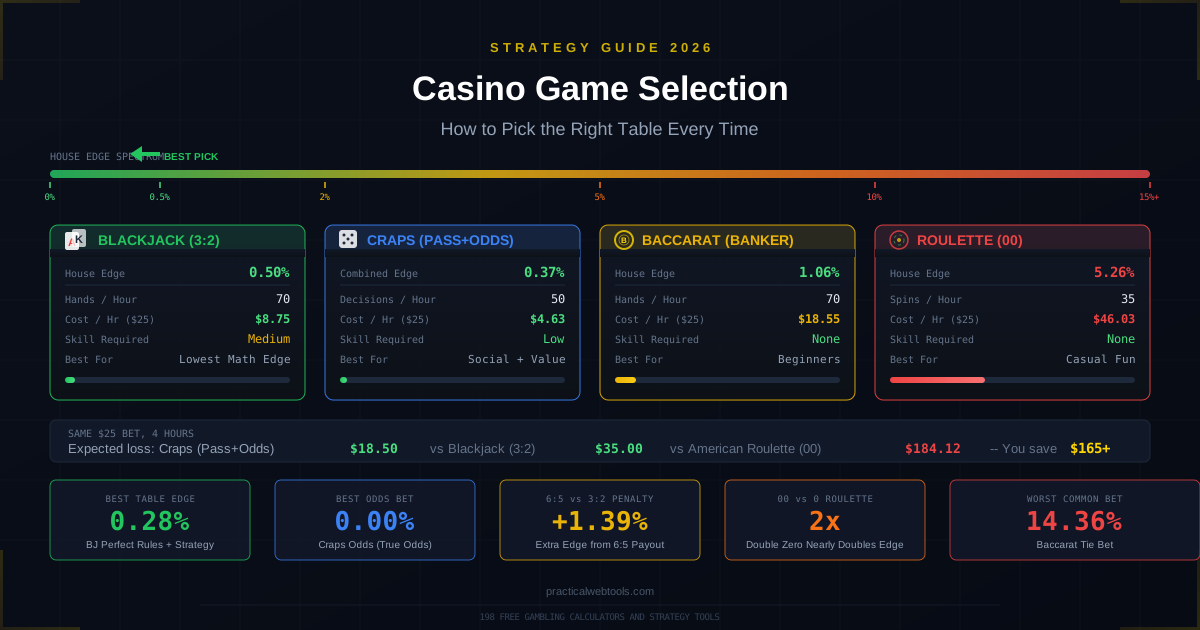
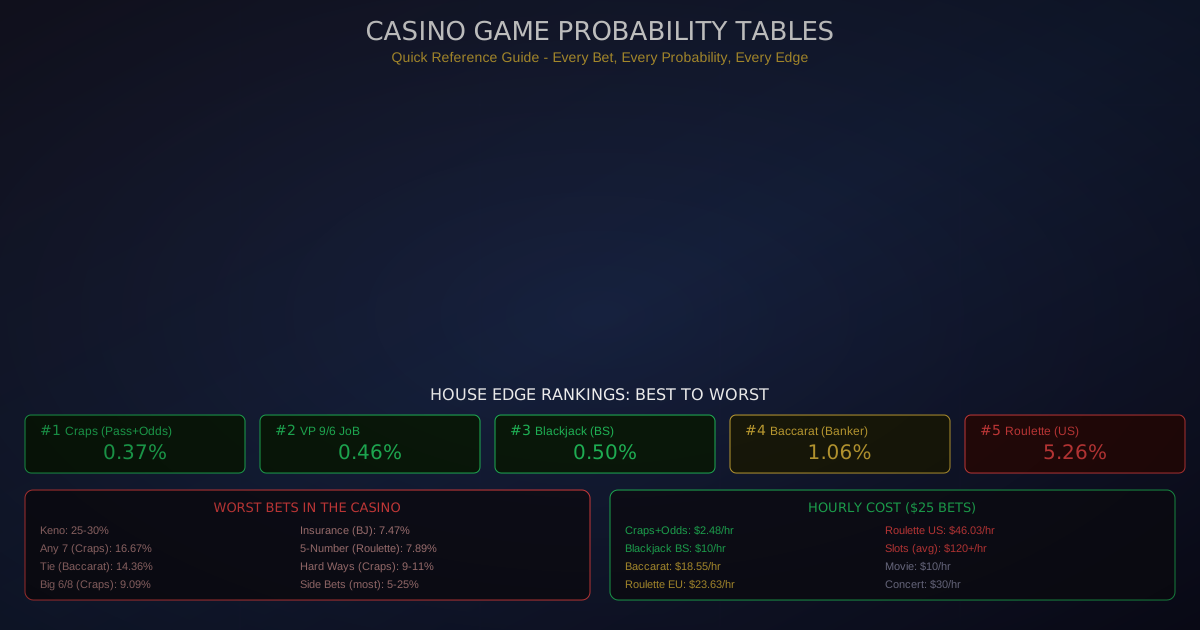
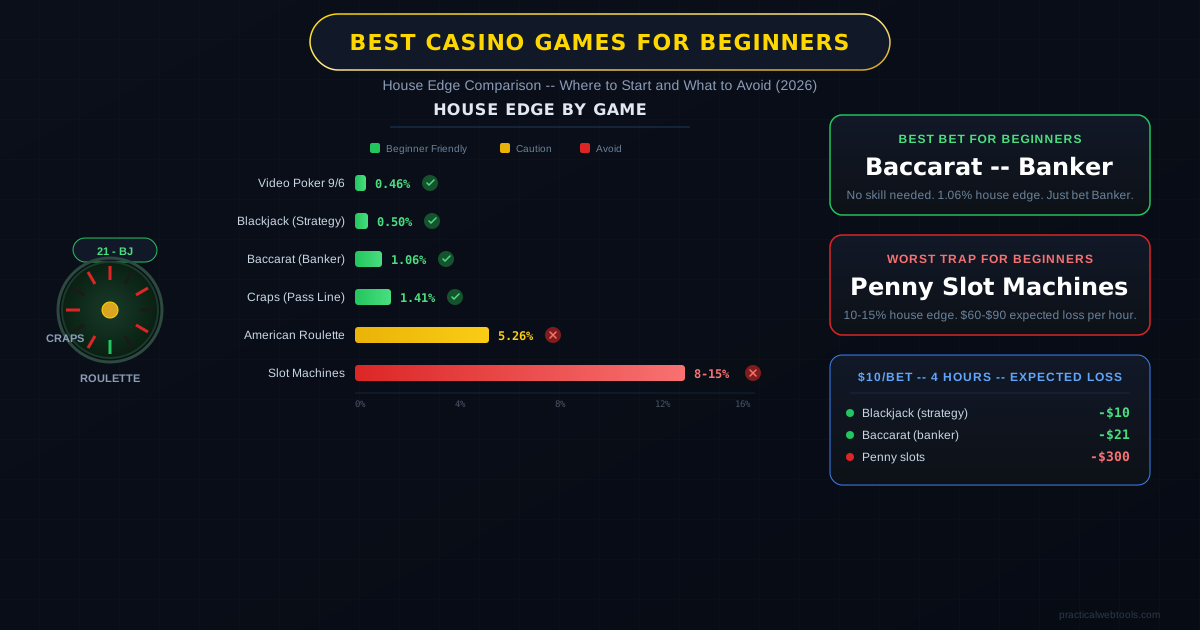
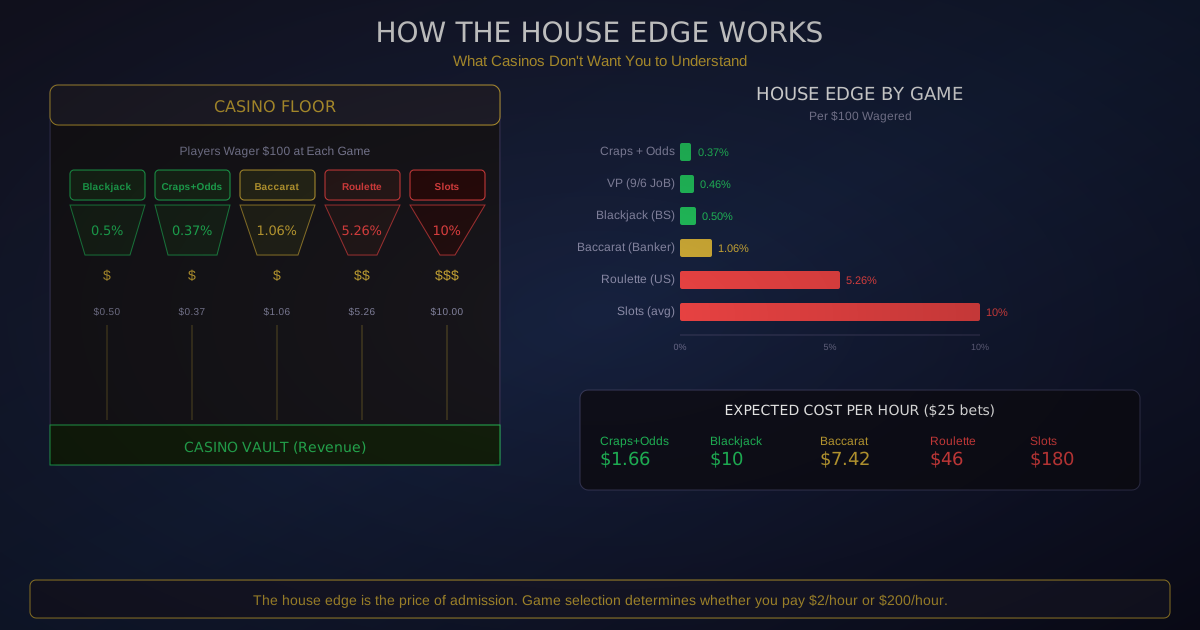
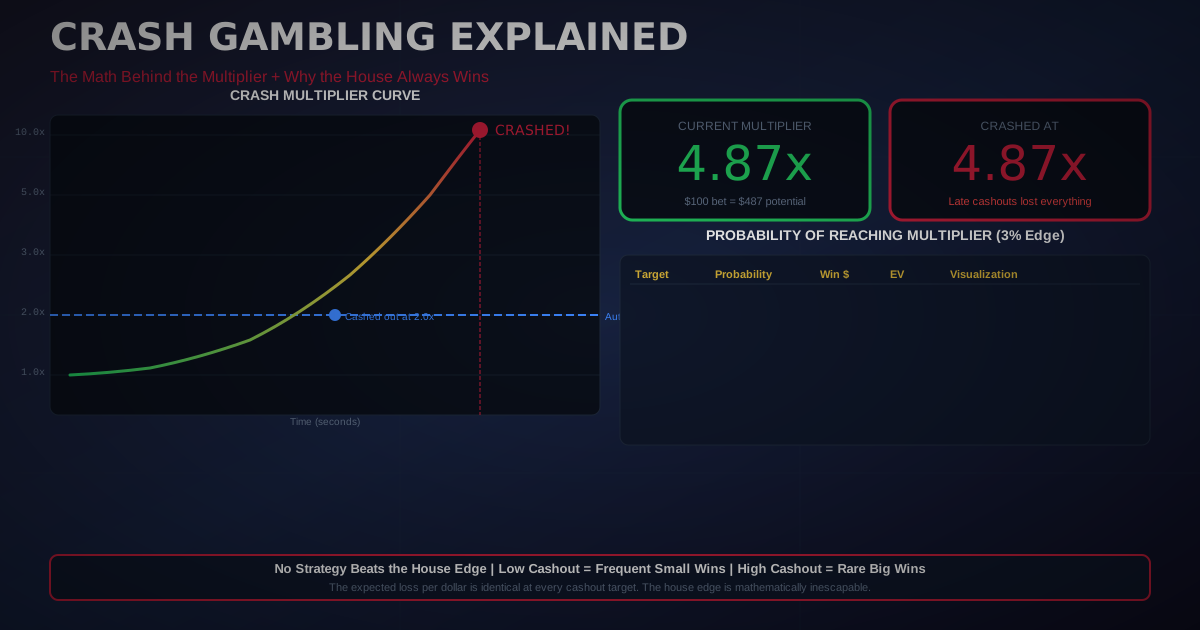
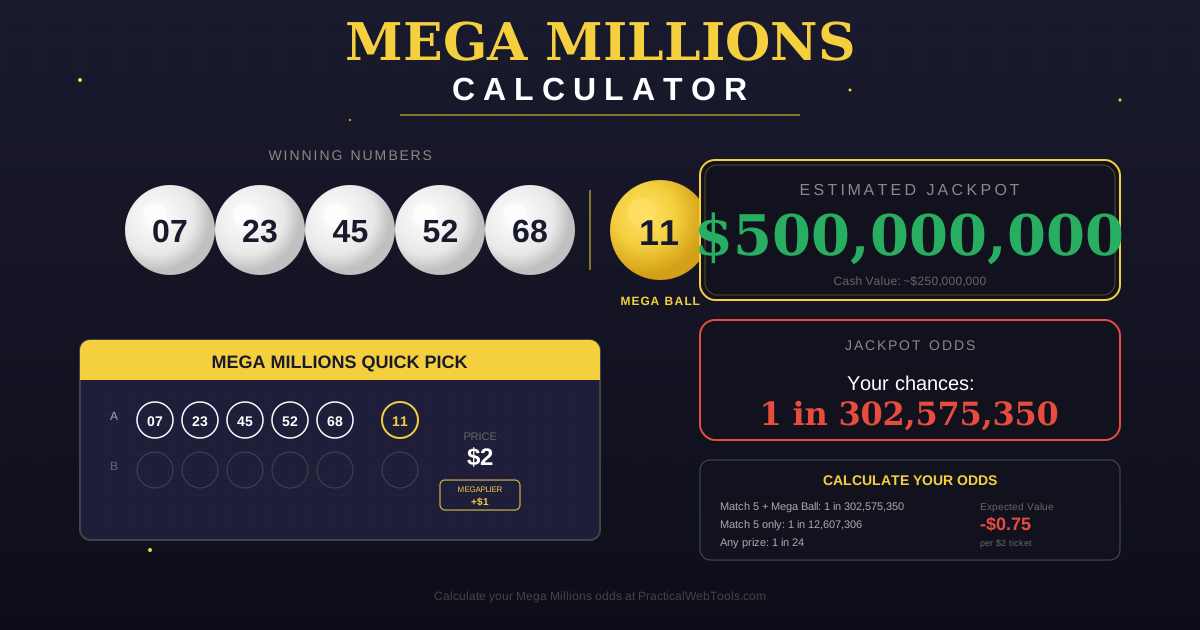
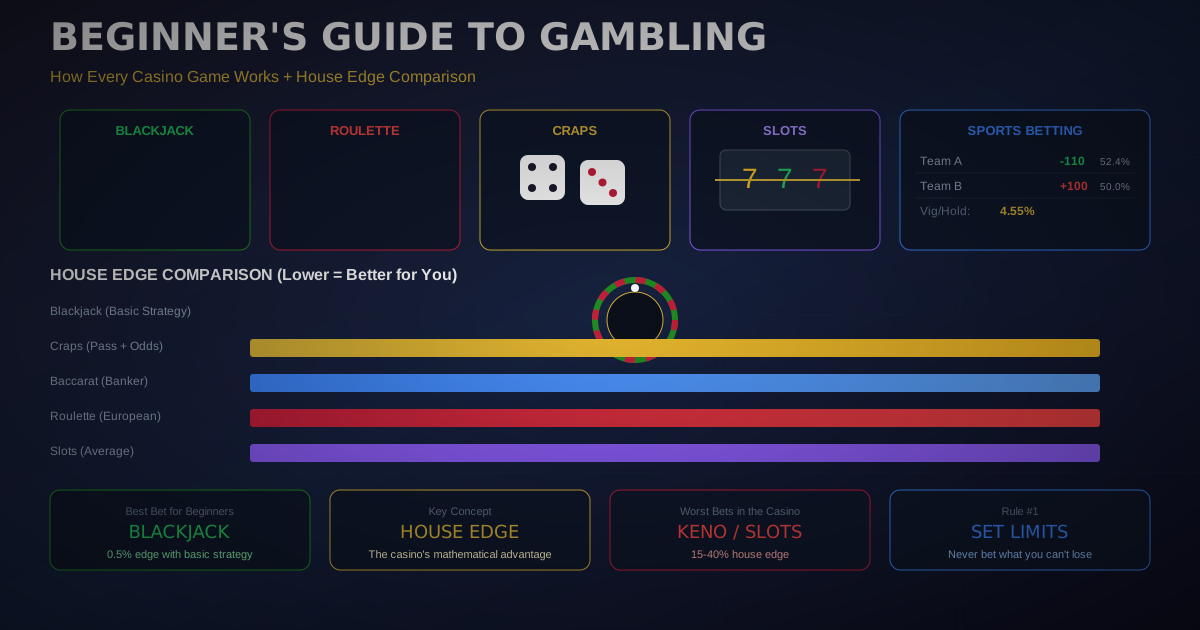
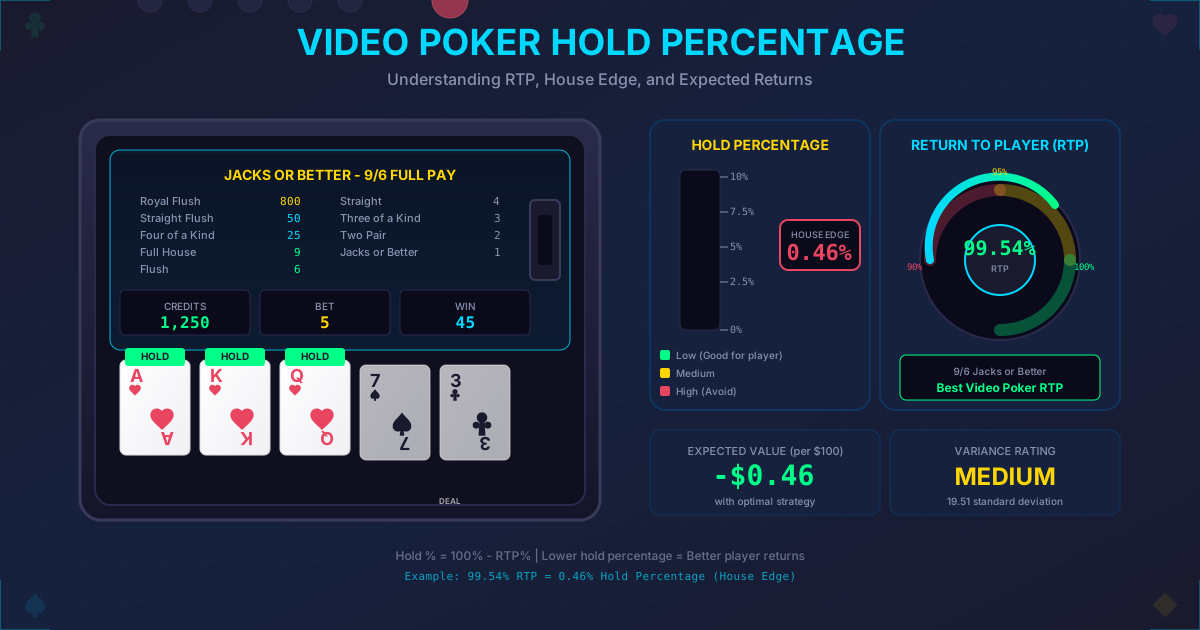
Casino Game EV
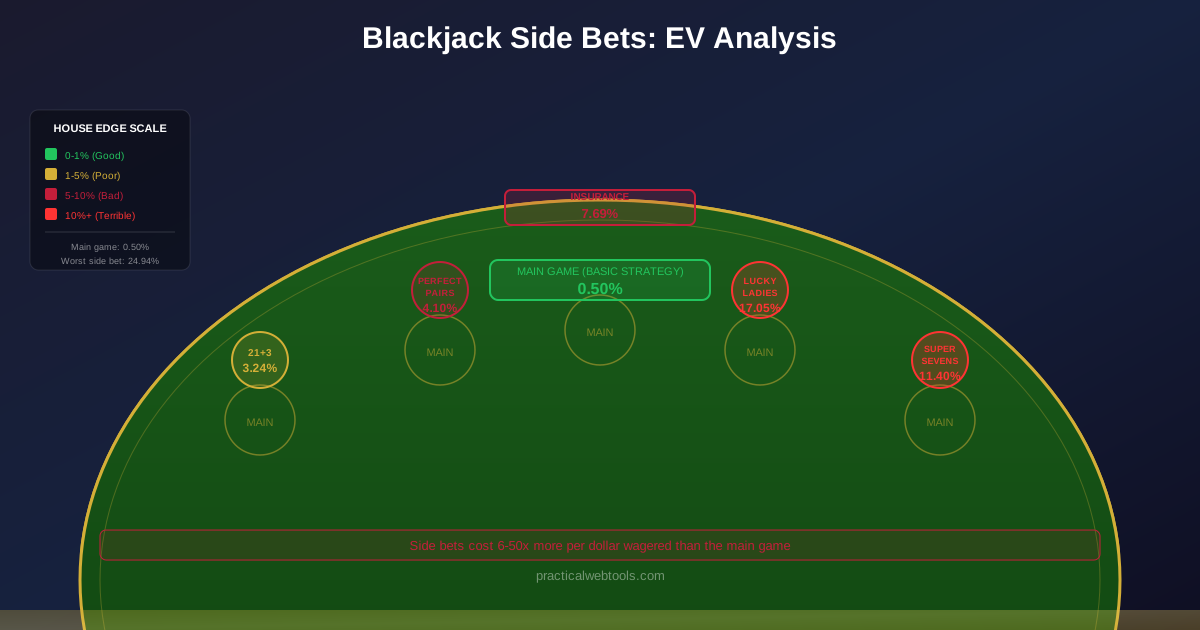
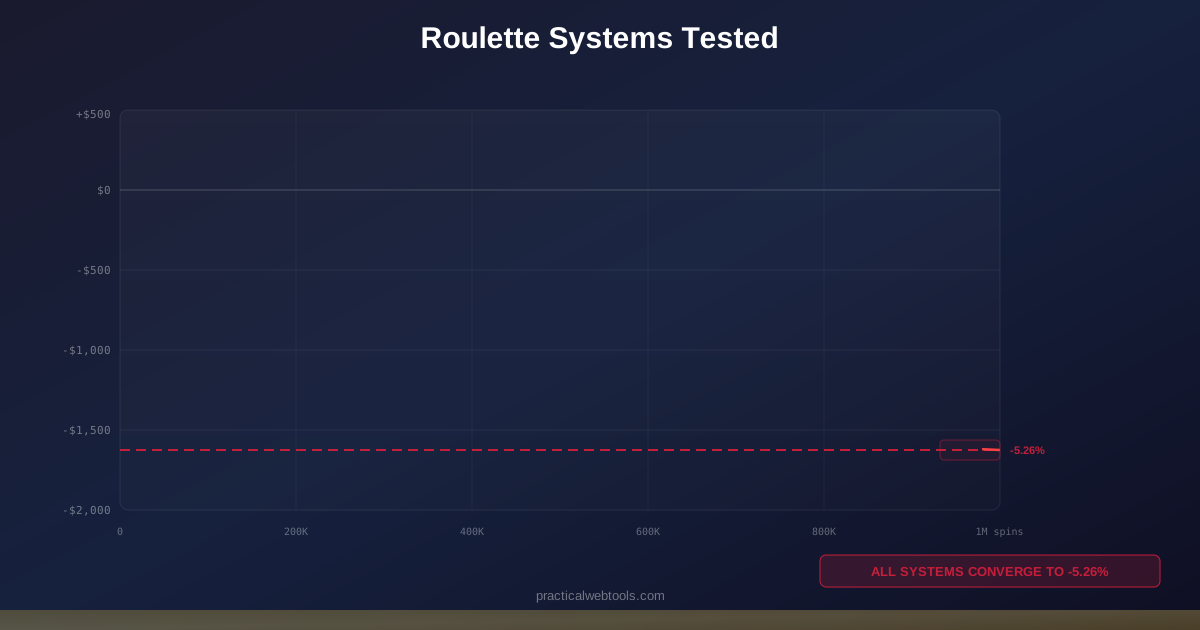
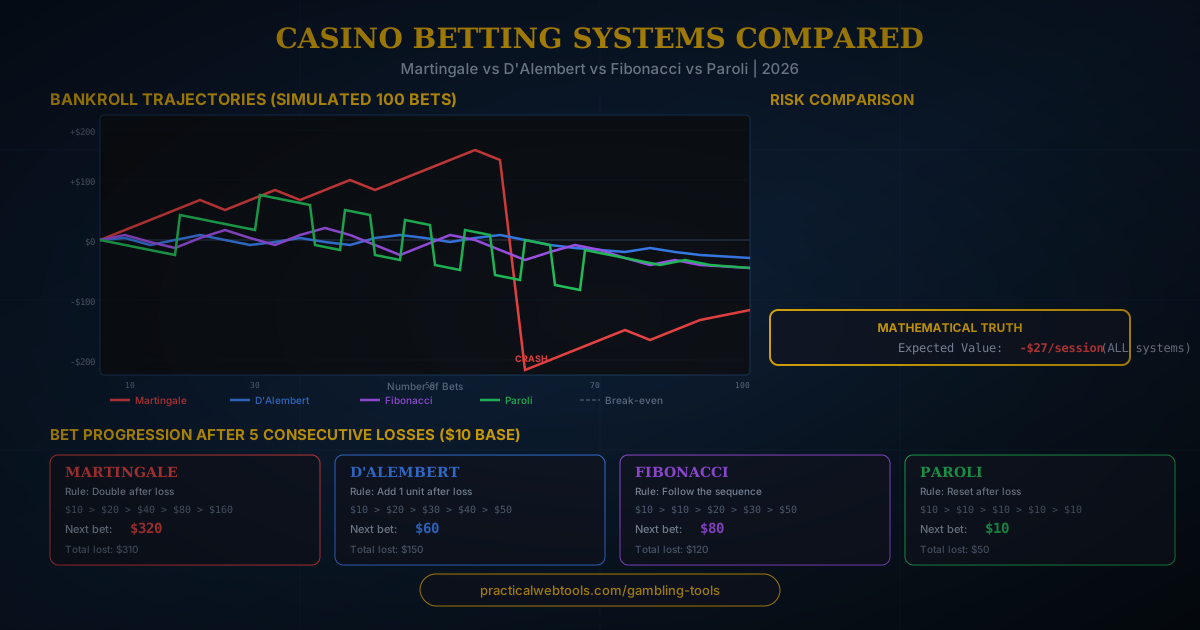
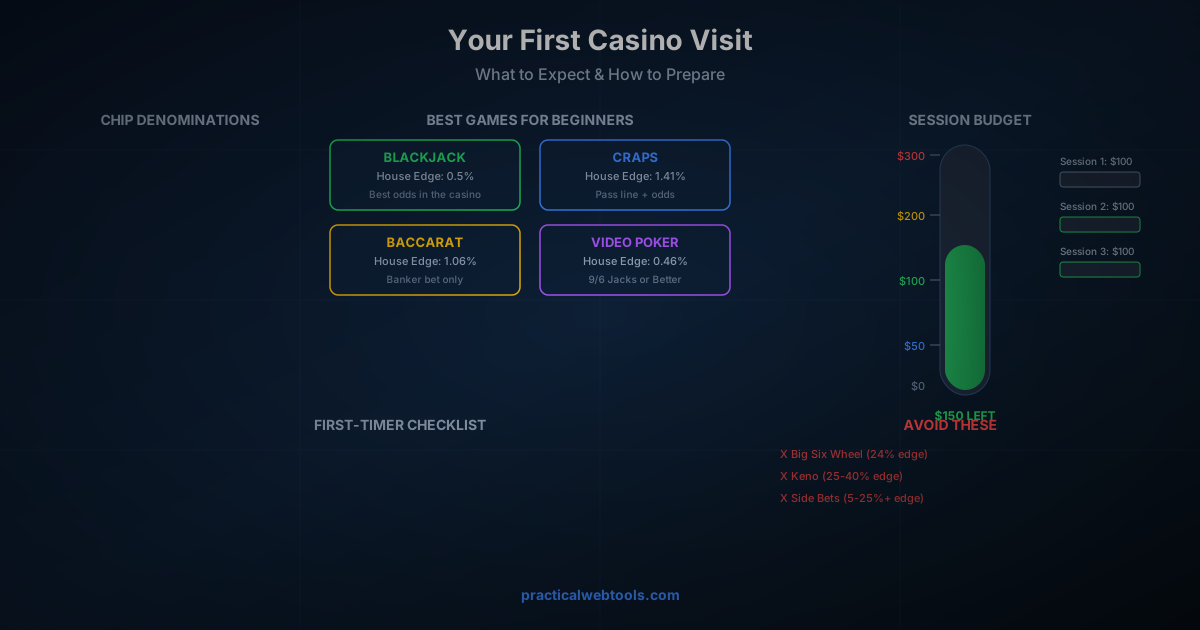
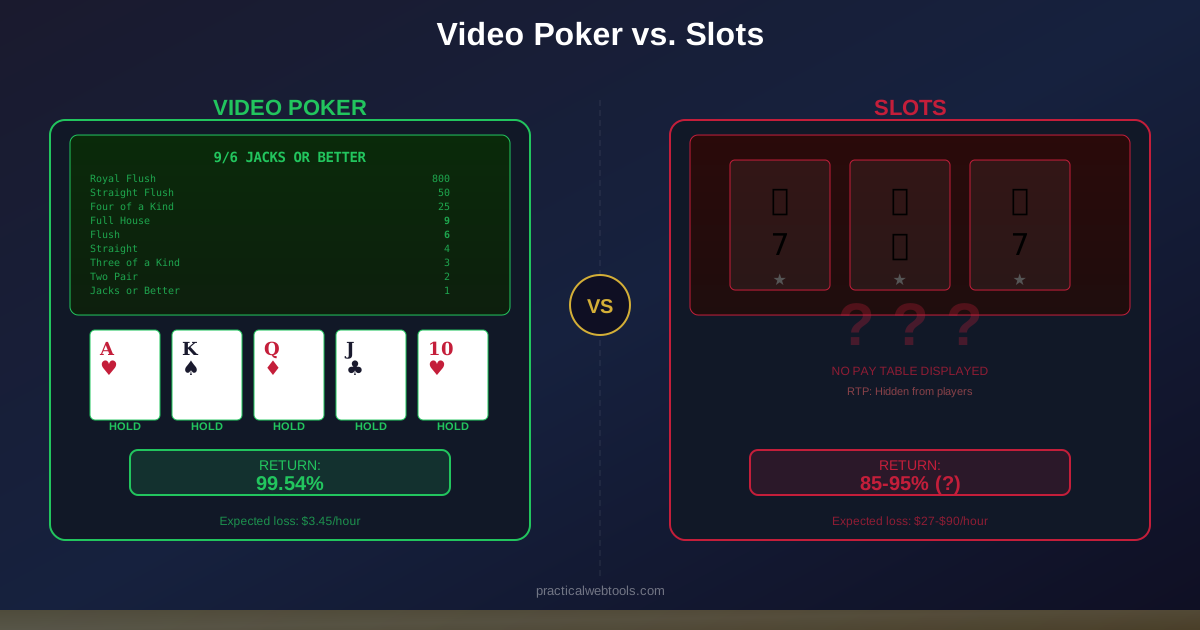
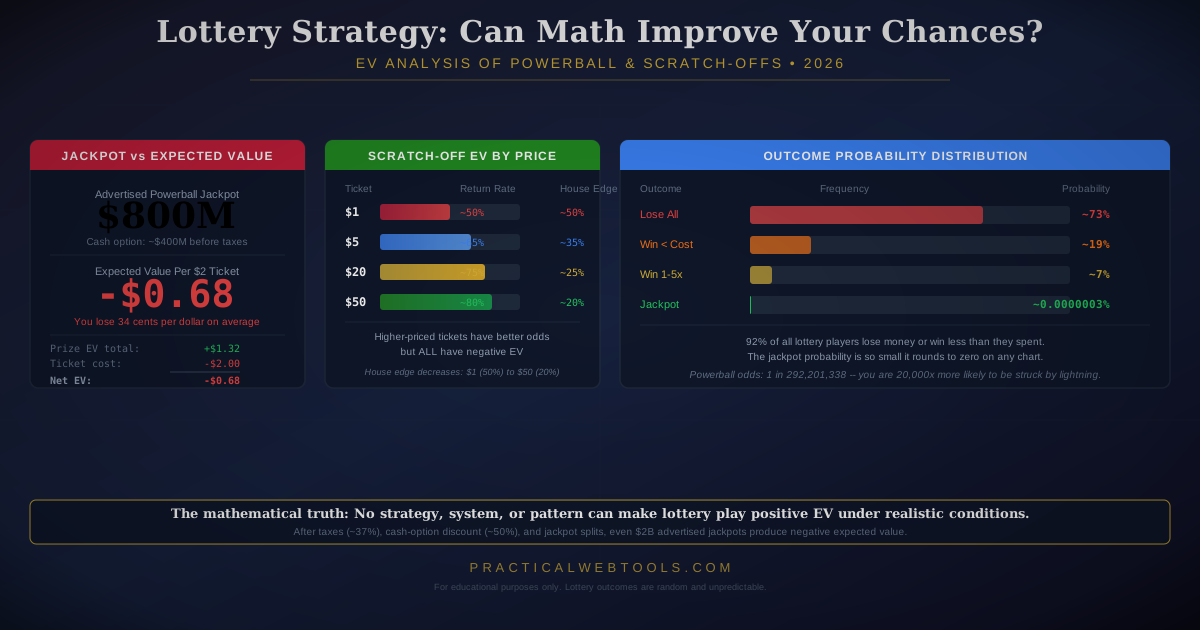
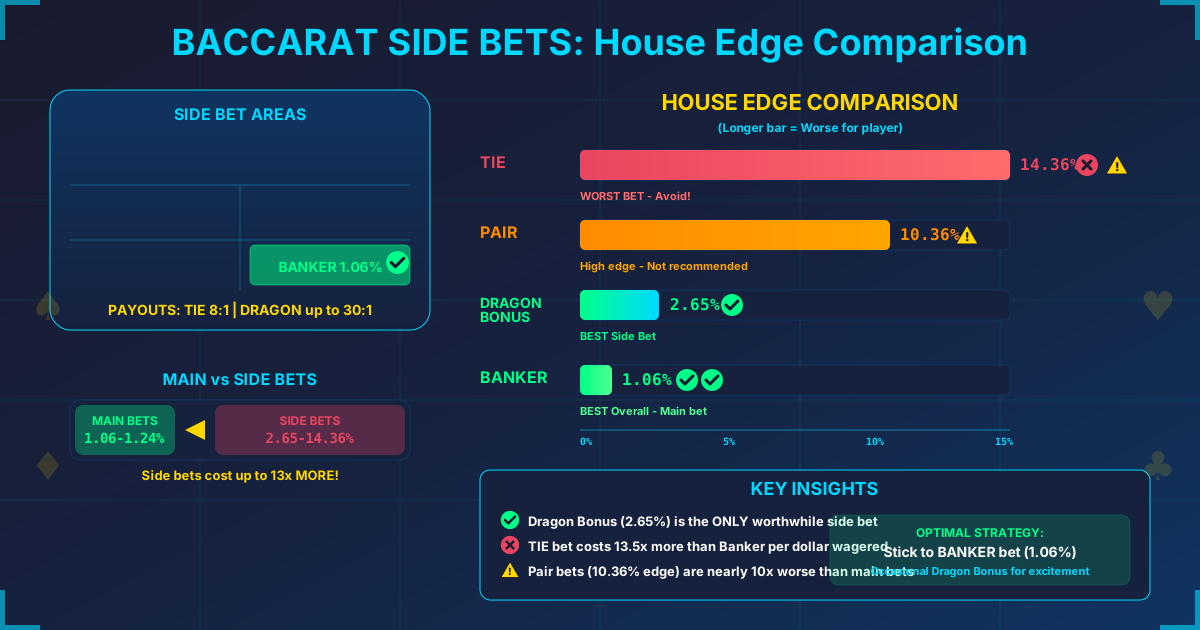
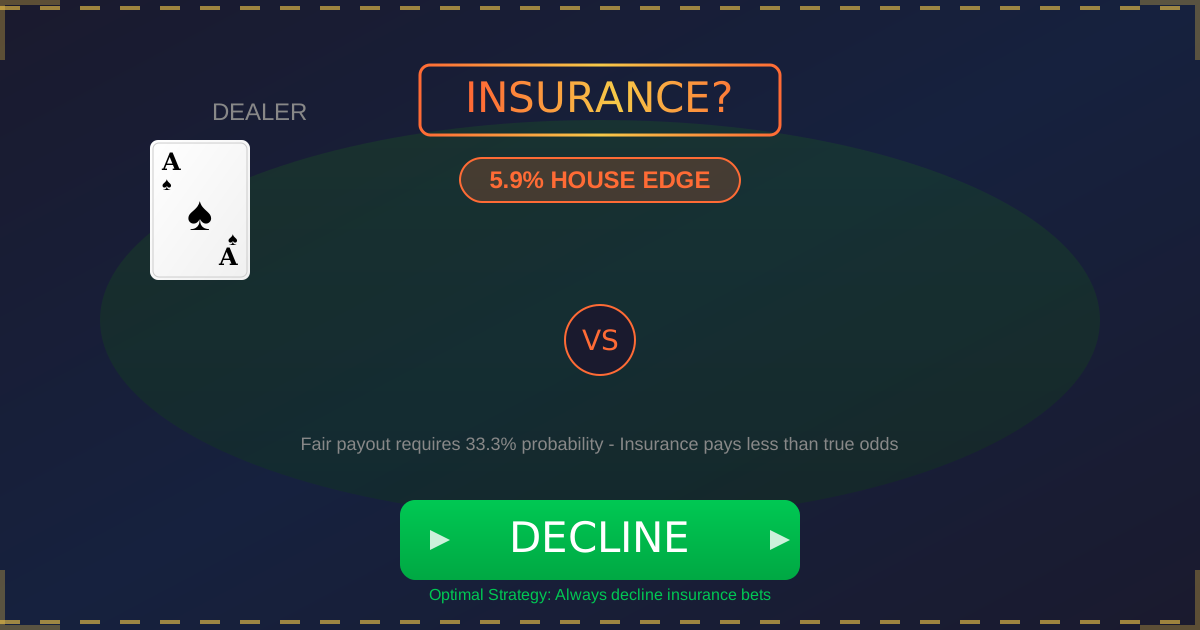
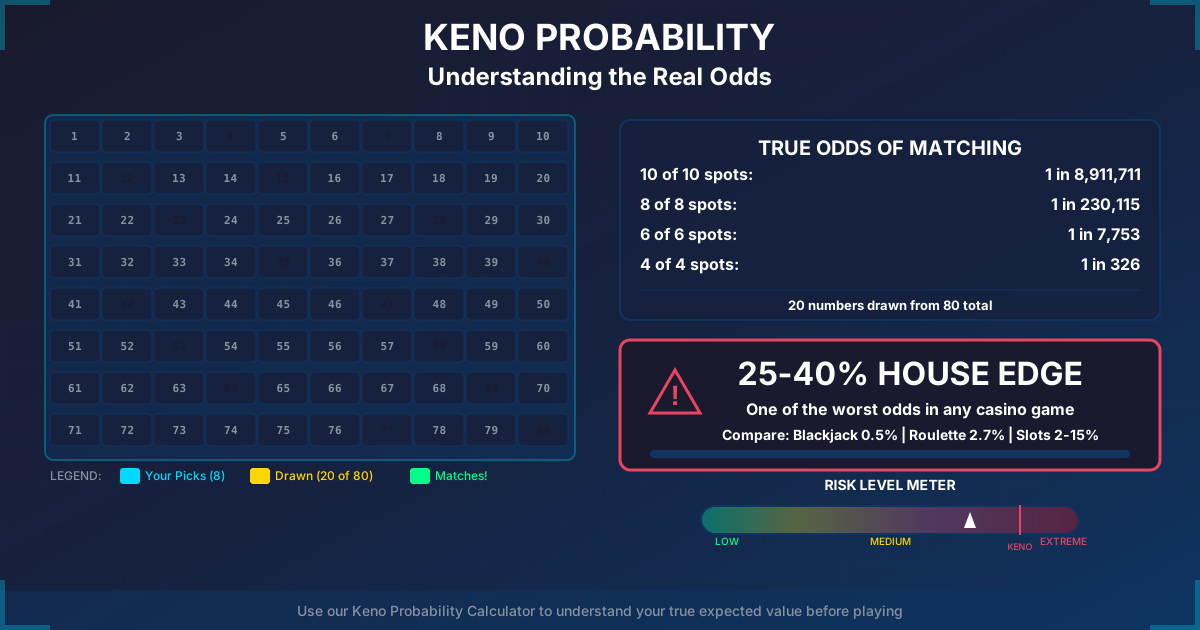
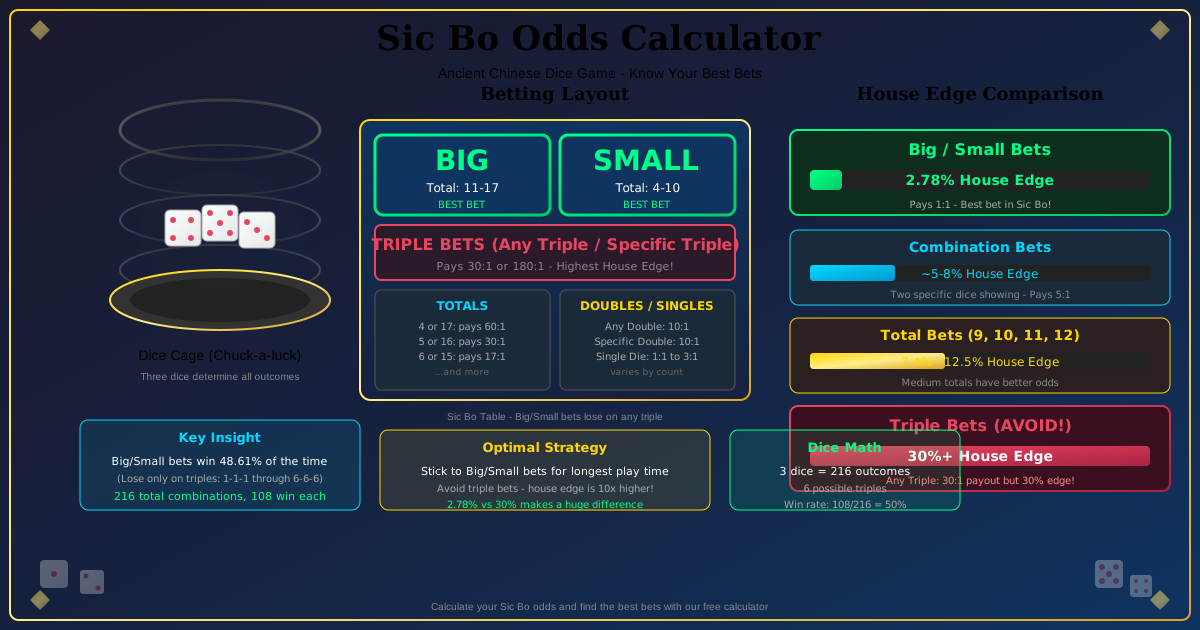
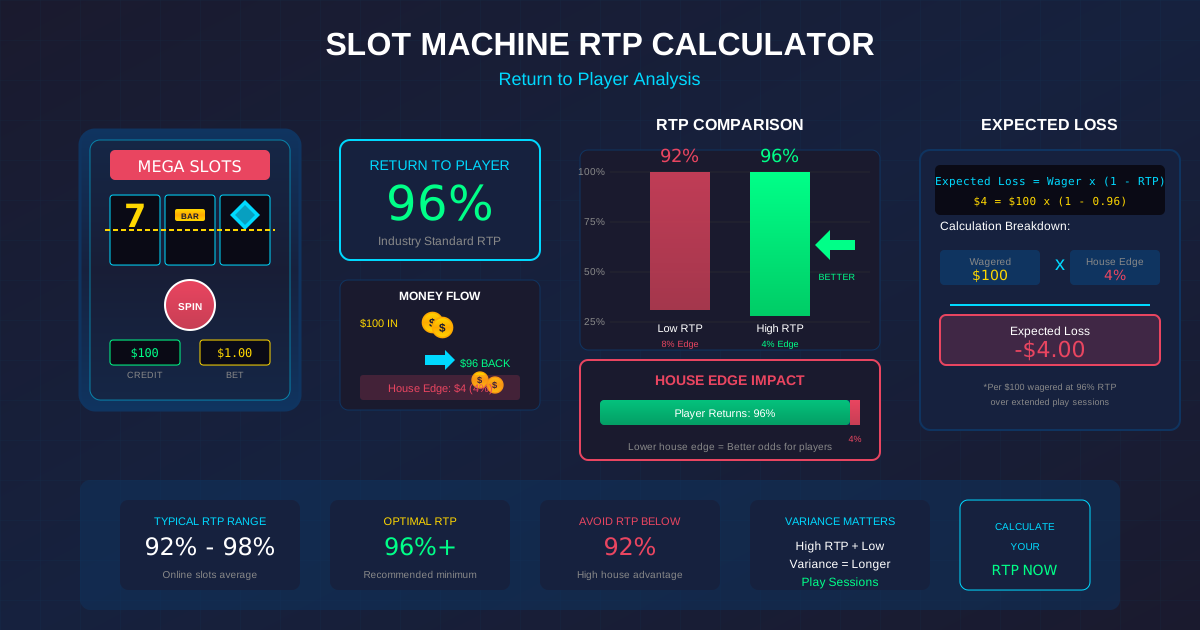
All standard casino games are -EV:
| Game | House Edge | EV per $100 |
|---|---|---|
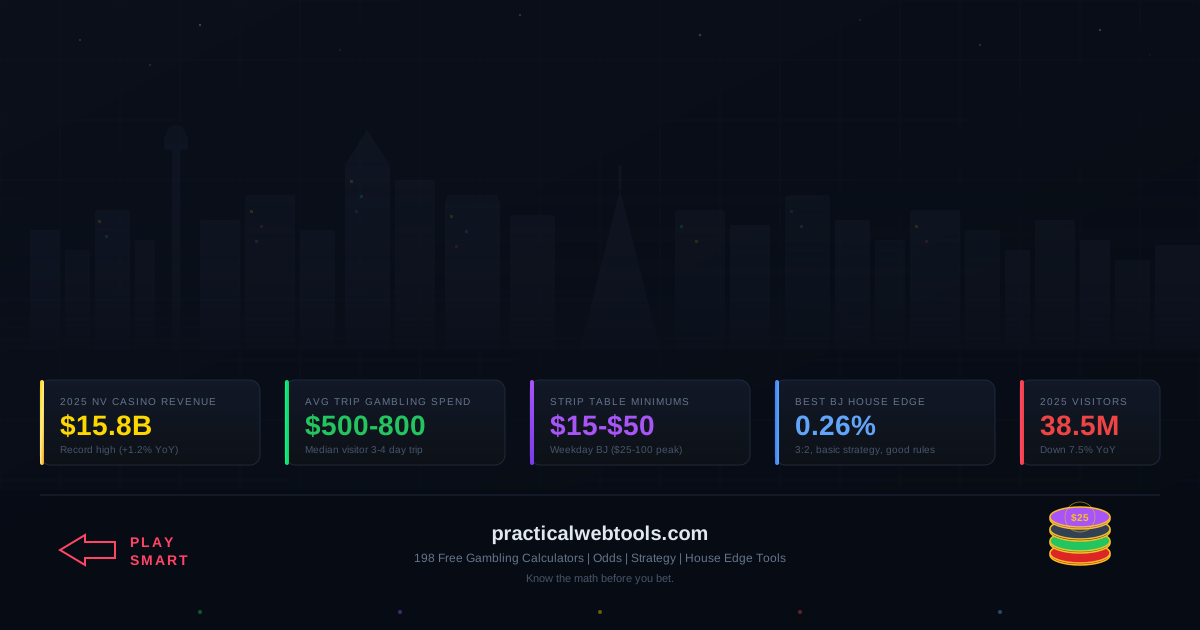
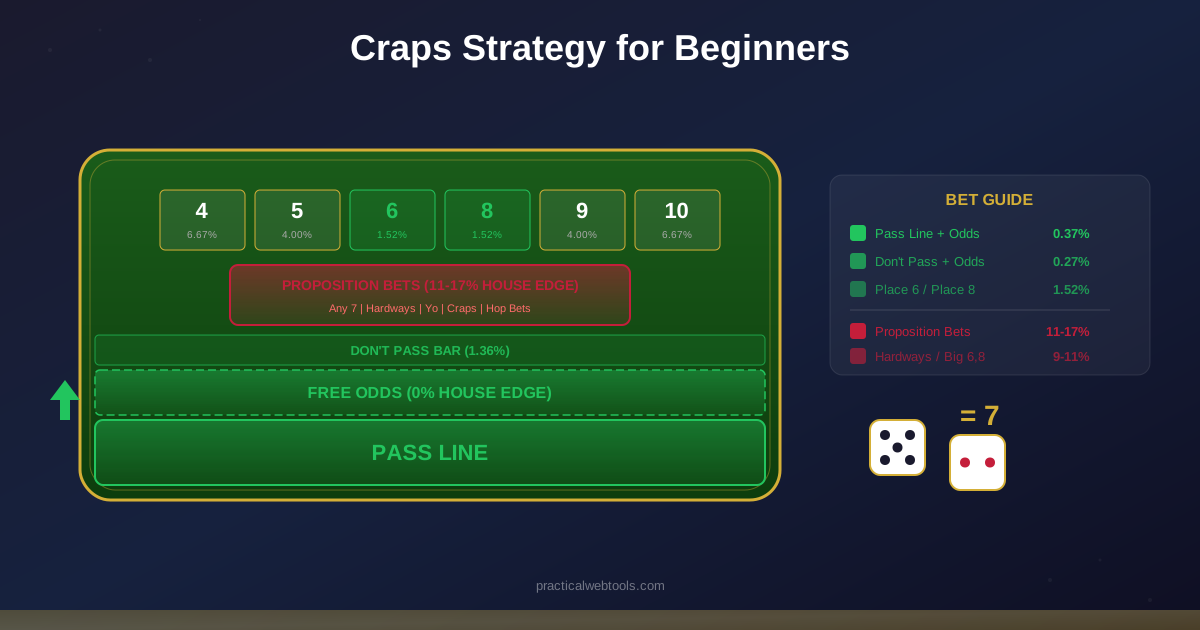
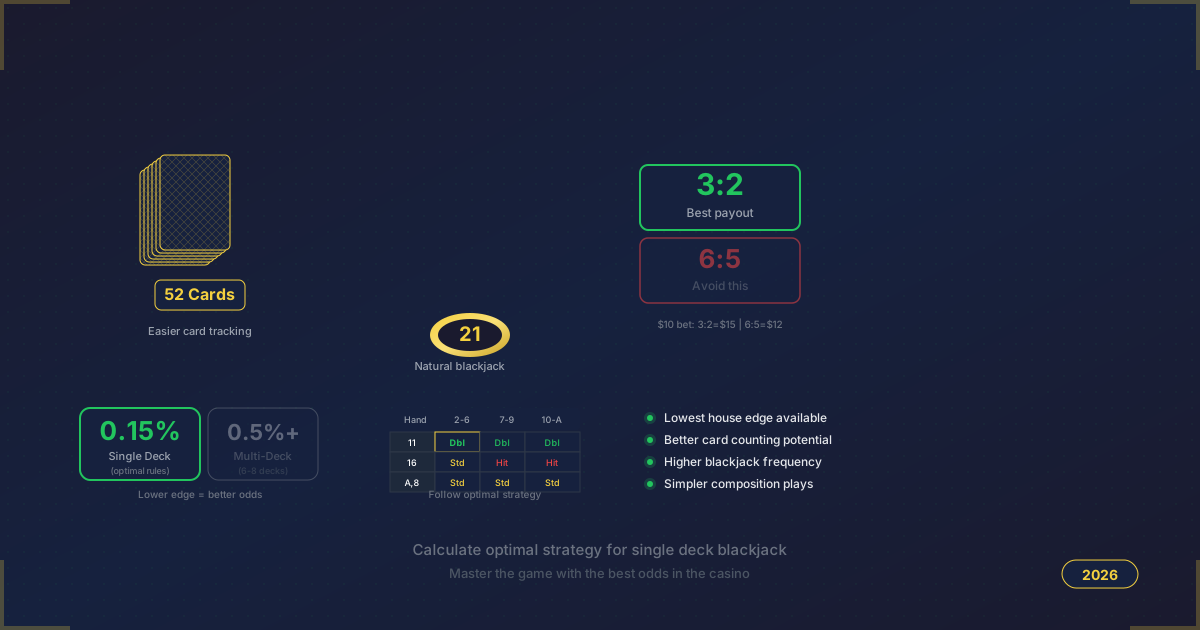
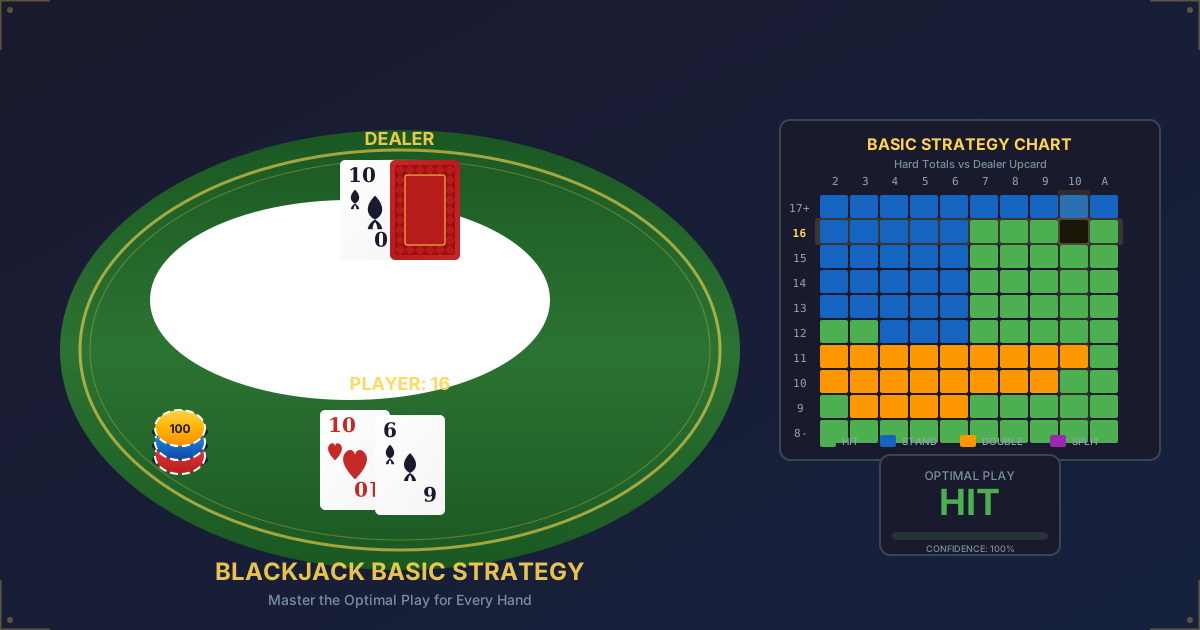
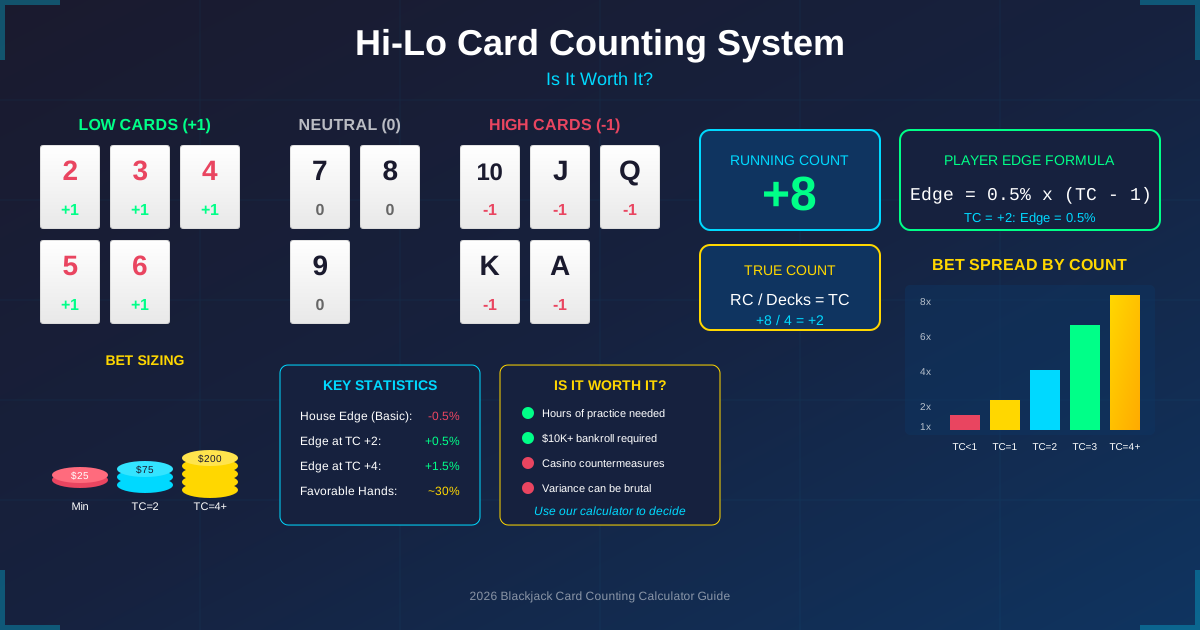
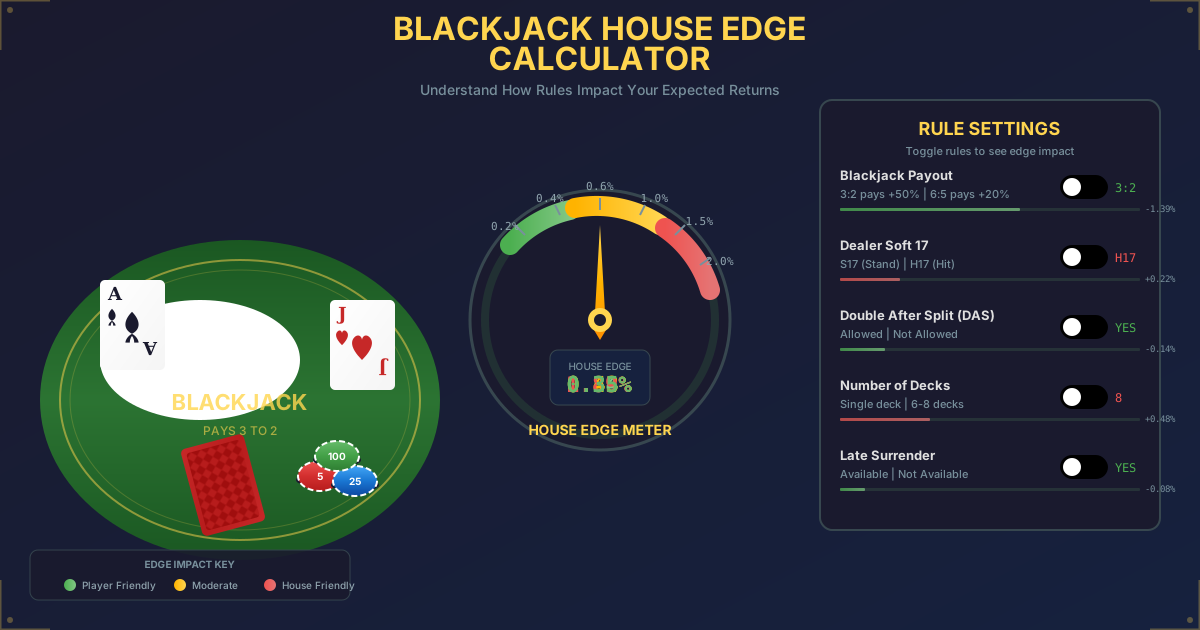
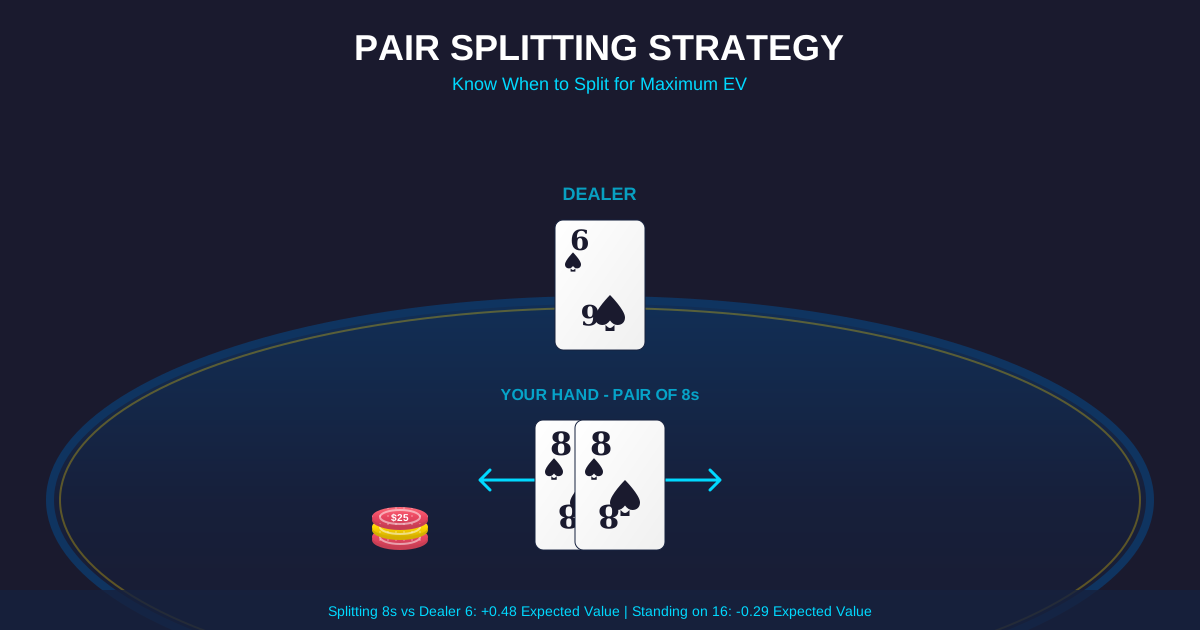
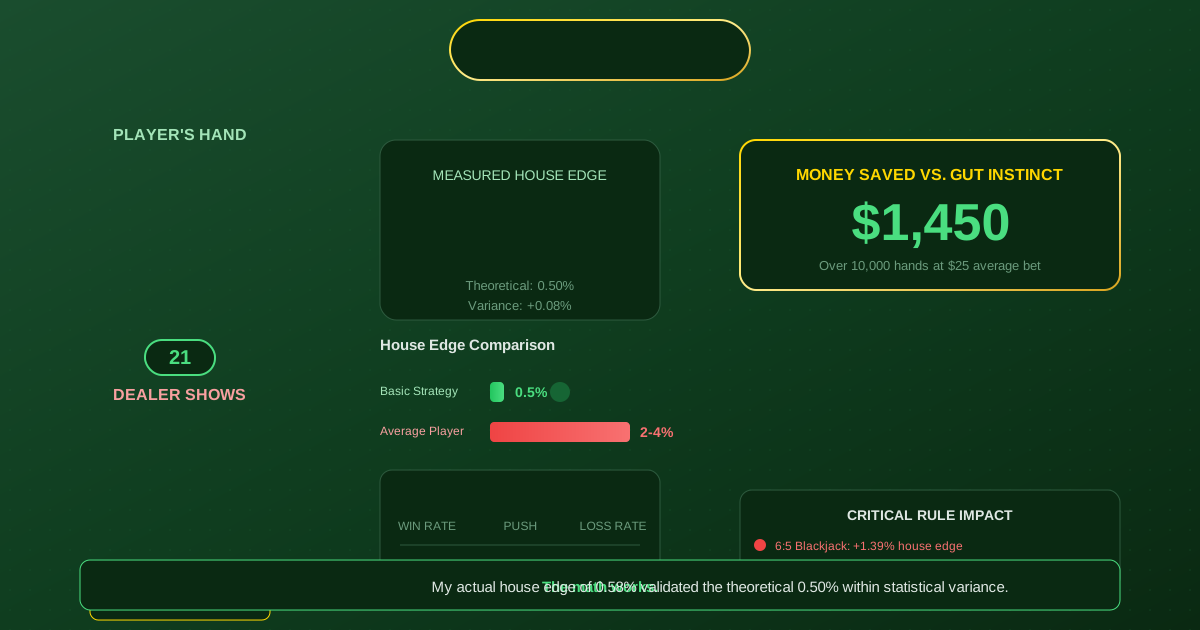
| Blackjack (basic strategy) | 0.5% | -$0.50 |
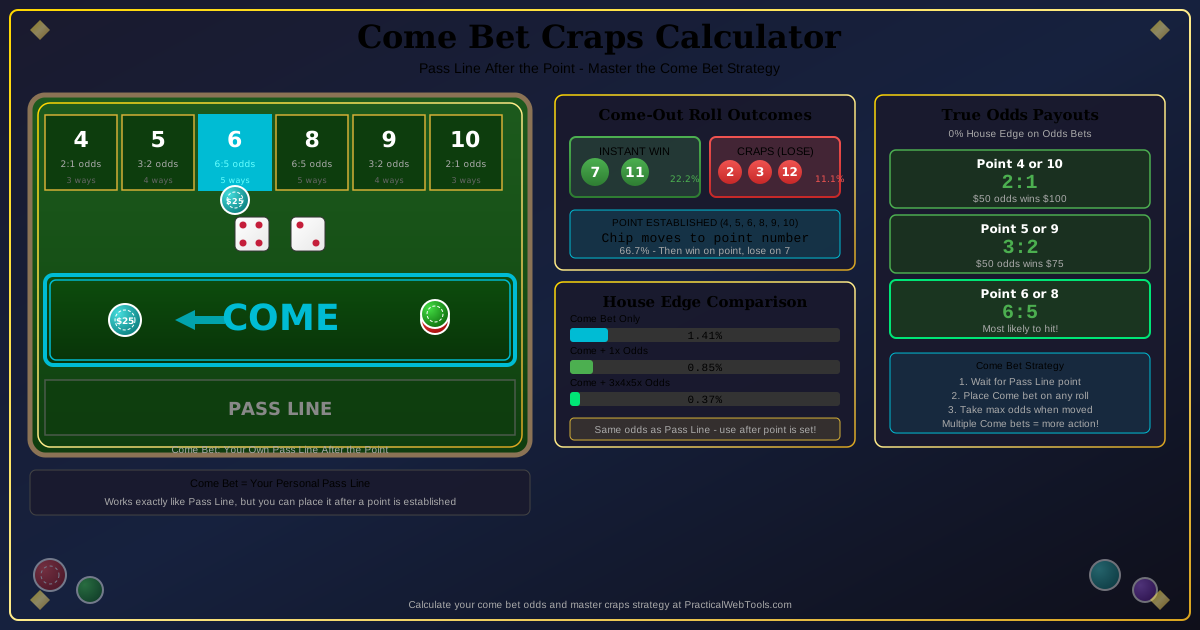
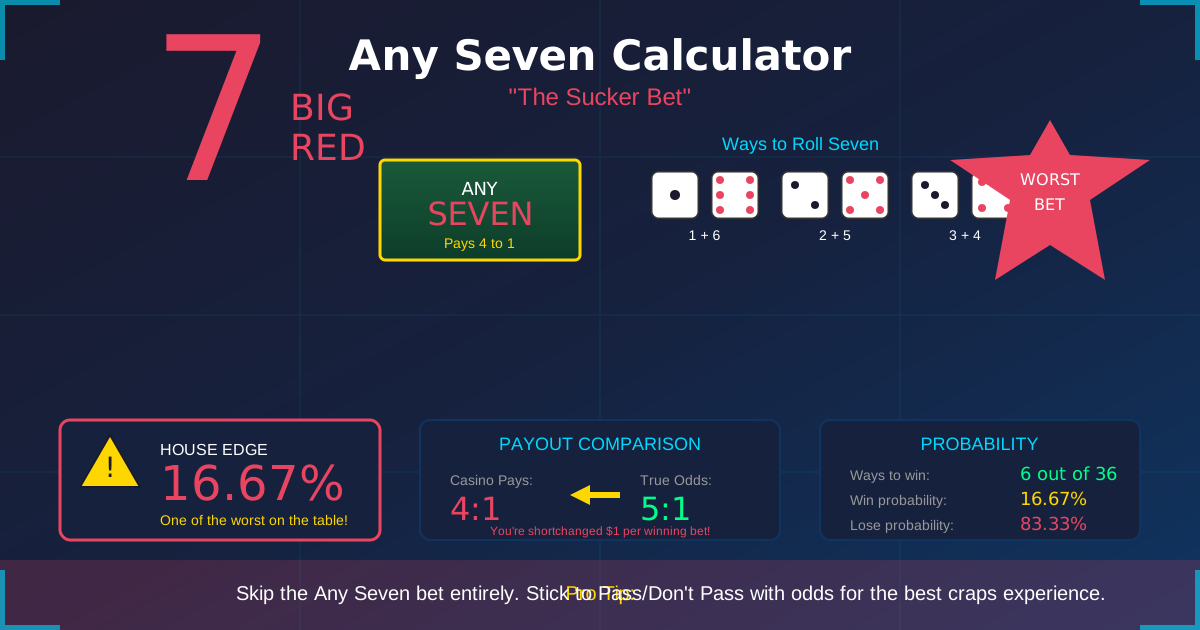
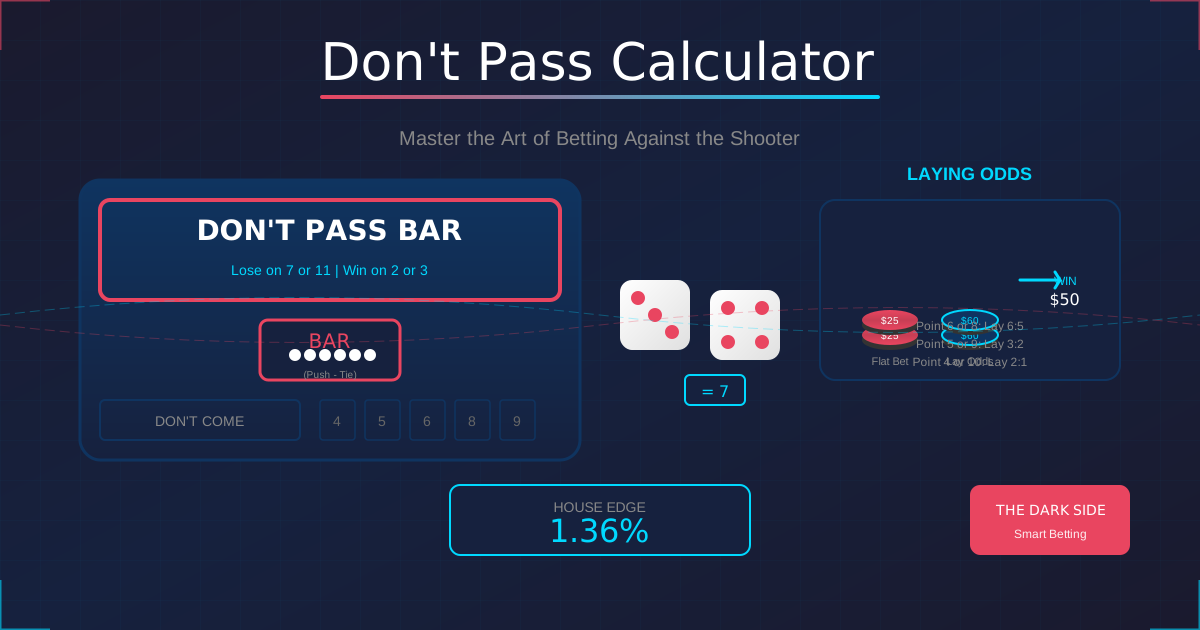
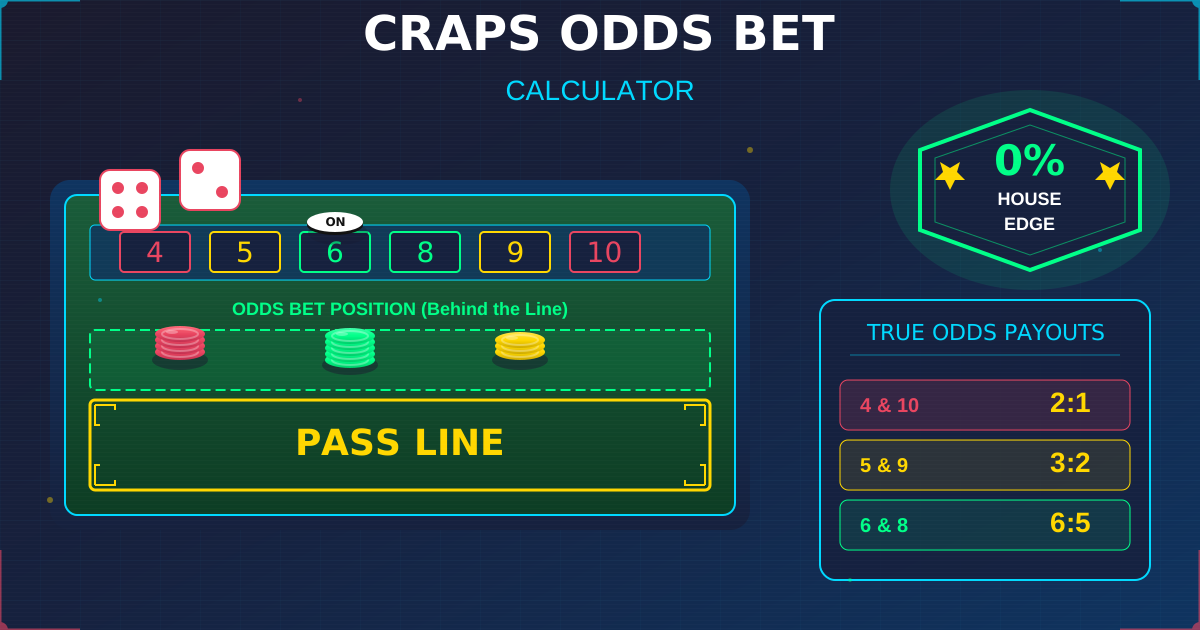
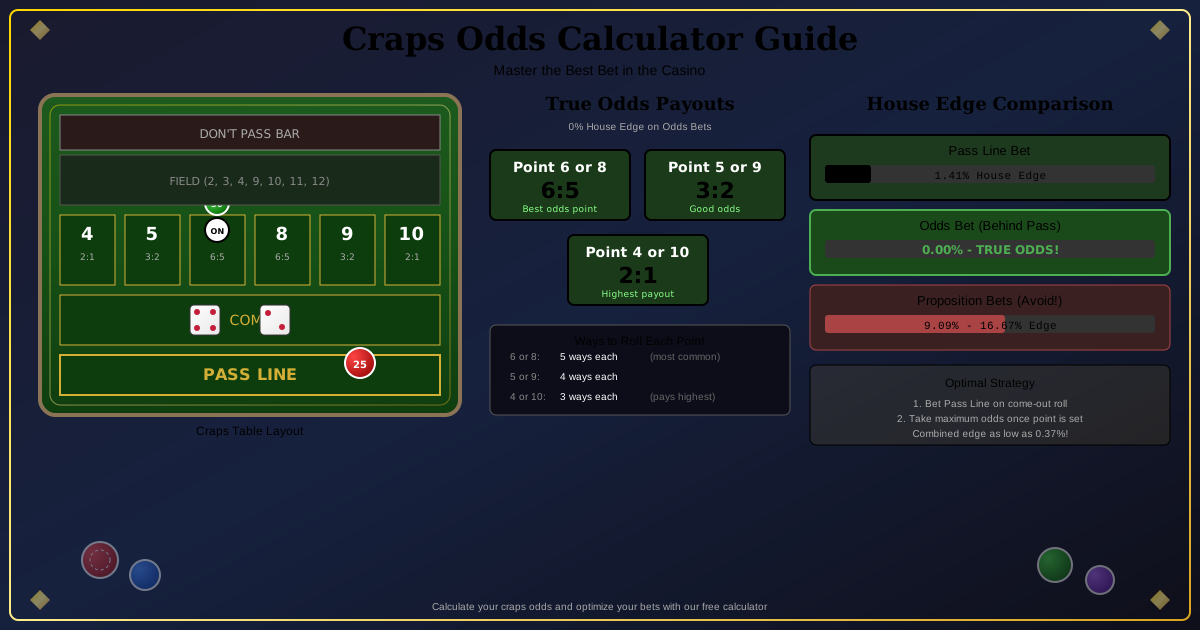
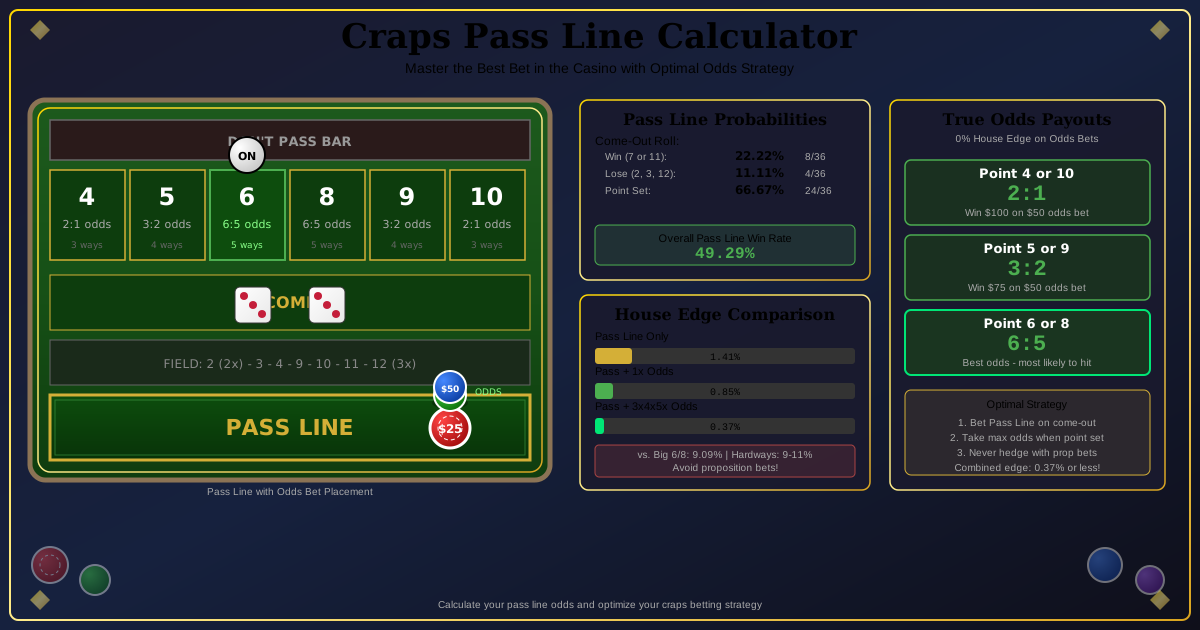
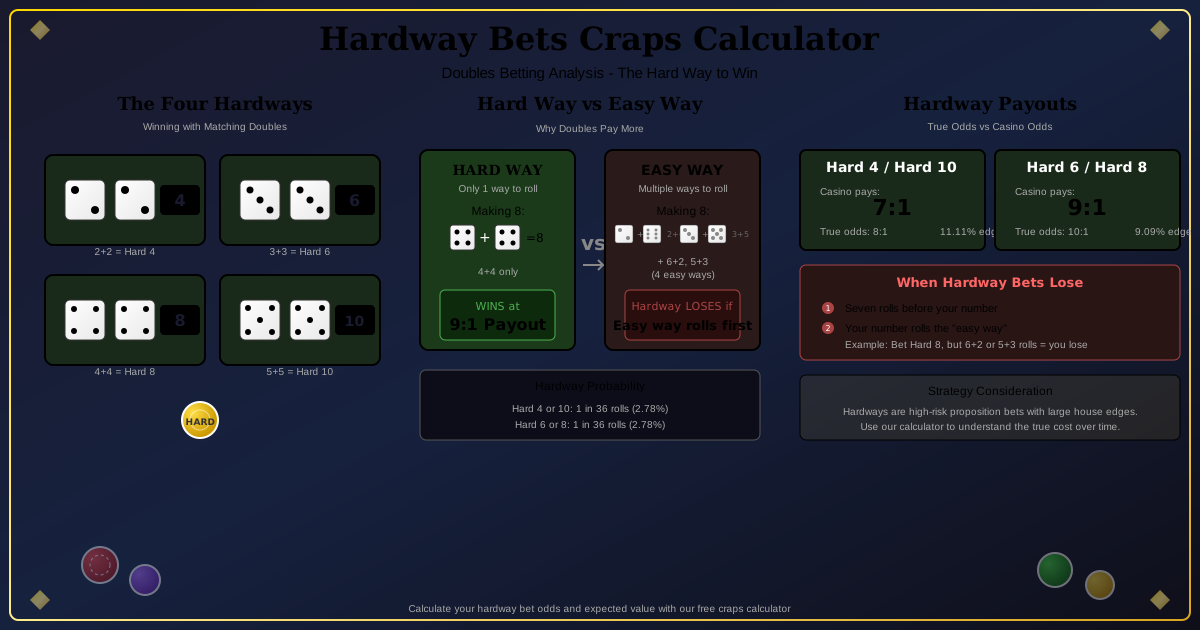
| Craps (Pass + Odds) | 0.8% | -$0.80 |
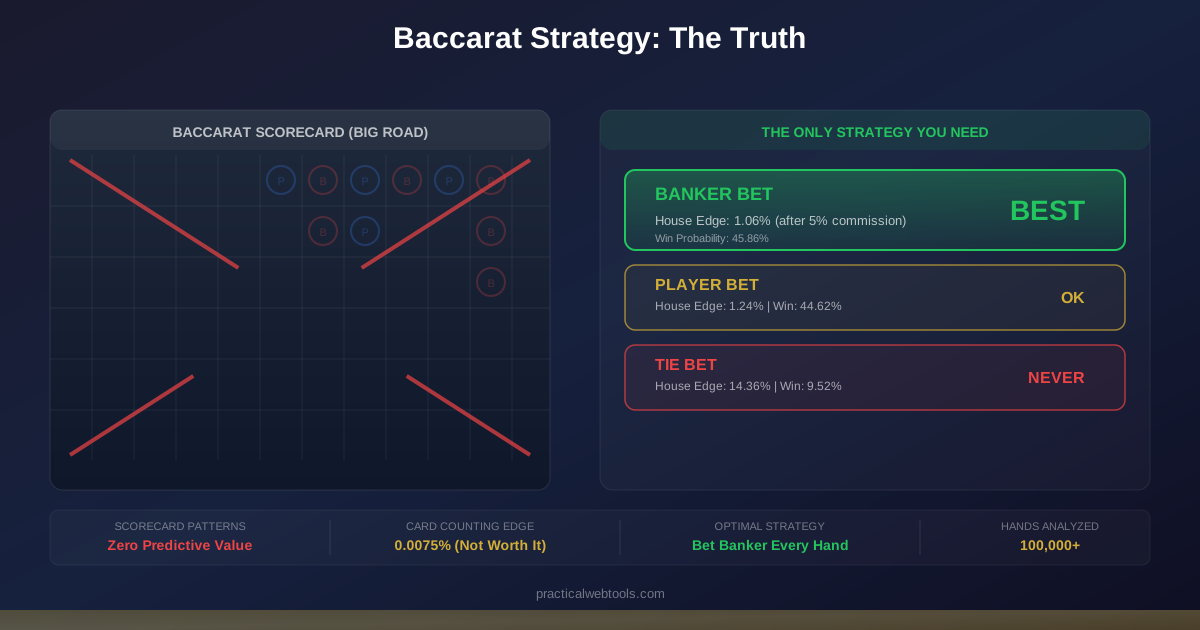
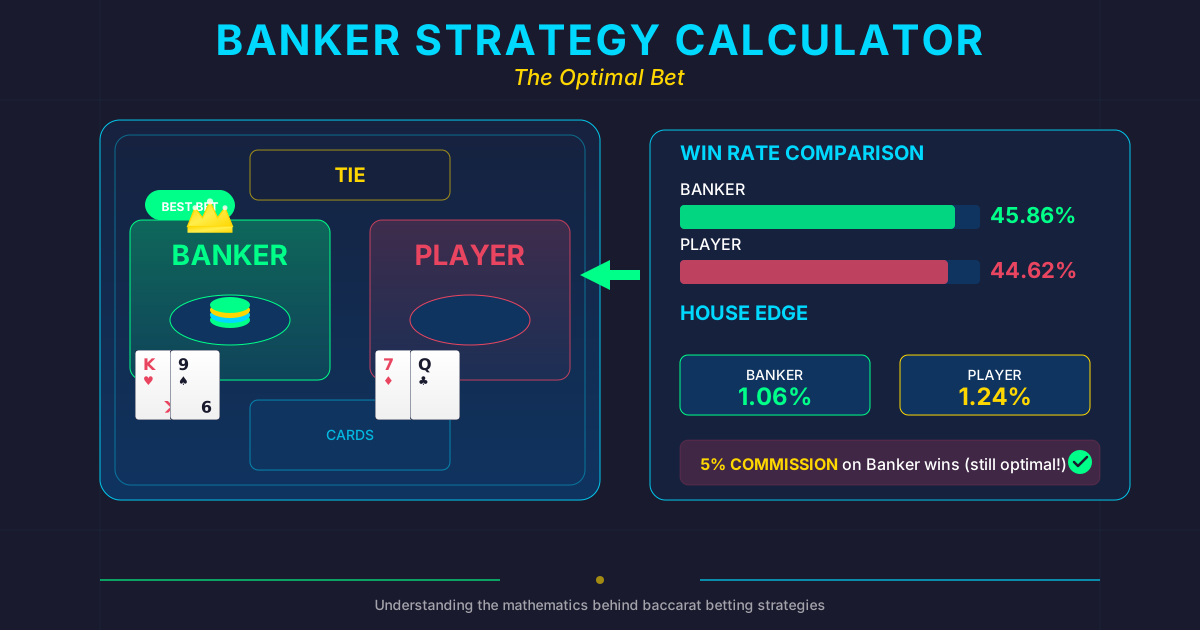
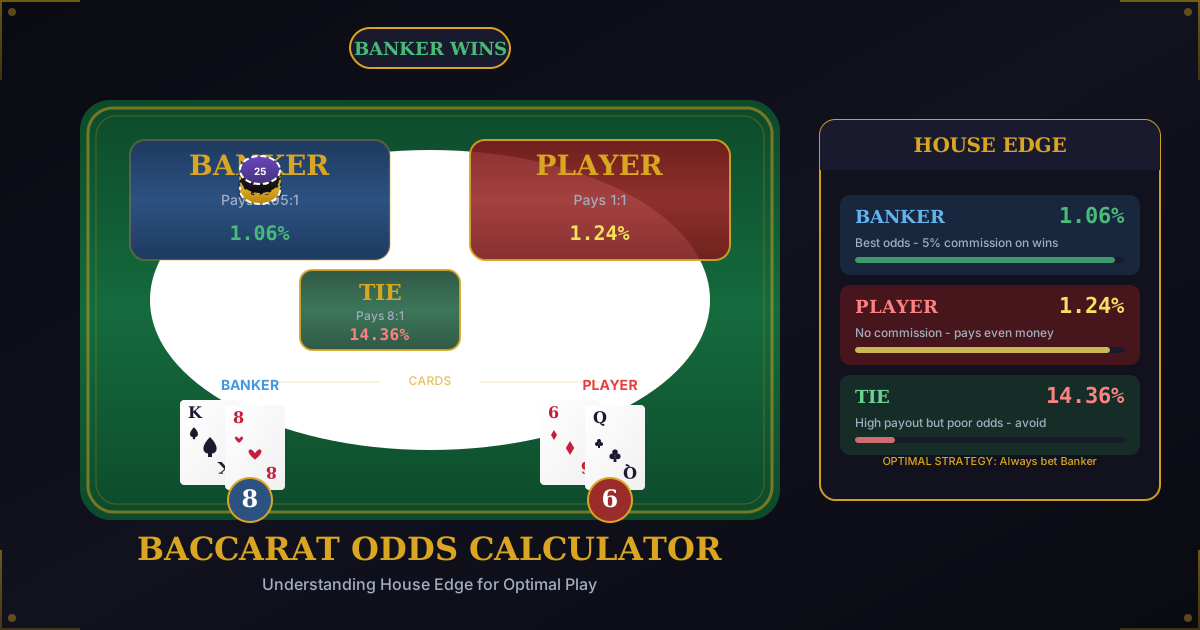
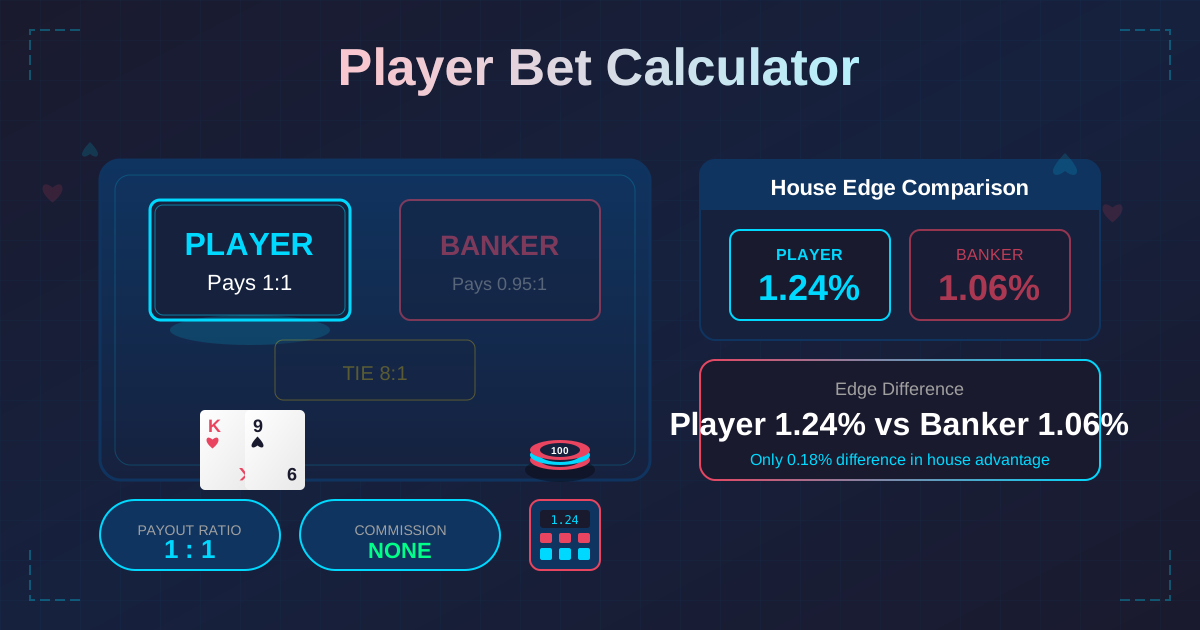
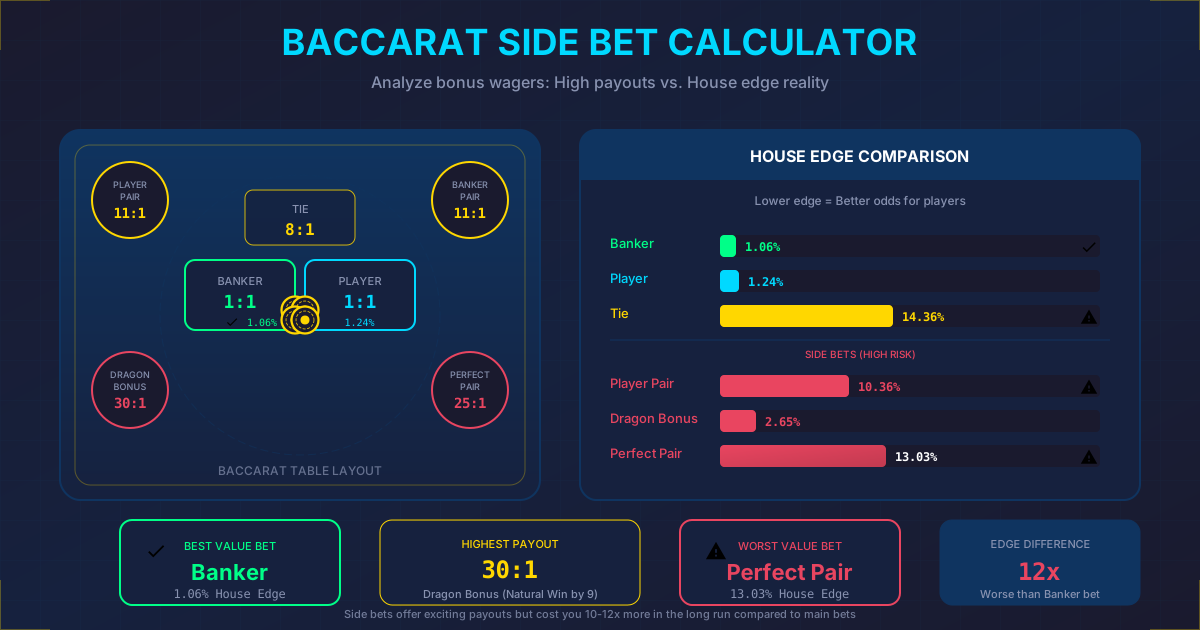
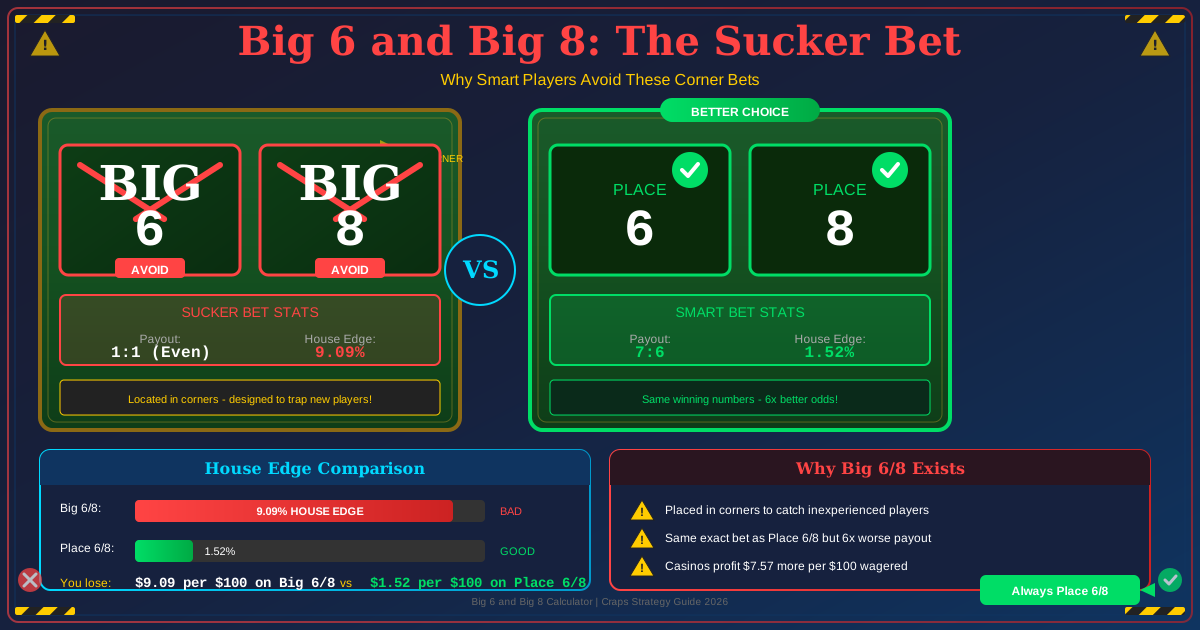
| Baccarat (Banker) | 1.06% | -$1.06 |
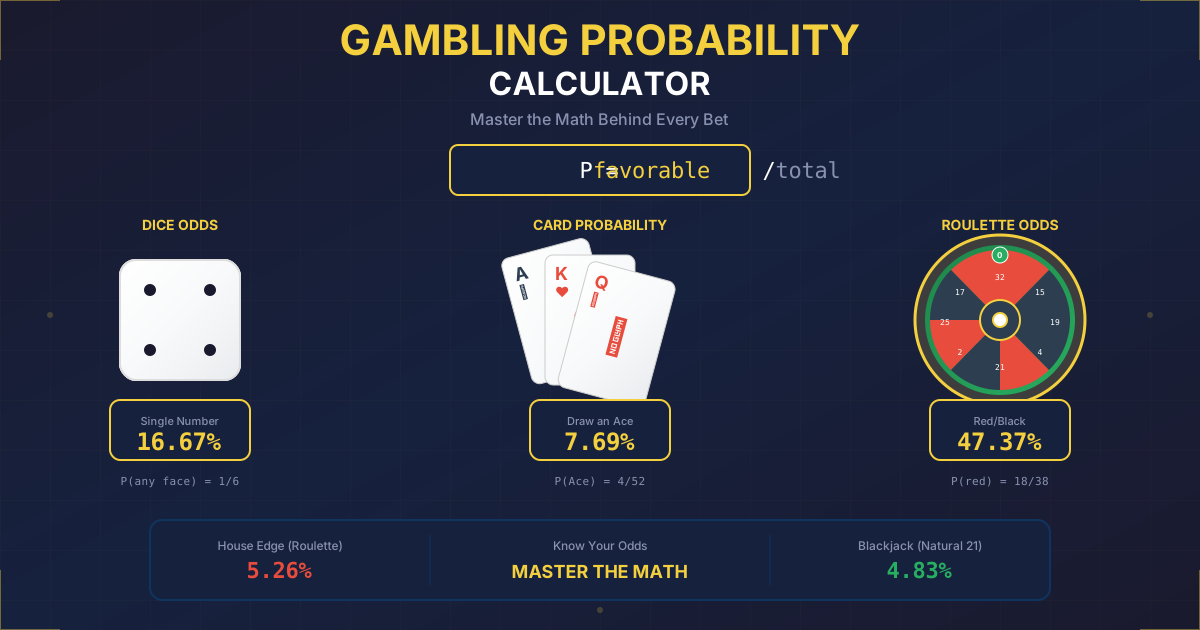
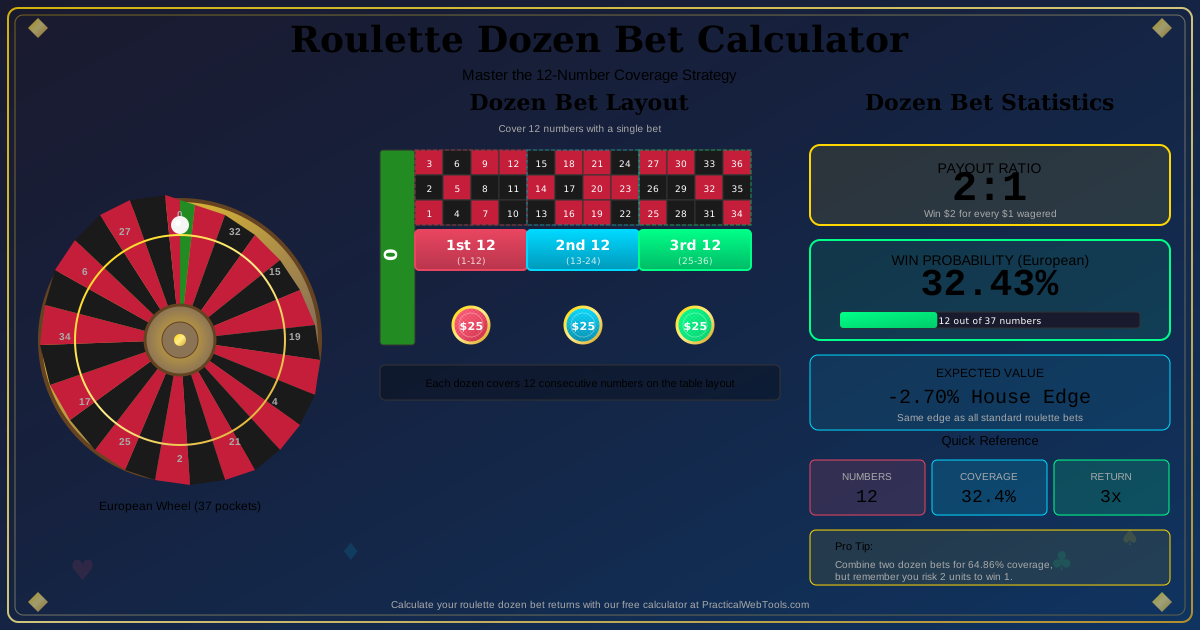
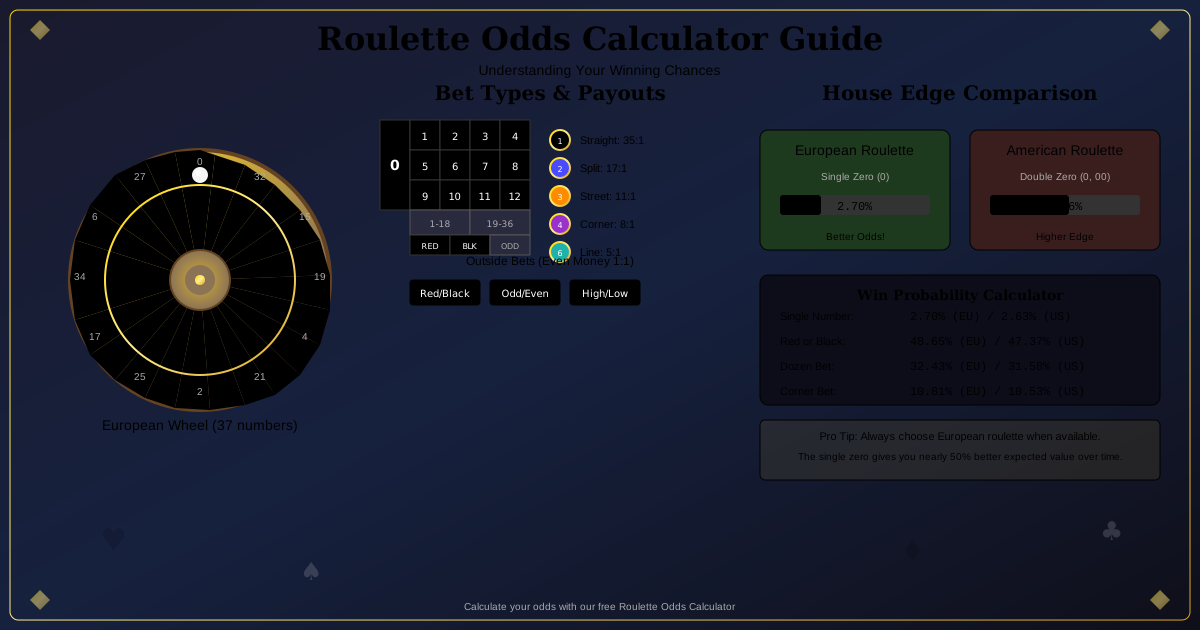
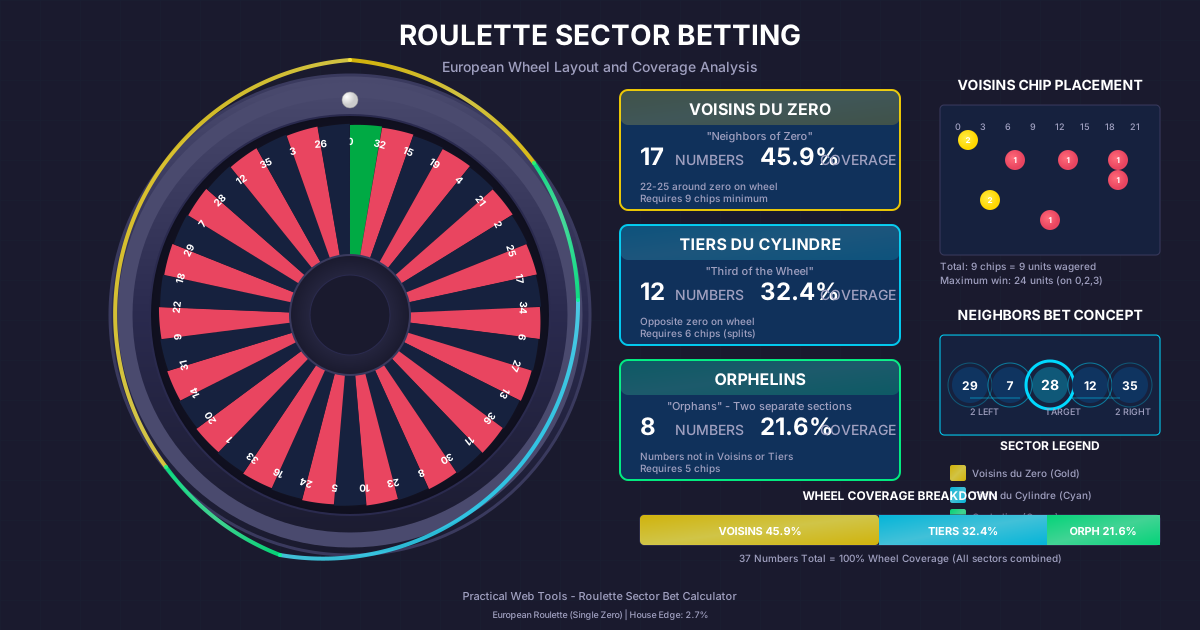
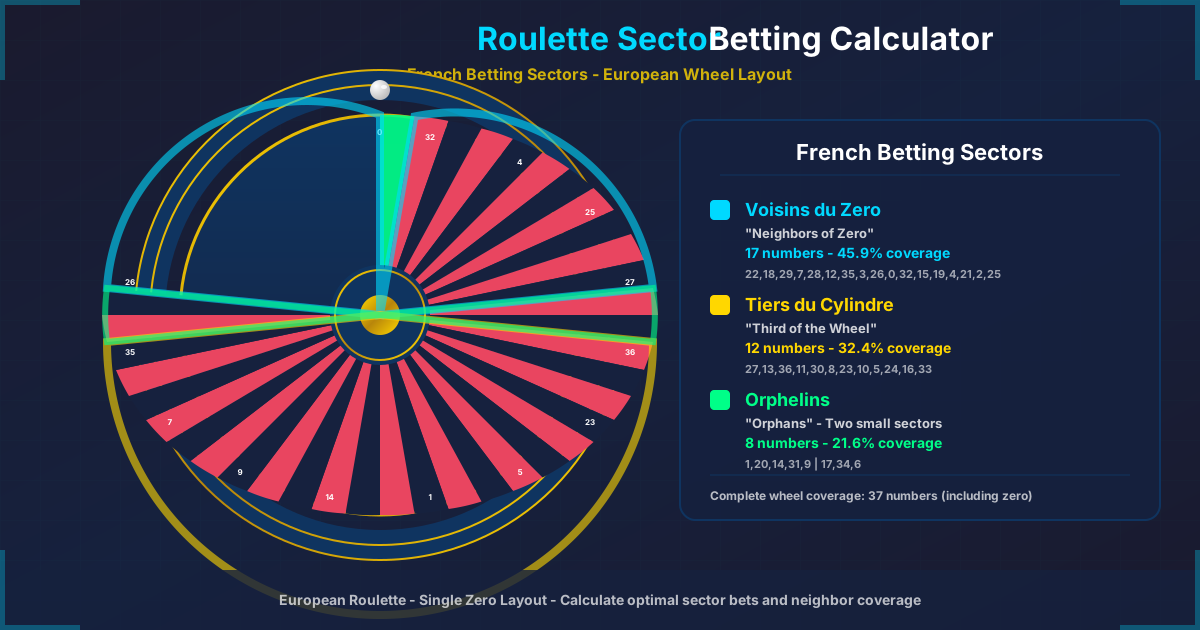
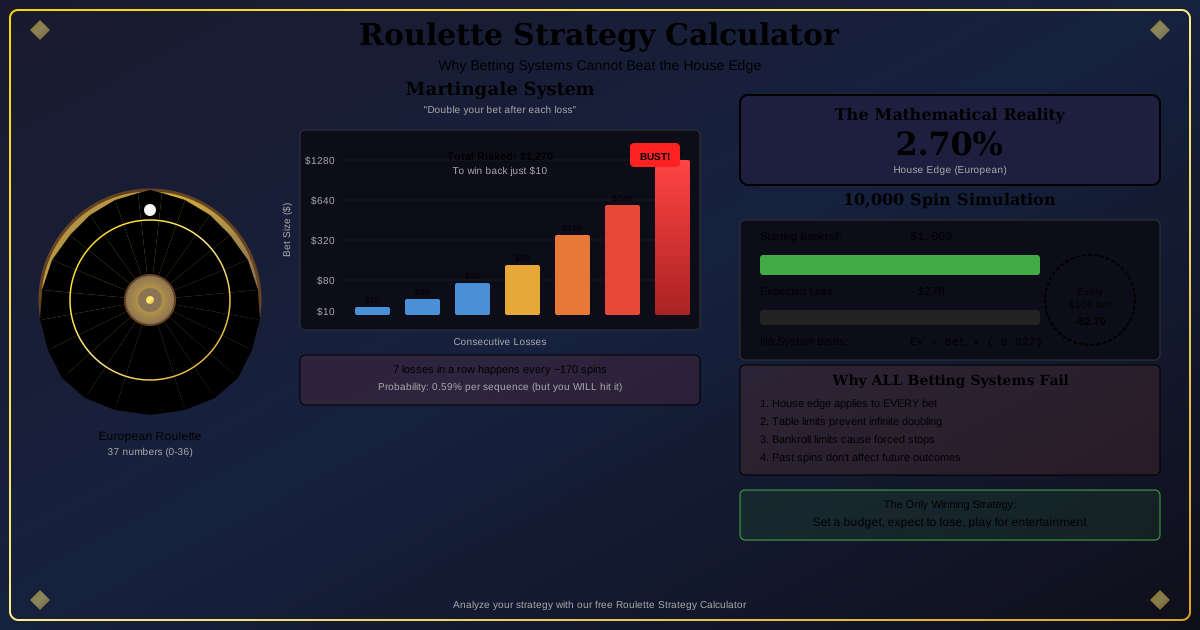
| Roulette (European) | 2.70% | -$2.70 |
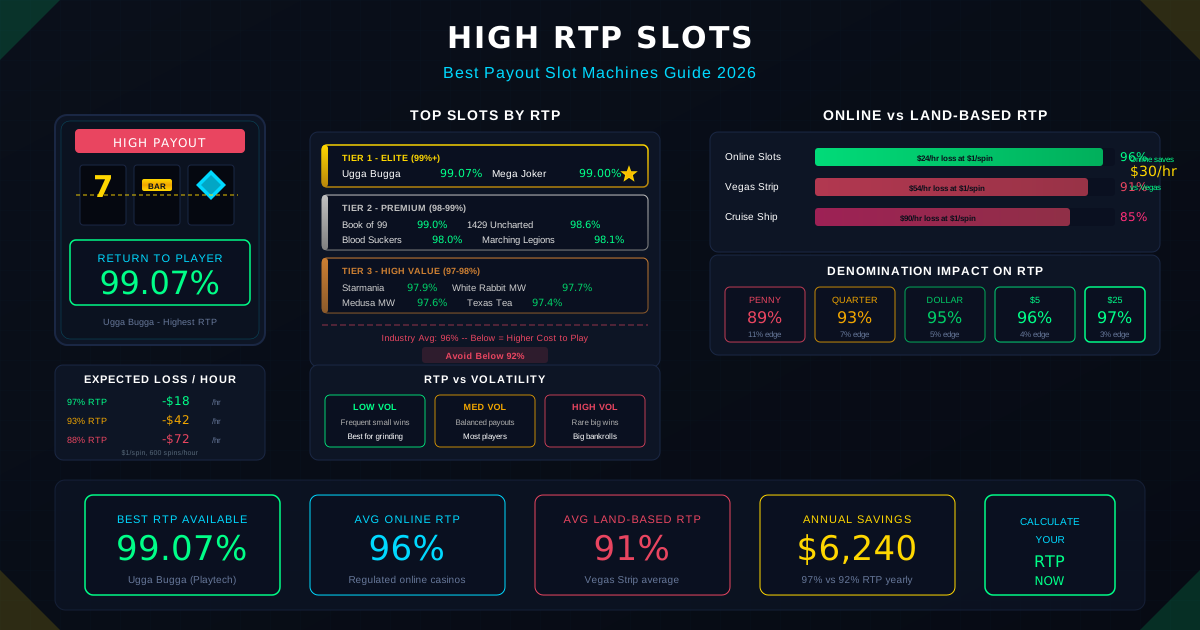
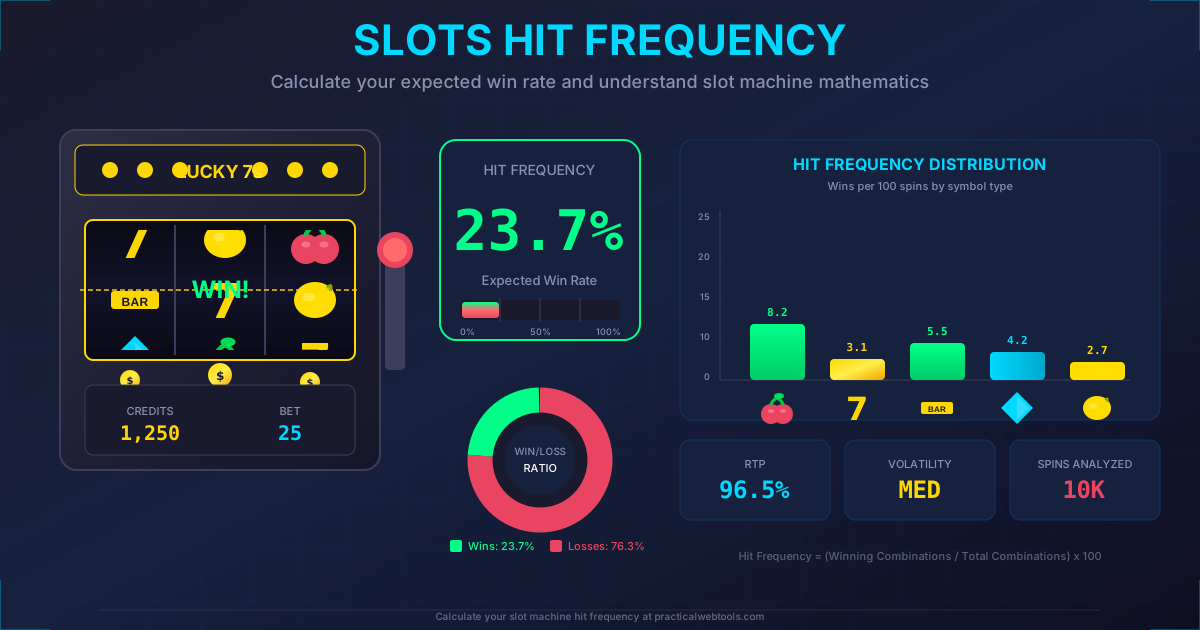
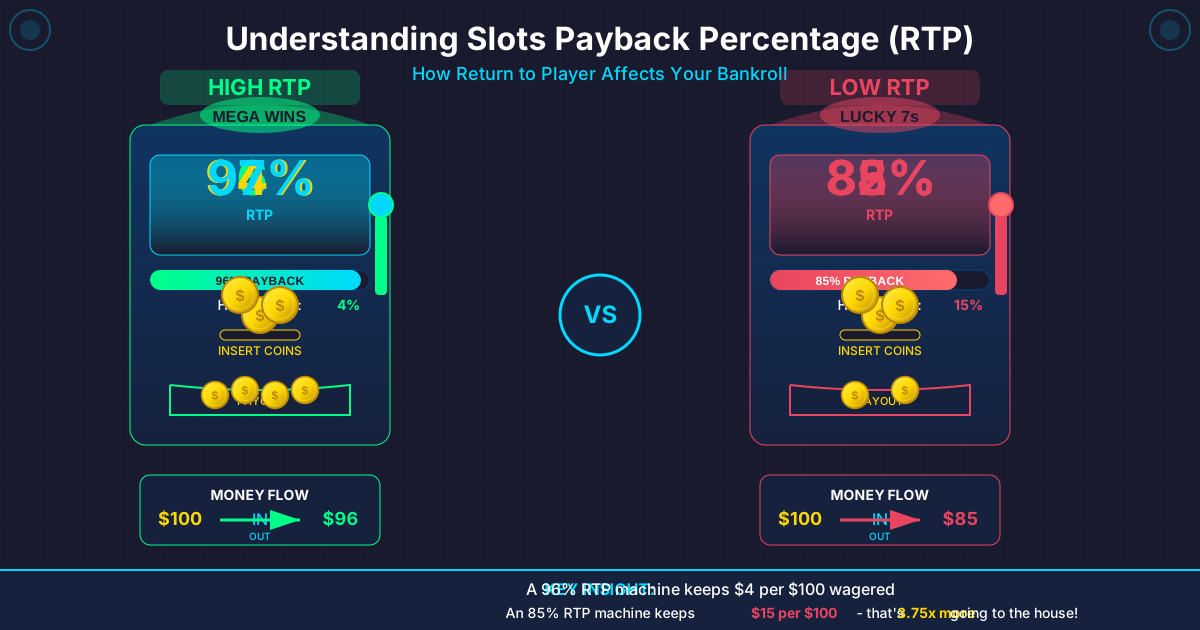
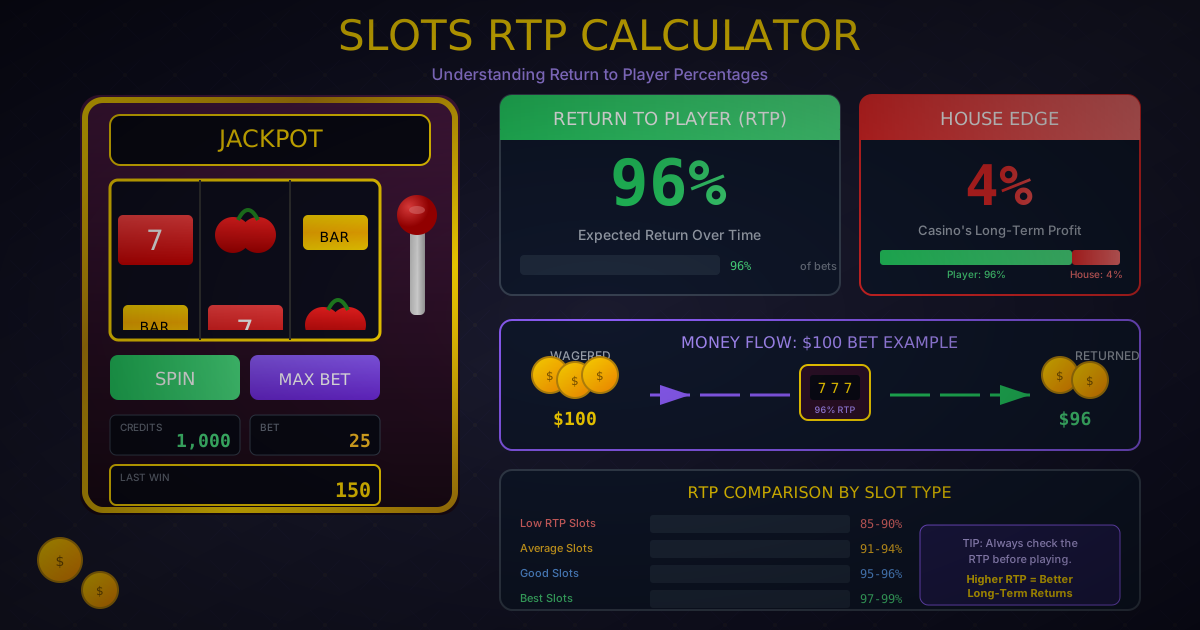
| Slots | 2-15% | -$2 to -$15 |
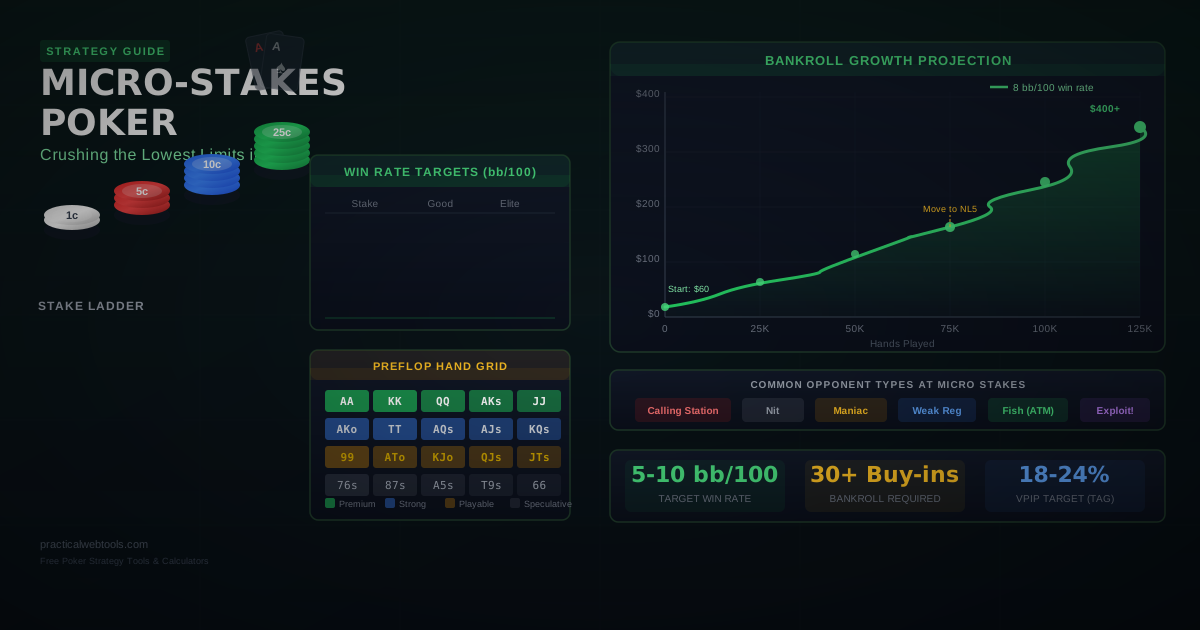
Poker EV
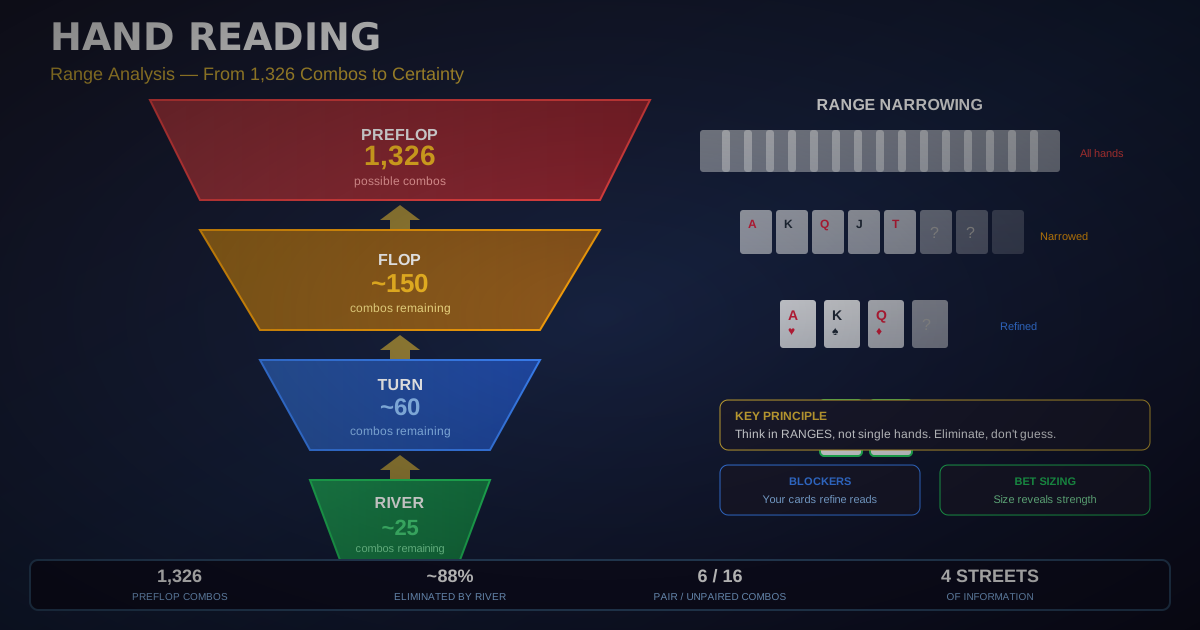
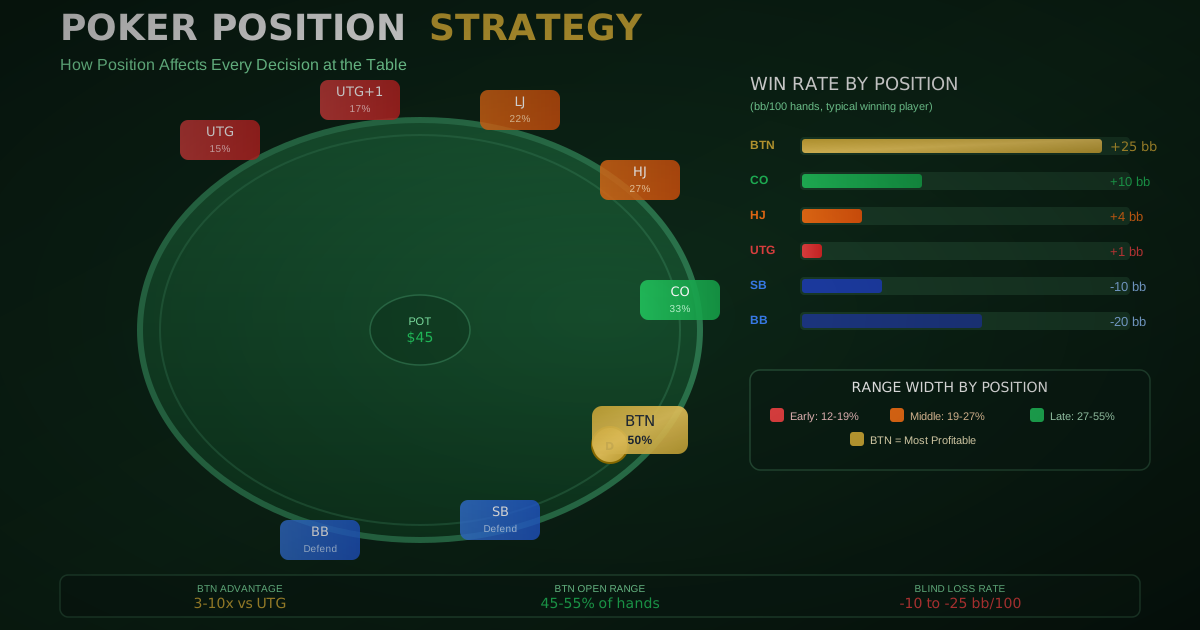
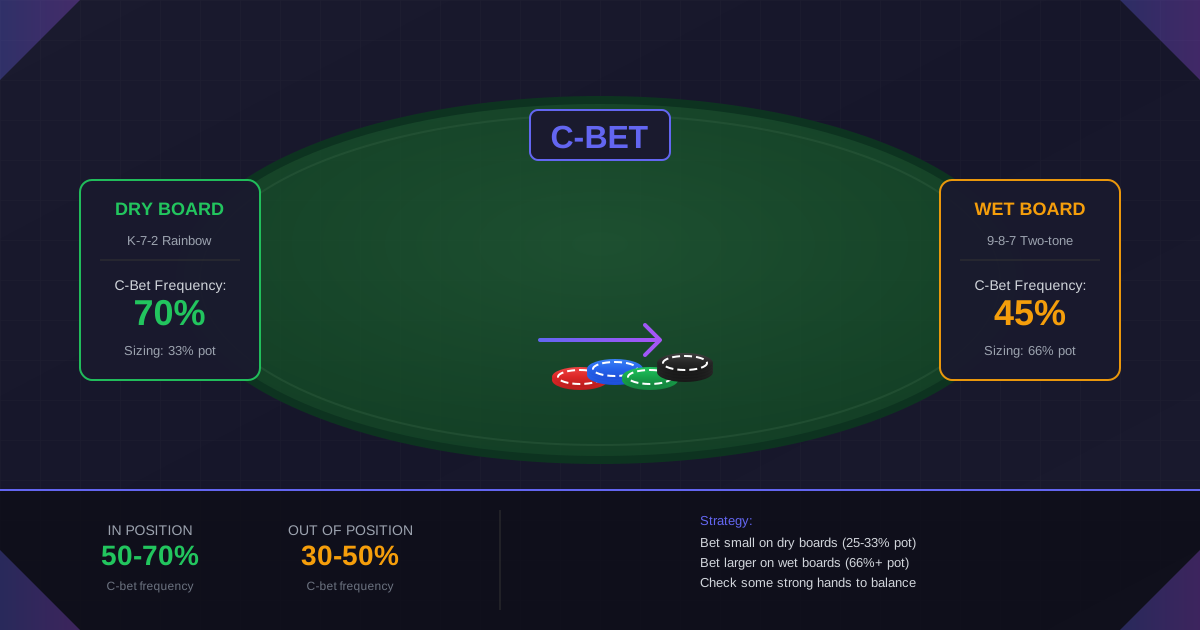
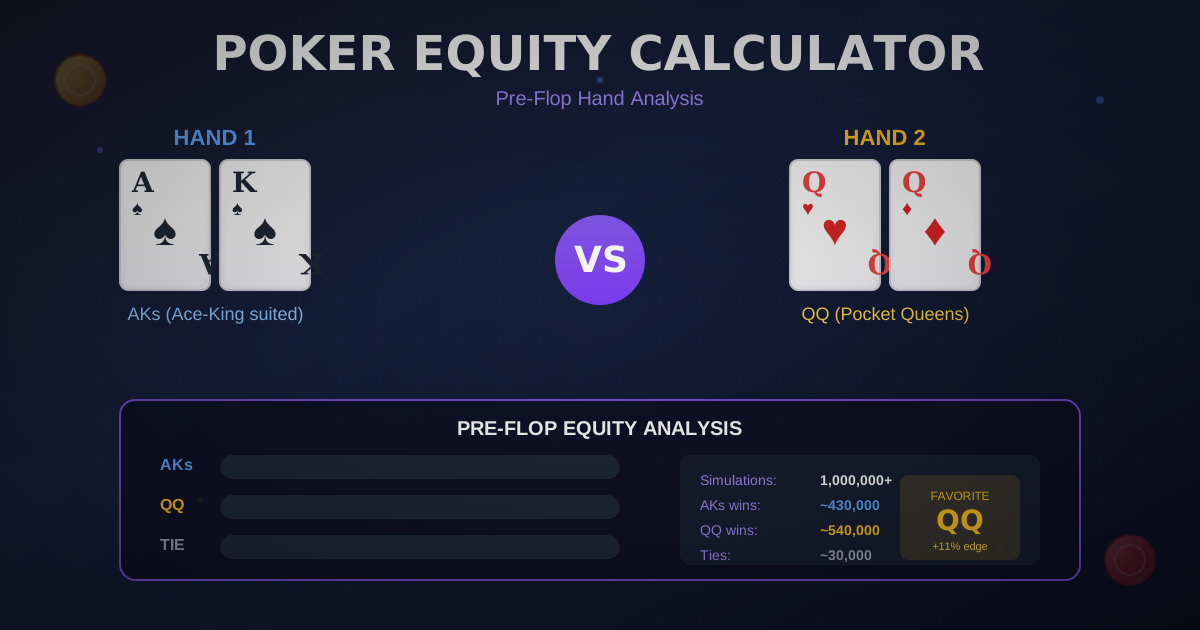
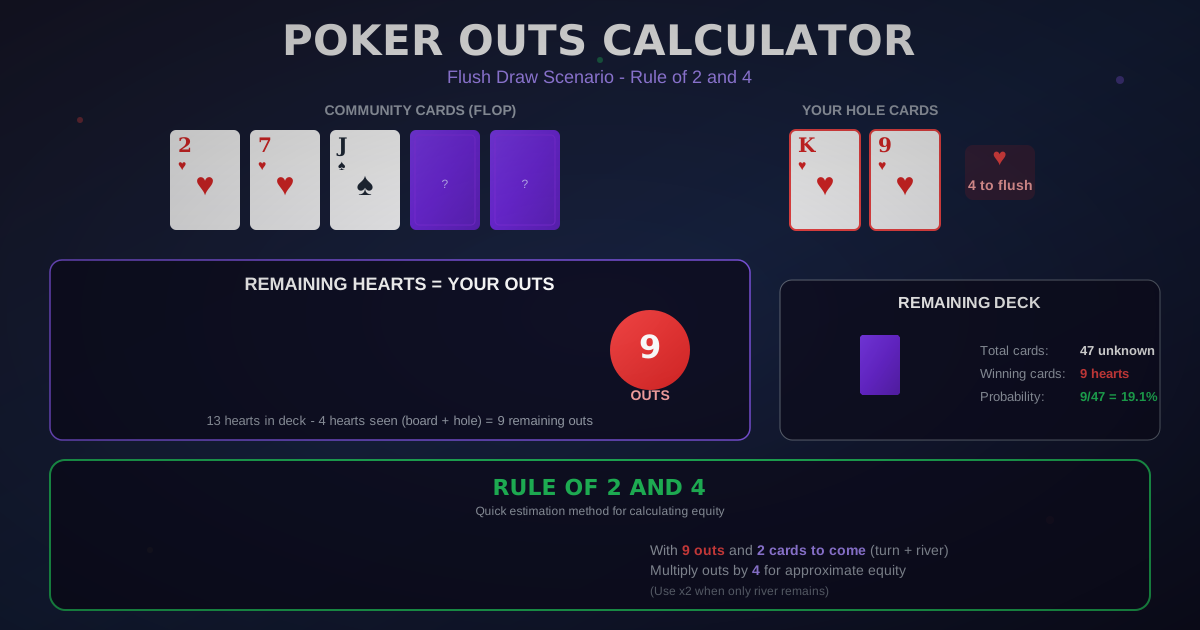
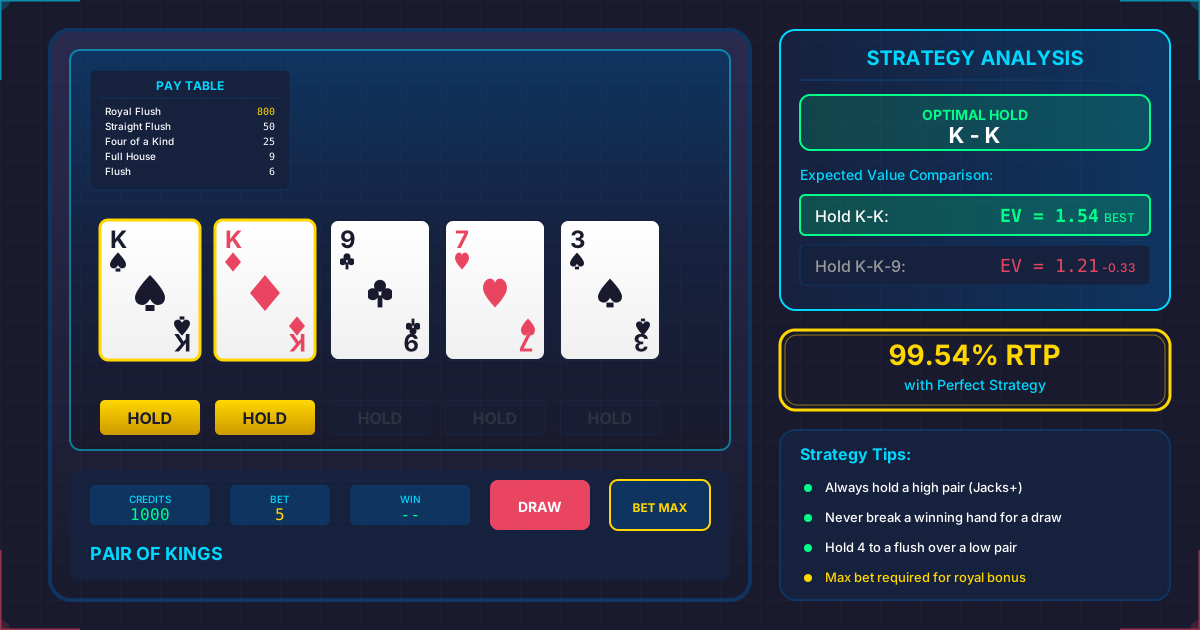
Poker EV depends on skill differential. Against weaker opponents, +EV is possible. Your EV comes from both:
- Card equity (mathematical edge in specific hands)
- Skill edge (better decisions over time)
What Makes a Bet +EV?
The Core Principle
A bet is +EV when:
True Probability > Implied Probability from Odds
Example:
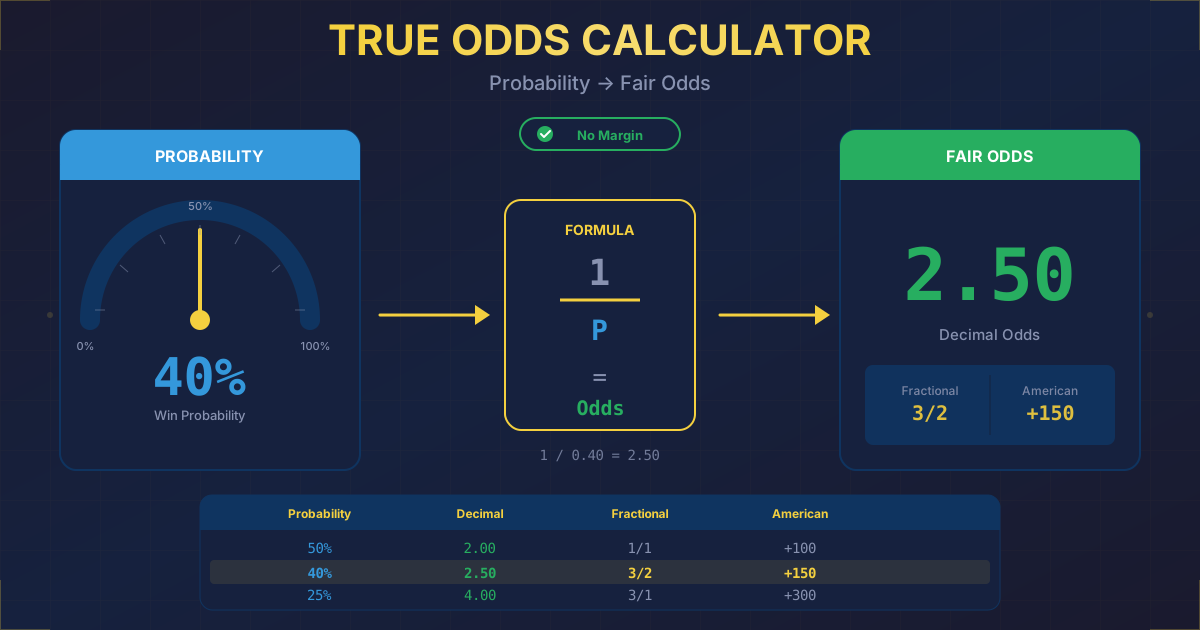
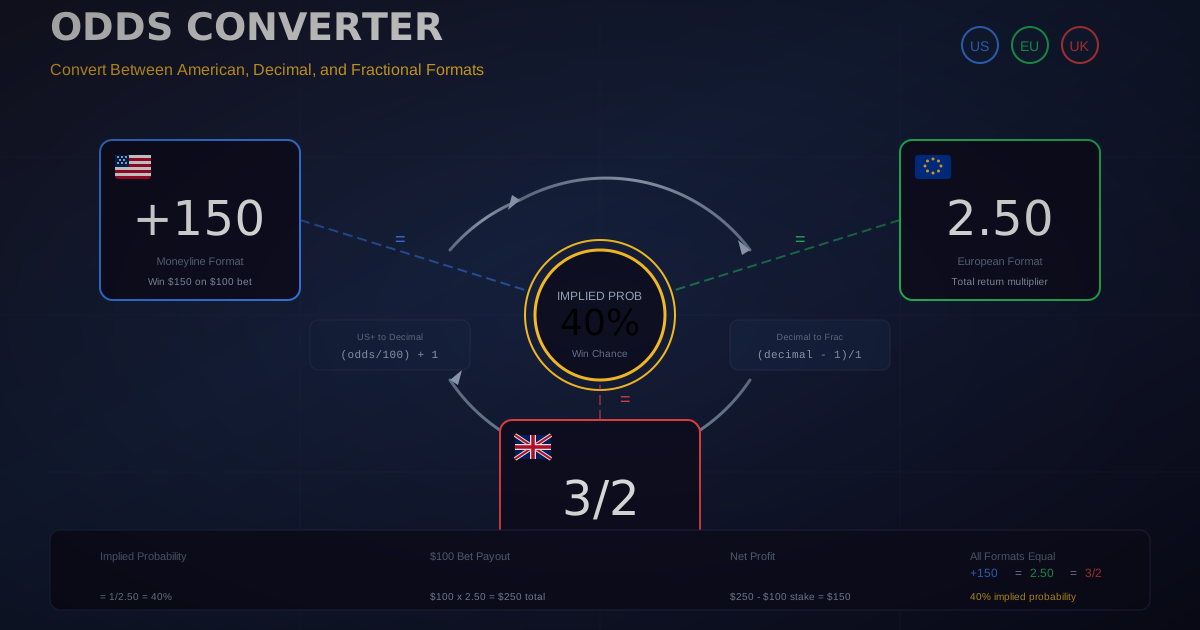
- Odds: +150 (implied 40%)
- Your estimate: 45%
- 45% > 40% → +EV
Sources of +EV
- Superior Information: You know something the market doesn't
- Market Inefficiency: The line is simply wrong
- Timing: You bet before the line corrects
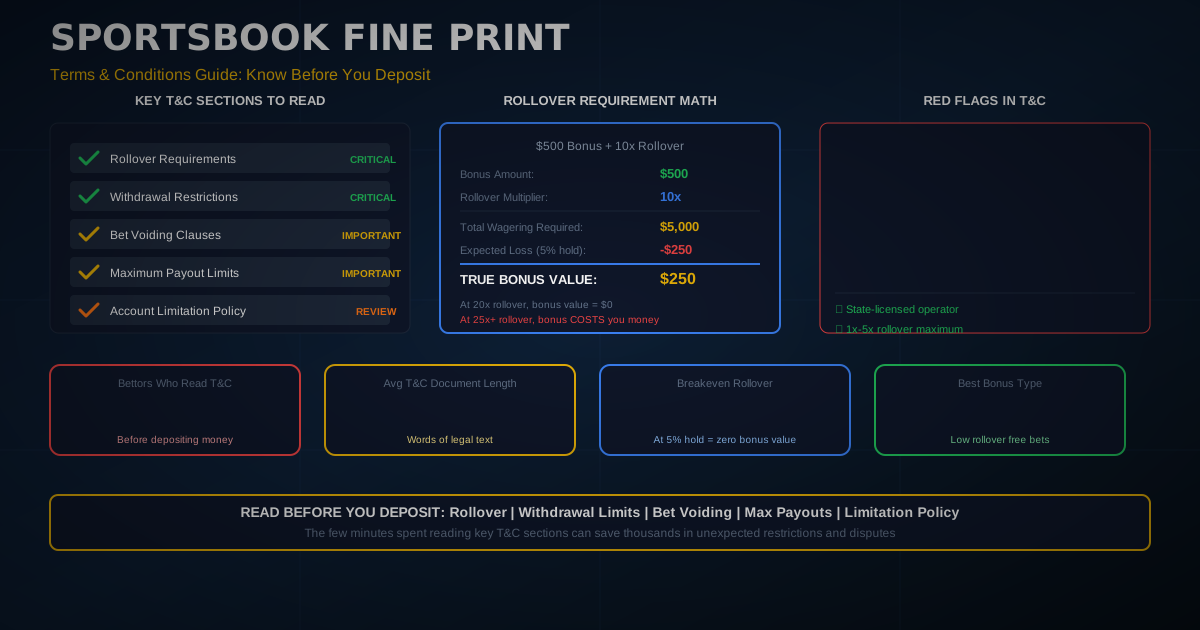
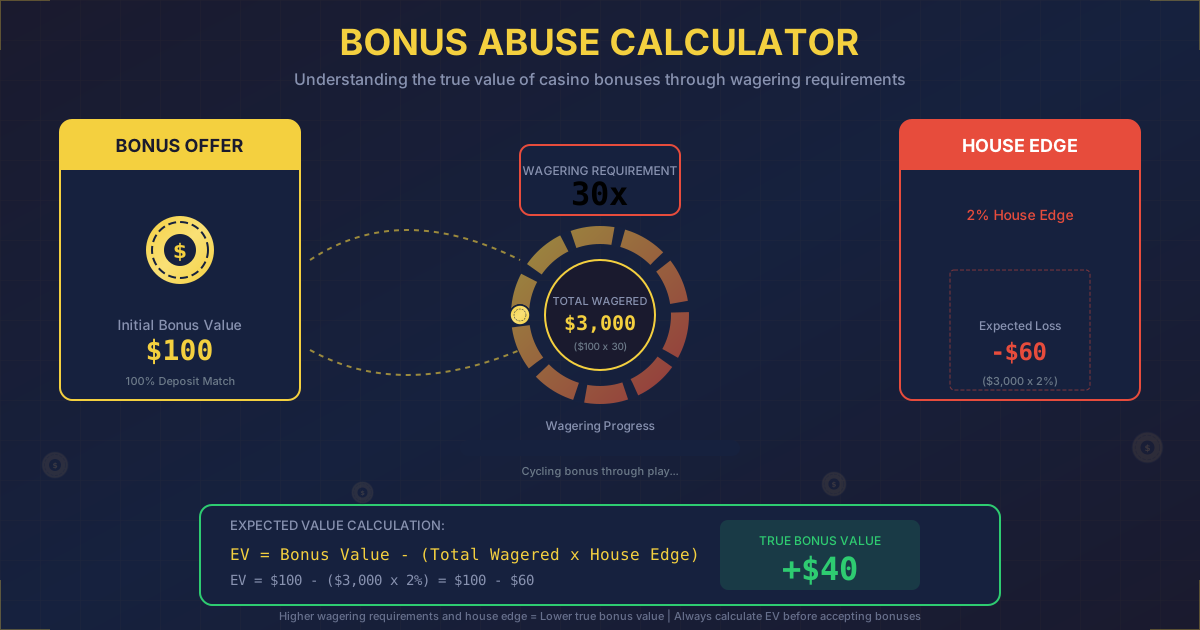
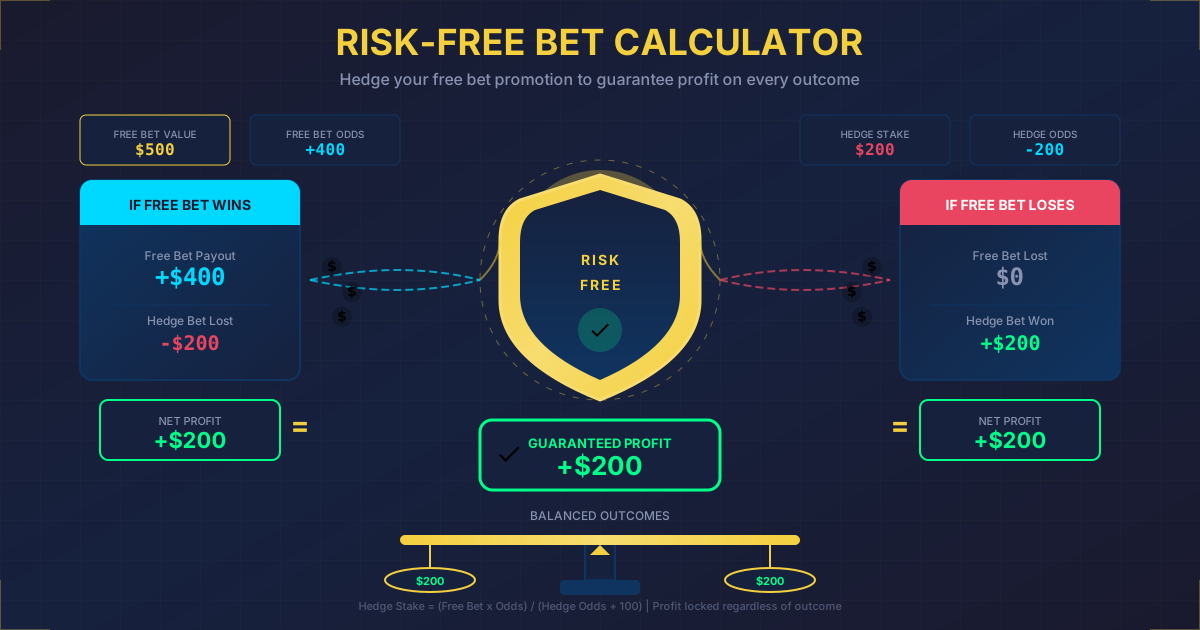
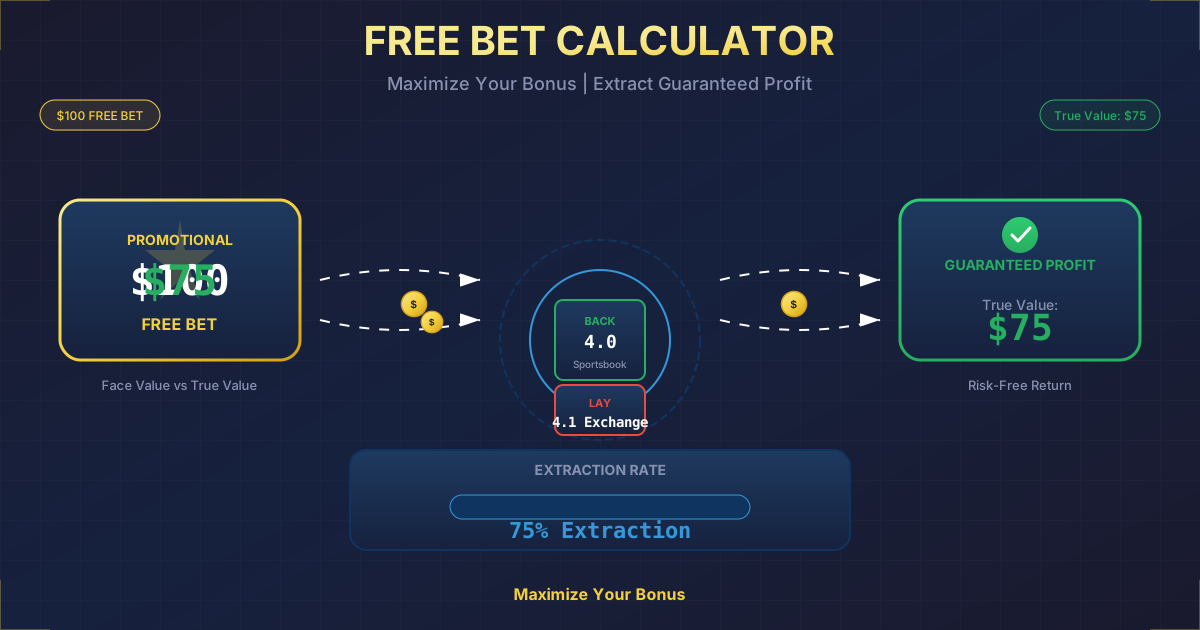
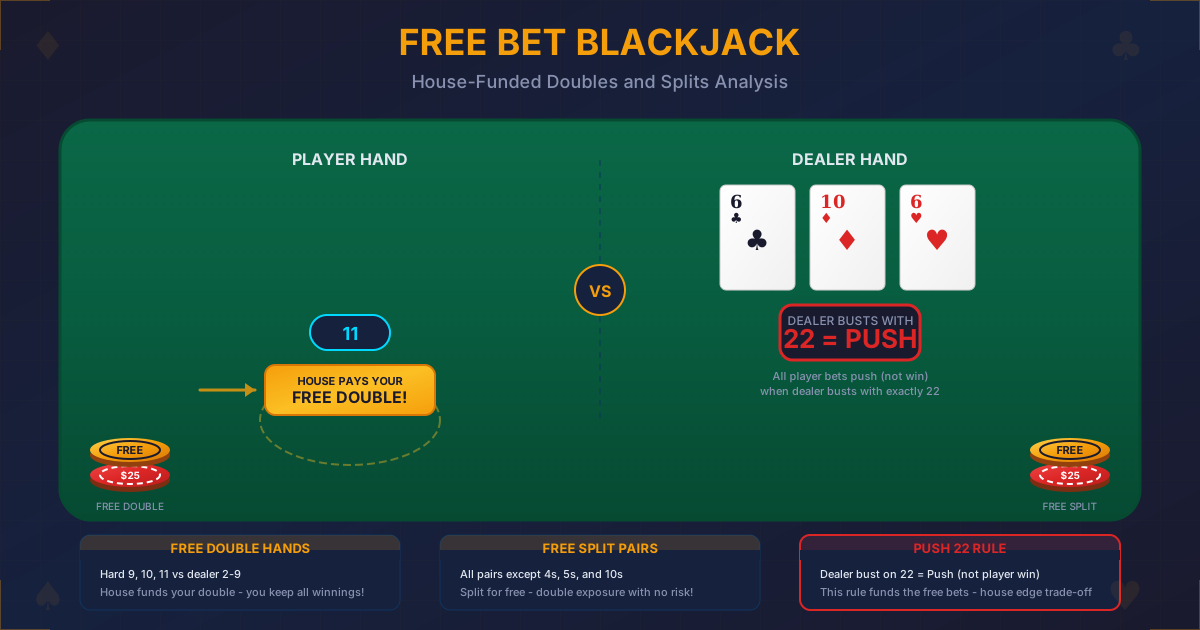
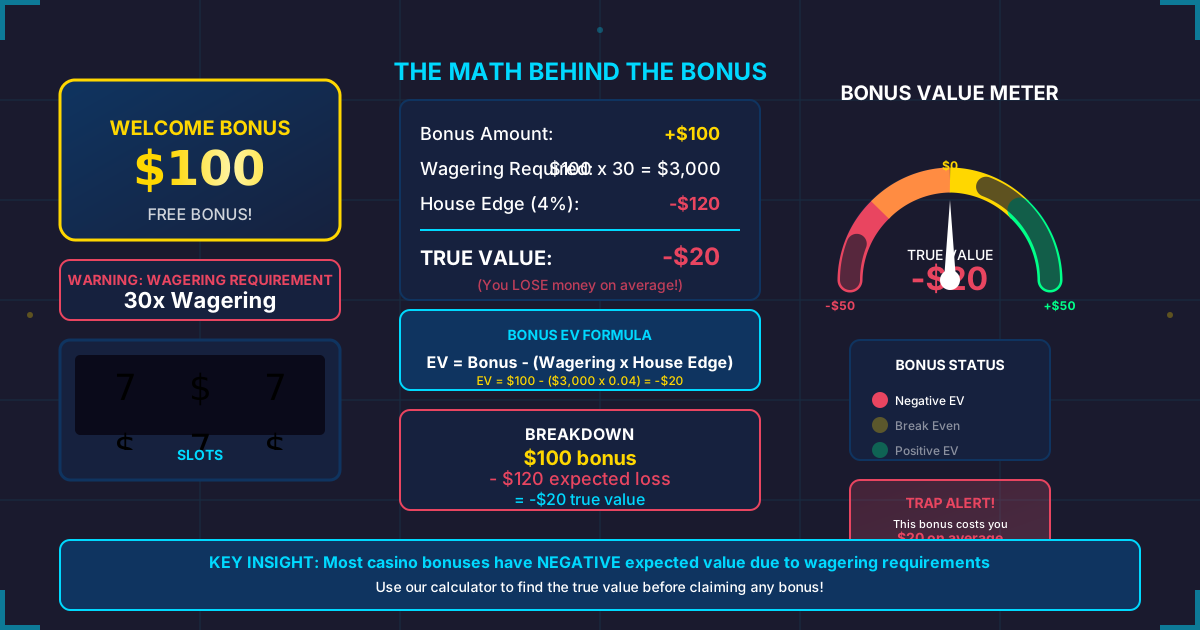
- Promotions: Boosted odds, free bets, deposit bonuses
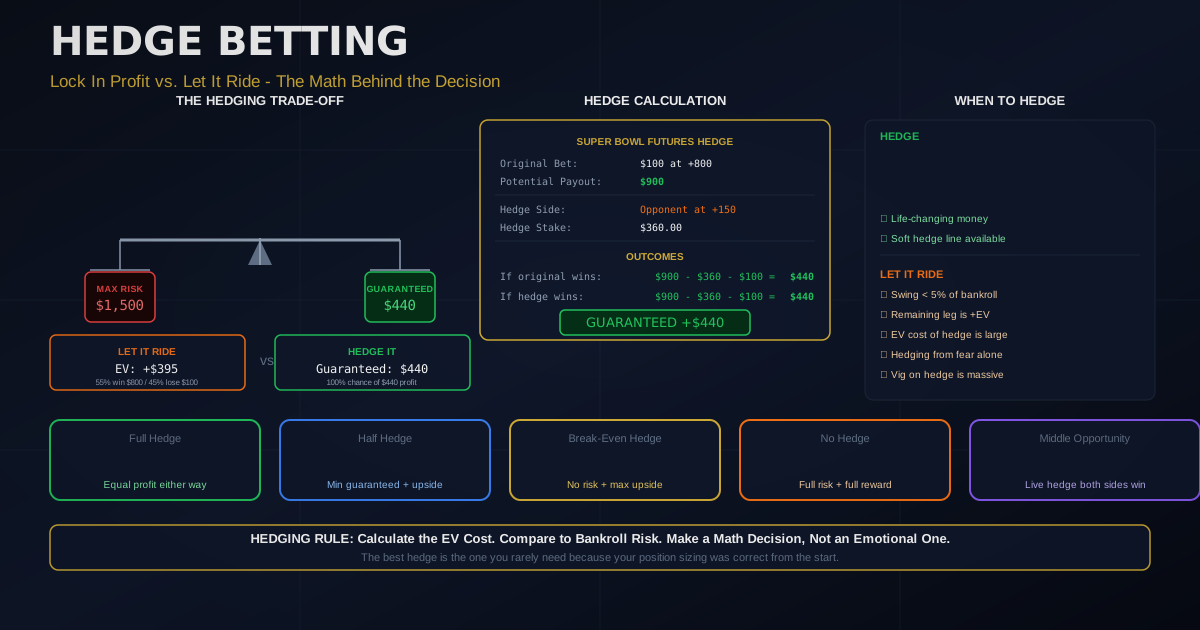
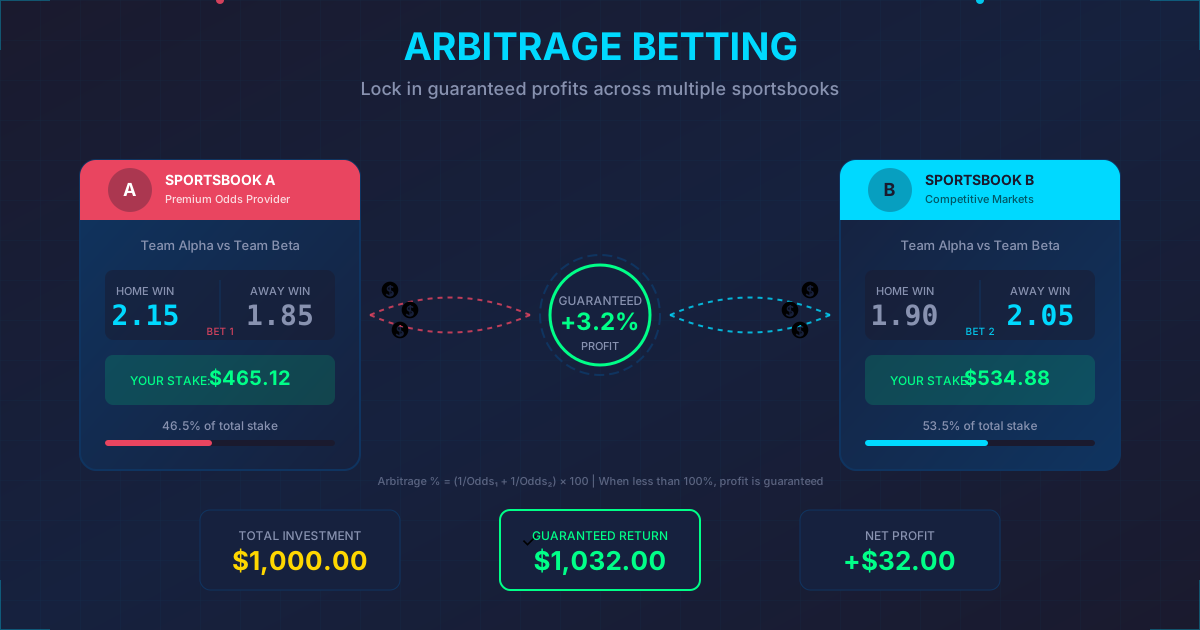
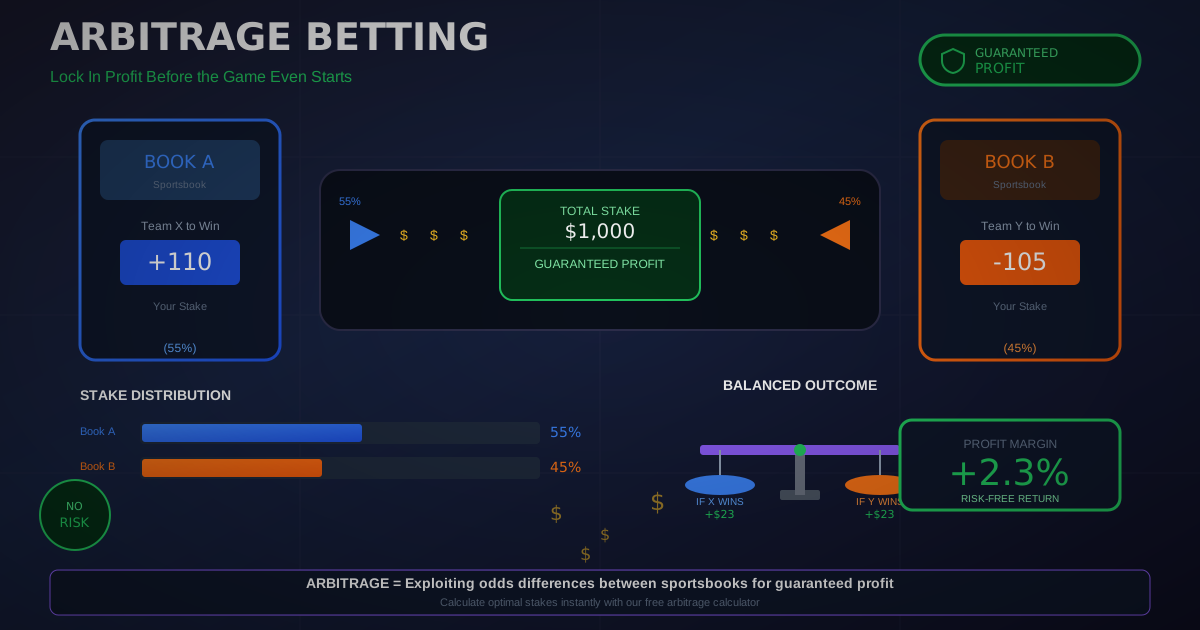
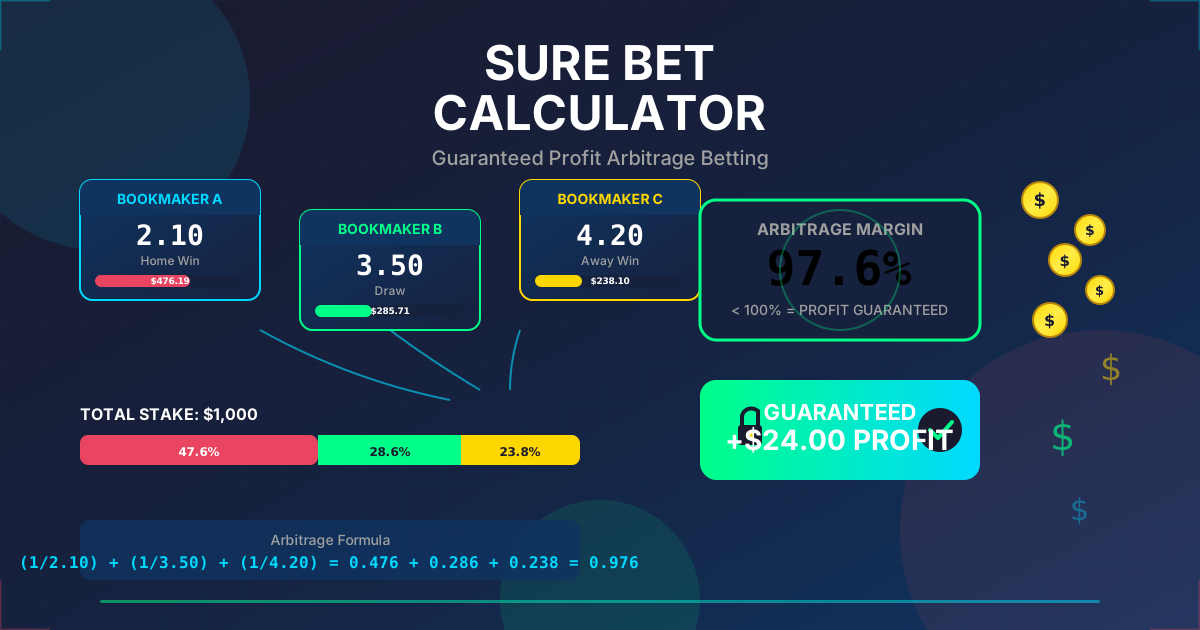
- Arbitrage: Different books offer prices that guarantee profit
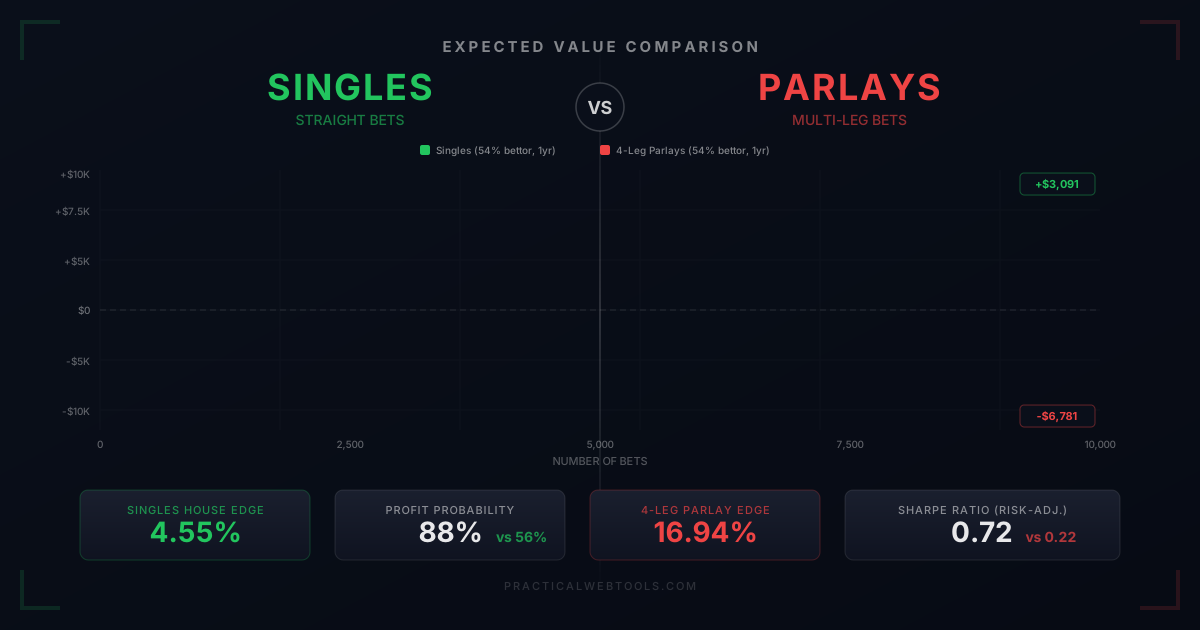
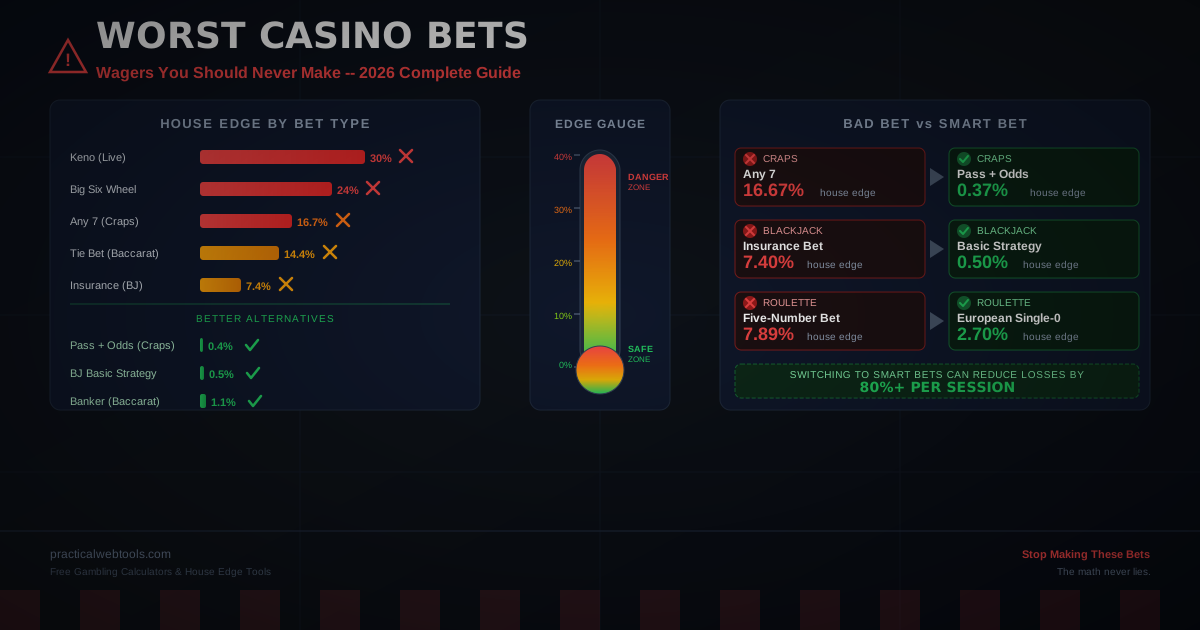
Why Most Bets Are -EV
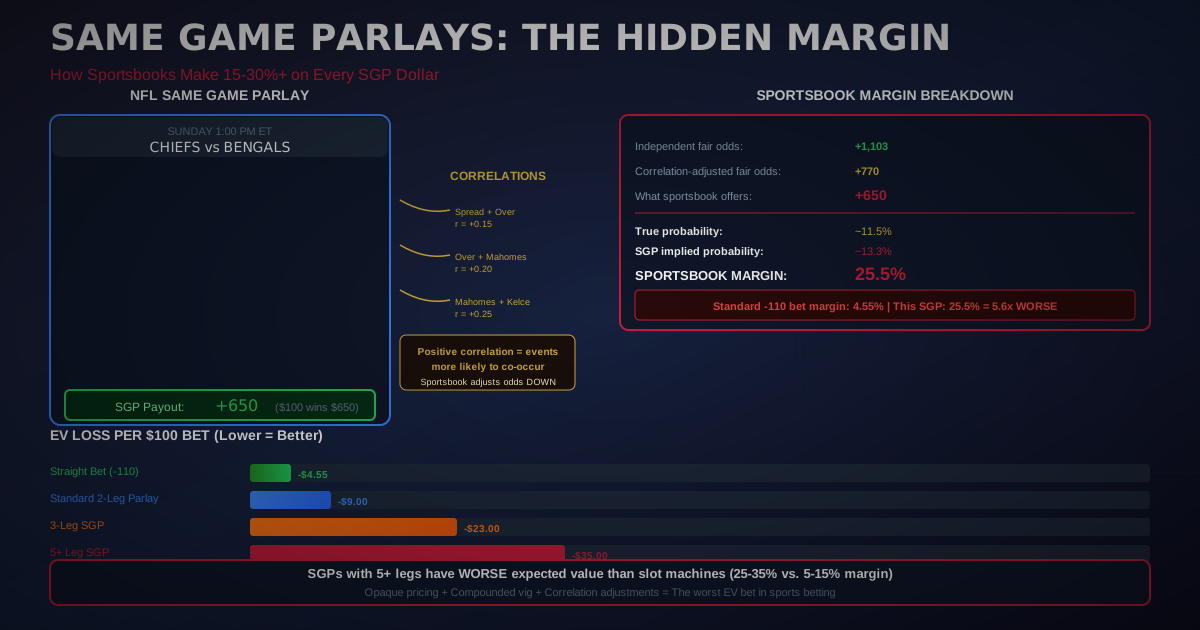
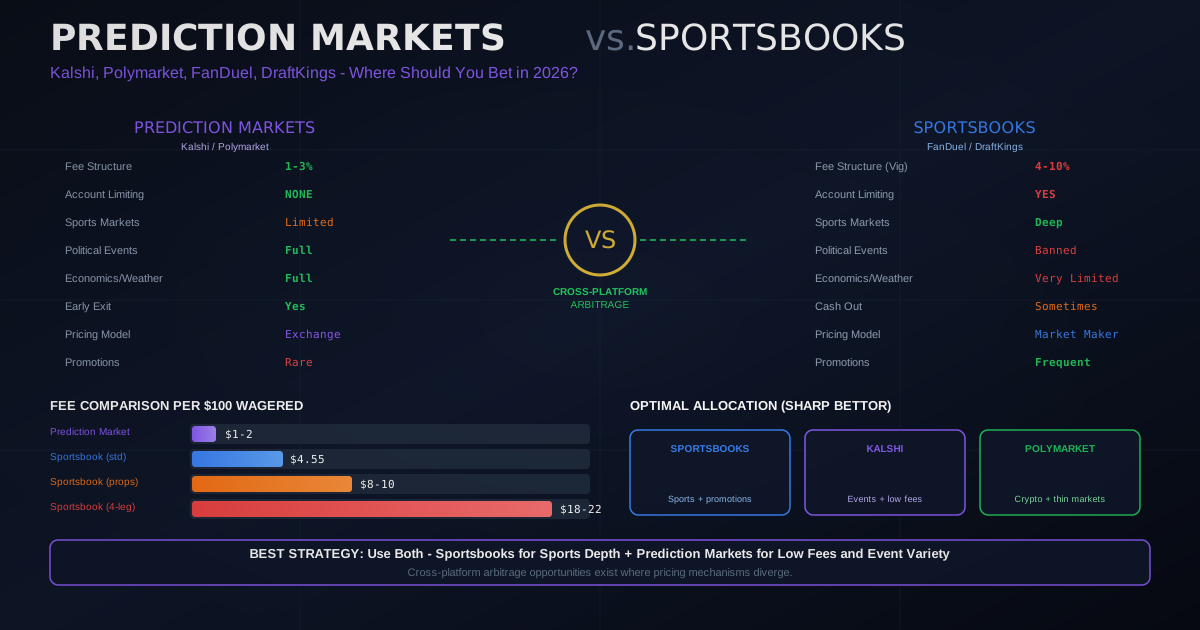
Sportsbooks and casinos build in margins:
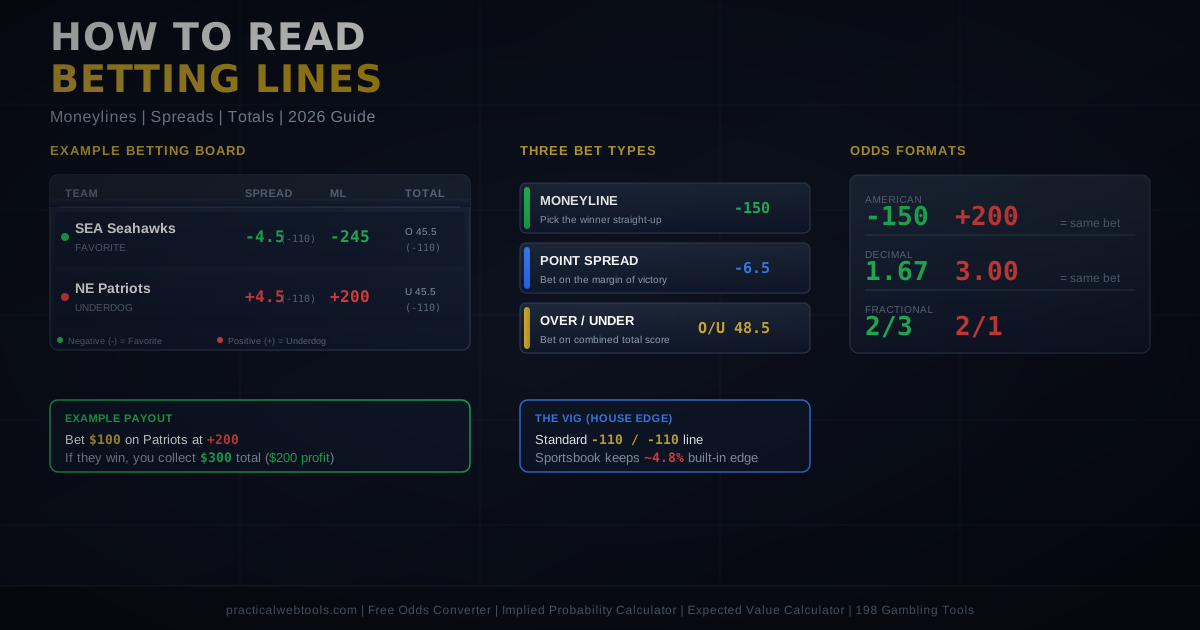
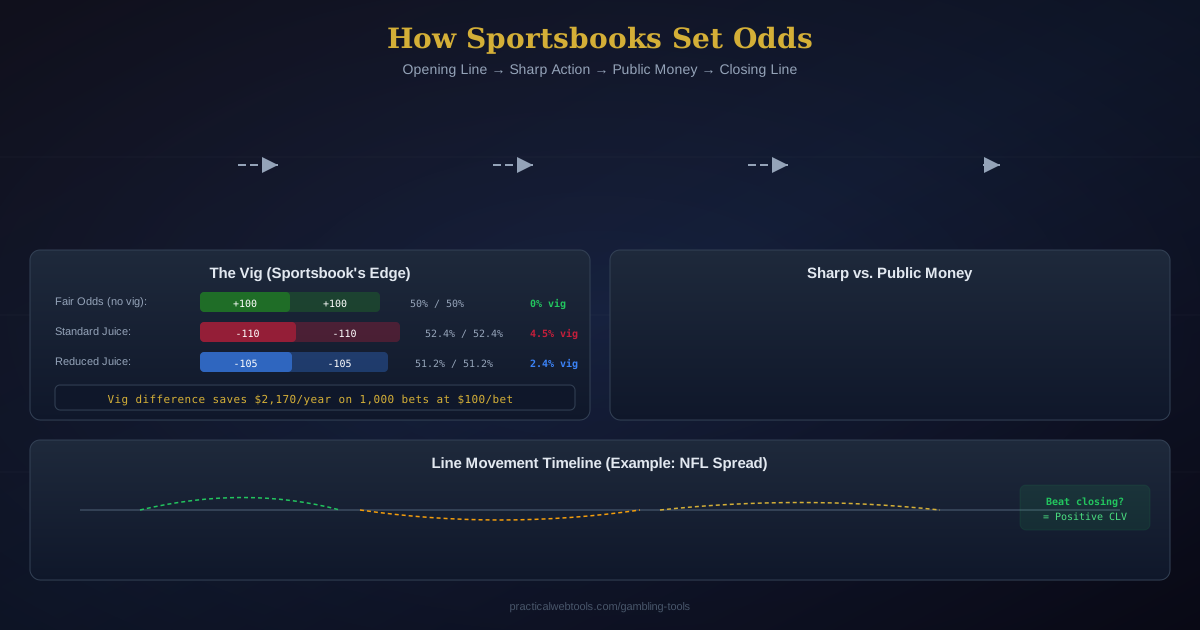
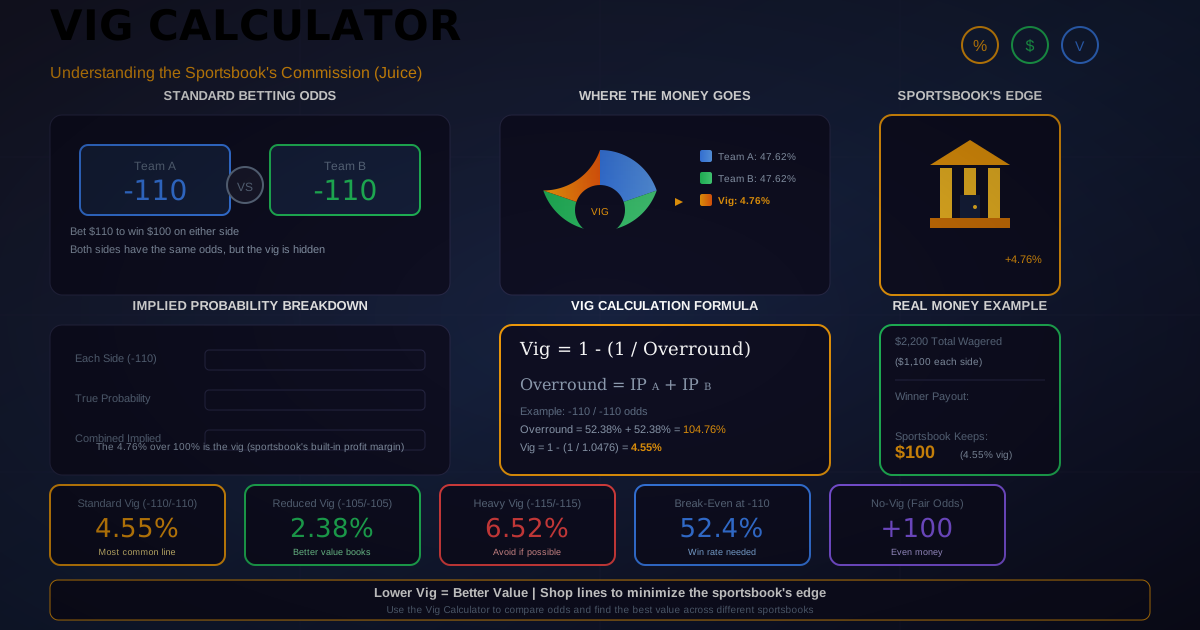
- Standard -110/-110 lines have ~4.5% vig
- Casino games have built-in house edge
- Overcoming this margin requires consistent edge
Common EV Mistakes
-
Overestimating Your Probability: Most bettors think their picks are more likely than they are. Be brutally honest.
-
Ignoring the Vig: A 50/50 bet at -110 is -EV. You need ~52.4% accuracy to break even at standard odds.
-
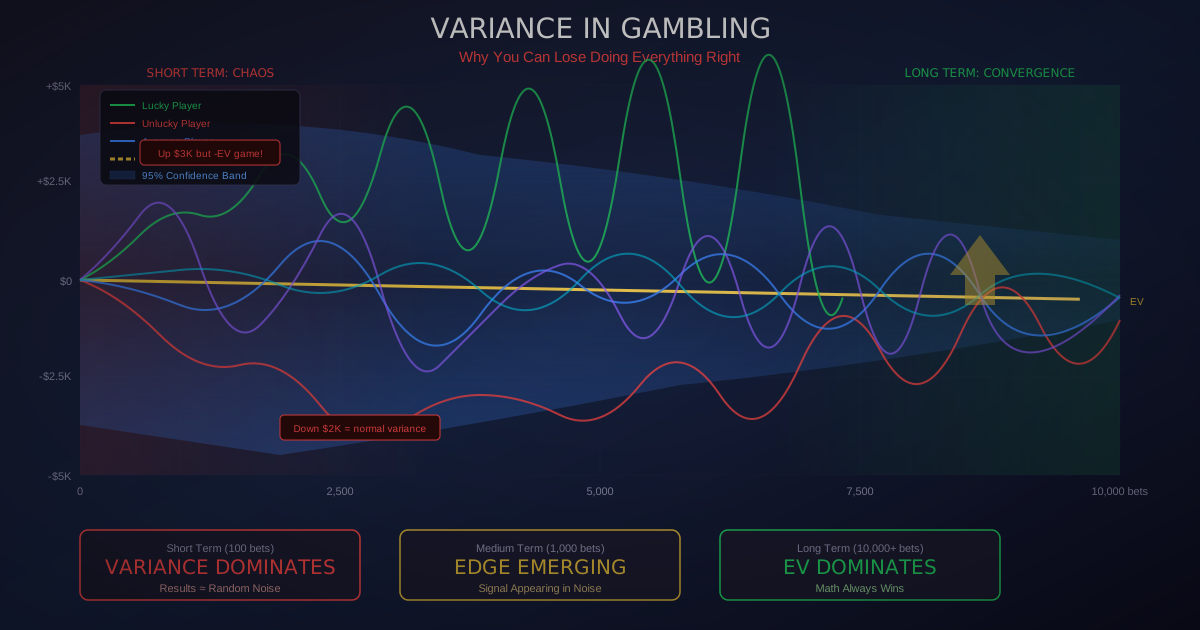
Confusing Outcome with EV: Winning a -EV bet doesn't make it good. Losing a +EV bet doesn't make it bad. Judge process, not results.
-
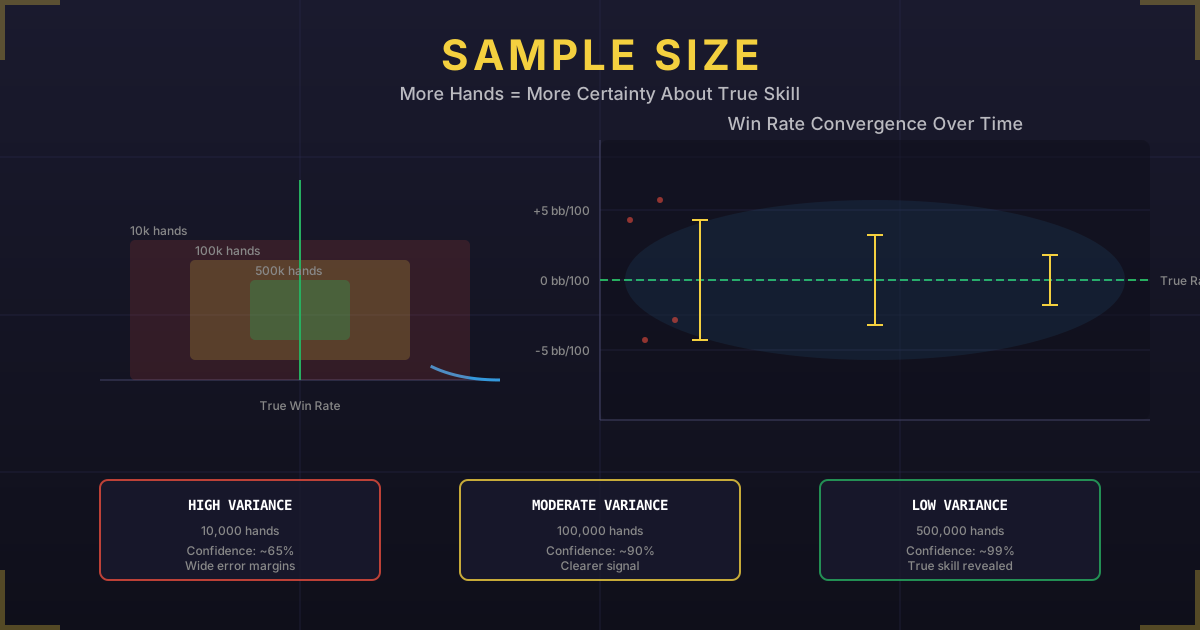
Small Sample Thinking: EV manifests over thousands of bets. Short-term variance obscures true results.
-
Not Calculating: "This feels like good value" isn't math. Always calculate EV explicitly.
Frequently Asked Questions
How do I know my "true probability"?
This is the hard part. Use statistical models, track record analysis, situational factors, and compare to market consensus. No one knows true probability—we estimate it.
Can I really beat the sportsbook long-term?
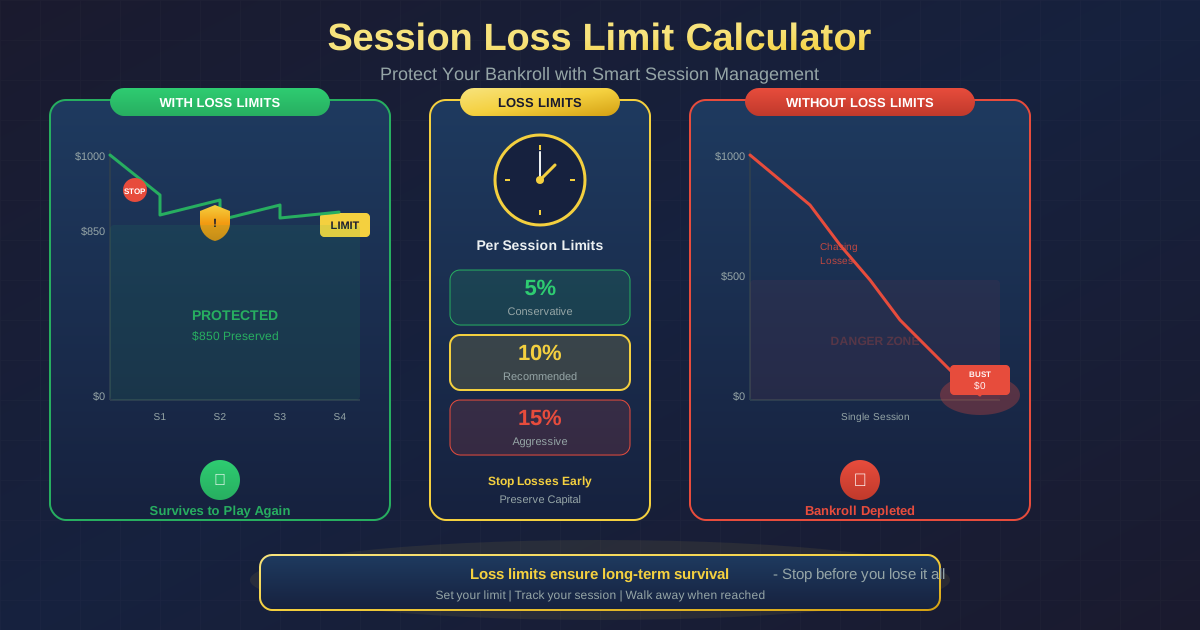
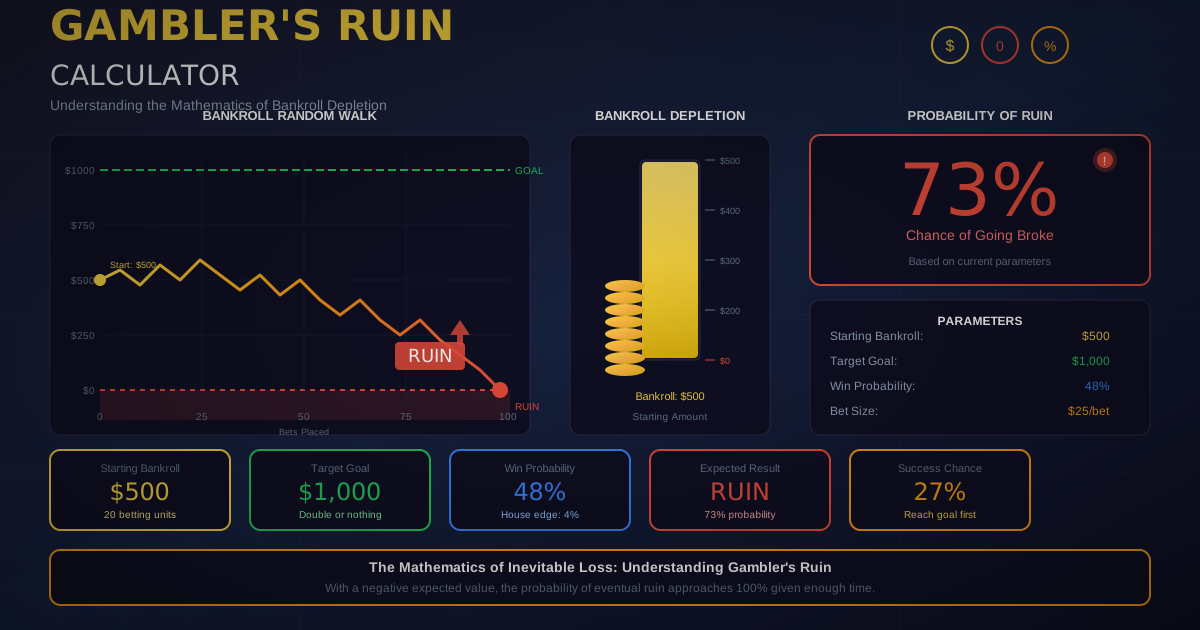
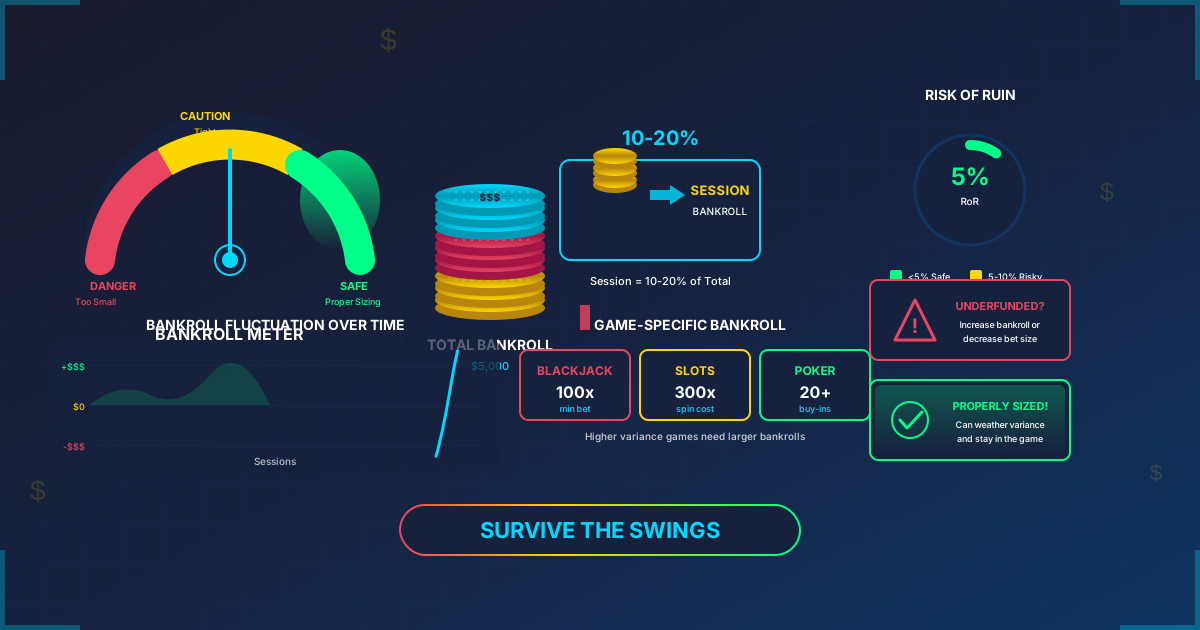
Yes, but it's difficult. Consistent +EV betting requires edge in analysis, discipline, and bankroll management. Most bettors lose long-term.
What's a meaningful +EV percentage?
Even 2-3% edge is significant in sports betting. Bet enough volume with that edge, and profits accumulate. Professional bettors often work with small but consistent edges.
Is it worth betting small +EV?
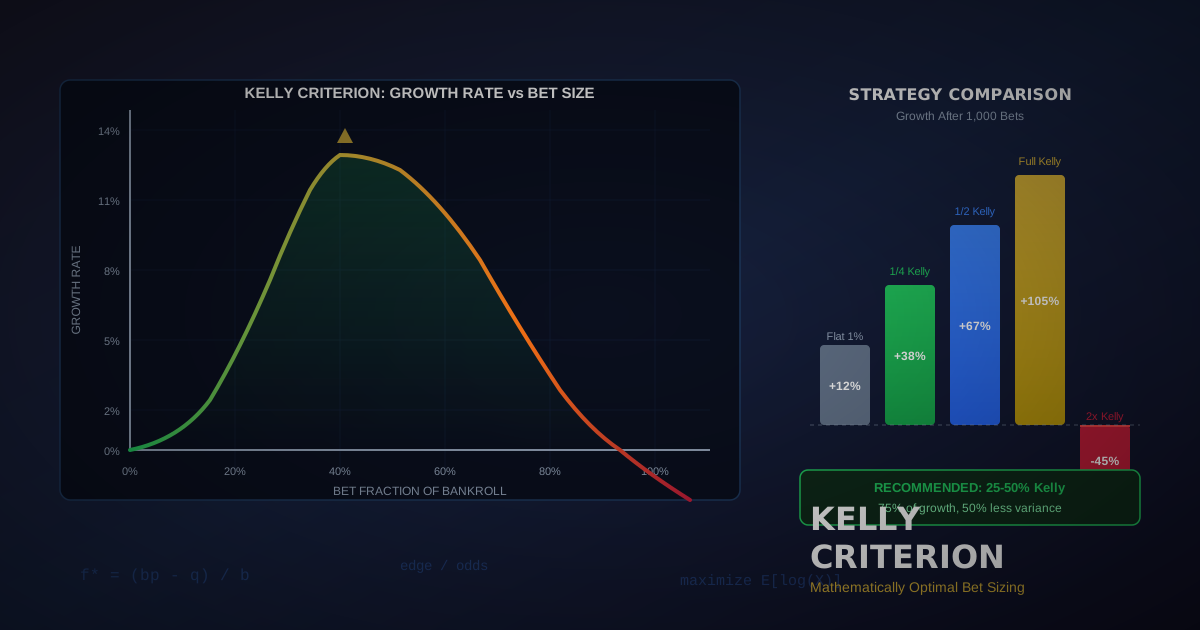
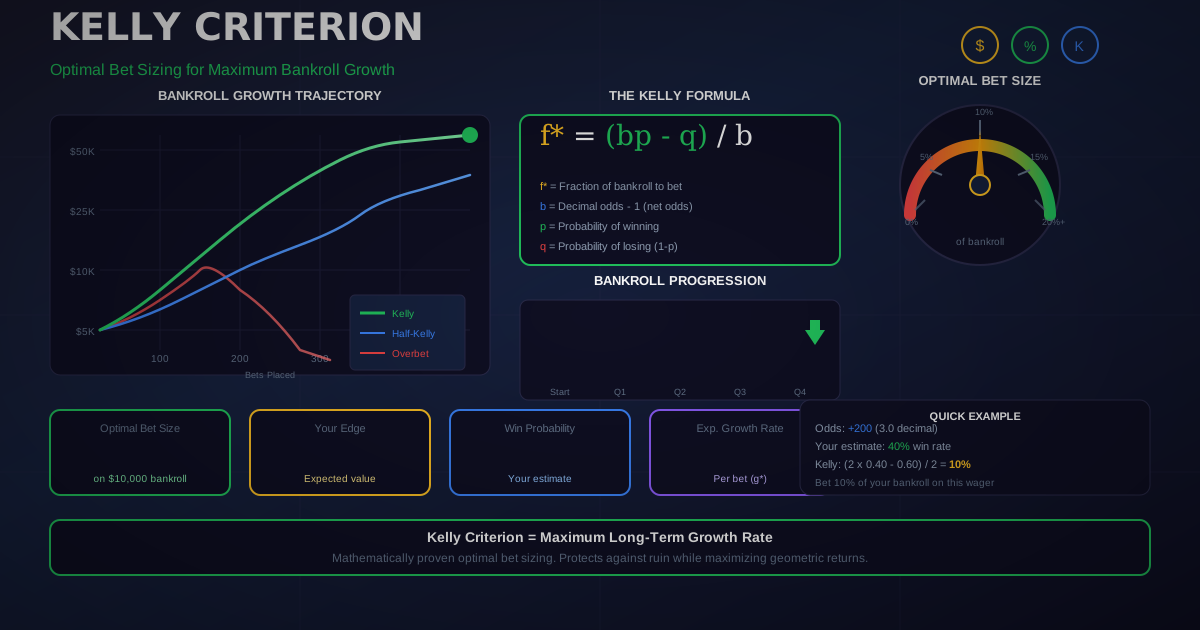
Yes, if you have sufficient volume. A 1% edge over 1,000 bets returns ~10 units of profit. Kelly Criterion helps size bets relative to edge.
Why do casinos always have -EV games?
Because they're businesses. The house edge guarantees long-term profit. Casino +EV exists only through errors, promotions, or advantage play techniques.
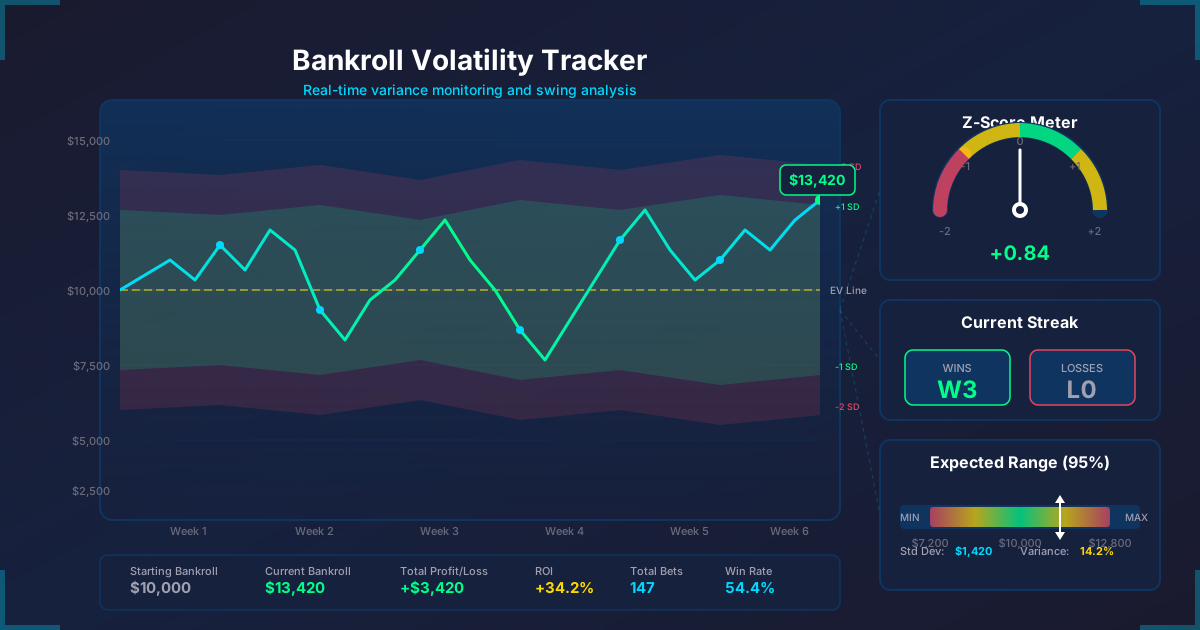
How does EV relate to variance?
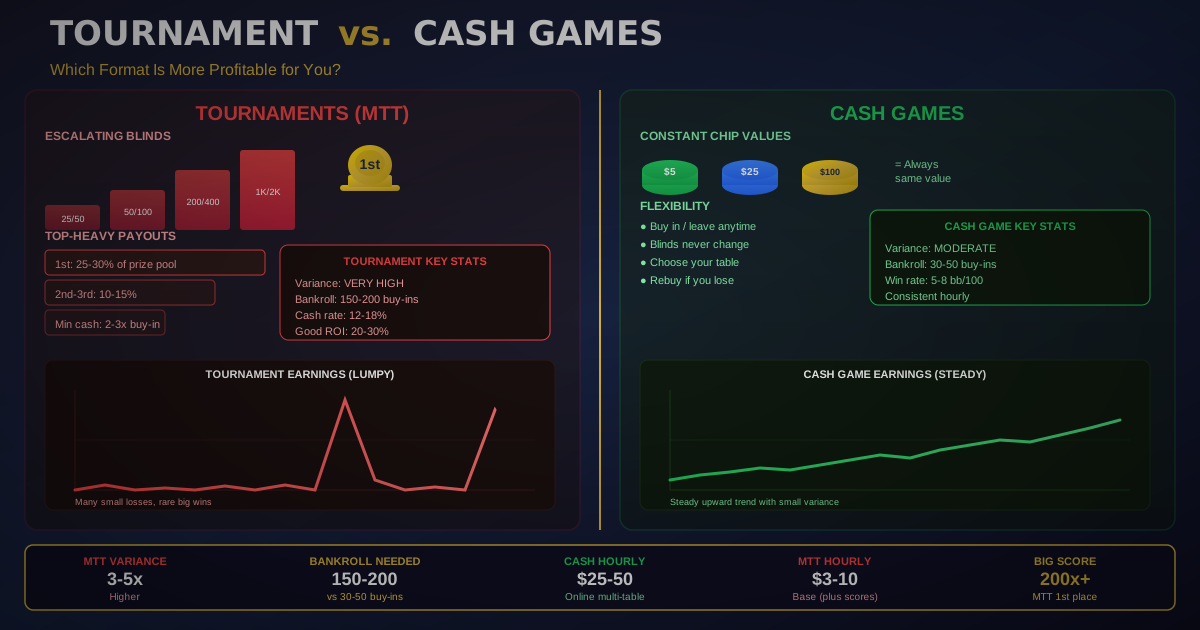
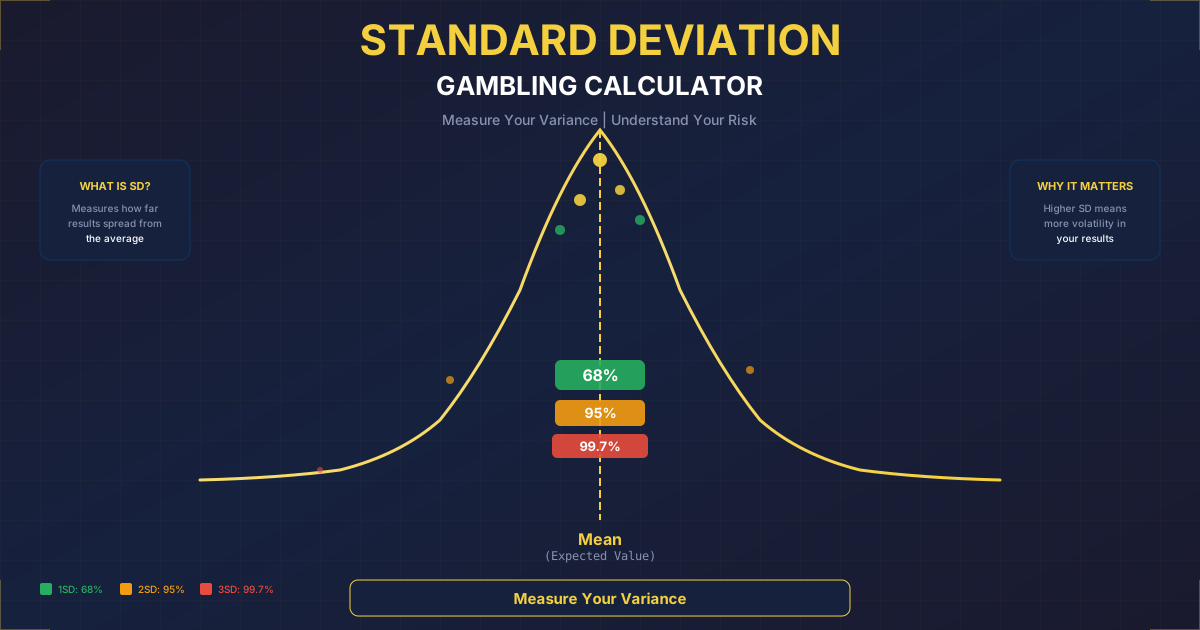
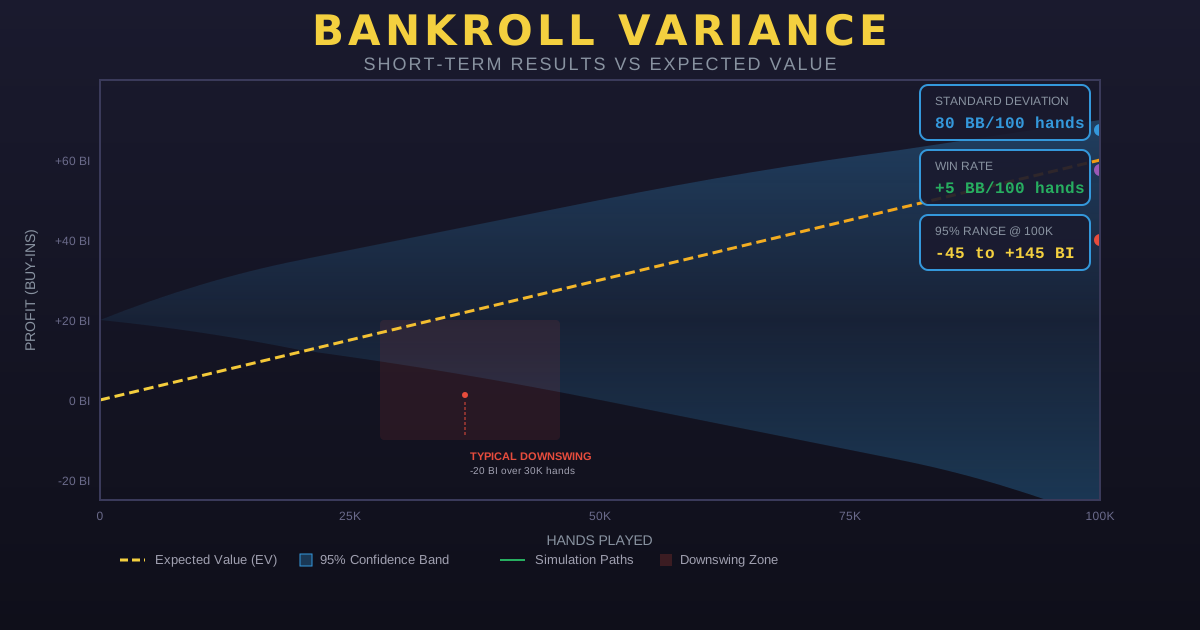
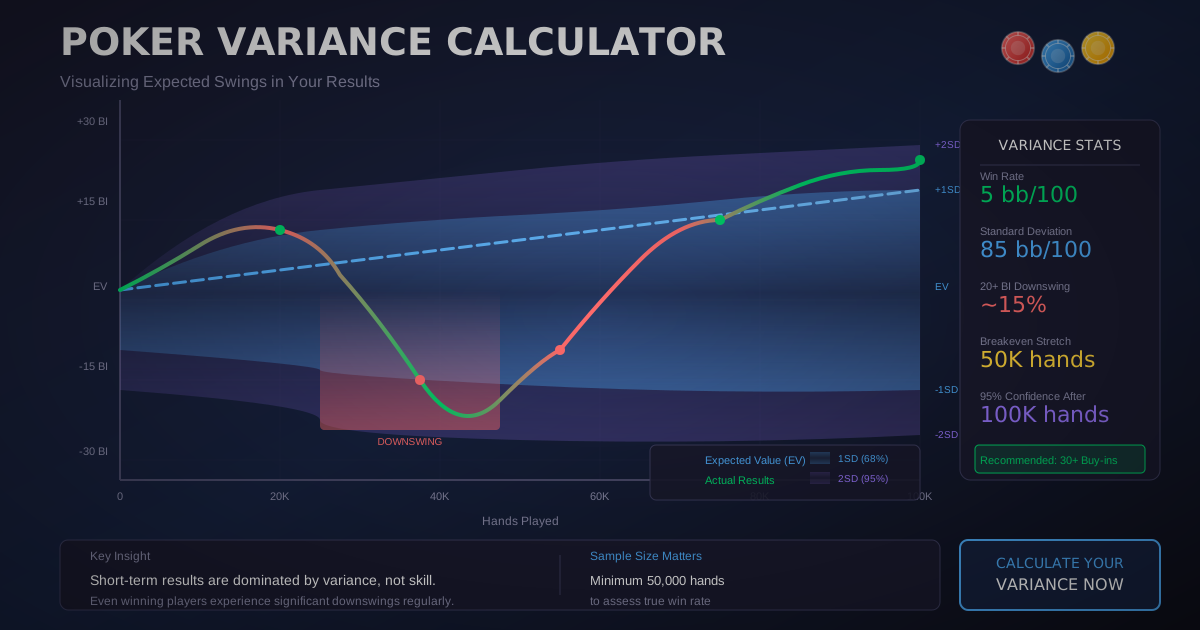
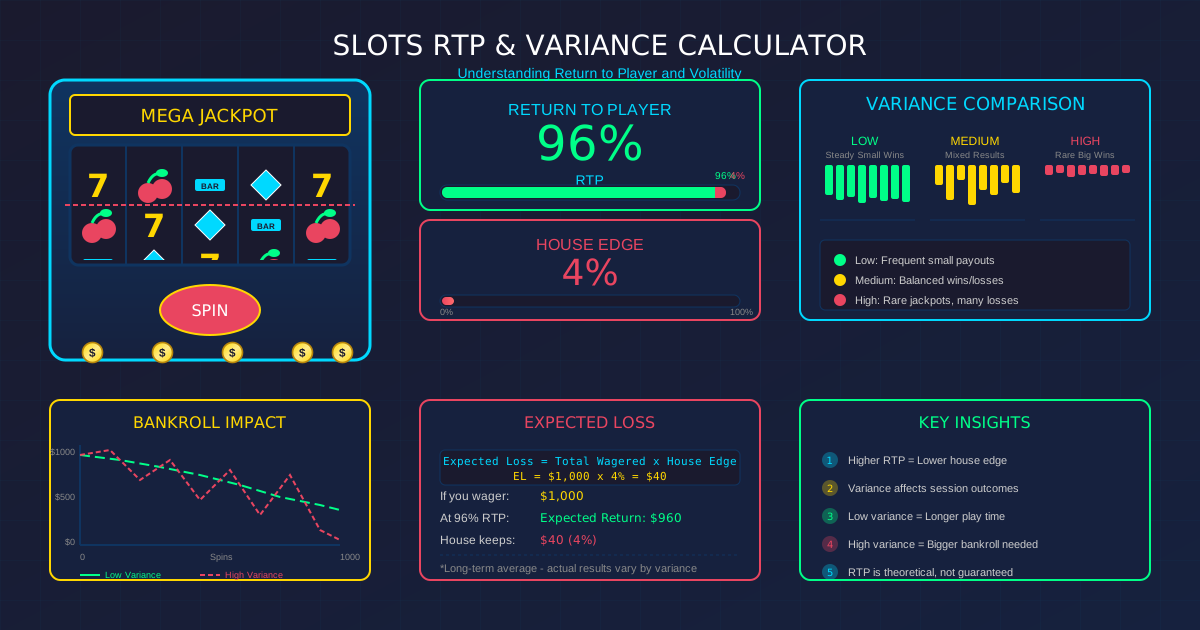
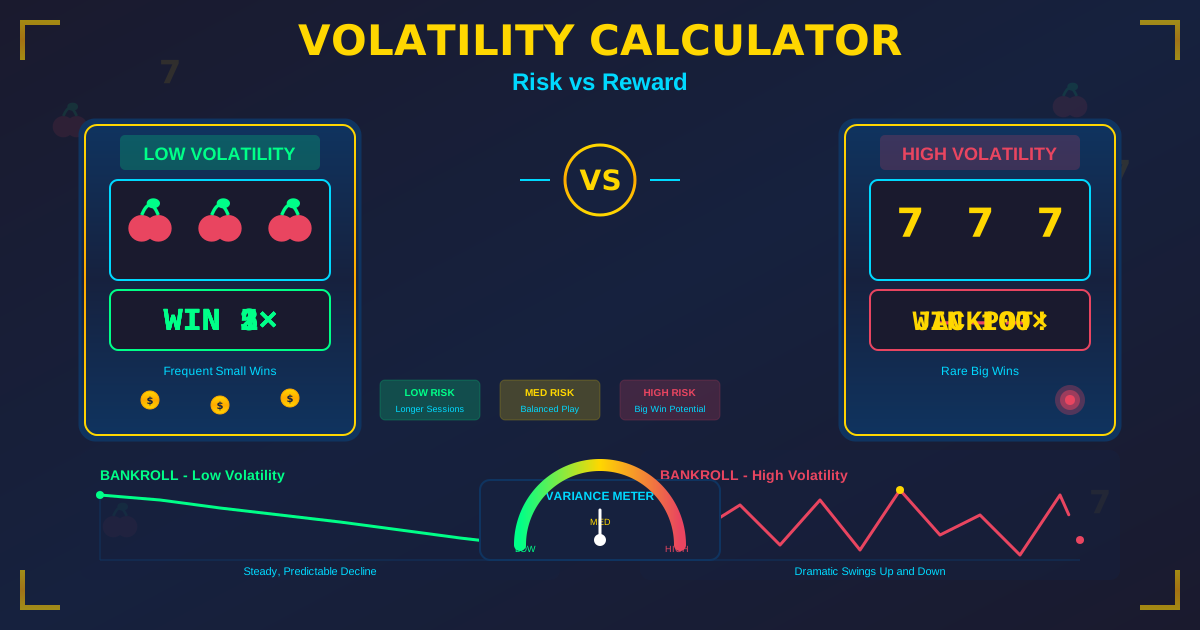
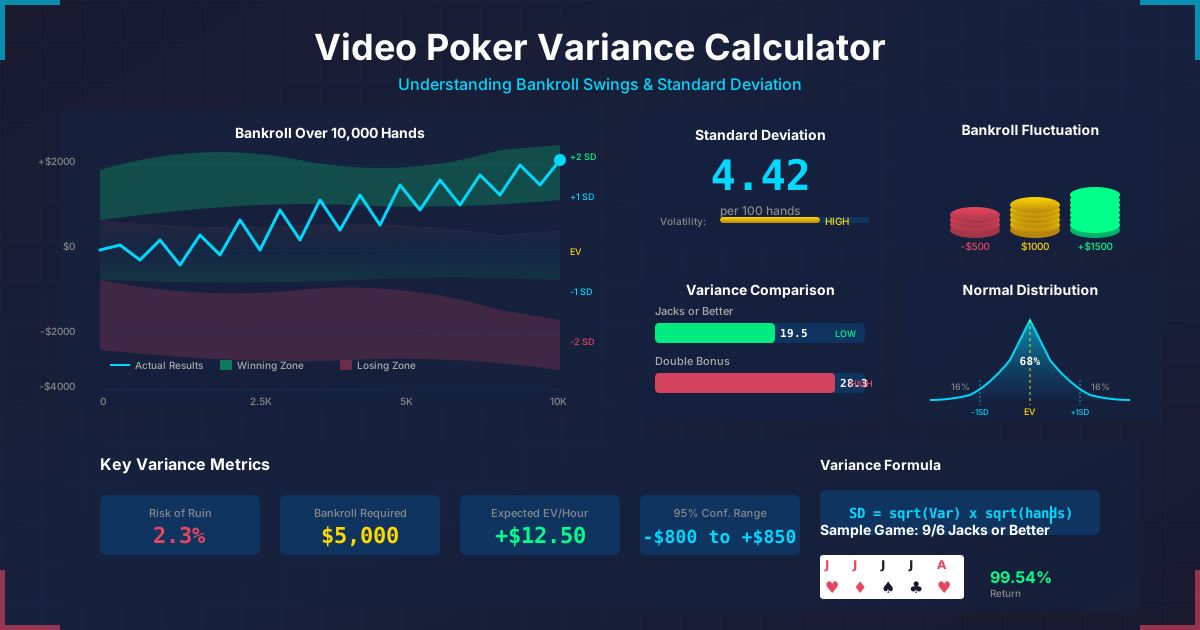
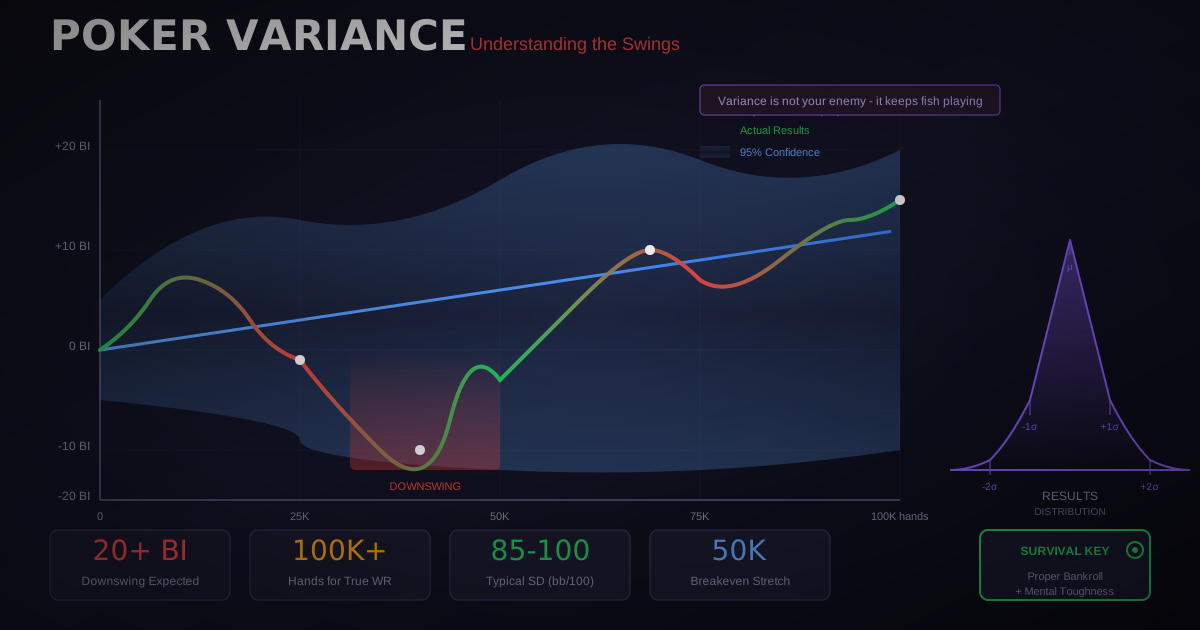
EV tells you average outcome; variance tells you how much results fluctuate. High variance + positive EV = profitable but volatile.
Using EV in Betting Strategy
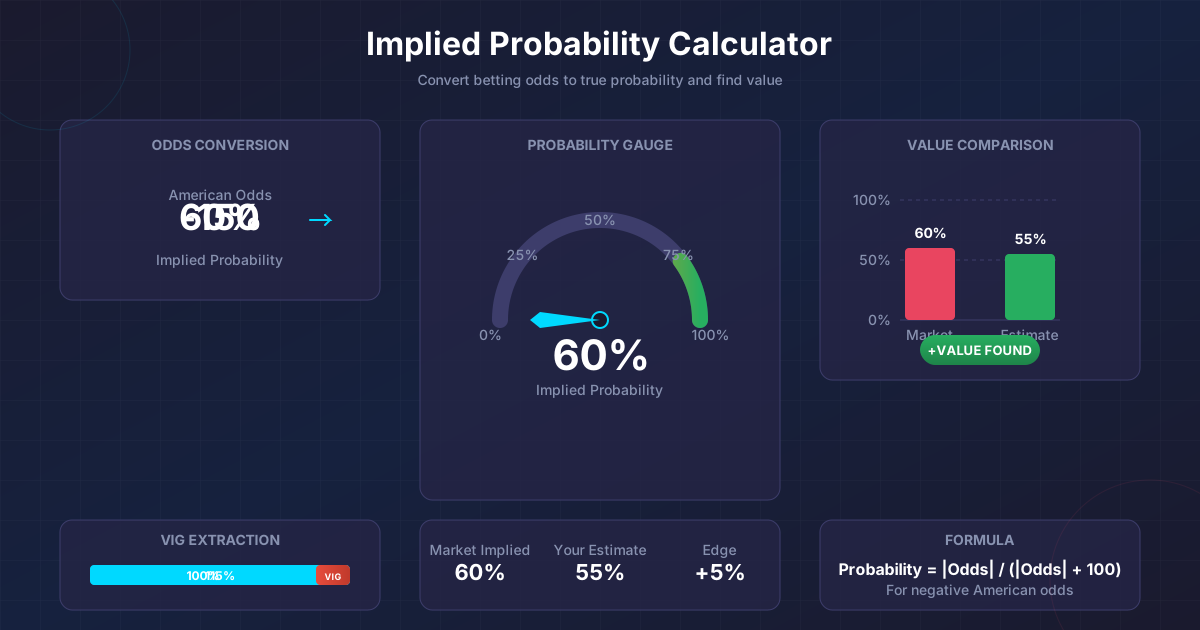
Step 1: Calculate Implied Probability
Convert odds to probability:
- American +150 → 100/(150+100) = 40%
- American -150 → 150/(150+100) = 60%
Step 2: Estimate True Probability
Use your analysis to estimate the actual chance. Be conservative.
Step 3: Compare
If True Probability > Implied Probability, bet is +EV.
Step 4: Size Your Bet
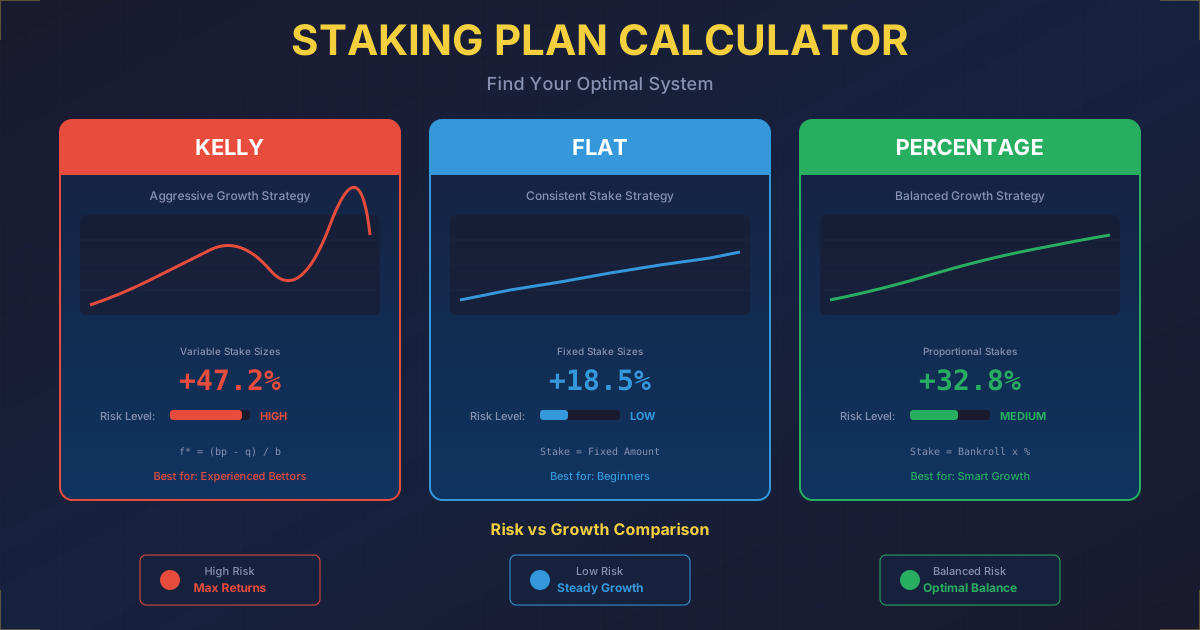
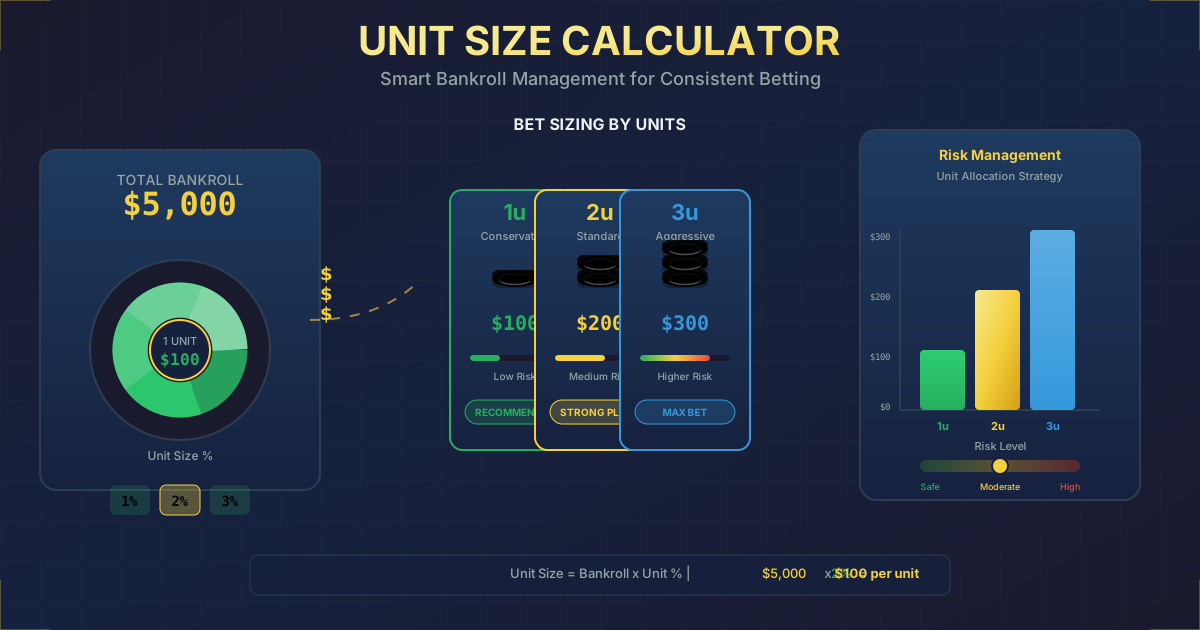
Use Kelly Criterion to determine optimal bet size based on edge and bankroll.
Step 5: Track Results
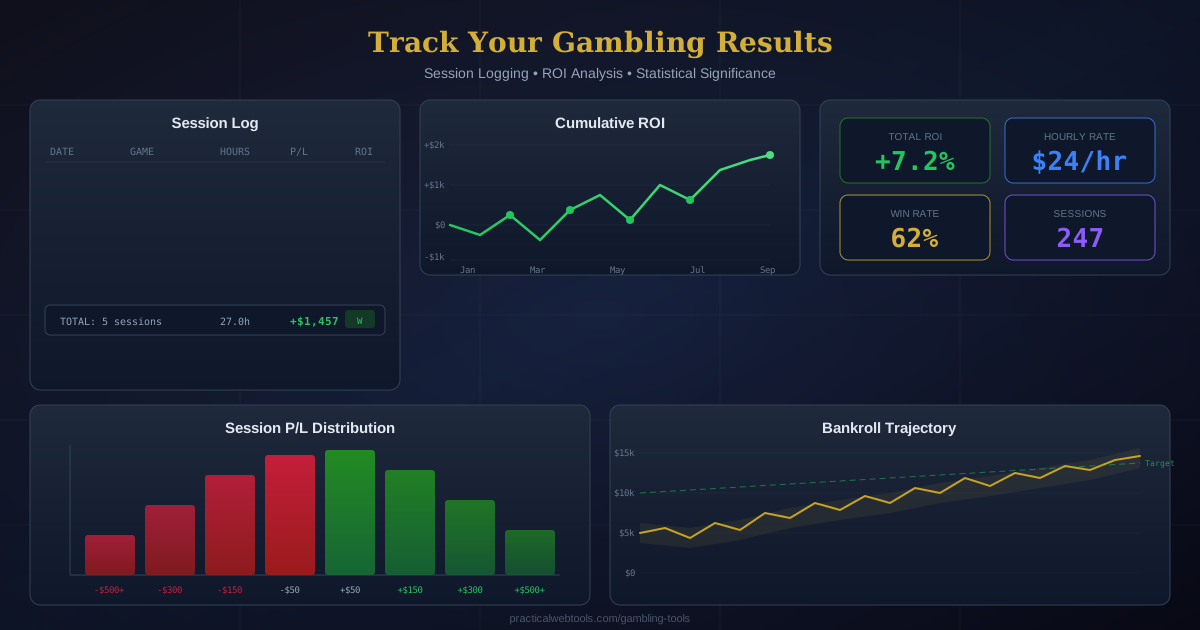
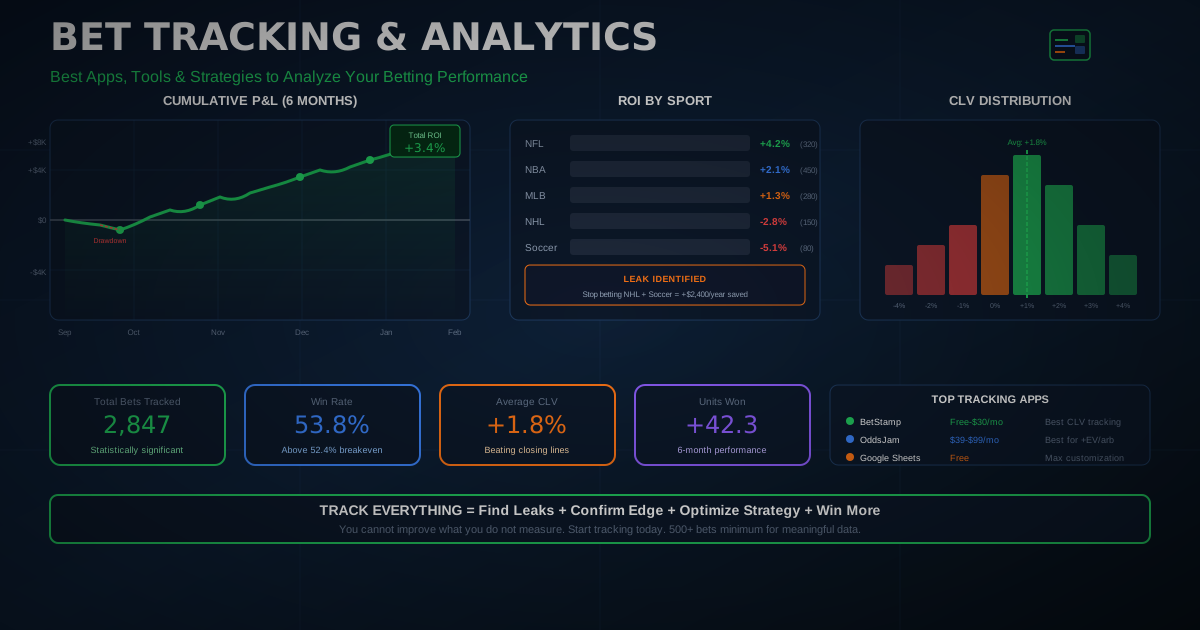
Log every bet with your EV estimate. Over time, verify if your estimates are accurate.
EV Quick Reference
| Your Estimate | Odds | EV Status |
|---|---|---|
| 50% | -110 | -EV |
| 53% | -110 | +EV |
| 40% | +150 | Breakeven |
| 45% | +150 | +EV |
| 33% | +200 | Breakeven |
| 38% | +200 | +EV |
| 25% | +300 | Breakeven |
| 30% | +300 | +EV |
Pro Tips for Finding +EV
-
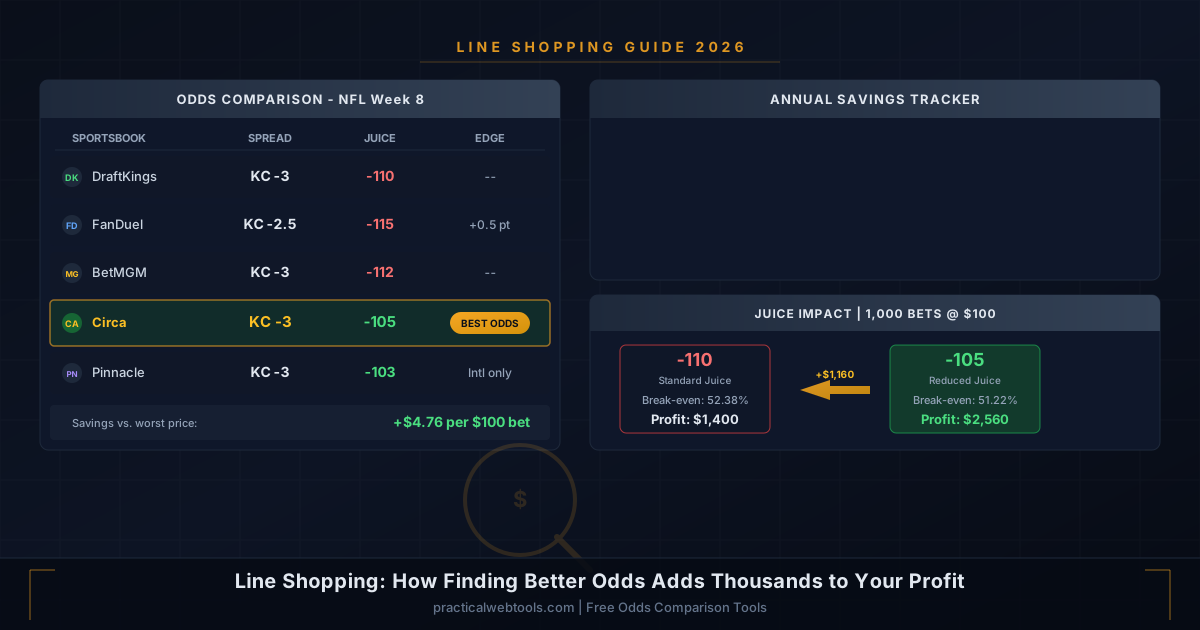
Line Shop: Different sportsbooks offer different odds. The same bet can be -EV at one book and +EV at another.
-
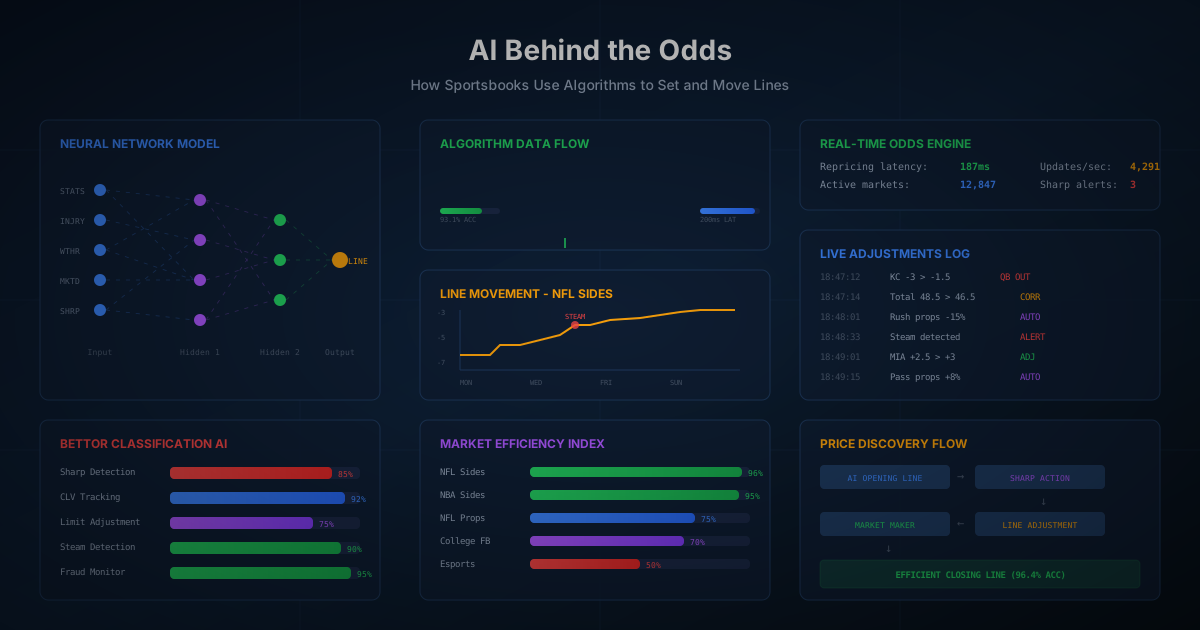
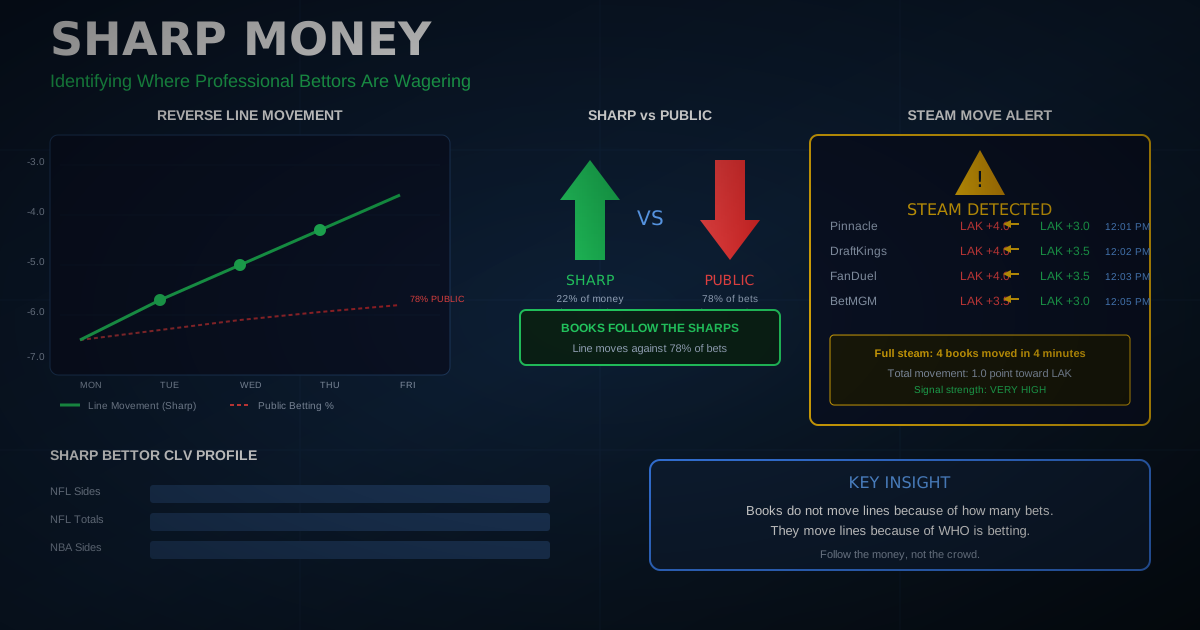
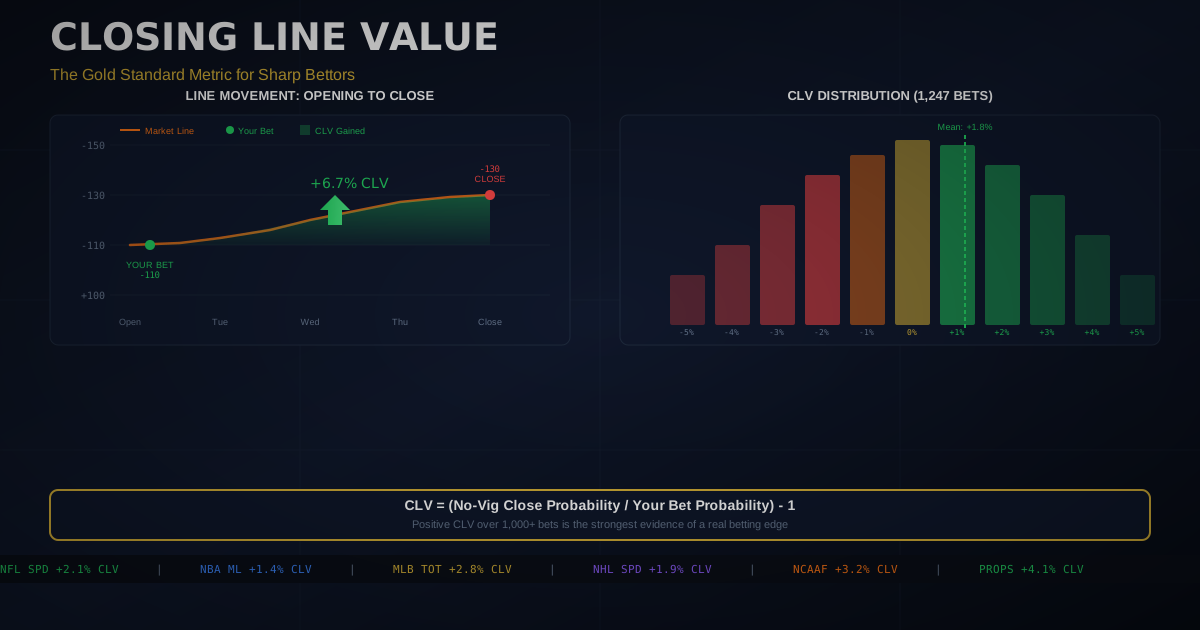
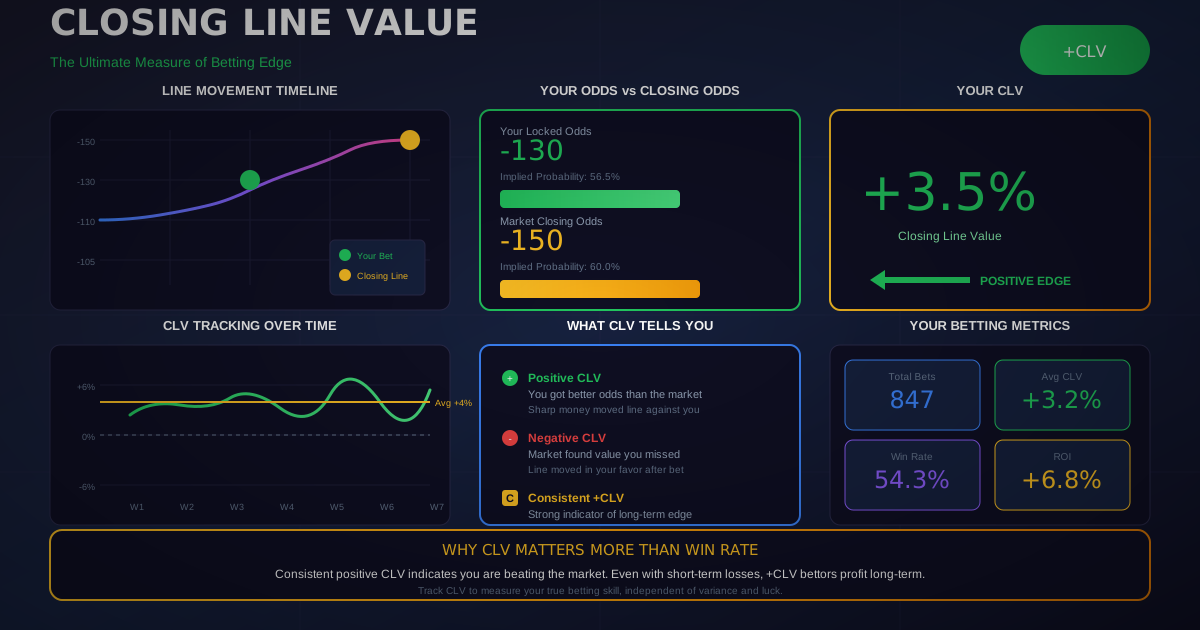
Track Closing Line Value (CLV): If you consistently bet at better odds than the closing line, you're likely +EV.
-
Use Multiple Models: Don't rely on one projection. Average several to reduce bias.
-
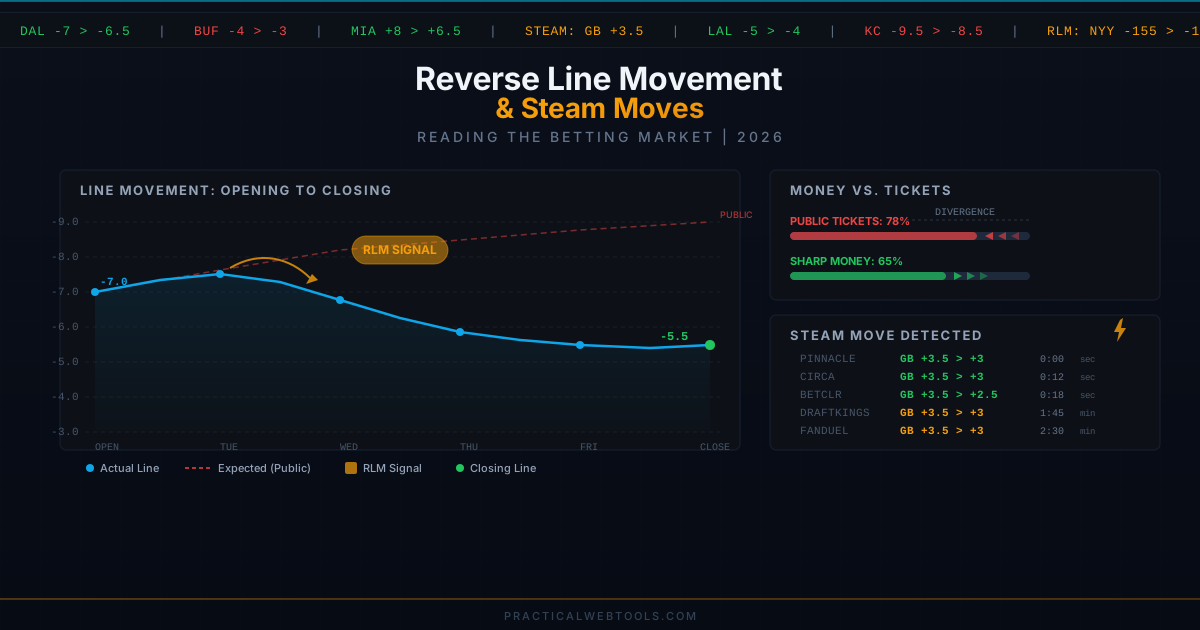
Bet Early or Late: Early lines are less efficient. Sharp money moves lines—sometimes creating late value.
-
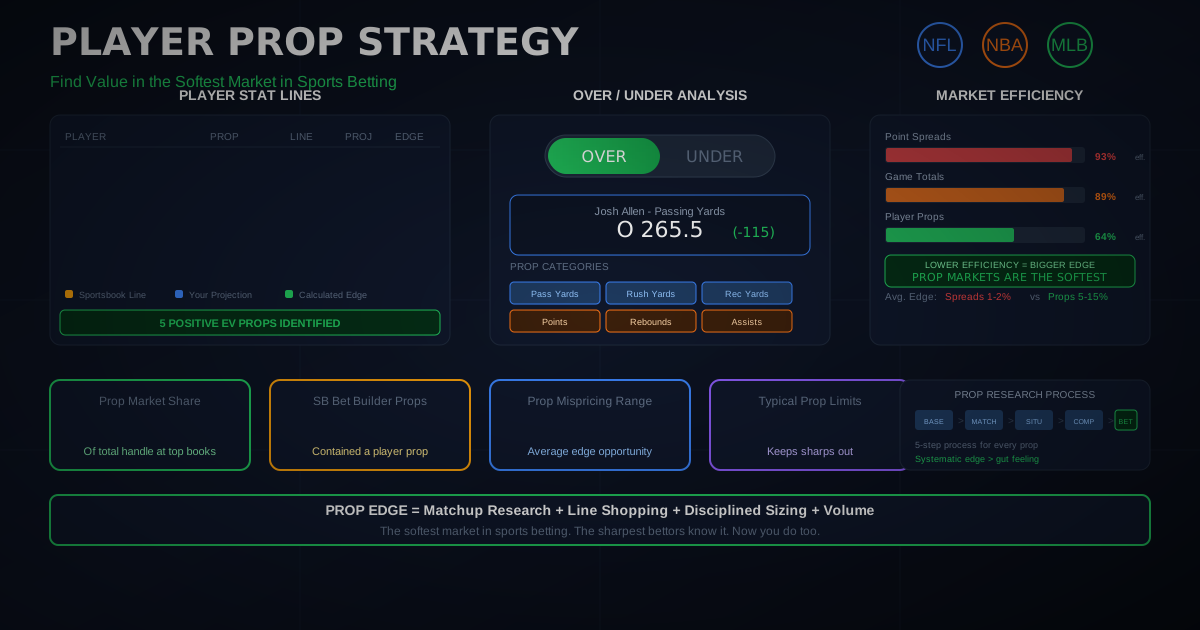
Focus on Less Popular Markets: Player props, minor leagues, and niche sports often have softer lines.
Related Calculators
- Implied Probability Calculator - Convert odds to probability
- Kelly Criterion Calculator - Optimal bet sizing
- Odds Converter Calculator - Convert between formats
- Closing Line Value Calculator - Track your edge
- Arbitrage Calculator - Guaranteed +EV
Conclusion
Expected Value is the foundation of profitable betting. Every bet you make is either +EV or -EV—there's no in-between. Our free calculator removes the guesswork, showing exactly whether a bet is mathematically profitable.
Calculate Your Bet's Expected Value Now →
Stop betting blind. Start calculating EV for every wager, and you'll naturally gravitate toward profitable opportunities while avoiding the losers. The math doesn't lie.