Flat Betting Calculator: Consistent Wager Strategy Guide (2026)
Flat Betting Calculator: The Mathematically Sound Approach
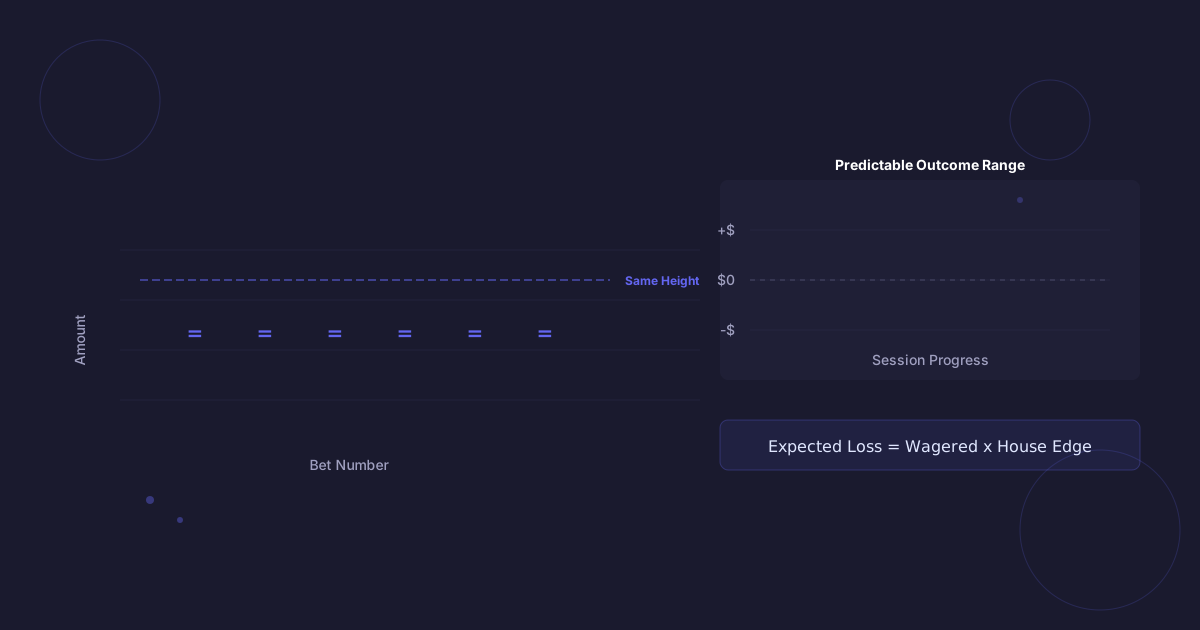
Flat betting—wagering the same amount on every bet—is the mathematically optimal approach for games with a house edge. No progression, no chasing, just consistent stakes. Our calculator reveals why simplicity beats complexity when the odds are against you.
What Is Flat Betting?
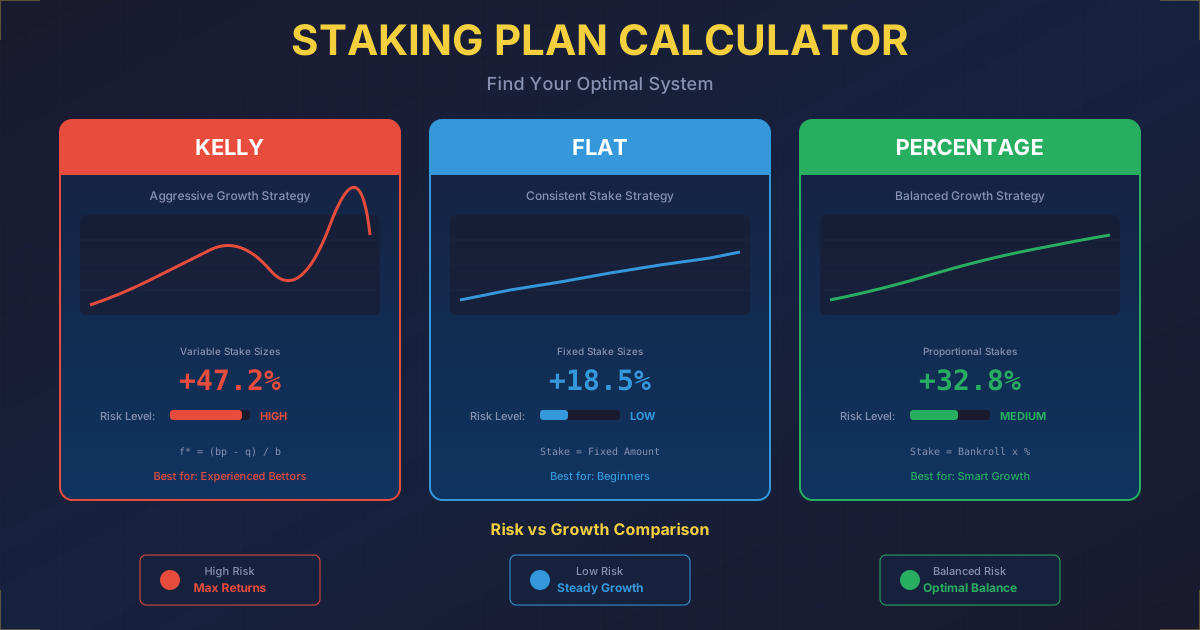
Flat betting means wagering the same fixed amount on every bet, regardless of previous wins or losses. No increasing after losses (Martingale), no decreasing after wins. Just consistent, predictable stakes that make bankroll management straightforward.
Quick Answer: Flat betting = same bet every time. $10, $10, $10... Win or lose. No progression. No chasing. Expected loss = (total wagered) × (house edge). Most predictable variance. Longest average session. No system can beat house edge, so why add complexity? Optimal for negative-EV games.
How to Use Our Calculator
Use the Flat Betting Calculator →
Calculate expected outcomes for flat betting.
Step-by-Step Instructions
-
Enter Bet Size: Fixed wager amount
-
Enter Number of Bets: Session length
-
Select Game: House edge applied
-
View Expected Loss: Mathematical outcome
-
See Variance Range: Possible results
Input Fields Explained
| Field | Description | Example |
|---|---|---|
| Bet Size | Fixed wager | $25 |
| Number of Bets | Total bets | 100 |
| Total Wagered | Action | $2,500 |
| House Edge | Game edge | 2.70% |
| Expected Loss | Math outcome | $67.50 |
| Std Dev | Variance | ±$250 |
Why Flat Betting Is Optimal
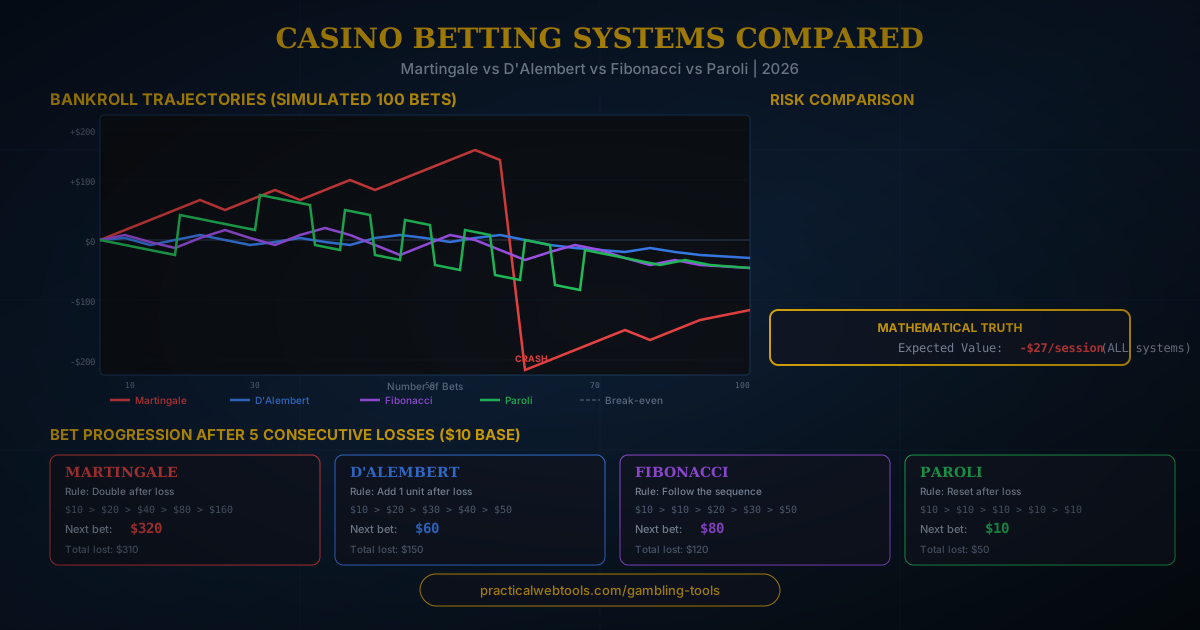
The Mathematical Truth
For negative-EV games:

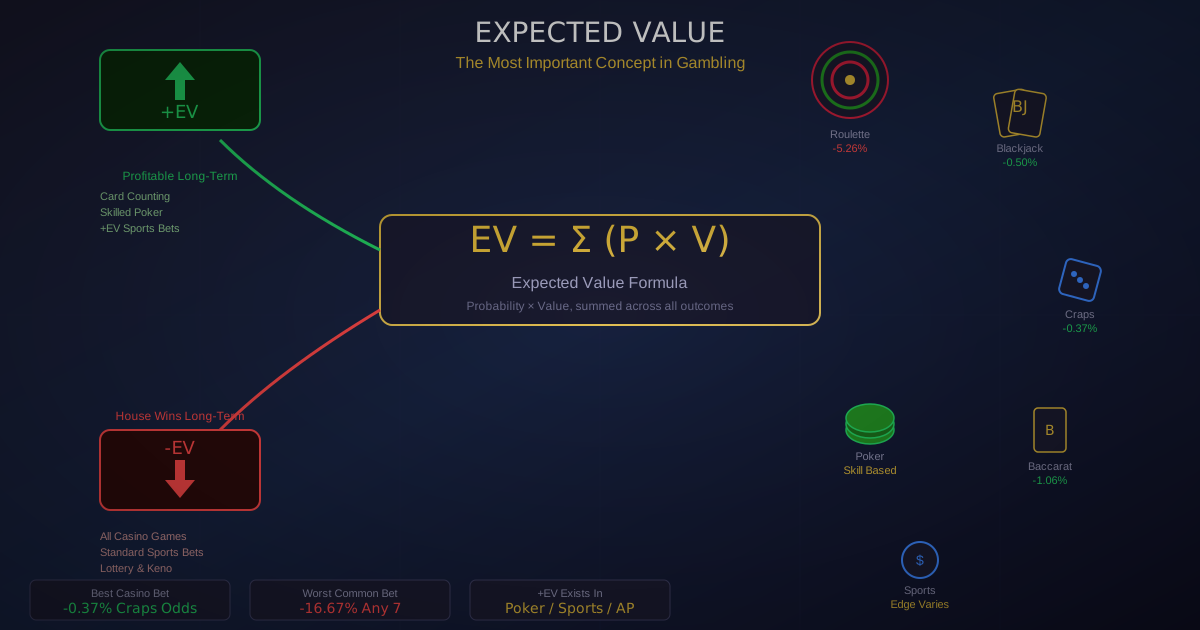
No system changes expected value
All systems = (wagered) × (edge)

Flat betting:
$10 × 100 bets × 2.7% = $27 expected loss

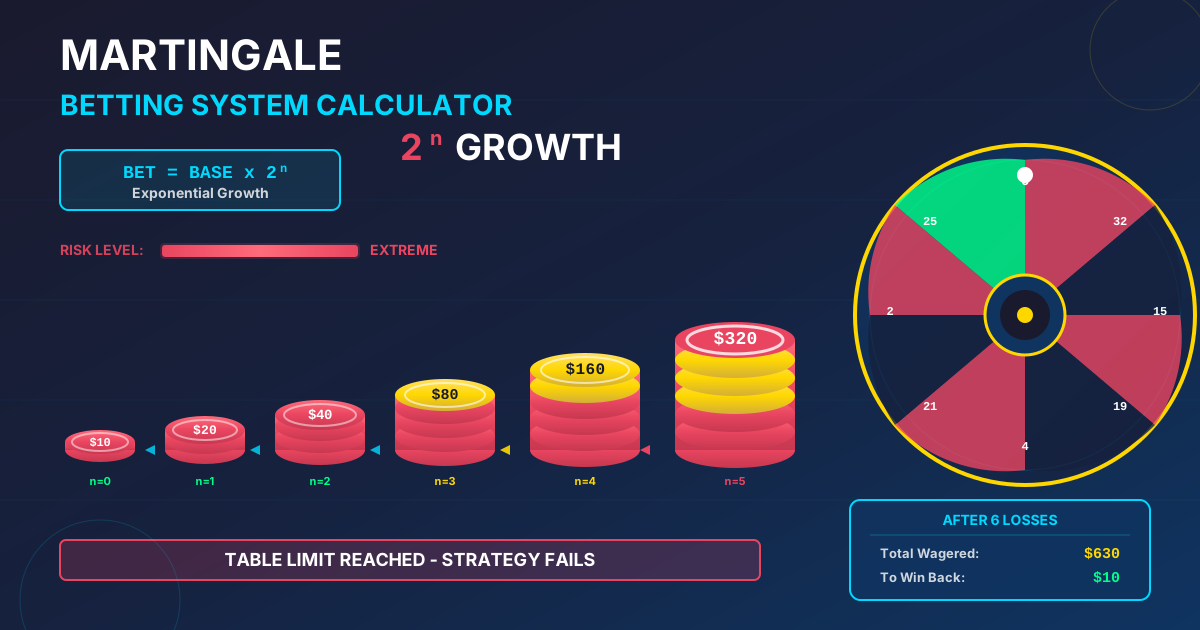
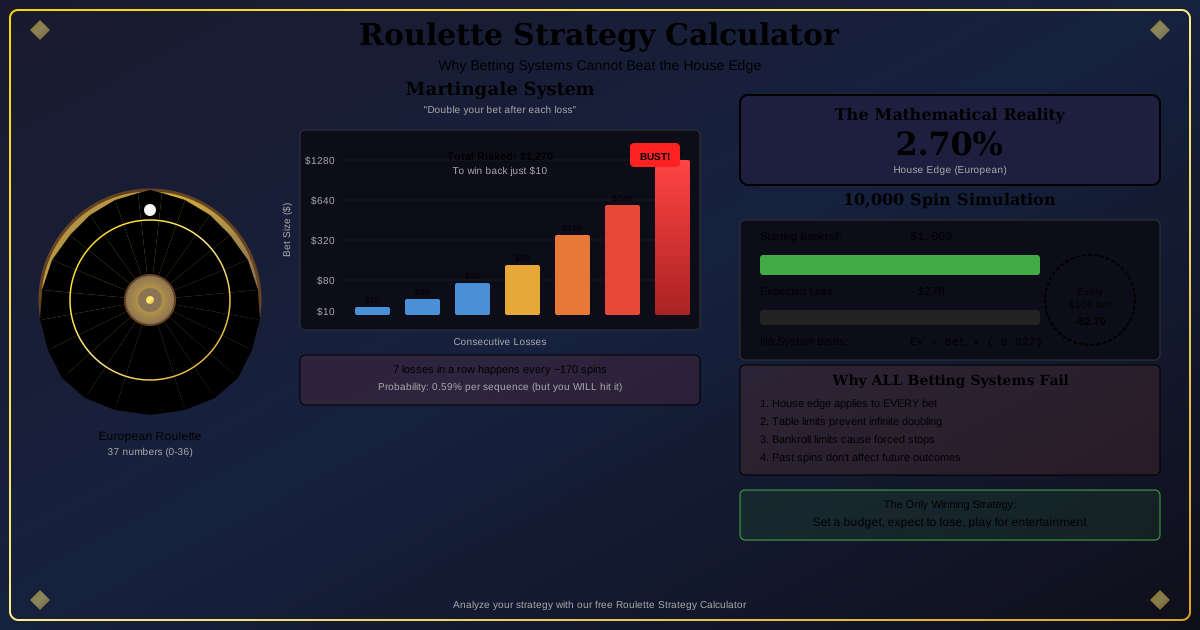
Martingale:
Average $10 × 100 bets × 2.7% = $27 expected loss

Same math, different experience
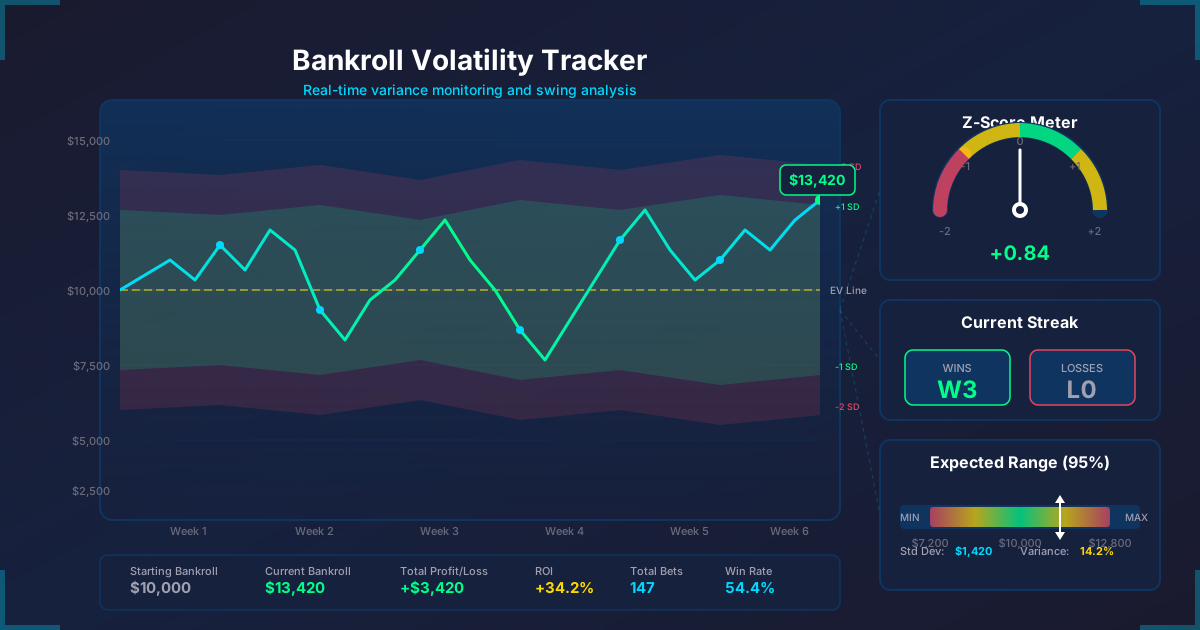
Variance Advantage
Flat betting variance:

Predictable swings
Known worst case (bankroll size)
Consistent session length

Progression variance:
Wild swings
Catastrophic worst case
Unpredictable session length
Bankroll Efficiency
$200 bankroll, $10 flat betting:

Guaranteed 20+ bets (if unlucky)
Average 50+ bets (typical)
Could play 200+ bets (if lucky)

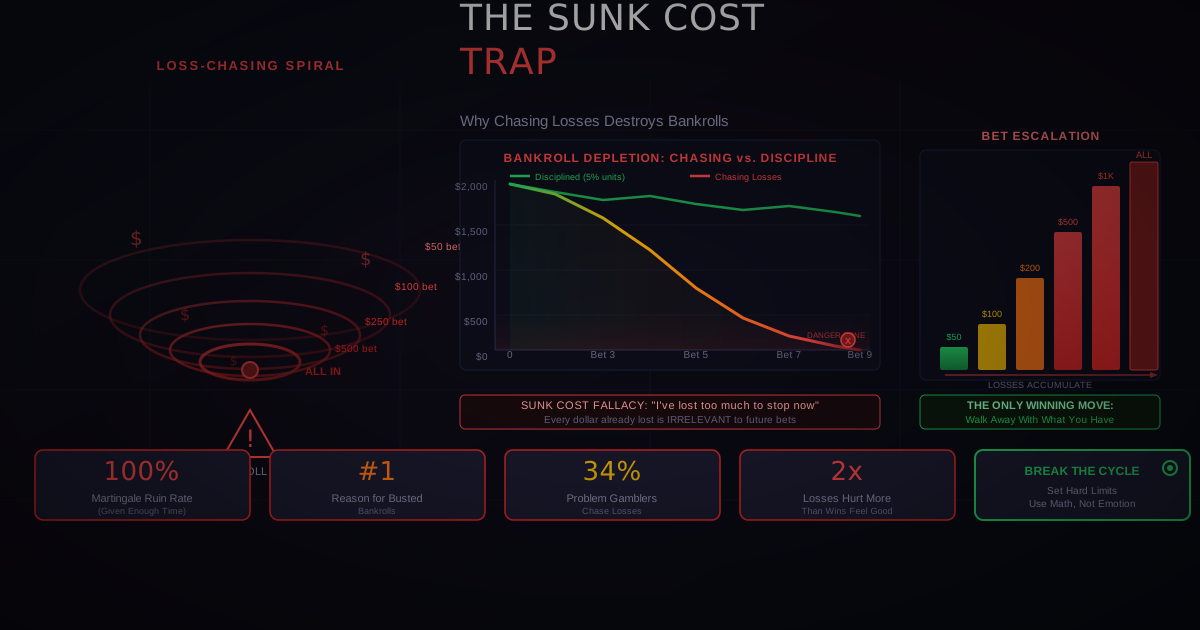
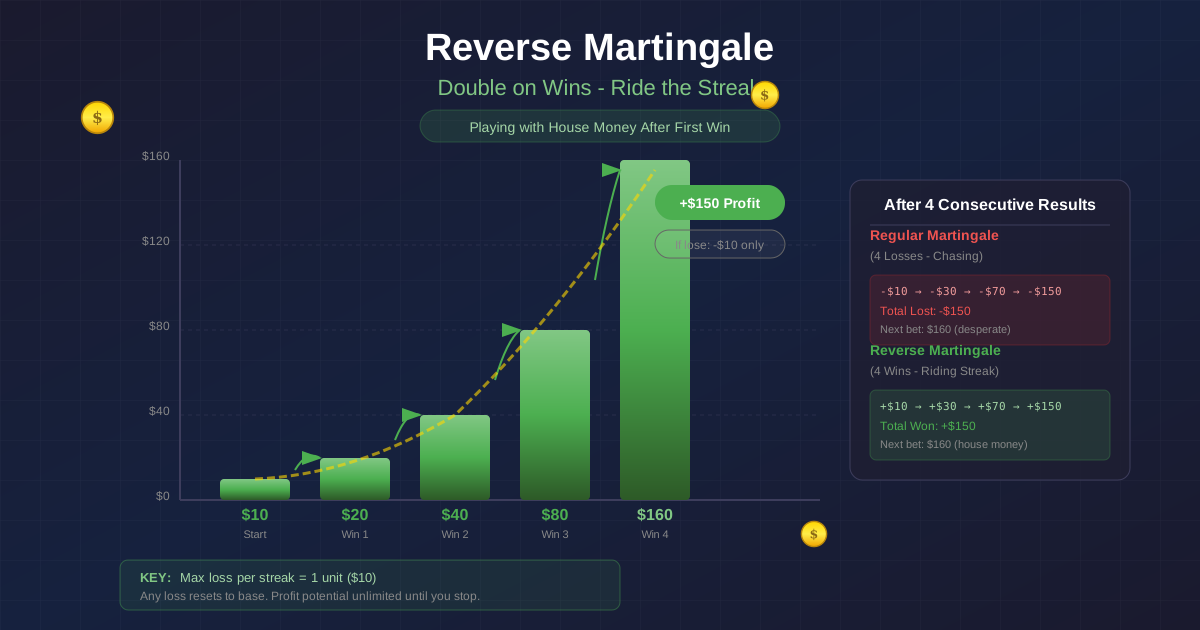
$200 bankroll, Martingale:
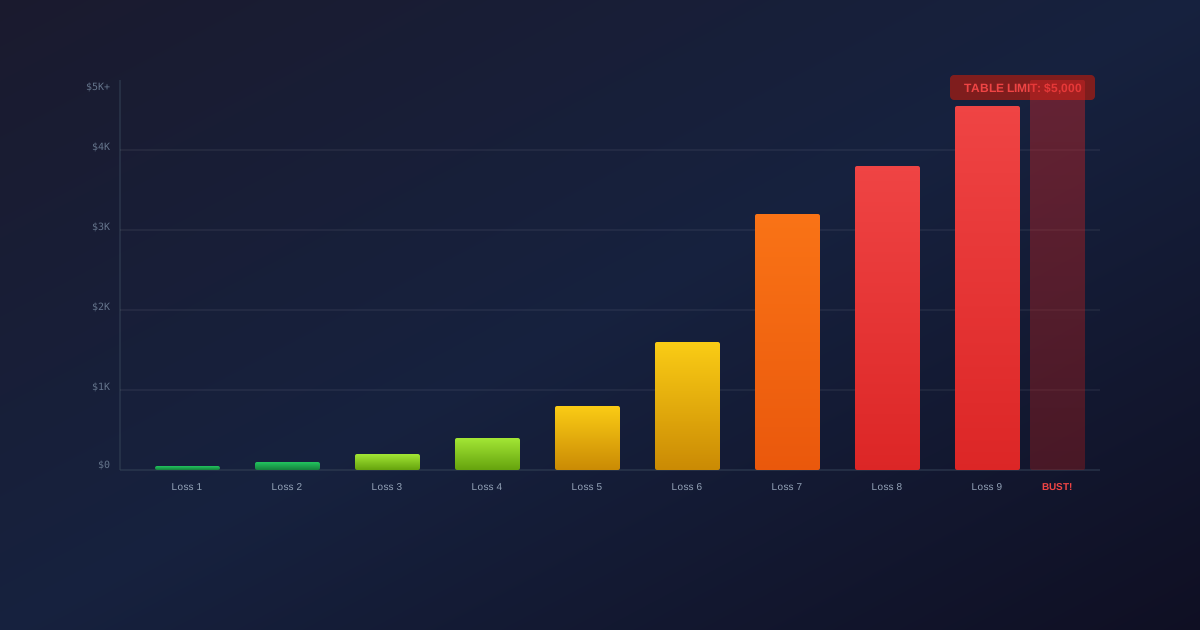
Could bust in 7 losses ($10→$640)
Average shorter sessions
Higher bust probability
Flat Betting vs Systems
Expected Value Comparison
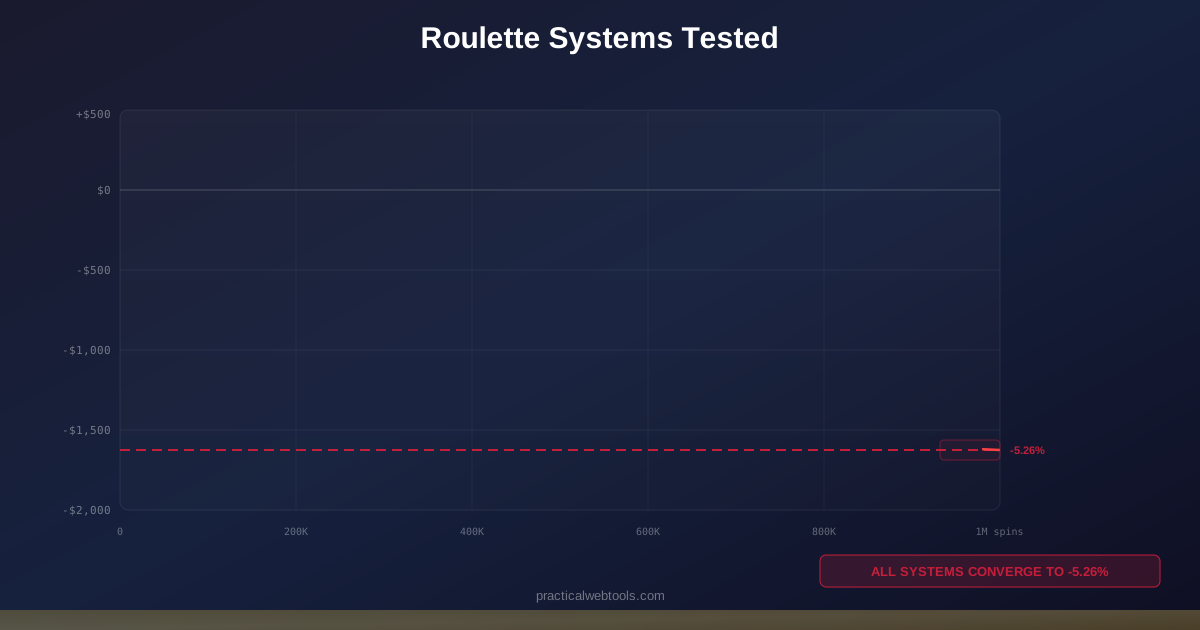
All betting strategies:

Flat betting EV: -2.70%
Martingale EV: -2.70%
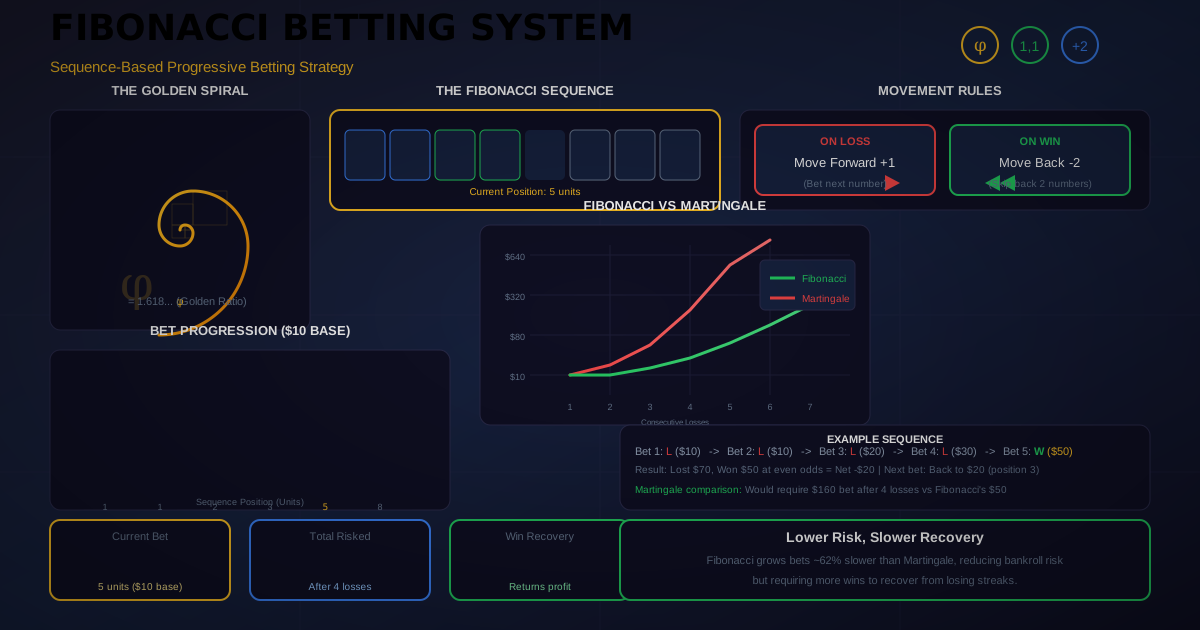
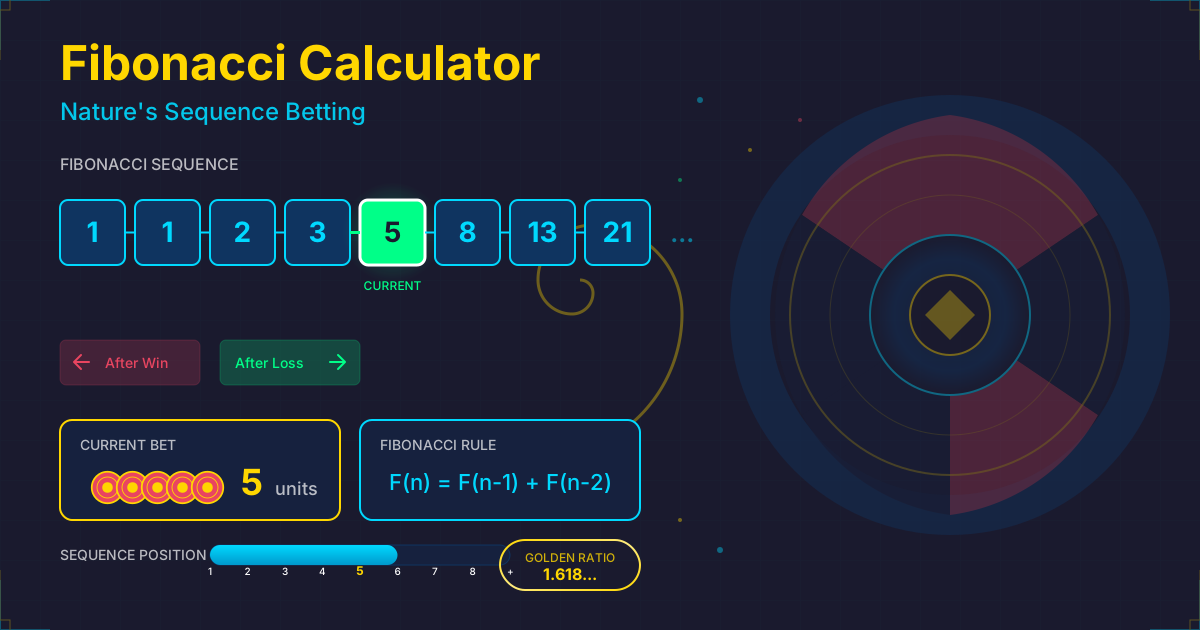
Fibonacci EV: -2.70%
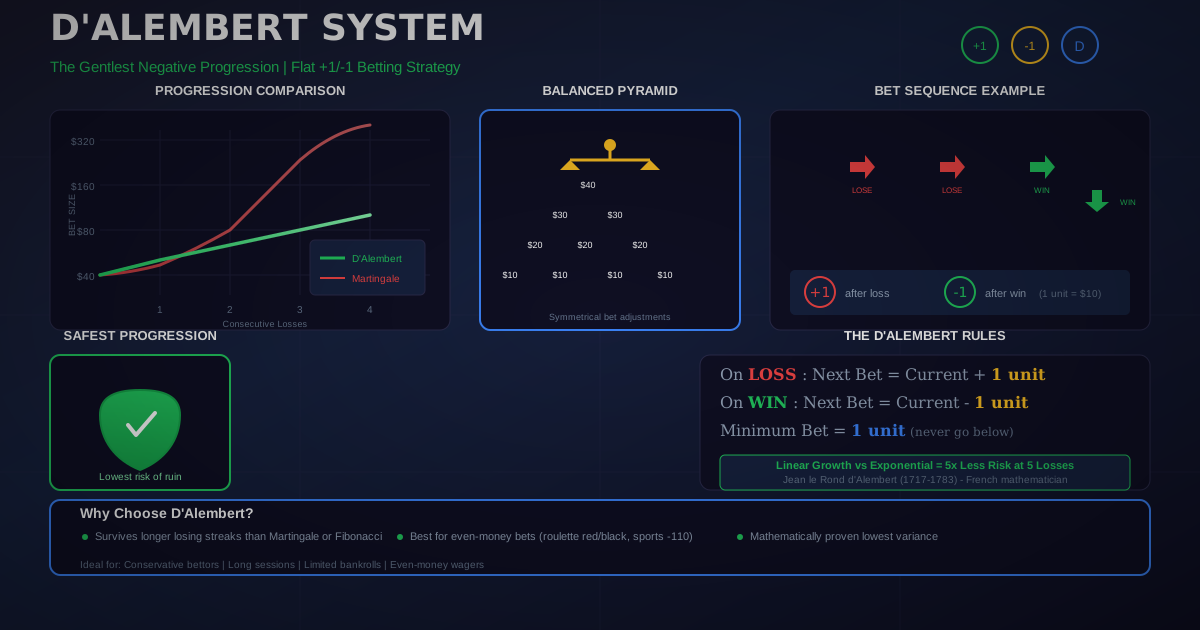
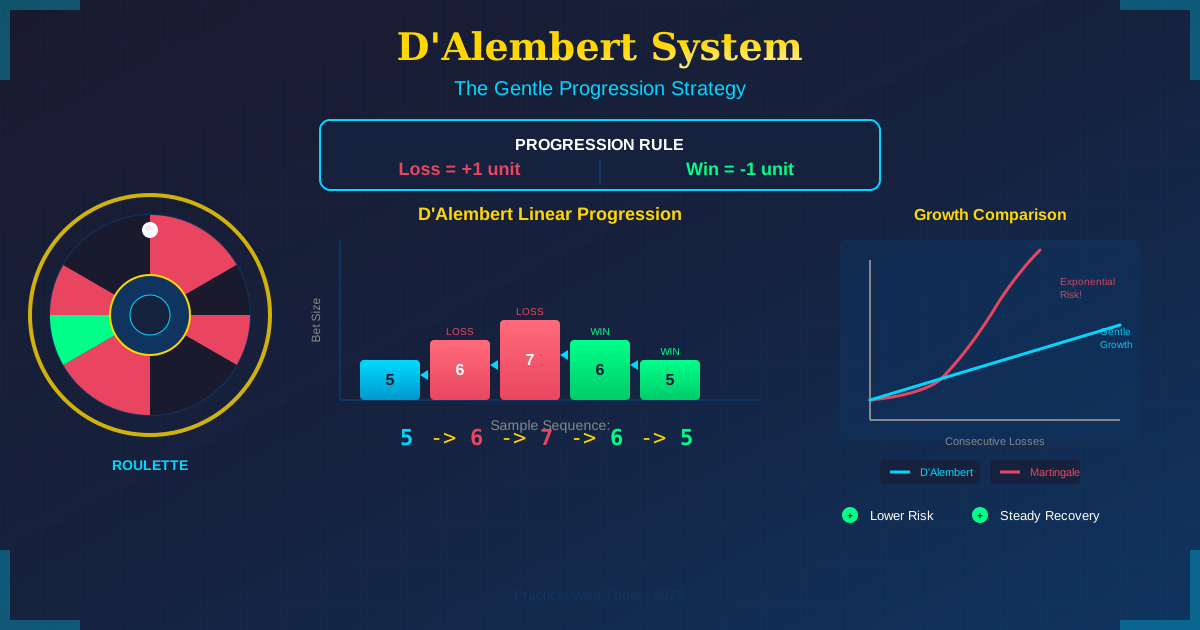
D'Alembert EV: -2.70%
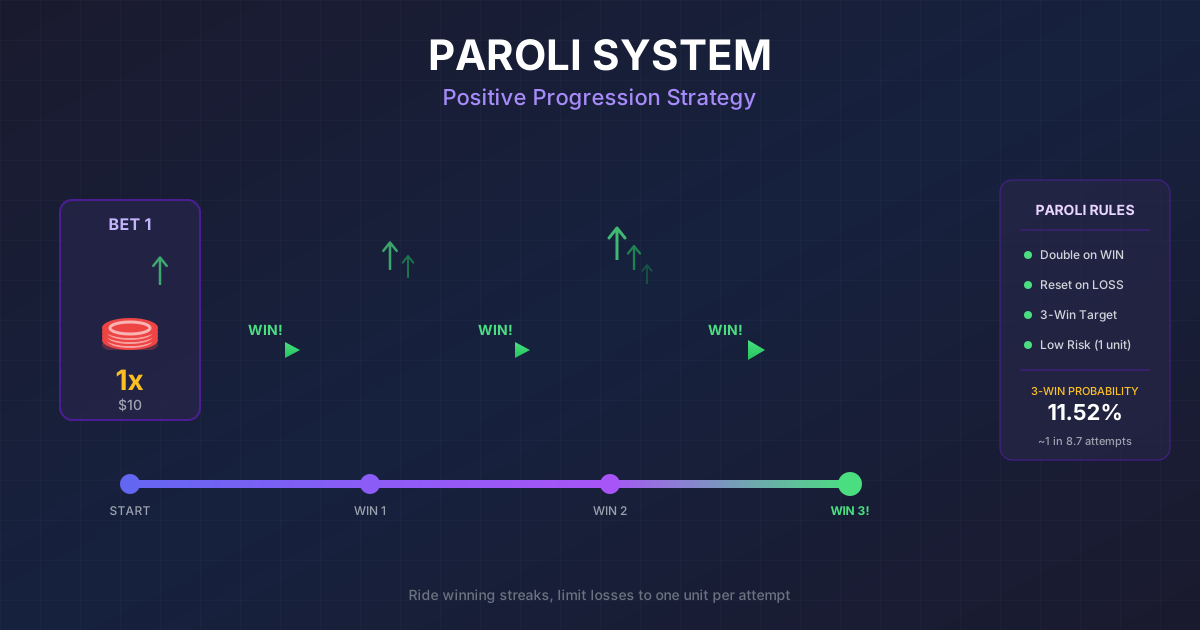
Paroli EV: -2.70%
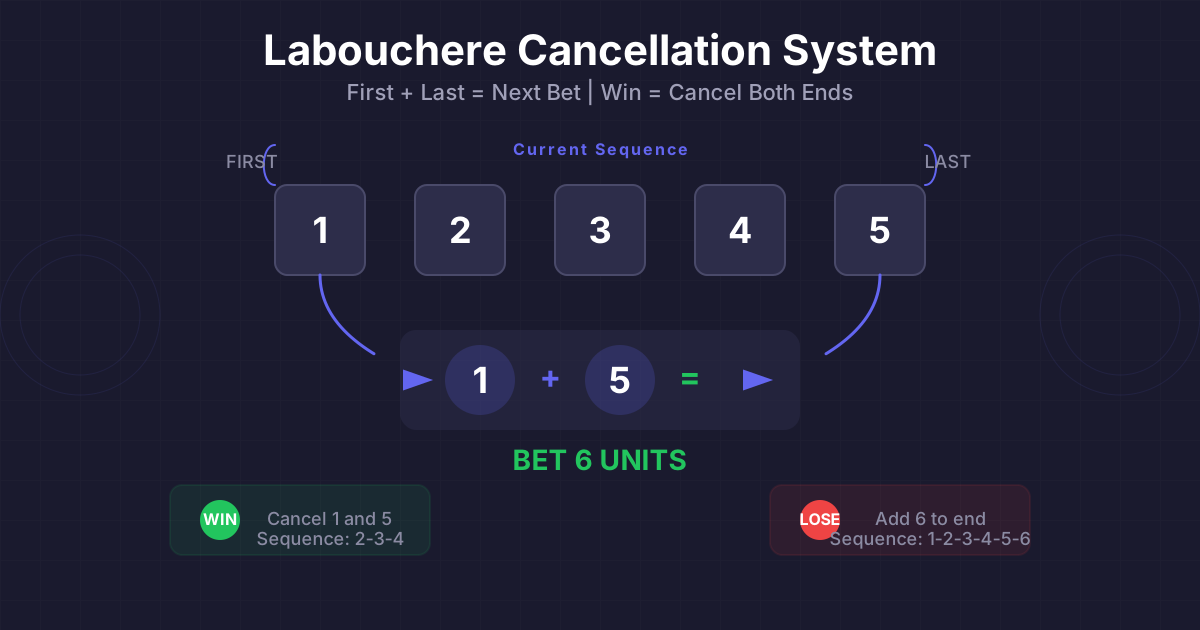
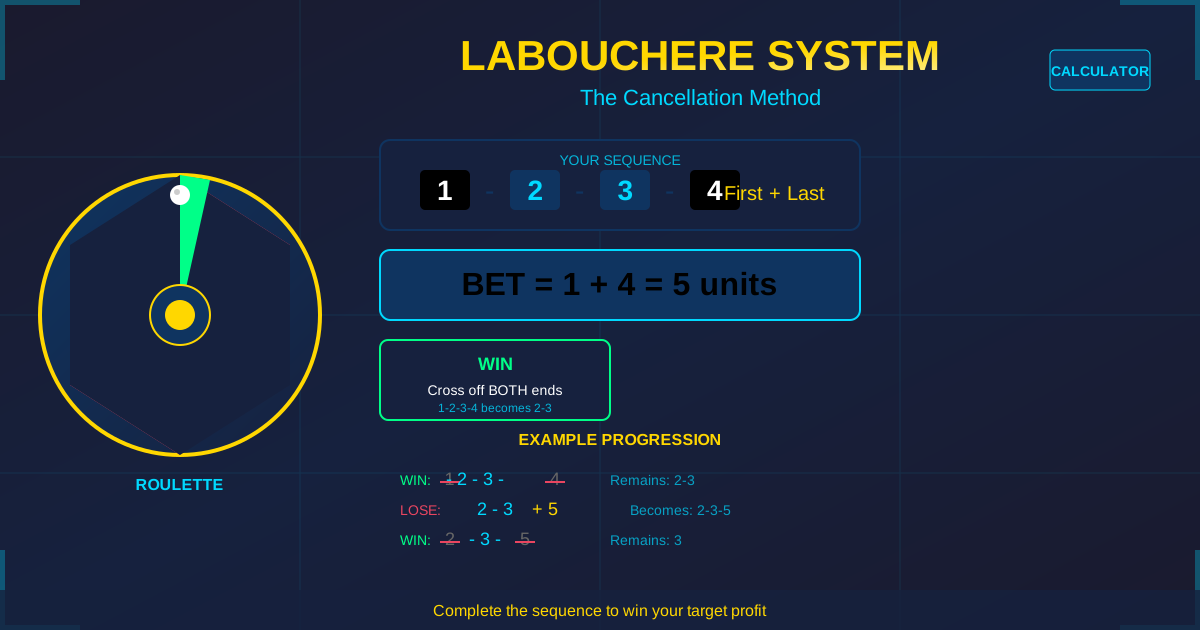
Labouchère EV: -2.70%

Identical expected value
Systems can't change math
Risk Comparison
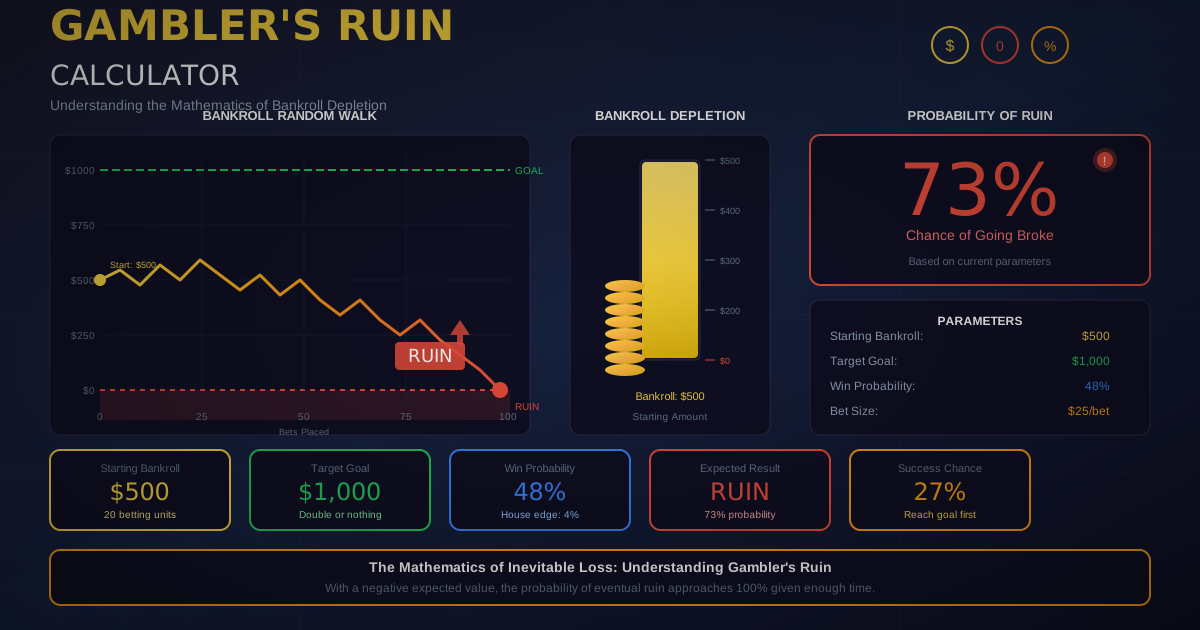
Risk of complete ruin:

Flat betting: Gradual depletion
Martingale: Sudden catastrophic
Fibonacci: Moderate escalation
D'Alembert: Gradual escalation

Flat = most predictable risk
No surprise wipeouts
Entertainment Value
What systems provide:

Excitement from progression
"Almost recovered" drama
Winning streak rushes

What flat betting provides:
Predictable session length
Lower stress
Clearer thinking
Focus on the game
Expected Value Analysis
Standard Calculations
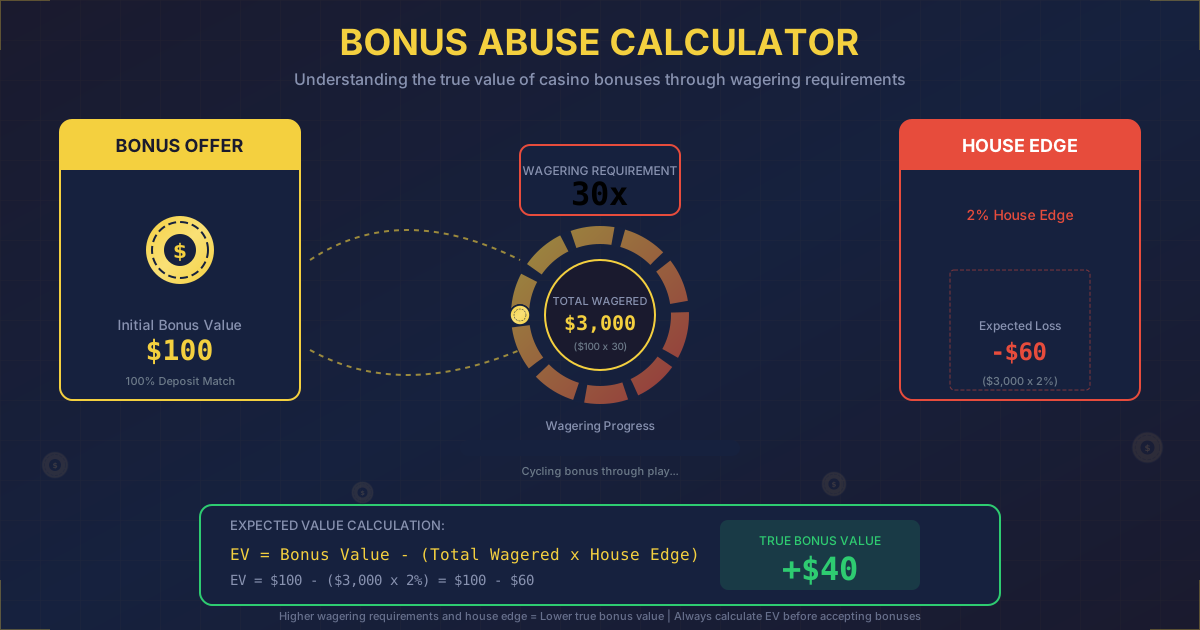
Flat betting math:

Total wagered = Bet × Number of bets
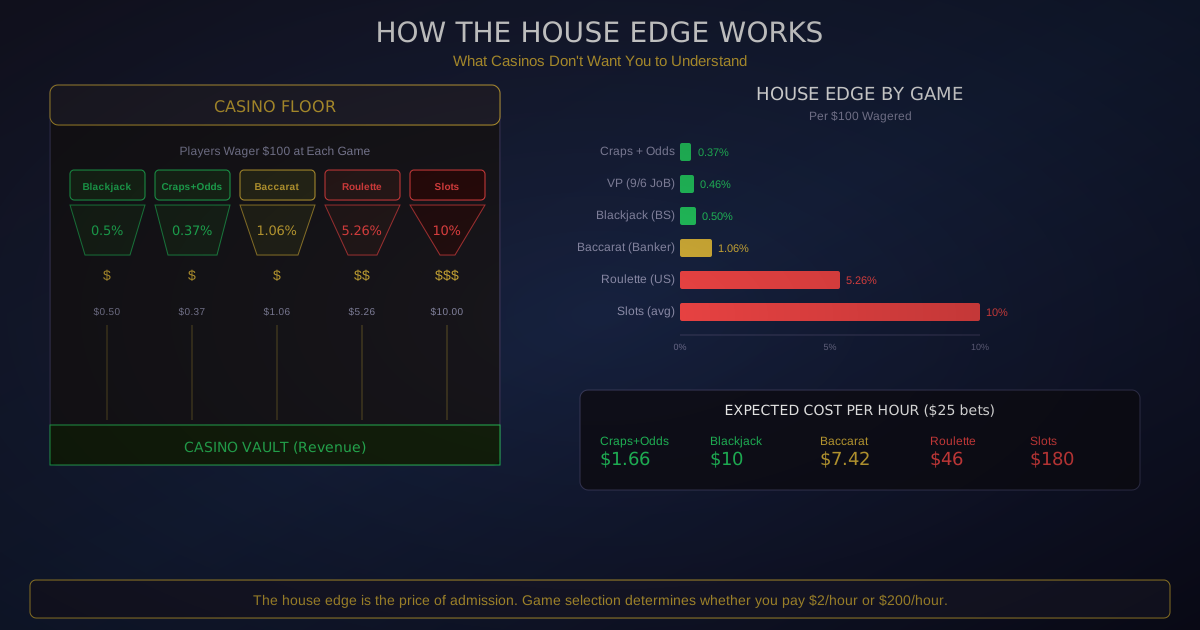
Expected loss = Total × House edge

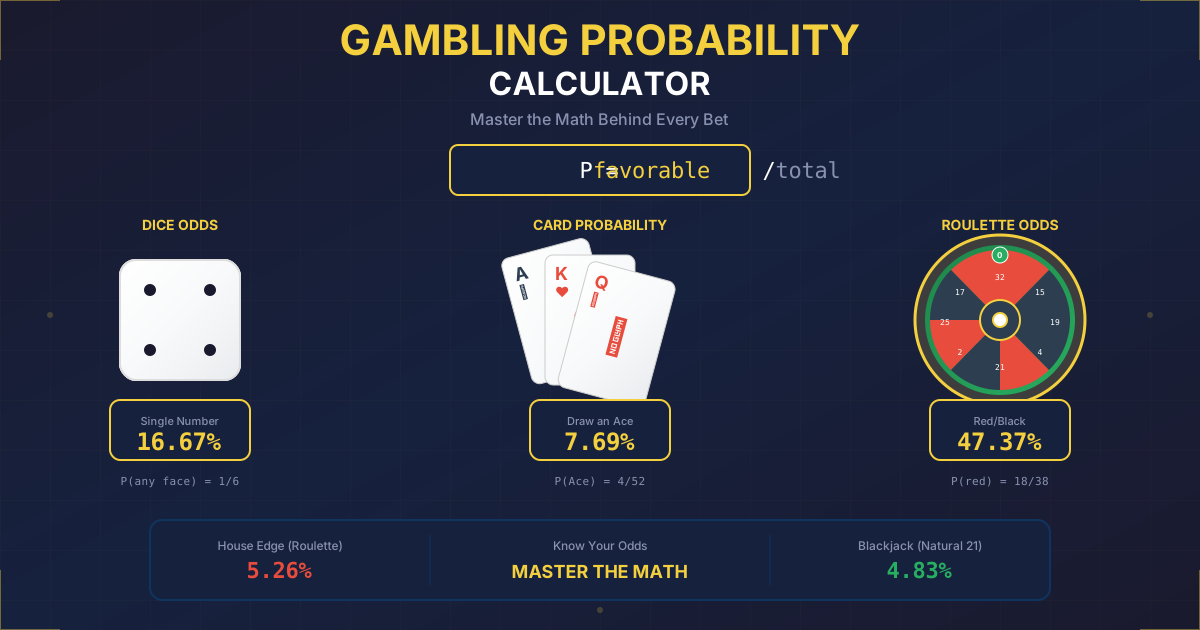
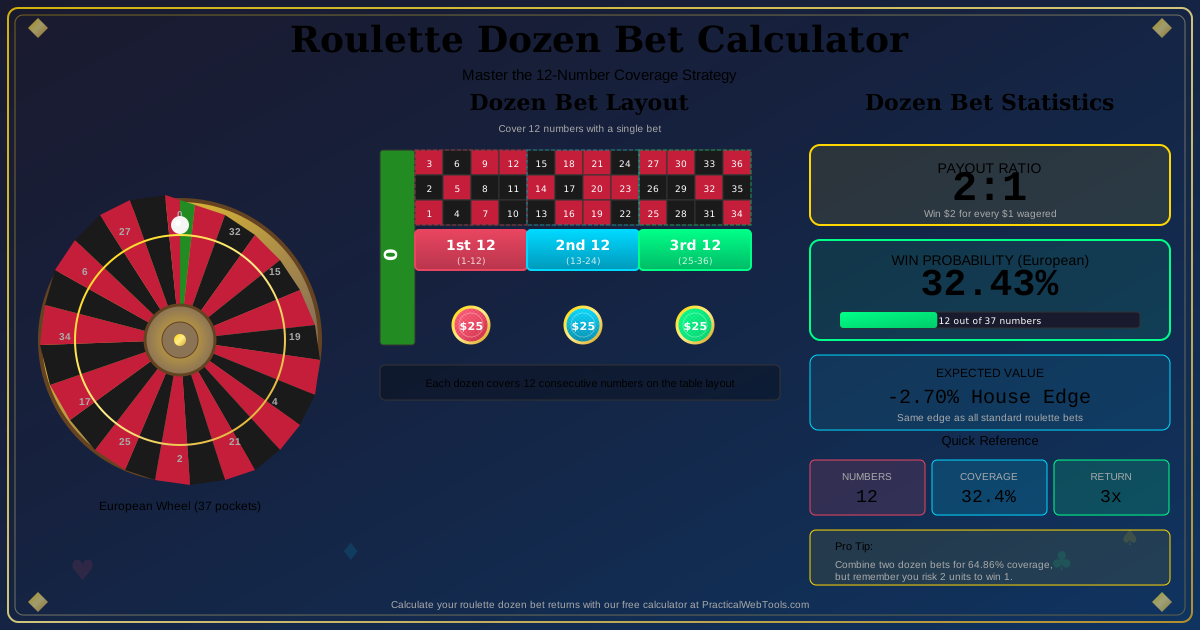
Example (European roulette):
$25 × 100 bets = $2,500 wagered
$2,500 × 2.70% = $67.50 expected loss

Simple, transparent math
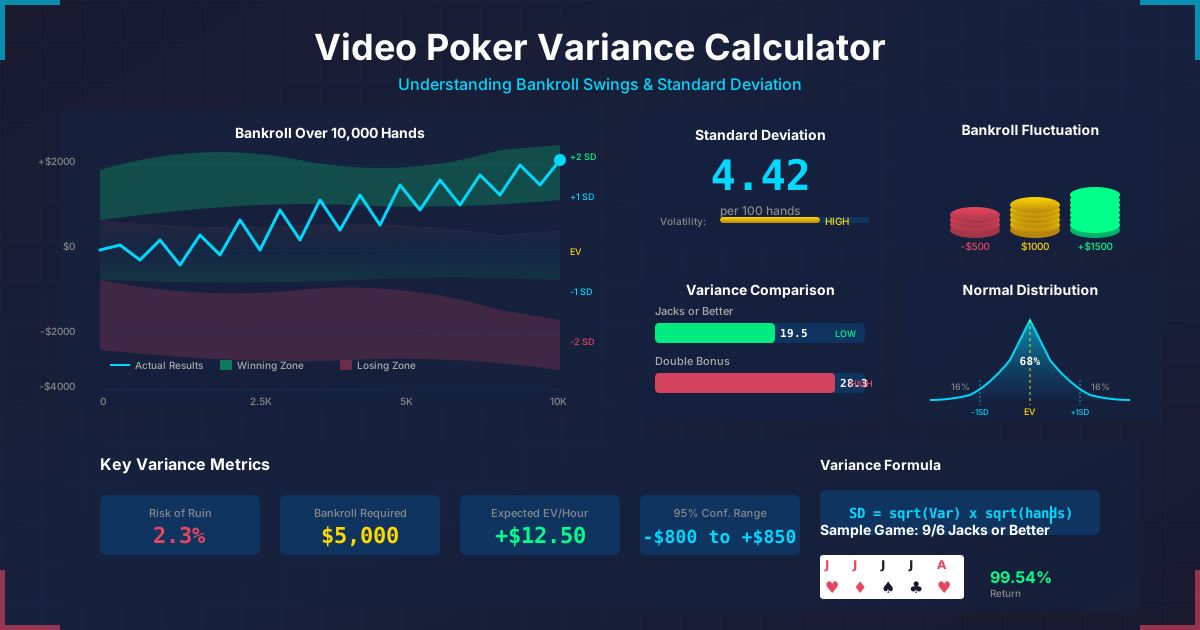
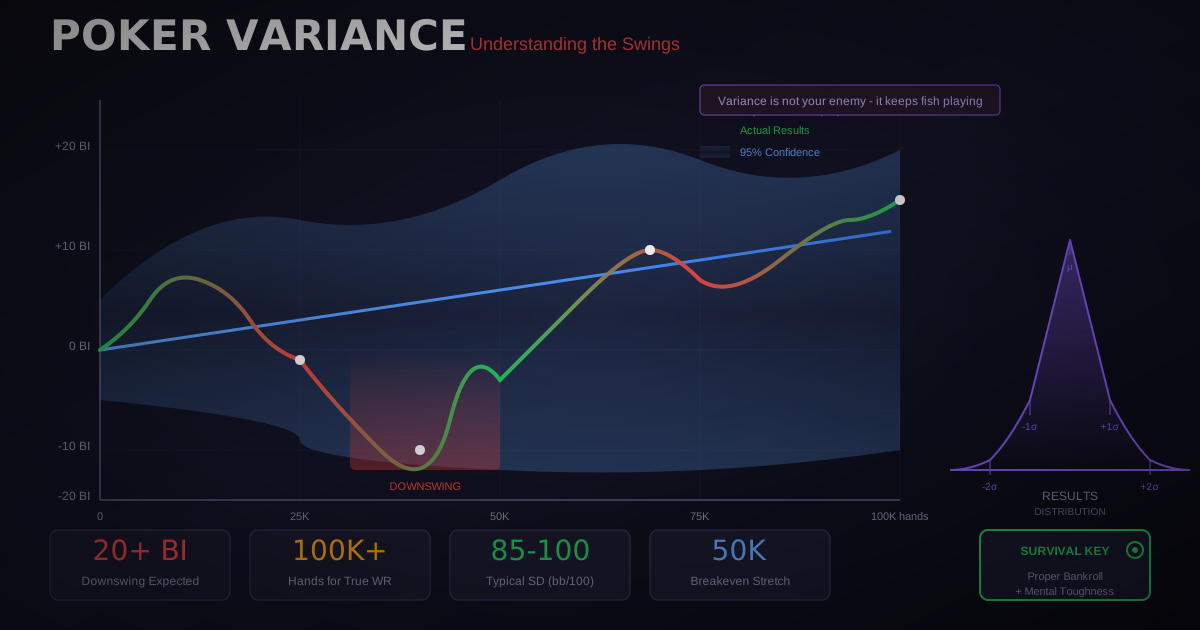
Variance Understanding
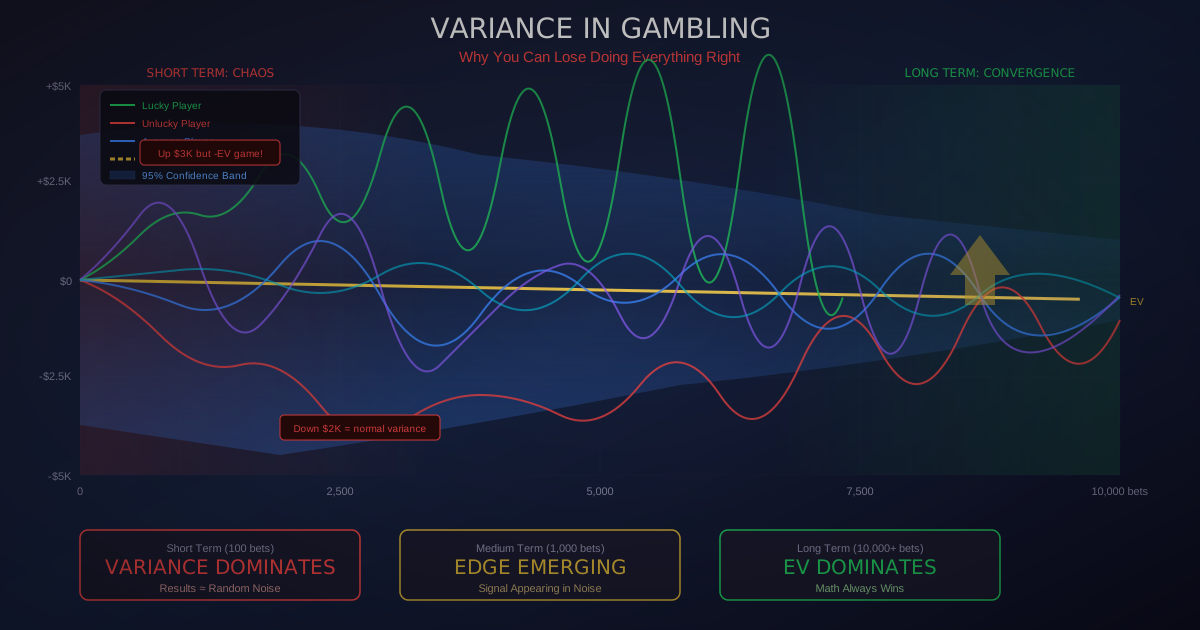
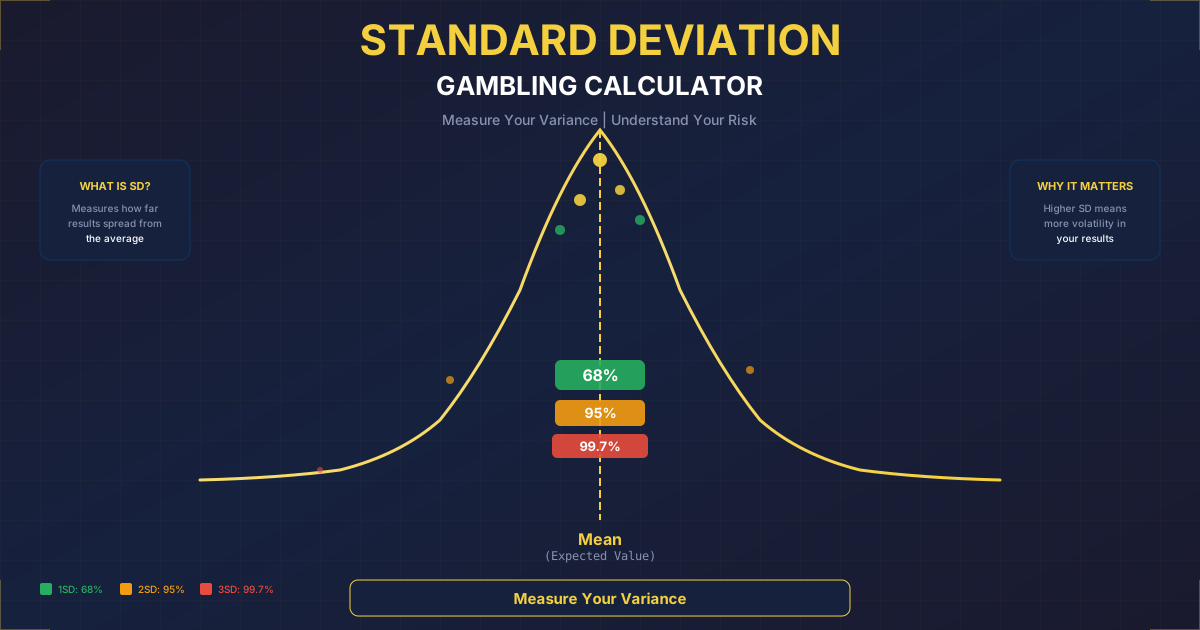
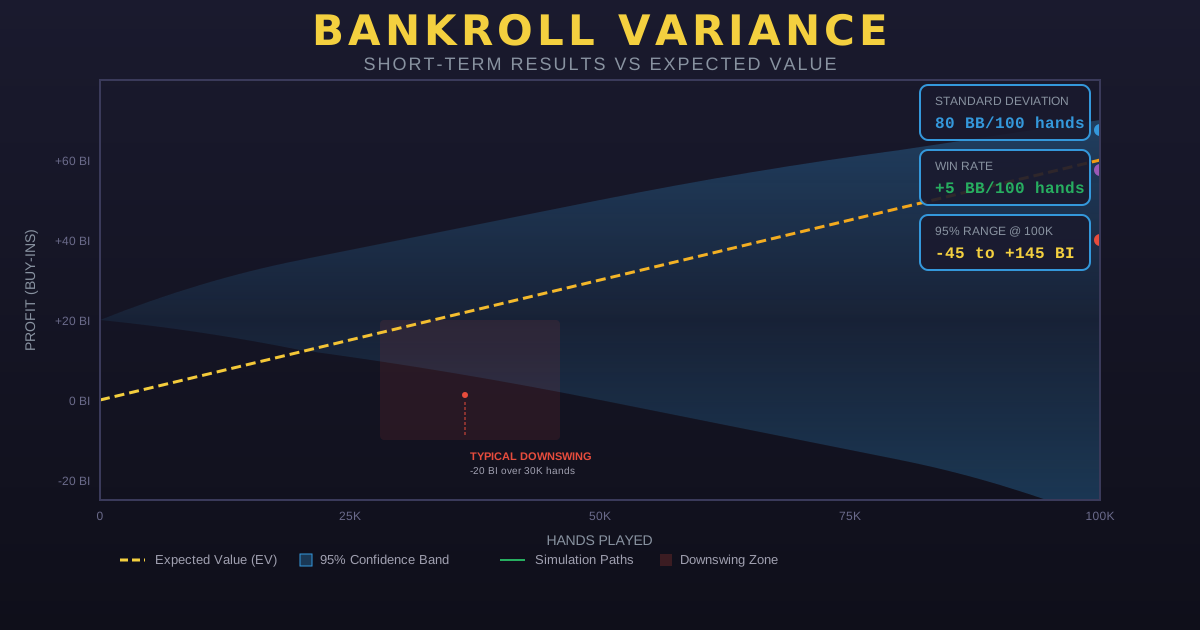
Standard deviation:

For even-money bets:
SD = bet × √(number of bets)
$25 × √100 = $250

95% of sessions fall within:
Expected ± 2 × SD
-$67.50 ± $500
Range: -$567.50 to +$432.50
Session Outcomes
Probability of winning session:

Flat betting on roulette:
100 bets, $25 each

Win probability: ~45%
Lose probability: ~55%

Worse than 50-50 due to edge
But known, quantifiable
Real-World Examples
Example 1: Roulette Session
Standard evening:
$25 flat betting, 100 spins
European roulette (2.70%)

Expected loss: $67.50
Actual: Varies by luck

Won $150: Great session
Lost $200: Bad luck but within range
Lost $500: Very unlucky (but possible)
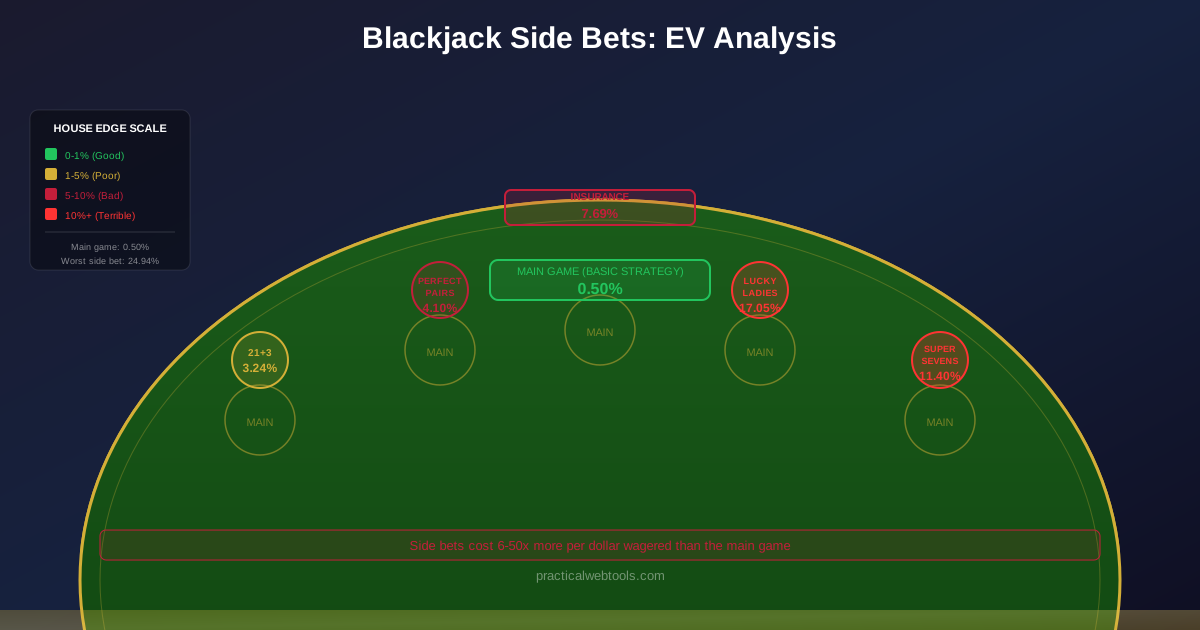
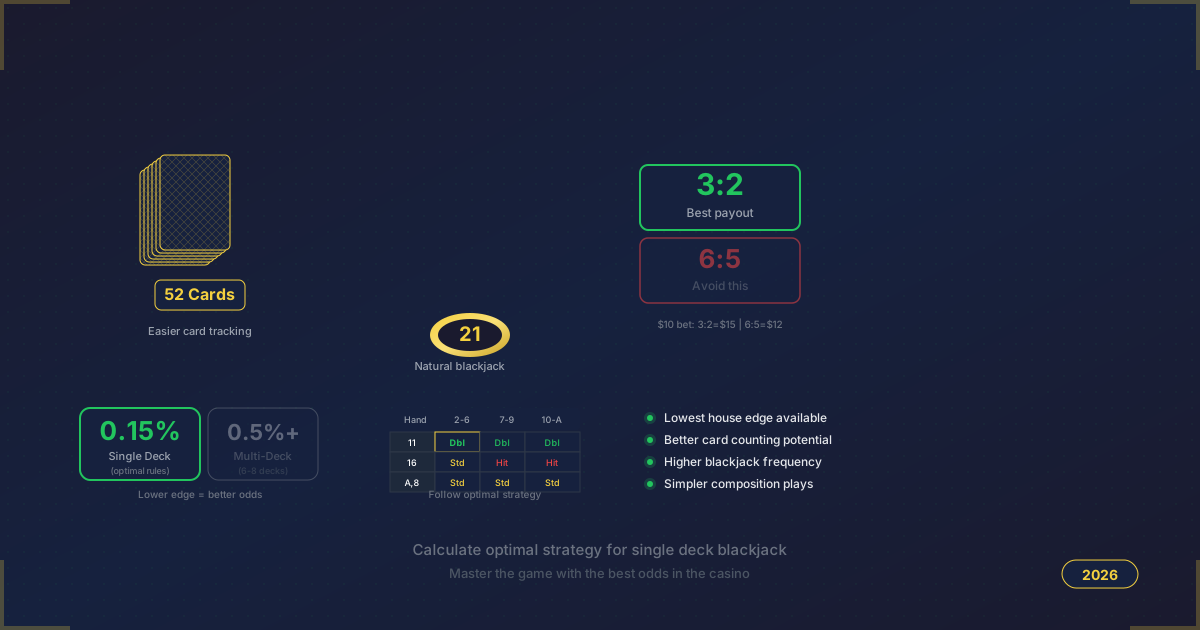
Example 2: Blackjack Session
Card player:
$50 flat betting, 100 hands
Basic strategy (0.50%)

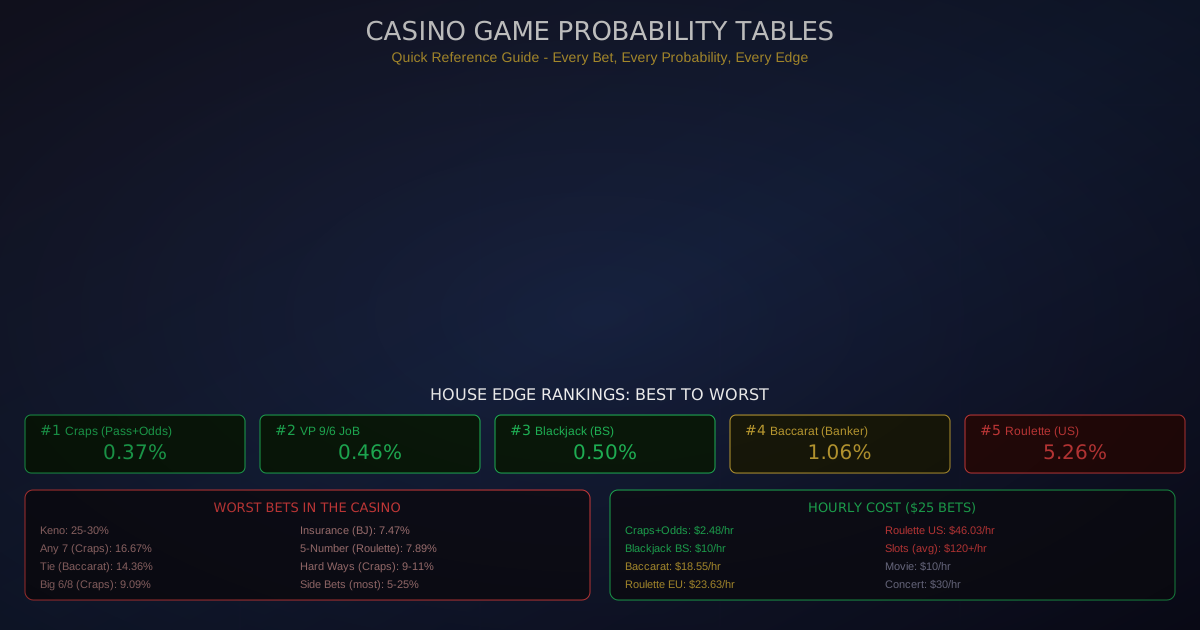
Expected loss: $25
Much lower edge = less loss

Same bet size, lower cost
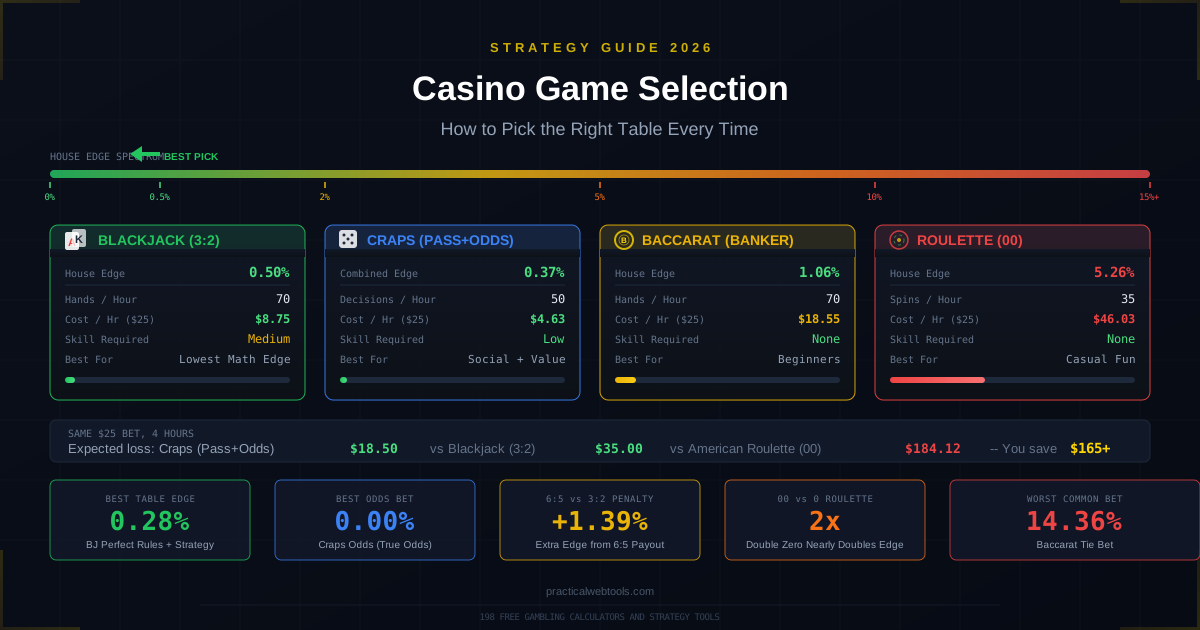
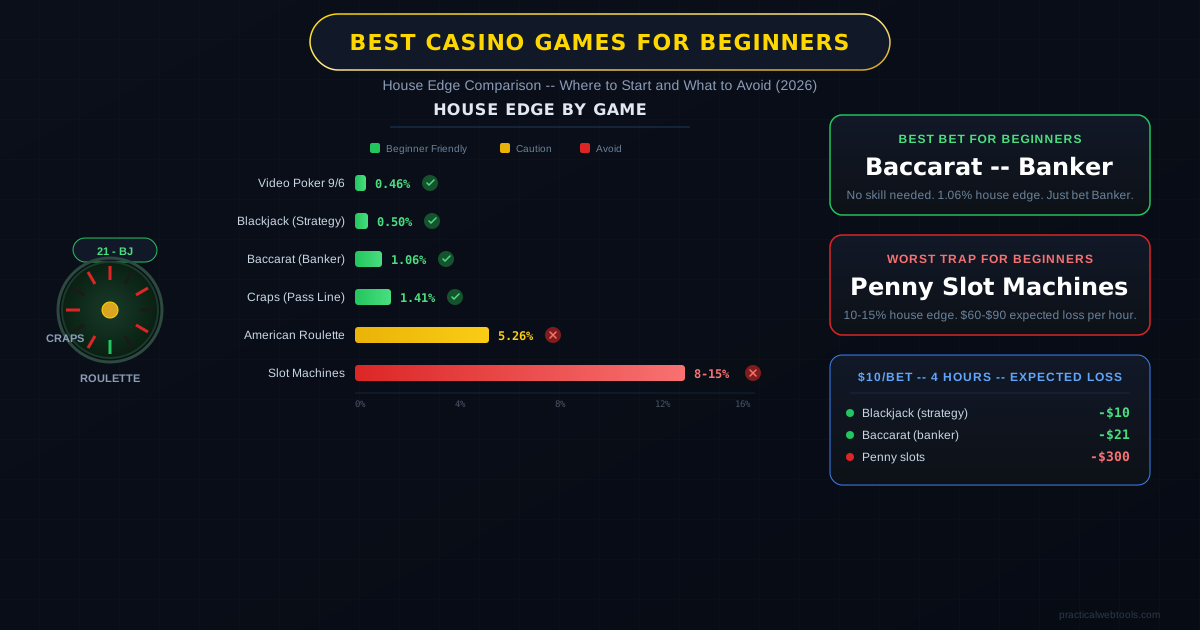
Game selection matters
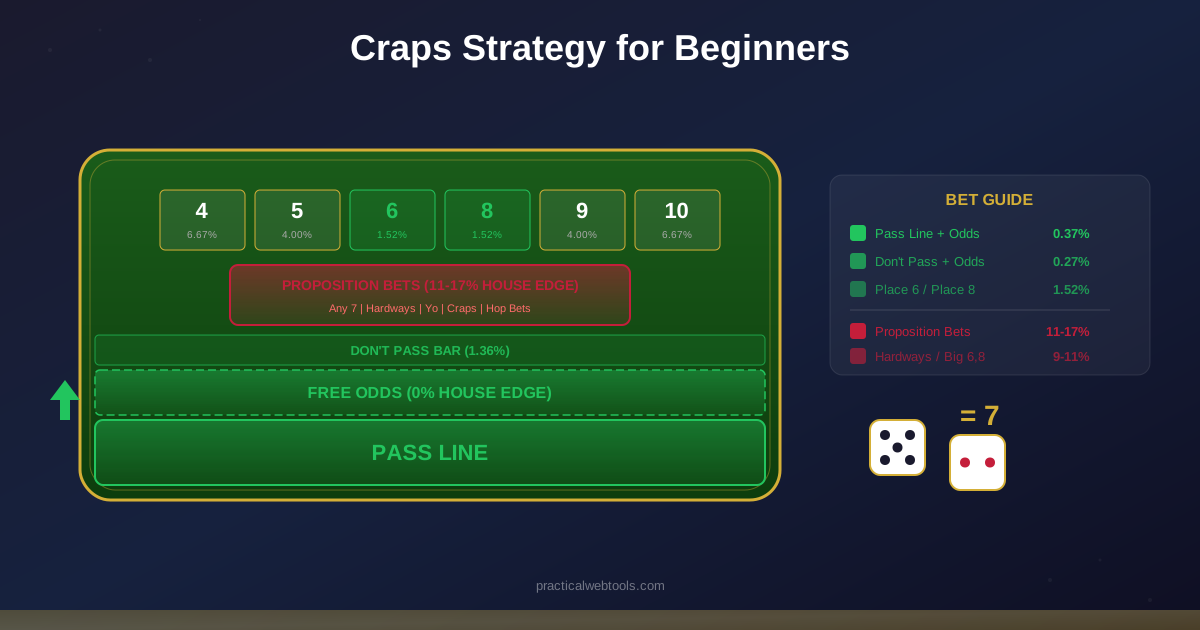
Example 3: Craps Session
Pass line player:
$10 flat betting, 200 rolls
Pass line (1.41%)

Total wagered: $2,000
Expected loss: $28.20

Very low cost entertainment
Flat betting maximizes time
Example 4: Long-Term Reality
Regular player, one year:
$25 flat, 100 bets/session
50 sessions per year
Roulette (2.70%)

Total wagered: $125,000
Expected loss: $3,375

Actual varies but trends to expected
Flat betting = predictable budget
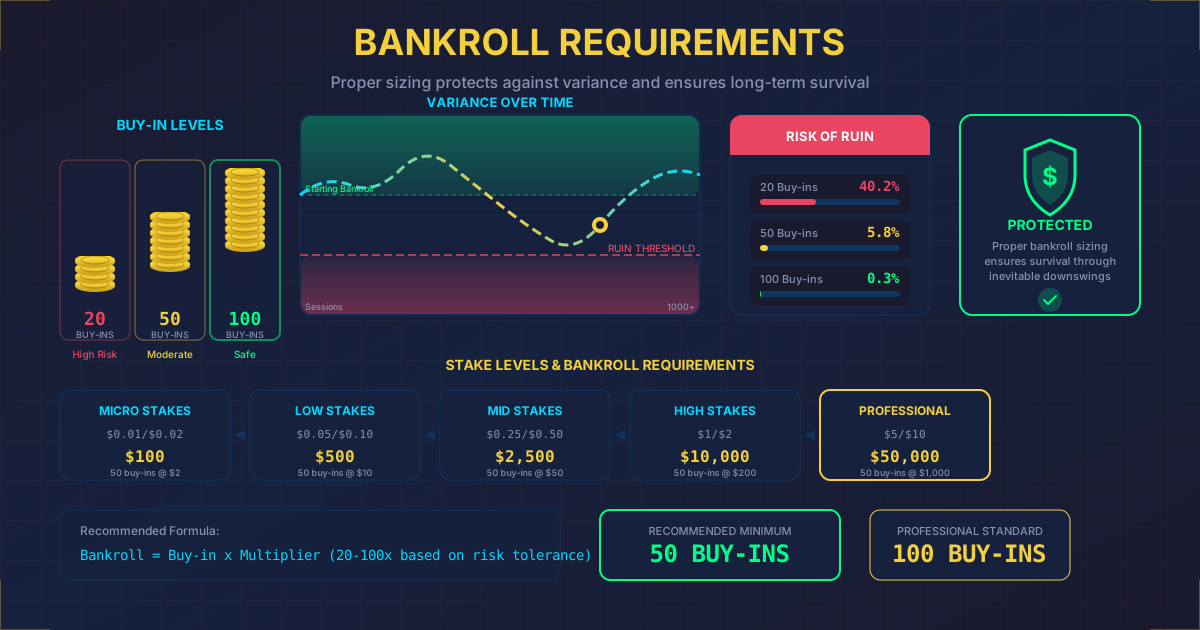
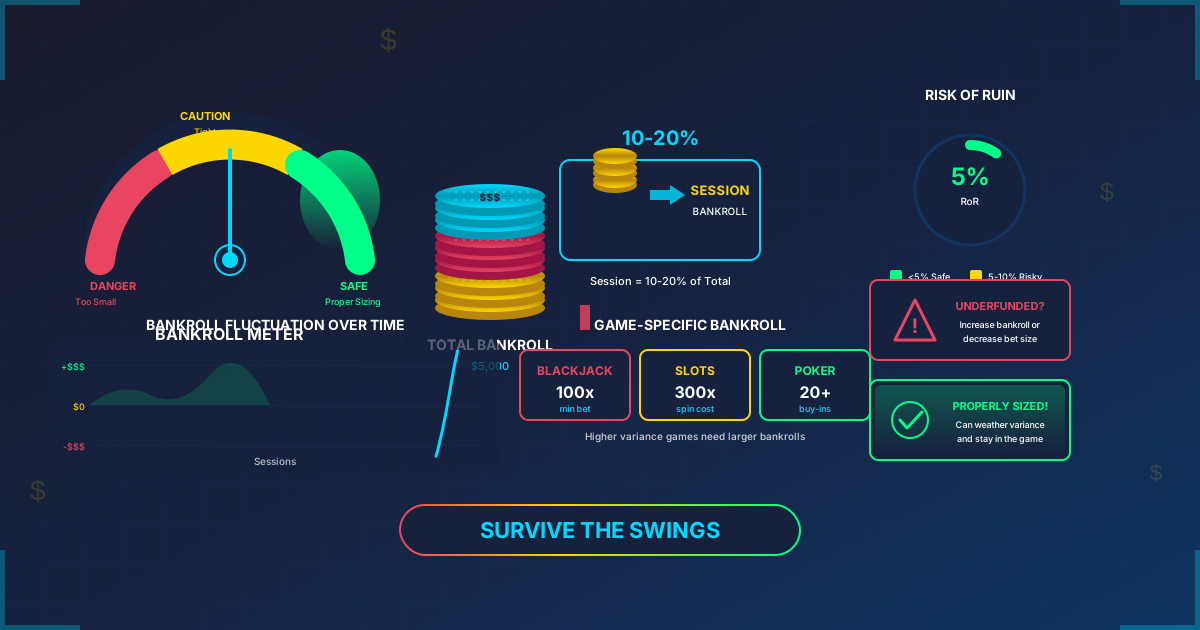
Bankroll Management
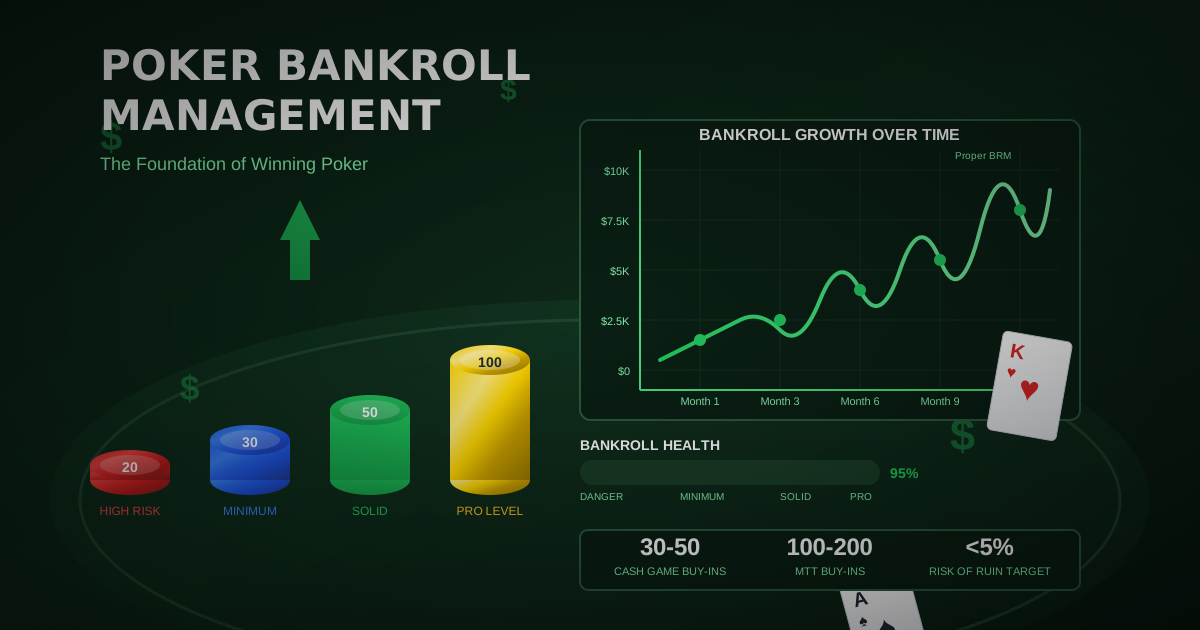
Sizing Your Bet
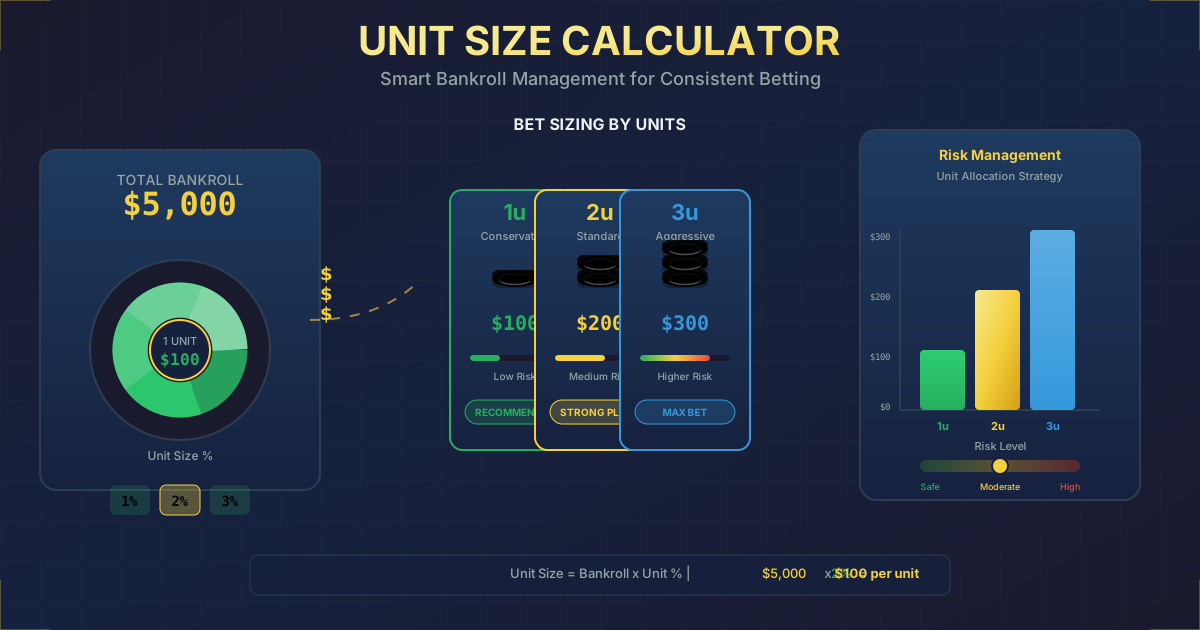
Conservative approach:

Bankroll ÷ 50 = bet size
$1,000 ÷ 50 = $20 per bet

Ensures long session
Survives bad variance
Consistent experience
Session Planning
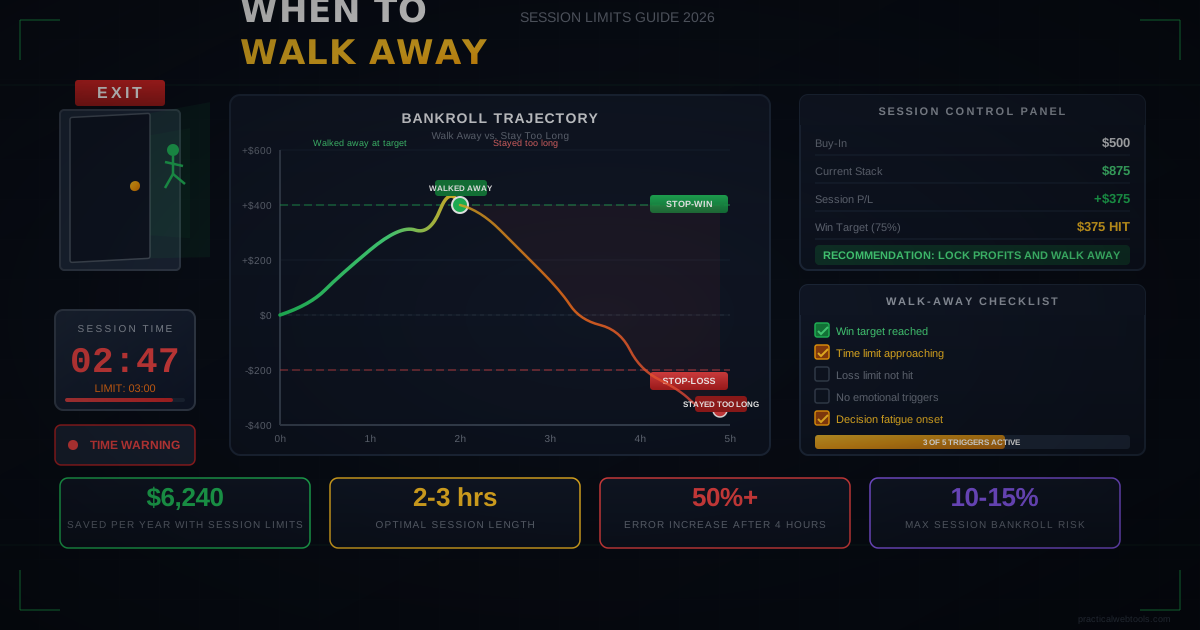
Plan your session:

How many bets do you want?
What's your hourly budget?
When will you stop?

Flat betting makes this easy
Known cost per hour
Predictable depletion
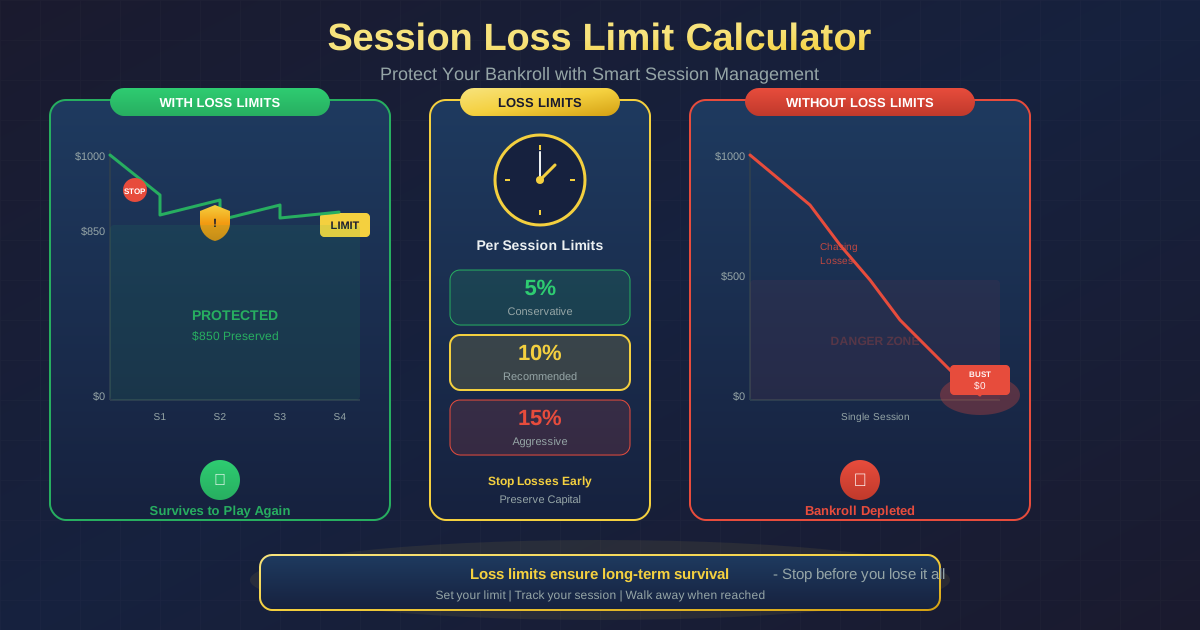
Loss Limits
Setting limits:

Daily loss limit: 20 bets
If down 20 units, stop

Easy to track with flat betting
No surprise large losses
Clear stopping point
Common Mistakes
1. Thinking Flat Is Boring
Mistake: "Systems are more exciting" Problem: Excitement = variance = stress Fix: Focus on the game, not the system
2. Varying Bets Emotionally
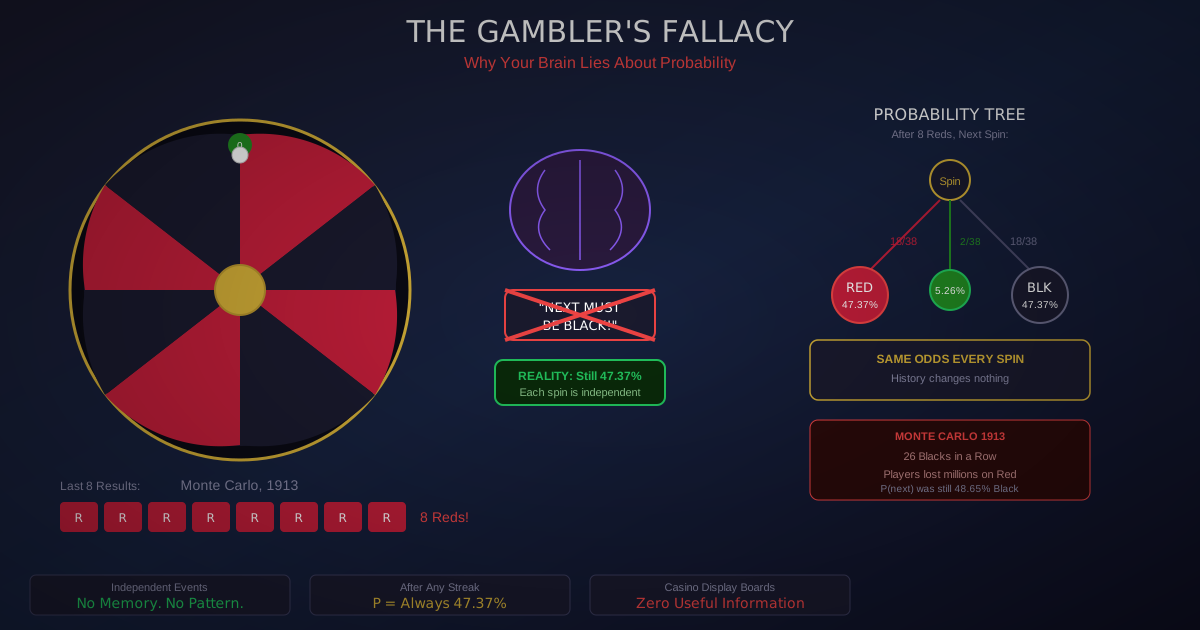
Mistake: Betting more when "feeling it" Problem: Feelings don't predict outcomes Fix: Stick to flat regardless of hunches
3. Wrong Bet Sizing
Mistake: $100 bets with $300 bankroll Problem: Too few bets before potential bust Fix: 1-2% of bankroll per bet
4. Expecting Different Results
Mistake: "Systems must be better" Problem: Math doesn't change Fix: Accept flat is mathematically optimal
Frequently Asked Questions
Is flat betting really optimal?
For negative-EV games, yes. No system can change expected value. Flat betting minimizes variance and maximizes predictability.
Why do people use systems then?
Entertainment, excitement, the illusion of control. Systems feel more engaging but don't improve mathematical outcomes.
How much should I bet?
1-2% of your session bankroll. This ensures enough bets for an enjoyable session and survives normal variance.
Does flat betting guarantee I won't lose?
No. You'll still lose on average (house edge). But losses are predictable and never catastrophic.
Can I flat bet and still win?
In the short term, absolutely. Variance means you'll have winning sessions. Long-term, house edge prevails.
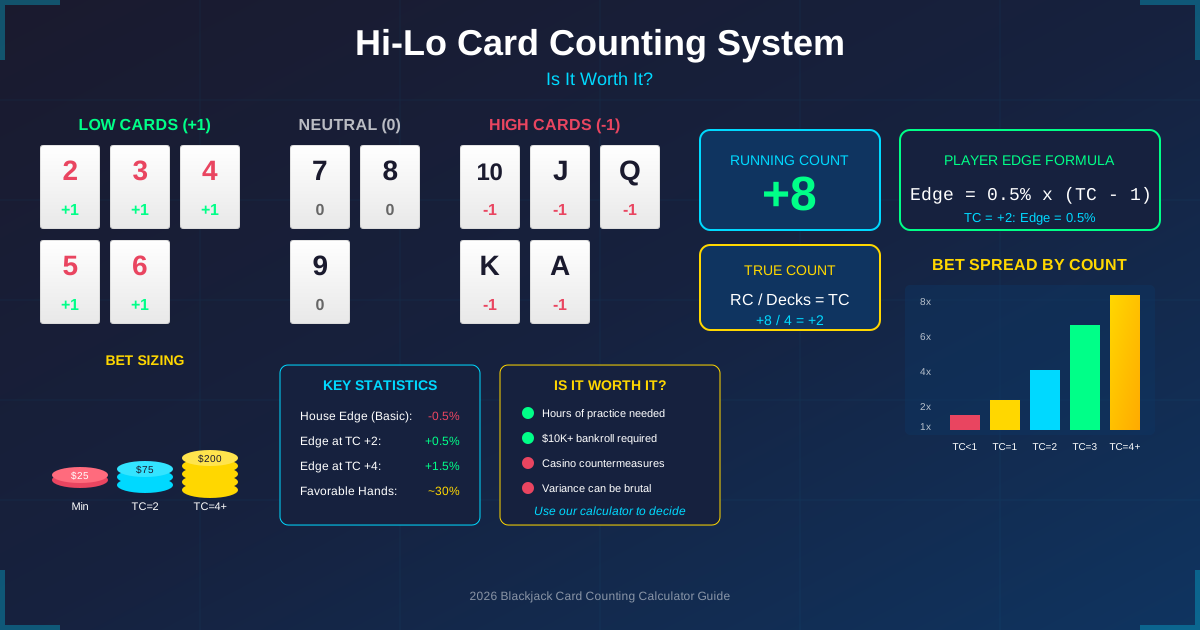
Is card counting flat betting?
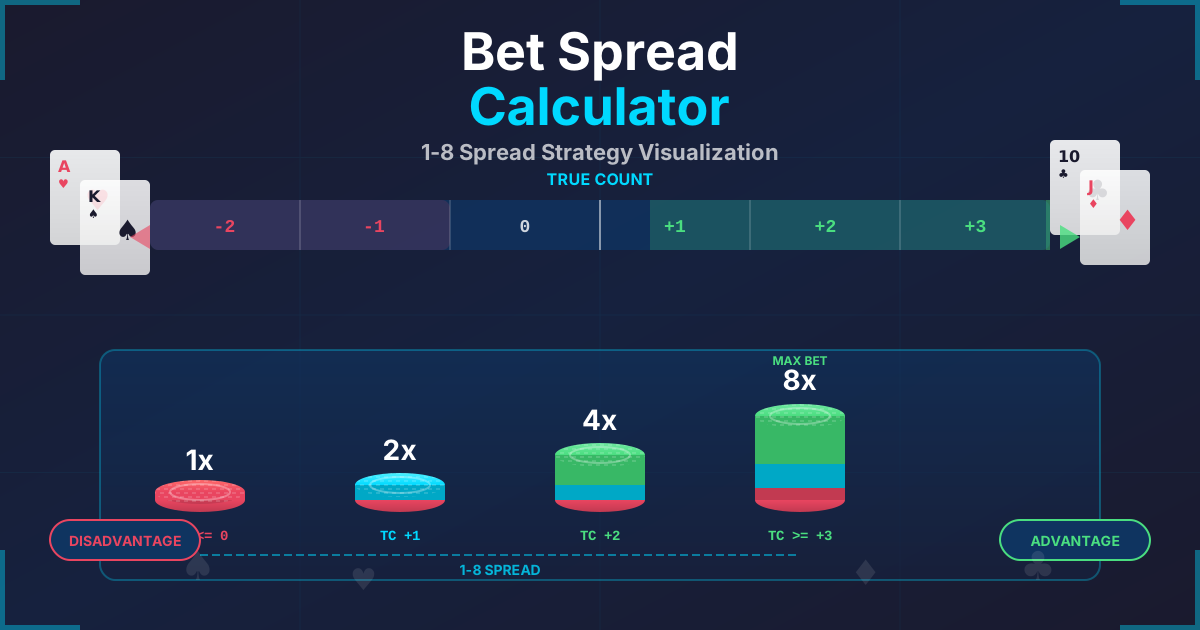
Card counters vary bets based on count. That's different—they have a mathematical edge. For negative-EV games, flat is optimal.
Pro Tips
-
Same bet every time: No exceptions
-
1-2% of bankroll: Proper sizing
-
Game selection matters: Lower edge = less loss
-
Predictable sessions: Budget accurately
-
No chasing needed: Losses are expected
Related Calculators
- Martingale Calculator - Compare to progression
- Expected Value Calculator - Understand EV
- House Edge Calculator - Compare games
- Bankroll Calculator - Size your bets
- Roulette Odds Calculator - Game analysis
Conclusion
Flat betting isn't exciting—it's mathematically optimal. Our calculator shows expected loss, variance ranges, and why betting the same amount every time gives you the longest sessions, most predictable outcomes, and lowest stress. No system beats the house edge, so why add unnecessary complexity?
Calculate Flat Betting Outcomes Now →
Bet $25, every time, no exceptions. Our calculator proves that simplicity is the smartest approach when playing games with a house edge—and shows exactly what that straightforward strategy will cost you.