Four Card Poker Calculator: Optimal Strategy and House Edge Analysis (2026)
Four Card Poker Calculator: Master This Casino Poker Variant
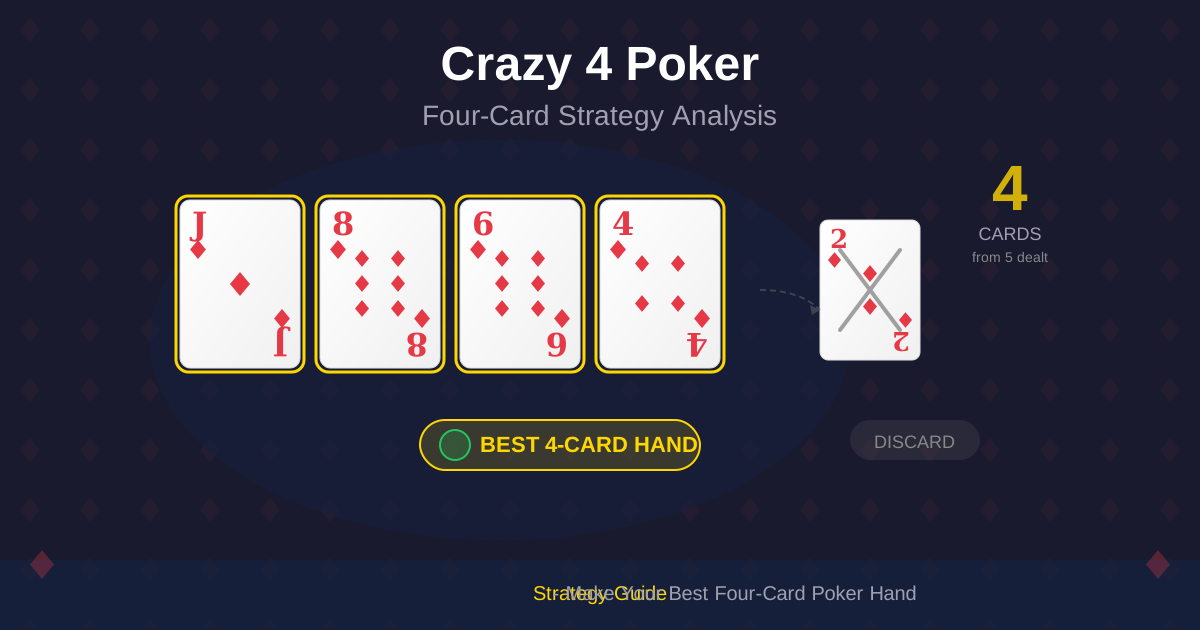
Four Card Poker offers one of the better house edges among casino table games when played optimally. Unlike most poker variants, you receive five cards to make your best four-card hand, giving you an edge in hand selection. Our Four Card Poker calculator shows you the optimal strategy for every situation, helping you minimize the house edge and maximize your entertainment value.
What Is Four Card Poker?
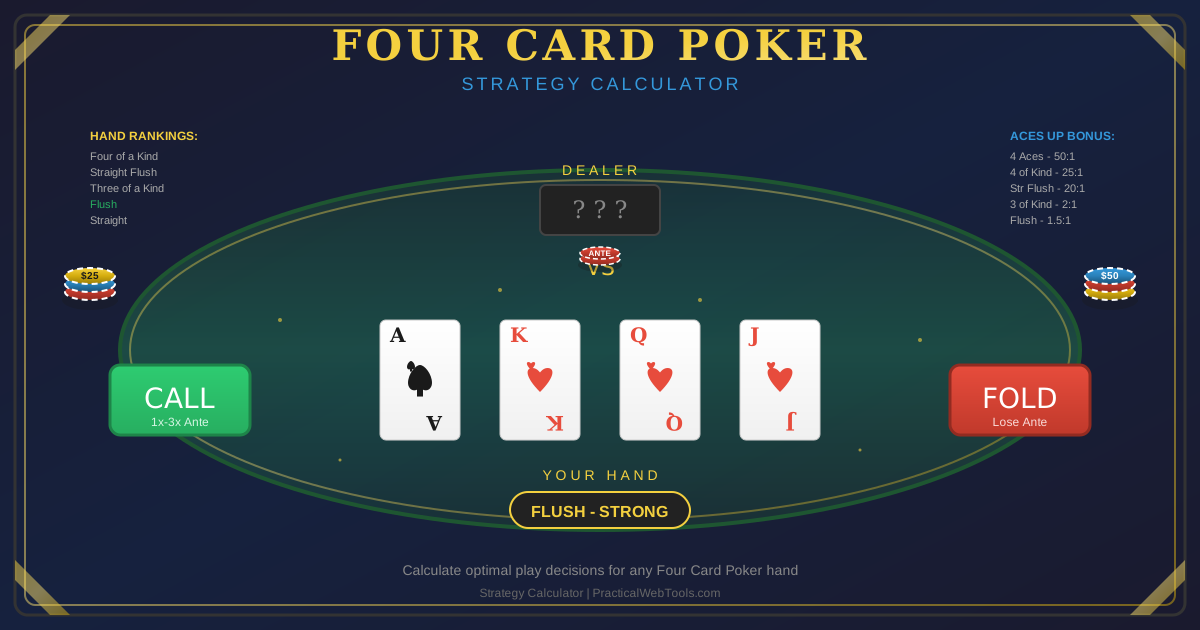
Four Card Poker is a casino table game where players compete against the dealer using four-card hands. You receive five cards and choose your best four, while the dealer gets six cards and selects their best four. The game features an Ante bet, a Play bet (1x-3x), and an optional Aces Up side bet based on your hand strength regardless of the dealer's hand.
Quick Answer: Optimal Four Card Poker strategy: Raise 3x with a pair of tens or better, raise 1x with a pair of twos through nines, and fold everything else. The house edge on the Ante bet is 2.79% with optimal play. The Aces Up side bet has a 2.78% house edge. Never raise with less than a pair - folding ace-high or king-high is correct despite how it feels.
How to Use Our Calculator
Use the Four Card Poker Calculator →
Step-by-Step Instructions
- Enter Your Five Cards: Input all five cards dealt to you
- See Best Four-Card Hand: Calculator identifies your optimal hand
- Get Strategy Decision: Receive raise amount or fold recommendation
- View Hand Ranking: See where your hand falls in the hierarchy
- Calculate Expected Value: Understand the EV of each decision
Input Fields
| Field | Description | Example |
|---|---|---|
| Card 1-5 | Your five dealt cards | A♠, K♠, Q♠, J♠, 9♥ |
| Ante Amount | Your ante bet size | $25 |
| Aces Up Bet | Optional side bet | $10 |
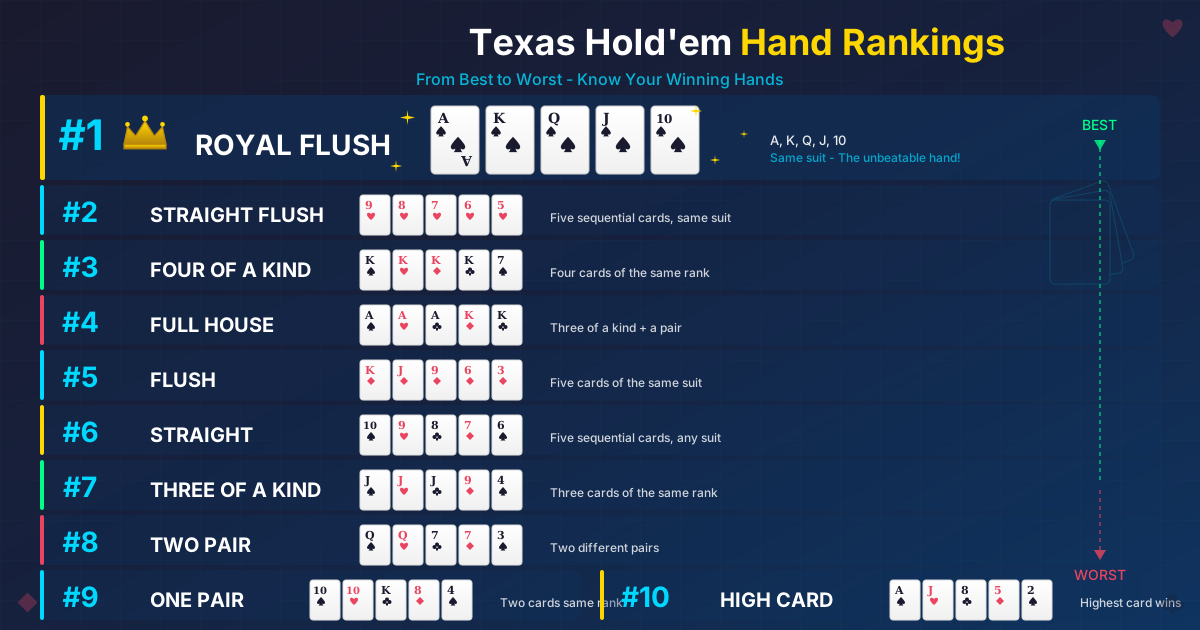
Four Card Poker Hand Rankings
Hand Hierarchy (Highest to Lowest)
1. Four of a Kind: AAAA, KKKK, etc.
   Probability: 0.024%

2. Straight Flush: 4+ consecutive suited cards
   Probability: 0.020%

3. Three of a Kind: AAA-X, KKK-X, etc.
   Probability: 0.17%

4. Flush: Four cards same suit
   Probability: 2.73%

5. Straight: Four consecutive cards
   Probability: 2.00%

6. Two Pair: AA-KK-X, etc.
   Probability: 2.10%

7. One Pair: AA-X-Y, etc.
   Probability: 42.3%

8. High Card: A-K-Q-J, etc.
   Probability: 50.7%
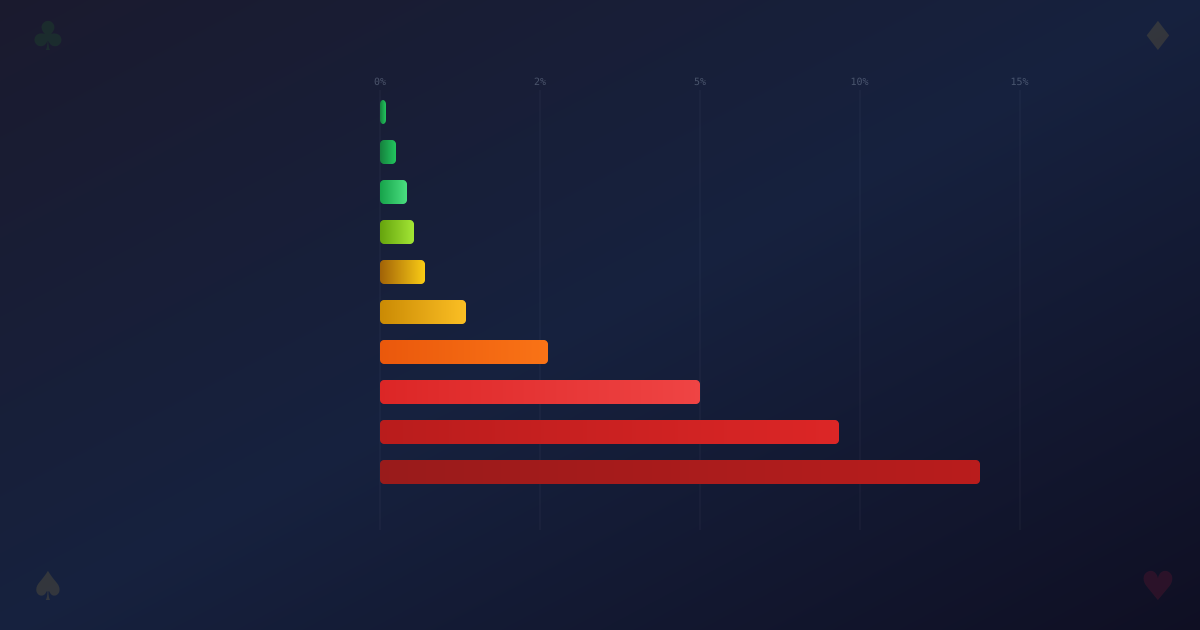
Hand Frequency Table
| Hand | Combinations | Probability | Cumulative |
|---|---|---|---|
| Four of a Kind | 13 | 0.024% | 0.024% |
| Straight Flush | 44 | 0.020% | 0.044% |
| Three of a Kind | 2,496 | 0.17% | 0.21% |
| Flush | 2,816 | 2.73% | 2.94% |
| Straight | 2,772 | 2.00% | 4.94% |
| Two Pair | 2,808 | 2.10% | 7.04% |
| One Pair | 82,368 | 42.3% | 49.3% |
| High Card | 59,670 | 50.7% | 100% |
Optimal Strategy
The Basic Strategy
Raise 3x Ante:
Pair of Tens or better
Including:
- 10-10 through A-A
- Two pair
- Three of a kind
- Straights
- Flushes
- Straight flushes
- Four of a kind
Raise 1x Ante:
Pair of 2s through 9s
Fold:
Anything less than a pair
- Ace high
- King high
- Queen high
- Any four high cards without a pair
Strategy Exceptions
There are NO exceptions to basic strategy.

Never raise with:
- A-K-Q-J (fold)
- A-K-Q-10 (fold)
- Any high card hand (fold)

Always raise with:
- 2-2-x-x (1x raise)
- Any pair (minimum 1x raise)
Why Folding High Cards Is Correct
Ace-High Hand Analysis:
Your hand: A-K-Q-J unsuited
Dealer qualification: Always (no minimum)

Scenario outcomes:
1. Dealer has pair or better: You lose
2. Dealer has A-high (rare tie scenarios)
3. You cannot win without at least a pair

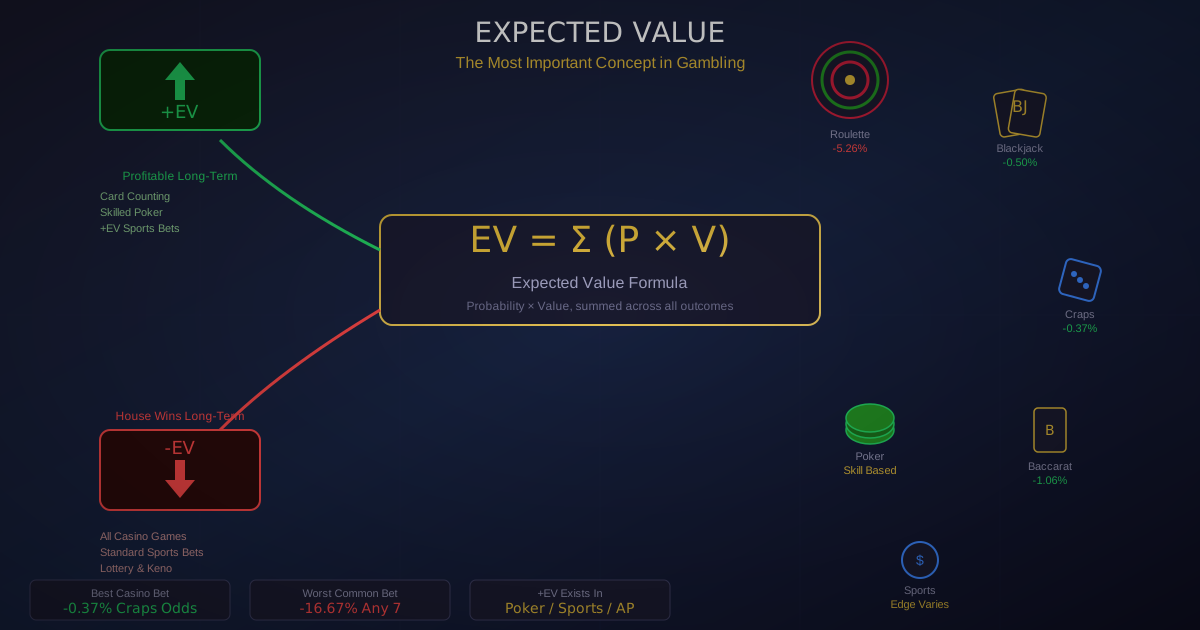
Expected value of raising: Negative
Expected value of folding: -1 ante (guaranteed)

Folding A-K-Q-J loses less than raising 1x
Payout Structure
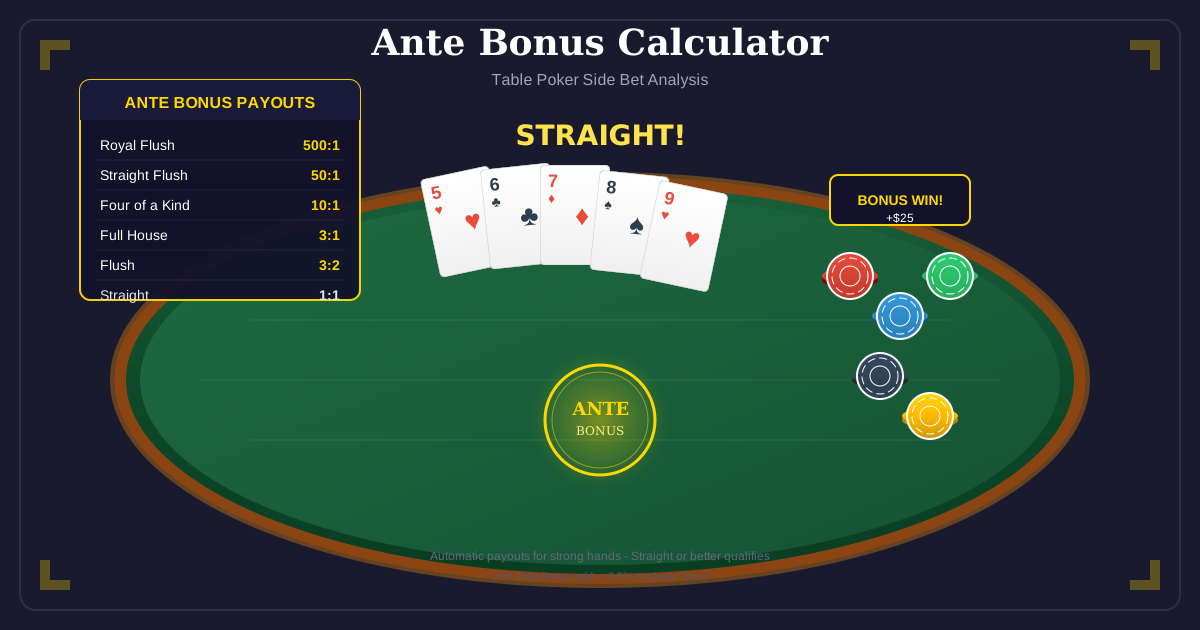
Ante Bonus Payouts
Automatically paid on winning hands:
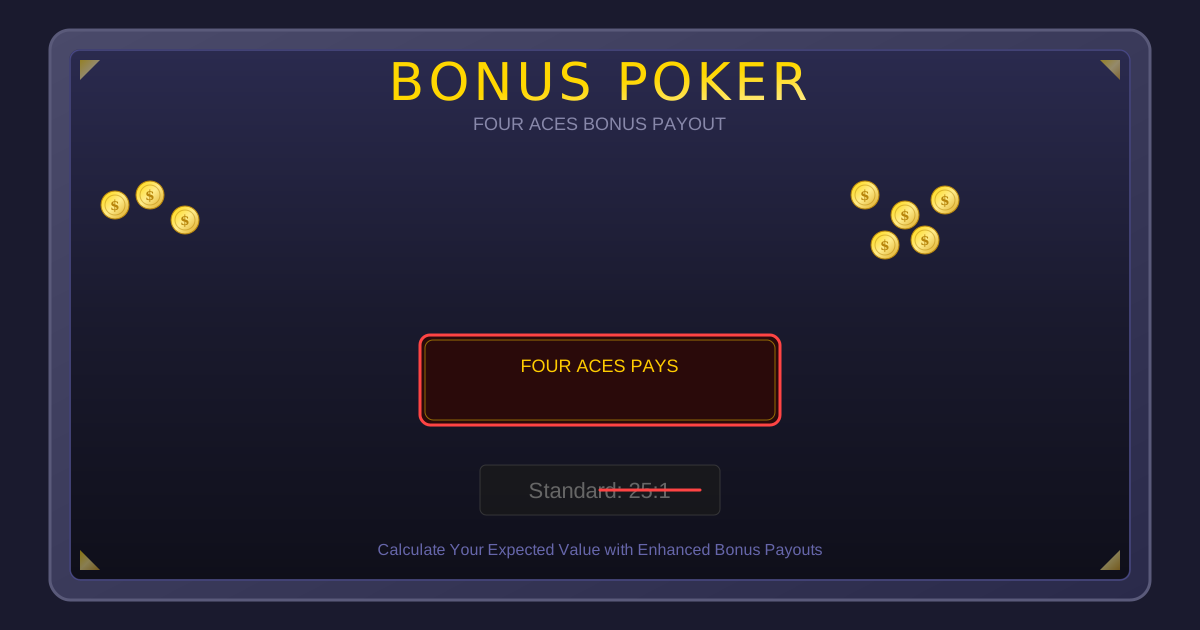
Four of a Kind: 25 to 1
Straight Flush: 20 to 1
Three of a Kind: 2 to 1

Note: Ante bonus pays even if dealer wins
(Only requires qualifying hand)
Aces Up Payouts
Standard paytable:
Four of a Kind: 50 to 1
Straight Flush: 40 to 1
Three of a Kind: 8 to 1
Flush: 5 to 1
Straight: 4 to 1
Two Pair: 3 to 1
Pair of Aces: 1 to 1

Alternative paytable (some casinos):
Four of a Kind: 50 to 1
Straight Flush: 30 to 1
Three of a Kind: 7 to 1
Flush: 6 to 1
Straight: 5 to 1
Two Pair: 2 to 1
Pair of Aces: 1 to 1
Play Bet Resolution
Player wins: 1:1 on Play bet
Dealer wins: Lose Play bet
Tie: Push (bet returned)

Combined with Ante:
Win: Win Ante (1:1) + Play (1:1) + Bonus
Lose: Lose Ante + Play
House Edge Analysis
Main Game House Edge
Ante/Play (optimal strategy): 2.79%

Breakdown:
- Ante contribution: 1.50%
- Play bet contribution: 1.29%
- Bonus reduces house edge slightly

With suboptimal play:
- Raising with high cards: +2-5% house edge
- Playing every hand: +5-10% house edge
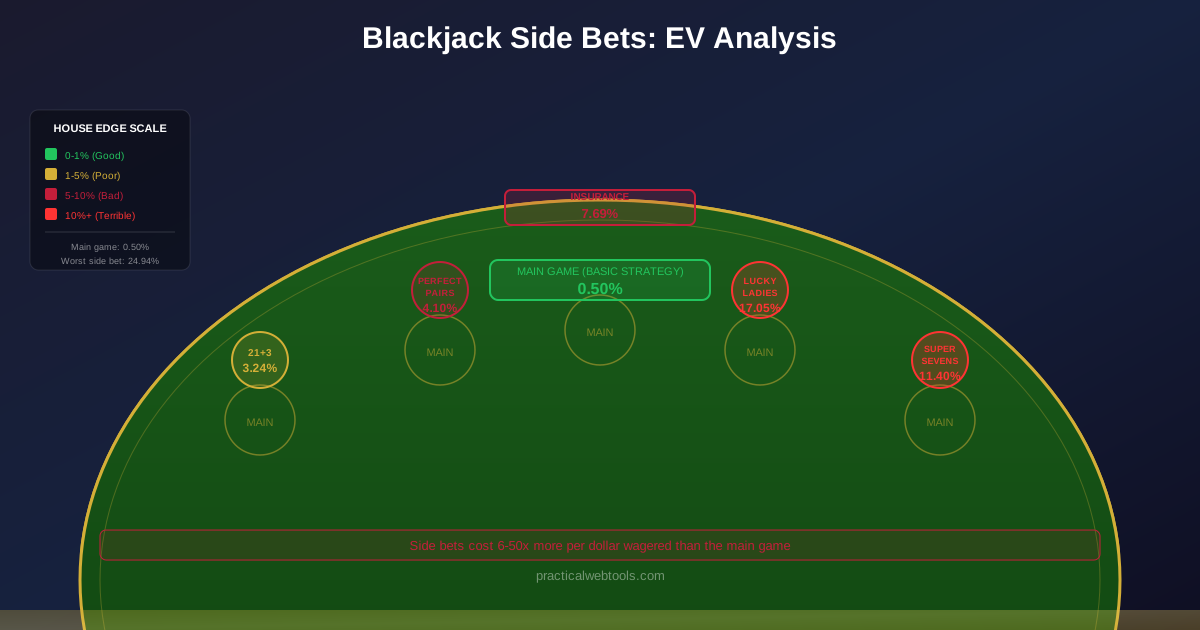
Aces Up House Edge
Standard paytable: 2.78%
Alternative paytable: 3.22% to 6.04%

Aces Up is optional but reasonable:
- Independent of main game outcome
- Based solely on your hand
- Lower house edge than most side bets
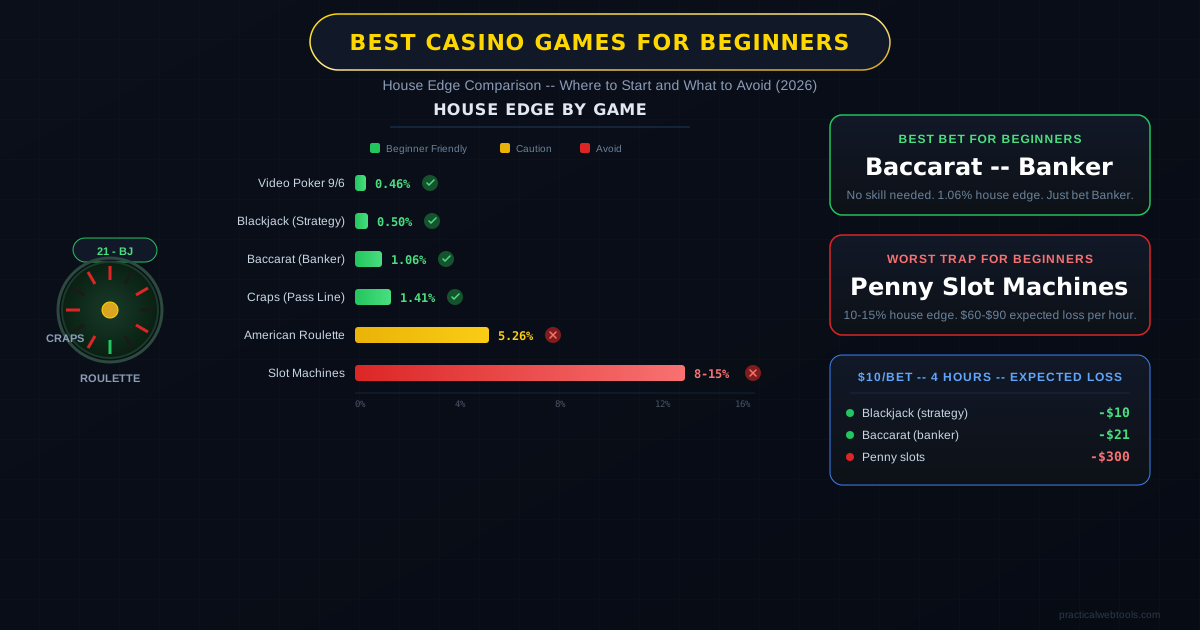
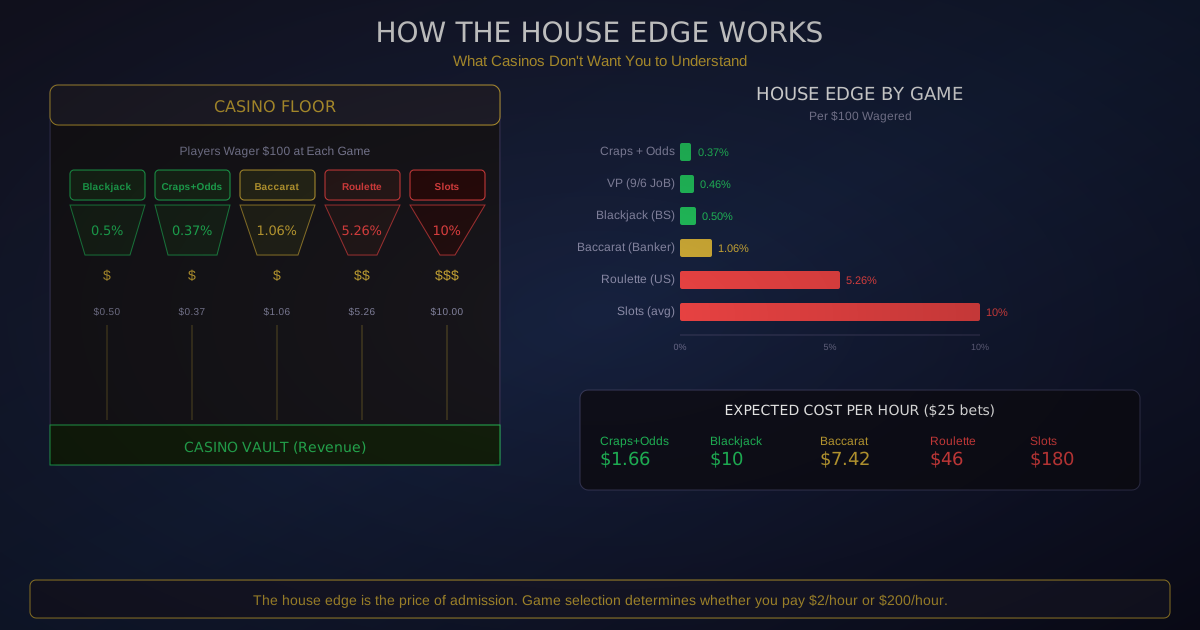
Comparison to Other Games
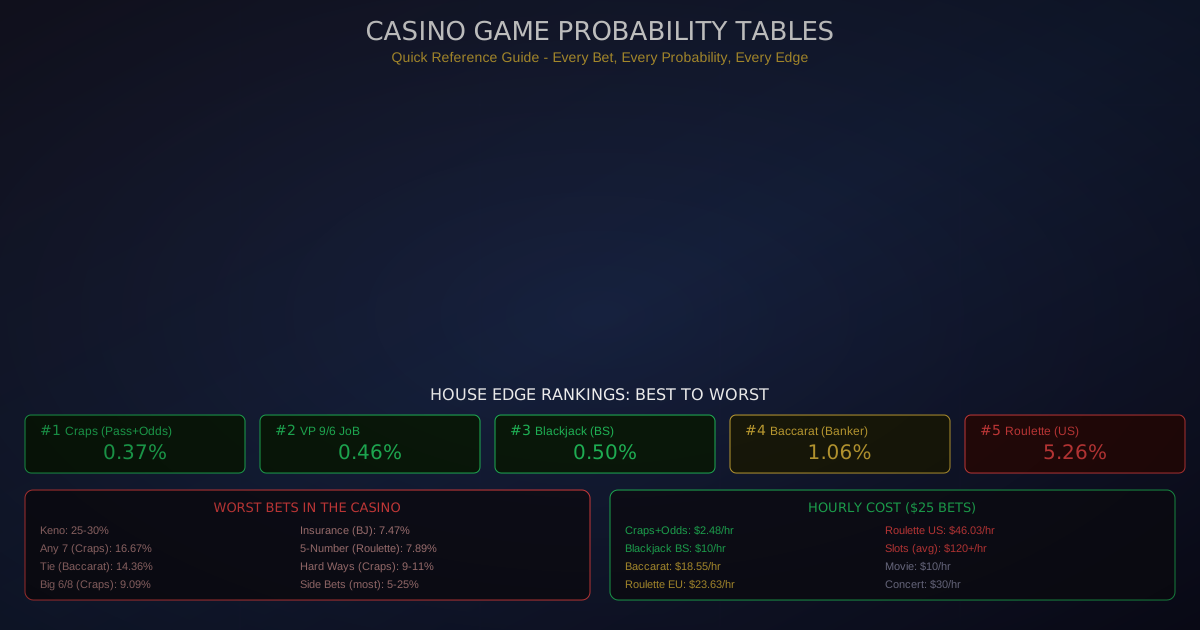
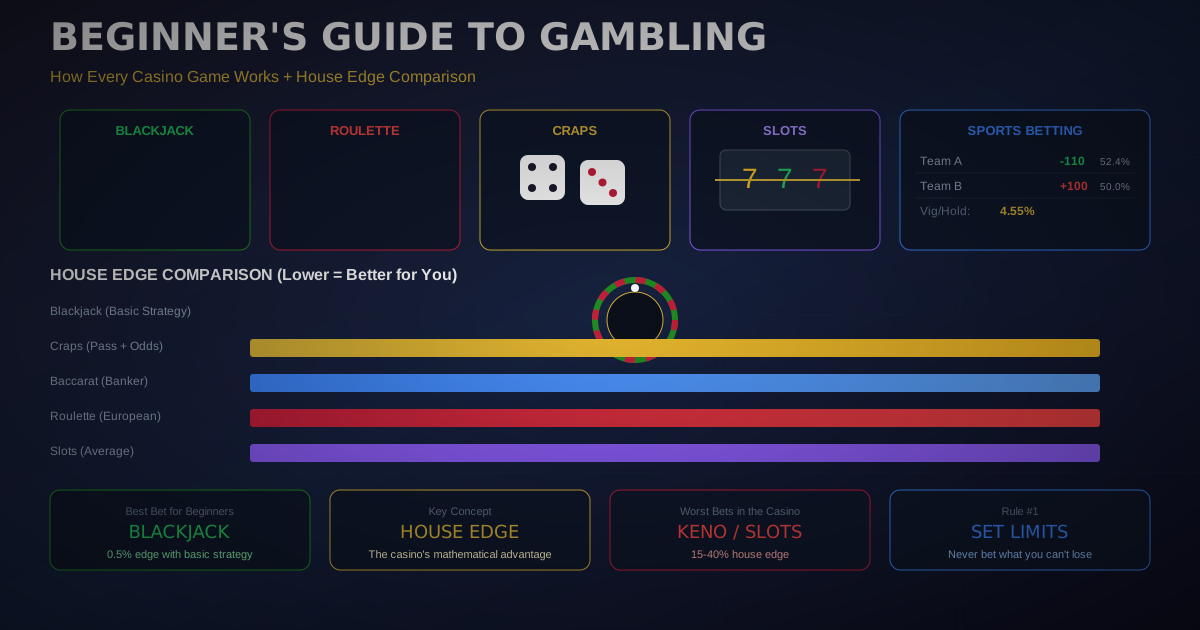
| Game | House Edge |
|---|---|
| Blackjack (basic strategy) | 0.5% |
| Four Card Poker | 2.79% |
| Three Card Poker | 3.37% |
| Caribbean Stud | 5.22% |
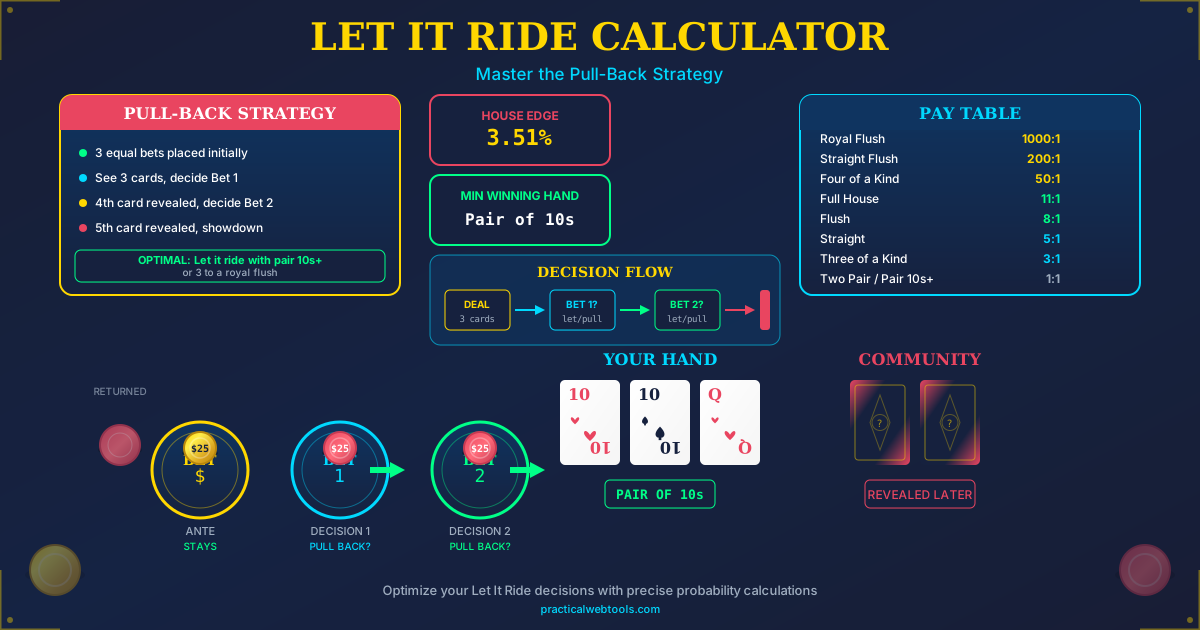
| Let It Ride | 3.51% |
| Casino Hold'em | 2.16% |
Real-World Examples
Example 1: Premium Hand
Cards Dealt:
A♠ A♦ K♣ Q♥ 8♠

Best four-card hand: A♠ A♦ K♣ Q♥
Hand rank: Pair of Aces
Strategy:
Decision: Raise 3x (pair of Tens or better)
Ante: $25
Play bet: $75 (3x)
Total at risk: $100

Expected outcomes:
- Win vs dealer's lower hand: +$100 + bonus
- Lose vs dealer's better hand: -$100
- Tie: Push on play, ante plays
Example 2: Medium Pair
Cards Dealt:
7♥ 7♦ J♠ 9♣ 3♦

Best four-card hand: 7♥ 7♦ J♠ 9♣
Hand rank: Pair of Sevens
Strategy:
Decision: Raise 1x (pair of 2s-9s)
Ante: $25
Play bet: $25 (1x)
Total at risk: $50

Note: Do NOT raise 3x with medium pairs
The additional bet has negative expected value
Example 3: Strong High Cards (Fold)
Cards Dealt:
A♠ K♥ Q♦ J♣ 10♠

Best four-card hand: A♠ K♥ Q♦ J♣
Hand rank: Ace High (no straight possible)
Strategy:
Decision: FOLD
This feels wrong but is mathematically correct

Why fold A-K-Q-J:
- Cannot beat any dealer pair
- Dealer makes pair 49.3% of time
- Raising loses more than folding
Example 4: Borderline Decision
Cards Dealt:
10♣ 10♥ 5♠ 4♦ 2♥

Best four-card hand: 10♣ 10♥ 5♠ 4♦
Hand rank: Pair of Tens
Strategy:
Decision: Raise 3x (pair of Tens is the cutoff)
Ante: $25
Play bet: $75 (3x)

Tens are the threshold:
- 10-10: Raise 3x
- 9-9: Raise 1x only
This is a key strategy point
Example 5: Made Hand with Bonus
Cards Dealt:
9♥ 9♠ 9♦ K♣ 5♥

Best four-card hand: 9♥ 9♠ 9♦ K♣
Hand rank: Three of a Kind
Strategy and Payouts:
Decision: Raise 3x (better than pair of tens)
Ante: $25
Play bet: $75 (3x)

If dealer hand loses:
Play bet wins: +$75
Ante wins: +$25
Ante Bonus (trips): +$50 (2:1)
Total win: +$150

If dealer has better hand:
Play bet loses: -$75
Ante loses: -$25
Ante Bonus still pays: +$50
Net: -$50

The bonus softens losing hands
Example 6: Aces Up Analysis
Cards Dealt:
A♠ A♥ 7♣ 4♦ 2♠

With $10 Aces Up bet
Main Game:
Best hand: Pair of Aces
Decision: Raise 3x
Standard play proceeds
Aces Up Resolution:
Pair of Aces: Pays 1:1
Aces Up bet: $10
Aces Up win: $10

Aces Up pays regardless of main game outcome
Even if dealer beats your pair of aces,
you still win the Aces Up bet
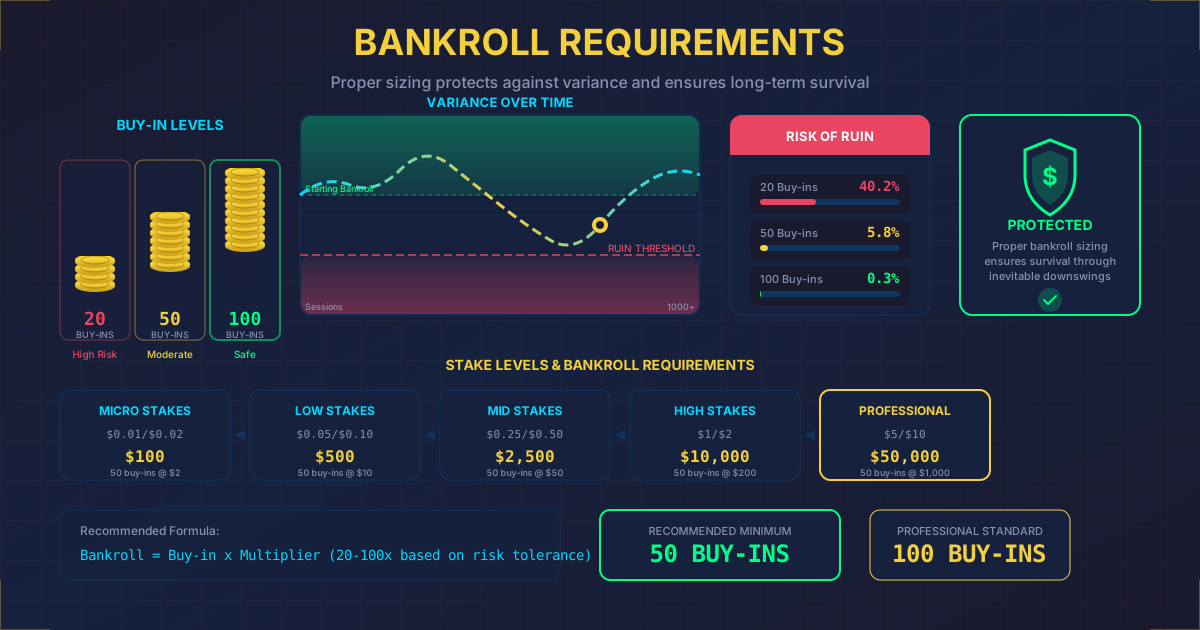
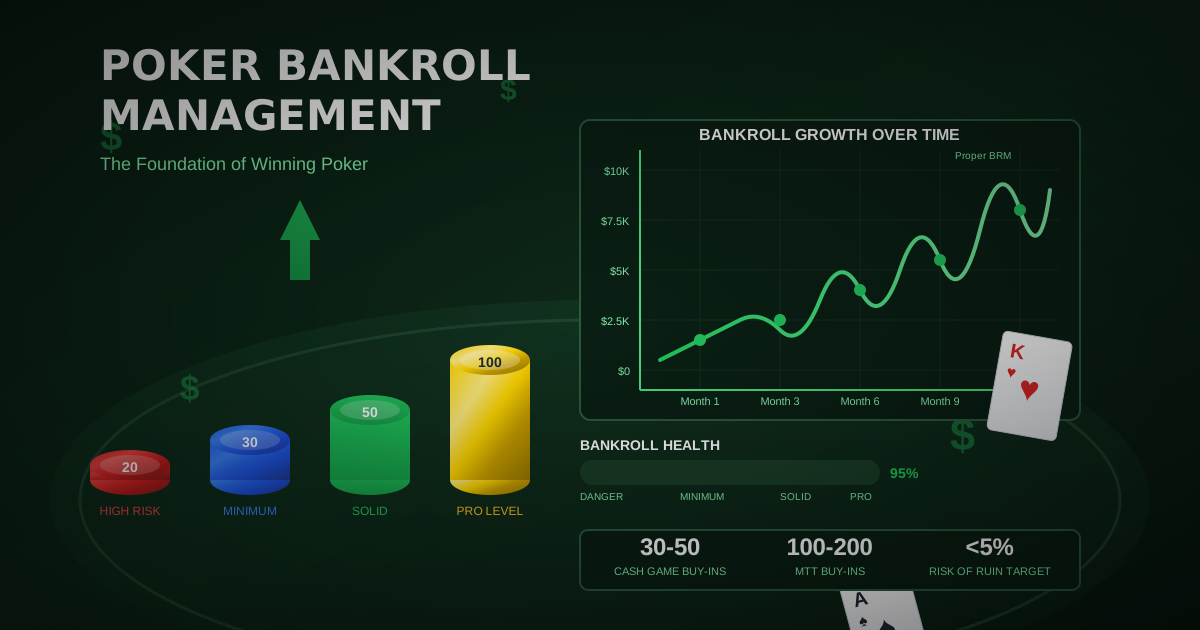
Bankroll Considerations
Session Bankroll
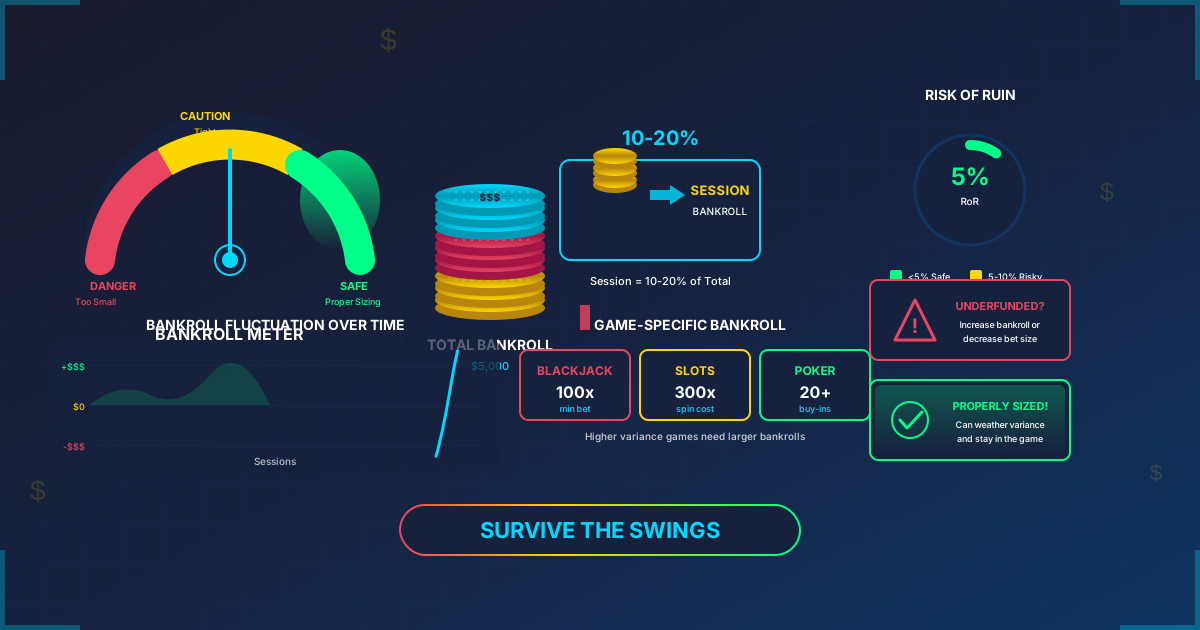
Recommended minimum: 30-40 ante units
At $25 ante: $750-$1,000

Reasoning:
- Each hand risks 1-4 units (ante + play)
- Losing streaks common
- Need cushion for variance
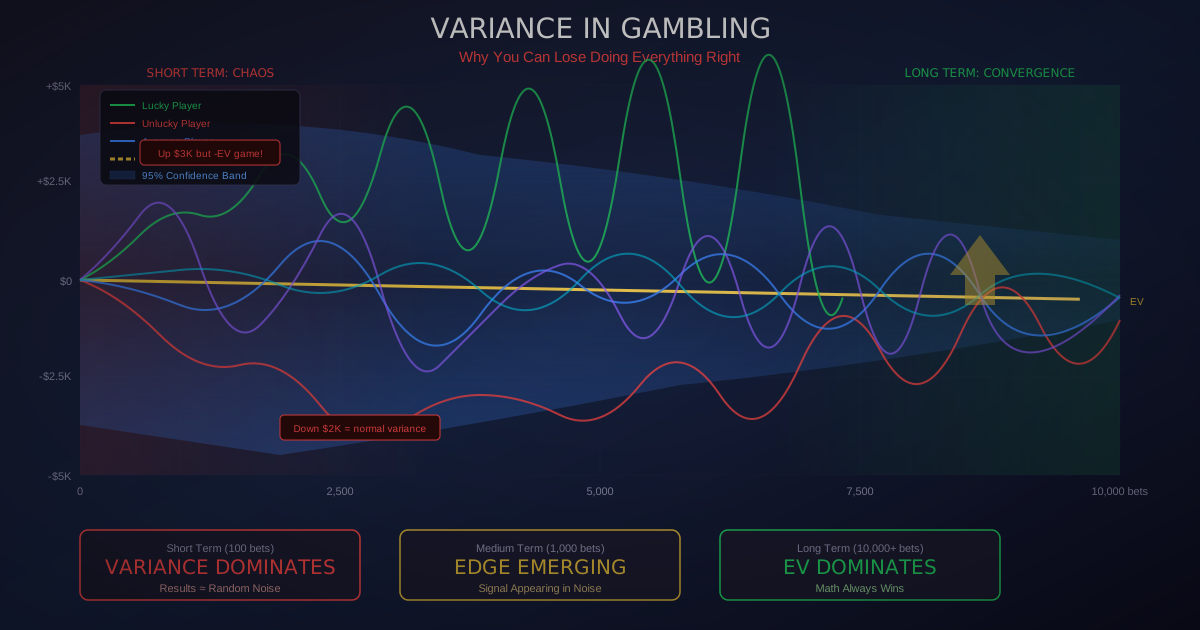
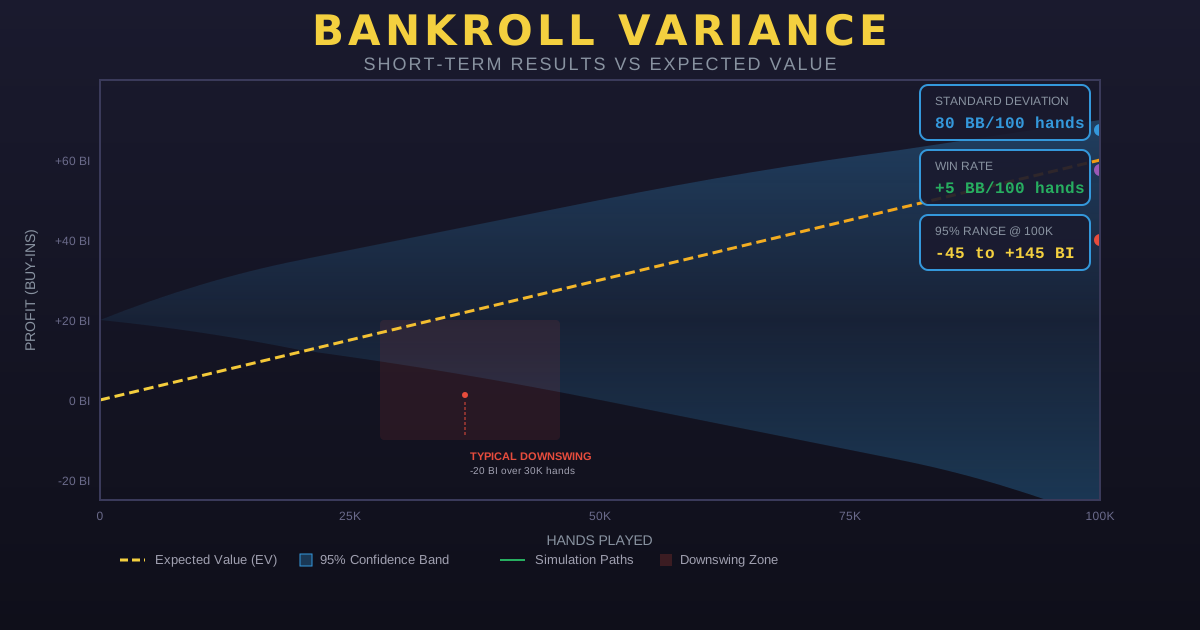
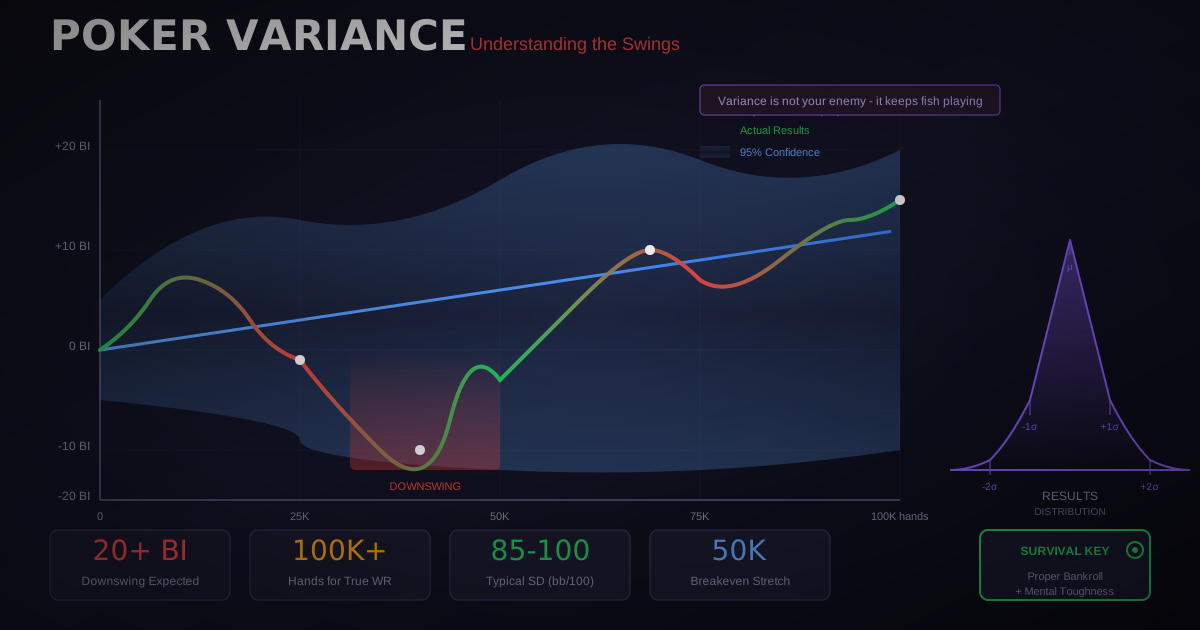
Volatility Analysis
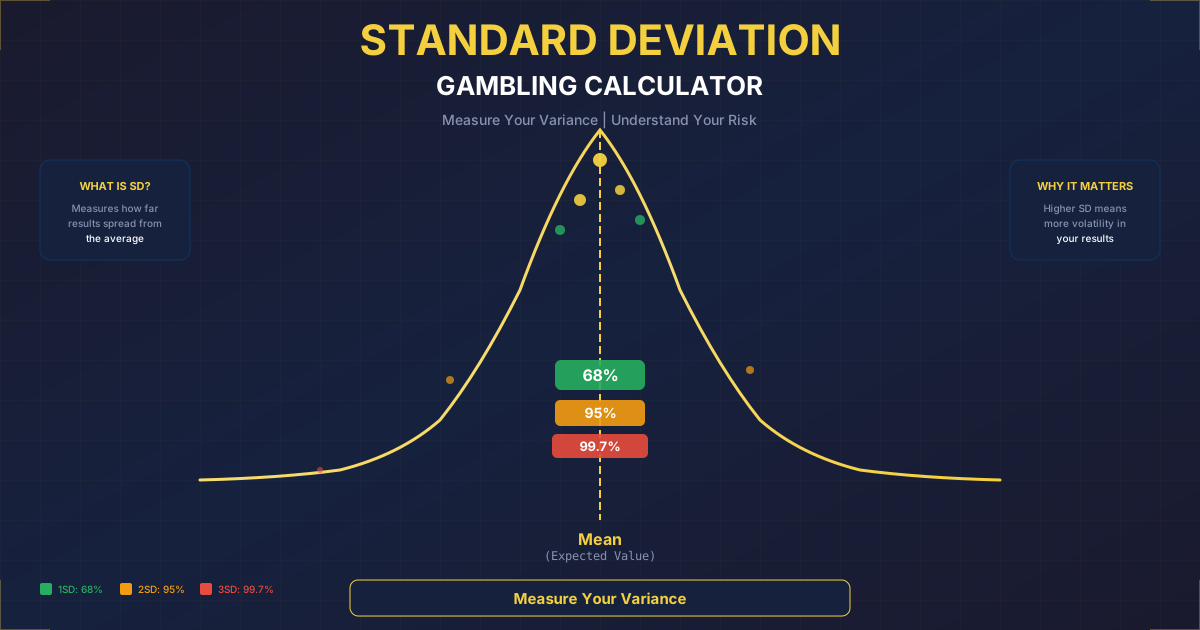
Standard deviation per hand: ~2.5 units
Expected loss per 100 hands: 2.79 units

Probability scenarios (100 hands at $25 ante):
- 20% chance: Win $200+
- 30% chance: Win $0-$200
- 30% chance: Lose $0-$200
- 20% chance: Lose $200+
Common Mistakes to Avoid
-
Raising with High Cards: Folding A-K-Q-J feels wrong but is correct. Any unpaired hand should be folded regardless of how strong it looks.
-
Raising 3x with Medium Pairs: Pairs of 2-9 should only get 1x raises. The extra 2x has negative expected value on medium pairs.
-
Ignoring the Ante Bonus: Remember that three of a kind, straight flush, and four of a kind pay bonuses even when you lose to the dealer.
-
Overvaluing Aces Up: While the side bet has a reasonable house edge, it's still negative EV. Only play it for entertainment value.
-
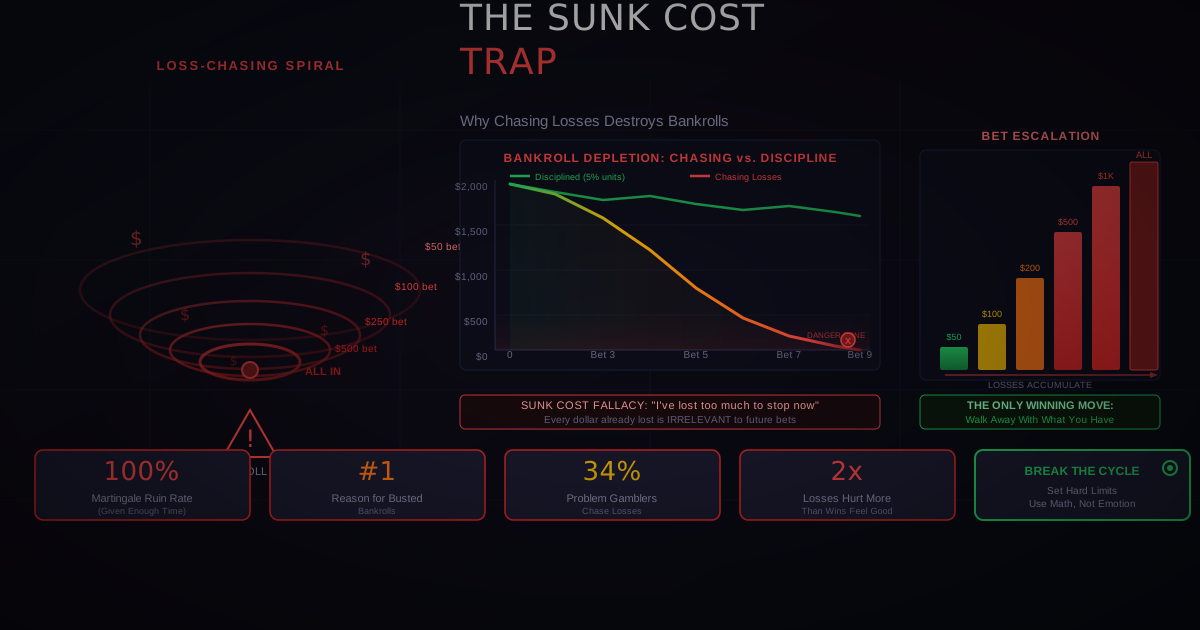
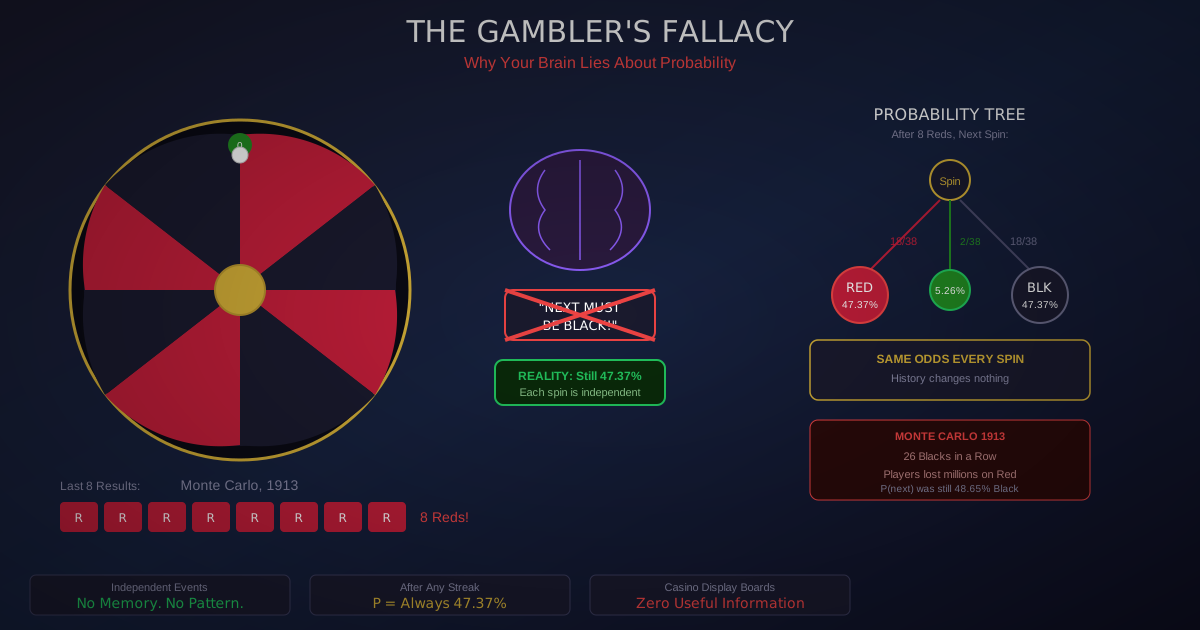
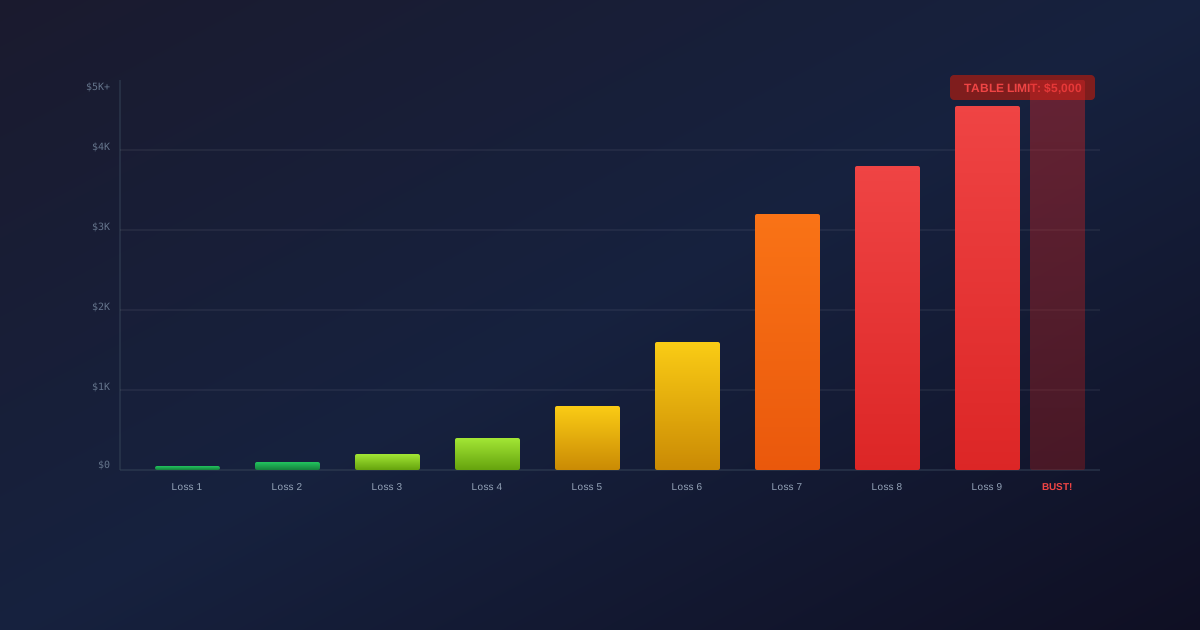
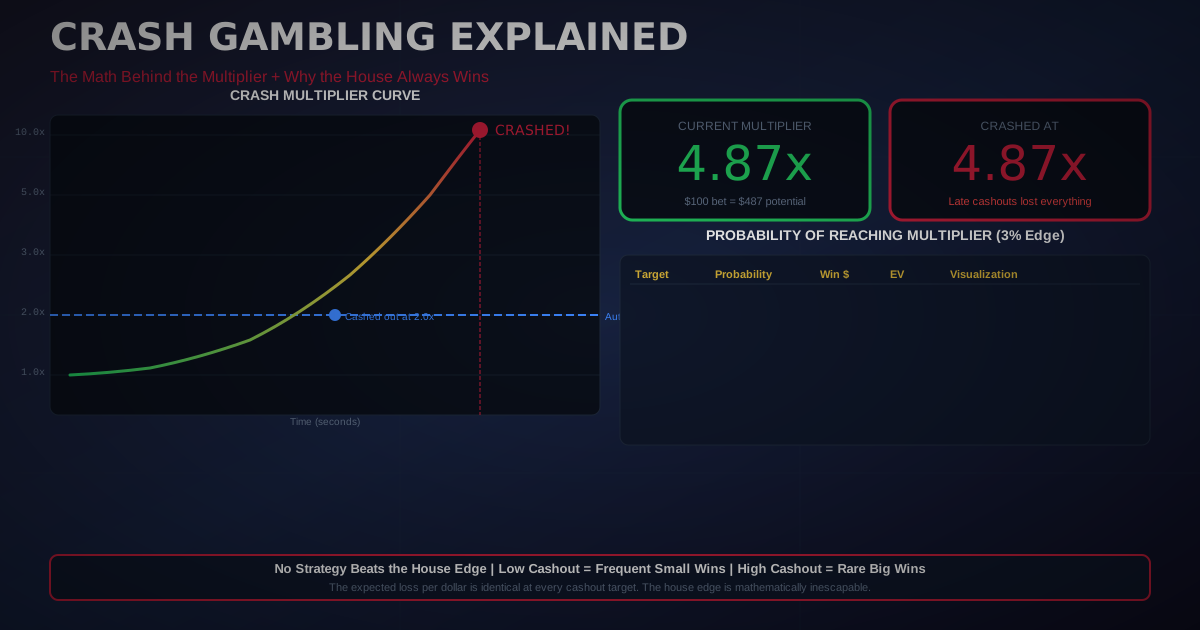
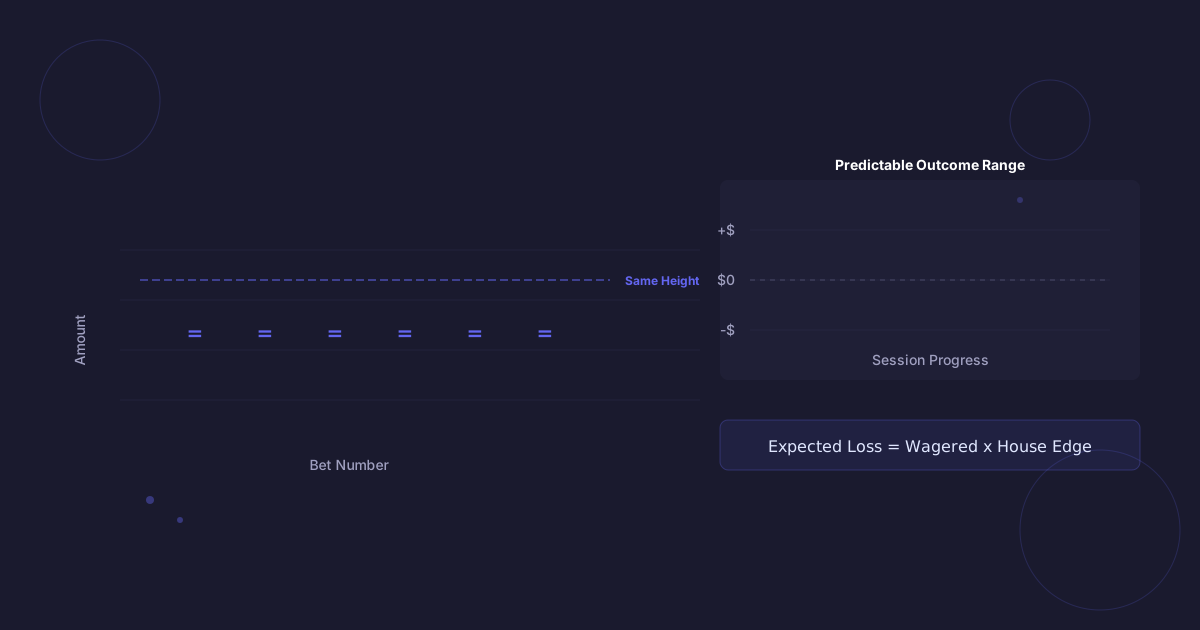
Chasing Losses: The house edge is fixed. Increasing bets after losses doesn't change the math.
-
Not Using Five Cards Properly: Remember you have five cards to make your best four. Sometimes the fifth card creates a better hand than the obvious four.
Frequently Asked Questions
How does Four Card Poker differ from Three Card Poker?
Four Card Poker gives you five cards to make four, while Three Card Poker gives you three cards for a three-card hand. Four Card Poker has a lower house edge (2.79% vs 3.37%) and features Ante bonuses on premium hands.
What is the best bet in Four Card Poker?
The Ante/Play combination with optimal strategy offers the best odds at 2.79% house edge. The Aces Up side bet is also reasonable at 2.78% but still has negative expected value.
Should I always play the Aces Up bet?
The Aces Up bet has a house edge of about 2.78%, which is reasonable for a side bet. However, it's still -EV. Play it for entertainment if you enjoy the added action, but understand it increases total expected losses.
Why fold with A-K-Q-J?
Without a pair, you cannot beat any dealer pair, and dealers will have at least a pair roughly half the time. Raising with high cards loses more money on average than simply folding.
What's the difference between 1x and 3x raises?
With pairs of 2-9, raising 1x is optimal. With pairs of 10s or better, the higher raise (3x) has positive expected value. The cutoff exists because stronger hands have better winning chances.
Is Four Card Poker beatable?
No casino game with a house edge is beatable long-term without an external advantage (like card counting in blackjack). Four Card Poker's 2.79% edge means the house always wins over time, but it's one of the better table games for expected loss.
How do ties work in Four Card Poker?
If you and the dealer have the same hand rank, the higher cards within that rank win. If hands are identical, the Play bet pushes but the Ante is resolved based on standard ranking.
Can I count cards in Four Card Poker?
Card counting isn't practical in Four Card Poker because of the shuffle frequency and the limited decision points. Unlike blackjack, the strategy doesn't change based on previously seen cards.
Pro Tips
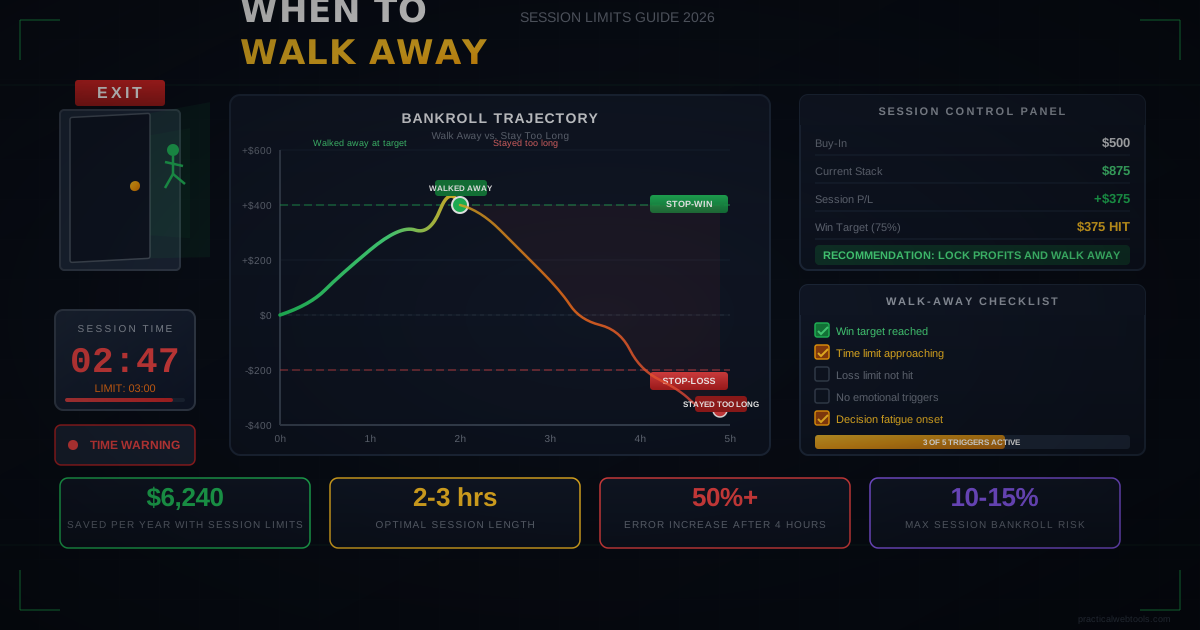
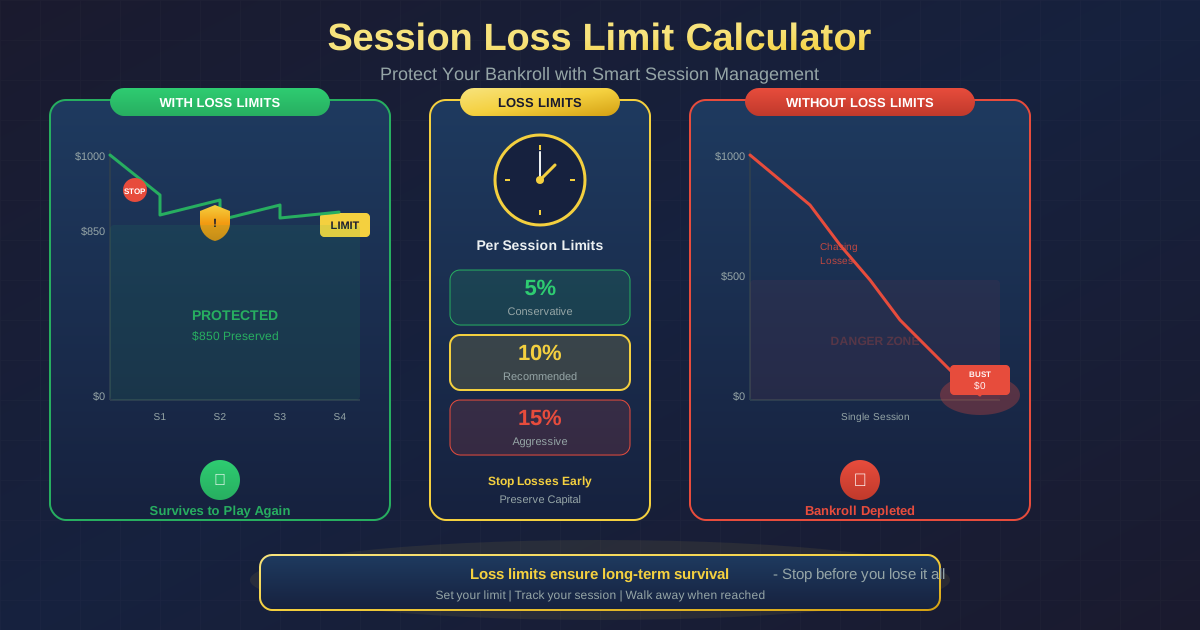
- Set a loss limit before playing and stick to it regardless of how the session goes
- The Ante bonus pays even on losing hands, so trips and better have reduced effective losses
- Focus on the main game strategy - it's simple but must be followed exactly
- If card selection between five cards is unclear, the calculator shows the optimal hand
- Play at tables with the standard Aces Up paytable (50-40-8-5-4-3-1) rather than reduced versions
Related Calculators
- Three Card Poker Calculator - Similar casino poker variant
- Casino Hold'em Calculator - Texas Hold'em vs dealer
- Caribbean Stud Calculator - Five-card stud variant
- Let It Ride Calculator - Poker-based table game
- House Edge Calculator - Compare casino game odds
Conclusion
Four Card Poker offers one of the better house edges among casino poker variants when played optimally. The strategy is straightforward: raise 3x with tens or better, raise 1x with small pairs, and fold everything else. Our Four Card Poker calculator ensures you never make a strategy mistake, minimizing the house's advantage.
Remember that even with perfect play, the house maintains a 2.79% edge. Play for entertainment, set limits, and enjoy the game knowing you're playing as optimally as possible.