Gambling Bankroll Calculator: How Much Do You Need? (2026)
Gambling Bankroll Calculator: Survive the Swings
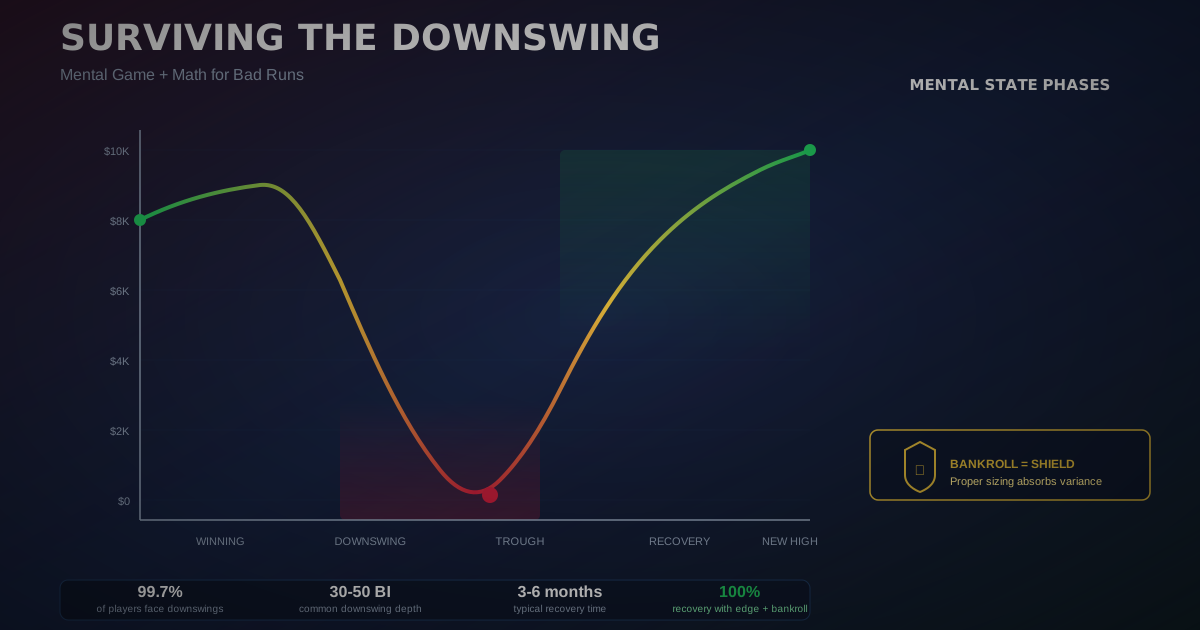
Proper bankroll ensures you can weather variance without going broke. Our calculator shows how much you need for different games, what risk of ruin you're accepting, and how to size sessions for your total gambling budget.
What Is Bankroll Management?
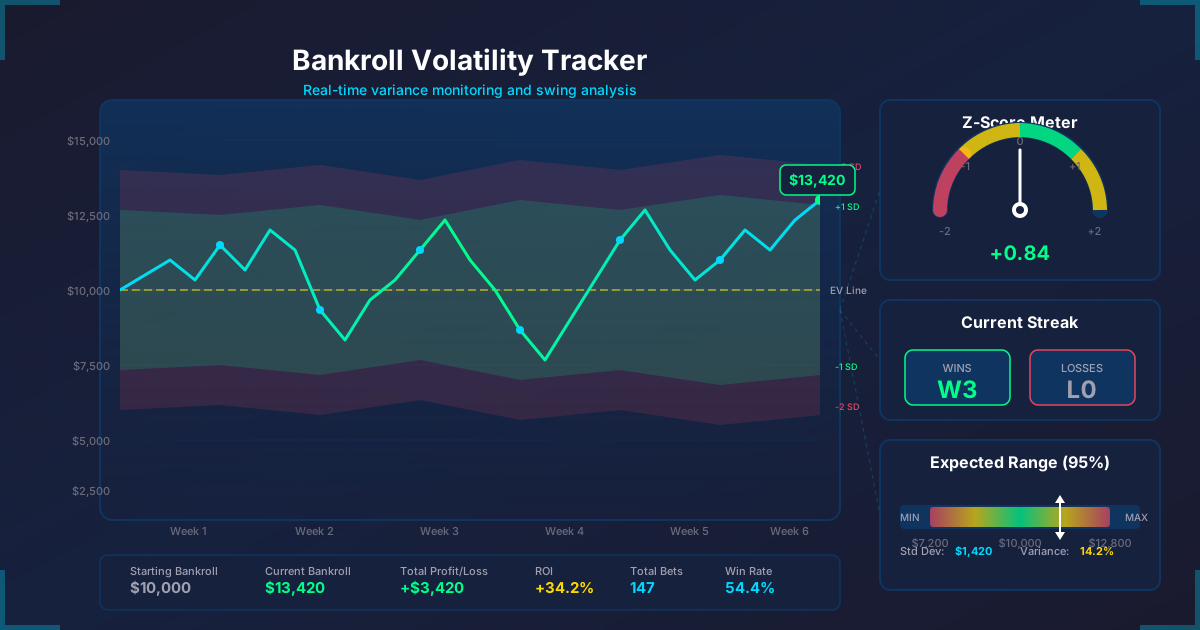
Bankroll is the total money you've set aside for gambling. Bankroll management means sizing bets so short-term variance doesn't deplete your funds before the long term plays out. Even positive EV players go broke without proper bankroll.
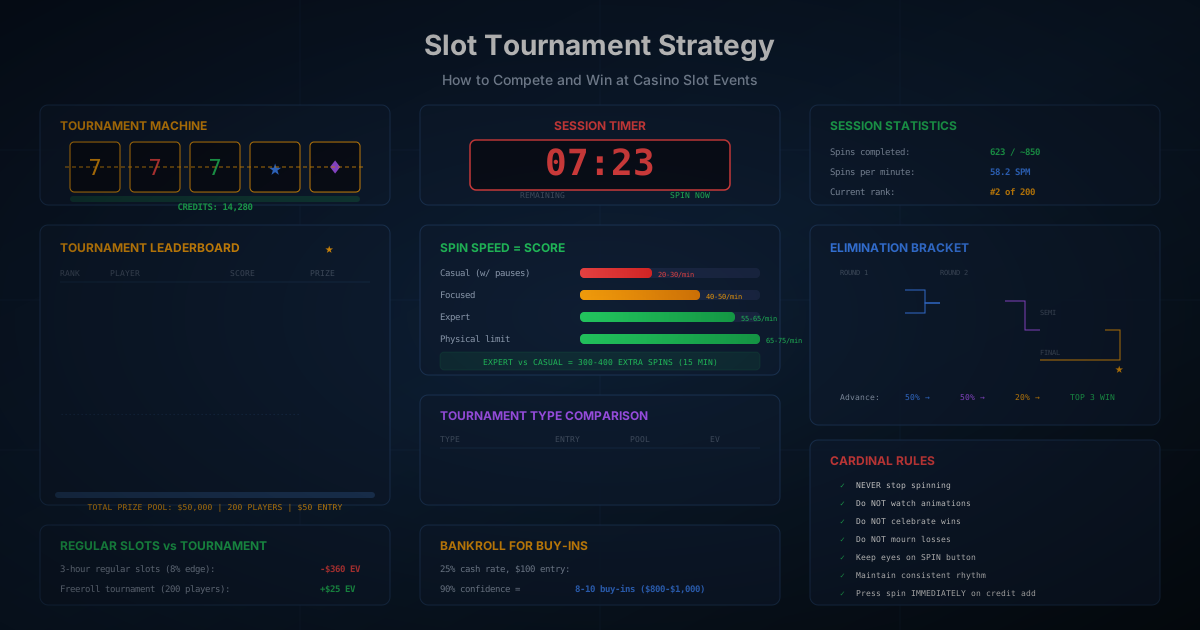
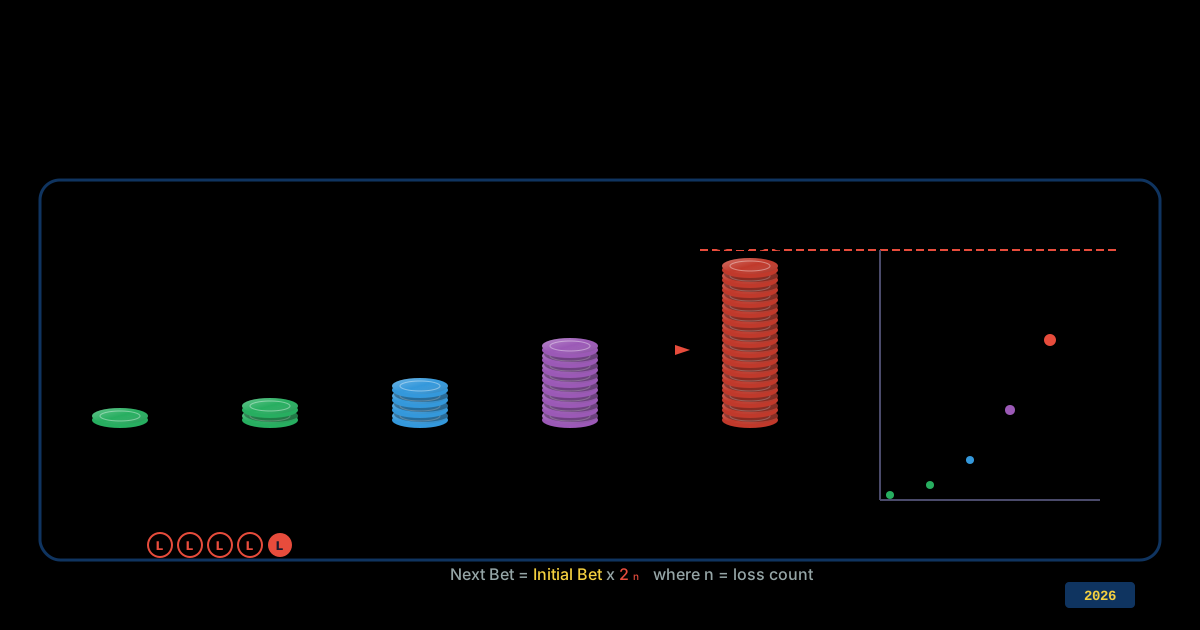
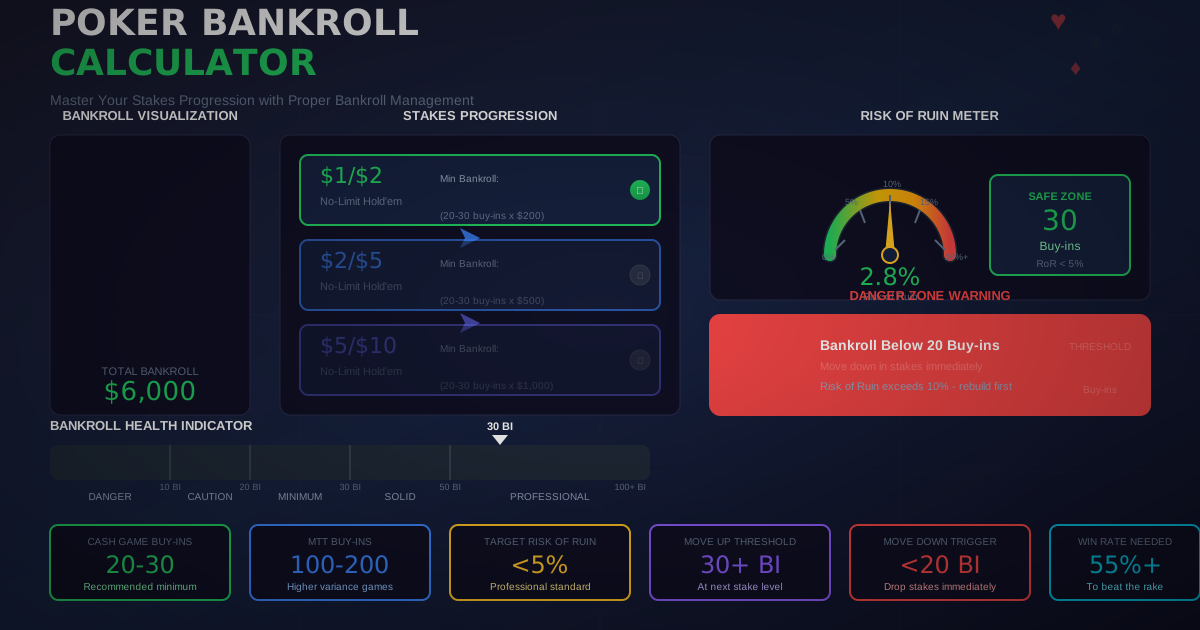
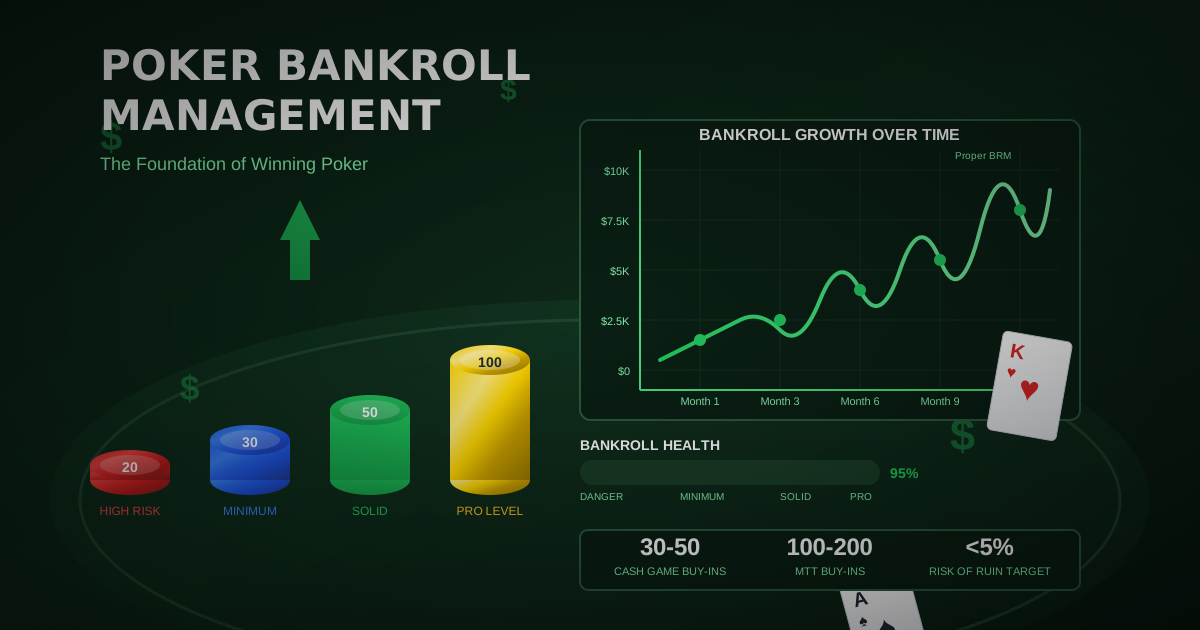
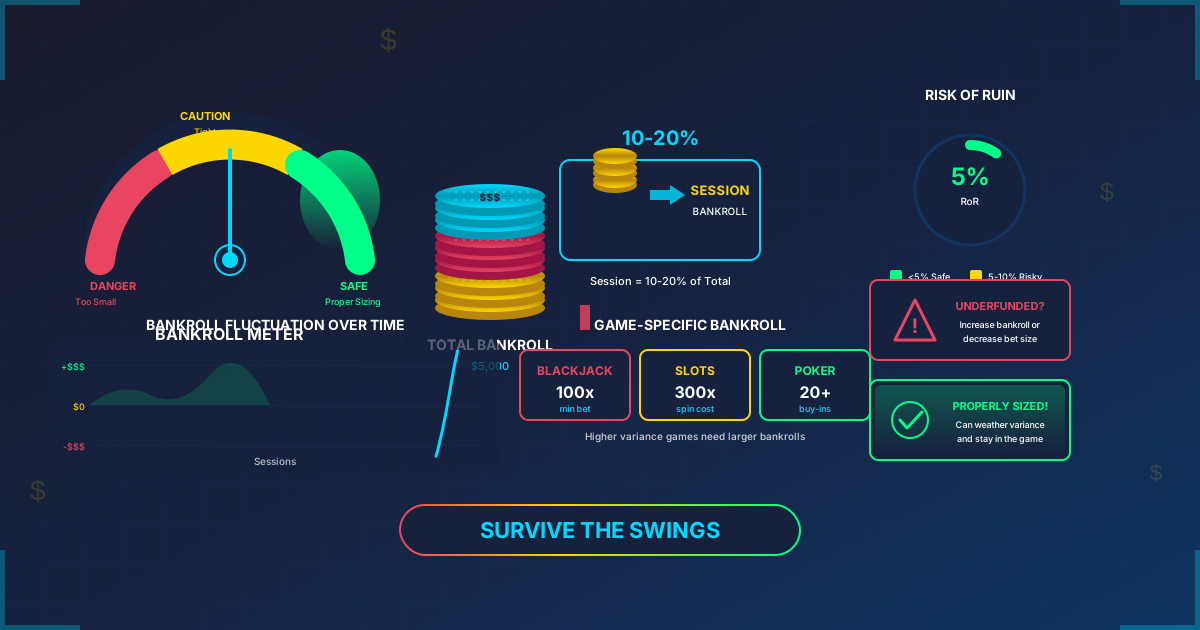
Quick Answer: General rule: 20-30× your average session for recreational play. Serious players: 100-300× average bet for their game. Blackjack counting: 200-400× max bet. Poker: 20-30 buy-ins. Slots: 200-500× bet depending on variance. Your bankroll must survive losing streaks—which are mathematically certain to occur.
How to Use Our Calculator
Use the Gambling Bankroll Calculator →
Enter your game and goals to see bankroll requirements.
Step-by-Step Instructions
-
Select Game Type: Slots, blackjack, poker, etc.
-
Enter Average Bet: Per hand/spin
-
Set Risk Tolerance: Acceptable ruin probability
-
View Bankroll Need: Recommended amount
-
See Session Size: How much per visit
Input Fields Explained
| Field | Description | Example |
|---|---|---|
| Game Type | What you play | Blackjack |
| Average Bet | Typical wager | $25 |
| House Edge | Game disadvantage | 0.5% |
| Variance | Game volatility | Medium |
| Risk Tolerance | Acceptable ruin % | 5% |
| Bankroll Needed | Recommended | $5,000 |
Bankroll by Game Type
Slot Machines
| Variance | Bankroll per Bet |
|---|---|
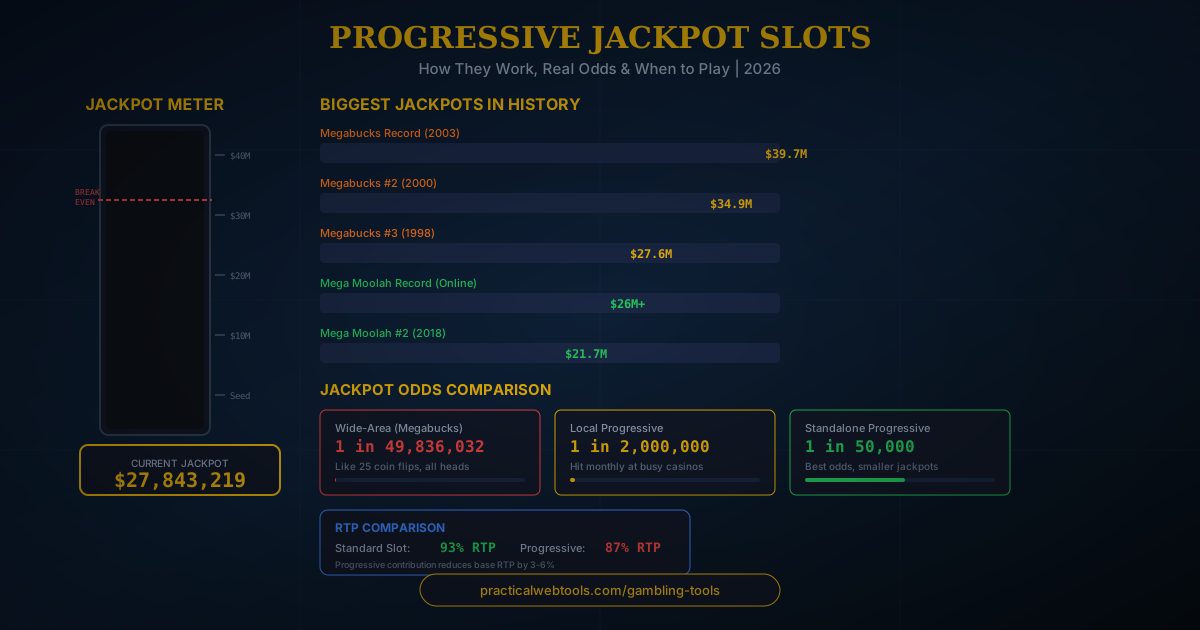
| Low variance | 200× |
| Medium variance | 300× |
| High variance | 500× |
Example: $1 high variance slot = $500 bankroll
Blackjack (Basic Strategy)
| Play Style | Bankroll |
|---|---|
| Recreational | 50× average bet |
| Regular player | 100× average bet |
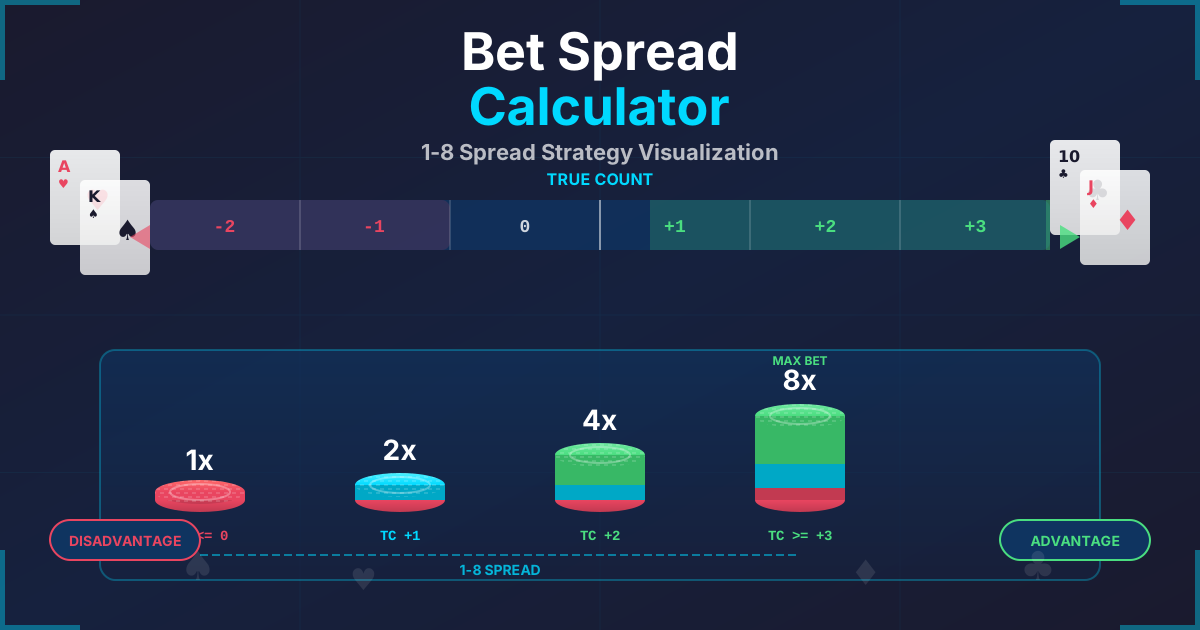
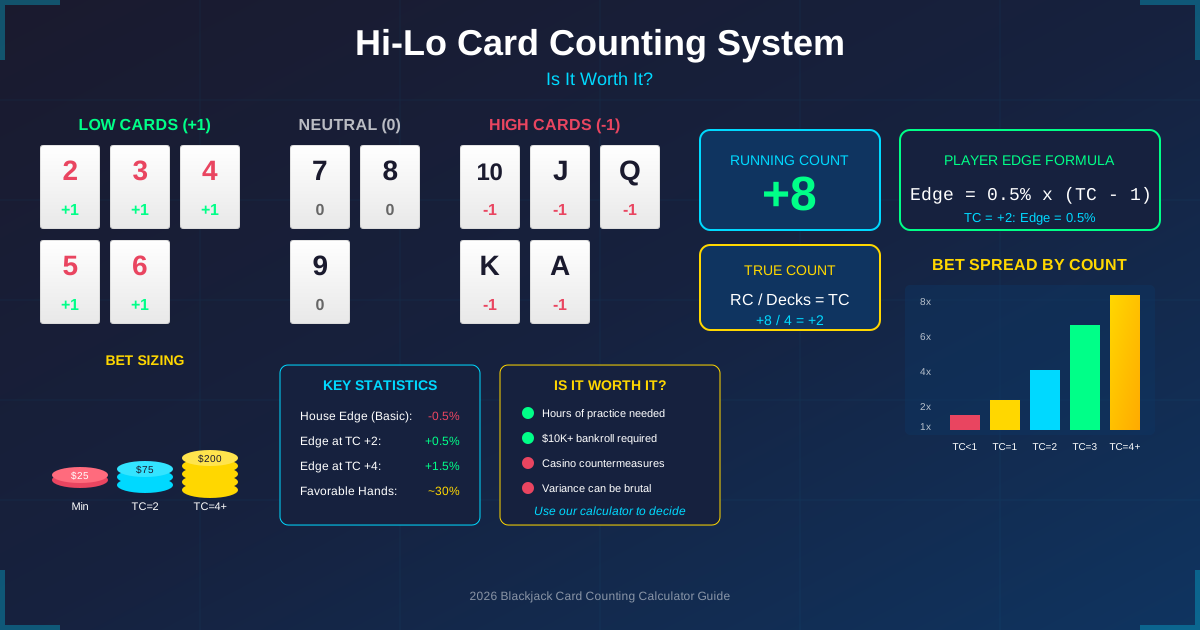
| Card counter | 200-400× max bet |
Example: $25 average bet = $2,500 recreational bankroll
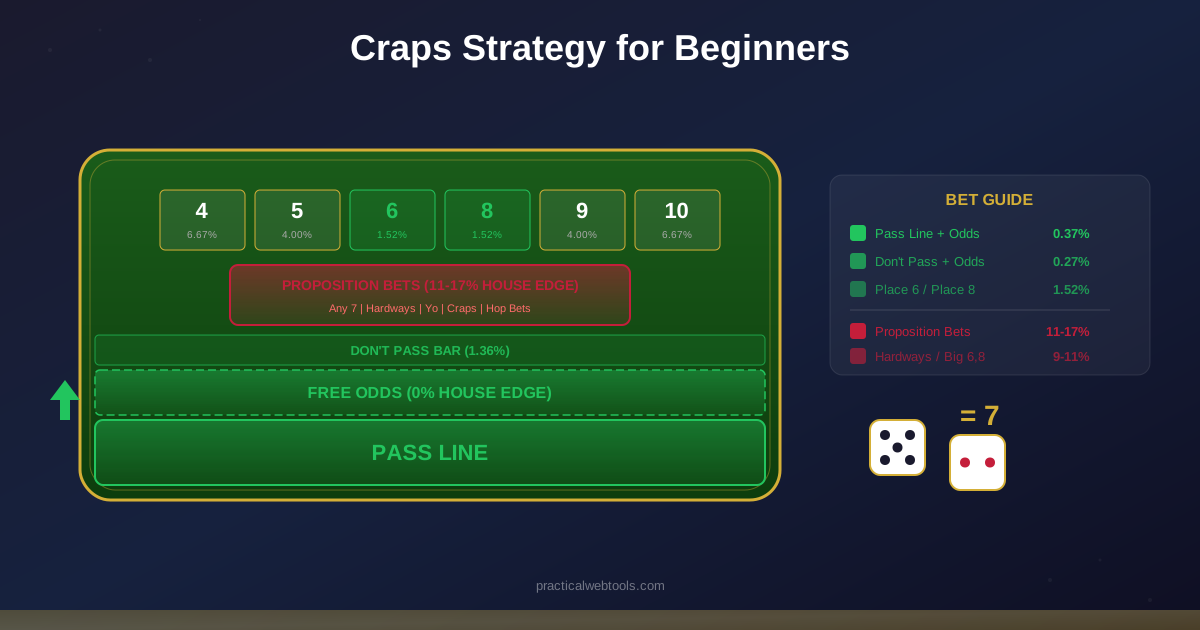
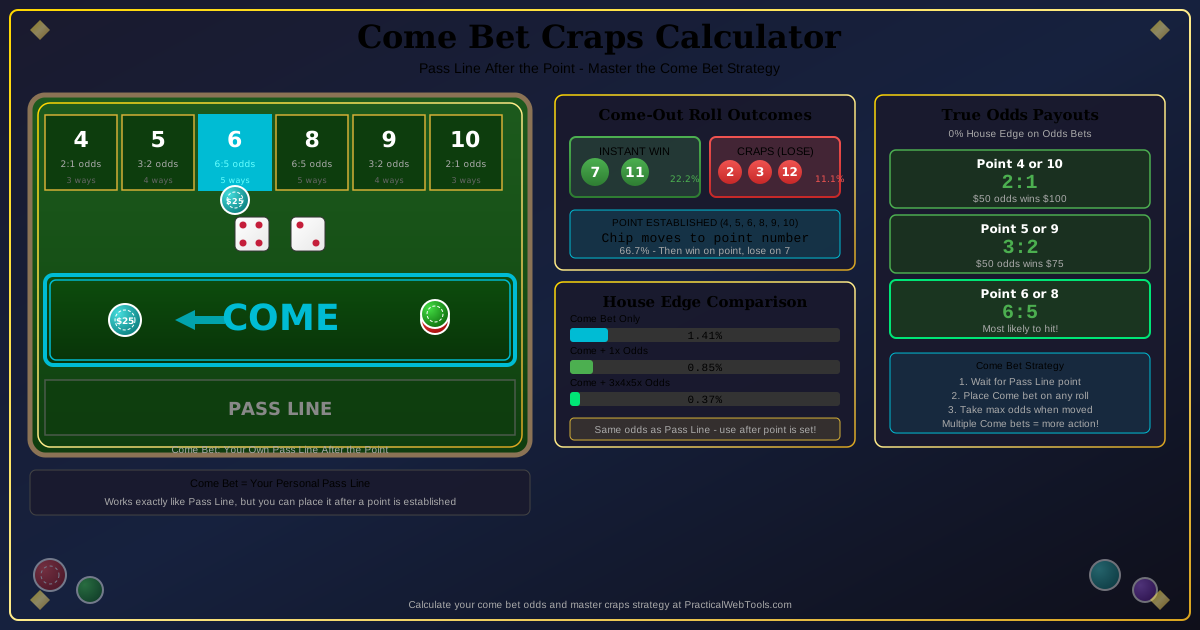
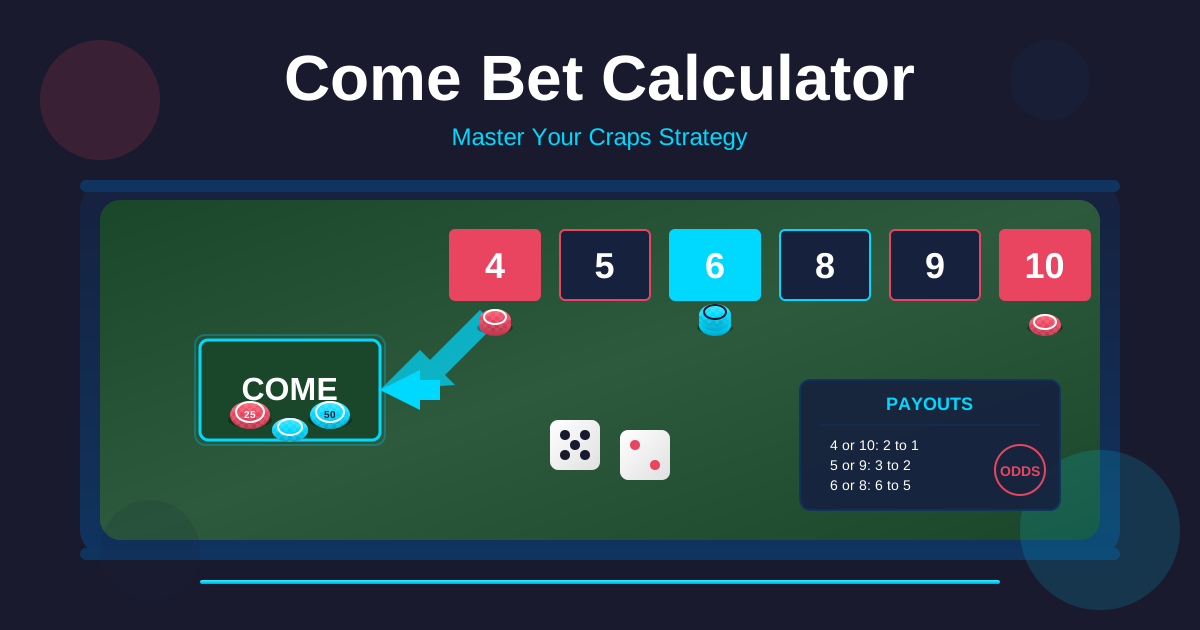
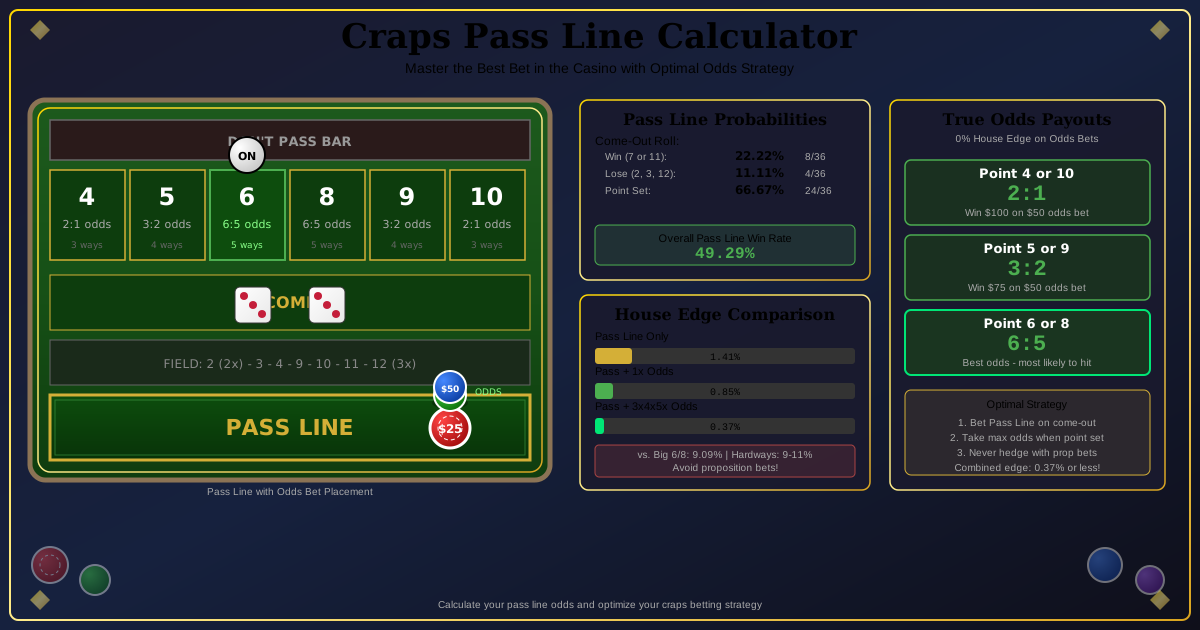
Craps
| Bet Type | Bankroll |
|---|---|
| Pass + odds | 50× line bet |
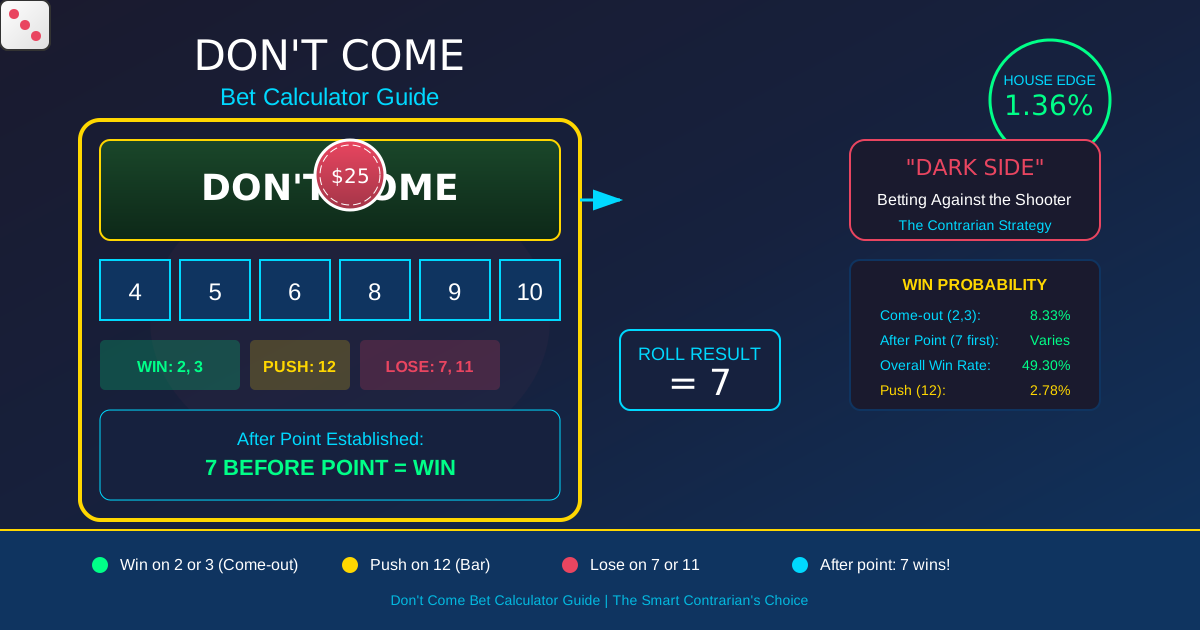
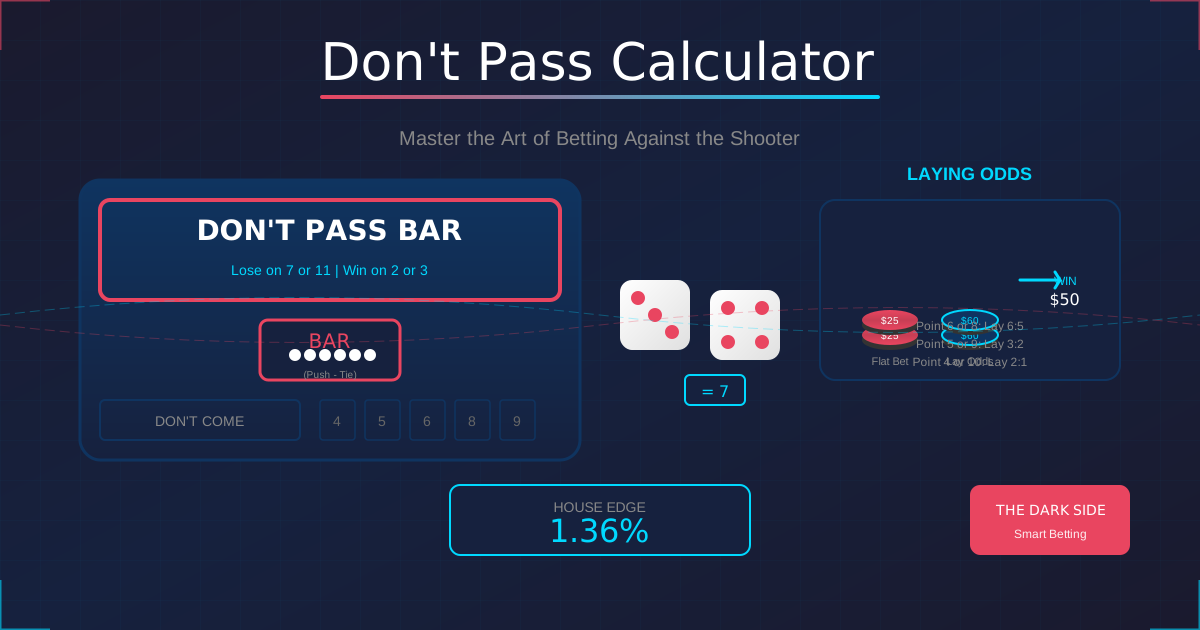
| Don't pass + odds | 50× line bet |
| Mixed strategy | 75× average |
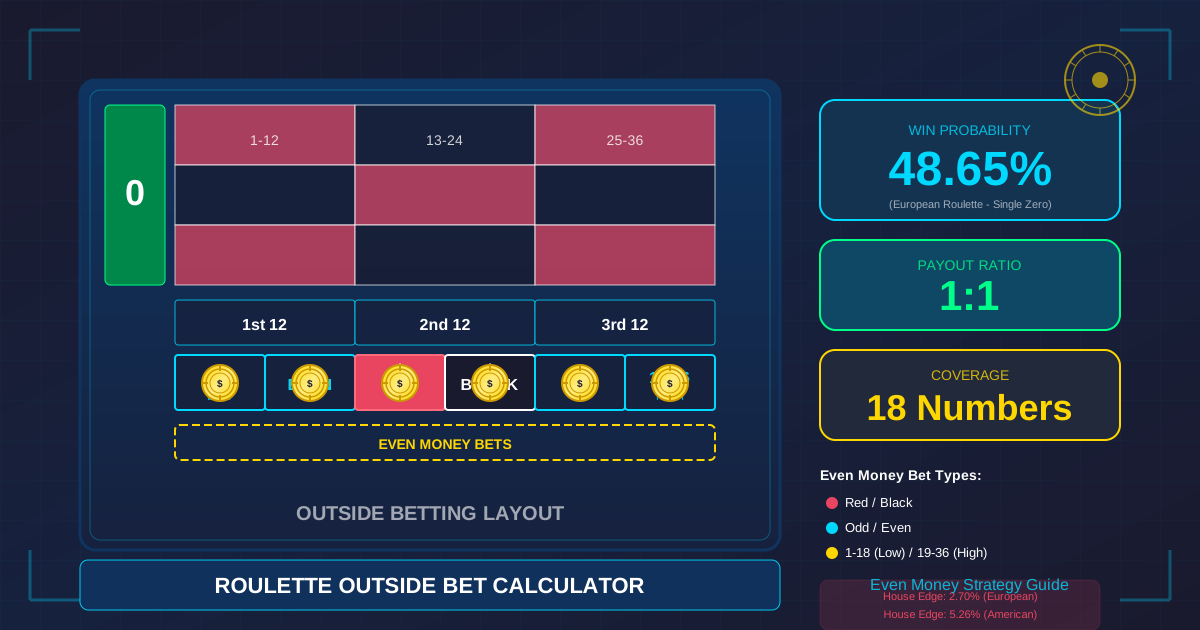
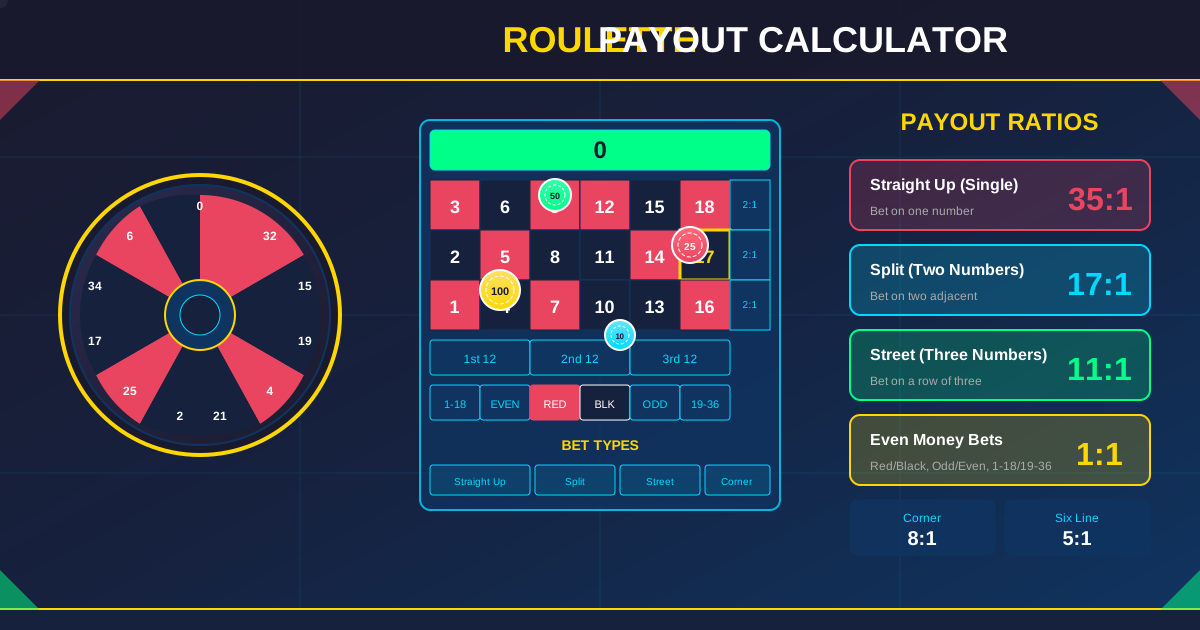
Roulette
| Bet Type | Bankroll |
|---|---|
| Even money | 50× bet |
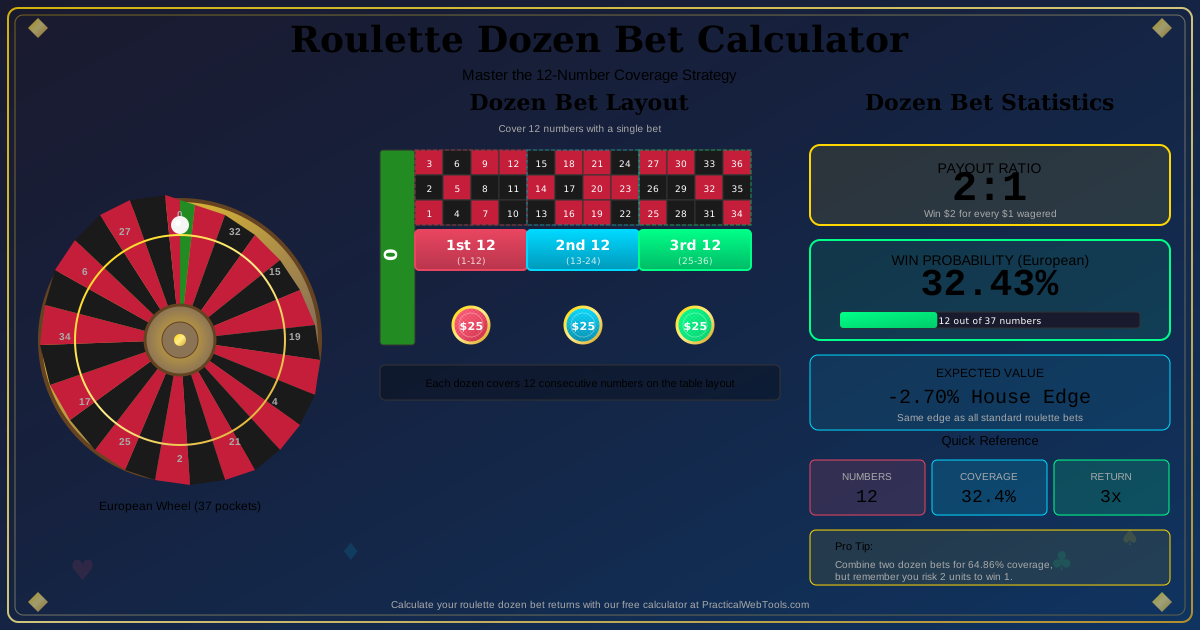
| Dozens | 75× bet |
| Straight up | 150× bet |
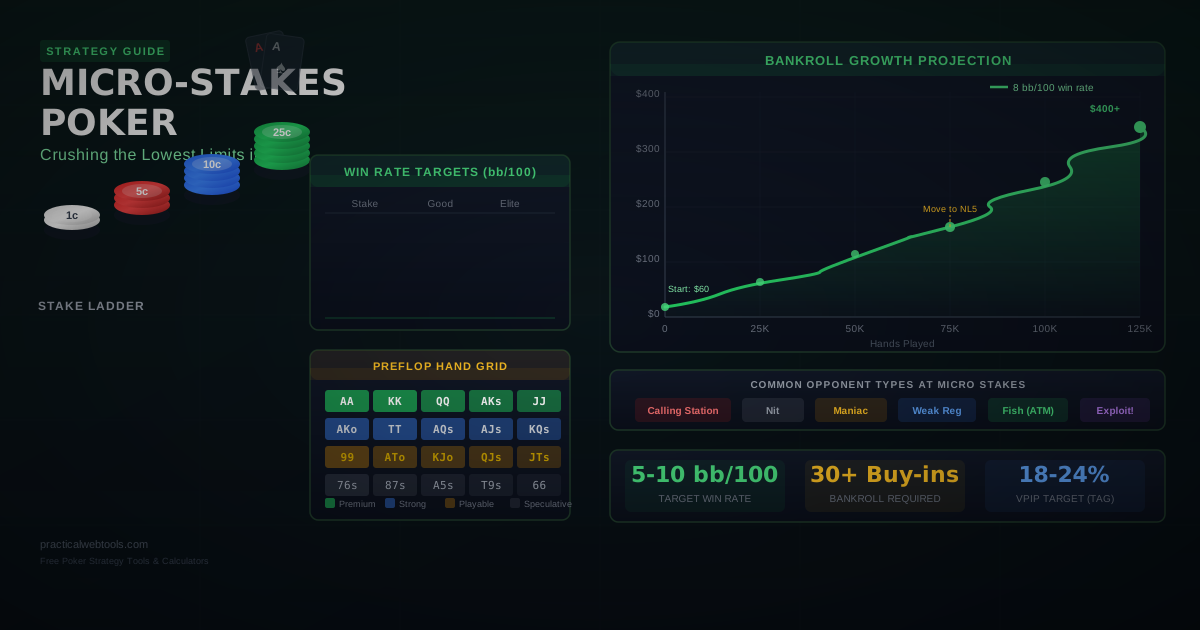
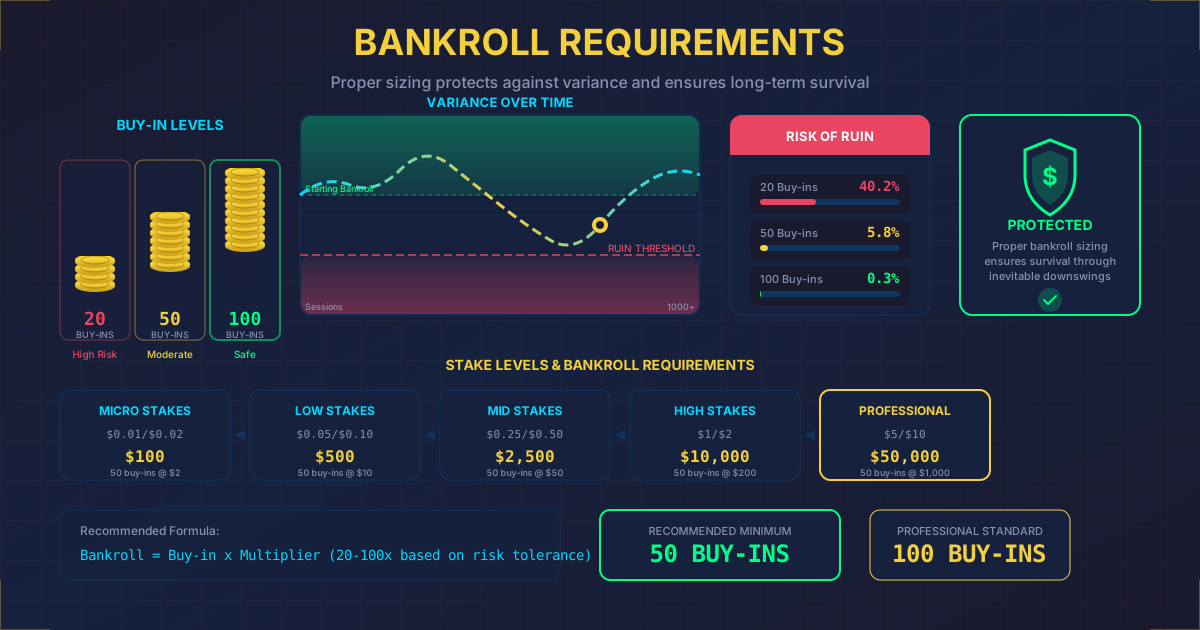
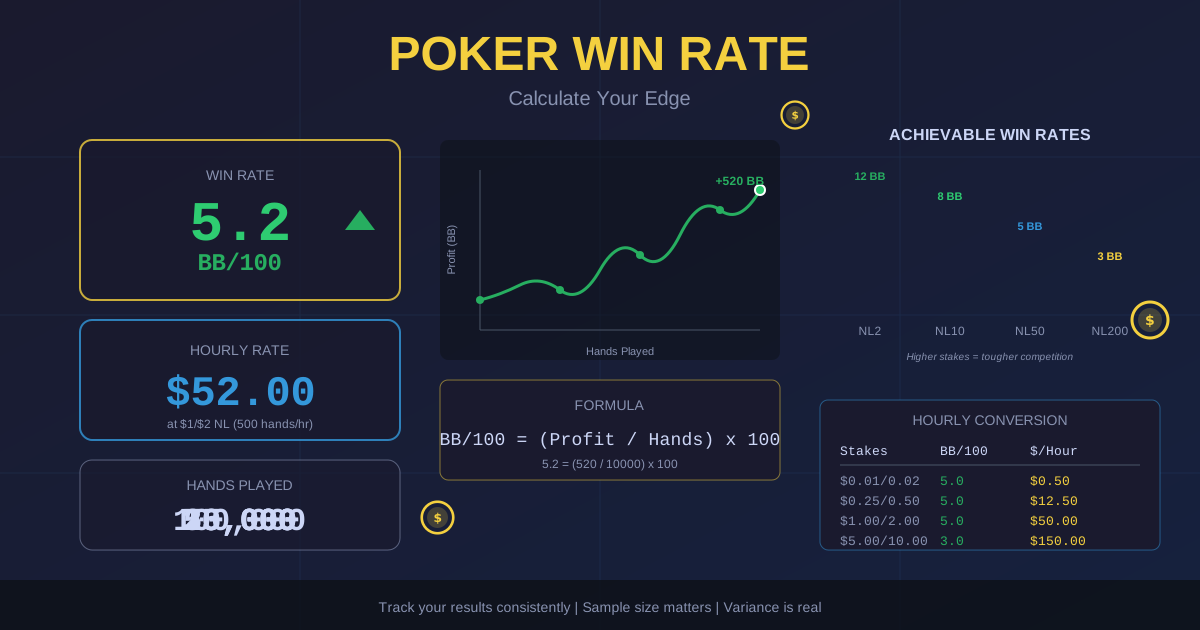
Poker (Cash Games)
| Stakes | Buy-ins Needed |
|---|---|
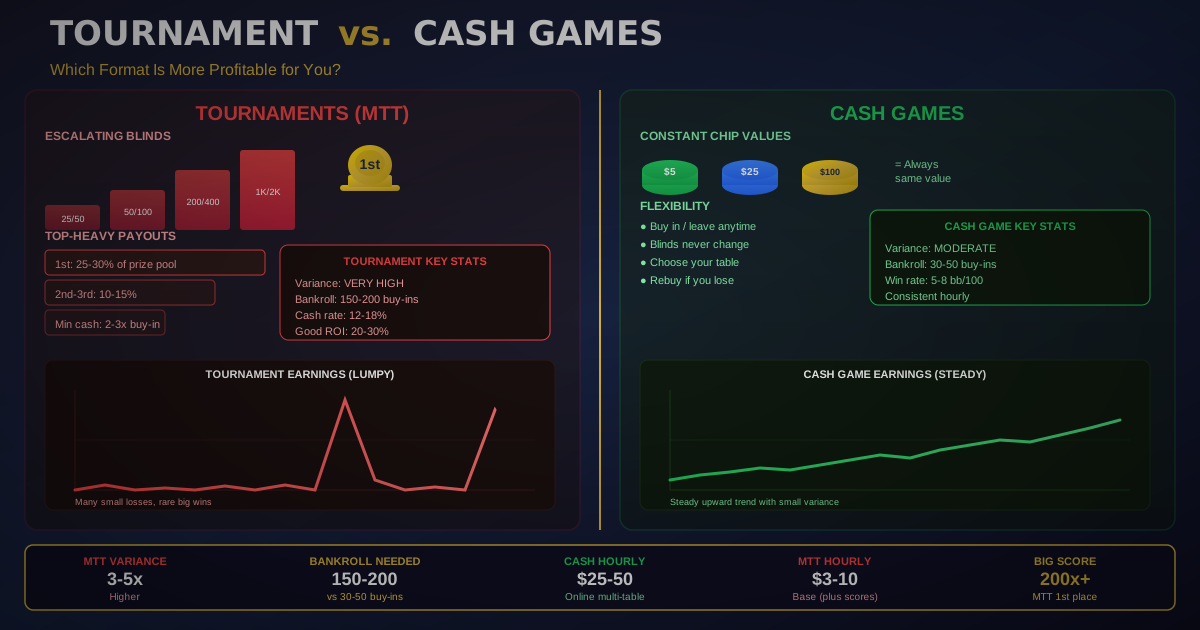
| Recreational | 10 buy-ins |
| Regular | 20-30 buy-ins |
| Professional | 50-100 buy-ins |
Example: $1/$2 ($200 buy-in) = $4,000-$6,000 bankroll
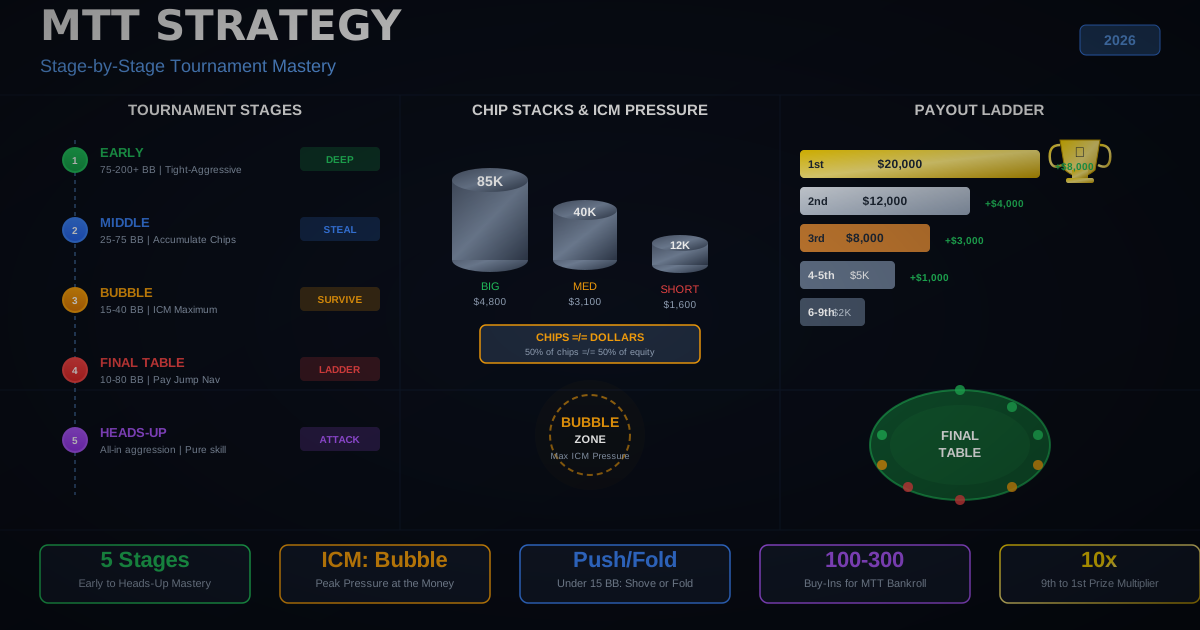
Poker (Tournaments)
| Format | Buy-ins Needed |
|---|---|
| Recreational | 20 buy-ins |
| Regular | 50 buy-ins |
| Professional | 100+ buy-ins |
Risk of Ruin
What Is Risk of Ruin?
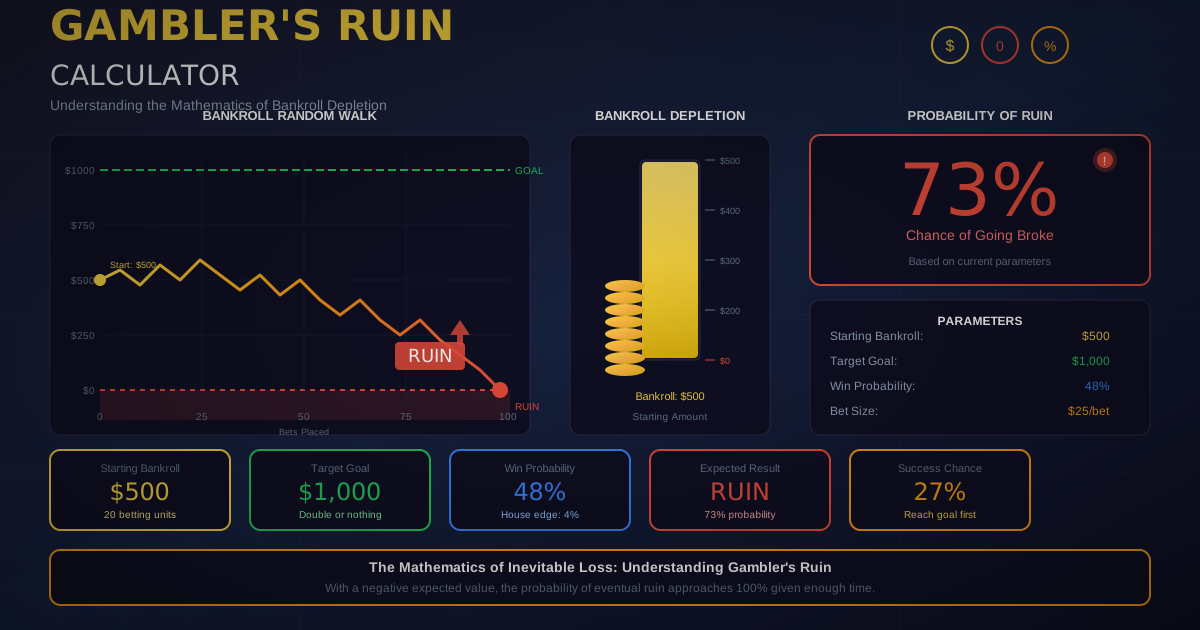
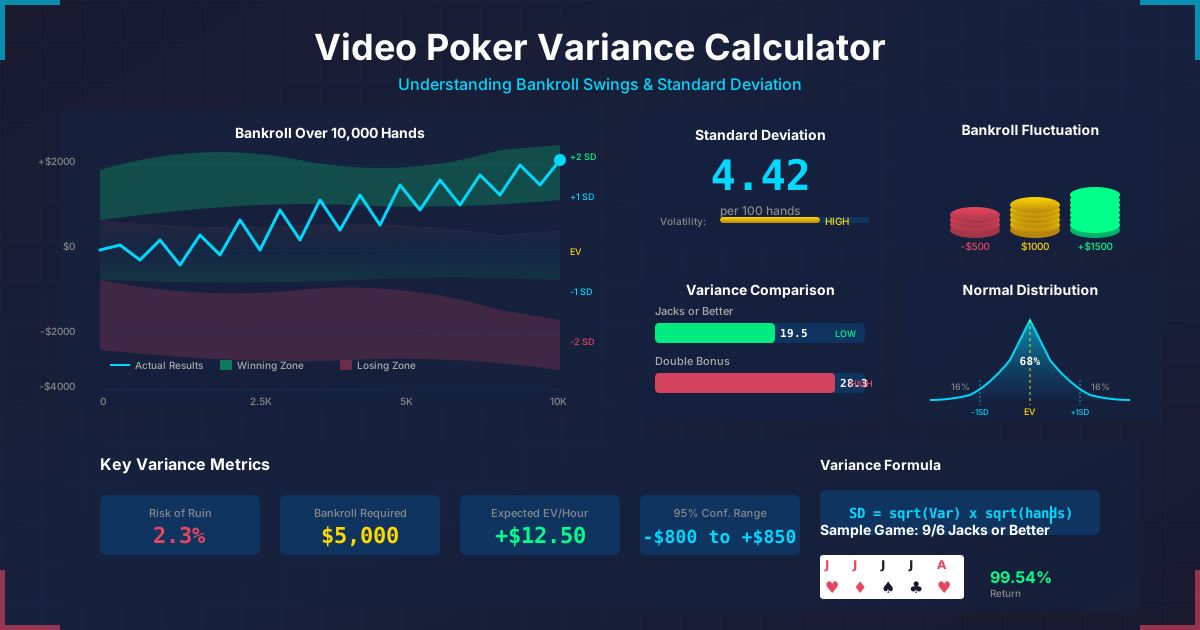
Risk of Ruin (RoR) = Probability of losing entire bankroll

Factors:
- Bankroll size
- Bet size
- House edge/player edge
- Variance
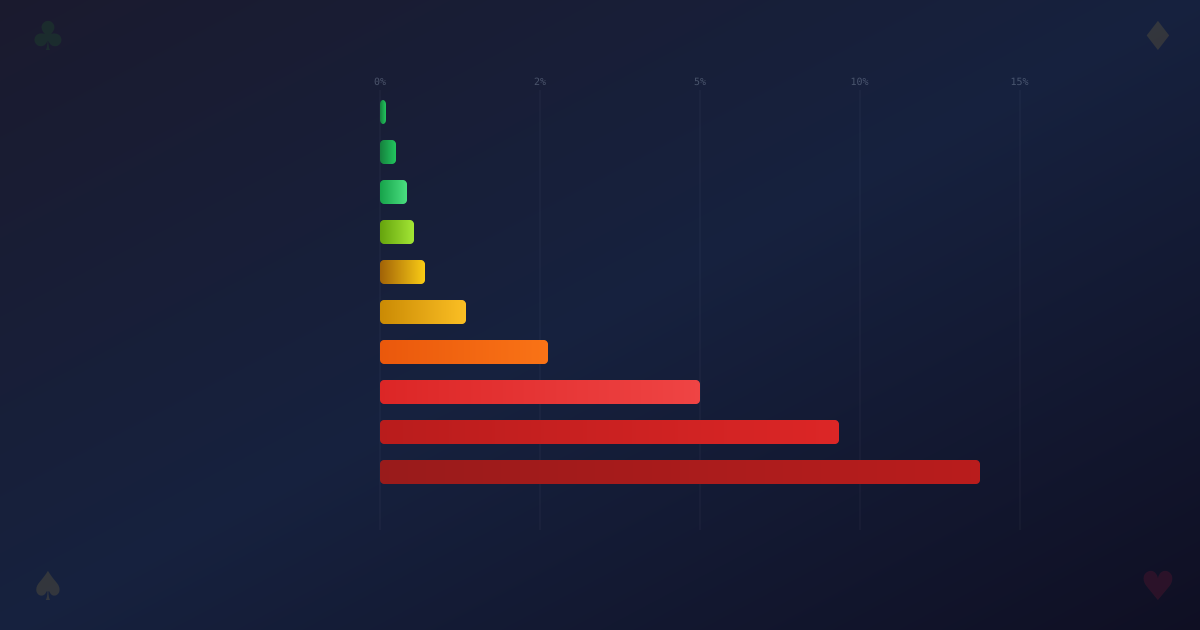
RoR by Bankroll Size
| Bankroll | Conservative RoR |
|---|---|
| 50× bet | 20-30% |
| 100× bet | 10-15% |
| 200× bet | 5-8% |
| 300× bet | 2-5% |
| 500× bet | <2% |
Calculating RoR (Negative EV)
For negative expectation games:
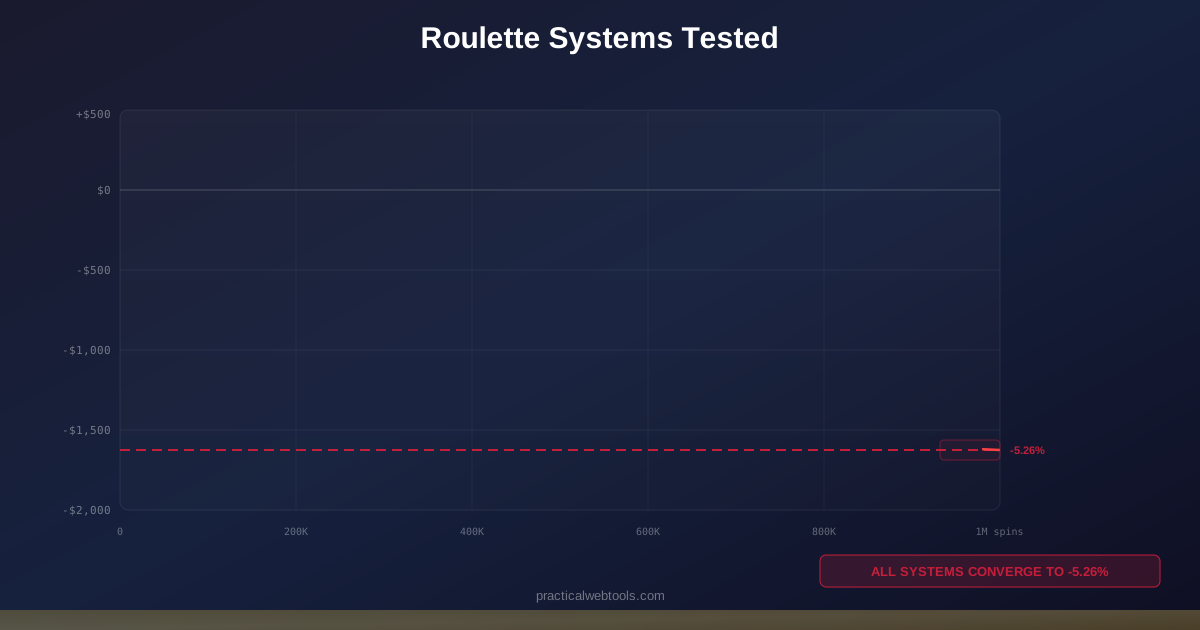
RoR approaches 100% eventually

Short-term survival:
More bankroll = longer play
But eventual ruin is certain

Key: Play for entertainment
Accept expected loss
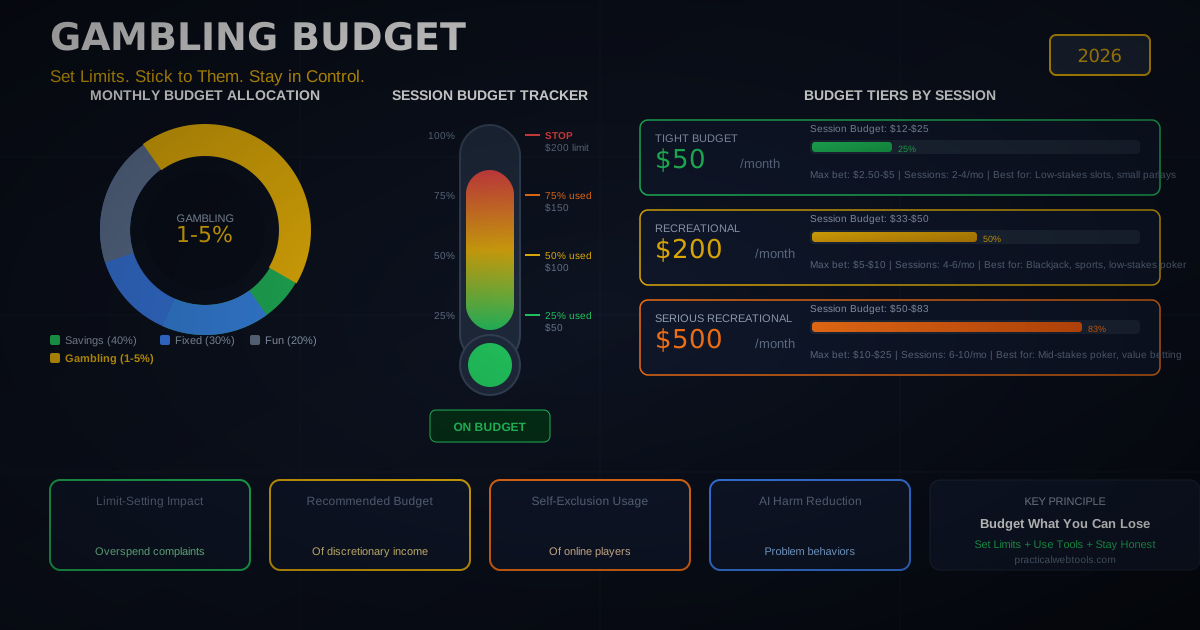
Session Sizing
Session vs Total Bankroll
Total bankroll: $3,000
Sessions per year: 12

Conservative session: $200-250
Aggressive session: $300-400

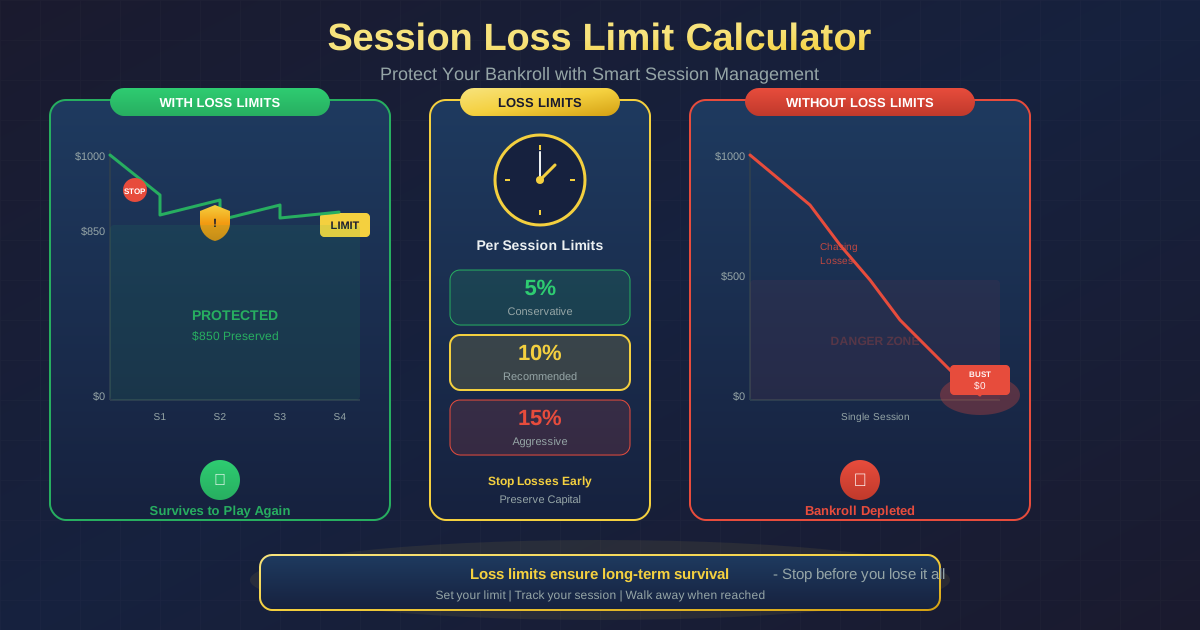
Never bring entire bankroll to one session
Session Bankroll Rules
| Play Frequency | Session Size |
|---|---|
| Monthly | 10% of total |
| Weekly | 5% of total |
| Daily | 2-3% of total |
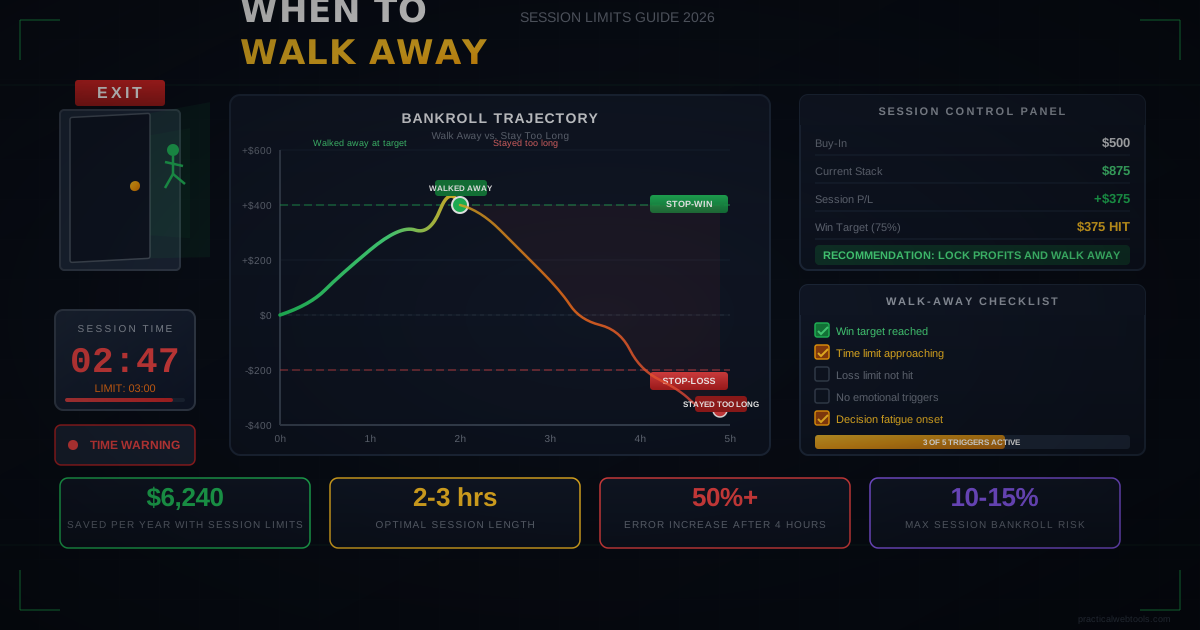
Stop-Loss Guidelines
Per session stop-loss:
50-100% of session bankroll

Example:
$300 session budget
Stop-loss: $200-300
Win goal: 50-100% ($150-300)
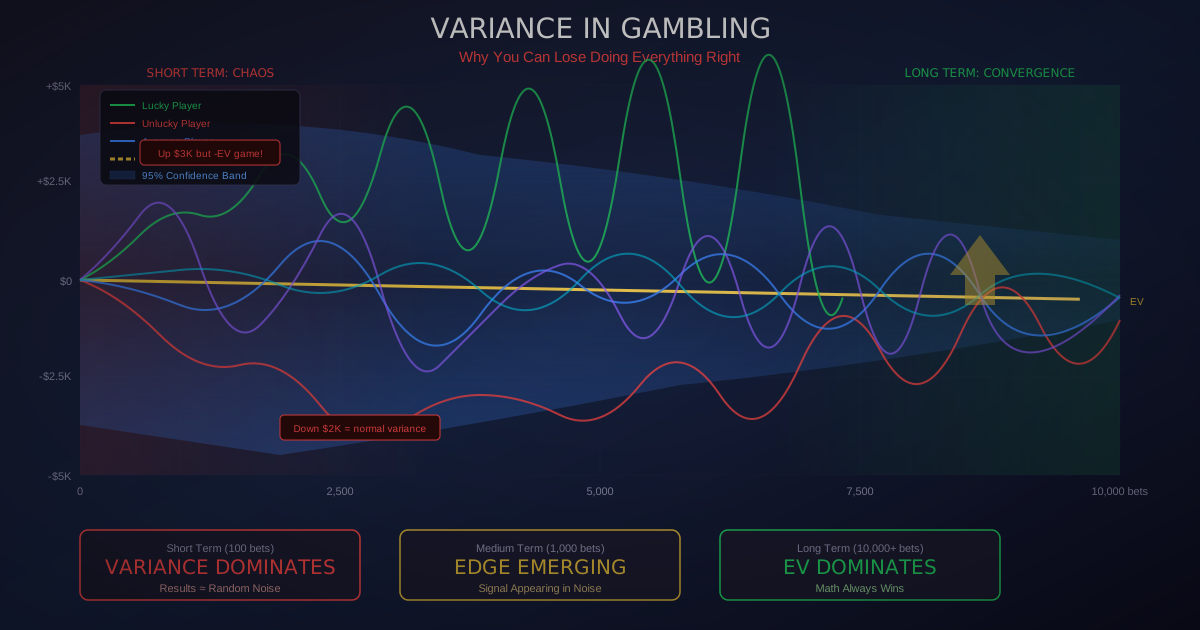
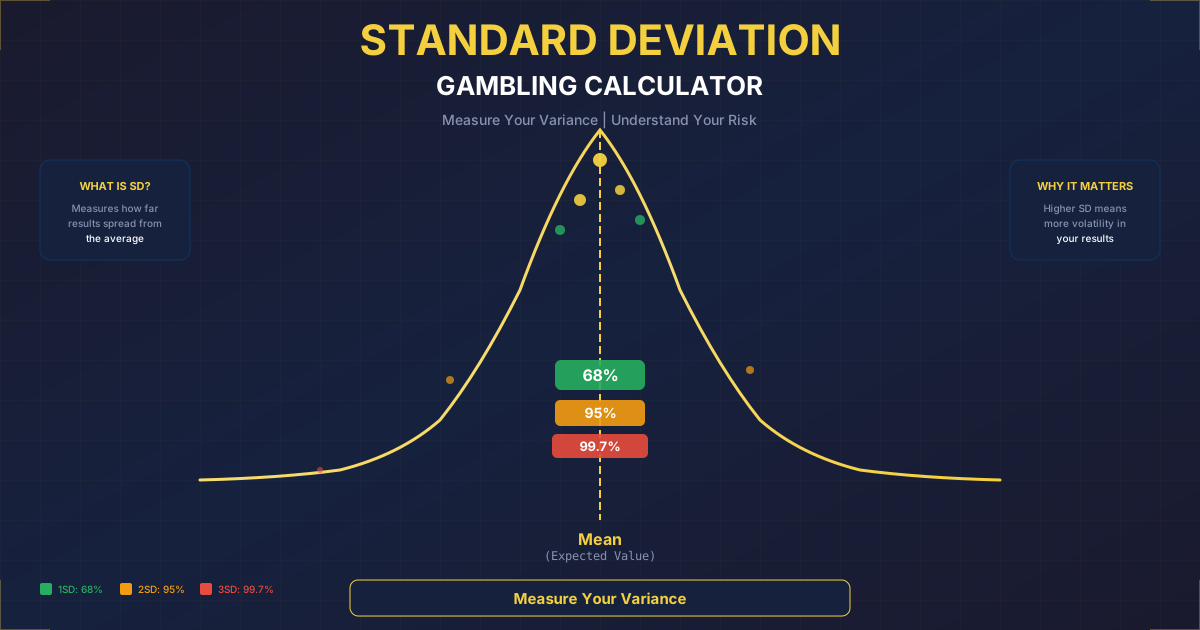
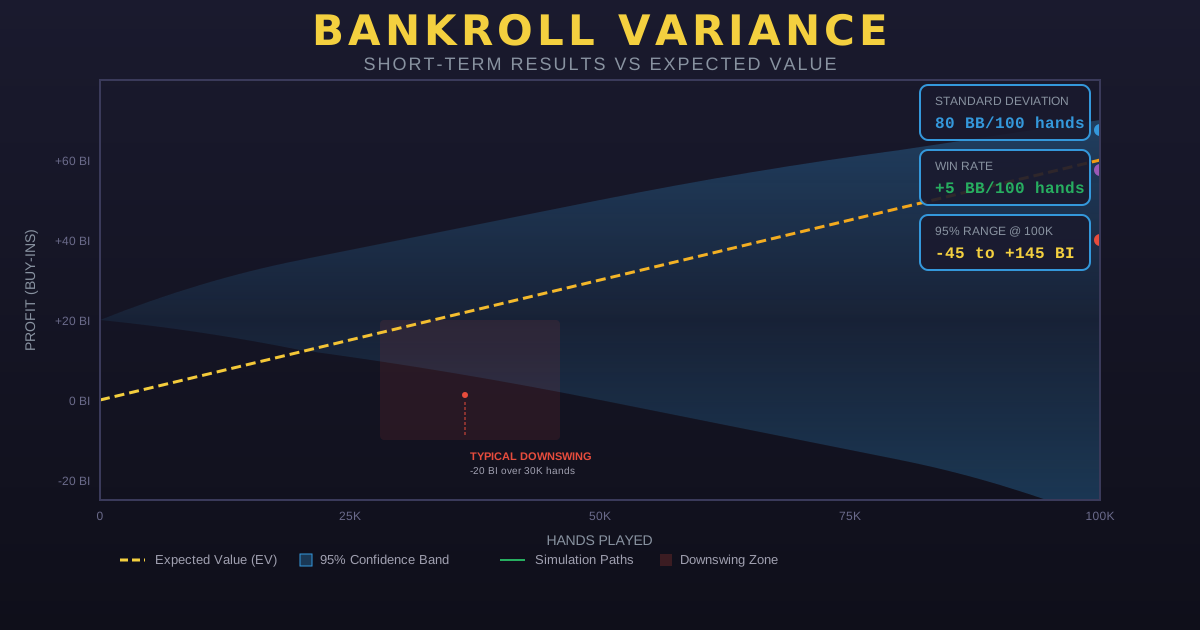
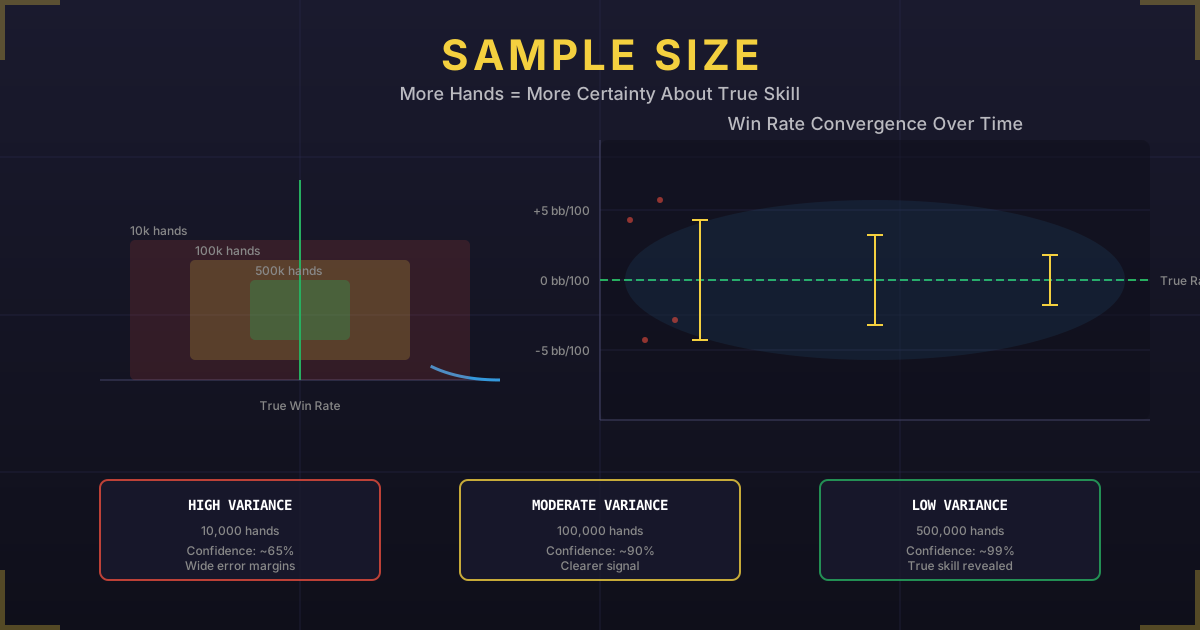
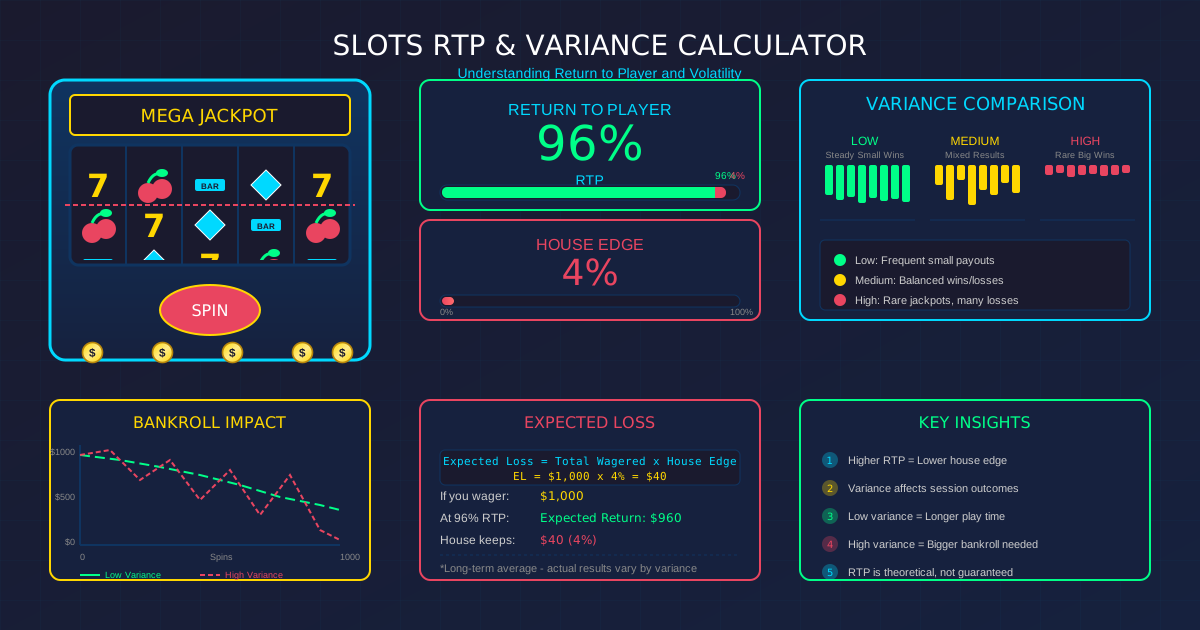
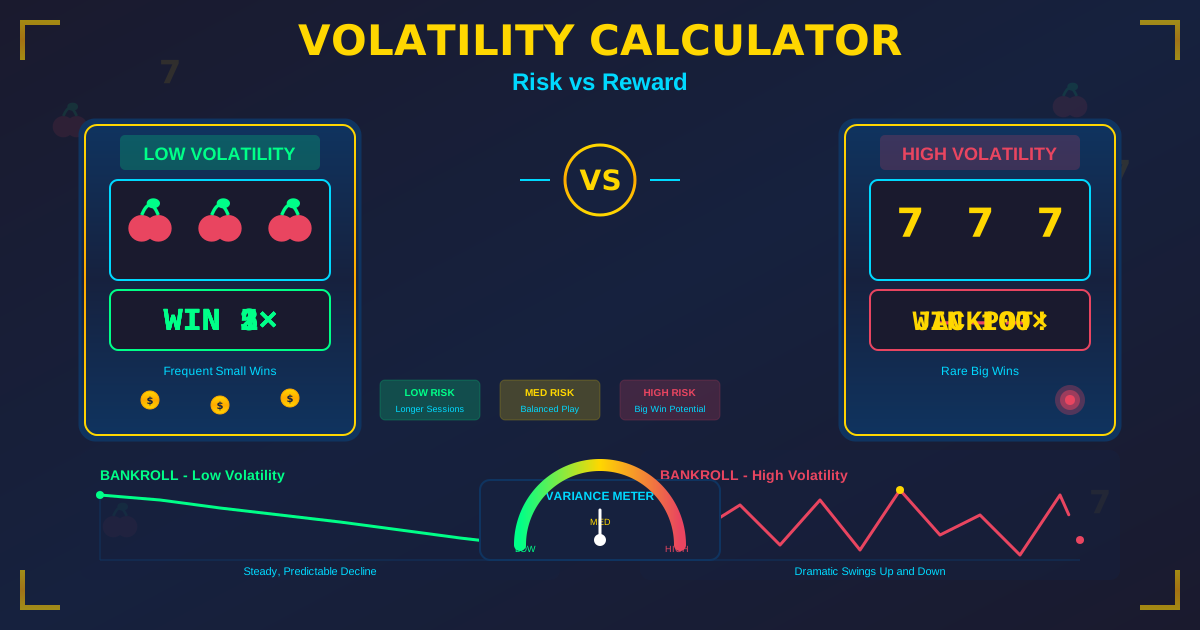
Variance Explained
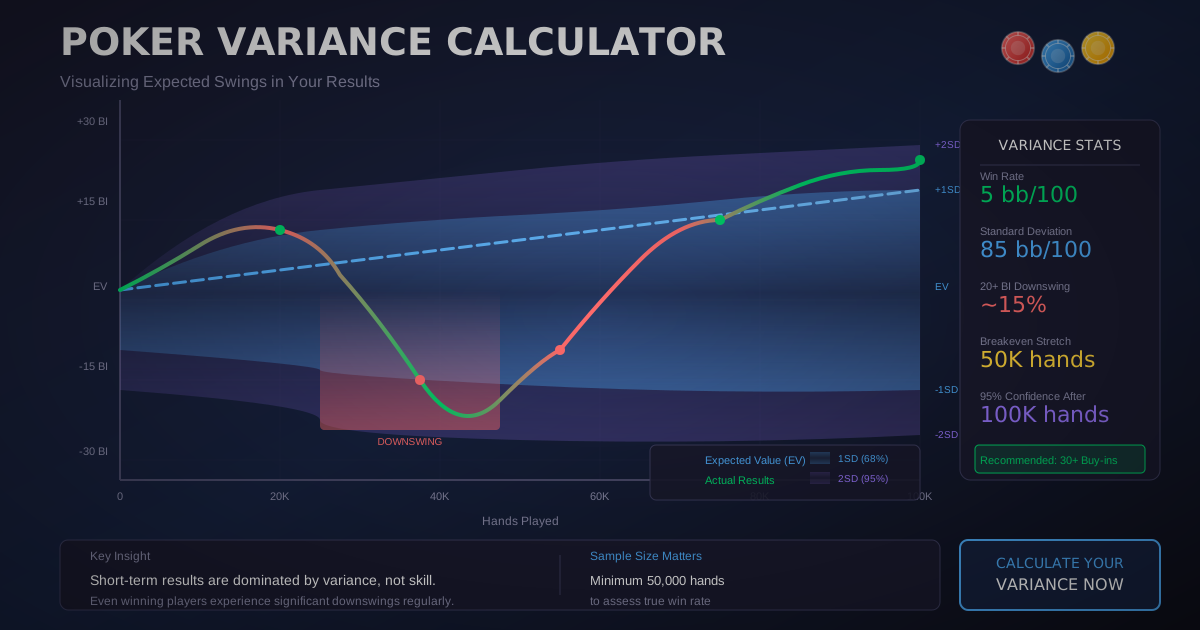
Why Variance Matters
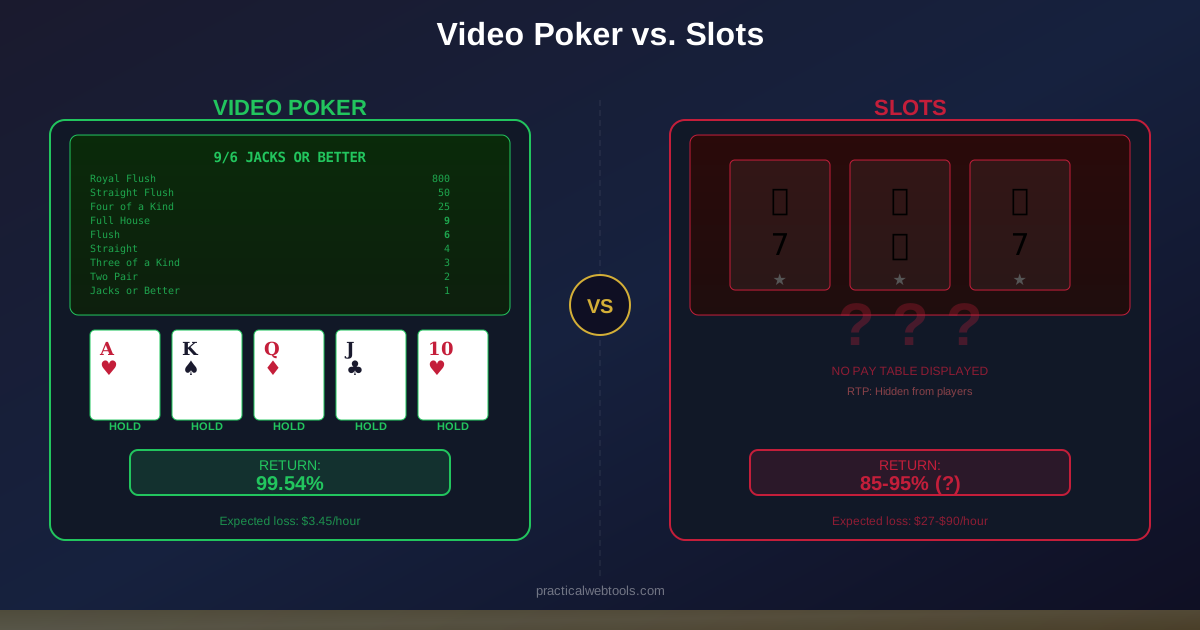
Same house edge, different variance:

Low variance (video poker):
Small wins/losses
Longer sessions
More predictable

High variance (slots):
Big swings
Shorter sessions (often)
Less predictable
Variance by Game
| Game | Variance Level |
|---|---|
| Blackjack | Low |
| Baccarat | Low |
| Craps (pass line) | Low-Medium |
| Video poker | Medium |
| Roulette (even) | Medium |
| Roulette (straight) | High |
| Slots (low var) | Medium |
| Slots (high var) | Very High |
Real-World Examples
Example 1: Recreational Blackjack
Profile:
- Plays 6× per year
- $50 average bet
- 3-hour sessions (200 hands)
Bankroll calculation:
Session exposure: 200 × $50 = $10,000 wagered
Expected loss: $10,000 × 0.5% = $50

Session bankroll: 50× bet = $2,500
Total bankroll: 6× session = $3,000

This allows for variance while
limiting total annual gambling budget
Example 2: Serious Poker Player
Profile:
- Plays $2/$5 (500 max buy-in)
- 20 hours/week
- Winning player (+$40/hour)
Bankroll calculation:
20 buy-ins (conservative): $10,000
30 buy-ins (standard): $15,000
50 buy-ins (safe): $25,000

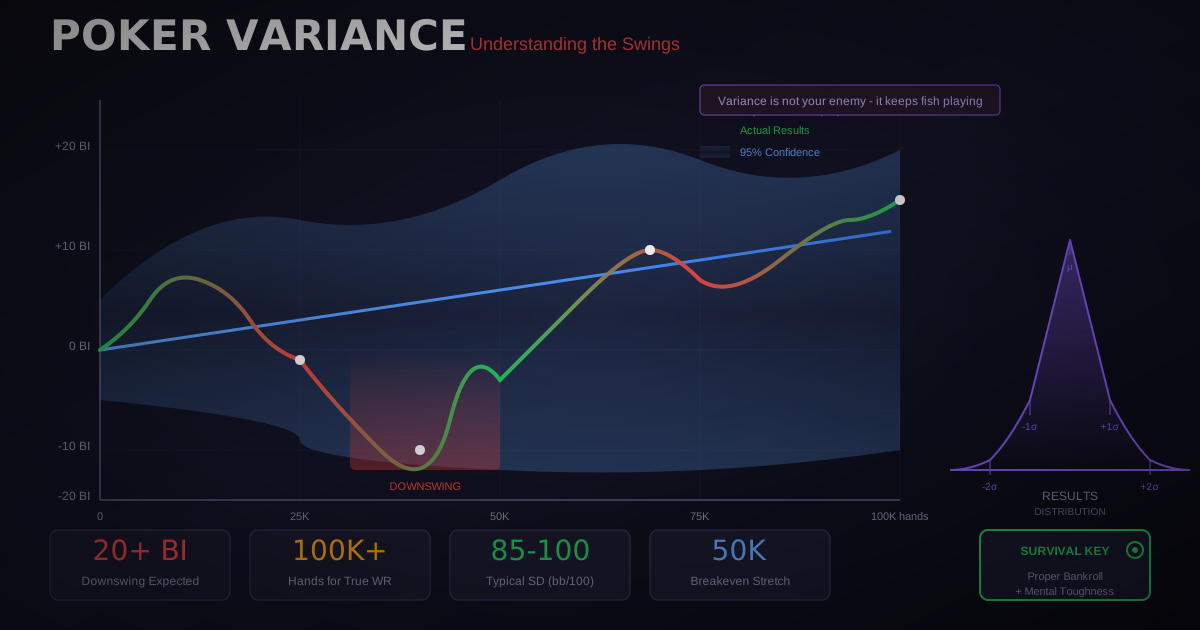
Even winning players have downswings
$15,000 handles most variance
Example 3: High Variance Slots
Profile:
- Plays $2 spins
- Megaways-style (very high variance)
- Monthly sessions
Bankroll calculation:
Per spin: $2
High variance multiplier: 500×
Session bankroll: $1,000

Monthly budget: $1,000
Accept possibility of total loss
Or occasional big win
Example 4: Card Counter
Profile:
- $25 minimum, $200 max spread
- 1% edge estimated
- Full-time pursuit
Bankroll calculation:
Max bet: $200
Required: 300× max = $60,000

Risk of ruin at this level: ~5%
Can withstand significant downswings
Common Bankroll Mistakes
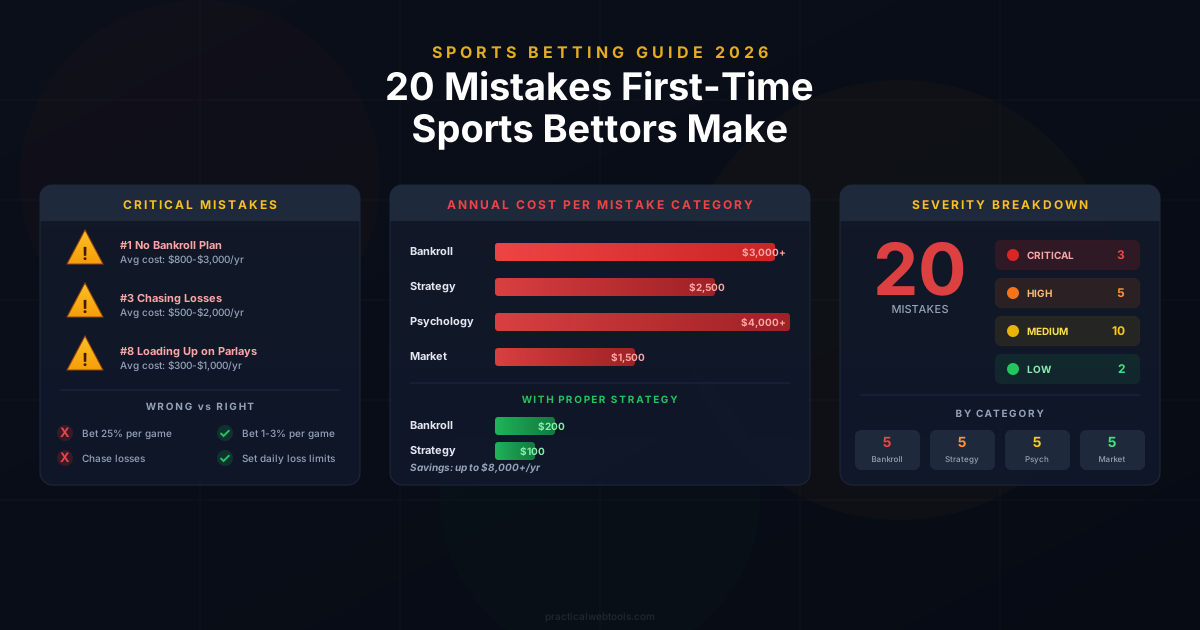
1. Insufficient Bankroll
Mistake: $500 for $50 blackjack bets Problem: 10× bankroll means high ruin risk Fix: Either lower bets or increase bankroll
2. Bringing Entire Bankroll
Mistake: All $5,000 to one session Problem: One bad session = game over Fix: Session = 10-20% of total
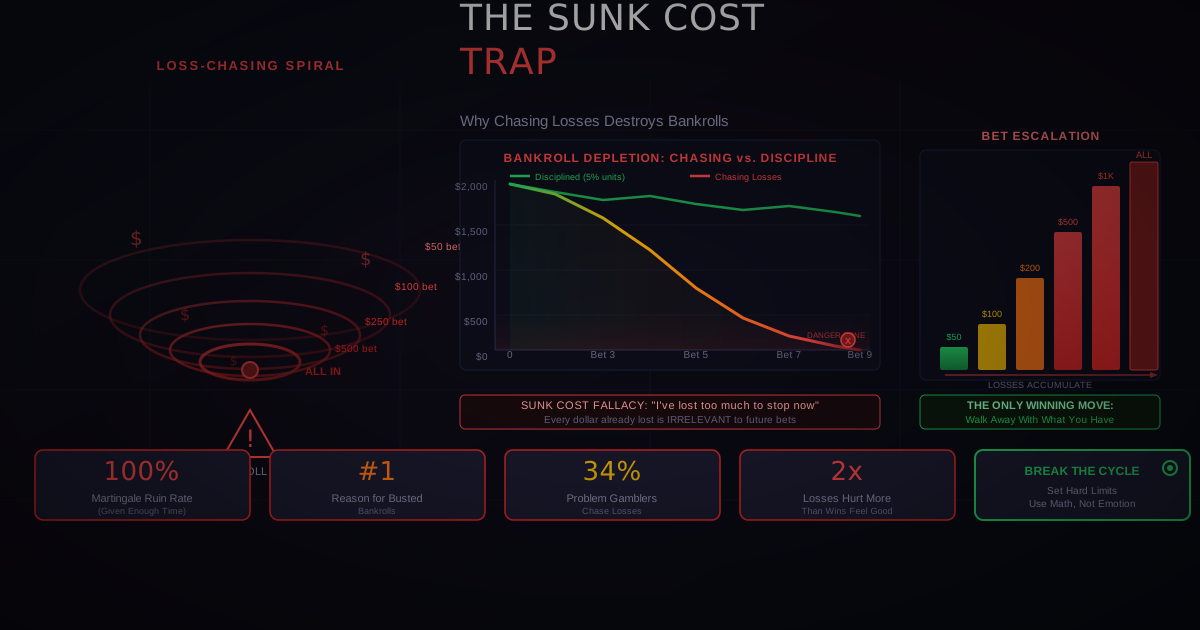
3. Chasing Losses
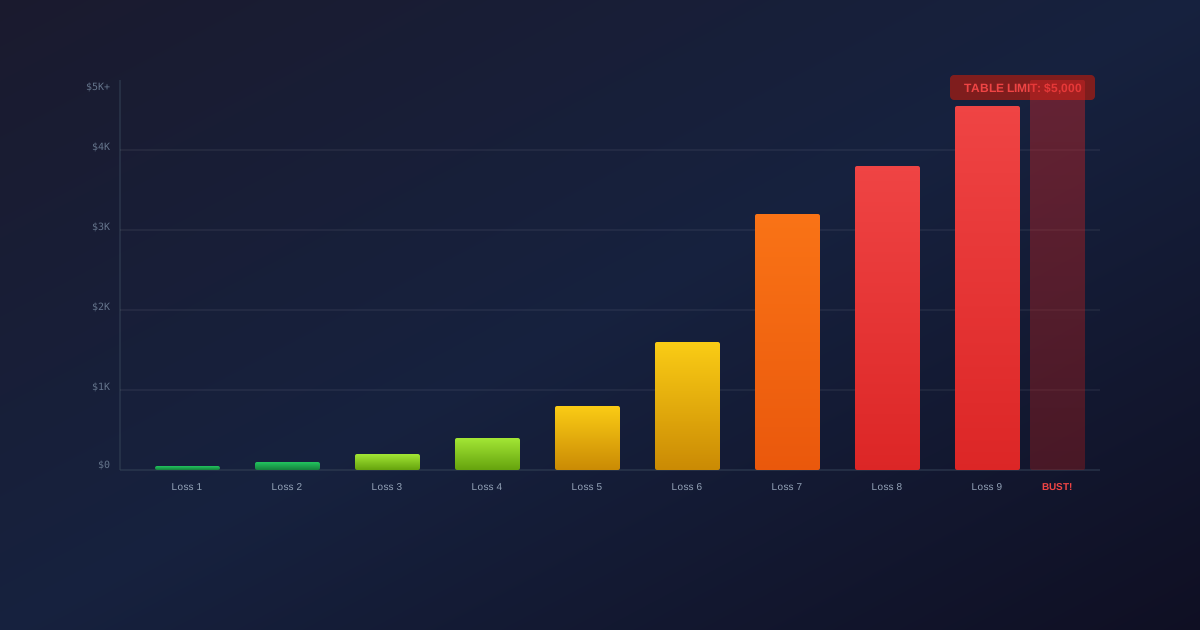
Mistake: Exceed session budget after losses Problem: Accelerates bankroll depletion Fix: Hard stop-loss, leave when hit
4. Ignoring Variance
Mistake: Same bankroll for all games Problem: High variance needs more cushion Fix: Adjust by game volatility
Bankroll Replenishment
When to Add Funds
Recreational approach:
Monthly/quarterly entertainment budget
Replenish to starting level
Track total annual spending
When NOT to Add Funds
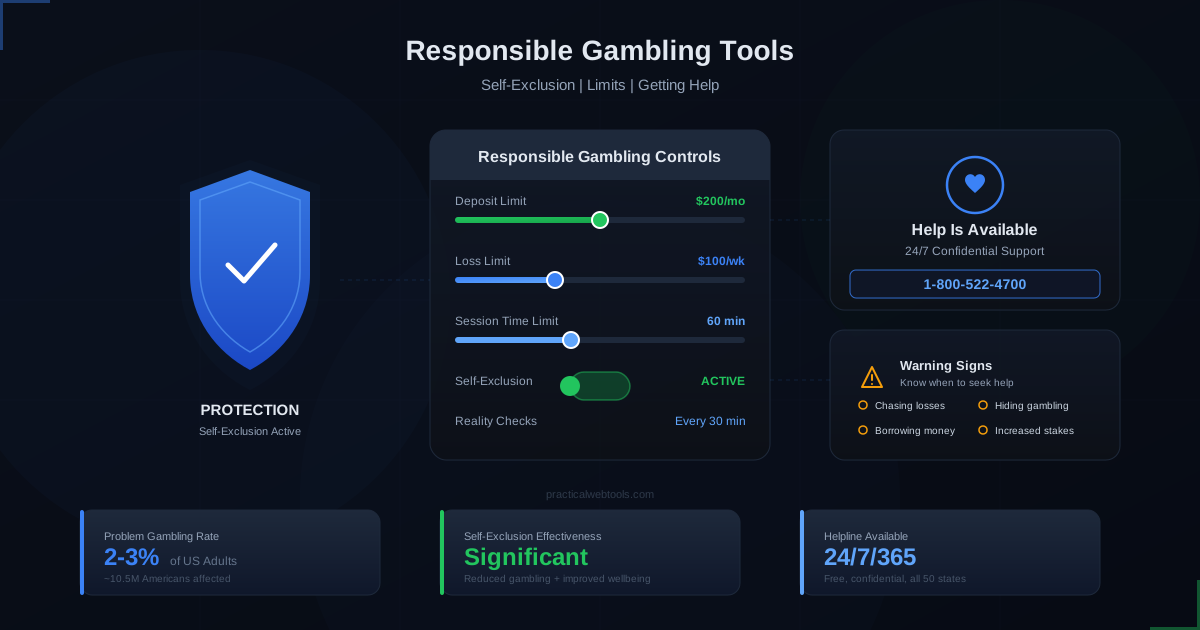
Warning signs:
- Exceeding planned budget
- Chasing losses
- Borrowing to gamble
- Emotional decisions

If these occur: Stop, don't replenish
Bet Sizing Formulas
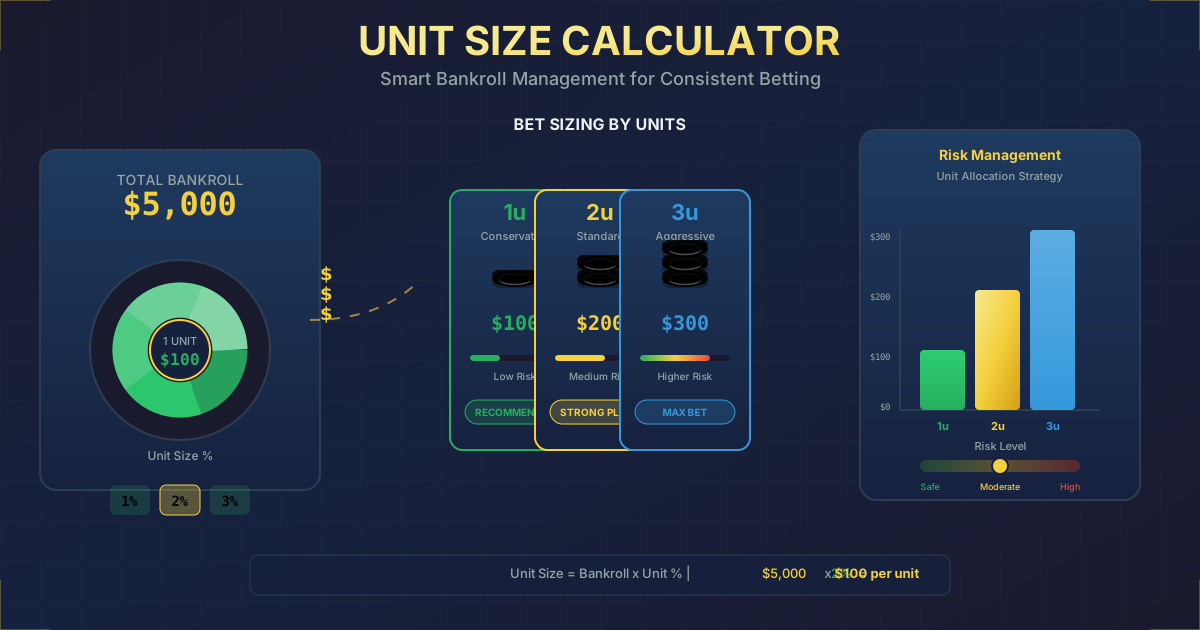
Percentage Method
Bet = X% of current bankroll

Conservative: 1-2%
Moderate: 2-3%
Aggressive: 3-5%

Example:
$3,000 bankroll × 2% = $60 bet
Fixed Unit Method
Unit = Bankroll ÷ Session units

$3,000 ÷ 100 units = $30/unit

Bet in units:
1 unit = small bet
2-3 units = medium bet
Never exceed 5 units
Frequently Asked Questions
How much should I bring to the casino?
Bring 50-100× your average bet, or 10-20% of your total gambling bankroll. Never bring money you can't afford to lose.
What if I run out mid-session?
Leave. Don't visit ATM, don't borrow. A session end is a session end. You can return another day.
Should I increase bets when winning?
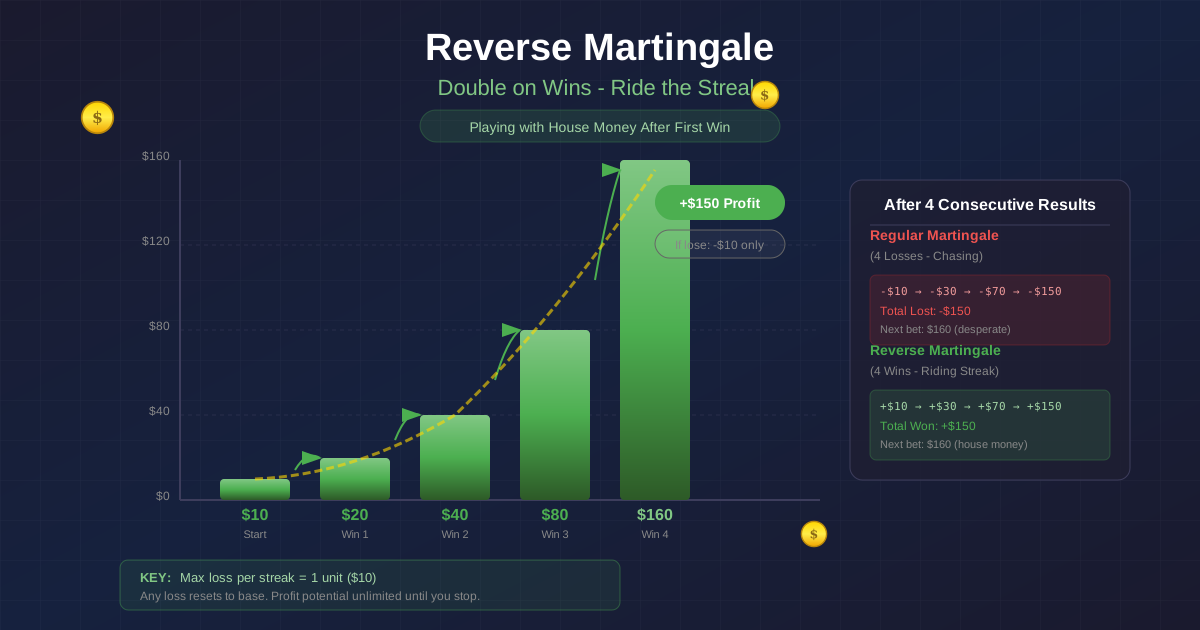
Optional. Conservative: keep bets flat. Aggressive: slight increase with wins. Never dramatically increase.
How do I know if my bankroll is too small?
If losing one session significantly impacts you emotionally or financially, your bankroll (or bet size) is too large.
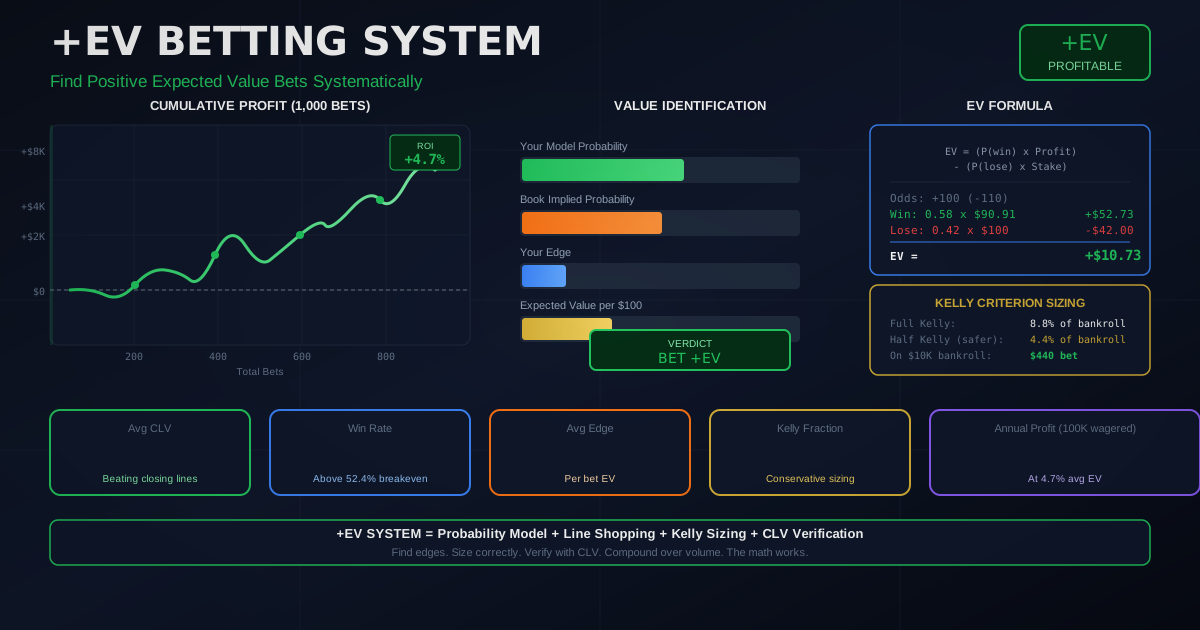
Is bankroll different for positive EV play?
Yes. Positive EV players need larger bankrolls to survive variance until the edge manifests. Larger edge = smaller bankroll needed.
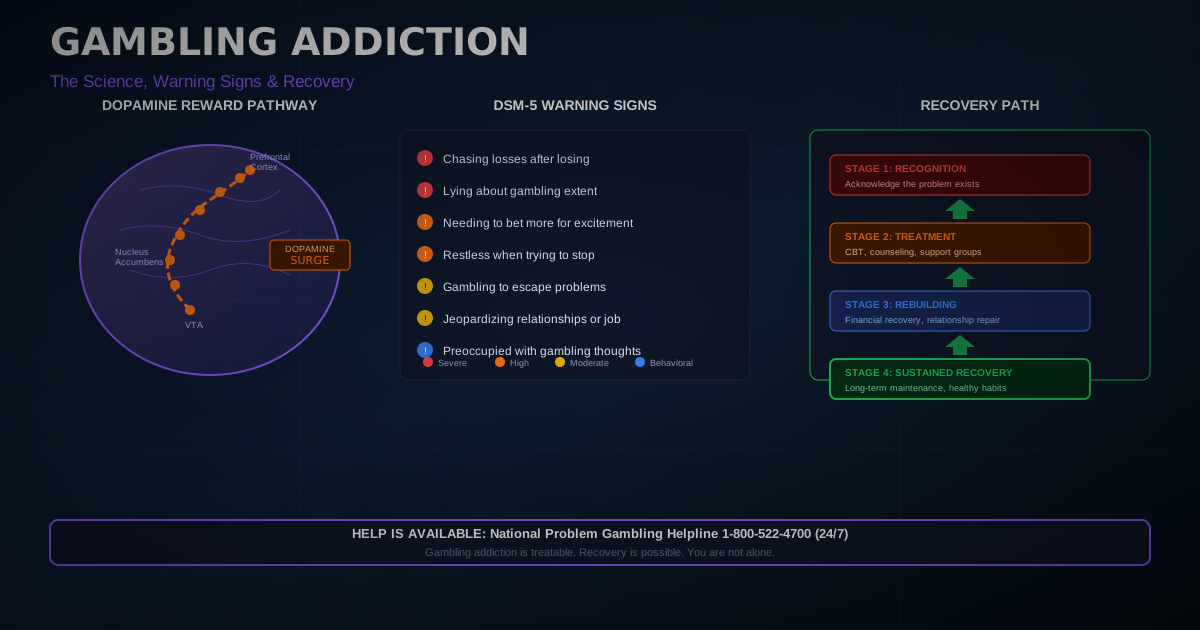
What about gambling addiction concerns?
Strict bankroll management can help, but if you struggle to maintain limits, seek help. Bankroll rules don't cure addiction.
Pro Tips
-
Separate gambling money: Don't mix with living expenses
-
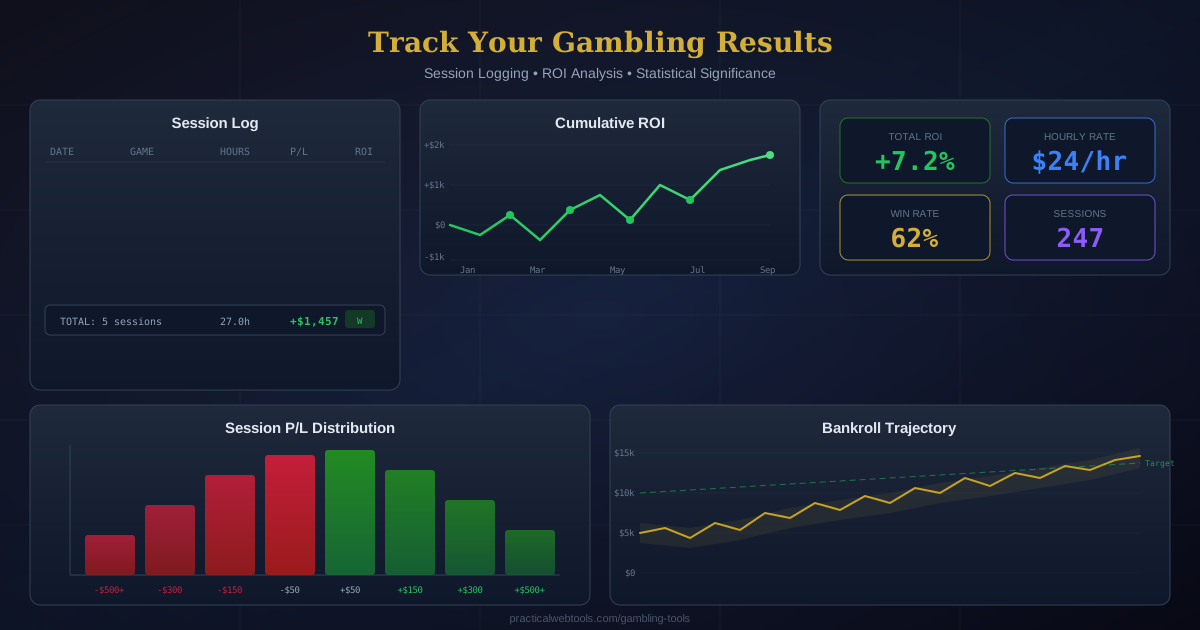
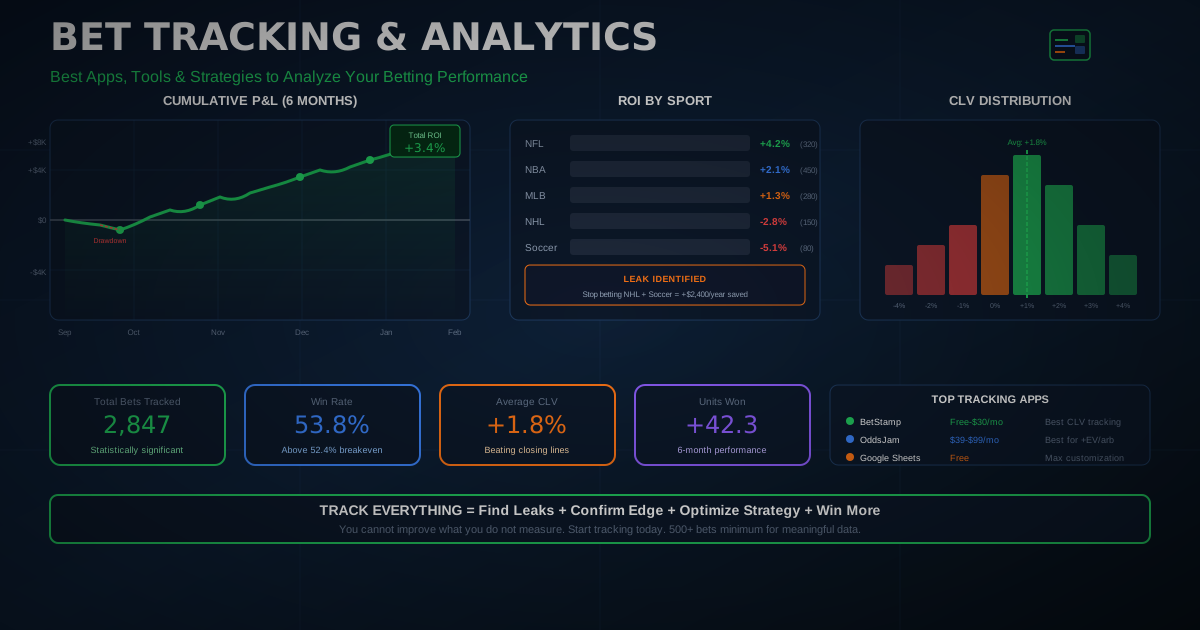
Track everything: Know exactly where you stand
-
Respect stop-losses: The most important rule
-
Adjust for variance: More volatile = bigger bankroll
-
Long-term thinking: Bankroll is marathon, not sprint
Related Calculators
- Expected Value Calculator - EV analysis
- House Edge Calculator - Edge comparison
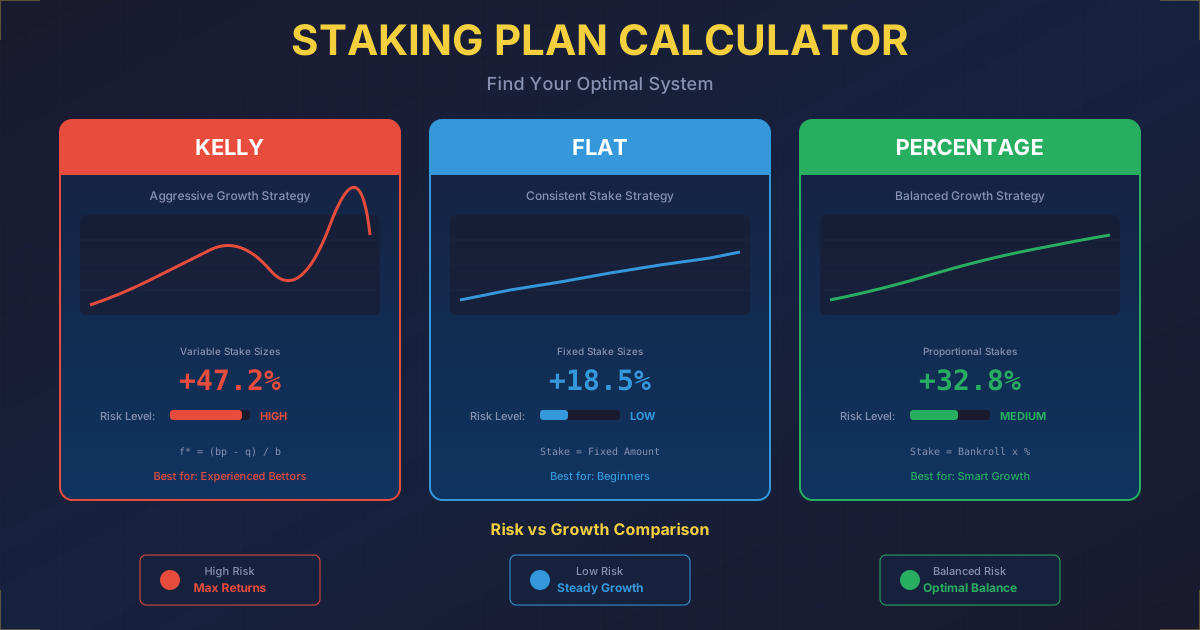
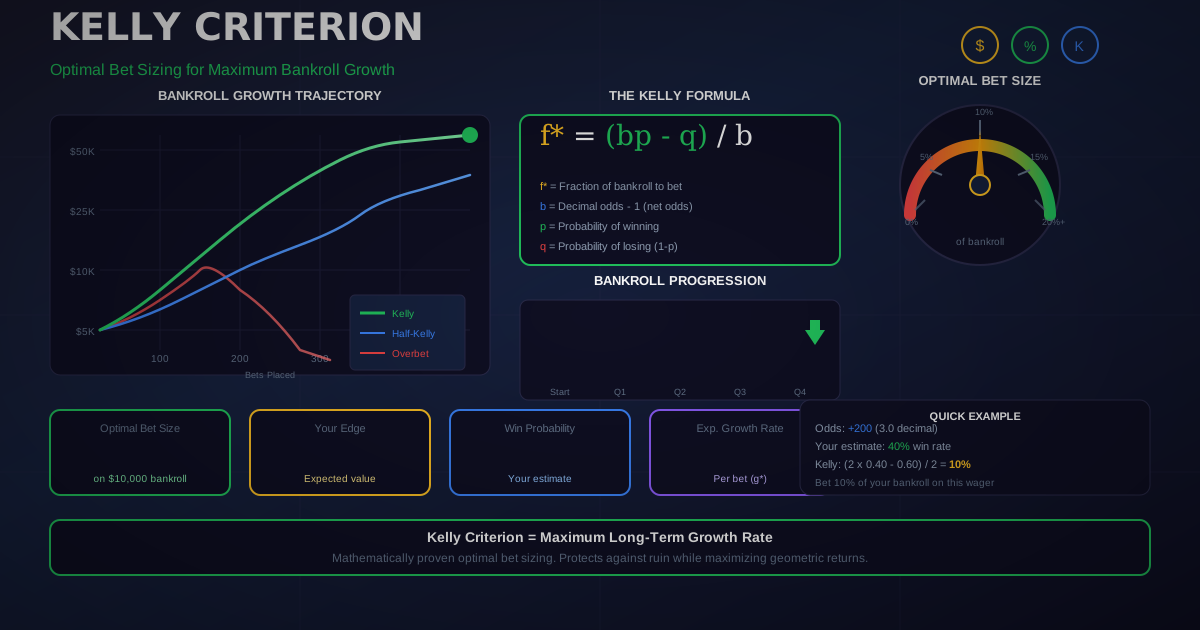
- Kelly Criterion Calculator - Optimal bet sizing
- Gambling Loss Calculator - Track losses
- Slots RTP Calculator - Slot variance
Conclusion
Proper bankroll management is the foundation of responsible gambling. Our calculator shows how much you need for your preferred games, what risk you're taking, and how to size sessions for longevity. Underfunding leads to frustration; proper funding lets you enjoy the entertainment.
Bankroll isn't about winning—it's about surviving variance long enough to enjoy the game. Whether you're a recreational player setting an entertainment budget or a serious advantage player managing risk of ruin, our calculator provides the numbers to gamble responsibly and sustainably.