Gambling Probability Calculator: Master the Math Behind Every Bet (2026)
Gambling Probability Calculator: Understand the Numbers That Rule the Games
Every gambling outcome has a mathematical probability that determines your long-term results. Understanding these probabilities transforms gambling from superstition to science. Our gambling probability calculator helps you compute the chances of any outcome, whether you're rolling dice, drawing cards, or analyzing sports betting odds.
What Is Gambling Probability?
Probability in gambling measures the likelihood of any outcome occurring, expressed as a number between 0 (impossible) and 1 (certain), or as a percentage. The fundamental truth of gambling is that probabilities don't lie - over enough trials, results converge to mathematical expectation. Understanding probability tells you exactly what to expect from any bet.
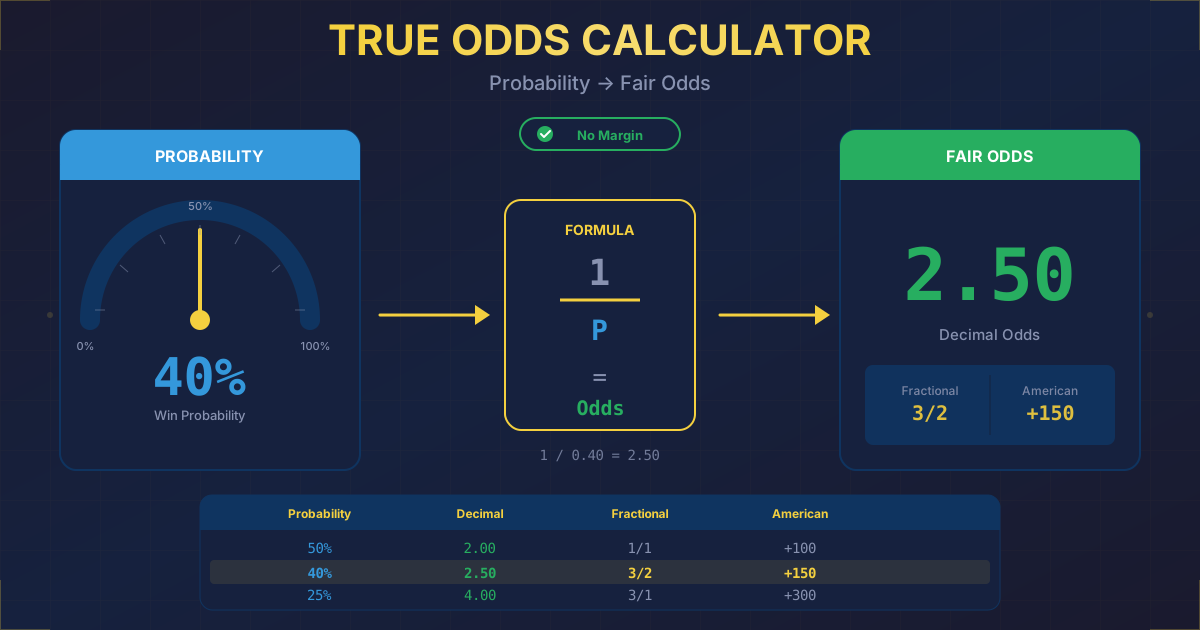
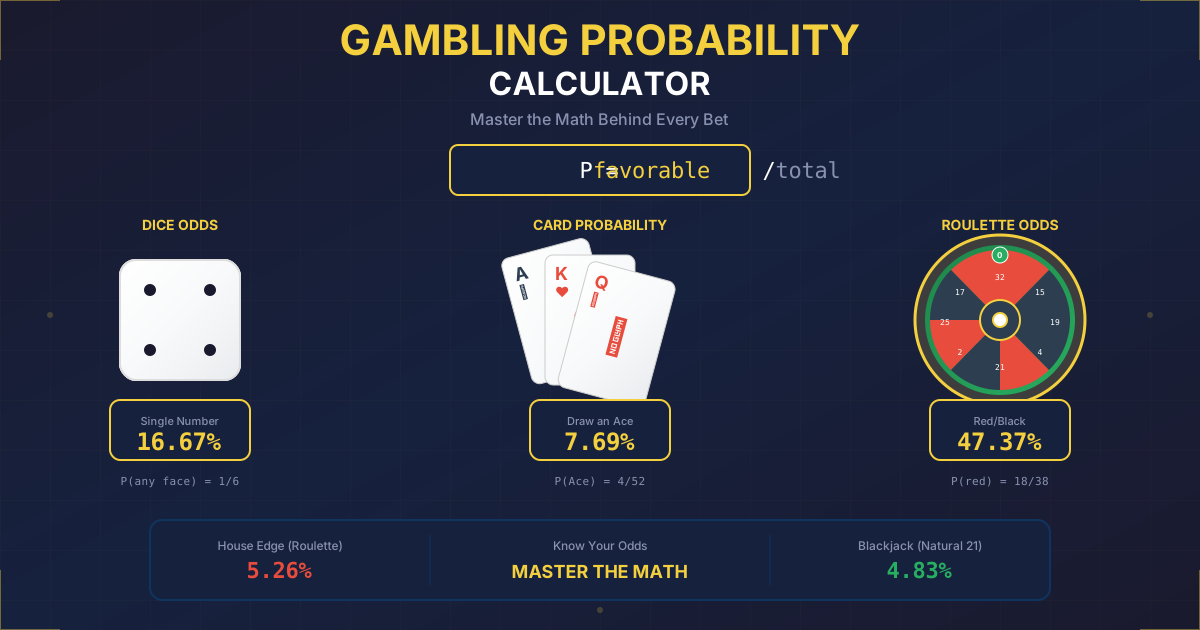
Quick Answer: Probability = Favorable Outcomes / Total Possible Outcomes. For independent events (like dice), multiply probabilities together. Example: Probability of rolling a 6 on one die = 1/6 (16.67%). Probability of rolling two 6s = 1/6 × 1/6 = 1/36 (2.78%). To convert probability to fair odds: Odds = 1/Probability. So 16.67% = 6.00 fair odds, and 2.78% = 36.00 fair odds.
How to Use Our Calculator
Use the Gambling Probability Calculator →
Step-by-Step Instructions
- Select Event Type: Choose dice, cards, roulette, or custom
- Define Favorable Outcomes: Specify what counts as "success"
- Calculate Probability: Get exact probability and percentage
- View Fair Odds: See corresponding betting odds
- Analyze Multiple Events: Calculate compound probabilities
Input Fields
| Field | Description | Example |
|---|---|---|
| Event Type | Category of probability | Dice |
| Total Outcomes | All possible results | 36 (two dice) |
| Favorable Outcomes | Results that "win" | 6 (ways to roll 7) |
| Number of Trials | How many events | 10 rolls |
| Independent Events | Whether events affect each other | Yes |
Basic Probability Formulas
Single Event Probability
Simple Probability:

P(Event) = Favorable Outcomes / Total Outcomes

Examples:
Coin flip heads: 1/2 = 50%
Die shows 6: 1/6 = 16.67%
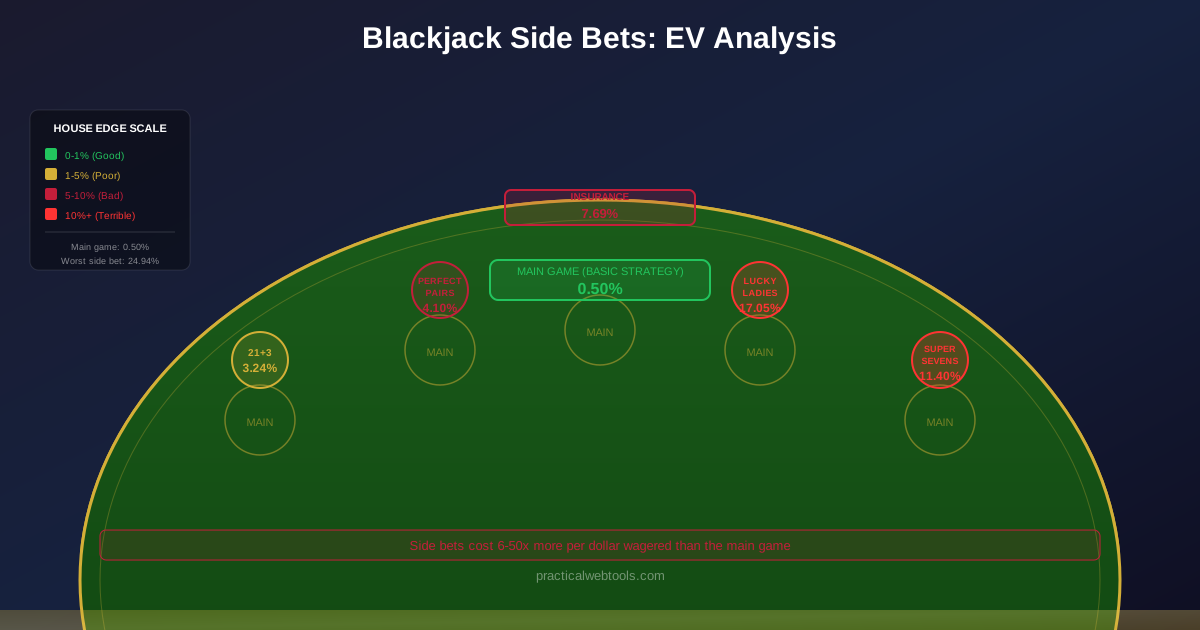
Card is an Ace: 4/52 = 7.69%
Roulette lands red: 18/38 = 47.37% (American)
Multiple Independent Events
AND Probability (All Must Occur):

P(A and B) = P(A) × P(B)

Example: Two heads in a row
P = 0.5 × 0.5 = 0.25 = 25%

Example: Three 6s in a row (dice)
P = (1/6)³ = 1/216 = 0.46%


OR Probability (At Least One Occurs):

P(A or B) = P(A) + P(B) - P(A and B)

For mutually exclusive events:
P(A or B) = P(A) + P(B)

Example: Die shows 1 or 6
P = 1/6 + 1/6 = 2/6 = 33.33%
At Least One Success
P(At least one) = 1 - P(None)

Example: At least one 6 in four dice rolls
P(no 6 on one roll) = 5/6

P(no 6 in four rolls) = (5/6)⁴ = 0.482
P(at least one 6) = 1 - 0.482 = 0.518 = 51.8%

This is why "at least one" gets likely quickly
More trials = higher chance of success
Dice Probabilities
Single Die Outcomes
Standard 6-Sided Die:

Each face: 1/6 = 16.67%
Specific number: 1/6
Even number (2,4,6): 3/6 = 50%
Odd number (1,3,5): 3/6 = 50%
Greater than 4: 2/6 = 33.33%
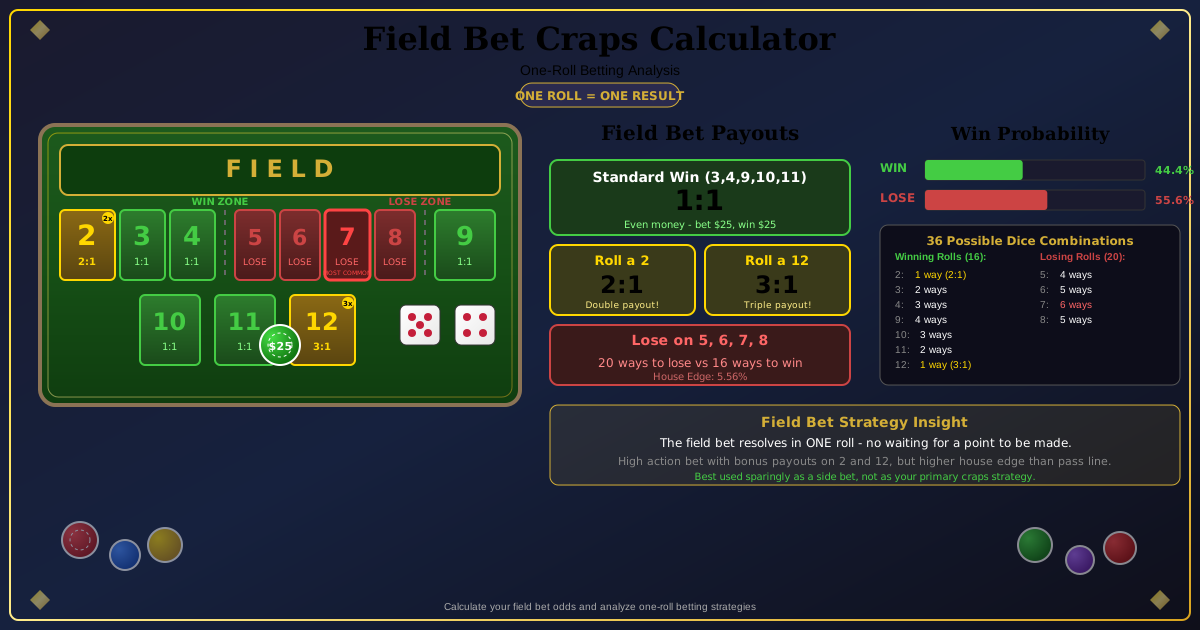
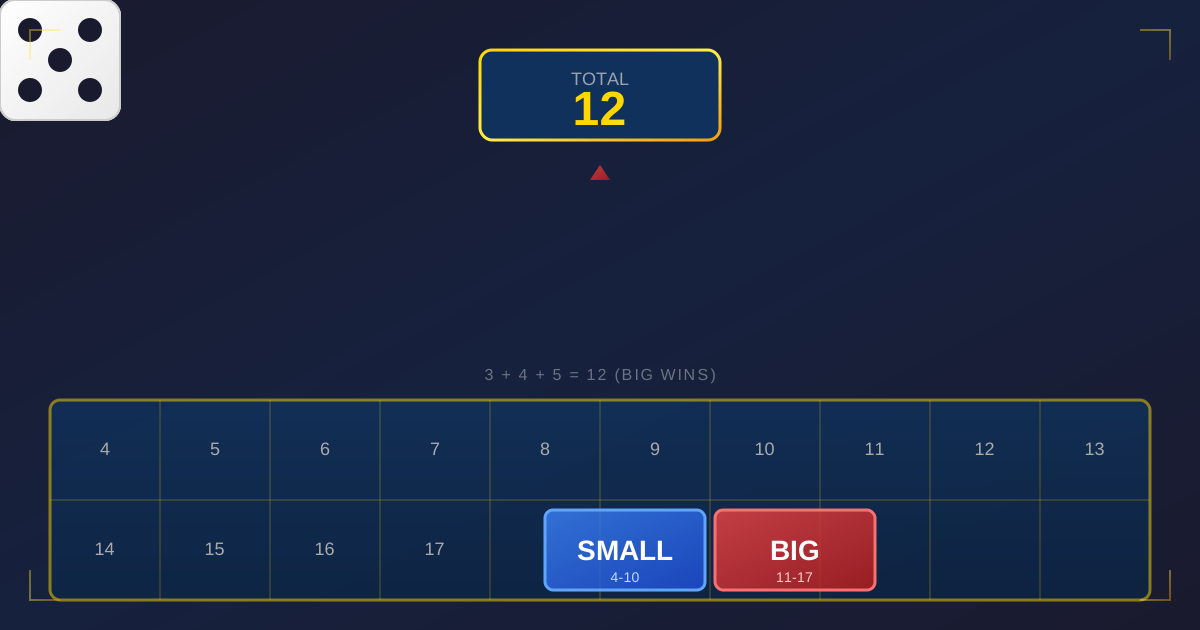
Two Dice Probabilities
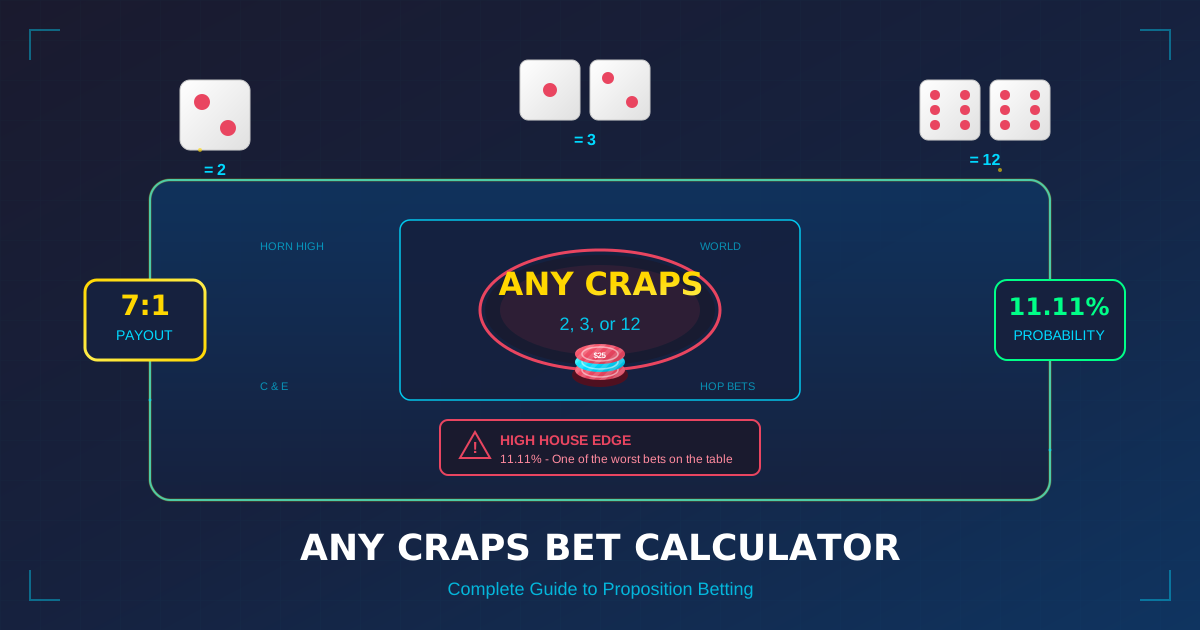
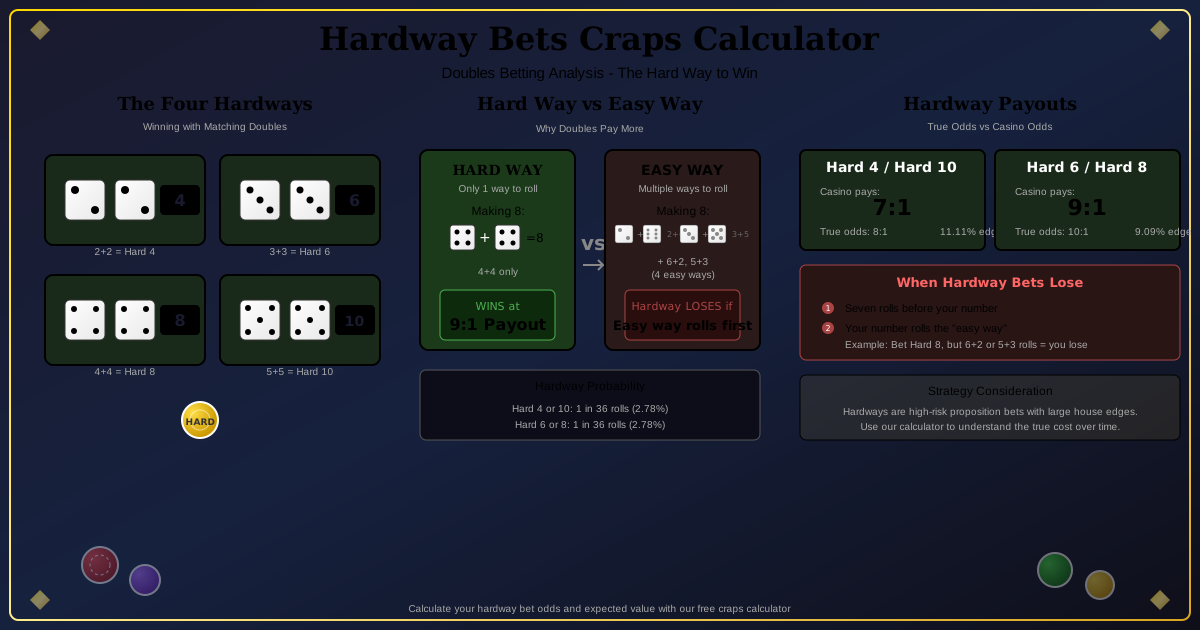
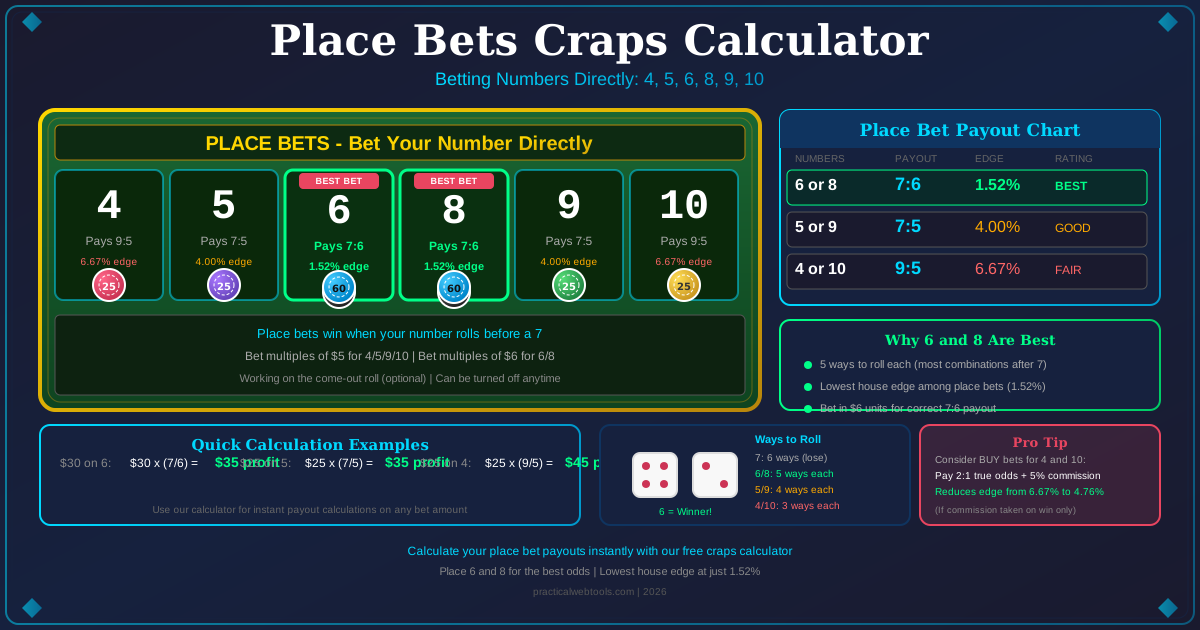
Sum Probabilities (36 total outcomes):

Sum 2:  1/36 = 2.78%  (1,1)
Sum 3:  2/36 = 5.56%  (1,2), (2,1)
Sum 4:  3/36 = 8.33%  (1,3), (2,2), (3,1)
Sum 5:  4/36 = 11.11%
Sum 6:  5/36 = 13.89%
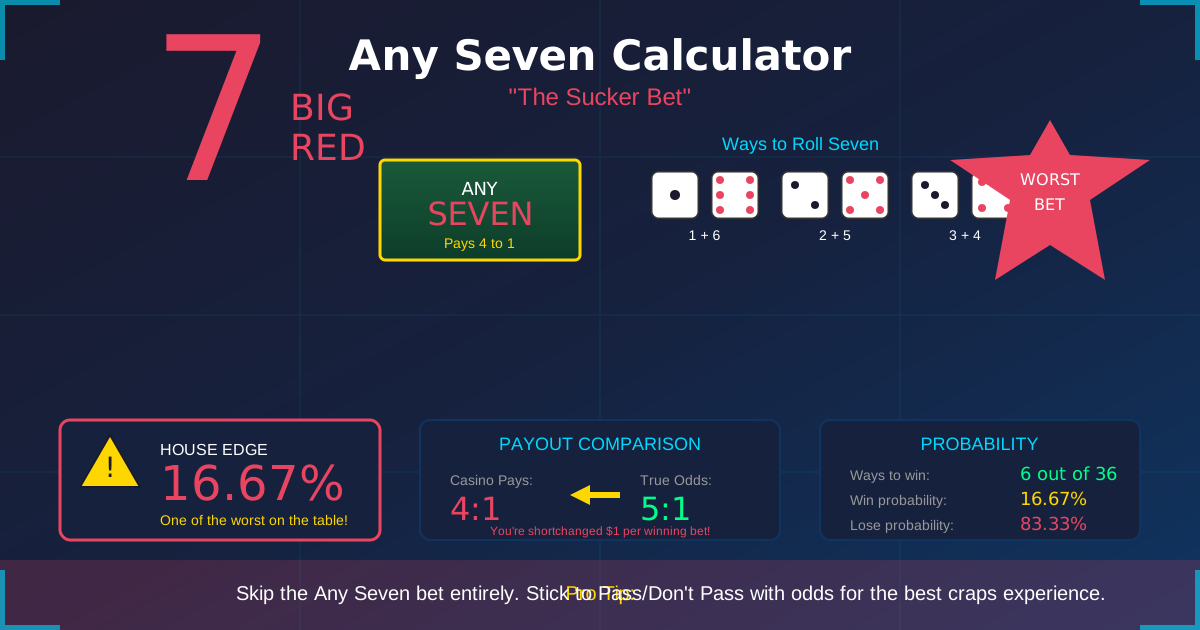
Sum 7:  6/36 = 16.67%  (Most likely!)
Sum 8:  5/36 = 13.89%
Sum 9:  4/36 = 11.11%
Sum 10: 3/36 = 8.33%
Sum 11: 2/36 = 5.56%
Sum 12: 1/36 = 2.78%

7 is most likely - 6 ways to make it
2 and 12 are least likely - only 1 way each
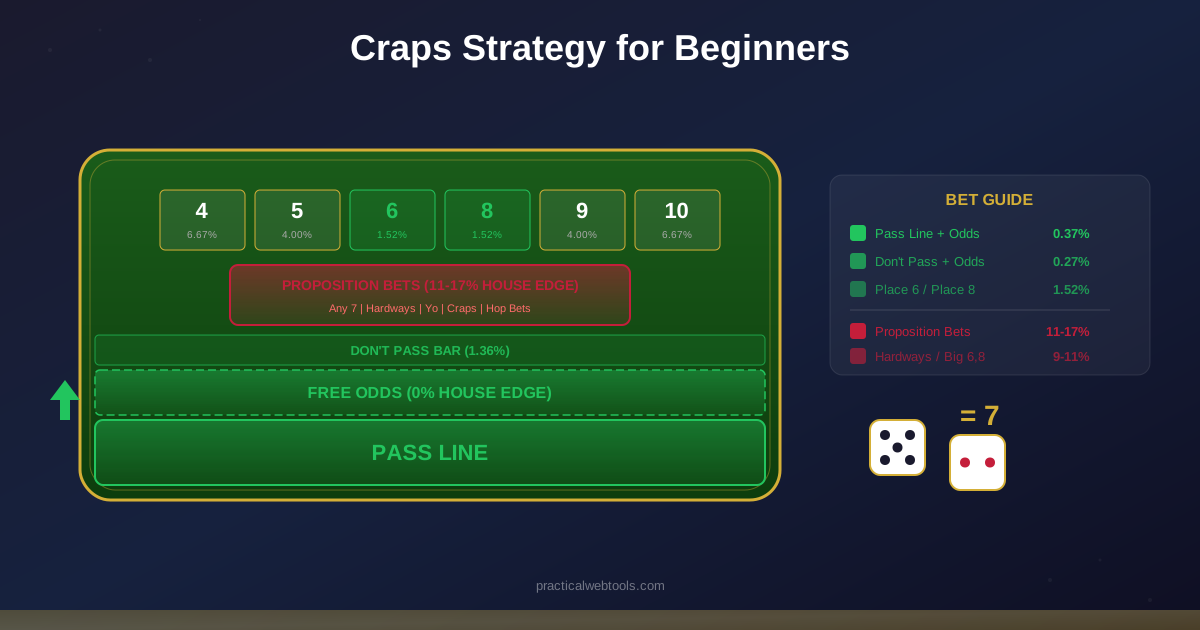
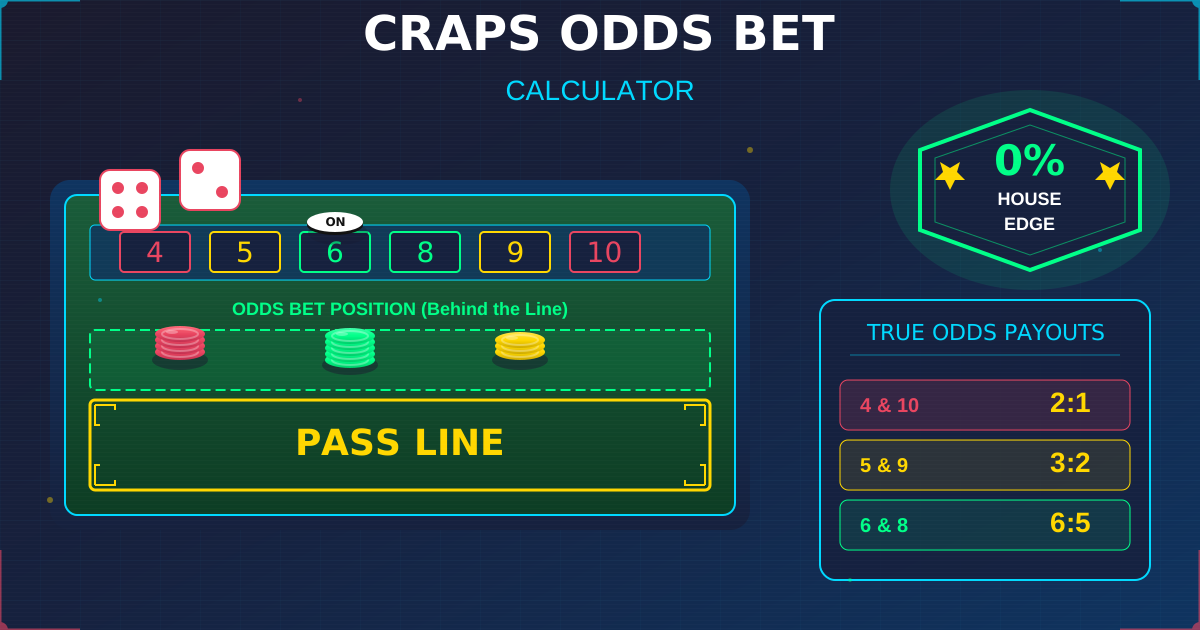
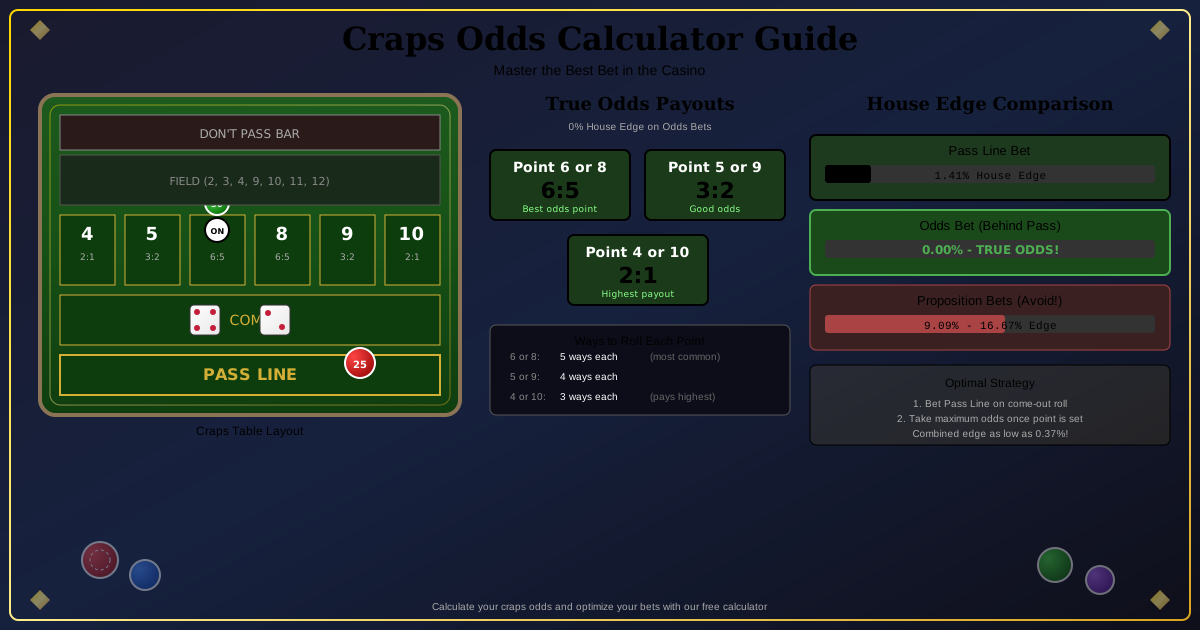
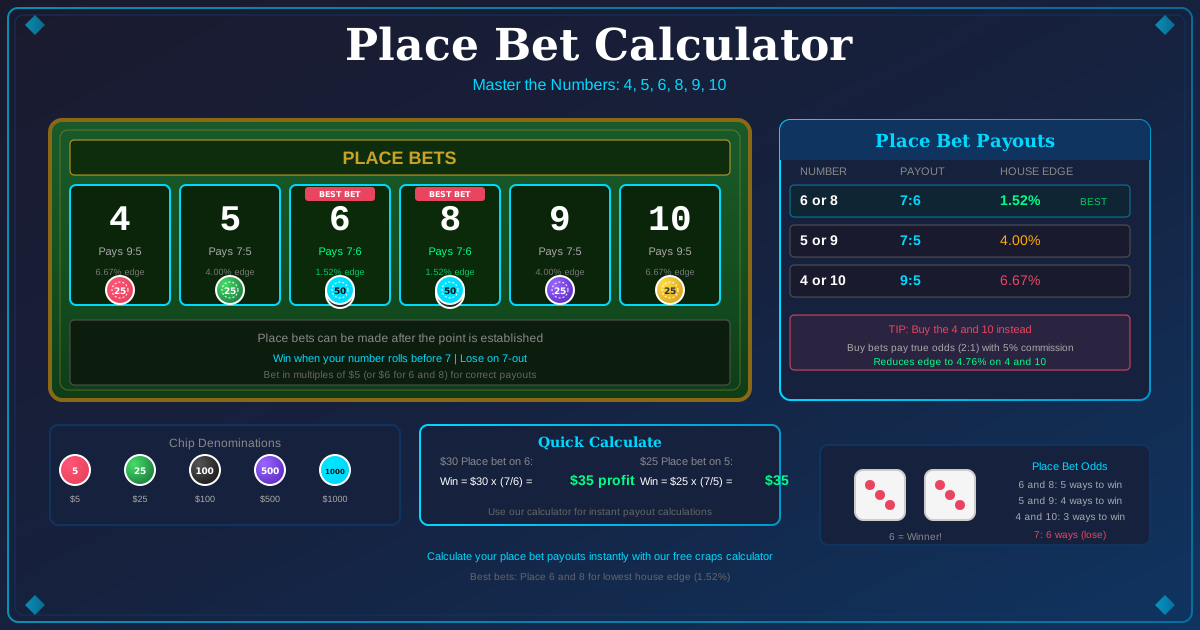
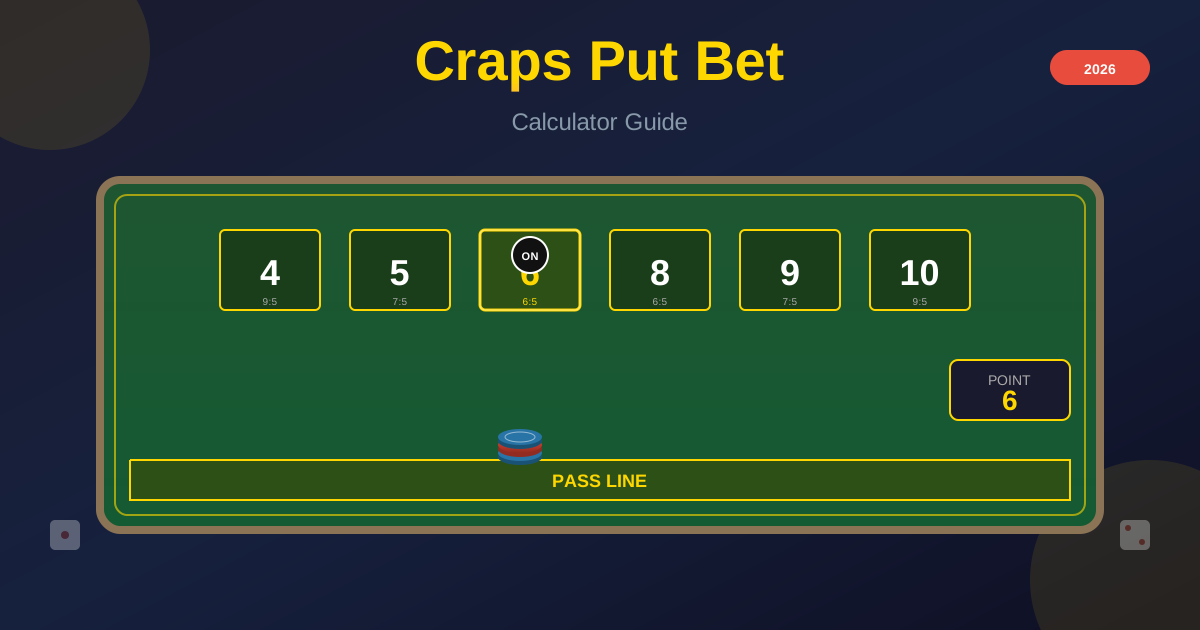
Craps Specific Probabilities
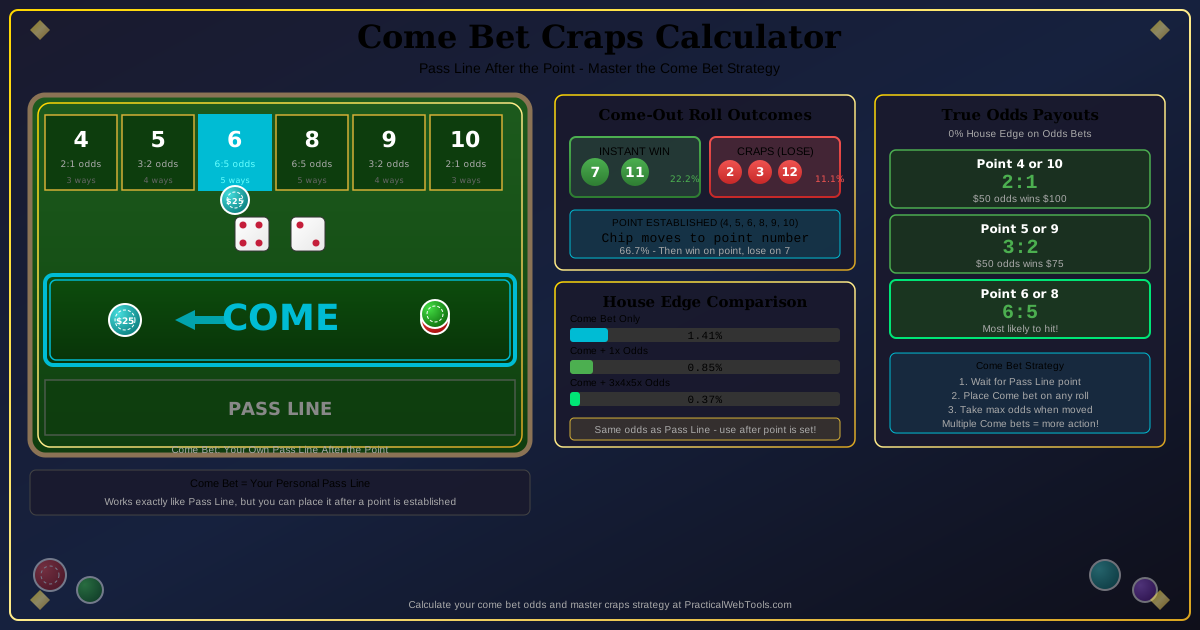
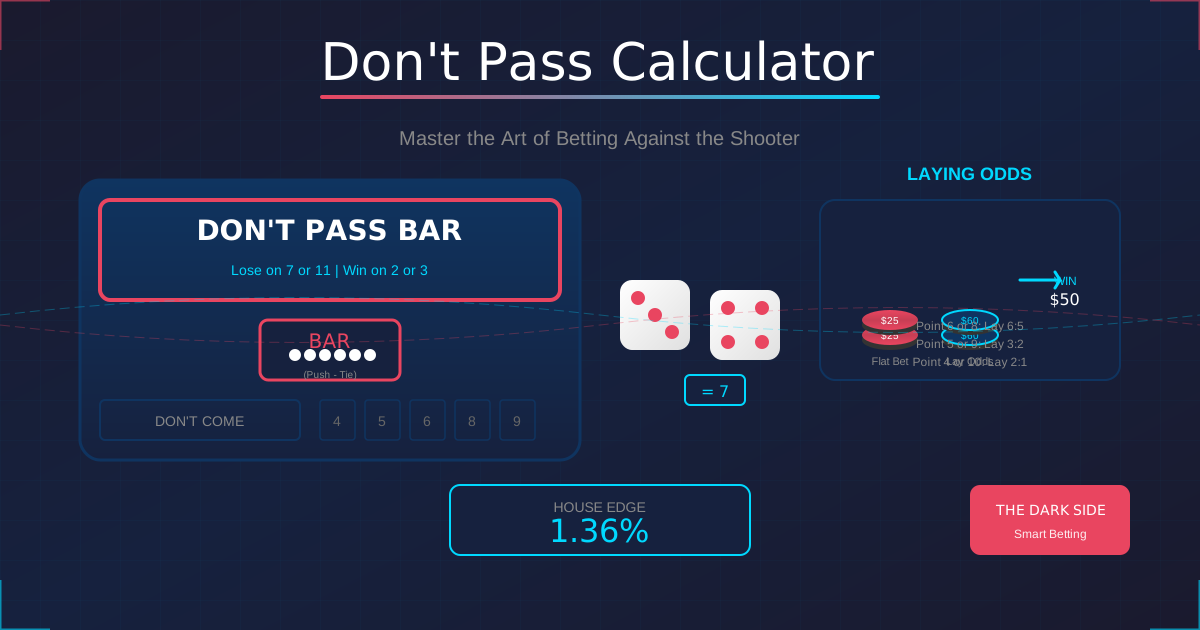
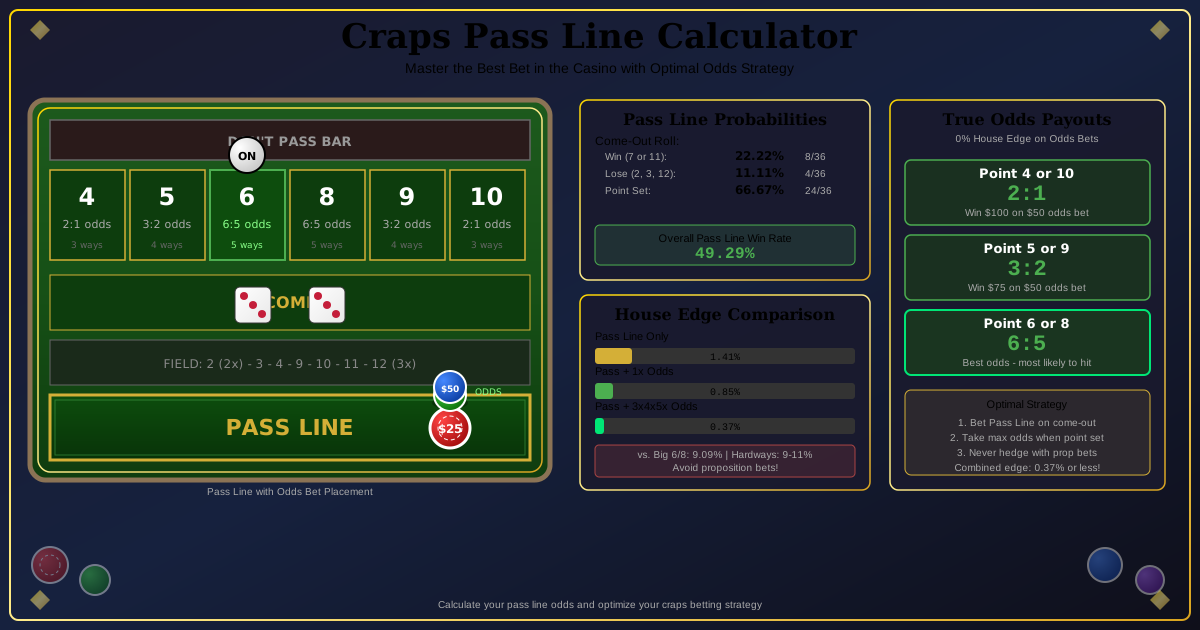
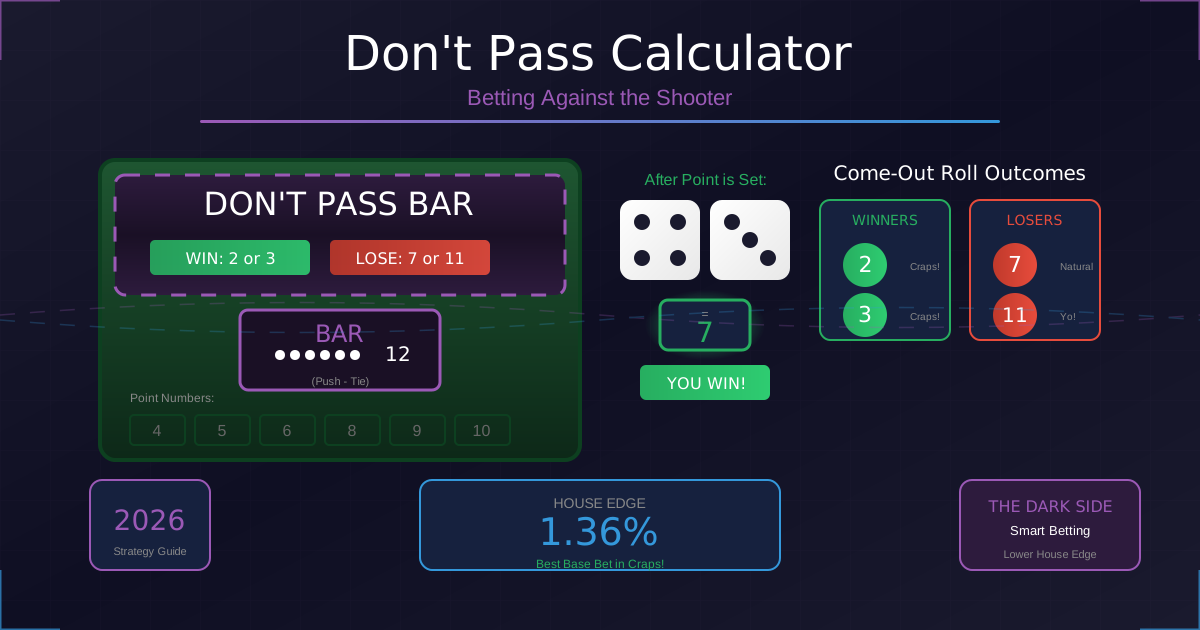
Pass Line:
Win (7,11 on comeout): 8/36 = 22.22%
Lose (2,3,12 on comeout): 4/36 = 11.11%
Point established: 24/36 = 66.67%

Once point established, probability varies:
Point 4/10: 3/9 = 33.33% to make
Point 5/9: 4/10 = 40% to make
Point 6/8: 5/11 = 45.45% to make

Overall Pass Line win: ~49.29%
House edge: ~1.41%
Card Probabilities
Single Card Draws
From Standard 52-Card Deck:

Specific card (Ace of Spades): 1/52 = 1.92%
Any Ace: 4/52 = 7.69%
Any Spade: 13/52 = 25%
Any Face card: 12/52 = 23.08%
Red card: 26/52 = 50%
Sequential Card Draws
Without Replacement:

First card Ace: 4/52 = 7.69%
Second card Ace (given first was): 3/51 = 5.88%
Both cards Aces: (4/52) × (3/51) = 0.45%

Probability decreases as cards are removed
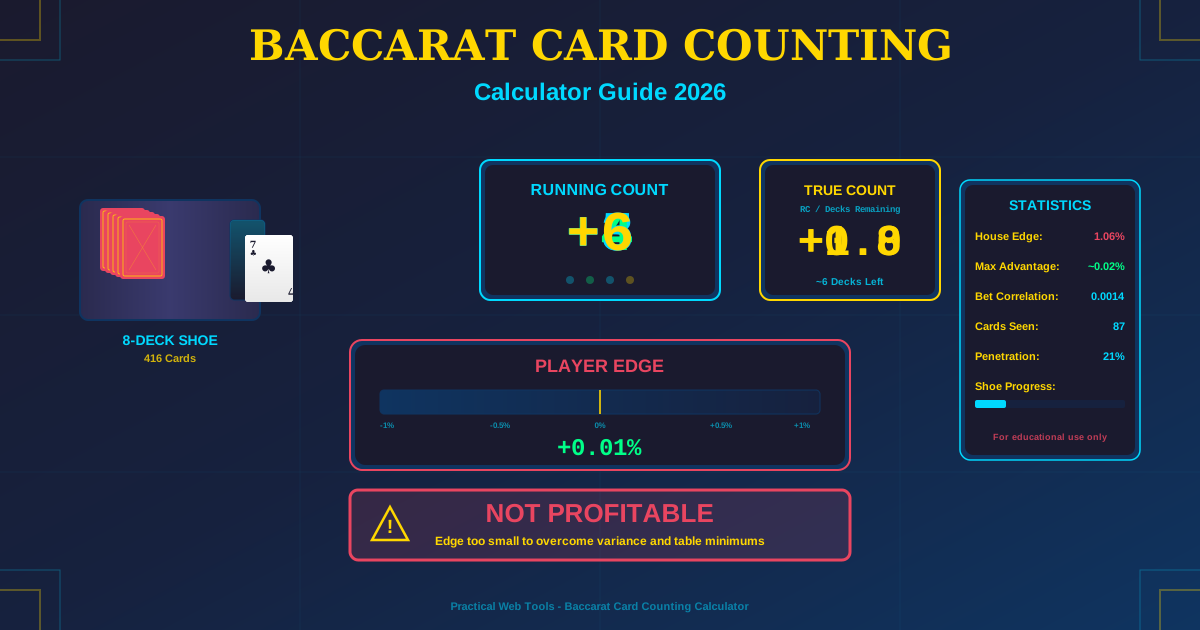
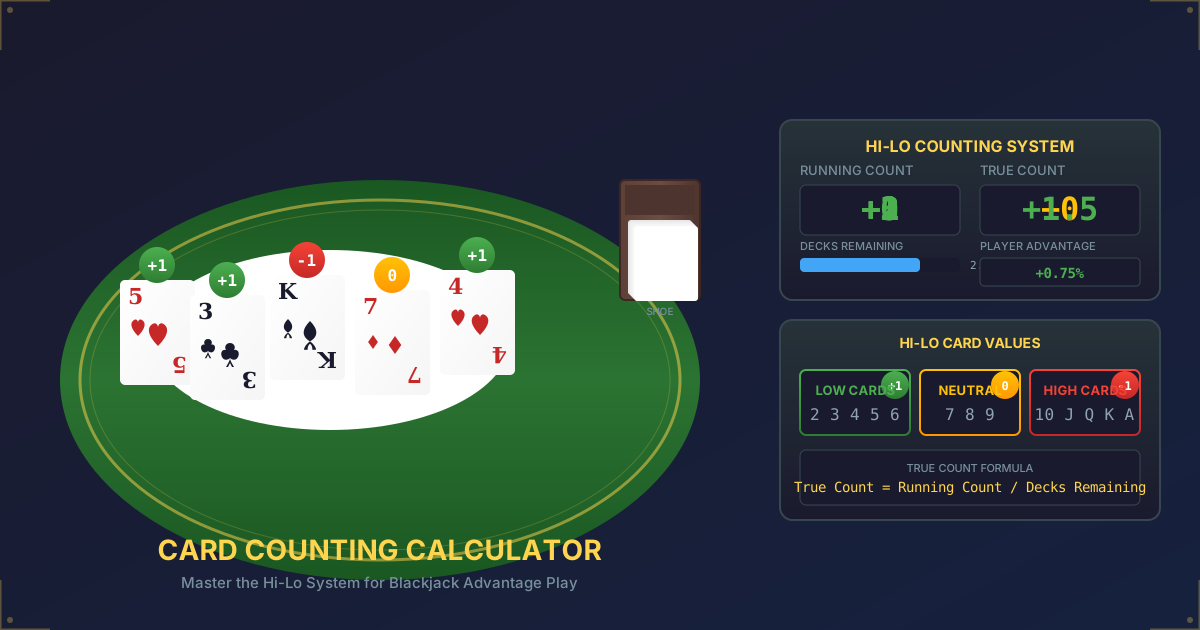
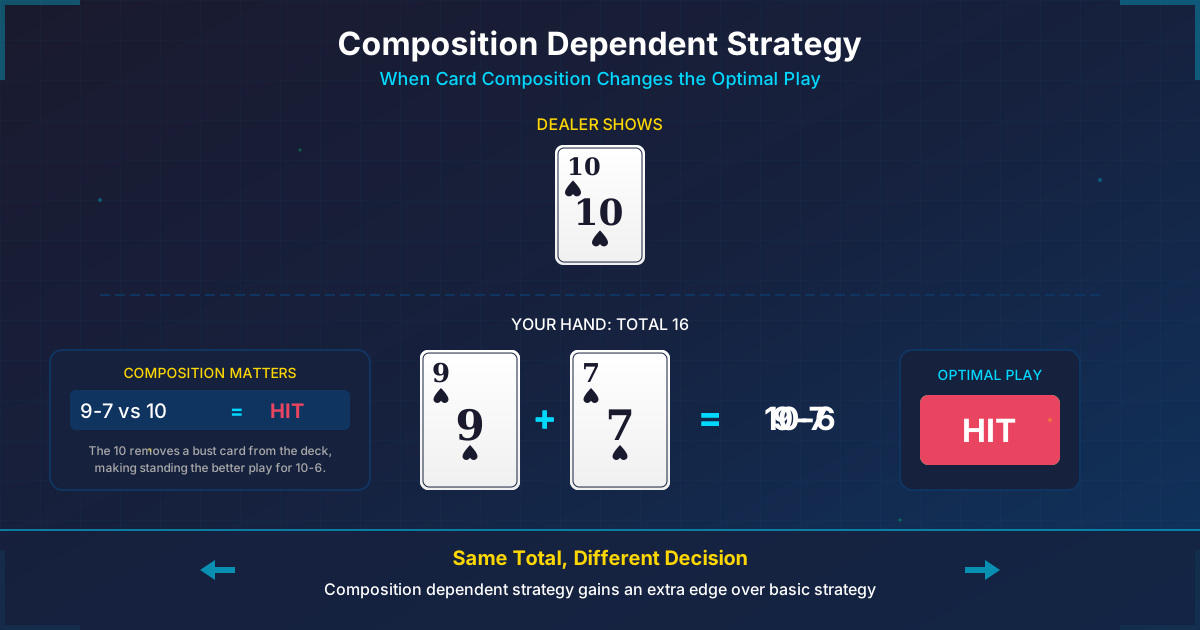
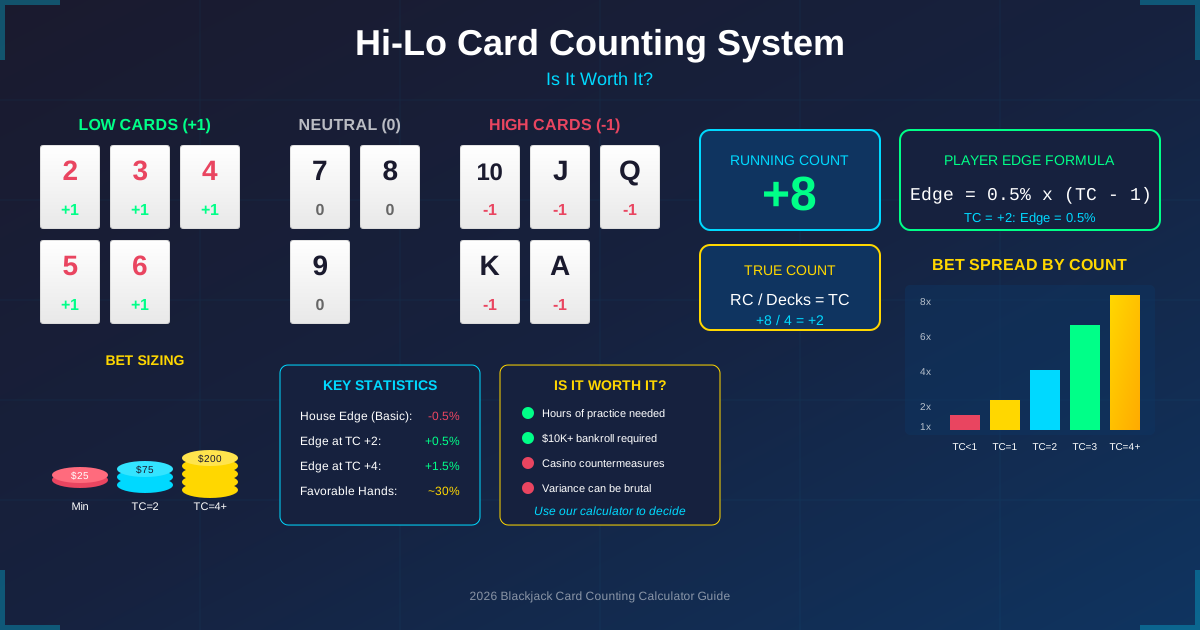
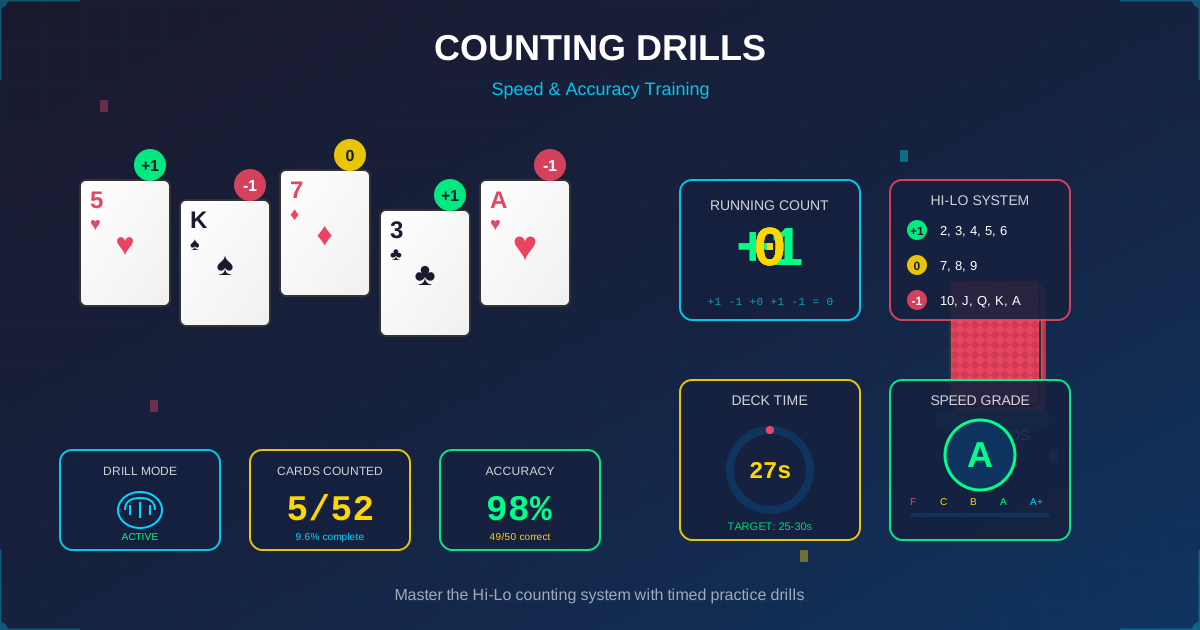
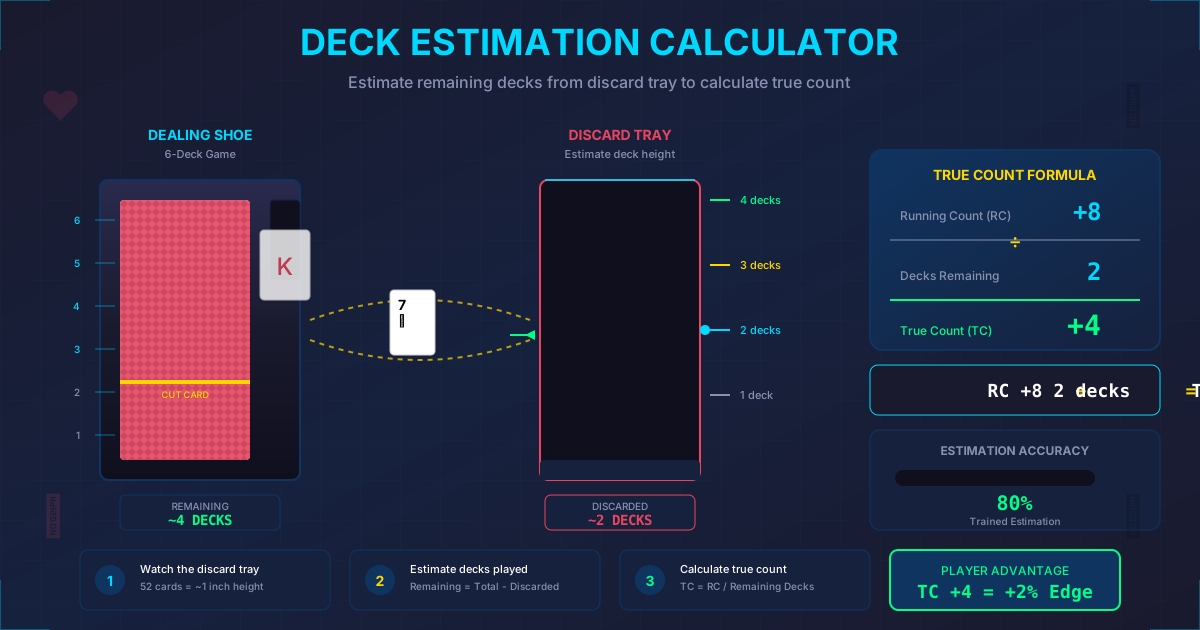
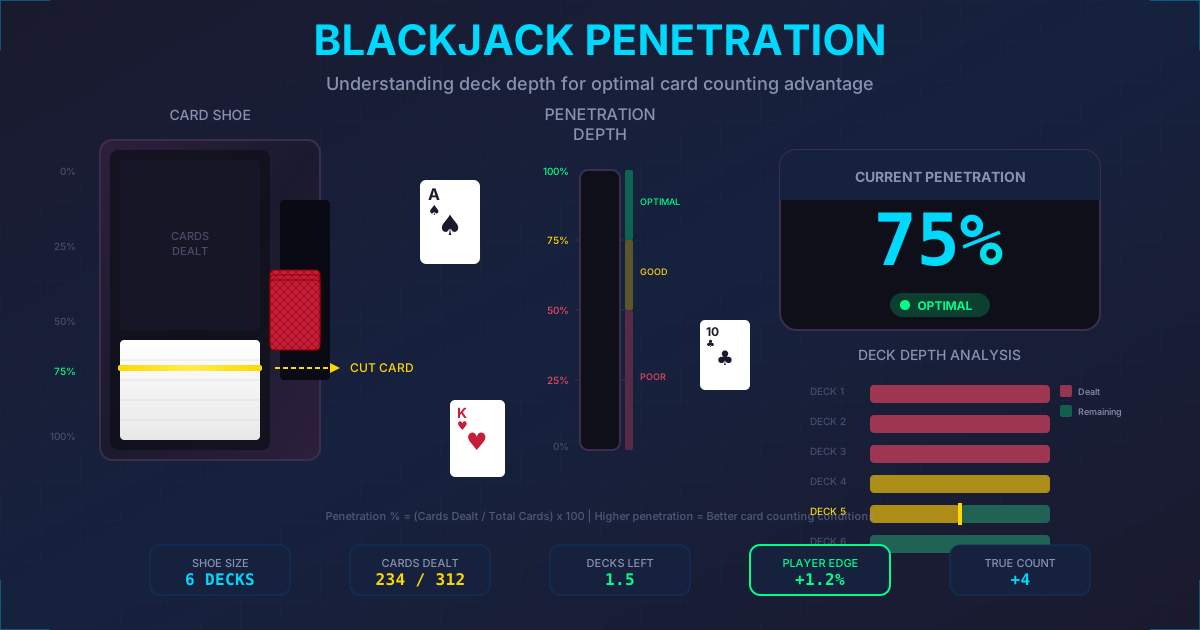
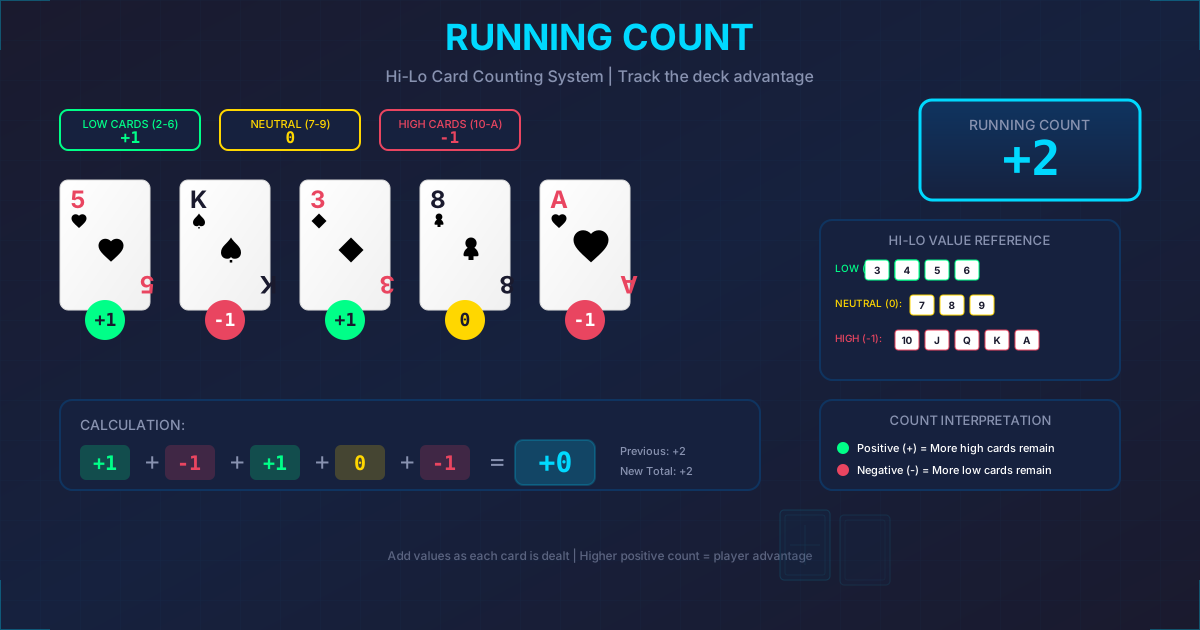
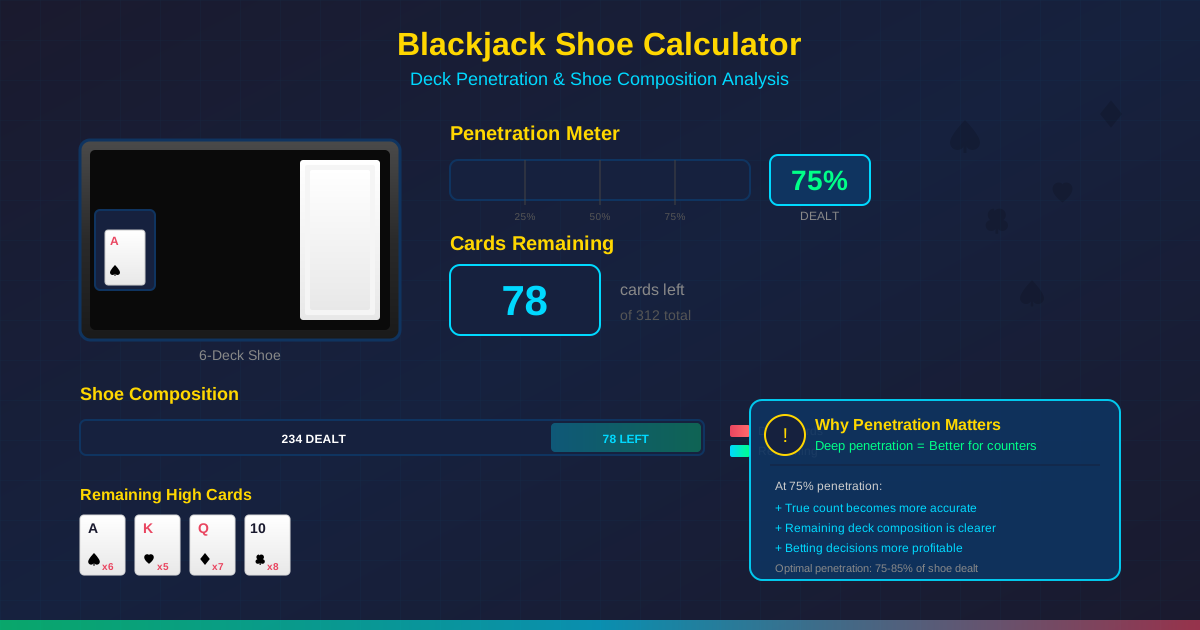
This is why card counting works in blackjack
Blackjack Probabilities
Getting Blackjack (first two cards):
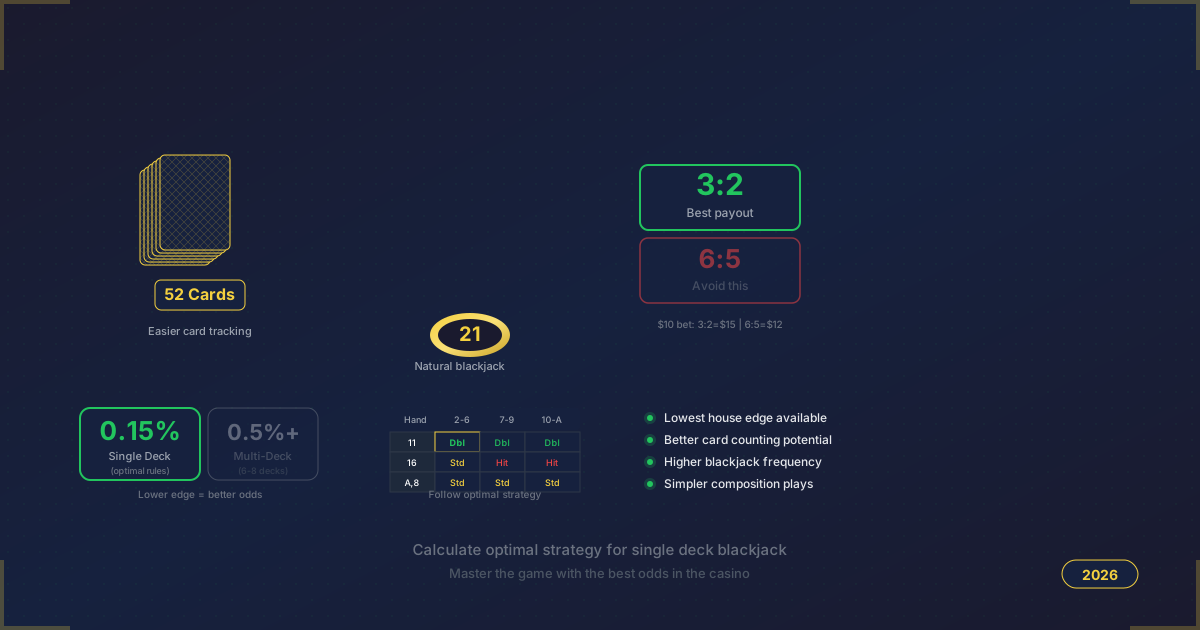
(4/52) × (16/51) + (16/52) × (4/51) = 4.83%

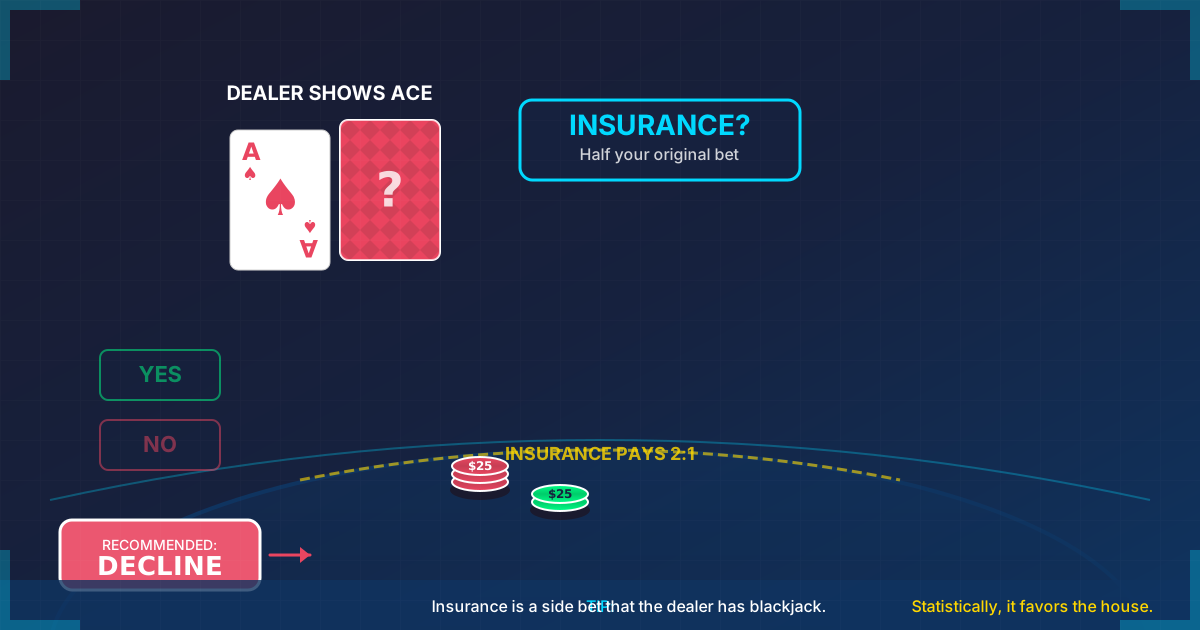
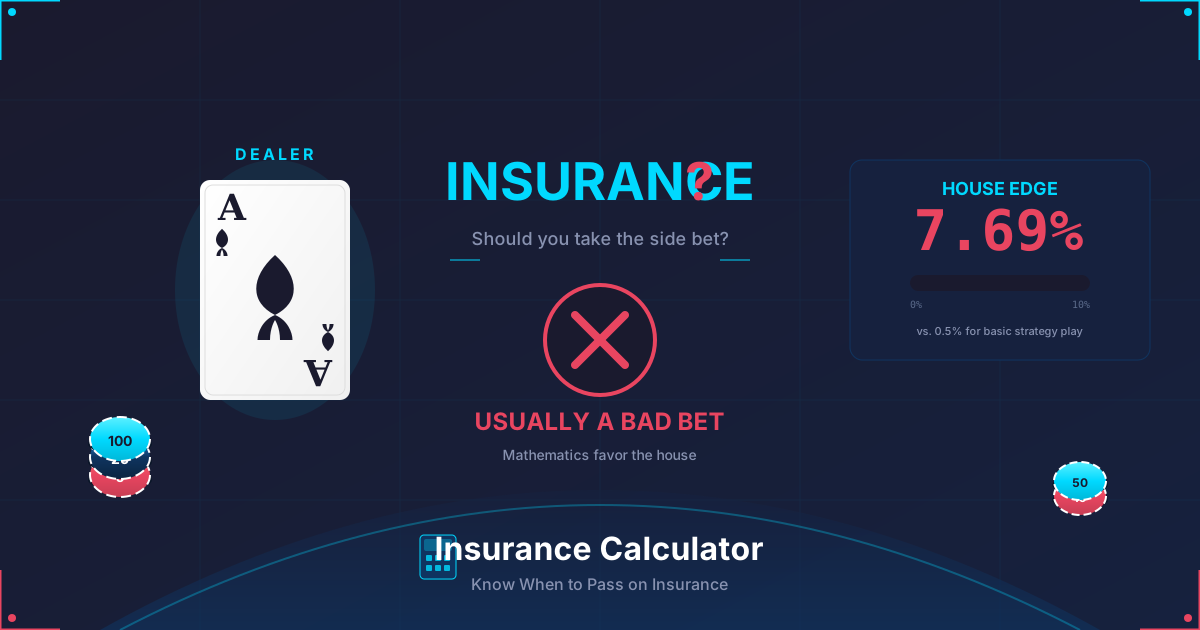
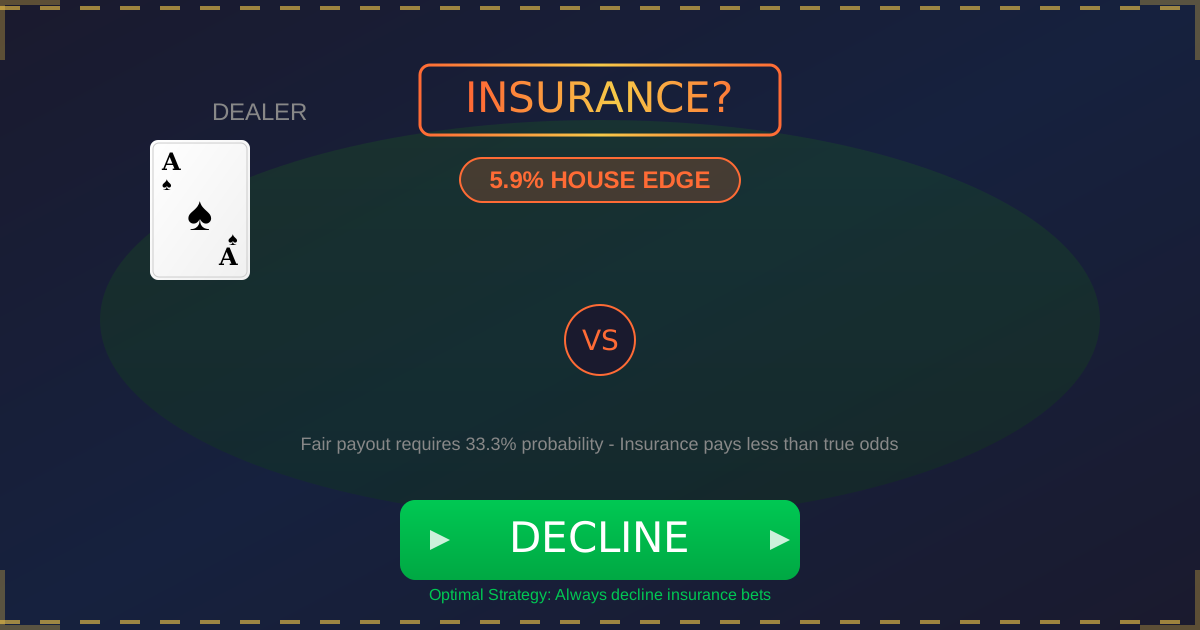
Dealer showing Ace, dealer has blackjack:
16/51 = 31.37%

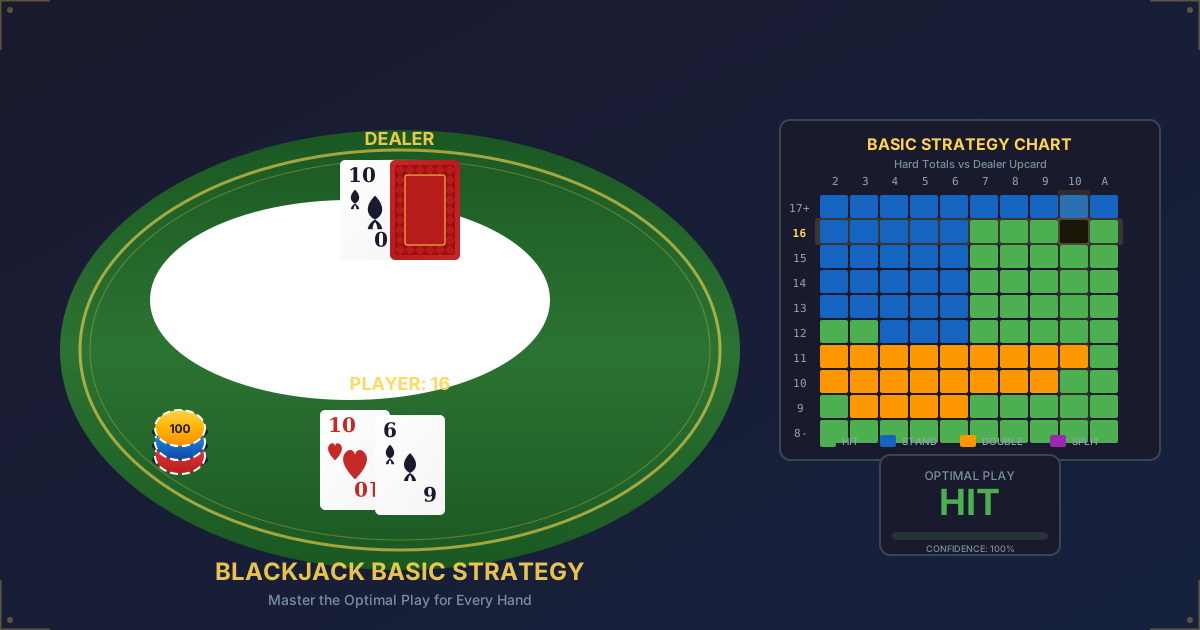
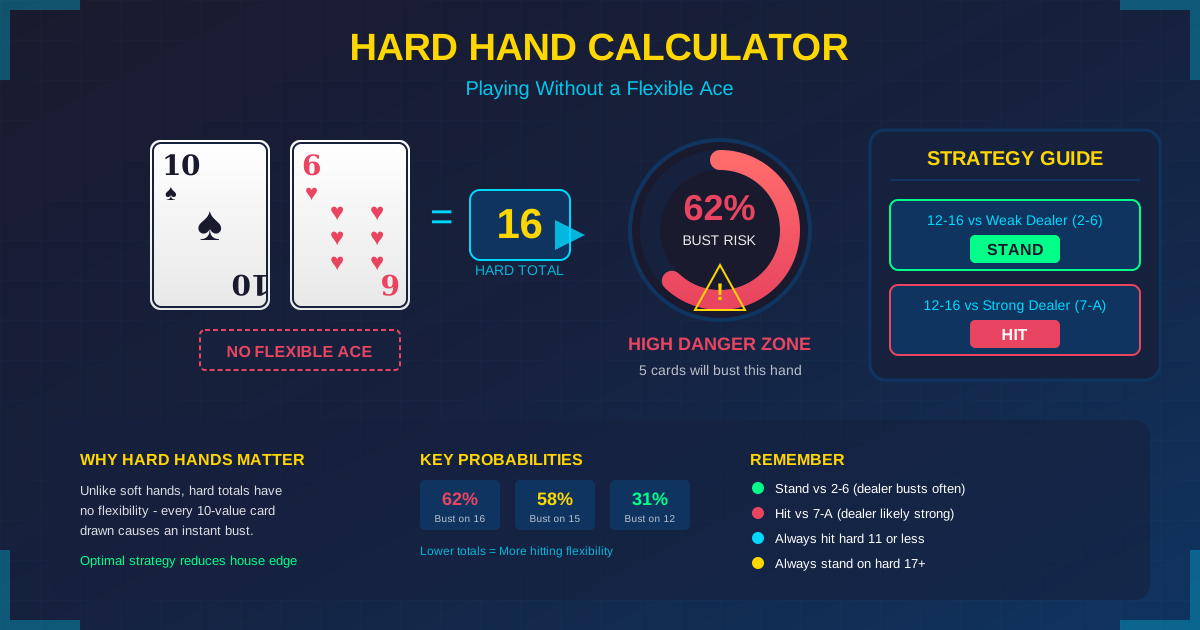
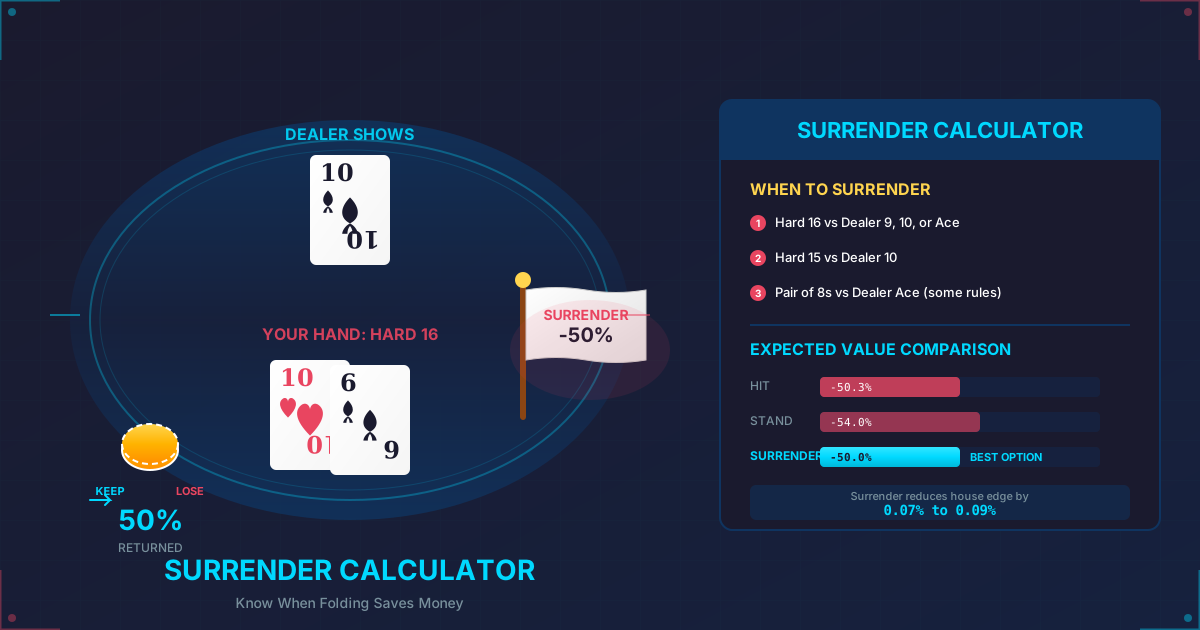
Player bust probability at different totals:
12: 31%
13: 39%
14: 56%
15: 58%
16: 62%

This is why basic strategy matters
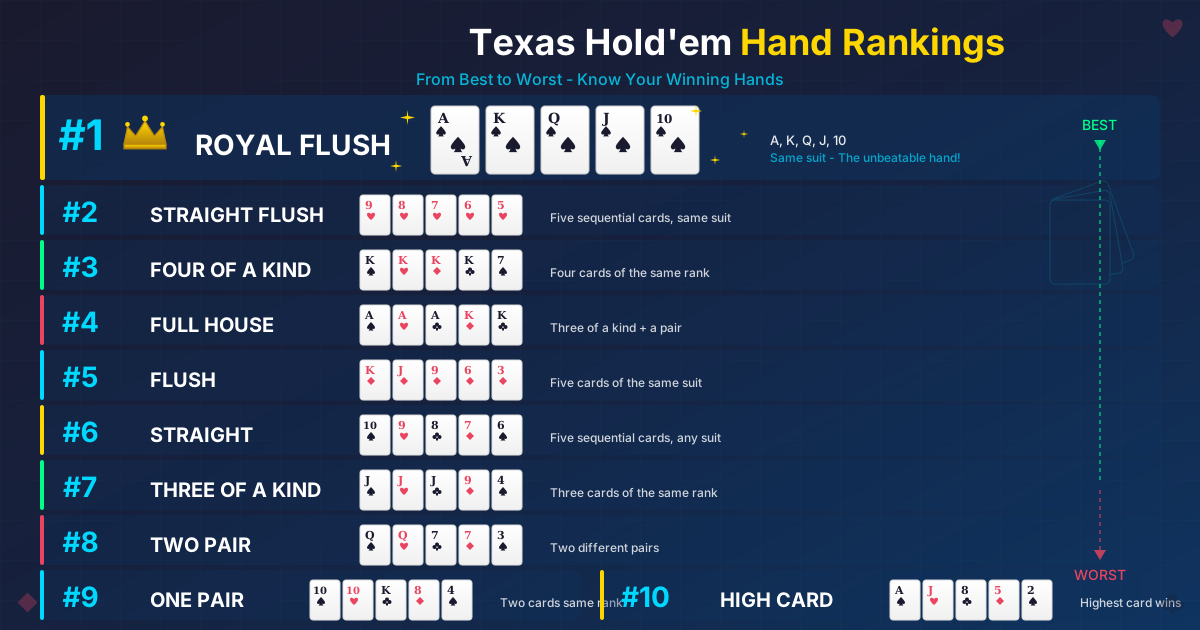
Poker Hand Probabilities
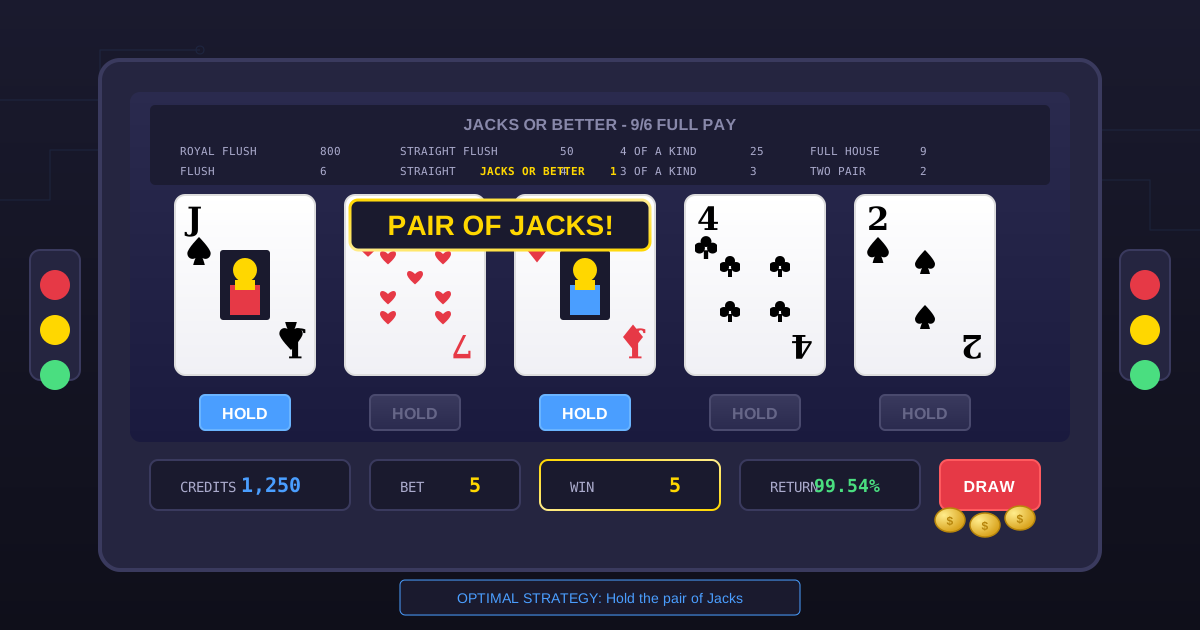
5-Card Poker Hand Probabilities:

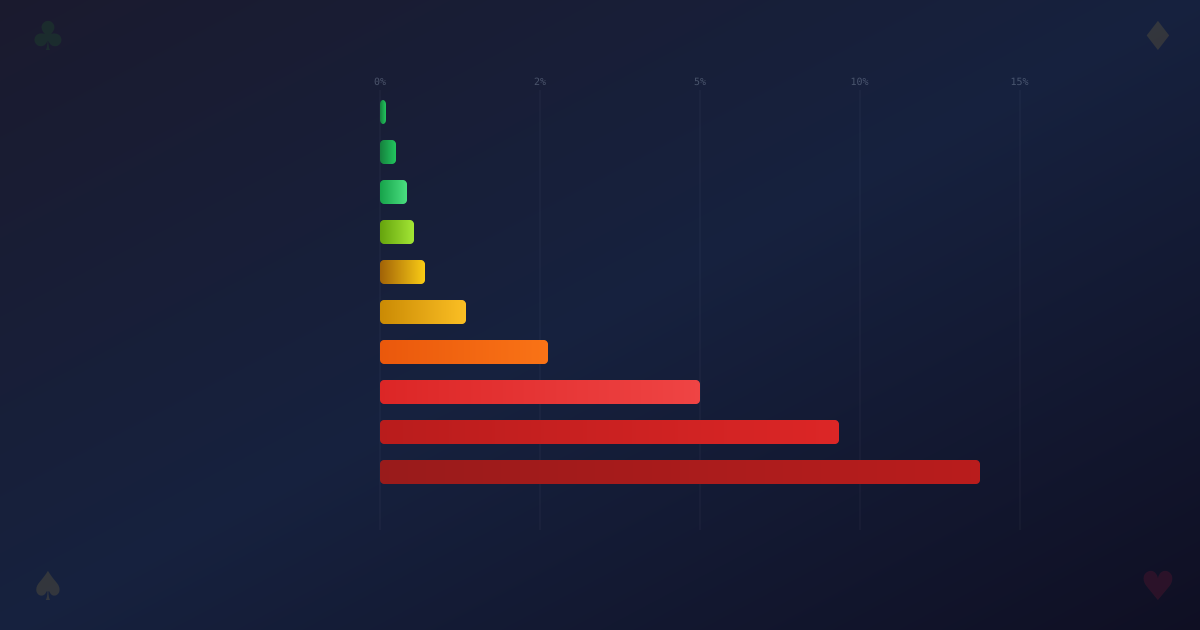
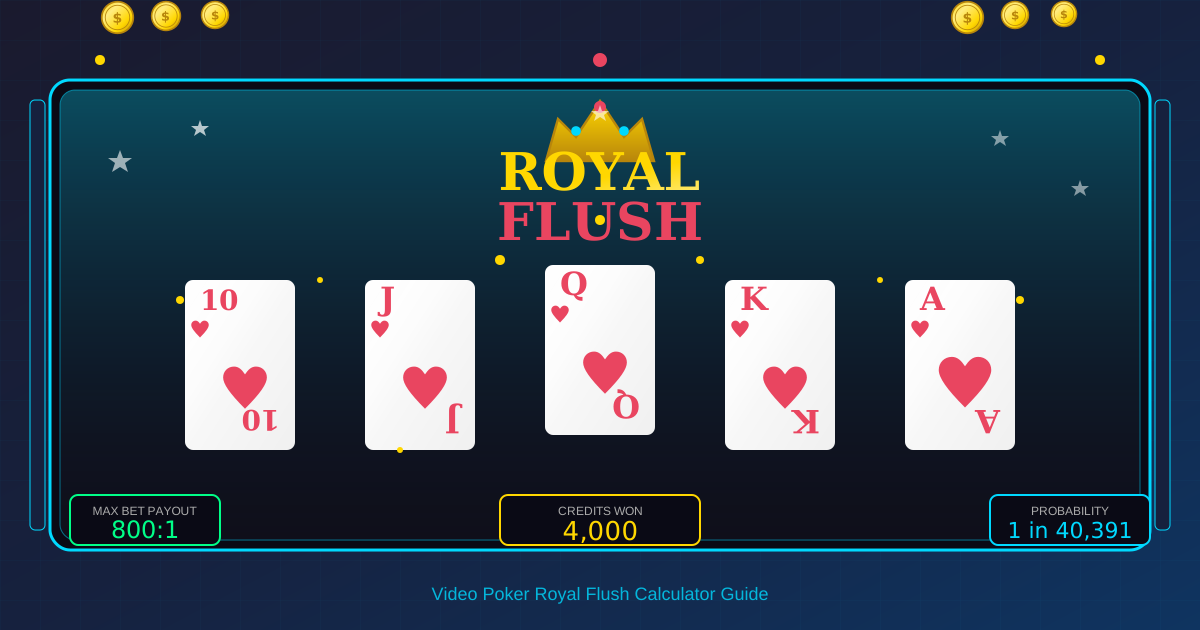
Royal Flush: 0.000154% (1 in 649,740)
Straight Flush: 0.00139% (1 in 72,193)
Four of a Kind: 0.0240% (1 in 4,165)
Full House: 0.144% (1 in 694)
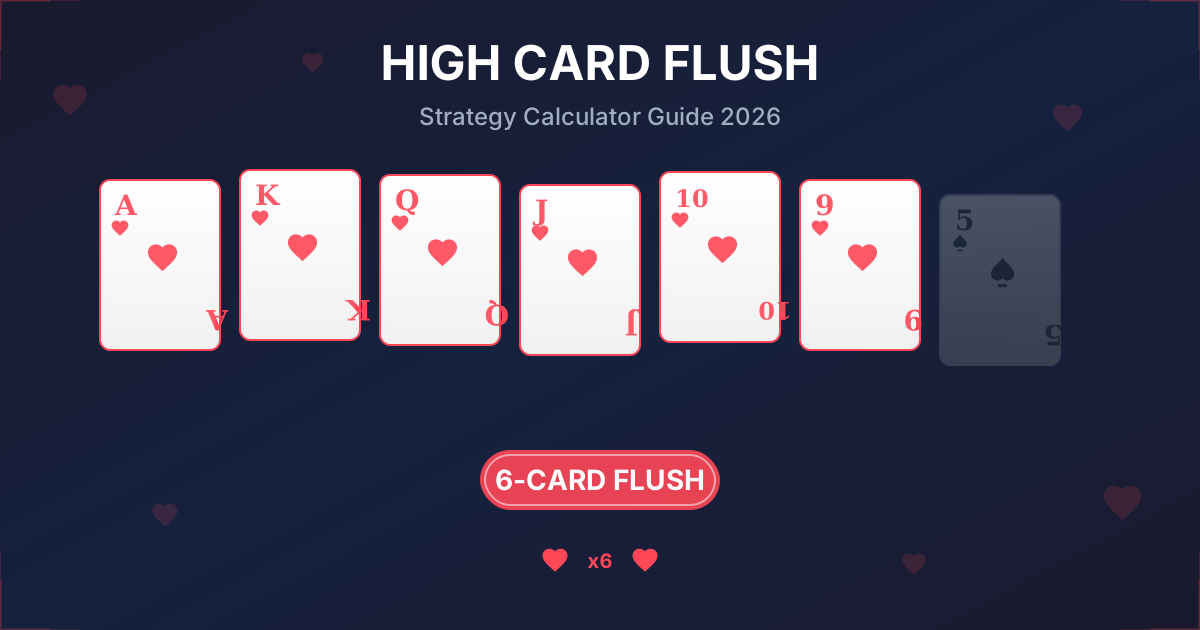
Flush: 0.197% (1 in 509)
Straight: 0.392% (1 in 255)
Three of a Kind: 2.11% (1 in 47)
Two Pair: 4.75% (1 in 21)
One Pair: 42.3% (1 in 2.4)
High Card: 50.1% (most common)
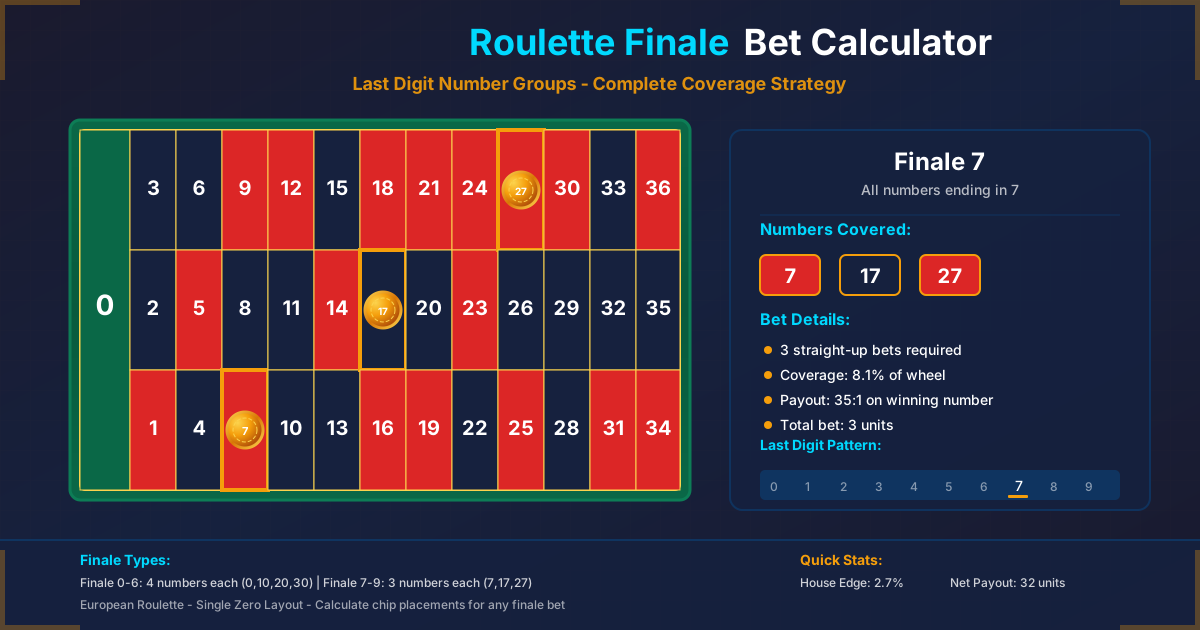
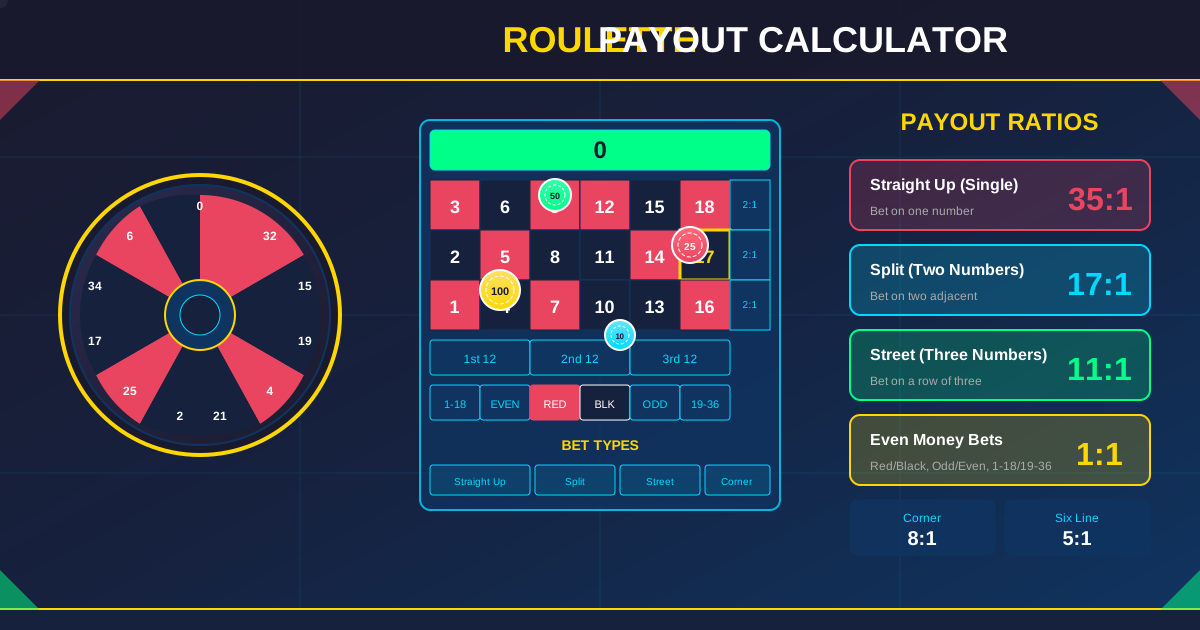
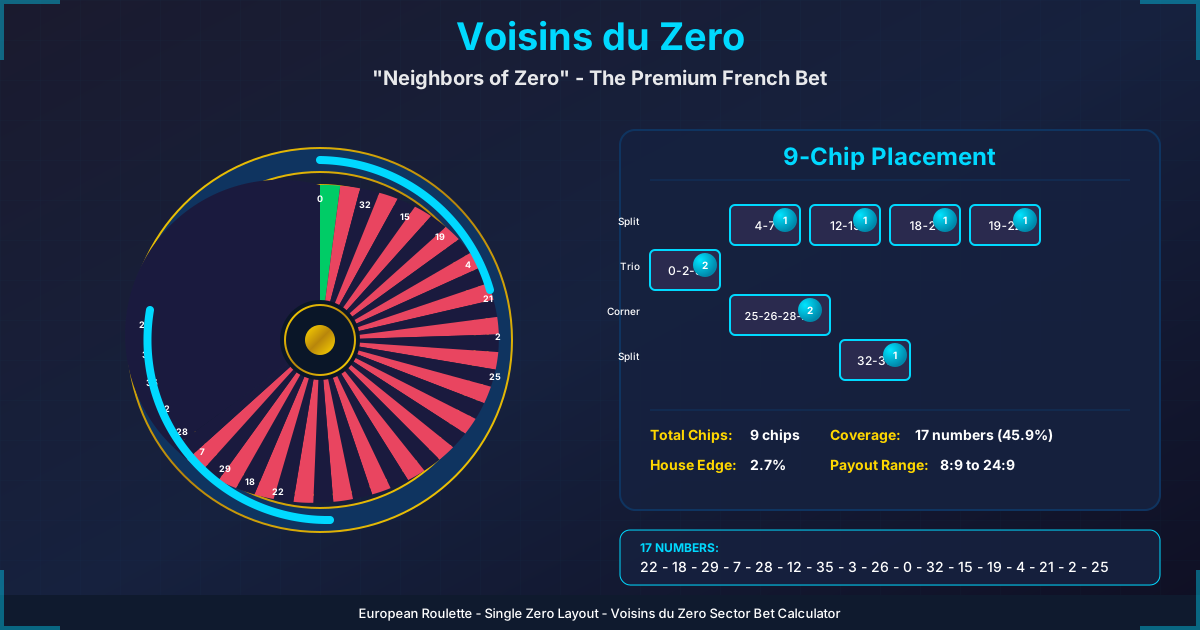
Roulette Probabilities
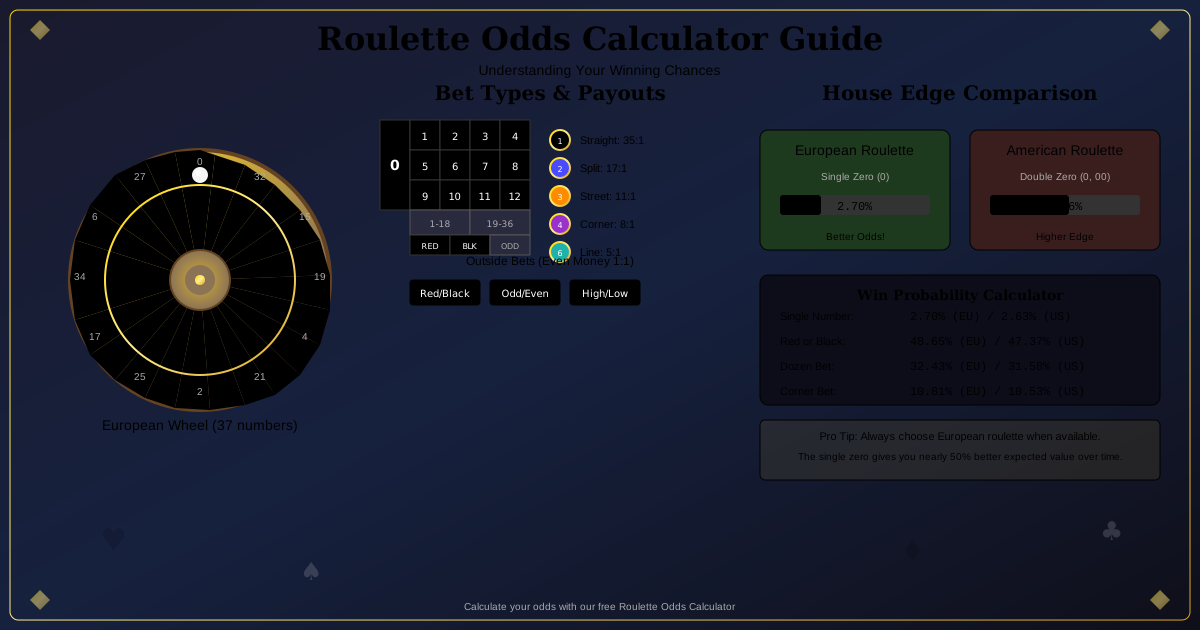
American Roulette (38 slots)
Single Number: 1/38 = 2.63%
Red/Black: 18/38 = 47.37%
Even/Odd: 18/38 = 47.37%
1-18/19-36: 18/38 = 47.37%
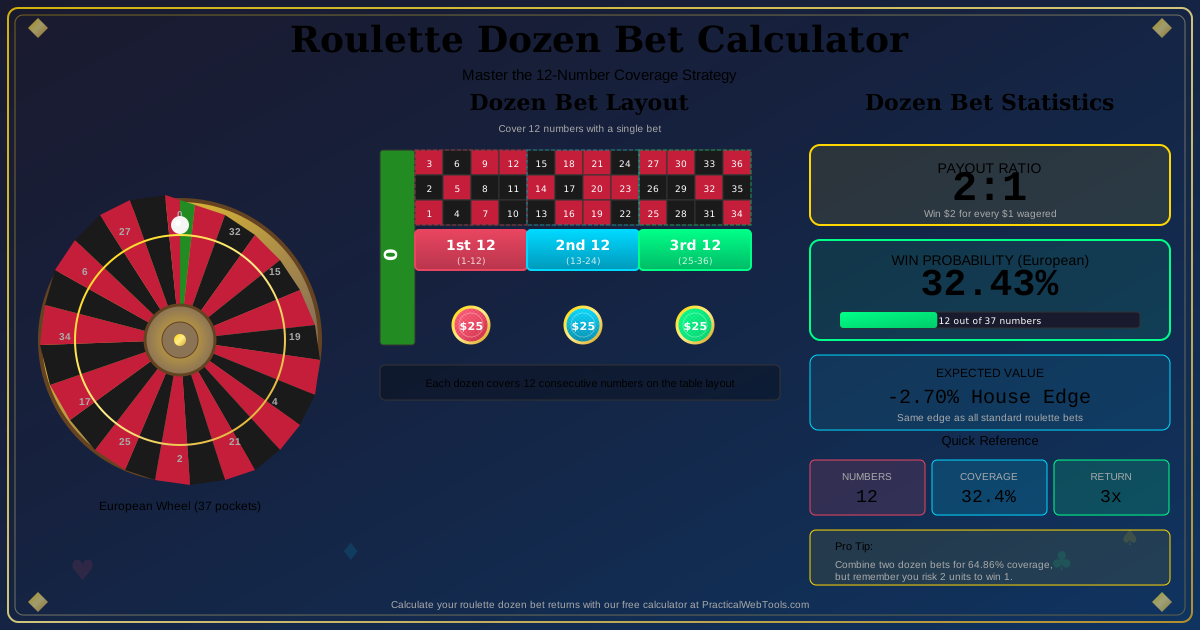
Dozen (1-12): 12/38 = 31.58%
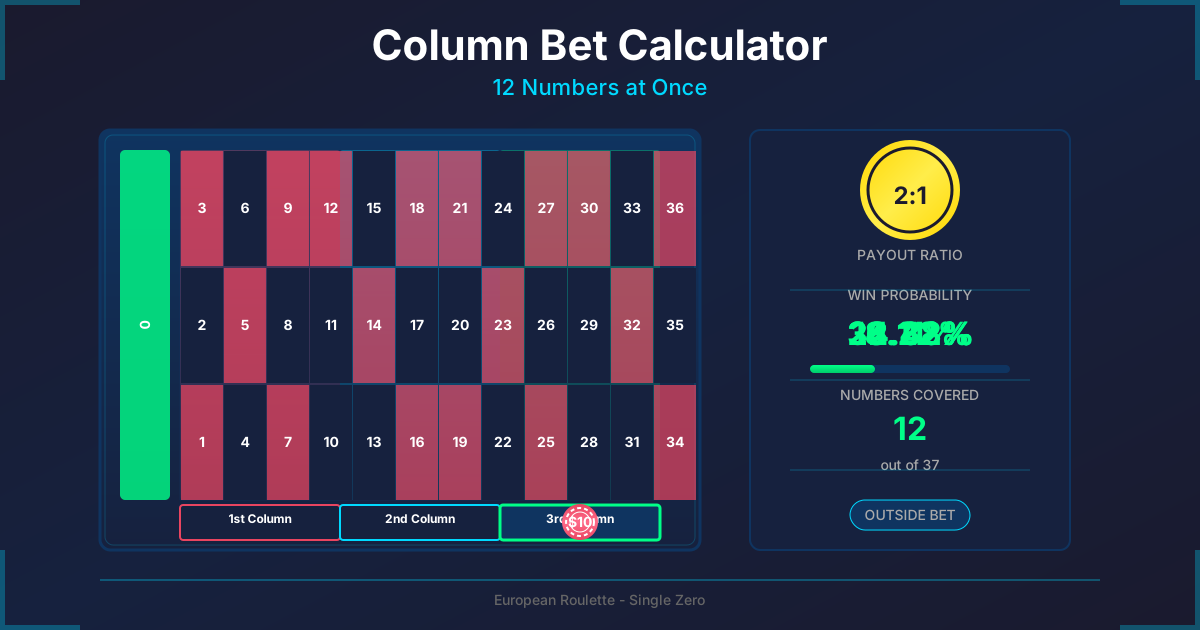
Column: 12/38 = 31.58%
Six Line: 6/38 = 15.79%
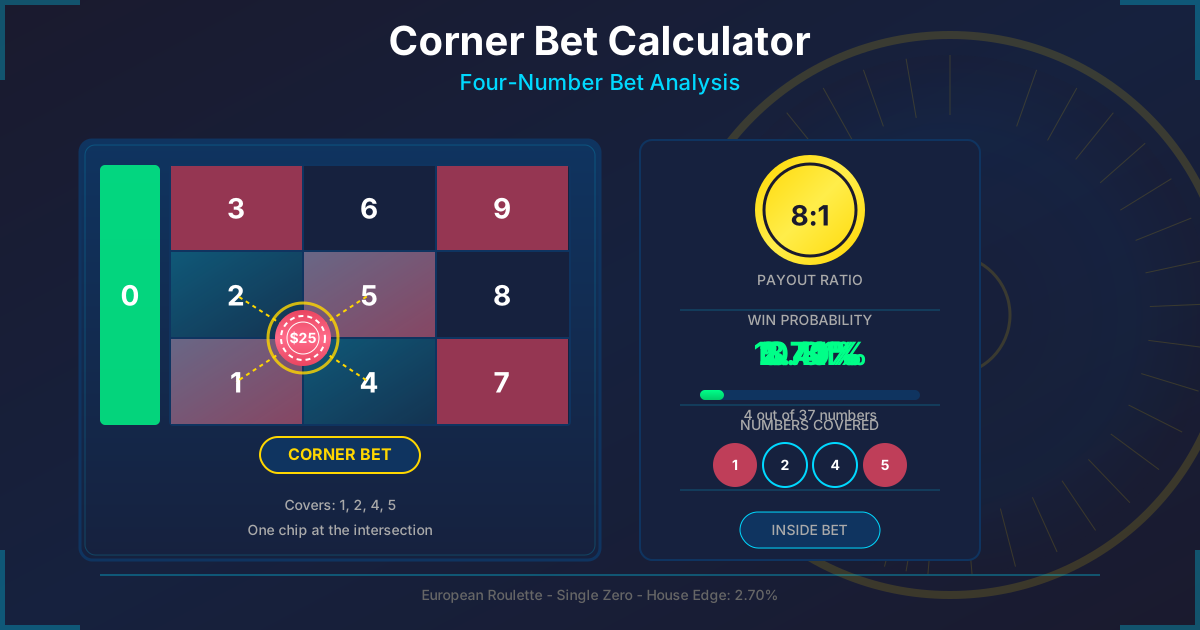
Corner: 4/38 = 10.53%
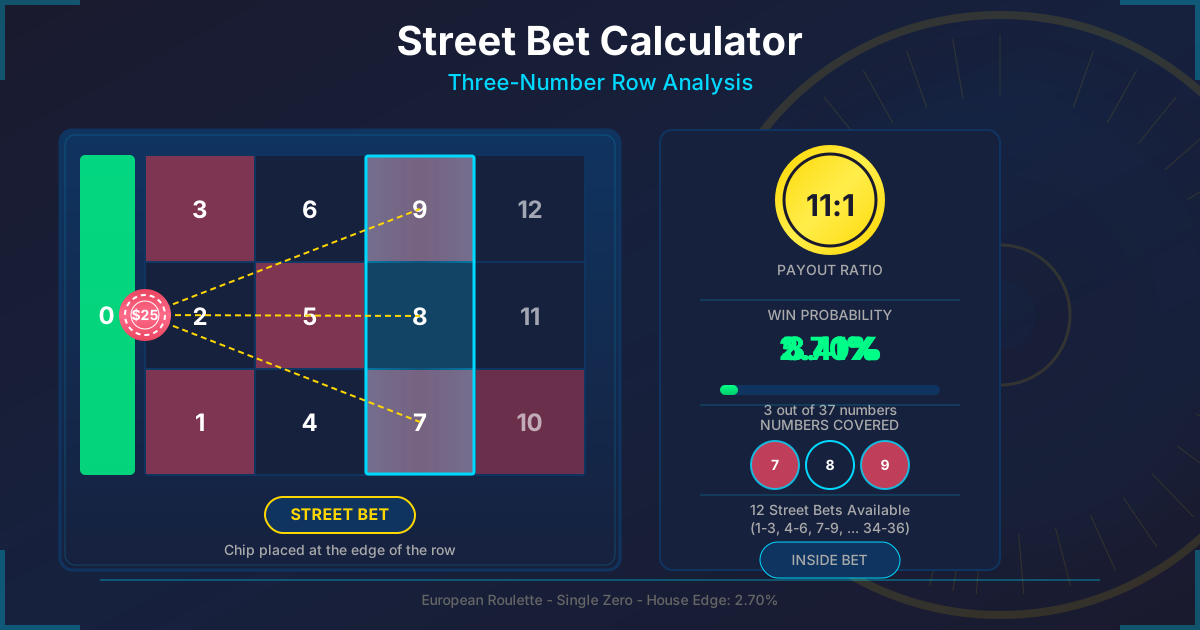
Street: 3/38 = 7.89%
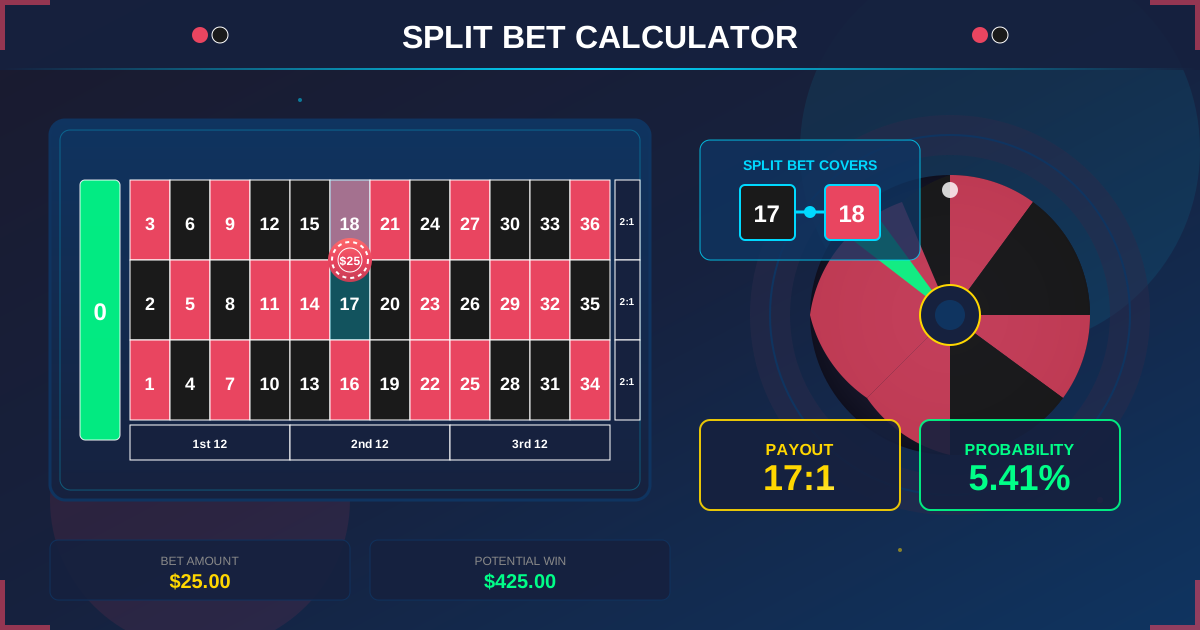
Split: 2/38 = 5.26%

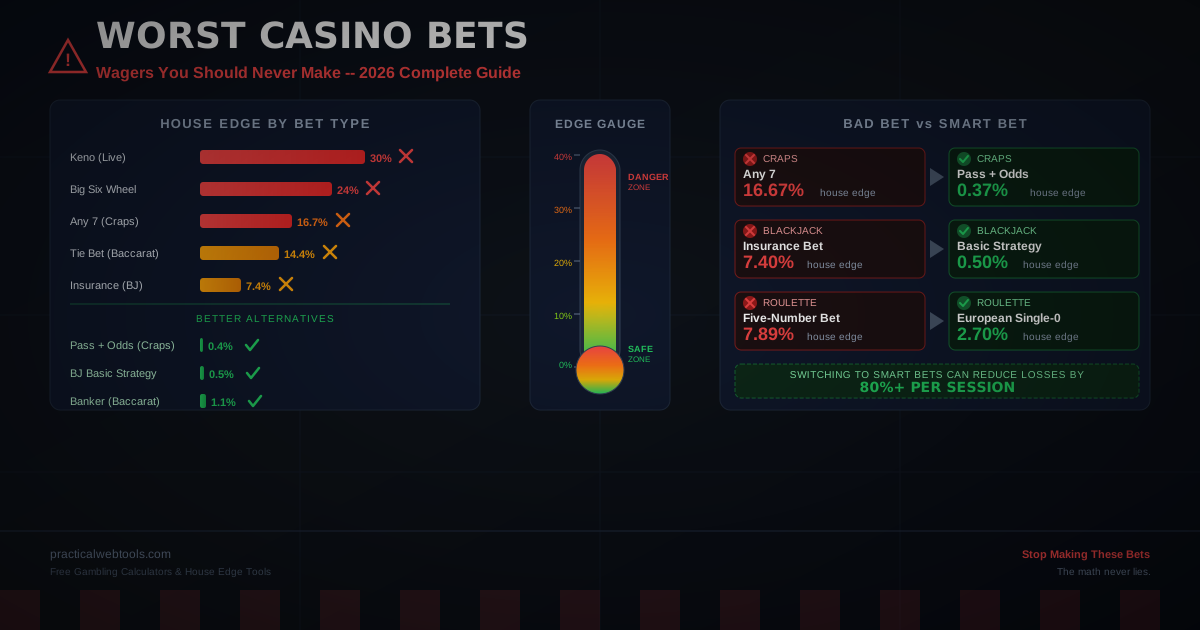
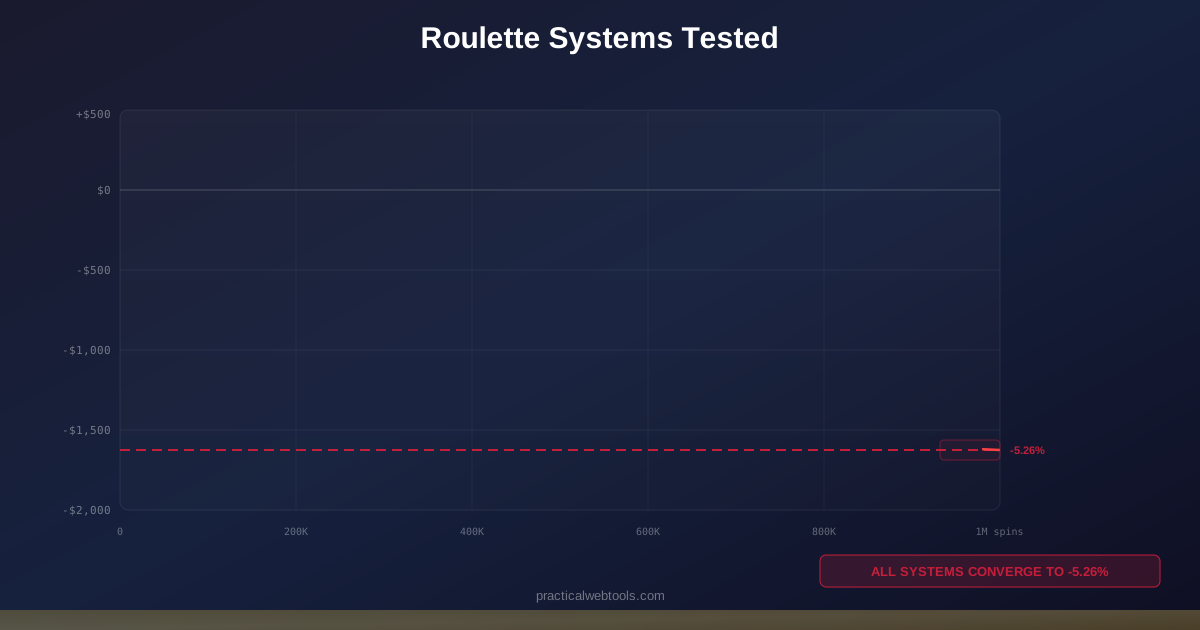
House edge on all bets: 5.26%
(Except five number: 7.89%)
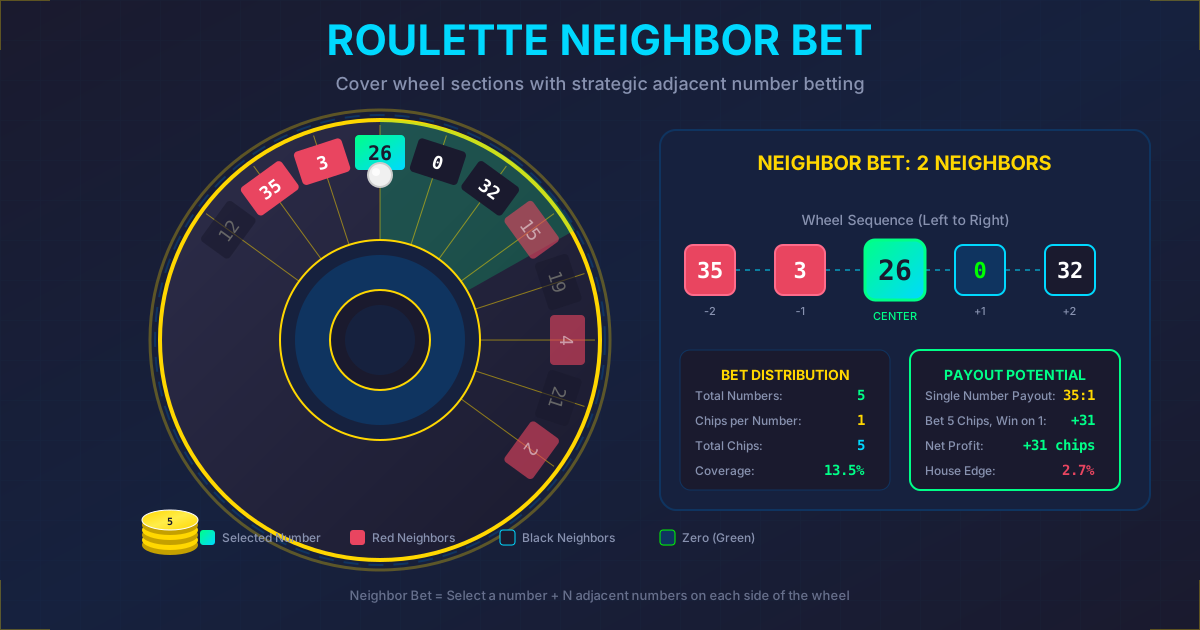
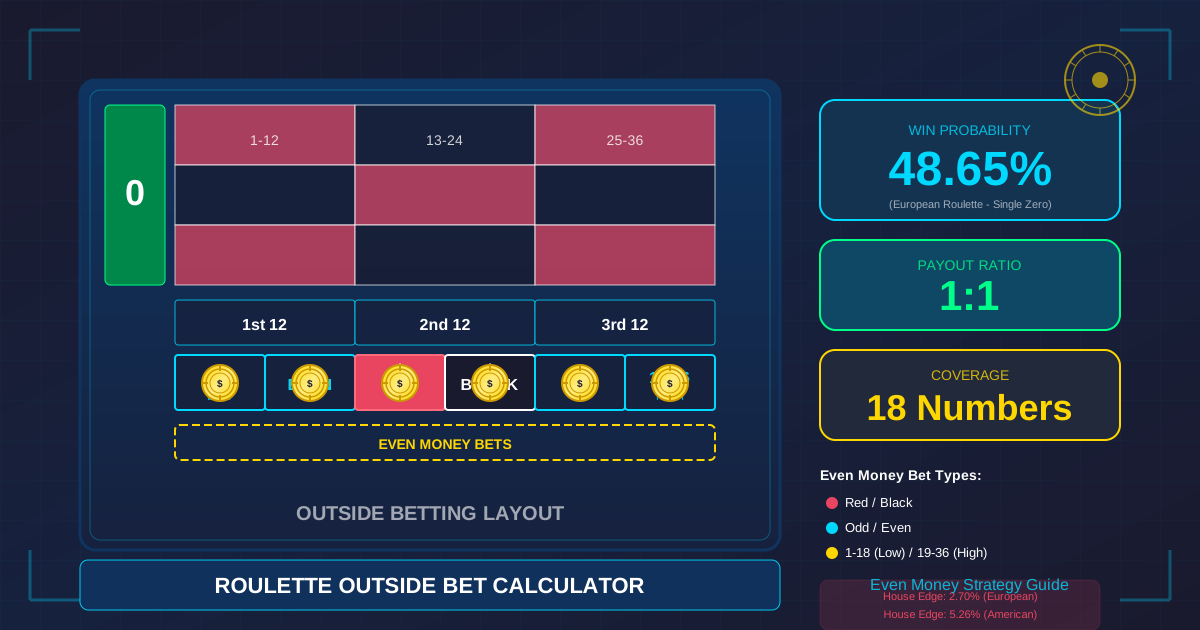
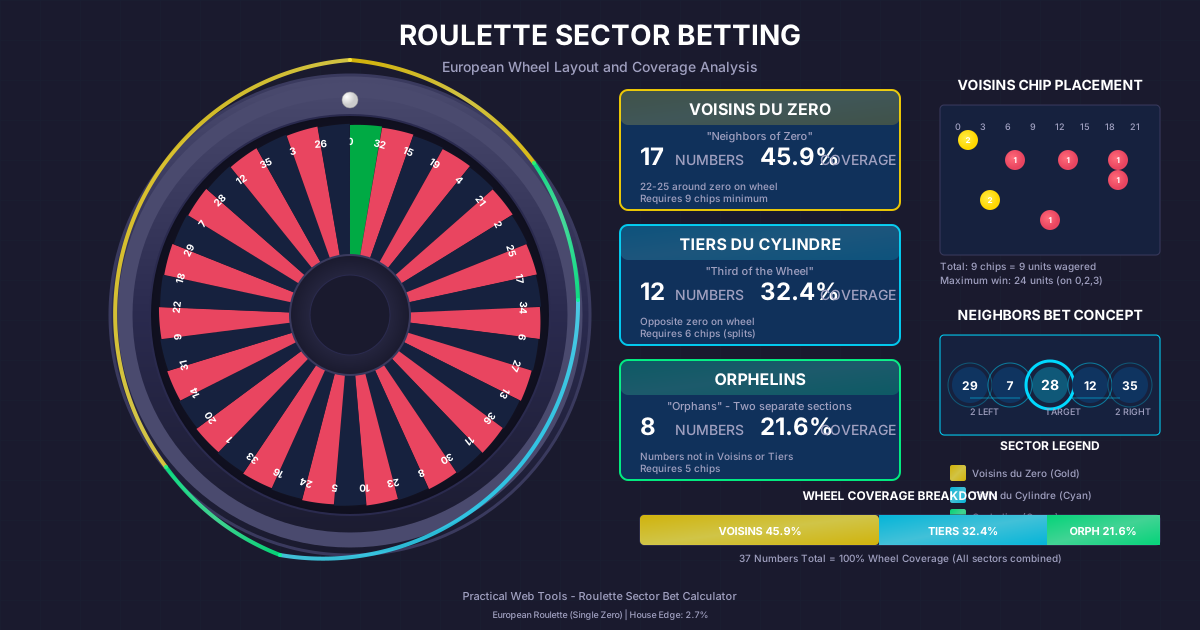
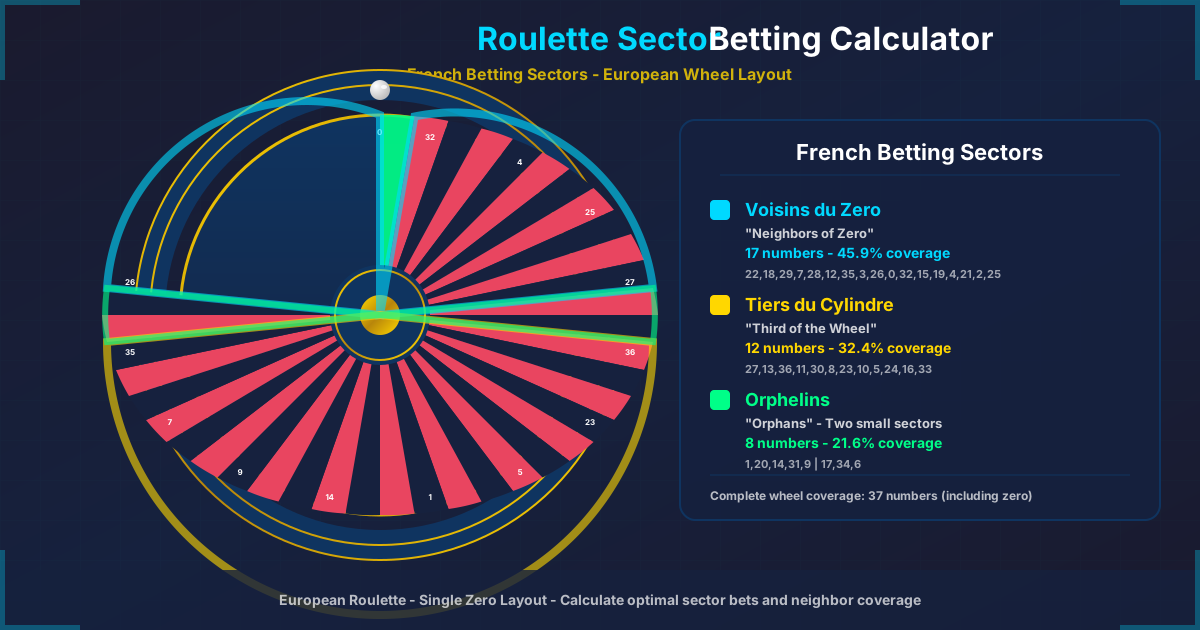
European Roulette (37 slots)
Single Number: 1/37 = 2.70%
Red/Black: 18/37 = 48.65%
Even/Odd: 18/37 = 48.65%

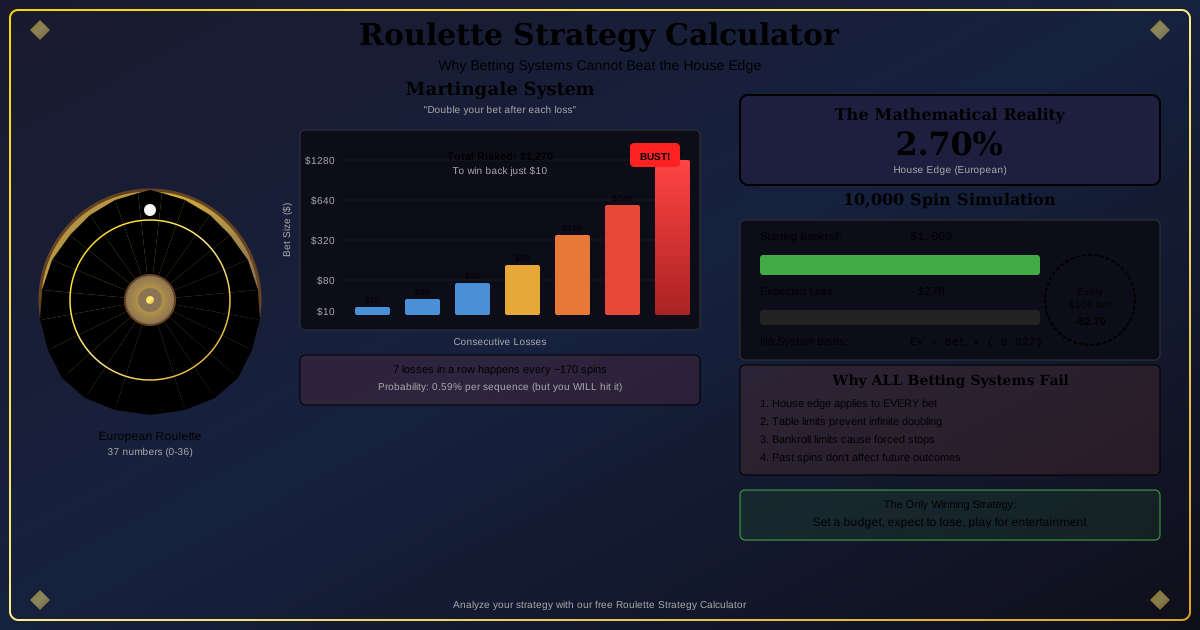
House edge: 2.70%
(Better than American by half!)

En Prison Rule (some casinos):
If ball lands on 0, even-money bets
get second chance
Reduces house edge to 1.35%
Real-World Examples
Example 1: Sports Betting Probability
Situation:
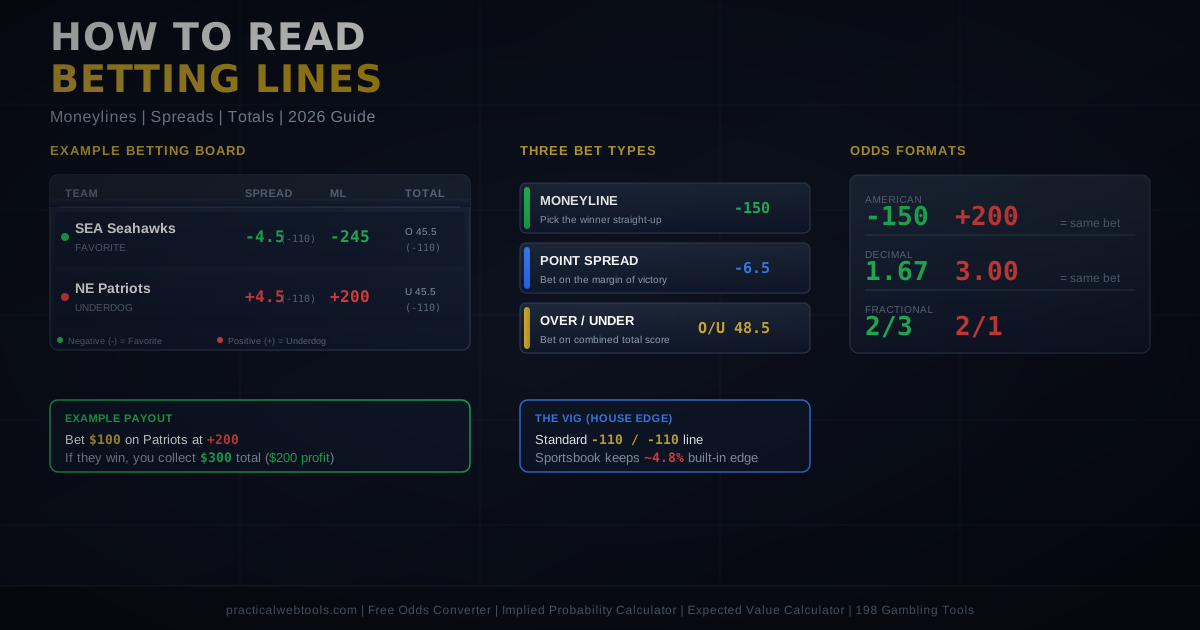
NFL game moneyline:
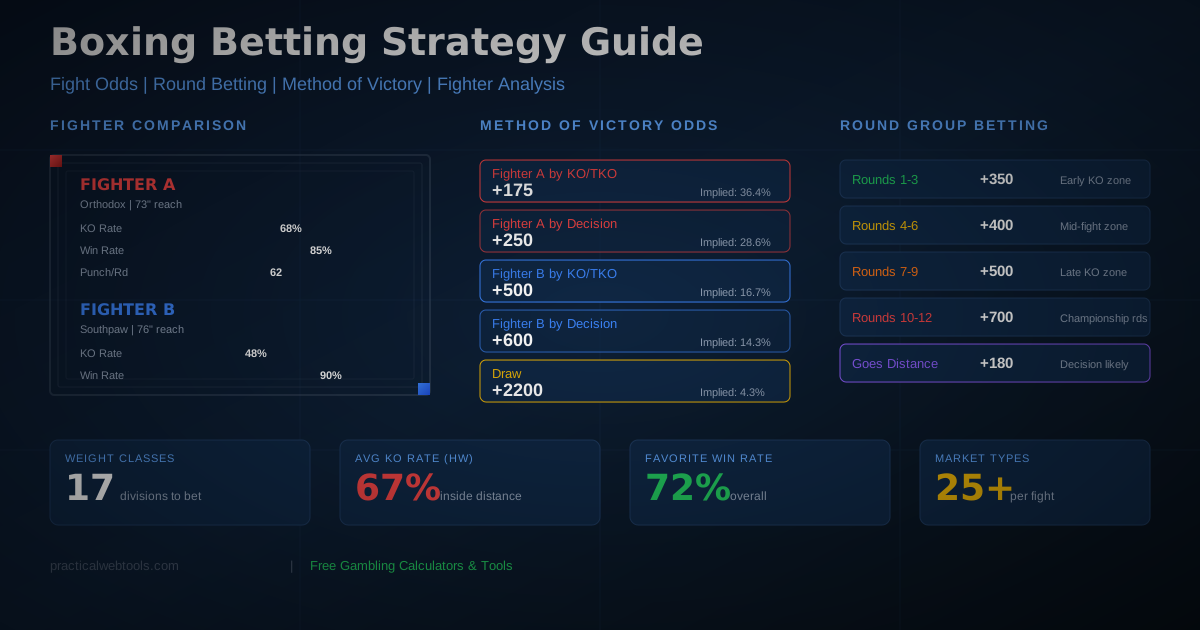
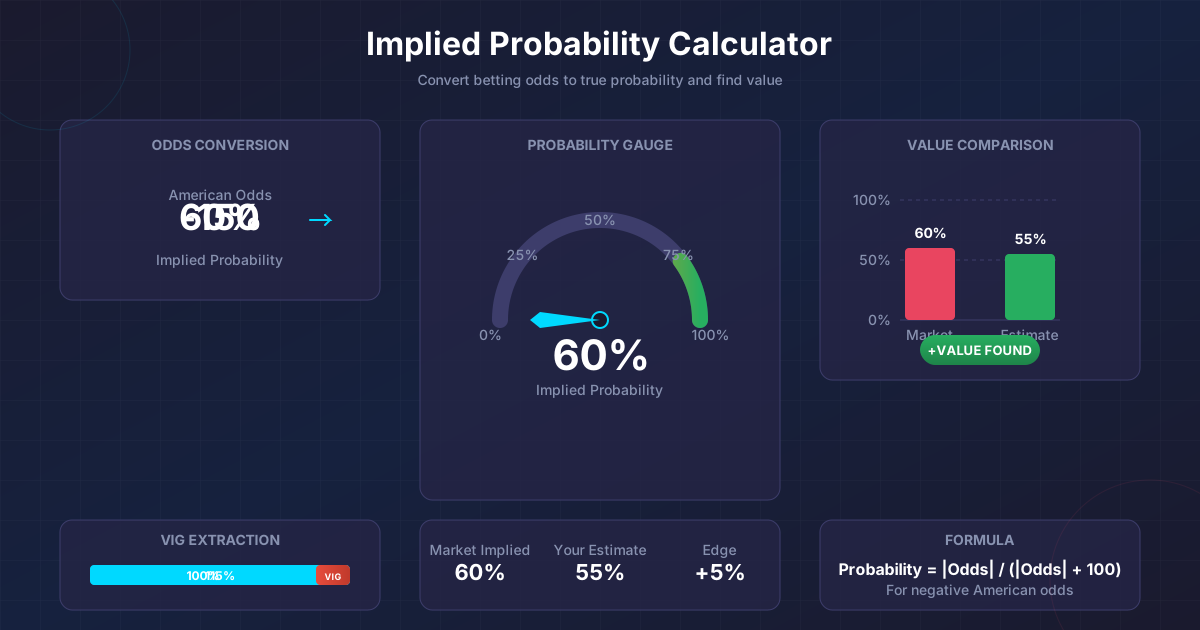
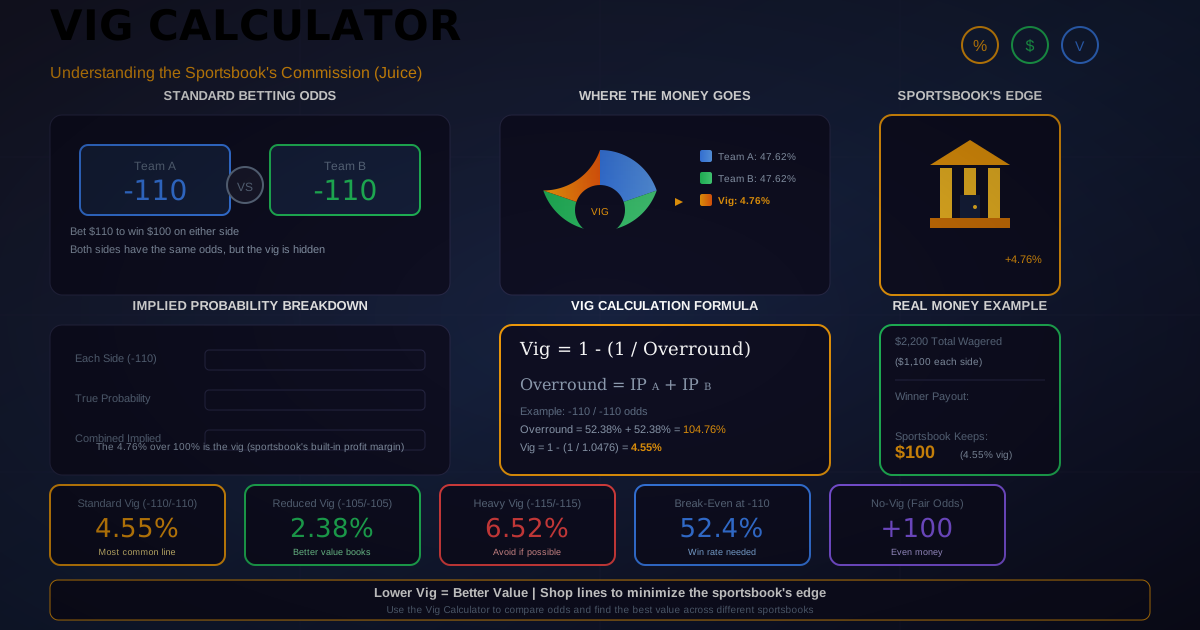
Team A: -150 (implied 60%)
Team B: +130 (implied 43.5%)

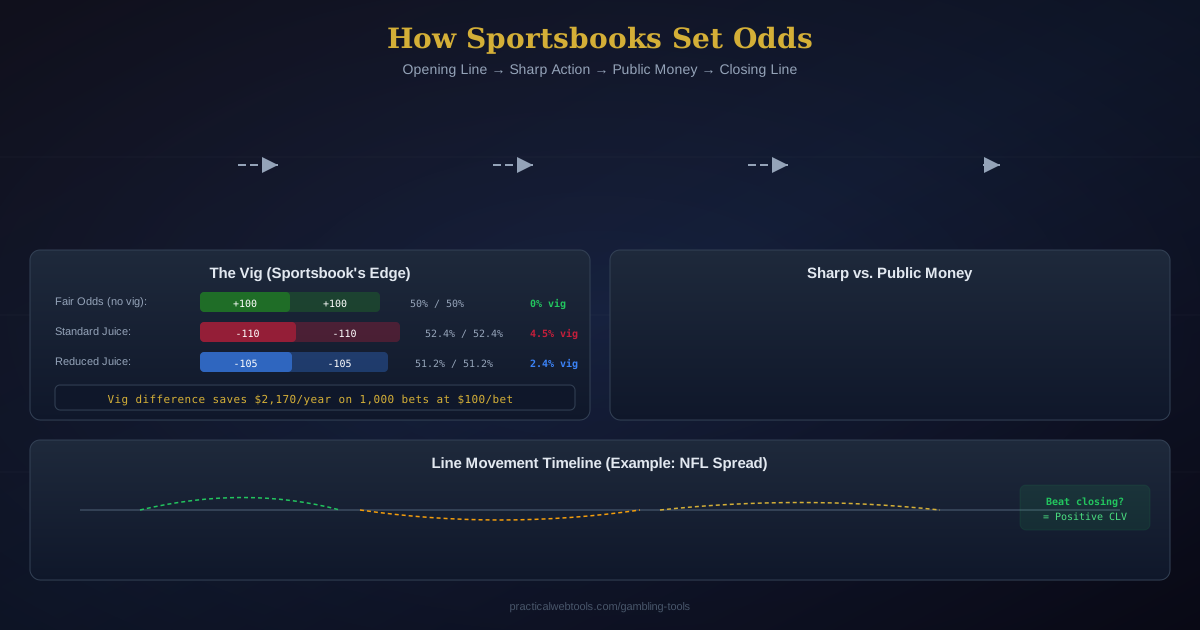
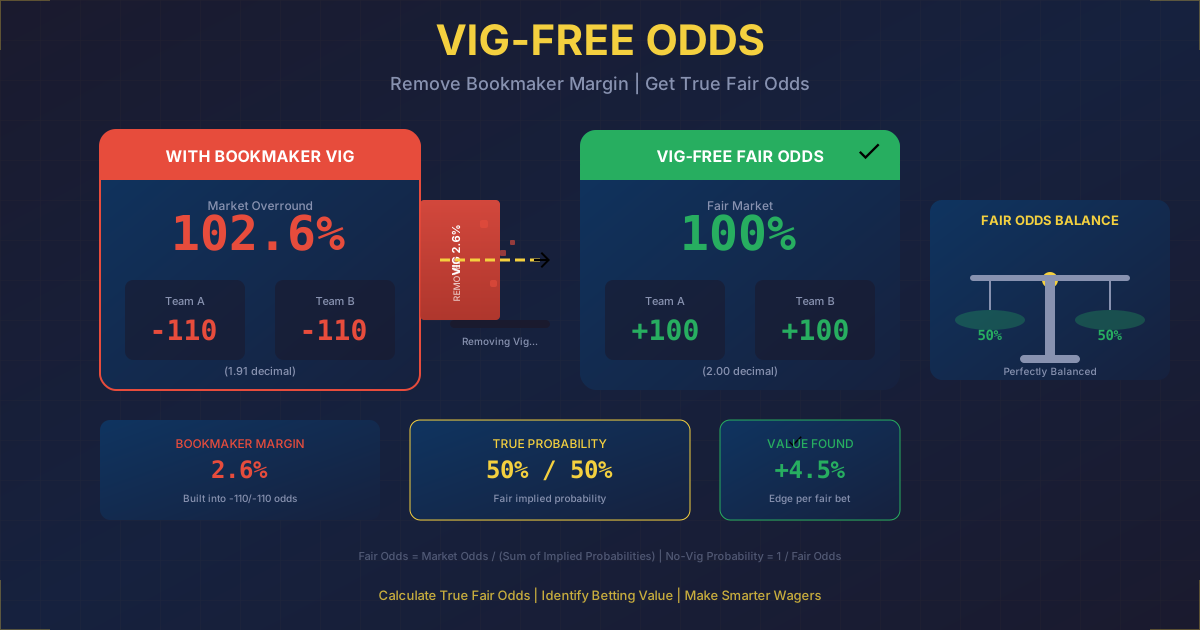
The implied probabilities total 103.5%
(3.5% is the bookmaker's margin)
Calculation:
Removing the margin to find fair probability:
Team A: 60% / 1.035 = 58.0%
Team B: 43.5% / 1.035 = 42.0%

If you believe Team A has 65% true probability:

Your edge on Team A:
Edge = (0.65 × 1.67) - 1 = 0.086 = 8.6%

Expected value per $100:
EV = (0.65 × $67) - (0.35 × $100)
EV = $43.55 - $35 = $8.55 profit
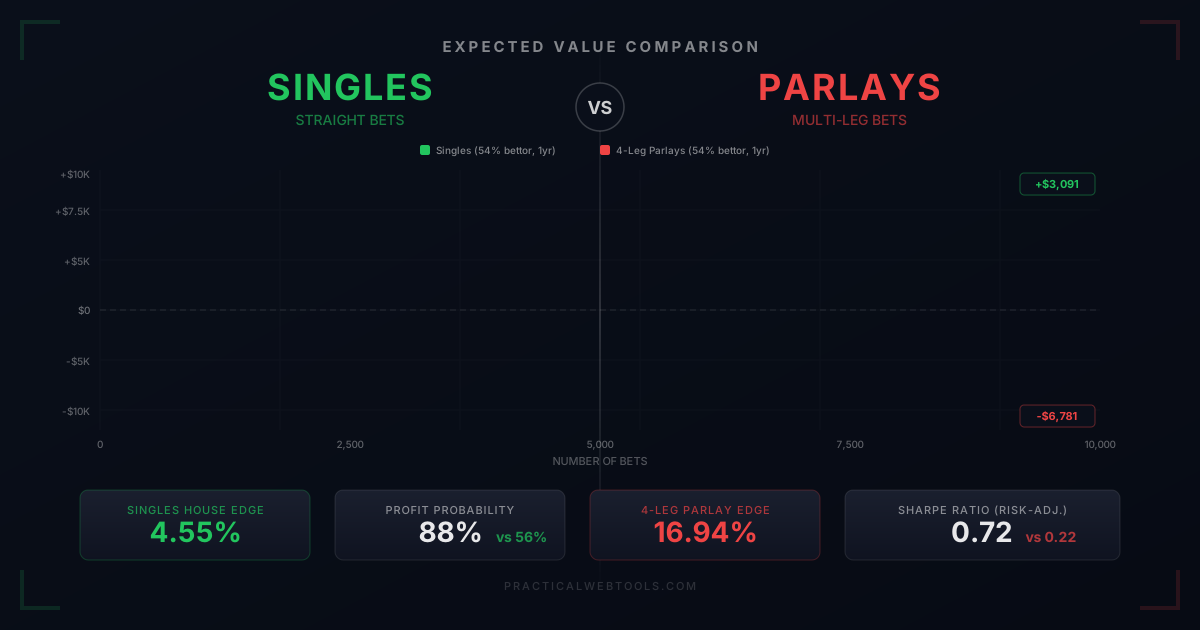
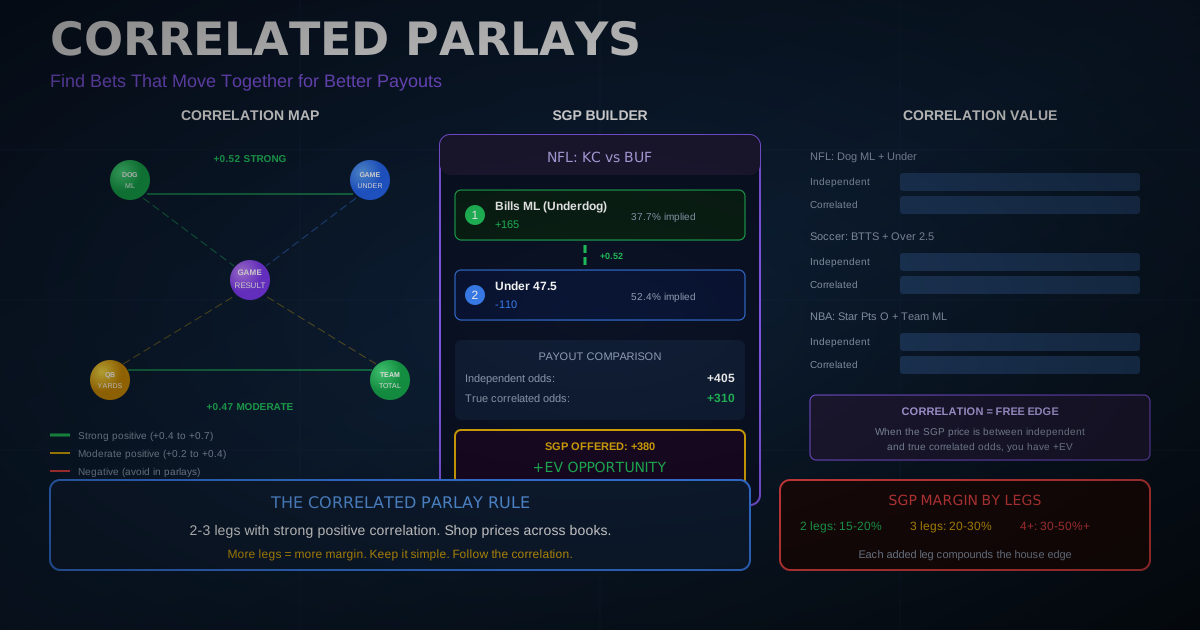
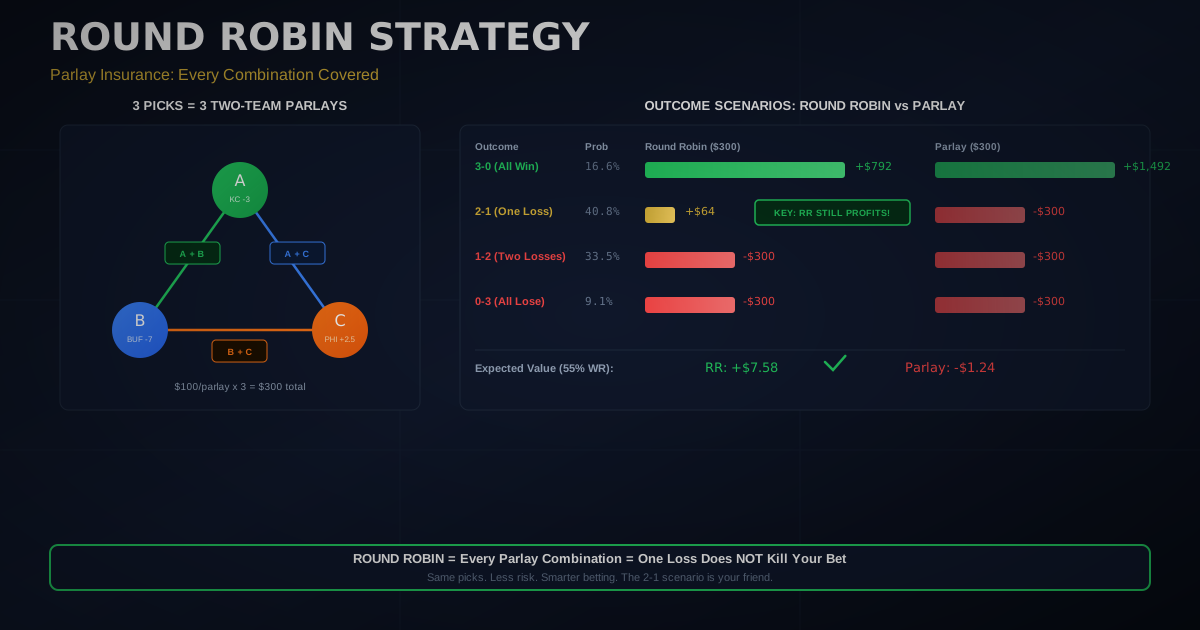
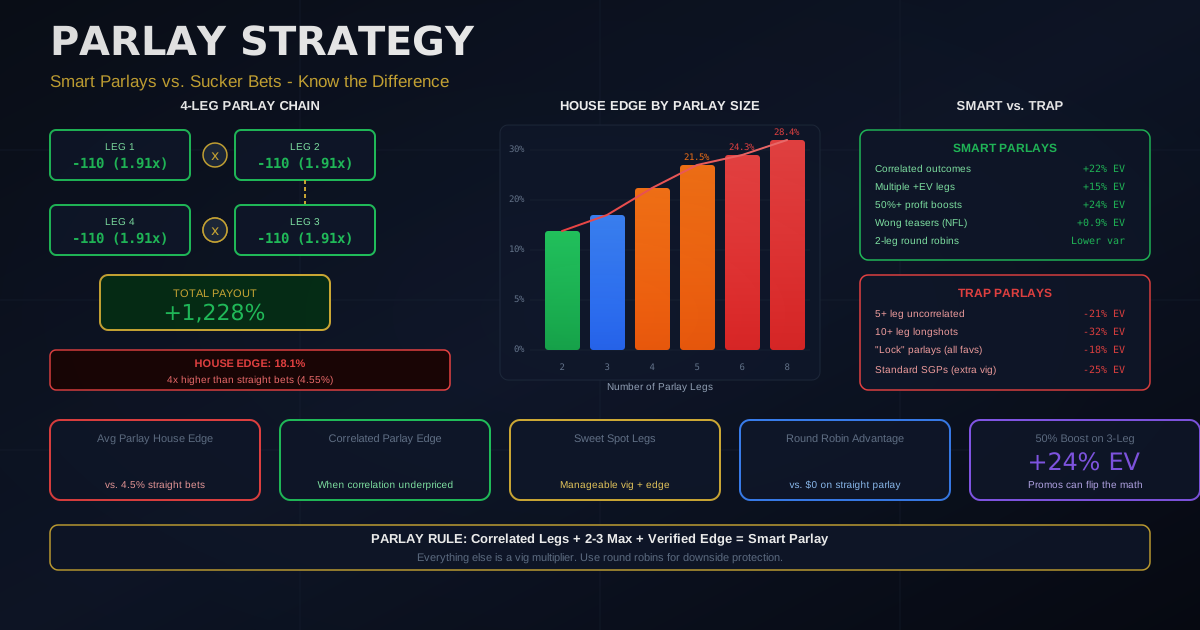
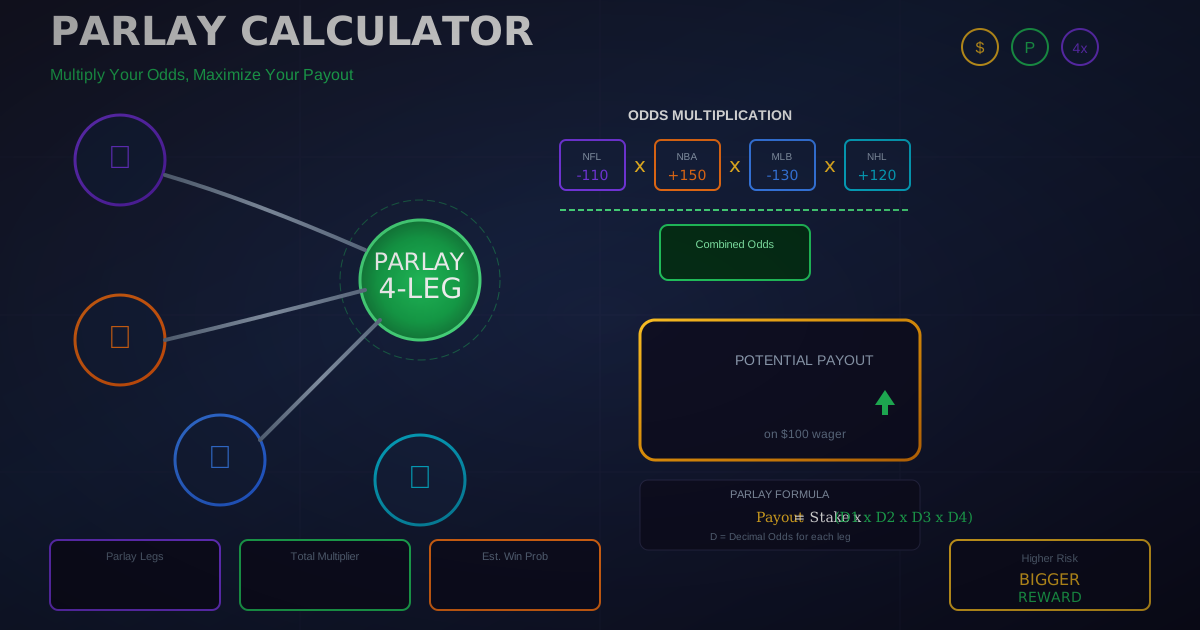
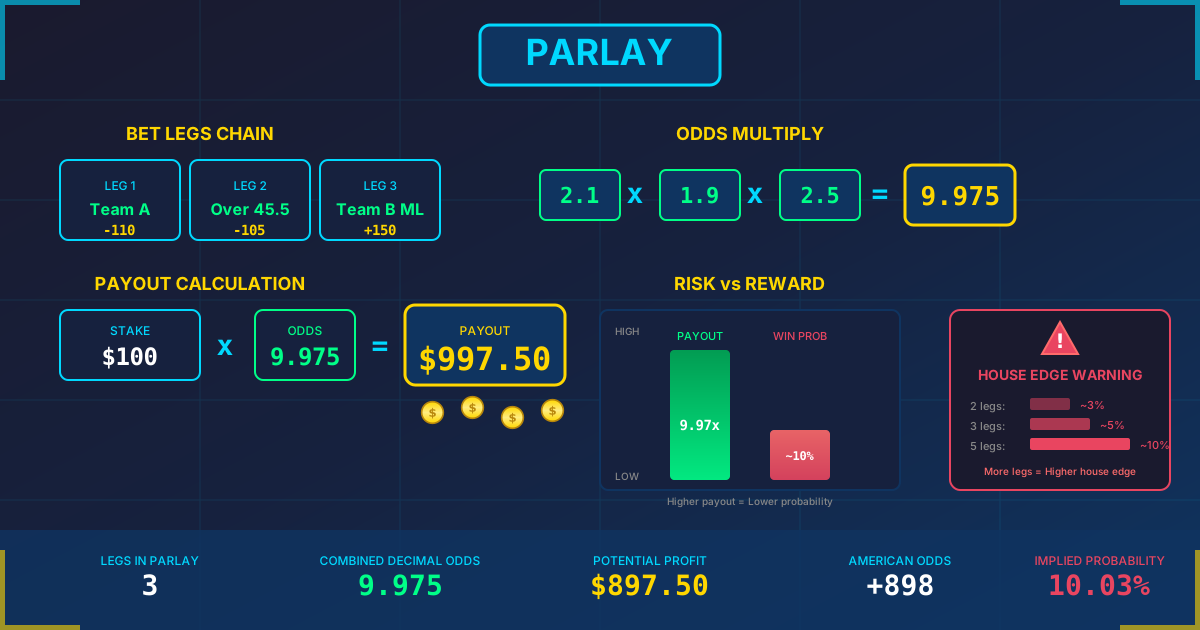
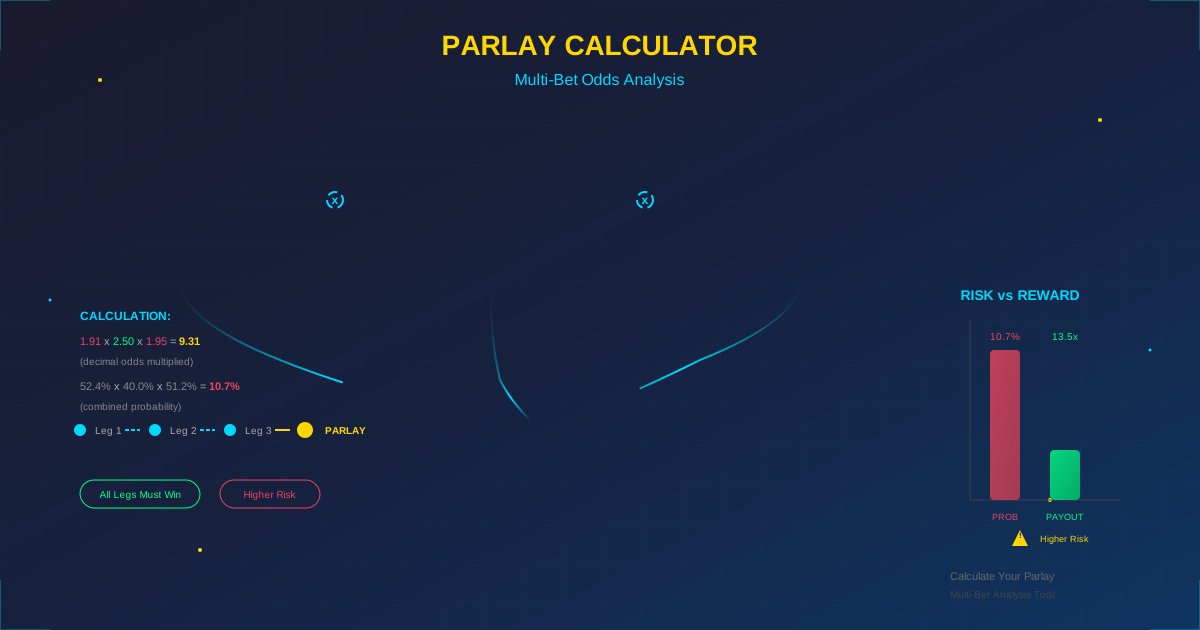
Example 2: Parlay Probability
Situation:
Three-team parlay, each at -110:
Game 1: Team A (you estimate 55% true)
Game 2: Team B (you estimate 52% true)
Game 3: Team C (you estimate 58% true)
Calculation:
Parlay probability:
All three win = 0.55 × 0.52 × 0.58 = 0.166 = 16.6%

Parlay odds at -110 each:
1.91 × 1.91 × 1.91 = 6.97 decimal

Fair odds at 16.6%:
1 / 0.166 = 6.02 decimal

Offered: 6.97, Fair: 6.02
This parlay has positive expected value!

EV = (0.166 × 5.97) - (0.834 × 1)
EV = 0.99 - 0.83 = +$0.16 per $1
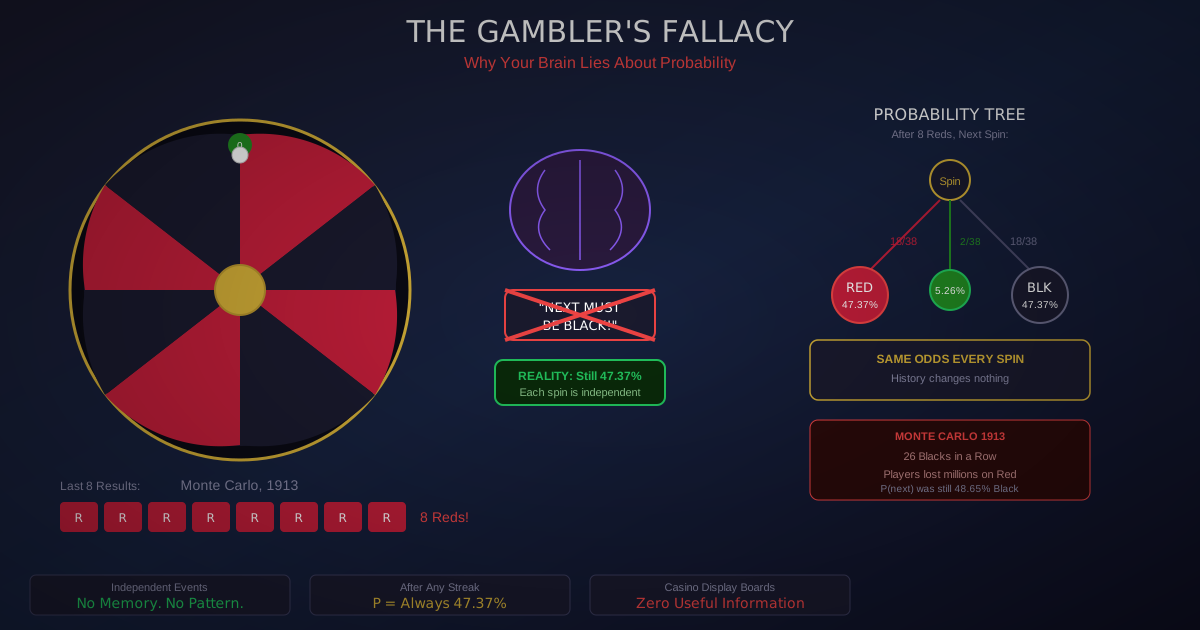
Example 3: Consecutive Roulette Outcomes
Situation:
Red has hit 10 times in a row
What's the probability of red hitting again?
(American roulette)
Calculation:
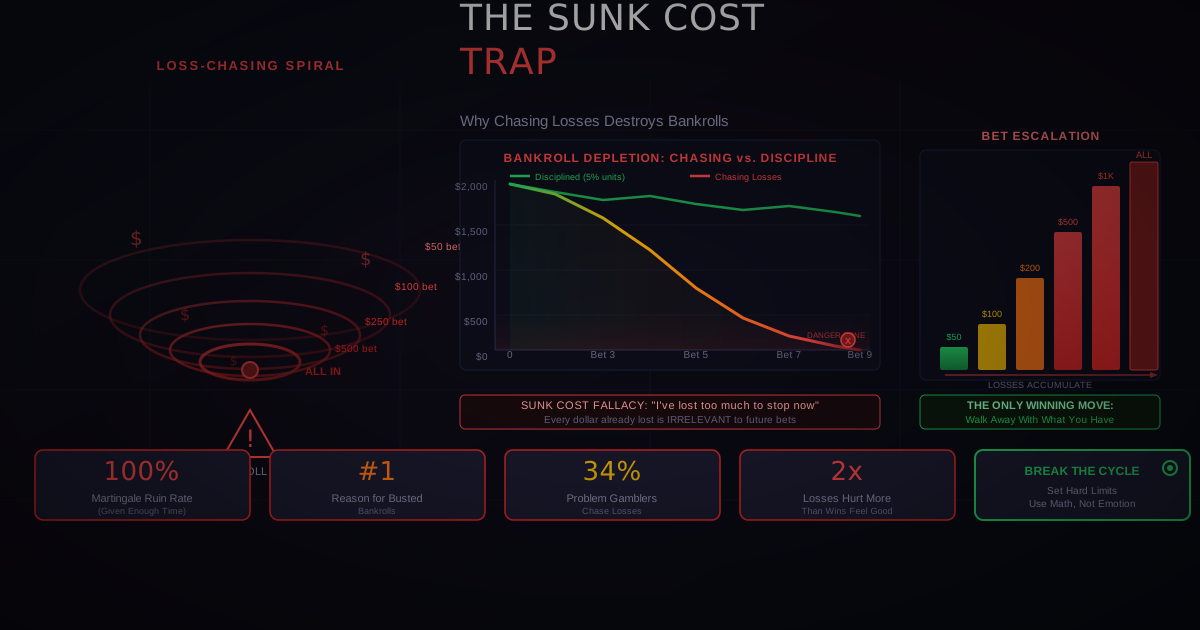
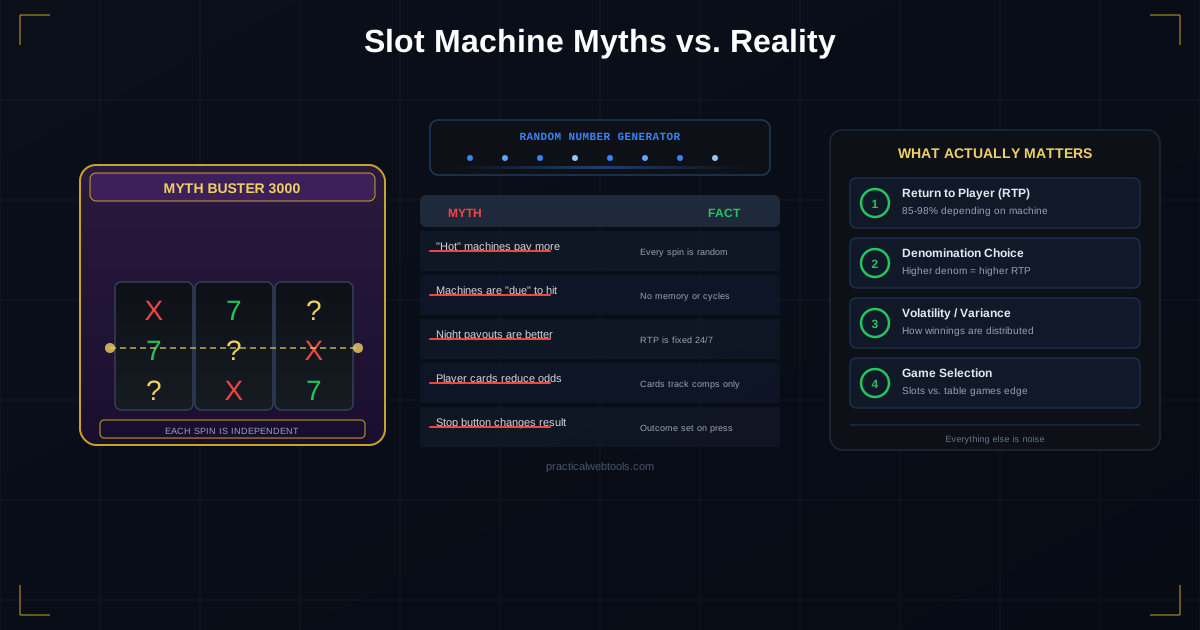
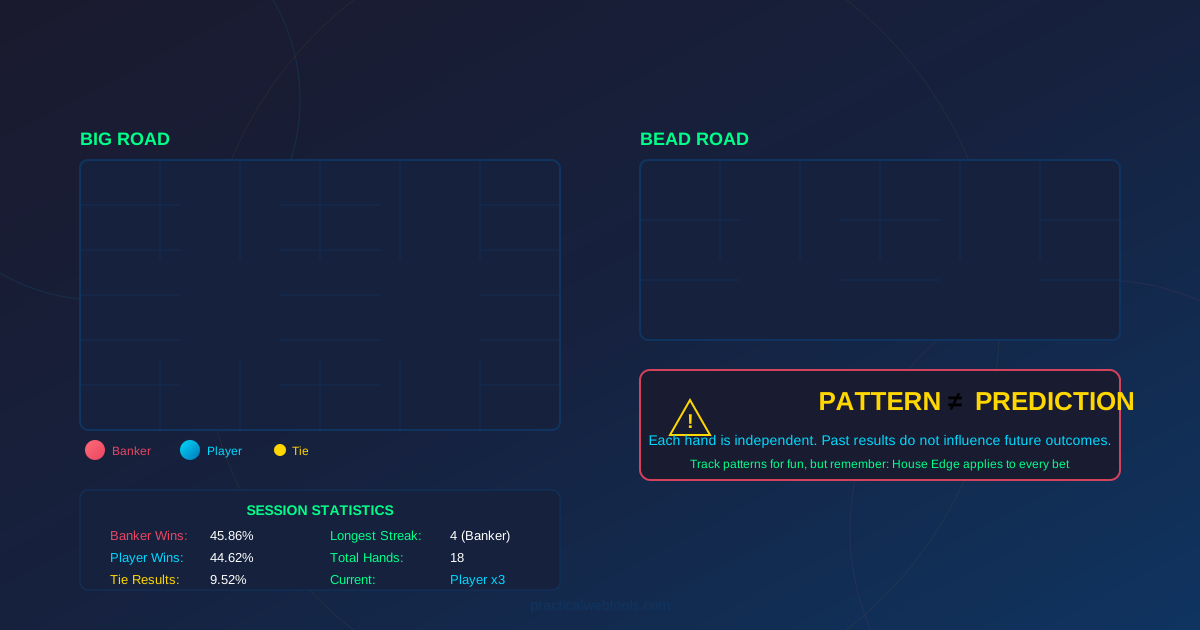
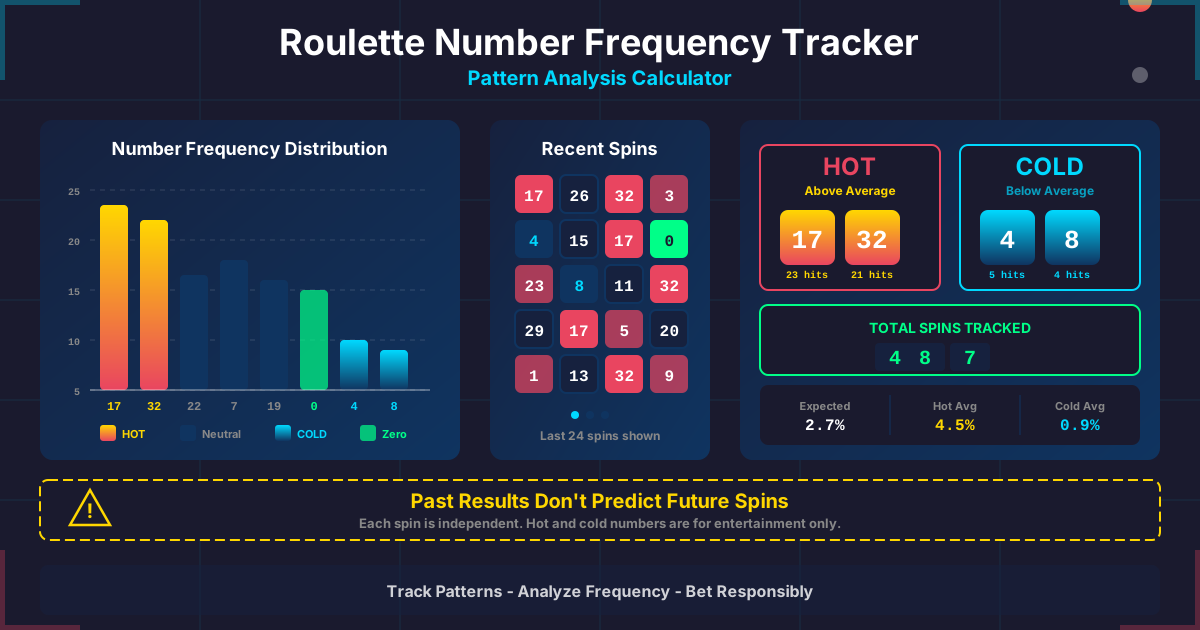
IMPORTANT: Each spin is independent!

P(red on next spin) = 18/38 = 47.37%

The 10 previous reds don't affect the next spin
This is the "Gambler's Fallacy"

However, 11 reds in a row probability:
(18/38)^11 = 0.0348% (very rare!)

But given 10 already happened:
P(11th red | 10 reds already) = 47.37%

Past results don't change future odds
Example 4: Poker Tournament Survival
Situation:
You're short-stacked, need to win 3 all-ins
Each time you're 40% to win
What's probability of surviving all 3?
Calculation:
P(win all 3) = 0.40 × 0.40 × 0.40
P(win all 3) = 0.064 = 6.4%

Roughly 1 in 16 chance

Alternative: What if you're 60% favorite each time?
P(win all 3) = 0.60 × 0.60 × 0.60 = 21.6%

Being favorite dramatically improves survival
Pick your spots for best odds
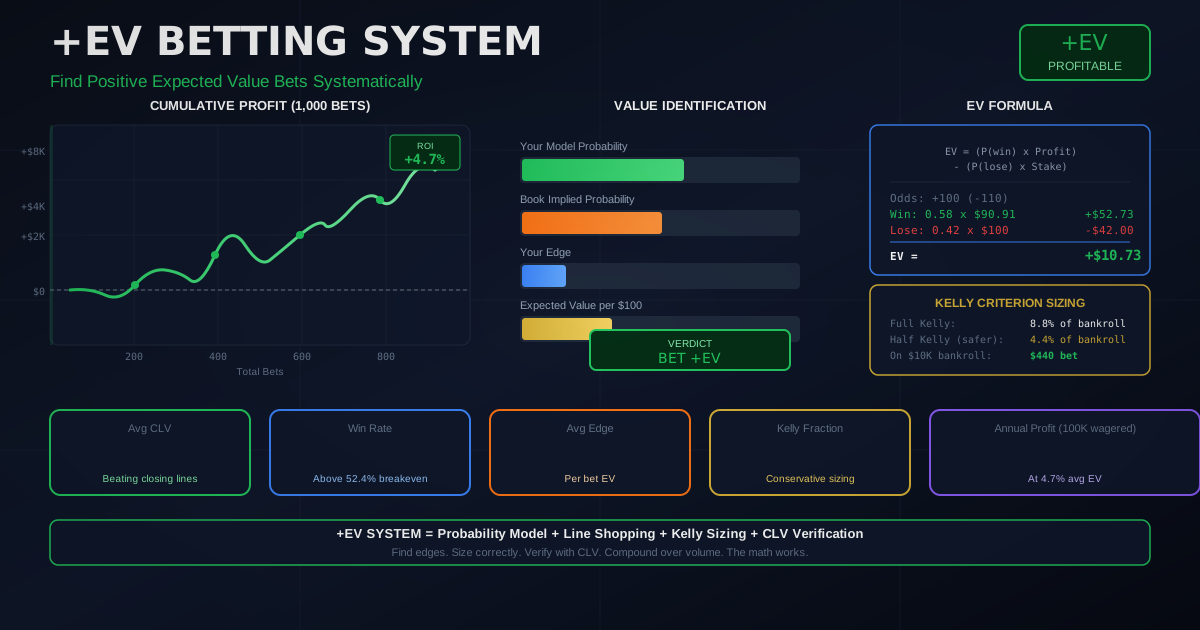
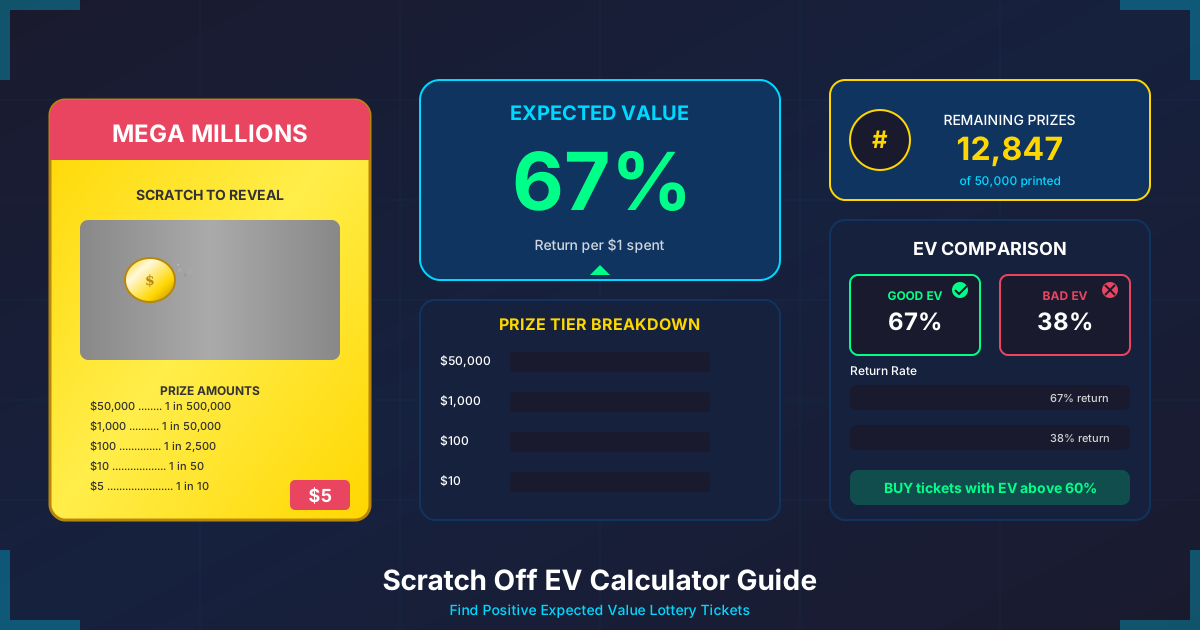
Expected Value Using Probability
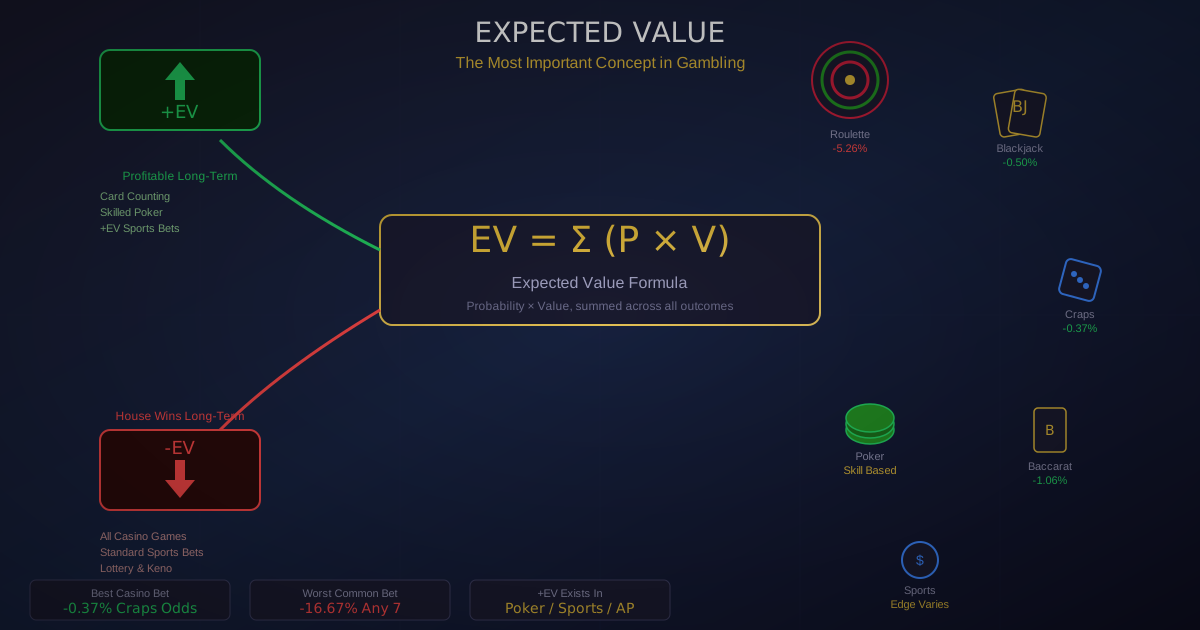
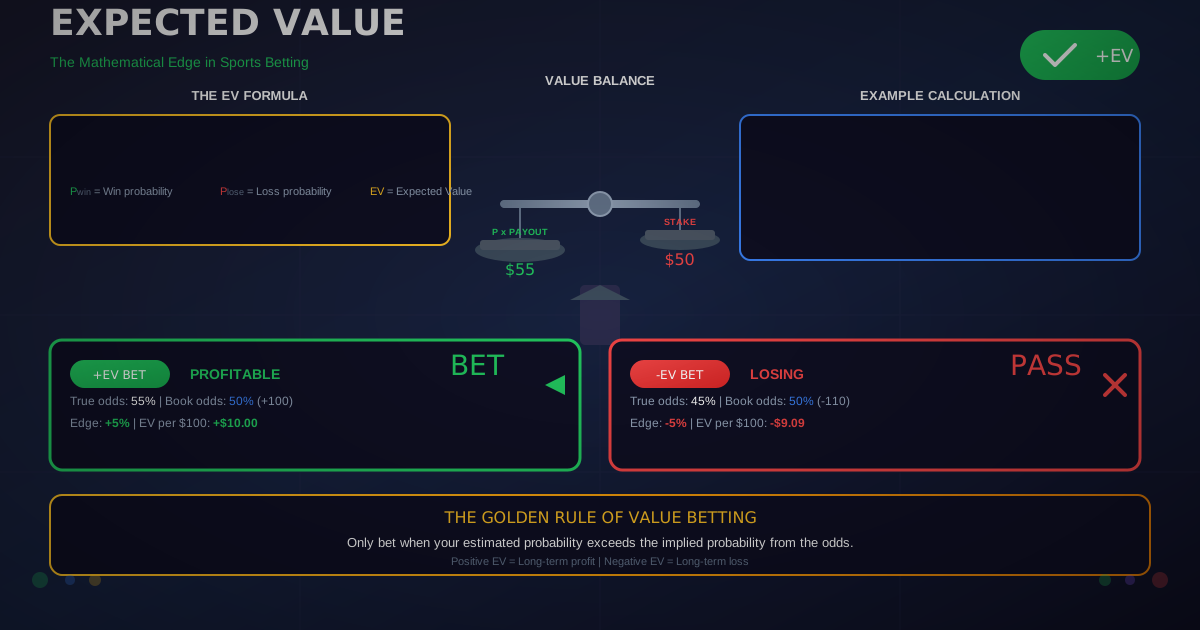
The Expected Value Formula
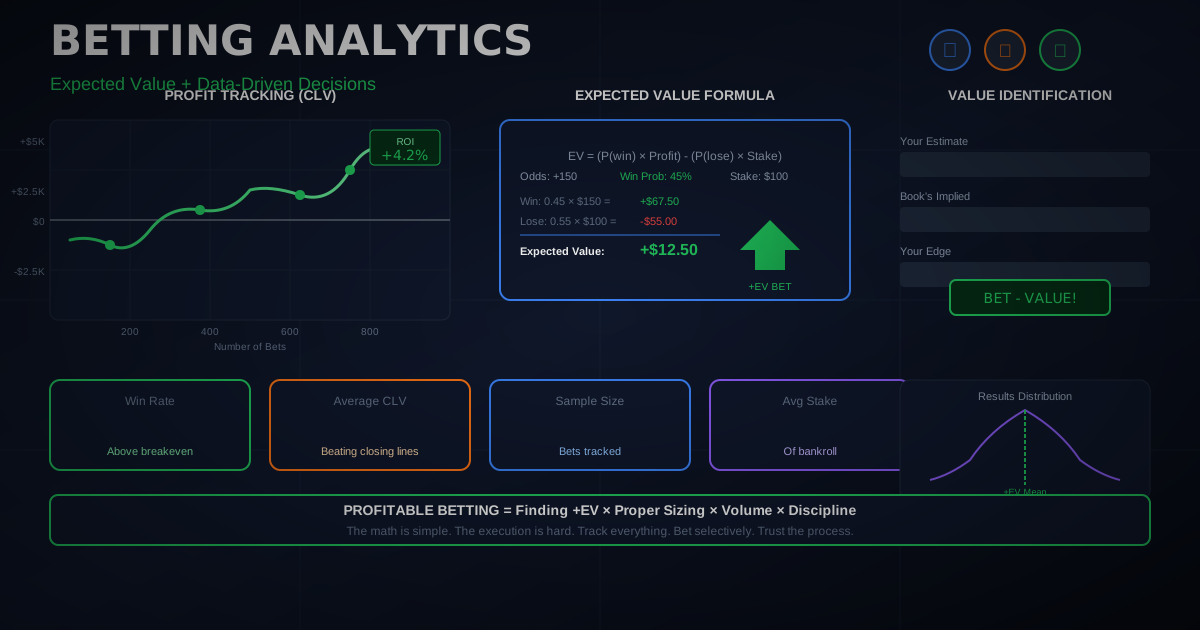
Expected Value:

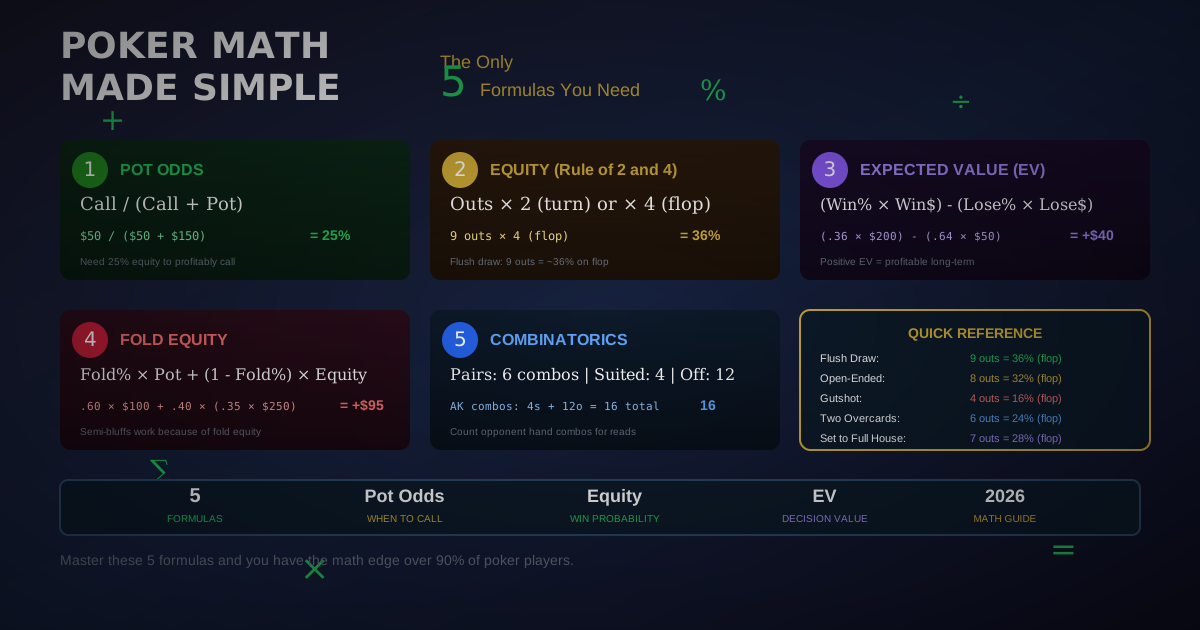
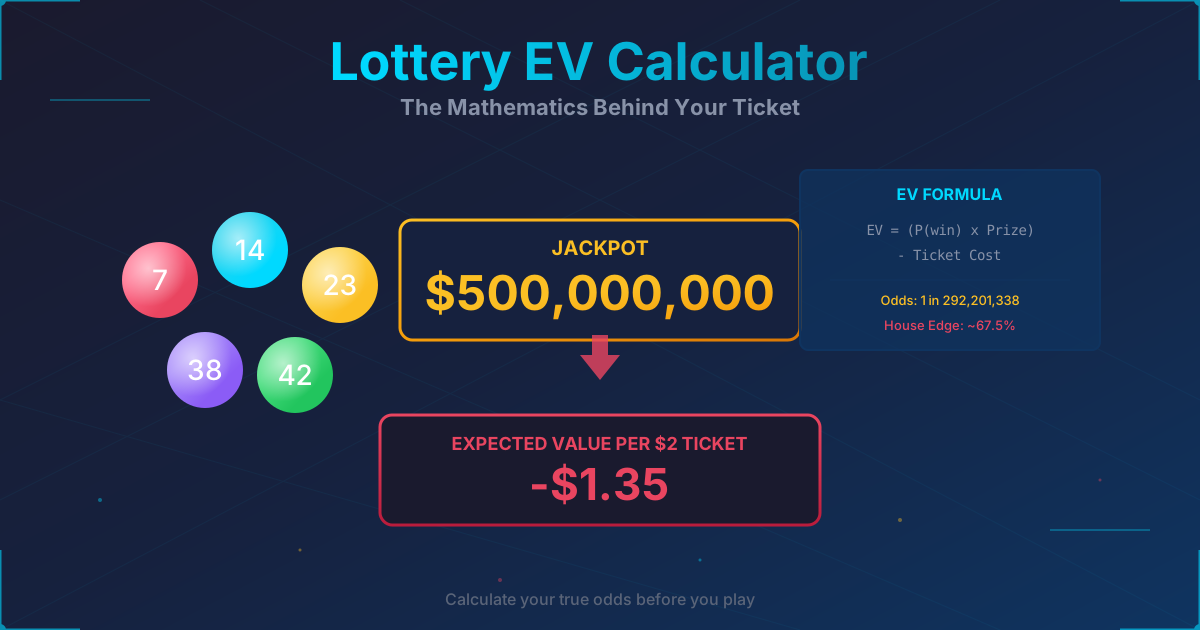
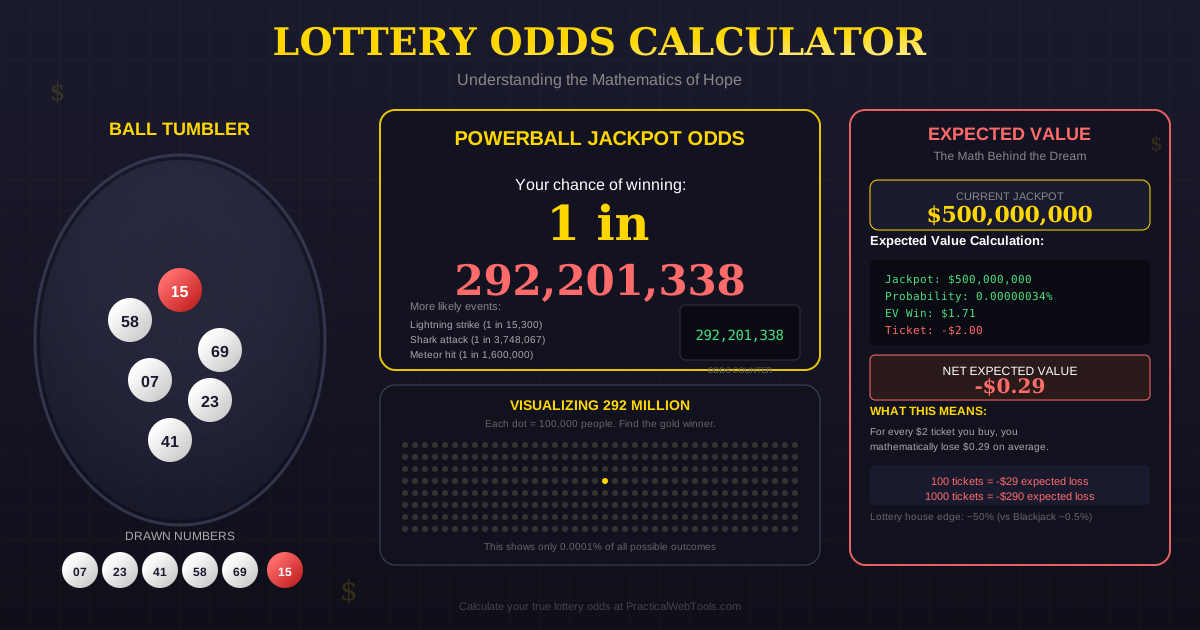
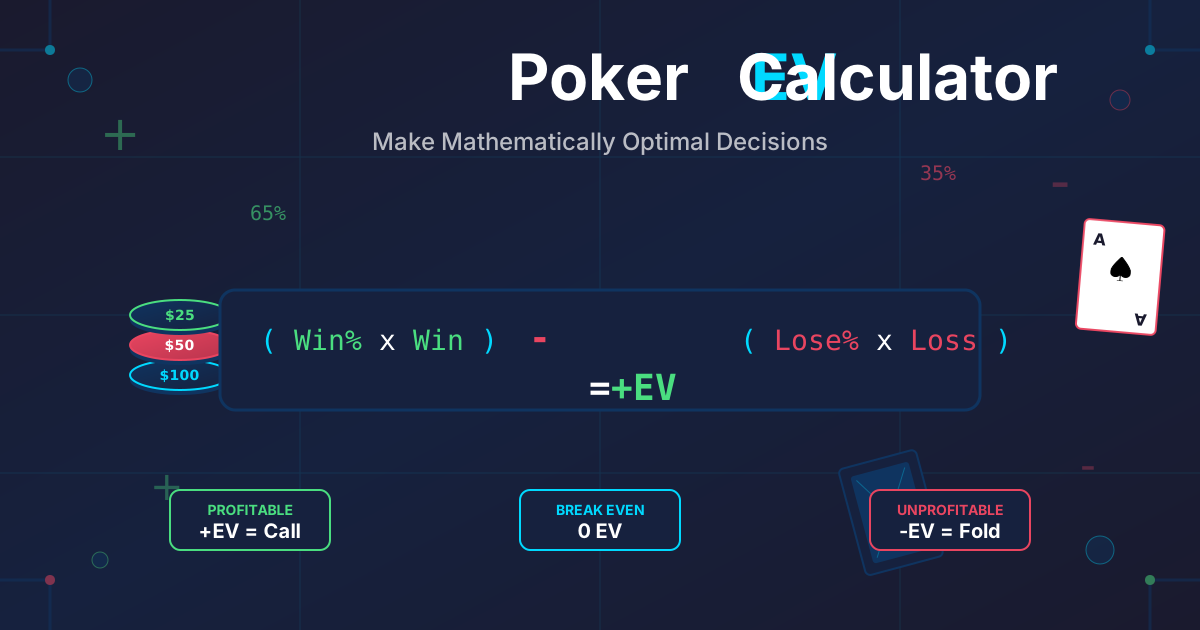
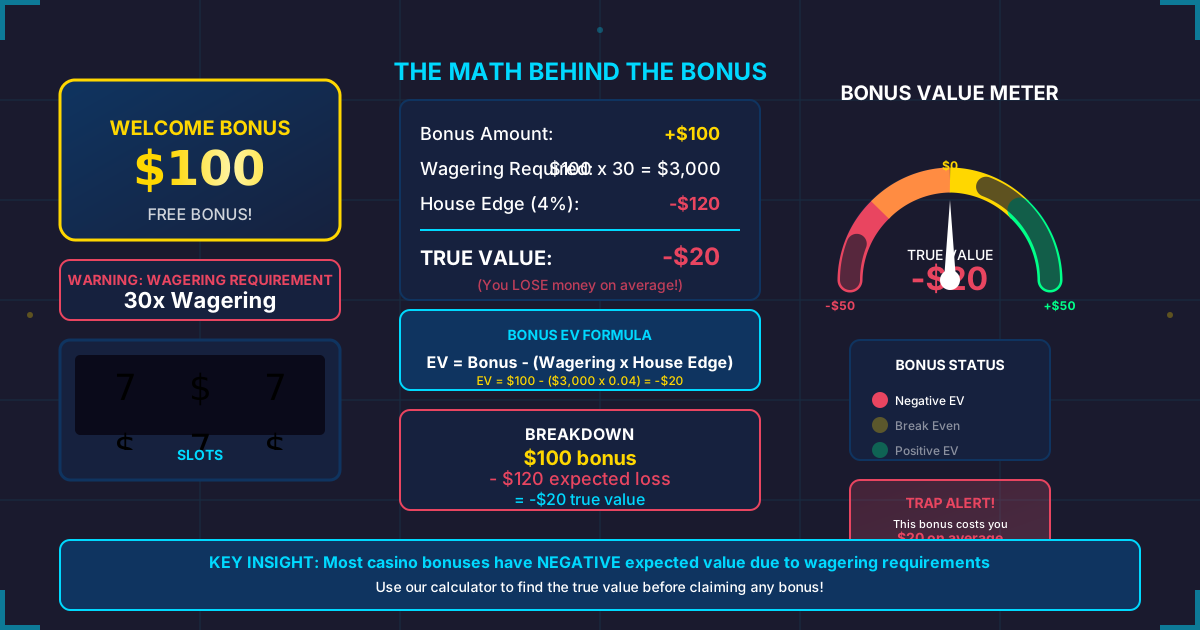
EV = (P(win) × Win Amount) - (P(lose) × Lose Amount)

Or for multiple outcomes:
EV = Σ (Probability × Outcome)

If EV > 0: Profitable bet long-term
If EV = 0: Break-even bet
If EV < 0: Losing bet long-term
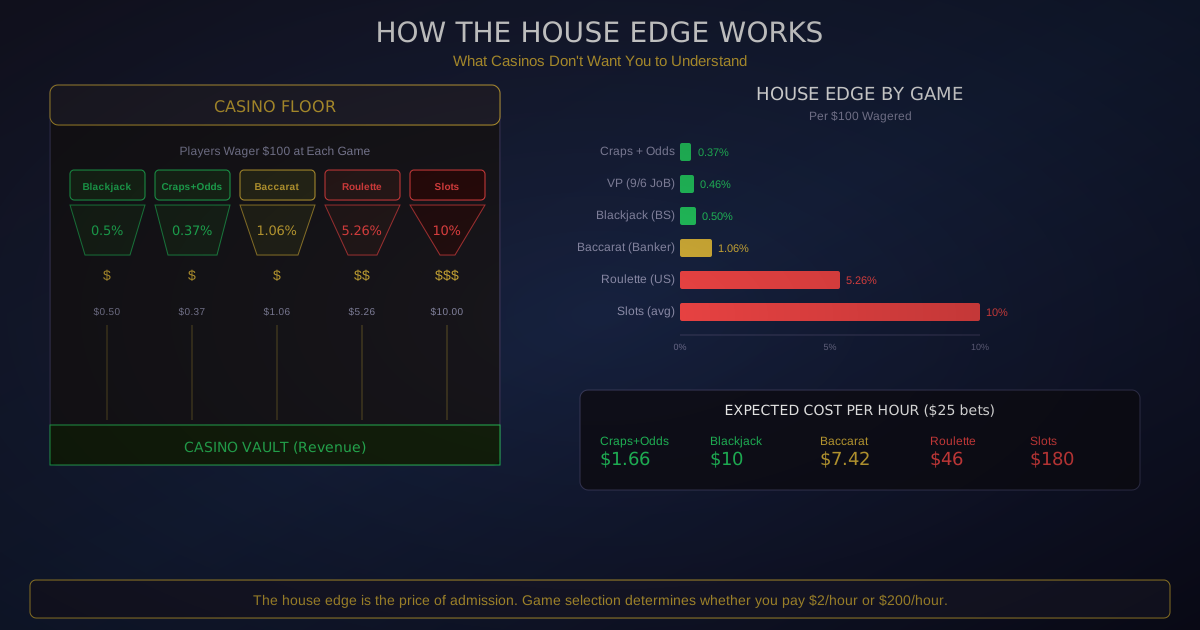
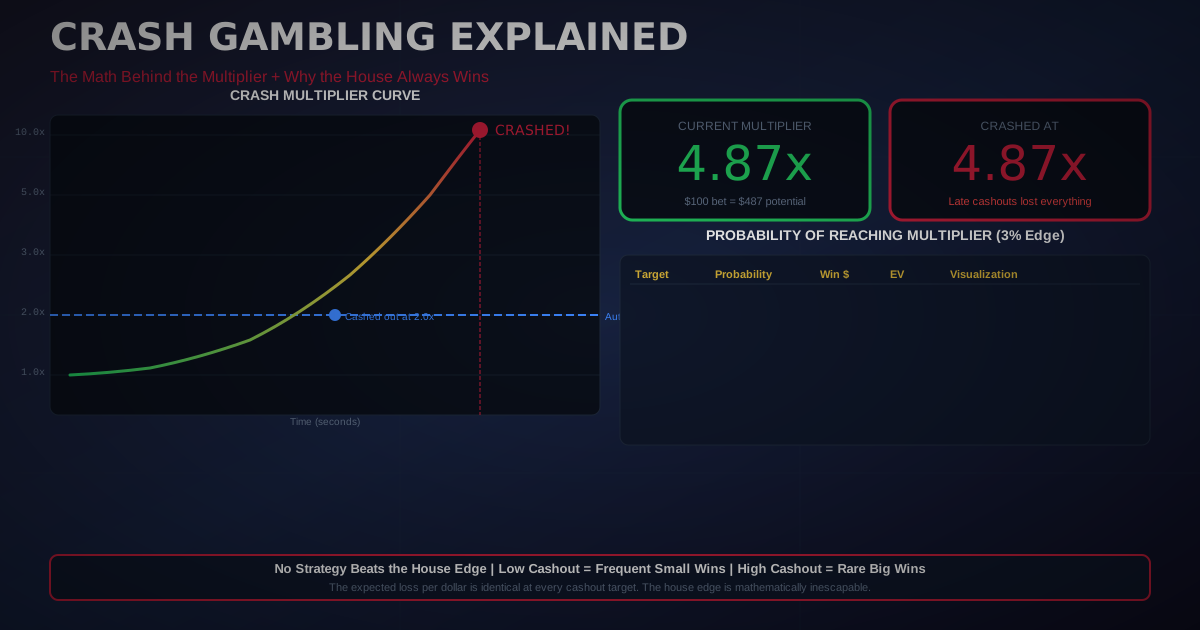
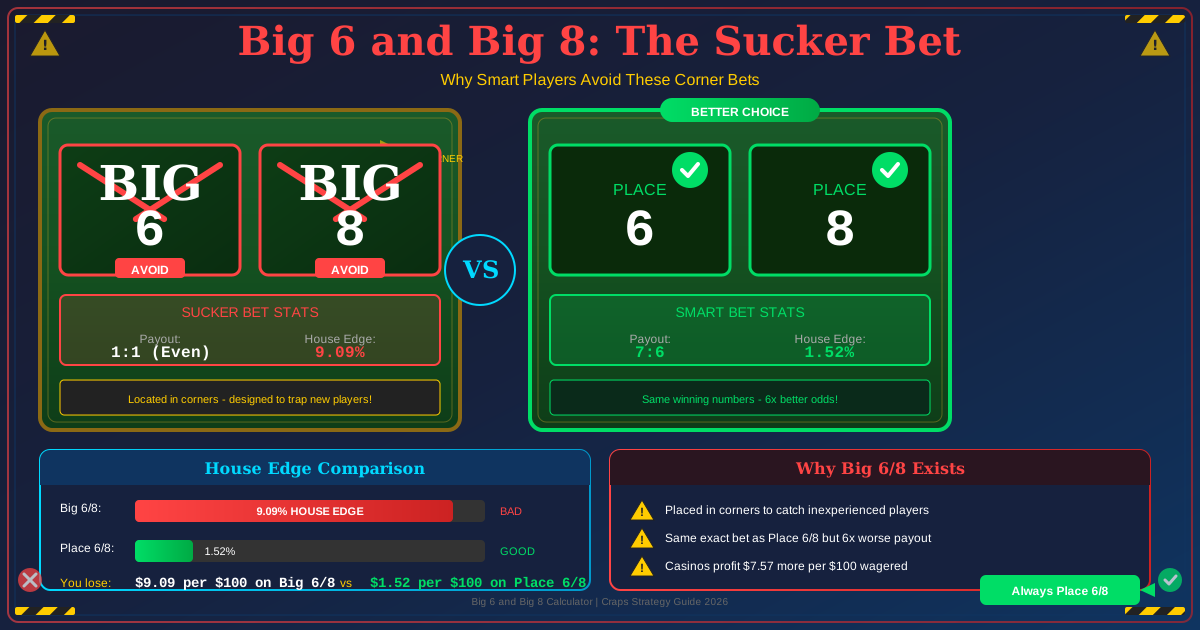
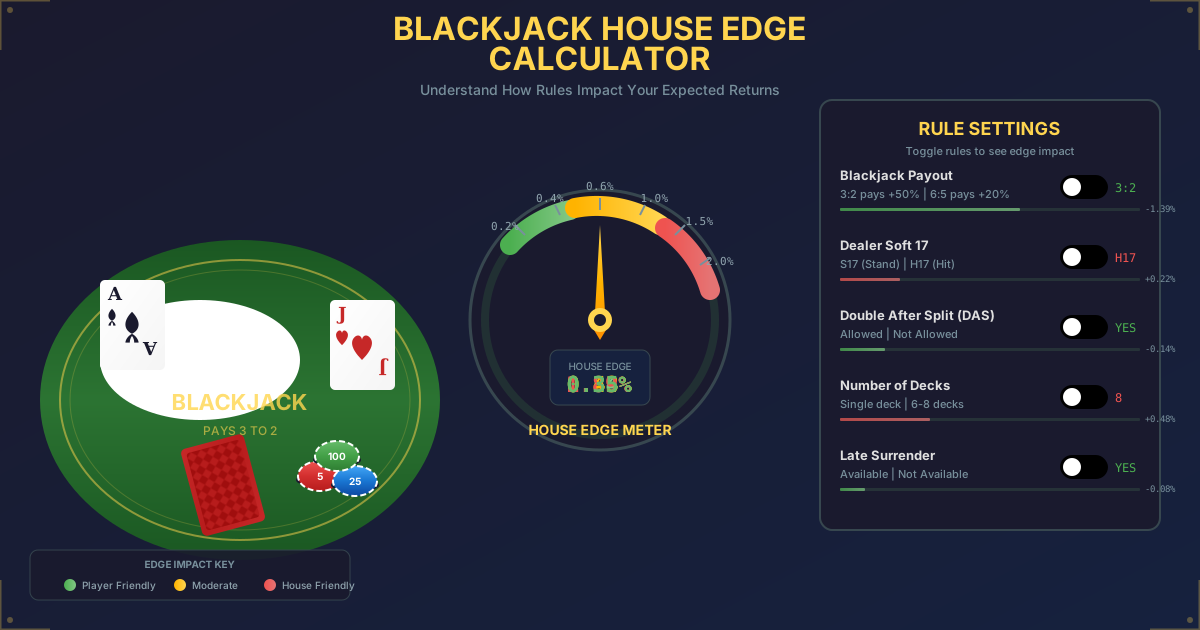
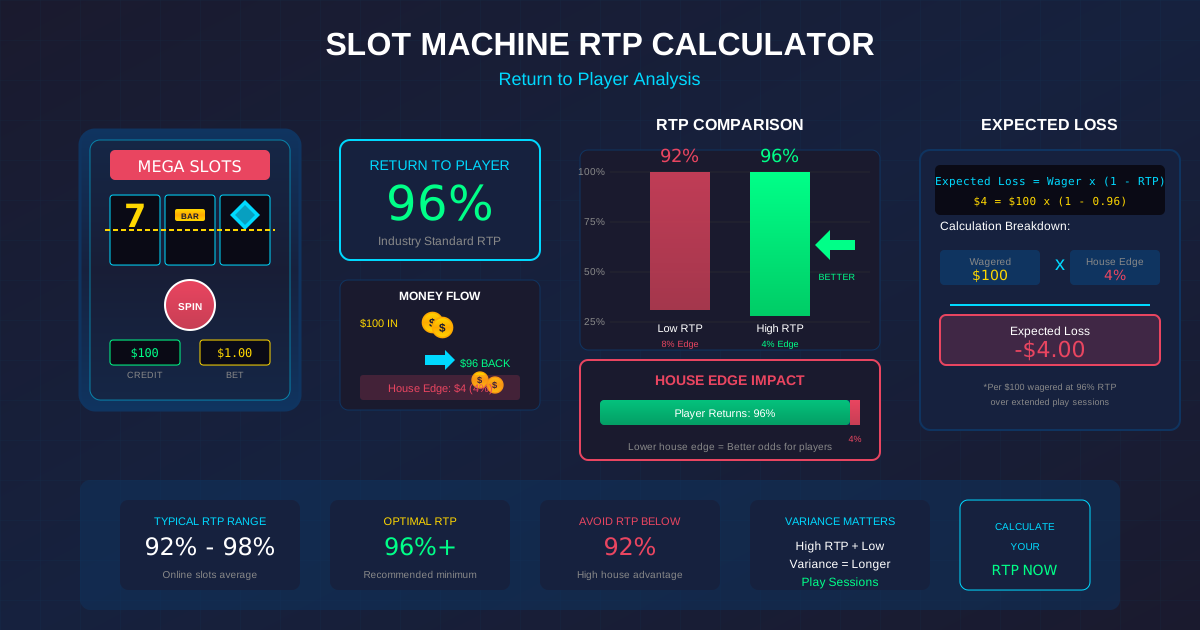
Calculating House Edge
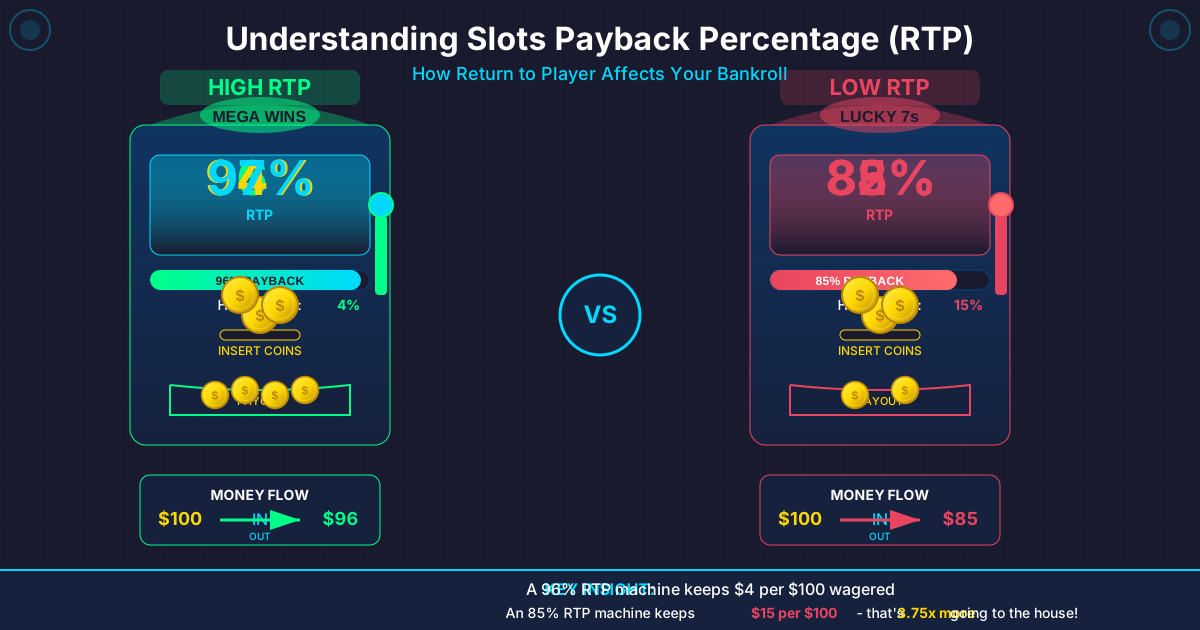
House Edge = -EV / Bet Amount

Example: American Roulette, betting $100 on red

P(win) = 18/38, Win = $100
P(lose) = 20/38, Lose = $100

EV = (18/38 × $100) - (20/38 × $100)
EV = $47.37 - $52.63
EV = -$5.26

House Edge = $5.26 / $100 = 5.26%
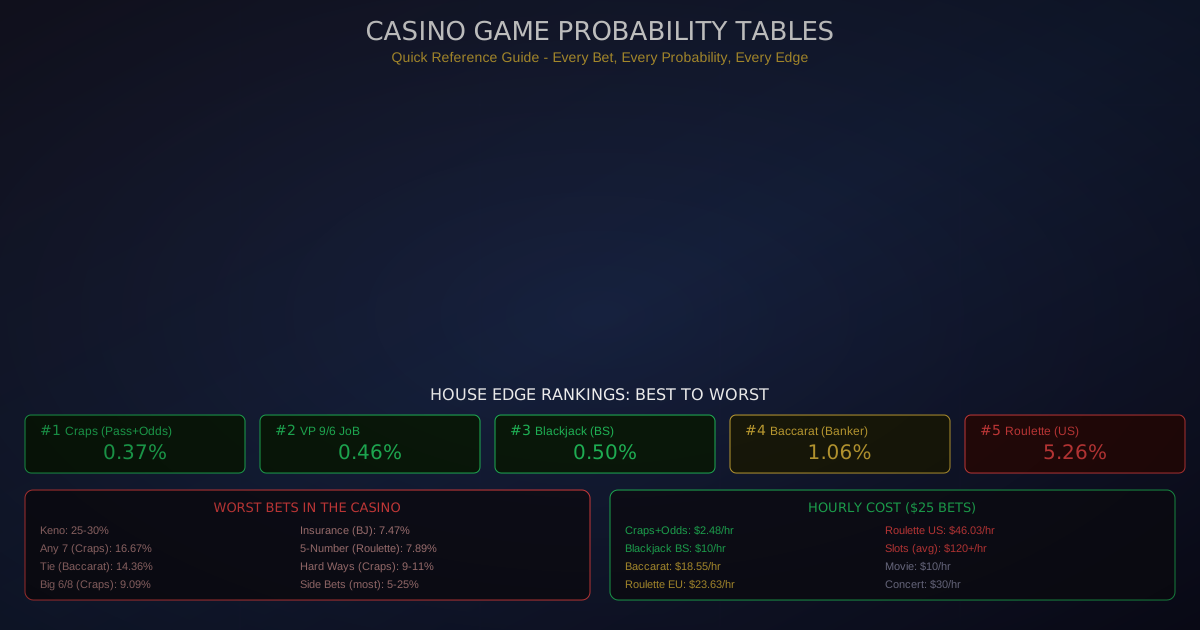
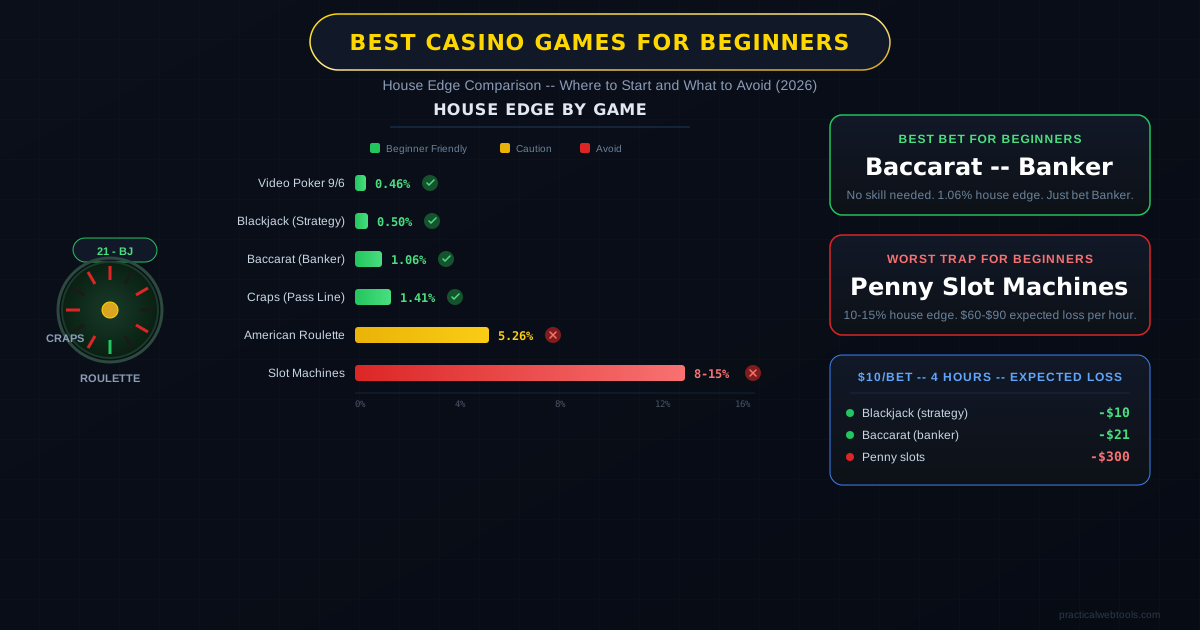
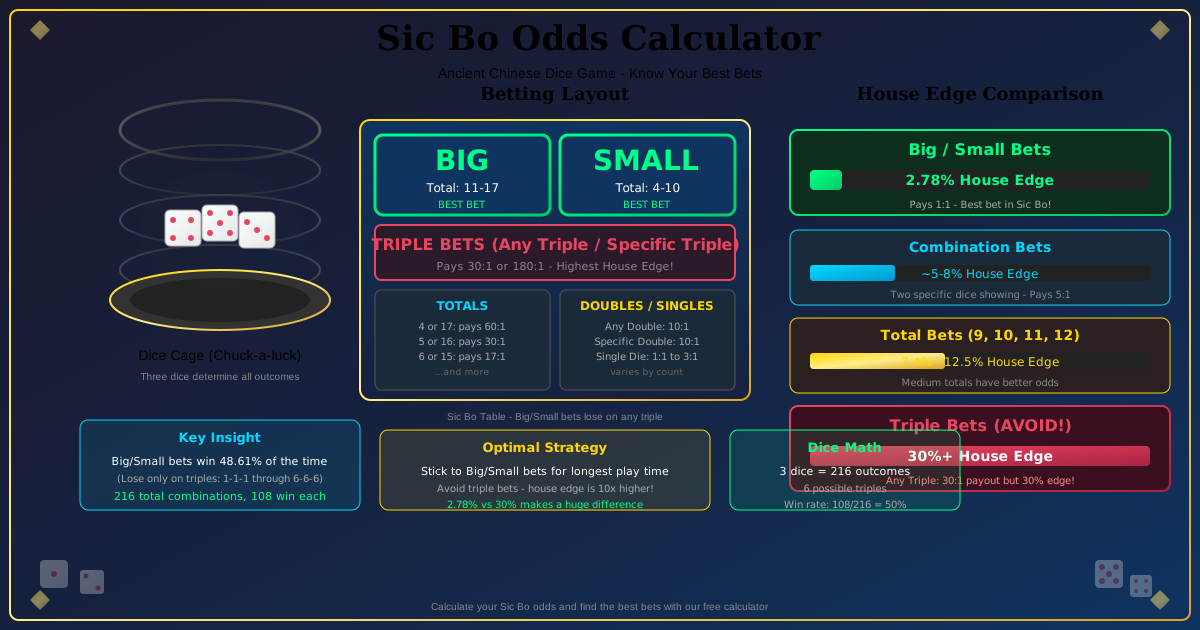
Games Ranked by House Edge
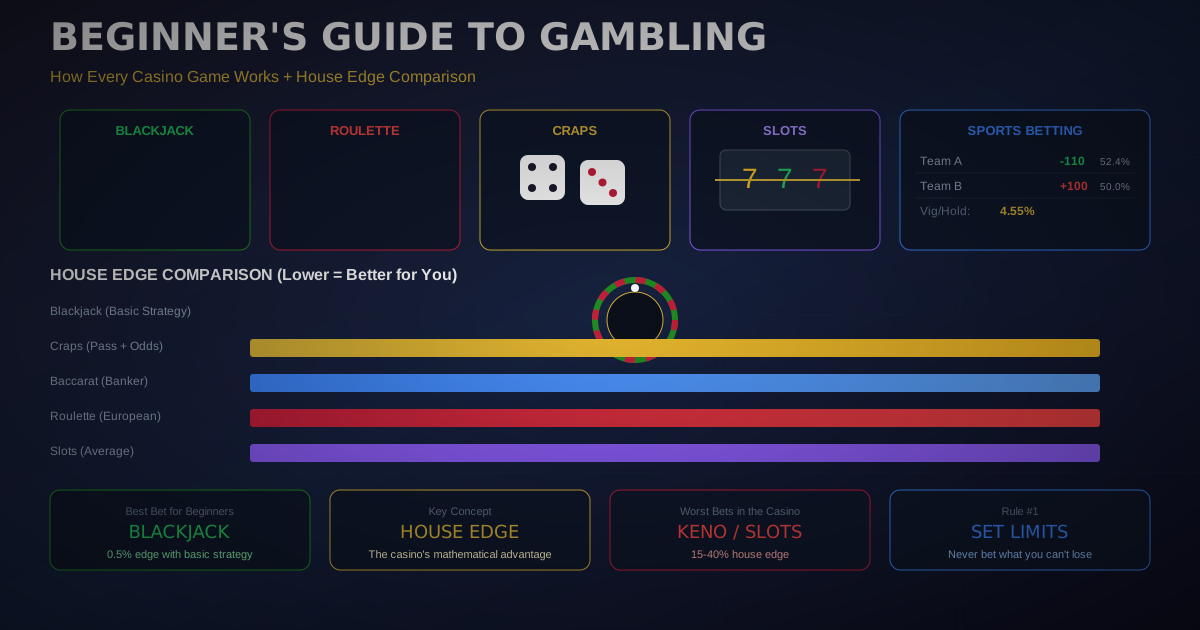
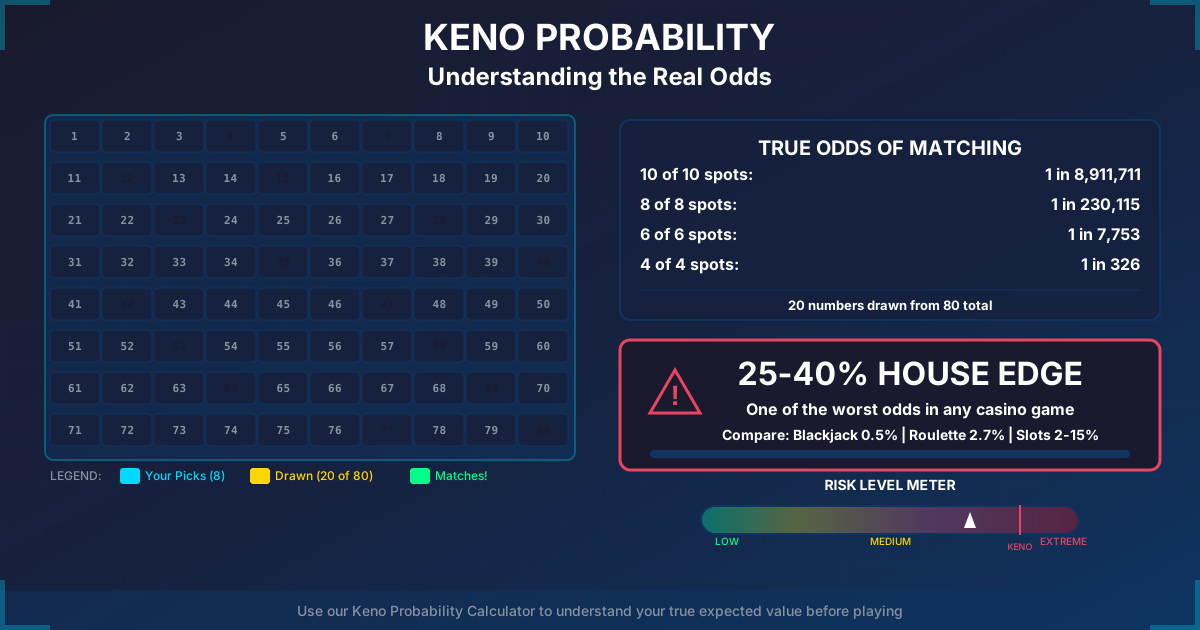
Game                  | House Edge
----------------------|------------
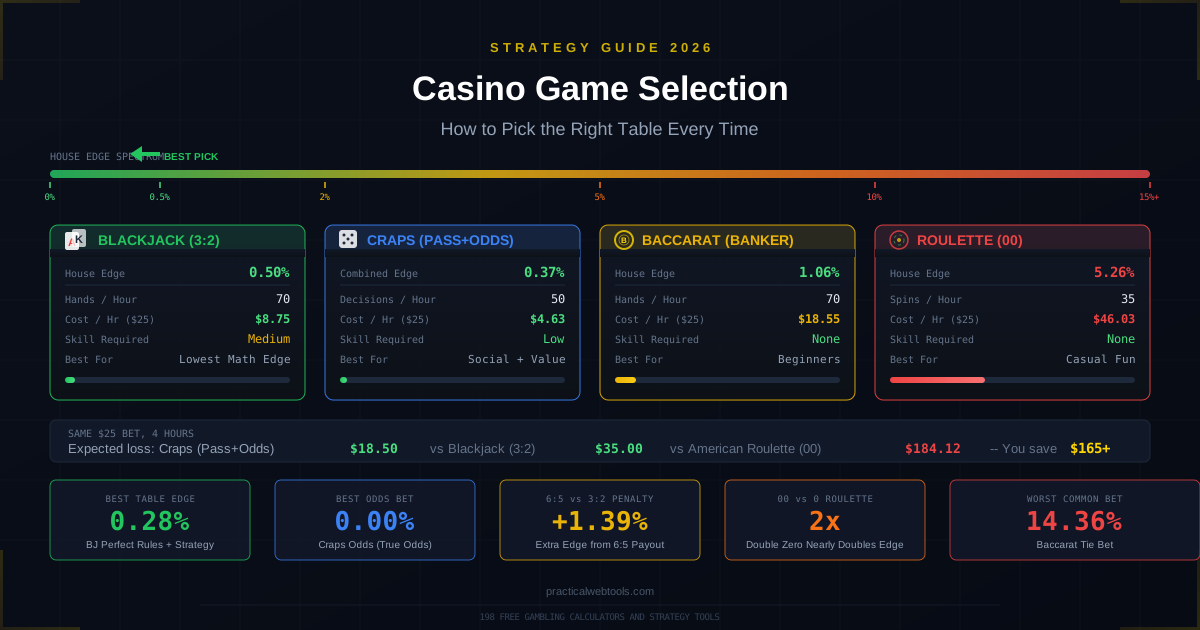
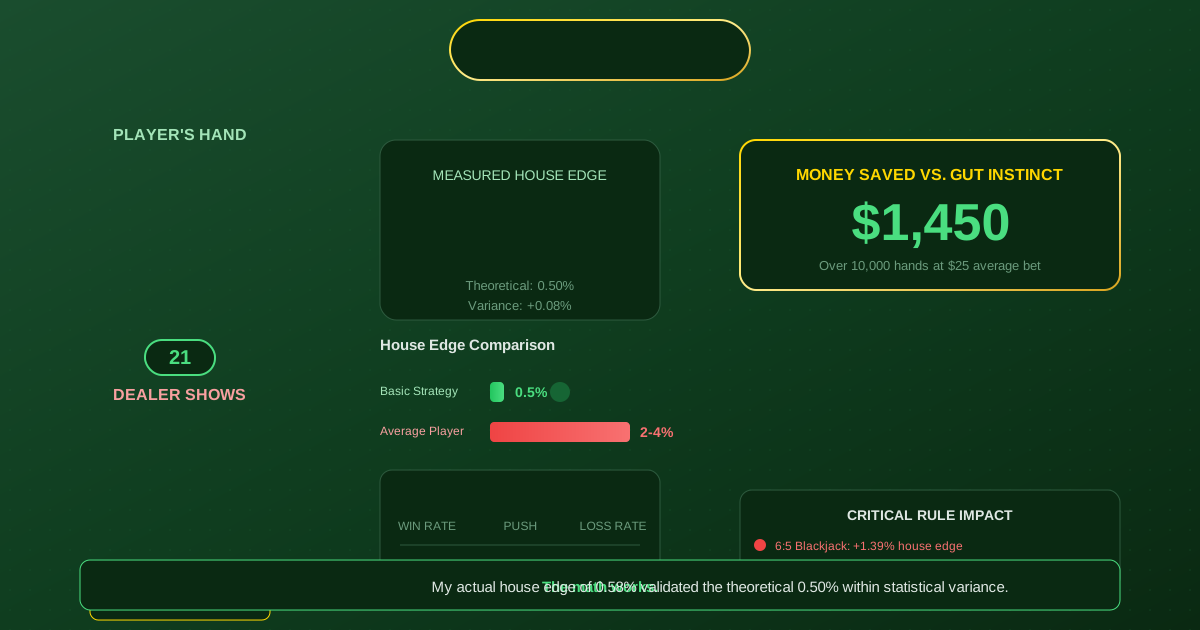
Blackjack (perfect)   | 0.5%
Craps (Pass/Don't)    | 1.4%
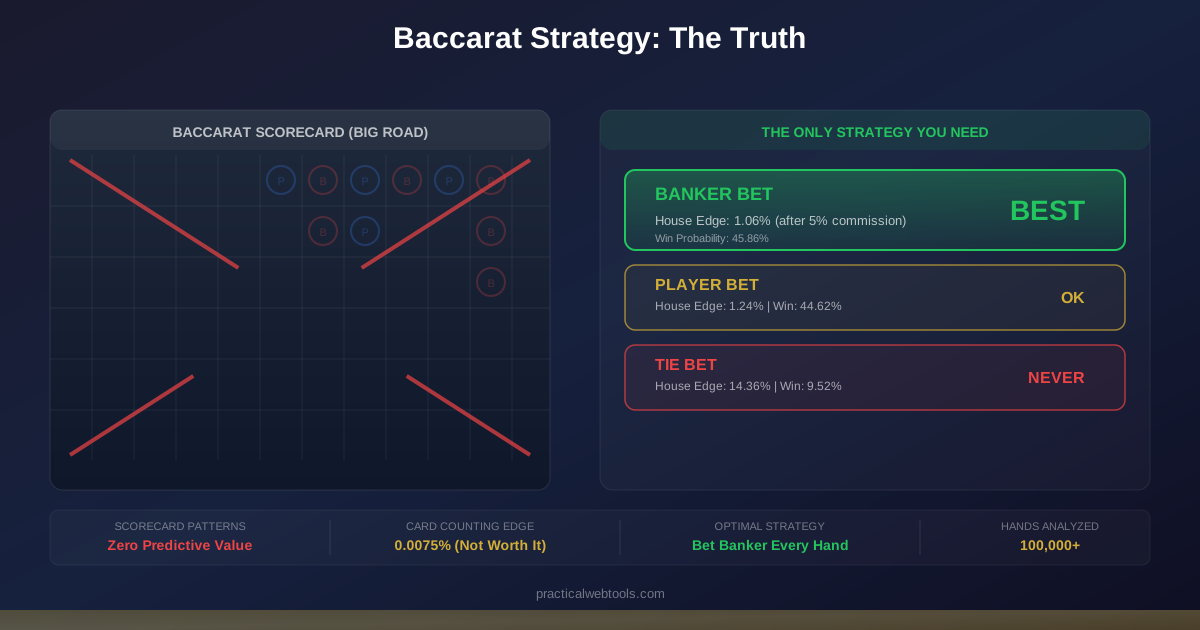
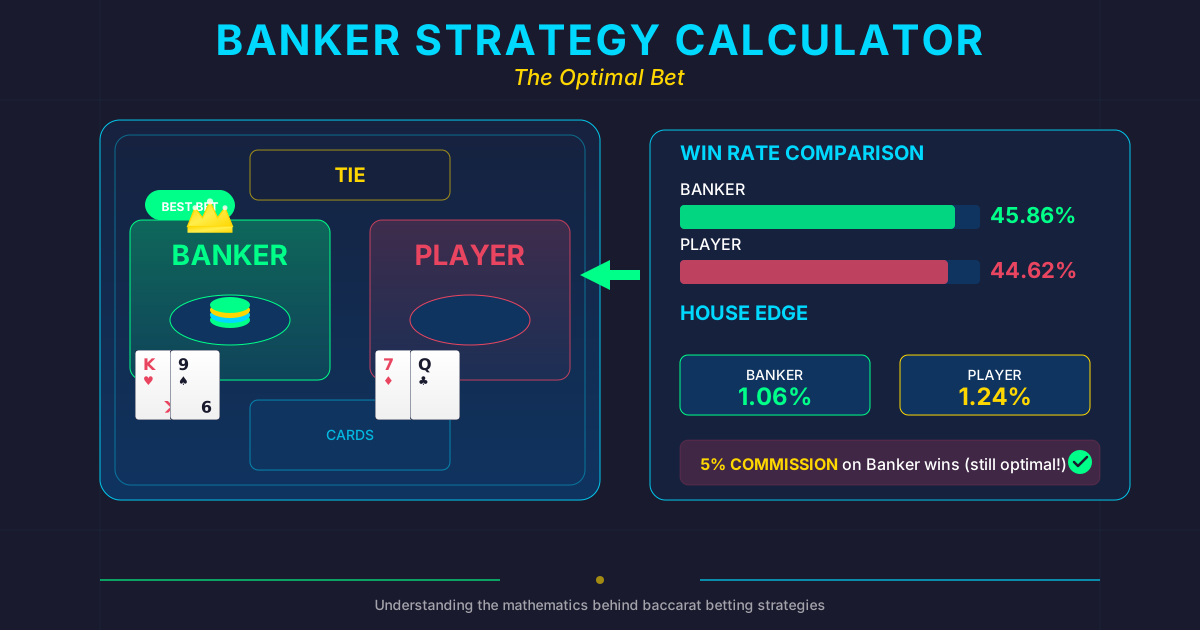
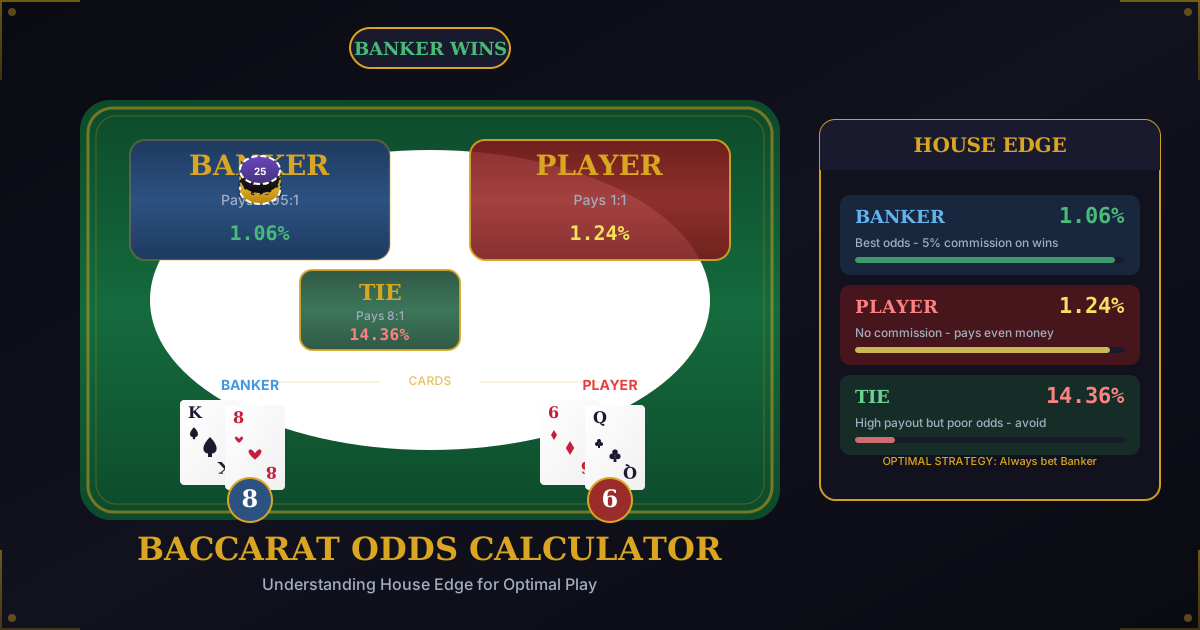
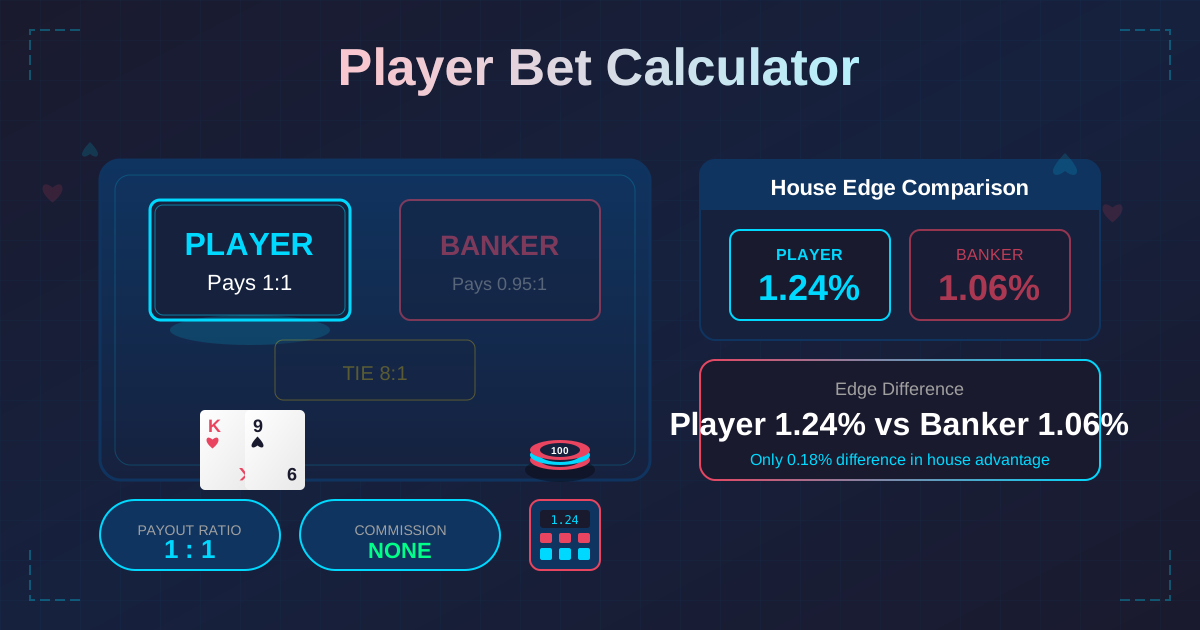
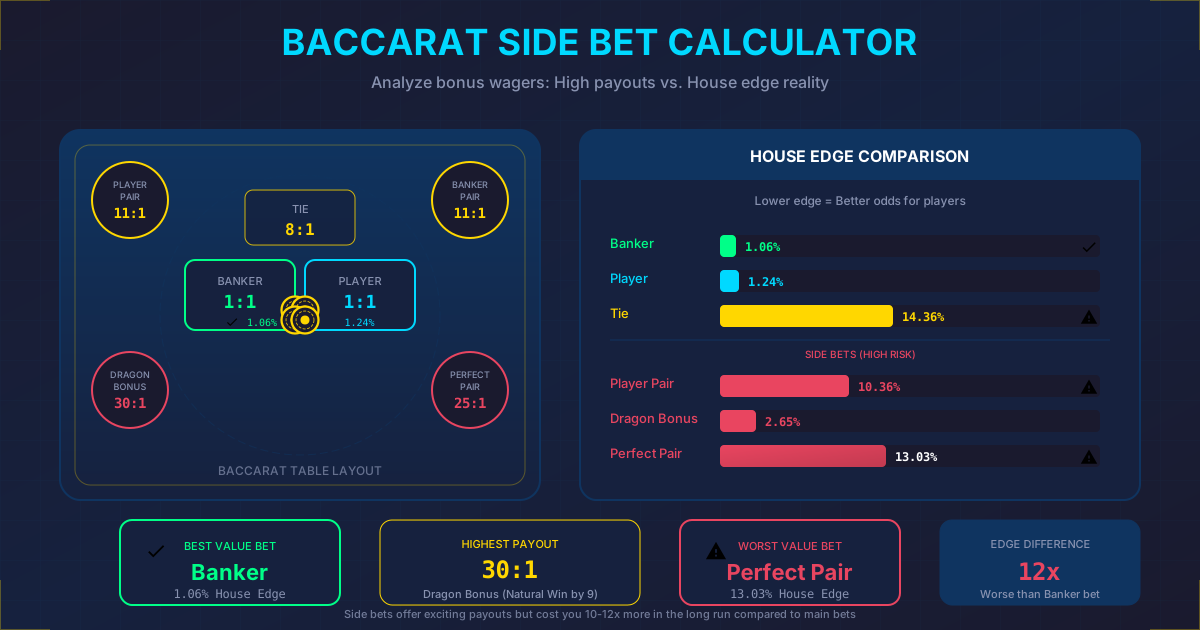
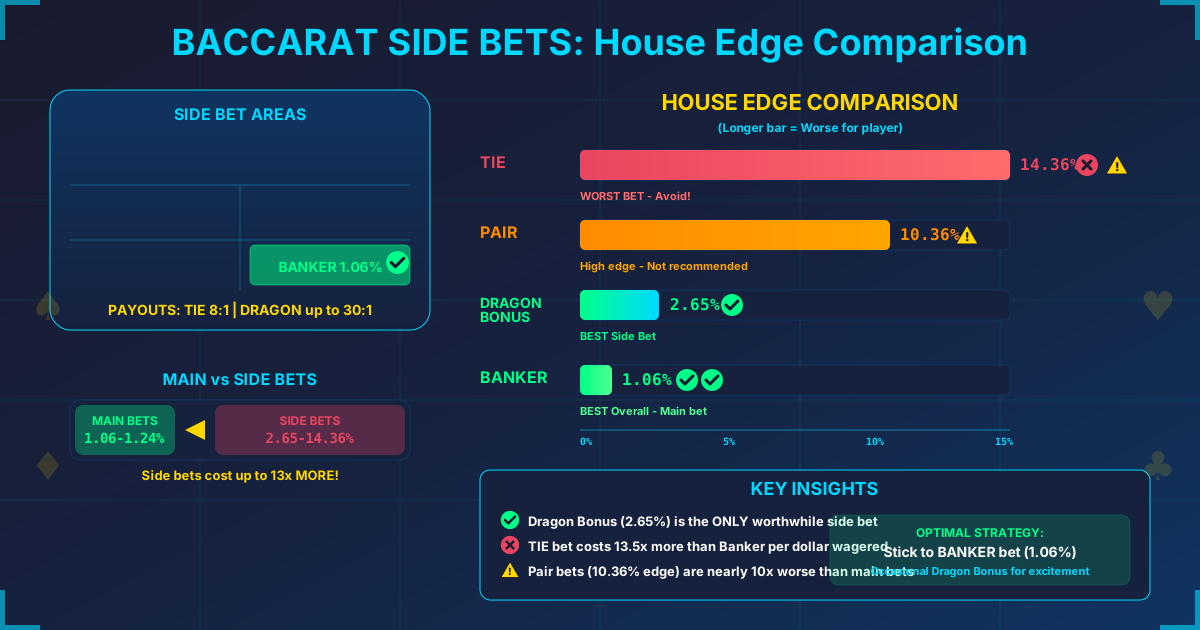
Baccarat (Banker)     | 1.06%
European Roulette     | 2.7%
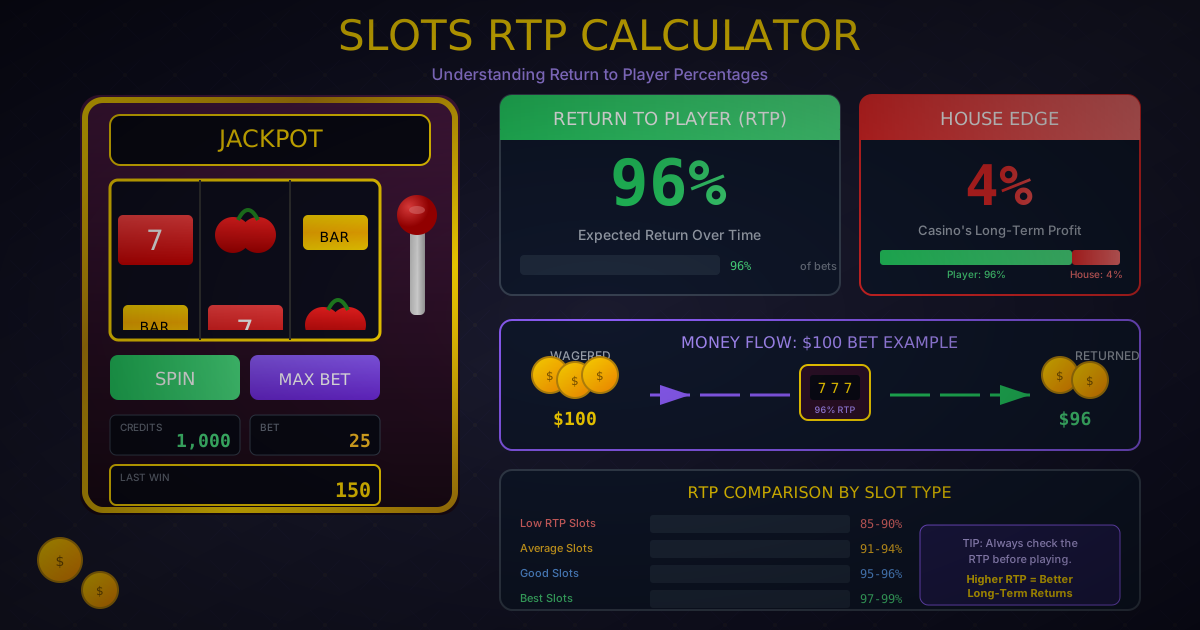
American Roulette     | 5.26%
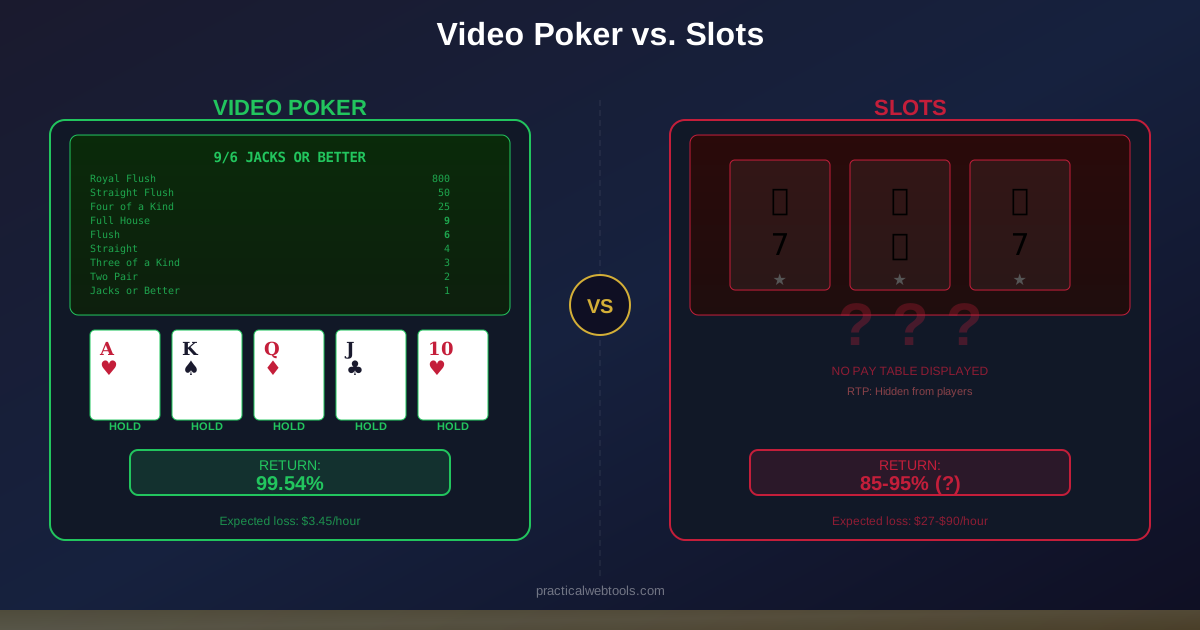
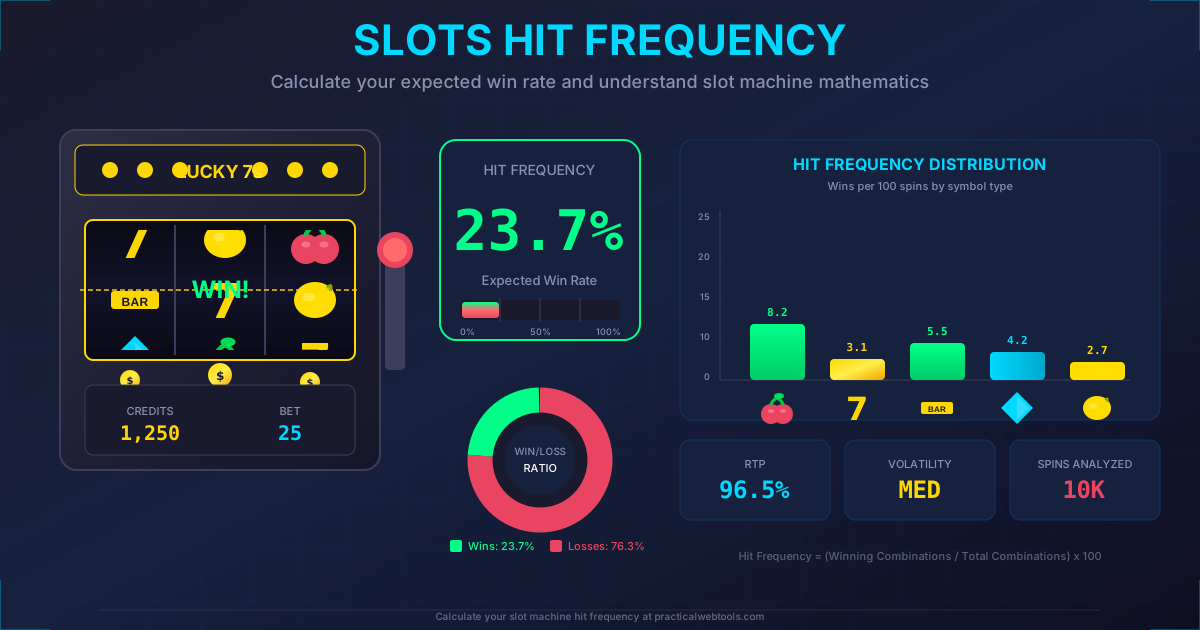
Slots                 | 2-15%
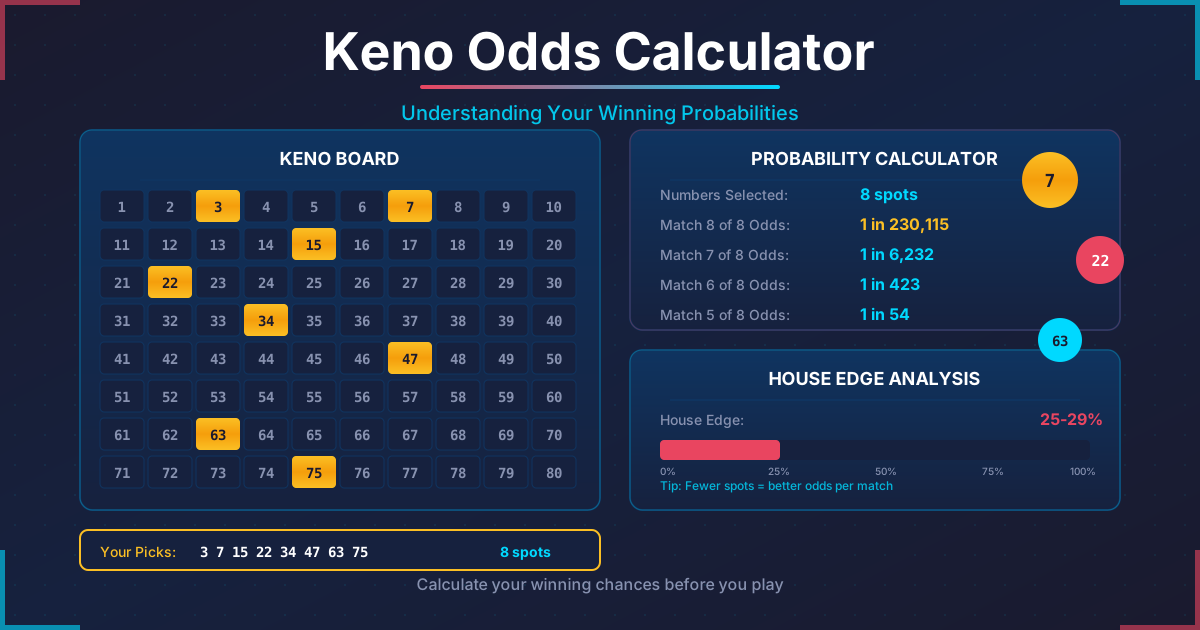
Keno                  | 20-40%

Lower house edge = Better for players
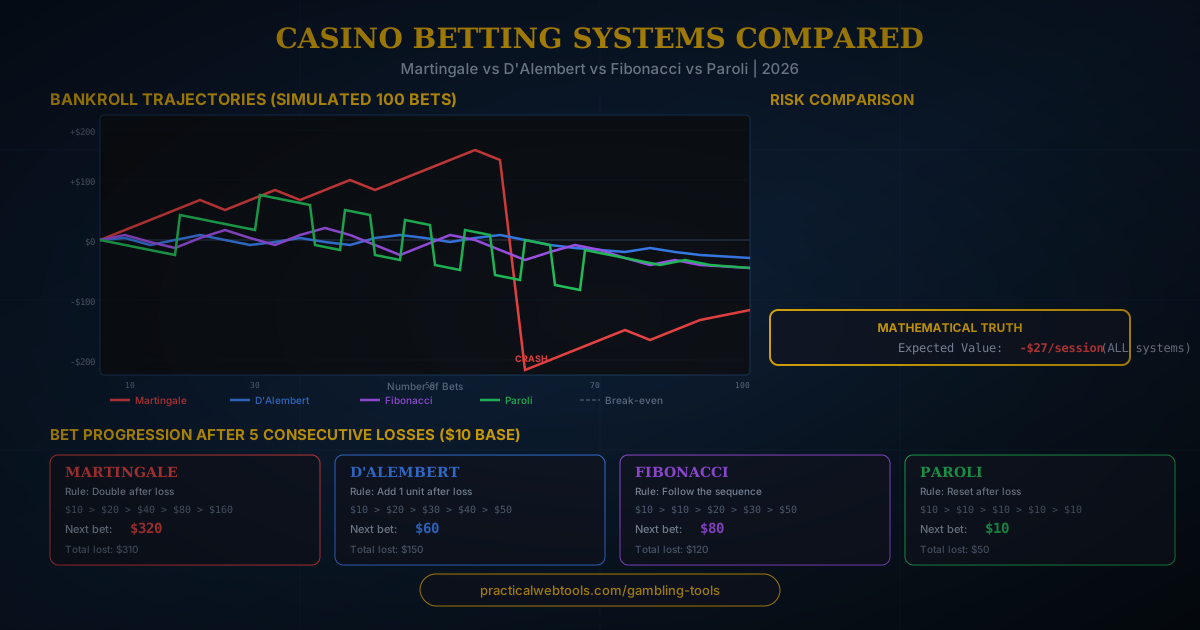
But still negative long-term
Advanced Probability Concepts
Conditional Probability
P(A|B) = P(A and B) / P(B)

"Probability of A given B has occurred"

Example: Card counting
P(next card is 10-value | seen 8 low cards)
differs from P(10-value) in fresh deck

This is what makes counting profitable
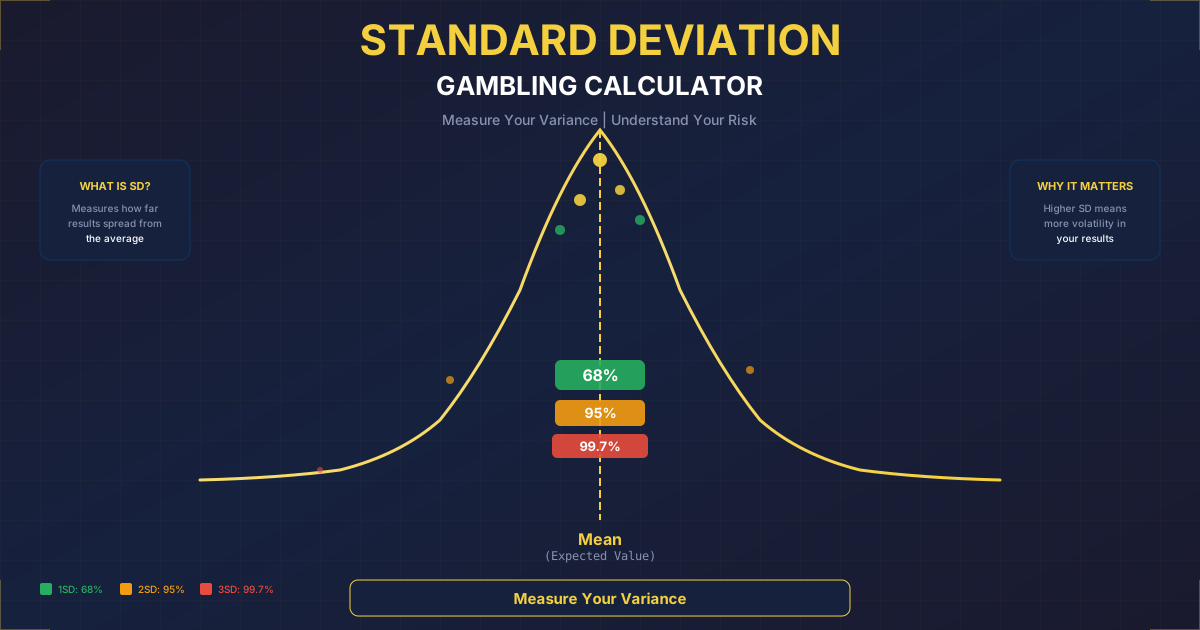
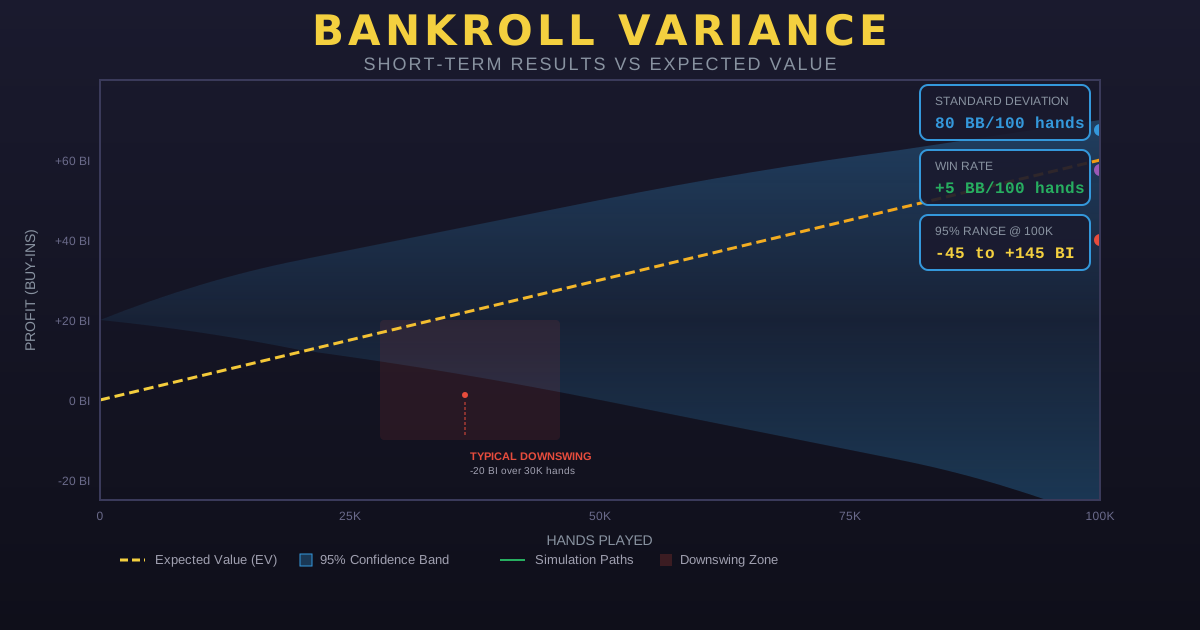
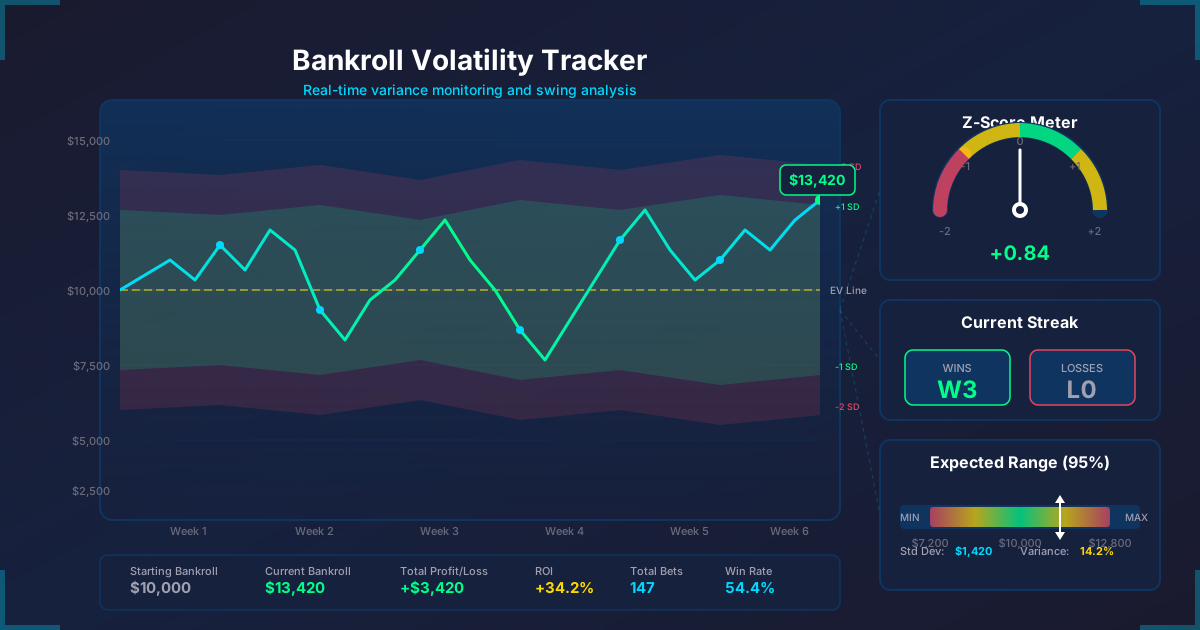
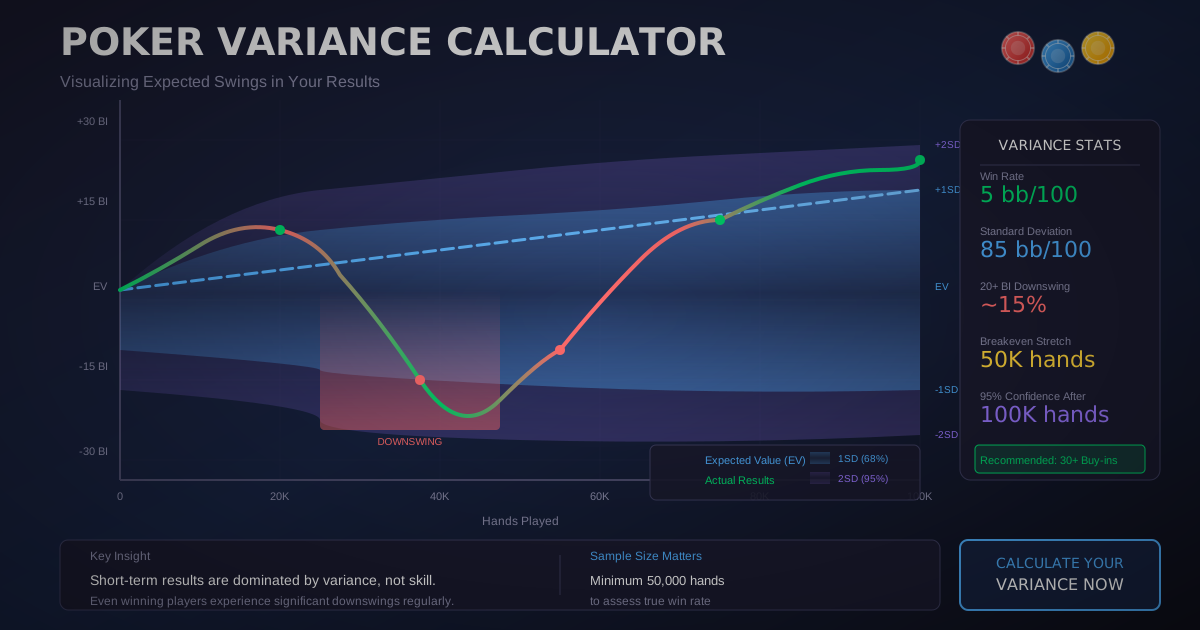
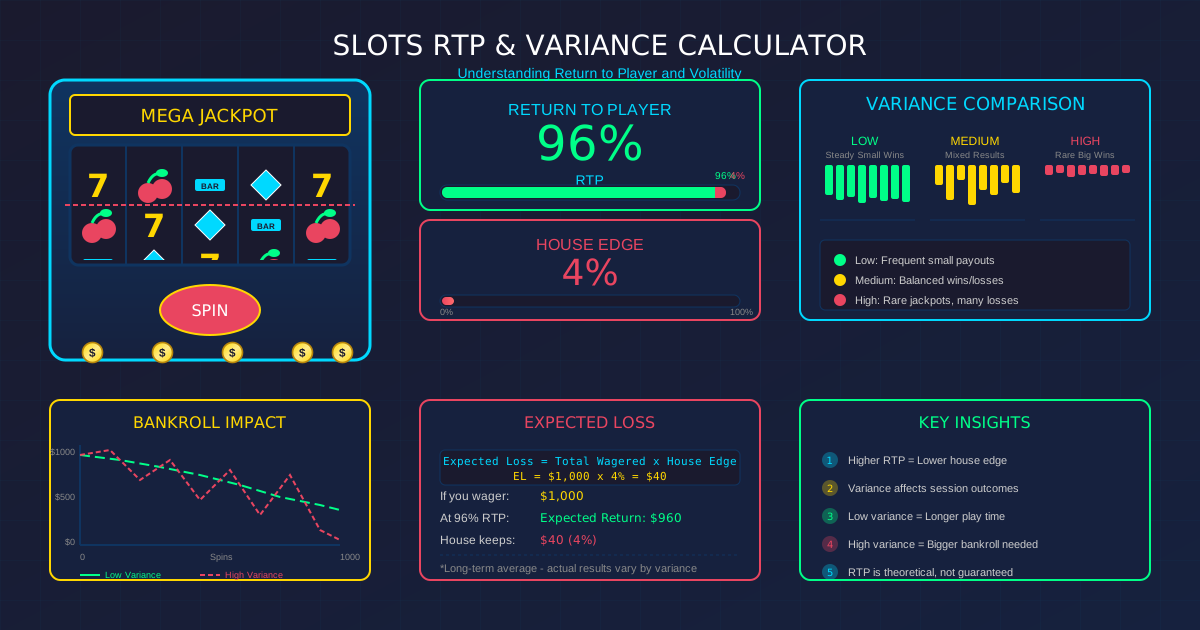
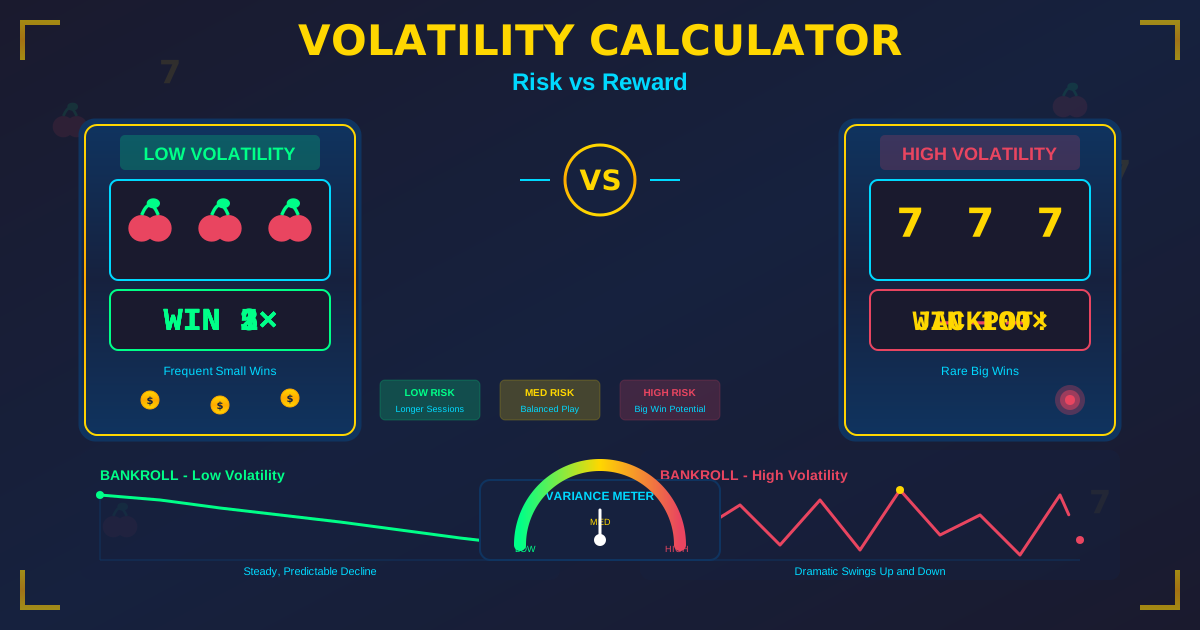
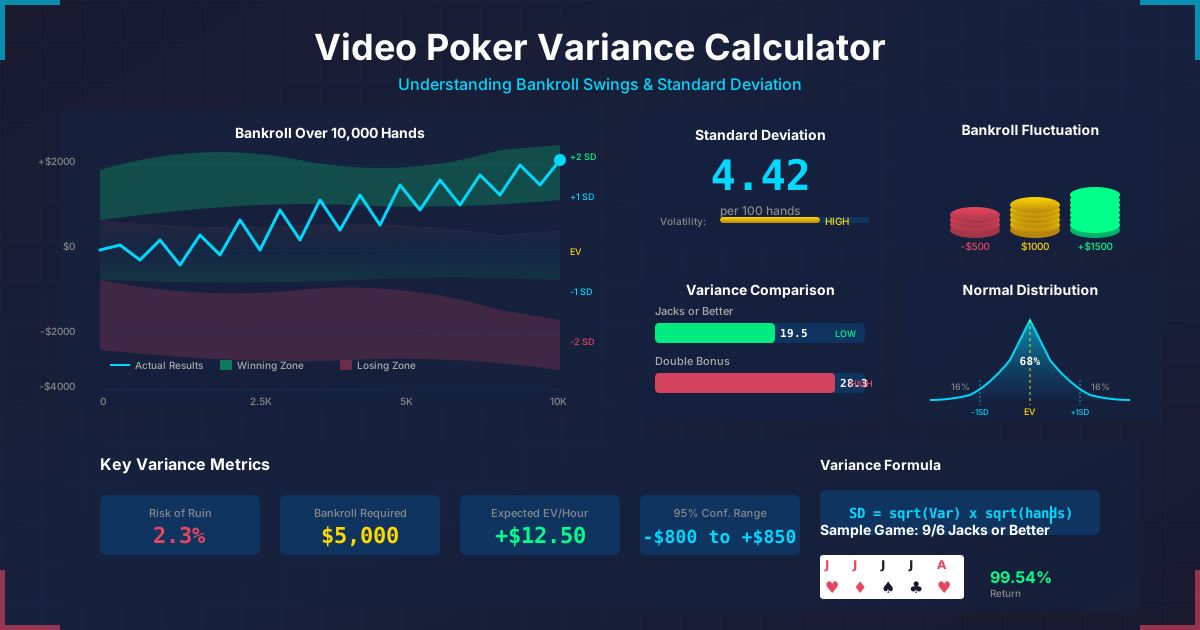
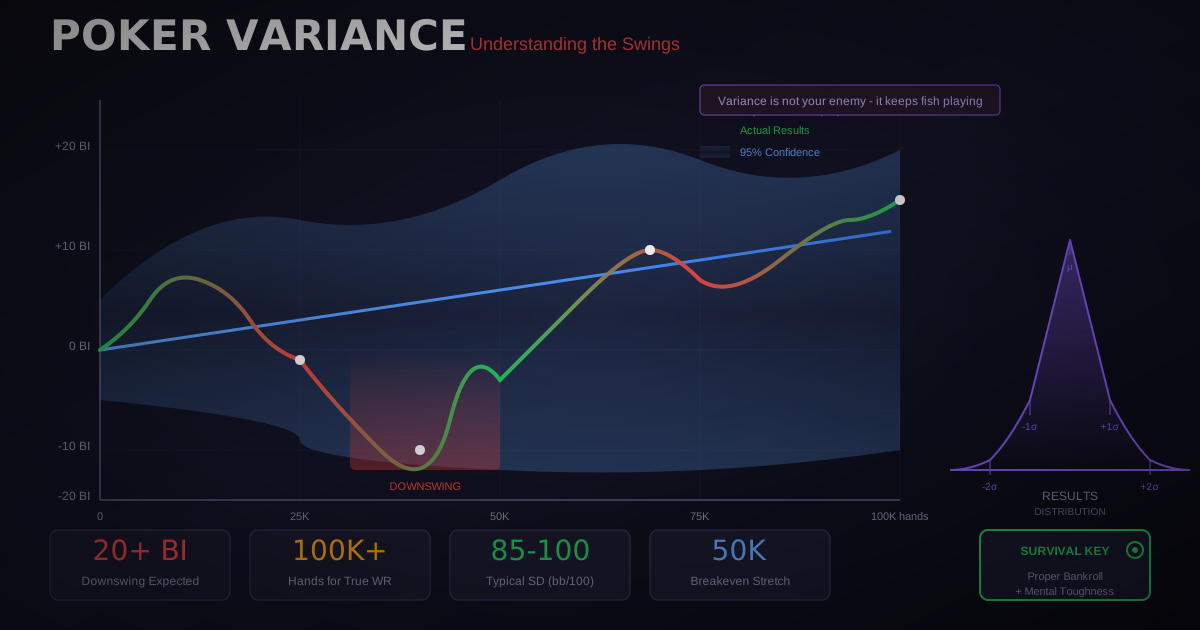
Variance and Standard Deviation
Variance measures spread of outcomes

High variance games: Slots, parlays
Low variance games: Blackjack, pass line

Standard Deviation = √Variance

For n bets at p probability:
Expected wins = n × p
SD = √(n × p × (1-p))

After 100 coin flips (p=0.5):
Expected heads = 50
SD = √(100 × 0.5 × 0.5) = 5

68% of time: 45-55 heads
95% of time: 40-60 heads
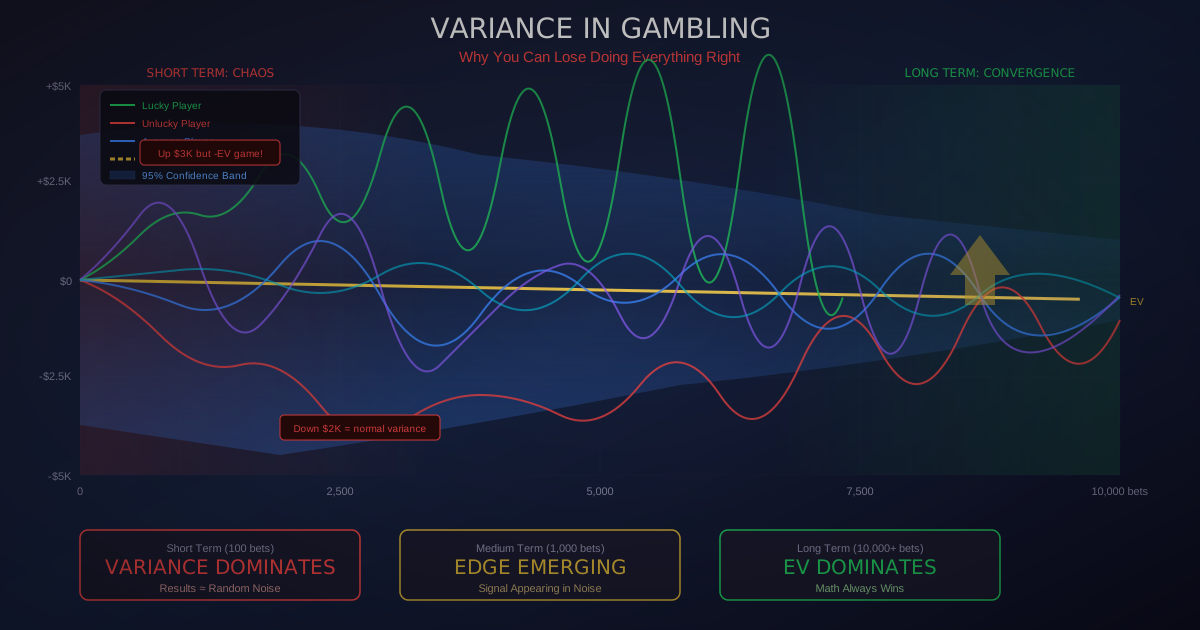
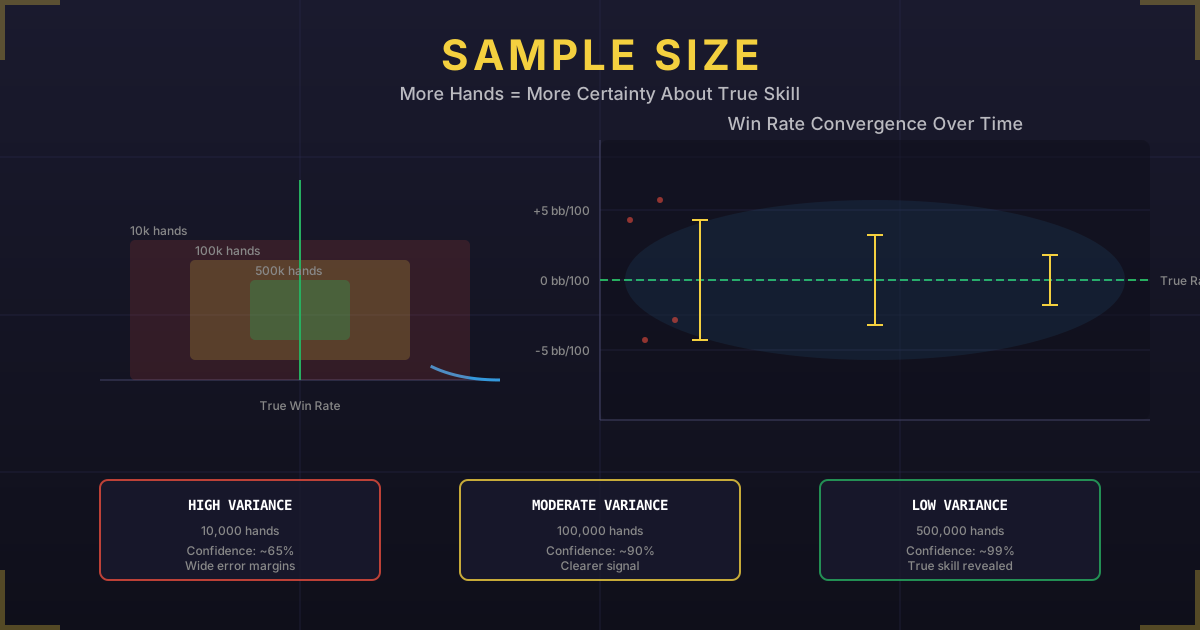
The Law of Large Numbers
As trials increase, results approach expected value

Short-term: Anything can happen
Long-term: Math always wins

Example:
Fair coin flip - 50% heads

10 flips: Could easily get 70% heads
100 flips: More likely near 50%
10,000 flips: Almost certainly near 50%

For casino:
- Individual might get lucky
- Across all players, house edge prevails
Common Mistakes to Avoid
-
The Gambler's Fallacy: Believing past results affect independent future events. A coin has no memory. After 10 heads, the next flip is still 50/50.
-
Confusing Unlikely with Impossible: 1% probability isn't zero. Over 100 attempts, a 1% event is likely to happen at least once.
-
Ignoring House Edge: Probability alone doesn't determine profitability. A 49% bet with 1:1 payout still loses money long-term.
-
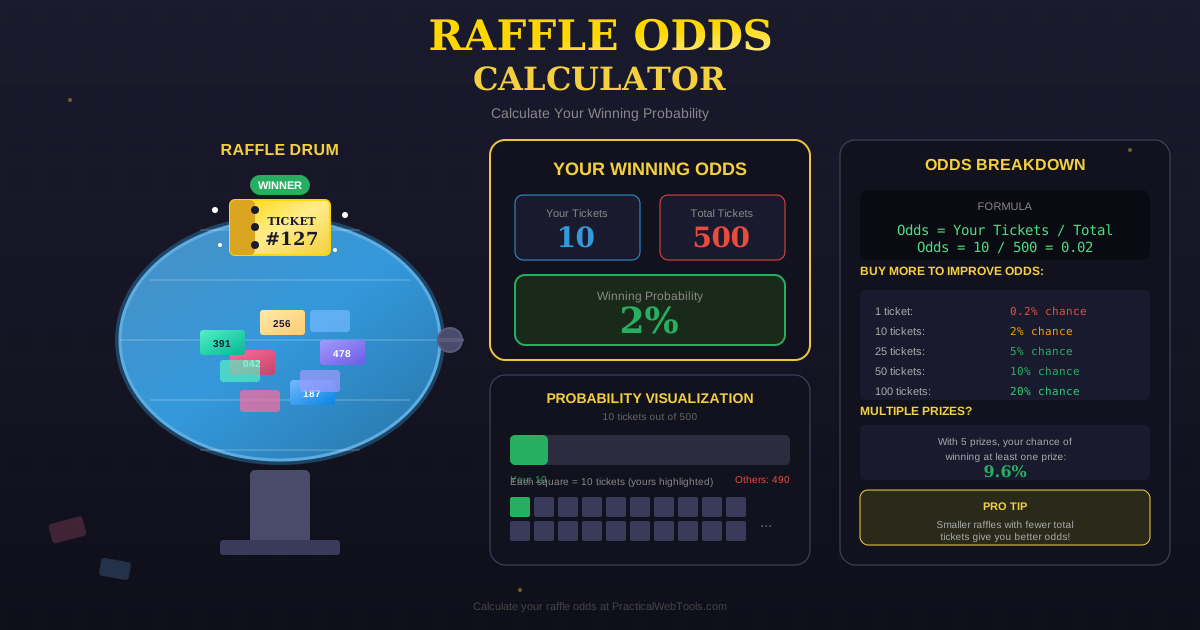
Misunderstanding Compound Probability: The probability of multiple events isn't additive. Five 20% chances don't make 100%; it's 1 - (0.8)^5 = 67.2%.
-
Assuming Short-Term Reflects Long-Term: Winning for a day doesn't mean you'll keep winning. Small samples don't prove probability wrong.
-
Overcomplicating Simple Events: Some calculations look impressive but use wrong formulas. Verify your approach with simple examples first.
Frequently Asked Questions
Can I use probability to beat the casino?
For most games, no. House edge ensures negative expectation. Exceptions: Blackjack with card counting, poker (skill game), sports betting with edge.
Why do people win in the short term?
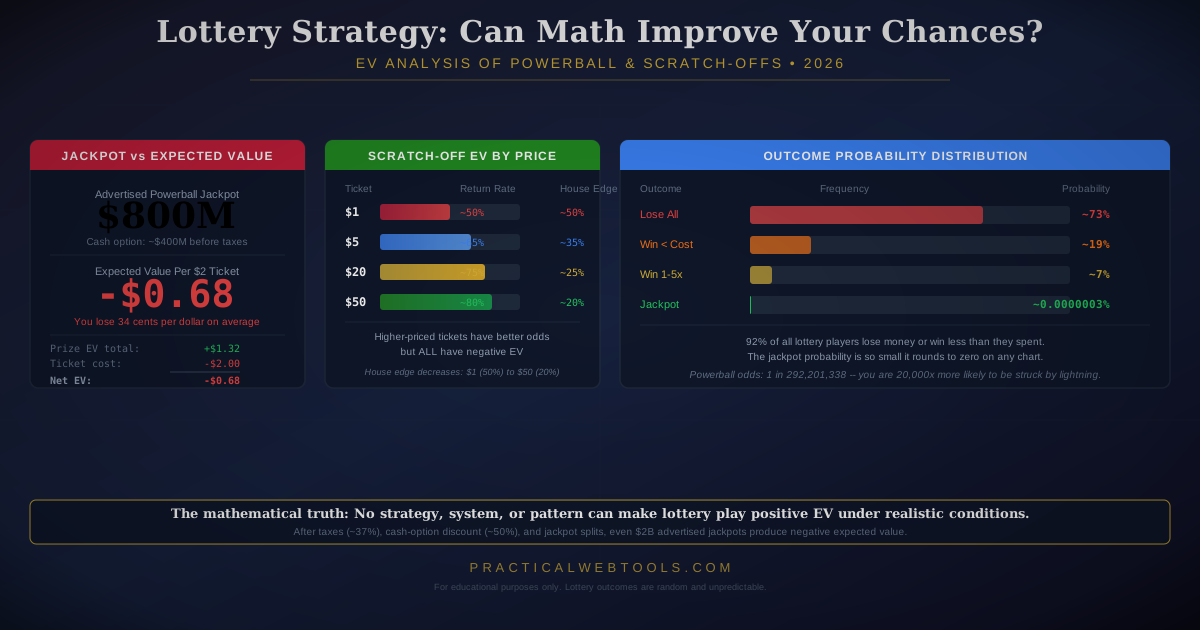
Variance. Short-term results don't reflect long-term probability. Someone has to win the lottery; that doesn't change the negative EV of playing.
How do I convert probability to odds?
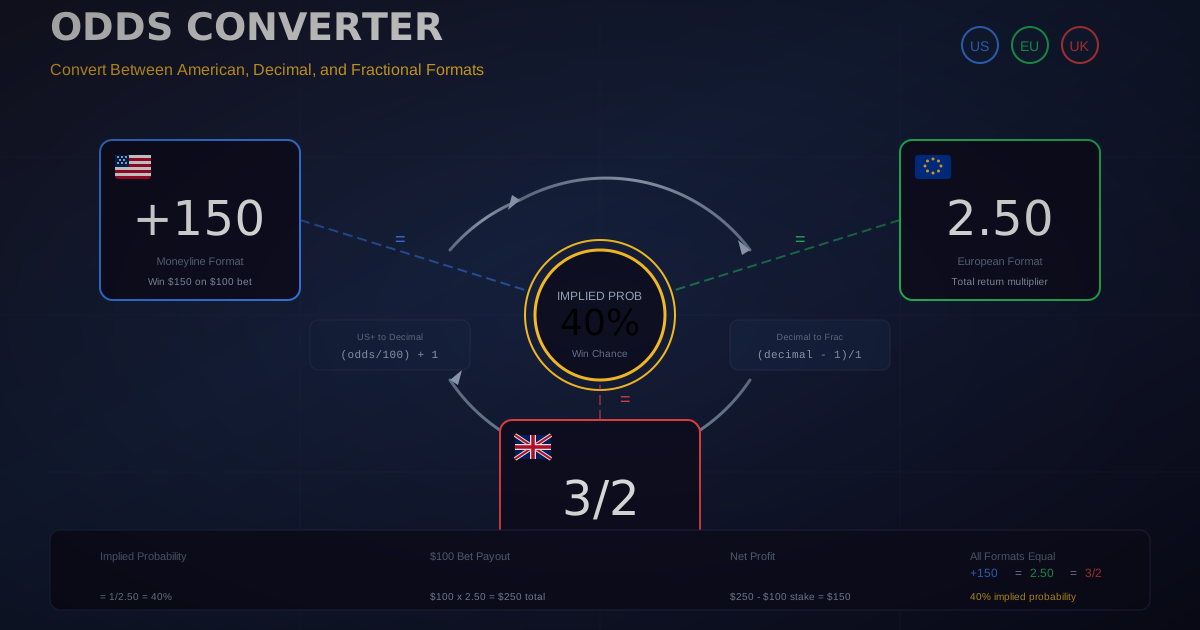
Decimal Odds = 1 / Probability. Example: 25% probability = 1 / 0.25 = 4.00 odds.
What's the most important probability concept for gamblers?
Expected Value. It tells you exactly what any bet is worth long-term. Positive EV = profitable; negative EV = losing money.
Does "due" ever apply in gambling?
For independent events, never. "Due" is gambler's fallacy. For dependent events (like cards), remaining deck composition does matter.
How large a sample size makes probability accurate?
Depends on variance. Rule of thumb: 1000+ trials for reasonable accuracy. For rare events, many more are needed.
Pro Tips
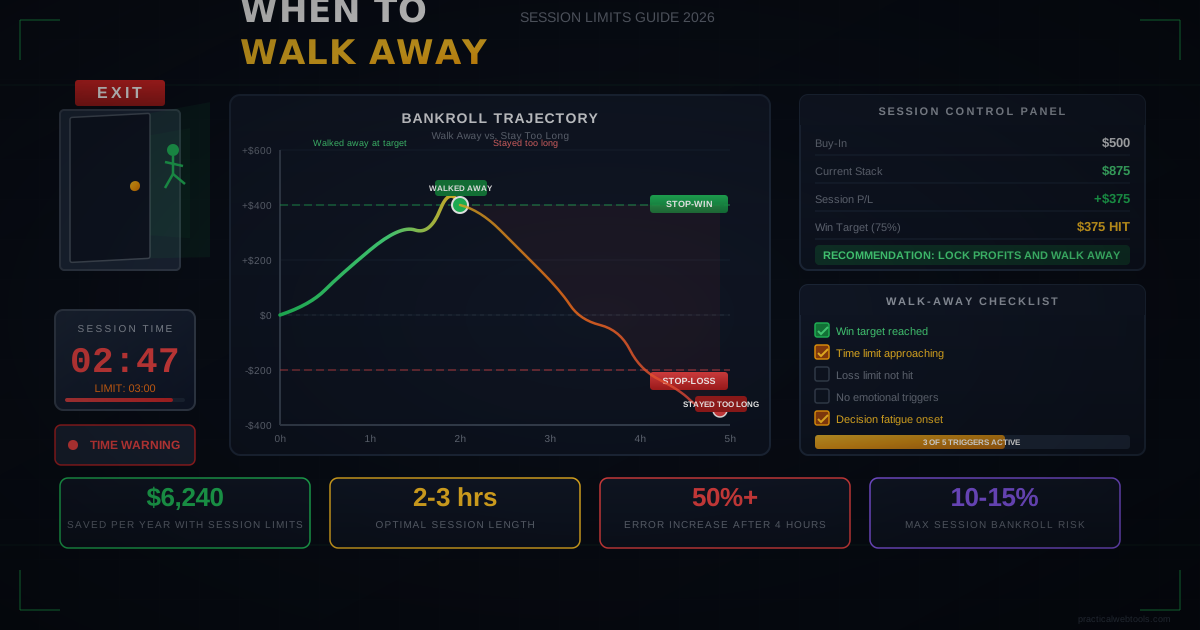
- Calculate expected value for every bet before placing it - if you can't calculate EV, you're gambling blind
- Understand that probability guarantees nothing in small samples; it only predicts long-term averages
- Use probability to compare games - lower house edge games preserve more of your bankroll
- Remember that casinos know these numbers better than you; they designed the games with these probabilities
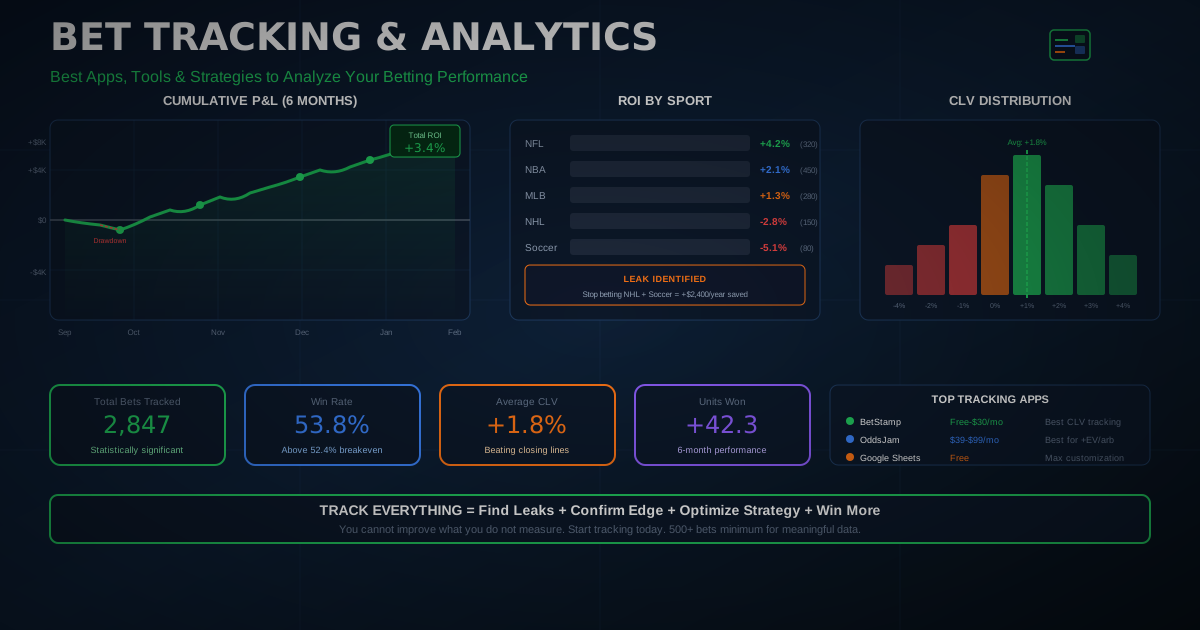
- Track your results against expected value to understand variance in your actual experience
Related Calculators
- Expected Value Calculator - Calculate bet profitability
- True Odds Calculator - Probability to odds conversion
- House Edge Calculator - Compare game advantages
- Standard Deviation Calculator - Measure variance
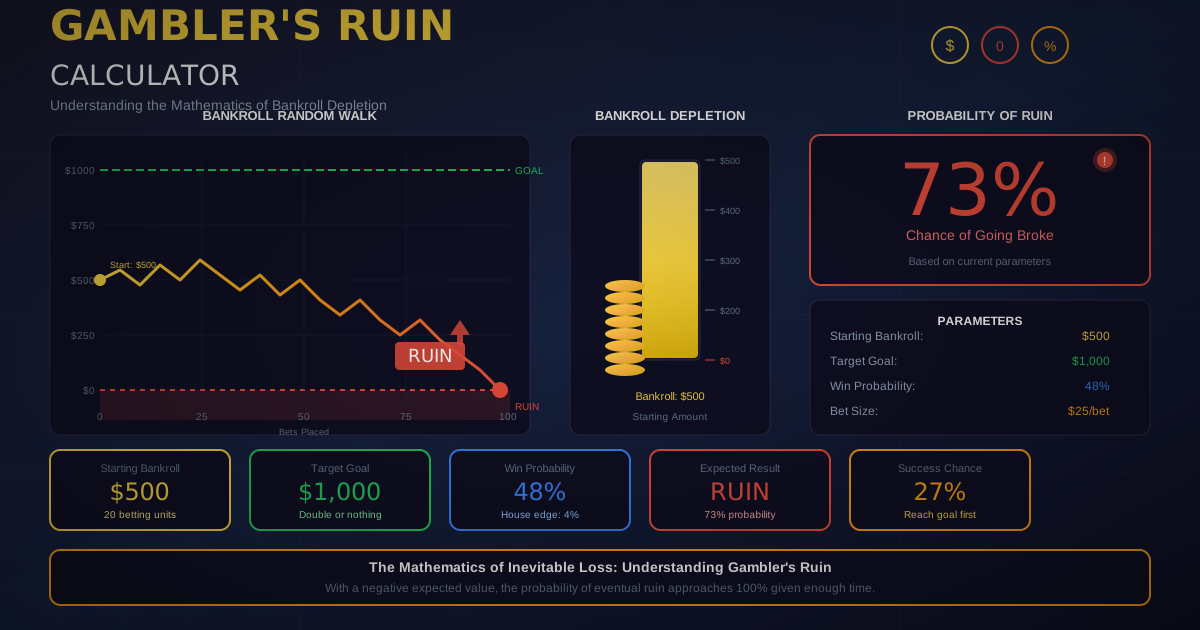
- Gambler's Ruin Calculator - Finite bankroll math
Conclusion
Probability is the invisible hand that determines every gambling outcome. While you can't change the math, understanding it transforms how you approach wagering. You'll know which bets are truly terrible, which games offer better odds, and why short-term results don't indicate long-term success.
Our calculator makes probability calculations accessible, but the real value comes from applying this knowledge consistently. The house always has an edge in the long run - probability guarantees it. Your job is to minimize that edge, avoid negative EV traps, and understand that gambling should be entertainment, not an investment strategy.