Hedge Calculator: Lock In Profits or Minimize Losses (2026)
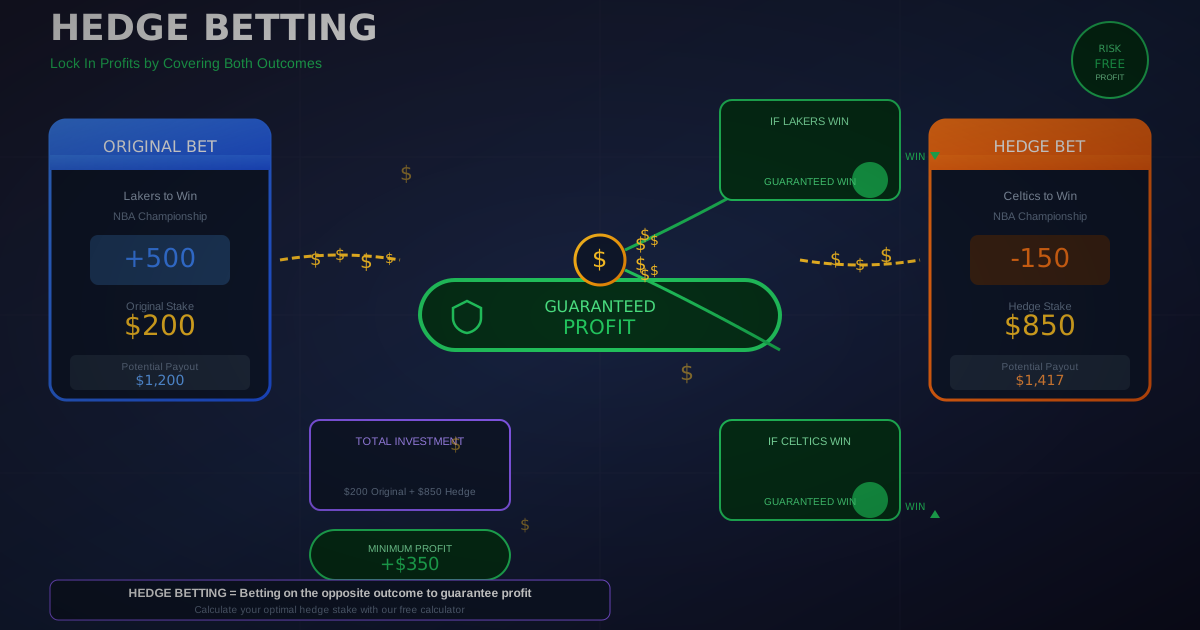
Hedge Calculator: Lock In Guaranteed Profits
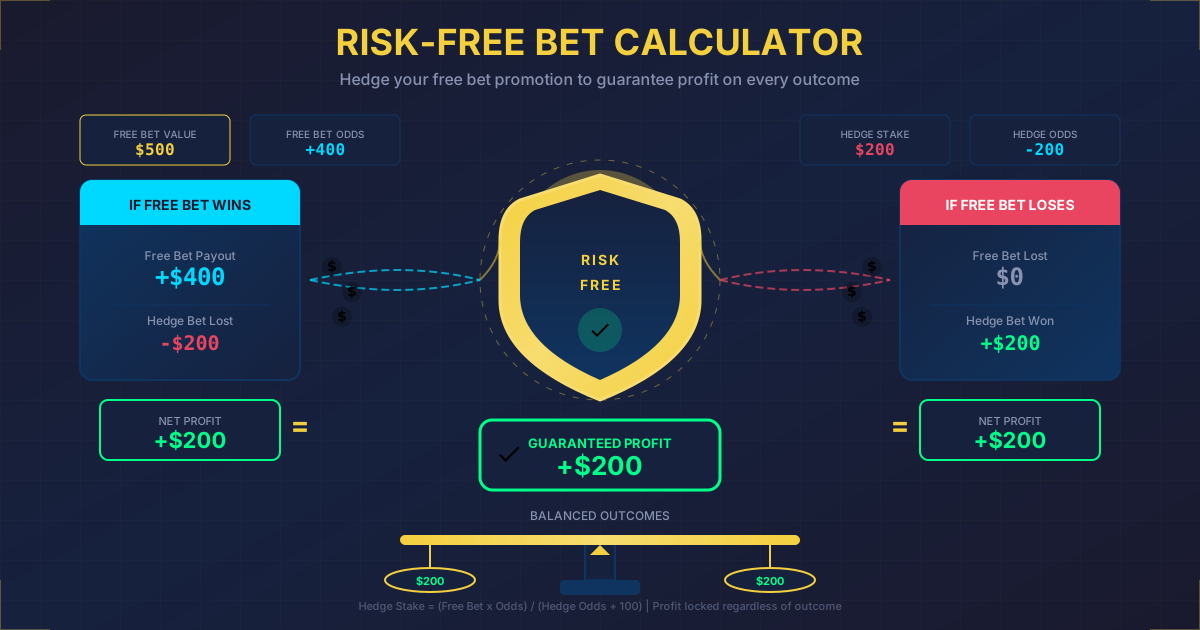
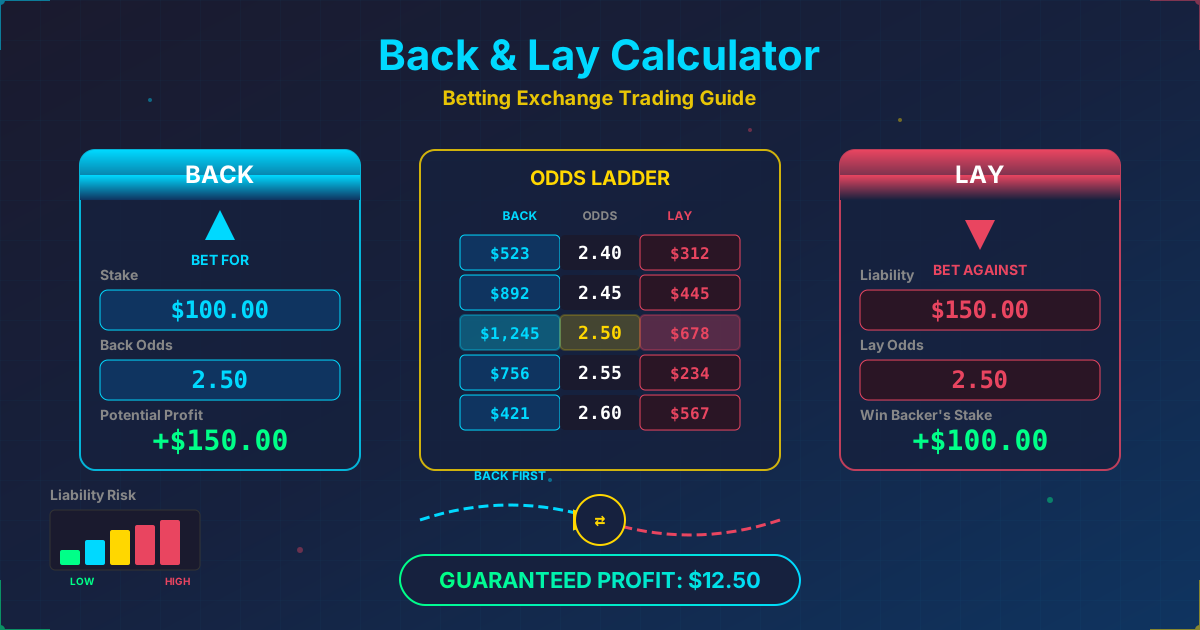
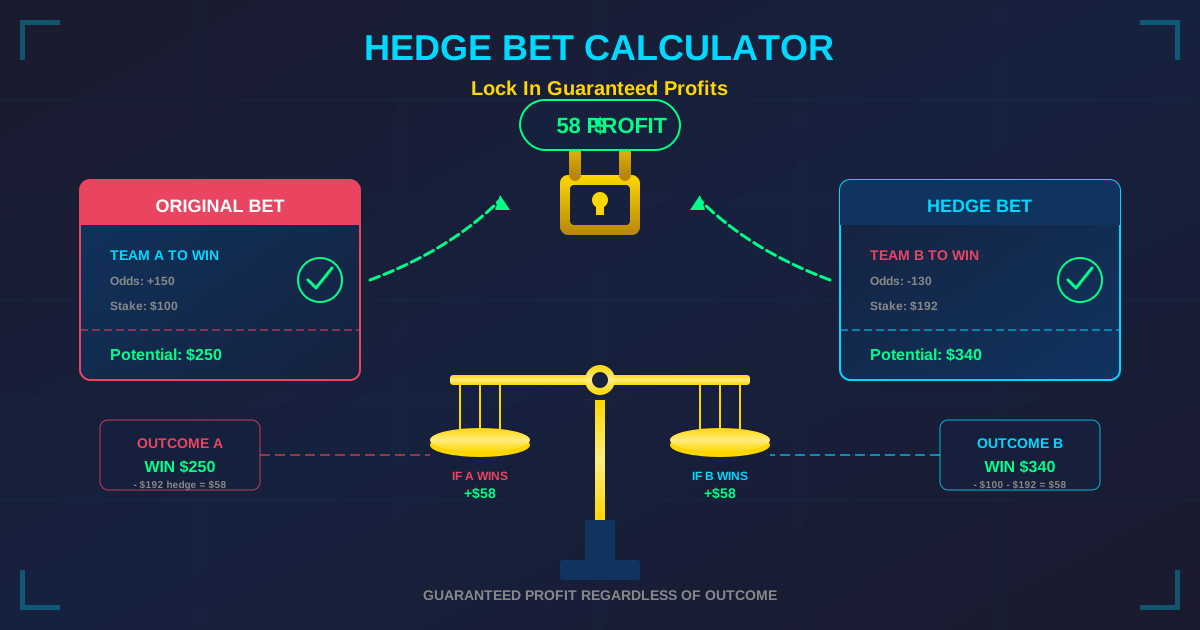
Hedging allows you to guarantee profit (or minimize loss) on an existing bet by wagering on the opposite outcome. Our free hedge calculator tells you exactly how much to bet and what your guaranteed return will be, removing the guesswork from hedging decisions.
What Is Hedge Betting?
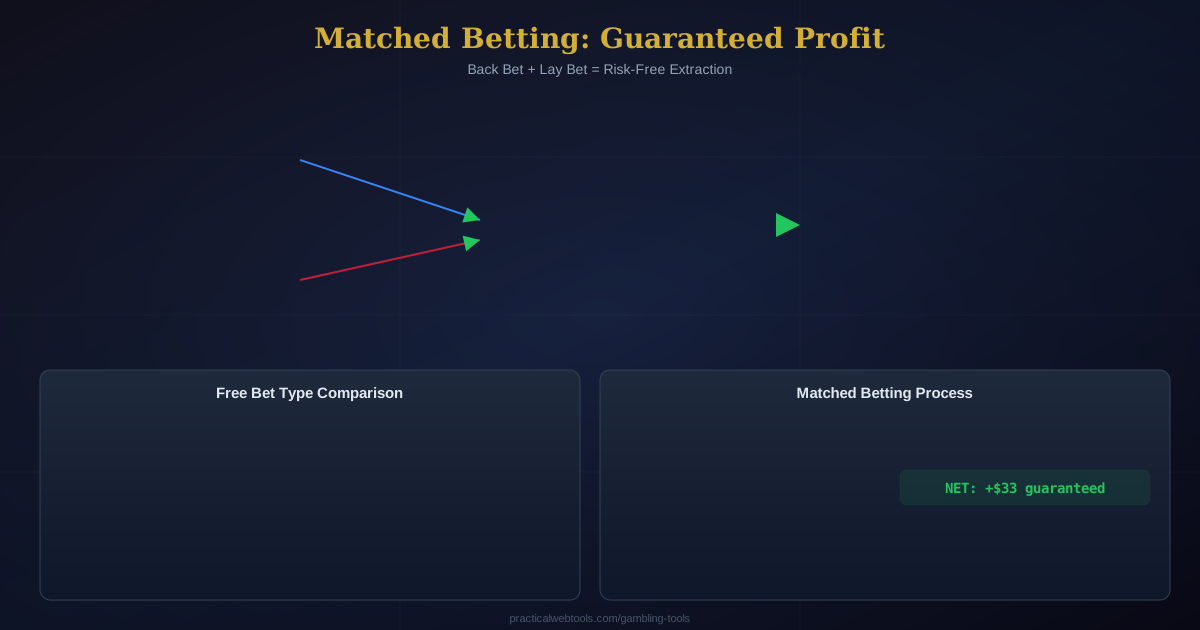
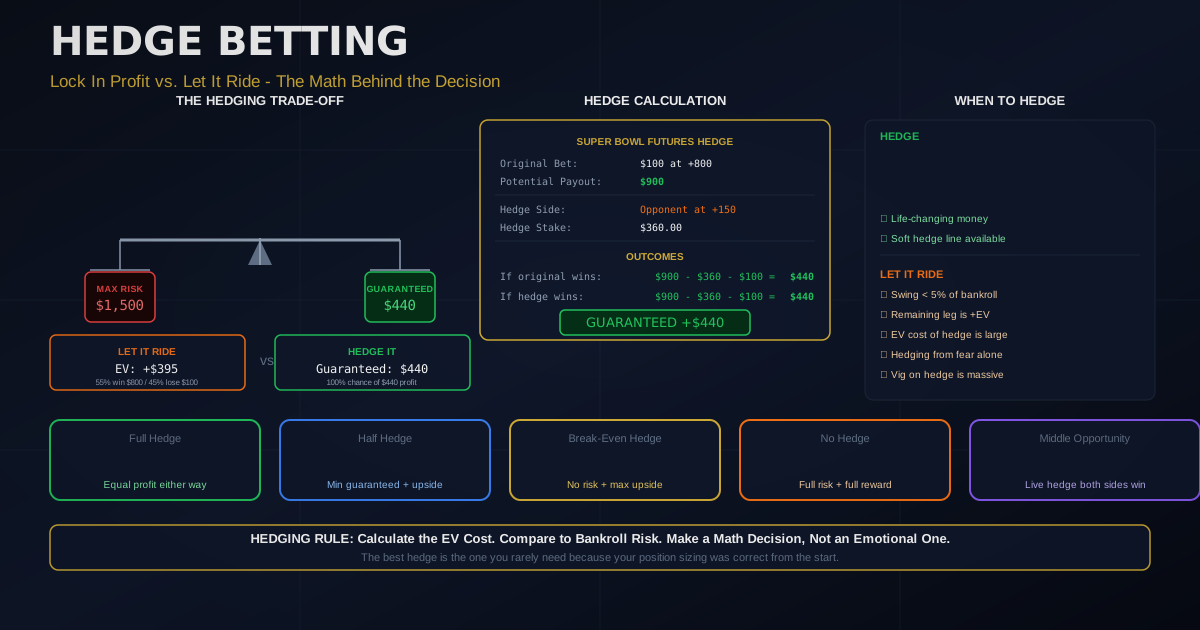
Hedge betting is placing a bet opposite to an existing wager to secure a guaranteed outcome regardless of the result. You sacrifice maximum profit for certainty.
Quick Answer: Hedging means betting on the opposite side of a bet you already have to guarantee profit or minimize loss. If you have a parlay that needs one more leg, you can hedge by betting against that final outcome, ensuring you win money regardless of what happens.
How to Use Our Free Hedge Calculator
Enter your original bet details and the current hedge odds to see optimal stake and guaranteed profit.
Step-by-Step Instructions
-
Enter Original Bet Details: Input your original stake and potential payout
-
Enter Hedge Odds: Input the current odds for betting the opposite outcome
-
Choose Your Goal: Equal profit on both sides, or maximize minimum profit
-
Calculate Hedge Stake: See exactly how much to bet and your guaranteed return
Input Fields Explained
| Field | Description | Example |
|---|---|---|
| Original Stake | What you bet initially | $100 |
| Potential Payout | What you'd win if original hits | $500 |
| Hedge Odds | Current odds on opposite outcome | -150 |
| Hedge Goal | Equal profit or guaranteed minimum | Equal profit |
Hedge Calculation Formula
For Equal Profit on Both Outcomes
Hedge Stake = (Potential Payout - Original Stake) / (Hedge Decimal Odds + 1)
Or more simply:
Hedge Stake = Potential Profit / (Hedge Decimal Odds + 1)
Guaranteed Profit Calculation
If Original Wins: Potential Payout - Original Stake - Hedge Stake = Profit
If Hedge Wins: (Hedge Stake × Hedge Odds) - Original Stake = Profit
Real-World Hedge Examples
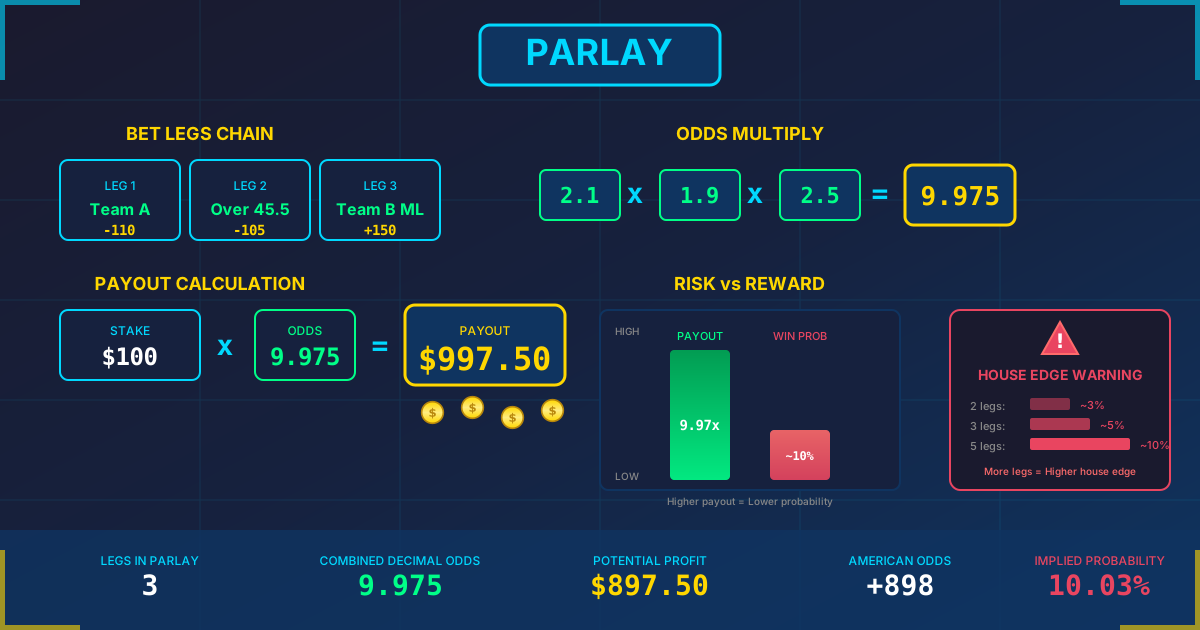
Example 1: Parlay Hedge
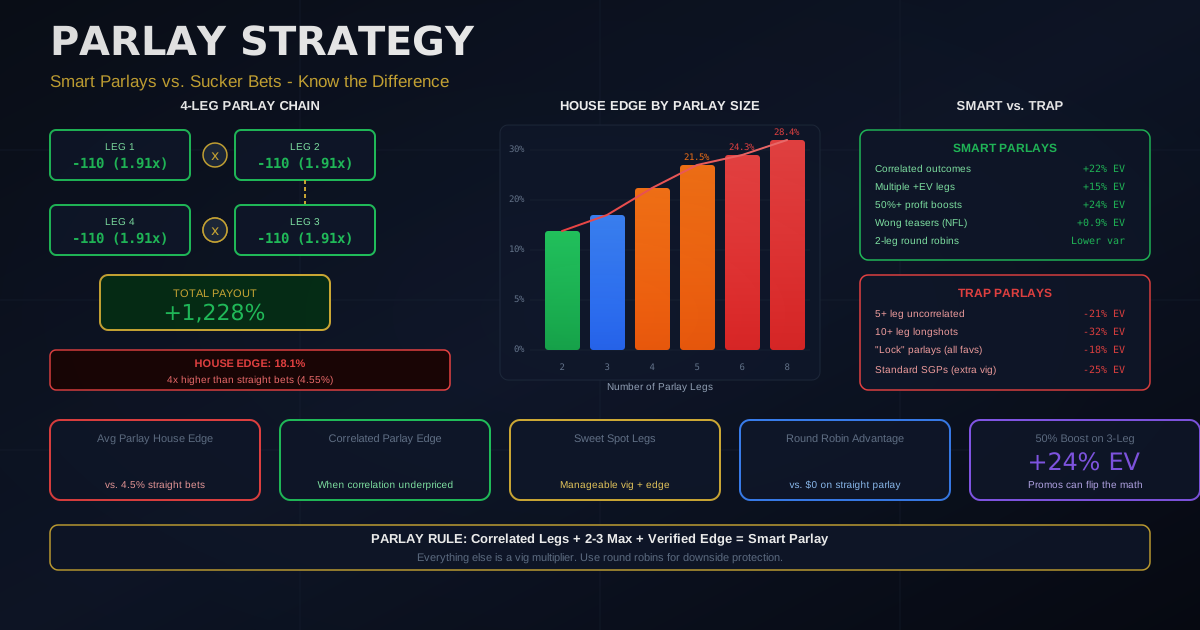
Situation: You bet $20 on a 4-team parlay. Three legs have won. The parlay pays $300 if the final leg (Chiefs -3) wins. Chiefs are playing tonight.
Hedge Opportunity: You can bet on the opponent or the spread going the other way.
Calculation:
- Original stake: $20
- Potential payout if Chiefs cover: $300
- Potential profit: $280
- Hedge odds (opponent +3): -110 (1.91 decimal)
Hedge stake for equal profit:
$280 / (1.91 + 1) = $280 / 2.91 = $96.22
Results:
- If Chiefs cover: Win $300 - $20 - $96.22 = $183.78 profit
- If opponent covers: Win $96.22 × 0.91 - $20 = $67.56 profit
With $96.22 hedge, you're guaranteed ~$67-184 profit instead of $280 or $0.
Example 2: Futures Bet Hedge
Situation: Before the season, you bet $50 on the Eagles to win the Super Bowl at +2500 (25:1). They made it to the big game. Potential payout: $1,300.
Hedge Opportunity: Bet on the opposing team to win the Super Bowl.
Calculation:
- Original stake: $50
- Potential payout: $1,300
- Potential profit: $1,250
- Hedge odds (opponent to win): -130 (1.77 decimal)
Hedge stake for equal profit:
$1,250 / (1.77 + 1) = $1,250 / 2.77 = $451.26
Results:
- If Eagles win: $1,300 - $50 - $451.26 = $798.74 profit
- If opponent wins: $451.26 × 0.77 - $50 = $297.47 profit
You're now guaranteed $297-799 profit instead of $1,250 or $0.
Example 3: Live Bet Hedge
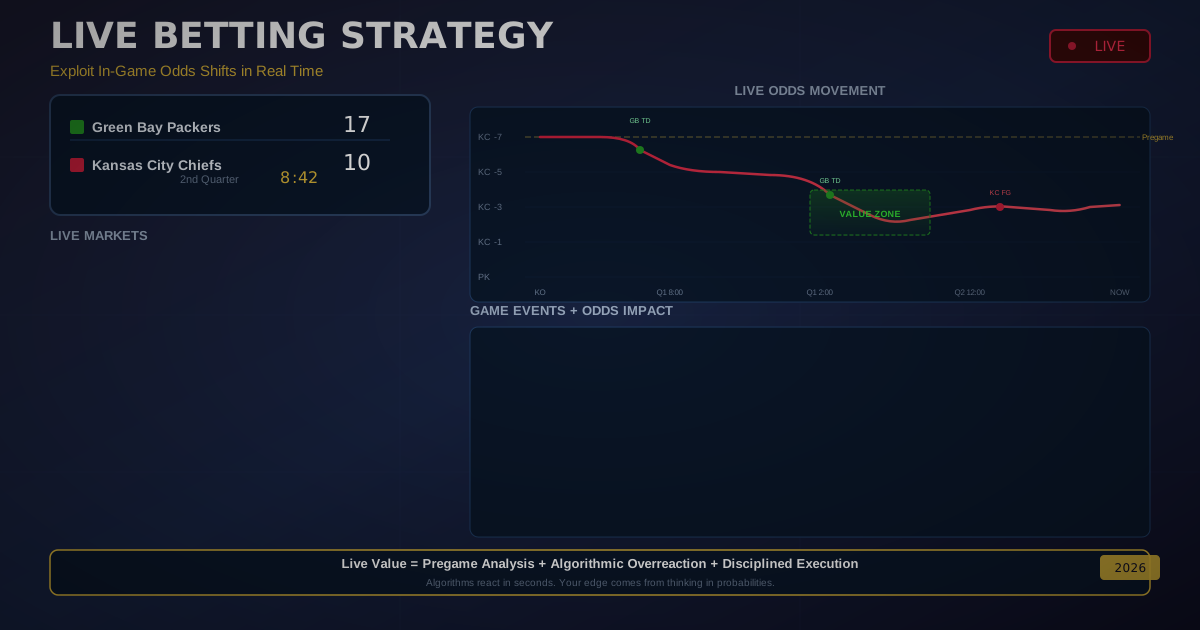
Situation: You bet $100 on Team A at -200 pregame. At halftime, Team A is losing and the live line is now Team A +300.
This isn't a typical hedge for profit—it's hedging to minimize loss.
Original scenario without hedge:
- Win: $50 profit
- Lose: $100 loss
With partial hedge on Team B (now favored at -350):
- Bet $50 on Team B at -350 (win $14.29)
New outcomes:
- Team A wins: $50 - $50 = $0 (break even)
- Team B wins: $14.29 - $100 = -$85.71 (reduced loss)
The hedge limits downside from -$100 to -$85.71 worst case.
When to Hedge (And When Not To)
Hedge When:
-
The Money Matters: If the potential payout would significantly impact your finances, locking in profit makes sense.
-
You've Already Won: On multi-leg parlays where you've hit 3 of 4 legs, hedging the final leg guarantees some profit.
-
Information Changed: You made a bet, then learned something that reduced your confidence. Hedge to reduce exposure.
-
Life Circumstances: You need the money now and can't afford the variance of letting it ride.
Don't Hedge When:
-
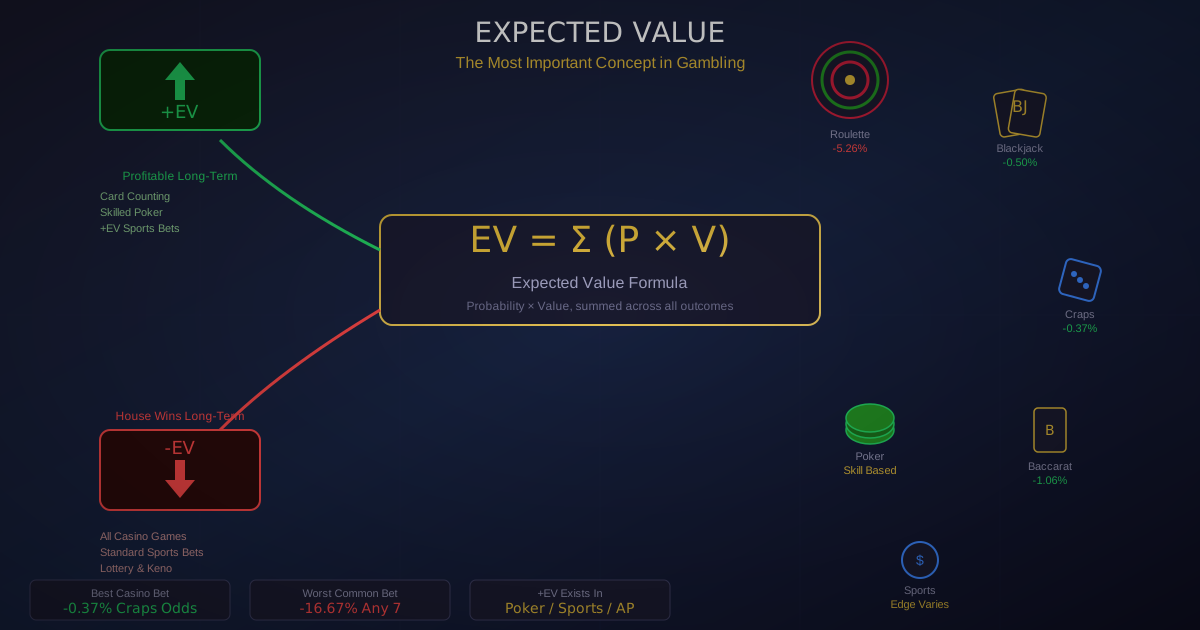
Your Original Bet Was +EV: Hedging a +EV position gives up expected value. If your original bet had edge, so does letting it ride.
-
The Numbers Don't Make Sense: Sometimes the hedge odds are so bad that hedging locks in a poor return. Calculate first.
-
Emotional Decision: Don't hedge because you're nervous. Hedge because the math supports it for your situation.
-
Small Stakes: Hedging a $10 parlay to guarantee $50 instead of $200 might not be worth the complexity and extra vig paid.
The Math of Hedging: Vig Considerations
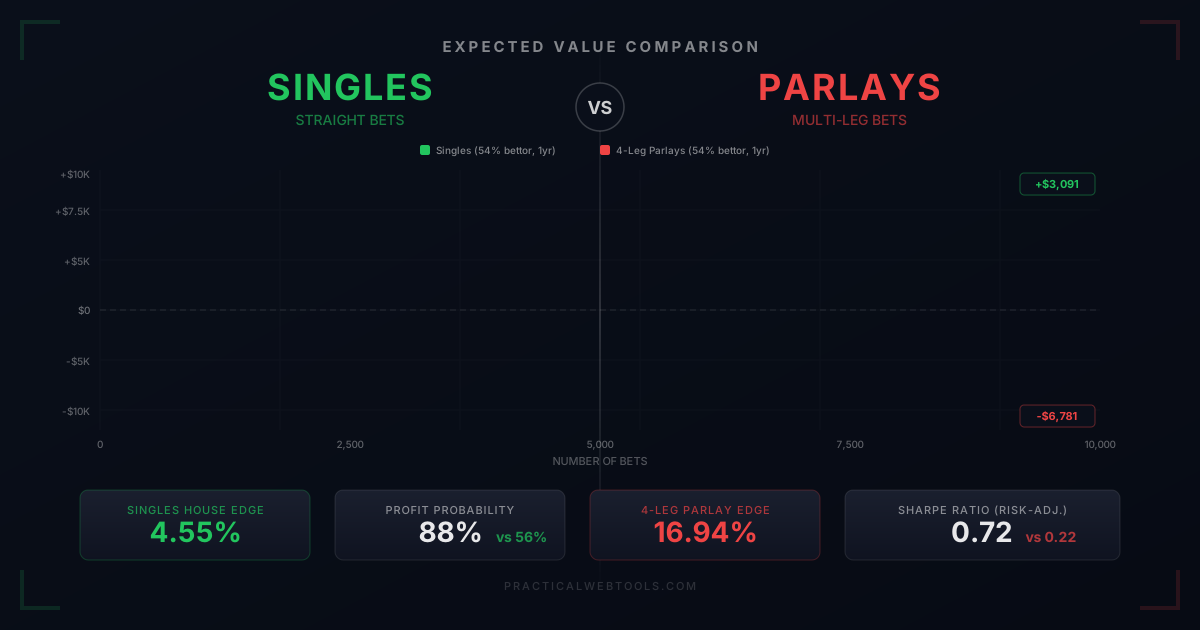
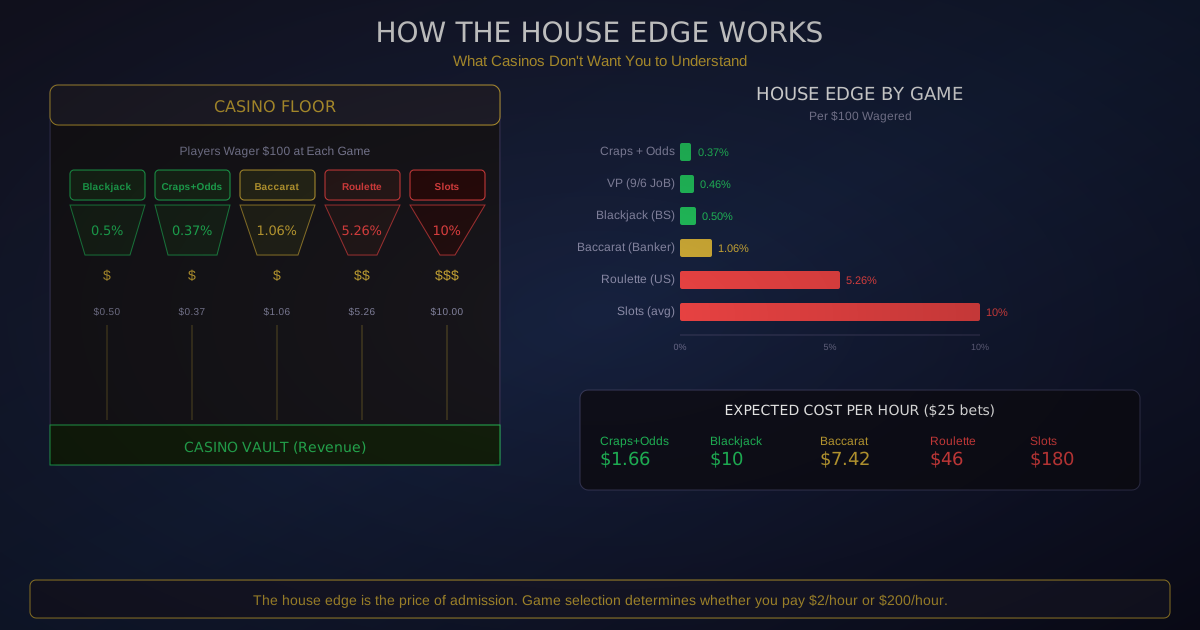
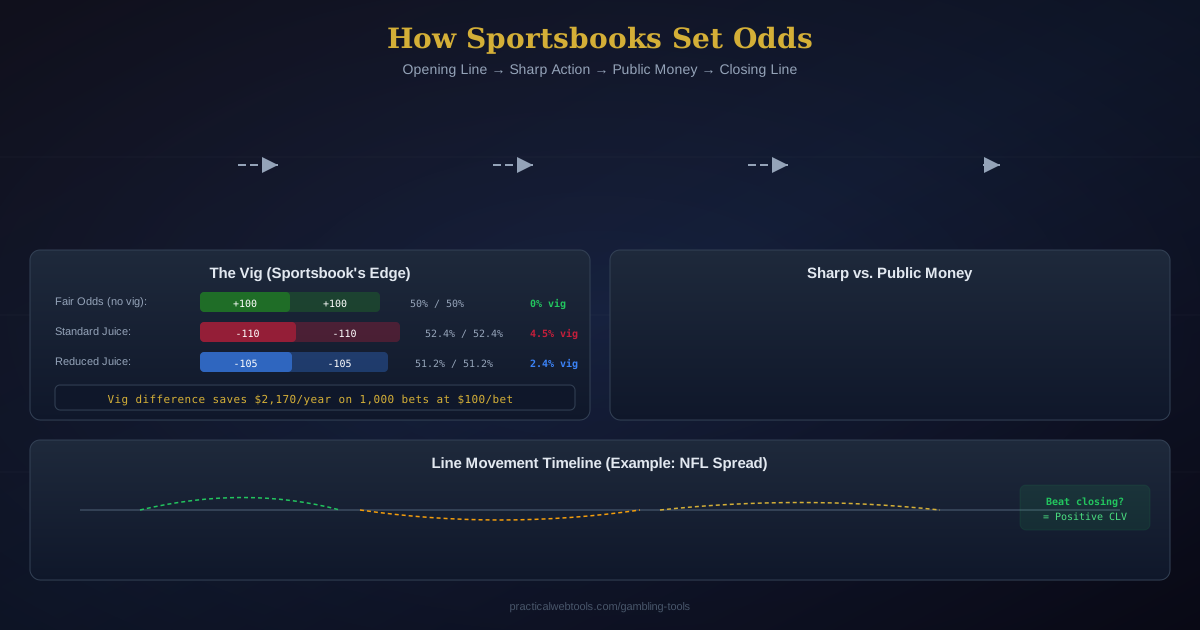
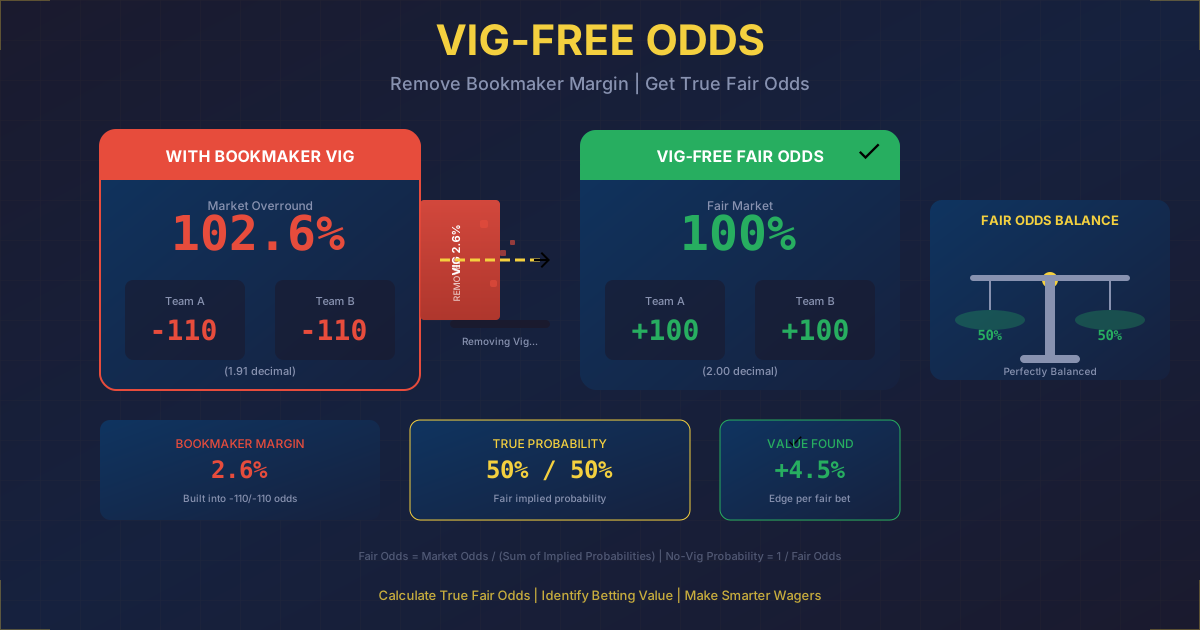
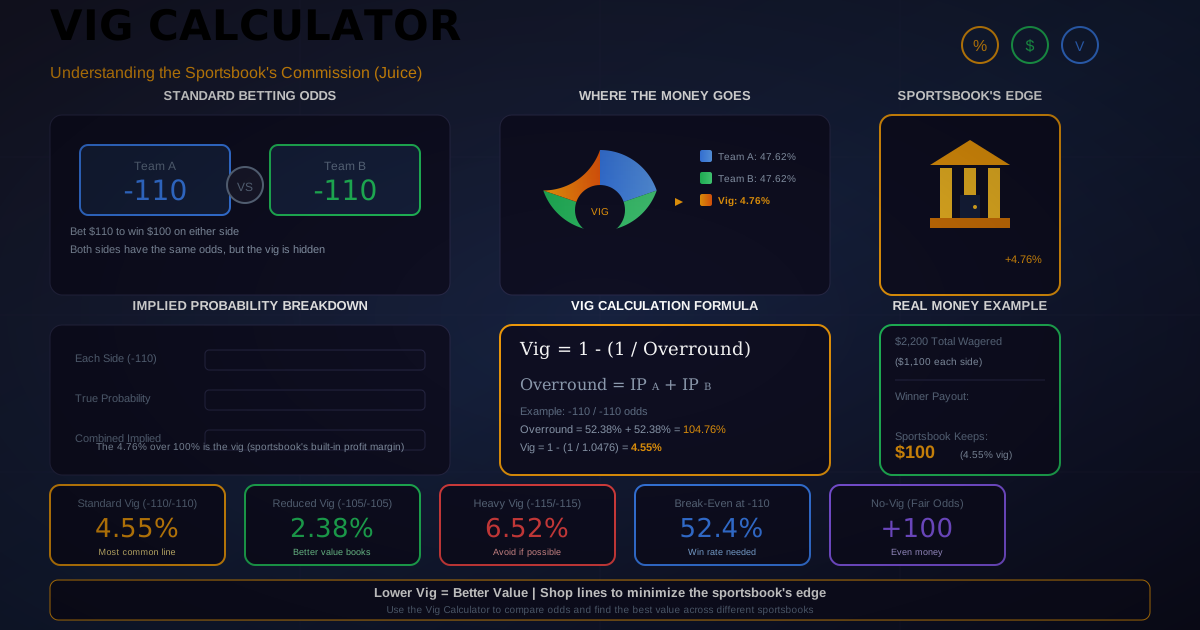
Every hedge involves paying additional vig. When you bet both sides across two bets, you're effectively paying the house twice:
Example:
- Original: -110 (4.55% vig per side)
- Hedge: -110 (4.55% vig per side)
- Combined: You've paid vig twice
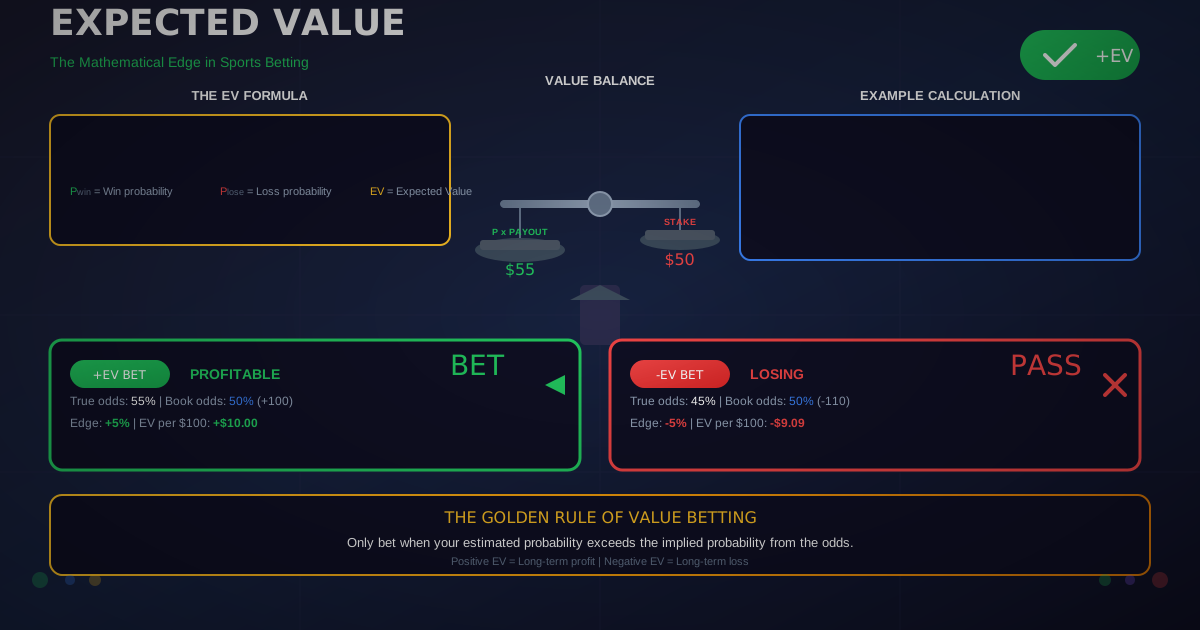
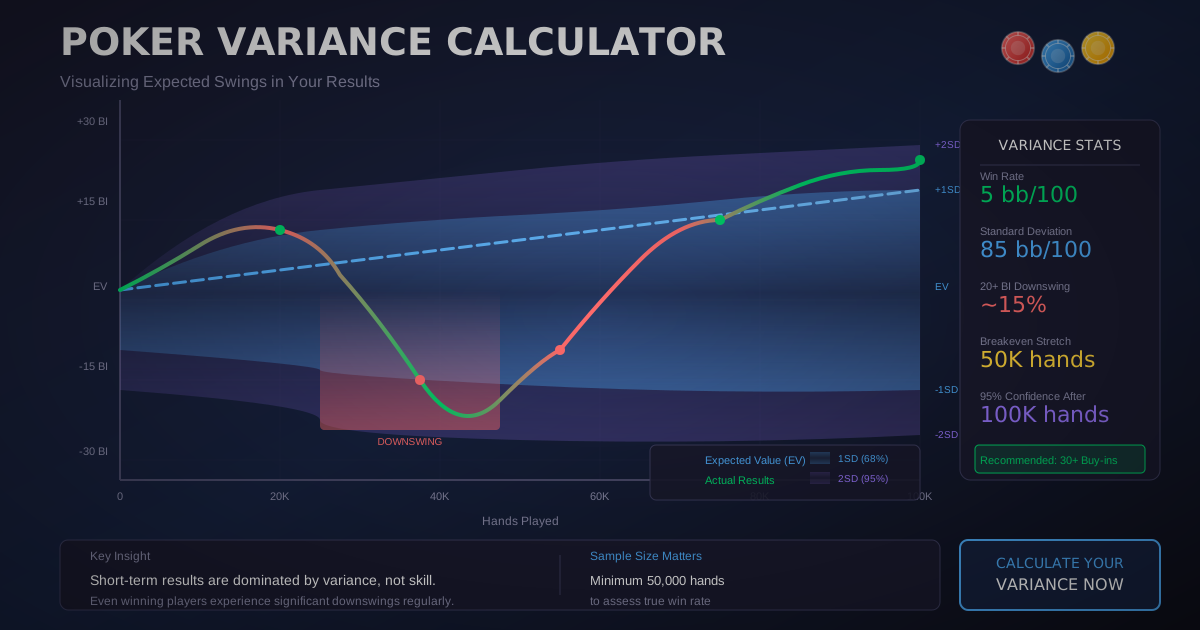
This is why hedging reduces total expected value. You're paying for insurance (guaranteed outcome) with expected profit.
Common Hedging Mistakes
-
Hedging Too Early: Hedge opportunities often improve as events unfold. Hedging your Super Bowl future in December instead of February costs potential value.
-
Over-Hedging: Sometimes a smaller hedge (locking in less) is mathematically better than a full equal-profit hedge.
-
Ignoring Vig: Each hedge adds juice. If you hedge at -150, you're paying significant vig for that certainty.
-
Emotional Hedging: Hedging because you're scared, not because it makes mathematical sense.
-
Not Calculating: Guessing hedge amounts instead of calculating precisely. Even small errors significantly affect guaranteed returns.
Frequently Asked Questions
Is hedging profitable long-term?
Hedging guarantees profit on individual bets but reduces overall expected value (you pay extra vig). It's a variance-reduction strategy, not a profit-maximizing strategy. Use it situationally.
Should I always hedge winning parlays?
Not always. If your final leg is still +EV based on your analysis, letting it ride has higher expected value. Hedge when the guaranteed profit is more valuable to you than the EV of continuing.
Can I hedge any bet?
You can hedge any bet that has an opposing outcome available. This includes spreads, moneylines, totals, futures, and most props. Some bets (like exact score props) may be difficult to hedge.
What's "middle betting" vs. hedging?
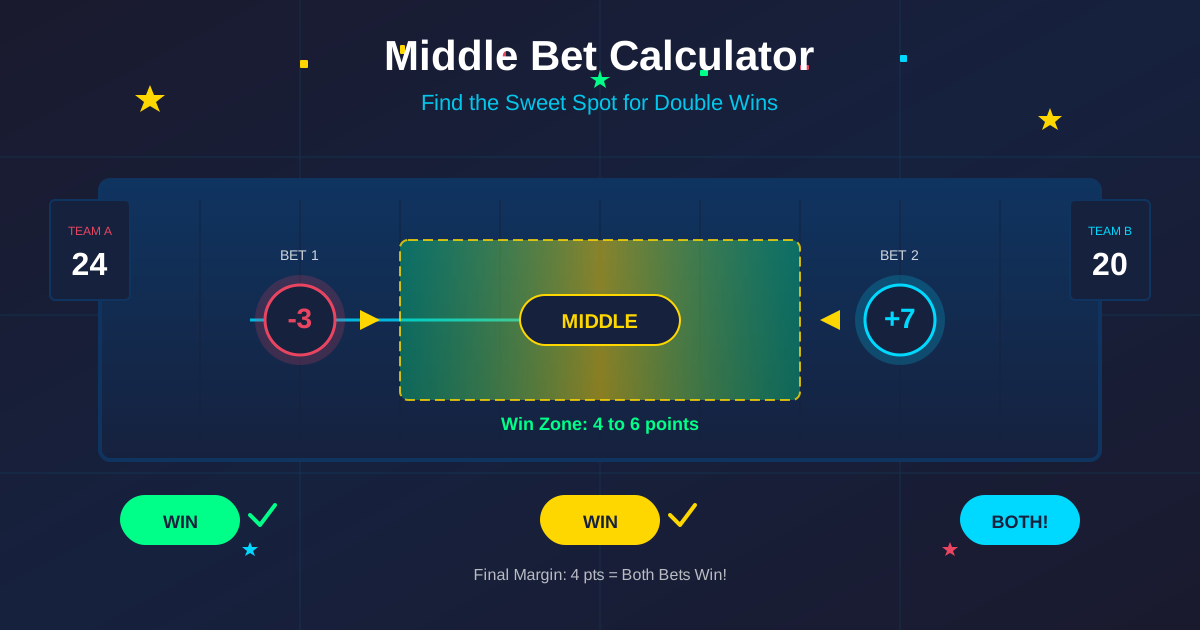
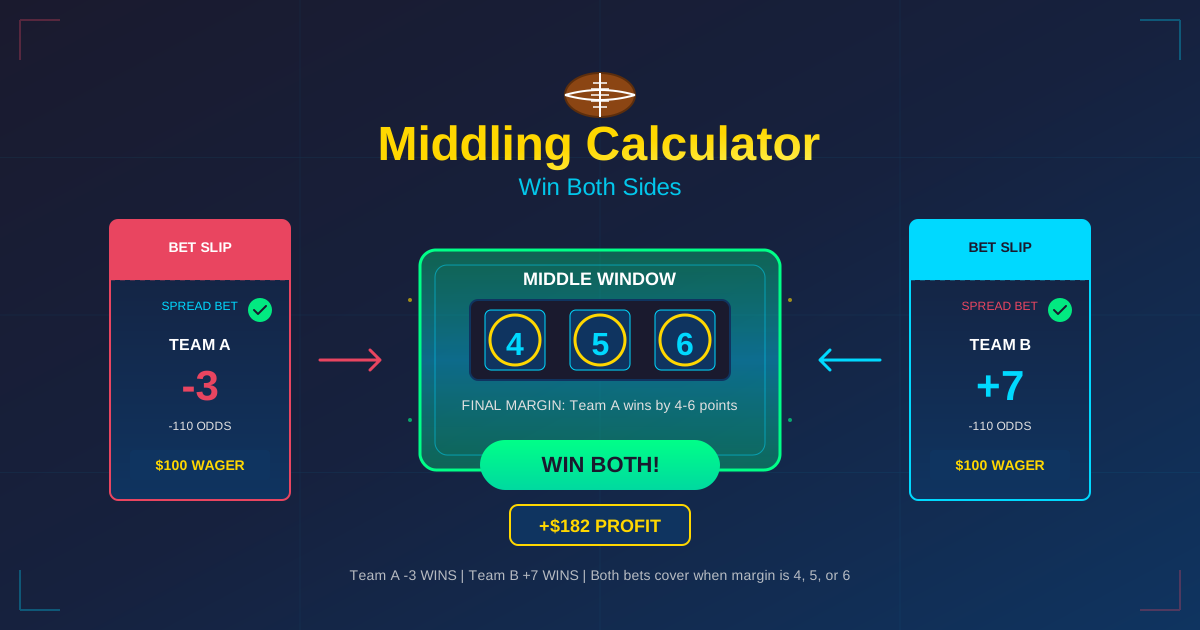
Middling is when line movement creates a scenario where BOTH your original bet and hedge can win. For example: you bet Team A -3 early, then hedge Team B +4 later. If Team A wins by 3, both bets win. This is optimal but rare.
Do sportsbooks care if I hedge?
No. Hedging often means betting at two different books (original at Book A, hedge at Book B). Even at the same book, hedging is perfectly acceptable and legal.
Should I hedge futures bets?
Futures often present the best hedging opportunities because odds change dramatically. A 25:1 preseason bet becoming 2:1 in the championship game is a massive hedging opportunity.
Hedge Calculator vs. Let It Ride
| Factor | Hedge | Let It Ride |
|---|---|---|
| Guaranteed outcome | Yes | No |
| Maximum profit | Lower | Higher |
| Expected value | Lower (paid vig) | Higher (if +EV original) |
| Variance | Zero | High |
| Peace of mind | High | Depends on personality |
Pro Tips for Hedging
-
Calculate Before Deciding: Always run the numbers. Sometimes what feels like a good hedge is actually terrible value.
-
Consider Partial Hedges: You don't have to guarantee equal profit. Partial hedges reduce risk while maintaining upside.
-
Watch for Middles: If lines have moved enough, you might be able to win both bets in certain scenarios.
-
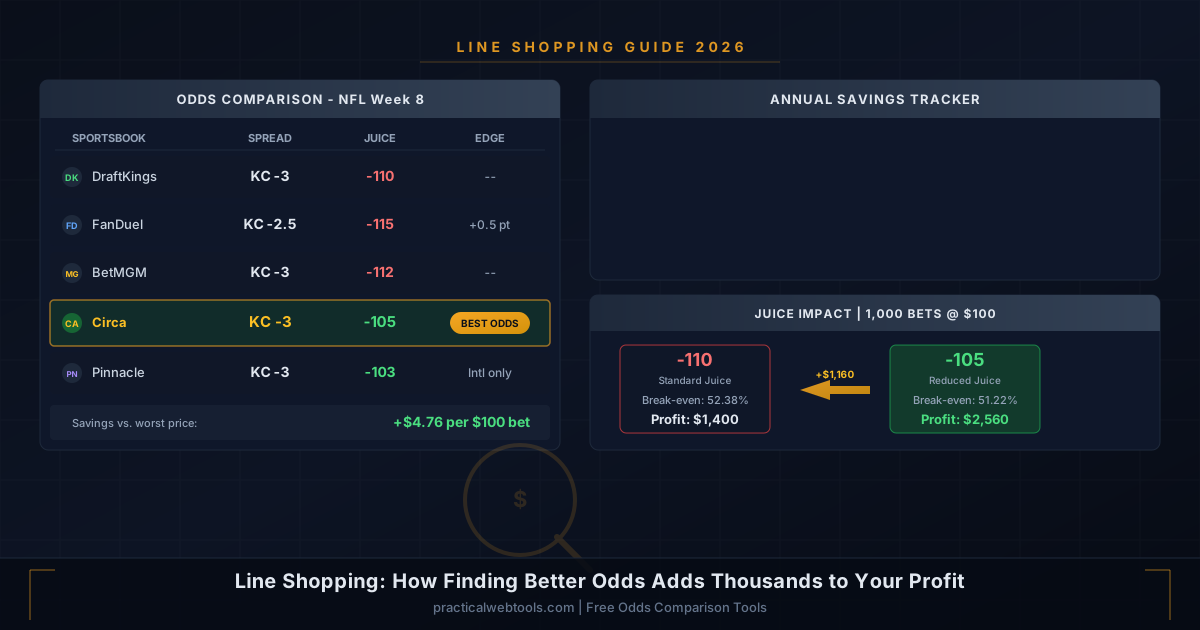
Use Multiple Books: Get the best hedge odds by shopping around. Even small odds differences significantly impact guaranteed profit.
-
Think About Utility: $500 guaranteed might be more valuable to you than 50% chance at $800. Personal circumstances matter.
Related Betting Calculators
- Arbitrage Calculator - Guaranteed profit from odds differences
- Parlay Calculator - Calculate multi-leg payouts
- Expected Value Calculator - Is hedging -EV?
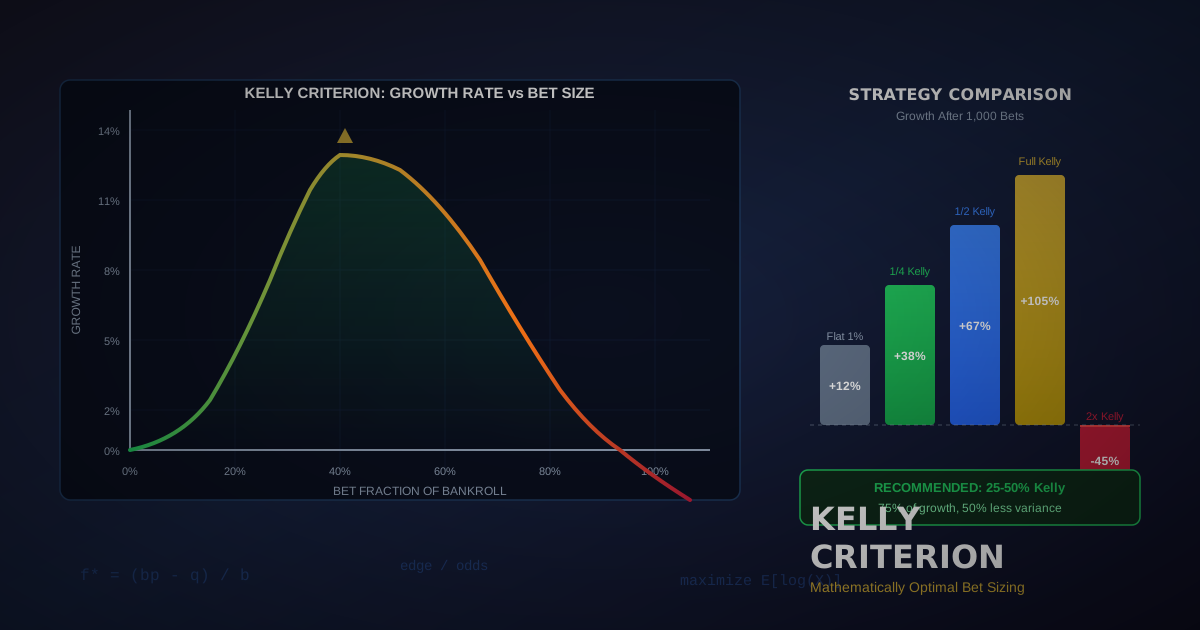
- Kelly Criterion Calculator - Optimal bet sizing
- Middle Bet Calculator - Find middle opportunities
Conclusion
Hedging is a powerful tool for managing risk in sports betting. Whether you're protecting a parlay, locking in futures profit, or minimizing live bet losses, knowing exactly how much to hedge is crucial. Our free calculator removes the guesswork.
Calculate Your Optimal Hedge Now →
Remember: hedging isn't about maximizing profit—it's about guaranteeing an outcome. Use it when certainty is more valuable to you than expected value, and always calculate precisely before placing the hedge.