High Card Flush Calculator: Flush-Based Strategy Guide (2026)
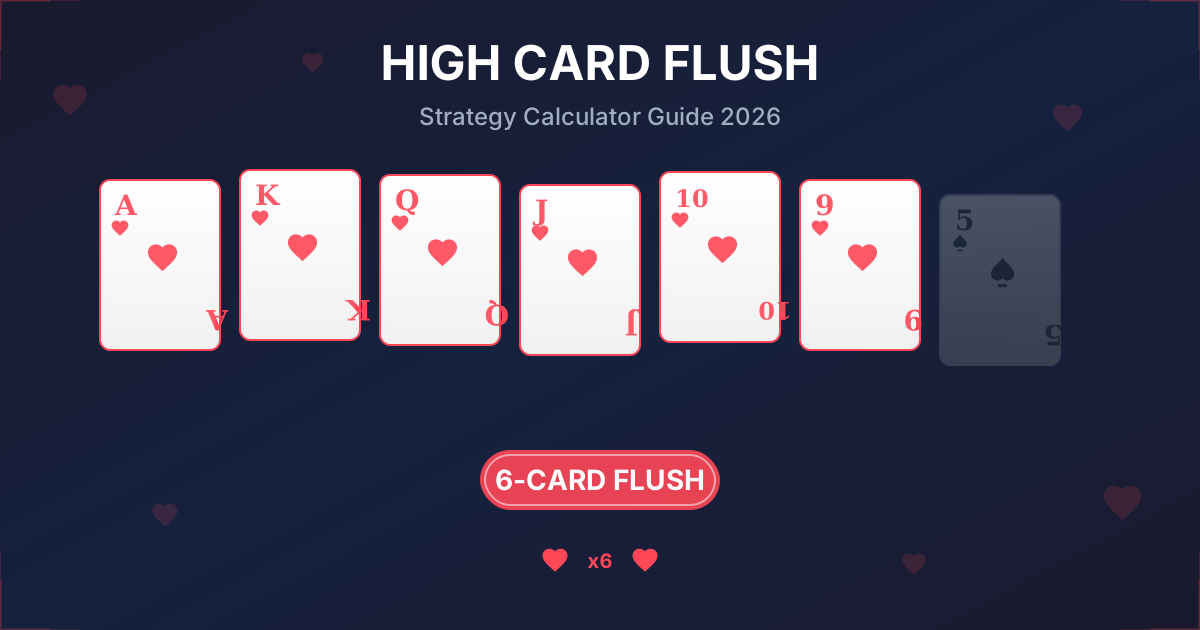
High Card Flush Calculator: Mastering Flush-Based Poker
High Card Flush turns traditional poker upside down—only flushes matter. Dealt seven cards, you make your longest flush, and longer beats shorter. Our calculator reveals optimal raising strategy based on flush length and high cards.
What Is High Card Flush?
High Card Flush is a casino poker game where you receive seven cards and try to make the longest possible flush (same-suit cards). Longer flushes beat shorter ones. Ties go to highest cards within the flush. You can raise up to 3x based on flush strength.
Quick Answer: High Card Flush = 7 cards, longest flush wins. 7-card flush: Auto-win. 6-card: Raise 3x. 5-card: Raise 3x. 4-card with J+: Raise 2x. 4-card with 9+: Raise 1x. 3-card or less: Fold. House edge: 2.7%. Ties broken by high cards within flush.
How to Use Our Calculator
Use the High Card Flush Calculator →
Calculate optimal decisions based on your flush.
Step-by-Step Instructions
-
Enter Seven Cards: Your dealt hand
-
Identify Longest Flush: Same suit cards
-
Count Flush Length: How many cards
-
Note High Cards: Top cards in flush
-
View Raise Amount: 1x, 2x, or 3x
Input Fields Explained
| Field | Description | Example |
|---|---|---|
| Seven Cards | Dealt hand | A♠ K♠ Q♠ 7♠ 5♥ 3♦ 2♣ |
| Longest Flush | Same suit | A♠ K♠ Q♠ 7♠ (4 cards) |
| Flush Length | Count | 4 |
| High Card | Top flush card | Ace |
| Raise Decision | Action | 2x Raise |
| Win Probability | Beat dealer | 58% |
Hand Rankings
Flush Length Priority
Ranking order:

7-card flush beats everything
6-card flush beats 5 or less
5-card flush beats 4 or less
4-card flush beats 3 or less
3-card flush is minimum

Dealer qualifies with 3+ card flush
Tie Breaking Rules
Same length flushes:

Compare highest card first
Then second highest
Then third, etc.

Example:
A-K-Q-7-5 beats A-K-Q-7-4
A-K-J beats A-K-10
K-Q-J beats K-Q-10

Standard high card comparison
No Flush Scenario
If you have no 3+ card flush:

Automatic loss
Fold to save raise bet
Rare but happens
(~2% of hands)
Optimal Strategy
6-7 Card Flush (3x Raise)
Automatic 3x raises:

7-card flush: Raise 3x (auto-win)
6-card flush: Raise 3x (any cards)

These are rare and strong
Always maximum bet
No decision needed
5-Card Flush (3x Raise)
Five-card flush strategy:

All 5-card flushes: Raise 3x

Regardless of high cards
5 cards beats most dealer hands
Dealer needs 5+ to compete
Very strong position
4-Card Flush (Variable)
Four-card requires analysis:

Jack high or better: Raise 2x
10 high: Raise 1x
9 high: Raise 1x
8 high or worse: Fold

High card matters for 4-card
J+ gets extra raise value
3-Card Flush (Fold Usually)
Three-card strategy:

Most 3-card flushes: Fold
Edge cases: Very close

Dealer often has 4+
Your 3-card loses to any 4+
Not worth the raise bet
Raise Decision Chart
Quick Reference
Flush Length | High Card | Action
-------------|-----------|--------
7-card       | Any       | 3x Raise
6-card       | Any       | 3x Raise
5-card       | Any       | 3x Raise
4-card       | J or A    | 2x Raise
4-card       | 9 or 10   | 1x Raise
4-card       | 8 or less | Fold
3-card       | Any       | Fold

Memorize this chart!
The 4-Card Threshold
Why J+ matters for 4-card:

4-card vs 4-card is common
High card breaks ties
J+ wins most tie-breakers
9-10 high is marginal
8 or less loses too often
Side Bets
Flush Bonus
Based on your flush length:

7-card Flush: 300:1
6-card Flush: 100:1
5-card Flush: 10:1
4-card Flush: 1:1

House edge: ~6-8%
Pay on hand quality
Not affected by dealer
Straight Flush Bonus
Additional payouts:

7-card Straight Flush: 8,000:1
6-card Straight Flush: 1,000:1
5-card Straight Flush: 100:1
4-card Straight Flush: 60:1
3-card Straight Flush: 7:1

Very rare occurrences
High variance bet
Real-World Examples
Example 1: Six-Card Flush
Automatic max raise:
Dealt: K♠ J♠ 9♠ 7♠ 5♠ 3♠ A♥

Longest flush: 6 spades
K-J-9-7-5-3 of spades

Action: RAISE 3x

6-card flush = always 3x
No decision needed
Very strong hand
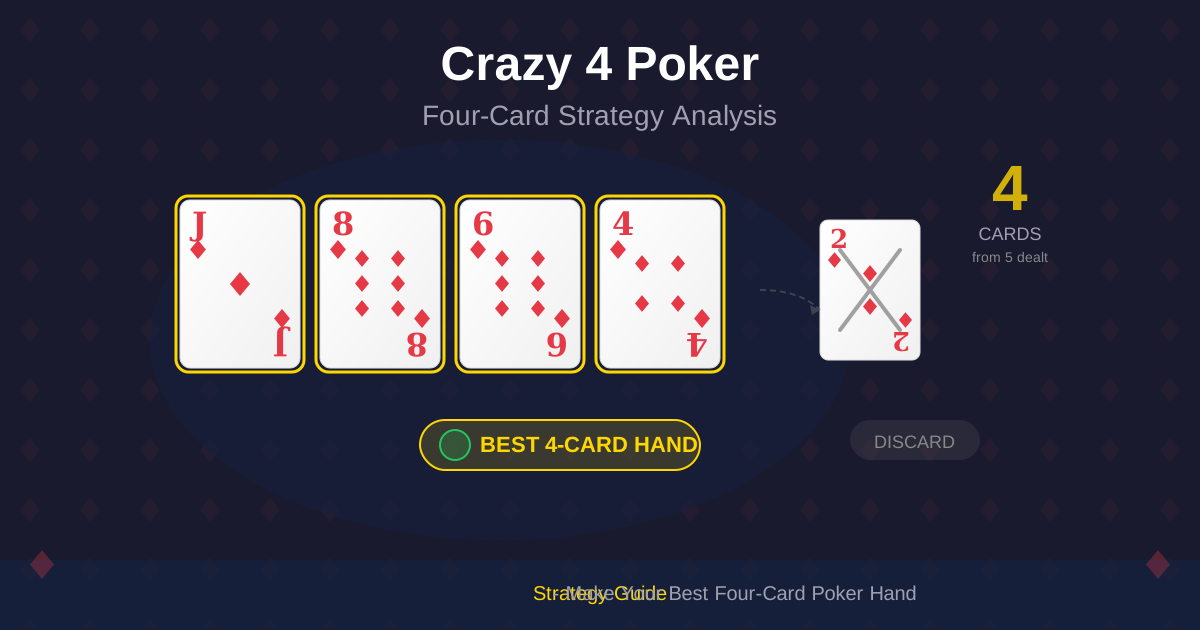
Example 2: Four-Card with Jack
Raise 2x:
Dealt: J♦ 8♦ 6♦ 4♦ K♣ Q♣ 2♥

Longest flush: 4 diamonds
J-8-6-4 of diamonds

Action: RAISE 2x

Jack high = 2x threshold
4-card with J+ qualifies
Solid raise
Example 3: Four-Card with 9
Raise 1x only:
Dealt: 9♣ 7♣ 5♣ 3♣ A♠ K♥ Q♦

Longest flush: 4 clubs
9-7-5-3 of clubs

Action: RAISE 1x

9 high = minimum raise
Not strong enough for 2x
But better than fold
Example 4: Weak Four-Card
Fold:
Dealt: 8♥ 6♥ 4♥ 2♥ A♠ K♦ Q♣

Longest flush: 4 hearts
8-6-4-2 of hearts

Action: FOLD

8 high 4-card = fold
Loses too often to higher 4s
Save the raise bet
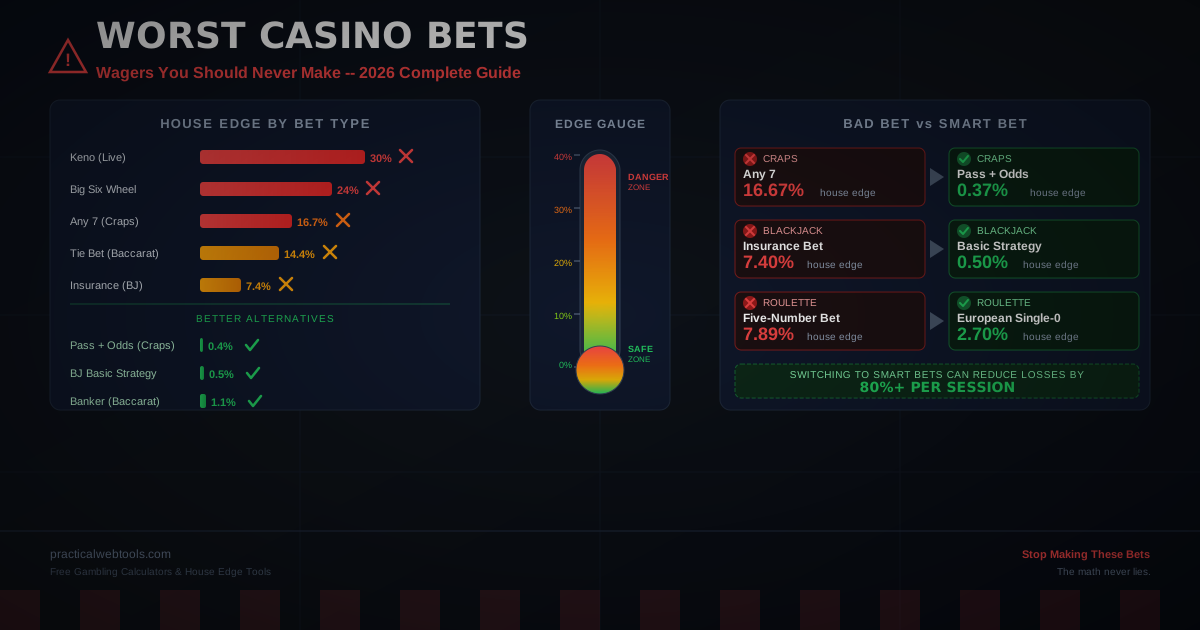
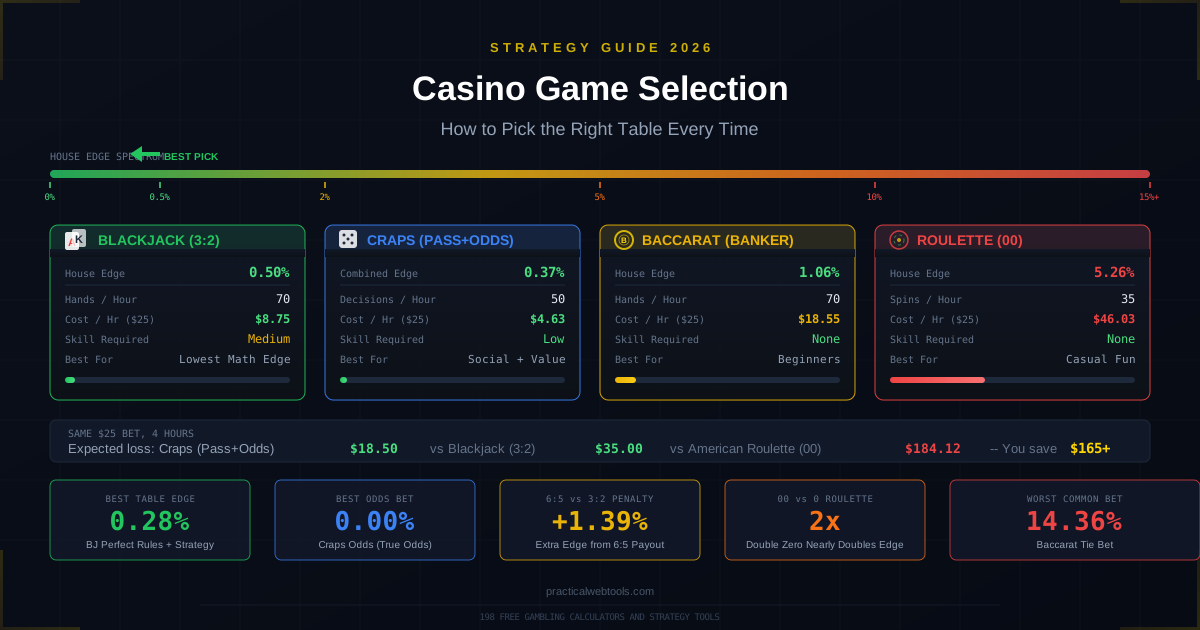
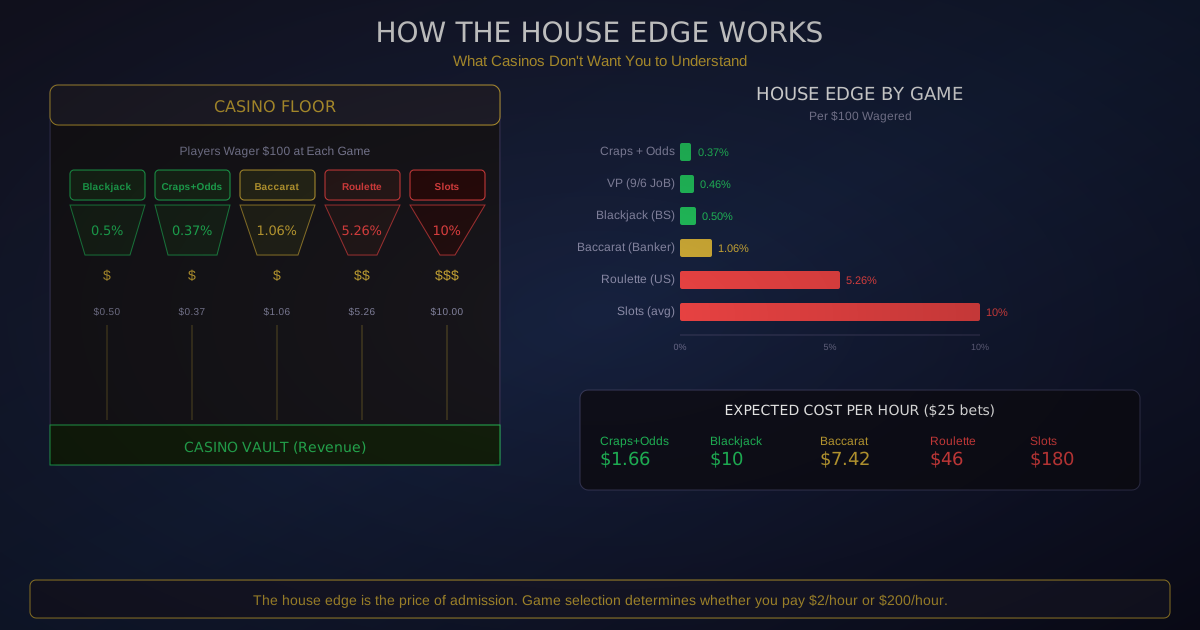
House Edge Analysis
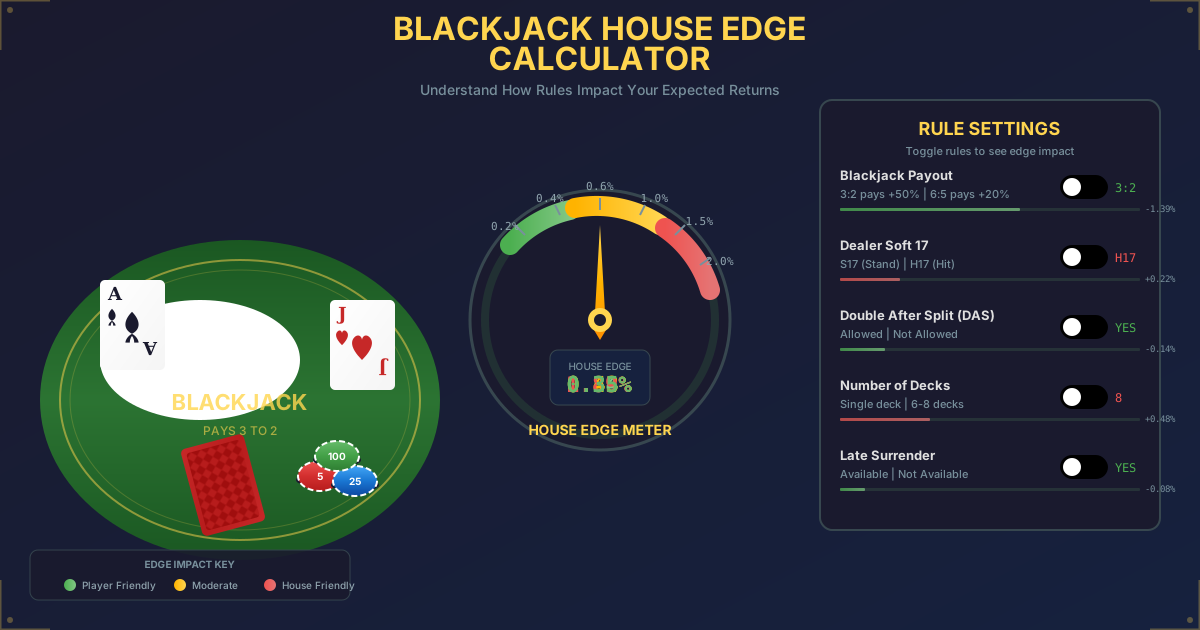
Optimal Play Edge
With perfect strategy:

House edge: 2.7%

Compare to:
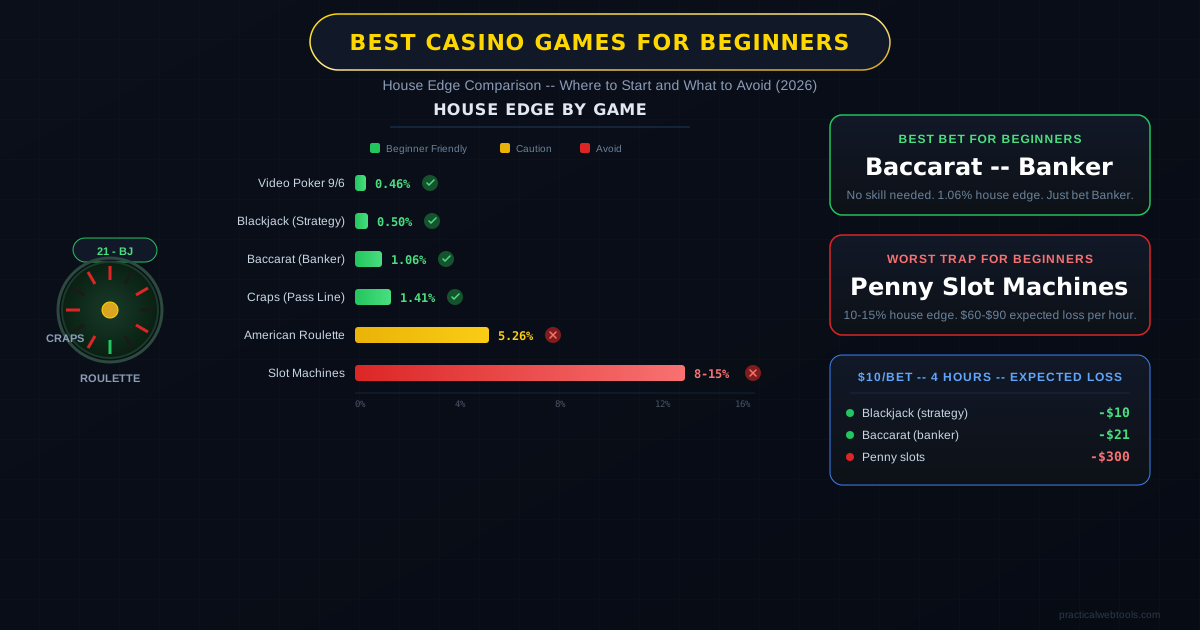
Blackjack: 0.5%
Three Card Poker: 3.4%
Caribbean Stud: 5.2%

Very competitive edge
One of better table games
Where Edge Comes From
Edge distribution:

Ante bet: ~4%
Raise bet: ~1%
Overall: ~2.7%

Aggressive raising helps
Reduces overall edge
Follow the chart
Probability Analysis
Flush Length Distribution
From 7 cards:

7-card flush: 0.015%
6-card flush: 0.15%
5-card flush: 2.1%
4-card flush: 17%
3-card flush: 48%
No flush (2 or less): 33%

Most hands are 3-4 cards
5+ is notable
6-7 is rare event
Winning Chances
By flush length:

7-card: 100% win
6-card: 99%+ win
5-card: 87% win
4-card J+: 62% win
4-card 9-10: 54% win
4-card 8-: 46% win
3-card: 38% win

Clear correlation
Longer = better
Common Mistakes
1. Raising Weak 4-Card
Mistake: Raising 4-card 7-high Problem: Loses more than half Fix: Fold 8 or lower 4-cards
2. Not Maximizing 5+
Mistake: 1x raise with 5-card flush Problem: Missing value on strong hands Fix: Always 3x with 5+ card flush
3. Playing 3-Card Flushes
Mistake: Raising 3-card flushes Problem: Dealer usually has 4+ Fix: Fold most 3-card hands
4. Ignoring High Cards
Mistake: Treating all 4-cards same Problem: J+ vs 8 is huge difference Fix: Check high card for 4-card decisions
Frequently Asked Questions
What if I have two flushes of same length?
Use whichever has higher cards. A-K-Q-7 of hearts beats K-Q-J-10 of clubs (ace high wins).
How often do I get a 6-7 card flush?
About 0.17% combined—roughly once per 600 hands. Rare but exciting.
Should I play the bonus bets?
6-8% edge is moderate. Small bet for entertainment is fine. Don't make it significant.
Why fold 3-card flushes?
Dealer has 4+ card flush about 50% of time. Your 3-card loses to any 4+. Not worth risking raise bet.
How does this compare to other poker games?
2.7% edge is excellent for casino poker. Only Pai Gow and Blackjack are notably better.
Is there counting potential?
Minimal. Seven random cards per hand. Little information carries over.
Pro Tips
-
5+ cards = 3x: No exceptions
-
4-card needs J+: For 2x raise
-
Fold 8-high 4-cards: Save the raise
-
3-cards = fold: Almost always
-
Memorize the chart: Quick decisions
Related Calculators
- Three Card Poker Calculator - Similar structure
- Caribbean Stud Calculator - Full poker hands
- Four Card Poker Calculator - Four-card focus
- House Edge Calculator - Compare games
- Expected Value Calculator - Bet analysis
Conclusion
High Card Flush offers a unique flush-focused poker variant with competitive 2.7% house edge. Our calculator reveals why flush length is everything, how high cards matter for 4-card decisions, and the exact thresholds that separate raising from folding.
Calculate High Card Flush Odds Now →
Your 4-card jack-high flush deserves a 2x raise, but that 4-card 8-high should be folded. Our calculator shows the precise strategy that minimizes the house edge in this flush-based game.