ICM Calculator: Tournament Equity Guide (2026)
ICM Calculator: Convert Tournament Chips to Real Money Equity
In tournament poker, chips aren't worth face value—they translate to prize money through the Independent Chip Model (ICM). Our free ICM calculator shows your true dollar equity at any point in a tournament, helping you make mathematically correct decisions at bubbles and final tables.
What Is ICM (Independent Chip Model)?
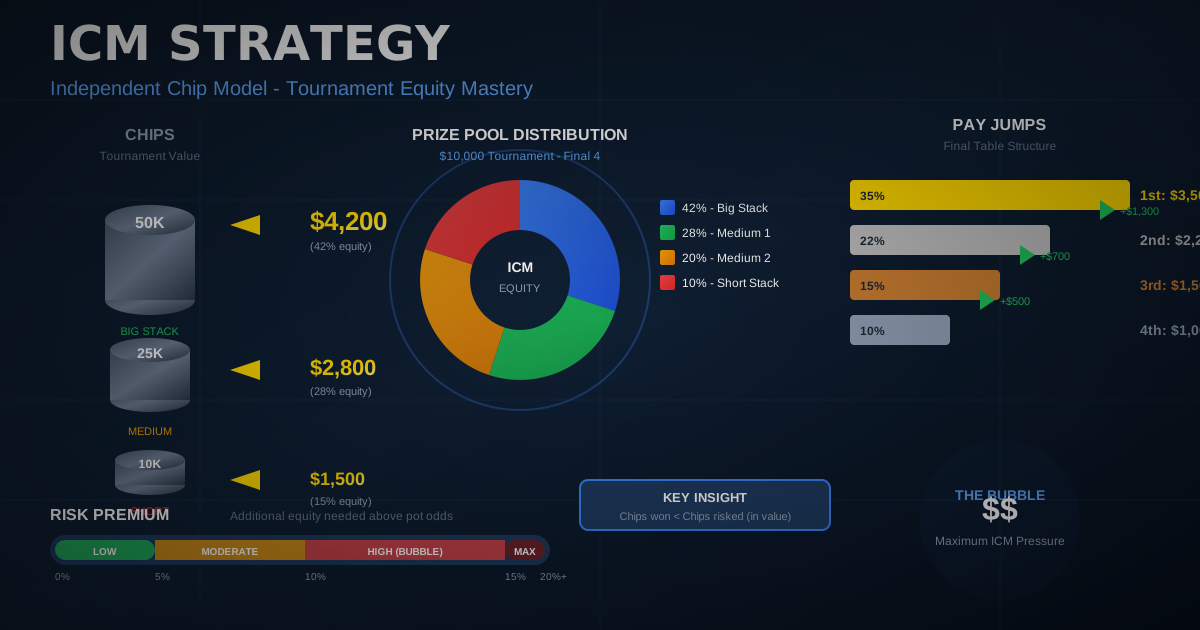
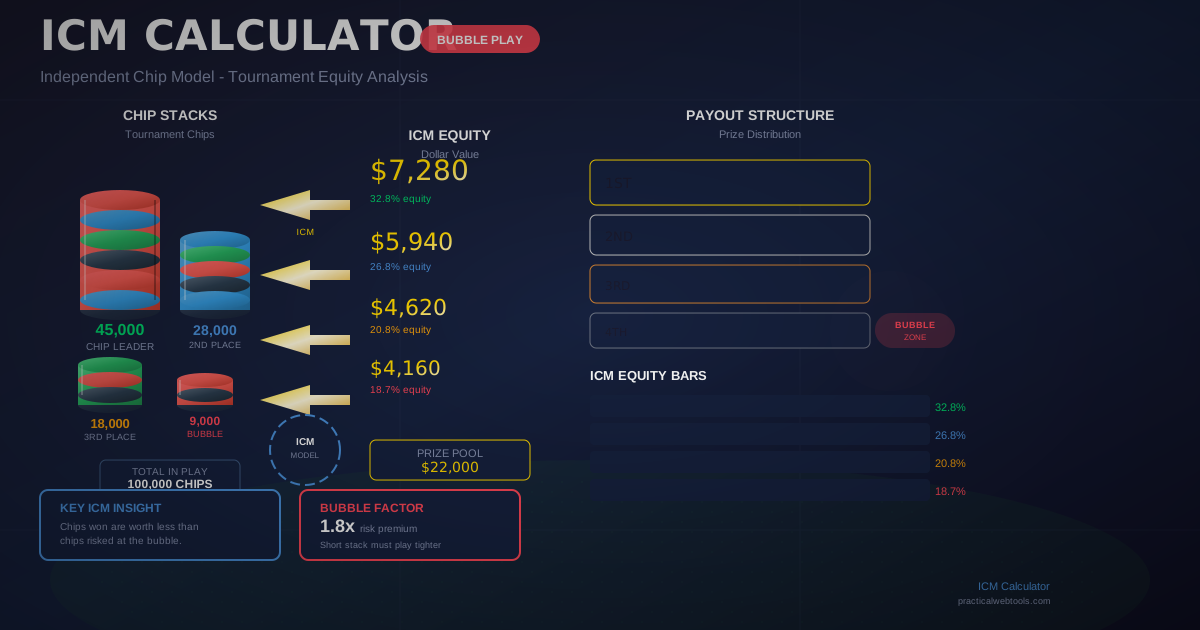
ICM is a mathematical model that calculates the probability of each player finishing in each position based on stack sizes, then converts those probabilities into expected prize money.
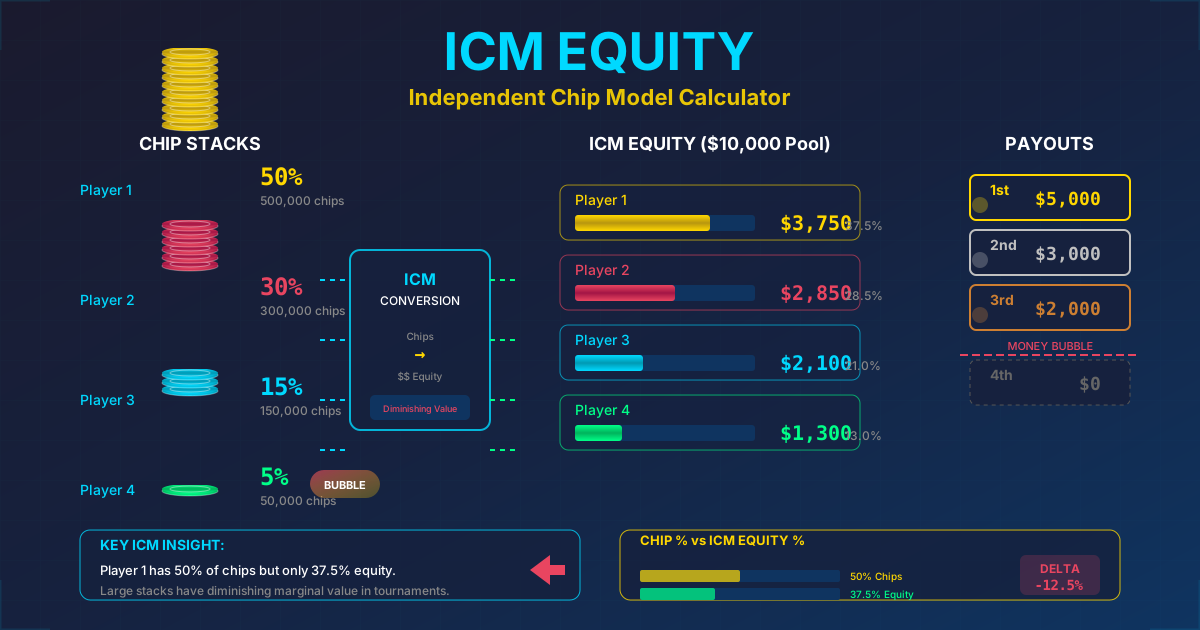
Quick Answer: ICM calculates your tournament equity in real dollars, not chips. A player with 50% of the chips doesn't win 50% of the prize pool—ICM accounts for the fact that chip leaders can't win more than first place, while short stacks still have equity in lower payouts.
How to Use Our Free ICM Calculator
Enter stack sizes and prize structure to instantly see each player's dollar equity.
Step-by-Step Instructions
-
Enter Stack Sizes: Input each player's chip count remaining in the tournament
-
Enter Prize Structure: Add the payouts for each finishing position
-
Calculate ICM Equity: See each player's expected value in dollars
-
Analyze Decisions: Compare chip EV vs. dollar EV for specific spots
Input Fields Explained
| Field | Description | Example |
|---|---|---|
| Player Stacks | Chips each player holds | 50K, 30K, 20K |
| 1st Place Prize | Winner's payout | $10,000 |
| 2nd Place Prize | Runner-up payout | $6,000 |
| 3rd Place Prize | Third place payout | $4,000 |
ICM Calculation Example
3-Player Final Table
Stacks: Player A: 50,000 | Player B: 30,000 | Player C: 20,000
Prizes: 1st: $10,000 | 2nd: $6,000 | 3rd: $4,000
ICM Equity Calculation:
| Player | Chips | % of Chips | ICM Equity | % of Prize Pool |
|---|---|---|---|---|
| A | 50,000 | 50% | $7,750 | 38.75% |
| B | 30,000 | 30% | $6,450 | 32.25% |
| C | 20,000 | 20% | $5,800 | 29.00% |
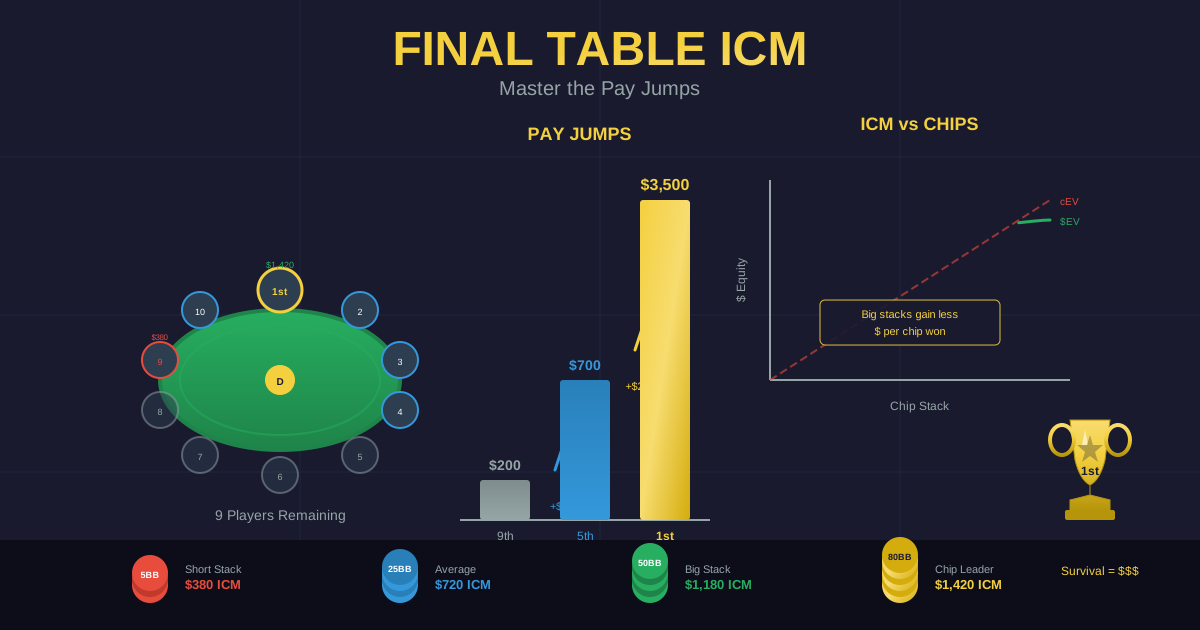
Notice how Player A has 50% of the chips but only 38.75% of the equity. This is the core ICM principle: chip leaders have diminishing returns because they can't win more than first place, while shorter stacks have "floor protection" from guaranteed payouts.
How ICM Affects Poker Decisions
The Bubble Factor
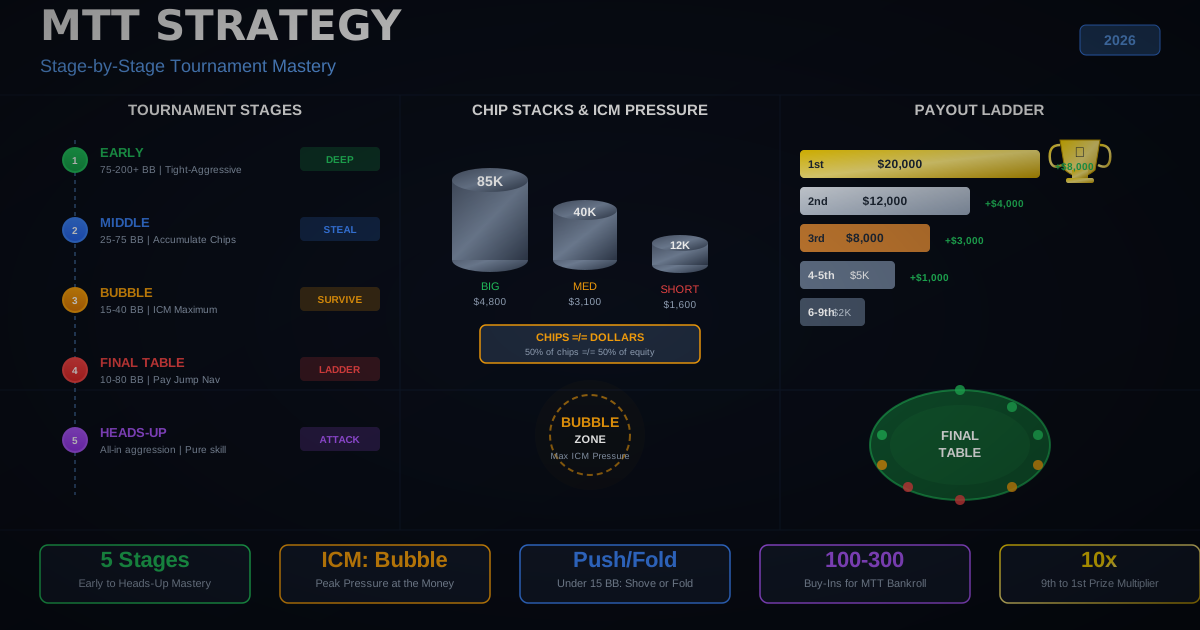
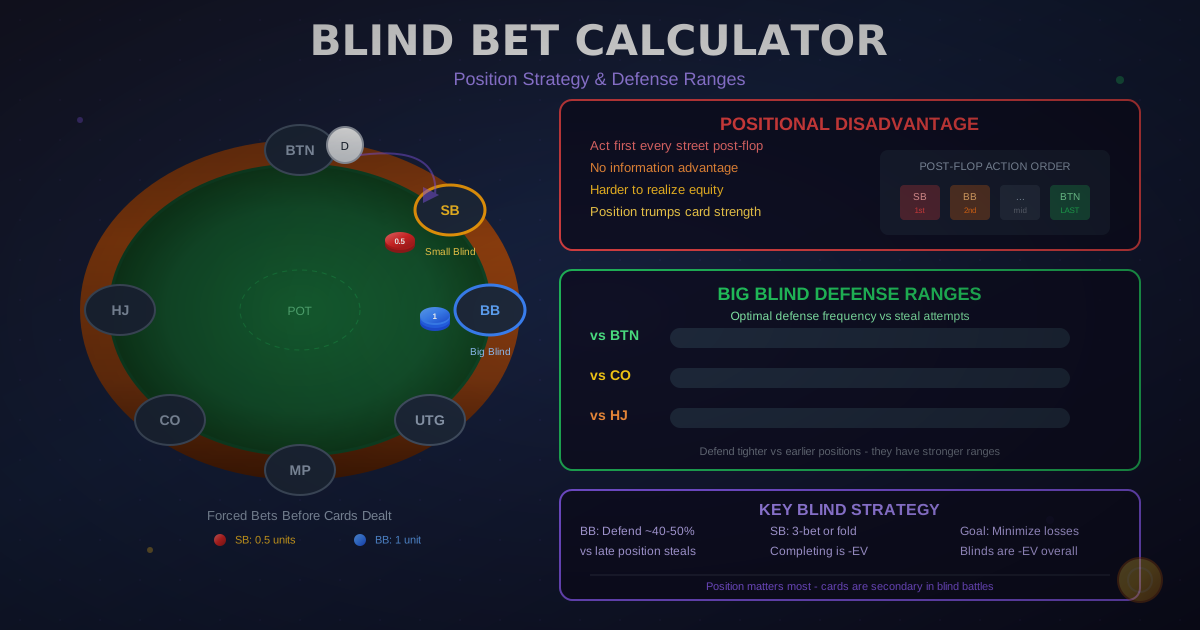
At tournament bubbles, ICM pressure is extreme. The jump from "bubble boy" ($0) to min-cash can be thousands of dollars. This changes optimal strategy dramatically:
- Big stacks can apply maximum pressure—they risk the least equity per chip
- Medium stacks must tighten up significantly—busting costs more than winning gains
- Short stacks have less to lose—sometimes can take larger risks
Chip EV vs. Dollar EV
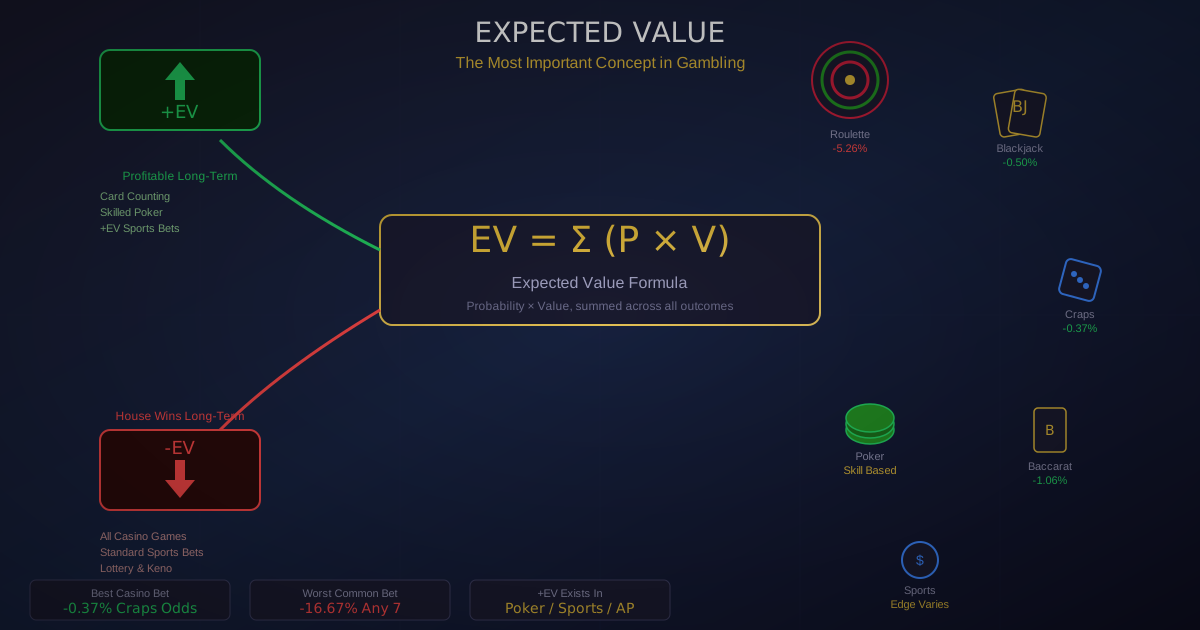
In cash games, chip EV equals dollar EV. In tournaments, they diverge:
Example: You're on the bubble with a medium stack. A +chip EV all-in might be -dollar EV because:
- Winning doubles your chips but less than doubles your equity
- Losing eliminates you when min-cashing is guaranteed if you fold
Final Table ICM
Final table decisions require constant ICM awareness:
- Pay jumps matter: The difference between 6th and 5th might be $5,000
- Short stacks add equity: When two big stacks clash, short stacks gain equity
- Laddering is valuable: Sometimes surviving one more elimination is worth more than accumulating chips
Real-World ICM Scenarios
Scenario 1: Bubble All-In Decision
Situation: 4 players remain, 3 get paid. You have 25BB in the big blind. The button (40BB) shoves. Small blind (15BB) folds.
Without ICM (Chip EV): Call with any hand with 35%+ equity against button's range.
With ICM (Dollar EV): You need significantly more equity to call. The short stack (15BB) is almost guaranteed to min-cash if you bust. You might need 45%+ equity depending on stack distribution and pay jumps.
Scenario 2: Short Stack Shove
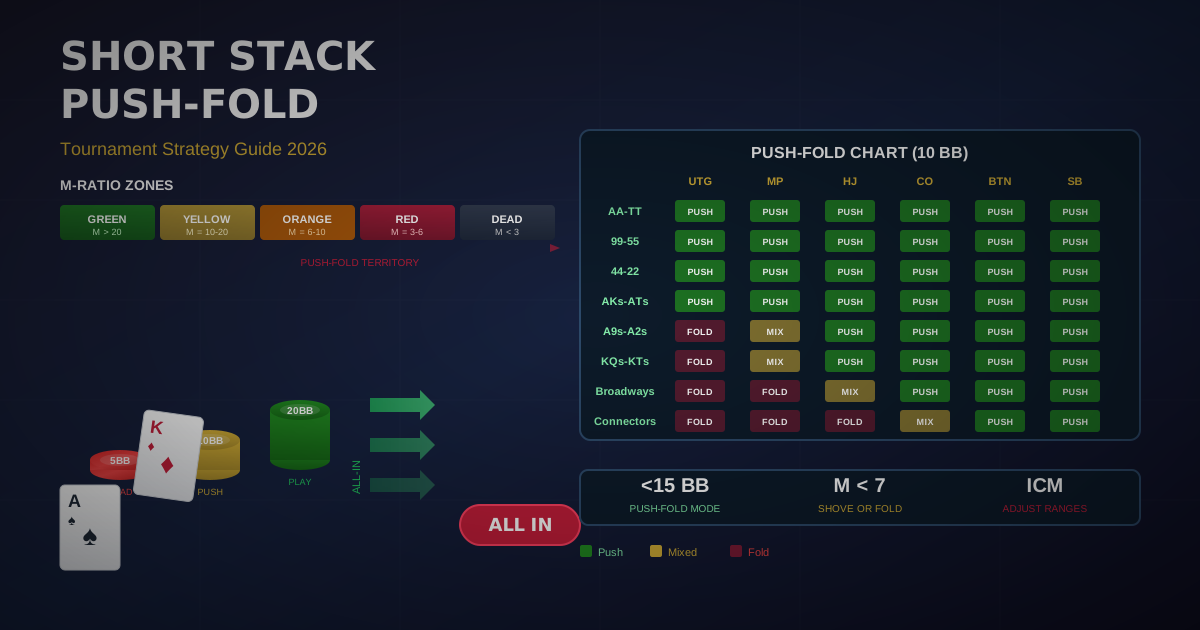
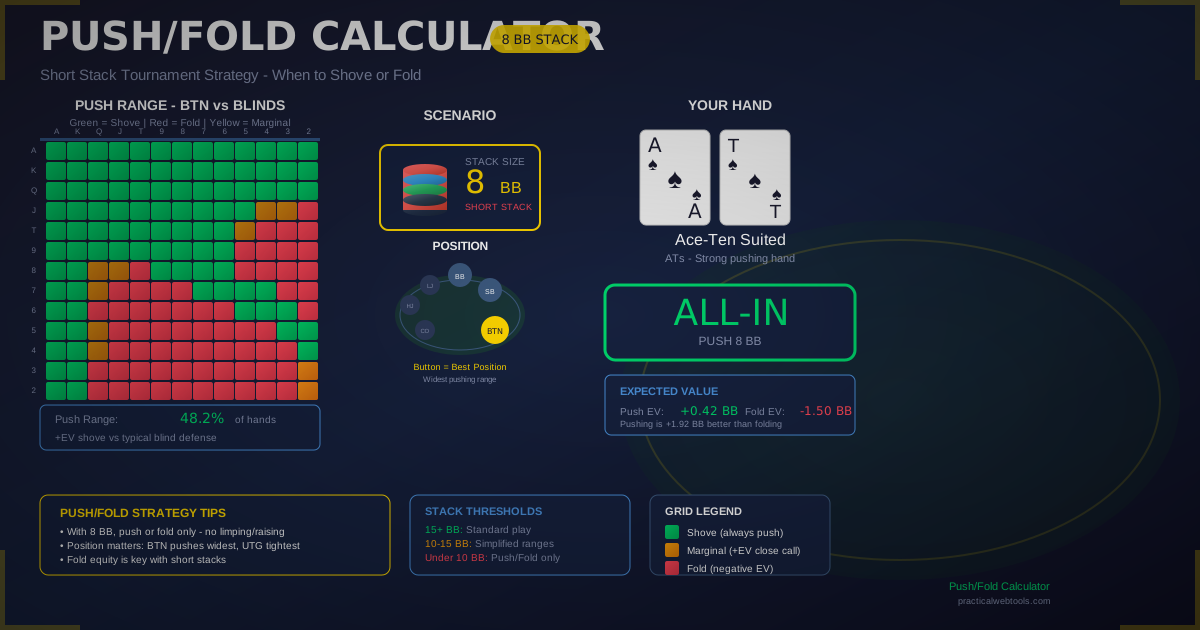
Situation: You're the short stack (8BB) with 5 players left. UTG raises, everyone folds to you in the big blind with A7o.
Without ICM: Easy reshove—A7o has great equity and fold equity.
With ICM: Still likely a shove, but closer than it appears. If UTG is a big stack, they'll call wide knowing you're desperate. However, short stacks have the most "freedom" to gamble under ICM because their equity floor is low.
Scenario 3: Big Stack vs. Big Stack
Situation: Two players each have 40% of chips, two short stacks have 10% each. The other big stack shoves into you with a marginal hand.
Without ICM: Standard call if you have proper equity.
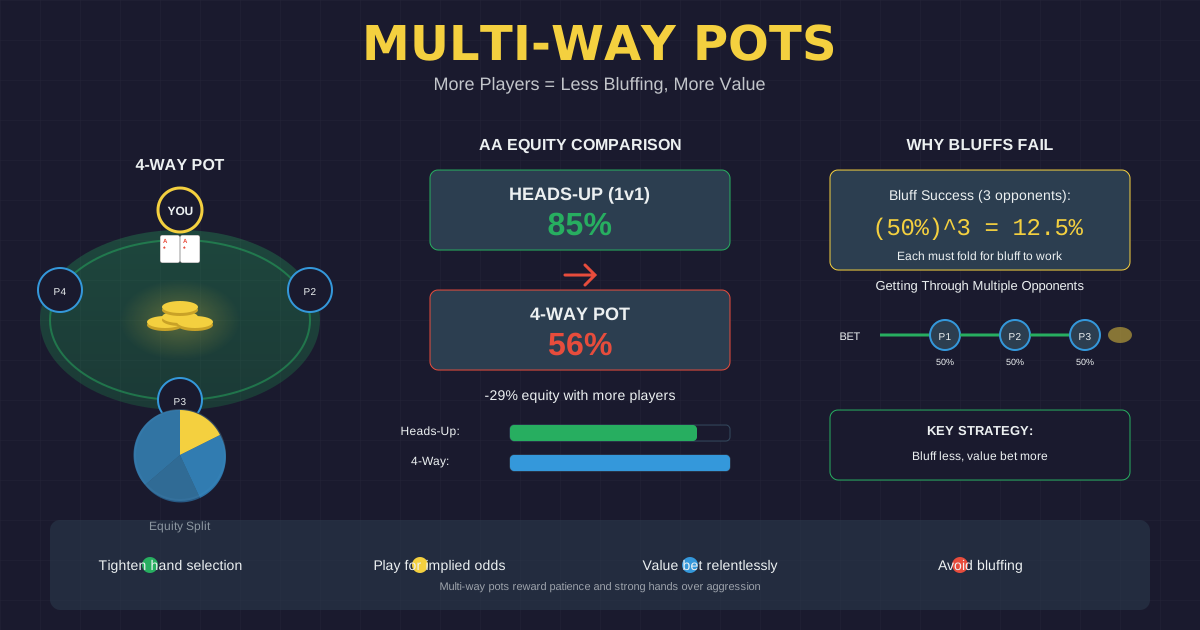
With ICM: This is a disaster spot! If you call and lose, you become the short stack. If you call and win, you don't gain proportional equity because the prize pool is capped. Meanwhile, both short stacks gain massive equity from watching big stacks clash. Consider folding hands you'd snap-call in a cash game.
ICM Mistakes to Avoid
-
Ignoring Stack Depth Distribution: ICM pressure changes based on all stack sizes, not just yours. Two short stacks create different dynamics than one short stack.
-
Playing Chip EV at Final Tables: Final table decisions are almost never chip EV. Always consider dollar implications.
-
Not Adjusting on Bubbles: The bubble is where ICM matters most. Tighten up if you're a medium stack; apply pressure if you're big.
-
Overvaluing Chip Accumulation: Doubling your chips doesn't double your equity. Sometimes preserving stack is better than marginal +chip EV spots.
-
Ignoring Pay Jumps: Know the payout structure. Is the jump from 5th to 4th worth $1,000 or $10,000? This changes everything.
Frequently Asked Questions
What's the difference between ICM and chip EV?
Chip EV treats chips as direct dollar values (like cash games). ICM converts chips to actual expected prize money. In tournaments, 1 chip ≠ 1 dollar equivalent because of payout structures.
Does ICM apply in cash games?
No. In cash games, chip EV equals dollar EV directly. ICM only applies to tournament situations with predetermined prize structures.
When does ICM matter most?
ICM impact increases as you approach the money and continues through the final table. The bubble and final table pay jumps are where ICM decisions most dramatically affect expected value.
Should recreational players worry about ICM?
ICM is important for anyone playing tournaments seriously. Even basic understanding helps—know that medium stacks should tighten on bubbles and big stacks can pressure. Detailed calculations can wait until you're competing for significant prizes.
How do deal negotiations use ICM?
When final table players discuss chopping, ICM equity is often the starting point for negotiations. Players then negotiate adjustments based on skill differentials or other factors.
Is ICM perfectly accurate?
ICM has limitations—it assumes all players are equally skilled and that chip value is the only factor. Real tournaments have skill edges, position considerations, and blind structures that ICM doesn't capture. It's a model, not perfect truth.
Bubble Factor Explained
Bubble factor measures ICM pressure by comparing the cost of losing chips to the benefit of gaining chips:
Bubble Factor = ($ lost when you lose) / ($ gained when you win)
Example: If losing a 50/50 costs you $3,000 in equity but winning only gains $1,000, your bubble factor is 3.0. You'd need 75% equity (not 50%) to break even!
| Bubble Factor | Required Equity for 50/50 |
|---|---|
| 1.0 | 50% (no ICM pressure) |
| 1.5 | 60% |
| 2.0 | 67% |
| 3.0 | 75% |
| 4.0 | 80% |
Pro Tips for ICM Play
-
Know the Pay Structure Cold: Before reaching the bubble, memorize pay jumps. Know exactly what each elimination is worth.
-
Identify Stack Categories: Constantly assess who's the chip leader, who's desperate, who's medium. Your strategy changes based on the entire table.
-
Pressure Short Stacks Appropriately: If you're big stacked, attack medium stacks on the bubble. They can't call without premium hands.
-
Don't Punt Equity: As a medium stack, avoid marginal spots against big stacks. Survival equity is real.
-
Use ICM Calculators Post-Session: Review key hands with ICM analysis to learn from your decisions.
Advanced ICM Concepts
FGS (Future Game Simulation)
FGS improves on ICM by accounting for future play and skill edges. While ICM assumes tournament ends immediately, FGS models ongoing play.
Risk Premium
Beyond ICM, risk premium accounts for losing your opportunity to outplay opponents. Better players have additional equity ICM doesn't capture.
ICM Spots to Study
Master these common situations:
- Bubble play with various stack distributions
- Final table short vs. big stack all-ins
- Heads-up ICM (1st vs. 2nd prize differences)
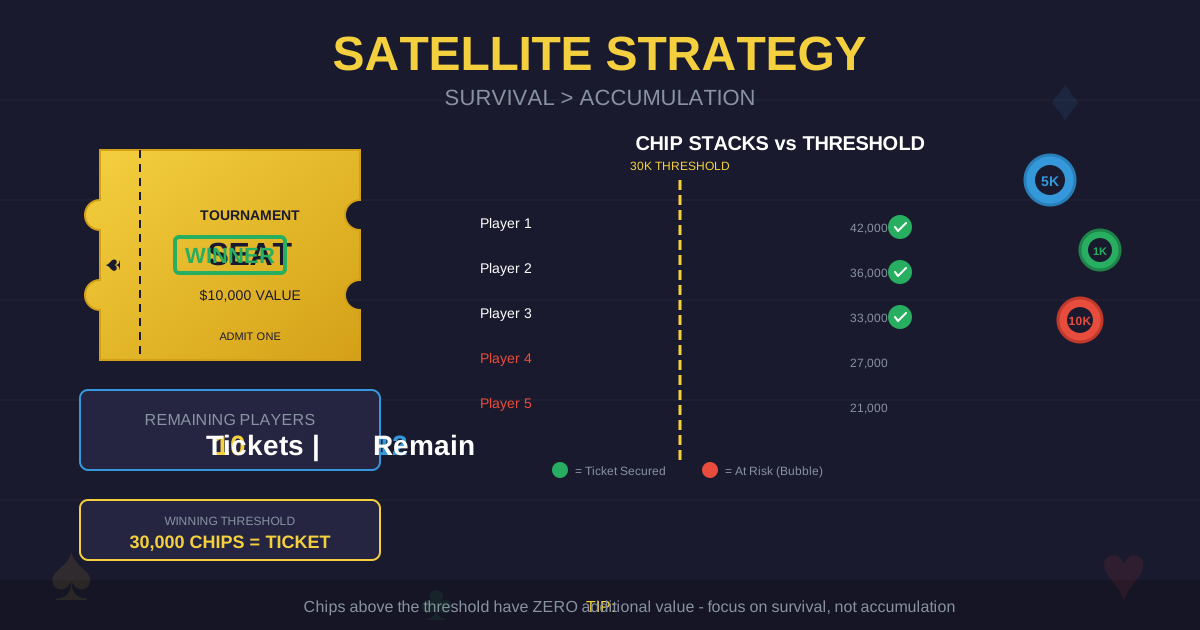
- Satellite bubbles (all min-cashes equal)
Related Tournament Calculators
- Push/Fold Calculator - Optimal short stack ranges
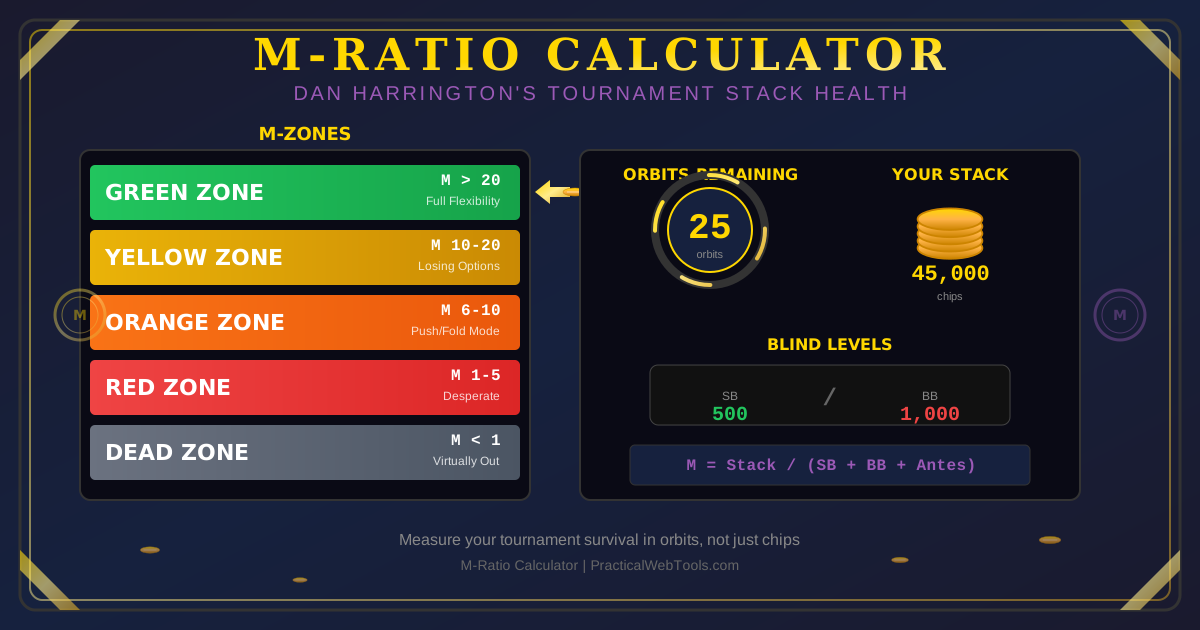
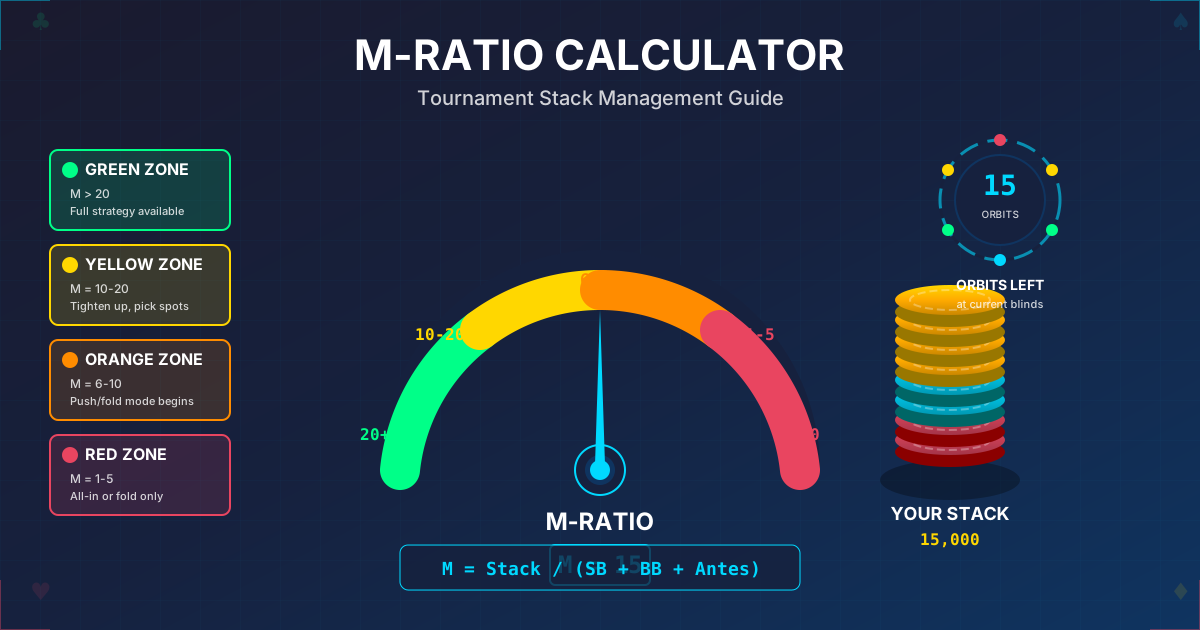
- M-Ratio Calculator - Tournament urgency measurement
- Tournament Payout Calculator - Prize distribution
- Poker Equity Calculator - Hand vs. hand analysis
- Bubble Factor Calculator - Measure ICM pressure
Conclusion
ICM understanding separates recreational tournament players from serious competitors. When real money is on the line, knowing your dollar equity—not just your chip stack—determines optimal strategy. Our free ICM calculator instantly shows your true tournament equity.
Calculate Your ICM Equity Now →
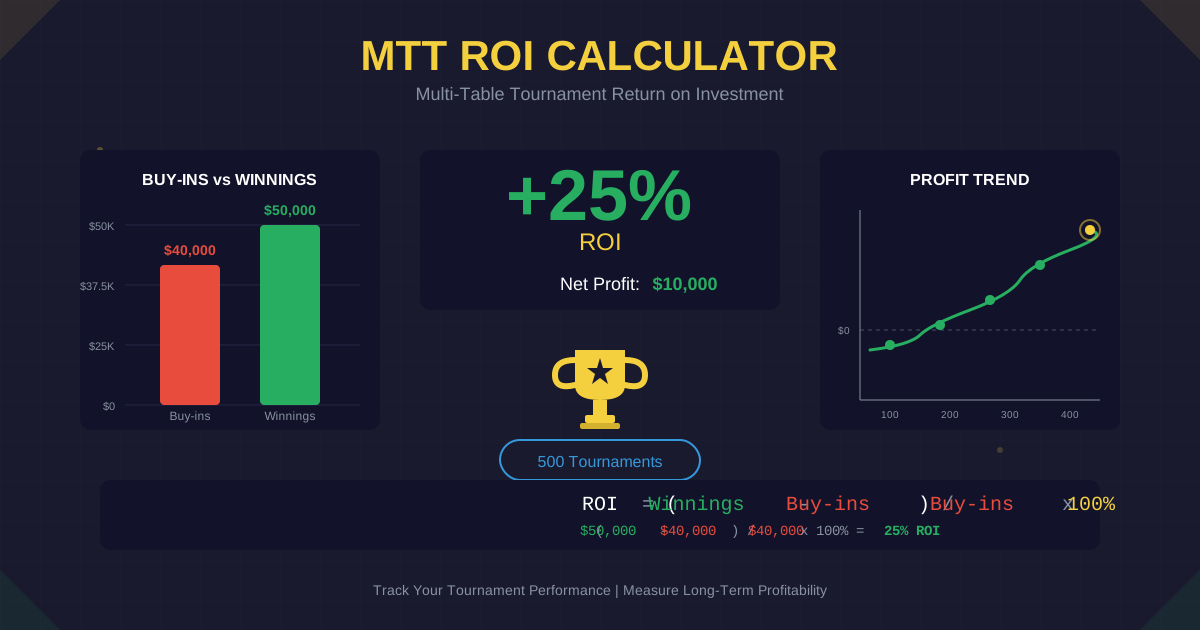
Stop making chip EV plays at final tables and bubbles. Start thinking in dollars, and watch your tournament ROI improve as you make mathematically correct decisions when they matter most.