Implied Probability Calculator: Convert Odds to Percentage (2026)
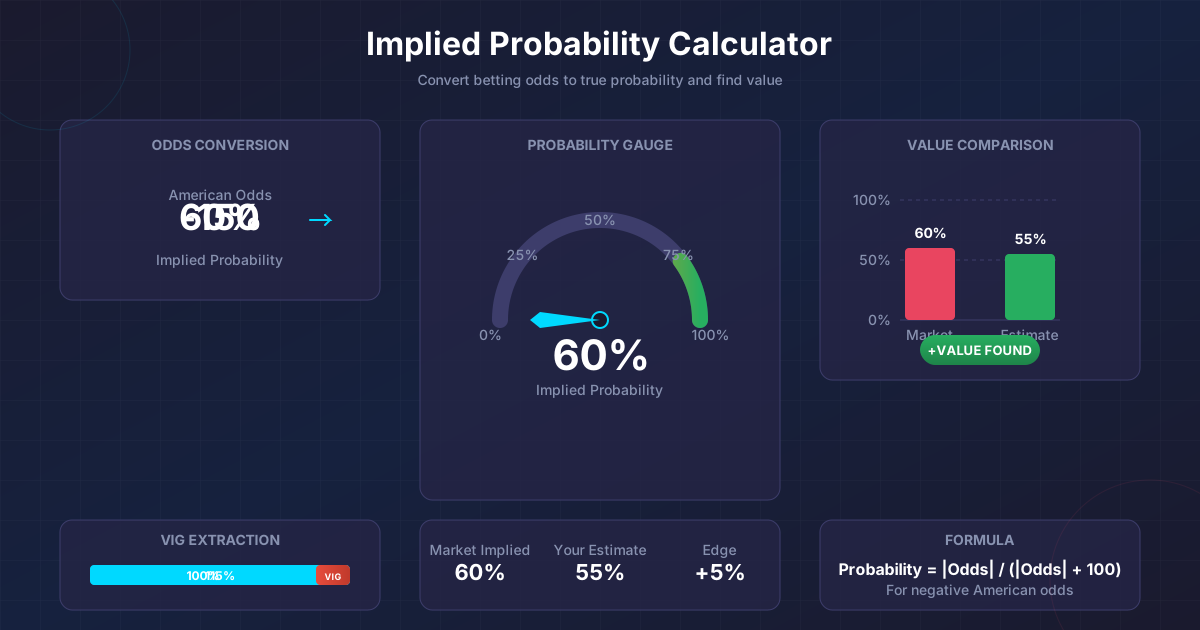
Implied Probability Calculator: Convert Any Odds to Win Percentage
Sportsbooks don't tell you win percentages directly—they show odds. Our free implied probability calculator converts any odds format to a percentage, showing what the market "thinks" will happen. Compare this to your own analysis to find value bets.
What Is Implied Probability?
Implied probability is the win percentage "implied" by betting odds. It tells you what probability the sportsbook (and the betting market) assigns to each outcome.
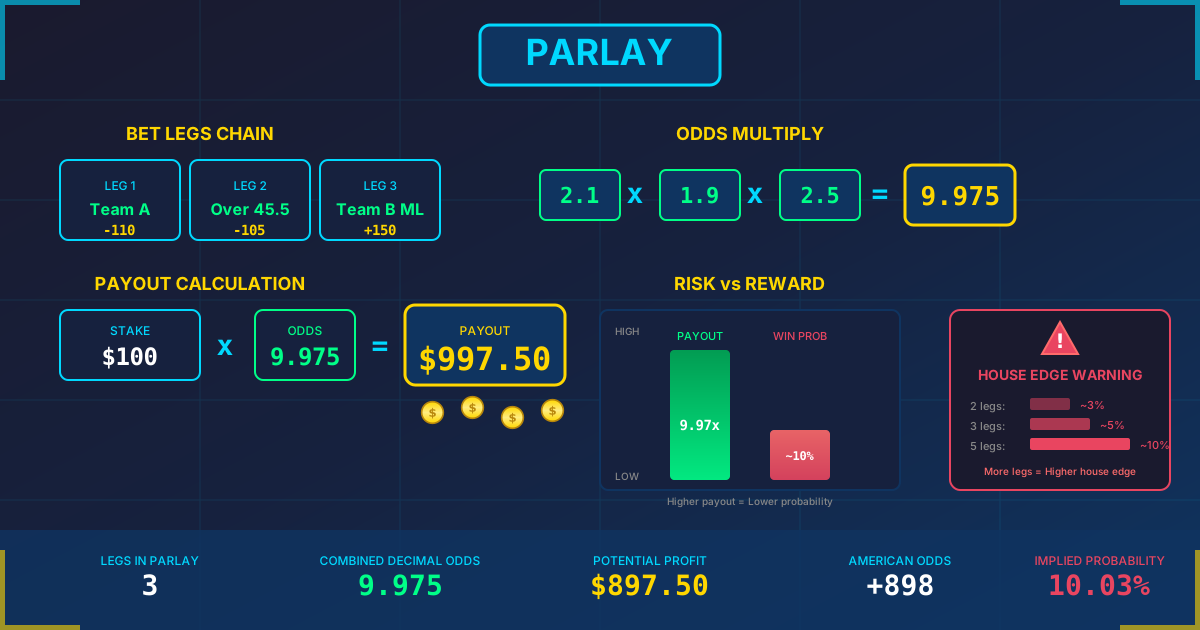
Quick Answer: Implied probability converts odds to a percentage. Odds of -200 imply a 66.7% win probability. Odds of +200 imply a 33.3% win probability. The sum of all outcomes' implied probabilities exceeds 100%—the excess is the sportsbook's margin (vig).
How to Use Our Free Implied Probability Calculator
Use the Implied Probability Calculator →
Enter odds in any format and instantly see the implied probability percentage.
Step-by-Step Instructions
-
Select Odds Format: Choose American, Decimal, or Fractional
-
Enter the Odds: Input the betting line you want to analyze
-
View Implied Probability: See the percentage the market assigns
-
Compare to Your Estimate: Identify if you see value (+EV opportunity)
Input Fields Explained
| Field | Description | Example |
|---|---|---|
| Odds Format | American, Decimal, or Fractional | American |
| Odds Value | The line to convert | -150 |
| Your Estimate | What you think the true probability is | 55% |
Implied Probability Formulas
From American Odds
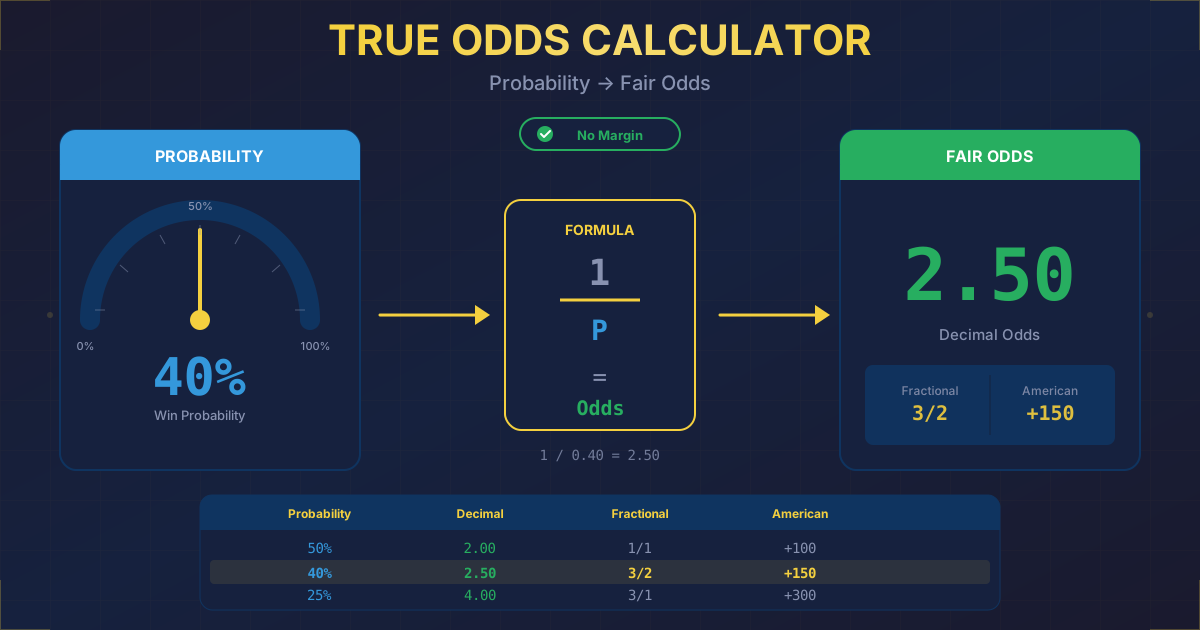
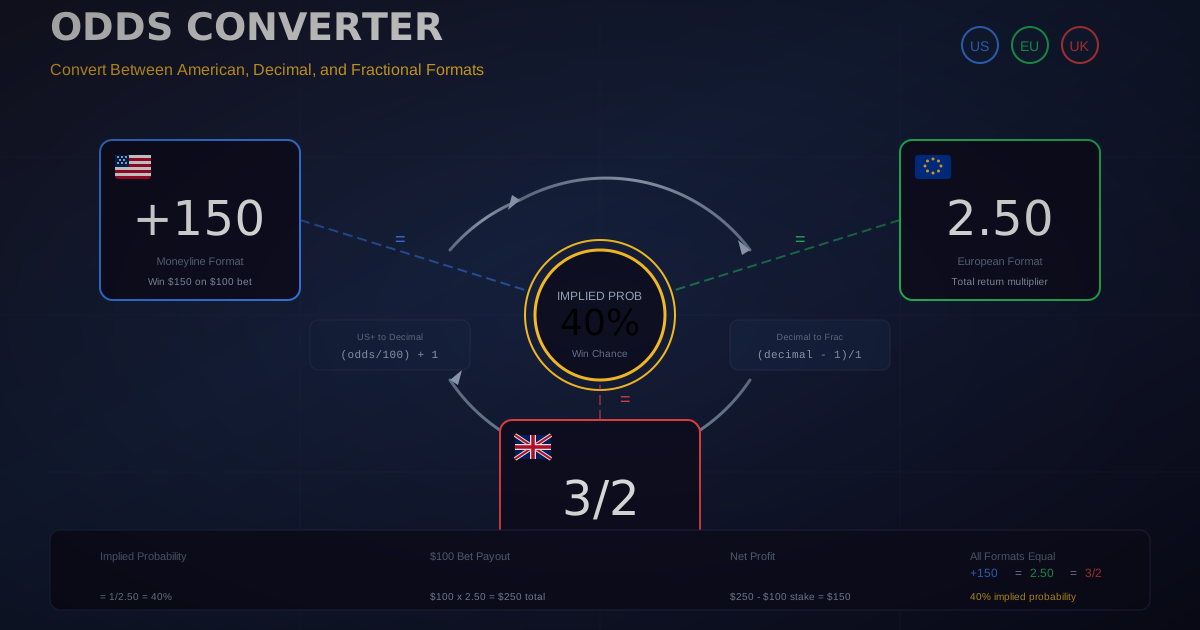
Positive odds (+150):
Implied Probability = 100 / (Odds + 100)
Example: +150 → 100 / (150 + 100) = 100/250 = 40%
Negative odds (-150):
Implied Probability = |Odds| / (|Odds| + 100)
Example: -150 → 150 / (150 + 100) = 150/250 = 60%
From Decimal Odds
Implied Probability = 1 / Decimal Odds
Example: 2.50 → 1 / 2.50 = 40%
From Fractional Odds
Implied Probability = Denominator / (Numerator + Denominator)
Example: 3/2 → 2 / (3 + 2) = 2/5 = 40%
Understanding Implied Probability
The Vig (Vigorish) Explained
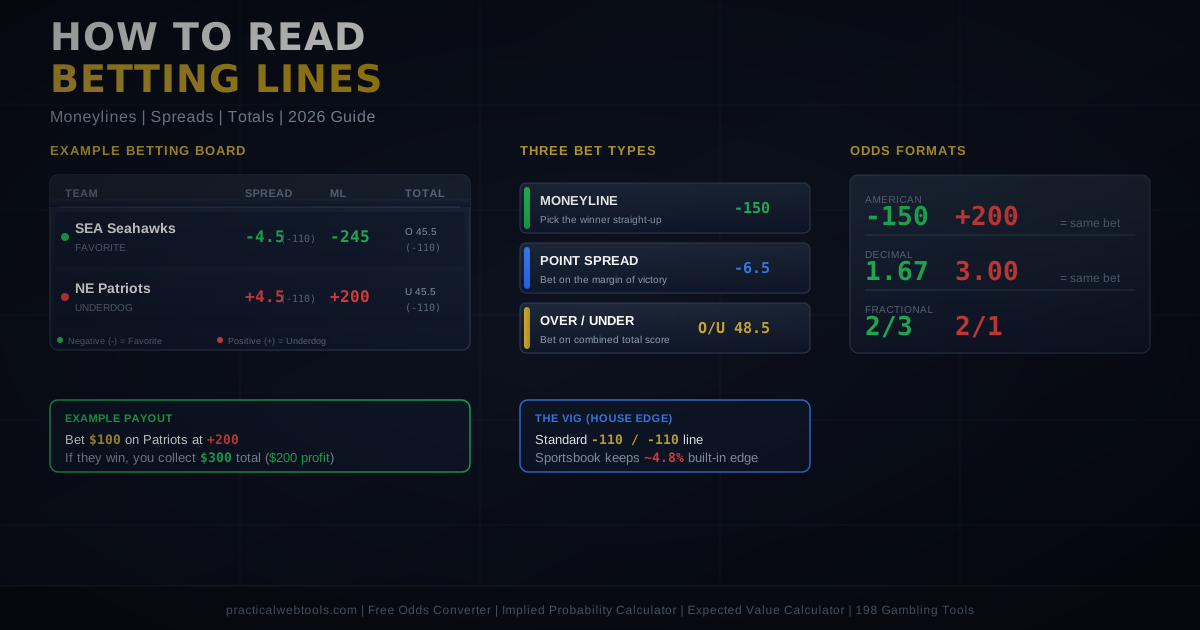
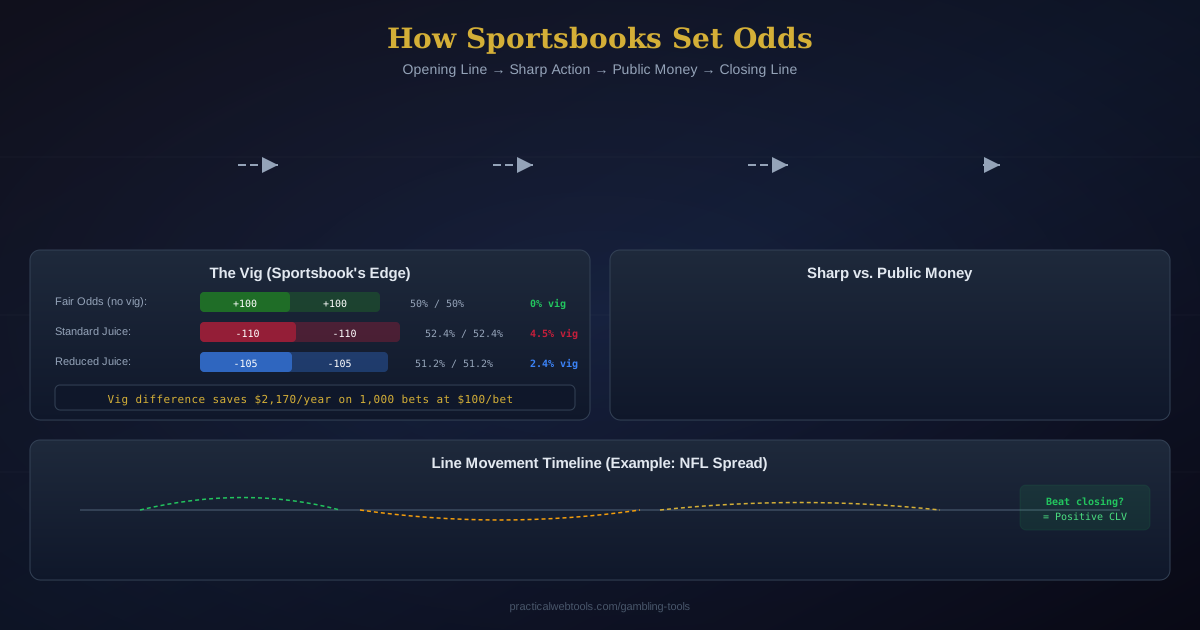
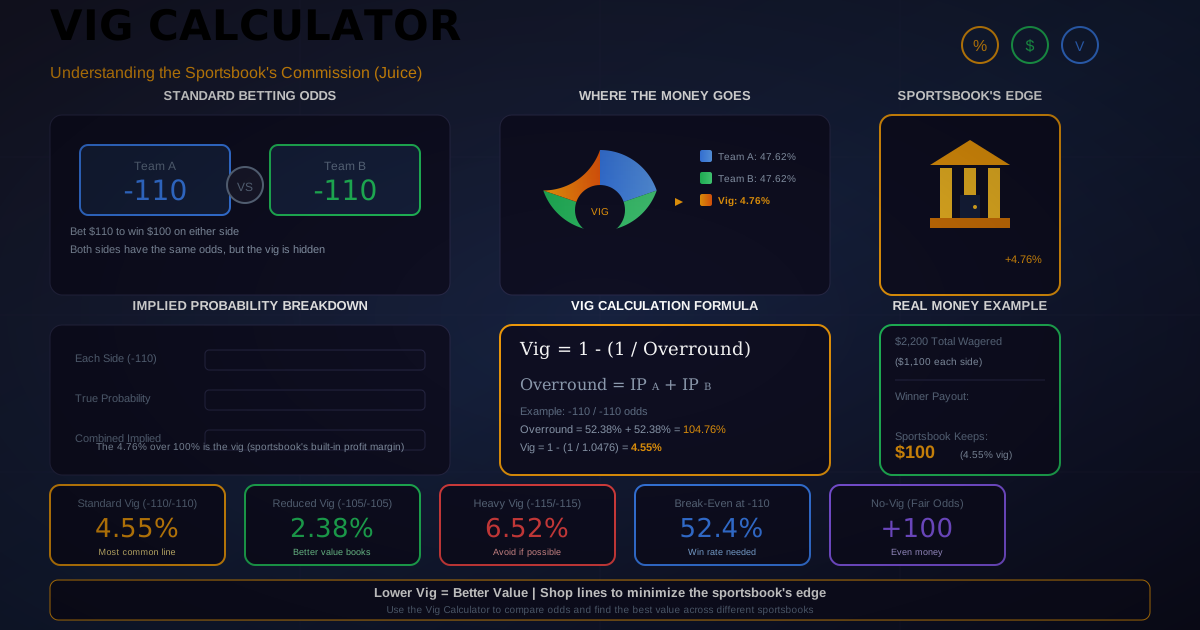
If you add up the implied probabilities of all outcomes in an event, they'll exceed 100%. The excess is the sportsbook's margin:
Example: NFL Game
- Team A: -110 (implied: 52.4%)
- Team B: -110 (implied: 52.4%)
- Total: 104.8%
The 4.8% excess is the vig. True probabilities must sum to 100%.
No-Vig (Fair) Probability
To find the "true" implied probability, remove the vig:
No-Vig Probability = Implied Probability / Sum of All Implied Probabilities
Example:
- Team A implied: 52.4%
- Team B implied: 52.4%
- Team A no-vig: 52.4% / 104.8% = 50%
- Team B no-vig: 52.4% / 104.8% = 50%
This reveals the market sees it as a true coin flip.
Real-World Implied Probability Examples
Example 1: Finding Value
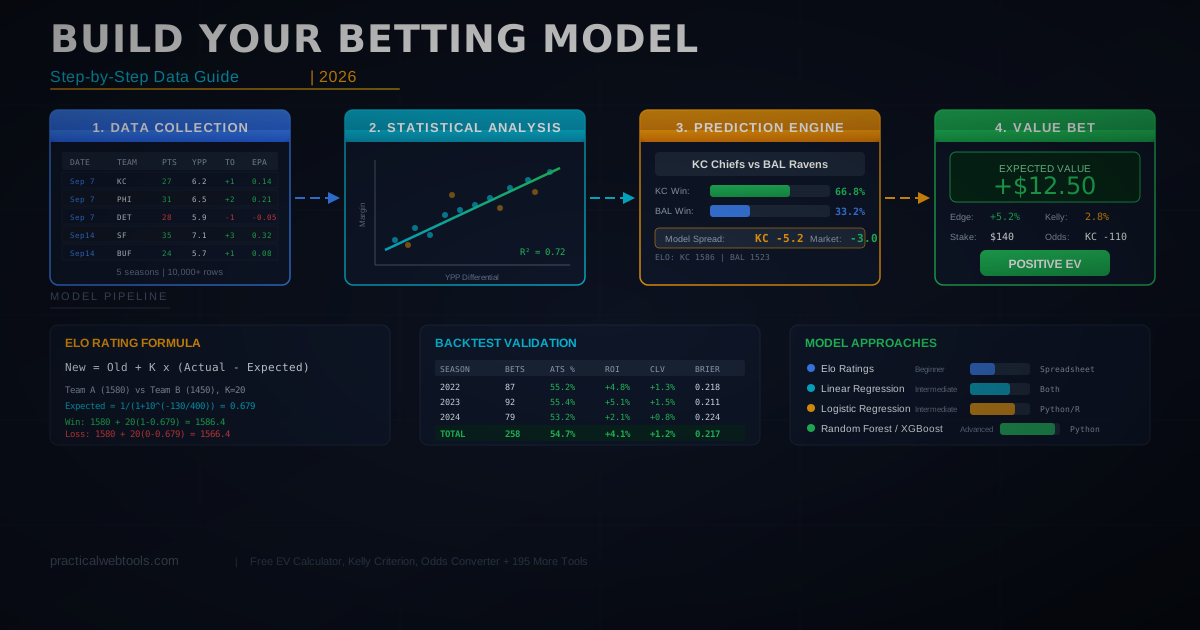
Your analysis: Lakers have a 45% chance to beat the Celtics
Market odds: Lakers +150 (implied 40%)
Conclusion: You see value! Your estimated 45% > implied 40%. This is a potential +EV bet.
Example 2: No Value Here
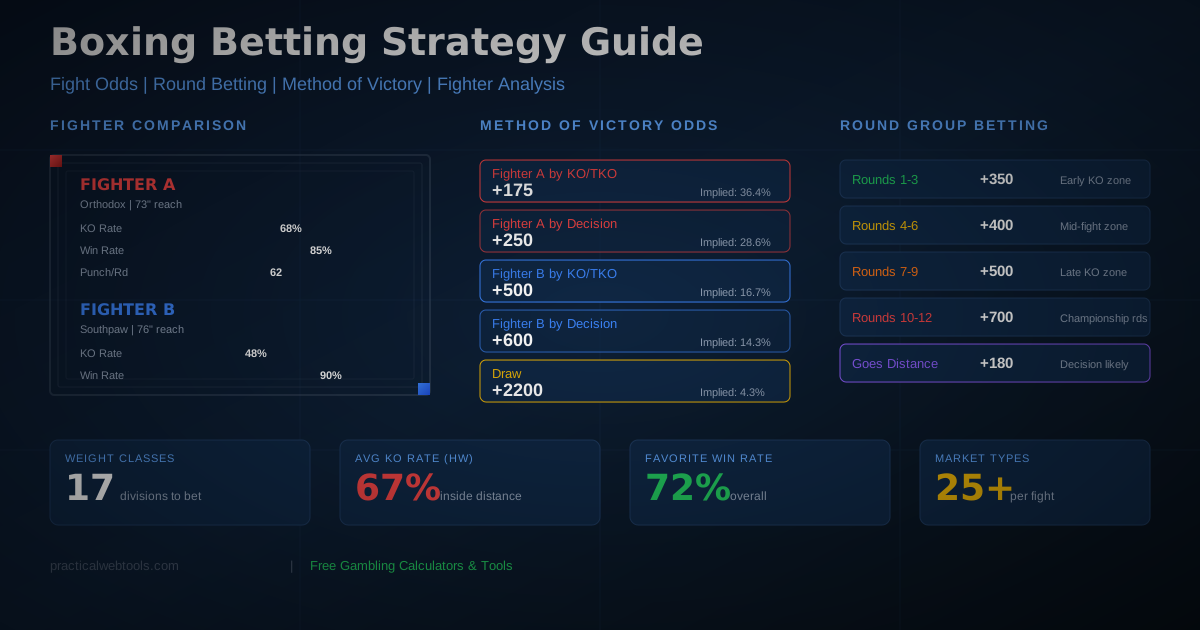
Your analysis: Fighter A has a 75% chance to win
Market odds: Fighter A -350 (implied 77.8%)
Conclusion: No value. Your estimate (75%) is lower than implied (77.8%). The market thinks Fighter A is more likely to win than you do.
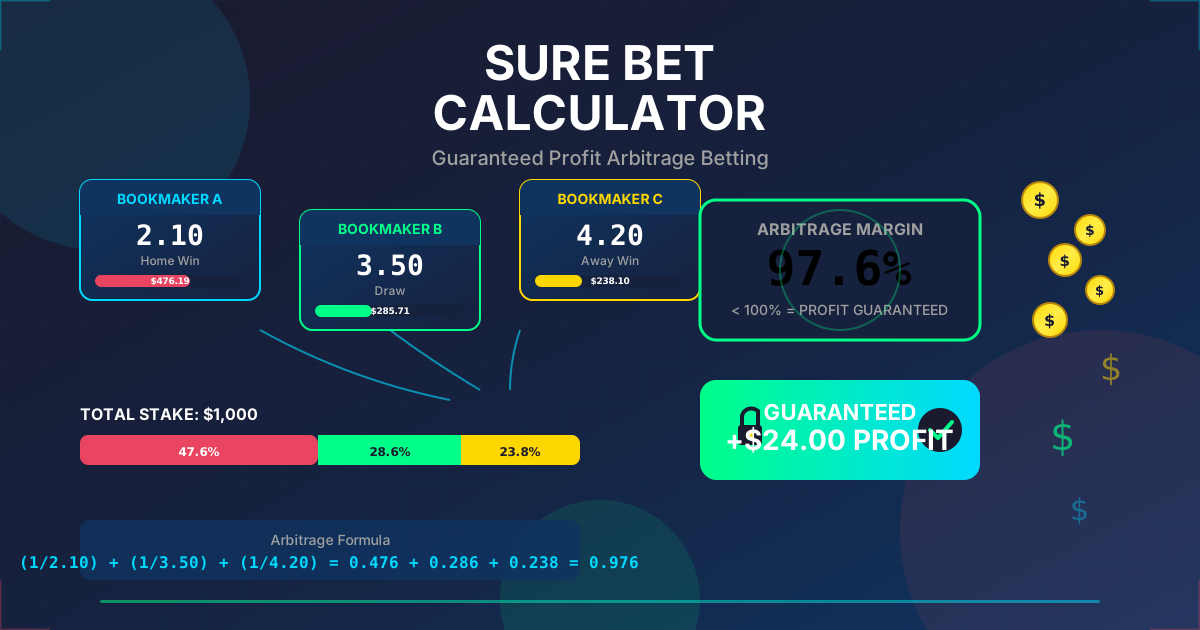
Example 3: Three-Way Market (Soccer)
Match odds:
- Home Win: +150 (implied 40%)
- Draw: +250 (implied 28.6%)
- Away Win: +200 (implied 33.3%)
- Total: 101.9% (1.9% vig)
No-vig probabilities:
- Home: 39.3%
- Draw: 28.1%
- Away: 32.7%
Implied Probability Quick Reference Chart
| American Odds | Decimal | Implied Probability |
|---|---|---|
| +500 | 6.00 | 16.7% |
| +400 | 5.00 | 20.0% |
| +300 | 4.00 | 25.0% |
| +200 | 3.00 | 33.3% |
| +150 | 2.50 | 40.0% |
| +100 | 2.00 | 50.0% |
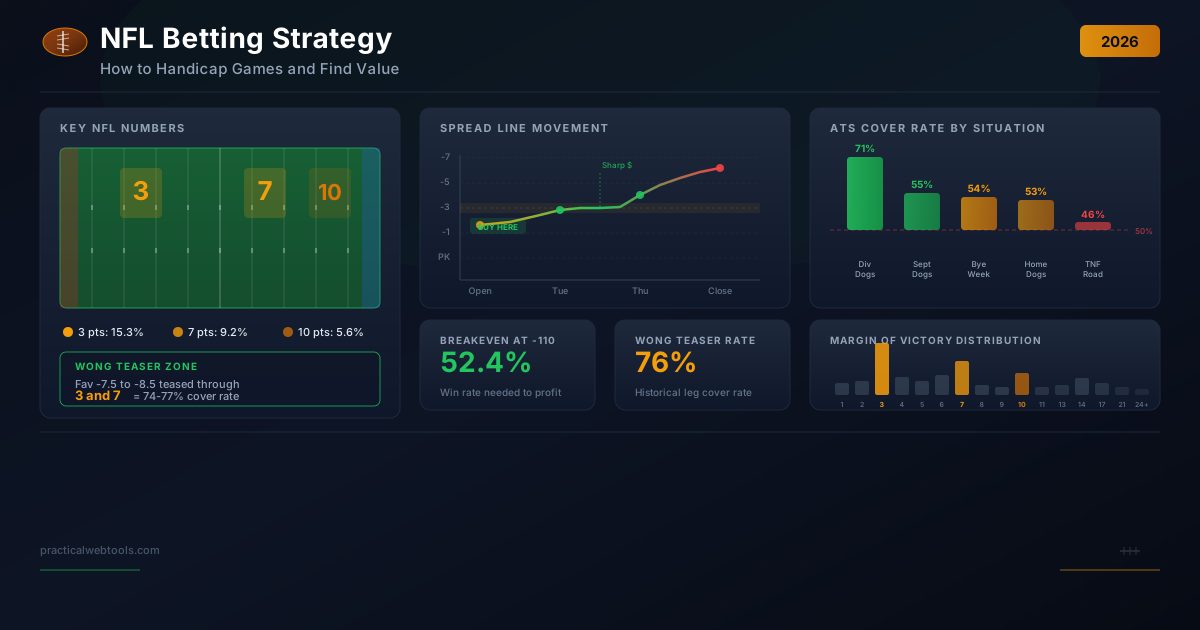
| -110 | 1.91 | 52.4% |
| -150 | 1.67 | 60.0% |
| -200 | 1.50 | 66.7% |
| -300 | 1.33 | 75.0% |
| -400 | 1.25 | 80.0% |
| -500 | 1.20 | 83.3% |
How to Use Implied Probability for Betting
Step 1: Convert Odds to Probability
Use our calculator to see what the market implies.
Step 2: Develop Your Own Estimate
Through research, models, or analysis, determine what you think the true probability is.
Step 3: Compare and Decide
- Your estimate > Implied probability: Potential value bet
- Your estimate < Implied probability: No value, don't bet
- Your estimate = Implied probability: Break-even, no edge
Step 4: Account for Uncertainty
If your edge is small (1-2%), the uncertainty in your estimate might exceed your edge. Only bet when you have significant conviction.
Common Implied Probability Mistakes
-
Forgetting the Vig: Implied probabilities include the sportsbook's margin. Remove the vig to see true market beliefs.
-
Treating Implied as "True" Probability: Implied probability is what the market thinks, not objective truth. Markets can be wrong.
-
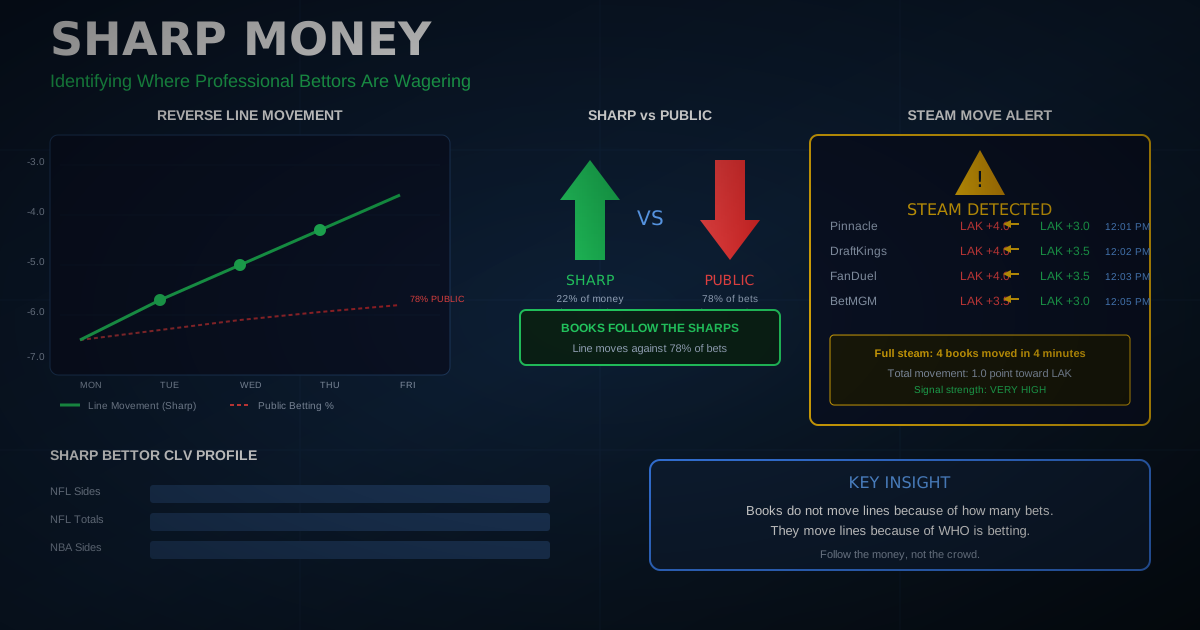
Ignoring Line Movement: Implied probability changes as lines move. Early lines may be less efficient than closing lines.
-
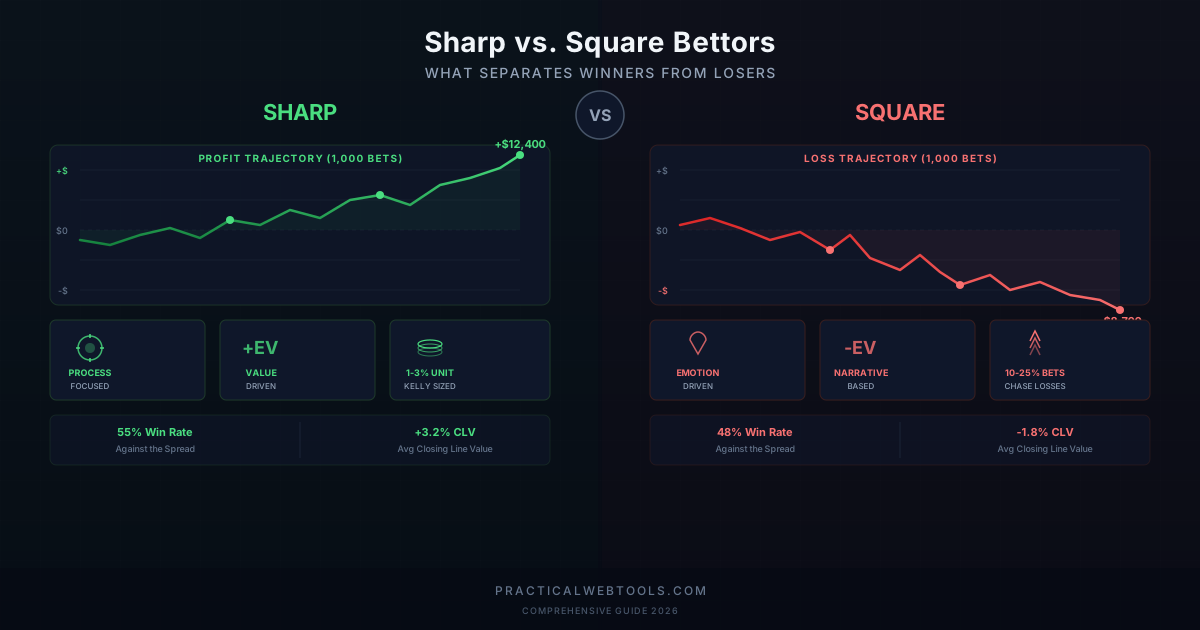
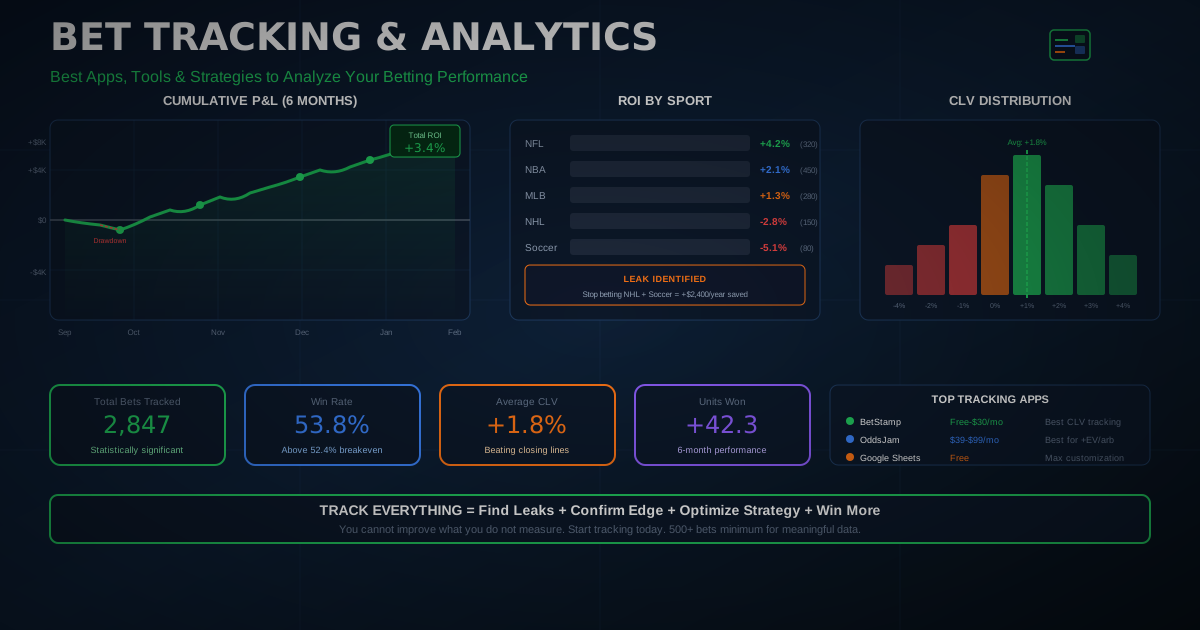
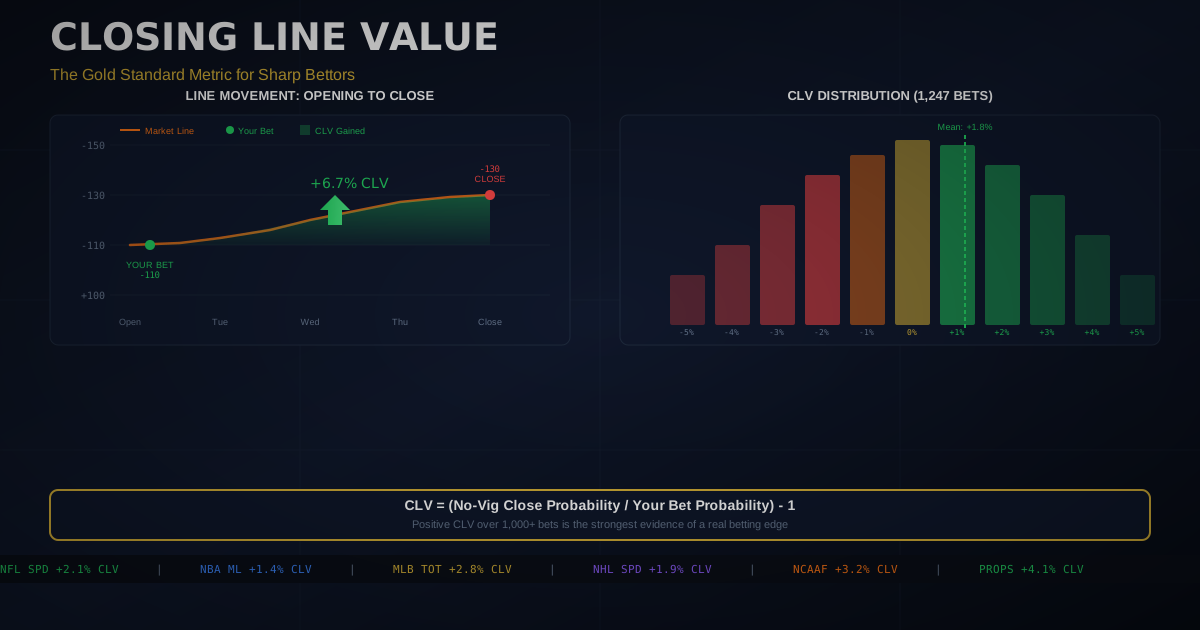
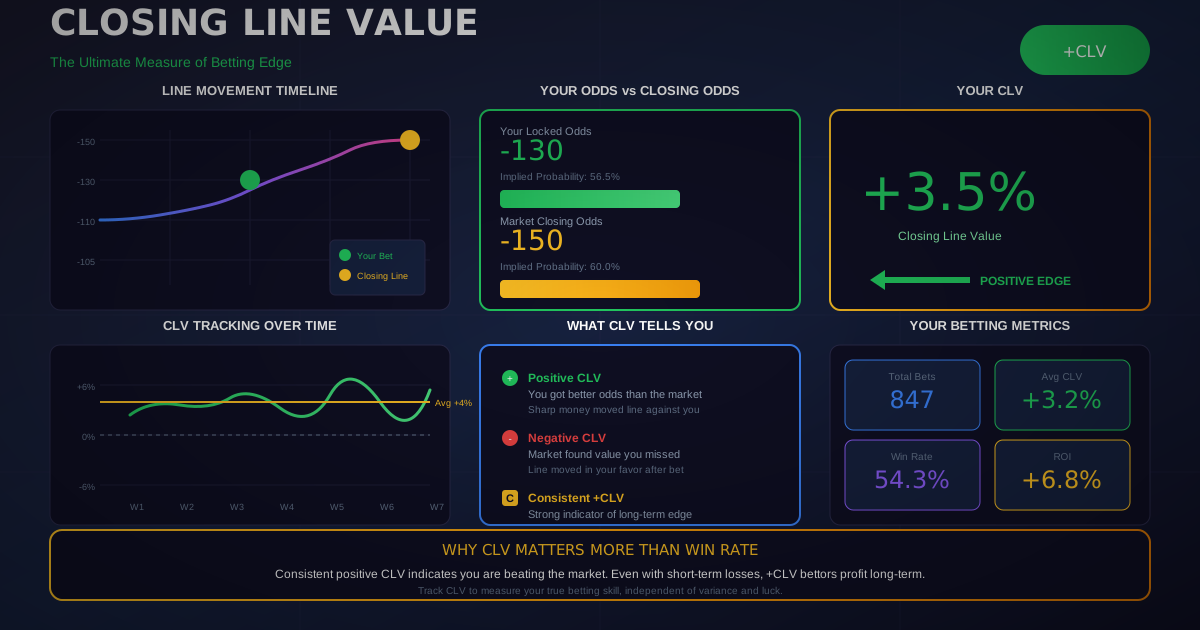
Not Tracking Closing Line Value: If you consistently bet at higher implied probability than the closing line, you're likely +EV.
-
Overconfidence in Estimates: Your probability estimate is just a guess. The market aggregates thousands of opinions and billions of dollars.
Frequently Asked Questions
Why do implied probabilities add up to more than 100%?
The excess represents the sportsbook's profit margin (vig or juice). They take a cut regardless of outcome. A typical -110/-110 market has ~4.8% vig.
How accurate are implied probabilities?
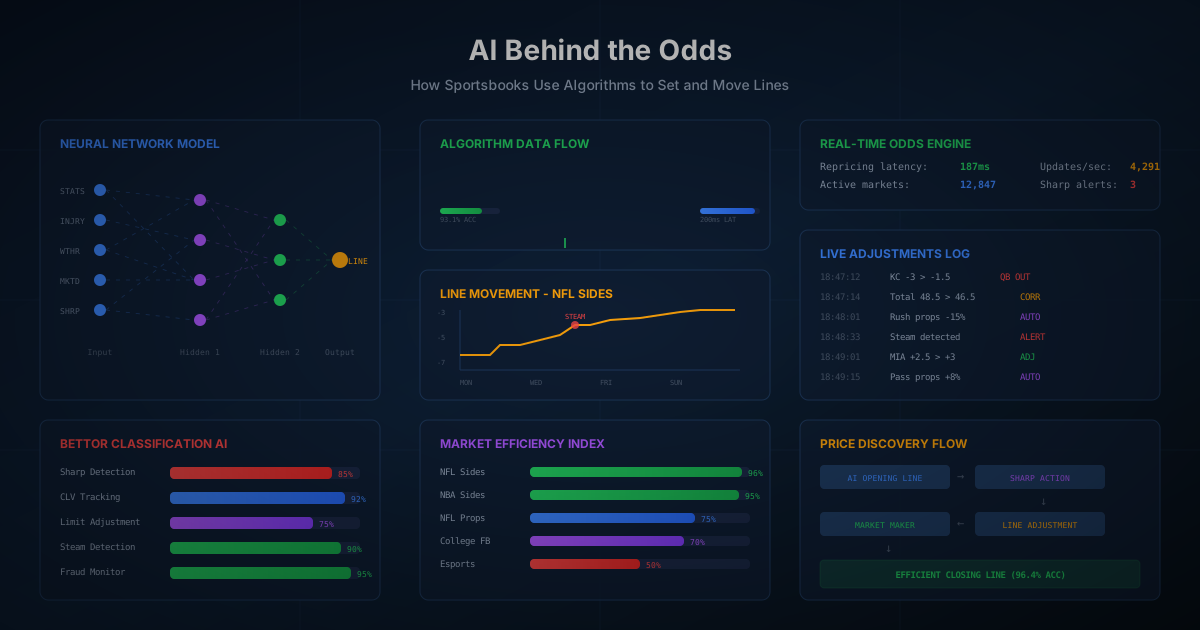
Betting markets are highly efficient, especially close to game time. Implied probabilities are among the best publicly available probability estimates for sporting events. However, they're not perfect—edges exist for skilled bettors.
What's the difference between implied probability and true probability?
Implied probability is derived from odds and includes vig. True probability is the actual chance of something occurring. No one knows true probability for certain—it's what we're all trying to estimate.
Should I always bet when I think I have an edge?
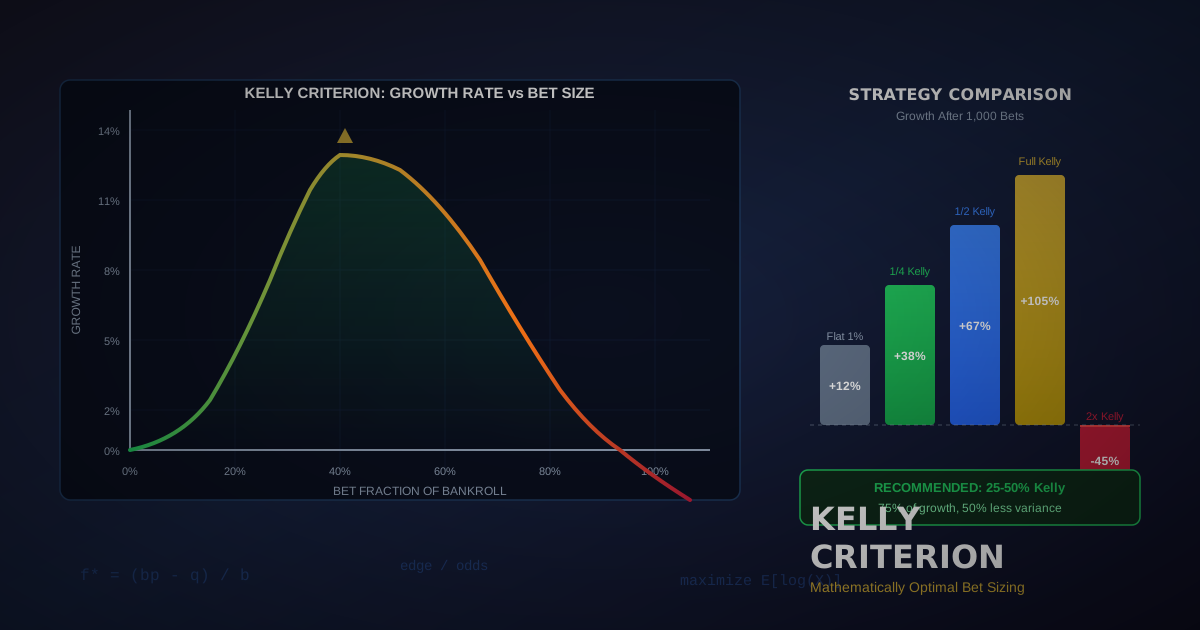
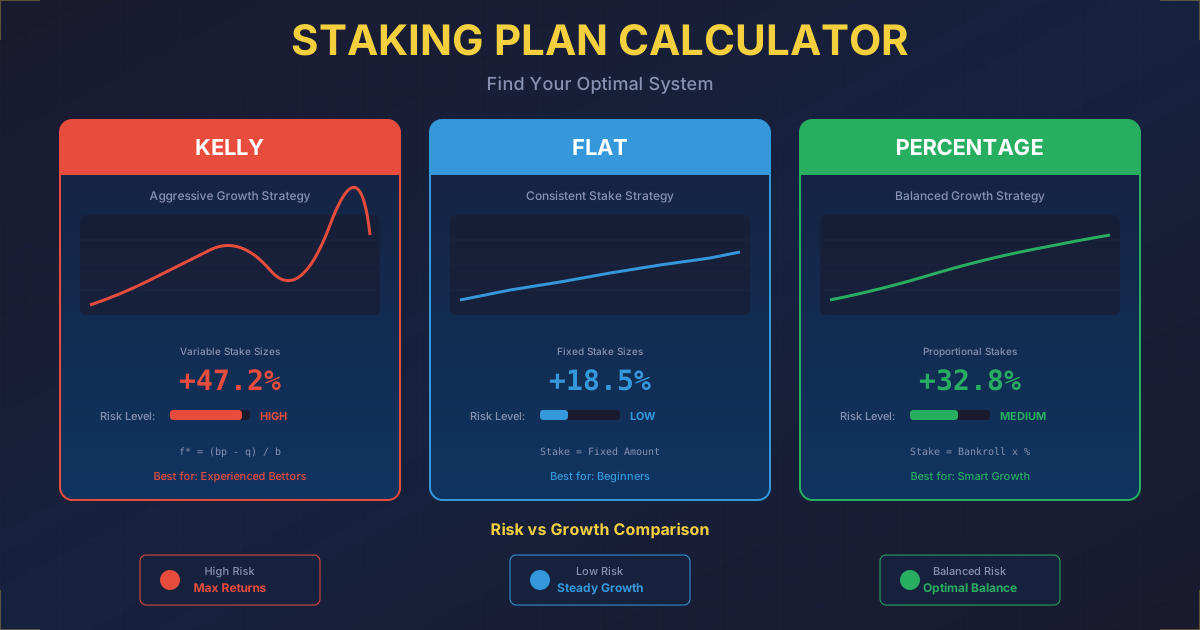
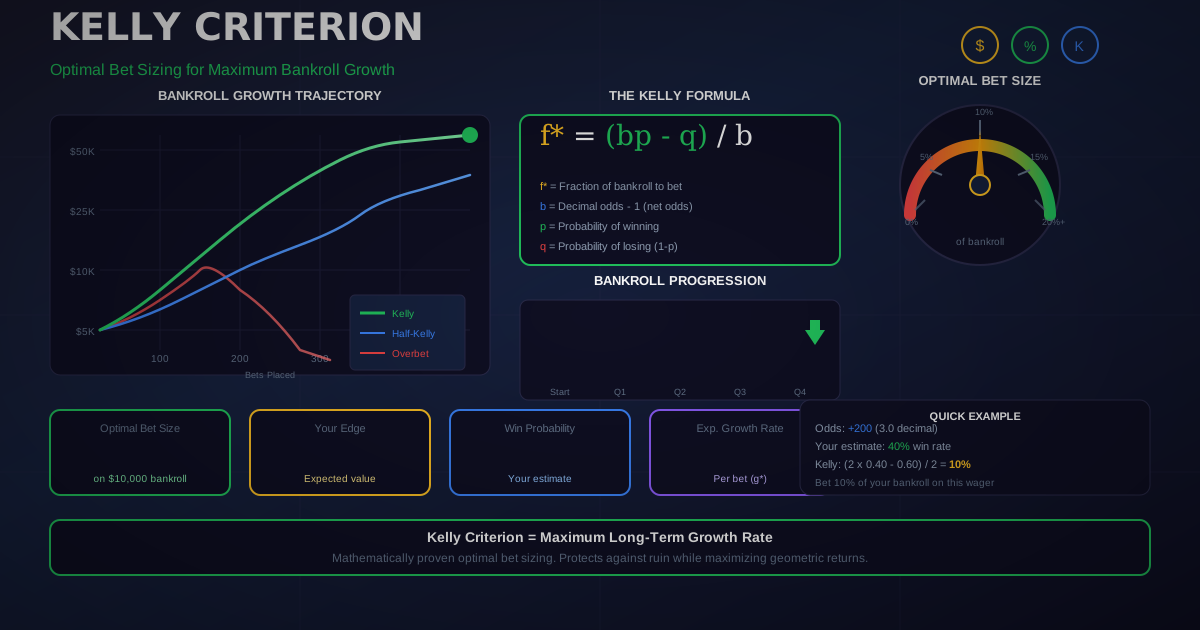
Consider the size of your edge versus your confidence in your estimate. Small edges with high uncertainty may not be worth betting. Also consider bankroll management and Kelly Criterion.
How do I get better at estimating probability?
Track your predictions and actual results. Build or use statistical models. Study past results and identify factors the market underweights. Over time, your calibration will improve.
What's "Closing Line Value" (CLV)?
CLV measures whether you bet at better odds than the final (closing) line. Consistent positive CLV indicates you're likely a winning bettor, as closing lines are highly efficient.
Calculating Expected Value from Implied Probability
Once you have implied probability and your own estimate, calculate expected value:
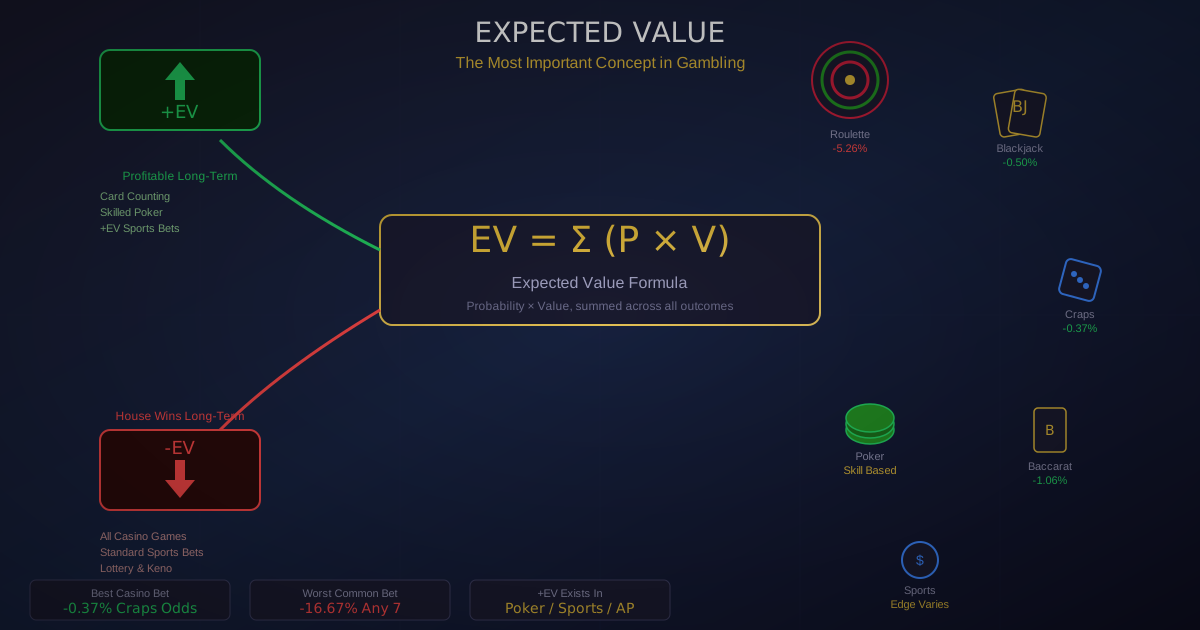
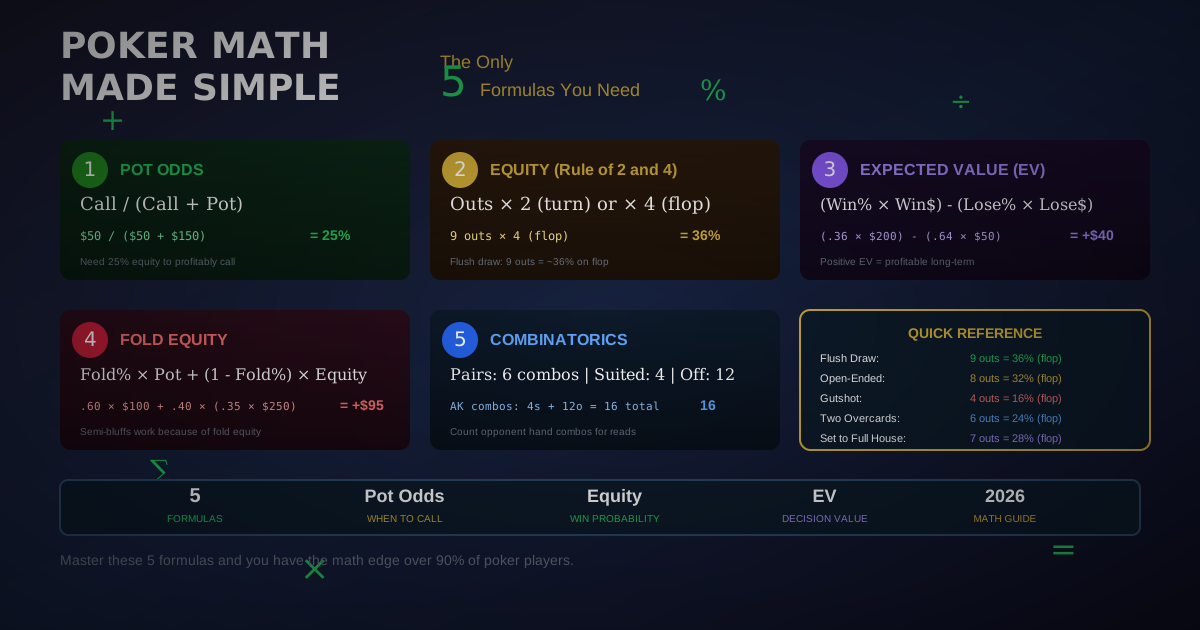
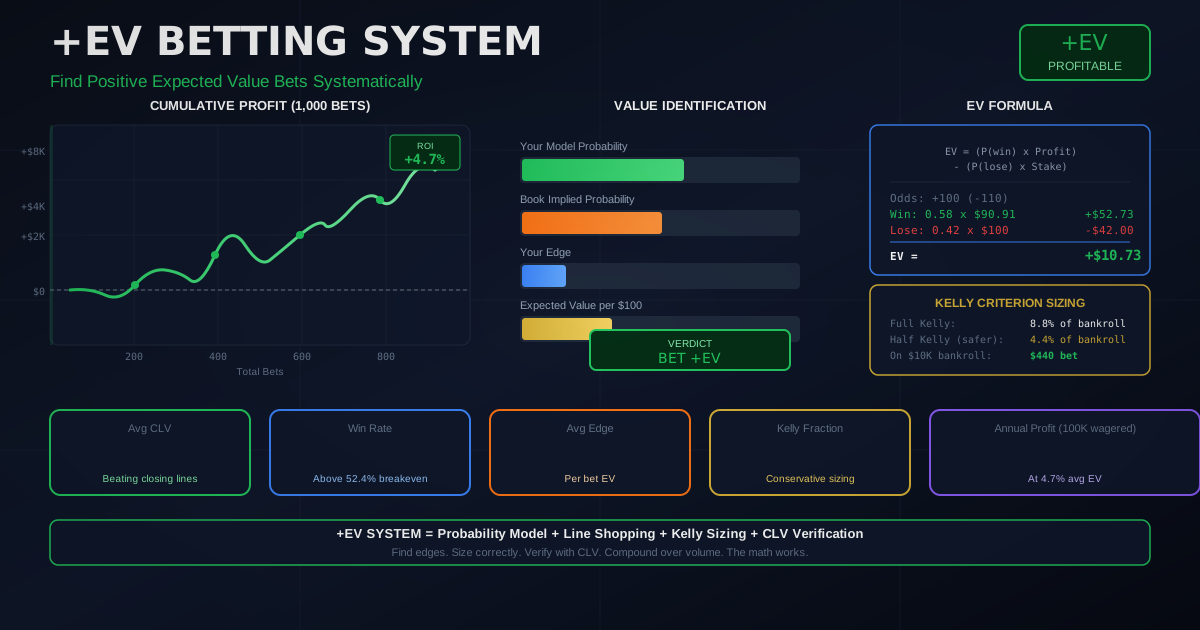
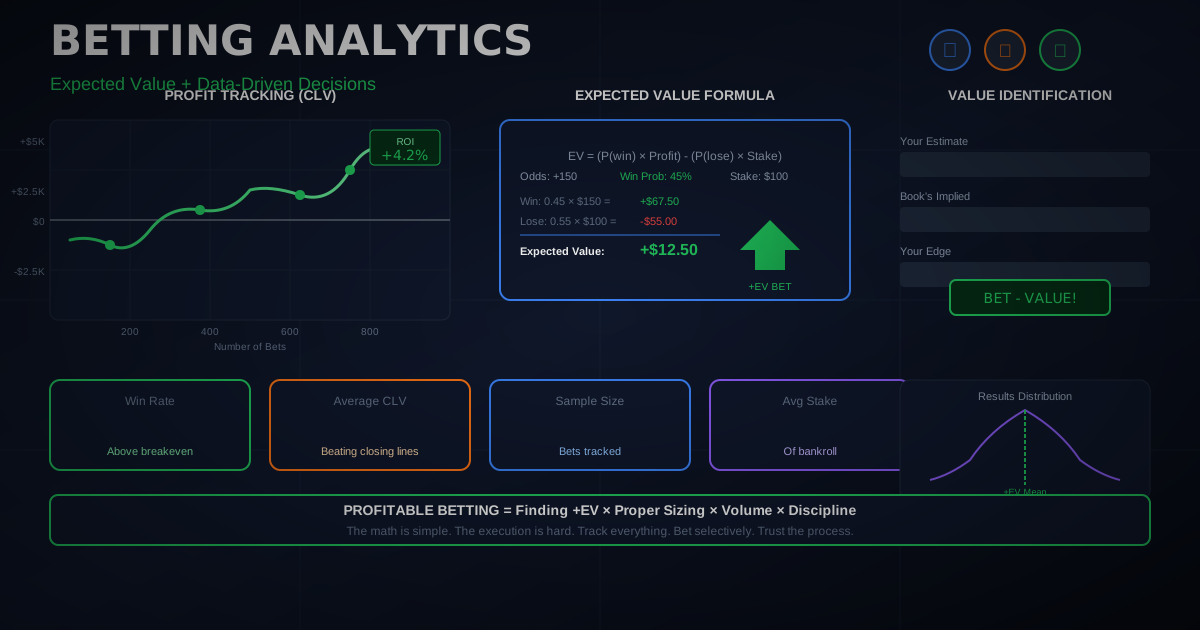
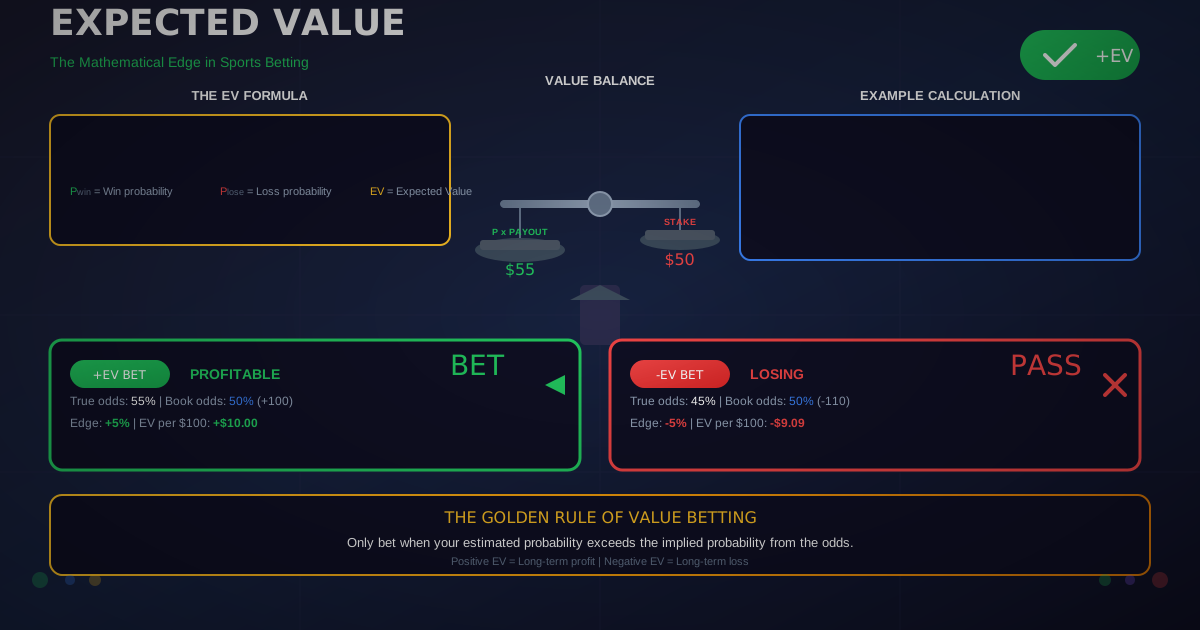
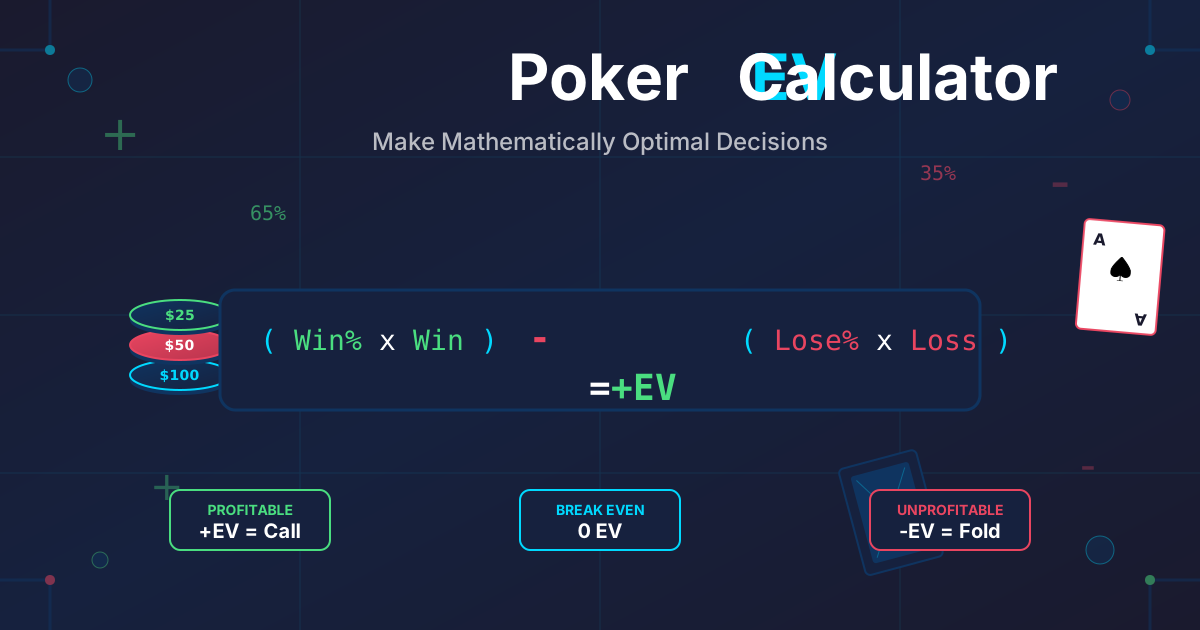
EV = (Your Probability × Potential Profit) - ((1 - Your Probability) × Stake)
Example:
- Odds: +150 (implied 40%, payout = $150 profit on $100)
- Your estimate: 50% win probability
- EV = (0.50 × $150) - (0.50 × $100) = $75 - $50 = +$25
A +$25 EV on a $100 bet is strong value.
Pro Tips for Using Implied Probability
-
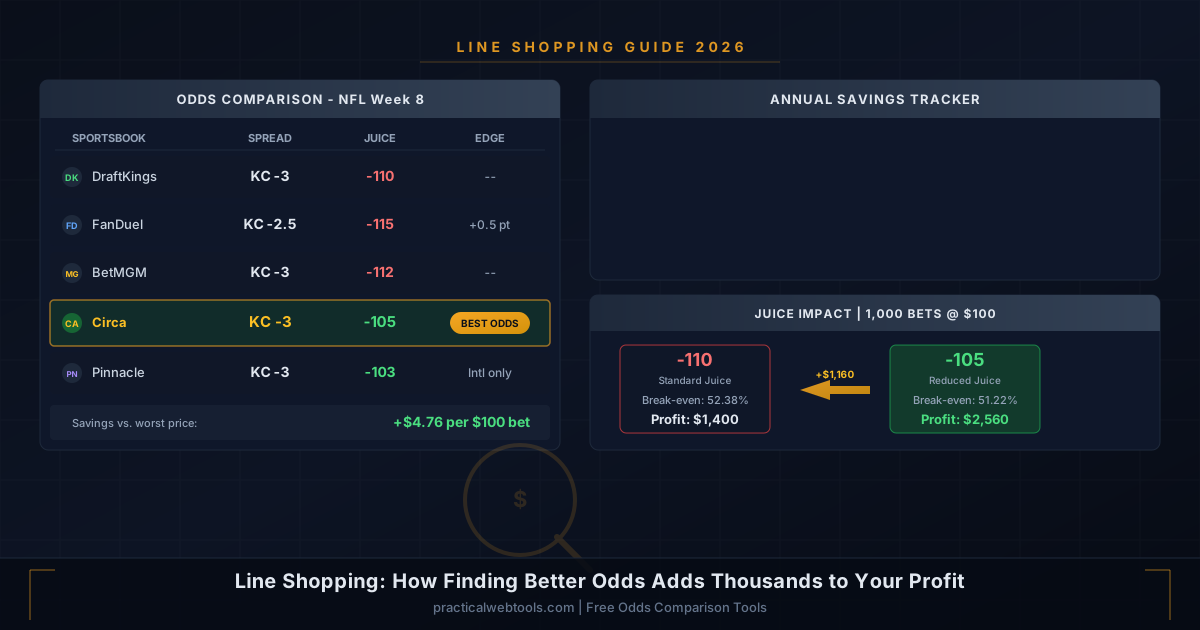
Line Shop Before Converting: Different books offer different odds. Convert the best available line.
-
Track Your Predictions: Log your probability estimates and outcomes. Measure your calibration over time.
-
Focus on Closing Line Value: If you consistently beat the closing line, you're beating the most efficient market estimate.
-
Use Multiple Models: Don't rely on a single analysis method. Combine different approaches for better estimates.
-
Respect Market Efficiency: The market is usually right. Only bet when you have strong conviction in your edge.
Related Betting Calculators
- Odds Converter Calculator - Convert between all formats
- Expected Value Calculator - Calculate EV of any bet
- Hold/Vig Calculator - Analyze sportsbook margins
- Kelly Criterion Calculator - Optimal bet sizing
- No-Vig Fair Odds Calculator - Remove vig from lines
Conclusion
Implied probability is the foundation of value betting. By converting odds to percentages, you can directly compare market expectations to your own analysis. When you find gaps—where your probability estimate exceeds the implied probability—you've found potential value.
Calculate Implied Probability Now →
Start thinking in probabilities, not just odds. It's the first step toward betting with edge rather than gut feeling.