Insurance Bet Blackjack Calculator: When to Protect Your Hand (2026)
Insurance Bet Blackjack Calculator: The "Protection" Trap
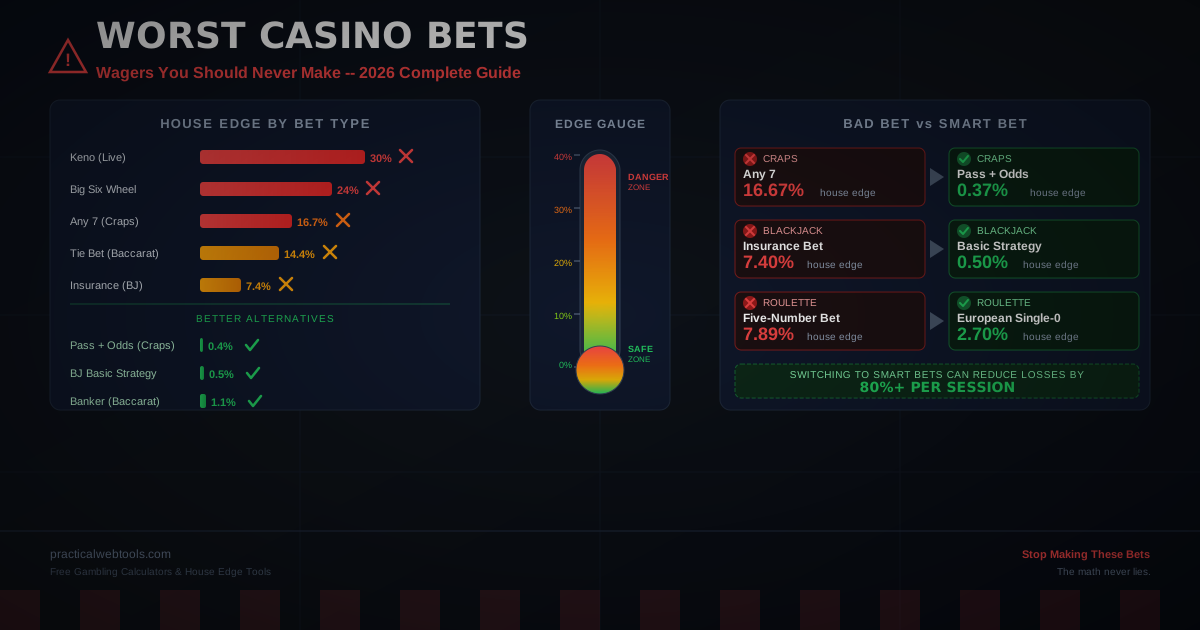
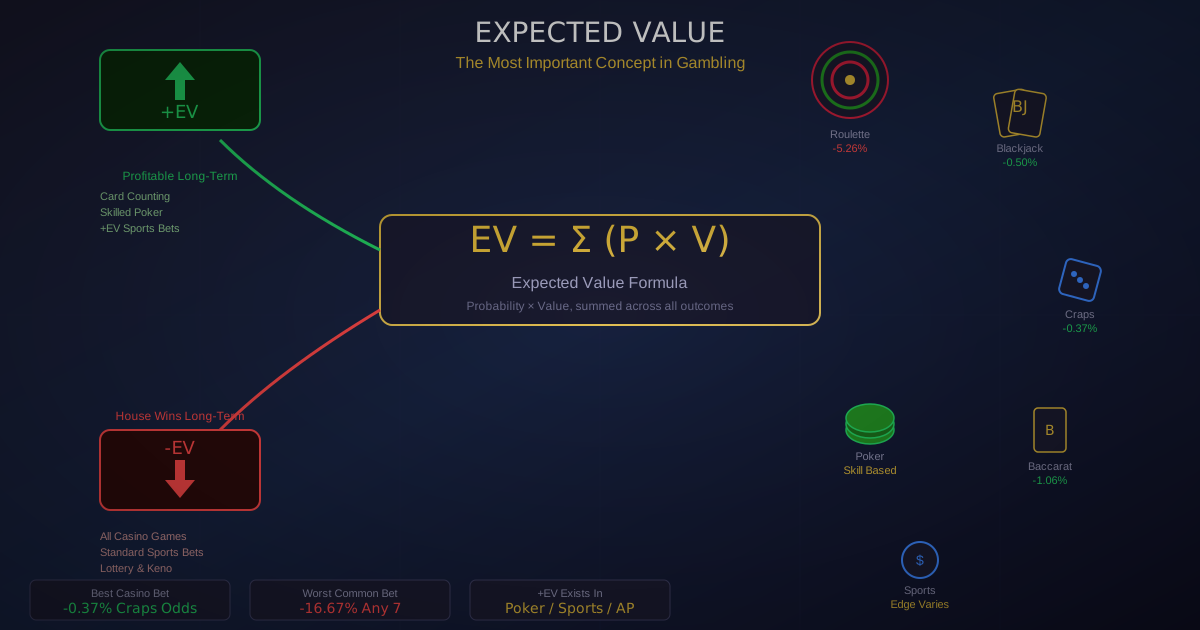
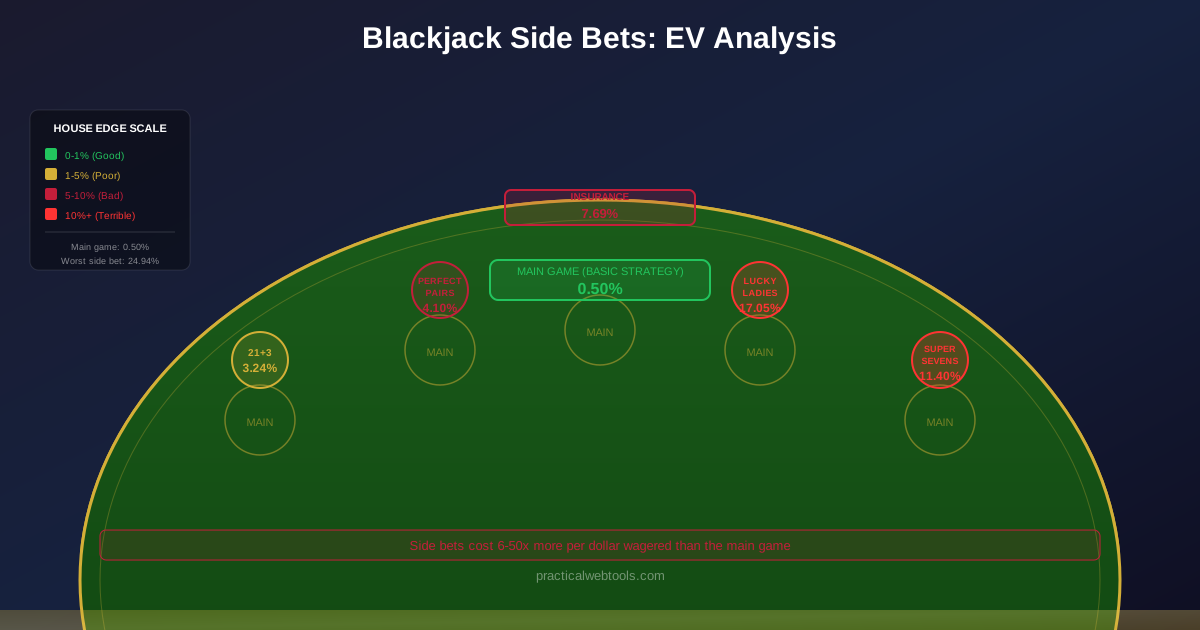
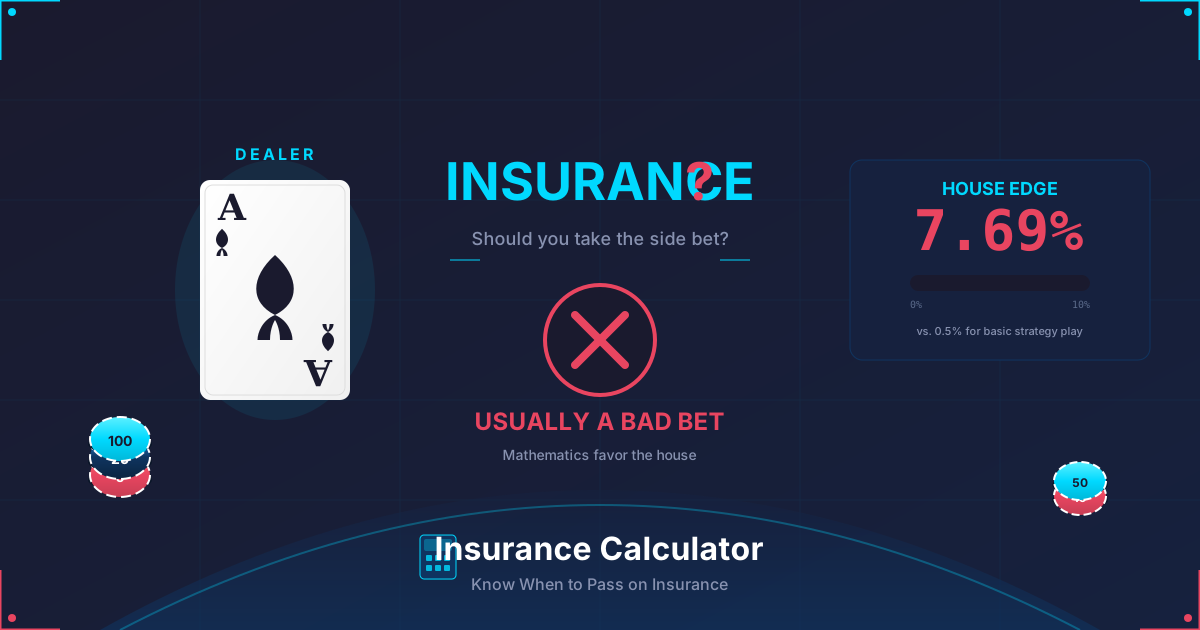
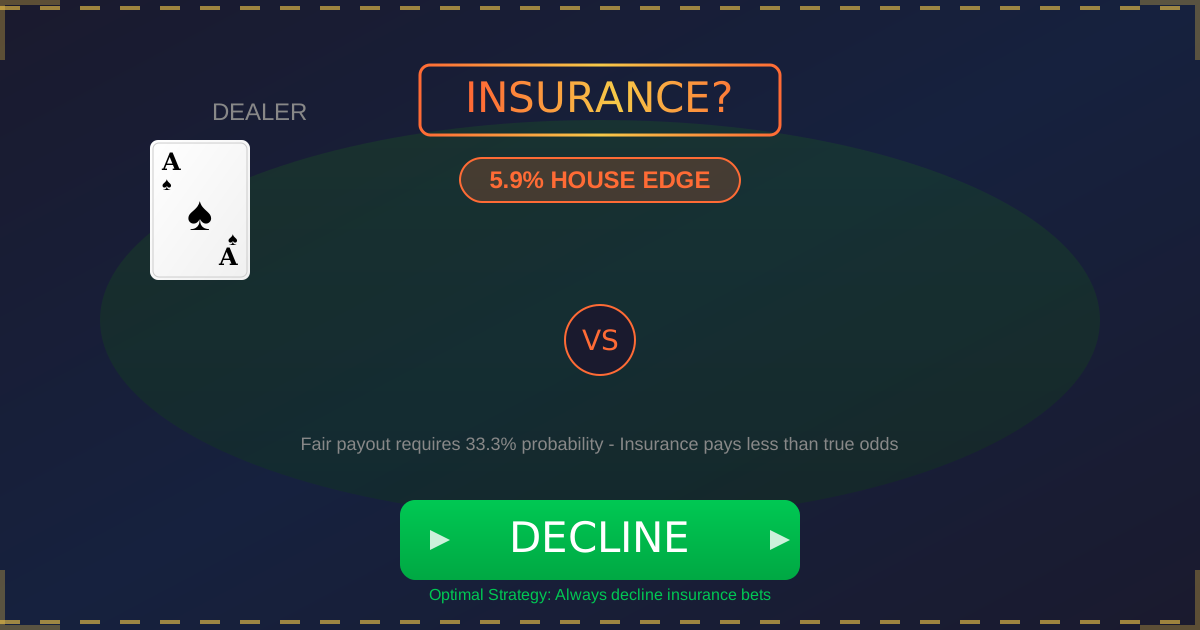
Insurance in blackjack appears to protect your hand when dealer shows an ace—but it's mathematically a separate bet with 5.9% house edge. Our calculator reveals why "even money" on blackjack is the same trap and when card counters actually profit.
What Is Insurance in Blackjack?
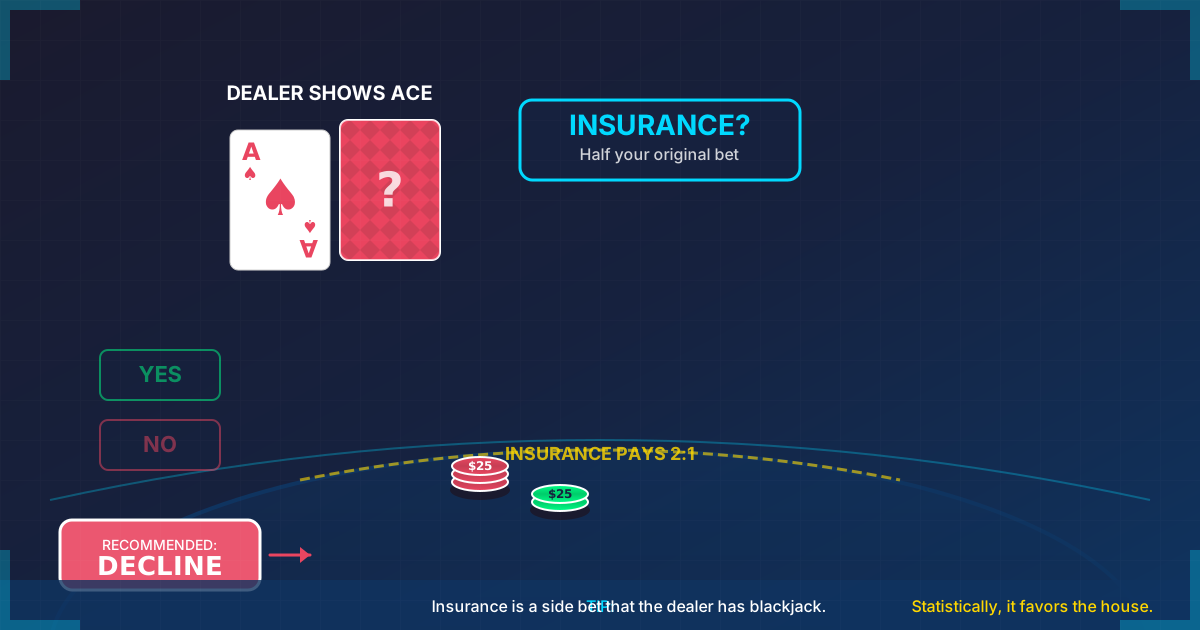
Insurance is a side bet offered when the dealer shows an ace. You can wager up to half your original bet that the dealer has blackjack (a 10-value card underneath). It pays 2:1 if dealer has blackjack. Despite the name, it's not insurance—it's a separate bet on dealer's hole card.
Quick Answer: Insurance = side bet on dealer having blackjack. Offered when dealer shows ace. Pays 2:1. Costs up to half your bet. House edge: 5.9%. Almost always decline. "Even money" is same thing. Only profitable when counting with true count +3 or higher.
How to Use Our Calculator
Use the Insurance Calculator →
Calculate true insurance value in any situation.
Step-by-Step Instructions
-
Enter Deck Count: Casino setup
-
Enter Cards Seen: Known cards
-
View 10-Card Probability: Hole card odds
-
Calculate EV: Expected value
-
See Recommendation: Take or decline
Input Fields Explained
| Field | Description | Example |
|---|---|---|
| Decks Used | Shoe size | 6 decks |
| 10-Cards Remaining | Face cards left | 96 |
| Non-10s Remaining | Other cards | 214 |
| 10-Card Probability | Blackjack odds | 30.8% |
| Insurance EV | Expected value | -5.9% |
| Recommendation | Action | Decline |
How Insurance Works
The Bet Structure
When dealer shows ace:

Insurance offered
Bet up to 1/2 original bet
Pays 2:1 if dealer has blackjack

Example:
Original bet: $20
Insurance bet: $10 (max)
If dealer BJ: Win $20 on insurance
But lose $20 on hand
Net: Break even
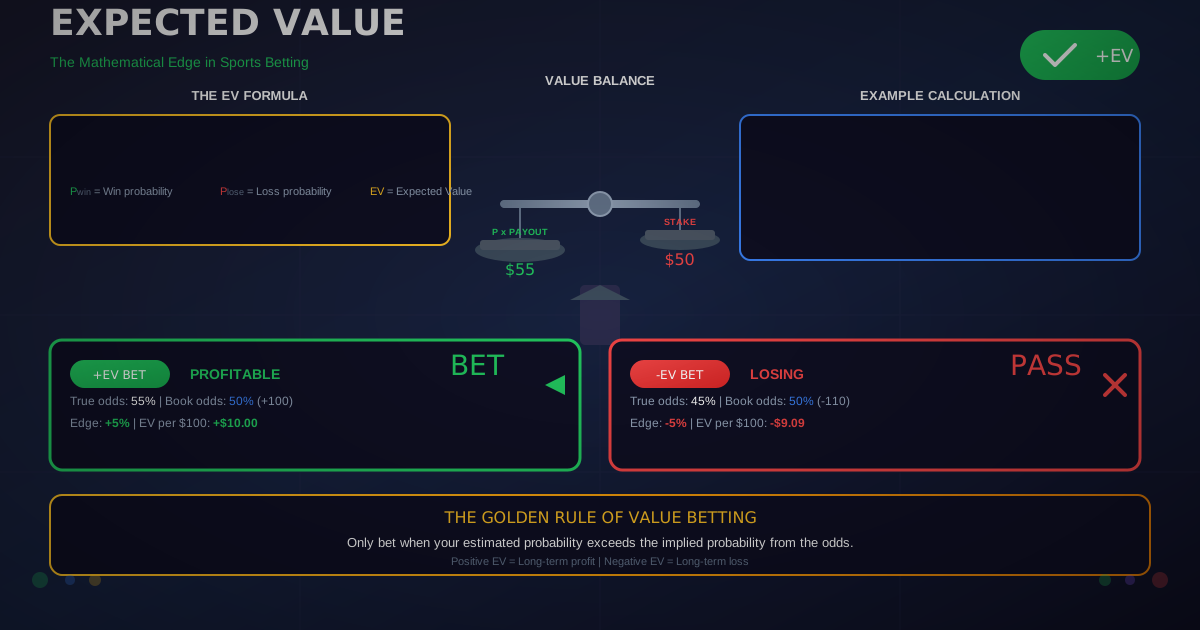
The Mathematics
Why 2:1 payout:

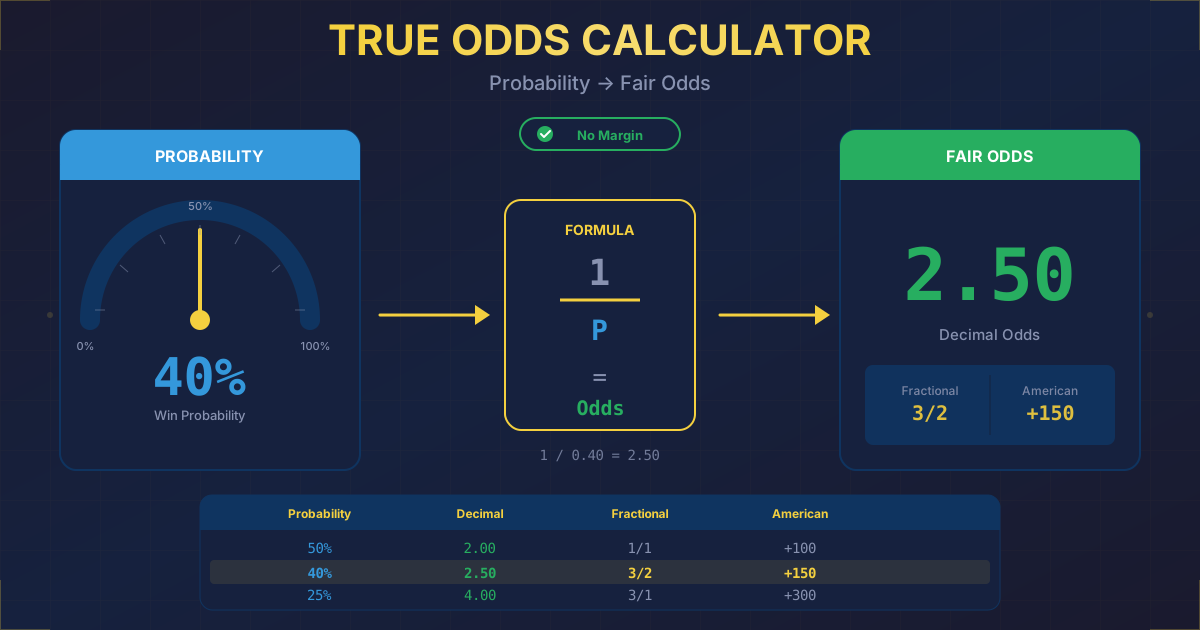
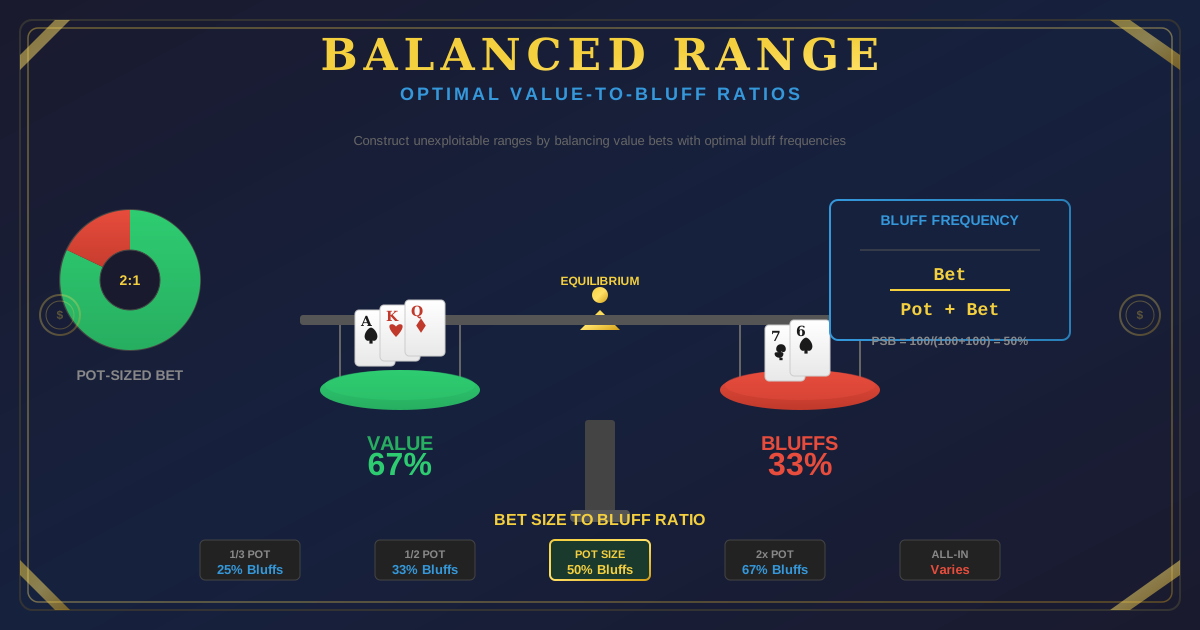
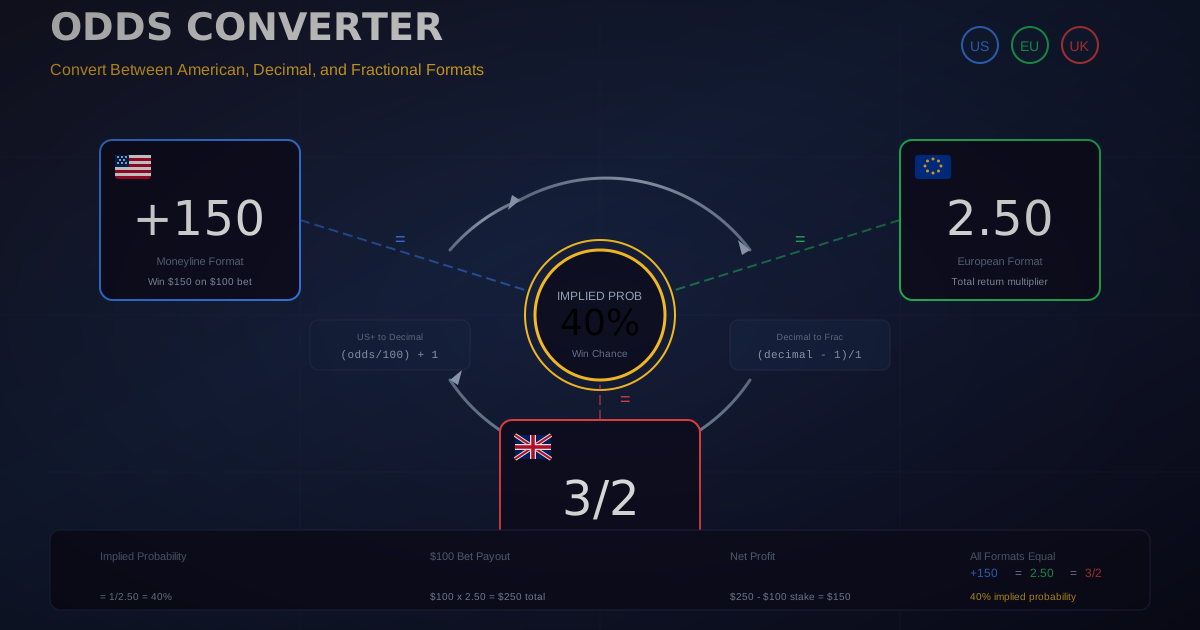
If fair, 2:1 implies 33.3% probability
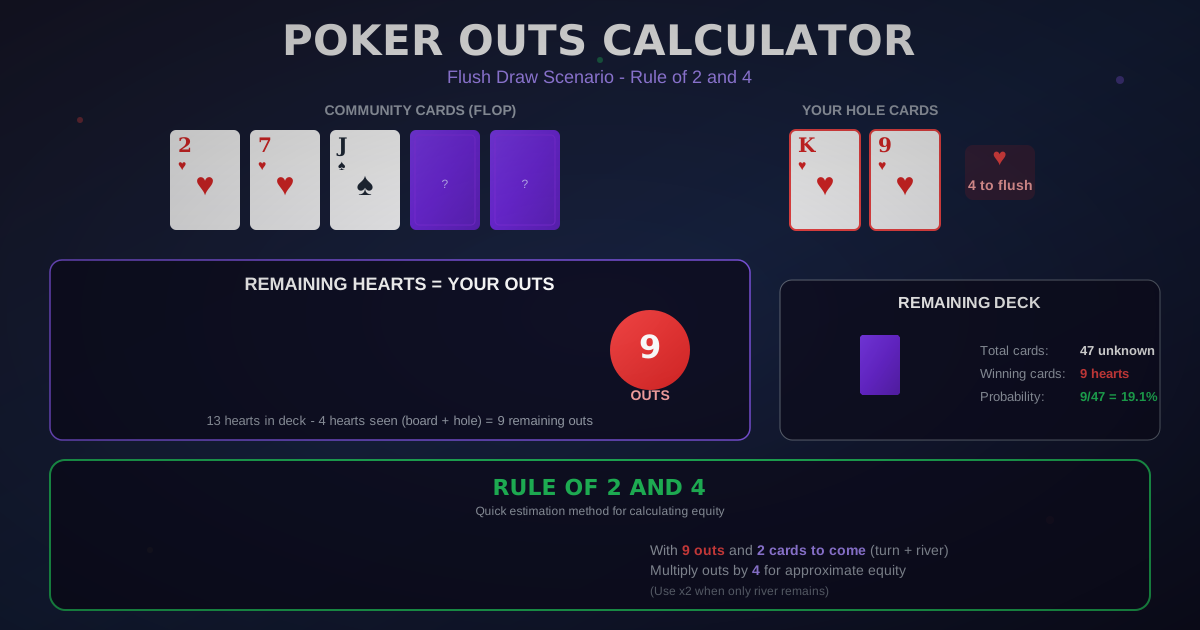
Actual probability: 30.8% (4/13 cards are 10-value)

Gap: 33.3% - 30.8% = 2.5%
But paid at 2:1...

House edge = (4/13 × 3) + (9/13 × -1) - 1
= 0.923 + (-0.692) - 1
= -0.077... wait

Let me recalculate:
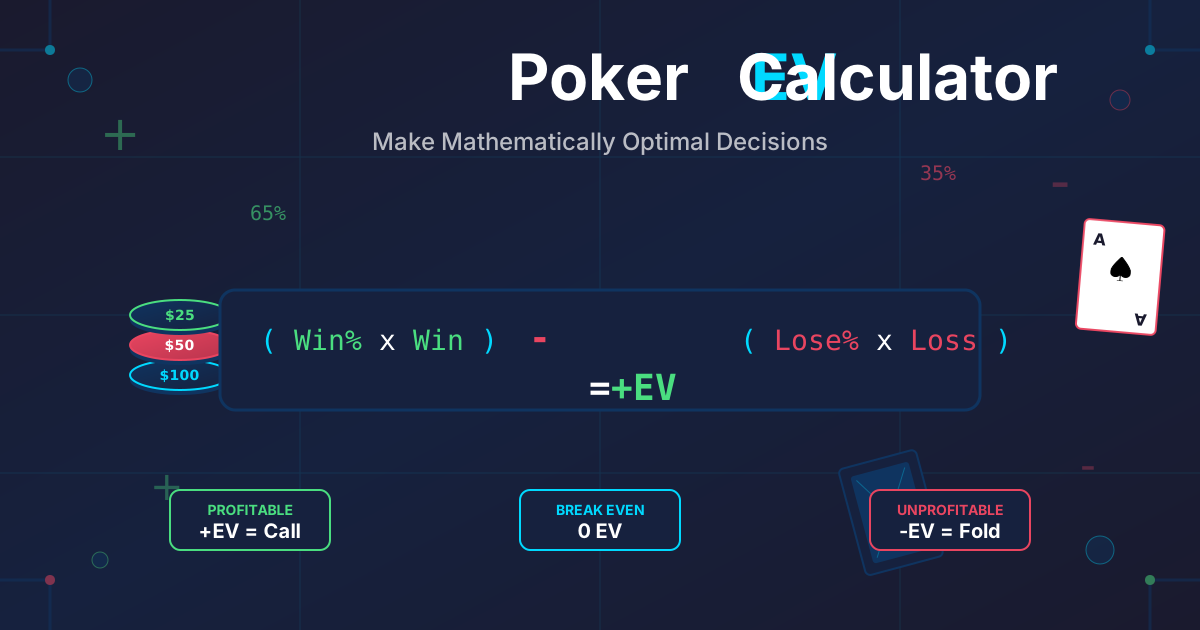
EV = (4/13)(2) + (9/13)(-1)
= 8/13 - 9/13
= -1/13
= -7.7%

With multi-deck: ~5.9%
Multi-Deck Adjustment
6-deck calculation:

10-value cards: 96
Non-10-value cards: 215 (after removing dealer ace)

P(dealer blackjack) = 96/311 = 30.87%

EV = 0.3087(2) + 0.6913(-1)
= 0.617 - 0.691
= -0.074 = -7.4%

Actual edge varies slightly
~5.9% commonly cited
Why Insurance Is Bad
The Probability Gap
Core problem:

Insurance pays: 2:1 (implies 33.3%)
Actual probability: ~30.8%

You're betting on unfavorable odds
House profits on the difference
Independence from Your Hand
Your hand doesn't matter:

Insurance is about dealer's hole card
Not about your hand strength
Even with 20, math is same
Even with blackjack, math is same

"Protecting" is marketing
Not mathematical reality
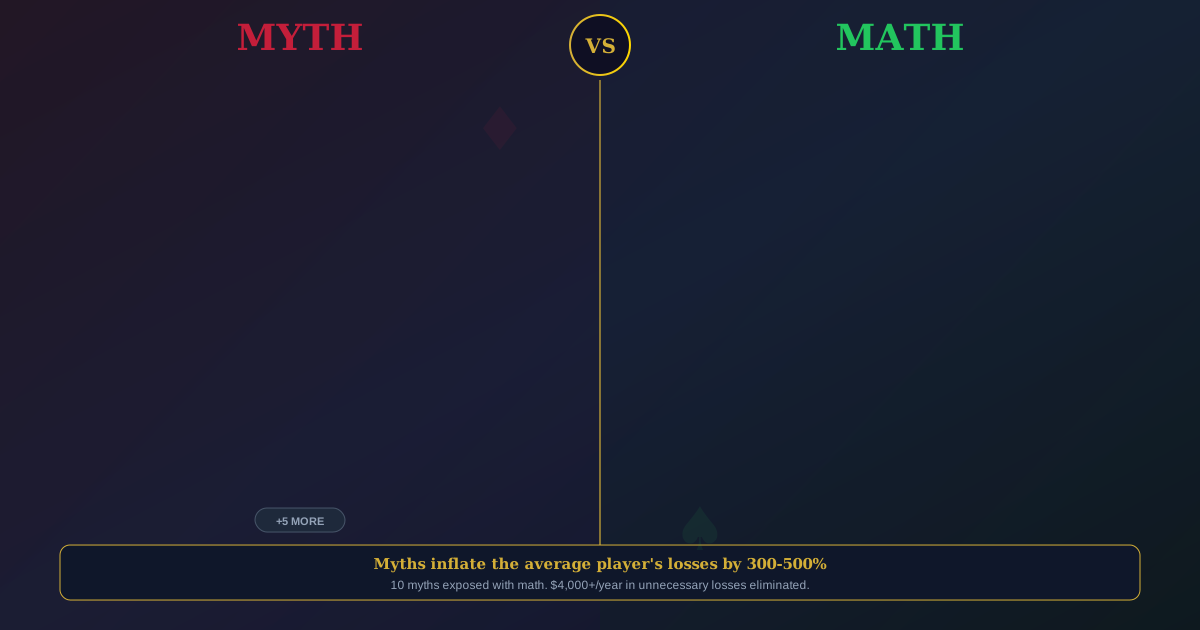
The "Even Money" Trap
When you have blackjack:

Dealer shows ace
Offered "even money" (immediate 1:1)
OR play it out

Even money = insurance in disguise
Same 5.9% house edge
Still a bad bet

Mathematical proof:
Taking even money: 100% of 1 unit = 1 unit
Playing out: 69% × 1.5 + 31% × 0 = 1.035 units

Decline even money!
When Insurance Is Correct
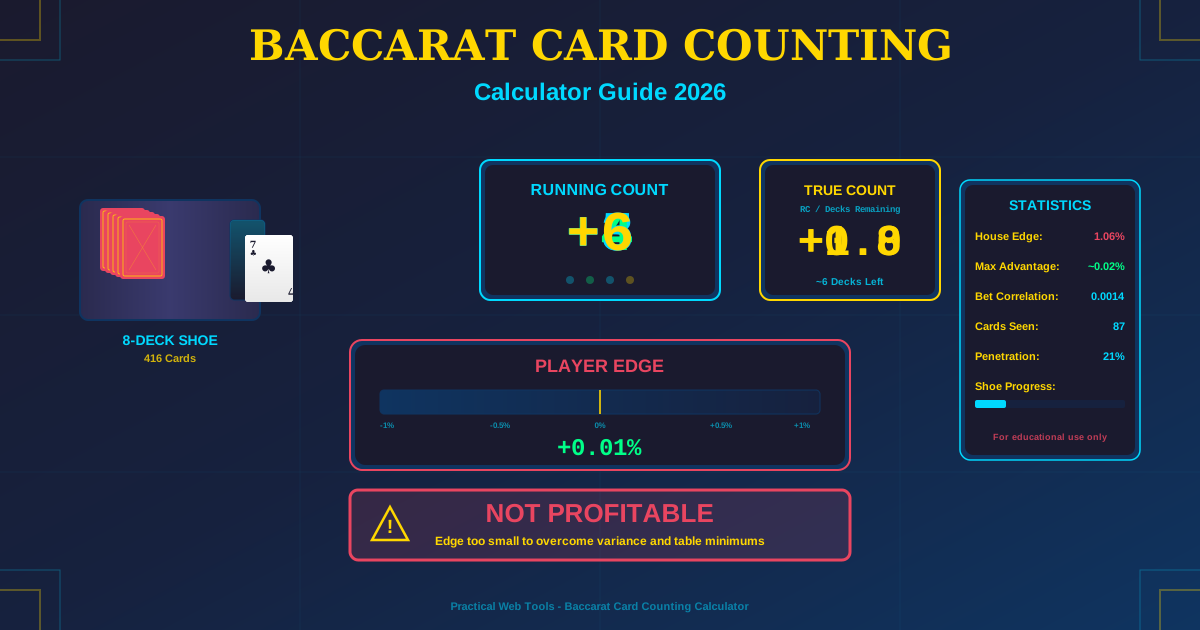
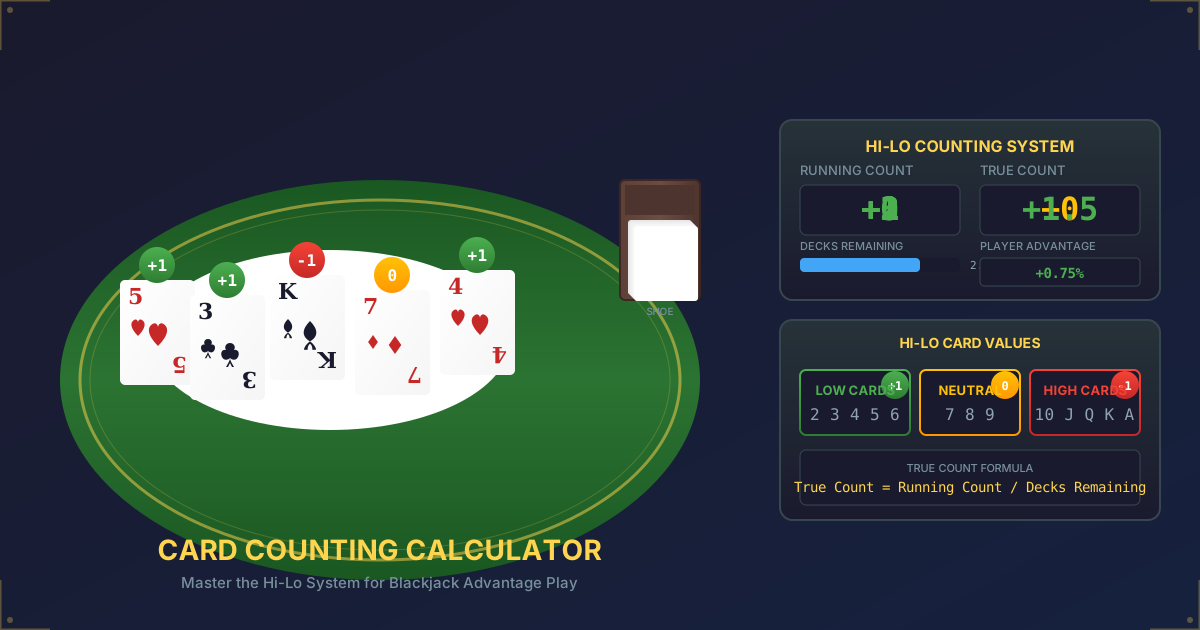
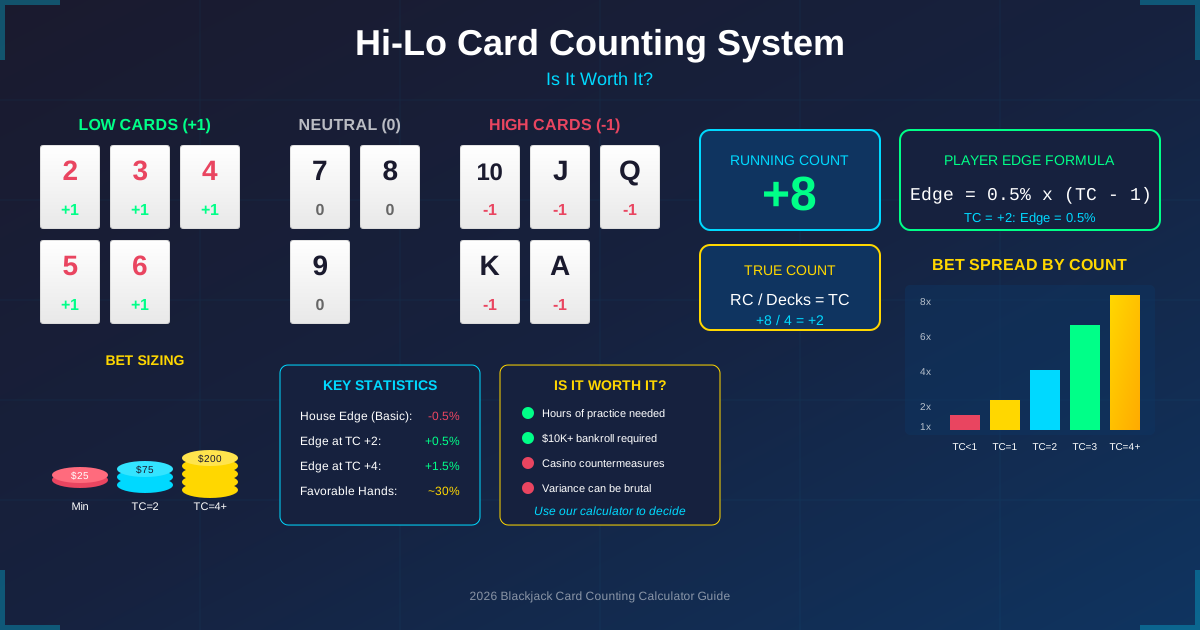
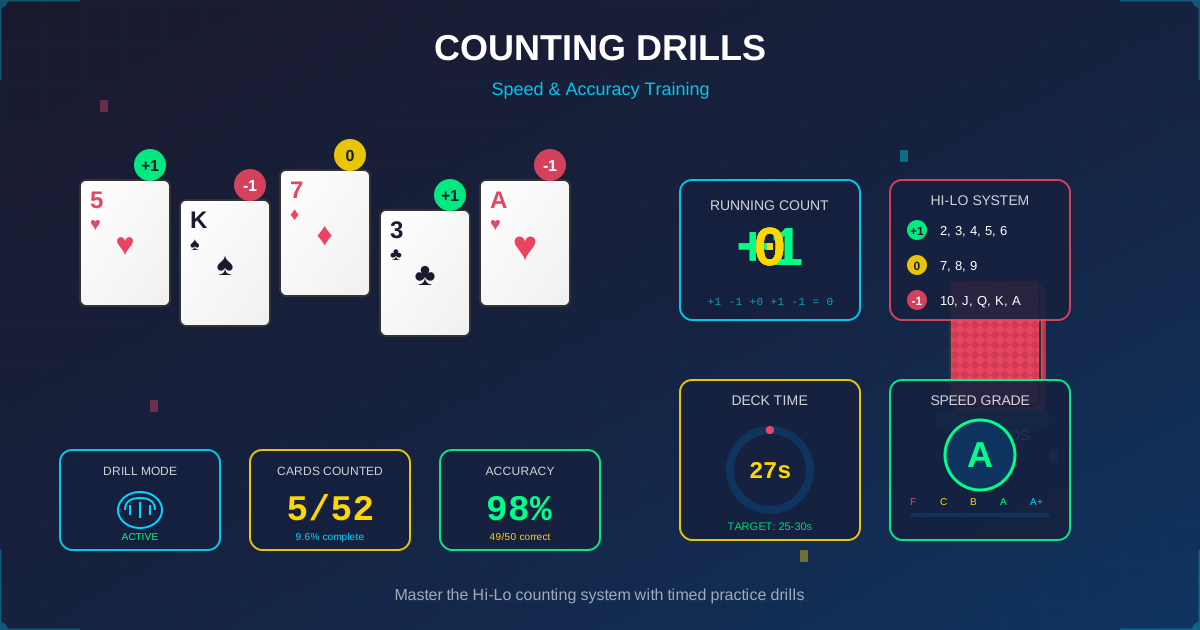
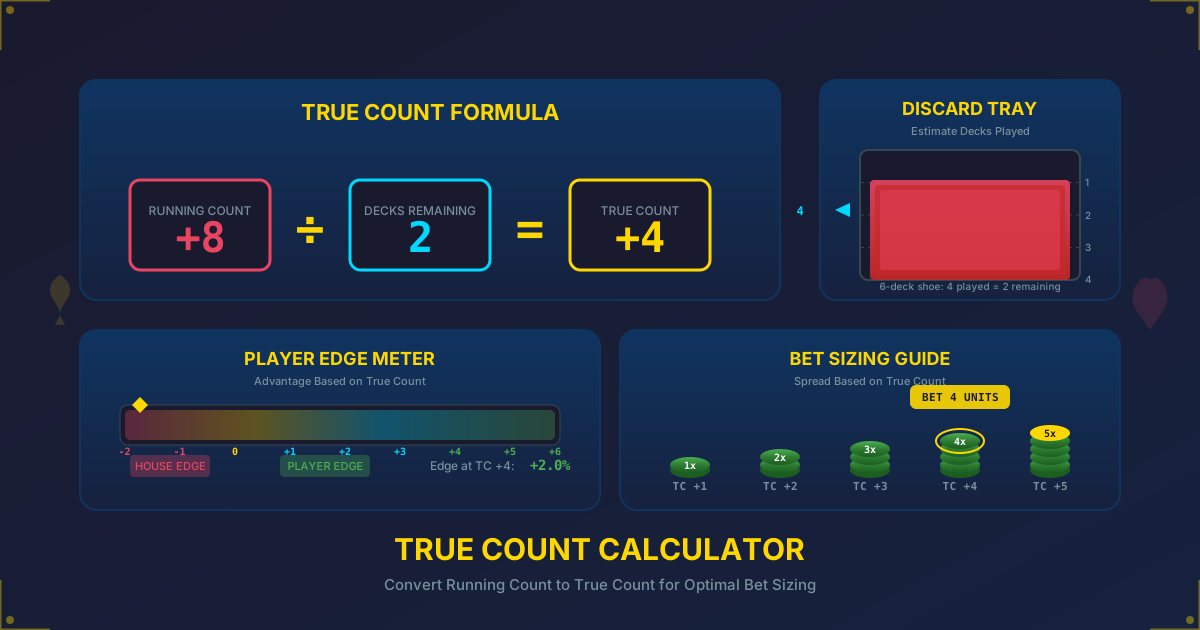
Card Counting Sweet Spot
When 10s are rich:

Standard strategy: Never insure
Card counter strategy: Insure at +3 true count

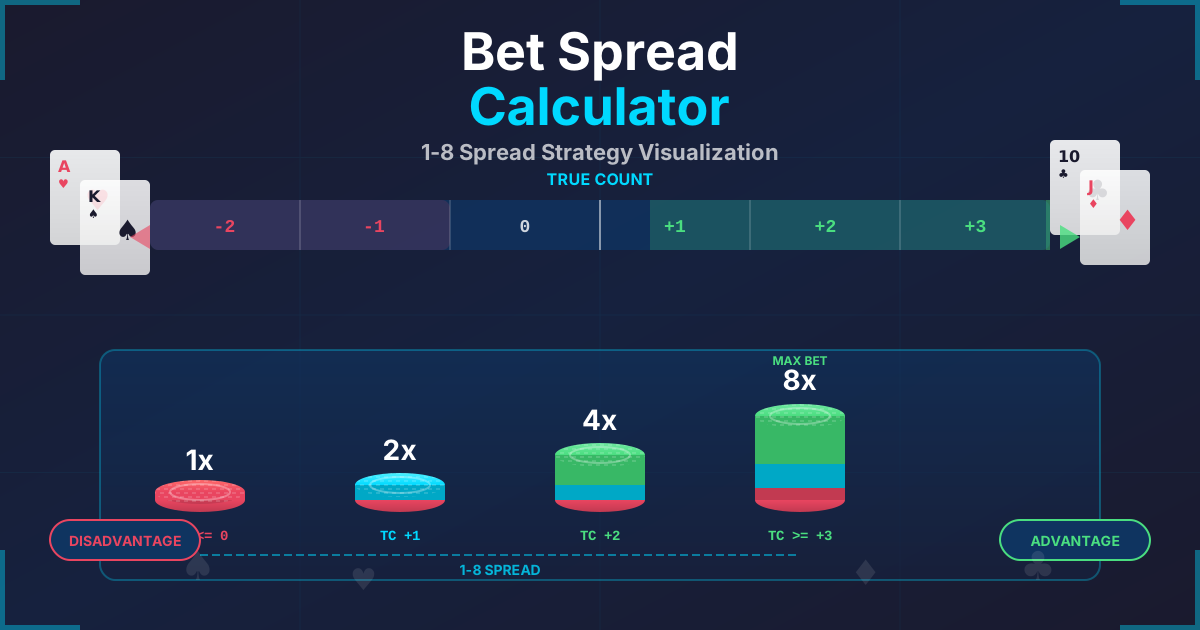
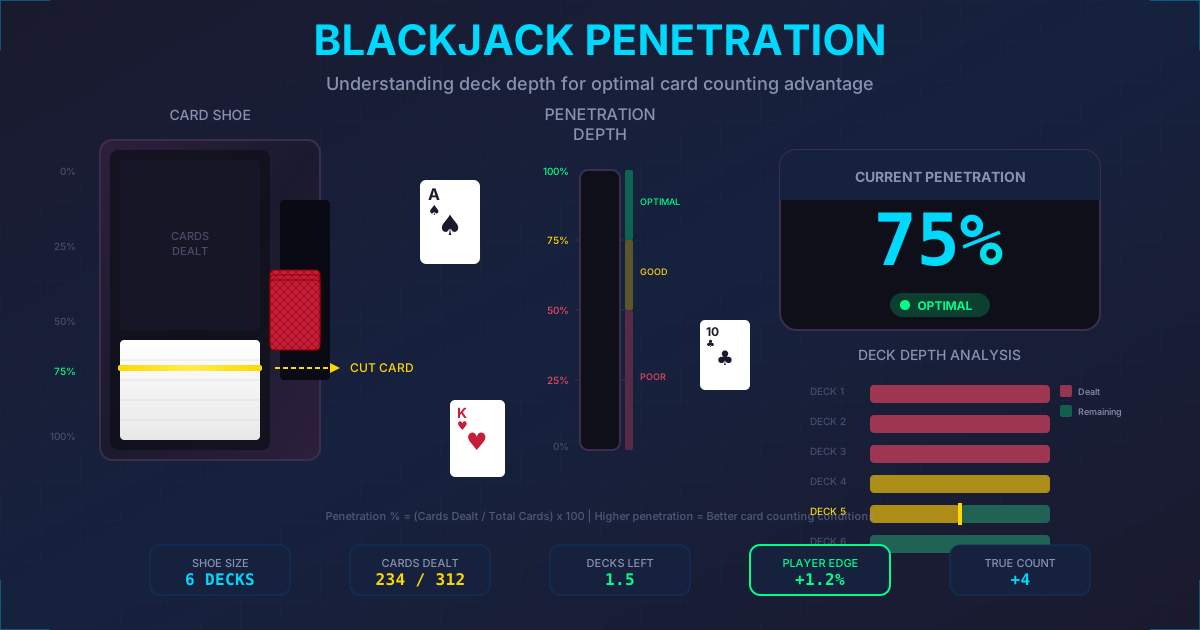
At +3 true count:
~33.3% of cards are 10-value
Insurance becomes break-even

At +4 or higher:
Insurance is profitable
Take it!
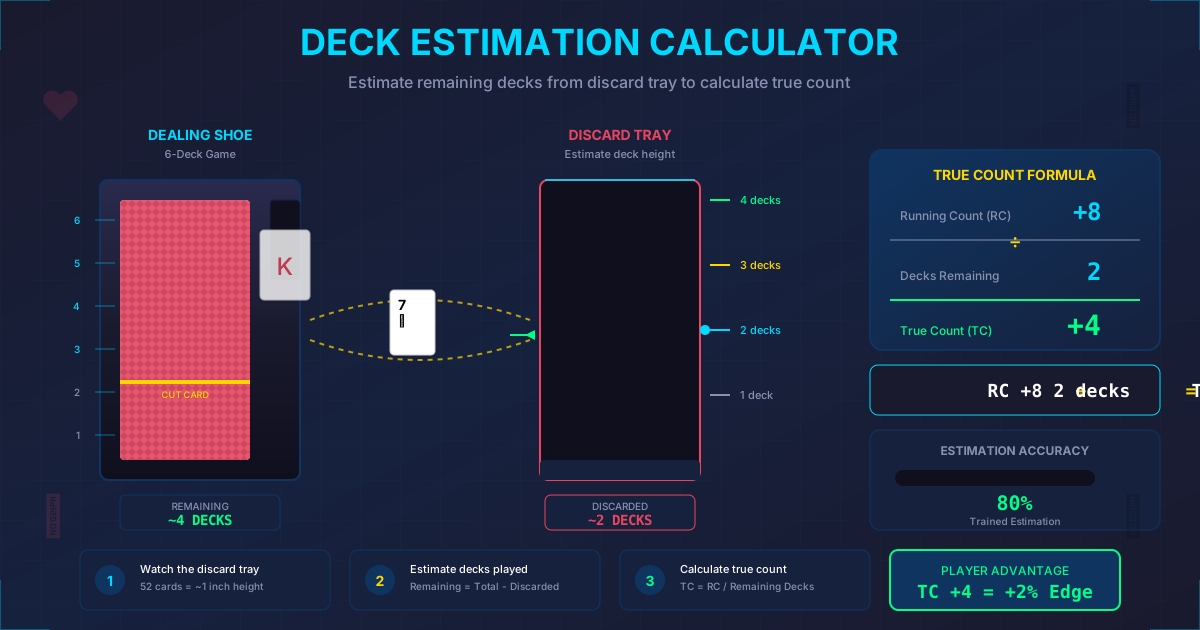
The Math for Counters
True count +3:

10-density increases
From 30.8% to ~33%
Insurance EV approaches 0

True count +4:
10-density ~34%
Insurance EV becomes positive
~+1.2% player edge

Counters profit from insurance
When deck is rich in 10s
Real-World Examples
Example 1: Standard Decline
Basic strategy play:
Your hand: K-7 (17)
Dealer shows: A

Insurance offered: $10 (half of $20 bet)

Action: DECLINE

Why: 5.9% house edge
Better to play out the hand
Even if dealer might have BJ
Example 2: Even Money Trap
You have blackjack:
Your hand: A-K (blackjack!)
Dealer shows: A

Even money offered: $20 (instead of $30 if play out)

Action: DECLINE EVEN MONEY

Expected value:
Even money: $20 guaranteed
Play out: 0.69($30) + 0.31($0) = $20.70

Play out is better!
Example 3: Card Counter Decision
10-rich deck:
Your hand: J-J (20)
Dealer shows: A
True count: +4

Insurance: TAKE IT

At +4 true count:
Insurance is profitable
~+1.2% player edge

Rare situation
Requires counting
Example 4: Loss Analysis
Session impact:
100 hands with ace showing: ~8 times
Taking insurance each time: 8 × $10 = $80 wagered
At 5.9% edge: $4.72 expected loss

Over a year of play:
Significant added cost
For no real protection
Common Misconceptions
"Protecting" Your Hand
The myth:

"I need to protect my good hand"
"Insurance keeps me from losing big"

The reality:

Insurance is independent bet
Your hand strength irrelevant
Taking insurance ADDS expected loss
Not reduces it
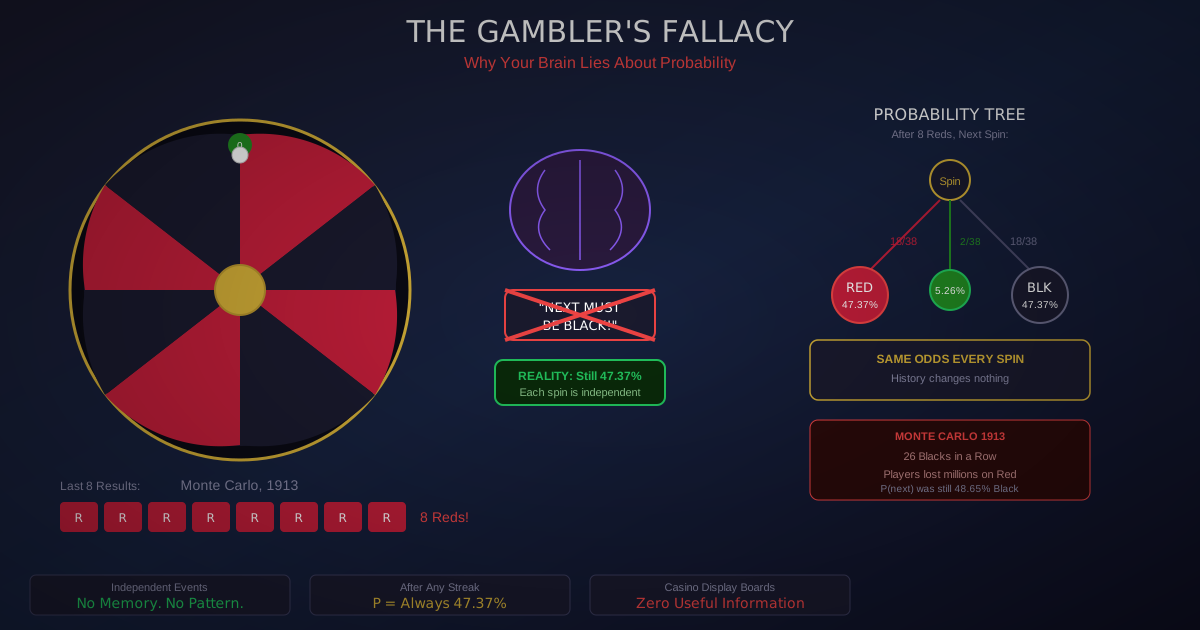
"Dealer Always Has It"
The myth:

"When I don't insure, dealer has BJ"
"I should have protected myself"

The reality:

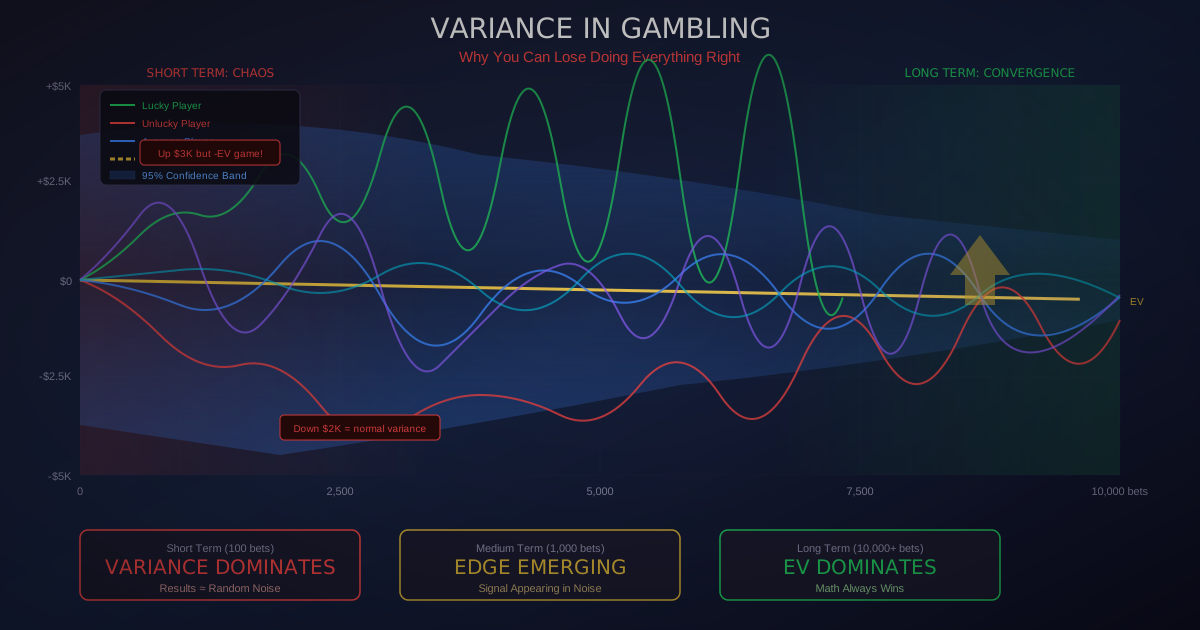
Confirmation bias
You remember insurance "would have helped"
Forget 70% when it wouldn't
Math doesn't support insurance
"At Least Break Even"
The myth:

"Even money guarantees no loss"

The reality:

You guarantee lower EV
Playing out averages higher
Even money costs you money
Frequently Asked Questions
Should I ever take insurance?
Only if card counting with true count +3 or higher. For basic strategy players, the answer is always no.
What about even money on blackjack?
Same as insurance mathematically. Decline it. Playing out your blackjack averages 3.5% more money.
How can insurance have 5.9% edge when I break even?
You don't break even. You win 2:1 only 30.8% of the time. The remaining 69.2% you lose your insurance bet entirely.
Why do casinos offer insurance?
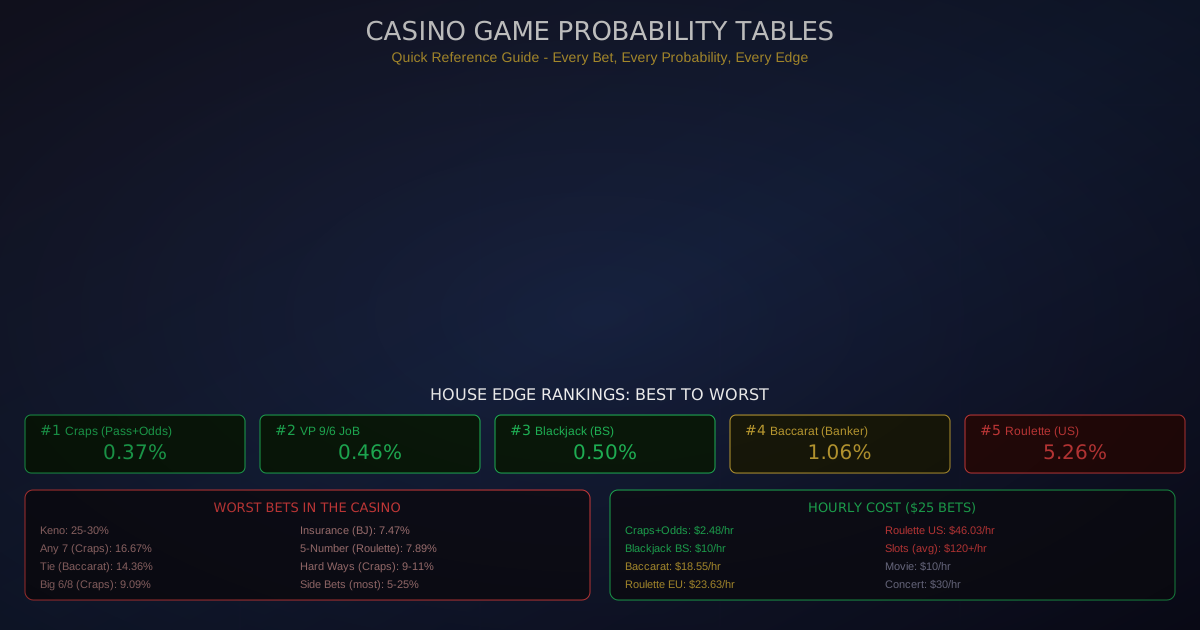
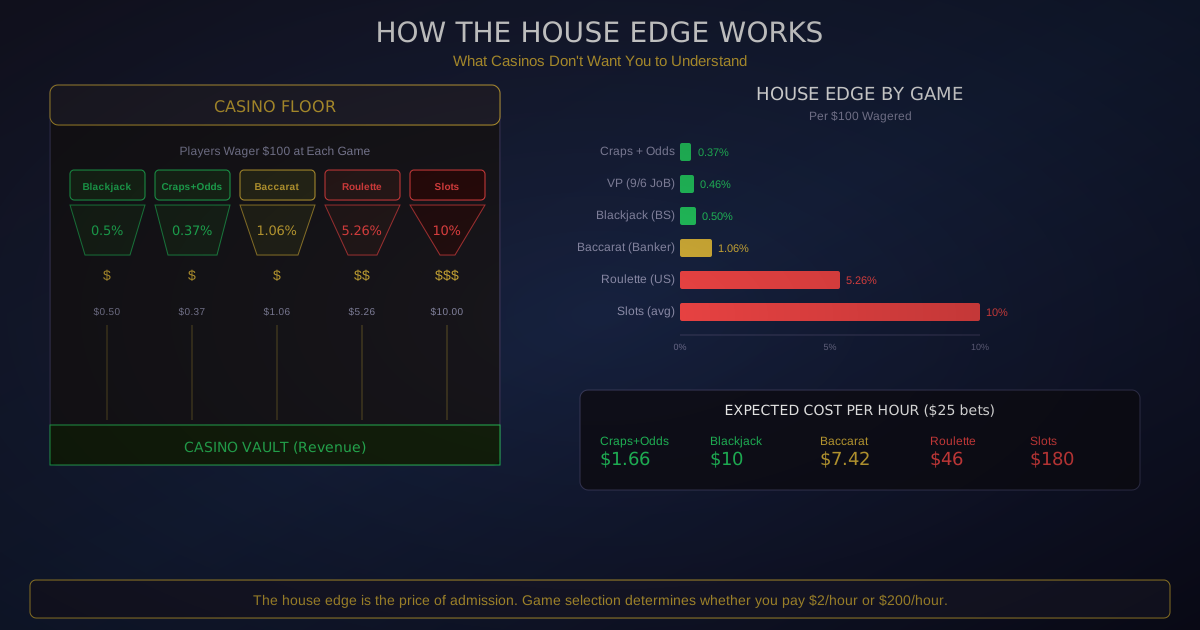
It's highly profitable at 5.9% edge—better than most of their table games. The "protection" framing encourages uptake.
Does my hand matter for insurance?
No. Insurance is purely about dealer's hole card. Your cards are irrelevant to the insurance bet mathematics.
When do card counters take insurance?
At true count +3 or higher, when 10-value cards are disproportionately present in remaining deck.
Pro Tips
-
Always decline: Basic strategy
-
Even money = insurance: Same trap
-
5.9% house edge: Worse than main game
-
Hand irrelevant: It's about dealer
-
Counting +3: Only exception
Related Calculators
- Blackjack Odds Calculator - Main game
- Blackjack Strategy Calculator - Basic strategy
- Card Counting Calculator - When insurance works
- House Edge Calculator - Compare games
- Expected Value Calculator - Bet analysis
Conclusion
Insurance in blackjack is a 5.9% house edge side bet disguised as "protection." Our calculator reveals why even money on blackjack costs you money, your hand strength is irrelevant to insurance value, and only card counters at +3 true count should ever take it.
Calculate Insurance Odds Now →
That tempting "even money" on your blackjack costs you 3.5% expected value compared to playing it out. Our calculator shows why insurance is almost never the right call.