Kelly Criterion Calculator: Optimal Bet Sizing Guide (2026)
Kelly Criterion Calculator: Maximize Bankroll Growth Mathematically
The Kelly Criterion is the gold standard for optimal bet sizing. Developed by Bell Labs scientist John Kelly in 1956, this formula tells you exactly what percentage of your bankroll to wager based on your edge and the odds offered. Our free Kelly Criterion calculator applies this powerful formula to your bets instantly.
What Is the Kelly Criterion?
The Kelly Criterion is a mathematical formula that calculates the optimal bet size to maximize long-term bankroll growth while minimizing the risk of ruin.
Quick Answer: The Kelly Criterion calculates the ideal percentage of your bankroll to bet based on your edge. If you have a 5% edge on a bet, Kelly tells you exactly how much to wager for maximum growth without excessive risk.
The Kelly Formula
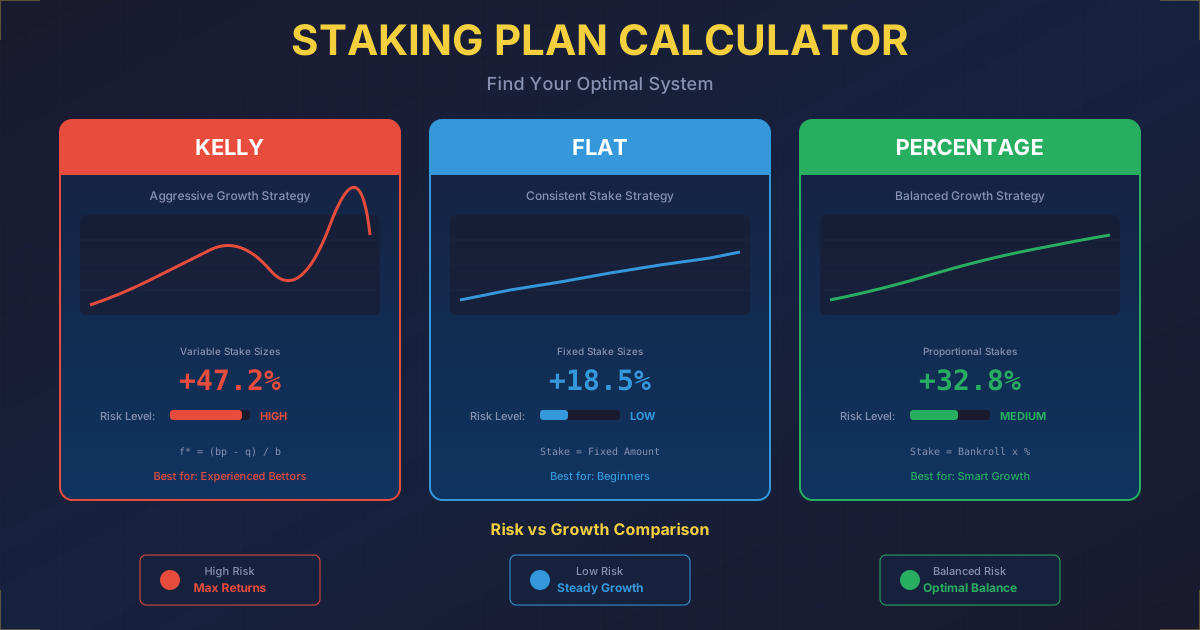
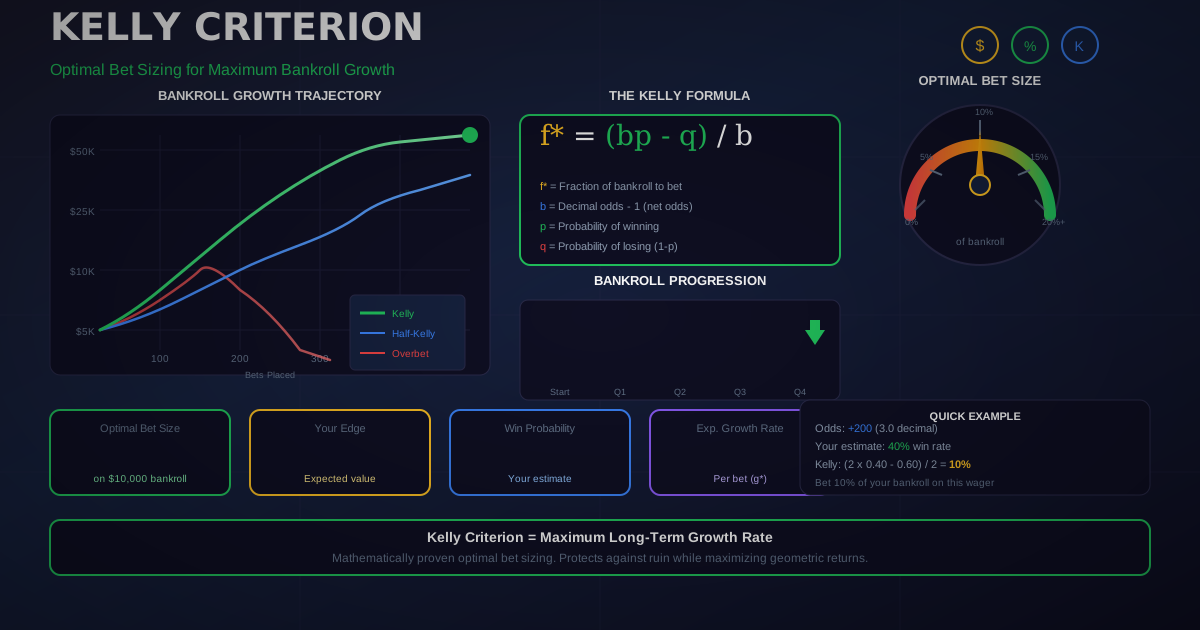
f* = (bp - q) / b
Where:
- f* = Fraction of bankroll to bet
- b = Decimal odds - 1 (net odds received on the bet)
- p = Probability of winning
- q = Probability of losing (1 - p)
How to Use Our Free Kelly Criterion Calculator
Use the Kelly Criterion Calculator →
Our calculator takes your odds and estimated win probability, then outputs the optimal bet percentage and recommended wager amount.
Step-by-Step Instructions
-
Enter the Odds: Input the odds offered (American, Decimal, or Fractional format)
-
Enter Your Win Probability: Estimate your true chance of winning (be honest and conservative)
-
Enter Your Bankroll: Input your total betting bankroll
-
View Kelly Recommendation: See the optimal bet percentage and dollar amount
Input Fields Explained
| Field | Description | Example |
|---|---|---|
| Odds | Odds offered by sportsbook | +150 (American) |
| Win Probability | Your estimated true win % | 45% |
| Bankroll | Total betting funds | $10,000 |
| Kelly Fraction | Conservative multiplier | 0.5 (Half Kelly) |
Real-World Kelly Criterion Examples
Example 1: Sports Betting Edge
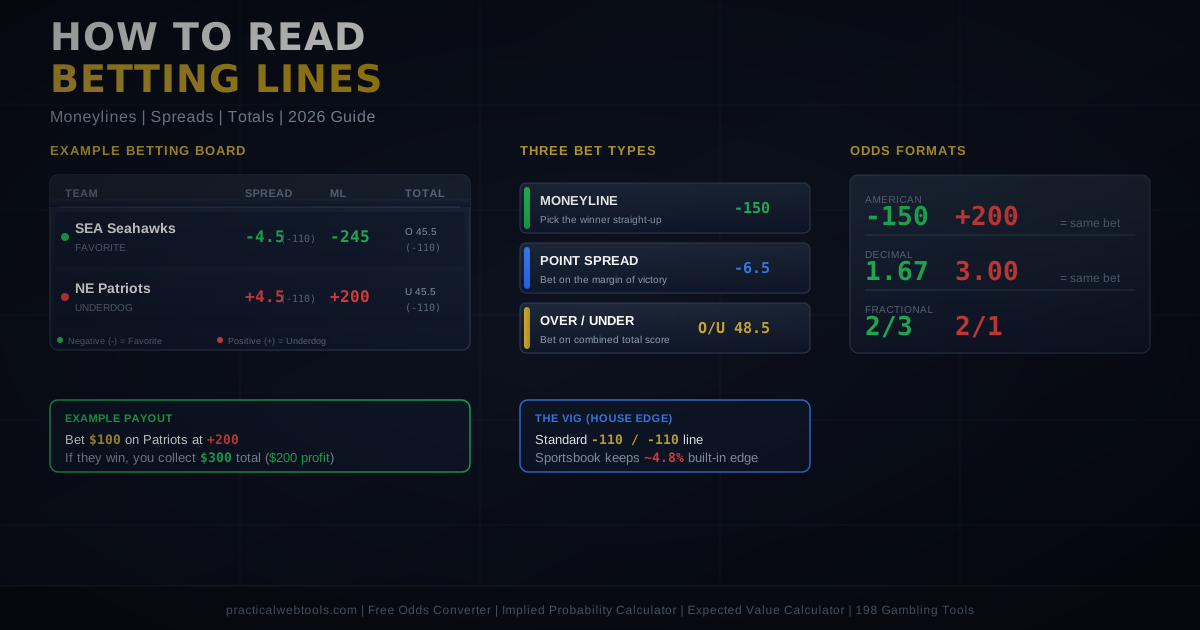
You've identified a bet with +200 odds (3.00 decimal) and believe the true probability is 40% (the book has it at 33%).
Kelly Calculation:
- b = 3.00 - 1 = 2.00
- p = 0.40
- q = 0.60
- f* = (2.00 × 0.40 - 0.60) / 2.00 = (0.80 - 0.60) / 2.00 = 0.10
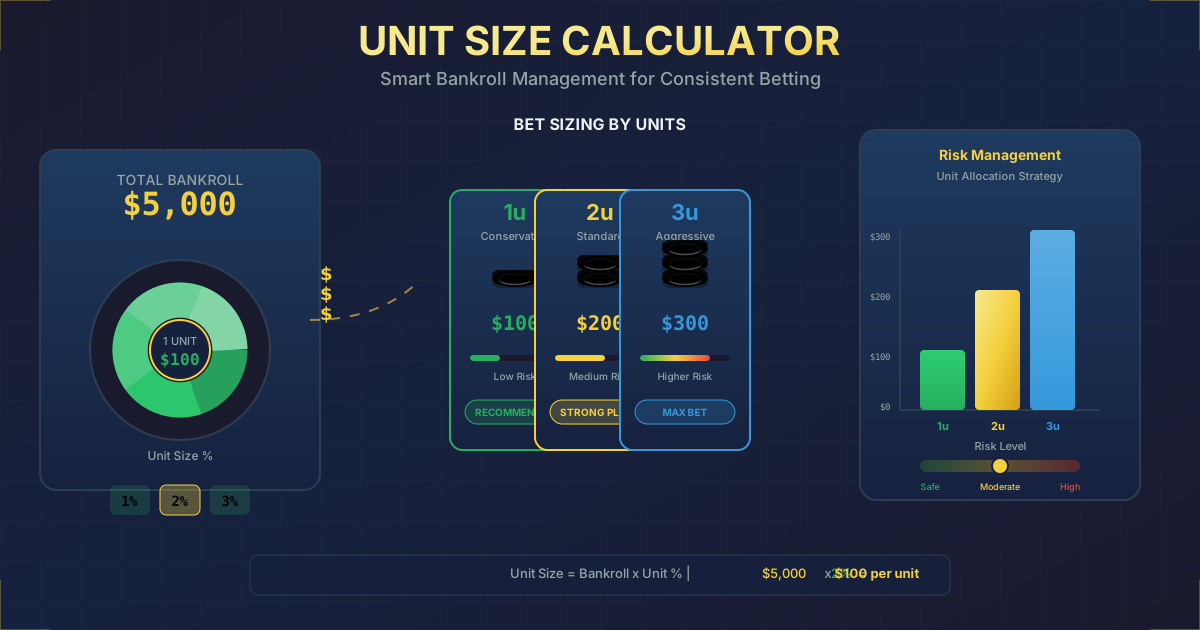
Result: Bet 10% of your bankroll. With a $5,000 bankroll, wager $500.
Example 2: Coin Flip with Edge
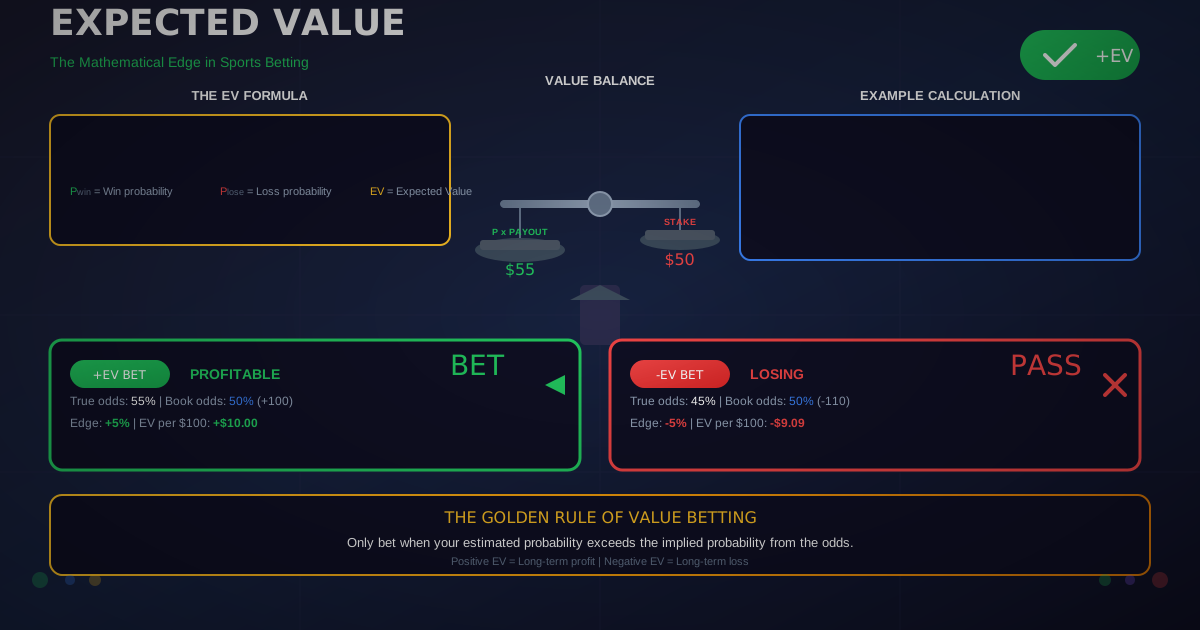
A casino offers you even money (+100) on a coin flip using a biased coin that lands heads 55% of the time.
Kelly Calculation:
- b = 2.00 - 1 = 1.00
- p = 0.55
- q = 0.45
- f* = (1.00 × 0.55 - 0.45) / 1.00 = 0.10
Result: Bet 10% of your bankroll on each flip for maximum growth.
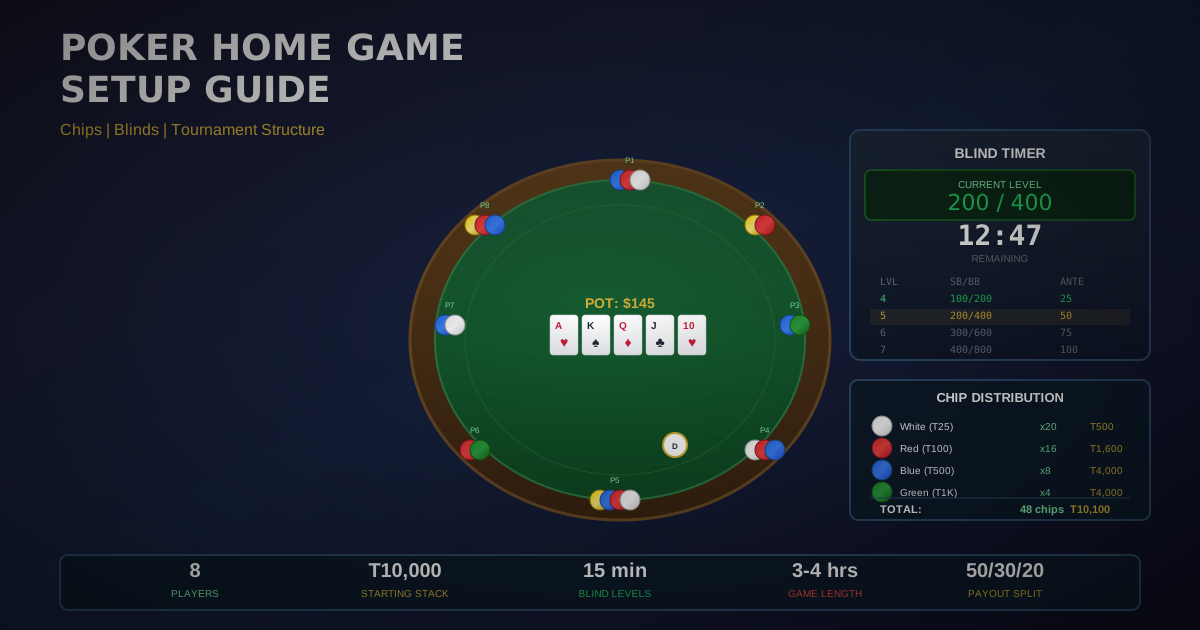
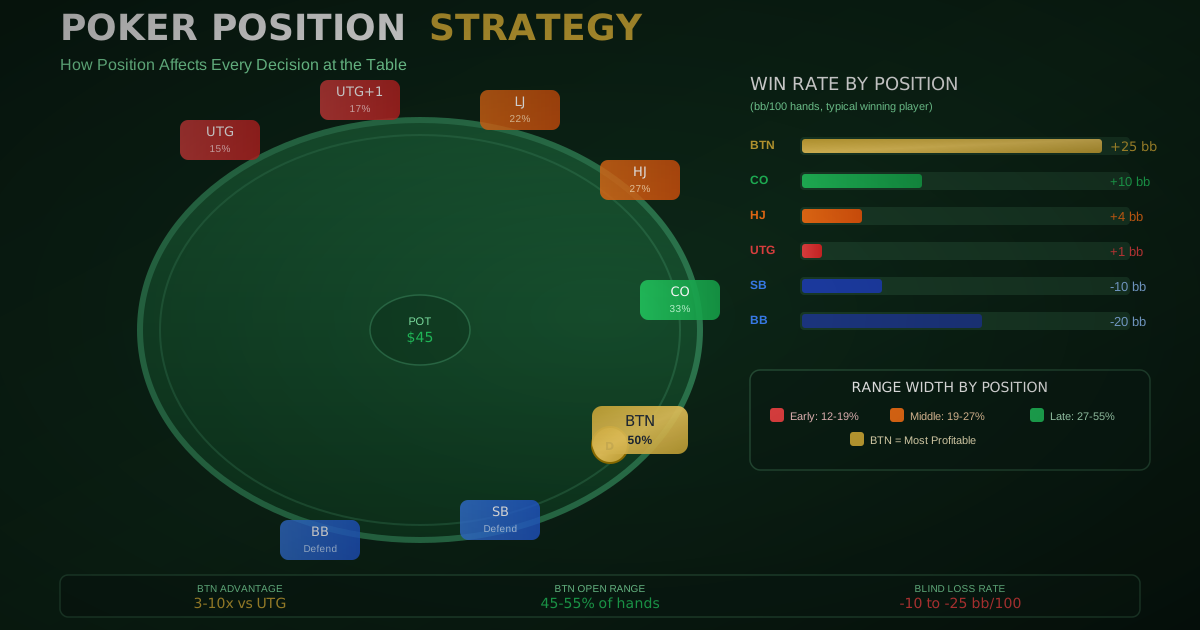
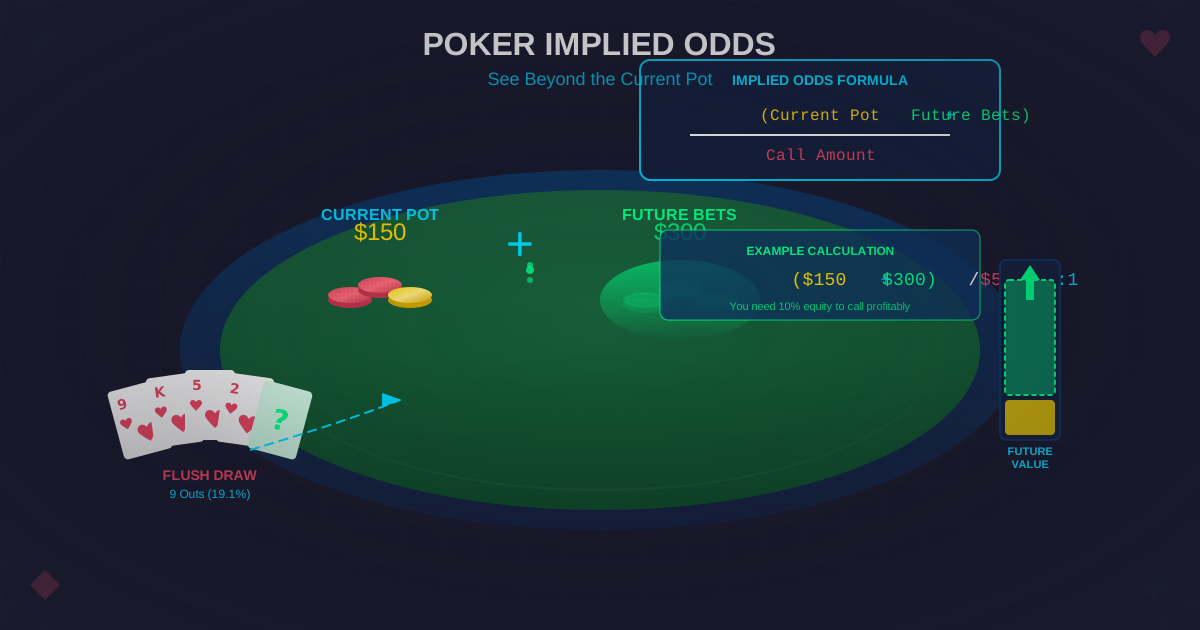
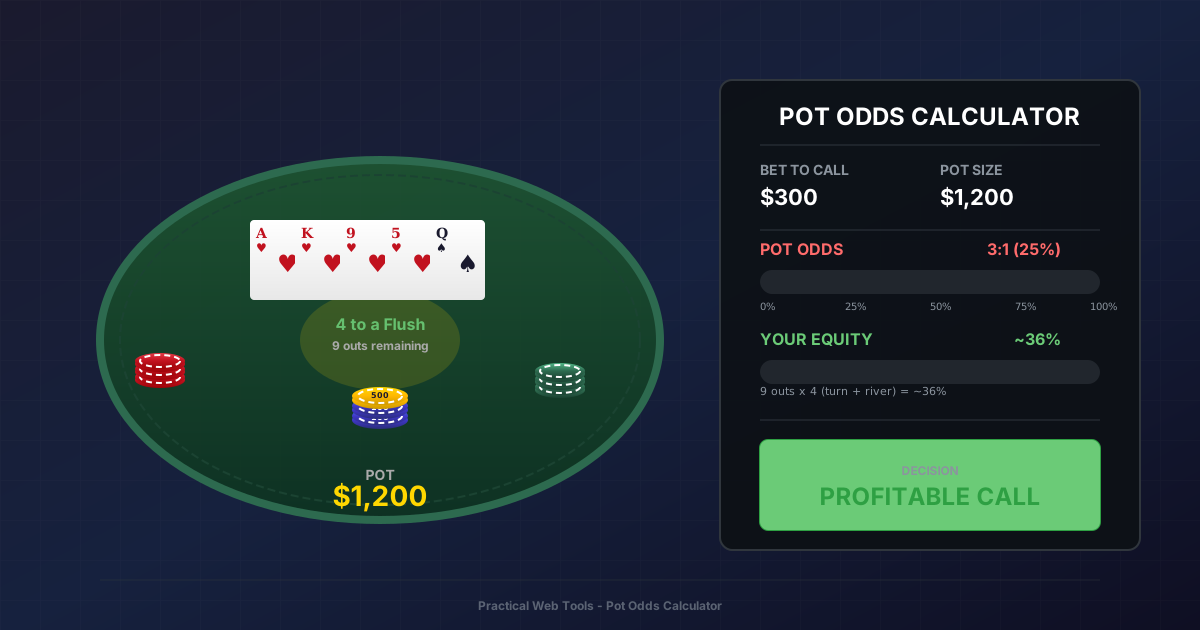
Example 3: Poker Tournament Decision
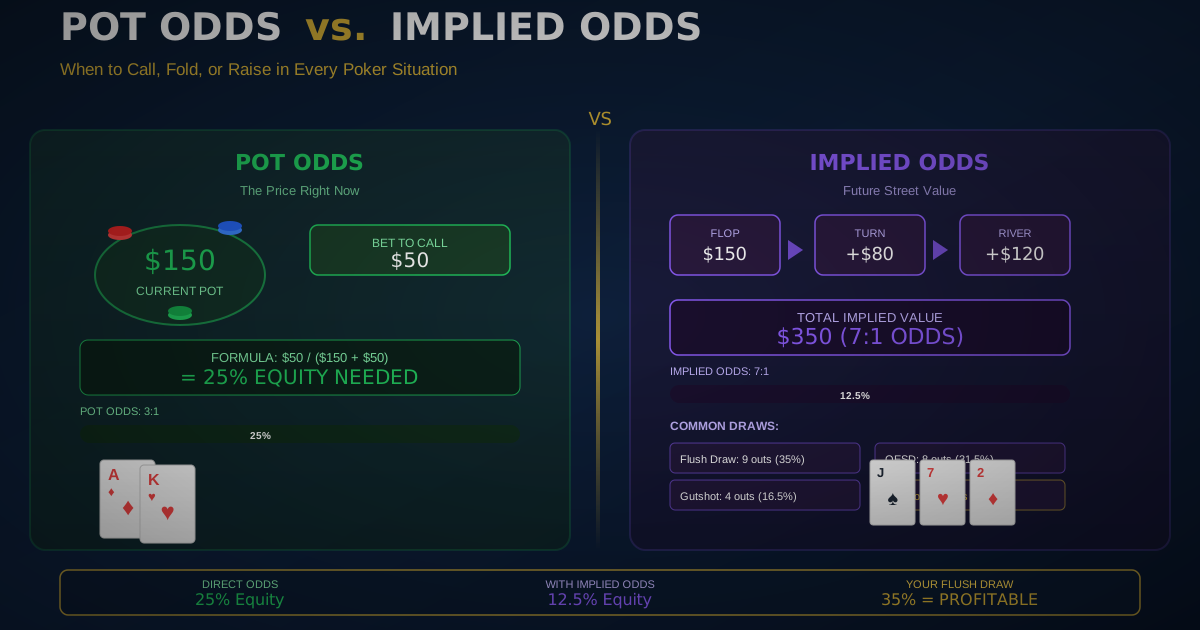
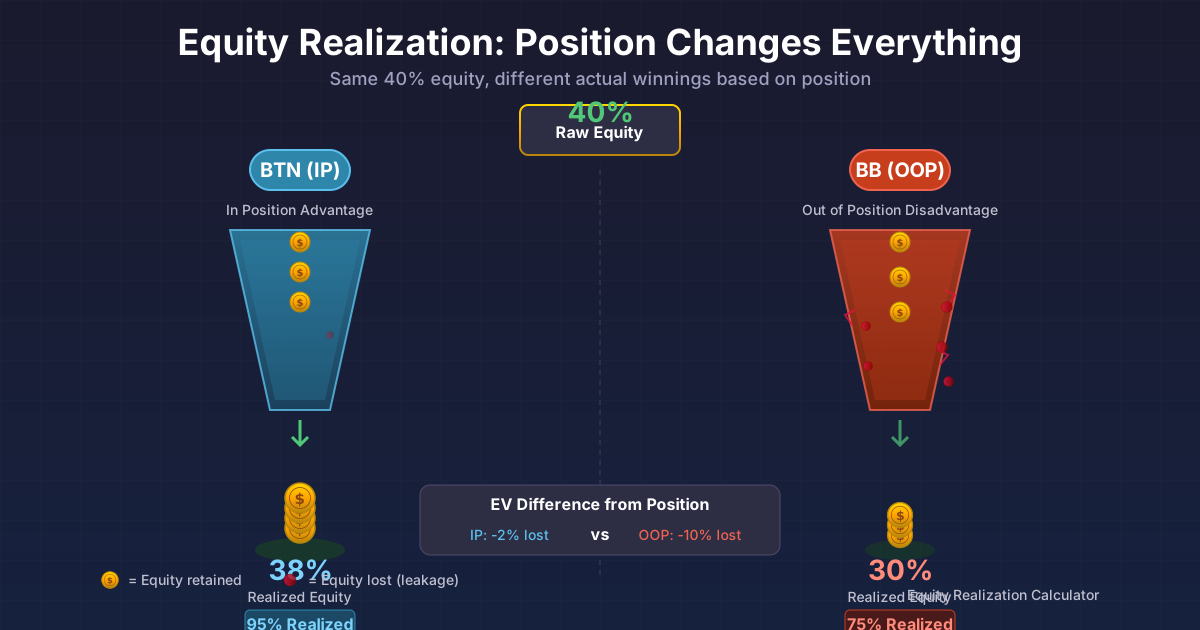
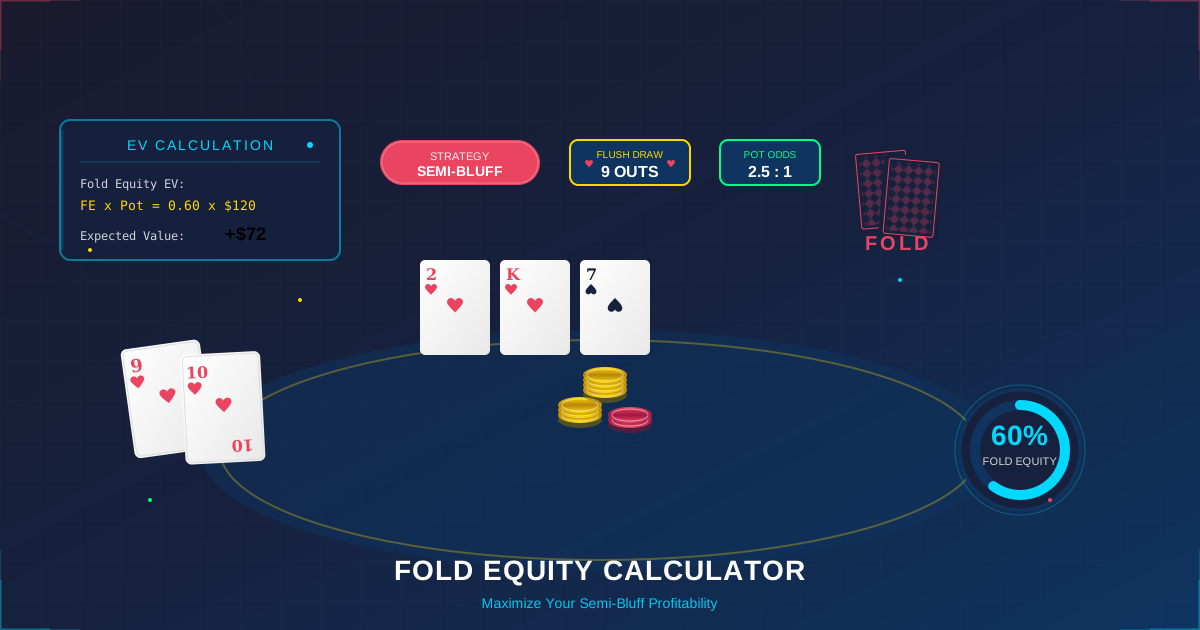
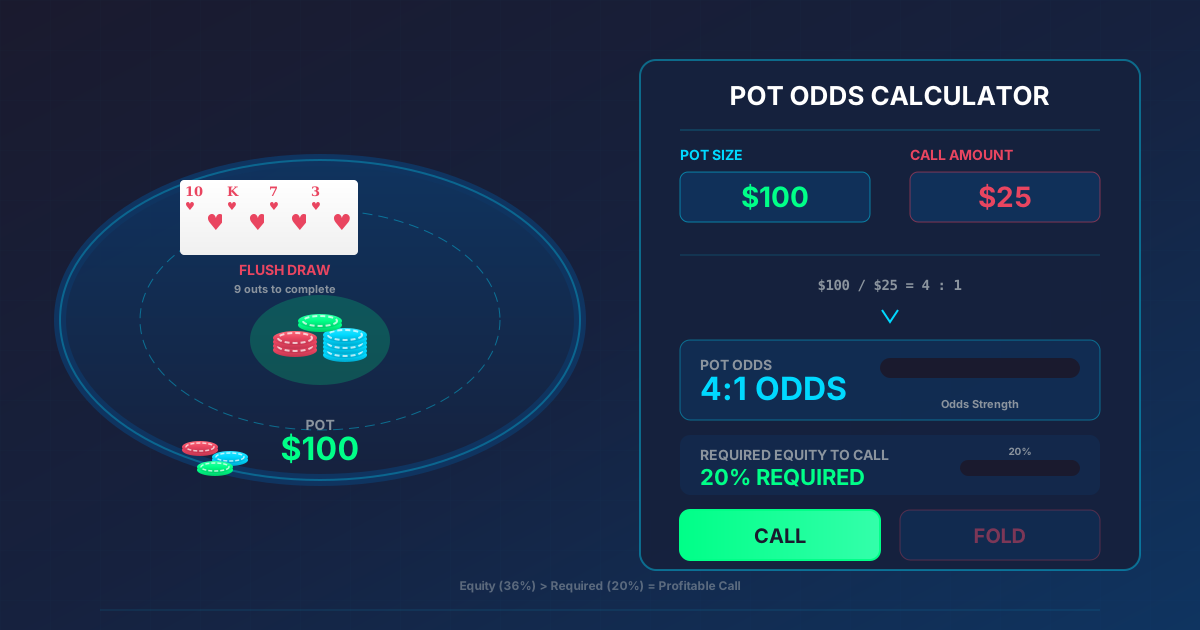
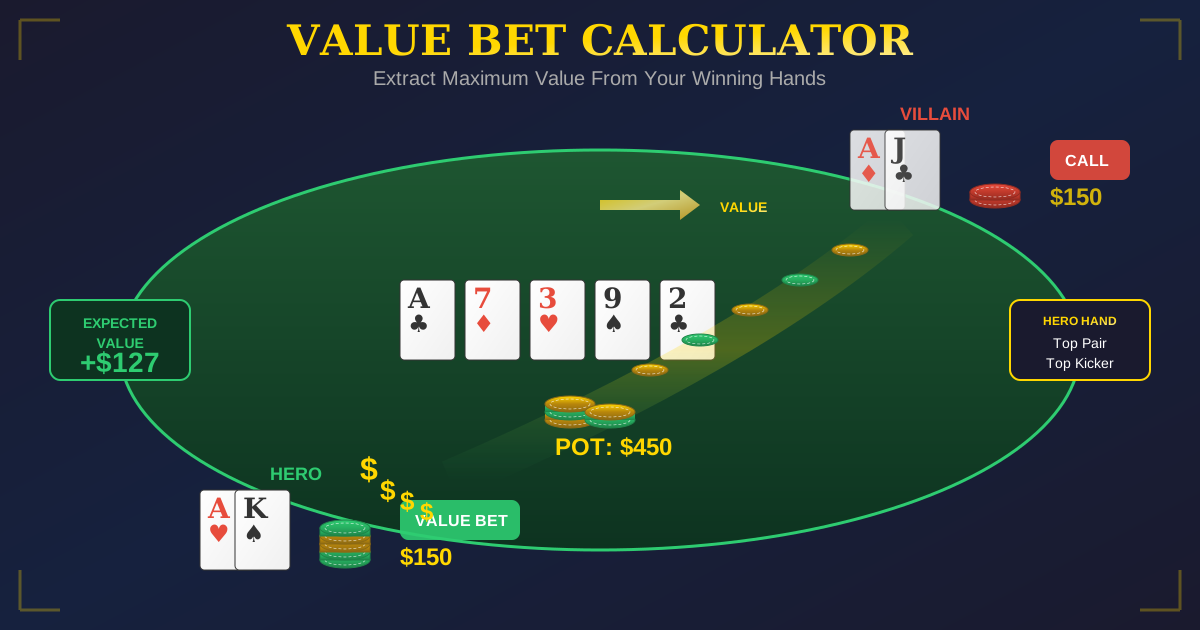
You estimate you have 60% equity to win an all-in pot that offers 1.5:1 on your call (getting $150 to call $100).
Kelly Calculation:
- b = 1.50
- p = 0.60
- q = 0.40
- f* = (1.50 × 0.60 - 0.40) / 1.50 = (0.90 - 0.40) / 1.50 = 0.33
Result: You can commit up to 33% of your stack based on Kelly math.
How Kelly Criterion Optimizes Your Betting
Maximizes Long-Term Growth Rate
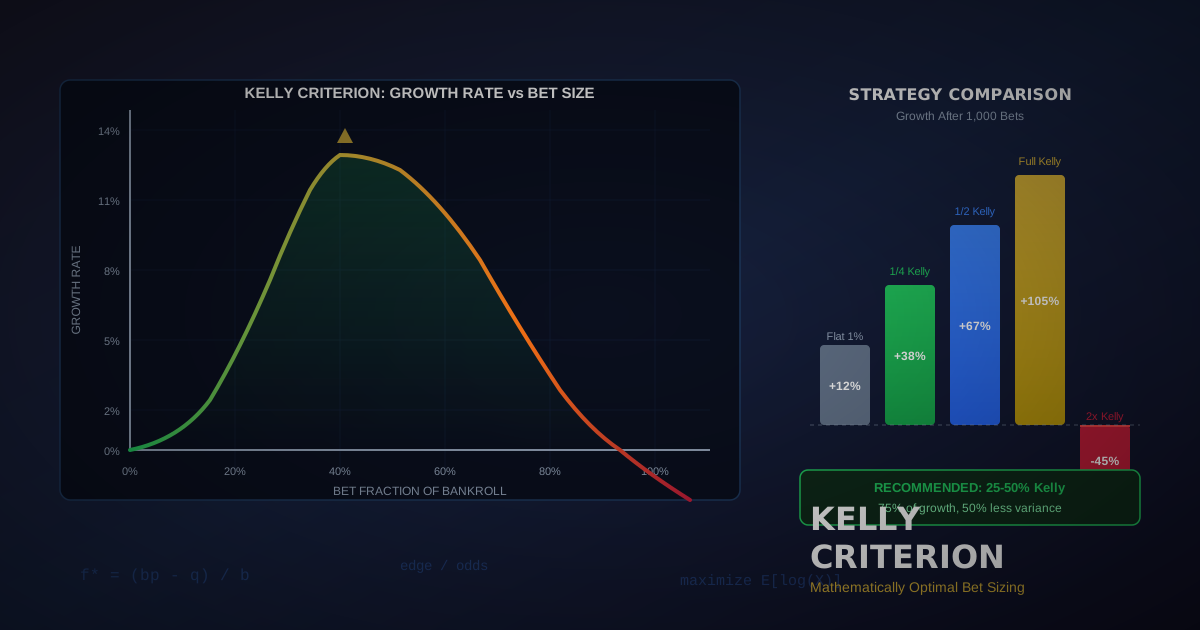
Kelly betting produces the highest geometric growth rate over time. No other staking strategy grows your bankroll faster in the long run when applied to +EV bets.
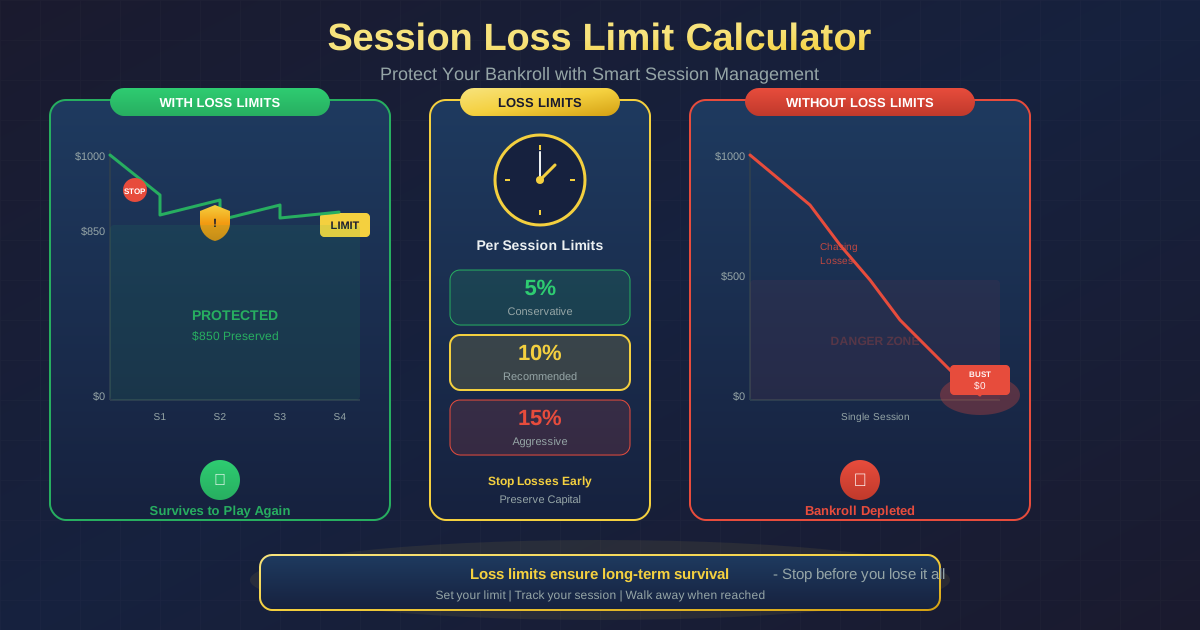
Prevents Bankruptcy
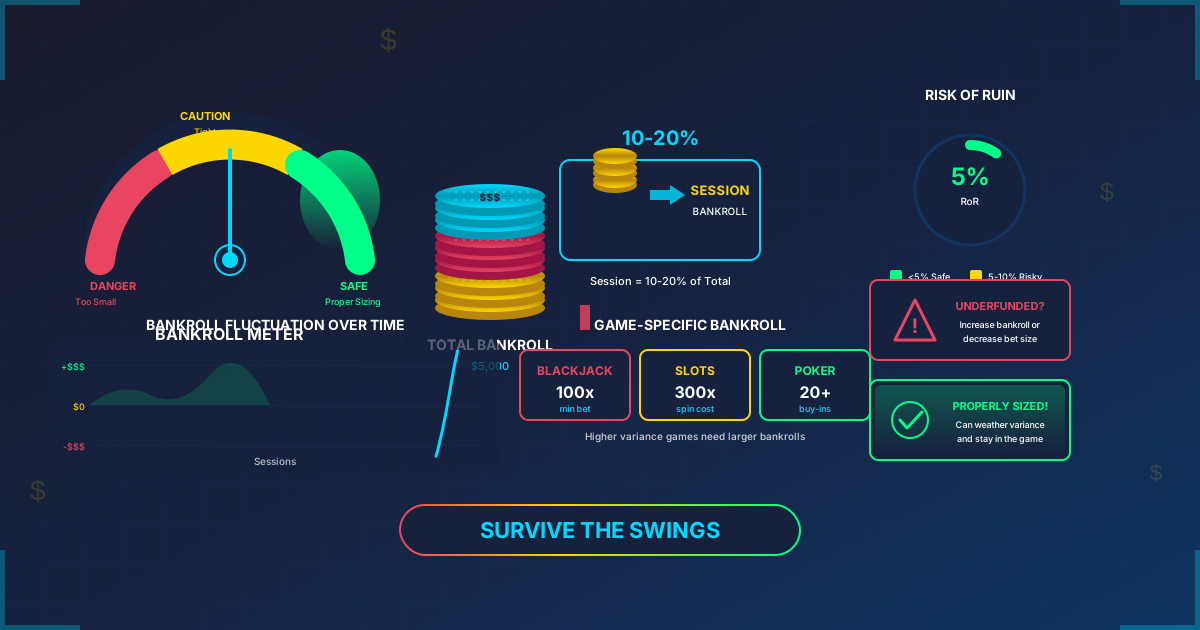
By limiting bet sizes proportionally to edge, Kelly ensures you never bet too much on any single wager. Even a string of losses won't wipe out your bankroll.
Scales Automatically
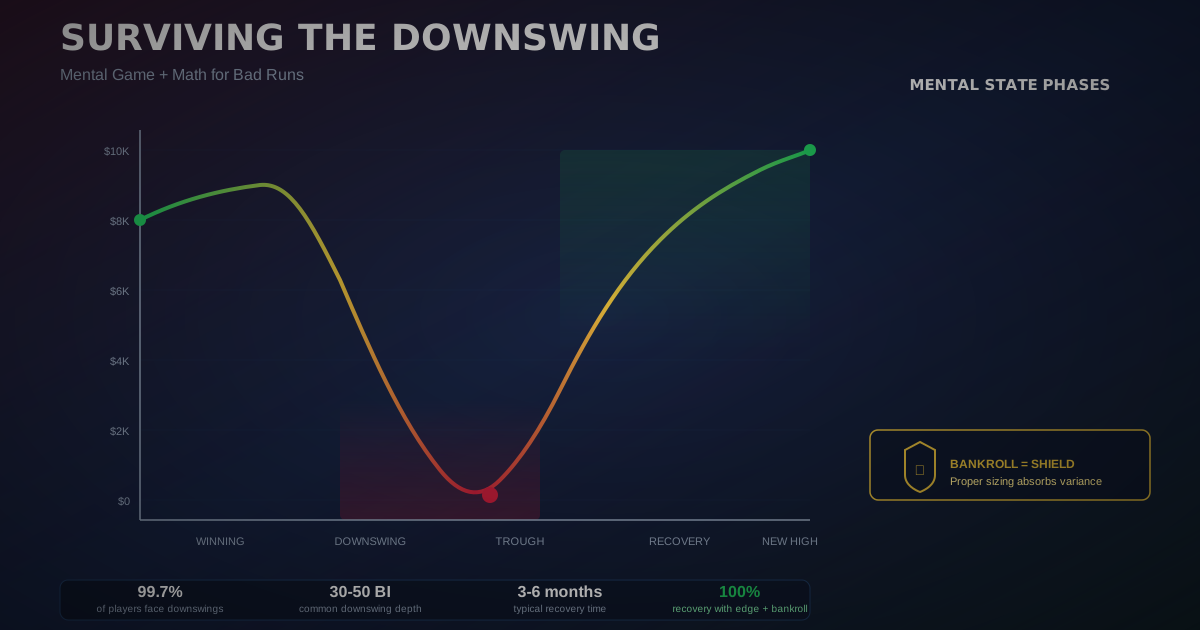
As your bankroll grows, Kelly bet sizes grow proportionally. As it shrinks, bets decrease automatically, protecting you during downswings.
Quantifies Edge Requirements
Kelly math reveals when a bet isn't worth making. If your edge isn't sufficient for the odds offered, the Kelly formula returns zero or negative (don't bet).
Full Kelly vs. Fractional Kelly
Most professional bettors use fractional Kelly rather than full Kelly:
| Strategy | Bet Size | Risk | Growth Rate |
|---|---|---|---|
| Full Kelly | 100% of Kelly | Higher variance | Maximum theoretical |
| Half Kelly | 50% of Kelly | 75% of variance | 75% of growth rate |
| Quarter Kelly | 25% of Kelly | Lower variance | Smoother growth |
Why Use Fractional Kelly?
- Edge estimates are uncertain—you might overestimate your advantage
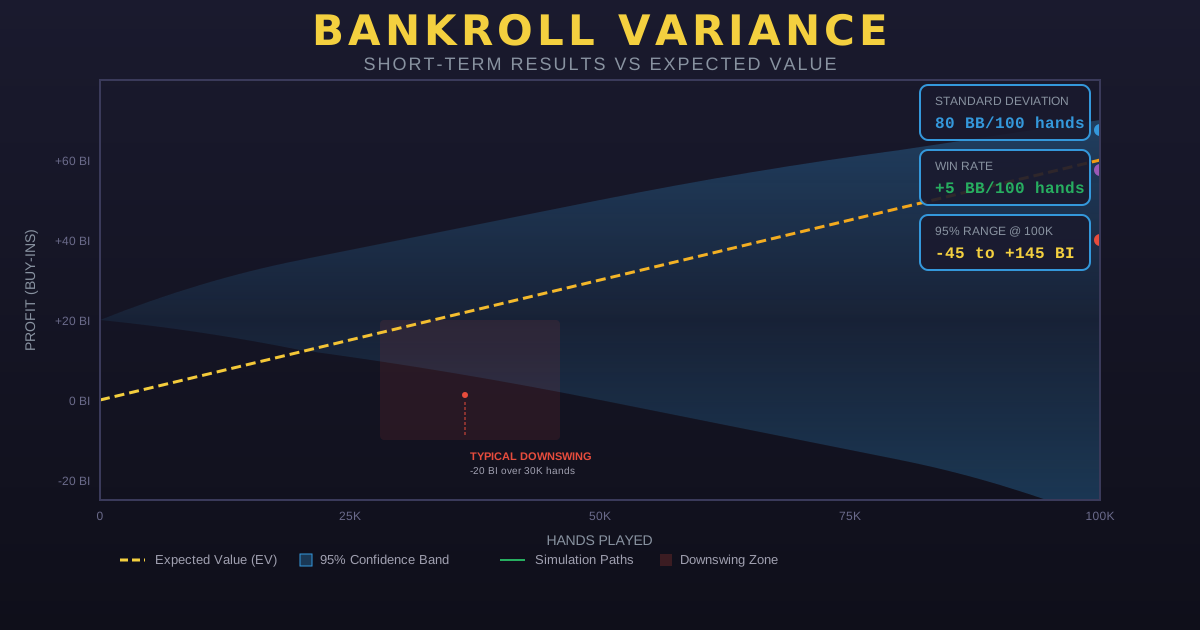
- Reduces variance and emotional stress during downswings
- Half Kelly provides 75% of the growth with much smoother results
Common Kelly Criterion Mistakes to Avoid
-
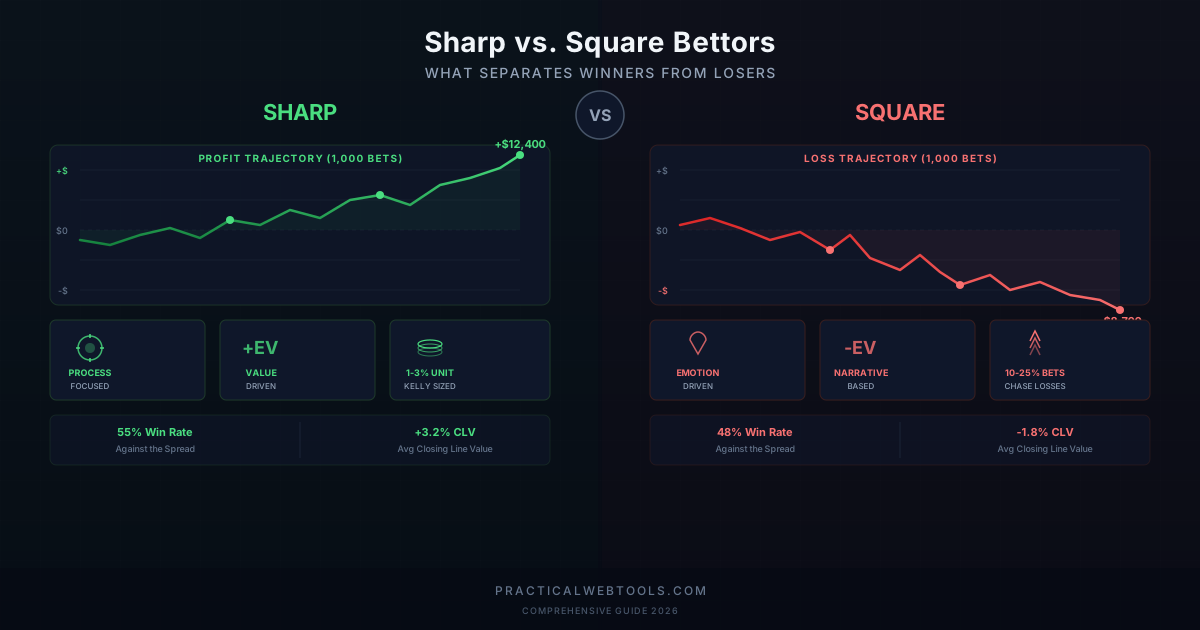
Overestimating Your Edge: The biggest Kelly mistake. If you think you have 5% edge but really have 2%, you'll overbet dramatically. Always be conservative with probability estimates.
-
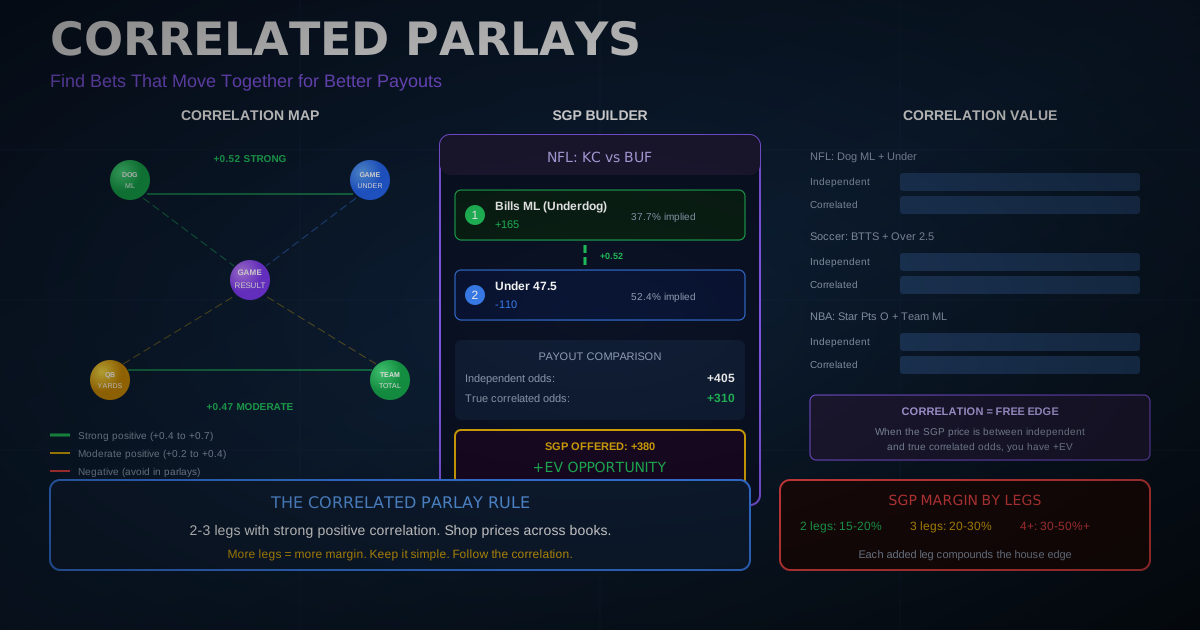
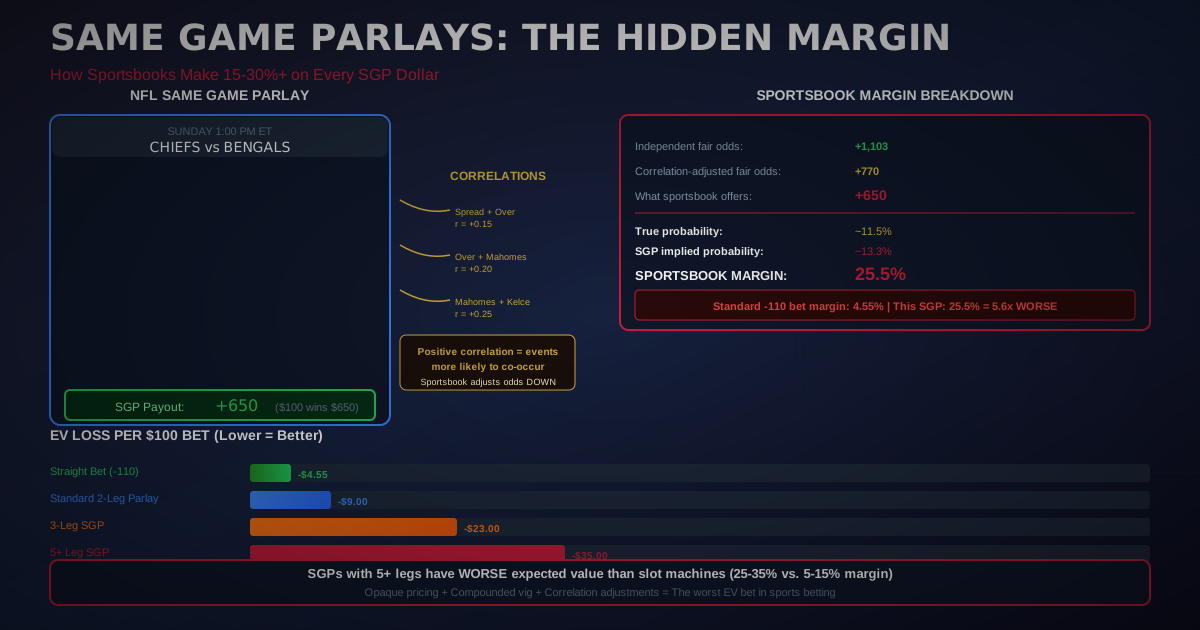
Ignoring Correlation: If you bet multiple correlated events, you're effectively making one larger bet. Kelly assumes independent bets.
-
Using Bankroll You Can't Lose: Kelly bankroll should be money dedicated to betting, not your rent money or emergency fund.
-
Not Adjusting for Uncertainty: When edge confidence is low, use fractional Kelly (1/4 or 1/2) to account for estimation error.
-
Betting Full Kelly on Every Bet: Full Kelly is mathematically optimal but emotionally brutal. Downswings will be severe. Most pros use half Kelly or less.
Frequently Asked Questions
What edge do I need for Kelly to work?
Any positive edge works with Kelly. However, very small edges (under 1-2%) may not justify the effort. The formula mathematically determines bet size based on whatever edge exists.
Is Kelly Criterion good for sports betting?
Yes, Kelly is excellent for sports betting when you have an accurate edge estimate. Sharp bettors use Kelly variants to size their wagers. The challenge is accurately estimating true win probabilities.
What happens if I bet more than Kelly suggests?
Overbetting (beyond Kelly) actually decreases long-term growth rate and increases ruin risk. Counterintuitively, betting 2x Kelly grows your bankroll slower than betting 1x Kelly.
Should I use Kelly for poker?
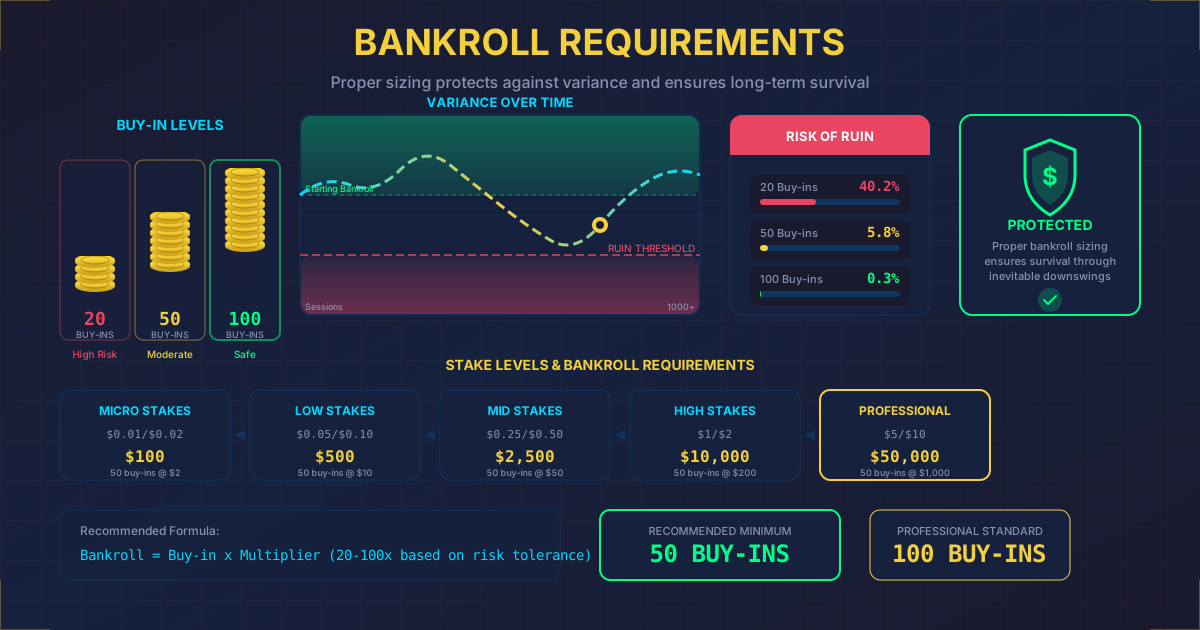
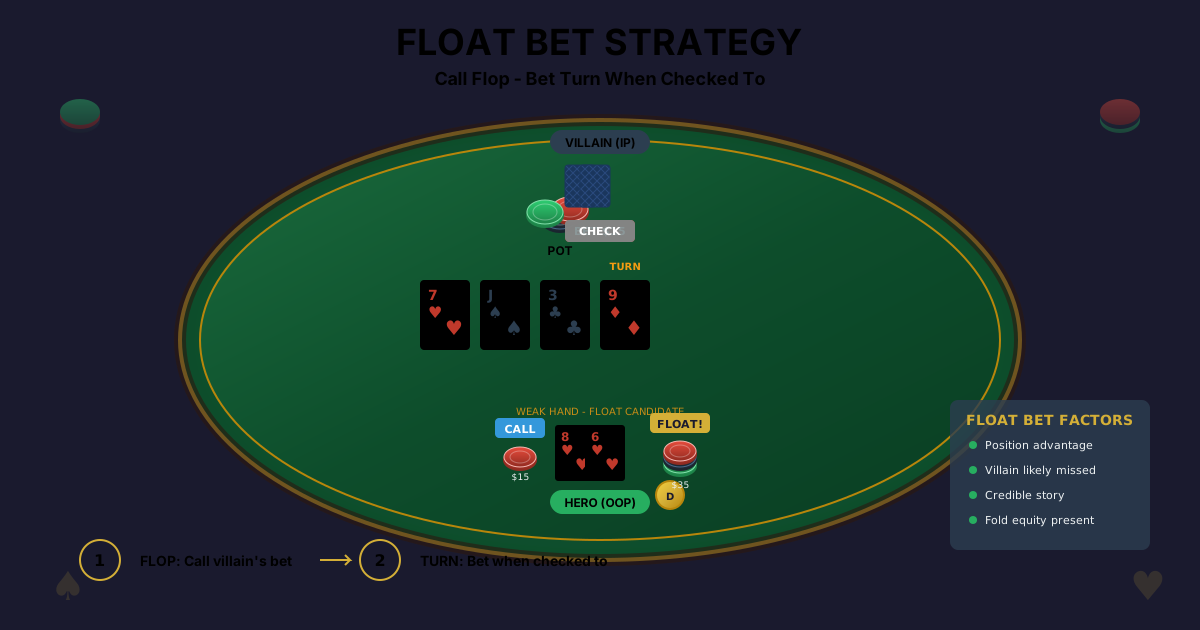
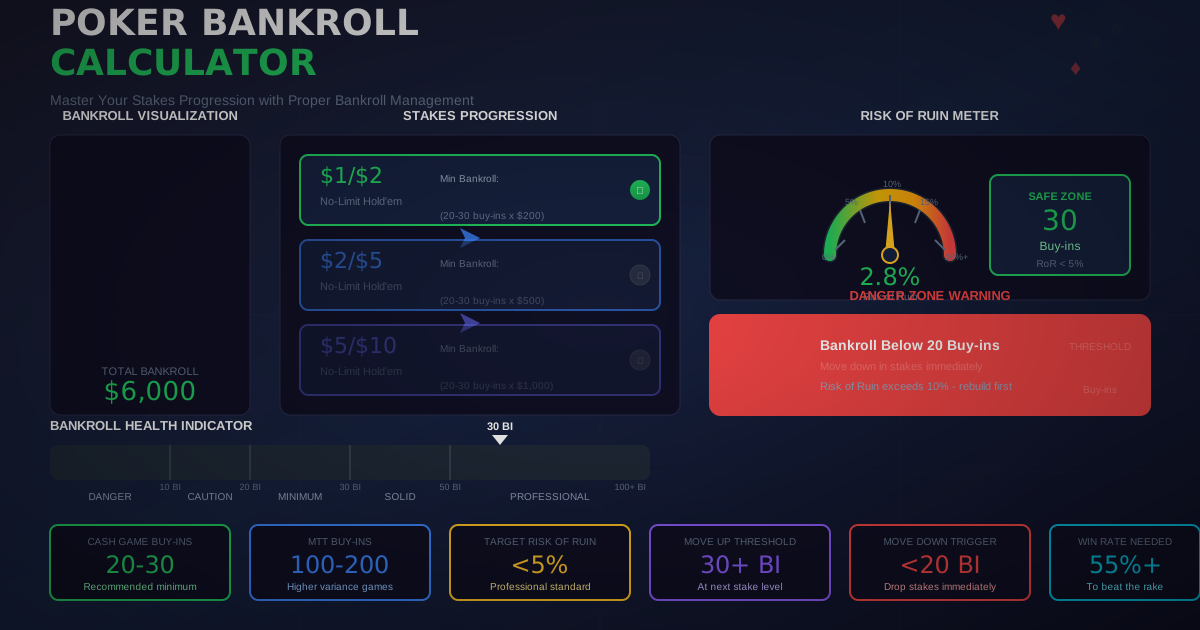
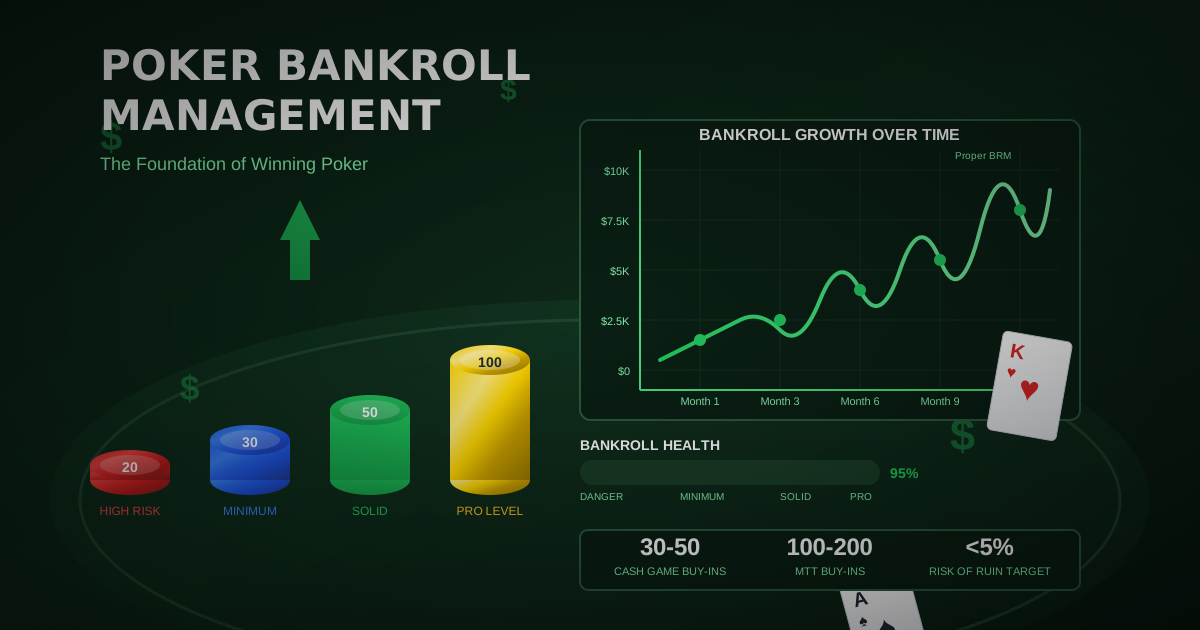
Kelly applies to poker, especially tournament decisions and shot-taking at higher stakes. For cash game session bankrolls, traditional bankroll management rules (20-30 buy-ins) serve a similar purpose.
How do I estimate my win probability?
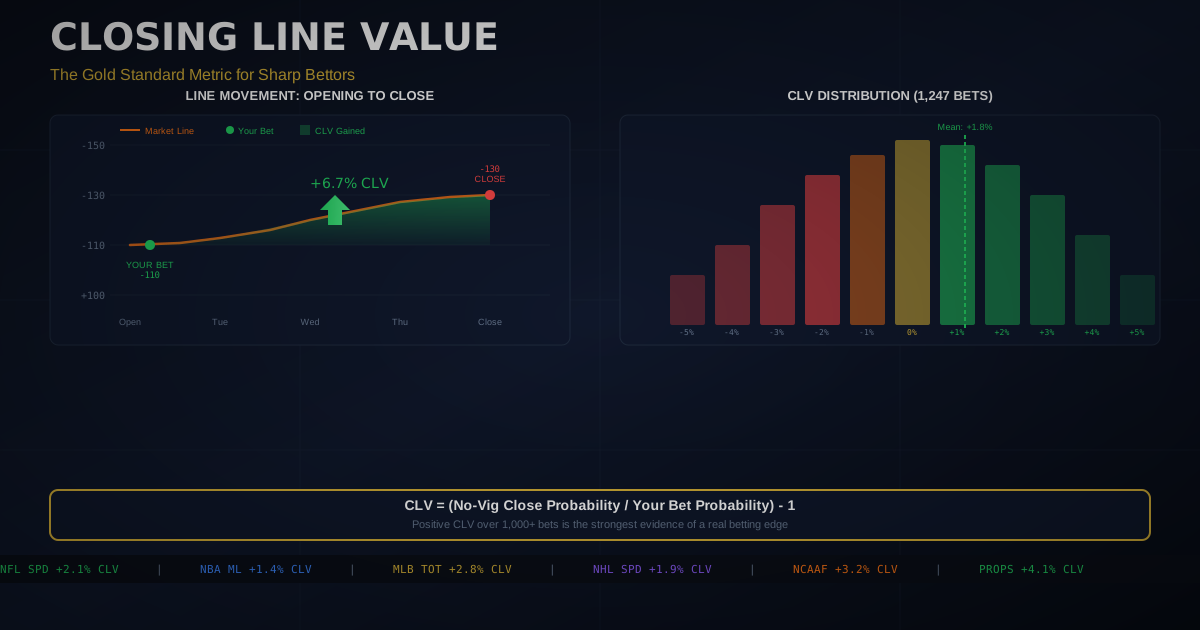
For sports betting, compare lines across multiple books, use statistical models, or track your historical results. Your closing line value (CLV) over time indicates if your probability estimates are accurate.
What's the Kelly criterion for negative expectation bets?
Kelly returns zero or negative for -EV bets, mathematically telling you not to bet. This is a feature—Kelly prevents you from making losing wagers.
Kelly Criterion vs. Other Staking Methods
| Method | Description | Best For |
|---|---|---|
| Kelly | Optimal growth based on edge | Serious bettors with edge estimation |
| Flat Betting | Same amount every bet | Beginners, recreational betting |
| Percentage | Fixed % of bankroll | Simple progression system |
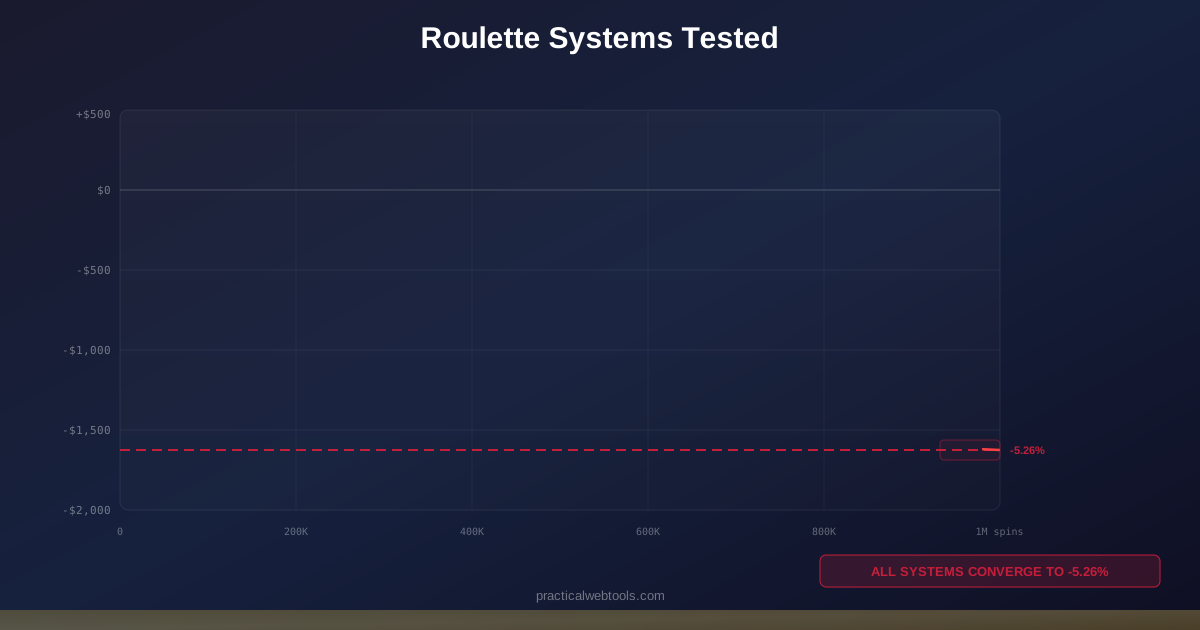
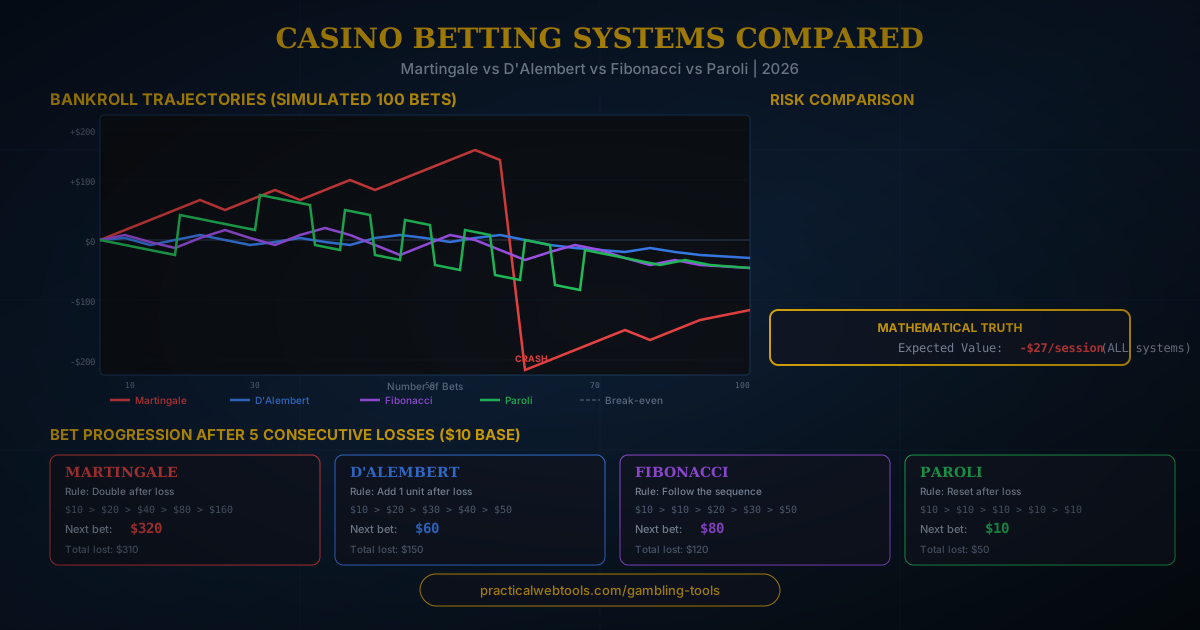
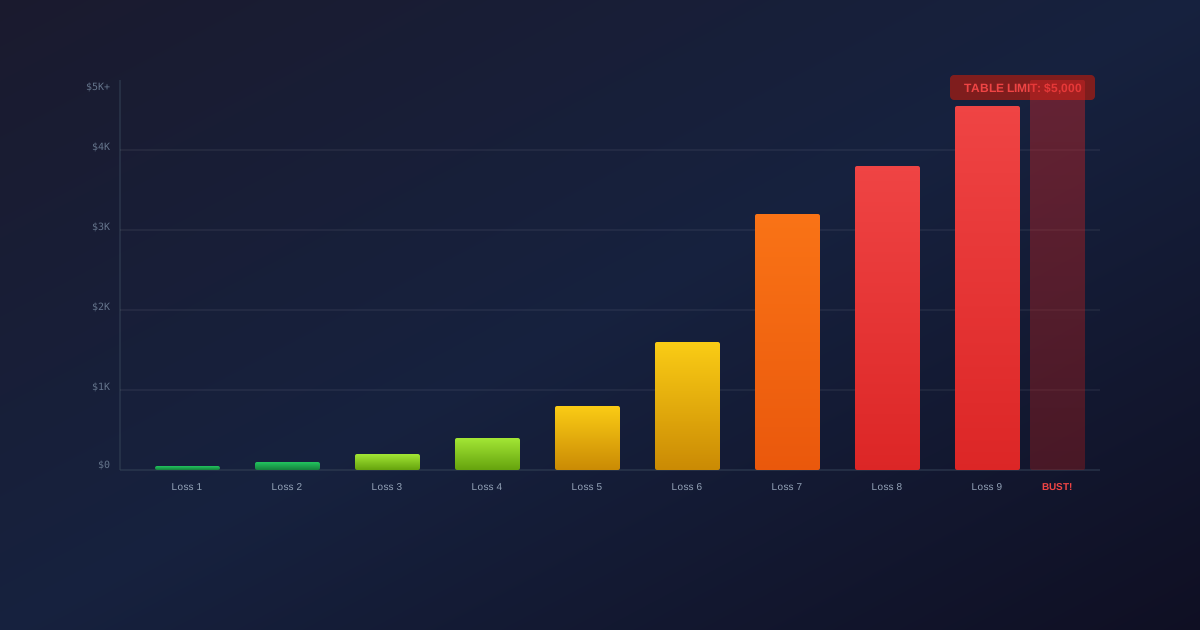
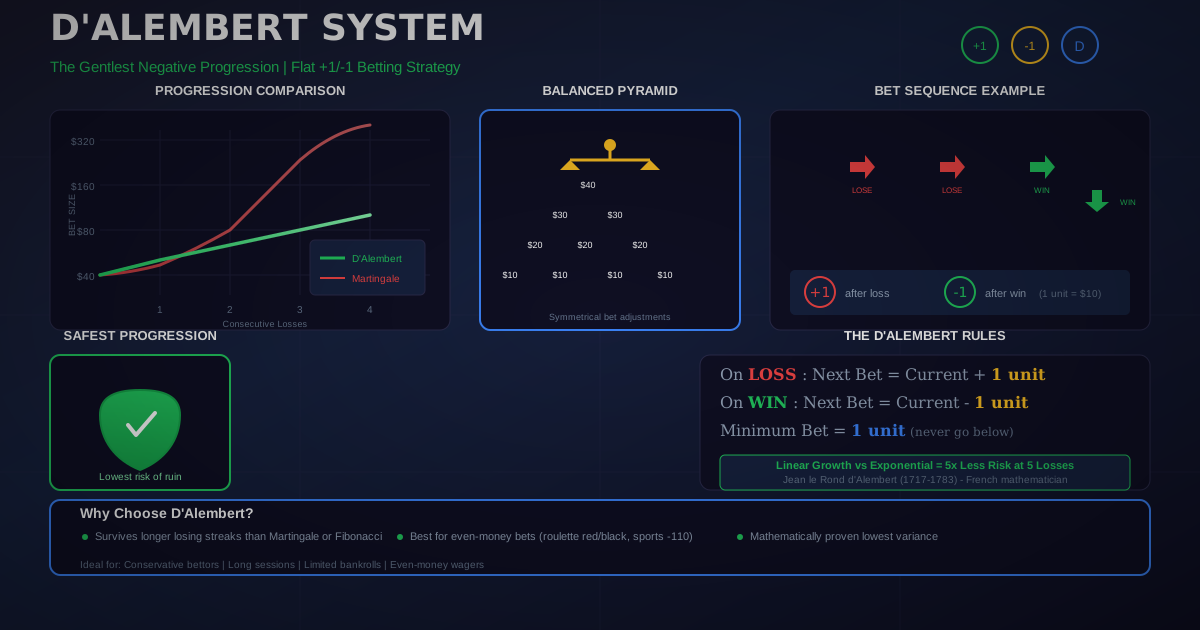
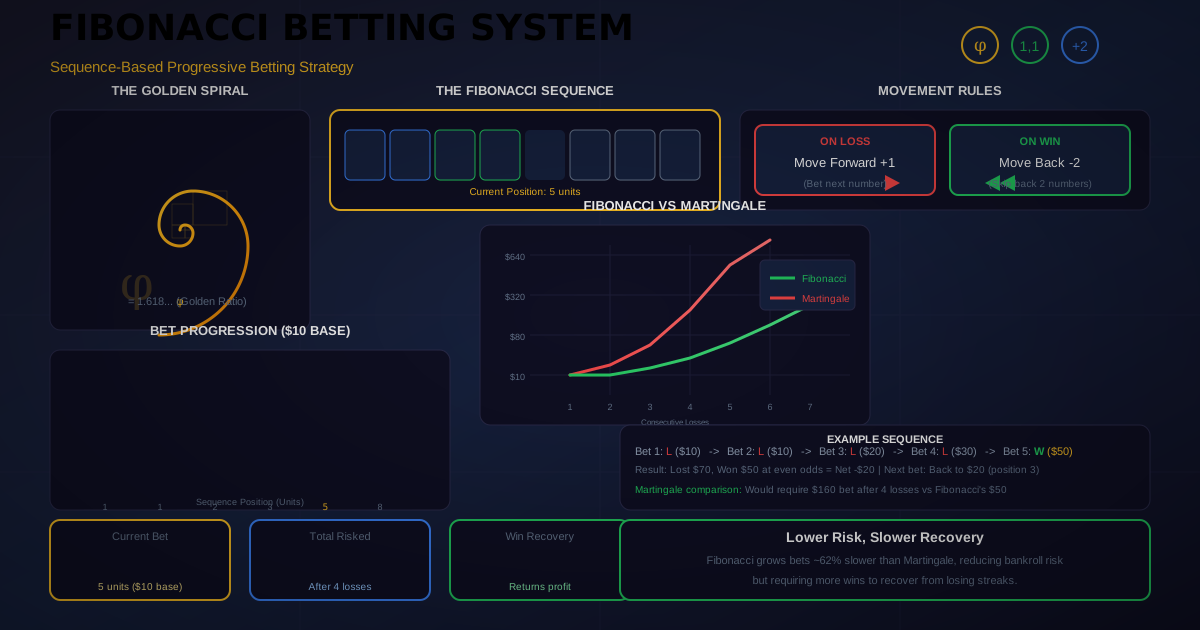
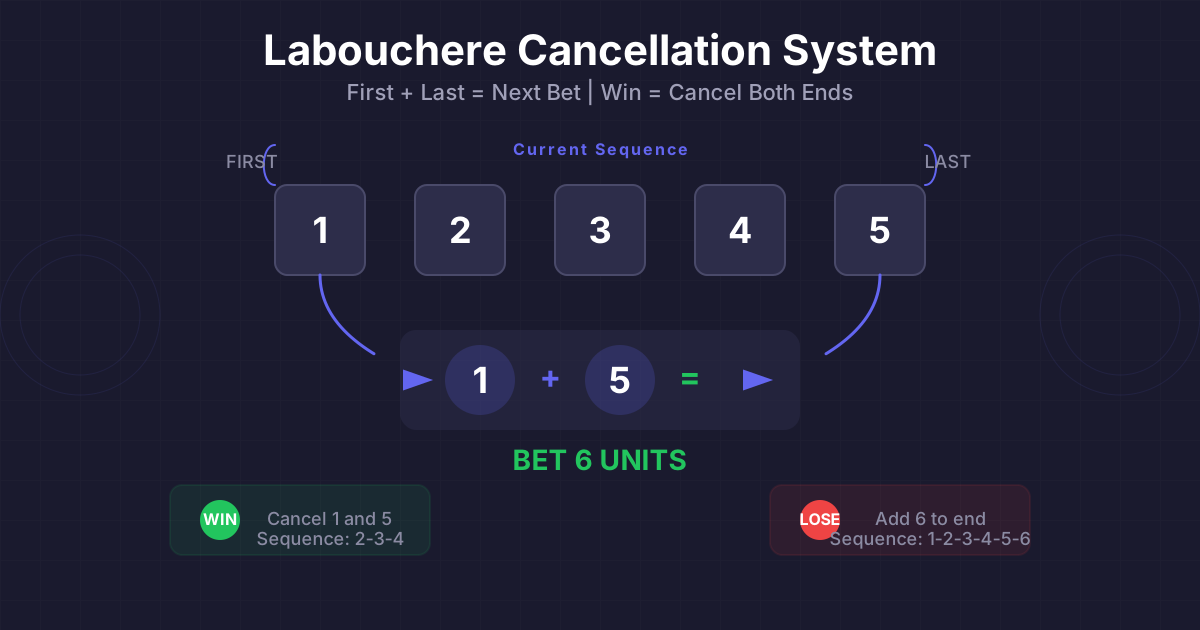
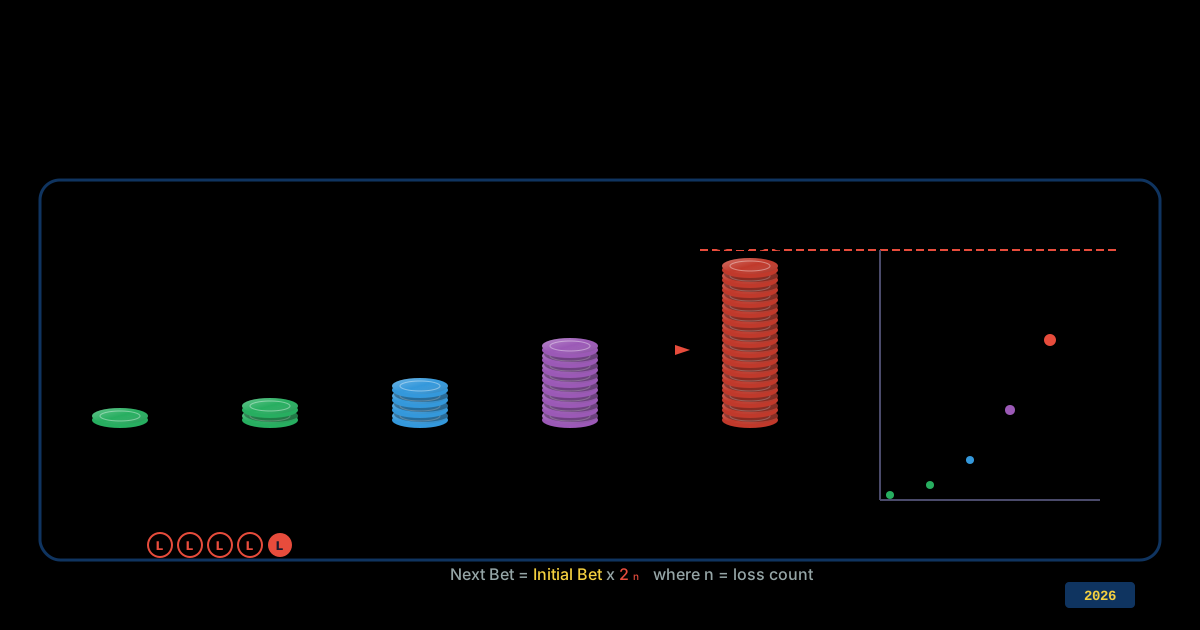
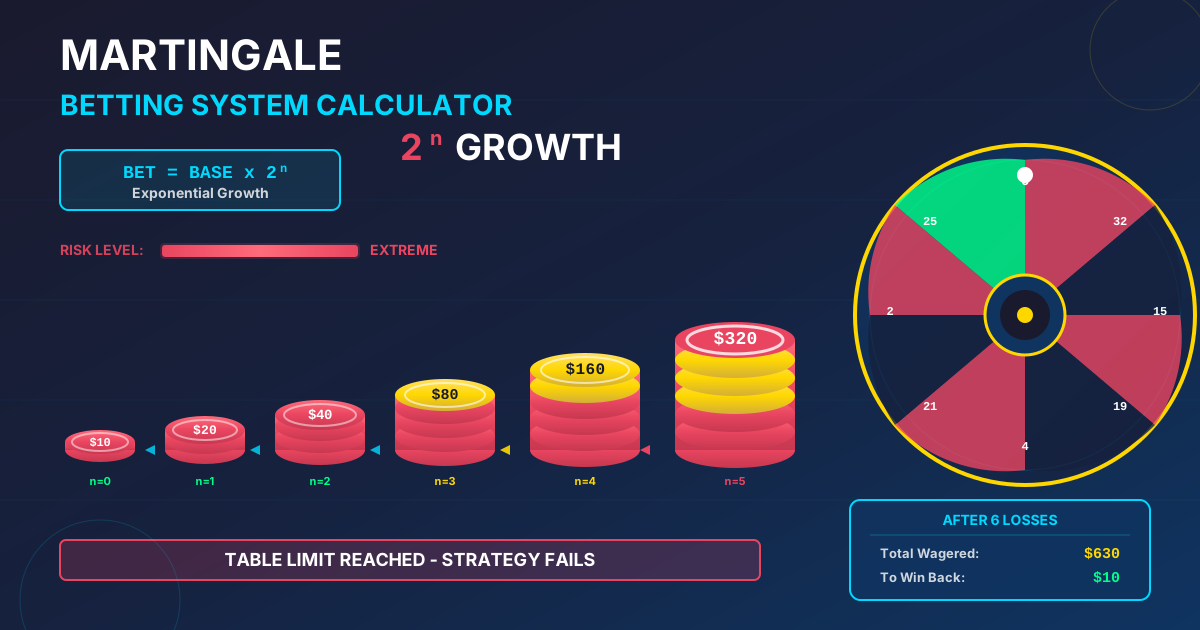
| Martingale | Double after loss | Never use this (leads to ruin) |
Pro Tips for Kelly Criterion Success
-
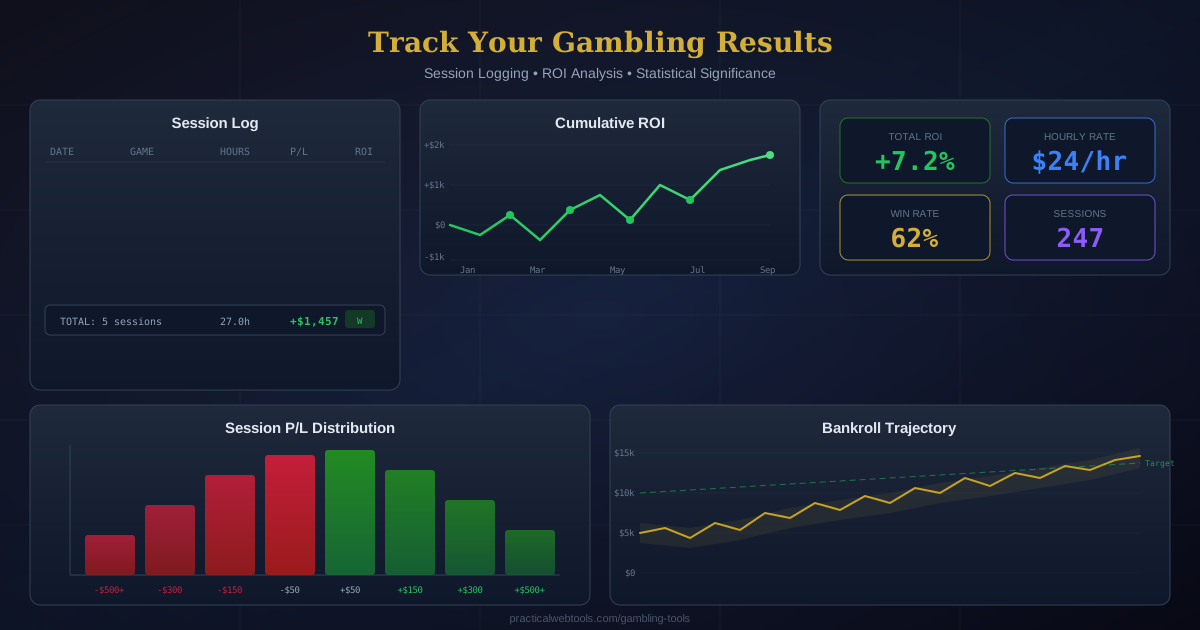
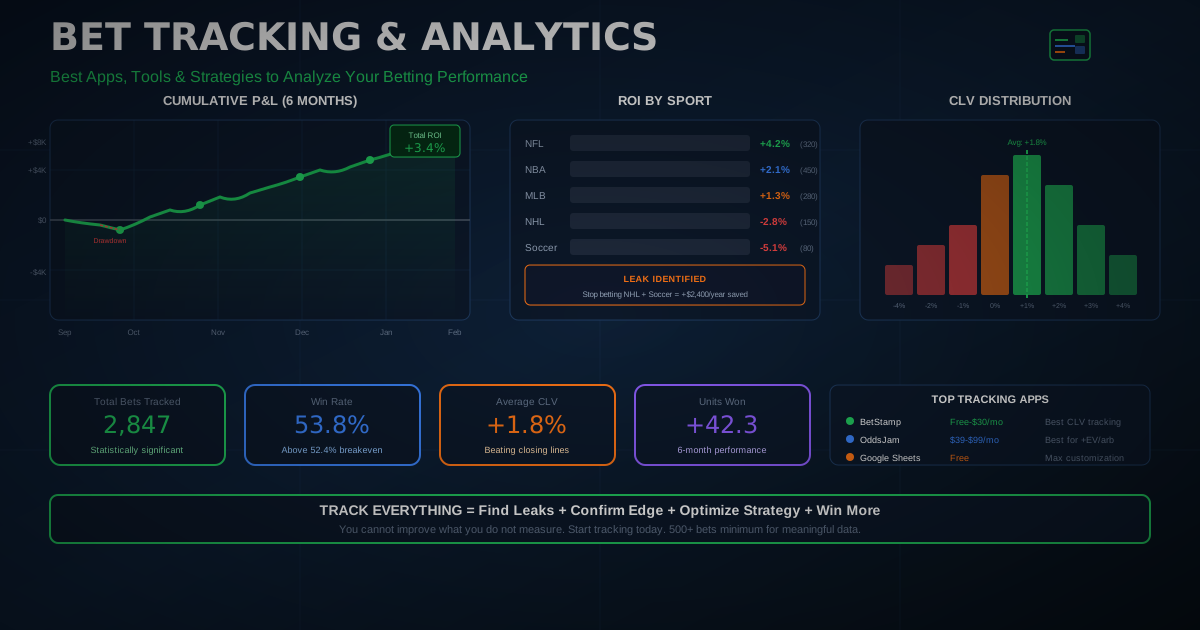
Track Your Results: You need data to estimate edge. Log every bet and calculate your actual ROI by category.
-
Be Conservative: Most professionals use 1/4 to 1/2 Kelly because overestimating edge is common and catastrophic.
-
Recalculate Frequently: Update your bankroll after each bet to maintain correct Kelly sizing.
-
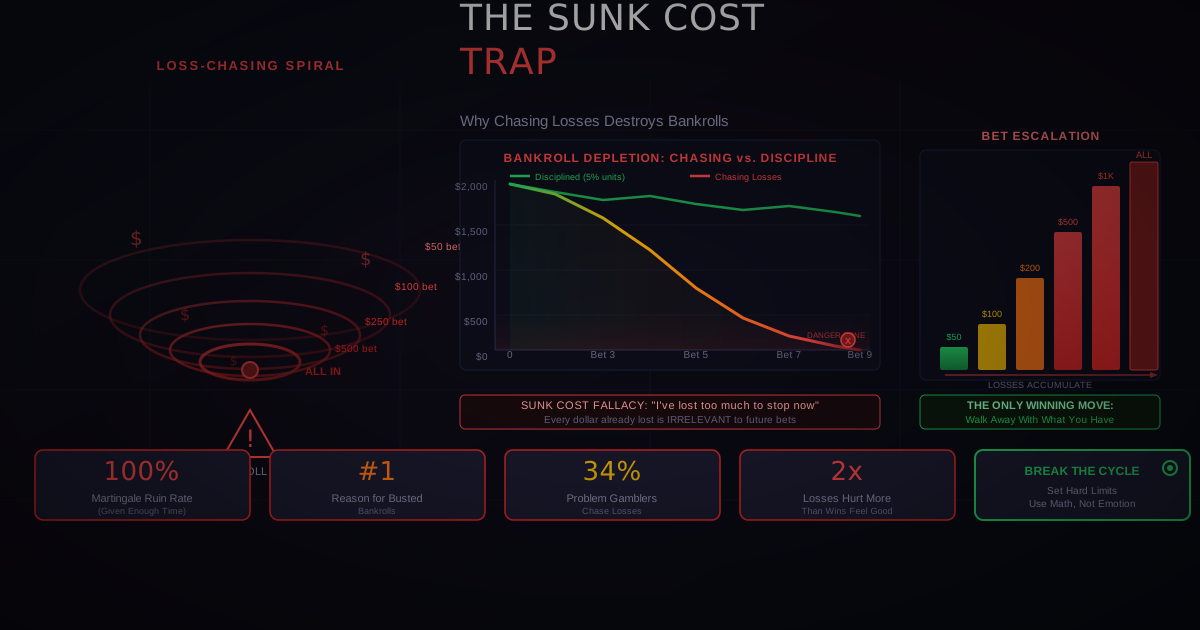
Don't Chase Losses: Kelly naturally reduces bet sizes when you're losing. Trust the math.
-
Use Kelly for Bet Selection: If Kelly suggests a tiny bet (under 1%), the edge might not be worth pursuing after accounting for time and effort.
The Mathematics Behind Kelly
The Kelly Criterion maximizes the expected logarithm of wealth, which corresponds to maximum geometric growth rate:
G = p × log(1 + bf*) + q × log(1 - f*)
Taking the derivative and setting to zero yields the famous Kelly formula. This mathematical foundation is why Kelly is provably optimal for long-term bankroll growth.
Related Betting Calculators
- Expected Value Calculator - Calculate if a bet is +EV
- Implied Probability Calculator - Convert odds to probability
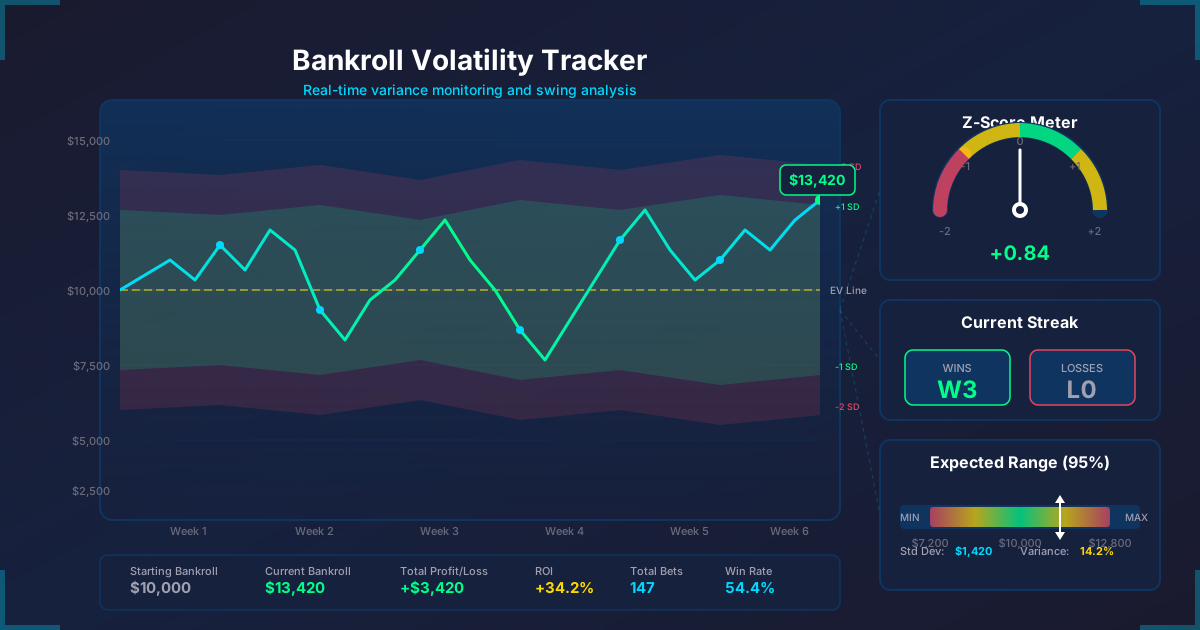
- Bankroll Volatility Tracker - Track betting variance
- Arbitrage Calculator - Find risk-free opportunities
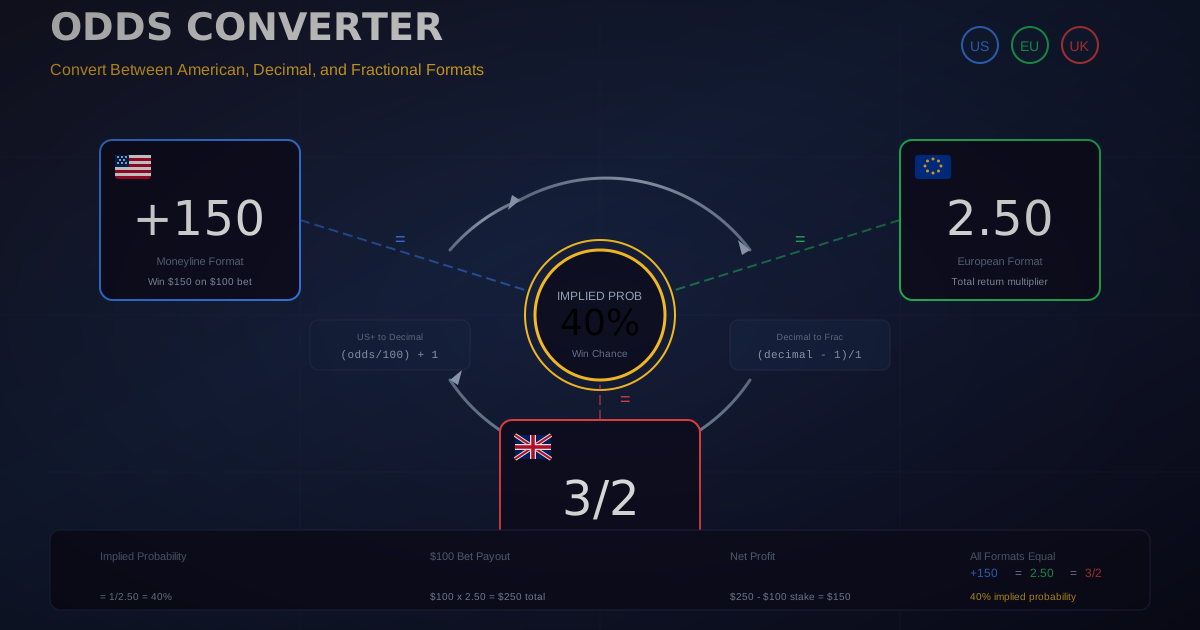
- Odds Converter - Convert between odds formats
Conclusion
The Kelly Criterion transforms bet sizing from guesswork into science. By mathematically determining optimal wager sizes based on your edge, Kelly maximizes bankroll growth while protecting against ruin. Our free calculator makes applying Kelly instant and effortless.
Calculate Your Optimal Bet Size Now →
Whether you're a sports bettor, poker player, or advantage gambler, understanding Kelly Criterion is essential. Start sizing your bets mathematically and watch your bankroll grow at the optimal rate.