Keno Probability Calculator: Number Selection Math (2026)
Keno Probability Calculator: The Long Odds Reality
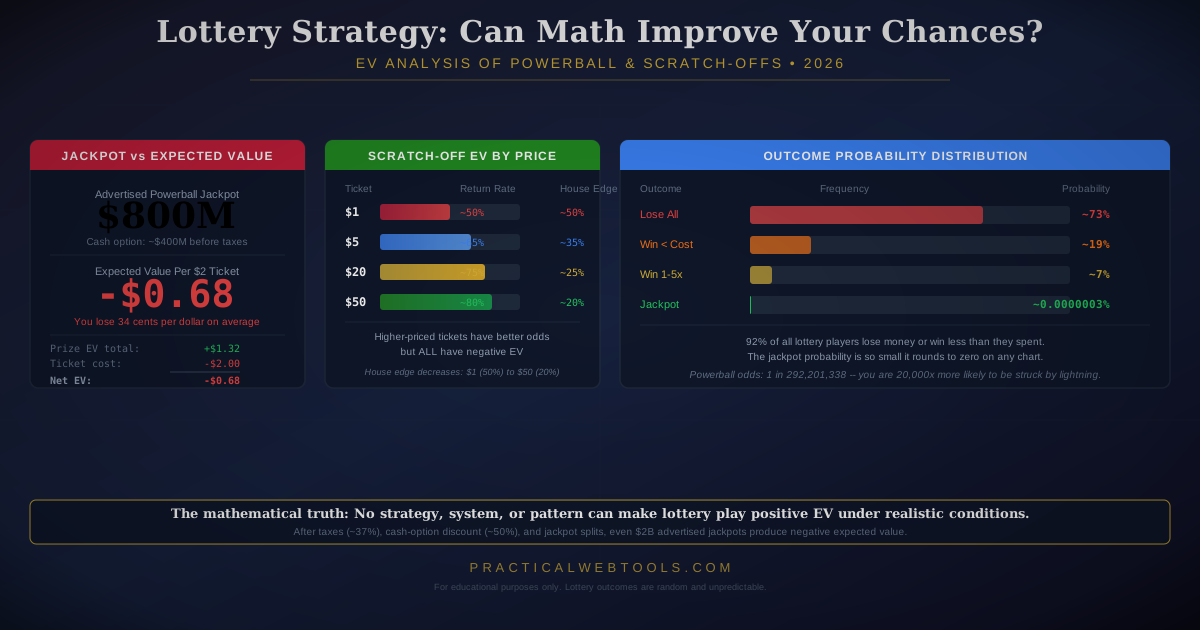
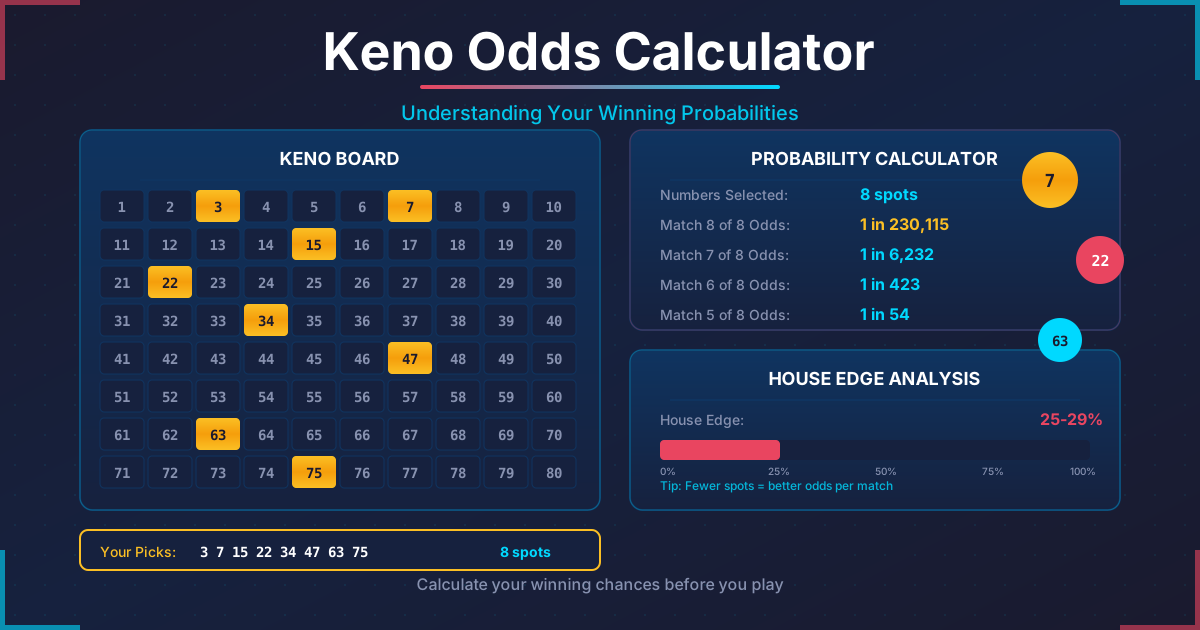
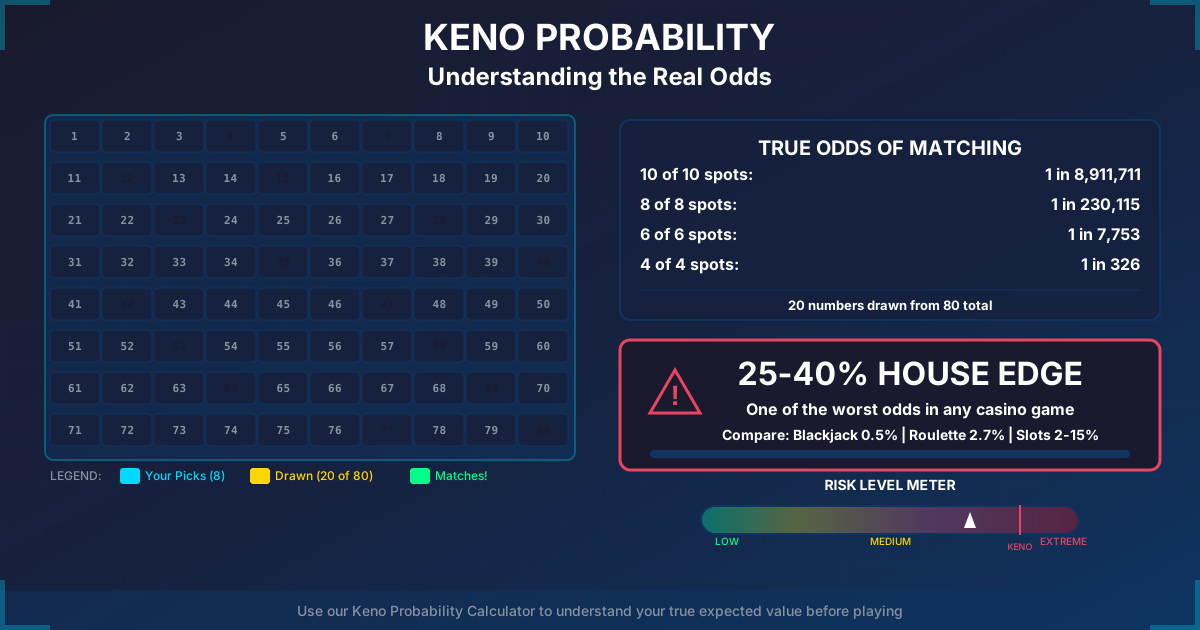
Keno offers lottery-style excitement with 20 numbers drawn from 80. Our calculator shows the true probability of matching your picks—and reveals why this game carries some of the highest house edges in the casino.
What Is Keno?
Keno draws 20 numbers from 1-80. You pick between 1 and 20 numbers (called "spots"). You win based on how many of your picks match the drawn numbers. Payouts vary by how many spots you play and how many you match.
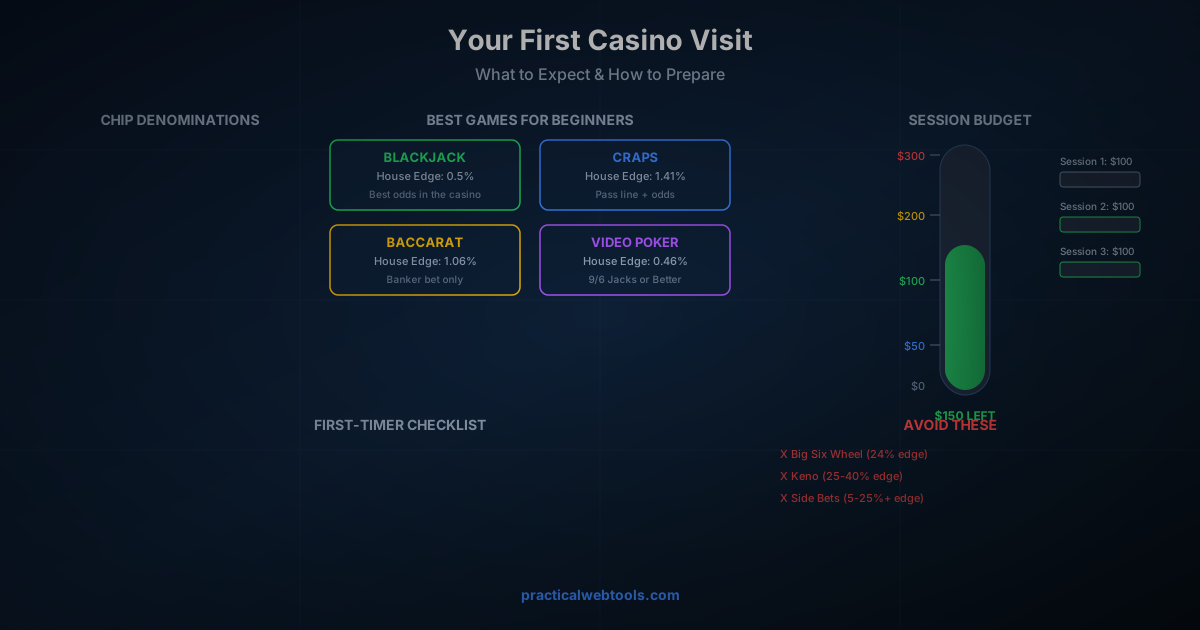
Quick Answer: Keno draws 20 from 80 numbers. Probability of hitting: 1 spot = 25%, 5 of 5 spots = 0.064%, 10 of 10 spots = 0.000009% (1 in 8.9 million). House edge ranges 25-40% depending on casino and spot selection. Among the worst odds in any casino. Entertainment only—not a winning strategy.
How to Use Our Calculator
Use the Keno Probability Calculator →
Enter your spot selection to see exact match probabilities.
Step-by-Step Instructions
-
Select Number of Spots: How many you pick
-
View Match Probabilities: Each outcome
-
Enter Bet Amount: Your wager
-
See Expected Value: Overall EV
-
Calculate House Edge: Casino advantage
Input Fields Explained
| Field | Description | Example |
|---|---|---|
| Spots Picked | Numbers chosen | 5 spots |
| Matches | Hits required | 3+ to win |
| Probability | Match chance | 8.39% (3 of 5) |
| Payout | Prize per match | $3 on $1 |
| House Edge | Casino advantage | 28% |
| Expected Return | Per $1 wagered | $0.72 |
Keno Probability Mathematics
The Basic Setup
Total numbers: 80
Numbers drawn: 20
Your picks: Varies (1-20)

Drawing is without replacement
Each draw affects next probability
Hypergeometric distribution applies
One Spot Probability
Pick 1 number:
20 winning numbers out of 80

Probability of hitting: 20/80 = 25%
Probability of missing: 60/80 = 75%

Typical payout: 3:1
Breakeven payout: 3:1 (75%/25%)
Actual often: 2.5:1 to 3:1
House edge: 20-25%
Two Spot Probability
Pick 2 numbers:
Match both: (20/80) × (19/79) = 6.01%
Match one: 2 × (20/80) × (60/79) = 38.0%
Match none: (60/80) × (59/79) = 55.99%
Five Spot Probability
Pick 5 numbers:

5 of 5: 0.064% (1 in 1,551)
4 of 5: 1.21% (1 in 83)
3 of 5: 8.39% (1 in 12)
2 of 5: 23.0% (1 in 4.3)
1 of 5: 30.5%
0 of 5: 36.8%
Ten Spot Probability
Pick 10 numbers:

10 of 10: 0.0000009% (1 in 8.9 million)
9 of 10: 0.000061%
8 of 10: 0.00135%
7 of 10: 0.016%
6 of 10: 0.115%
5 of 10: 0.514%
4 of 10: 1.47%
3 of 10: 2.67%
...and so on
House Edge by Spot Selection
Typical Casino Keno
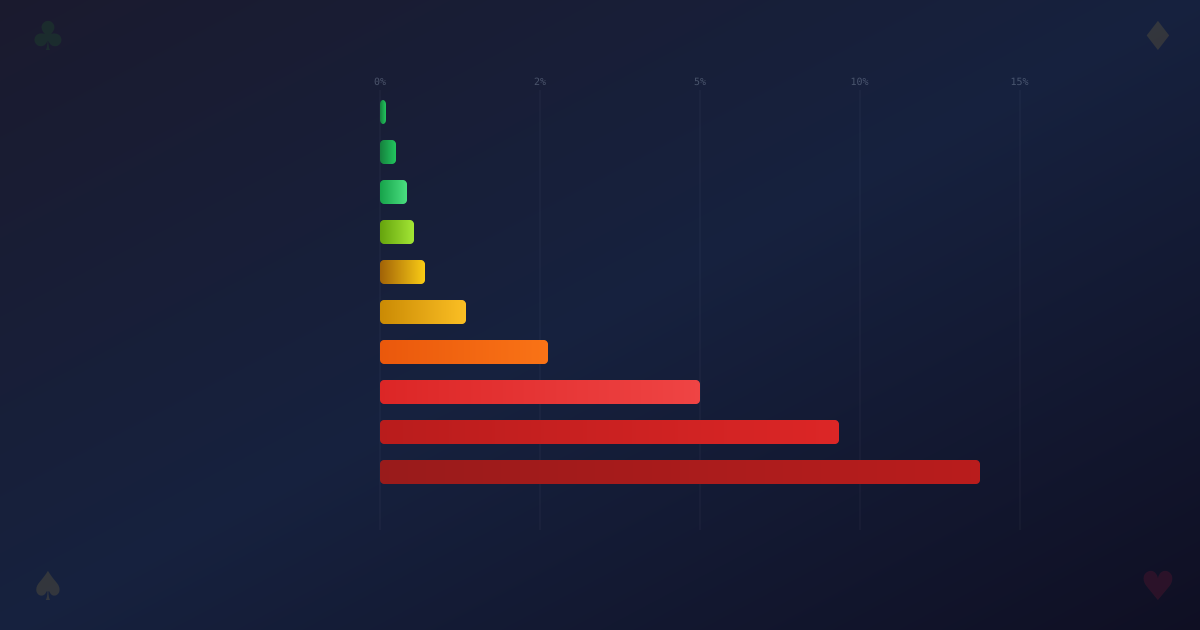
1 spot: 25% house edge
4 spot: 26% house edge
5 spot: 27% house edge
8 spot: 29% house edge
10 spot: 28% house edge

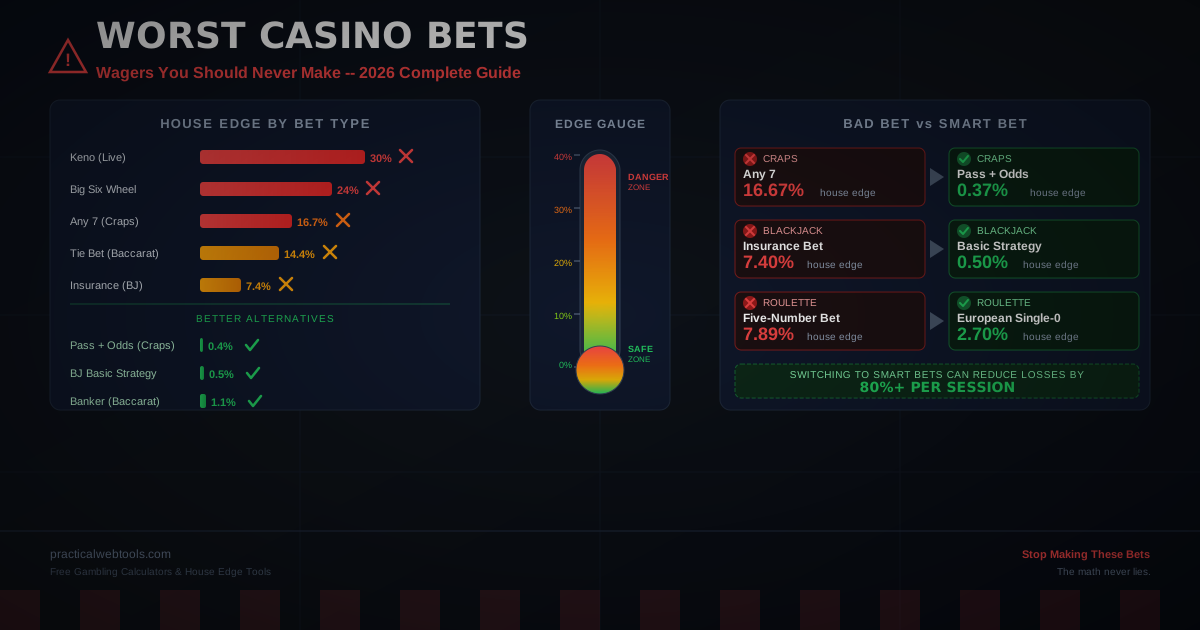
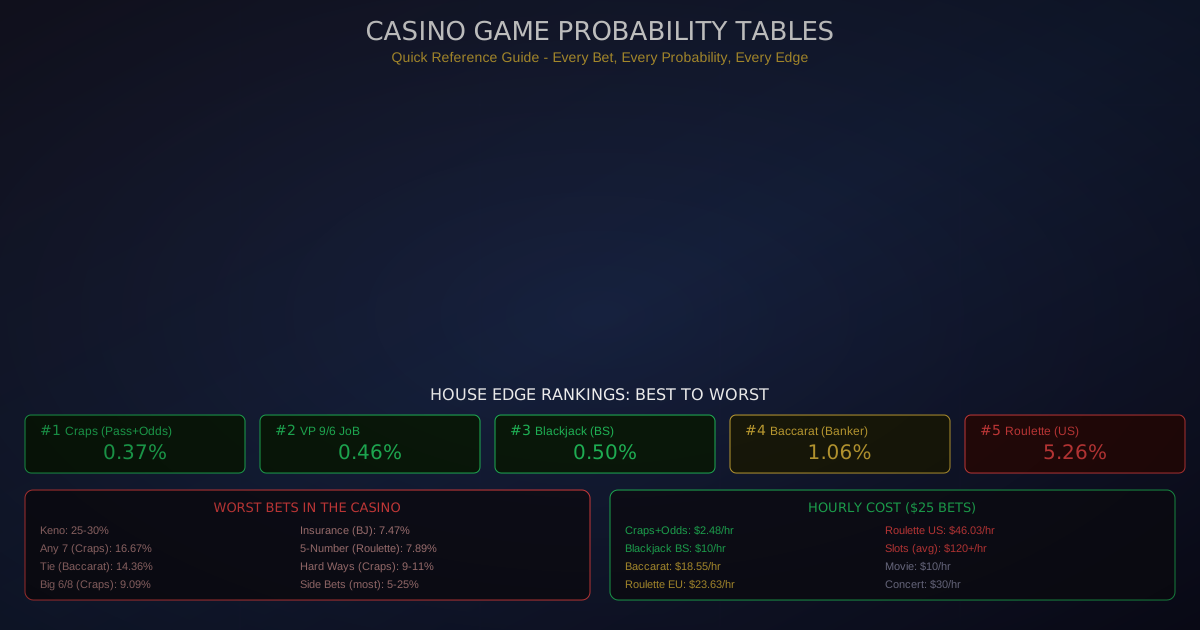
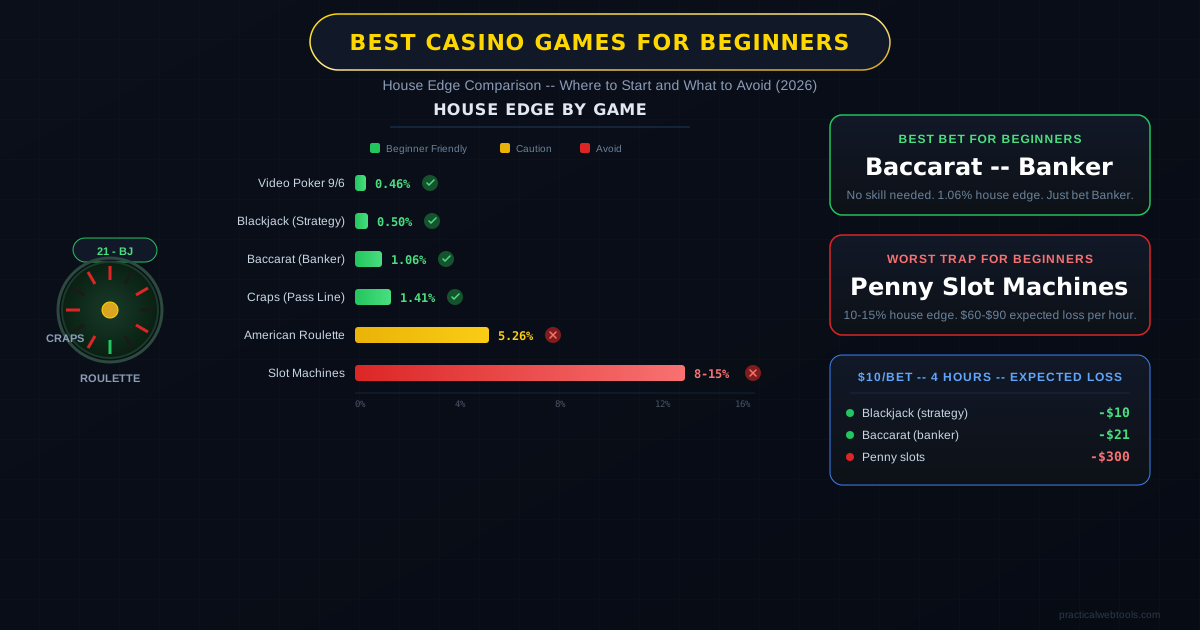
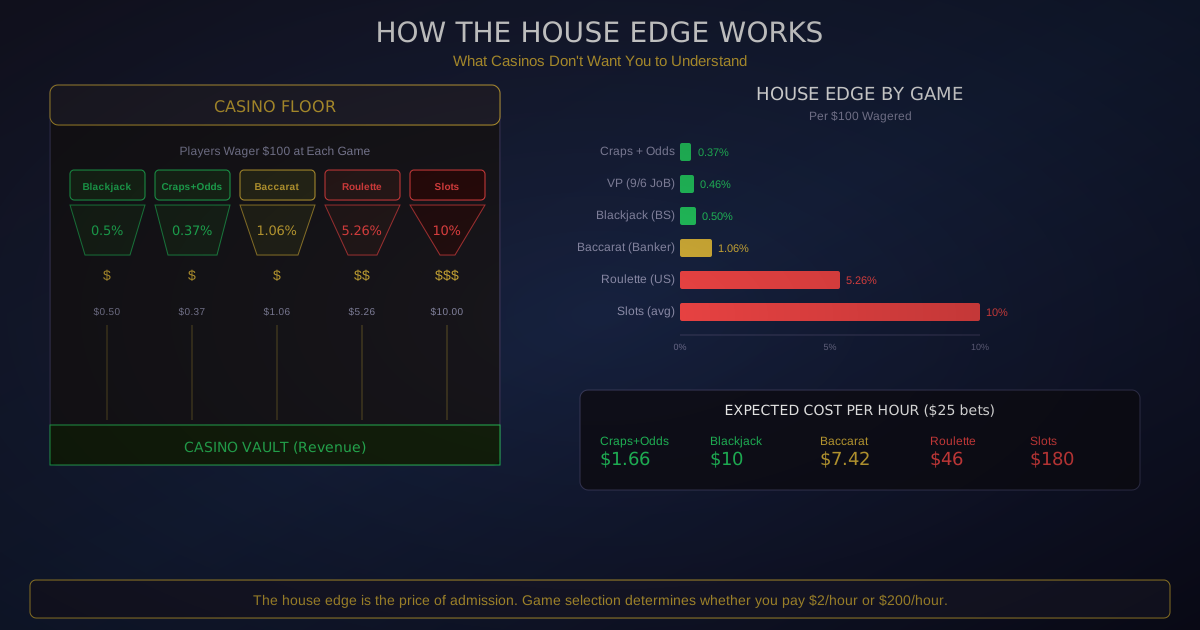
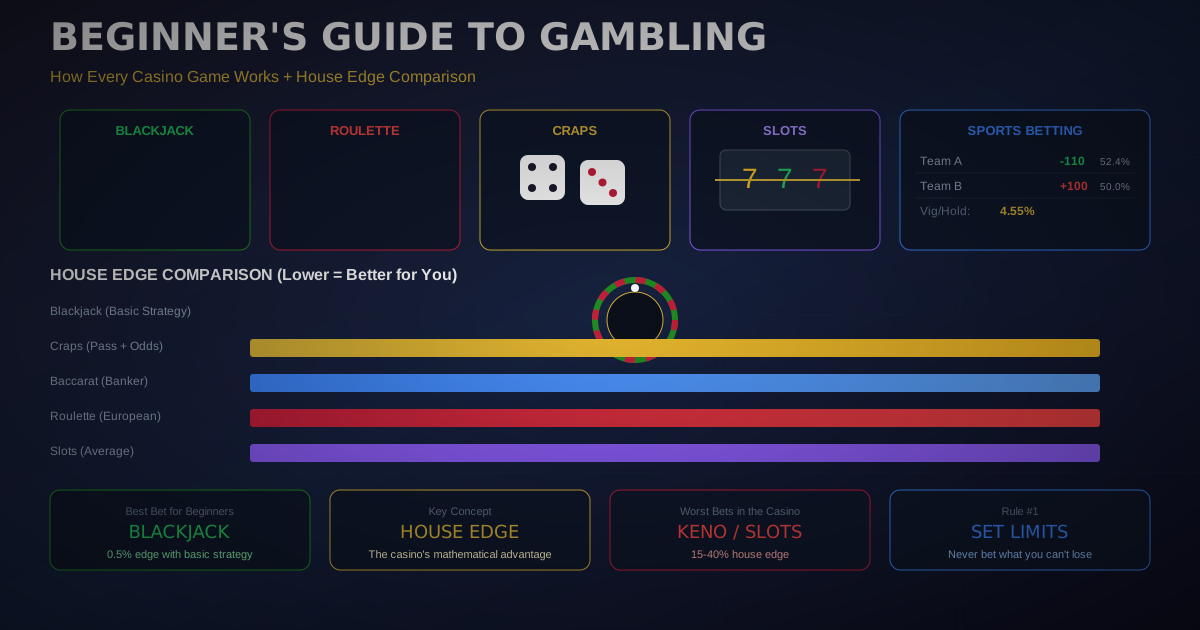
All terrible compared to:
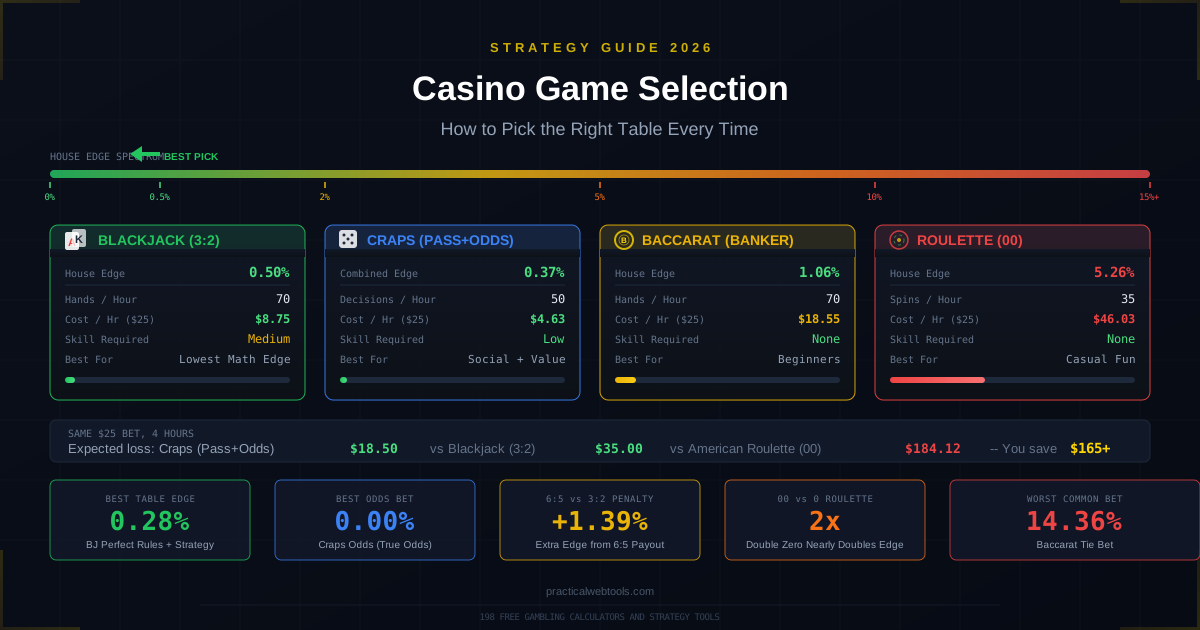
Blackjack: 0.5%
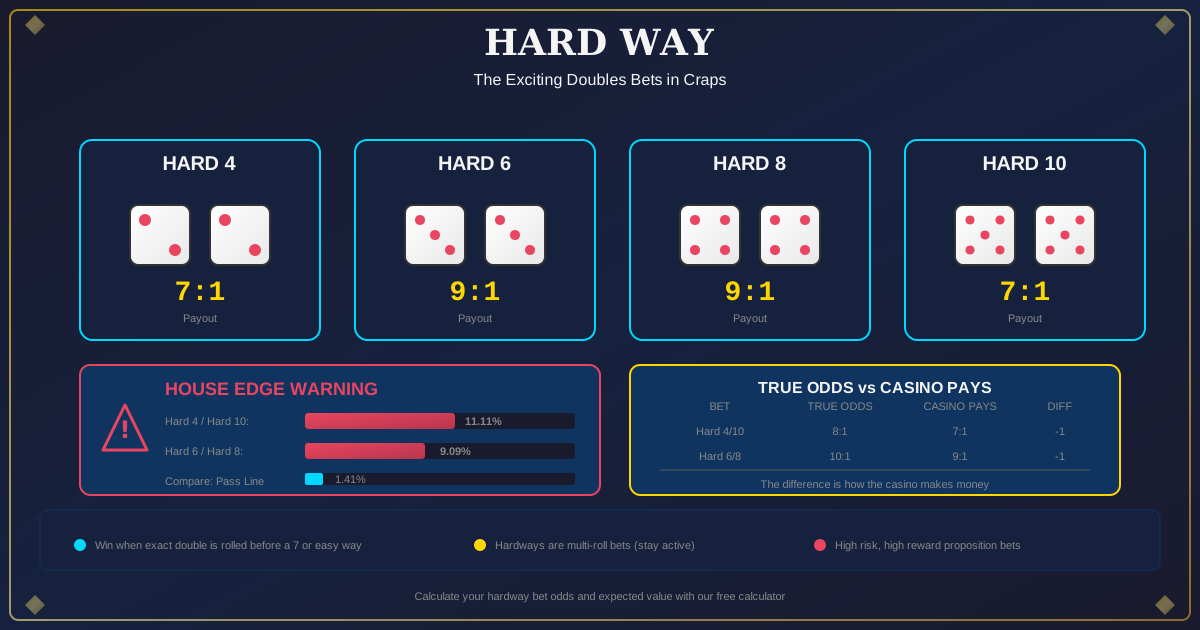
Craps: 1.4%
Roulette: 2.7-5.3%
Video Keno vs Live Keno
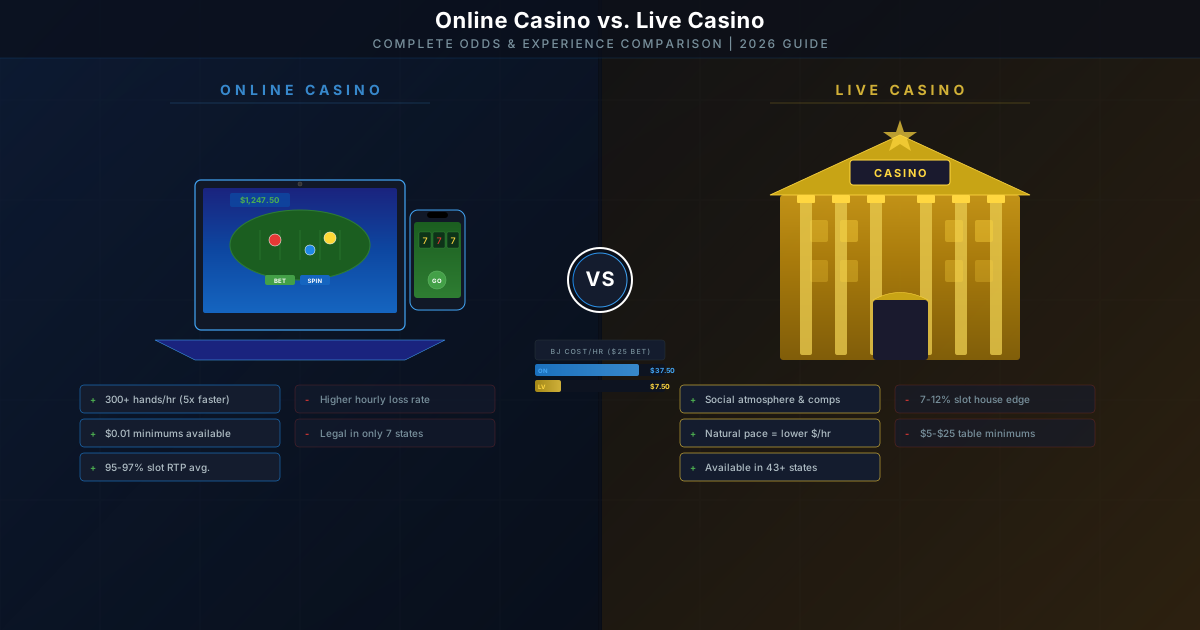
Video keno:
- Faster games
- Usually lower house edge (5-15%)
- Higher RTP versions exist

Live keno:
- Slower (every 5-10 minutes)
- Higher house edge (25-40%)
- Social atmosphere

Video keno is "better" mathematically
Still high edge compared to other games
Optimal Spot Selection?
There Is No Optimal
All spot selections have high house edge
No mathematical advantage to any pick

Variations exist:
Some spots slightly better at some casinos
Check specific paytable
But still 15-40% edge regardless
Spot Selection Considerations
1-2 spots: Higher hit rate, lower payouts
3-5 spots: Moderate frequency, moderate pays
6-10 spots: Lower frequency, higher pays
11-20 spots: Very rare hits, jackpot-style

Choose based on:
Entertainment preference
Acceptable hit frequency
Not expected value (all are negative)
Real-World Examples
Example 1: 4-Spot Ticket
Bet: $1 on 4 spots
Probabilities:
4 of 4: 0.31% → pays $91
3 of 4: 4.32% → pays $4
2 of 4: 21.3% → pays $1

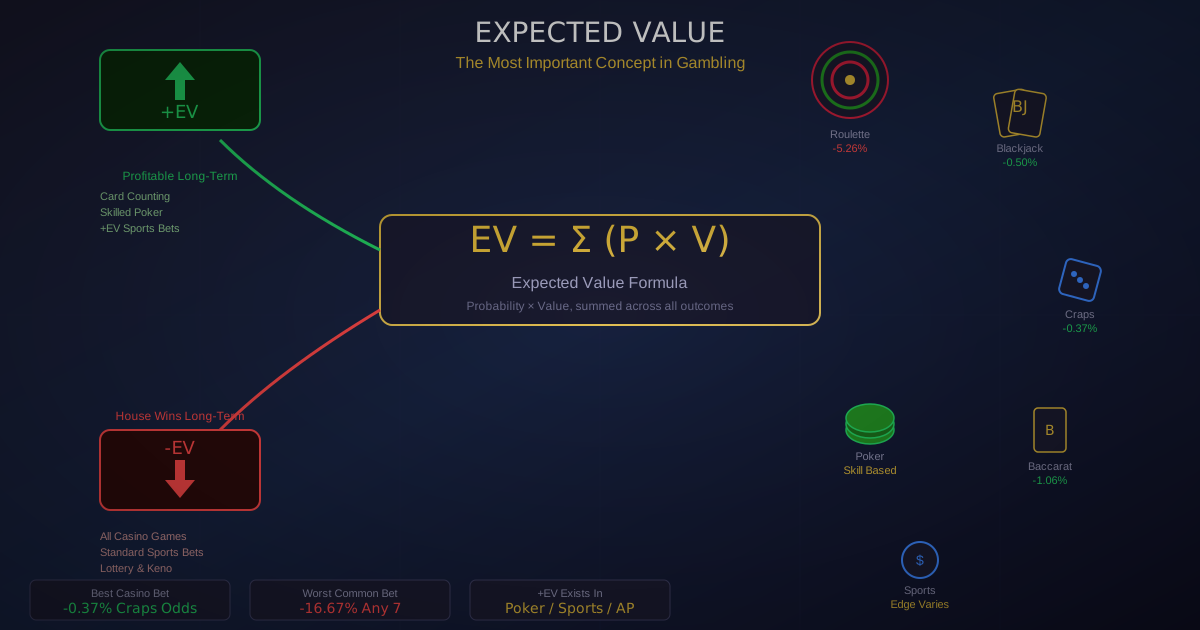
Expected return:
(0.0031 × $91) + (0.0432 × $4) + (0.213 × $1)
= $0.28 + $0.17 + $0.21
= $0.67

House edge: 33%
Example 2: 8-Spot Ticket
Bet: $2 on 8 spots
Probabilities:
8 of 8: 0.0043% → pays $50,000
7 of 8: 0.032% → pays $1,500
6 of 8: 0.16% → pays $100
5 of 8: 0.54% → pays $10
4 of 8: 1.22% → pays $4
Expected return:
(0.000043 × $50,000) + (0.00032 × $1,500) +
(0.0016 × $100) + (0.0054 × $10) + (0.0122 × $4)
= $2.15 + $0.48 + $0.16 + $0.054 + $0.049
= $2.89 on $2 bet?

Wait—typical payouts are worse
Real return often ~$1.40-$1.50 on $2
House edge: 25-30%
Example 3: Jackpot Chasing
Goal: Hit 10 of 10 Probability: 1 in 8,911,711
Playing 100 games per casino visit:
Expected 10/10 hits: 0.000011

To have 50% chance of hitting once:
Need ~6.2 million games
At $1 each: $6.2 million wagered
Even at $50,000 jackpot: -EV
Example 4: Comparing Returns
$100 gambling session:
Keno (25% edge):
Expected loss: $25

Blackjack (0.5% edge):
Expected loss: $0.50

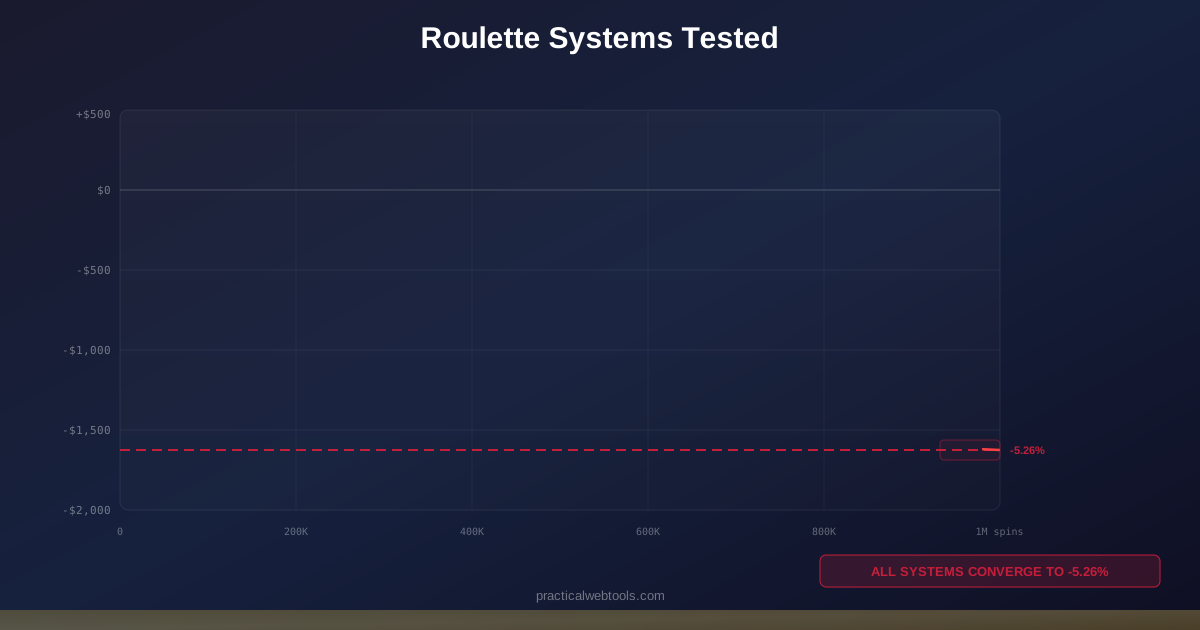
Roulette (5.26% edge):
Expected loss: $5.26

Keno costs 50× more than blackjack
For same expected entertainment time
Pattern and Strategy Myths
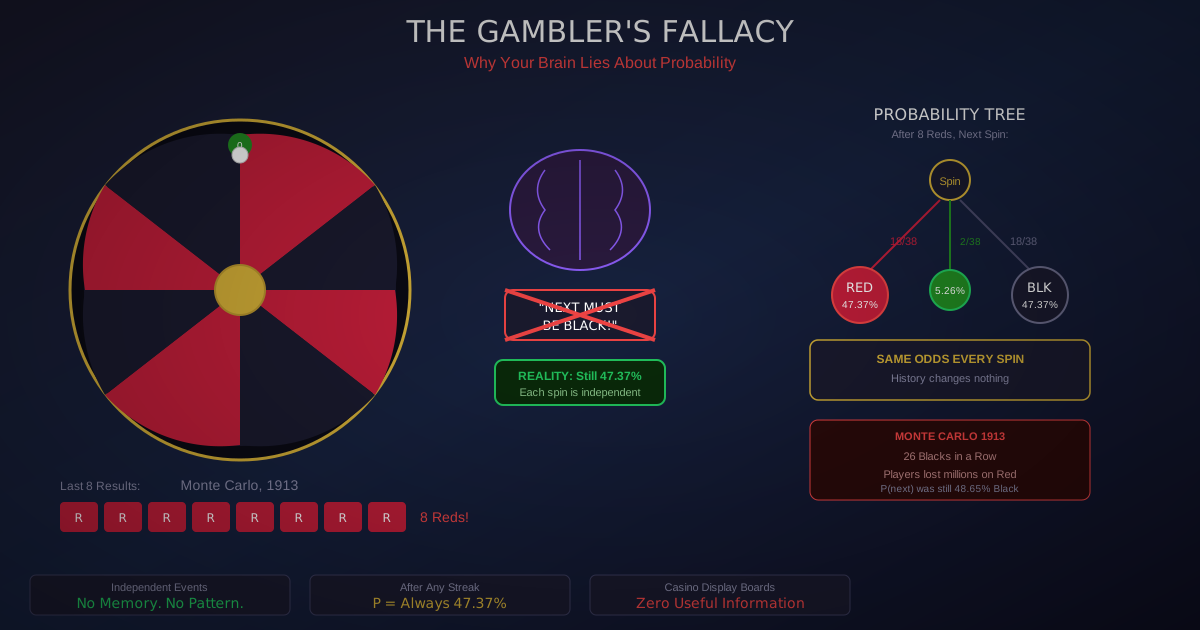
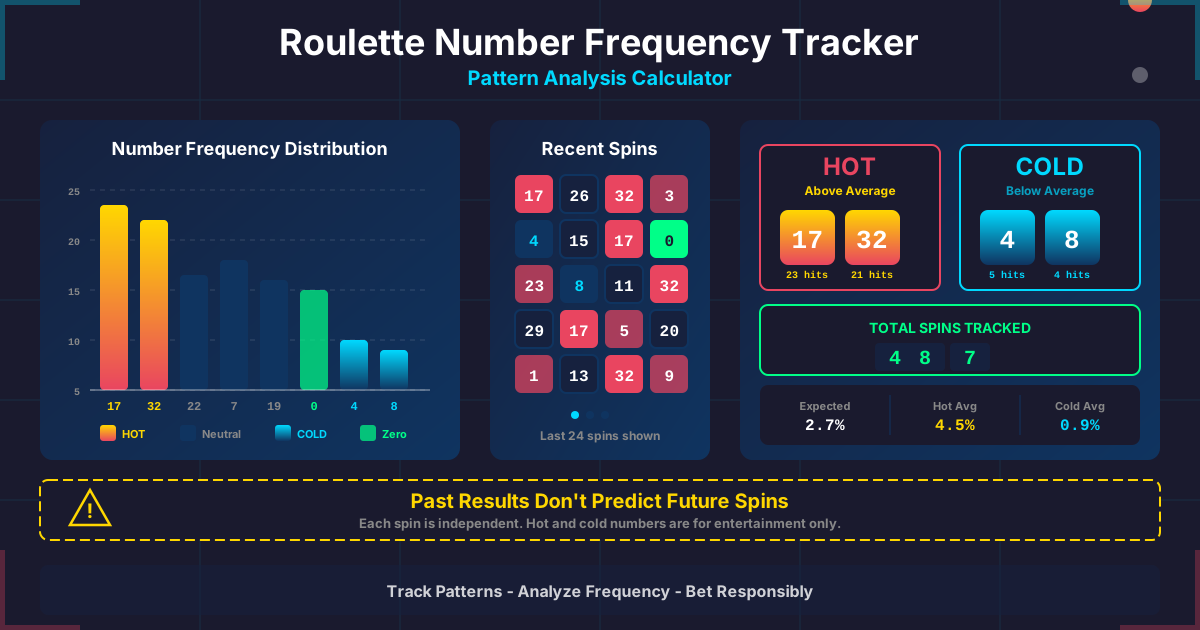
Hot Numbers
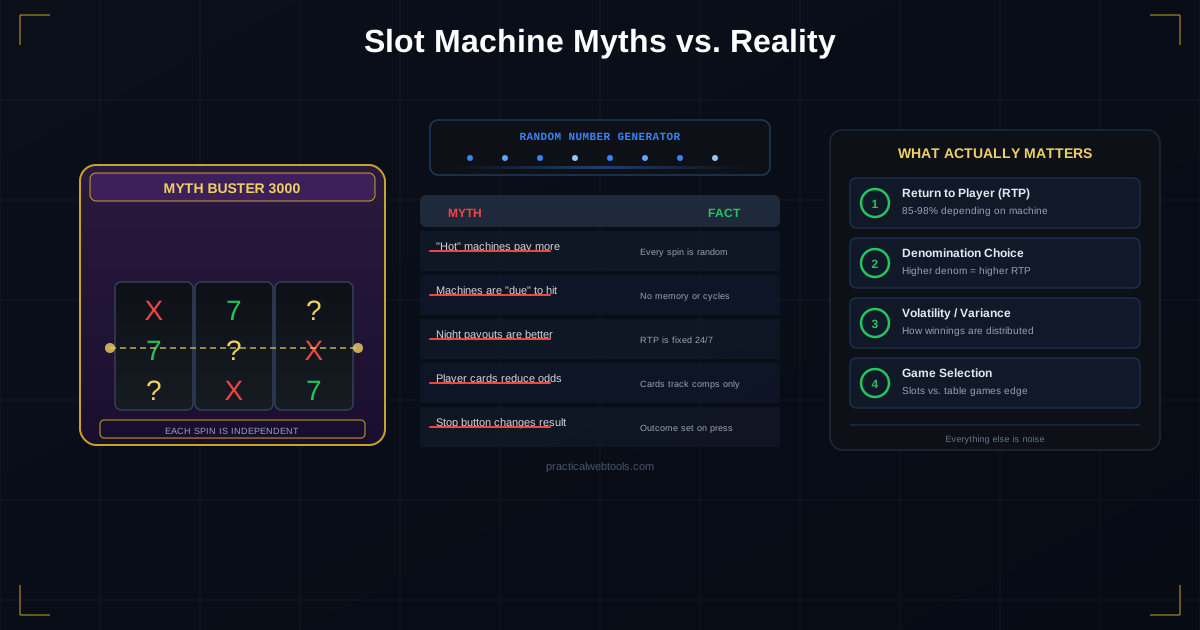
Myth: "Number 7 hit last 5 games, it's hot!"
Reality: Each draw is independent
Number 7 still has 25% chance
Past results don't affect future
Cold Numbers
Myth: "Number 23 hasn't hit in 20 games, it's due!"
Reality: Still 25% chance each game
Gambler's fallacy
No numbers are "due"
Number Patterns
Myth: "Pick corners/diagonals/birthdates"
Reality: All patterns equally likely
80 choose 20 is always the same
Your pattern doesn't matter
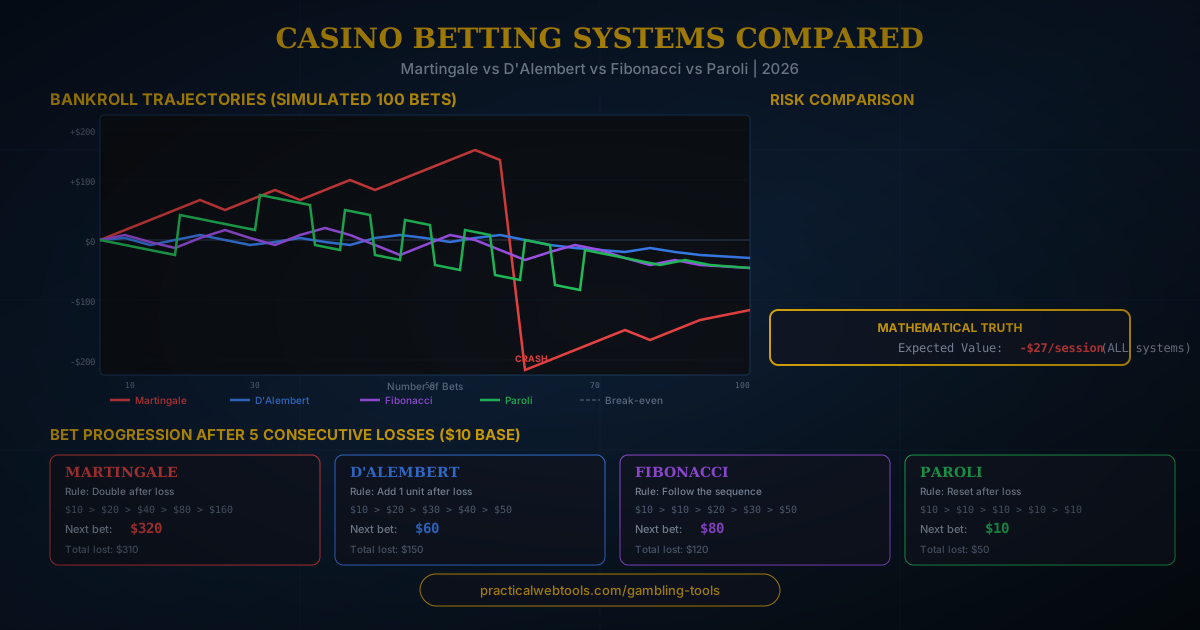
"Winning" Systems
No system reduces house edge:
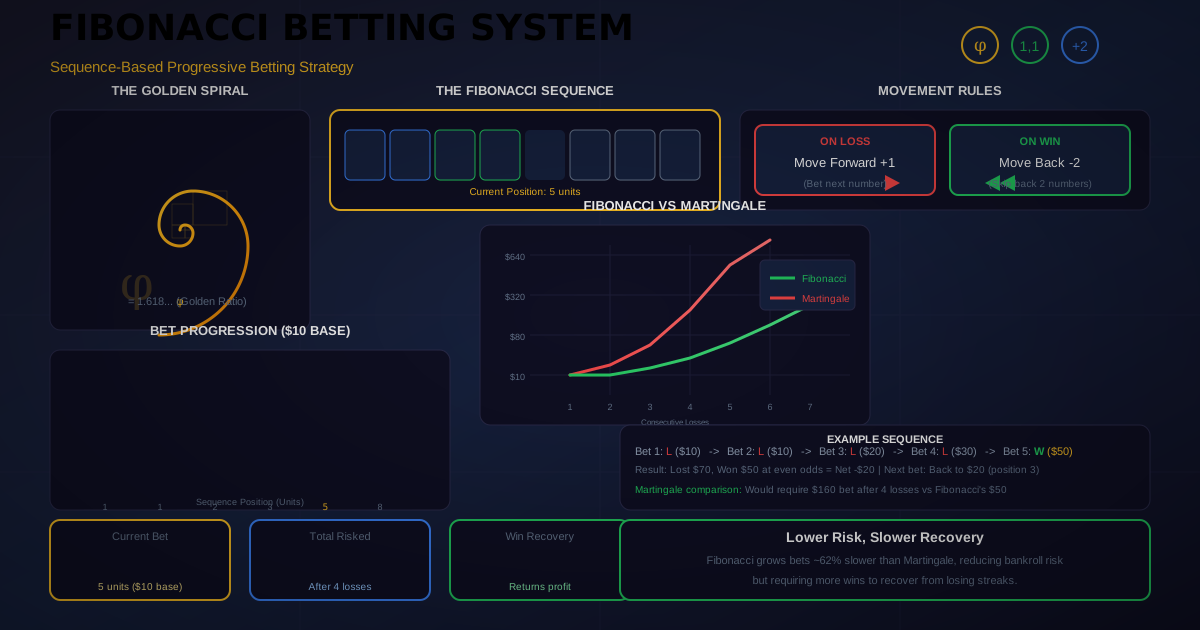
Progressive betting: Same edge, more risk
Number tracking: Doesn't affect probability
Quick picks vs chosen: Same odds

The math is fixed
No strategy overcomes 25%+ edge
Common Mistakes
1. Playing Keno Seriously
Mistake: Treat keno as investment Problem: 25-40% house edge Fix: Entertainment only, small stakes
2. Chasing Jackpots
Mistake: Play for 10/10 payouts Problem: 1 in 8.9 million odds Fix: Accept you won't hit jackpot
3. Playing Hot/Cold Numbers
Mistake: Track which numbers "due" Problem: Independent events Fix: Random selection is fine
4. Long Sessions
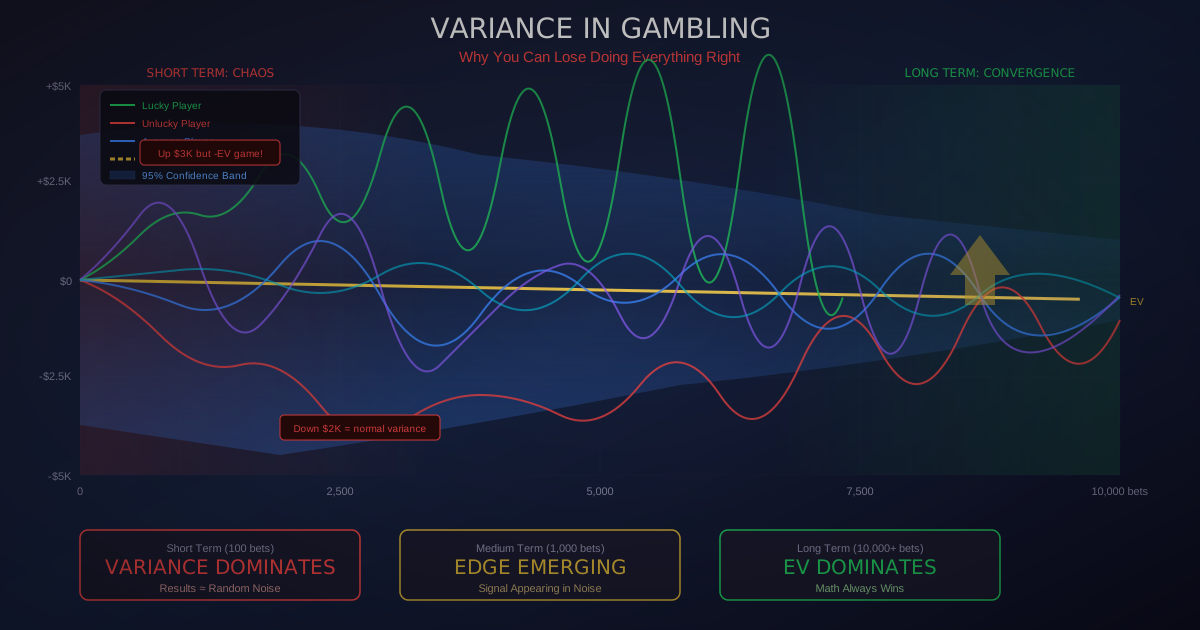
Mistake: Play keno for hours Problem: Edge adds up quickly Fix: Short sessions, strict limits
Frequently Asked Questions
What are the best numbers to pick in keno?
All numbers have equal probability. There are no "lucky" numbers mathematically.
How many spots should I play?
Depends on preference. All have high house edge. 4-6 spots balance hit frequency with payout size.
Is video keno better than live keno?
Usually yes. Video keno often has 5-15% edge vs 25-40% for live. Still high compared to other games.
Why is keno's house edge so high?
Tradition and acceptance. Players expect lottery-style odds. Casinos maximize profit on willing players.
Can I make money playing keno?
Not long-term. Every spot selection has significant negative expected value. Occasional wins are luck.
What's the probability of hitting my birthday?
Same as any other number—25% per spot. Birthdays aren't special mathematically.
Pro Tips
-
Entertainment mindset: Don't expect to profit
-
Small stakes: High edge means fast losses
-
Video keno: Better odds than live
-
Check paytables: Some casinos less predatory
-
Time filler only: Not primary gambling
Related Calculators
- Lottery Odds Calculator - Similar games
- House Edge Calculator - Compare games
- Expected Value Calculator - Bet EV
- Gambling Bankroll Calculator - Session sizing
- Probability Calculator - General probability
Conclusion
Keno offers lottery-style excitement with house edges from 25-40%—among the worst in the casino. Our calculator shows exact probabilities for any spot selection, revealing why this game should be approached as pure entertainment, not a path to profit.
Calculate Keno Probability Now →
The math is unforgiving: 10 of 10 hits once in 8.9 million games, and the house takes 25%+ on every ticket. Our calculator quantifies these long odds, helping you understand exactly what you're paying for keno's leisurely lottery experience.