Lottery Expected Value Calculator: Is That Jackpot Worth Playing? (2026)
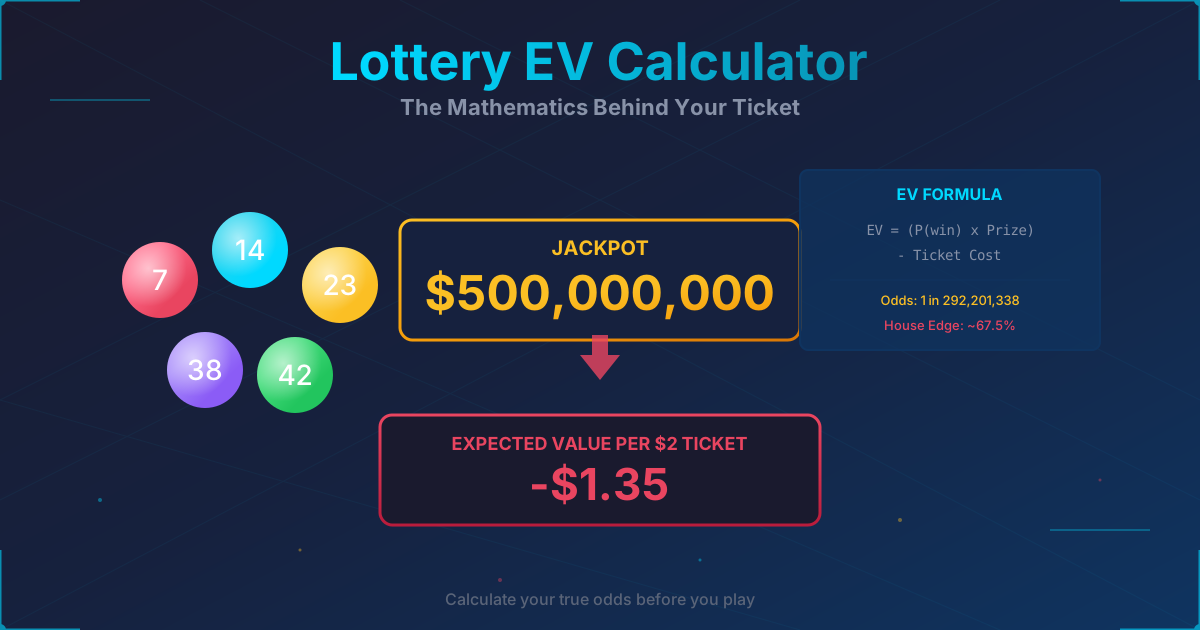
Lottery Expected Value Calculator: The Math Behind the Jackpot
Lottery jackpots make headlines, but are they ever mathematically worth playing? Our calculator reveals the expected value of any lottery ticket, showing when—if ever—buying a ticket makes mathematical sense.
What Is Lottery Expected Value?
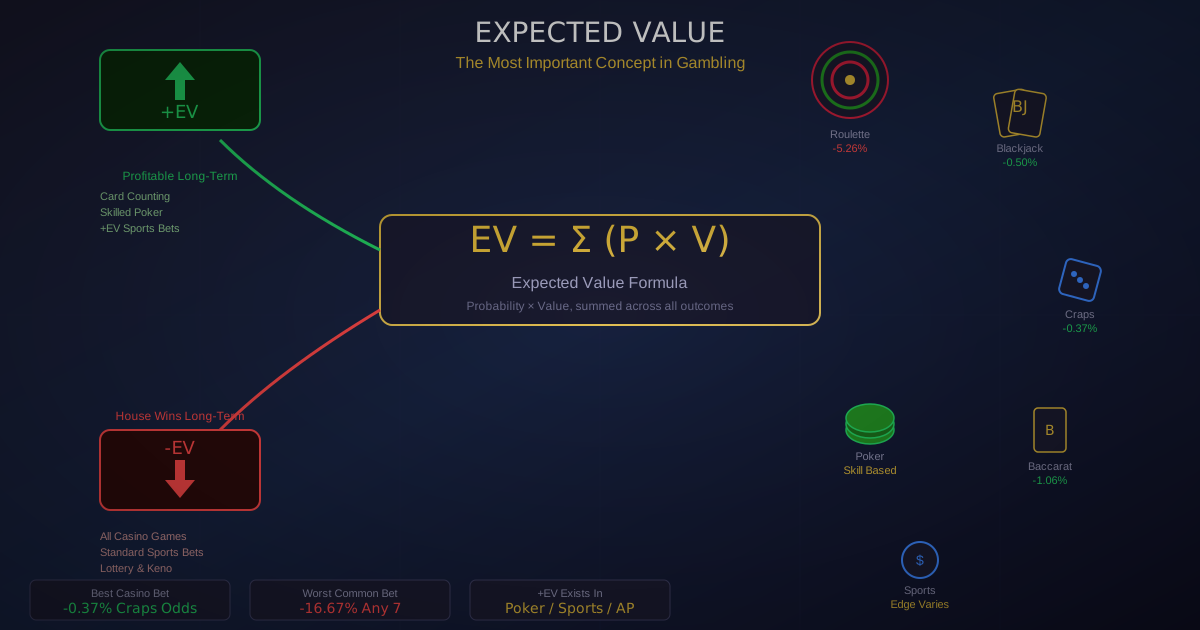
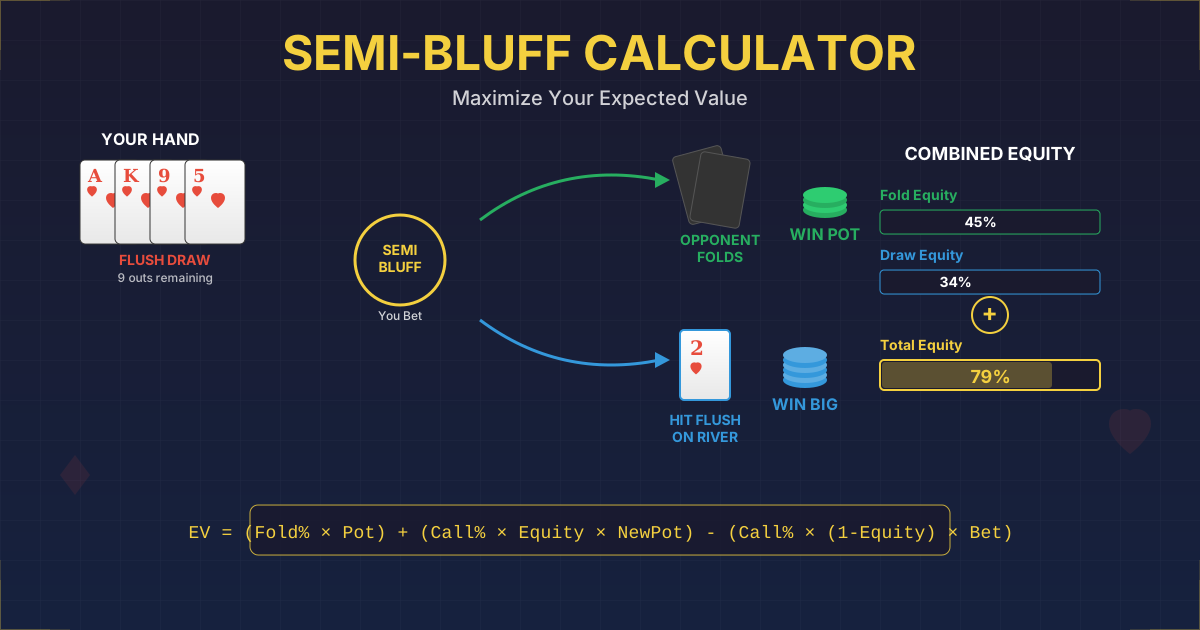
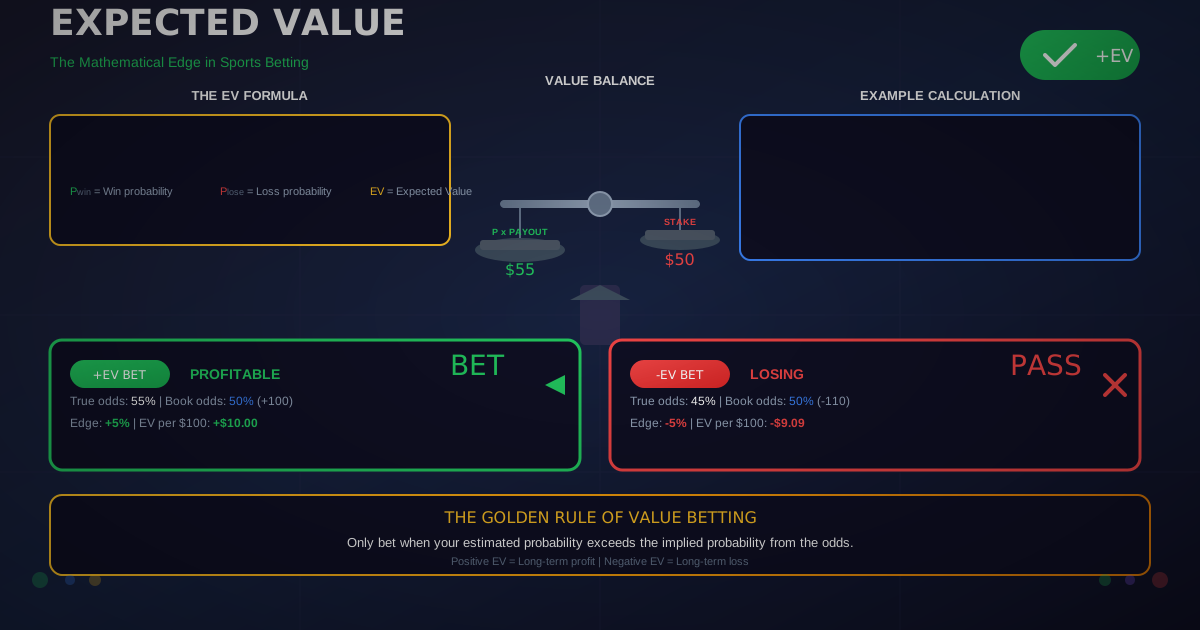
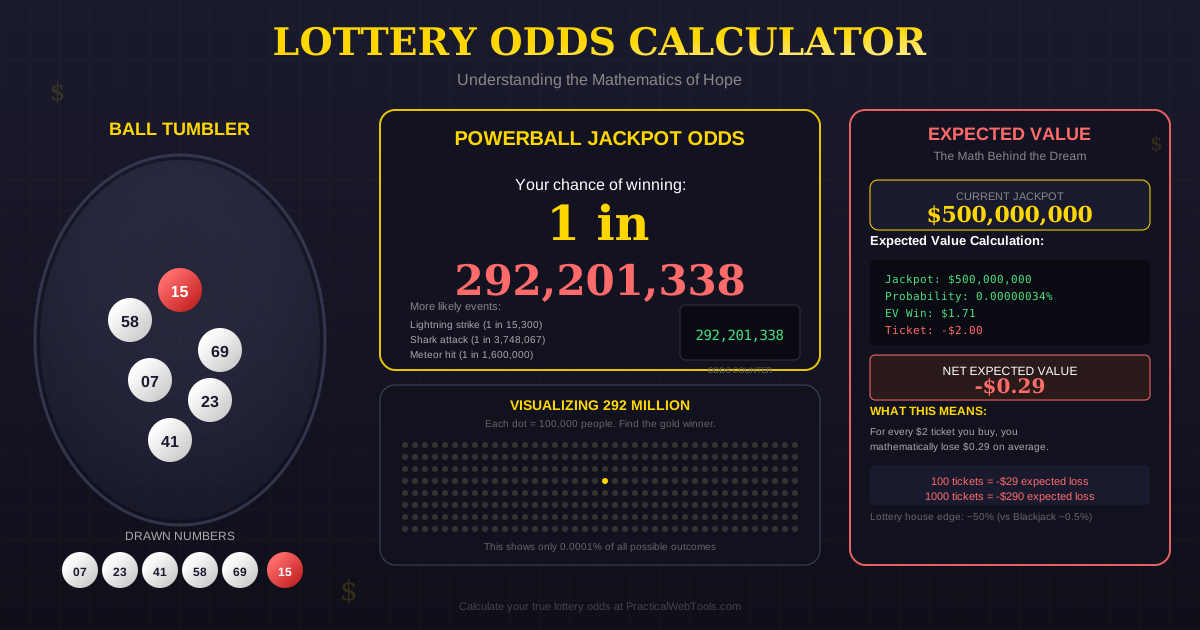
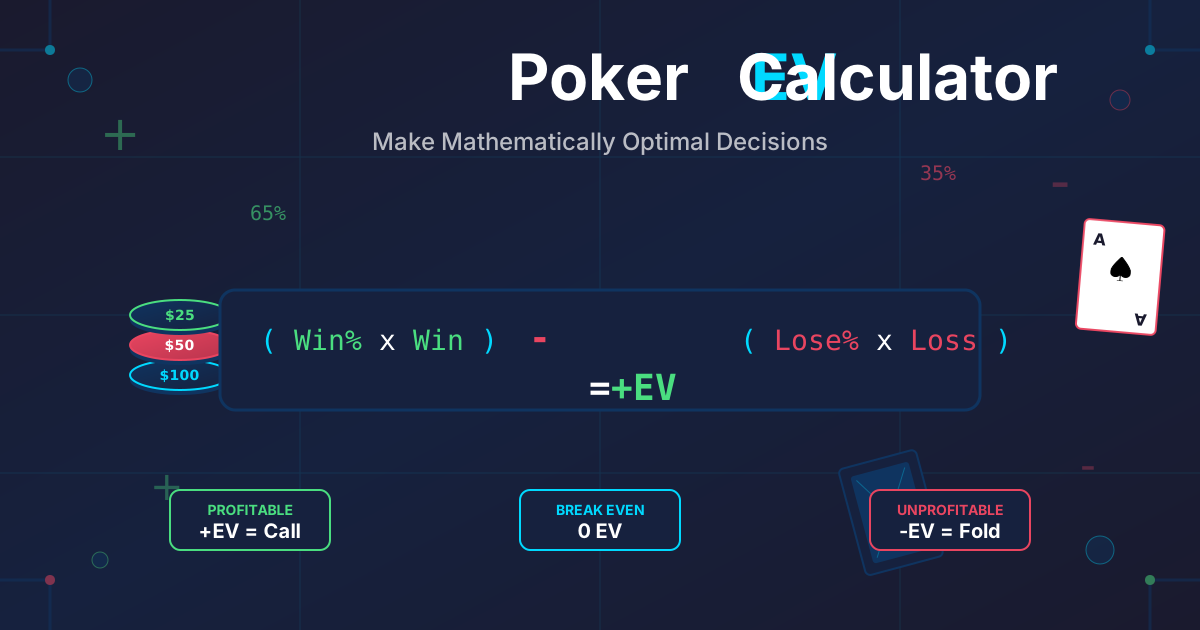
Expected value measures the average return of a lottery ticket across all possible outcomes. Positive EV means the ticket is theoretically worth more than its cost; negative EV means you lose money on average.
Quick Answer: Most lottery tickets have deeply negative EV—around -$0.50 per $2 ticket. However, when jackpots reach extreme heights (Powerball over ~$900M), the EV can turn positive. But even positive EV doesn't guarantee profit due to jackpot splitting and taxes.
How to Use Our Free Lottery EV Calculator
Use the Lottery Expected Value Calculator →
Enter jackpot and ticket details to see expected value.
Step-by-Step Instructions
-
Select Lottery: Powerball, Mega Millions, or custom
-
Enter Jackpot: Current advertised amount
-
Set Ticket Cost: Usually $2
-
View EV: Expected value per ticket
-
See Break-Even: Jackpot needed for positive EV
Input Fields Explained
| Field | Description | Example |
|---|---|---|
| Lottery Game | Which lottery | Powerball |
| Jackpot | Advertised amount | $800 million |
| Ticket Cost | Price per entry | $2 |
| Expected Value | Average return | -$0.48 |
| EV per Dollar | Return rate | -24% |
Lottery EV Formula
Basic Calculation
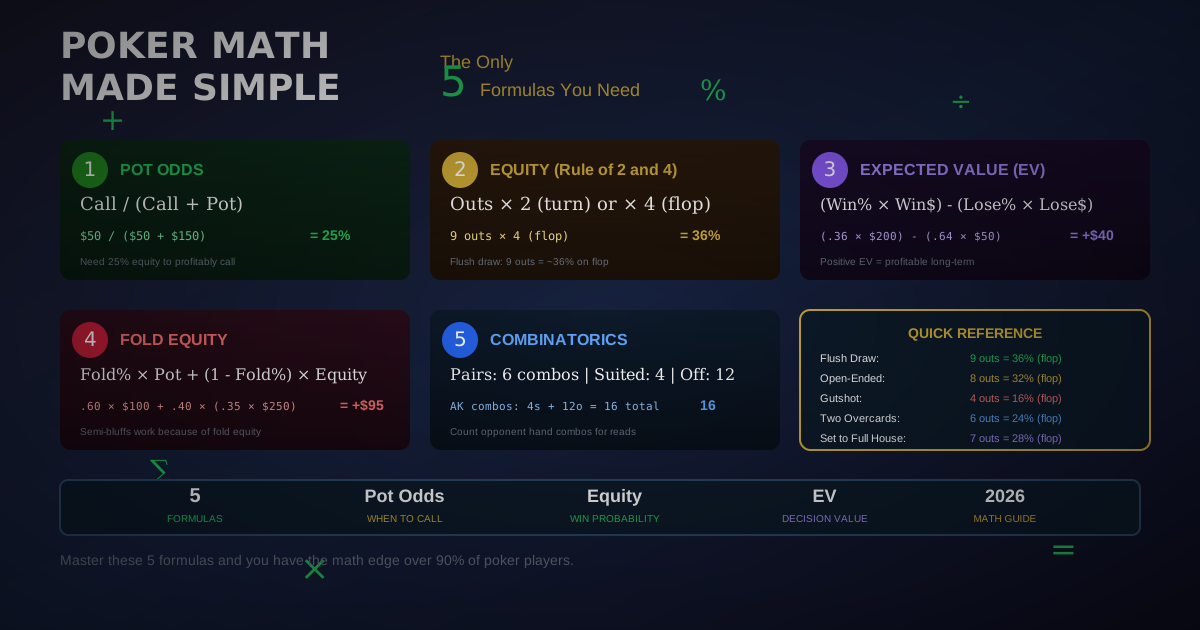
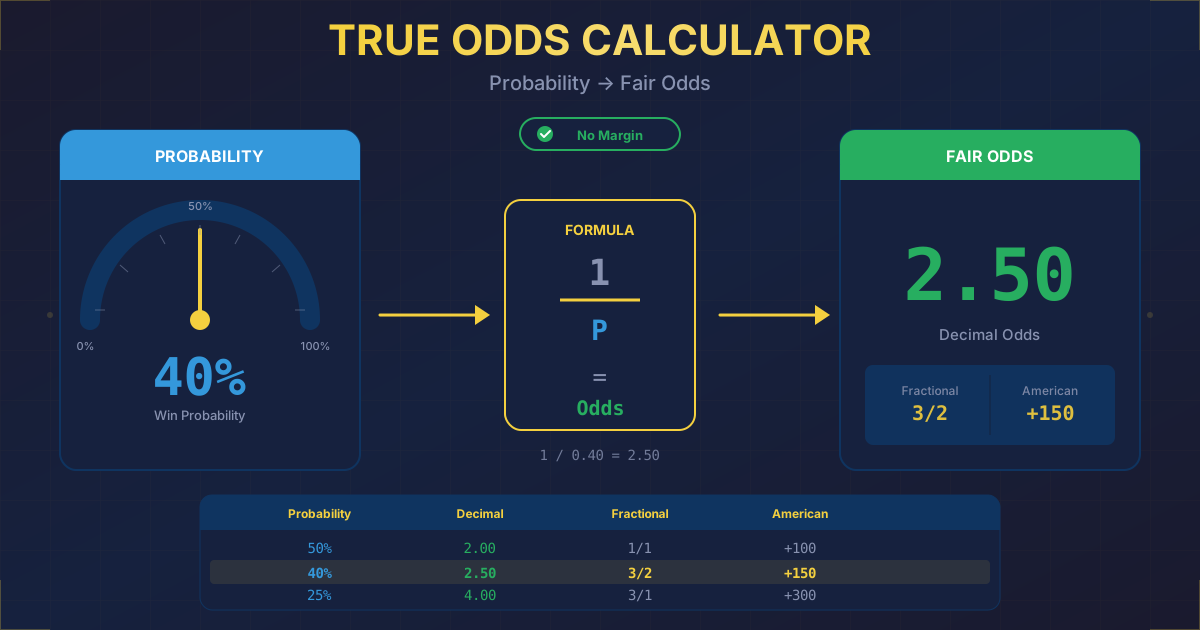
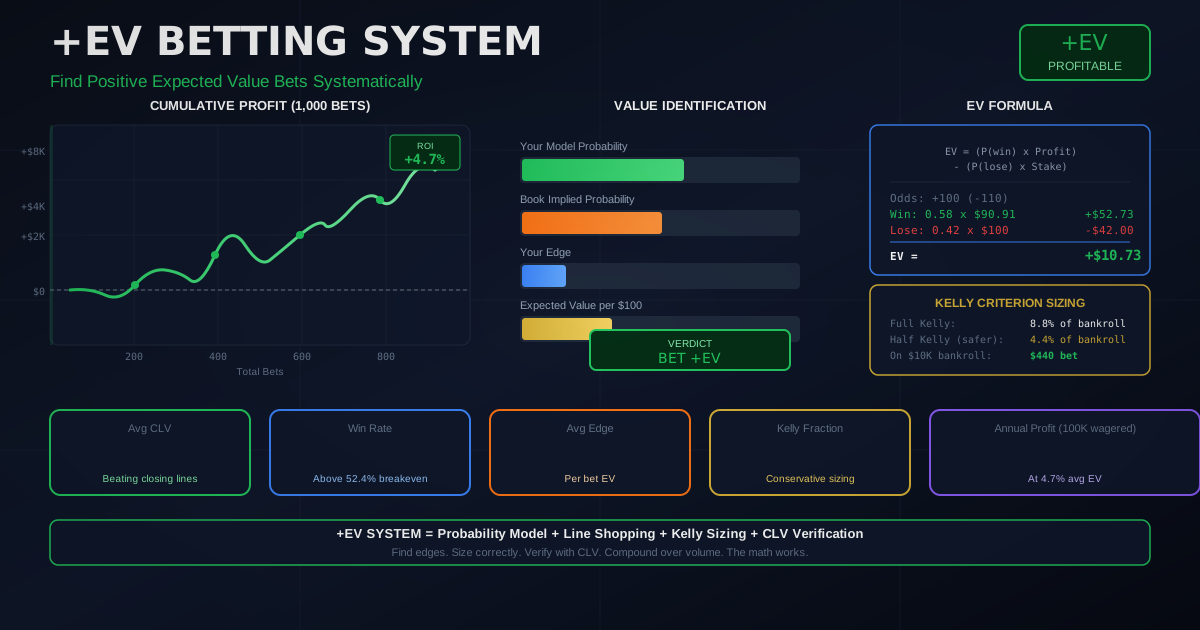
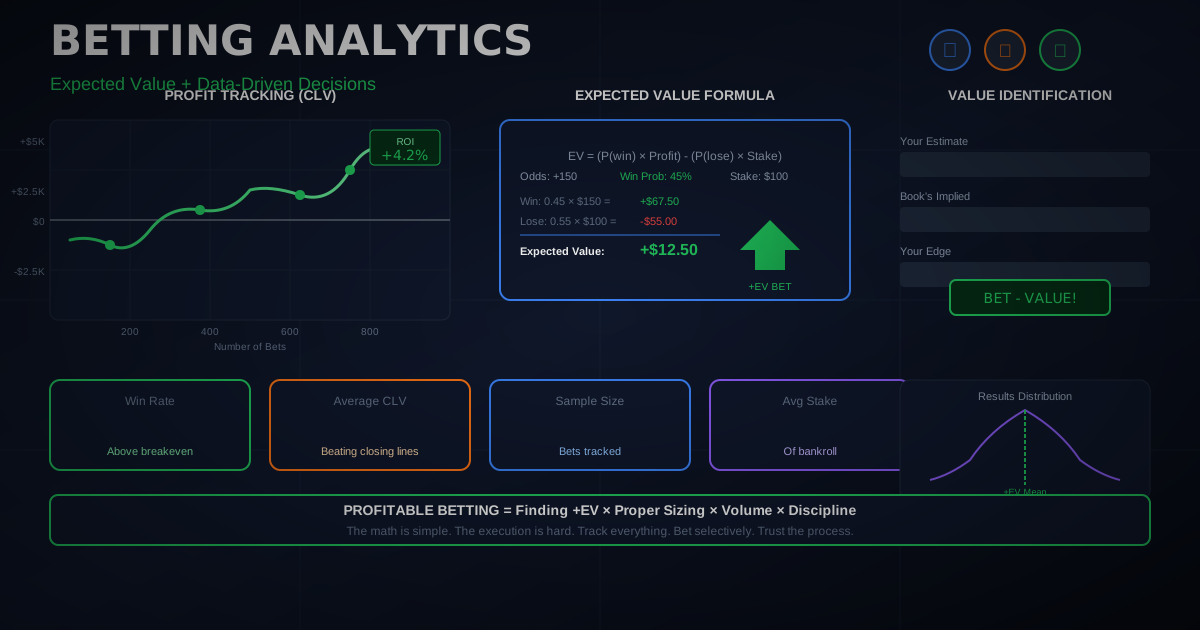
EV = Σ(Prize × Probability) - Ticket Cost
For each prize tier, multiply prize by probability, sum all tiers, subtract cost.
Powerball Example Structure
| Prize | Probability | Contribution to EV |
|---|---|---|
| Jackpot | 1 in 292.2M | Varies with jackpot |
| $1M | 1 in 11.7M | $0.085 |
| $50K | 1 in 913K | $0.055 |
| $100 | 1 in 36K | $0.003 |
| $7 | 1 in 580 | $0.012 |
| $4 | 1 in 38 | $0.105 |
Non-jackpot prizes contribute ~$0.32 to EV regardless of jackpot size.
When Is Lottery EV Positive?
Jackpot Threshold
For Powerball at $2/ticket:
- Break-even jackpot: ~$900 million (annuity)
- After taxes: Need even higher
- After splitting: Much higher still
The Catch: Jackpot Splitting
Large jackpots attract more players:
- $900M jackpot: Maybe 300M tickets sold
- Multiple winners likely
- Your expected share decreases
True break-even considering splitting: $1.5B+ jackpots
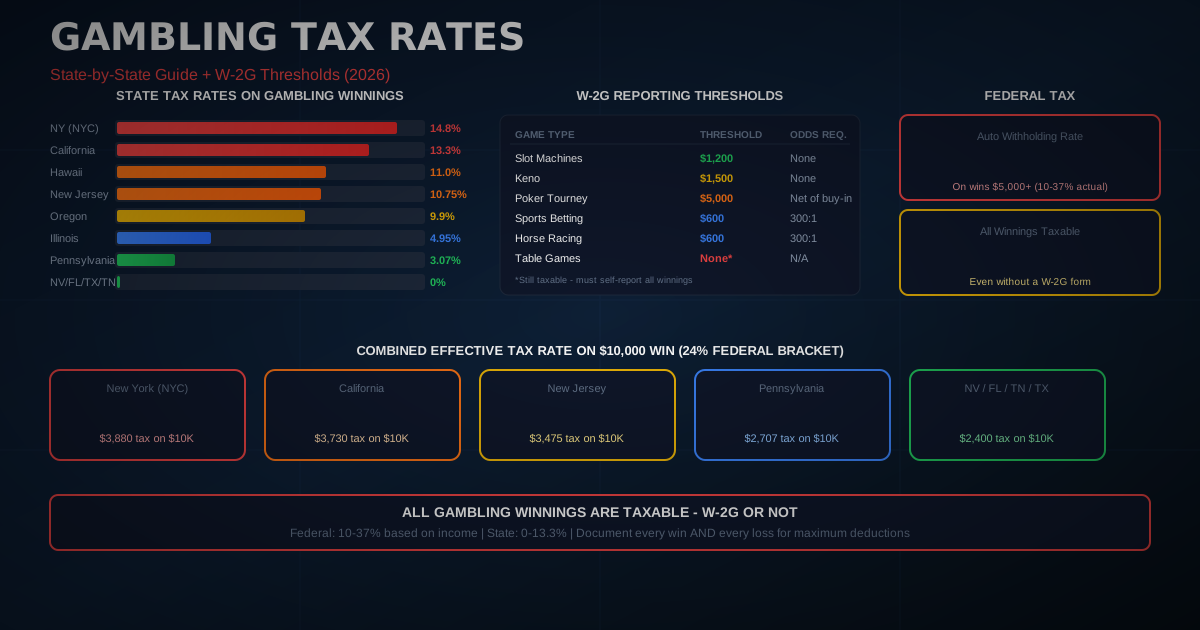
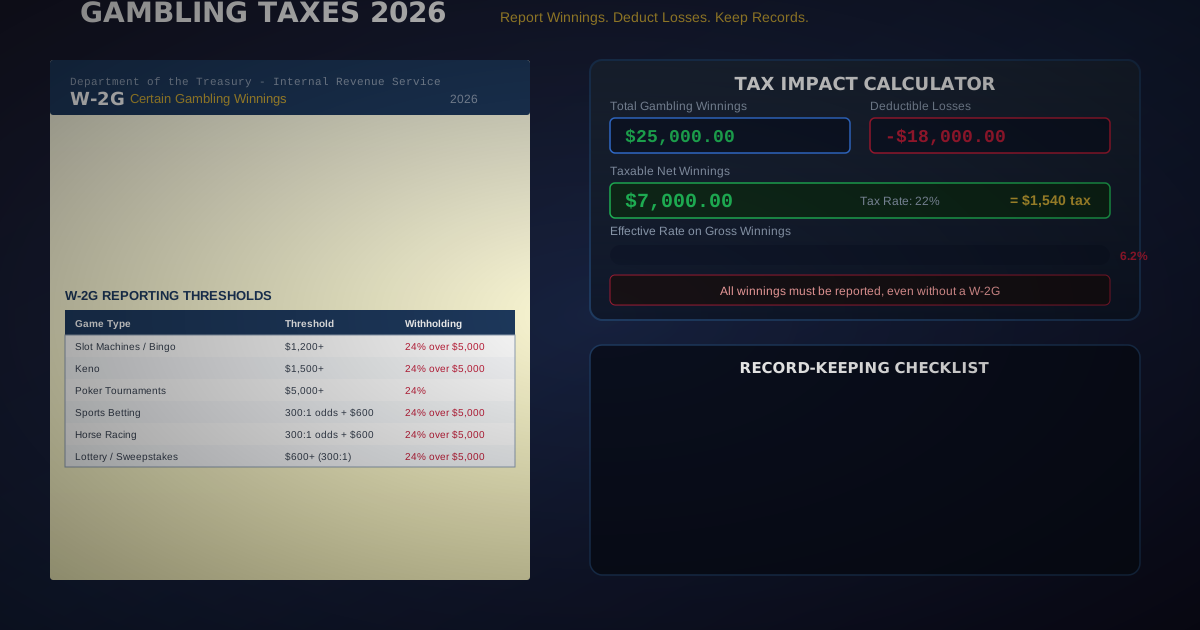
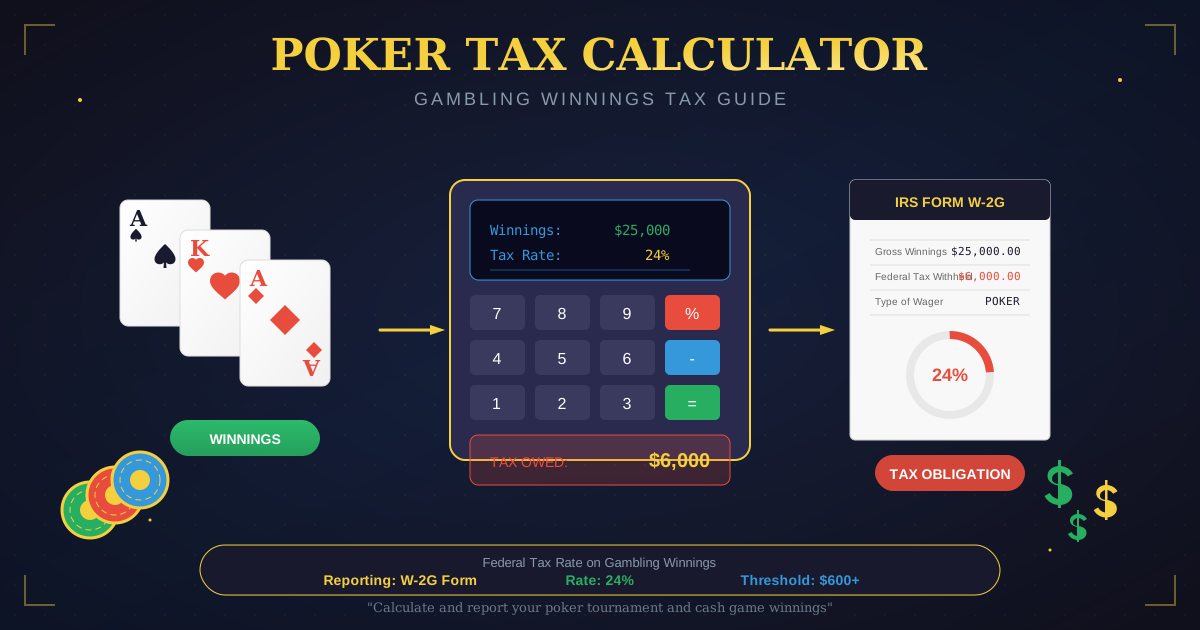
Tax Impact
Jackpot advertised: $1 billion
- Lump sum option: ~$500 million
- Federal taxes (37%): -$185 million
- State taxes (varies): -$25-50 million
- Net: ~$300 million
Your EV must account for actual take-home.
Real Lottery EV Examples
Example 1: Average Powerball ($100M Jackpot)
Calculation:
- Jackpot contribution: $100M ÷ 292.2M = $0.34
- Other prizes: $0.32
- Total expected return: $0.66
- Ticket cost: $2.00
- EV: -$1.34 per ticket
You lose $1.34 on average per $2 ticket.
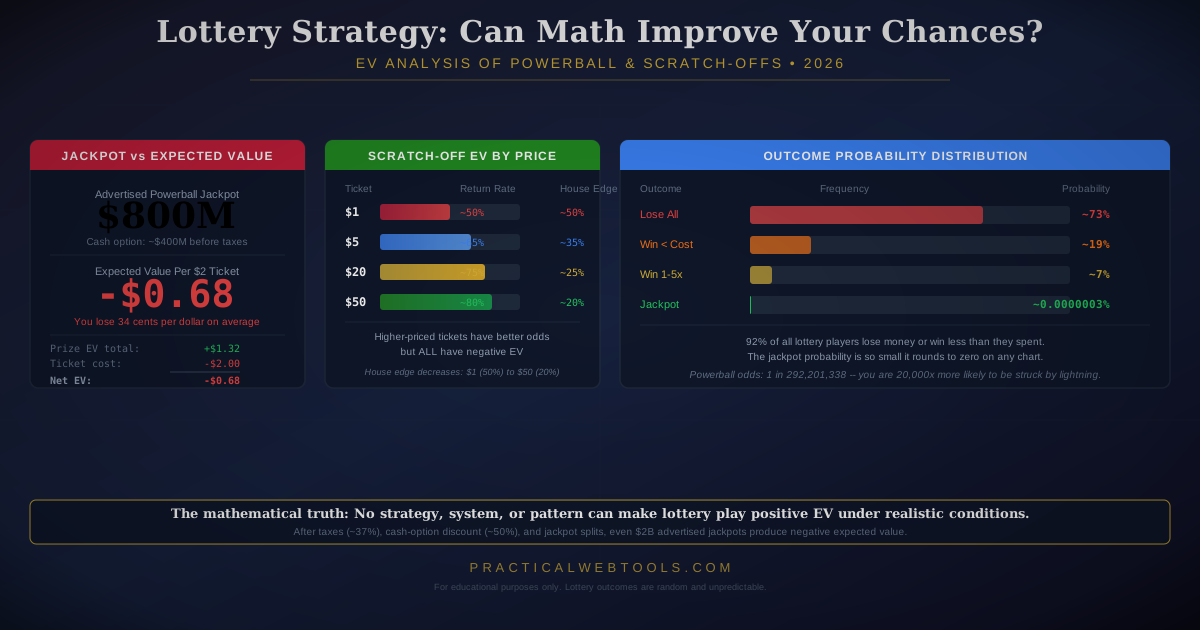
Example 2: Large Jackpot ($800M)
Calculation:
- Jackpot contribution: $800M ÷ 292.2M = $2.74
- Other prizes: $0.32
- Total expected return: $3.06
- Ticket cost: $2.00
- Gross EV: +$1.06 per ticket
But wait—splitting and taxes:
- Lump sum: ~$400M
- After taxes: ~$250M
- Expected winners: 2-3
- Your share: ~$100M
- Adjusted contribution: ~$0.34
- Adjusted EV: -$1.34 per ticket
Still negative after realistic adjustments.
Example 3: Record Jackpot ($2B)
Even with record jackpot:
- Many more tickets sold
- Higher splitting probability
- EV improvement modest
Conclusion: Lottery tickets are almost never +EV after accounting for all factors.
Why People Play Anyway
Entertainment Value
Many players accept negative EV:
- Dreams and fantasies have value
- Small cost for big potential
- Social aspect (office pools)
- Part of lifestyle budget
Utility vs. EV
$2 lost has minimal impact on most people, while $500M won is life-changing. The utility curve makes lottery attractive despite negative EV.
The "Dream Premium"
Players effectively pay for:
- Days of anticipation
- Fantasy of winning
- Water cooler conversation
- Small chance at transformation
If you budget $10/month for lottery entertainment, that's a personal choice—just know it's not an investment.
Lottery Odds Breakdown
Powerball Odds
| Match | Odds | Prize |
|---|---|---|
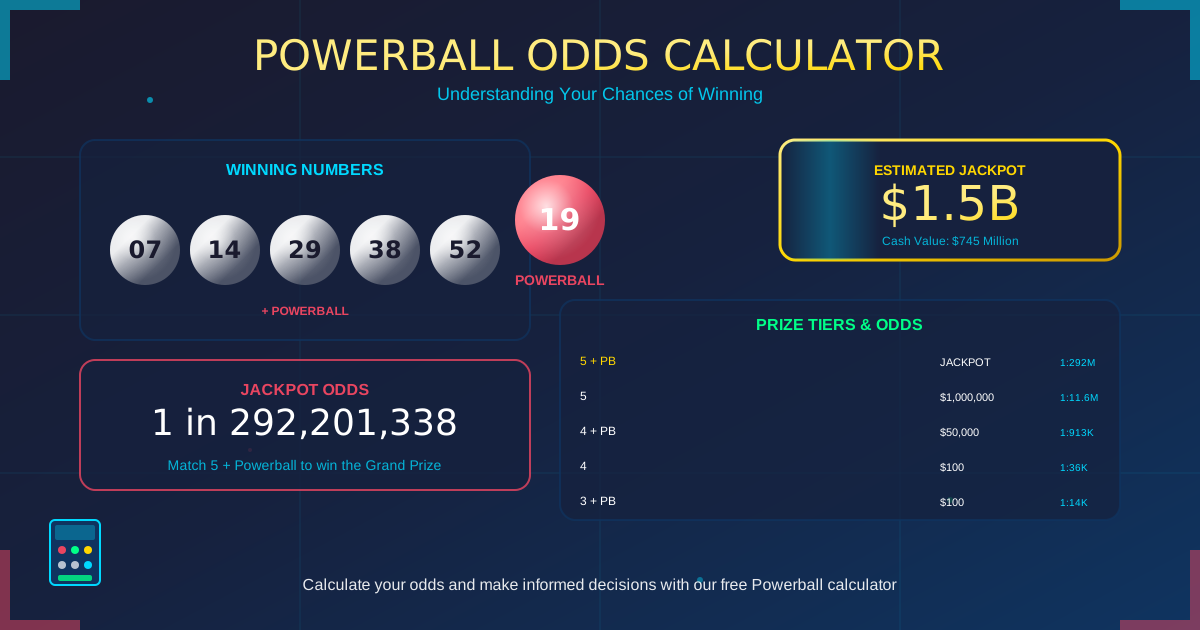
| 5 + PB | 1 in 292,201,338 | Jackpot |
| 5 | 1 in 11,688,054 | $1,000,000 |
| 4 + PB | 1 in 913,129 | $50,000 |
| 4 | 1 in 36,525 | $100 |
| 3 + PB | 1 in 14,494 | $100 |
| 3 | 1 in 580 | $7 |
| 2 + PB | 1 in 701 | $7 |
| 1 + PB | 1 in 92 | $4 |
| PB only | 1 in 38 | $4 |
Overall odds of any prize: 1 in 24.9
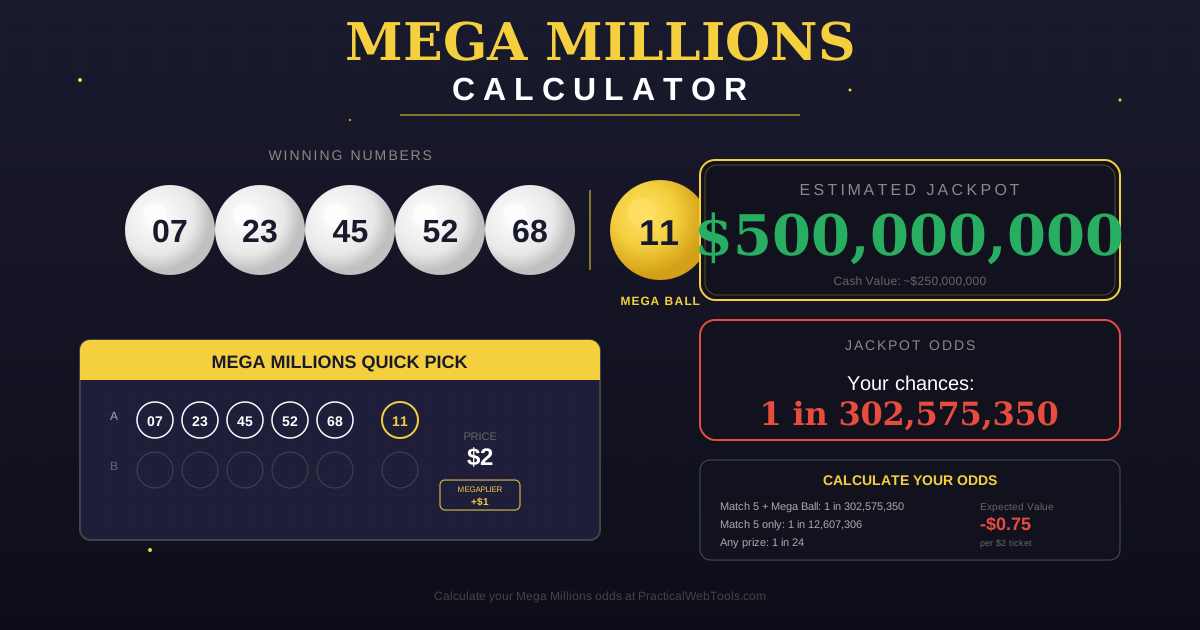
Mega Millions Odds
| Match | Odds | Prize |
|---|---|---|
| 5 + MB | 1 in 302,575,350 | Jackpot |
| 5 | 1 in 12,607,306 | $1,000,000 |
| 4 + MB | 1 in 931,001 | $10,000 |
| 4 | 1 in 38,792 | $500 |
Mega Millions has slightly worse odds but similar EV structure.
Common Lottery Myths
"Numbers Are Due"
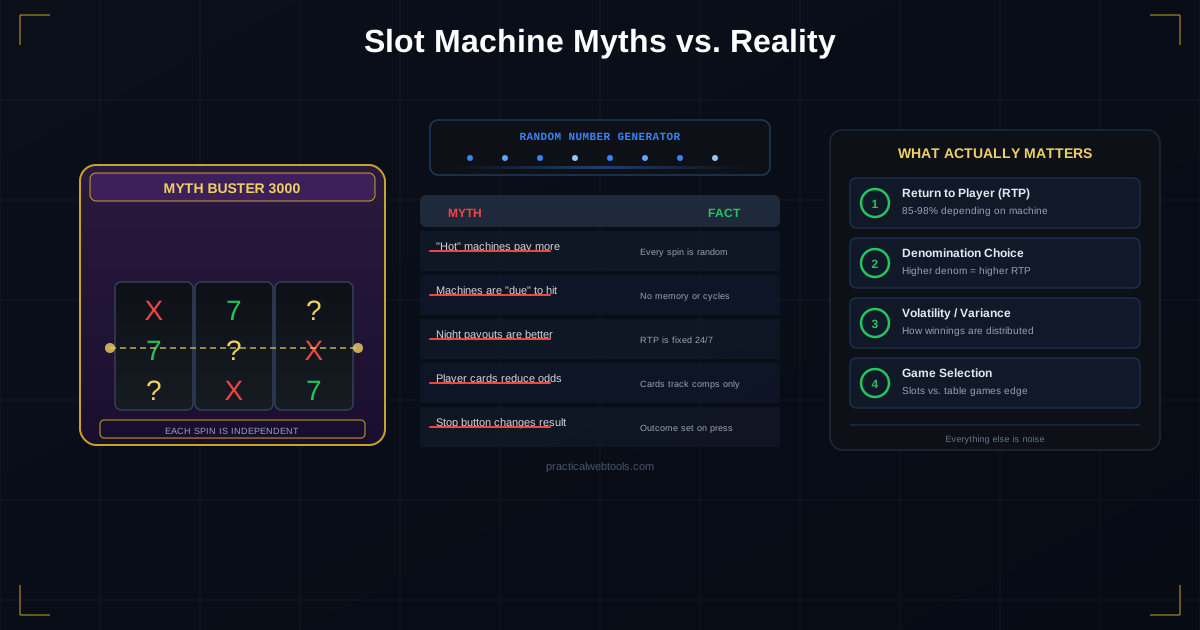
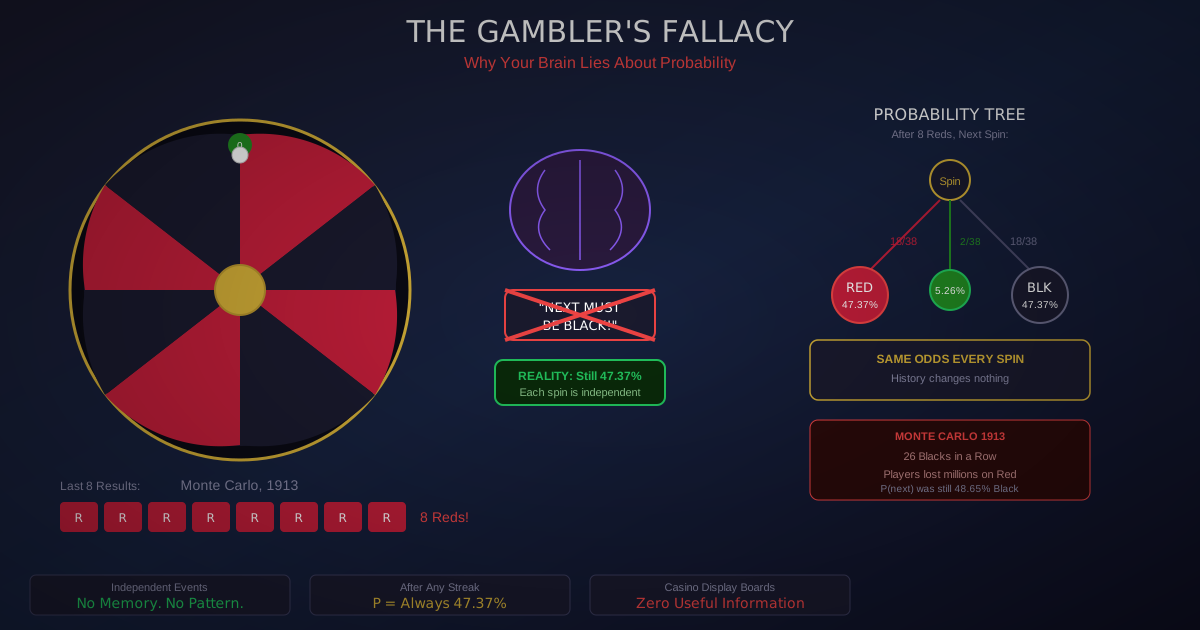
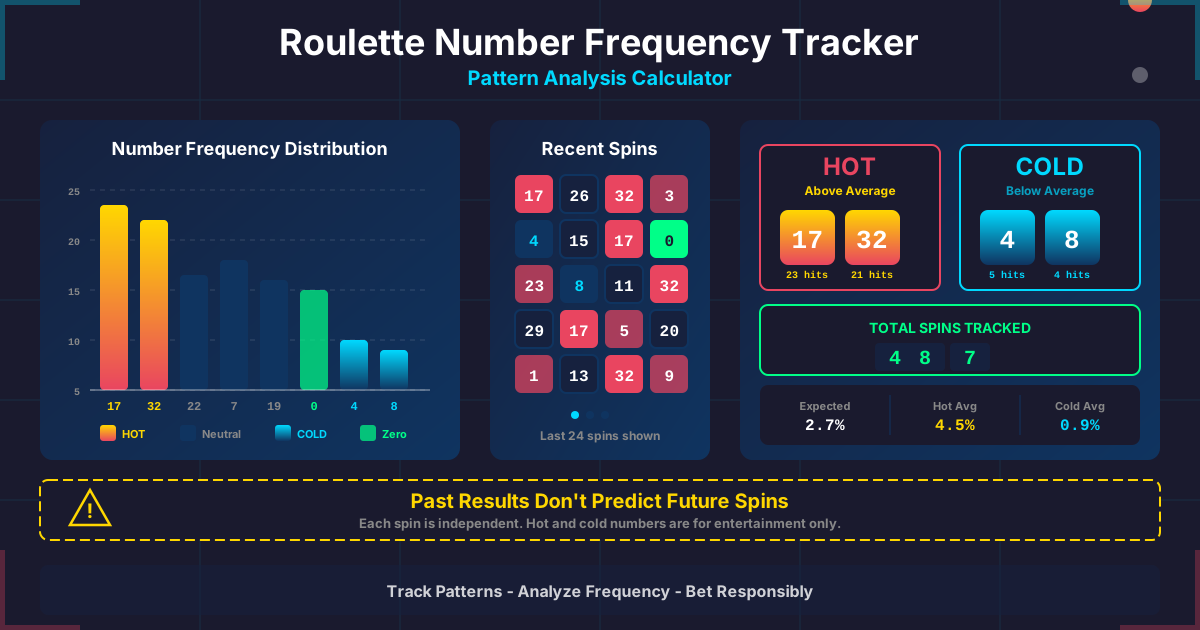
Myth: 7 hasn't hit in months, so it's due. Reality: Each drawing is independent. Past results don't affect future.
"Quick Picks Never Win"
Myth: Manual picks are luckier. Reality: About 70% of winners use quick picks—because 70% of tickets are quick picks.
"Patterns Help"
Myth: Certain number patterns win more. Reality: All combinations have equal probability. 1-2-3-4-5-6 is exactly as likely as any other.
"Small Lotteries Are Better"
Myth: Better odds = better value. Reality: Smaller jackpots often have worse EV. State lotteries typically have higher house edge than Powerball/Mega Millions.
Frequently Asked Questions
Is the lottery ever a good bet?
Mathematically, almost never. Even huge jackpots become negative EV after taxes and splitting. As entertainment, that's your call.
What jackpot makes Powerball worth playing?
Theoretically ~$900M before taxes/splitting, but realistically never. Splitting probability rises with jackpot.
Are scratch-offs better than drawings?
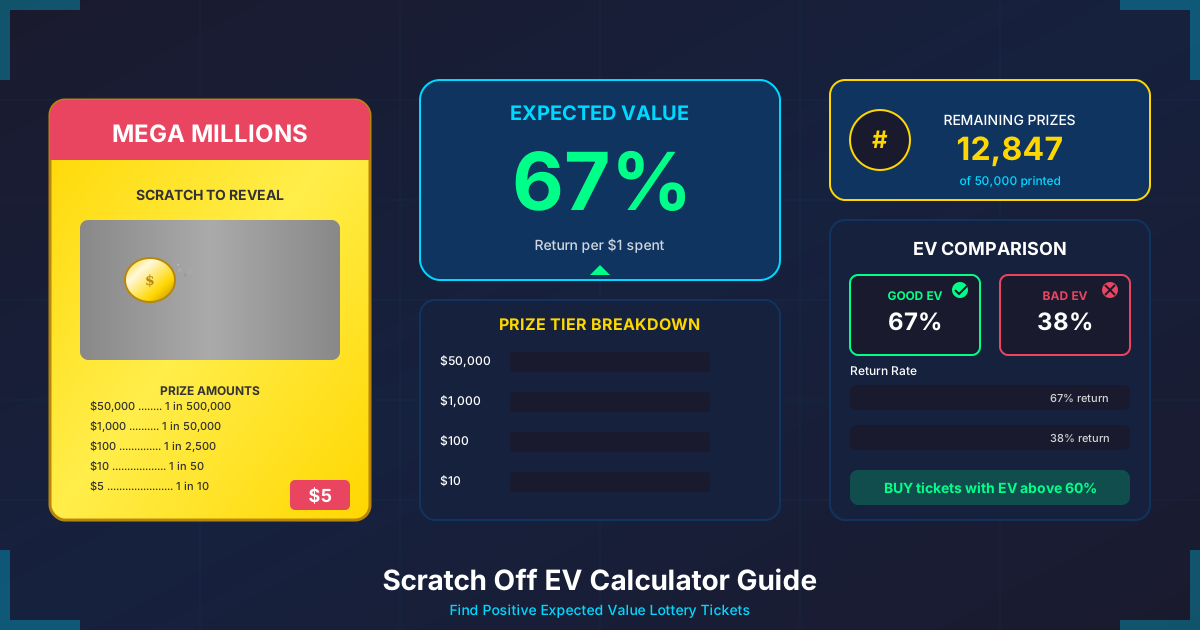
Usually worse. Scratch-offs often have 50%+ house edge compared to ~50% for Powerball on average.
Should I play when no one wins?
Jackpot growth improves EV but also attracts more players. The improvement is usually modest.
What about lottery pools?
Pools let you buy more tickets within budget, but EV per dollar spent is identical. You're just reducing variance.
Are taxes included in advertised jackpots?
No. Advertised amounts are pre-tax. Lump sum is typically 50-60% of advertised, then taxes take another 40%+.
Lottery as Entertainment Budget
Responsible Approach
If you enjoy lottery:
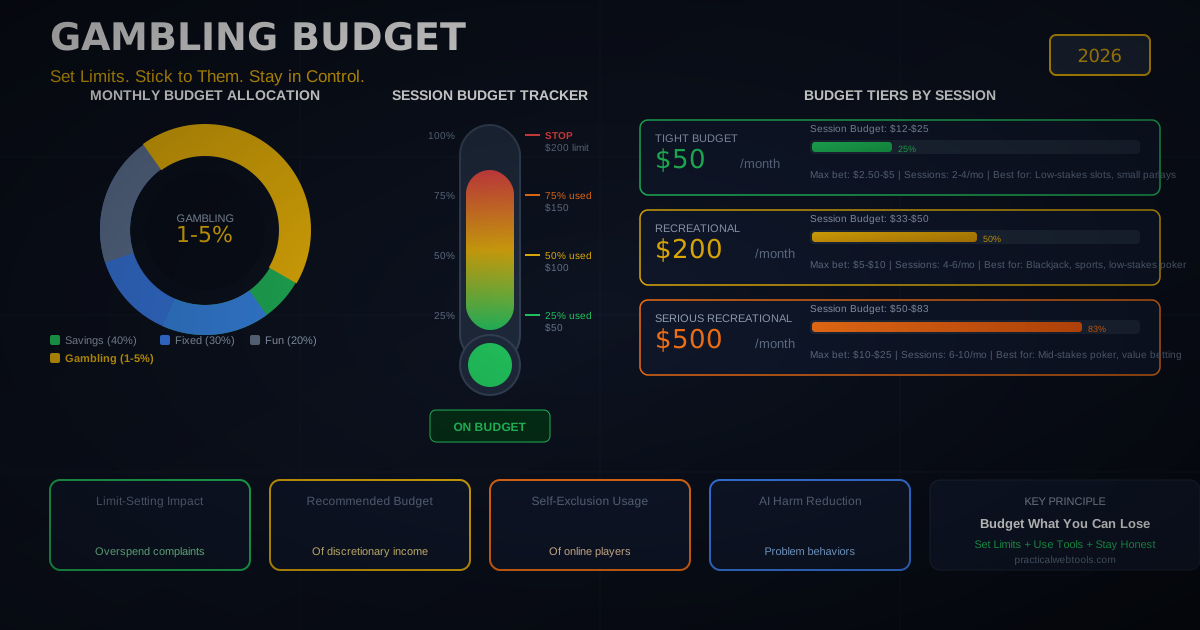
- Set a monthly budget ($5-20)
- Treat it as entertainment, not investment
- Never chase losses
- Don't spend bill money
Budget Perspective
| Monthly Spend | Annual | 10-Year |
|---|---|---|
| $5 | $60 | $600 |
| $20 | $240 | $2,400 |
| $50 | $600 | $6,000 |
If invested at 7% instead, $20/month becomes ~$3,500 in 10 years.
Alternative Uses for Lottery Money
What $20/Month Could Become
| Investment | 10-Year Value |
|---|---|
| S&P 500 Index | ~$3,500 |
| High-yield savings | ~$2,800 |
| Lottery tickets | ~-$1,200 (net loss) |
The mathematical choice is clear—but entertainment value is personal.
Pro Tips for Lottery Players
-
Know the EV: Understand you're paying for entertainment
-
Set strict limits: Never exceed what you'd spend on a movie
-
Avoid chasing: Big jackpot doesn't mean better value
-
Skip add-ons: Power Play/Megaplier usually worsen EV
-
Join pools carefully: Written agreements prevent disputes
Related Calculators
- Lottery Odds Calculator - Probability analysis
- Expected Value Calculator - General EV tool
- Compound Interest Calculator - What lottery money could become
- Probability Calculator - Understanding odds
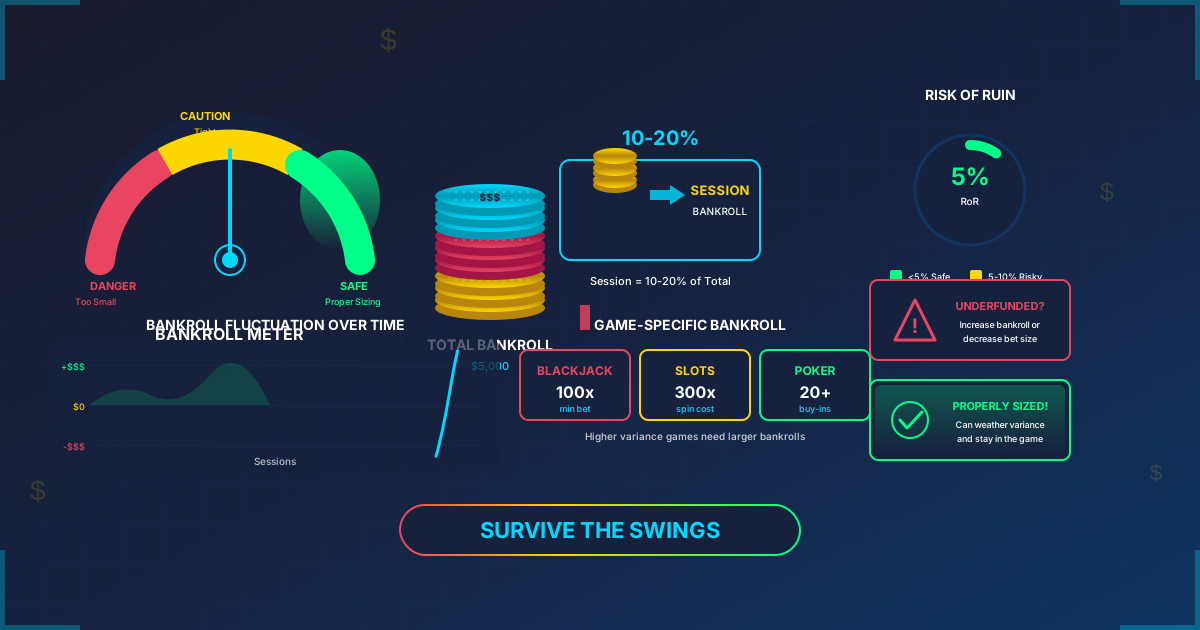
- Gambling Bankroll Calculator - Budget management
Conclusion
Lottery expected value is almost always negative—often severely so. Our calculator shows the math behind any jackpot, revealing that even billion-dollar prizes rarely create positive EV after taxes and splitting. Play for entertainment if you enjoy it, but understand you're paying for dreams, not making an investment.
Calculate Lottery Expected Value Now →
The lottery is a tax on hope—and that's okay if you budget for it. Just don't confuse buying a ticket with making a smart financial decision. The math is clear: the house always wins.