Lottery Odds Calculator: True Win Probability (2026)
Lottery Odds Calculator: See Your Real Chances of Winning
Everyone dreams of hitting the jackpot—but what are your actual odds? Our free lottery odds calculator reveals the true probability of winning, calculates expected value, and shows why lottery tickets are mathematically terrible bets (even with record jackpots).
What Are Lottery Odds?
Lottery odds represent your probability of winning based on how many number combinations exist versus the single winning combination you need.
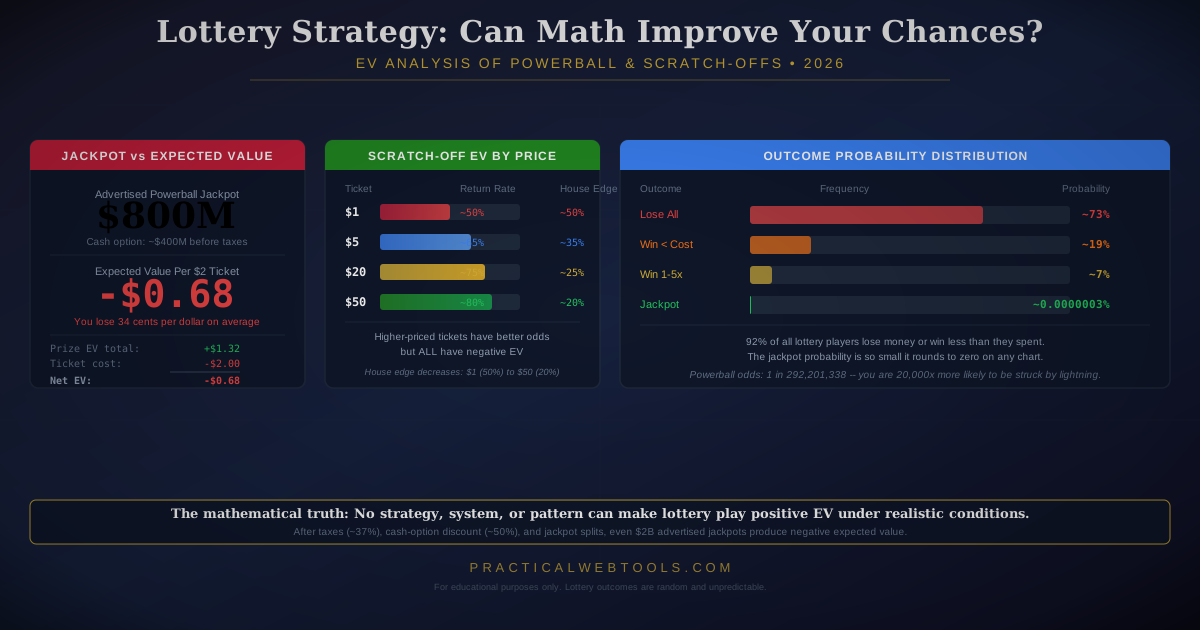
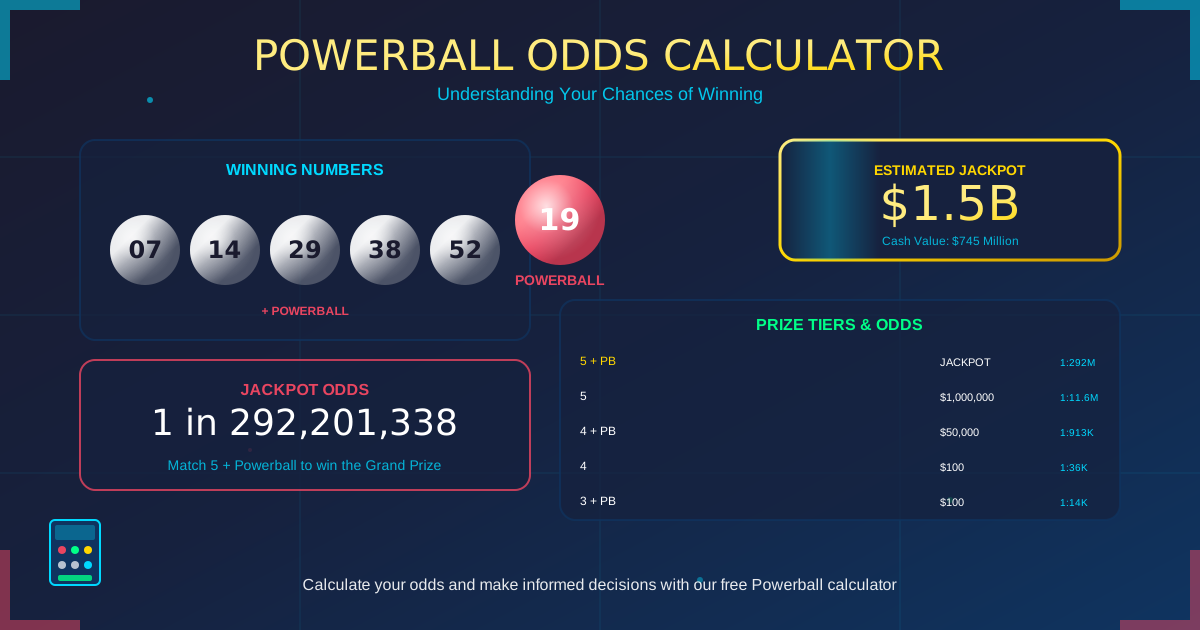
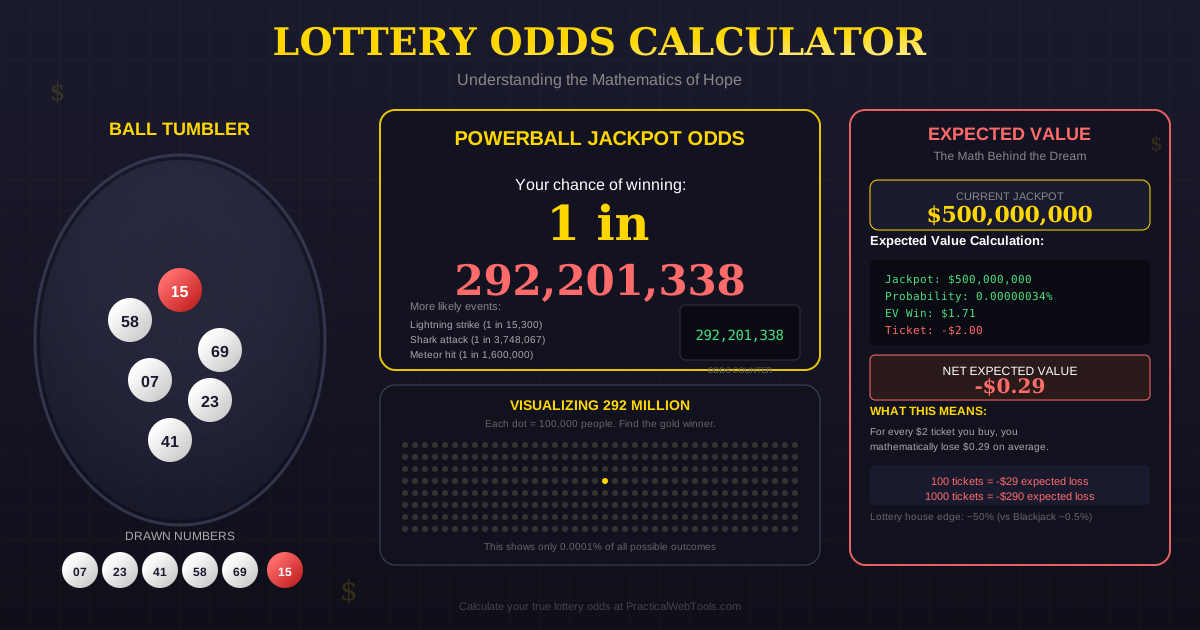
Quick Answer: For Powerball, your odds of winning the jackpot are 1 in 292,201,338. You're more likely to be struck by lightning, attacked by a shark, and hit by a meteor—in the same year—than to win the Powerball jackpot. Still want to play?
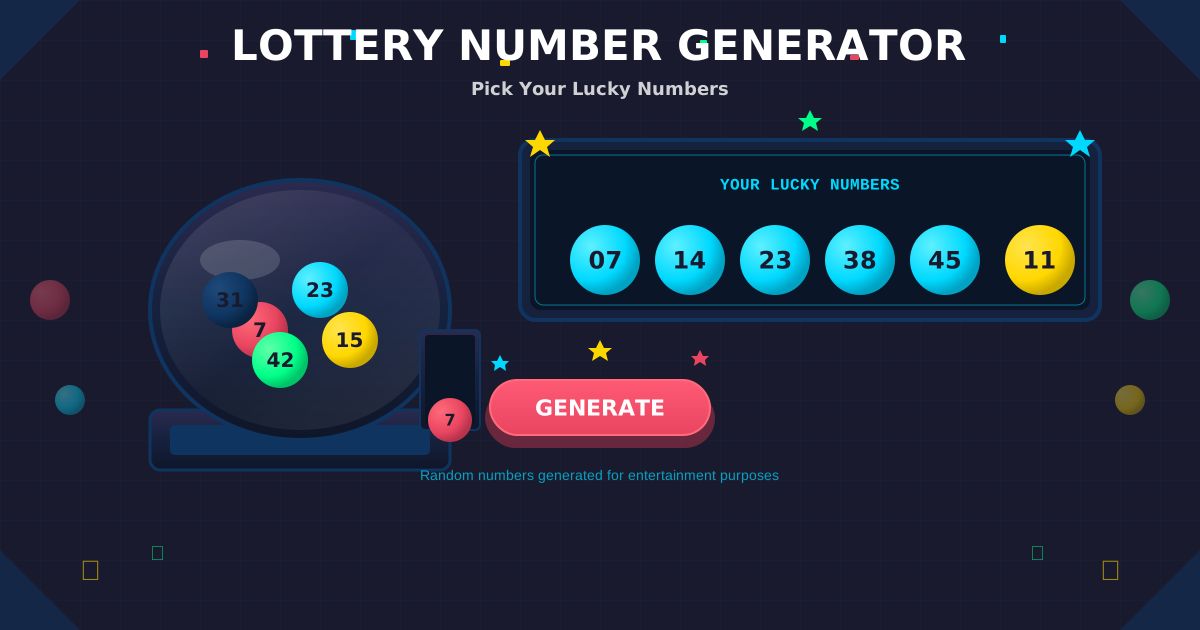
How to Use Our Free Lottery Odds Calculator
Use the Lottery Odds Calculator →
Enter your lottery's format to see exact odds for jackpot and all prize tiers.
Step-by-Step Instructions
-
Select Lottery Game: Choose Powerball, Mega Millions, or enter custom rules
-
View Jackpot Odds: See your exact probability of winning the grand prize
-
Check All Prize Tiers: Understand odds for smaller prizes
-
Calculate Expected Value: See what your ticket is actually worth
Input Fields Explained
| Field | Description | Example |
|---|---|---|
| Main Numbers | How many numbers you pick | 5 from 69 |
| Bonus Ball | Additional number pool | 1 from 26 |
| Ticket Cost | Price per play | $2 |
| Current Jackpot | Advertised prize | $500 million |
Major US Lottery Odds
Powerball
Format: Pick 5 from 69 + 1 Powerball from 26
| Prize | Match | Odds | Payout |
|---|---|---|---|
| Jackpot | 5 + PB | 1 in 292,201,338 | Varies ($20M+) |
| $1 Million | 5 | 1 in 11,688,054 | $1,000,000 |
| $50,000 | 4 + PB | 1 in 913,129 | $50,000 |
| $100 | 4 | 1 in 36,525 | $100 |
| $100 | 3 + PB | 1 in 14,494 | $100 |
| $7 | 3 | 1 in 580 | $7 |
| $7 | 2 + PB | 1 in 701 | $7 |
| $4 | 1 + PB | 1 in 92 | $4 |
| $4 | PB only | 1 in 38 | $4 |
Overall odds of winning any prize: 1 in 24.9
Mega Millions
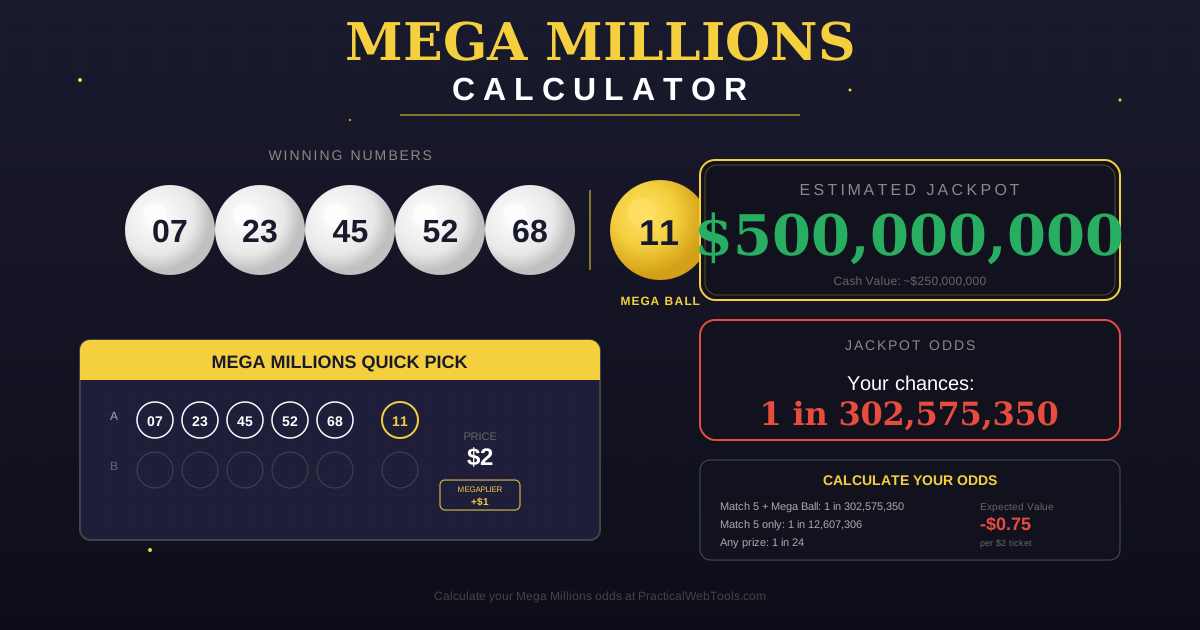
Format: Pick 5 from 70 + 1 Mega Ball from 25
| Prize | Match | Odds | Payout |
|---|---|---|---|
| Jackpot | 5 + MB | 1 in 302,575,350 | Varies ($20M+) |
| $1 Million | 5 | 1 in 12,607,306 | $1,000,000 |
| $10,000 | 4 + MB | 1 in 931,001 | $10,000 |
| $500 | 4 | 1 in 38,792 | $500 |
Mega Millions is slightly harder to win than Powerball.
The Math: Why Lottery Odds Are Astronomical
Calculating Powerball Jackpot Odds
Main numbers: C(69,5) = 11,238,513 combinations
Powerball: 26 possibilities
Total combinations: 11,238,513 × 26 = 292,201,338
Your one ticket represents 1/292,201,338 of all possible outcomes = 0.00000034%
Putting This In Perspective
Events more likely than winning Powerball:
| Event | Odds | Times More Likely |
|---|---|---|
| Killed by lightning (year) | 1 in 1.2 million | 243× |
| Killed by shark | 1 in 4 million | 73× |
| Hit by meteorite | 1 in 700,000 | 417× |
| Becoming president | 1 in 32 million | 9× |
| Bowling a perfect game | 1 in 11,500 | 25,409× |
| Hole in one | 1 in 12,500 | 23,376× |
Expected Value: The Real Cost
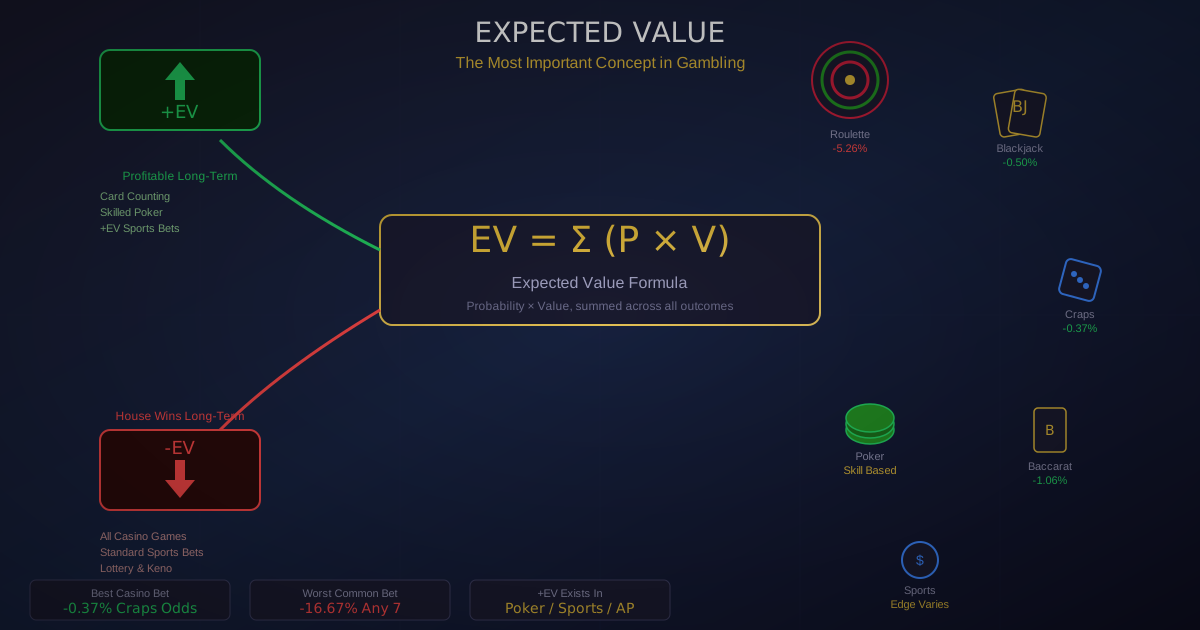
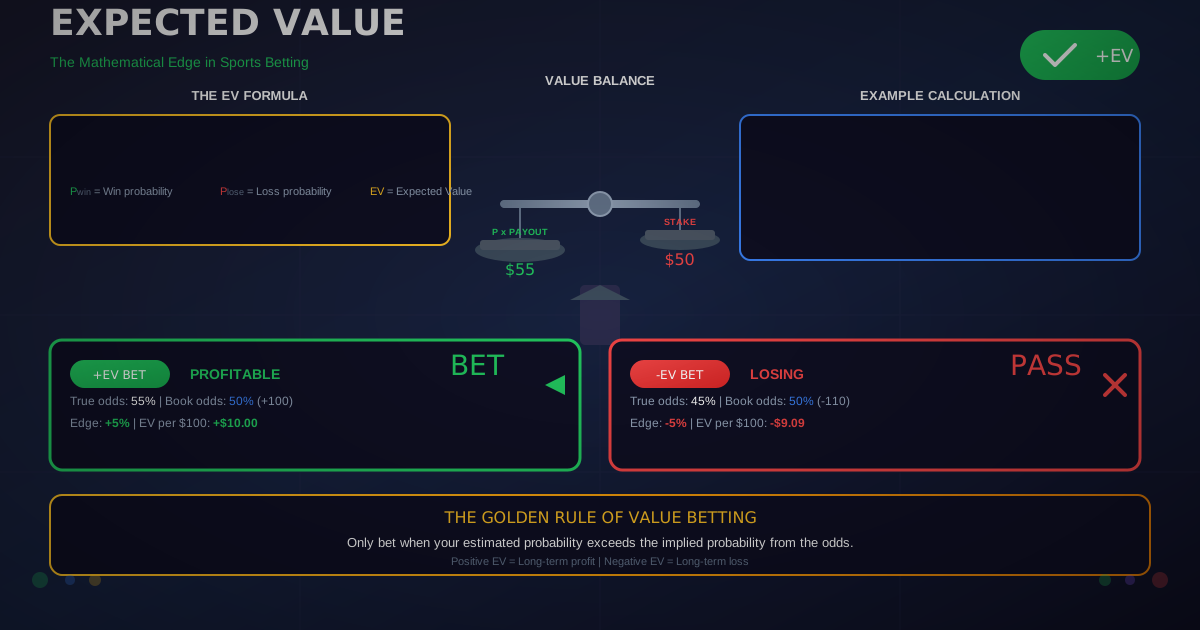
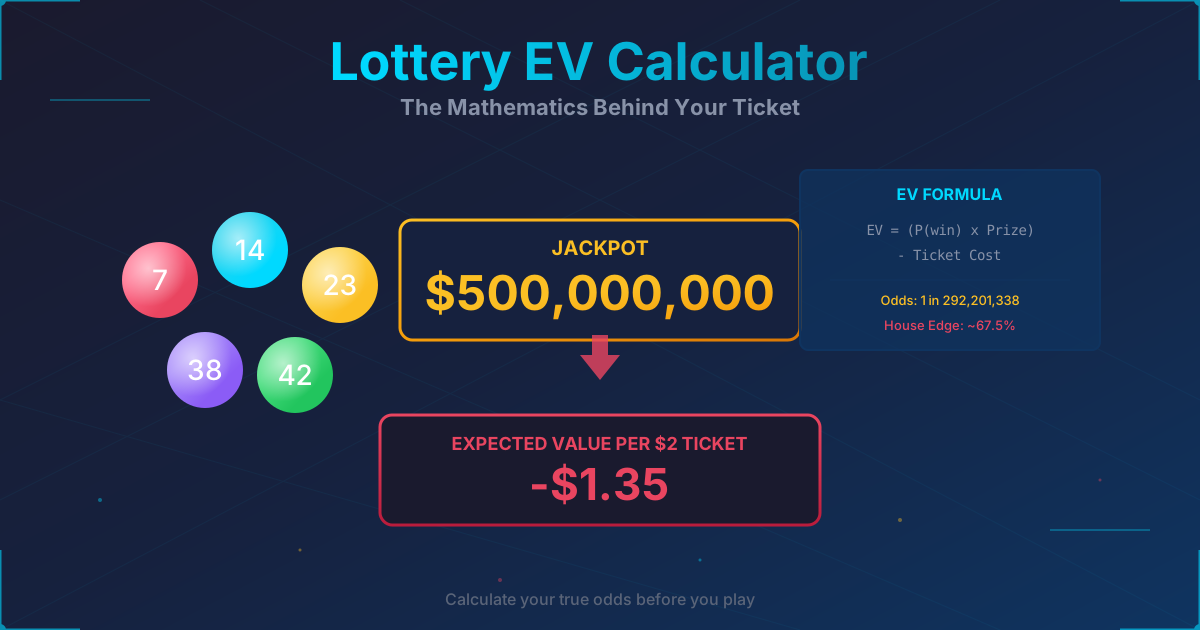
Expected Value (EV) shows what your lottery ticket is actually worth mathematically.
Powerball EV Calculation
With $500 million jackpot, $2 ticket:
EV = Σ (Probability × Prize) - Ticket Cost

EV from jackpot: $500M × (1/292M) = $1.71
EV from $1M prize: $1M × (1/11.7M) = $0.09
EV from smaller prizes: ~$0.32
Total EV: ~$2.12

Minus ticket cost: $2.12 - $2.00 = +$0.12
Wait—positive EV? Not so fast:
Hidden EV Killers
-
Taxes: 37% federal + state taxes take ~50% of jackpot
- After-tax EV from jackpot: $0.86 (not $1.71)
-
Lump Sum Discount: Cash option is ~60% of advertised
- Further reduced EV
-
Jackpot Splitting: Multiple winners divide the prize
- At $500M, expect 1.5 winners on average: divide EV by 1.5
True EV after adjustments: Approximately -$0.60 to -$0.80 per $2 ticket
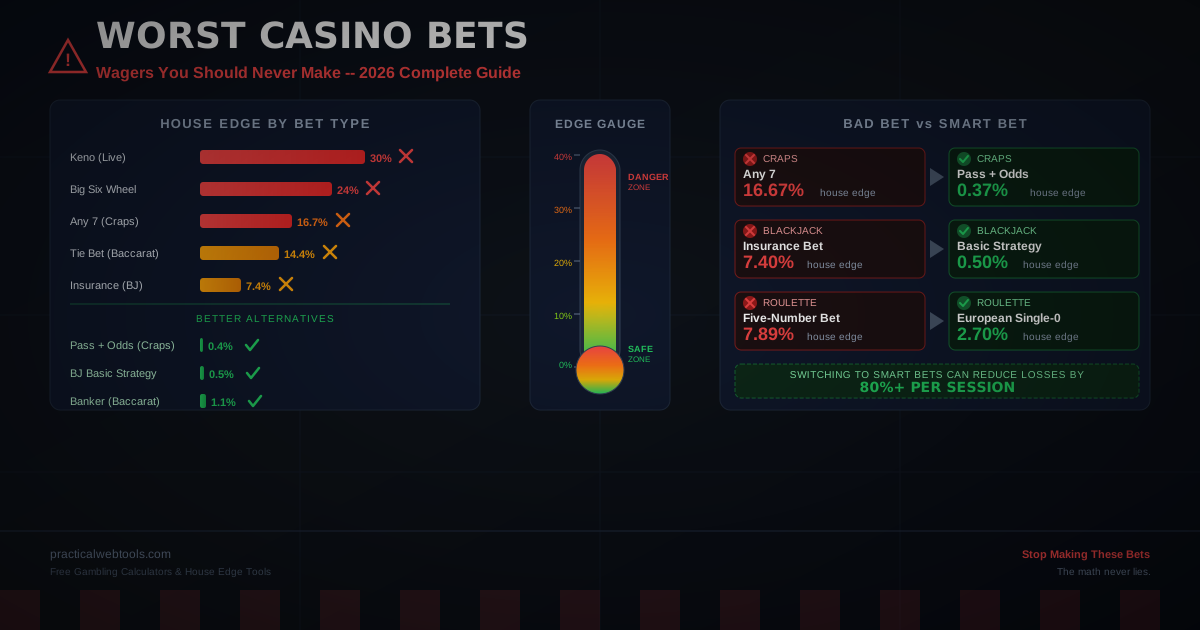
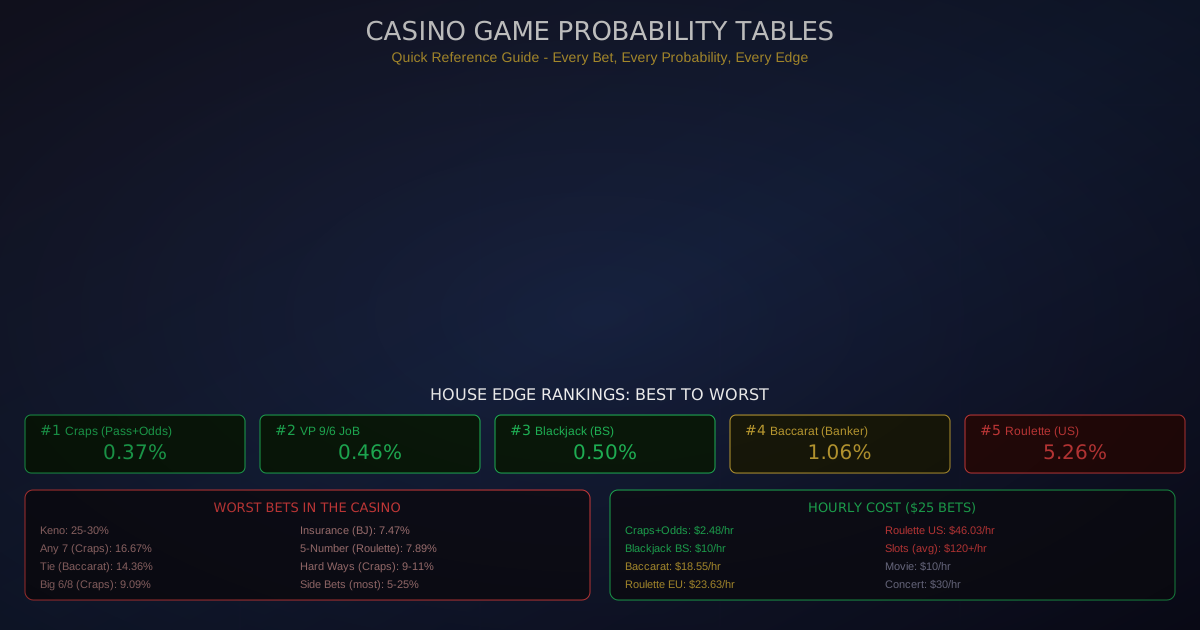
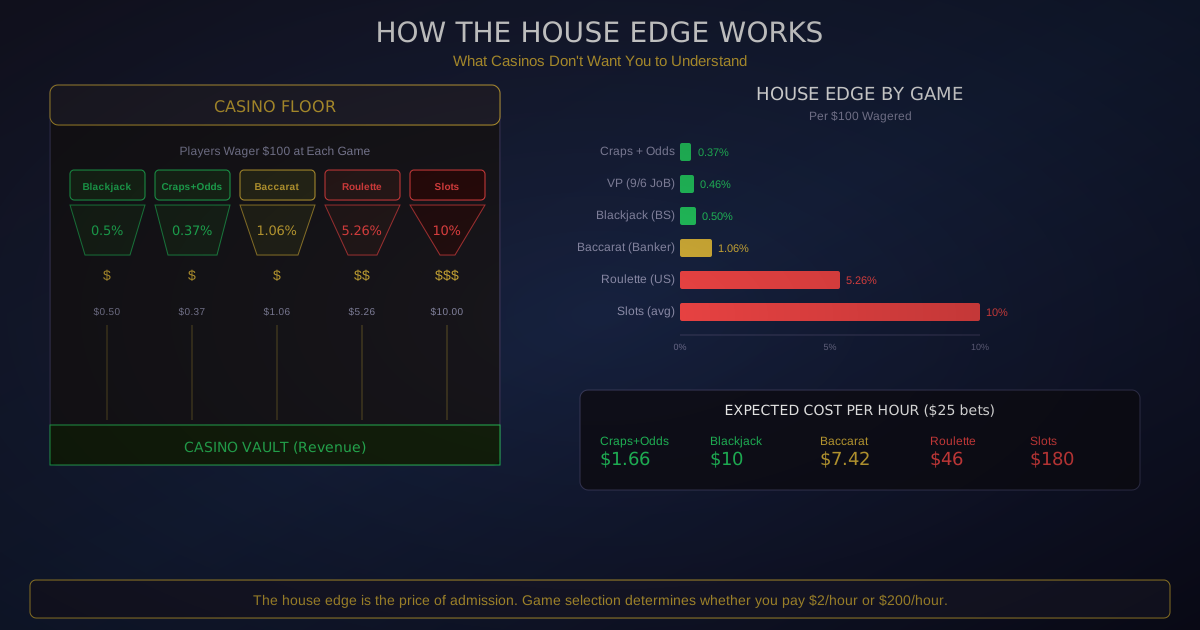
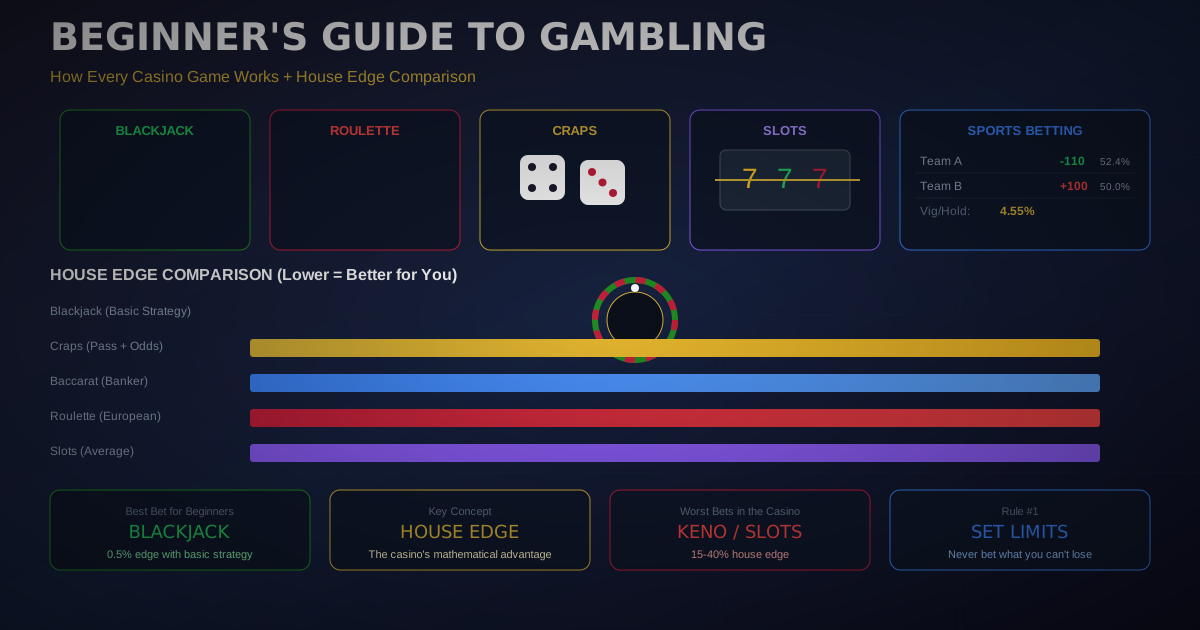
That's a 30-40% house edge—worse than any casino game.
Break-Even Jackpot
For Powerball to be mathematically break-even (after taxes, lump sum, and split risk):
Jackpot needed: Approximately $1.5-2 billion advertised
Even at record jackpots, the expected value is barely positive—and that's before jackpot splitting risk.
State Lotteries: Even Worse Odds
State lotteries typically have worse expected value than national games:
| Game Type | Typical House Edge |
|---|---|
| Scratch-offs | 30-50% |
| Pick 3/4 | 50% |
| State Lotto | 40-50% |
| Powerball/Mega | 30-40% |
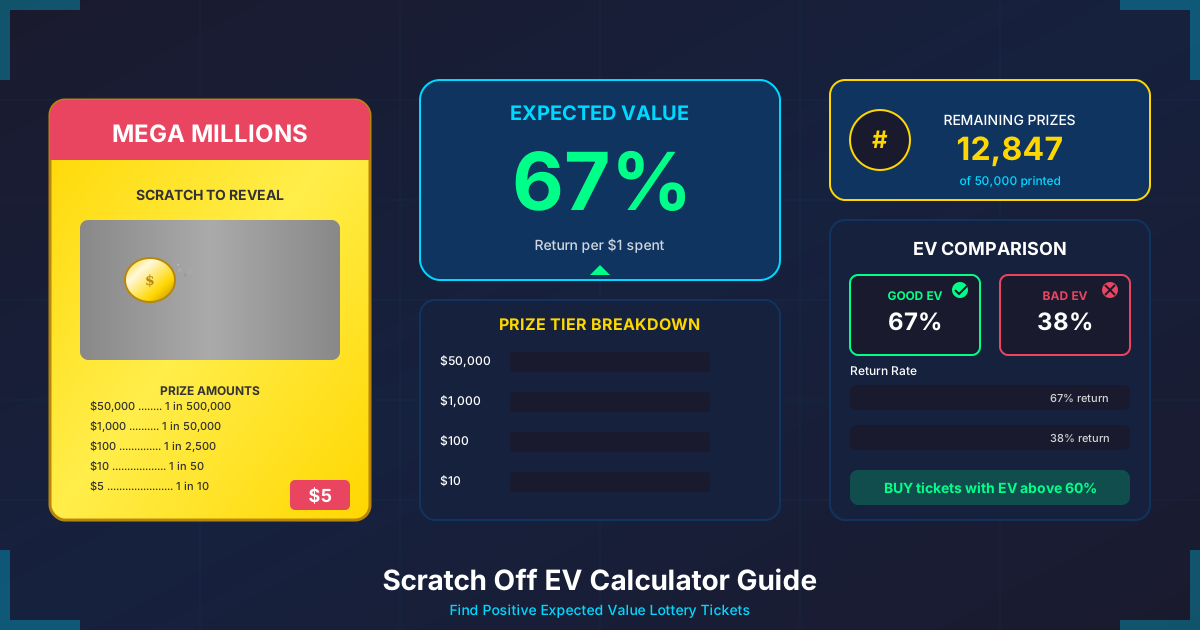
Scratch-offs return about 50-70 cents per dollar played—terrible for gambling.
Common Lottery Myths Debunked
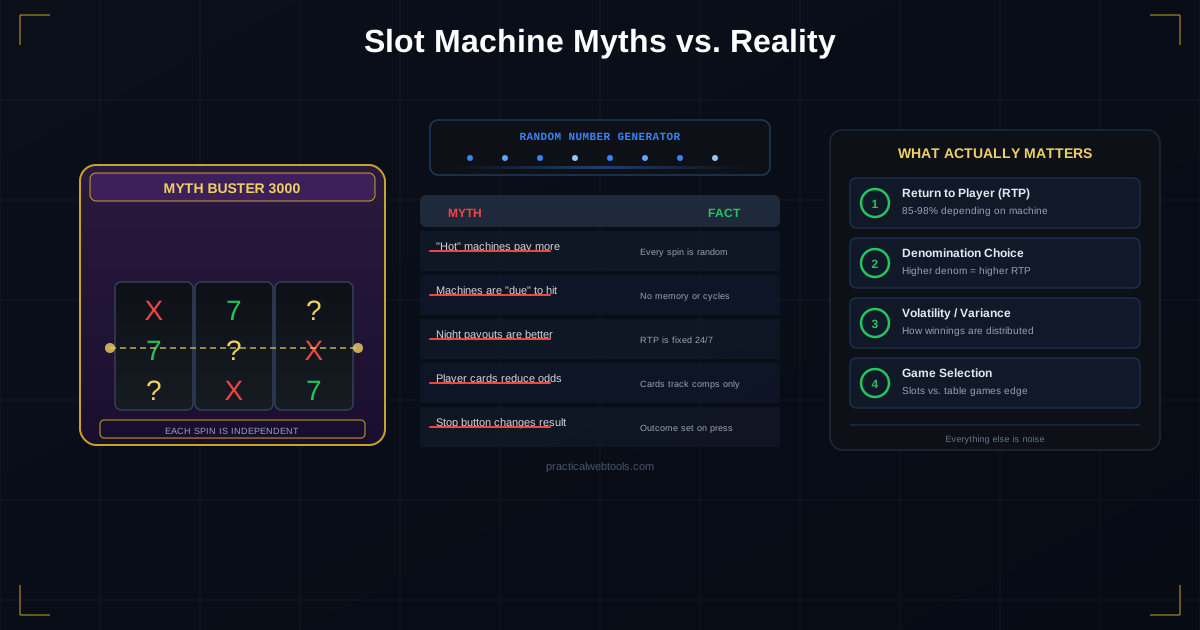
Myth 1: "Certain numbers are luckier"
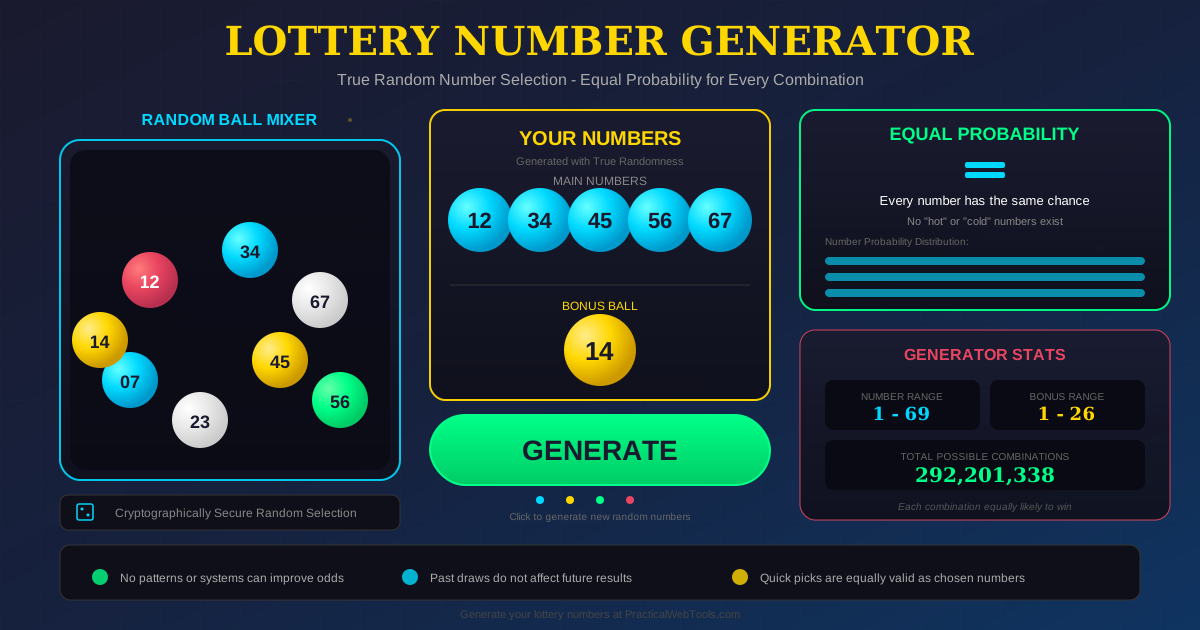
Every combination has exactly the same odds. 1-2-3-4-5 is equally likely as any other five numbers. The only difference: if you win with "lucky" numbers, more people chose them, so you split the jackpot more ways.
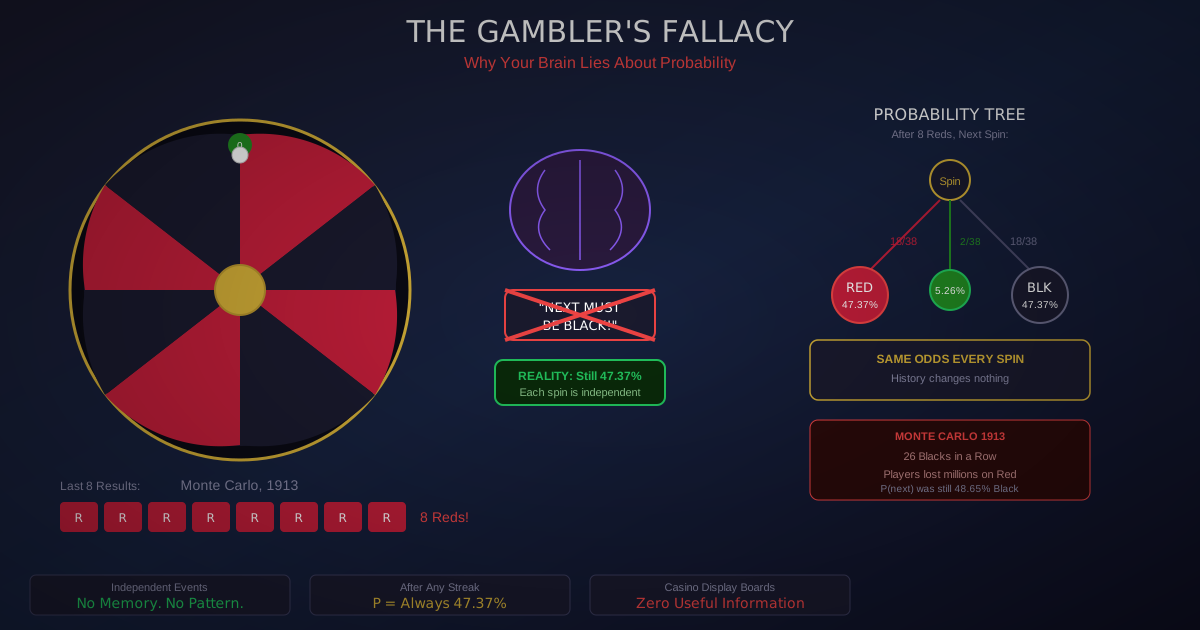
Myth 2: "Numbers that haven't hit are due"
Each drawing is independent. Numbers don't have memory. Past results don't affect future probabilities.
Myth 3: "Quick picks win less often"
About 70% of jackpot winners use quick picks—which matches roughly how many tickets are quick picks. No advantage either way.
Myth 4: "Playing more improves your odds meaningfully"
Buying 100 tickets when odds are 1 in 300 million gives you 100 in 300 million, or 1 in 3 million. Still virtually zero. You'd need millions of tickets to have meaningful odds.
Myth 5: "It's only $2, what's the harm?"
$2 twice a week = $208/year. Over 40 years of working life, that's $8,320 in tickets. Invested in index funds at 7% return: approximately $45,000.
Frequently Asked Questions
What are my odds of winning any lottery prize?
For Powerball, 1 in 24.9 tickets wins something (usually $4). For Mega Millions, 1 in 24 tickets wins something. These smaller prizes don't make up for the losses.
Is the lottery ever a good bet?
Almost never mathematically. The only edge case is if:
- Jackpot exceeds ~$1.5 billion
- You buy the only ticket (avoiding splits)
- You take the lump sum without tax optimization issues
This has never happened.
Should I buy a ticket for fun?
If you enjoy the daydream and can afford to lose $2, that entertainment value might be worth it to you. Just know it's entertainment, not investment, with terrible expected returns.
Do lottery retailers win more?
Lottery retailers do win more often—because they sell more tickets and often play themselves. There's no advantage to where you buy.
What about lottery pools?
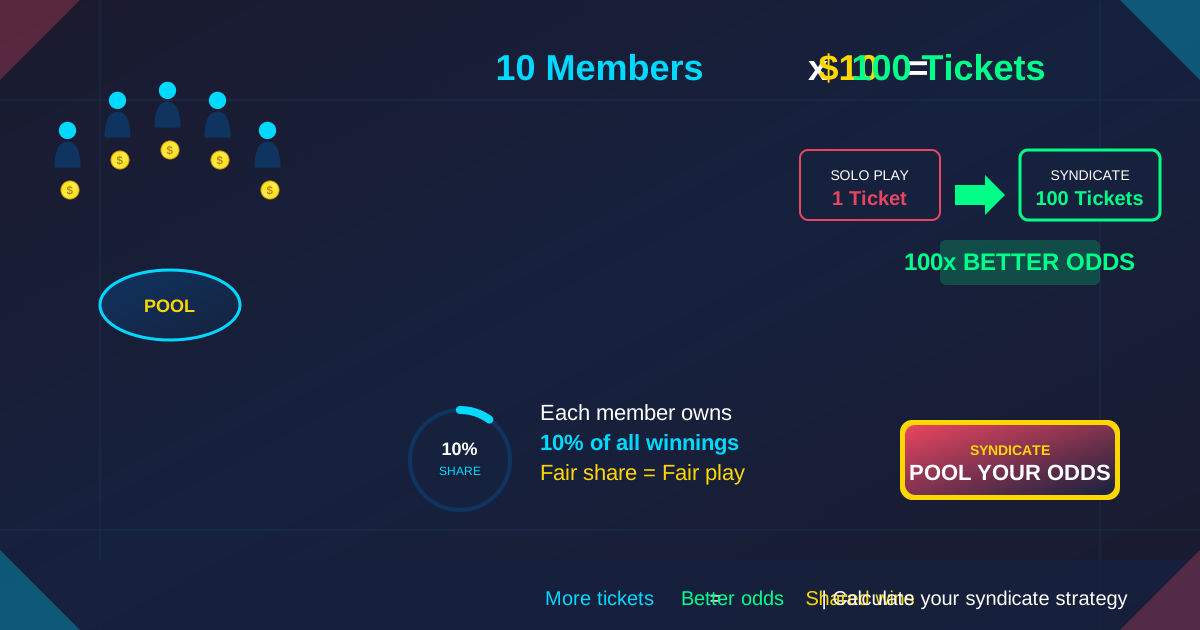
Pools let you afford more combinations, but you split any winnings. Your expected value per dollar spent remains the same (terrible).
Which lottery has the best odds?
State games with smaller jackpots often have better odds but much smaller prizes. The best "odds per dollar" are typically smaller state games, but the EV is still negative.
The "Dollar and a Dream" Reality
Average American lottery spending: ~$220/year Average American lottery winnings: ~$70/year Net loss: ~$150/year Lifetime loss (40 years): ~$6,000+ (opportunity cost much higher)
The lottery functions as a voluntary tax, primarily on lower-income households who can least afford it.
If You Insist on Playing
Harm reduction strategies:
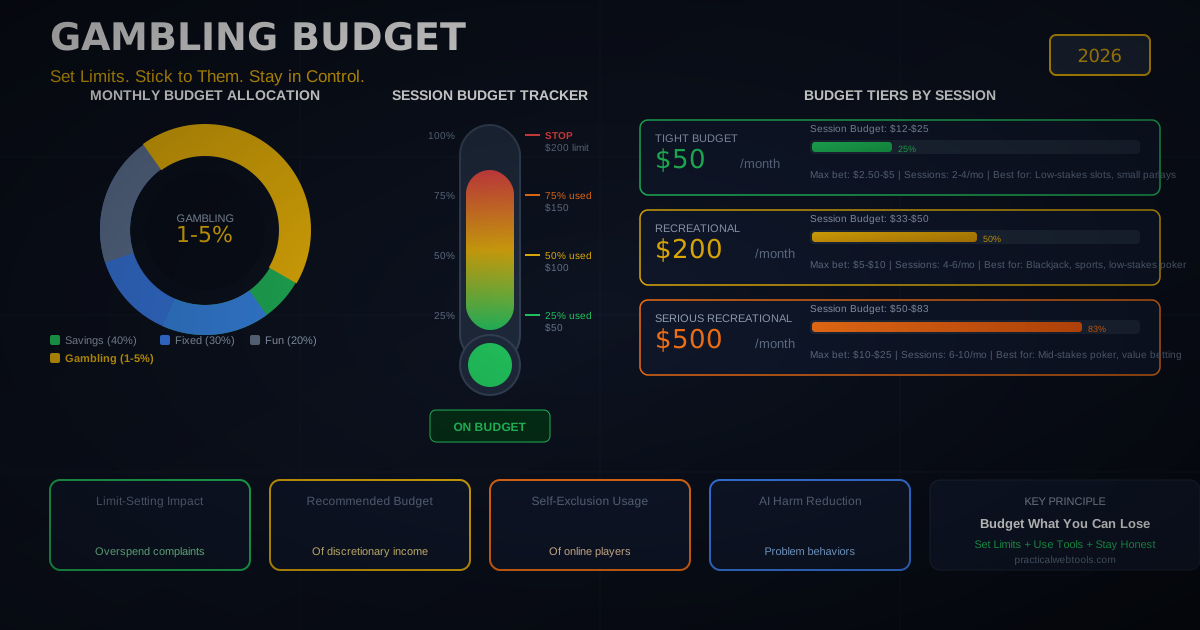
- Set a strict budget: $20/month maximum
- Never chase losses: Didn't win? The next ticket isn't "due"
- Treat it as entertainment: Like a movie ticket—fun money, not investment
- Play smaller state games: Better odds, lower jackpots
- Avoid scratch-offs: Worst expected value of all lottery products
Pro Tips (for Non-Lottery Investing)
Instead of lottery tickets, consider:
| Investment | Expected Annual Return |
|---|---|
| S&P 500 Index Fund | ~10% |
| Bonds | ~4-5% |
| High-Yield Savings | ~4-5% |
| Lottery Tickets | -30 to -50% |
$2 invested weekly at 10% return = $17,000 after 30 years
Related Calculators
- Lottery EV Calculator - Exact expected value
- Lottery After-Tax Calculator - Net winnings
- Lottery Pool Calculator - Split calculations
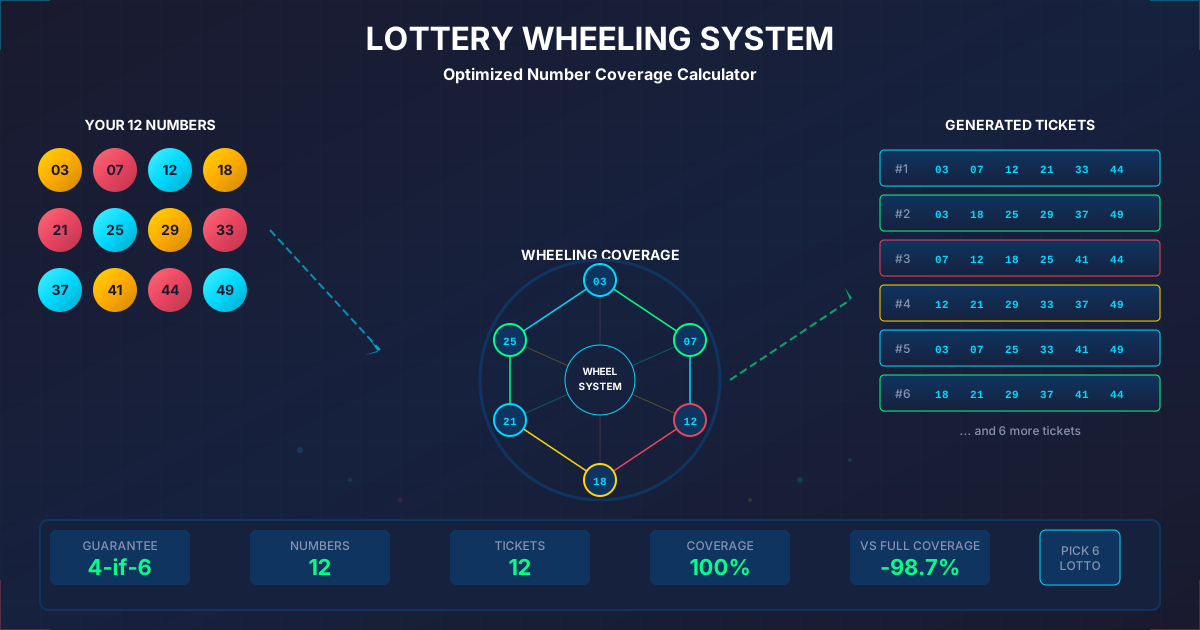
- Lottery Wheeling Calculator - System plays
- Powerball Odds Calculator - Powerball specific
Conclusion
Our lottery odds calculator doesn't exist to help you win—it exists to show you why winning is essentially impossible. With house edges of 30-50%, lotteries are mathematically the worst gambling option available. If you play, play for entertainment only, with money you can afford to lose.
Calculate Your True Lottery Odds Now →
Dreams of jackpots are fun. But informed dreamers know the math: your lottery ticket is worth about half what you paid for it, and your odds of winning big are effectively zero.