Lottery Syndicate Calculator: Pool Betting Strategy (2026)
Lottery Syndicate Calculator: Strength in Numbers
Lottery syndicates pool money to buy more tickets, improving odds of winning something while reducing individual costs. Our calculator shows fair share distributions, combined odds improvement, and expected value per member.
What Is a Lottery Syndicate?
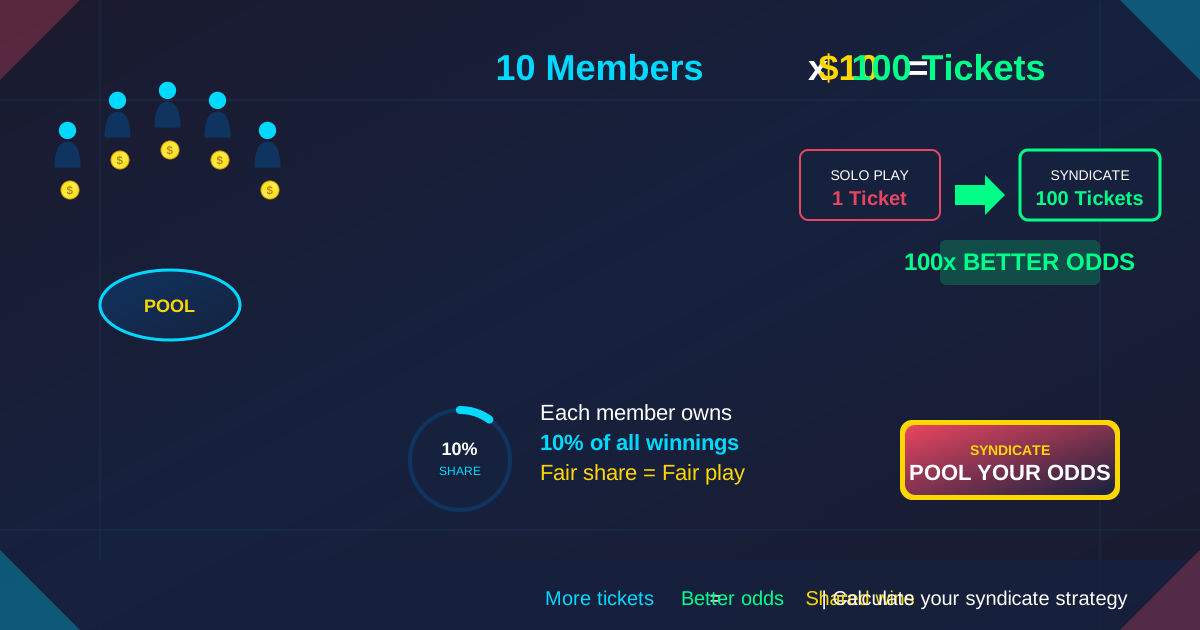
A syndicate is a group pooling money to buy lottery tickets together, sharing any winnings proportionally. If 10 people contribute equally and buy 100 tickets, each person owns 10% of any prize. More tickets mean better odds of winning—though each person's share of a jackpot is smaller.
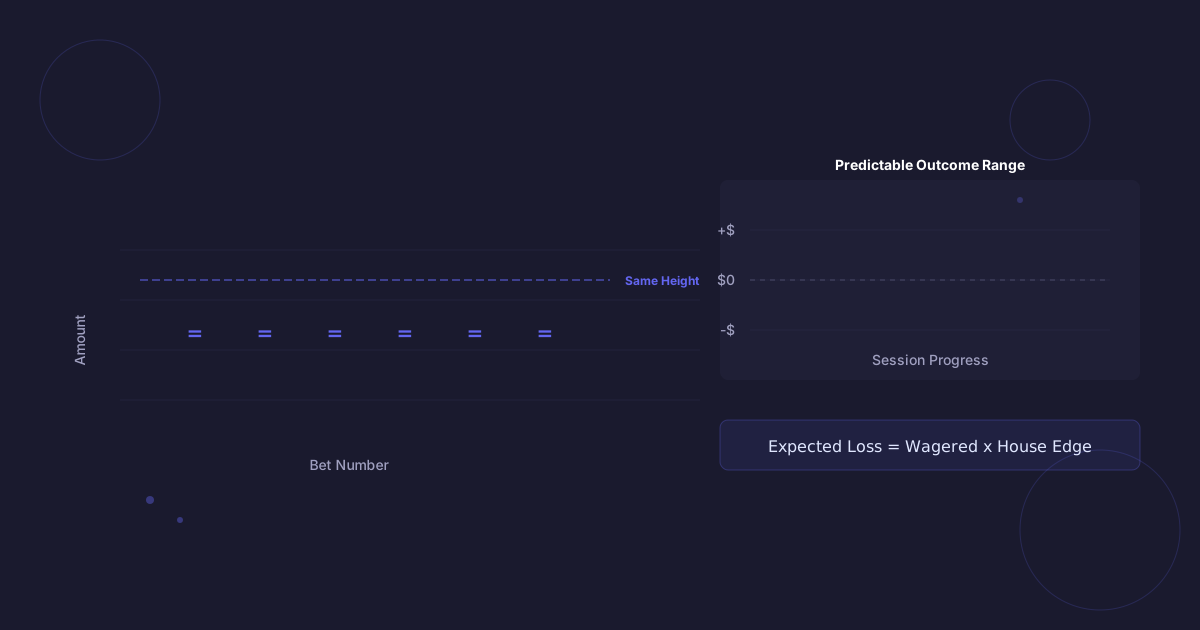
Quick Answer: Syndicates improve odds linearly. 100 tickets = 100× better odds than 1 ticket. But 10-person syndicate sharing jackpot = 10% each. Net expected value remains the same (negative). Value: More frequent smaller wins, reduced variance, social experience. Drawback: Smaller individual jackpots. Math: EV doesn't change, but win probability does.
How to Use Our Calculator
Use the Syndicate Calculator →
Enter syndicate details to calculate shares and combined odds.
Step-by-Step Instructions
-
Enter Number of Members: Pool participants
-
Input Contribution Per Member: Weekly/monthly amount
-
Set Ticket Price: Cost per ticket
-
View Total Tickets: Combined purchasing power
-
Calculate Odds Improvement: Vs single ticket
Input Fields Explained
| Field | Description | Example |
|---|---|---|
| Members | Pool size | 20 |
| Contribution | Per member | $10/week |
| Total Pool | Combined funds | $200/week |
| Ticket Price | Per ticket | $2 |
| Tickets Bought | Total entries | 100 |
| Share Percentage | Each member | 5% |
| Odds Improvement | Vs single | 100× |
Odds Improvement Mathematics
Single Ticket vs Syndicate
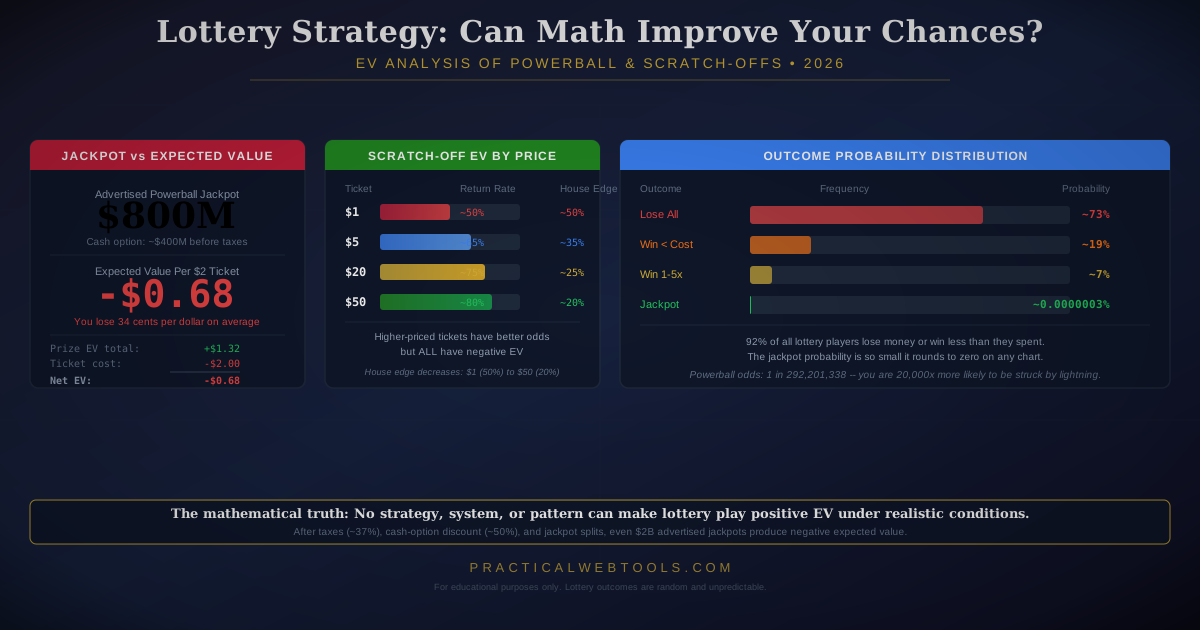
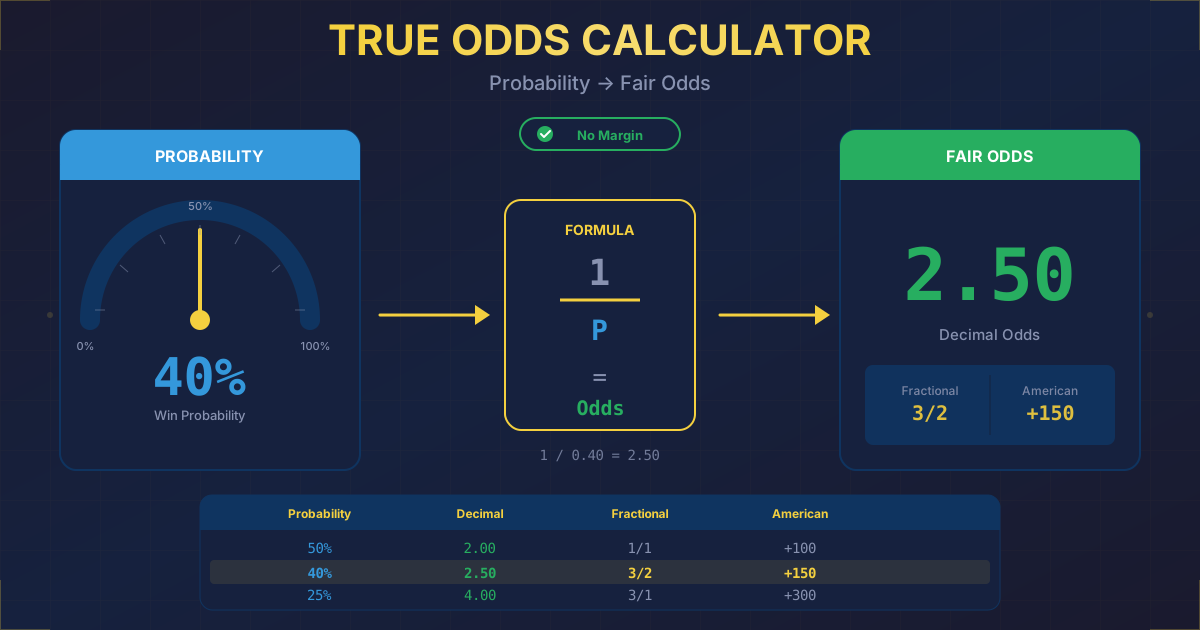
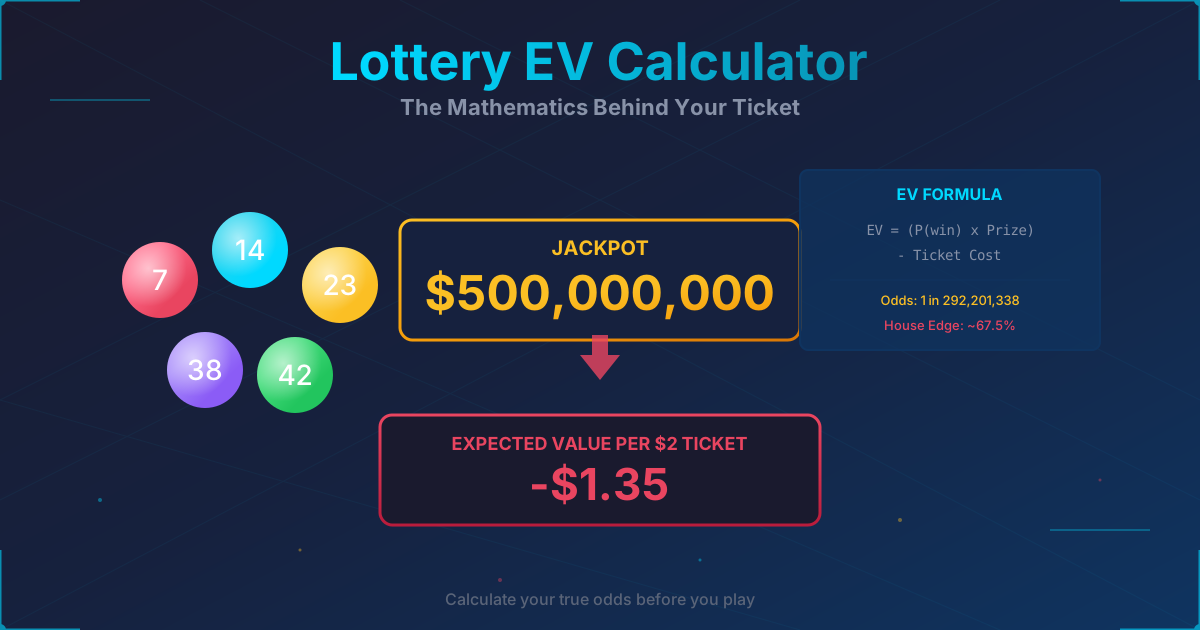
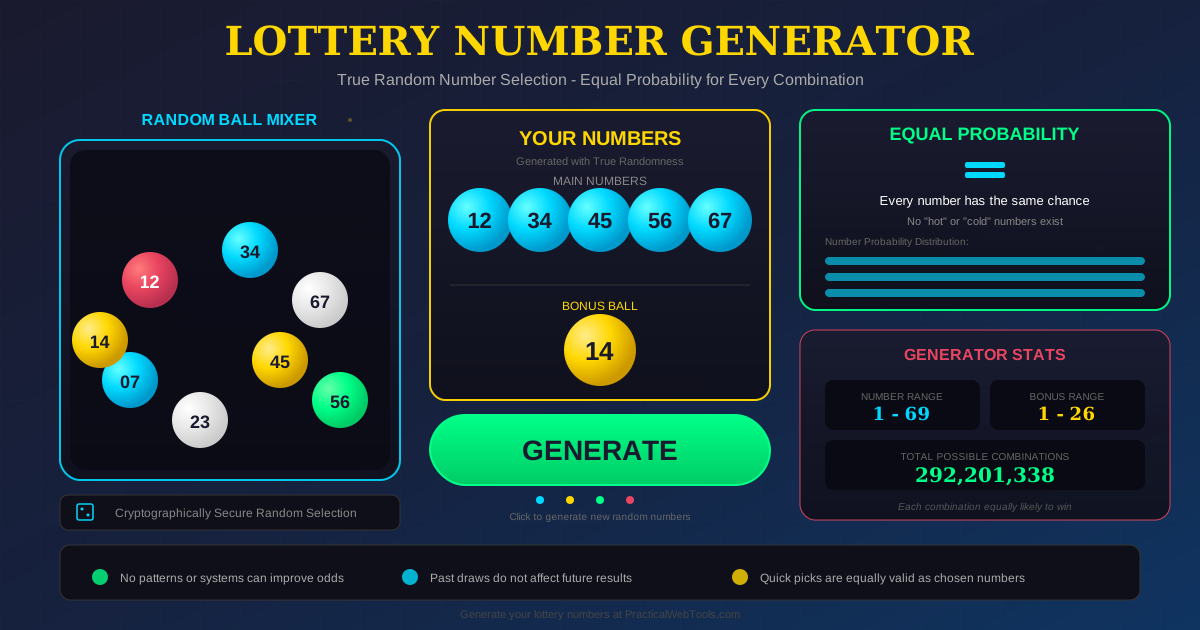
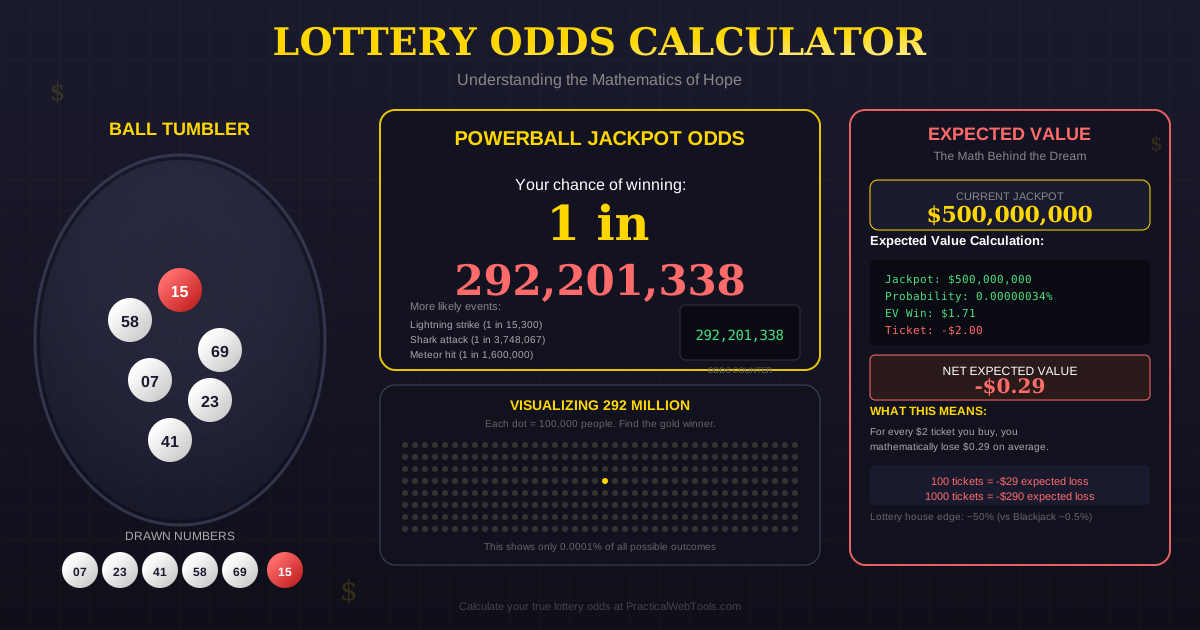
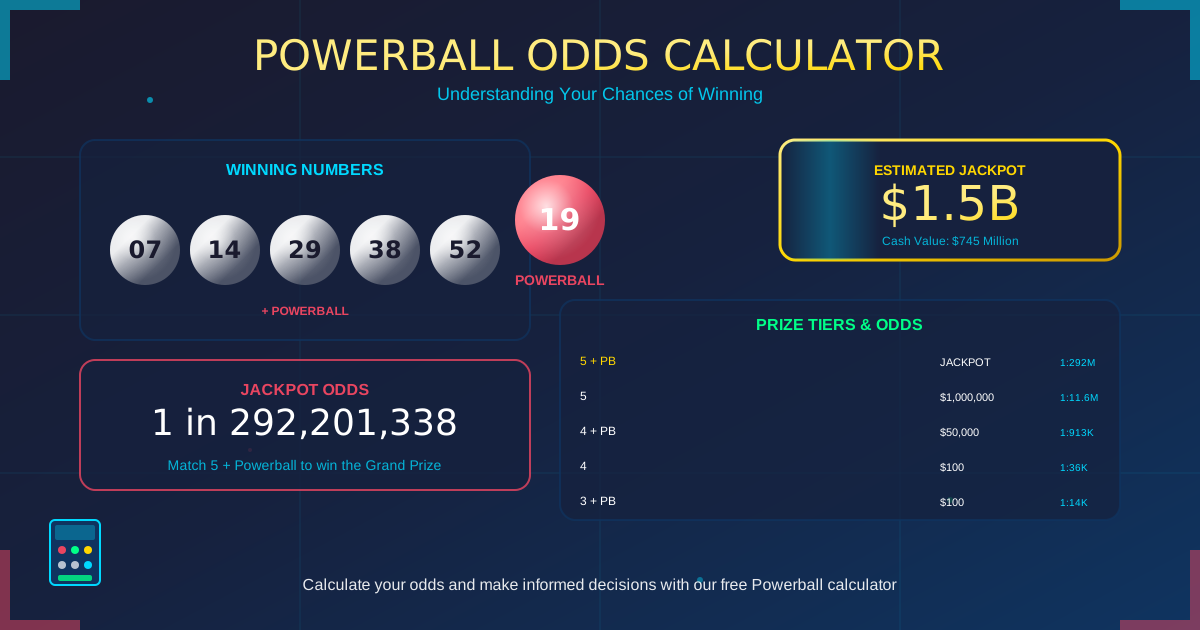
Powerball odds (jackpot): 1 in 292,201,338

1 ticket: 1 in 292,201,338
10 tickets: 1 in 29,220,134 (10× better)
100 tickets: 1 in 2,922,013 (100× better)
1,000 tickets: 1 in 292,201 (1,000× better)

Linear improvement
Still very long odds
Secondary Prizes
Powerball Match 5 (no Powerball): 1 in 11,688,054

100 tickets: 1 in 116,881
Still difficult
But much more likely than jackpot

Lower prizes more achievable
Syndicates often win something
Combining Numbers
10-member syndicate, $20 each:
Total: $200 = 100 tickets

Individual: 1 in 292 million jackpot
Syndicate: 1 in 2.92 million jackpot

100× better odds
But jackpot split 10 ways
$100M jackpot = $10M each (before tax)
Share Distribution
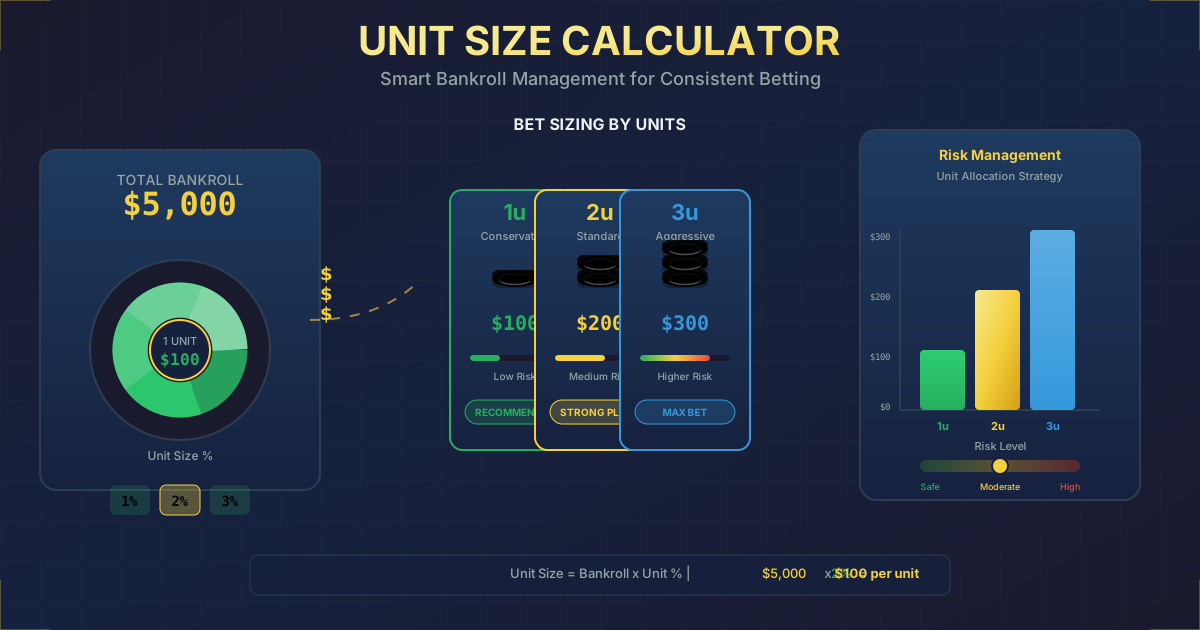
Equal Shares
20-member syndicate:
Each person: 5% share
$1,000,000 win: $50,000 each

Simple, fair, easy to manage
Most common arrangement
Proportional Shares
Variable contribution example:
Alice: $50/week (50%)
Bob: $30/week (30%)
Carol: $20/week (20%)

$1,000,000 win:
Alice: $500,000
Bob: $300,000
Carol: $200,000

More complex but allows different budgets
Bonus Numbers/Entries
Some syndicates add bonus:
Manager contribution: Extra share
Long-term members: Bonus percentage
Entry fee: Buys extra share

Document clearly before playing
Avoid disputes with written rules
Real-World Examples
Example 1: Office Pool
Setup:
Members: 25 coworkers
Contribution: $5/week each
Total: $125/week
Tickets: 62 Powerball tickets (@ $2)
Odds calculation:
Jackpot odds: 1 in 292M / 62 = 1 in 4.7M
Each member share: 4%

$100M jackpot:
Before split: $100M
After 25-way split: $4M each
After ~40% tax: ~$2.4M each

Not life-changing but significant
Example 2: Large Online Syndicate
Setup:
Members: 200 people
Contribution: $10/month
Total: $2,000/month
Tickets: 1,000 per month
Analysis:
Odds improvement: 1,000×
Share per member: 0.5%

$200M jackpot:
After split: $1M each
After tax: ~$600K each

More wins expected
Smaller individual shares
Matches 5 ($1M): $5,000 each
Example 3: Small Family Syndicate
Setup:
Members: 5 family members
Contribution: $4/week each
Total: $20/week
Tickets: 10 per week
Outcomes:
Jackpot odds: 1 in 29.2M (10× better)
Share: 20% each

$50M jackpot:
After split: $10M each
After tax: ~$6M each

Still meaningful win
Modest improvement in odds
Example 4: Syndicate vs Solo Player
Comparison for $20/week:
Solo player:
Tickets: 10
Jackpot odds: 1 in 29.2M
Full jackpot if won
20-person syndicate at $20/week:
Tickets: 200
Jackpot odds: 1 in 1.46M (20× better)
5% of jackpot if won

More frequent winning
Smaller individual payouts
Same expected value
Expected Value Analysis
Does Syndicate Change EV?
Solo player, $2 ticket:
EV ≈ -$1.00 (about -50% return)

Syndicate member, $2 share:
EV ≈ -$1.00 (same return)

Why identical:
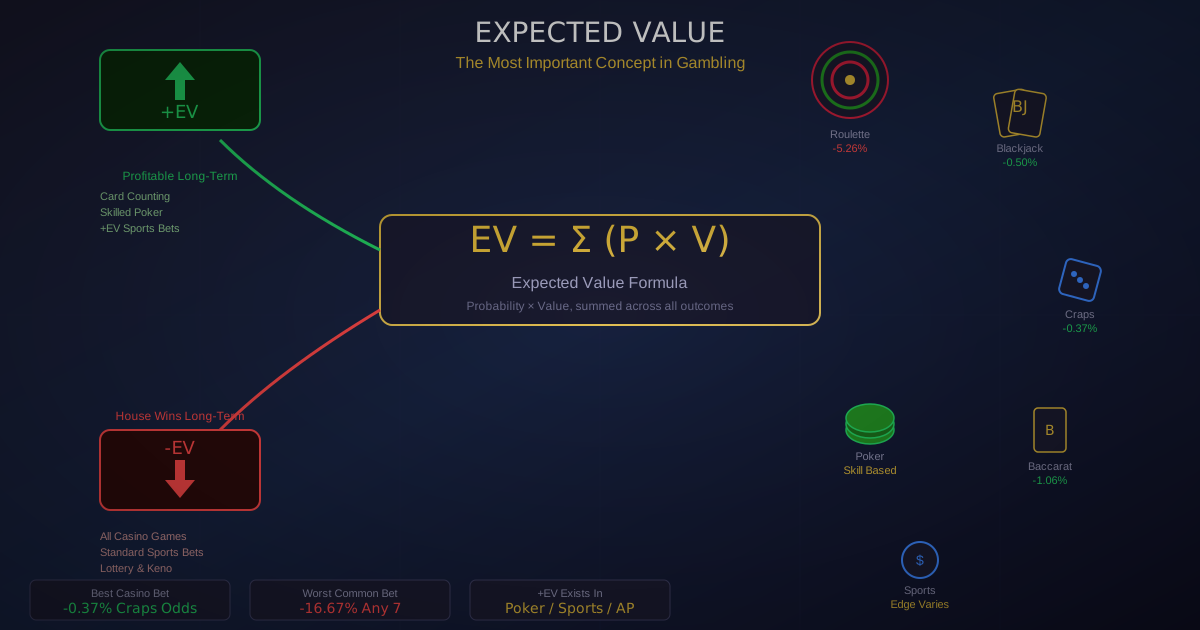
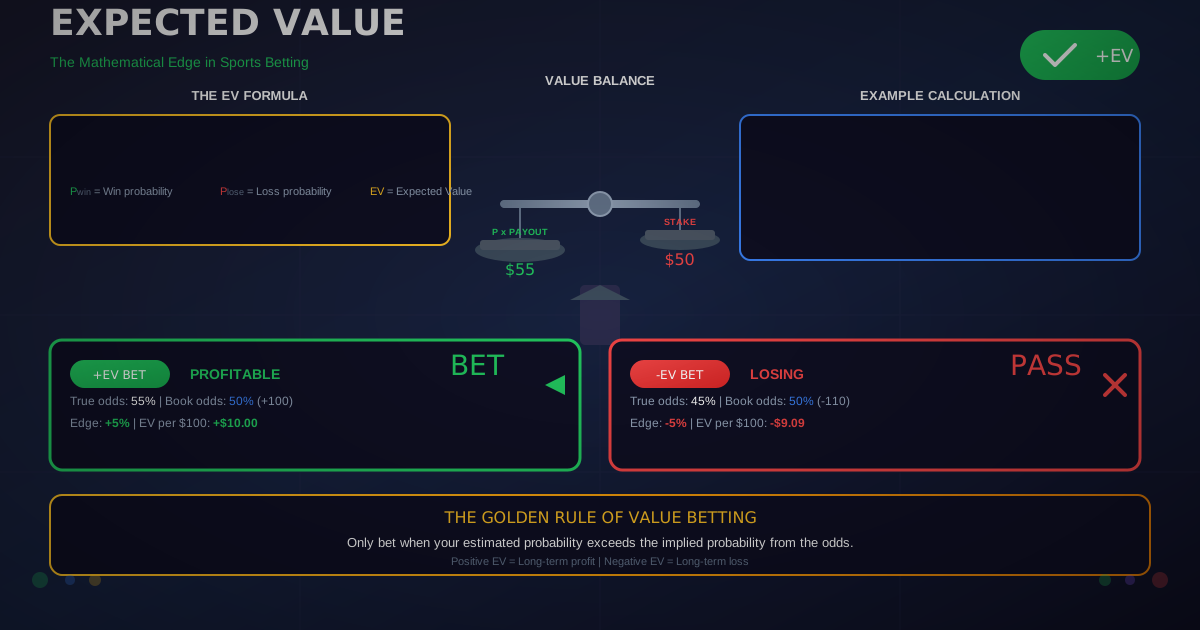
Better odds × smaller share = same EV
Math doesn't favor syndicates

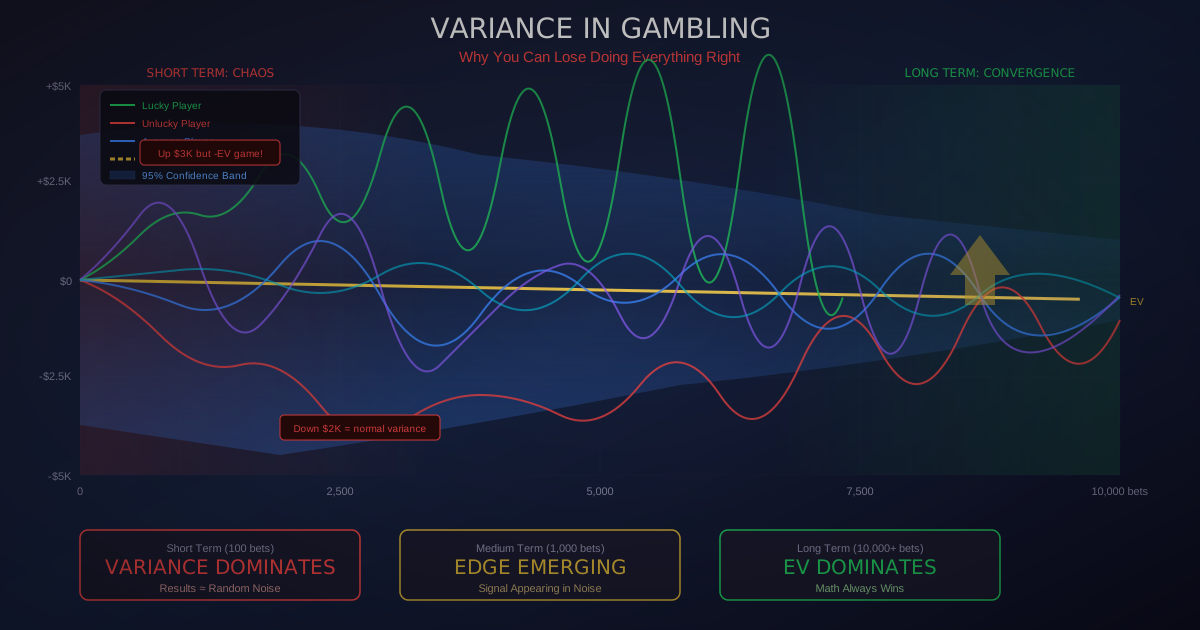
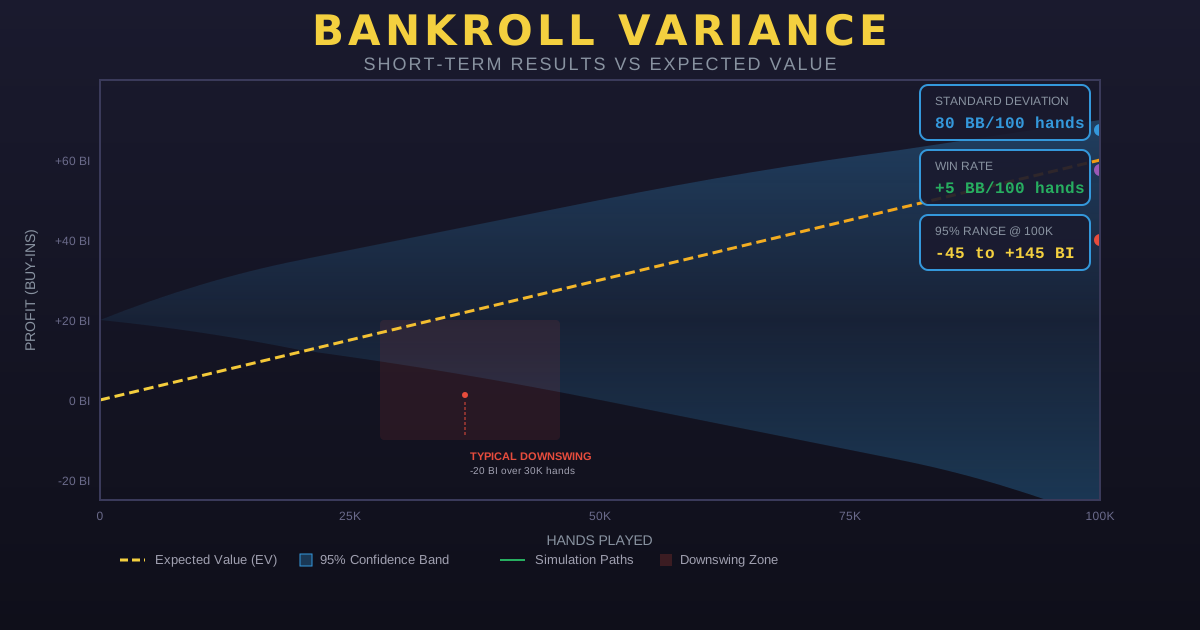
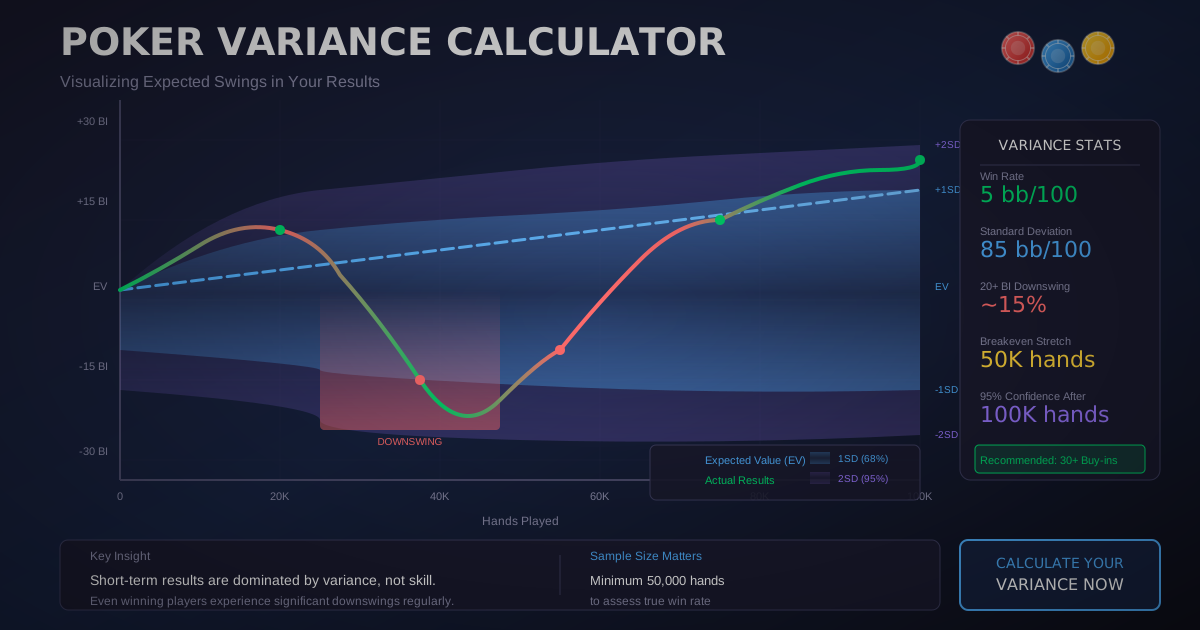
Value is variance reduction, not EV
Where Syndicates Help
Variance reduction:
Solo: Very rare big wins or nothing
Syndicate: More frequent smaller wins

Social value:
Shared experience
Group anticipation
Distributed disappointment

Budget control:
Fixed weekly contribution
Less temptation to overspend
Syndicate Management
Essential Rules
1. Written agreement
2. Clear share percentages
3. Payment deadlines
4. What happens if payment missed
5. Ticket purchase proof
6. Storage of tickets
7. Claiming procedures
8. Member exit rules
Common Disputes
"I forgot to pay that week"
→ Clear rule: No pay = no share

"I want out but want back-pay"
→ Rule: Contributions are final

"Who actually bought the ticket?"
→ Designated buyer, photos of tickets

"Someone claims they weren't included"
→ Written roster each drawing
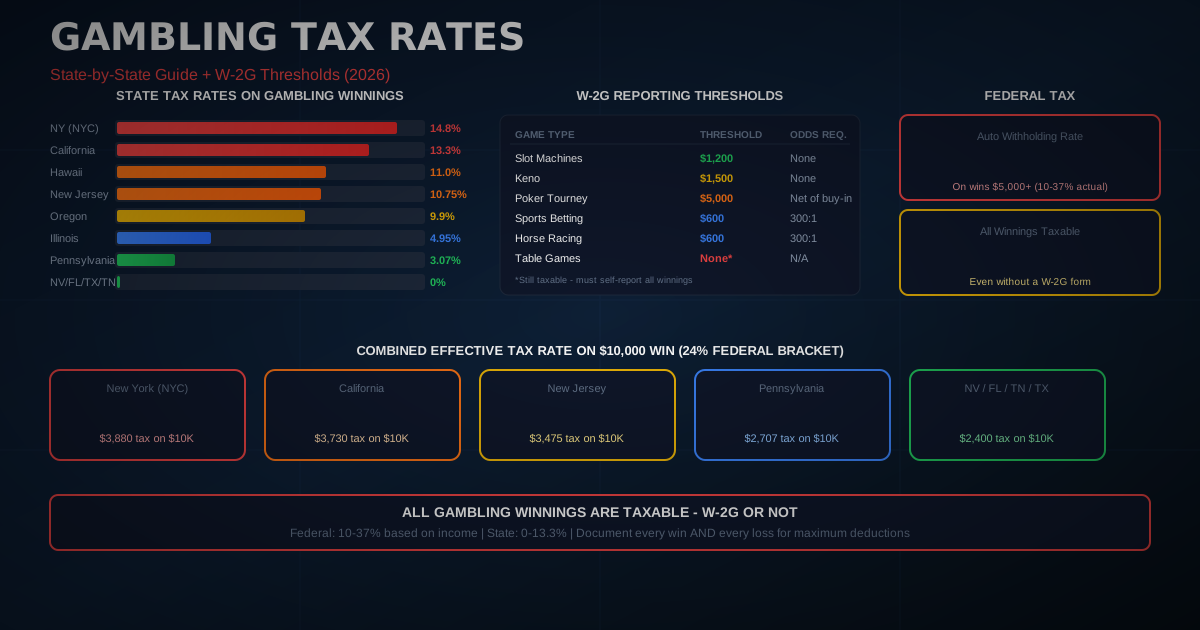
Tax Considerations
Jackpot won by syndicate:
One person claims, distributes
OR formal partnership claims

IRS implications:
Each share is taxable income
Gift tax may apply if one claims and distributes
Consult tax professional

Written agreement helps tax treatment
Common Mistakes
1. No Written Agreement
Mistake: Informal verbal pool Problem: Disputes when winning Fix: Written, signed agreements
2. Ignoring Tax Implications
Mistake: Assume winner distributes Problem: Gift tax on large amounts Fix: Proper legal structure
3. Inconsistent Contributions
Mistake: Pay some weeks, not others Problem: Share calculation confusion Fix: Track every payment
4. Thinking EV Improves
Mistake: "Syndicate gives us an edge" Problem: EV is identical Fix: Understand variance vs EV
Frequently Asked Questions
Do syndicates give better expected value?
No. Better odds × smaller share = same EV. Value is in variance reduction and social experience, not mathematical advantage.
How big should a syndicate be?
5-20 members is manageable. Larger syndicates have more tickets but complex management and smaller individual shares.
What if a member doesn't pay one week?
Should be defined in rules. Typically: no payment = no share that week. Be clear upfront.
Who should hold the tickets?
Trustworthy designated member with secure storage. Photographs shared with all members before drawing.
What about online syndicates?
Convenient but verify legitimacy. Use established services with clear terms. Avoid scams.
How are winnings distributed?
Depends on structure. Formal partnership claims together. Individual claims then distributes (gift tax issues). Consult professional for large wins.
Pro Tips
-
Written agreement: Non-negotiable for any syndicate
-
Proof of tickets: Photos shared before each drawing
-
Consistent contributions: Track every payment
-
Understand EV: Syndicates don't beat the math
-
Plan for winning: Have distribution plan ready
Related Calculators
- Lottery Odds Calculator - Individual odds
- Expected Value Calculator - EV analysis
- Probability Calculator - Combination odds
- Powerball Calculator - Specific game odds
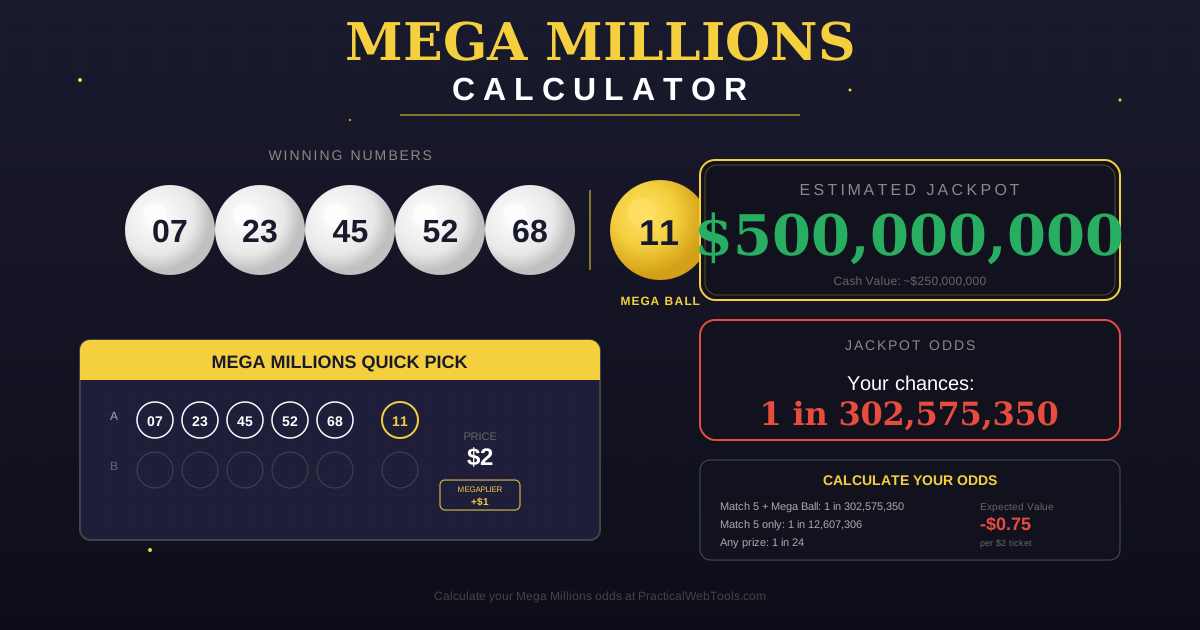
- Mega Millions Calculator - Specific game odds
Conclusion
Syndicates improve your lottery odds linearly—100 tickets give 100× better chances than one. Our calculator shows fair share distribution and odds improvement, helping you understand exactly what pooling provides and doesn't provide.
Calculate Syndicate Shares Now →
The math is clear: syndicates don't change expected value but do change the experience. More frequent smaller wins, shared anticipation, and reduced variance appeal to many players. Our calculator ensures fair distribution when your numbers finally hit.