Martingale Calculator: Double-Down Betting System Analysis (2026)
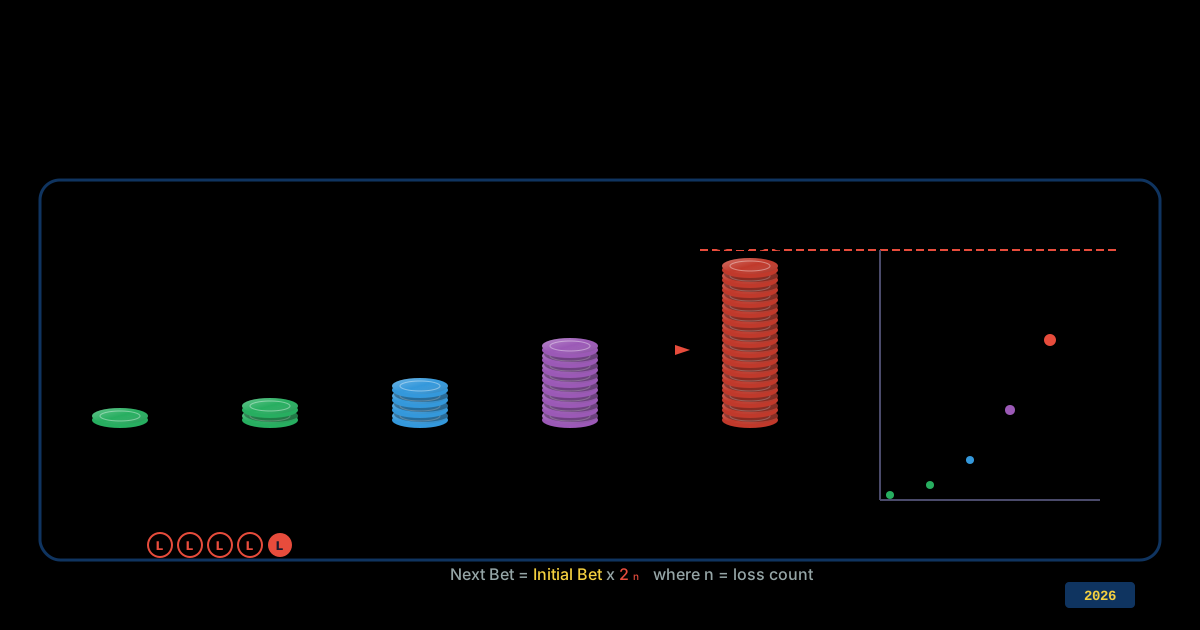
Martingale Calculator: Why Doubling Down Fails
The Martingale system—doubling your bet after every loss—seems foolproof. Win once and recover everything plus profit. Our calculator reveals the brutal math: table limits, bankroll requirements, and inevitable losing streaks that guarantee long-term failure.
What Is the Martingale System?
The Martingale is a negative progression betting system where you double your bet after each loss. When you eventually win, you recover all previous losses plus one unit profit. It's most commonly used on even-money bets like roulette red/black or craps pass line.
Quick Answer: Martingale = double bet after every loss. Recover all losses + 1 unit on win. Sounds perfect. Problems: Losing streaks grow bets exponentially. 10 losses = 1,024× starting bet. Table limits stop progression. Bankroll depleted. Long-term = same house edge. Math cannot be beaten.
How to Use Our Calculator
Use the Martingale Calculator →
Calculate Martingale progression and risk.
Step-by-Step Instructions
-
Enter Starting Bet: Base unit
-
Enter Bankroll: Total available
-
View Progression: Bet sequence
-
Calculate Max Losses: Before bust
-
See Losing Streak Odds: Probability
Input Fields Explained
| Field | Description | Example |
|---|---|---|
| Starting Bet | Base unit | $10 |
| Bankroll | Total funds | $1,000 |
| Table Maximum | Bet limit | $500 |
| Win Probability | Even money | 48.65% |
| Max Streak Survived | Before bust | 6 losses |
| Bust Probability | Per session | ~2% |
How Martingale Works
The Basic Sequence
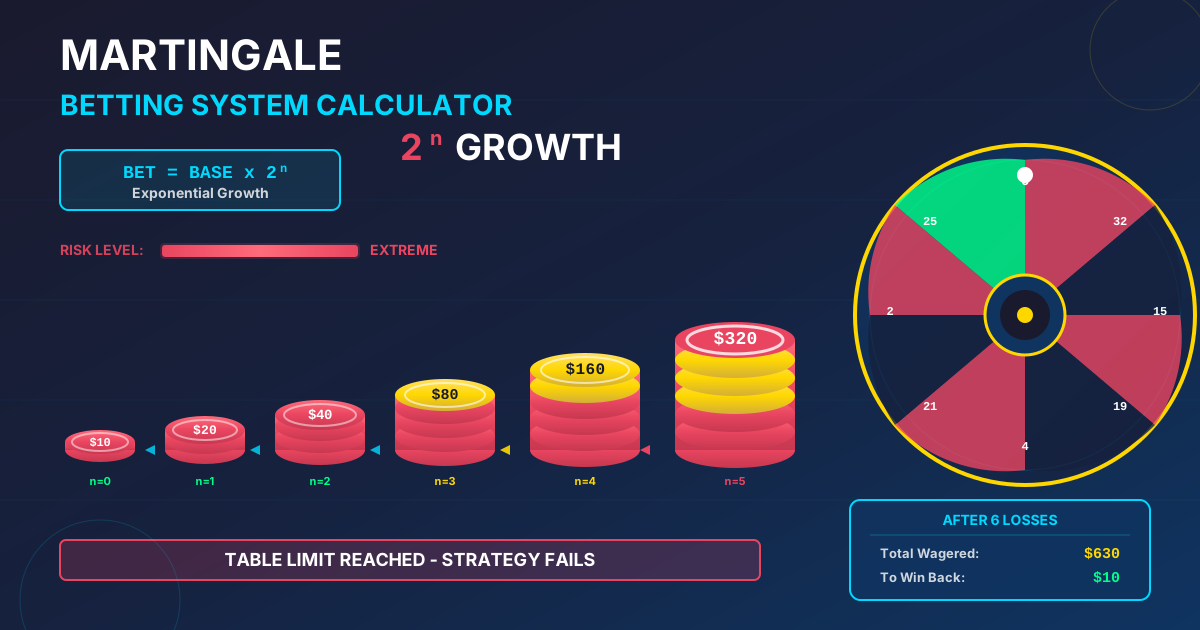
Martingale progression:

Loss 1: Bet $10, lose, total loss $10
Loss 2: Bet $20, lose, total loss $30
Loss 3: Bet $40, lose, total loss $70
Loss 4: Bet $80, lose, total loss $150
Loss 5: Bet $160, lose, total loss $310
Loss 6: Bet $320, lose, total loss $630
WIN: Bet $640, win, profit = $10

After 6 losses and 1 win:
Net profit: $10 (one unit)
The Appeal
Why it seems to work:

"Eventually I must win"
"I recover everything plus profit"
"It's mathematically certain"

True in infinite world
False in real casino
The Reality
What kills Martingale:

1. Table limits exist
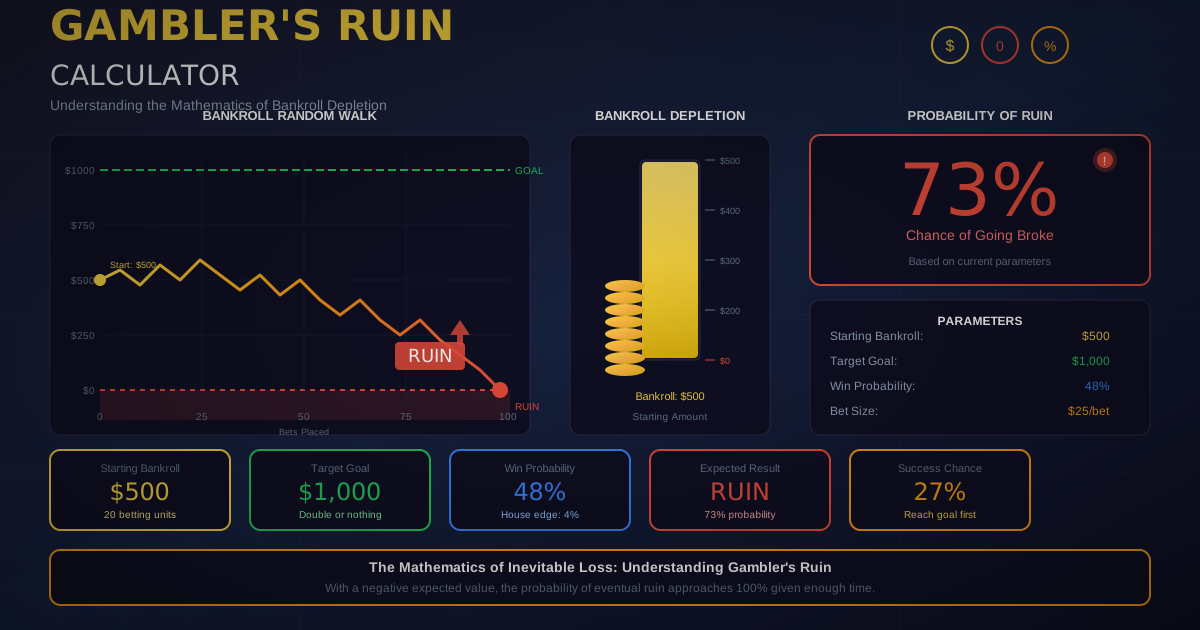
2. Bankroll is finite
3. Losing streaks happen
4. House edge still applies
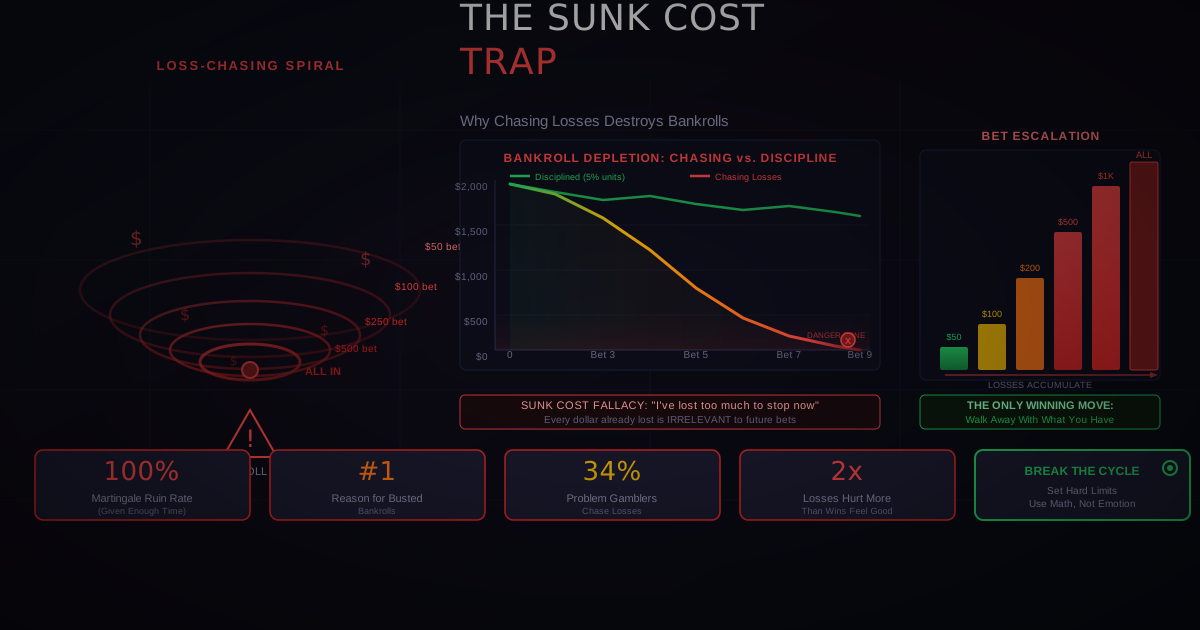
The Exponential Problem
Bet Progression
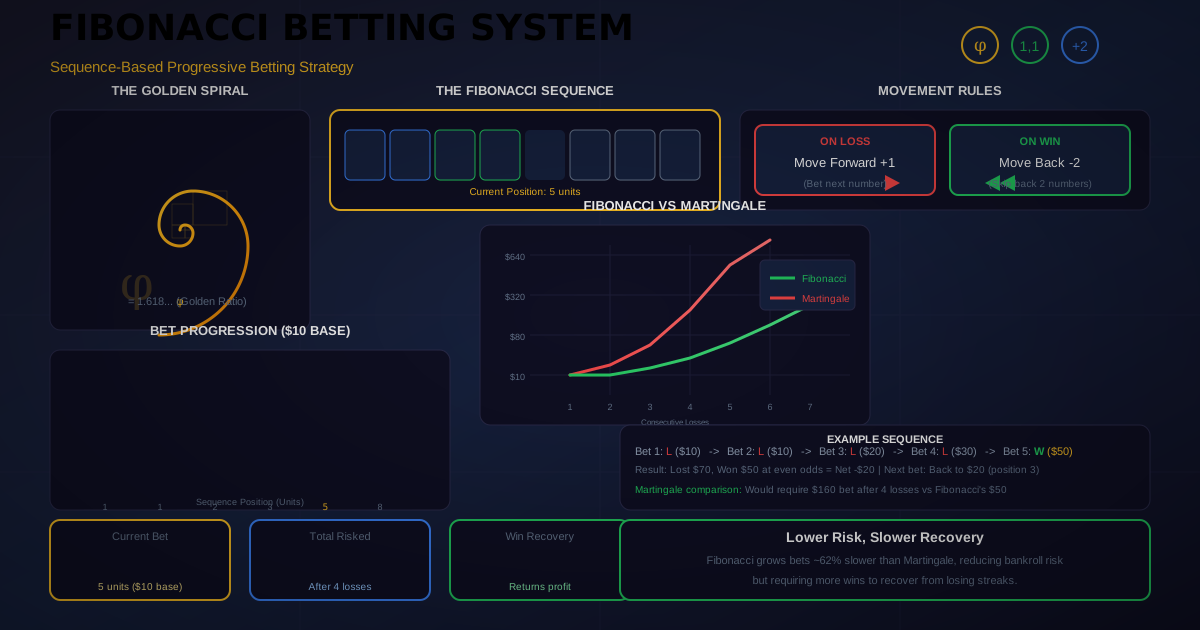
Bets after consecutive losses ($10 base):

Losses | Next Bet | Total at Risk
-------|----------|---------------
1 | $20 | $30
2 | $40 | $70
3 | $80 | $150
4 | $160 | $310
5 | $320 | $630
6 | $640 | $1,270
7 | $1,280 | $2,550
8 | $2,560 | $5,110
9 | $5,120 | $10,230
10 | $10,240 | $20,470

Exponential growth destroys bankrolls
Table Limit Impact
With $500 table maximum:

$10 → $20 → $40 → $80 → $160 → $320 → BLOCKED

6th loss requires $640 bet
Table max is $500
Cannot continue progression
Forced to take loss of $630
Probability Analysis
Losing Streak Odds
Probability of consecutive losses (48.65% win):

2 in a row: 26.4%
3 in a row: 13.6%
4 in a row: 7.0%
5 in a row: 3.6%
6 in a row: 1.9%
7 in a row: 0.96%
8 in a row: 0.49%
10 in a row: 0.13%

Rare but inevitable over time
Session Bust Risk
Given enough sessions:

If 6 losses busts you:
1.9% chance per streak start
~20 spins/hour average
Over 100 spins: ~10% bust risk
Over 500 spins: ~40% bust risk

The longer you play
The more certain the bust
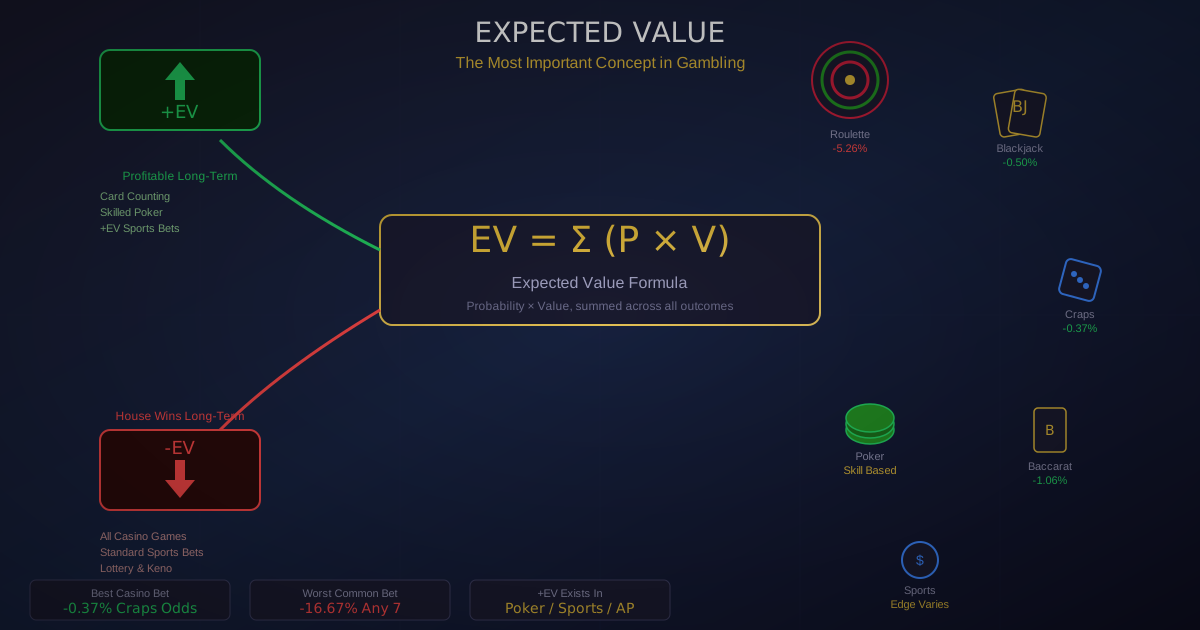
Expected Value
Martingale EV:

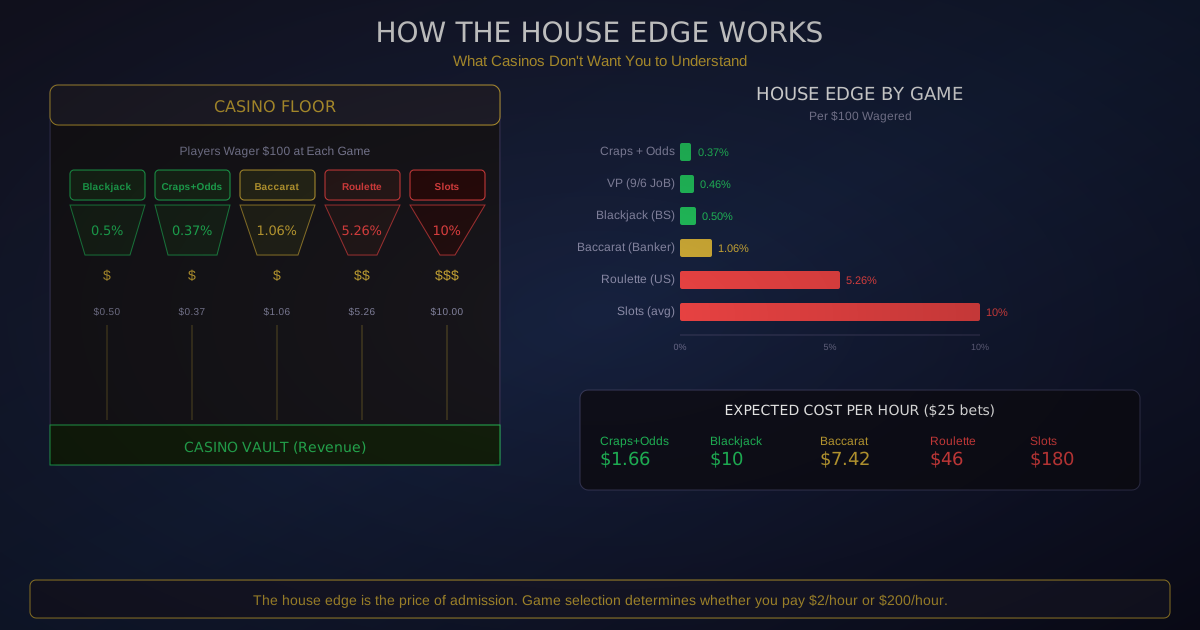
Same as flat betting
House edge unchanged

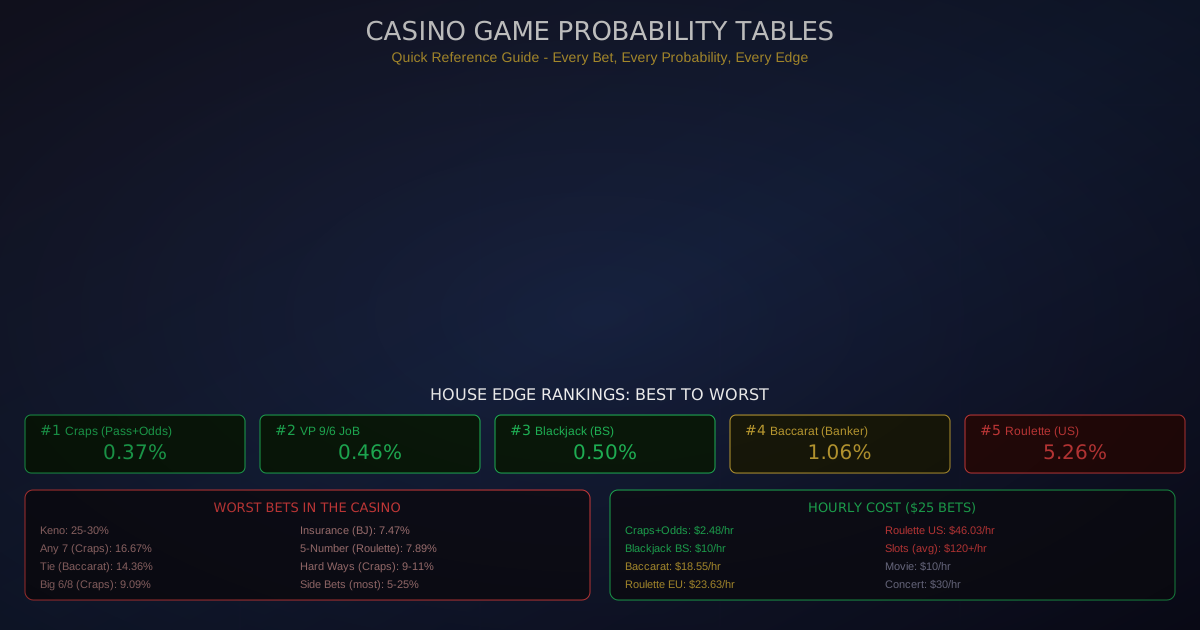
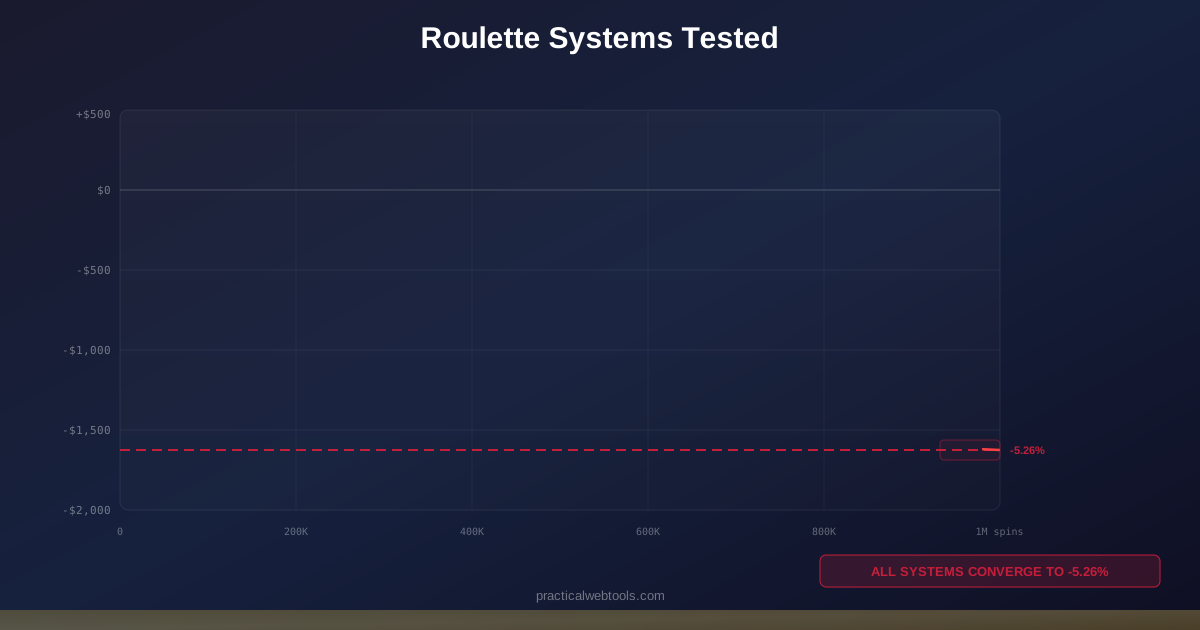
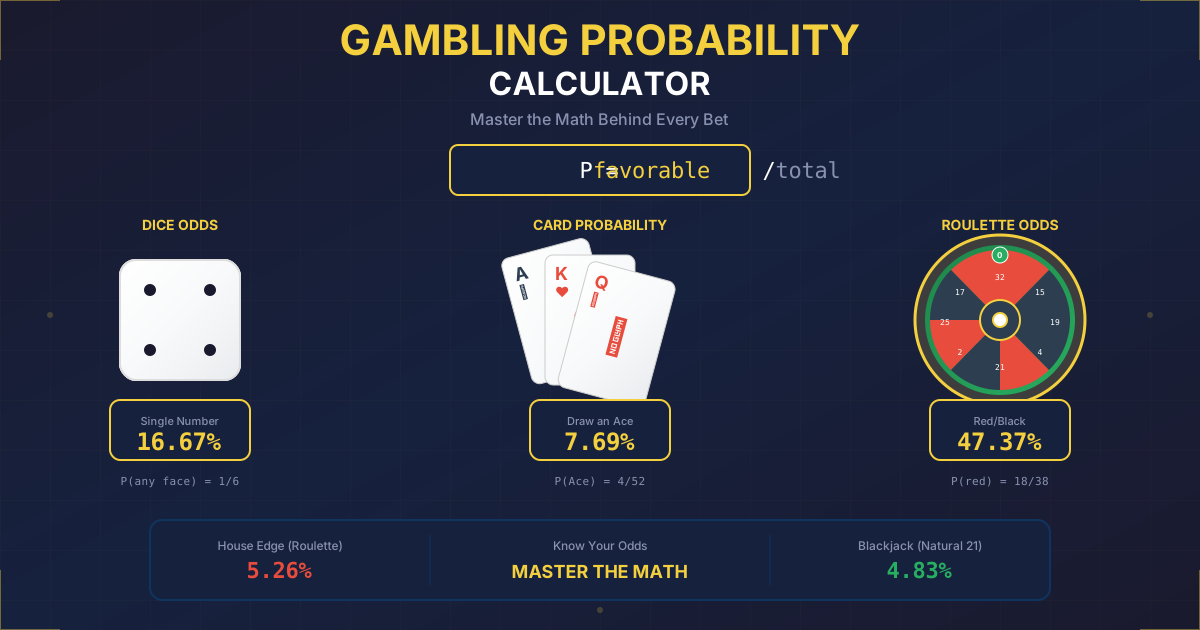
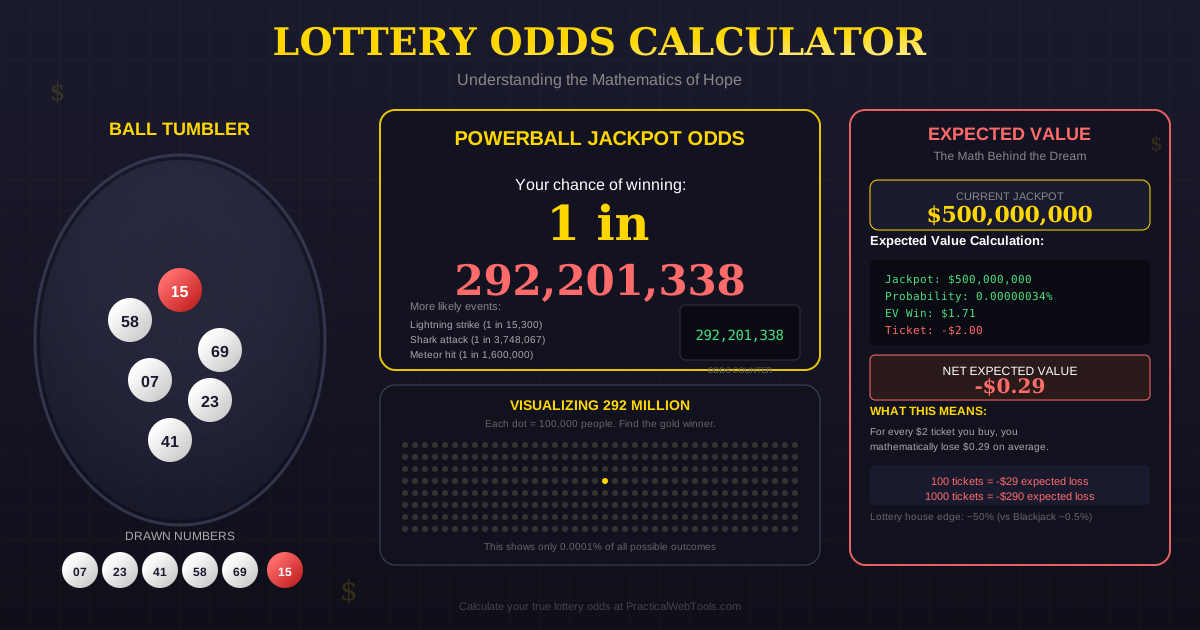
European roulette: -2.70%
American roulette: -5.26%

System changes variance
Not expected value
Real-World Examples
Example 1: Short Win
Lucky session:
$10 base, 5 spins

L: $10 → L: $20 → L: $40 → W: $80

Total bet: $150
Win: $160
Net: +$10

"See, it works!"
Survivorship bias
Example 2: Table Limit Hit
Progression blocked:
$25 base, $1,000 max

L: $25 → L: $50 → L: $100 →
L: $200 → L: $400 → Need $800

Can't bet $800 (max $1,000)
Even $800 possible:
Next loss needs $1,600

Total lost: $775
Cannot recover
Example 3: Bankroll Depleted
Running out:
$10 base, $500 bankroll

L: $10 → L: $20 → L: $40 →
L: $80 → L: $160 → Need $320

Only have $190 left
Cannot make required bet

Total lost: $310
Bust without table limit
Example 4: Long-Term Reality
1,000 sessions:
$10 base, can survive 7 losses
Bust probability: ~1% per session

Over 1,000 sessions:
~10 busts (losing $1,270 each)
~990 wins (gaining $10 each)

Wins: 990 × $10 = $9,900
Losses: 10 × $1,270 = $12,700
Net: -$2,800

Long-term still loses
Why Martingale Always Fails
Mathematical Certainty
The core flaw:

Infinite bankroll + no limits = works
Real world = neither exists

Small frequent wins
Rare catastrophic losses
Net expectation = house edge
Risk/Reward Imbalance
What you're actually doing:

Risking $1,270 to win $10
(after 6 losses)

That's 127:1 risk/reward
For an even-money bet

The math is upside down
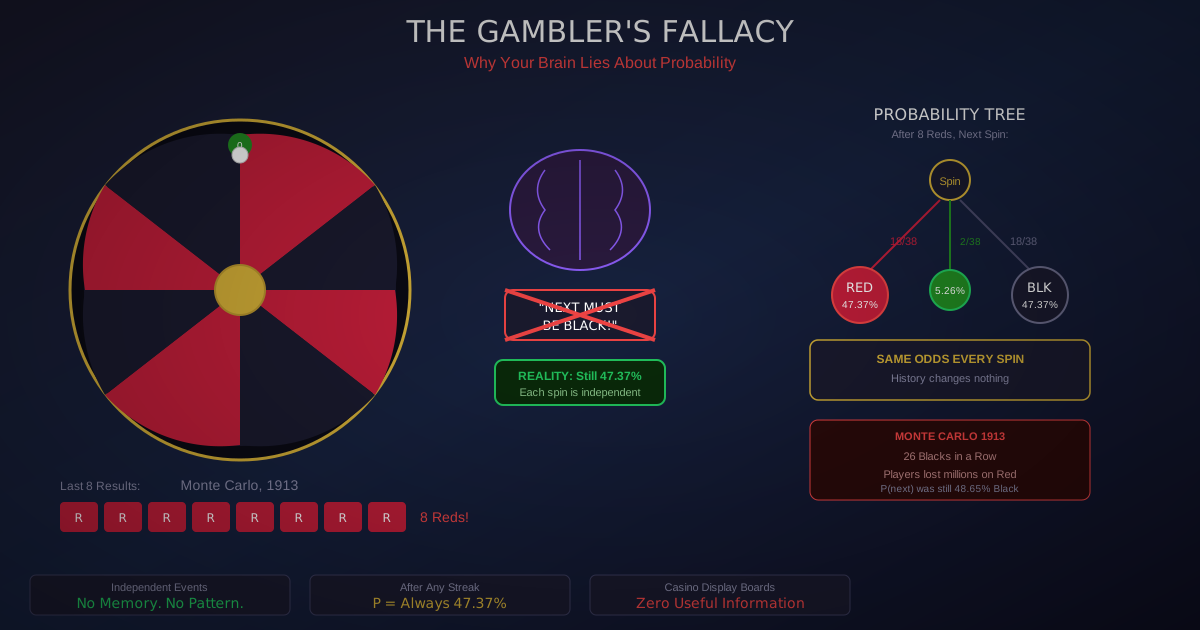
Gambler's Fallacy
"I'm due to win":

Each spin is independent
Past losses don't affect future
Probability resets every time

52% chance to lose... again
Regardless of streak length
Common Martingale Variations
Grand Martingale
Double plus one unit:

$10 → $21 → $43 → $87...

Faster profits
Even faster bust
Worse than standard
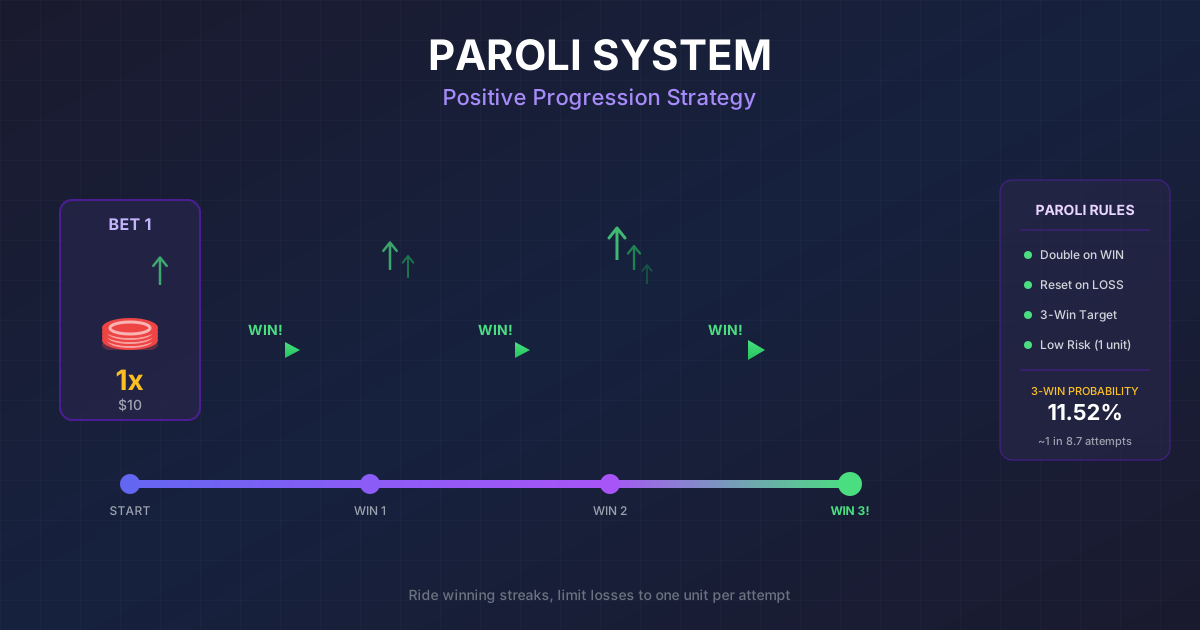
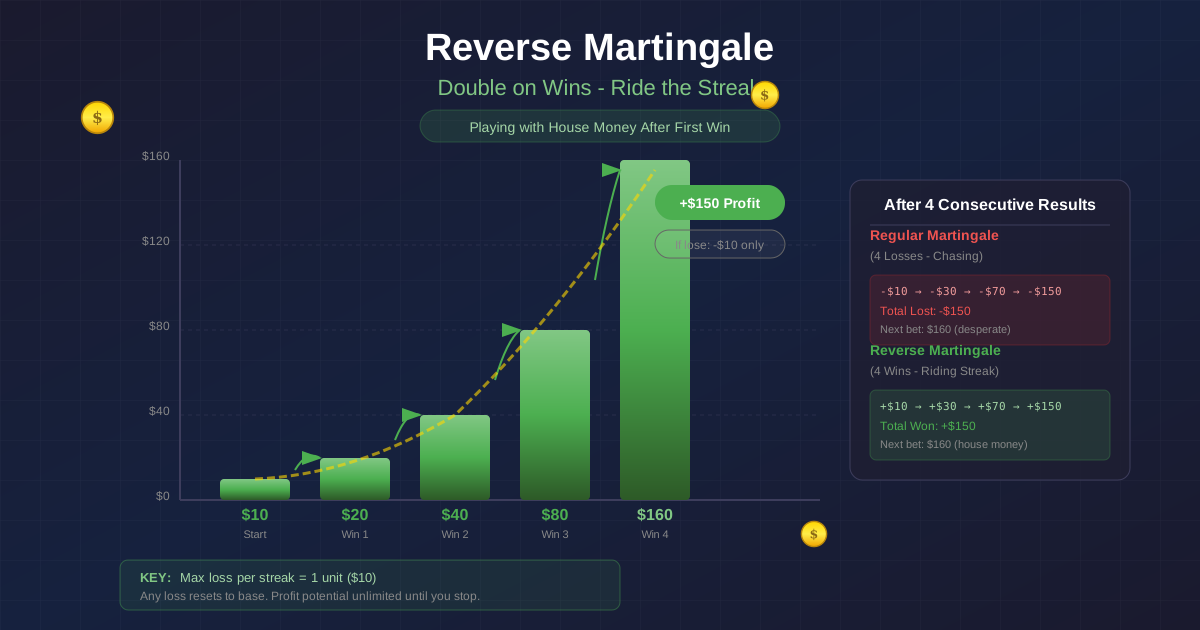
Anti-Martingale (Paroli)
Double after WINS:

Ride winning streaks
Cut losses quickly

Better variance profile
Still can't beat edge
Mini-Martingale
Limited progression:

Only 3-4 doubles max
Accept some losses

Reduces variance
Still negative EV
Common Mistakes
1. "It's Mathematically Certain"
Mistake: Believing you must win Problem: You must win BEFORE limits Fix: Calculate max losses first
2. Ignoring Table Limits
Mistake: Not checking maximums Problem: Progression gets blocked Fix: Know limits before playing
3. Session Length
Mistake: Playing too long Problem: Bust probability compounds Fix: Short sessions, accept wins
4. Base Bet Too High
Mistake: $50 base with $1,000 bankroll Problem: Only 4 losses before bust Fix: Base should be 1/100+ of bankroll
Frequently Asked Questions
Does the Martingale system work?
In the short term, often. In the long term, never. The house edge remains unchanged; you're just restructuring when you win and lose.
How much bankroll do I need?
To survive 10 losses with a $10 base: $20,470. Even then, an 11th loss (0.13% chance) ends you.
What about table limits?
Most casinos limit bets to 100-500× minimum. A $10 min with $1,000 max allows only 7 doubles.
Can I use Martingale profitably?
No. Mathematical expectation equals flat betting. You'll have many small wins and rare devastating losses that net to house edge.
What's the best game for Martingale?
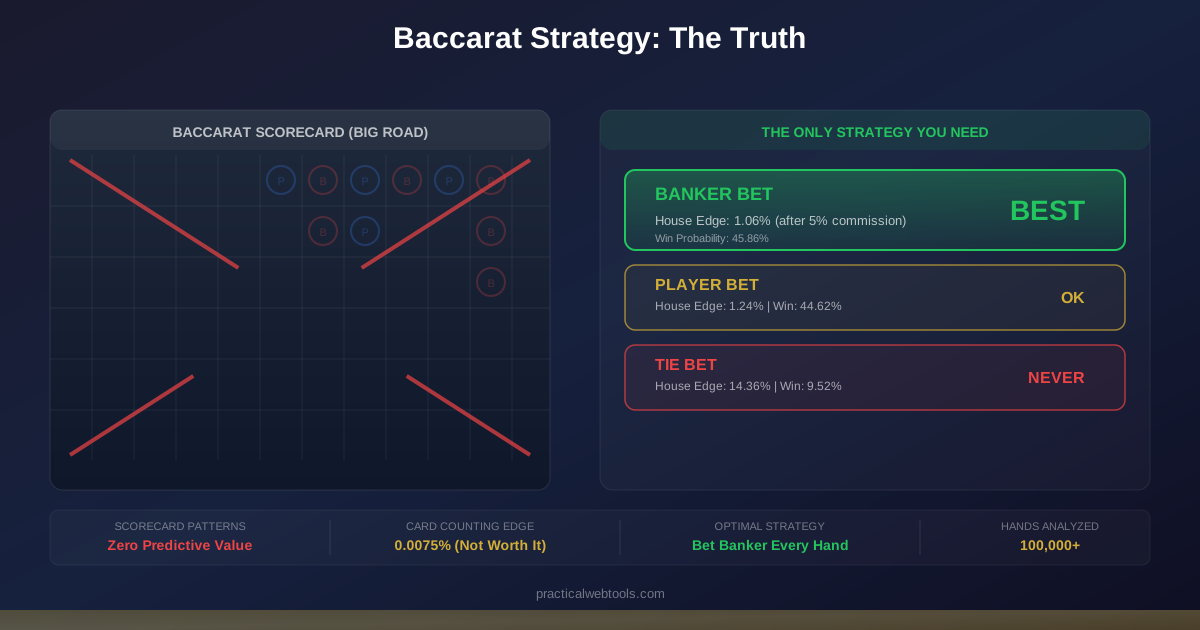
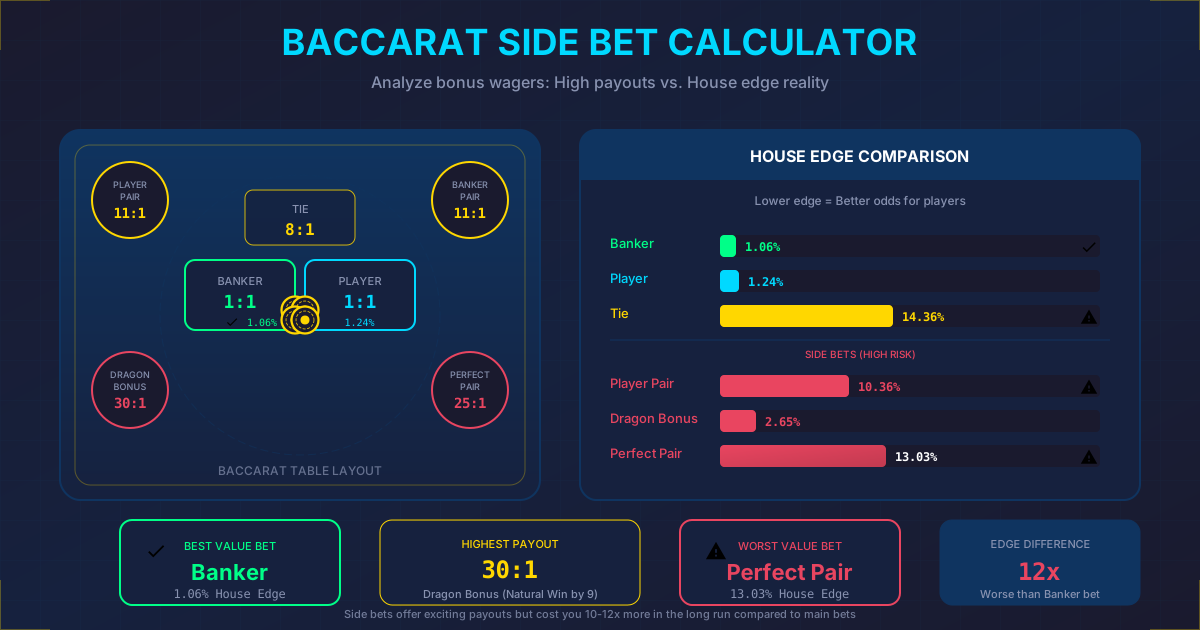
None. But if you must: European roulette (2.7% edge), baccarat banker (1.06%), or craps don't pass (1.36%).
Why do people still use it?
Confirmation bias. They remember the wins, forget the busts. Short-term wins feel like proof until the inevitable loss.
Pro Tips
-
Same house edge: System doesn't change math
-
Exponential risk: 10 losses = 1,024× bet
-
Table limits kill it: Can't continue forever
-
Rare = inevitable: Given enough time
-
Variance restructuring: Not edge reduction
Related Calculators
- Roulette Odds Calculator - Base probabilities
- Bankroll Calculator - Risk management
- Expected Value Calculator - True EV
- Betting Systems Calculator - Compare systems
- House Edge Calculator - Compare games
Conclusion
The Martingale system offers the illusion of guaranteed wins—double until you win, recover everything plus profit. Our calculator exposes the reality: exponential bet growth, table limits, finite bankrolls, and inevitable losing streaks that make long-term success impossible.
Calculate Martingale Risk Now →
That $10 bet becomes $10,240 after just 10 losses. Our calculator shows why risking $20,470 to profit $10 isn't the mathematical certainty it appears to be.