Oscar's Grind Betting Calculator: Conservative Progression Guide (2026)
Oscar's Grind Calculator: The 1-Unit Profit System
Oscar's Grind aims for exactly one unit profit per cycle, then resets. Increase bet by one after wins, hold steady after losses. Our calculator reveals why this patient approach offers lower variance than other progressions while still facing the same mathematical house edge.
What Is Oscar's Grind?
Oscar's Grind (also called Hoyle's Press) is a positive progression system where you increase bets after wins, not losses. The goal is gaining exactly one unit profit, then starting over. Named after a craps player named Oscar, it's known for conservative bankroll requirements.
Quick Answer: Oscar's Grind = grind for 1-unit profit per cycle. After LOSS: keep same bet. After WIN: increase bet by 1 (unless it would exceed 1-unit profit goal). Reset after profit achieved. Conservative progression. Lower variance than Martingale. Same long-term house edge. Patient, grinding approach.
How to Use Our Calculator
Use the Oscar's Grind Calculator →
Calculate progression and cycle outcomes.
Step-by-Step Instructions
-
Enter Base Unit: Starting bet size
-
Track Sequence: Wins and losses
-
View Current Bet: What to wager next
-
Check Cycle Status: Units to goal
-
Calculate Sessions: Expected results
Input Fields Explained
| Field | Description | Example |
|---|---|---|
| Base Unit | Starting bet | $10 |
| Current Bet | This wager | $20 |
| Cycle P/L | Units +/- | -3 units |
| To Goal | Units needed | +4 units |
| Session Count | Cycles completed | 7 |
How Oscar's Grind Works
The Basic Rules
Oscar's Grind progression:

Start: 1 unit bet
After LOSS: Same bet (don't increase)
After WIN: +1 unit (but cap at goal)
Goal: +1 unit profit
Reset: Start new cycle

Key difference from Martingale:
Increase on WINS, not losses
The Cap Rule
Important cap rule:

Never bet more than needed for +1 profit

Example:
Down 2 units, current bet is 3
Win would give +1 (3 - 2 = +1)
DON'T increase to 4 after win

Stay at amount that achieves goal
Prevents overextension
Example Sequence
$10 base unit:

Bet $10, LOSE: -$10 total, bet stays $10
Bet $10, LOSE: -$20 total, bet stays $10
Bet $10, WIN: -$10 total, bet becomes $20
Bet $20, LOSE: -$30 total, bet stays $20
Bet $20, WIN: -$10 total, bet becomes $30
Bet $30, WIN: +$20, but goal is +$10...

Actually bet $20 (cap rule):
Bet $20, WIN: +$10 exactly
RESET - new cycle
Why Oscar's Grind Is Different
Positive Progression Advantage
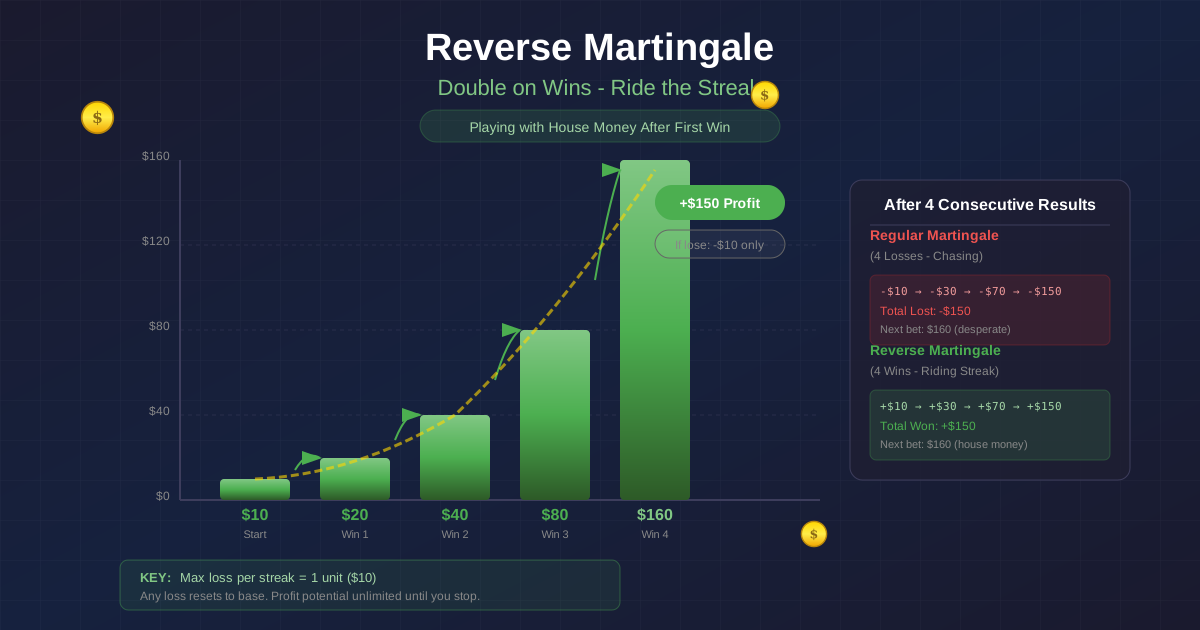
Comparing progressions:

Martingale (negative):
Increase after LOSSES
Exponential growth
High bust risk

Oscar's Grind (positive):
Increase after WINS
Linear growth
Lower bust risk
Bet Size Comparison
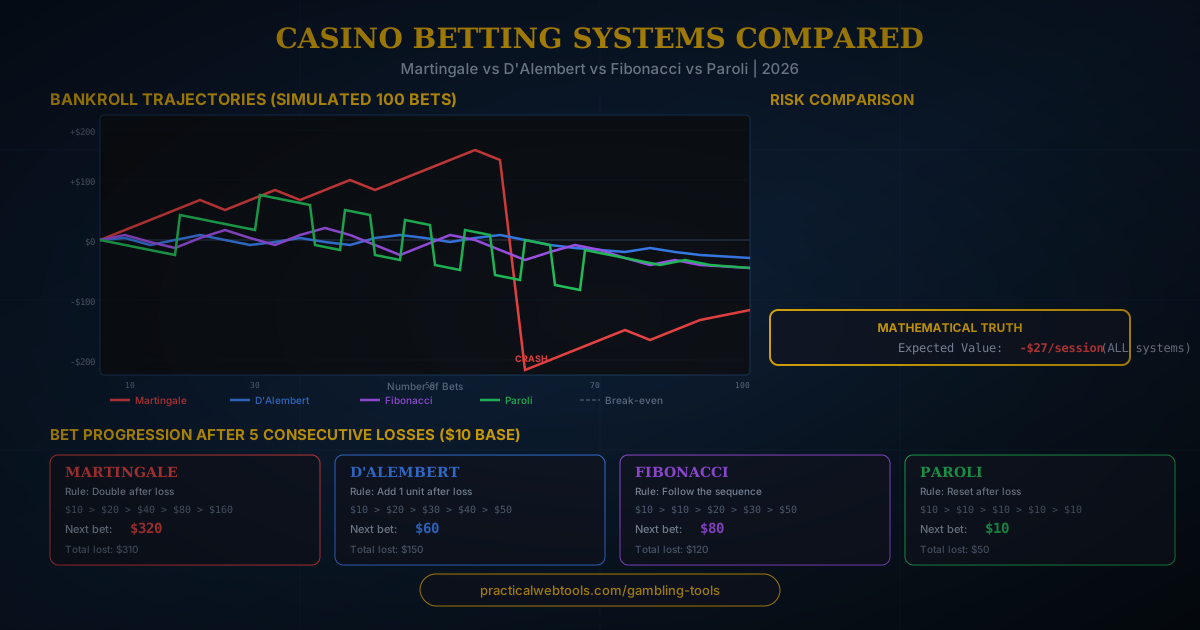
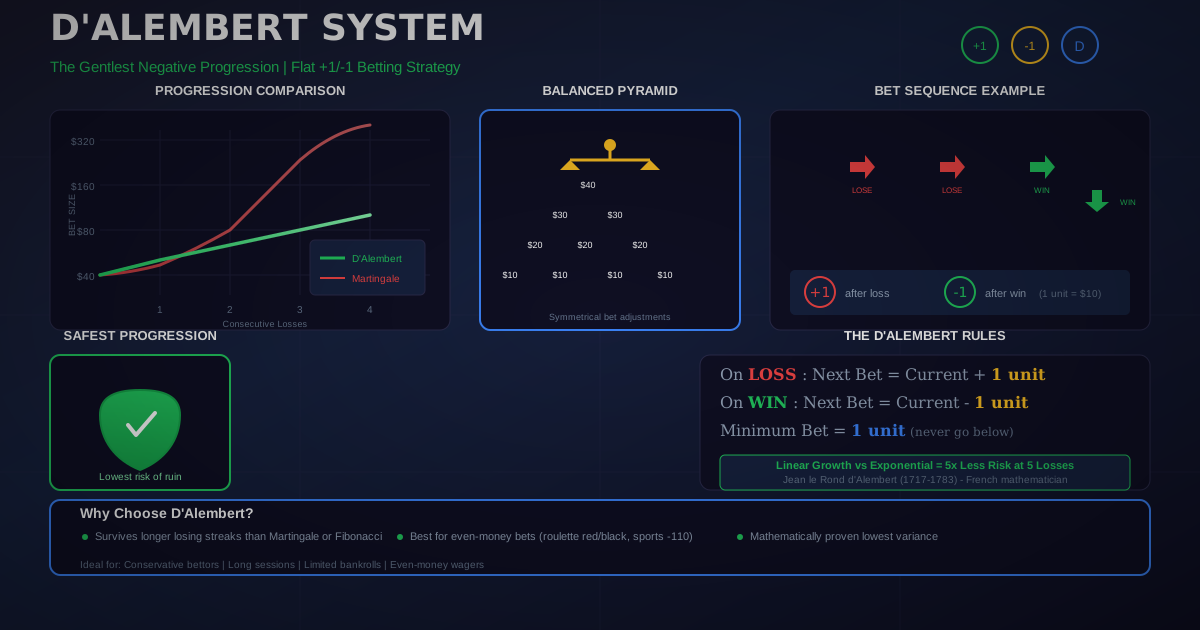
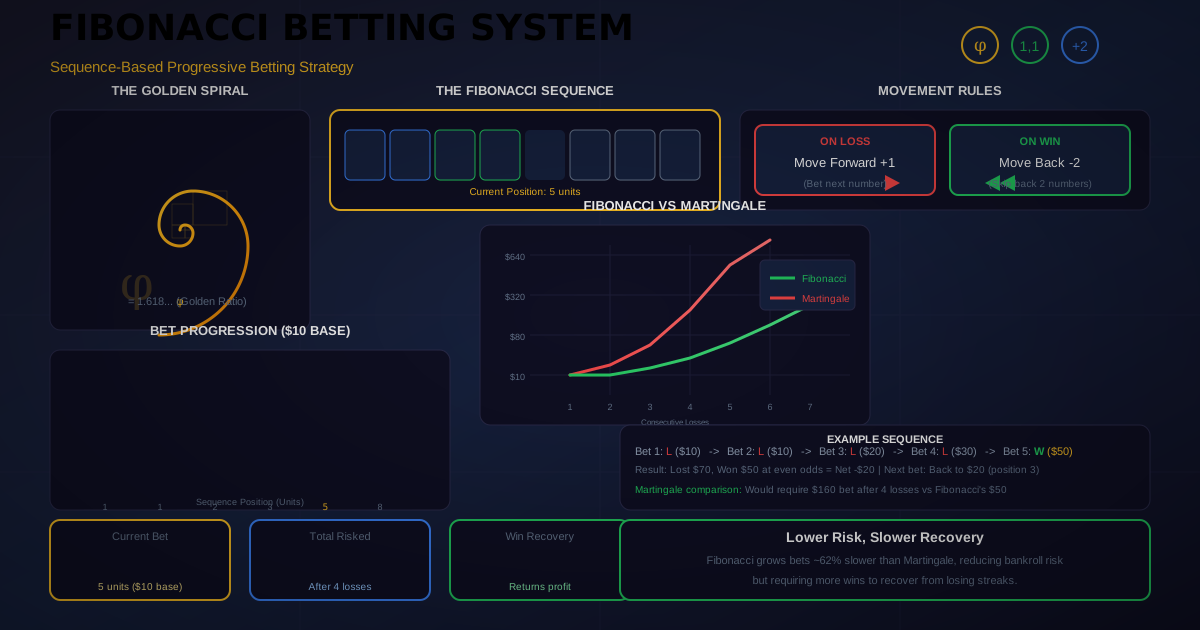
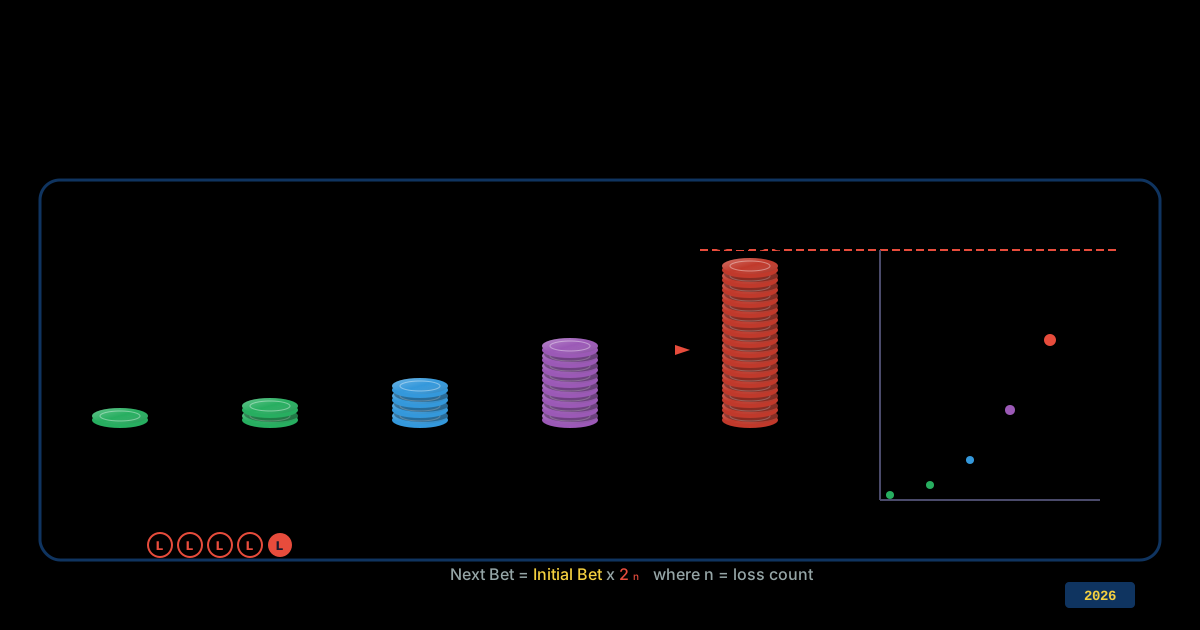
After 5 losses, 2 wins ($10 base):

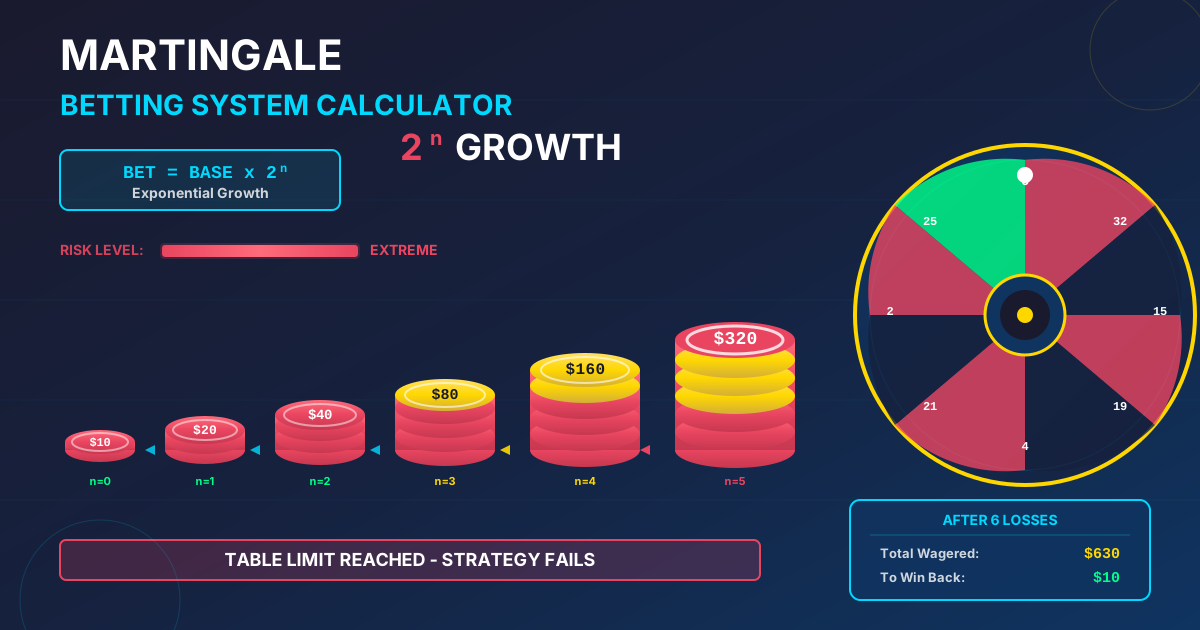
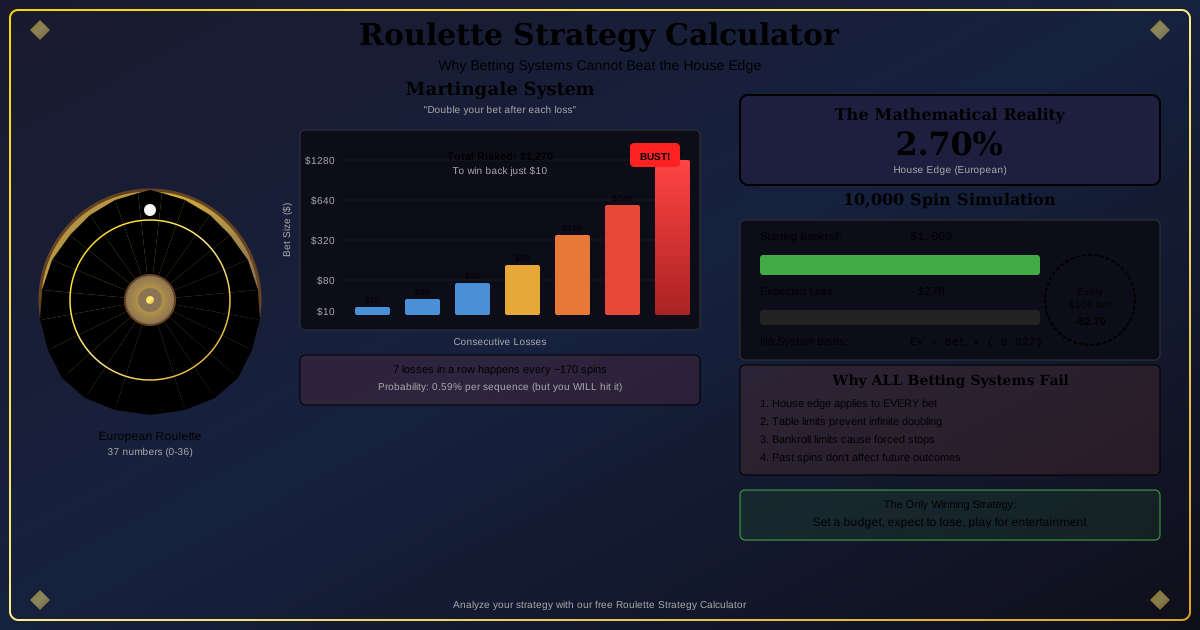
Martingale: $640 next bet
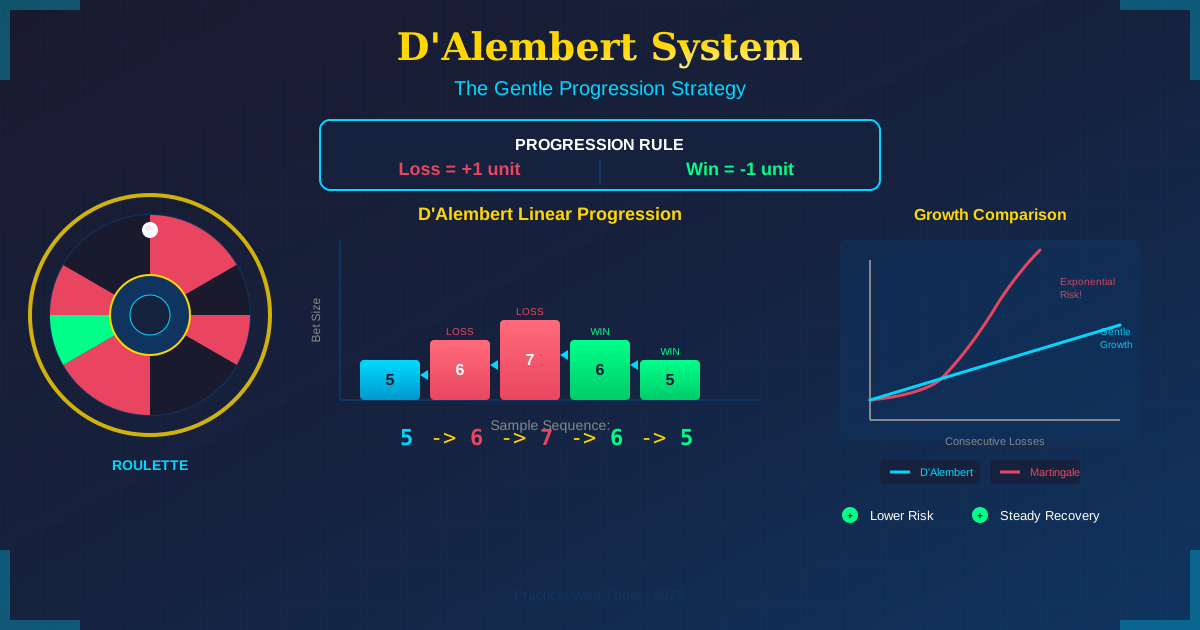
D'Alembert: $40 next bet
Oscar's Grind: $20 next bet

Oscar's stays small
Because losses don't increase bet
Only wins push it up
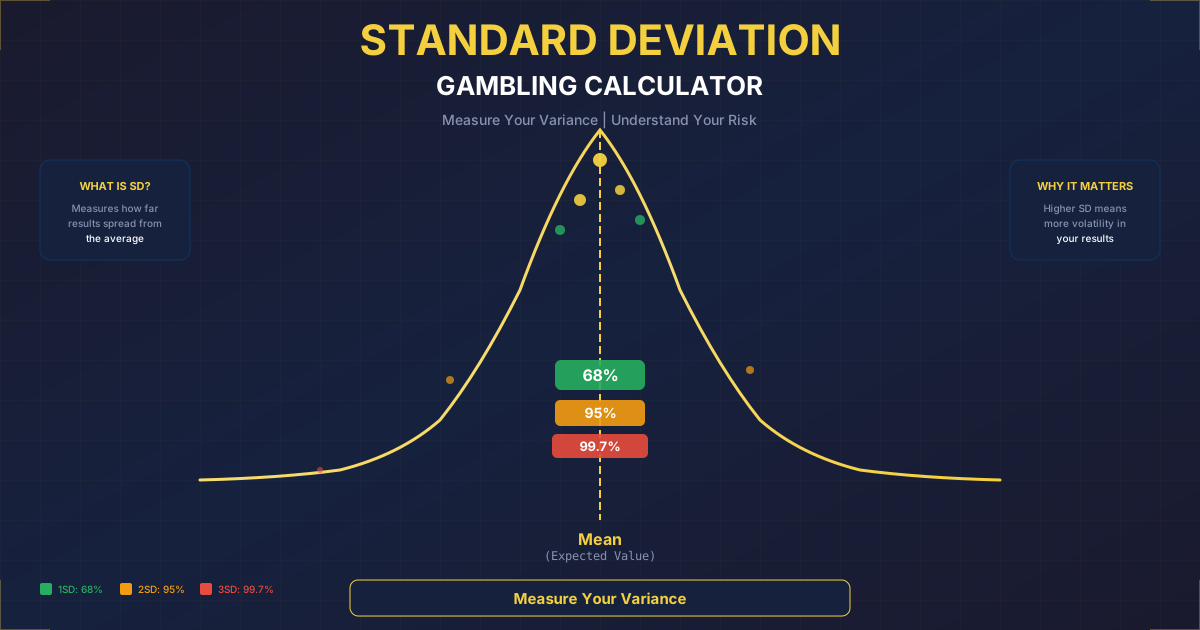
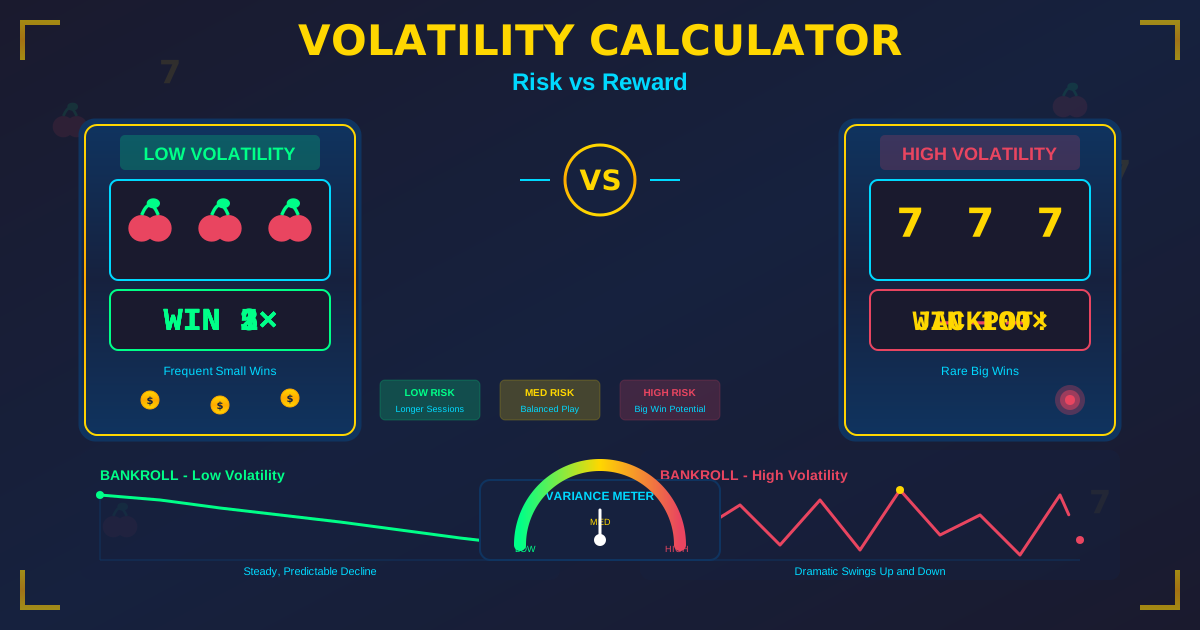
Variance Profile
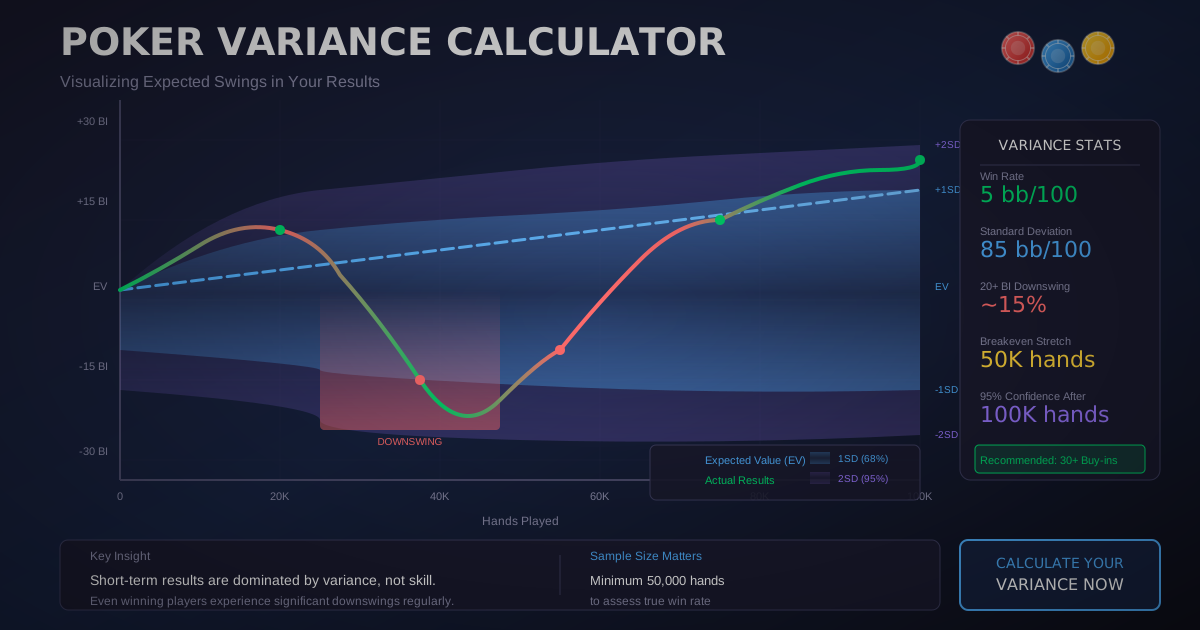
Oscar's Grind variance:

Many small profits (+1 unit)
Occasional stuck cycles
Rare deep holes

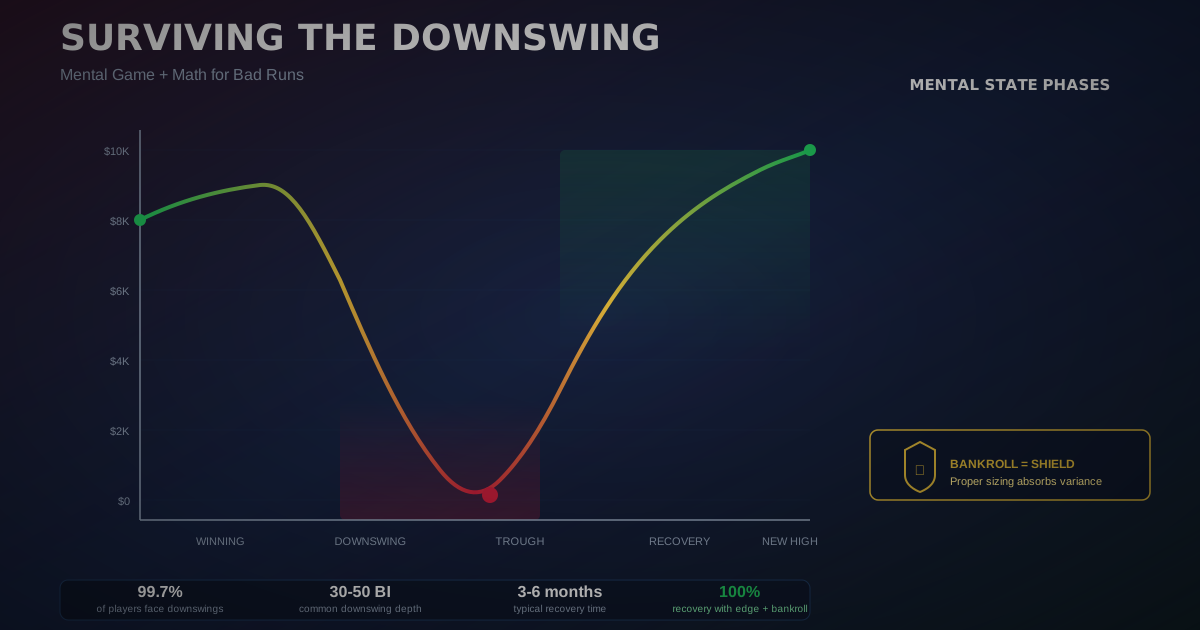
Lower highs, higher lows
More grinding, less drama
Mathematical Analysis
Expected Value
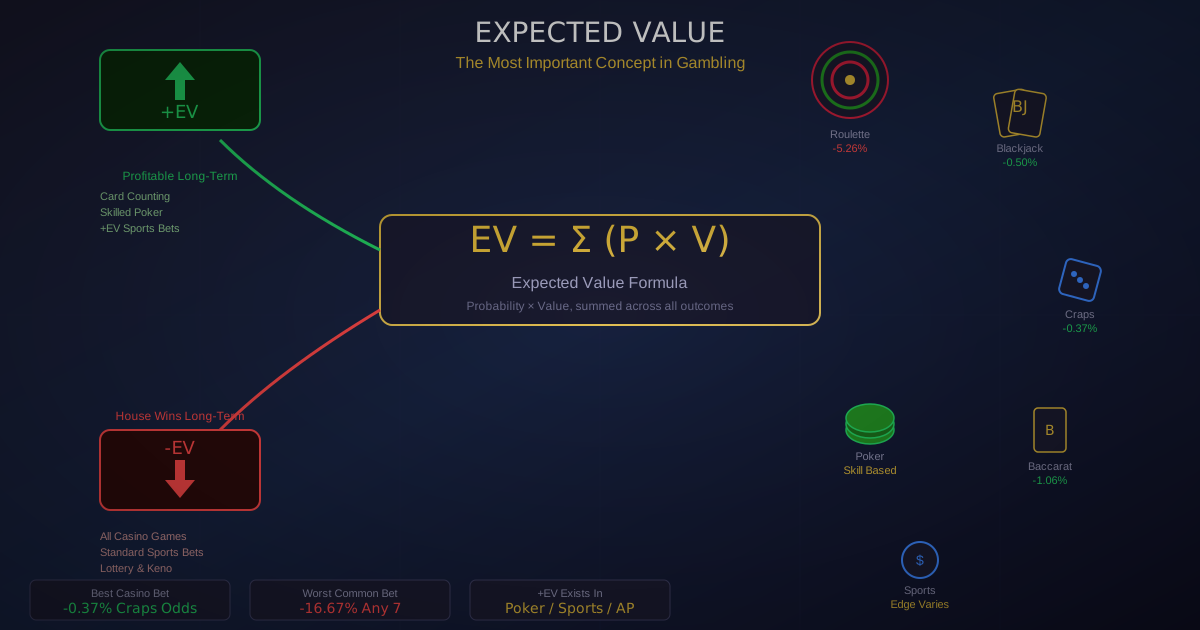
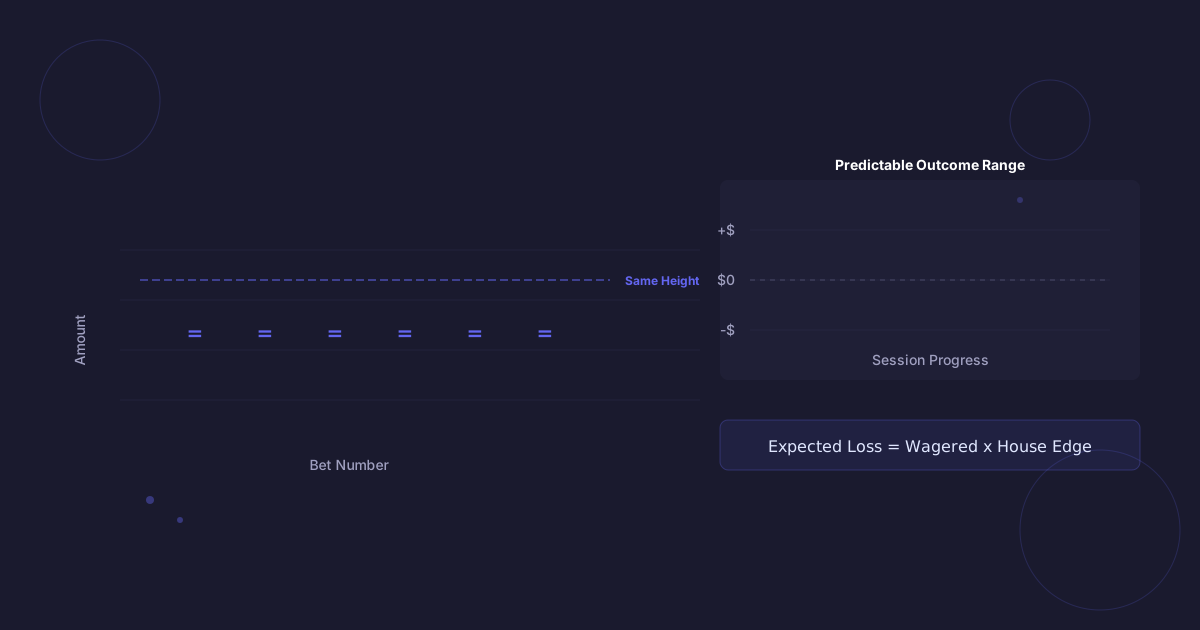
Oscar's Grind EV:

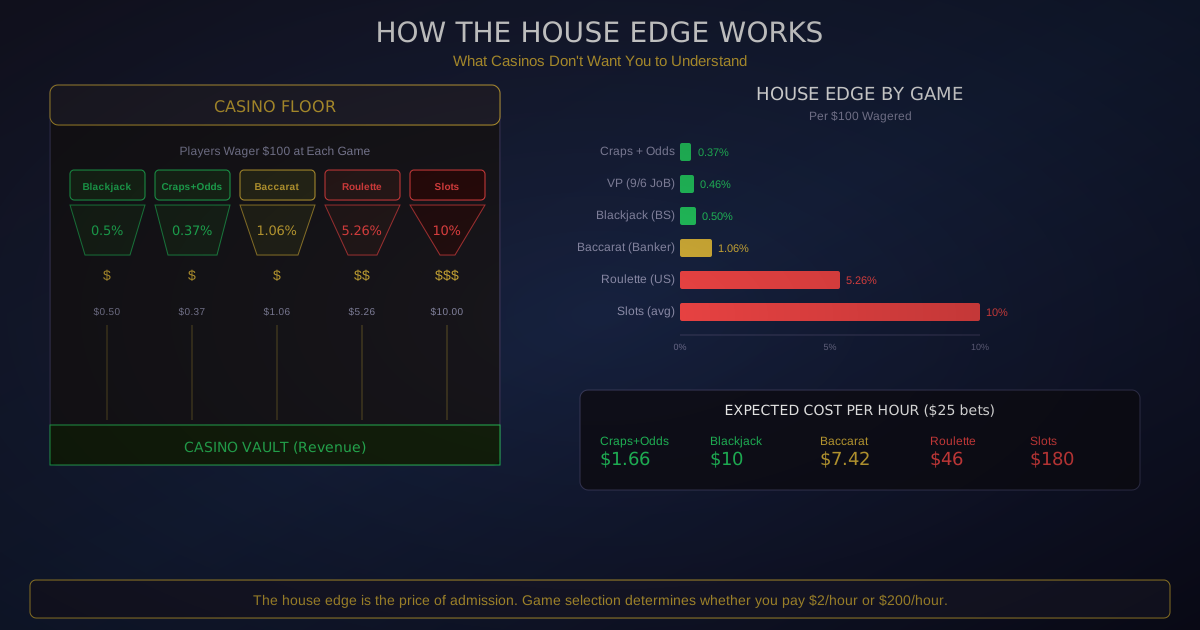
Same as flat betting
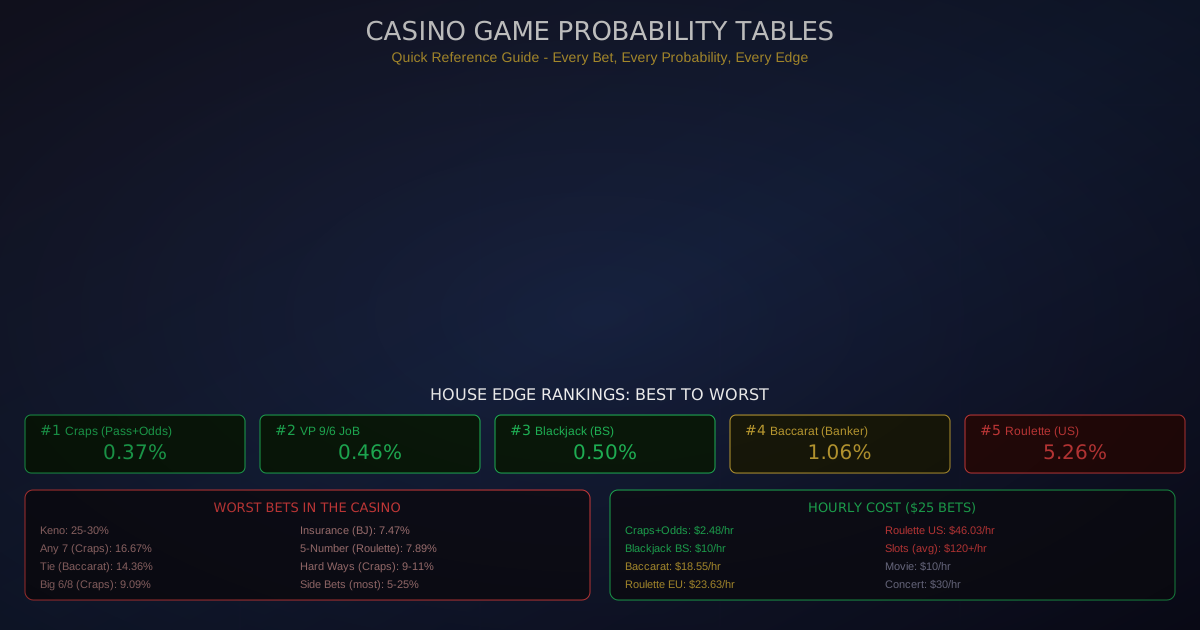
House edge unchanged

Per $10 bet at 2.7% edge:
Expected loss: $0.27

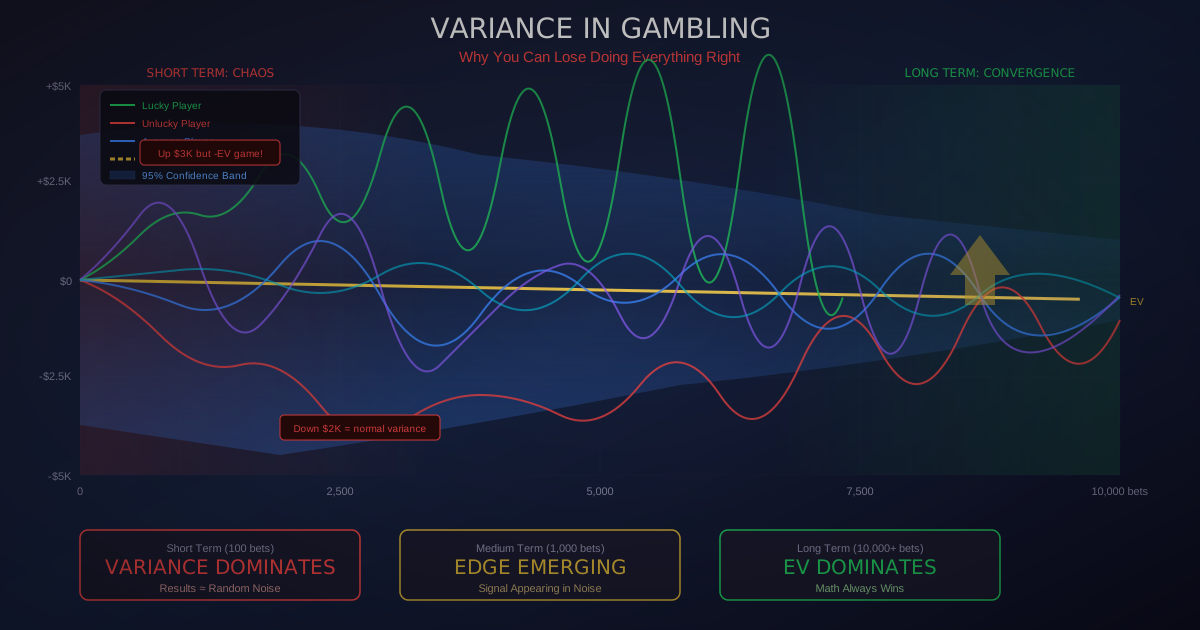
System changes variance
Not mathematical expectation
Cycle Completion
How often cycles complete:

Most cycles: 1-10 bets
Some cycles: 10-30 bets
Rare cycles: 30+ bets

Probability of long cycle:
Decreases as cycle extends
Eventually always complete
(in theoretical infinite game)
Why 1-Unit Goal
The psychology:

Small consistent wins feel good
Losses feel "absorable"
Progress is visible

Mathematically:
Goal size doesn't change edge
Just changes session structure
Real-World Examples
Example 1: Quick Cycle
Best case scenario:
$10 base

Bet $10, WIN: +$10
Goal achieved!

Cycle length: 1 bet
Net profit: +$10 (1 unit)
Reset and repeat
Example 2: Standard Cycle
Typical pattern:
$10 base

Bet $10, LOSE: -$10
Bet $10, WIN: $0 (break even)
Bet $20, LOSE: -$20
Bet $20, WIN: $0
Bet $30, WIN: but cap at $10...
Bet $10, WIN: +$10

Cycle length: 6 bets
Net profit: +$10 (1 unit)
Example 3: Extended Cycle
Grinding through:
$10 base, rough sequence

L L L W L W L L W W L W W

Units: -10-20-30-10-30-10-30-40-20+10-10-20+10

Ends at +$10 after 13 bets
Still just 1 unit profit
But got there eventually
Example 4: Session Reality
10 cycles at roulette:
$10 base, European roulette

10 successful cycles: +$100
Average cycle length: 8 bets
Total bets: ~80
Average bet: ~$18
Total wagered: ~$1,440

Expected loss (2.7%): ~$39
Actual result varies

Long-term: Still negative
Strategy Considerations
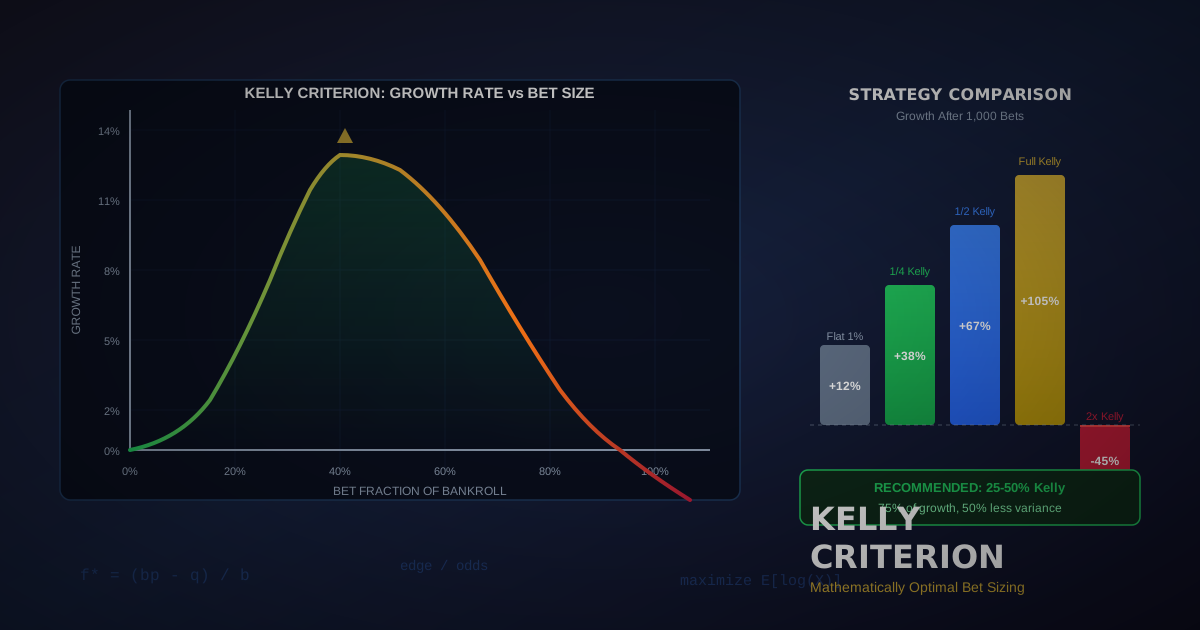
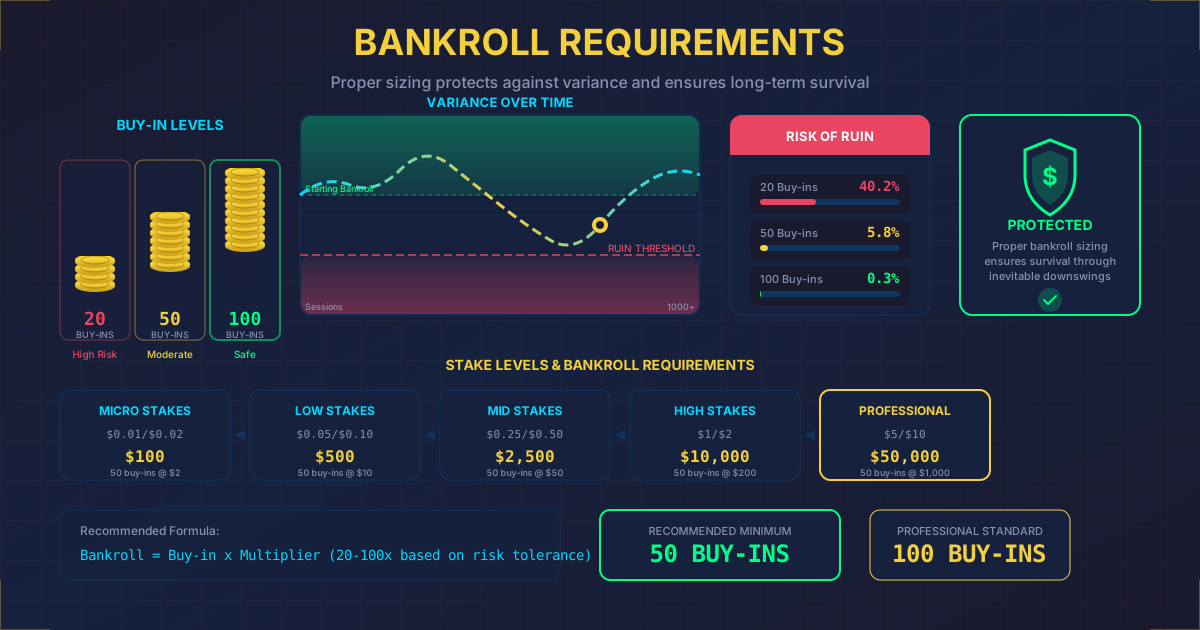
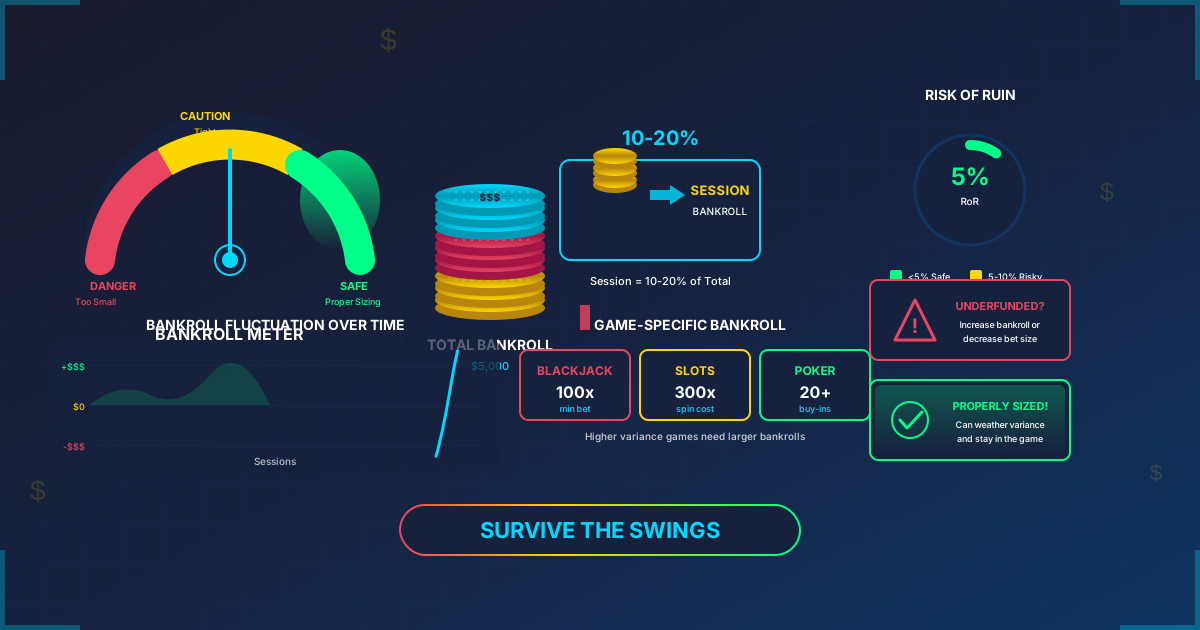
Bankroll Requirements
Oscar's Grind bankroll:

Much lower than Martingale
20 units reasonable
30 units comfortable

$10 unit = $200-300 bankroll
Survives most cycles easily
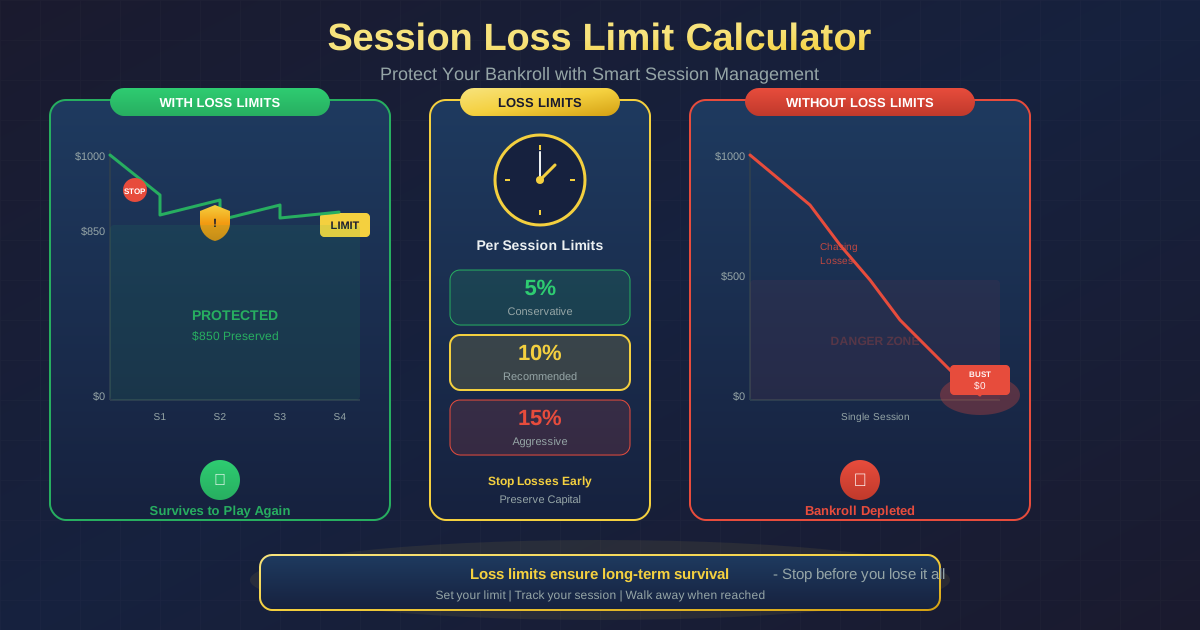
Session Management
Smart Oscar's Grind:

Set cycle limit (e.g., 10 cycles)
Set loss limit (e.g., -10 units)
Track time spent

Walk away rules matter
Even patient systems
When to Use
Oscar's Grind best for:

Conservative players
Long session tolerance
Entertainment focus
Disliking wild swings

Not for:
Impatient players
Jackpot seekers
Edge elimination (impossible)
Common Mistakes
1. Forgetting the Cap
Mistake: Always +1 after win Problem: Over-betting beyond goal Fix: Cap at 1-unit profit
2. Increasing After Loss
Mistake: Martingale habits Problem: That's not Oscar's Grind Fix: Same bet after losses
3. Expecting Edge Elimination
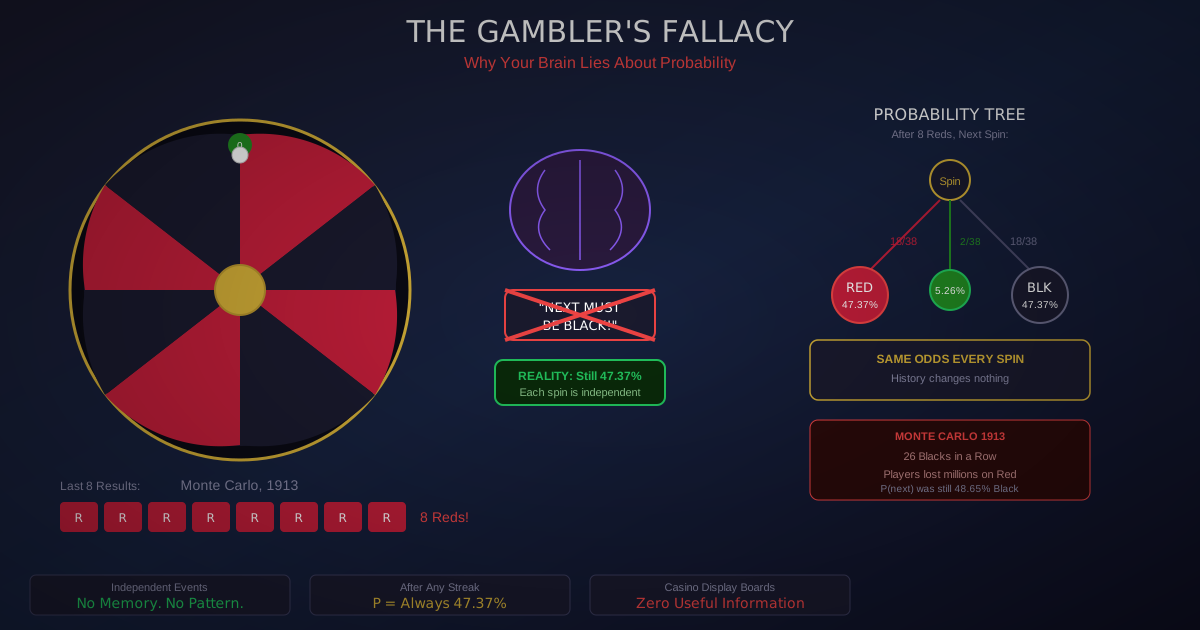
Mistake: "Patient system beats house" Problem: No system beats edge Fix: Understand variance only
4. Endless Sessions
Mistake: Playing until even Problem: Could take forever Fix: Set time and loss limits
Frequently Asked Questions
Is Oscar's Grind the safest system?
Among the safest progressions, yes. Bets increase on wins, not losses, preventing exponential growth. Bankroll requirements are reasonable.
Does Oscar's Grind beat the house?
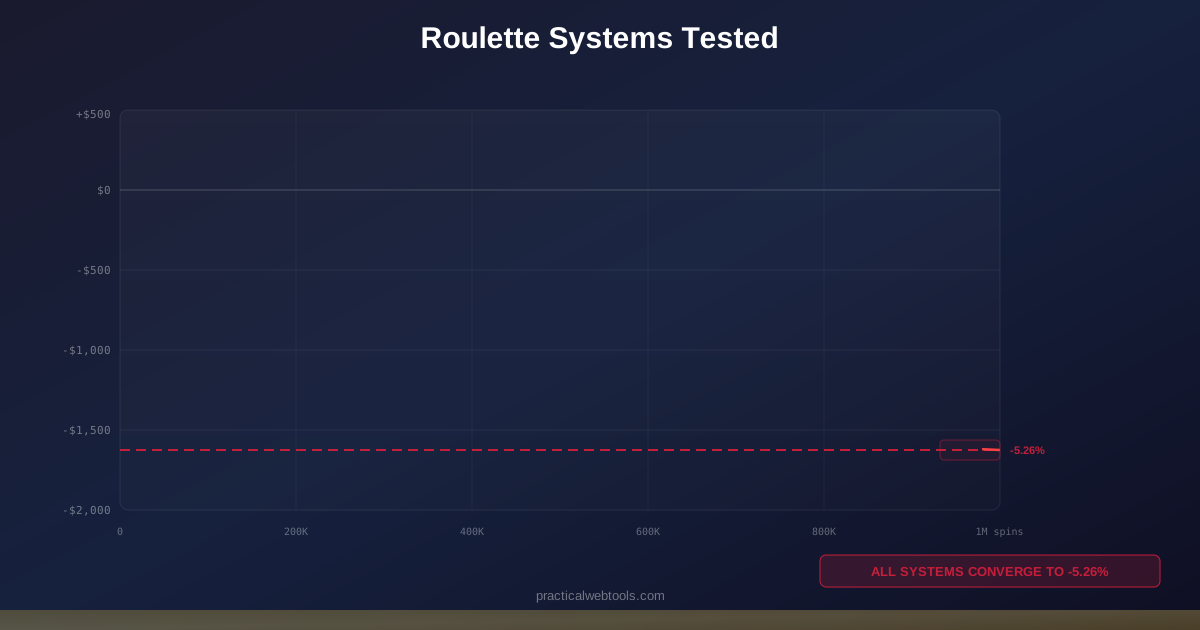
No. Like all systems, it cannot overcome the mathematical house edge. It only restructures when wins and losses occur.
Why only 1 unit profit goal?
Larger goals require staying at risk longer. 1 unit allows quick resets and steady grinding. The goal size doesn't affect expected value.
What if I'm stuck in a cycle?
Eventually you'll complete it (with infinite bankroll/time). Set practical limits—if a cycle takes too long, consider resetting.
Can I use Oscar's Grind on any game?
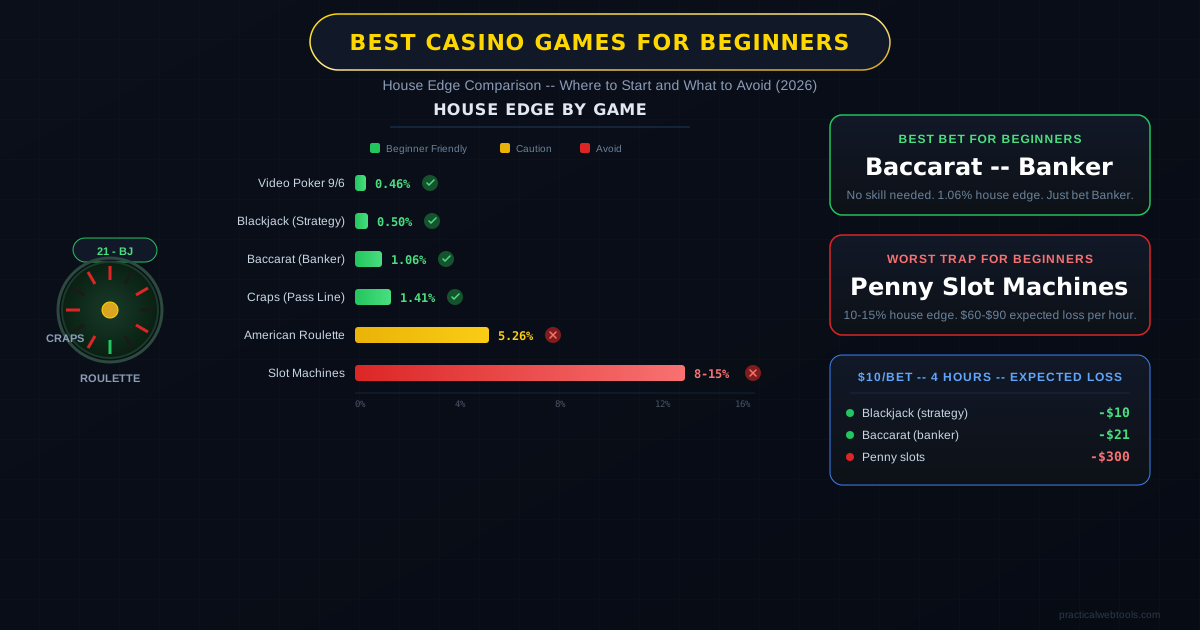
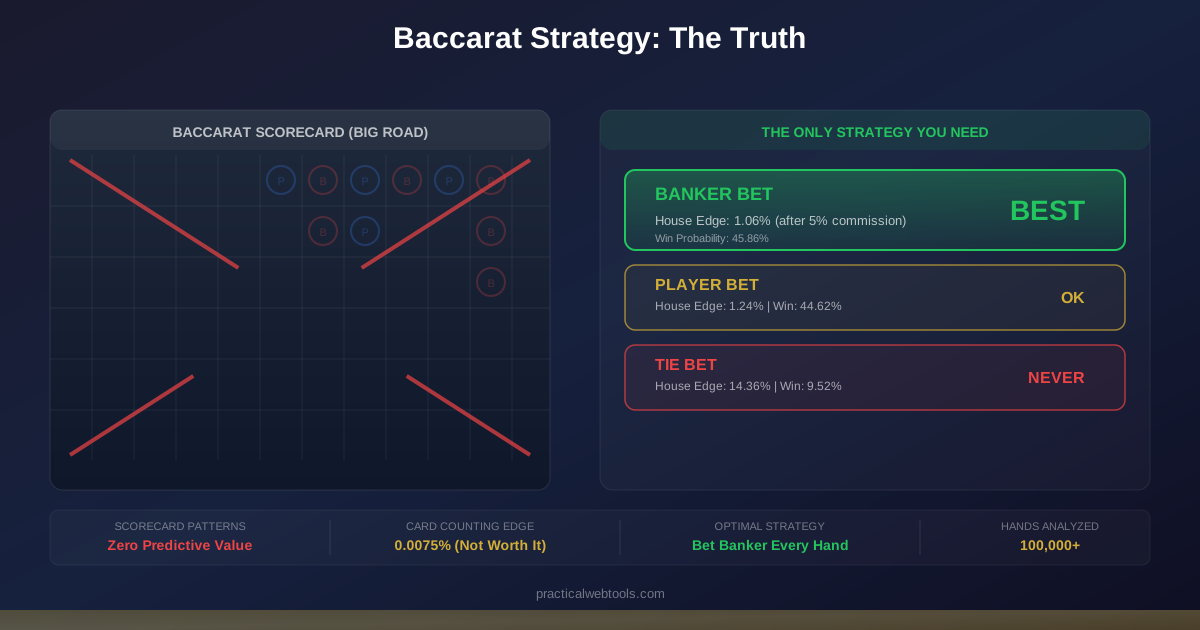
Works on any even-money bet: roulette red/black, craps pass, baccarat banker. Different games have different edges.
Is it better than Martingale?
Different, not universally better. Lower variance and bankroll needs. But same long-term expected loss.
Pro Tips
-
Cap rule crucial: Never exceed 1-unit profit goal
-
Patience required: Cycles can take time
-
Same bet after loss: Key difference from Martingale
-
Lower variance: But same expected value
-
20-30 unit bankroll: Usually sufficient
Related Calculators
- Martingale Calculator - Compare systems
- D'Alembert Calculator - Another progression
- Roulette Odds Calculator - Base game
- Expected Value Calculator - True EV
- Bankroll Calculator - Risk management
Conclusion
Oscar's Grind offers the most patient approach to negative-edge games—increase bets only after wins, cap at the 1-unit profit goal, and reset. Our calculator shows cycle progression, bankroll needs, and why this conservative system provides lower variance while facing the same house edge as any other method.
Down 3 units but only betting 2? That's Oscar's Grind—refusing to chase losses with bigger bets. Our calculator proves patience is this system's virtue, even if the house edge remains unmoved.