Parlay Calculator: Multi-Leg Payouts Explained (2026)
Parlay Calculator: Calculate Multi-Leg Bet Payouts Instantly
Parlays offer the excitement of massive payouts from small wagers—but understanding the math behind them is crucial. Our free parlay calculator shows you exact payouts for any combination of legs, reveals the true odds you're fighting against, and helps you determine if that parlay ticket is actually worth the bet.
What Is a Parlay Bet?
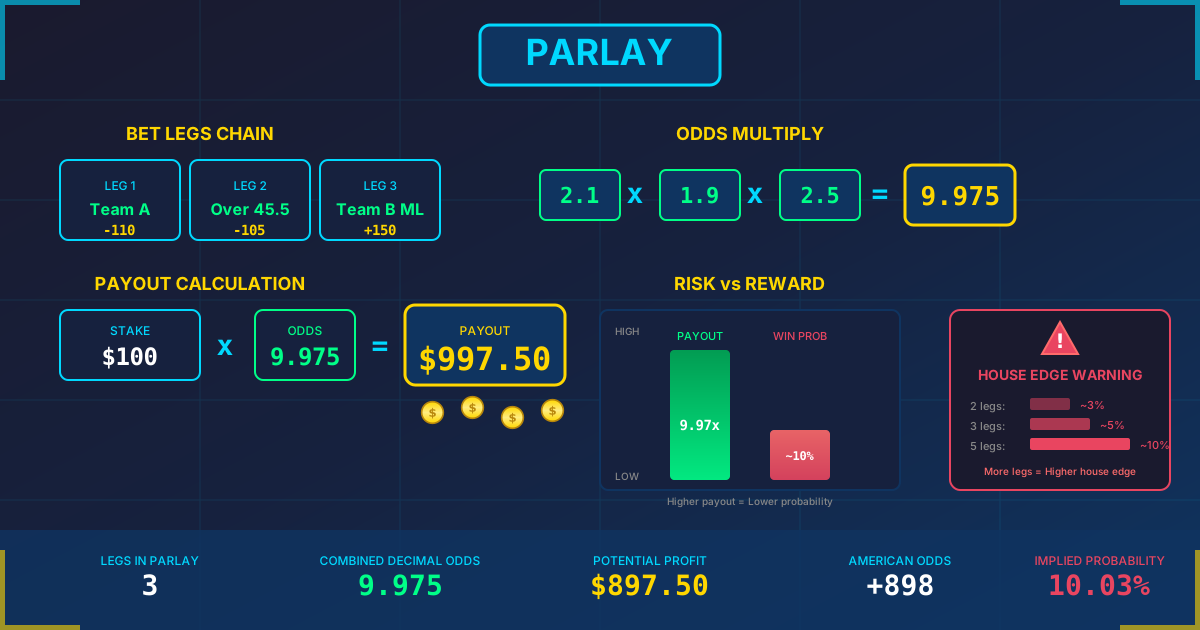
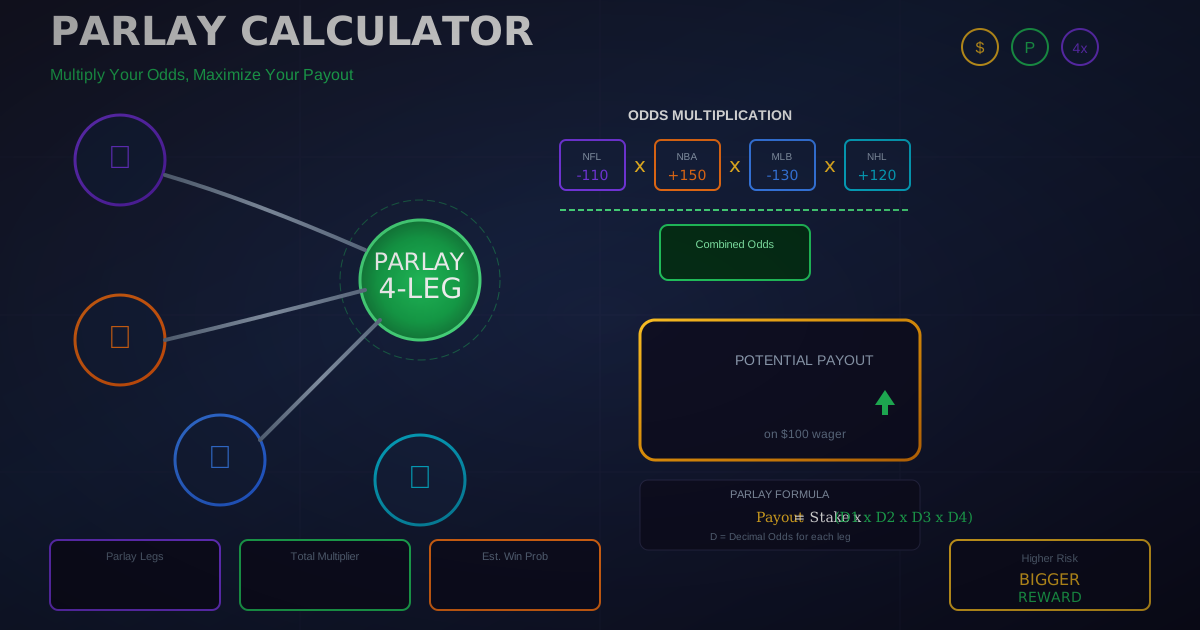
A parlay (also called an accumulator or combo bet) combines multiple individual bets into one wager. All legs must win for the parlay to pay out, but the odds multiply together, creating potentially massive returns.
Quick Answer: A parlay links multiple bets together where all selections must win. A 3-team parlay at -110 odds each pays approximately 6:1. The more legs, the higher the payout—but the lower your chances of winning.
How to Use Our Free Parlay Calculator
Our calculator handles any number of legs in any odds format, showing you exact payouts and implied probability.
Step-by-Step Instructions
-
Enter Your Stake: Input how much you want to bet on the parlay
-
Add Your Legs: Input the odds for each selection (American, Decimal, or Fractional)
-
Add More Legs: Click to add additional selections to your parlay
-
View Results: See your total potential payout, profit, and combined implied probability
Input Fields Explained
| Field | Description | Example |
|---|---|---|
| Stake | Amount wagered on parlay | $20 |
| Leg 1 Odds | First selection odds | -110 |
| Leg 2 Odds | Second selection odds | +150 |
| Leg 3 Odds | Third selection odds | -105 |
Real-World Parlay Examples
Example 1: Standard 3-Team Parlay
You bet $10 on three NFL favorites at -110 each:
Parlay Calculation:
- Leg 1: -110 = 1.909 decimal
- Leg 2: -110 = 1.909 decimal
- Leg 3: -110 = 1.909 decimal
- Combined odds: 1.909 × 1.909 × 1.909 = 6.95
Payout: $10 × 6.95 = $69.50 (profit: $59.50)
Win Probability: Each leg at 52.4% = 0.524³ = 14.4%
Example 2: Underdog Parlay
You bet $5 on three underdogs at +150, +200, and +175:
Parlay Calculation:
- Leg 1: +150 = 2.50 decimal
- Leg 2: +200 = 3.00 decimal
- Leg 3: +175 = 2.75 decimal
- Combined odds: 2.50 × 3.00 × 2.75 = 20.625
Payout: $5 × 20.625 = $103.13 (profit: $98.13)
Win Probability: Approximately 40% × 33% × 36% = 4.8%
Example 3: Same Game Parlay (SGP)
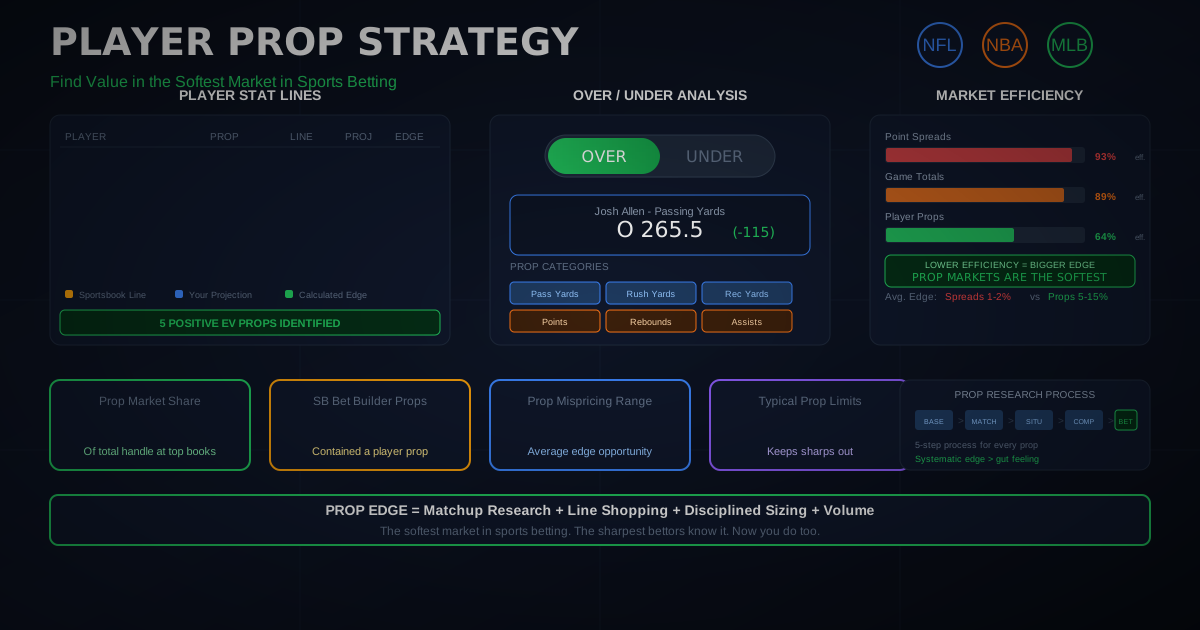
You parlay three props from the same game: Player A over 25.5 points (-115), Team total over 110.5 (-110), and Player B over 7.5 assists (+105):
Parlay Calculation:
- Leg 1: -115 = 1.87 decimal
- Leg 2: -110 = 1.91 decimal
- Leg 3: +105 = 2.05 decimal
- Combined odds: 1.87 × 1.91 × 2.05 = 7.33
Payout: $10 × 7.33 = $73.30
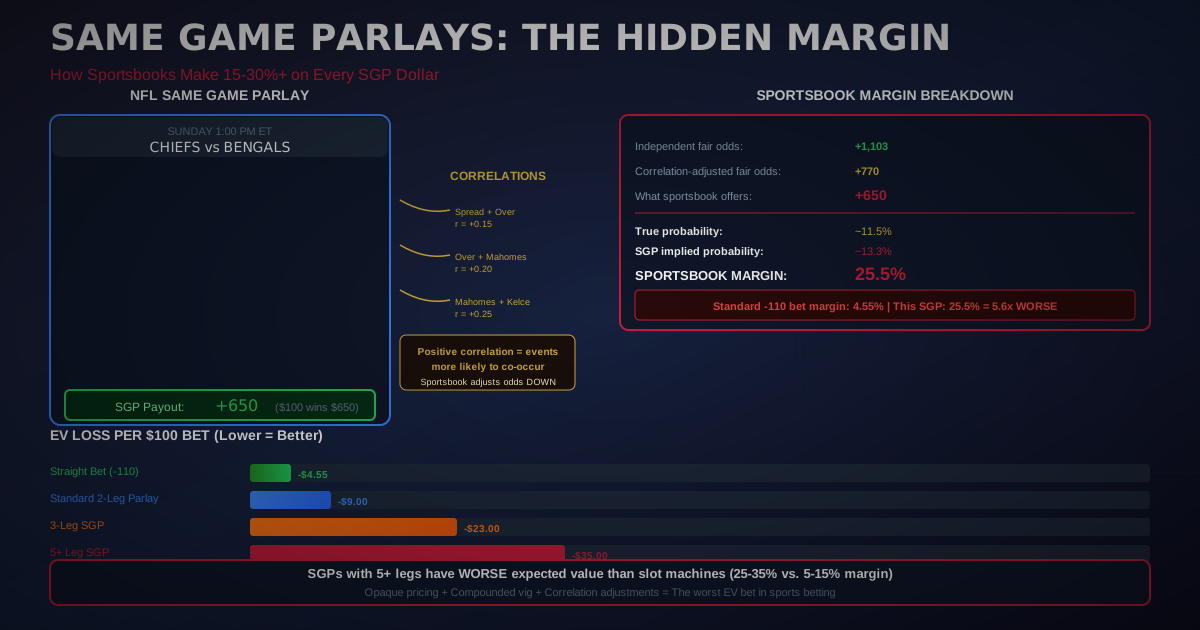
Note: Same-game parlays often have correlated legs, which sportsbooks account for by adjusting odds.
Parlay Payout Chart
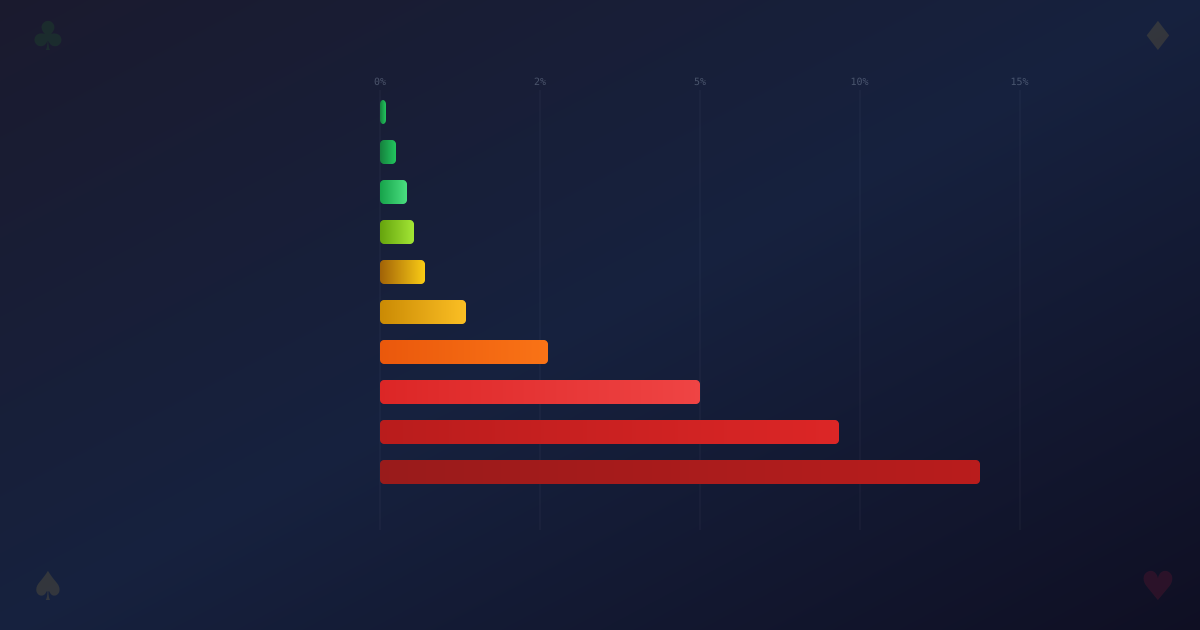
| Legs | Combined Odds (-110 each) | $10 Payout | Win Probability |
|---|---|---|---|
| 2 | 2.64:1 | $26.45 | 27.5% |
| 3 | 5.96:1 | $59.58 | 14.4% |
| 4 | 12.28:1 | $122.84 | 7.5% |
| 5 | 24.35:1 | $243.51 | 3.9% |
| 6 | 47.41:1 | $474.14 | 2.1% |
| 7 | 91.42:1 | $914.23 | 1.1% |
| 8 | 175.44:1 | $1,754.42 | 0.6% |
| 10 | 642.08:1 | $6,420.83 | 0.15% |
How Parlays Optimize (or Hurt) Your Betting
Advantage: Higher Potential Returns
Parlays multiply odds together, creating payouts impossible from straight bets with the same stake. A $10 parlay can return hundreds or thousands.
Advantage: Lower Juice on Standard Lines
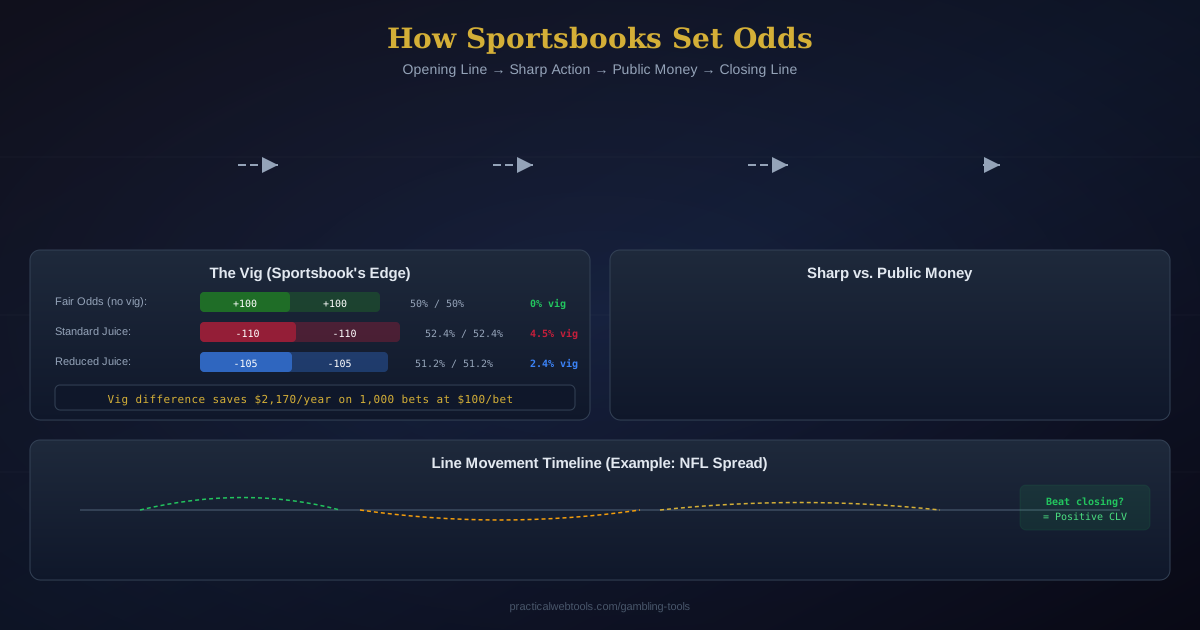
With standard -110 lines, parlays actually reduce the effective juice per bet compared to betting each leg separately. This is one of the few mathematical advantages of parlays.
Disadvantage: Compounding Risk
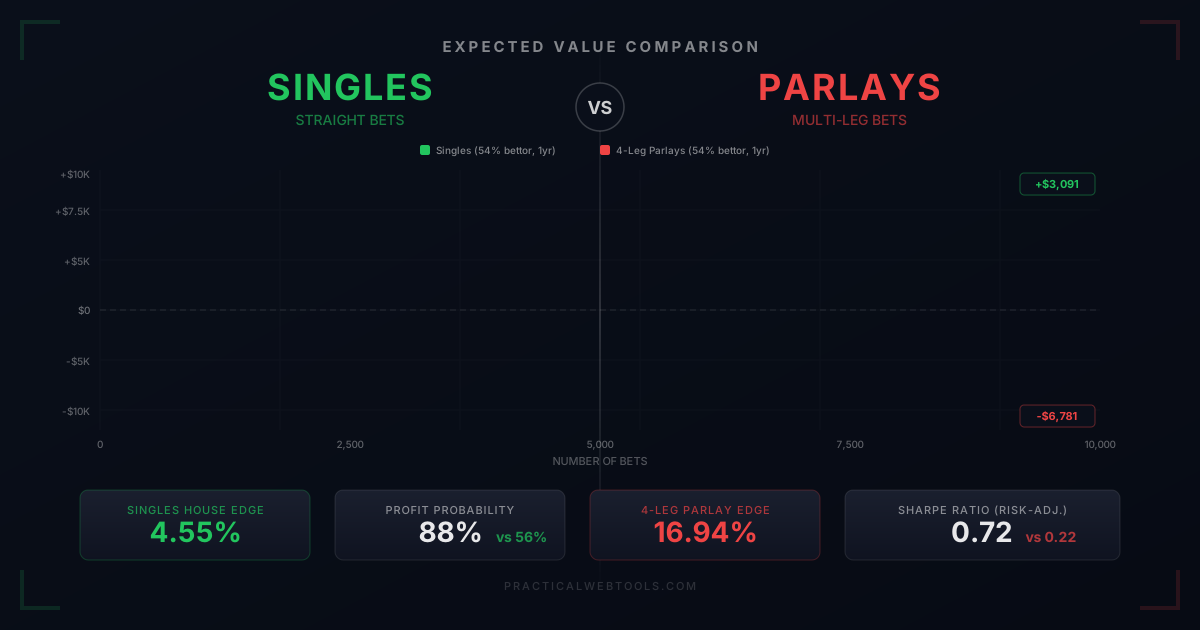
Every leg you add dramatically decreases your win probability. A 5-team parlay of 50% propositions wins only 3.1% of the time.
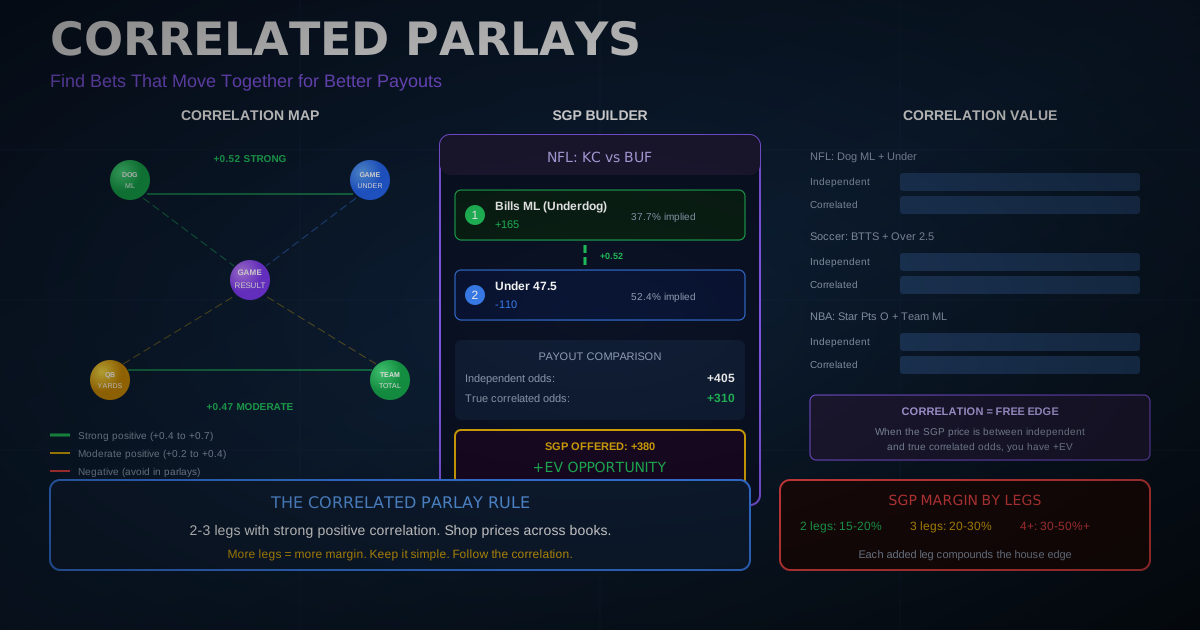
Disadvantage: Correlated Parlays Are Adjusted
Sportsbooks identify correlations (like QB passing yards and team winning) and adjust parlay odds to remove any edge.
The Math Behind Parlay Payouts
Converting and Multiplying Odds
Parlays work by multiplying decimal odds:
Total Decimal Odds = Leg1 × Leg2 × Leg3 × ... × LegN
Payout = Stake × Total Decimal Odds
Profit = Payout - Stake
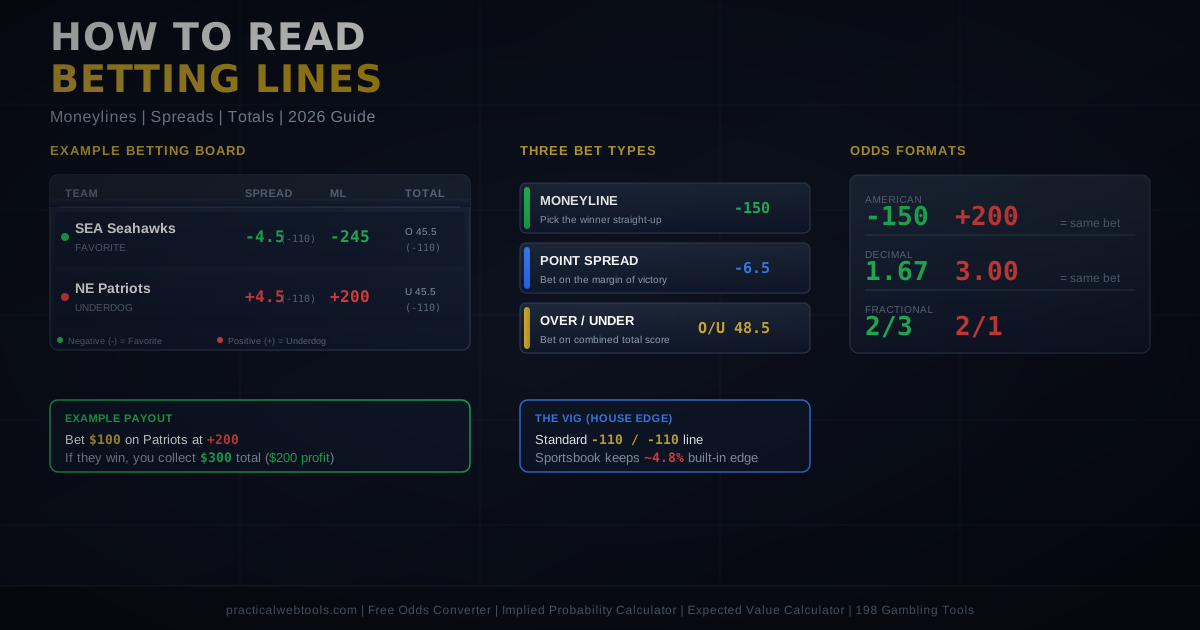
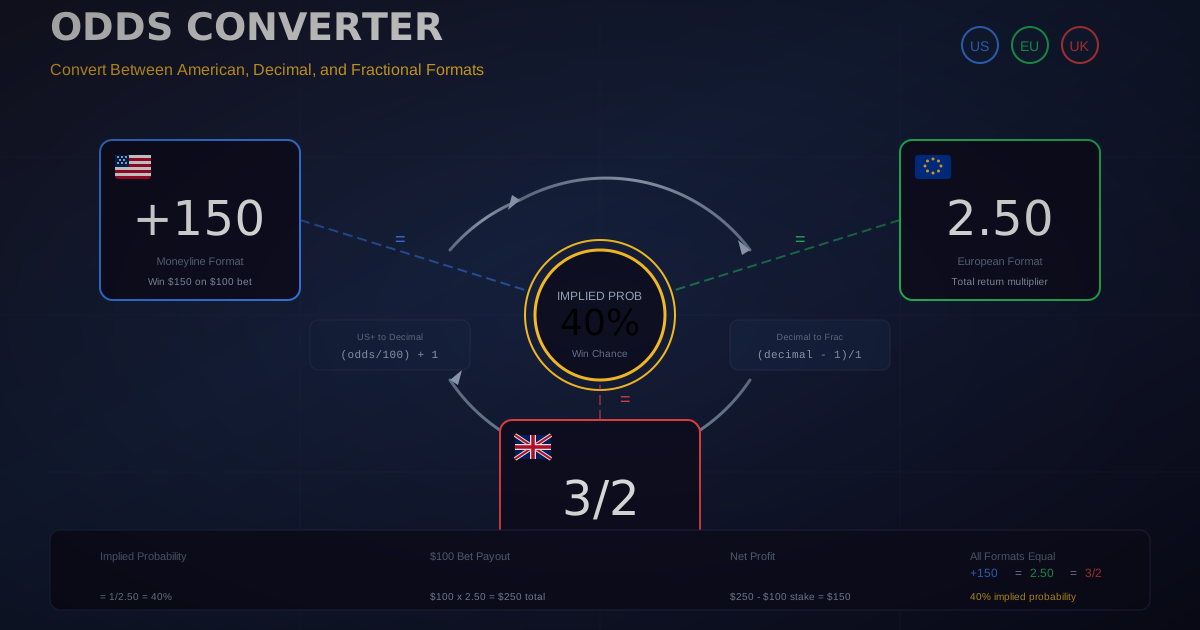
American to Decimal Conversion
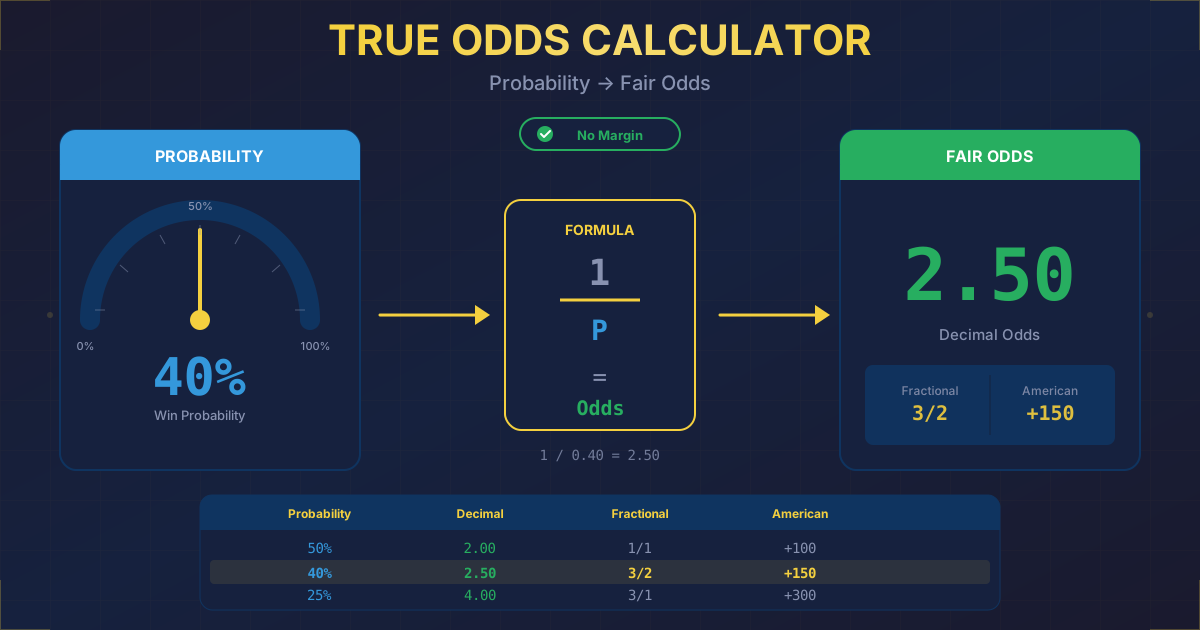
- Positive odds (+150): Decimal = (American / 100) + 1 = 2.50
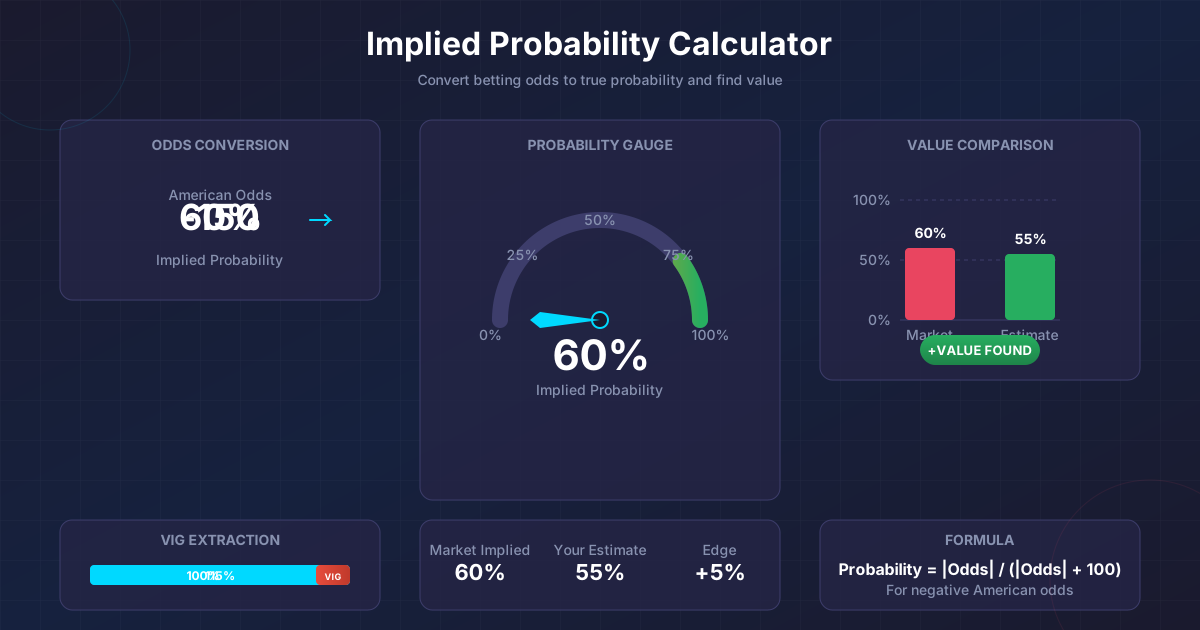
- Negative odds (-110): Decimal = (100 / |American|) + 1 = 1.909
Calculating True Win Probability
Parlay Win % = Leg1 Win% × Leg2 Win% × Leg3 Win% × ...
Each leg's probability compounds, making long-shot parlays extremely difficult to hit.
Common Parlay Mistakes to Avoid
-
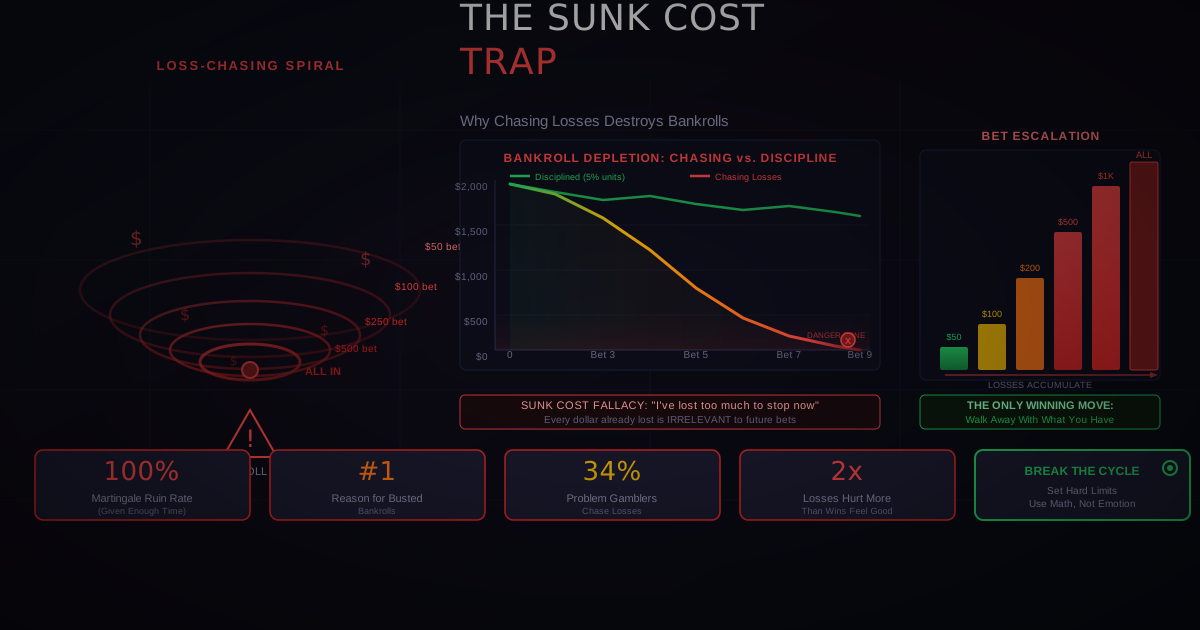
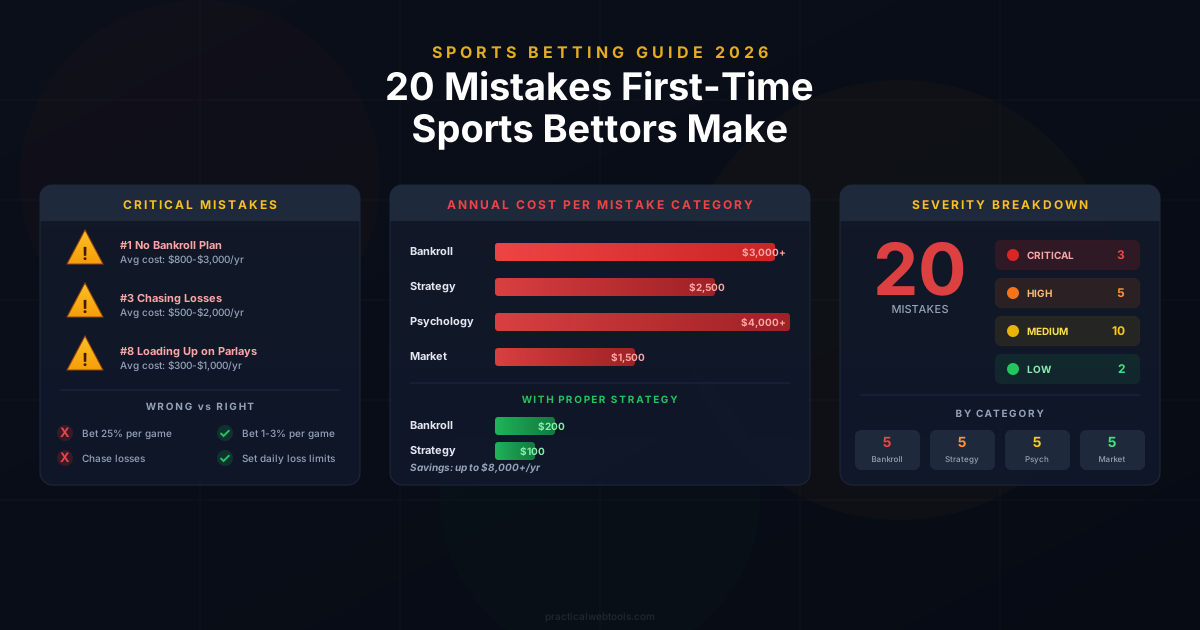
Chasing Big Payouts: A 10-leg parlay looks amazing on a bet slip, but you'll almost never win. Stick to 2-4 legs maximum.
-
Including Heavy Favorites: Parlaying -300 favorites barely increases your payout while adding significant risk. If that heavy favorite loses, you lose everything.
-
Ignoring Correlation: If you parlay a running back's rushing yards with his team winning, those outcomes are correlated. Sportsbooks adjust for this.
-
Not Comparing to Straight Bets: Before placing a parlay, calculate if you'd be better off making the bets individually and reinvesting.
-
Using Parlays as Your Main Strategy: Parlays should be a small, entertainment portion of your betting. Serious bettors focus on straight bets where they have edge.
Frequently Asked Questions
How much does a $10 parlay pay?
It depends on the odds. A 2-leg parlay at -110/-110 pays about $26. A 4-leg parlay at the same odds pays about $123. Use our calculator for exact amounts with your specific odds.
Are parlays bad bets?
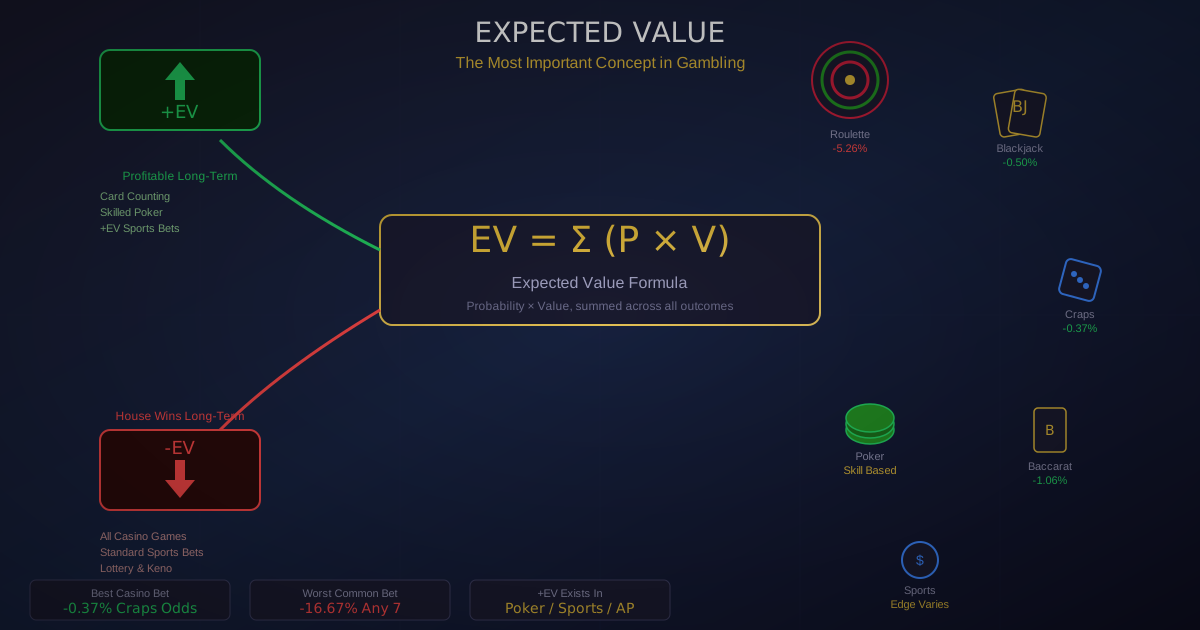
Mathematically, parlays have similar or slightly better expected value than straight bets when all legs are standard -110 lines. However, the variance is much higher, and most parlay bettors lose money by chasing long shots.
What happens if one leg of my parlay pushes?
Most sportsbooks reduce your parlay by one leg. A 4-leg parlay with one push becomes a 3-leg parlay at the adjusted payout.
Can I parlay bets from different sports?
Yes, most sportsbooks allow cross-sport parlays. You can combine NFL, NBA, MLB, and other sports in a single parlay.
What's the maximum parlay payout?
Sportsbooks cap maximum payouts, typically between $500,000 and $1 million depending on the book. Even if your calculated parlay would pay $2 million, you'll only receive the cap.
Are same-game parlays a good value?
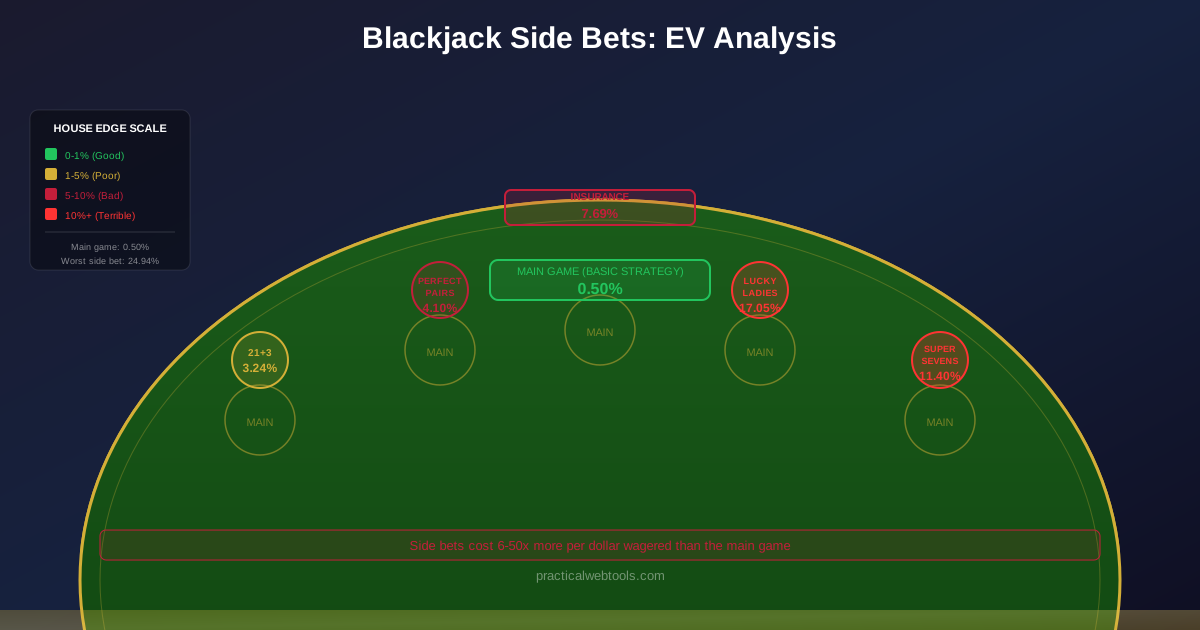
Same-game parlays (SGPs) typically offer worse odds than traditional parlays because the legs are correlated. Sportsbooks adjust the odds to account for these correlations, reducing your expected value.
When Parlays Make Sense
Parlays can be strategically valid in specific situations:
- Correlated Legs the Book Missed: If you identify correlation the sportsbook didn't fully price in
- Small Entertainment Bets: A $5 long-shot parlay for entertainment value during a big game day
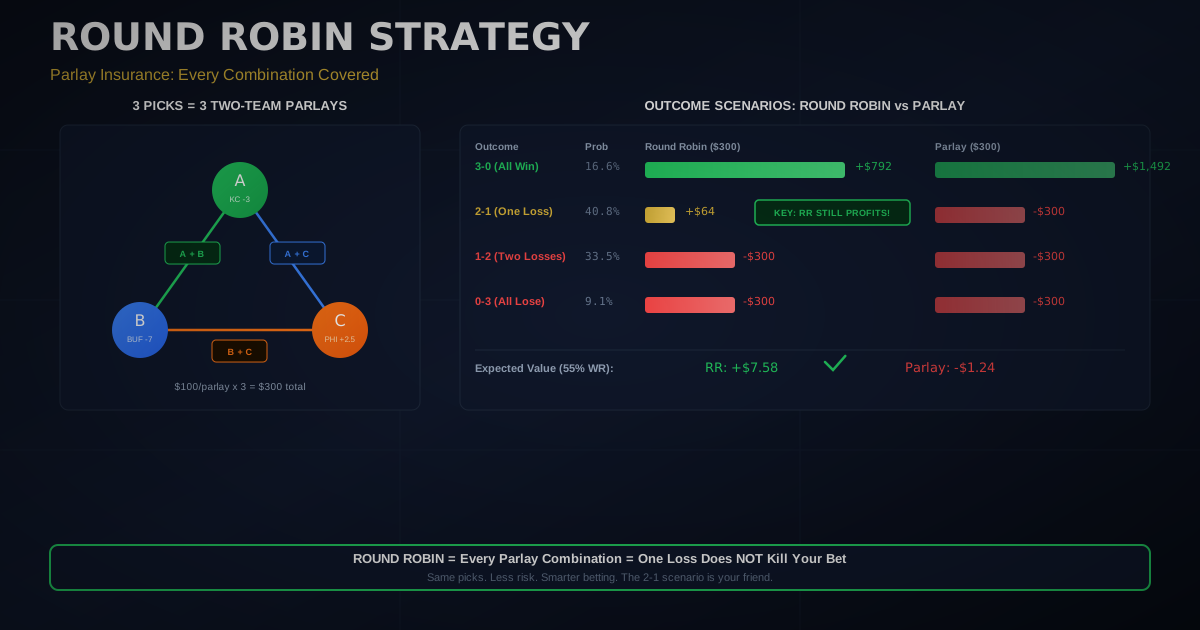
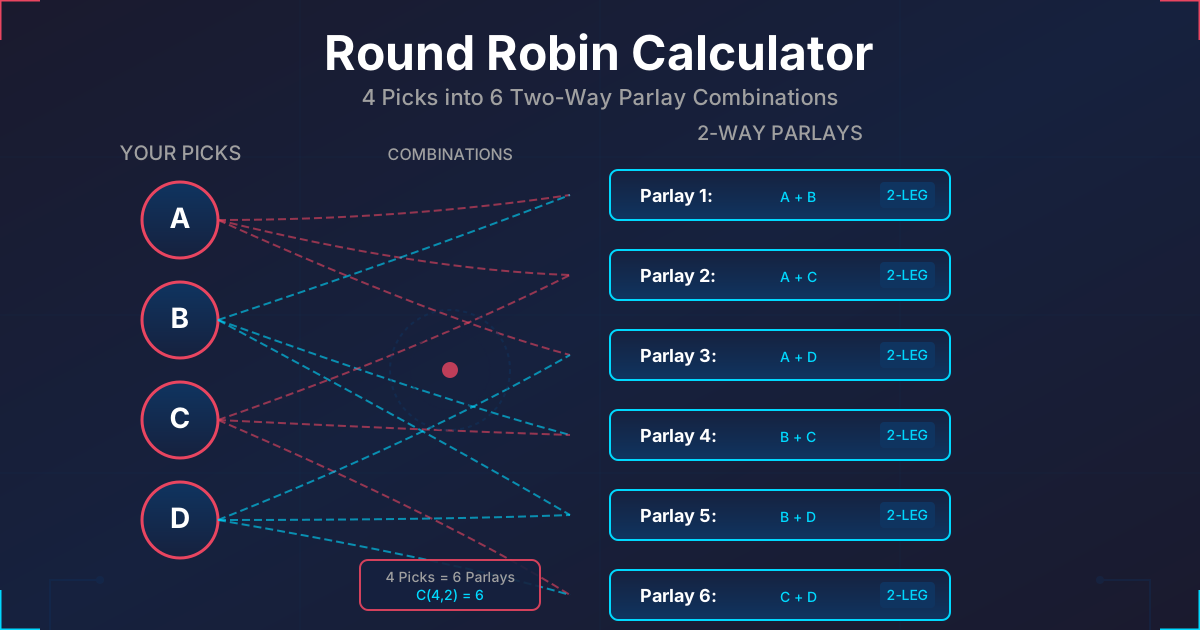
- Round Robin Strategy: Using round robins to cover multiple parlay combinations
- Hedging Opportunities: When a parlay is partially complete and you can hedge the final leg
Pro Tips for Smarter Parlay Betting
-
Stick to 2-3 Legs: This balances increased payout with reasonable win probability
-
Include Plus-Money Dogs: Adding one +150 underdog you like significantly boosts parlay returns
-
Shop Lines Aggressively: A half-point difference on each leg compounds to big payout differences
-
Calculate Break-Even Points: Know what win rate you need to profit long-term on your parlay sizes
-
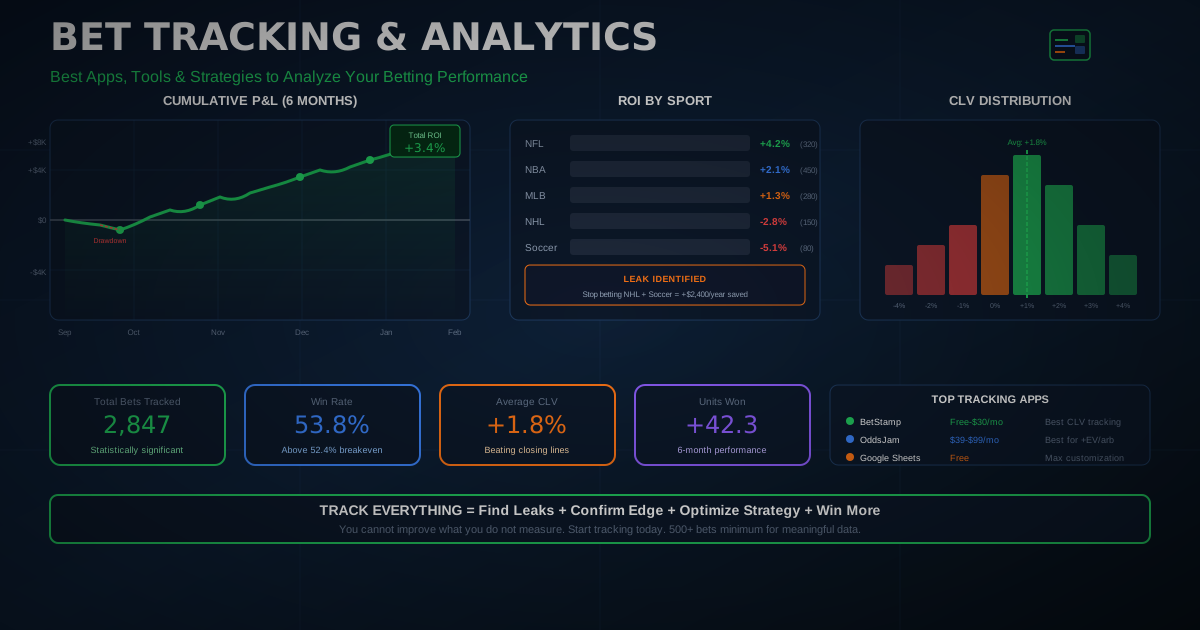
Track Your Parlay Results: Most bettors overestimate their parlay success rate. Track yours honestly.
Related Betting Calculators
- Round Robin Calculator - All parlay combinations from your picks
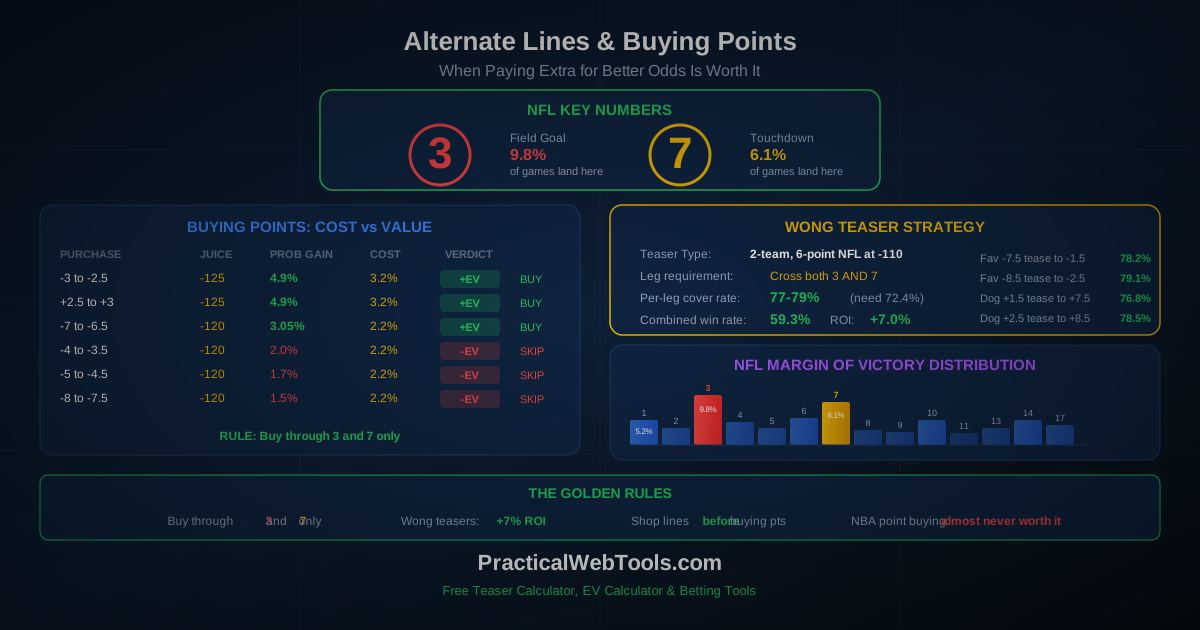
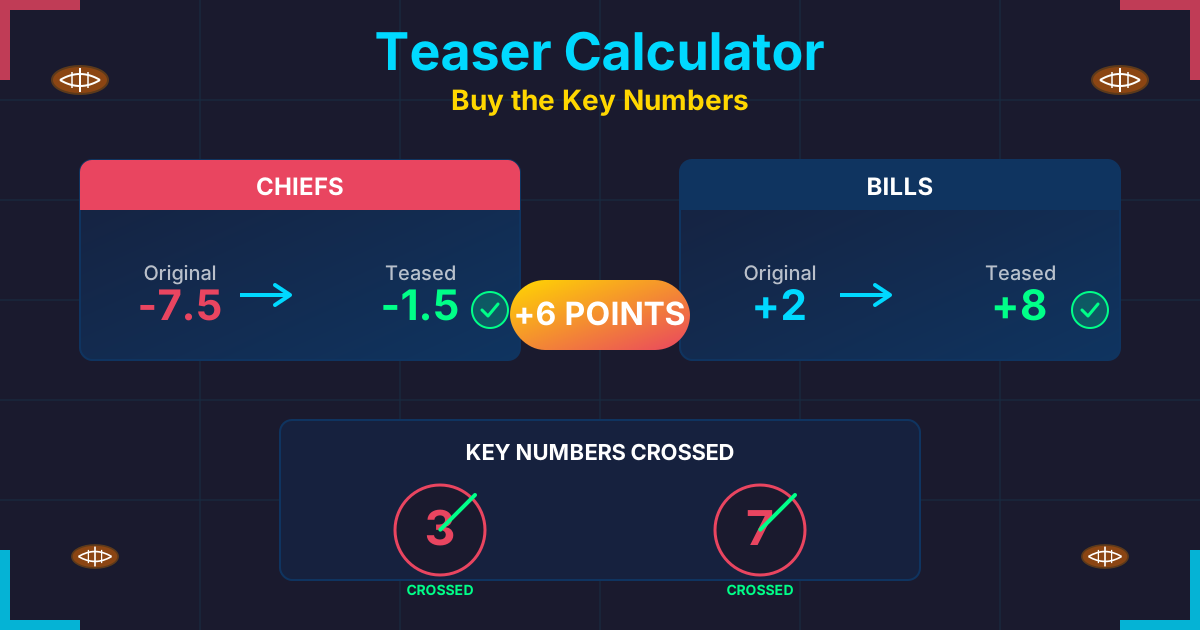
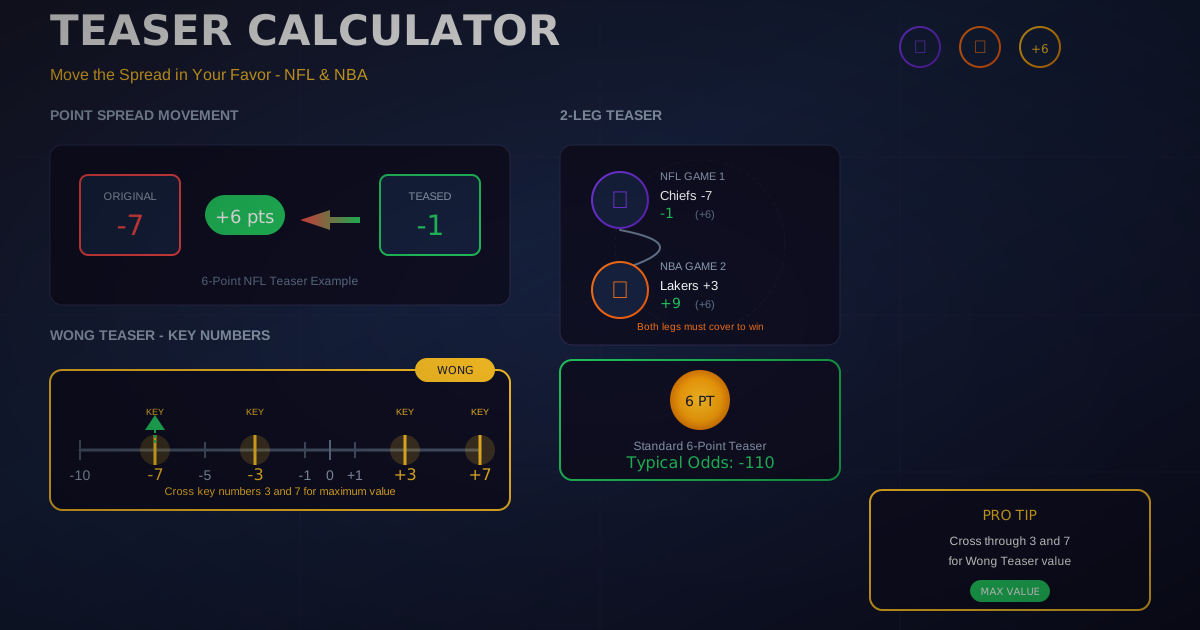
- Teaser Calculator - Adjusted spread parlays
- Odds Converter - Convert between odds formats
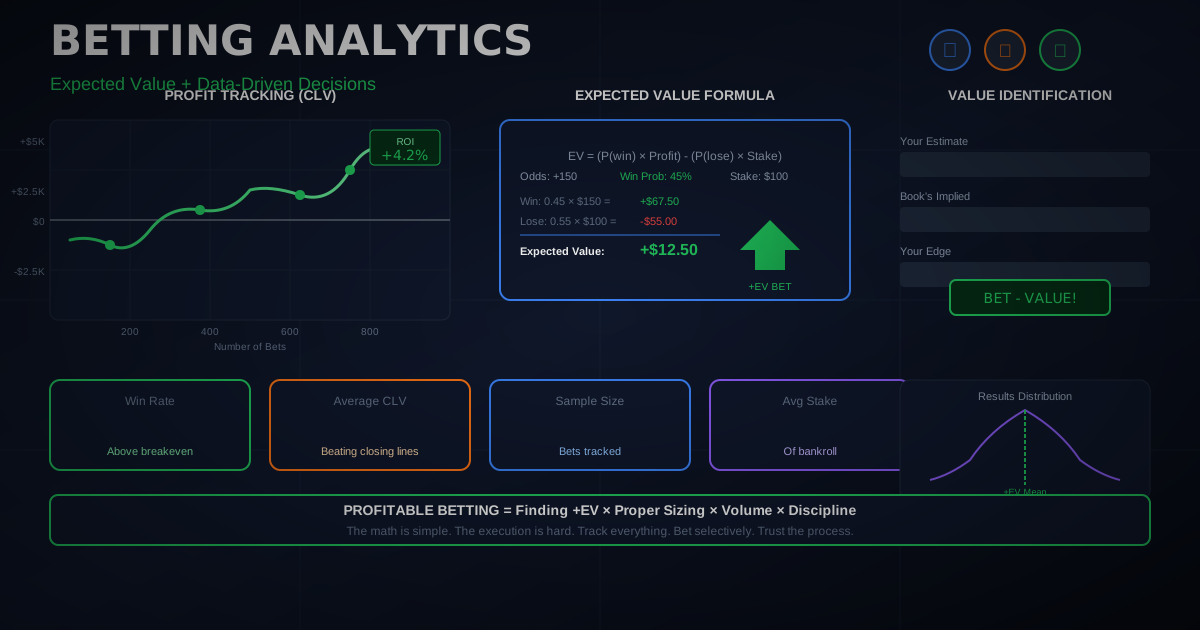
- Expected Value Calculator - Calculate if any bet is +EV
- Hedge Calculator - Lock in profit on live parlays
Conclusion
Parlays are the most exciting bet type in sports betting, offering massive potential payouts from modest stakes. But that excitement comes with mathematical reality: the more legs you add, the less likely you are to win. Our free parlay calculator shows you exact payouts and true win probabilities, helping you make informed decisions.
Calculate Your Parlay Payout Now →
Use parlays strategically—not as lottery tickets. Understand the math, keep your parlays short, and never bet more than you can afford to lose on these high-variance wagers.