Poker Bankroll Calculator: Stakes Requirements Guide (2026)
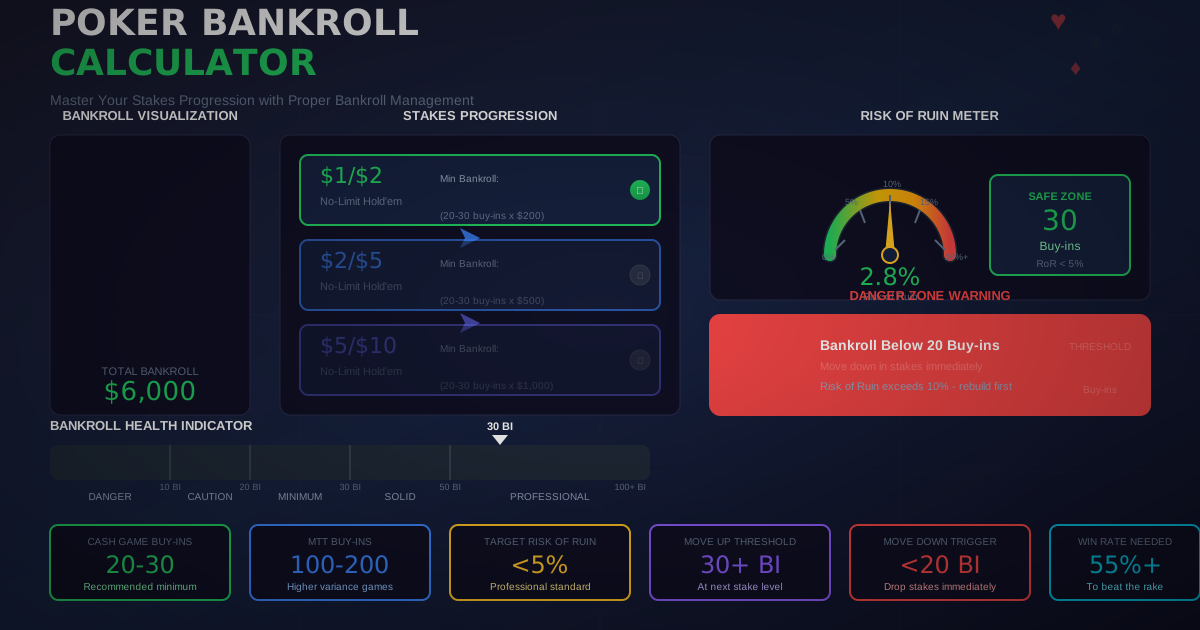
Poker Bankroll Calculator: Never Go Broke Again
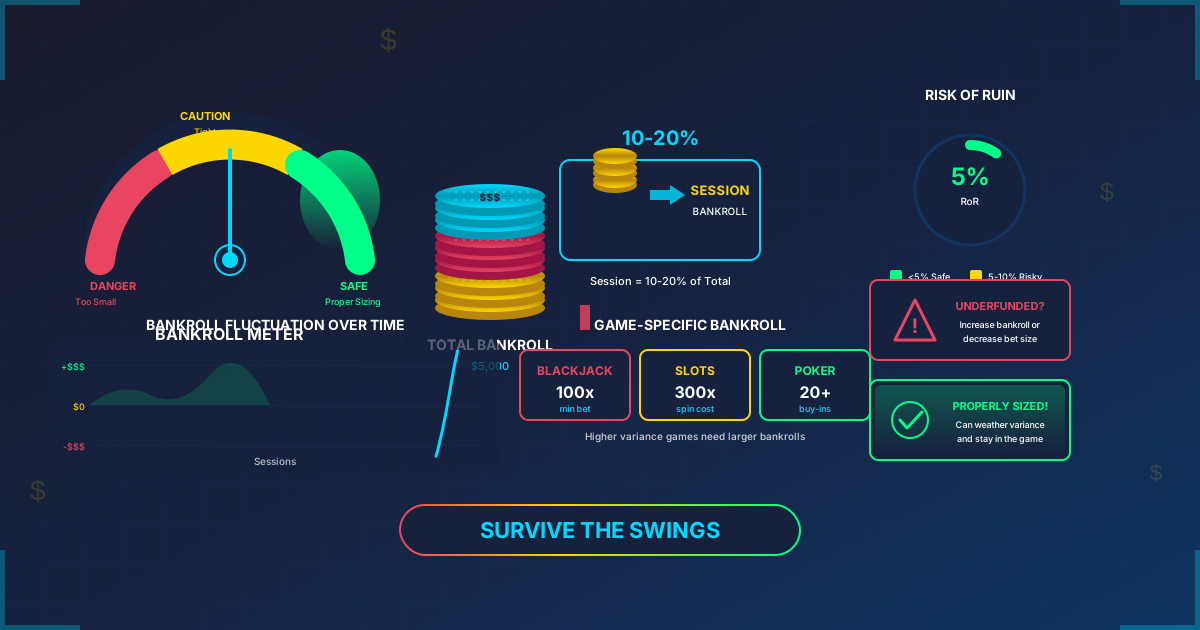
Proper bankroll management is what separates professional poker players from those who constantly reload. Our free calculator determines exactly how much bankroll you need for any stakes, factoring in your win rate, variance, and risk tolerance.
What Is a Poker Bankroll?
Your bankroll is money specifically dedicated to poker—separate from living expenses. It's your ammunition for surviving the inevitable downswings that come with the game.
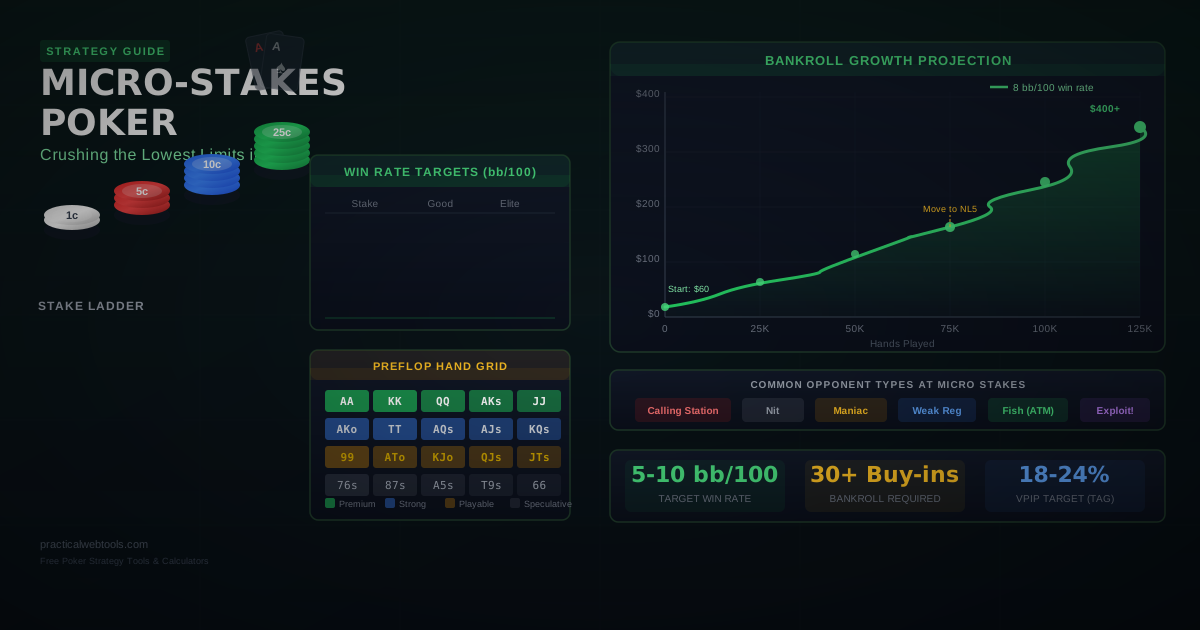
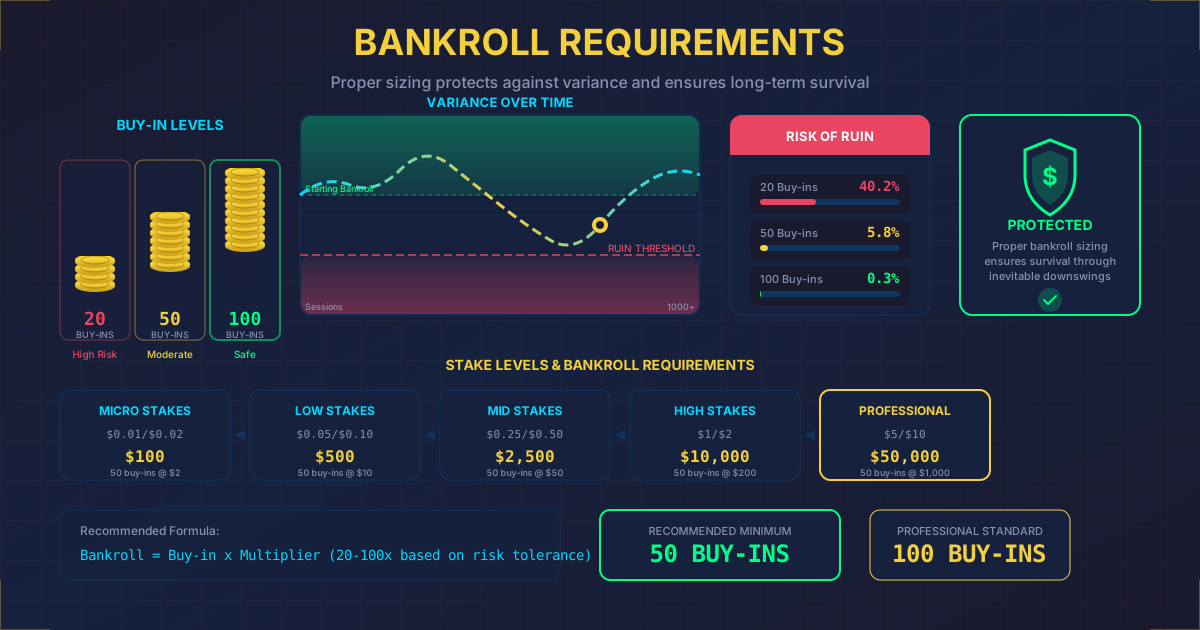
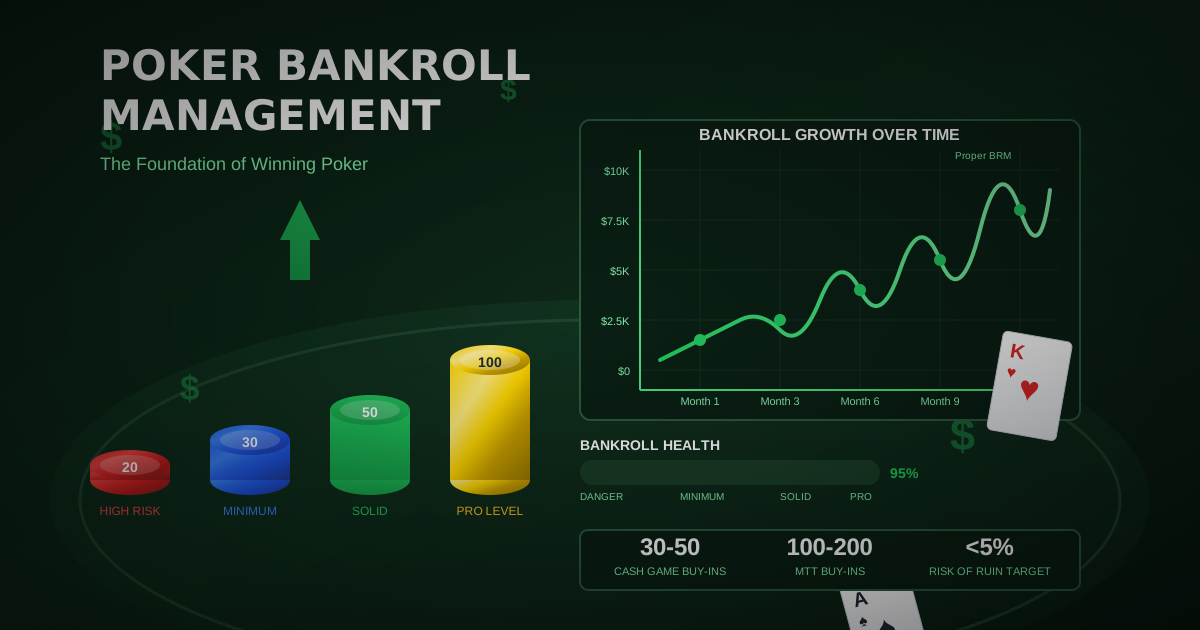
Quick Answer: For no-limit hold'em cash games, most players need 20-30 buy-ins for their stakes. For tournaments, you need 100+ buy-ins. A $1/$2 cash game player betting $200 max buy-ins needs $4,000-$6,000 dedicated to poker.
How to Use Our Free Poker Bankroll Calculator
Use the Poker Bankroll Calculator →
Enter your game type, stakes, and risk tolerance to see your required bankroll.
Step-by-Step Instructions
-
Select Game Type: Cash game or tournament
-
Enter Stakes: Buy-in amount or blind level
-
Input Win Rate: Your bb/100 or ROI (be honest)
-
Choose Risk Tolerance: Conservative, standard, or aggressive
-
View Requirements: See minimum bankroll and risk of ruin
Input Fields Explained
| Field | Description | Example |
|---|---|---|
| Game Type | Cash or Tournament | NL Hold'em Cash |
| Stakes | Blind level or buy-in | $1/$2 ($200 max) |
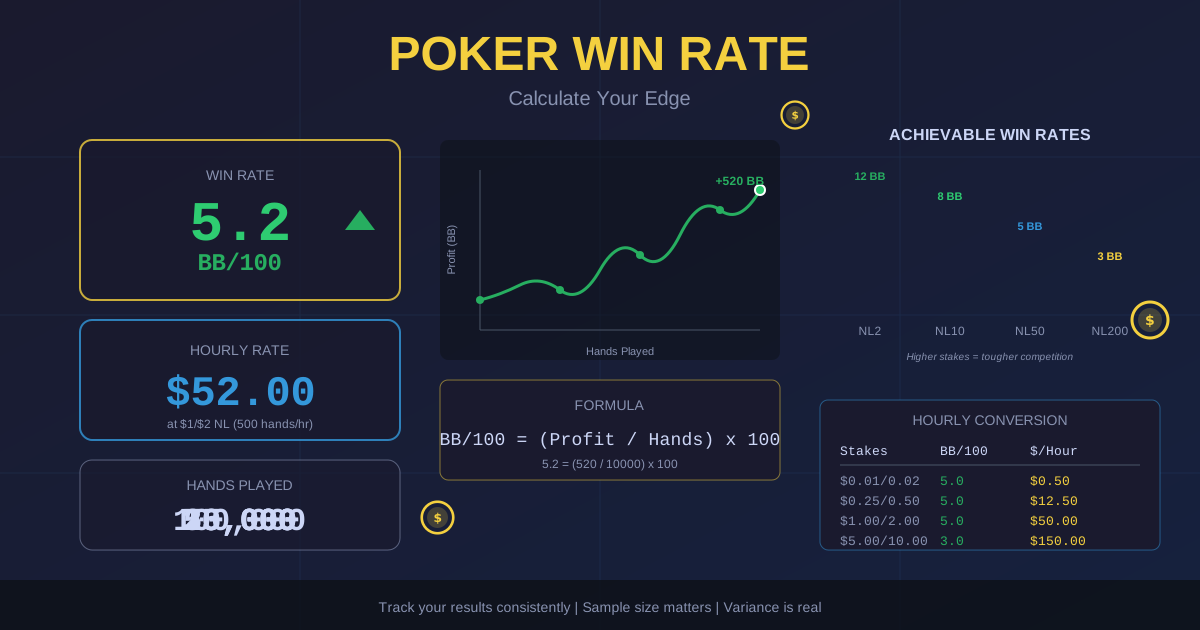
| Win Rate | Your hourly rate in bb/100 | 5 bb/100 |
| Risk of Ruin Target | Acceptable bust probability | 5% |
Cash Game Bankroll Guidelines
Standard Requirements
| Stakes | Buy-In | Conservative (30 BI) | Standard (25 BI) | Aggressive (20 BI) |
|---|---|---|---|---|
| $0.05/$0.10 | $10 | $300 | $250 | $200 |
| $0.25/$0.50 | $50 | $1,500 | $1,250 | $1,000 |
| $0.50/$1 | $100 | $3,000 | $2,500 | $2,000 |
| $1/$2 | $200 | $6,000 | $5,000 | $4,000 |
| $2/$5 | $500 | $15,000 | $12,500 | $10,000 |
| $5/$10 | $1,000 | $30,000 | $25,000 | $20,000 |
Why These Numbers?
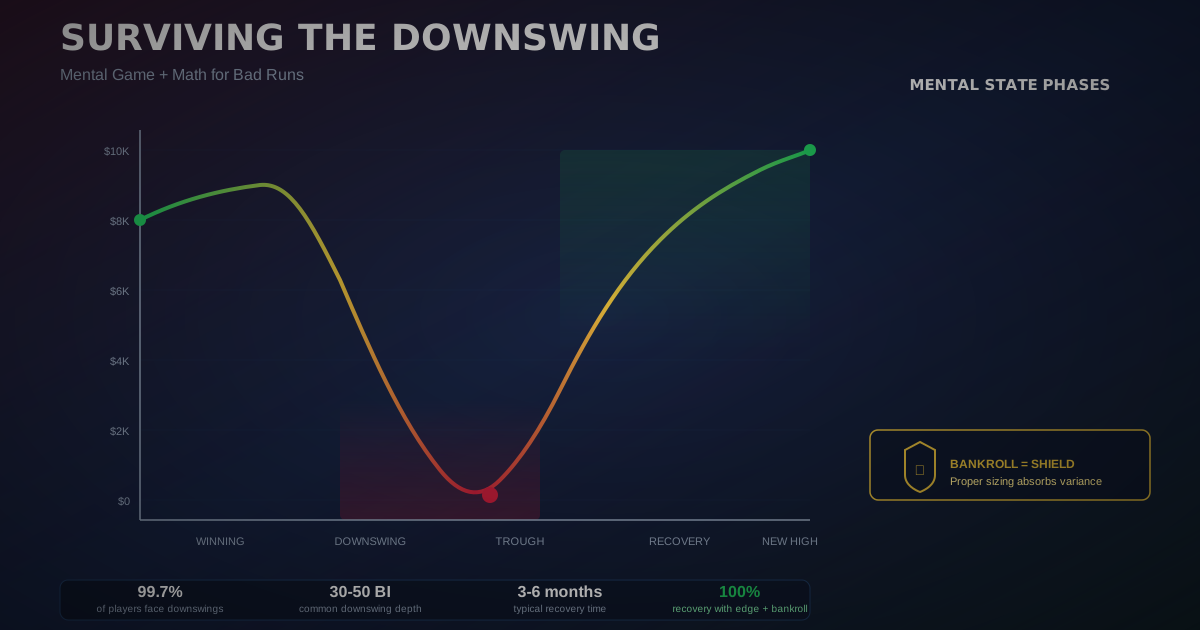
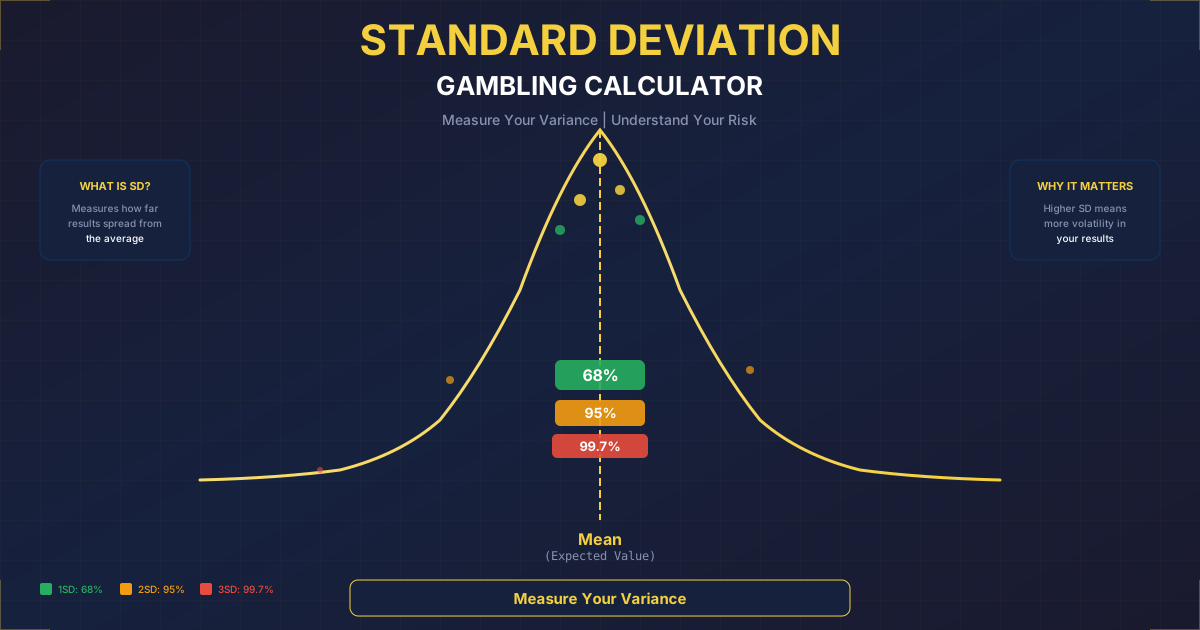
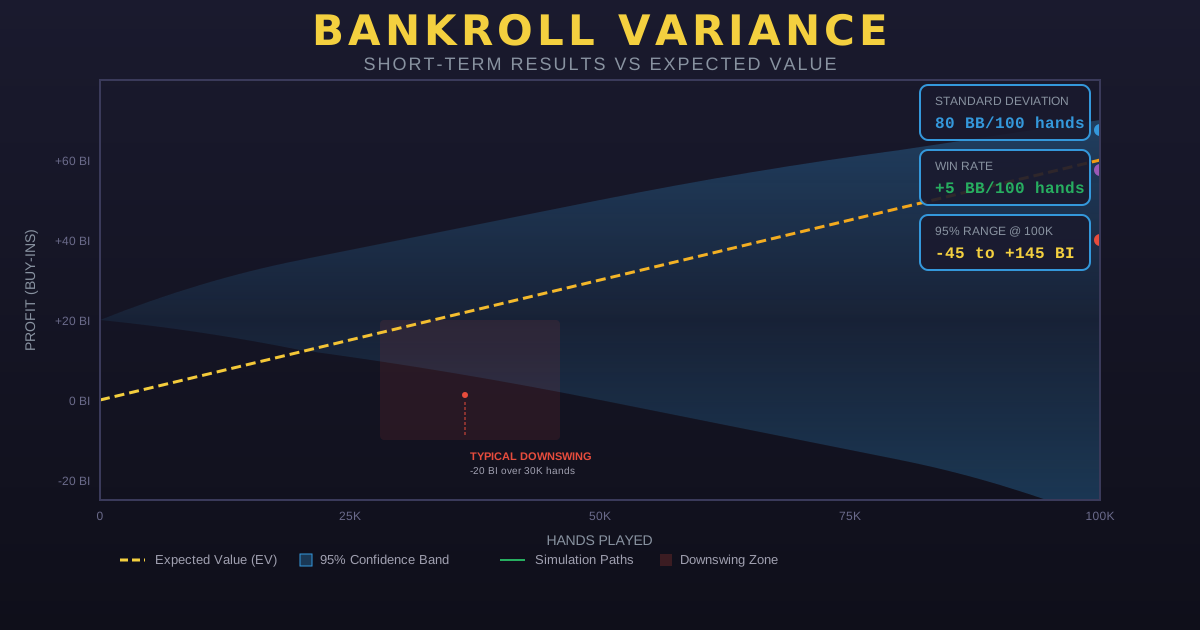
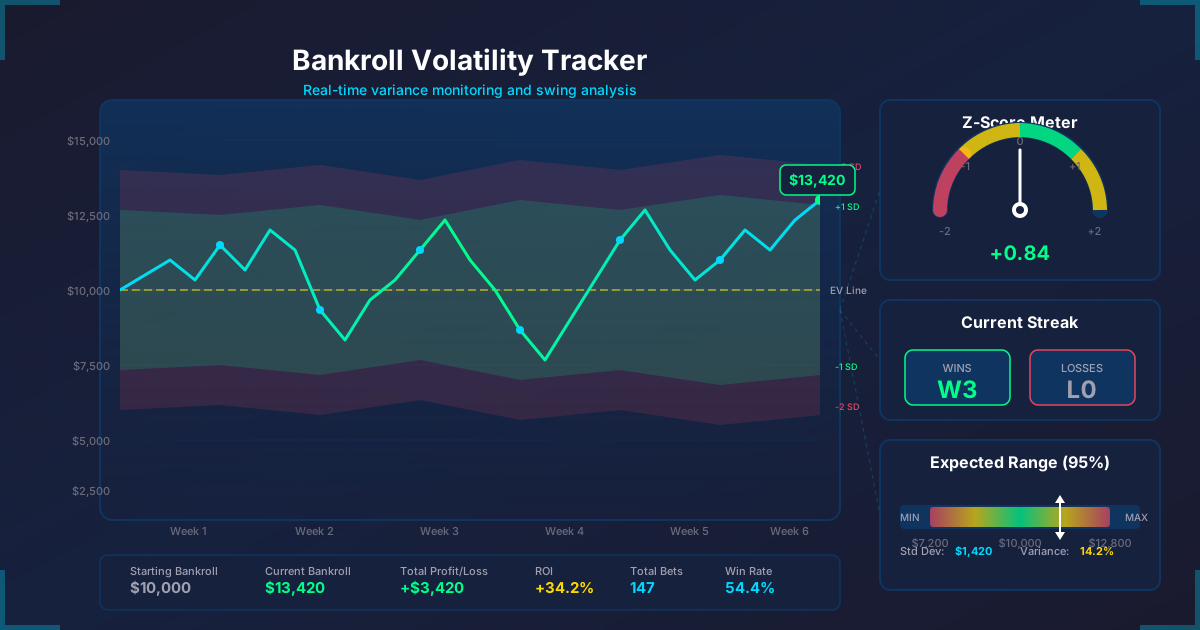
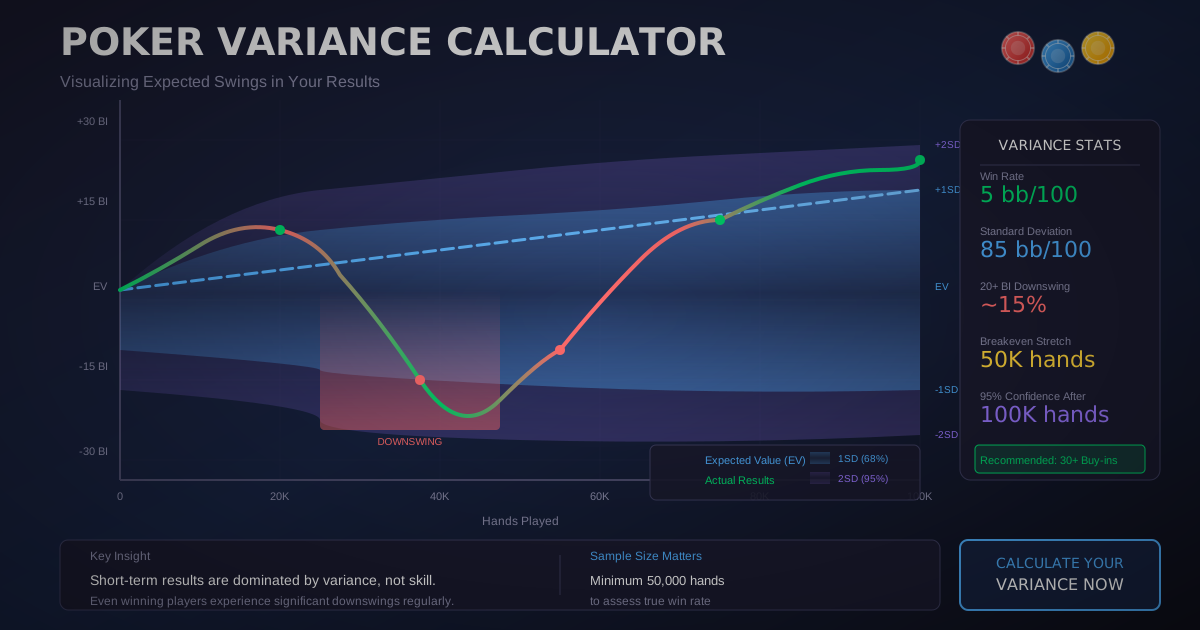
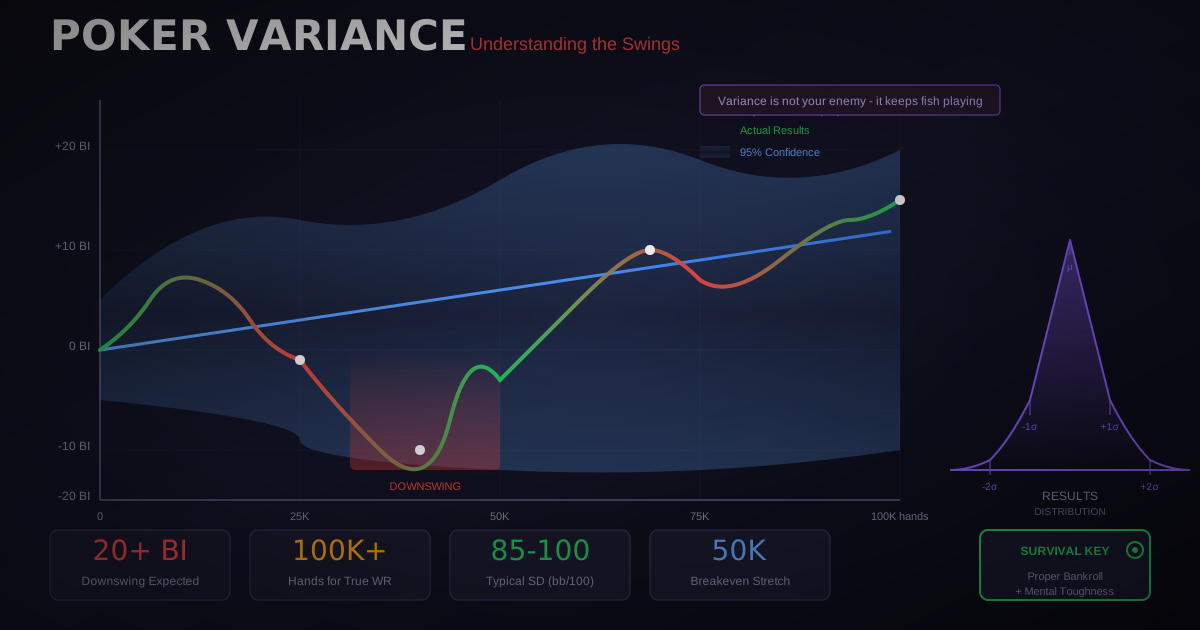
Variance in poker is brutal. Even winning players experience significant downswings:
| Win Rate (bb/100) | Expected Downswing (95th percentile) |
|---|---|
| 2 bb/100 | 40+ buy-ins |
| 5 bb/100 | 25+ buy-ins |
| 8 bb/100 | 15+ buy-ins |
| 10 bb/100 | 12+ buy-ins |
A 25 buy-in bankroll with 5 bb/100 win rate gives you about 5% risk of ruin—acceptable for most players.
Tournament Bankroll Guidelines
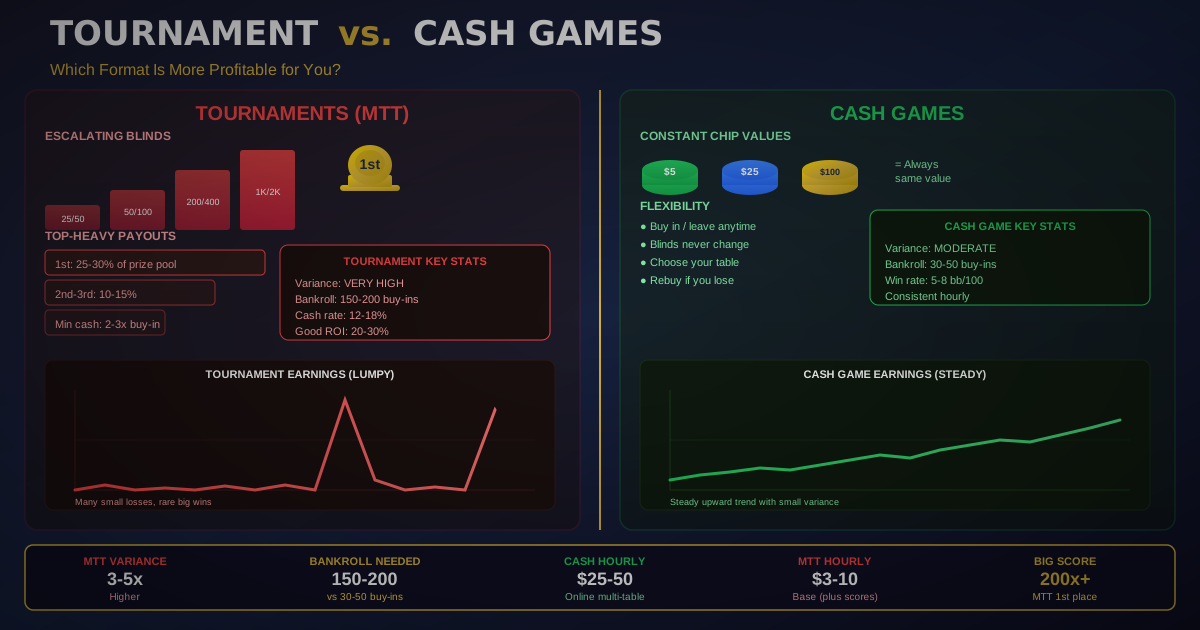
Tournaments have much higher variance than cash games, requiring larger bankrolls:
| Average Buy-In | Recommended Bankroll | Number of Buy-Ins |
|---|---|---|
| $10 | $1,000-$2,000 | 100-200 |
| $50 | $5,000-$10,000 | 100-200 |
| $100 | $10,000-$15,000 | 100-150 |
| $500 | $50,000-$75,000 | 100-150 |
Why So Many Buy-Ins?
Tournament players only cash ~15-20% of events. Even with 30% ROI, you'll experience losing streaks of 20+ tournaments regularly. Without deep bankroll, you can't survive these statistically expected droughts.
Real-World Bankroll Examples
Example 1: Moving Up Stakes
Current situation: You play $1/$2 with $5,000 bankroll (25 buy-ins). You've been winning consistently and want to try $2/$5.
Analysis:
- $2/$5 requires $12,500+ for 25 buy-ins
- Your $5,000 = only 10 buy-ins at $2/$5
- Decision: Stay at $1/$2 until you have $12,500+
Alternative: Take occasional shots at $2/$5 when your bankroll hits $6,000-$7,000, but move back down after losing 2-3 buy-ins.
Example 2: Professional Bankroll
Goal: Play $2/$5 as primary income, $5/$10 occasionally.
Requirements:
- Primary game ($2/$5): 40 buy-ins = $20,000
- Shot-taking game ($5/$10): 50 buy-ins = $50,000
- Total professional bankroll: $50,000+
Example 3: Recreational Player
Situation: You play $1/$2 monthly for fun. You can afford to reload occasionally.
Recommendation:
- 10-15 buy-ins minimum: $2,000-$3,000
- Reload whenever you drop below 10 buy-ins
- This accepts higher risk of ruin in exchange for playing sooner
The Risk of Ruin Formula
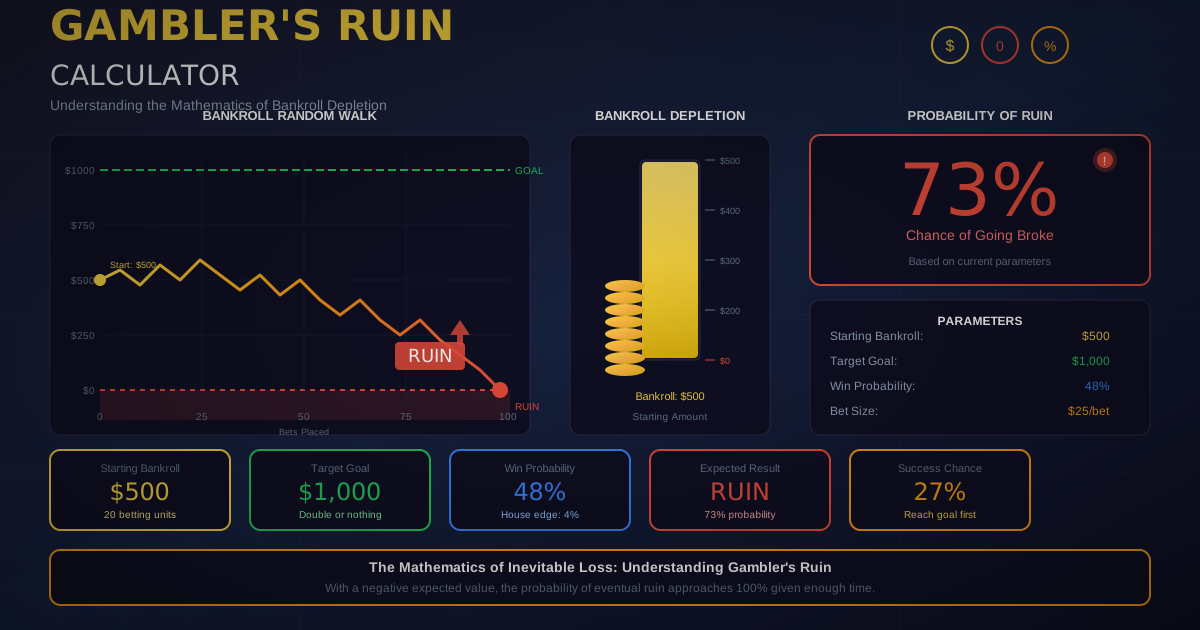
Risk of Ruin (RoR) calculates the probability of losing your entire bankroll:
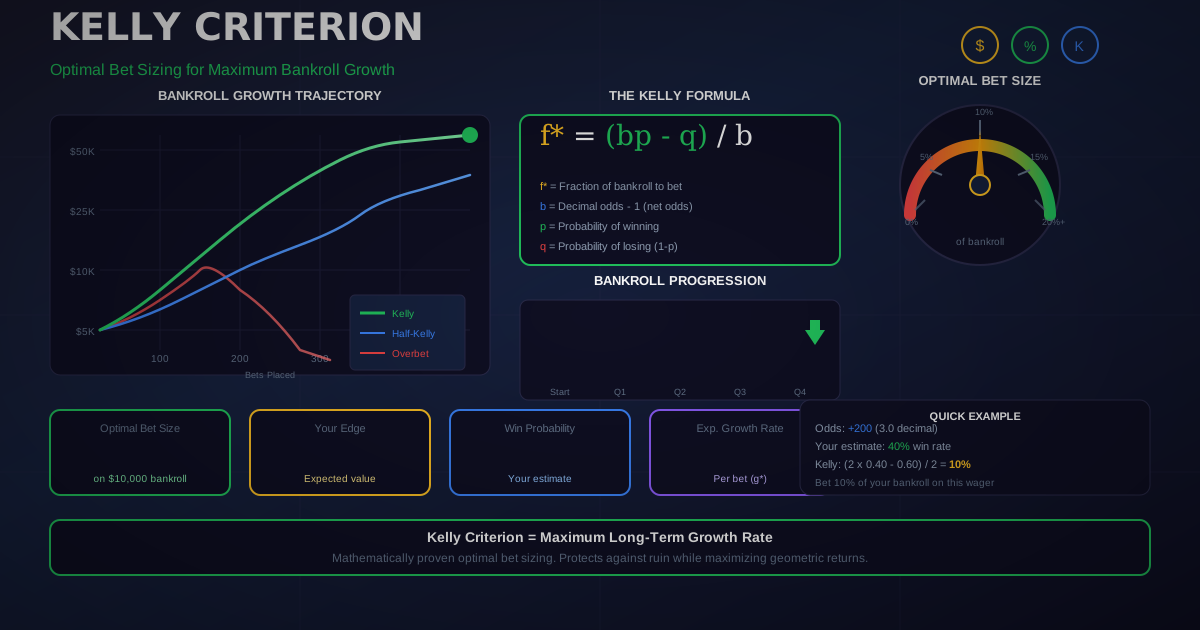
RoR = e^(-2 × WinRate × Bankroll / Variance)
Where:
- WinRate = bb/100 (or BB/hour converted)
- Variance = standard deviation squared
- Bankroll = number of big blinds
Risk of Ruin Table
| Buy-Ins | 2 bb/100 | 5 bb/100 | 8 bb/100 |
|---|---|---|---|
| 10 | 65% | 40% | 22% |
| 20 | 43% | 16% | 5% |
| 30 | 28% | 6% | 1% |
| 40 | 18% | 2.5% | 0.3% |
| 50 | 12% | 1% | 0.1% |
A 5 bb/100 winner with 30 buy-ins has only 6% risk of going broke.
Common Bankroll Mistakes
-
Playing Too High: The #1 mistake. Shots at higher stakes with inadequate bankroll lead to tilt and broke players.
-
Not Counting Live Expenses: Your poker bankroll isn't for rent. Keep it completely separate from living money.
-
Moving Up Too Fast: Win a few sessions and jump stakes. Lose it all. Restart. This cycle breaks players.
-
Ignoring Variance: "I'm a good player, I don't need 25 buy-ins." Variance doesn't care about your confidence.
-
Not Moving Down: Pride prevents players from dropping stakes when losing. Your bankroll doesn't care about your ego.
Frequently Asked Questions
How many buy-ins for live poker?
Live games are slower (25-30 hands/hour vs 75-100 online), so variance is lower per session but accumulates similarly. Use the same guidelines: 20-30 buy-ins for cash, 100+ for tournaments.
Should I include rakeback in bankroll calculations?
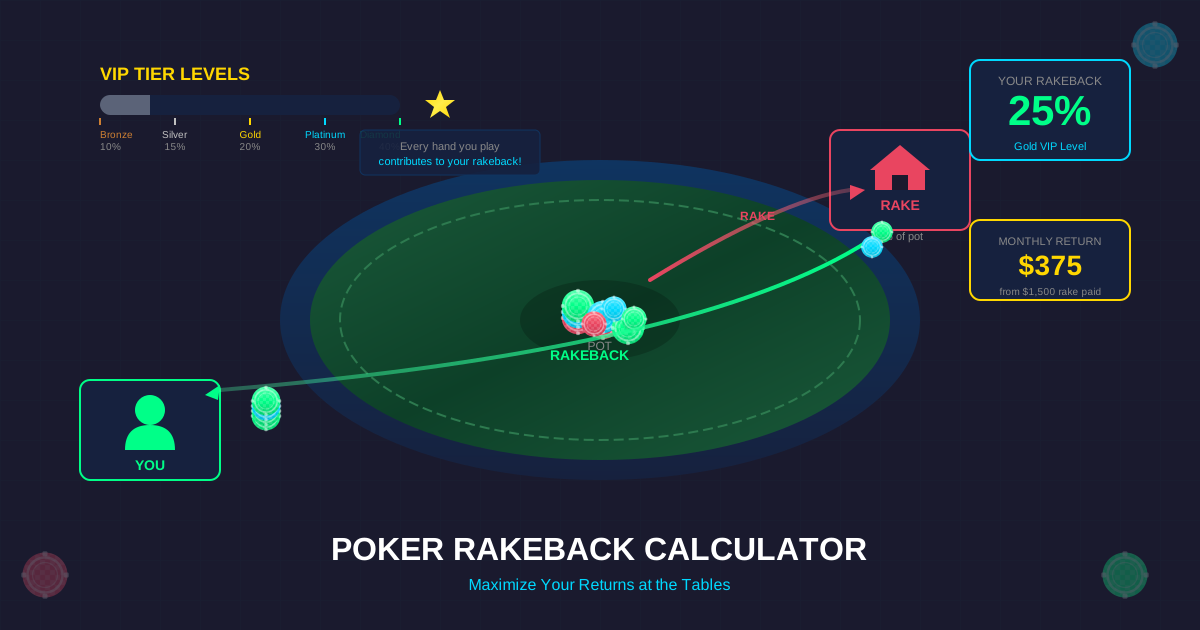
Yes. Rakeback and bonuses effectively increase your win rate, allowing slightly smaller bankrolls. But don't depend on them—calculate conservatively first.
When should I move up stakes?
Traditional rule: When you have 30+ buy-ins for the next level AND are beating your current level convincingly (5+ bb/100 over 50,000+ hands).
When should I move down stakes?
Move down when you drop below 20 buy-ins for your current level. No exceptions. Protect your bankroll.
Is 20 buy-ins enough?
For aggressive players with other income sources, yes. For professionals depending on poker income, 30-40+ is safer. It depends on your risk tolerance and life situation.
How do I build a bankroll from nothing?
Start at the lowest stakes ($0.01/$0.02 or $0.05/$0.10 online). Grind up slowly. Many pros started with $50-100 and built from there through discipline.
Bankroll Building Strategy
Phase 1: Micro Stakes ($0.01-$0.10)
- Start with $100-$200
- Focus on fundamentals
- Don't worry about hourly rate
- Move up when you have 30 buy-ins for next level
Phase 2: Low Stakes ($0.10-$0.50)
- Bankroll: $500-$1,500
- Introduce tracking software
- Study more seriously
- Learn to handle larger swings
Phase 3: Mid Stakes ($0.50-$2)
- Bankroll: $2,000-$6,000
- Competition toughens
- Consider coaching/training
- This is where most recreational players plateau
Phase 4: Higher Stakes ($2+)
- Bankroll: $6,000+
- Professional considerations
- Game selection becomes critical
- Manage life expenses separately
Pro Tips for Bankroll Management
-
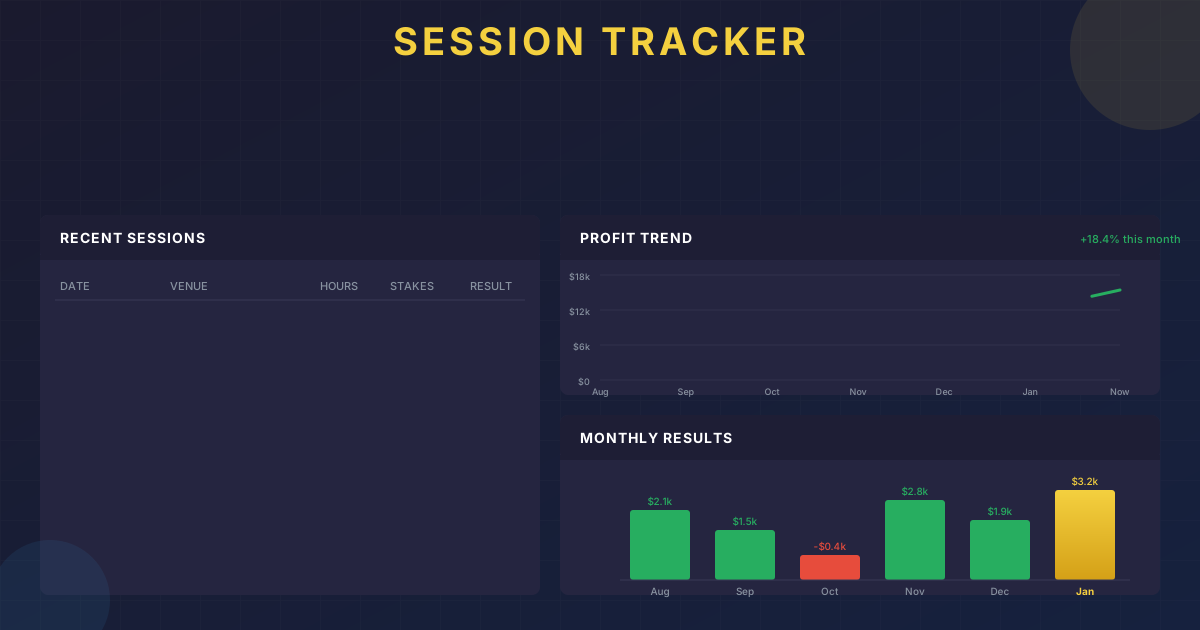
Track Everything: Use software to monitor your win rate and variance. Guessing leads to overconfidence.
-
Be Honest About Win Rate: Use your actual results, not what you think you "should" win. New players often overestimate.
-
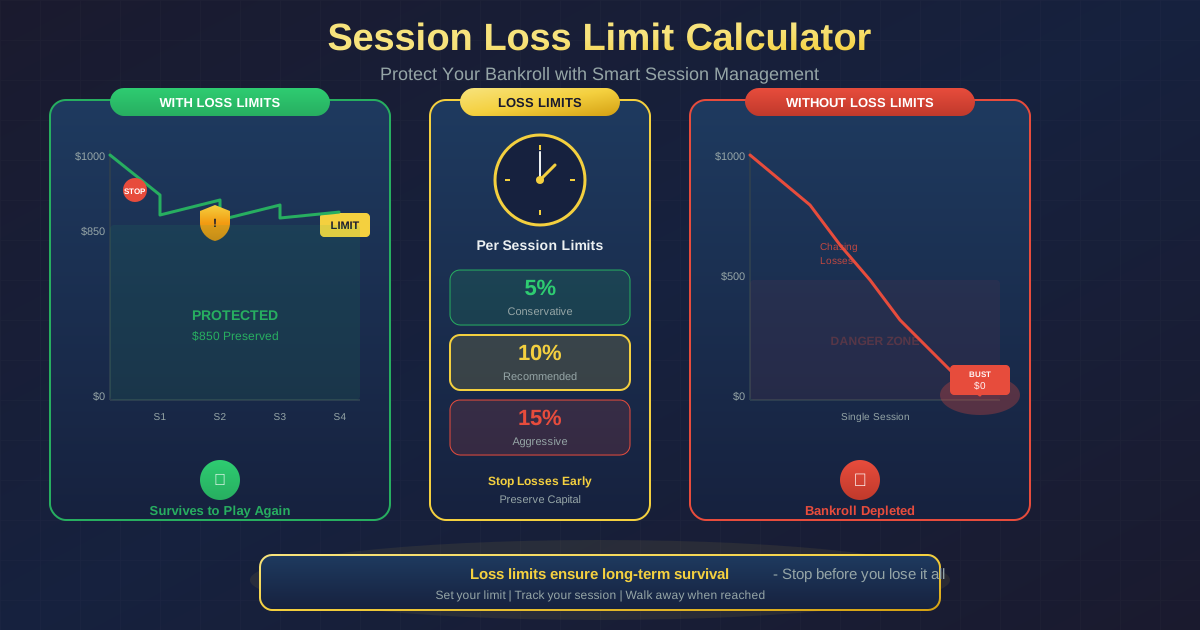
Have Stop-Loss Rules: If you lose 3 buy-ins in a session, quit. Tilt is expensive.
-
Separate Poker Money: Bank account just for poker. Never mix with life expenses.
-
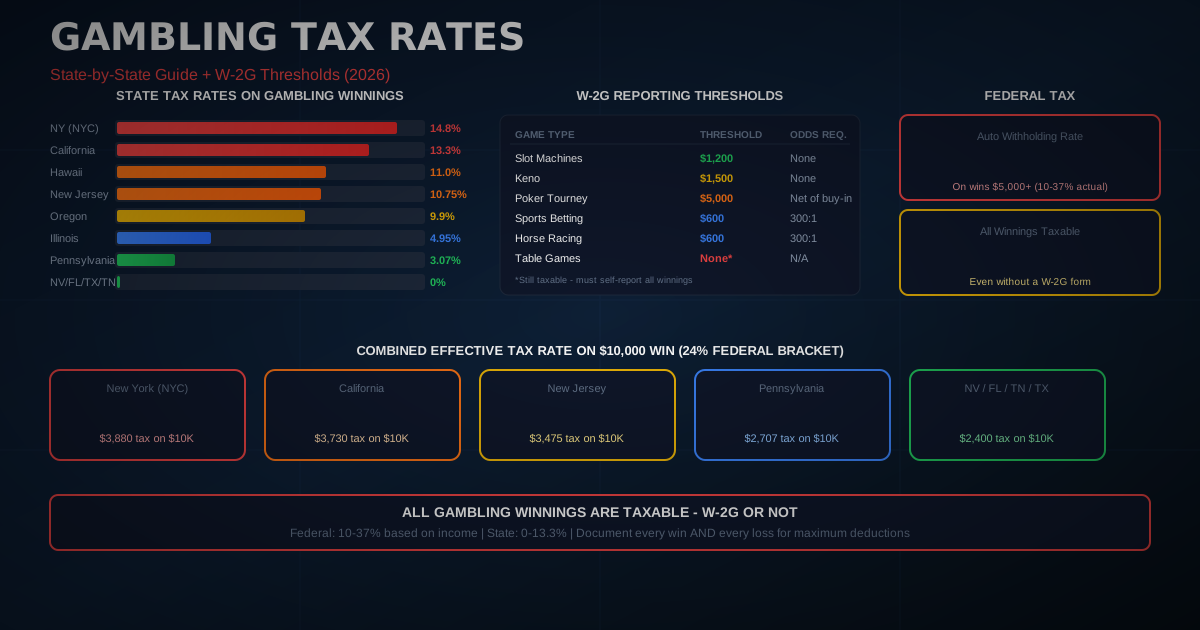
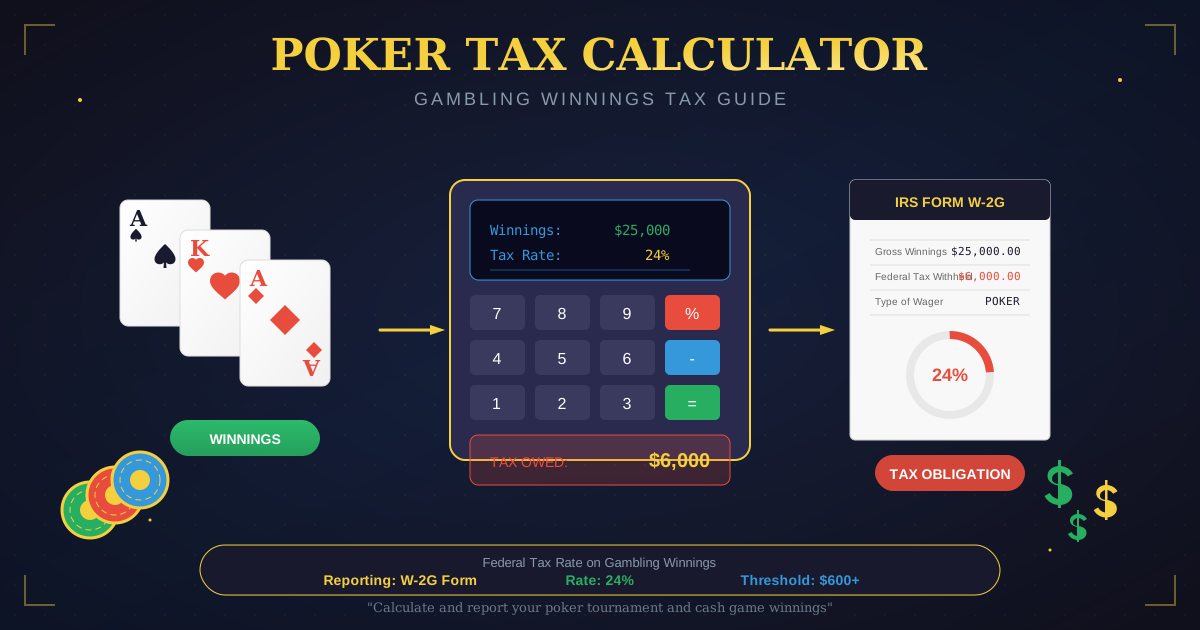
Plan for Taxes: In winning years, you'll owe taxes. Set aside 25-30% of profits.
Variance Calculator Integration
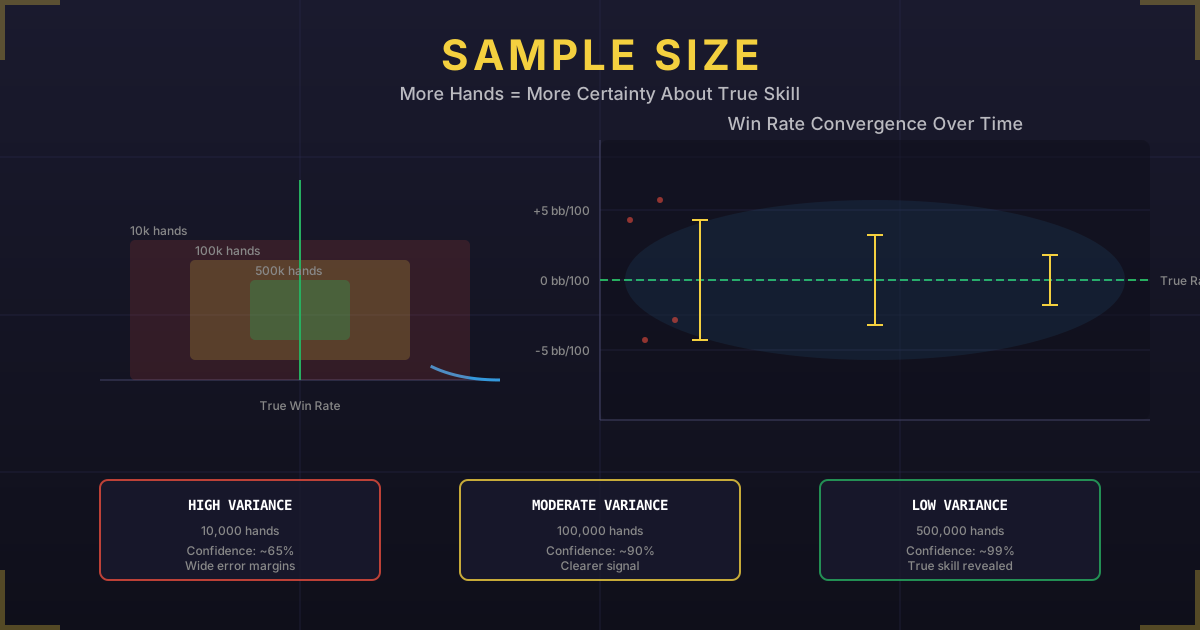
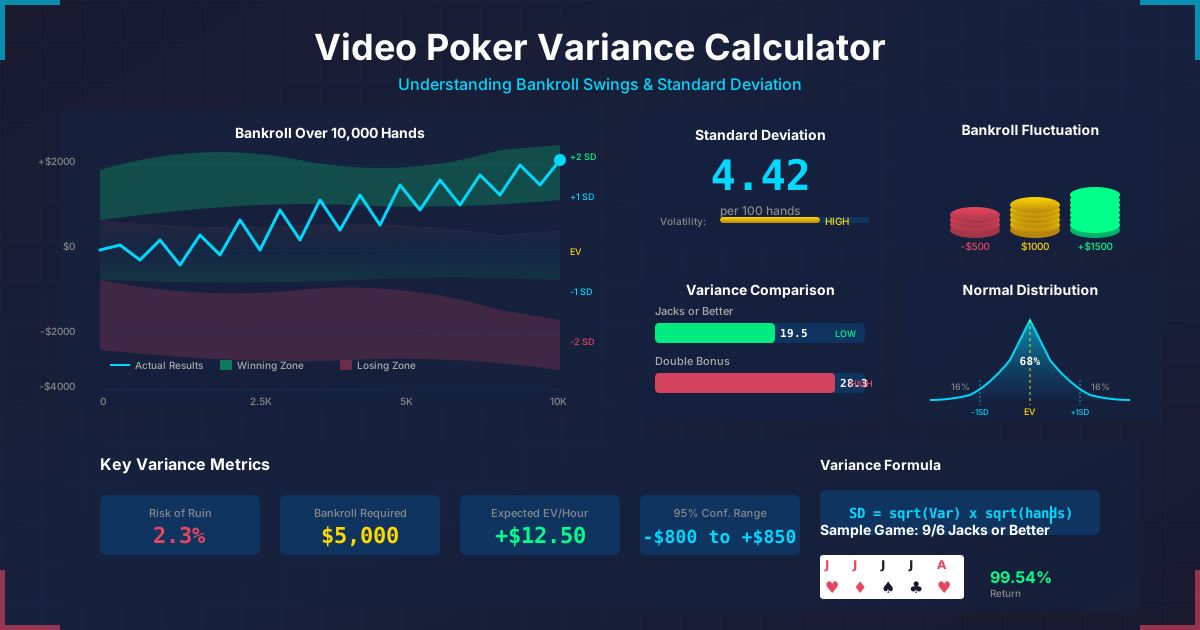
Understanding variance is essential for bankroll management. Use our Poker Variance Calculator to:
- Simulate thousands of sessions
- See likely downswing depths
- Understand confidence intervals for your results
Related Poker Calculators
- Poker Variance Calculator - Simulate downswings
- Risk of Ruin Calculator - Bust probability
- Poker Hourly Rate Calculator - Convert win rates
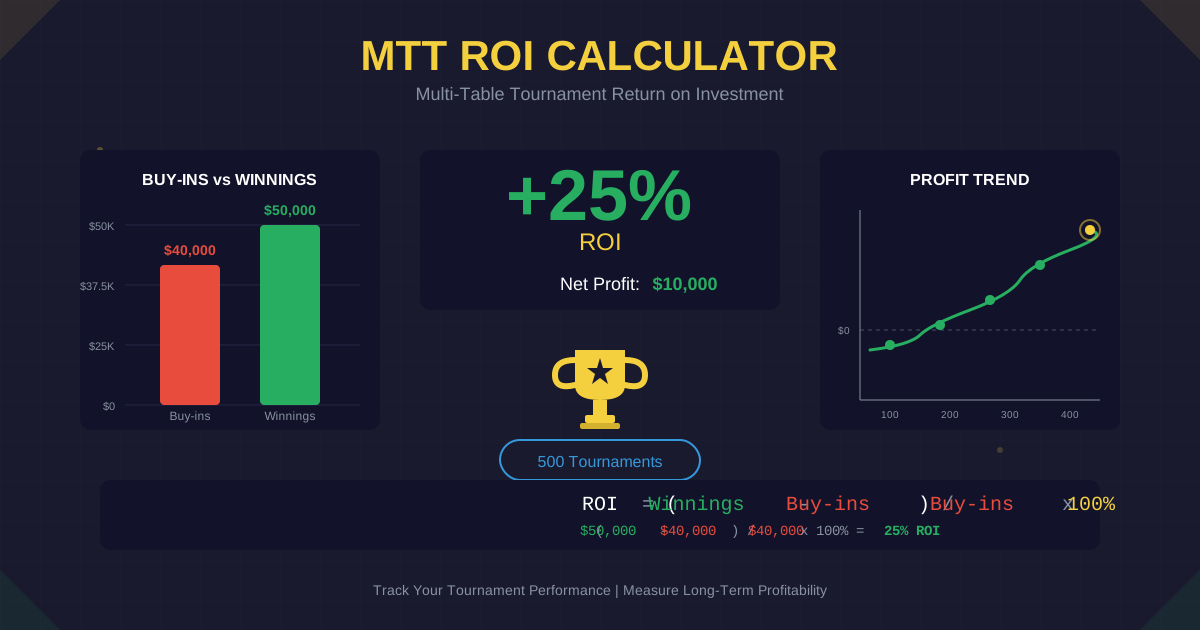
- Poker ROI Calculator - Tournament returns
- Poker Downswing Calculator - Expect the worst
Conclusion
Bankroll management isn't sexy, but it's the foundation of poker success. Our calculator shows exactly how much you need to survive variance and avoid going broke. Respect the math, protect your roll, and you'll still be playing when others have busted out.
Calculate Your Required Bankroll Now →
The players who build lasting poker careers aren't always the most talented—they're the most disciplined with their bankroll. Start building yours properly today.