Poker EV Calculator: Expected Value Analysis Guide (2026)
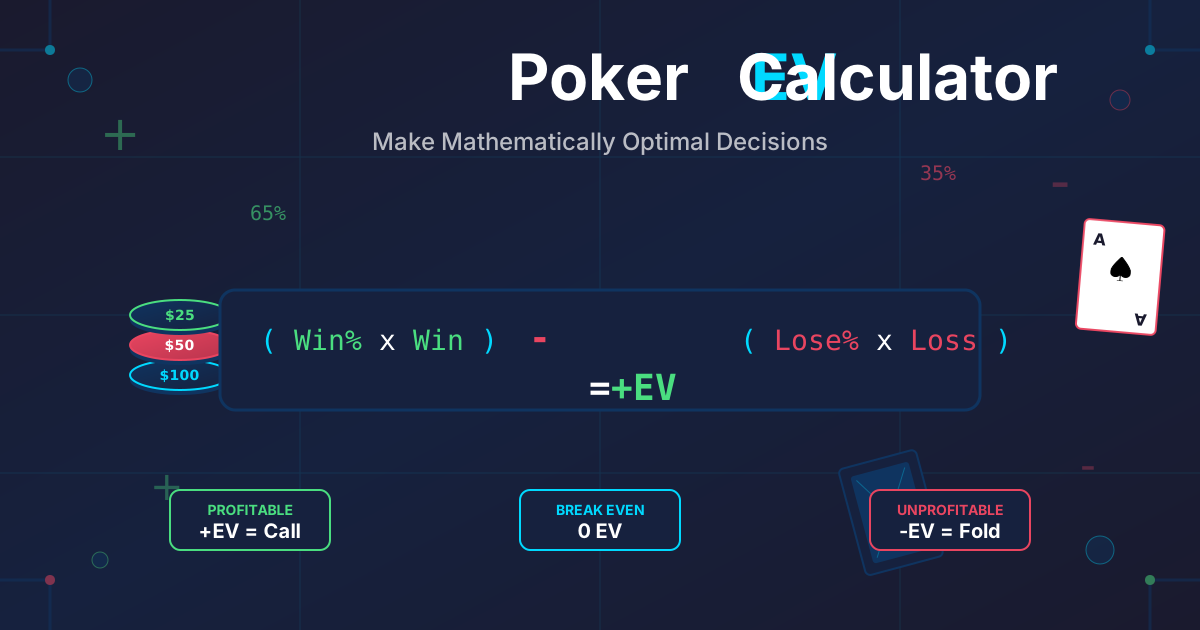
Poker EV Calculator: Make Mathematically Optimal Decisions
Expected value (EV) is the foundation of winning poker. Every bet, call, or fold has a mathematical expectation—positive or negative. Our free calculator helps you analyze any decision to ensure you're making profitable plays.
What Is Expected Value in Poker?
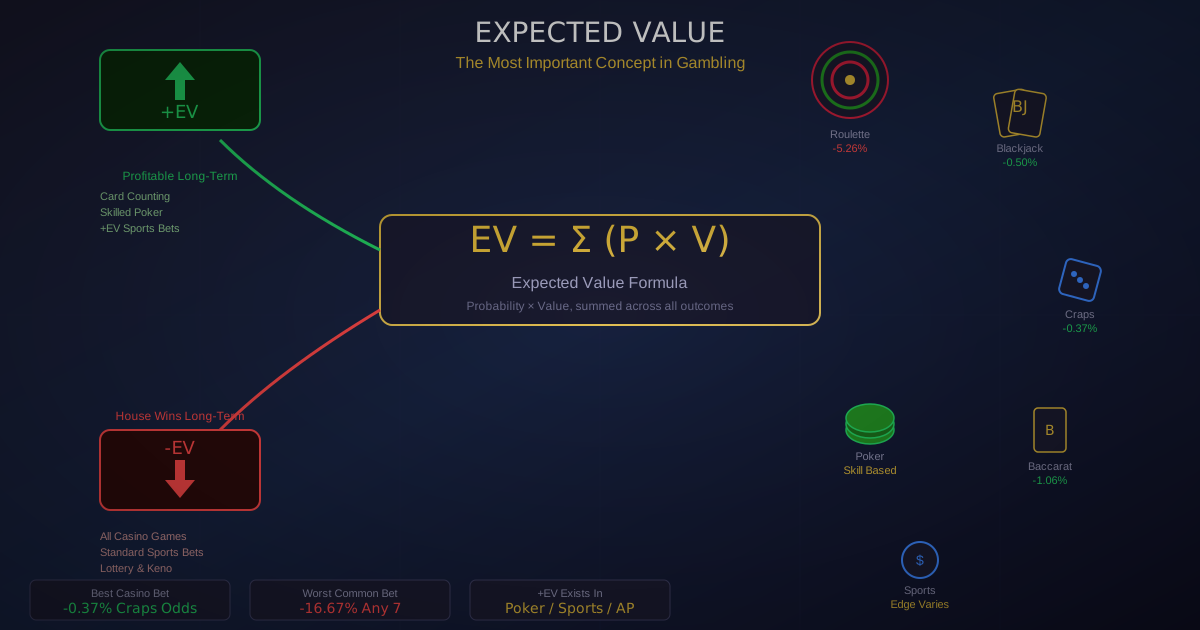
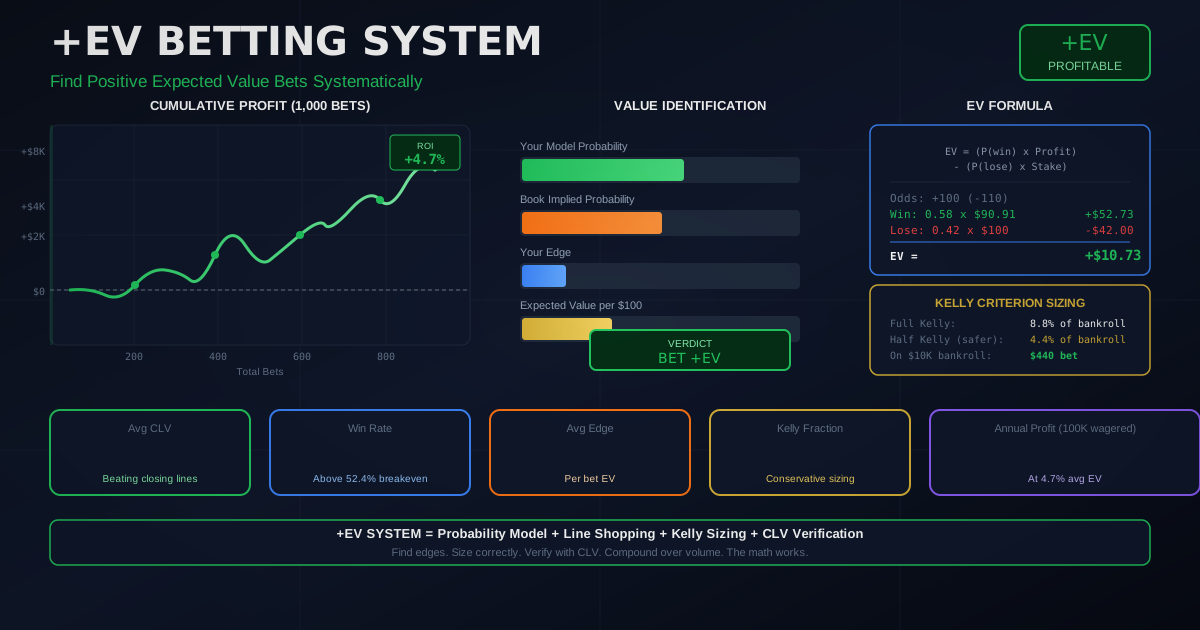
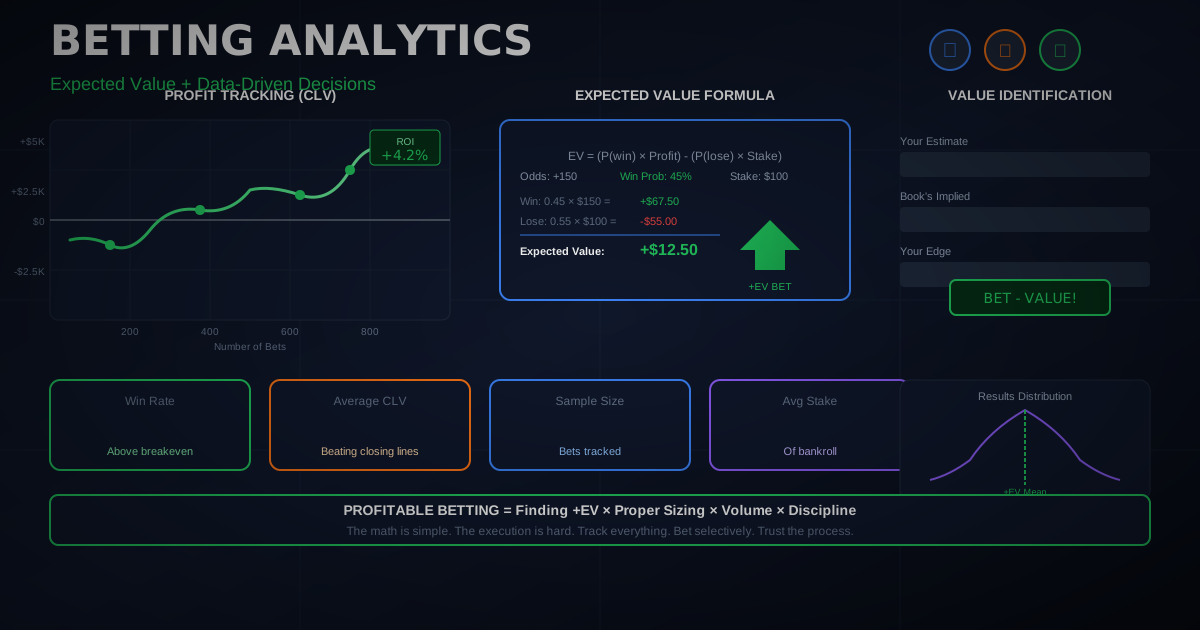
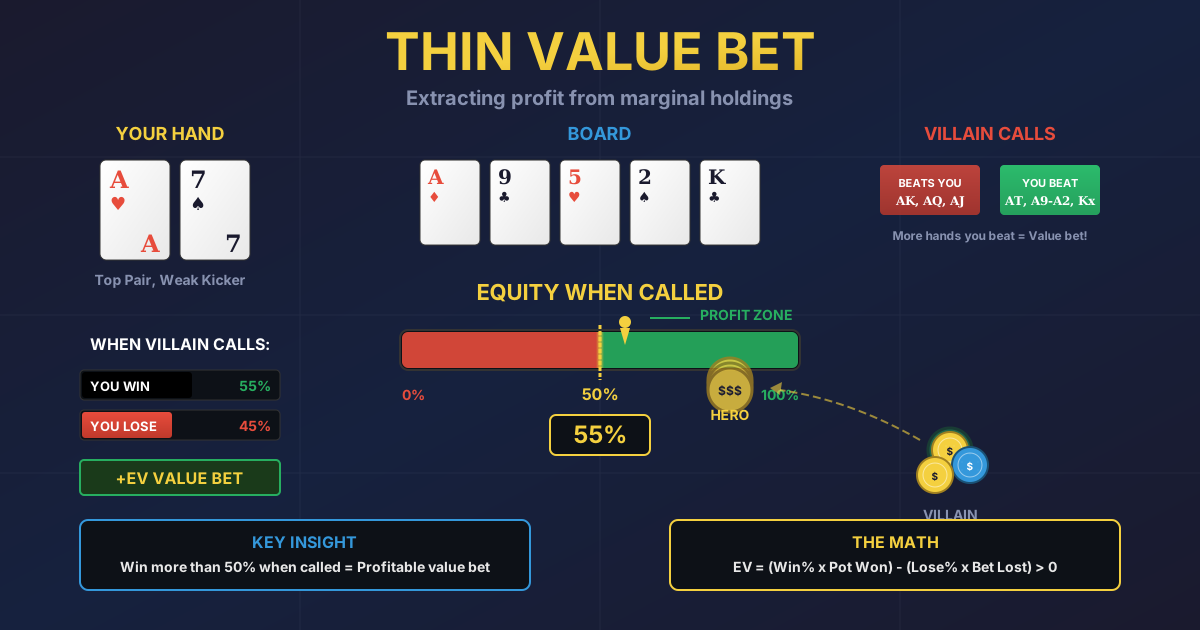
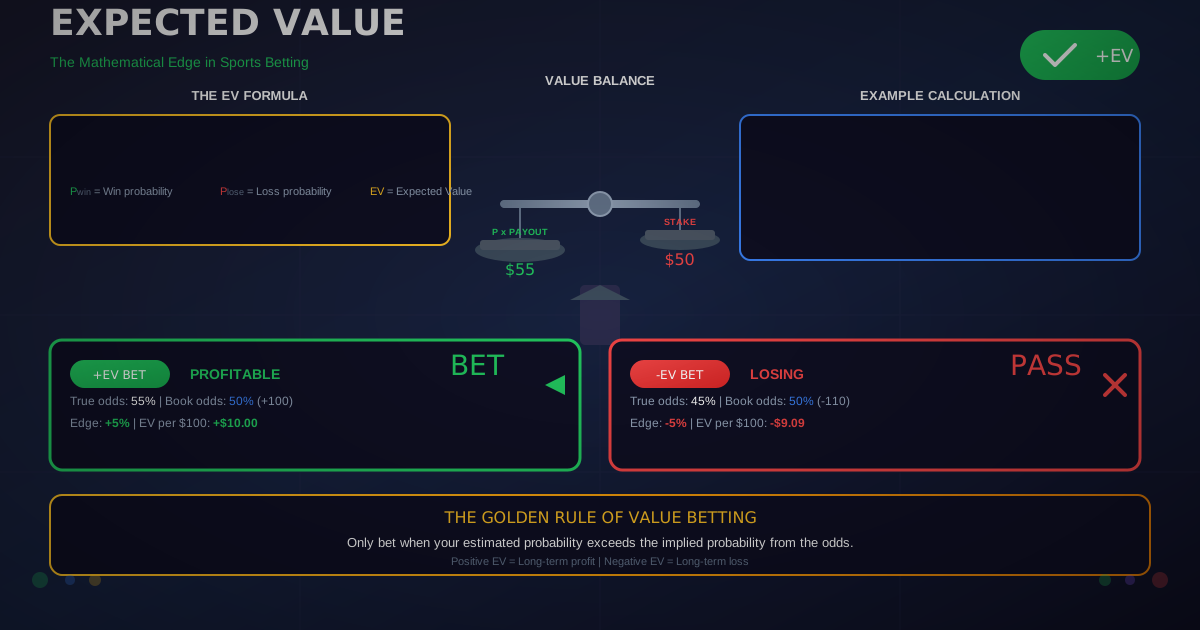
Expected value measures the average profit or loss of a decision over many repetitions. Positive EV (+EV) decisions make money long-term; negative EV (-EV) decisions lose money.
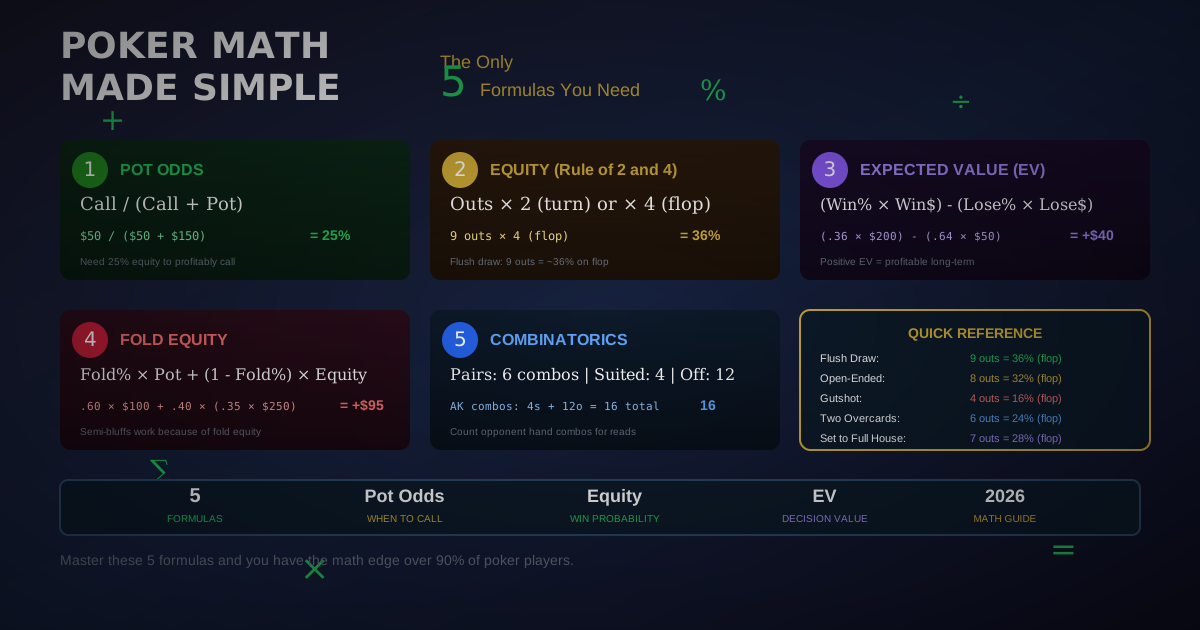
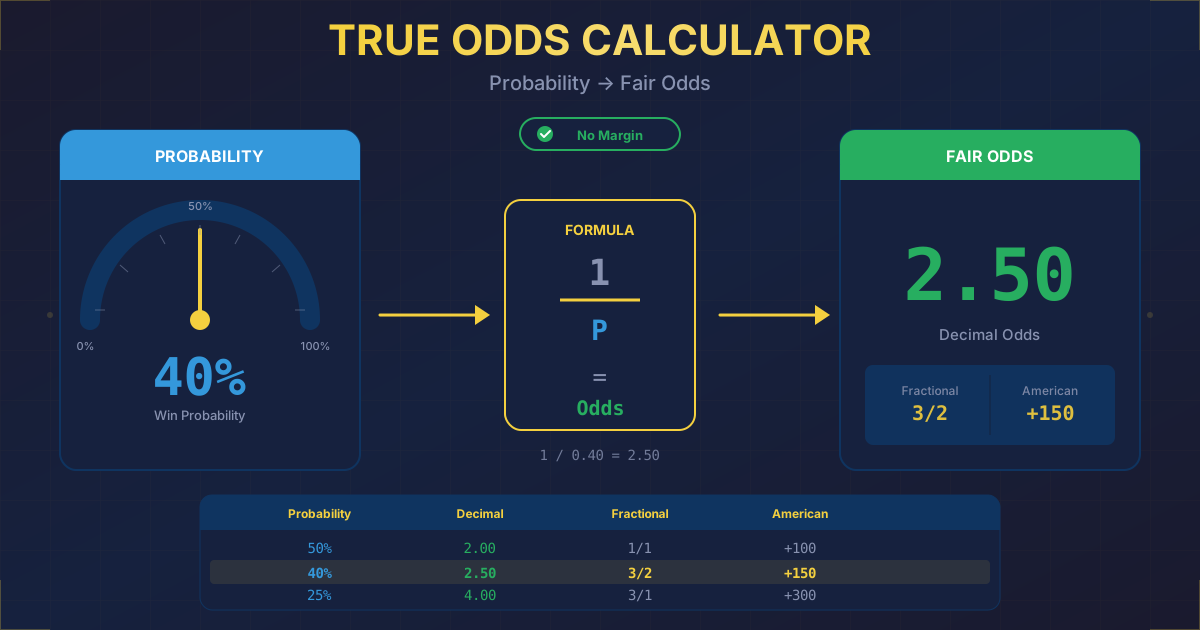
Quick Answer: EV = (Win% × Amount Won) - (Lose% × Amount Lost). If you call a $100 bet with 40% equity to win a $300 pot, your EV is (0.40 × $300) - (0.60 × $100) = $120 - $60 = +$60. That's a profitable call.
How to Use Our Free Poker EV Calculator
Enter the decision parameters to see expected value instantly.
Step-by-Step Instructions
-
Enter Pot Size: Current pot before your decision
-
Enter Bet/Call Amount: What you need to invest
-
Input Win Probability: Your equity or estimated win rate
-
View EV: See if the decision is profitable
Input Fields Explained
| Field | Description | Example |
|---|---|---|
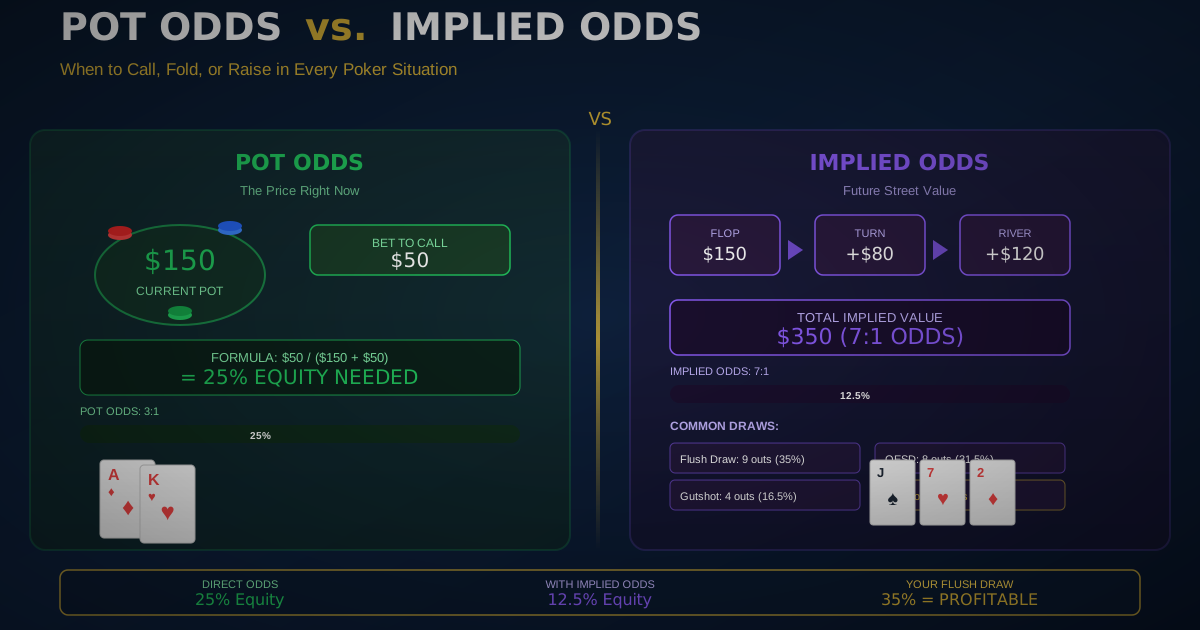
| Pot Size | Money in the middle | $150 |
| Bet to Call | Your required investment | $50 |
| Equity | Your win probability | 35% |
| EV | Expected profit/loss | +$20 |
EV Formula Explained
Basic EV Calculation
EV = (Probability of Winning × Amount Won) - (Probability of Losing × Amount Lost)
For calling decisions:
EV = (Equity × Pot + Bet) - ((1 - Equity) × Bet)
Simplified:
EV = (Equity × Total Pot) - Bet
Example Calculation
Situation:
- Pot: $100
- Opponent bets: $50
- Your equity: 40%
Calculation:
- Total pot if you call: $200 ($100 + $50 + your $50)
- Your share (equity): 40% × $200 = $80
- Your cost: $50
- EV: $80 - $50 = +$30
This is a profitable call.
Types of EV Calculations
Calling EV
Simplest calculation—should you call this bet?
Calling EV = (Equity × Final Pot) - Call Amount
If positive, call. If negative, fold (or raise if fold equity helps).
Raising EV
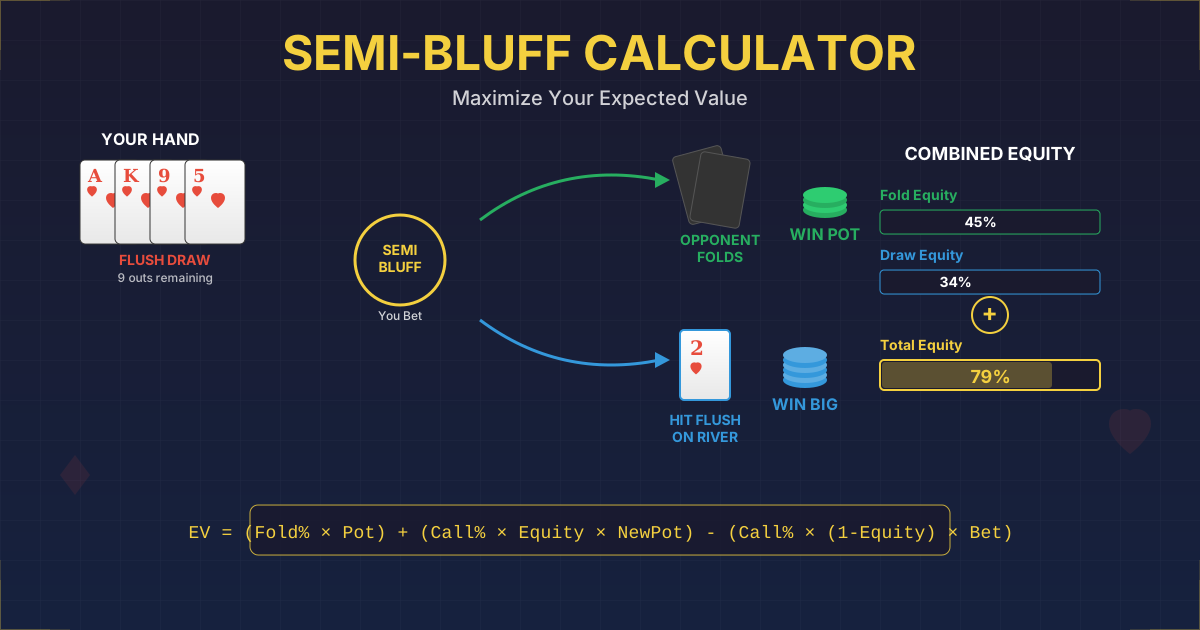
More complex—accounts for fold equity:
Raise EV = (Fold% × Current Pot) + (Call% × (Equity × Final Pot - Raise Amount))
You profit both when opponent folds AND when you win at showdown.
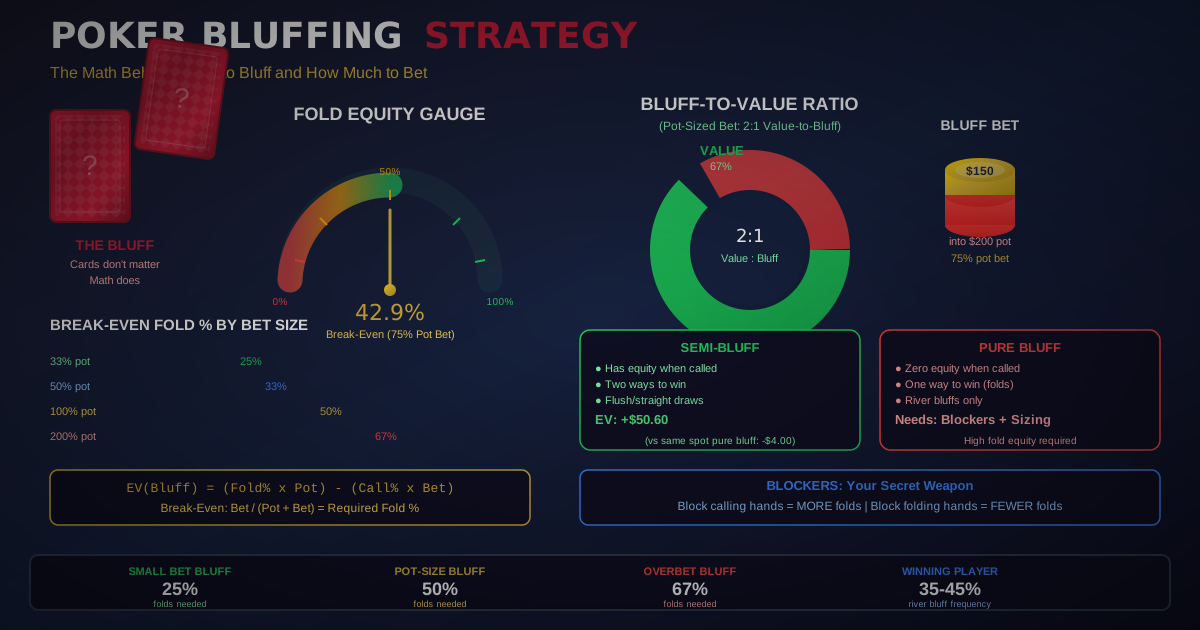
Bluffing EV
Pure bluff EV:
Bluff EV = (Fold% × Pot) - (Call% × Bet Size)
You only profit when opponent folds.
Real-World Poker EV Examples
Example 1: River Call Decision
Situation:
- Pot: $200
- Opponent bets: $150
- You have a medium-strength hand
- You estimate 35% chance of winning
EV Calculation:
- Total pot: $500
- Your equity share: 35% × $500 = $175
- Cost to call: $150
- EV: $175 - $150 = +$25
Decision: Marginally profitable call.
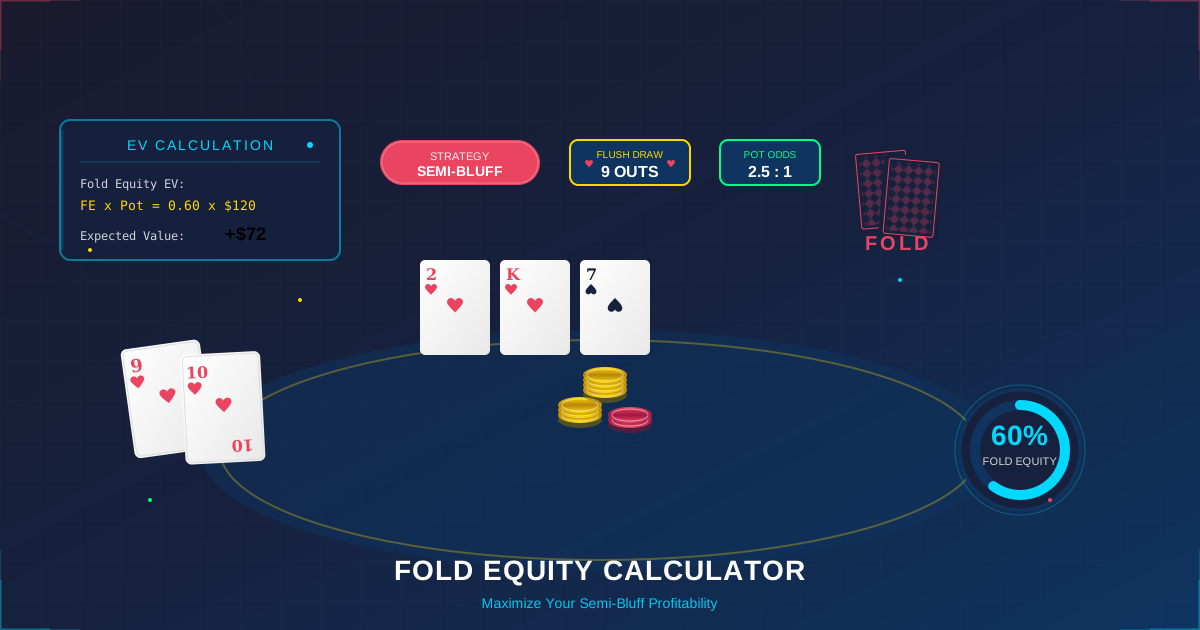
Example 2: Semi-Bluff Shove
Situation:
- Pot: $80
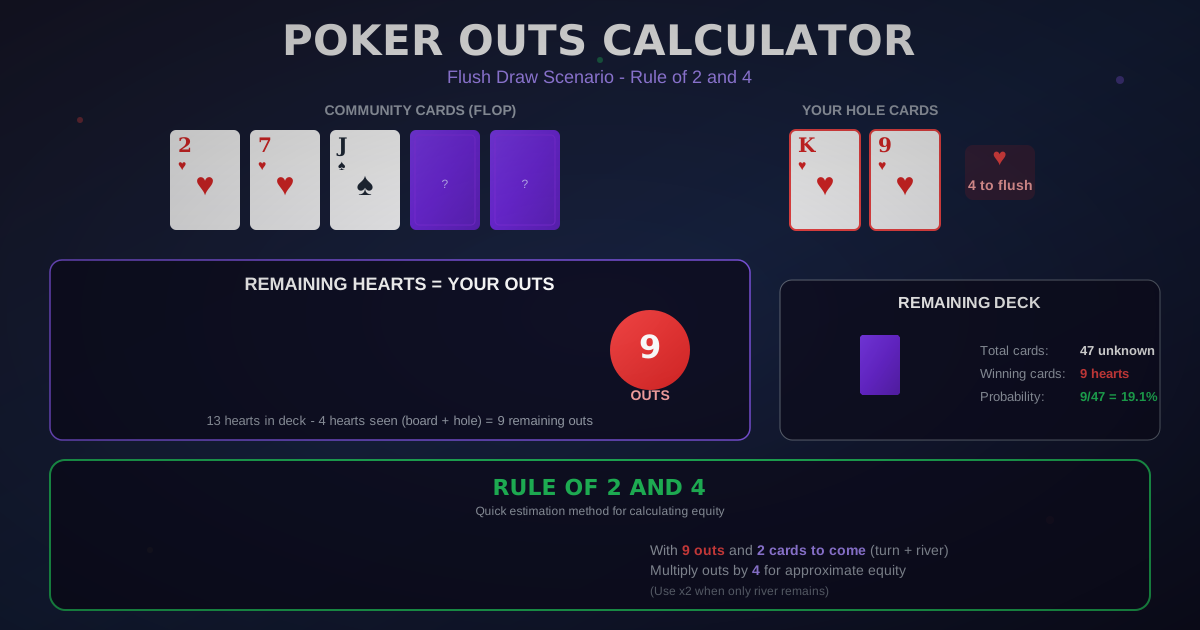
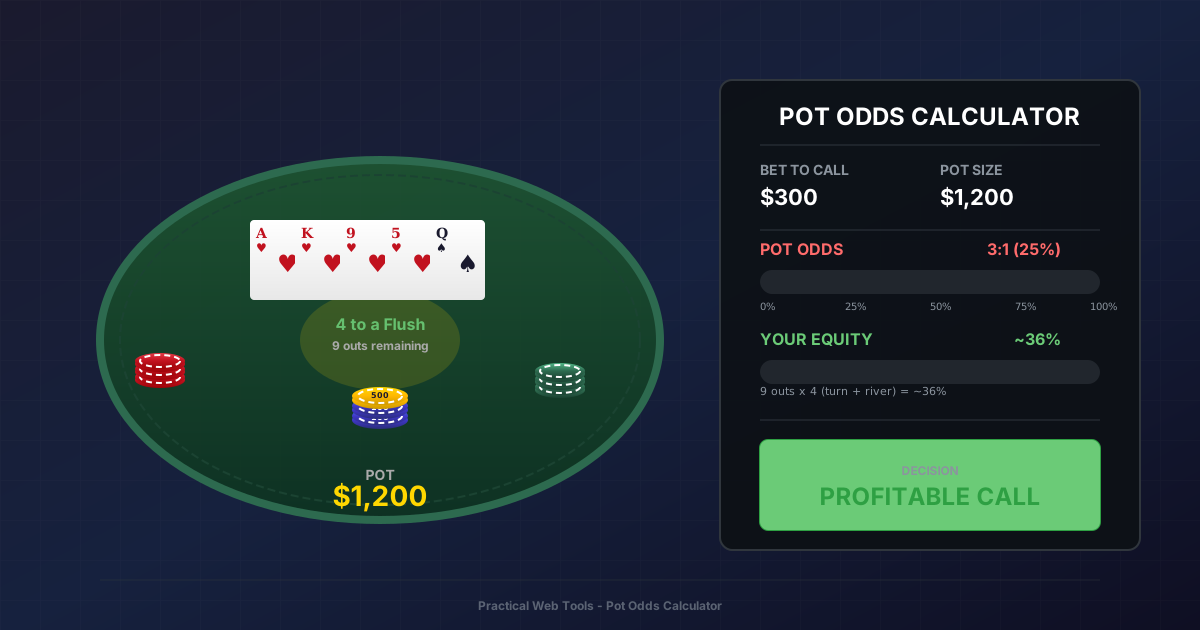
- You have a flush draw (35% equity)
- Opponent has $120 behind
- You estimate 40% fold equity
EV Calculation:
- Fold EV: 40% × $80 = $32
- Call EV: 60% × (35% × $320 - $120) = 60% × ($112 - $120) = -$4.80
- Total EV: $32 - $4.80 = +$27.20
Decision: Profitable shove due to fold equity.
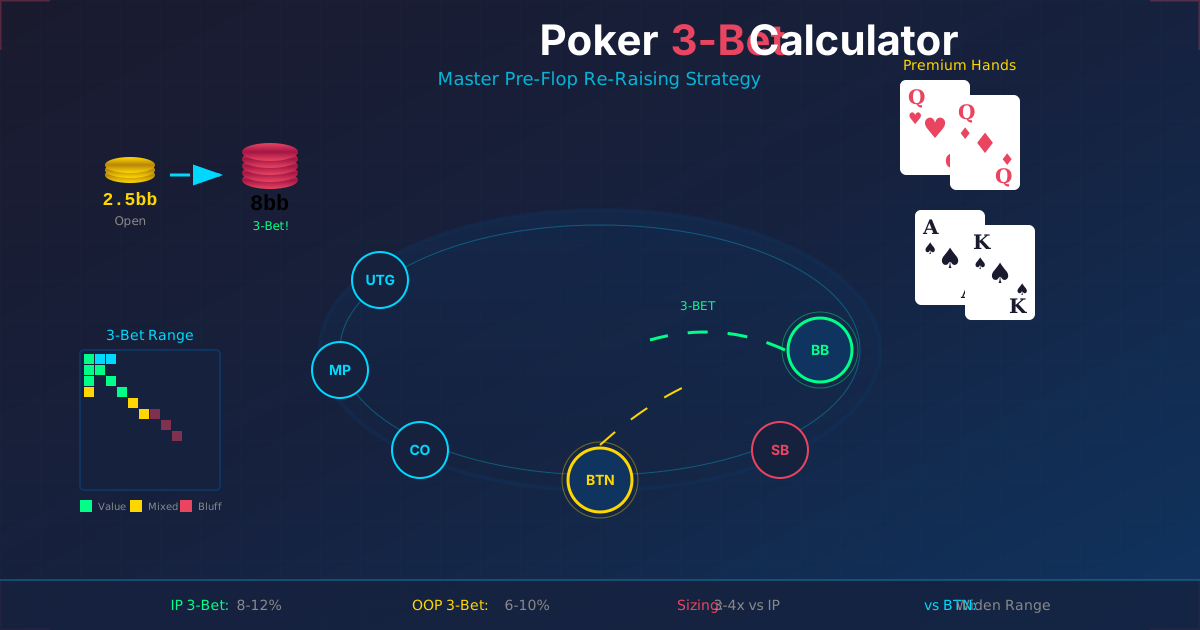
Example 3: Preflop 3-Bet Bluff
Situation:
- Blinds: $1/$2
- Villain opens to $6
- Pot: $9
- You 3-bet to $18 as a bluff
- Estimate villain folds 60%
EV Calculation:
- Fold EV: 60% × $9 = $5.40
- Call EV: 40% × (30% × $45 - $18) = 40% × ($13.5 - $18) = -$1.80
- Total EV: $5.40 - $1.80 = +$3.60
Decision: Profitable 3-bet bluff.
Break-Even Calculations
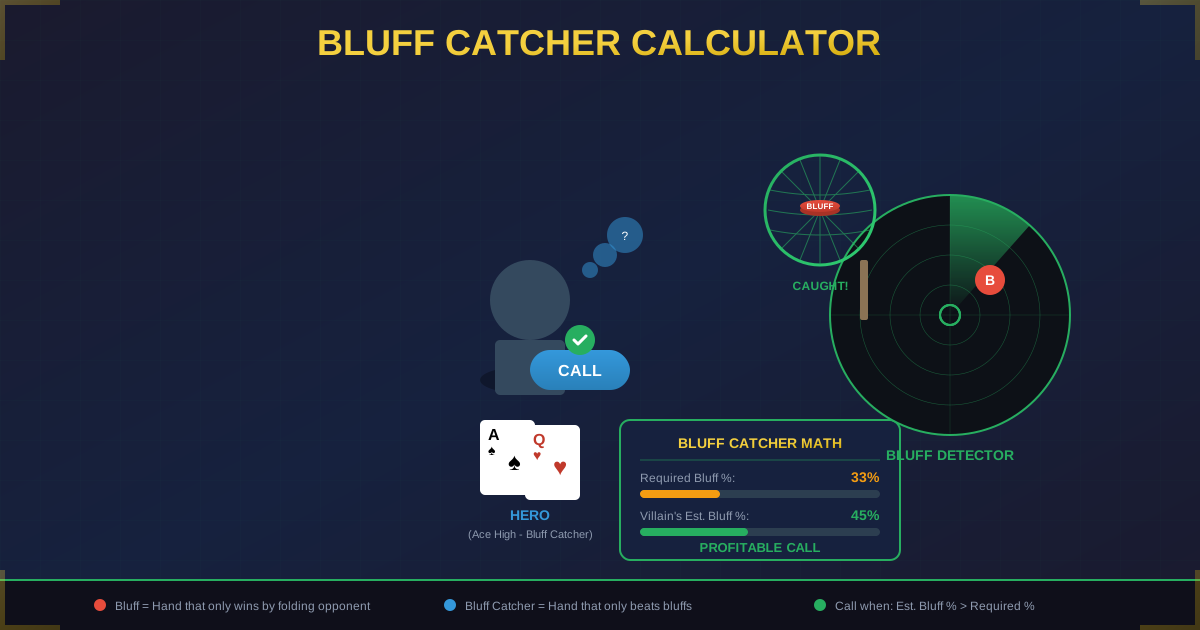
Minimum Equity to Call
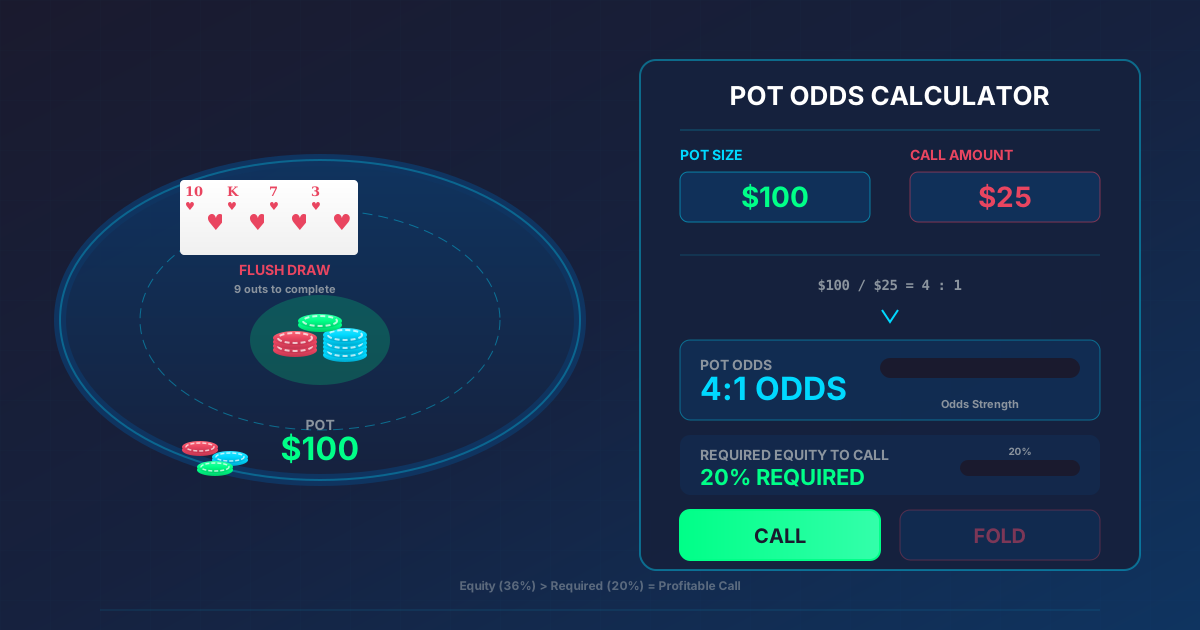
Break-Even Equity = Bet / (Pot + Bet)
| Pot | Bet | Break-Even |
|---|---|---|
| $100 | $50 | 33% |
| $100 | $100 | 50% |
| $100 | $200 | 67% |
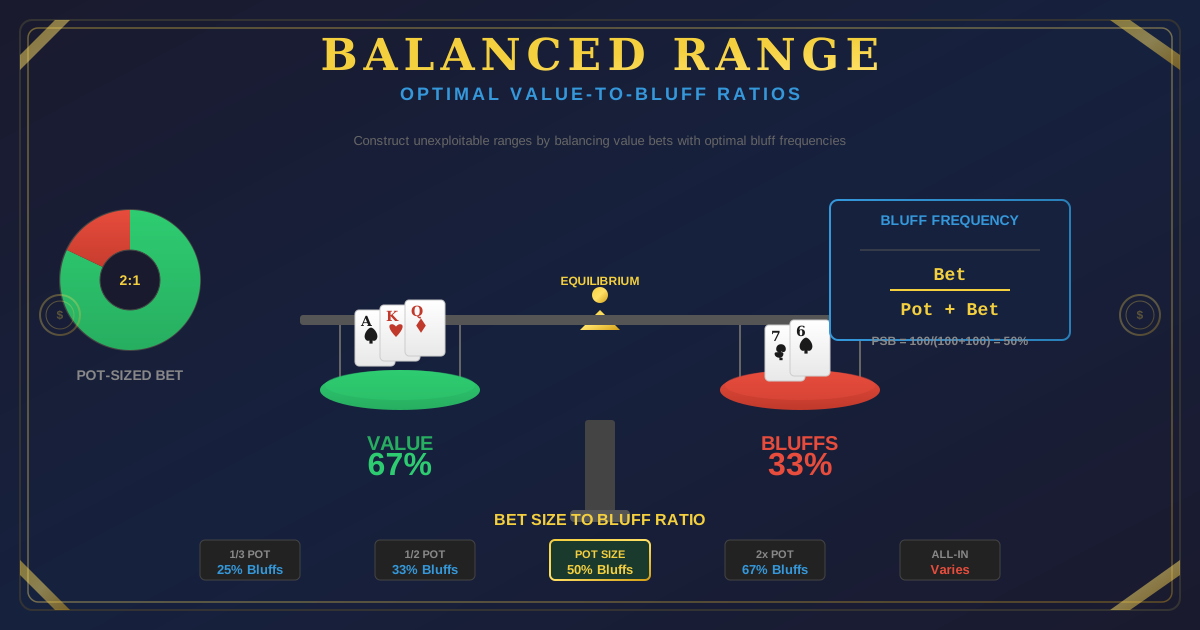
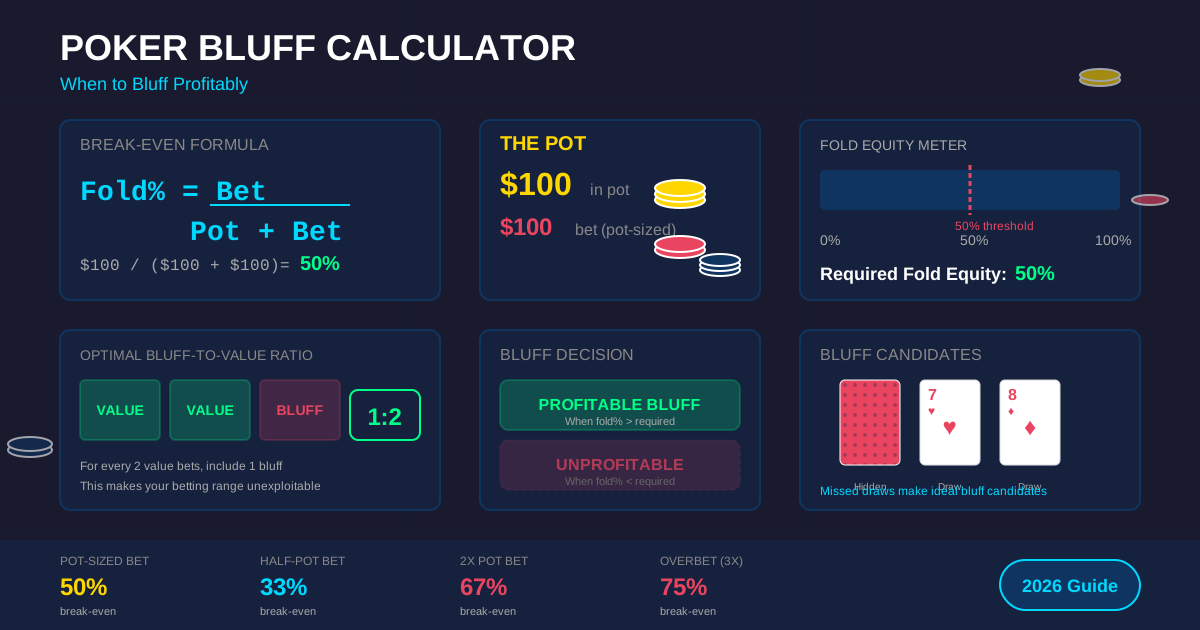
Minimum Fold Equity to Bluff
Break-Even Fold% = Bet / (Pot + Bet)
Same formula—you need opponent to fold often enough to justify your risk.
EV in Different Situations
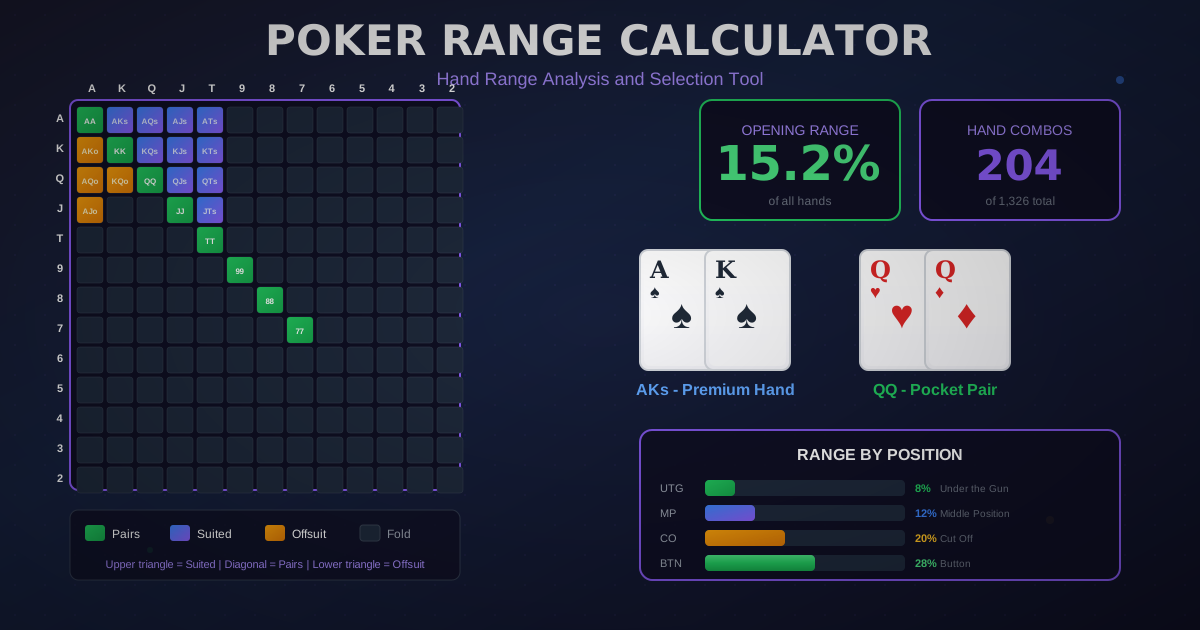
Preflop EV
Preflop EV depends on:
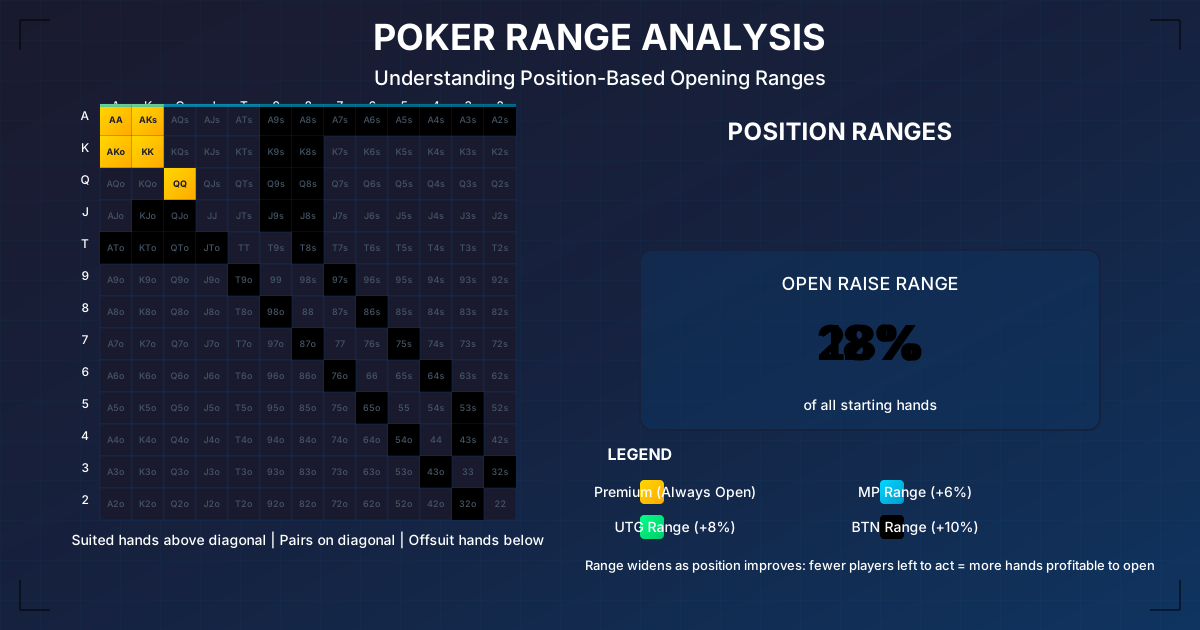
- Your hand strength
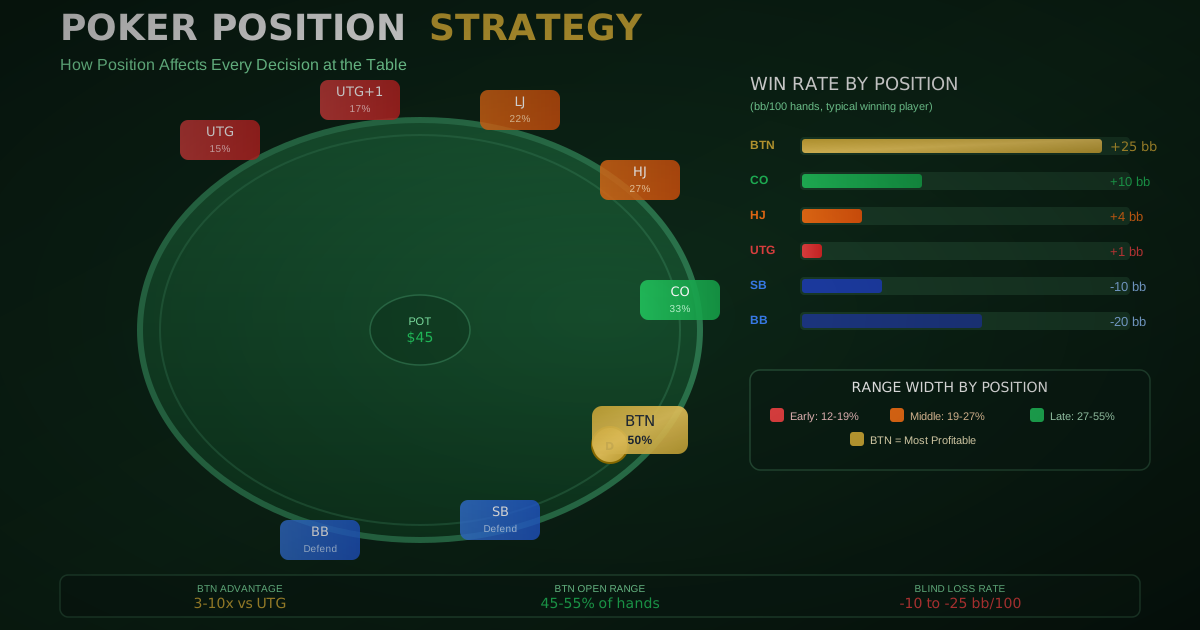
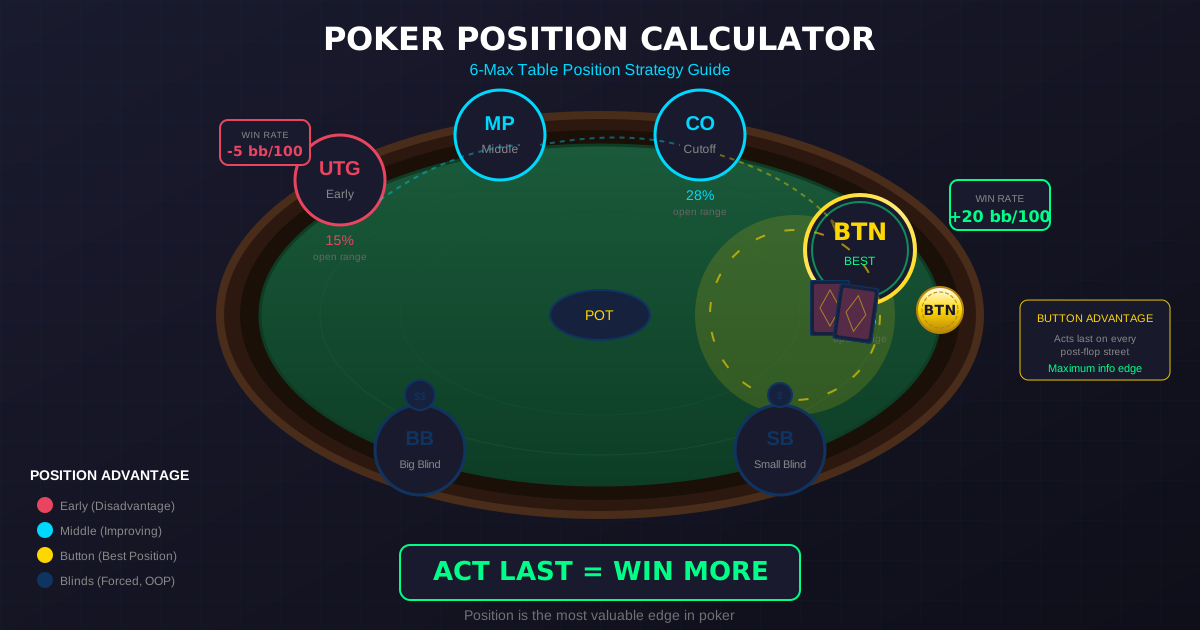
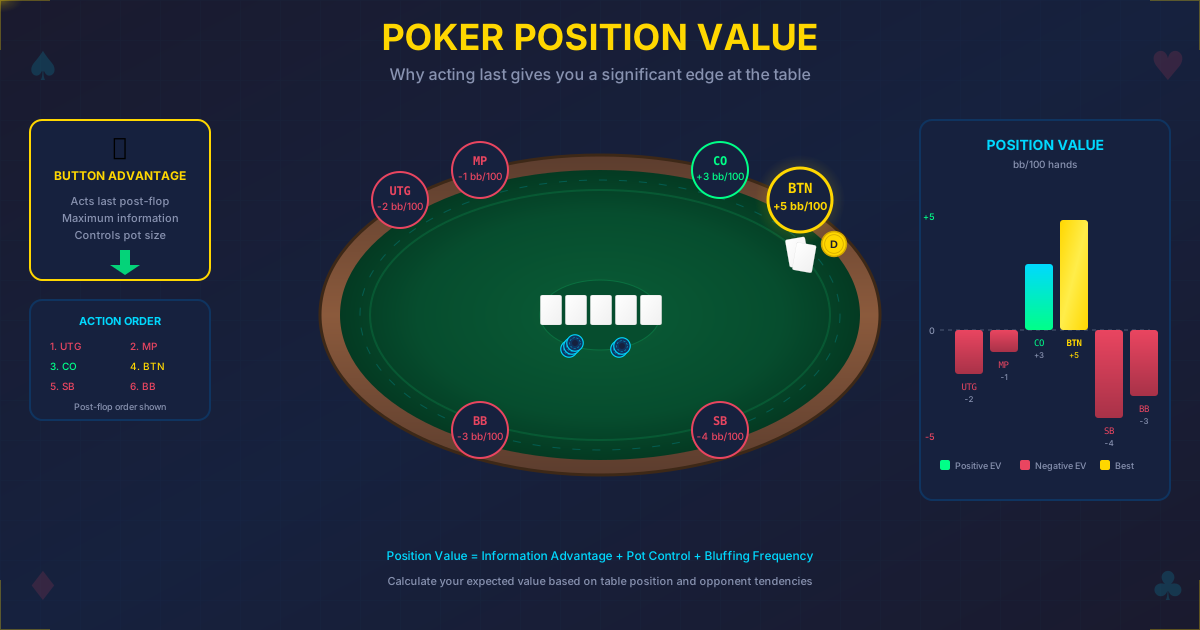
- Position
- Stack depths
- Opponent tendencies
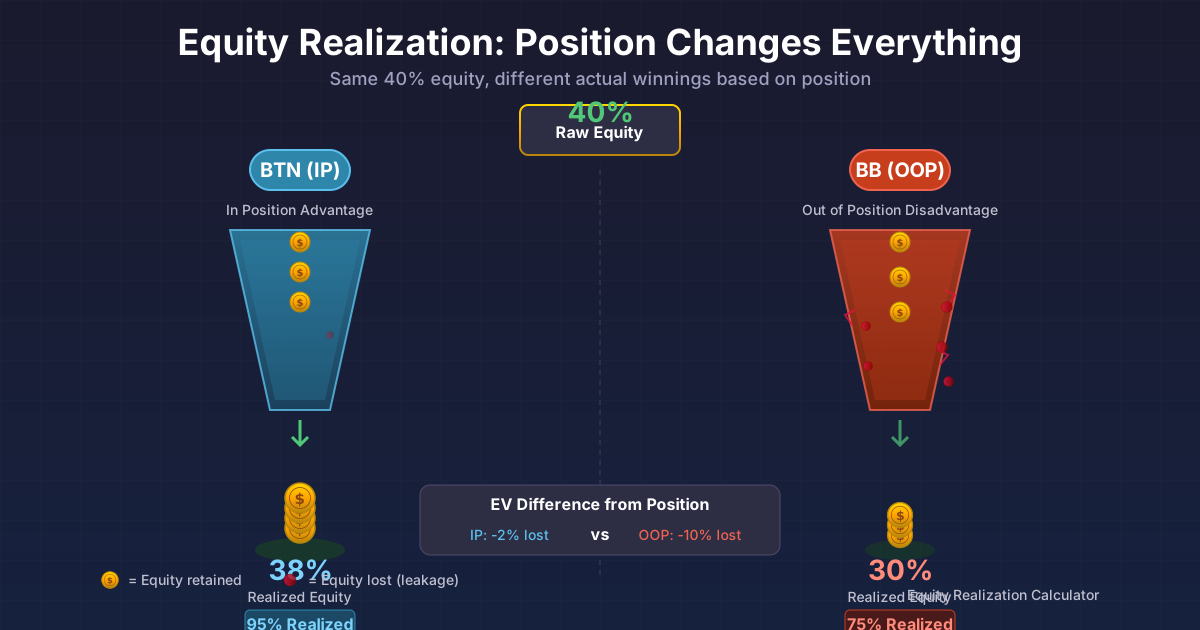
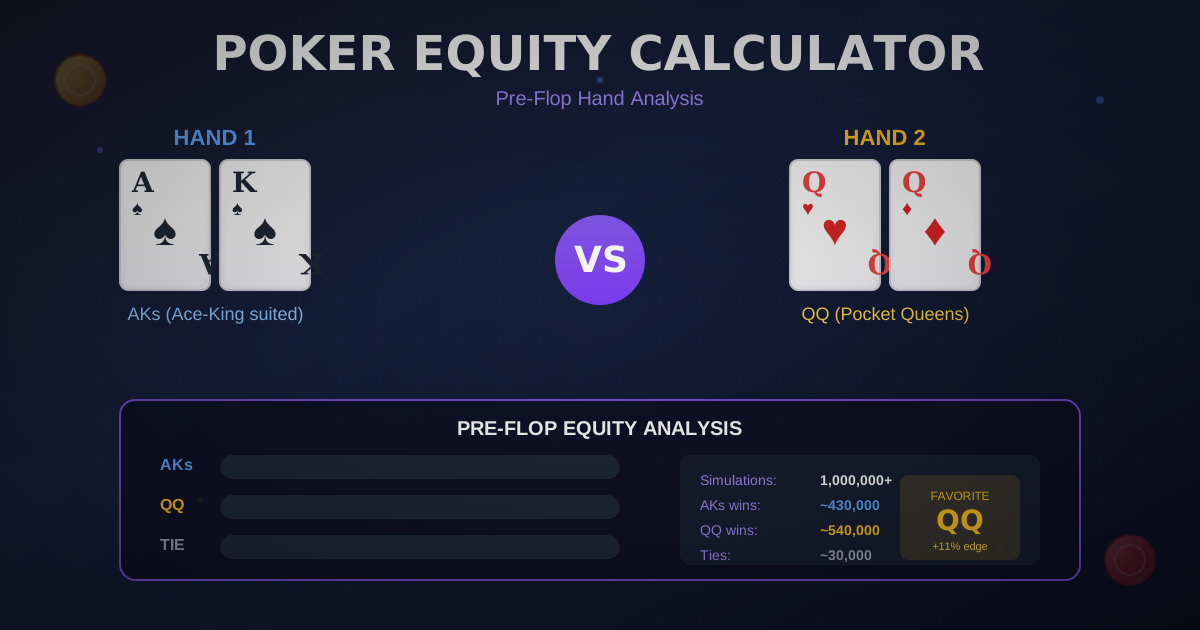
Use range vs. range equity calculators for accurate preflop EV.
Postflop EV
Postflop factors:
- Your actual equity
- Fold equity
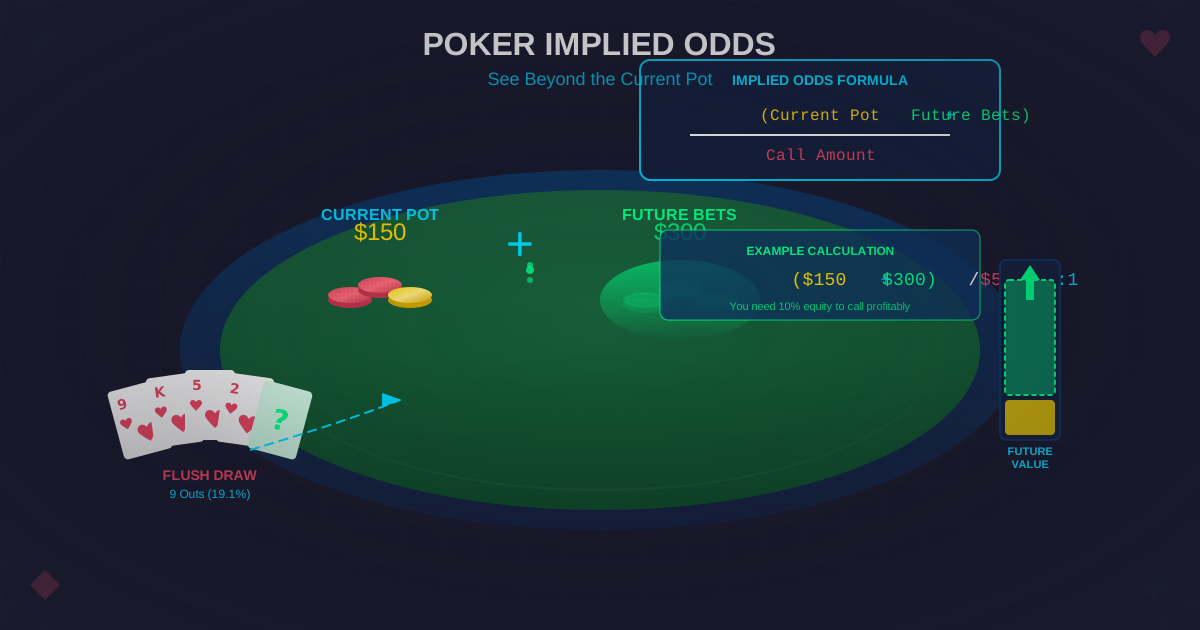
- Implied odds (future betting)
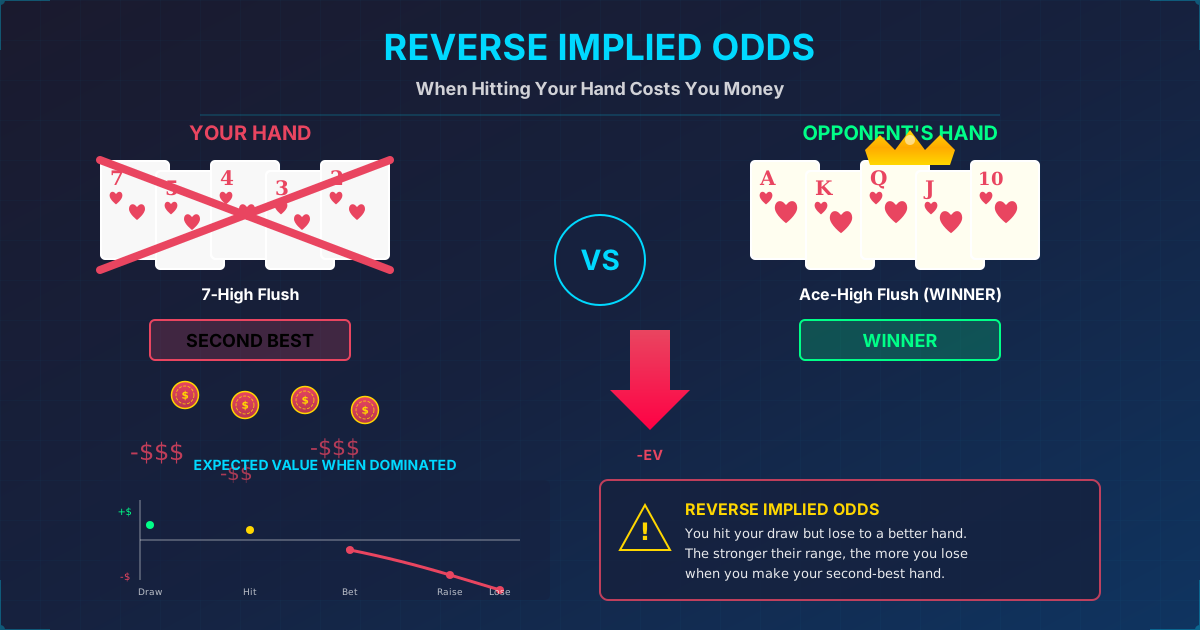
- Reverse implied odds (big losses when behind)
All-In EV
Simplest case—no future betting:
All-In EV = Equity × Pot - (1 - Equity) × Your Investment
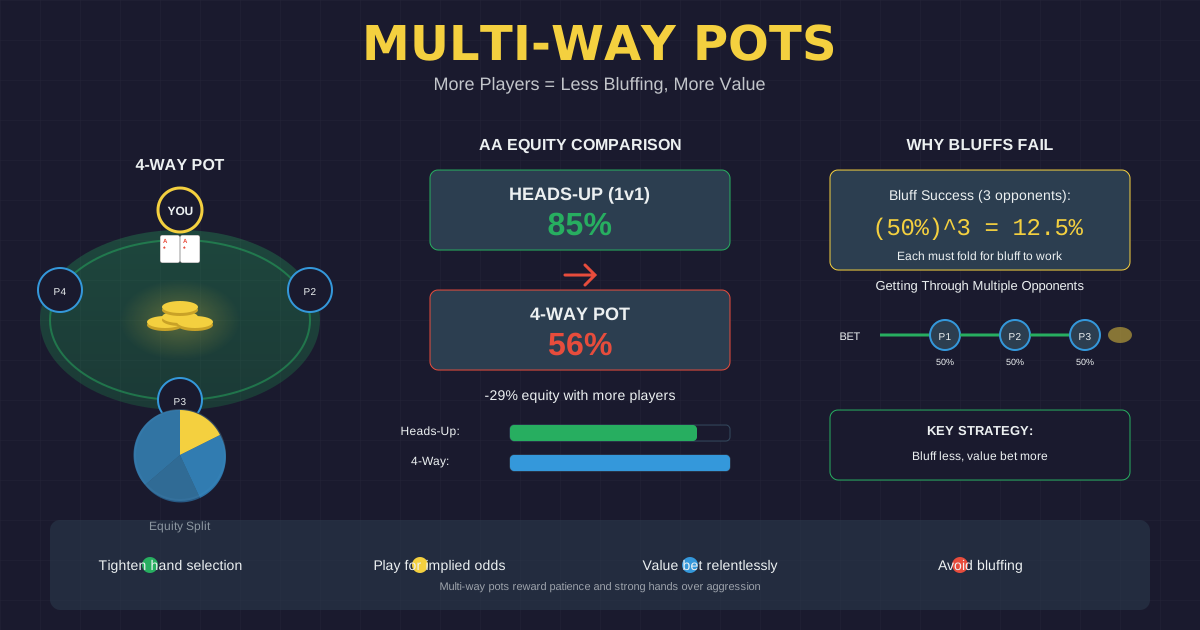
Multi-Way Pot EV
More opponents = more complex:
EV = Equity × Pot - Investment
But equity changes significantly with more players in the pot.
Common EV Mistakes
-
Ignoring Fold Equity: Raises are more profitable than calling due to fold equity. Factor it in.
-
Overestimating Equity: Be honest about your win probability. Optimism costs money.
-
Forgetting Implied Odds: Sometimes -EV immediate calls are +EV considering future streets.
-
Miscounting the Pot: Accurate pot size is crucial. Recount before big decisions.
-
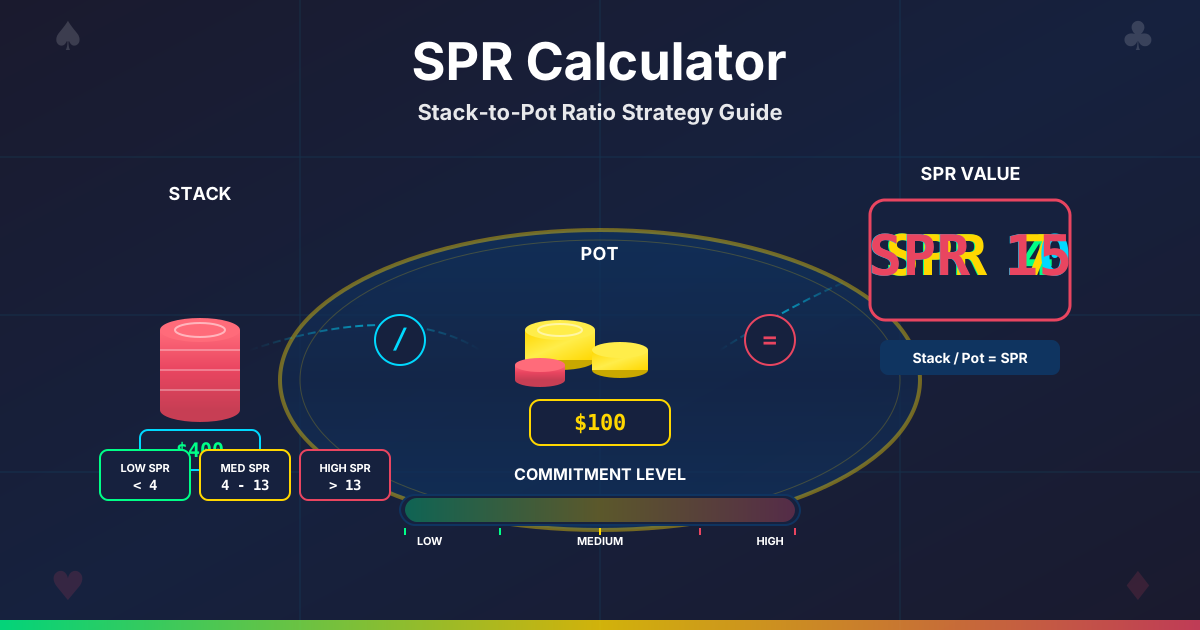
Not Considering Stack Sizes: Shallow stacks reduce implied odds; deep stacks increase them.
Frequently Asked Questions
What EV is considered "good"?
Any positive EV is profitable long-term. Even +$1 EV decisions compound over thousands of hands.
How do I estimate equity?
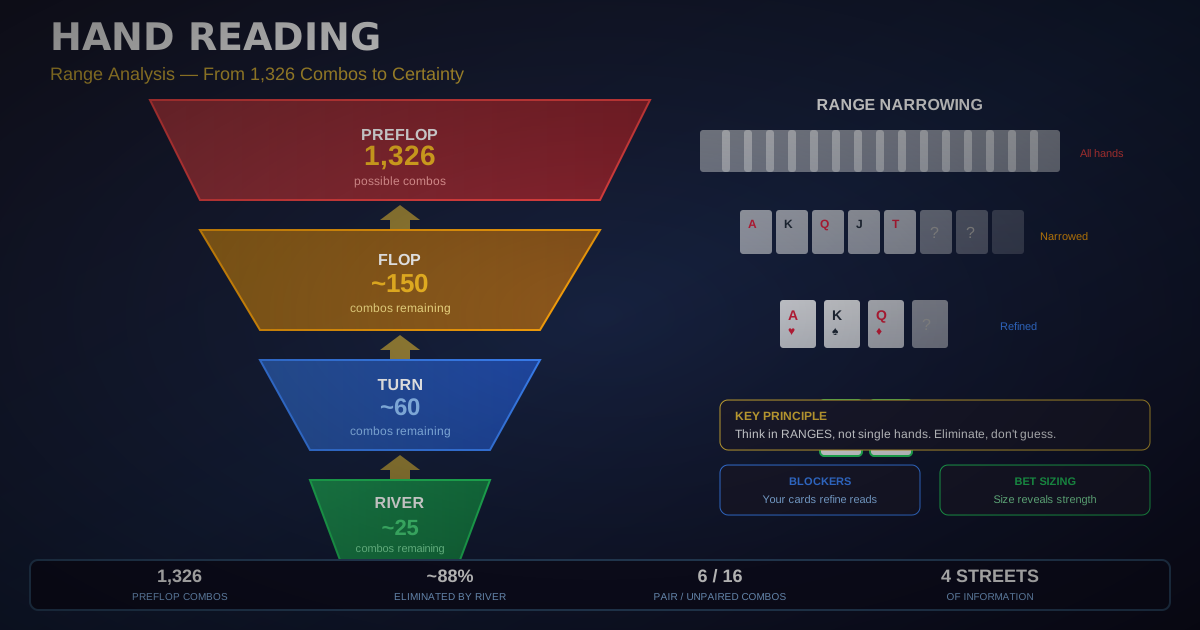
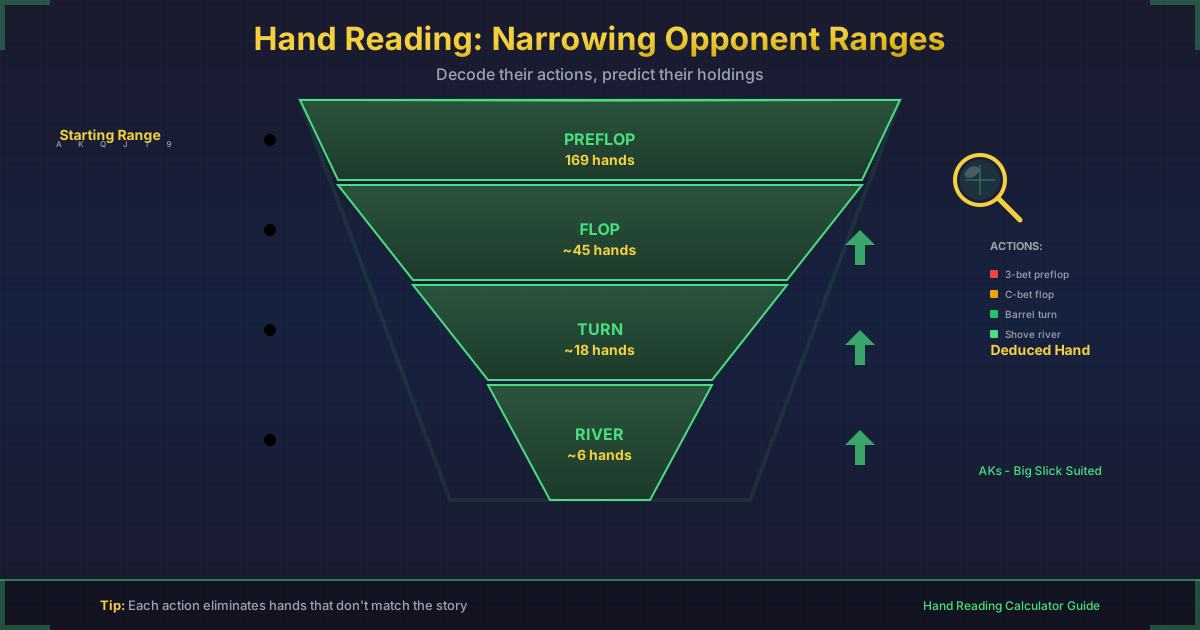
Use equity calculators, study common matchups, or estimate based on range vs. range analysis. Experience improves accuracy.
Does EV guarantee I'll win?
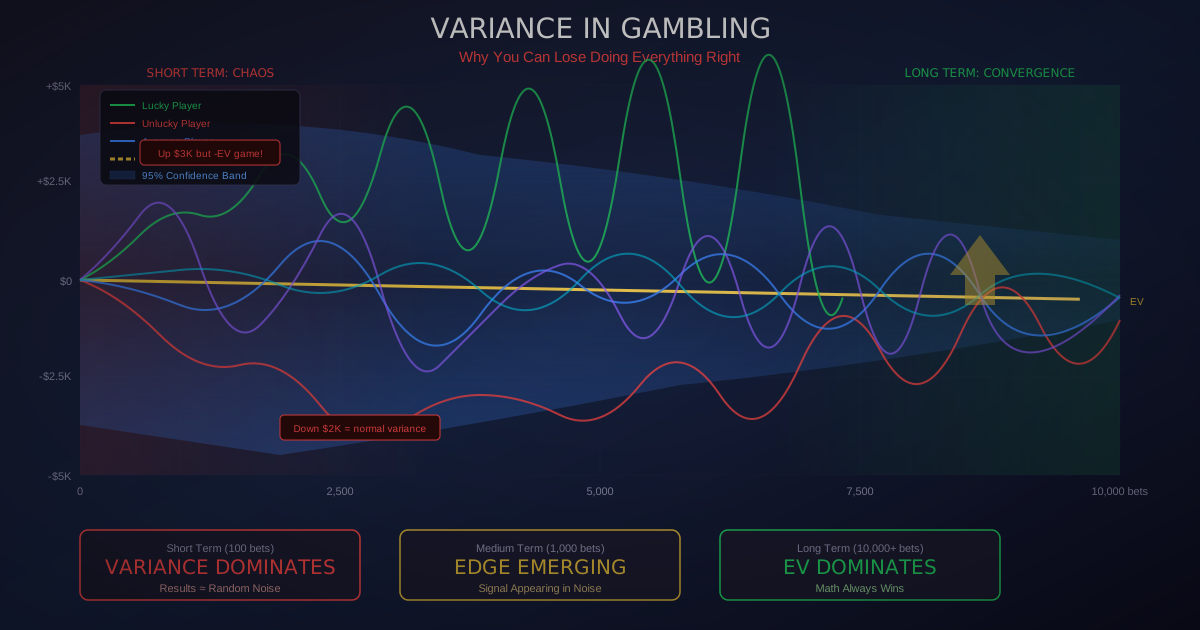
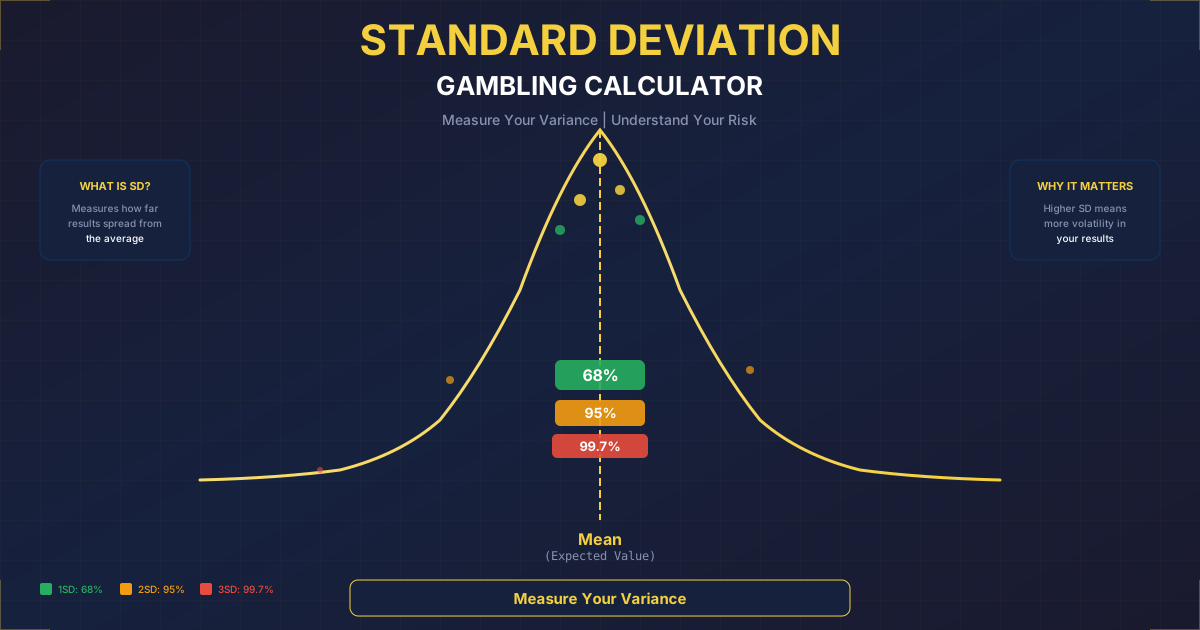
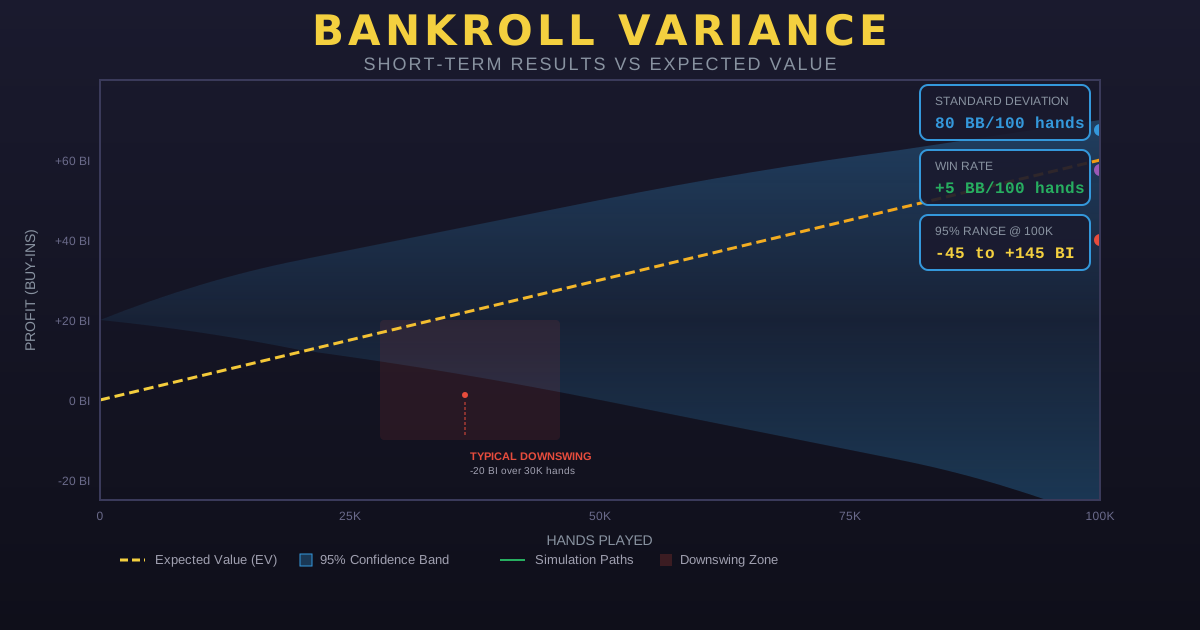
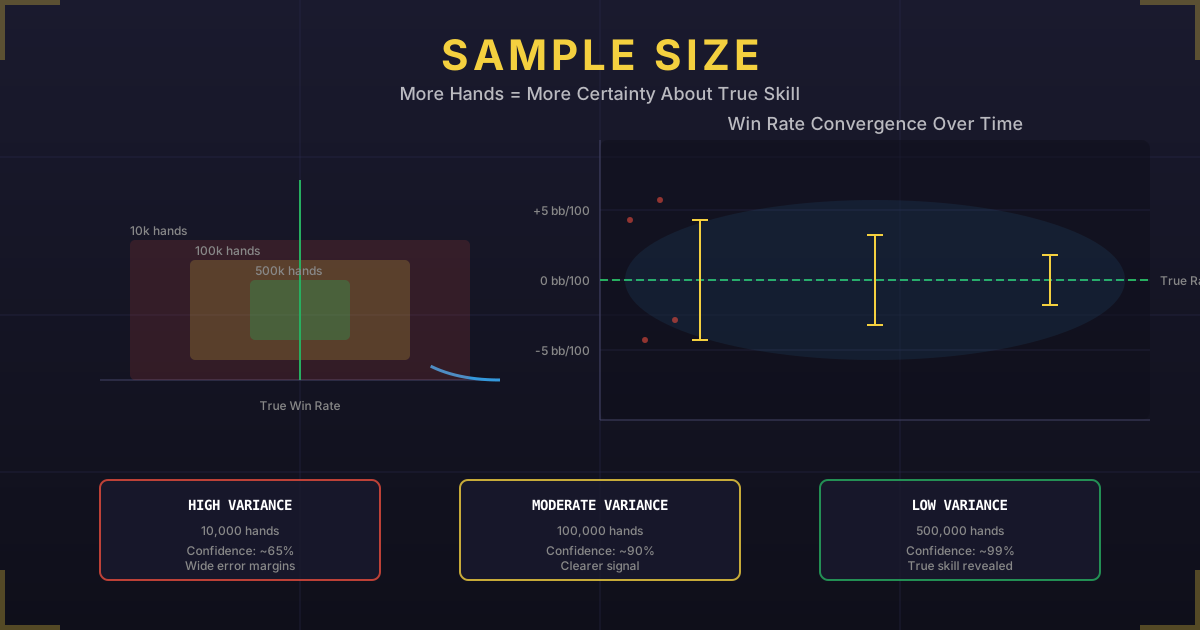
No. EV is long-term average. Individual hands have variance. You'll lose +EV spots sometimes—that's normal.
Should I always make +EV plays?
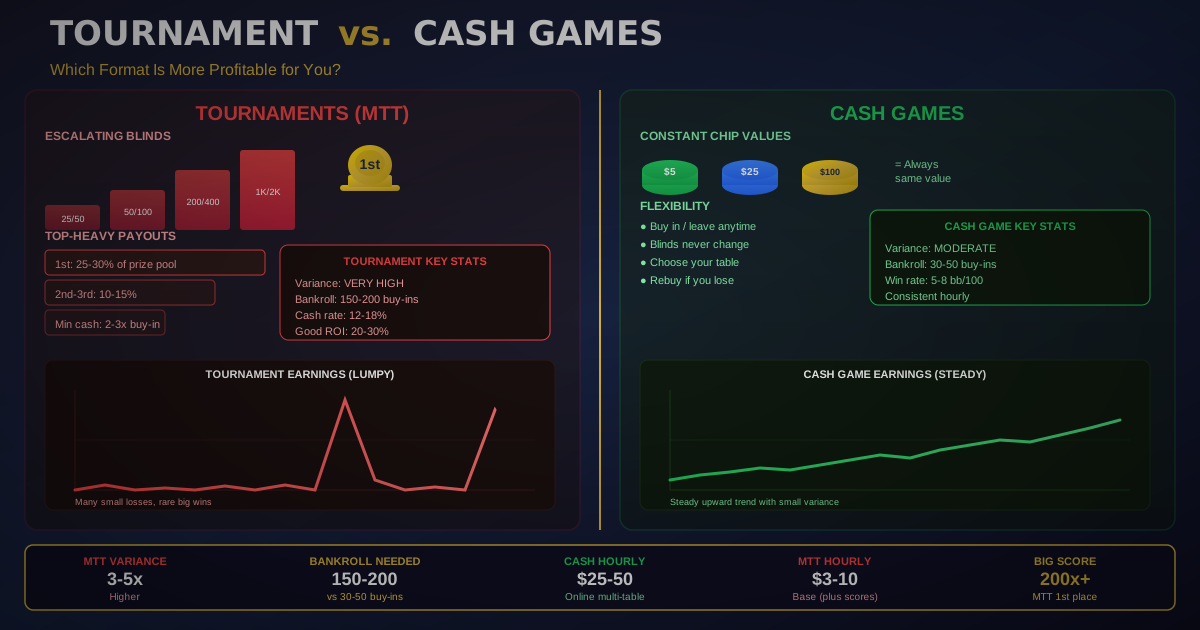
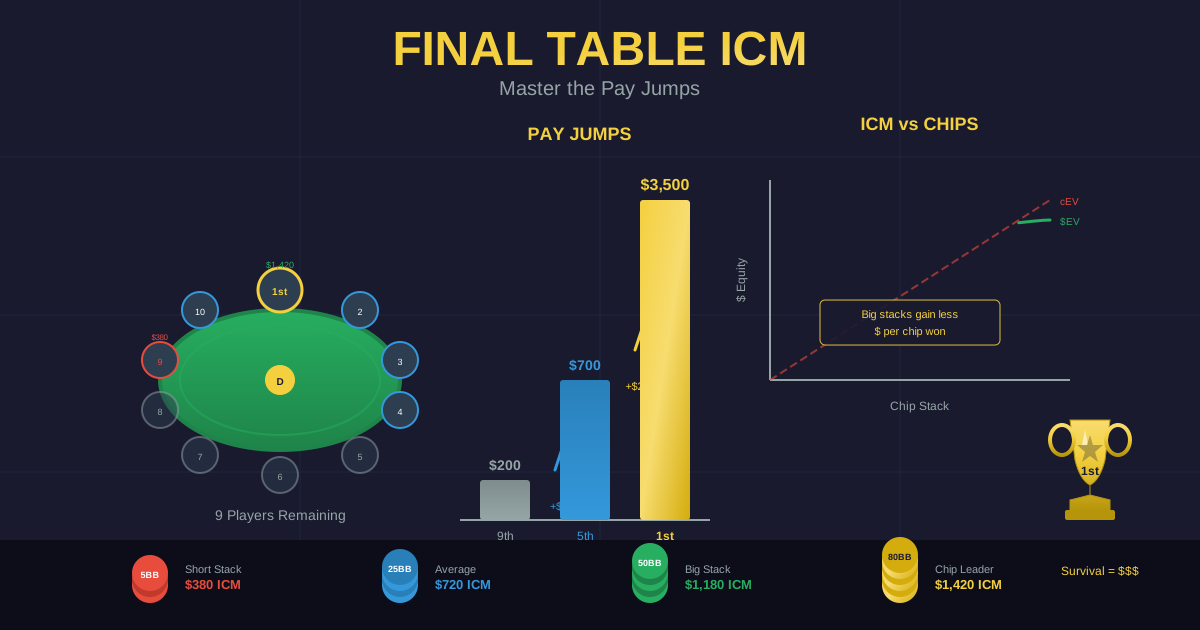
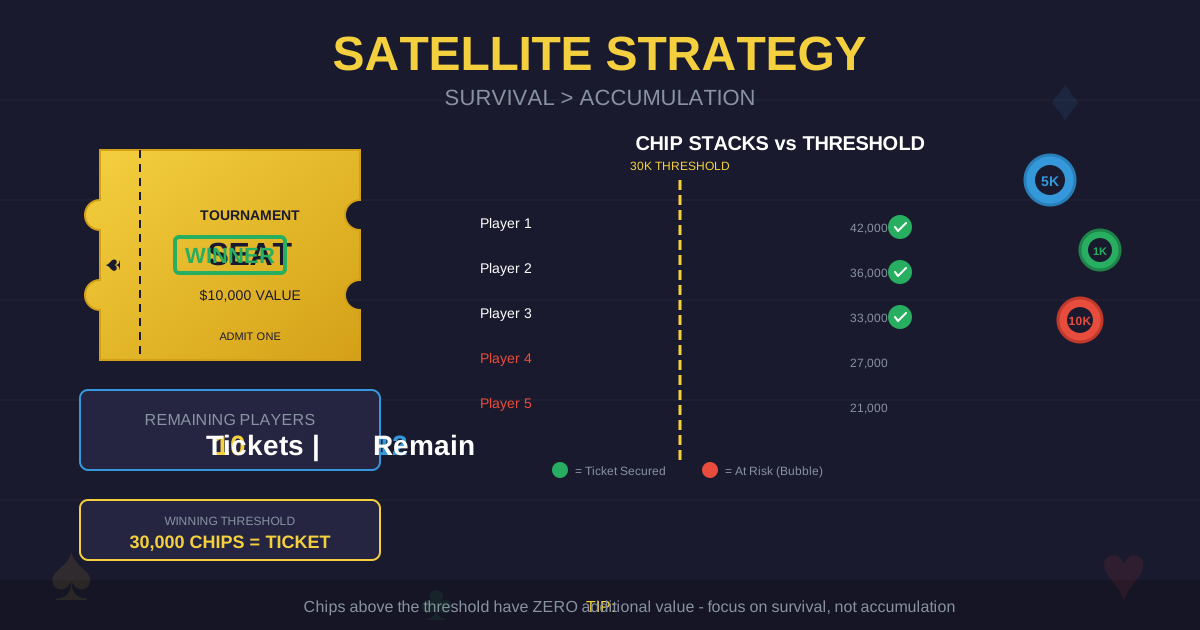
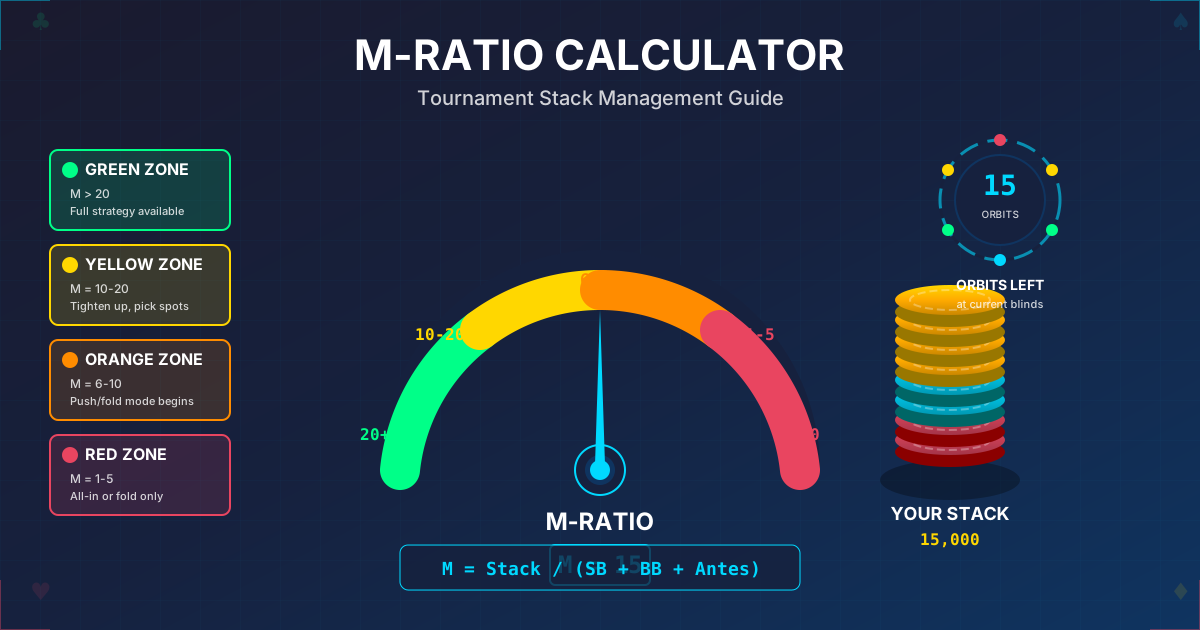
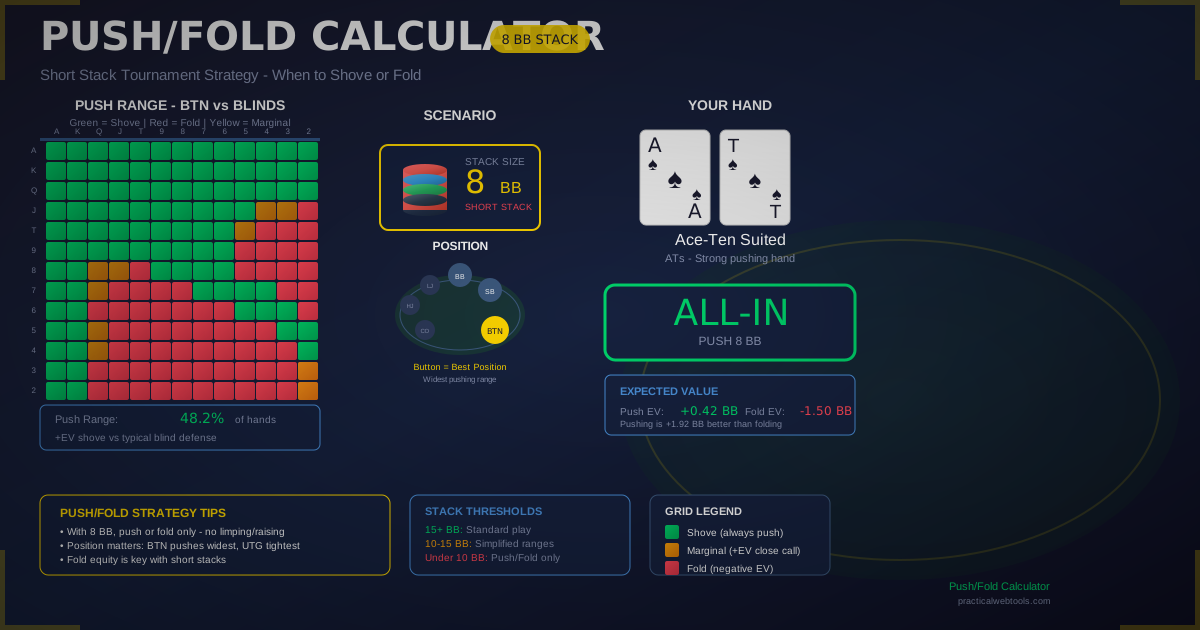
Generally yes. However, tournament situations (ICM) may make -EV plays correct for survival.
How do I calculate fold equity?
Estimate based on opponent tendencies, bet sizing, and board texture. It's an educated guess refined by experience.
What about multiway pots?
Same formula, but equity decreases significantly with more opponents. Be more selective.
Advanced EV Concepts
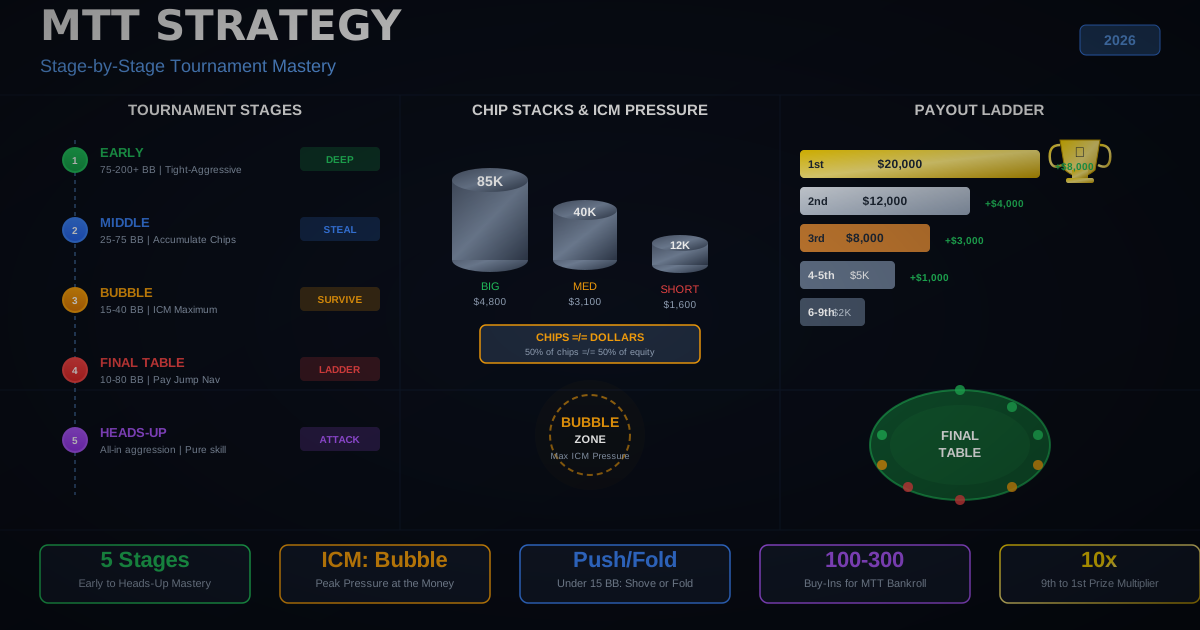
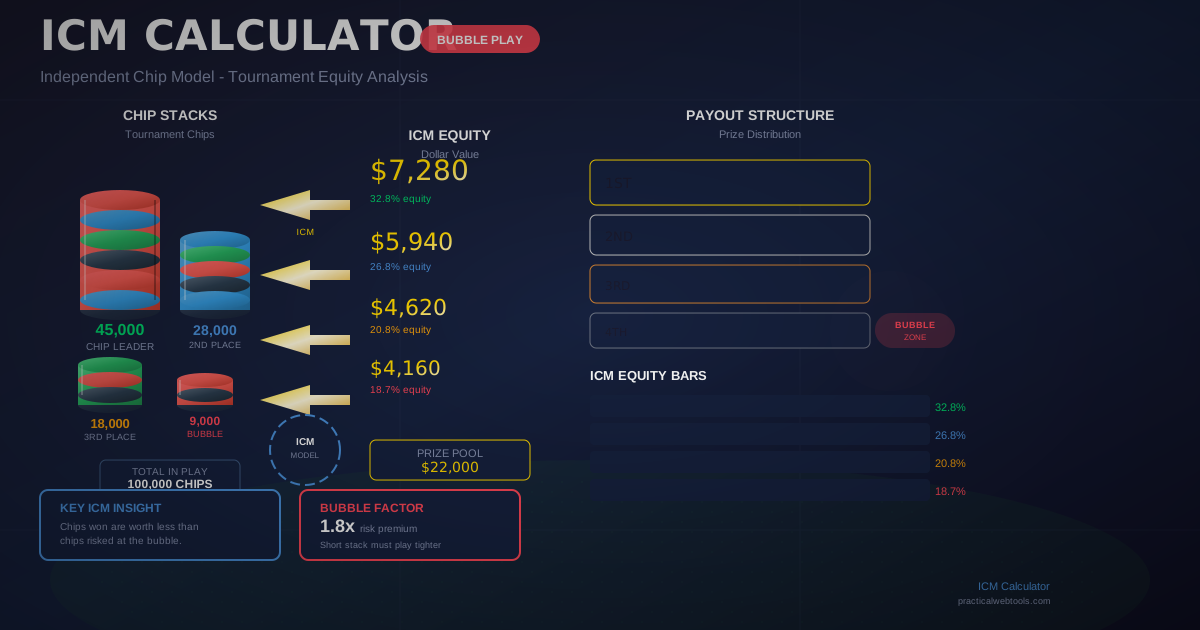
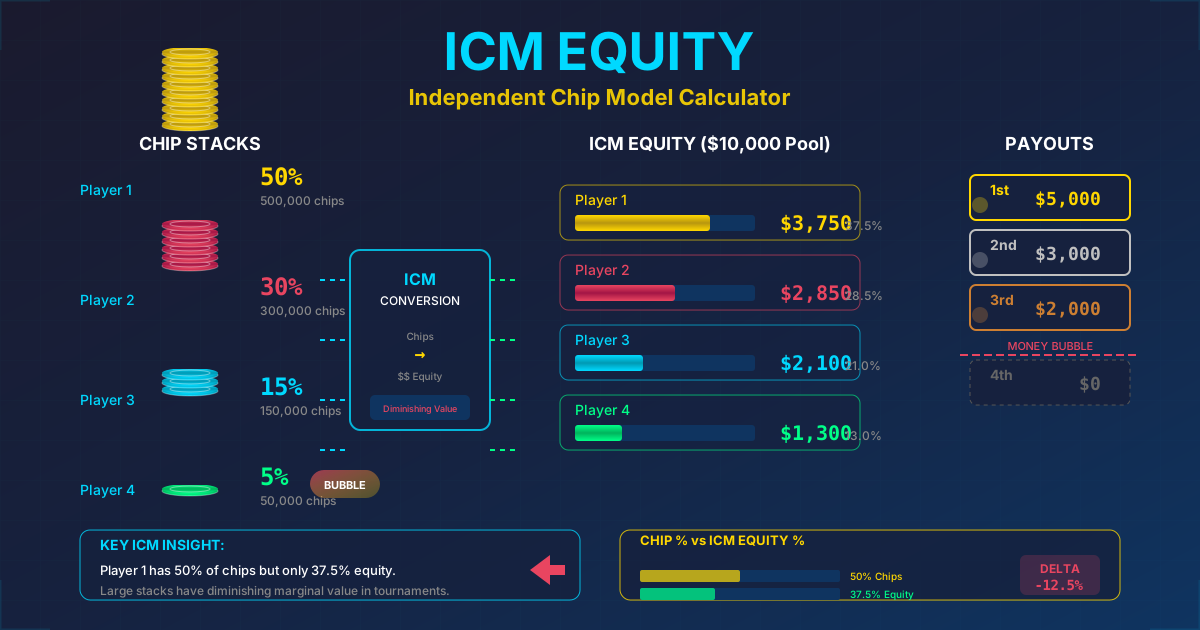
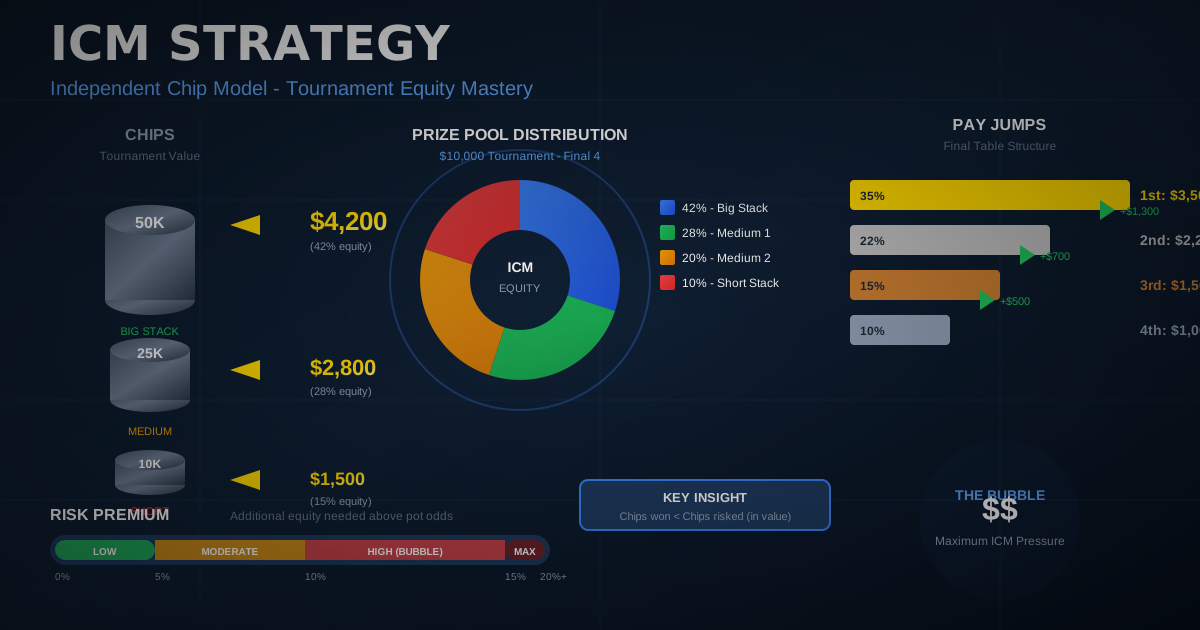
ICM-Adjusted EV
In tournaments, chip EV differs from $ EV:
- Losing all chips = $0 (bust)
- Risk-averse plays can be correct
- Use ICM calculators for tournament spots
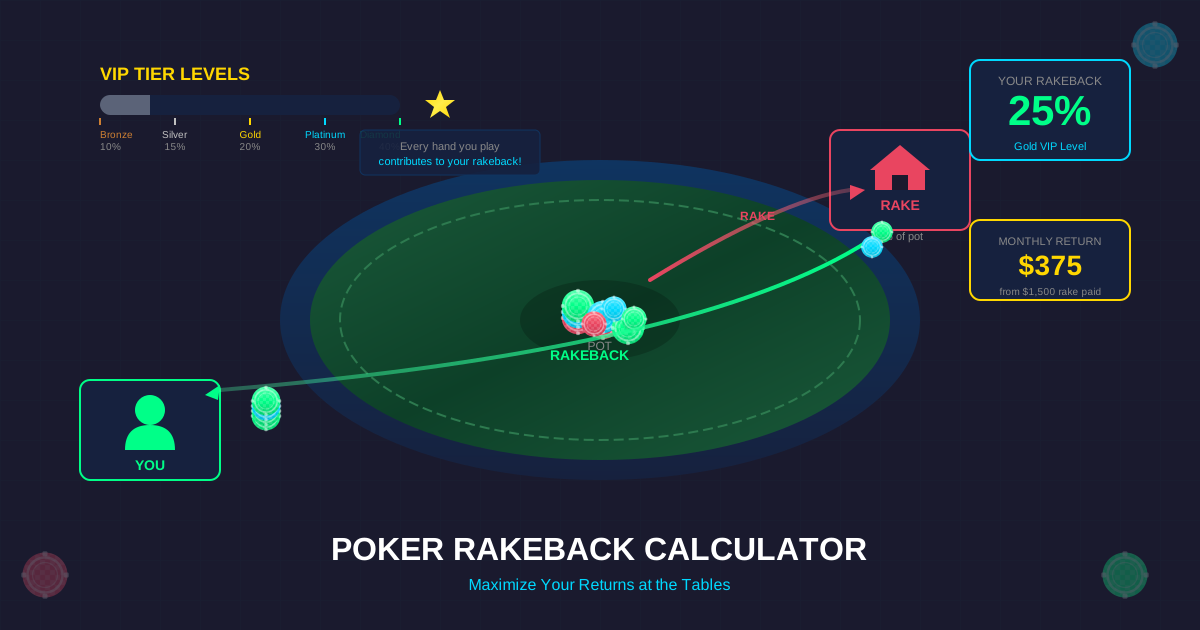
Rake Considerations
Cash game EV should factor rake:
Adjusted EV = EV - (Rake × Win Probability)
Marginal +EV spots may be -EV after rake.
Meta-Game EV
Some -EV plays have meta-game value:
- Showing bluffs for future credibility
- Establishing aggressive image
- Setting up future profitable situations
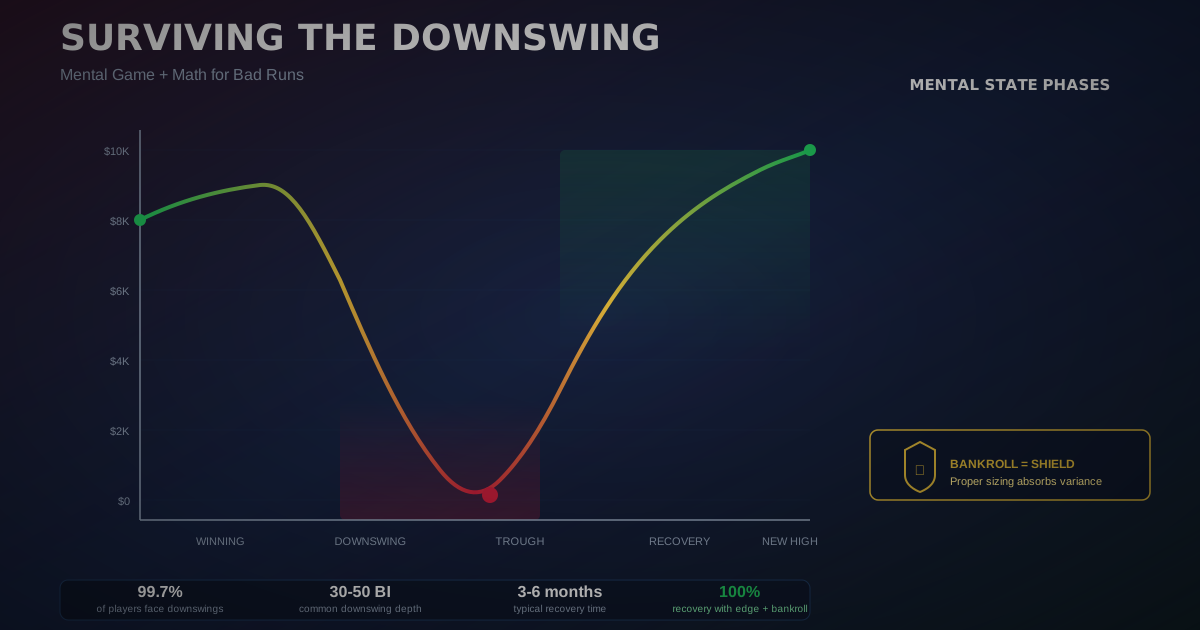
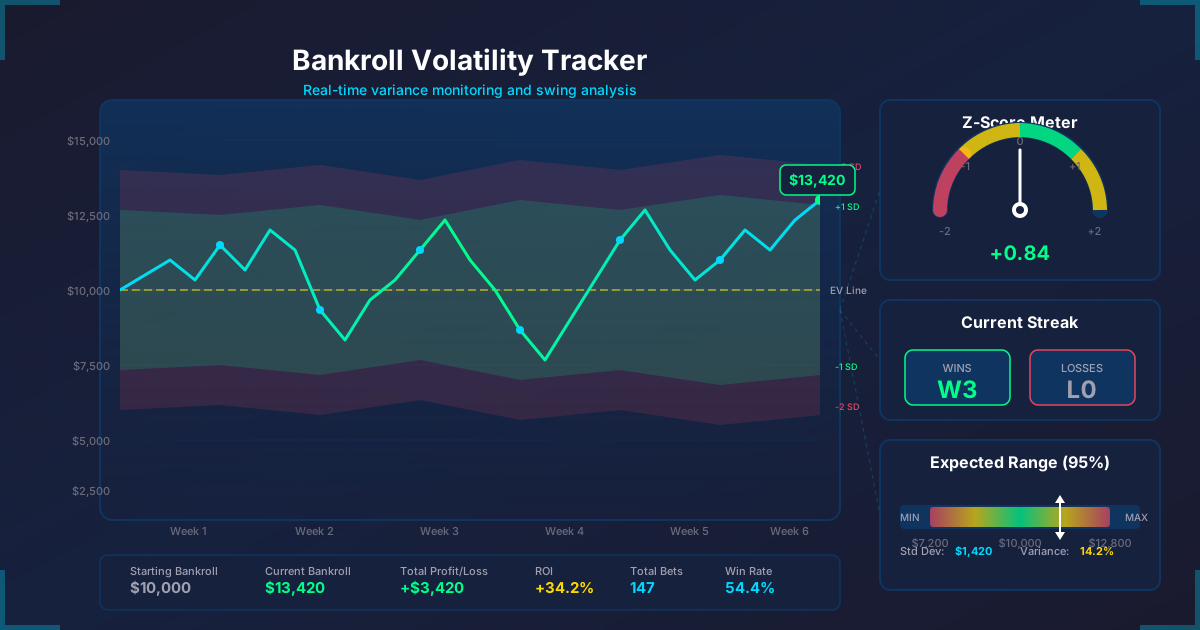
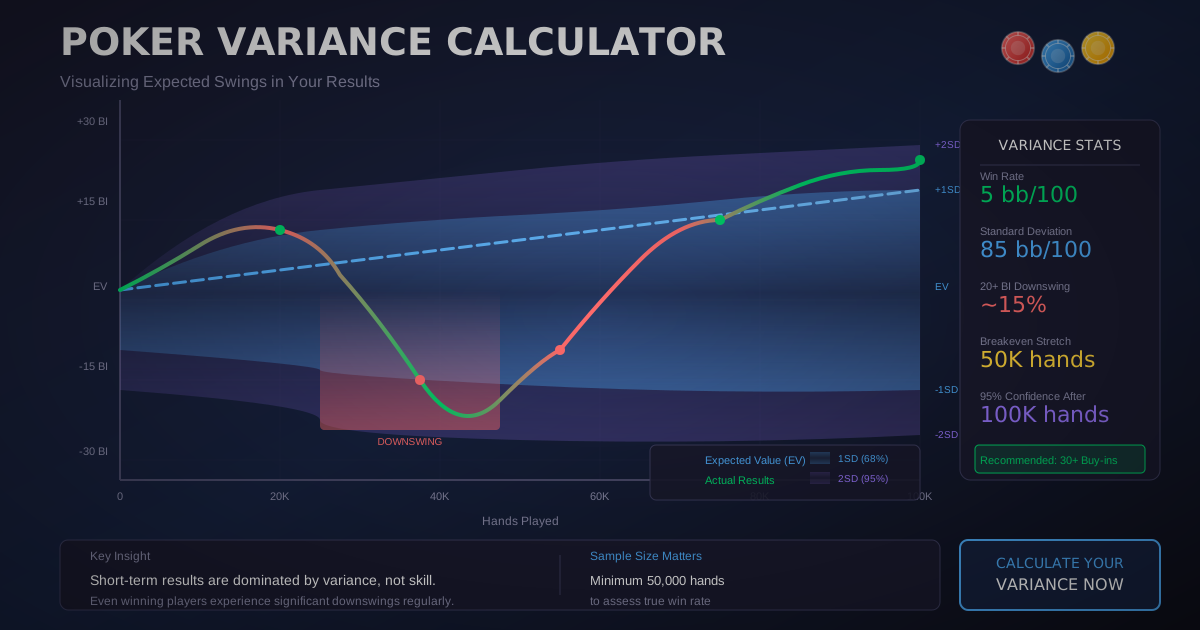
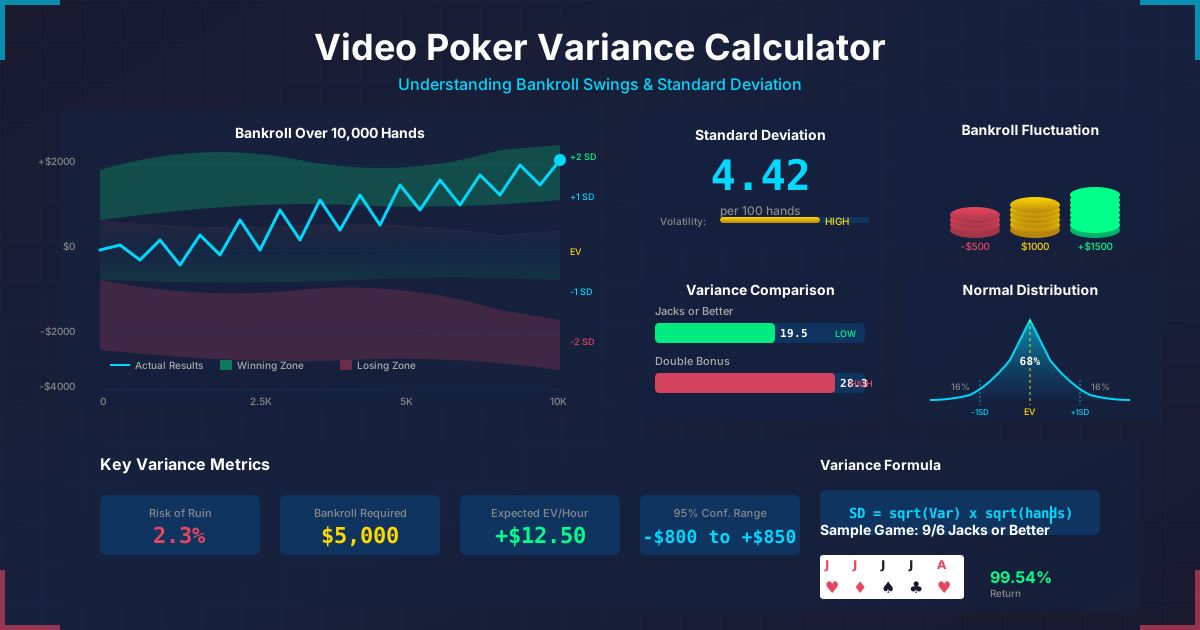
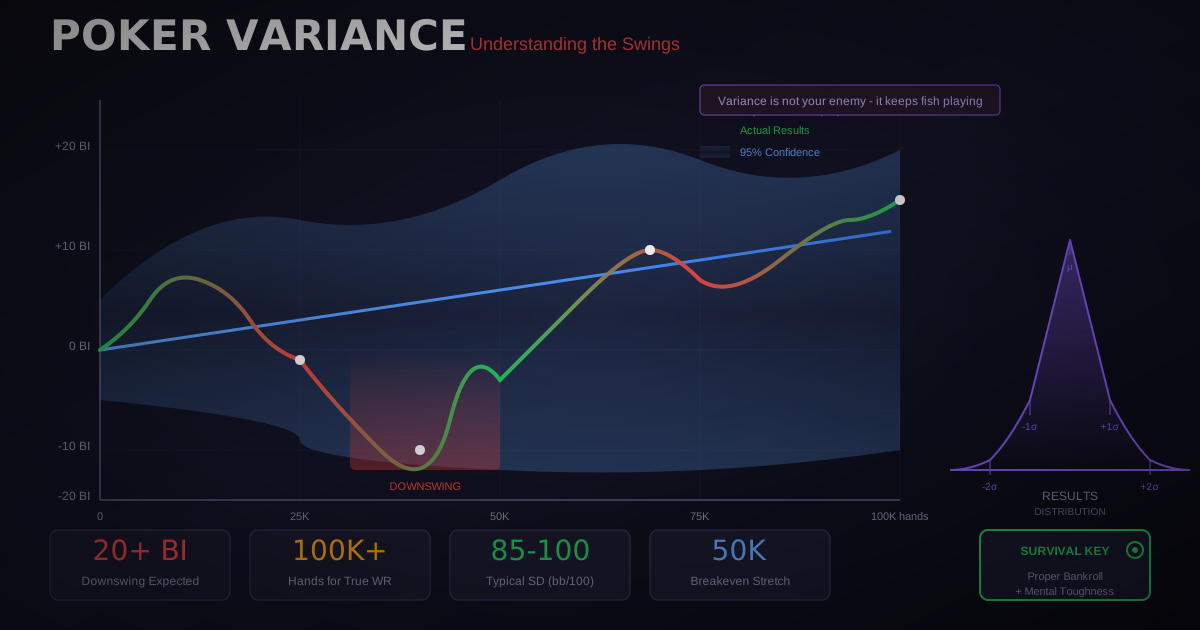
Variance vs. EV
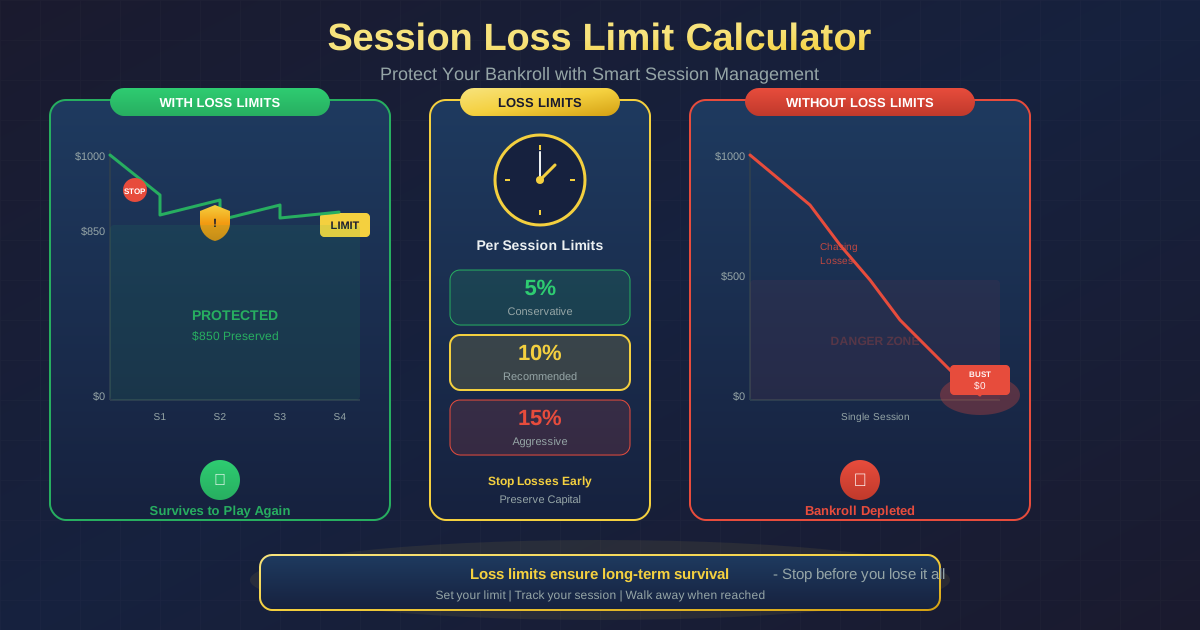
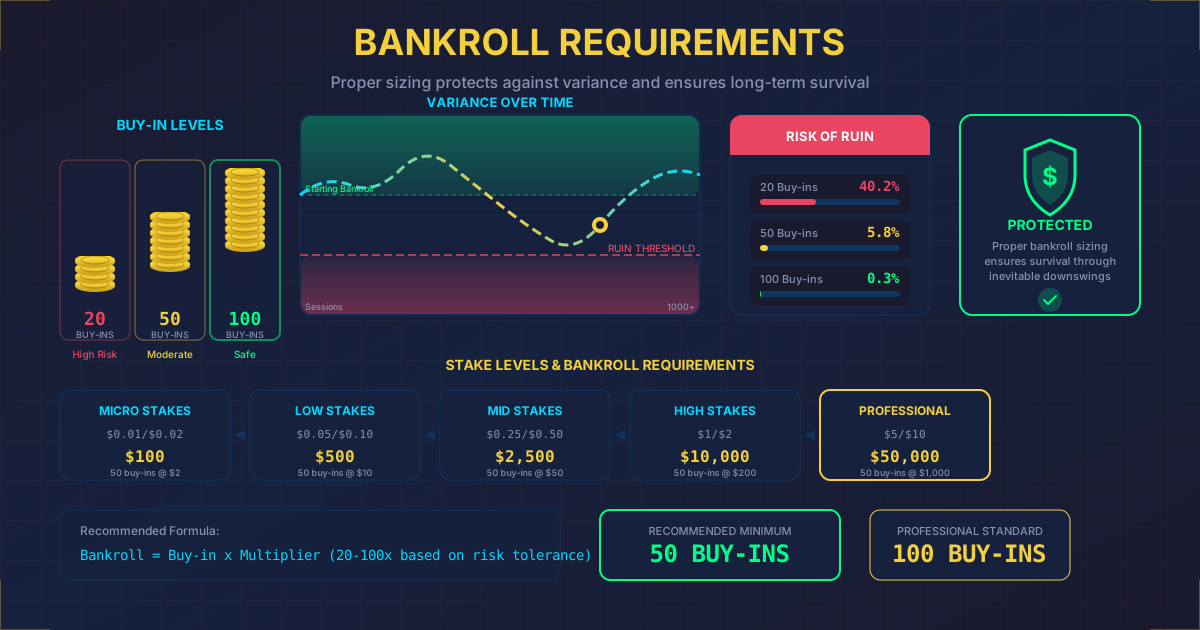
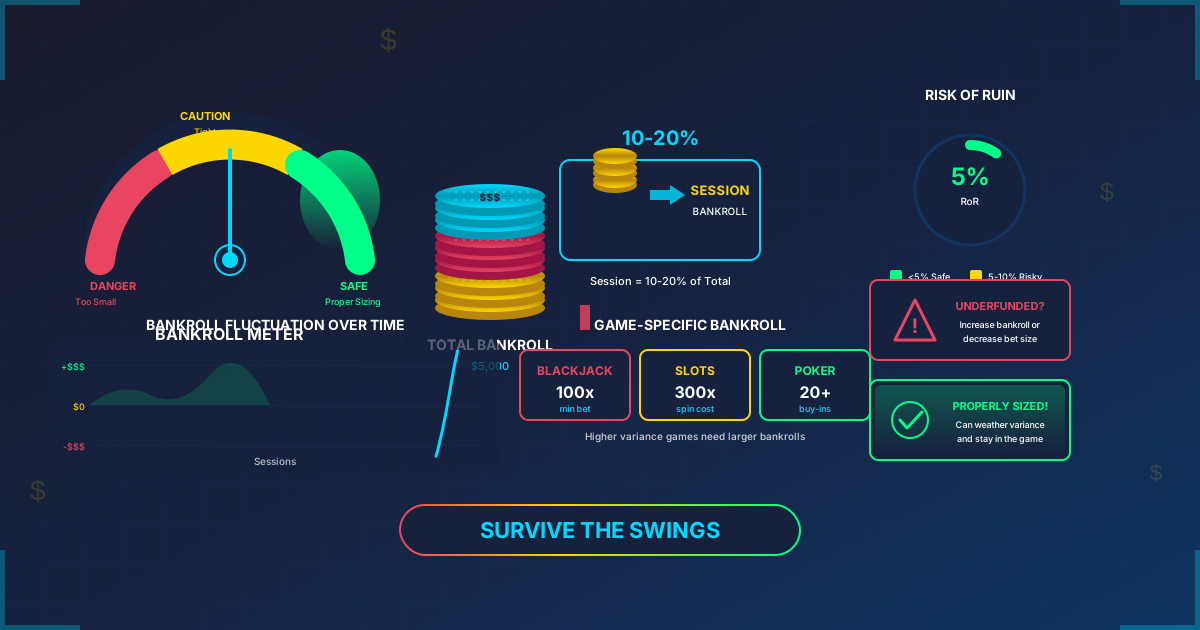
High-variance +EV plays are still correct but require proper bankroll management:
- Shove with 51% equity: +EV but high variance
- Call with 60% equity: +EV with lower variance
EV Trees and Decision Points
Multi-Street EV
Consider entire hand, not just current decision:
- How often does opponent continue?
- What are future betting scenarios?
- What's total EV across all branches?
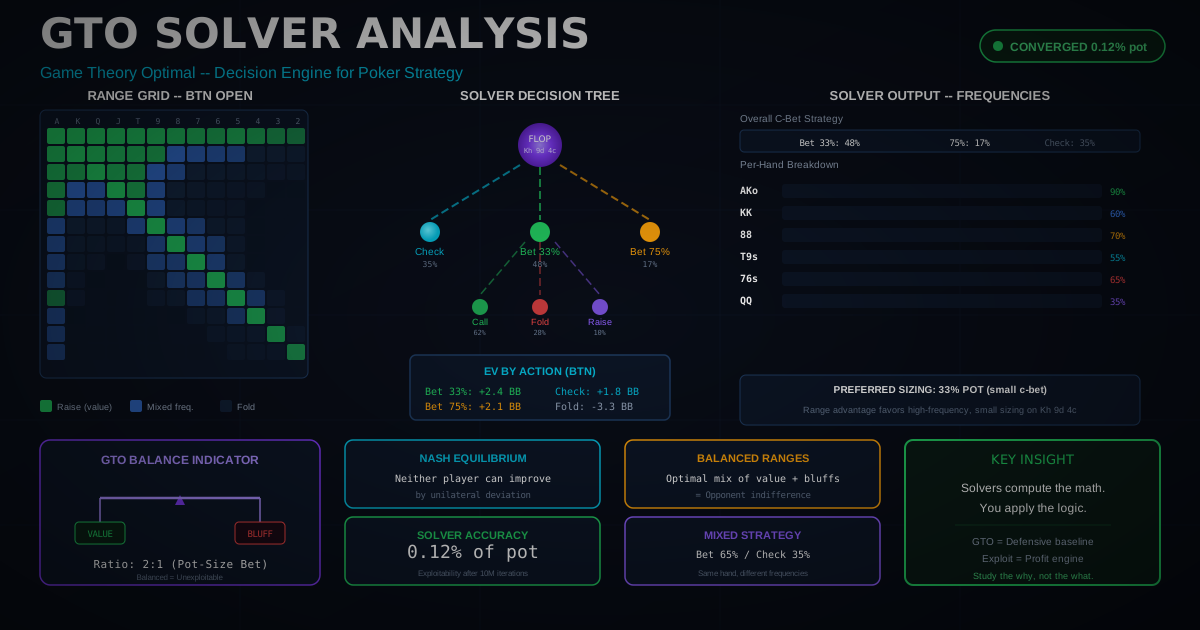
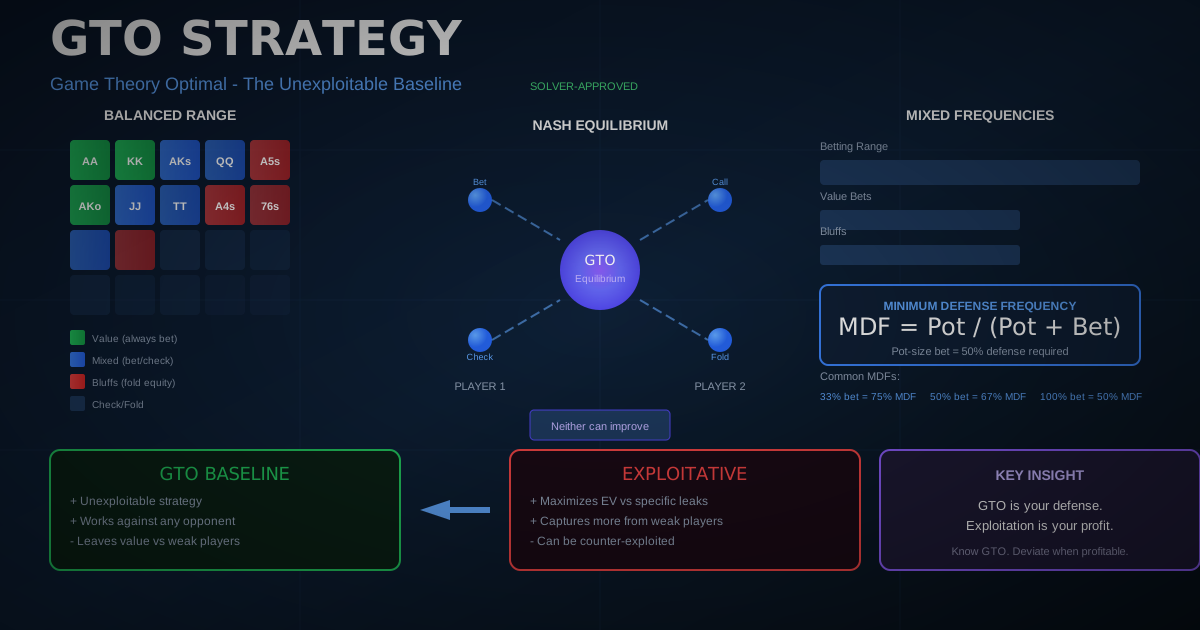
Game Theory Optimal (GTO) EV
GTO strategies maximize EV against perfect opponents:
- Balanced ranges
- Mixed frequencies
- Unexploitable (but not maximally exploitative)
Exploitative EV
Against specific opponents, deviate from GTO:
- Over-bluff vs. calling stations? No
- Under-bluff vs. folders? Bluff more
- Maximize EV against their specific leaks
Pro Tips for EV Analysis
-
Calculate during sessions: Practice makes it automatic
-
Review hands with EV analysis: Post-session study
-
Use software: Tracking programs calculate EV for you
-
Focus on big decisions: Small pot EV matters less
-
Trust the math: Make +EV plays even when they feel wrong
Related Poker Calculators
- Poker Equity Calculator - Hand vs. hand/range
- Pot Odds Calculator - Calling decisions
- Poker Odds Calculator - Outs and drawing odds
- ICM Calculator - Tournament chip value
- Kelly Criterion Calculator - Optimal bet sizing
Conclusion
Expected value is the language of winning poker. Every decision—from preflop opens to river bluffs—has an EV, and consistently making +EV plays is how you profit long-term. Our free calculator helps you analyze any spot, building the mathematical intuition that separates winning players from losing ones.
Start analyzing your decisions with EV calculations. Over thousands of hands, those +EV decisions compound into significant profit. The math doesn't lie—trust it, and your win rate will follow.