Poker Position Calculator: Why Position Is Everything (2026)
Poker Position Calculator: Information Is Profit
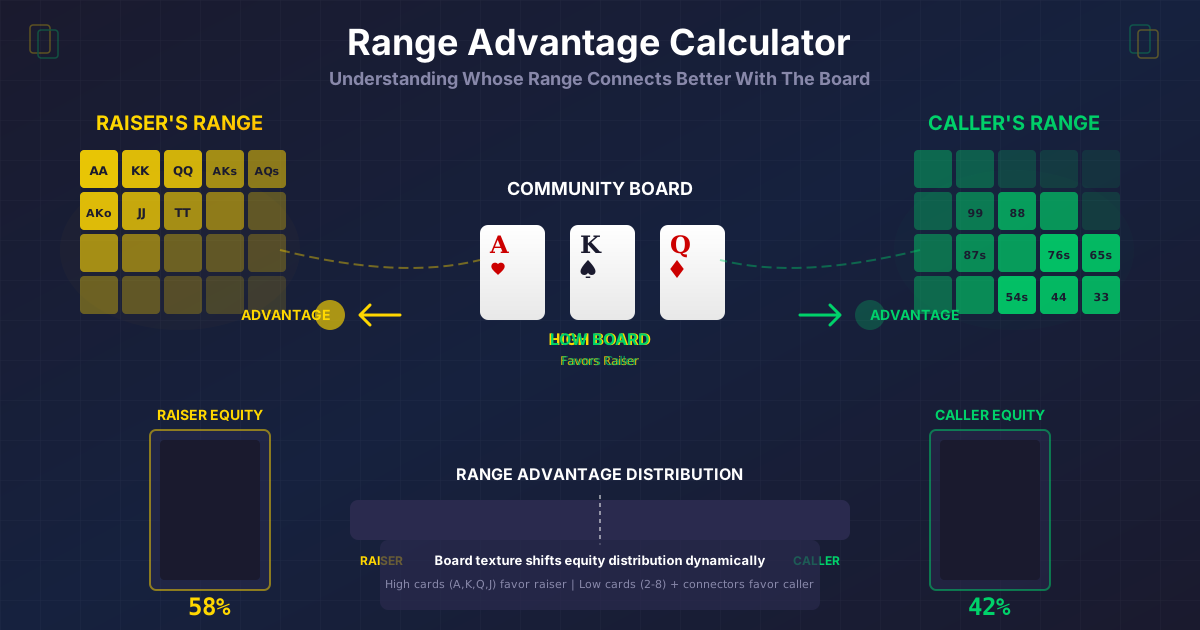
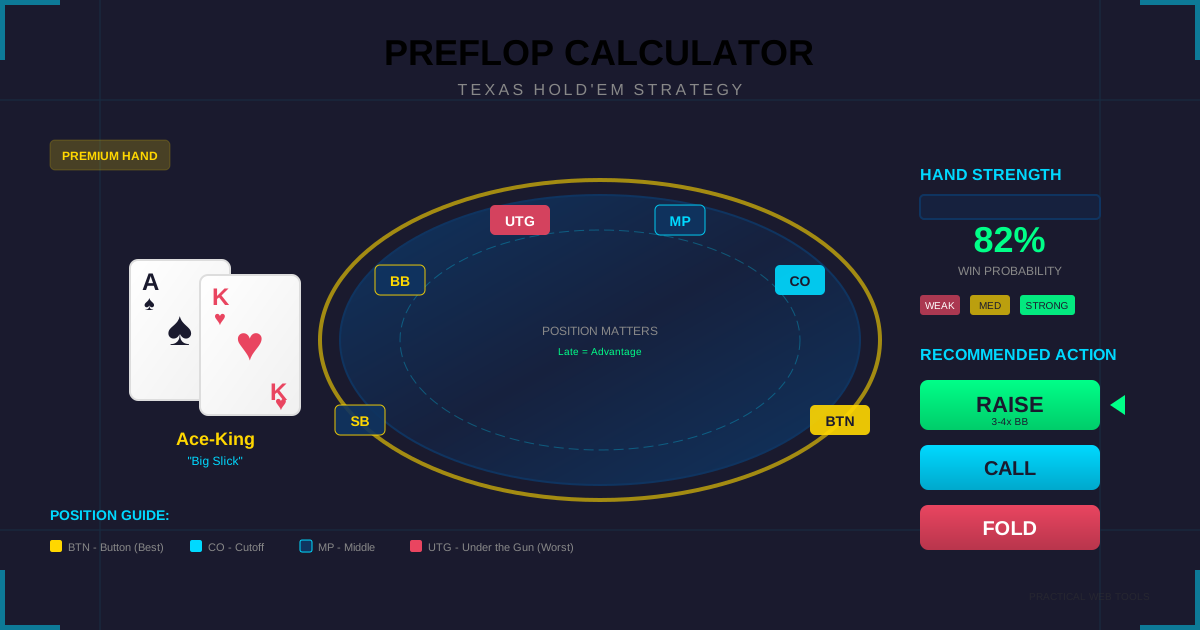
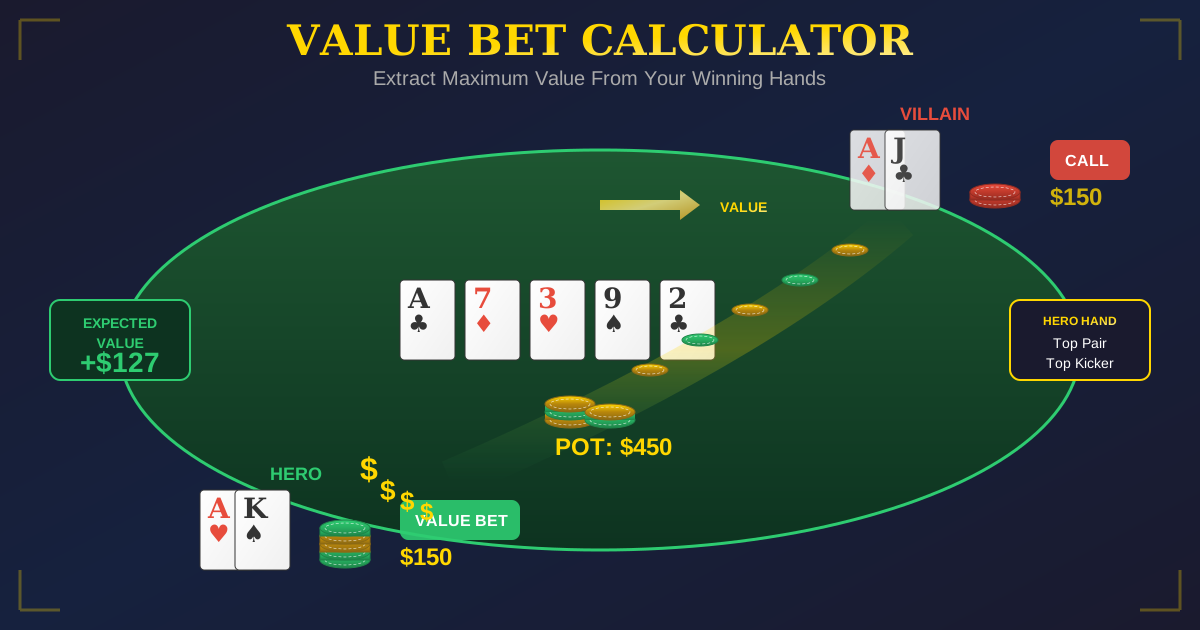
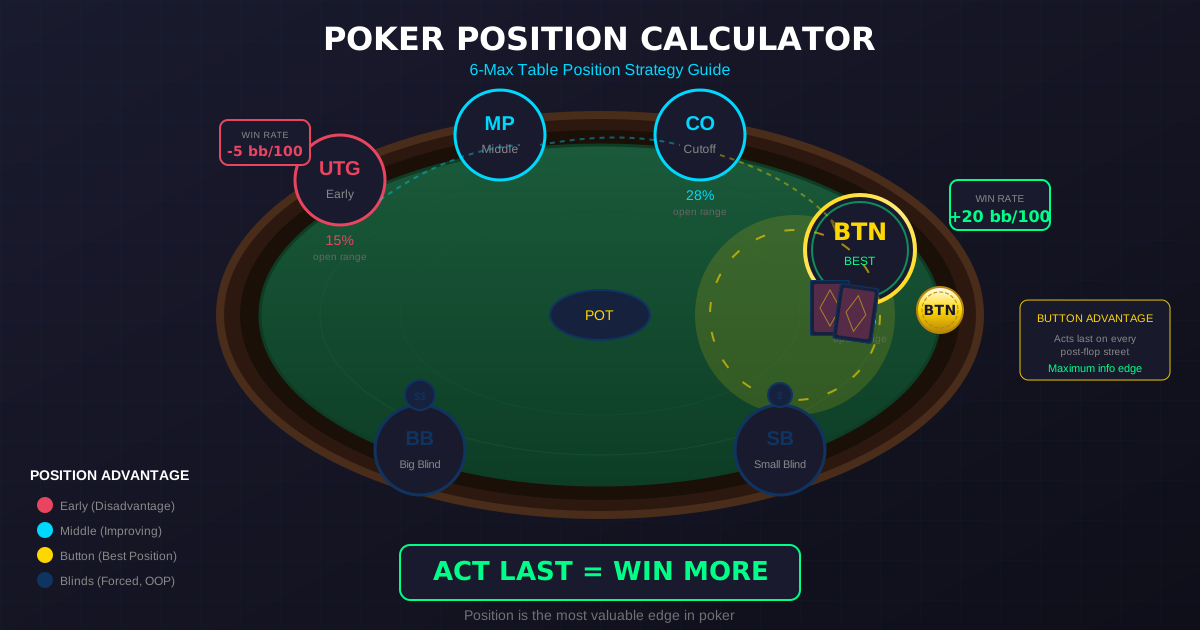
Position determines who acts last on each street—and acting last with information is worth significant equity. Our calculator shows how position affects starting hand ranges and quantifies the massive advantage of the button.
What Is Position in Poker?
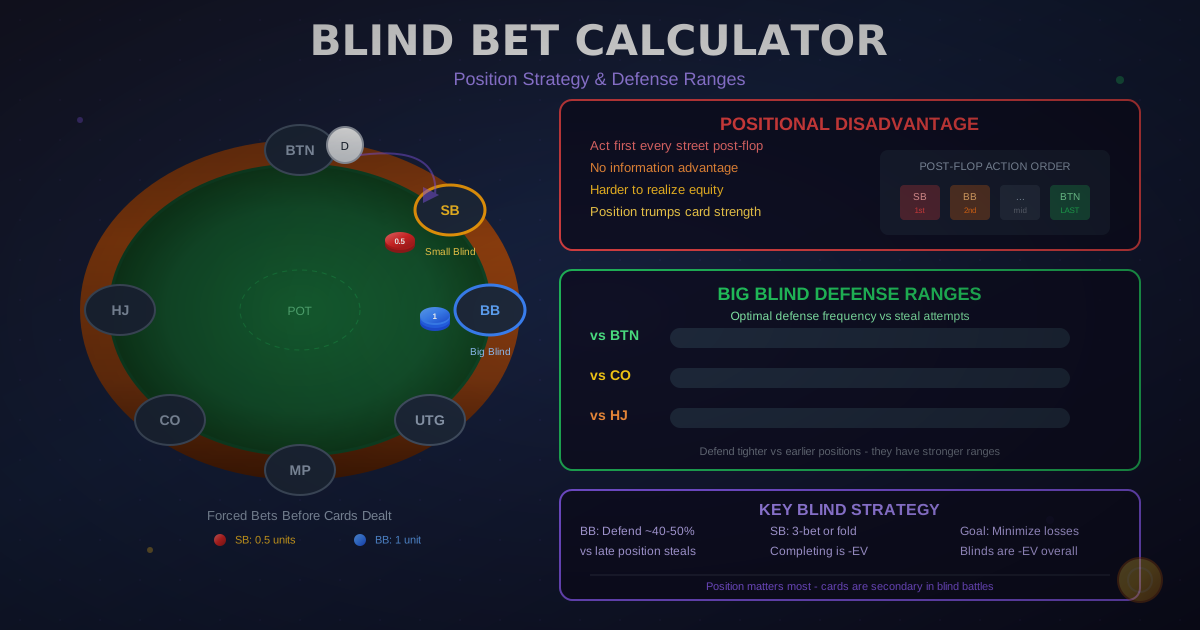
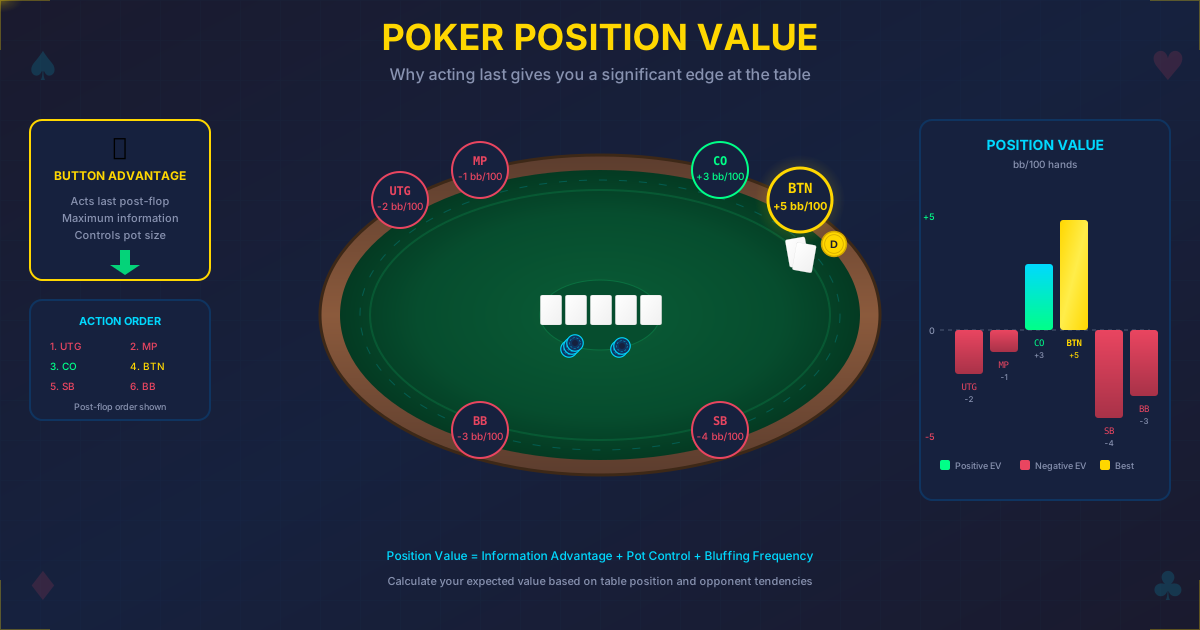
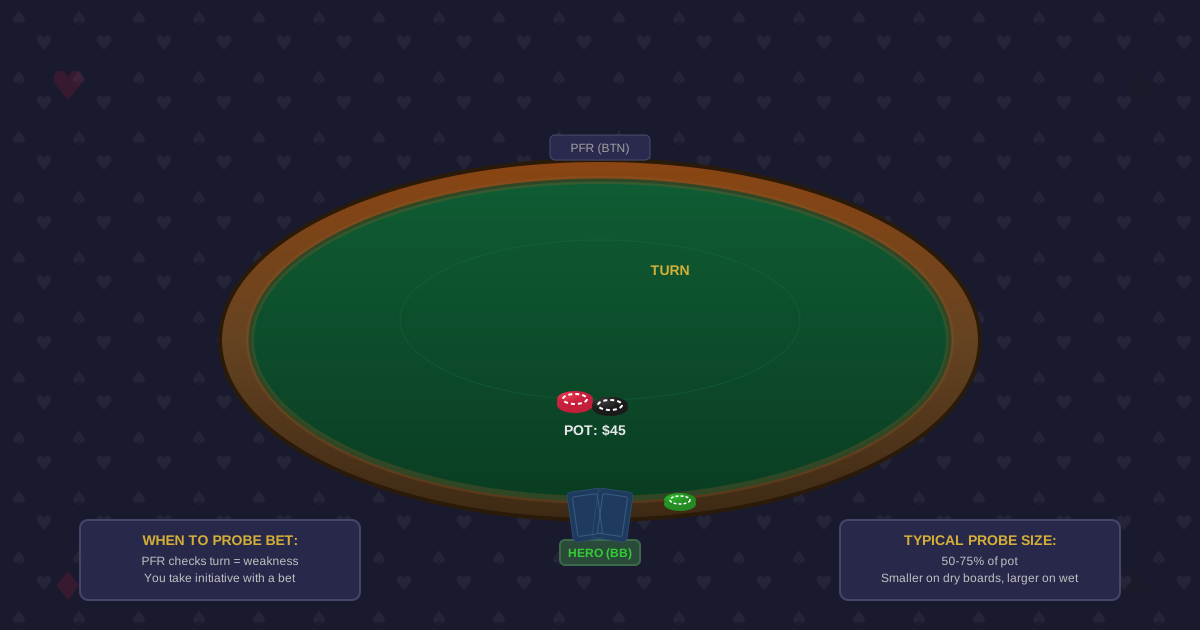
Position refers to where you sit relative to the button. Later positions act after earlier positions, gaining information from opponents' actions before making decisions. The button acts last postflop every street—the most powerful seat at the table.
Quick Answer: The button is worth ~15-20bb/100 hands compared to early position. Late position lets you play 2-3× more hands profitably than early position. Cutoff and button can open 40-50% of hands; UTG should open only 10-15%. Position advantage comes from information: seeing opponents act first lets you make better decisions with marginal hands.
How to Use Our Calculator
Use the Poker Position Calculator →
Enter table size and your position to see opening ranges.
Step-by-Step Instructions
-
Select Table Size: 6-max or 9-handed
-
Choose Your Position: UTG through Button
-
View Opening Range: Profitable hands to open
-
See Position EV: Expected value adjustment
-
Compare Positions: Range differences visualized
Input Fields Explained
| Field | Description | Example |
|---|---|---|
| Table Size | Players | 6-max |
| Your Position | Seat | Button |
| Opening Range | Hands to play | 45% |
| Position EV | Advantage | +3bb/100 |
| Steal Equity | Blind pressure | 32% |
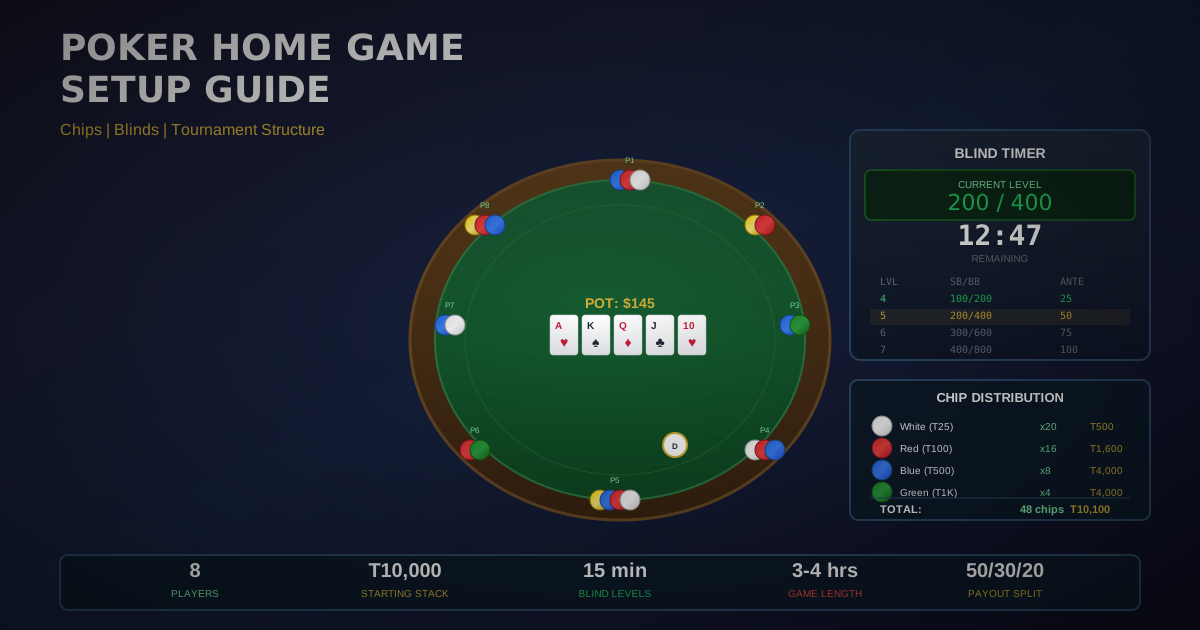
Position Names (6-Max)
Seat Order
| Position | Abbreviation | Acts |
|---|---|---|
| Under the Gun | UTG | First preflop |
| Middle Position | MP | Second preflop |
| Cutoff | CO | Third preflop |
| Button | BTN | Last preflop |
| Small Blind | SB | First postflop |
| Big Blind | BB | Last preflop, second postflop |
9-Handed Additional Seats
UTG → UTG+1 → UTG+2 → MP → MP+1 → HJ → CO → BTN → SB → BB

HJ = Hijack (position before cutoff)
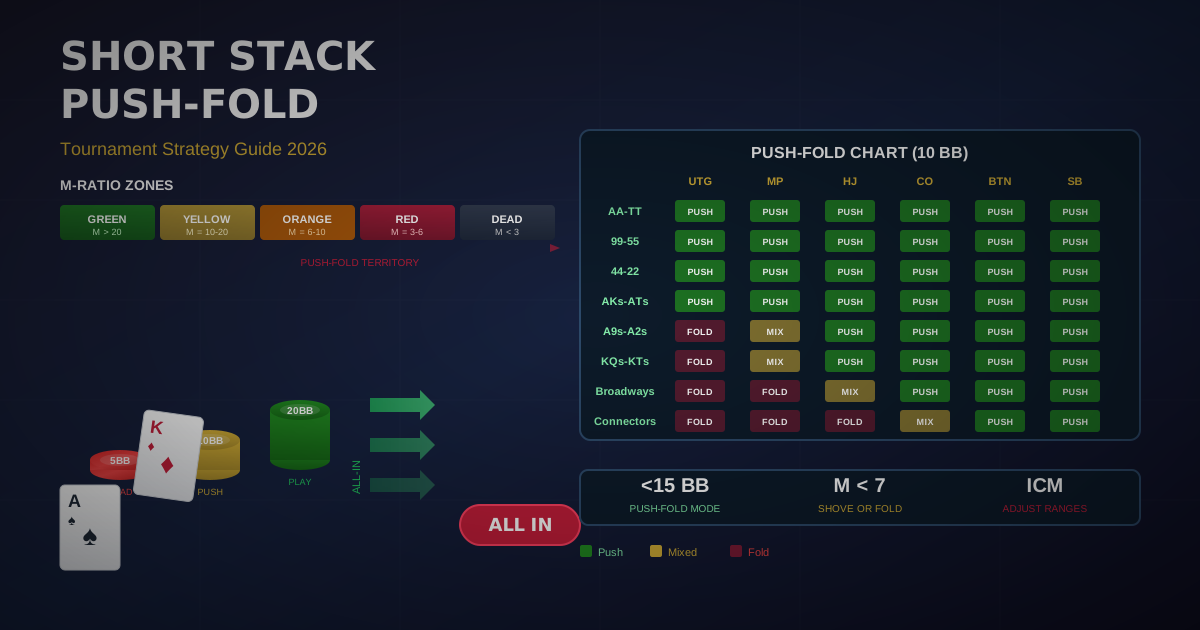
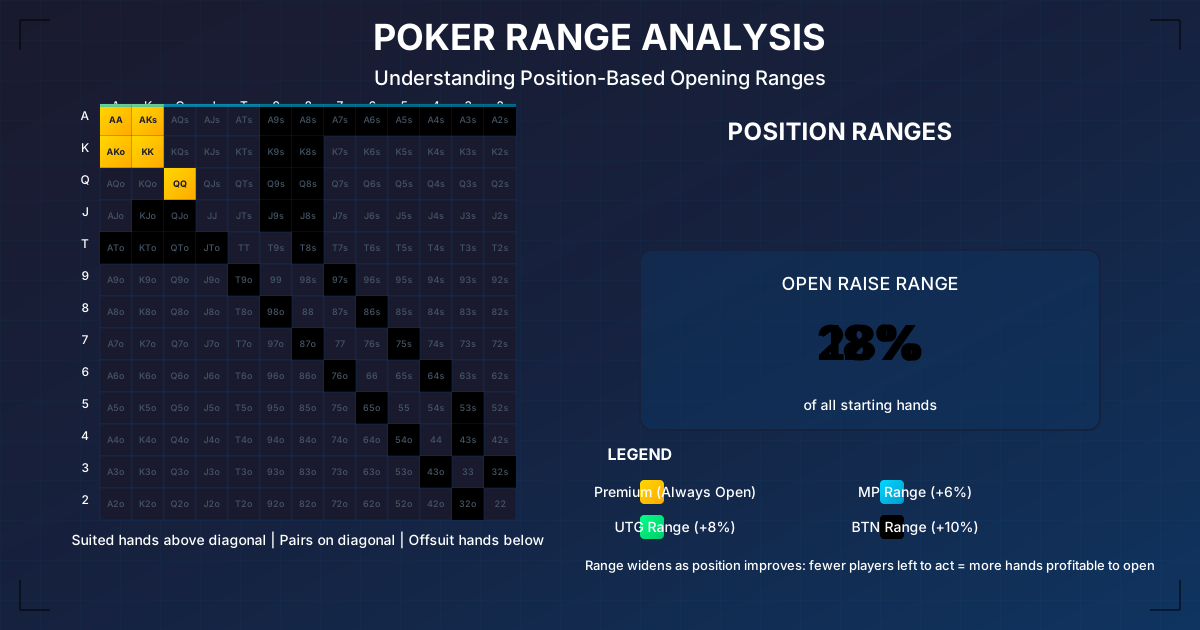
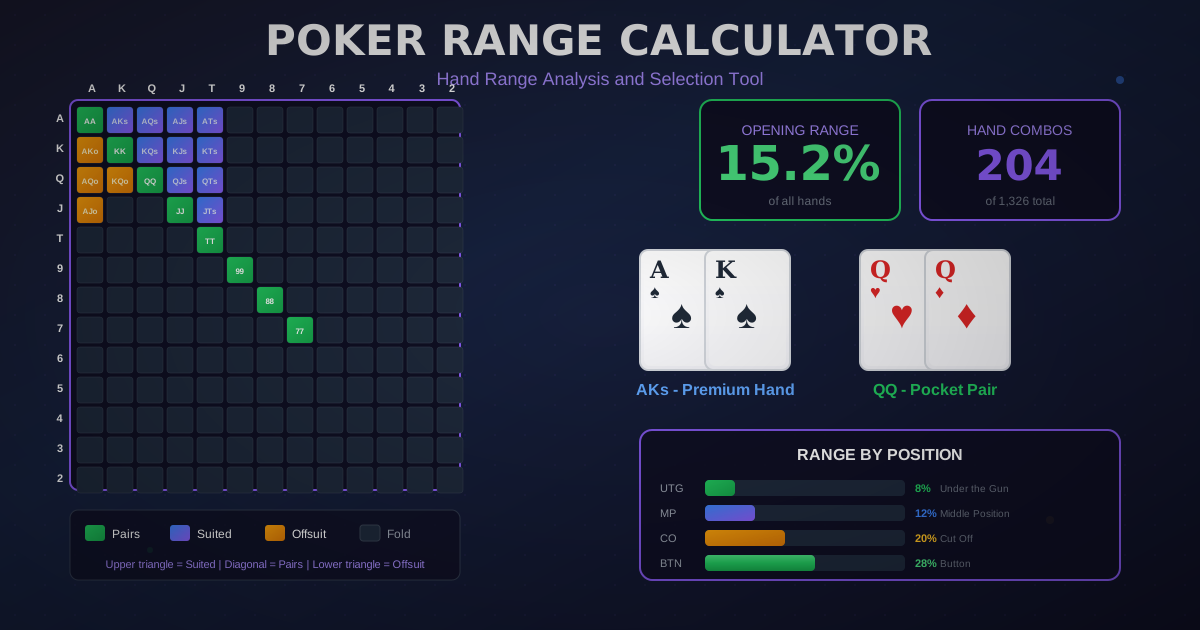
Opening Ranges by Position
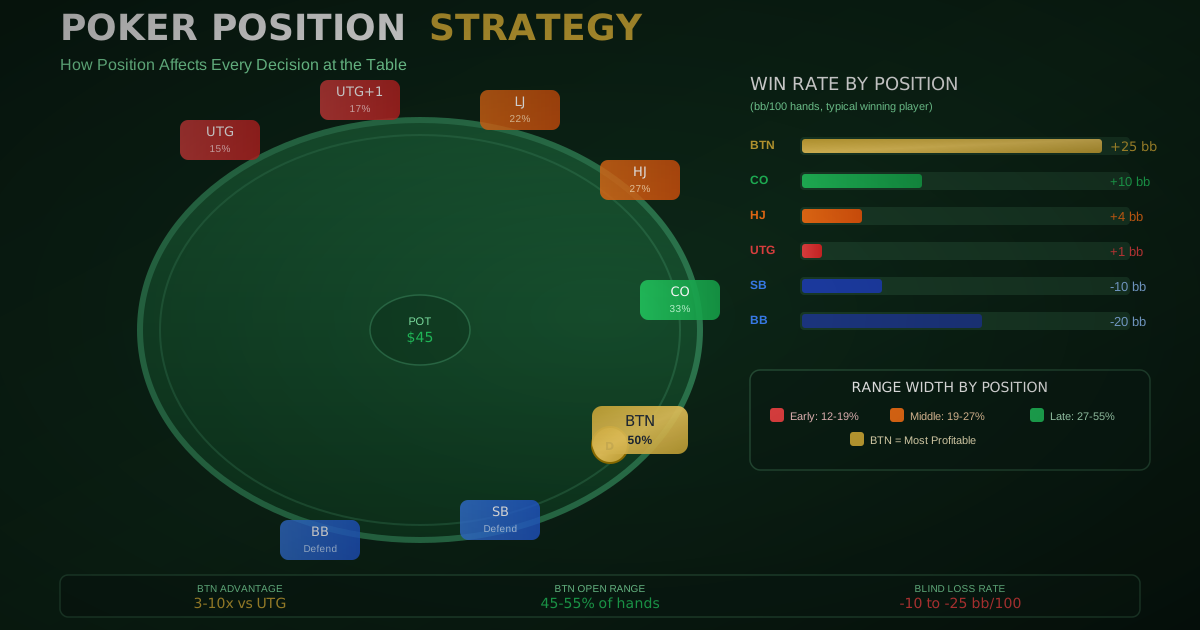
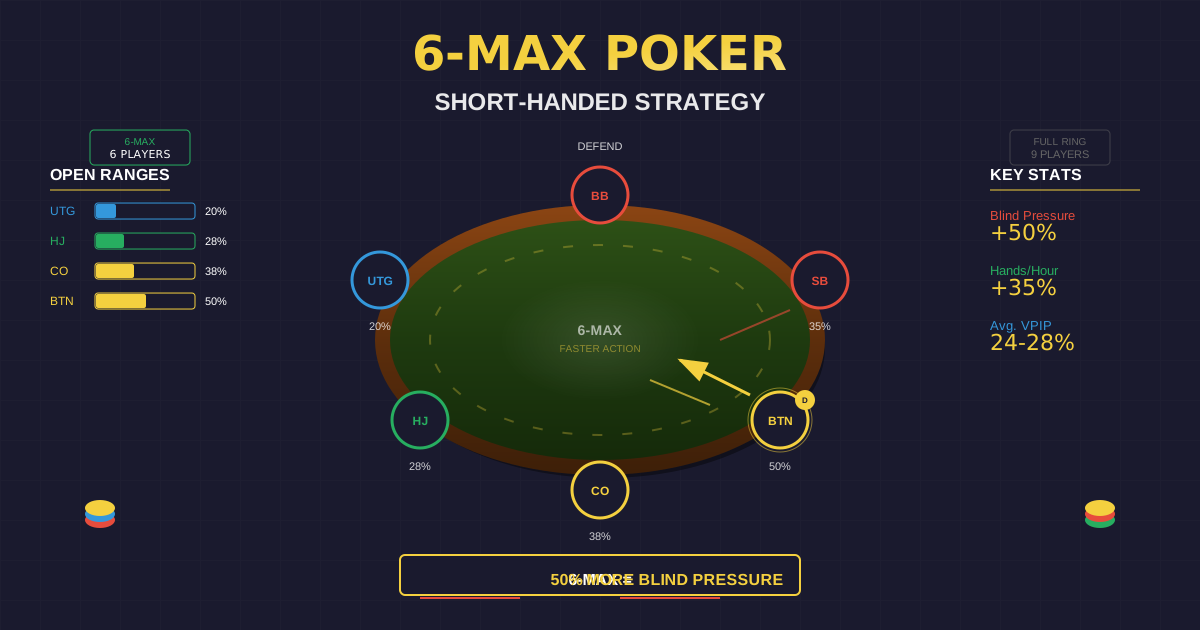
6-Max Opening Ranges
| Position | Range % | Sample Hands |
|---|---|---|
| UTG | 15% | 77+, ATs+, AJo+, KQs |
| MP | 20% | 55+, A9s+, ATo+, KJs+, KQo |
| CO | 28% | 22+, A2s+, A9o+, K9s+, KTo+, QTs+ |
| BTN | 45% | 22+, A2s+, A2o+, K2s+, K8o+, Q7s+, J8s+ |
| SB | 40% | Same as CO (facing just BB) |
Why Ranges Widen
UTG: 5 players behind, high chance of premium
MP: 4 players behind, still cautious
CO: 2 players behind, starting to open
BTN: Only blinds behind, can be aggressive
Button Advantage Quantified
Win Rate by Position (6-Max)
| Position | Win Rate (bb/100) |
|---|---|
| UTG | -5 to 0 |
| MP | -2 to +3 |
| CO | +5 to +10 |
| BTN | +15 to +25 |
| SB | -15 to -10 |
| BB | -10 to -5 |
Why Button Wins Most
1. Acts last postflop (every street)
2. Maximum information before deciding
3. Can steal blinds with wide range
4. Controls pot size
5. Realizes equity better
Positional EV Analysis
Information Advantage
Out of position:
Must act without knowing opponent action
Checking shows weakness
Betting without info risks mistakes

In position:
See opponent action first
Can check behind for free cards
Can value bet or check based on info
Control when pot grows
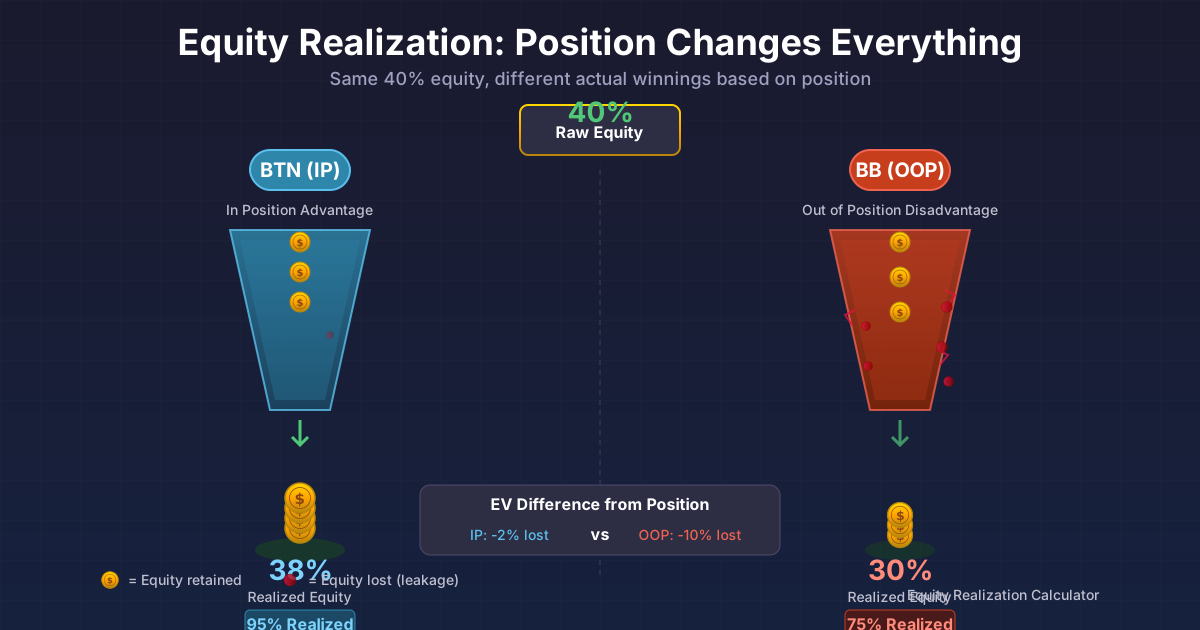
Equity Realization
Hand: Q♠ J♠ (same hand, different position)

In position vs tight player:
Realize ~100% of raw equity
See flop cheap, control postflop

Out of position vs same player:
Realize ~80% of raw equity
Must act blind, face difficult decisions
Real-World Examples
Example 1: Button Steal
Position: Button Action: Folds to you Hand: K♦ 5♦
Analysis:
Only SB and BB behind
Combined fold ~65% of time
Even with weak hand:
EV(raise) > EV(fold)

Open raise to 2.5bb
Win 1.5bb ~65% uncontested
Example 2: UTG Opening
Position: UTG Action: First to act Hand: K♦ J♦
Analysis:
5 players behind (6-max)
High chance someone has premium
KJs is marginal from here

Better decision:
Open at UTG+1 tables
Fold at tight tables
Example 3: Cutoff vs Tight Button
Position: Cutoff Button: Known tight player Hand: A♠ 4♠
Analysis:
Tight button = more fold equity
A4s playable from CO
Open raise, expect button fold

If button calls:
Play cautiously OOP postflop
Example 4: Blind Defense
Position: Big Blind Action: Button opens 2.5bb Hand: Q♥ 9♥
Analysis:
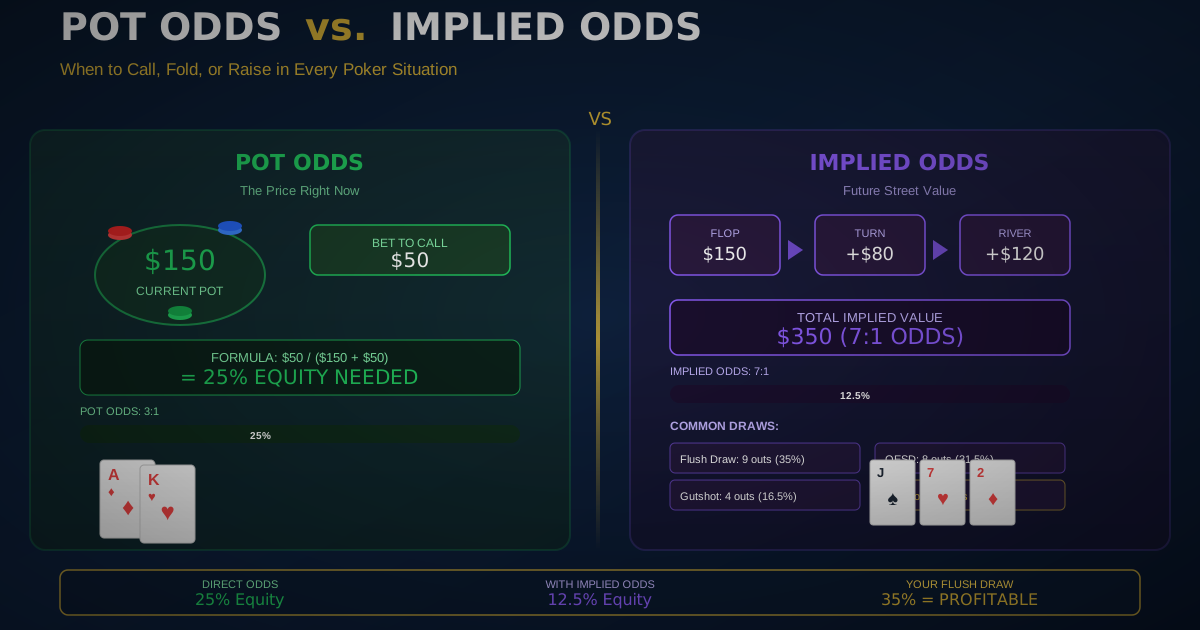
Getting 3.5:1 from BB
Q9s has equity vs button range
But will be OOP postflop

Call: Marginal
3-bet bluff: Sometimes
Fold: Often correct
Postflop Position Effects
Acting Last Every Street
Button postflop advantage:
- See opponent check/bet before acting
- Can check behind for free card
- Can size bet based on opponent action
- Can bluff when checked to
Example Street-by-Street
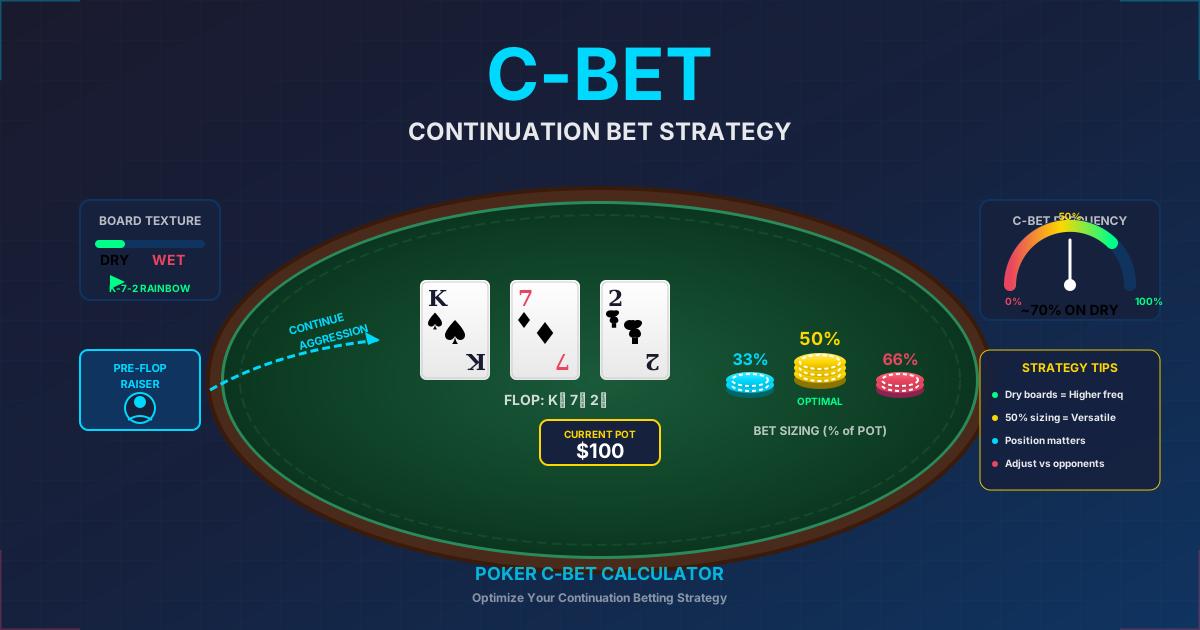
You: Button with K♠ J♣ Opponent: BB Board: K♥ 7♦ 2♣
Flop:
BB checks → You bet (value)
BB bets → You call (info gathered)
Turn: 5♠
BB checks → You bet (more value)
BB bets → You can raise or call
River: 3♦
BB checks → You value bet
BB bets → Decision with full info
Key: Every street, you act with information
Blind Defense Strategy
Small Blind
SB position:
- Post 0.5bb already
- Will be OOP postflop
- First to act every street

Strategy:
- 3-bet or fold mostly
- Calling creates bad spots
- Defend tighter than BB
Big Blind
BB position:
- Posted 1bb (already invested)
- Getting discount to continue
- Last to act preflop
- OOP postflop though

Strategy:
- Defend wide (pot odds)
- But realize equity is hard
- Consider 3-betting more
Position and Stack Depth
Deep Stacks Favor Position
200bb+ effective:
Position becomes more valuable
More postflop decisions
More chances to outplay opponent

Short stacks (20bb):
Position matters less
Preflop shoves simplify
Less postflop play
Tournament Considerations
Early stages (deep):
Position very valuable
Wide late position play

Late stages (short):
Position less critical
Push/fold mode
Common Position Mistakes
1. Opening Too Wide UTG
Mistake: Open 25%+ from UTG Problem: Often dominated, OOP postflop Fix: 12-15% from UTG
2. Defending Blinds Too Wide
Mistake: Call every open from blinds Problem: OOP with mediocre hands Fix: 3-bet or fold weak hands, defend strong
3. Not Exploiting Button
Mistake: Button same range as cutoff Problem: Missing profitable steals Fix: Open 40-50% from button
4. Playing OOP Like IP
Mistake: Call 3-bets OOP with marginal hands Problem: Can't realize equity Fix: 4-bet or fold when OOP vs 3-bets
Frequently Asked Questions
How much is the button worth?
Button earns ~15-20bb/100 more than early position over large samples. It's the most profitable seat at the table.
Should I play differently 6-max vs full ring?
Yes. 6-max plays more positions per orbit, so you should play slightly wider from all positions compared to full ring.
Is cutoff almost as good as button?
Close but not equal. Cutoff must worry about button calling/3-betting. Button only faces blinds. CO is ~70% as valuable.
How do I practice positional play?
Play tight early, loose late. Track your results by position. Review hands where position affected the outcome.
Does position matter in tournaments vs cash?
Both. Tournaments add ICM considerations, but positional advantage remains crucial for accumulating chips.
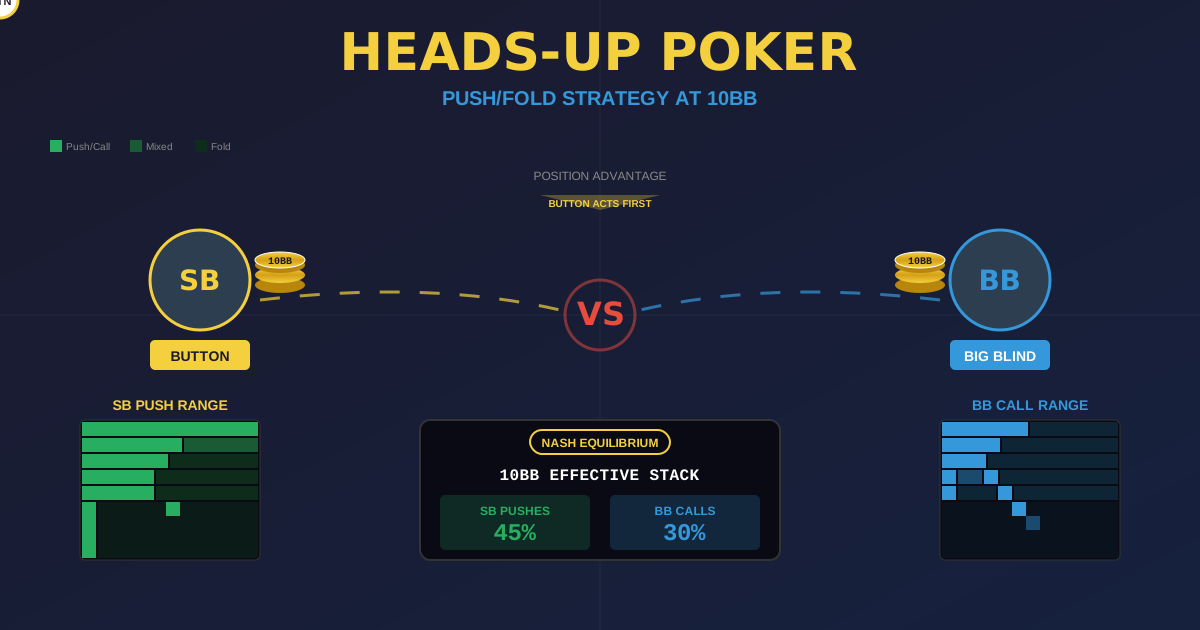
What about heads-up?
In HU, button posts SB and acts first preflop but last postflop. Position dynamics change significantly.
Pro Tips
-
Track by position: Know your win rate per seat
-
Steal relentlessly: Button opens should approach 50%
-
Respect EP raises: Tight ranges from early positions
-
3-bet position: 3-bet more vs late position opens
-
Avoid OOP calls: Calling OOP is usually worst option
Related Calculators
- Poker Preflop Calculator - Starting hands
- Poker Equity Calculator - Hand vs range
- Poker Pot Odds Calculator - Pot odds
- Poker Tournament Calculator - ICM/stack
- Expected Value Calculator - EV analysis
Conclusion
Position is arguably the most important non-card factor in poker. Our calculator shows how position affects opening ranges, steal equity, and expected value. Master positional play and gain an edge that exists independent of the cards you're dealt.
Calculate Position Value Now →
Understanding position transforms your poker game. Acting last means making decisions with maximum information—and information translates directly to profit. Use our calculator to see exactly how much position is worth and which hands become playable from each seat.