Poker Position Value Calculator: Positional Advantage Analysis (2026)
Poker Position Value Calculator: The Power of Acting Last
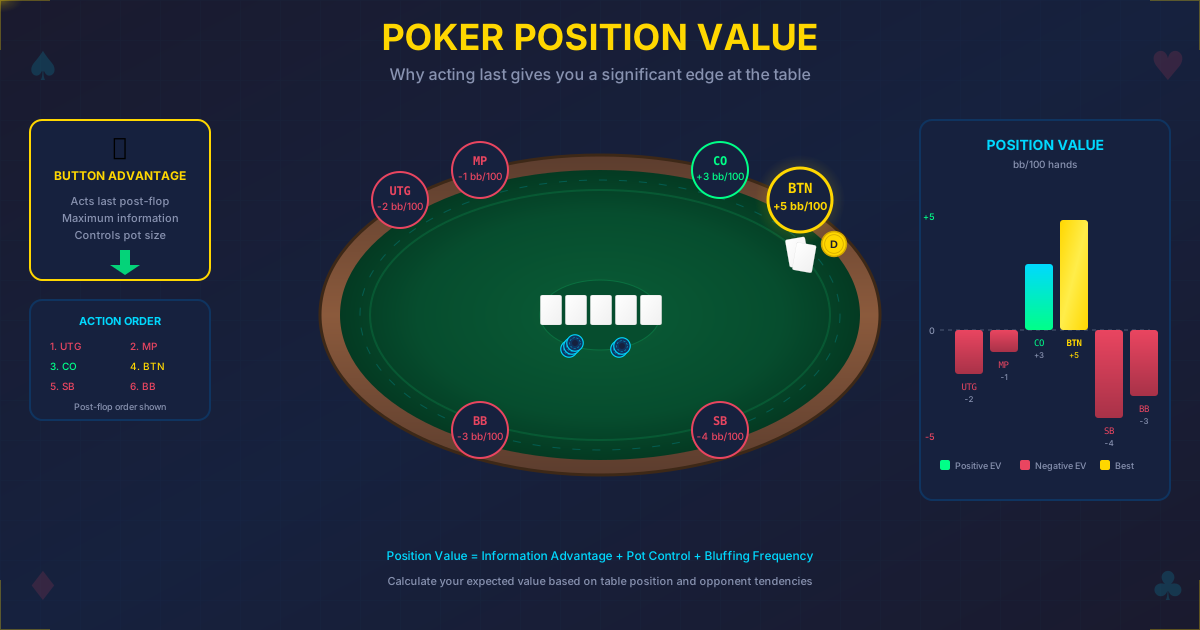
Position is poker's most undervalued edge—acting after opponents provides information advantage worth real money. Our calculator quantifies positional value, showing how acting last improves decision quality and win rate.
What Is Position Value?
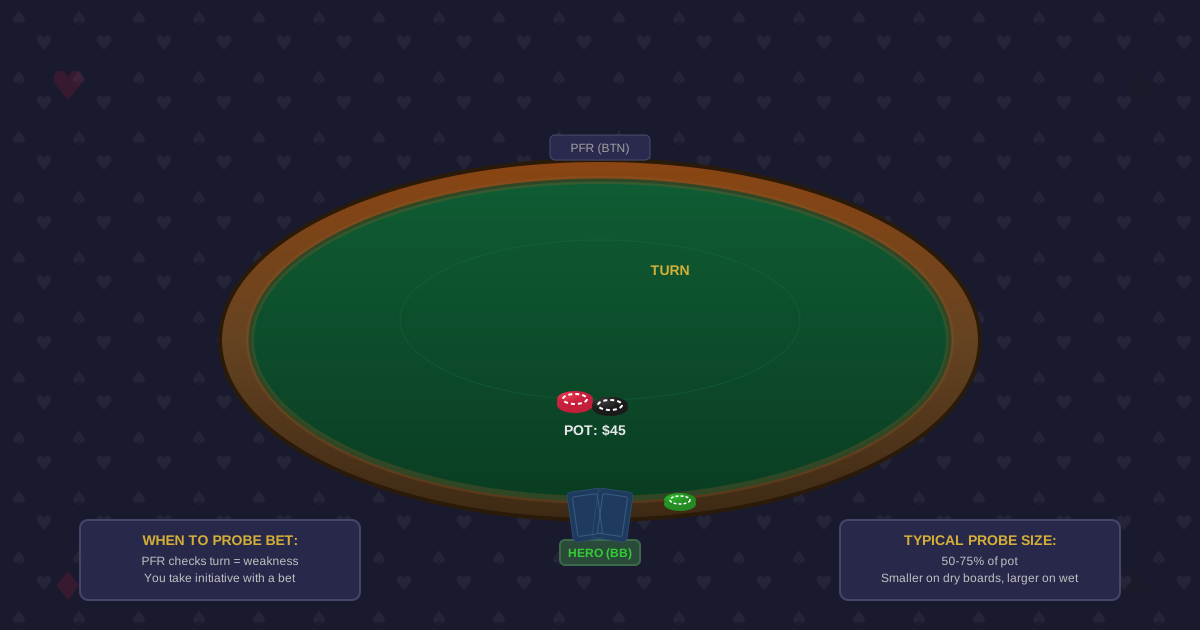
Position value is the additional expected value gained from acting after opponents. Late position players see others' actions before deciding, make better decisions, and win more money with the same hands. This edge is measurable and significant.
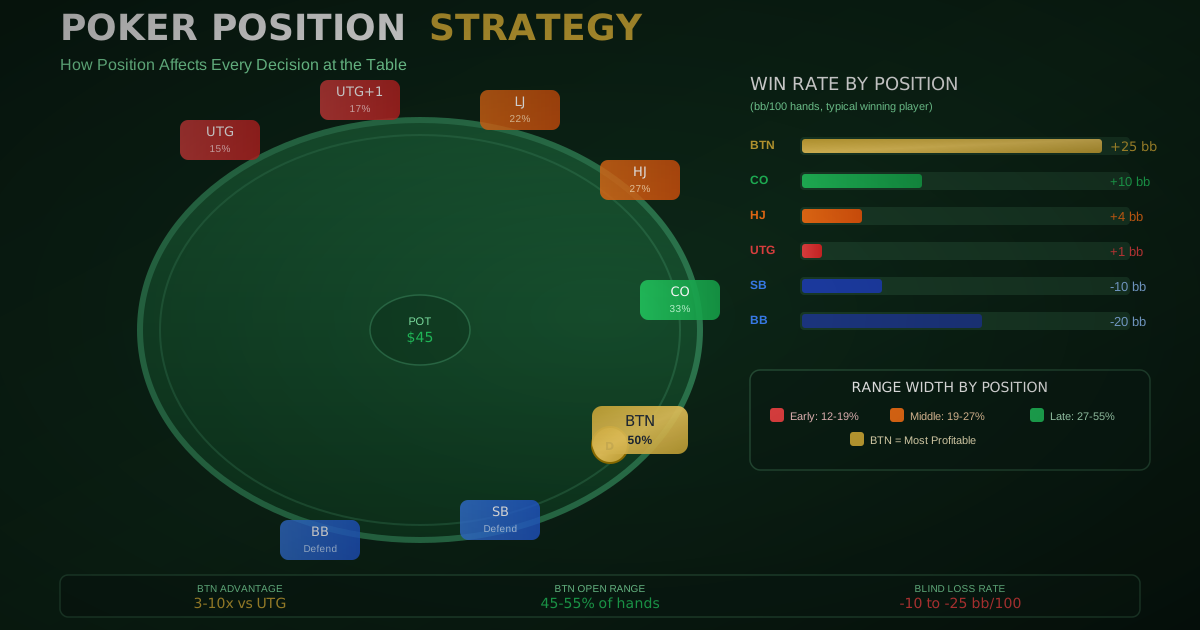
Quick Answer: Position provides information advantage. Button is most valuable seat: acts last post-flop every hand. UTG is least valuable: acts first, least information. Win rate difference: Button wins ~5-10 bb/100 more than UTG with identical skills. Position justifies wider pre-flop ranges and more aggressive play.
How to Use Our Calculator
Use the Position Value Calculator →
Analyze expected value by table position.
Step-by-Step Instructions
-
Select Position: UTG through Button
-
View Range Adjustment: Recommended hands
-
See Win Rate Impact: Position advantage
-
Calculate EV: Position contribution
-
Compare Seats: Relative value
Input Fields Explained
| Field | Description | Example |
|---|---|---|
| Position | Table seat | Button |
| Range Width | Playable hands | 45% |
| Relative Value | Compared to average | +120% |
| Win Rate Adjustment | bb/100 modifier | +5 bb/100 |
| Information Advantage | Decision quality | High |
Position Rankings
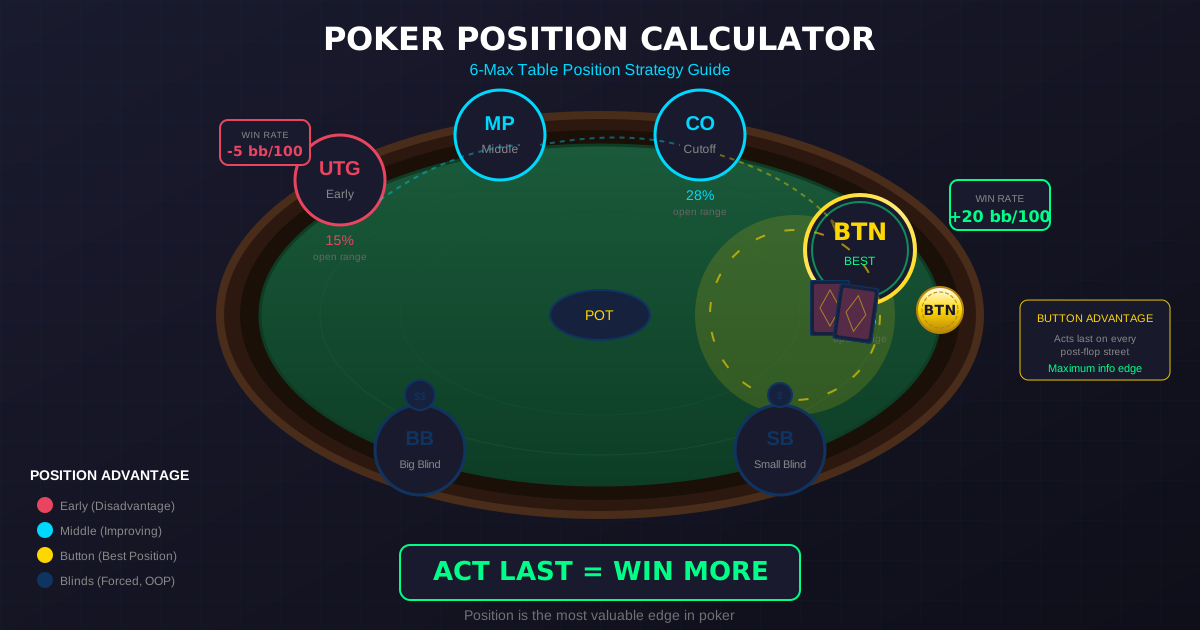
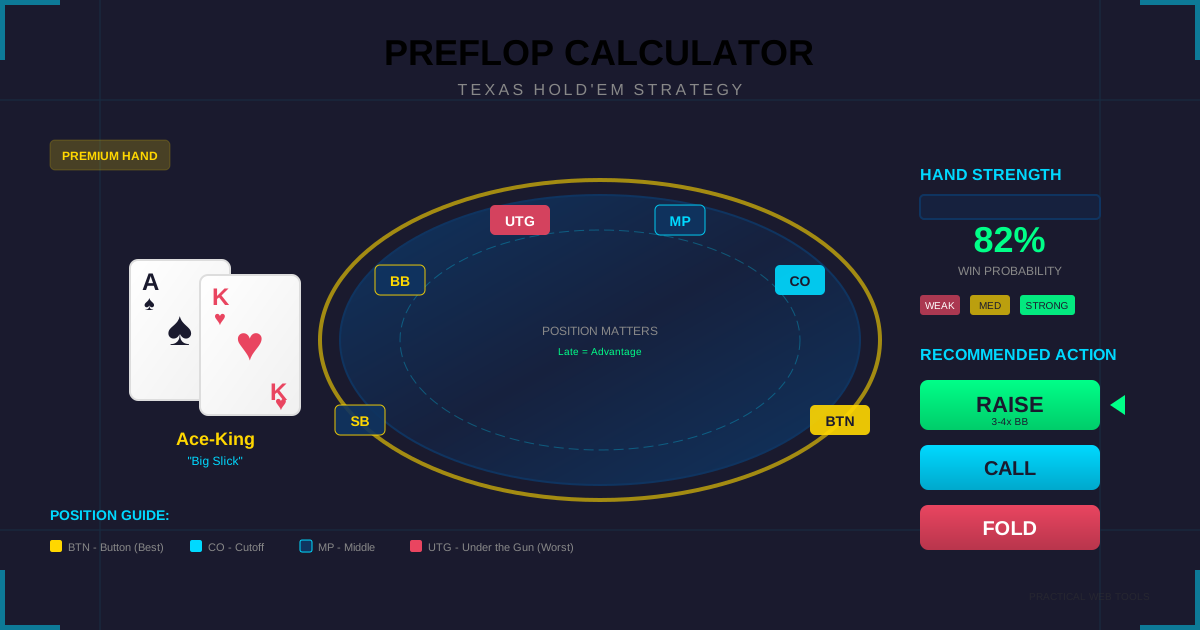
Button (BTN) - Best Position
Acts last post-flop every hand
Maximum information before deciding
Can steal blinds profitably
Controls pot size effectively

Recommended range: 40-55%
Value adjustment: +100-150%
Win rate boost: +5-10 bb/100
Cutoff (CO) - Excellent Position
Acts second-to-last usually
Button may fold, giving position
Strong stealing opportunity
Wide playable range

Recommended range: 30-40%
Value adjustment: +50-80%
Win rate boost: +3-6 bb/100
Hijack (HJ) - Good Position
Late-middle position
Reasonable positional advantage
More players behind limits range
Balance of position and risk

Recommended range: 22-30%
Value adjustment: +20-40%
Win rate boost: +1-3 bb/100
Middle Position (MP) - Neutral
Average positional value
Several players act after
Must play tighter range
Position advantage limited

Recommended range: 18-24%
Value adjustment: 0-20%
Win rate boost: 0-2 bb/100
Under the Gun (UTG) - Worst Position
First to act pre-flop
Entire table behind you
Maximum risk of dominated hands
Tightest range required

Recommended range: 10-15%
Value adjustment: -20-30%
Win rate boost: -2-5 bb/100
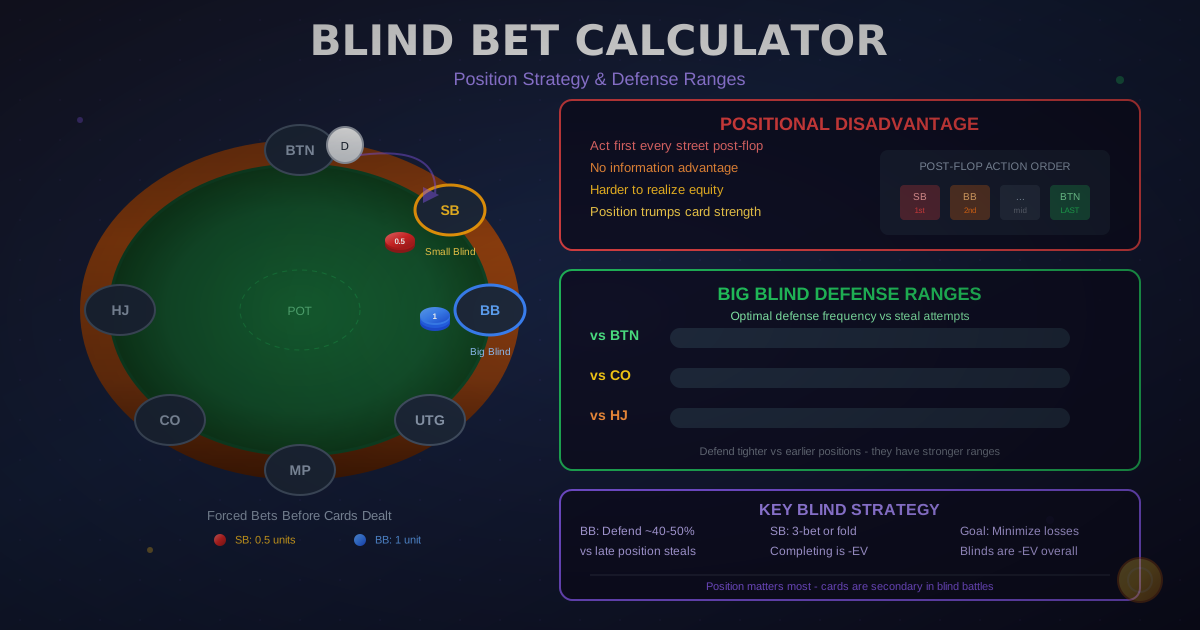
Blinds - Forced Investment
Small Blind:
Forced half bet
Act first post-flop
Worst post-flop position
Defend some but not wide

Big Blind:
Forced full bet
Close the action pre-flop
Wide defense due to pot odds
Still bad post-flop position
Why Position Creates Value
Information Advantage
Acting last means:
- See all opponents' actions first
- Know if they bet, check, or raise
- Adjust strategy based on information

Acting first means:
- Guess what opponents will do
- Commit before knowing their intent
- Make decisions with less data
Pot Control
In position, you can:
- Check behind for free cards
- Bet to build pot when ahead
- Close action on each street

Out of position:
- Must check or bet blind
- Can't end action on your terms
- Opponent controls sizing
Bluffing Effectiveness
Button bluffs are credible:
You've seen checks showing weakness
Your aggression represents strength
Opponents have shown their hand

Early position bluffs are weaker:
Opponent still has action
Can raise to challenge you
Harder to tell story
Real-World Examples
Example 1: Button vs UTG with AQ
Same hand, different positions:
UTG open with AQ:
RFI (raise first in): $6
5 players still to act
Could face 3-bet from any

If 3-bet: Difficult spot
Only continue vs some 3-bets
Often fold or flat awkwardly

EV: Marginal, close to 0
Button open with AQ:
RFI: $6
Only blinds to act
Can steal often

If 3-bet: Call or 4-bet IP
Post-flop position if called
Much better to navigate

EV: Clearly positive
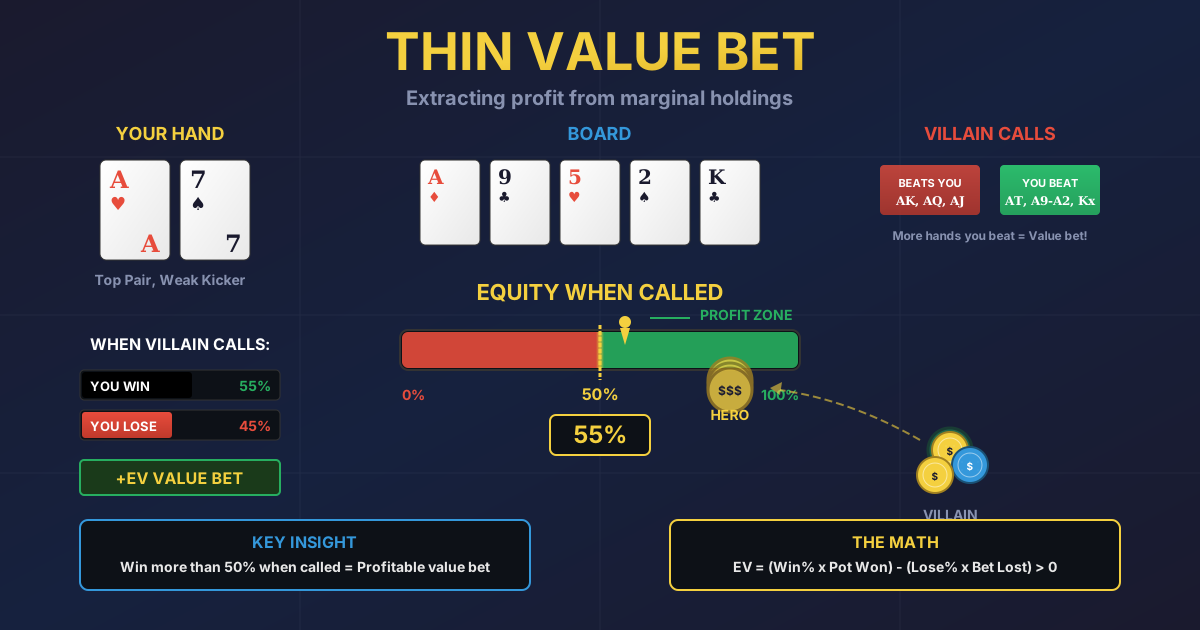
Example 2: Post-Flop Position
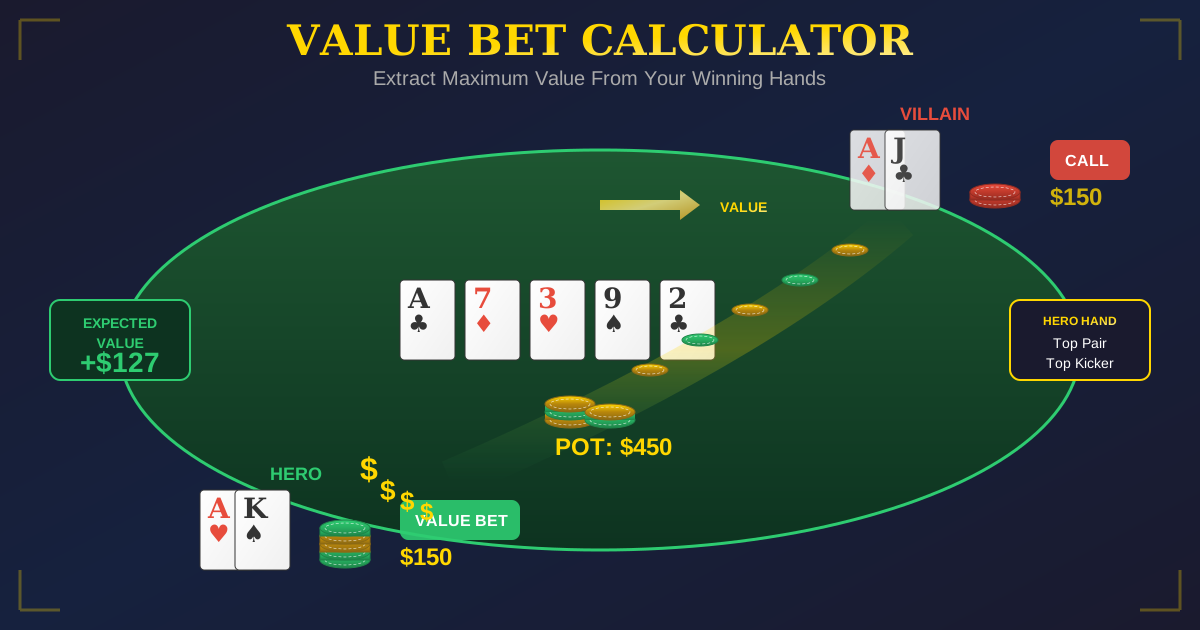
Flop: A-7-2 rainbow You have: A-9
Out of position:
Check: Opponent may bet, hard to continue big
Bet: Opponent may raise, difficult

If you bet and get raised:
Fold? Waste value
Call? Play guessing game
Raise? Probably overplaying
In position:
Opponent checks: Bet for value
Opponent bets: Call (cheap showdown)
Opponent bets big: Maybe fold

You control the pot size
Information guides decisions
Example 3: Win Rate Comparison
Player with identical skill:
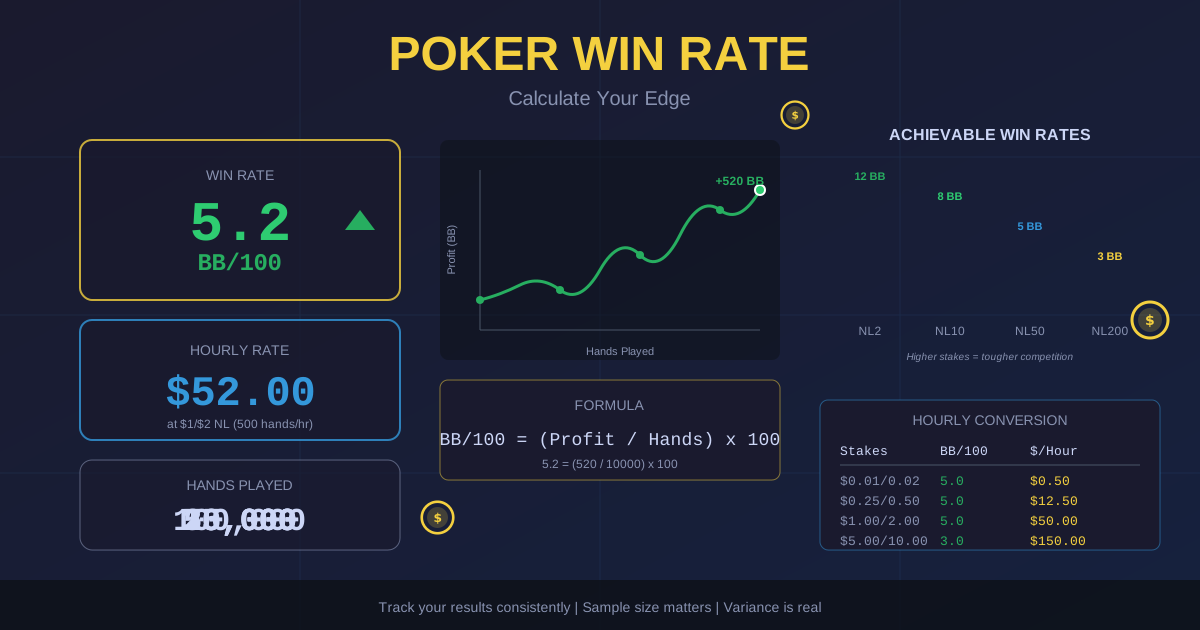
Button: +12 bb/100 (wins $12 per 100 hands at $1/$2)
Cutoff: +8 bb/100
Hijack: +5 bb/100
MP: +2 bb/100
UTG: -2 bb/100
SB: -10 bb/100
BB: -8 bb/100

Same player, same cards
Position creates ~20 bb/100 swing
BTN vs SB difference is massive
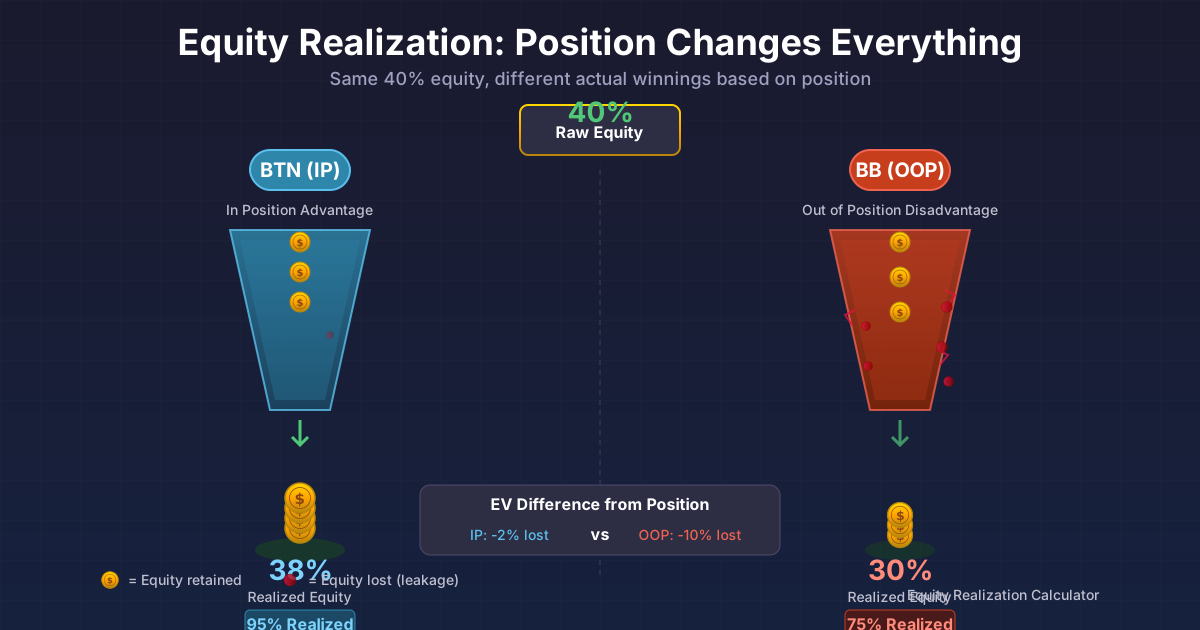
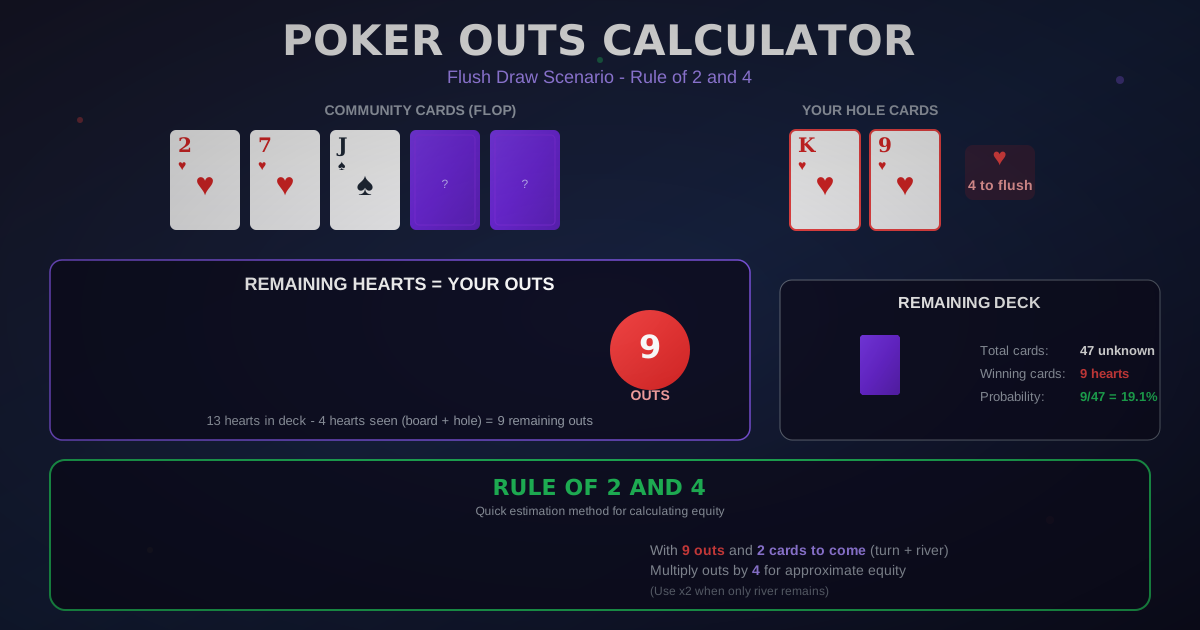
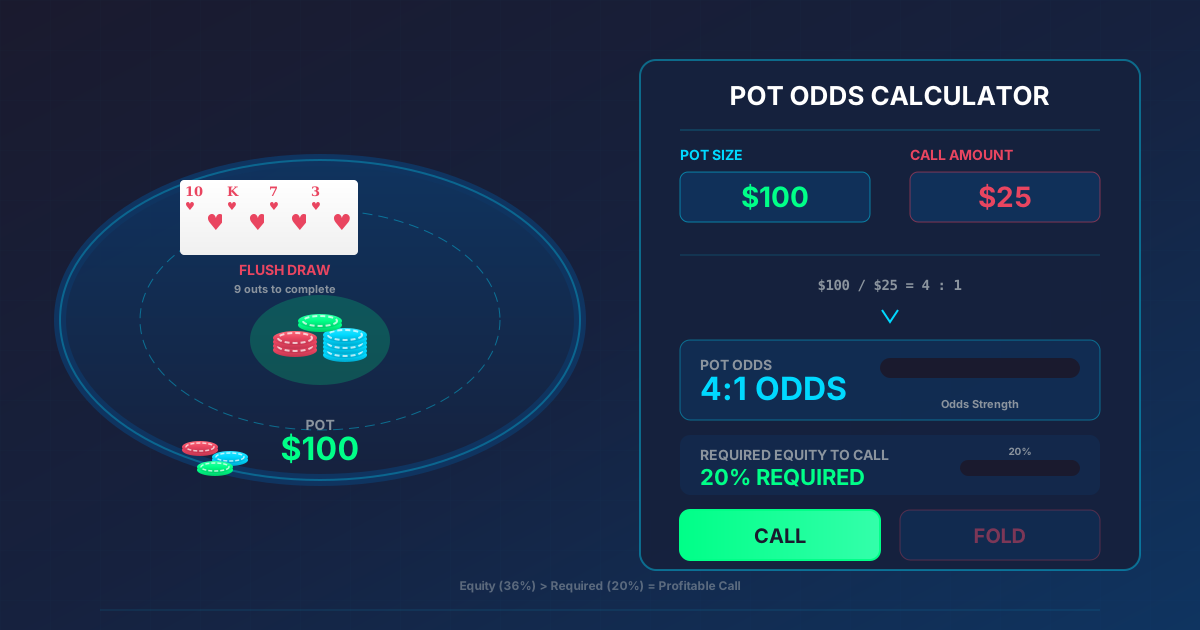
Example 4: Range Equity Realization
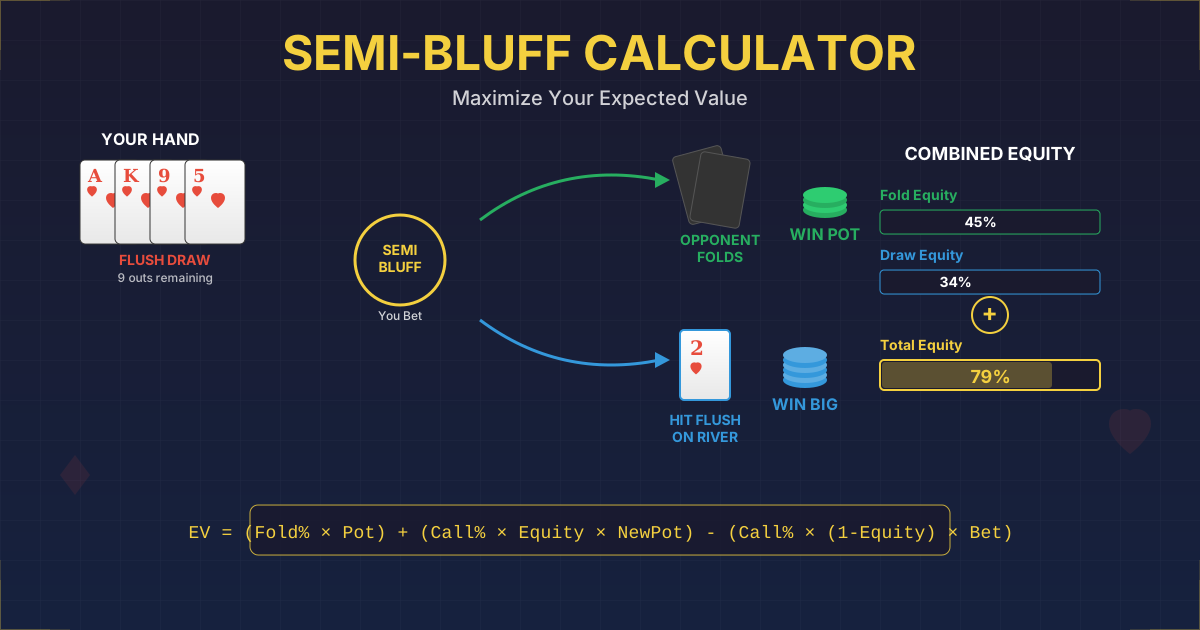
Both players have flush draw:
In position:
Can check back for free card
Can bet if opponent checks
Control pot when drawing

Realize ~100% of equity
Out of position:
Must check-call or check-raise
Can't control bet sizes
Opponent dictates action

Realize ~75-85% of equity
Position and Range Construction
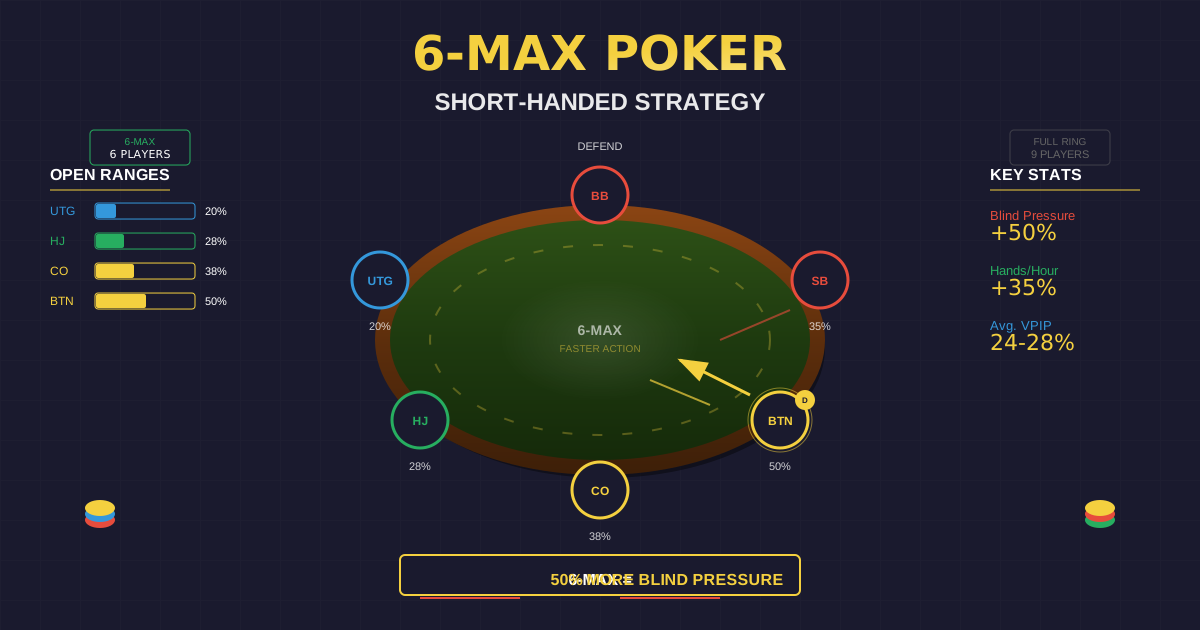
Opening Ranges by Position
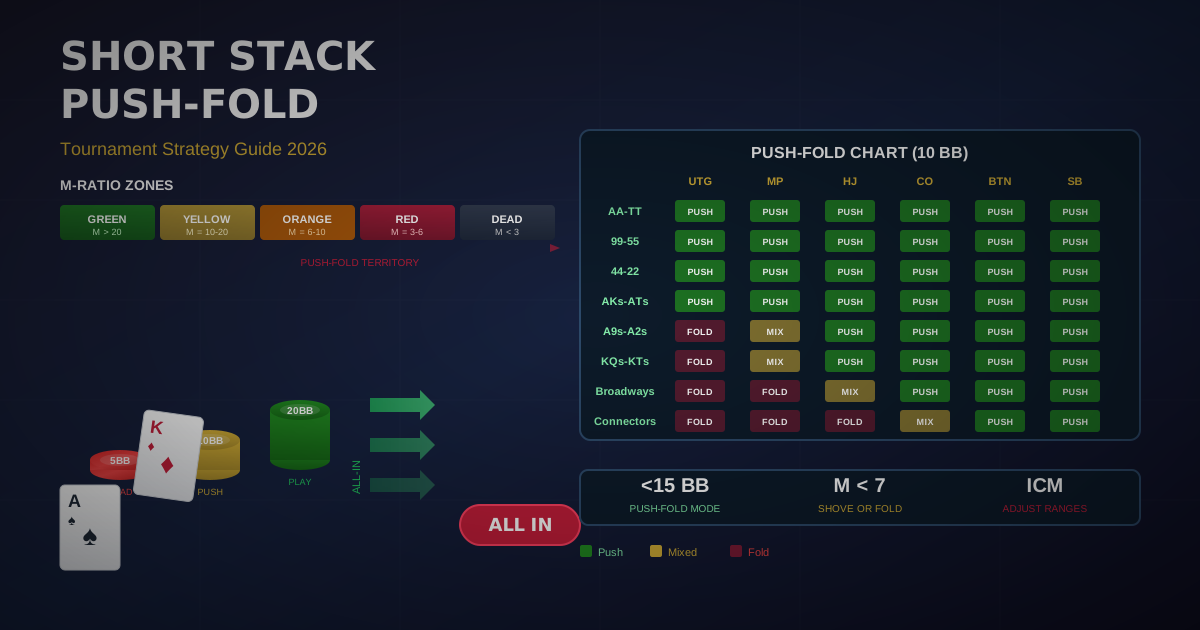
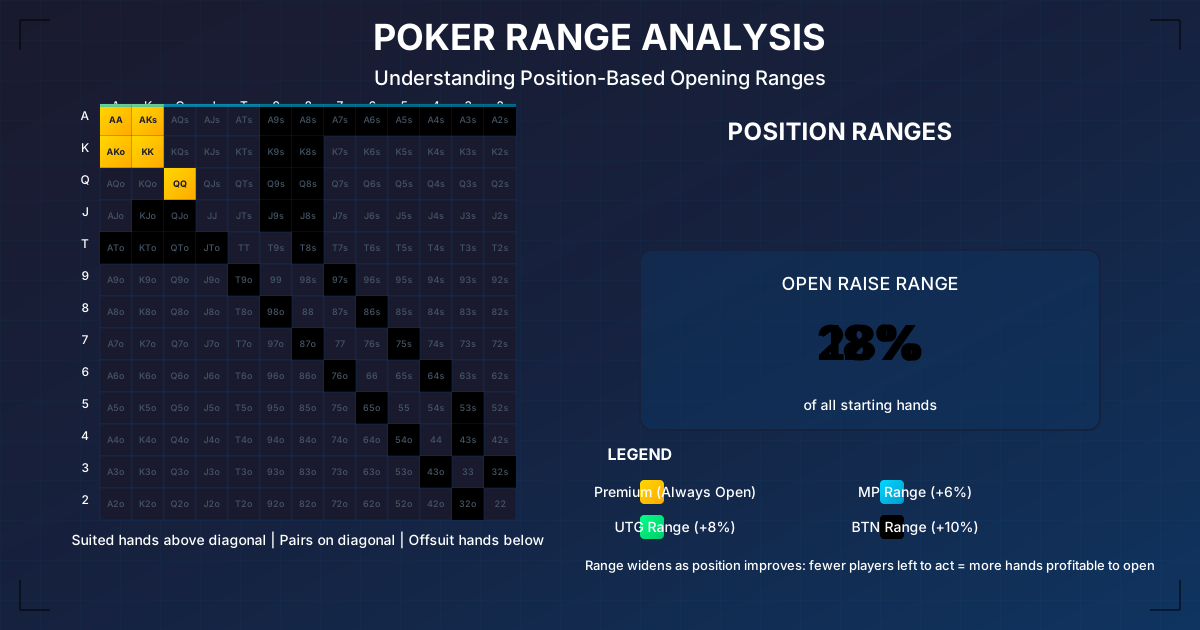
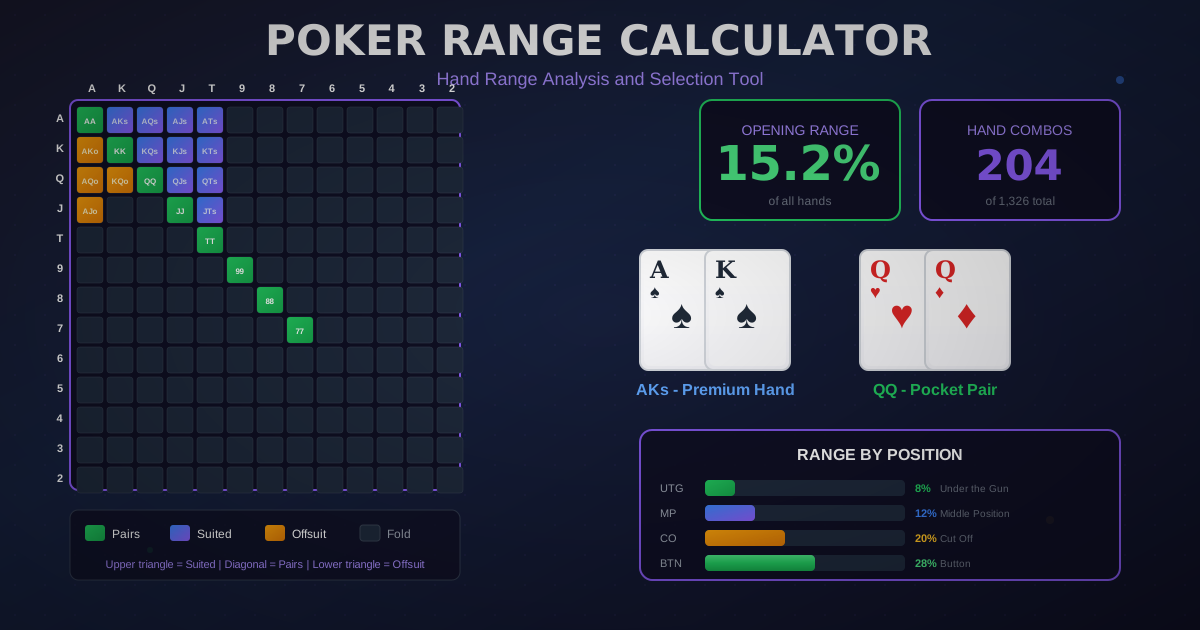
UTG: Top 12% (77+, ATs+, KQs, AQo+)
UTG+1: Top 14%
MP: Top 18%
HJ: Top 22%
CO: Top 30%
BTN: Top 45%

Range widens with position
More hands profitable later
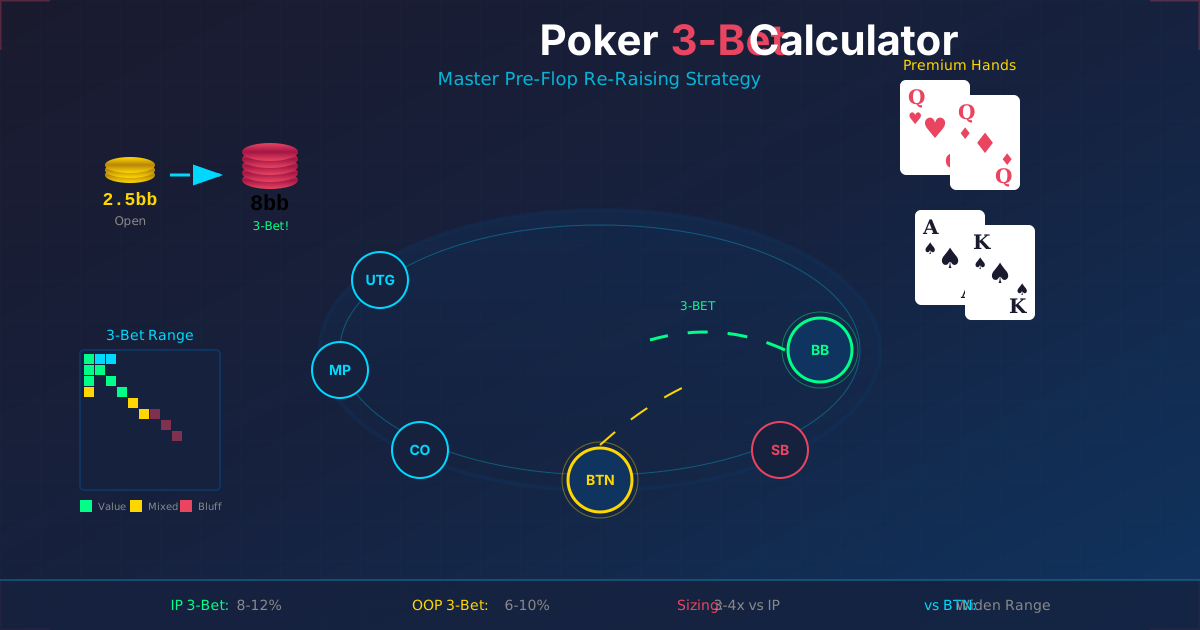
3-Betting Ranges by Position
vs UTG open: 3-bet 4-5% (QQ+, AK)
vs MP open: 3-bet 6-8%
vs CO open: 3-bet 8-10%
vs BTN open: 3-bet 10-14%

Position affects response too
Later opener = wider range = wider 3-bet
Common Mistakes
1. Playing Same Range All Positions
Mistake: AJ good everywhere Problem: Ignores positional value Fix: Tighten UTG, widen BTN
2. Undervaluing Button
Mistake: Fold mediocre hands on button Problem: Missing profitable opportunities Fix: Open 40-50% from button
3. Ignoring Post-Flop Position
Mistake: Only think pre-flop Problem: Post-flop is where money made Fix: Value in-position play highly
4. Calling from Blinds Too Wide
Mistake: "I have pot odds" Problem: Positional disadvantage persists Fix: Tighten despite discount
Frequently Asked Questions
How much is the button worth?
Approximately 10-15 bb/100 more than average position. It's the most valuable seat by far.
Should I always fold from UTG?
No, but play tight. Top 10-15% of hands. UTG opens should be premium.
Is the cutoff almost as good as button?
Close. Cutoff is second-best and should open 30-40% of hands. ~70% of button's value.
Do blinds have any advantage?
Pre-flop only: BB closes action and has odds. Post-flop, blinds have worst position.
How do I practice positional play?
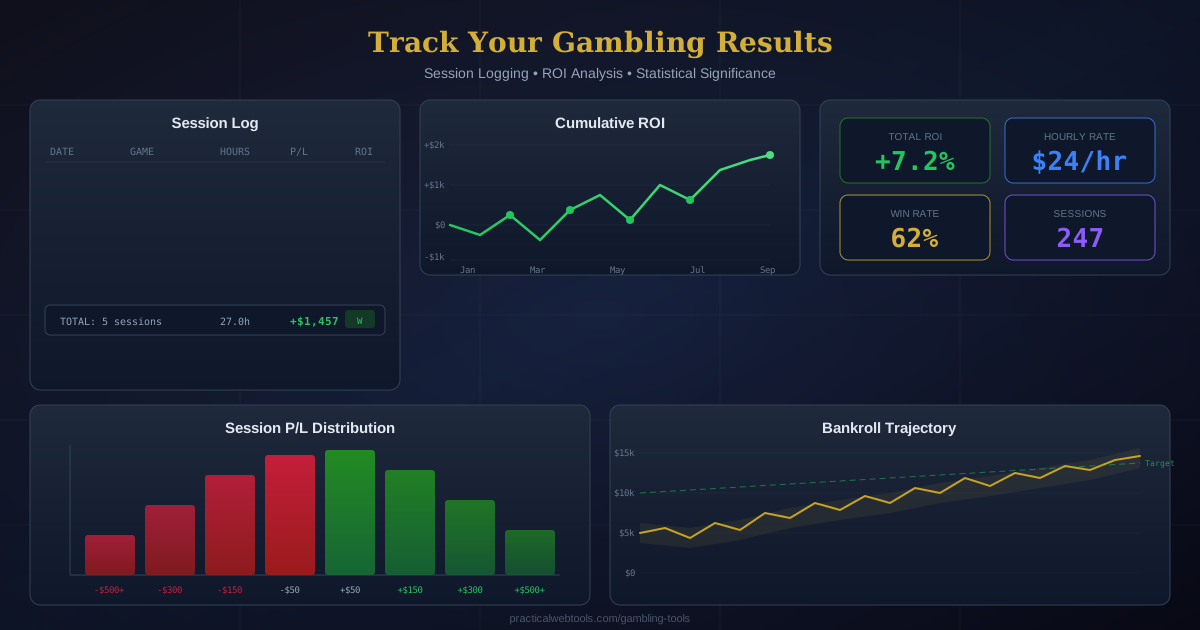
Track win rates by position. Review hands where position mattered. Study range charts by seat.
Does position matter in tournaments?
Yes, equally or more. Stack sizes add complexity but position remains crucial.
Pro Tips
-
Button is gold: Play it aggressively
-
Tighten UTG: Premium hands only
-
Steal from CO/BTN: Very profitable
-
Defend blinds selectively: Position cost matters
-
Track by position: Know your win rates
Related Calculators
- Poker Range Calculator - Range construction
- Poker Equity Calculator - Hand equity
- Pot Odds Calculator - Odds math
- Poker EV Calculator - Expected value
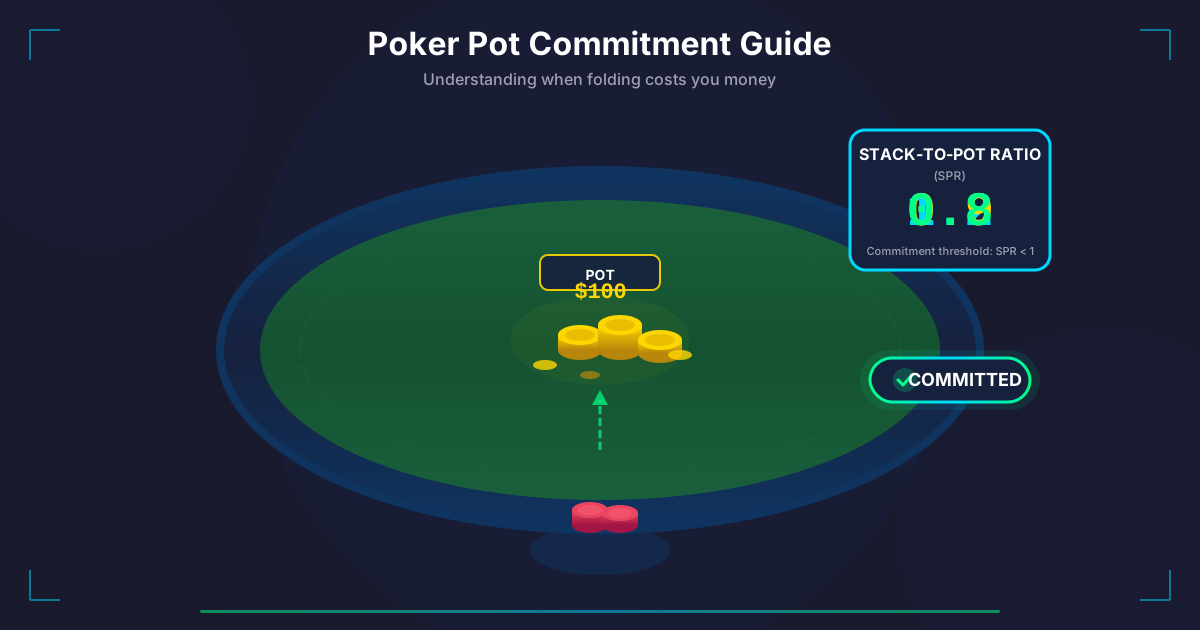
- Poker Stack to Pot Calculator - SPR analysis
Conclusion
Position value is real, measurable, and significant. Acting last provides information advantage that translates directly to win rate. Our calculator quantifies this edge, showing how seat selection affects expected value.
Calculate Position Value Now →
The button is worth 10+ bb/100 more than early position—that's hundreds of dollars per session at medium stakes. Our calculator helps you understand why position matters and how to adjust your play accordingly.