Poker Pot Commitment Calculator: Stack-to-Pot Decisions (2026)
Poker Pot Commitment Calculator: When Folding Is No Longer an Option
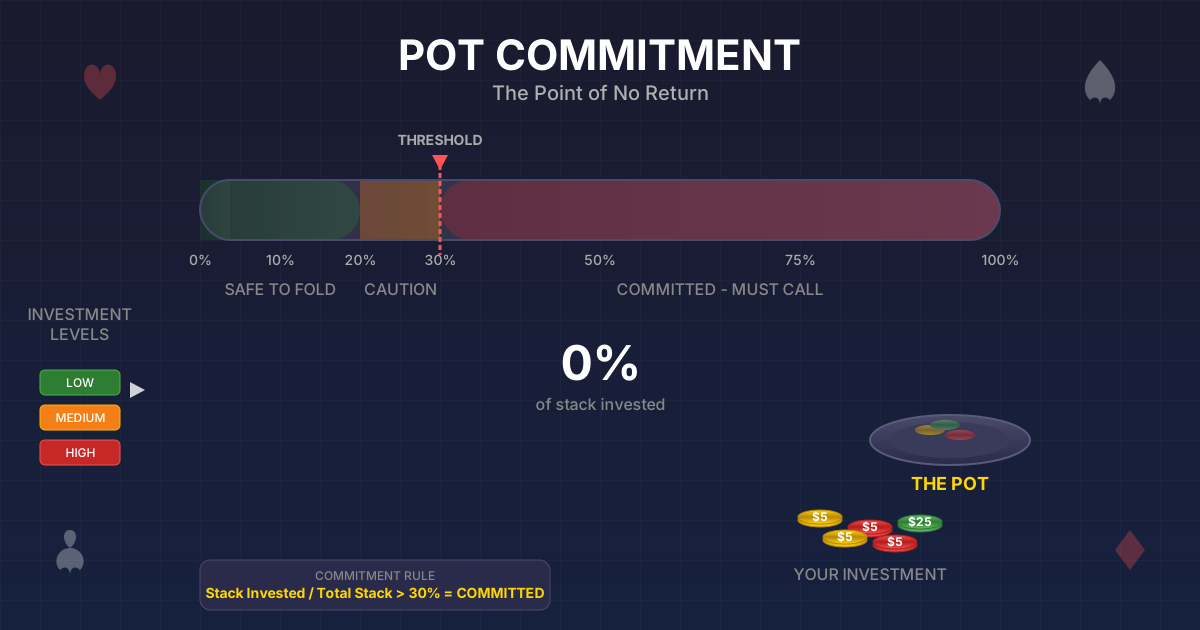
Pot commitment occurs when you've invested so much that folding becomes mathematically incorrect. Our calculator identifies these thresholds, showing when your remaining stack should go in regardless of current hand strength.
What Is Pot Commitment?
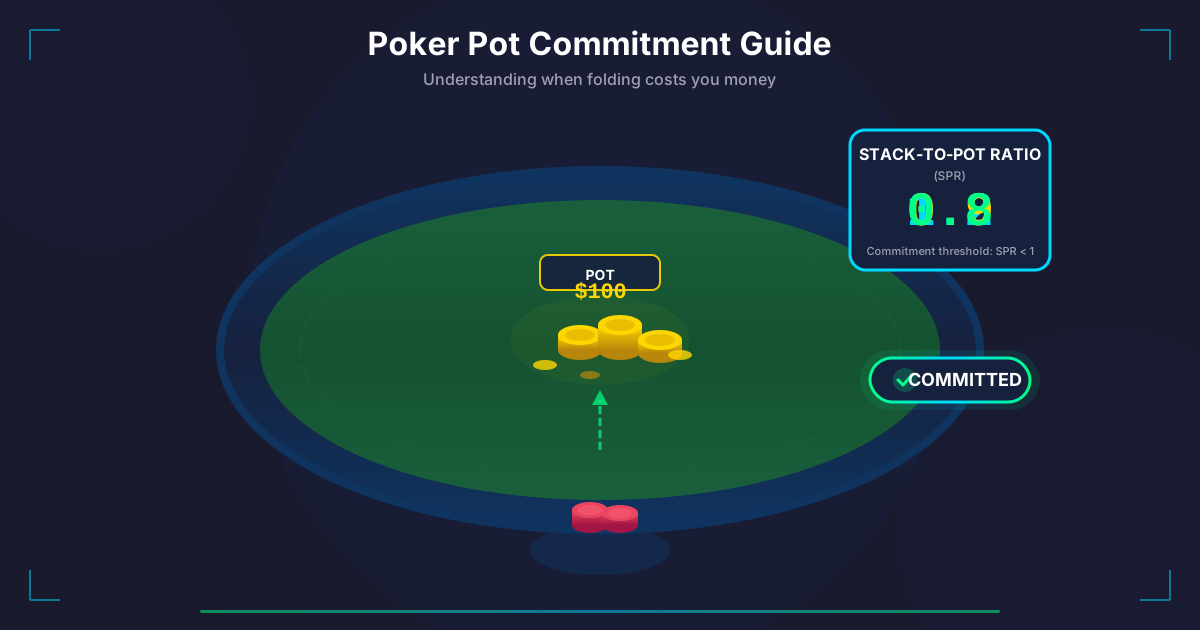
Pot commitment happens when the ratio of your remaining stack to the pot is low enough that folding costs more than calling. With an SPR (Stack-to-Pot Ratio) below 1, you're typically committed to playing for your stack regardless of the runout.
Quick Answer: Pot committed = folding costs more than calling. SPR < 1: Usually committed. SPR < 2: Often committed with any piece. SPR < 4: Committed with strong hands. Example: $50 in pot, $40 left in your stack, opponent bets $40. SPR = 0.8. Even with middle pair, calling likely correct. The math forces action even with weak holdings.
How to Use Our Calculator
Use the Pot Commitment Calculator →
Enter stack and pot sizes to assess commitment level.
Step-by-Step Instructions
-
Enter Current Pot: Money in middle
-
Input Your Stack: Remaining chips
-
Add Bet to Call: Opponent's wager
-
View SPR: Stack-to-pot ratio
-
See Commitment Level: Assessment
Input Fields Explained
| Field | Description | Example |
|---|---|---|
| Current Pot | Before bet | $120 |
| Your Stack | Remaining | $80 |
| Bet to Call | Opponent's wager | $60 |
| SPR | Ratio | 0.67 |
| Commitment | Level | Fully committed |
| Fold Equity Lost | From folding | $40 expected |
Stack-to-Pot Ratio Explained
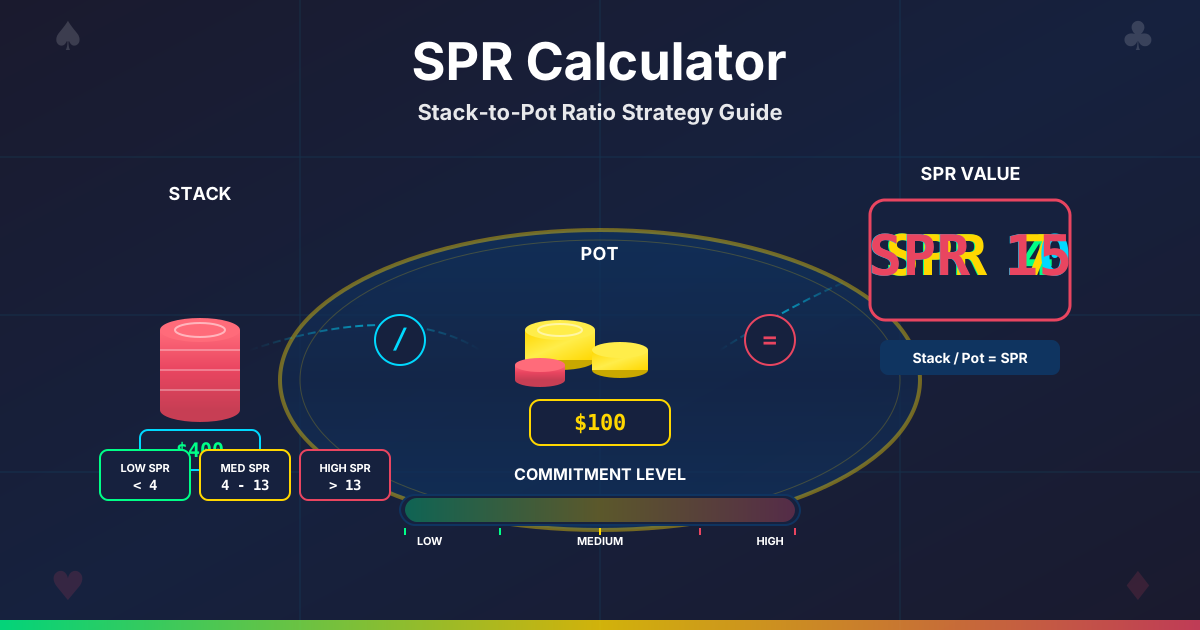
Calculating SPR
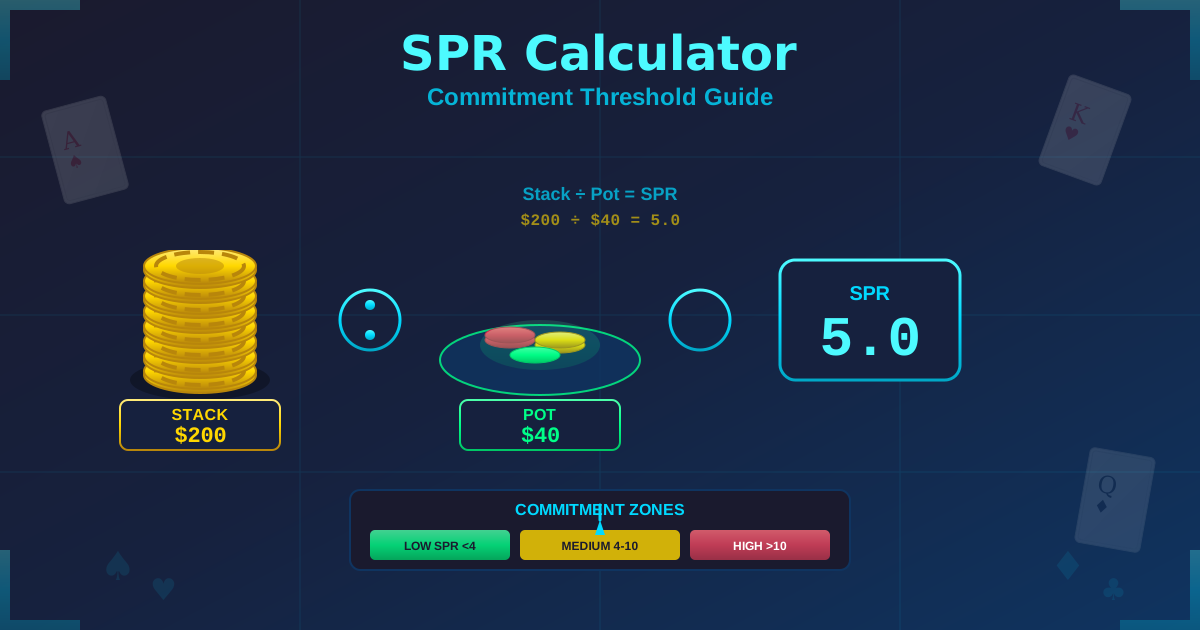
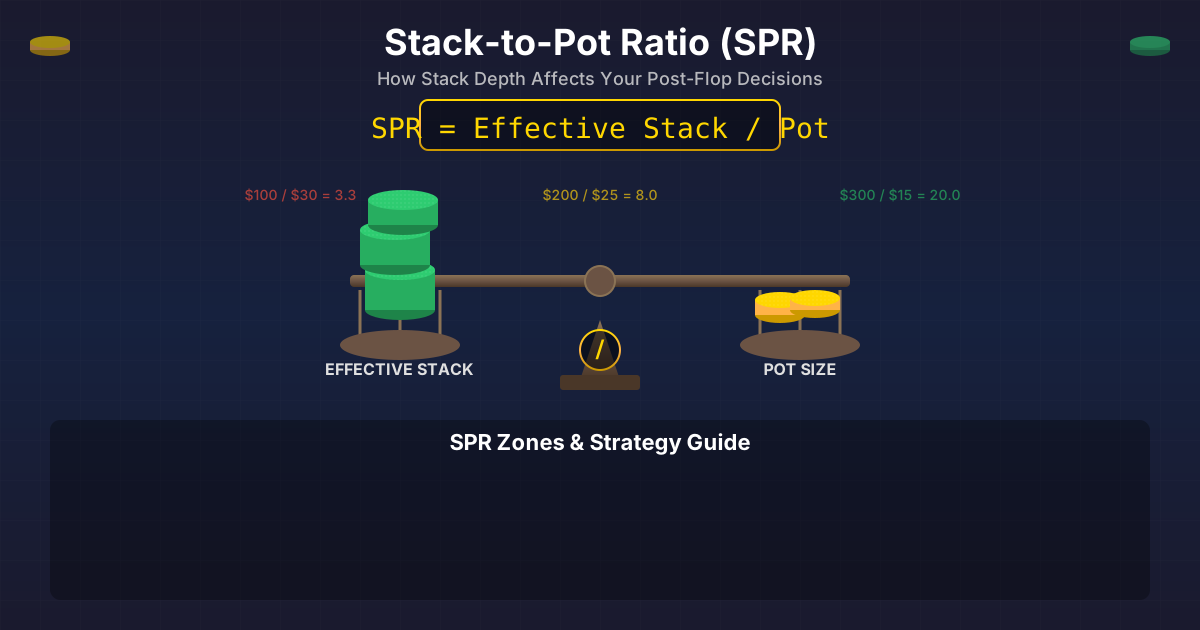
SPR = Effective Stack / Pot Size

Example:
Your stack: $100
Pot: $50
SPR = 100/50 = 2.0

Lower SPR = more committed
Higher SPR = more flexibility
SPR Thresholds
SPR > 13: Deep stacked, very flexible
SPR 6-13: Deep enough for multi-street play
SPR 3-6: Committed with TPTK, overpairs
SPR 1-3: Committed with top pair
SPR < 1: Committed with almost anything
Commitment Decision Framework
SPR < 1: Fully Committed
Pot: $200
Your stack: $150
SPR: 0.75

At this point:
Any pair = call any bet
Any draw = likely correct to continue
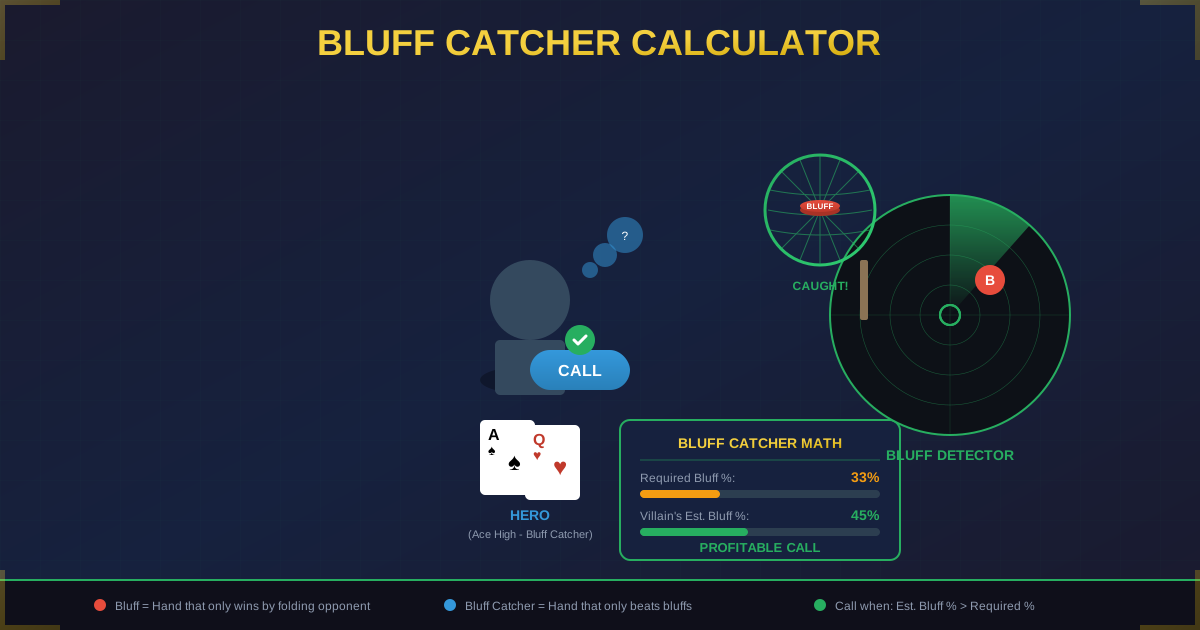
Bluff catching becomes viable

Math overrides hand reading
SPR 1-2: Strongly Committed
Pot: $100
Your stack: $150
SPR: 1.5

Commitment triggers:
Top pair any kicker = committed
Overpair = fully committed
Strong draws = committed
Weak pairs = close decision
SPR 2-4: Situationally Committed
Pot: $100
Your stack: $300
SPR: 3.0

Commitment depends on:
Hand strength matters more
Position relevant
Opponent tendencies factor
Can fold weak holdings
SPR > 4: Flexible Play
Pot: $100
Your stack: $500
SPR: 5.0

Deep enough to:
Play multiple streets
Make laydowns
Use position fully
Consider all options
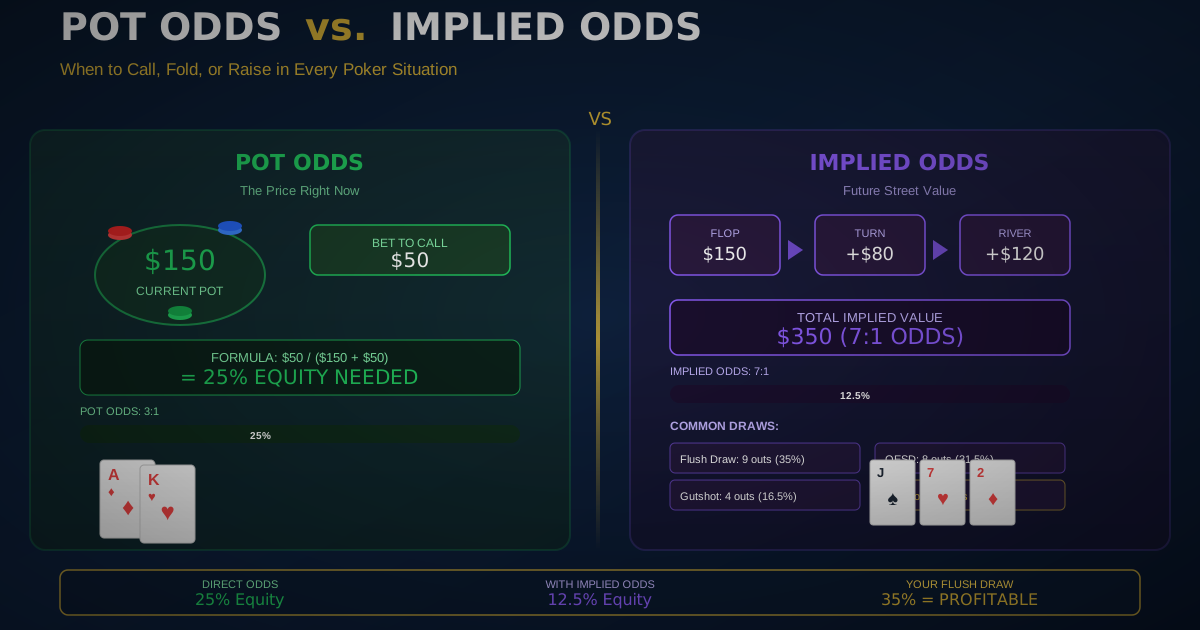
Pot Odds at Commitment
When Already Committed
Pot: $150
Your remaining stack: $50
Opponent goes all-in for your $50

Total pot: $200 + $50 = $250
You must call: $50
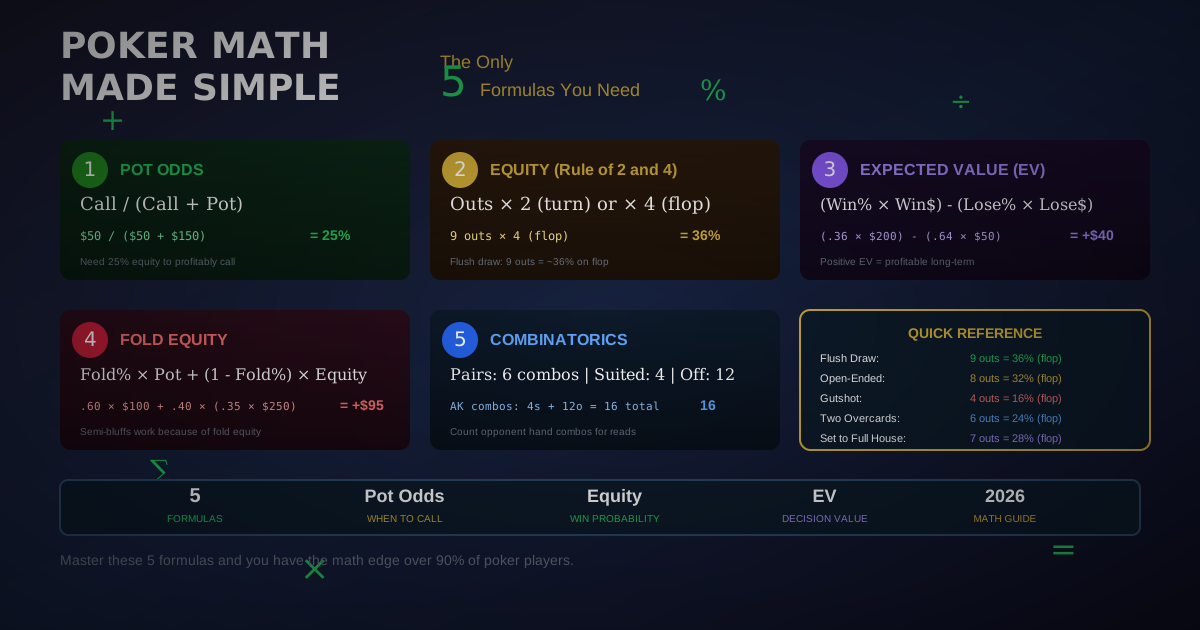
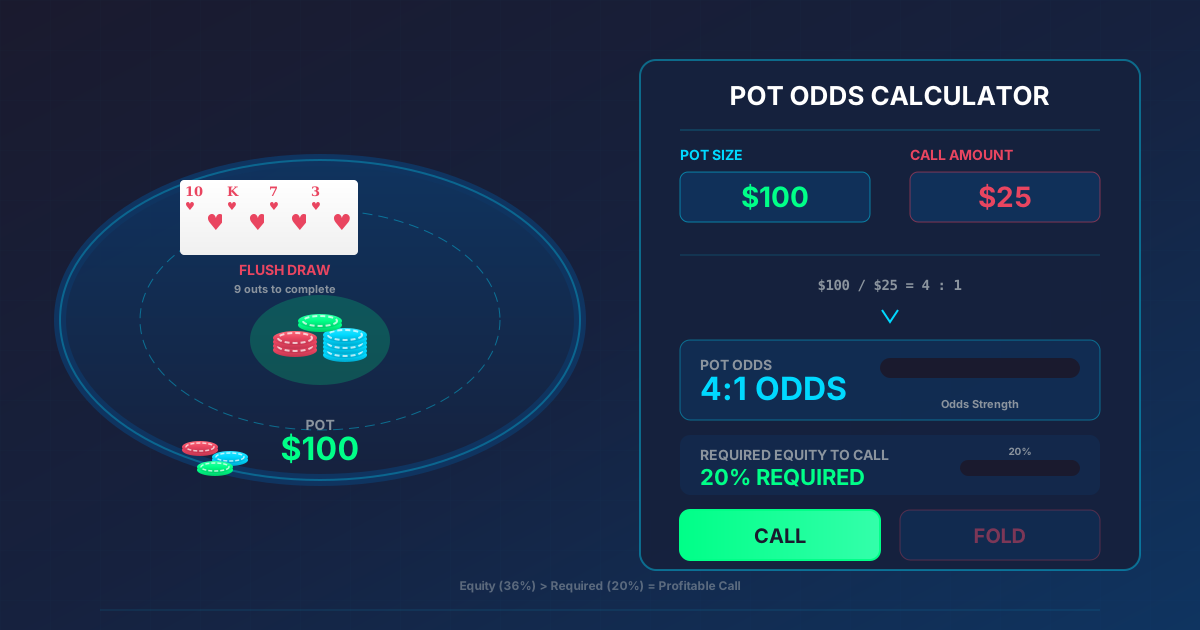
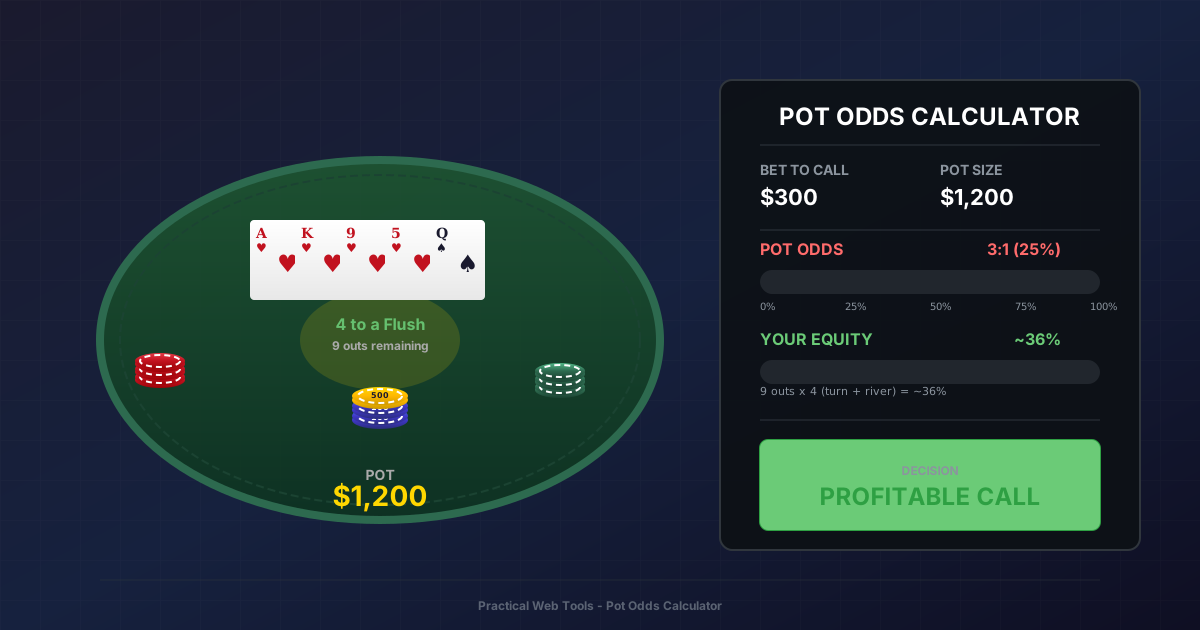
Pot odds: 50/250 = 20%

Need only 20% equity to call
Almost any hand has that
Implied Commitment
Pre-flop 3-bet pot:
You 3-bet to $30
Opponent calls
Pot: $63 (with blinds)
Your remaining stack: $70

SPR ≈ 1.1
You're committed pre-flop to play for stack
Plan accordingly
Pre-Flop Commitment
Calculating Pre-Flop SPR
Your stack: $100
You raise to $8
Villain 3-bets to $24
You call

Pot: ~$50
Remaining stack: $76
SPR: 1.52

You're nearly committed before flop arrives
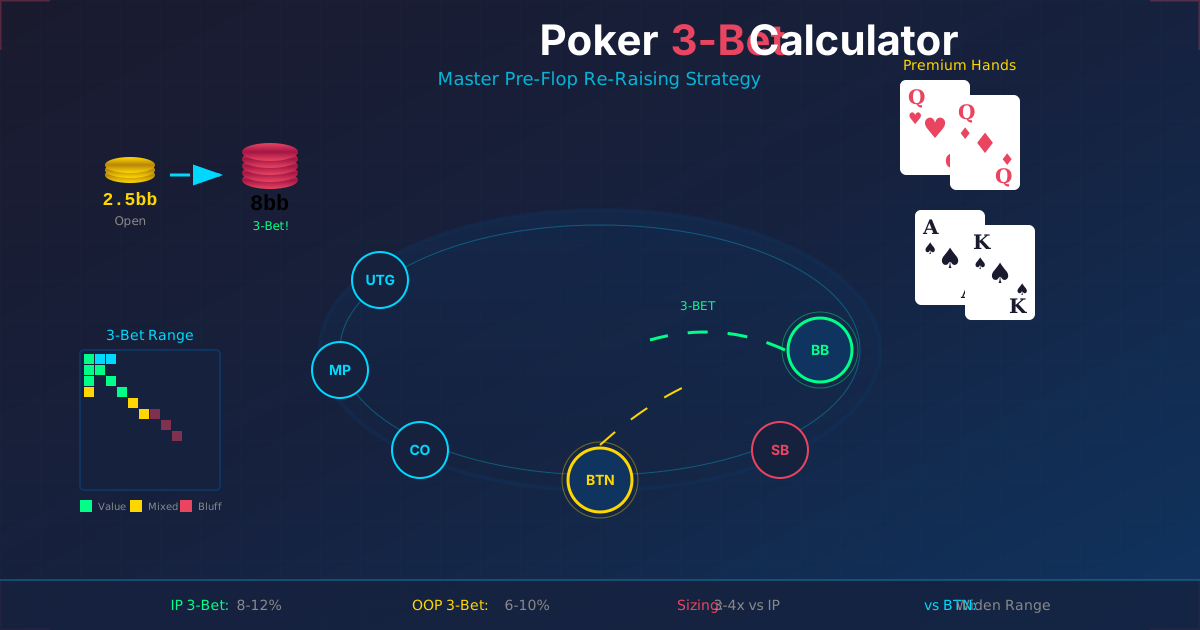
3-Bet/4-Bet Dynamics
Open raise: 3bb
3-bet: 9bb
4-bet: 22bb
Starting stack: 100bb

After 4-bet called:
Pot: ~48bb
Remaining: ~78bb
SPR: 1.6

Both players essentially committed
Real-World Examples
Example 1: Obvious Commitment
Situation:
- Pot: $200
- Your stack: $80
- Opponent bets: $80 (all-in)
- Your hand: 8-7 on A-8-4-2 board
Analysis:
SPR = 80/200 = 0.4
Pot odds: 80/360 = 22%

Middle pair needs 22% equity
vs typical range: ~40% equity

Clear call despite weak hand
Math demands it
Example 2: Borderline Commitment
Situation:
- Pot: $100
- Your stack: $250
- Opponent bets: $100
- Your hand: Q-J on K-Q-5-8 board
Analysis:
SPR = 250/100 = 2.5
After calling: SPR drops to 150/300 = 0.5

If you call, committed on river
Decision: Call this street = play for stack
Or fold now if you can't call river

Middle pair mediocre kicker
Borderline, depends on opponent
Example 3: Tournament Bubble
Situation:
- Pot: 15,000
- Your stack: 12,000
- Opponent all-in: 12,000
- ICM pressure: Significant
Analysis:
Pure chip EV: SPR < 1, should call wide
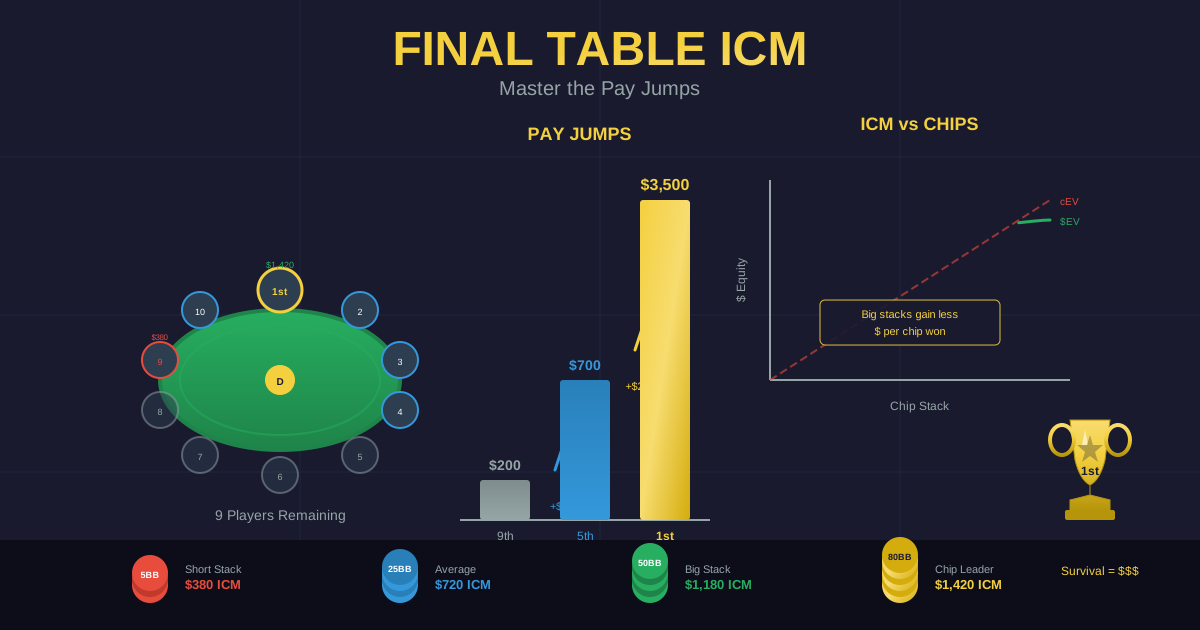
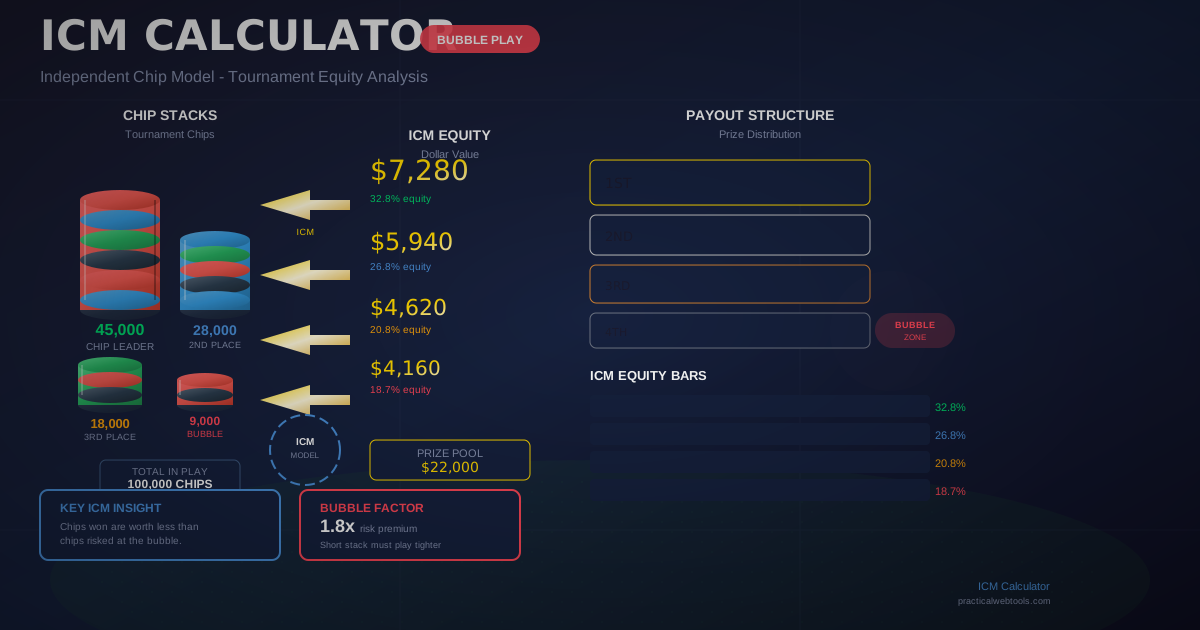
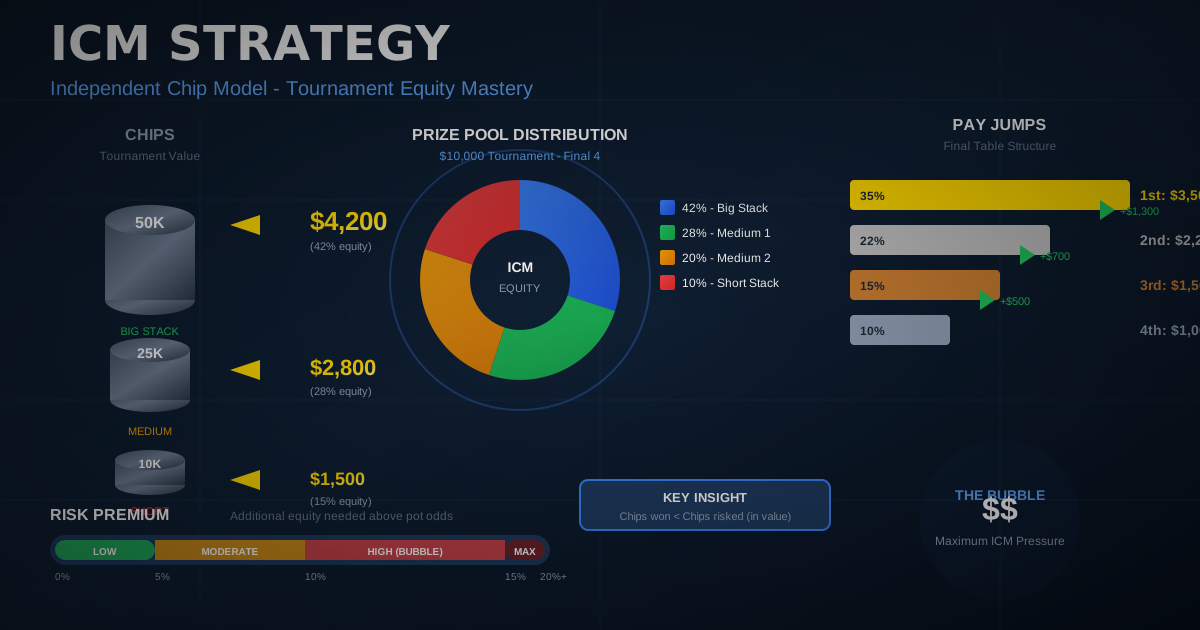
ICM consideration: Survival matters

Pot odds: 12k/39k = 31%
But ICM says tighter

Even with commitment, ICM overrides
Tournament context matters
Example 4: Pre-Flop Commitment Created
Hand:
- 100bb effective stacks
- Hero opens AA to 3bb
- Villain 3-bets to 10bb
- Hero 4-bets to 25bb
- Villain 5-bets all-in for 100bb
Analysis:
Already committed 25bb
Pot: 35.5bb (blinds + raises)
To call: 75bb more
SPR after 4-bet: 75/35.5 = 2.1

With AA, committed since open
With worse hands, decision matters
But AA = easy committed call
Avoiding Bad Commitment
Planning Ahead
Before betting, ask:
"If raised, can I fold?"
"Will this bet commit me?"
"Is my hand strong enough to stack off?"

Don't bet yourself into commitment
With hands that can't handle it
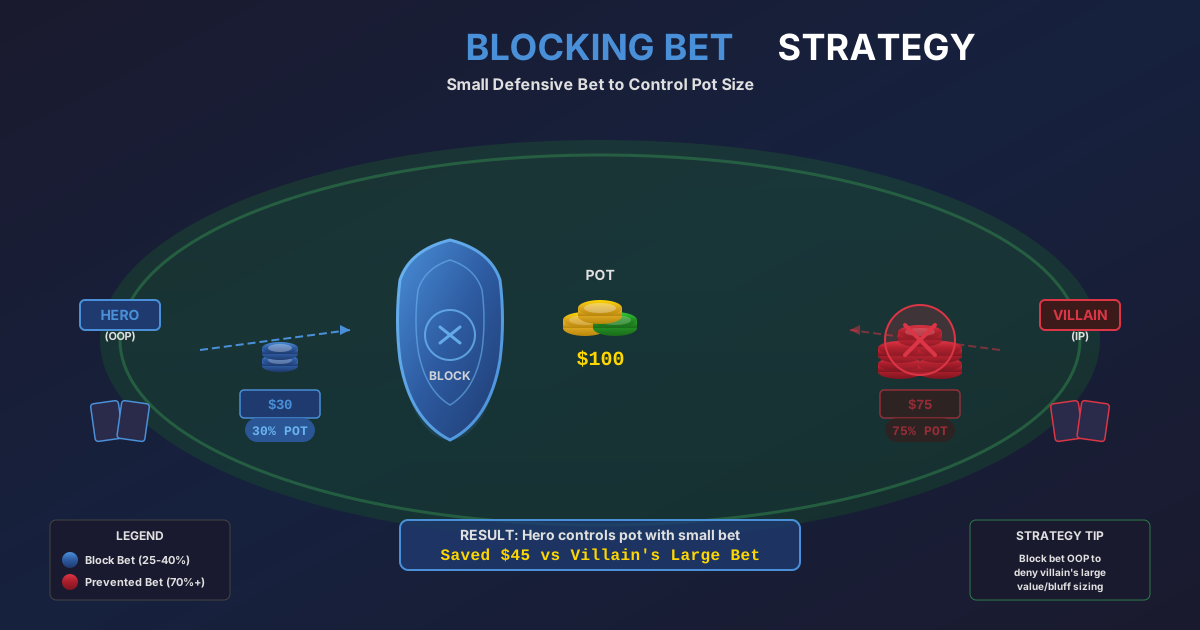
Bet Sizing to Avoid Commitment
Stack: $200
Pot: $50
Hand: Top pair weak kicker

Full pot bet ($50):
Leaves $150, SPR = 2.0
Getting committed

Half pot ($25):
Leaves $175, SPR = 2.3
More room to fold
When to Embrace Commitment
Strong hands want low SPR:
AA, KK pre-flop: Create commitment
Sets on flop: Build pot quickly
Nut hands: Get stacks in

Weak hands avoid commitment:
Marginal made hands: Keep SPR high
Draws: Maintain fold option
Bluffs: Need fold equity
Common Mistakes
1. Ignoring Pre-Flop SPR
Mistake: Don't calculate SPR pre-flop Problem: Surprised by commitment Fix: Know your post-flop SPR before calling
2. Folding When Committed
Mistake: Fold with SPR < 1 Problem: Giving up equity Fix: Call when pot odds demand it
3. Value Betting Into Commitment
Mistake: Bet weak hands into low SPR Problem: Can't fold if raised Fix: Check or bet smaller to maintain flexibility
4. Ignoring Effective Stacks
Mistake: Only consider your stack Problem: Opponent's stack matters too Fix: Calculate SPR with effective stacks
Frequently Asked Questions
What SPR means I'm committed?
SPR < 1 is nearly always committed. SPR 1-2 committed with most made hands. SPR 2-4 committed with strong hands only.
Should I always call when committed?
Almost always. The math usually demands it. Exceptions: Extreme ICM situations in tournaments.
How do I avoid getting committed with weak hands?
Control pre-flop sizing, avoid building pots with marginal hands, check instead of bet when SPR is low.
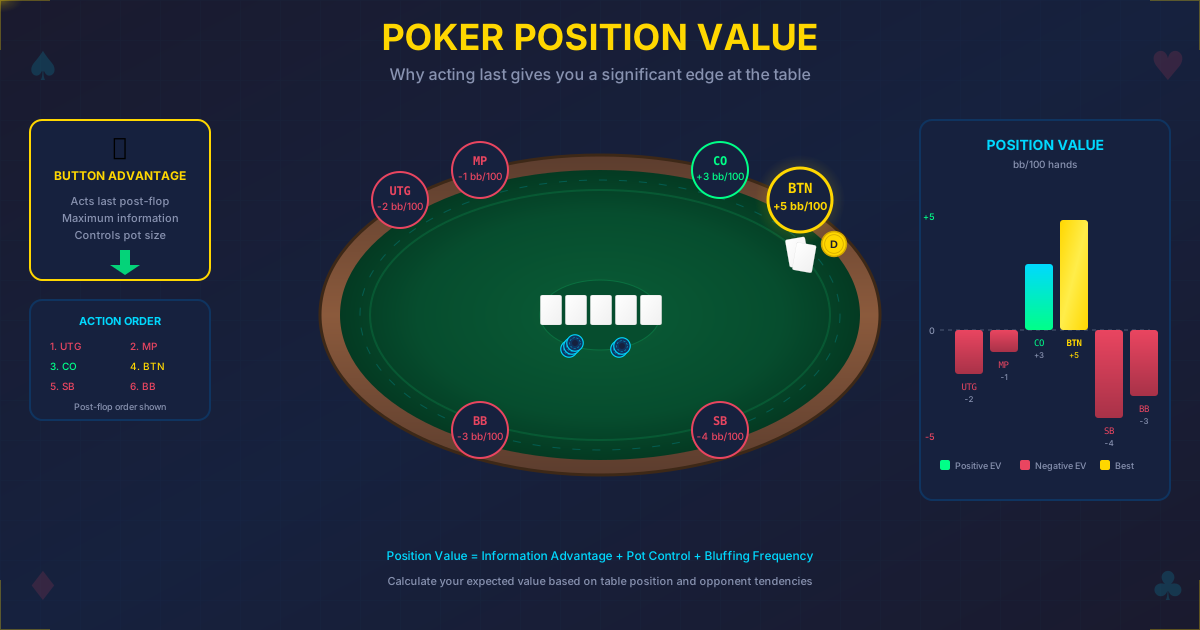
Does position affect commitment?
Not the math directly, but position affects your ability to control pot size before commitment occurs.
What about draws when committed?
Strong draws (12+ outs) are often correct to continue when committed. Pure gutshots may still fold.
Can opponent's range affect commitment decision?
Slightly. If opponent only has nuts, even committed you might fold. But usually math overrides reads.
Pro Tips
-
Calculate SPR pre-flop: Know commitment before betting
-
Control the pot: With weak hands, keep SPR high
-
Embrace commitment: With strong hands, lower SPR
-
Tournament adjustments: ICM can override commitment
-
Plan betting streets: Each bet changes your SPR
Related Calculators
- Poker Stack to Pot Ratio Calculator - Detailed SPR
- Pot Odds Calculator - Odds math
- Poker Equity Calculator - Hand equity
- Poker EV Calculator - Expected value
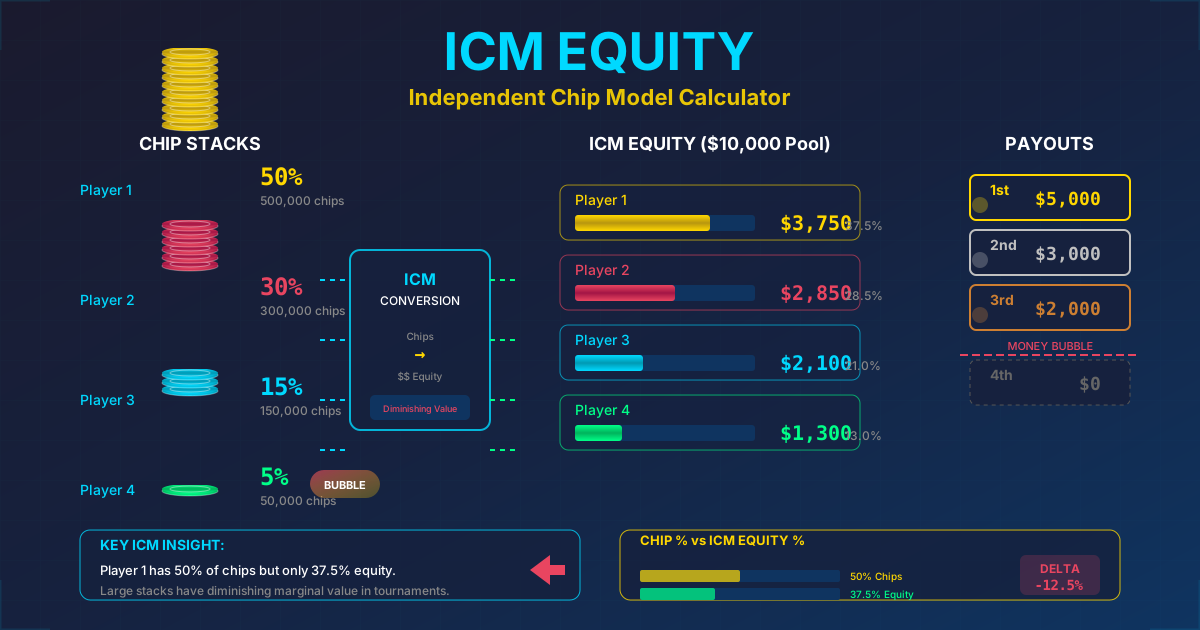
- ICM Calculator - Tournament equity
Conclusion
Pot commitment removes flexibility—when you've invested enough, folding becomes mathematically incorrect. Our calculator identifies commitment thresholds, showing when your stack should go in regardless of your current holding.
Calculate Pot Commitment Now →
Understanding pot commitment prevents two mistakes: folding when the math demands a call, and betting into situations where you can't fold. Our calculator quantifies when these thresholds occur, improving your commitment decisions.