Poker Pot Odds Calculator: Make Better Decisions (2026)
Poker Pot Odds Calculator: Master the Math
Pot odds are fundamental to winning poker—they tell you when calling is mathematically profitable. Our free calculator computes pot odds instantly, compares them to your equity, and helps you make correct decisions.
What Are Pot Odds?
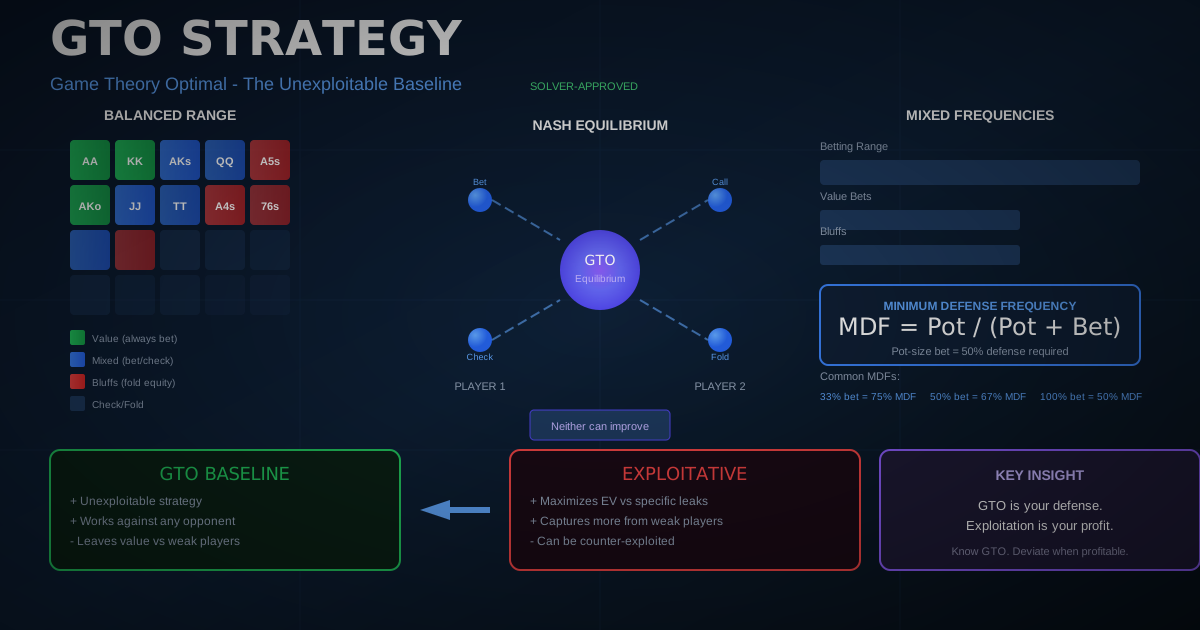
Pot odds express the ratio between the current pot and the cost to call. They help you determine if a call is profitable based on your chance of winning.
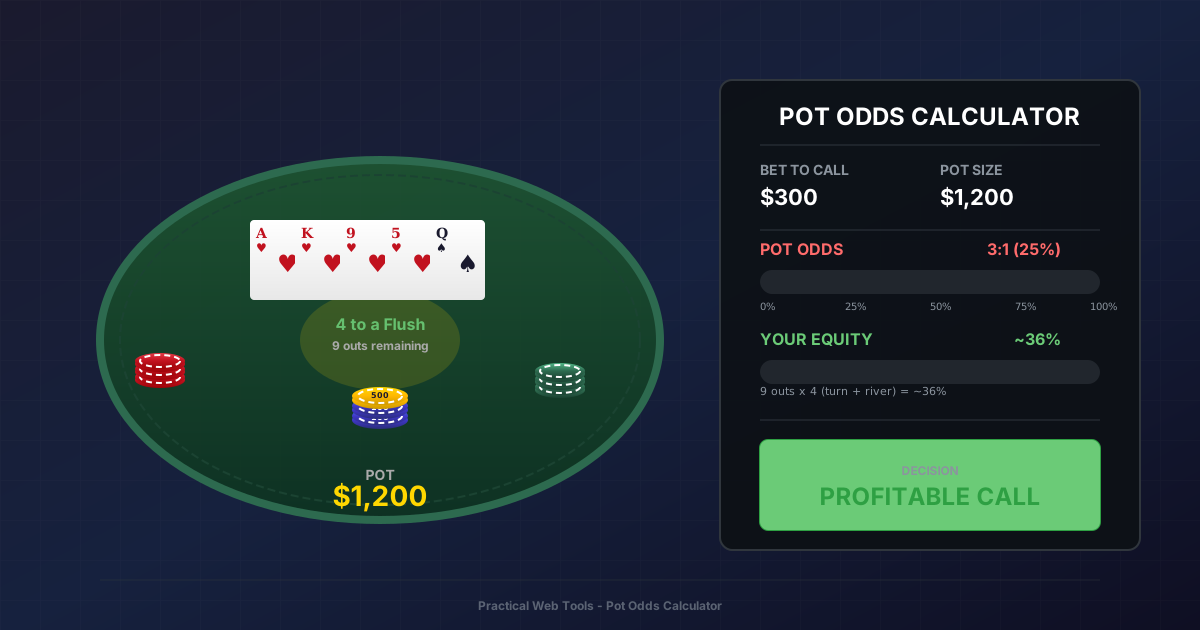
Quick Answer: Pot odds = Pot Size : Call Amount. If the pot is $100 and you need to call $20, your pot odds are 5:1 (or 16.7%). If your equity exceeds 16.7%, calling is profitable. Always compare pot odds to your equity—call when equity is higher.
How to Use Our Free Pot Odds Calculator
Use the Poker Pot Odds Calculator →
Enter the pot and call amounts to get instant pot odds.
Step-by-Step Instructions
-
Enter Current Pot: Money in the middle
-
Enter Call Amount: What you must pay
-
View Pot Odds: Ratio and percentage
-
Input Your Equity: Your winning chance
-
Get Decision: Call, fold, or raise recommendation
Input Fields Explained
| Field | Description | Example |
|---|---|---|
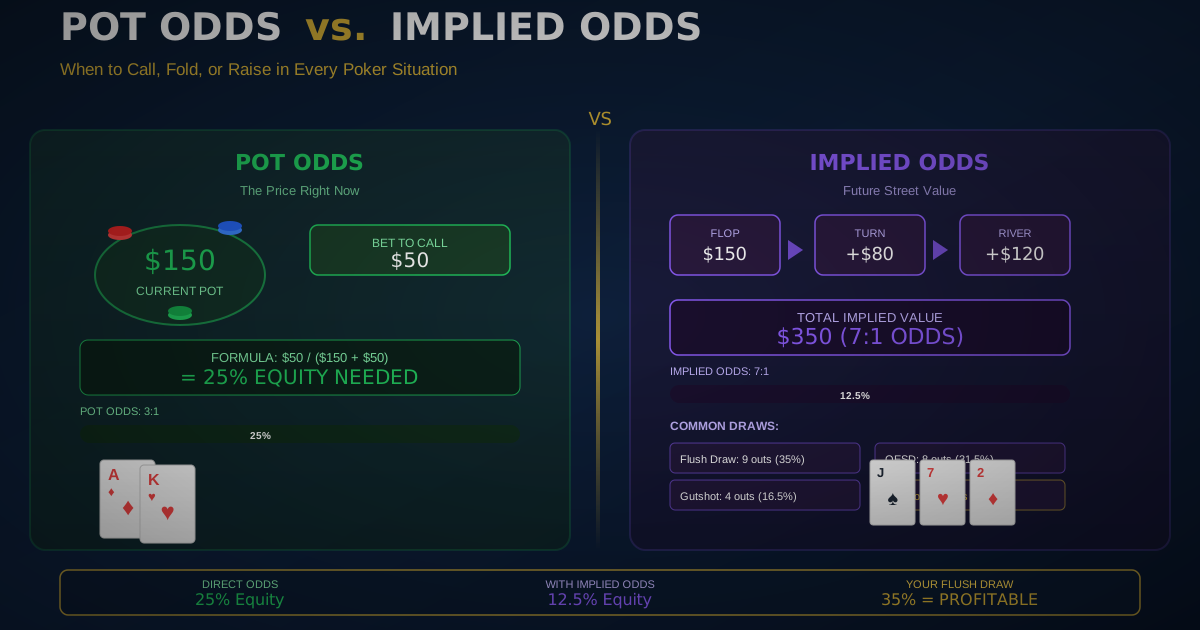
| Pot Size | Current pot total | $150 |
| Call Amount | Bet you're facing | $50 |
| Pot Odds Ratio | Pot : Call | 3:1 |
| Pot Odds % | Break-even equity | 25% |
| Your Equity | Winning probability | 32% |
| Decision | Based on comparison | Call (+EV) |
Pot Odds Calculation
Basic Formula
Pot Odds Ratio = Pot Size : Call Amount
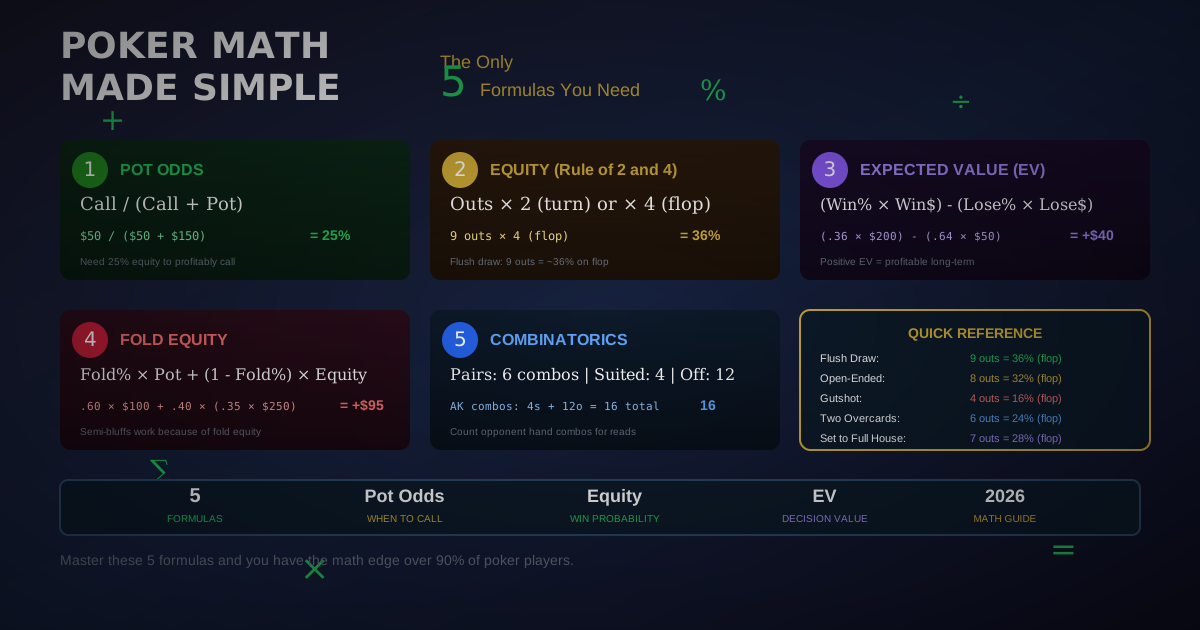
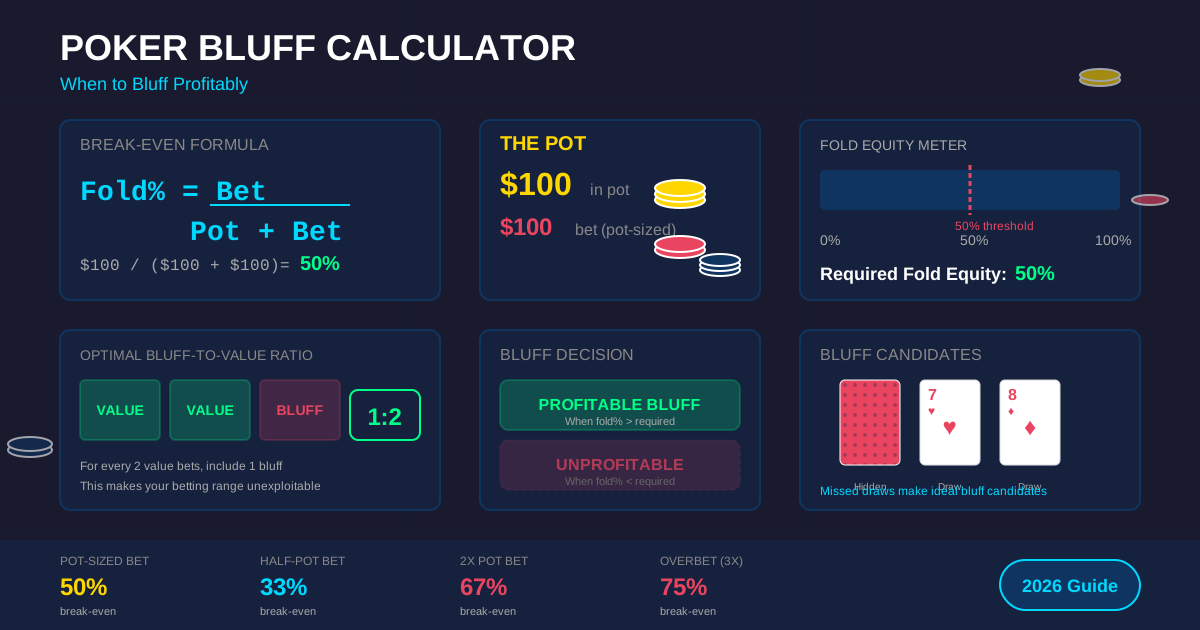
Pot Odds % = Call / (Pot + Call) × 100
Example Calculation
Situation:
- Pot: $80
- Bet to call: $20
Ratio:
Pot Odds = $80 : $20 = 4:1
Percentage:
Pot Odds % = $20 / ($80 + $20) = $20 / $100 = 20%
You need 20% equity to break even on a call.
Comparing Pot Odds to Equity
The Golden Rule
| Comparison | Decision |
|---|---|
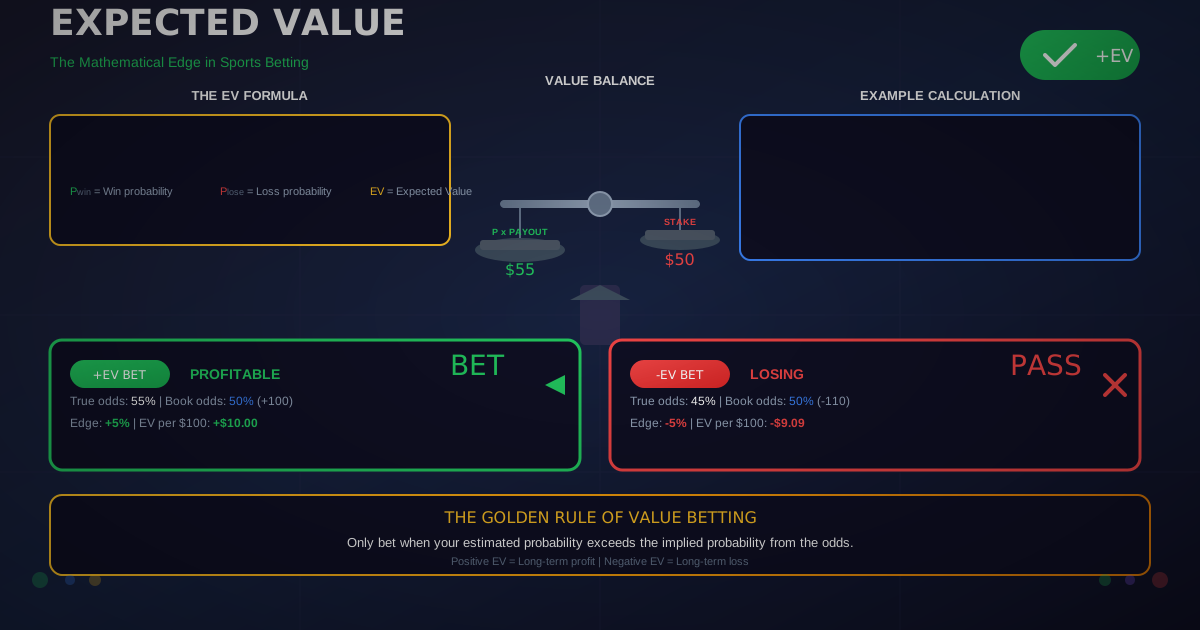
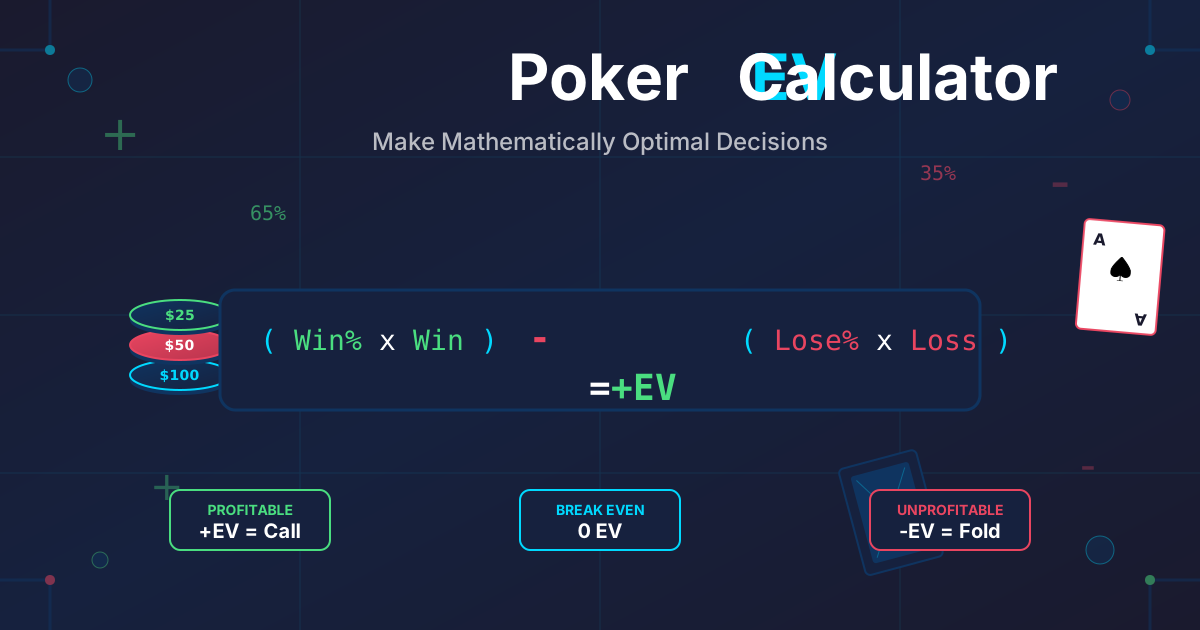
| Equity > Pot Odds % | Call (profitable) |
| Equity < Pot Odds % | Fold (unprofitable) |
| Equity = Pot Odds % | Break-even (marginal) |
Equity Reference Chart
| Hand/Draw | Equity vs. Random |
|---|---|
| Flush draw (9 outs) | 35% (turn + river) |
| Open-ended straight | 31% (turn + river) |
| Gutshot straight | 17% (turn + river) |
| Overcards (6 outs) | 24% (turn + river) |
| Set vs. flush draw | ~66% |
| Overpair vs. underpair | ~82% |
Real-World Pot Odds Examples
Example 1: Flush Draw on Flop
Situation:
- You hold: A♥ K♥
- Board: 9♥ 5♥ 2♣
- Pot: $60
- Opponent bets: $30
Calculation:
- Pot odds: $60 : $30 = 2:1
- Pot odds %: $30 / $90 = 33.3%
- Flush draw equity: ~35% (two cards to come)
Decision: Call. Your 35% equity exceeds the 33.3% required.
Example 2: Gutshot on Turn
Situation:
- You hold: J♠ 10♠
- Board: A♣ Q♦ 7♥ 3♠
- Pot: $100
- Opponent bets: $50
Calculation:
- Pot odds: $100 : $50 = 2:1
- Pot odds %: $50 / $150 = 33.3%
- Gutshot equity: ~8.5% (one card to come)
Decision: Fold. Your 8.5% equity is way below 33.3%.
Example 3: Overcards on Flop
Situation:
- You hold: A♠ K♦
- Board: 9♣ 7♦ 2♠
- Pot: $40
- Opponent bets: $10
Calculation:
- Pot odds: $40 : $10 = 4:1
- Pot odds %: $10 / $50 = 20%
- Six overcards equity: ~24%
Decision: Call. Your 24% beats the 20% requirement.
Implied Odds
What Are Implied Odds?
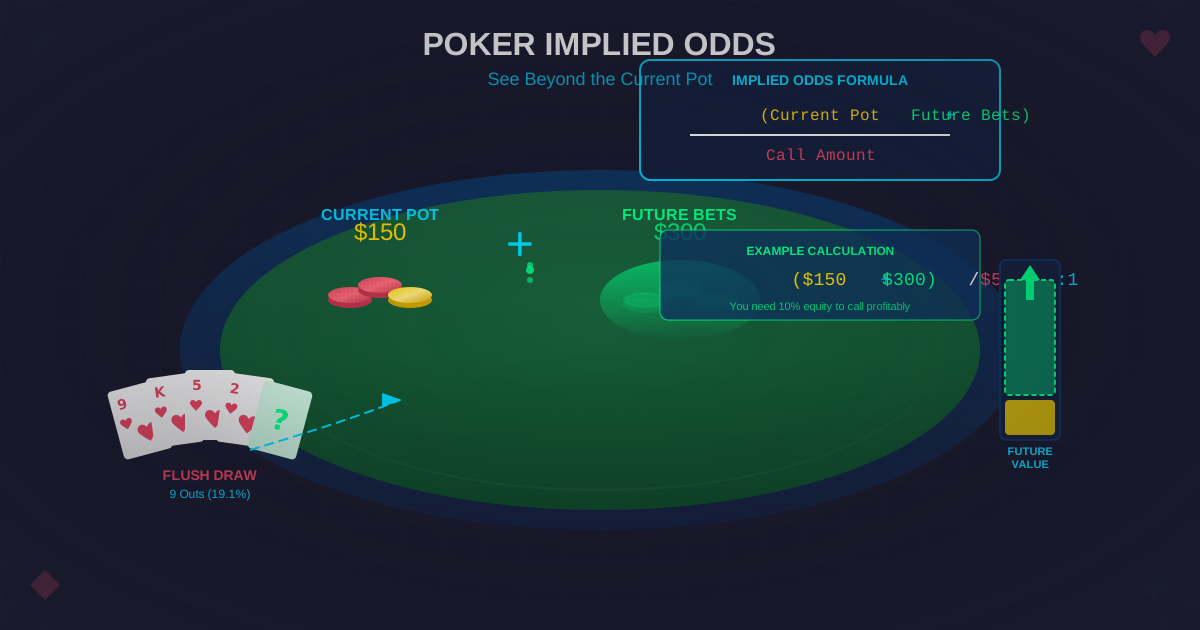
Implied odds account for money you'll win on future streets if you hit your draw.
Implied Odds = (Pot + Expected Future Bets) : Call
When Implied Odds Matter
| Situation | Implied Odds Value |
|---|---|
| Deep stacks | High (more to win) |
| Disguised draws | High (opponents will pay) |
| Short stacks | Low (not much behind) |
| Obvious draws | Low (opponents fold) |
Example: Implied Odds in Action
Situation:
- You hold: 5♦ 6♦
- Board: 3♦ 4♠ K♣
- Pot: $30, Call: $20
- Stacks: $200 remaining each
Direct pot odds: 1.5:1 (40%)—too expensive for a gutshot
With implied odds:
- You expect to win ~$80 more if you hit
- Effective pot: $30 + $80 = $110
- Implied odds: 5.5:1 (15%)
Decision: Call becomes profitable with implied odds.
Outs and Equity Table
Common Drawing Hands
| Draw | Outs | Turn Equity | River Equity | Turn+River |
|---|---|---|---|---|
| Flush draw | 9 | 19.1% | 19.6% | 35.0% |
| Open-ended straight | 8 | 17.0% | 17.4% | 31.5% |
| Gutshot | 4 | 8.5% | 8.7% | 16.5% |
| Two overcards | 6 | 12.8% | 13.0% | 24.1% |
| Flush + gutshot | 12 | 25.5% | 26.1% | 45.0% |
| Flush + OESD | 15 | 31.9% | 32.6% | 54.1% |
| Set to full house | 7 | 14.9% | 15.2% | 27.8% |
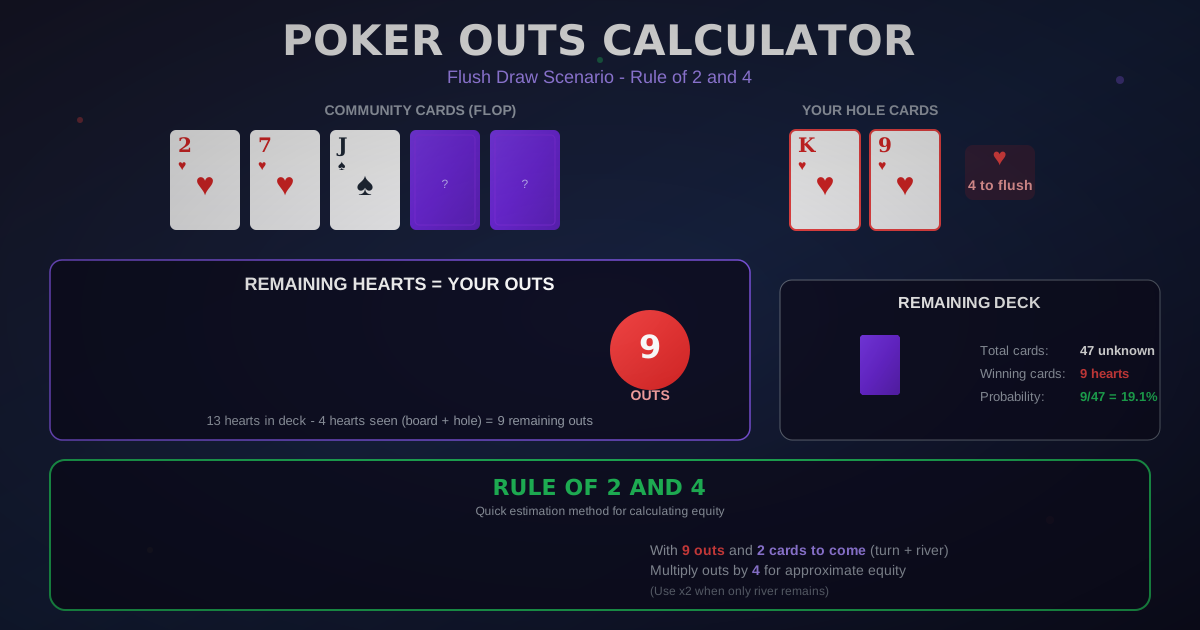
Quick Mental Math: Rule of 2 and 4
- Turn only: Outs × 2 = approximate %
- Turn + River: Outs × 4 = approximate %
Example: 9 flush outs × 4 = ~36% (actual: 35%)
Common Pot Odds Mistakes
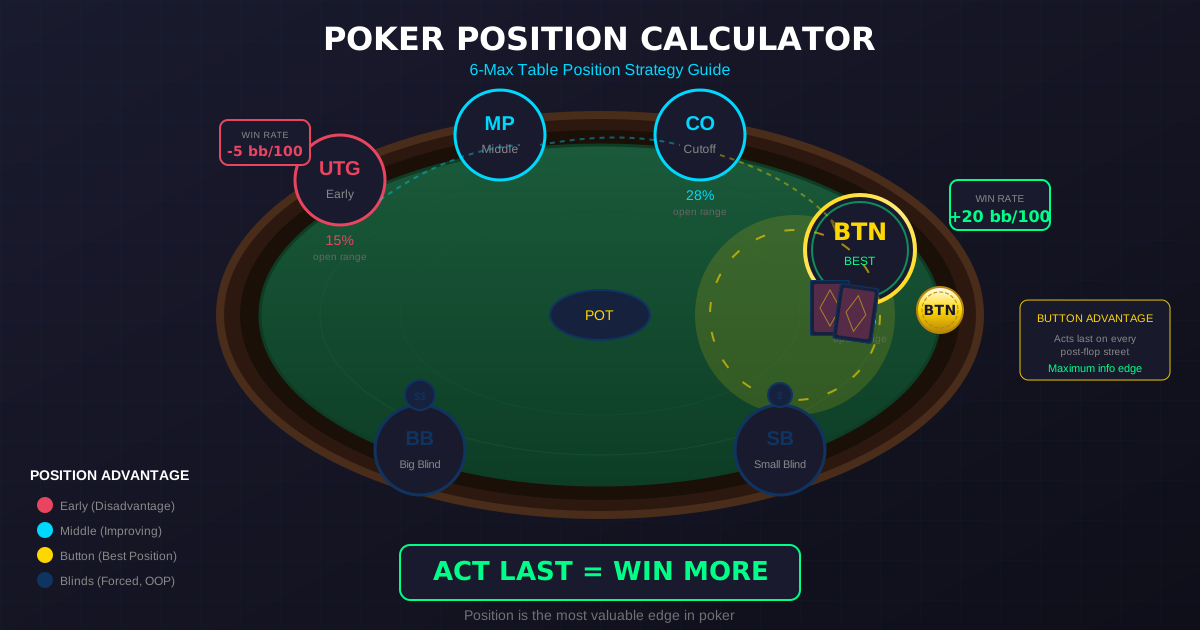
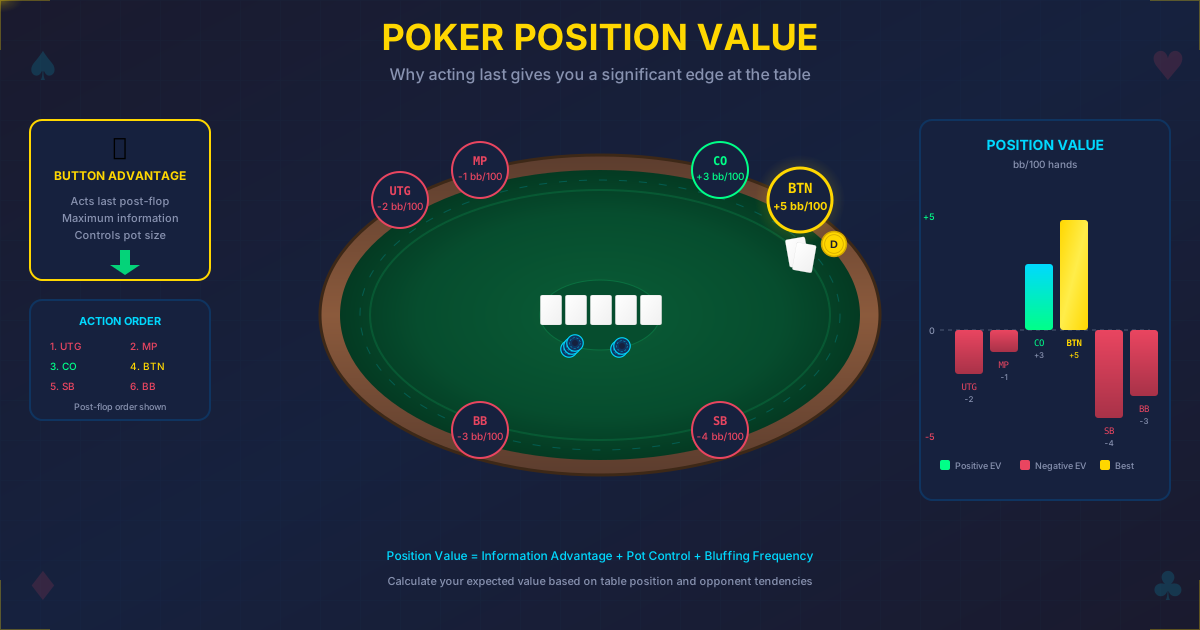
1. Ignoring Position
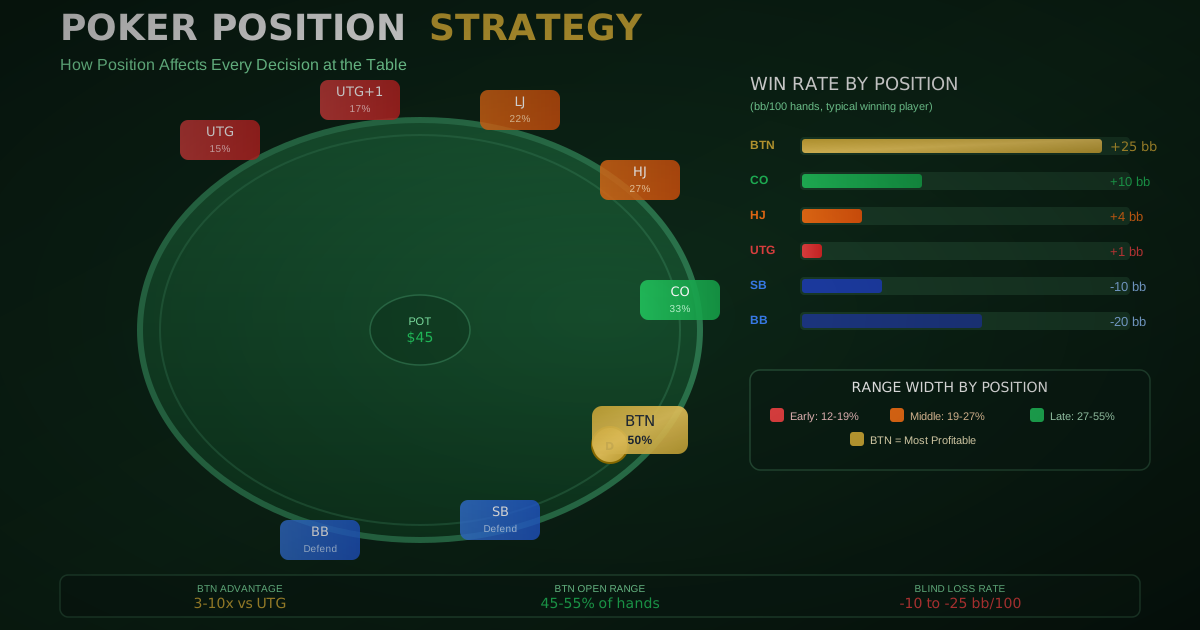
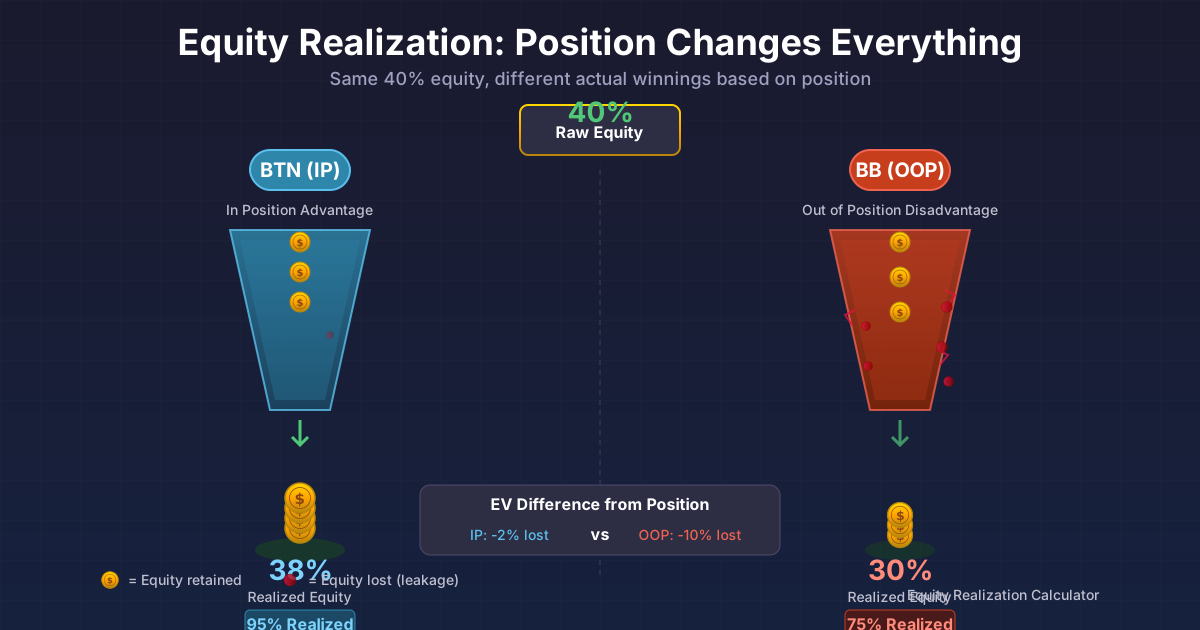
Mistake: Same pot odds analysis regardless of position Reality: Position affects implied odds significantly Fix: Give yourself better implied odds in position
2. Counting Phantom Outs
Mistake: Counting outs that don't win Reality: Some "outs" complete better hands for opponents Fix: Discount outs that might be tainted
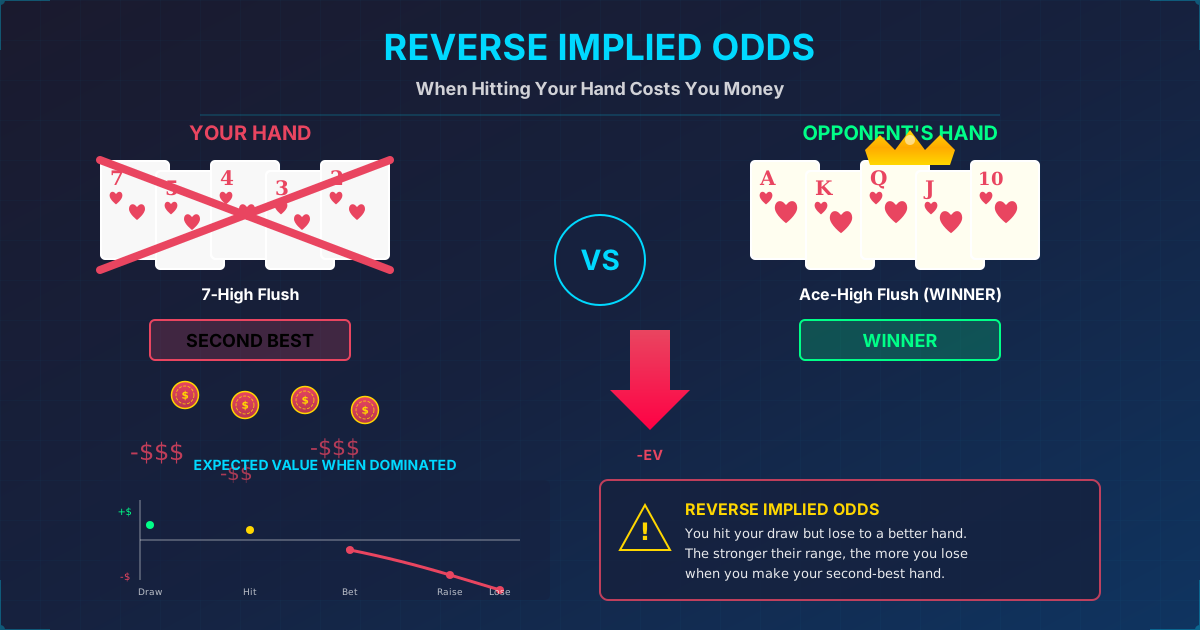
3. Forgetting Reverse Implied Odds
Mistake: Ignoring times you hit but still lose Reality: Second-best hands cost money Fix: Discount implied odds for vulnerable draws
4. Using Turn + River Equity on Turn
Mistake: Using 35% for flush draw on turn Reality: On turn, you only get one card (19%) Fix: Use single-card equity unless you're all-in
5. Not Adjusting for Opponents
Mistake: Same calculations vs. all players Reality: Tight players have stronger ranges Fix: Adjust implied odds based on opponent tendencies
Frequently Asked Questions
What pot odds do I need for a flush draw?
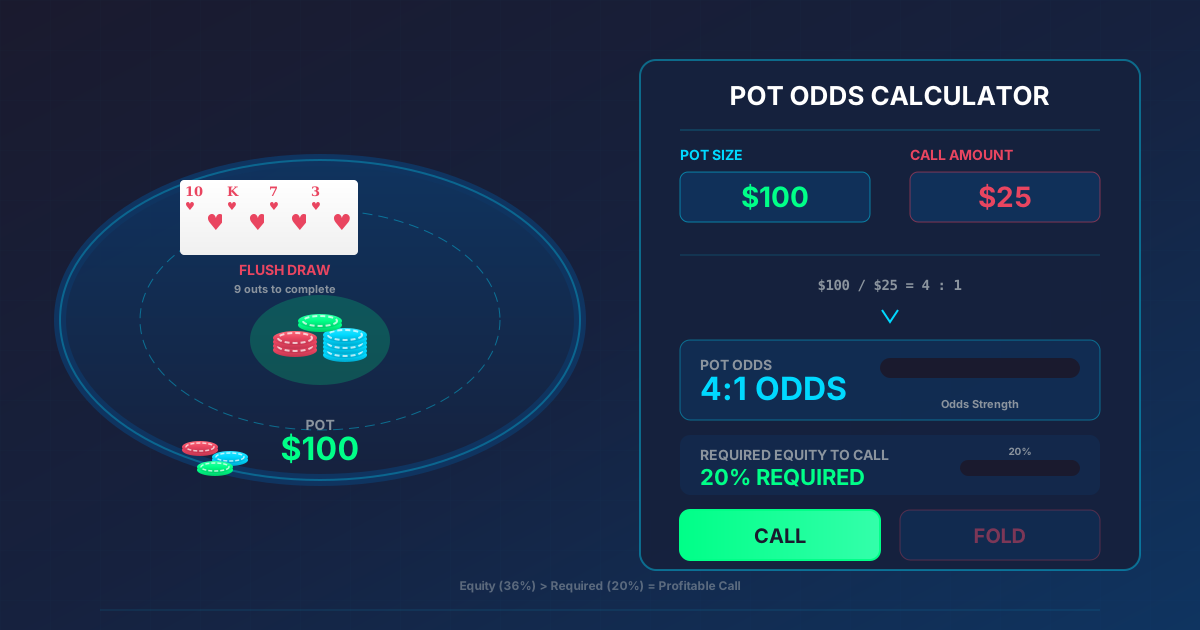
On the flop (two cards to come): ~35% equity, so you need ~3:1 or better pot odds. On the turn (one card): ~20% equity, so you need ~4:1.
How do I calculate pot odds quickly in-game?
Use ratios: If the pot is $100 and you call $25, that's 4:1, or 20%. With practice, common situations become automatic.
When should I raise instead of call with a draw?
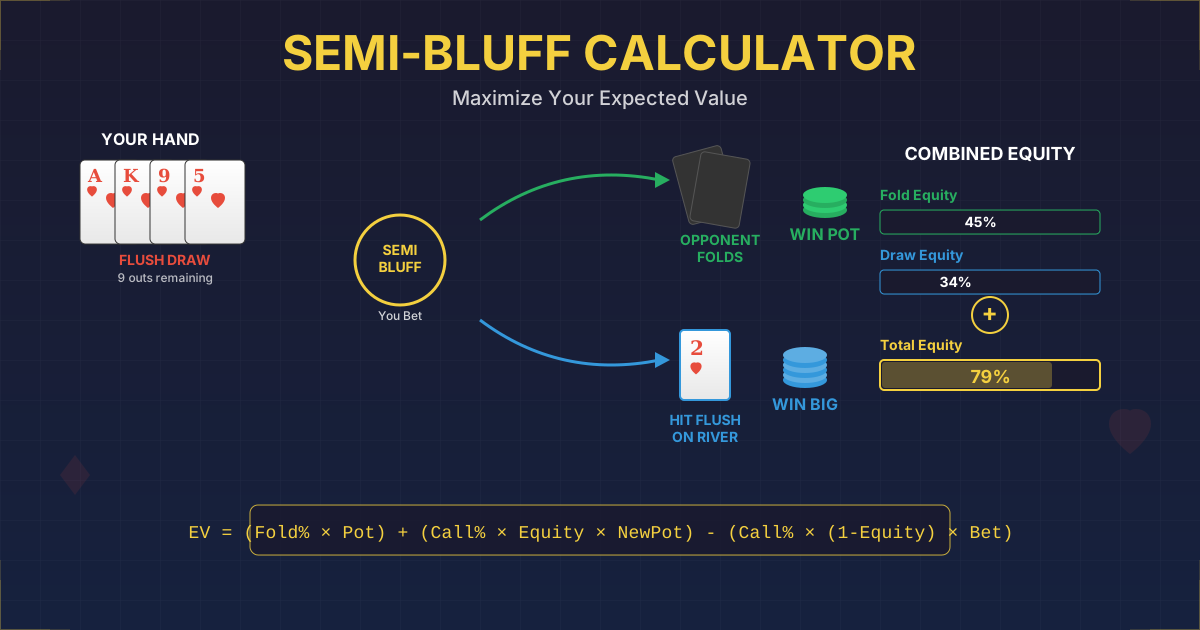
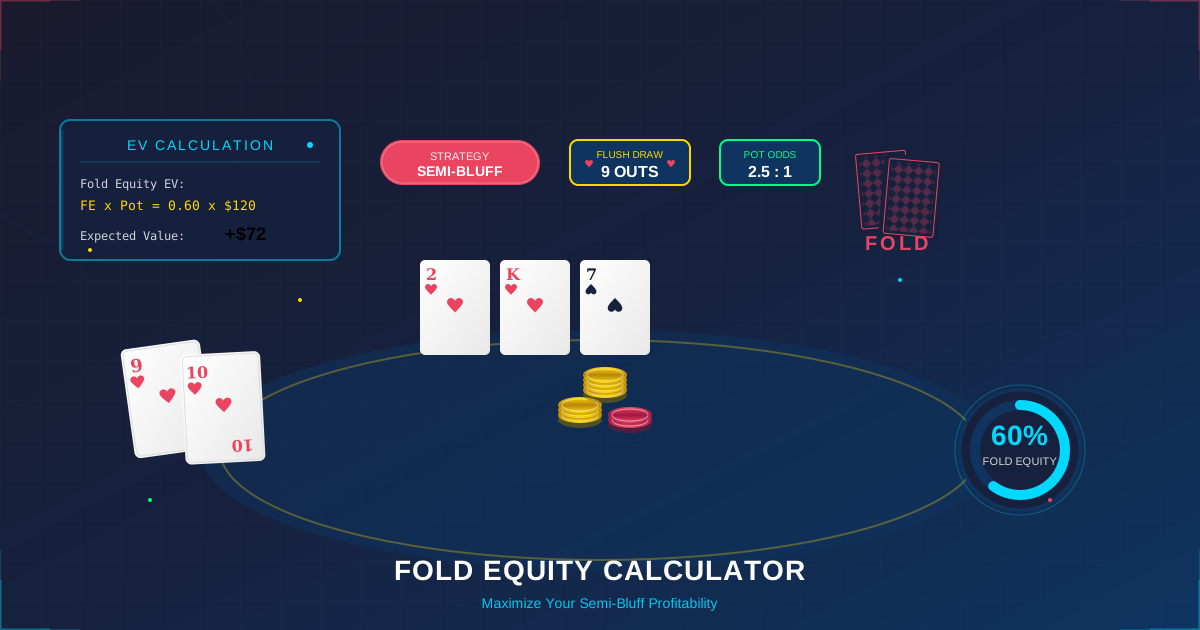
When fold equity + draw equity combined exceeds your investment. Semi-bluff raises can be more profitable than calls.
Do pot odds apply to tournaments differently?
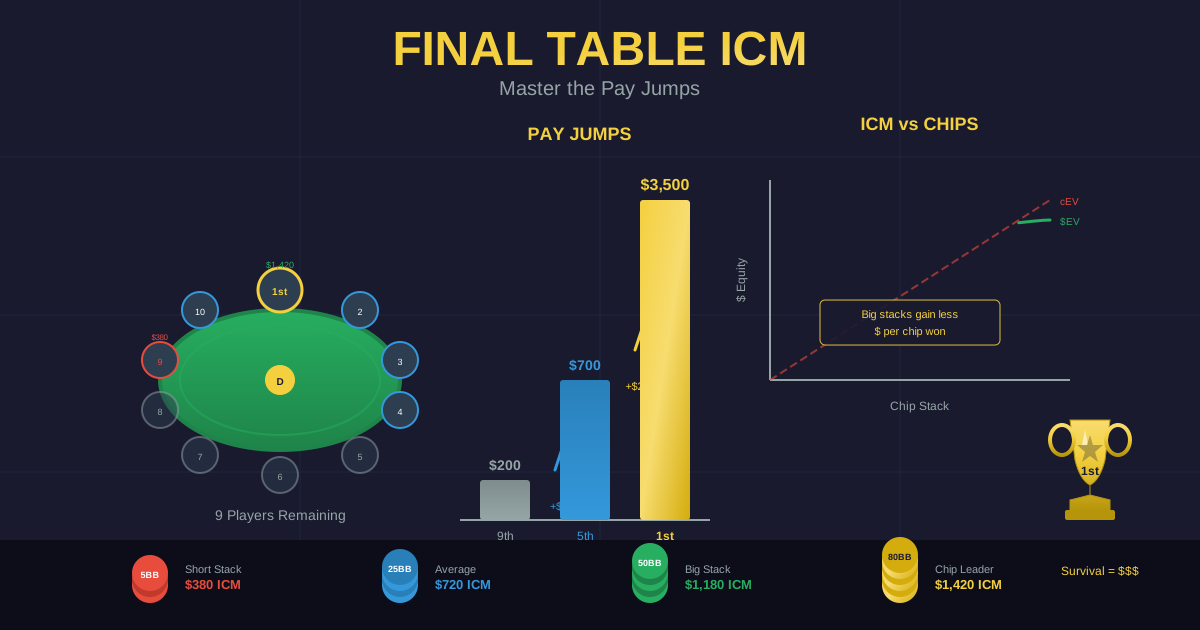
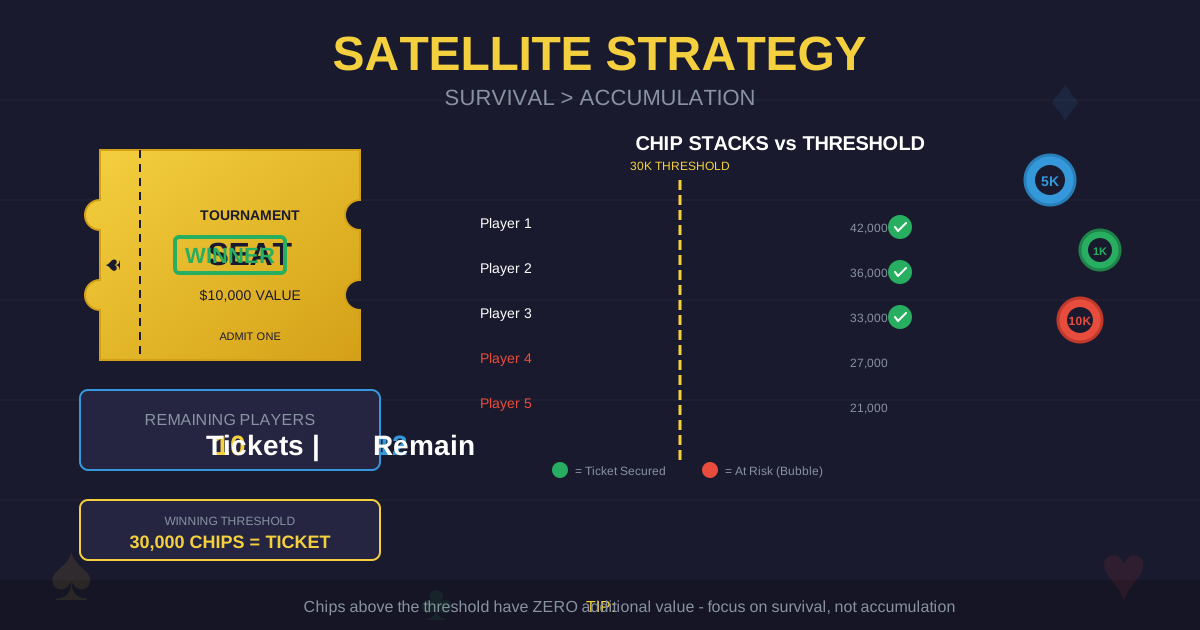
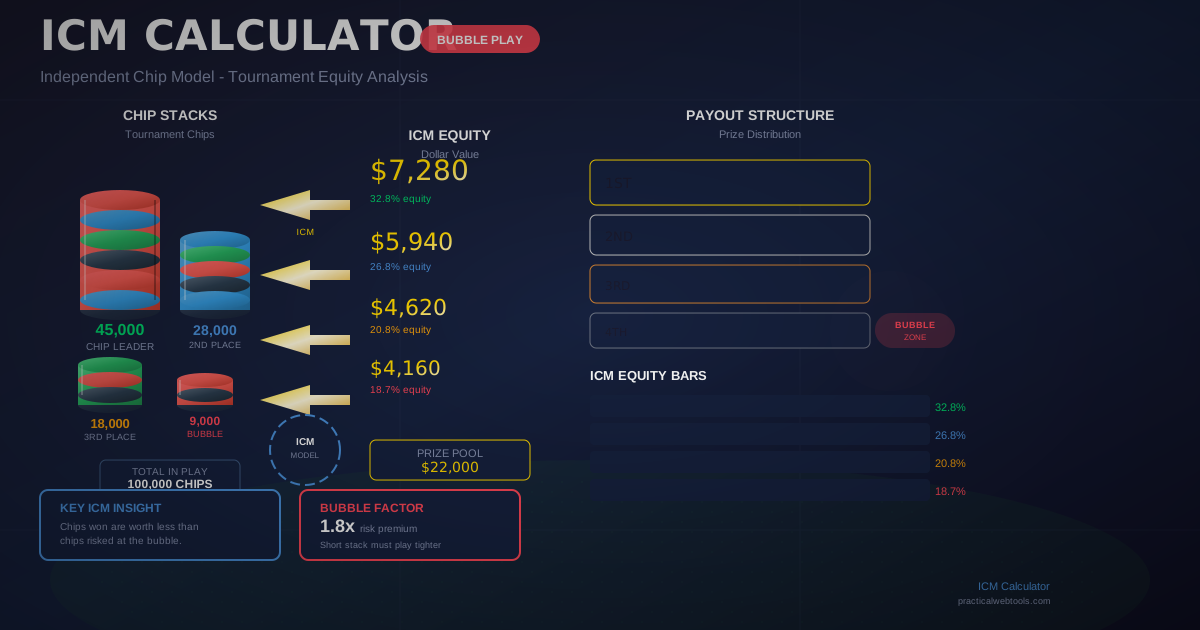
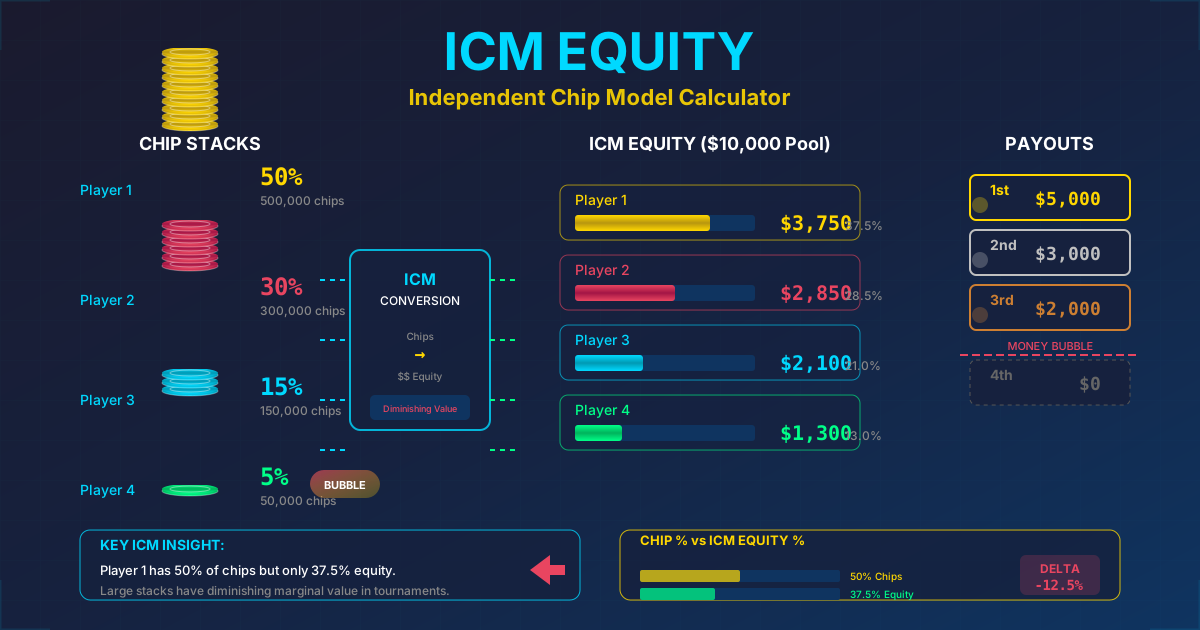
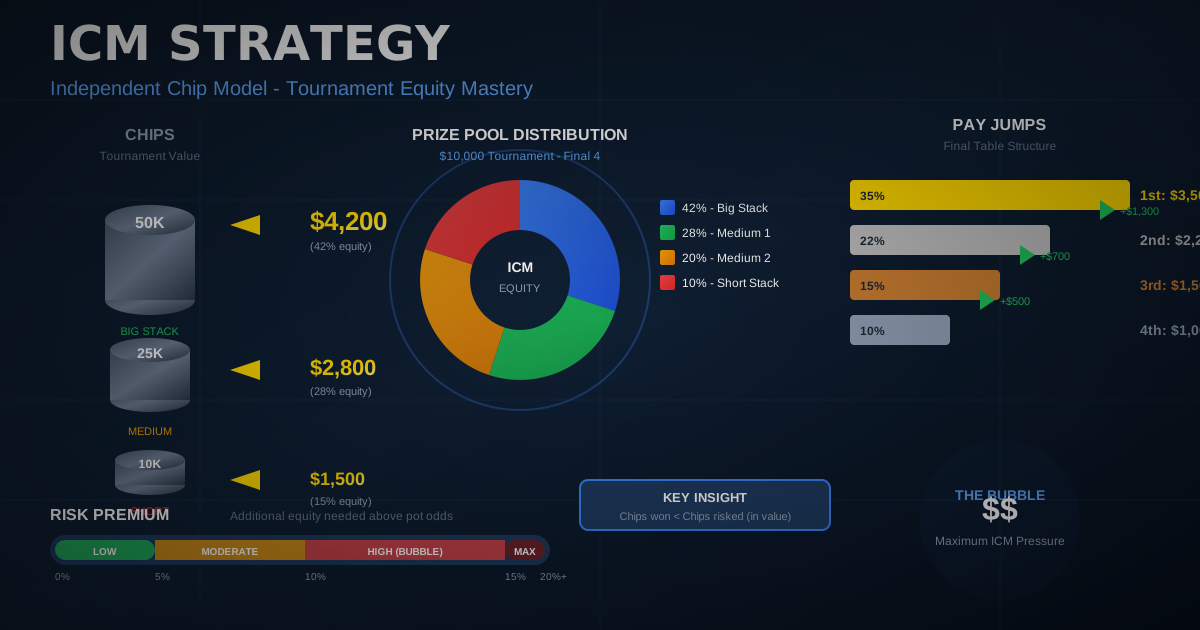
ICM considerations can make some +EV calls incorrect in tournaments. Pot odds math is the same, but total chip value changes.
What if I'm getting exactly the right odds?
Break-even calls are still correct—you're not losing money. But if there's rake or you're unsure of your equity, folding might be better.
How do implied odds change with stack depth?
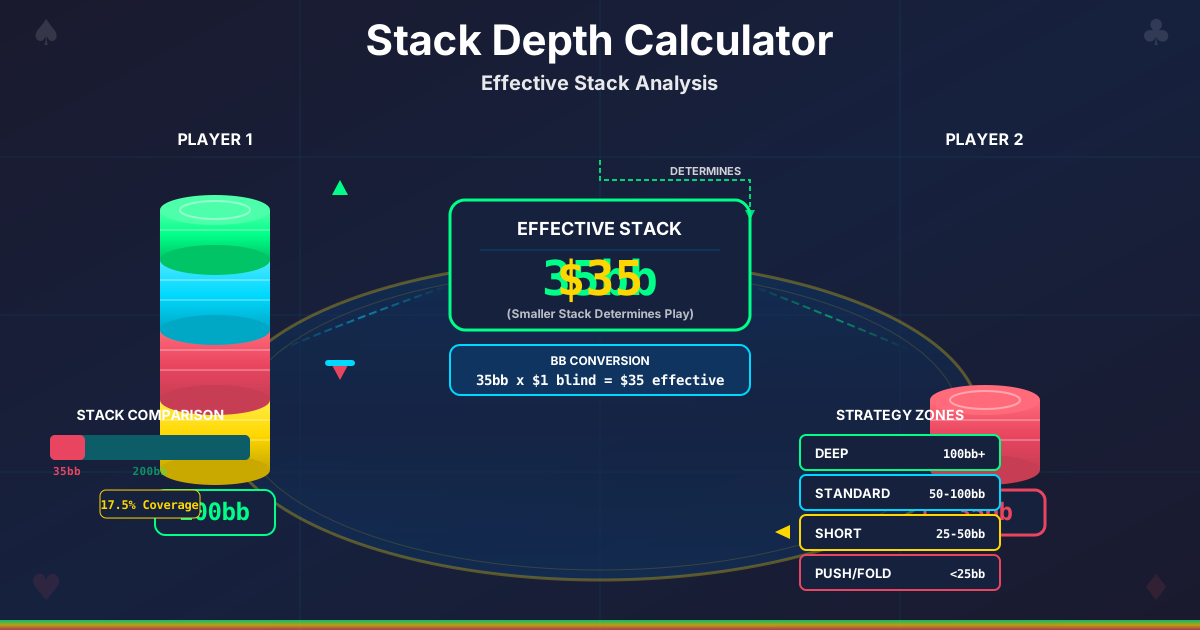
Deeper stacks = higher implied odds (more to win). Short stacks have almost no implied odds.
Pot Odds Quick Reference
Common Scenarios
| Pot : Call | Pot Odds % | Minimum Equity |
|---|---|---|
| 2:1 | 33.3% | Need ~34% |
| 3:1 | 25.0% | Need ~25% |
| 4:1 | 20.0% | Need ~20% |
| 5:1 | 16.7% | Need ~17% |
| 6:1 | 14.3% | Need ~15% |
| 7:1 | 12.5% | Need ~13% |
Half-Pot Bets
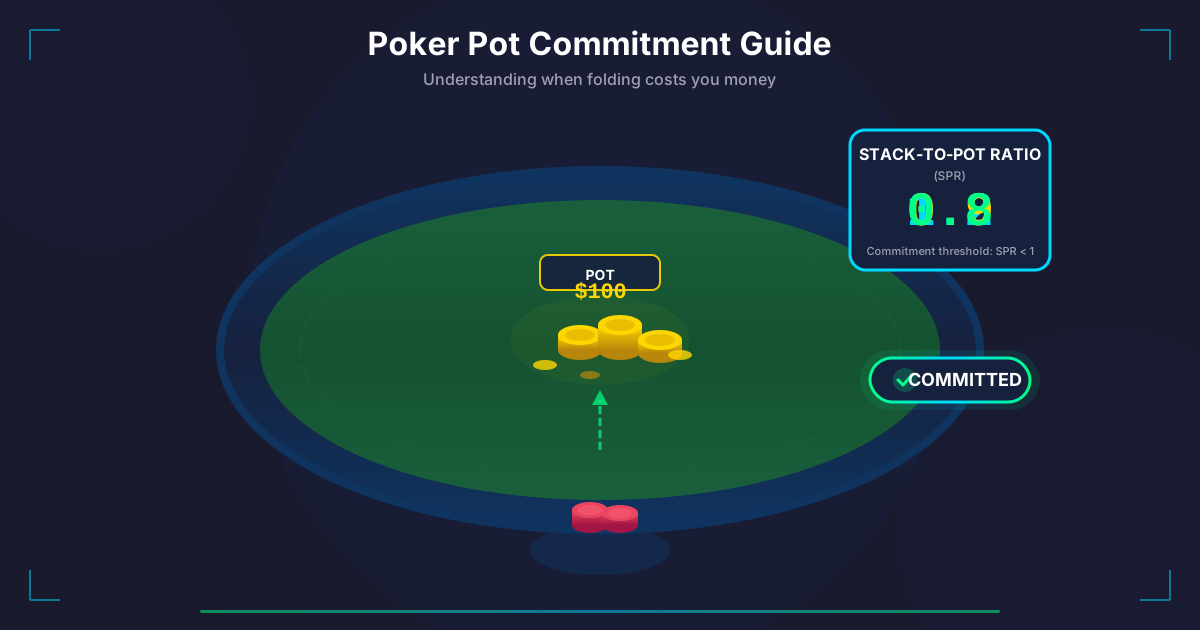
- Pot: $100, Bet: $50
- Pot odds: $100:$50 = 2:1
- Required equity: 33.3%
Full-Pot Bets
- Pot: $100, Bet: $100
- Pot odds: $100:$100 = 1:1
- Required equity: 50%
Pro Tips for Pot Odds
-
Memorize common scenarios: 2:1, 3:1, 4:1 should be automatic
-
Practice at low stakes: Make the math second nature
-
Consider the full picture: Pot odds + implied + fold equity
-
Don't forget reverse implied: Second-best hands are expensive
-
Use position: Implied odds are better in position
Related Poker Calculators
- Poker Equity Calculator - Hand vs. range
- Poker EV Calculator - Expected value
- Poker Outs Calculator - Count your outs
- Poker ICM Calculator - Tournament equity
- Poker Odds Calculator - All-in scenarios
Conclusion
Pot odds are the foundation of profitable poker decisions. Our calculator makes the math instant—compare pot odds to your equity, and you'll know whether to call or fold. Master this concept, and you'll stop making costly mistakes on drawing hands.
The best poker players don't guess—they calculate. Pot odds turn poker from gambling into a game of skill. Use our calculator to train your instincts and make better decisions at the table.