Poker Stack Depth Calculator: Effective Stack Analysis (2026)
Poker Stack Depth Calculator: Playing Your Stack Size
Stack depth fundamentally changes poker strategy. Our calculator measures effective stacks, converts to big blinds, and shows how deep or shallow stacks affect preflop ranges, postflop play, and commitment thresholds.
What Is Stack Depth?
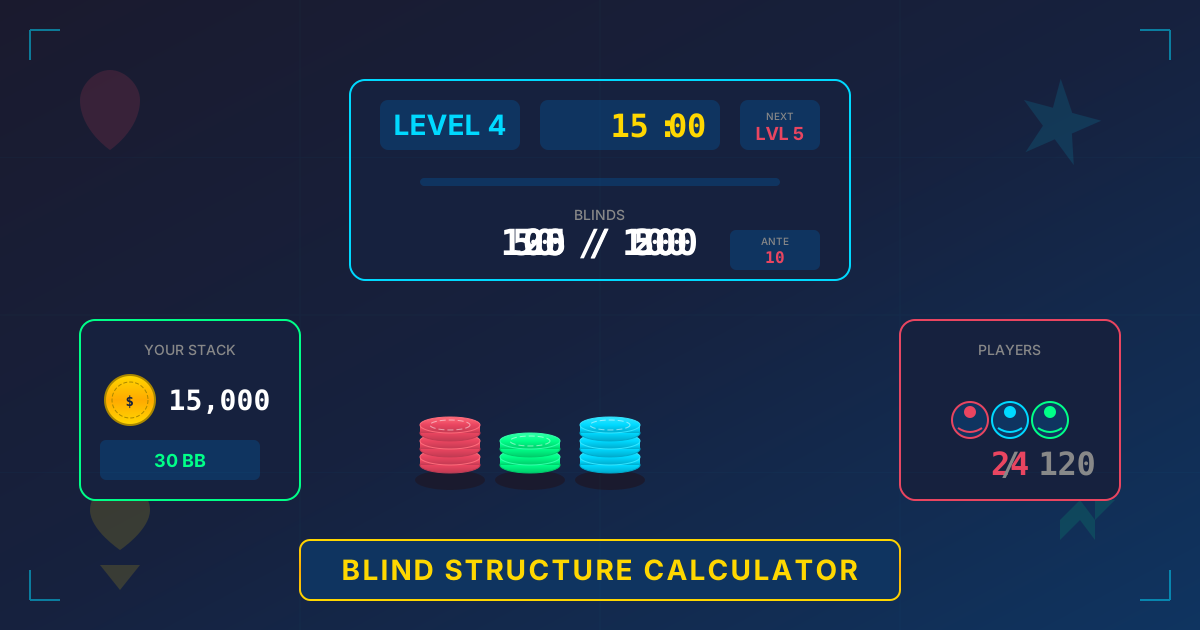
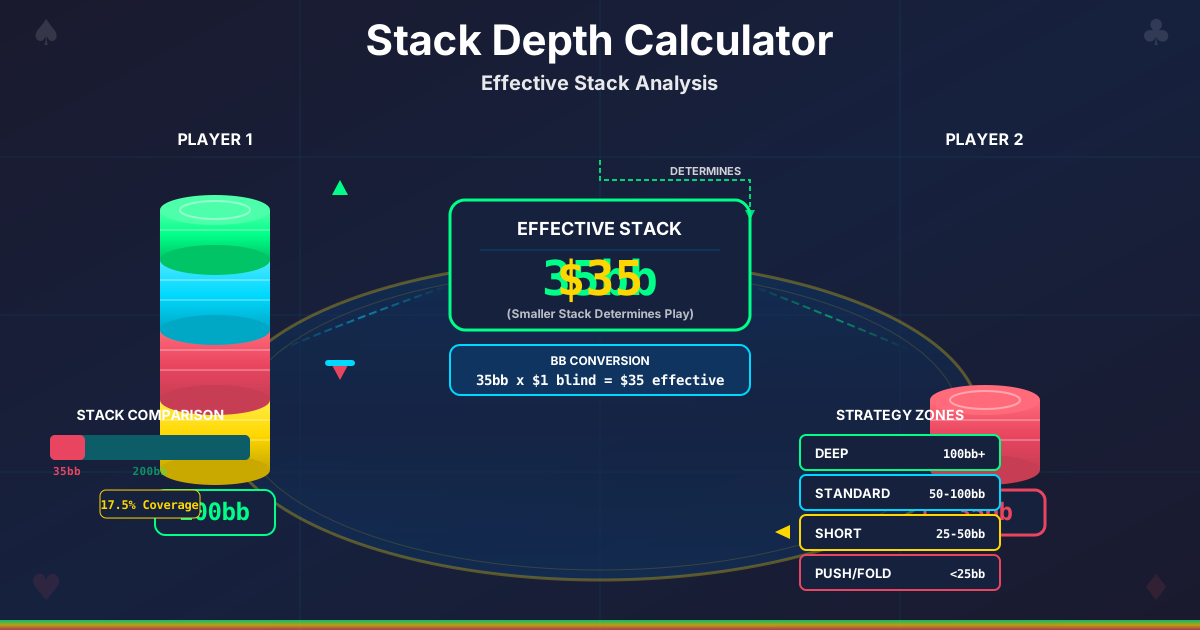
Stack depth measures your chip amount relative to the blinds, typically expressed in big blinds (BB). Deep stacks (100bb+) allow postflop maneuvering; short stacks (20-40bb) force more preflop commitments. Effective stack is the smaller stack between you and opponent.
Quick Answer: Stack depth = your stack ÷ big blind. Effective stack = minimum of your stack and opponent's. 200bb = deep (complex postflop). 100bb = standard. 40bb = short (preflop focused). 20bb = push/fold. Strategy changes dramatically with depth. Deeper = more implied odds. Shallower = more preflop emphasis.
How to Use Our Calculator
Use the Stack Depth Calculator →
Enter stack sizes to analyze effective depth and strategic implications.
Step-by-Step Instructions
-
Enter Your Stack: Your chip count
-
Enter Opponent Stack: Their chips
-
Input Blind Level: Current blinds
-
View Effective Stack: The smaller stack
-
See Strategy Zone: Deep/standard/short
Input Fields Explained
| Field | Description | Example |
|---|---|---|
| Your Stack | Your chips | $500 |
| Opponent Stack | Their chips | $300 |
| Big Blind | Current BB | $2 |
| Your Depth | Your BBs | 250bb |
| Opponent Depth | Their BBs | 150bb |
| Effective Stack | Smaller | 150bb |
| Strategy Zone | Play mode | Deep stack |
Stack Depth Zones
Ultra Deep (200bb+)
Characteristics:
- Maximum postflop flexibility
- Implied odds extremely high
- Small pairs/suited connectors valuable
- Multiple street betting possible
- Big pots = big swings

Strategy adjustments:
- Wider speculative hands
- Set mining very profitable
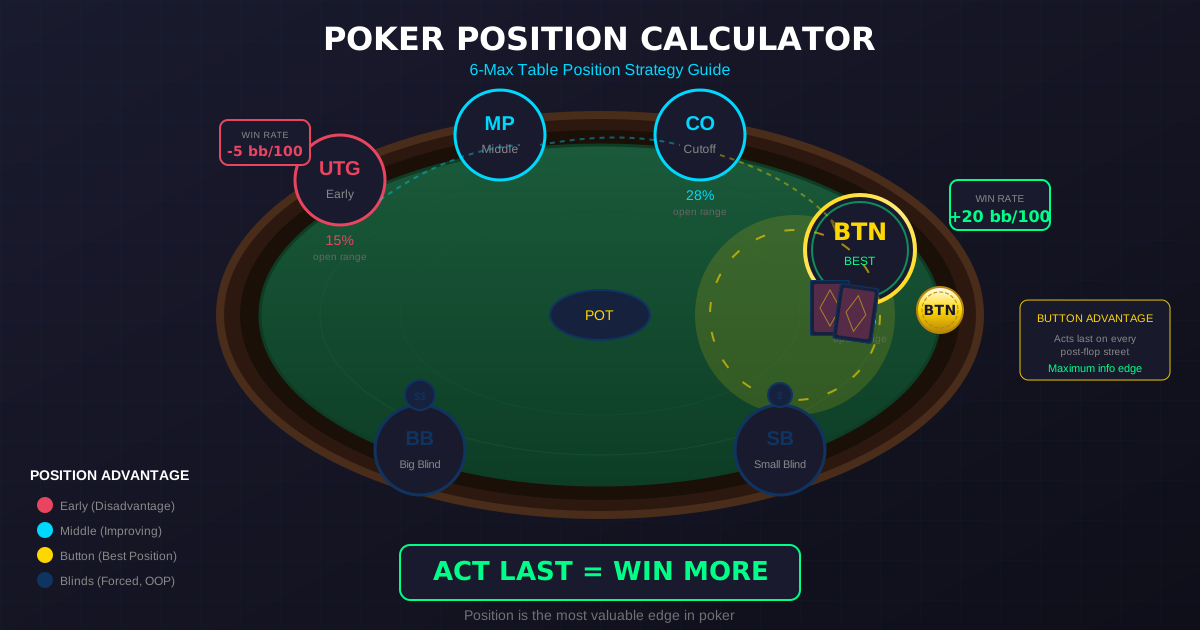
- Position more important
- More bluffing opportunities
Deep (100-200bb)
Characteristics:
- Standard cash game depth
- Full postflop game possible
- Most training applies here
- Balanced ranges matter

Strategy adjustments:
- Standard opening ranges
- All hand types playable
- SPR calculations important
- Normal commitment thresholds
Standard (50-100bb)
Characteristics:
- Late tournament/some cash
- Postflop still matters
- Some stack pressure

Strategy adjustments:
- Tighter preflop slightly
- Less set mining with small pairs
- 3-bet/fold more common
- Pot commitment easier
Short (25-50bb)
Characteristics:
- Tournament common
- Preflop focus increases
- Postflop simpler
- All-in or fold common

Strategy adjustments:
- Much tighter opening
- 3-bet for value or fold
- SPR often <3 postflop
- Set mining marginal
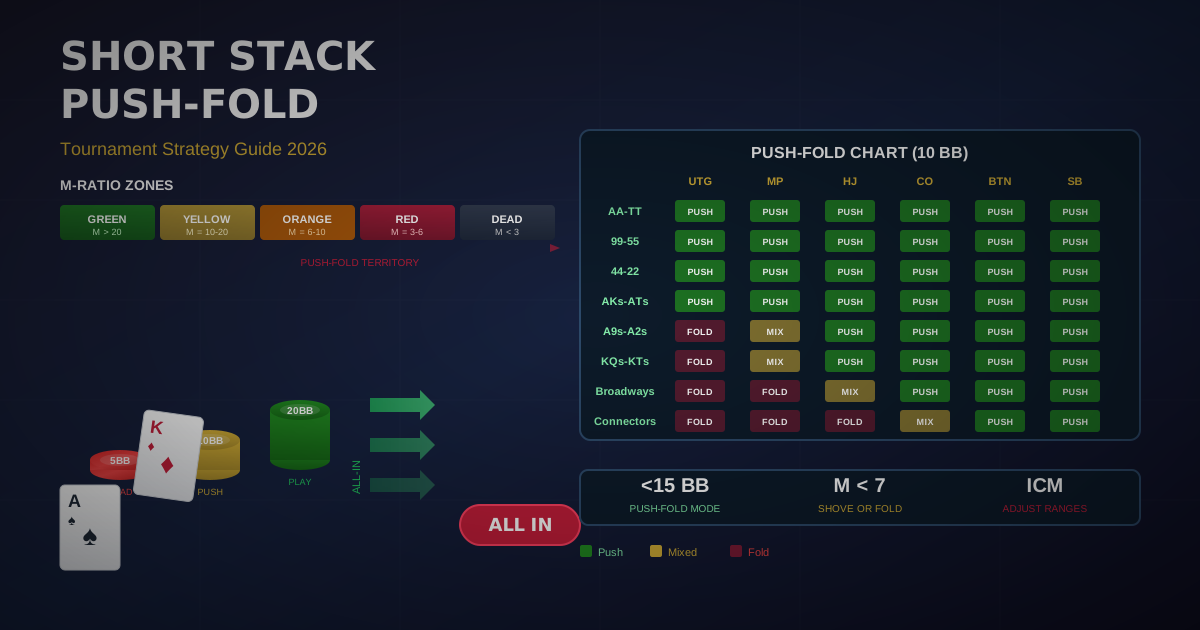
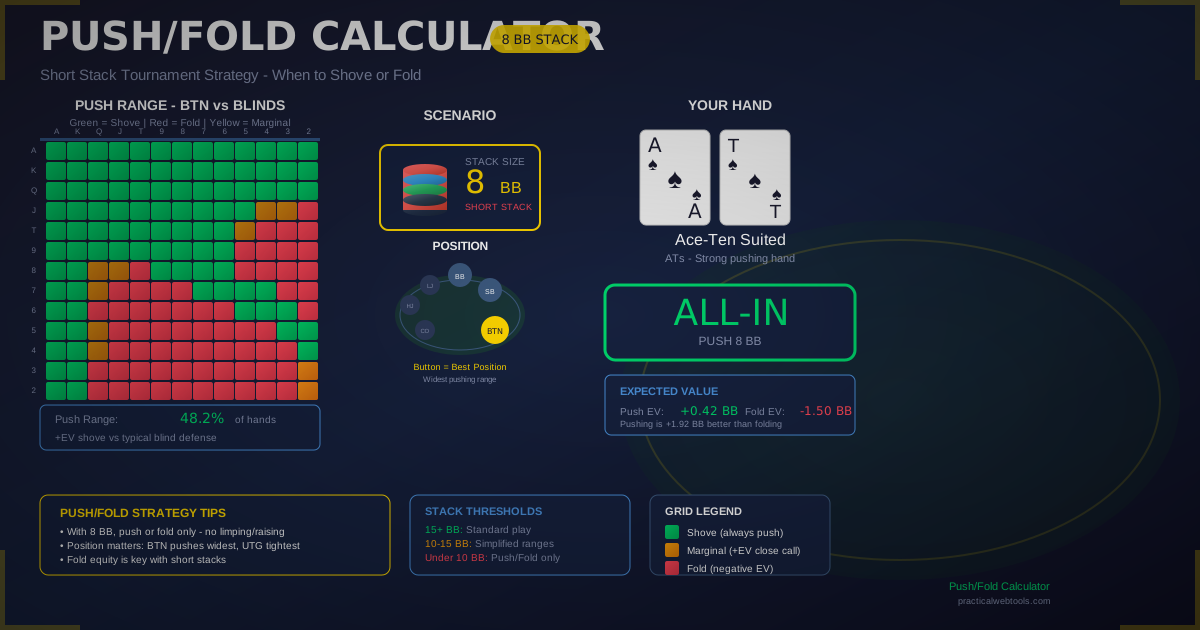
Push/Fold (Under 25bb)
Characteristics:
- Push or fold only
- No calling ranges
- Charts determine action
- Pure math decisions

Strategy adjustments:
- Ignore postflop complexity
- Use push/fold charts
- Position dominates
- Ace-x becomes premium
Effective Stack Calculations
Why Effective Stack Matters
You: $500 (250bb)
Opponent: $100 (50bb)

Effective stack: $100 (50bb)

Why:
Can't win more than opponent has
Your extra $400 is irrelevant vs this opponent
Play as if you have 50bb

Deep stack strategies don't apply
Short stack math governs
Multi-Way Effective Stacks
You: $300
Opponent A: $500
Opponent B: $150

Effective vs A: $300
Effective vs B: $150

Against A: Deep stack play
Against B: Short stack play
Adjust by opponent
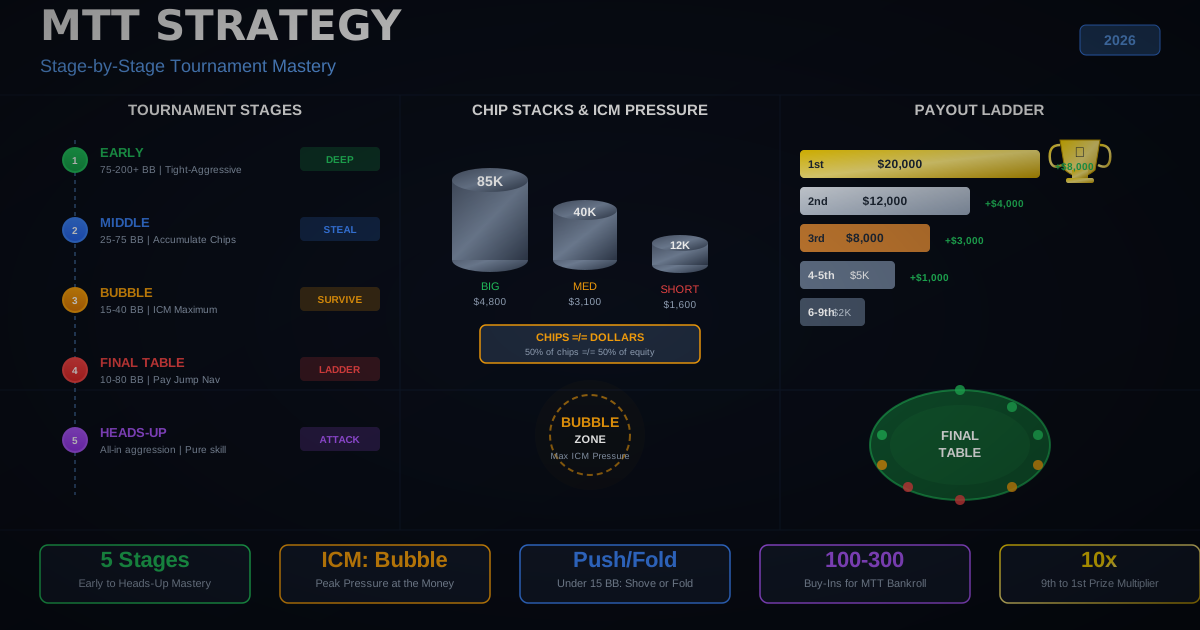
Tournament Considerations
Early stages:
- Stacks vary widely
- Calculate per opponent
- Some deep, some short

Late stages:
- Stacks compress
- Most are similar effective
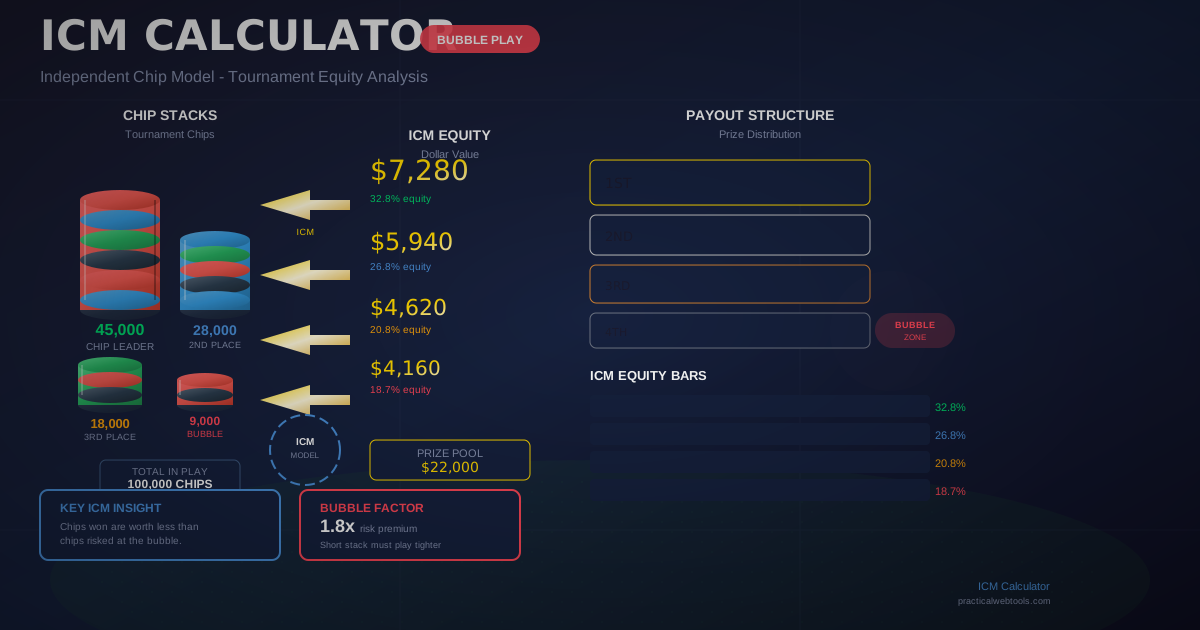
- ICM affects decisions
Stack Depth Strategy Changes
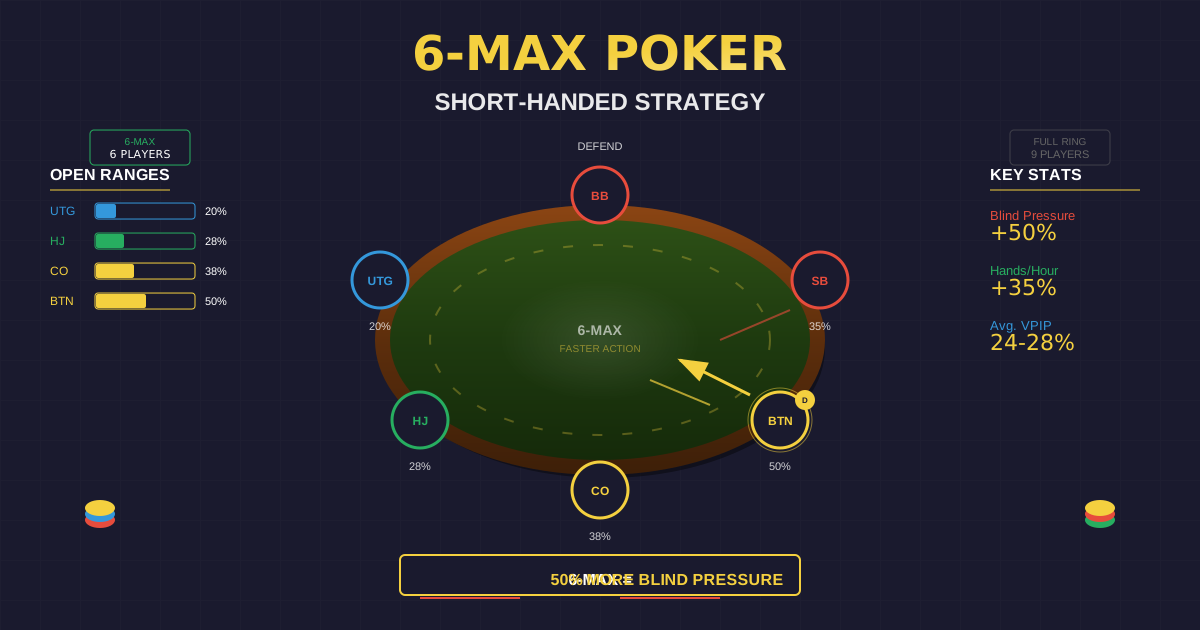
Preflop Range Adjustments
By stack depth (opening UTG):

200bb: Top 12-15% (wider speculative)
100bb: Top 10-12% (standard)
50bb: Top 8-10% (tighter)
25bb: Top 6-8% (push range only)

Short = tighter
Deep = can add suited connectors
3-Bet Strategy Changes
Deep (100bb+):
3-bet value + bluffs (balanced)
Call 3-bets with implied odds hands
Flat AA/KK sometimes for deception

Short (40bb):
3-bet value heavy
4-bet all-in with premium
No flatting—commit or fold

Very short (20bb):
Push or fold only
No 3-betting to fold
All-in or nothing
Set Mining Profitability
Rule of thumb:
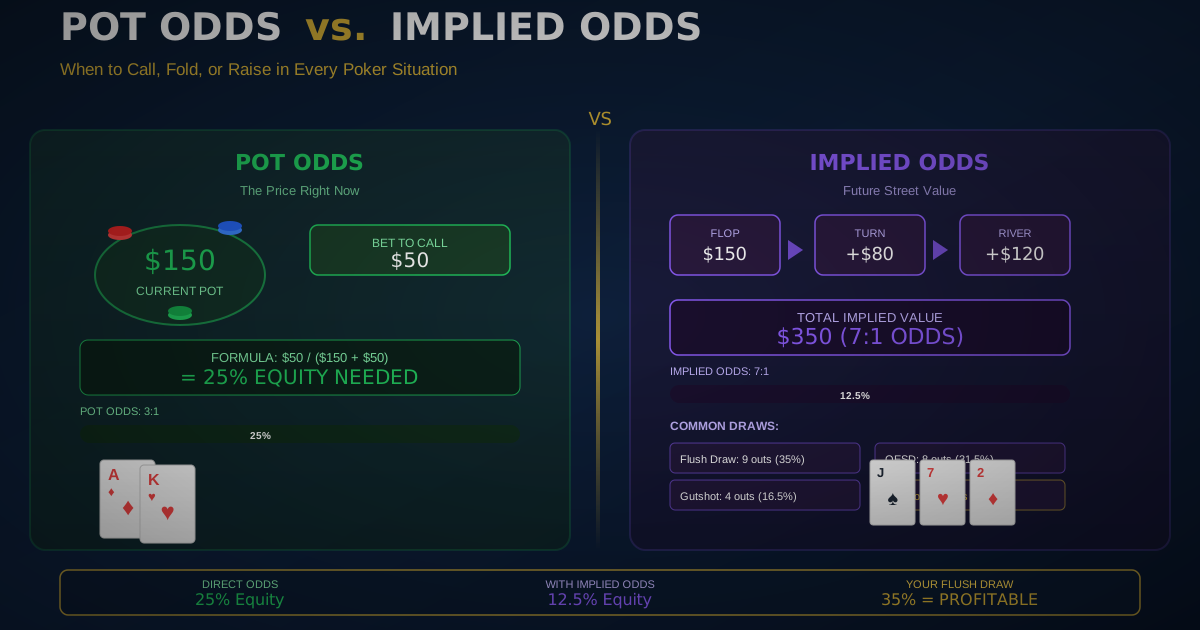
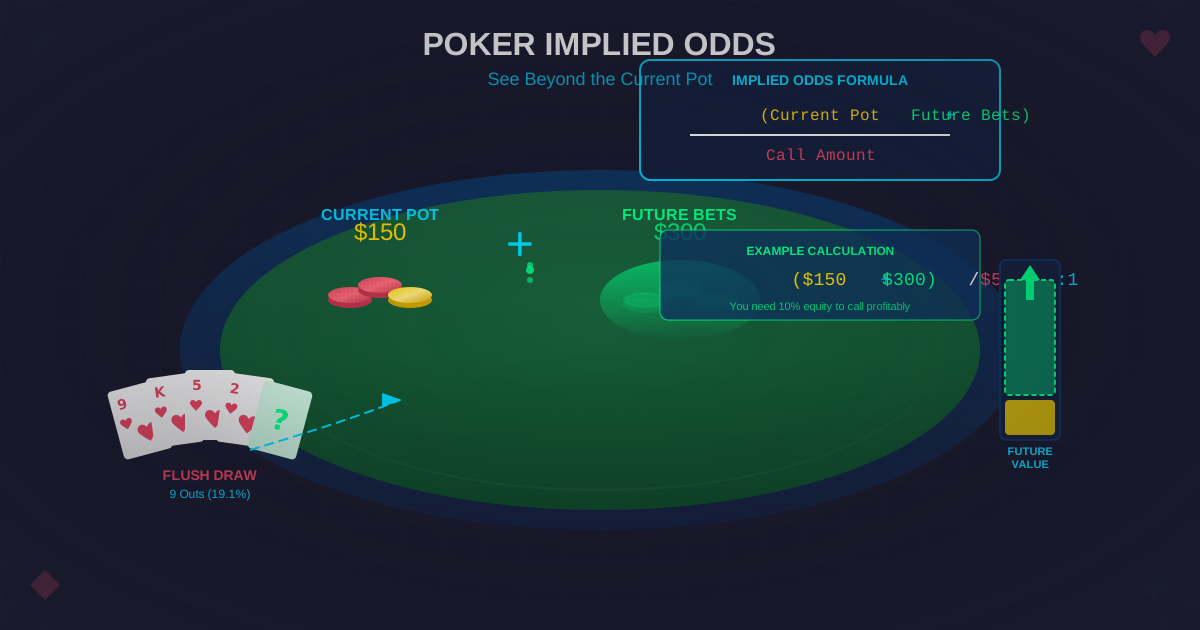
Need 15:1 implied odds for small pairs

200bb effective:
Can win 200bb for 15bb call
15:1+ implied odds ✓
Set mine freely

50bb effective:
Can win 50bb for 15bb call
~3:1 implied odds ✗
Fold small pairs usually

100bb effective:
Can win 100bb for 15bb call
~7:1, marginal
Depends on opponent tendencies
Real-World Examples
Example 1: Deep Stack Cash Game
Stacks: You $400, Villain $350 (175bb effective)
Preflop: You have 5♠5♥ UTG+1

Deep stack considerations:
- Set mining profitable (175bb potential)
- Can see flop cheaply
- Position matters more
- Speculative hand = playable

Action: Open raise $7
(Standard 3.5bb open)
Example 2: Tournament Short Stack
Stacks: You 28bb, Opponent 45bb (28bb effective)
Preflop: You have A♠J♦ in cutoff

Short stack considerations:
- No postflop maneuvering room
- Should be 3-bet or fold range
- AJ is strong short-stacked
- All-in gets folds or flips

Action: Raise to 2.2bb or shove
(Depends on table dynamics)
Example 3: Effective Stack Mismatch
You: 200bb, Villain: 35bb, You have TT
Villain opens 3bb, you in button

Effective: 35bb
Strategy: Short stack play

Options:
A) Call 3bb (implied odds limited)
B) 3-bet to 9bb (commits villain)
C) 3-bet all-in 35bb (fold equity + equity)

Best: 3-bet to ~9bb or shove
Can't play deep vs short stack
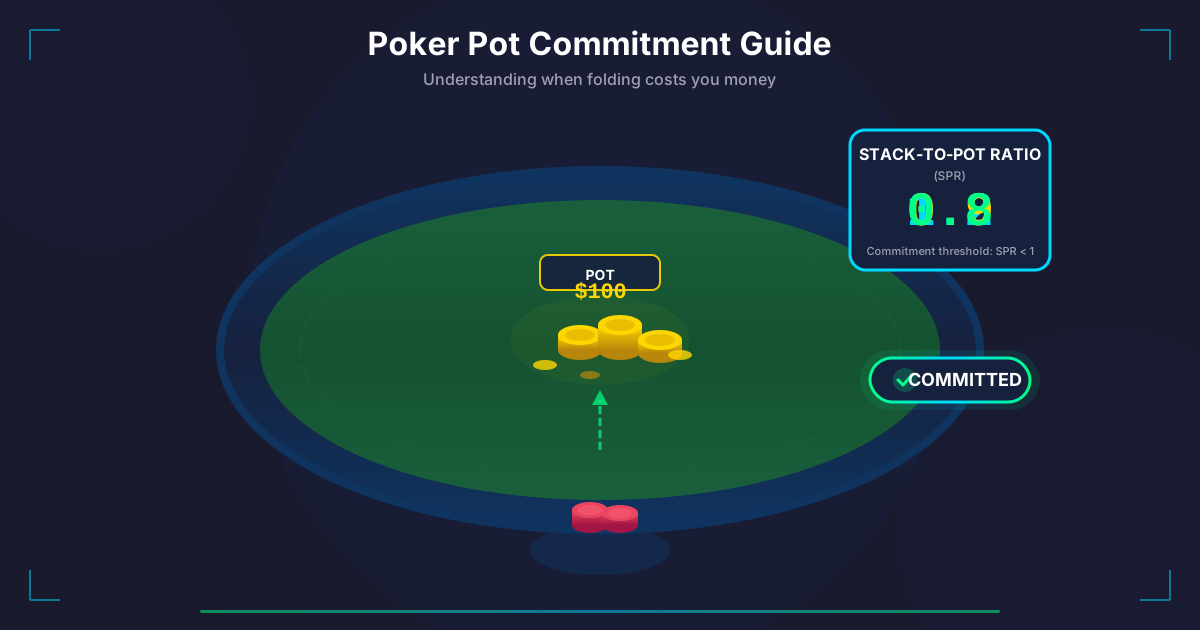
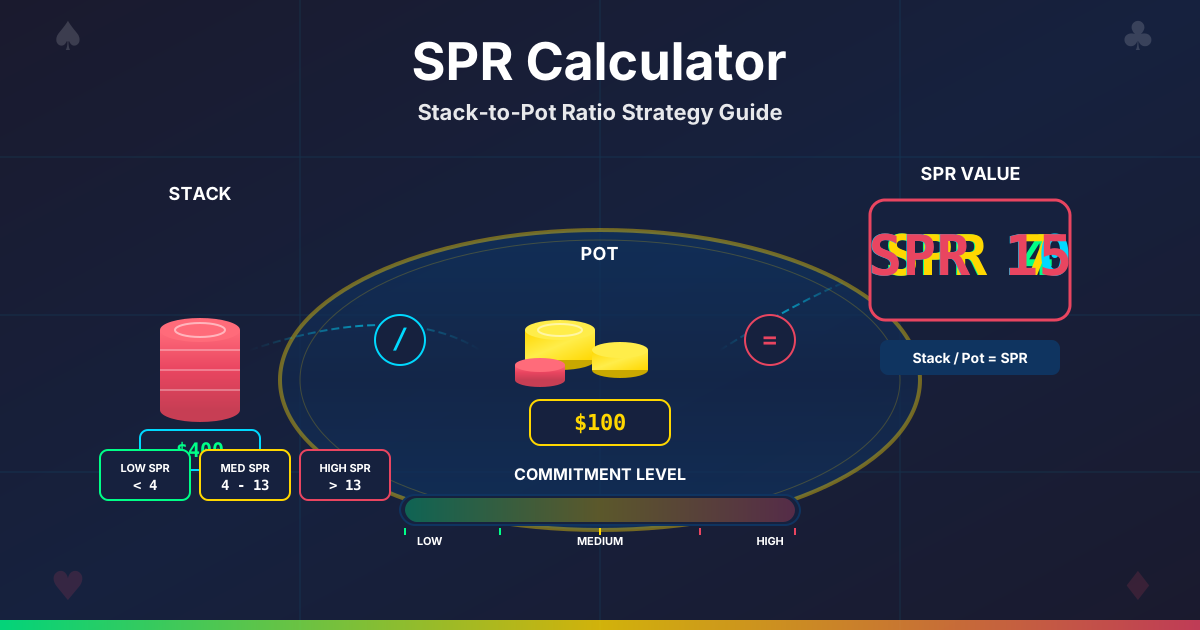
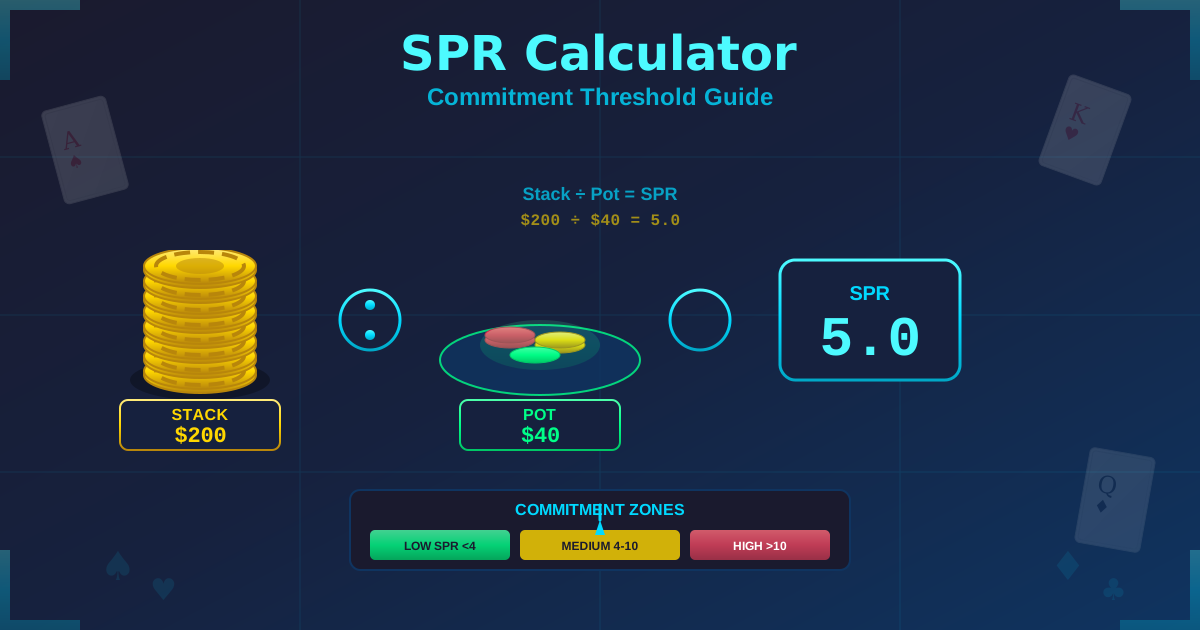
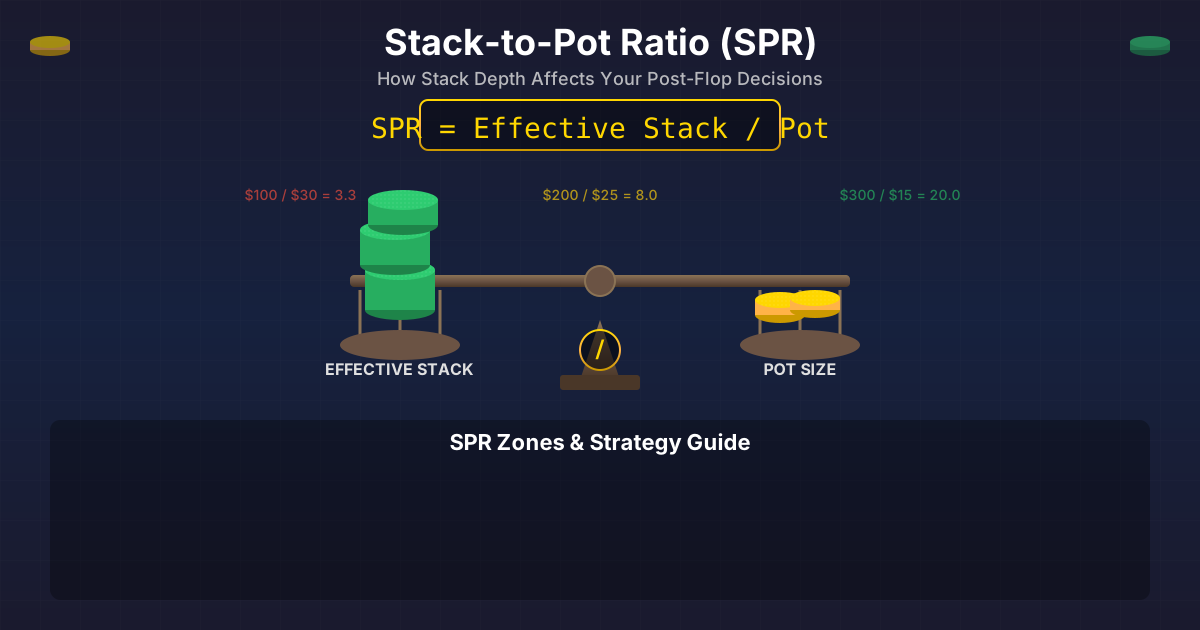
Example 4: Stack-to-Pot Ratio
Pot after flop: $30, Your stack: $100, Villain: $80
Effective remaining: $80
Pot: $30
SPR: $80 / $30 = 2.67

Low SPR implications:
- Easy to get all-in
- Top pair commits
- Big draws commit
- One bet often = pot committed

With top pair:
Bet-call or bet-shove
No folding likely
Common Mistakes
1. Ignoring Effective Stack
Mistake: Play your stack, not effective Problem: Deep strategy vs short stack Fix: Calculate effective before hand
2. Set Mining Short-Stacked
Mistake: 22 for 4bb with 35bb effective Problem: Can't win enough if hit Fix: Fold small pairs when shallow
3. Same Ranges All Depths
Mistake: Standard ranges at 25bb Problem: Postflop-heavy hands worthless Fix: Adjust by depth zone
4. Not Adjusting 3-Bet Size
Mistake: 3x 3-bet with 30bb effective Problem: Commits too much, can't fold Fix: Smaller 3-bets or shove short
Frequently Asked Questions
What's a good stack size for cash games?
100bb minimum, 150-200bb ideal. Allows full strategic flexibility. Rebuy when under 100bb.
How do I calculate effective stack in tournaments?
Look at opponent's stack, compare to yours, use smaller. For multi-way, calculate per opponent.
Should I adjust for stack depth preflop?
Yes. Tighten with short stacks, add speculative hands when deep. Stack depth changes entire approach.
When is set mining profitable?
Generally need 15:1+ implied odds. With 100bb effective and 7bb raise, you can win ~15× the call—marginal but playable.
What's the push/fold threshold?
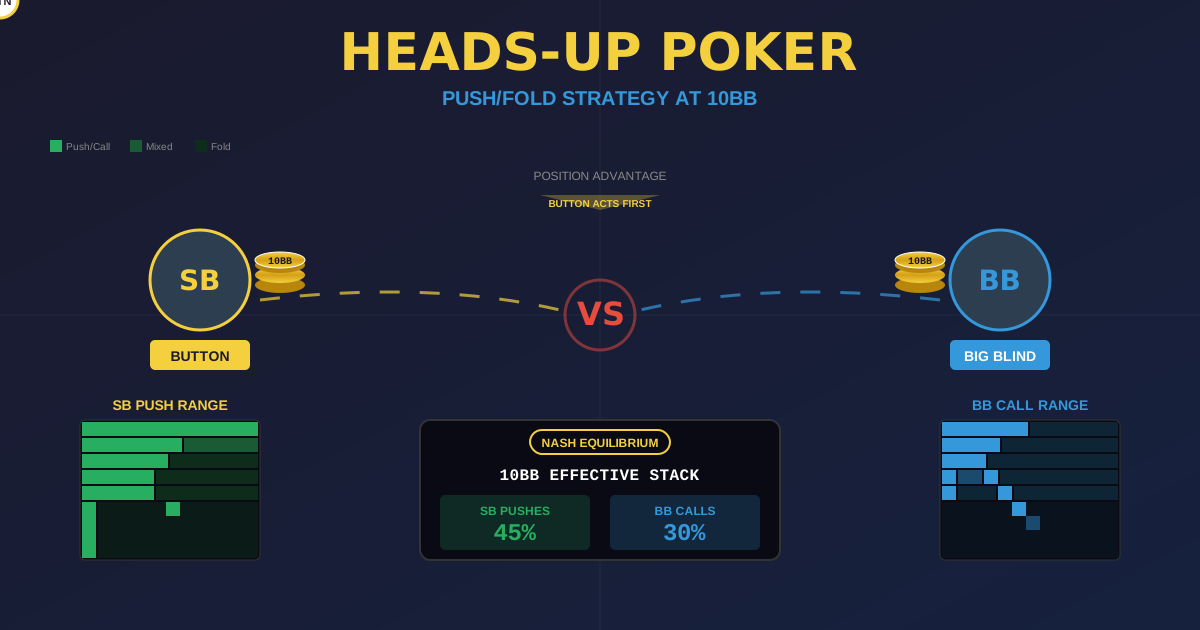
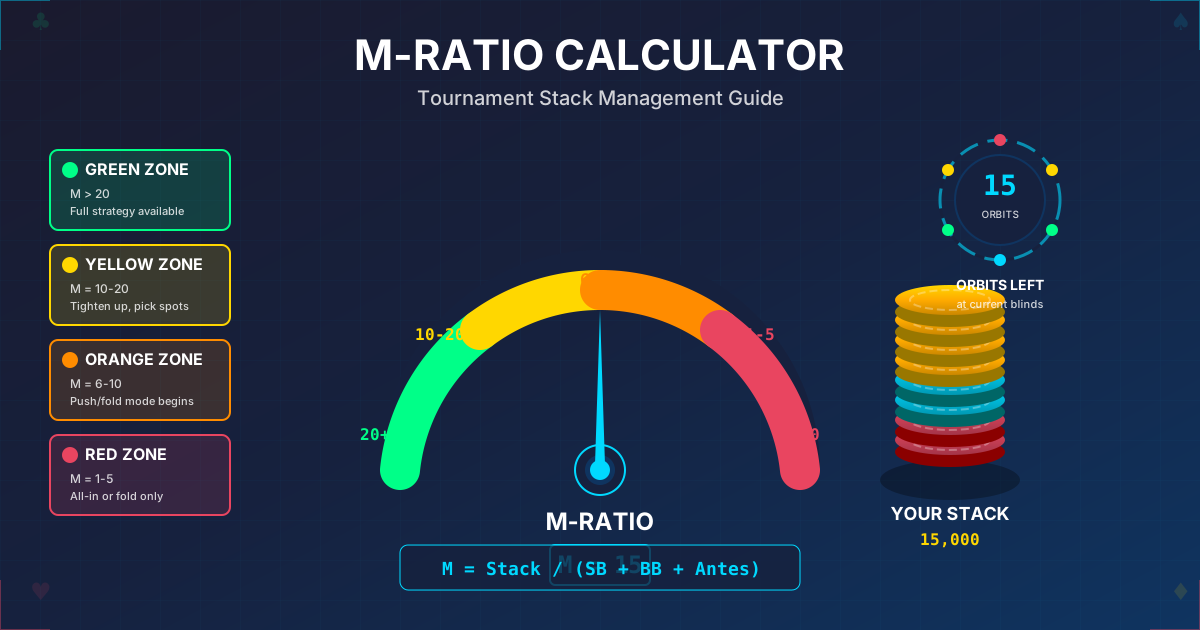
Under 10bb is pure push/fold. 10-25bb uses push/fold with some raising. Above 25bb allows standard play.
Do effective stacks change mid-hand?
Yes. As pot grows, remaining effective stacks shrink. SPR (stack-to-pot ratio) changes on each street.
Pro Tips
-
Know your zone: Deep/standard/short/push-fold
-
Calculate effective: Before every significant pot
-
Adjust ranges: Tighter short, wider deep
-
Set mine deep only: 15:1 implied minimum
-
SPR awareness: Commitment changes postflop
Related Calculators
- Poker SPR Calculator - Pot ratio
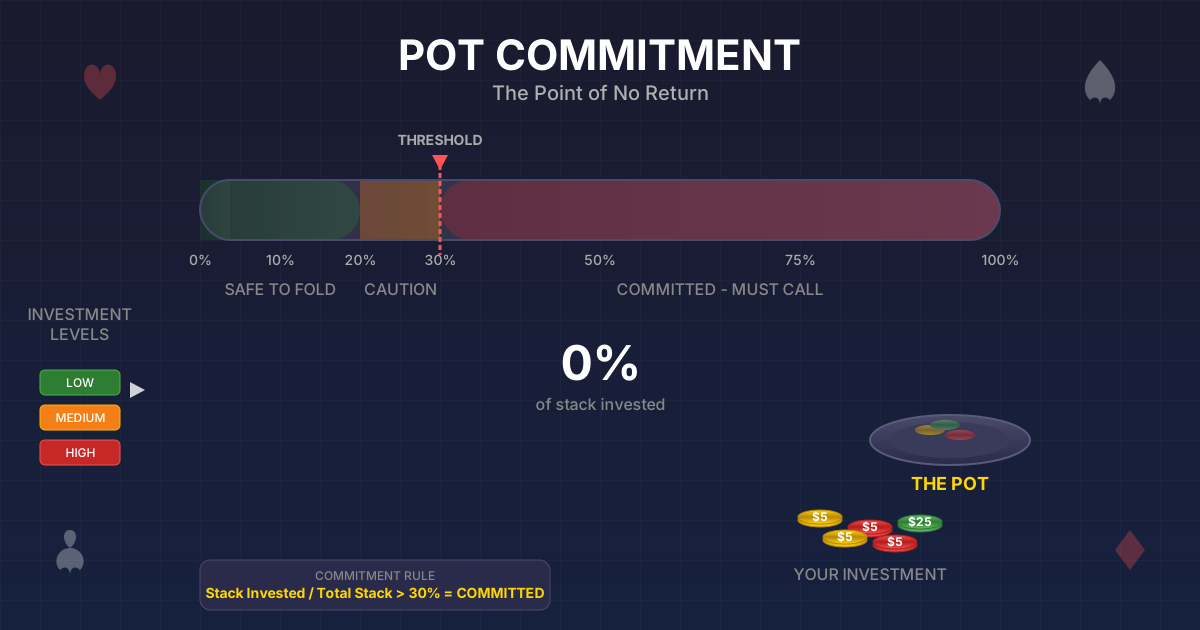
- Poker Pot Commitment Calculator - When committed
- Push/Fold Calculator - Short stack
- Poker Tournament Calculator - MTT stacks
- Poker Equity Calculator - Hand equity
Conclusion
Stack depth determines strategic approach—deep stacks enable complex postflop play while short stacks force preflop commitments. Our calculator measures effective stacks and shows how depth changes optimal play from range construction to bet sizing.
That 22 is playable with 200bb effective but a fold with 35bb behind. Our calculator reveals how stack depth transforms strategy, ensuring you're playing the right game for your chip situation.