Poker Stack-to-Pot Ratio Calculator: SPR Strategy (2026)
Poker Stack-to-Pot Ratio Calculator: Know Your Commitment Threshold
Stack-to-pot ratio (SPR) determines how committed you are to a hand. Our calculator shows your SPR at every street, revealing whether you're pot-committed and how stack depth should influence your pre-flop decisions.
What Is Stack-to-Pot Ratio?
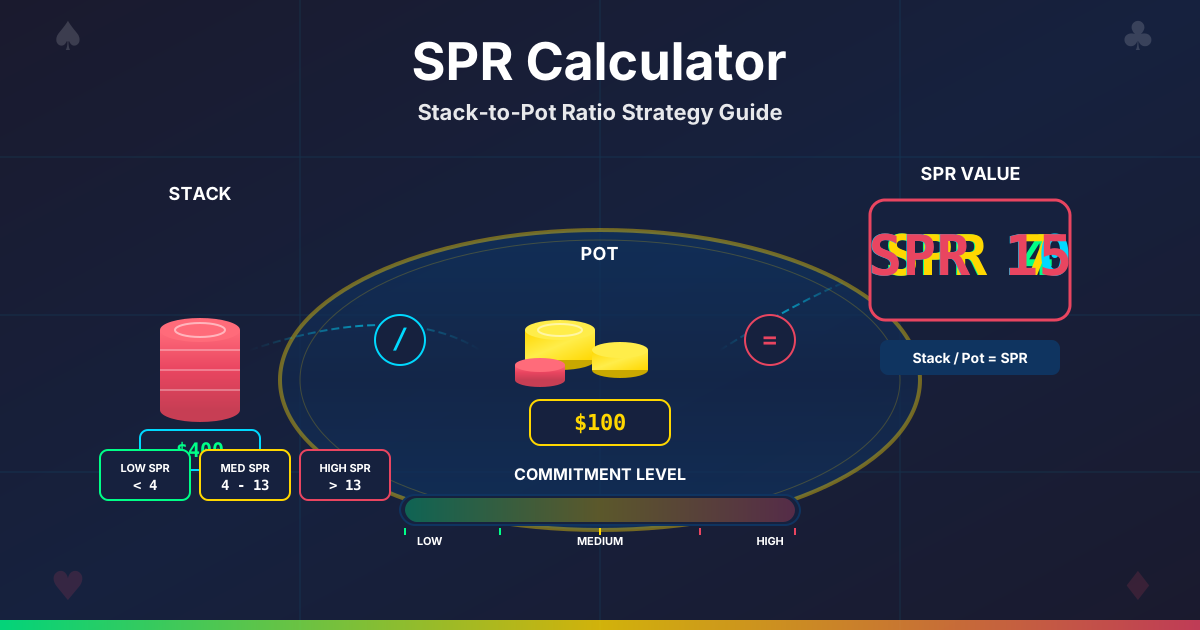
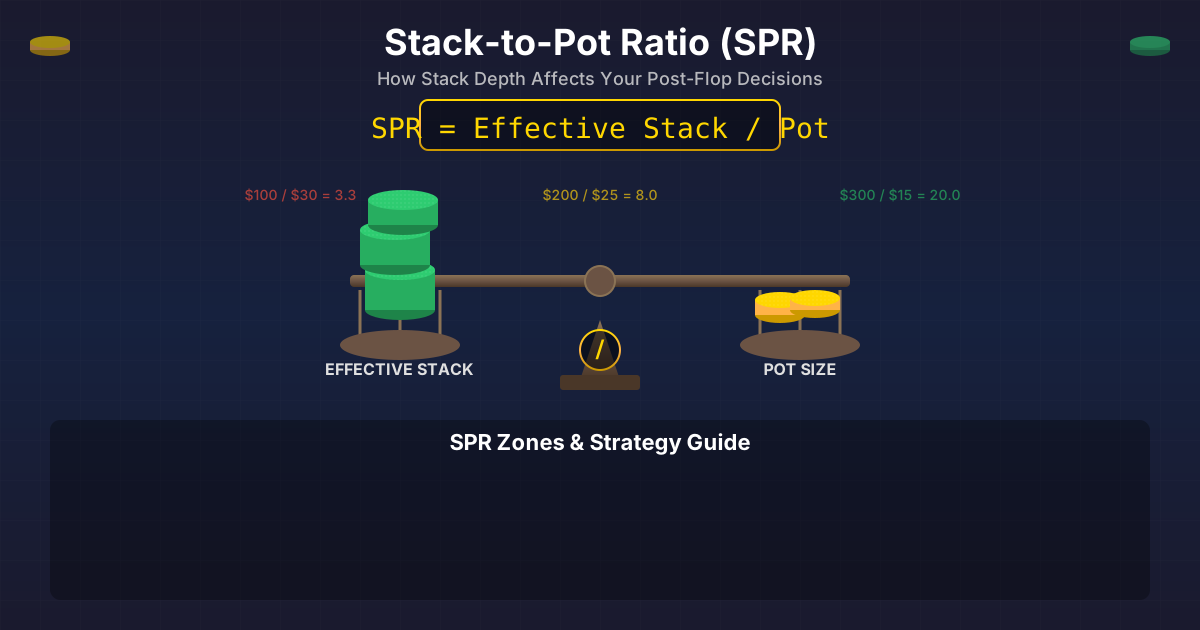
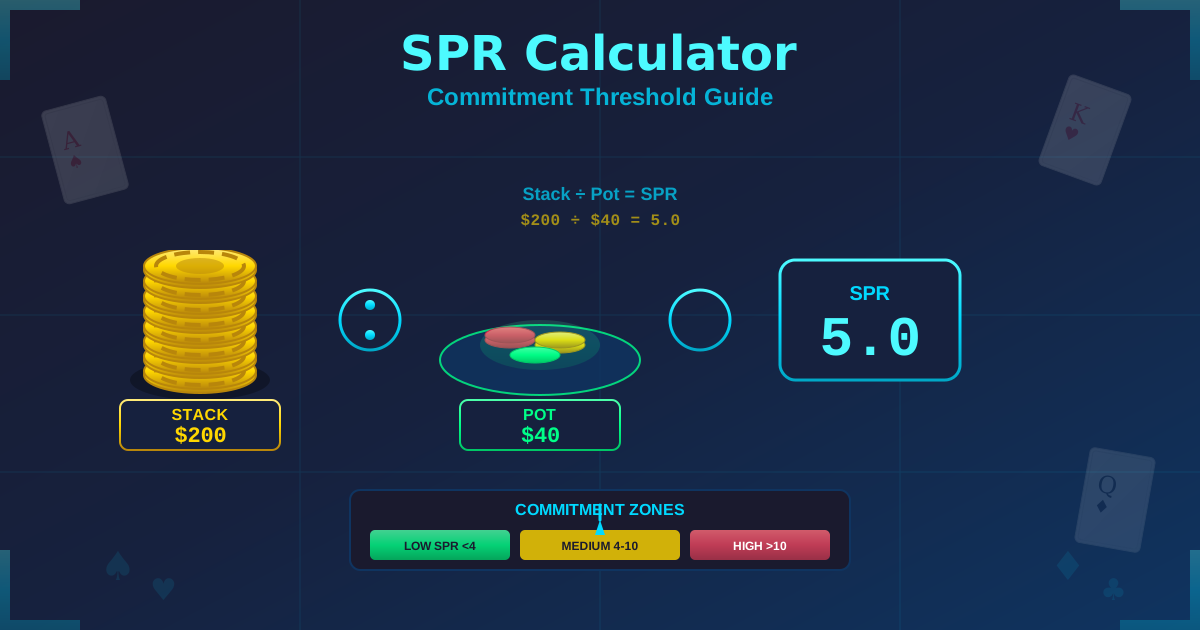
SPR is your effective stack divided by the pot size at the flop. Low SPR (under 4) means you're essentially committed; high SPR (over 13) means you have room to maneuver. Understanding SPR prevents costly mistakes with marginal hands.
Quick Answer: SPR = Effective Stack / Pot on Flop. SPR < 4: Commit with top pair. SPR 4-10: Play carefully, top pair is marginal. SPR > 10: Need strong hands to stack off. Plan your SPR pre-flop: Larger raises create lower SPR, making commitment easier with big hands. Pocket Aces want low SPR; speculative hands want high SPR.
How to Use Our Calculator
Enter stack and pot sizes to calculate commitment threshold.
Step-by-Step Instructions
-
Enter Effective Stack: Smallest stack in hand
-
Input Pot Size: At flop
-
View SPR: Stack-to-pot ratio
-
See Commitment Level: Low, medium, high
-
Get Strategy Guidance: How to play your range
Input Fields Explained
| Field | Description | Example |
|---|---|---|
| Effective Stack | Relevant stack | $200 |
| Pot at Flop | After pre-flop | $40 |
| SPR | Ratio | 5.0 |
| Commitment Level | Category | Medium |
| Top Pair Play | Recommended | Cautious |
| Overpair Play | Recommended | Value bet |
SPR Categories
Low SPR (0-4)
Characteristics:
- Pot committed or nearly so
- One bet often commits stacks
- Hand values are clearer
- Less post-flop maneuvering

Strategy:
- Top pair = go with it
- Overpairs = stack off
- Strong draws = commit
- Don't slowplay
Medium SPR (4-10)
Characteristics:
- Some room to maneuver
- Requires hand reading
- Position matters more
- Can escape bad situations

Strategy:
- Top pair = depends on kicker
- Overpairs = value bet carefully
- Strong draws = semi-bluff
- Can fold to heavy aggression
High SPR (10+)
Characteristics:
- Deep stacked play
- Maximum maneuvering
- Speculative hands playable
- Big pots need big hands

Strategy:
- Top pair = pot control
- Overpairs = protect, don't overcommit
- Sets/straights/flushes = stack off
- Position is crucial
Calculating SPR
Basic Formula
SPR = Effective Stack / Pot at Flop

Example:
Your stack: $500
Opponent stack: $300
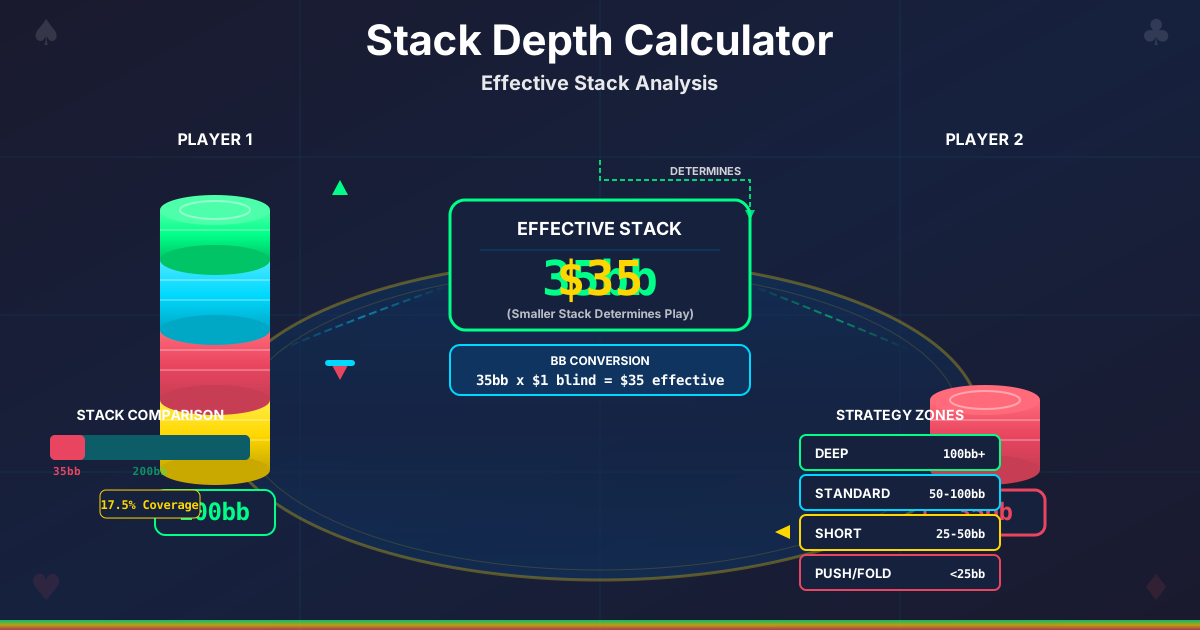
Effective stack: $300 (smaller one)
Pot at flop: $60

SPR = $300 / $60 = 5.0
Planning SPR Pre-Flop
Standard open ($15 into $3 blinds):
Pot at flop (heads up): ~$33
Stack: $200
SPR: ~6

3-bet pot ($45 pre):
Pot at flop: ~$95
Stack: $200
SPR: ~2

SPR changes dramatically with pot size
SPR and Hand Categories
Premium Pairs (AA, KK, QQ)
| SPR | Strategy |
|---|---|
| <3 | Get all in, don't slowplay |
| 3-6 | Stack off on most boards |
| 6-10 | Value bet, fold to major aggression |
| >10 | Pot control, watch for sets |
Top Pair (AK on K-high board)
| SPR | Strategy |
|---|---|
| <3 | Committed, stack off |
| 3-6 | Often committed, board dependent |
| 6-10 | Careful value betting |
| >10 | Pot control, don't go broke |
Sets
| SPR | Strategy |
|---|---|
| <3 | Get it in fast |
| 3-10 | Build pot aggressively |
| >10 | Can slow play if safe board |
Draws
| SPR | Strategy |
|---|---|
| <4 | Commit with strong draws |
| 4-8 | Semi-bluff or check-call |
| >8 | More maneuvering options |
Real-World Examples
Example 1: Low SPR Commitment
Situation:
You: $150 stack
Pot pre-flop: $50 (you 3-bet)
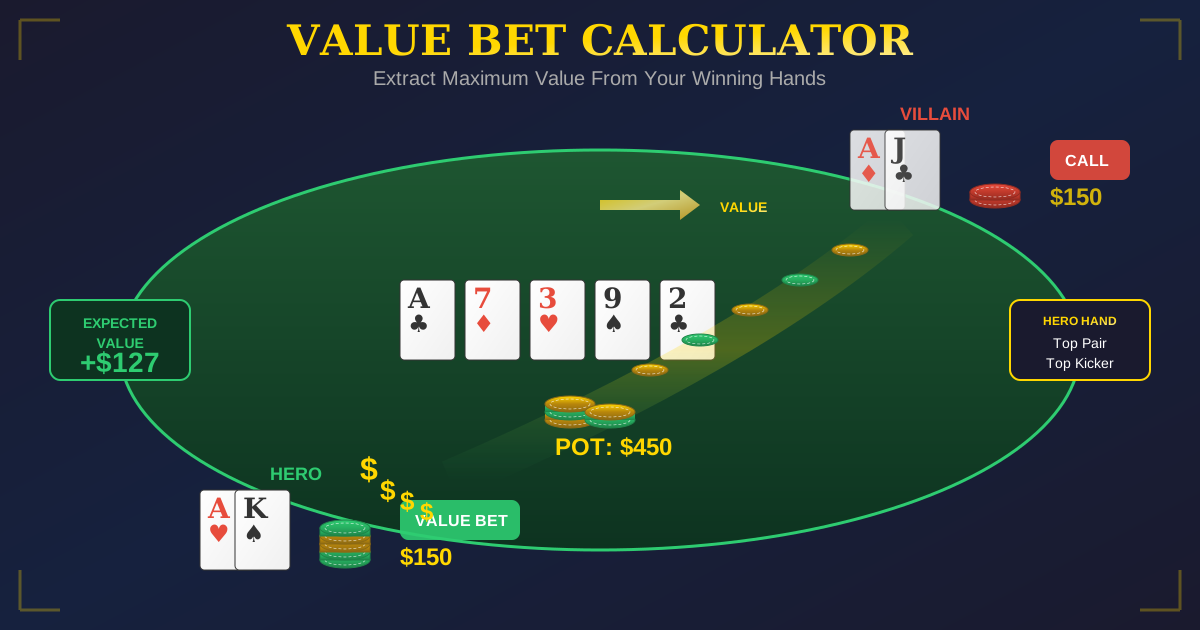
Your hand: AK
Flop: K♠ 7♥ 3♦

SPR = $150 / $50 = 3.0
Analysis:
Low SPR with top pair top kicker
You're essentially committed
Bet ~$40, expect to go all-in
Correct play: Build pot, stack off
Example 2: Medium SPR Decision
Situation:
You: $300 stack
Pot at flop: $40 (single raised)
Your hand: QQ
Flop: K♠ 8♥ 4♦

SPR = $300 / $40 = 7.5
Analysis:
Medium SPR, overpair but scary board
King is concern
Bet for value, but fold to heavy aggression
Can escape if villain shows strength
Example 3: High SPR Caution
Situation:
You: $500 stack
Pot at flop: $25 (limped pot)
Your hand: JJ
Flop: A♠ J♥ 5♦

SPR = $500 / $25 = 20.0
Analysis:
High SPR with set
Can slow play safely
Build pot over multiple streets
Position matters significantly
No need to rush
Example 4: Pre-Flop SPR Planning
Hand: AA
Option A: Min-raise to $6:
Pot at flop: ~$15
Stack: $200
SPR: ~13

High SPR = hard to stack off
Opponents can outdraw you
Not ideal for AA
Option B: 3-bet to $30:
Pot at flop: ~$65
Stack: $200
SPR: ~3

Low SPR = easy commitment
AA plays well at low SPR
Better for premium hands
SPR Planning Strategy
Want Low SPR With
Premium pairs: AA, KK, QQ
Big ace hands: AK, AQ
Hands that make top pair

Why: Easy decisions post-flop
Don't want to fold overpairs
Want High SPR With
Speculative hands: Small pairs, suited connectors
Drawing hands: Suited aces
Hands that need to hit

Why: Hit set/straight/flush or fold
Can't stack off with small pair no set
How to Manipulate SPR
Lower SPR:
- 3-bet pre-flop
- Larger open raises
- Bet larger on early streets

Higher SPR:
- Flat call pre-flop
- Check more streets
- Smaller bet sizing
Common Mistakes
1. Ignoring SPR with Top Pair
Mistake: Stack off with top pair at high SPR Problem: Dominated by better hands Fix: Recognize high SPR means pot control
2. Slowplaying at Low SPR
Mistake: Check back AA on flop with SPR 2 Problem: Missing value, giving free cards Fix: Bet/raise to get stacks in
3. Not Planning Pre-Flop
Mistake: Random bet sizing pre-flop Problem: Creates bad SPR for your hand Fix: Size raises to create favorable SPR
4. Treating All Top Pairs Equally
Mistake: TPTK plays same as TP weak kicker Problem: Huge equity difference Fix: Adjust commitment by kicker quality
Frequently Asked Questions
What's the most common mistake with SPR?
Overcommitting at high SPR with marginal hands. Players treat top pair the same regardless of stack depth.
Should I always want low SPR with big pairs?
Generally yes. Low SPR simplifies decisions and maximizes value from overpairs. Exception: Multi-way pots where sets are more likely.
How do I create the SPR I want?
Bet sizing pre-flop. Larger raises create lower SPR. Flatting keeps SPR high. Plan before you act.
Does SPR matter if opponent is all-in?
Less so. SPR is about remaining bets. If stacks are already committed, it's straightforward pot odds.
What about SPR on turn and river?
Recalculate as effective stack / current pot. SPR decreases as pot grows, often reaching commitment naturally.
How does SPR affect bluffing?
Low SPR = less fold equity (too committed). High SPR = more fold equity (can fold out better hands).
Pro Tips
-
Plan SPR pre-flop: Know what ratio you want before raising
-
Premium = low SPR: Make it easy to stack off
-
Speculative = high SPR: Need room to maneuver
-
Recalculate each street: SPR changes as pot grows
-
Adjust for opponent: Calling stations change SPR dynamics
Related Calculators
- Poker Pot Odds Calculator - Odds analysis
- Poker Equity Calculator - Hand equity
- Poker Expected Value Calculator - EV analysis
- Poker Tournament Calculator - Stack management
- Poker Position Calculator - Position value
Conclusion
Stack-to-pot ratio determines your commitment level before the cards even hit the board. Our calculator shows whether you're pot-committed with top pair or have room to escape, helping you plan pre-flop sizing for optimal post-flop decisions.
The best players manipulate SPR intentionally—3-betting big hands to create commitment, flatting speculative hands to maintain flexibility. Our calculator reveals your SPR at every decision point, transforming stack management from instinct to strategy.