Pot Odds Calculator: Master Calling Decisions (2026)
Pot Odds Calculator: Make Profitable Calling Decisions
Pot odds are the mathematical foundation of every calling decision in poker. Understanding pot odds separates winning players from those who consistently make unprofitable calls. Our free pot odds calculator instantly shows you whether a call is mathematically correct, removing emotion and guesswork from your decisions.
What Are Pot Odds?
Pot odds represent the ratio between the current pot size and the cost of a contemplated call. They tell you what percentage of the time you need to win to break even on a call.
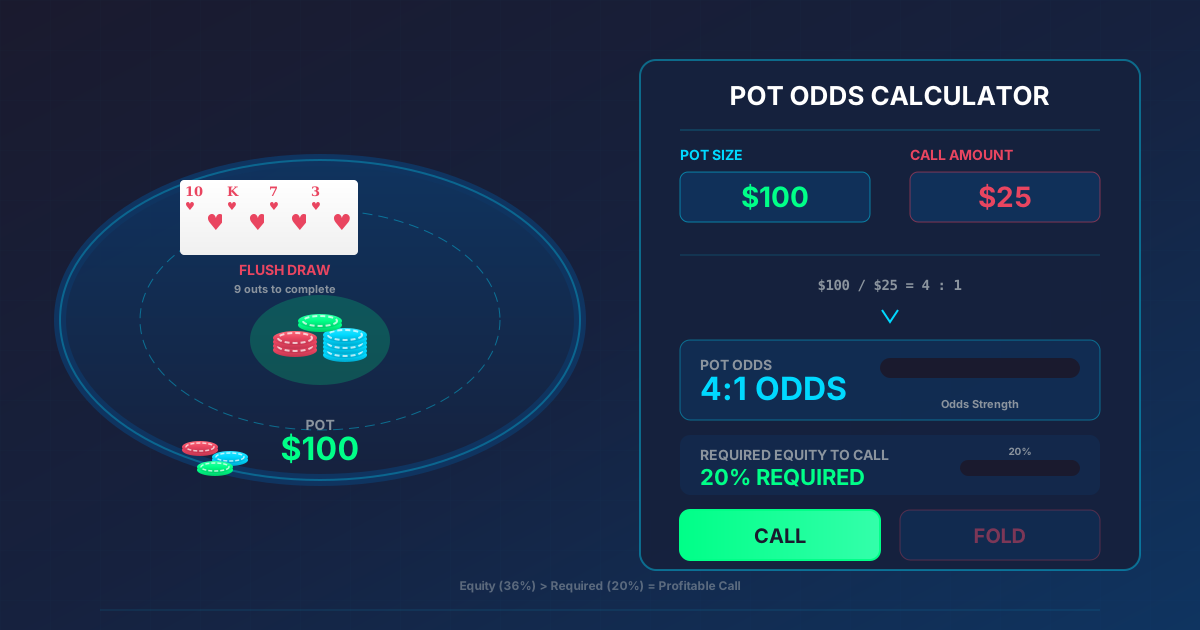
Quick Answer: Pot odds are the ratio of the pot to your call amount, expressed as a percentage. If the pot is $100 and you must call $25, your pot odds are 4:1, meaning you need to win just 20% of the time to break even.
How to Use Our Free Pot Odds Calculator
Our calculator instantly converts pot sizes and bet amounts into pot odds, then compares them to your equity to determine if calling is profitable.
Step-by-Step Instructions
-
Enter the Pot Size: Input the total amount currently in the pot before your call
-
Enter the Bet Amount: Add the amount you need to call
-
Enter Your Equity (Optional): If you know your hand equity, input it to see if the call is profitable
-
View Your Results: The calculator displays pot odds as both a ratio and percentage, plus EV analysis
Input Fields Explained
| Field | Description | Example |
|---|---|---|
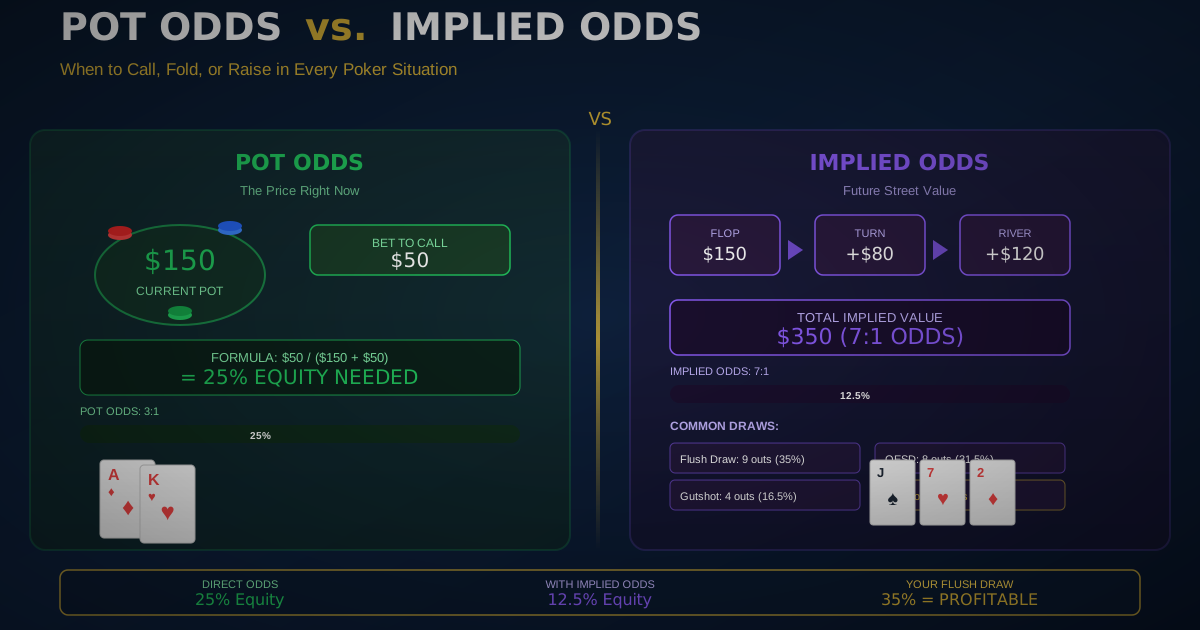
| Pot Size | Total pot before your call | $150 |
| Bet to Call | Amount opponent bet | $50 |
| Your Equity | Chance of winning (optional) | 35% |
| Implied Odds | Expected future winnings | $100 |
Real-World Pot Odds Examples
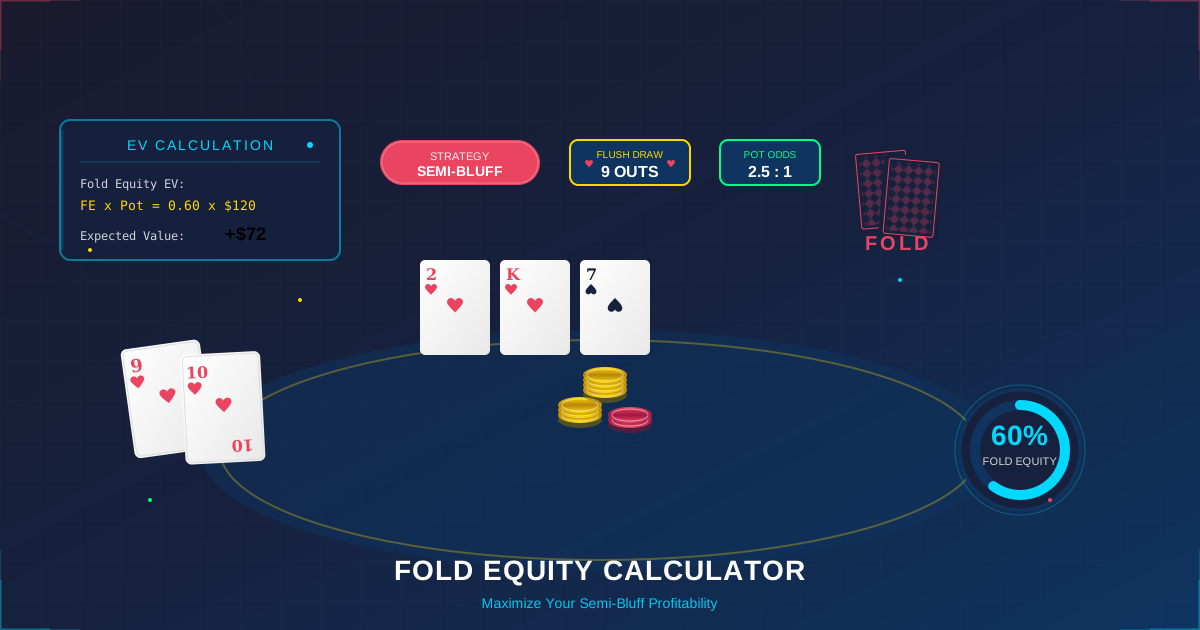
Example 1: Flush Draw on the Flop
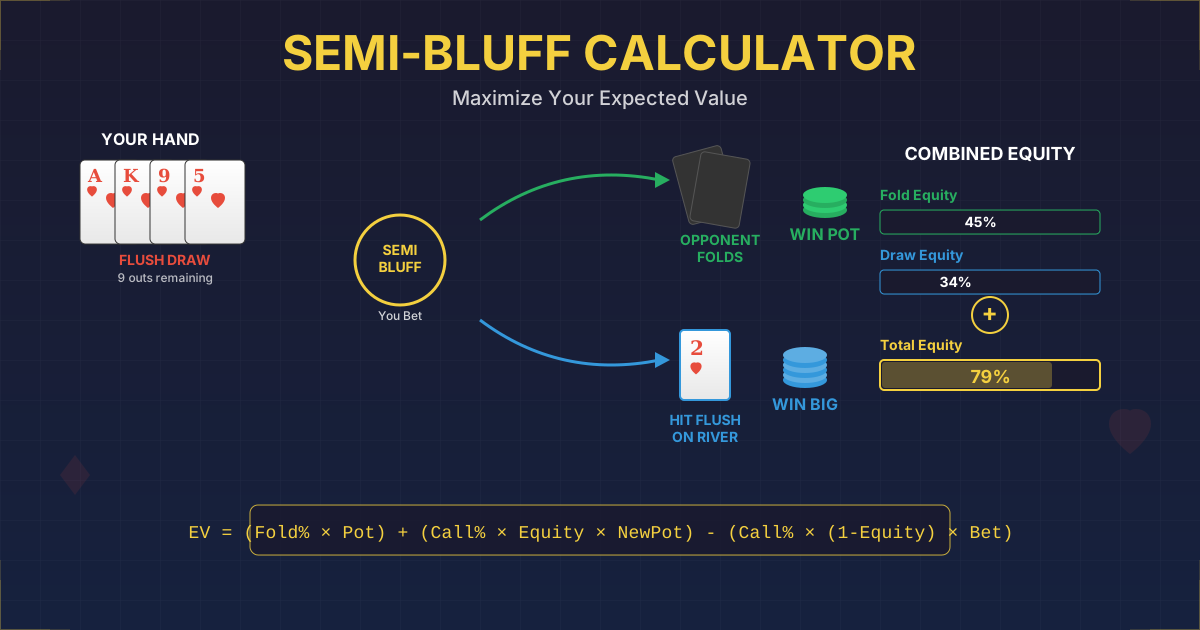
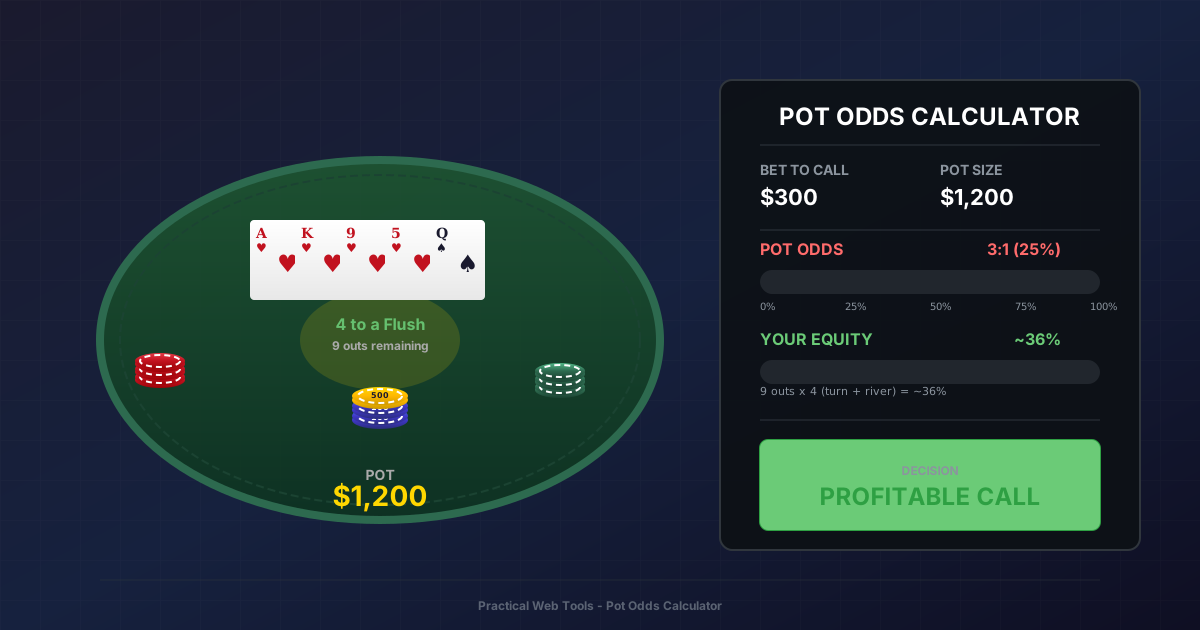
You hold Ah 7h on a flop of Kh 9h 2c. The pot is $80 and your opponent bets $40.
Calculating Pot Odds:
- Pot after bet: $80 + $40 = $120
- Call amount: $40
- Pot odds: $120 : $40 = 3:1 (25%)
Your Equity:
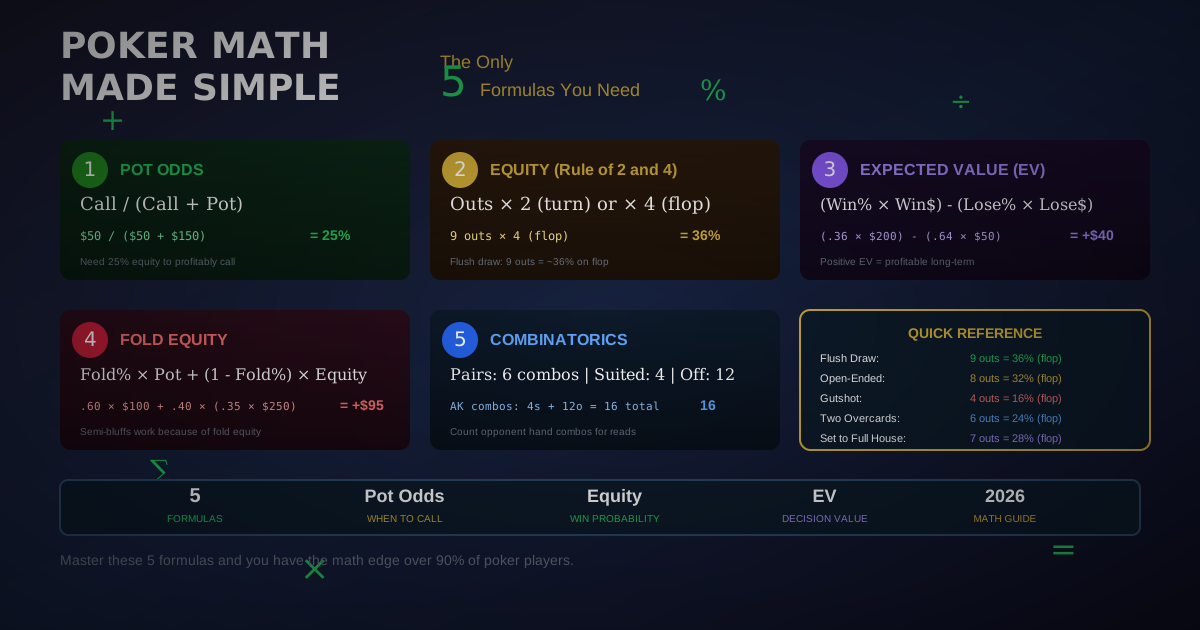
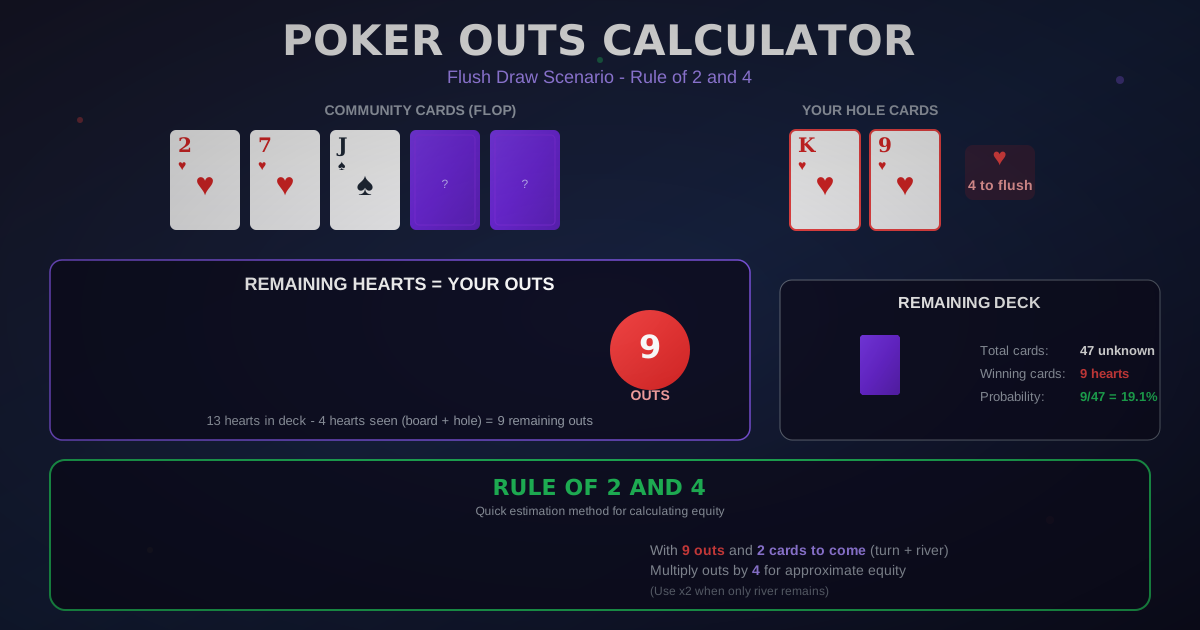
- 9 flush outs × 4 (rule of 4 for two cards to come) = 36%
Decision: Your 36% equity exceeds the 25% required by pot odds. This is a profitable call.
Example 2: Gutshot Straight Draw
You hold Jc Tc on a board of K 8 3 rainbow. The pot is $60 and opponent bets $30.
Calculating Pot Odds:
- Pot after bet: $60 + $30 = $90
- Call amount: $30
- Pot odds: $90 : $30 = 3:1 (25%)
Your Equity:
- 4 straight outs × 4 = 16%
Decision: Your 16% equity is less than the 25% required. This is an unprofitable call without significant implied odds.
Example 3: Overcall Situation
Player A bets $50 into a $100 pot. Player B calls. You're considering calling with a medium-strength hand.
Calculating Pot Odds:
- Pot after both actions: $100 + $50 + $50 = $200
- Your call: $50
- Pot odds: $200 : $50 = 4:1 (20%)
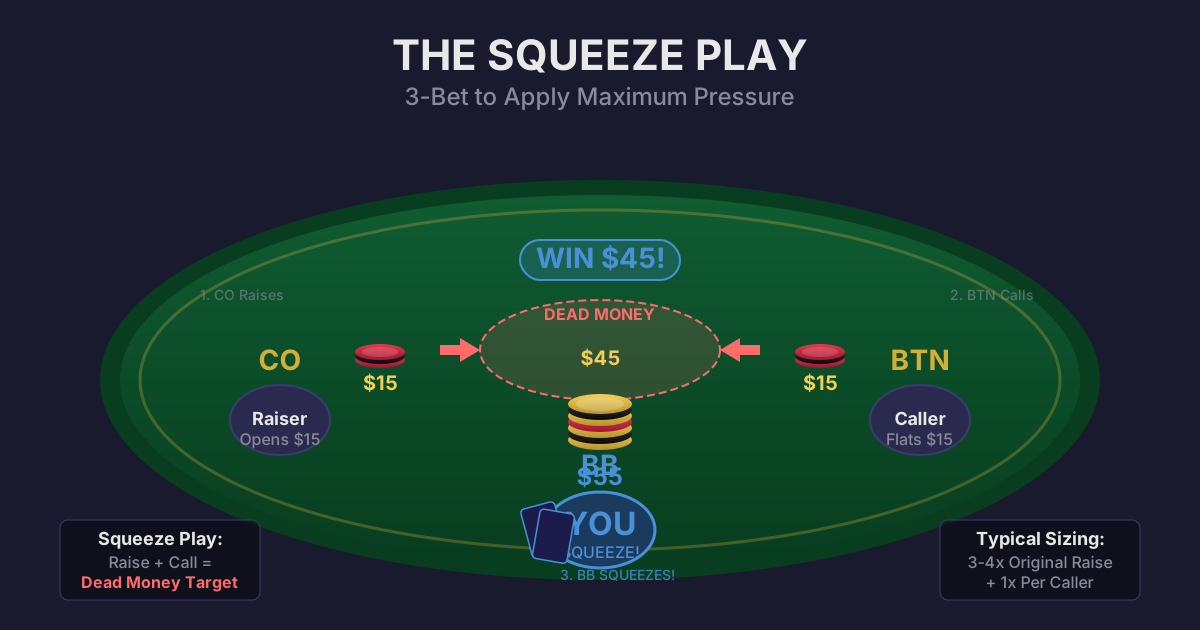
Decision: You only need 20% equity against both players' ranges combined. With multiple opponents, consider how your hand performs against the likely range of hands that bet and call.
How Pot Odds Optimize Your Poker Game
Eliminate Emotional Calls
Pot odds transform calling decisions from gut feelings into mathematical equations. When you know the numbers, you won't make costly hero calls or fold profitable draws because you're "scared of the flush."
Identify Profitable Drawing Situations
Not all draws are created equal. Pot odds reveal when chasing is smart:
- Flush draws (9 outs): Need approximately 4:1 or better
- Open-ended straights (8 outs): Need approximately 5:1 or better
- Gutshots (4 outs): Need approximately 10:1 or better
Exploit Opponents Who Bet Wrong
When opponents underbet, they give you profitable odds to call with draws. When they overbet, you can correctly fold marginal hands. Understanding pot odds helps you exploit both mistakes.
Make Correct Laydowns
Sometimes the math says fold. Pot odds prevent you from talking yourself into bad calls by providing objective criteria for your decisions.
The Pot Odds Formula
Pot Odds Percentage = Call Amount / (Pot + Call Amount) × 100
Example Calculation:
- Pot: $75
- Call: $25
- Pot Odds: $25 / ($75 + $25) = $25 / $100 = 25%
This means you need at least 25% equity to profitably call.
Pot Odds vs. Implied Odds
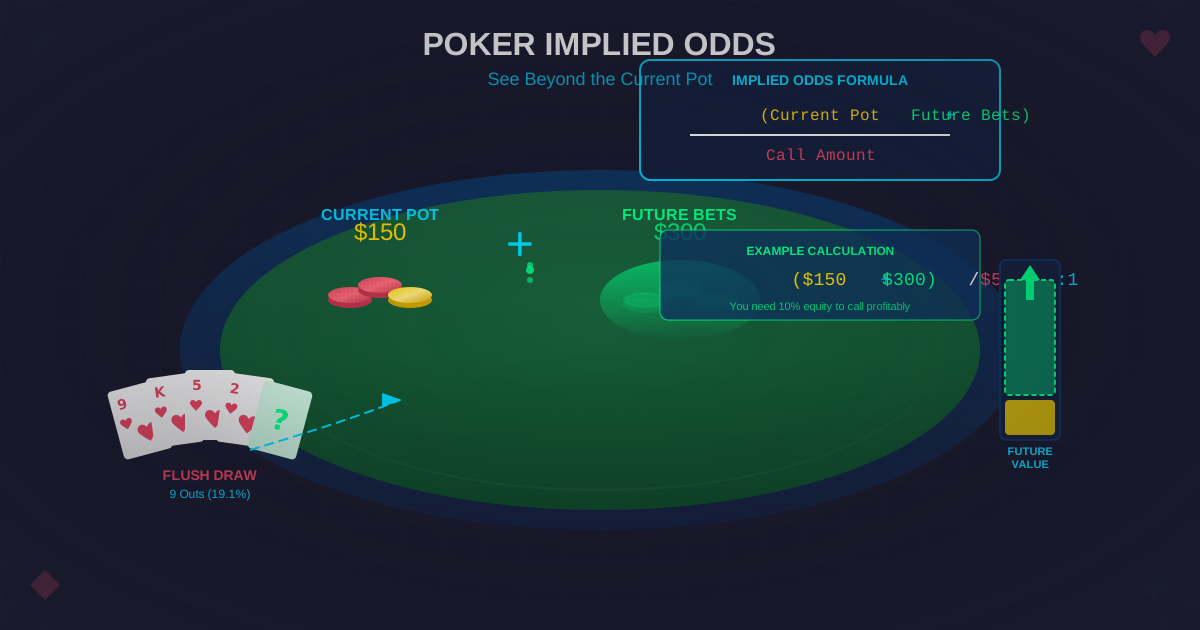
Pot odds only account for money already in the pot. Implied odds factor in additional money you expect to win on future streets when you hit your hand.
| Concept | What It Measures | When to Use |
|---|---|---|
| Pot Odds | Current pot vs. call | Always calculate first |
| Implied Odds | Future expected winnings | When drawing to hidden hands |
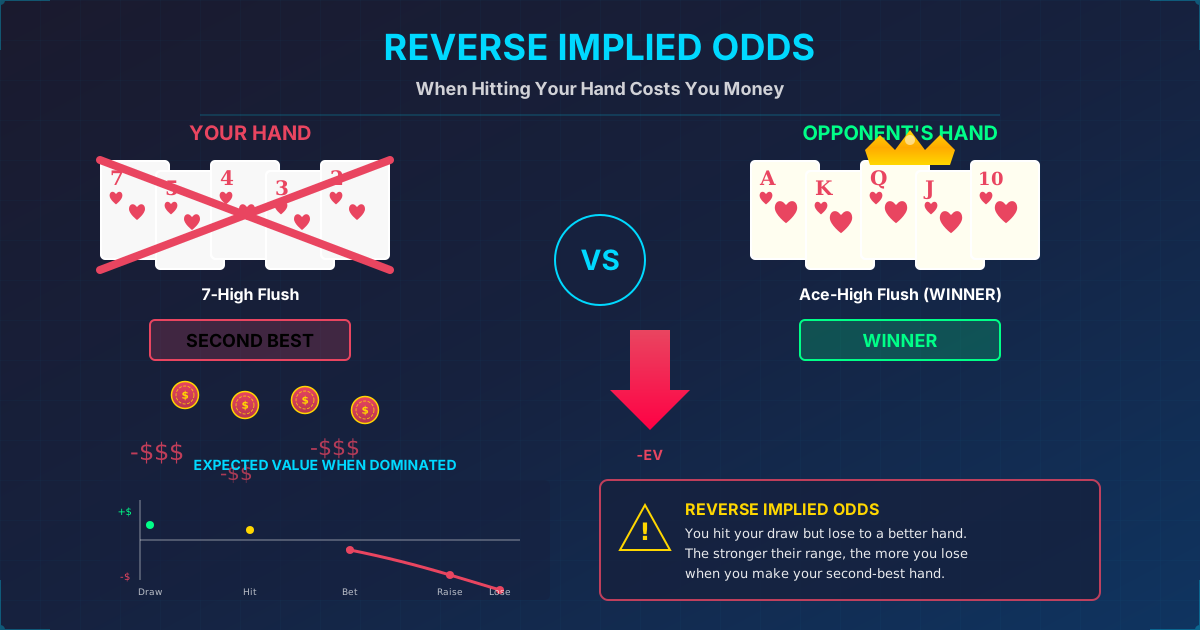
| Reverse Implied Odds | Future expected losses | When drawing to second-best hands |
Use our Implied Odds Calculator to factor in future betting.
Common Pot Odds Mistakes to Avoid
-
Forgetting the Bet in the Pot: The pot includes your opponent's bet. If the pot was $50 and they bet $50, the pot is now $100, not $50.
-
Using Outs Incorrectly: Only count clean outs. If you have a flush draw but your opponent might have a higher flush draw, discount some outs.
-
Ignoring Reverse Implied Odds: Making your hand doesn't guarantee winning. If you hit a straight but the board pairs, you might pay off a full house.
-
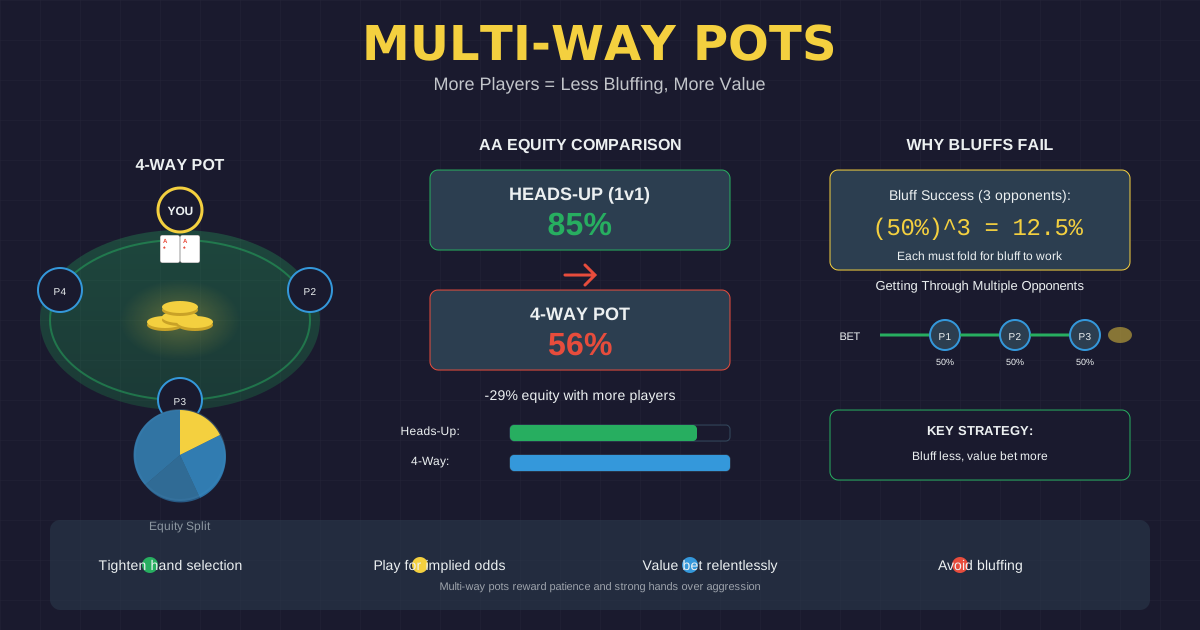
Applying Pot Odds to Multi-Way Pots Wrong: With multiple opponents, your equity drops significantly, but so does the pot odds requirement due to dead money.
Frequently Asked Questions
What pot odds do I need to call with a flush draw?
On the flop with two cards to come, you have approximately 36% equity with a flush draw (9 outs). You can call any bet that gives you 2:1 pot odds or better. On the turn with one card to come, you need approximately 4:1 pot odds (19% equity) to call profitably.
How do I calculate pot odds quickly at the table?
Use this shortcut: Divide the call amount by the total pot (including the call). A $20 call into an $80 pot = 20/100 = 20%. You need 20% equity. For ratio form, compare pot to call: $80 to $20 is 4:1.
Should I always call if pot odds are favorable?
Not always. Consider: tournament implications, opponent tendencies, reverse implied odds, and whether you have a redraw. Also, borderline spots might be folds if you're not closing the action (someone behind might raise).
What's the difference between pot odds and equity?
Pot odds tell you what percentage you need to win to break even. Equity tells you what percentage you will actually win. When equity exceeds pot odds, calling is profitable.
Do pot odds apply to no-limit poker?
Yes, pot odds are fundamental to all poker formats. In no-limit, bet sizes vary widely, making pot odds calculations even more crucial since opponents can bet any amount.
Pot Odds Quick Reference Chart
| Bet Size (% of Pot) | Pot Odds Ratio | Equity Needed |
|---|---|---|
| 25% (quarter pot) | 5:1 | 16.7% |
| 33% (third pot) | 4:1 | 20% |
| 50% (half pot) | 3:1 | 25% |
| 66% (two-thirds pot) | 2.5:1 | 28.5% |
| 75% (three-quarter pot) | 2.3:1 | 30% |
| 100% (pot-size) | 2:1 | 33.3% |
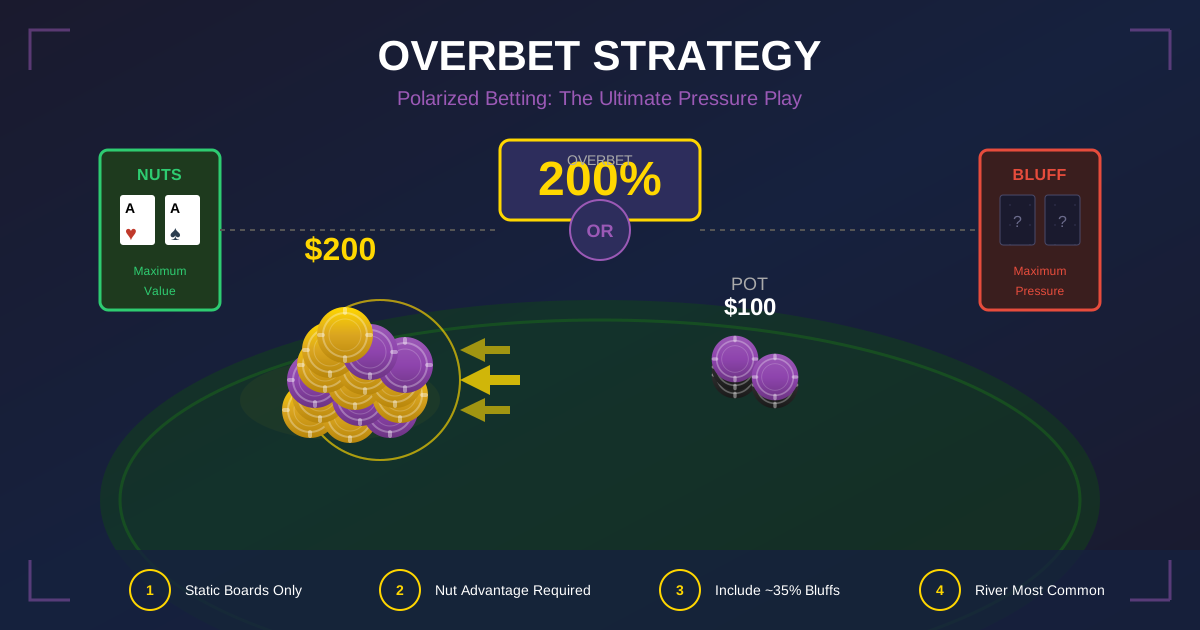
| 150% (1.5x pot) | 1.7:1 | 37.5% |
| 200% (2x pot) | 1.5:1 | 40% |
Pro Tips for Pot Odds Mastery
-
Memorize Common Bet Sizes: Know instantly that a half-pot bet requires 25% equity, pot-size requires 33%
-
Count Your Outs Accurately: Use the Rule of 2 and 4—multiply outs by 2 for one card, by 4 for two cards to come
-
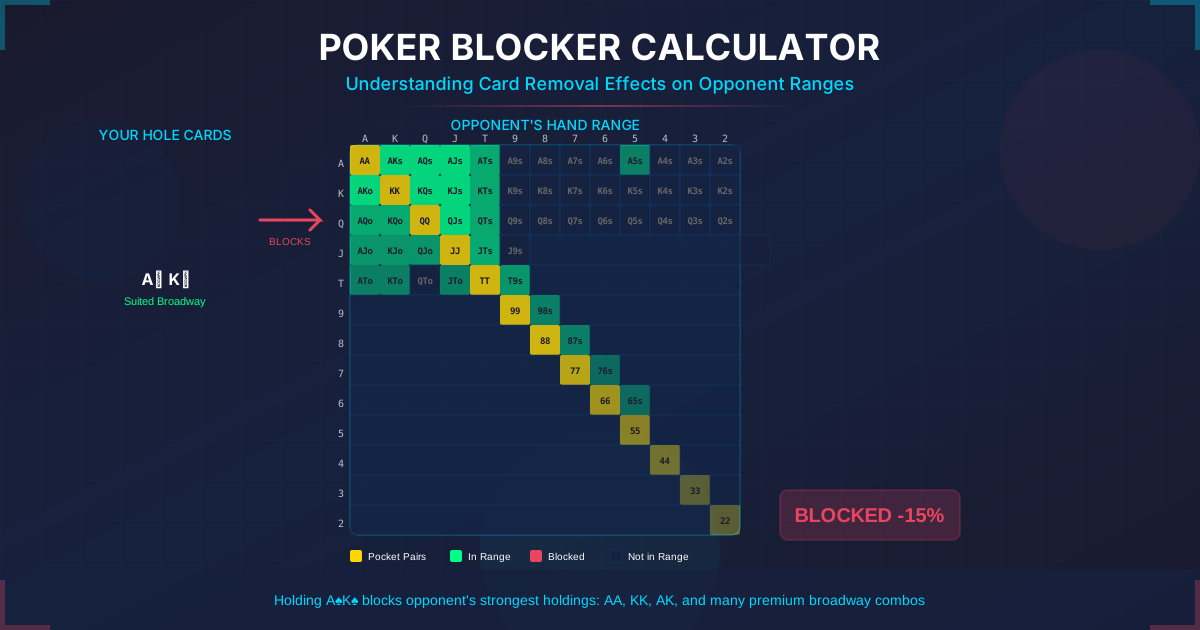
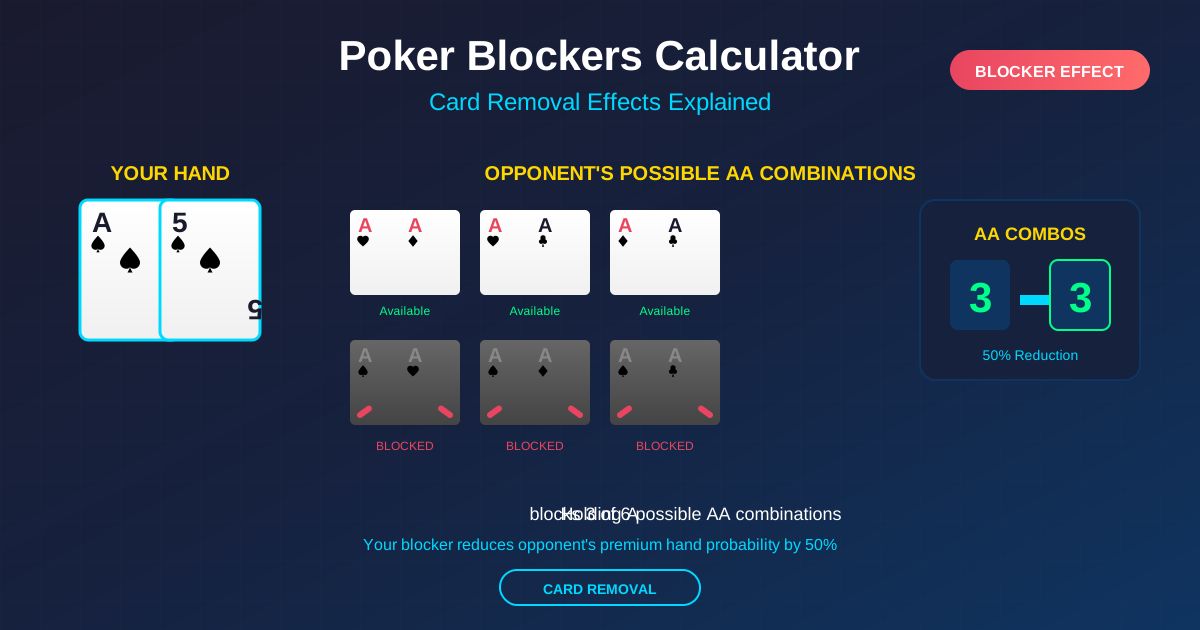
Factor in Blockers: If you hold the Ah, there's one less heart for your opponent to have, affecting both ranges
-
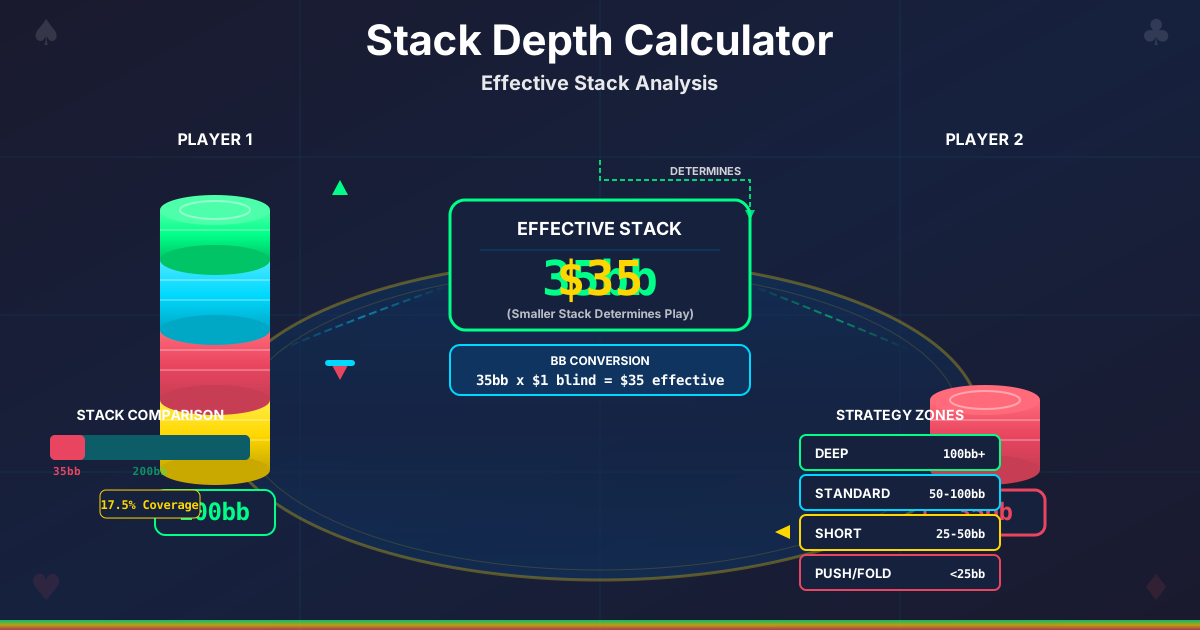
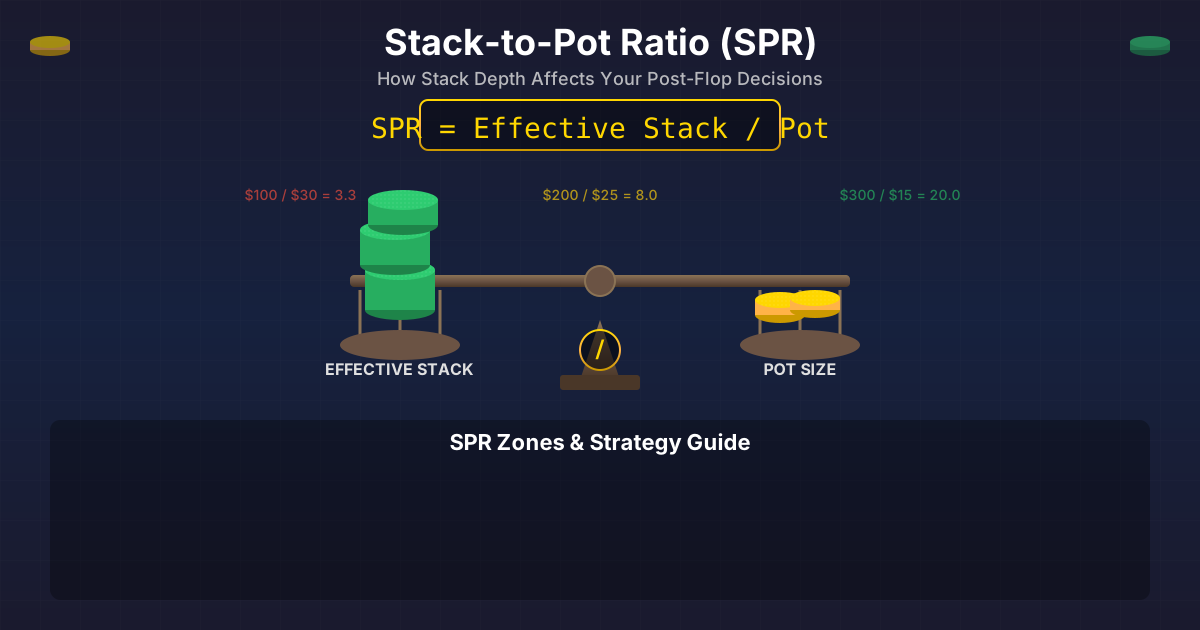
Consider Stack Depths: Deep stacks mean more implied odds; short stacks mean pot odds dominate
-
Watch for Overcalls: When others call before you, the pot grows but the bet stays the same, improving your odds
Related Poker Calculators
- Poker Equity Calculator - Calculate your win percentage
- Poker Outs Calculator - Count outs and hit probabilities
- Implied Odds Calculator - Factor in future winnings
- Reverse Implied Odds Calculator - Assess risk of second-best hands
- Poker EV Calculator - Full expected value analysis
Conclusion
Pot odds are the mathematical backbone of calling decisions in poker. Every time you face a bet, you should instantly know whether your hand equity justifies a call. Our free pot odds calculator does the math for you, showing pot odds, required equity, and whether calling is profitable.
Stop guessing and start calculating. The players who consistently apply pot odds correctly are the ones taking money from those who don't. Make every calling decision with mathematical precision.