Push/Fold Calculator: Short Stack Tournament Strategy (2026)
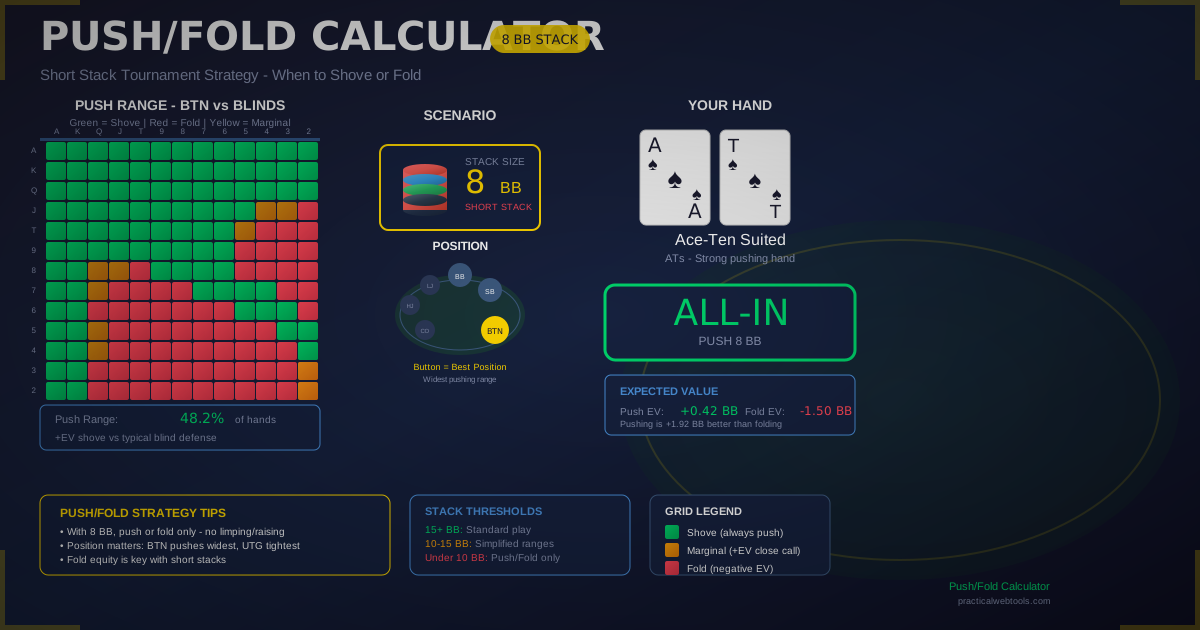
Push/Fold Calculator: Master Short Stack Tournament Poker
When your tournament stack drops below 15 big blinds, traditional poker strategy goes out the window. Our free push/fold calculator tells you exactly when to shove all-in or fold, based on Nash equilibrium mathematics—turning complex decisions into simple, mathematically optimal plays.
What Is Push/Fold Strategy?
Push/fold is the mathematically optimal approach when your stack is too short for standard raise-fold poker. With under 10-15 big blinds, your only moves are all-in or fold—any other sizing commits you anyway.
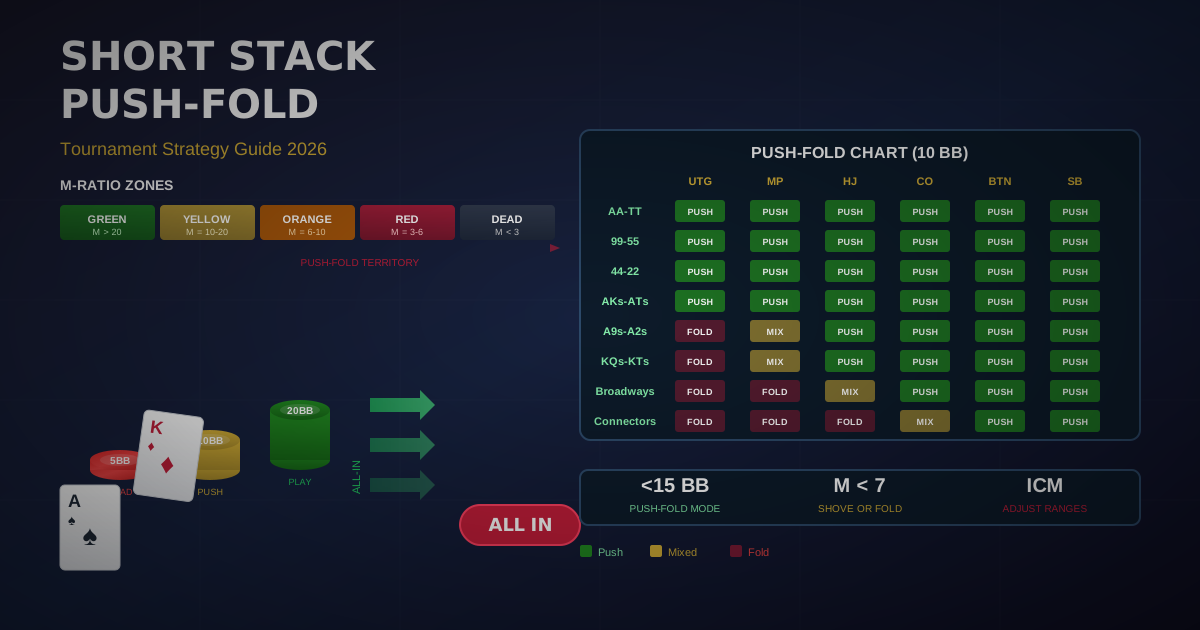
Quick Answer: Push/fold charts show which hands to shove all-in based on your stack size, position, and opponent ranges. At 10BB on the button, you should shove about 40% of hands. At 10BB under-the-gun in a 9-handed game, only about 15% of hands are profitable shoves.
How to Use Our Free Push/Fold Calculator
Use the Push/Fold Calculator →
Enter your stack size, position, and table dynamics to get optimal shoving ranges.
Step-by-Step Instructions
-
Enter Stack Size: Your stack in big blinds (1-20 BB)
-
Select Position: UTG through Button/Small Blind
-
Input Table Size: 6-max, 9-handed, or heads-up
-
Set Ante/Blind Structure: Include antes if applicable
-
View Optimal Range: See exactly which hands to shove
Input Fields Explained
| Field | Description | Example |
|---|---|---|
| Stack Size | Your chips in BB | 8 BB |
| Position | Your seat at table | Button |
| Players Left | How many to act behind | 2 |
| Ante | Ante amount if any | 0.1 BB |
Understanding Push/Fold Ranges
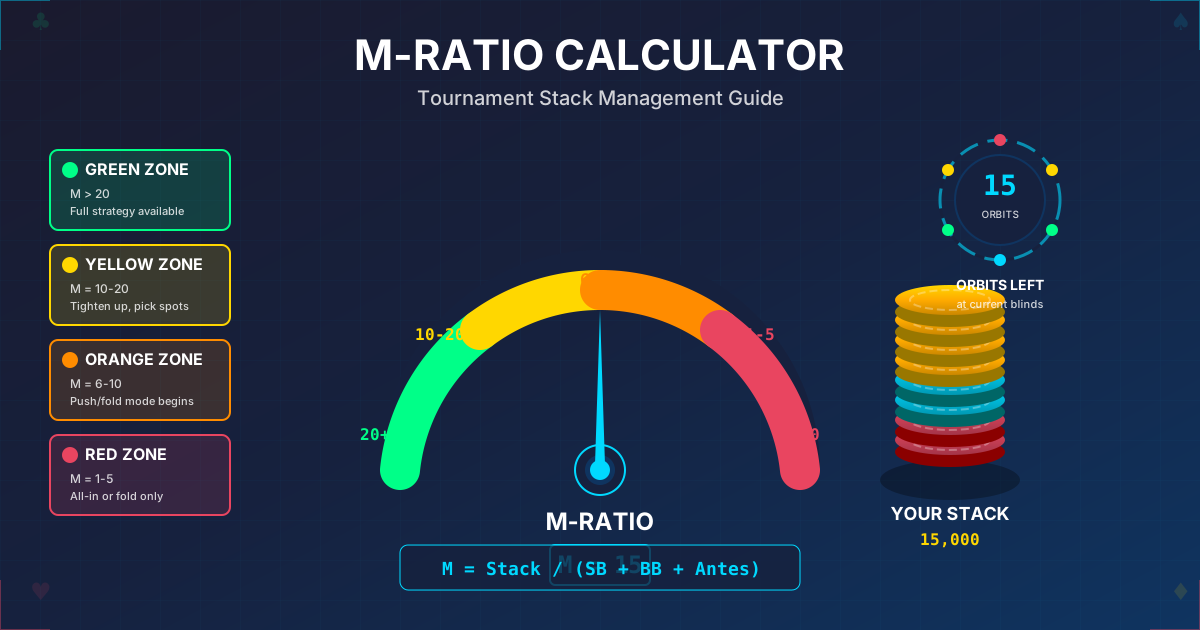
Stack Size Categories
| Stack (BB) | Strategy | Range Width |
|---|---|---|
| 1-5 BB | Desperate shove | Very wide (any ace, any pair) |
| 6-10 BB | Standard push/fold | Moderate (position dependent) |
| 11-15 BB | Selective pushing | Tighter, can still raise/fold some |
| 16-20 BB | Transition zone | Mix of push/fold and standard play |
Position Impact
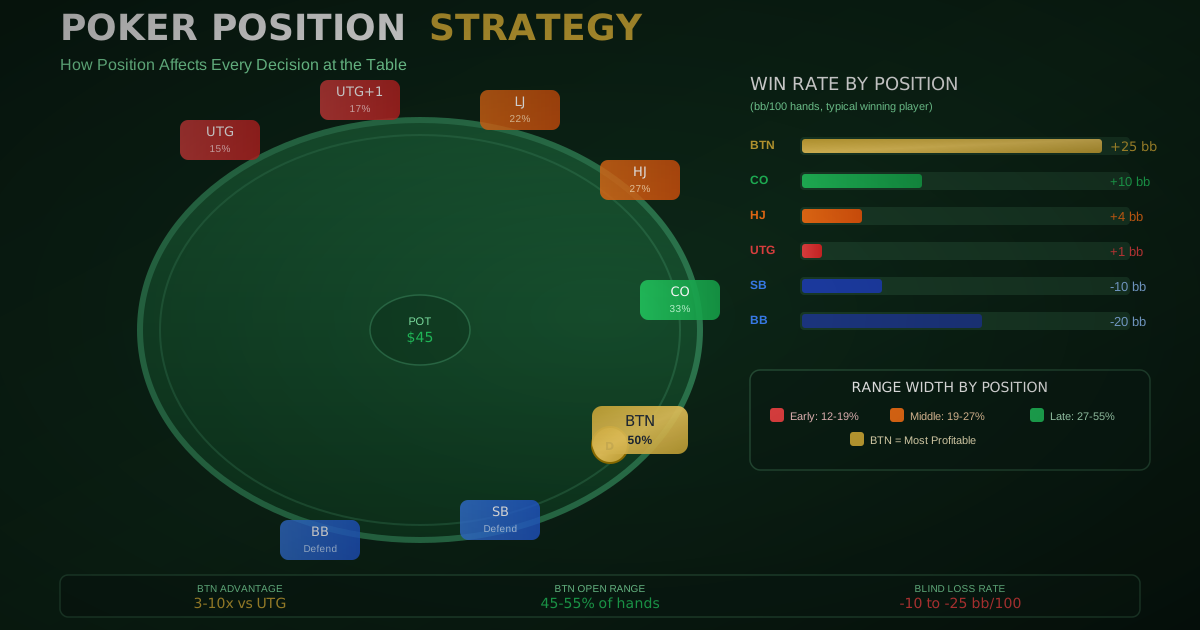
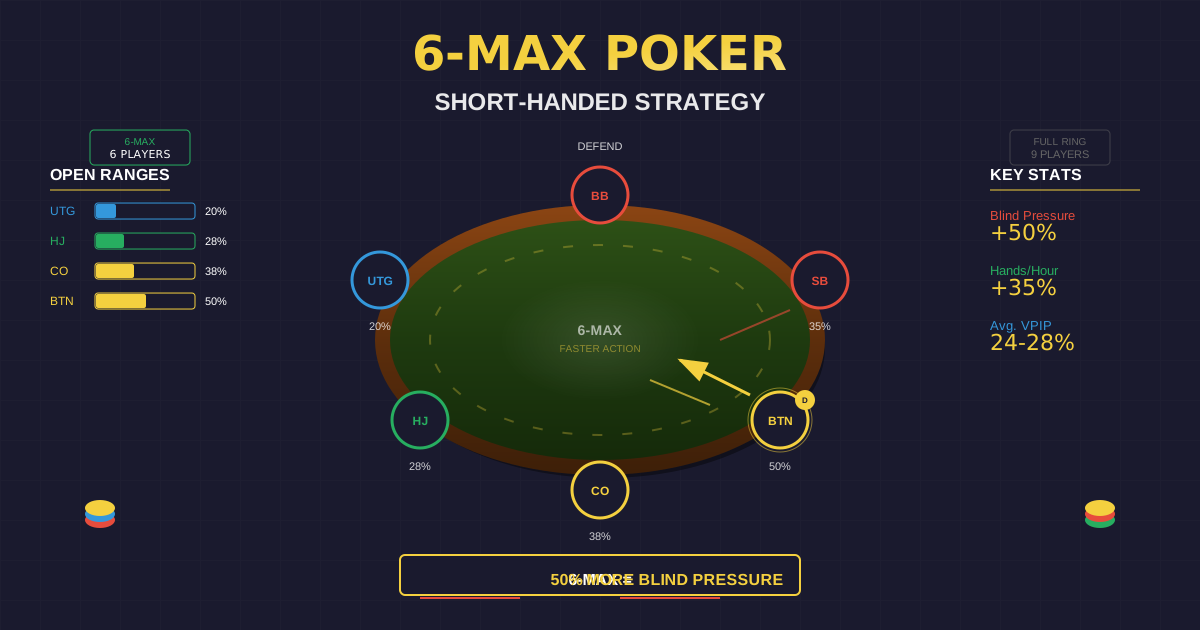
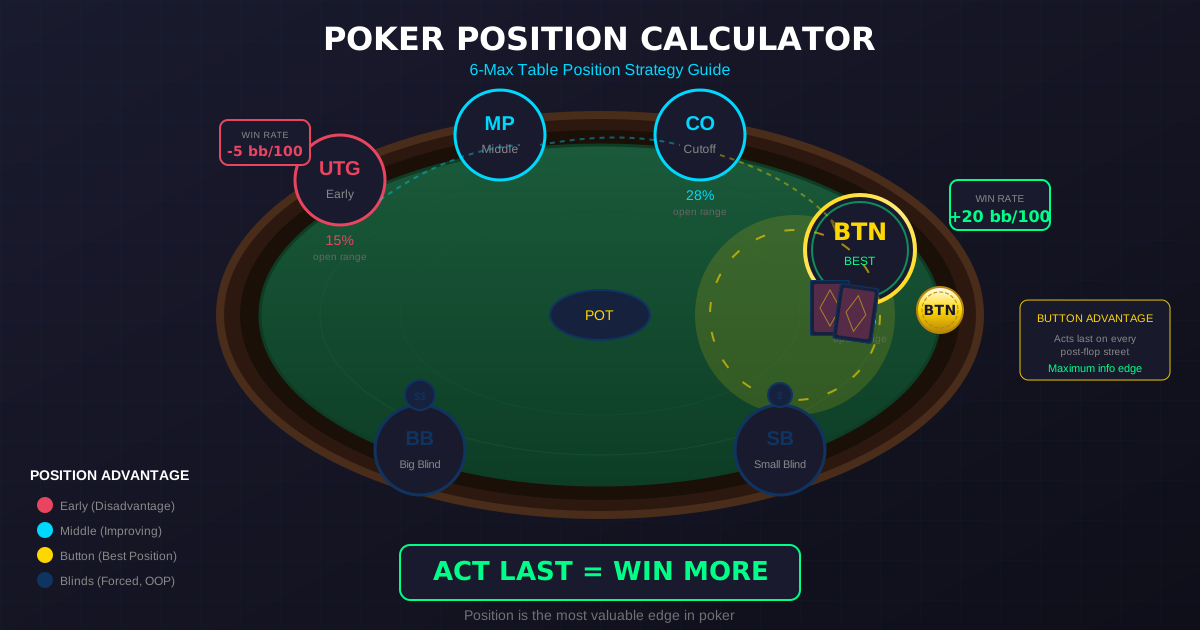
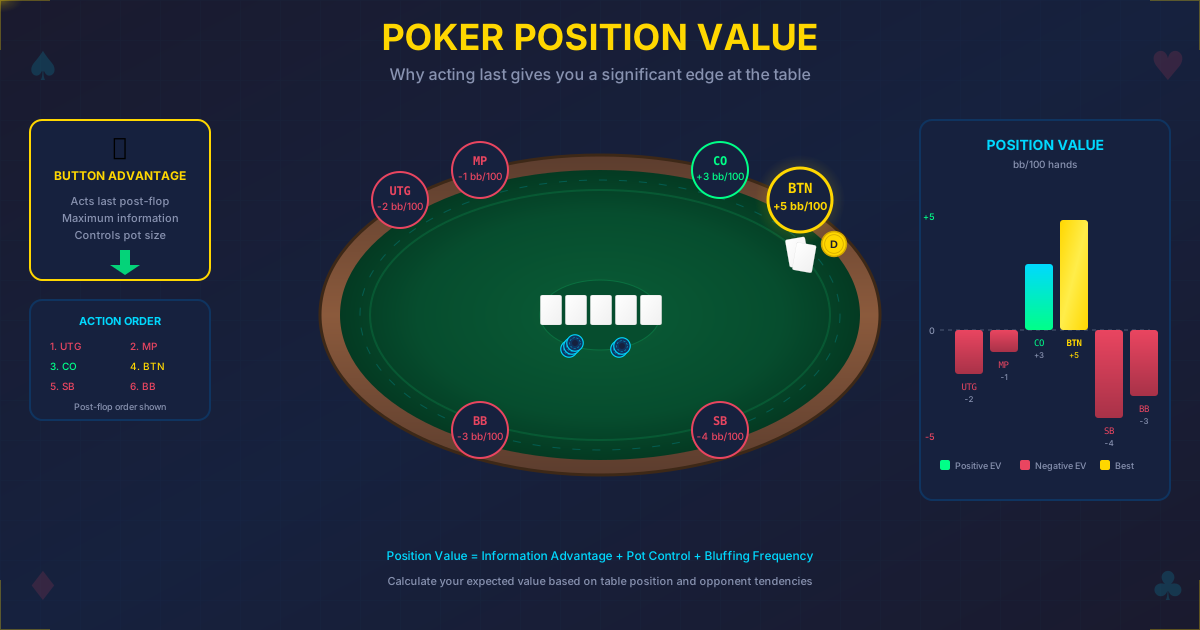
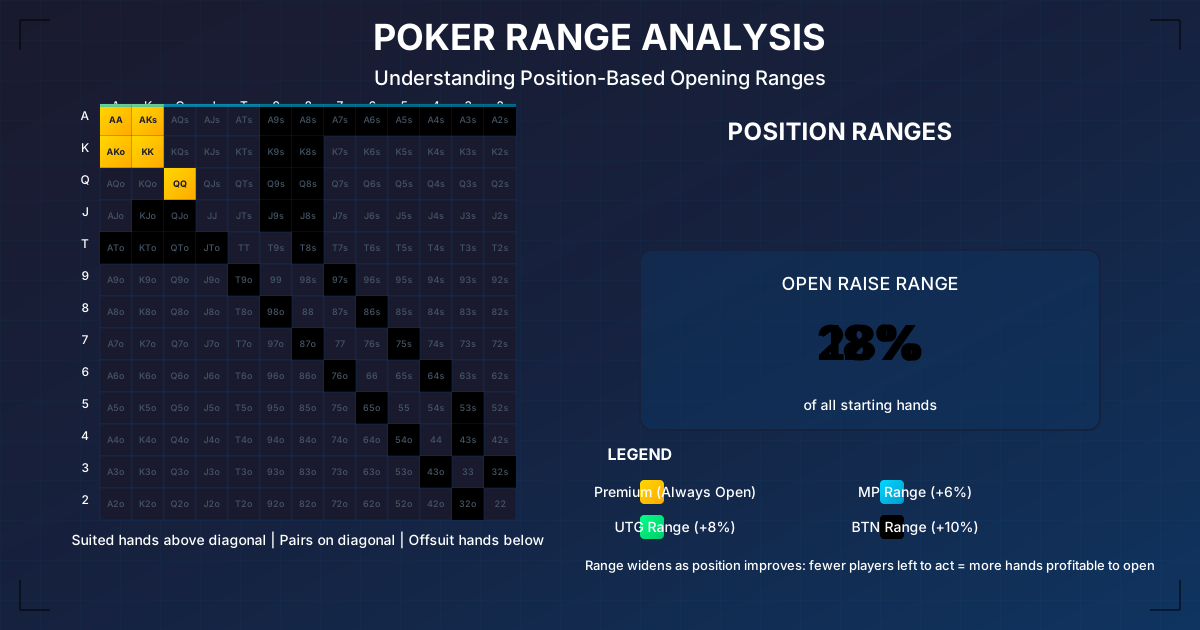
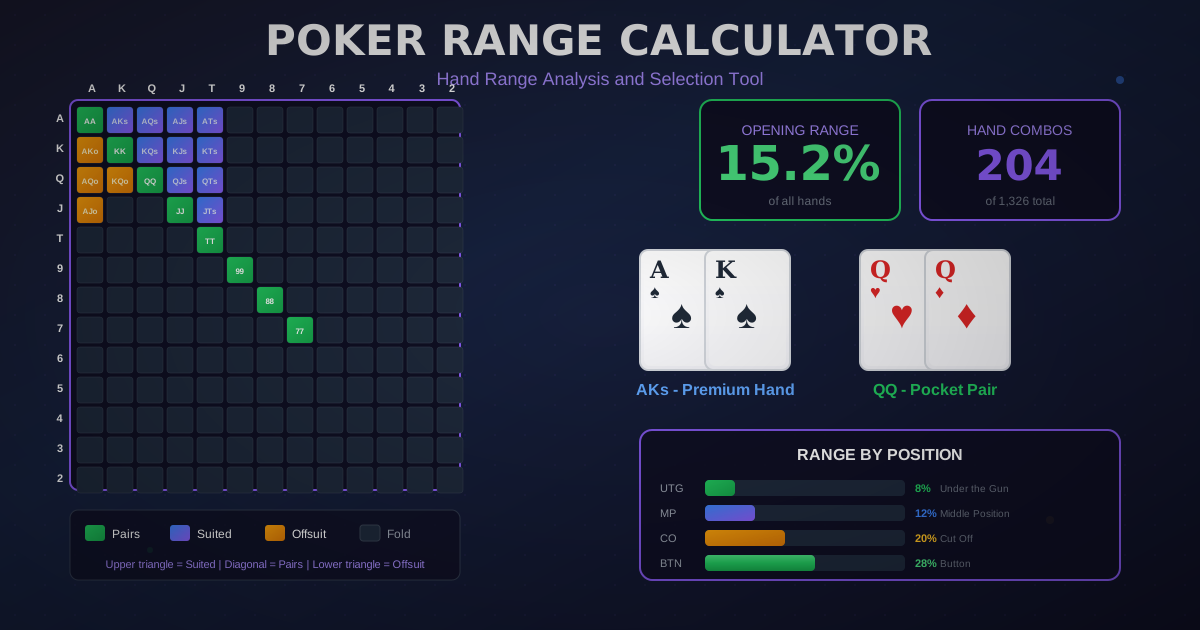
Position dramatically affects your pushing range:
10 BB Stack Example (9-handed):
| Position | Shove Range | % of Hands |
|---|---|---|
| UTG | 66+, ATs+, AJo+ | ~8% |
| Middle | 55+, A9s+, ATo+, KQs | ~12% |
| Cutoff | 44+, A7s+, A9o+, KJs+ | ~18% |
| Button | 22+, A2s+, A5o+, K8s+, Q9s+ | ~35% |
| Small Blind | 22+, A2+, K4s+, K8o+, Q7s+ | ~50% |
Real-World Push/Fold Examples
Example 1: Classic Button Shove
Situation: 8 BB on button, folds to you, blinds are tight.
Hand: K♠ 9♥
Calculator Analysis:
- K9o is well within button shoving range at 8 BB
- Fold equity + showdown equity = +EV shove
- Even if called by top 15%, you're not crushed
Decision: SHOVE. Clear push with decent high-card strength.
Example 2: Early Position Discipline
Situation: 12 BB under-the-gun, 9-handed table, ante in play.
Hand: A♠ 4♣
Calculator Analysis:
- A4o is borderline at 12 BB in early position
- Seven players to act behind increases calling range
- Need to survive multiple players waking up with hands
Decision: FOLD. A4o doesn't have enough equity against likely calling ranges.
Example 3: Blind vs Blind
Situation: 6 BB in small blind, folds to you, big blind is aggressive.
Hand: J♠ 8♠
Calculator Analysis:
- J8s is standard shove vs BB at 6 BB
- Suited connectors have good equity when called
- Fold equity alone often makes this profitable
Decision: SHOVE. J8s plays well enough even when called.
The Nash Equilibrium Basis
What Is Nash Equilibrium?
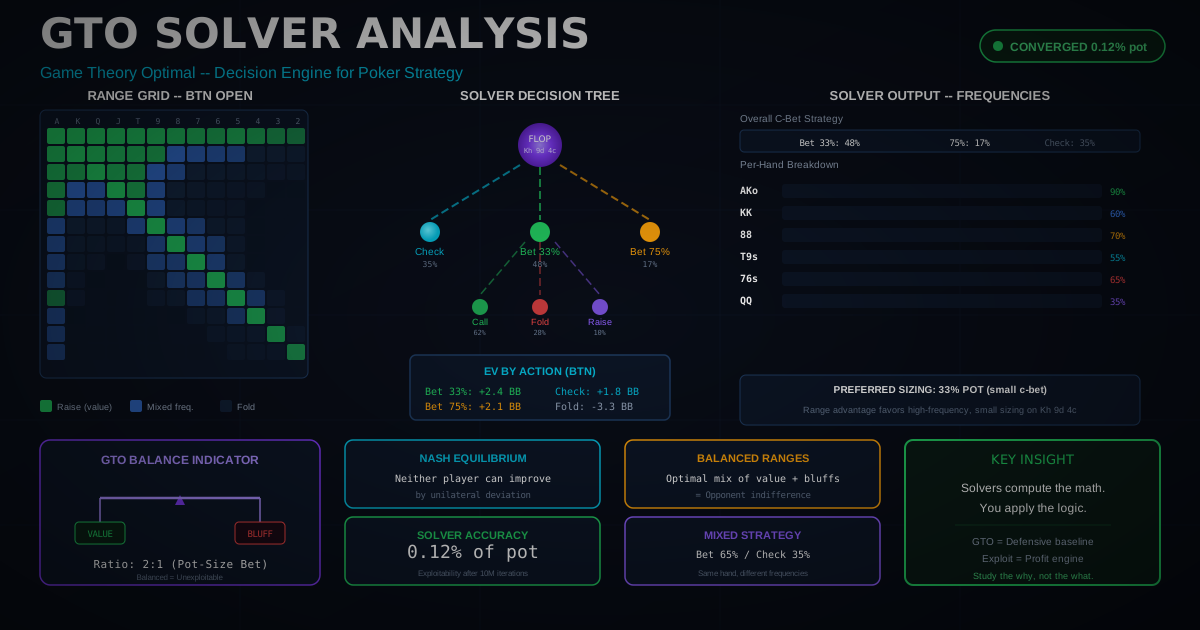
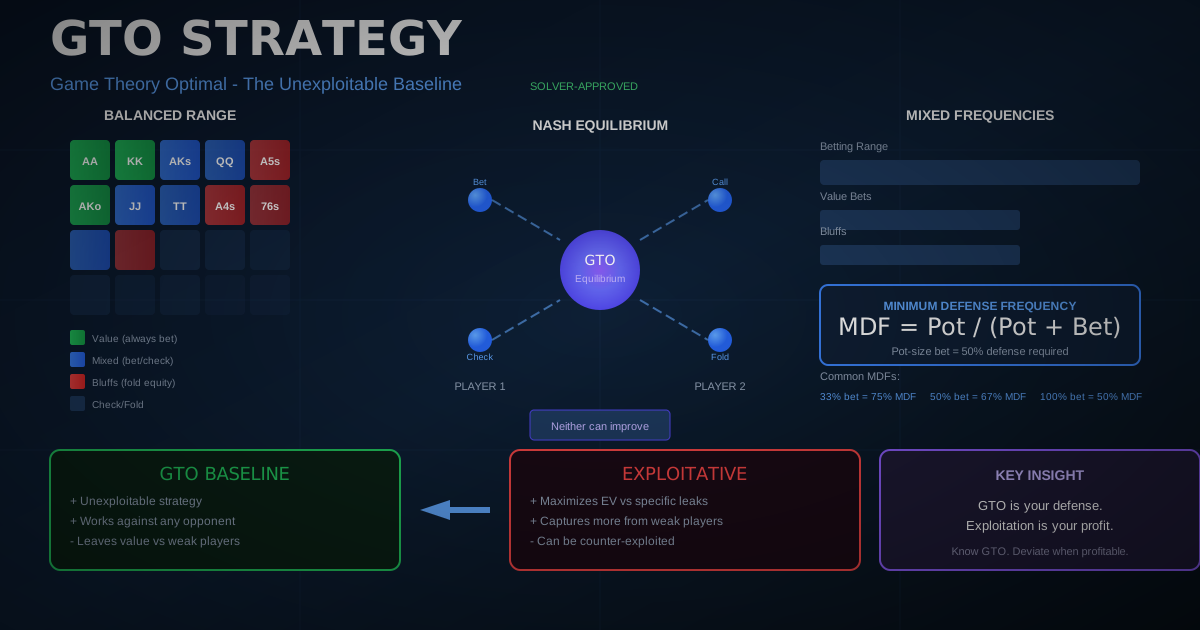
Nash equilibrium represents the mathematically optimal strategy where neither player can improve by changing their approach—assuming the opponent also plays optimally.
Push/Fold Nash Ranges
5 BB Button vs Big Blind:
- Shove: ~70% of hands
- BB calls with: ~40% of hands
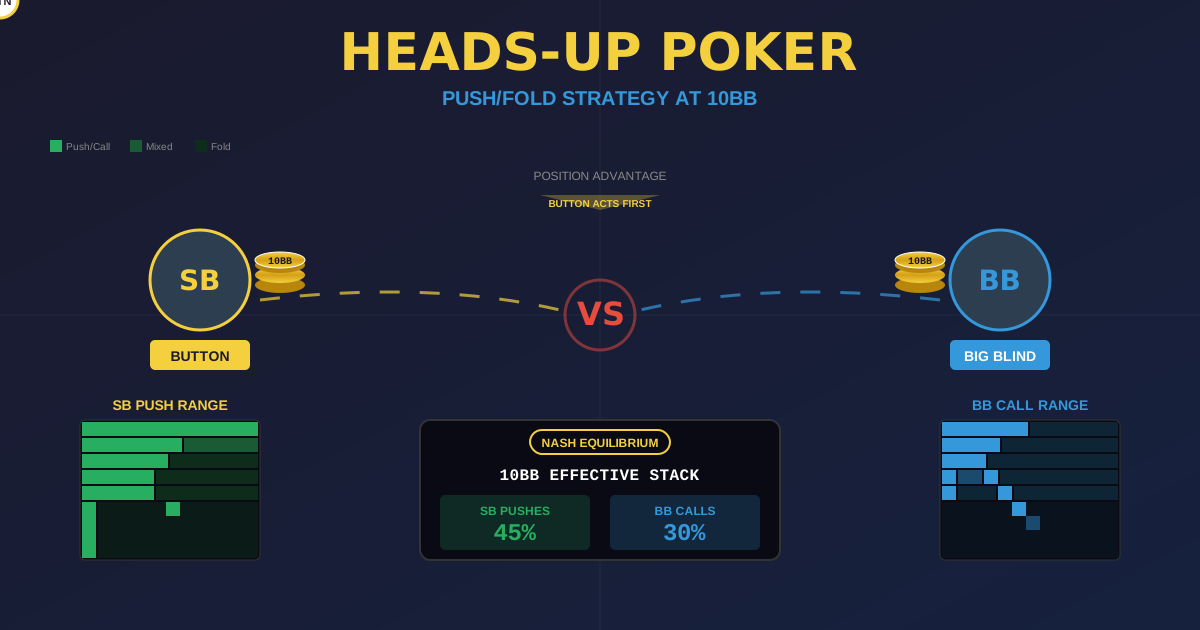
10 BB Button vs Big Blind:
- Shove: ~50% of hands
- BB calls with: ~25% of hands
15 BB Button vs Big Blind:
- Shove: ~35% of hands
- BB calls with: ~18% of hands
Exploitative Adjustments
Nash equilibrium assumes optimal opponents. Against real players:
- Tight callers: Shove wider than Nash suggests
- Loose callers: Shove tighter, wait for premiums
- Passive blinds: Steal relentlessly
ICM Considerations
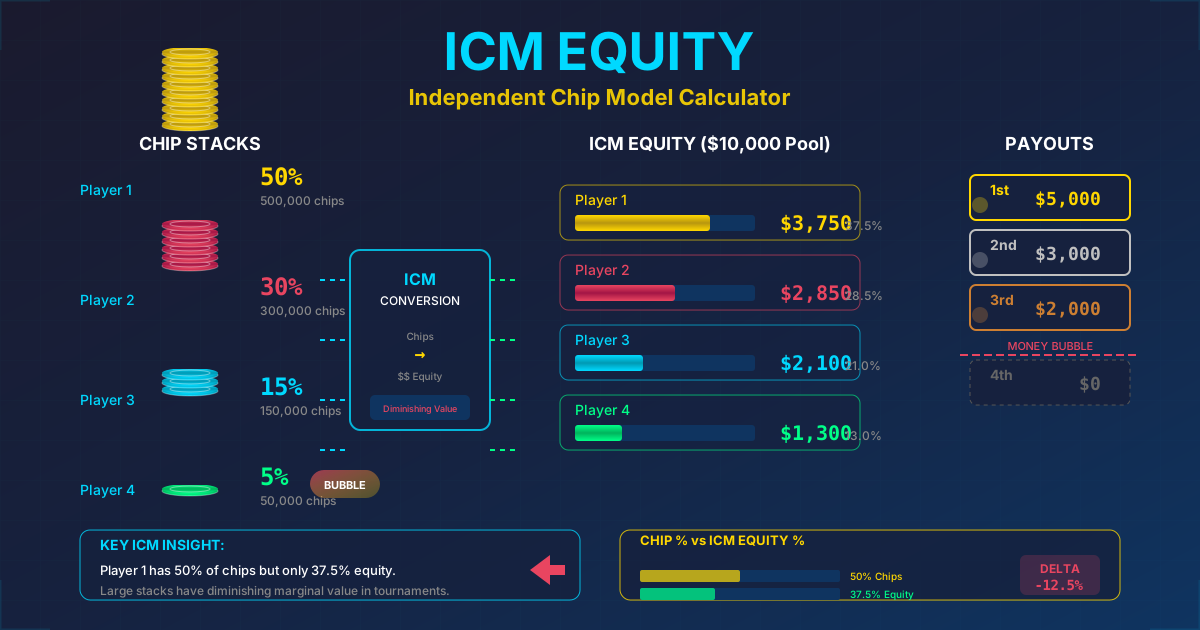
What Is ICM?
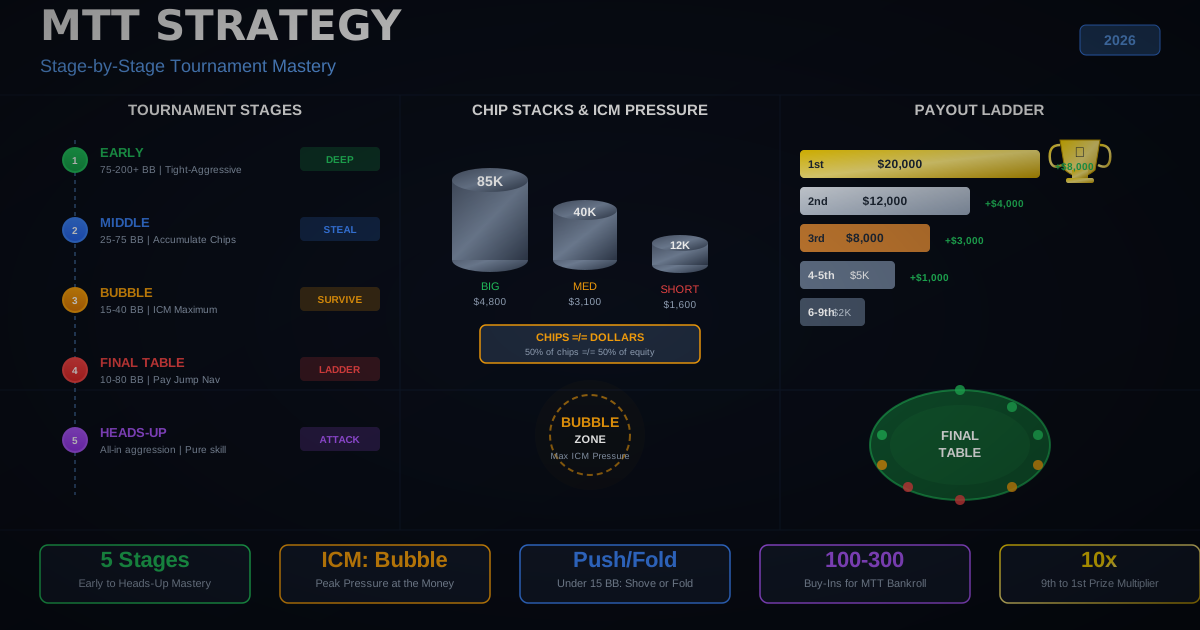
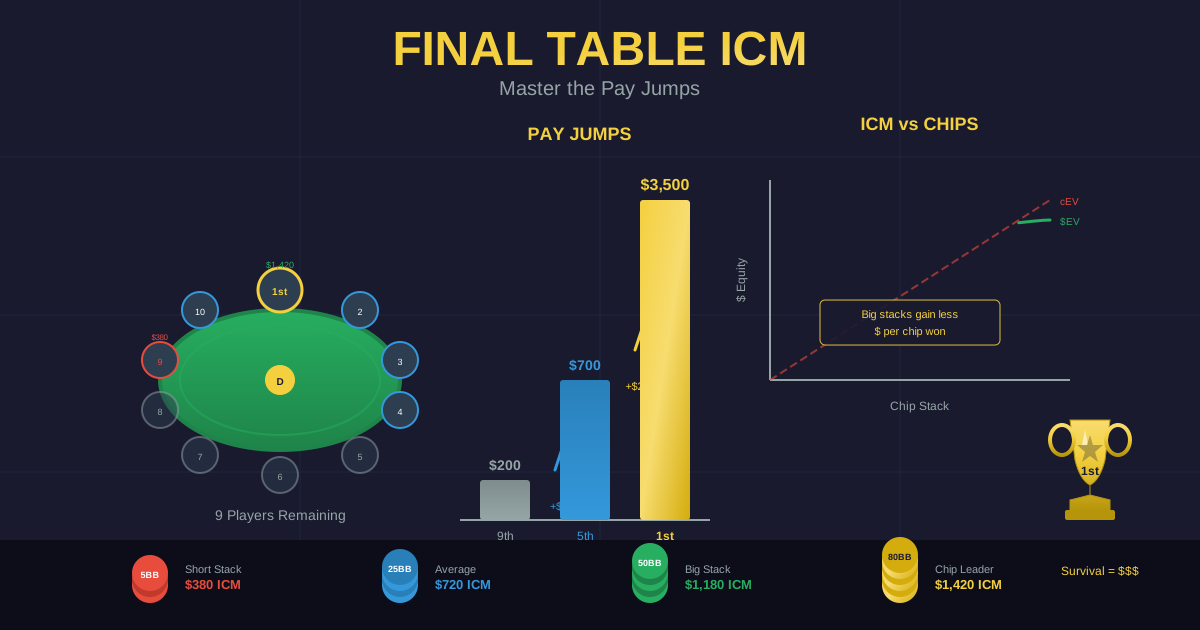
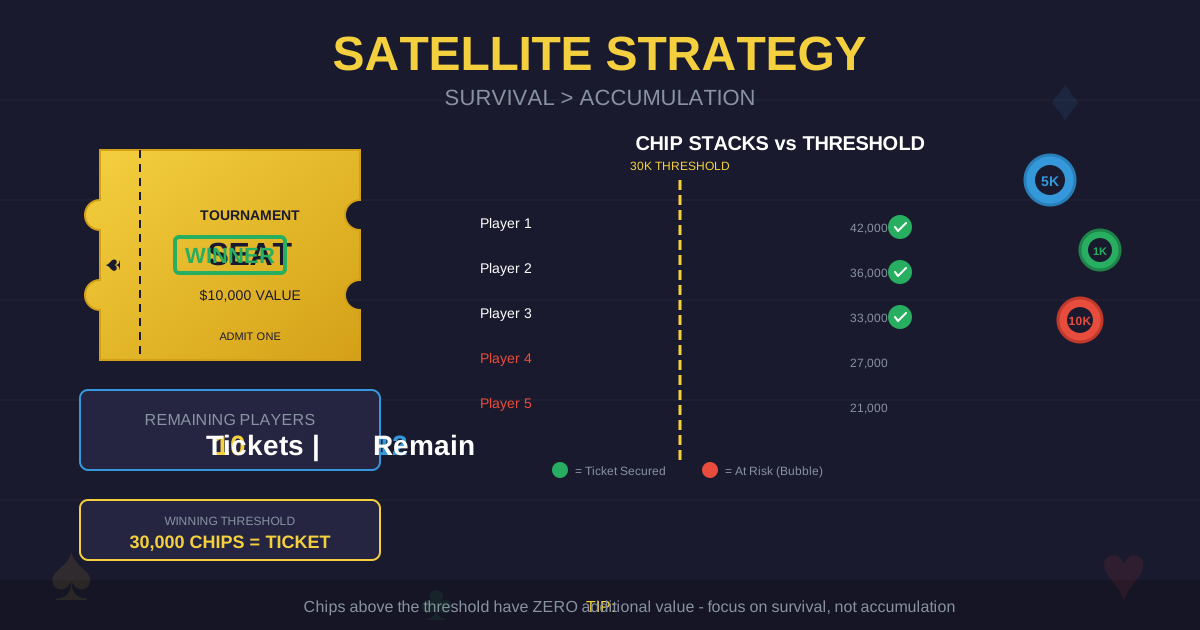
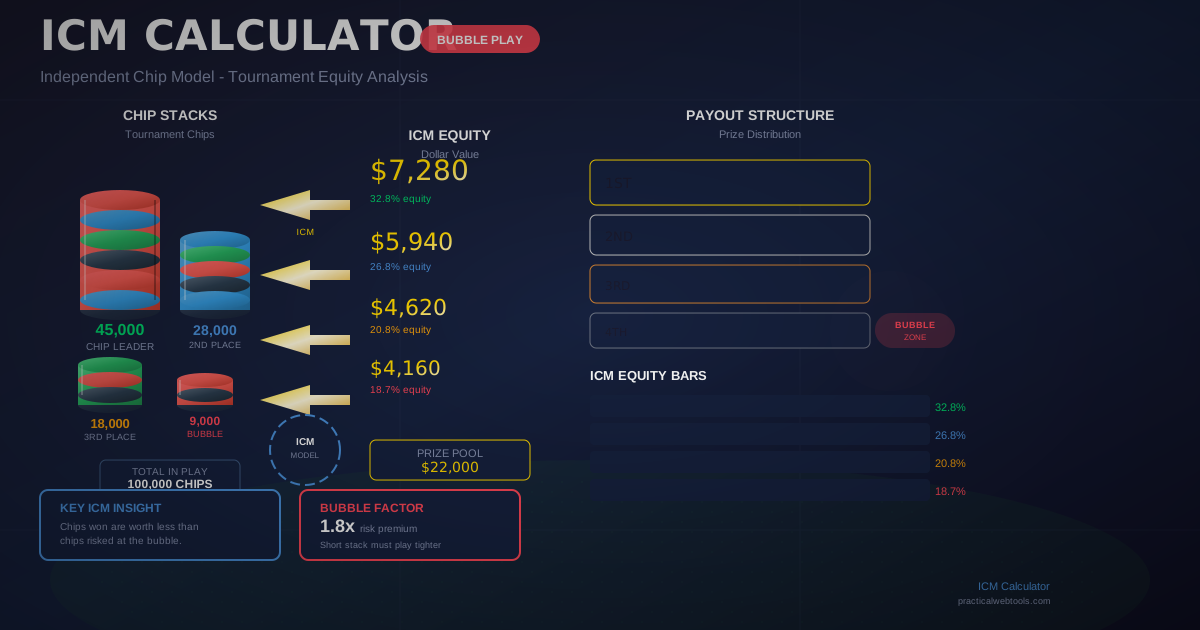
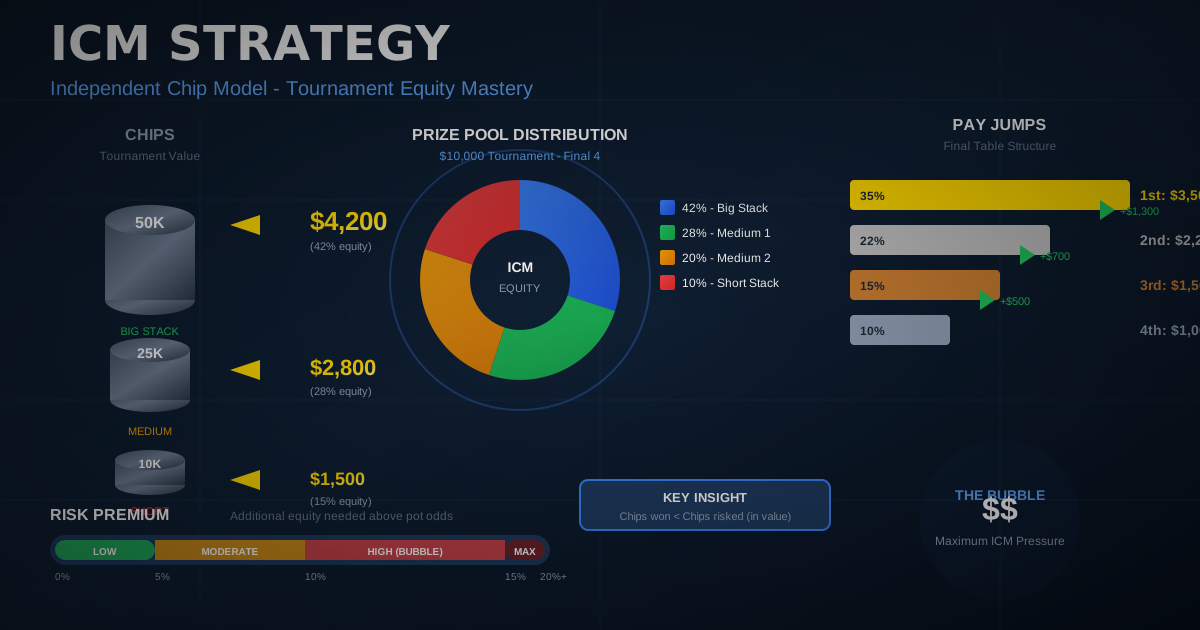
ICM (Independent Chip Model) adjusts push/fold ranges based on tournament payout implications. Chips have different values at different stages.
ICM Push/Fold Adjustments
| Situation | Adjustment |
|---|---|
| Bubble approaching | Tighten significantly |
| Big stack at table | Avoid confrontation |
| Short stacks behind | Can push wider |
| Pay jumps matter | Value survival |
| Heads-up for title | Pure chip EV |
Bubble Factor
Near the money bubble:
- Short stacks become more desperate
- Medium stacks tighten up
- Big stacks can bully
- ICM pressure affects everyone's ranges
Common Push/Fold Mistakes
-
Pushing Too Tight: Fear leads to folding profitable shoves. Trust the math—K7o on the button at 7 BB is a shove.
-
Ignoring Position: A hand that's a clear shove on the button is often a fold UTG. Position matters enormously.
-
Overvaluing Small Pairs: 22-55 look pretty but play poorly against calling ranges. They're not automatic shoves in early position.
-
Not Adjusting to Stack Depths: The same hand requires different decisions at 8 BB vs 12 BB vs 16 BB.
-
Forgetting About ICM: Chip EV and tournament EV diverge significantly near pay jumps. Adjust accordingly.
Frequently Asked Questions
Why can't I just wait for a better hand?
With a short stack, blinds and antes eat through your chips rapidly. Every orbit costs you ~15% of a 10 BB stack. Waiting too long means you'll be forced to shove with truly terrible hands.
Should I ever limp or min-raise with a short stack?
Below 10 BB, almost never. Your raise size commits you to the pot anyway. Shoving all-in maximizes fold equity—the most valuable weapon with a short stack.
How do antes affect push/fold?
Antes significantly widen optimal shoving ranges. An ante adds dead money to the pot, making steals more profitable. With 10% antes, shove ranges expand by roughly 20-30%.
What about multi-way pots?
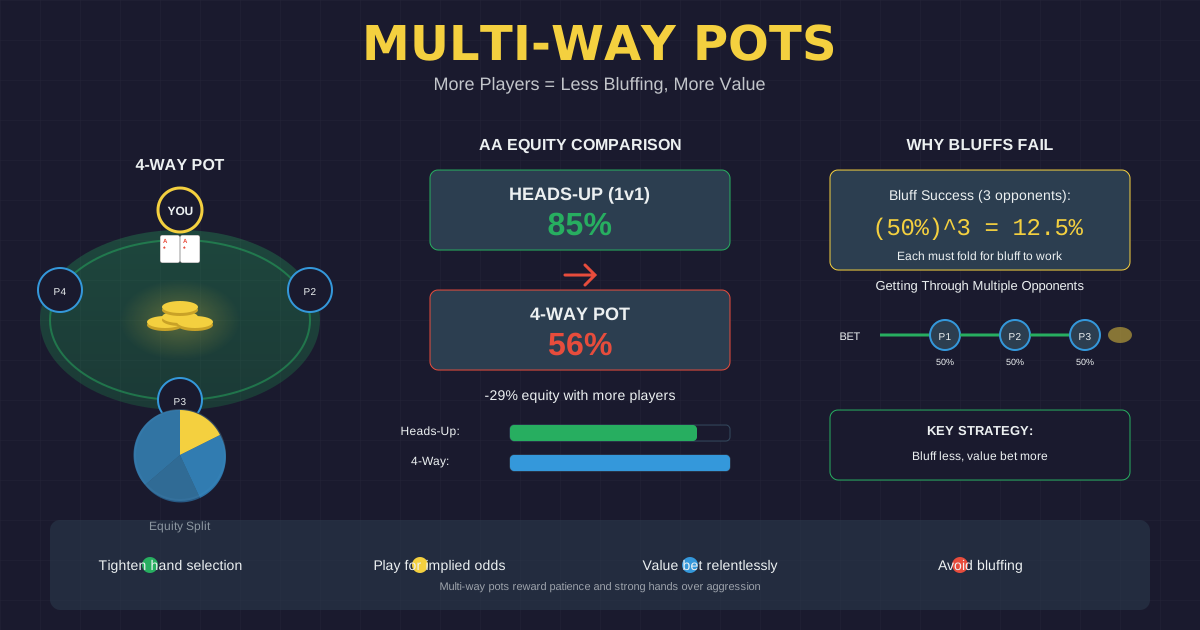
Push/fold calculators typically assume heads-up. With multiple players, tighten your range since any of them could wake up with a hand.
How accurate are push/fold charts?
Nash equilibrium charts are mathematically optimal against optimal opponents. Against typical players, they're very good baseline guidance with room for exploitative adjustments.
Should I memorize charts?
Memorizing key reference points helps: 10 BB button range, 8 BB SB vs BB range, etc. You don't need perfect memorization—understanding the concepts matters more.
Building Push/Fold Intuition
Key Reference Points to Remember
Button Shoves:
- 5 BB: Almost any two cards
- 8 BB: Any ace, any pair, K6+, Q8+, J9+
- 12 BB: A8+, 55+, KJ+
- 15 BB: AJ+, 77+, KQ
Small Blind vs Big Blind:
- 5 BB: ~65% of hands
- 8 BB: ~50% of hands
- 12 BB: ~35% of hands
UTG Shoves (9-handed):
- 8 BB: 77+, ATs+, AQo+
- 10 BB: 88+, AJs+, AKo
- 12 BB: 99+, AK
Advanced Concepts
Calling Ranges
Understanding what opponents call with helps refine your shoving:
Standard Big Blind Calling Ranges vs Button:
| Hero Stack | BB Calls With |
|---|---|
| 5 BB | Any pair, A5+, K9+, Q9+ |
| 10 BB | 66+, A9+, KQ |
| 15 BB | 88+, AJ+, KQ |
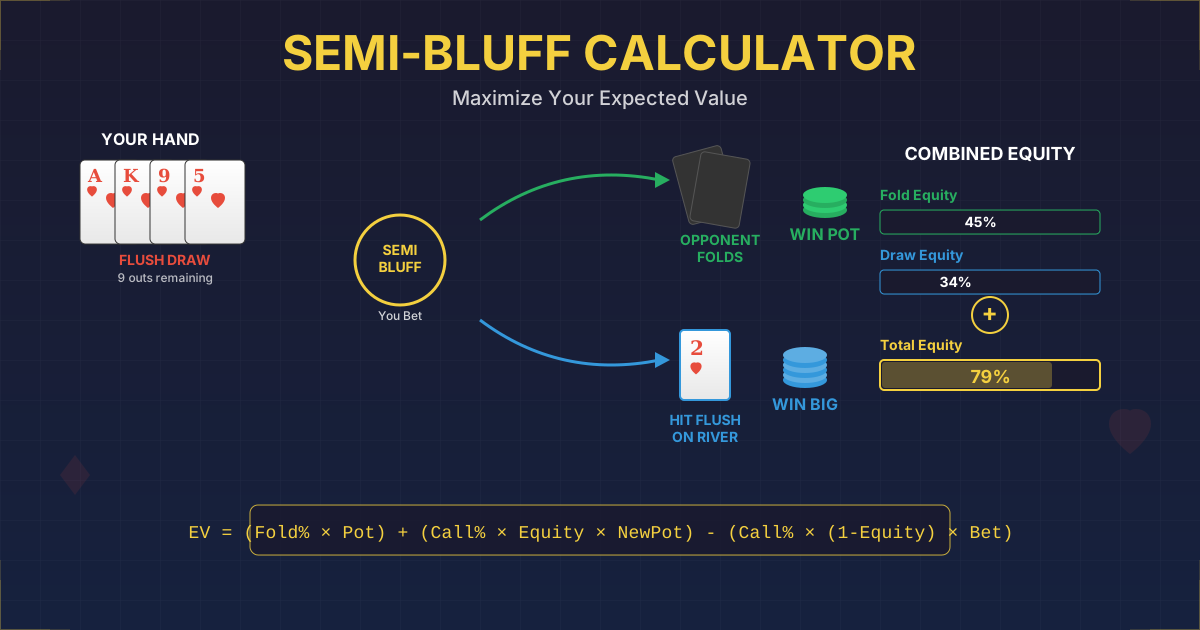
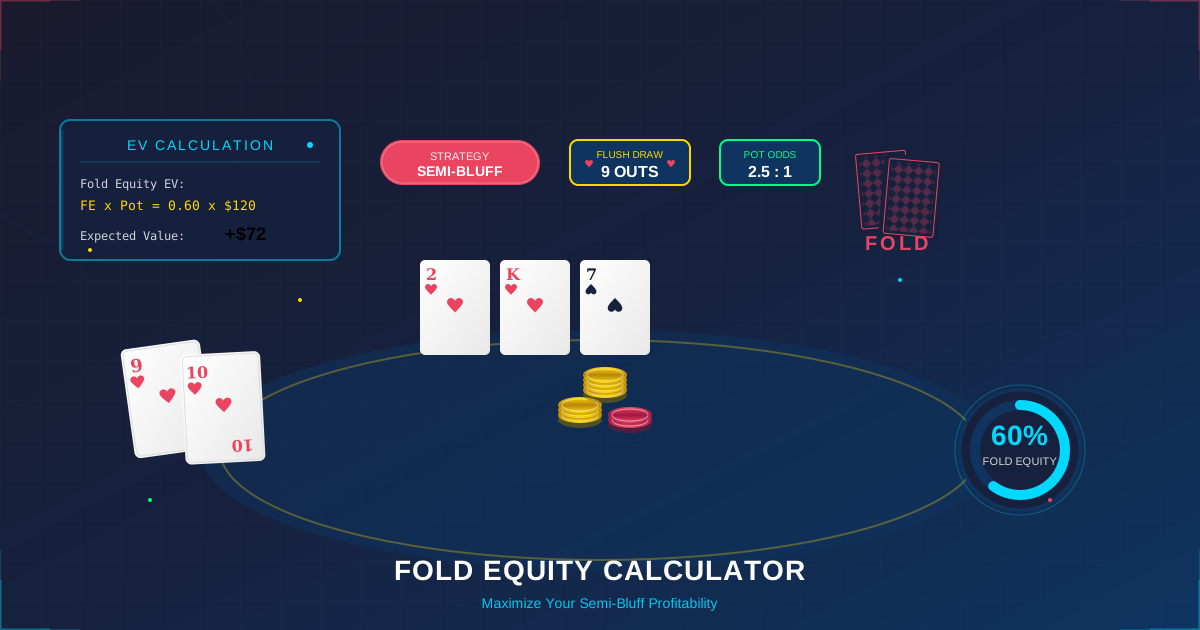
Fold Equity
Fold equity is your primary weapon:
- The percentage you win when opponent folds
- More valuable than showdown equity at short stacks
- Decreases as stack sizes shrink (opponents commit lighter)
The Reshove
When a player raises and you're short:
- Reshoving range is tighter than opening shove range
- Need to beat an already-committed player
- Position matters less (they're already in)
Pro Tips for Push/Fold Success
-
Study Specific Situations: Master button, cutoff, and SB vs BB ranges first—these come up most often
-
Watch for Tight Blinds: If blinds are folding 80%+, shove more aggressively than charts suggest
-
Track Calling Patterns: Note who calls light vs tight and adjust your ranges accordingly
-
Practice with Software: Tools like ICMizer or PokerStove let you run specific scenarios
-
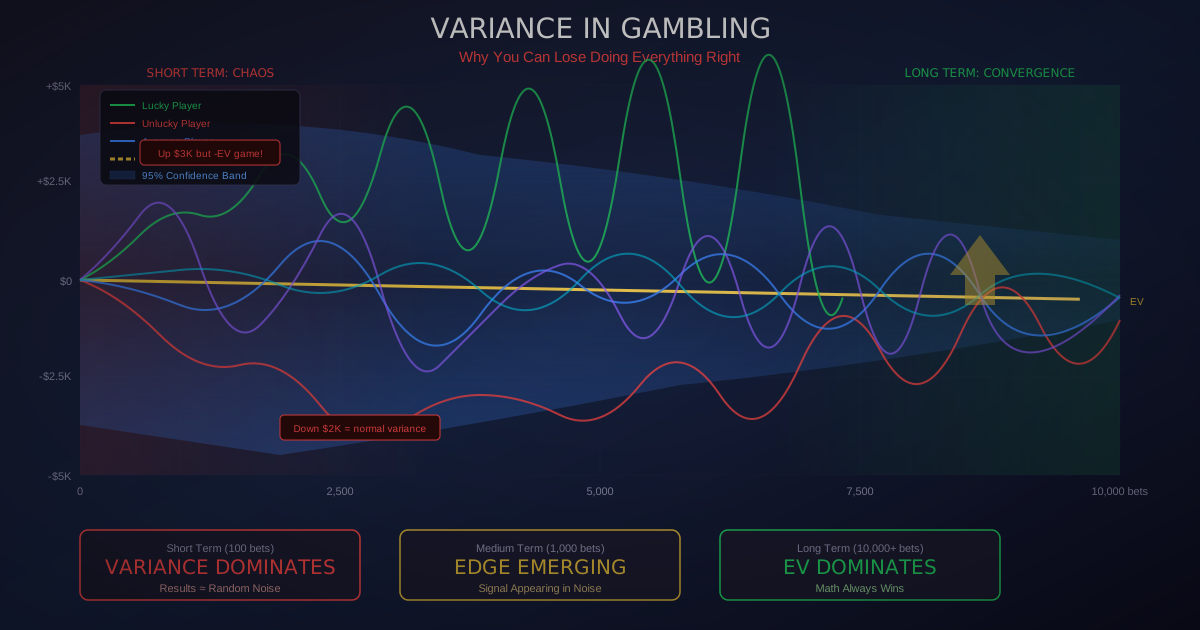
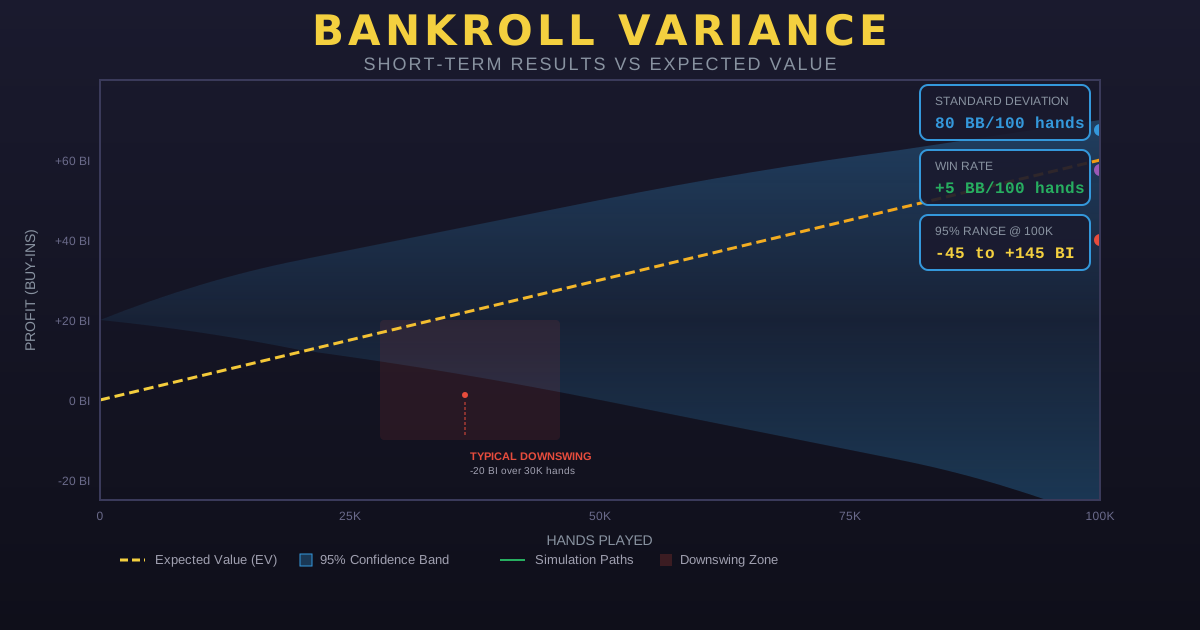
Accept Variance: Correct shoves will get called and lose. Process over results.
Related Poker Calculators
- ICM Calculator - Tournament equity analysis
- Poker Equity Calculator - Hand vs hand odds
- Pot Odds Calculator - Calling decisions
- Tournament Variance Calculator - Downswing expectations
- Final Table Calculator - Deal negotiations
Conclusion
Push/fold strategy transforms what feels like "gambling" into mathematically precise decision-making. Our free calculator eliminates guesswork, showing exactly which hands are profitable shoves from each position at each stack depth. Master these charts, and you'll stop spewing chips with bad shoves while also stopping yourself from blinding out too passively.
Calculate Your Optimal Push/Fold Range Now →
Short stack poker isn't about luck—it's about executing mathematically optimal plays more consistently than your opponents. Let the calculator do the math while you focus on reading table dynamics and making exploitative adjustments.