Range Advantage Calculator: Who Hits the Board Better (2026)
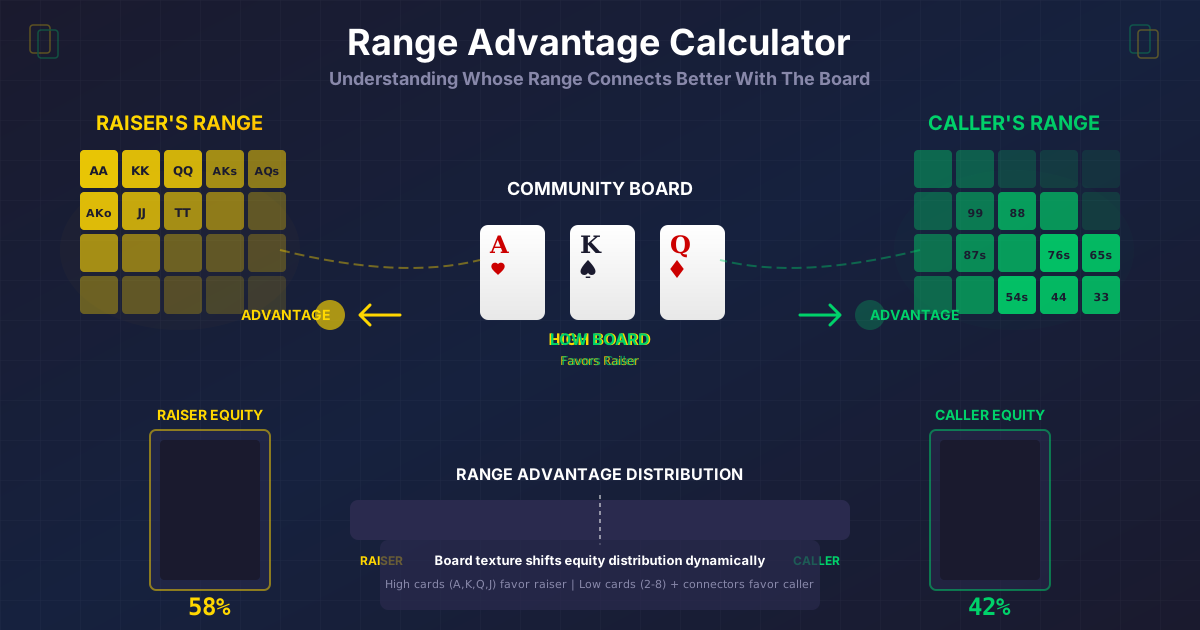
Range Advantage Calculator: Who Owns the Board?
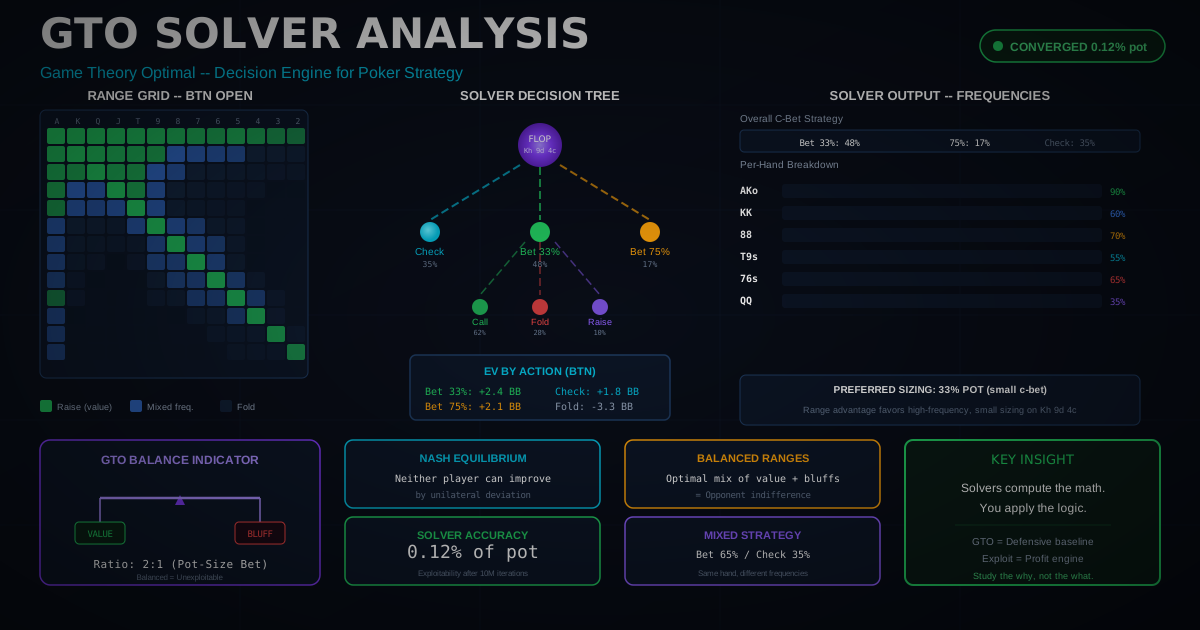
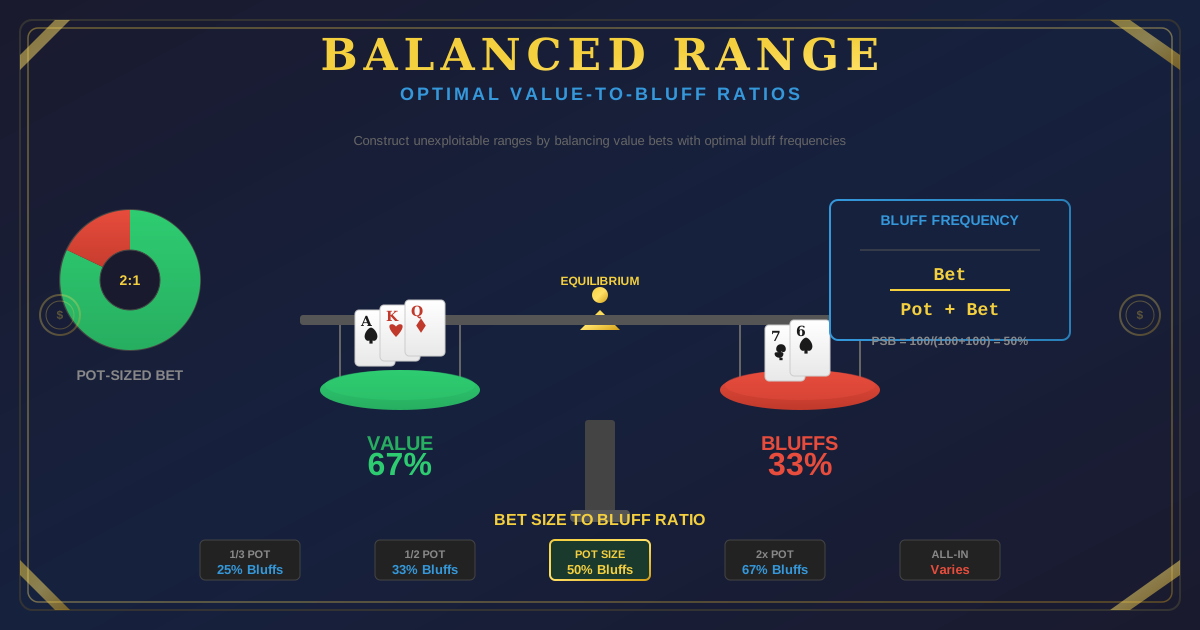
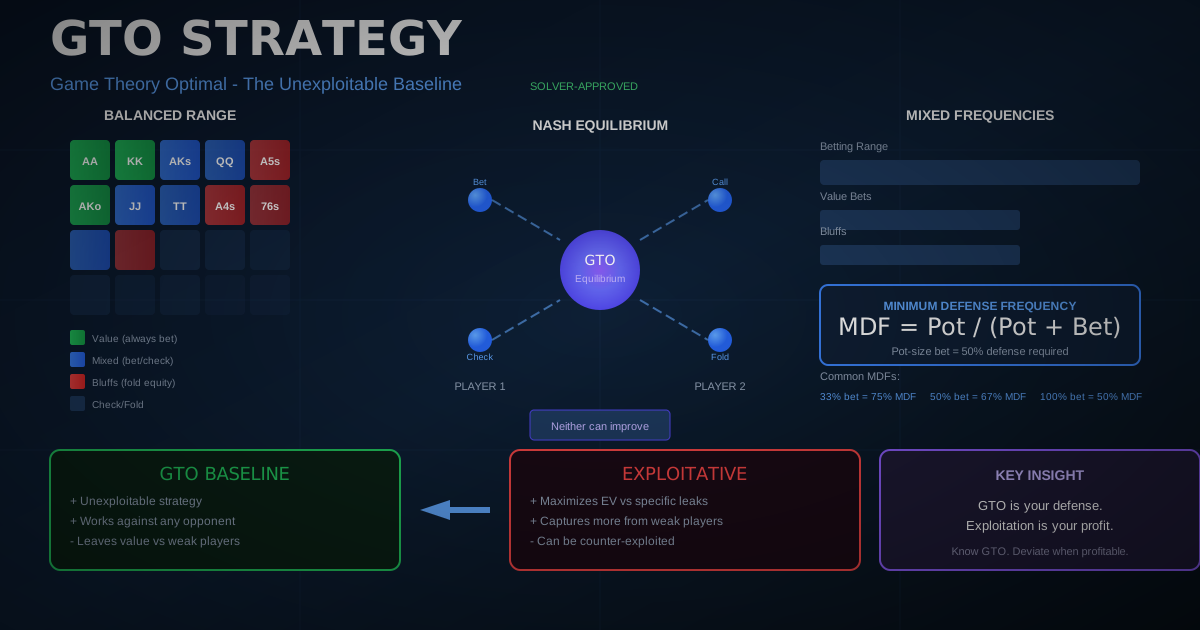
Range advantage determines who should be aggressive—not based on your specific hand, but on how your entire range interacts with the board. Our calculator reveals which player's range connects better, enabling strategically sound aggression regardless of your actual cards.
What Is Range Advantage?
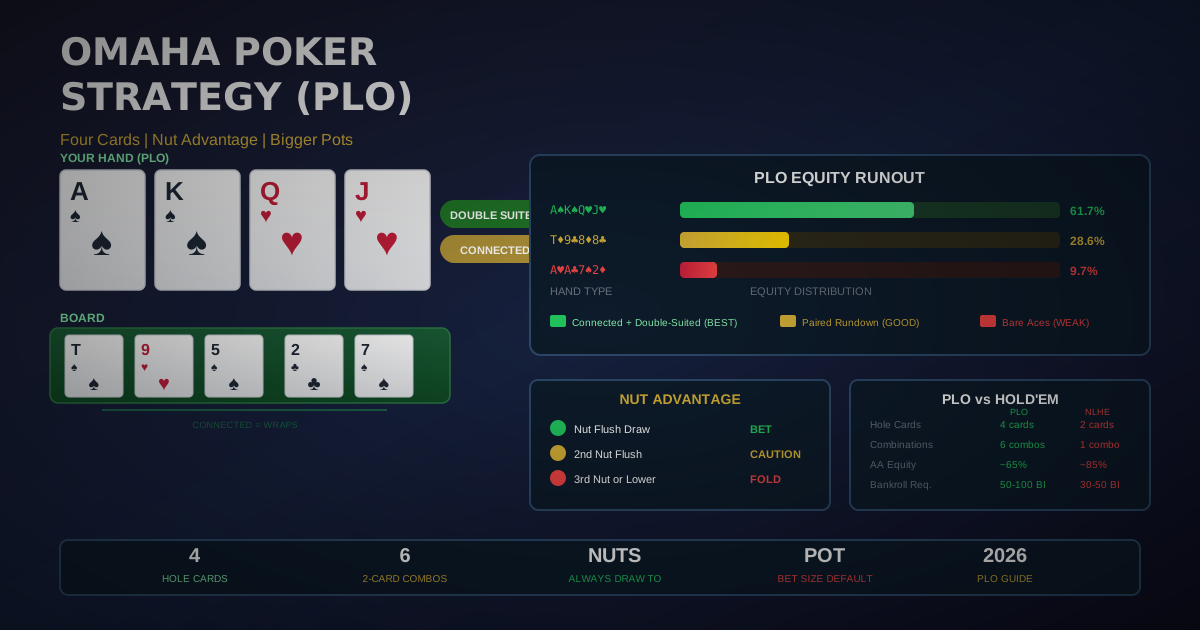
Range advantage is when one player's range of possible hands connects better with the board than their opponent's range. The player with range advantage should generally bet more often because they have more strong hands in their range—even if their actual hand is weak.
Quick Answer: Range advantage = whose range hits board better. Not about your hand—about all hands you could have. Board A♠K♦7♣ favors opener (has AA, KK, AK). Board 7♠6♣5♦ favors caller (more sets, straights). Player with advantage: Bet more. Without advantage: Check more. Foundational for GTO strategy.
How to Use Our Calculator
Use the Range Advantage Calculator →
Calculate who has range advantage.
Step-by-Step Instructions
-
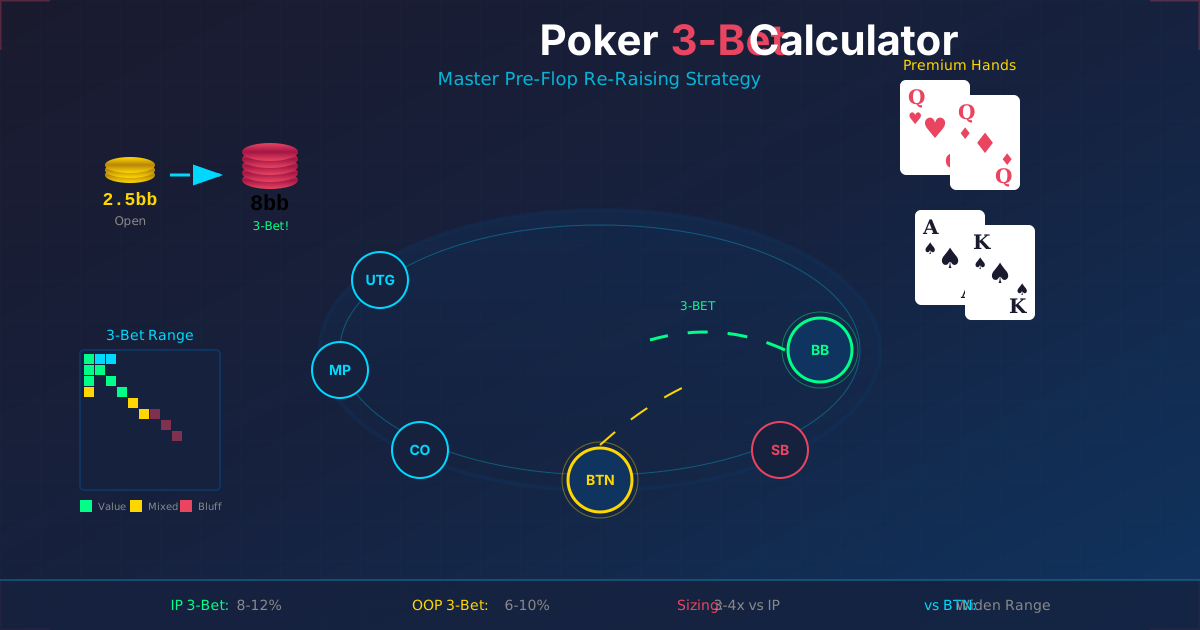
Enter Player 1 Range: Opening/3-betting range
-
Enter Player 2 Range: Calling/defending range
-
Input Board: Flop cards
-
View Equity Distribution: Range vs range
-
See Advantage: Who hits better
Input Fields Explained
| Field | Description | Example |
|---|---|---|
| Player 1 Range | Their range | BTN open (40%) |
| Player 2 Range | Their range | BB defend (35%) |
| Board | Flop cards | A♠K♦7♣ |
| Equity Split | Range equities | 58% vs 42% |
| Advantage | Who hits better | Player 1 |
Types of Advantage
Equity Advantage
Equity advantage:

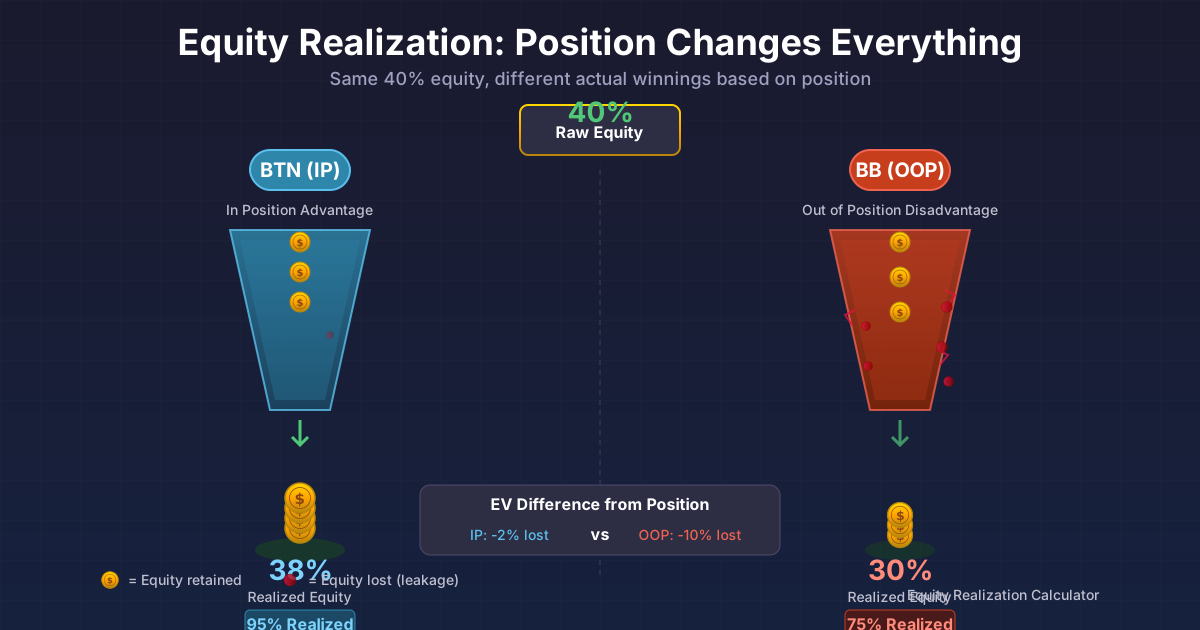
One range has more overall equity
More strong hands + medium hands
General board connection

Example:
BTN (40%) vs BB (35%)
Board: K♠8♦3♣

BTN equity: 55%
BB equity: 45%

BTN has equity advantage
But not massive
Nut Advantage
Nut advantage:

One range has more nutted hands
Not just more equity—more NUTS
Allows big bets and overbets

Example:
BTN vs BB, Board: A♠K♦7♣

BTN has: AA, KK, AK more often
BB: Rarely has these (would 3-bet)

BTN has NUT advantage
Can use large sizing
BB can't raise often
Vulnerability Advantage
Vulnerability advantage:

One range has more invulnerable hands
Less likely to be outdrawn
Safer on future cards

Example:
Board: 8♣7♣5♦

Caller has more sets, straights
Those are less vulnerable
Preflop raiser has overcards
Vulnerable to any card

Caller has invulnerability advantage
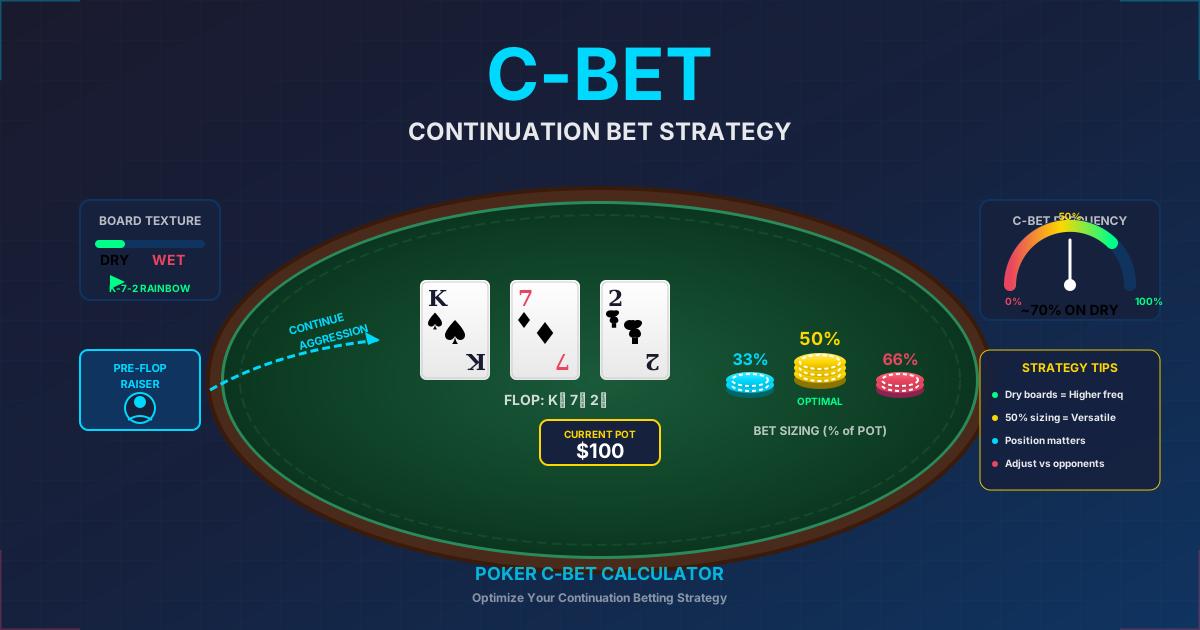
Boards Favoring Preflop Raiser
High Card Boards
Raiser-favoring boards:

A♠K♦7♣
K♣Q♦3♥
A♥J♦8♣

Why:
Raiser has more big cards
AA, KK, AK, AQ in range
Caller would 3-bet these

Strategy:
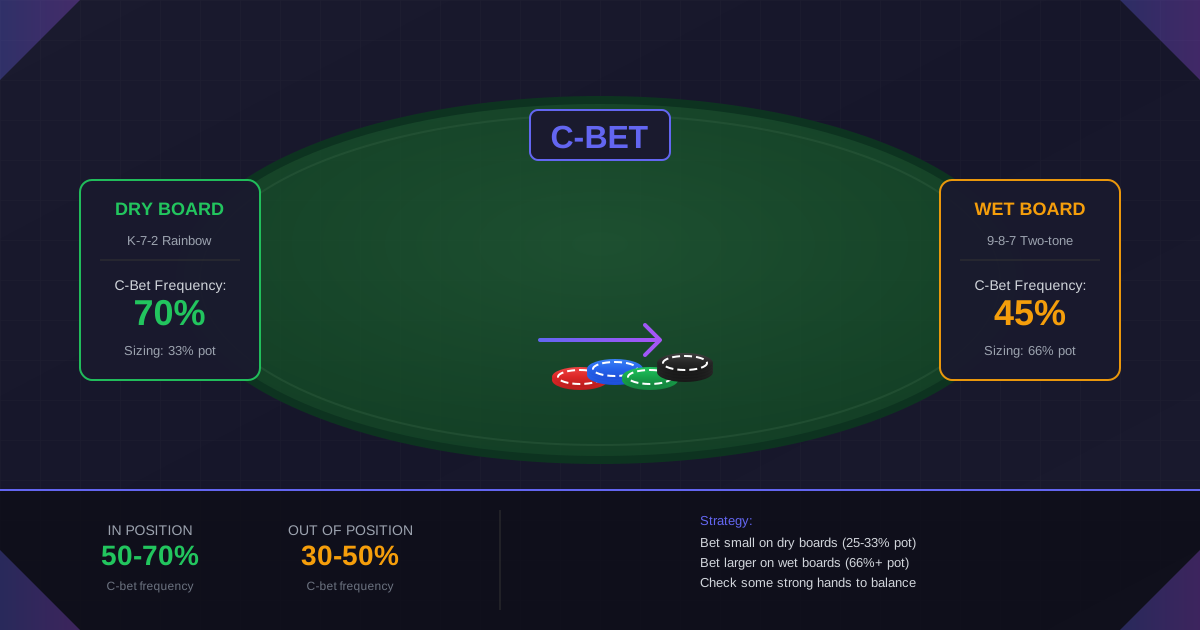
Raiser c-bets frequently (70%+)
Small sizing works (33%)
Range advantage is clear
Paired High Boards
High paired boards:

A♠A♦5♣
K♣K♦7♥
Q♠Q♦3♣

Why:
Raiser has more pocket pairs
Trip odds equal but...
Raiser has full house combos

Strategy:
Raiser bets frequently
Small sizing (25-33%)
Opponent can't have much
Boards Favoring Caller
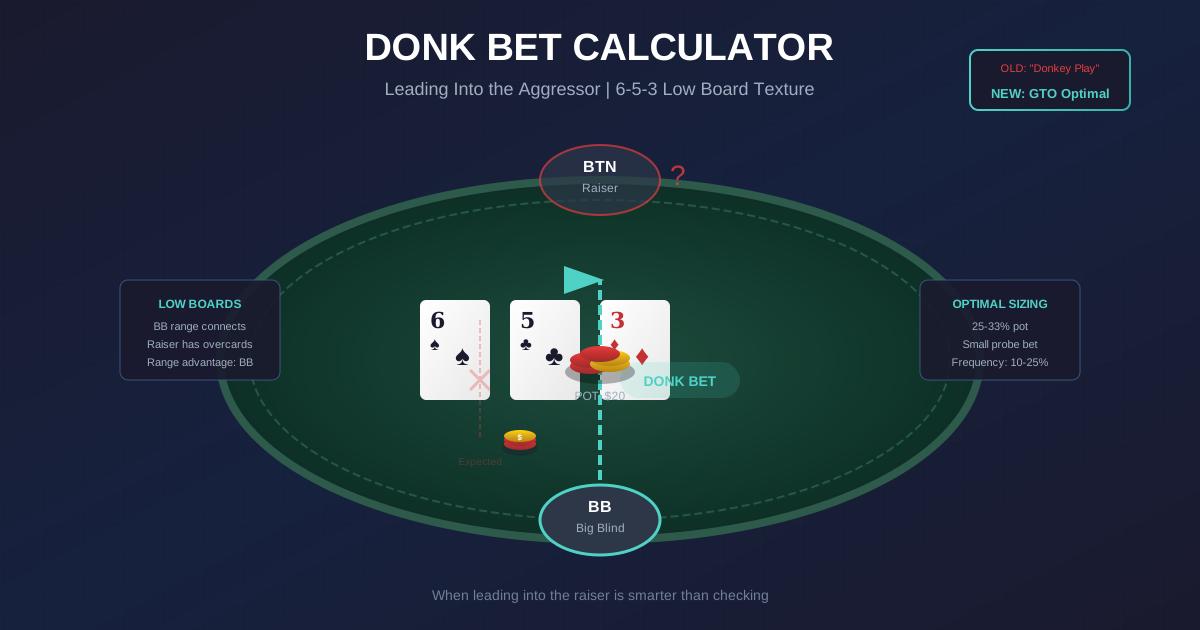
Low Connected Boards
Caller-favoring boards:

7♠6♣5♦
8♣7♦4♣
6♥5♦3♣

Why:
Caller has more suited connectors
More set-making pairs
Straights and two pairs

Strategy:
Raiser checks more often (50%+)
Caller can donk bet
Range advantage flipped
Middle Connected Boards
Mid-connected boards:

9♠8♦6♣
T♣9♦7♥
8♥7♦5♣

Why:
Caller defends with: 87s, 76s, 98s
Raiser has overcards
Caller's range connects

Strategy:
Check often as raiser
Caller has value hands
Be careful with c-bets
Leveraging Range Advantage
With Advantage: Attack
When you have range advantage:

Bet frequently (65-80%)
Can use smaller sizing
Put pressure on capped range
Even weak hands should bet

Example:
You open BTN, BB calls
Flop: A♣K♦4♥

You have range advantage
Bet 33% with entire range
Or check some traps
Betting is default
Without Advantage: Defend
When opponent has range advantage:

Check more often (50%+ of range)
Check-raise as counter
Don't auto-fold
Trap with strong hands

Example:
You defend BB vs BTN
Flop: A♣K♦4♥

Opponent has advantage
Check all hands to them
Check-raise some strong hands
Don't lead into their advantage
Neutral Boards
When ranges are similar:

Neither dominates
Both have draws and value
Positional advantage matters more

Example:
Board: J♣8♦5♠

Both ranges hit similarly
In position: Bet 50%
Out of position: Check often
Position breaks the tie
Real-World Examples
Example 1: Clear Raiser Advantage
Exploit it:
CO opens, BB calls
Flop: A♠K♥9♦

CO has: AA, KK, AK, AQ, AJ, KQ
BB: Rarely has AA/KK (would 3-bet)

Massive range advantage
CO bets 70%+ of hands
Small sizing (33%)
Even 7♣6♣ should bet
Example 2: Caller Advantage
Raiser must adjust:
BTN opens, BB calls
Flop: 6♠5♣4♦

BB has: 87, 76, 65, 54, 77, 66, 55, 44
BTN: Mostly overcards

BB has range advantage
BTN should check 50%+ of range
BB can lead (donk bet)
Roles reverse here
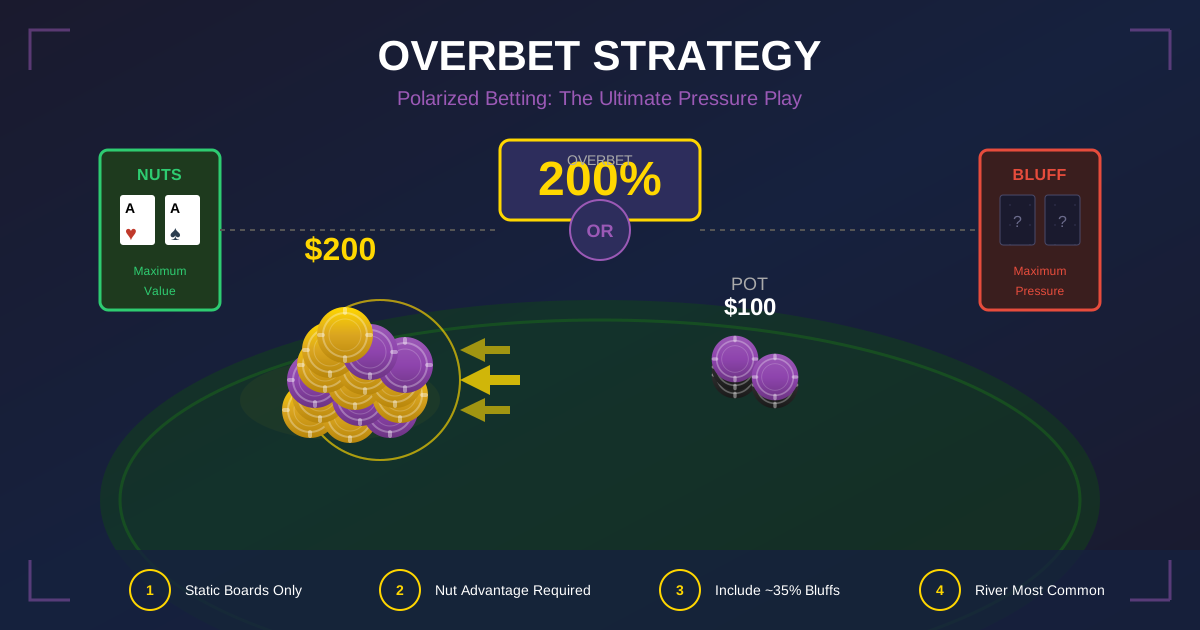
Example 3: Nut Advantage for Overbets
Use big sizing:
CO opens, BTN calls
Flop: K♠7♦2♣
Turn: 3♥
River: 5♠

Final board: K♠7♦2♣3♥5♠

CO has: KK, 77, more AK
BTN: Rarely has these

CO can overbet river
BTN can't have nuts often
Massive nut advantage
Use 150% pot sizing
Example 4: Equity Advantage vs Nut Advantage
Different concepts:
BTN opens, BB calls
Flop: Q♣J♦T♥

BB equity might be higher
More straights (K9, 98, AK)
But BTN has nut advantage (AK specifically)

BTN can bet with nut advantage
Even though equity is close
Nut advantage = bigger sizing OK
Common Mistakes
1. Confusing Hand with Range
Mistake: "I hit so I should bet" Problem: Your hand doesn't matter for range advantage Fix: Analyze range vs range
2. Ignoring Board Texture
Mistake: Same strategy every flop Problem: Missing range advantage shifts Fix: Evaluate each board independently
3. Over-Betting Without Advantage
Mistake: Big bets when opponent has advantage Problem: They call/raise with stronger range Fix: Check or small bet without advantage
4. Under-Betting With Advantage
Mistake: Checking too much with advantage Problem: Missing value and pressure Fix: Bet frequently when advantaged
Frequently Asked Questions
How do I determine range advantage?
Ask: "Which range has more strong hands on this board?" Consider who would have big pairs, sets, straights, and flush draws.
Does position affect range advantage?
No, but it affects how to use it. With range advantage in position, bet. With range advantage OOP, consider check-raising.
Should I always bet with range advantage?
Not 100%, but 65-80% is common. Check some traps. But betting is the default with advantage.
What about equity vs nut advantage?
Equity advantage means more overall value. Nut advantage means more nutted hands. Both inform strategy but differently.
Can range advantage change on turn/river?
Yes. An Ace on the turn can shift advantage. Reassess each street.
Does my specific hand matter?
Less than you think. With range advantage, even weak hands should often bet. Range dynamics > single hand.
Pro Tips
-
High boards favor raiser: A-K-x, K-Q-x
-
Low boards favor caller: 6-5-4, 7-6-5
-
Nut advantage = big sizing: Use overbets
-
Without advantage: Check more: Don't force it
-
Both hands and ranges matter: But range comes first
Related Calculators
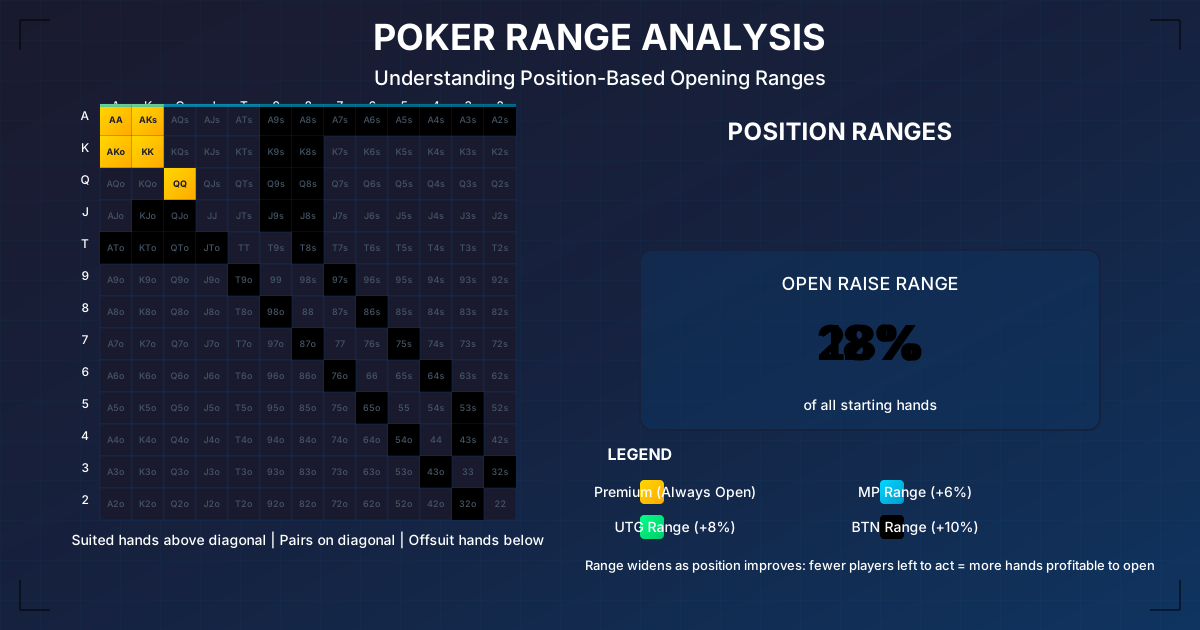
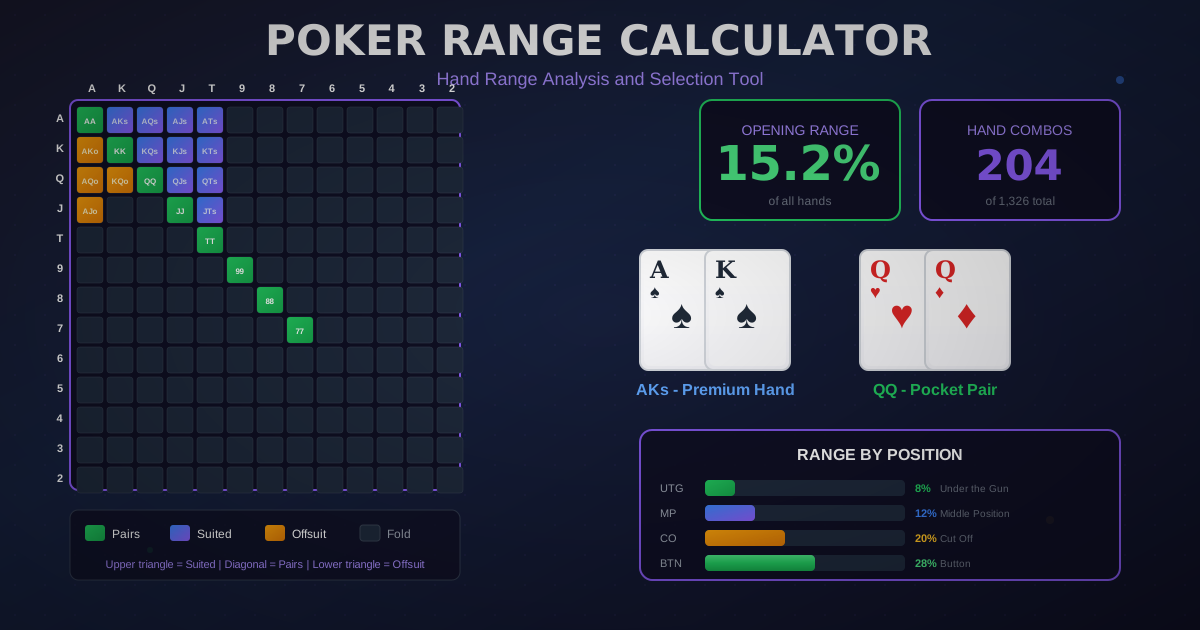
- Poker Range Calculator - Define ranges
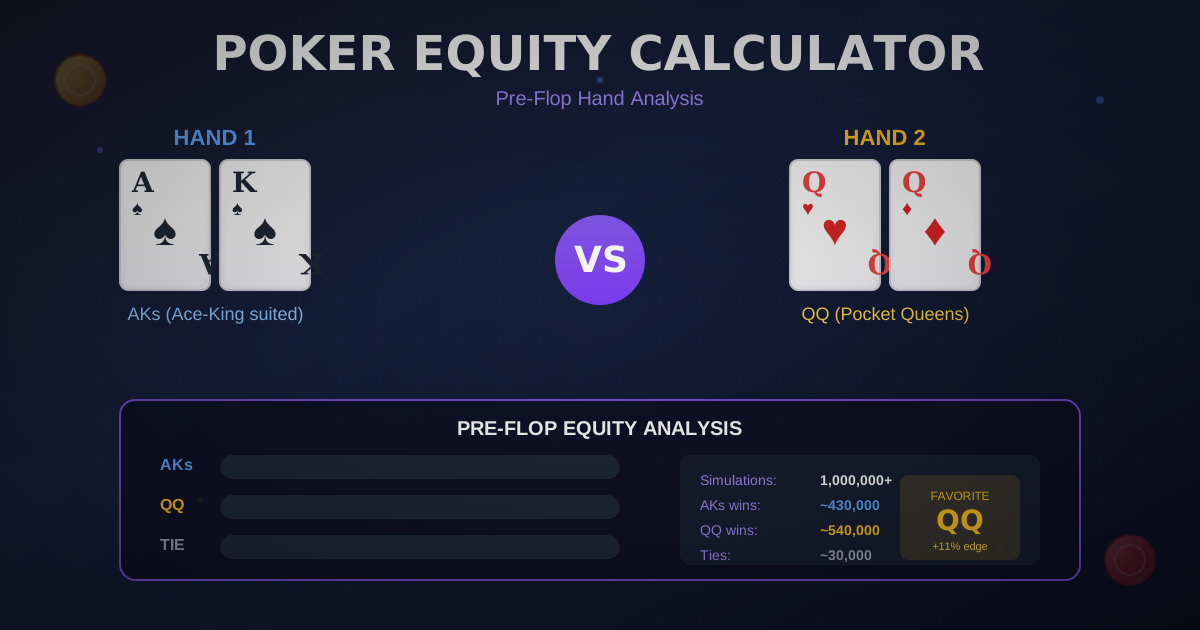
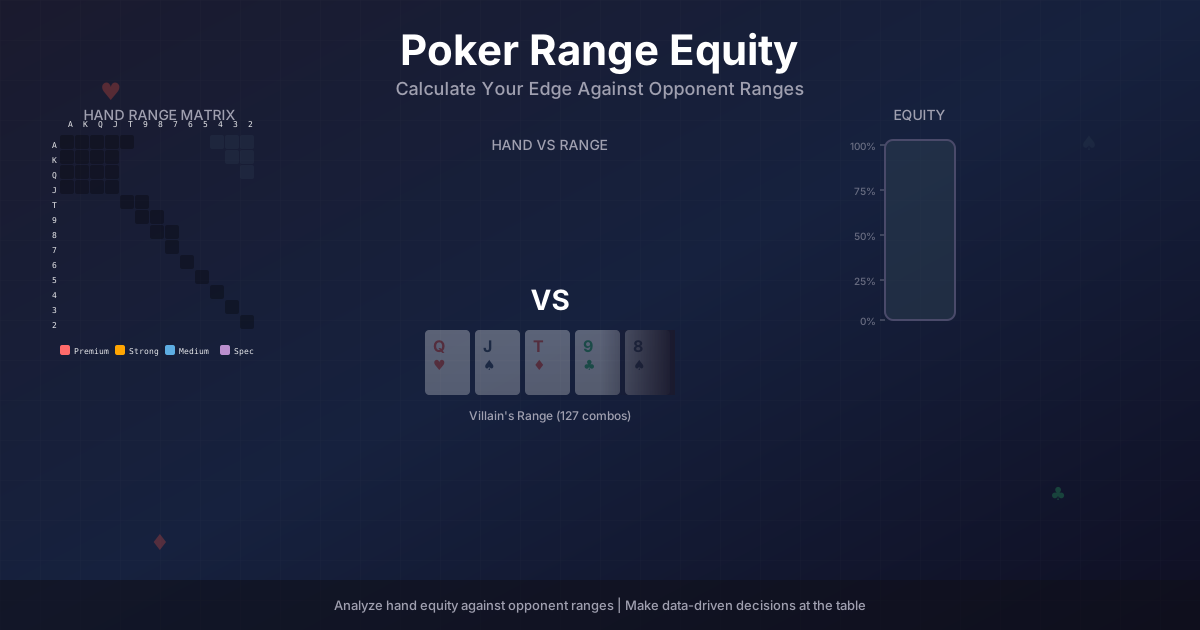
- Equity Calculator - Range vs range
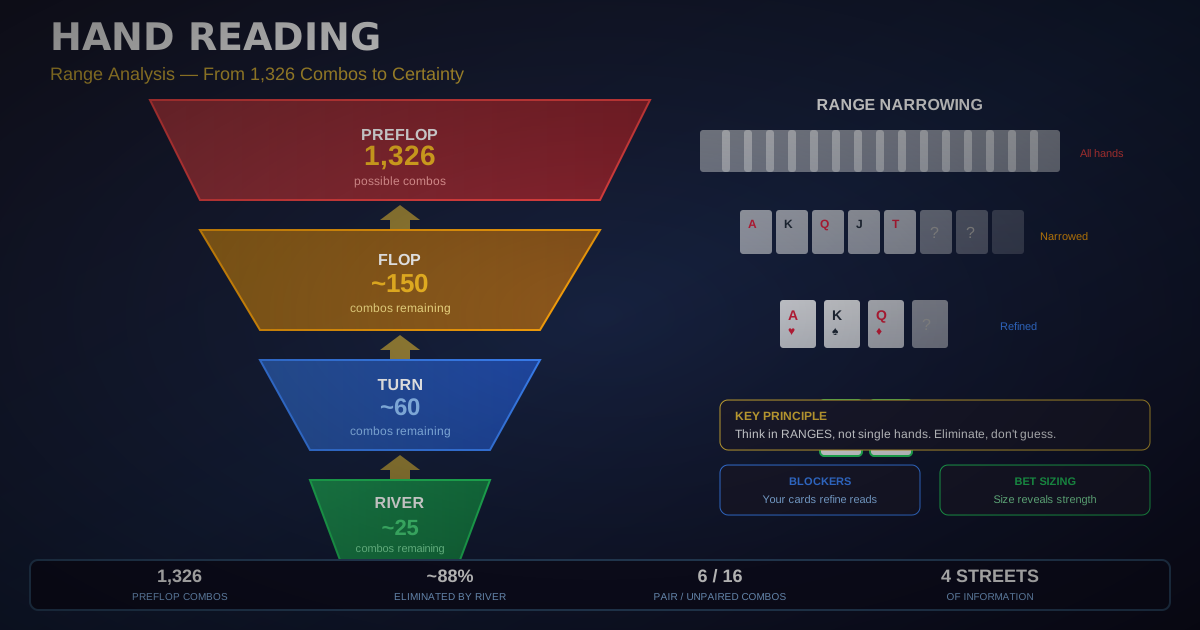
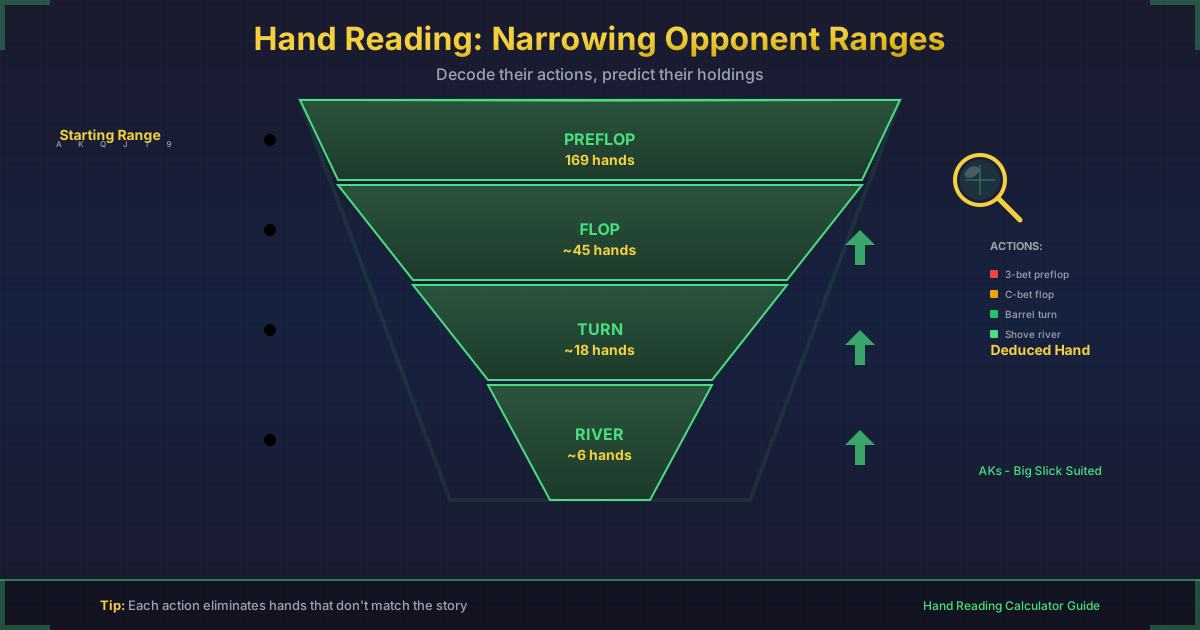
- Hand Reading Calculator - Opponent ranges
- Continuation Bet Calculator - C-bet strategy
- Bet Sizing Calculator - Sizing
Conclusion
Range advantage determines who should be aggressive—whoever's range connects better with the board owns it. Our calculator shows which player has the advantage, how to leverage it with frequent betting, and when to check and trap without it.
Calculate Range Advantage Now →
The flop is A♠K♦7♣. You opened from the button. Our calculator proves why you should bet 70%+ of hands—not because of your cards, but because your range crushes theirs.