Roulette Fibonacci Calculator: Mathematical Sequence Betting (2026)
Roulette Fibonacci Calculator: Nature's Sequence at the Table
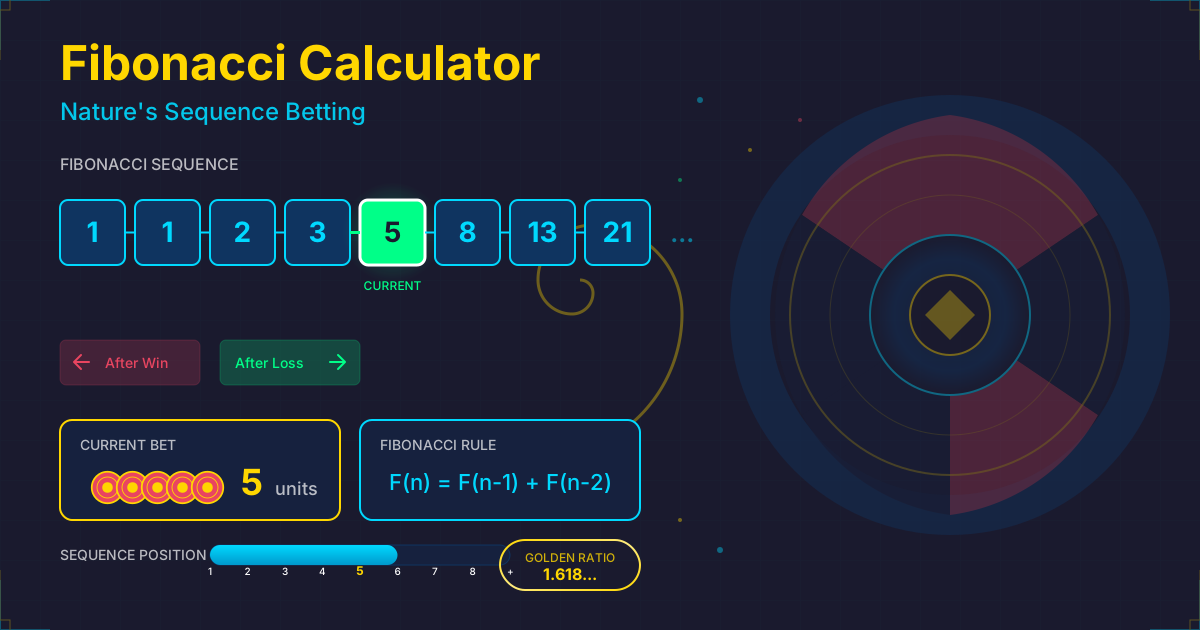
The Fibonacci sequence—1, 1, 2, 3, 5, 8, 13—appears throughout nature. Gamblers adapted it into a betting system, progressing through the sequence after losses. Our calculator tracks your position and shows why mathematical elegance doesn't defeat mathematical certainty.
What Is the Fibonacci System?
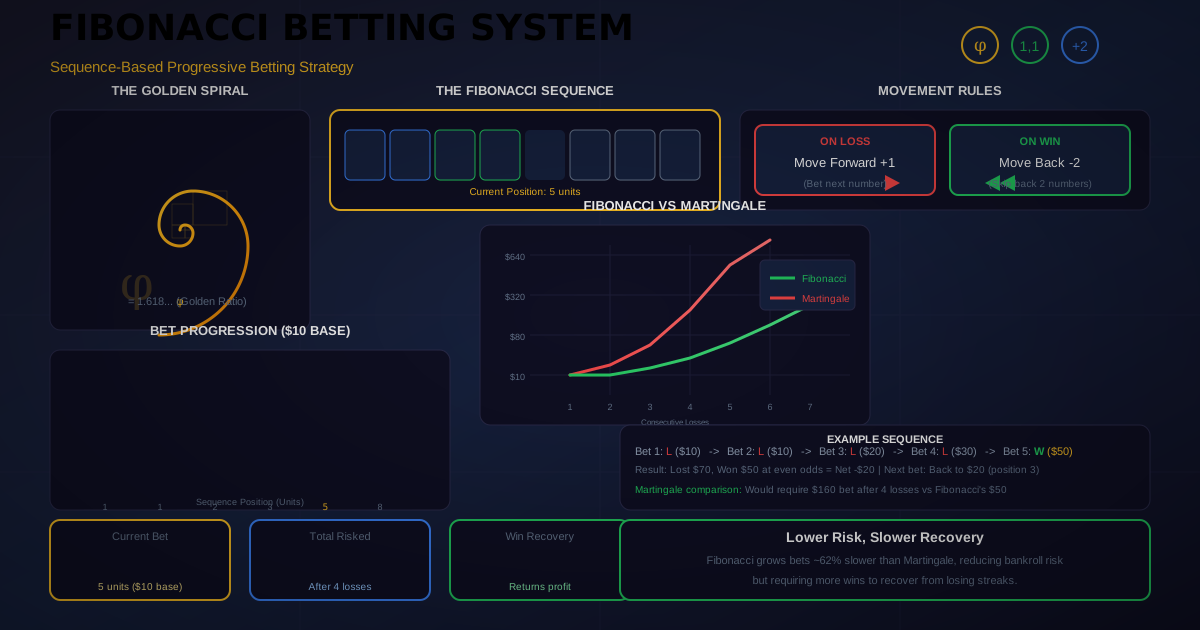
The Fibonacci betting system uses the famous sequence where each number equals the sum of the two before it. After a loss, move forward one step; after a win, move back two steps. Designed for even-money bets, it's gentler than Martingale but still can't overcome the house edge.
Quick Answer: Sequence: 1, 1, 2, 3, 5, 8, 13, 21, 34... Start betting 1 unit. Lose = advance one step. Win = go back two steps. Goal: Return to start with profit. Reality: House edge (2.70%) applies to every bet. Long losing streaks push sequence high. Mathematically impossible to gain edge over time. Slower growth than Martingale, same ultimate result.
How to Use Our Calculator
Use the Fibonacci Roulette Calculator →
Enter your sequence position to track progression and outcomes.
Step-by-Step Instructions
-
Set Base Unit: Your starting bet size
-
Enter Wins/Losses: Track results
-
View Current Position: Where in sequence
-
See Next Bet: Fibonacci number × unit
-
Track Progress: Toward goal or deeper in
Input Fields Explained
| Field | Description | Example |
|---|---|---|
| Base Unit | Starting bet | $5 |
| Sequence Position | Current step | 6 |
| Current Bet | Fibonacci × unit | $40 (8 × $5) |
| Total Wagered | All bets sum | $75 |
| Net Position | Win/loss | -$35 |
| Sequence | Full numbers | 1,1,2,3,5,8,13... |
The Fibonacci Sequence
Building the Sequence
Position 1: 1
Position 2: 1
Position 3: 1 + 1 = 2
Position 4: 1 + 2 = 3
Position 5: 2 + 3 = 5
Position 6: 3 + 5 = 8
Position 7: 5 + 8 = 13
Position 8: 8 + 13 = 21
Position 9: 13 + 21 = 34
Position 10: 21 + 34 = 55
Growth Rate
Positions 1-5: 1, 1, 2, 3, 5 (manageable)
Positions 6-10: 8, 13, 21, 34, 55 (growing fast)
Positions 11-15: 89, 144, 233, 377, 610 (dangerous)

$5 base unit at position 15:
Bet = 610 × $5 = $3,050
System Rules
After a Loss
Move forward one position in sequence
Bet the next Fibonacci number

Position 3, bet 2 units, LOSE
Move to position 4, bet 3 units
After a Win
Move back TWO positions
(Minimum is position 1)

Position 6, bet 8 units, WIN
Move to position 4, bet 3 units
Goal State
Complete when:
- Win at position 1 or 2
- Return to start with small profit

Each completed cycle yields +1 unit profit
Real-World Examples
Example 1: Successful Cycle
Base unit: $10
| Spin | Position | Bet | Result | Net |
|---|---|---|---|---|
| 1 | 1 | $10 | Lose | -$10 |
| 2 | 2 | $10 | Lose | -$20 |
| 3 | 3 | $20 | Lose | -$40 |
| 4 | 4 | $30 | Win | -$10 |
| 5 | 2 | $10 | Win | $0 |
| 6 | 1 | $10 | Win | +$10 |
Result: Cycle complete, +$10 profit
Example 2: Extended Losing Streak
Base unit: $10
| Spin | Position | Bet | Result | Net |
|---|---|---|---|---|
| 1 | 1 | $10 | Lose | -$10 |
| 2 | 2 | $10 | Lose | -$20 |
| 3 | 3 | $20 | Lose | -$40 |
| 4 | 4 | $30 | Lose | -$70 |
| 5 | 5 | $50 | Lose | -$120 |
| 6 | 6 | $80 | Lose | -$200 |
| 7 | 7 | $130 | Lose | -$330 |
| 8 | 8 | $210 | Lose | -$540 |
Status: 8 losses, down $540, next bet $340
Example 3: Win/Loss Mix
Base unit: $5
| Spin | Position | Bet | Result | Net |
|---|---|---|---|---|
| 1 | 1 | $5 | Lose | -$5 |
| 2 | 2 | $5 | Win | $0 |
| 3 | 1 | $5 | Lose | -$5 |
| 4 | 2 | $5 | Lose | -$10 |
| 5 | 3 | $10 | Win | $0 |
| 6 | 1 | $5 | Lose | -$5 |
| 7 | 2 | $5 | Win | $0 |
| 8 | 1 | $5 | Win | +$5 |
Result: Choppy session, small profit
Example 4: Table Limit Problem
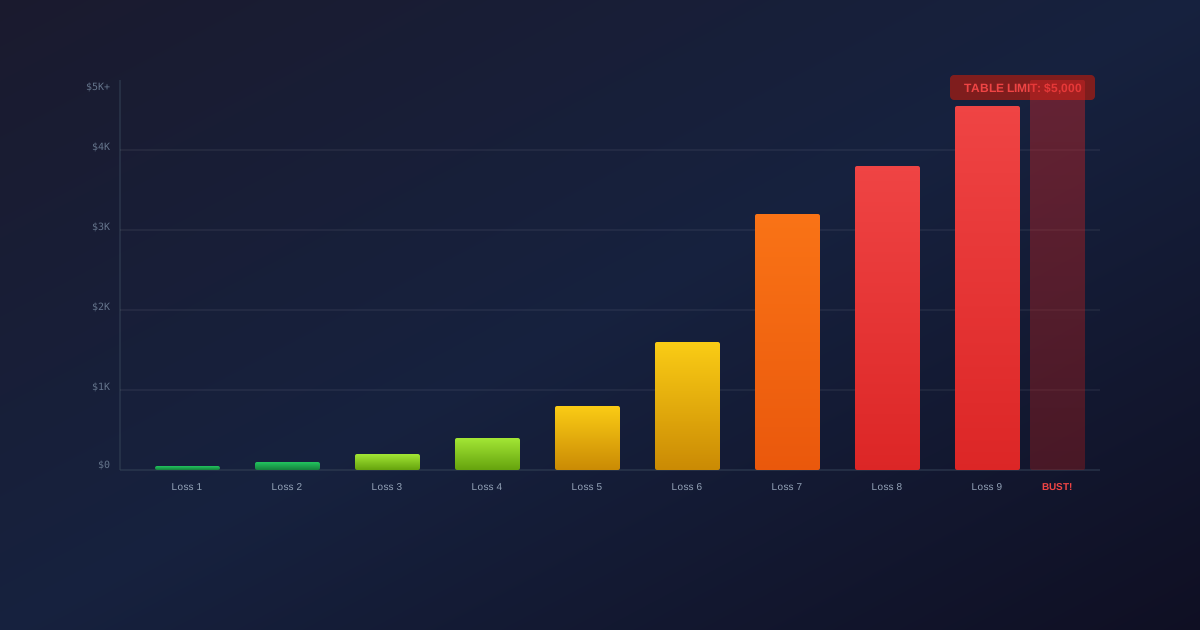
$5 base, $500 table maximum
Position 10: 55 × $5 = $275 ✓
Position 11: 89 × $5 = $445 ✓
Position 12: 144 × $5 = $720 ✗

Can't continue at position 12
Must accept loss or restart
Mathematical Analysis
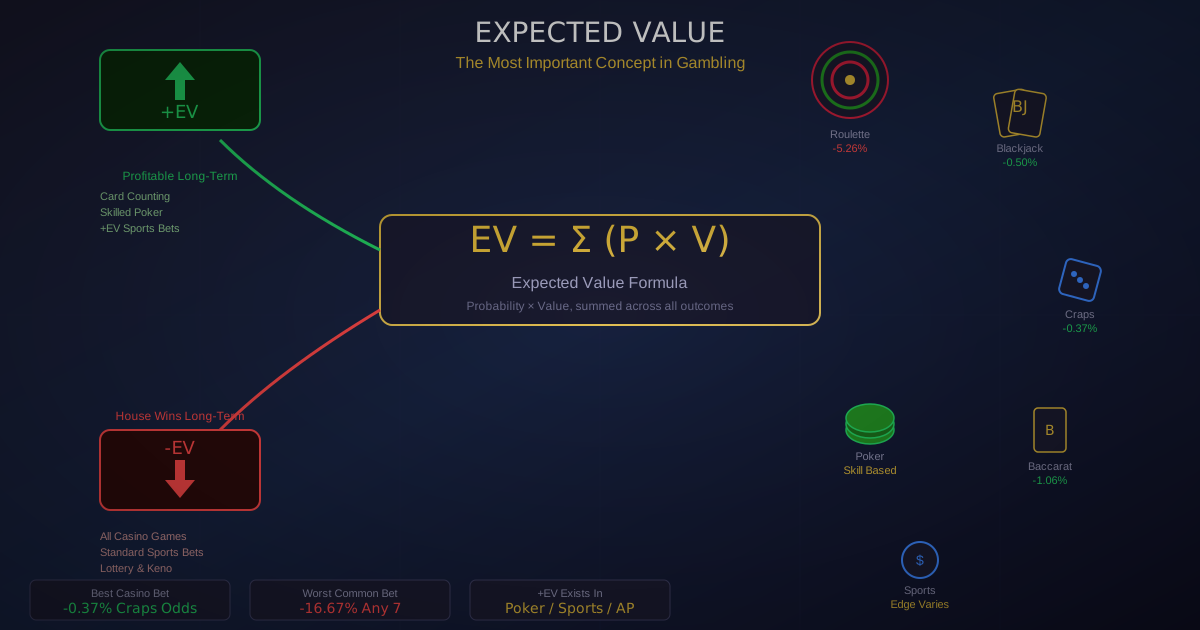
Expected Value
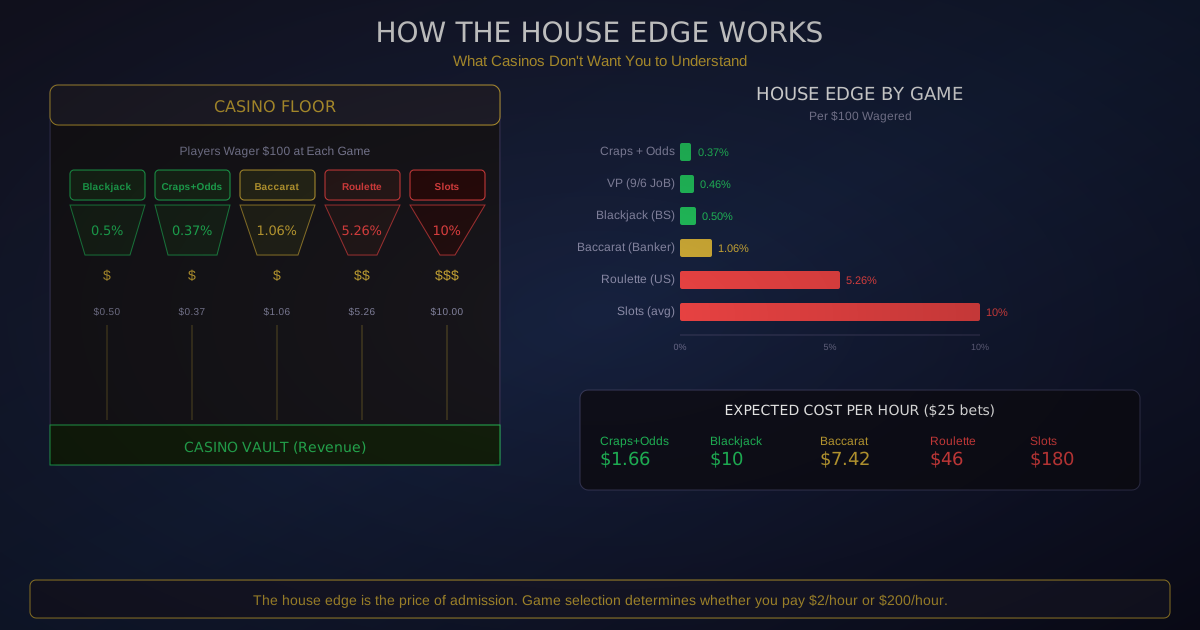
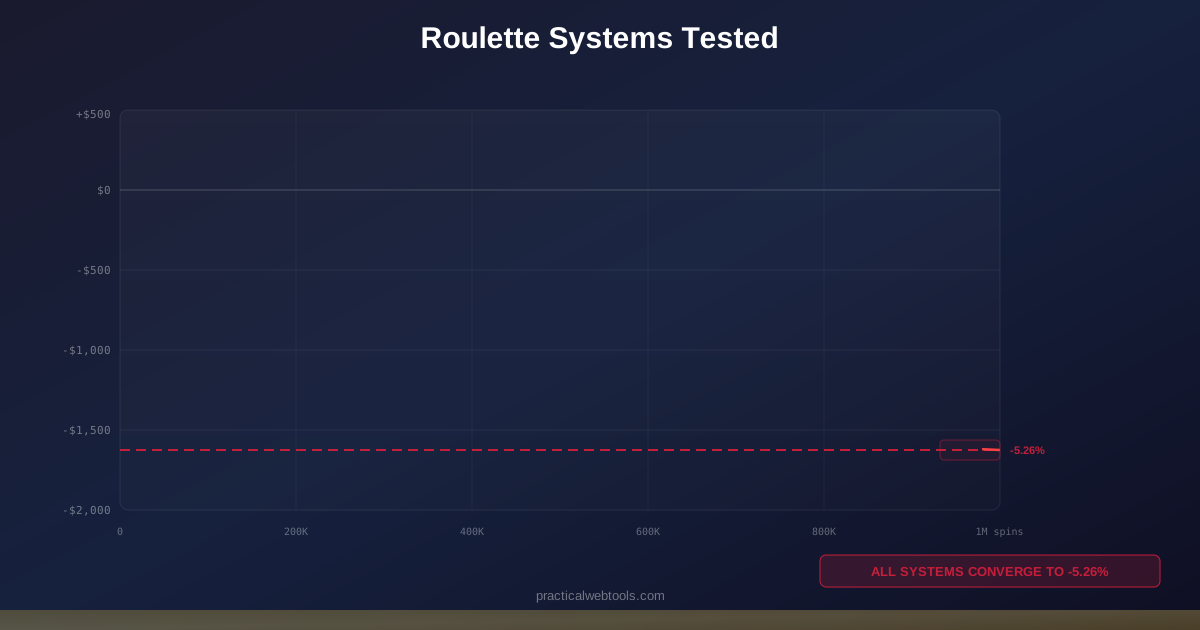
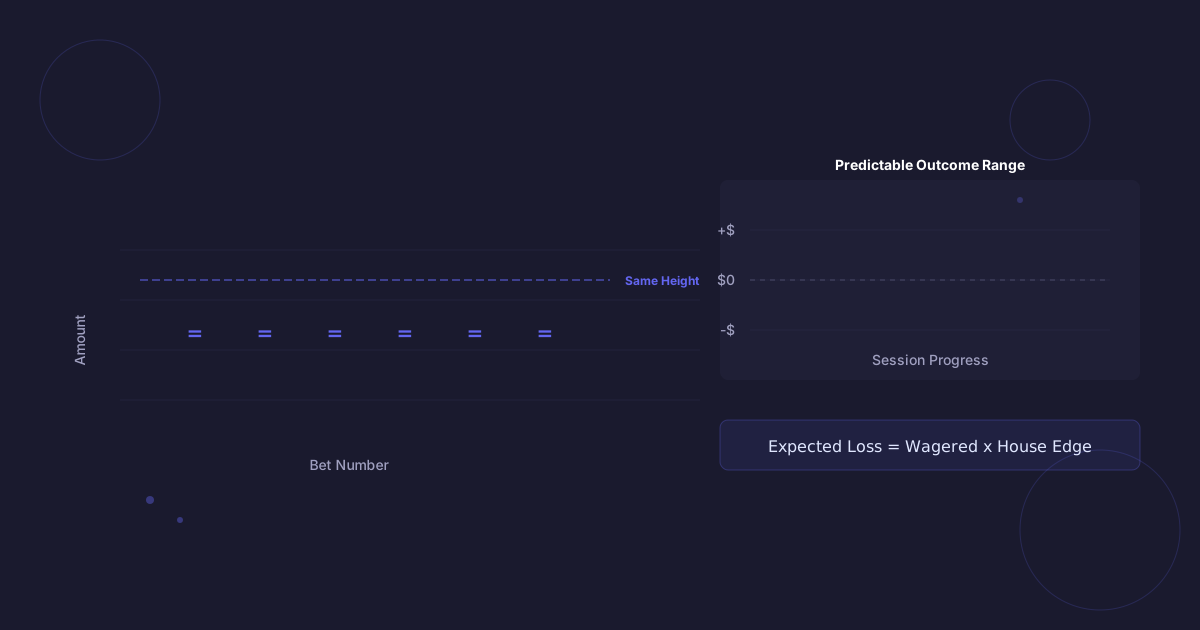
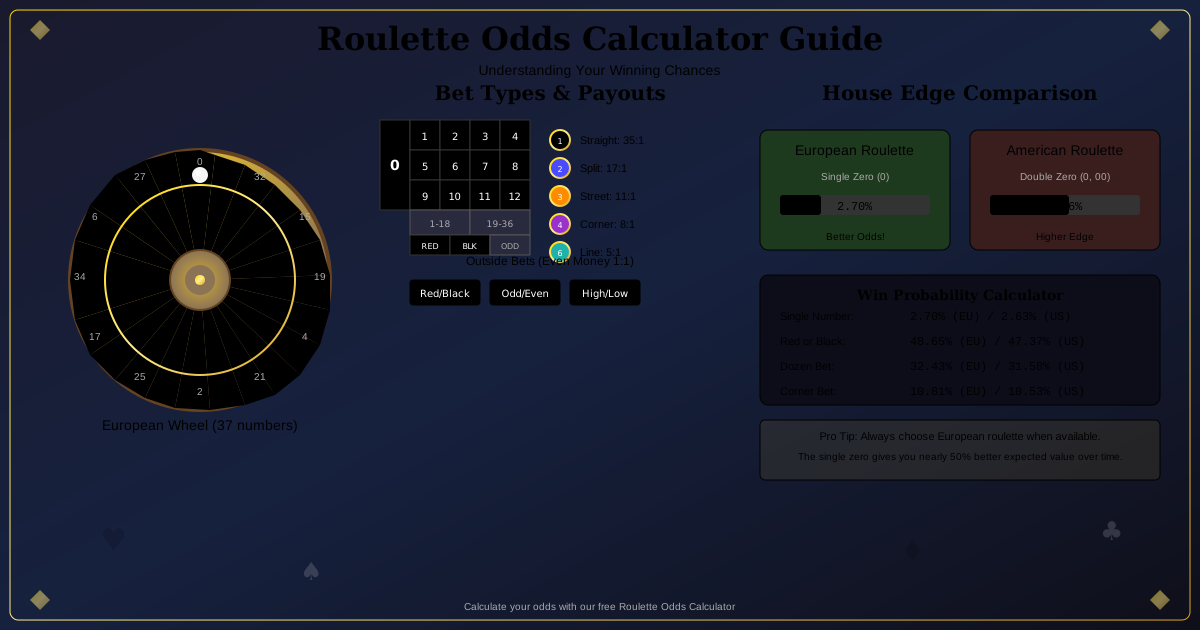
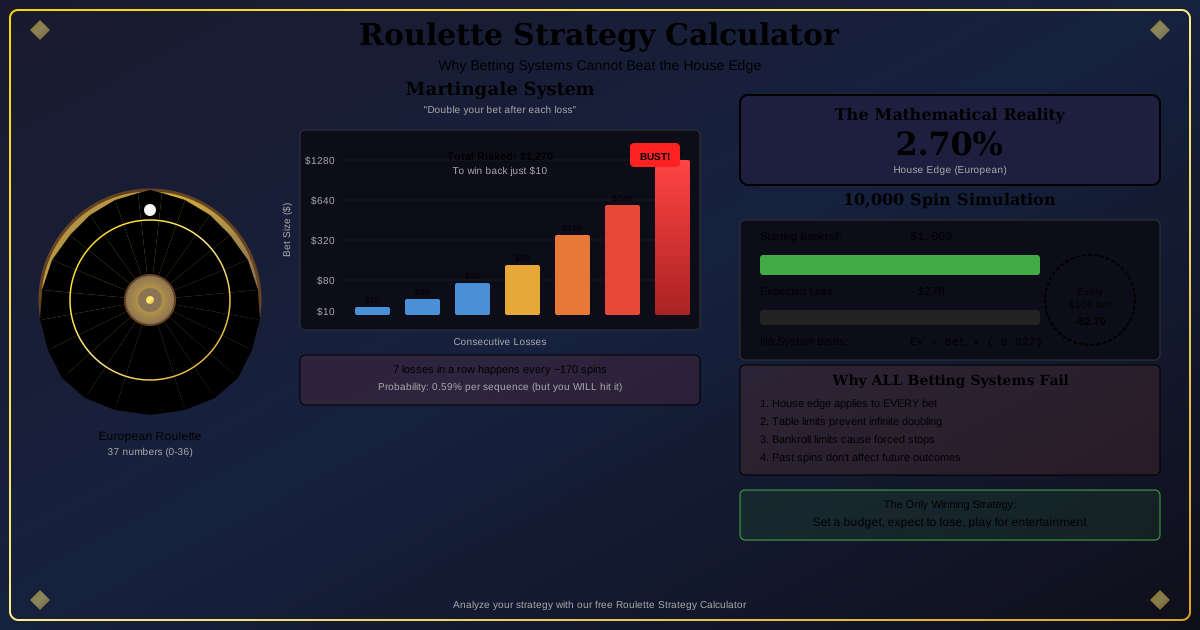
Every roulette bet: -2.70% EV

Fibonacci doesn't change odds:
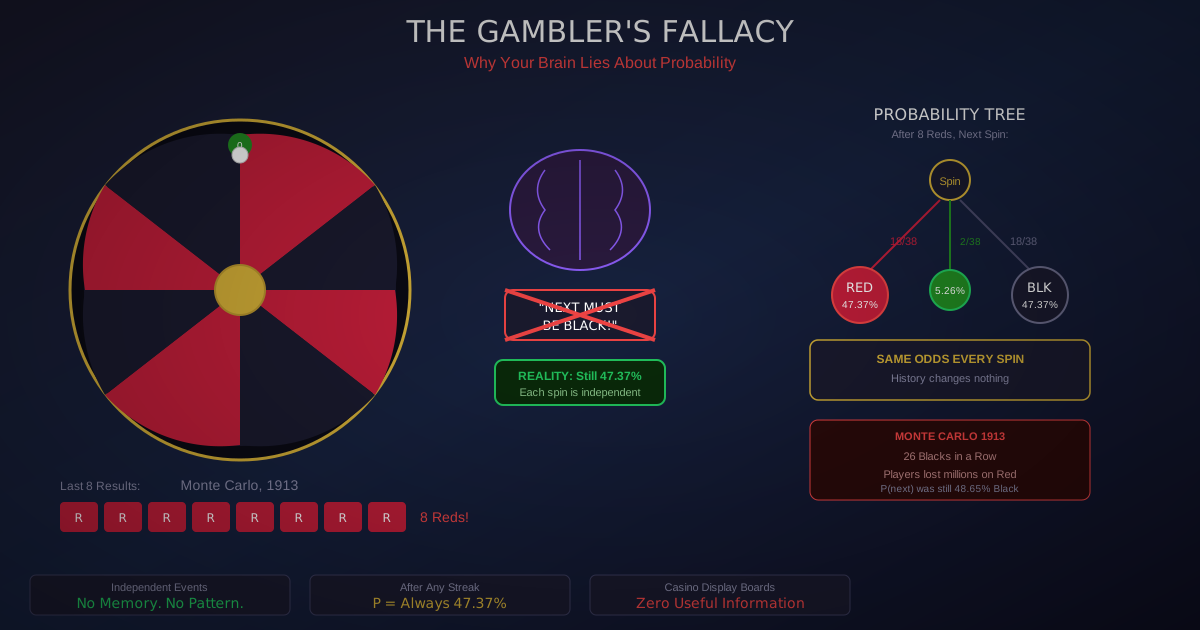
Each spin is independent
Bet sizing doesn't affect probability
Only changes bet amount at risk

Total expected loss:
Sum of all bets × 2.70%
Why It Feels Different
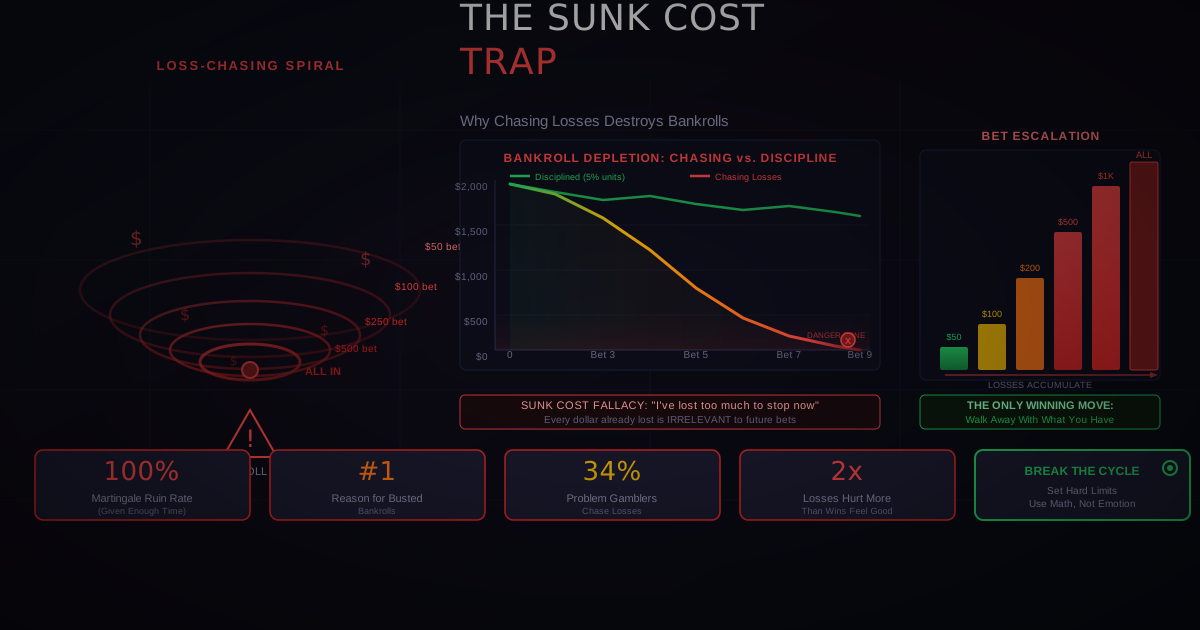
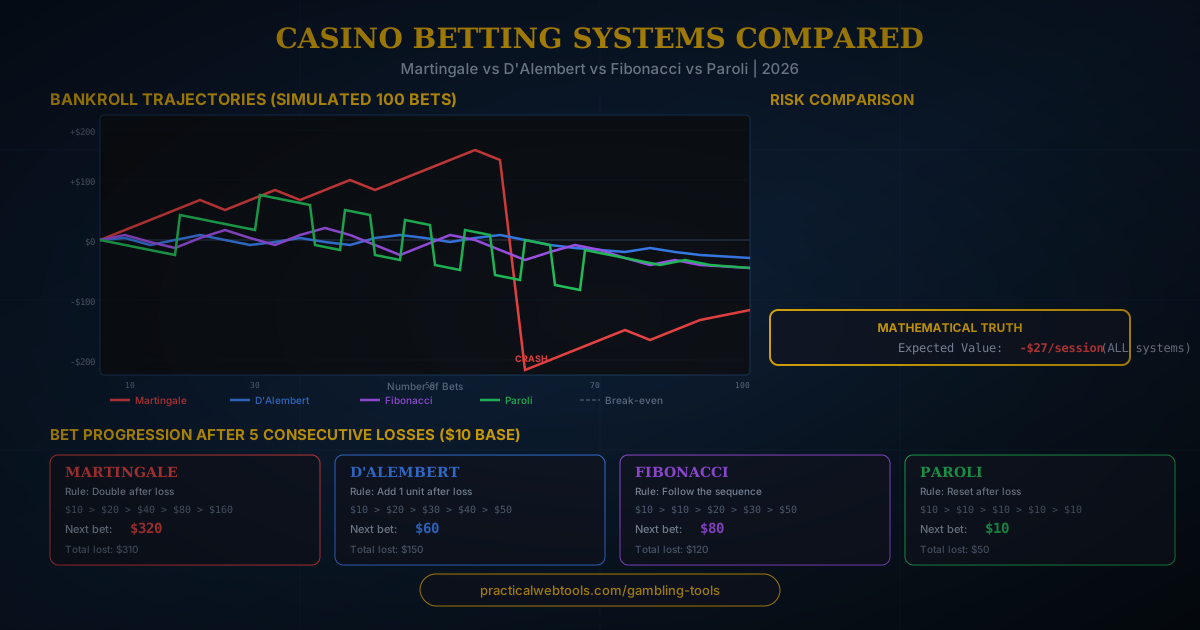
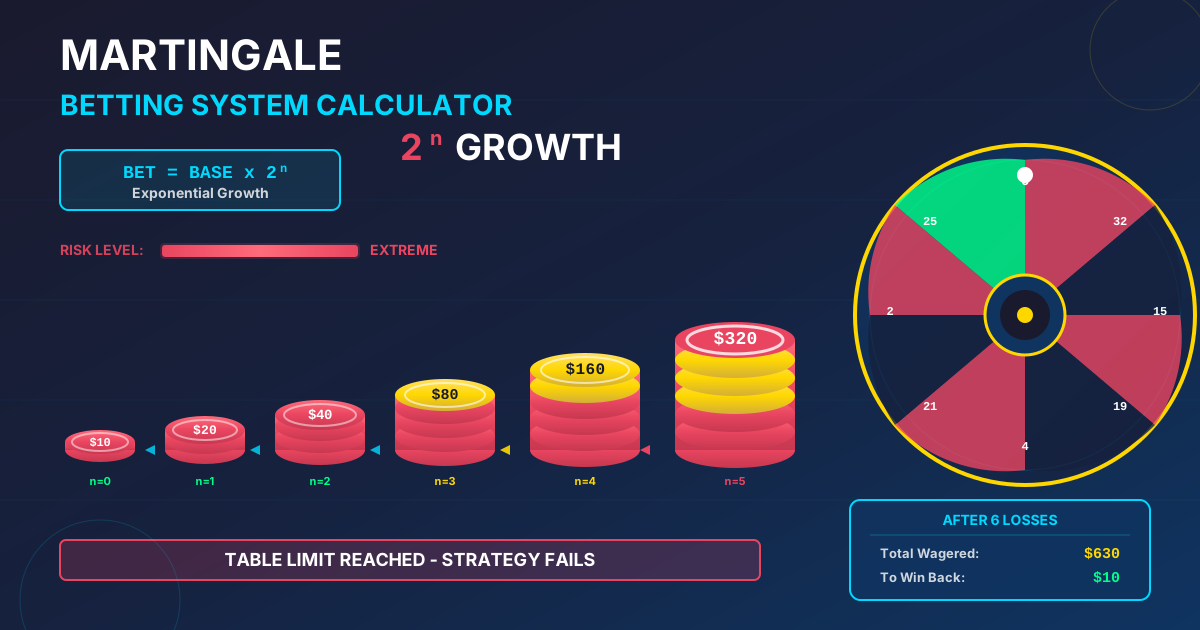
Gentler progression than Martingale:
Fibonacci: 1, 1, 2, 3, 5, 8, 13, 21
Martingale: 1, 2, 4, 8, 16, 32, 64, 128

At position 8:
Fibonacci = 21 units
Martingale = 128 units

Smaller bets = more spins before limits
But same house edge per dollar wagered
Win Rate Requirements
To break even (European):
Need 48.65% wins

Fibonacci at 48.65% wins:
Cycles don't always complete
Losses accumulate over time
House edge takes its toll
Comparison to Other Systems
vs Martingale
| Feature | Fibonacci | Martingale |
|---|---|---|
| Growth rate | Moderate | Exponential |
| Position 8 bet | 21 units | 128 units |
| Recovery speed | Slower | Faster |
| Table limit risk | Lower | Higher |
| Expected value | Same | Same |
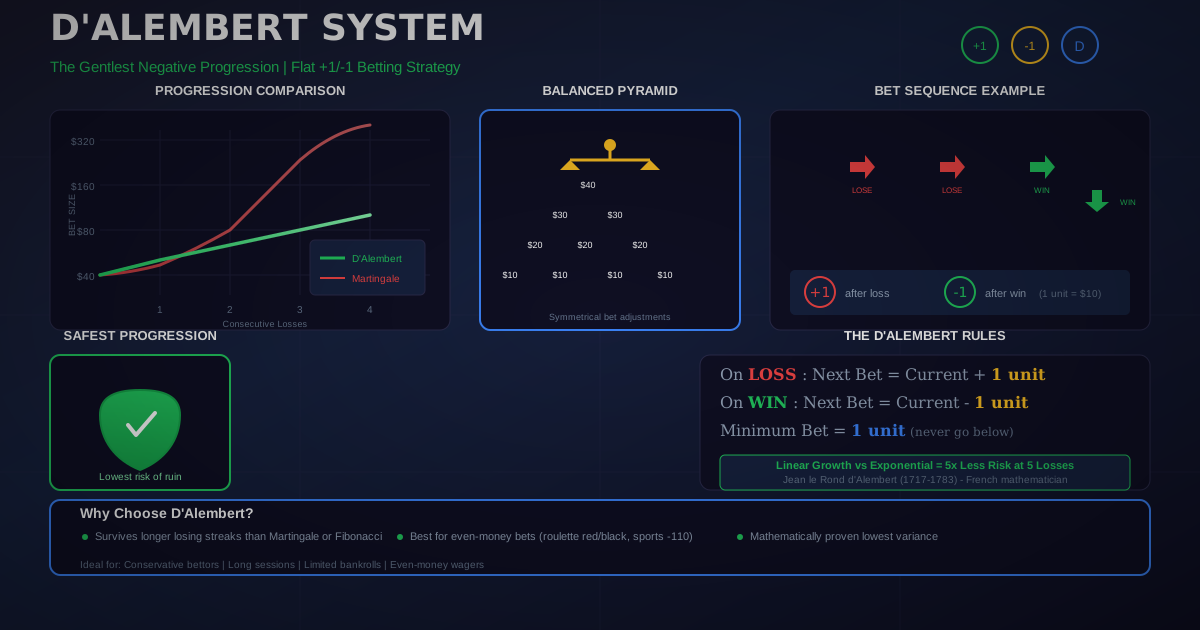
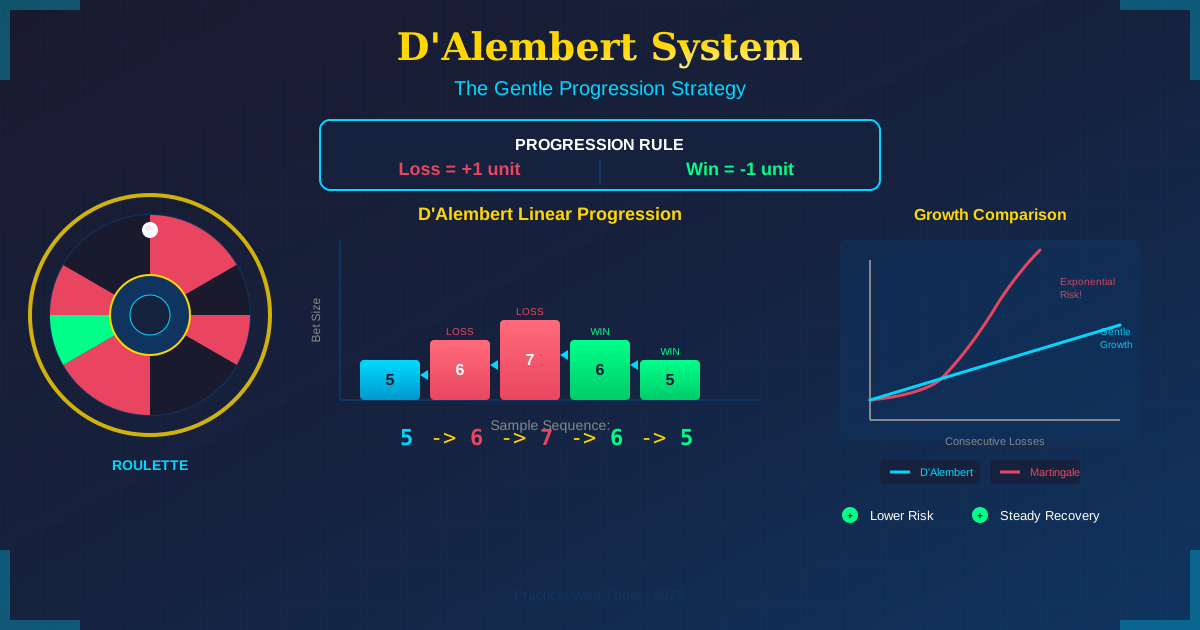
vs D'Alembert
| Feature | Fibonacci | D'Alembert |
|---|---|---|
| Progression | Sequence-based | +1 unit |
| Growth rate | Faster | Slowest |
| Win recovery | Back 2 steps | -1 unit |
| Complexity | Medium | Simple |
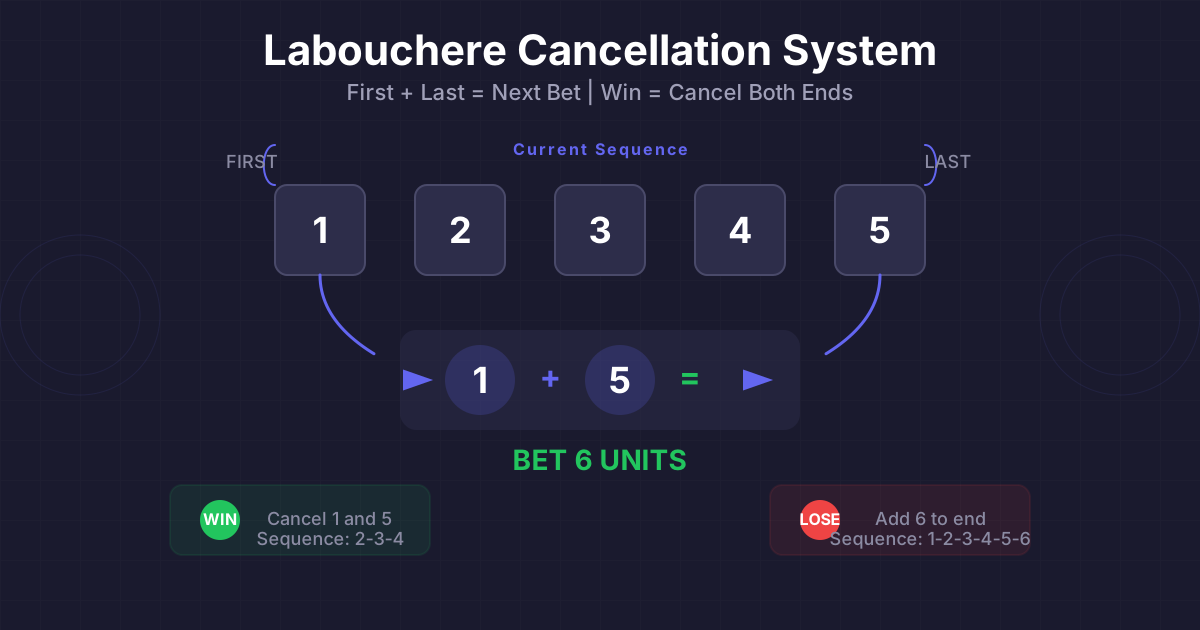
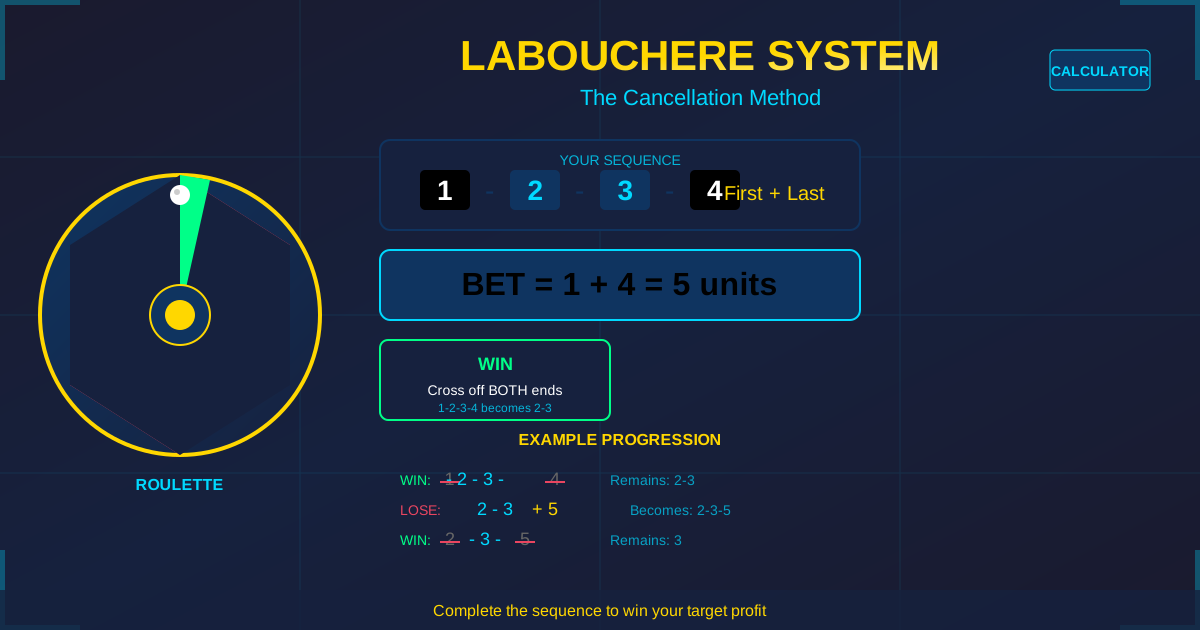
vs Labouchère
| Feature | Fibonacci | Labouchère |
|---|---|---|
| Sequence | Fixed | Custom |
| Flexibility | None | High |
| Tracking | Easier | Harder |
| Target profit | Variable | Defined |
Session Simulations
100-Spin Average
$10 base unit, European roulette

Typical outcomes:
Complete 3-5 cycles: +$30-50
Hit long streak once: -$200-400
Net expected: -$27 (2.7% × average wagered)

High variance but negative expected value
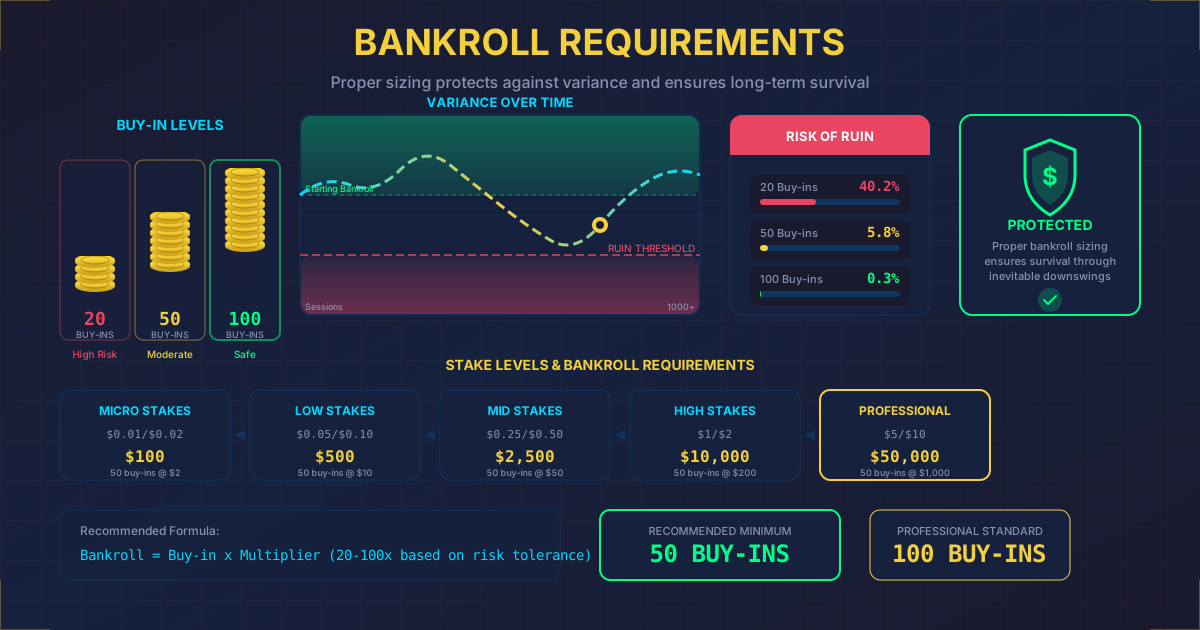
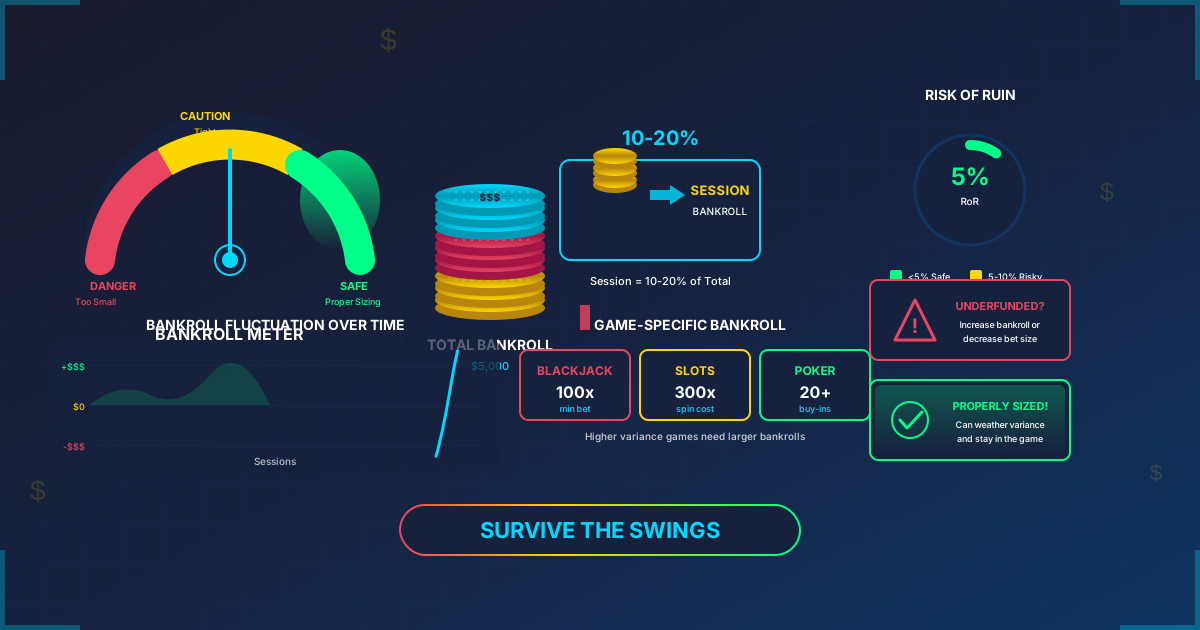
Bankroll Requirements
Conservative: 50 × highest expected bet
$10 base, plan for position 10:
55 × $10 × 50 = $27,500 bankroll

More realistic approach:
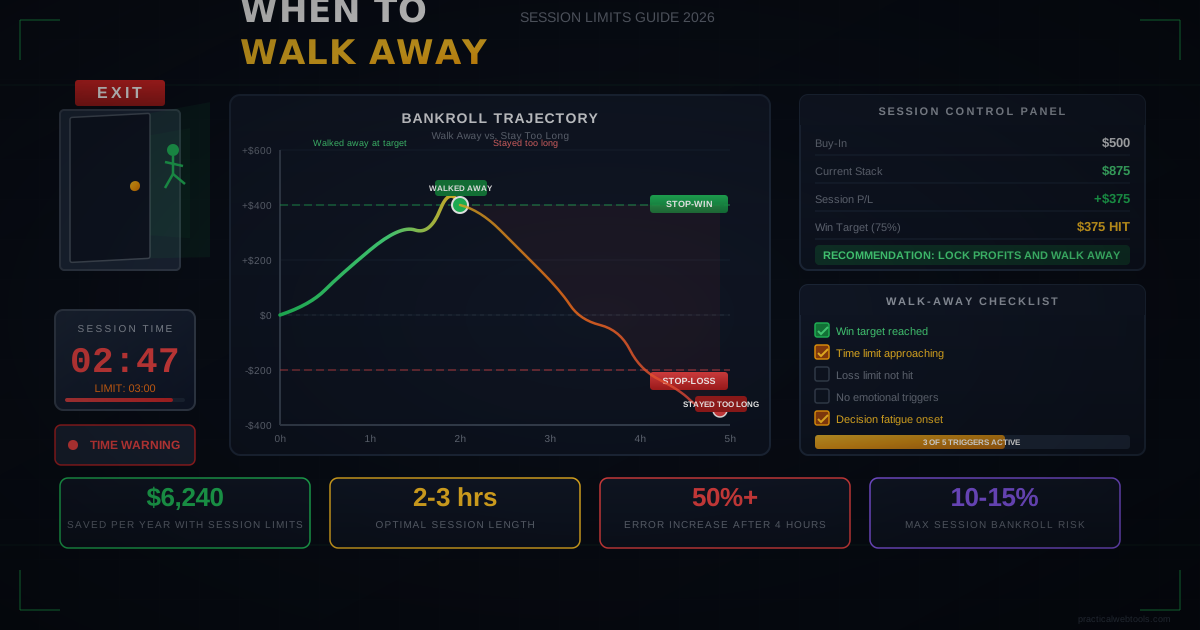
Set loss limit at position 8
21 × $10 = $210 max bet
Bankroll: $1,000-2,000
Common Mistakes
1. Thinking Sequence Is "Natural"
Mistake: Believe Fibonacci has special power Problem: Nature doesn't affect roulette probability Fix: Understand it's just a bet sizing method
2. Not Setting Stop Limits
Mistake: Follow sequence indefinitely Problem: Bets grow beyond comfort/limits Fix: Set maximum position before starting
3. Mixing Sequences
Mistake: Restart after win instead of stepping back Problem: Lose the recovery mechanism Fix: Follow rules precisely or don't use system
4. Expecting Long-Term Profit
Mistake: Believe system can beat the house Problem: Mathematical impossibility Fix: Use for session structure, not profit expectation
Frequently Asked Questions
Is Fibonacci better than Martingale?
Different, not better. Slower progression means more plays before limits, but also slower recovery. Same long-term expected loss rate.
Can Fibonacci work long-term?
No betting system beats the house edge. Fibonacci structures your bets but doesn't change the 2.70% disadvantage per spin.
What's the best base unit?
Small enough that position 10+ is affordable. $5-10 typically. Never more than 0.5% of bankroll.
How far can the sequence go realistically?
Most players set limits around position 8-10. Beyond that, bets become large relative to potential small profits.
Should I reset after a big loss?
Your choice. Resetting accepts the loss and starts fresh. Continuing hopes for recovery but risks more. Neither changes expected value.
Does Fibonacci work on other games?
Same logic applies to any even-money bet: blackjack, baccarat, craps. Same result: structured betting, unchanged house edge.
Pro Tips
-
Set position limits: Know your max before starting
-
Track carefully: Easy to lose your place
-
Small base units: Accommodate sequence growth
-
Accept the math: Entertainment, not income
-
Bank wins: Don't reinvest completed cycles
Related Calculators
- Roulette Martingale Calculator - Aggressive system
- Roulette D'Alembert Calculator - Gentle system
- Roulette Labouchère Calculator - Custom sequences
- Roulette Odds Calculator - Bet probabilities
- Expected Value Calculator - EV analysis
Conclusion
The Fibonacci system brings mathematical elegance to roulette—a sequence that appears in sunflowers and seashells now sizing your bets. Our calculator tracks your position, calculates required bets, and projects outcomes, all while acknowledging that no sequence can overcome random probability.
Calculate Fibonacci Bets Now →
Use Fibonacci for the structure it provides, not the profits it can't deliver. The system creates a framework for session management with gentler progression than Martingale, but the house edge remains constant. Our calculator keeps you on sequence while keeping you informed about mathematical reality.