Roulette Labouchère Calculator: The Cancellation System Explained (2026)
Roulette Labouchère Calculator: The Cancellation Method
The Labouchère system uses a number sequence to determine bet sizes—crossing off numbers when you win, adding when you lose. Our calculator tracks your sequence and shows why this elegant system, like all betting progressions, cannot overcome the mathematical house edge.
What Is the Labouchère System?
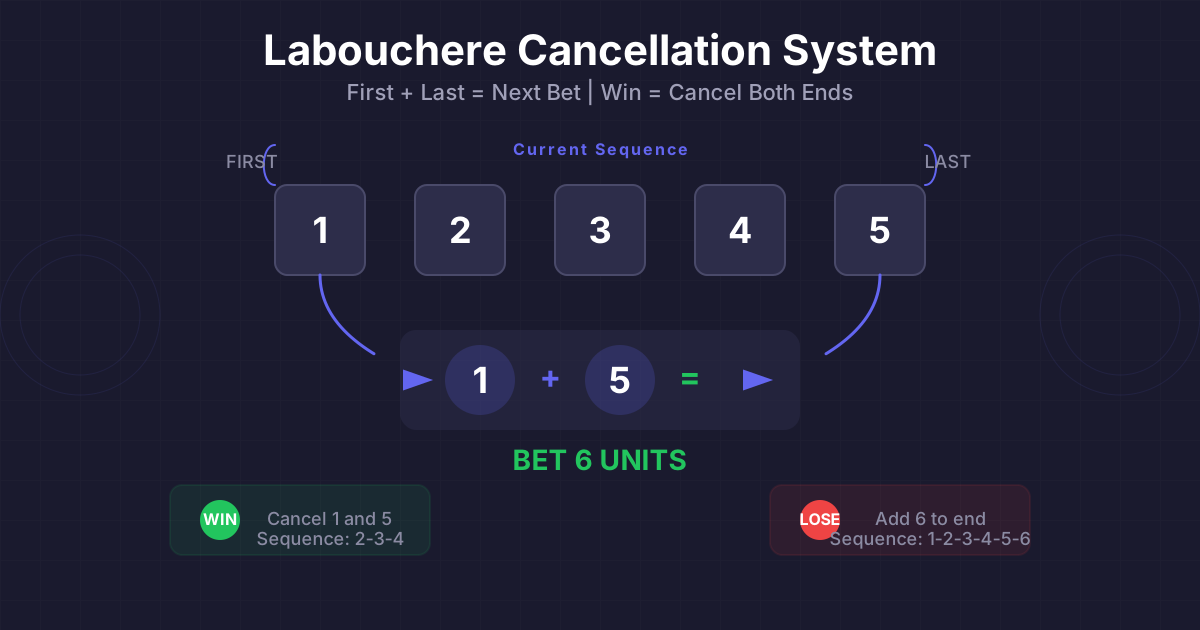
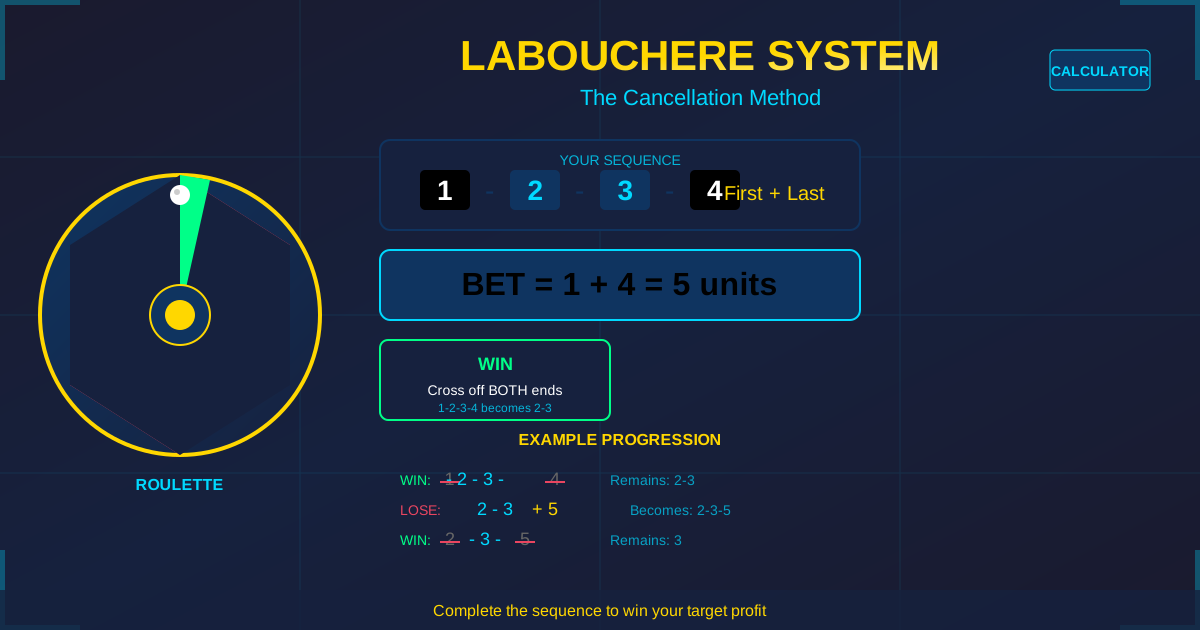
Also called the cancellation system or split Martingale, Labouchère uses a sequence of numbers. Each bet equals the sum of the first and last numbers. Wins cross off both ends; losses add the lost amount to the end. Complete the sequence to achieve your target profit.
Quick Answer: Start with a sequence like 1-2-3-4 (total = target profit of 10 units). Bet first + last (1+4 = 5 units). Win = cross off both ends (sequence becomes 2-3). Lose = add bet to end (sequence becomes 1-2-3-4-5). Complete sequence = target achieved. But house edge still applies: expected loss = total wagered × 2.70%. Labouchère gives structure but doesn't change the math.
How to Use Our Calculator
Use the Labouchère Calculator →
Enter your sequence to track progression and outcomes.
Step-by-Step Instructions
-
Set Initial Sequence: Your starting numbers
-
Enter Bet Result: Win or Loss
-
View Current Sequence: Updated numbers
-
See Next Bet: First + last sum
-
Track Progress: Toward target or expansion
Input Fields Explained
| Field | Description | Example |
|---|---|---|
| Initial Sequence | Starting numbers | 1-2-3-4-5 |
| Current Sequence | Active numbers | 2-3-4-6 |
| Next Bet | First + last | 8 units |
| Target Profit | If completed | 15 units |
| Current P/L | Running total | -12 units |
The Labouchère Method
Basic Rules
1. Create sequence (e.g., 1-2-3-4)
2. Bet = First number + Last number
3. WIN: Cross off first AND last numbers
4. LOSE: Add bet amount to END of sequence
5. Repeat until sequence is empty
6. Empty sequence = target profit achieved
Example Sequence
Starting: 1-2-3-4 (target: 10 units)
| Round | Sequence | Bet | Result | New Sequence |
|---|---|---|---|---|
| 1 | 1-2-3-4 | 5 | WIN | 2-3 |
| 2 | 2-3 | 5 | LOSE | 2-3-5 |
| 3 | 2-3-5 | 7 | WIN | 3 |
| 4 | 3 | 3 | WIN | (empty) |
Result: Sequence complete, +10 units profit
Target Profit Calculation
Target profit = Sum of initial sequence

1-2-3-4 = 1+2+3+4 = 10 units
1-1-1-1-1 = 5 units
2-3-4-5-6 = 20 units

Each crossed pair contributes its sum
Complete sequence = full target achieved
Why Labouchère Seems to Work
The Appeal
Structured approach to betting
Clear target profit
Wins cross two numbers
Losses add only one
Feels mathematically sound
The Illusion
Winning sessions are common:
Complete sequence = profit
Looks like "winning system"

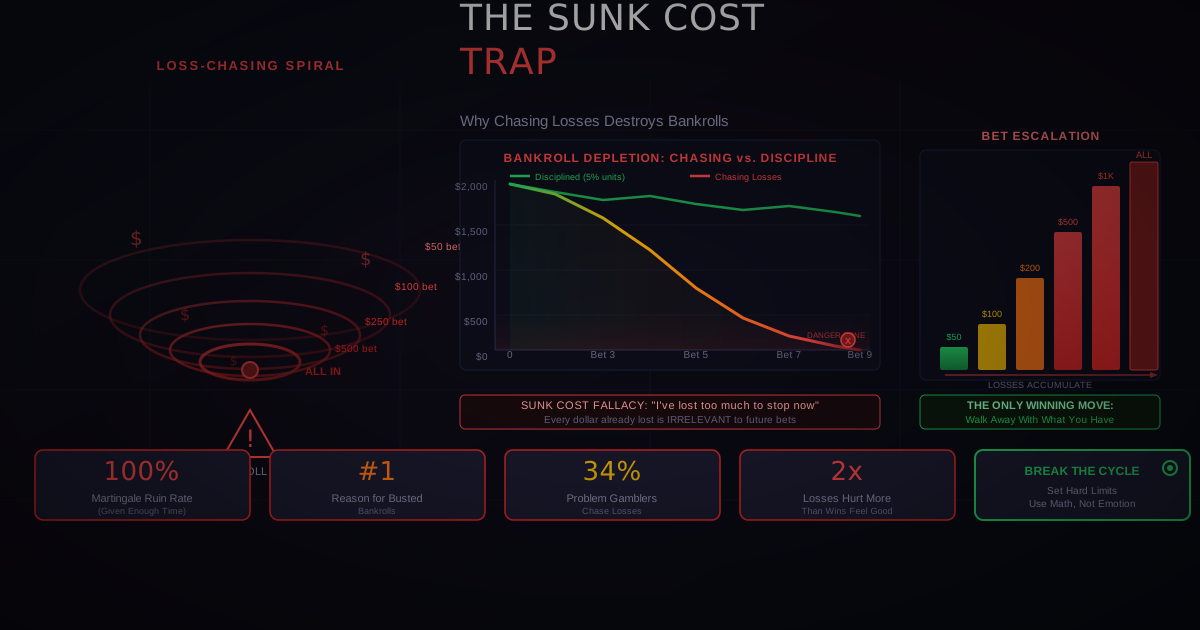
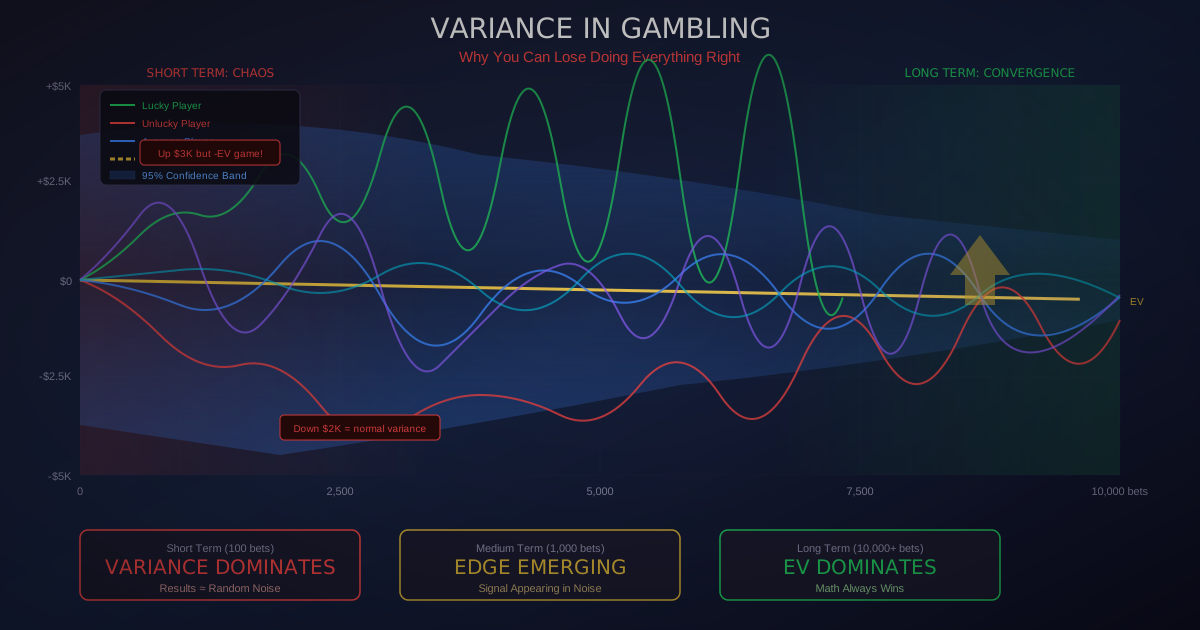
But losing sessions are severe:
Sequence can grow very long
Bets can become very large
One bad run = large loss
Mathematical Reality
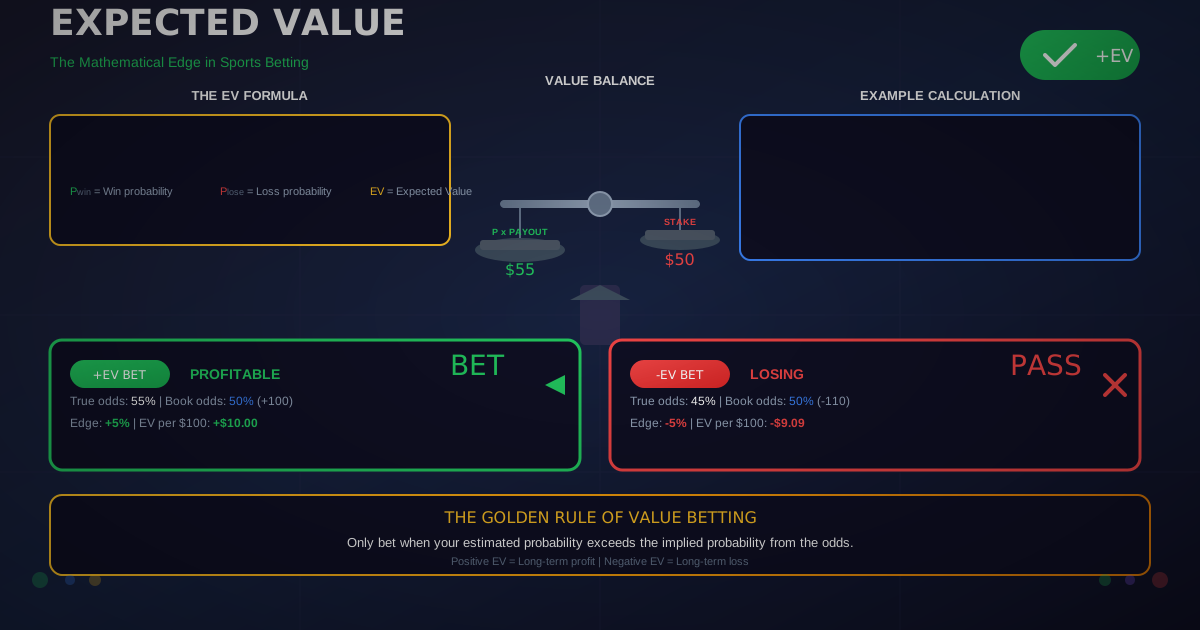
Expected Value
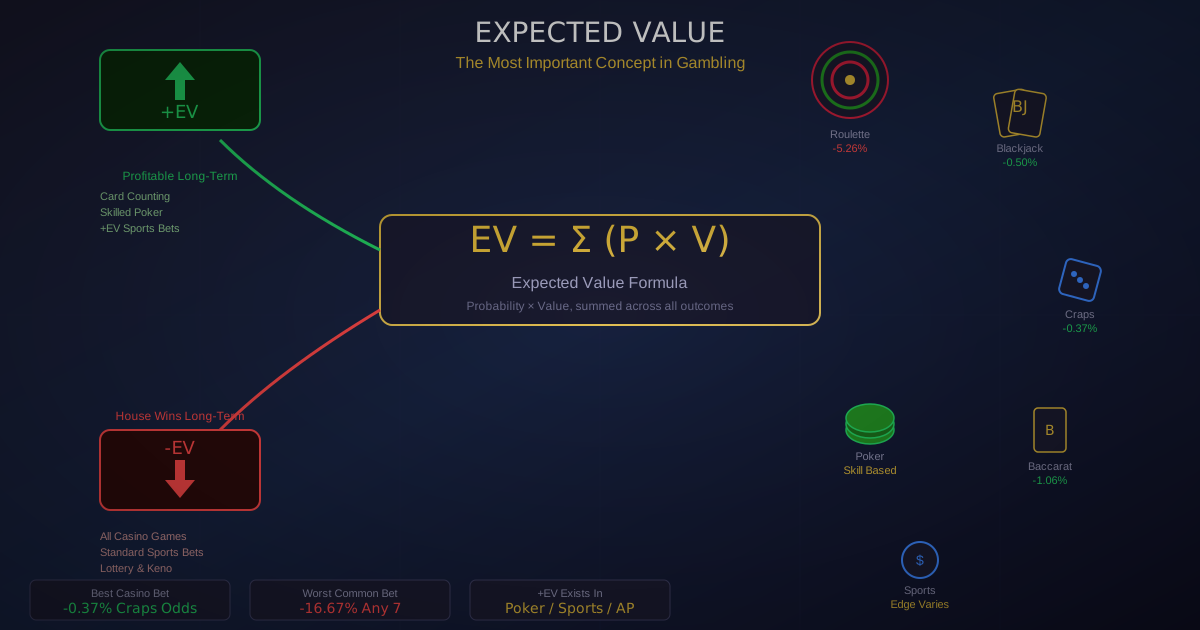
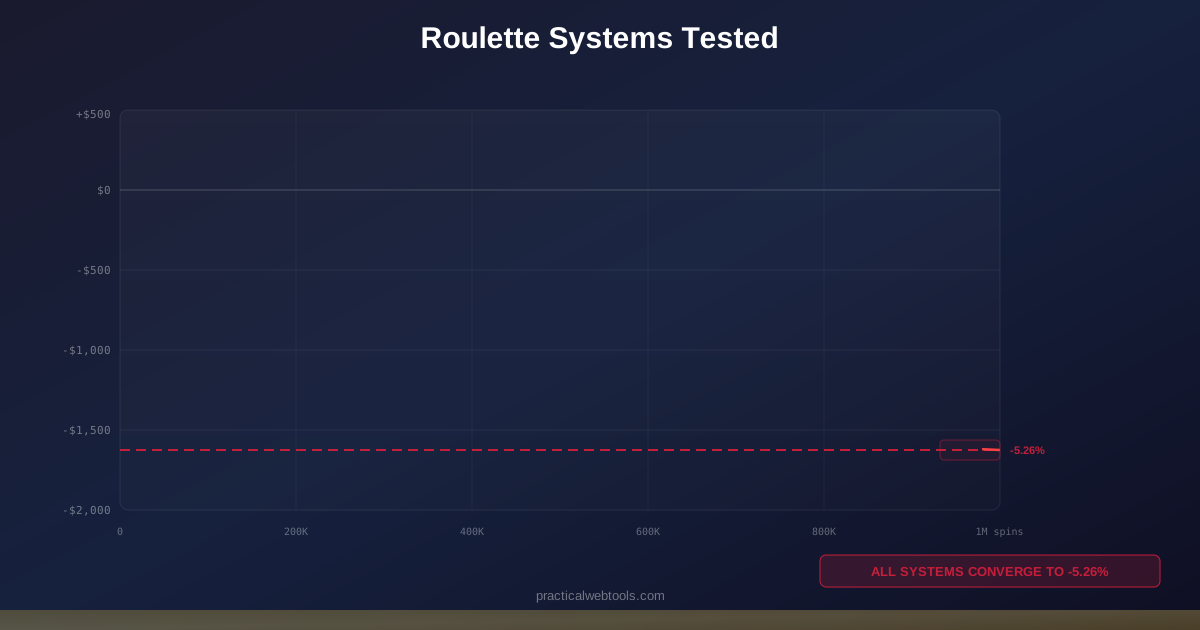
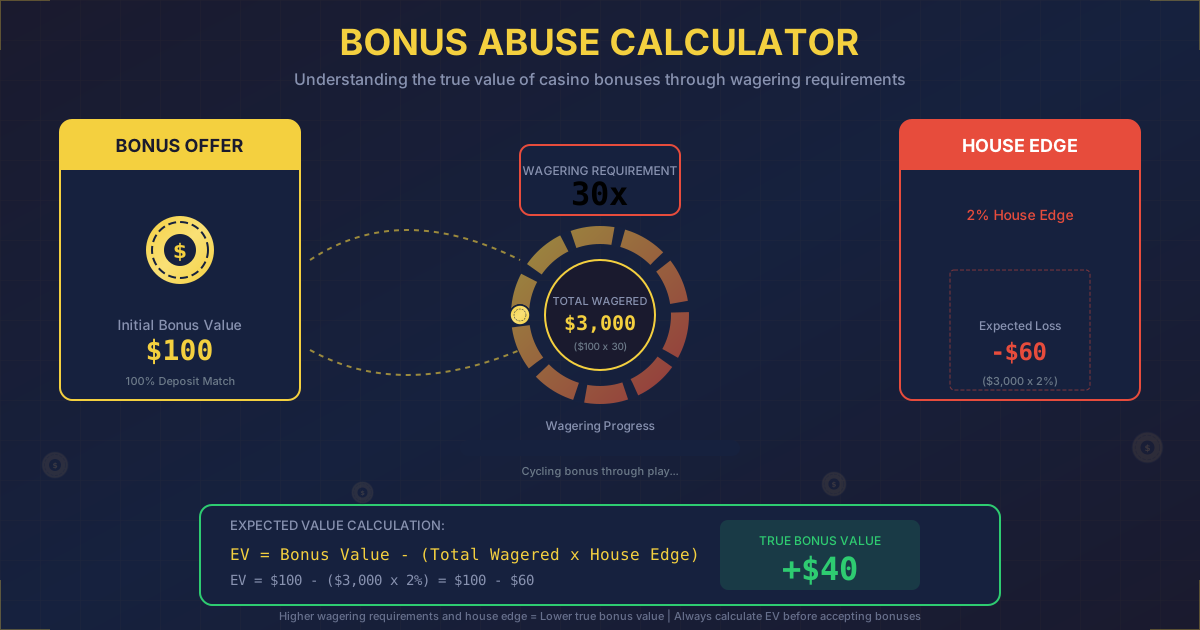
Every roulette bet: -2.70% EV

Labouchère total wagered varies:
If you bet 100 total units:
Expected loss: 2.7 units

No matter how bets are sized
House edge applies to all
Win Rate vs Profit
Labouchère might complete 60% of sessions
Each completion: +10 units (example)
Each failure: -50 to -200+ units

60% × +10 = +6 units
40% × -50 = -20 units
Net: -14 units

Wins are frequent but small
Losses are rare but large
Real-World Examples
Example 1: Successful Completion
Sequence: 1-1-2-2-3 (target: 9 units)
Start: 1-1-2-2-3, bet 4, WIN → 1-2-2
Bet: 3, LOSE → 1-2-2-3
Bet: 4, WIN → 2-2
Bet: 4, WIN → (empty)

Total wagered: 4+3+4+4 = 15 units
Net result: +9 units
Completion achieved
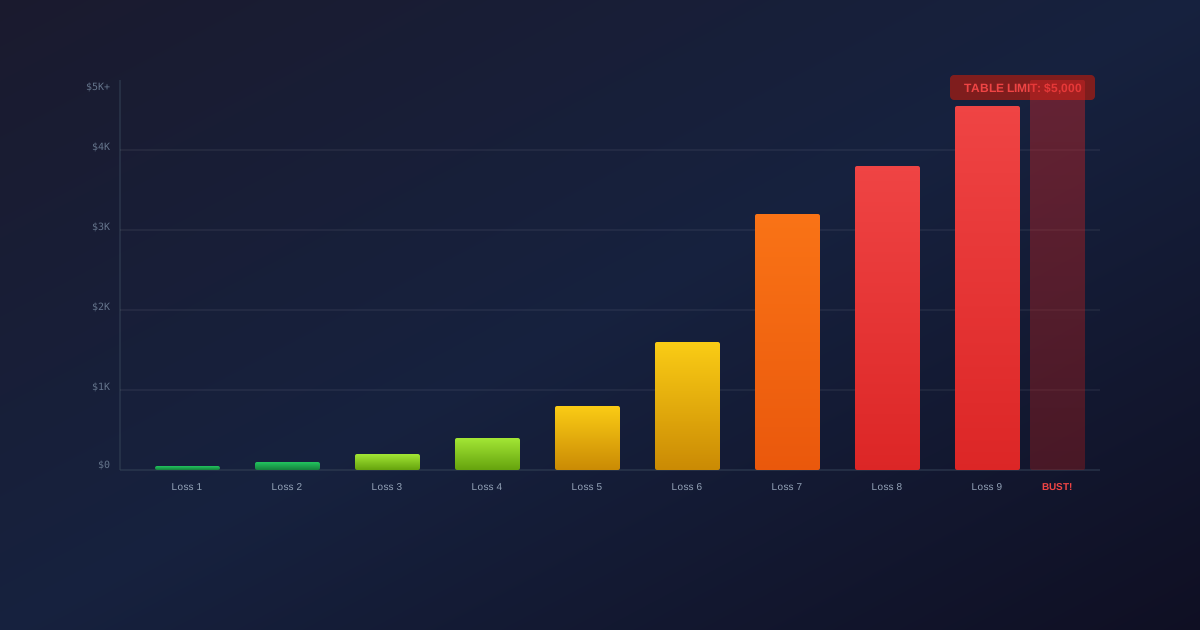
Example 2: Growing Sequence
Sequence: 1-2-3 (target: 6 units)
Start: 1-2-3, bet 4, LOSE → 1-2-3-4
Bet: 5, LOSE → 1-2-3-4-5
Bet: 6, LOSE → 1-2-3-4-5-6
Bet: 7, LOSE → 1-2-3-4-5-6-7

After 4 losses:
Sequence sum: 28 units
Next bet: 8 units
Already 4× original target
Example 3: Long Session
100 spins, $5 base, 1-1-2-2-3 sequence
Simulation:
Completed 3 times: +$45
Failed once (table limit): -$200
Net: -$155

Sessions looked good until failure
One bad sequence destroyed profit
Example 4: Recovery Math
Sequence grown to: 2-3-5-7-9-11
Analysis:
Sum: 37 units (you're down 37)
Next bet: 13 units
Need 3 wins to complete:
13+12+11 = 36 units of bets

If all win: Recover +37 units
If any lose: Sequence grows more

Recovery possible but not guaranteed
Labouchère Variations
Aggressive Start
Standard: 1-2-3-4-5 (15 target)
Aggressive: 3-4-5-6-7 (25 target)

Higher targets = larger initial bets
Faster profits if successful
Bigger losses if sequence grows
Conservative Approach
Standard: 1-2-3-4
Conservative: 1-1-1-1 (target: 4 units)

Smaller bets, slower growth
Lower variance
Still can't beat house edge
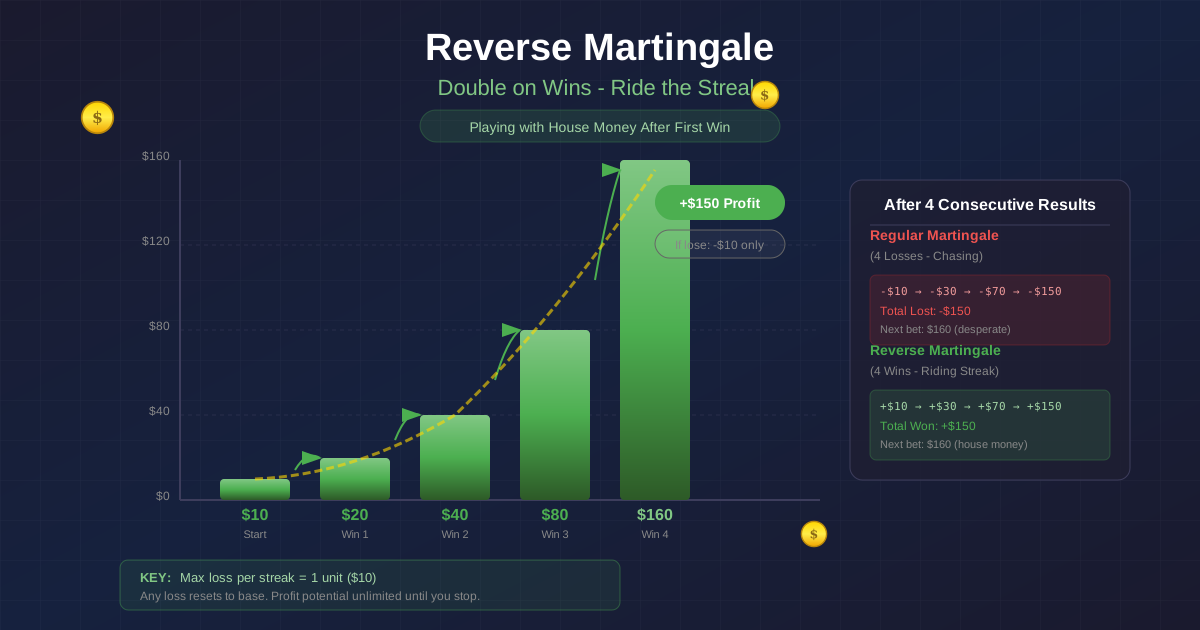
Reverse Labouchère
Opposite rules:
WIN: Add bet to end
LOSE: Cross off both ends

Attempts to capitalize on streaks
Same expected value
Different volatility pattern
Comparison to Other Systems
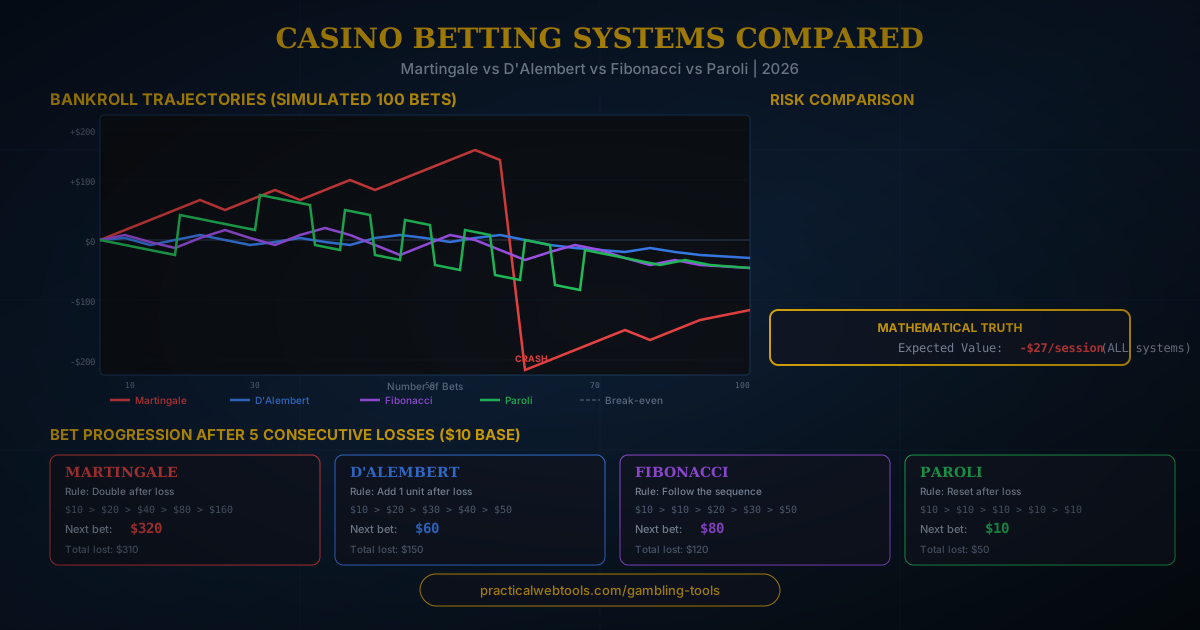
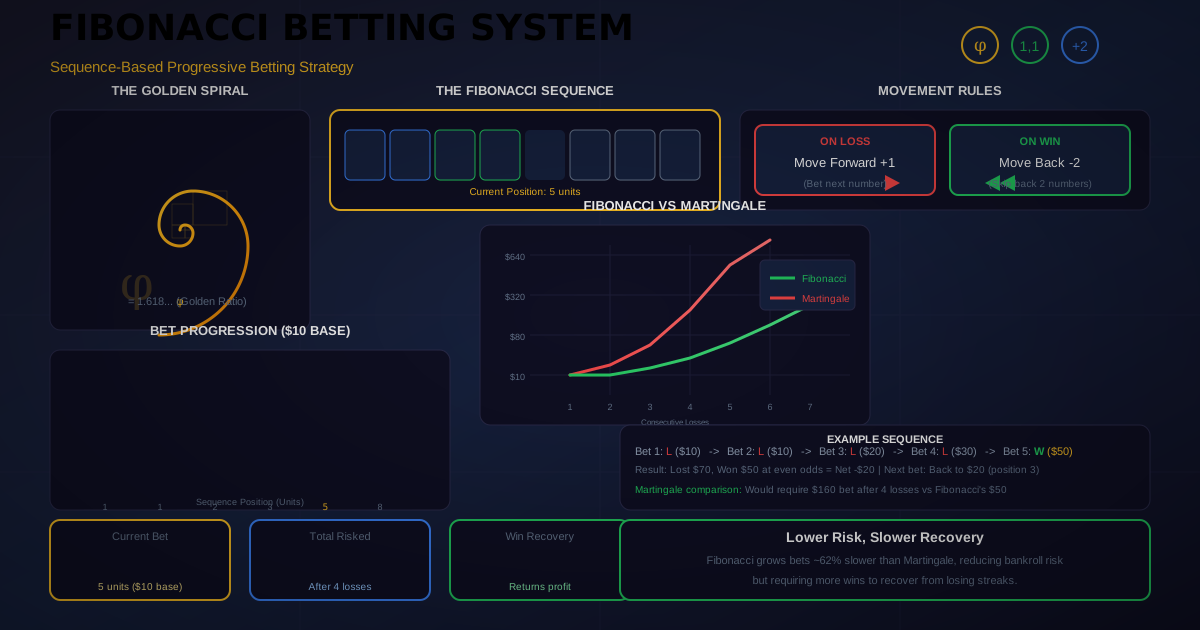
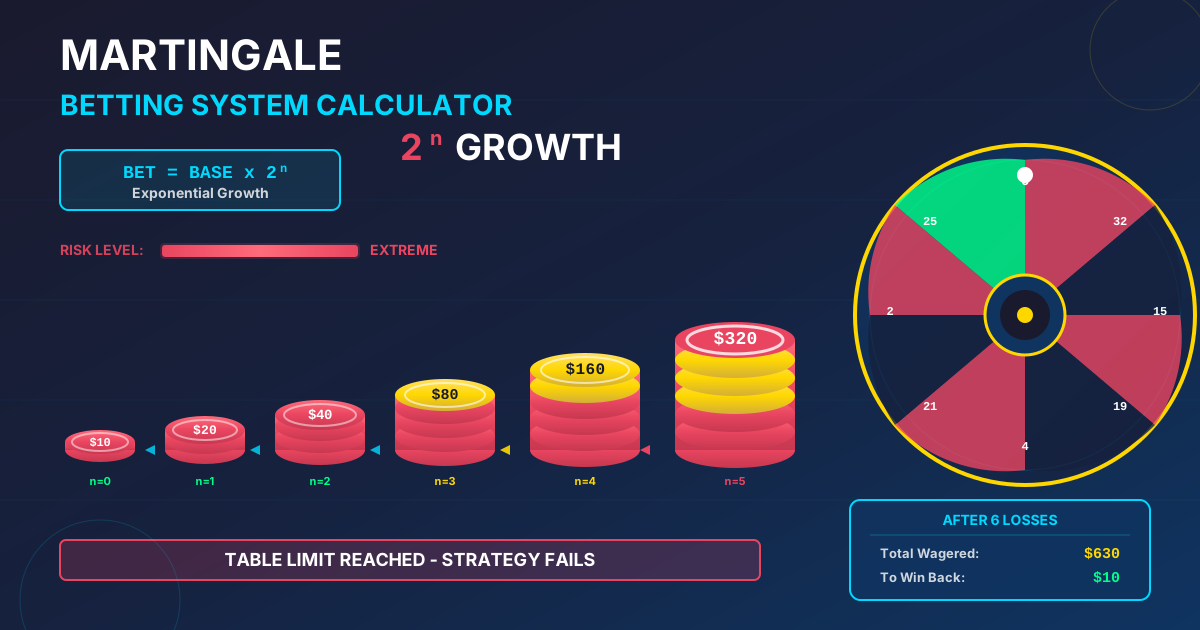
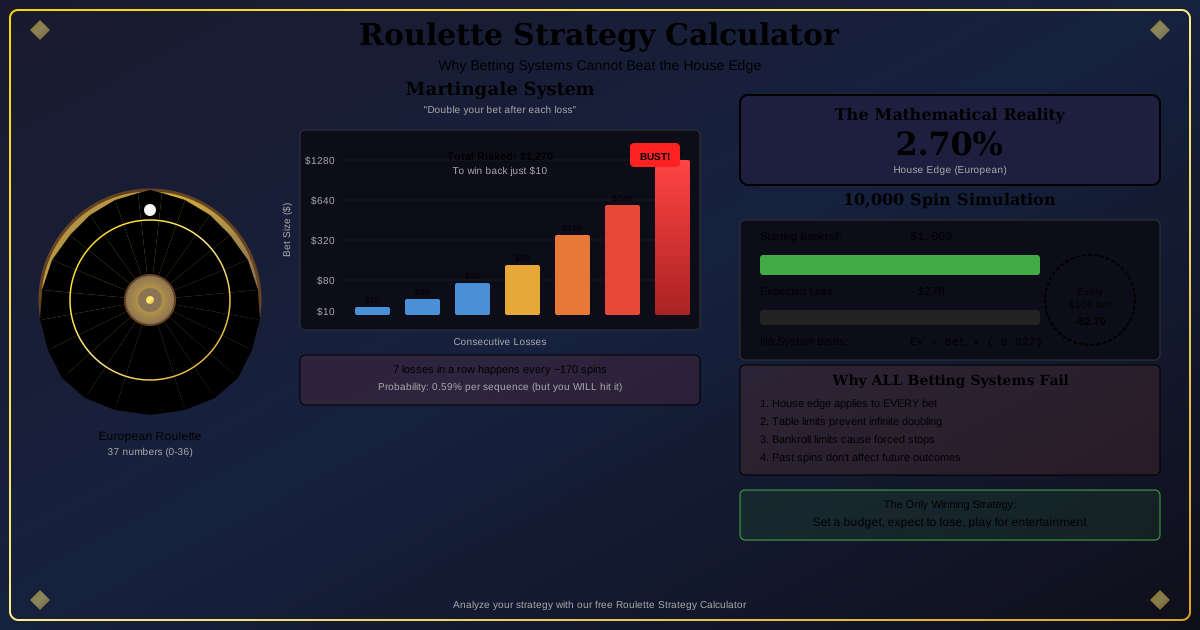
vs Martingale
| Feature | Labouchère | Martingale |
|---|---|---|
| Bet growth | Moderate | Exponential |
| Recovery | Gradual | All-at-once |
| Table limit risk | Lower | Higher |
| Sequence tracking | Required | Not needed |
| Expected value | Same | Same |
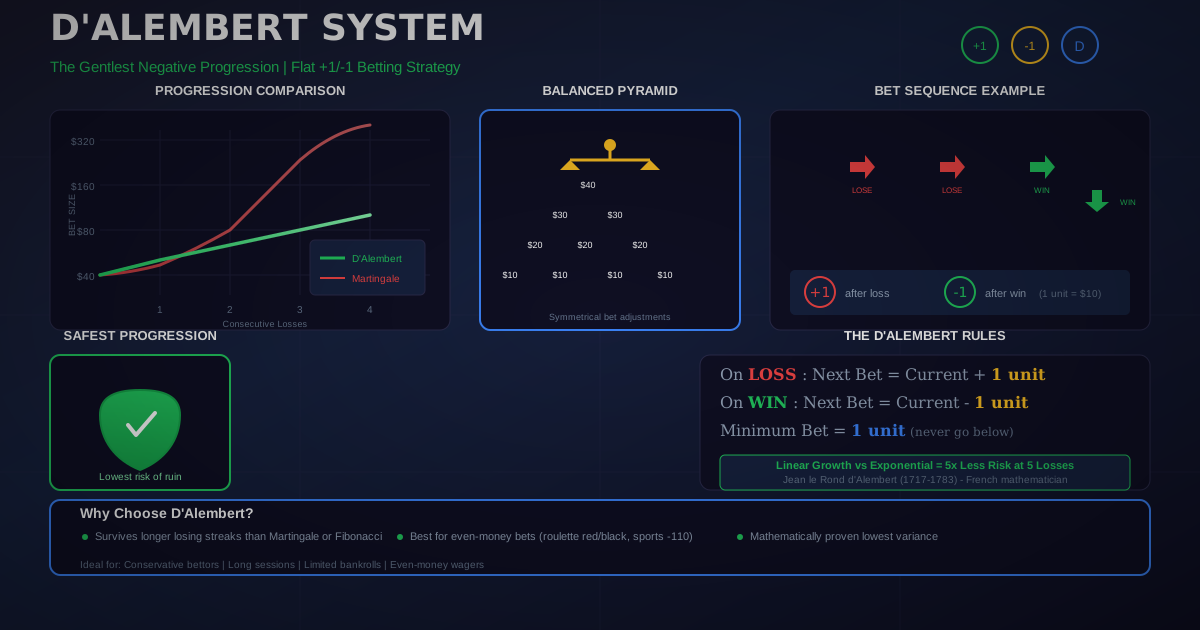
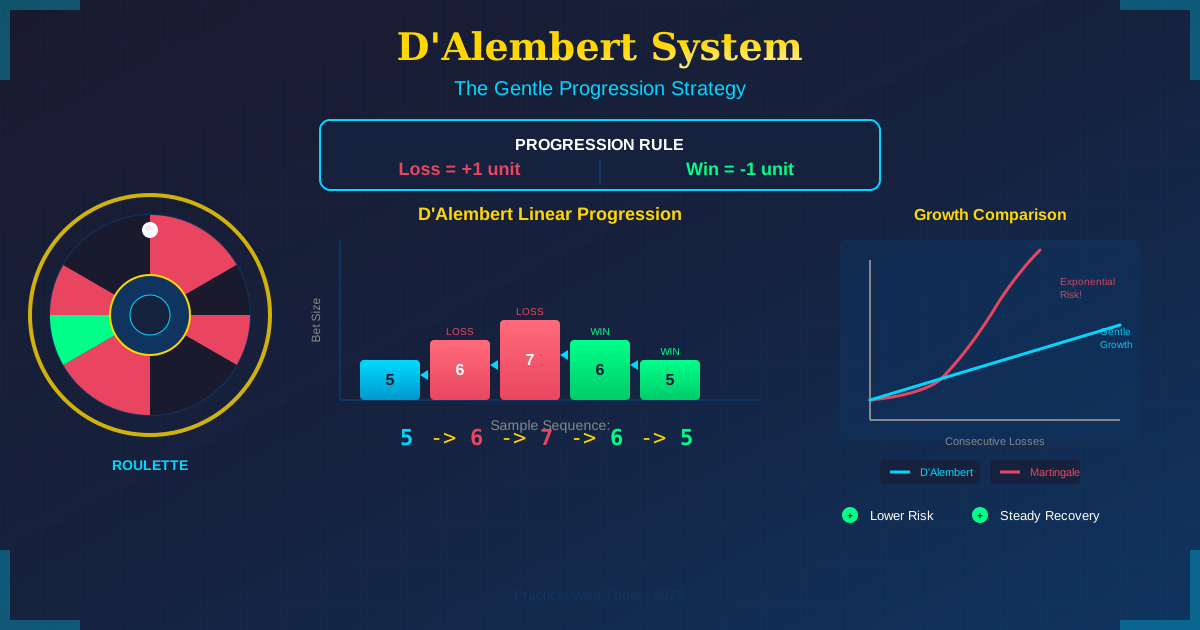
vs D'Alembert
| Feature | Labouchère | D'Alembert |
|---|---|---|
| Bet sizing | Sum of ends | +1/-1 unit |
| Complexity | Higher | Lower |
| Flexibility | More | Less |
| Tracking | Requires paper | Simple count |
vs Flat Betting
| Feature | Labouchère | Flat |
|---|---|---|
| Bet size | Varies | Constant |
| Variance | Higher | Lower |
| Expected loss | Same rate | Same rate |
| Excitement | More | Less |
Managing the System
Sequence Selection
Short sequences:
- Complete faster
- Lower targets
- Less risk

Long sequences:
- Higher targets
- More risk
- Larger potential growth
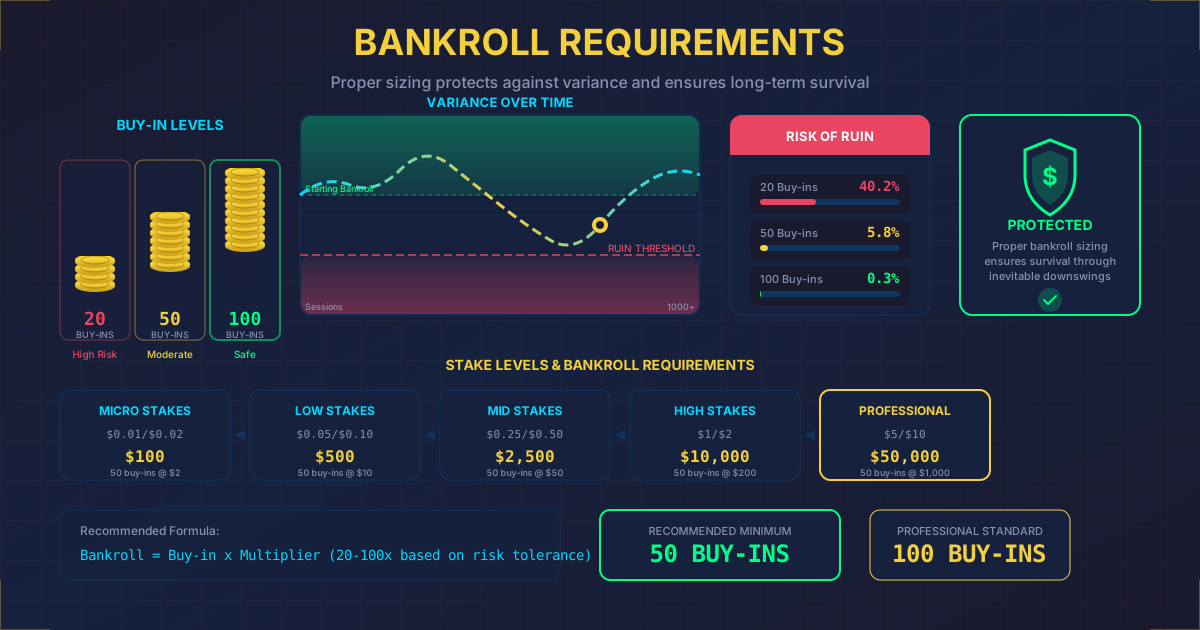
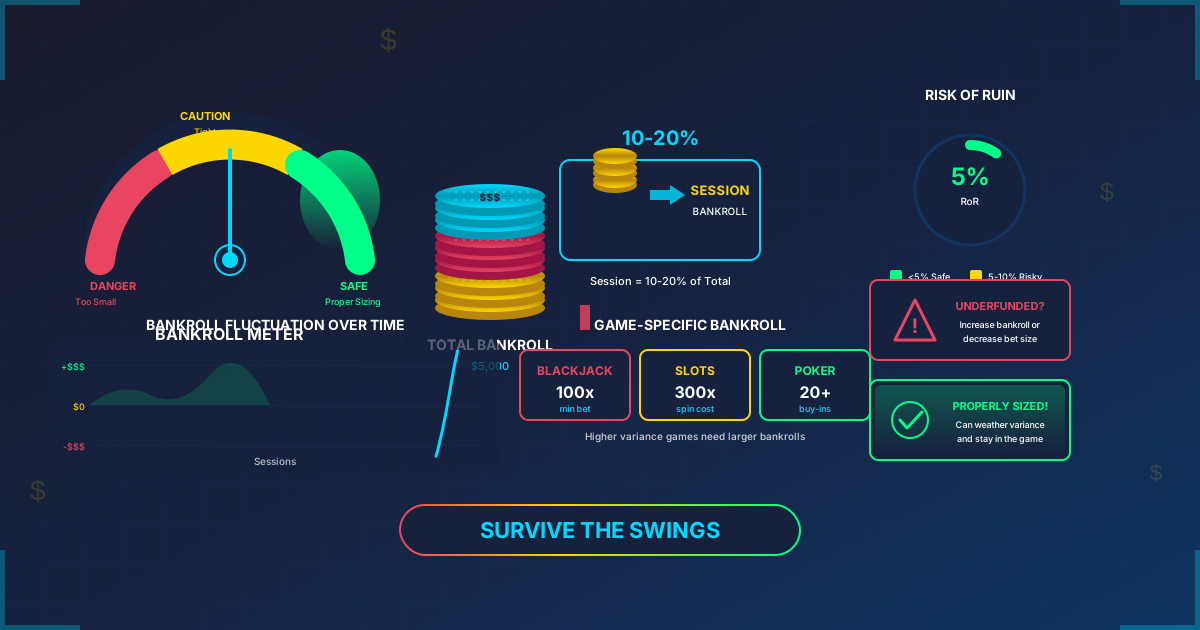
Bankroll Requirements
Conservative estimate:
20× initial sequence sum

Example: 1-2-3-4-5 (sum: 15)
Bankroll: 300 units

Accounts for sequence growth
Losing streaks happen
Stop Conditions
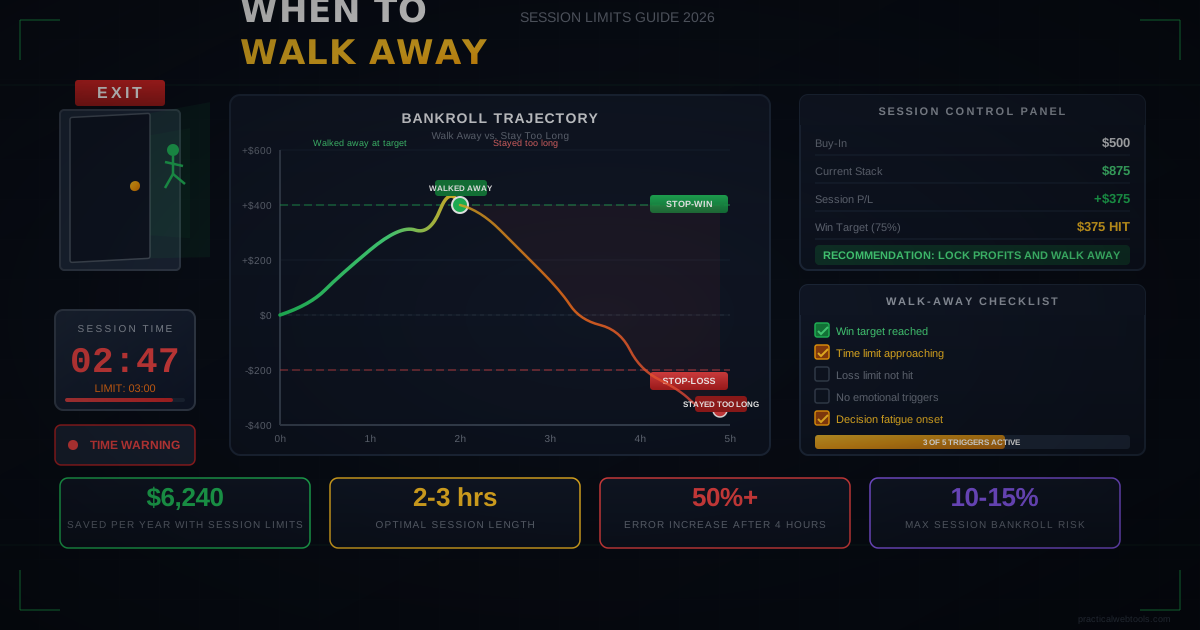
Set limits before playing:
- Max sequence length (e.g., 10 numbers)
- Max bet size (e.g., 50 units)
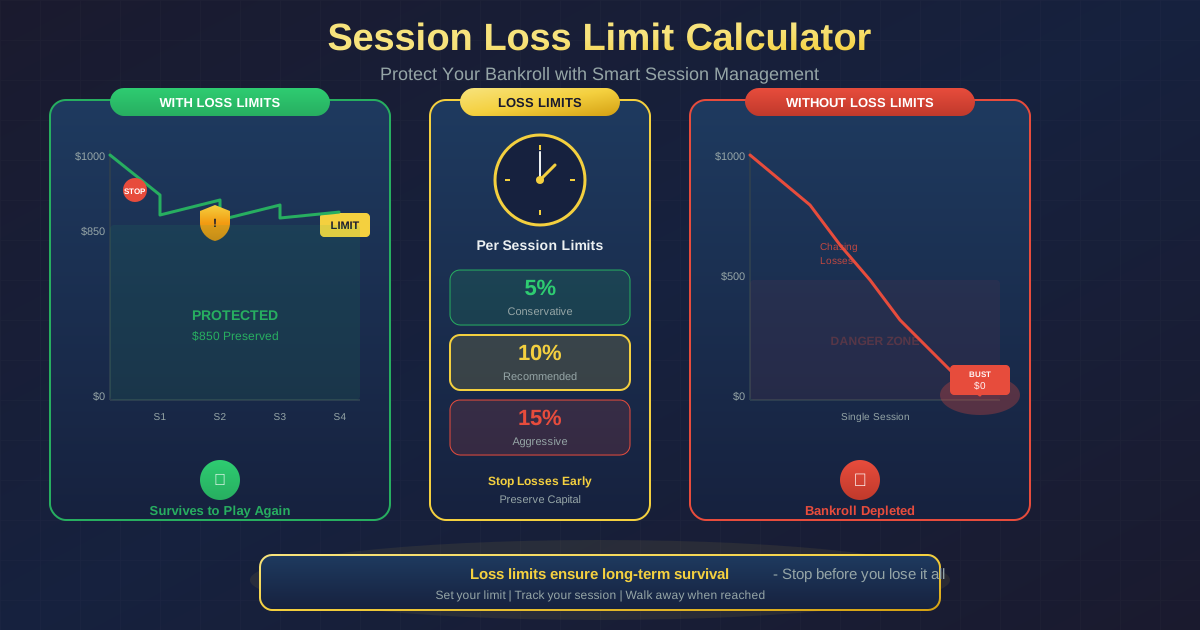
- Session loss limit (e.g., 100 units)

Prevents catastrophic losses
Common Mistakes
1. No Maximum Limits
Mistake: Follow system indefinitely Problem: Sequences can grow forever Fix: Set hard caps on bet size and sequence length
2. Starting Too Aggressive
Mistake: High-value starting sequence Problem: Faster growth when losing Fix: Start conservative, accept smaller targets
3. Not Tracking Properly
Mistake: Mental tracking Problem: Errors compound, wrong bets Fix: Use paper or calculator app
4. Thinking System Beats House
Mistake: Believe structure = advantage Problem: Expected value unchanged Fix: Use for entertainment, not profit expectation
Frequently Asked Questions
Does Labouchère work long-term?
No system beats the house edge. Labouchère structures your betting but expected loss still equals total wagered × house edge.
How do I choose my sequence?
Sum equals target profit. Shorter sequences complete faster with lower risk. Longer sequences target more but risk larger losses.
What if my sequence gets too long?
Set a maximum sequence length. If exceeded, either accept the loss and restart, or set a loss limit before playing.
Is Labouchère better than Martingale?
Different, not better. Labouchère grows slower (lower table-limit risk) but requires tracking. Same expected value long-term.
Can I use Labouchère online?
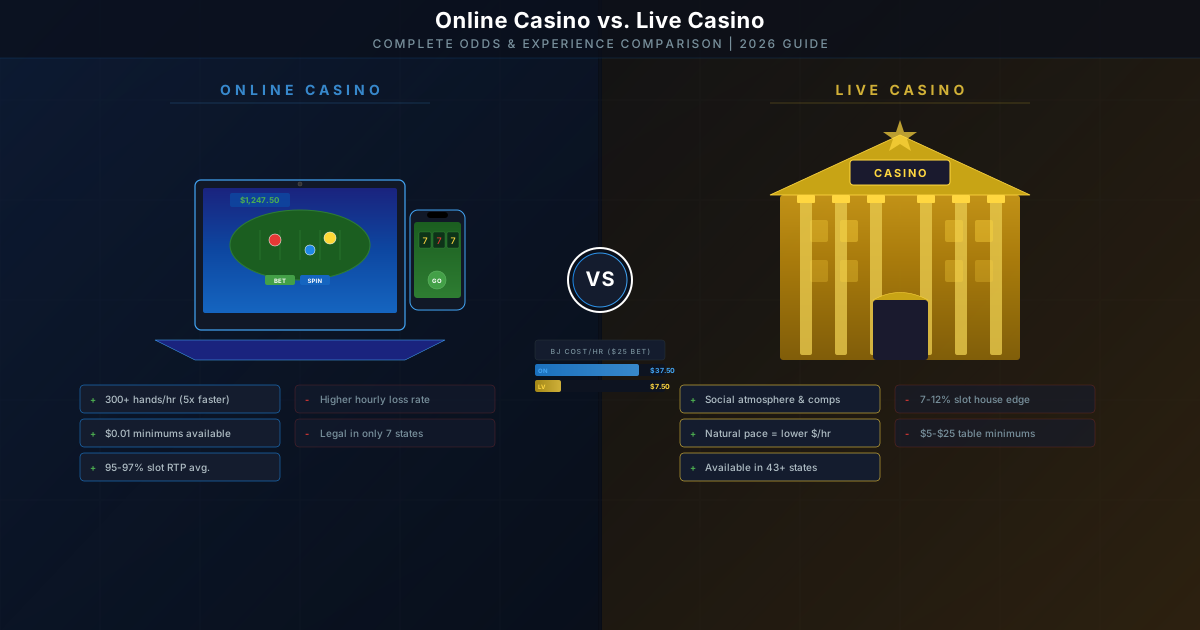
Yes. Easier to track with paper/calculator nearby. Same math applies to online and live roulette.
What's the best starting sequence?
There's no "best." 1-1-2-2-3-3 is popular (target: 12 units, moderate bets). Adjust to your bankroll and risk tolerance.
Pro Tips
-
Track on paper: Don't rely on memory
-
Set stop-losses: Maximum bet and sequence length
-
Start small: 1-1-1-2-2 type sequences
-
Know your limits: Bankroll should handle growth
-
Accept the math: Entertainment value, not profit strategy
Related Calculators
- Roulette D'Alembert Calculator - Gentler system
- Roulette Martingale Calculator - Aggressive system
- Roulette Odds Calculator - Bet probabilities
- Gambling Bankroll Calculator - Session sizing
- Expected Value Calculator - EV analysis
Conclusion
Labouchère offers an elegant structure for betting—target profits, systematic progression, and the satisfaction of completing sequences. Our calculator tracks your sequence and shows the math behind each bet, helping you use the system correctly while understanding its limitations.
Calculate Labouchère Sequence Now →
The cancellation system appeals because it feels mathematical and controlled. But controlled betting doesn't mean controlled outcomes. Use Labouchère if you enjoy the structure, but set firm limits and accept that the house edge applies to every spin regardless of your sequence.