Roulette Martingale Calculator: Betting System Analysis (2026)
Roulette Martingale Calculator: The Dangerous Illusion
The Martingale system promises guaranteed wins by doubling after losses. Our calculator shows the harsh reality: exponential bet growth, table limit crashes, and why this centuries-old system loses in the long run.
What Is the Martingale System?
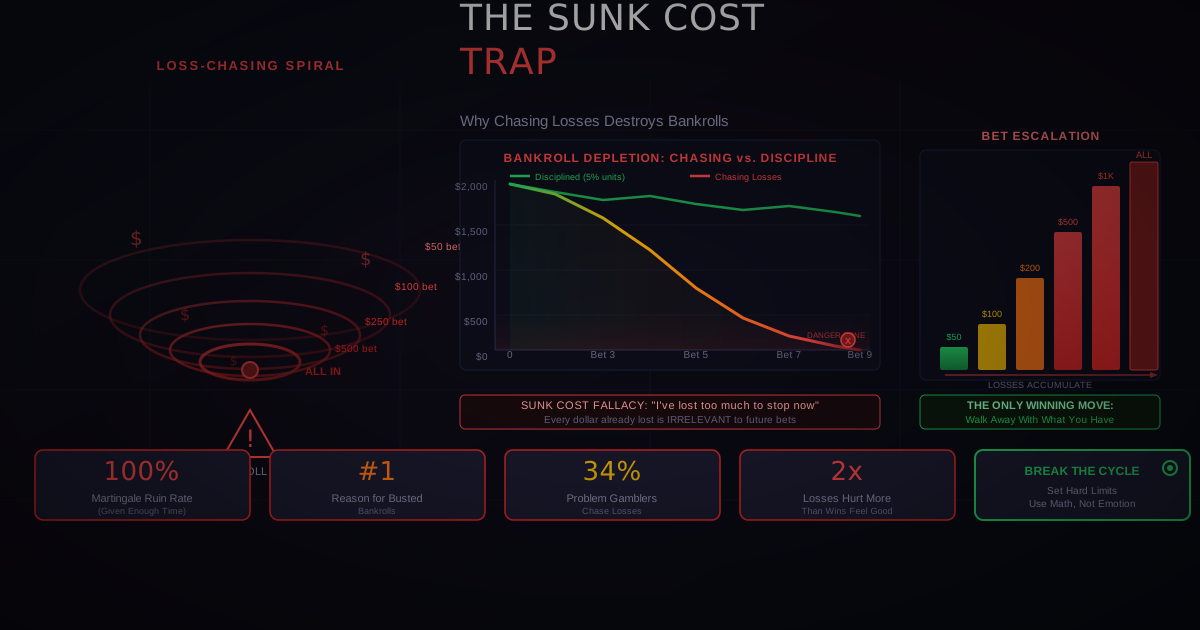
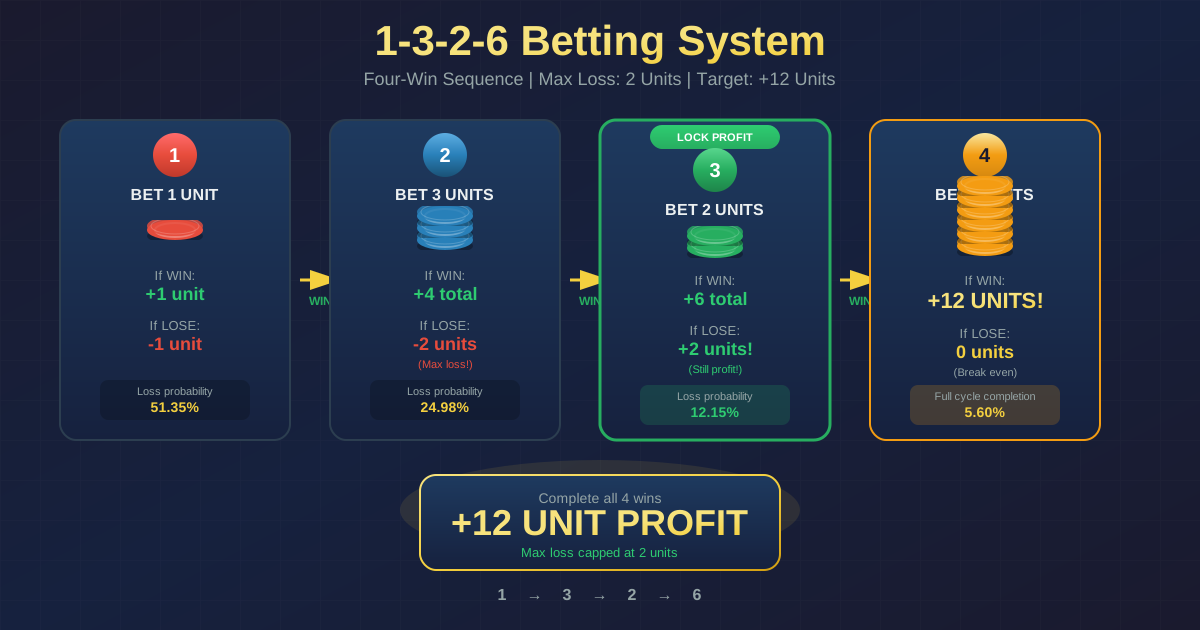
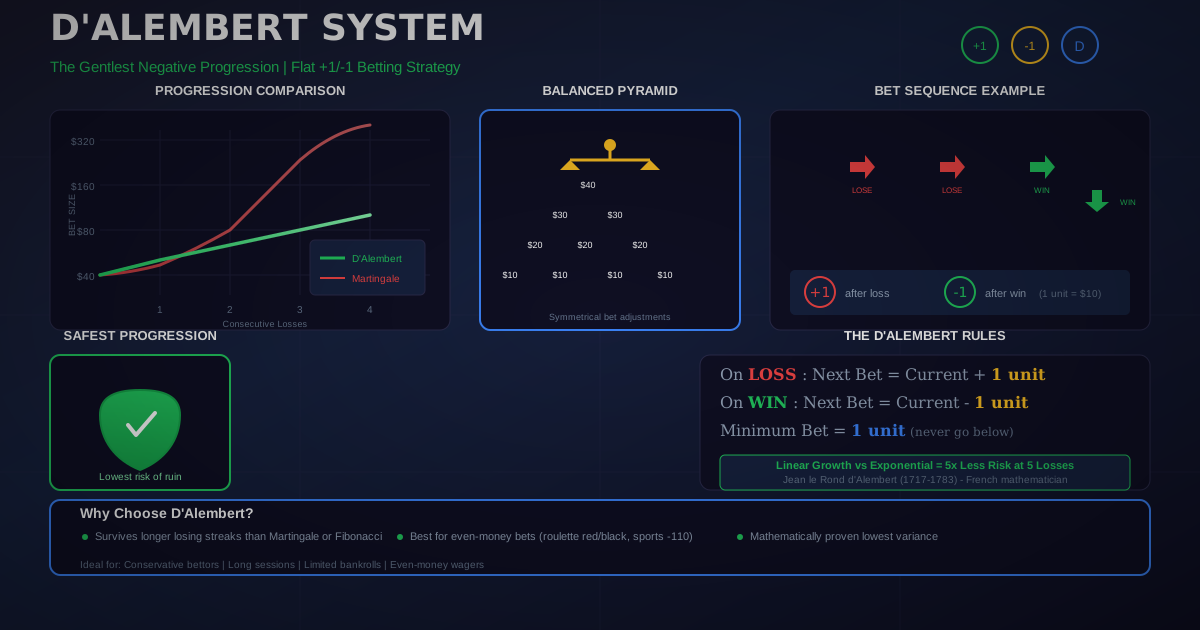
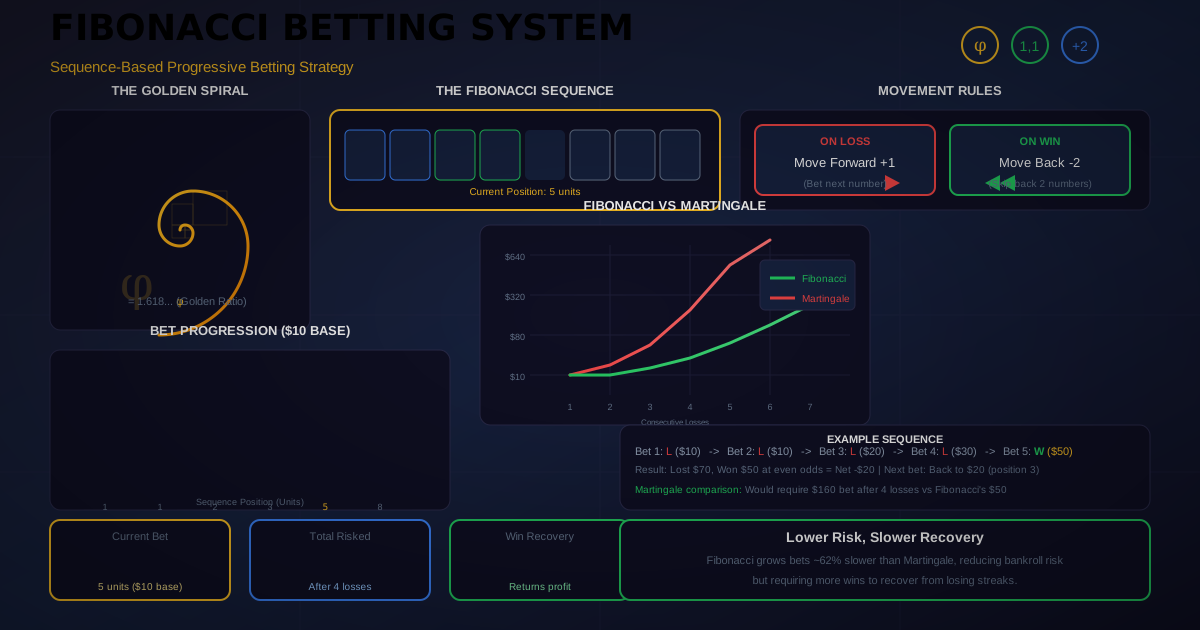
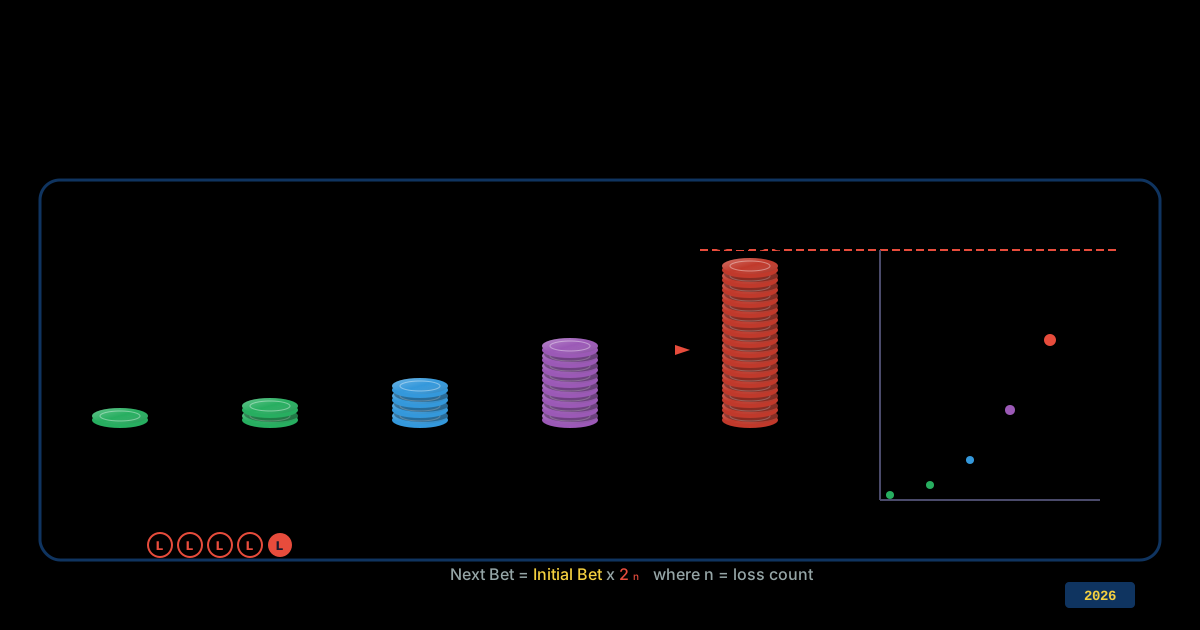
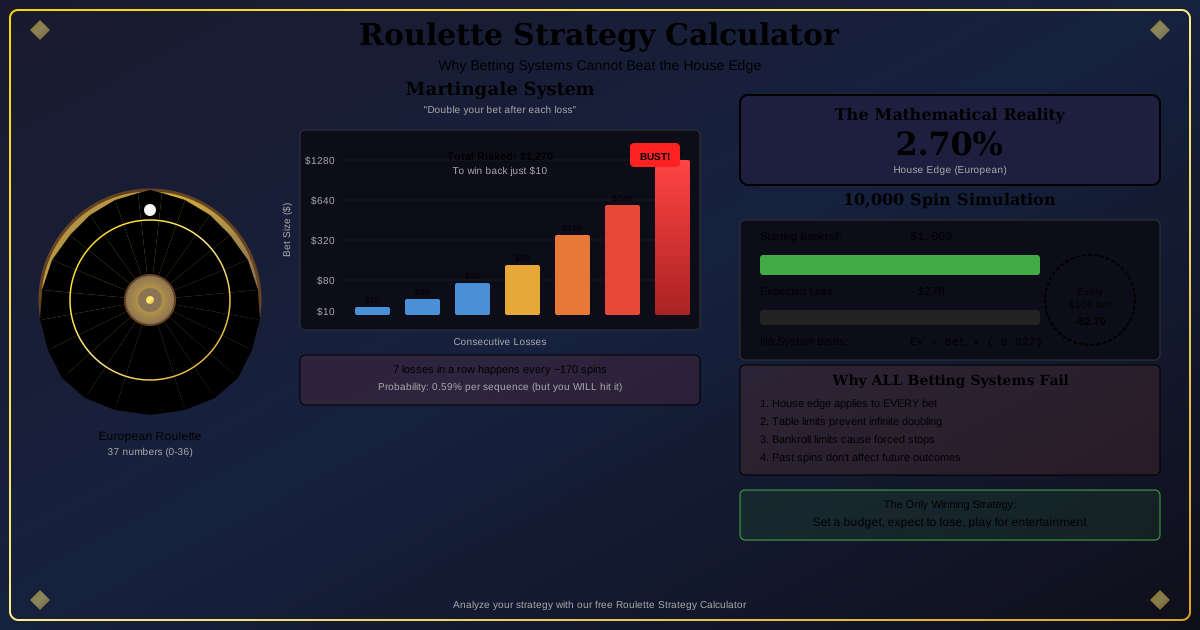
Martingale is a negative progression betting system: double your bet after each loss until you win, recovering all losses plus one unit profit. Sounds perfect—until you do the math.
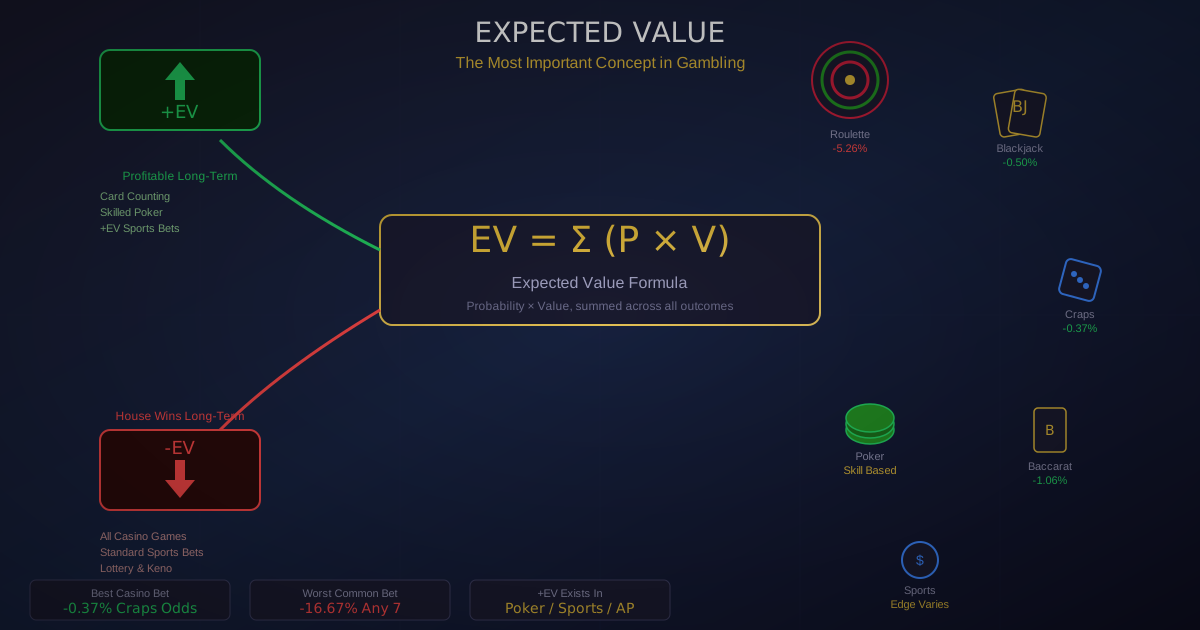
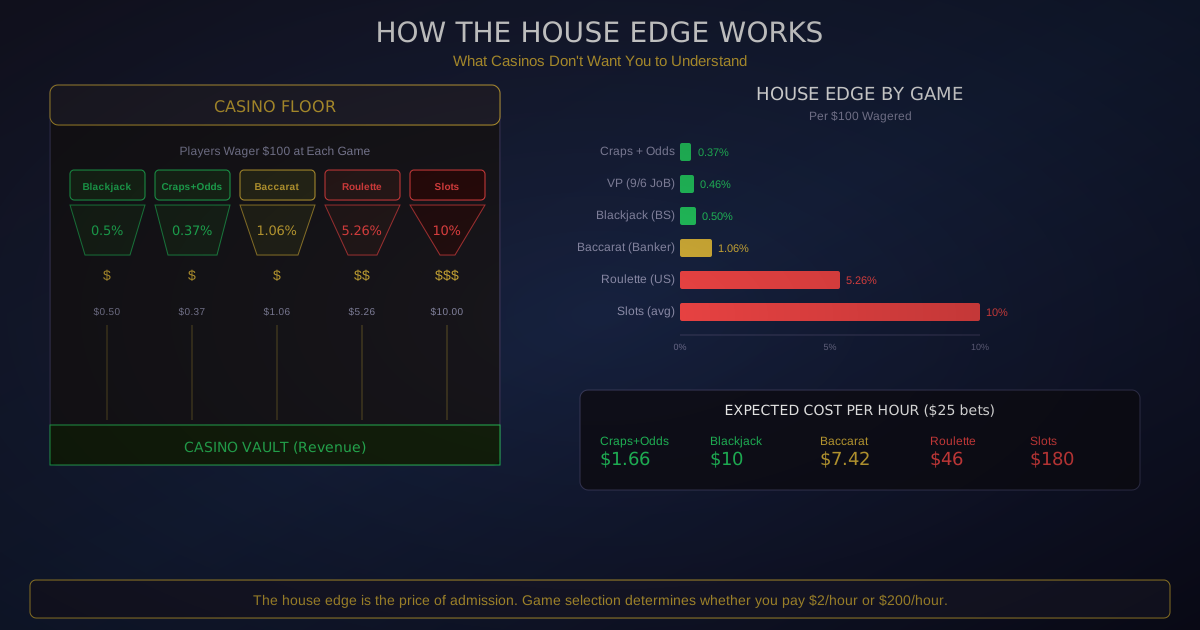
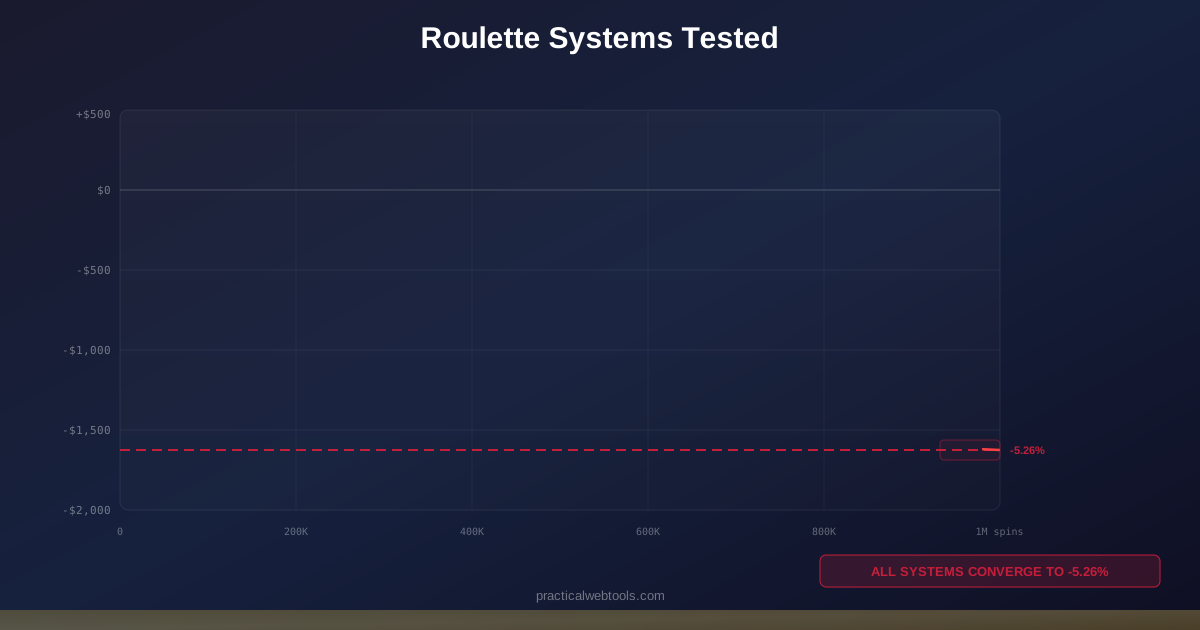
Quick Answer: Start with $10, lose 6 times in a row (happens 1.8% of spins), you're betting $640 to win back $10. After 7 losses, you need $1,280—often exceeding table limits. The system wins small amounts frequently but loses catastrophically occasionally. Expected value remains negative (-2.7% European, -5.26% American) regardless of betting pattern.
How to Use Our Martingale Calculator
Use the Roulette Martingale Calculator →
Enter your parameters to see progression, risk, and likely outcomes.
Step-by-Step Instructions
-
Enter Base Bet: Starting wager
-
Input Bankroll: Total available funds
-
Set Table Maximum: Betting limit
-
View Progression: Bet sizes after losses
-
See Risk Analysis: Probability of ruin
Input Fields Explained
| Field | Description | Example |
|---|---|---|
| Base Bet | Starting wager | $10 |
| Bankroll | Total funds | $1,000 |
| Table Maximum | Betting limit | $500 |
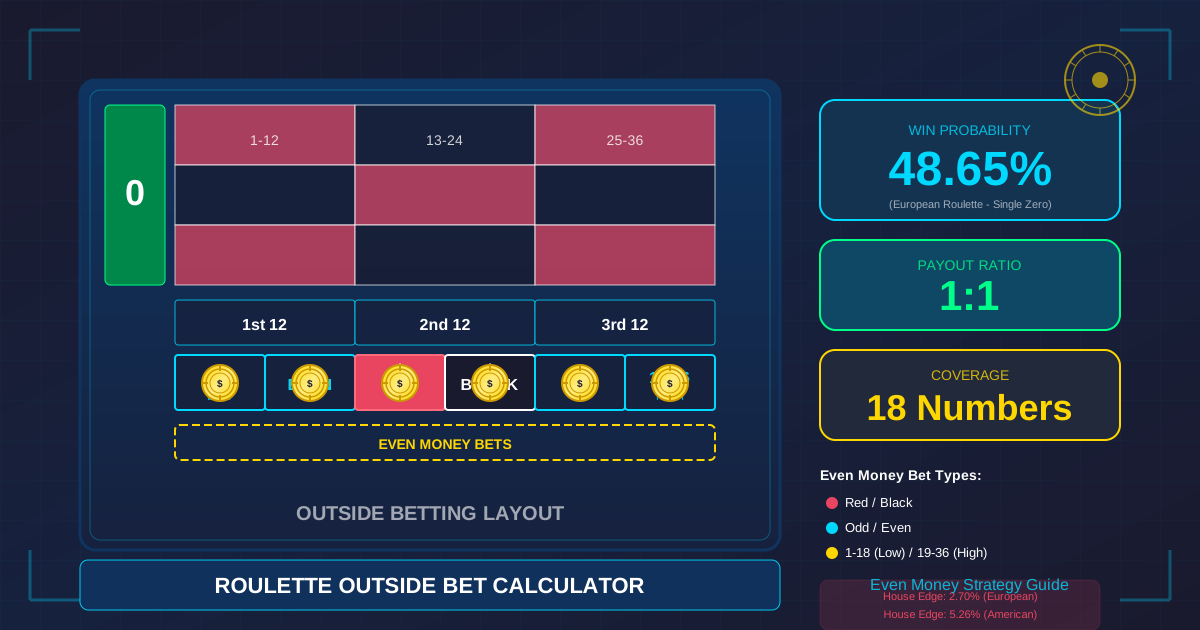
| Win Probability | For even money | 48.65% |
| Max Losses Before Limit | Progression depth | 5 |
| Risk of Hitting Limit | Per session | 3.7% |
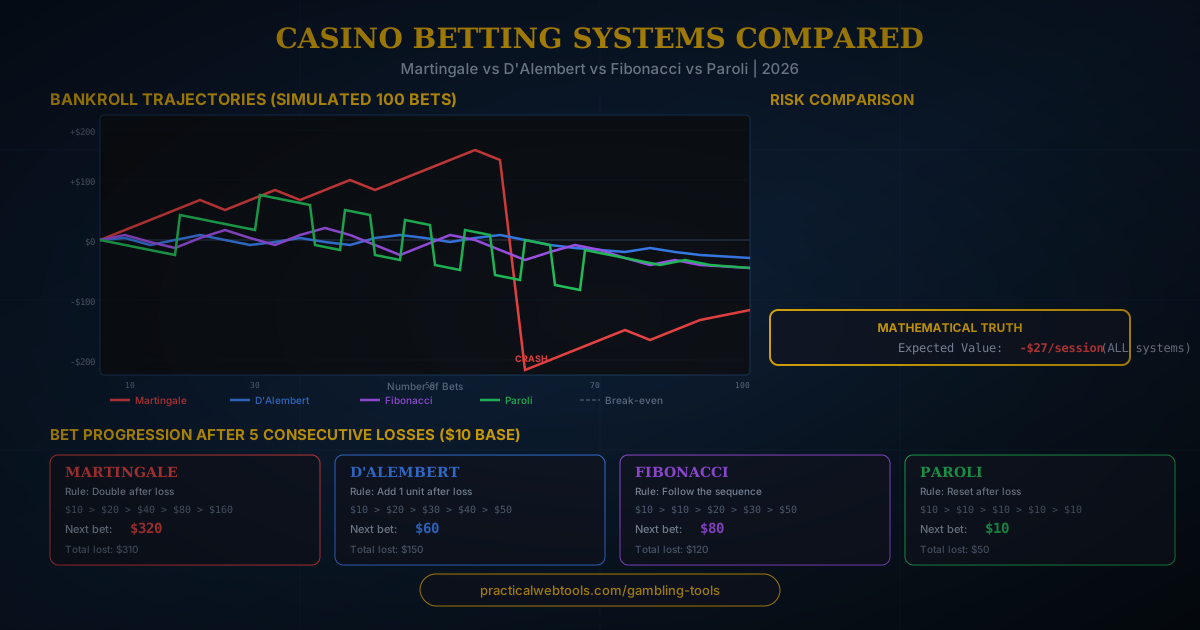
Martingale Progression
Bet Sequence After Losses
| Loss # | Bet Size | Total Invested | Profit if Win |
|---|---|---|---|
| 0 | $10 | $10 | $10 |
| 1 | $20 | $30 | $10 |
| 2 | $40 | $70 | $10 |
| 3 | $80 | $150 | $10 |
| 4 | $160 | $310 | $10 |
| 5 | $320 | $630 | $10 |
| 6 | $640 | $1,270 | $10 |
| 7 | $1,280 | $2,550 | $10 |
| 8 | $2,560 | $5,110 | $10 |
| 9 | $5,120 | $10,230 | $10 |
| 10 | $10,240 | $20,470 | $10 |
Risk $20,470 to win $10.
The Exponential Problem
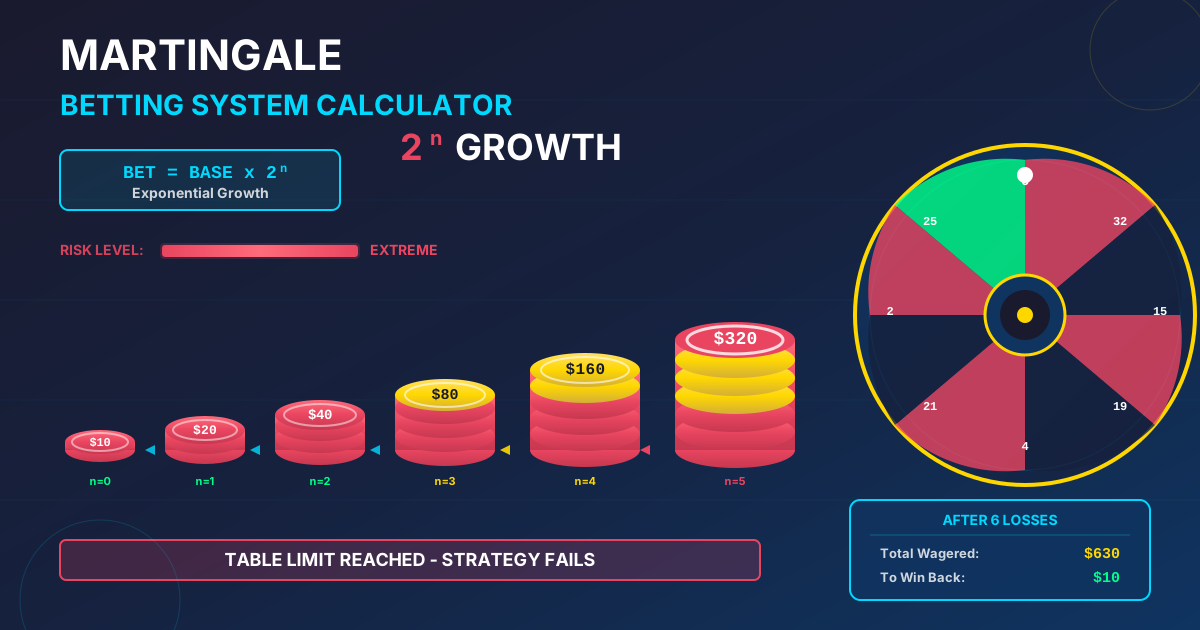
Bet after n losses = Base Bet × 2^n

Loss 5: $10 × 32 = $320
Loss 7: $10 × 128 = $1,280
Loss 10: $10 × 1,024 = $10,240

Exponential growth destroys bankrolls
Probability of Losing Streaks
Consecutive Loss Probability
| Losses | American | European | Occurs Per |
|---|---|---|---|
| 3 | 14.0% | 13.5% | 7 starts |
| 4 | 7.3% | 6.9% | 14 starts |
| 5 | 3.8% | 3.5% | 28 starts |
| 6 | 2.0% | 1.8% | 55 starts |
| 7 | 1.0% | 0.9% | 110 starts |
| 8 | 0.5% | 0.5% | 220 starts |
| 10 | 0.14% | 0.12% | 830 starts |
Expected Occurrence
European roulette, 100 sessions:
~2 sessions will hit 6+ losses in a row
~1 session will hit 7+ losses in a row

These "rare" events are inevitable with play
Table Limit Impact
When Limits Kill Martingale
| Table Max | Base Bet | Max Losses Before Blocked |
|---|---|---|
| $100 | $5 | 4 losses |
| $500 | $10 | 5 losses |
| $1,000 | $10 | 6 losses |
| $5,000 | $25 | 7 losses |
| $10,000 | $50 | 7 losses |
Loss at Table Limit
$10 base, $500 max, hit limit at loss 6:

Total lost: $10 + $20 + $40 + $80 + $160 + $320 = $630
Can't recover—system fails

Need 63 wins at $10 to recover
(If you even have bankroll left)
Real-World Examples
Example 1: "Successful" Session
Base bet: $25 on red Session: 50 spins
Outcomes:
- 35 wins within 2 spins: +$875
- 12 wins after 3 spins: +$300
- 3 wins after 4 spins: +$75
Total: +$1,250 on 50 spins
Reality: Got lucky. No streak exceeded 4.
Example 2: Disaster Session
Base bet: $25 on red Bankroll: $2,000 Table max: $500
The streak: 7 blacks in a row
| Spin | Bet | Total Lost |
|---|---|---|
| 1 | $25 | $25 |
| 2 | $50 | $75 |
| 3 | $100 | $175 |
| 4 | $200 | $375 |
| 5 | $400 | $775 |
| 6 | $500 (max) | $1,275 |
| 7 | Can't double | System broken |
Result: Lost $1,275+, can't recover with Martingale
Example 3: Long-Term Reality
1,000 sessions, $10 base:
| Outcome | Frequency | Net |
|---|---|---|
| Small wins ($50-200) | ~920 | +$115,000 |
| Medium losses ($310) | ~60 | -$18,600 |
| Large losses ($630+) | ~20 | -$12,600 |
| Total | 1,000 | ~-$16,200 |
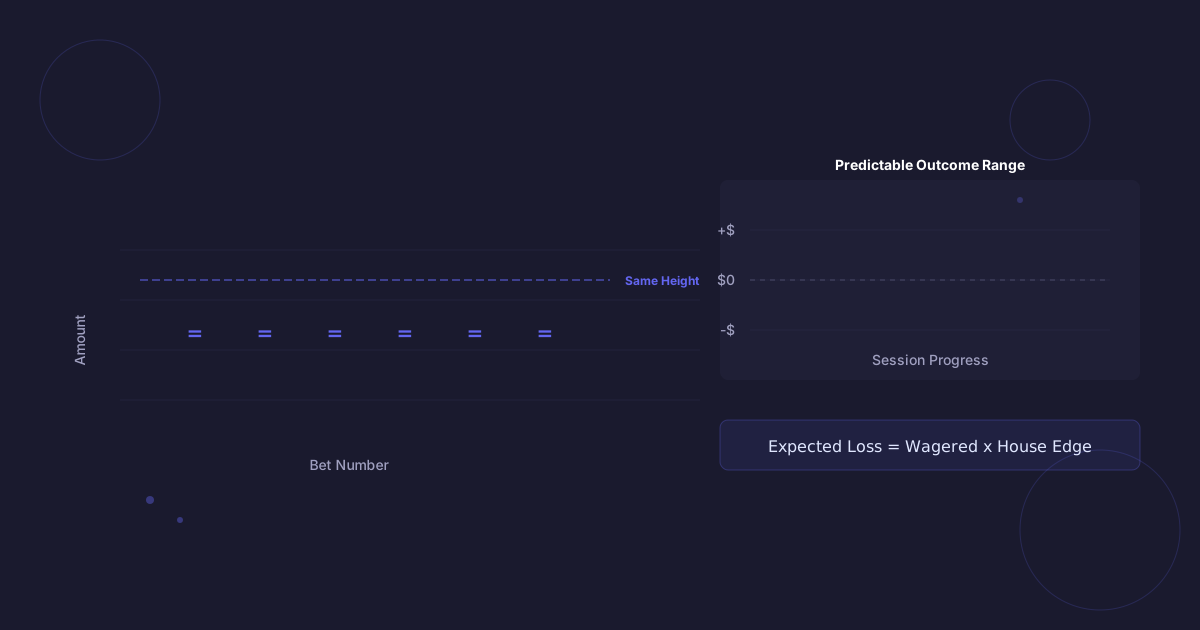
Matches house edge: -2.7% × total wagered
Why Martingale Fails
Mathematical Proof
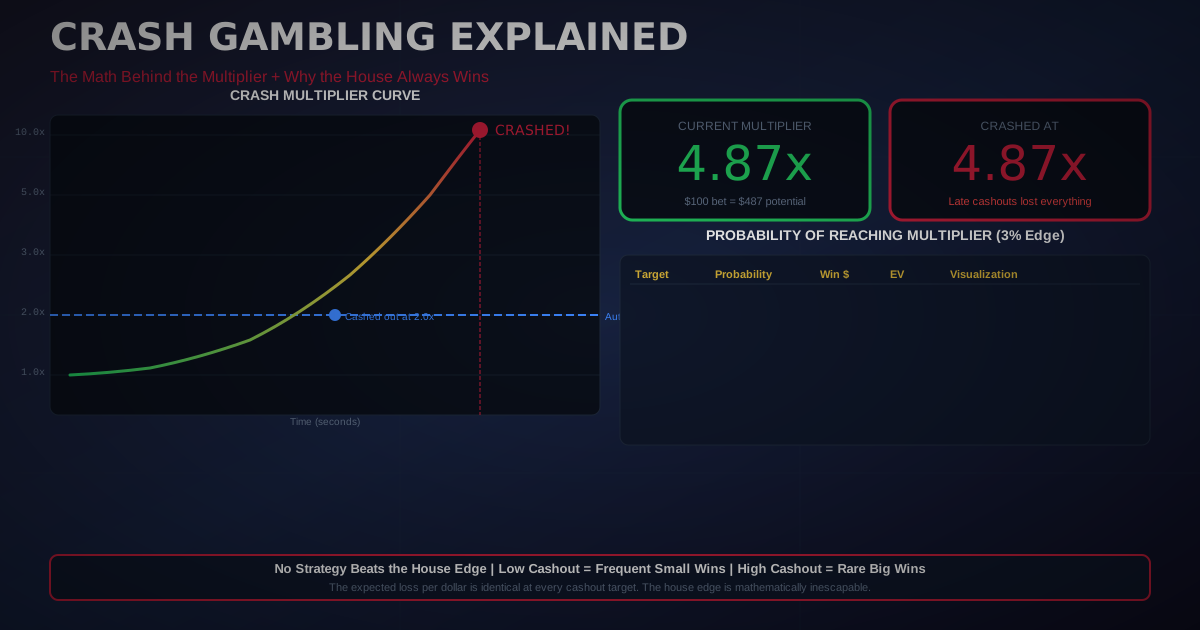
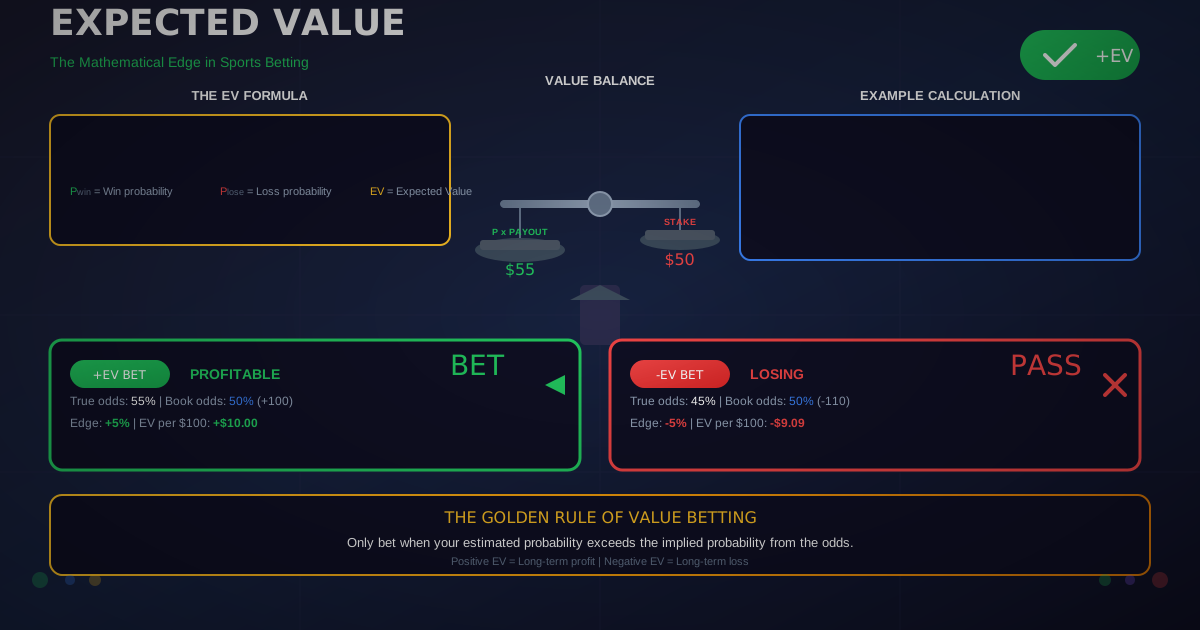
Expected Value per spin (European):
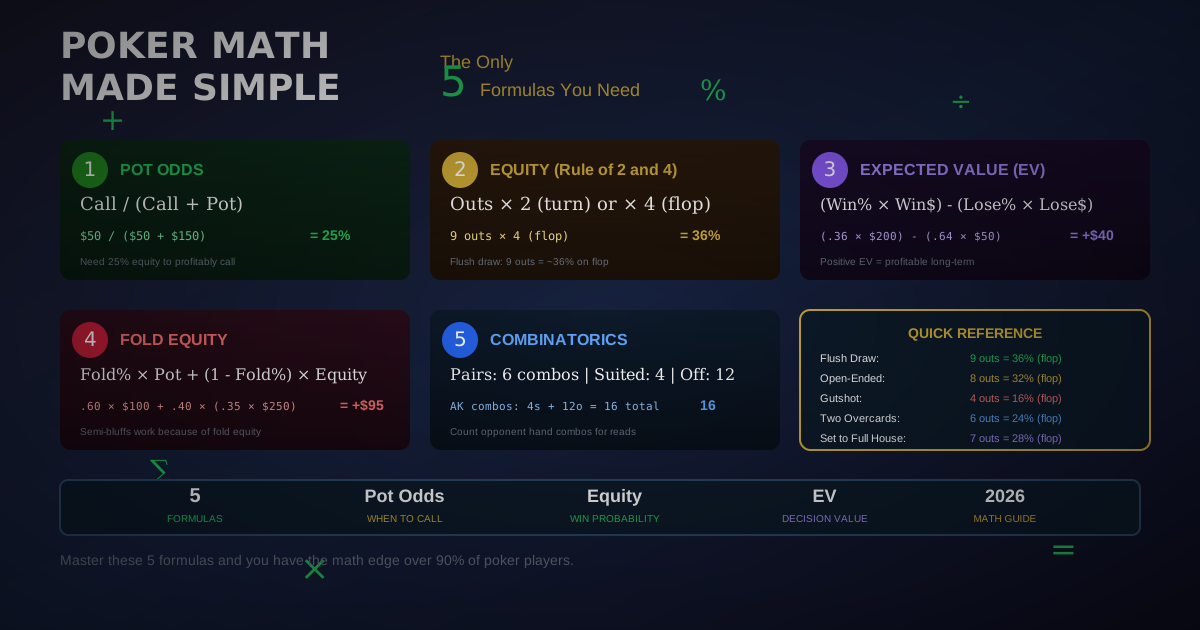
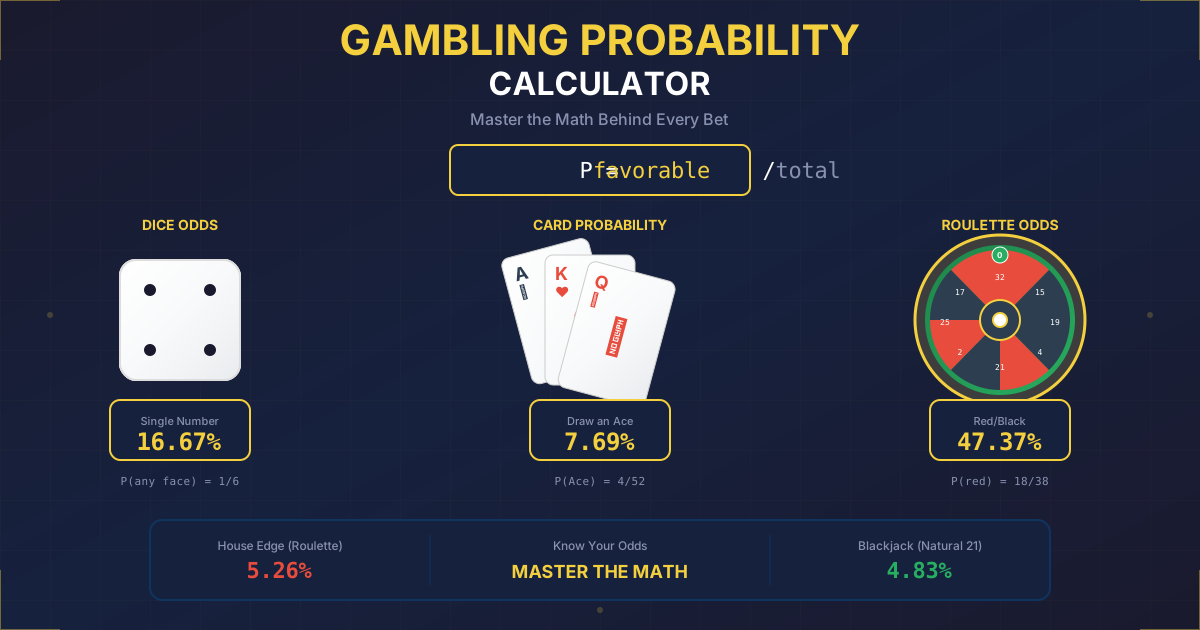
EV = (18/37 × 1) + (19/37 × -1) = -1/37 = -2.7%

Martingale doesn't change this.
Each spin has same negative EV.
Total EV = Sum of all spins' EV = Still negative
The Fundamental Flaw
| Illusion | Reality |
|---|---|
| "Eventually must win" | True, but when? |
| "Only need one win" | One win after huge losses = tiny profit |
| "Losses recovered" | At exponentially increasing risk |
| "Works in practice" | Survivorship bias |
Risk-Reward Imbalance
To profit $10:
P(win in ≤6 bets): 98.2%
P(lose 6+ in a row): 1.8%

Risk: $630
Reward: $10
Ratio: 63:1 risk for 1 unit reward

This is terrible risk management
Martingale Variations
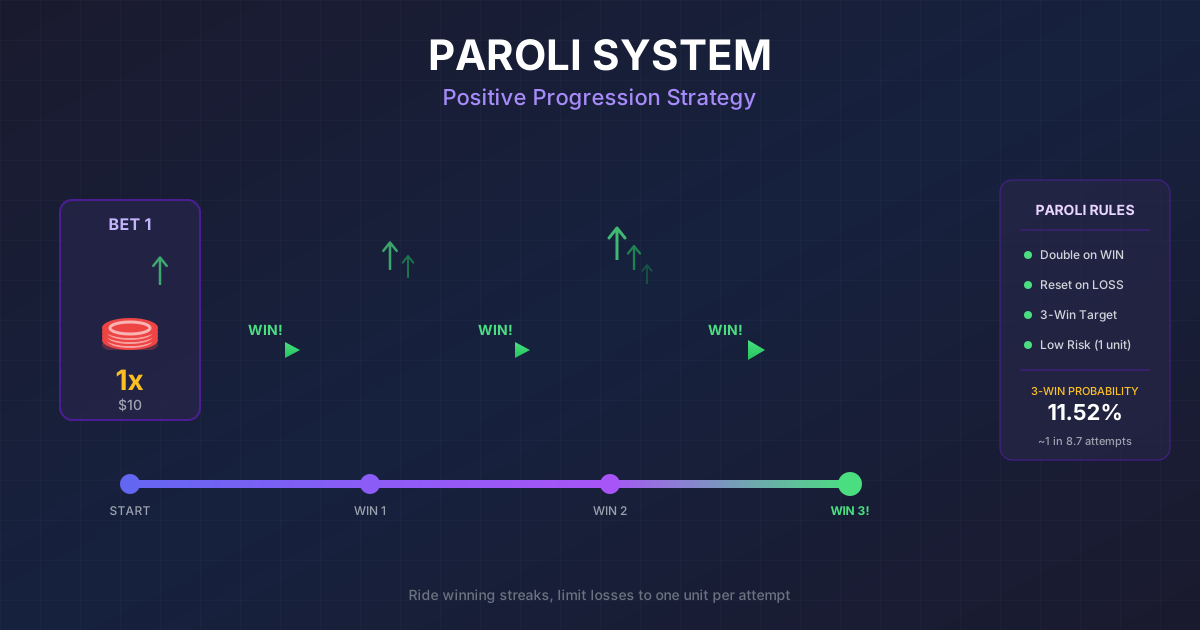
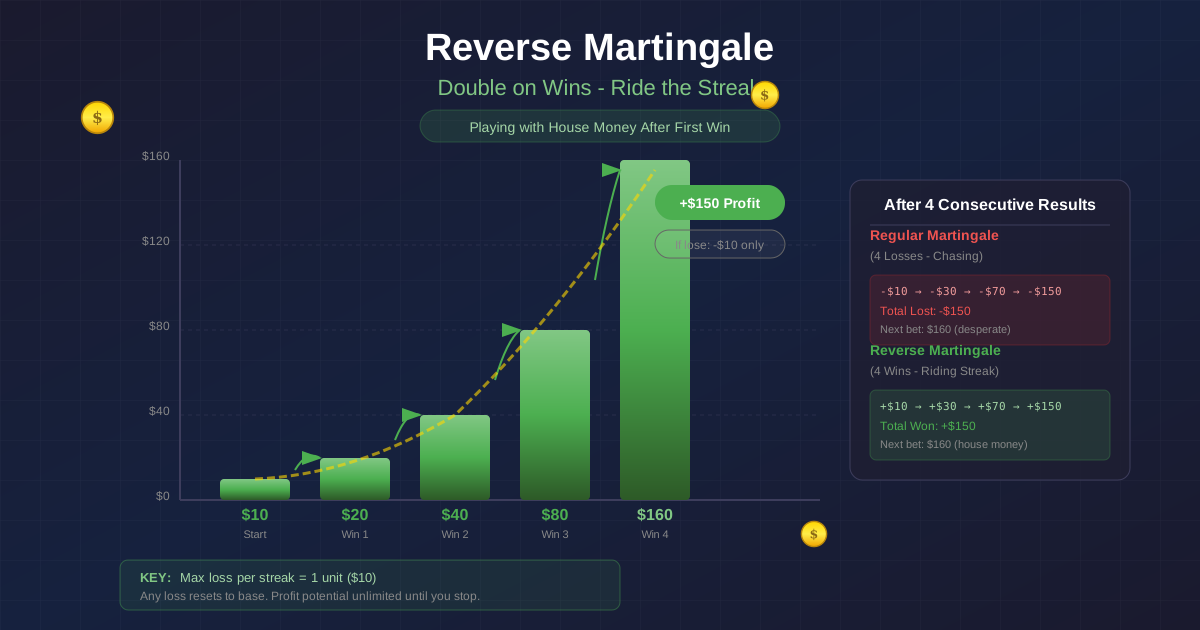
Anti-Martingale (Paroli)
| Feature | Standard | Anti |
|---|---|---|
| After loss | Double | Reset |
| After win | Reset | Double |
| Risk profile | One big loss | Many small losses |
| Appeal | "Can't lose big" | "Ride streaks" |
Both have negative EV.
Grand Martingale
Standard: Bet × 2 after loss
Grand: (Bet × 2) + 1 unit after loss

Even faster progression, even worse
Modified Martingale
| Modification | Change |
|---|---|
| Cap at 4 doubles | Limit exposure |
| Reset at loss 5 | Accept smaller losses |
| Partial doubles | 1.5× instead of 2× |
All still negative EV.
Bankroll and Limit Calculator
Survival Probability
P(survive N sessions) = (P(not hitting limit per session))^N

With 3% chance of hitting limit per session:
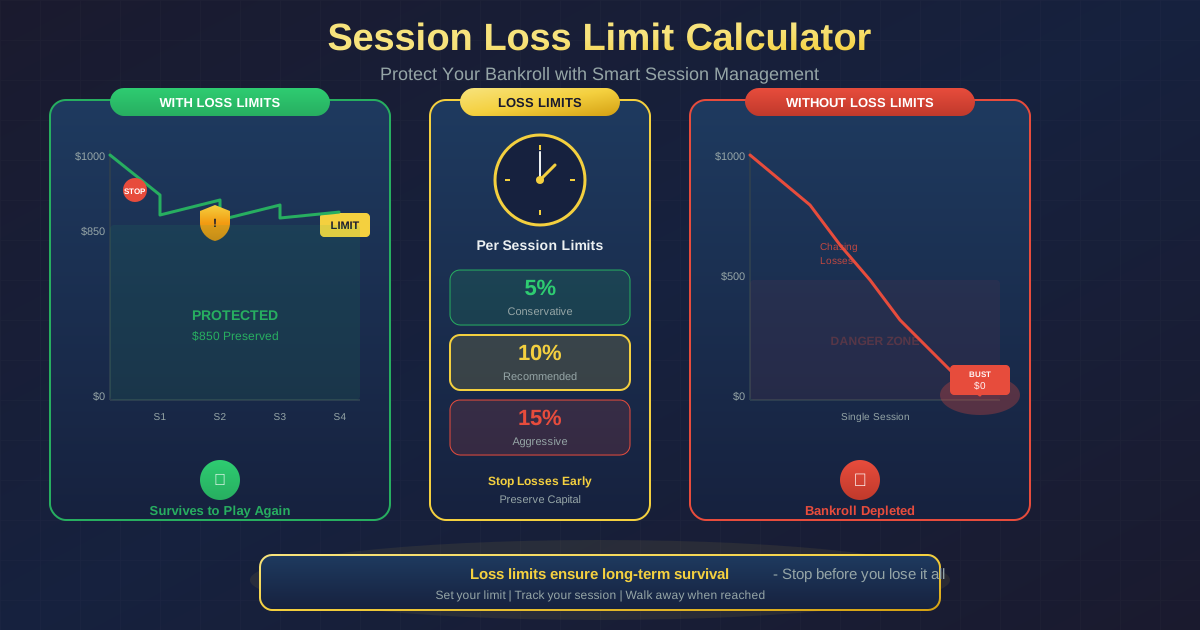
P(survive 10 sessions) = 0.97^10 = 74%
P(survive 50 sessions) = 0.97^50 = 22%
P(survive 100 sessions) = 0.97^100 = 5%

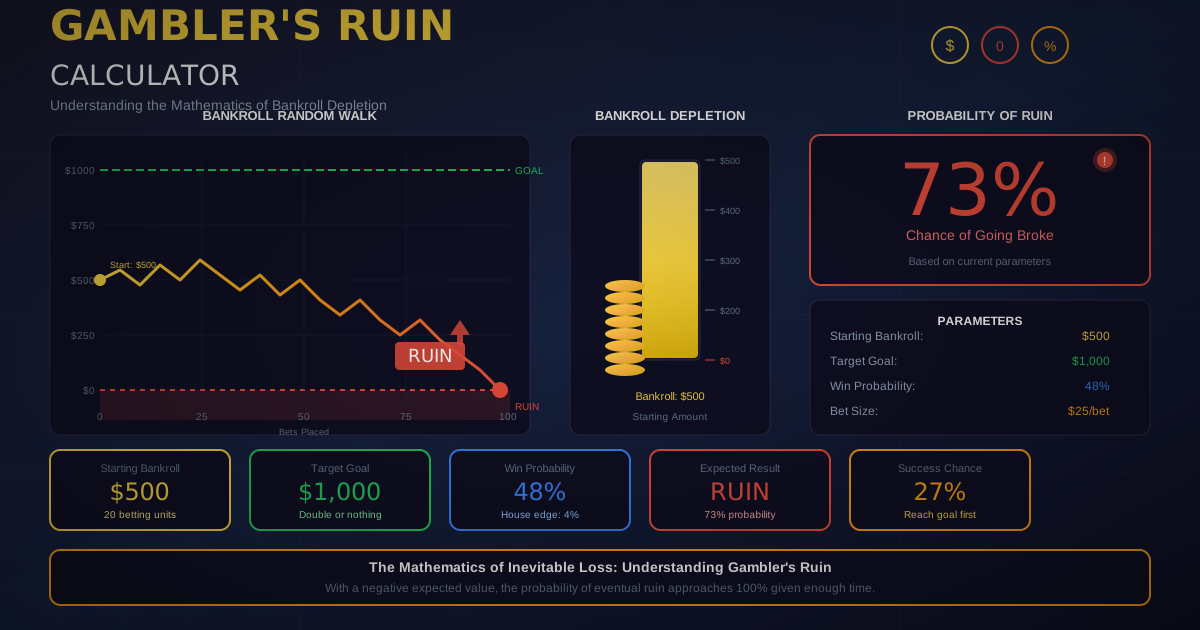
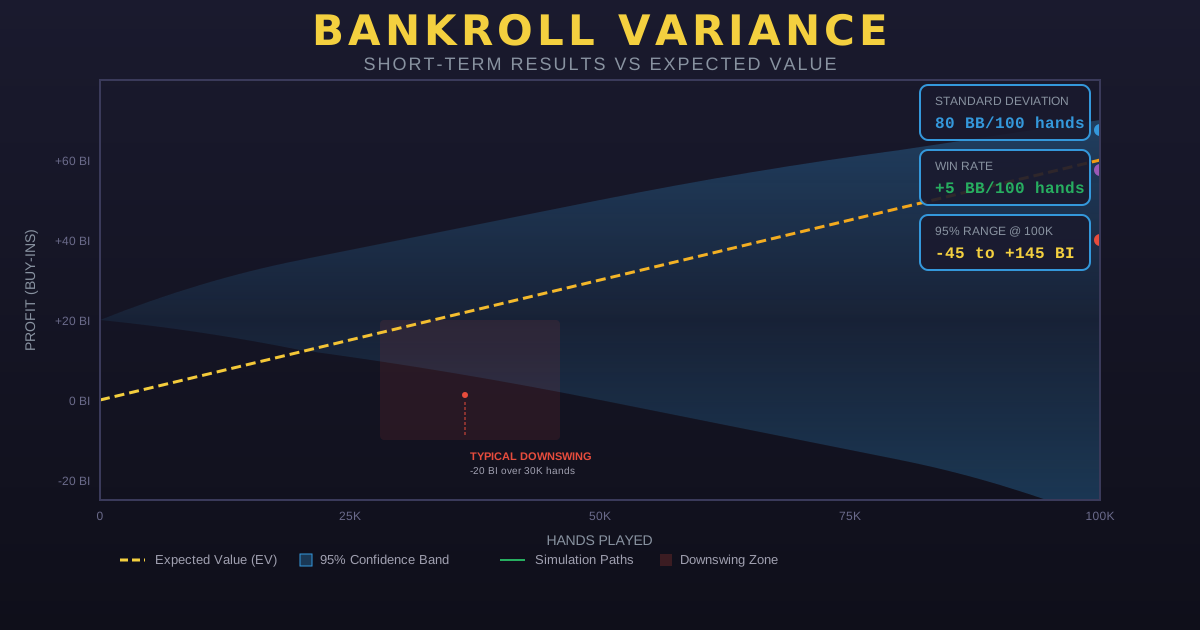
Long-term survival: Near zero
Required Bankroll
| Max Losses Covered | Bankroll Needed |
|---|---|
| 4 | 15× base bet |
| 5 | 31× base bet |
| 6 | 63× base bet |
| 7 | 127× base bet |
| 8 | 255× base bet |
Common Martingale Mistakes
1. Believing It's "Foolproof"
Mistake: "I literally can't lose" Problem: You can and will hit limits Fix: Calculate actual risk of ruin
2. Starting with Large Base Bet
Mistake: $100 base with $5,000 bankroll Problem: Only covers 5 losses Fix: If using, start tiny (though better not to use)
3. Ignoring Table Limits
Mistake: Not checking max bet Problem: System breaks when you can't double Fix: Know limits before starting
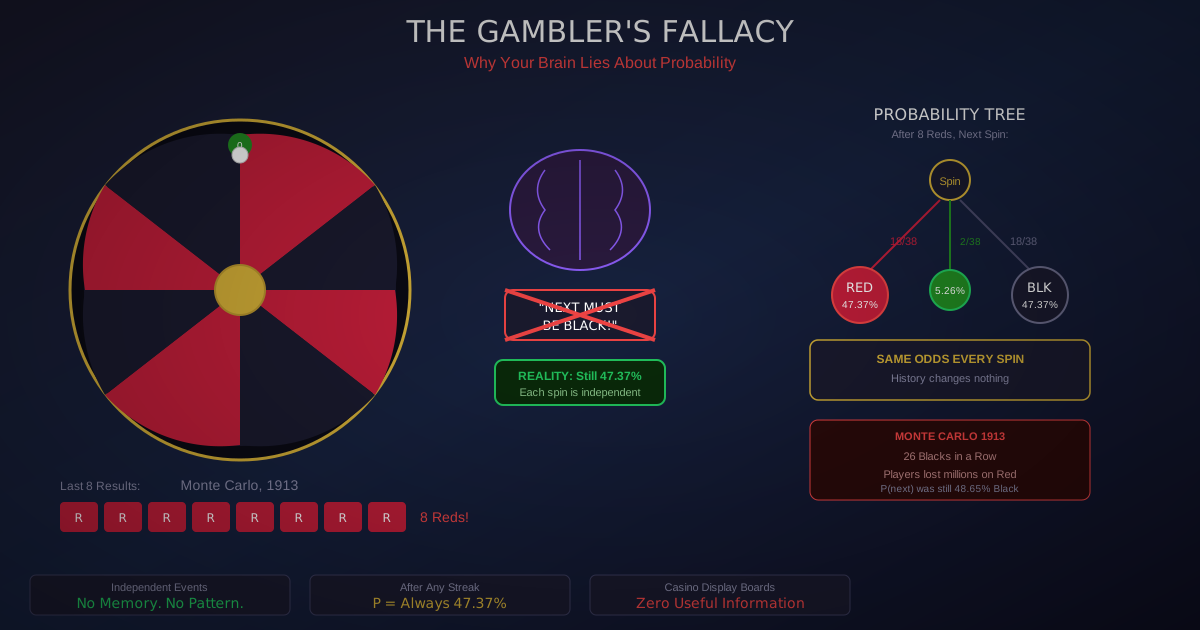
4. Thinking Streaks Are Rare
Mistake: "6 in a row never happens" Problem: It happens ~1.8% of the time Fix: Play 55 starts, expect one
Frequently Asked Questions
Can Martingale work short-term?
You can win short-term (high probability of small wins). But when the inevitable losing streak hits, you lose everything gained and more.
What about other even-money bets?
Martingale fails equally on blackjack, craps pass line, or any even-money bet. The math is identical—negative EV persists.
Why do people still use Martingale?
Frequent small wins feel like winning. The catastrophic losses are rare and feel like "bad luck" rather than system failure.
Is there a safe Martingale?
No. Any version that protects against big losses also limits potential recovery, resulting in net negative expectation.
What if I had unlimited bankroll and no table limits?
You'd still have negative EV per spin. You'd just take longer to lose. Infinite bankroll doesn't change the house edge.
Do casinos ban Martingale?
No. Casinos love Martingale players because table limits and bankroll limits ensure the house edge operates normally.
Pro Tips
-
Don't use Martingale: Negative EV regardless
-
Understand exponential growth: Bets explode quickly
-
Know table limits: System breaks at limits
-
Calculate ruin probability: It's higher than you think
-
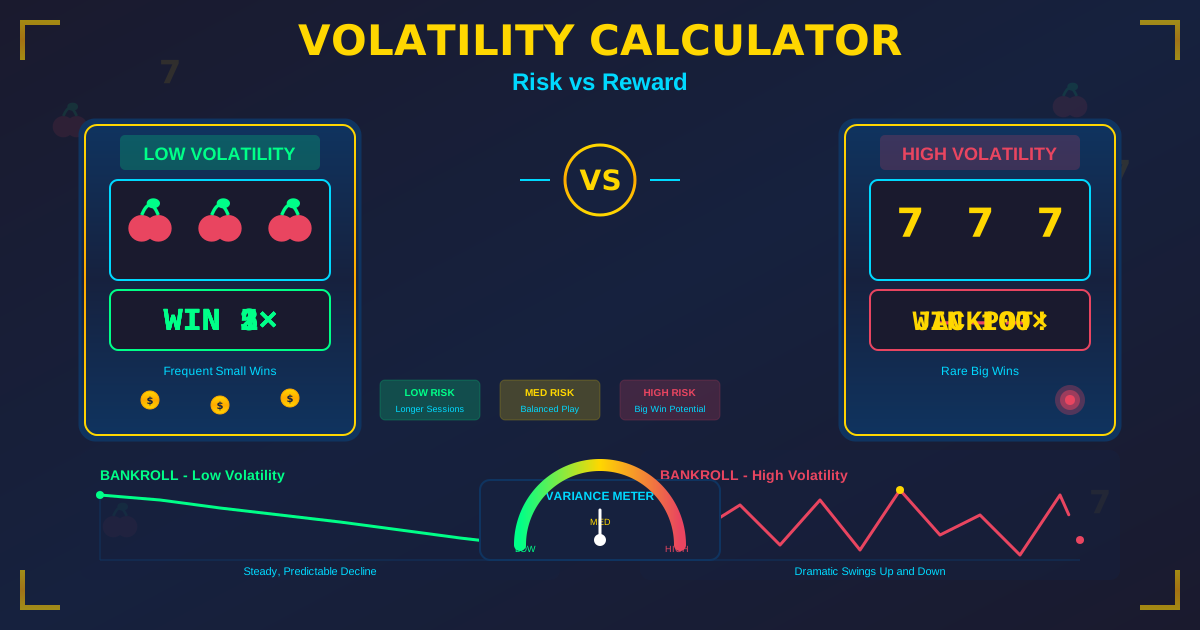
Flat betting is better: Same EV, lower variance risk
Related Calculators
- Roulette Odds Calculator - True probabilities
- Roulette Expected Value Calculator - EV analysis
- Roulette House Edge Calculator - Edge comparison
- Bankroll Calculator - Bankroll management
- Probability Calculator - Streak probabilities
Conclusion
The Martingale system is a mathematical trap disguised as guaranteed profit. Our calculator shows the exponential bet growth, inevitable table limit crashes, and long-term certainty of loss. You'll win frequently and small, then lose catastrophically and completely. The house edge doesn't disappear because you change your betting pattern—it just manifests differently. If you must gamble, flat betting at least avoids the psychological trap of feeling "due" to recover.
Calculate Martingale Risk Now →
Understanding Martingale means understanding why it doesn't work. Our calculator reveals the harsh reality behind this famous system—exponential risk for minimal reward, inevitable encounters with table limits, and the unchangeable negative expected value. See the numbers, understand the math, and make informed decisions about your gambling approach.