Roulette Strategy Calculator: Betting Systems Analyzed (2026)
Roulette Strategy Calculator: The Truth About Betting Systems
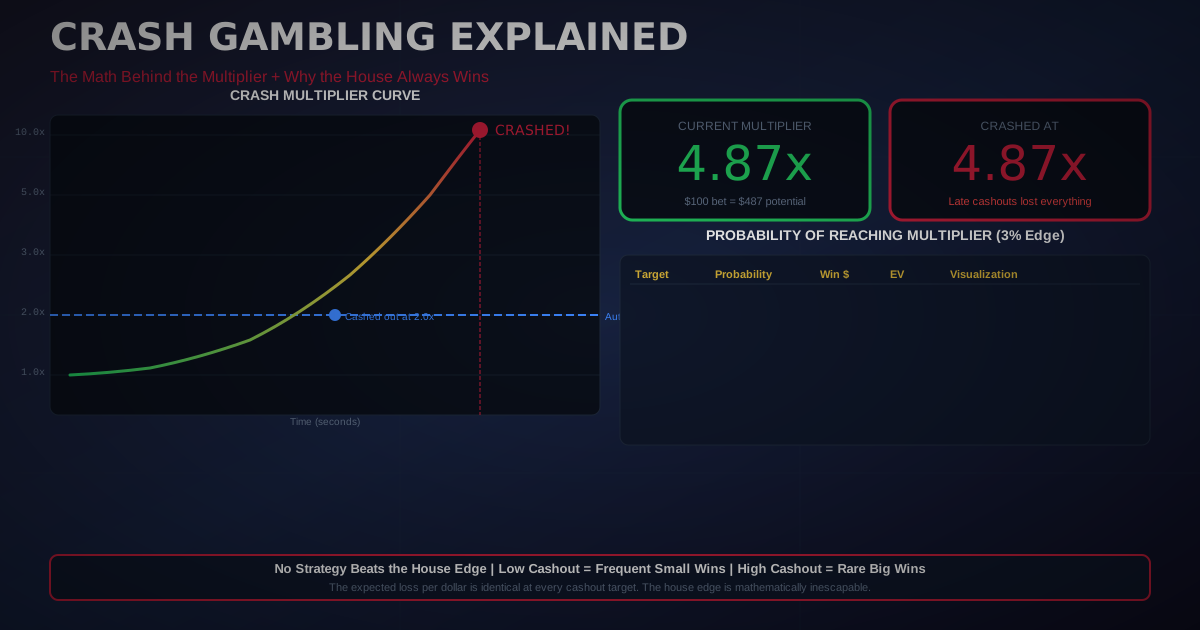
Betting systems like Martingale promise guaranteed wins—but math doesn't lie. Our free calculator simulates any roulette strategy over thousands of spins, revealing why no system can overcome the house edge long-term.
What Are Roulette Betting Systems?
Betting systems are structured approaches to varying bet sizes based on previous outcomes. They create the illusion of control but don't change the underlying mathematics.
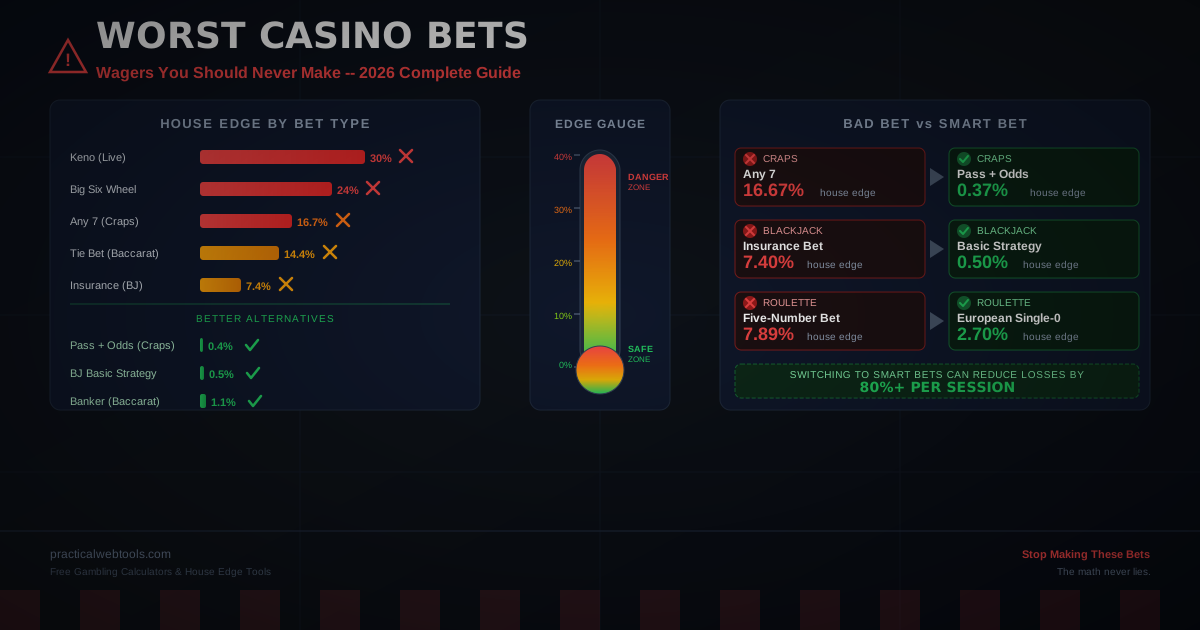
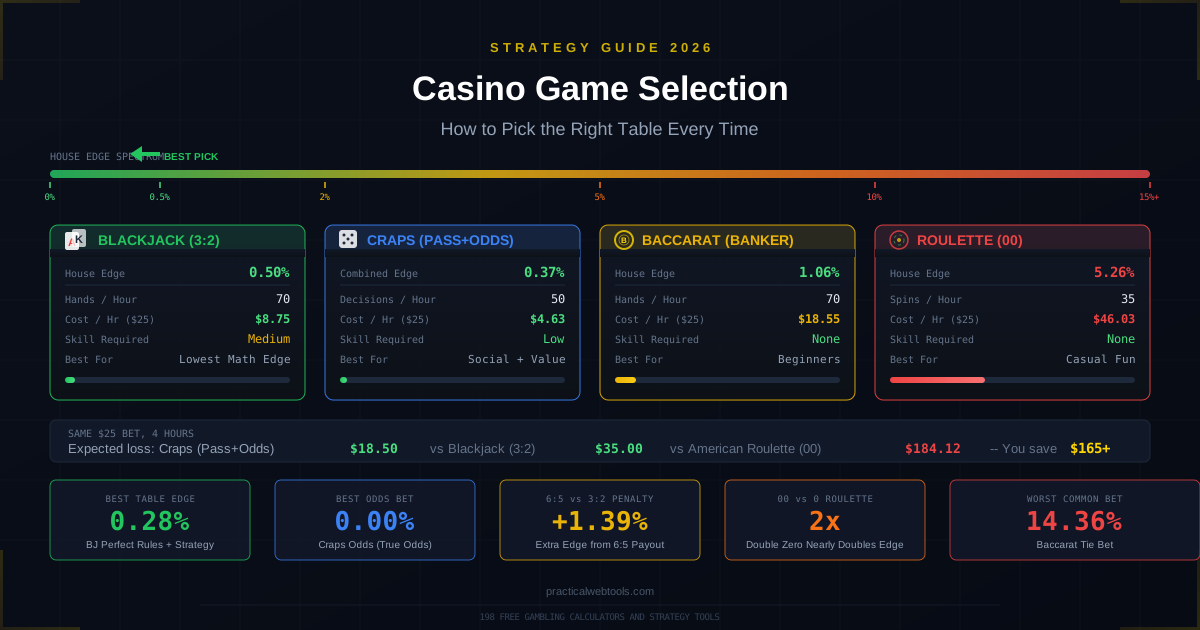
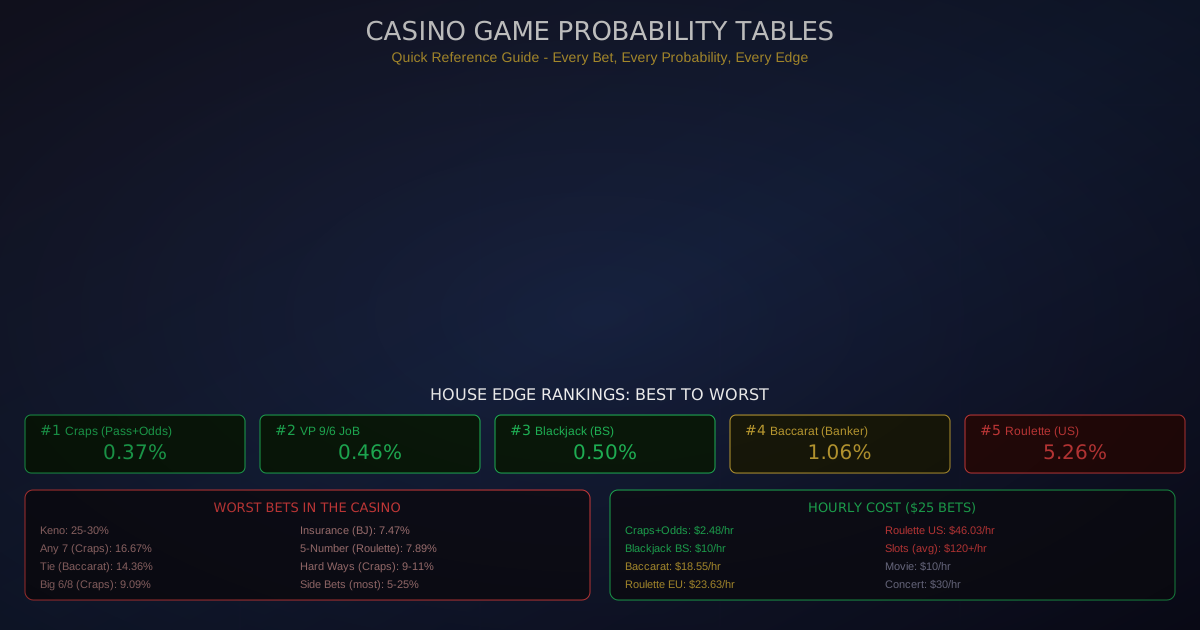
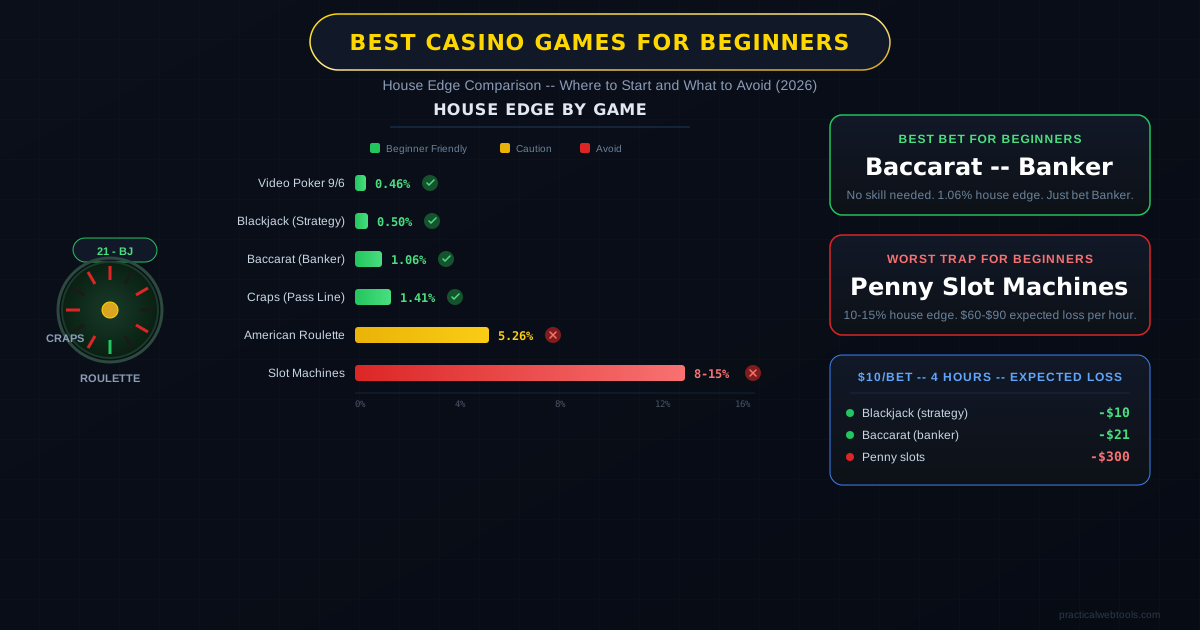
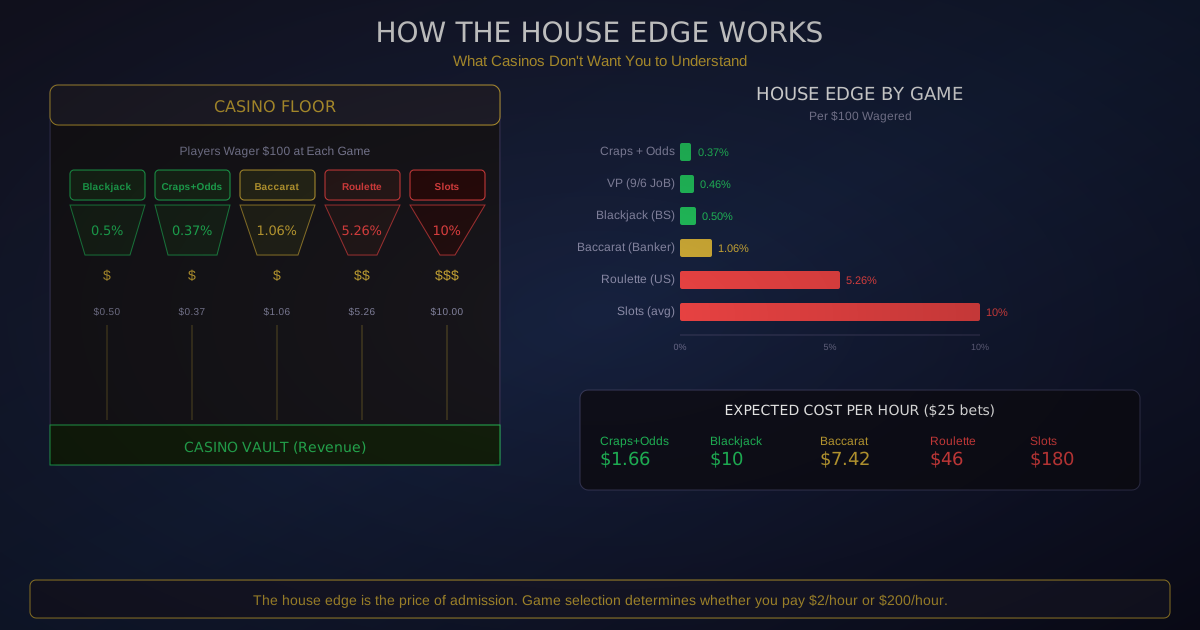
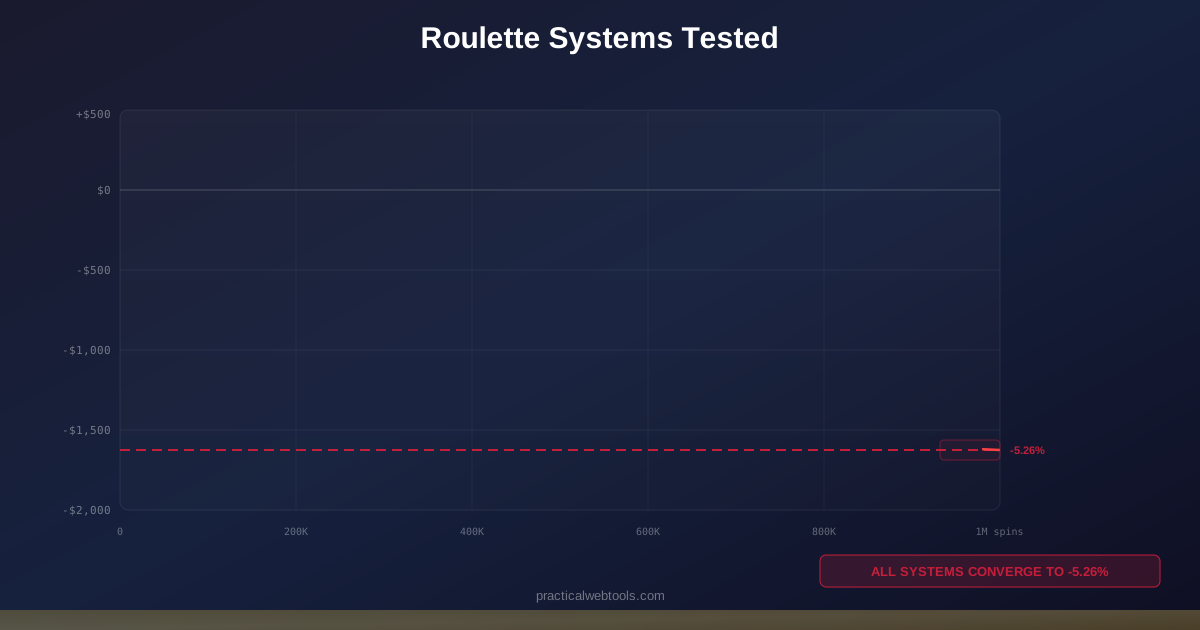
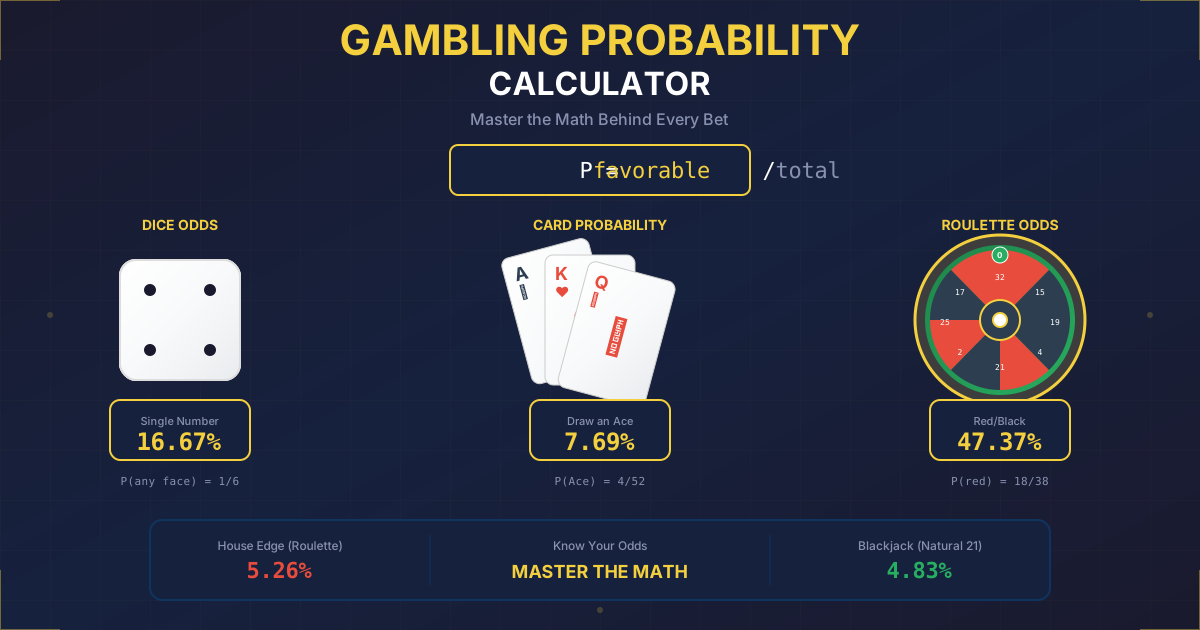
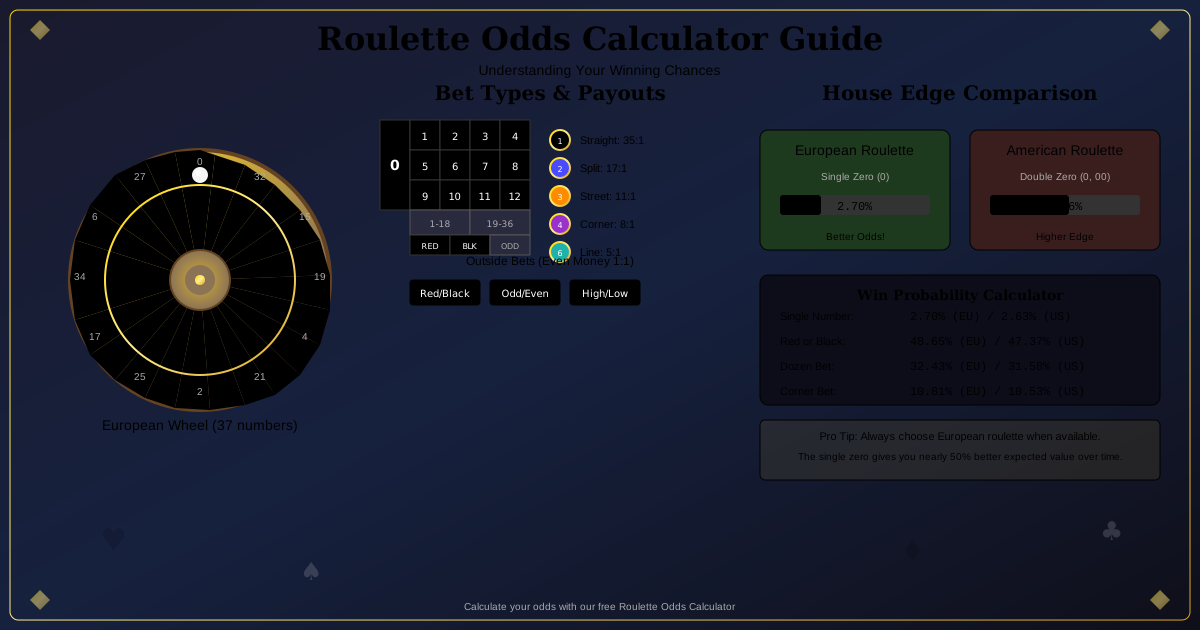
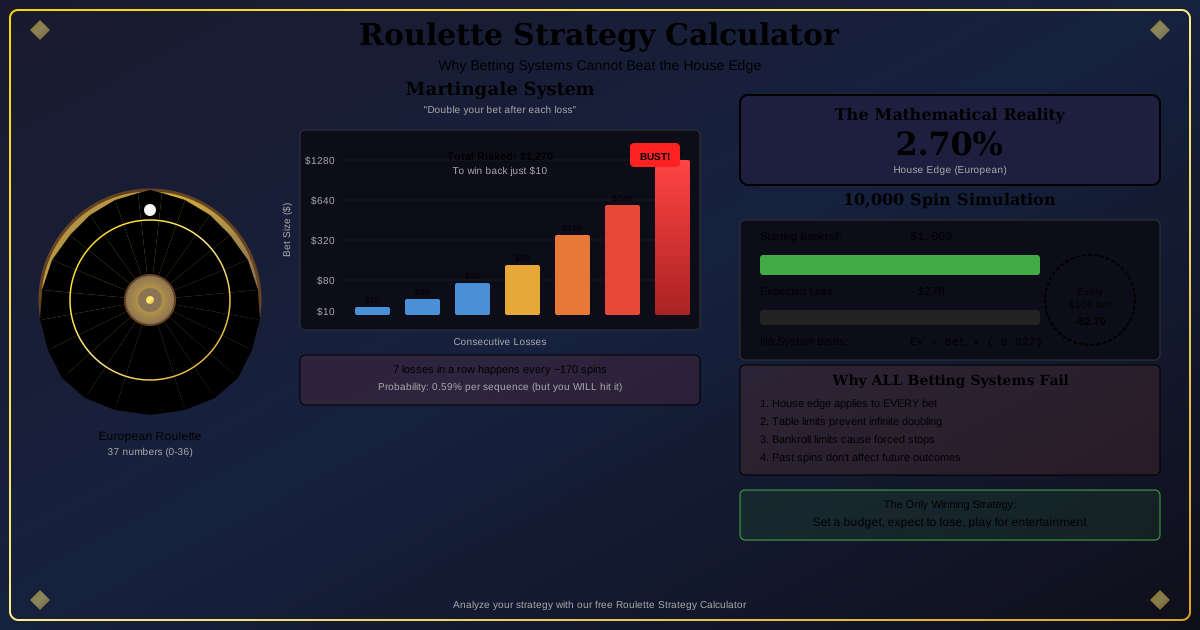
Quick Answer: No betting system changes the house edge (2.70% European, 5.26% American). Martingale works until it catastrophically fails. All systems eventually converge to the expected loss. Our calculator proves this with simulations—try it yourself.
How to Use Our Free Strategy Calculator
Use the Roulette Strategy Calculator →
Select a system and run thousands of simulations to see real outcomes.
Step-by-Step Instructions
-
Select Strategy: Martingale, Fibonacci, D'Alembert, etc.
-
Set Parameters: Starting bet, max bet, bankroll
-
Choose Wheel: European (single zero) or American (double zero)
-
Run Simulation: See thousands of sessions played out
-
View Results: Average profit/loss, bankruptcy rate, max drawdown
Input Fields Explained
| Field | Description | Example |
|---|---|---|
| Strategy | Betting system | Martingale |
| Base Bet | Starting wager | $10 |
| Table Max | Maximum allowed bet | $500 |
| Bankroll | Total money available | $1,000 |
| Sessions | Number to simulate | 1,000 |
Common Roulette Systems Explained
The Martingale System
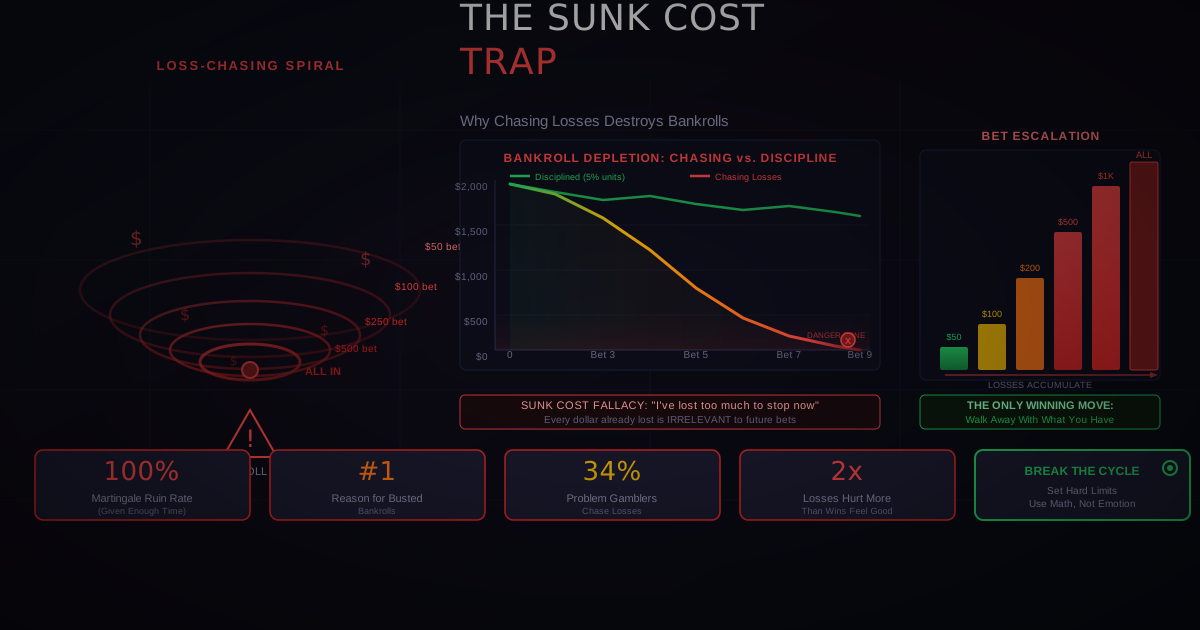
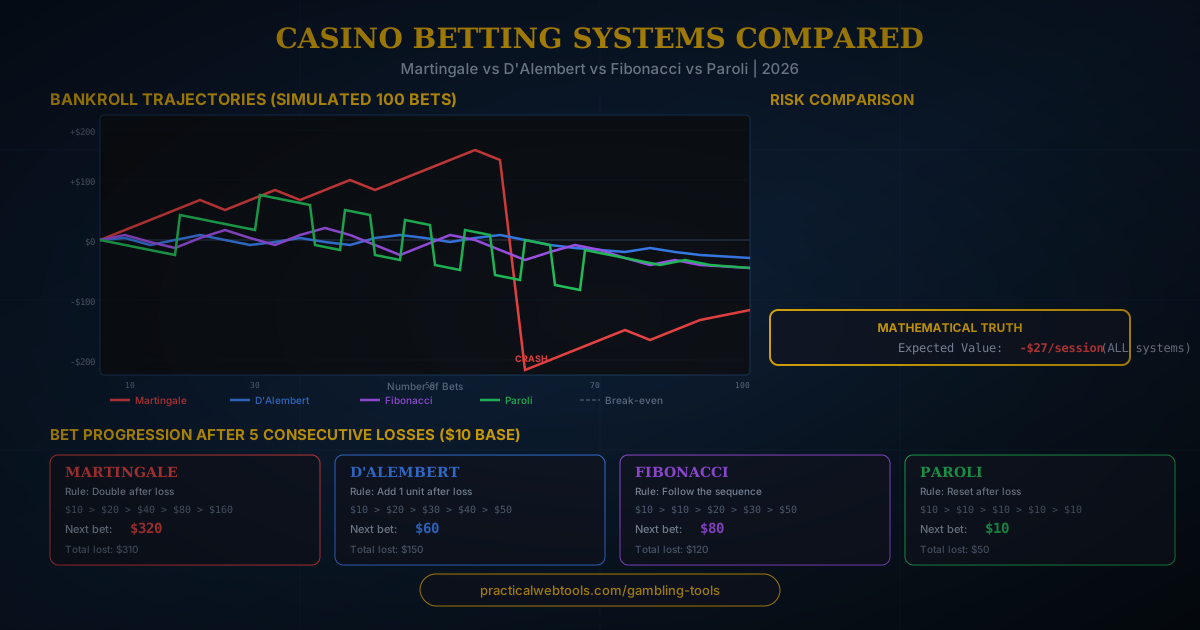
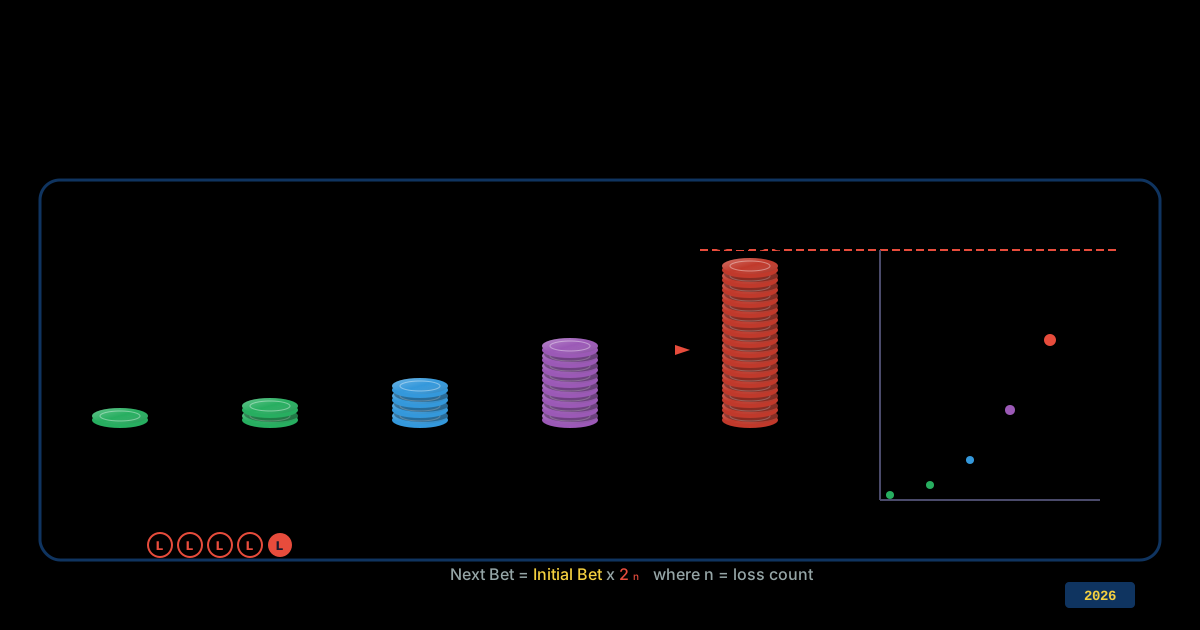
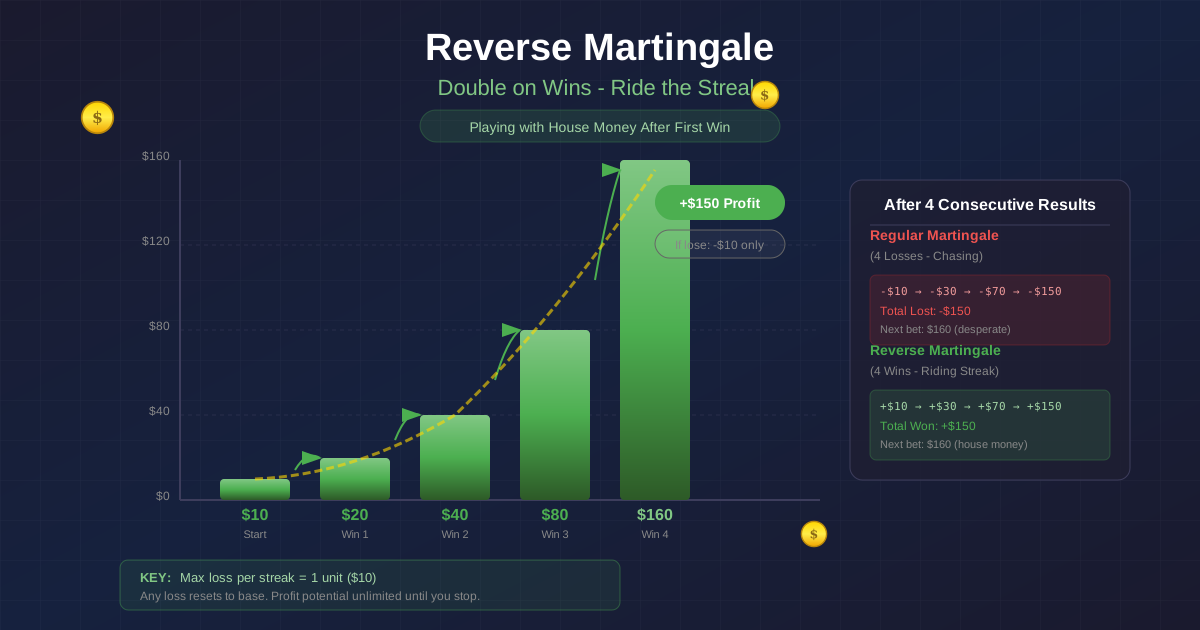
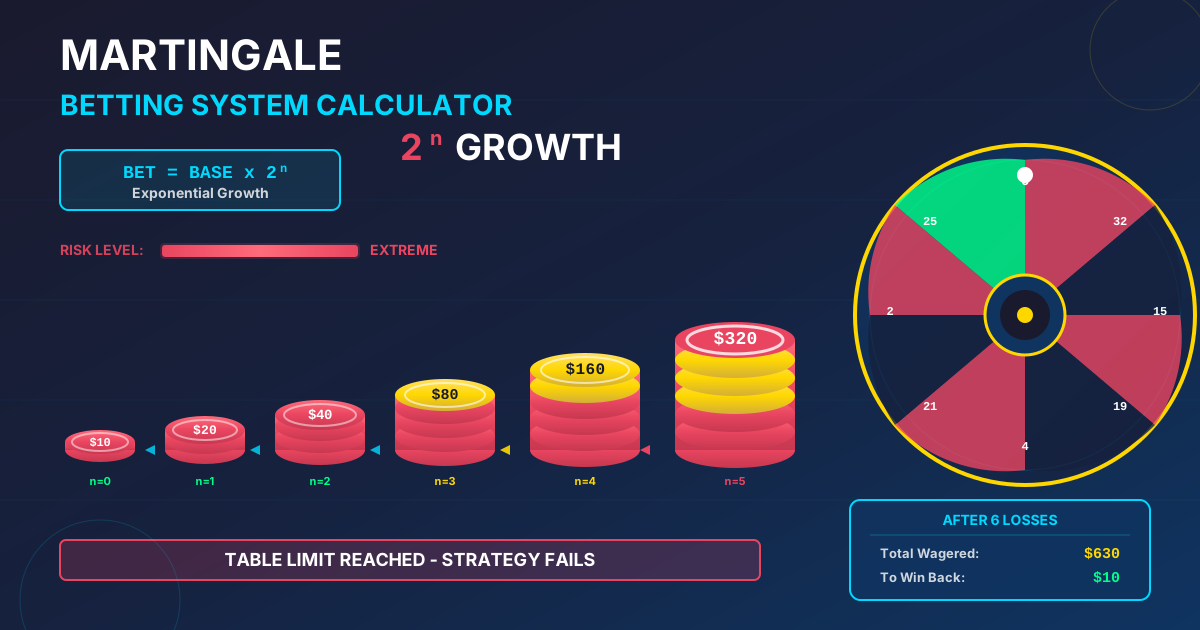
How it works: Double your bet after every loss. When you win, you profit 1 unit.
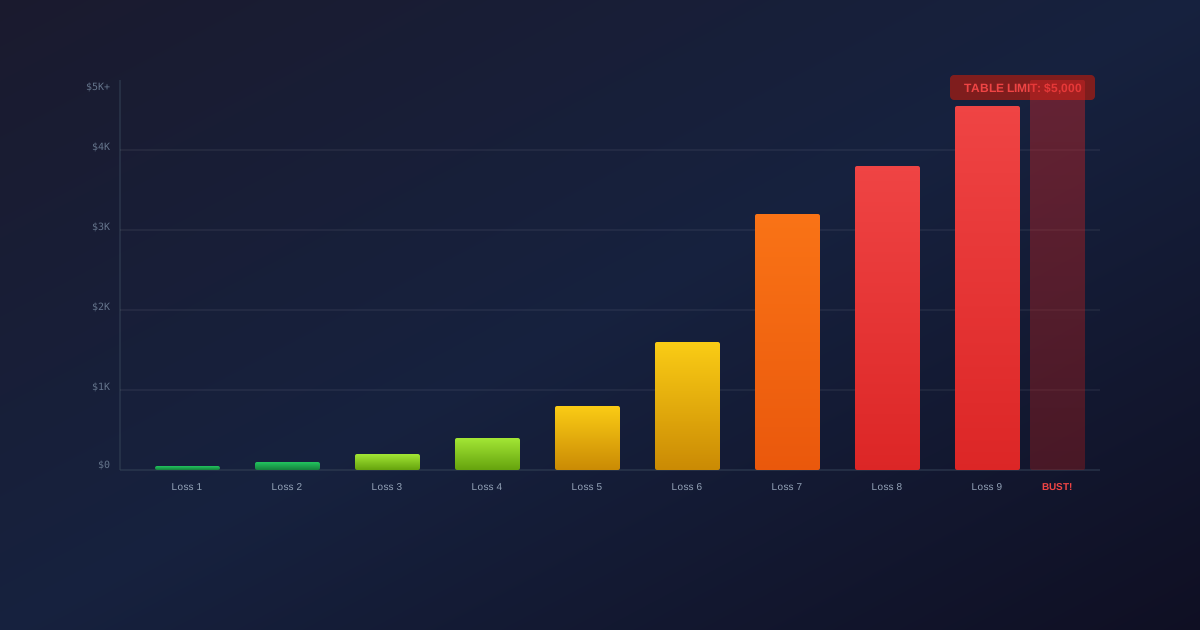
Example progression: $10 → $20 → $40 → $80 → $160 → $320
The problem:
- 6 consecutive losses: $630 lost, need $640 bet to recover
- Hits table max quickly
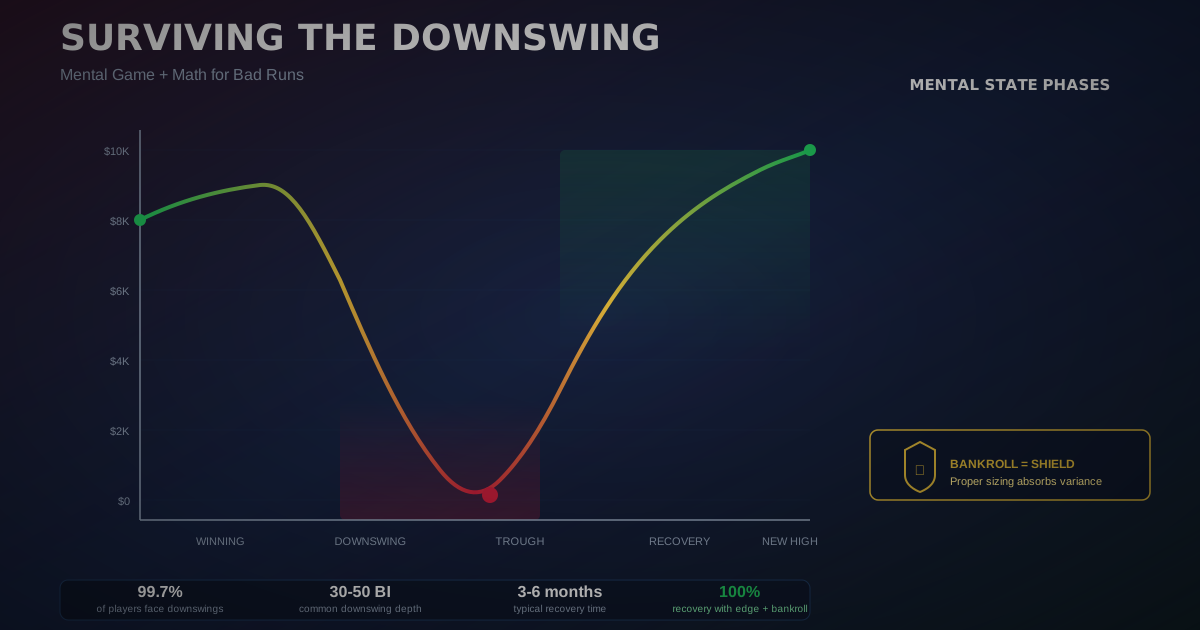
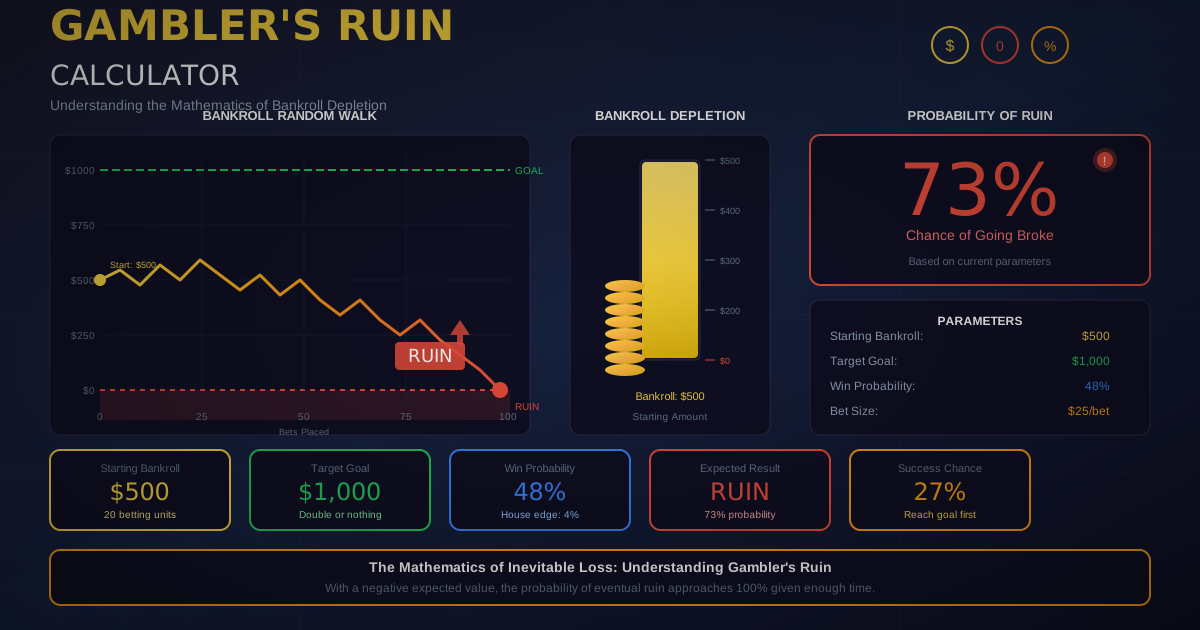
- Bankroll depletes in long losing streaks
- One catastrophic loss wipes out many small wins
Calculator result: ~95% of sessions show small profit, ~5% show devastating loss. Net expected value: negative.
The Fibonacci System
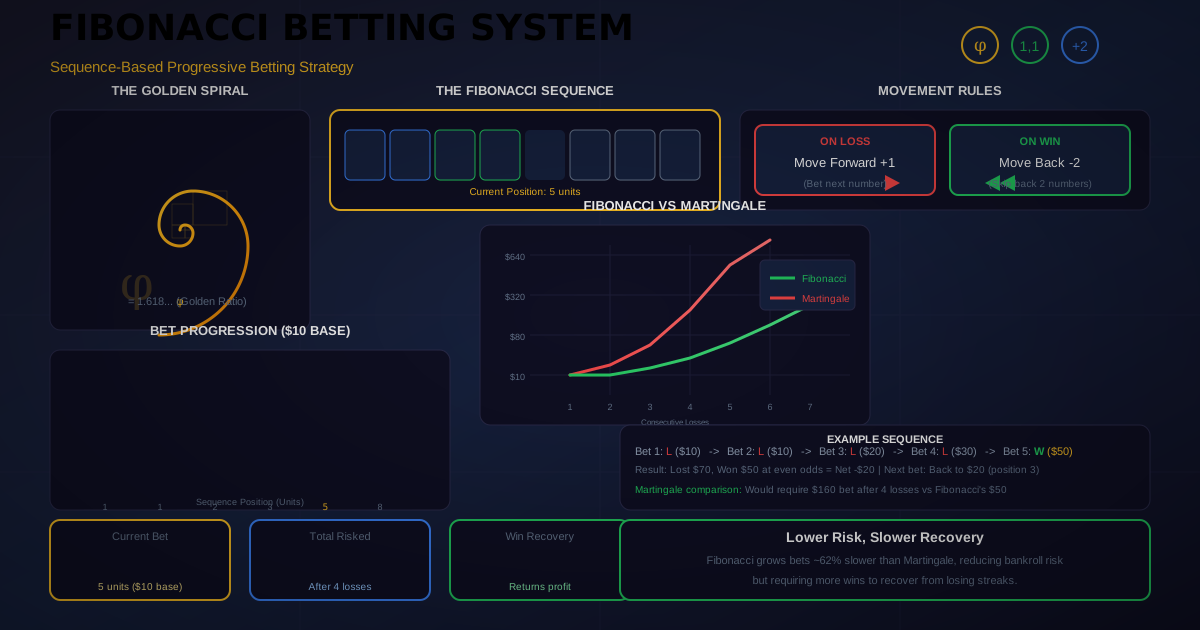
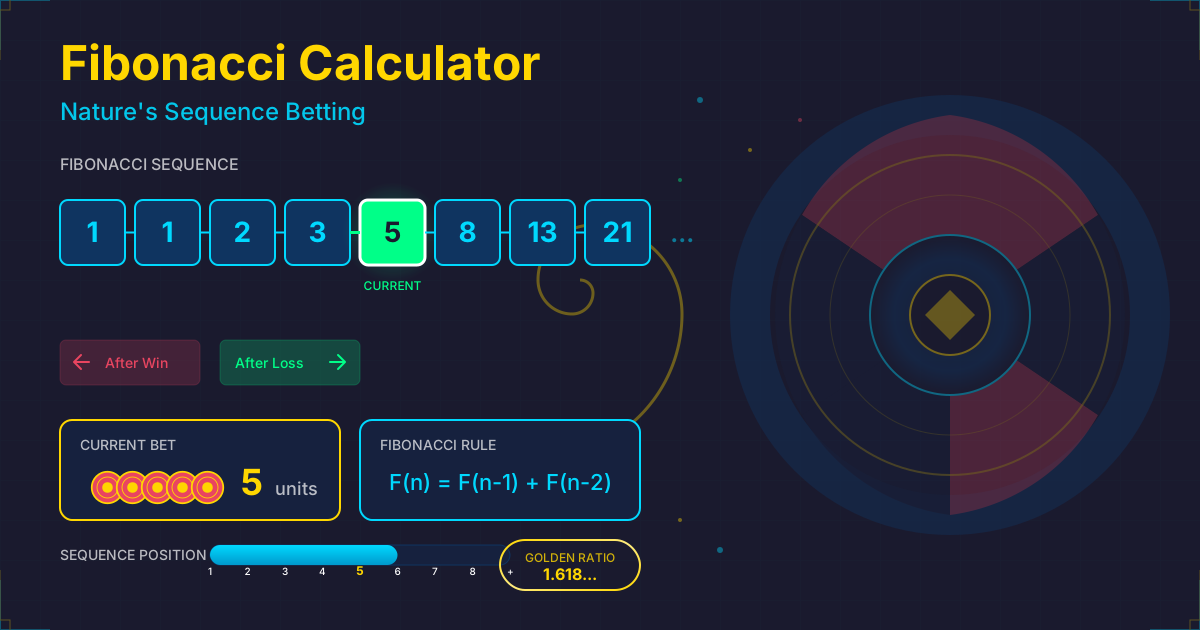
How it works: Bet amounts follow Fibonacci sequence (1, 1, 2, 3, 5, 8, 13...). Move up after loss, back two steps after win.
Example:
- Lose: $10, $10, $20, $30, $50
- Win at $50: Profit, return to $20
The problem:
- Slower progression than Martingale
- Still requires increasing bets after losses
- Still can't overcome house edge
- Extended losing streaks still bankrupt
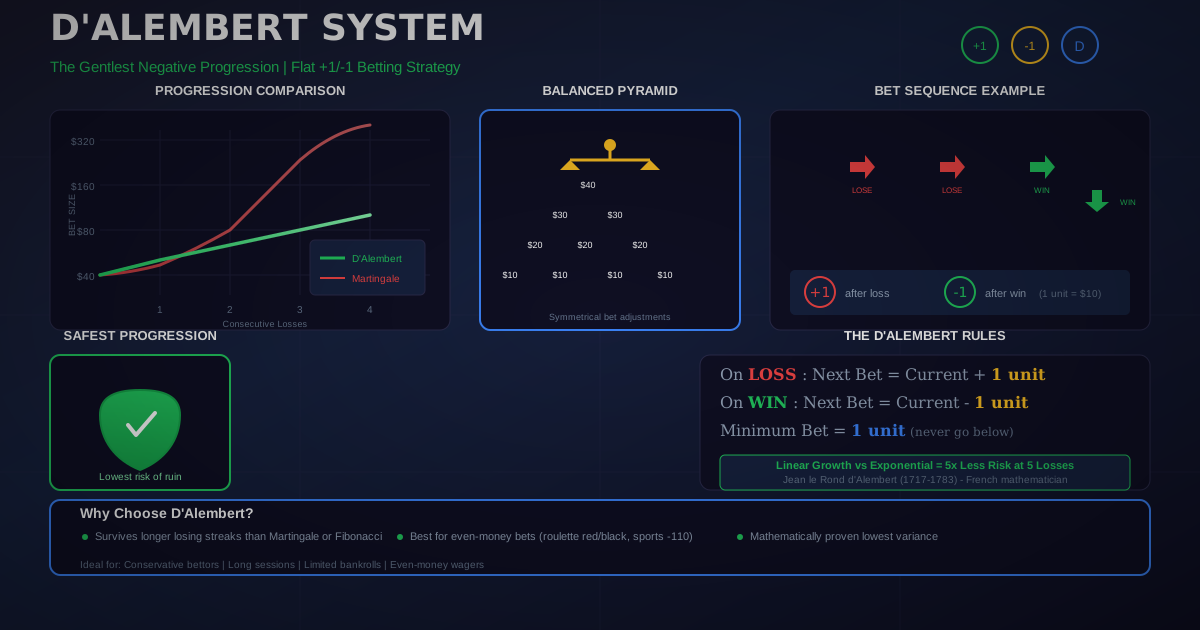
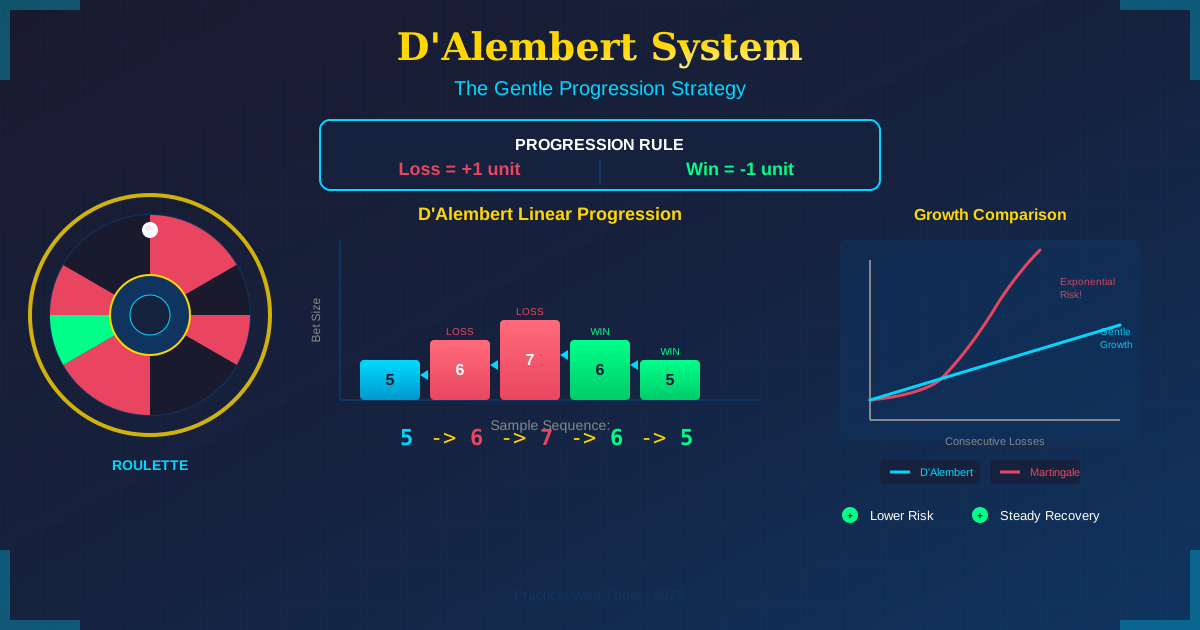
The D'Alembert System
How it works: Increase bet by 1 unit after loss, decrease by 1 after win.
Example:
- Start: $10
- Lose: $11
- Lose: $12
- Win: $11
- Win: $10
The problem:
- More conservative than Martingale
- Still negative expectation
- Requires equal wins and losses to profit (but losses are more likely)
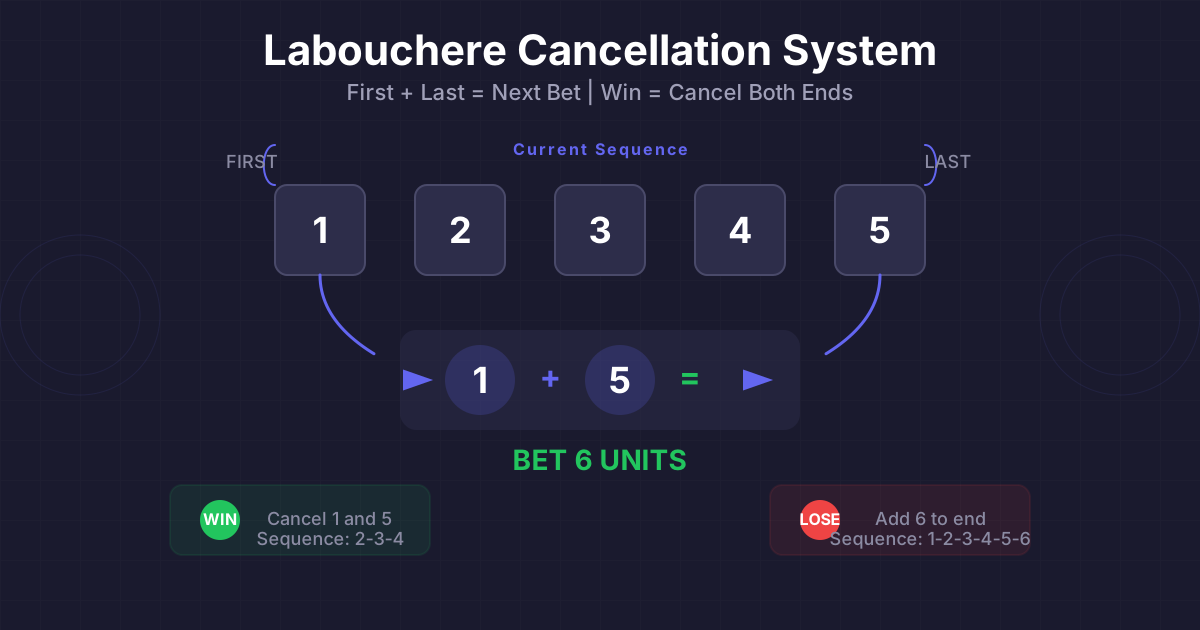
The Labouchère System
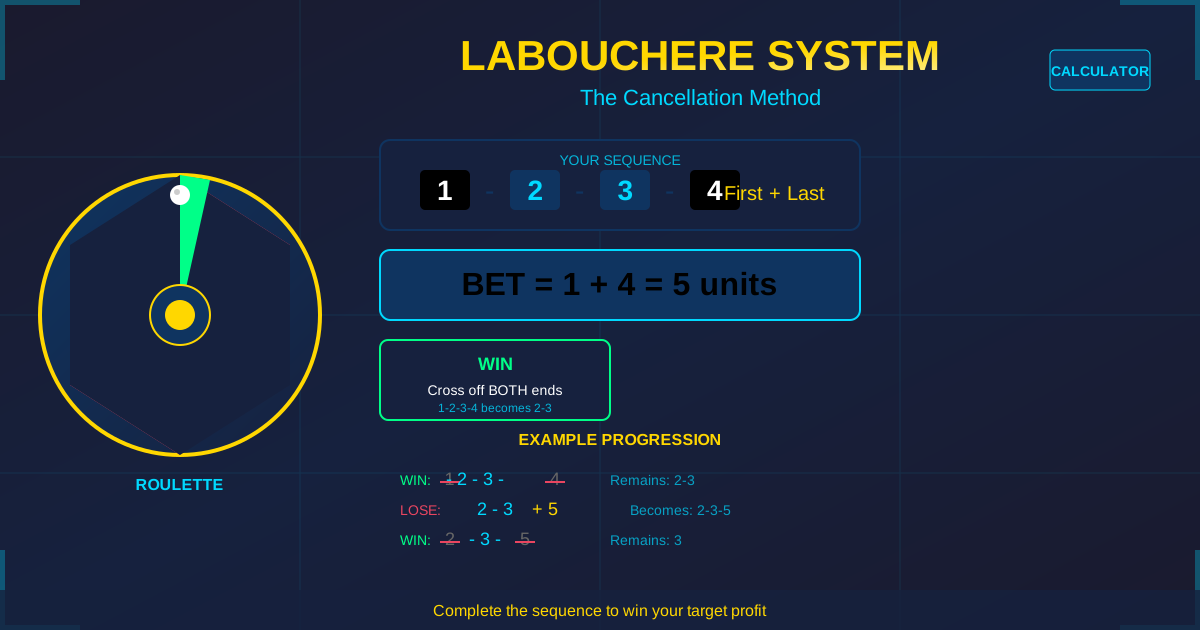
How it works: Write a sequence (1-2-3-4). Bet sum of first and last. Cross off numbers after wins, add to end after losses.
Example:
- Sequence: 1-2-3-4, Bet: 1+4 = $5
- Win: Sequence becomes 2-3, Bet: 2+3 = $5
- Lose: Sequence becomes 2-3-5, Bet: 2+5 = $7
The problem:
- Complex without advantage
- Losing streaks extend sequence indefinitely
- Same house edge applies
Flat Betting
How it works: Bet the same amount every spin.
Why it's actually best:
- Minimizes variance
- Same expected loss as any system
- No risk of catastrophic single-session loss
- Easiest to manage bankroll
The Mathematical Reality
Why Systems Can't Win
Every roulette spin has the same probabilities:
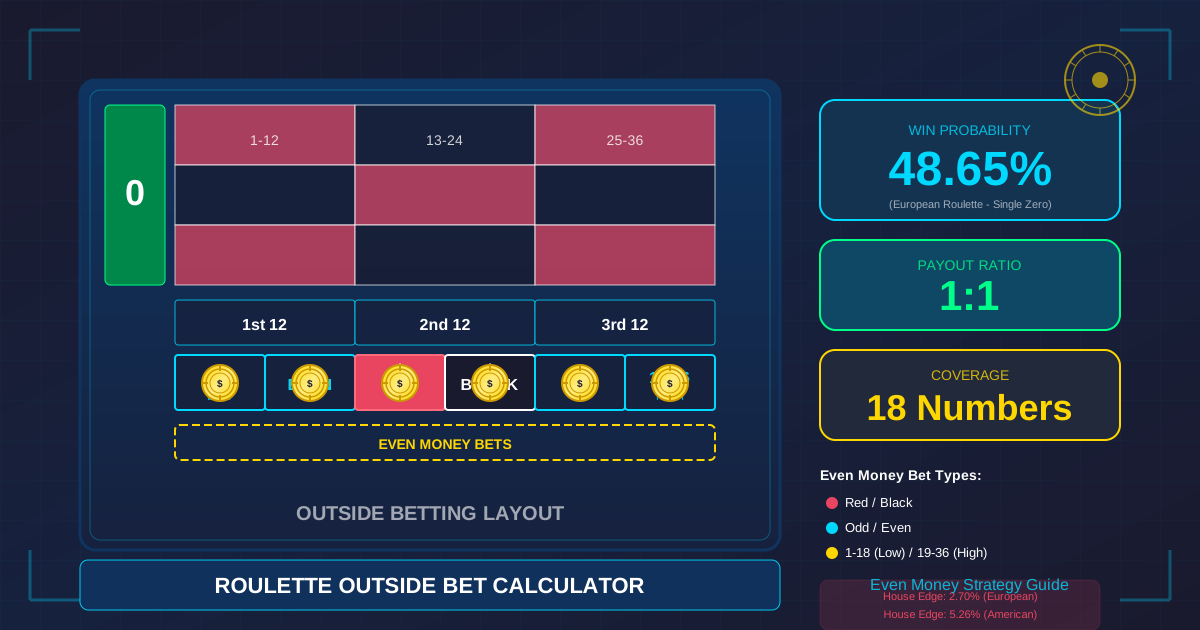
- Red/Black: 18/37 = 48.65% (European)
- House edge: 2.70% per spin
No bet sizing changes this. Whether you bet $1 or $1,000,000:
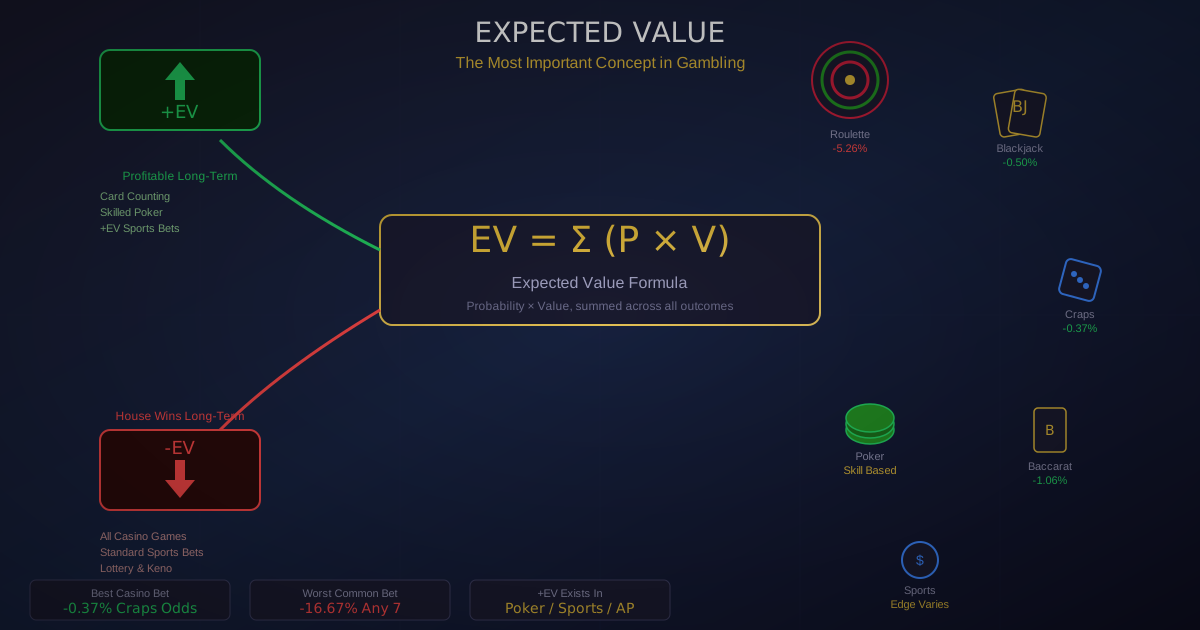
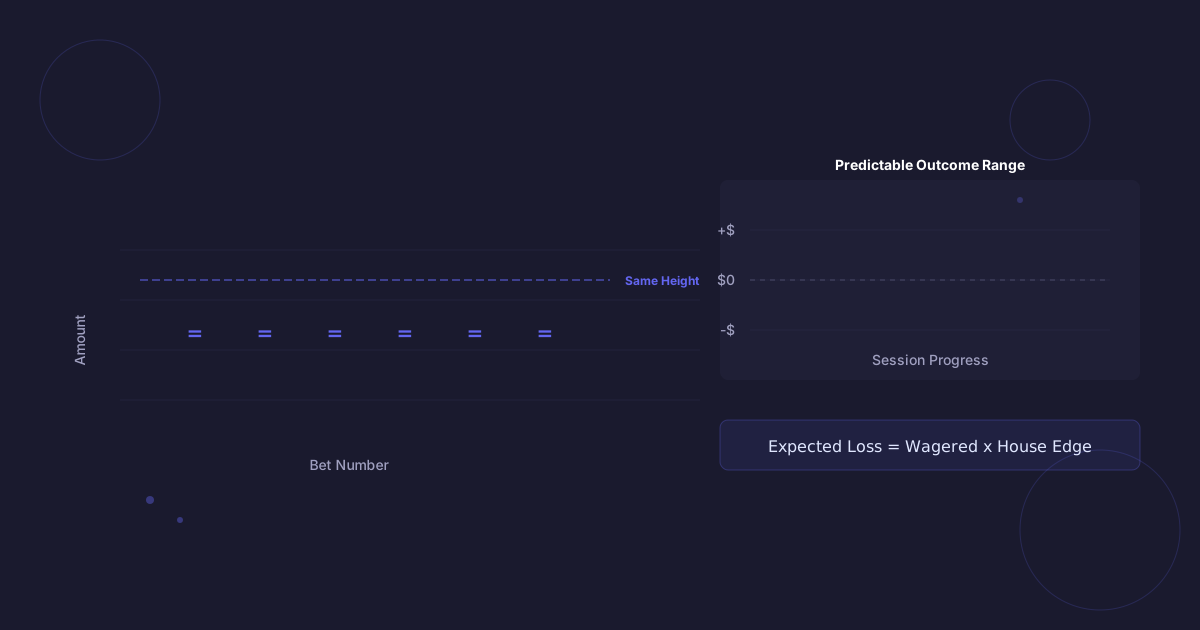
- Expected loss = Total wagered × House edge
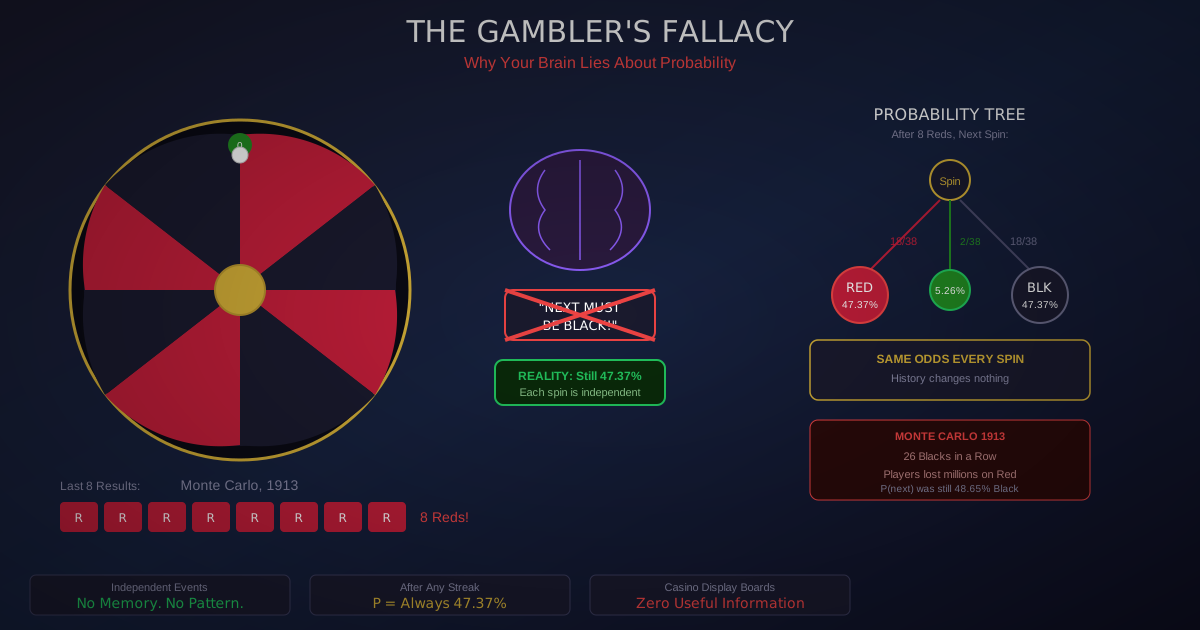
Gambler's Fallacy
Systems rely on the false belief that:
- After many reds, black is "due"
- Streaks must end
Reality: Each spin is independent. After 10 reds, the next spin is still 48.65% red.
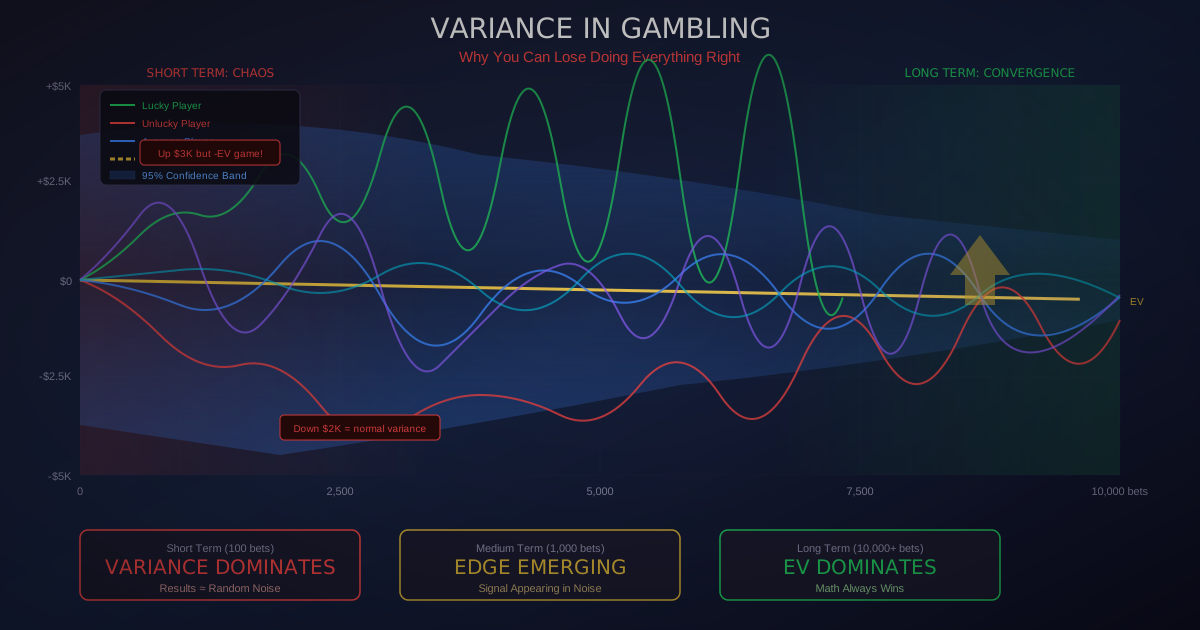
Long-Term Convergence
| Spins | Expected Total Loss |
|---|---|
| 100 | ~2.7% of total wagered |
| 1,000 | ~2.7% of total wagered |
| 10,000 | ~2.7% of total wagered |
No matter the system, losses converge to house edge × total wagered.
Simulation Results
Martingale: 10,000 Session Simulation
Parameters: $10 base, $5,000 max, $1,000 bankroll
| Outcome | Percentage | Avg Result |
|---|---|---|
| Small profit | 93.2% | +$47 |
| Devastating loss | 6.8% | -$890 |
| Net average | 100% | -$17 |
The net is always negative—small wins don't compensate for rare catastrophic losses.
Fibonacci: 10,000 Session Simulation
Parameters: $10 base, $5,000 max, $1,000 bankroll
| Outcome | Percentage | Avg Result |
|---|---|---|
| Profit | 78.4% | +$62 |
| Loss | 21.6% | -$340 |
| Net average | 100% | -$24 |
Flat Betting: 10,000 Session Simulation
Parameters: $10 per spin, 100 spins
| Outcome | Avg Result |
|---|---|
| Net average | -$27 |
Same expected loss, but smoother ride without catastrophic sessions.
Real-World System Examples
Example 1: Martingale Disaster
Session:
- Bets: $10, $20, $40, $80, $160, $320, $640 (table max hit)
- Results: L, L, L, L, L, L, L
- Total lost: $1,270
- Previous 50 winning sessions: +$500
One bad streak erased months of "winning."
Example 2: Fibonacci False Hope
Session over 3 hours:
- Started with $500
- High point: +$180
- Final result: -$340
The system extended play time but didn't change outcome.
Example 3: Honest Flat Betting
100 spins at $10:
- Expected loss: $27
- Actual loss: -$40
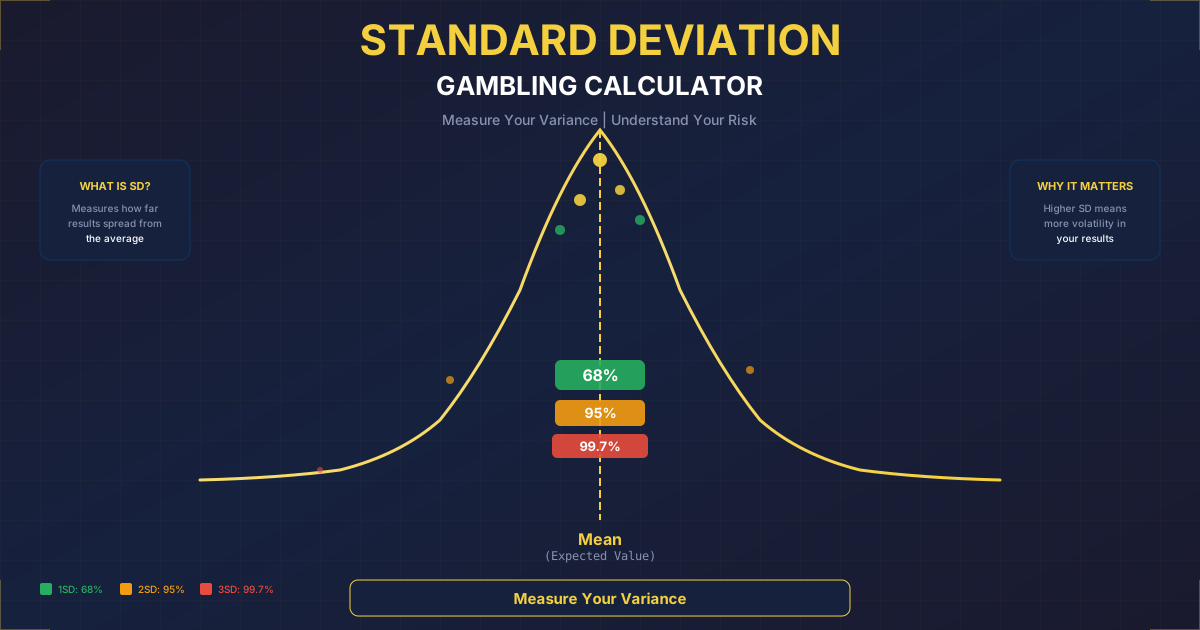
- Variance: Normal fluctuation
No surprises, predictable outcome.
Frequently Asked Questions
Doesn't Martingale guarantee eventual wins?
In theory with infinite bankroll and no table limits, yes. In reality, table limits exist, bankrolls are finite, and the expected value is still negative.
What about dealer signatures or wheel bias?
Extremely rare on modern equipment. Casinos monitor wheel results and replace biased wheels immediately. This isn't a viable strategy.
Can I use systems for entertainment?
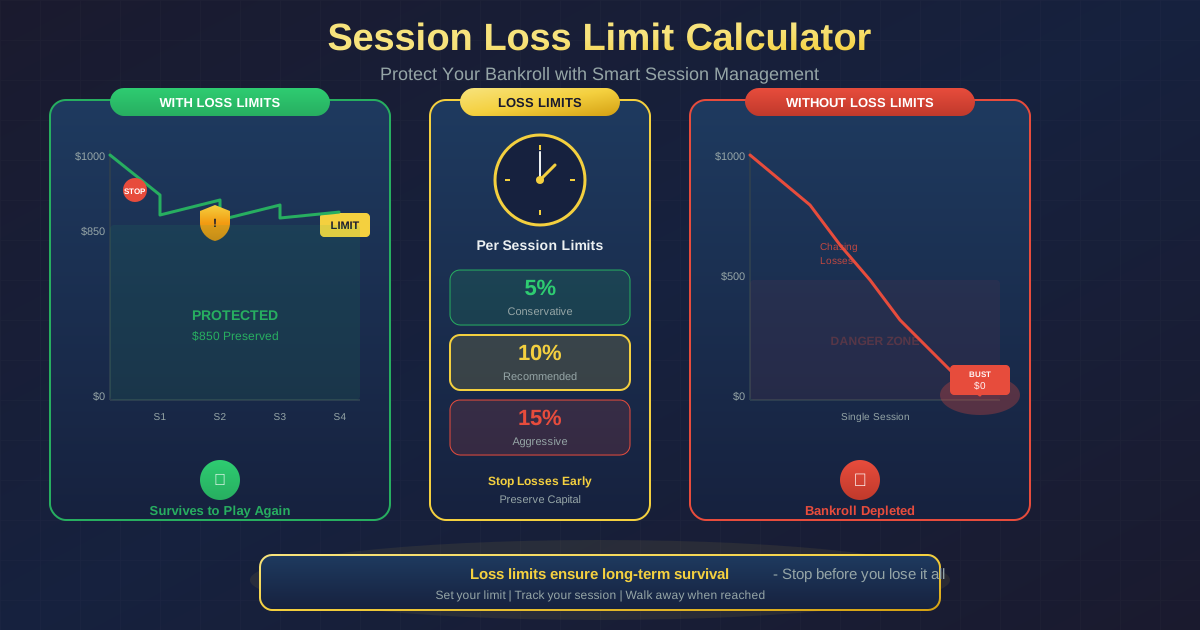
Yes, systems add structure and excitement. Just understand they don't improve odds. Set a loss limit and treat it as entertainment cost.
Which system loses the least?
All systems have the same expected loss per dollar wagered. Flat betting minimizes variance and catastrophic single-session losses.
Do professional gamblers use roulette systems?
No. Professional gamblers avoid negative expectation games entirely or exploit specific advantages (wheel bias, dealer signatures in rare cases). Systems aren't part of serious gambling.
What about combination systems?
Combining systems just combines negative expectations. 2.70% edge × anything = negative result.
The Only "Winning" Roulette Strategy
Minimize House Edge
- Play European (single zero): 2.70% vs 5.26% American
- Find "En Prison" or "La Partage": Reduces edge to 1.35%
- Bet less total: Lower total wagered = lower total expected loss
Set Realistic Expectations
- Entertainment budget: Decide what the experience is worth
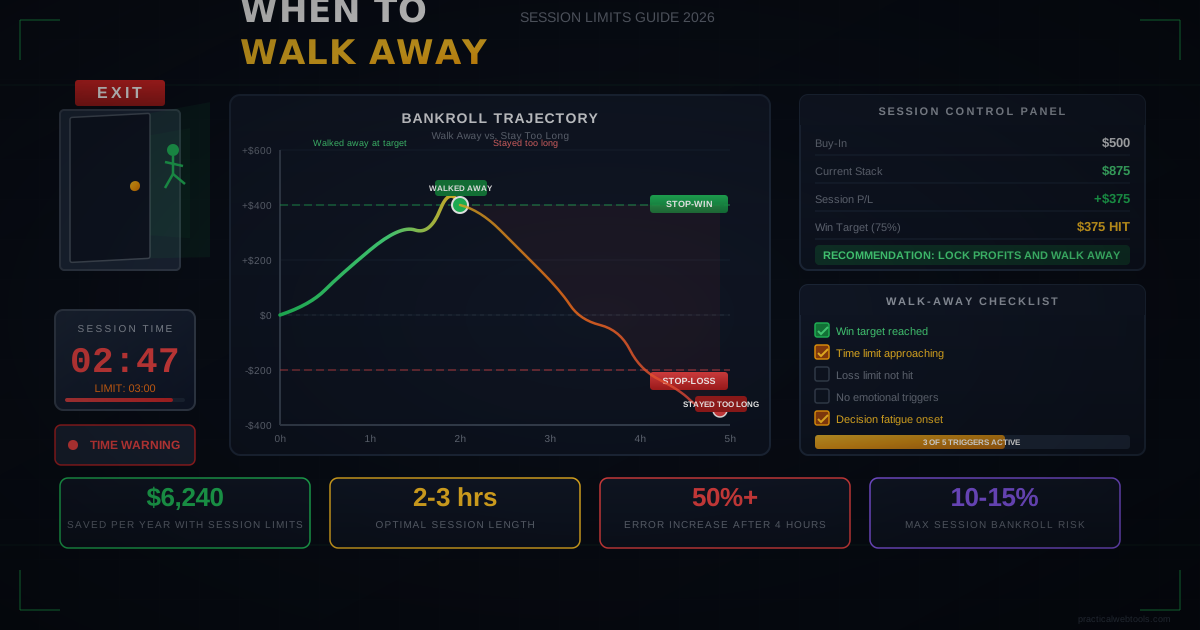
- Loss limits: Stop when reached
- Win limits: Lock in unexpected gains
- Time limits: Longer play = more expected loss
Accept the Math
Roulette is entertainment with a cost. Systems make it feel like you have control, but the math is immutable. Enjoy the game, don't chase profits.
Pro Tips for Roulette Players
-
Skip American wheels: The extra zero doubles house edge
-
Flat bet or small progressions: Avoid catastrophic loss risk
-
Take breaks: Fresh perspective reduces tilt
-
Don't chase losses: The wheel doesn't know or care about your previous results
-
Use the calculator: Simulate your "winning" system and see reality
Related Roulette Calculators
- Roulette Odds Calculator - All bet probabilities
- Roulette House Edge Calculator - Compare wheels
- Roulette Probability Calculator - Streak odds
- Roulette Payout Calculator - Bet returns
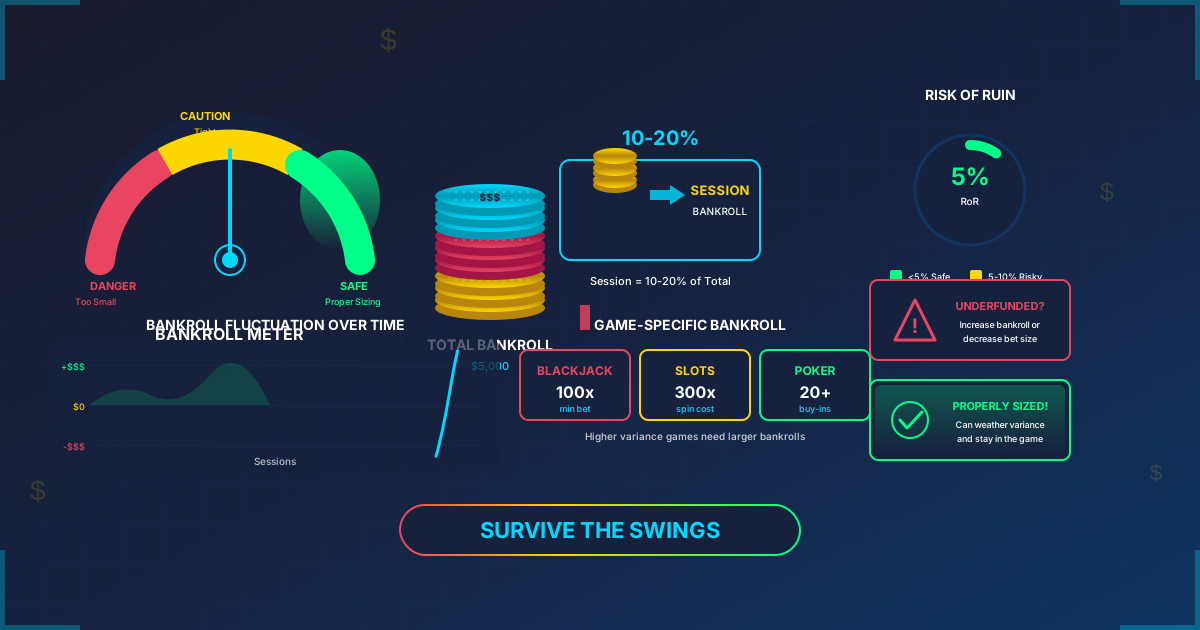
- Gambling Bankroll Calculator - Session planning
Conclusion
Every roulette betting system fails the mathematical test. Our free calculator simulates thousands of sessions to prove what the math already shows: systems change the distribution of outcomes but not the expected value. You'll experience many small wins and occasional devastating losses—netting to the house edge regardless.
Calculate Any Roulette Strategy Now →
Use the calculator to test your favorite system. Watch it fail over thousands of simulations. Then play roulette for what it is—entertainment with a known cost—rather than chasing impossible profits.