Sports Betting Bankroll Calculator: Money Management Guide (2026)

Sports Betting Bankroll Calculator: Protect Your Money
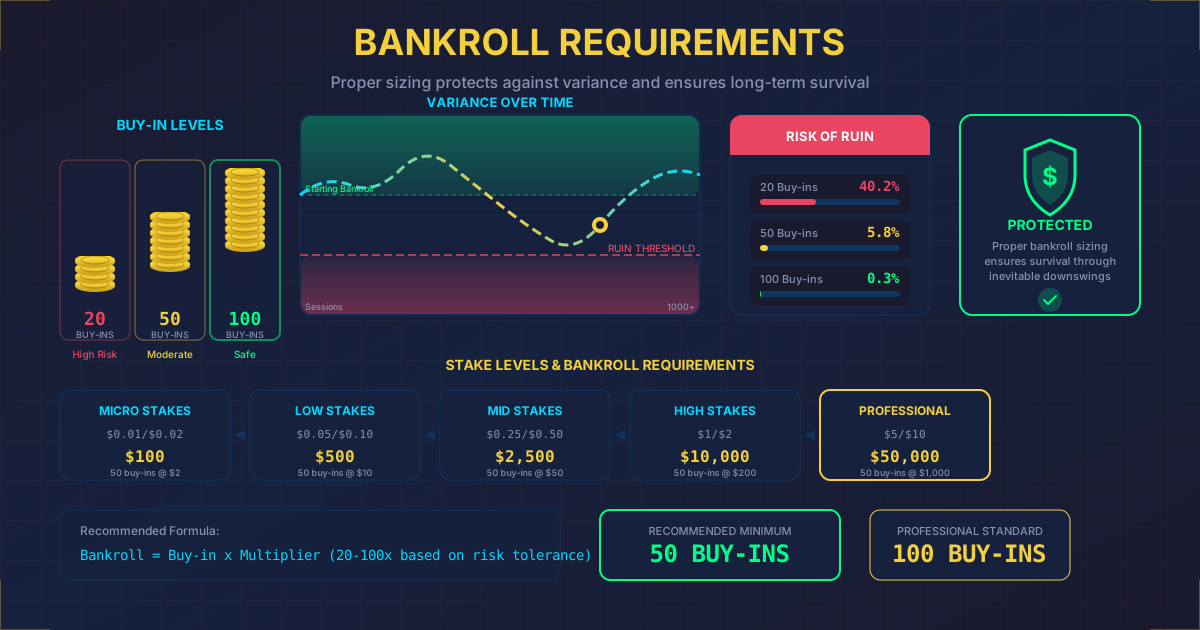
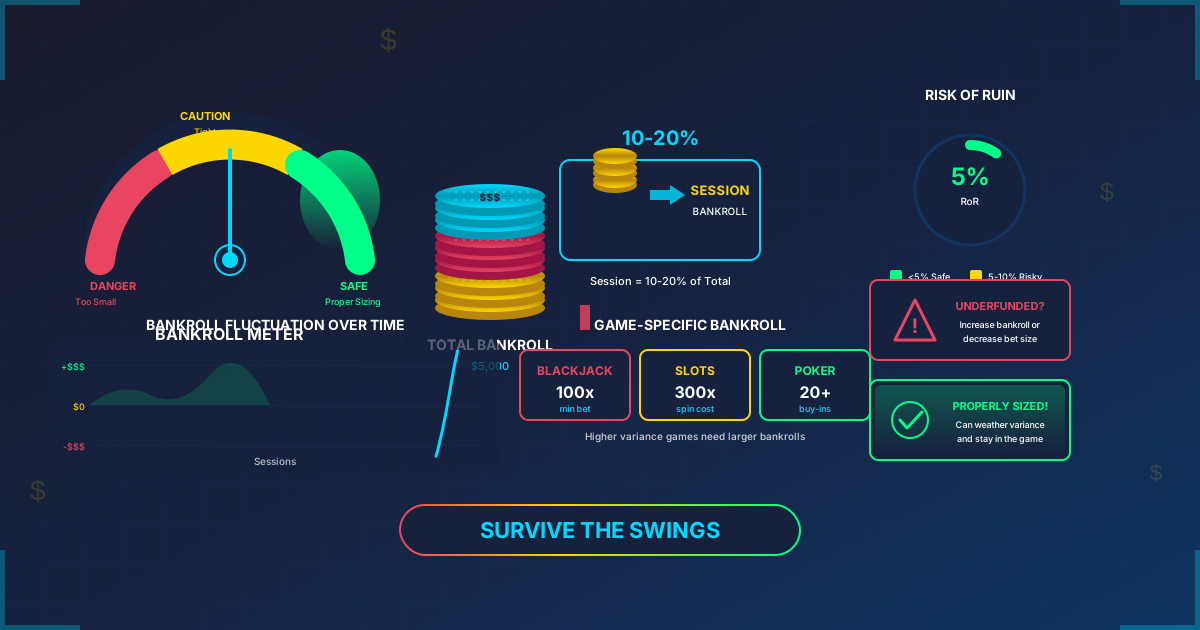
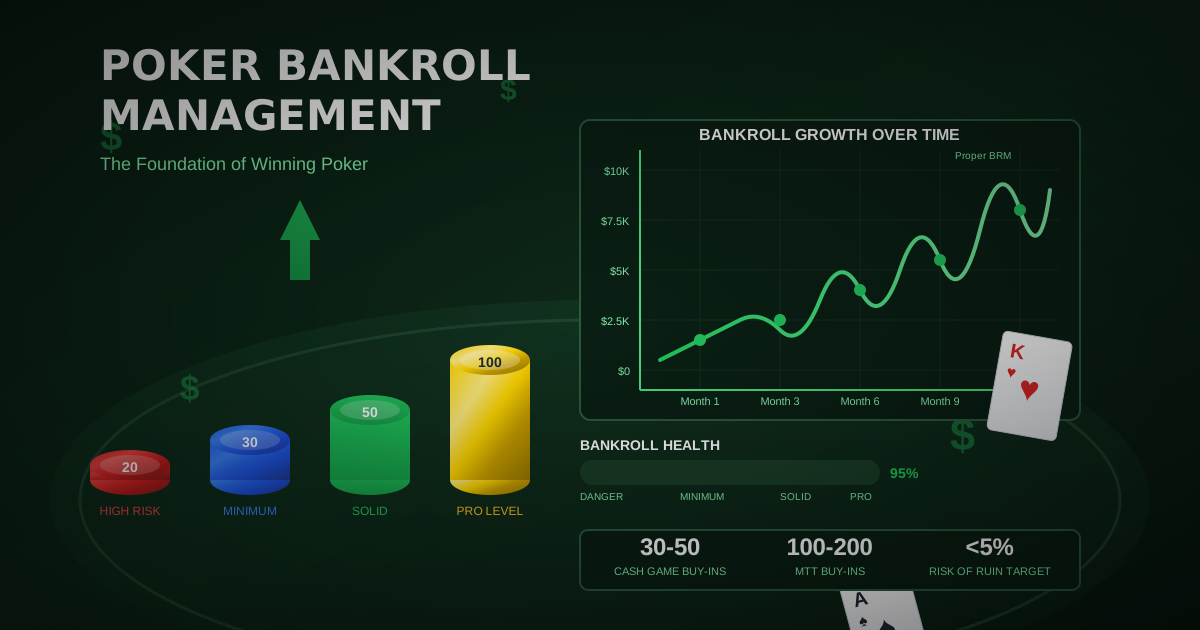
Bankroll management separates recreational bettors who go broke from serious bettors who survive variance. Our free calculator helps you size bets appropriately, track your bankroll, and build sustainable betting habits.
What Is Bankroll Management?
Bankroll management means determining how much money to dedicate to betting and how much to wager on each bet. Proper management protects against variance and prevents devastating losses.
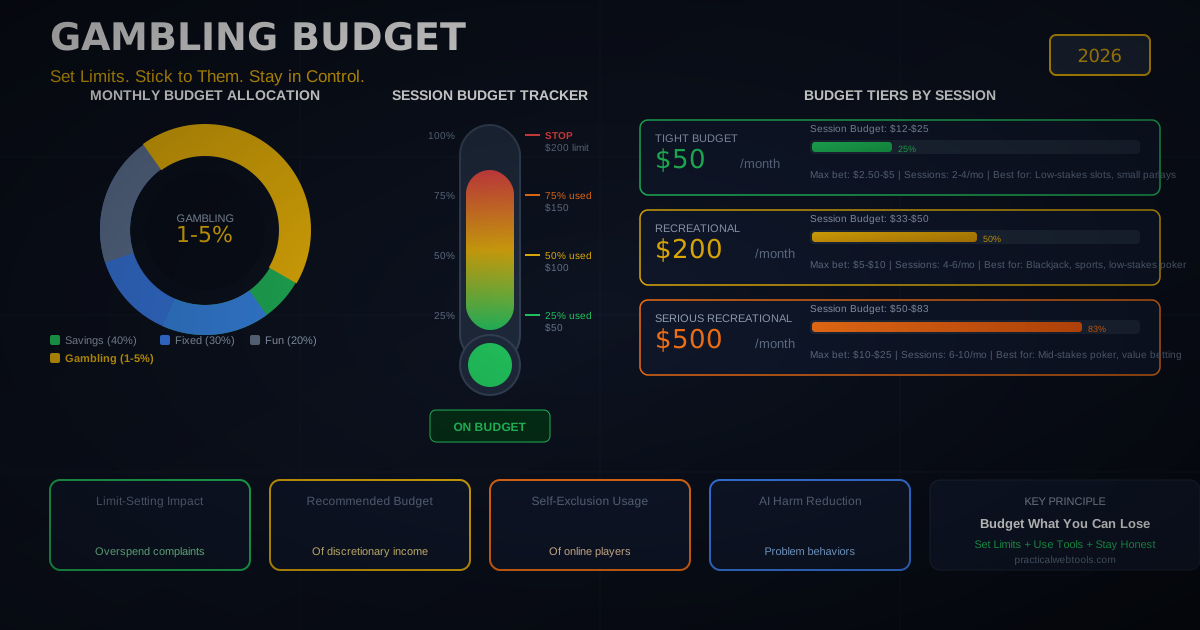
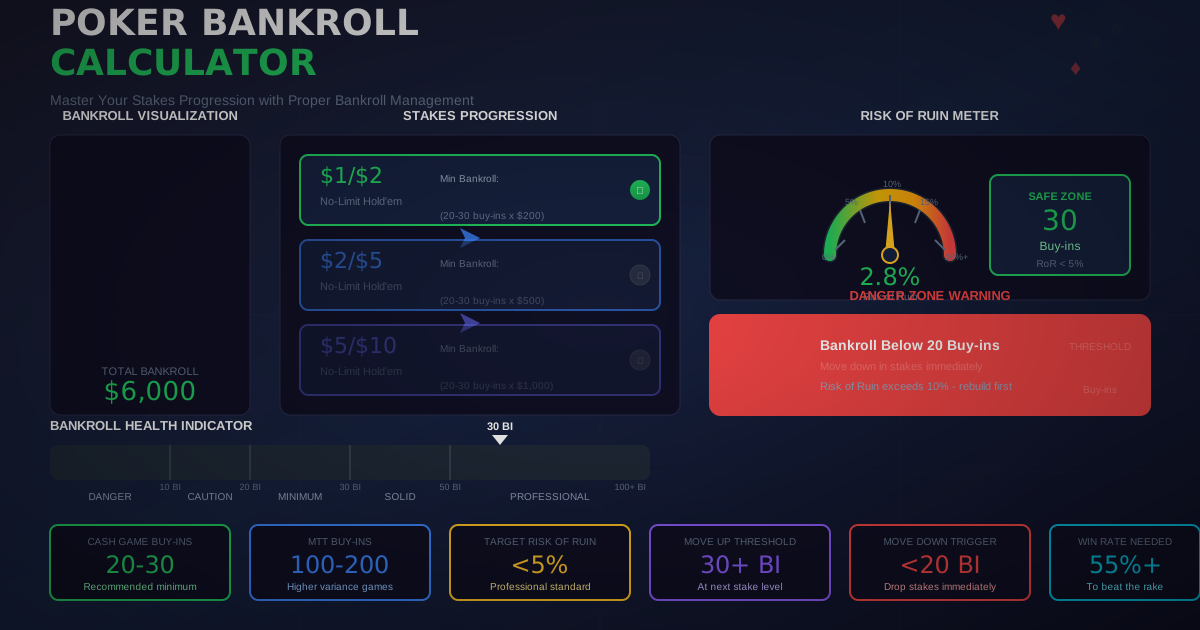
Quick Answer: Most professionals recommend risking 1-3% of your bankroll per bet. With a $1,000 bankroll, that's $10-30 per wager. This sizing lets you survive losing streaks while still having meaningful action.
How to Use Our Free Bankroll Calculator
Use the Sports Betting Bankroll Calculator →
Enter your bankroll and parameters to get optimal bet sizing.
Step-by-Step Instructions
-
Enter Total Bankroll: Money dedicated to betting
-
Set Risk Percentage: How much to risk per bet (1-5%)
-
Input Expected Win Rate: Your historical or expected accuracy
-
View Recommendations: Optimal unit size and ruin probability
Input Fields Explained
| Field | Description | Example |
|---|---|---|
| Bankroll | Total betting funds | $2,000 |
| Risk per Bet | Percentage wagered | 2% |
| Unit Size | Dollar amount per bet | $40 |
| Win Rate | Expected accuracy | 53% |
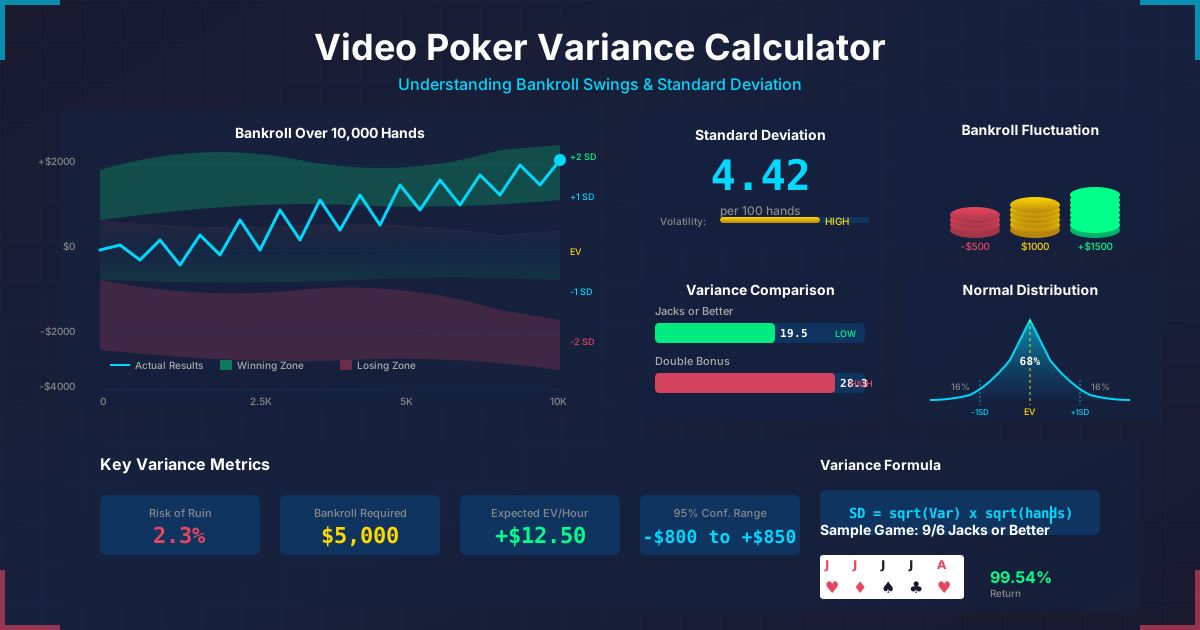
| Ruin Probability | Chance of going broke | 2.3% |
Unit Betting System
What Is a Unit?
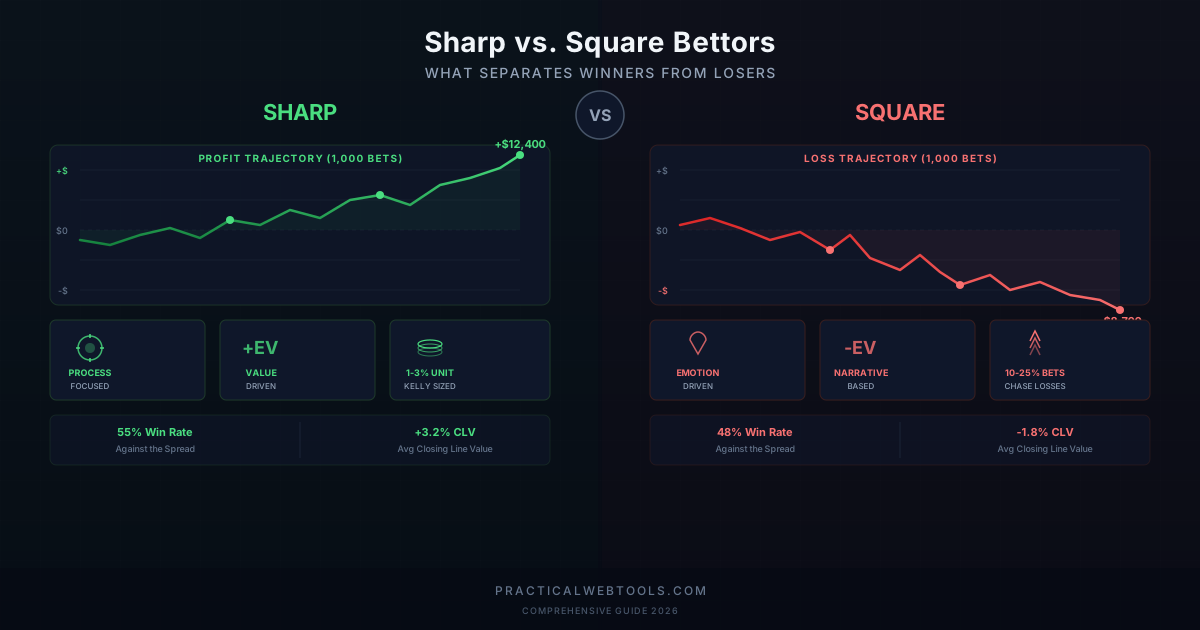
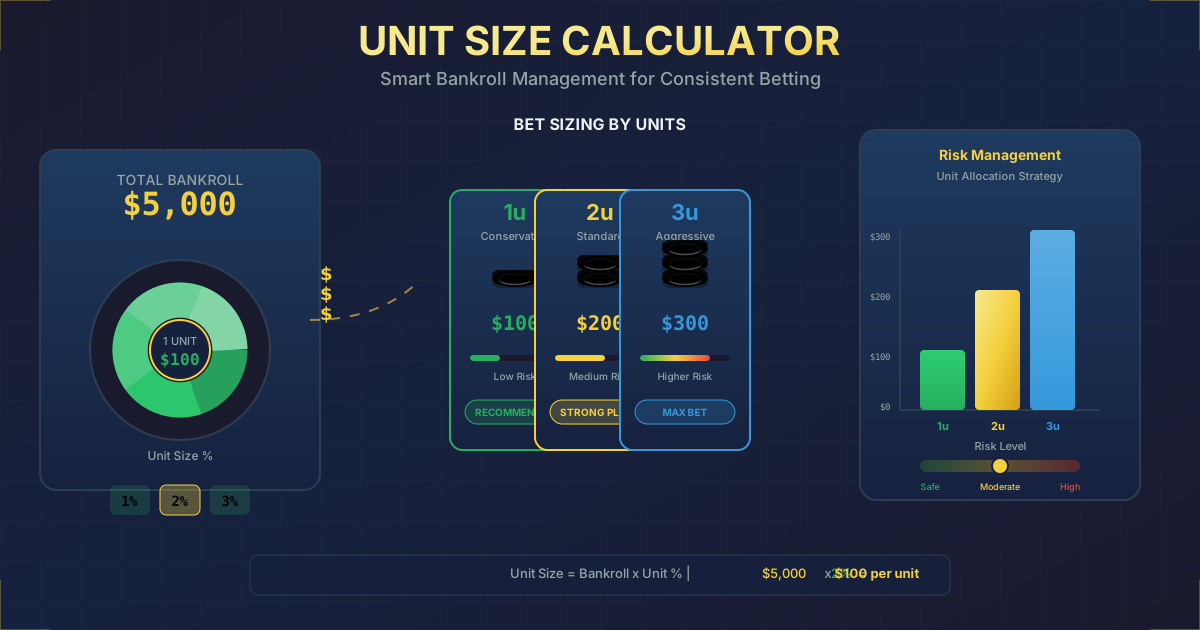
A unit is a standardized bet size—typically 1-2% of your bankroll:
| Bankroll | 1% Unit | 2% Unit |
|---|---|---|
| $500 | $5 | $10 |
| $1,000 | $10 | $20 |
| $2,500 | $25 | $50 |
| $5,000 | $50 | $100 |
| $10,000 | $100 | $200 |
Why Use Units?
- Consistency: Same relative risk on every bet
- Scalability: Units adjust as bankroll changes
- Tracking: Measure profit in units, not dollars
- Comparison: Compare results across different bankrolls
Adjusting Unit Size
Recalculate units when bankroll changes significantly:
- Up 20%+: Increase unit size
- Down 20%+: Decrease unit size
- Review monthly: Regular recalibration
Risk Percentage Guidelines
Conservative (1% per bet)
Best for:
- New bettors learning
- High-variance betting (props, futures)
- Risk-averse personalities
Example: $1,000 bankroll × 1% = $10 bets
Standard (2% per bet)
Best for:
- Experienced bettors
- -110 spread/total betting
- Moderate risk tolerance
Example: $1,000 bankroll × 2% = $20 bets
Aggressive (3-5% per bet)
Best for:
- Proven profitable track record
- Strong edge on specific bets
- Higher risk tolerance
Example: $1,000 bankroll × 3% = $30 bets
Warning: Above 5% dramatically increases ruin probability.
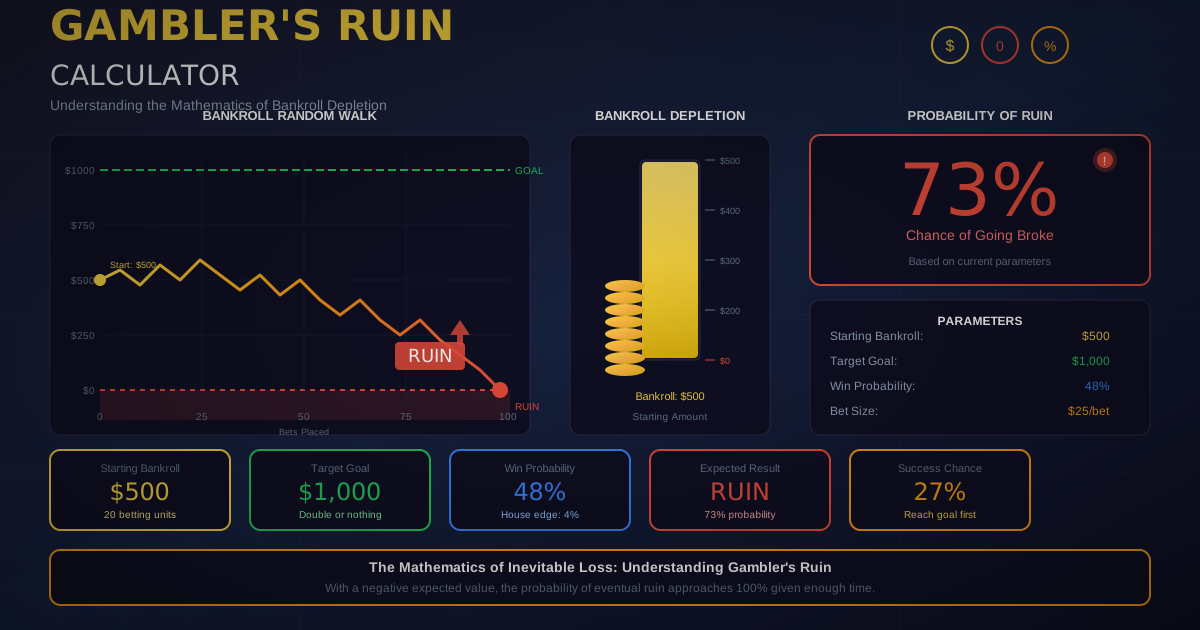
Probability of Ruin
What Is Ruin?
"Ruin" means losing your entire bankroll. Proper sizing minimizes this risk.
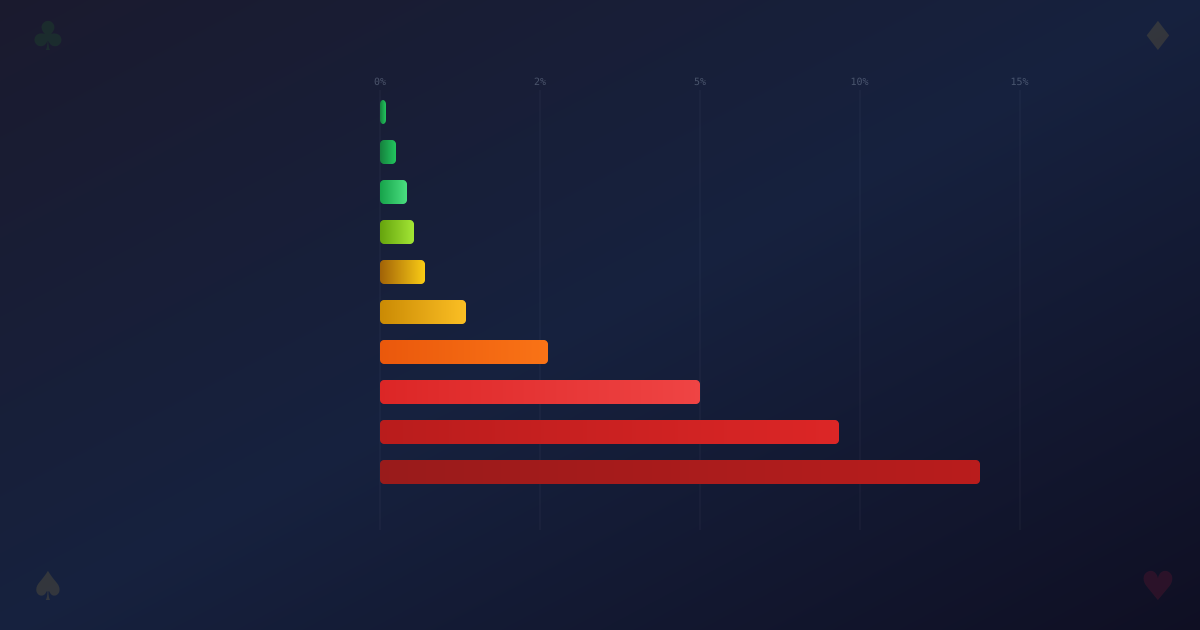
Ruin Probability by Bet Size
Assuming 52.4% win rate at -110:
| Bet Size | 500-Bet Ruin Risk |
|---|---|
| 1% | <0.1% |
| 2% | ~1% |
| 3% | ~5% |
| 5% | ~15% |
| 10% | ~40% |
At 10% per bet, you're gambling with your bankroll's life.
Factors Affecting Ruin
- Win rate: Higher = lower ruin risk
- Bet size: Larger = higher ruin risk
- Odds: Longer odds = higher variance = higher ruin risk
- Number of bets: More bets = more exposure to variance
Real-World Bankroll Examples
Example 1: Recreational Bettor
Profile:
- Bankroll: $500
- Goals: Entertainment, learn betting
- Experience: Beginner
Recommendation:
- Unit size: 1% = $5
- Bets per week: 5-10
- Monthly exposure: ~$200-400
- Ruin risk: Very low
Example 2: Serious Amateur
Profile:
- Bankroll: $2,500
- Goals: Profitable hobby
- Experience: 1-2 years, breakeven
Recommendation:
- Unit size: 2% = $50
- Bets per week: 10-20
- Track all bets meticulously
- Review and adjust monthly
Example 3: Aspiring Professional
Profile:
- Bankroll: $10,000
- Goals: Supplemental income
- Experience: Proven 54%+ win rate
Recommendation:
- Unit size: 1-2% = $100-200
- Multiple sportsbook accounts
- Kelly Criterion for edge-based sizing
- Strict discipline
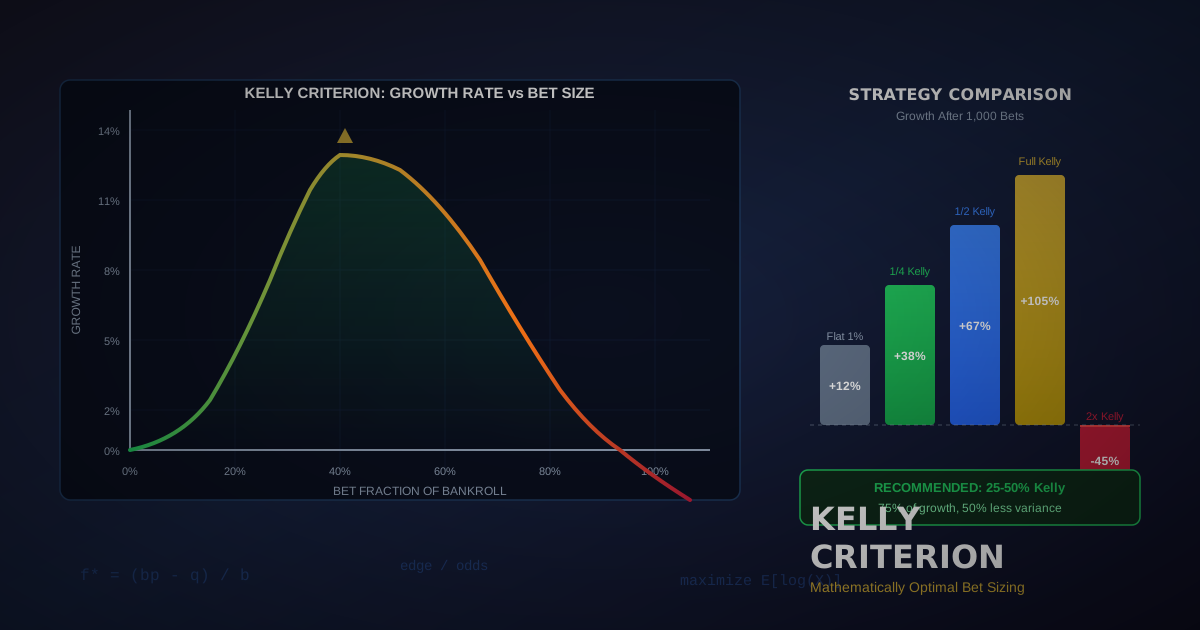
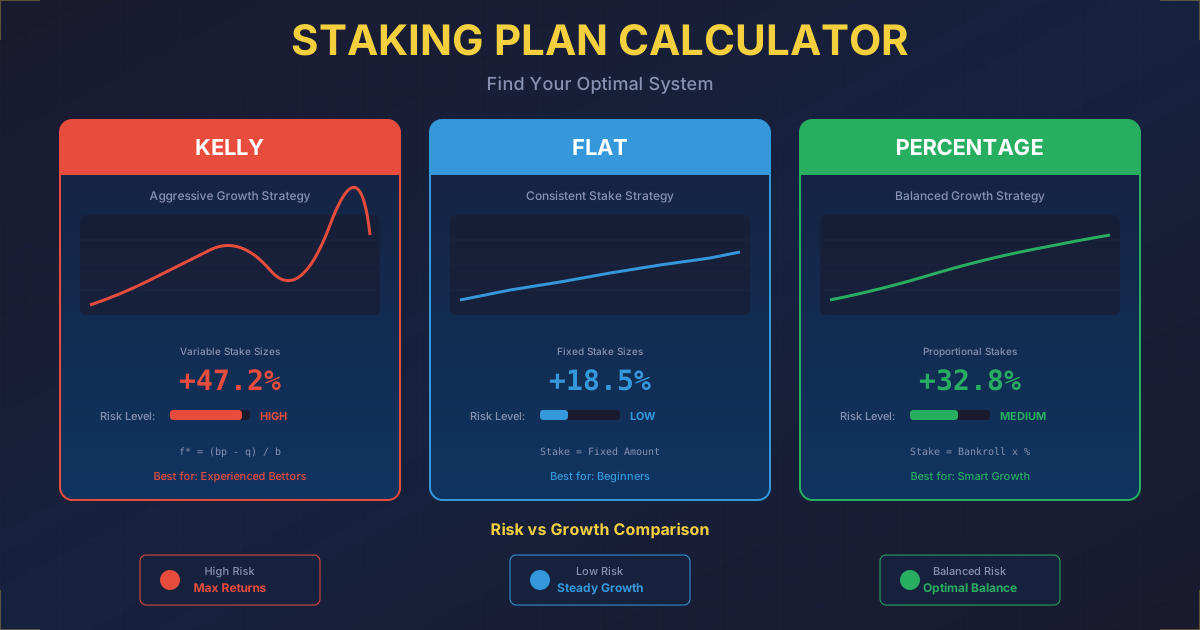
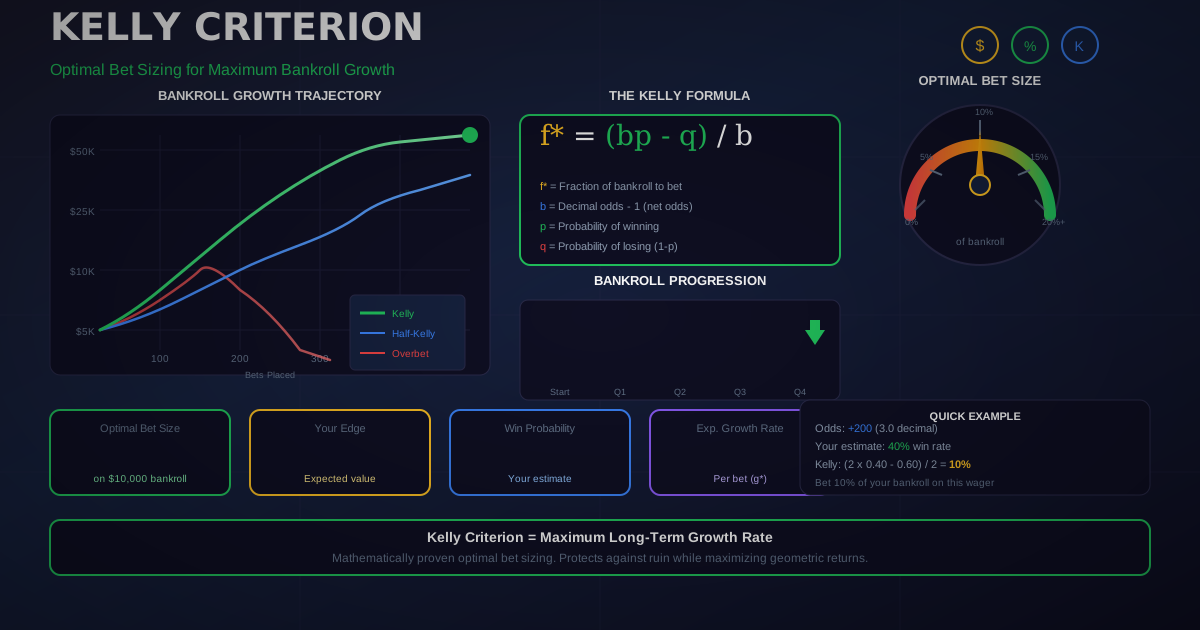
Kelly Criterion for Advanced Sizing
What Is Kelly Criterion?
Kelly optimizes bet size based on your edge:
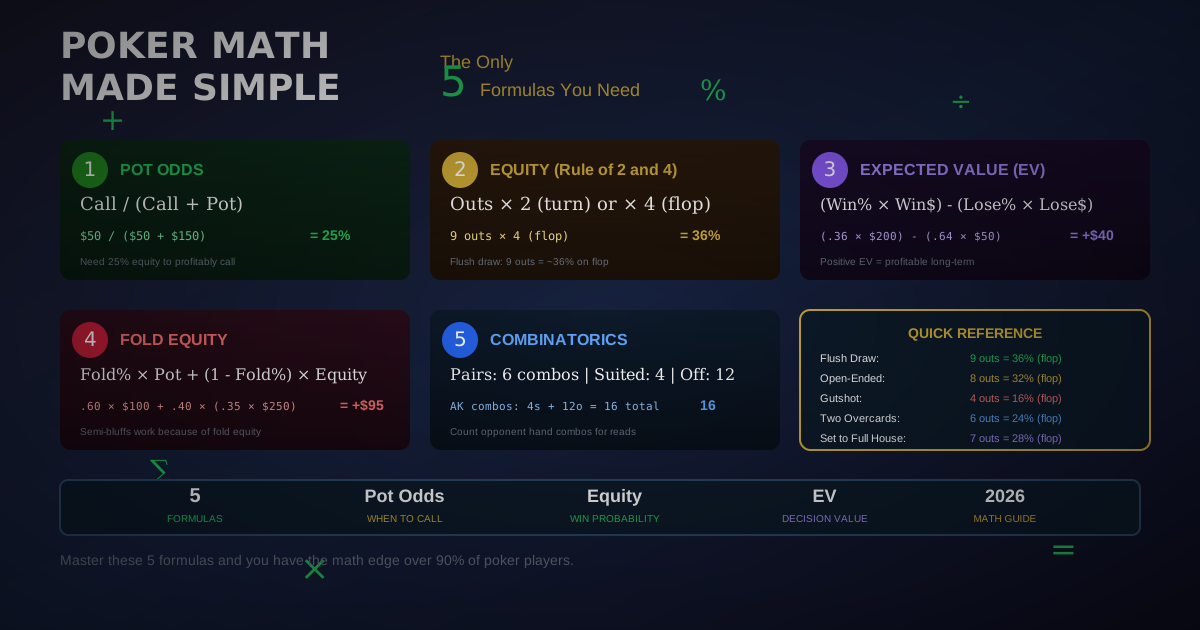
Kelly % = (bp - q) / b
Where:
- b = decimal odds - 1
- p = win probability
- q = lose probability (1 - p)
Example Calculation
Bet: -110 odds (1.909 decimal) Your estimated edge: 54% win probability
b = 1.909 - 1 = 0.909
p = 0.54
q = 0.46

Kelly = (0.909 × 0.54 - 0.46) / 0.909
Kelly = (0.491 - 0.46) / 0.909
Kelly = 3.4%
Full Kelly suggests 3.4% bet size.
Fractional Kelly
Most bettors use 1/4 to 1/2 Kelly:
- Full Kelly: Highest growth, highest variance
- Half Kelly: 75% of growth, much lower variance
- Quarter Kelly: Safest growth, very low variance
Common Bankroll Mistakes
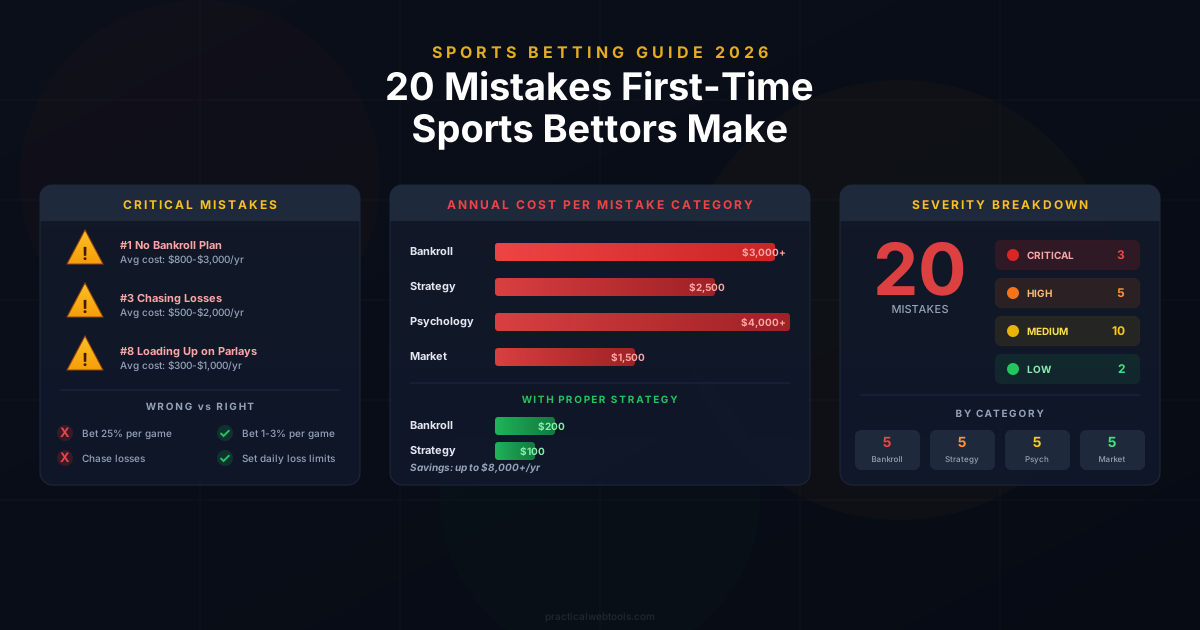
1. Betting Too Large
Problem: 10%+ of bankroll per bet Result: Quick ruin during losing streaks Fix: Cap at 3%, preferably 1-2%
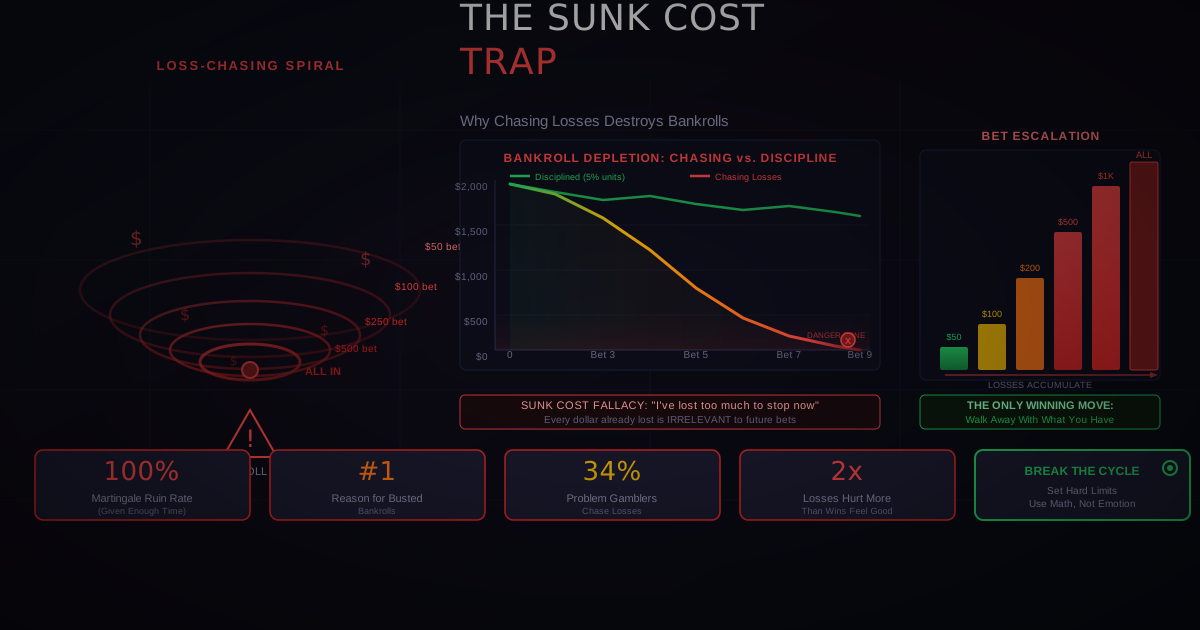
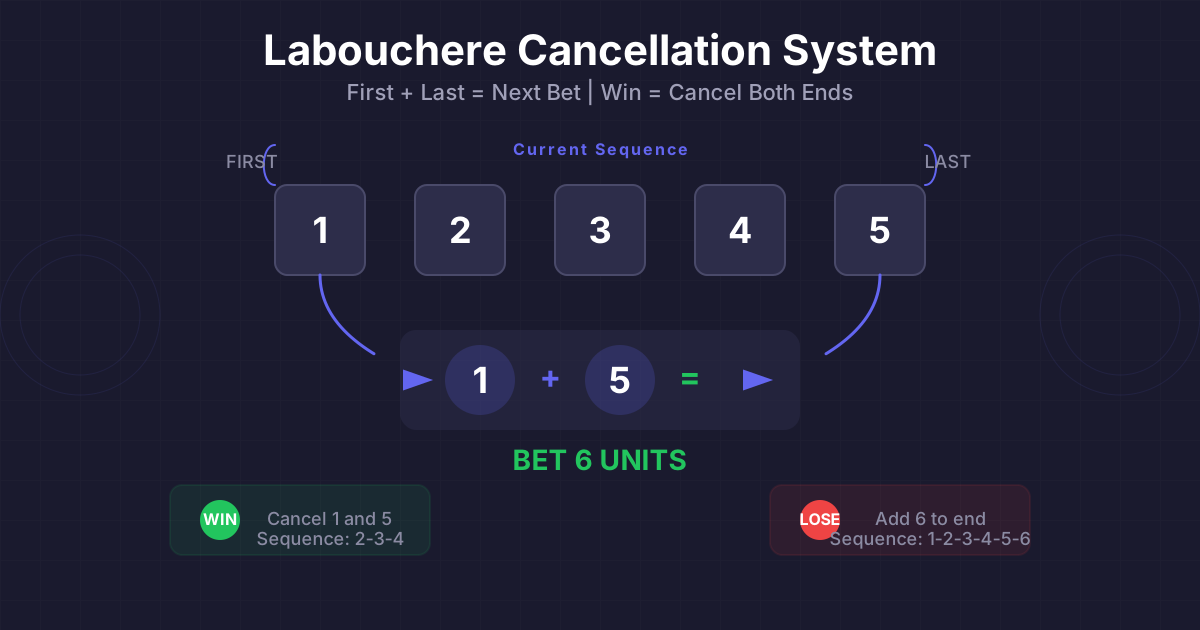
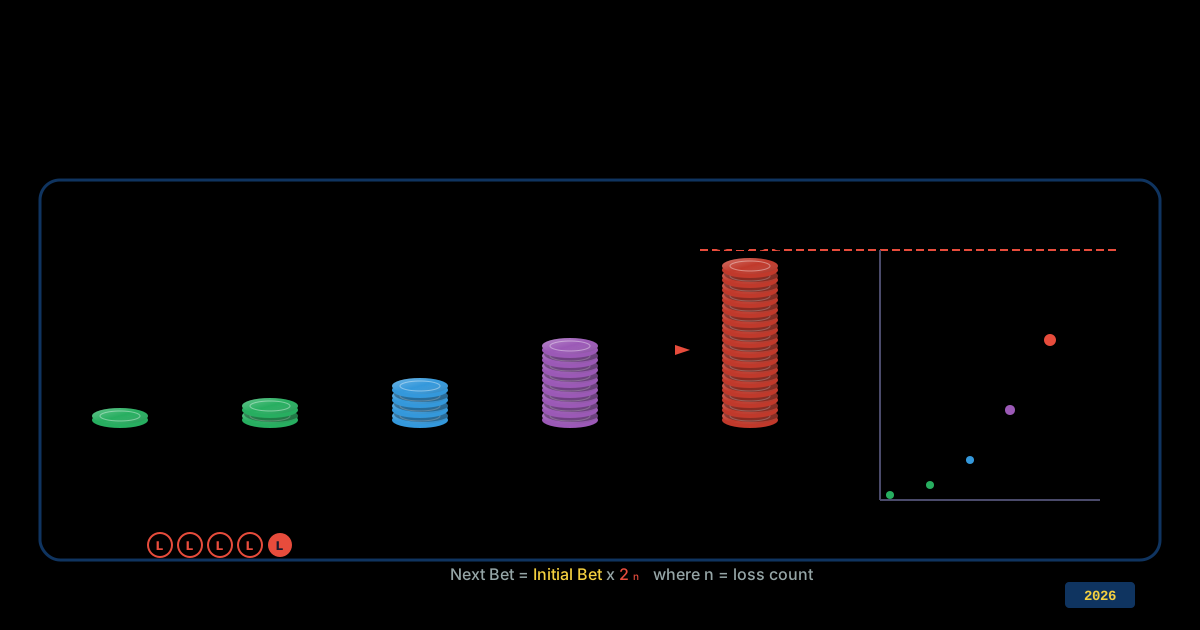
2. Chasing Losses
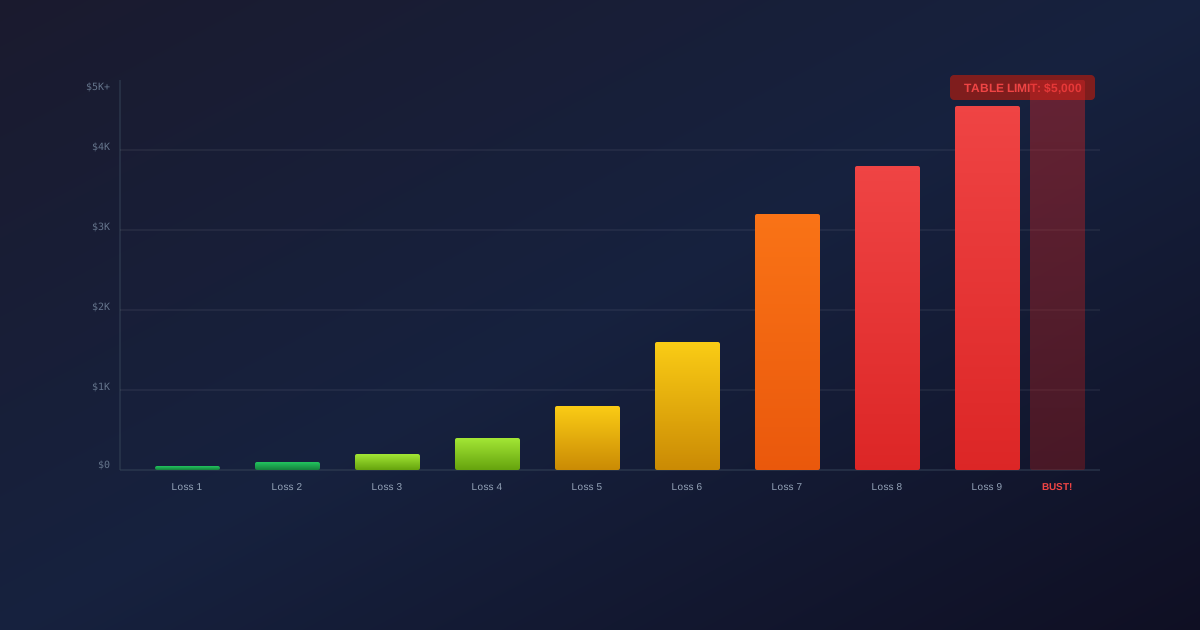
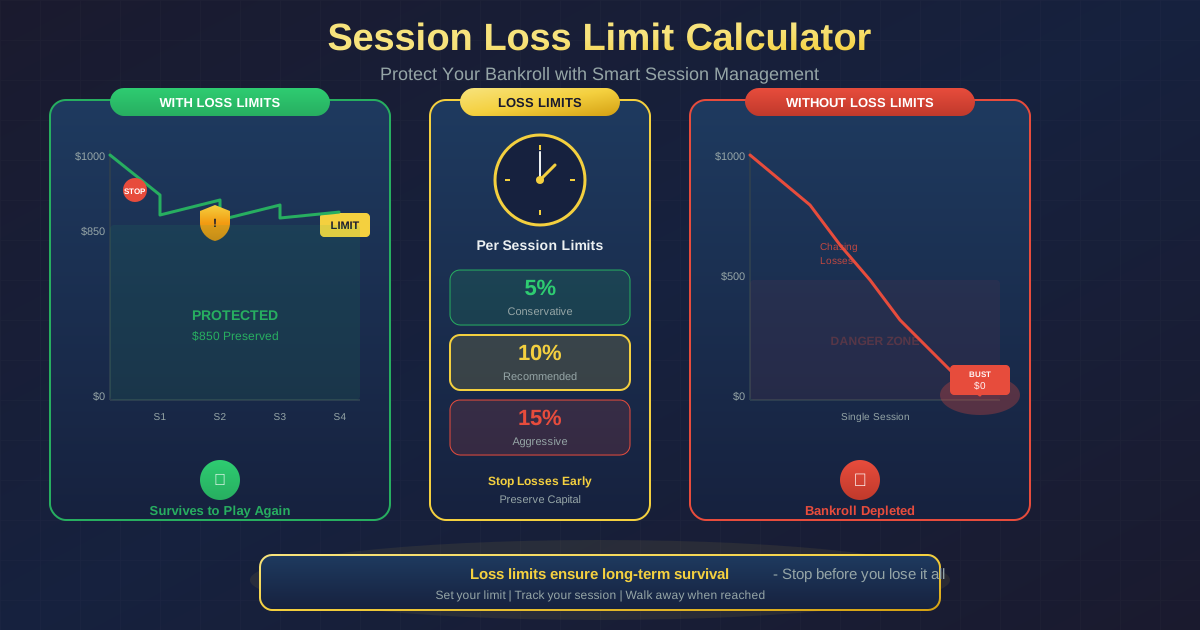
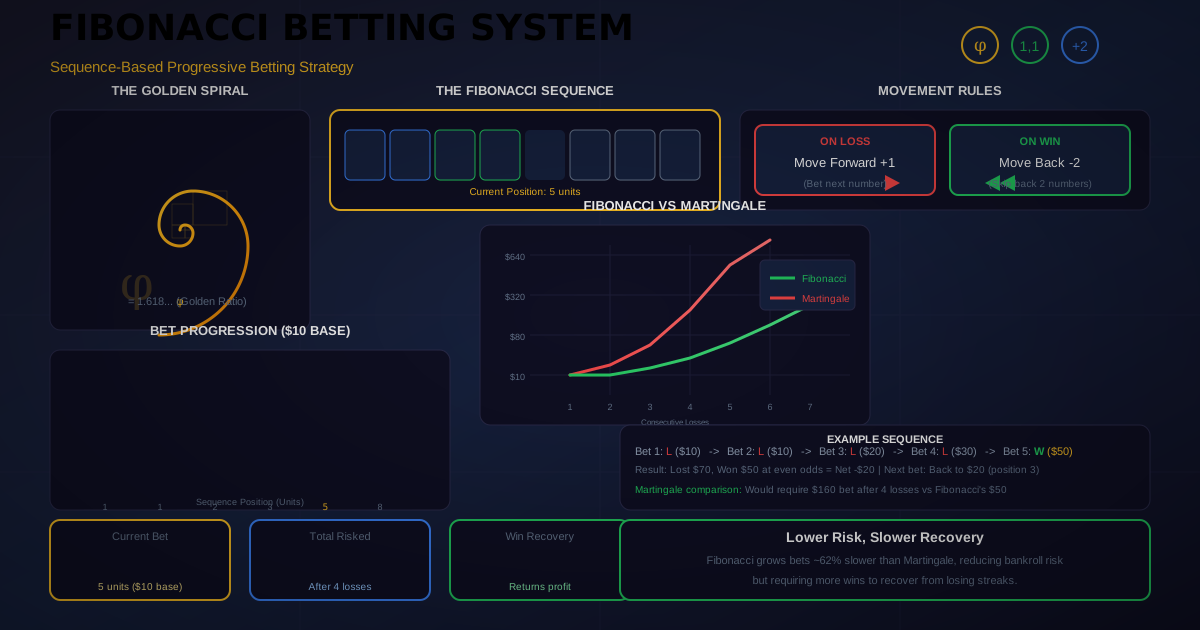
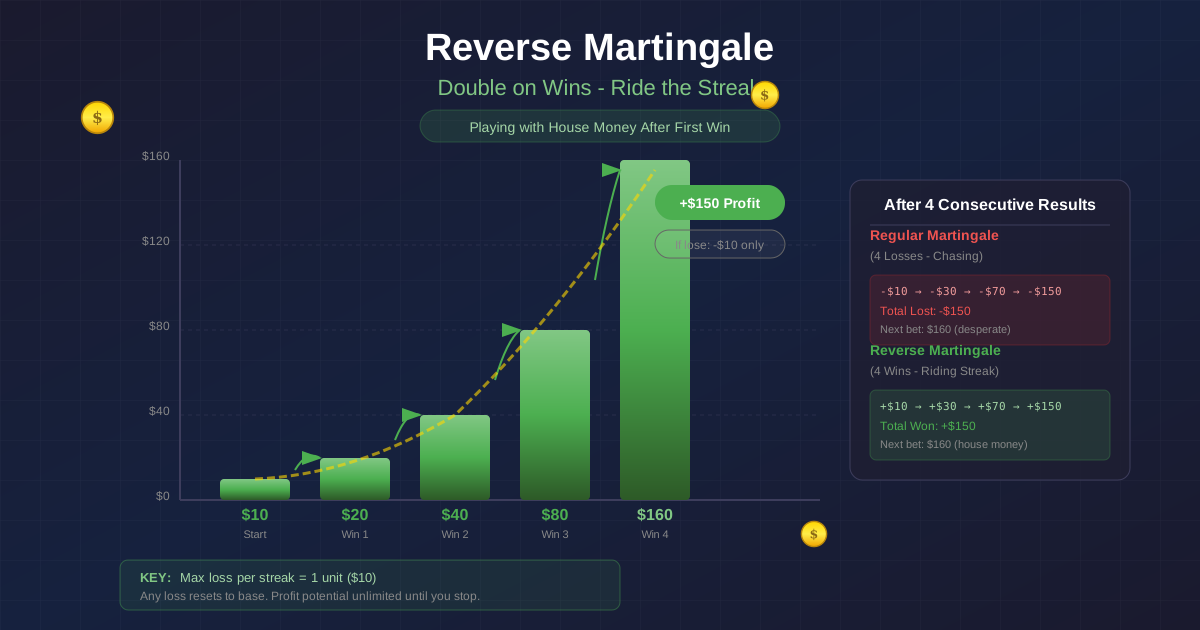
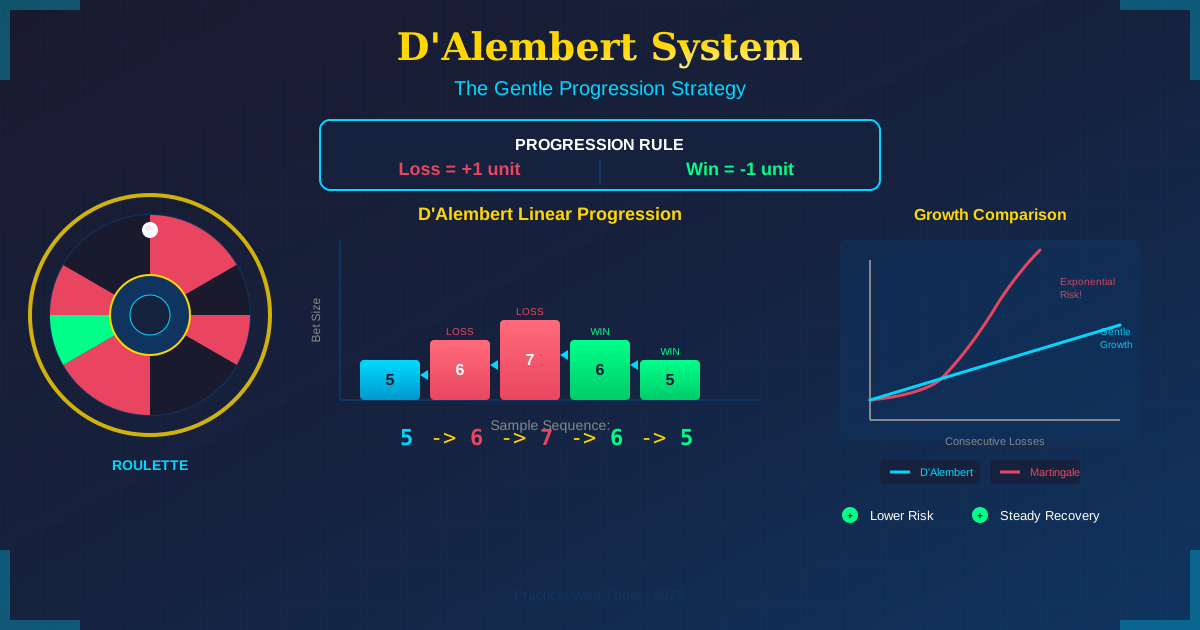
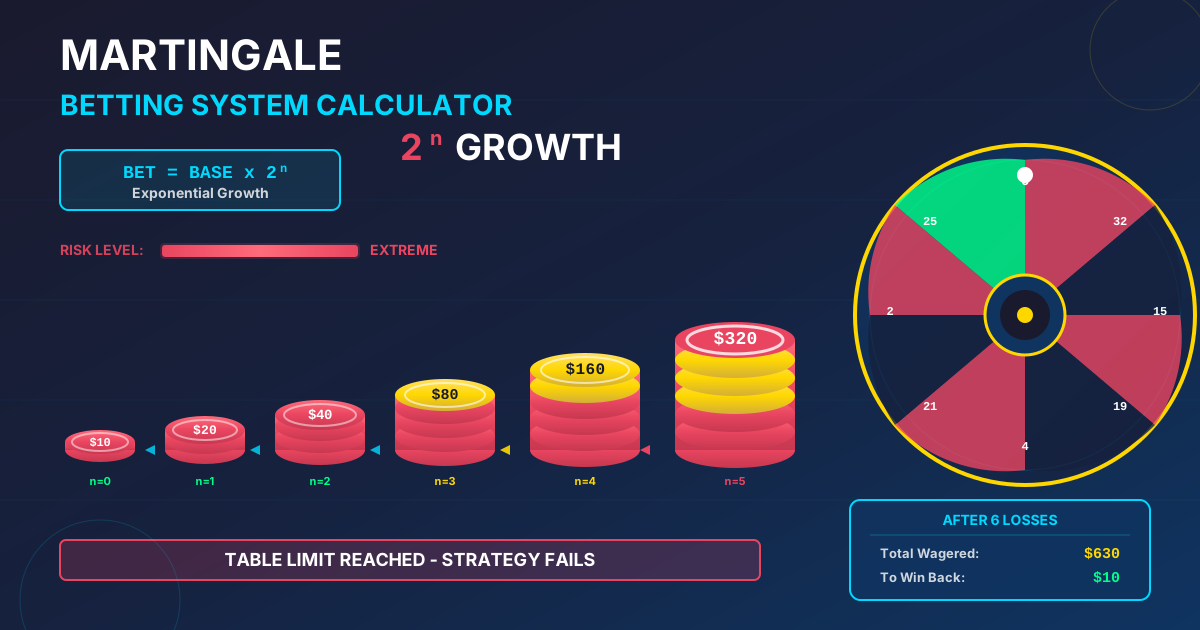
Problem: Doubling up after losses Result: Accelerated ruin, emotional betting Fix: Flat betting, take breaks after losses
3. No Dedicated Bankroll
Problem: Betting from checking account Result: No tracking, can't assess performance Fix: Separate betting fund, track every bet
4. Moving Up Too Fast
Problem: Increasing units after small samples Result: Overexposure during reversion Fix: Need 500+ bet sample before increasing
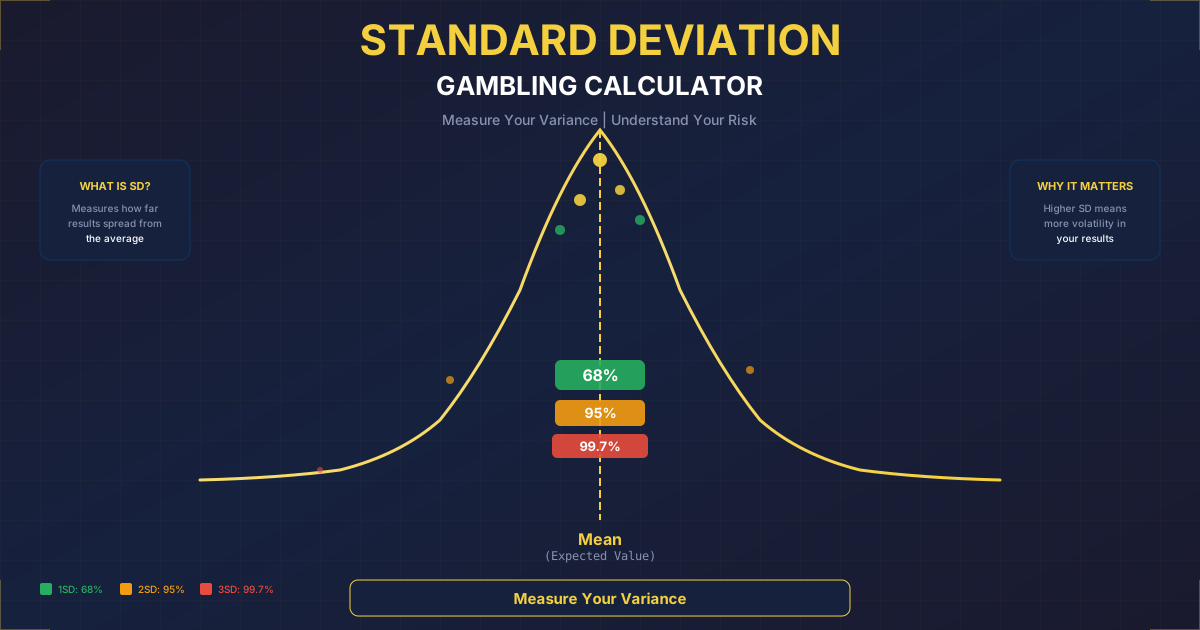
5. Ignoring Variance
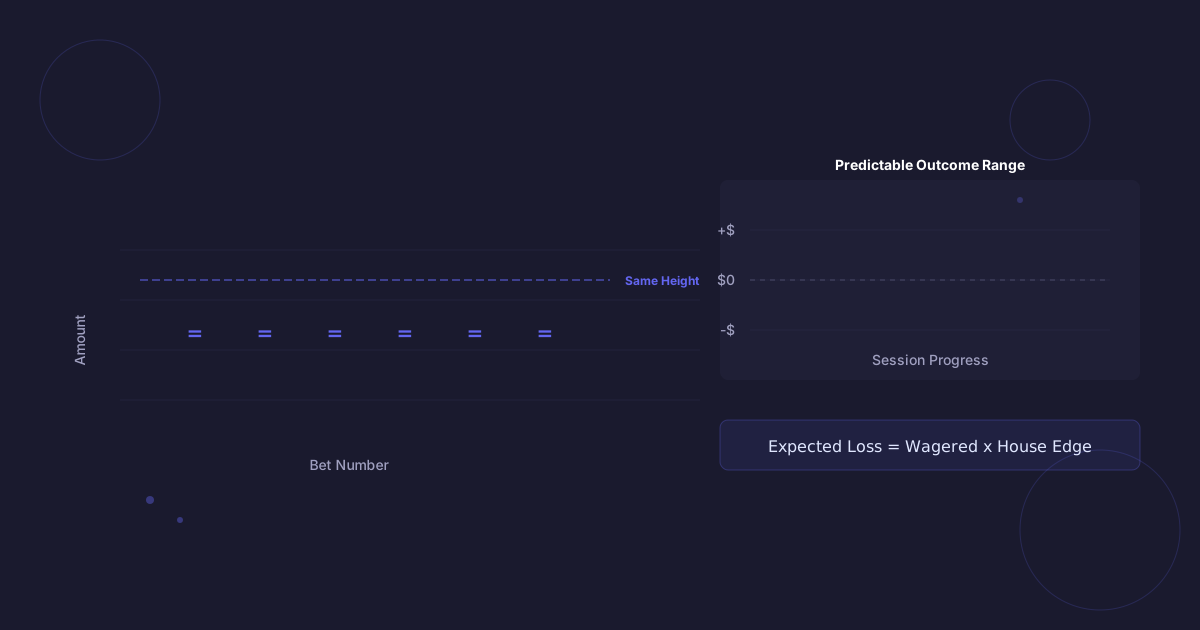
Problem: Expecting smooth profit curve Result: Emotional decisions during downswings Fix: Understand that 10-bet losing streaks happen
Frequently Asked Questions
How much bankroll do I need to start?
Whatever you can afford to lose completely. Start with $100-500 for recreation, $1,000+ if serious about learning.
Should I ever bet more than 5%?
Rarely. Only if you have a massive, proven edge on a specific bet—and even then, half-Kelly is safer.
How do I handle a losing streak?
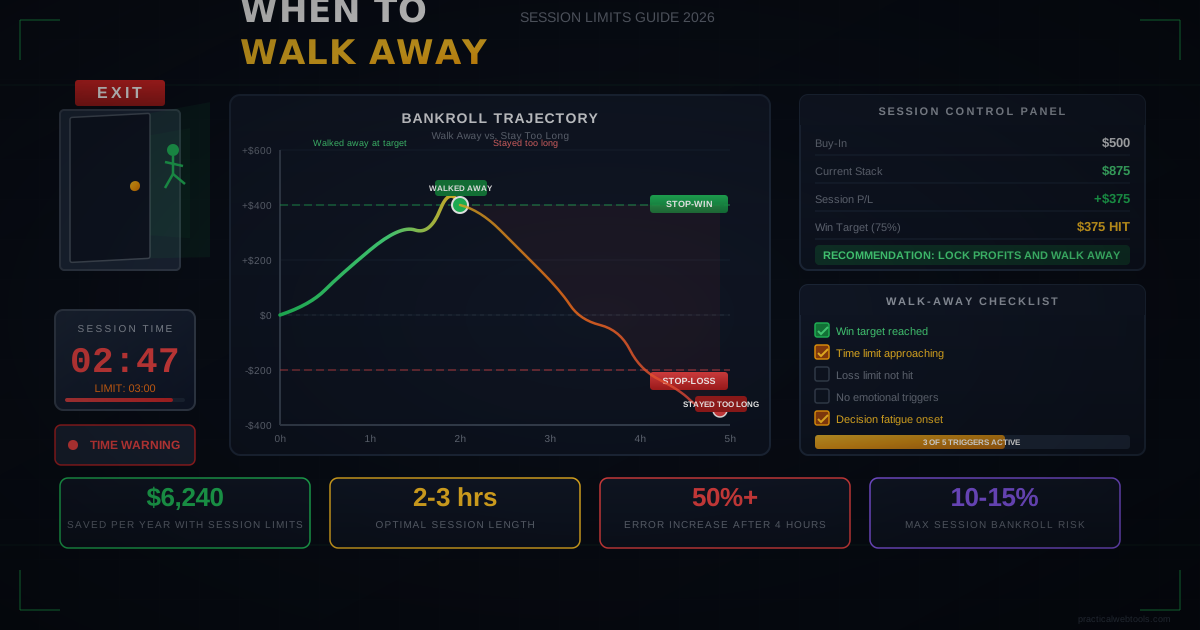
Keep bet sizes the same (in percentage terms). Don't chase. Take a day off if emotional.
When should I increase my unit size?
After 500+ bets with proven positive ROI, and only if bankroll has grown 20%+ from starting point.
What if I can't afford to lose my bankroll?
Don't bet. Gambling should only use discretionary money you're prepared to lose entirely.
How do professionals manage bankroll?
1-2% per bet, multiple sportsbooks, detailed tracking, regular performance review, Kelly-based sizing for edge bets.
Bankroll Growth Simulation
Expected Growth Over Time
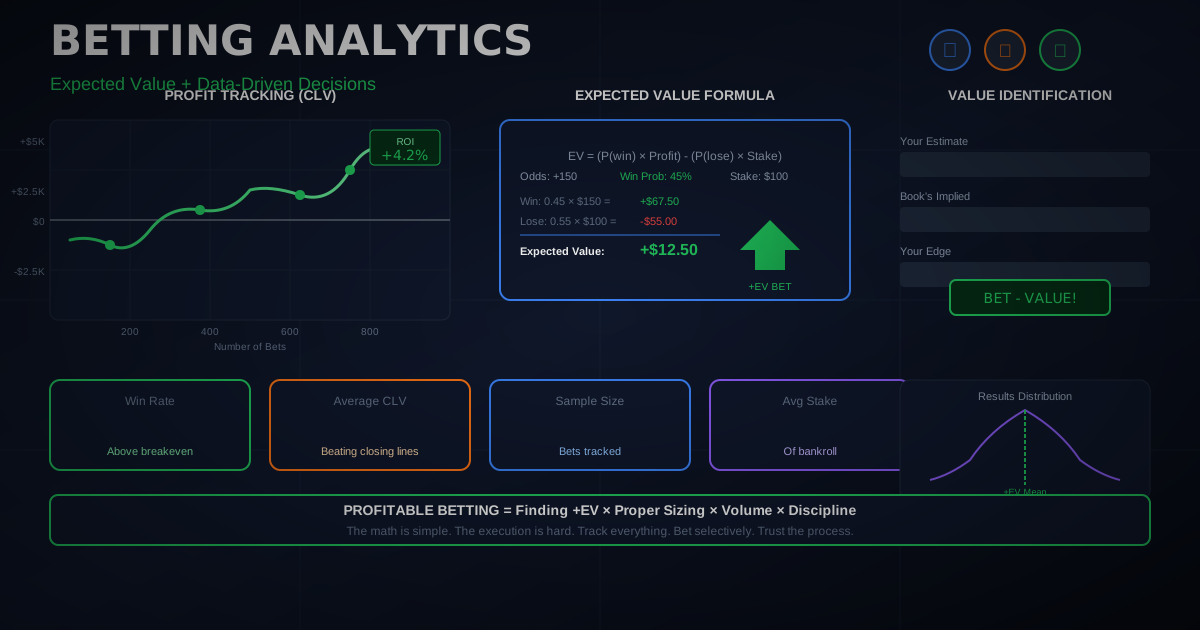
With 54% win rate, 2% bet size, -110 odds:
| Bets | Expected Bankroll Growth |
|---|---|
| 100 | +4% |
| 500 | +21% |
| 1,000 | +48% |
| 2,500 | +150% |
Note: Actual results vary significantly due to variance.
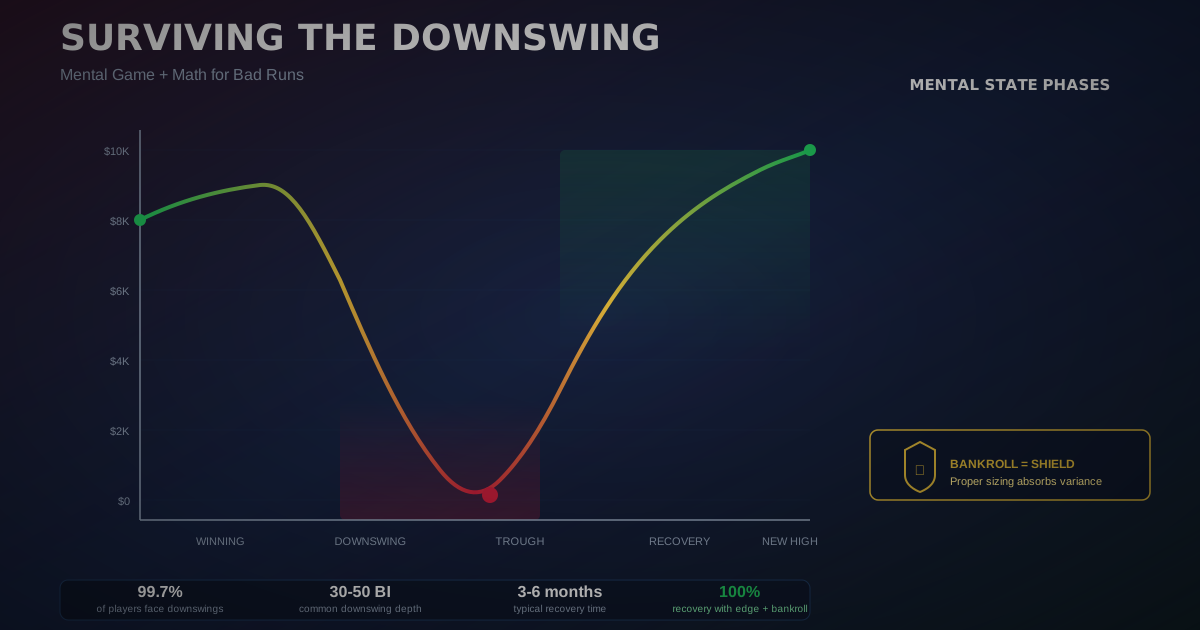
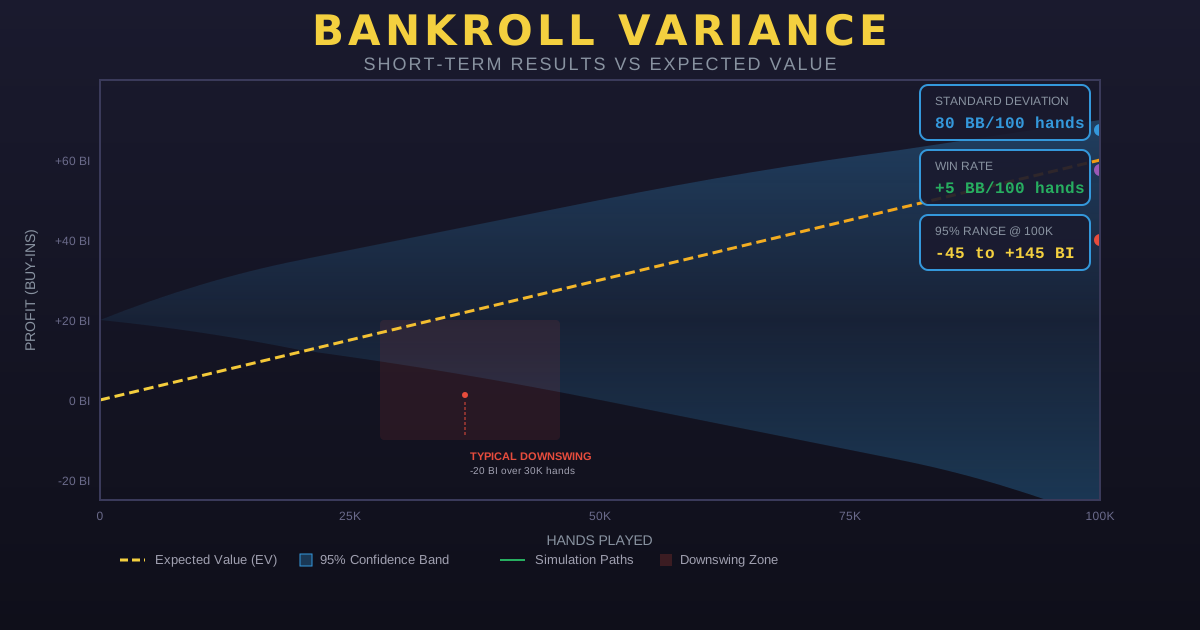
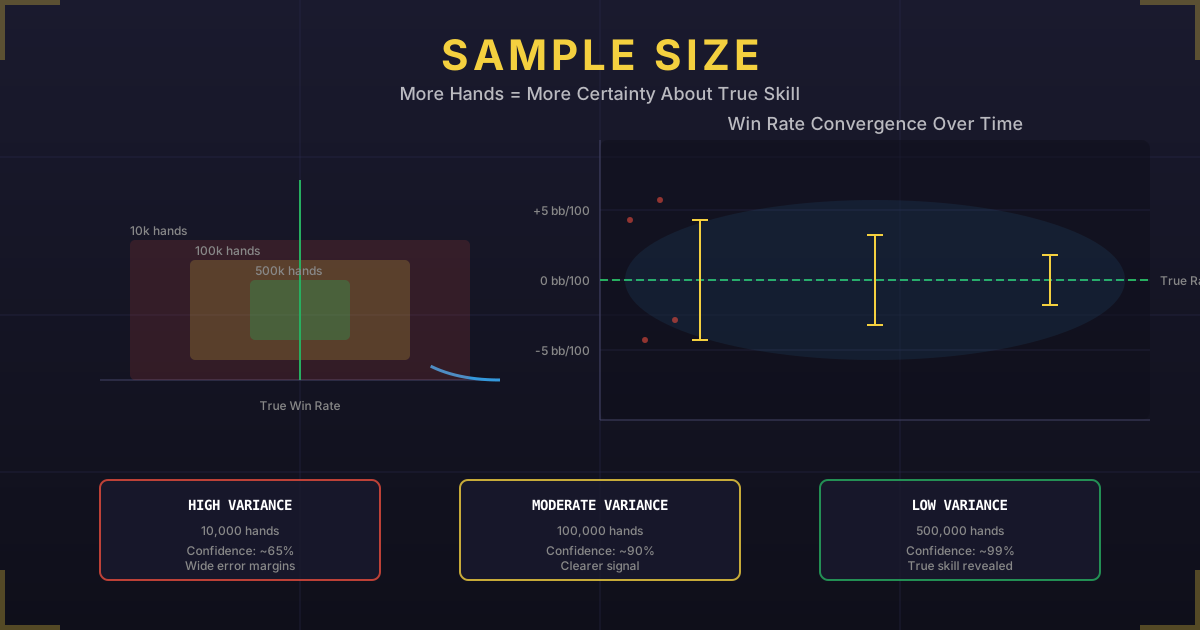
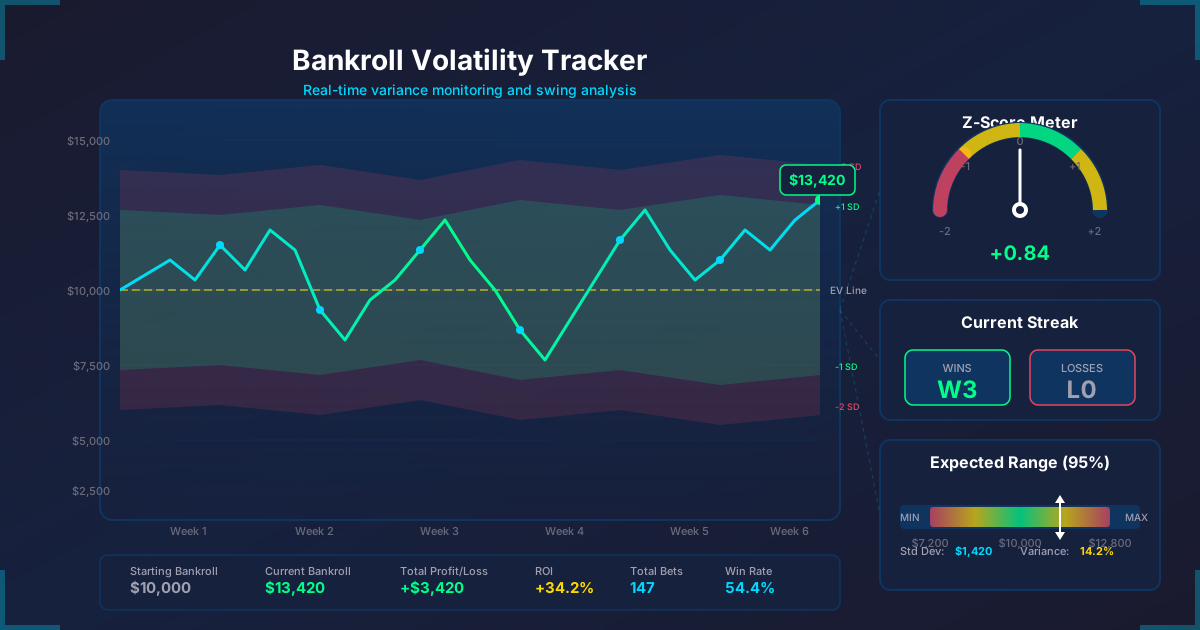
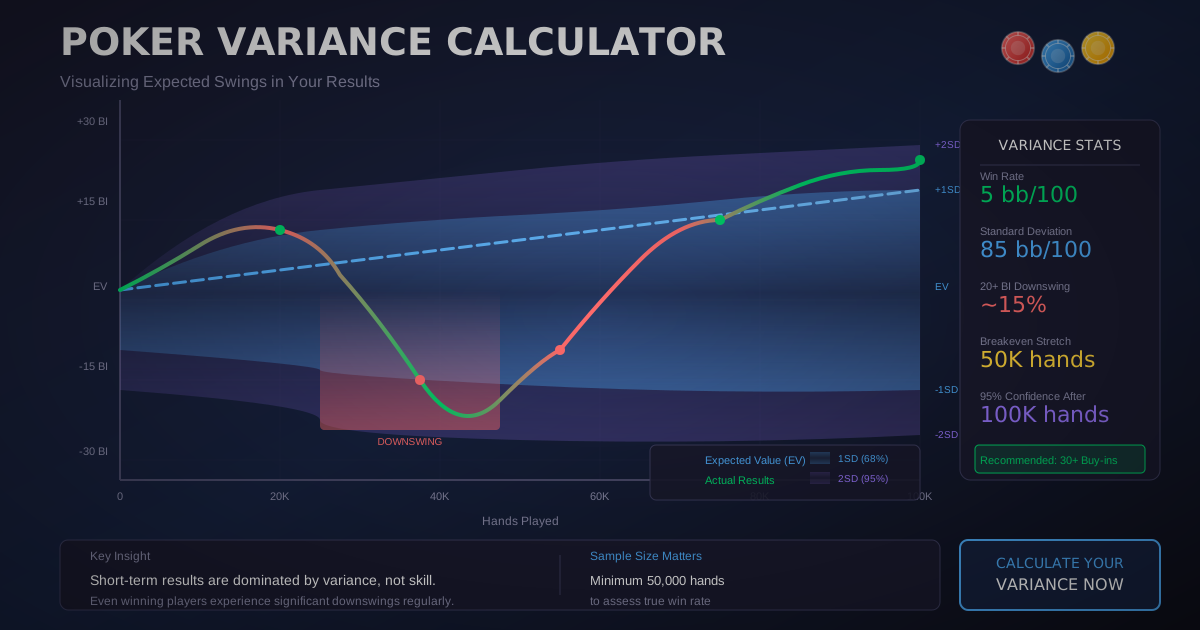
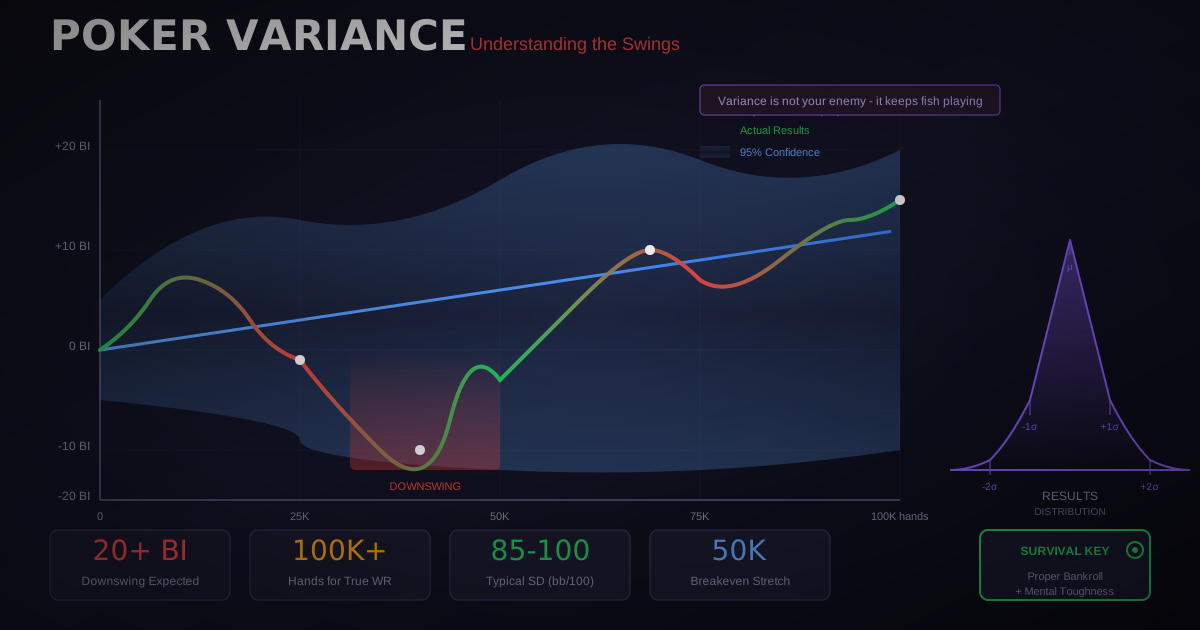
Variance Reality Check
Even with edge, expect:
- 10+ bet losing streaks
- Months of breakeven or loss
- Drawdowns of 15-25% of bankroll
Proper sizing lets you survive these to reach long-term expectation.
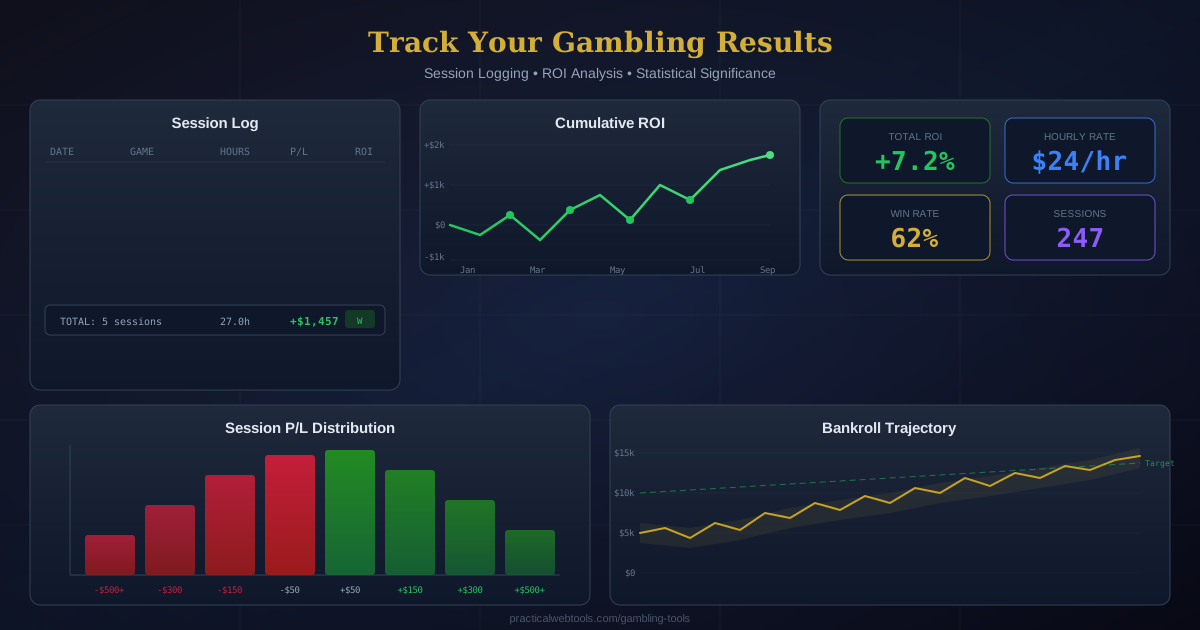
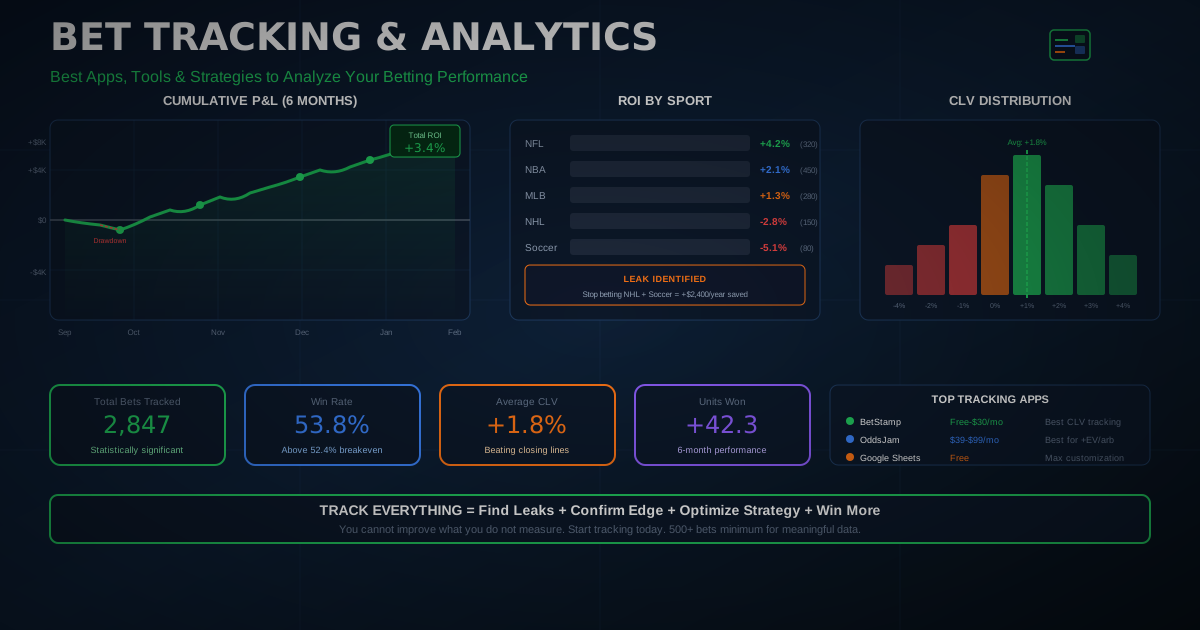
Tracking Your Bankroll
What to Track
| Data Point | Purpose |
|---|---|
| Date | Timing patterns |
| Sport/League | Performance by sport |
| Bet type | Spread vs. total vs. ML |
| Odds | Line value analysis |
| Stake | Position sizing |
| Result | Win/loss/push |
| Profit/Loss | Running total |
Review Frequency
- Daily: Update tracker
- Weekly: Review week's performance
- Monthly: Analyze by sport, bet type
- Quarterly: Major strategy review
Pro Tips for Bankroll Management
-
Separate your bankroll: Don't mix with living expenses
-
Track everything: Can't improve what you don't measure
-
Flat bet initially: Learn before variable sizing
-
Survive to thrive: Bankroll preservation > quick profits
-
Be honest: Include all bets, even embarrassing losses
Related Calculators
- Kelly Criterion Calculator - Optimal bet sizing
- Sports Betting ROI Calculator - Performance tracking
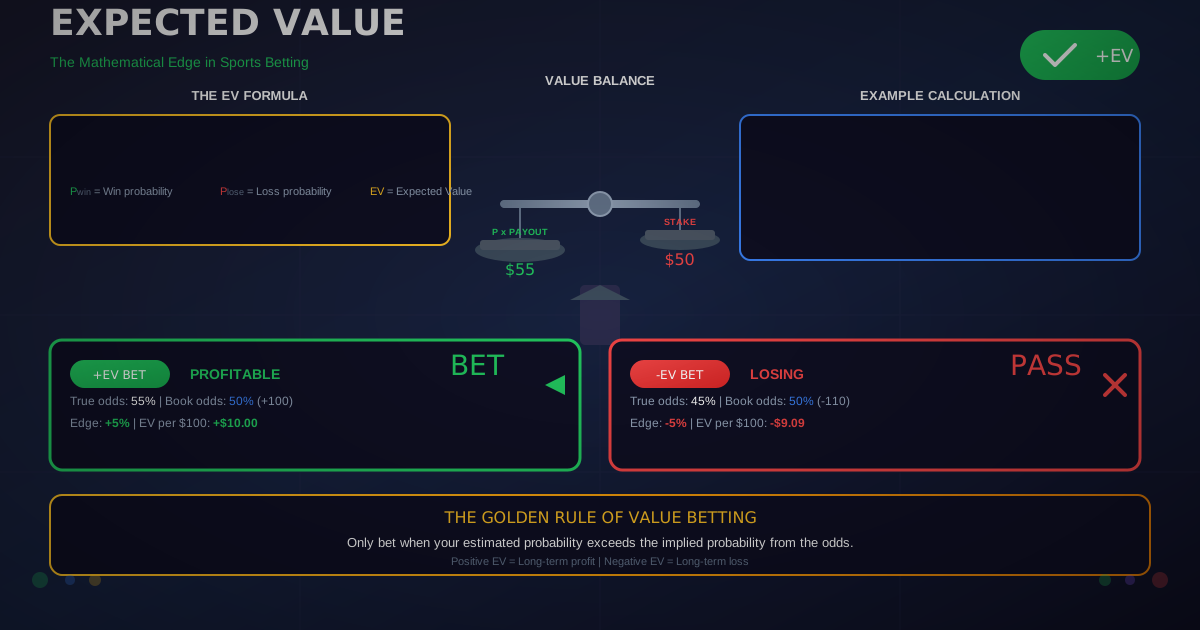
- Expected Value Calculator - Per-bet analysis
- Hedge Calculator - Lock in profits
- Odds Converter - Compare odds formats
Conclusion
Bankroll management is the foundation of sustainable betting. Our calculator helps you determine proper unit sizes, understand ruin probability, and build responsible betting habits. Without proper money management, even winning bettors go broke—don't let that be you.
Calculate Your Optimal Bankroll Now →
Protect your bankroll, and you protect your ability to bet long-term. Size your bets appropriately, track everything, and let the math work in your favor over time.